Explore our state-of-the-art trauma fixation systems, spinal implants, and precision surgical instruments engineered for international healthcare projects and B2B medical supply chains.
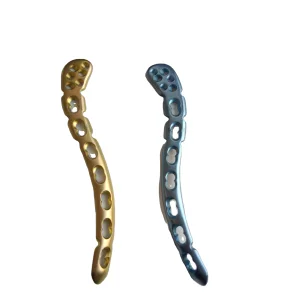
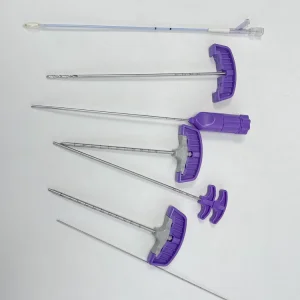
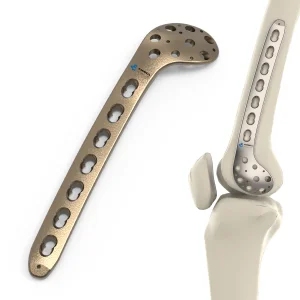
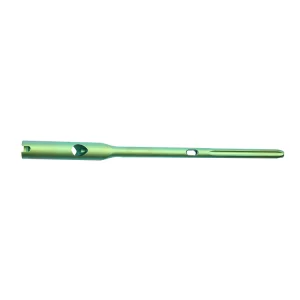
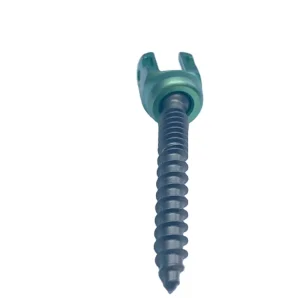
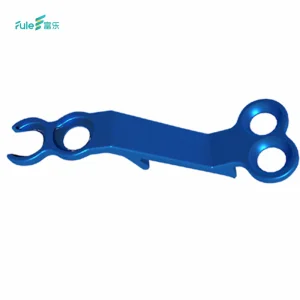
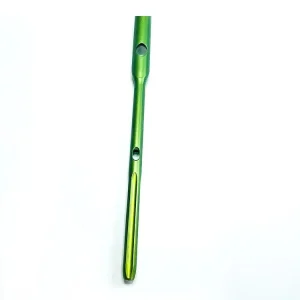
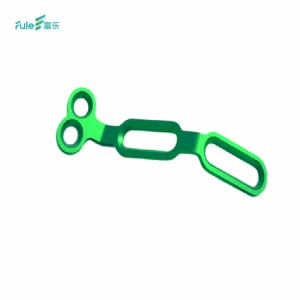
The global orthopedic field is undergoing a major paradigm shift. Advanced structural reconstruction has moved beyond basic stabilization to focus on active biomechanical integration. Vertebral Body Replacement (VBR) devices are the standard treatment for severe spine instability. This includes instability caused by corpectomies following trauma, primary or metastatic spinal tumors, congenital deformities, and osteomyelitis.
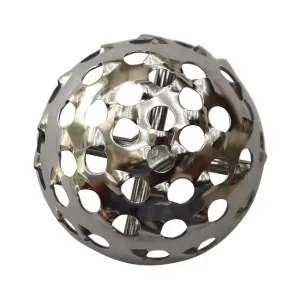
Modern clinical settings demand dynamic load-sharing profiles from VBR cages to prevent subsidence—a common issue where the implant sinks into the surrounding vertebral endplates. Historically, structural autografts were the gold standard. However, donor-site morbidity and limited structural integrity led to the development of bio-compatible synthetic implants. Current VBR designs feature expandable mesh configurations, customized endplate matching, and highly porous surfaces. These features support early osseointegration and help maintain long-term sagittal alignment.
Modern implants leverage Grade 5 Titanium Alloy (Ti-6Al-4V ELI) and implant-grade Polyetheretherketone (PEEK). These materials provide an elastic modulus closer to cortical bone, reducing stress shielding.
Sub-micron surface roughness and acid-etched or 3D-printed porous structures facilitate immediate cellular adhesion and long-term biological fixation.
Continuous expansion mechanisms allow in-situ height adjustment, giving surgeons the precision needed to restore anatomical lordosis and maintain tension on the spinal column.
Synoviq Medical Technology (China) Co., Ltd. is a leading manufacturer of orthopedic implants and surgical instruments. We design and deliver advanced, high-quality medical solutions for healthcare providers worldwide. Since our founding, we have focused on precision manufacturing, clinical research, and strict international quality standards. We offer complete OEM and ODM services for global medical device brands, distributors, and hospitals.
Our product portfolio includes trauma fixation systems, spinal implants, locking plates, intramedullary nails, external fixation systems, orthopedic screws, and surgical instruments. Equipped with advanced CNC machining centers, precision inspection instruments, and Class 100,000 cleanrooms, we ensure every implant meets the strict regulatory requirements of global markets.
| Item / Parameter | Operational Capability & Quality Metrics |
|---|---|
| Company Name | Synoviq Medical Technology (China) Co., Ltd. |
| Established & Export Track Record | Established March 18, 2016 (8 Years Export Experience) |
| Quality Control Protocol | 100% Final Inspection & Incoming Material Inspection (48 Quality Staff) |
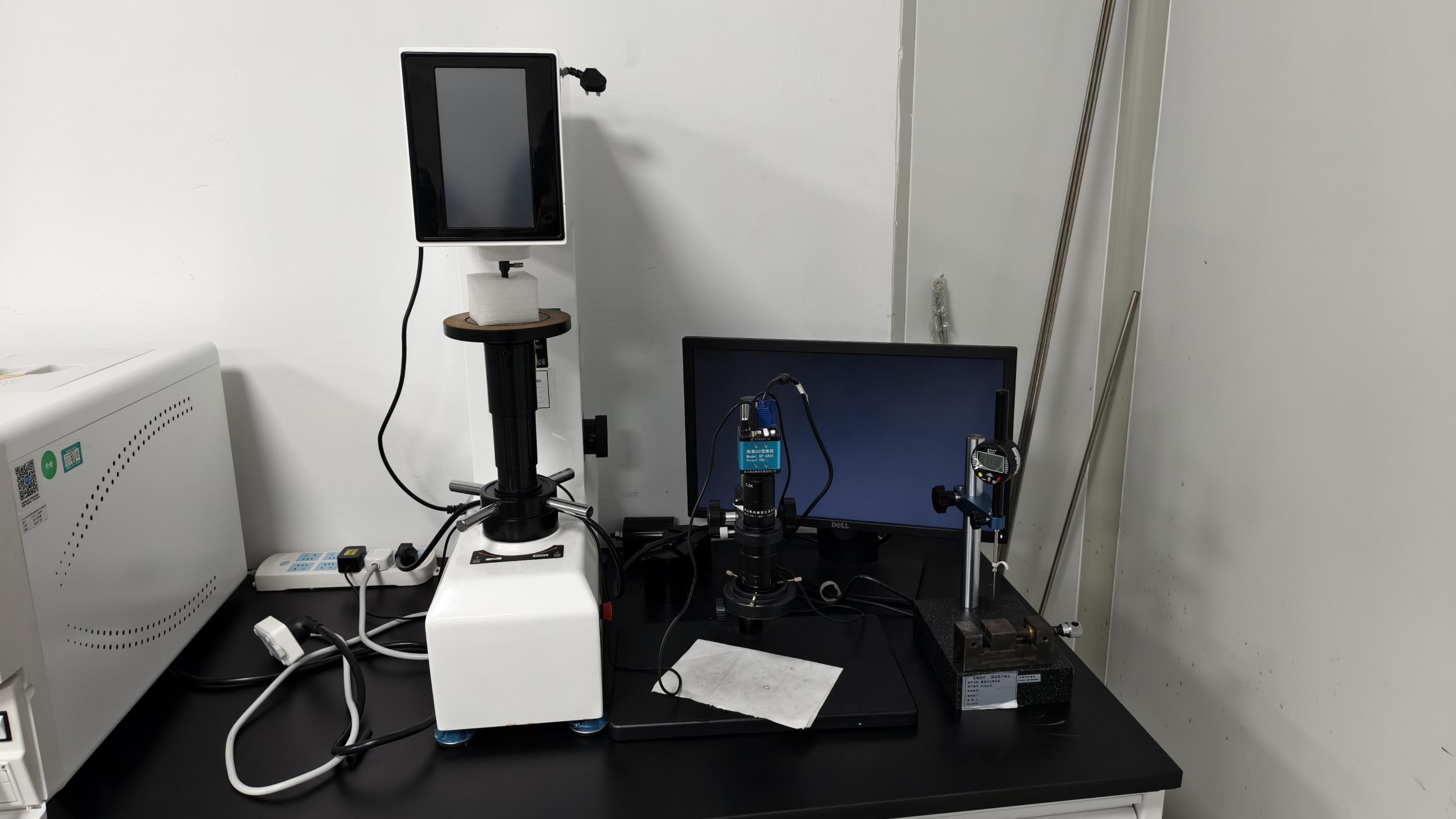
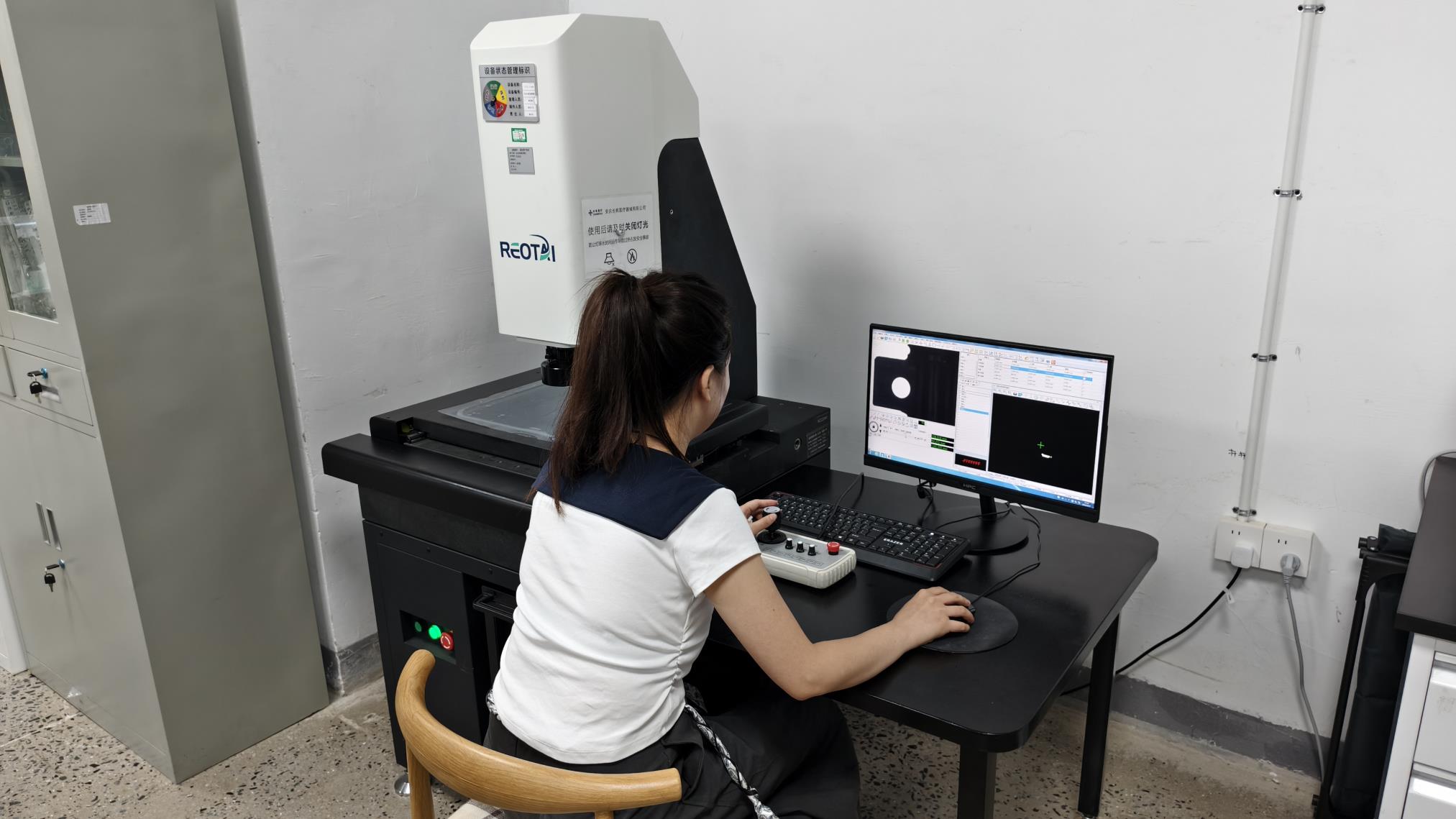
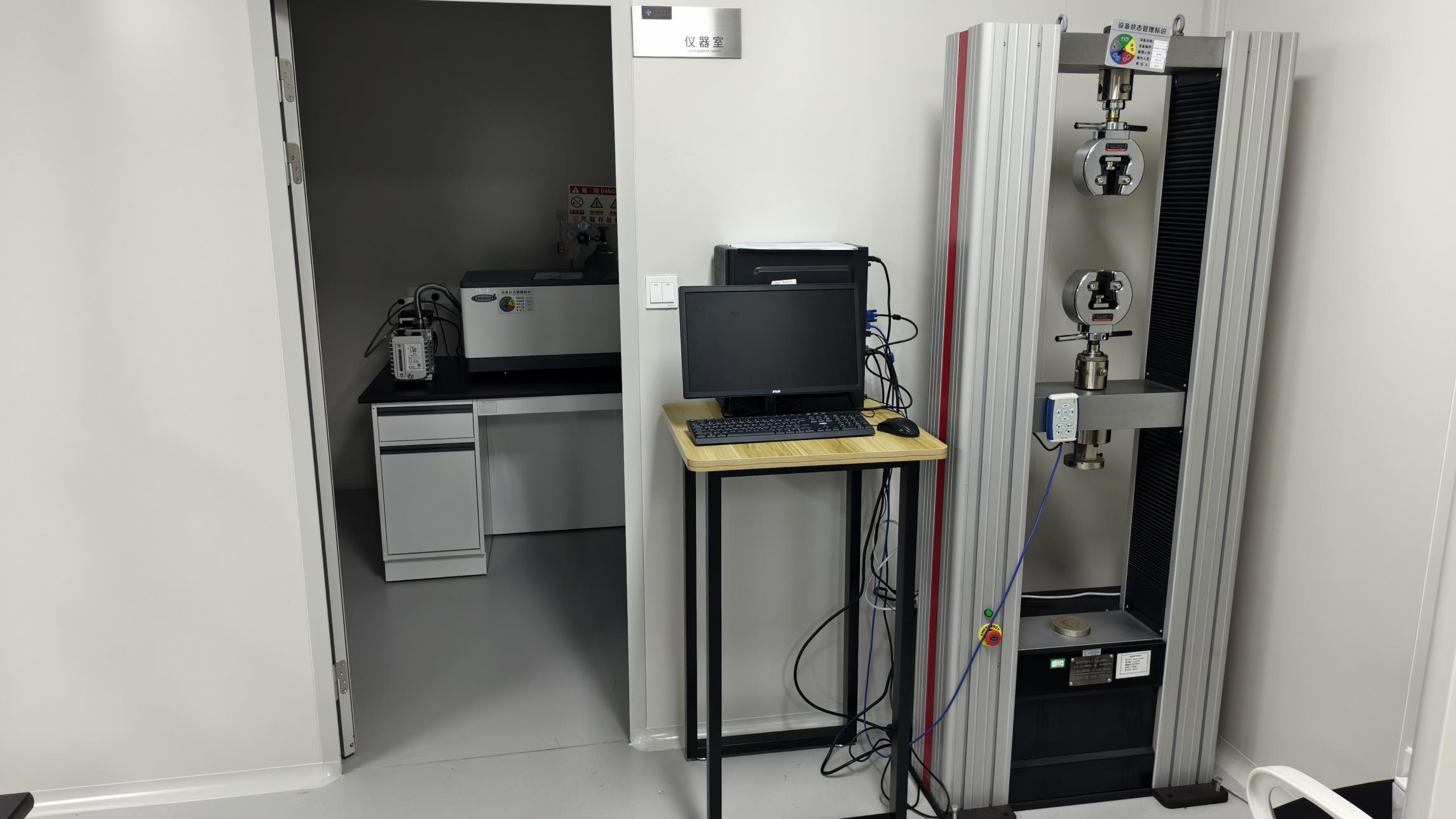
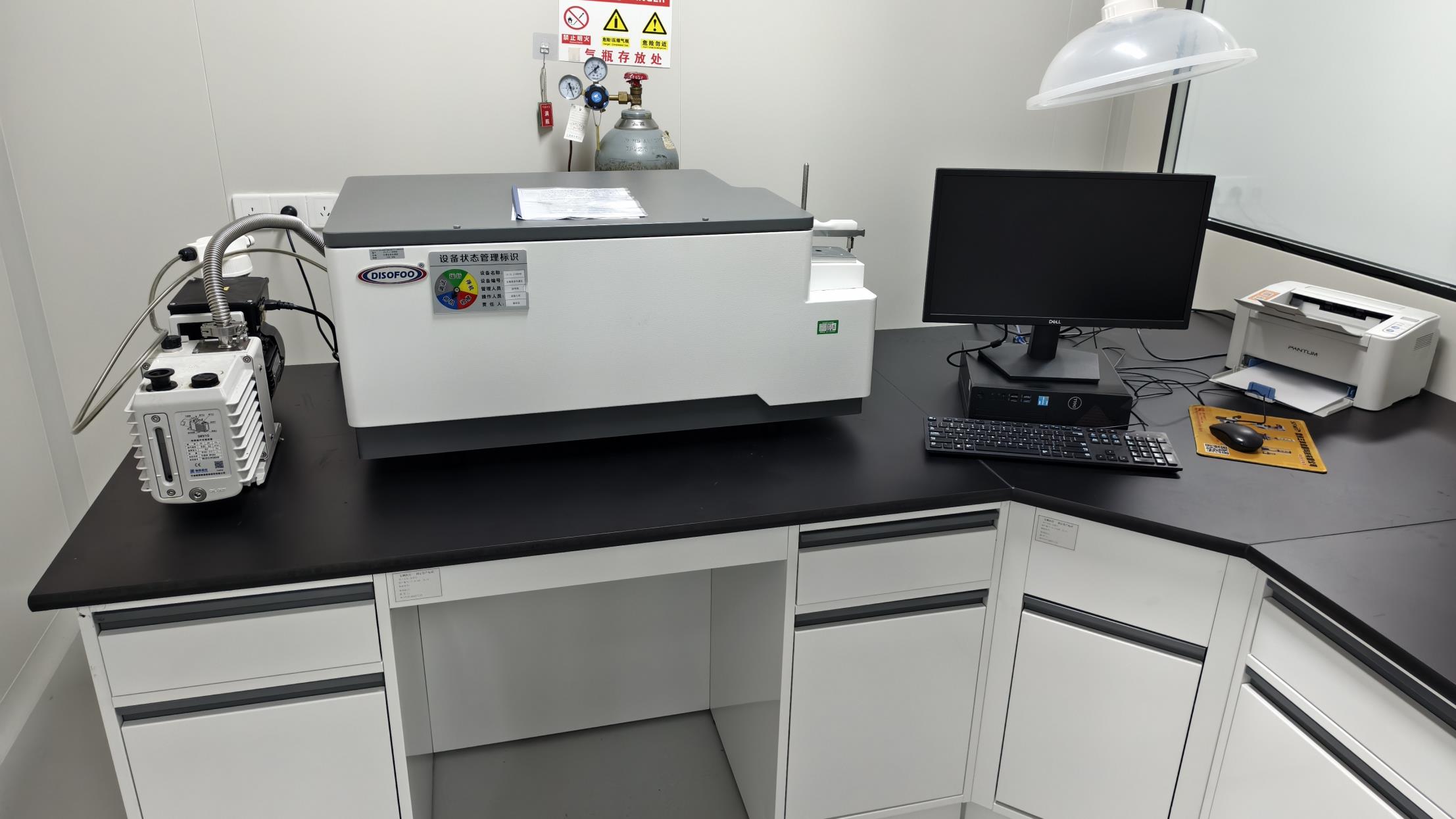
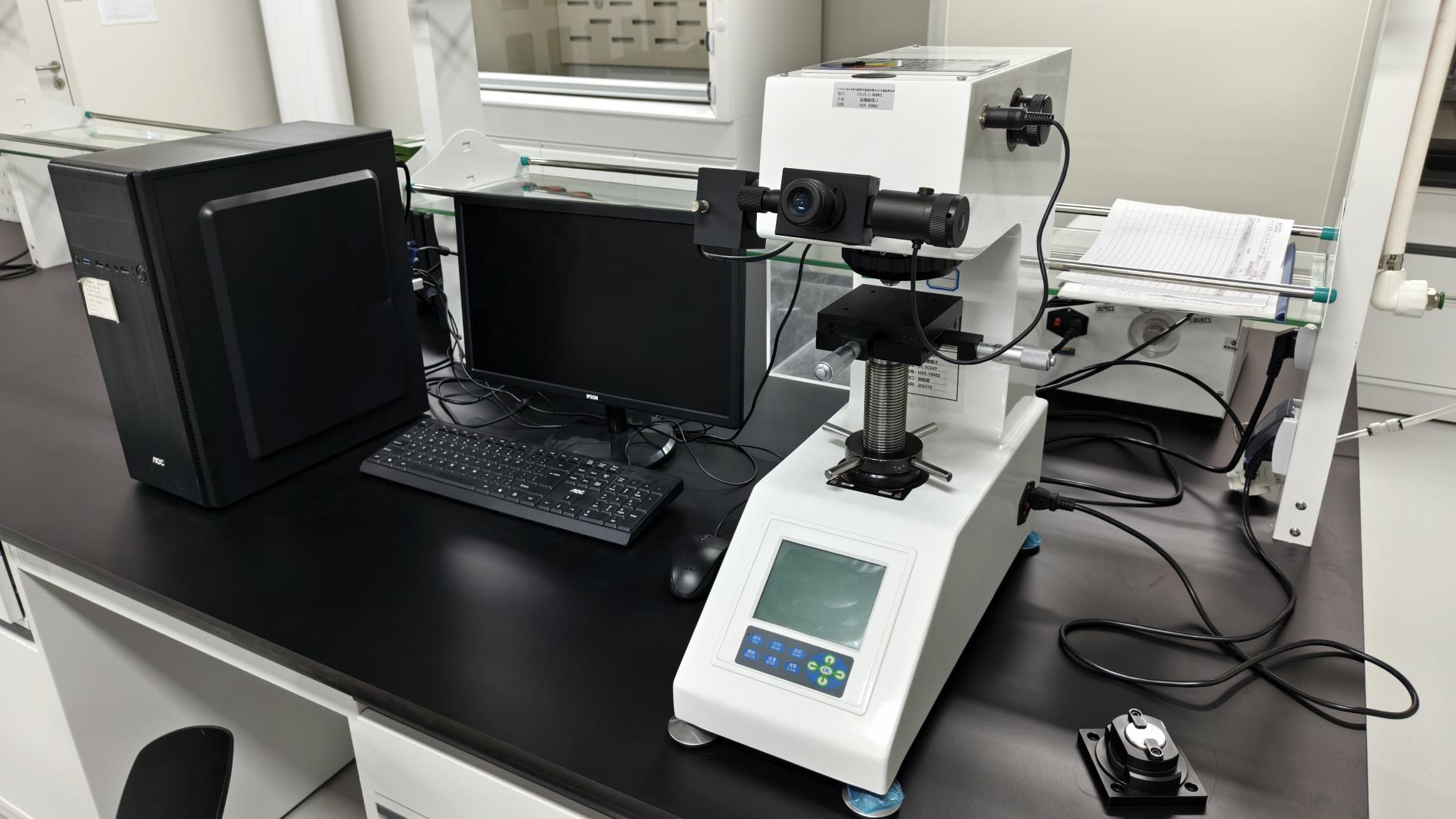
| Product Inspection Methods | CMM Measurement, Mechanical Testing, Surface Roughness Testing, Hardness Testing, Salt Spray Testing, Sterility Validation |
| R&D Capability & Velocity | Independent Product Design, Prototype Development, Clinical-Oriented Engineering (186 New Products Released Last Year) |
| Supply Chain Integration | 1,120+ Supply Chain Partners Across Materials, Anodization, and Packaging |
| Main Markets Served | Europe, North America, South America, Middle East, Southeast Asia |
The global medical device market depends on reliable manufacturing capacity. Chinese manufacturers, led by innovators like Synoviq, offer major advantages in production efficiency, raw material sourcing, and specialized engineering. In the past, high-end orthopedic implants were only made in a few European and American facilities. Today, China's advanced supply chain enables high-volume manufacturing with strict quality control.
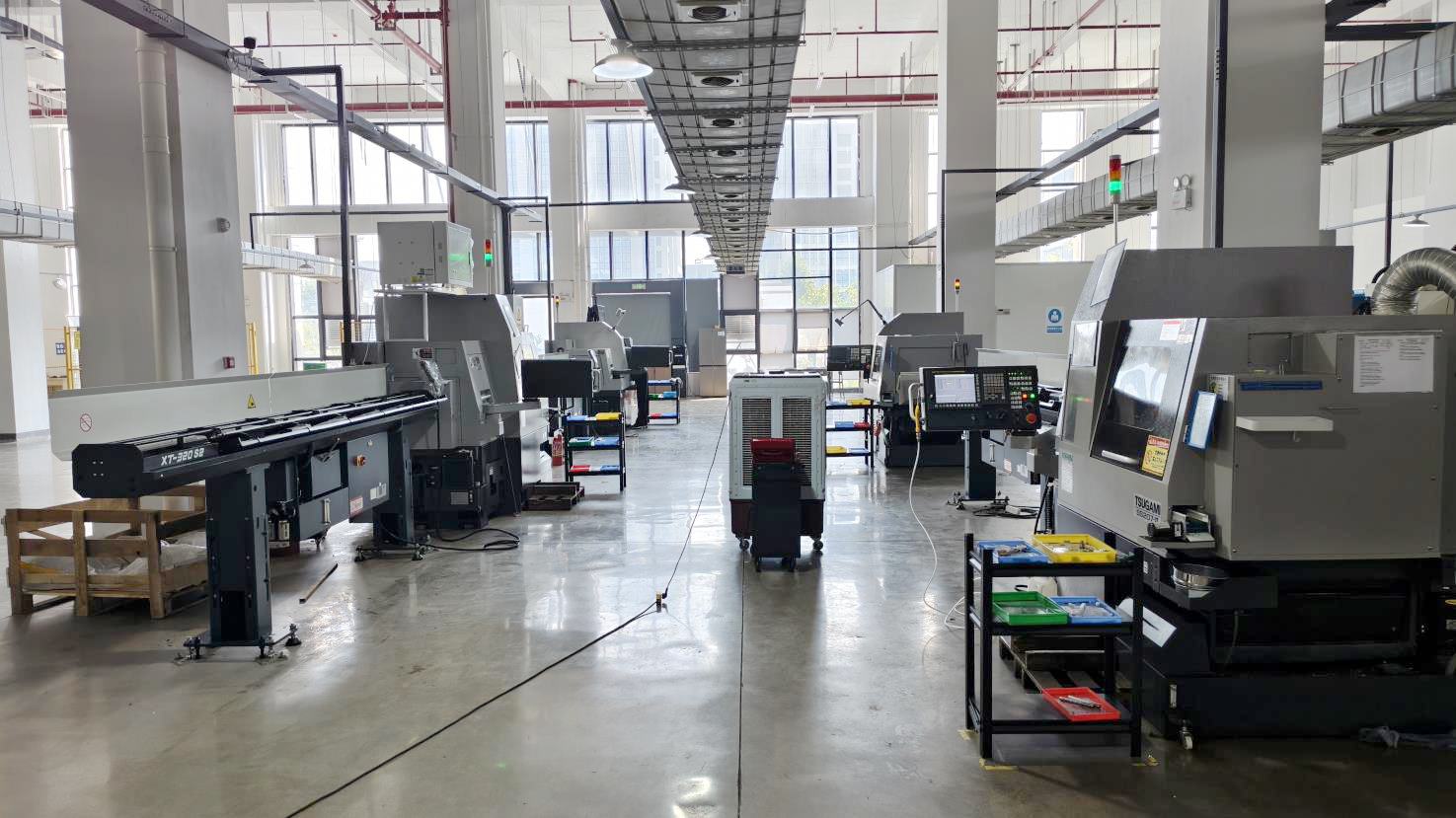
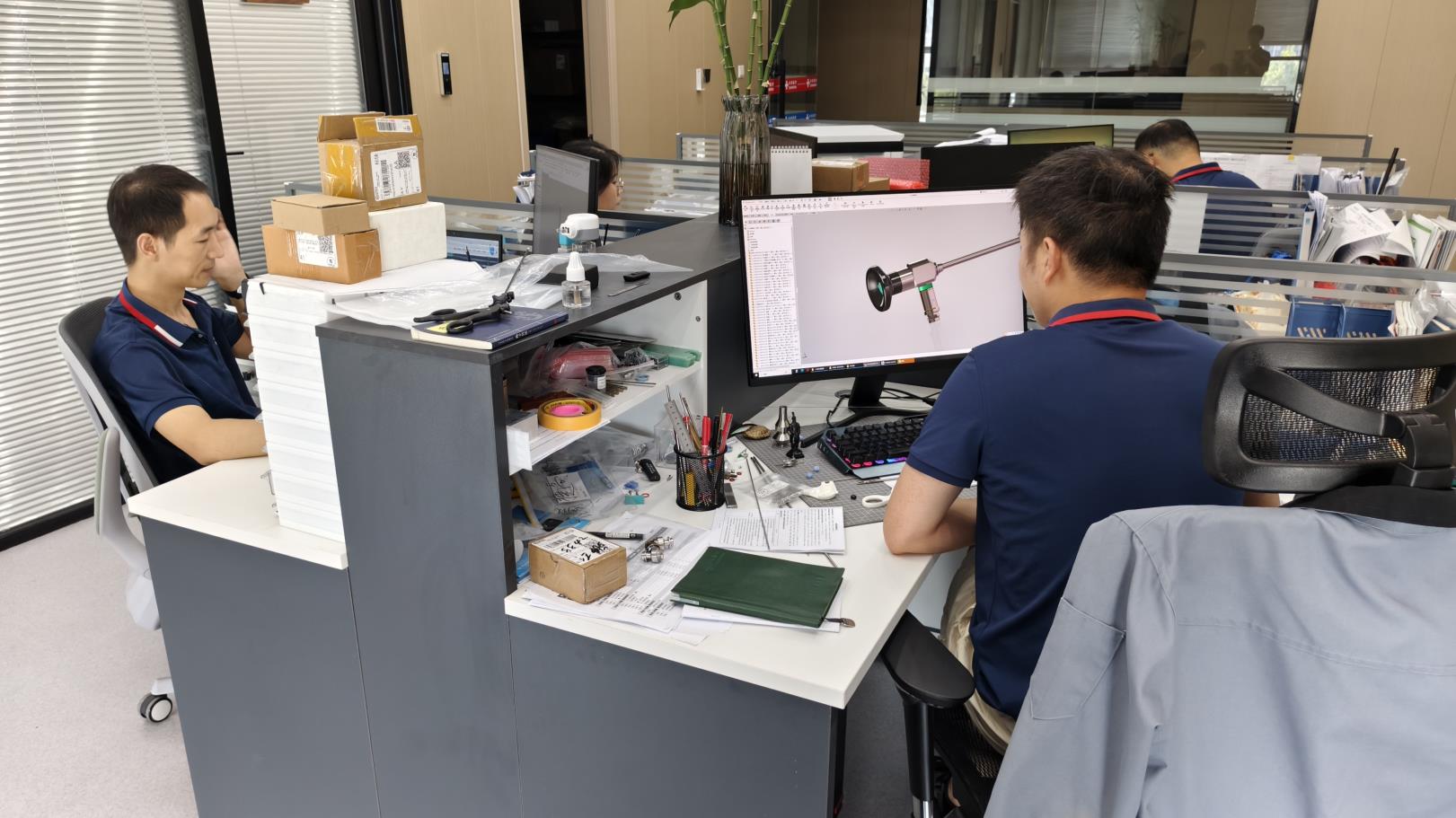
At Synoviq, our production line uses state-of-the-art machining technology, including Swiss-type longitudinal lathes and five-axis CNC machining centers. This allows us to manufacture complex geometries, like low-profile vertebral plates and expandable VBR components, with micron-level tolerance. Our integrated supply chain keeps lead times short and ensures raw material traceability, from bar stock arrival to chemical composition verification.
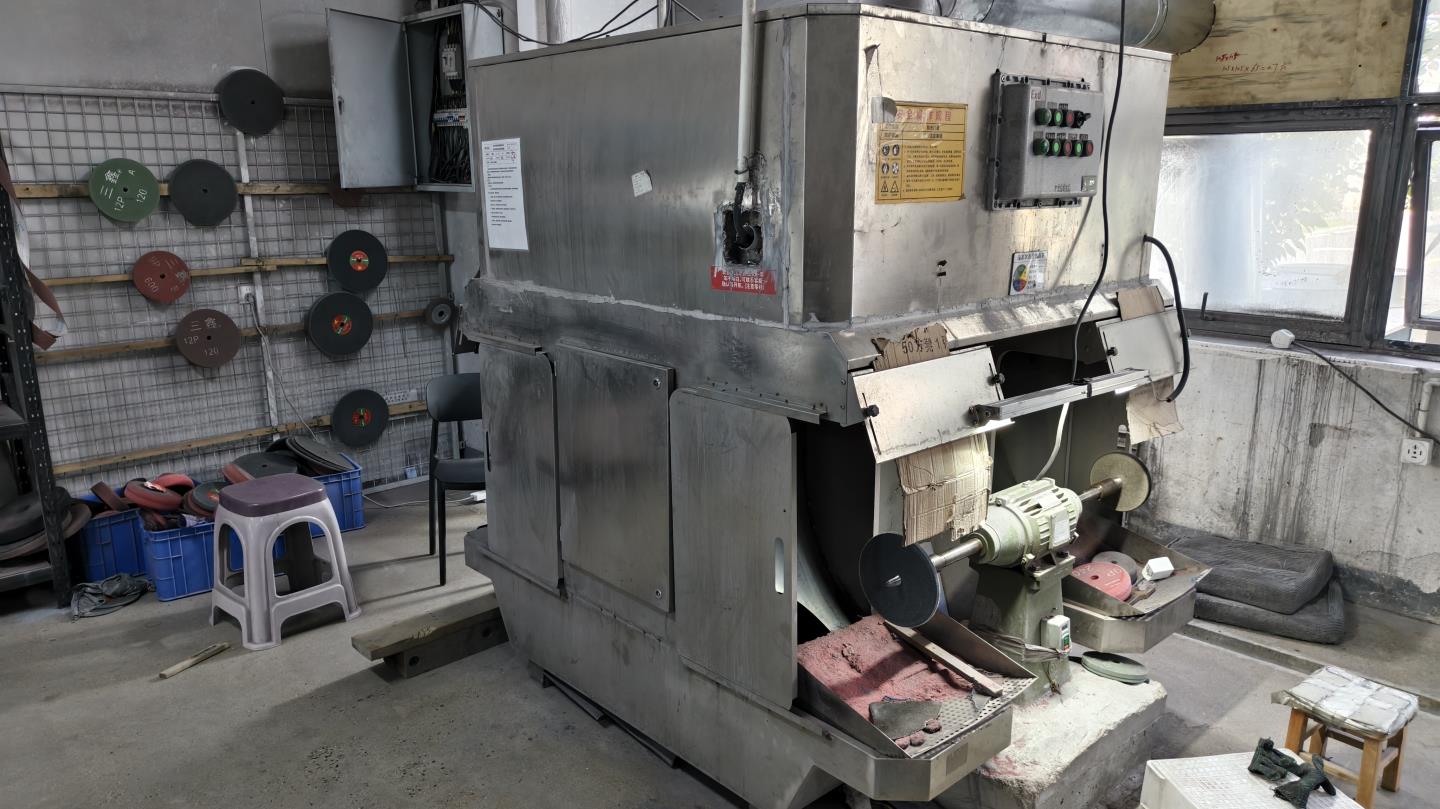
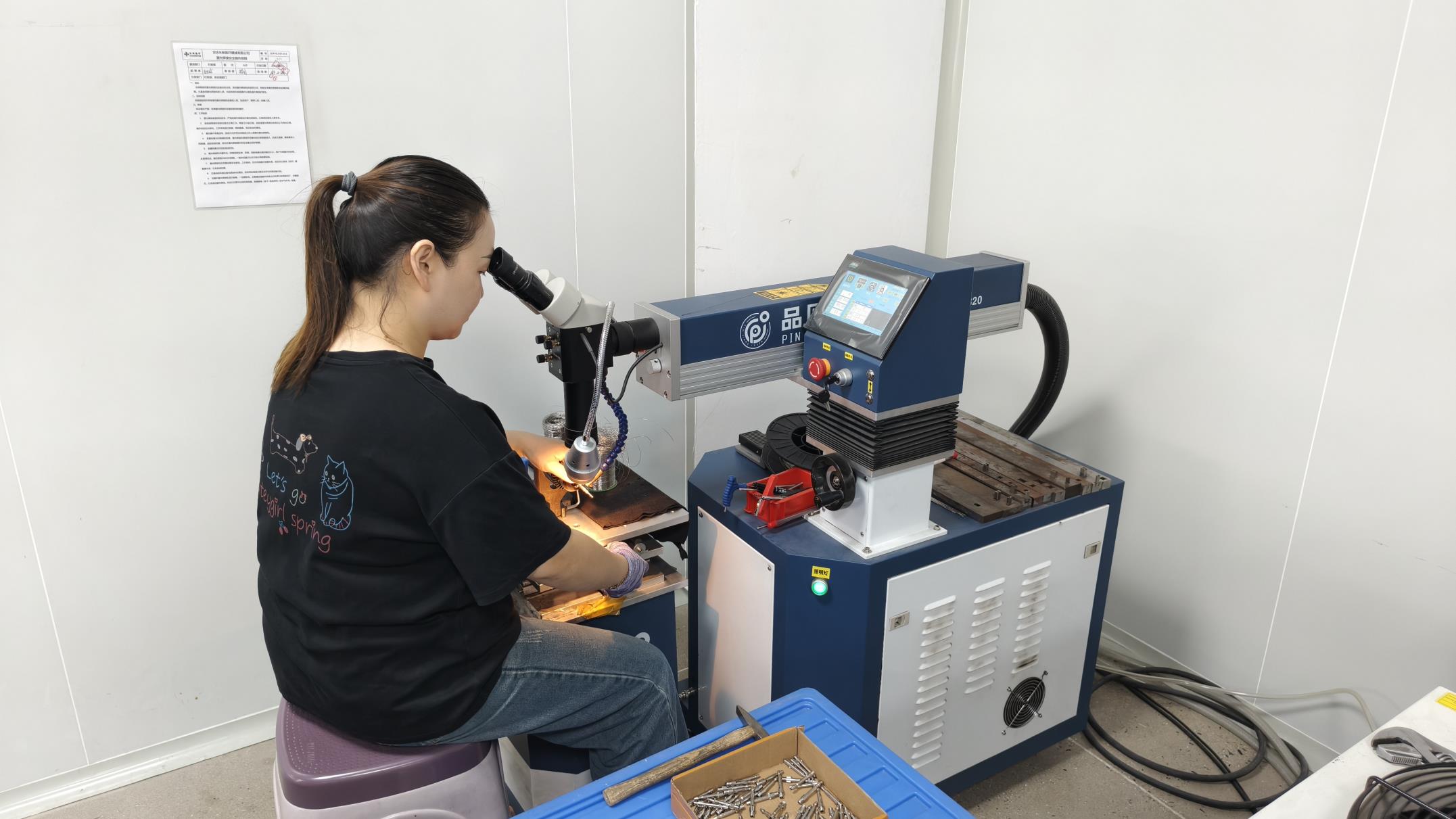
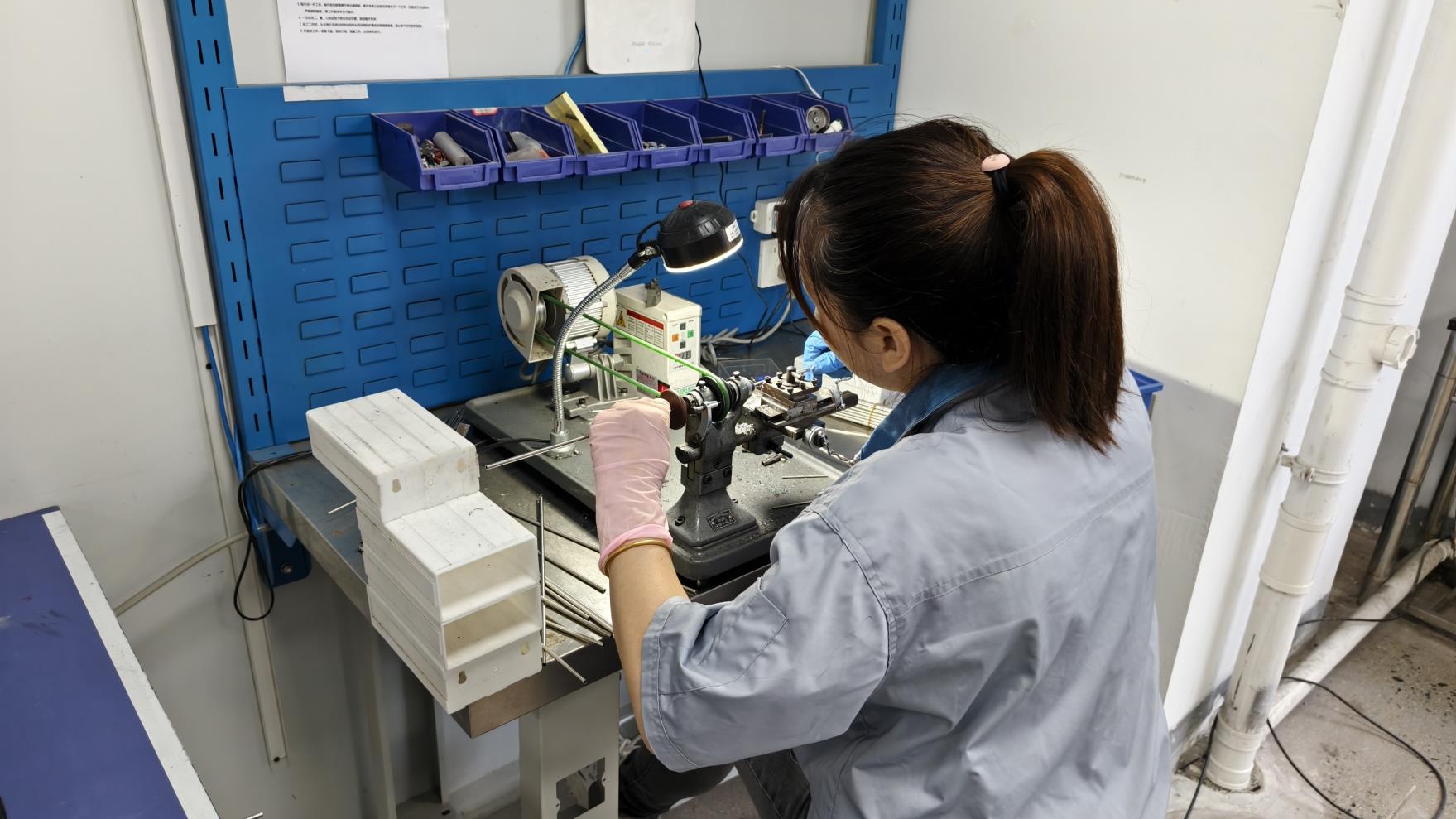
Every step of our production workflow is monitored for quality control. This includes raw material cutting, multi-axis machining, polishing, surface preparation, cleanroom packaging, and sterilization.
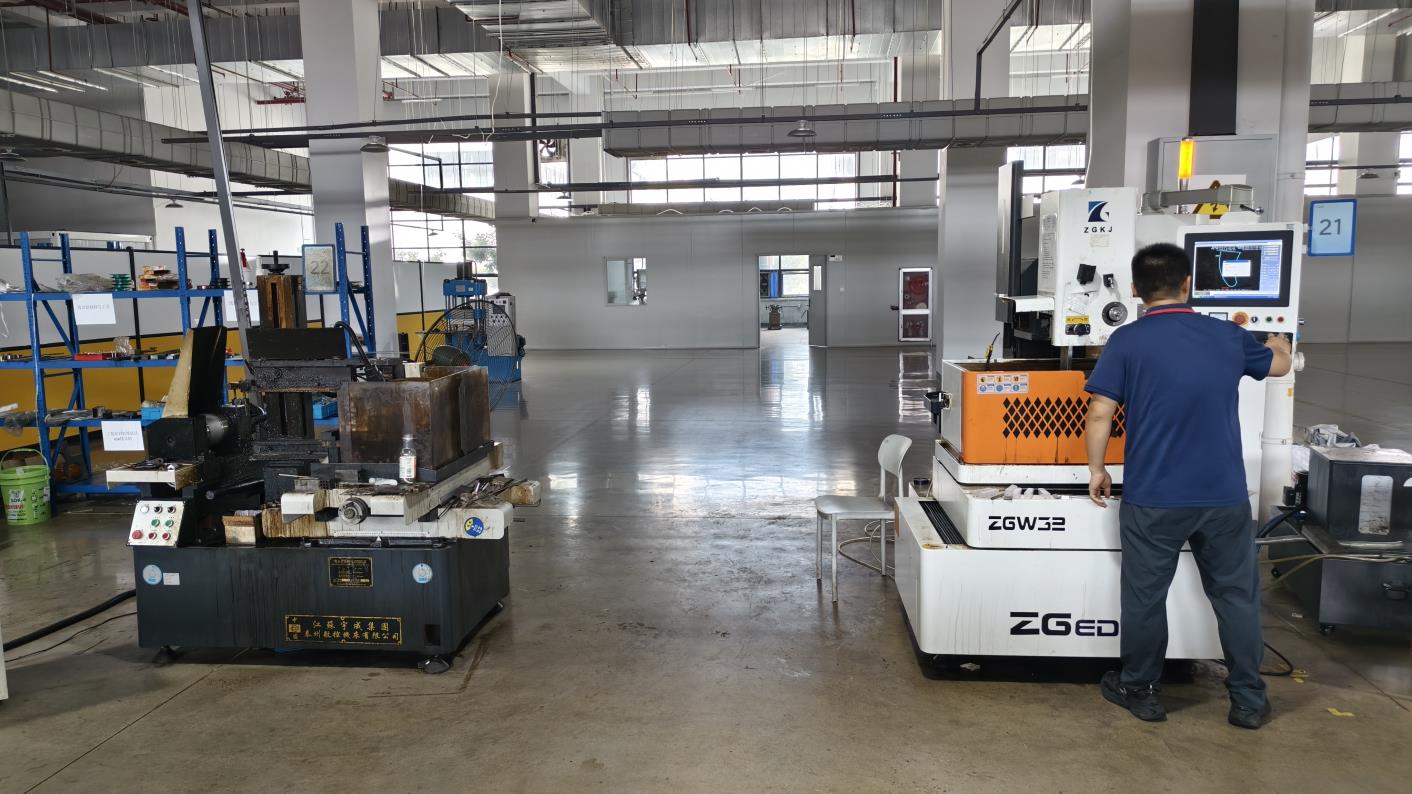
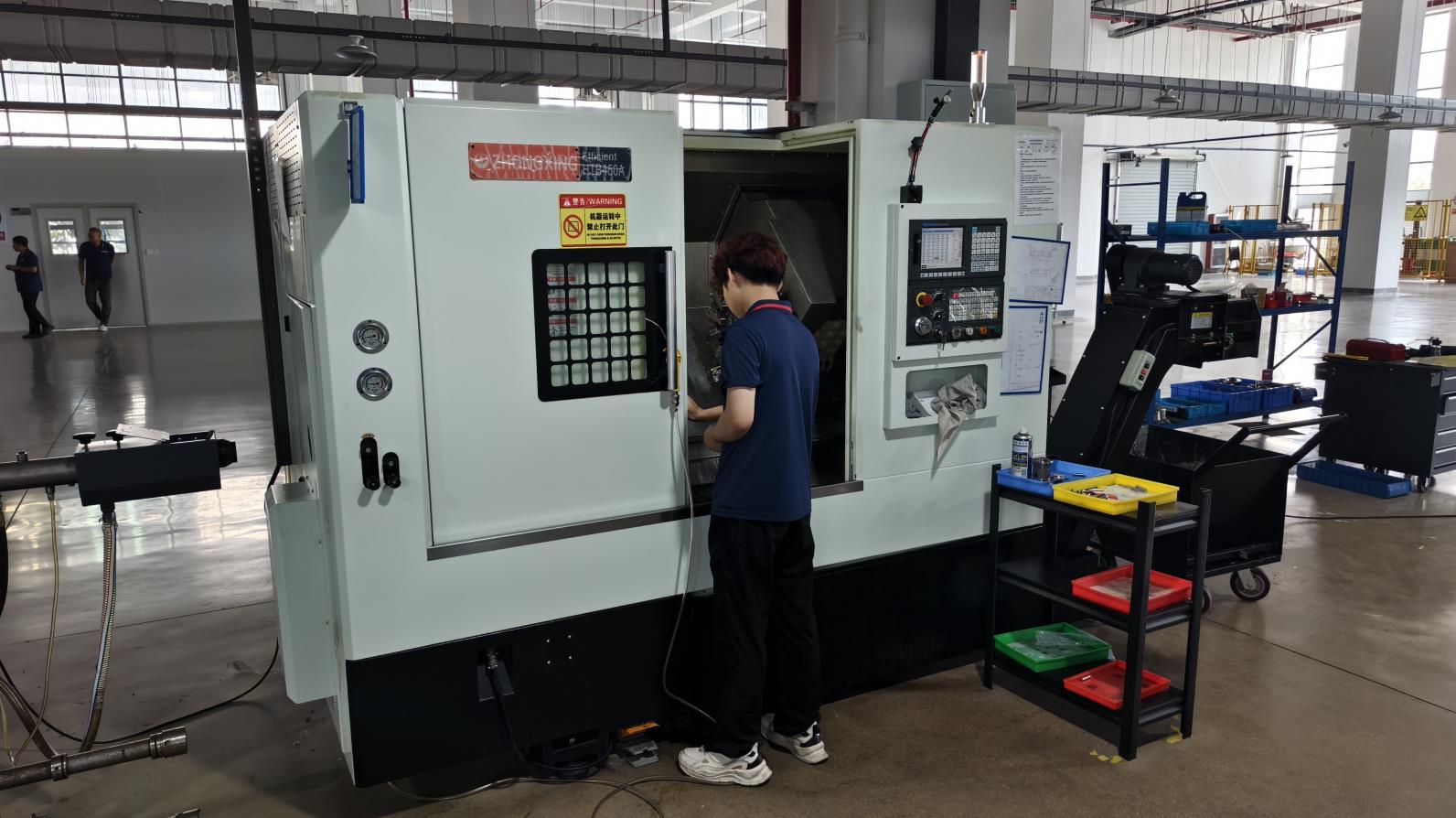
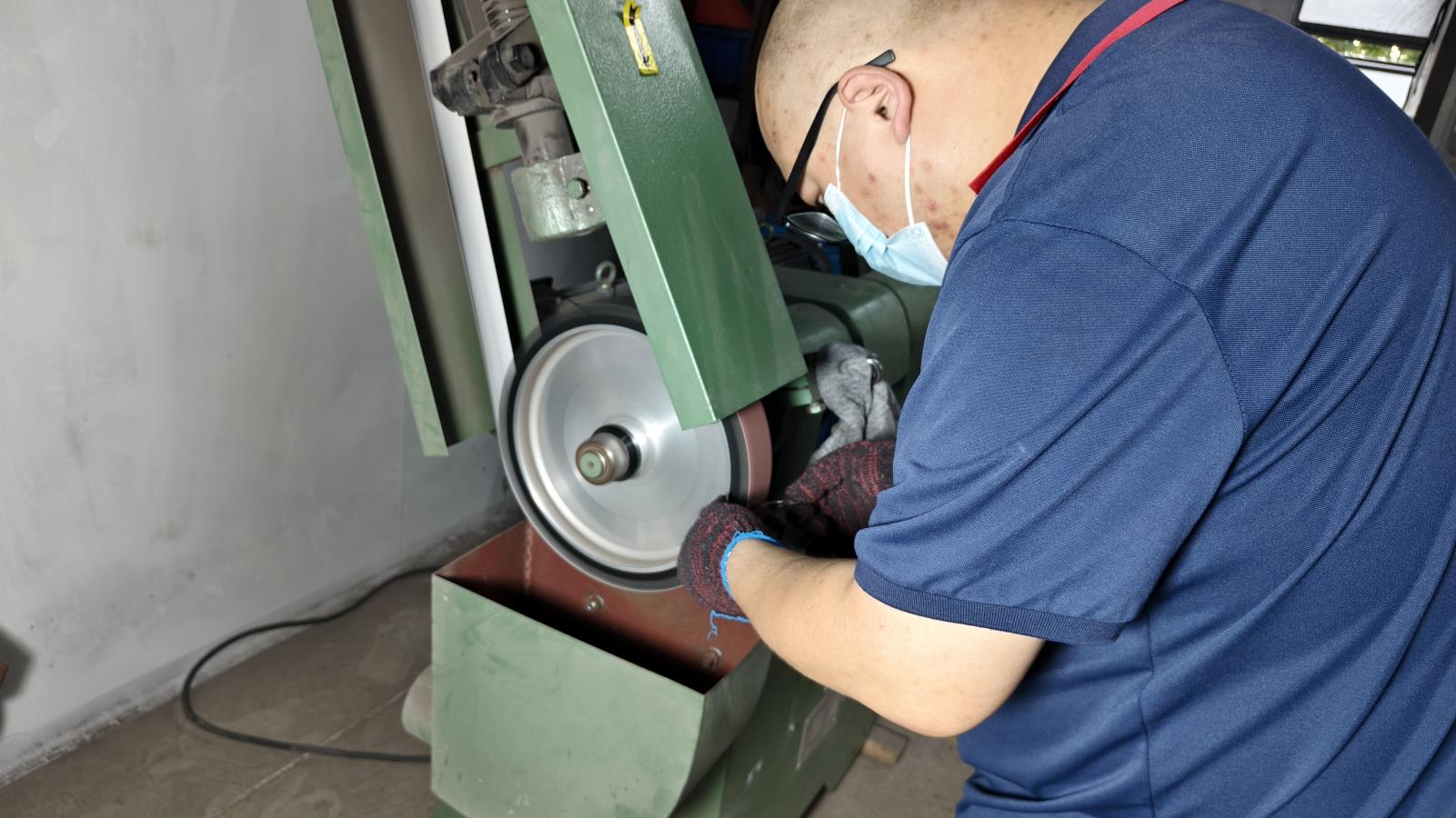
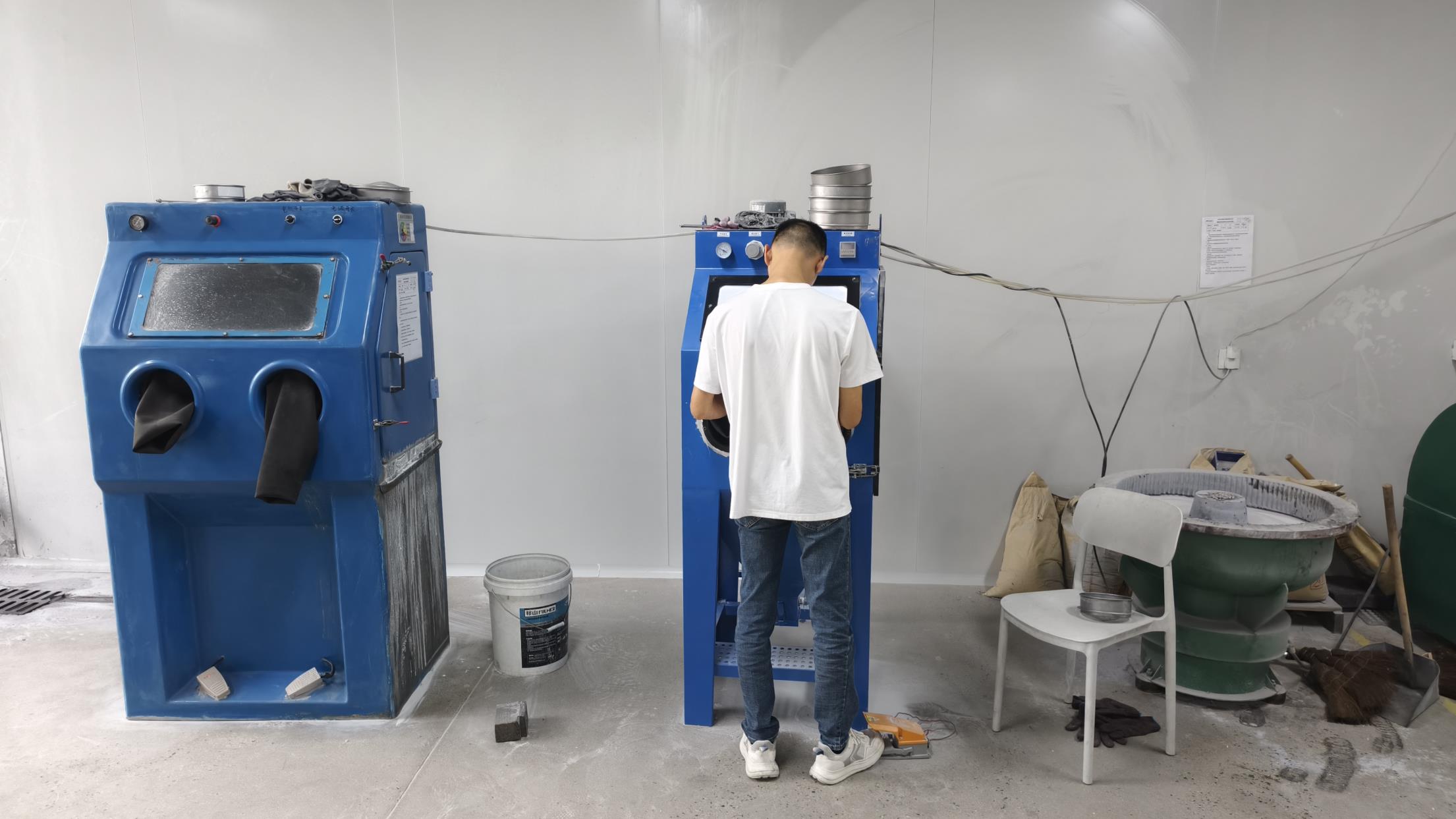
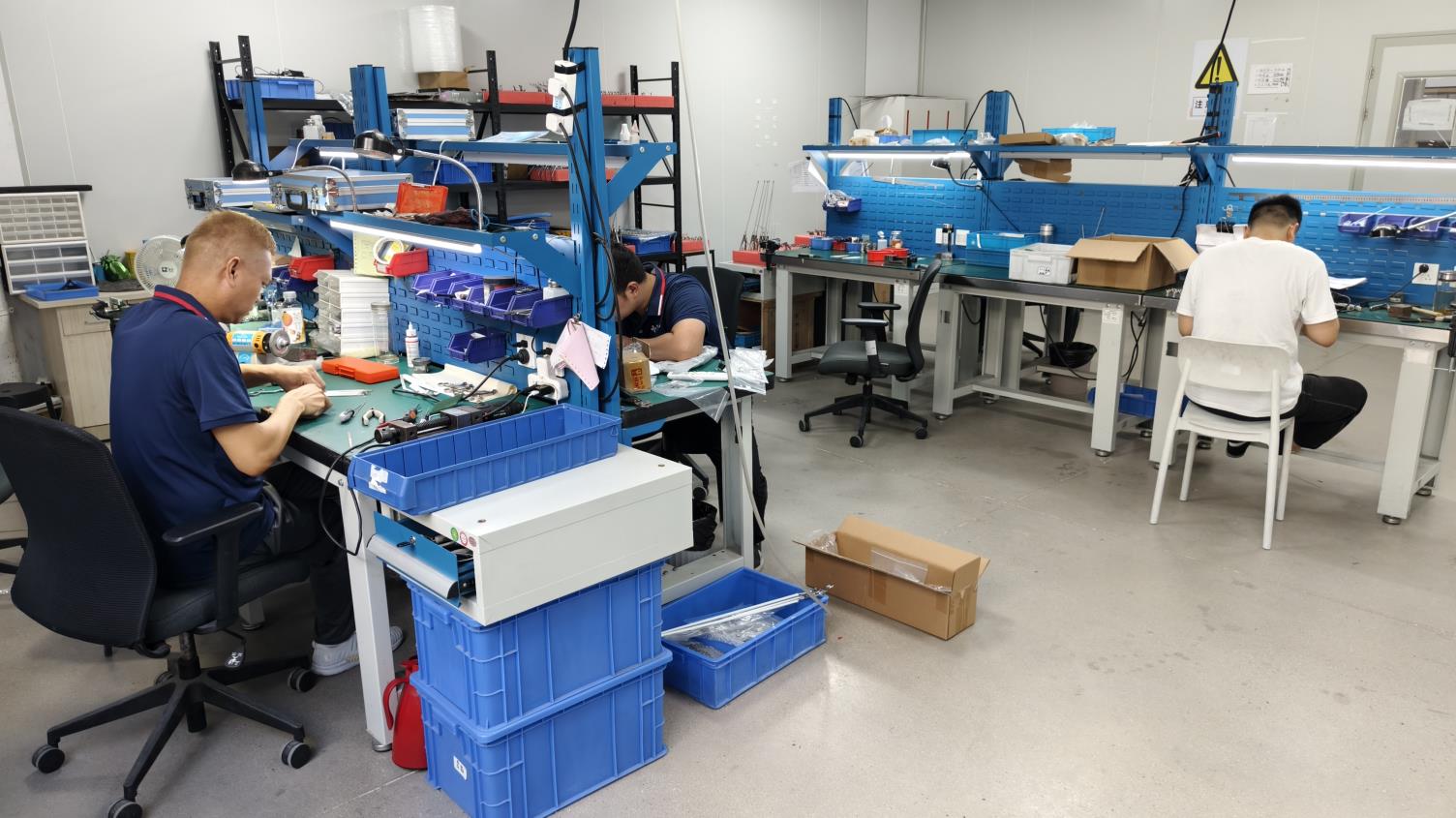
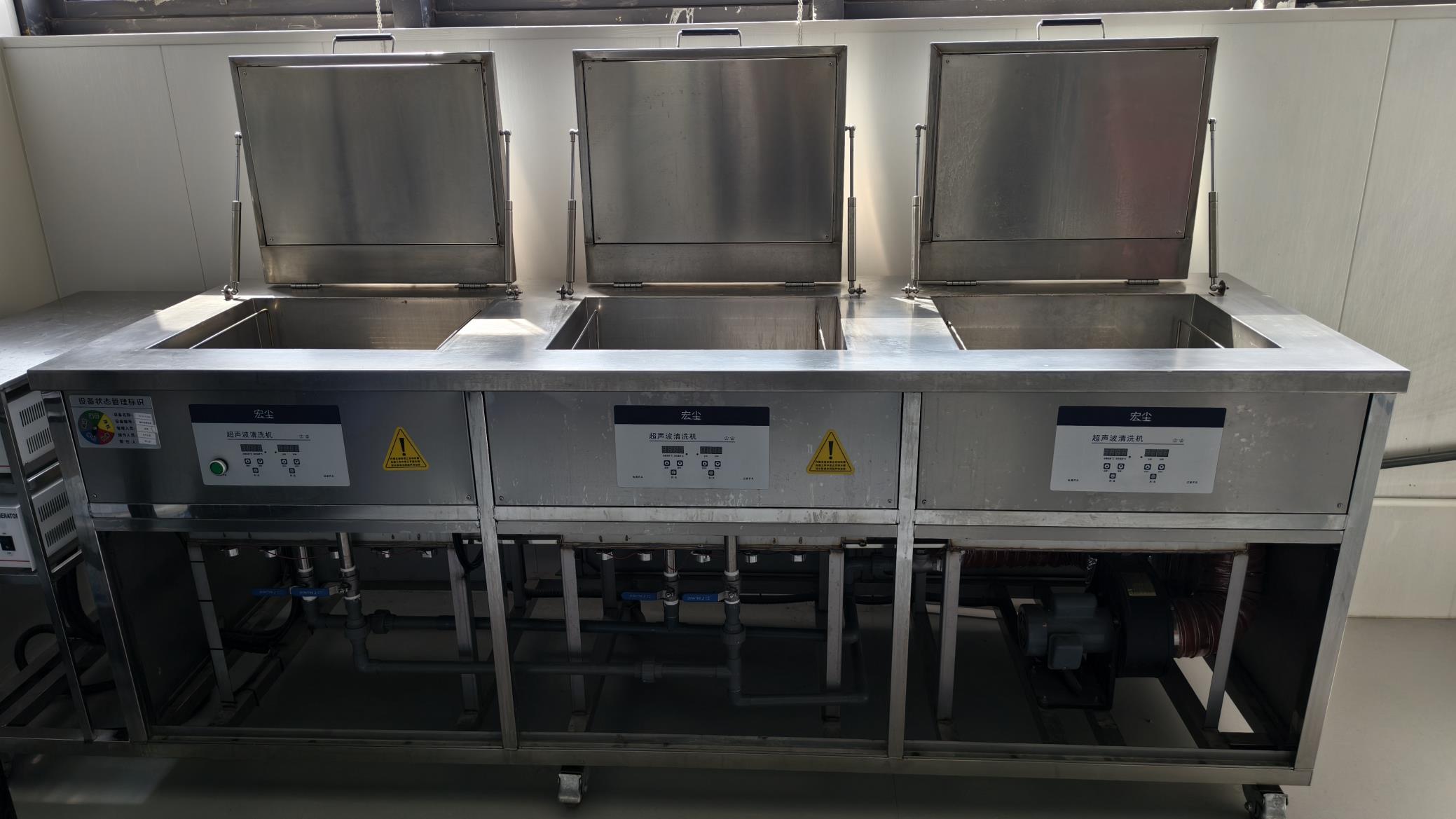
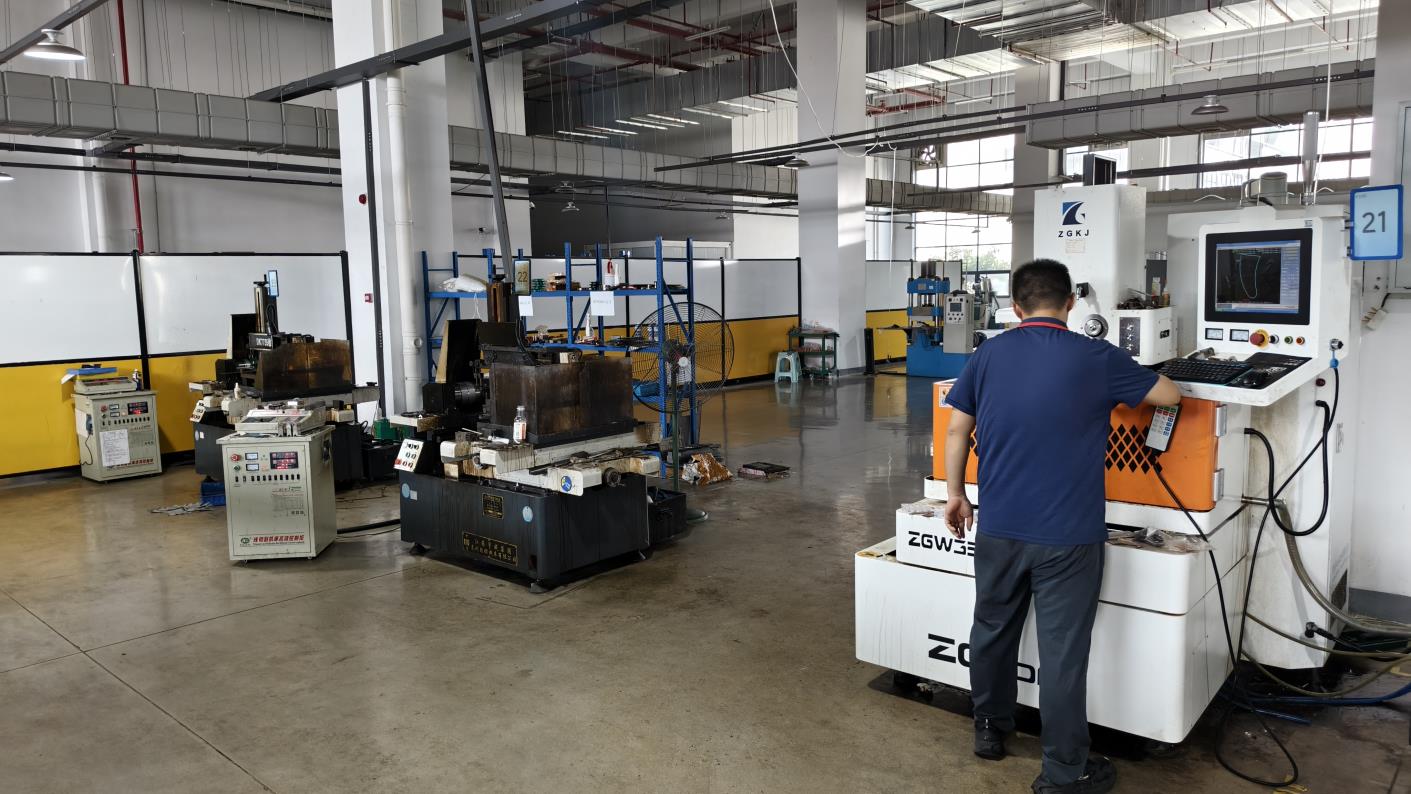
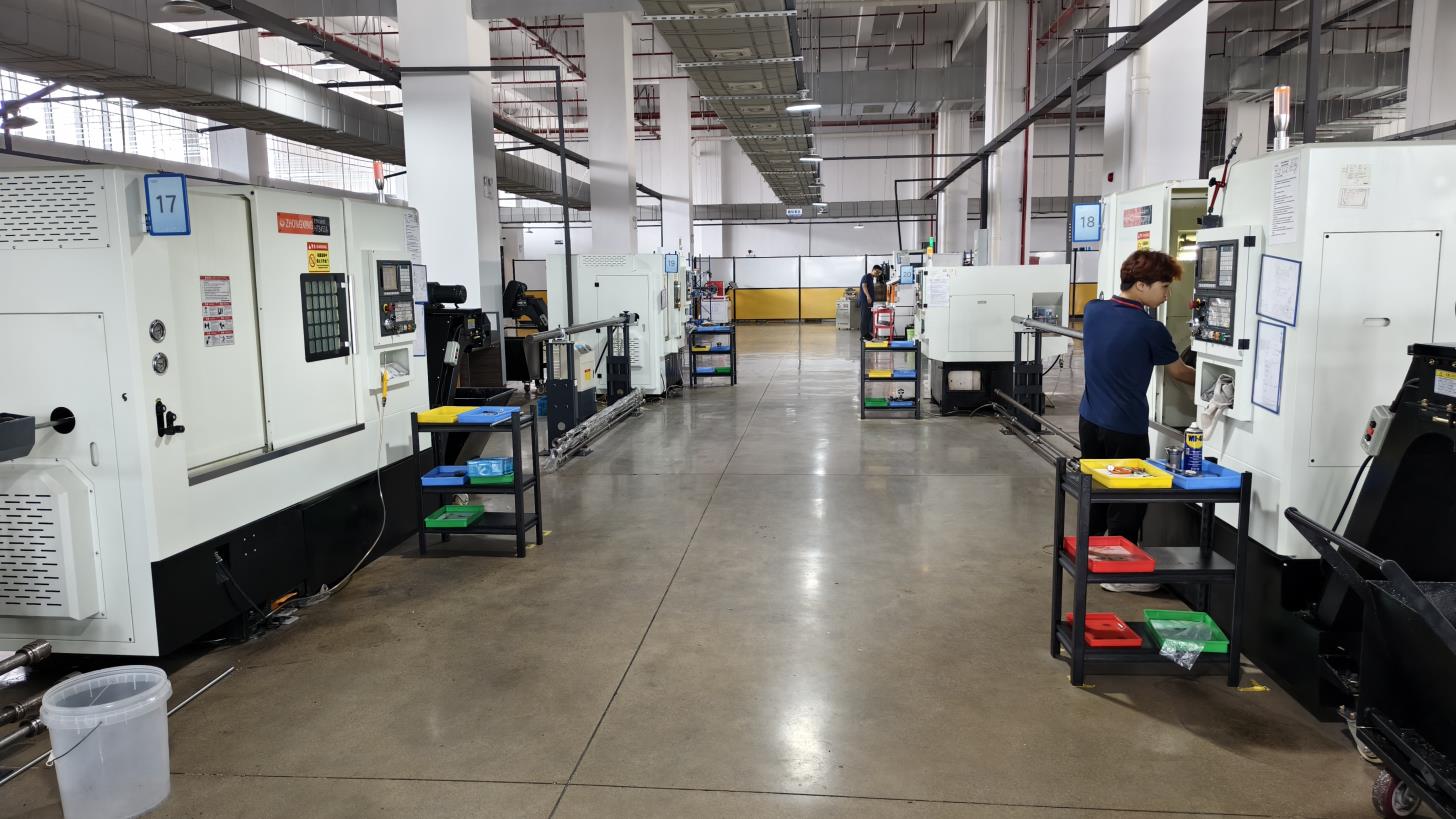
Patient safety is our top priority. Implantable spinal systems must withstand complex, long-term loads in the human body. Because of this, our quality inspection program goes beyond standard ISO requirements. Every production batch of our vertebral body replacement devices, locking plates, and pedicle screws undergoes rigorous mechanical and biological testing.
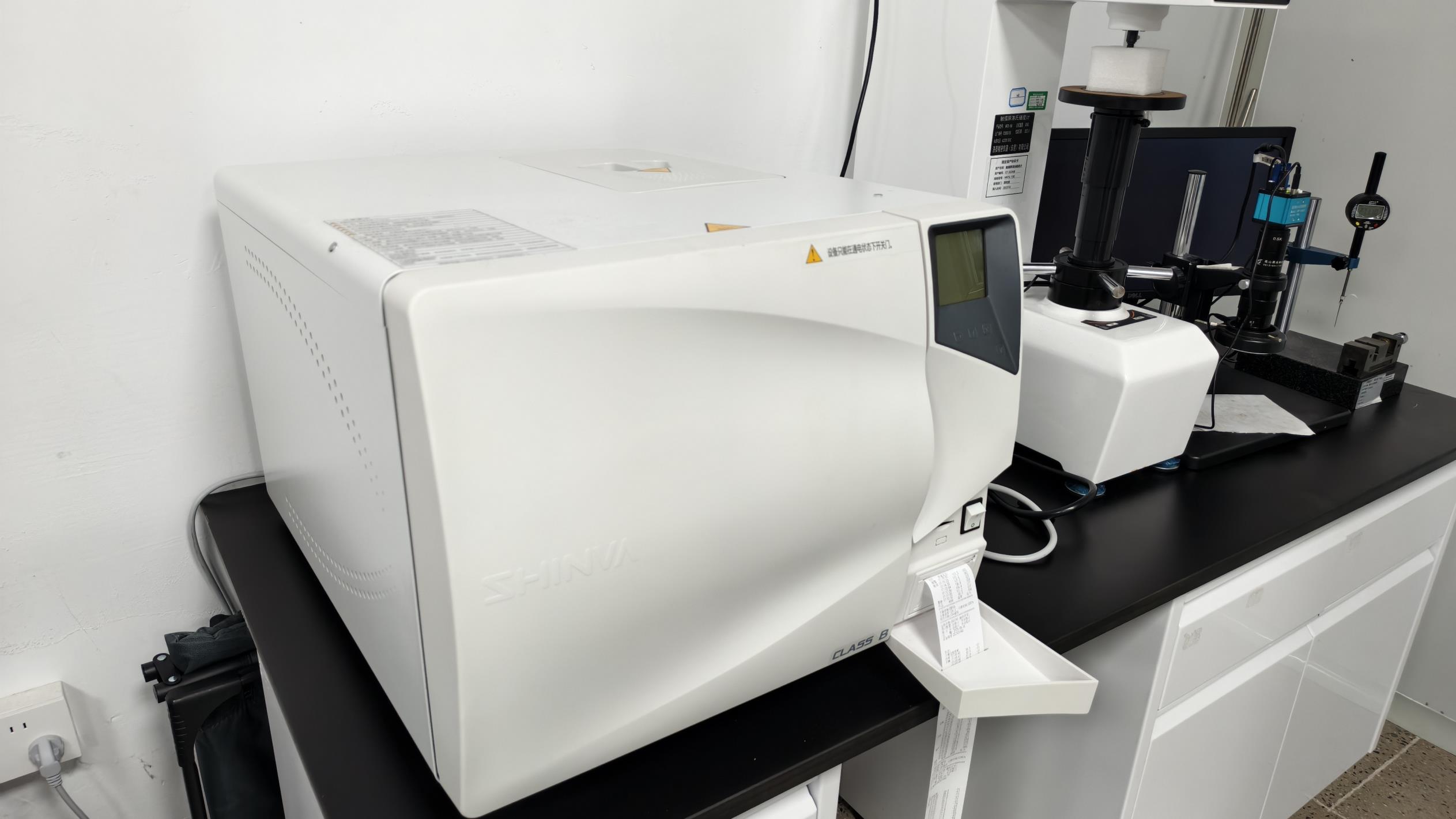
Our testing facility is equipped to perform static and dynamic fatigue tests (according to ASTM F1717 and ASTM F2077 standards), high-resolution coordinate measuring (CMM) for dimensional verification, and sterility validation for packaged implants. We inspect all raw materials to confirm chemical composition and mechanical properties before production begins.
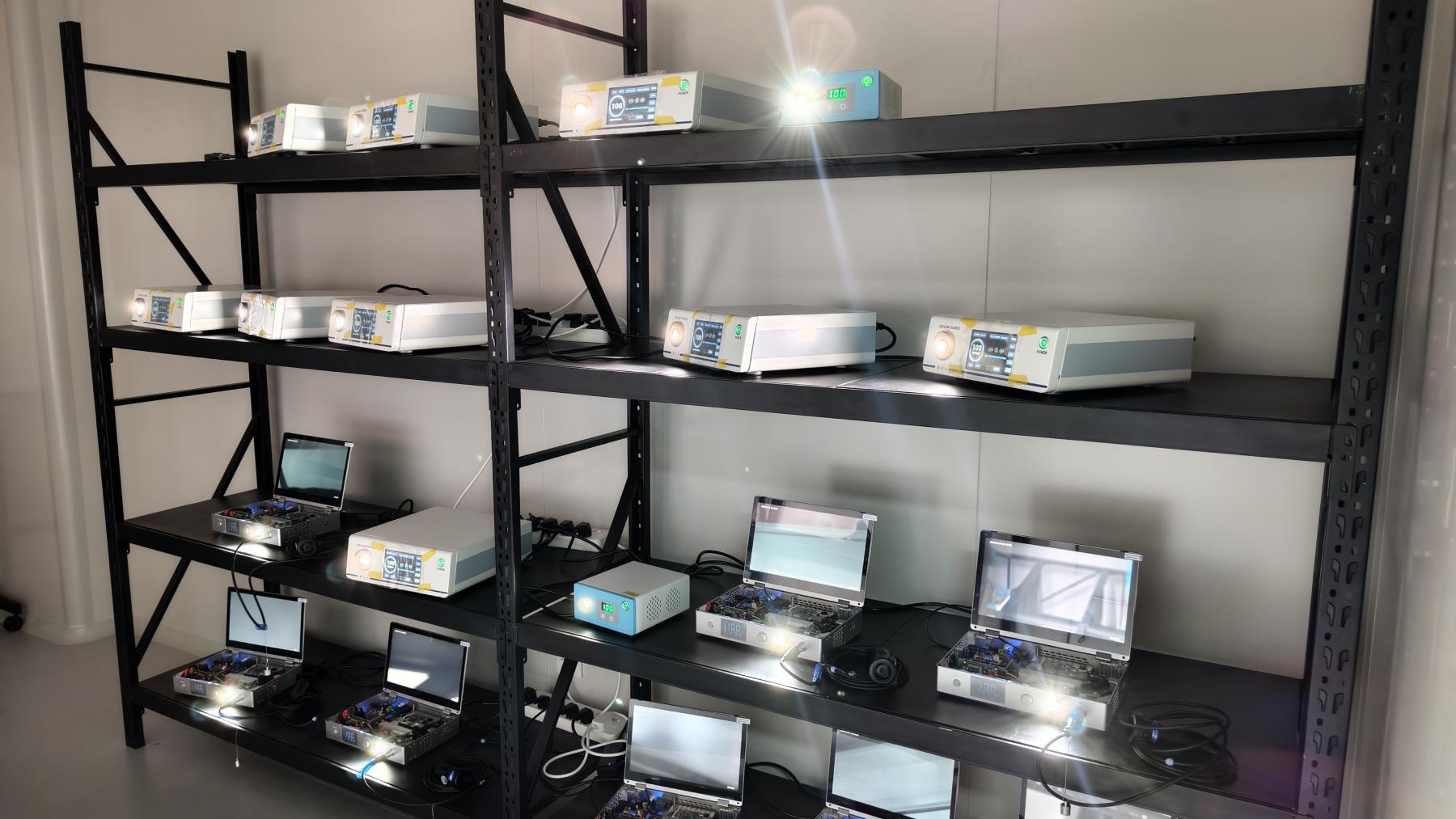
Our quality control lab features advanced equipment to verify dimensional accuracy, mechanical performance, material purity, and packaging integrity.
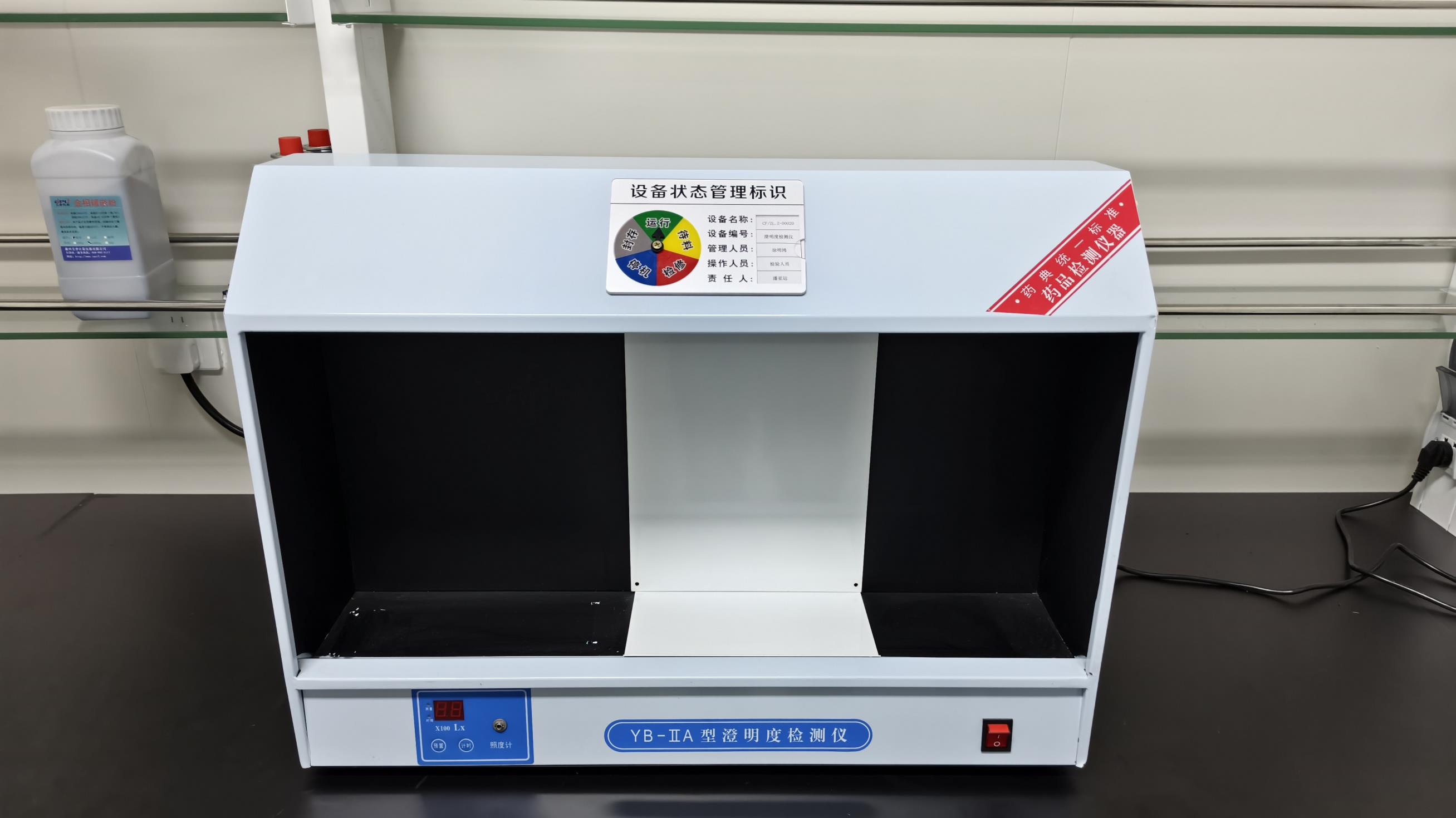
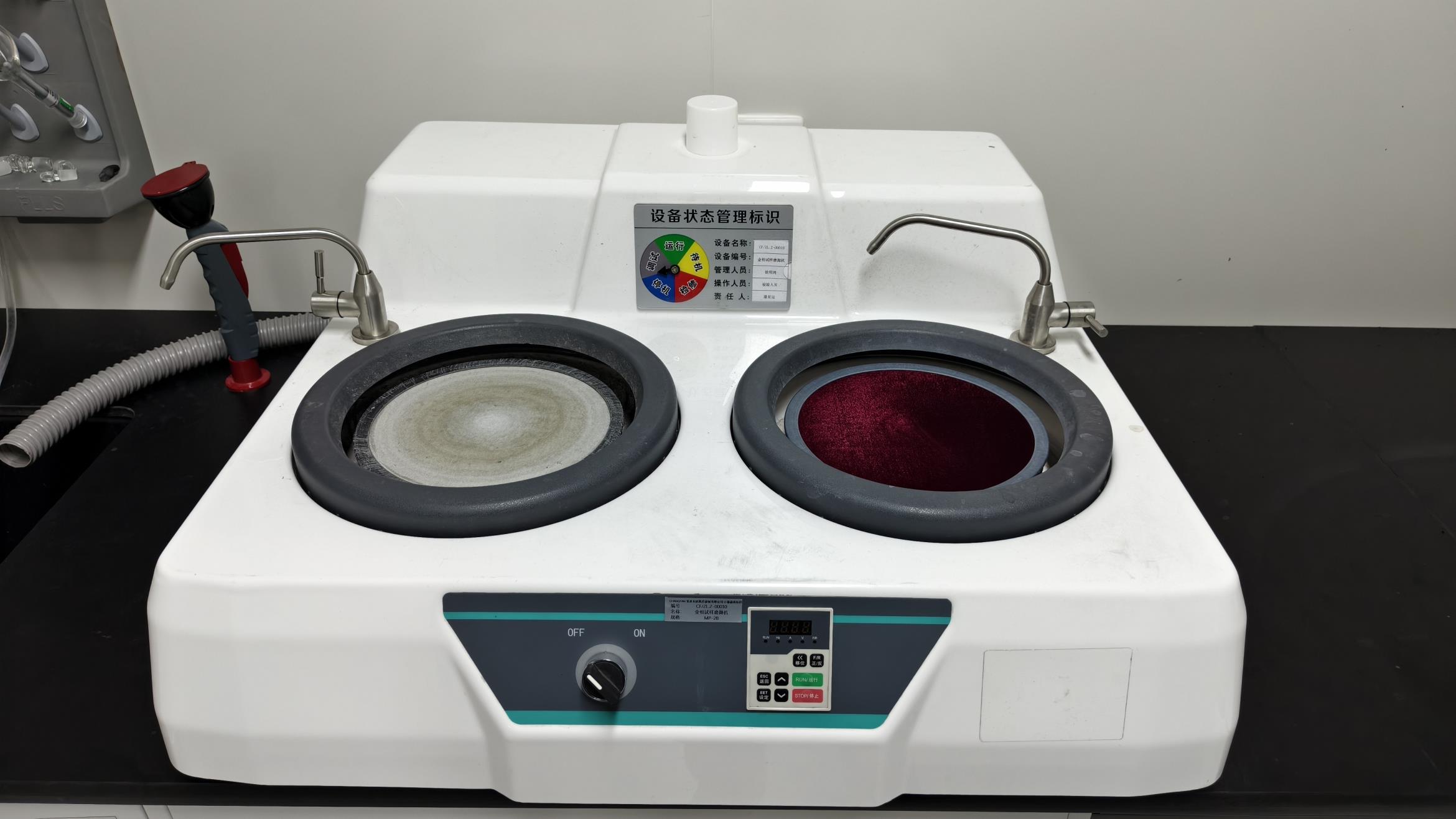
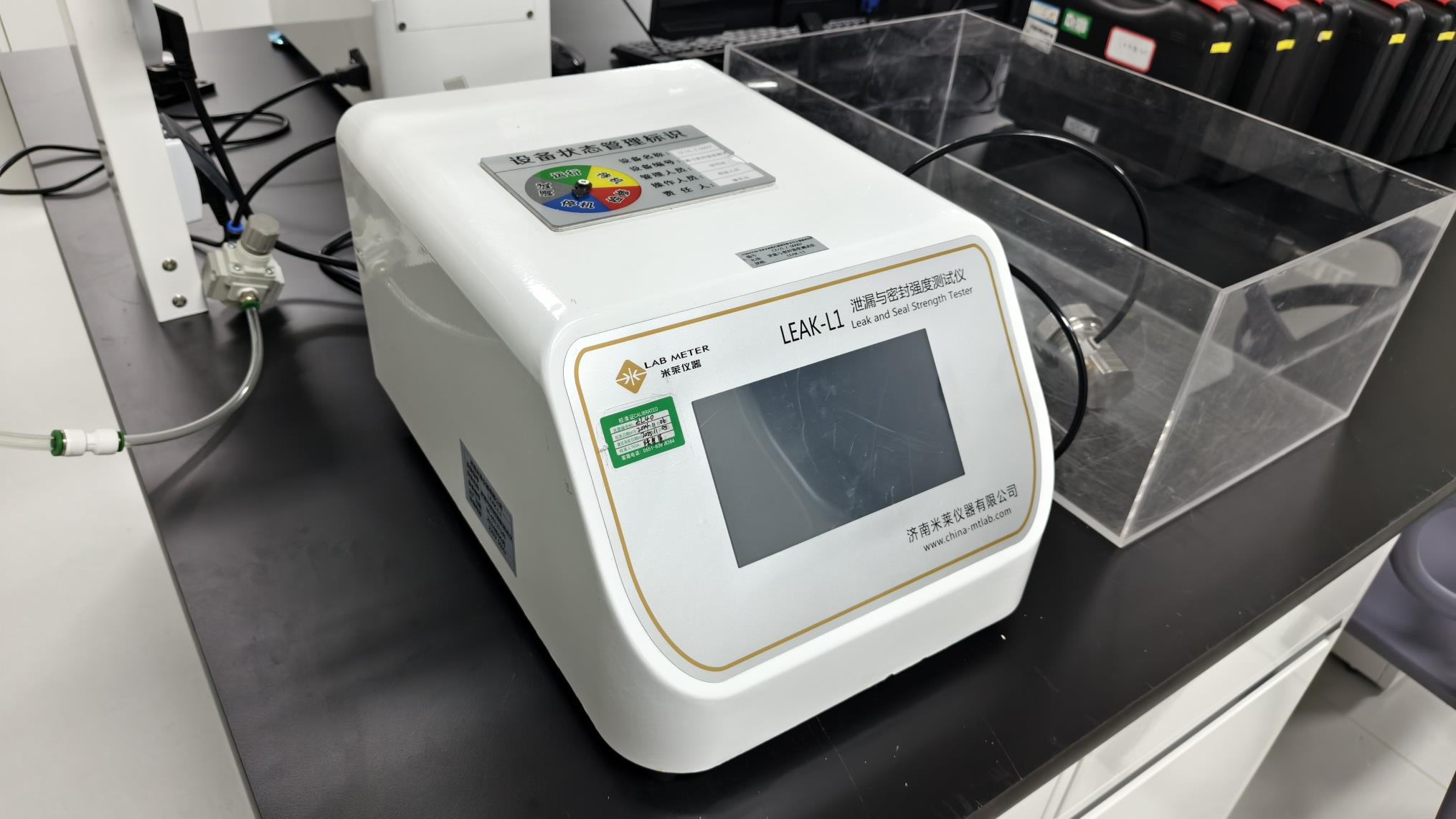
B2B orthopedic buyers, including hospital networks and medical device distributors, manage complex procurement cycles. When sourcing implants from overseas, purchasing managers focus on specific metrics to ensure clinical safety, business continuity, and regulatory compliance.
Medical implants must meet strict quality standards. We provide full compliance documentation, including ISO 13485 quality system certifications, CE marks for European markets, and materials testing reports (ASTM F136 / ASTM F2026) for raw stock verification.
Every market has unique clinical preferences. Our R&D team works directly with clients to design customized spinal instrumentation kits, specialized locking plates, and custom packaging. This includes laser engraving brand logos directly on the implants.
In the medical industry, shipping delays can impact surgical schedules. We maintain a robust supply chain with over 1,120 partners. This enables reliable production scheduling, stable lead times, and professional crating for secure international delivery.
Winning municipal and healthcare tenders requires comprehensive technical dossiers. Synoviq supports B2B partners by providing detailed clinical data, surgical technique manuals, raw material certificates, and quality inspection reports.
Vertebral Body Replacement systems are used across a range of complex reconstructive surgeries. Synoviq implants are engineered to address the specific demands of these surgical procedures:
The spinal implant industry is shifting toward personalized, biologically active designs. Key trends include:
Additive manufacturing allows the production of irregular, interconnected pore structures that mimic trabecular bone. This promotes rapid cell growth and improves implant stability.
Standard PEEK is bio-inert. Newer materials integrate osteoconductive agents, like hydroxyapatite (HA) or zeolite, into the PEEK matrix to improve osseointegration at the bone-implant interface.
Future implants may incorporate micro-sensors to track post-operative strain, fusion progress, and local inflammatory changes, allowing clinicians to monitor healing remotely.
Here are answers to common questions about materials, regulations, and procurement procedures for sourcing orthopedic devices from China.
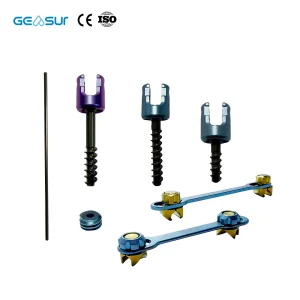
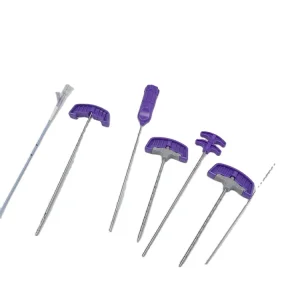
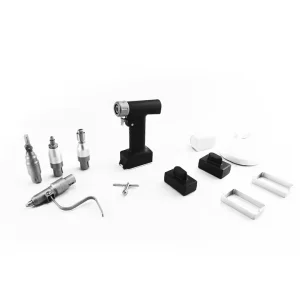
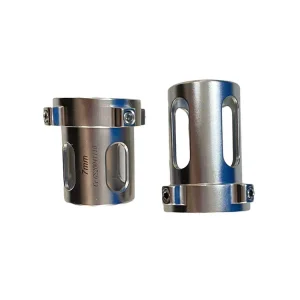
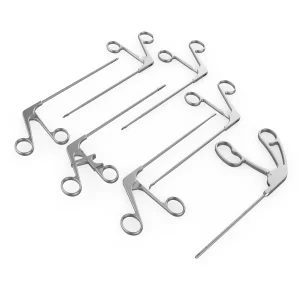
Examine our specialized orthopedic instruments, surgical power tools, and high-precision fixation assemblies designed to ensure clinical efficiency and reliability.
 Synoviq Medical