Explore our high-performance clinical-grade pin-to-rod systems, trauma clamps, and specialized fixator configurations.
An in-depth analysis of structural integrity, biocompatibility, and biomechanics in modern orthopaedic traumatology.
External fixation has evolved from a rudimentary temporary stabilization technique to a sophisticated, definitive treatment modality for complex musculoskeletal trauma, non-unions, and limb length discrepancies. The mechanical stability of the construct relies heavily on the interface mechanics between the bone pins, connecting clamps, and longitudinal rods. The transition from heavy stainless steel systems to advanced titanium alloys and radiolucent carbon fiber composites has significantly reduced device weight while improving post-operative radiological evaluation.
From a manufacturing standpoint, achieving the delicate balance between structural rigidity and dynamic micromotion (which stimulates callus formation) is critical. Rigorous FEA (Finite Element Analysis) models must be integrated into the product design cycle to test load distribution during weight-bearing activities, ensuring the construct does not experience premature fatigue failure under cyclic stress.
Today's orthopaedic device supply chain demands strict batch traceability, raw material verification, and lean manufacturing efficiency. High-performing manufacturing facilities utilize advanced CNC Swiss-type machining and multi-axis milling to deliver tight geometric tolerances (often down to ±5 microns). This level of precision is necessary for securing the lock-tight stability of the pin-to-rod clamps, preventing intra-operative slippage or post-operative instability.
Synoviq Medical Technology stands at the forefront of this industrial landscape, providing robust OEM/ODM production capabilities from our advanced manufacturing hubs in China. By combining highly cost-effective supply chain networks with strict quality assurance systems, we ensure healthcare institutions globally receive top-tier, sterile-ready external fixators without budget constraints.
SEO Insight & Information Gain: When sourcing external fixation devices, hospital procurement directors and distributors look beyond standard price points. They demand structural reports on load distribution, surface roughness metrics (Ra values that prevent bacterial adhesion), and verified biocompatibility certifications of the medical-grade alloys (specifically Ti-6Al-4V ELI conforming to ASTM F136).
Established infrastructure, extensive R&D pipelines, and high-performance quality control parameters.
Synoviq Medical Technology (China) Co., Ltd. is a dedicated manufacturer of orthopedic implants and surgical instruments, delivering reliable, high-quality, and highly precise medical solutions for healthcare organizations worldwide. Since our inception, Synoviq has focused on advanced clinical research, development, state-of-the-art precision manufacturing, and adherence to international medical standards. We offer fully integrated OEM and ODM services designed to meet the rigorous specifications of global medical device brands, regional distributors, and clinical institutions.
Our expansive product portfolio encompasses trauma fixation systems, spinal correction constructs, anatomical locking plates, intramedullary nails, multi-directional external fixation systems, bone screws, and specialized surgical instrumentation. Utilizing modern CNC machining centers, automated vision measurement systems, and cleanroom packaging facilities, we guarantee every implant and instrument complies with critical global safety standards.
| Strategic Indicator | Operational Specifications & Quality Standards |
|---|---|
| Company Name & Brand | Synoviq Medical Technology (China) Co., Ltd. (Brand: Synoviq) |
| Established Date | March 18, 2016 |
| Quality Control Framework | 100% Final Product Testing & Rigorous Incoming Raw Material Inspection |
| Advanced Testing Methods | Coordinate Measuring Machine (CMM), Static & Dynamic Mechanical Fatigue Testing, Surface Roughness Profiling, Hardness Testing, Salt Spray Corrosion Tests, Sterility Validation |
| Quality Control Staff | 48 Dedicated Quality Assurance Engineers |
| Customization Scope (OEM/ODM) | Laser Logo Marking, Sterile/Non-sterile Custom Packaging, Anatomical Geometry Modifications, Special Surface Anodizing, Material Grade Selection |
| Annual R&D Output | 186 New Orthopaedic Configurations Released Last Year |
| Supply Chain Ecosystem | Active partnership with over 1,120 global supply chain partners |
A visual showcase of our state-of-the-art manufacturing floors and rigorous testing setups.
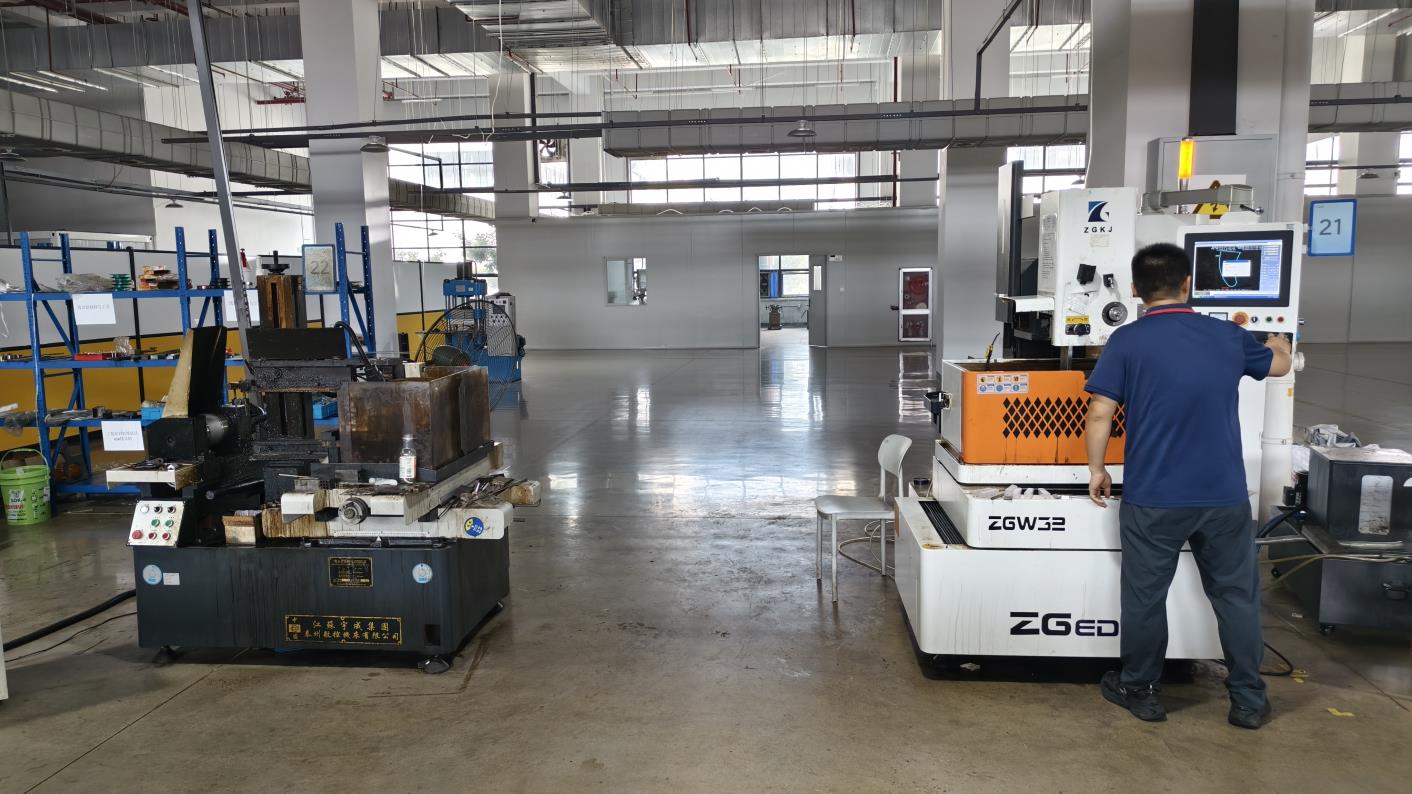
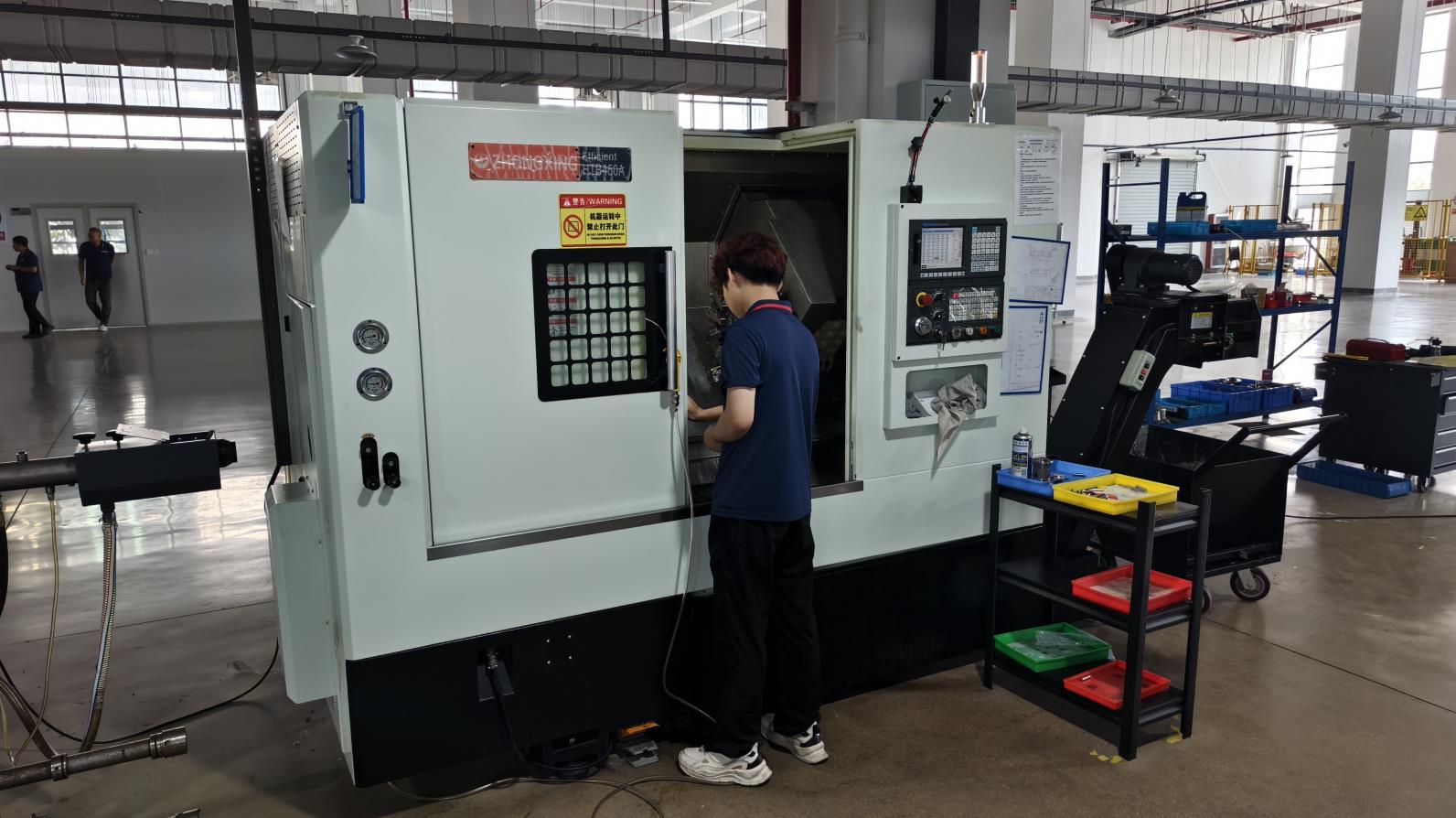
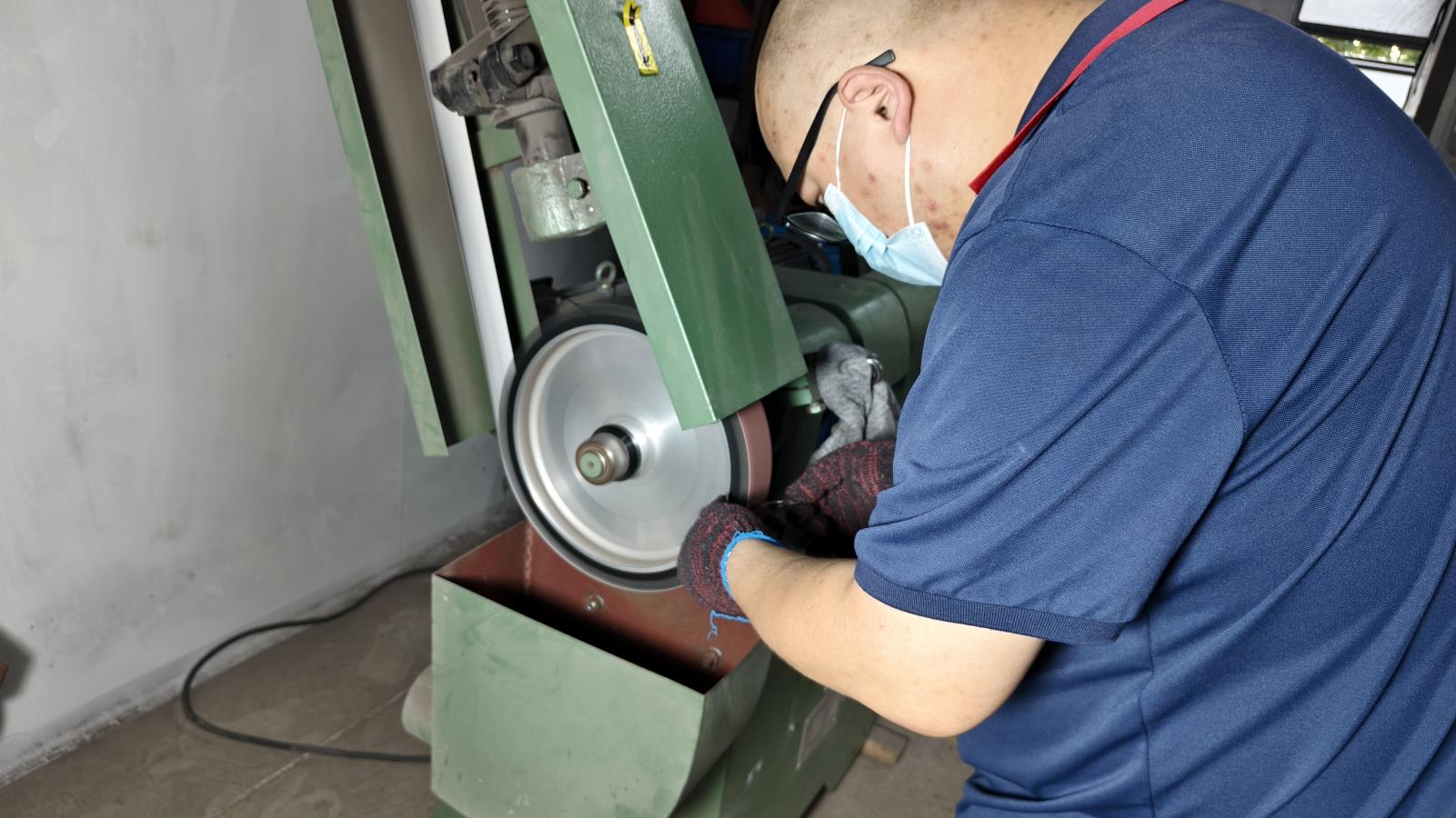
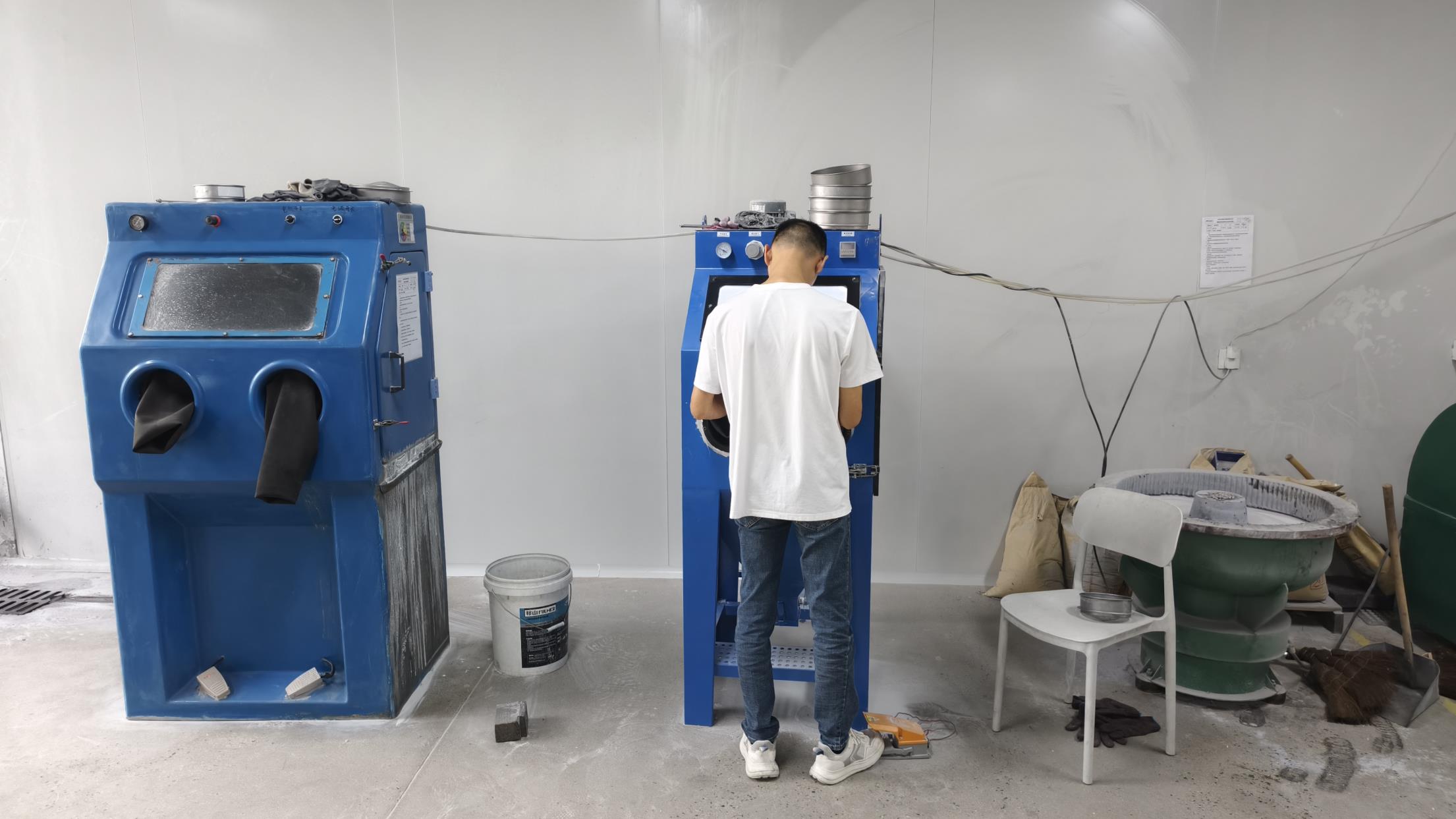
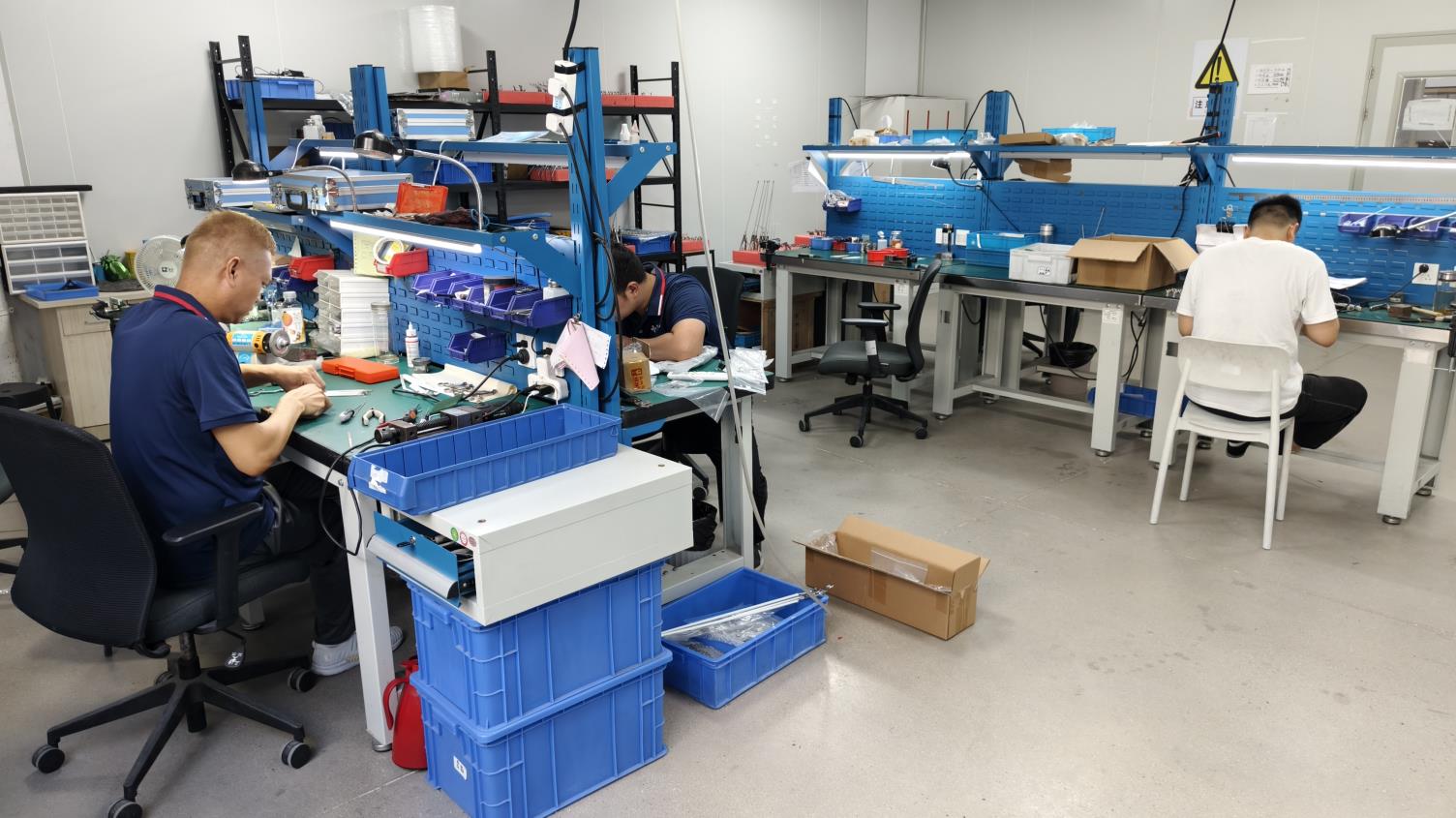
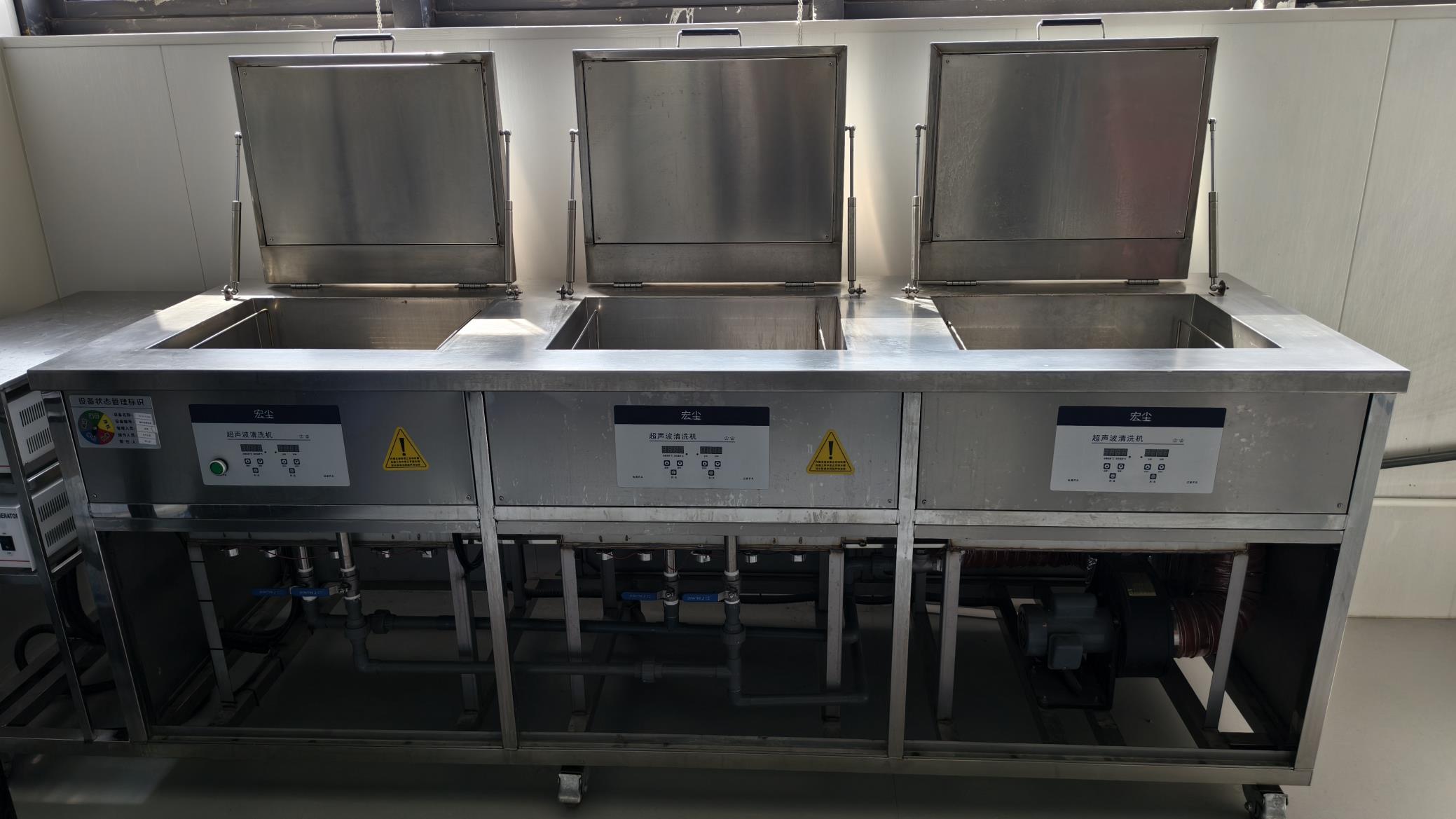
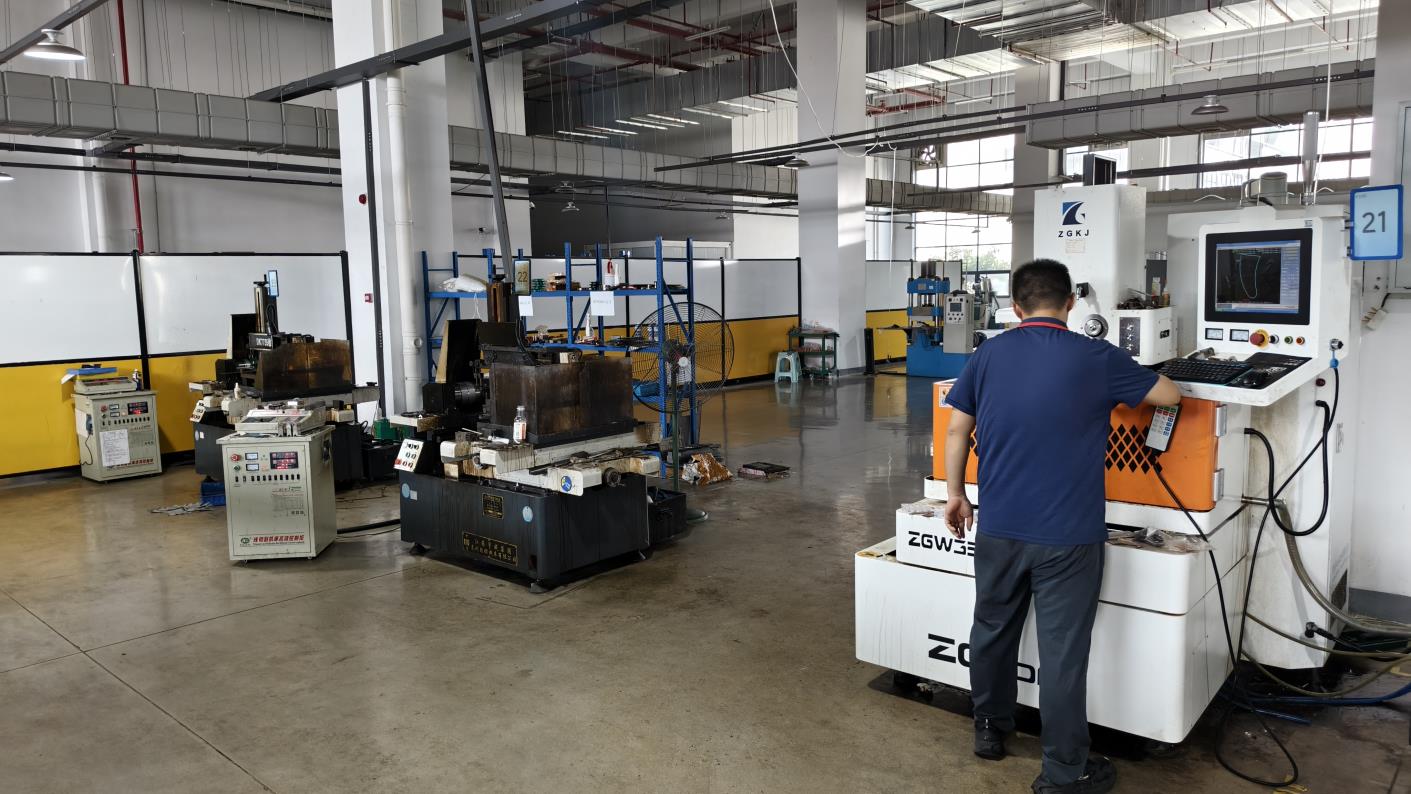
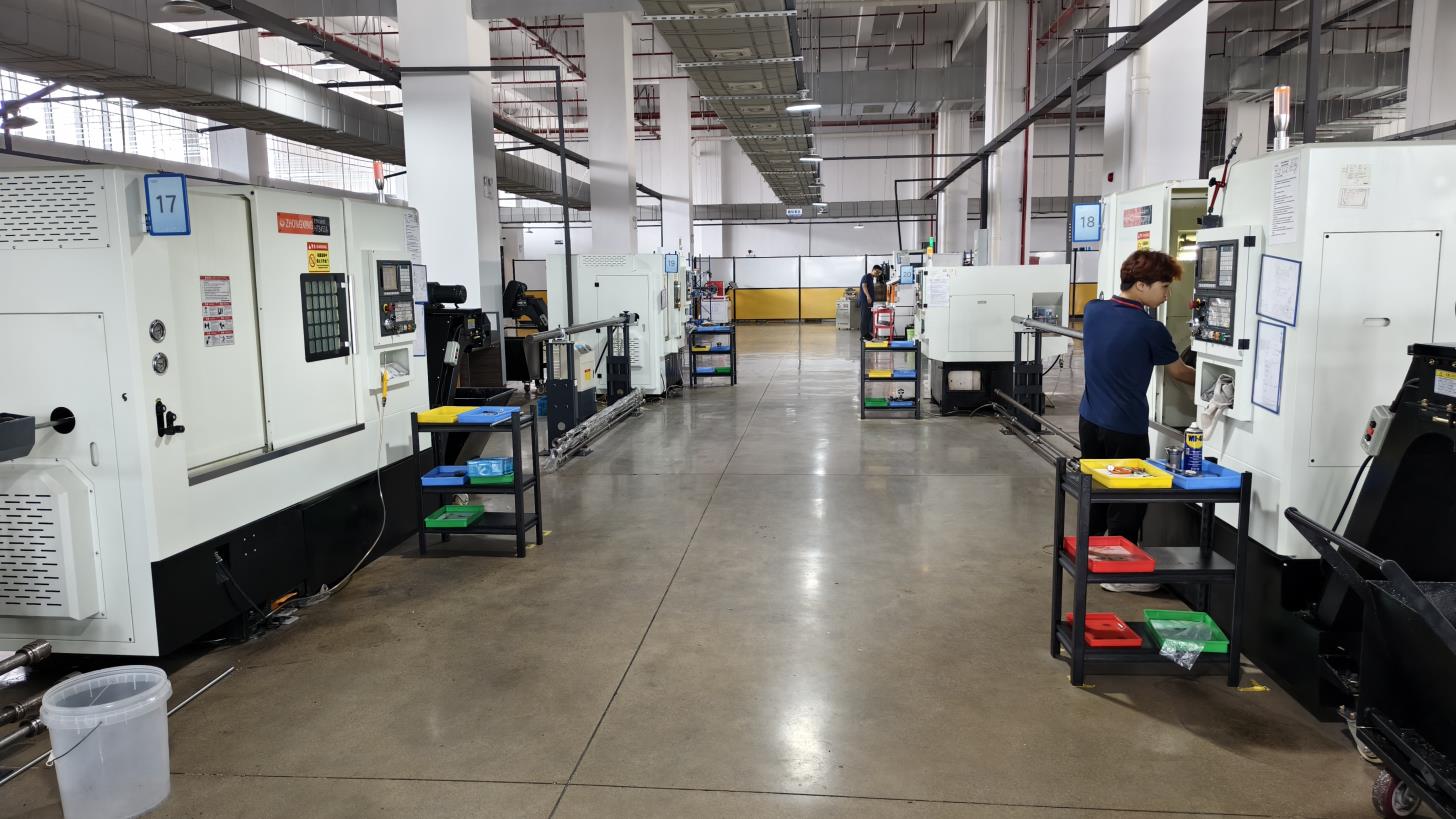
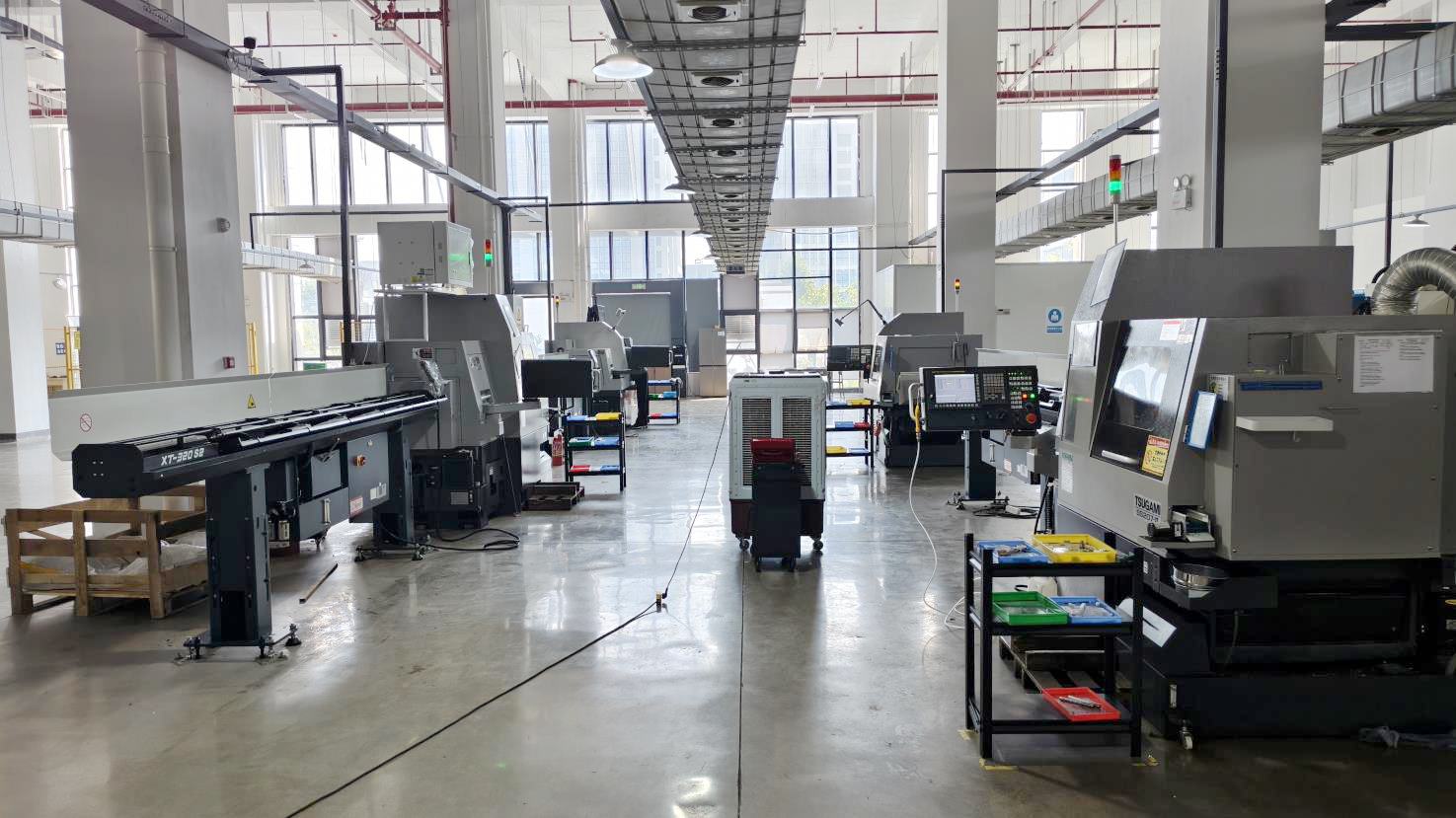
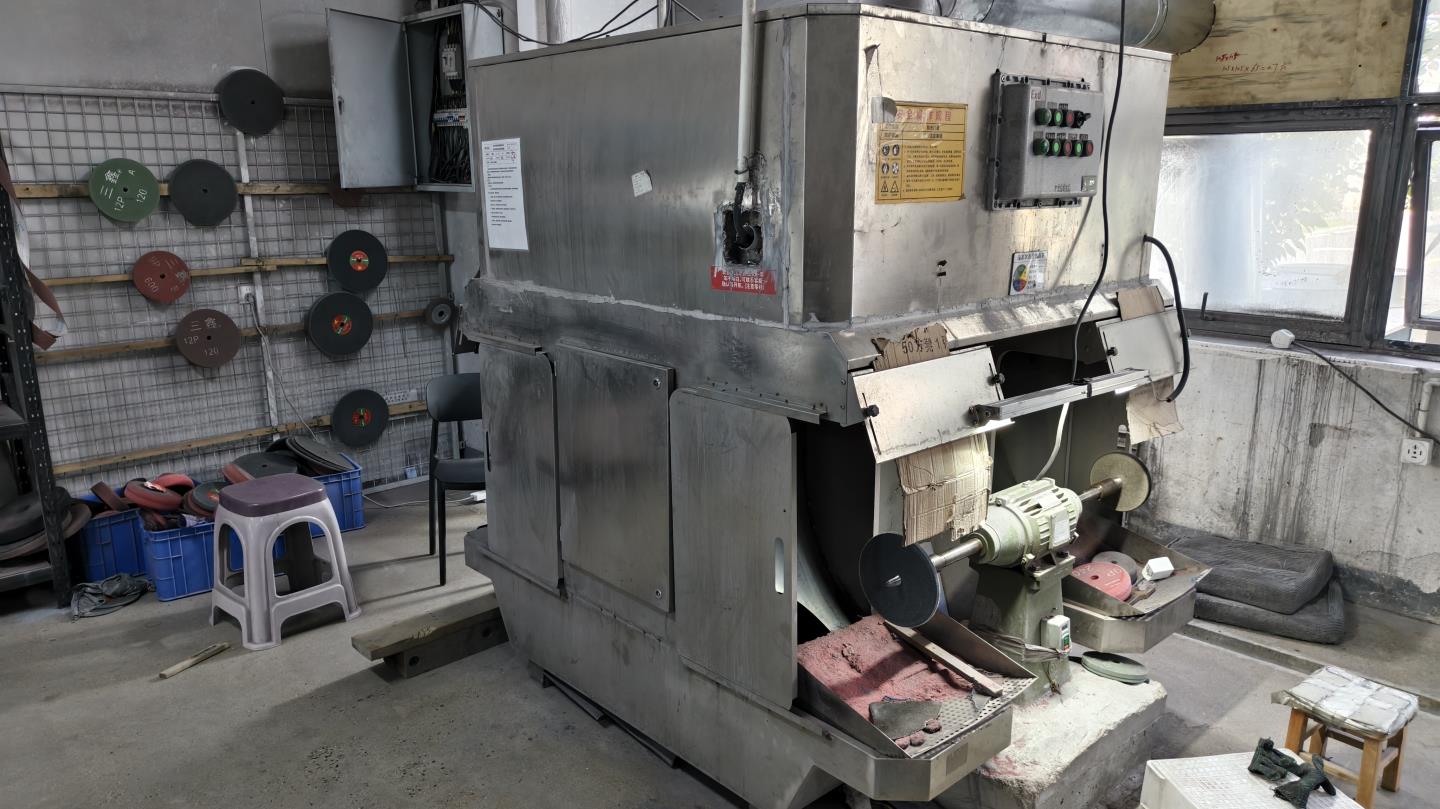
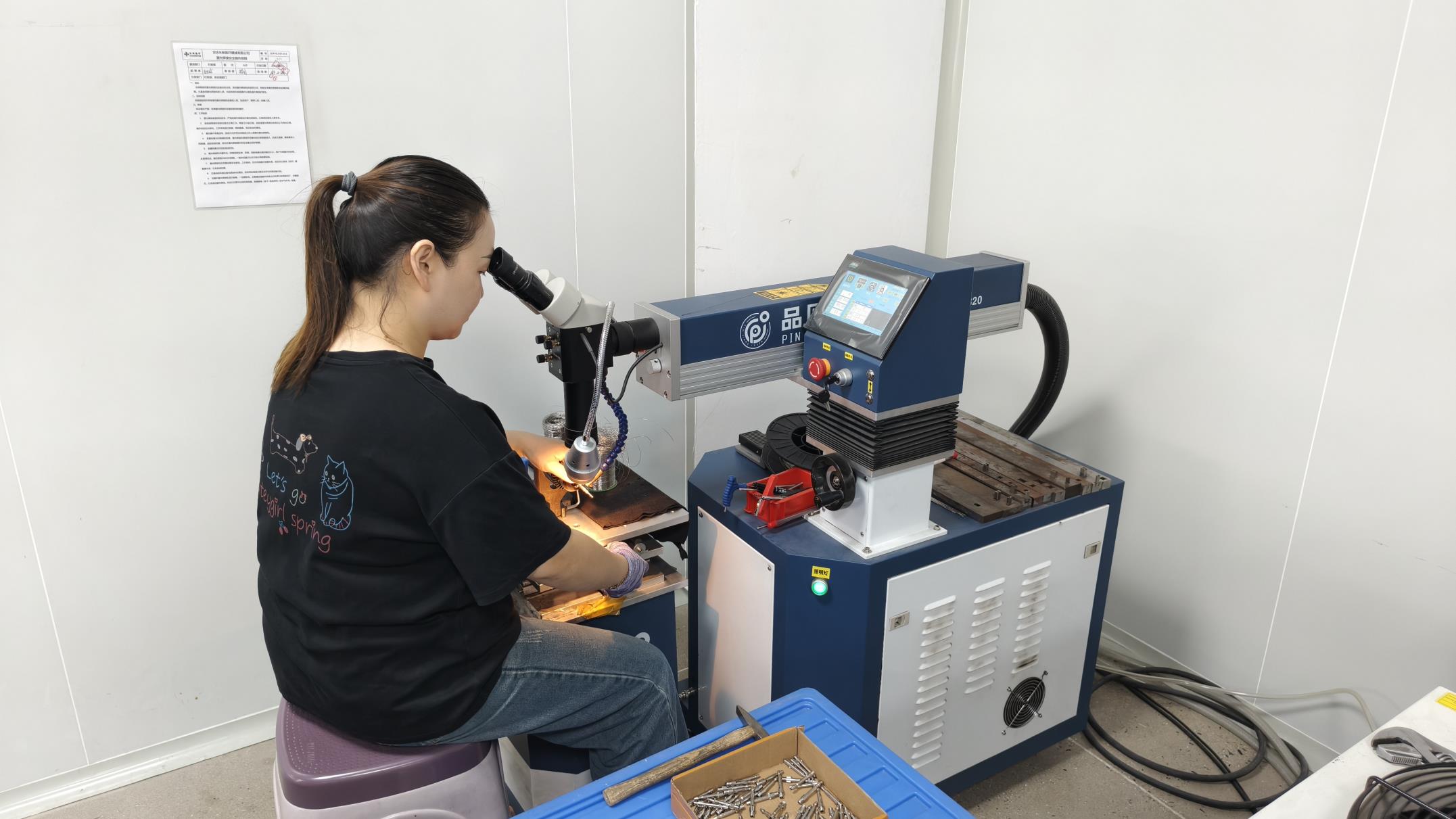
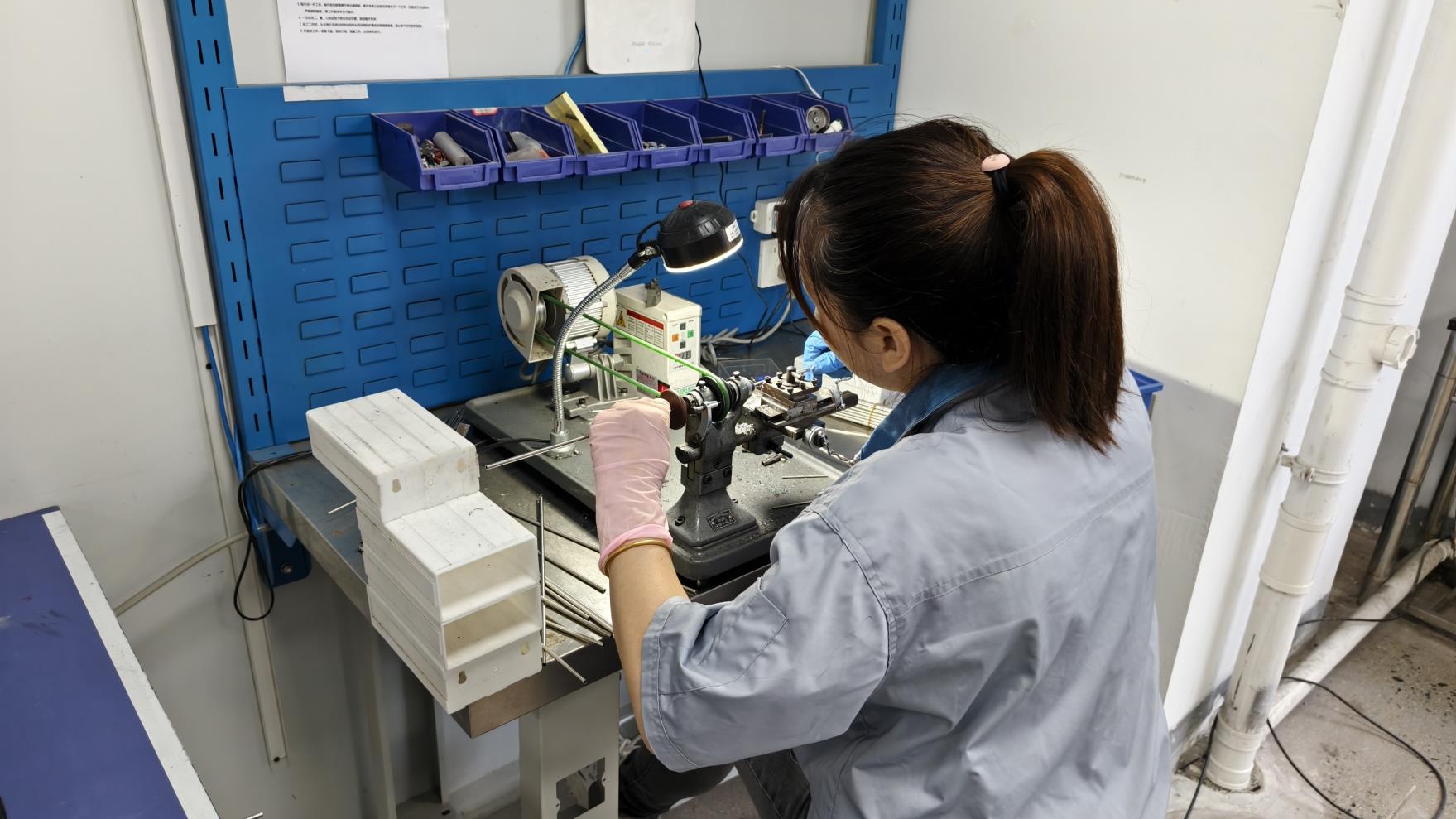
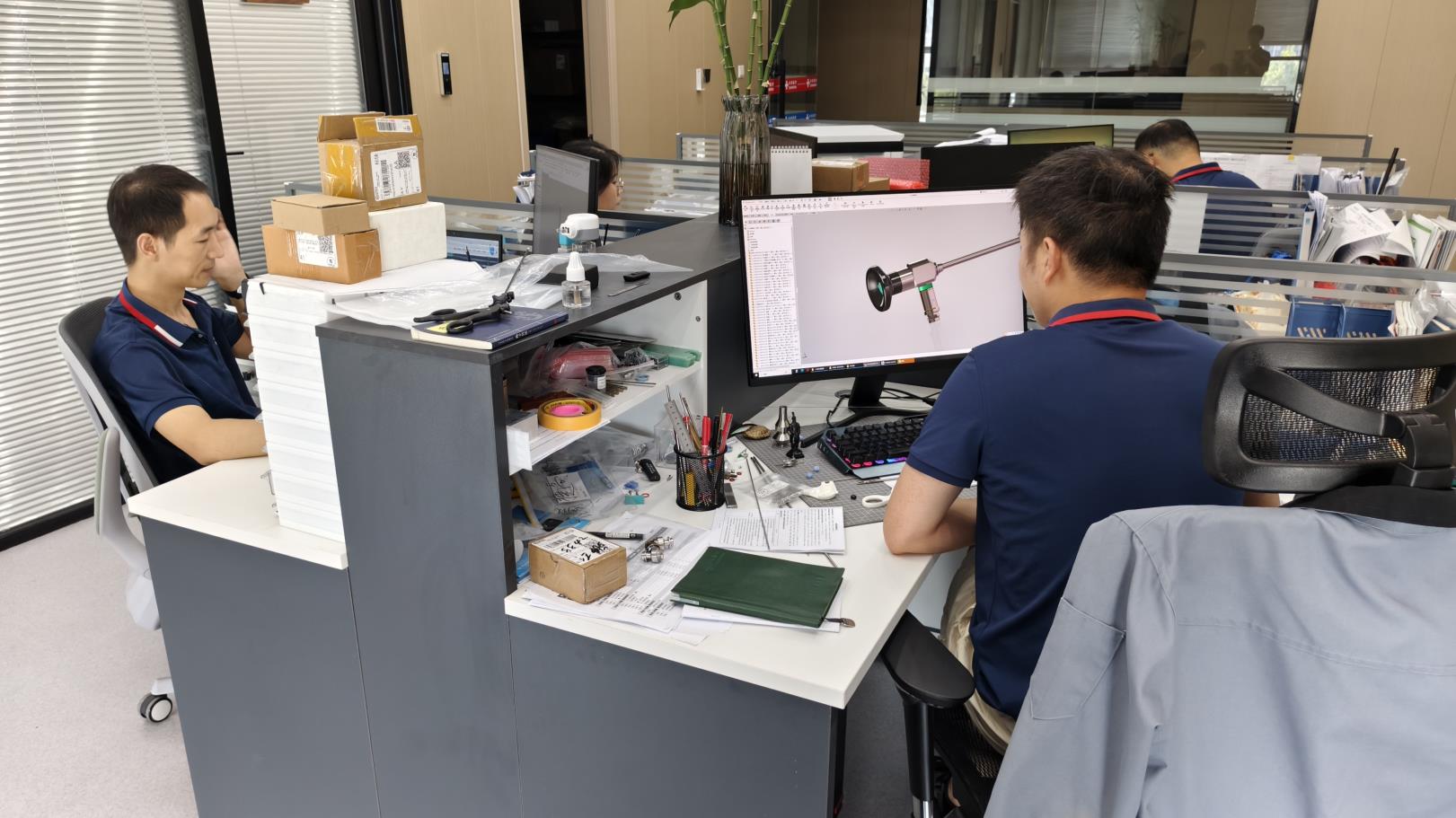
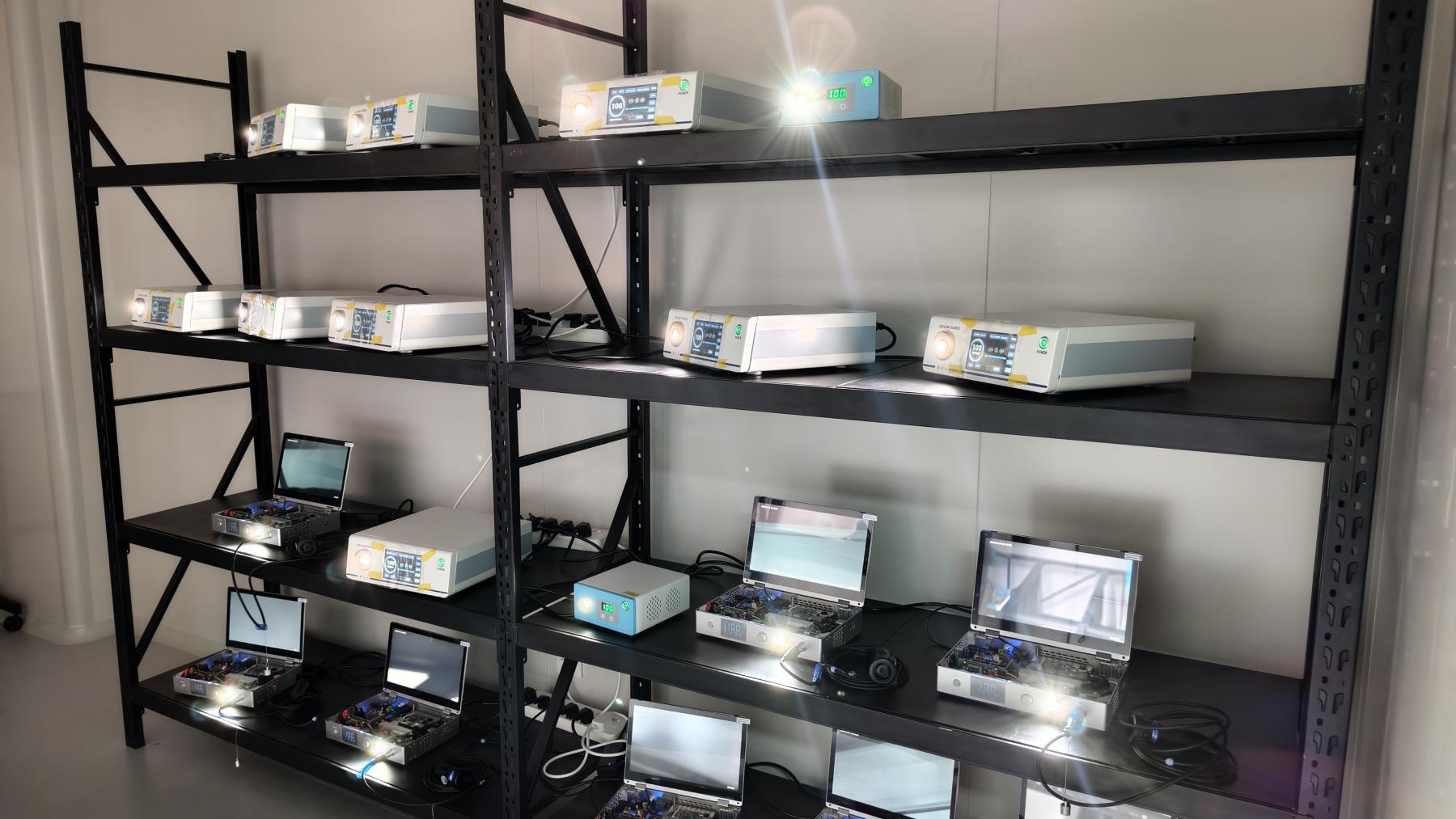
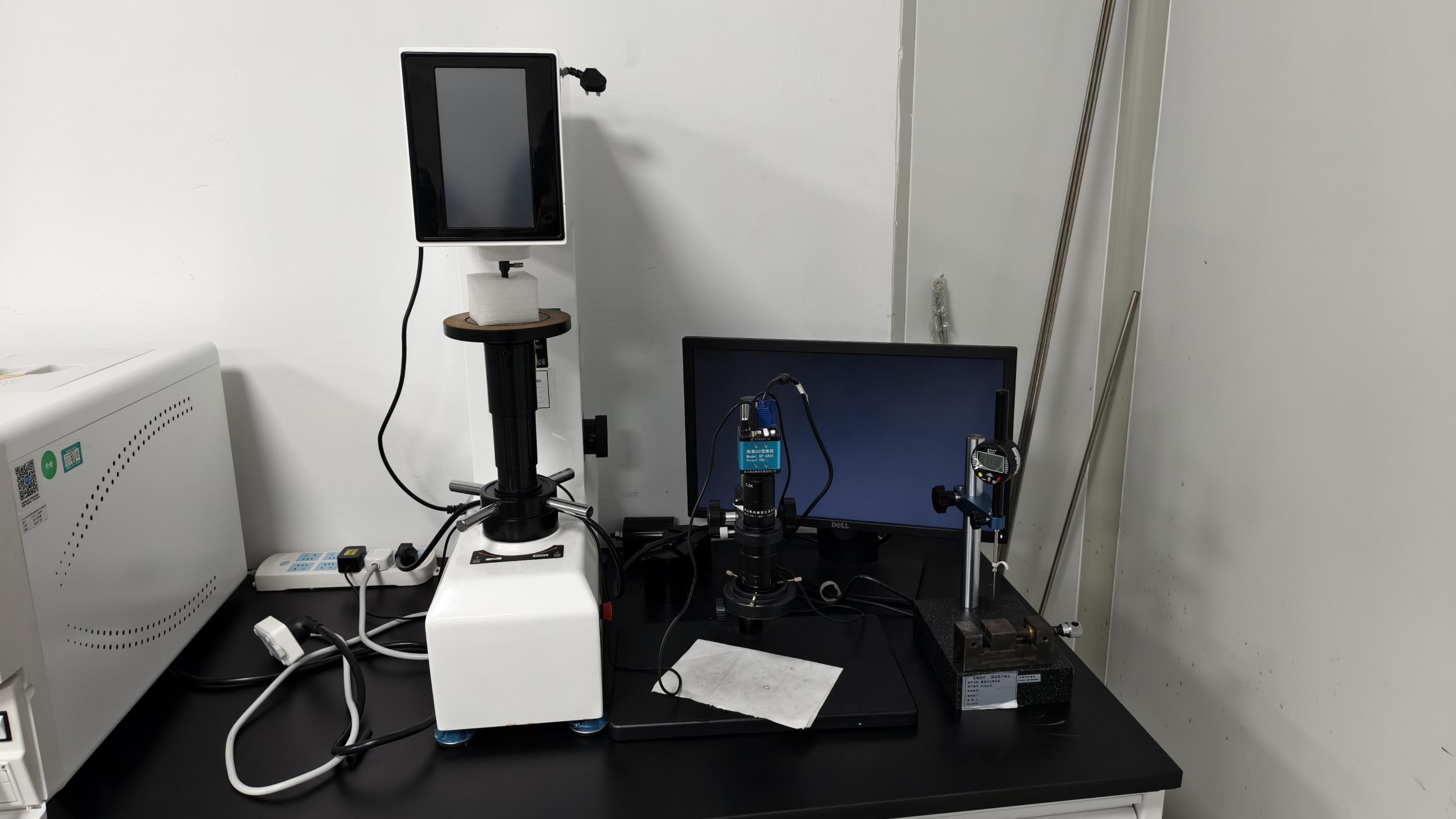
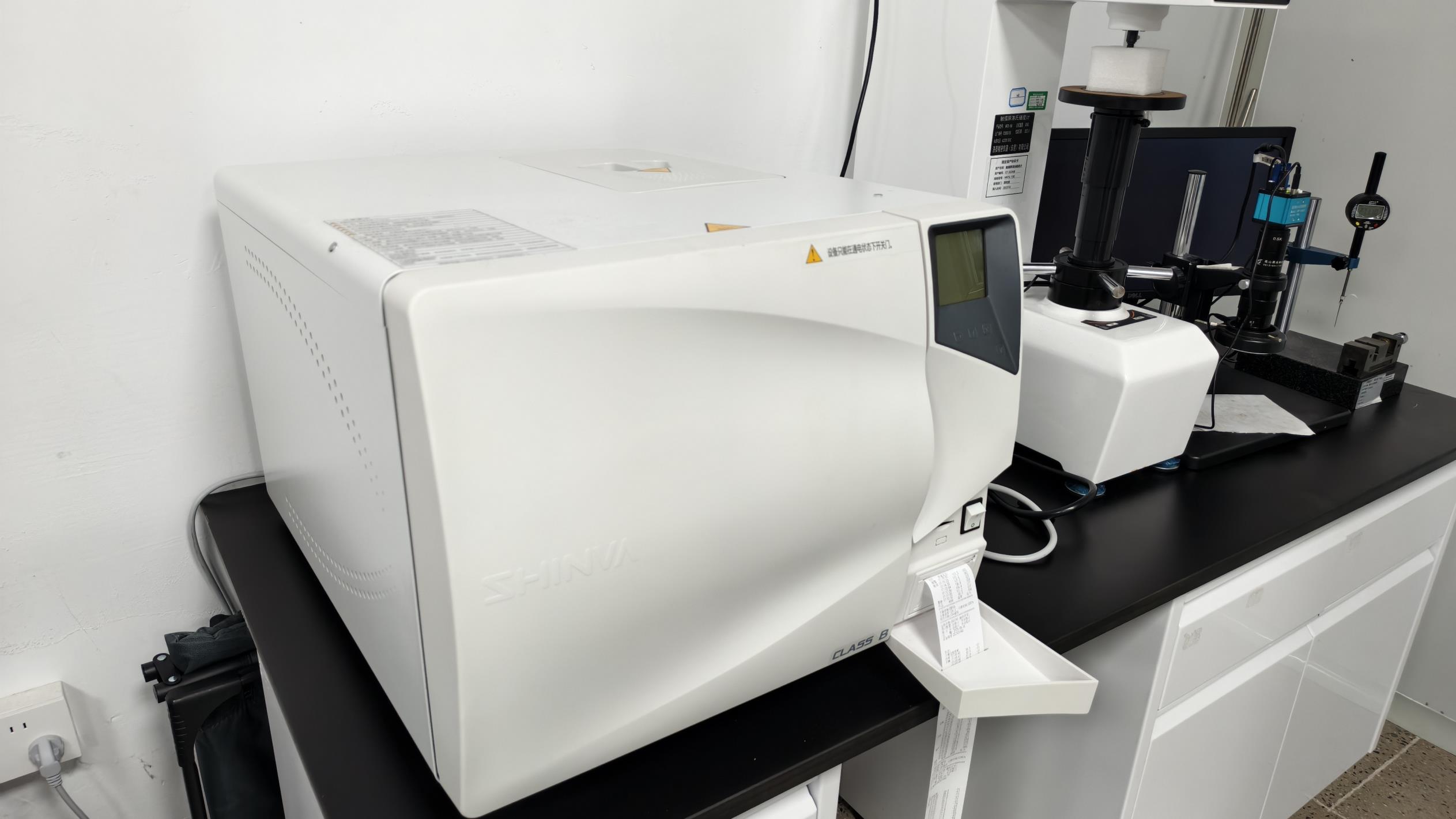
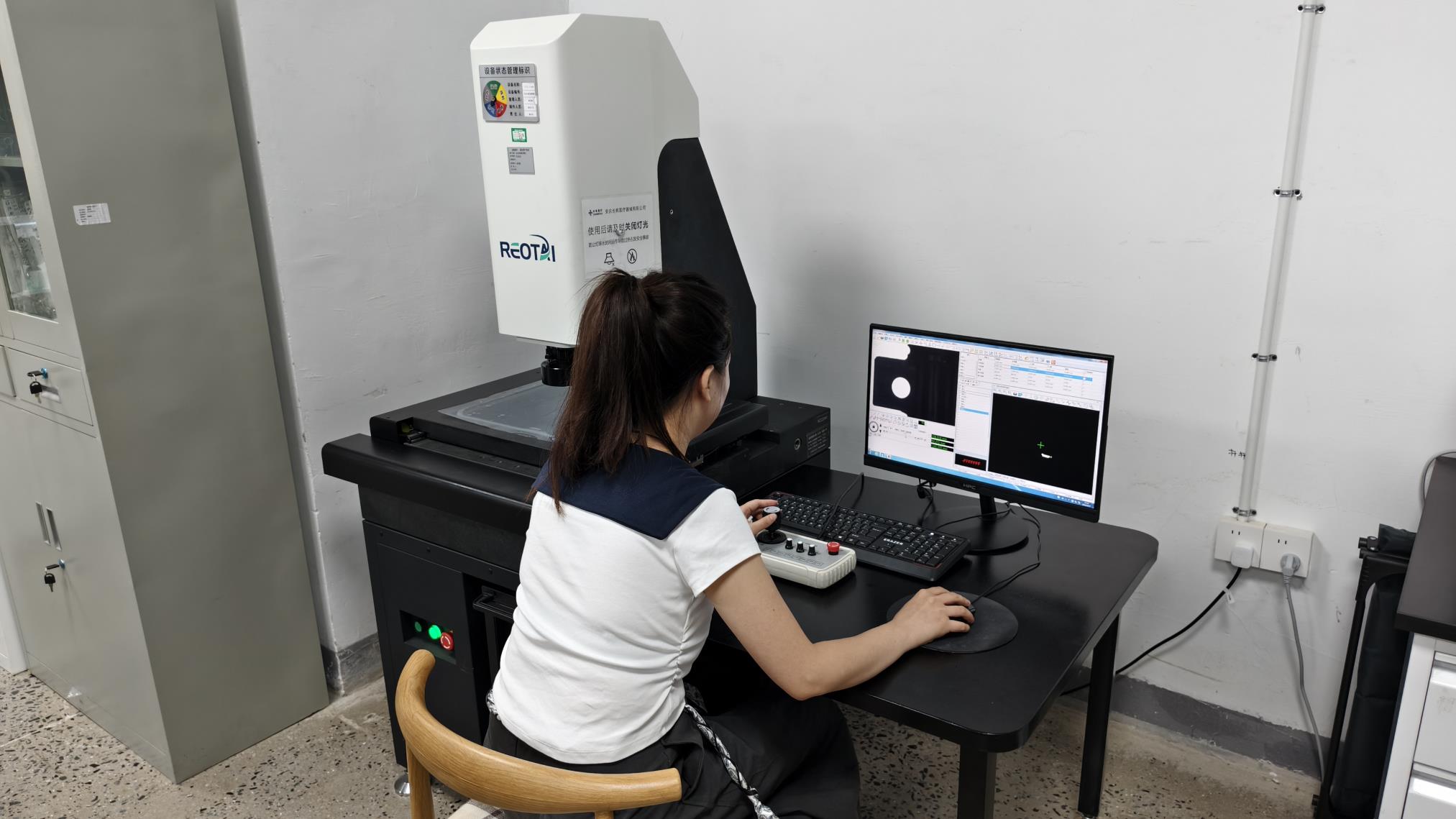
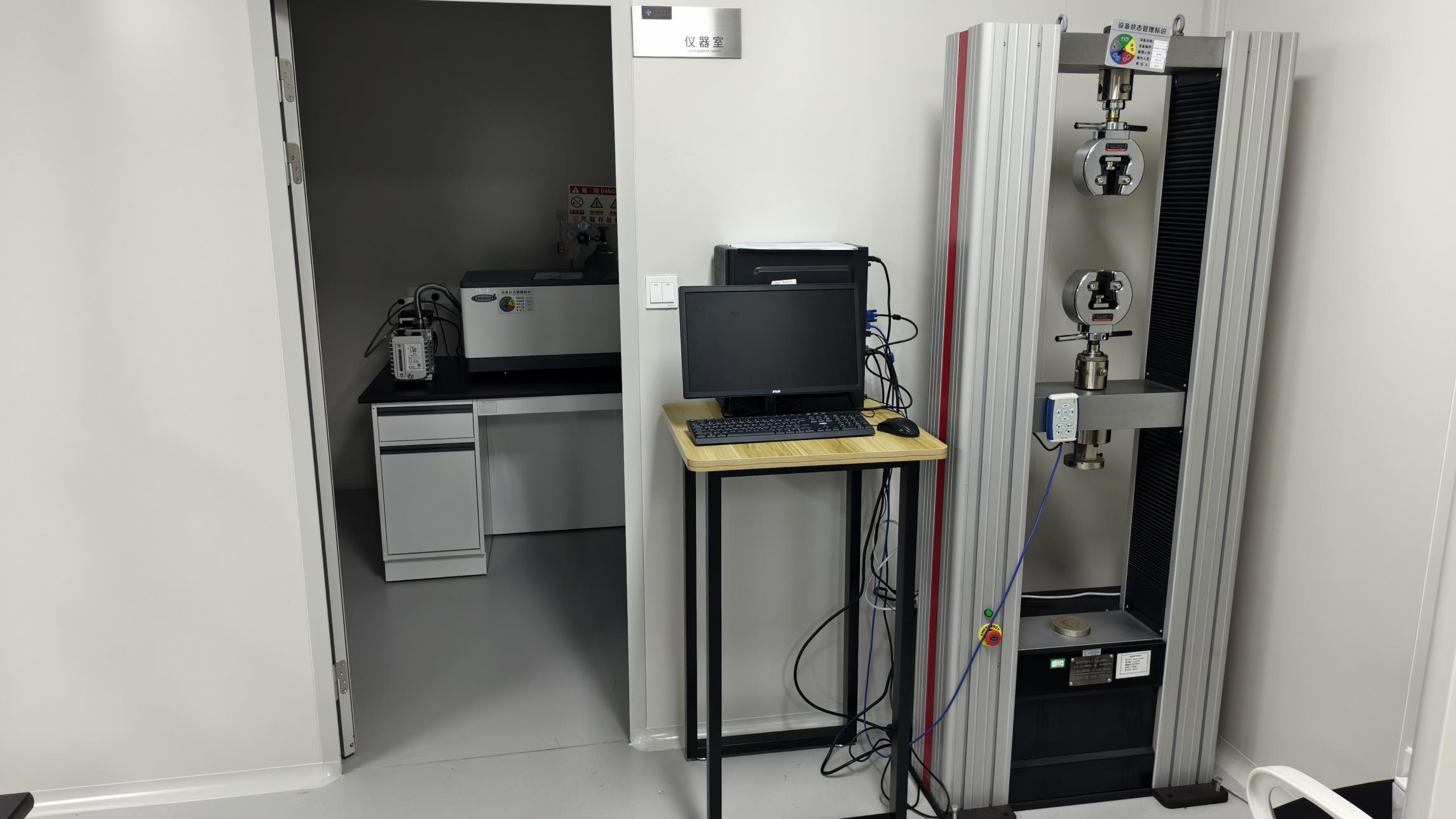
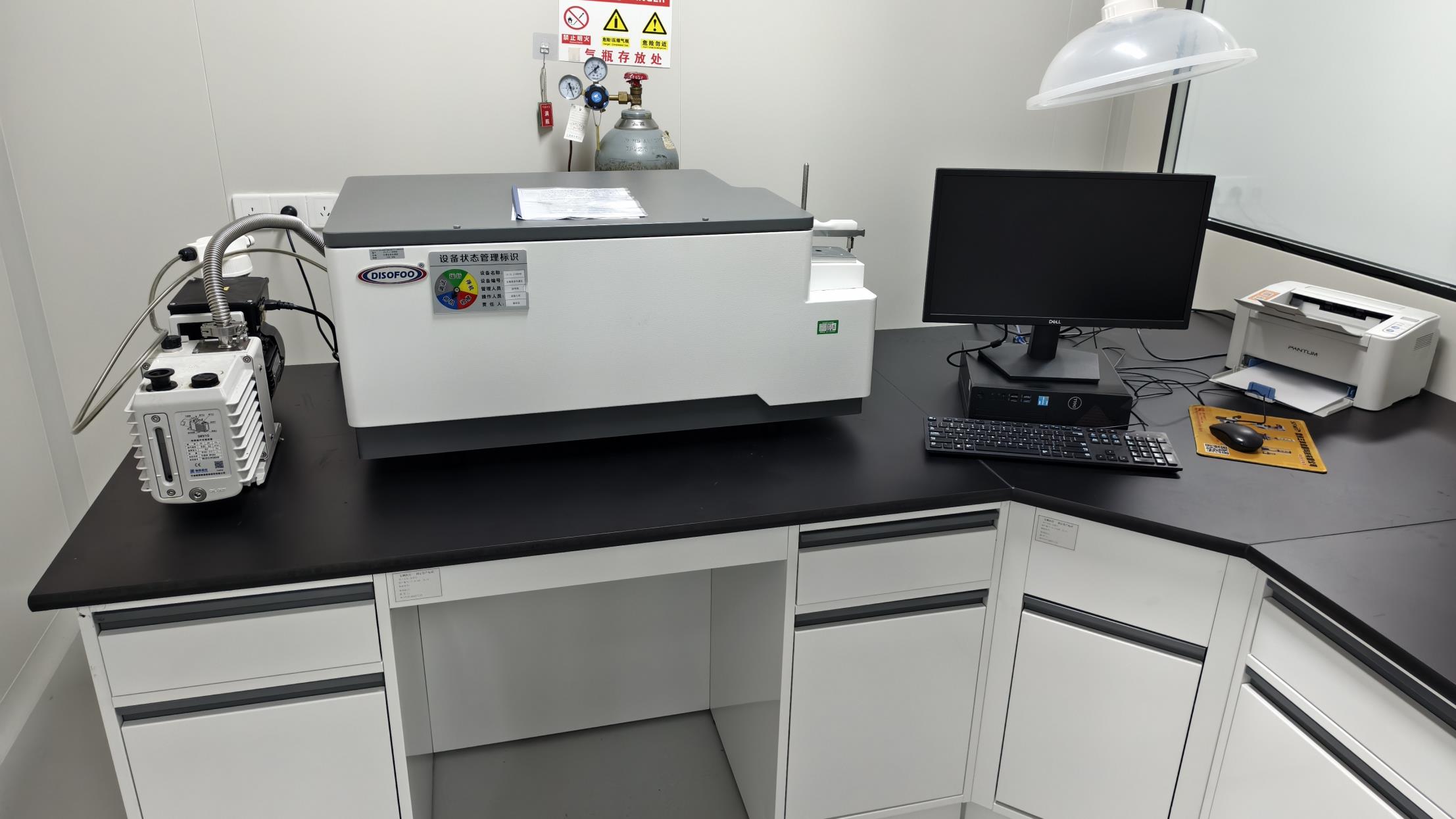
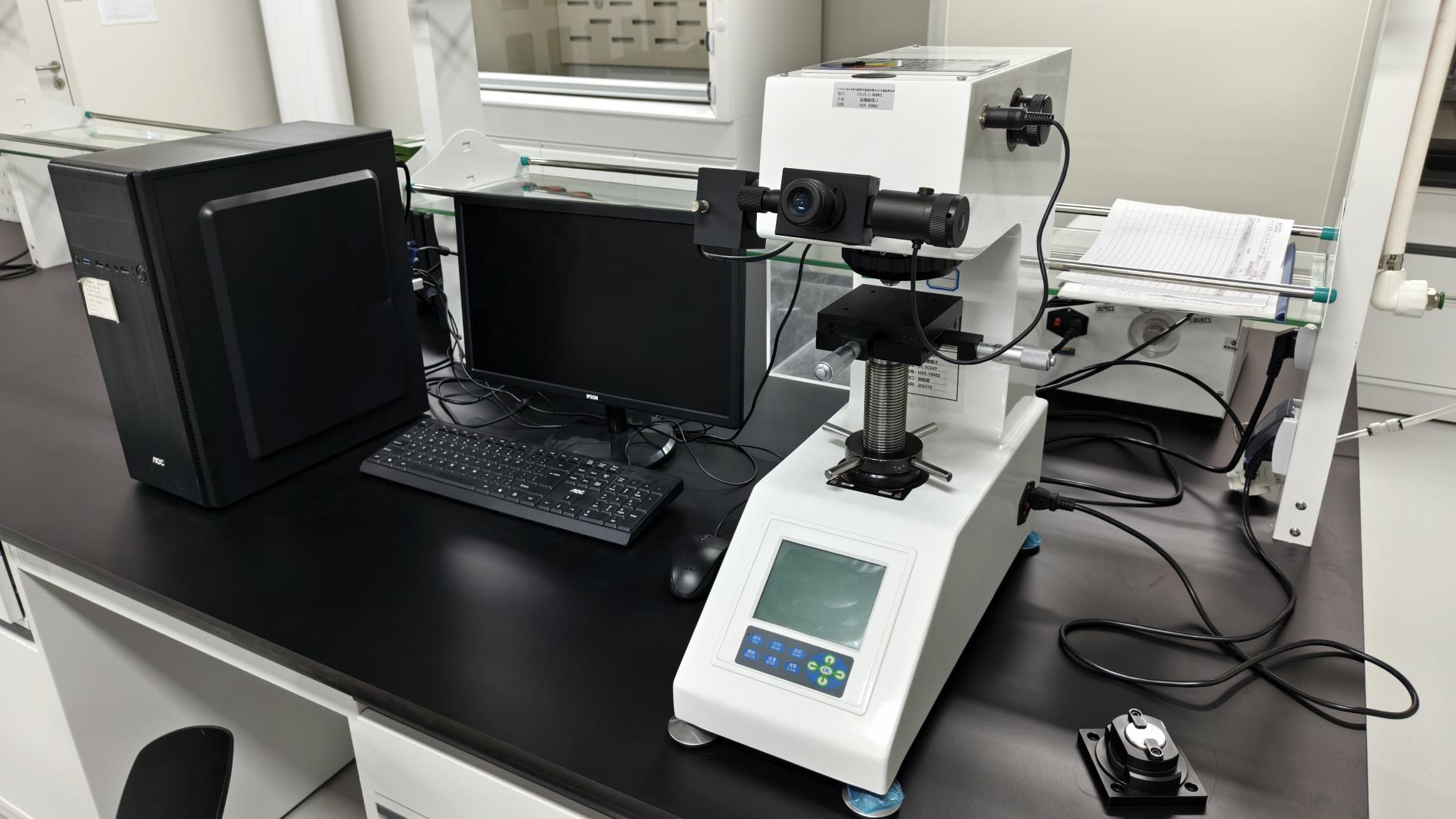
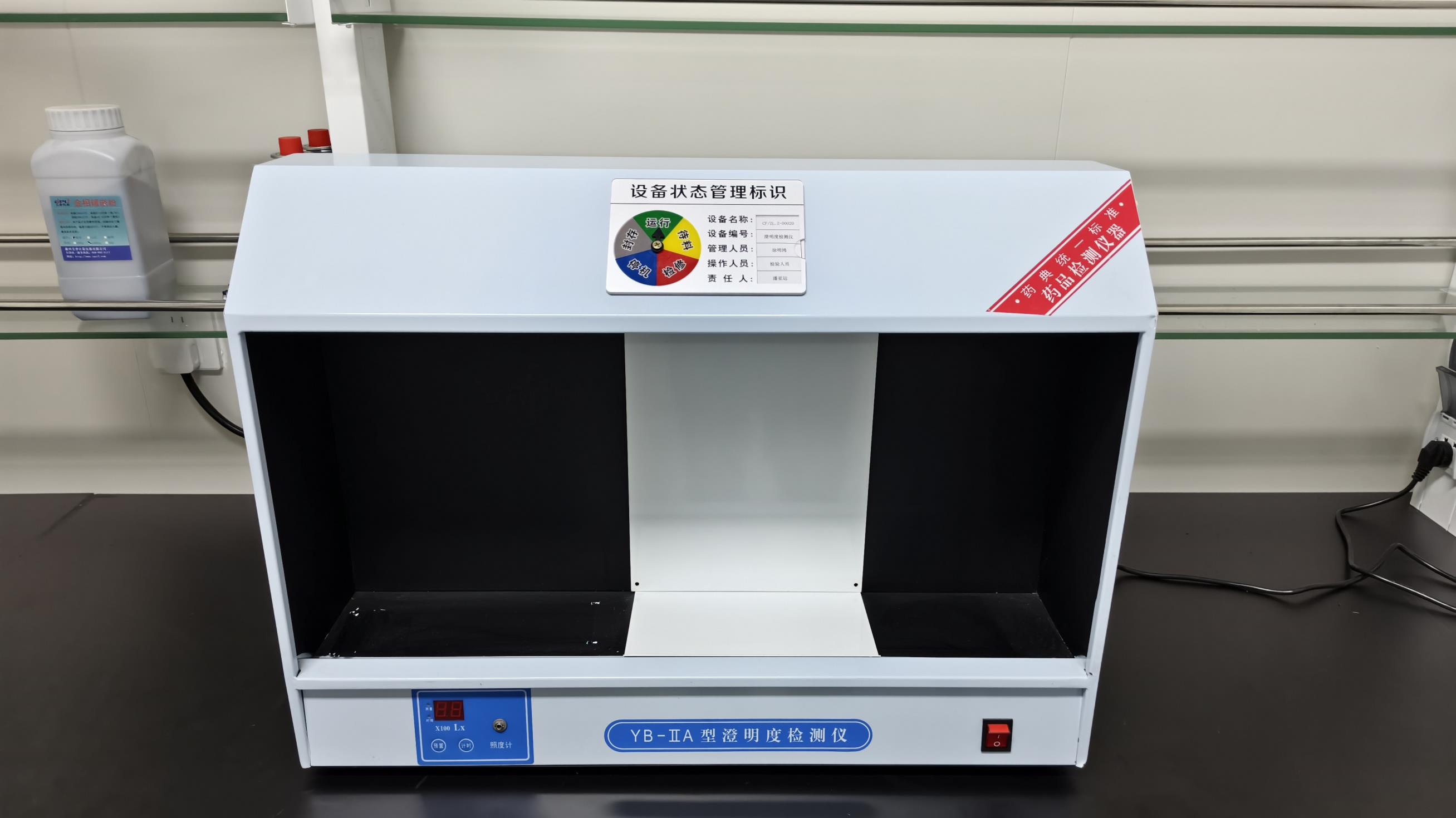
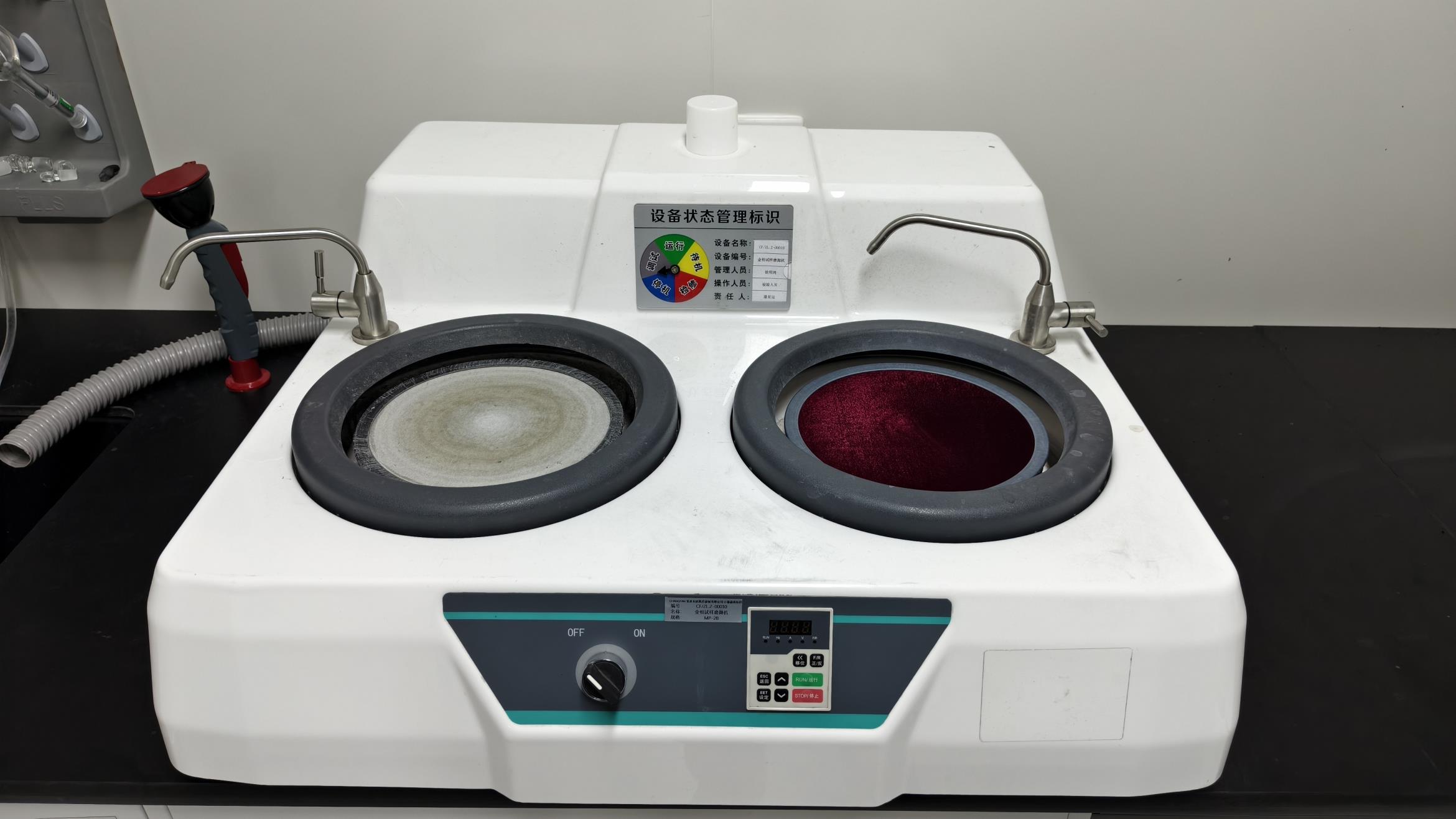
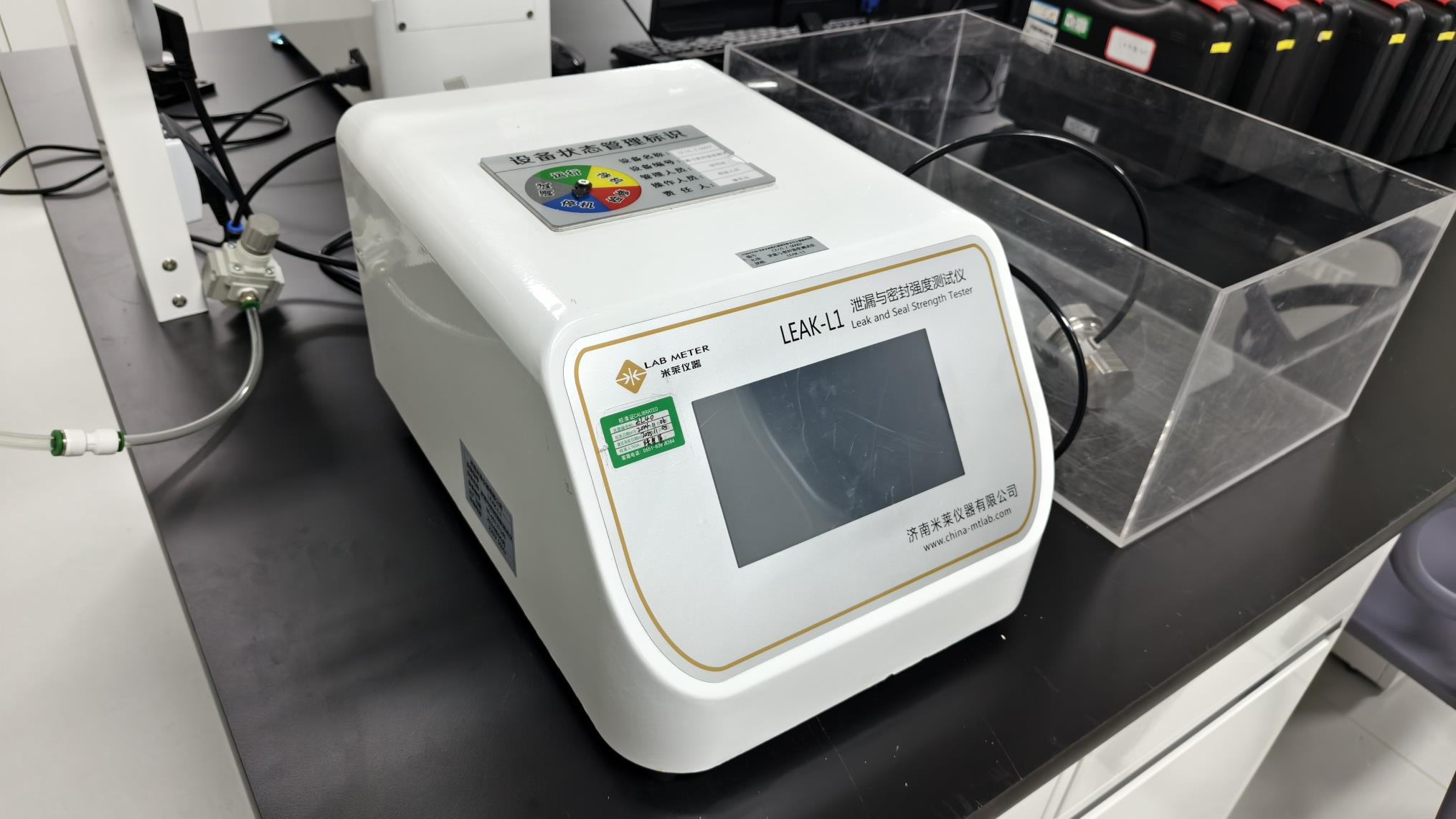
Exploring the metallurgical standards and physical configurations that define clinical-grade fixation.
The choice of material determines the load-bearing capacity and clinical behavior of an external fixator. Synoviq uses Ti-6Al-4V ELI (Grade 23) as our primary structural alloy. This material features lower interstitial elements like oxygen and iron, resulting in higher fracture toughness and improved ductility compared to standard Grade 5 titanium. This makes it ideal for stabilizing high-impact tibial and femoral compound fractures.
For applications where weight and radiolucency are critical (such as complex pelvic reconstruction and pediatric bone lengthening), carbon fiber reinforced polymer (CFRP) rods are utilized. These provide zero radiographic shadow, allowing surgeons to clearly evaluate bone healing, alignment, and osteogenesis progress. For budget-conscious environments, medical-grade 316LVM (low-carbon vacuum-melted) stainless steel remains a standard option, providing high tensile strength and ease of machining.
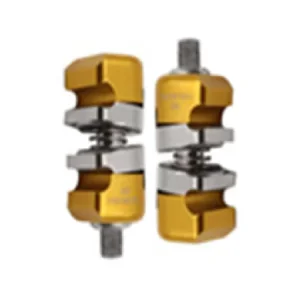
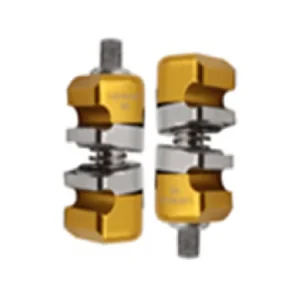
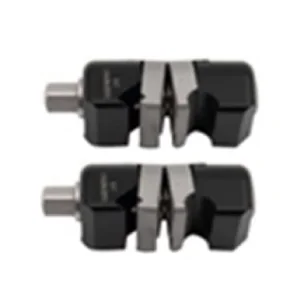
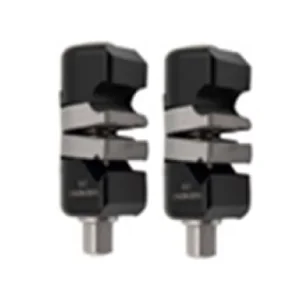
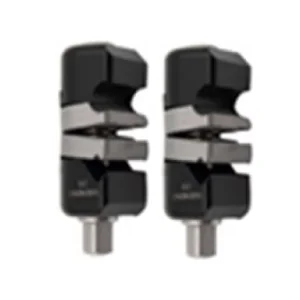
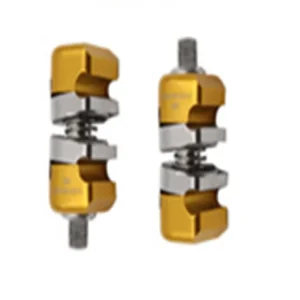
The stability of the external fixator construct is determined by its weakest link—the clamp interface. Synoviq's Hoffmann-style and customized pin-to-rod clamps feature micro-textured grooves inside the pin-gripping mechanism. This texture increases friction coefficients and prevents slippage under axial loads of up to 1200 N. The locking nuts are engineered with precision-rolled threads to prevent galling during intra-operative adjustments, giving surgeons a reliable feel during initial tightening.
Additionally, our micro-external fixators (tailored for finger and wrist joint reconstructions) utilize lightweight titanium rods and mini-clamps. These allow for precise fragment manipulation while keeping bulk to a minimum, preserving patient hand mobility during the rehabilitation phase.
Clinical Focus: High-precision manufacturing is critical. A microscopic surface scratch on a bone-inserting pin can trigger stress concentration and fatigue failure, or worse, act as a harbor for bacterial biofilms, increasing the risk of pin-tract osteomyelitis. Our 100% final polishing and microscopic inspect protocol ensures clean surfaces (Ra < 0.4 μm) for all patient-facing surfaces.
Navigating the global regulatory landscape with comprehensive documentation and localized support.
Entering international healthcare markets requires adherence to regulatory frameworks. Synoviq maintains an ISO 13485-certified quality management system that governs our design controls, cleanroom validation, and post-market surveillance. For clients targeting North America and Europe, we provide comprehensive technical files to support FDA 510(k) clearances and EU Medical Device Regulation (MDR 2017/745) Class IIa and IIb registrations.
All materials are traceable back to the raw ingot. We provide material mill test certificates (MTC), biocompatibility validation reports (complying with ISO 10993 requirements for cytotoxicity, sensitization, and systemic toxicity), and packaging validation test reports for sterile-barrier systems. This documentation ensures smooth customs clearance and regulatory approvals in global markets.
Every medical market has unique requirements for surgical workflows and instrument preferences. Through our design engineering team, we assist OEM clients in modifying components to fit specific surgical protocols. Whether it is adjusting the thread profile of self-drilling bone pins, engineering color-coded modular clamps for easier layout during surgery, or designing custom trays for sterilization, our R&D team provides fast prototyping and clinical-grade verification.
By leveraging Synoviq's infrastructure, global medical device brands can quickly launch new product lines without high capital investment. We handle the production scaling and strict quality checks, allowing our partners to focus on clinical education and local sales growth.
Answers to common questions from orthopaedic distributors, procurement managers, and biomedical engineers.
Titanium alloy (specifically Grade 23 or ELI) offers a superior strength-to-weight ratio, reducing the overall weight of the frame. This improves patient mobility and comfort. Furthermore, titanium exhibits a lower modulus of elasticity, which is closer to human bone structure, reducing stress-shielding effects. It also has higher biocompatibility, corrosion resistance, and creates less artifact during postoperative MRI scans than stainless steel.
Yes, we provide full regulatory support for our distribution partners and OEM clients. This includes providing complete Technical Files, design history files, biocompatibility reports (ISO 10993), sterilization validation, and clinical evaluation documentation. Our experienced regulatory team will work closely with your compliance officers to ensure smooth approval processes in your target markets.
We employ an advanced multi-stage inspection process. Raw materials undergo spectroscopic chemical composition analysis. Machined parts are verified using Coordinate Measuring Machines (CMM) and Automatic 2D Video Measuring Instruments to guarantee thread tolerances and slot diameters. Finally, we perform simulated load and torque testing to ensure clamps lock securely onto rods and pins without slipping or thread stripping.
For custom OEM orders, packaging design and structural prototype approval typically take 2-3 weeks. Once the packaging configurations, labeling, and laser markings are finalized, mass production runs are completed in 30-45 days, depending on batch volume. We support both bulk non-sterile shipments and pre-packaged sterile-barrier boxes ready for clinical use.
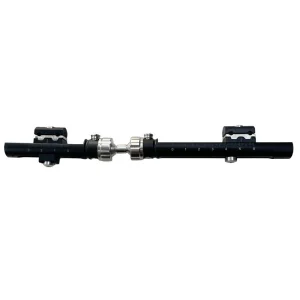
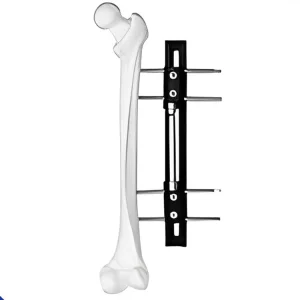
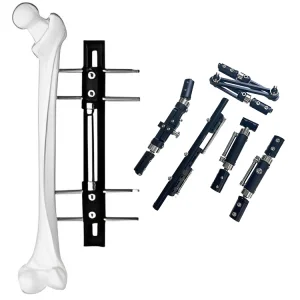
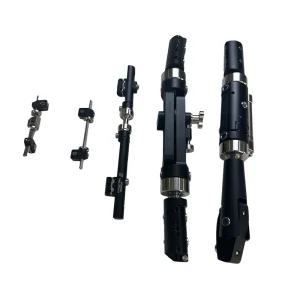
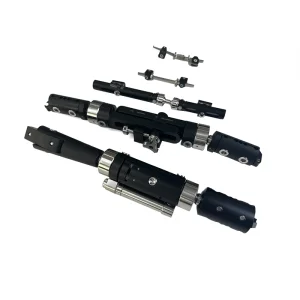
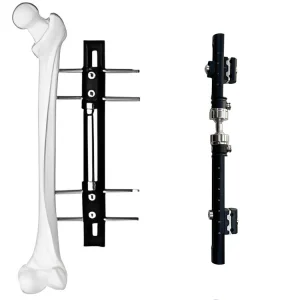
High-tensile bone-lengthening constructs, modular fragment clamps, and comprehensive surgical sets.
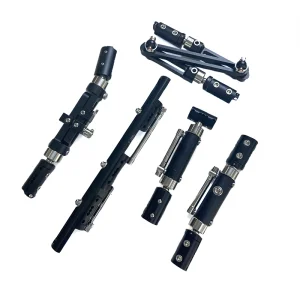
 Synoviq Medical