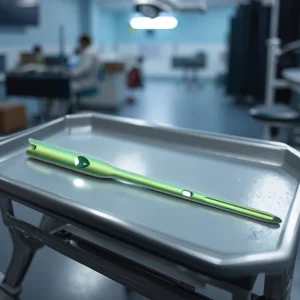
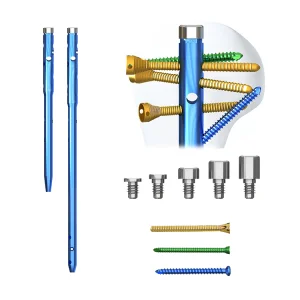
Engineered for precise anatomical restoration, structural biomechanical stability, and rapid osteointegration.
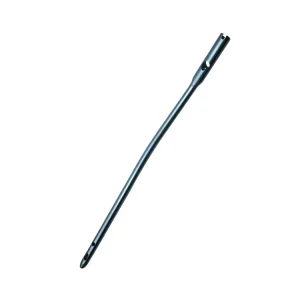
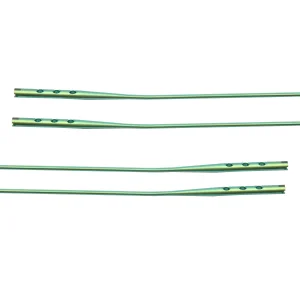
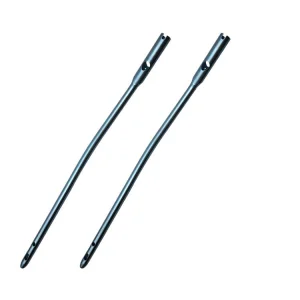
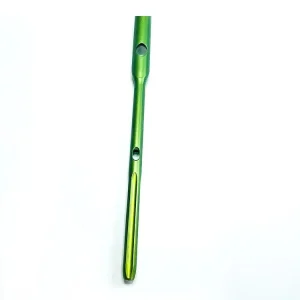
Synoviq Medical Technology (China) Co., Ltd. stands at the forefront of the orthopedic medical device sector, operating as a top-tier manufacturer and exporter specializing in Class III trauma internal fixation systems. With over 14 years of deep-rooted industry expertise and 8 years of global export experience, our facility in China has transitioned into a highly digitized, intelligent manufacturing hub configured under Industry 4.0 principles.
Our expansive 18,600 m² facility is engineered to run complex multi-axis CNC Swiss-type machining centers, maintaining micron-level dimensional tolerances essential for interlocking intramedullary nails. Synoviq works closely with global medical device brands, orthopedic product importers, regional distributors, and large-scale hospital networks to build tailored OEM and ODM solutions.
Our philosophy is grounded in clinical efficacy and biomechanical excellence. By utilizing medical-grade titanium alloys (Ti-6Al-4V ELI) and cobalt-chromium alloys, we produce implants that deliver exceptional load-sharing capacity, structural resilience, and long-term fatigue life to reduce the risk of implant failures and revisions.
| Item | Operational Specification & Capability |
|---|---|
| Company Name | Synoviq Medical Technology (China) Co., Ltd. |
| Brand | Synoviq |
| Established | March 18, 2016 |
| Building Area | 18,600 m² |
| Annual Export Revenue | USD 21.8 Million |
| Export Experience | 8 Years |
| Industry Experience | 14 Years |
| Quality Inspection | 100% Final Inspection & Incoming Material Inspection |
| Inspection Methods | CMM Measurement, Mechanical Testing, Surface Roughness Testing, Hardness Testing, Salt Spray Testing, Sterility Validation |
| Quality Control Staff | 48 Specialists |
| Business Type | Manufacturer & Exporter (OEM/ODM) |
| Main Markets | Europe, North America, South America, Middle East, Southeast Asia |
| Supply Chain Partners | 1,120+ Verified Partners |
| Main Customers | Medical Device Brands, Importers, Distributors, Hospitals, Government Tenders |
| R&D Capability | Independent Product Design, FEA Simulation, Prototype Development, OEM & ODM |
| Customization Options | Logo, Packaging, Surface Treatment (Type II Anodization), Dimensional Configuration |
| R&D Engineers | 76 Engineers |
| New Products (Last Year) | 186 Innovative SKUs |
A technical exploration of design, mechanical engineering, and material science in long bone fracture fixation.
Intramedullary (IM) nails function as load-sharing internal splints. Unlike traditional bone plates that undergo eccentric load bearing, an IM nail is positioned along the mechanical axis of the long bone. This centralized alignment reduces the bending moment on the implant and promotes secondary bone healing through callus formation via controlled axial micro-motion. Our nails are engineered with precise stiffness profiles to balance anatomical stability and avoid stress-shielding, which can impede bone remodeling.
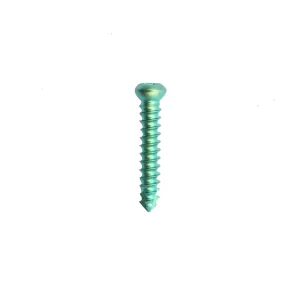
For osteoporotic trochanteric fractures, traditional lag screws pose a high risk of cutout. Synoviq's PFNA systems utilize a helical blade design rather than a standard lag screw. The helical blade compacts the cancellous bone during insertion, significantly increasing resistance against rotation and varus collapse. This structural reinforcement is critical for geriatric patients, where poor bone mineral density makes reliable screw purchase difficult.
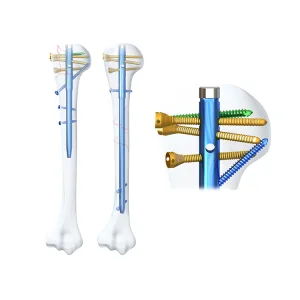
Complex fractures of the humeral shaft, tibia, and femur require dynamic locking options. Our designs provide both static and dynamic locking holes. Dynamic locking allows axial movement of bone fragments under load, encouraging natural bone healing in later stages of recovery. Multi-loc distal locking options enable multi-planar screw configuration, stabilizing short distal bone blocks close to joint lines.
How Synoviq integrates automated production with strict process control to deliver reliable orthopedic implants.
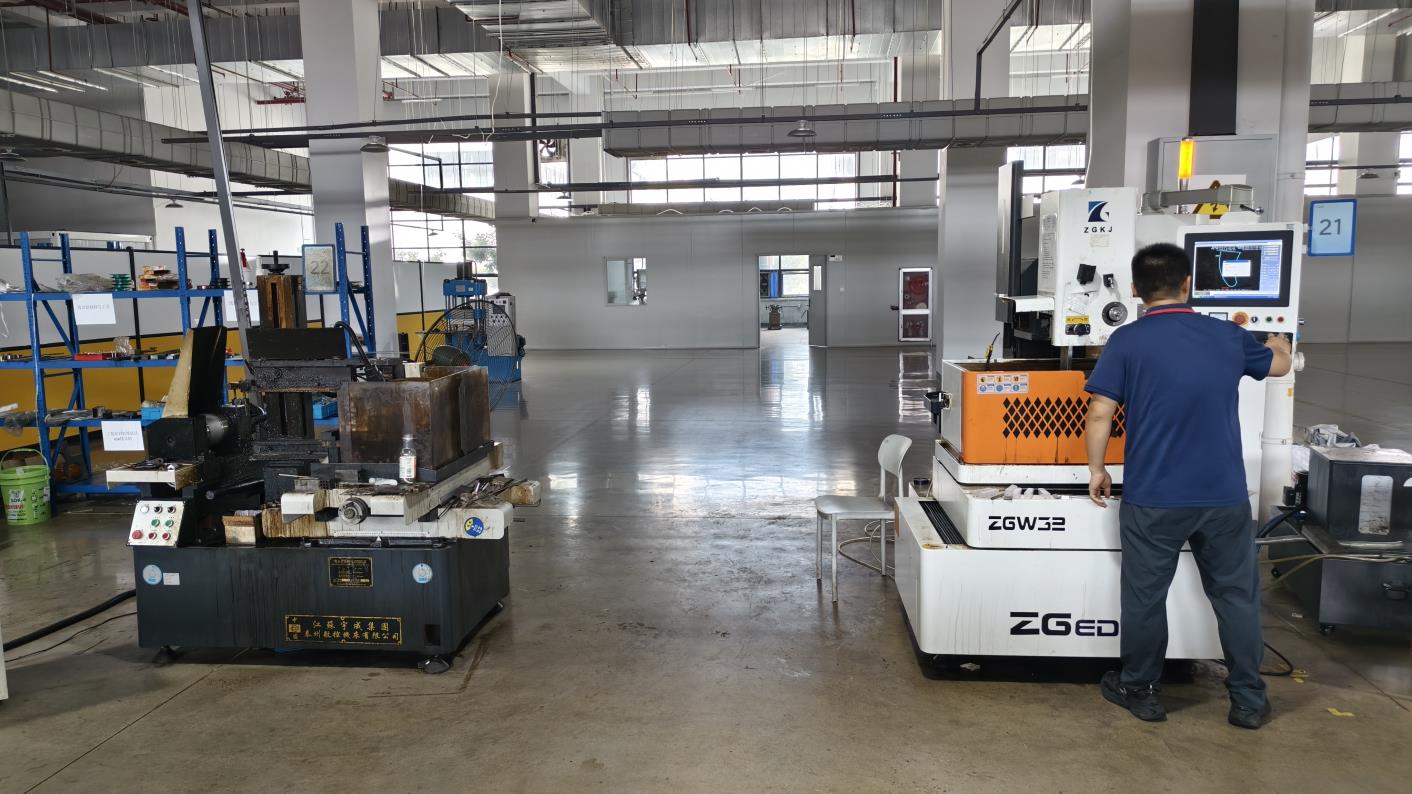
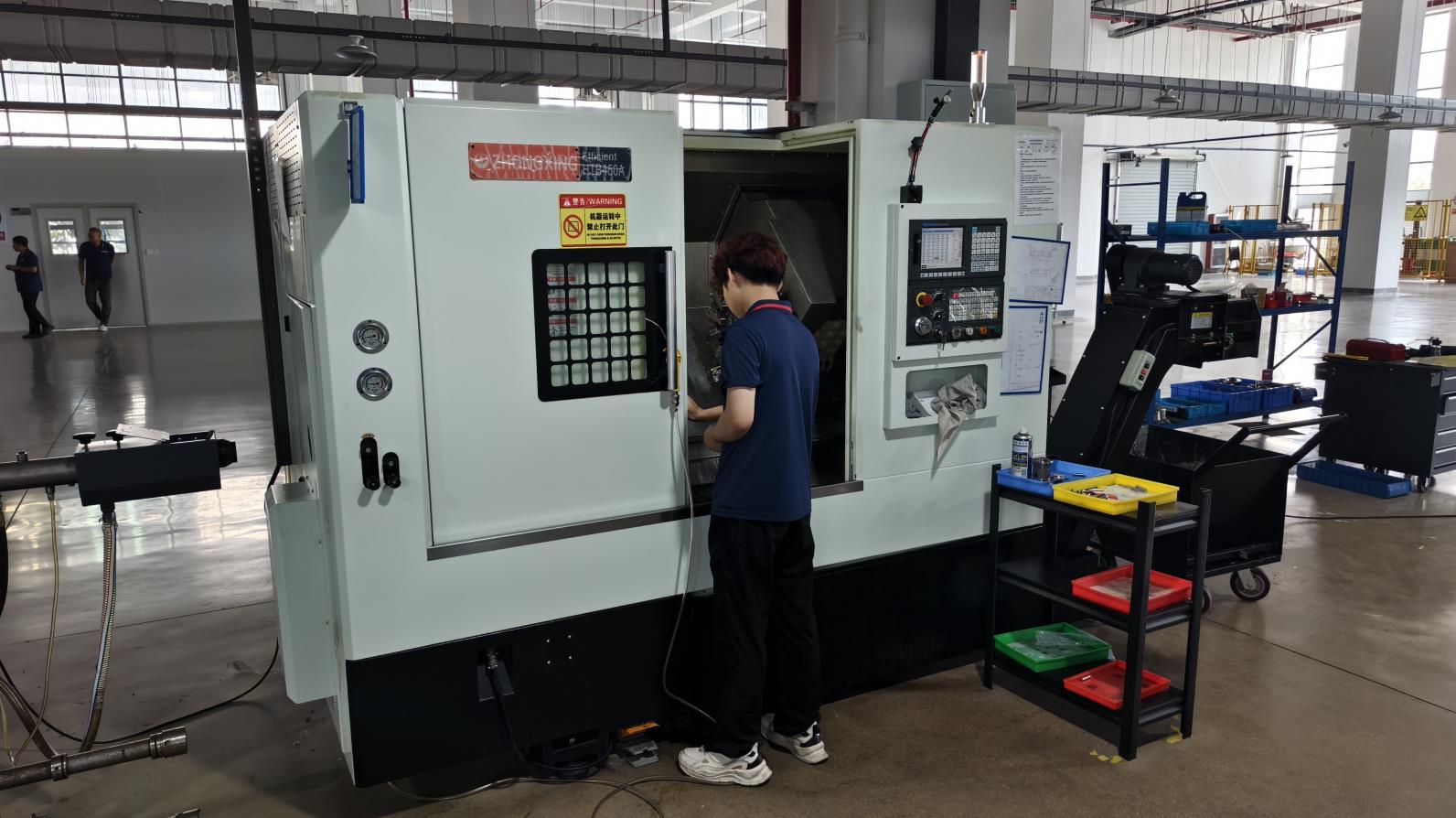
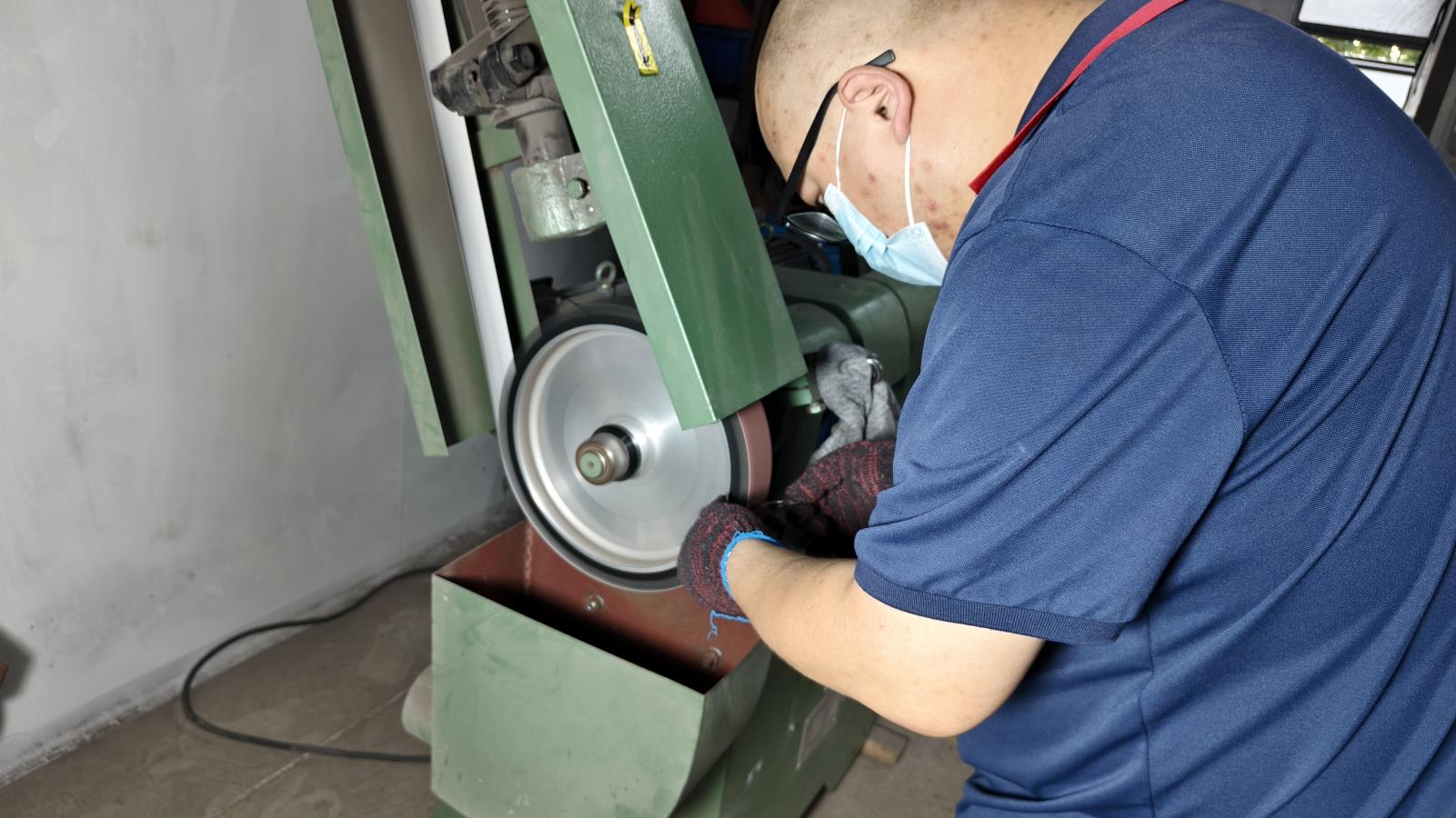
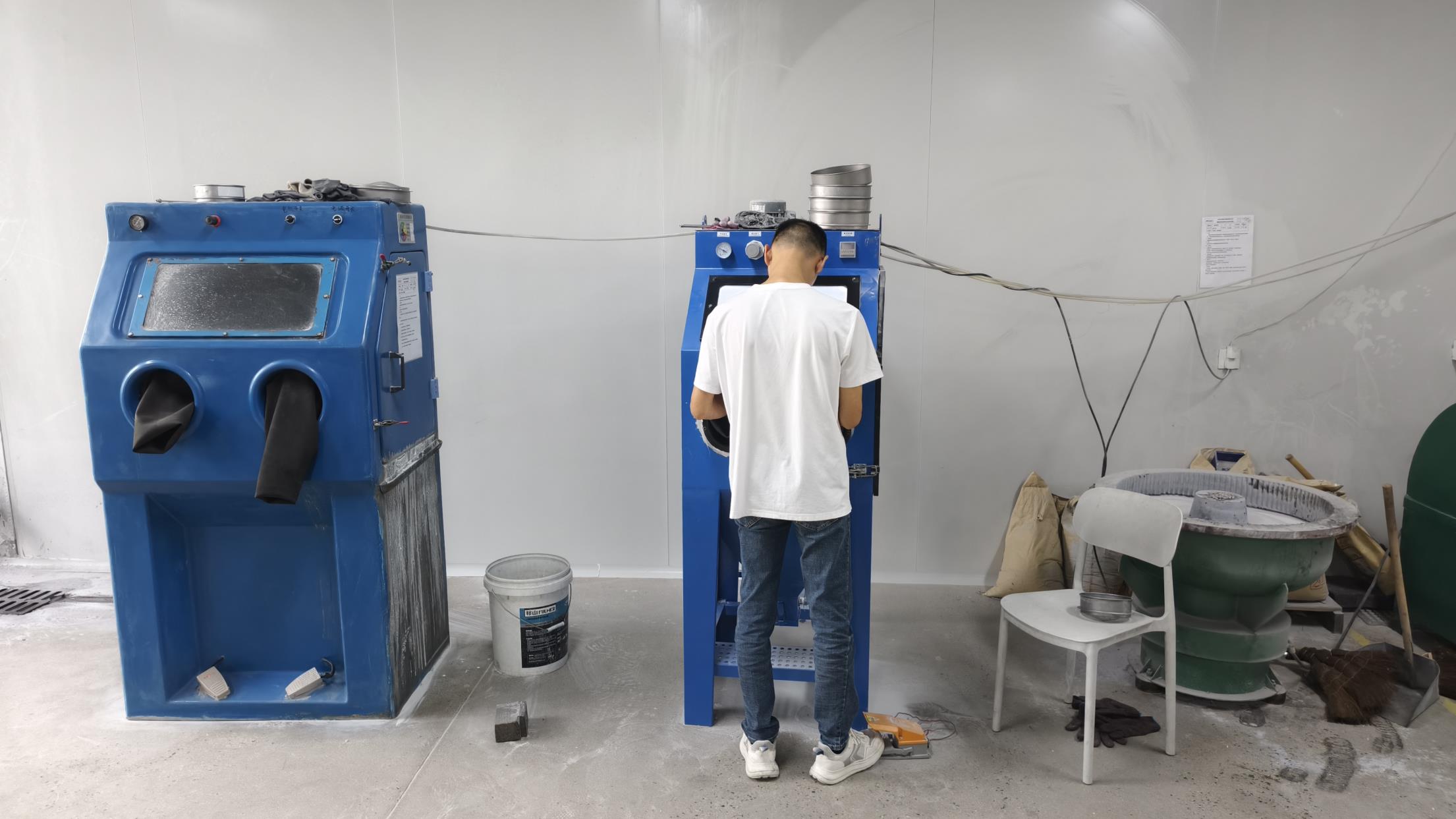
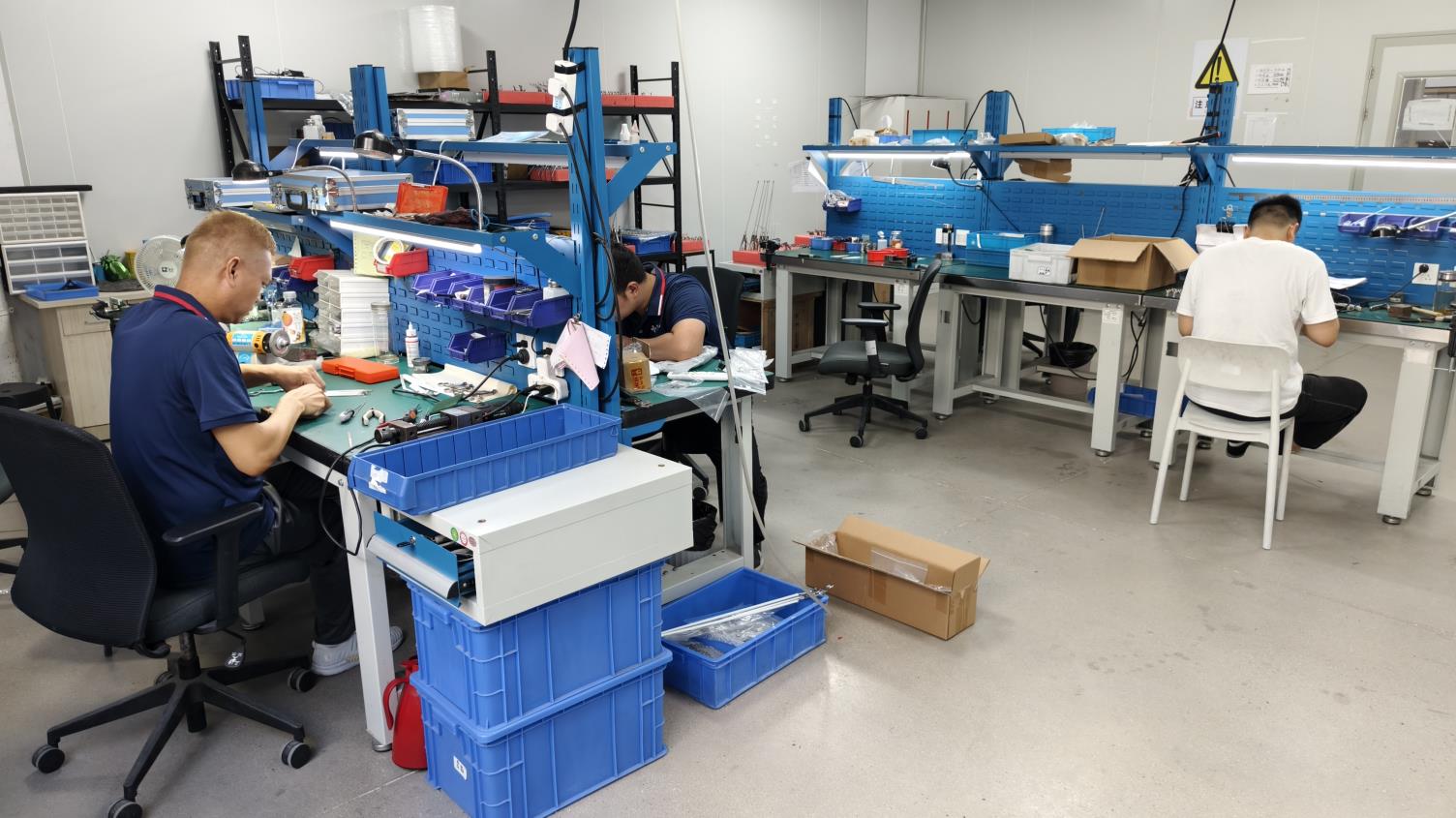
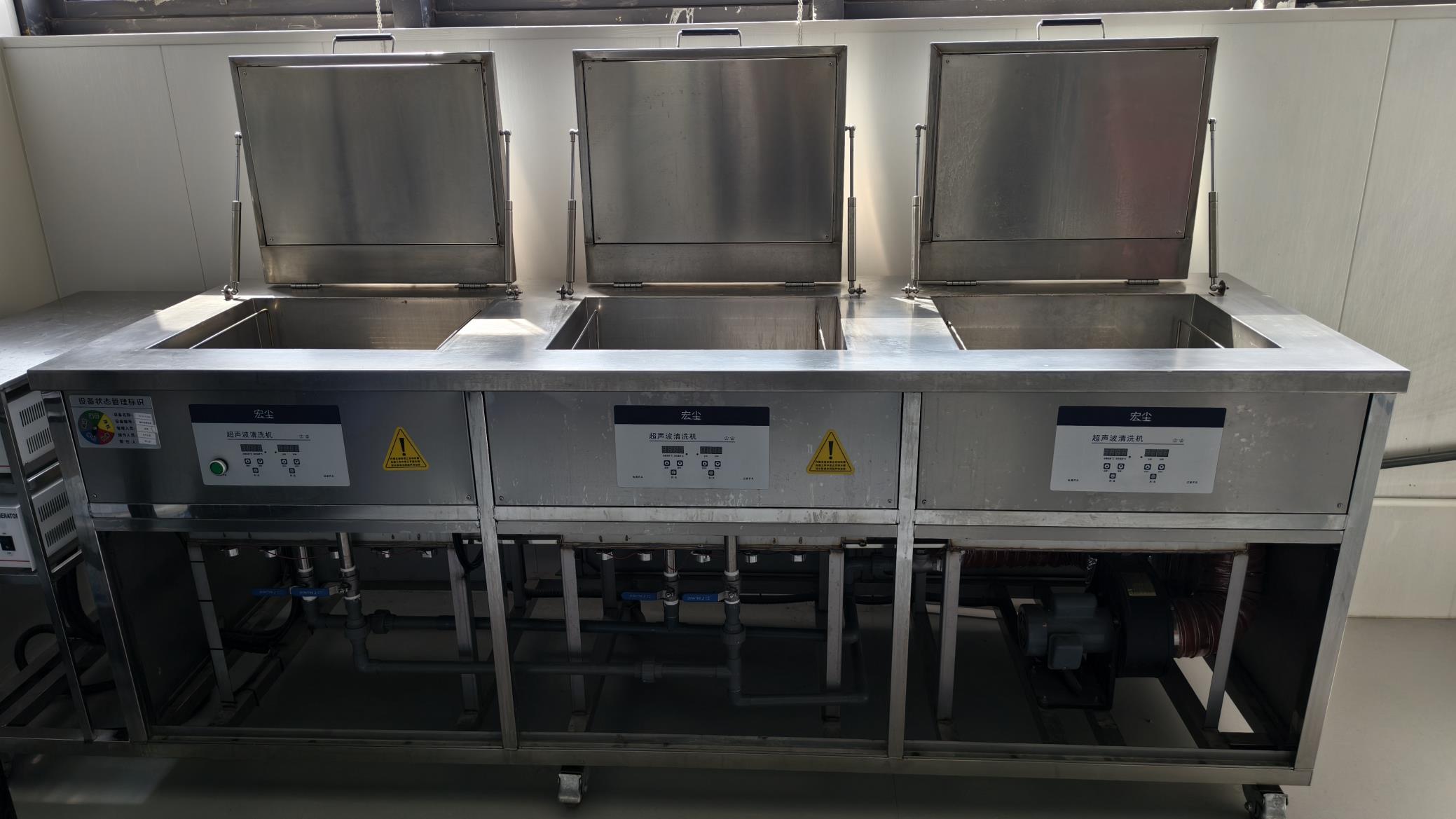
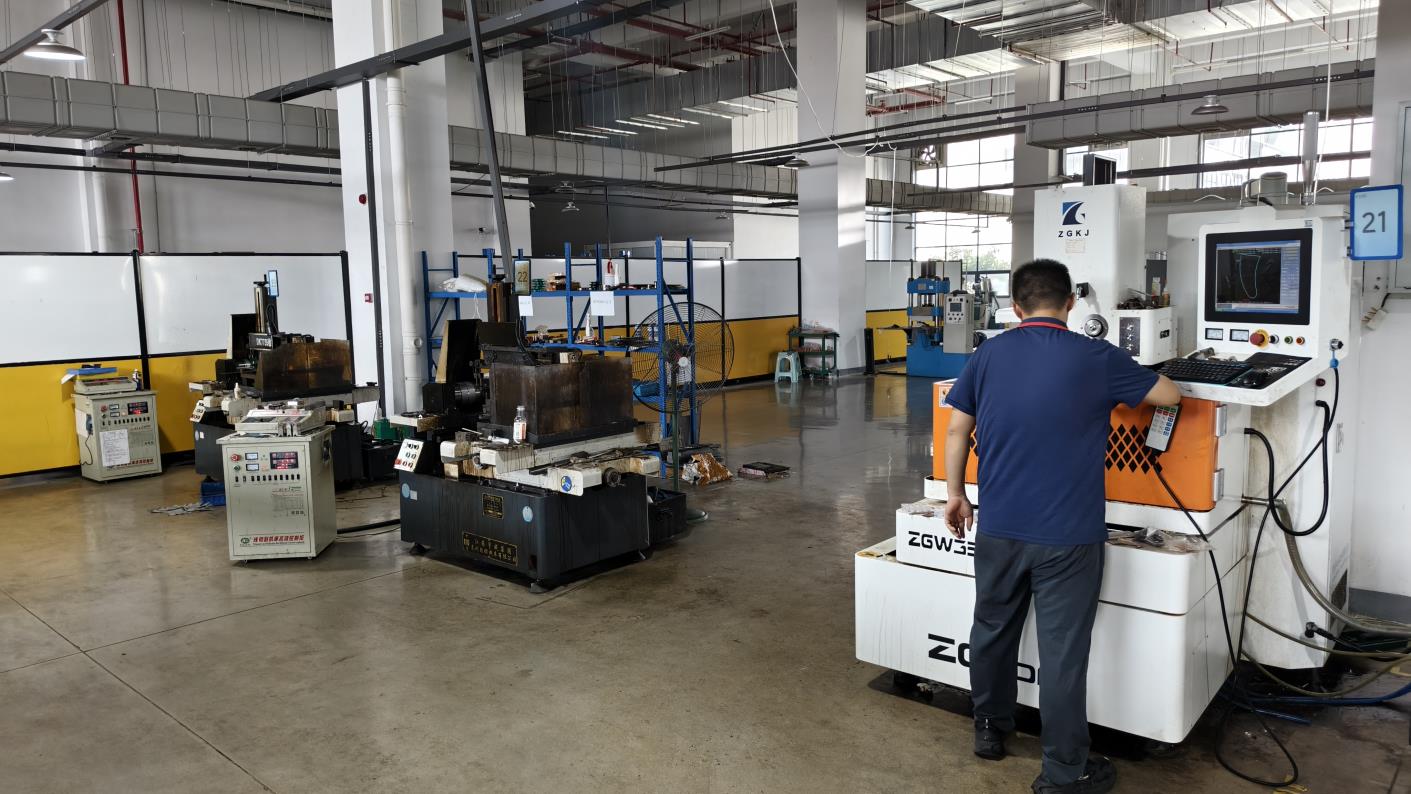
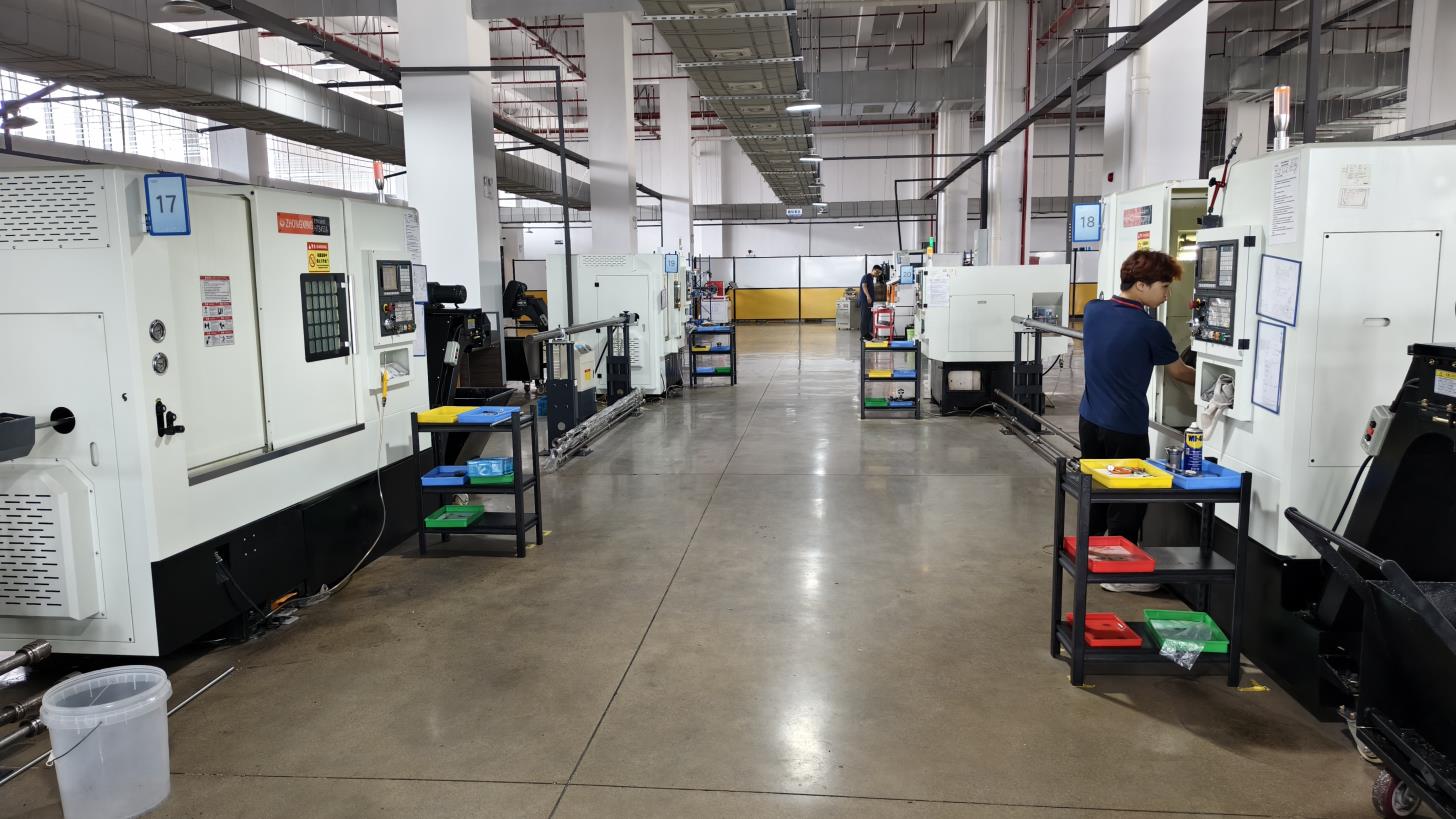
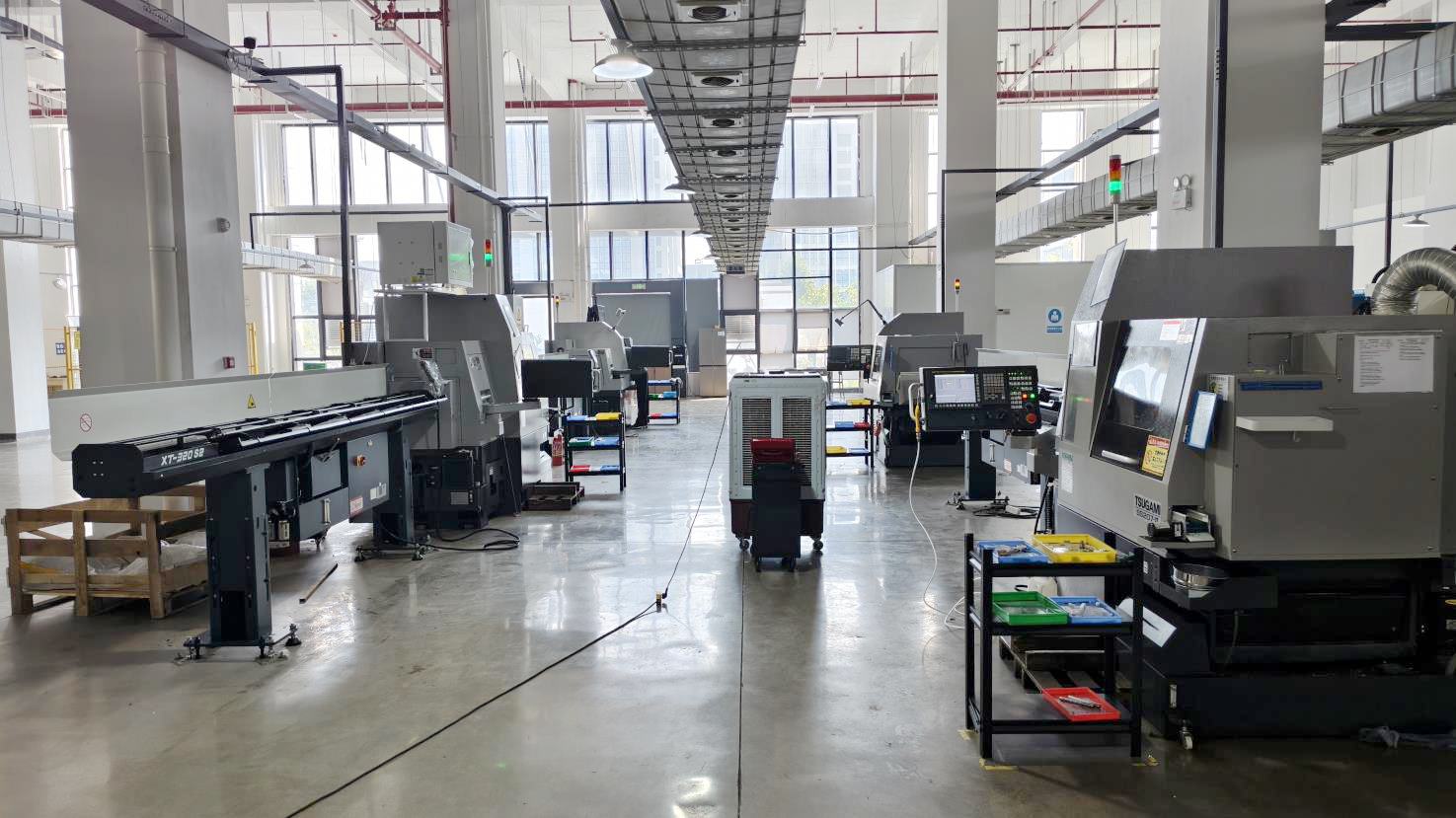
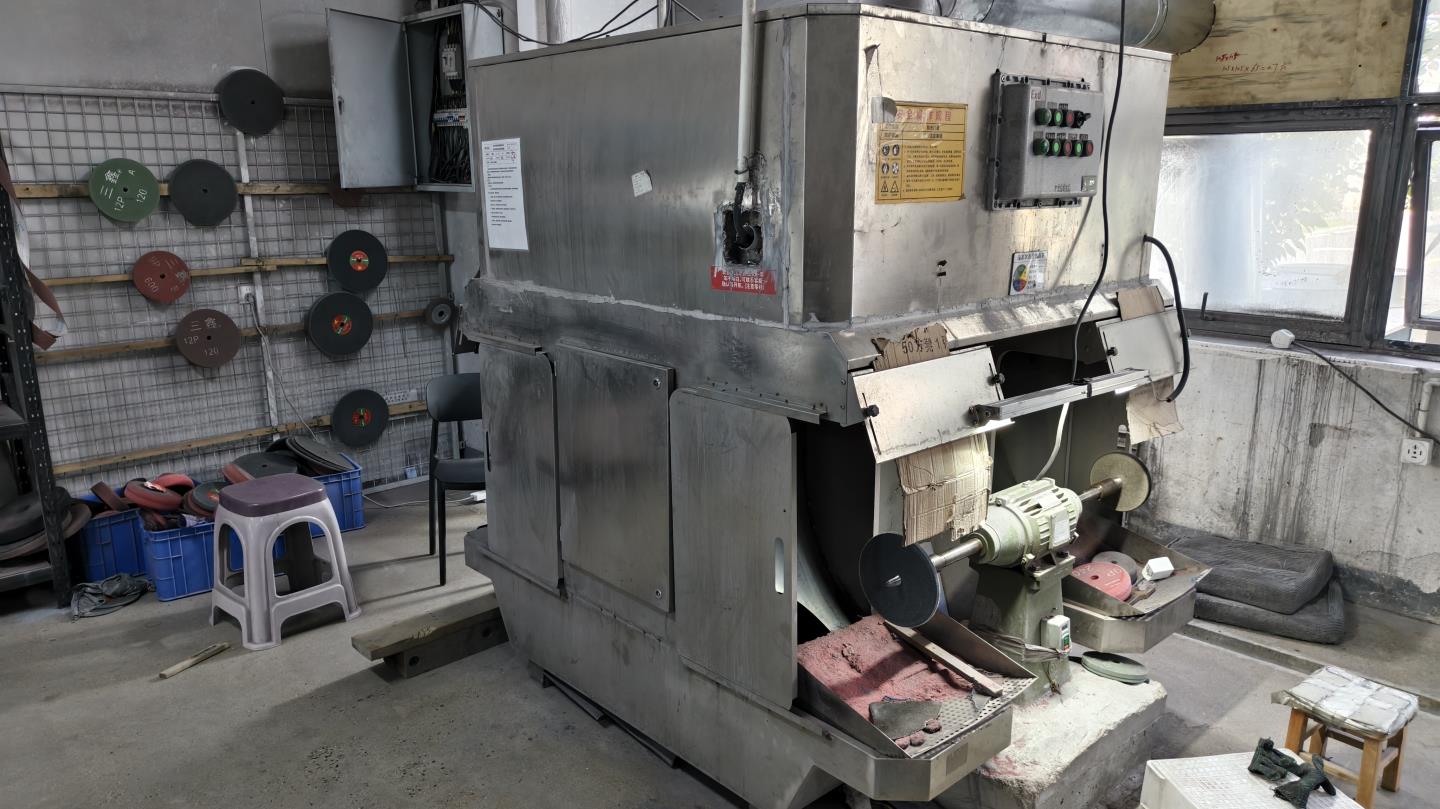
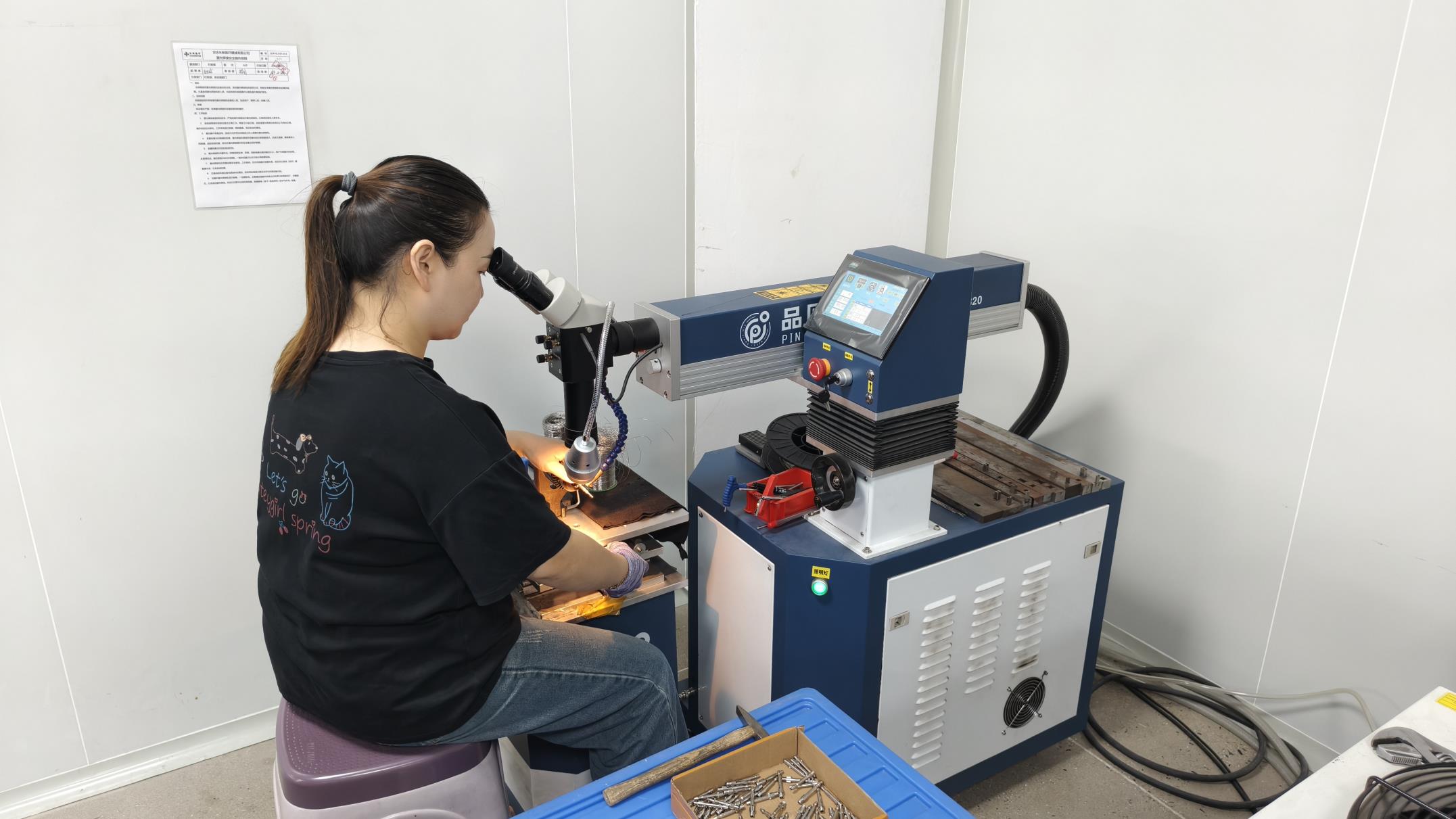
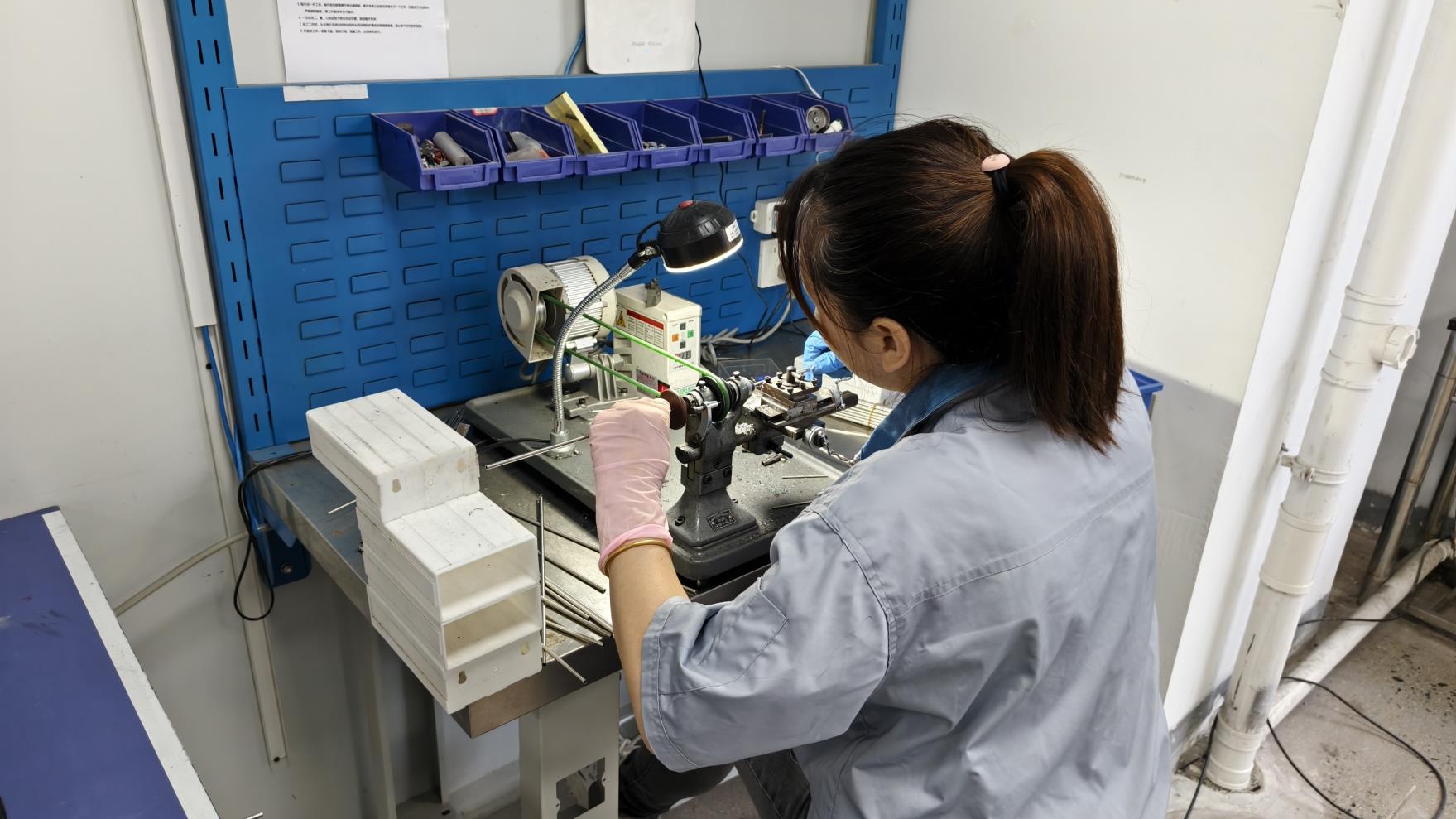
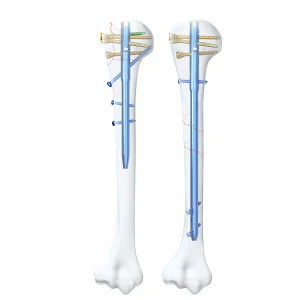
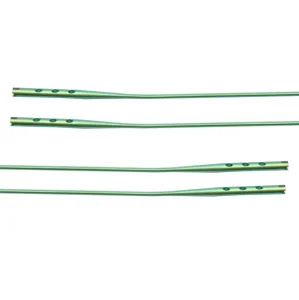
Synoviq’s factory operations integrate advanced machining technology with rigorous quality control. The manufacturing flow begins with medical-grade titanium stock. Using automated Swiss-type lathes and multi-axis CNC grinding systems, we achieve precise geometries for proximal and distal interlocking channels. Our micro-laser welding setups and wire-cutting machinery allow us to fabricate custom shapes, accommodating complex configurations such as low-profile humeral implants and expandable pediatric nails.
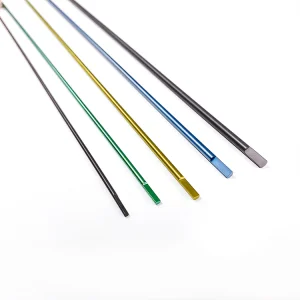
Anodization is a core surface treatment step. By applying a controlled Type II titanium anodization, we create a biocompatible surface oxide layer. This modification enhances fatigue resistance, reduces friction, and lowers the risk of cold welding between locking screws and the nail, facilitating easier removal if needed. Automated cleanrooms and ultrasonic cleaning systems ensure that every implant is free of particulate matter and chemical residues prior to packaging and sterilization.
Every implant undergoes extensive inspection to verify mechanical reliability, dimensional precision, and material purity.
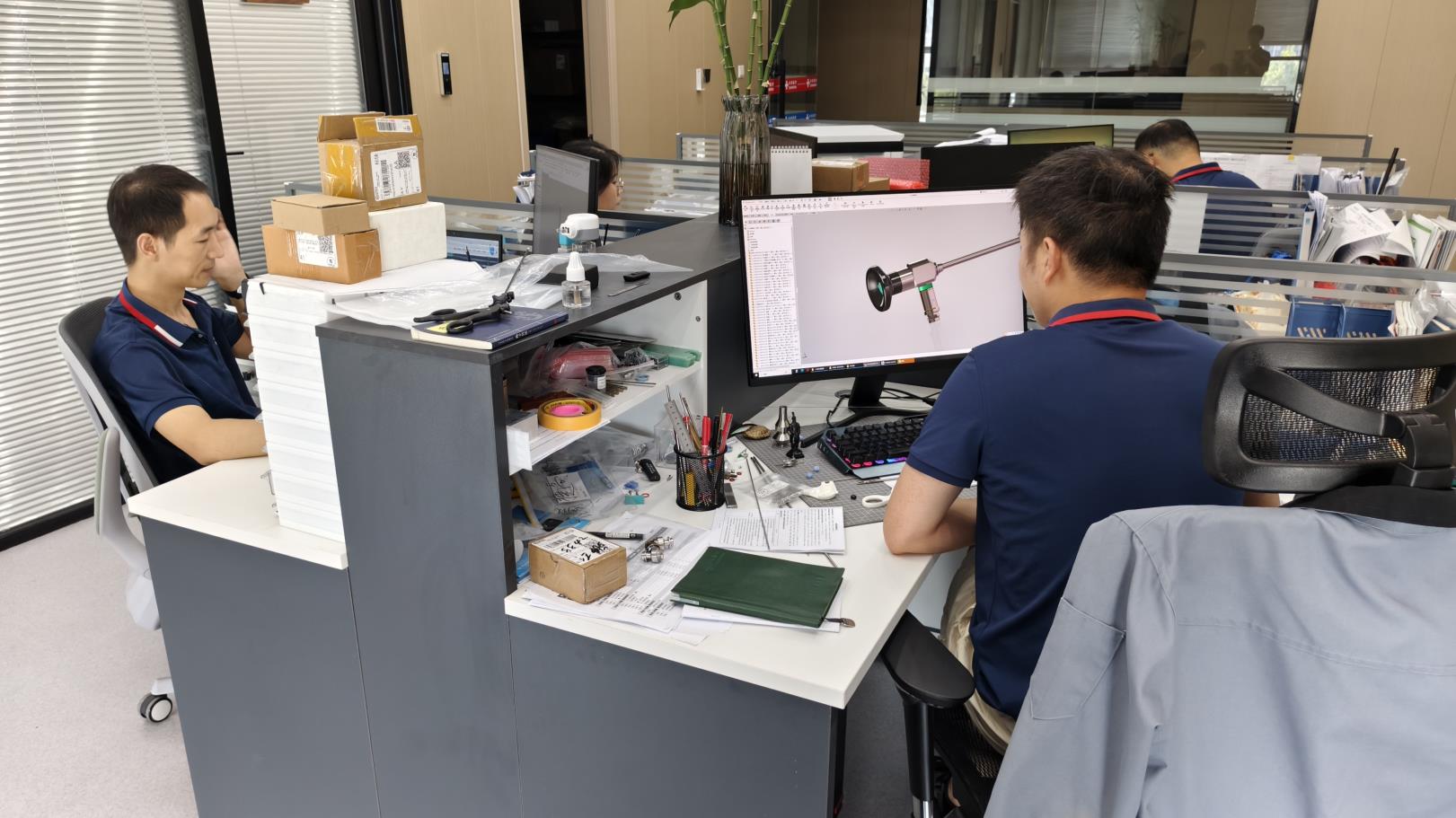
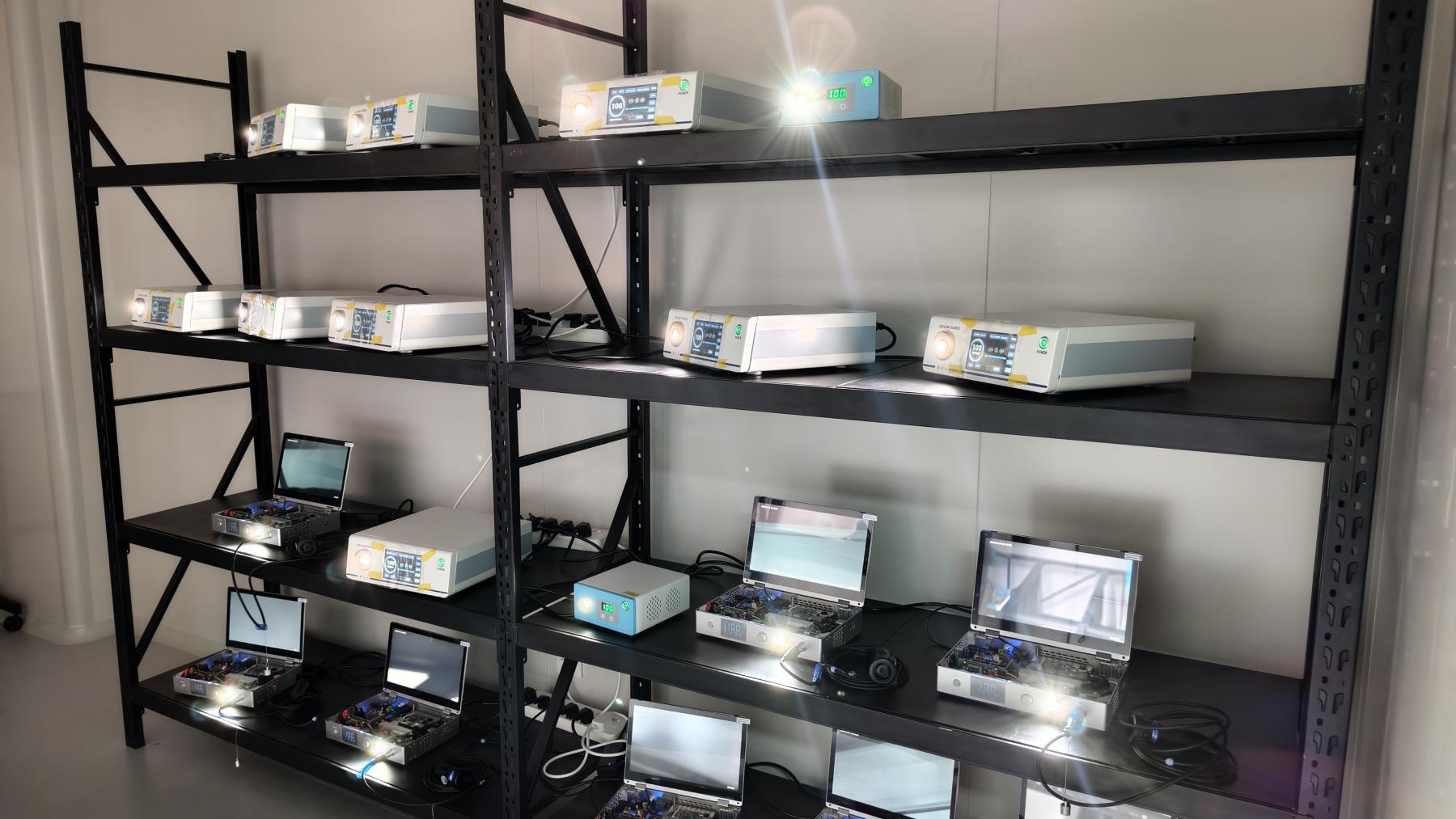
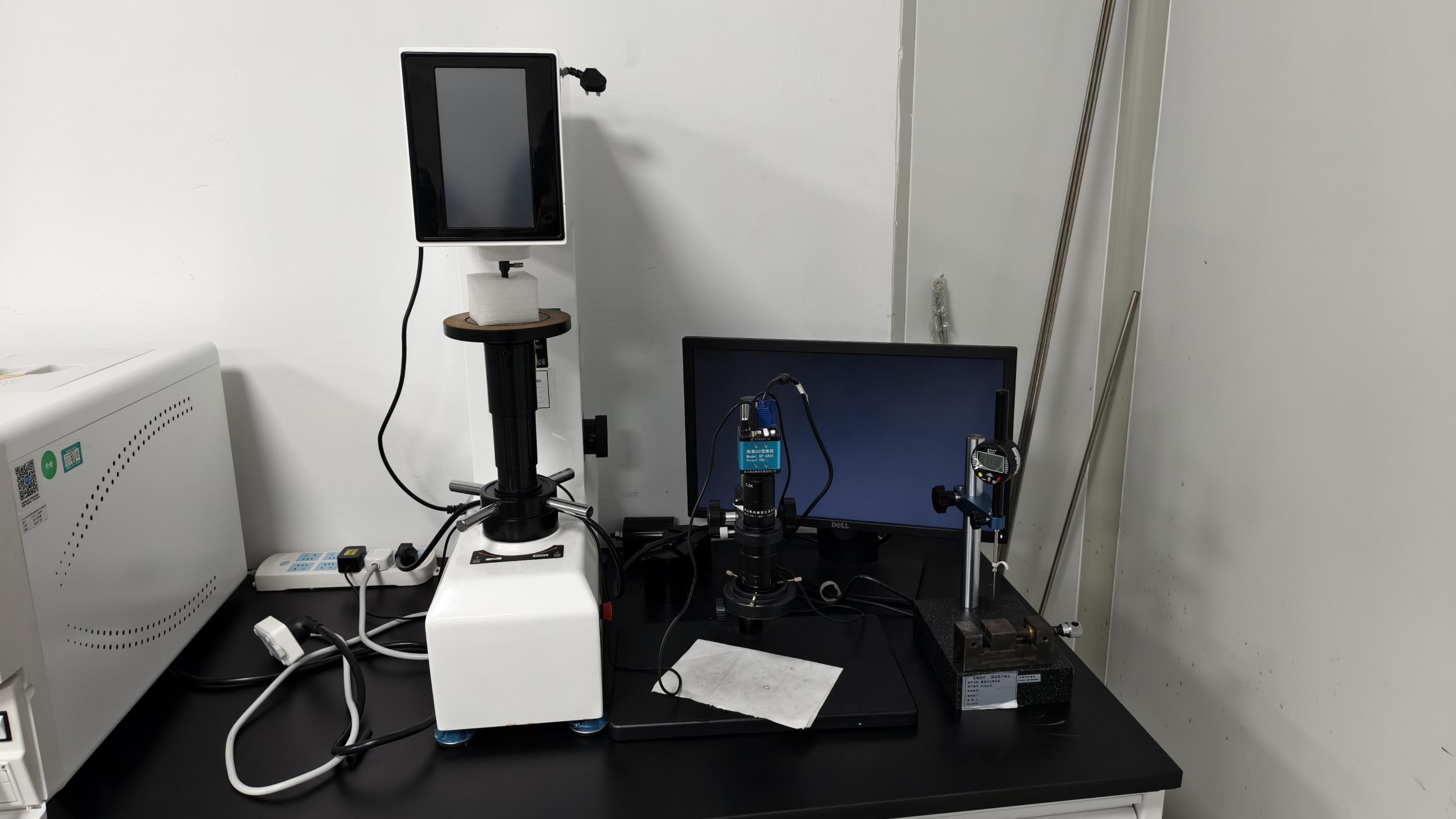
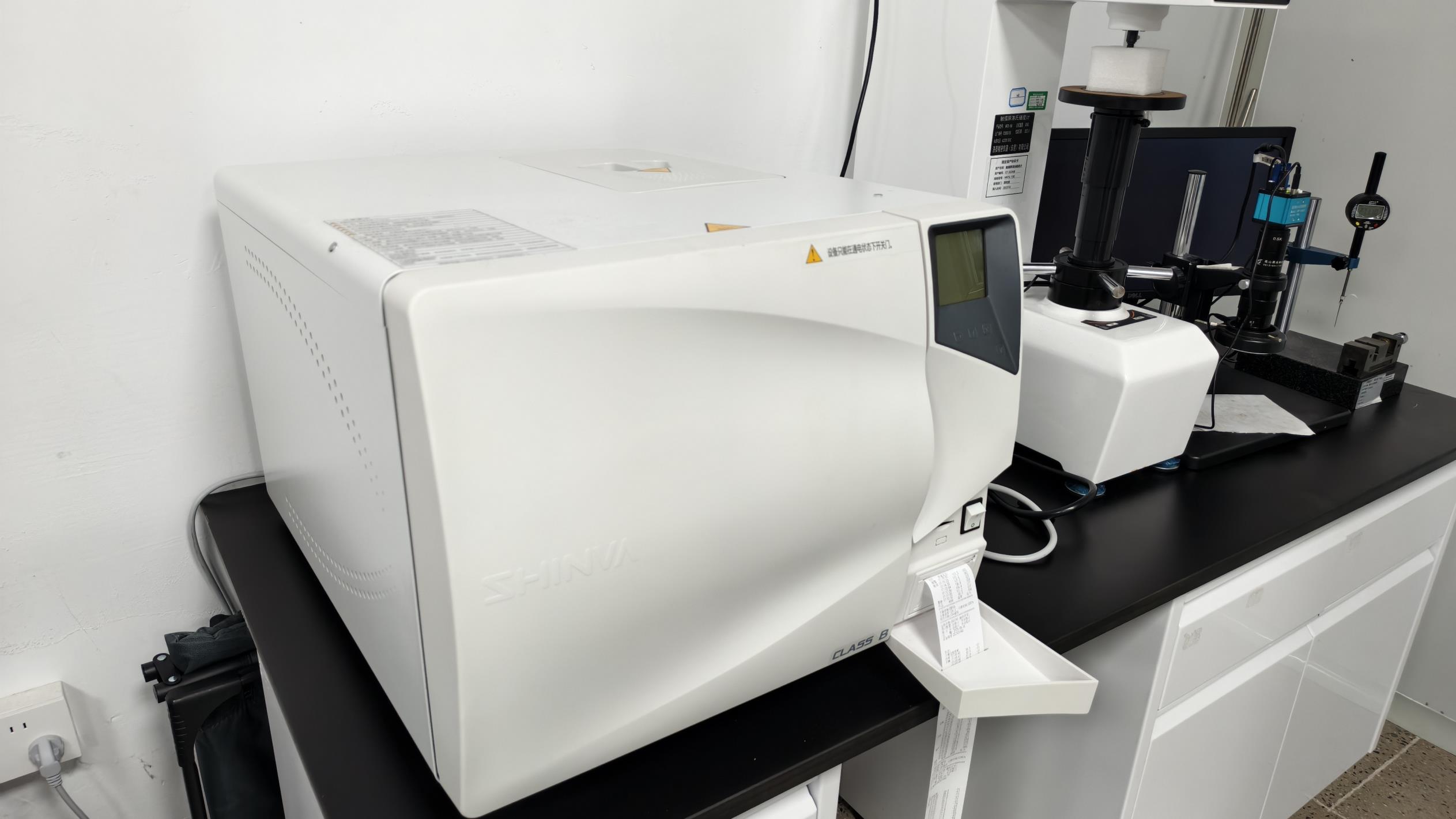
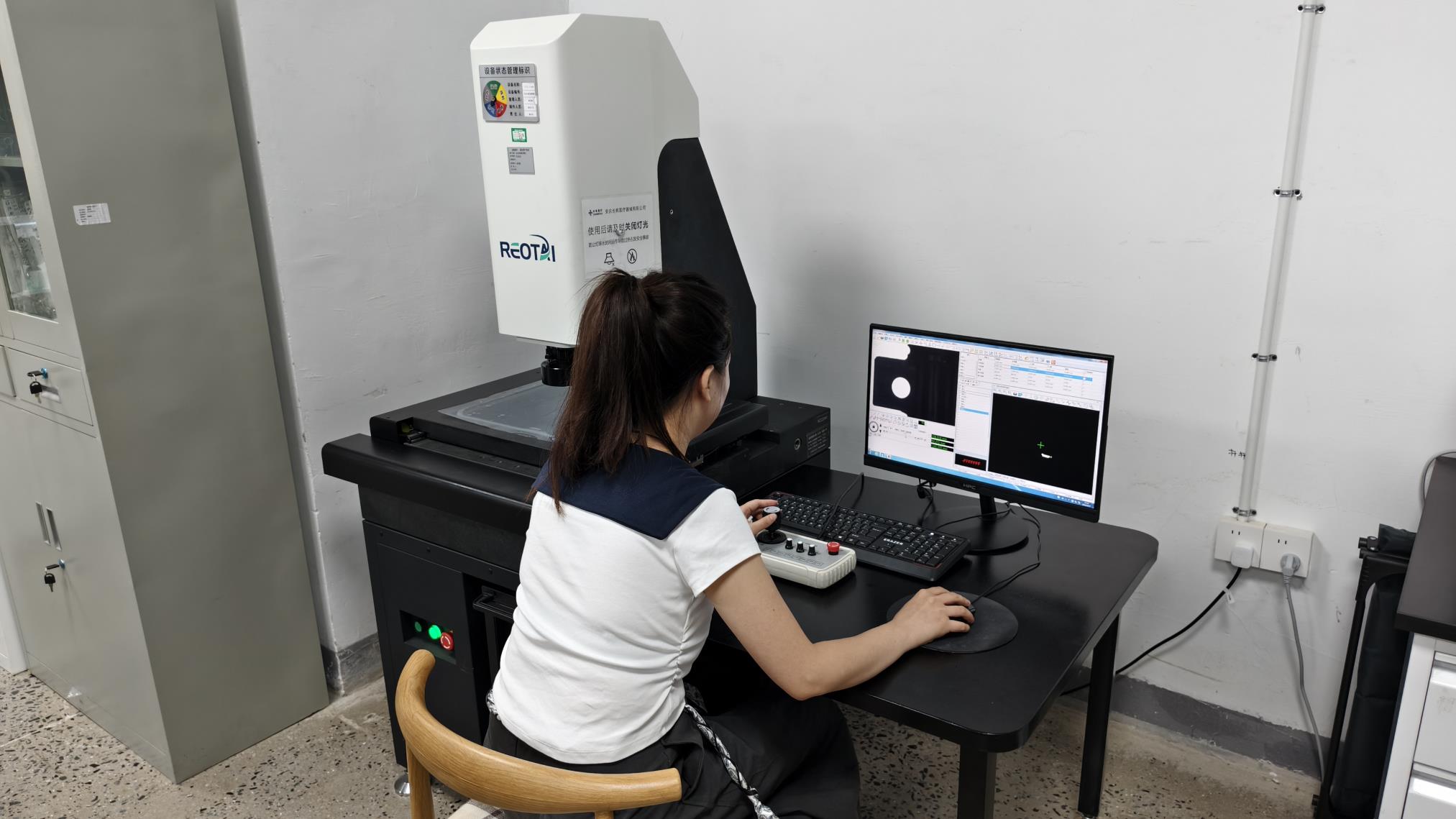
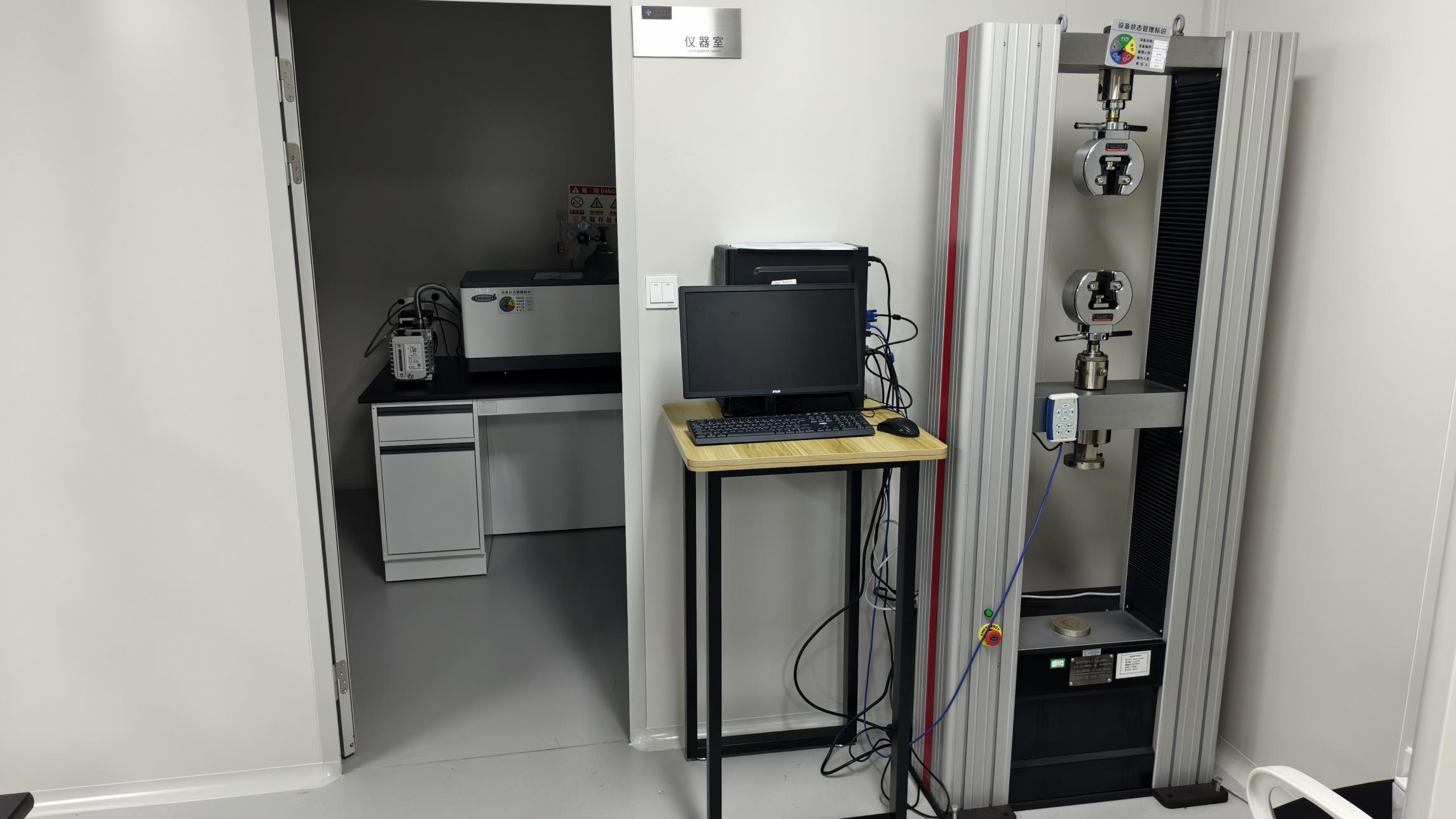
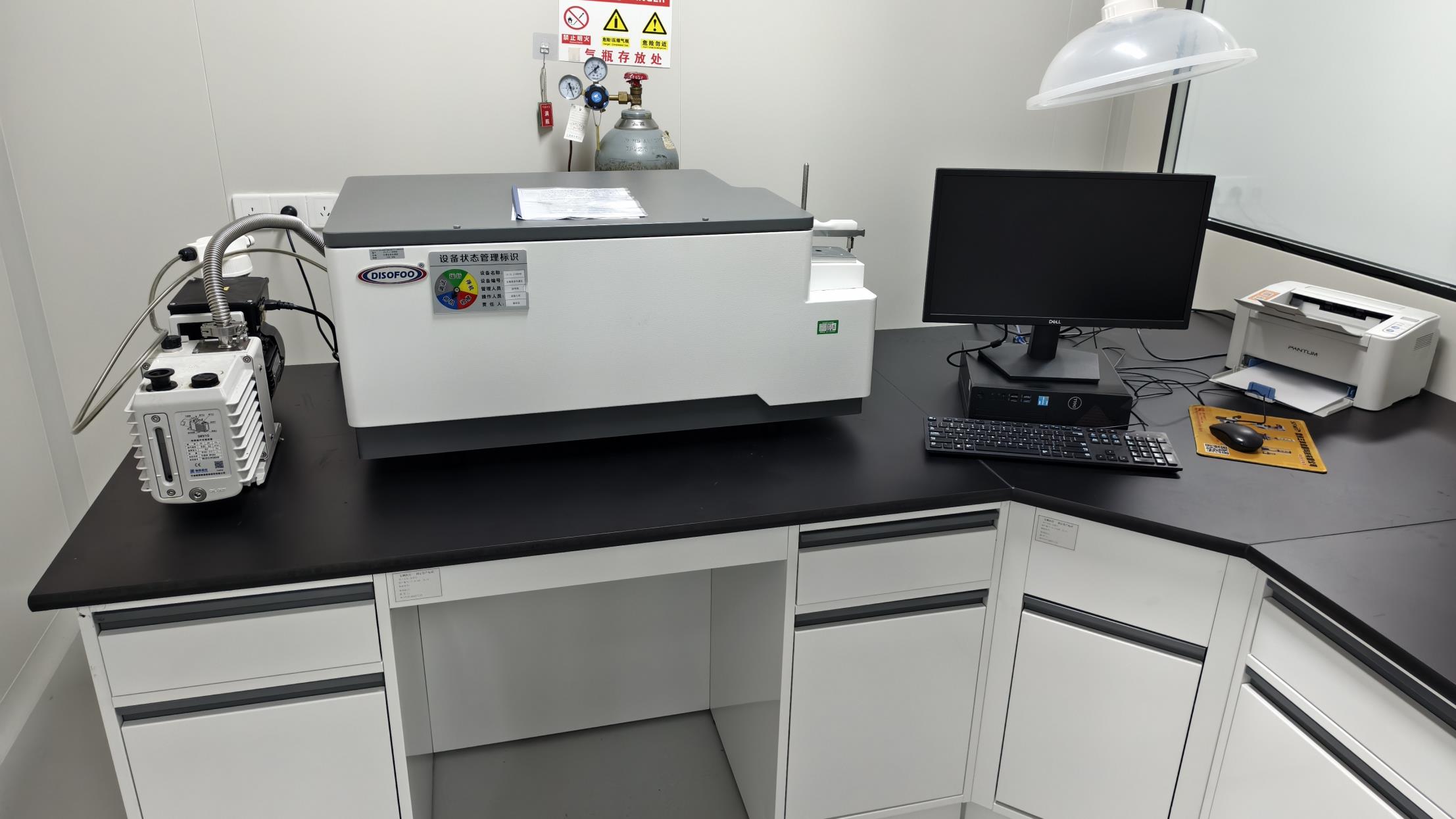
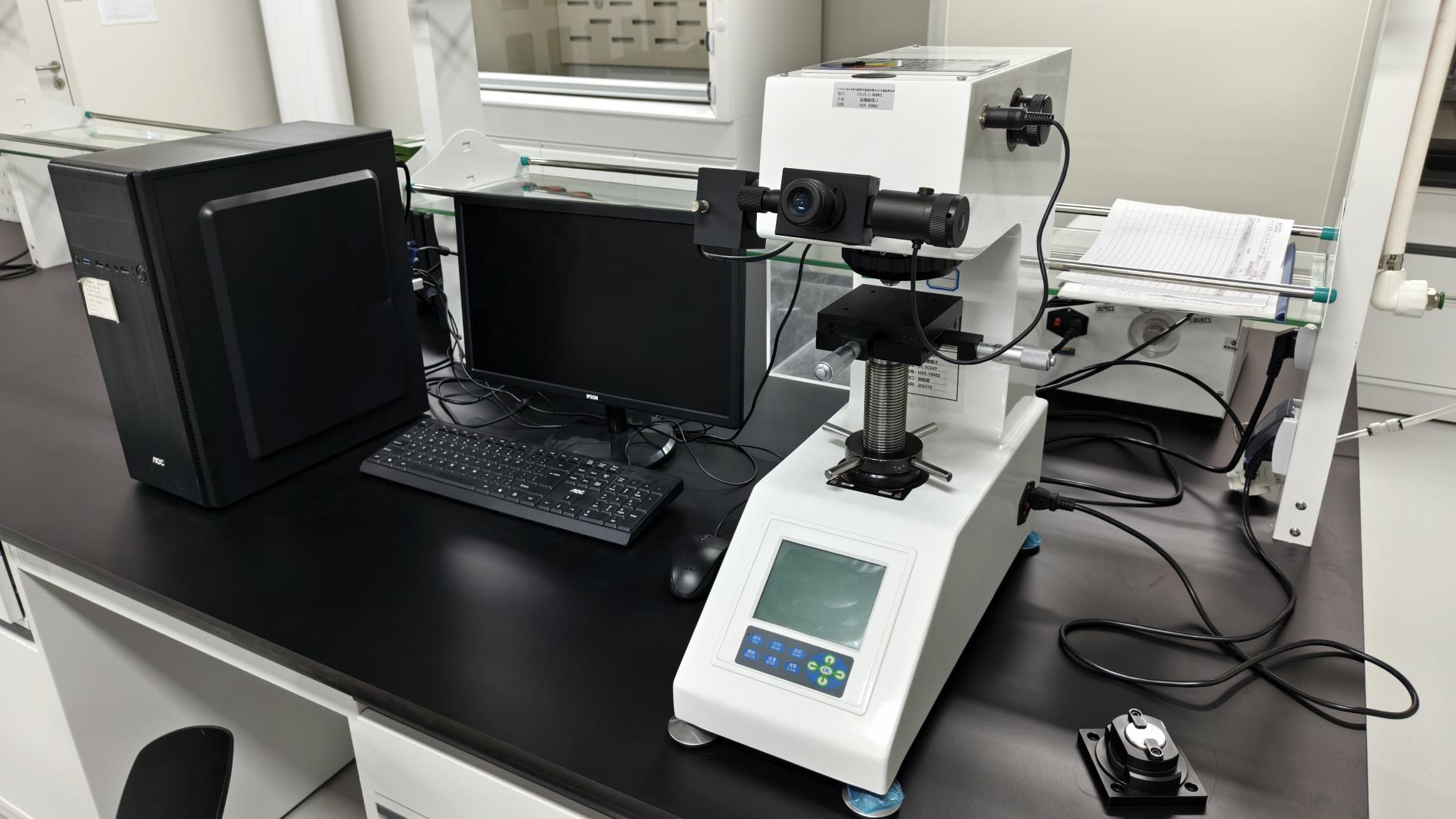
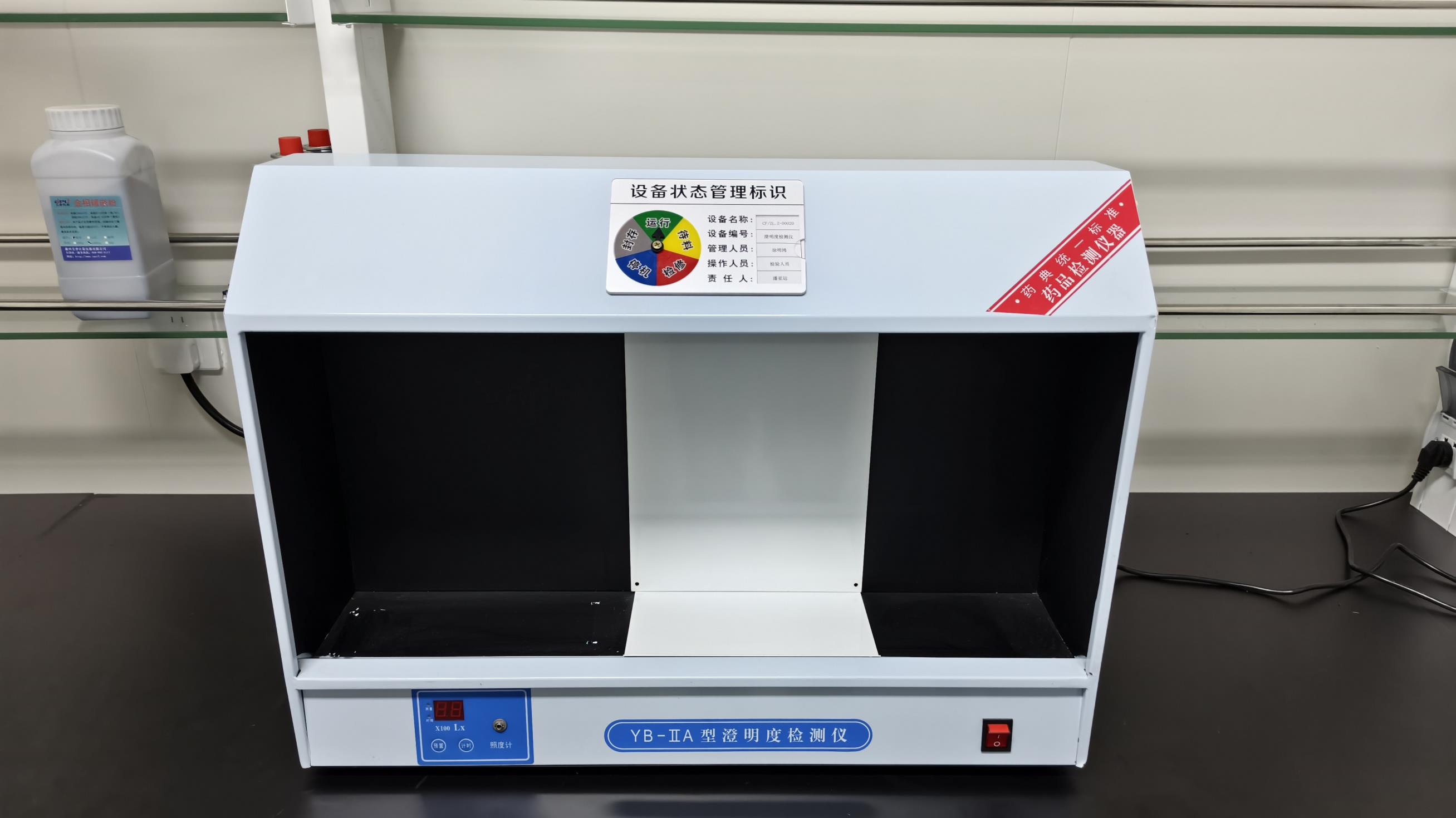
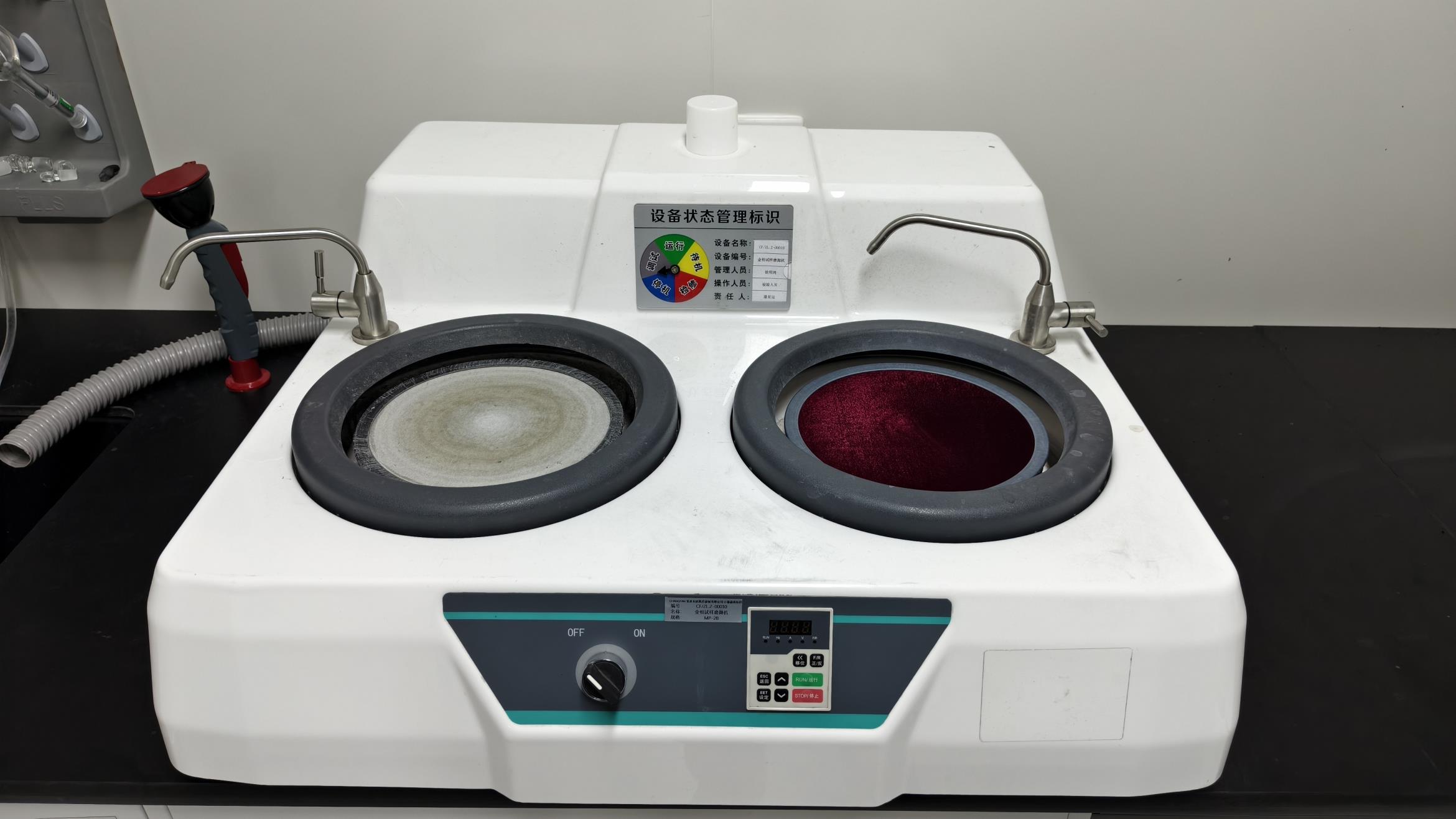
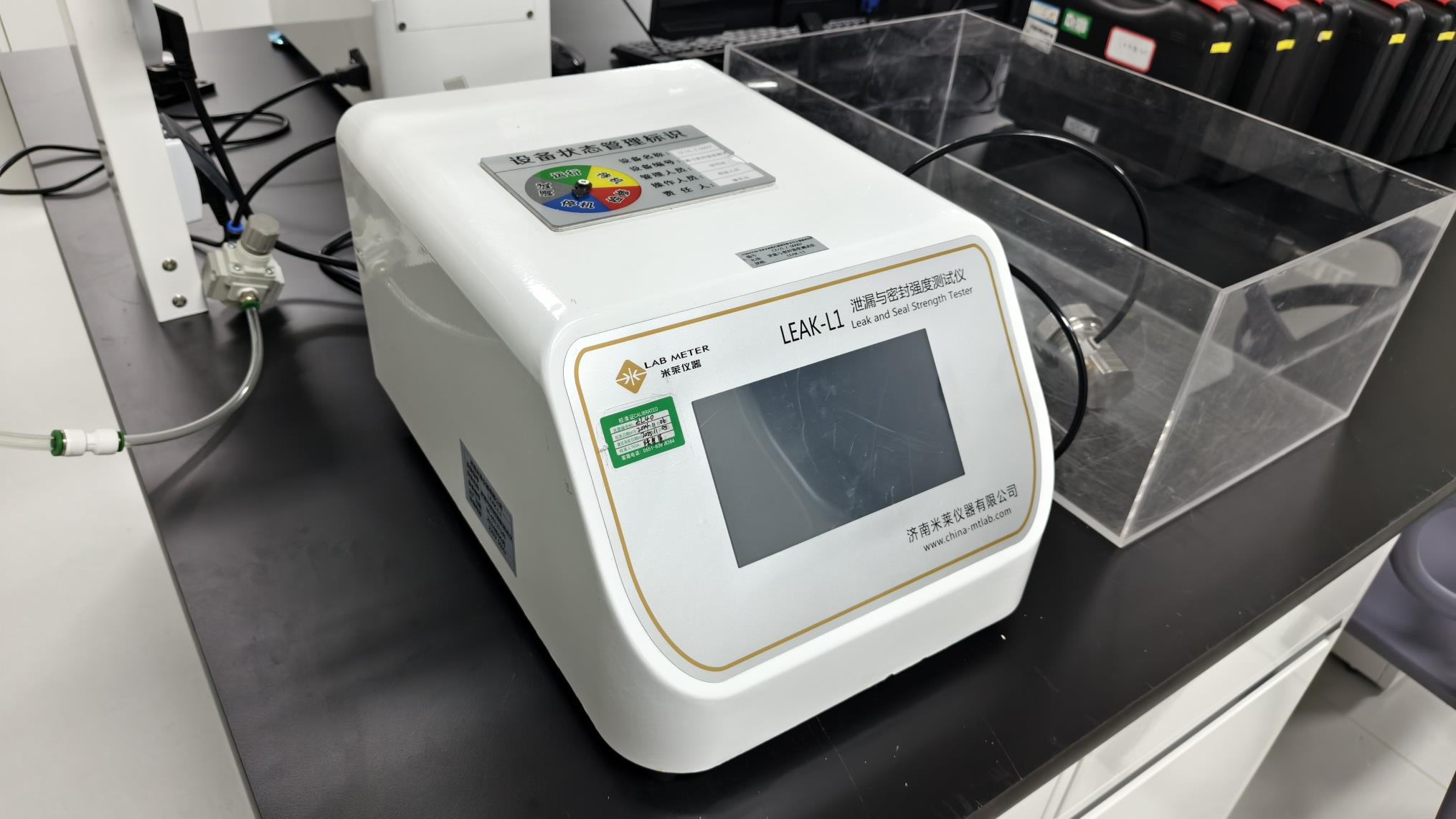
Quality assurance at Synoviq is integrated into every phase of production. Using OES spectrometers, we verify the chemical composition of incoming titanium bars to ensure they meet strict biomedical standards. The metrology lab features automated coordinate measuring machines (CMM) and 2D vision measuring instruments to verify dimensional tolerances within ±5 microns.
Mechanical performance is validated through fatigue, tensile, and torsion testing, simulating the axial and rotational stresses an implant will face inside the human body. Metallographic analysis confirms raw material grain structure and density. For sterilized products, packaging seal integrity and steam validation runs ensure sterile delivery to clinical environments.
Meeting the demands of international hospital networks, regional distributors, and medical brands.
We provide full-service manufacturing, from customized laser marking and packaging options to modifications of implant geometries. Our R&D team works from your CAD designs or develops custom instrumentation sets to match specific surgical requirements.
Synoviq products are designed and manufactured to meet major international standards. We supply comprehensive technical dossiers, raw material traceability records, sterilization validation reports, and ISO 13485 documentation to support regulatory registration and import clearance.
Our raw material inventory is structured to buffer against market volatility. Partnering with qualified titanium suppliers allows us to secure raw materials ahead of schedule, maintaining steady lead times and stable pricing structures for our partners.
Innovations shaping the next generation of intramedullary nails.
To accelerate bone healing and minimize surgical site infections, we are developing nanostructured hydroxyapatite (HA) and silver-ion doped titanium dioxide coatings. These surfaces release therapeutic ions to support bone growth and provide antibacterial protection during early healing stages.
Tomorrow's trauma care relies on data. Synoviq is researching micro-strain gauges and temperature sensors embedded within the hollow core of tibial and femoral nails. These sensors transmit real-time biomechanical data to clinicians, monitoring load-bearing progress and detecting early signs of implant failure or infection.
For pediatric patients and specific fracture cases, we are investigating high-purity magnesium-based alloys. These alloys degrade gradually over time, transferring load to the healing bone and eliminating the need for a second surgery to remove implants.
Answers to common technical, manufacturing, and commercial inquiries.
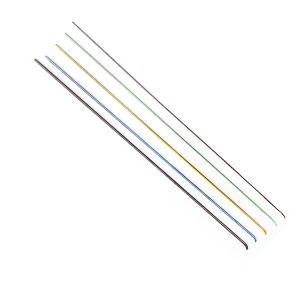
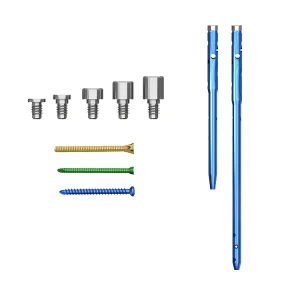
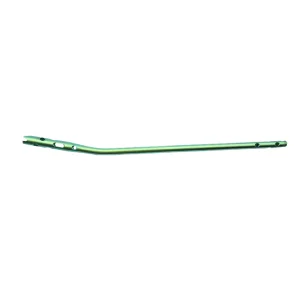
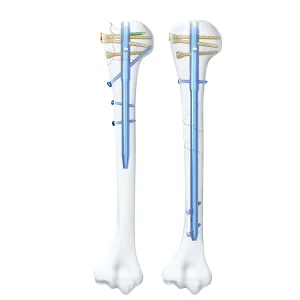
Explore our specialized pediatric, humeral, and tibial internal fixation implants.

 Synoviq Medical