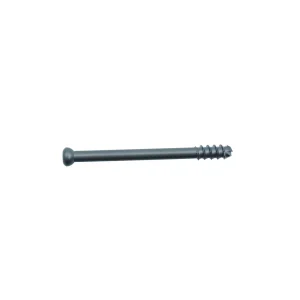
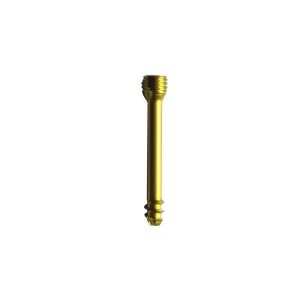
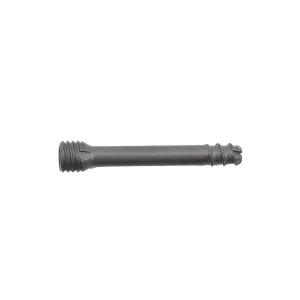
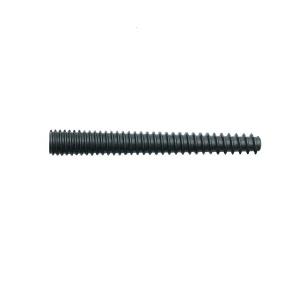
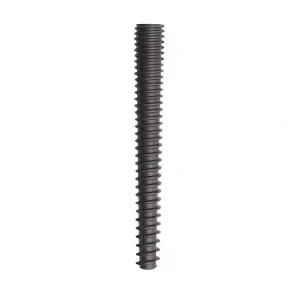
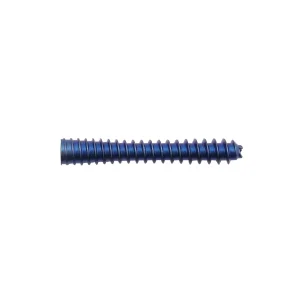
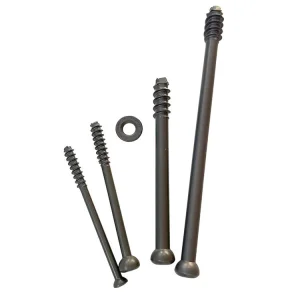
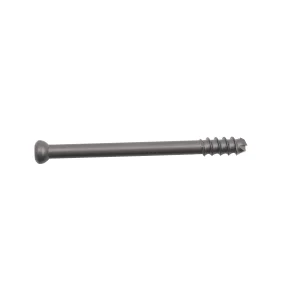
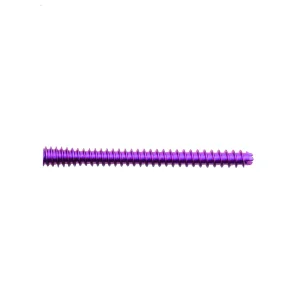
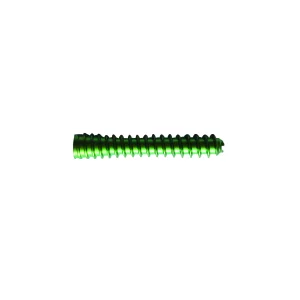
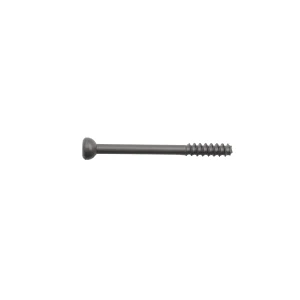
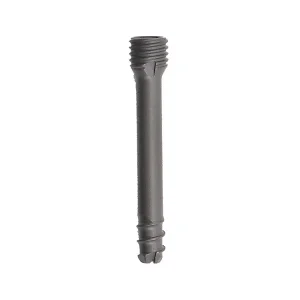
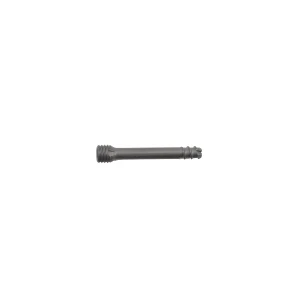
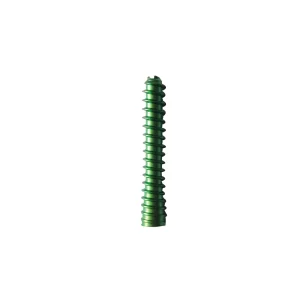
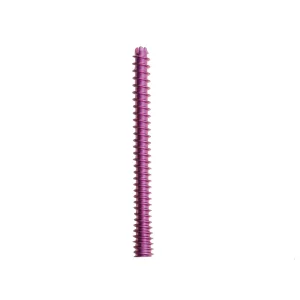
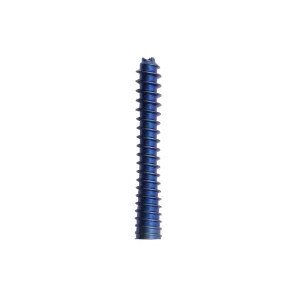
Explore our selection of internationally certified compression, headless, and cortical trauma implants designed for clinical accuracy.
In modern orthopedic trauma surgery, achieving stable fixation of small and large bone fragments requires advanced devices that combine mechanical strength with surgical efficiency. Cannulated screws have emerged as an indispensable standard of care in treating various fractures, non-unions, and osteotomies. By incorporating a hollow central canal, these screws allow surgeons to insert a guide pin first, ensuring exact anatomical placement before the screw is driven home. This minimally invasive technique reduces surrounding soft-tissue damage, maintains joint alignment accuracy, and shortens patient recovery cycles.
As a premier global supplier and exporter, Synoviq Medical Technology (China) Co., Ltd. specializes in the manufacturing of high-precision cannulated screw systems. By using medical-grade Titanium Alloys (such as Ti-6Al-4V ELI) and implementing strict structural standards, our products deliver optimal biocompatibility and superior pull-out resistance. From micro-sizes like 2.4mm for foot and ankle surgery to robust 7.3mm options for femoral neck fractures, our portfolios accommodate diverse clinical challenges with absolute reliability.
"The insertion of guide wires prior to cannulated screw placement transforms complex fracture management into a highly predictable, repeatable, and minimally invasive clinical workflow."
The biomechanical success of cannulated compression screws depends on meticulous engineering. Different anatomical sites exhibit varying bone density, cortical thickness, and muscle pull forces. To address this, our engineers have developed specialized screw profiles that maximize pull-out strength while minimizing intra-operative complications.
We manufacture our bone screws strictly using implant-grade Ti-6Al-4V ELI (Extra Low Interstitial) titanium alloy according to ASTM F136 standards. Compared to standard stainless steel, this material features:
Each screw incorporates optimized features for surgical ease:
A comprehensive breakdown of our manufacturing scale, research investments, and quality standards.
| Operational Parameter | Detailed Specifications & Standards |
|---|---|
| Company Name & Brand | Synoviq Medical Technology (China) Co., Ltd. (Brand: Synoviq) |
| Establishment Date | March 18, 2016 |
| Quality Control Staff | 48 Quality Specialists conducting 100% Final & Incoming Material Inspection |
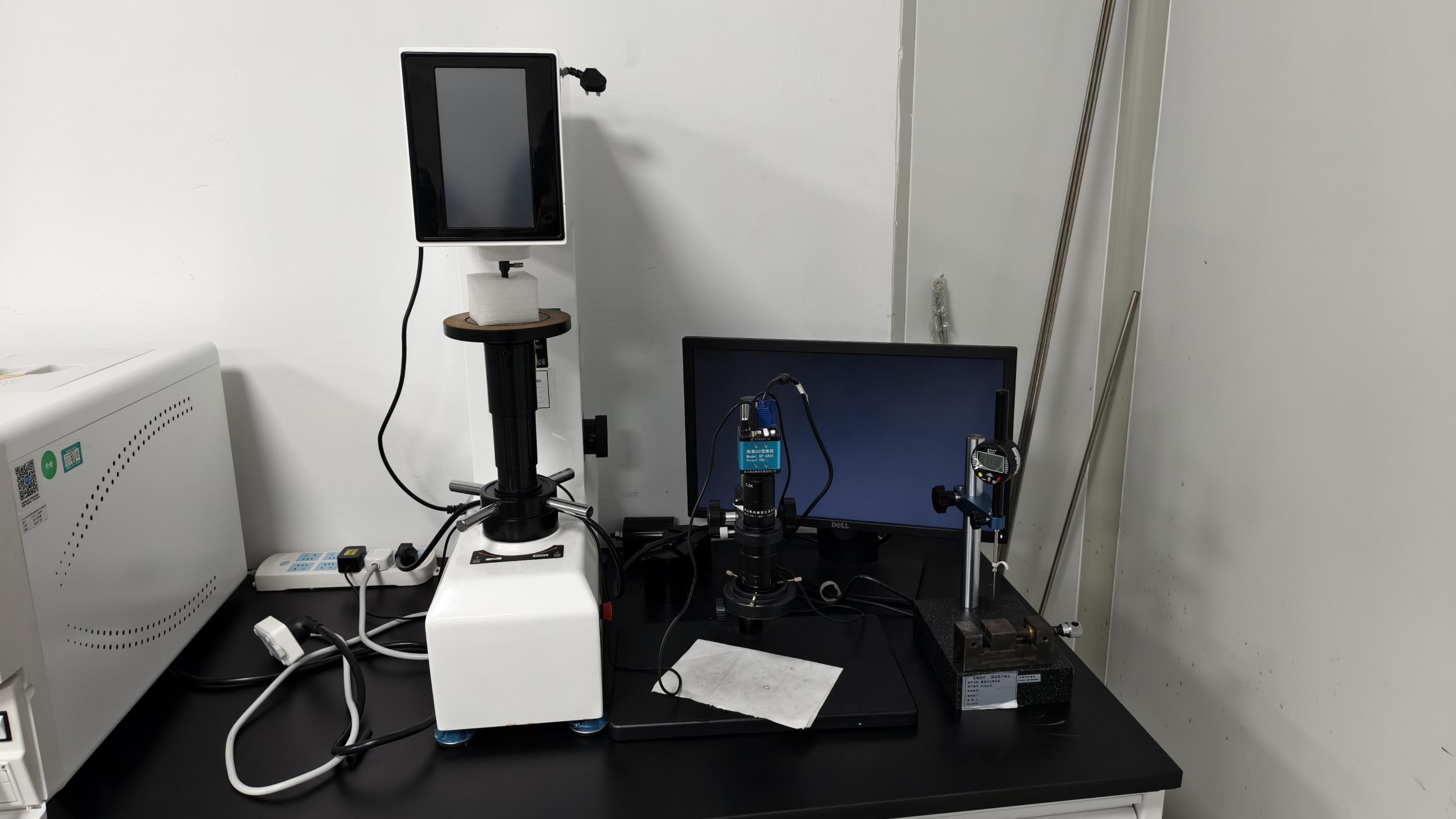
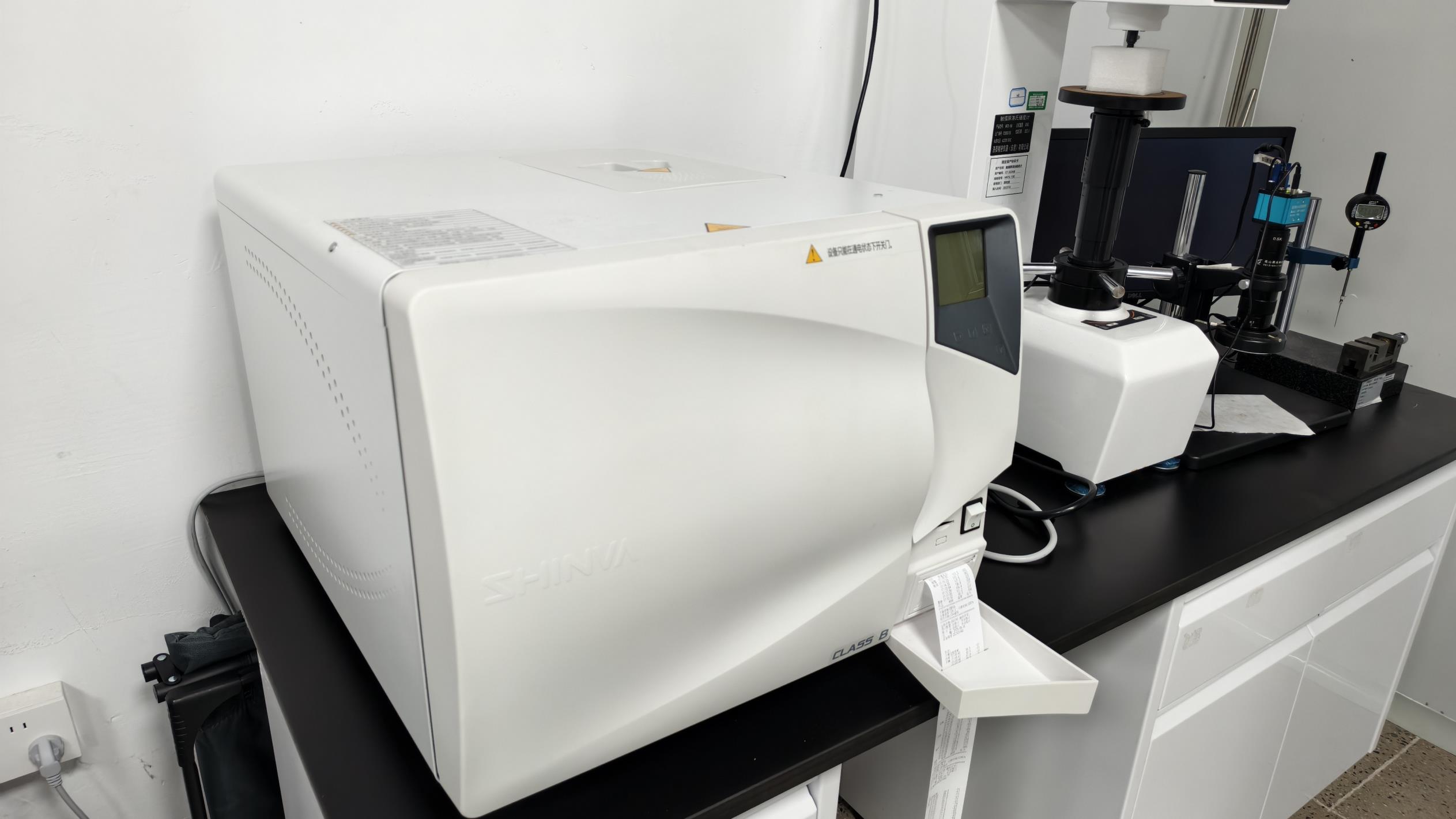
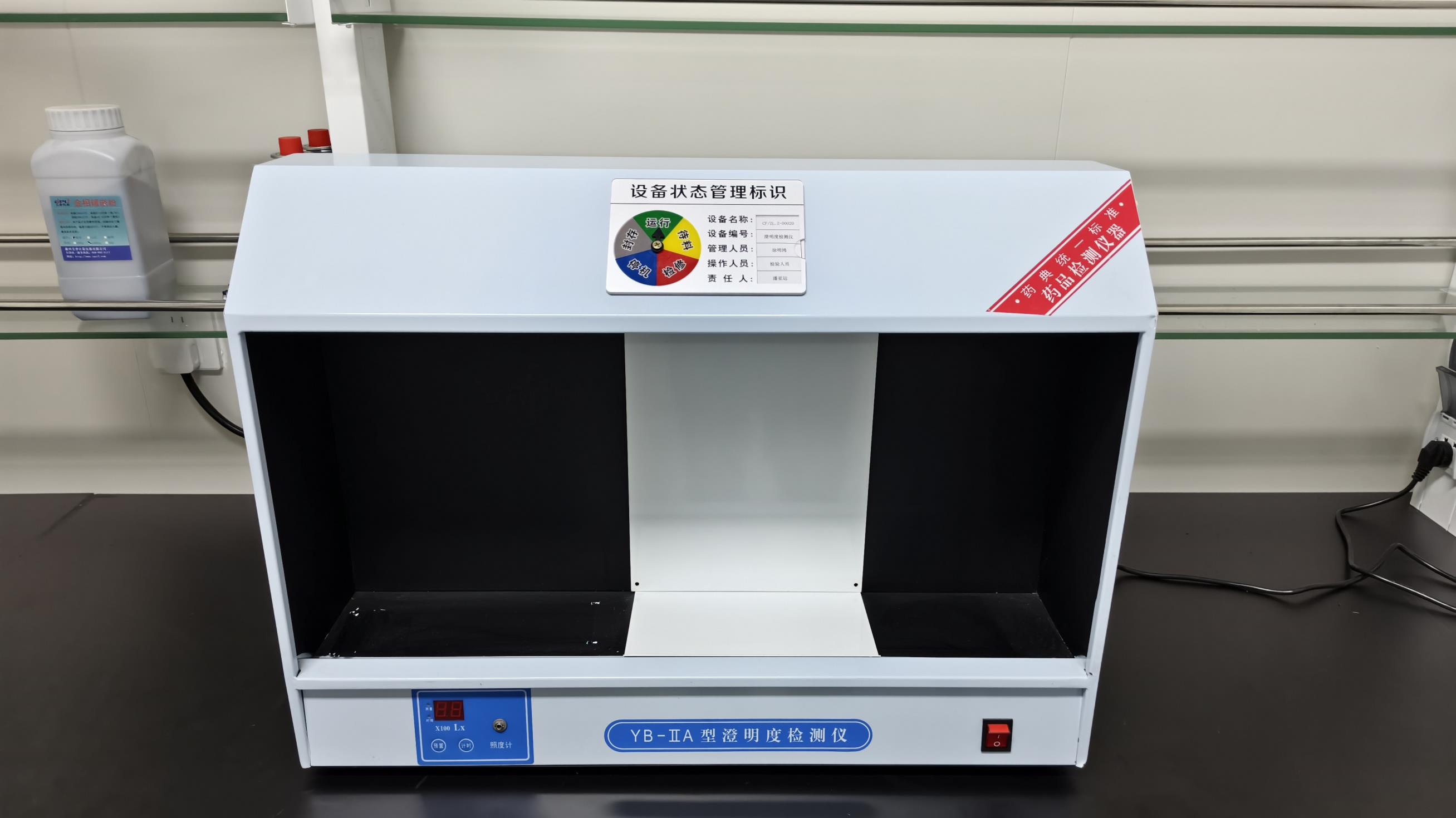
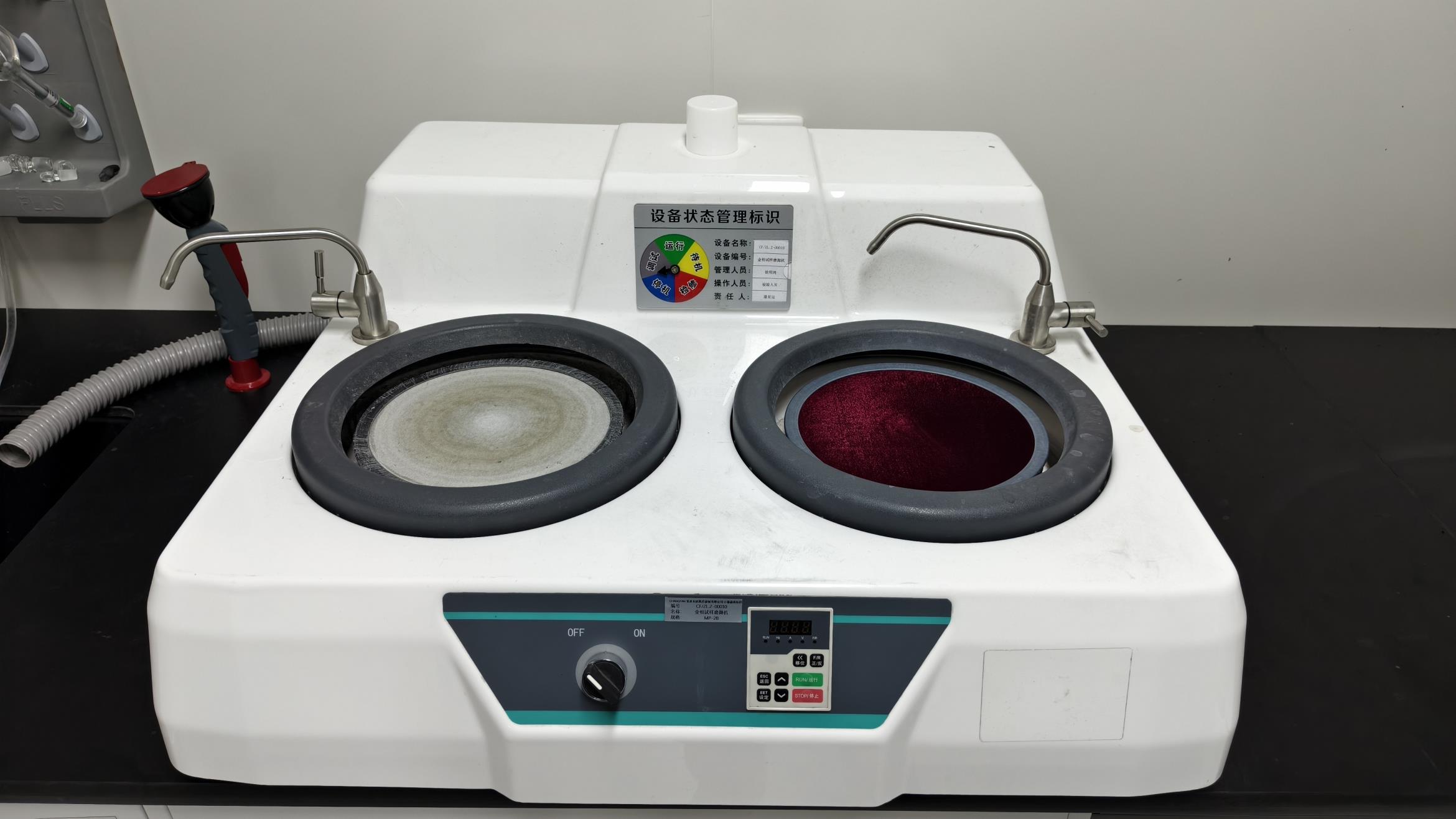
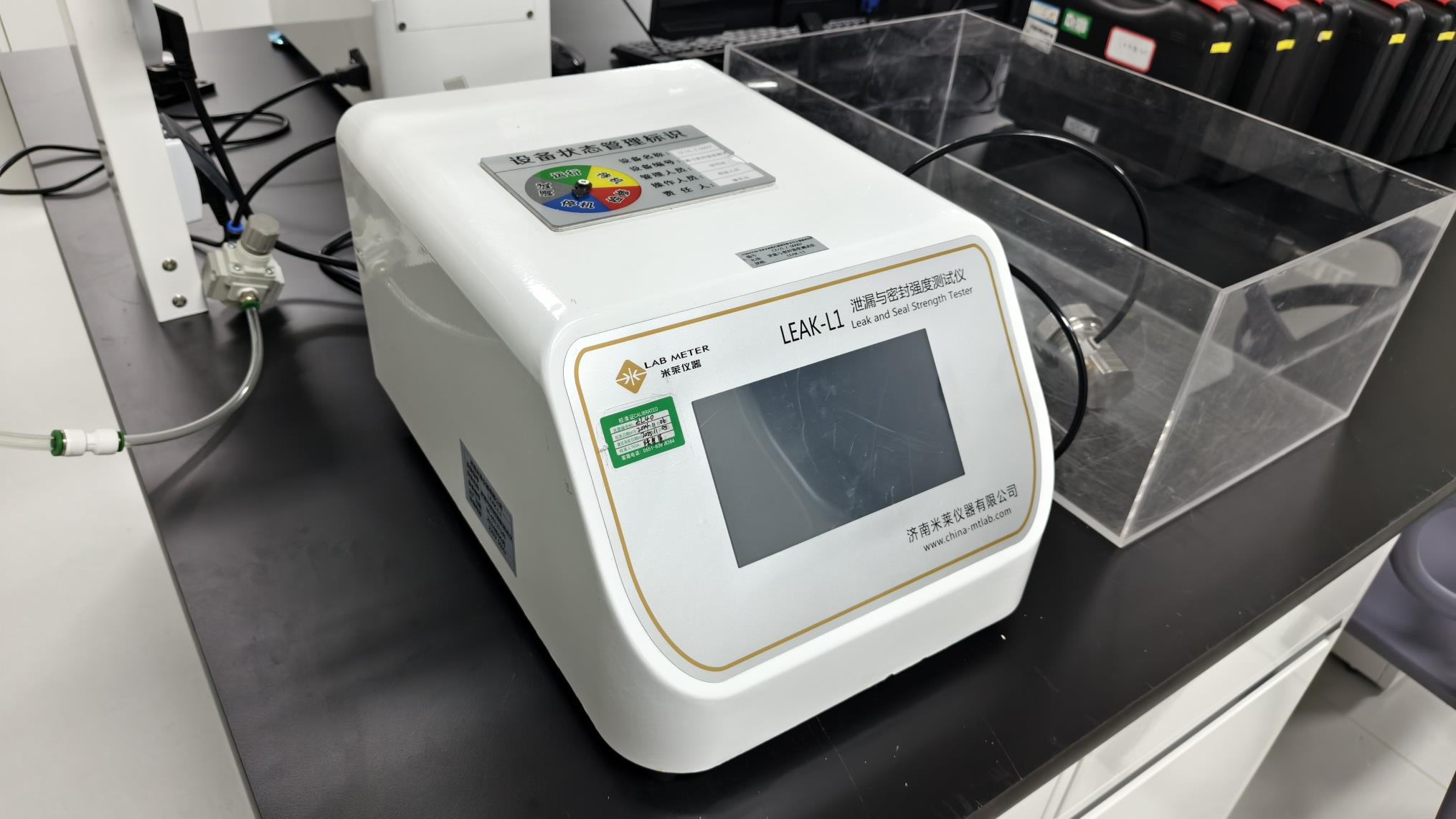
| Inspection Methods | CMM Measurement, Mechanical Testing, Surface Roughness Testing, Hardness Testing, Salt Spray Testing, Sterility Validation |
| Business Model | Manufacturer & Exporter (Supporting OEM, ODM, OBM models) |
| Main Markets Served | Europe, North America, South America, Middle East, Southeast Asia |
| Supply Chain Network | Active collaborations with 1,120+ medical device and raw material partners globally |
| Annual Product Innovation | 186 New Products Released last year alone, backed by independent product design & clinical engineering |
| Customization Scope | Logo Customization, Packaging Customization, Product Design Customization, Material Selection, Surface Treatment |
Medical device sourcing requires not only components but also clinical compatibility and procedural assurance. At Synoviq, our cannulated screw series forms a core part of multi-disciplinary orthopedic solutions:
Our large 6.5mm and 7.3mm cannulated compression screws are specifically configured to manage intracapsular hip fractures in elderly patients and high-energy slips in younger patient cohorts. Parallel screw constructs prevent rotation and stabilize axial load forces.
For distal radius, patella, and ankle fractures, our 3.5mm, 4.0mm, and 4.5mm screws provide clean stability without encroaching on fragile cartilage surfaces. Headless designs can be countersunk fully beneath the articular cartilage.
Our 2.4mm and 3.0mm customized Herbert screws accommodate reconstructive needs like bunion repairs (hallux valgus) and tarsal fusions, allowing precise interfragmentary compression with minimal soft-tissue friction.
Synoviq operates Class 100,000 cleanrooms and utilizes imported machining and inspection technologies.
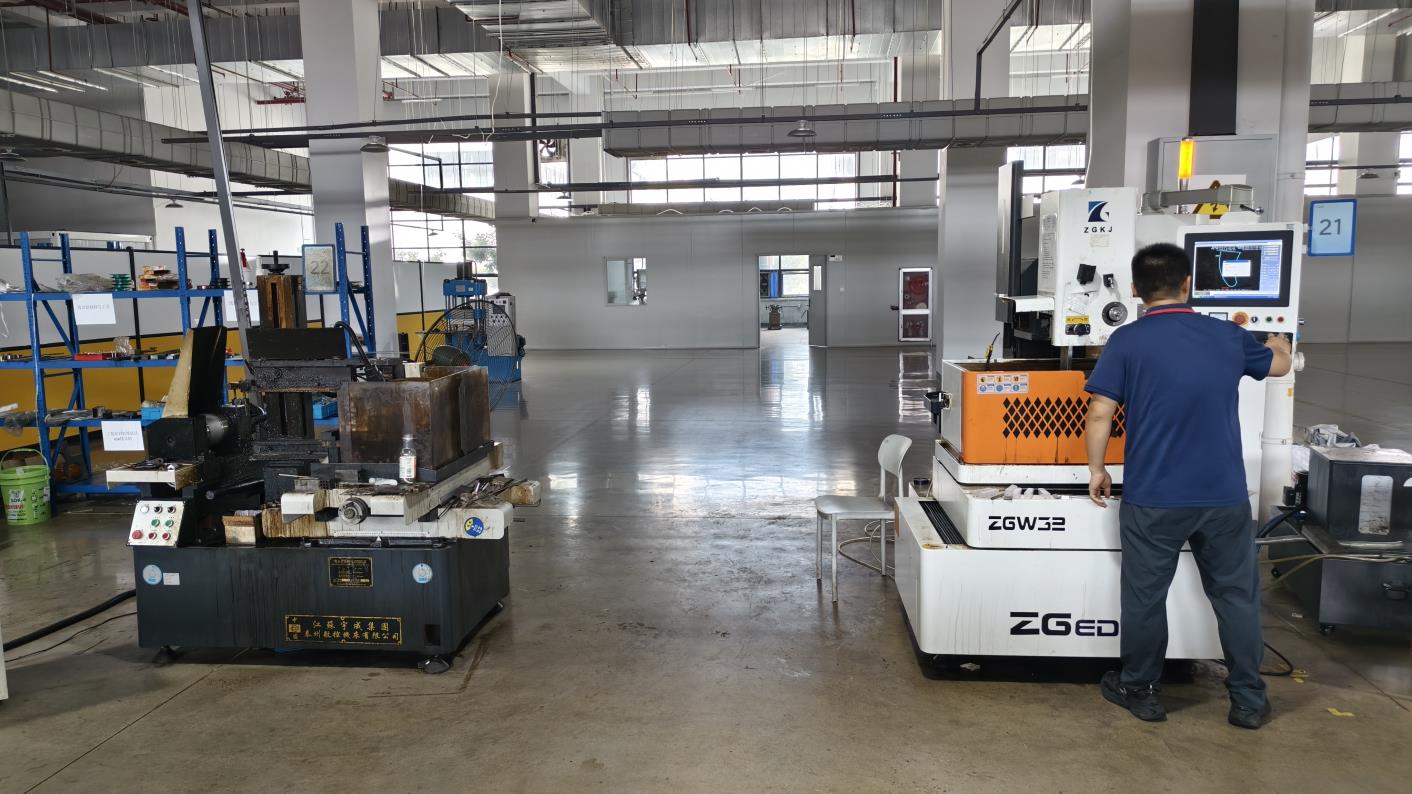
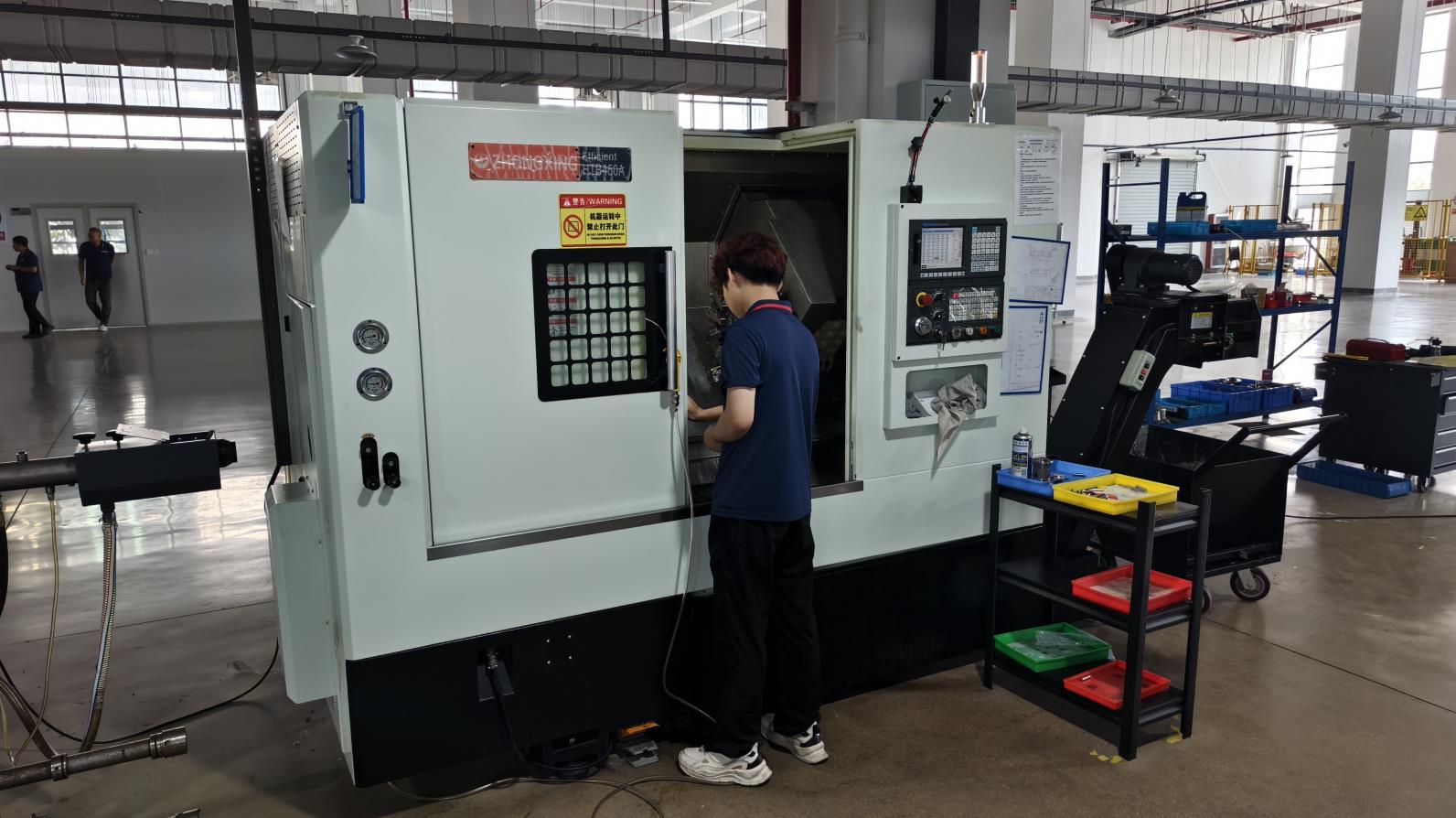
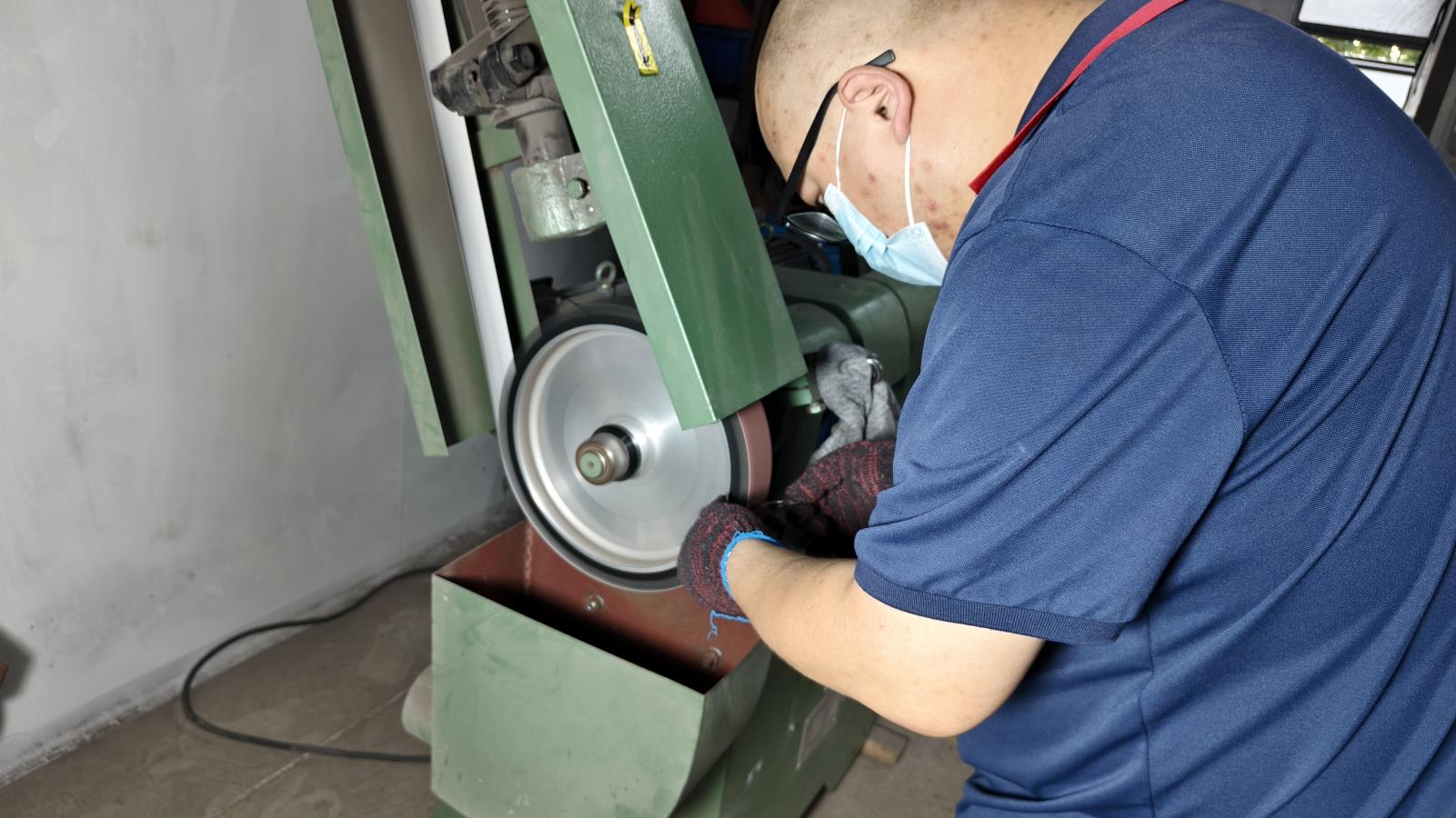
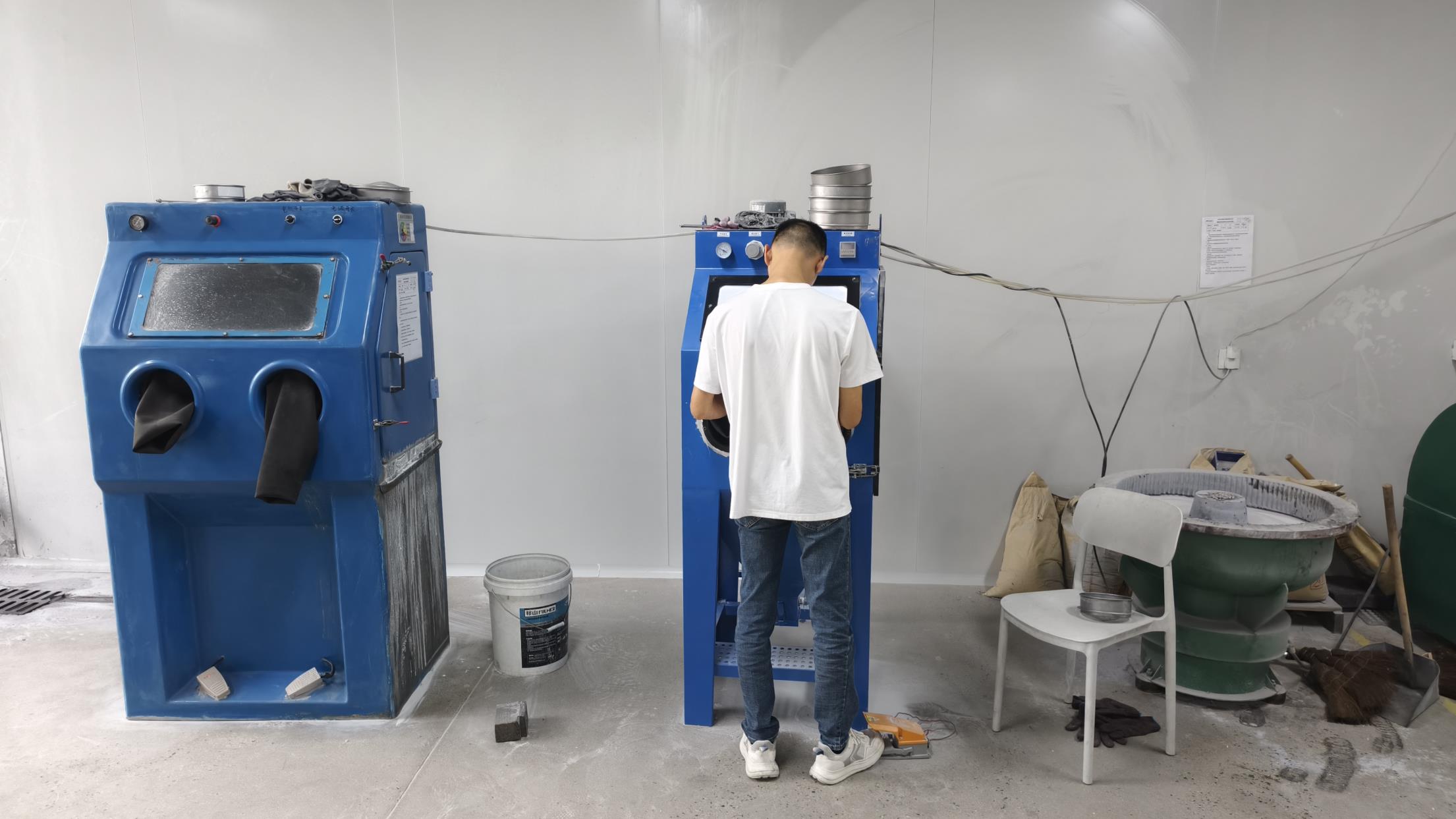
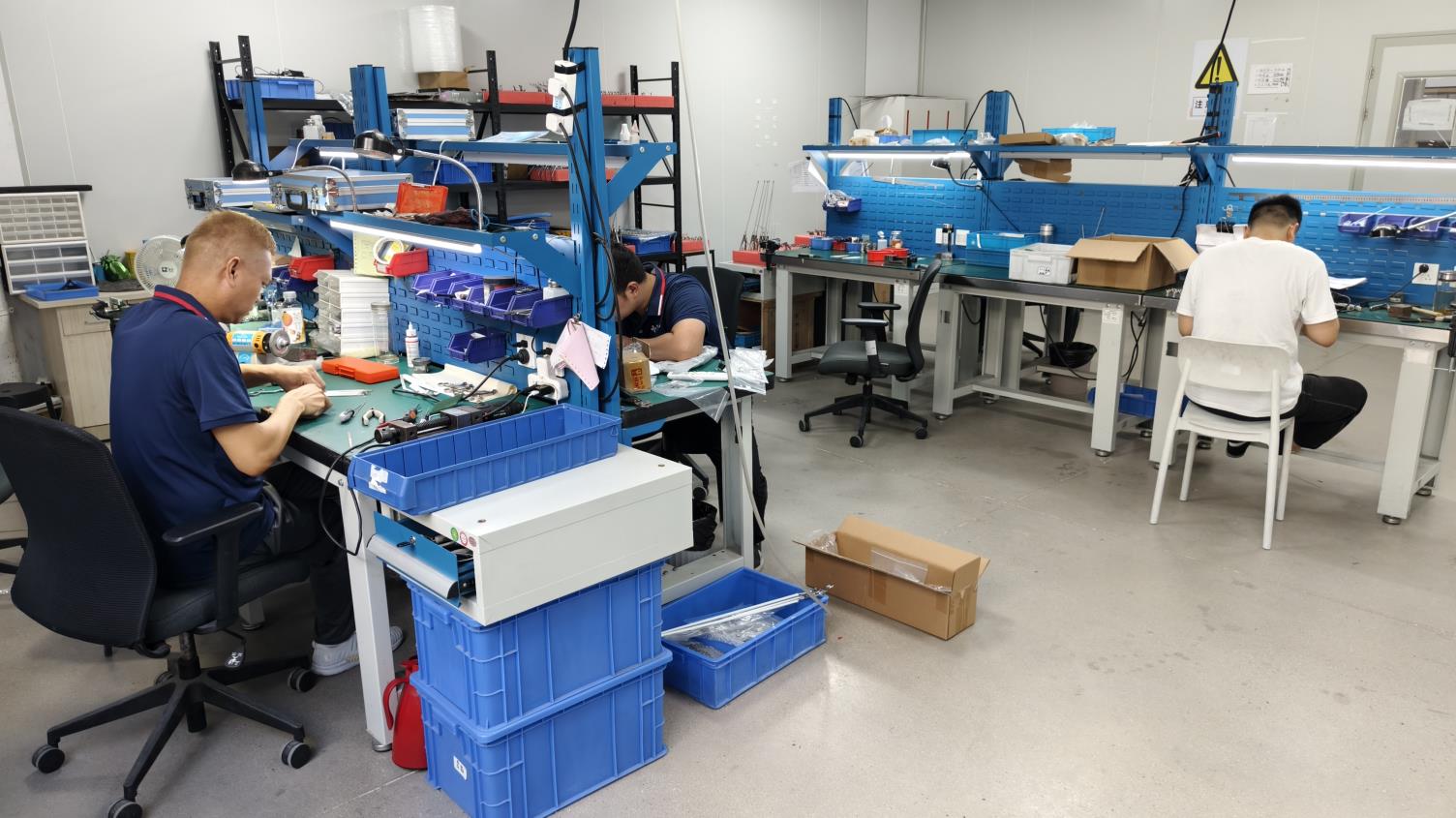
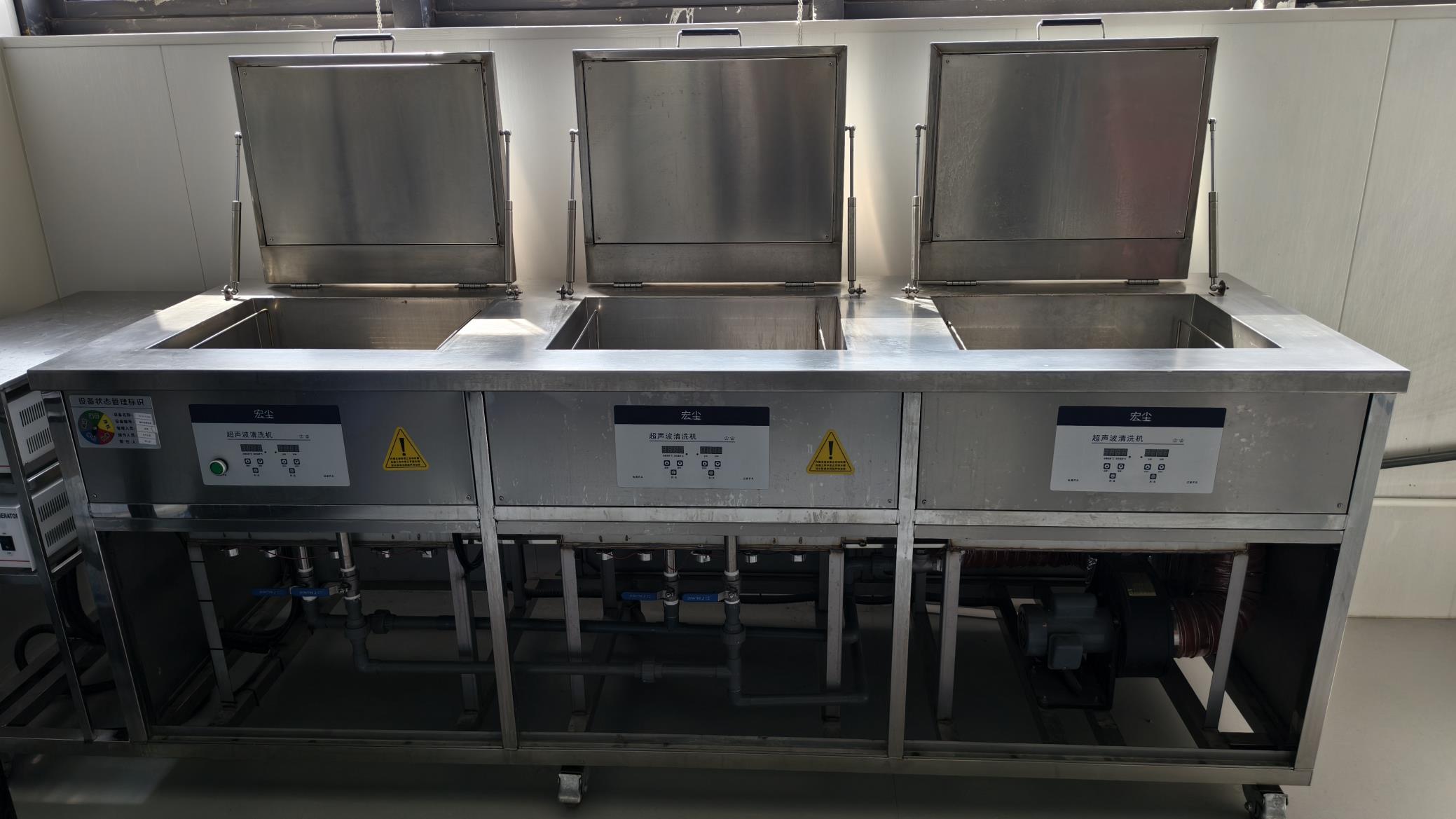
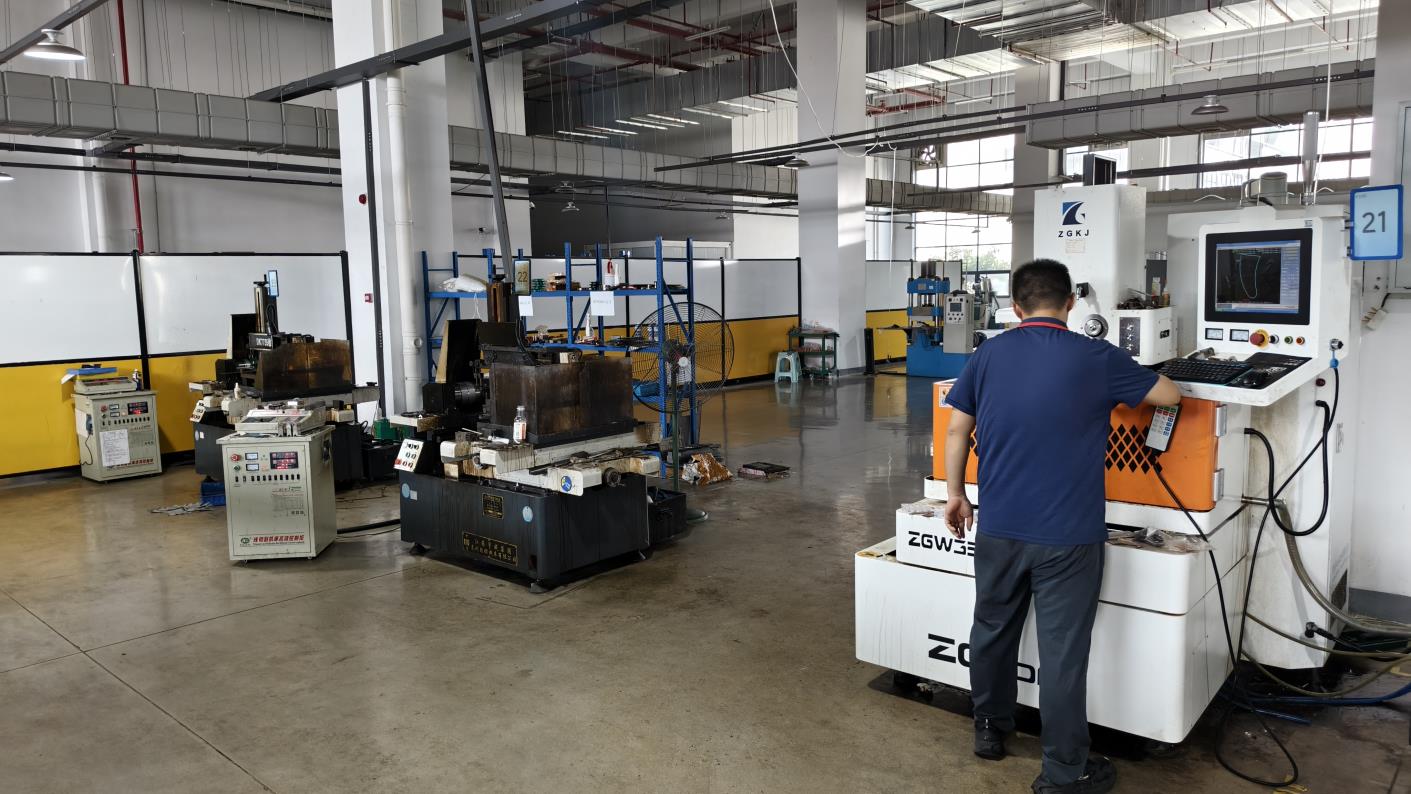
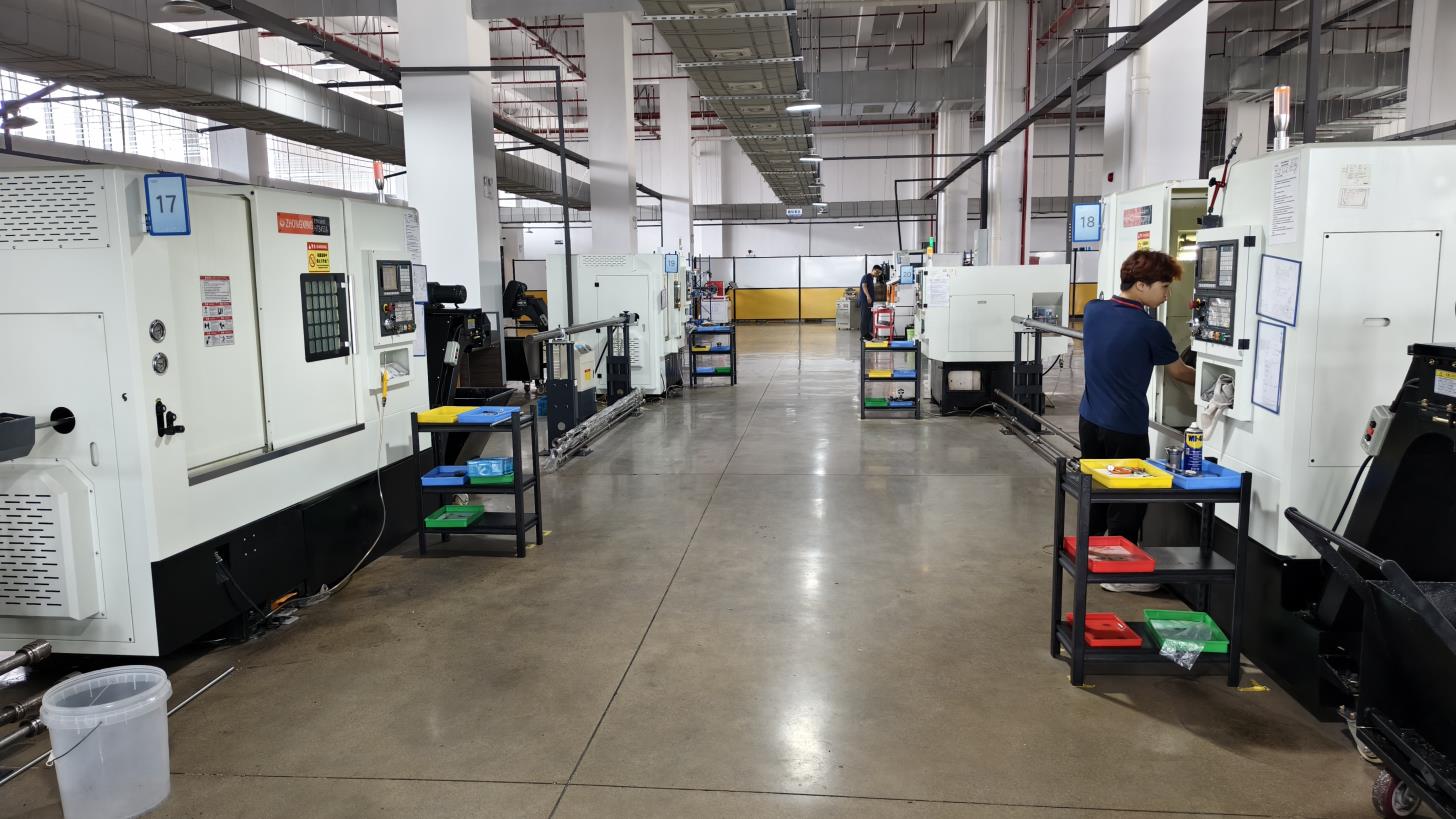
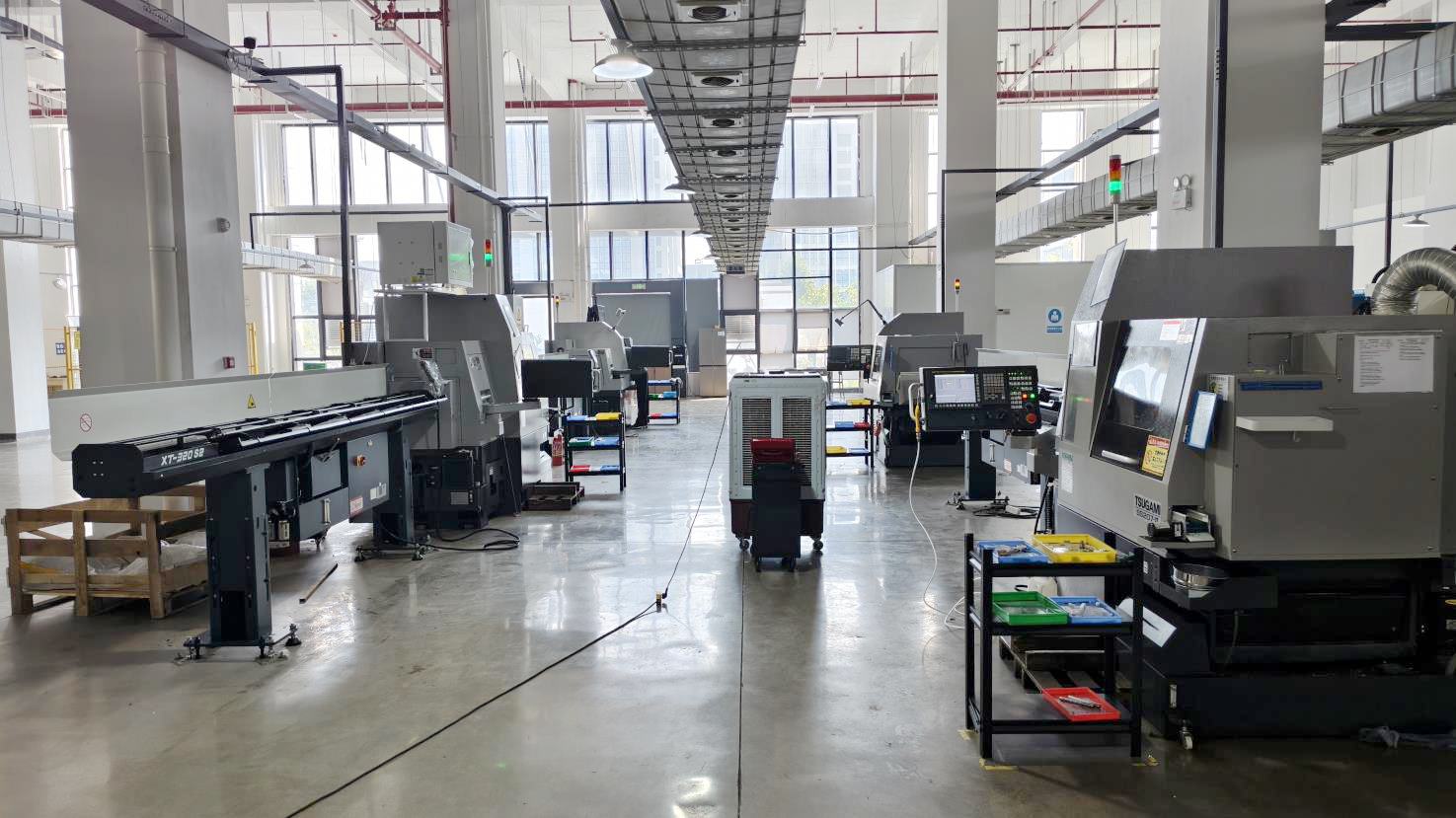
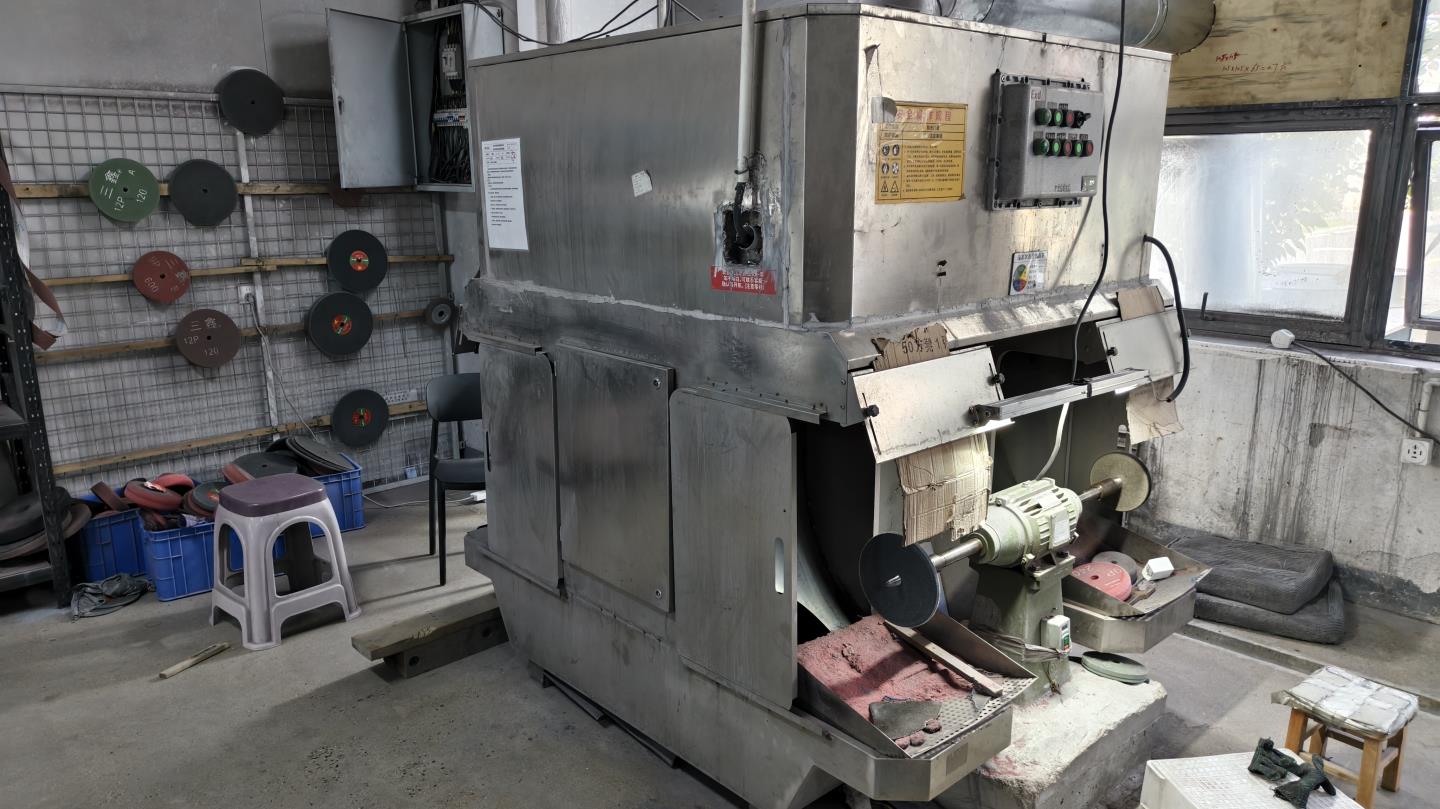
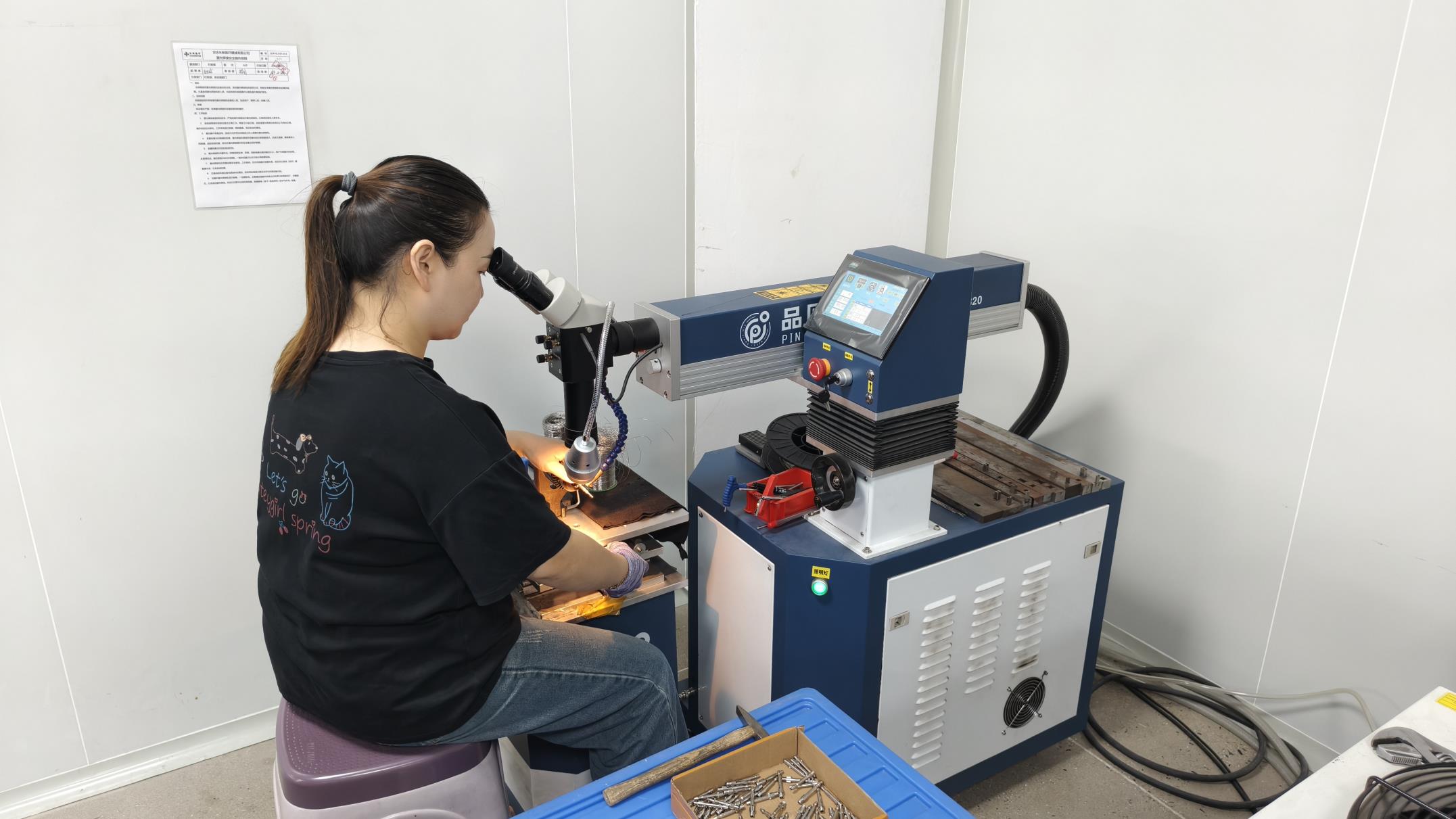
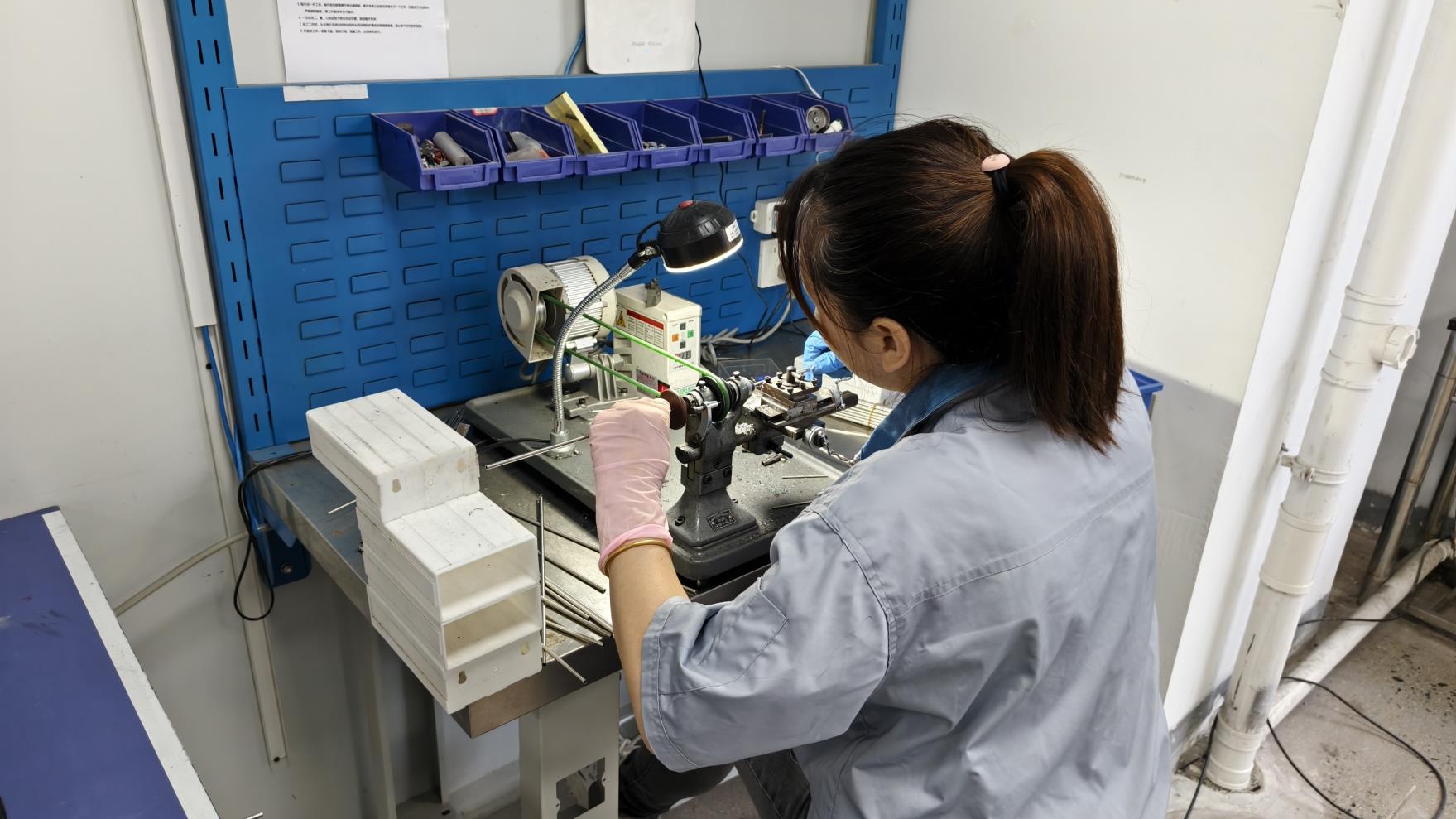
Every bone screw undergoes comprehensive testing to verify mechanical performance and dimension compliance.
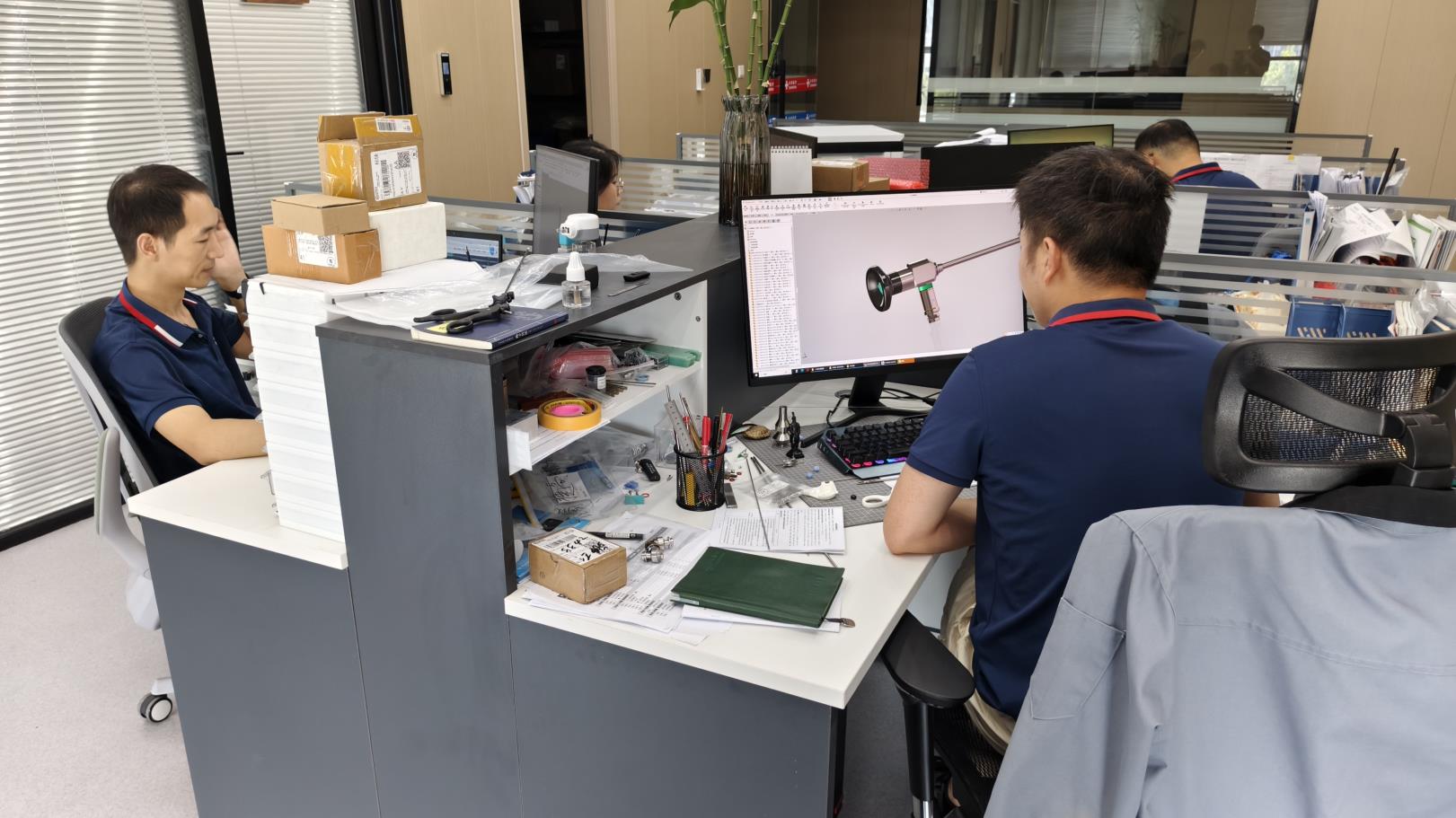
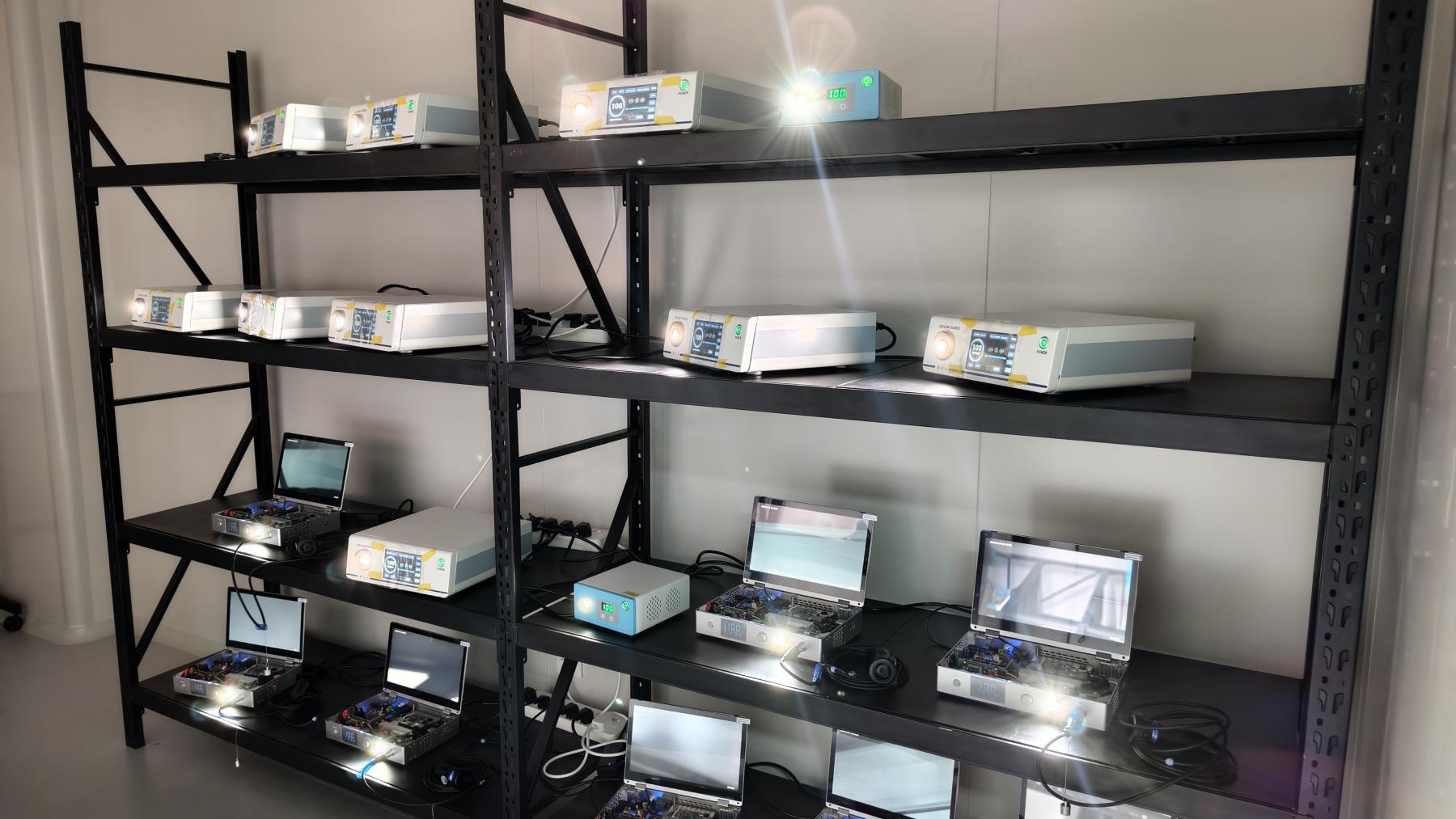
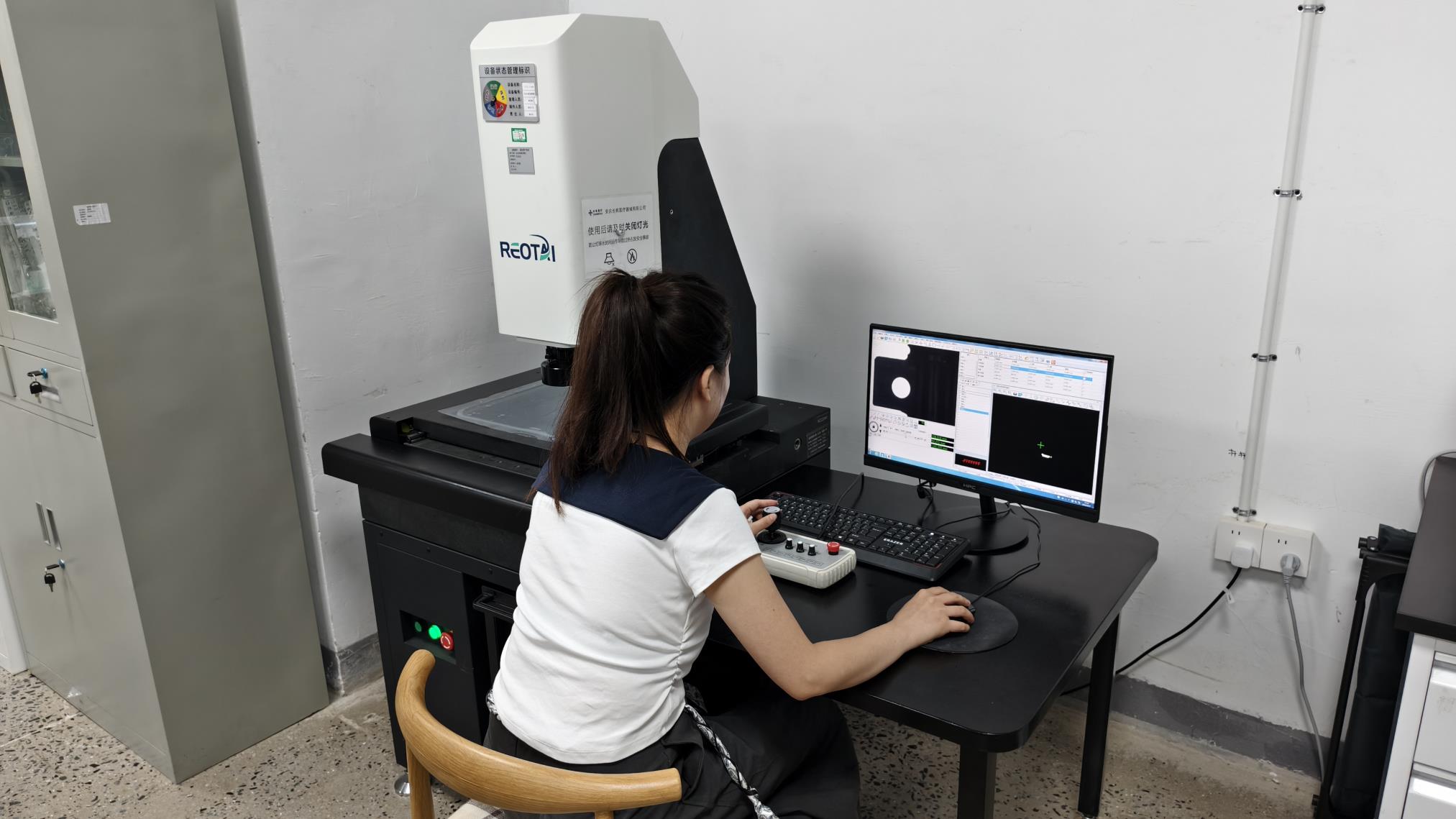
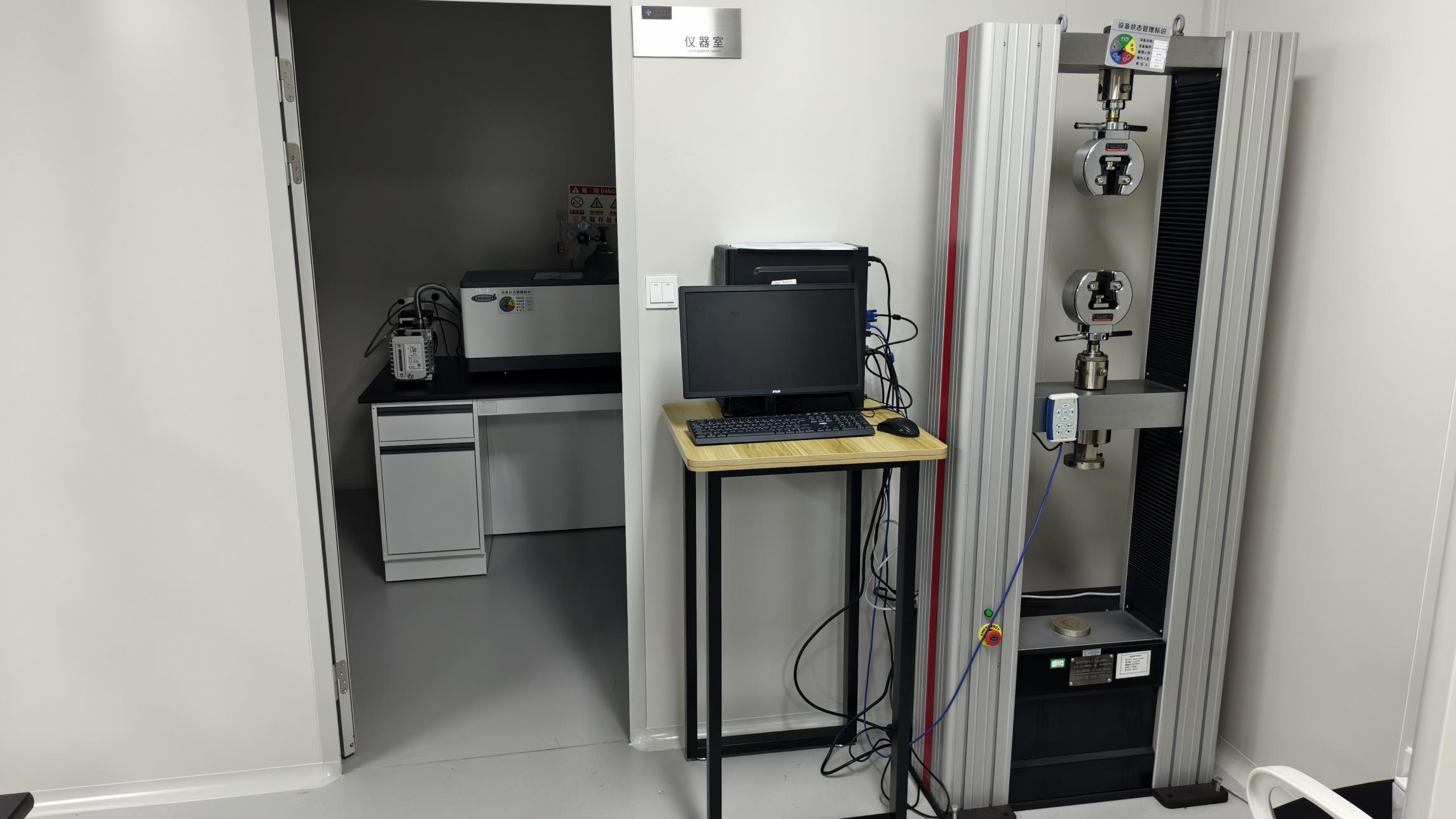
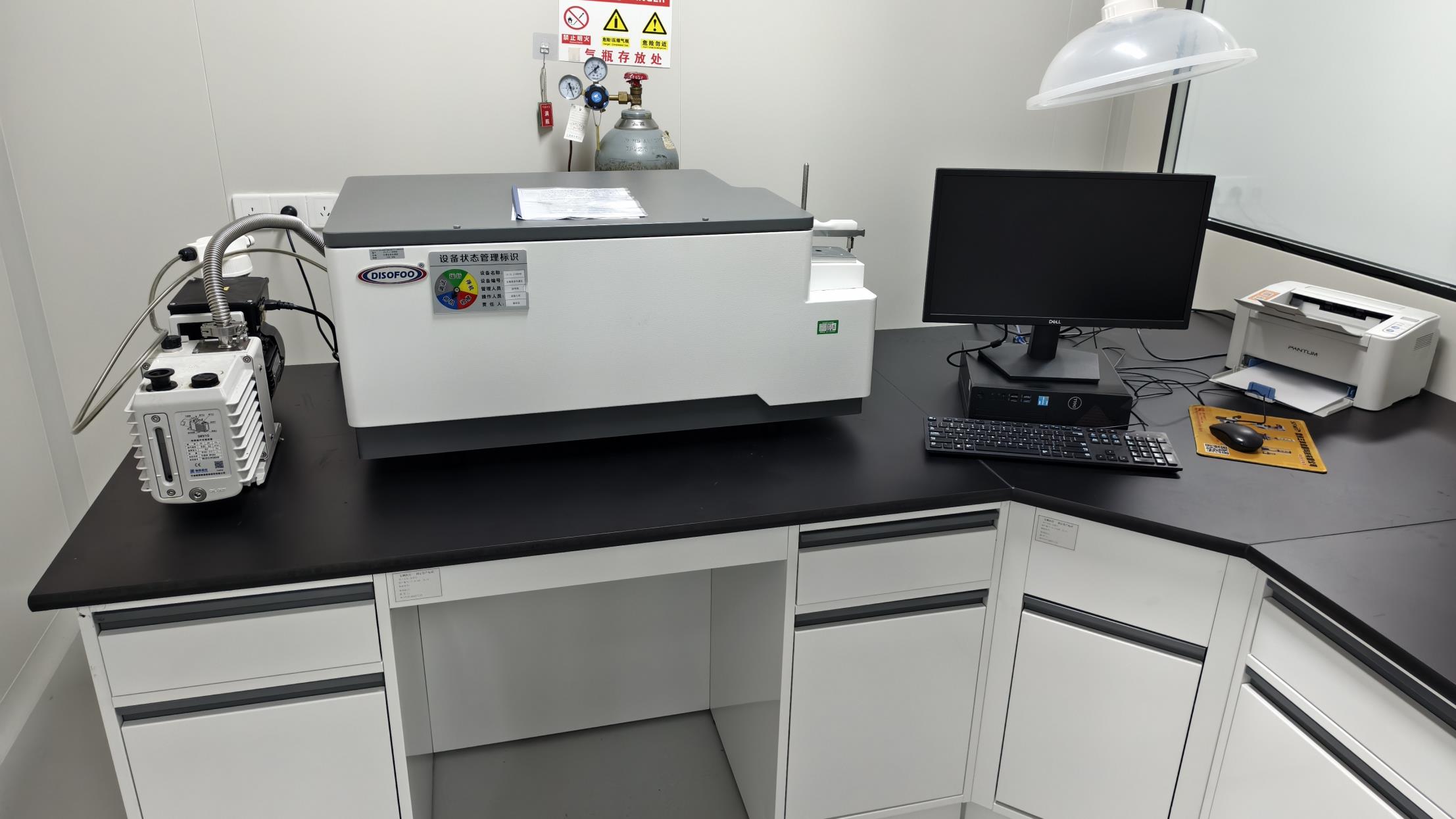
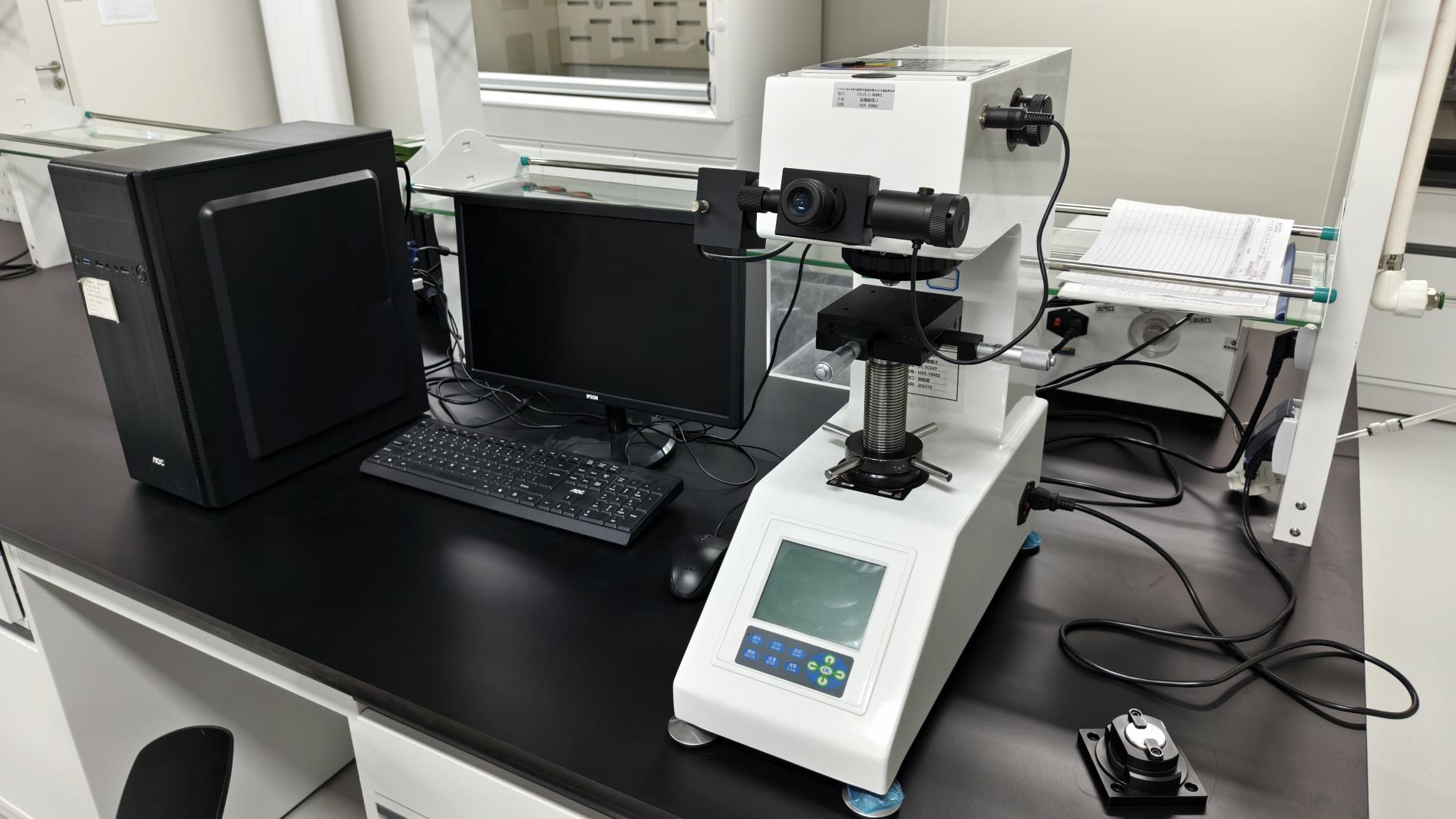
Procuring surgical implants requires strict attention to supply chain efficiency, regulatory filings, and design adaptability. Synoviq works closely with overseas distributors, hospital networks, and medical device brands to offer customizable orthopedic solutions:
The orthopedic implant sector continues to evolve as biomaterials and surgical technologies advance. Synoviq is currently investing in next-generation R&D fields to support future surgical workflows:
Researching biodegradable polymers (such as PLGA or magnesium alloys) that gradually transfer stress loads back to healing bone tissue, eliminating the need for a secondary implant removal procedure.
Utilizing chemical etching and acid-blasting processes to create surface micro-textures that support cellular attachment, encouraging faster osteointegration.
Integrating 3D printing datasets with precision CNC machining to supply implants tailored to complex reconstructive and revision procedures.
Explore our specialized Herbert screws, compression elements, and titanium surgical instrumentation sets.
 Synoviq Medical