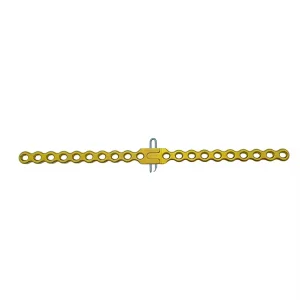
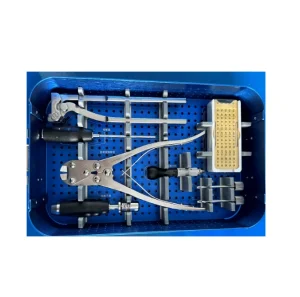
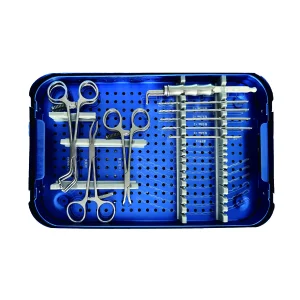
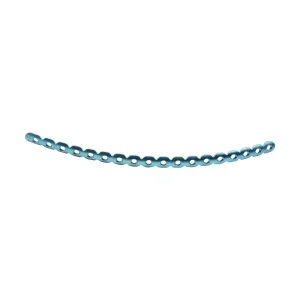
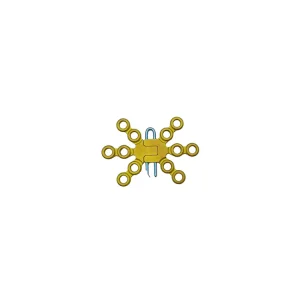
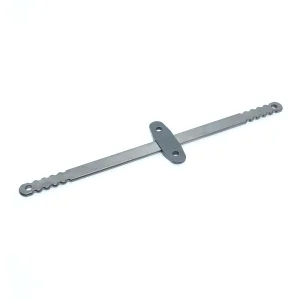
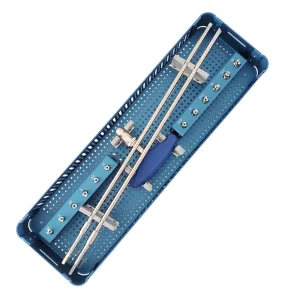
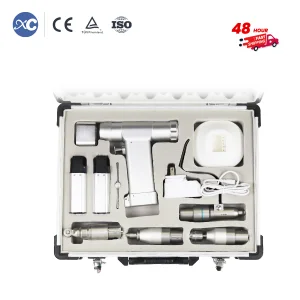
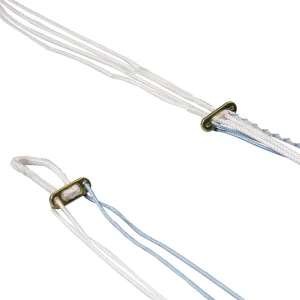
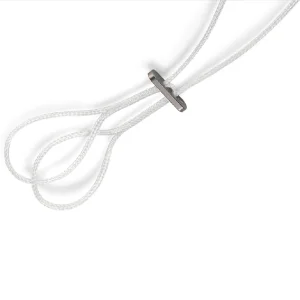
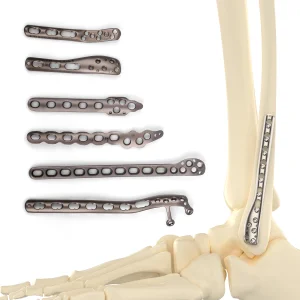
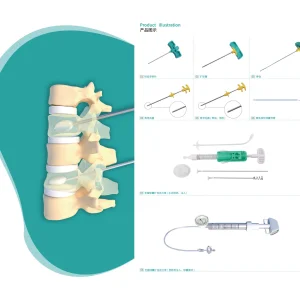
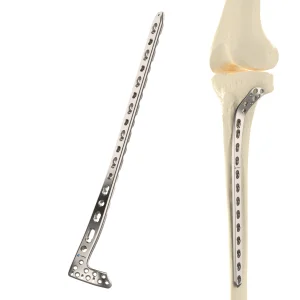
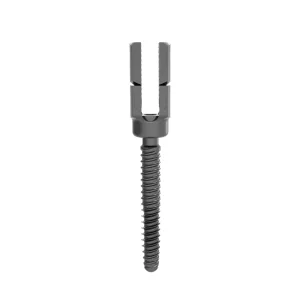
Explore our leading trauma, rib, clavicle, and sternal internal fixation products optimized for rigid surgical stabilization and rapid recovery.
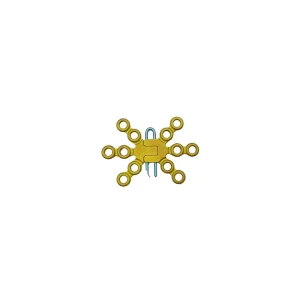
Median sternotomy remains the gold standard surgical approach for accessing thoracic organs during major cardiothoracic operations, including coronary artery bypass grafting (CABG), heart valve repair, and congenital cardiac corrections. Historically, sternal approximation was accomplished primarily through wire cerclage. However, post-operative mechanical stresses arising from respiration, coughing, and patient movement often place significant load on the healing sternum, sometimes leading to construct failure, bone shear, pain, and the highly dreaded clinical complication: sternal dehiscence accompanied by mediastinitis.
Synoviq Medical Technology stands at the forefront of this surgical evolution. As a specialized manufacturer of sternal fixation systems, we apply biomedical engineering principles to create biocompatible, ultra-thin, yet incredibly resilient titanium plates and screws. These plates conform seamlessly to the varying anterior cortical geometry of the human sternum, distributing functional loads evenly across the osteotomy line and minimizing the incidence of post-surgical sternal instability.
Synoviq Medical Technology (China) Co., Ltd. is a leading professional manufacturer of orthopedic implants and surgical instruments, dedicated to delivering innovative, reliable, and high-quality medical solutions for healthcare professionals worldwide. Since our establishment, we have focused on precision manufacturing, advanced clinical R&D, and strict international quality standards, providing comprehensive OEM and ODM services for global medical device brands, importers, distributors, and major hospital networks.
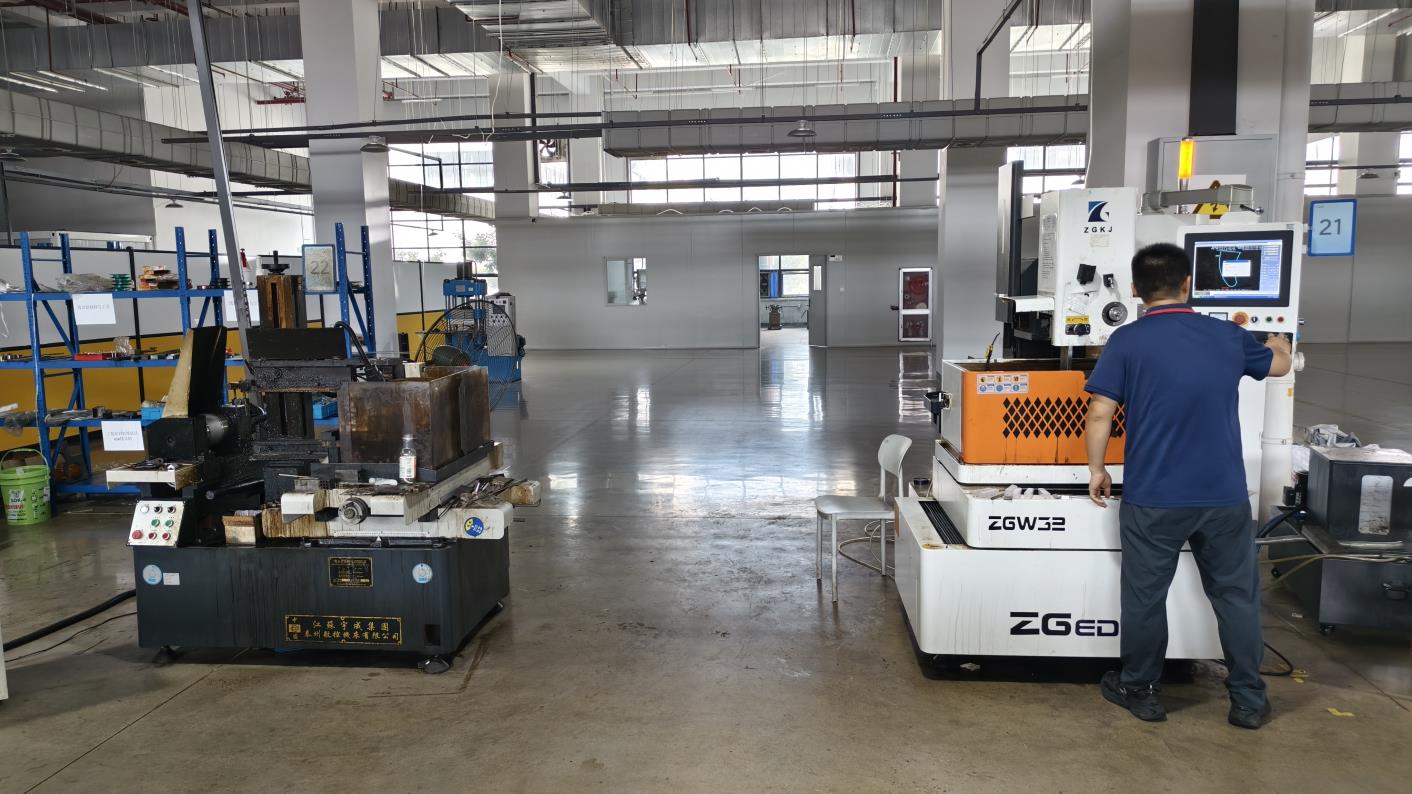
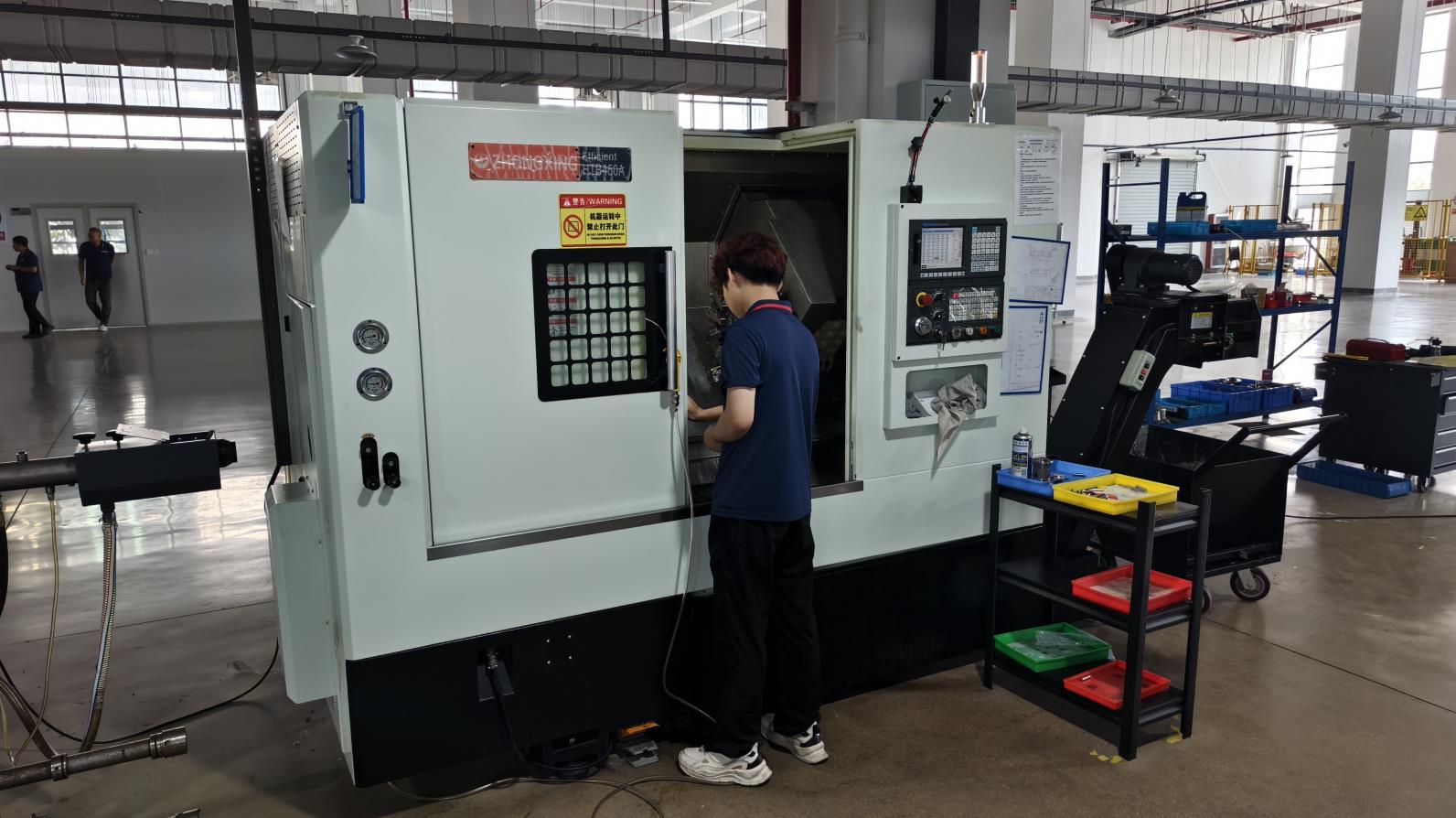
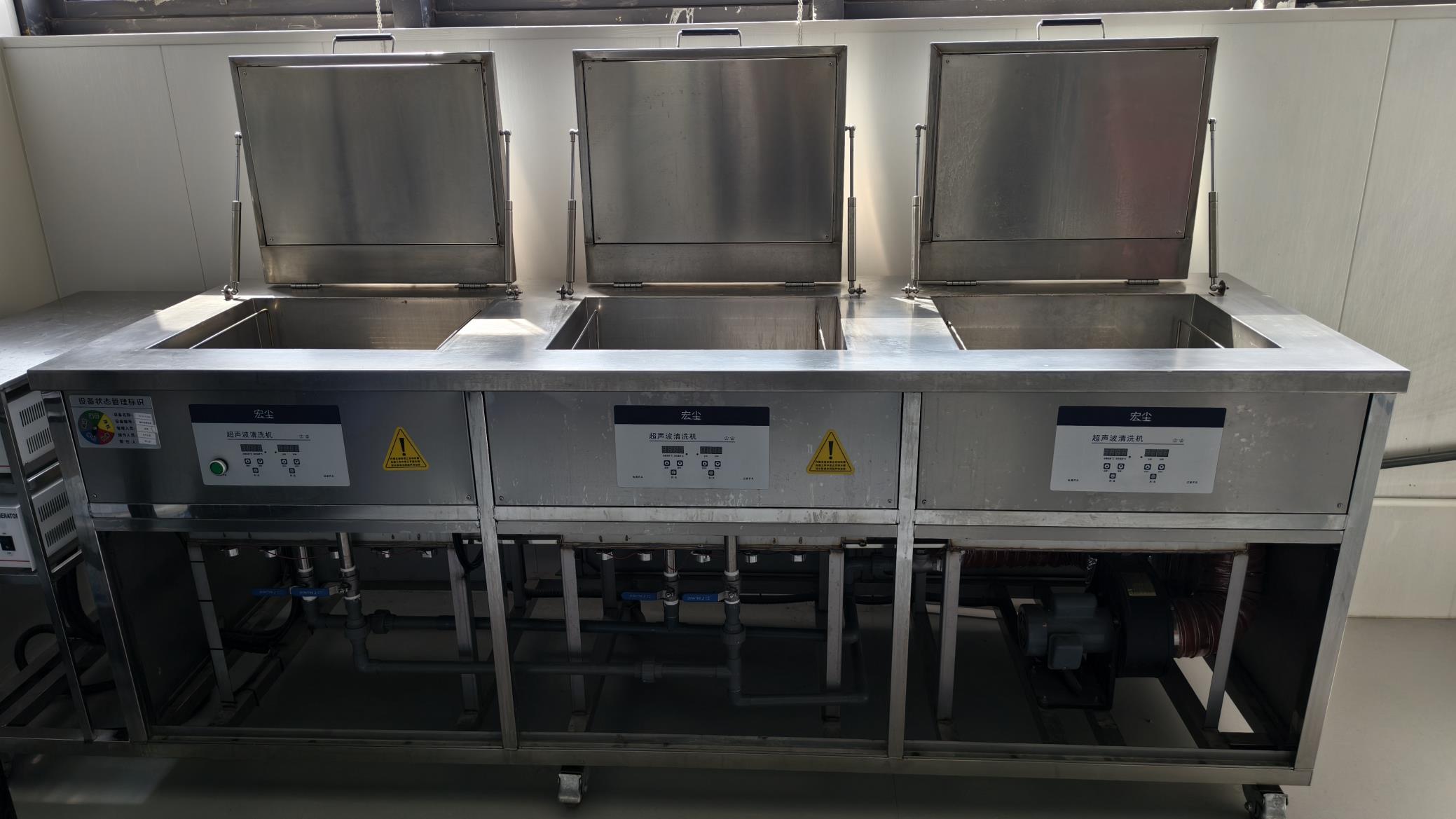
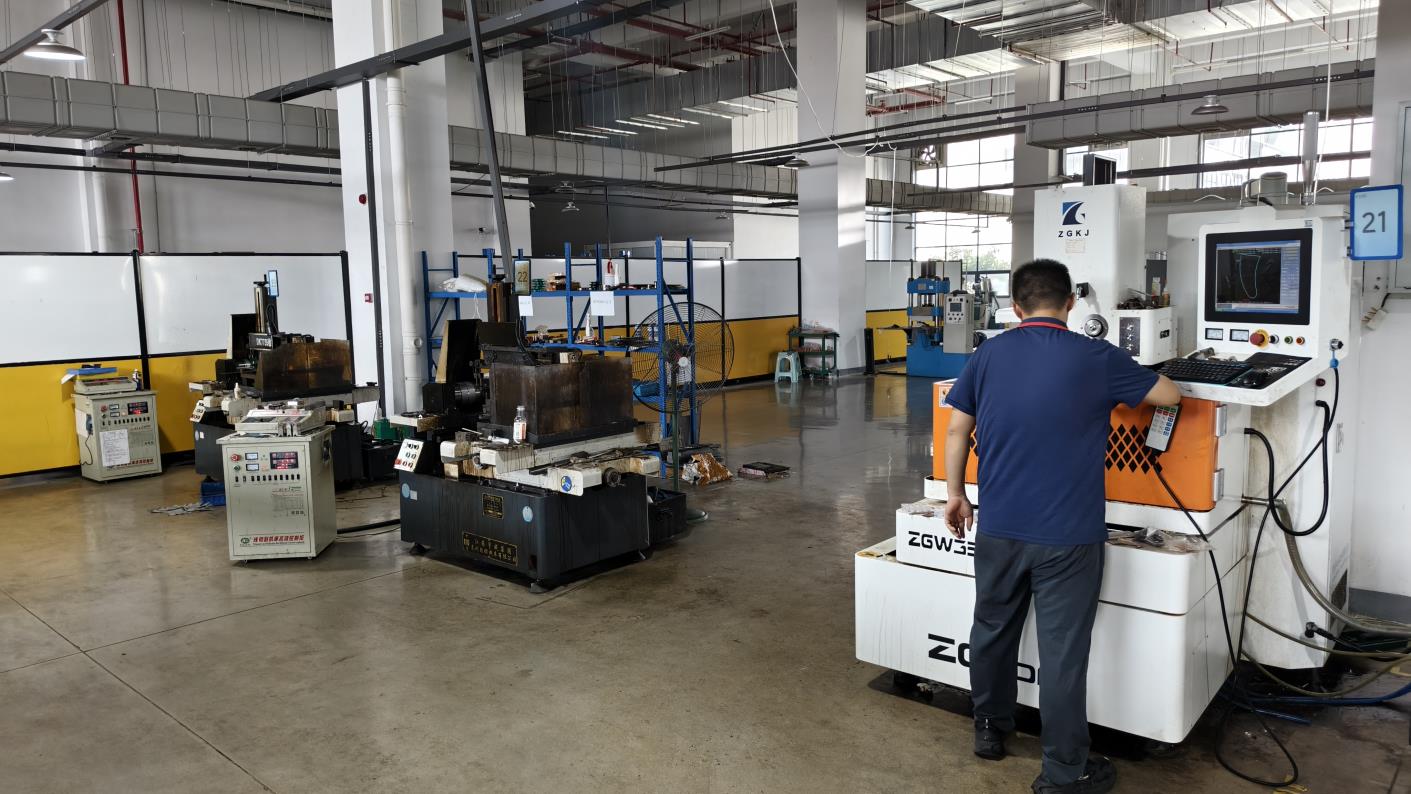
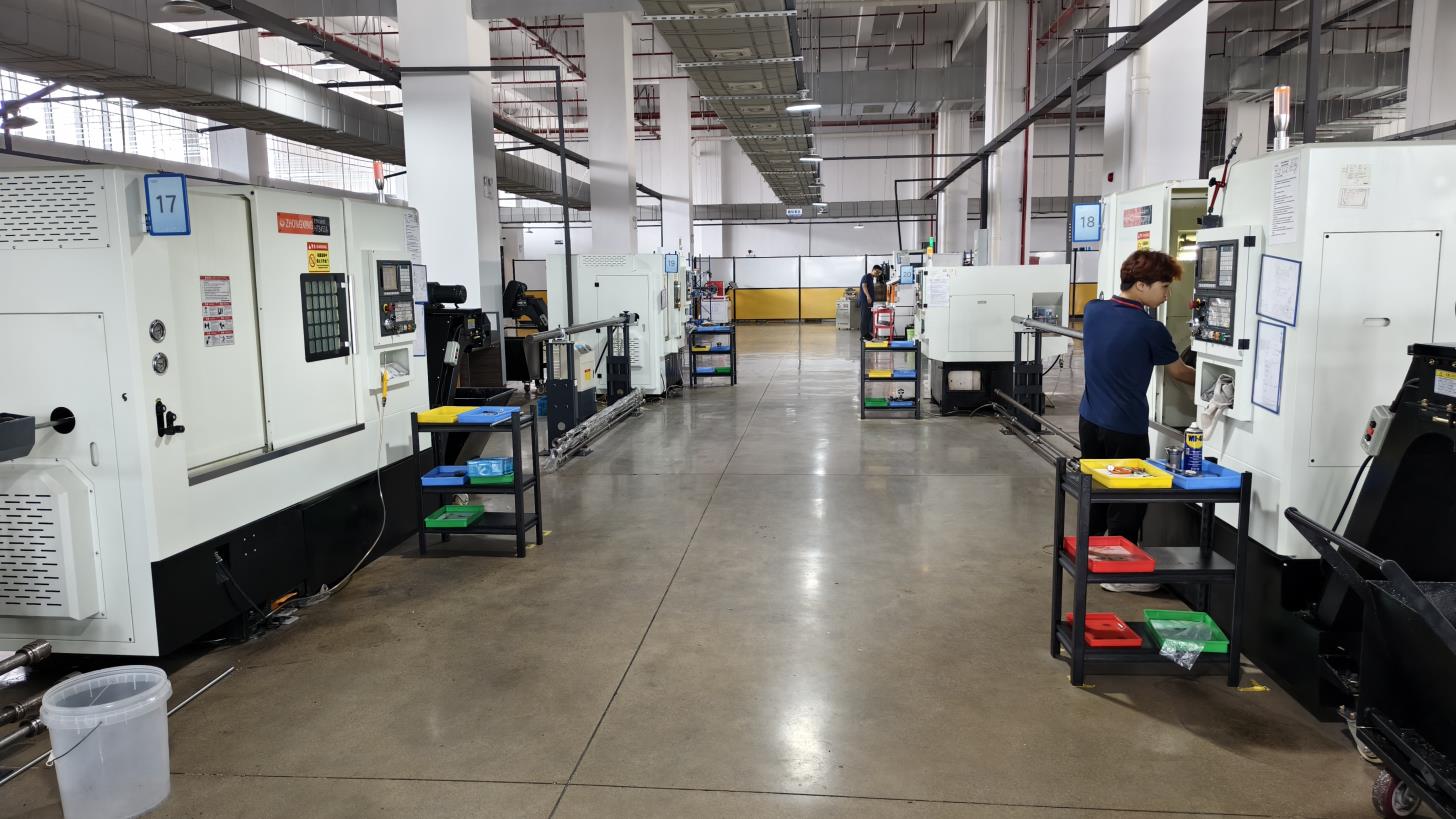
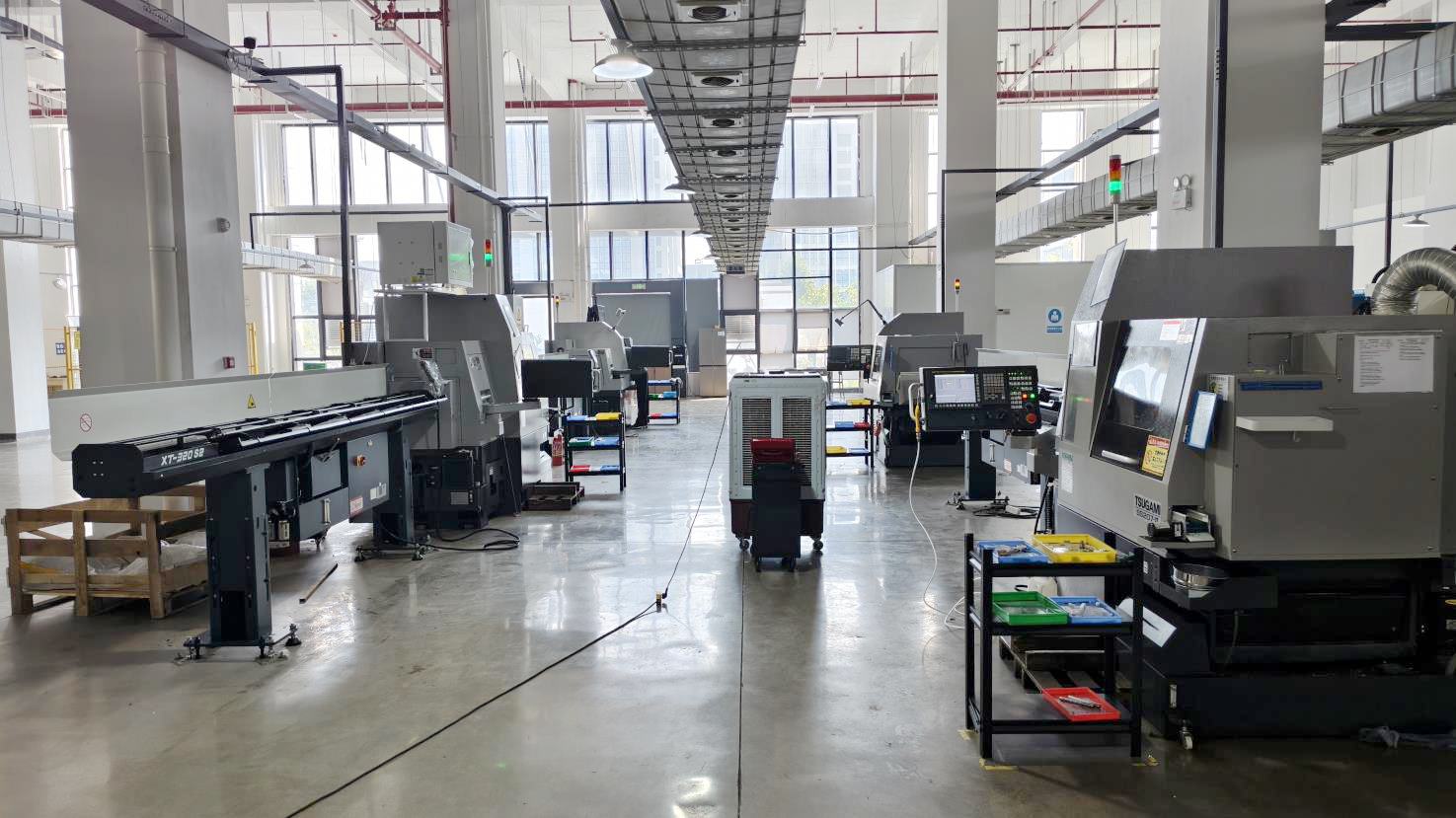
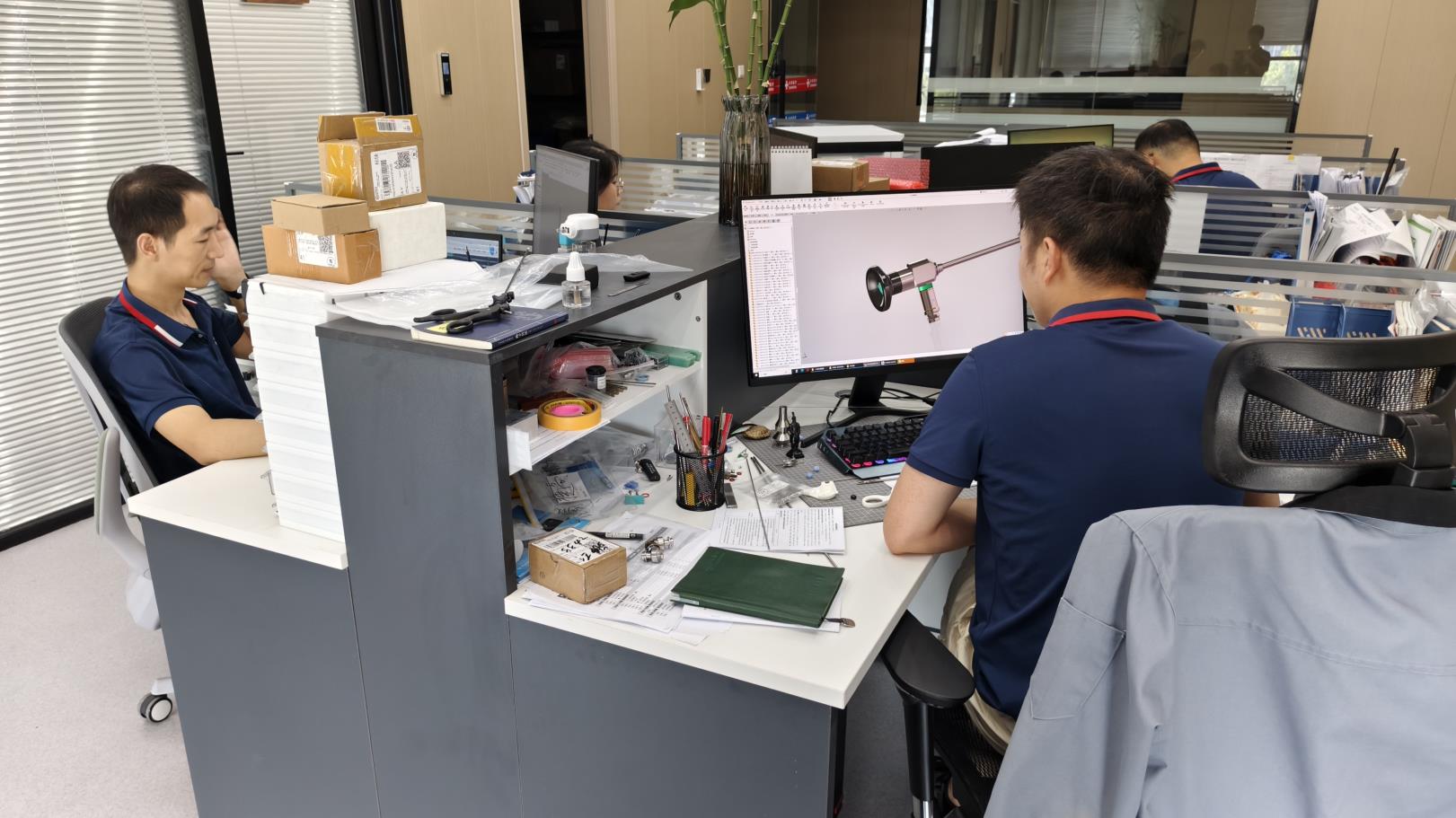
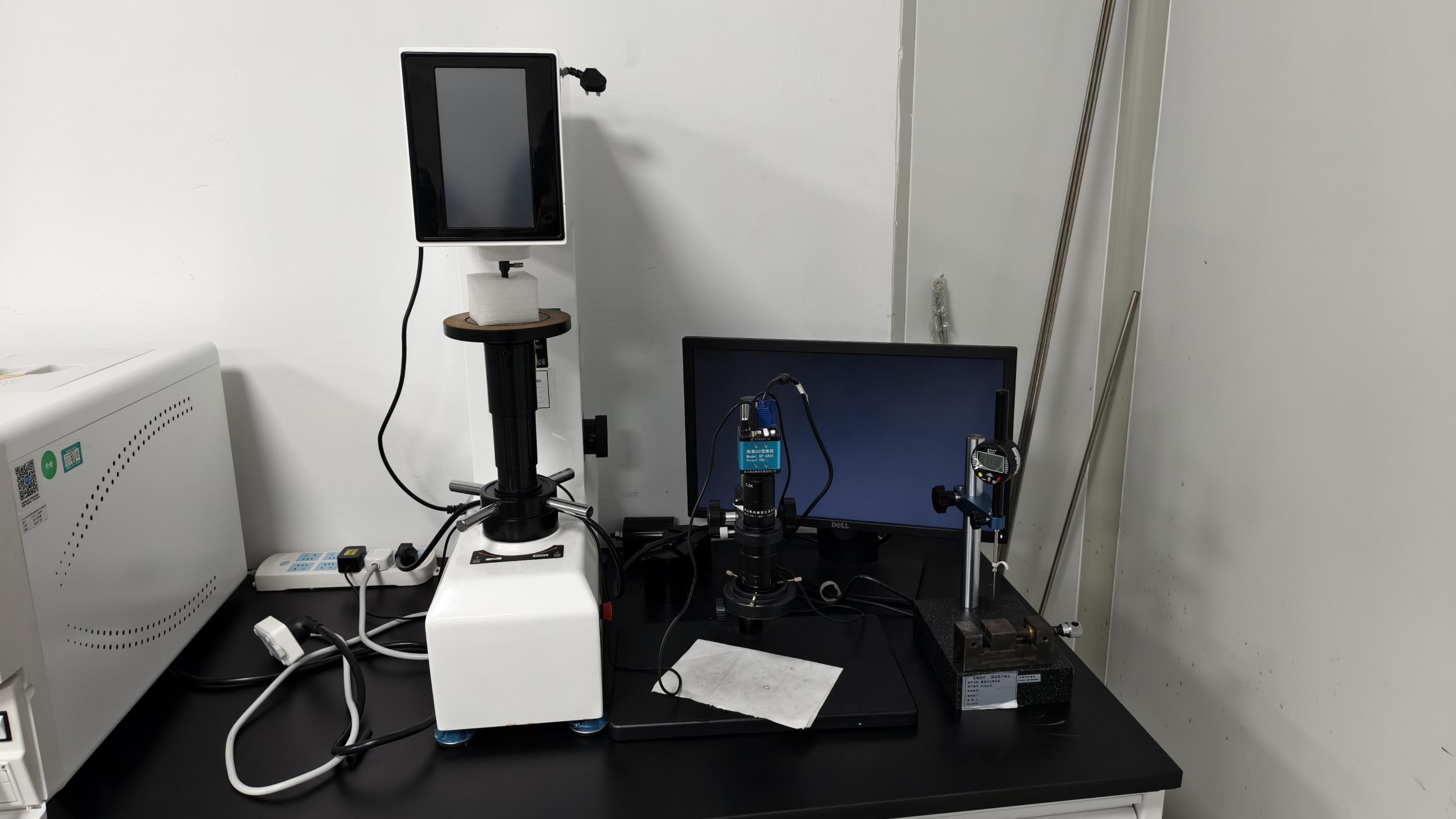
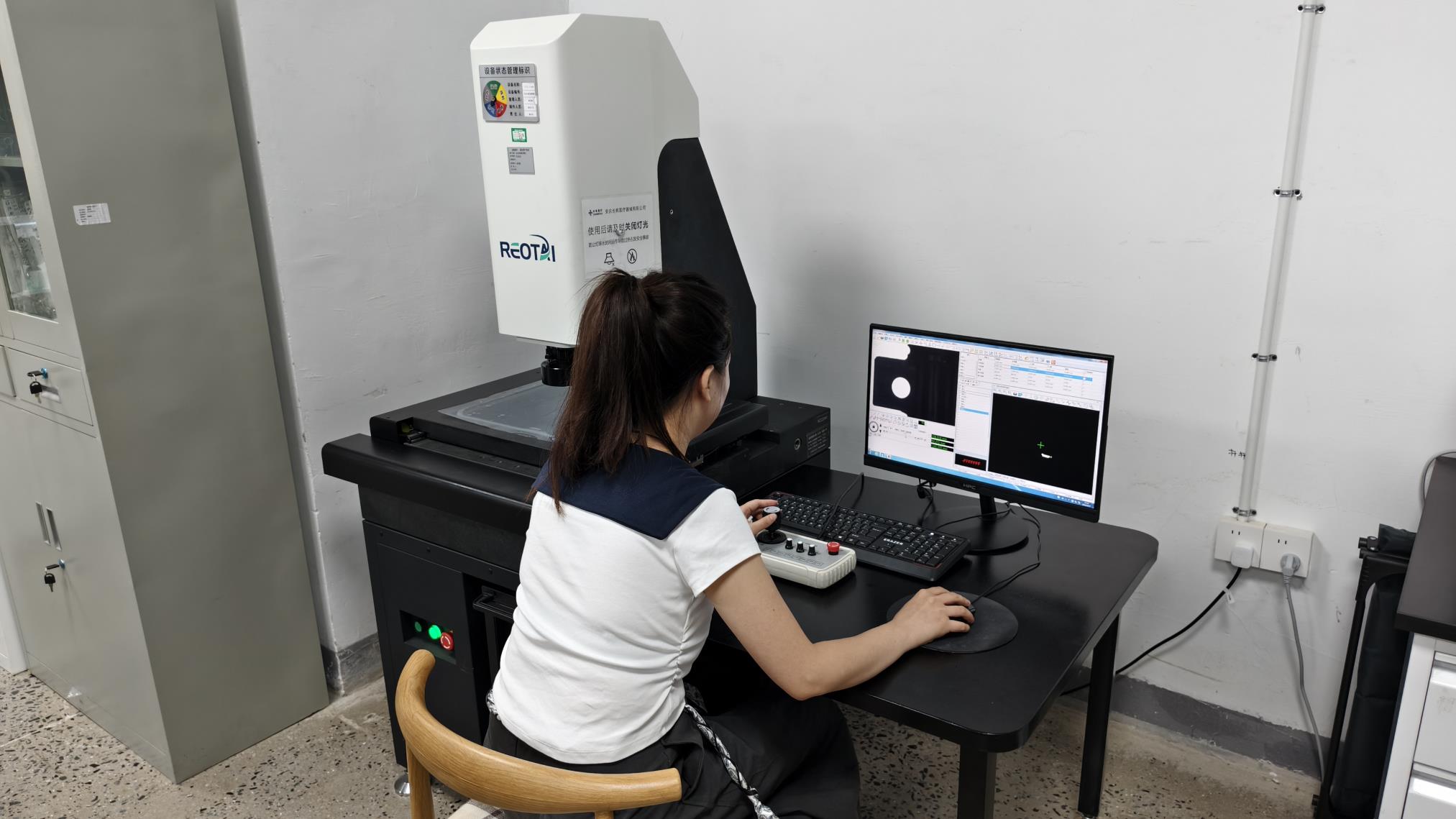
Our expansive product portfolio encompasses trauma fixation systems, spinal implants, anatomical locking plates, intramedullary nails, mini and large external fixation systems, orthopedic screws, surgical instruments, and customized patient-specific orthopedic solutions. Equipped with first-class CNC machining centers, high-accuracy inspection units, and modern ISO Class 7 clean production facilities, we ensure every medical device meets the stringent requirements of global medical authorities.
| Item | Information / Metric Detail |
|---|---|
| Company Name | Synoviq Medical Technology (China) Co., Ltd. |
| Brand Name & Scope | Synoviq (Specialized Orthopedic and Sternal Solutions) |
| Established Date | March 18, 2016 |
| Industry Experience | 14 Years of Orthopedic Engineering Excellence |
| Export Experience | 8 Years of Seamless Global Distribution Logistics |
| Quality Control Staff | 48 Dedicated QA/QC Personnel |
| Business Framework | OEM / ODM / Contract Manufacturing Services |
| Target Markets | Europe, North America, South America, Middle East, Southeast Asia |
| New Products (Last Year) | 186 Novel Orthopedic Implants & Systems Launched |
Global medical procurement officers increasingly seek manufacturing partners positioned inside China's advanced orthopedic clusters. The region's unique synergy of materials science research, specialized metal processing, and massive infrastructural support enables Synoviq to deliver highly competitive cost structures without sacrificing mechanical precision or biological compliance.
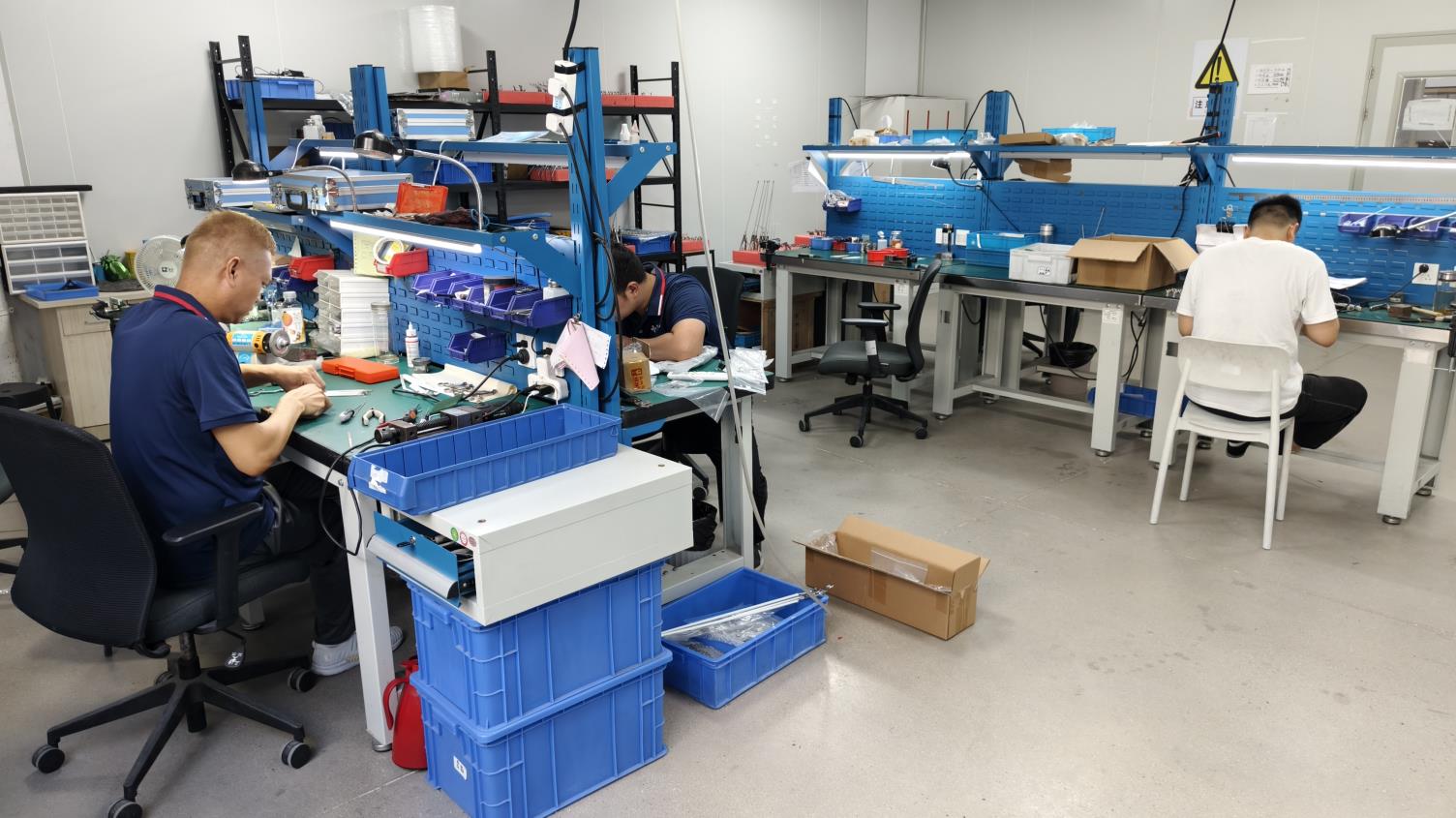
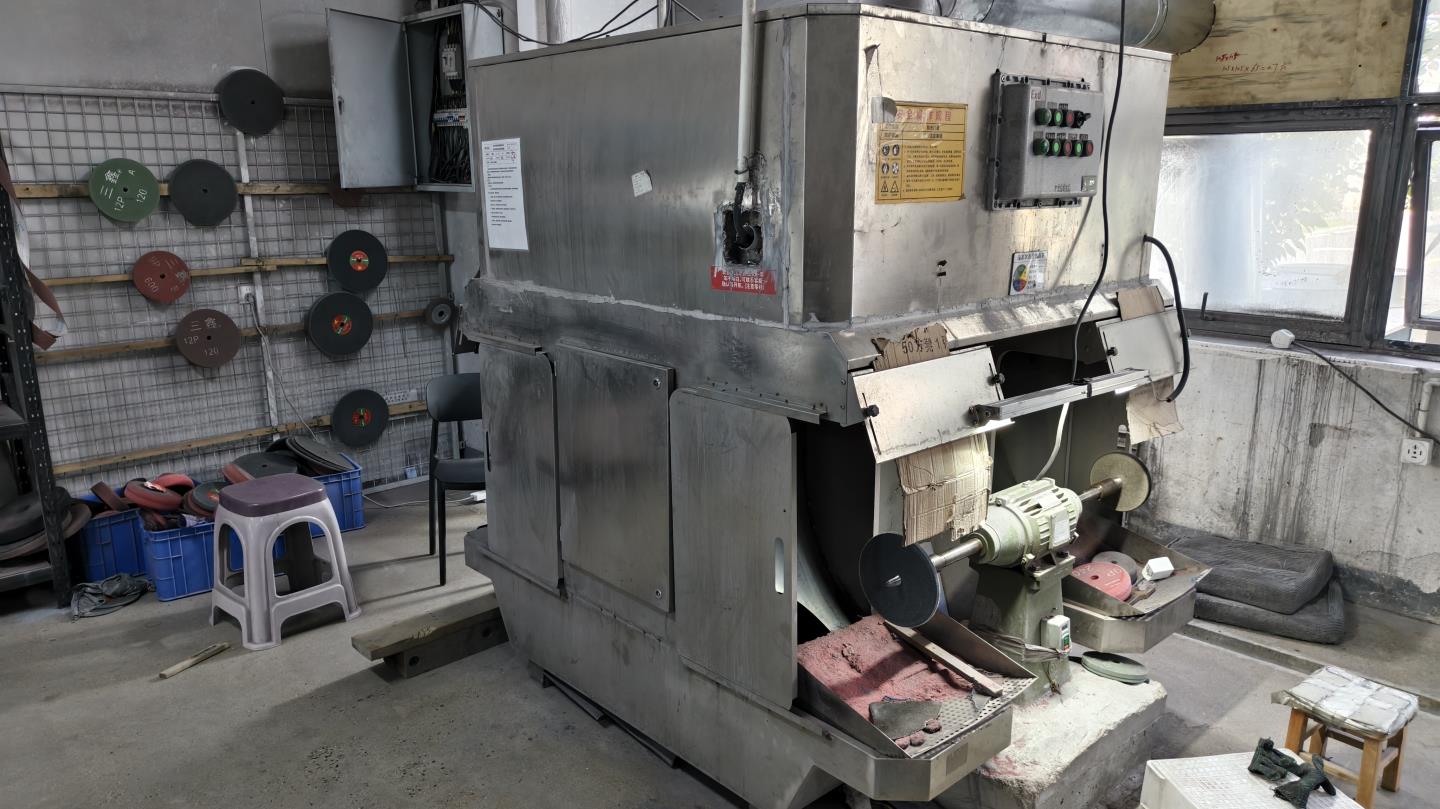
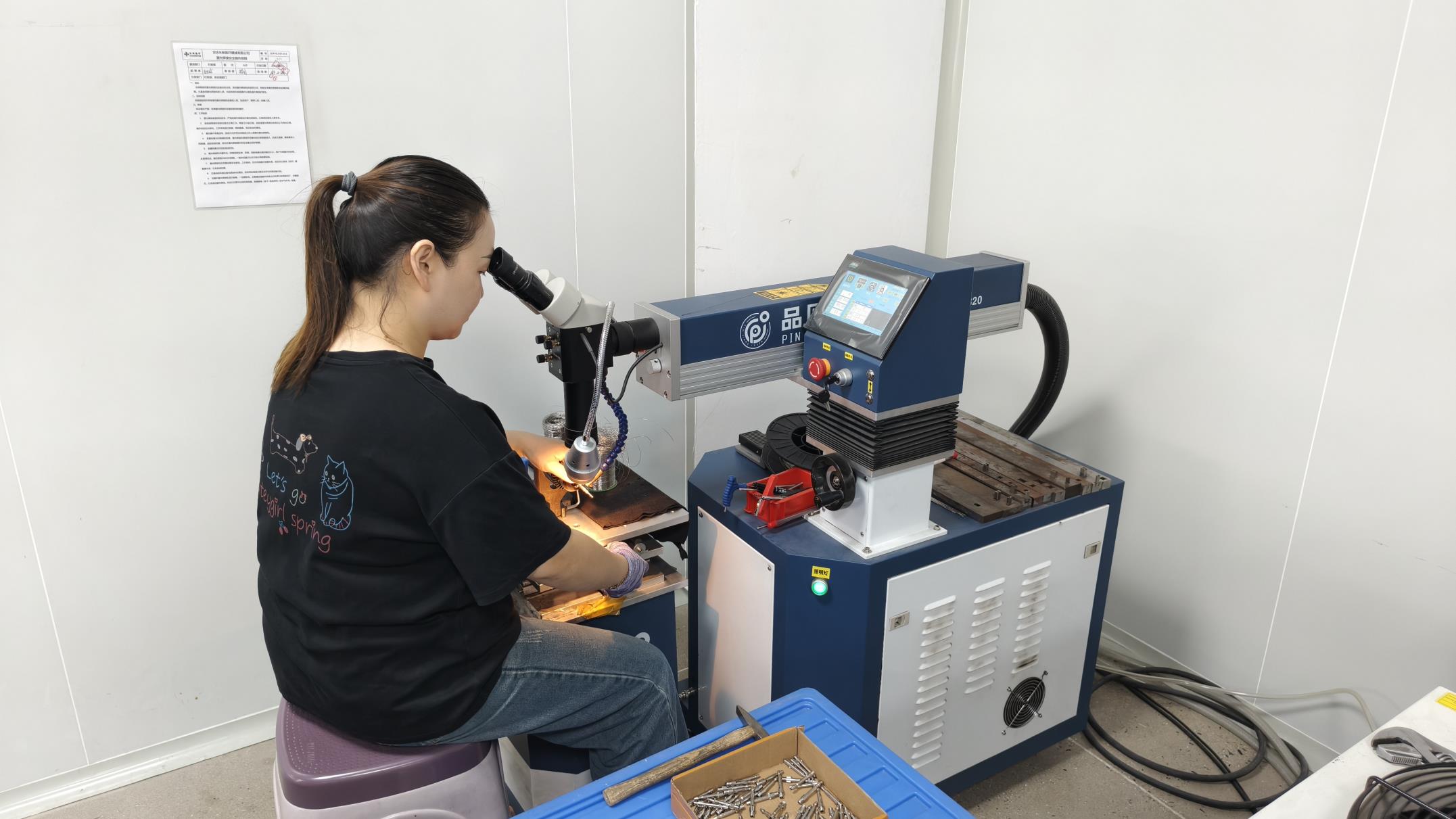
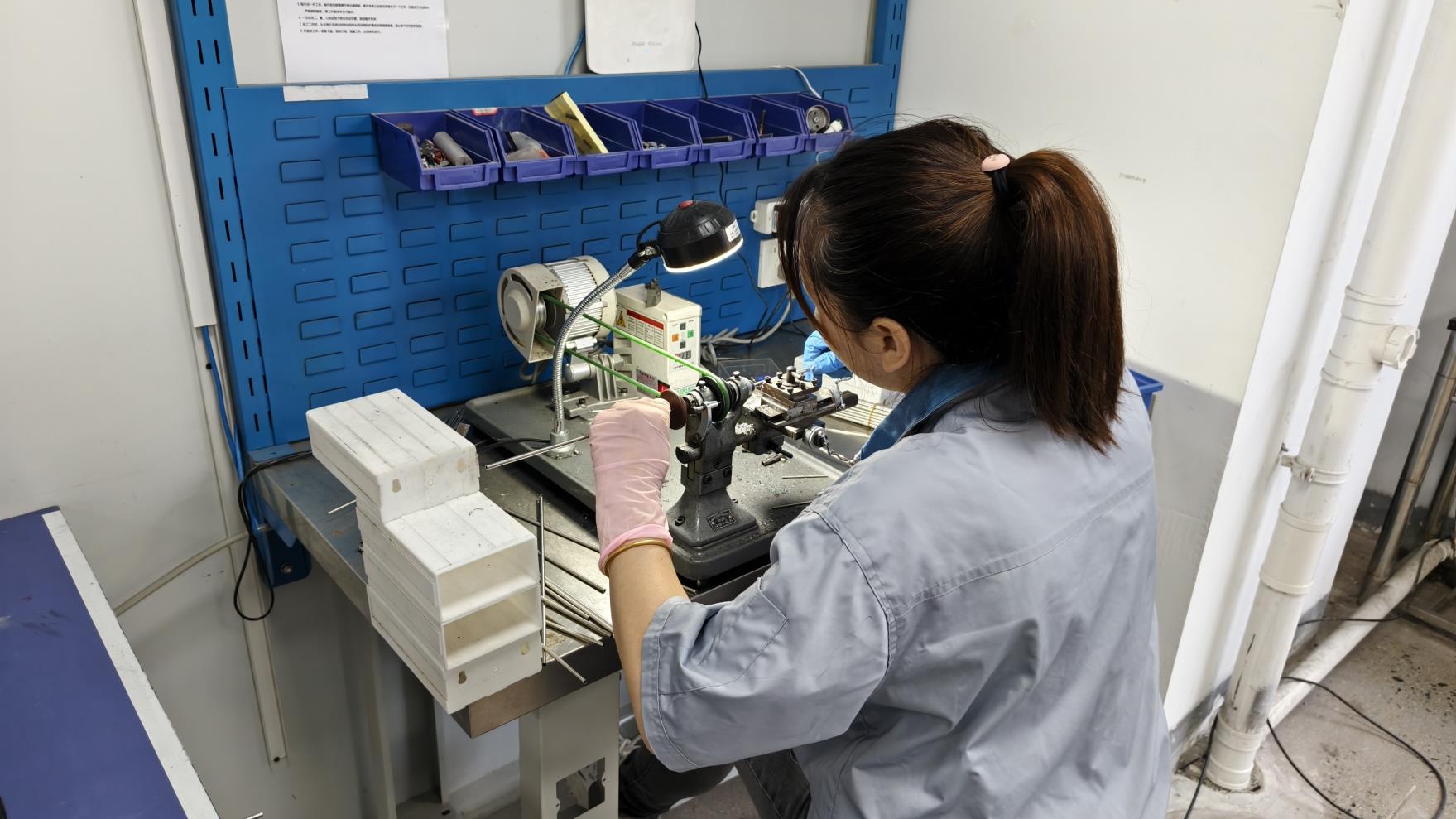
Our facility leverages this local integration by employing highly advanced manufacturing processes: Swiss-type automatic lathes for high-precision micro-screw threading, specialized multi-axis CNC machining centers for anatomical plate contouring, and automated cleanroom packaging lines. By streamlining our raw material sourcing—utilizing only the highest medical-grade titanium (Ti-6Al-4V ELI) certified under ISO 5832-3 and ASTM F136 standards—we optimize raw-material-to-finished-product cycles, ensuring robust global delivery capabilities even during volatile supply periods.
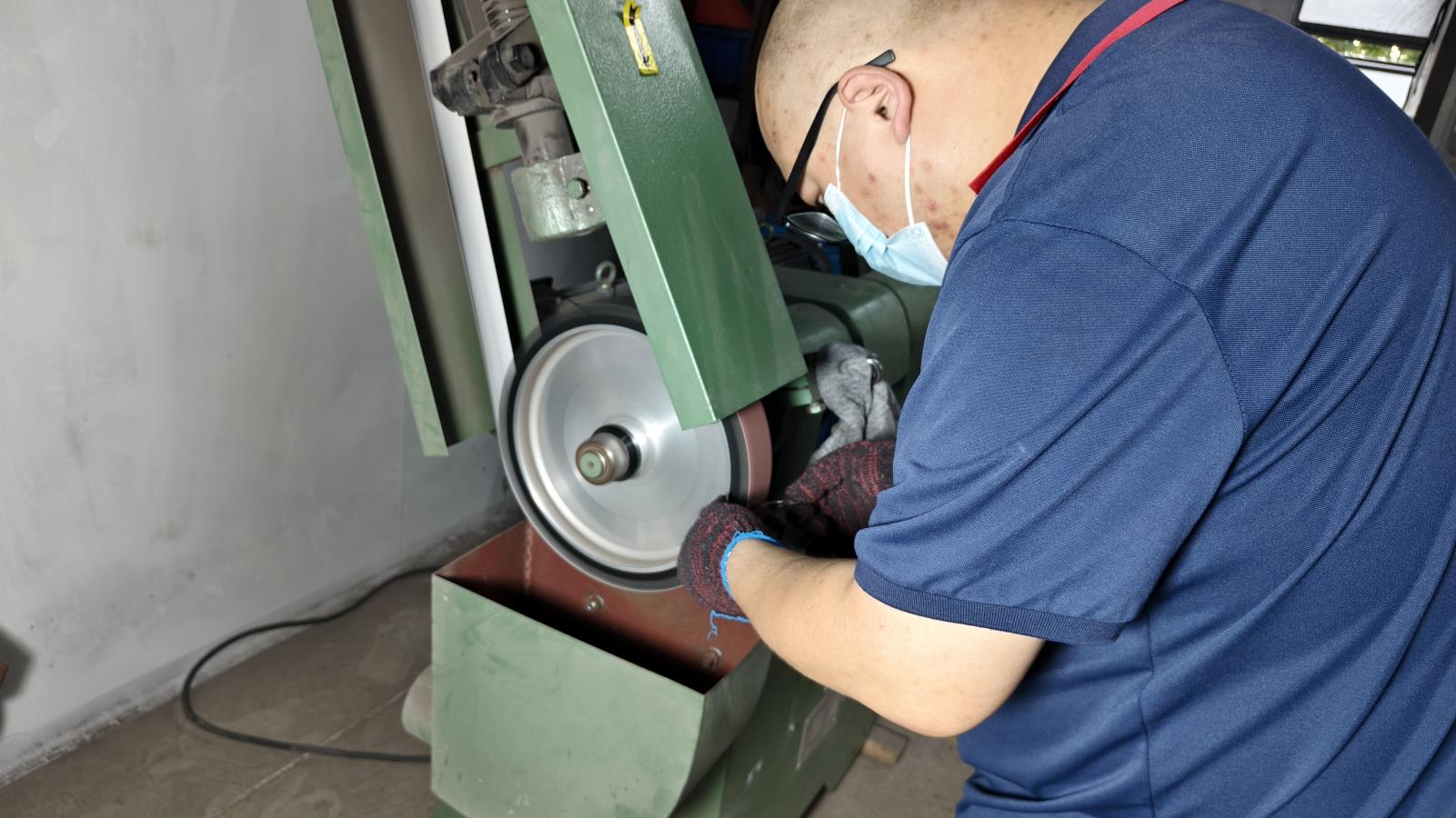
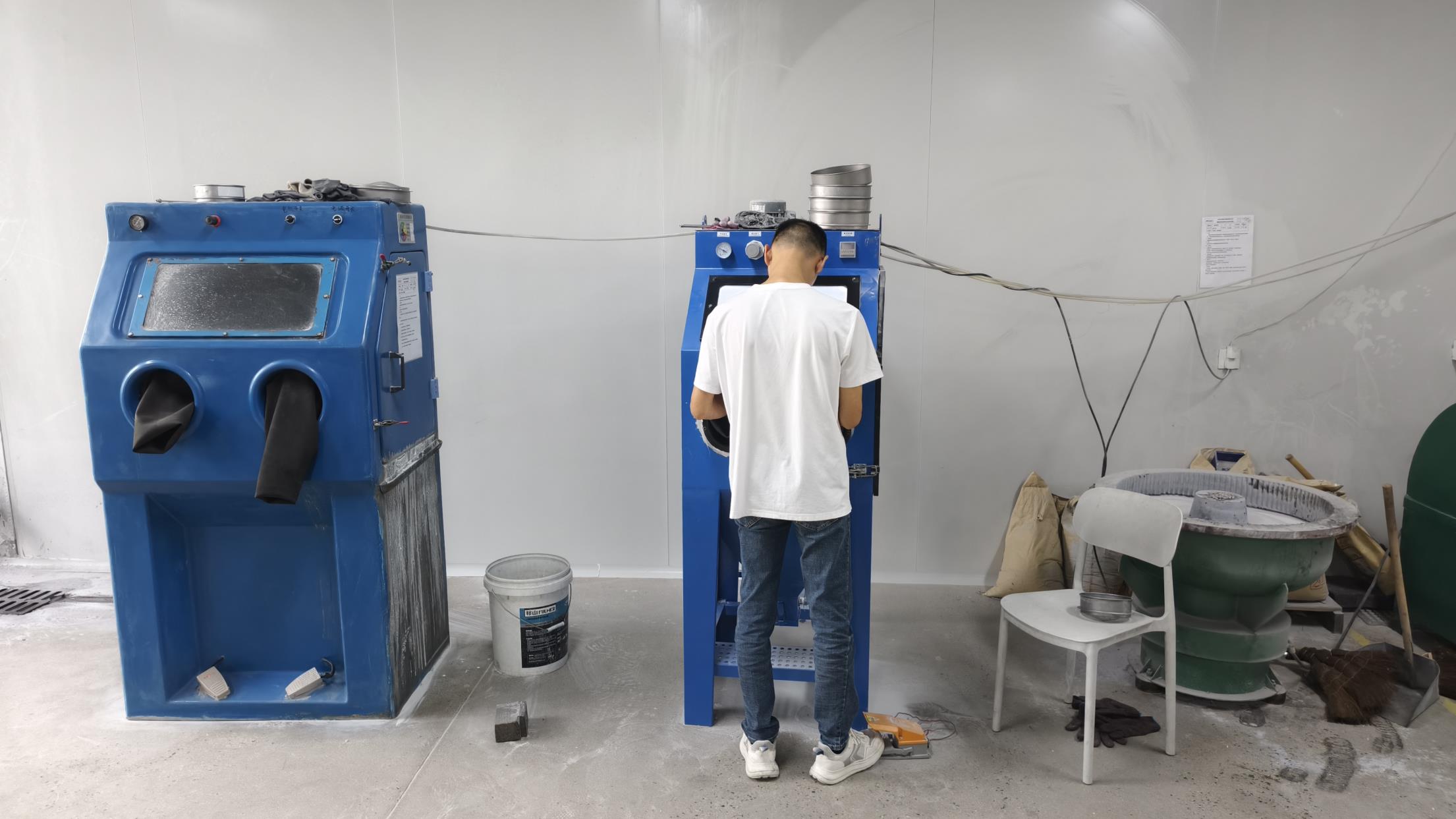
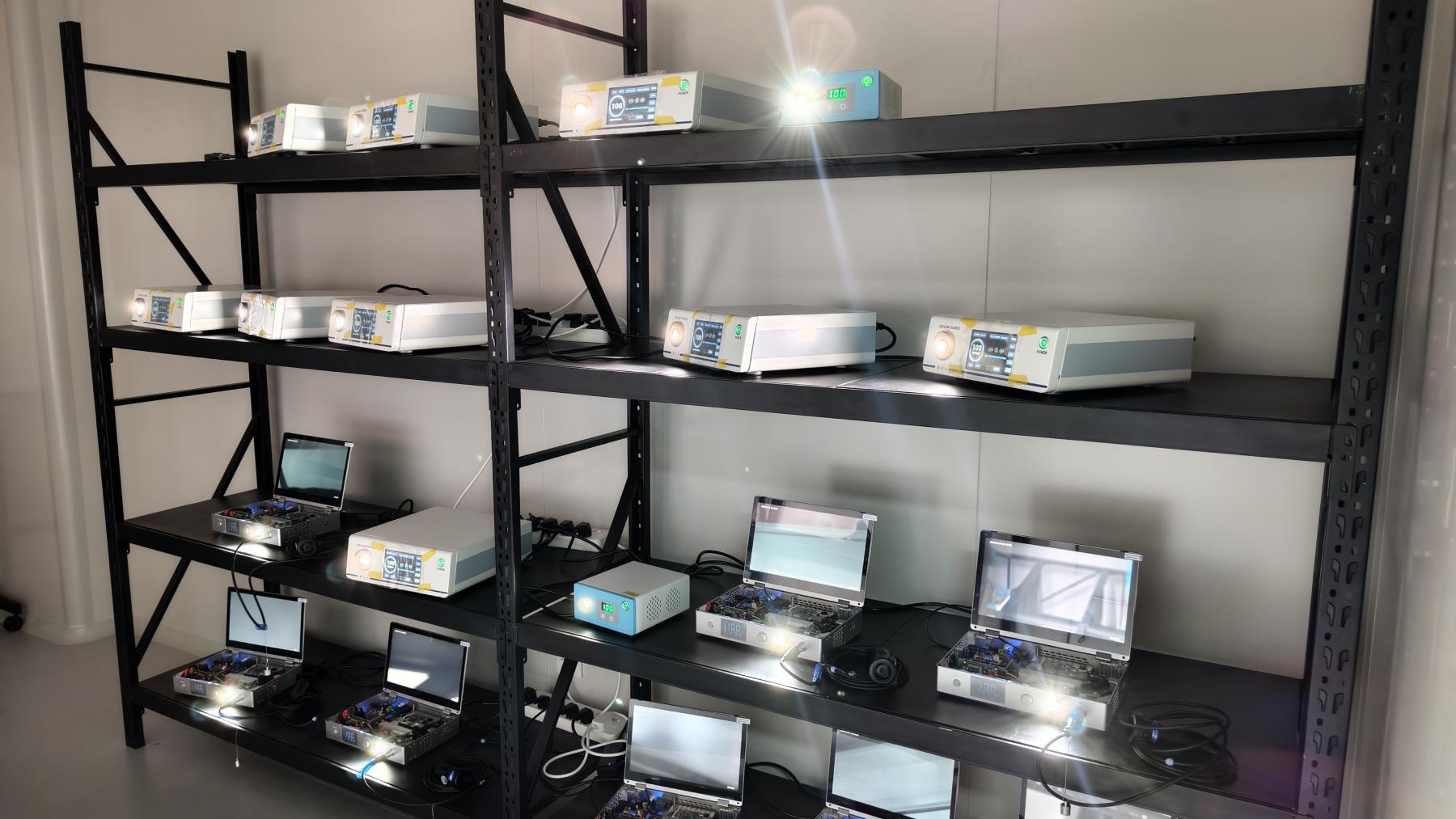
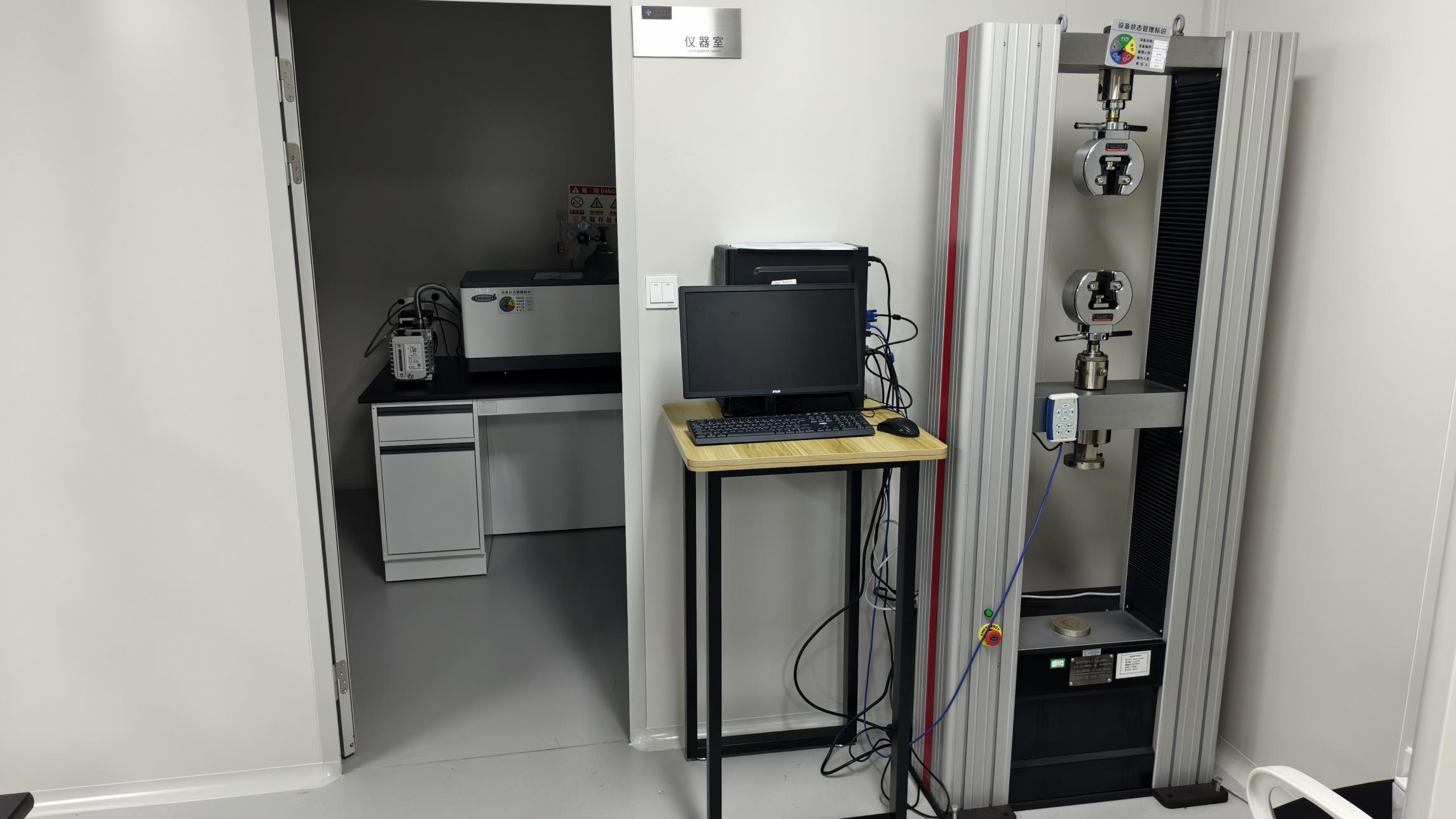
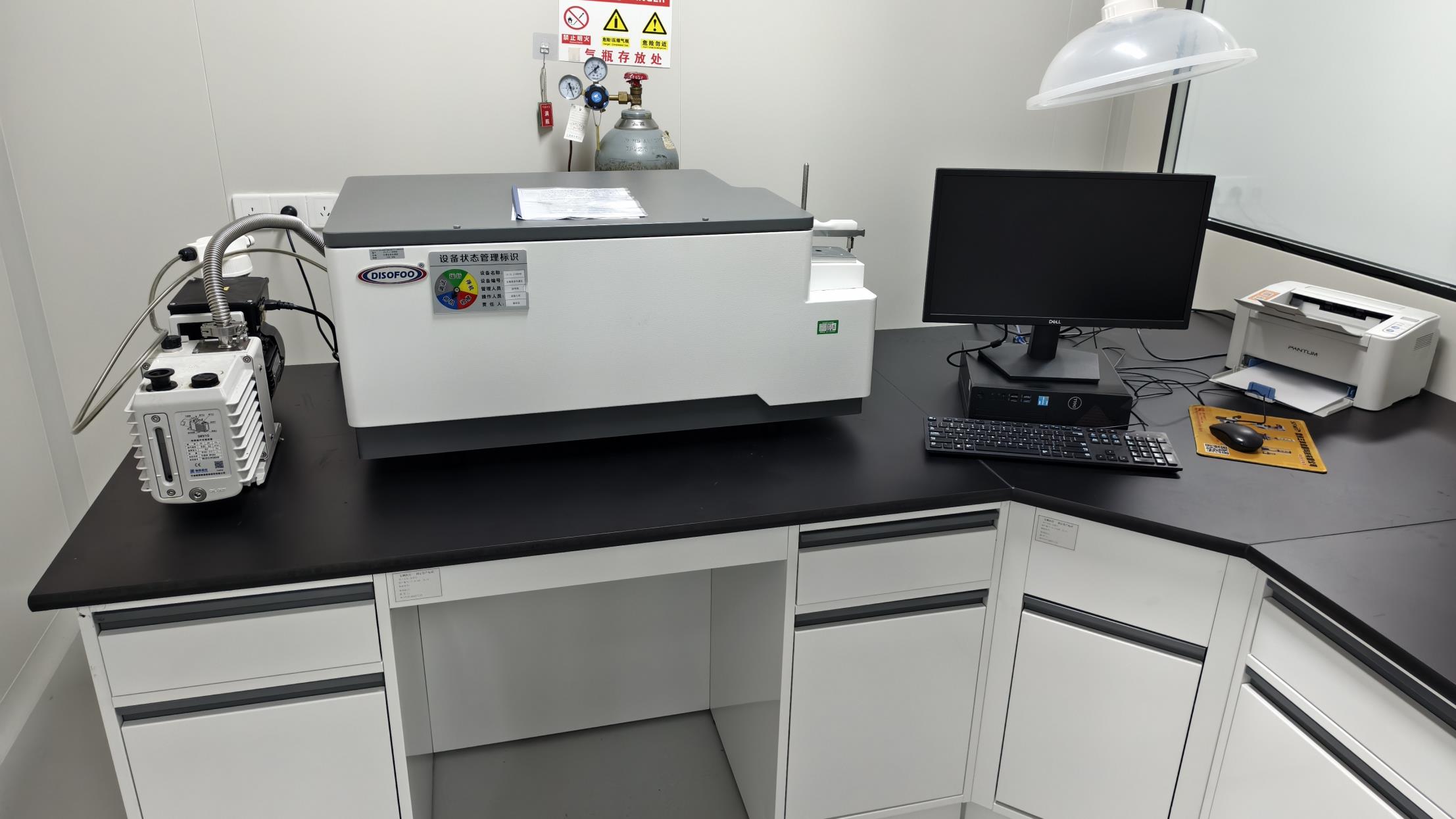
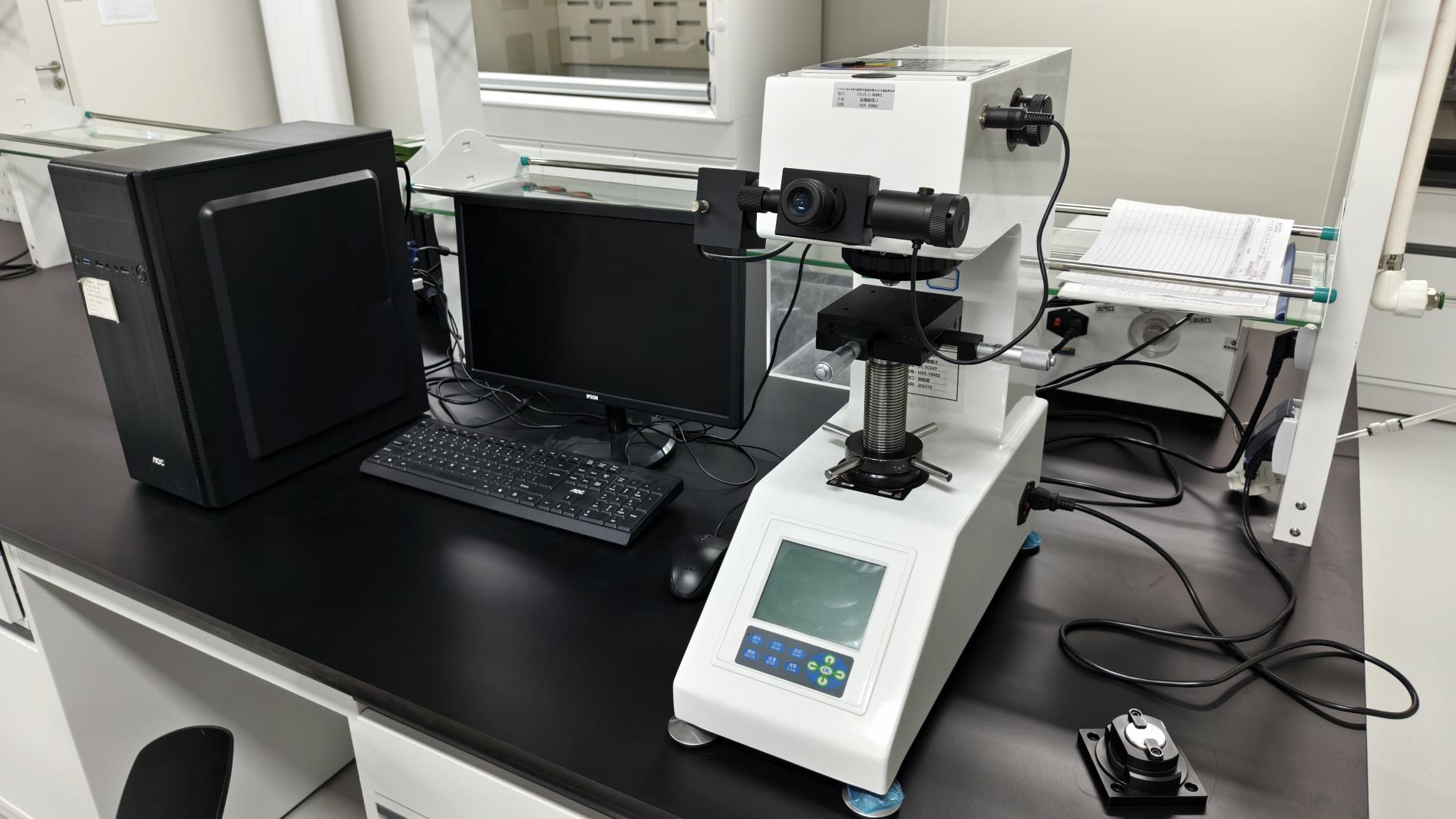
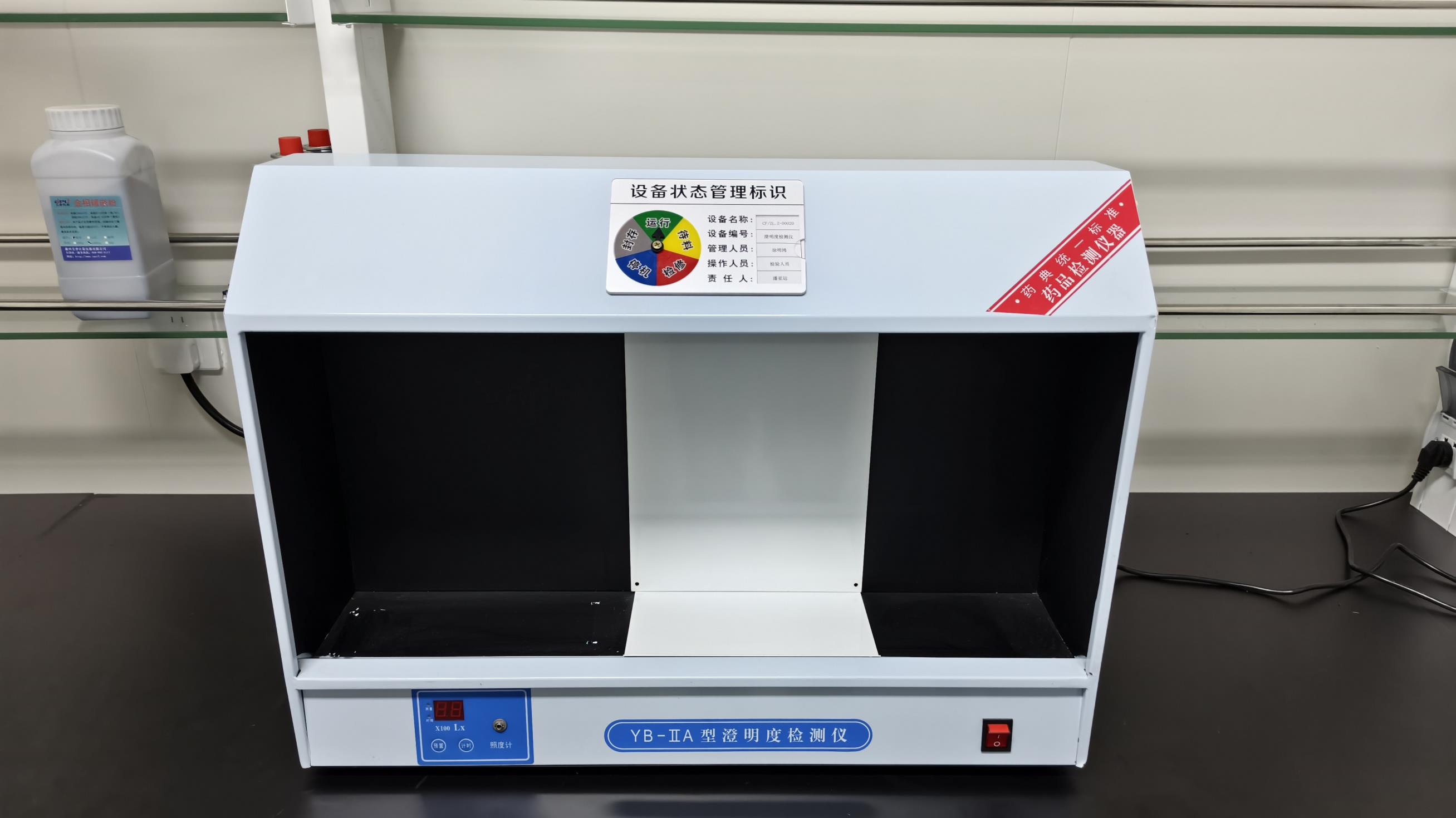
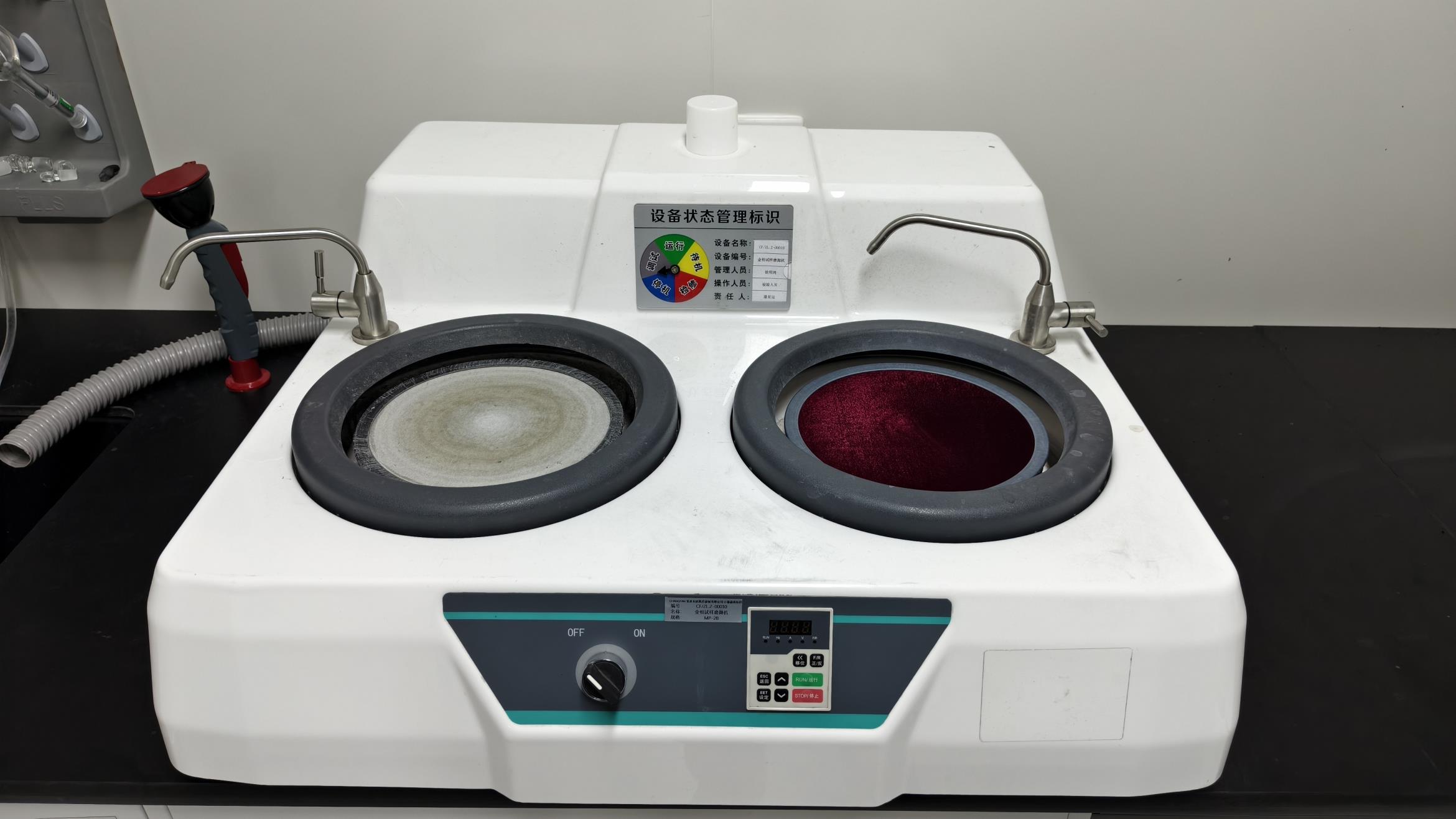
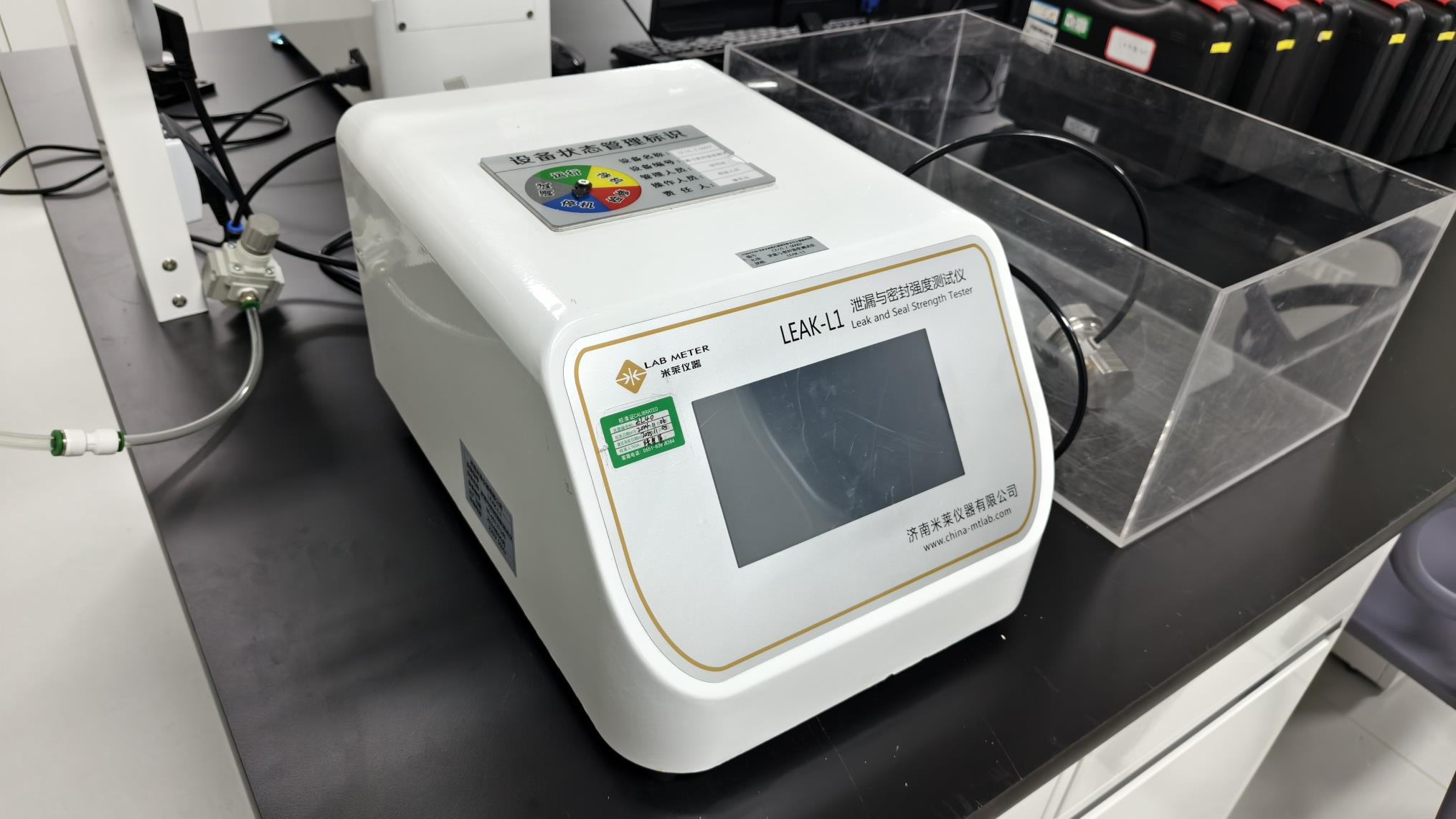
At Synoviq, quality is not a retrofitted process; it is built into the molecular structure of our implants. Our engineering pipeline encompasses twenty-three core stages, incorporating rigorous, multi-point validation to ensure that each sternal and trauma plate meets international mechanical and chemical standard thresholds.
Cardiothoracic conditions vary based on demographic realities, local epidemiological parameters, and access to surgical training. Our customized solutions cater to these varied micro-environments:
1. High-Risk Sternal Closure in Aging Demographics: In regions with highly aging patient demographics, surgeons deal with osteoporosis and severe respiratory comorbidities. For these scenarios, we provide wider, reinforced lateral-footprint plates that distribute screw engagement away from the friable parasternal bone, reducing the risk of plate pullout.
2. High-BMI and Diabetic Cohorts: Diabetic and obese patients pose a high risk of surgical site infections (SSI) and delayed bone union. Synoviq's low-profile plates minimize soft-tissue retraction and tissue devitalization, reducing the incidence of superficial and deep-seated chest wall complications.
3. Emergency Thorax Trauma Protocols: In major municipal trauma centers, speed is vital. Our rapid-selection system organizes dynamic pre-bent templates and self-tapping titanium locking screws, cutting down tray configuration time and overall surgical latency in the operating room.
Sourcing orthopedic implants internationally involves navigating regulatory, logistical, and design hurdles. Synoviq works continuously to make global procurement as streamlined as possible:
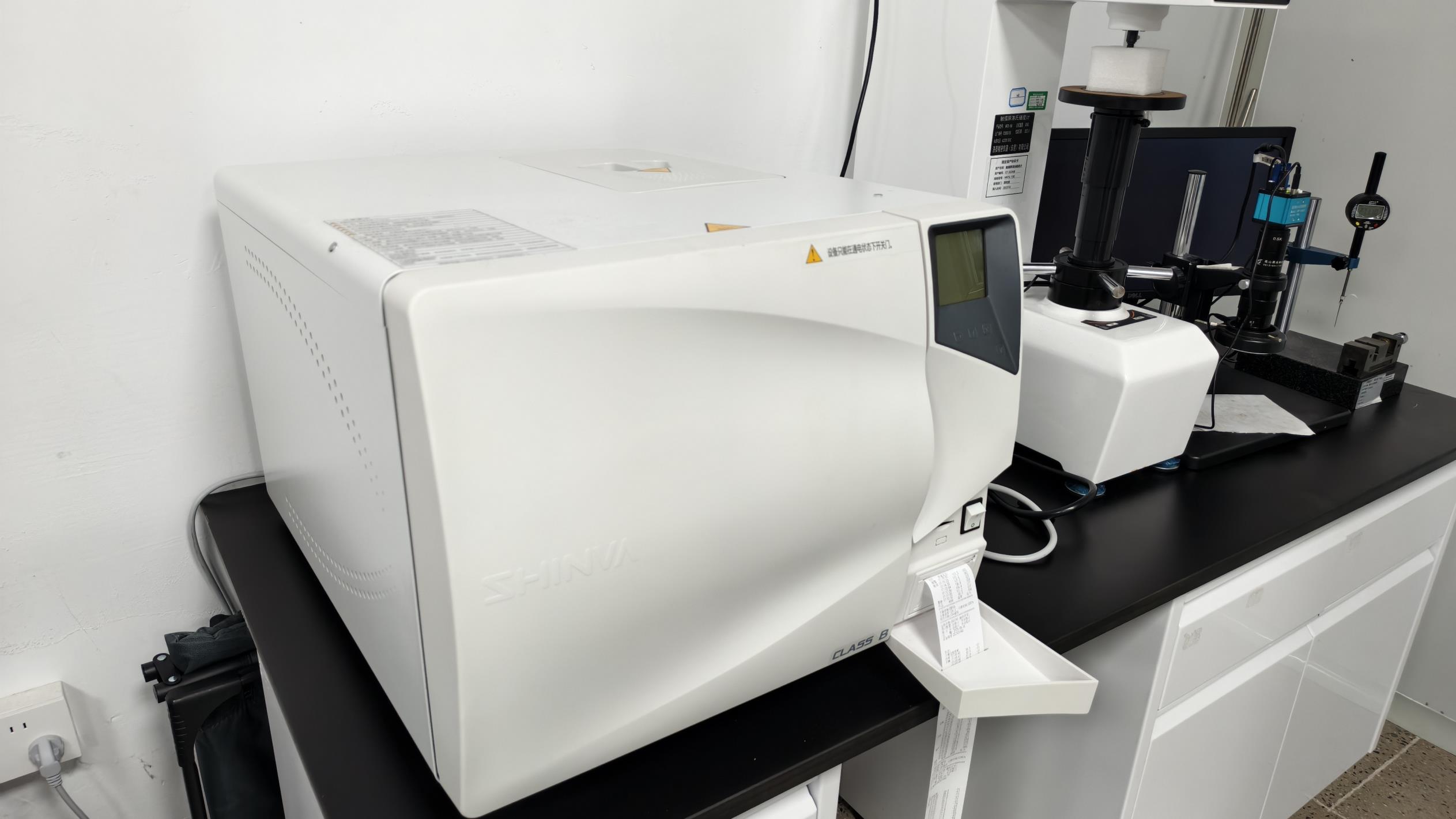
Regulatory Compliance and Documentation: The transition to the European Medical Device Regulation (MDR) and strict US FDA pathways has created bottleneck issues for orthopedic supply lines. Synoviq mitigates this risk by providing full-scope technical dossiers, including biocompatibility reports, mechanical fatigue performance data (under dynamic loading cycles), and validated steam sterilization parameters.
OEM/ODM Technical Agility: We understand that local markets require distinct implant dimensions, localized branding, or custom surgical tray layouts. Our R&D team utilizes advanced CAD/CAM modeling to deliver fast prototyping, converting conceptual clinical ideas into surgical reality within short production timelines.
The field of osteosynthesis is moving toward biological integration and individualized care. Traditional metal implants, while strong, remain permanently in the patient's body unless surgically removed, which can lead to stress shielding or localized discomfort. The industry is currently exploring bioabsorbable polymer materials that maintain structural integrity during the crucial 8-12 week healing phase and then gradually degrade into harmless metabolic byproducts.
Additionally, 3D printing (additive manufacturing) is revolutionizing reconstruction for complex chest wall deformities, tumors, and revision surgeries. By using high-resolution CT scans, we can create patient-specific implants (PSI) that precisely match the patient's anatomy, drastically improving both surgical outcomes and clinical efficiency.
Get answers to common technical, clinical, and logistical questions about our sternal closure systems and supply chain options.
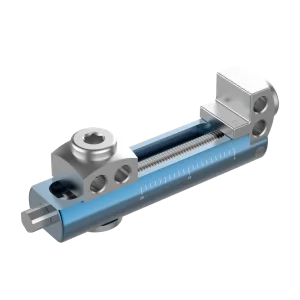
Explore our specialized clinical solutions, including external fixators, reconstructive loop systems, and anatomical compression plates.
 Synoviq Medical