Clinical-grade surgical instrumentation engineered for high-accuracy scoliosis, spinal fusion, and joint reconstruction procedures.
The global orthopedic devices and accessories market is undergoing a structural transition. Accelerated by the global demographic shift toward aging populations, rising clinical incidences of spinal deformities (such as degenerative disc disease and scoliosis), and an unprecedented surge in sports medicine procedures, the demand for precision orthopedic implants and specialized surgical instruments is higher than ever. According to global healthcare market reports, the orthopedic implant and accessory sector is projected to maintain a steady compound annual growth rate (CAGR) of over 5.8% through 2030.
However, this industrial expansion introduces stringent challenges. Quality standards such as Europe’s Medical Device Regulation (MDR) and global FDA clearances demand absolute traceablility, bio-compatibility, and mechanical reliability. Key materials such as Grade 5 Titanium (Ti-6Al-4V ELI), Polyetheretherketone (PEEK), and medical-grade cobalt-chromium alloys require specialized tooling, thermal processing, and finishing treatments that only advanced manufacturing facilities can reliably provide.
Synoviq Medical Technology (China) Co., Ltd. stands at the intersection of medical engineering innovation and high-capacity manufacturing. Since our inception, we have functioned as a highly integrated manufacturer and exporter (OEM/ODM) of premium class orthopedic implants and surgical instruments. Through continuous capital reinvestment into Swiss CNC machining hubs, precision metrology, and a dedicated team of 76 research and development engineers, we support global healthcare infrastructures with dependable medical equipment.
Operating a massive 18,600 m² cleanroom and production facility, Synoviq executes every phase of the manufacturing workflow under strict compliance with ISO 13485 regulations. Our product portfolio spans trauma fixation systems, spinal correction constructs (locking plates, pedicle positioning systems, scoliosis surgical sleeves), joint replacements, external fixators, and high-performance surgical instruments. Collaborating with over 1,120 supply chain partners, we ensure robust raw material sourcing, validated biocompatible finishing, and resilient logistics networks that reach clinical markets in Europe, North America, South America, the Middle East, and the Asia-Pacific region.
| Strategic Core Metric | Synoviq Quality & Operational Capabilities |
|---|---|
| Quality Certification Framework | ISO 13485:2016 Certification, sterile/non-sterile validation protocols |
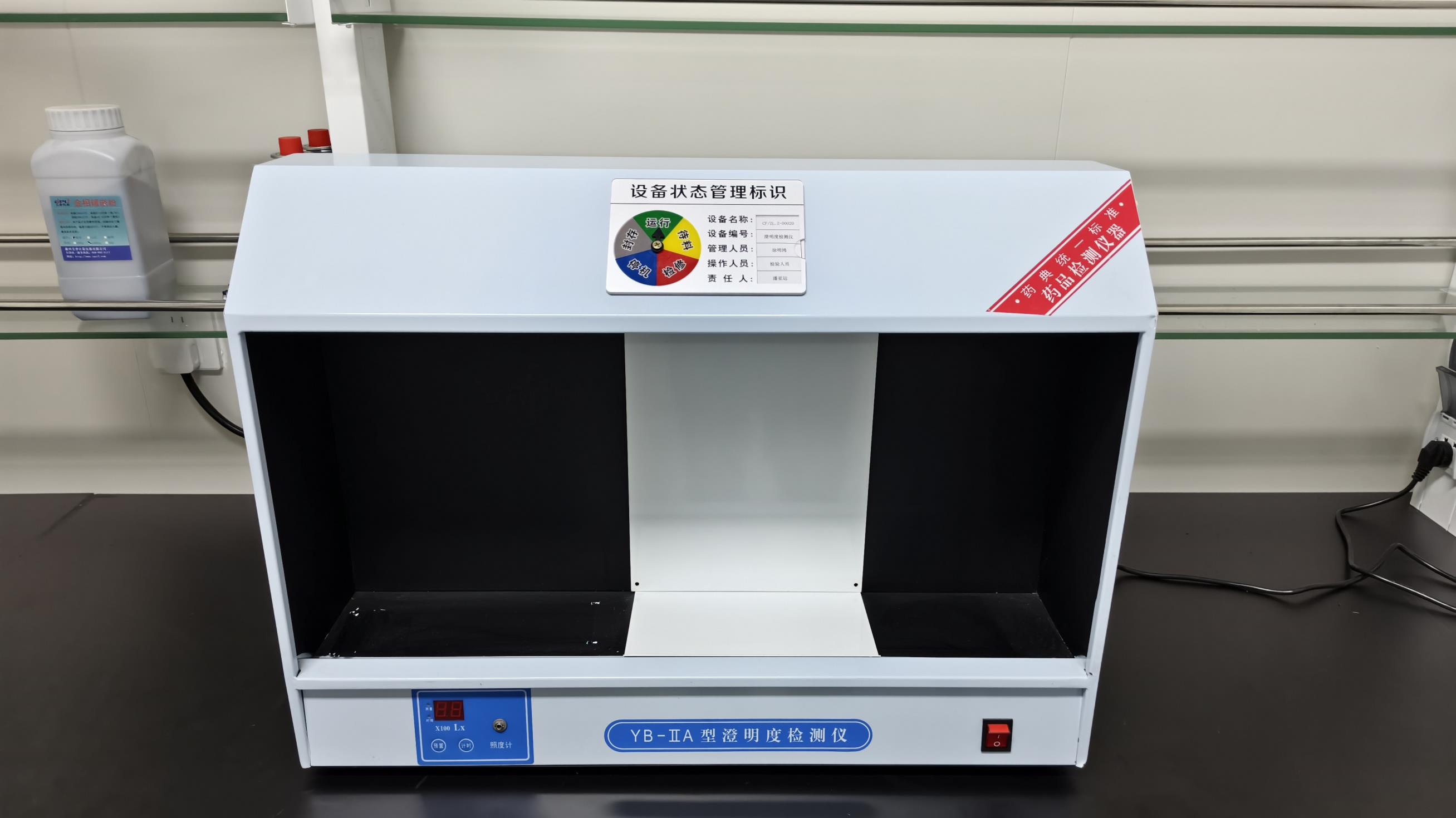
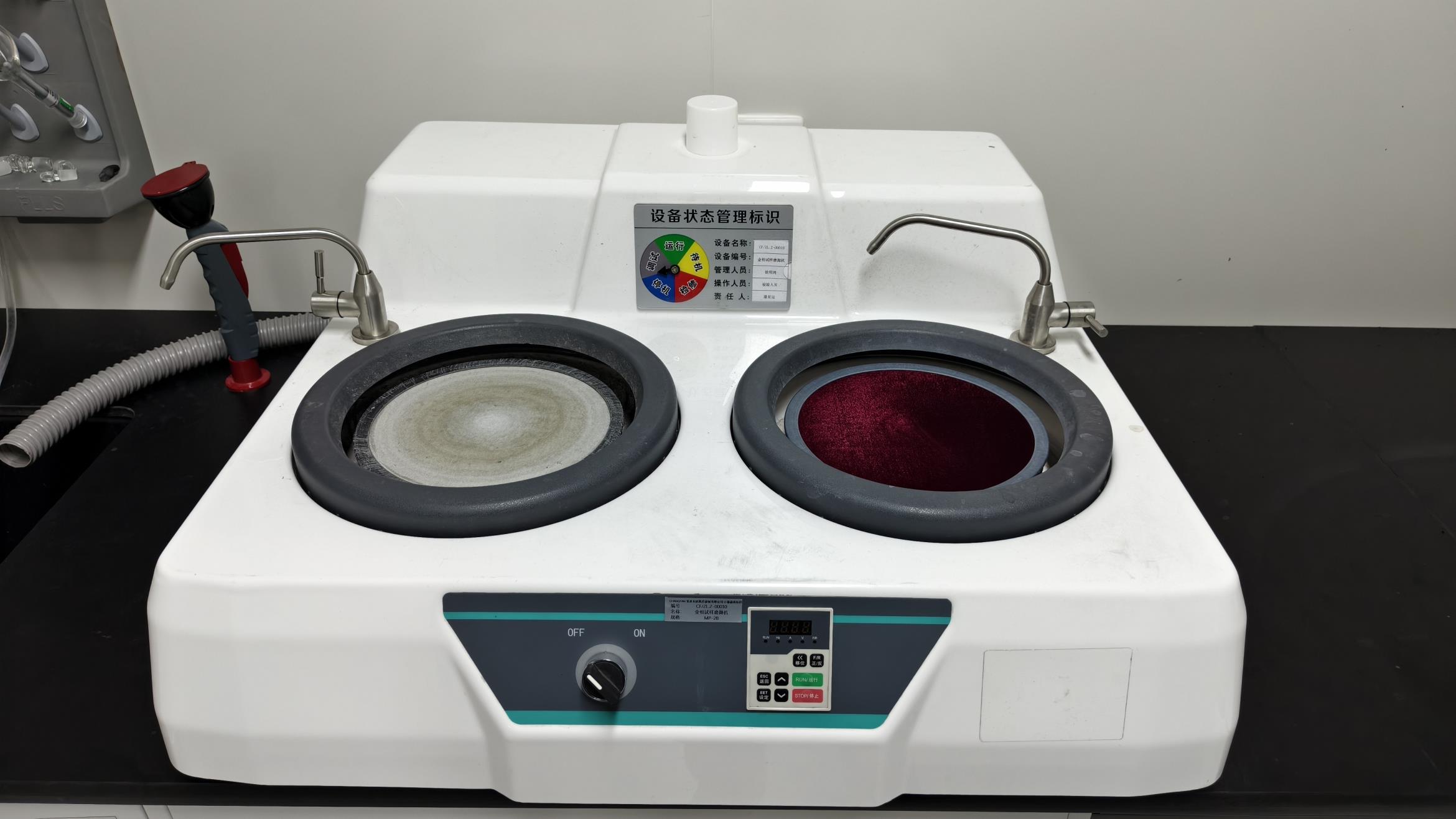
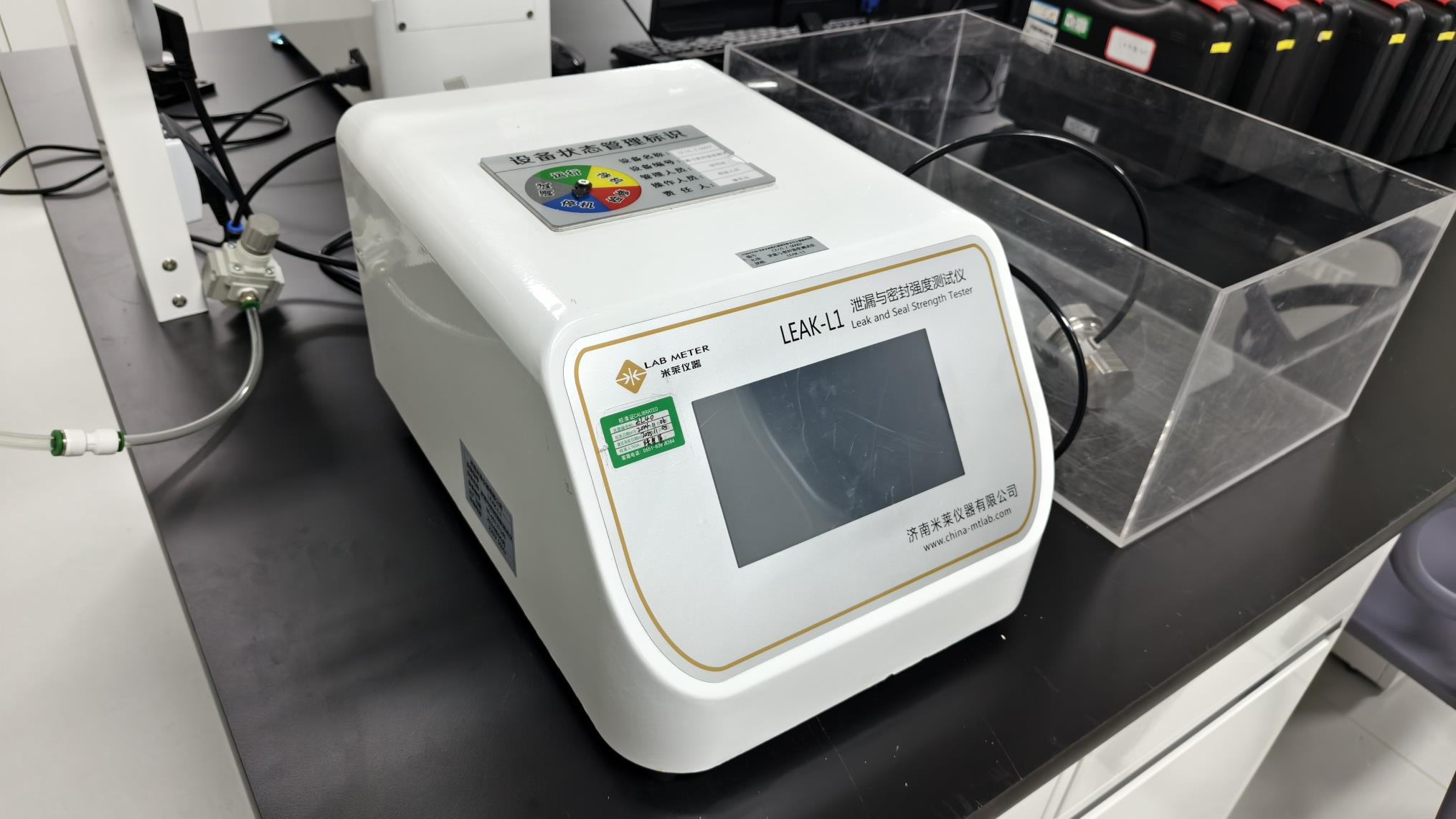
| Advanced Inspection Assets | Coordinate Measuring Machines (CMM), Tensile Testing, Spectrometric Material Verification, Metallographic Profilers, Hardness Testers |
| Prototyping & R&D Capacity | Rapid tooling turnaround, 186 new product designs launched annually, CAD/CAM virtual simulation |
| OEM & ODM Customization | Laser-marking, bespoke anodization, custom surgical tray layout design, packaging sterilization design |
| Biocompatible Materials | Medical-grade Titanium alloys (ASTM F136), PEEK, Cobalt-Chromium-Molybdenum (CoCrMo), 316LVM Surgical Stainless Steel |
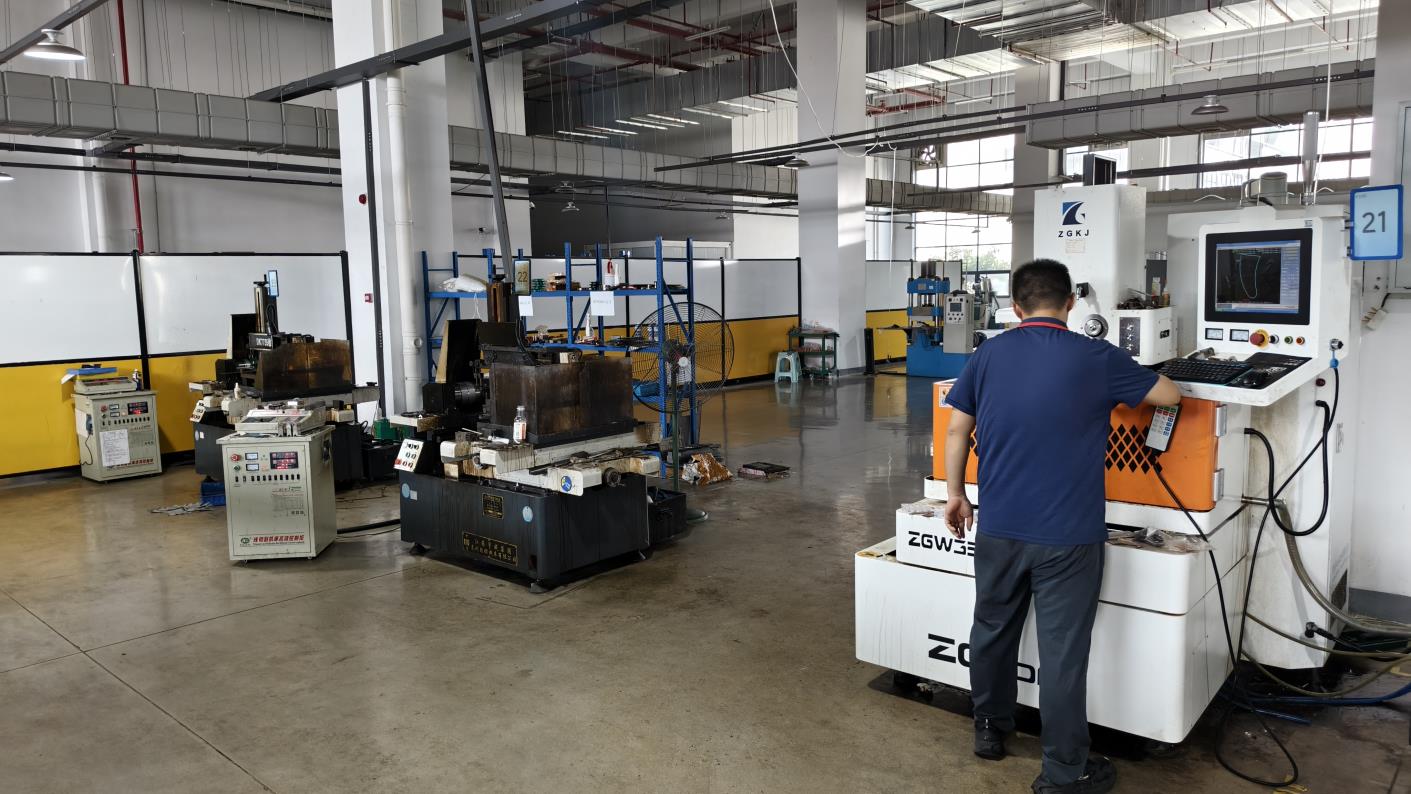
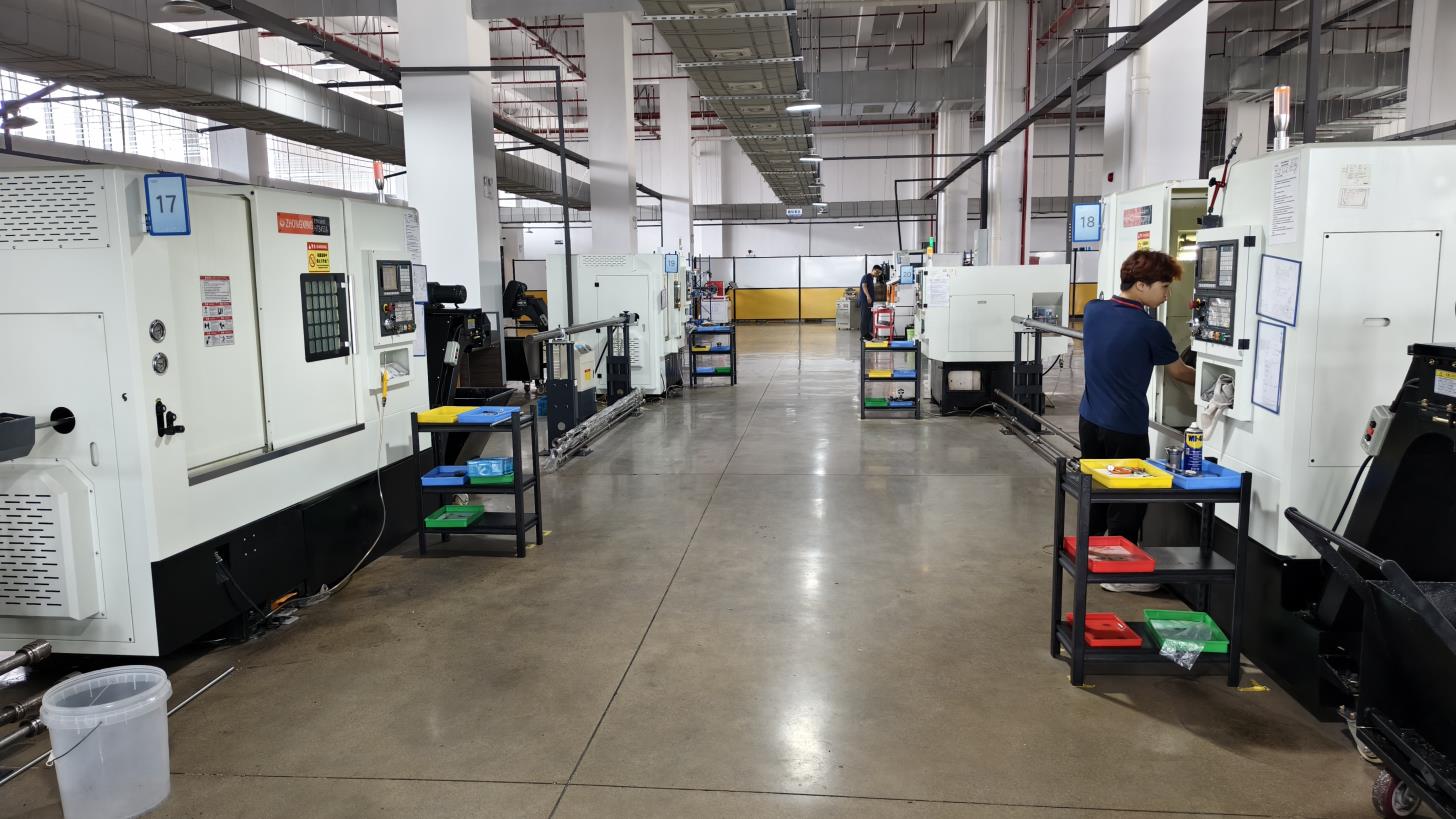
Every stage of production is performed using state-of-the-art machinery to guarantee absolute tolerances and surface integrity.
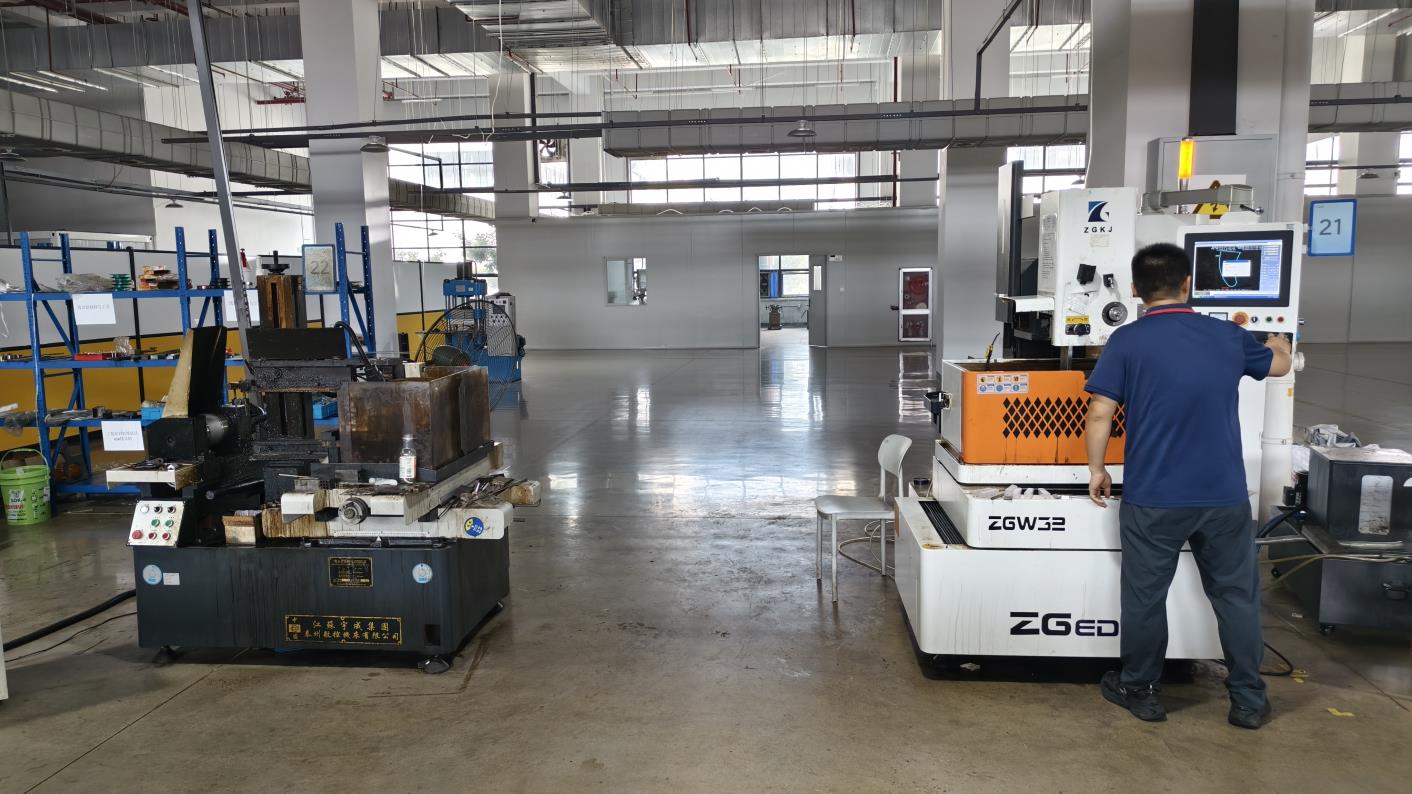
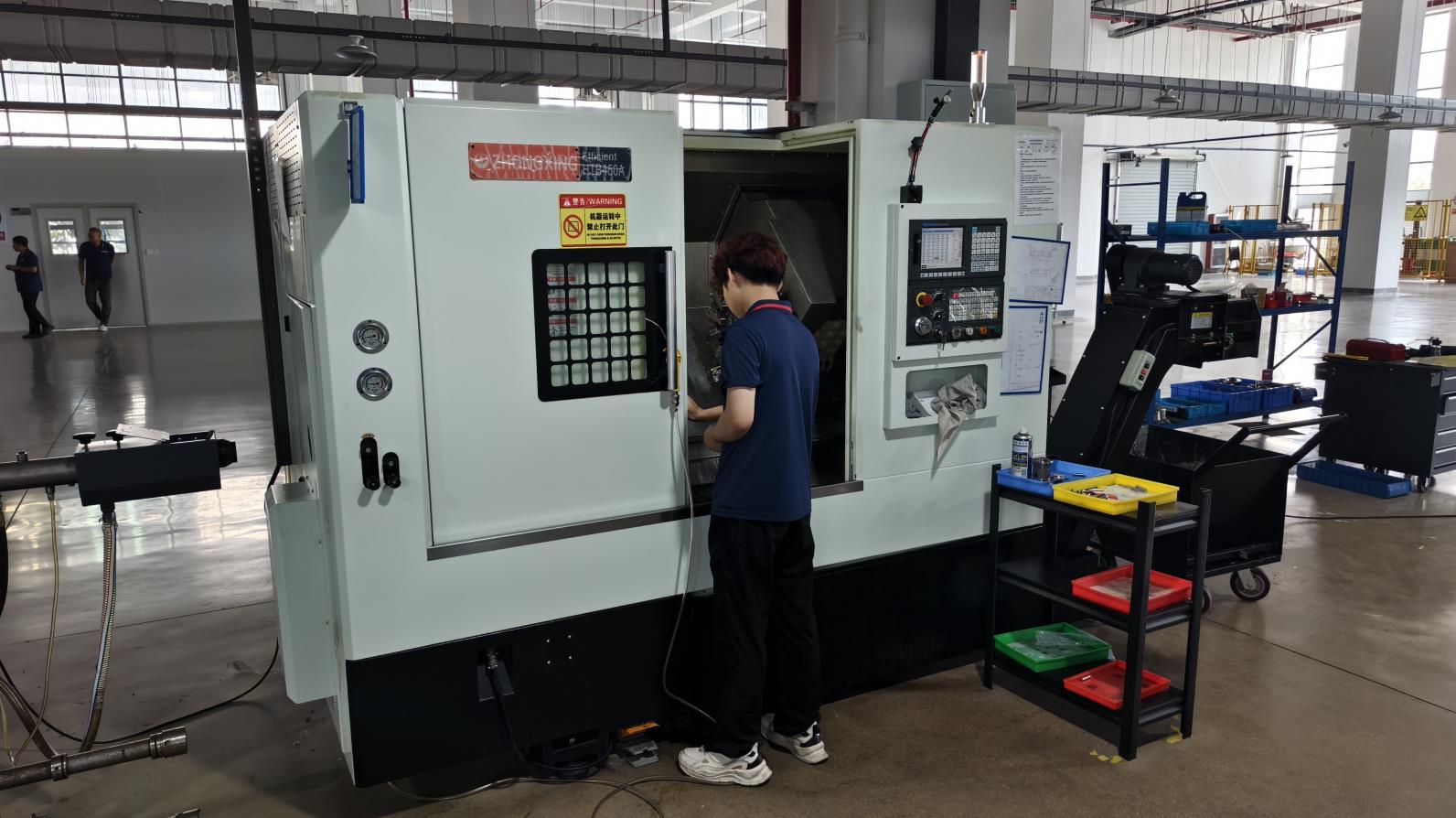
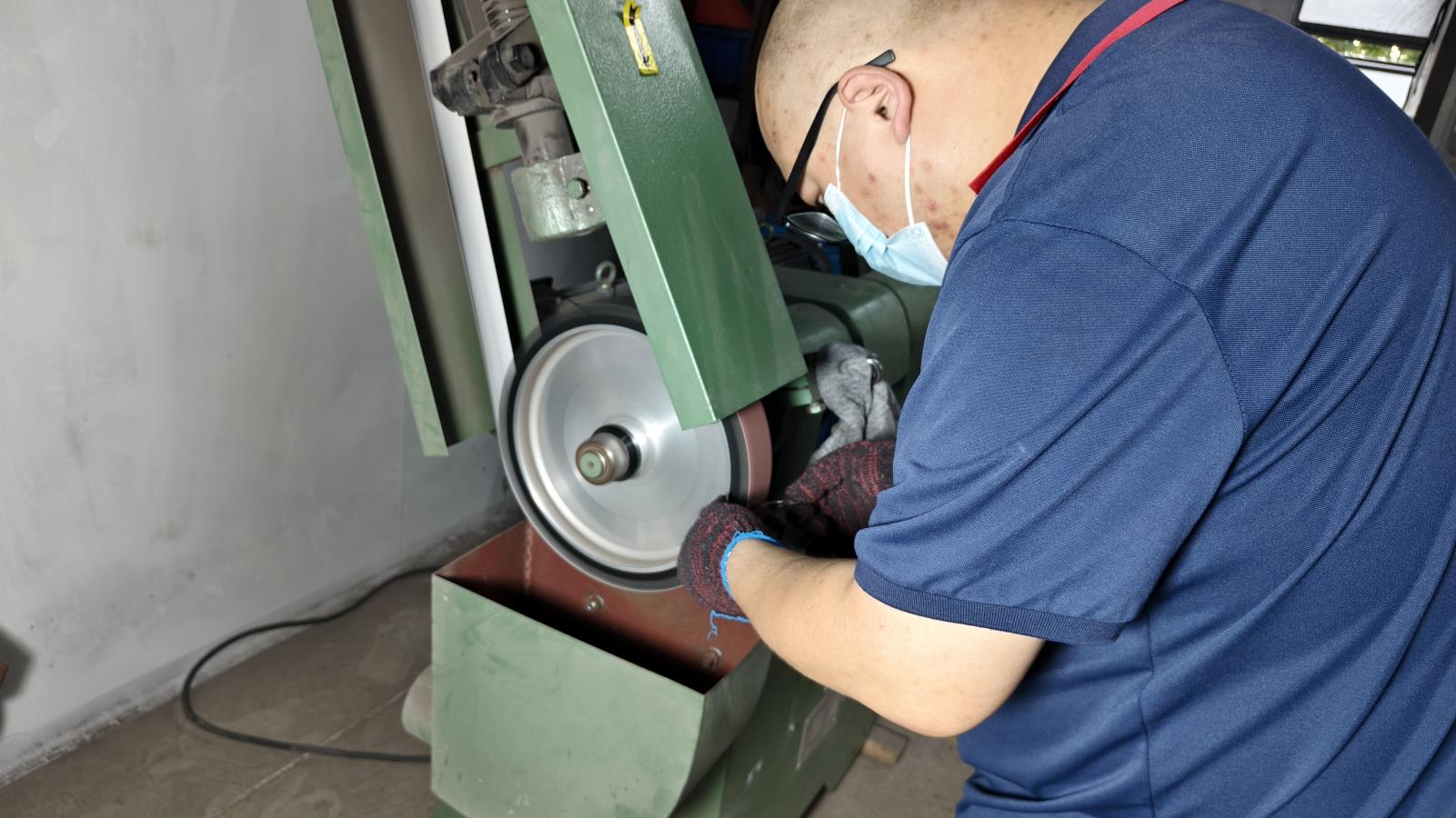
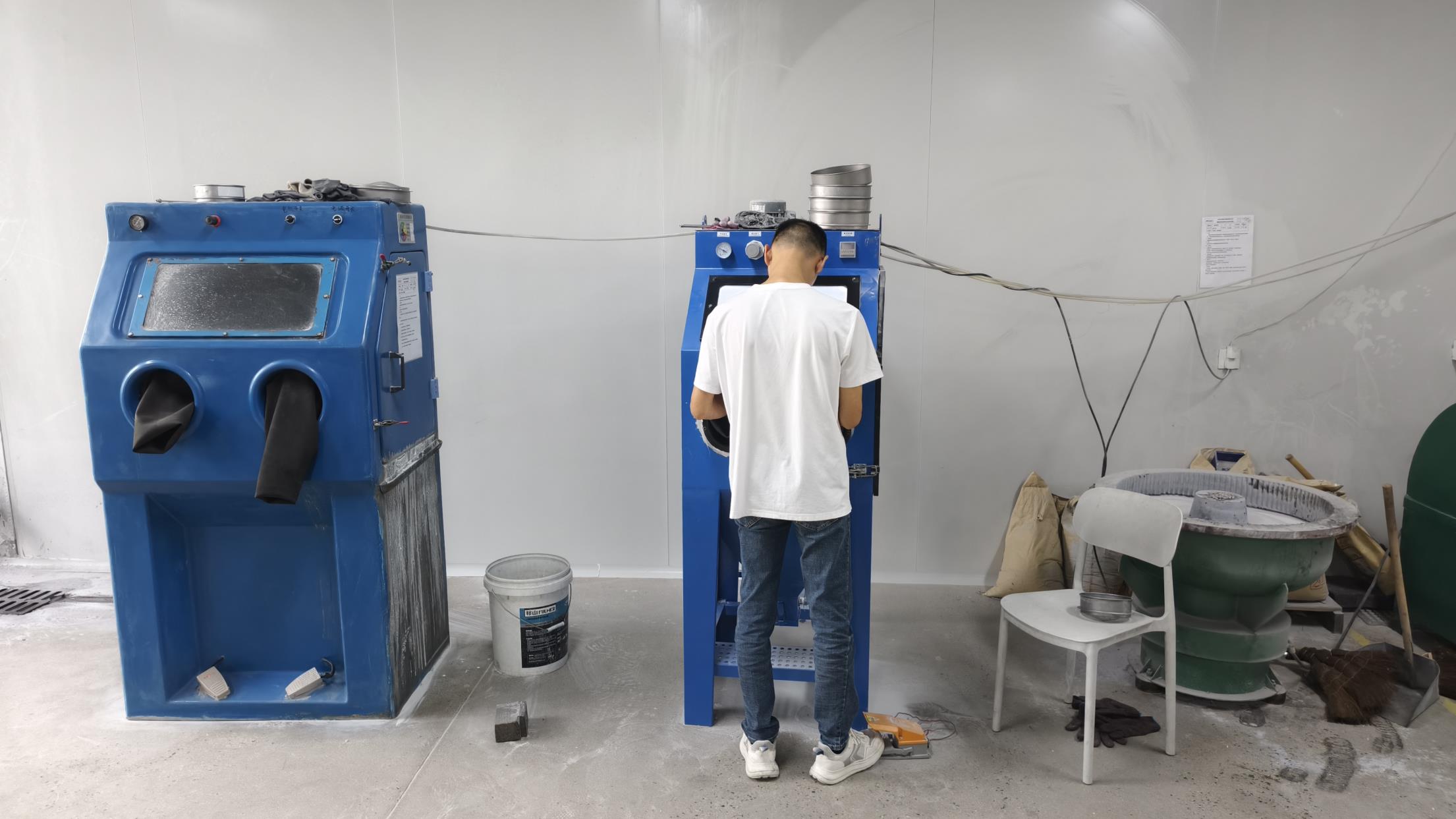
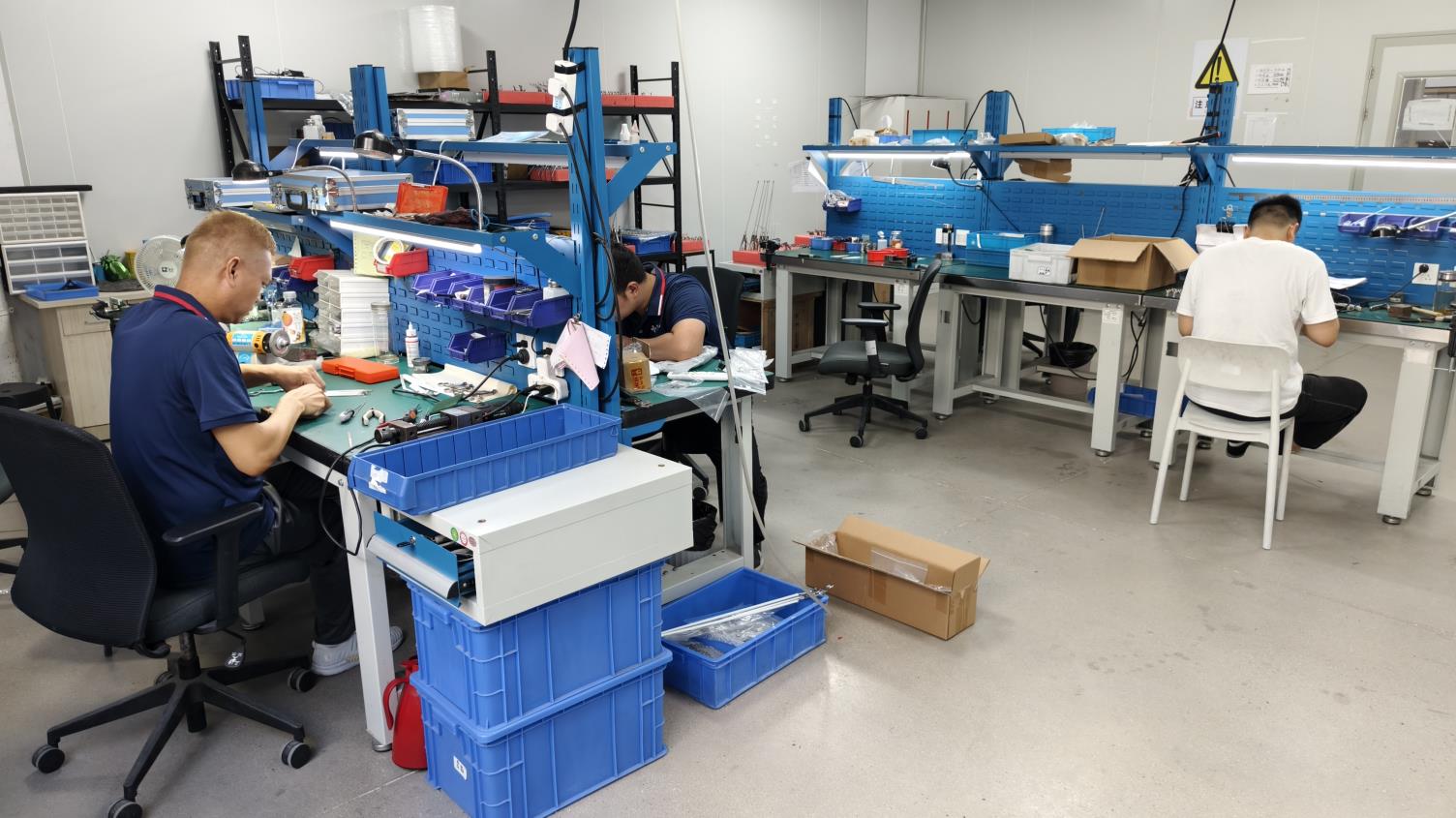
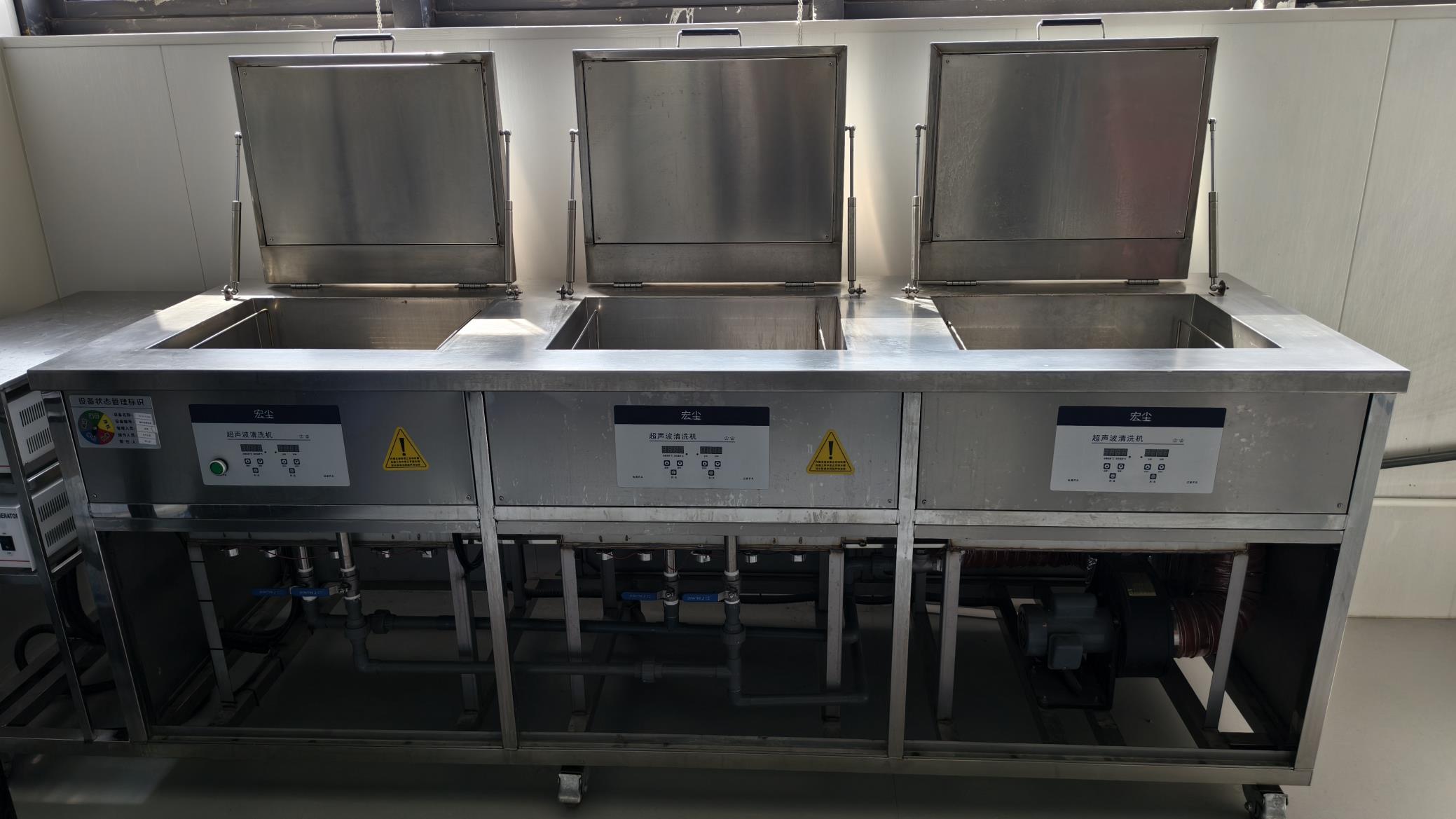
We deploy advanced industrial-grade manufacturing systems to achieve sub-micron precision for medical-grade implant components.
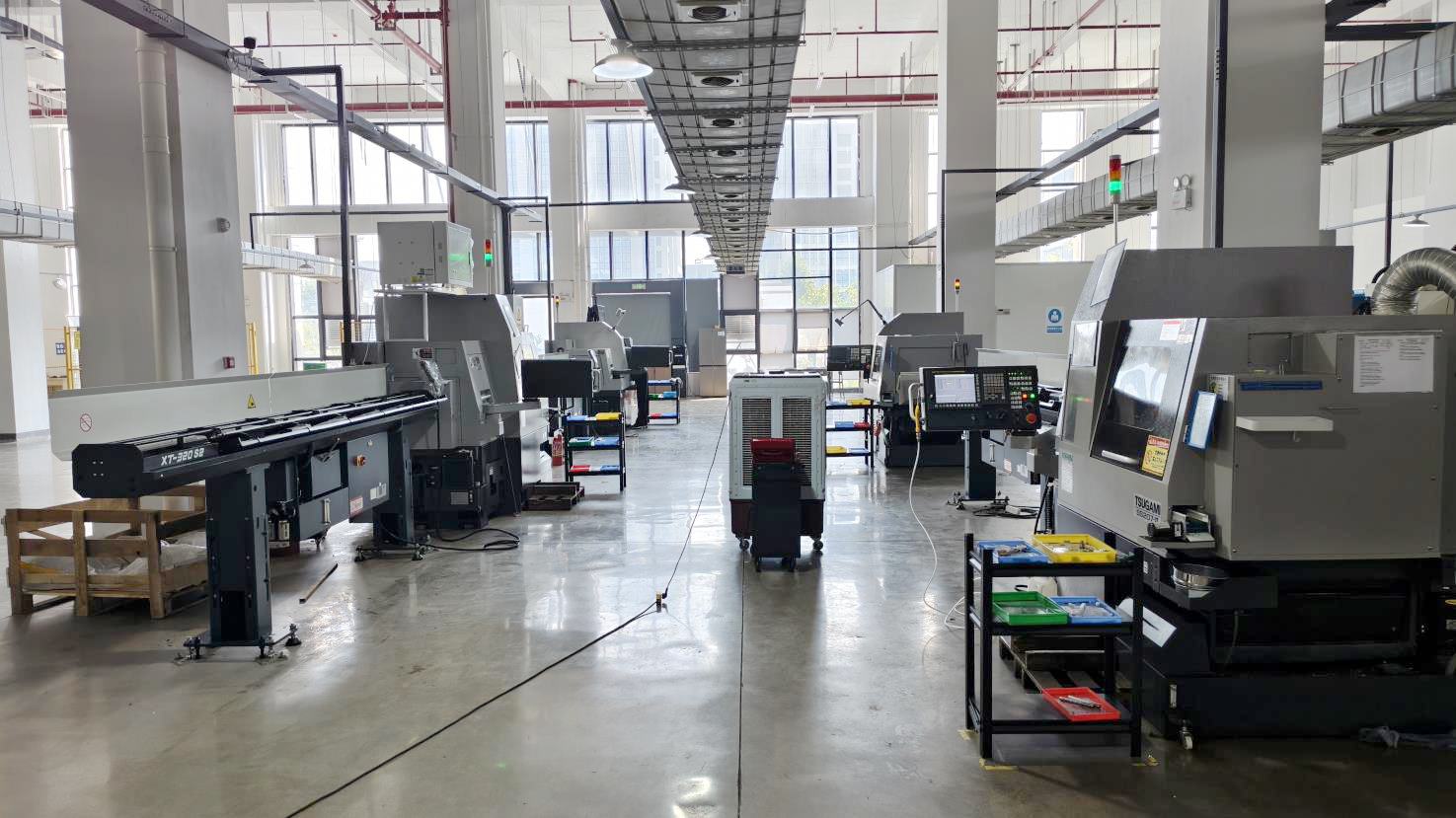
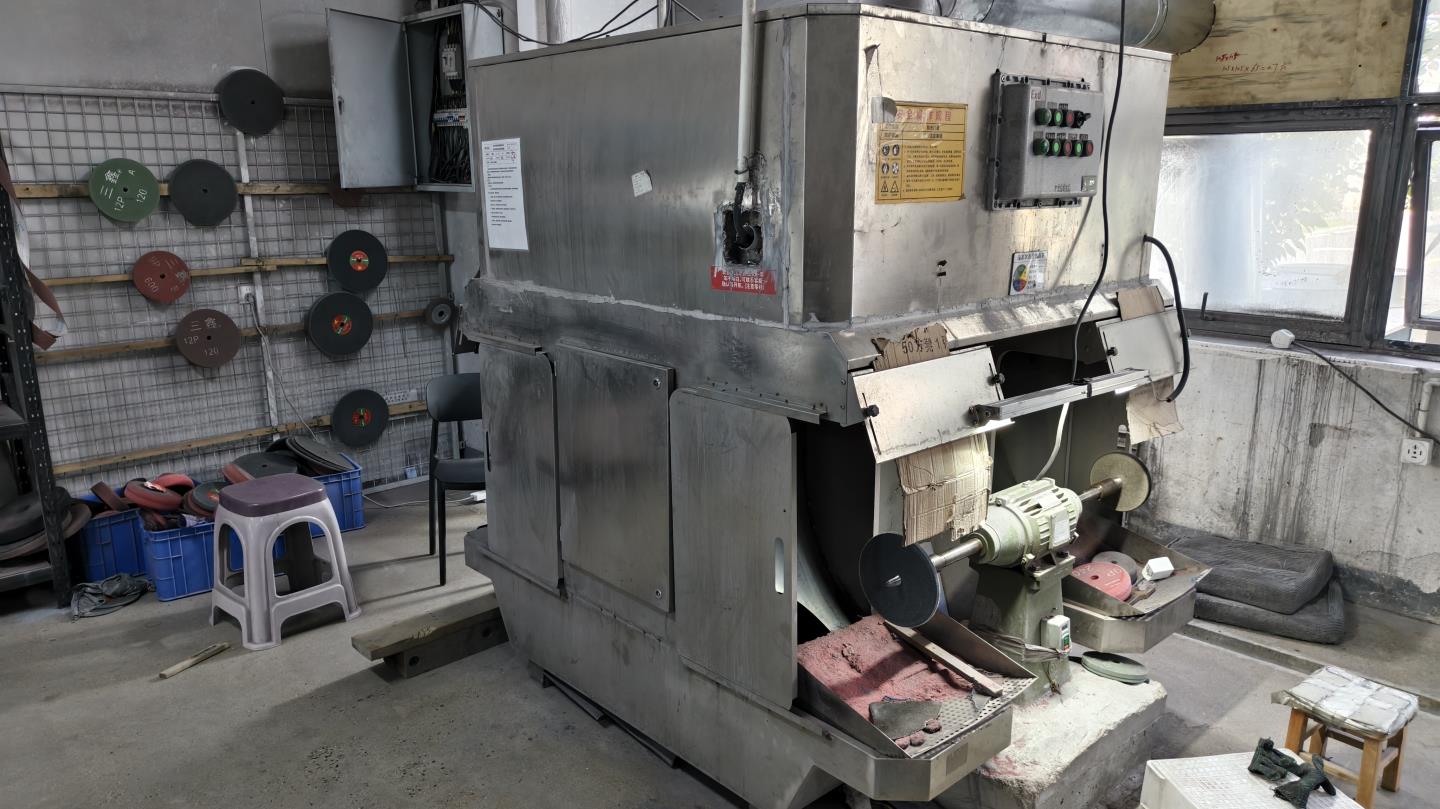
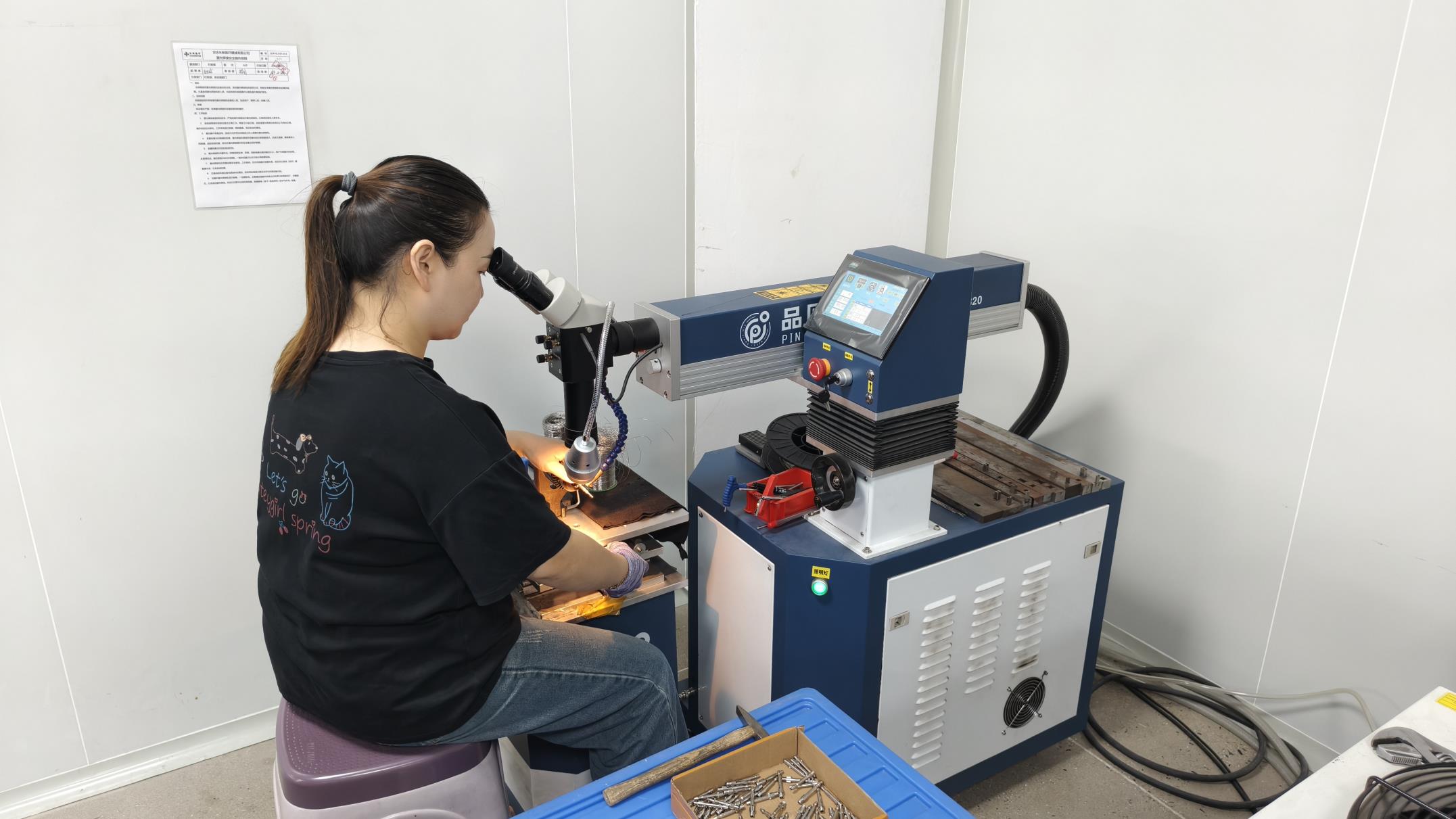
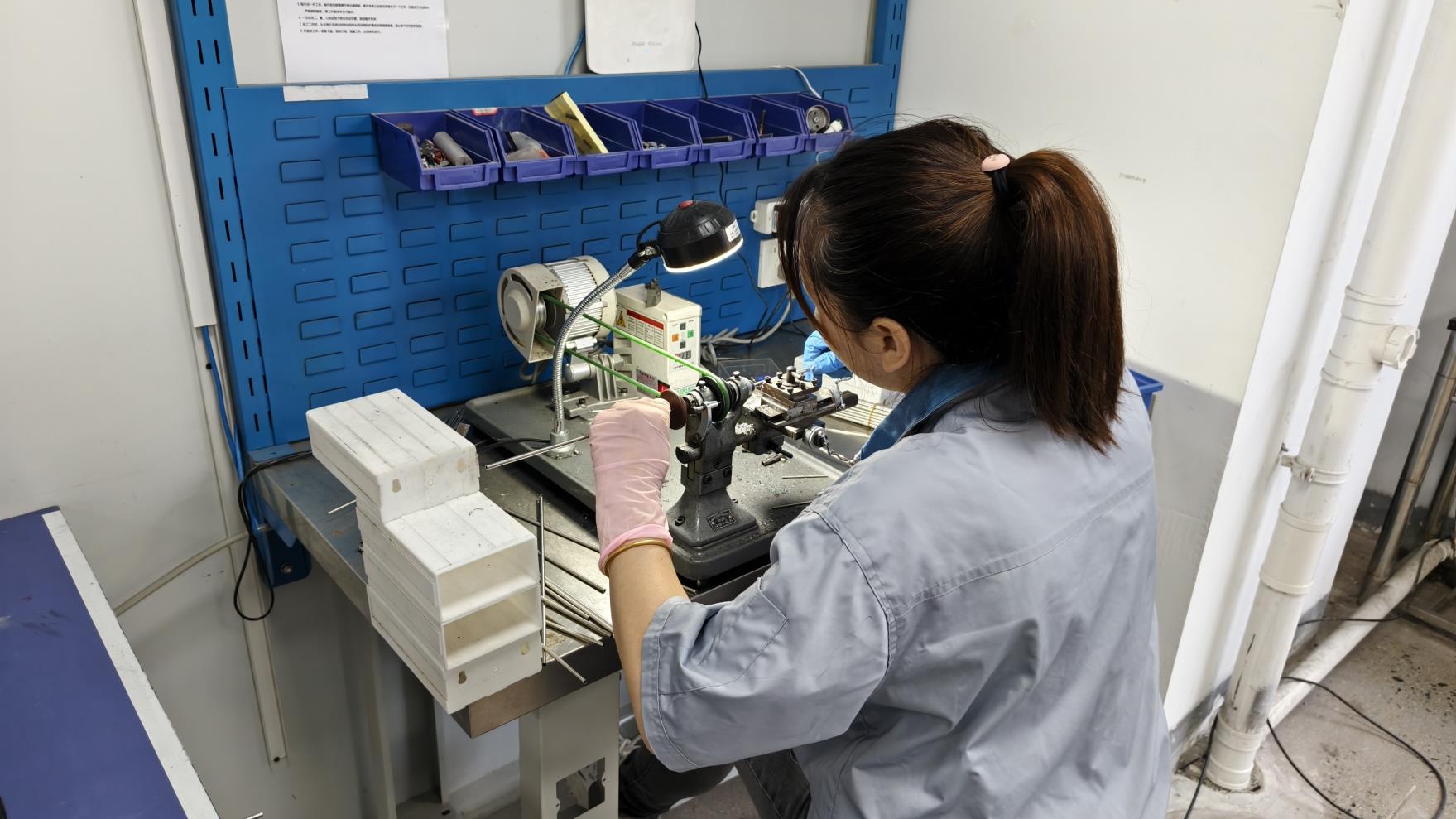
100% final testing and raw material analysis protocols conducted in our sterile, clinical-grade testing environment.
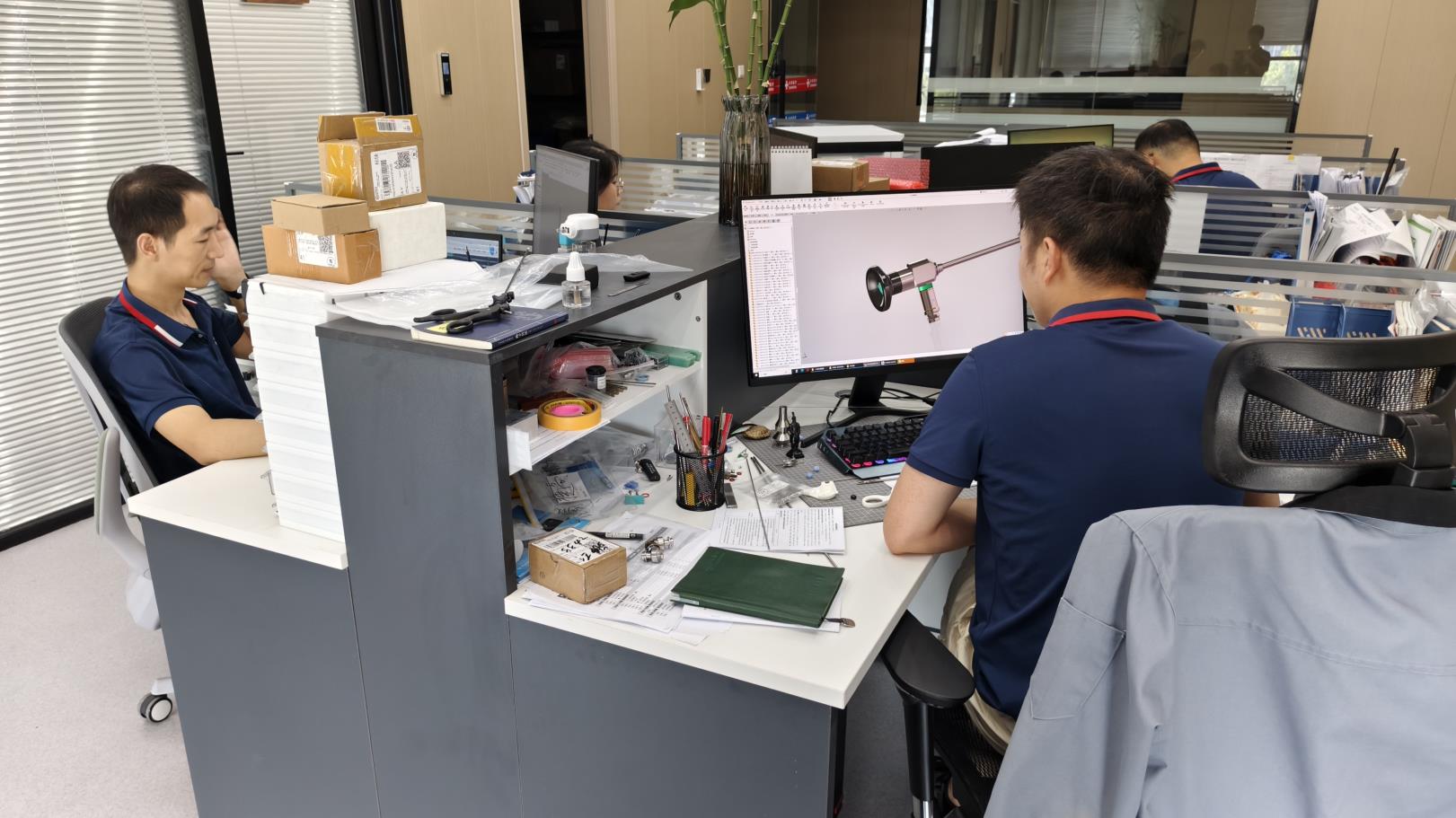
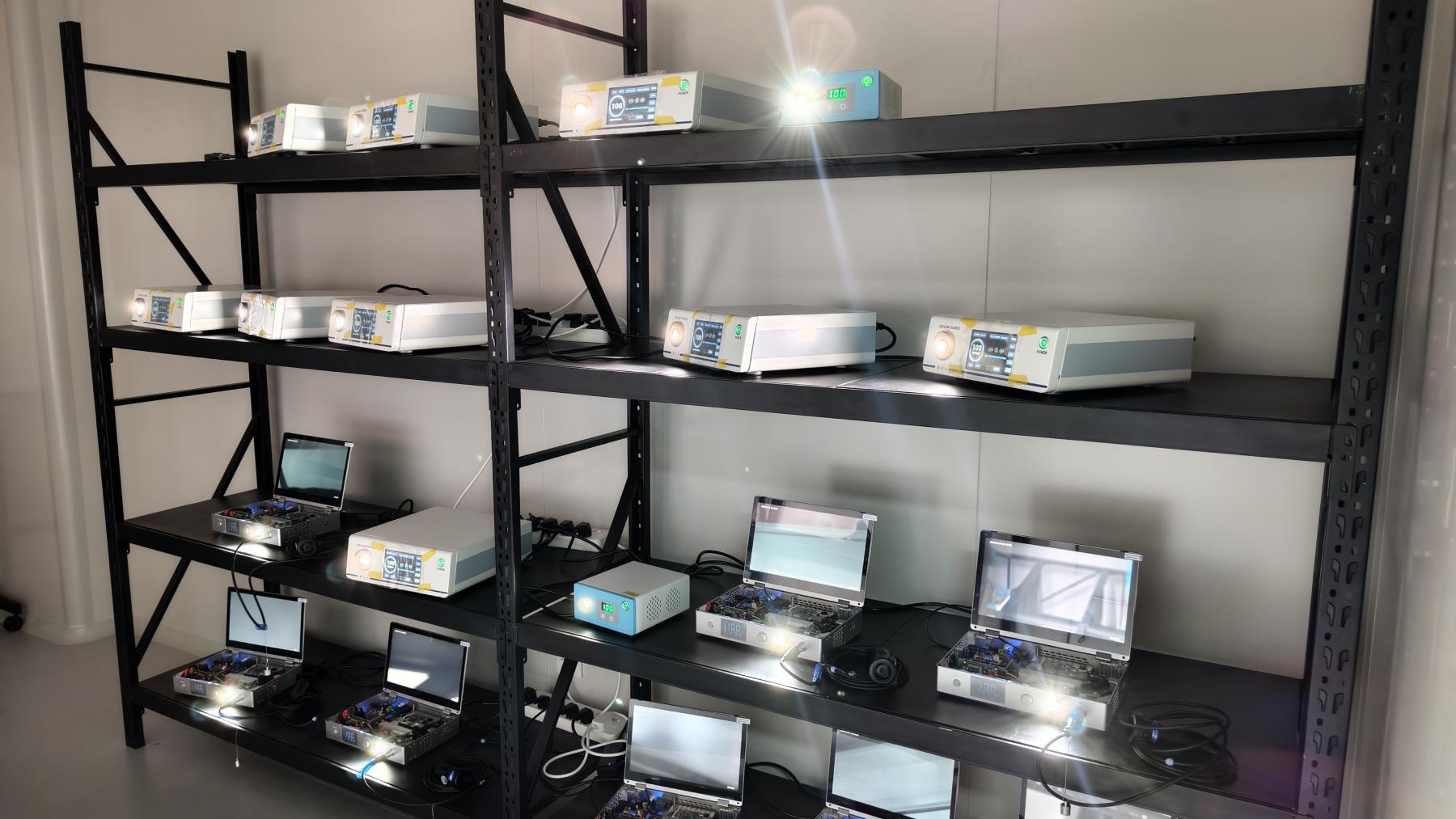
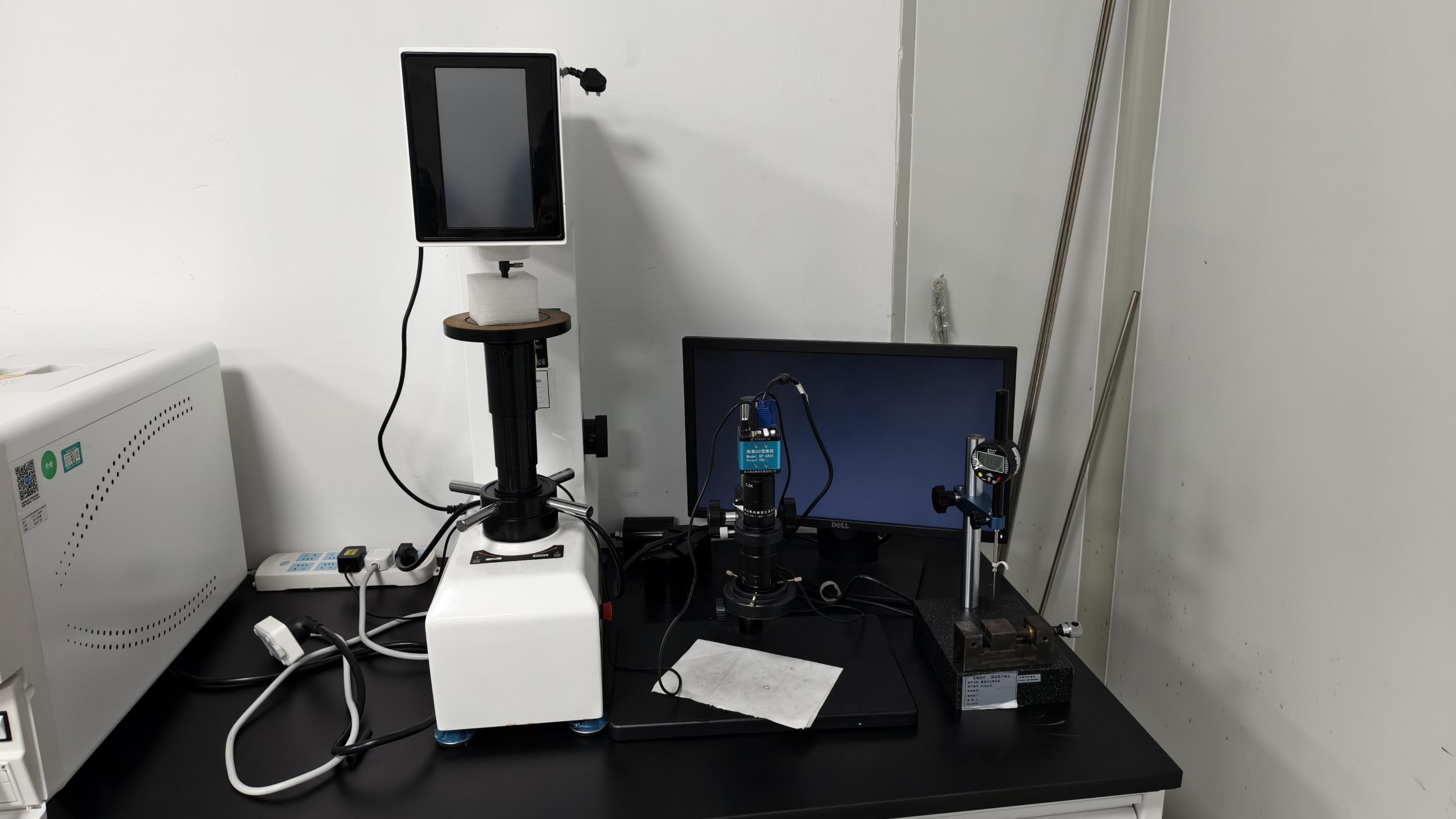
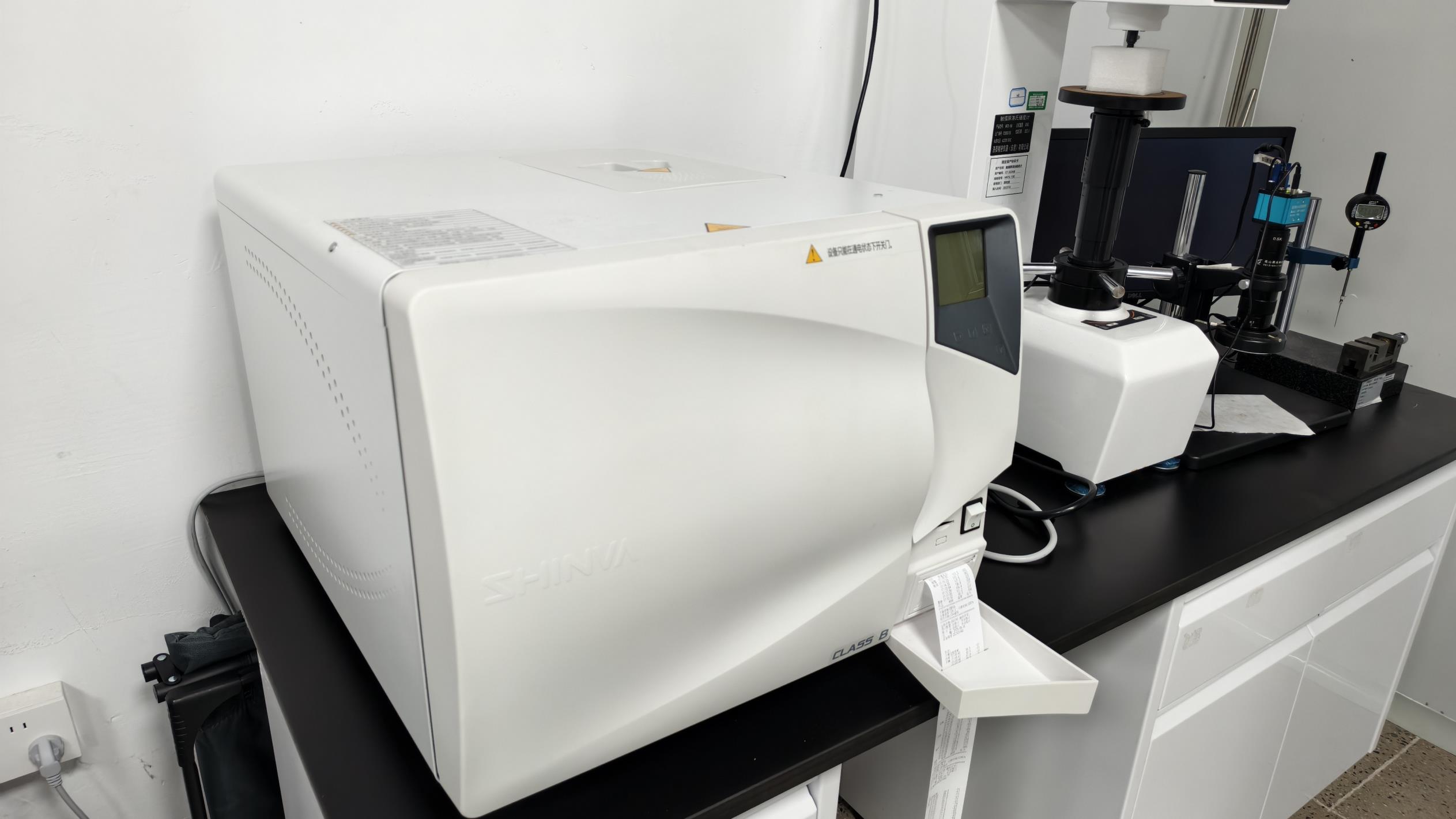
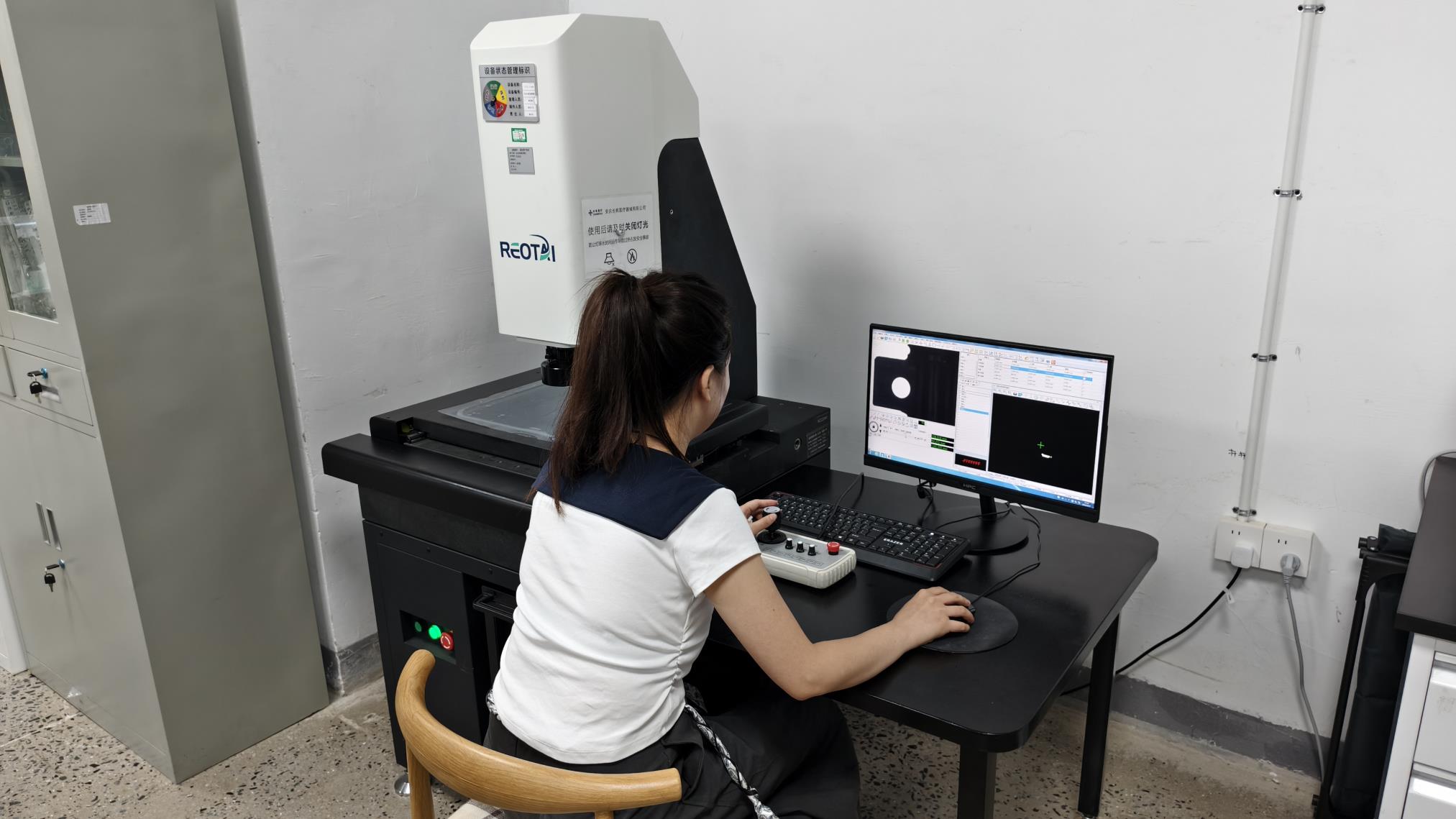
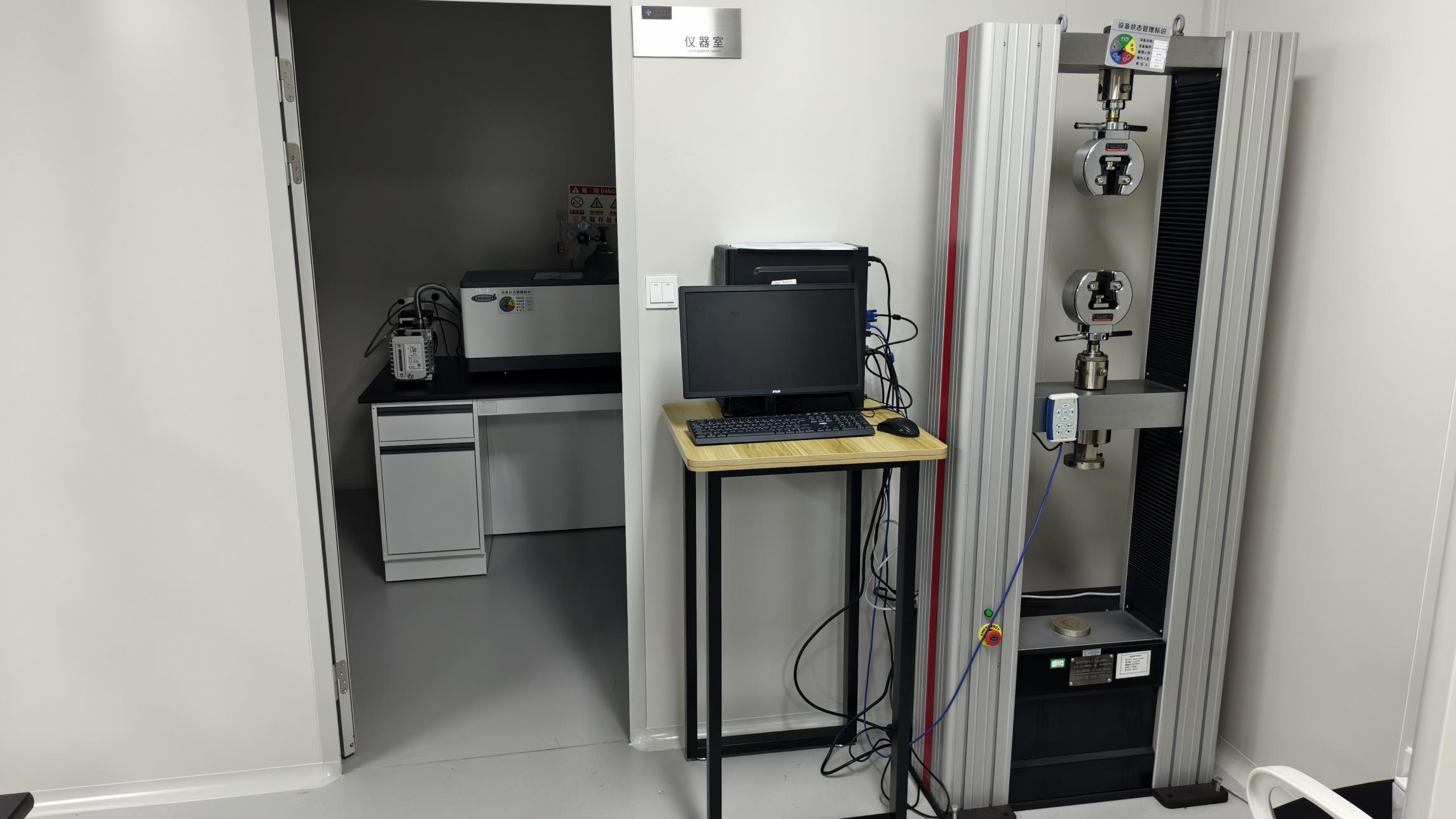
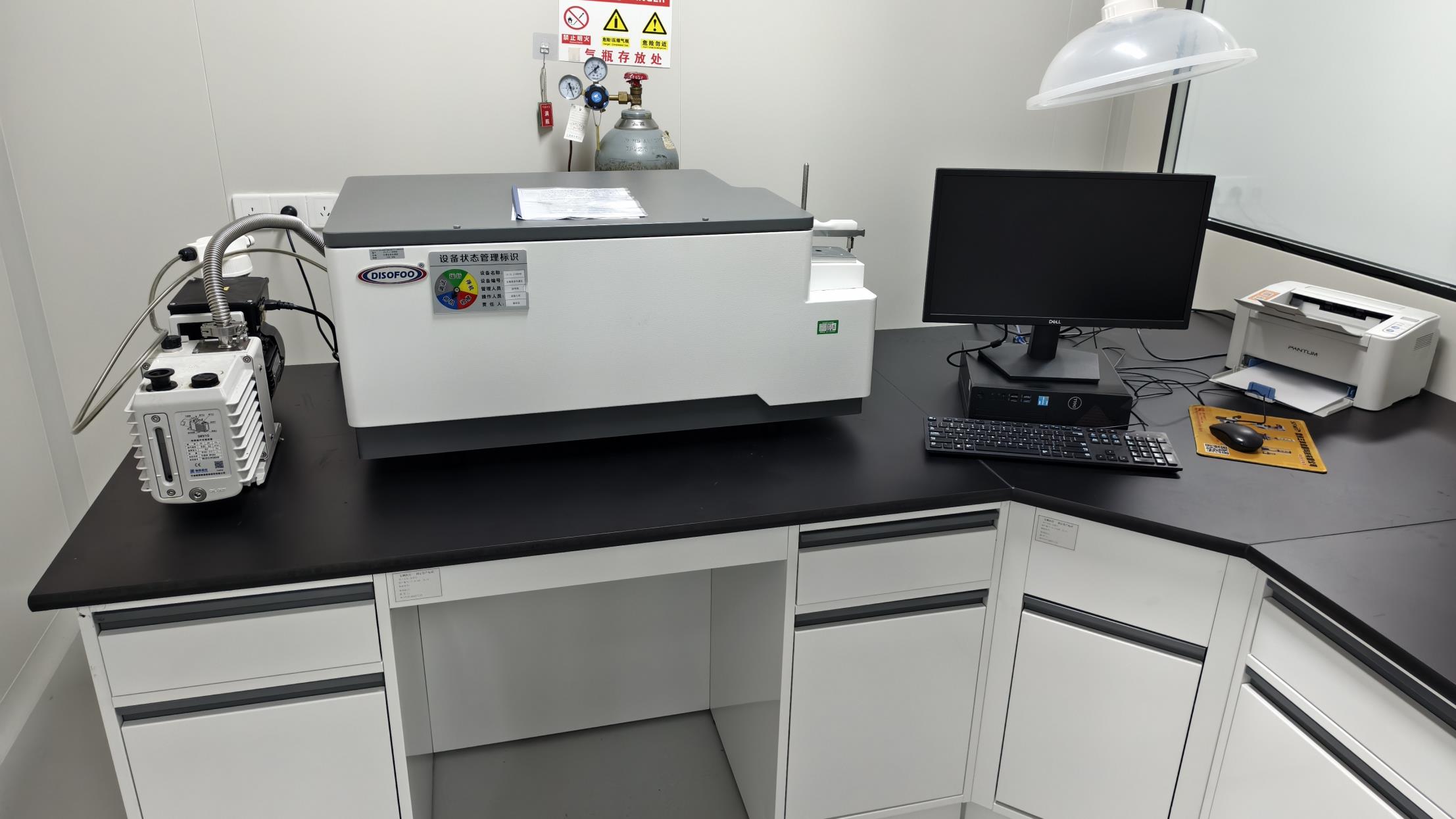
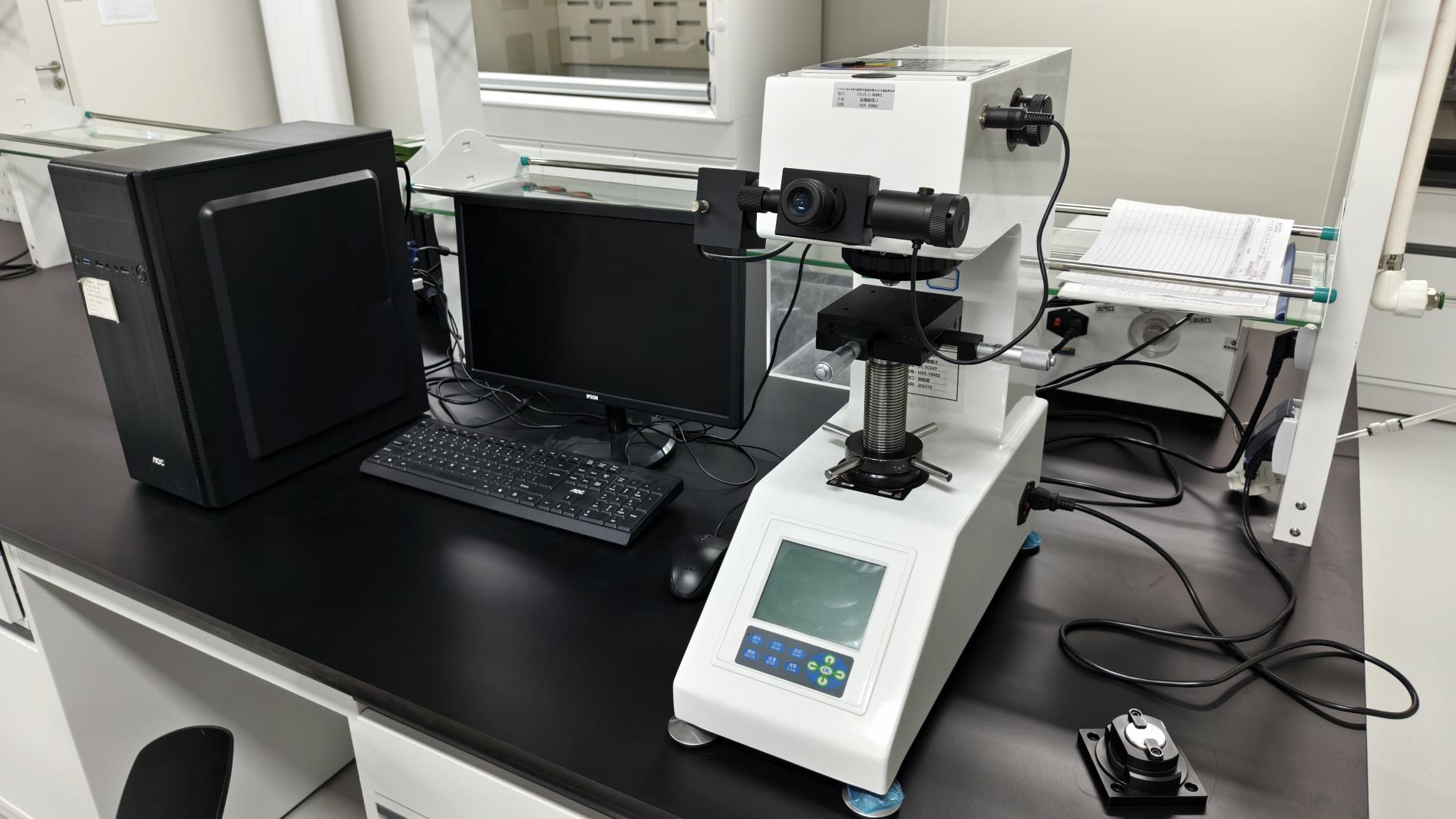
As orthopedic accessory manufacturers situated within China's medical technology clusters, Synoviq harnesses unique geopolitical and economic efficiency advantages. These benefits translate directly into cost savings and accelerated time-to-market for our global procurement partners. Key drivers of our operational edge include:
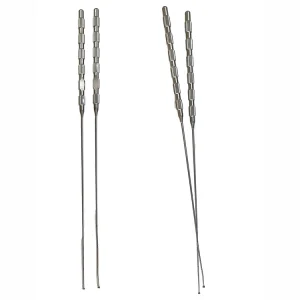
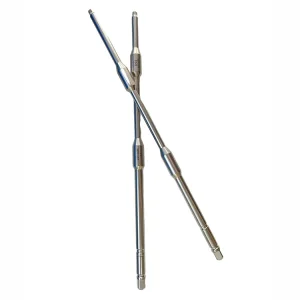
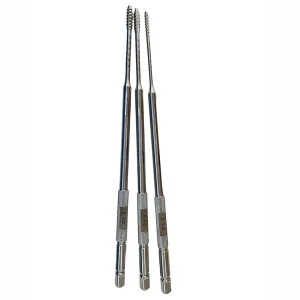
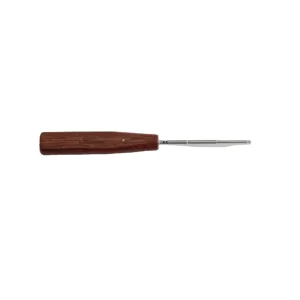
Surgical success in the operating theater depends on the ergonomic layout and mechanical performance of the surgical instruments. The Synoviq portfolio is optimized for diverse clinical scenarios:
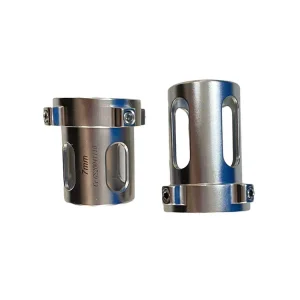
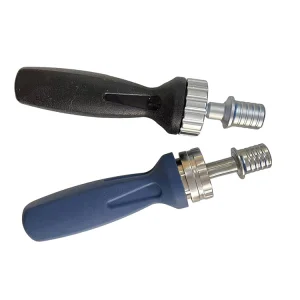
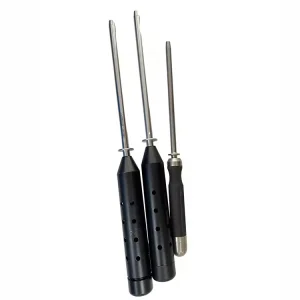
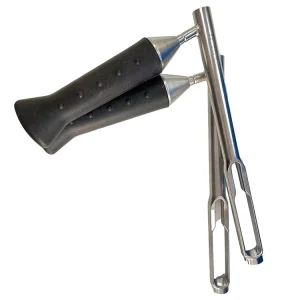
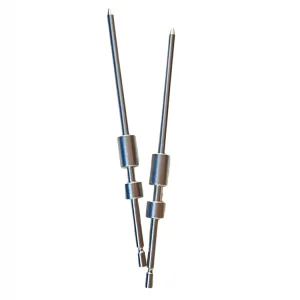
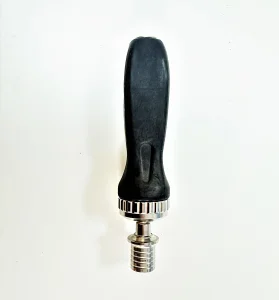
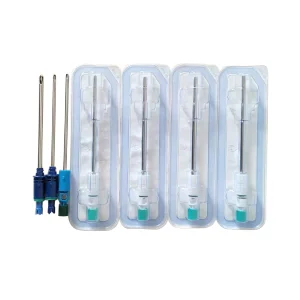
Scoliosis correction requires precise mechanical force distribution. Devices such as our Pedicle Positioning Measuring Device and Spinal Instrument Reset Sleeve help surgeons navigate difficult anatomical pathways, minimizing risk to the spinal cord. In addition, our high-torque screwdrivers and quick-coupling ratchet handles provide tactile feedback, allowing for secure pedicle screw insertion.
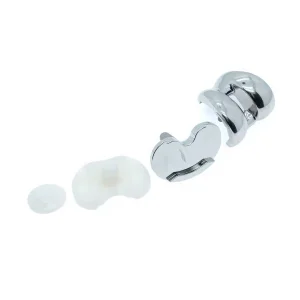
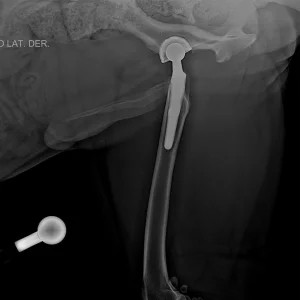
Total Knee Replacement (TKR) and Total Hip Replacement (THR) procedures demand biocompatible materials with low wear rates. Our titanium femoral condyles, femoral heads, and acetabular components feature highly polished finishes and robust coatings to encourage long-term bone growth. Advanced instruments like the TLIF Cage Holder make implant placement predictable and repeatable.
Procurement teams at international medical device distributors, hospital purchasing groups, and private labels look for specific indicators of stability, compliance, and quality. When evaluating an OEM partner, key benchmarks include:
Answers to key technical, regulatory, and production questions for global distributors and OEM buyers.
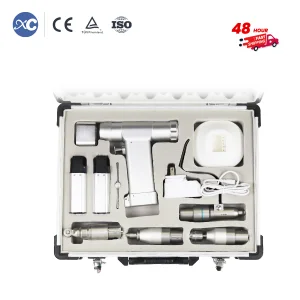
Clinical-grade surgical instrumentation and prosthetic systems designed for joint reconstruction and trauma fixation.
 Synoviq Medical