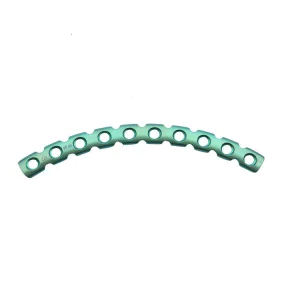
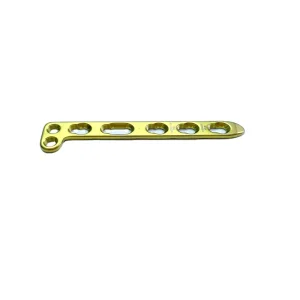
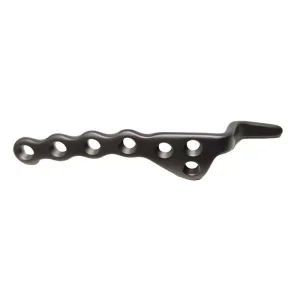
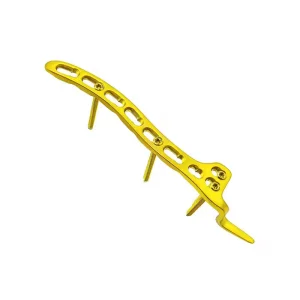
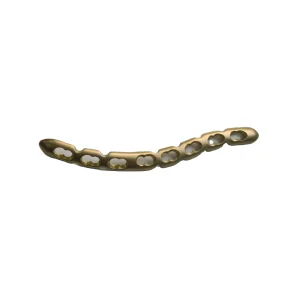
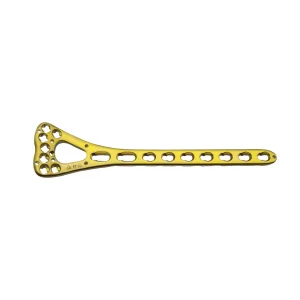
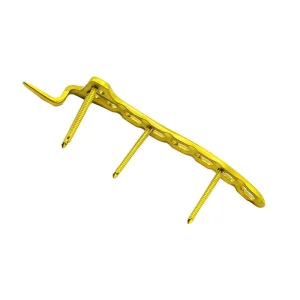
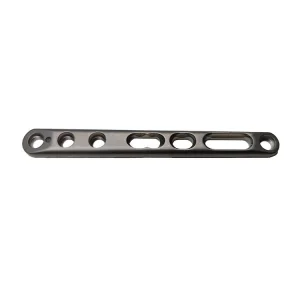
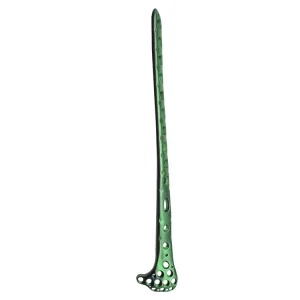
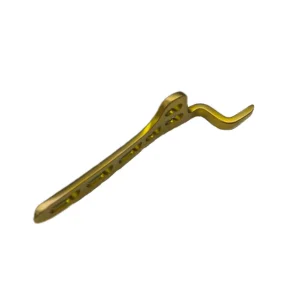
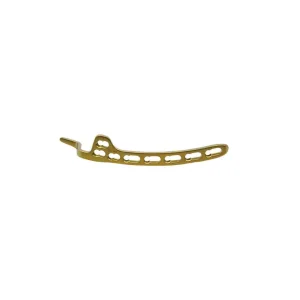
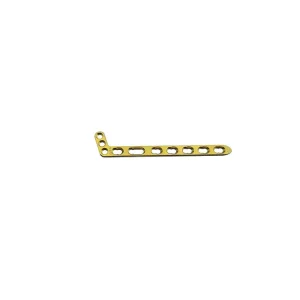
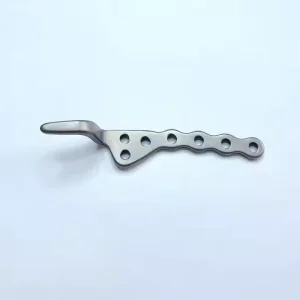
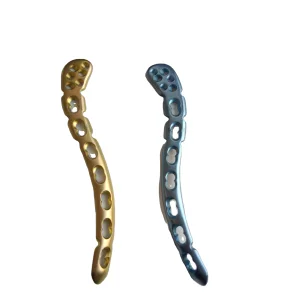
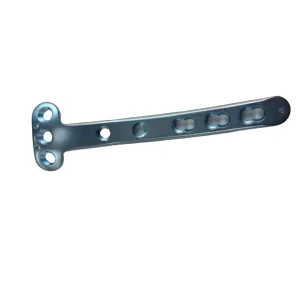
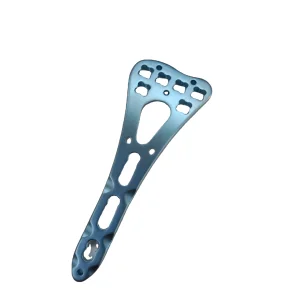
Explore our state-of-the-art biological fixation products optimized for fracture healing, load sharing, and fast recovery.
Synoviq Medical Technology (China) Co., Ltd. — Dynamic Surgical Innovation & Scientific Precision
In the high-stakes sector of osteosynthesis and trauma care, precision is not a variable; it is the absolute standard. Synoviq Medical Technology (China) Co., Ltd. stands as a premier global orthopedic trauma implant manufacturer and exporter, specializing in cutting-edge surgical systems that reduce patient complications and optimize anatomical stabilization. Established on March 18, 2016, Synoviq combines structural engineering with advanced materials to create medical devices that serve distributors, hospitals, and national tenders across key healthcare markets.
With an operational footprint exceeding 18,600 square meters and over 14 years of design and production expertise, Synoviq manages a sophisticated product matrix. From titanium maxillofacial plating systems to variable-angle distal radius plates and complex locking clavicular hook systems, our focus is geared towards optimizing osteotomy fixations, non-union therapy, and complicated periarticular reconstructions. Our manufacturing philosophy centers on "clinical synergy" — ensuring that every titanium plate, locking screw, and custom orthopedic instrument integrates seamlessly with the surgeon's hands and the patient's anatomy.
| Corporate Parameter | Operational Details & Quality Standards |
|---|---|
| Company Name | Synoviq Medical Technology (China) Co., Ltd. |
| Brand Portfolio | Synoviq / Geasure Series |
| Establishment & Industry Tenure | Established March 18, 2016 (14 Years of Combined Industry Experience) |
| Facility Footprint | 18,600 m² Advanced Production & ISO Class 7 Cleanrooms |
| Annual Export Capacity | USD 21.8 Million with partners across 65+ countries |
| Quality Assurance Staff | 48 Quality Control Engineers with 100% Final and Incoming Material Verification |
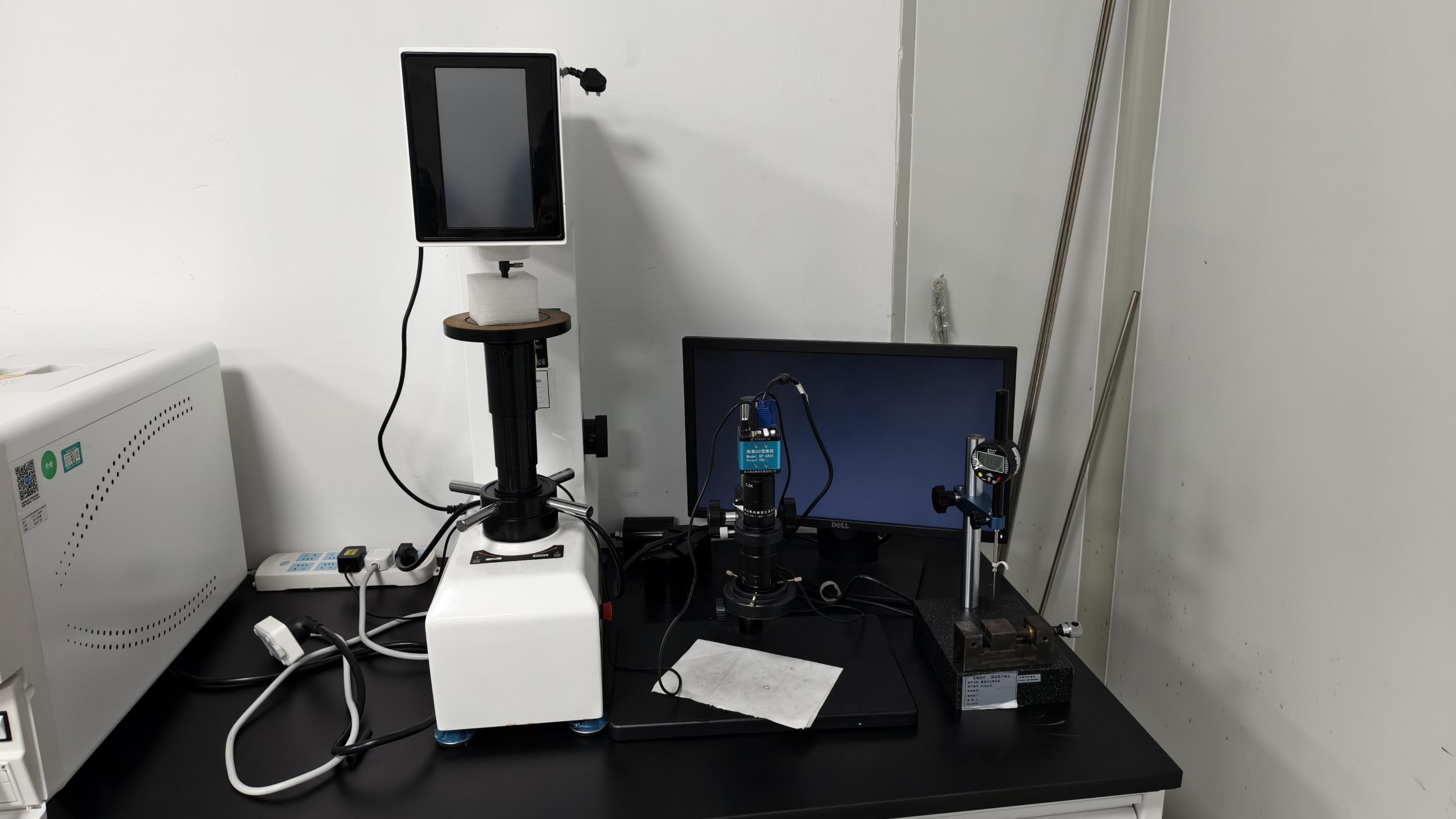
| Testing Protocols | CMM Metrology, Tensile Mechanics, Surface Roughness, Micro-hardness, Salt Spray Corrosion, Sterility & Bioburden Validation |
| Supply Chain Integration | Over 1,120 global supply chain partners for raw material and logistic consistency |
| Research & Development | 76 R&D Engineers; 186 New Products Released in the Last Fiscal Year |
Streamlining regulatory risk, inventory efficiency, and procurement lifecycles for clinical partners.
We provide stable pricing margins, extensive OEM/ODM private labeling solutions, and comprehensive technical documentation packs (technical files, material certification, and biocompatibility studies) to accelerate market penetration and tender acquisition.
Minimize intraoperative complications with implants engineered with high anatomical conformance, lowering the requirement for intraoperative contouring. Synoviq implants deliver high fatigue strength, matching biomechanical stresses without premature implant failure.
With an annual export revenue of USD 21.8 million, our industrial-scale facility ensures consistent supply chains and high-volume production capabilities. This guarantees that large tender demands are met with stable batches and rigorous batch traceability.
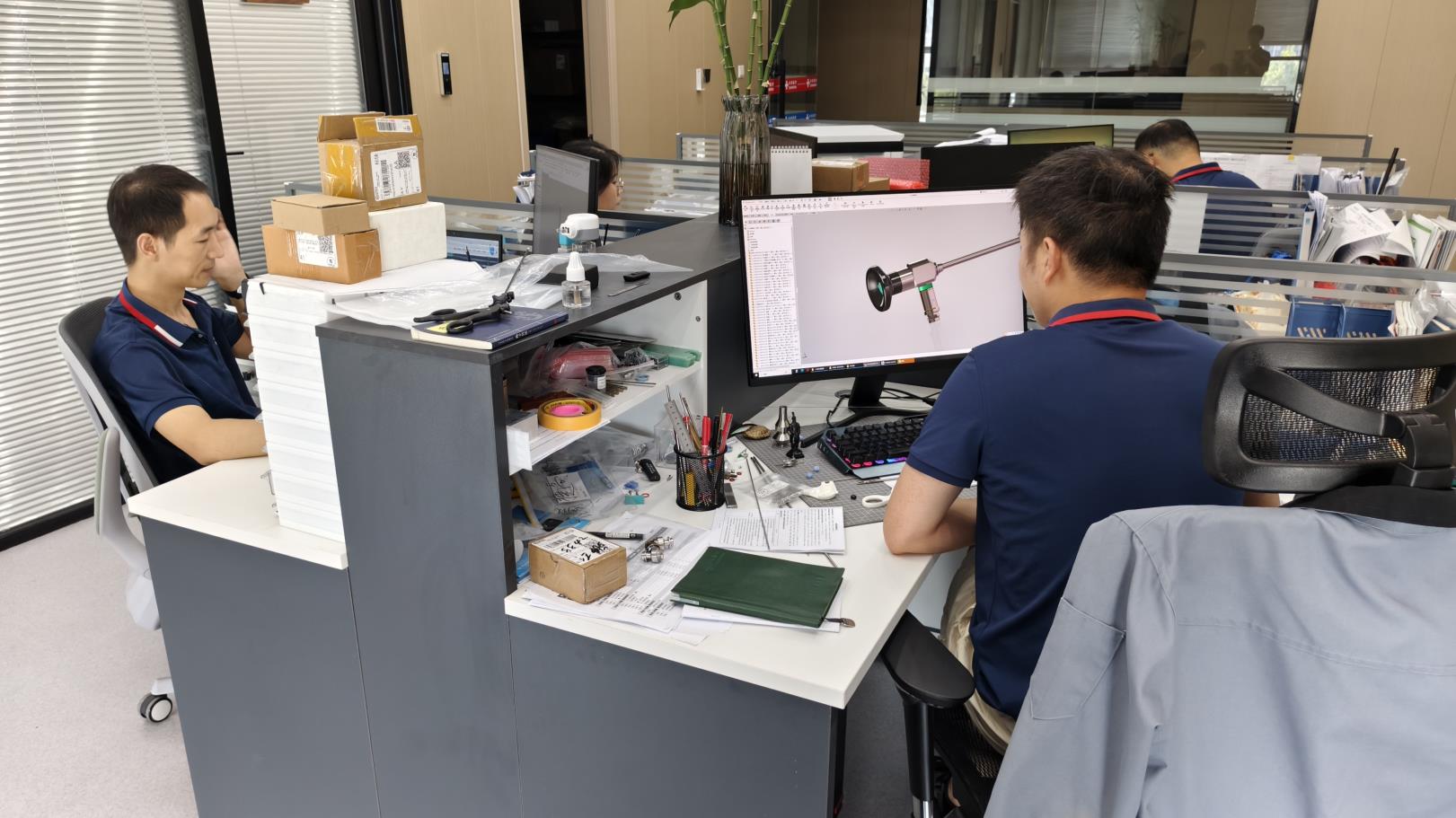
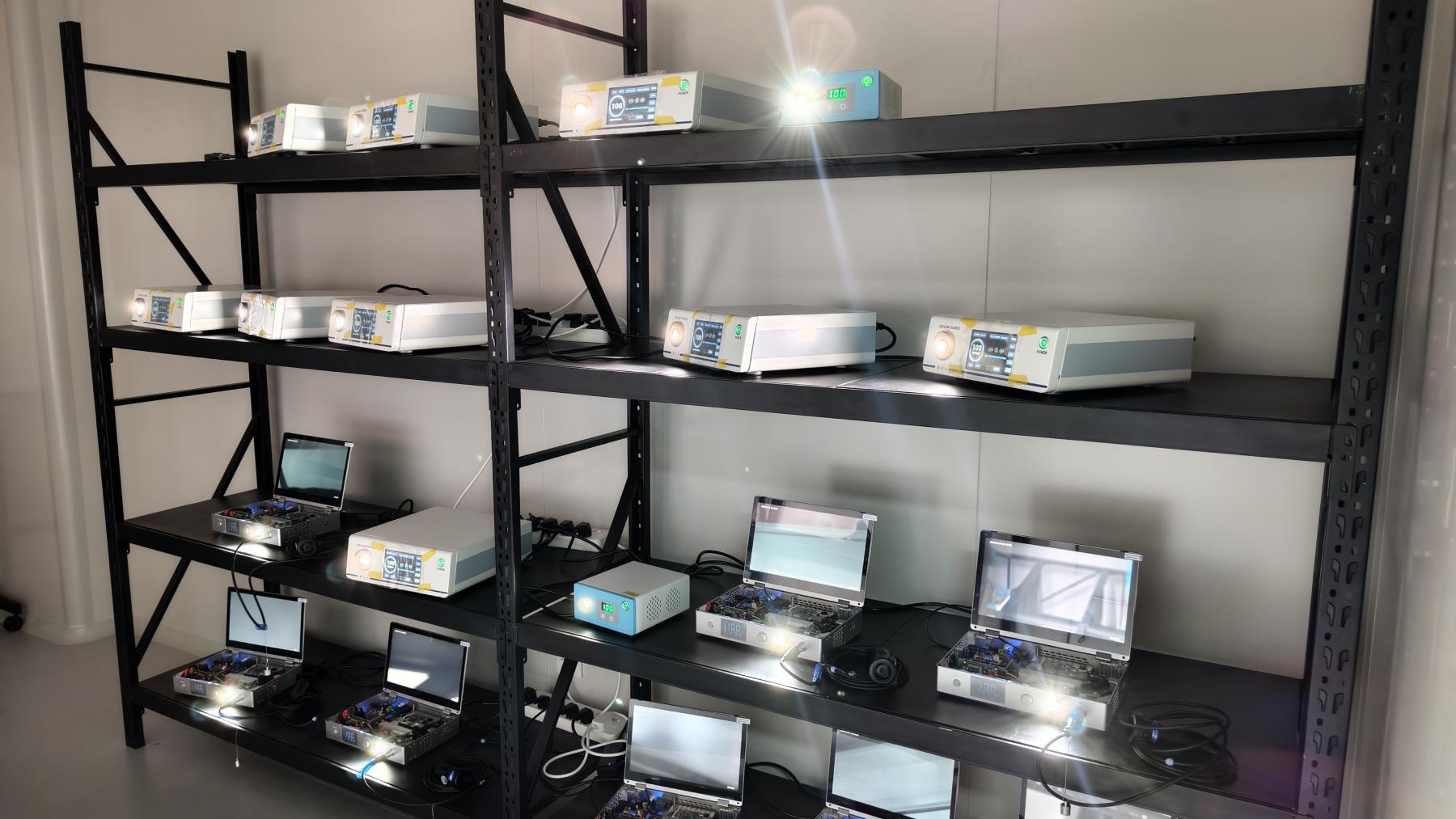
Step inside Synoviq's advanced manufacturing plant: combining Swiss precision, automatic metrology, and cleanroom packaging.
The manufacturing architecture of Synoviq is built upon raw material purity, geometric precision, and surface biological activation. Using advanced alloys, our facility integrates raw bars (Titanium Grade 4, Ti-6Al-4V ELI, ASTM F136 compliant) into finished, sterile-barrier ready orthopedic implants. Through specialized thermal treatments and chemical anodization, we improve wear properties, corrosion thresholds, and osteointegration potential.
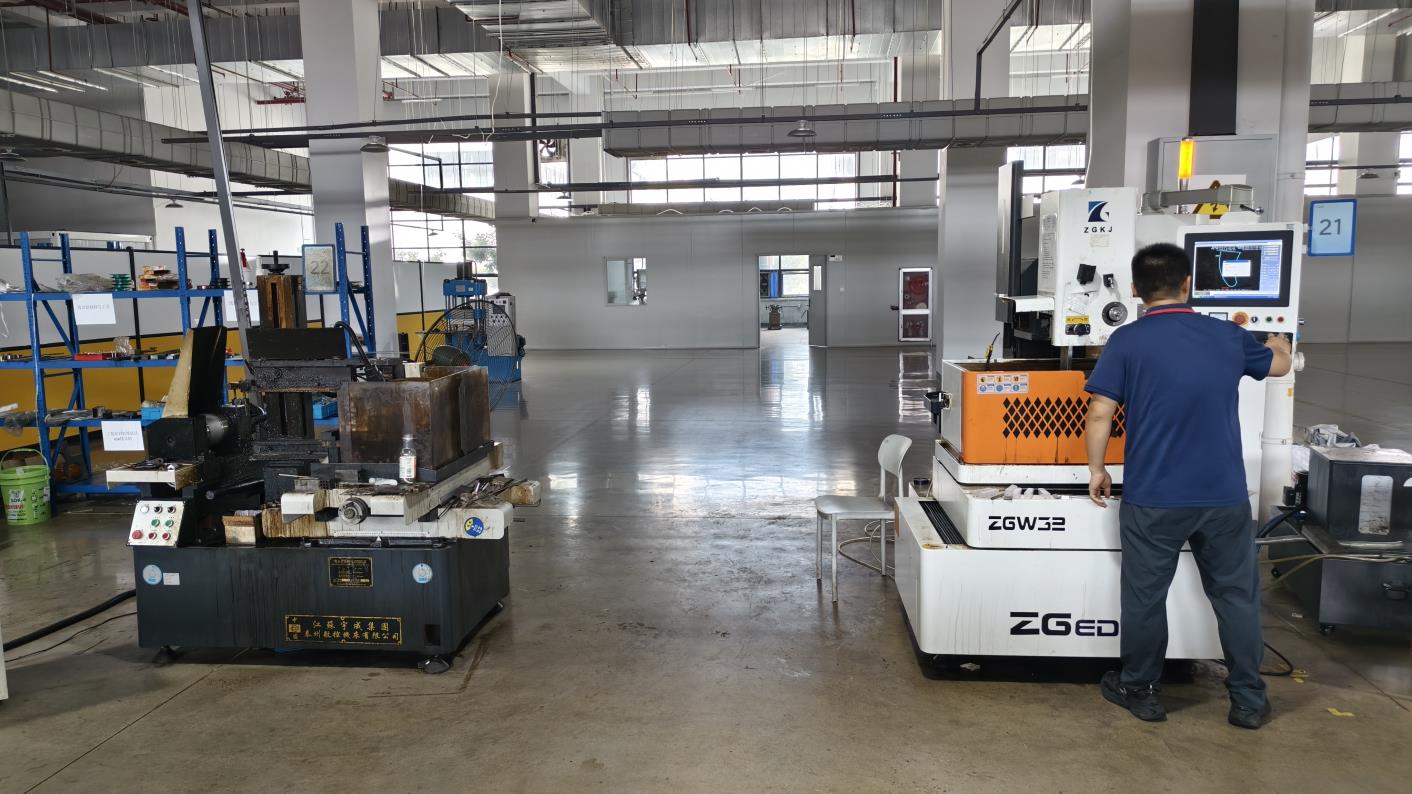
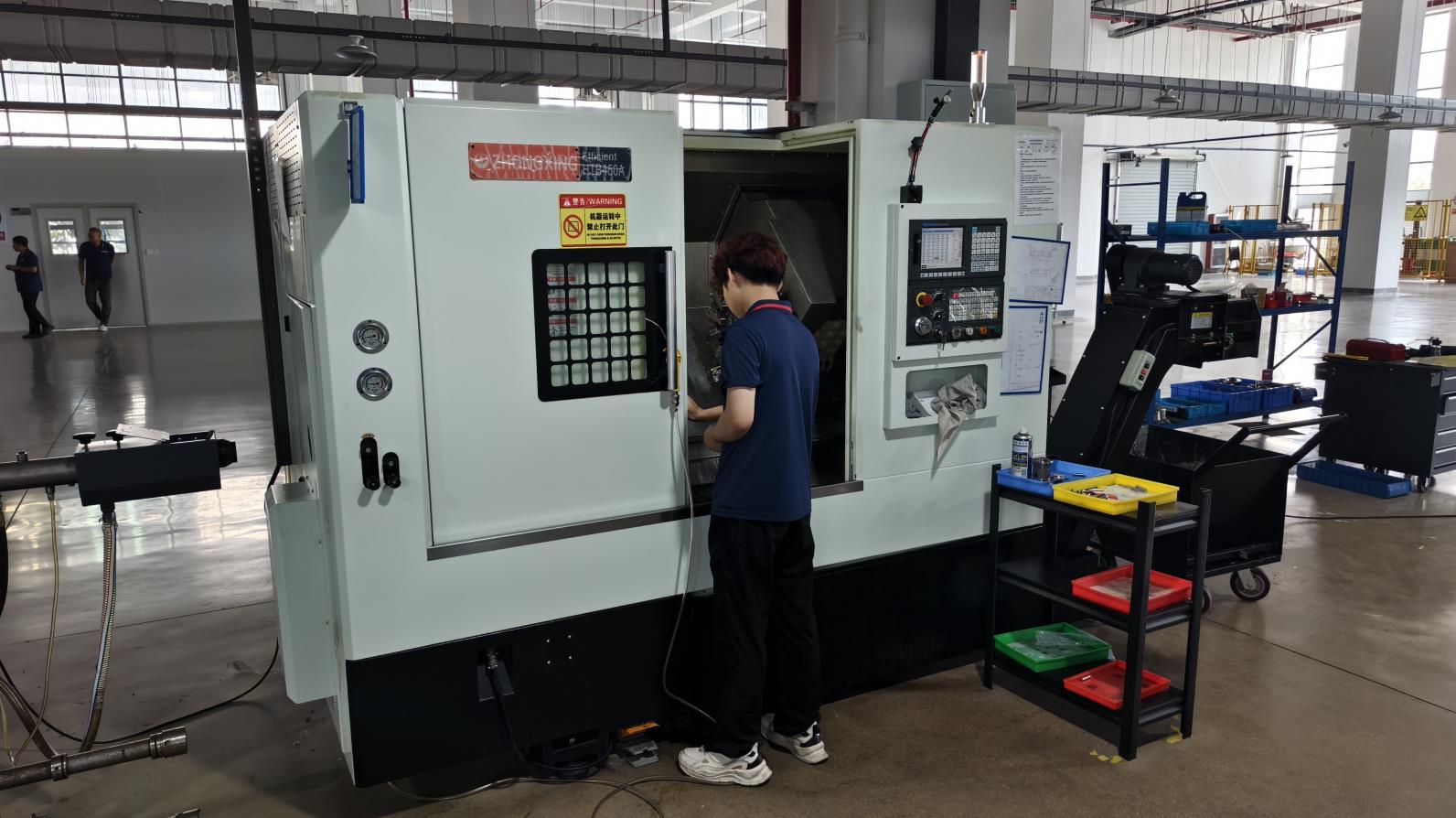
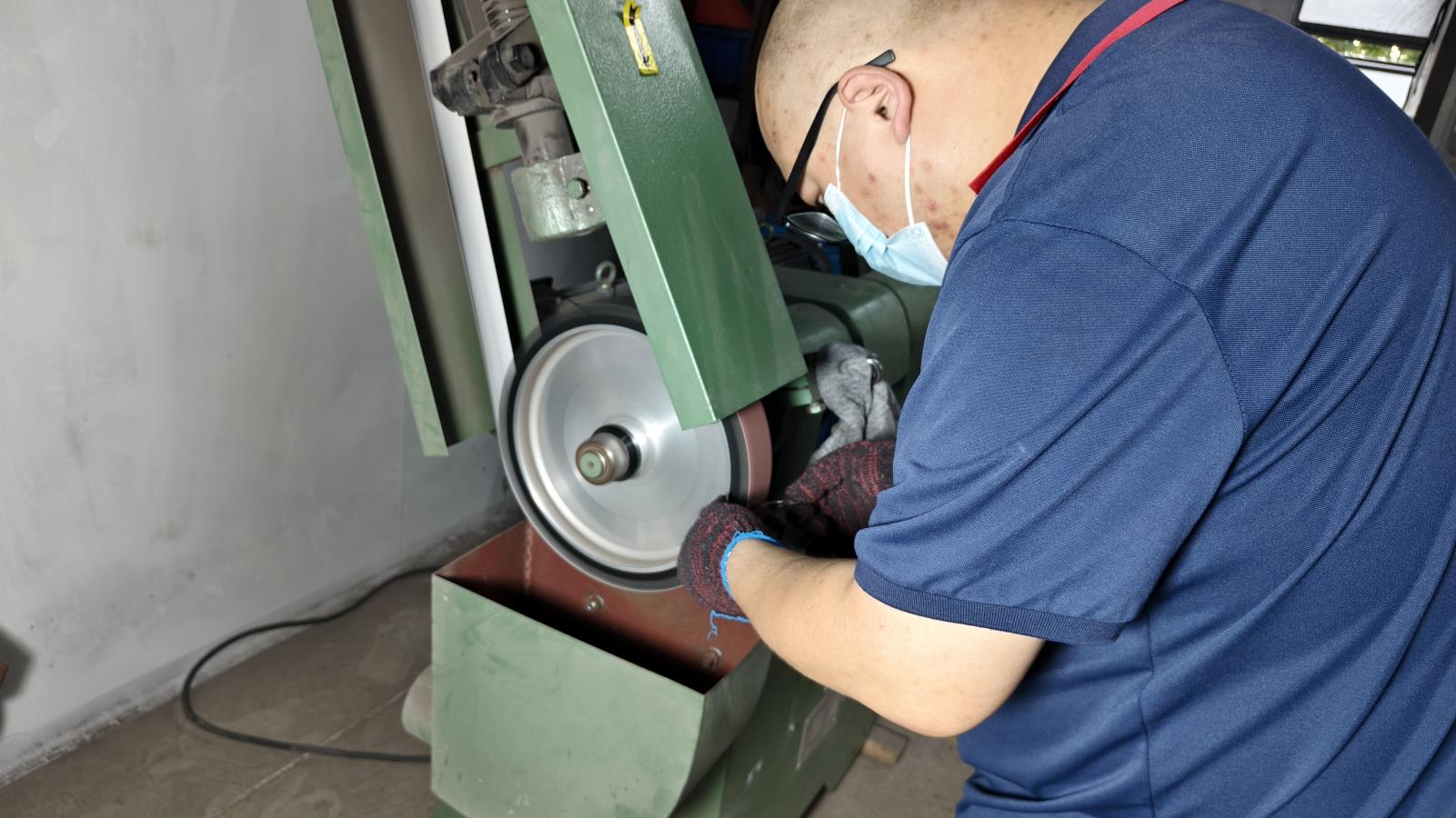
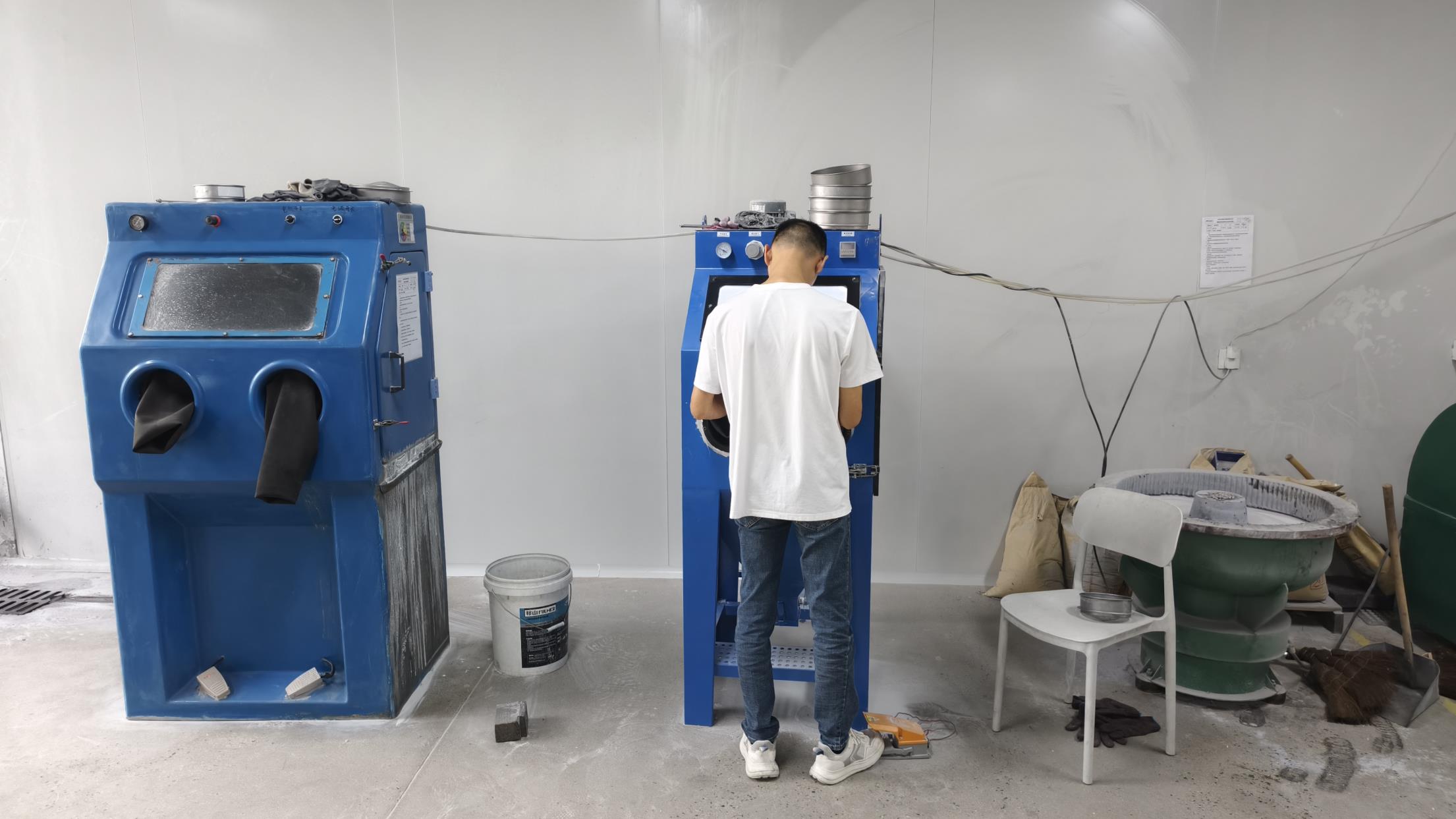
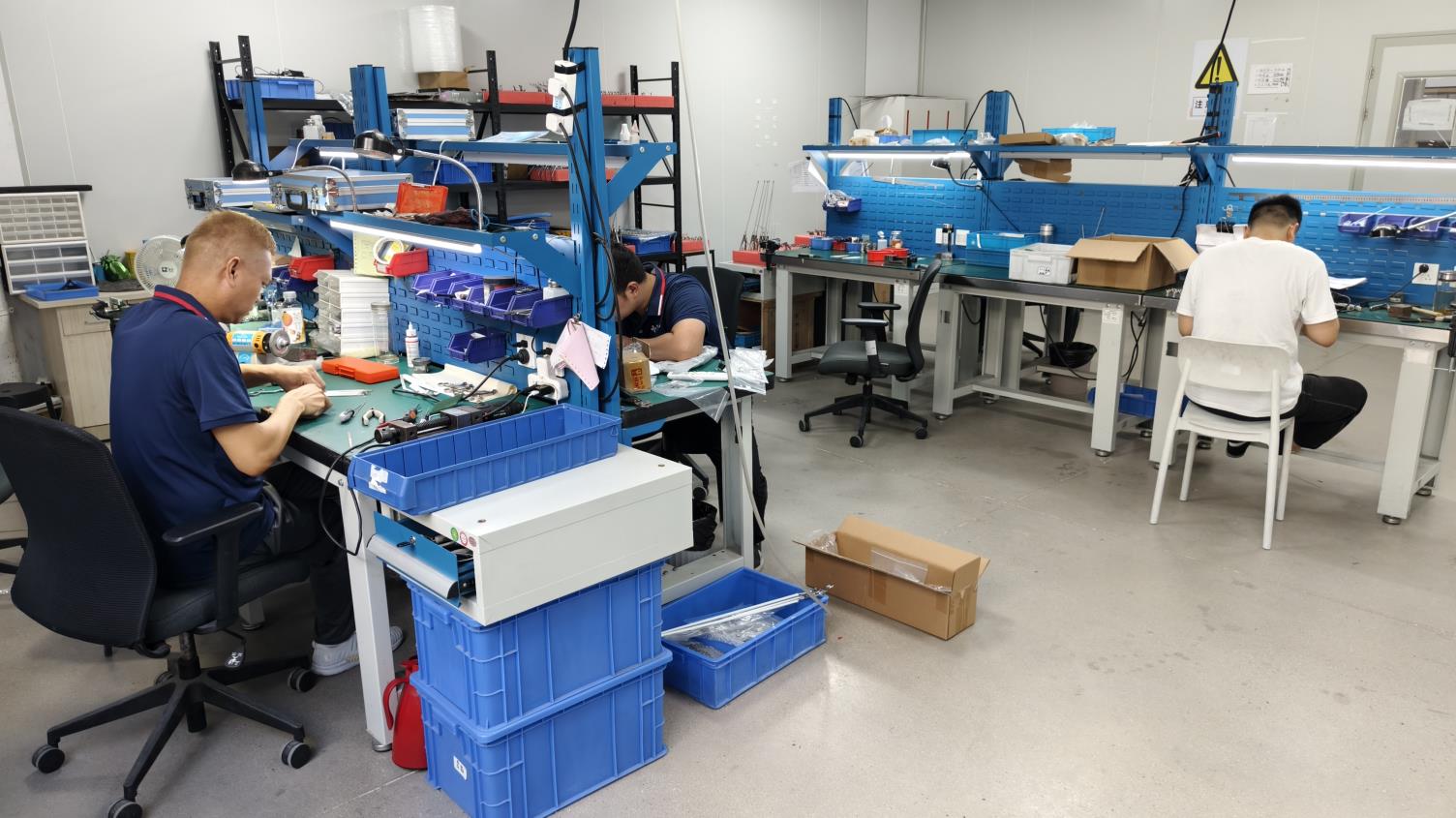
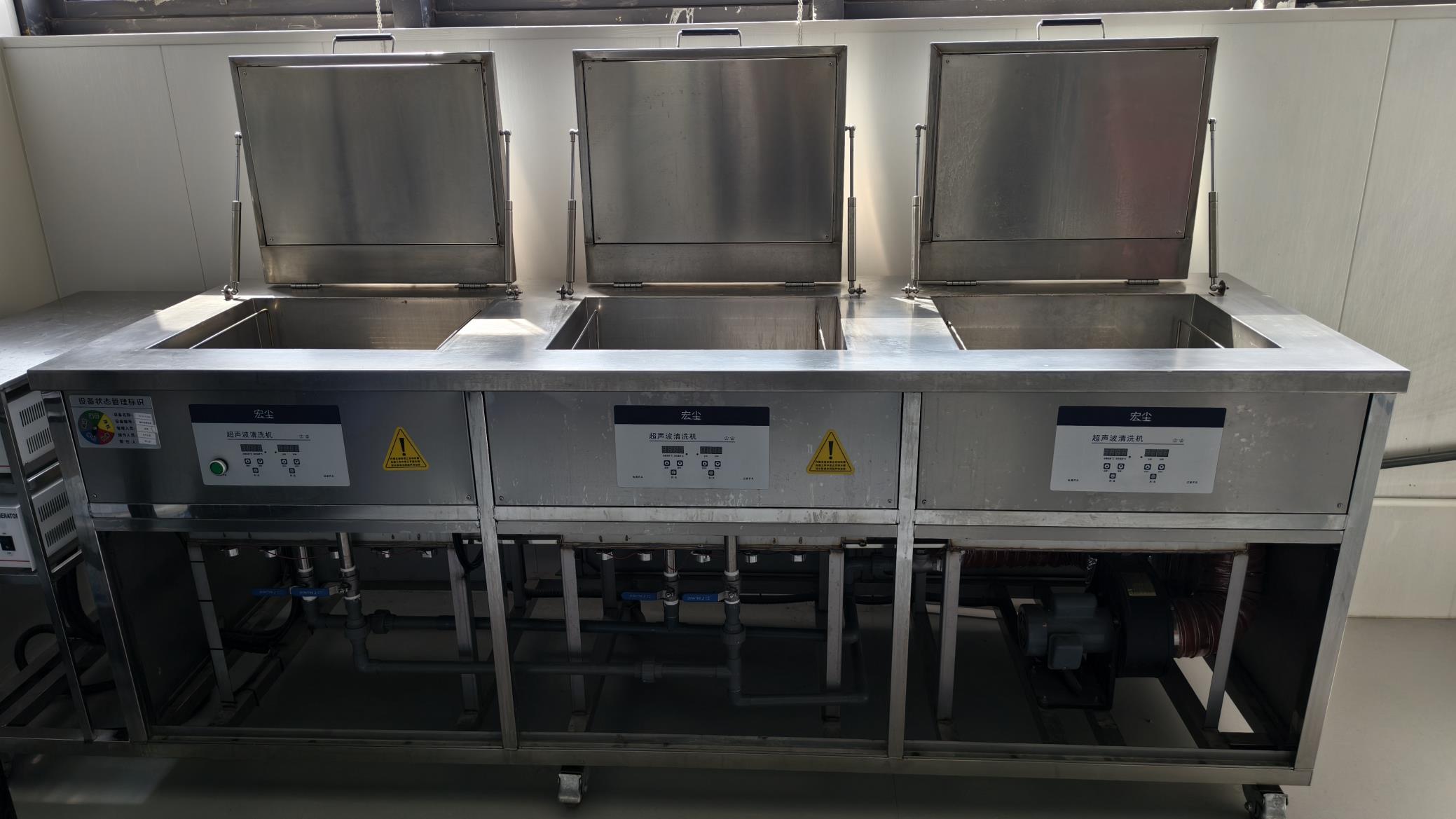
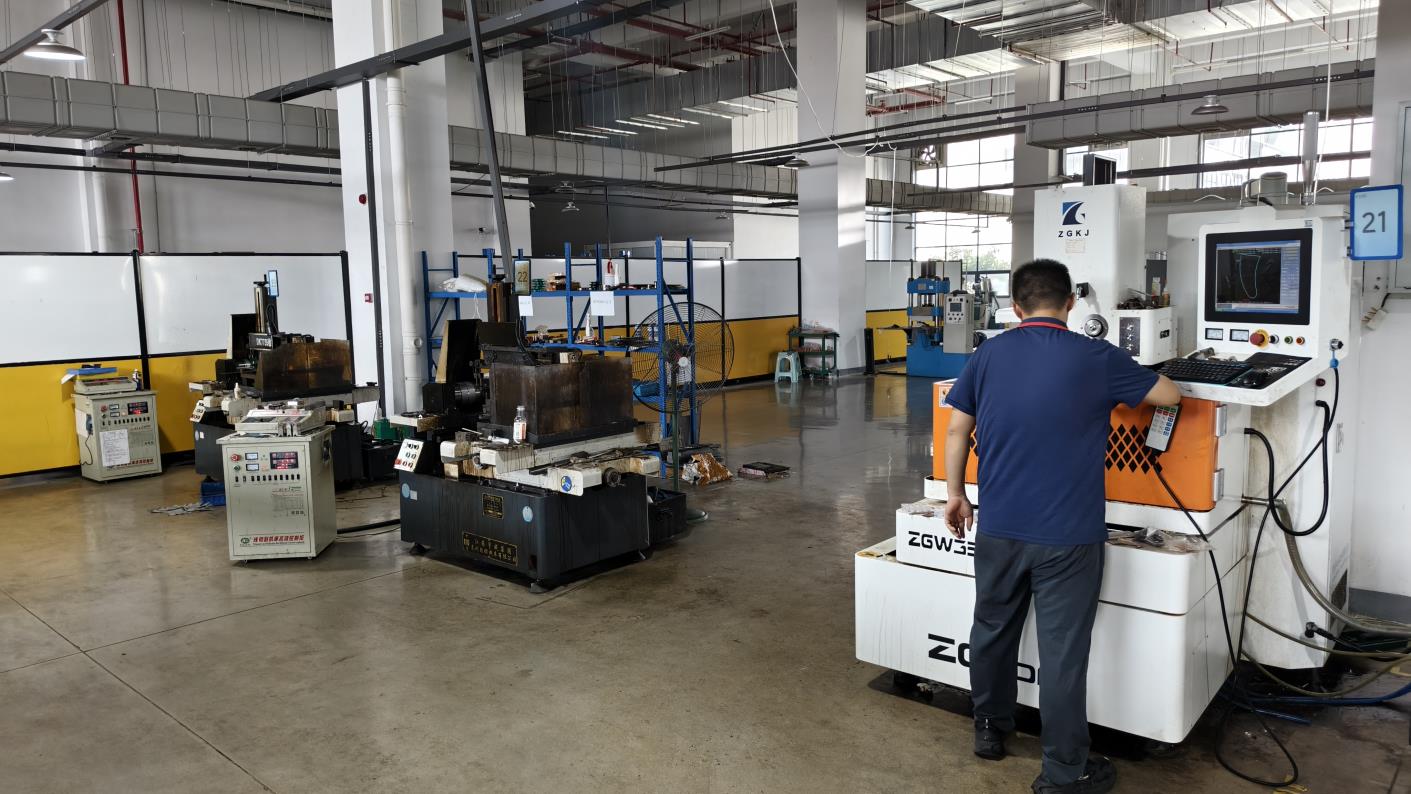
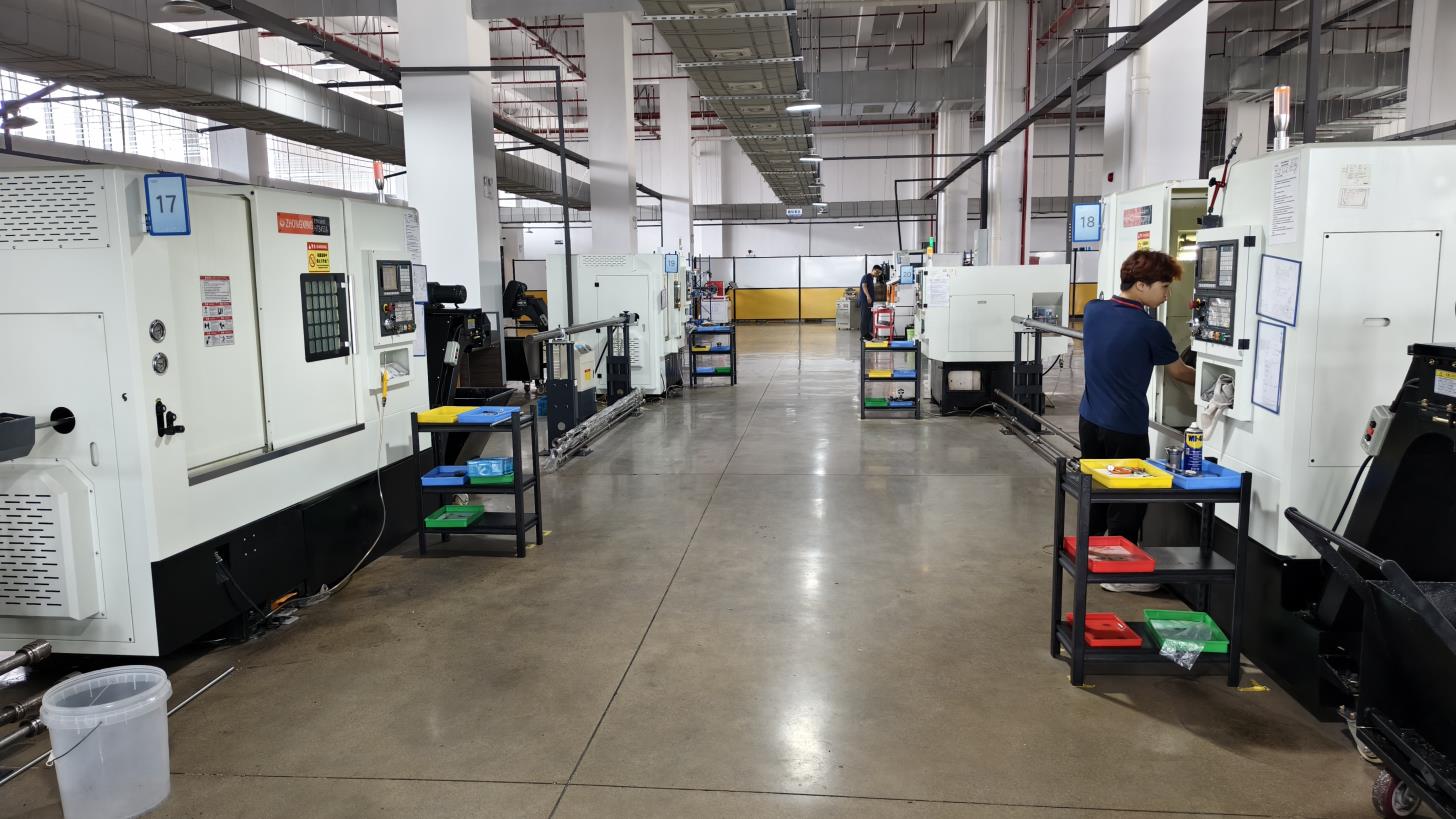
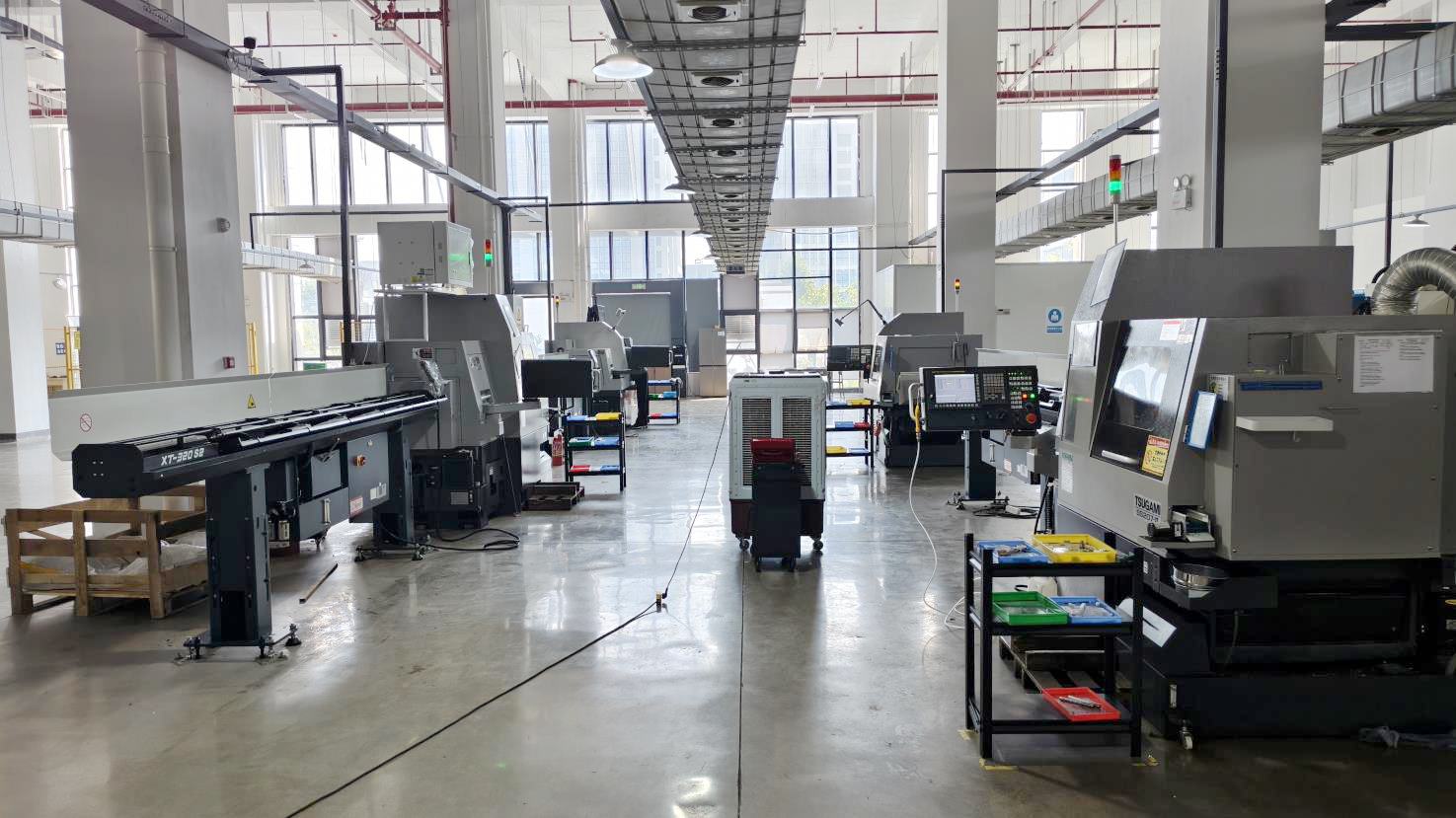
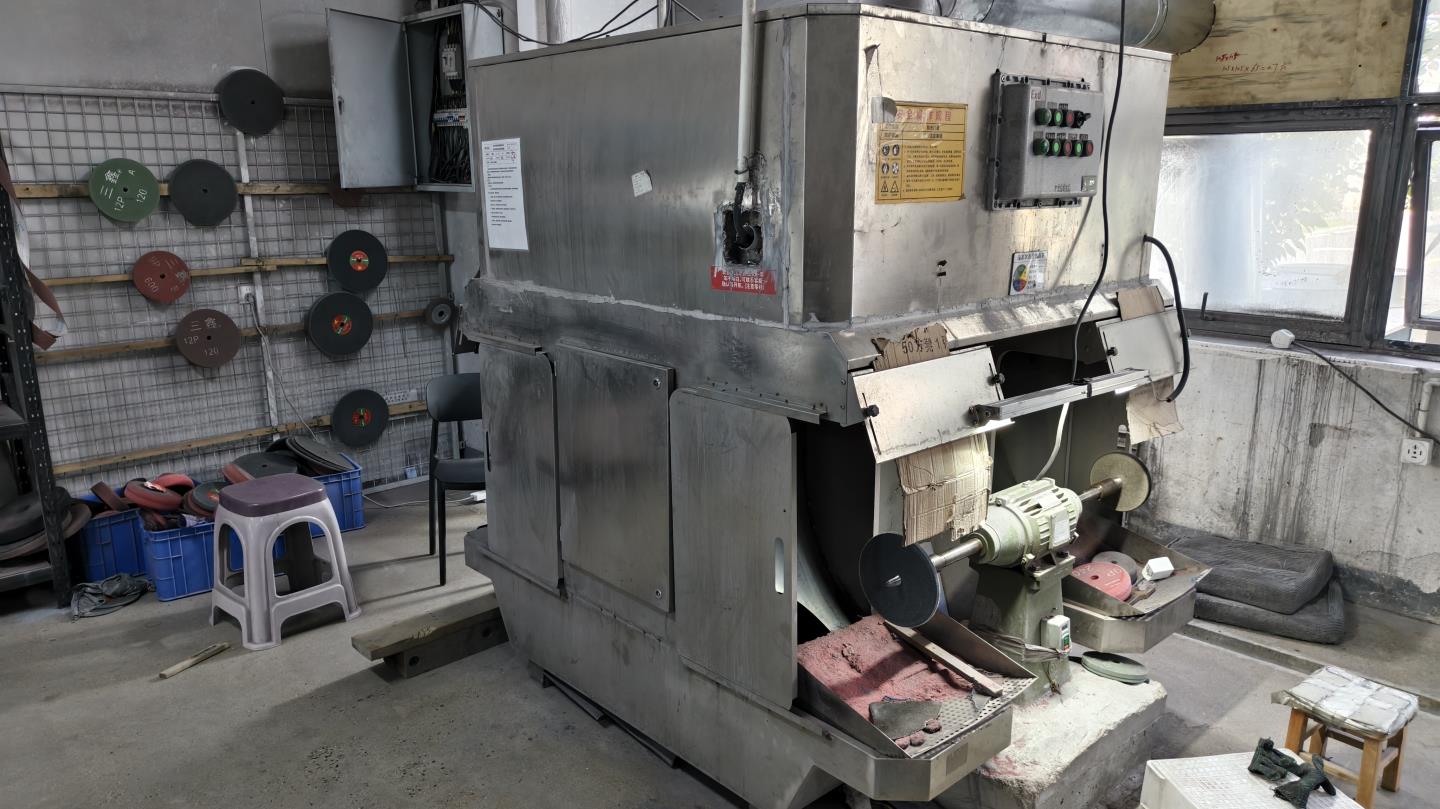
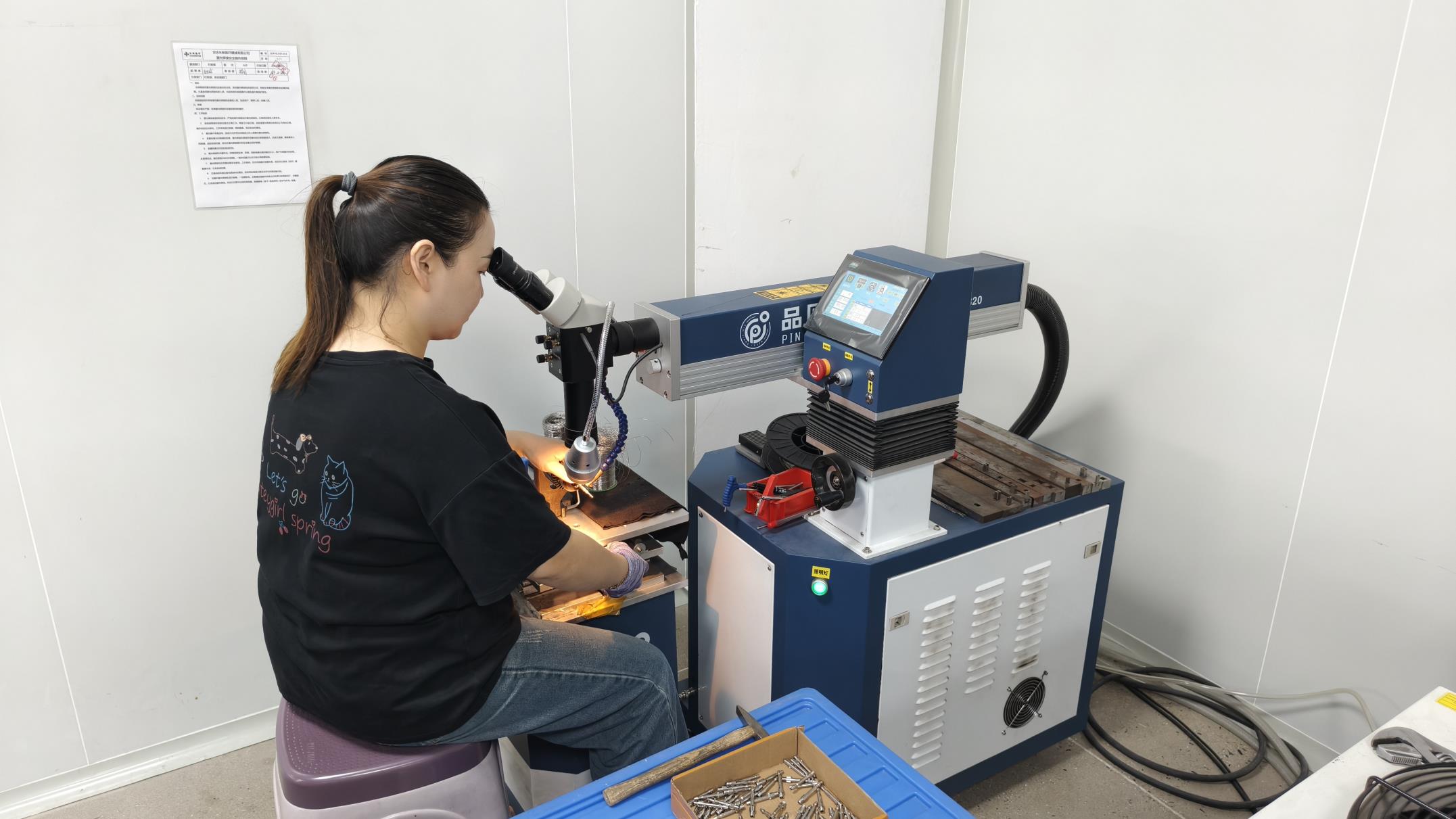
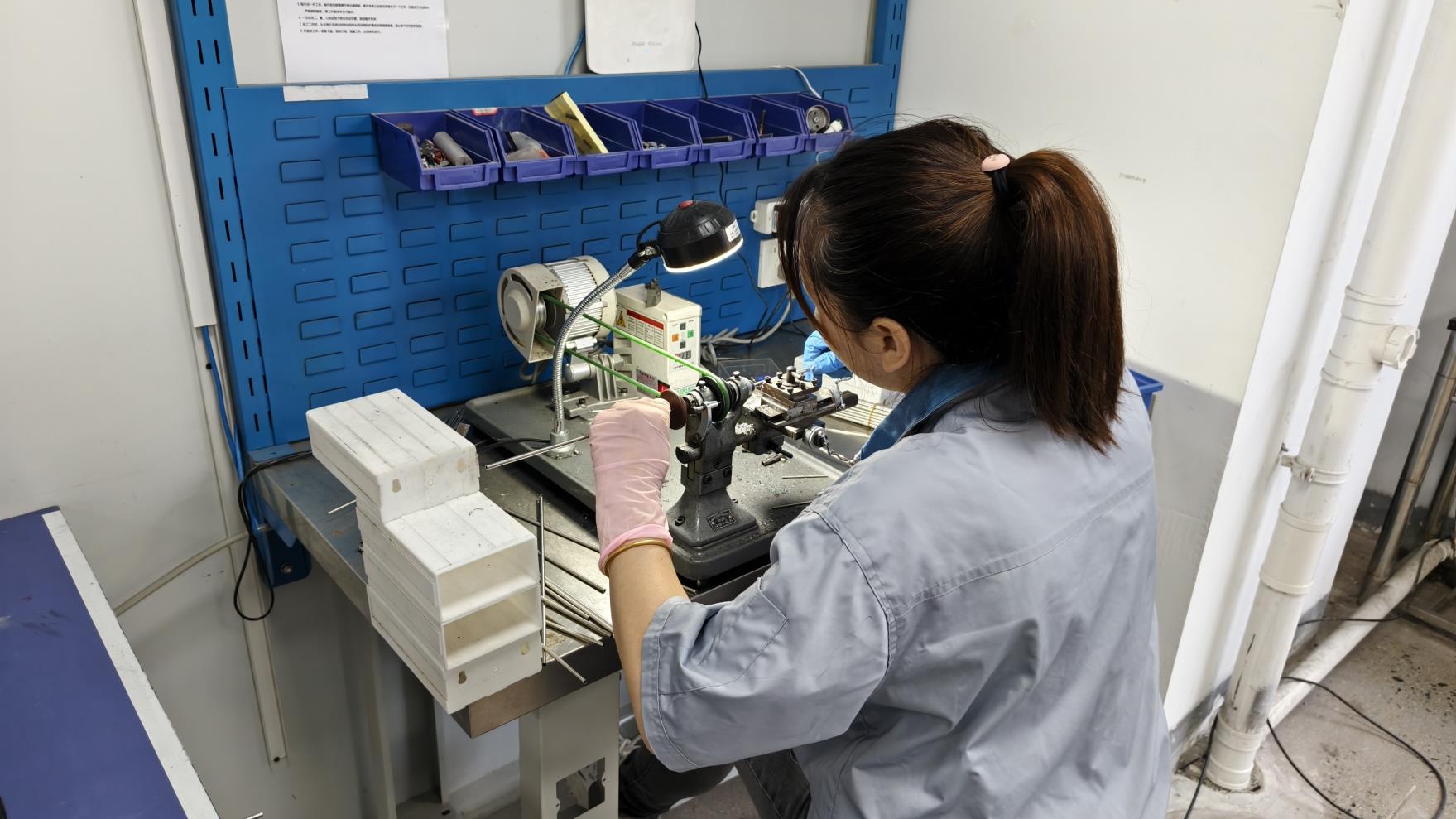
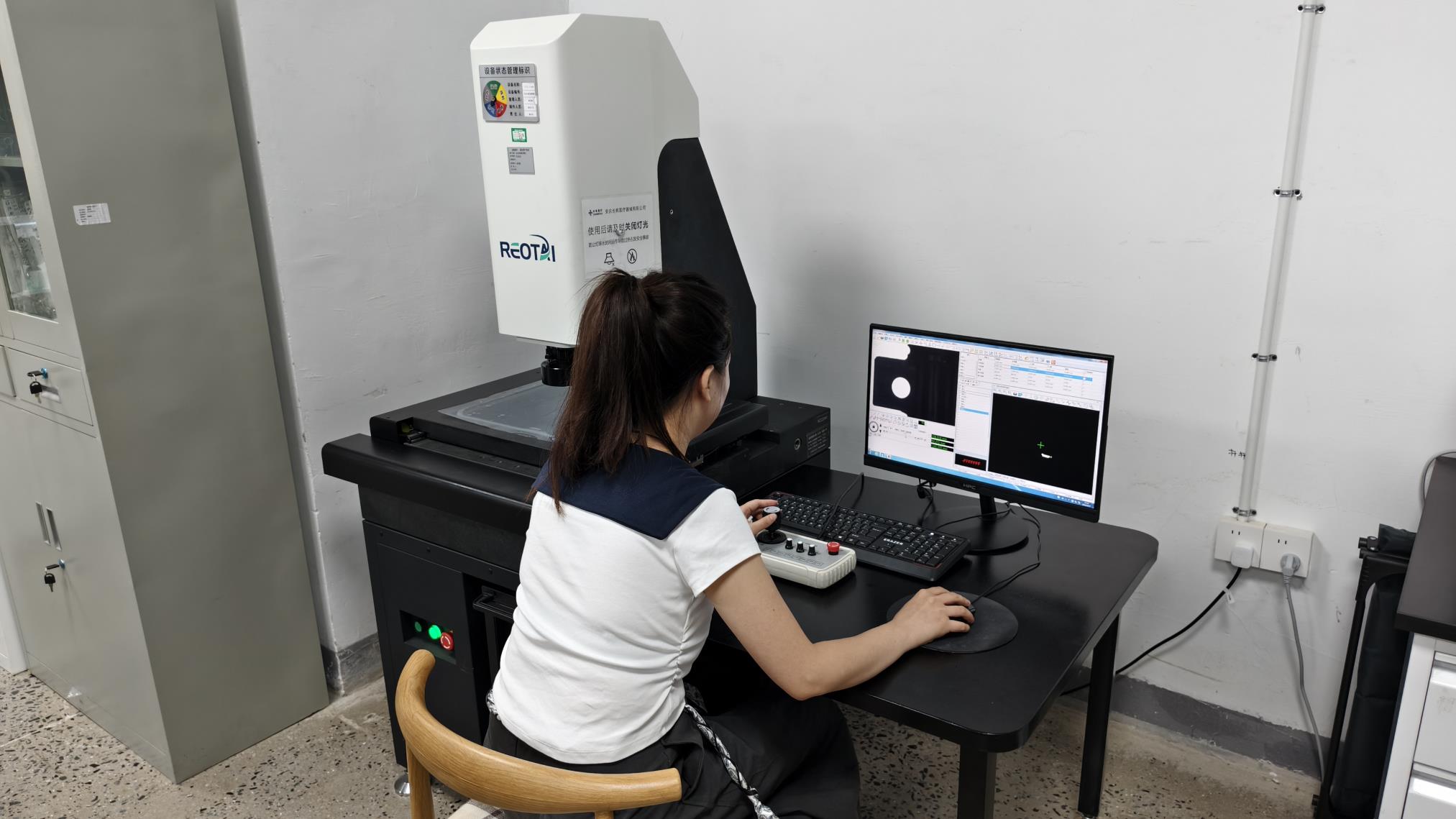
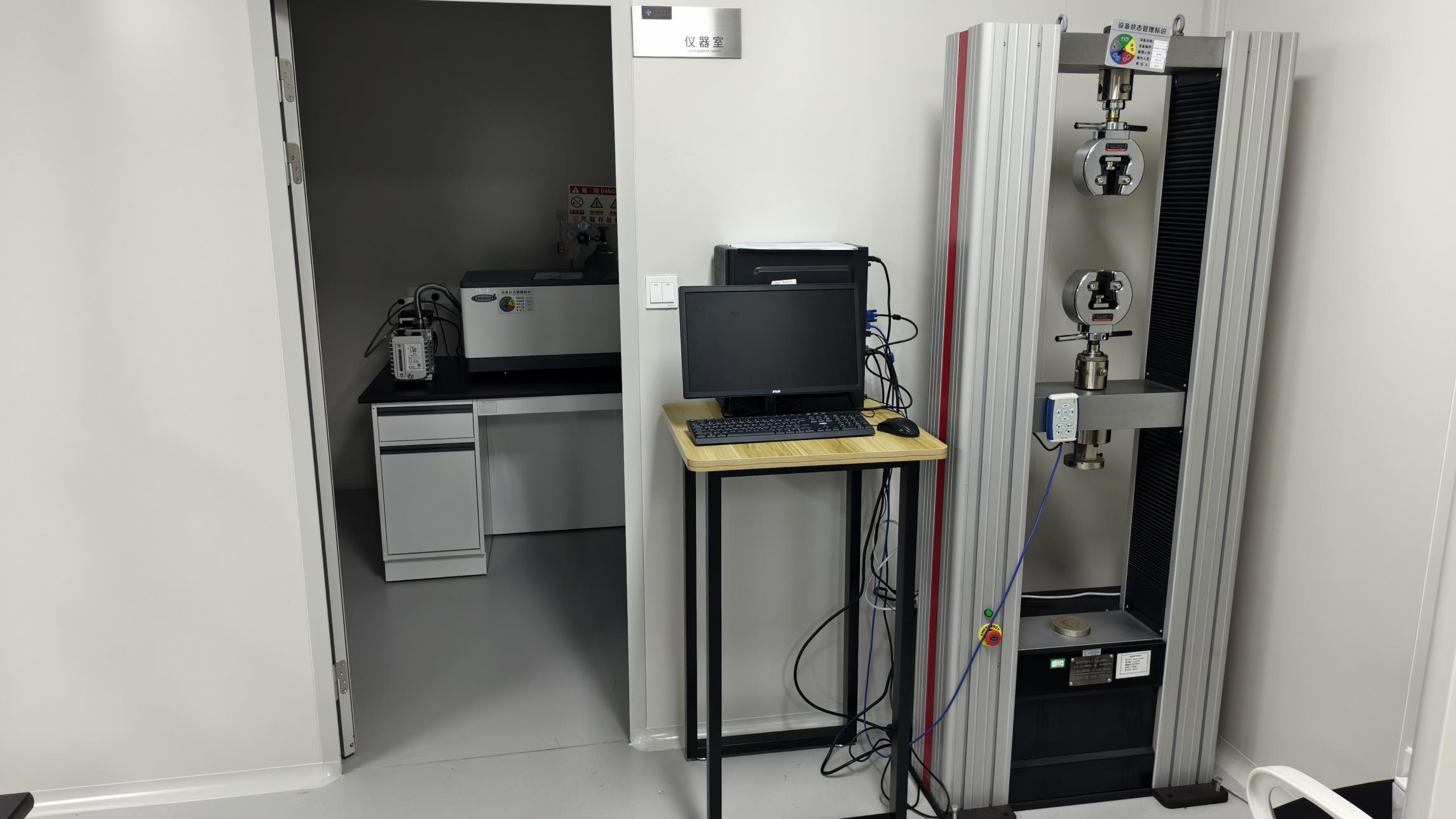
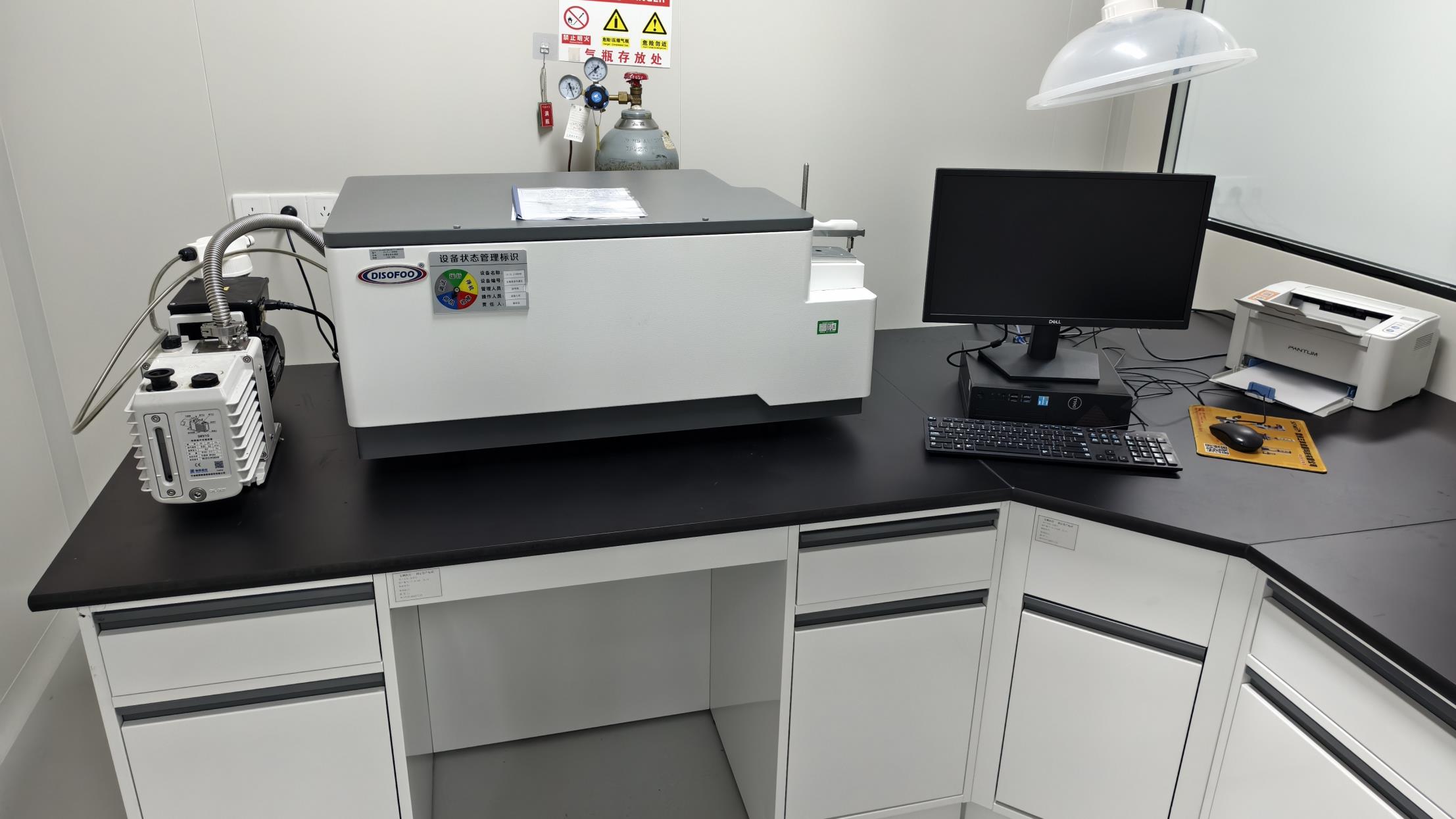
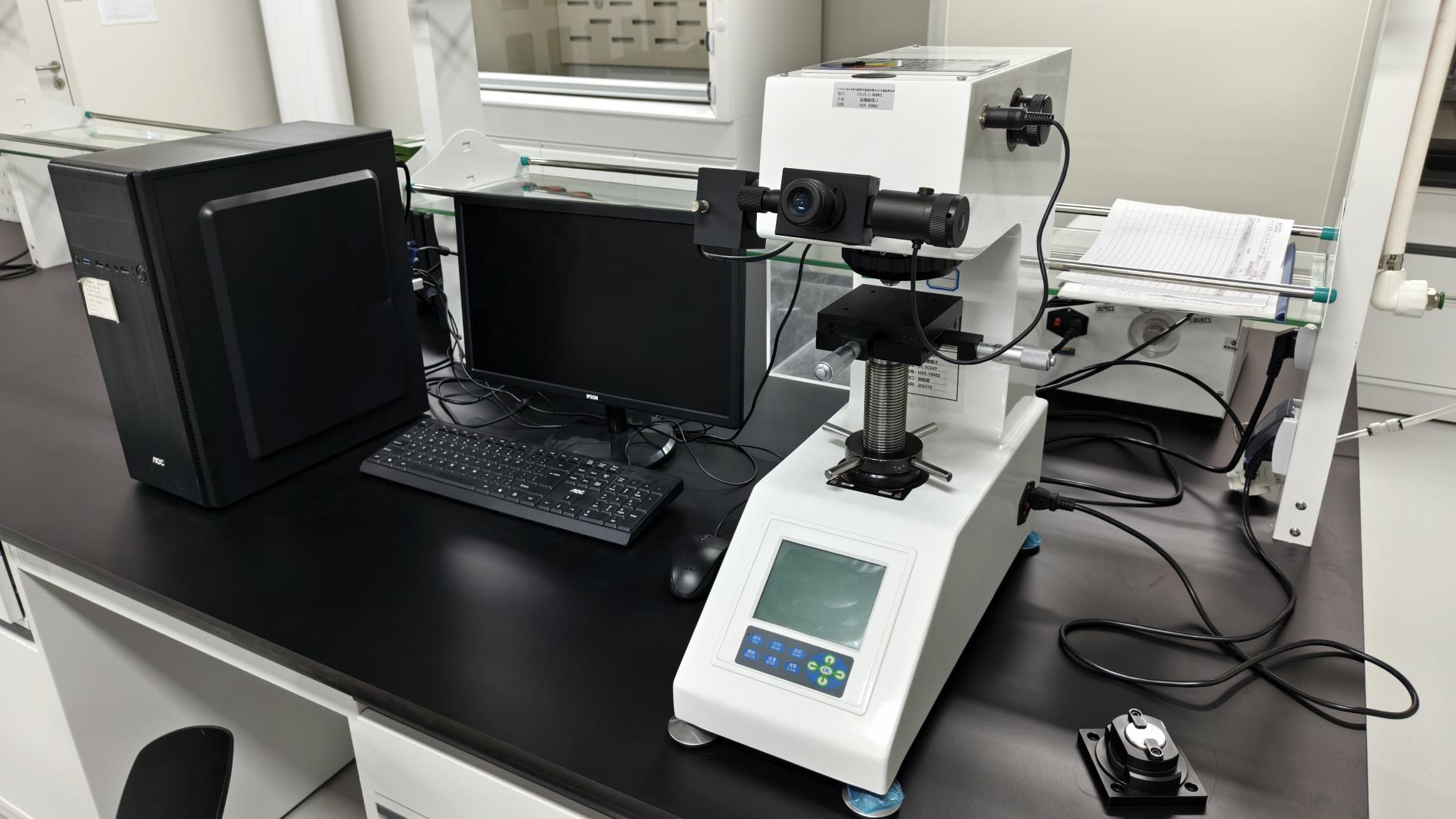
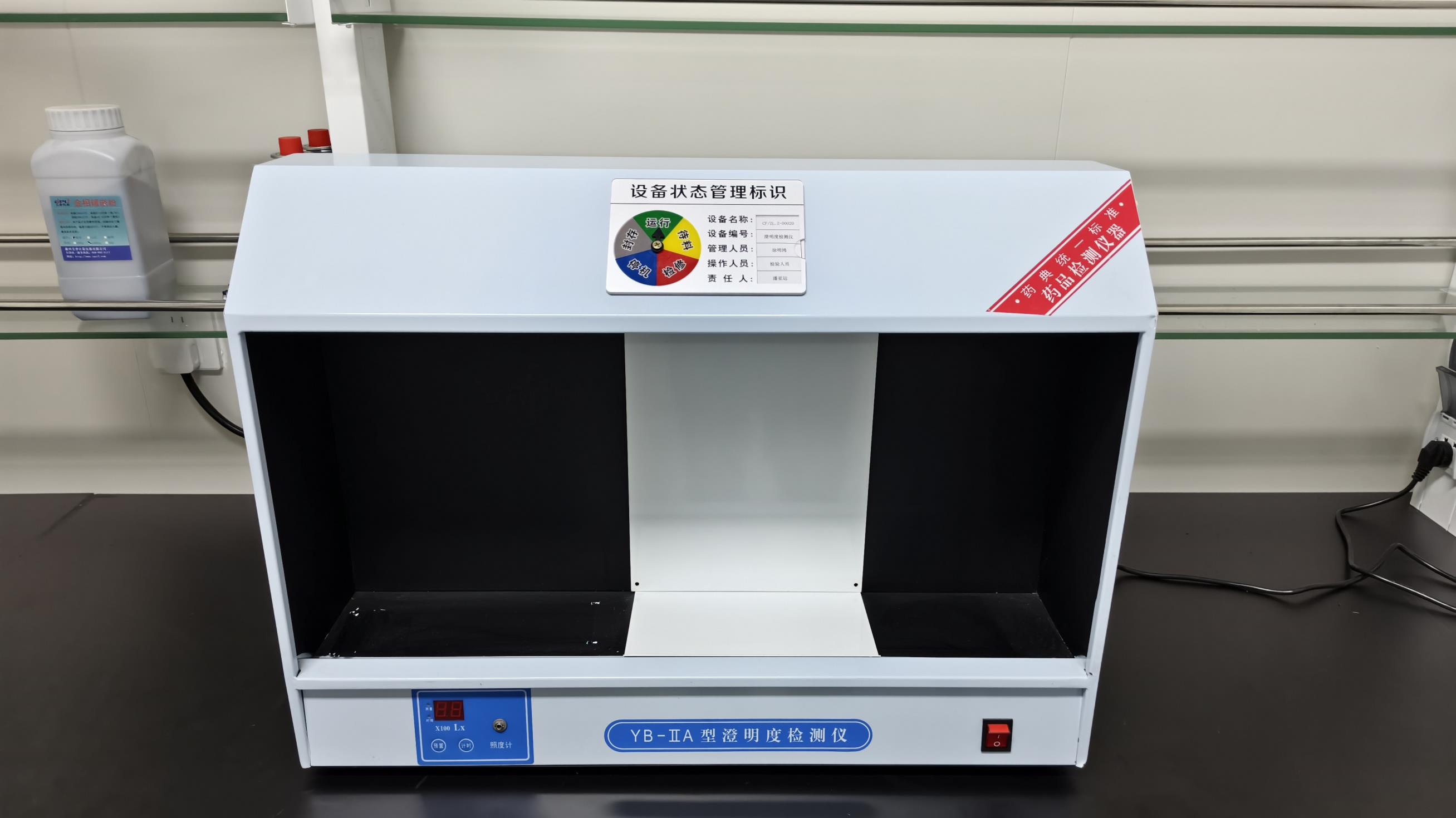
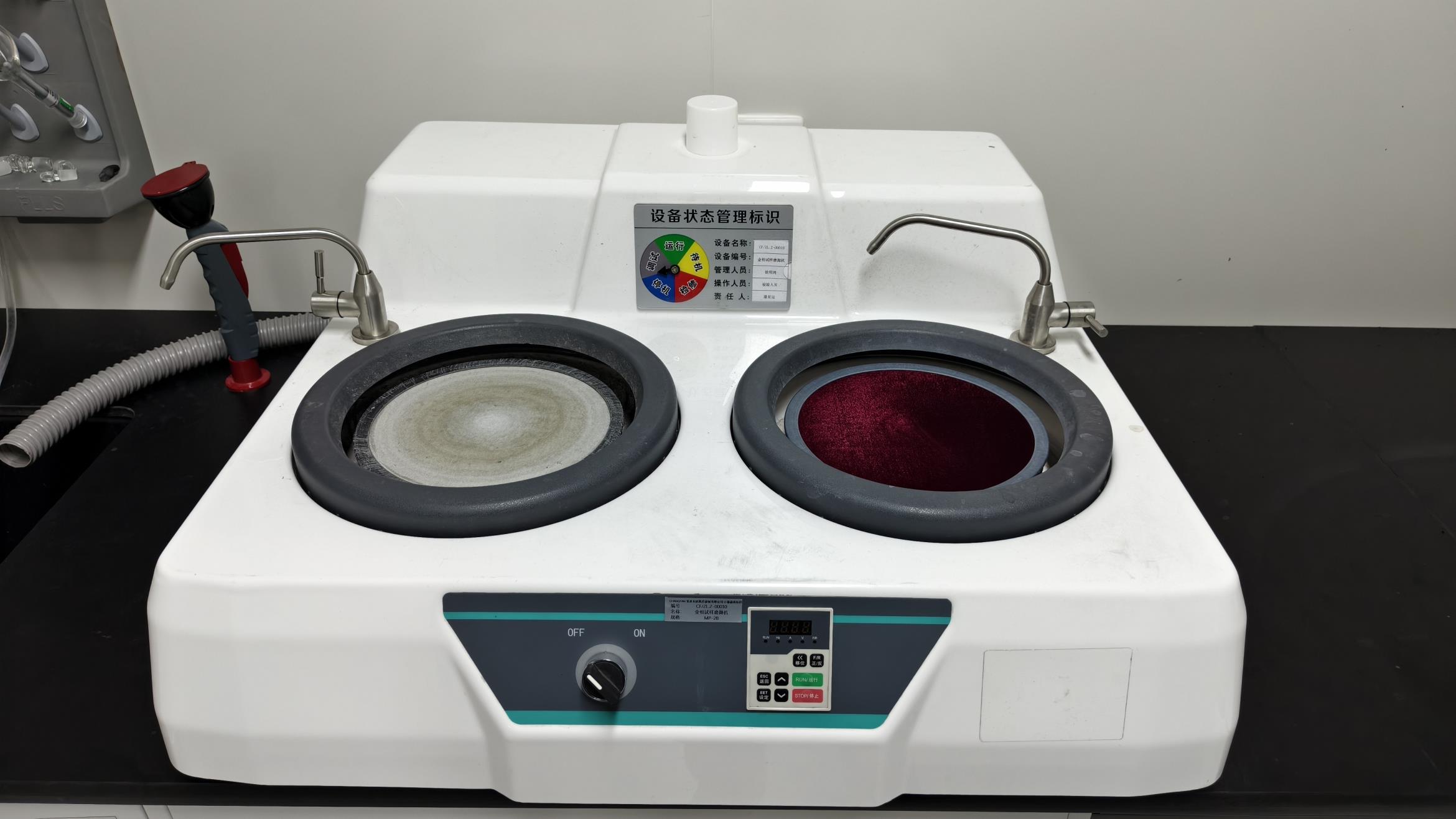
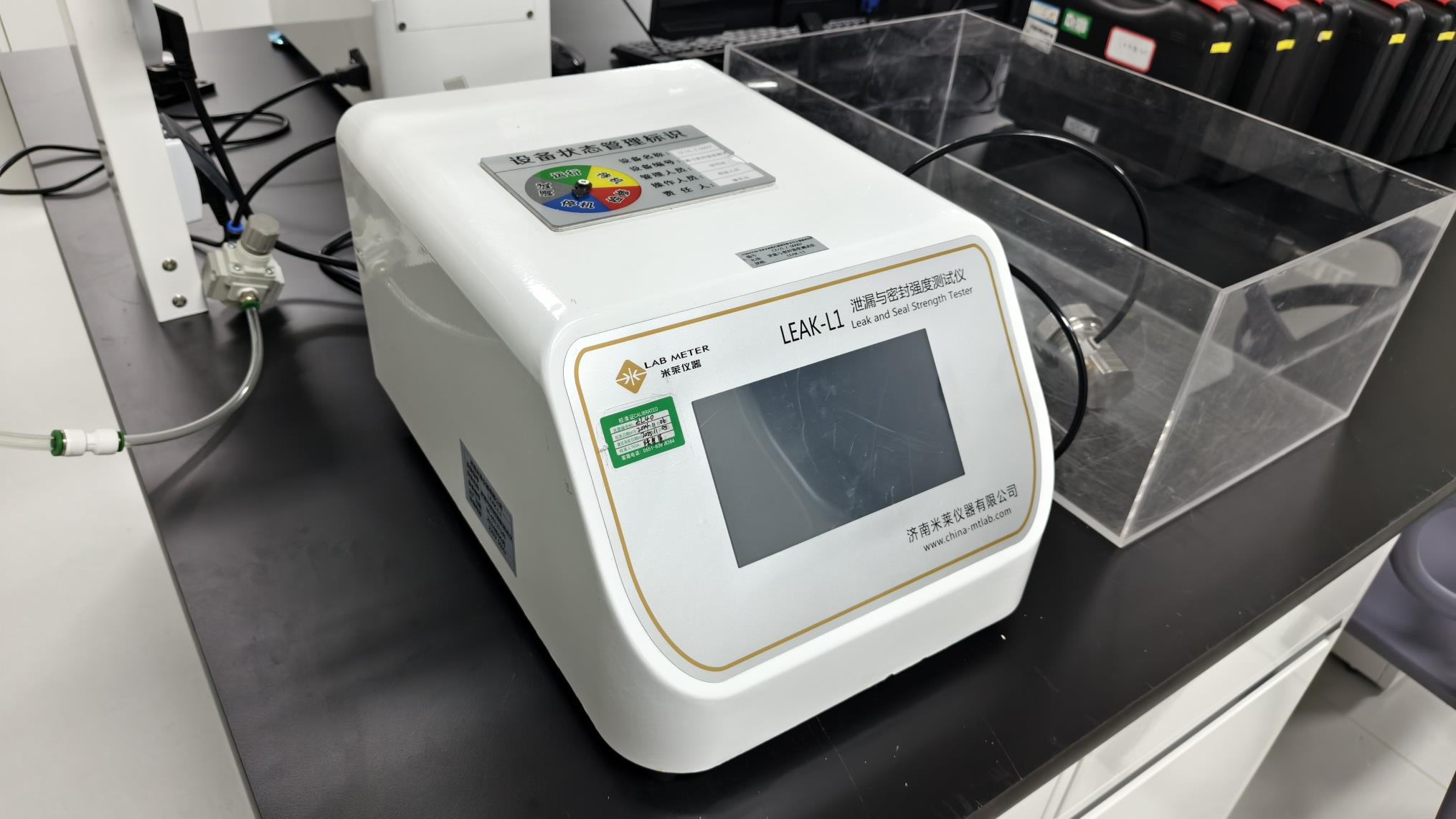
Pushing the boundaries of osteosynthesis with next-generation material science and patient-specific geometry.
Through advanced electrochemical anodization (Type II anodization) and acid-etching processes, we create a controlled micro-roughness on the plate and screw surfaces. This morphology encourages osteoblast attachment and increases bone-to-implant contact (BIC), leading to accelerated osseointegration.
Our variable-angle (VA) locking mechanisms allow locking screws to be angulated up to 15° off-axis. This flexibility is critical when addressing comminuted intra-articular fractures where targeting fragments without hitting adjacent hardware is crucial.
By optimizing the design profiles and introducing anatomical taper profiles, Synoviq implants match physiological stress distribution more closely. This reduces the risk of stress shielding (bone resorption due to overly rigid implants) and encourages natural bone healing.
Achieving high safety benchmarks to navigate MDR, FDA, and local registration requirements.
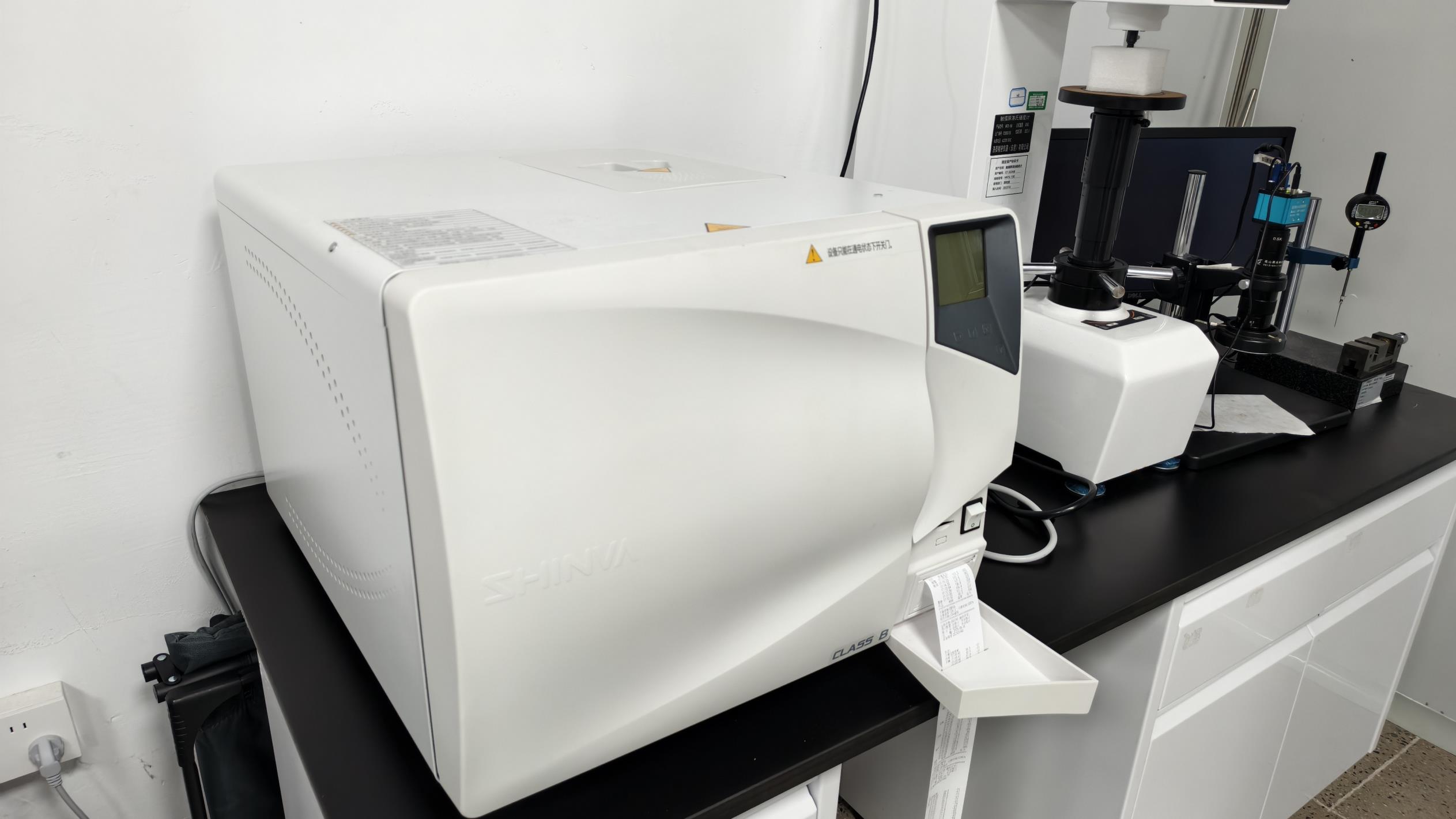
Launching orthopedic implants in strictly regulated medical markets requires rigorous documentation and traceability. Every batch of implants produced by Synoviq is linked back to the original heat number of raw titanium. Our laboratory runs destructive and non-destructive quality tests daily to ensure structural integrity and compliance with international standards.
All load-bearing implants undergo simulated biological load testing (up to 5 million cycles) in accordance with ASTM F382 and ISO 9585 standards. This validates safety against fatigue cracks, deformation, and implant breakage under high physical stress.
We work to align our Quality Management Systems (QMS) with ISO 13485 and European Union Medical Device Regulations (EU MDR 2017/745). This ensures smooth registrations for global medical device brands and hospital distributors.
Implants are processed through validated ultrasonic cleaning stations and packaged in Class 10,000 cleanrooms. Dual-sterile barrier pouches with chemical indicators ensure implant sterility up to the moment of surgery.
A visual summary of our global footprint and manufacturing capacity.
Answers to critical design, metallurgical, and distribution questions.
Select options for specialized extremity, reconstructive, and anatomical trauma surgeries.
 Synoviq Medical