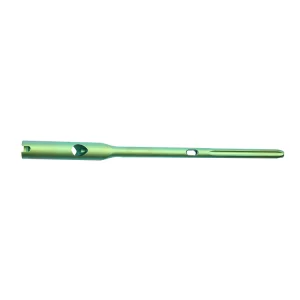
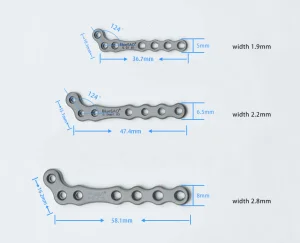
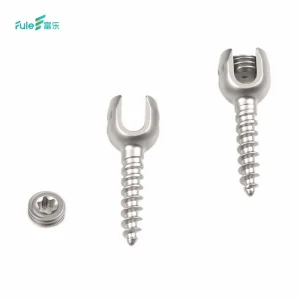
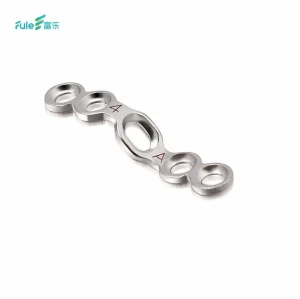
In modern orthopedic biomechanics, the development of intramedullary nails represents a significant advancement over open reduction and plate internal fixation. Today's reconstruction nails are designed to meet structural challenges encountered during high-energy trauma stabilization and geriatric osteoporotic skeletal restructuring. Engineered from high-strength Titanium Alloy (Ti-6Al-4V ELI) or Ultra-High Strength Cobalt-Chromium-Molybdenum alloys, these implants provide high fatigue resistance, superb osteointegration, and excellent biocompatibility profiles.
From an anatomical standpoint, reconstruction nails feature unique proximal configurations—often with dual integrated lag screws or dynamic helical blades—allowing surgeons to achieve stable head-neck fixation even in bone with compromised bone mineral density (BMD). As global healthcare systems face a growing aging population, the demand for stable, minimally invasive fixation options has accelerated, making reconstruction systems the standard of care for femoral neck and shaft fractures.
Years Industry Experience
R&D Engineers
Building Production Area
Annual Export Revenue
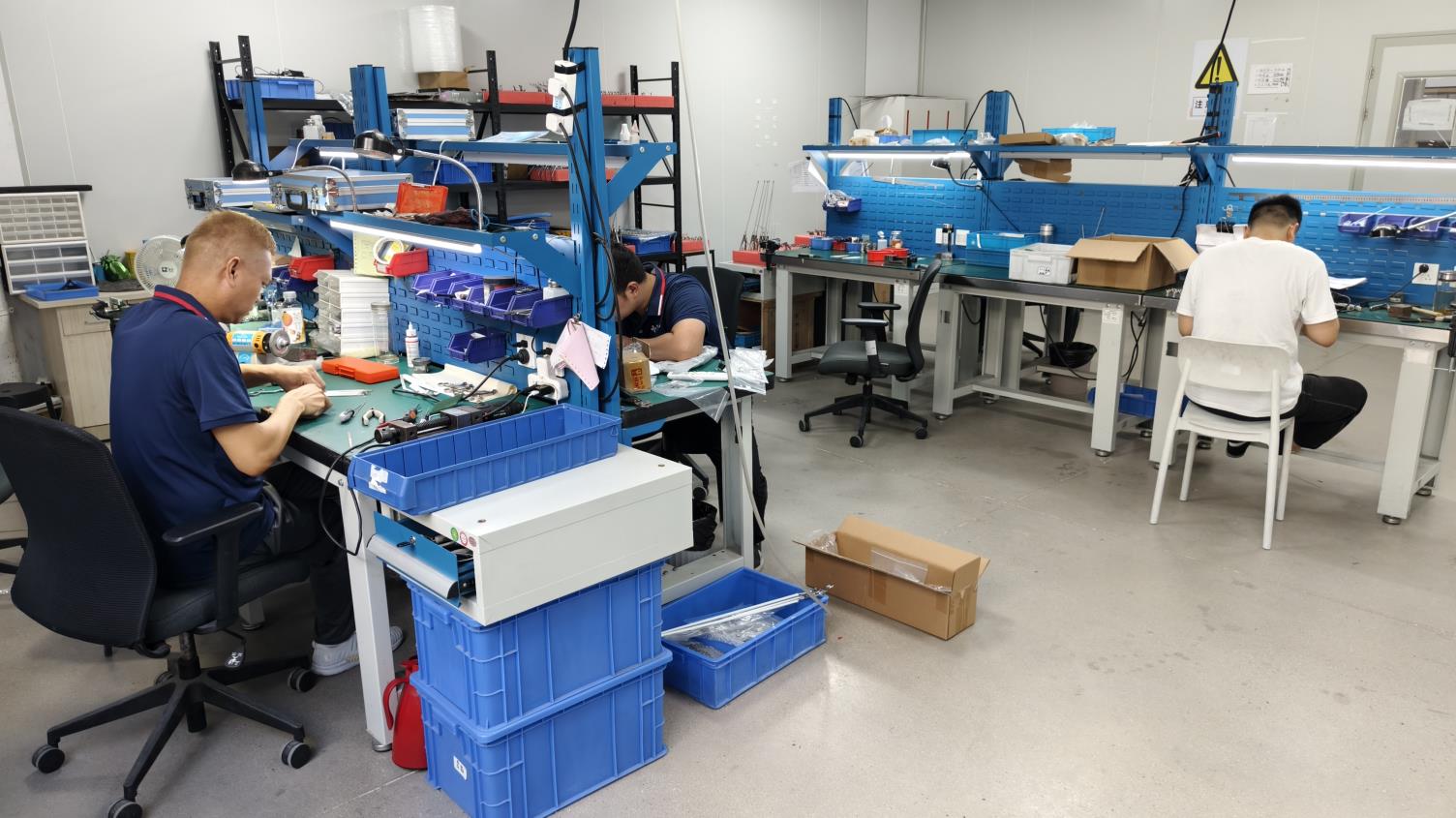
Synoviq Medical Technology (China) Co., Ltd. is a leading manufacturer of orthopedic implants and surgical instruments. We deliver innovative, reliable, and high-quality medical solutions to healthcare professionals worldwide. Since our establishment, Synoviq has focused on research, development, precision manufacturing, and compliance with international quality standards. We offer OEM and ODM services to global medical device brands, distributors, and hospitals.
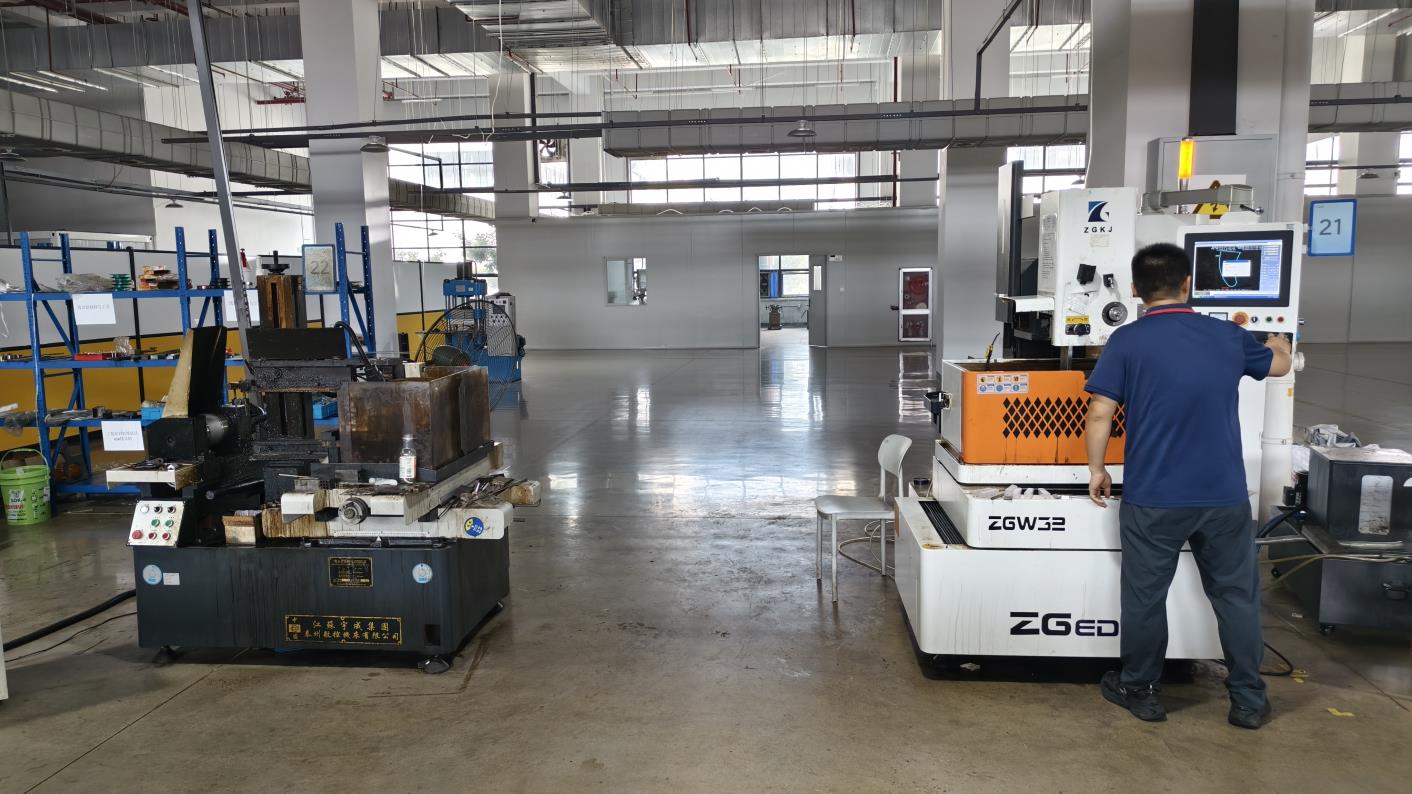
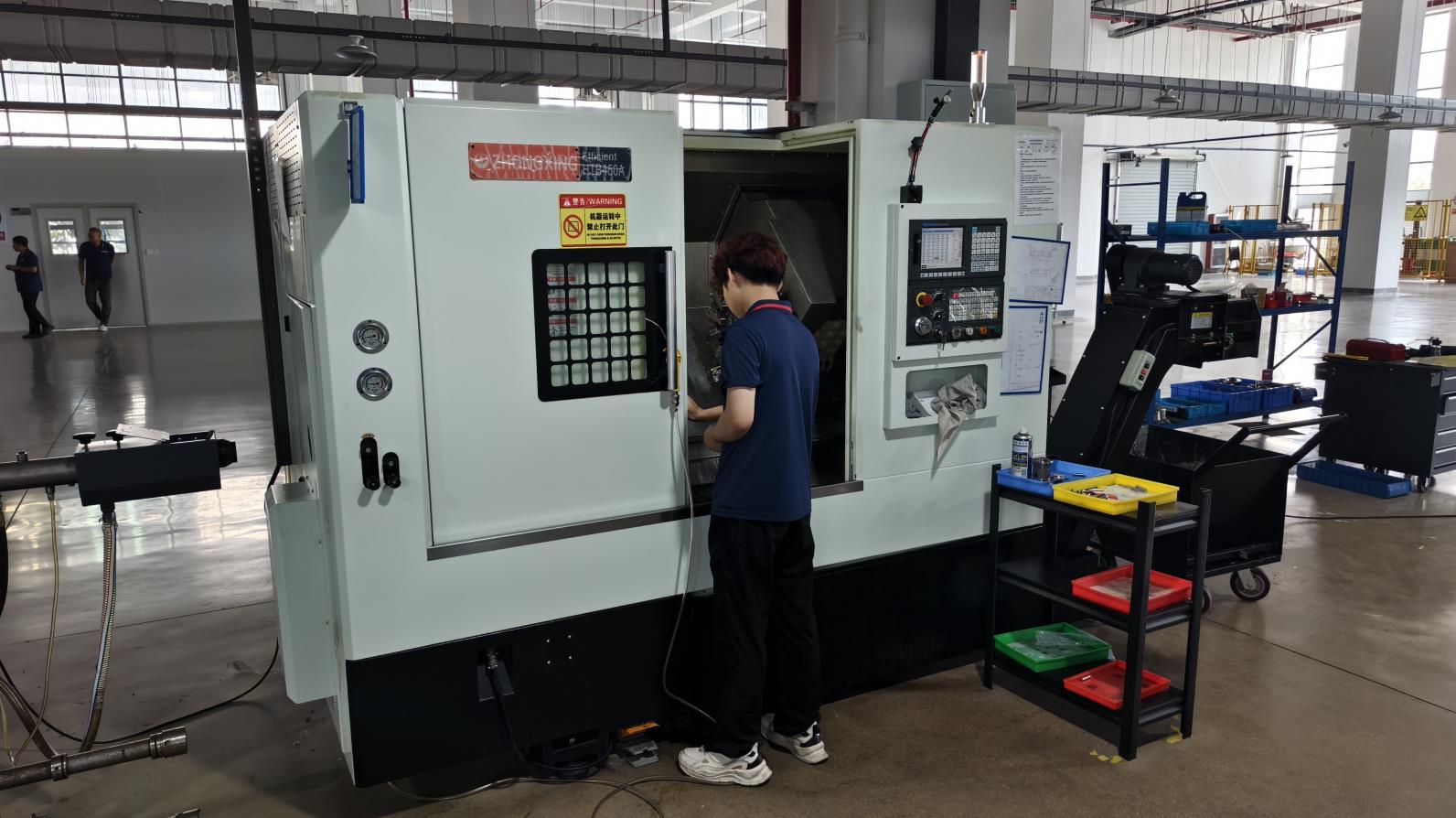
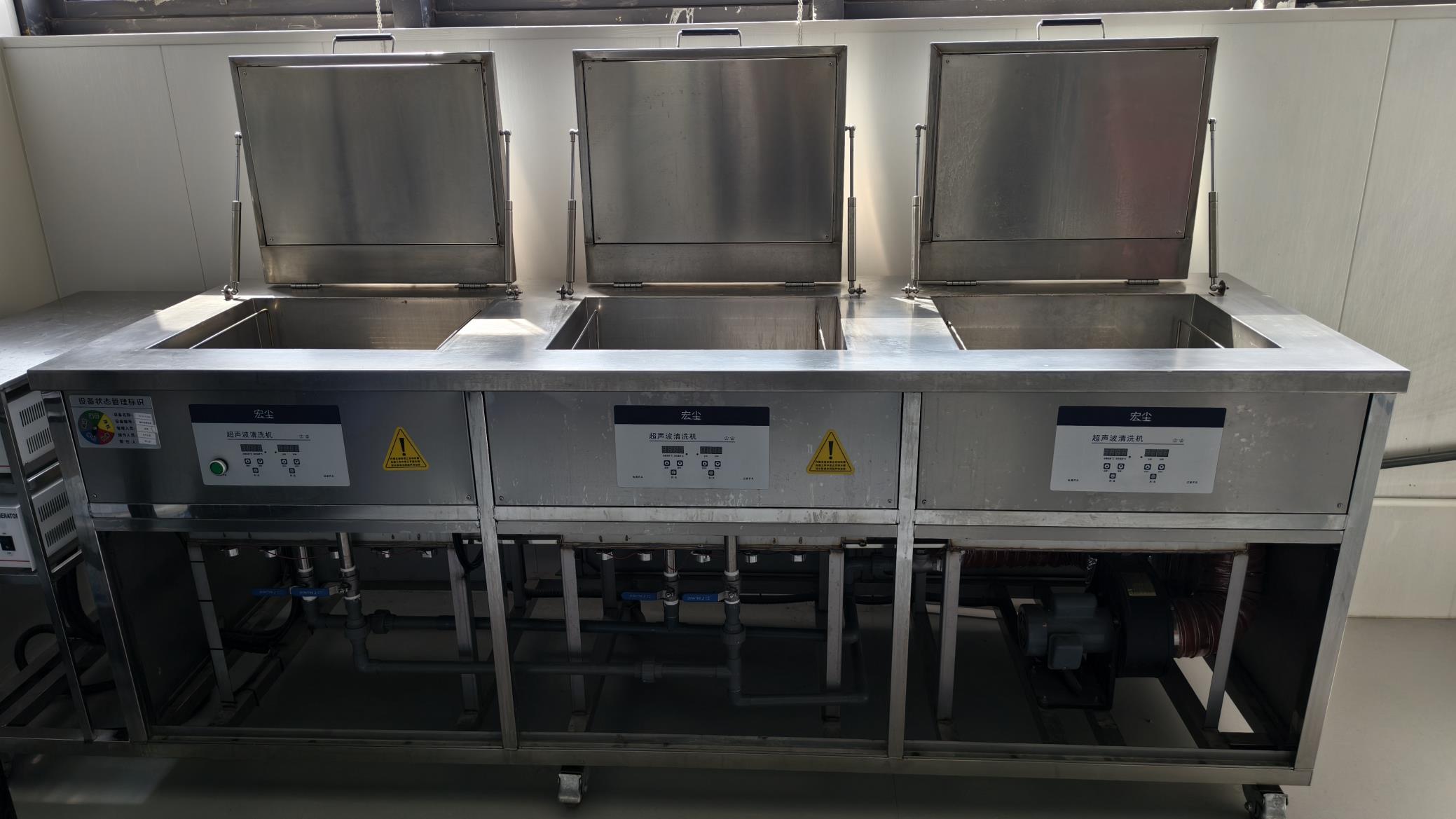
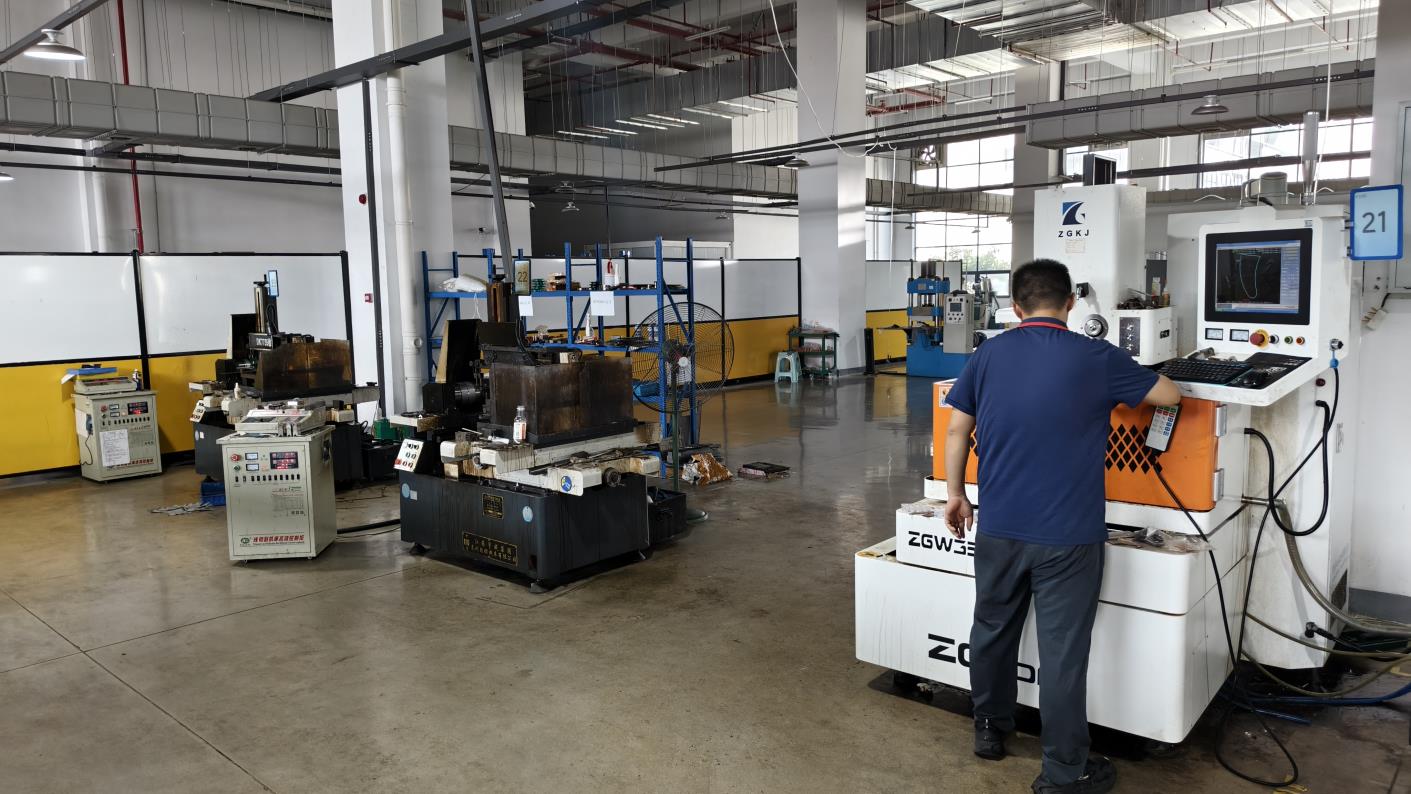
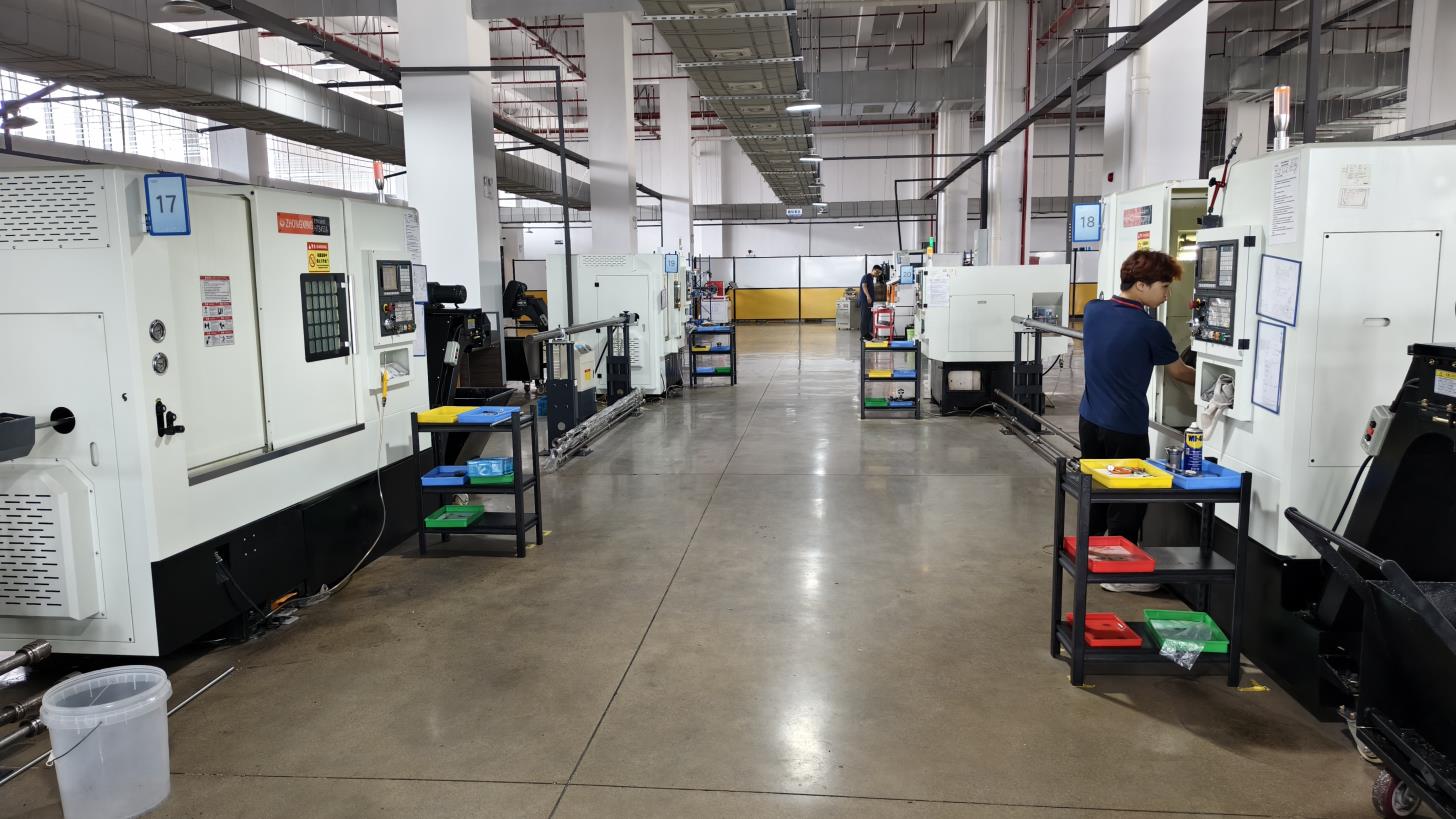
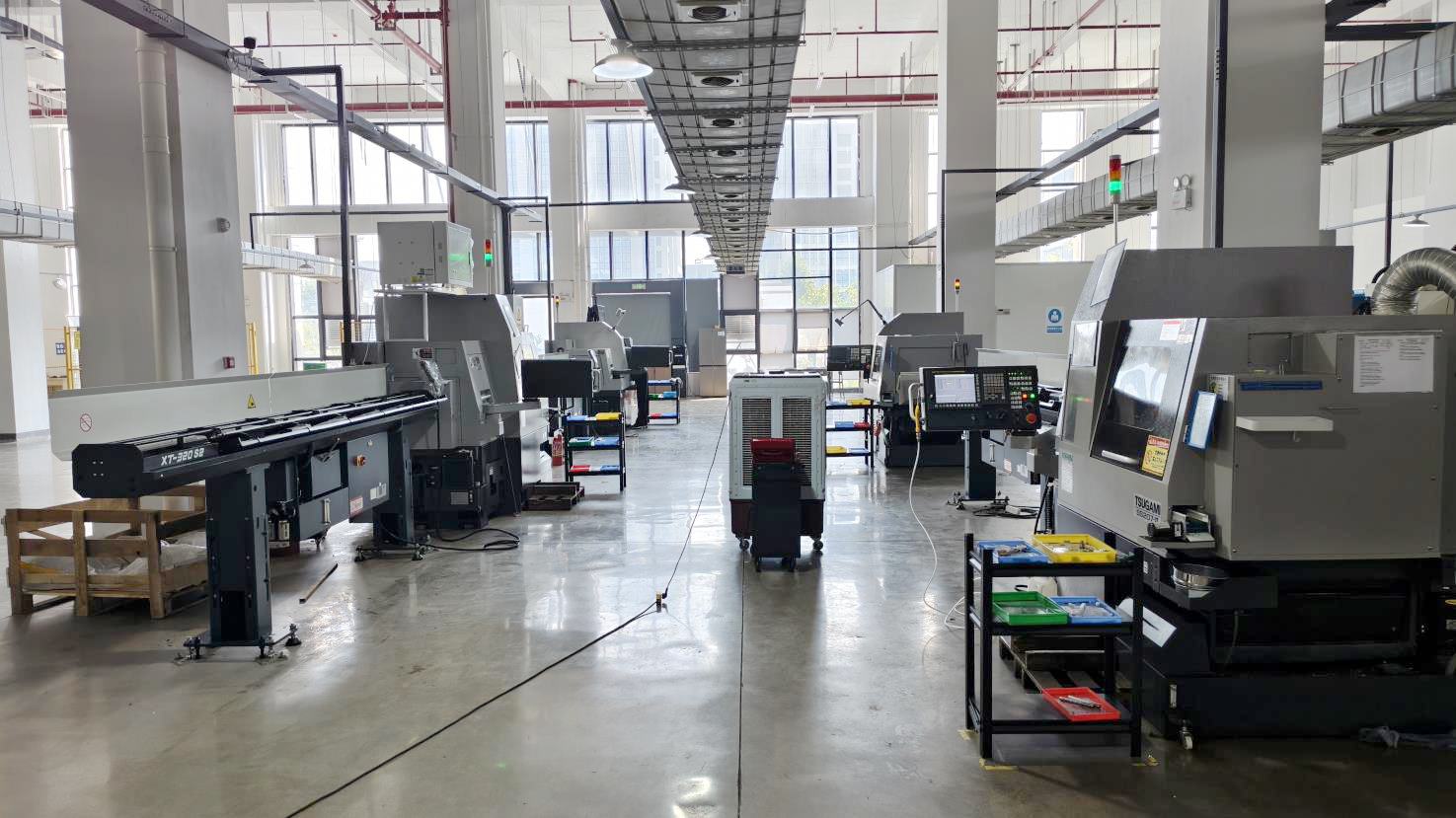
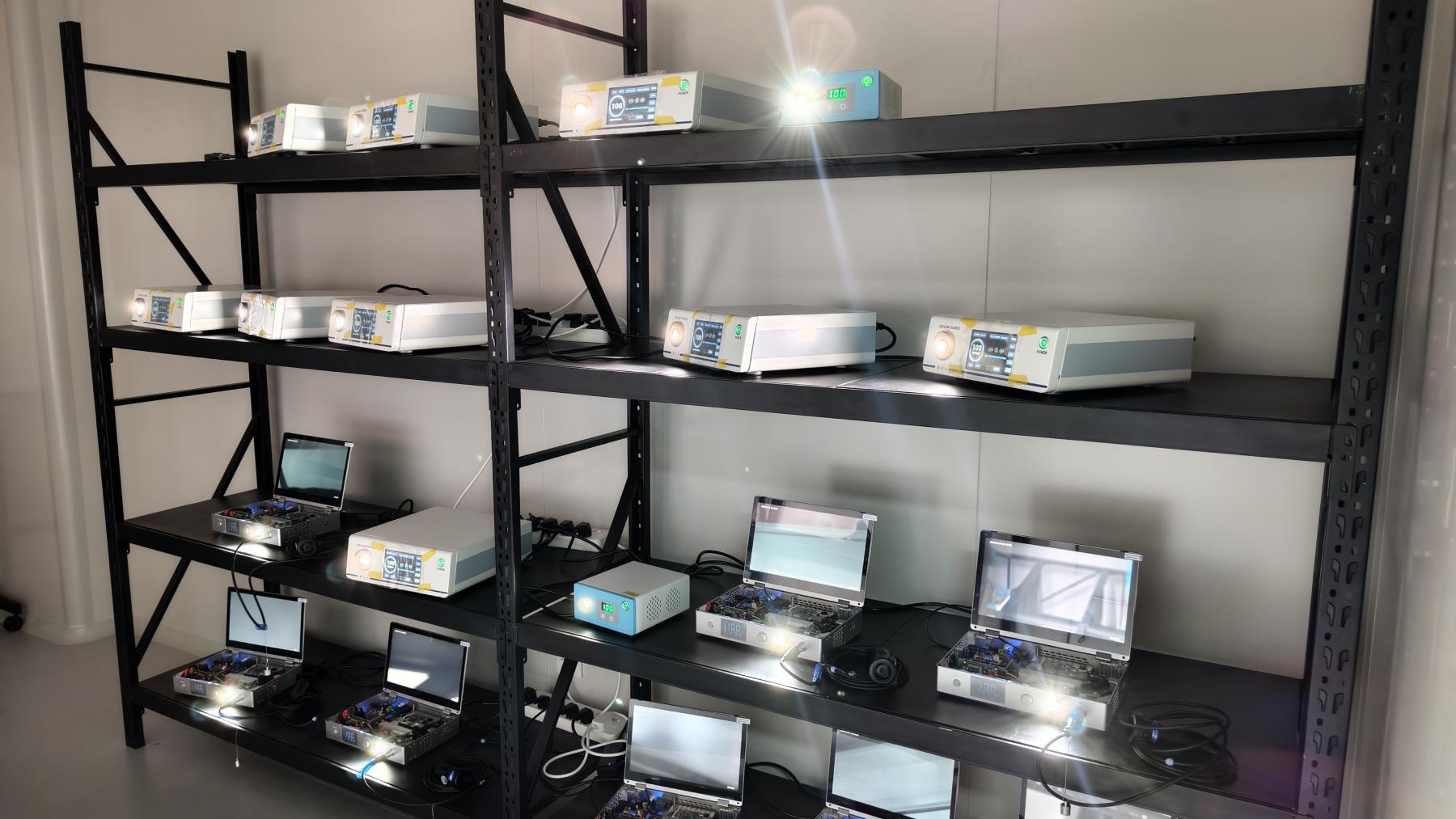
Our product portfolio includes trauma fixation systems, spinal implants, locking plates, intramedullary nails, external fixation systems, orthopedic screws, surgical instruments, and customized orthopedic solutions. Equipped with advanced CNC machining centers, precision inspection equipment, and modern cleanroom facilities, we ensure that every product meets strict international requirements.
| Specification Parameter | Details & Operational Standards |
|---|---|
| Company Name & Brand | Synoviq Medical Technology (China) Co., Ltd. (Synoviq) |
| Established Date | March 18, 2016 (14 Years Industry Legacy) |
| Production Capacity & Facility | 18,600 m² modern manufacturing plant |
| Annual Export Revenue | USD 21.8 Million with 8+ years export experience |
| Quality Assurance & Controls | 100% Final Inspection & Incoming Material Inspection (48 Quality Staff) |
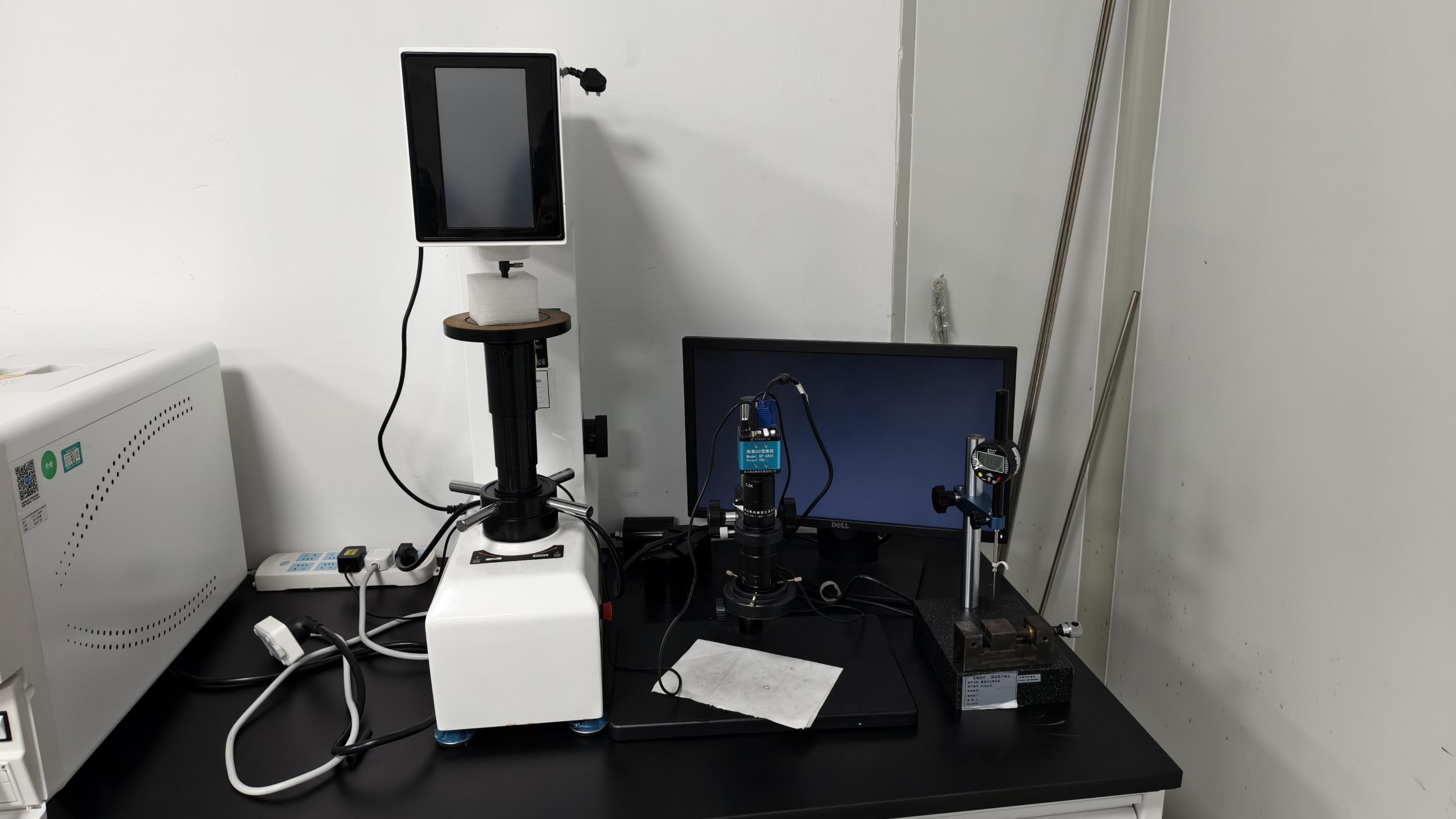
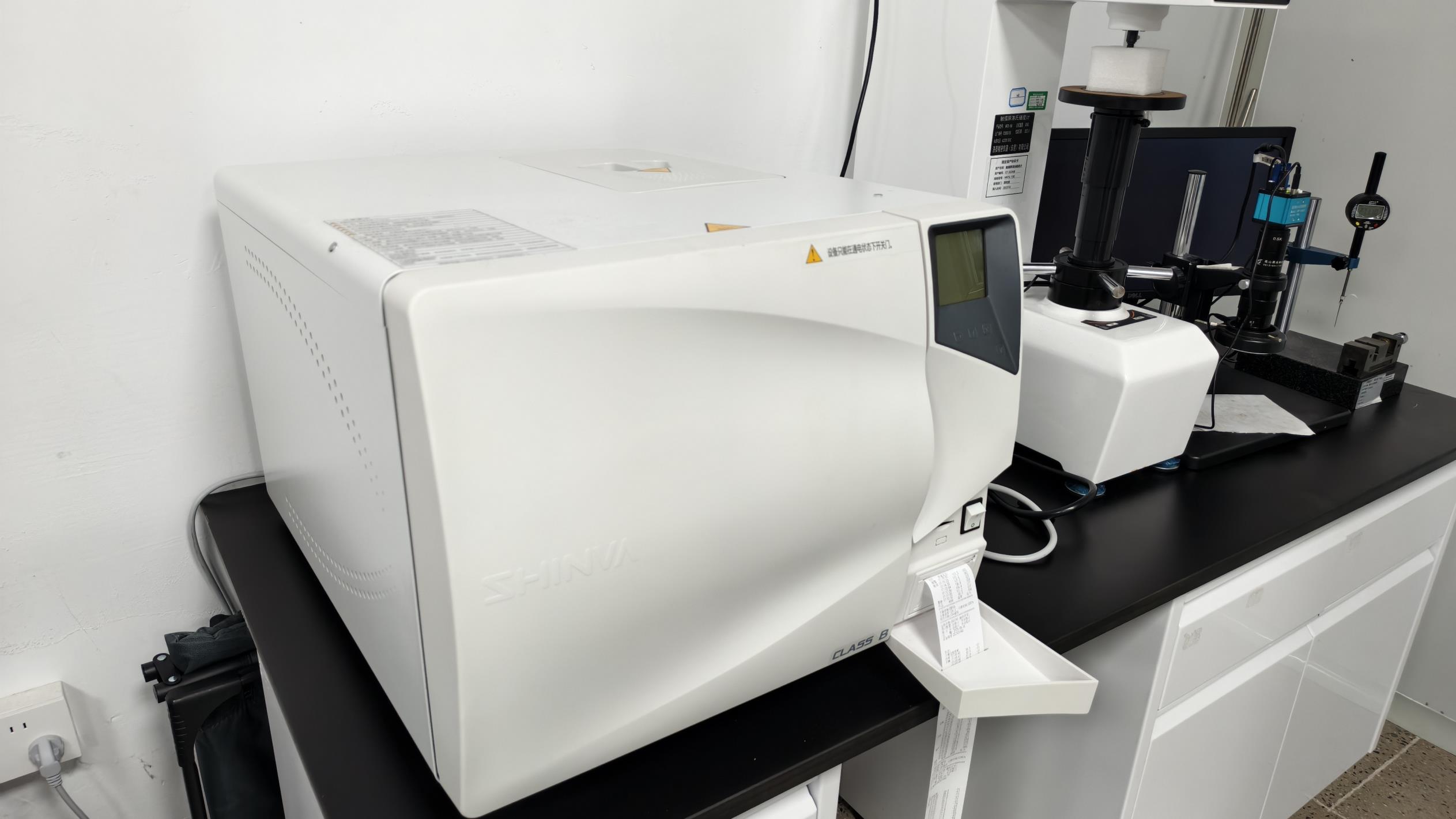
| Product Validation Methods | CMM Measurement, Mechanical Testing, Surface Roughness, Hardness, Salt Spray, Sterility Validation |
| R&D Strength | 76 Dedicated Engineers, 186 New Products Released Last Year |
| Core Business Models | OEM / ODM development, private label packaging, customized design & coatings |
| Primary Target Markets | Europe, North America, South America, Middle East, Southeast Asia |
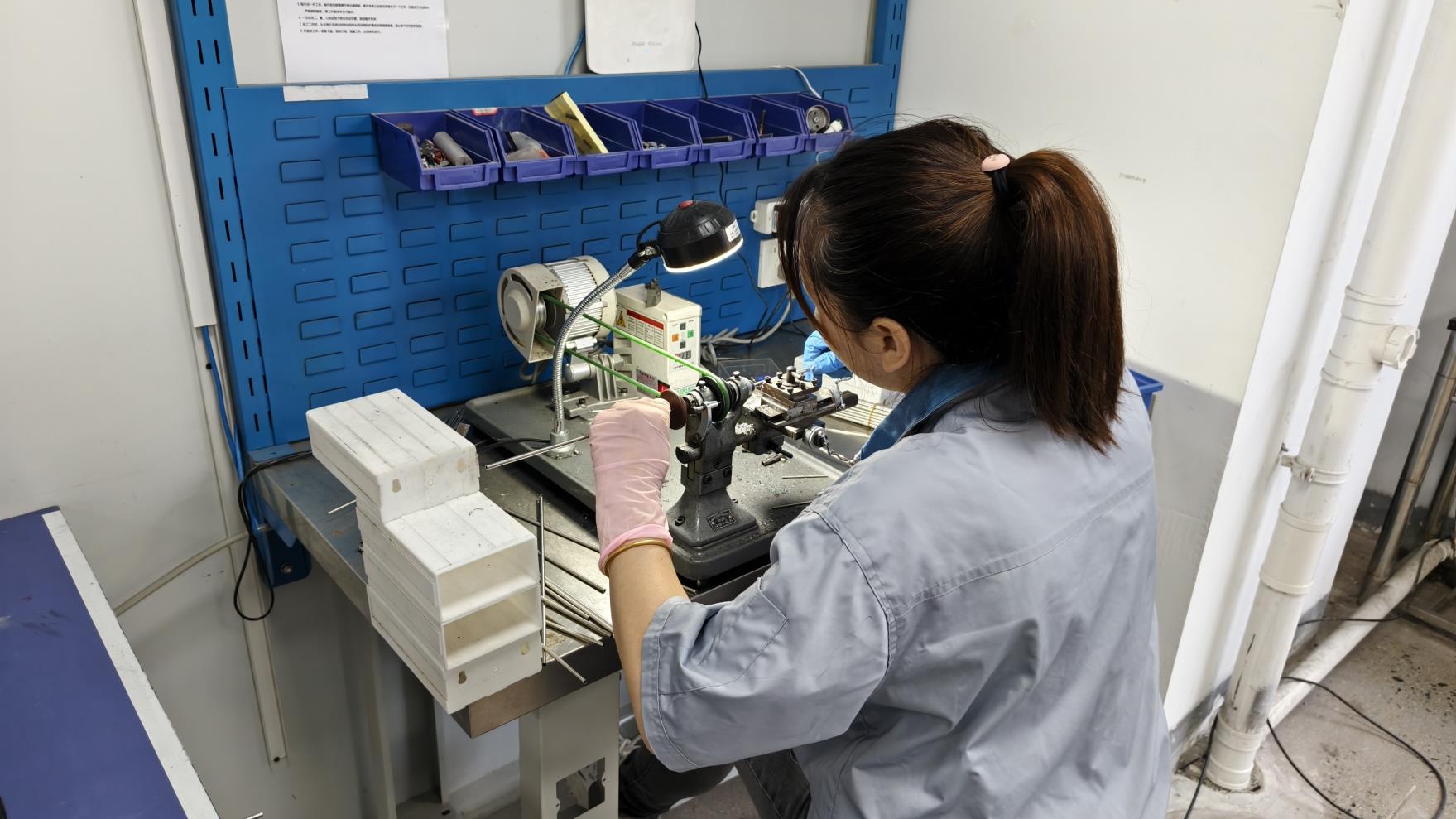
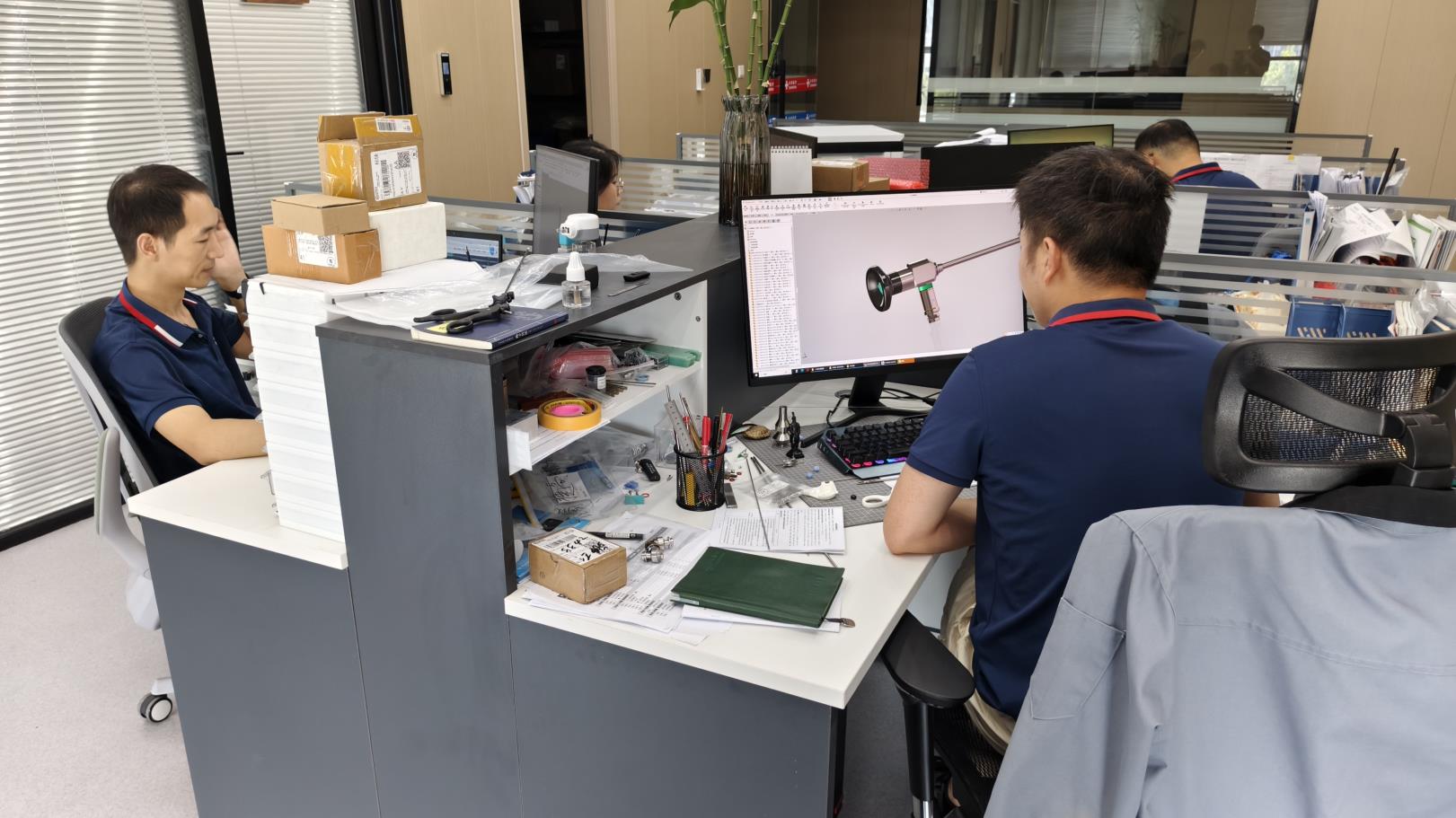
Orthopedic implants require high dimensional accuracy and surface integrity. Synoviq uses Swiss-type lathes, multi-axis machining centers, and automated 2D measuring machines to guarantee micron-level precision across our entire catalog.
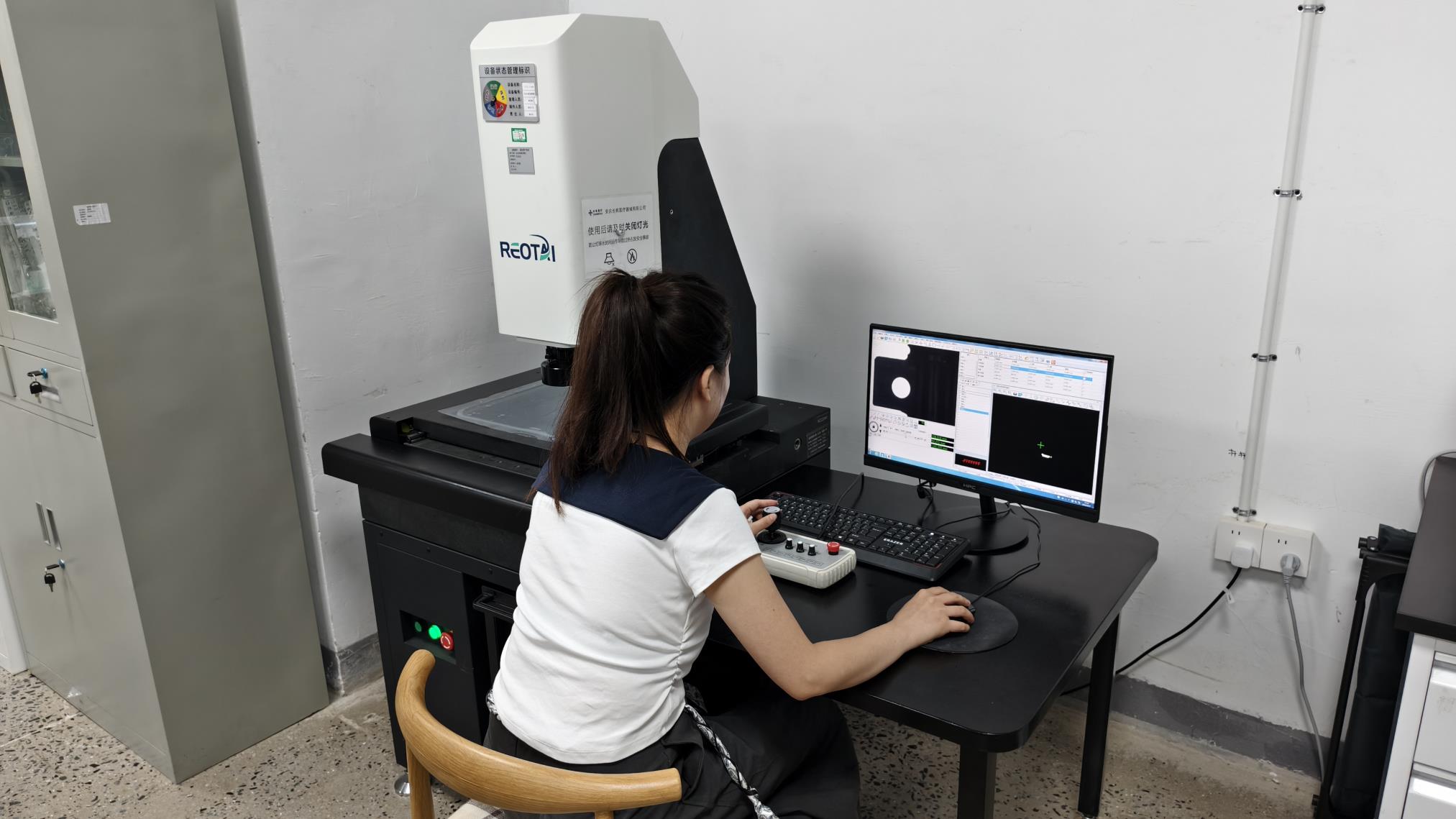
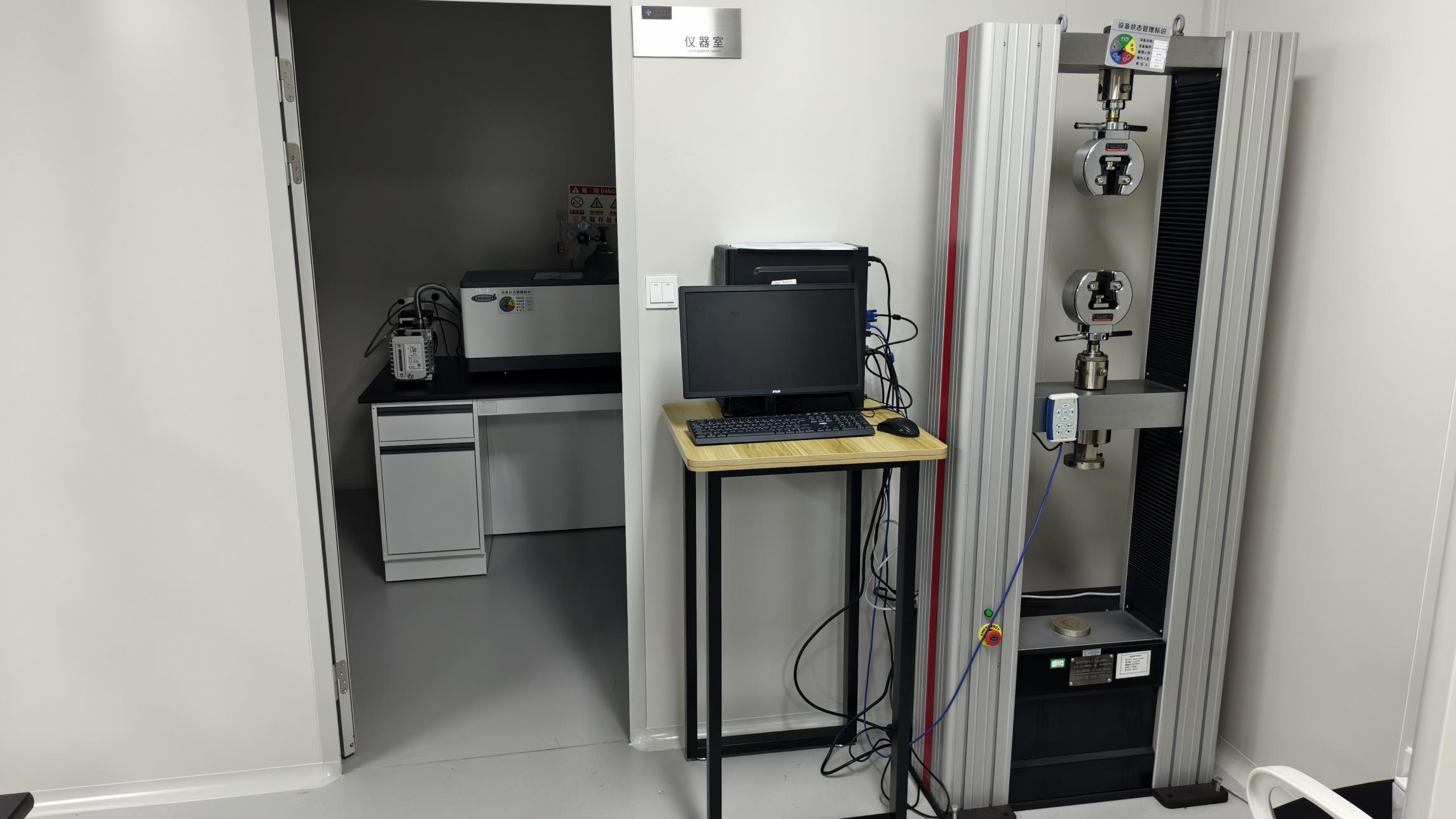
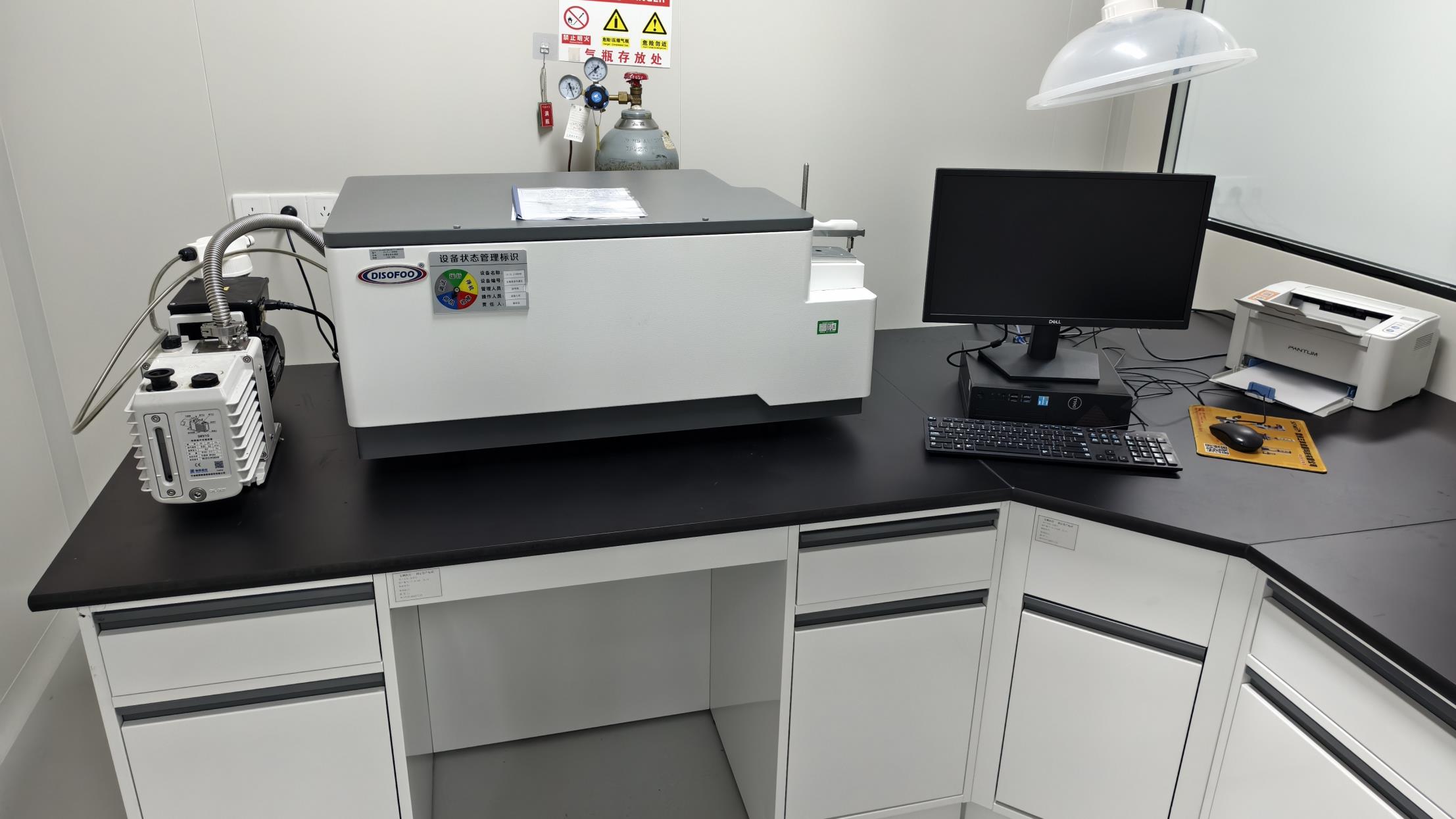
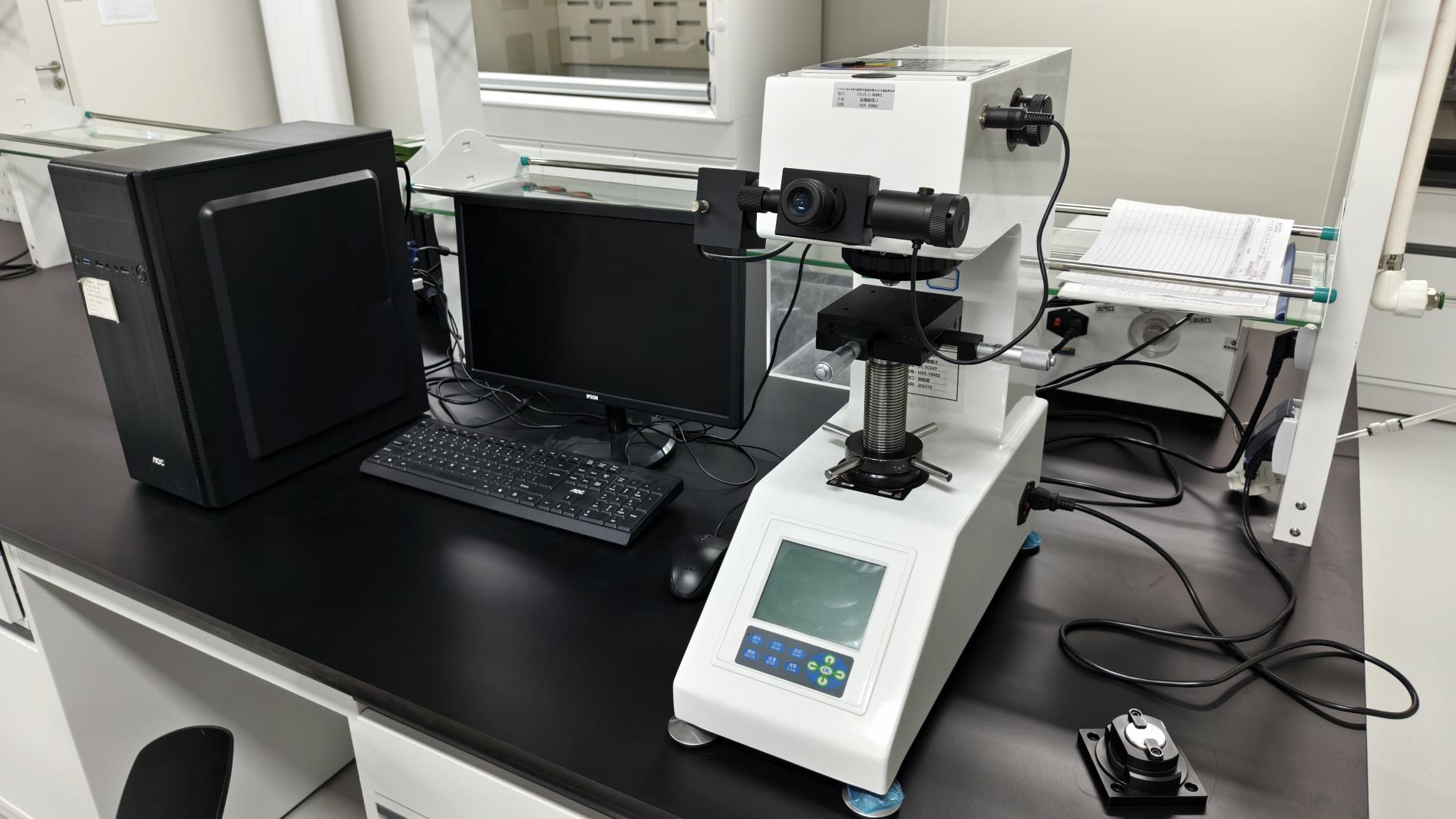
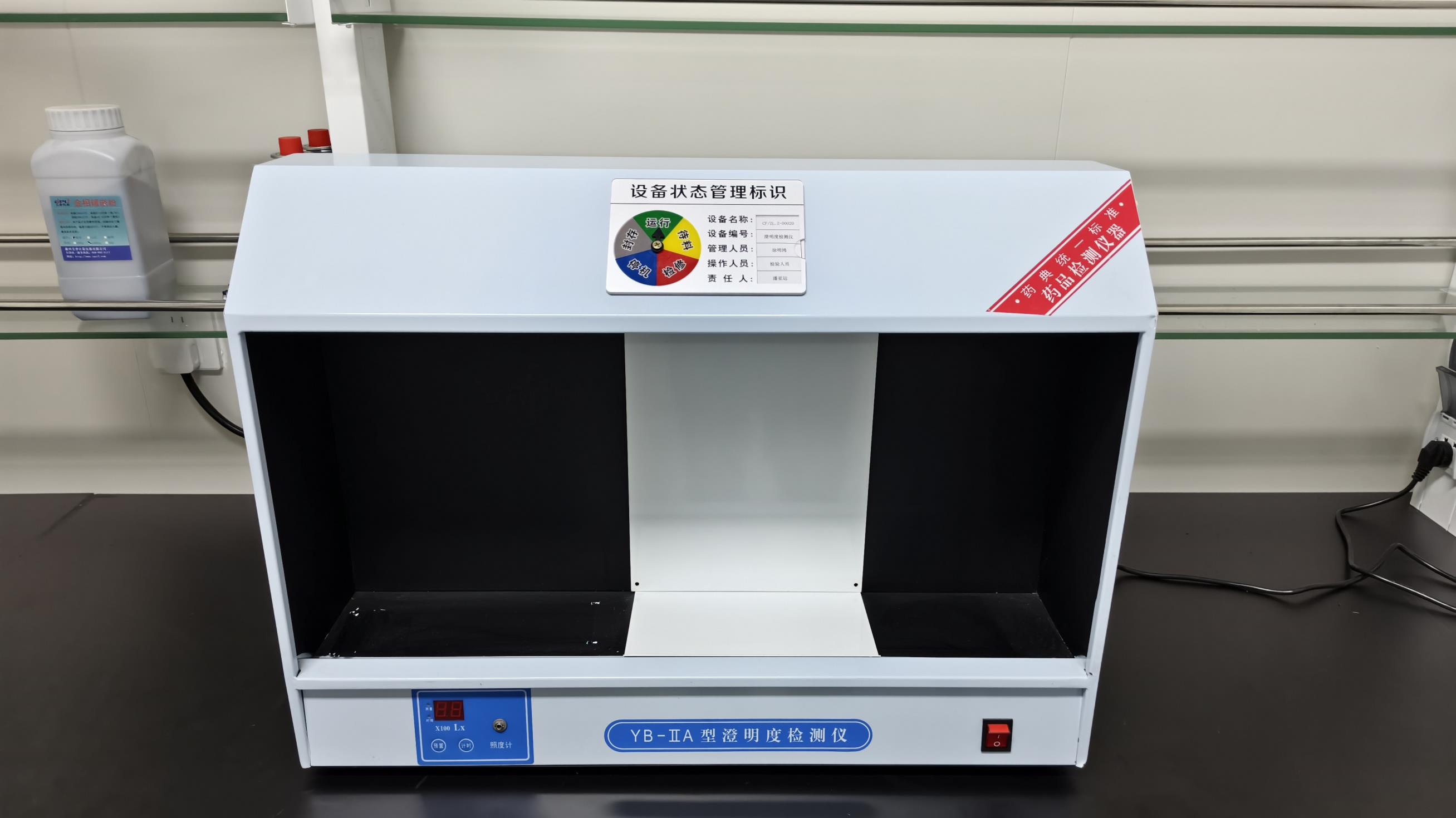
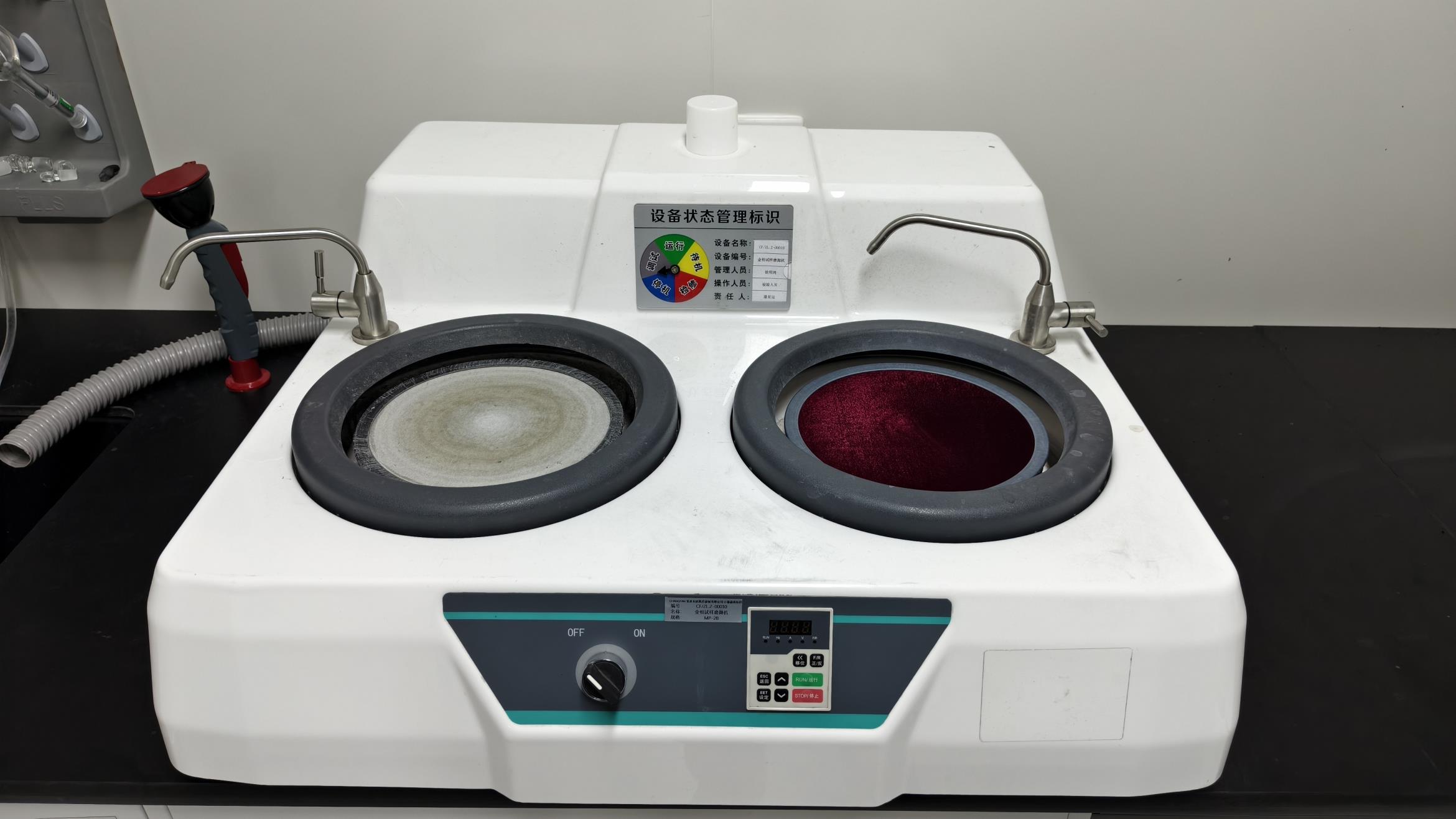
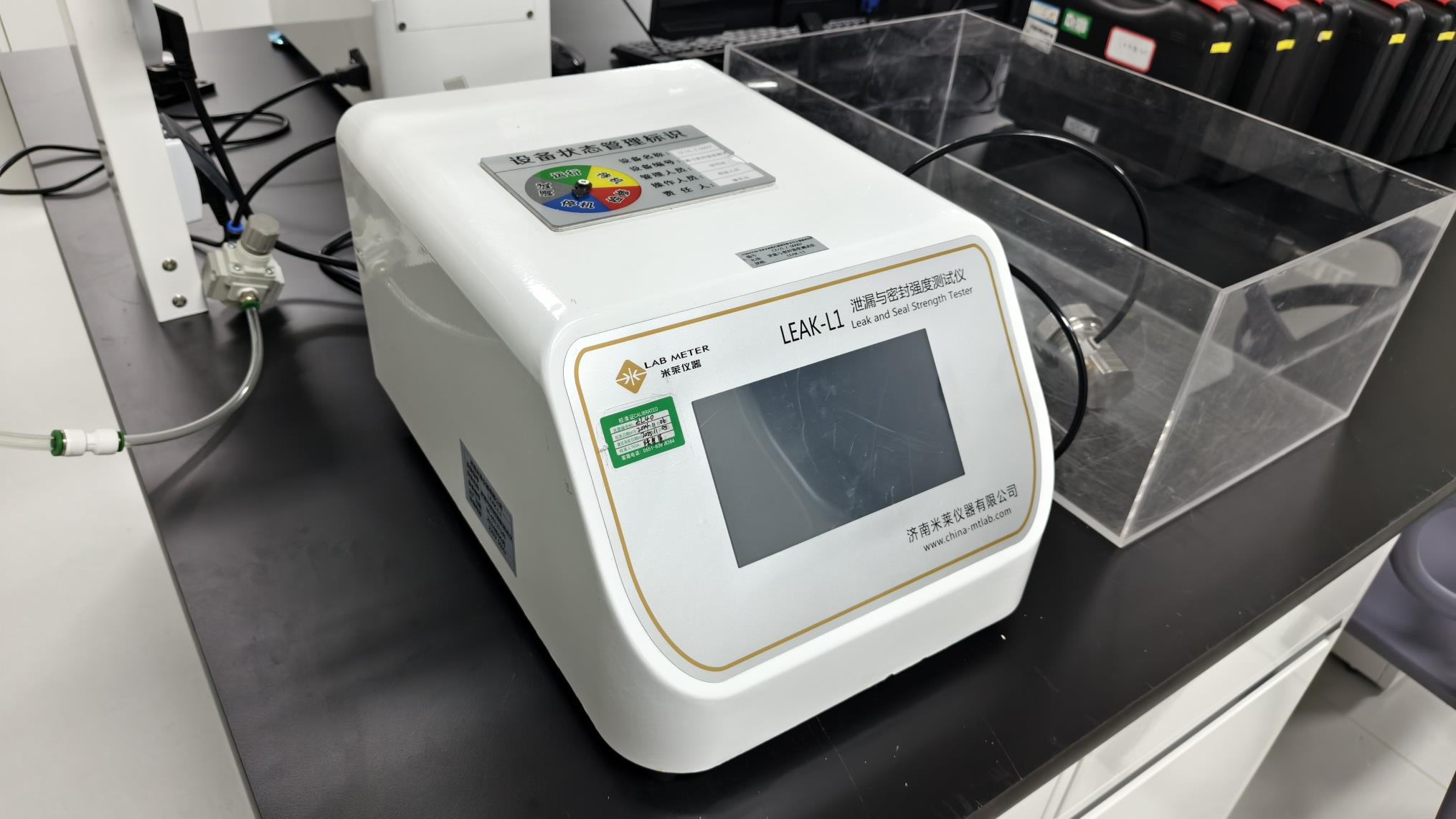
The global orthopedic intramedullary nail market is projected to expand significantly, driven by a rising incidence of vehicular accidents, falls in geriatric populations, and the adoption of minimally invasive surgeries. In highly regulated healthcare environments like the USA, EU, and parts of the Asia-Pacific region, intramedullary nails are classified as Class III or Class IIb medical devices. This classification requires strict manufacturing standards, material traceability, and biological safety testing.
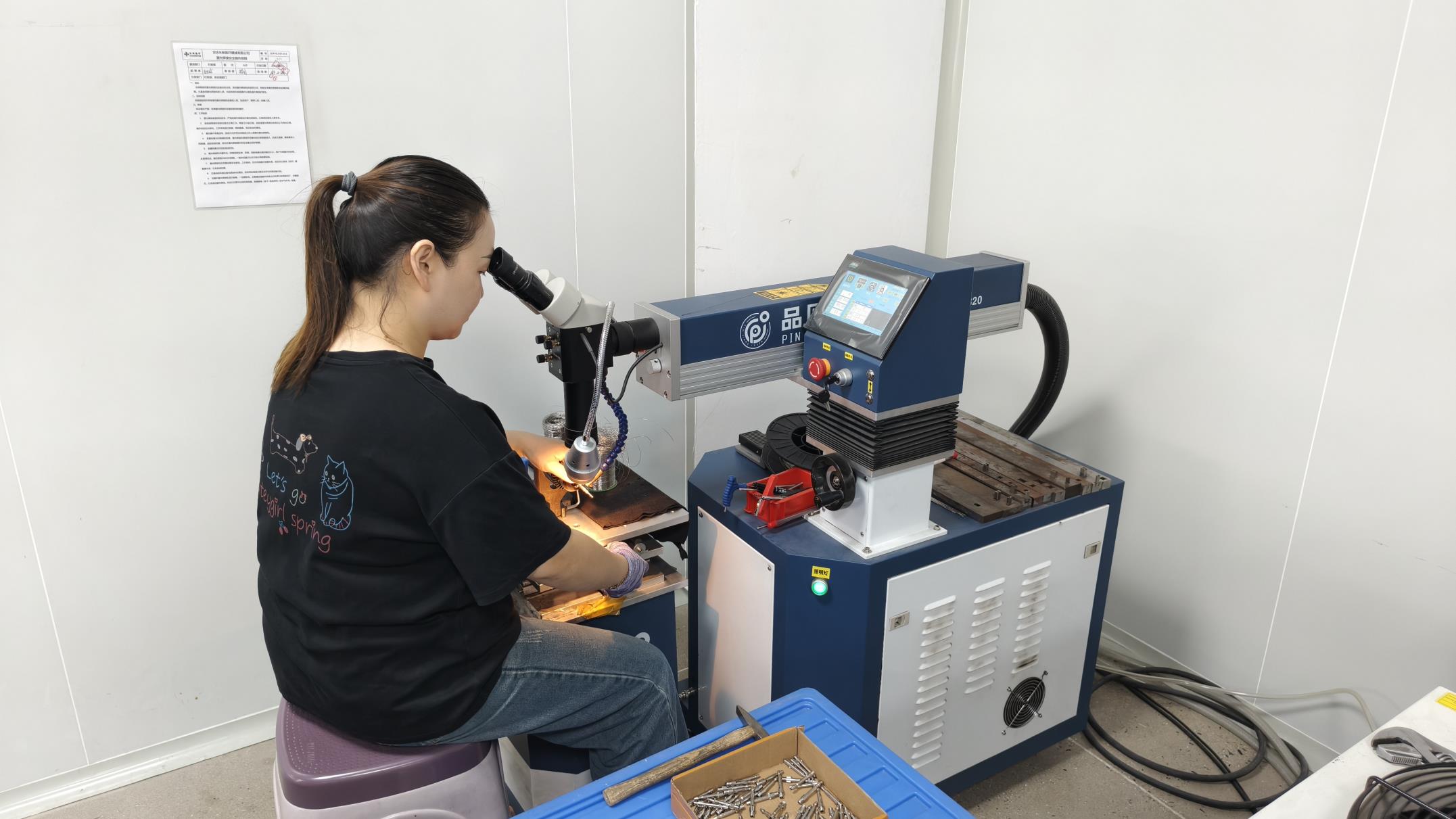
Every reconstruction nail manufactured in China must feature micro-laser etched UDI (Unique Device Identification) codes. This facilitates tracking from raw medical-grade titanium rods to final surgical implantation. Under ISO 13485 quality systems, raw material chemistry and mechanical fatigue characteristics must be verified for each batch.
Biological response relies heavily on surface topography. Type II anodization and acid-etching treatments are utilized on modern reconstruction nails to reduce post-operative infection risks, minimize metal ion release, and promote stable mechanical locking within the intramedullary canal.
With an increase in complex revision procedures, standard off-the-shelf nails may not fit deformed medullary cavities. The industry has shifted toward patient-specific intramedullary implants, manufactured using advanced 3D scanning, structural simulation, and multi-axis CNC machines.
To remain competitive globally, Synoviq follows a comprehensive manufacturing roadmap that integrates digital modeling, high-precision machining, and validation testing.
Using advanced biomechanical simulation software, our design office models stress distribution and fatigue limits for reconstruction nails. This simulation ensures that stress concentrations are minimized, specifically around the proximal lag screw entry points.
We use automated Swiss-type lathes to machine complex implant profiles. This equipment produces precise distal locking holes, inner cannulation, and proximal locking threads in a single setup, minimizing dimensional deviations.
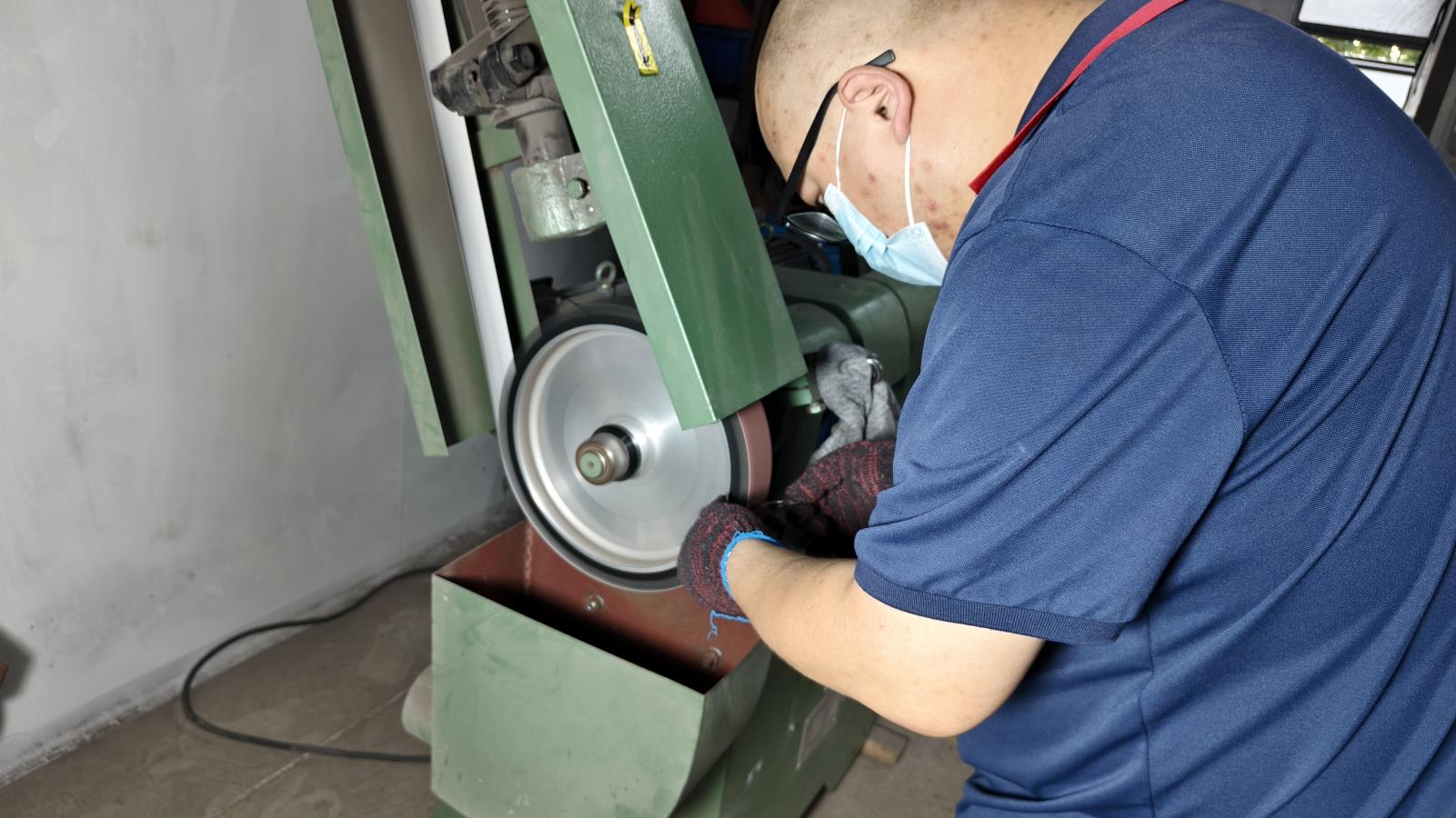
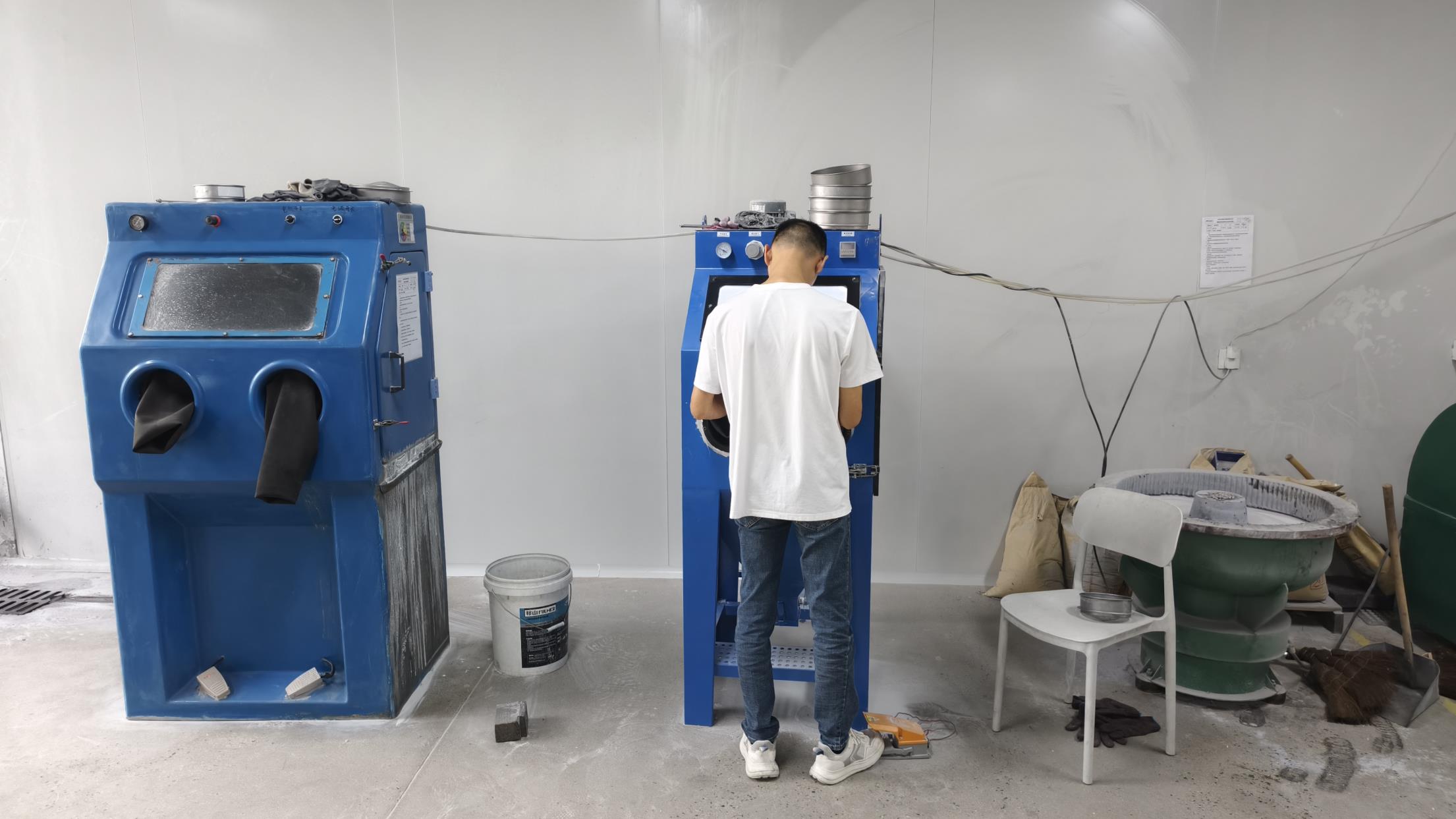
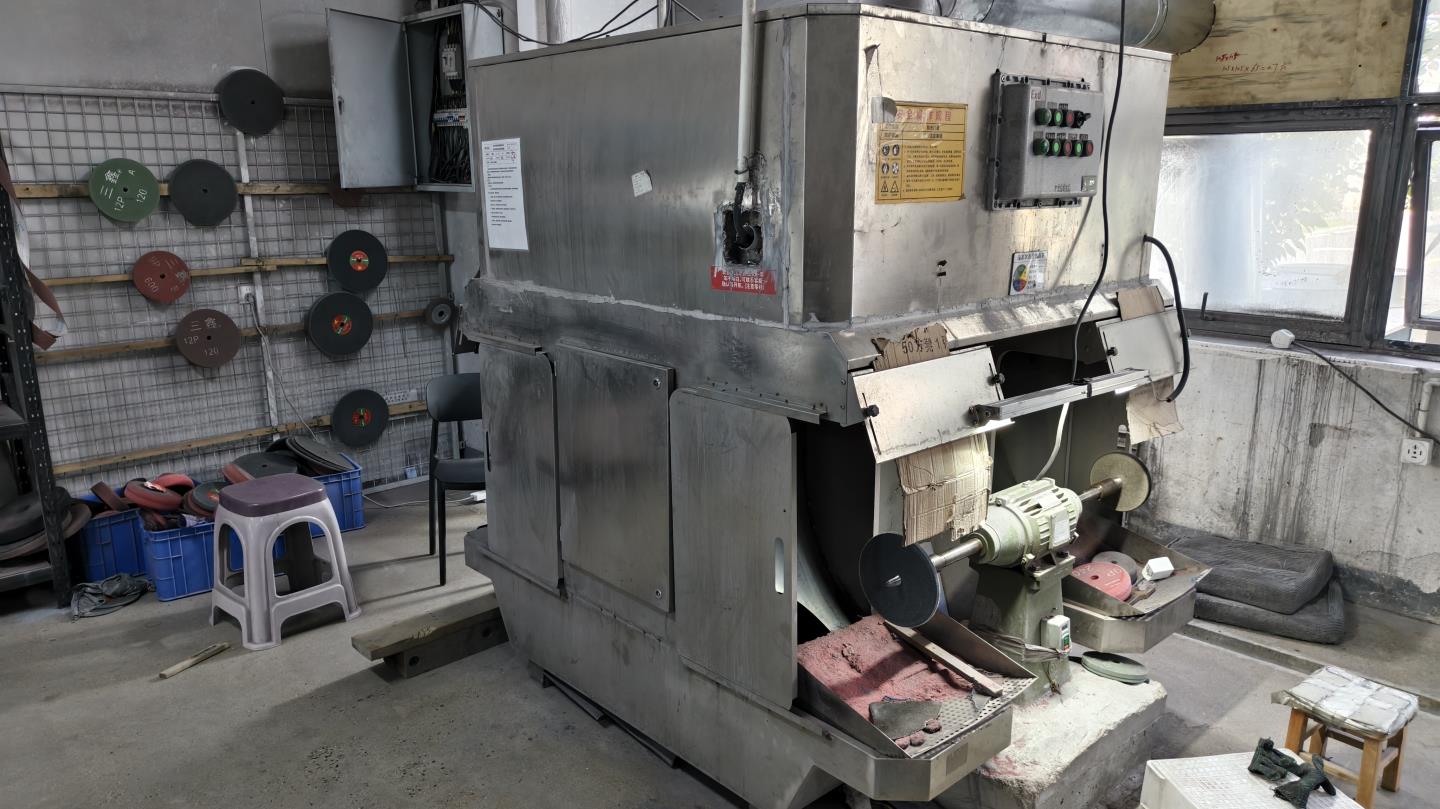
Following machining and dynamic polishing, implants undergo electro-chemical cleaning and acid passivation. This removes micro-burrs and forms a stable titanium dioxide (TiO2) layer, which is essential for biocompatibility and preventing corrosion.
Implants undergo structural assessment, including static and dynamic fatigue tests (under ASTM F1264 and ASTM F382 standards). This testing ensures that nails can withstand cyclic walking loads without structural failure before bone union is achieved.
Depending on regional healthcare systems and patient demographics, the requirements for reconstruction intramedullary nails can vary:
In developing regions, cost-effective solutions are essential. Distributors need standardized trauma systems with reliable surgical instruments to support hospitals and clinics without access to complex custom options.
In regions with higher aging demographics, reconstruction nails must accommodate fragile bone structures. Features such as integrated cement augmentation options in the femoral head and dual interlocking helical blades help prevent implant cutout.
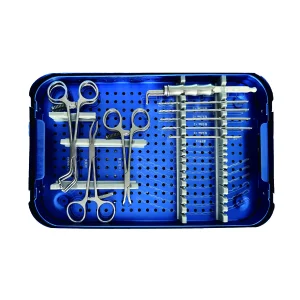
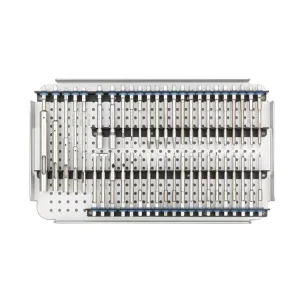
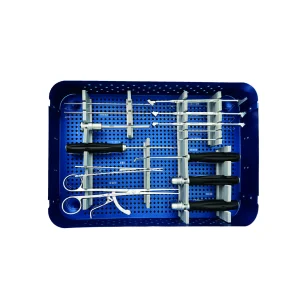
For high-volume emergency trauma centers, modular instrumentation sets are vital. Having streamlined surgical guides, broken screw extractors, and carbon-fiber insertion targeting arms reduces operating room time and improves surgical accuracy.
Looking for a manufacturing partner for ISO 13485-certified reconstruction nails, trauma systems, or custom orthopedic instruments? Contact Synoviq's engineering team to discuss your technical specifications and production requirements.
Request Technical Consultation Synoviq Medical