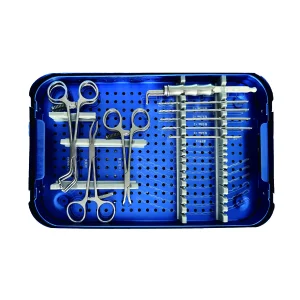
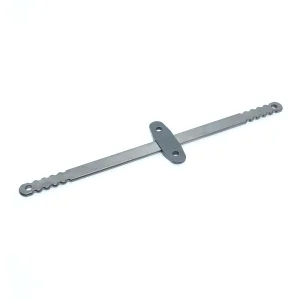
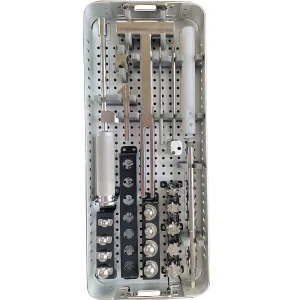
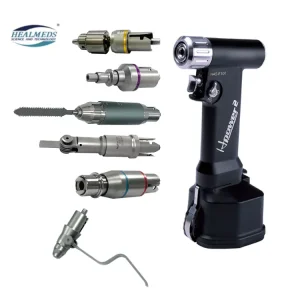
High-precision trauma reconstruction solutions designed to support rigid sternotomy closure and clavicular restoration in Canadian clinical facilities.
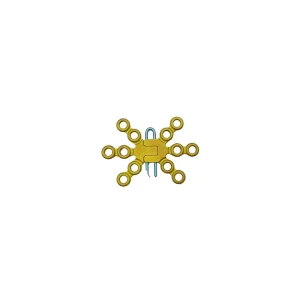
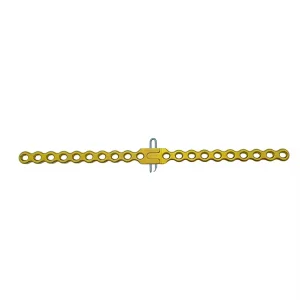
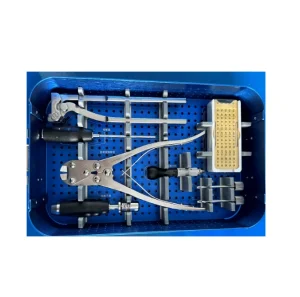
Within the Canadian healthcare landscape—governed by provincial health networks and coordinated group purchasing organizations (GPOs)—the safety profile of sternal closure systems is critical. Post-sternotomy complications such as sternal instability, dehiscence, and mediastinitis impose significant clinical and financial demands on hospitals across Ontario, Quebec, British Columbia, and Alberta.
Conventional wire cerclage, while historically standard, can cut through osteoporotic bone under mechanical loading, leading to instability. Modern clinical protocols in Canada increasingly advocate for rigid fixation systems, particularly for high-risk cohorts: patients presenting with diabetes, obesity, chronic obstructive pulmonary disease (COPD), or advanced age.
Synoviq Medical Technology's sternal fixation systems deliver mechanical stability that distributes thoracic expansion stresses evenly. By utilizing medical-grade titanium alloy (Ti-6Al-4V ELI), these systems provide the required yield strength and biological integration profile for optimal recovery, aligning with the rigorous safety standards mandated by Health Canada.
Dynamic mechanical stress, generated by deep breathing, coughing, and patient transfer, requires high-grade tensile performance. Traditional wiring techniques frequently fail to prevent micro-motion along the osteotomy line, delaying bone healing.
Synoviq's locking technology minimizes micro-motion to sub-millimeter levels. Rigid internal plate fixation establishes compression across the sternal midline, accelerating primary bone union and mitigating the risk of deep surgical site infections (SSIs).
For Canadian cardiothoracic surgeons, our sternal fixation system provides reliable mechanical stability, reducing secondary revision surgeries, shortening intensive care unit stays, and lowering overall patient care costs within the public healthcare model.
Developing low-profile, high-fatigue-resistance implants optimized for modern surgical techniques.
Our research and development program focuses on titanium metallurgy (Ti-6Al-4V ELI in compliance with ASTM F136). This grade offers high biocompatibility, excellent corrosion resistance within biological environments, and an optimal elastic modulus that minimizes stress shielding on cortical bone.
The system features a low-profile design (plate thickness ≤ 1.5mm) to reduce post-operative soft tissue irritation. Specialized anatomical contours match variations in sternal geometry, simplifying intraoperative positioning and shaping for the surgical team.
The variable-angle locking mechanism allows locking screws to be secured within a ±15-degree cone. This degree of flexibility helps surgeons target healthy bone tissue outside of comminuted fracture zones or previous osteotomy sites.
Dynamic finite element analysis (FEA) guides our designs, verifying structural integrity under high-cycle fatigue tests that simulate coughing and mechanical expansion. This engineering process ensures long-term performance and reliability during the crucial bone remodeling phase.
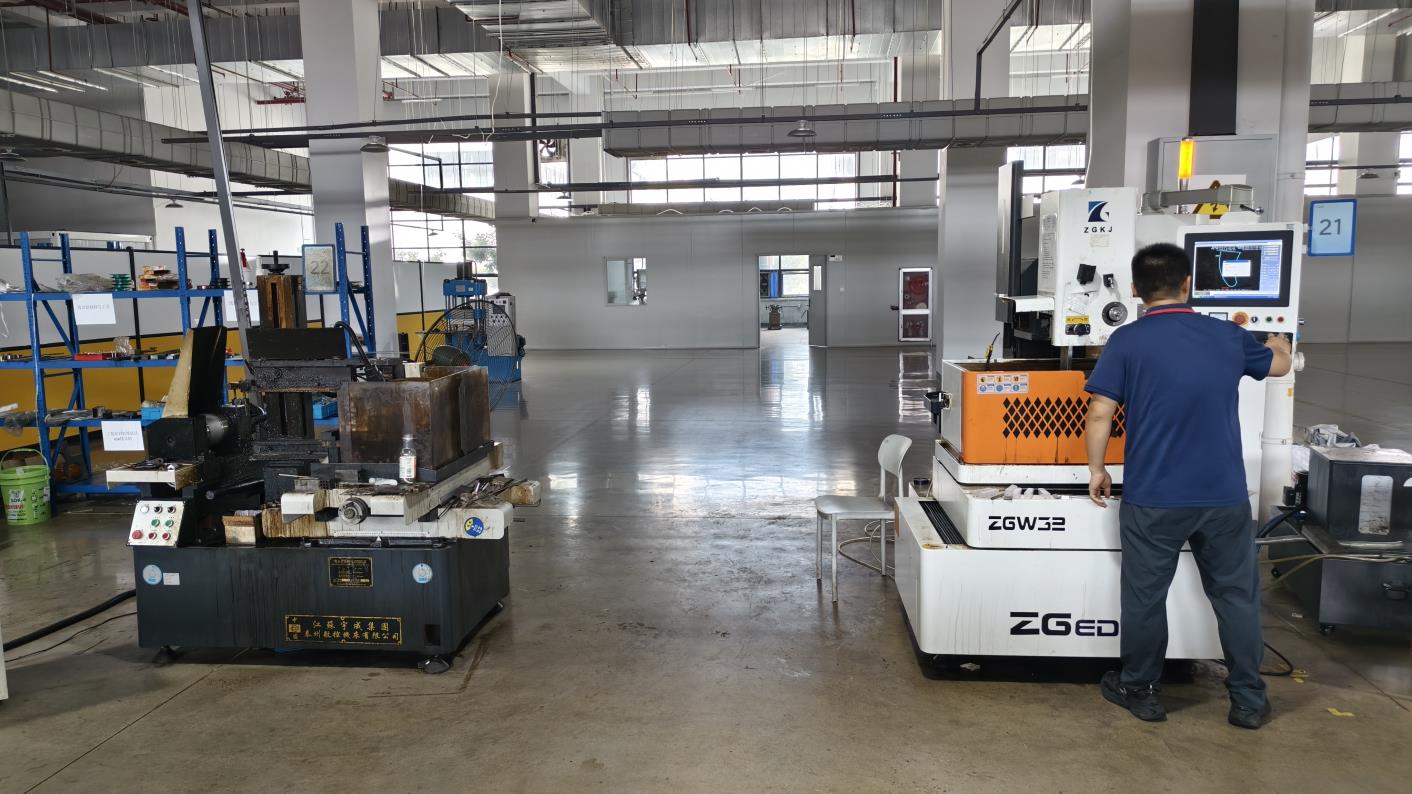
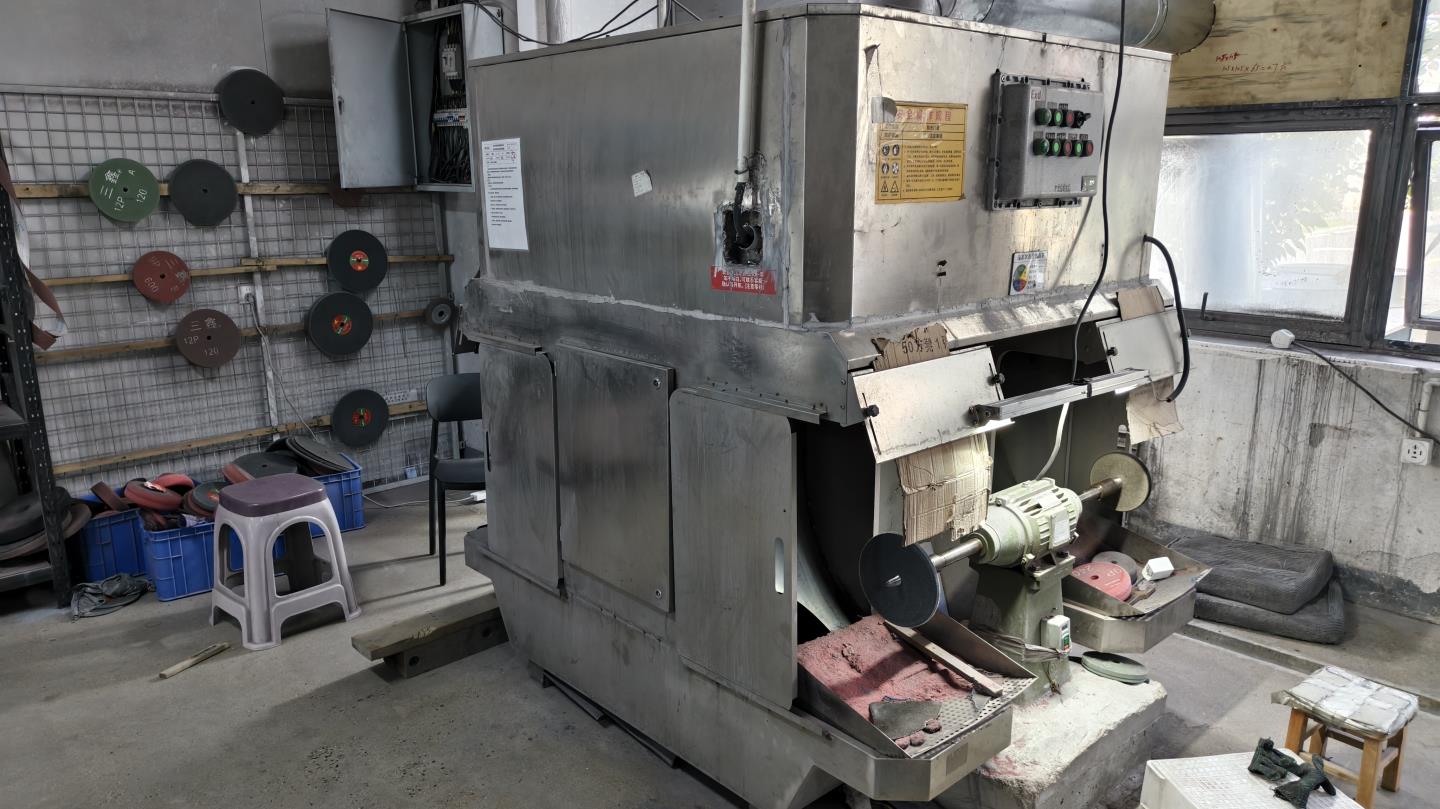
Operating an 18,600 m² advanced manufacturing facility configured for high-precision orthopedic implant production.
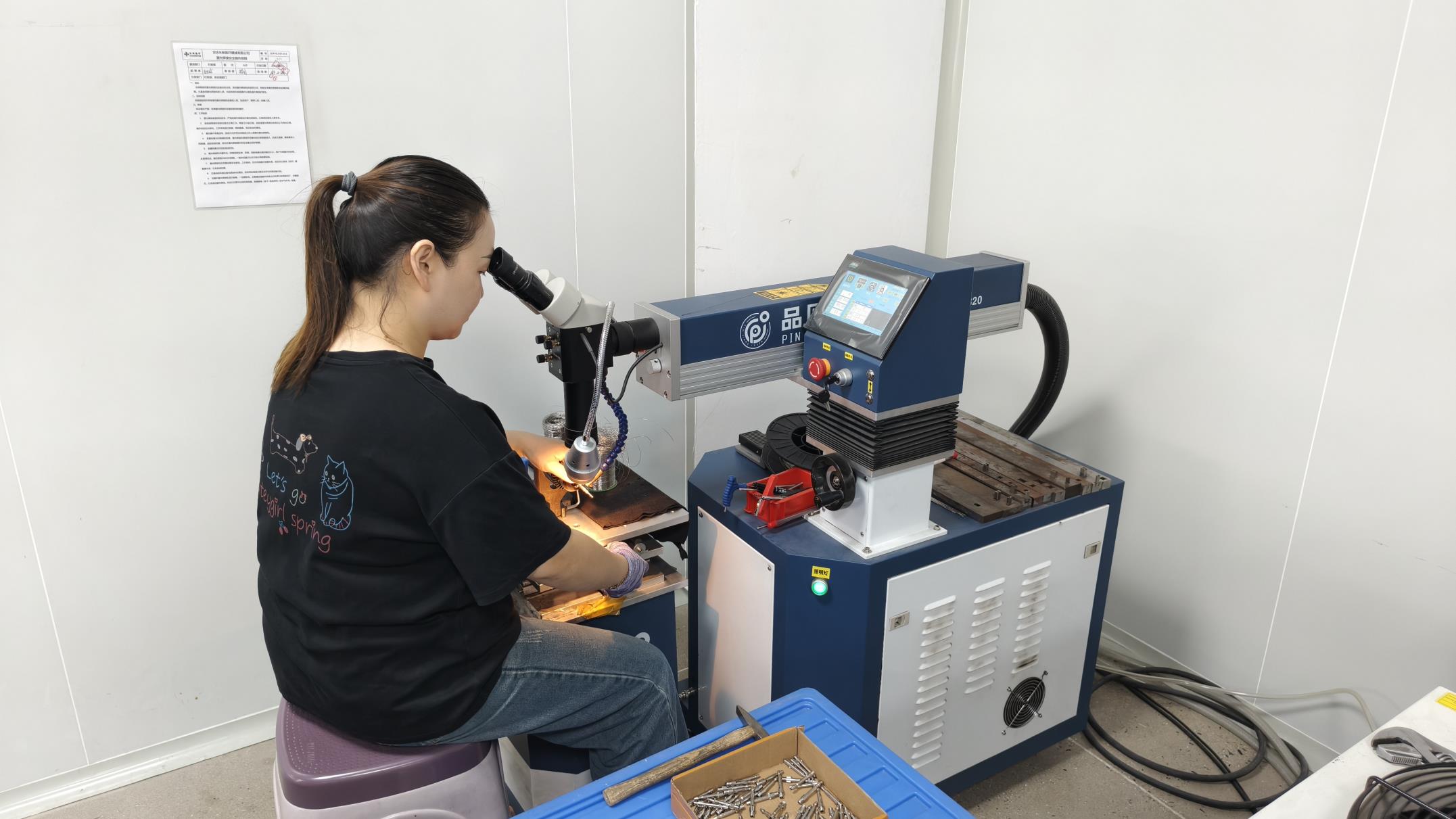
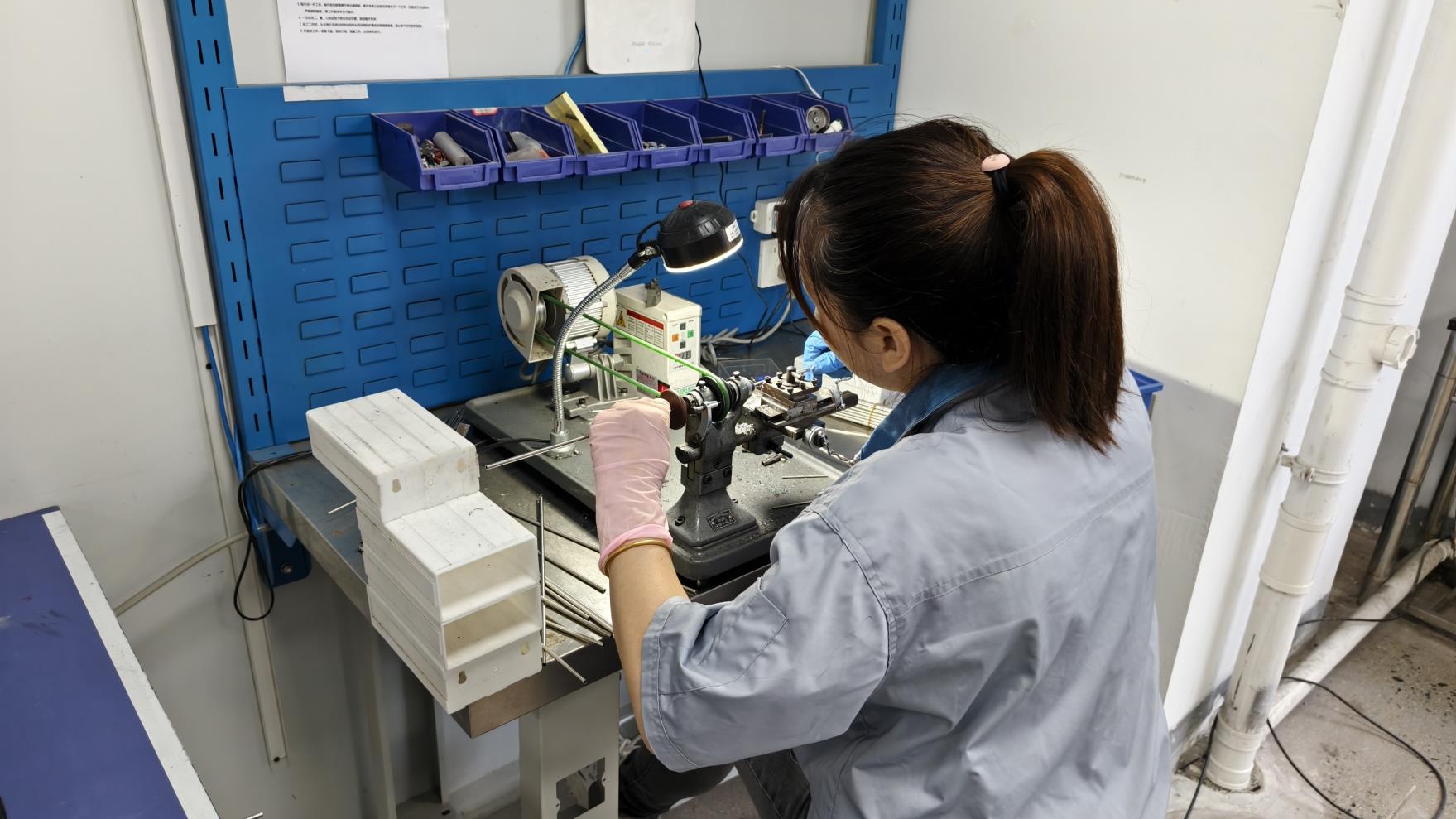
Synoviq Medical Technology (China) Co., Ltd. is an established developer and manufacturer of orthopedic implants and surgical instrumentation, engineering systems for global healthcare providers, distributors, and surgical teams. Synoviq supports the international medical market through dedicated OEM/ODM development, utilizing automated production machinery and strict quality control protocols.
Our clinical portfolio includes sternal/rib fixation plating, clavicular implants, spine instrumentation, and specialized surgical cutting tools. Through continuous investment in precision engineering and automated manufacturing, we support clinicians in achieving reliable surgical outcomes and long-term implant performance.
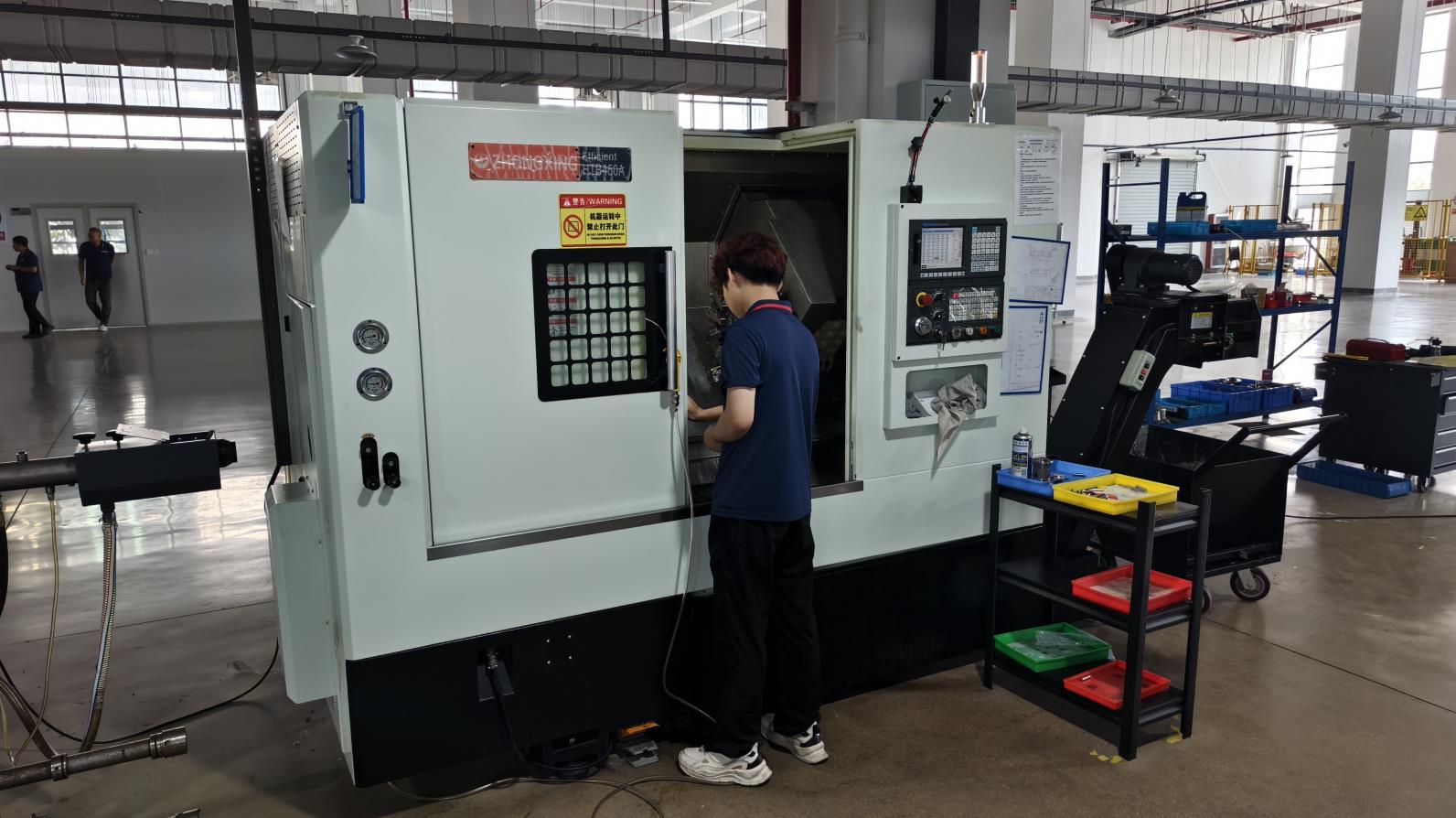
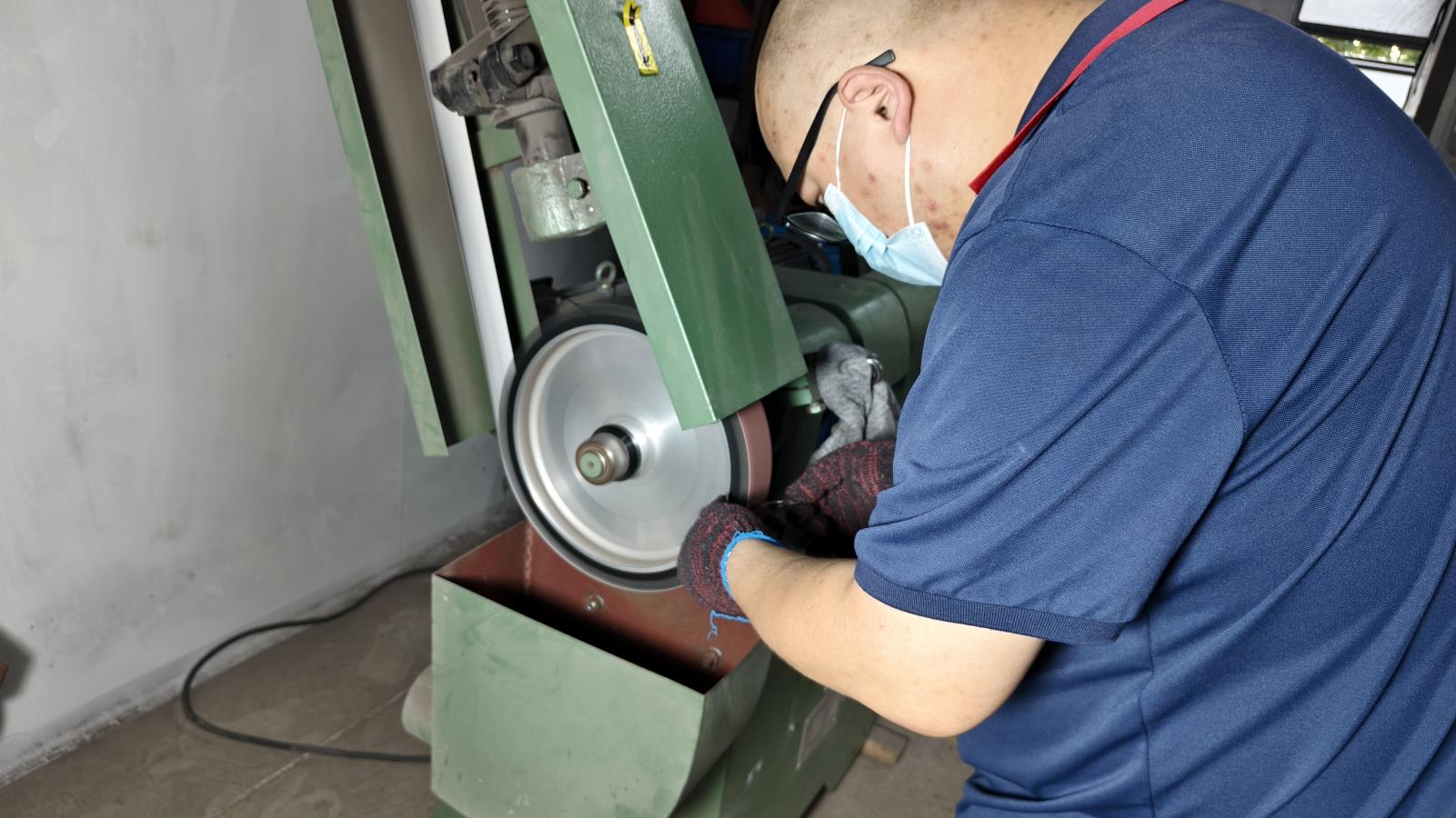
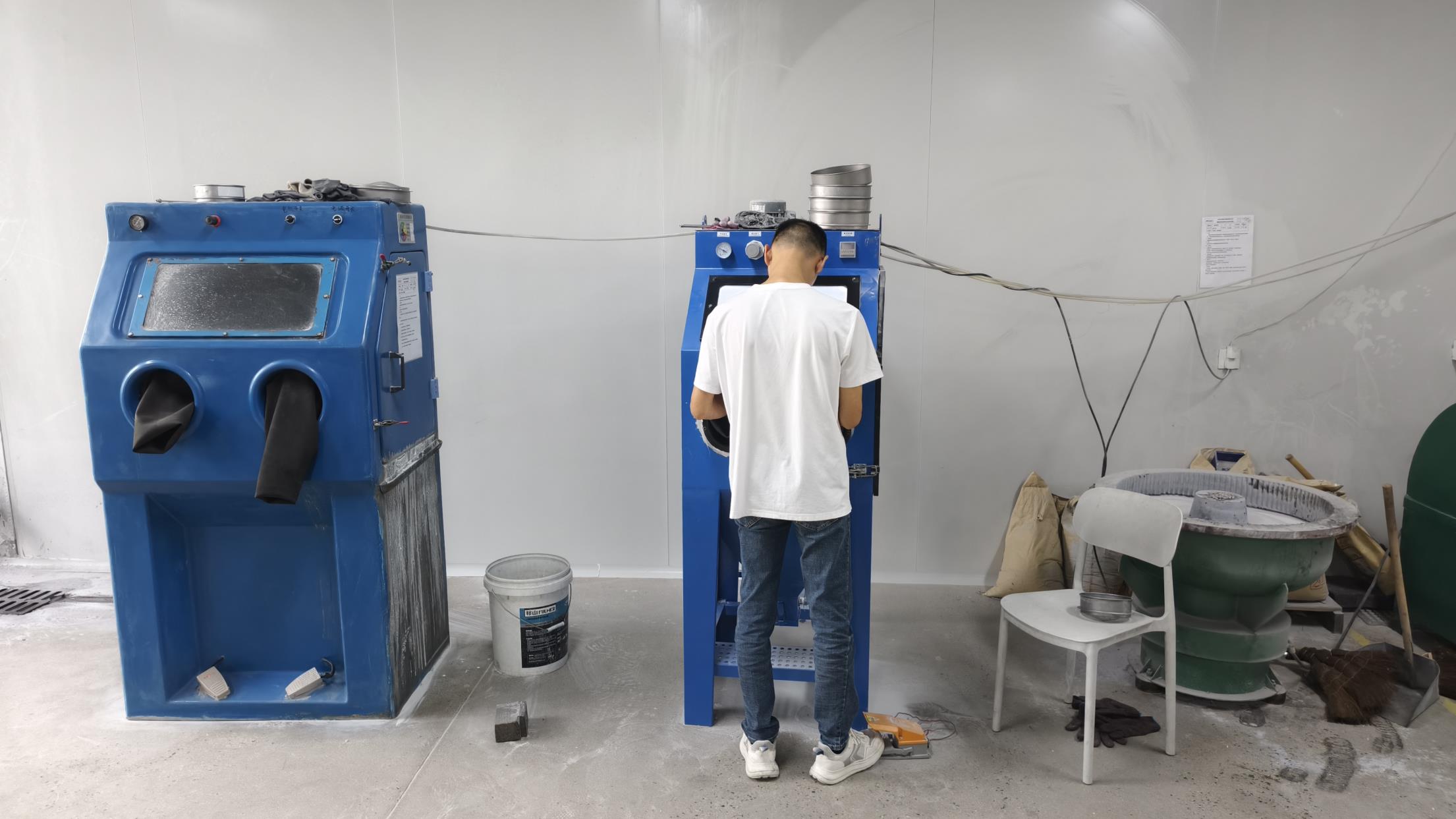
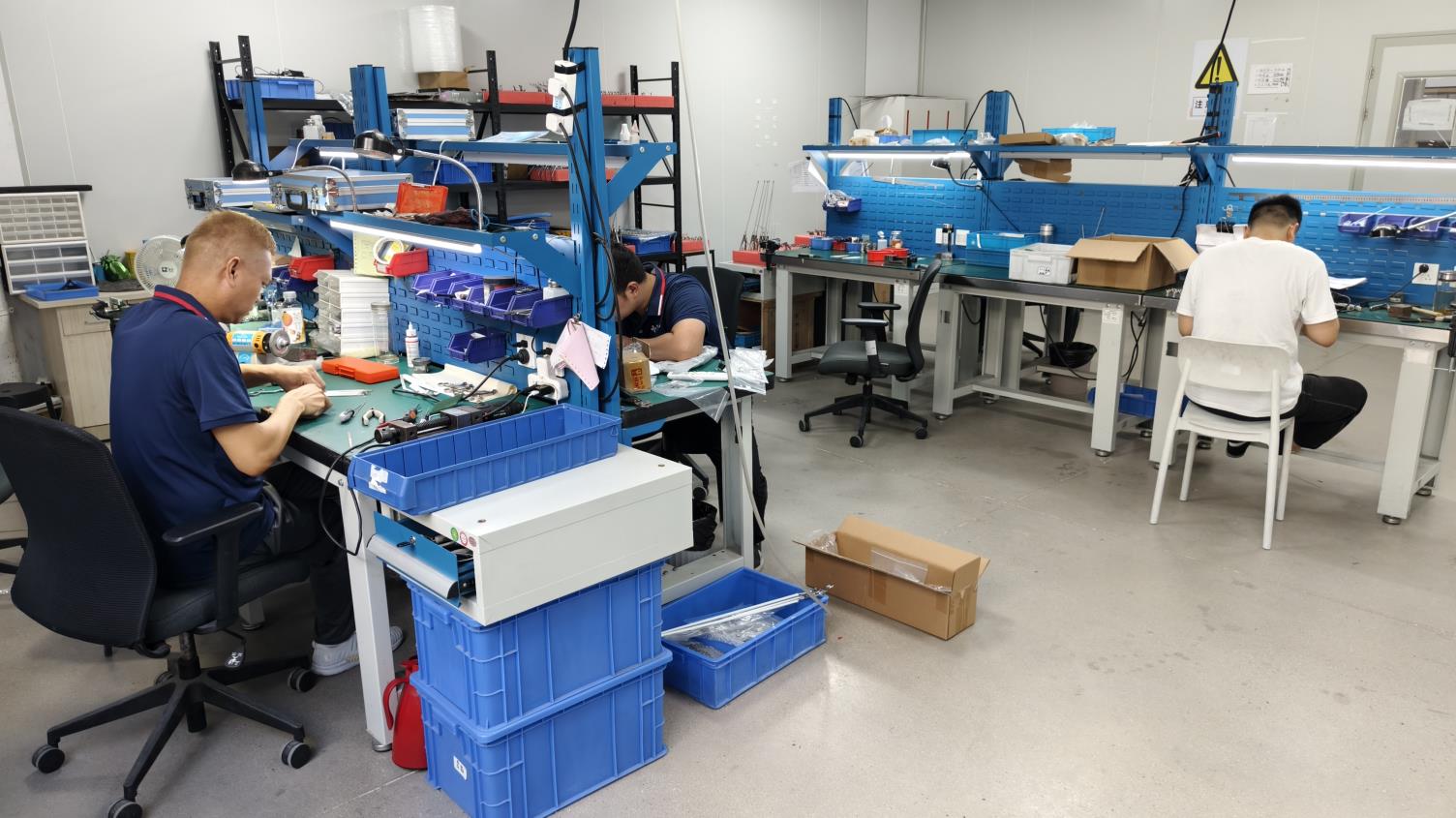
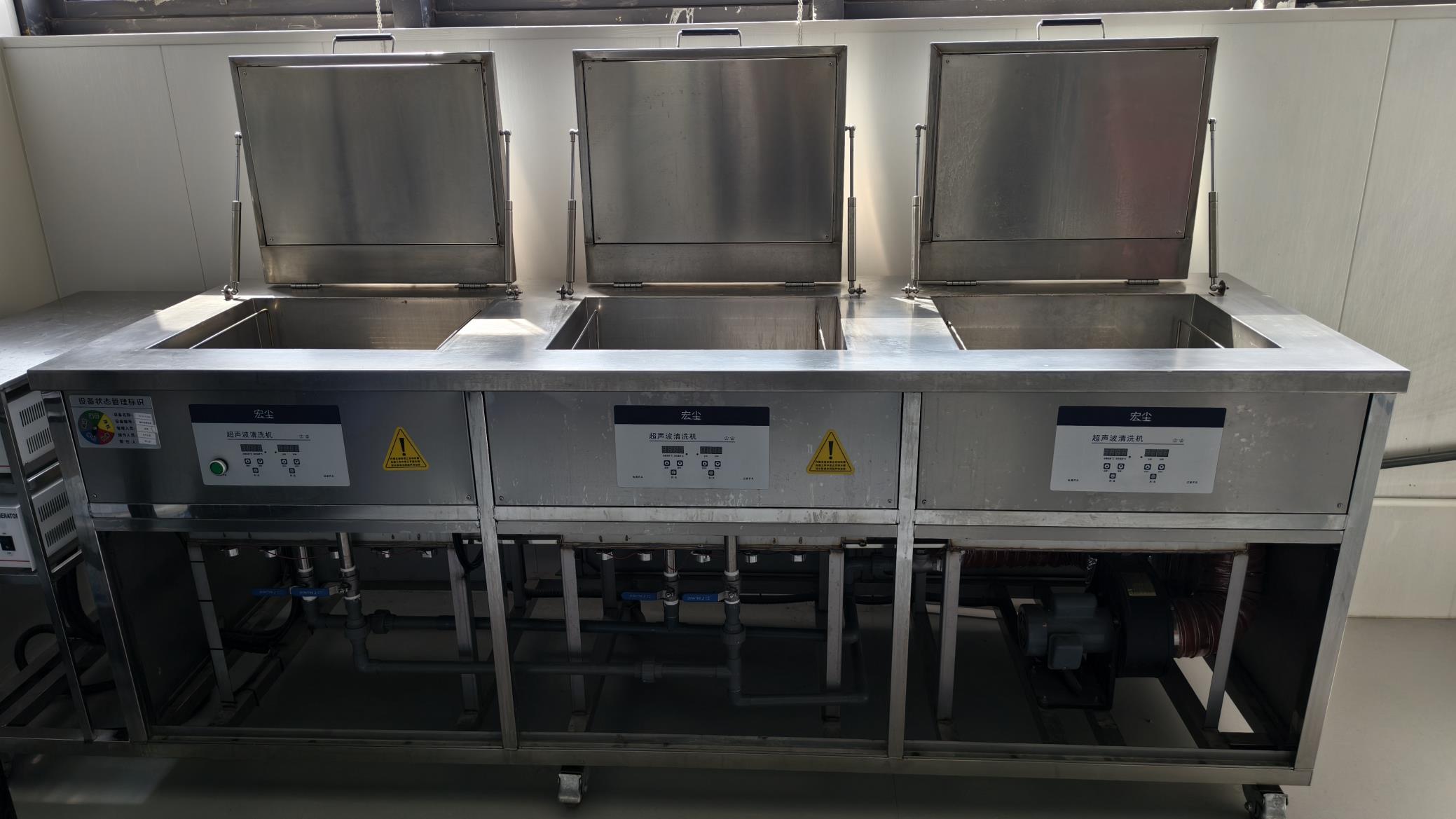
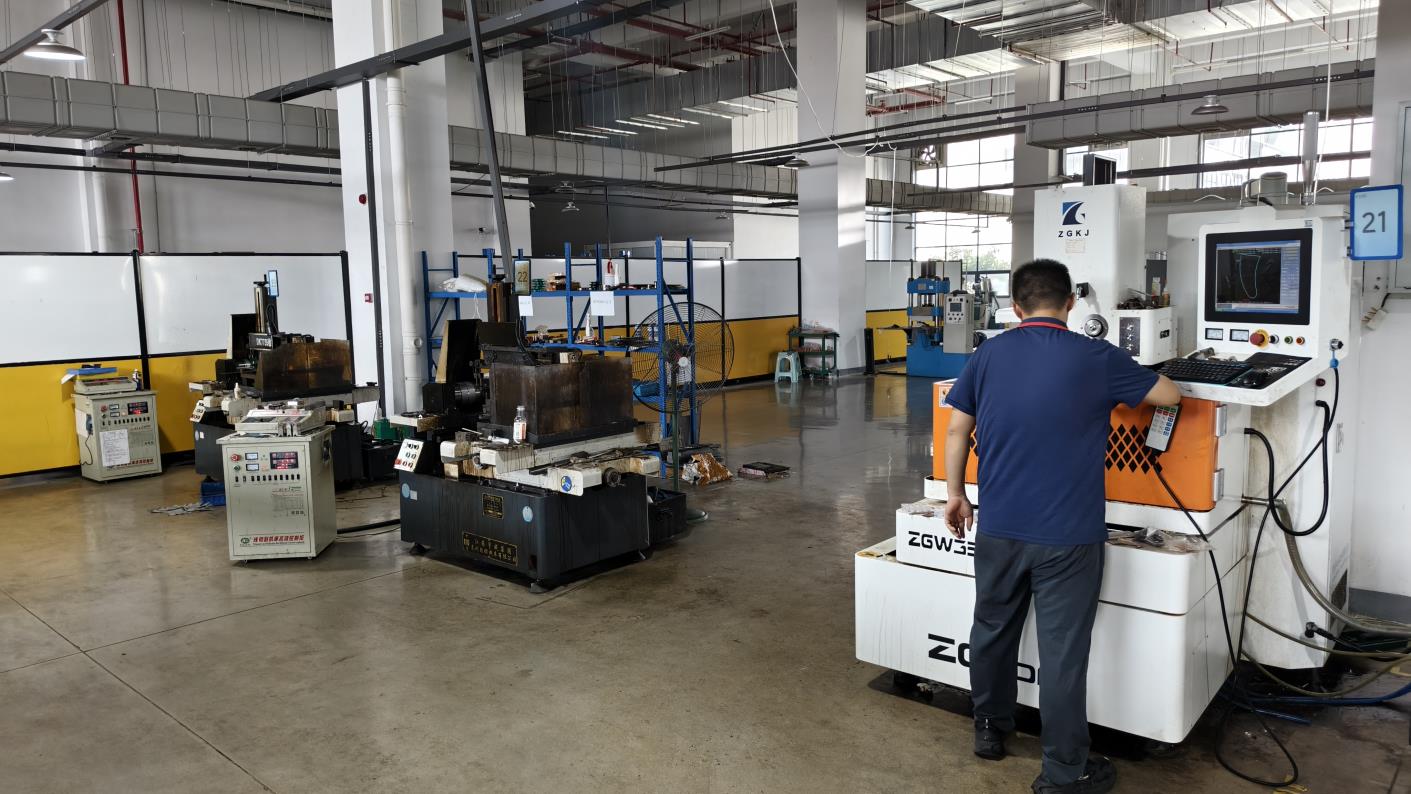
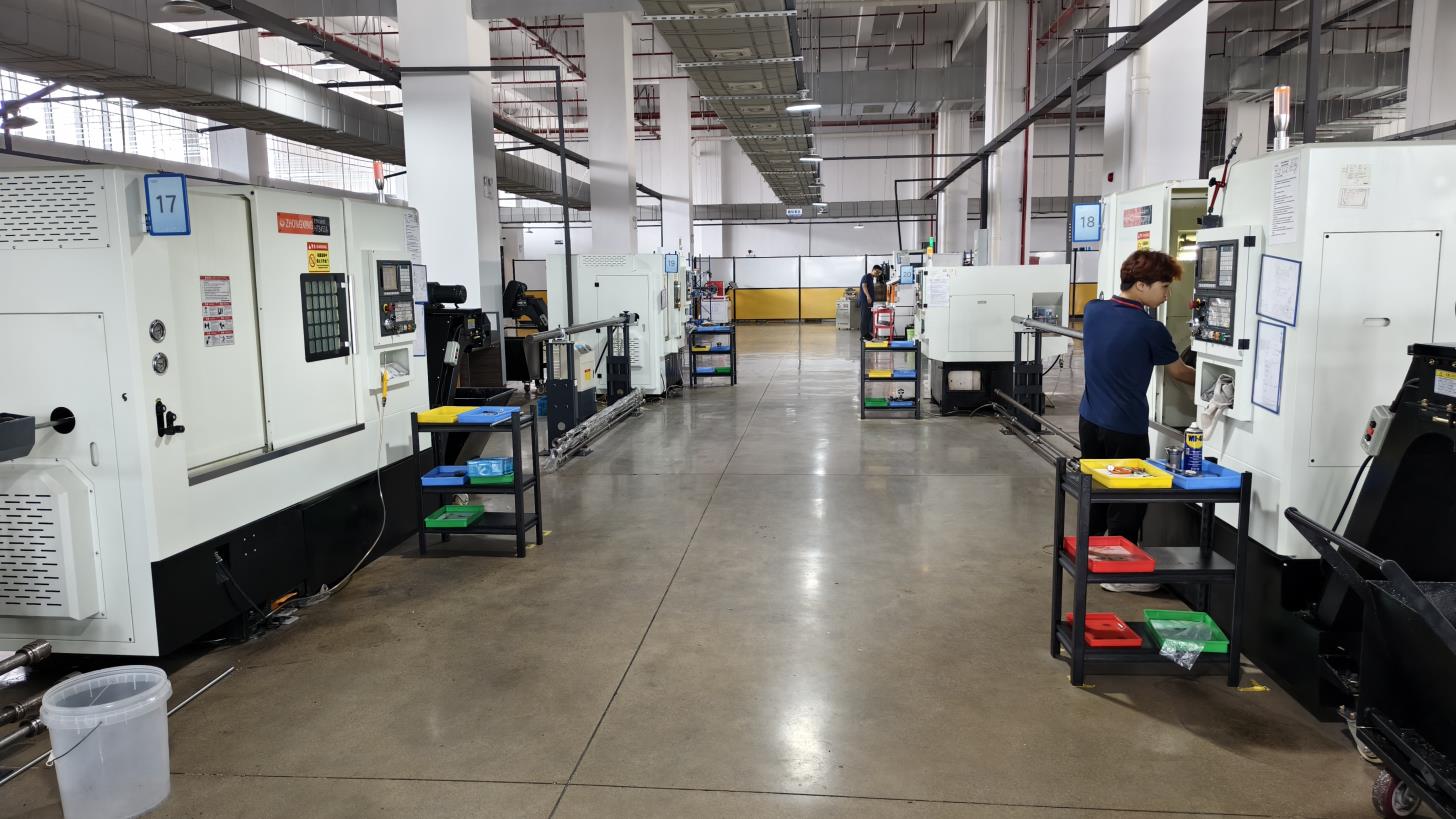
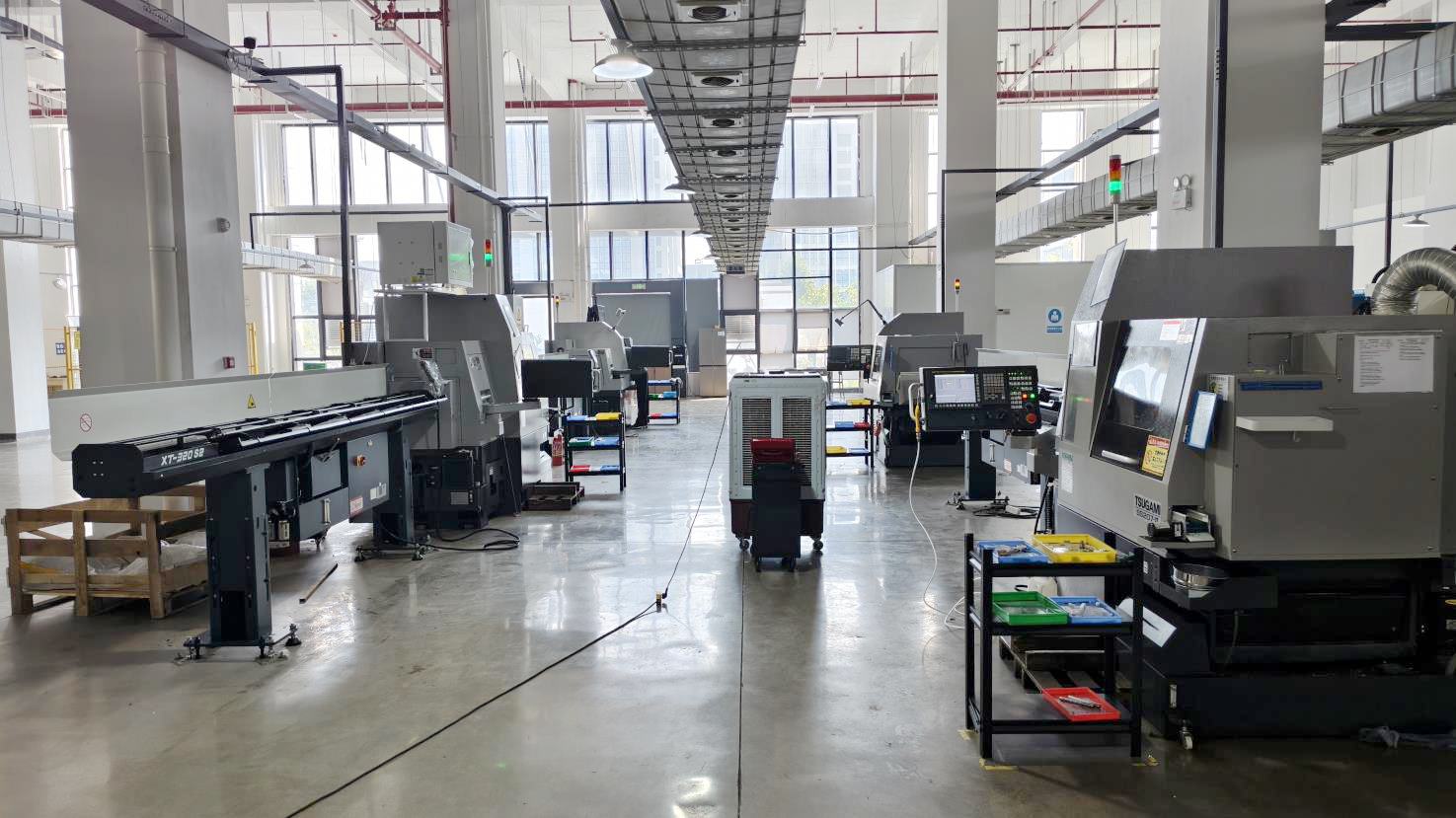
| Specification Parameter | Synoviq Quality & Capacity Profile Details |
|---|---|
| Company Identification | Synoviq Medical Technology (China) Co., Ltd. (Brand: Synoviq) |
| Founded | March 18, 2016 (14 Years Industry Track Record, 8 Years International Exporting) |
| Manufacturing Area | 18,600 m² State-of-the-Art Plant, including Class 100,000 Clean Packaging Facilities |
| Export Performance | USD 21.8 Million Annual Export Value (Active shipments to North America, EU, LatAm) |
| Testing Operations | 100% Final Quality Inspection and Incoming Material Lot Verification |
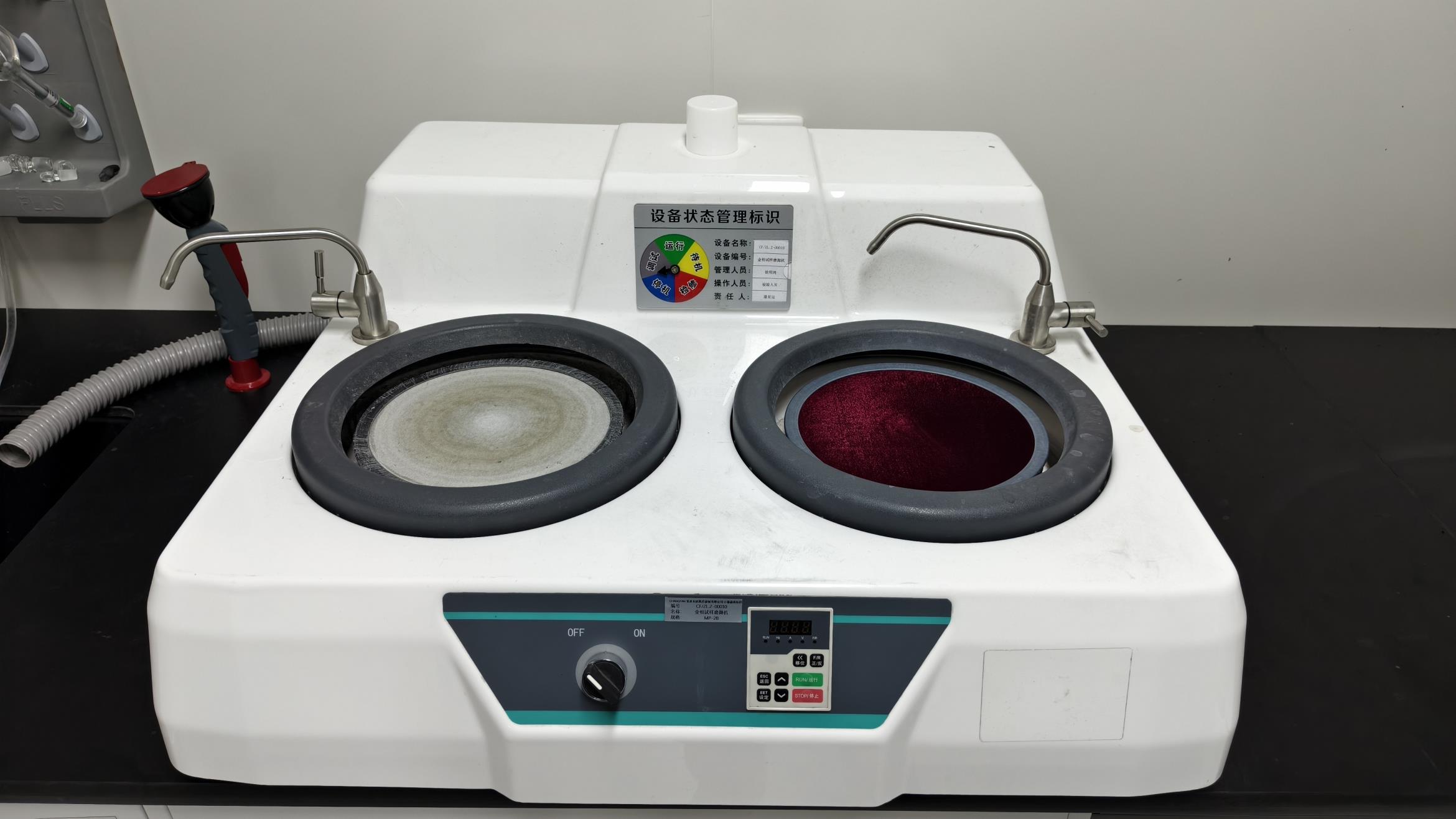
| Metrology Methods | Coordinate Measuring Machines (CMM), Universal Tensile Testers, Surface Roughness Testers, Spectrometers |
| QA/QC Staff | 48 Dedicated Quality Assurance Specialists and Validation Engineers |
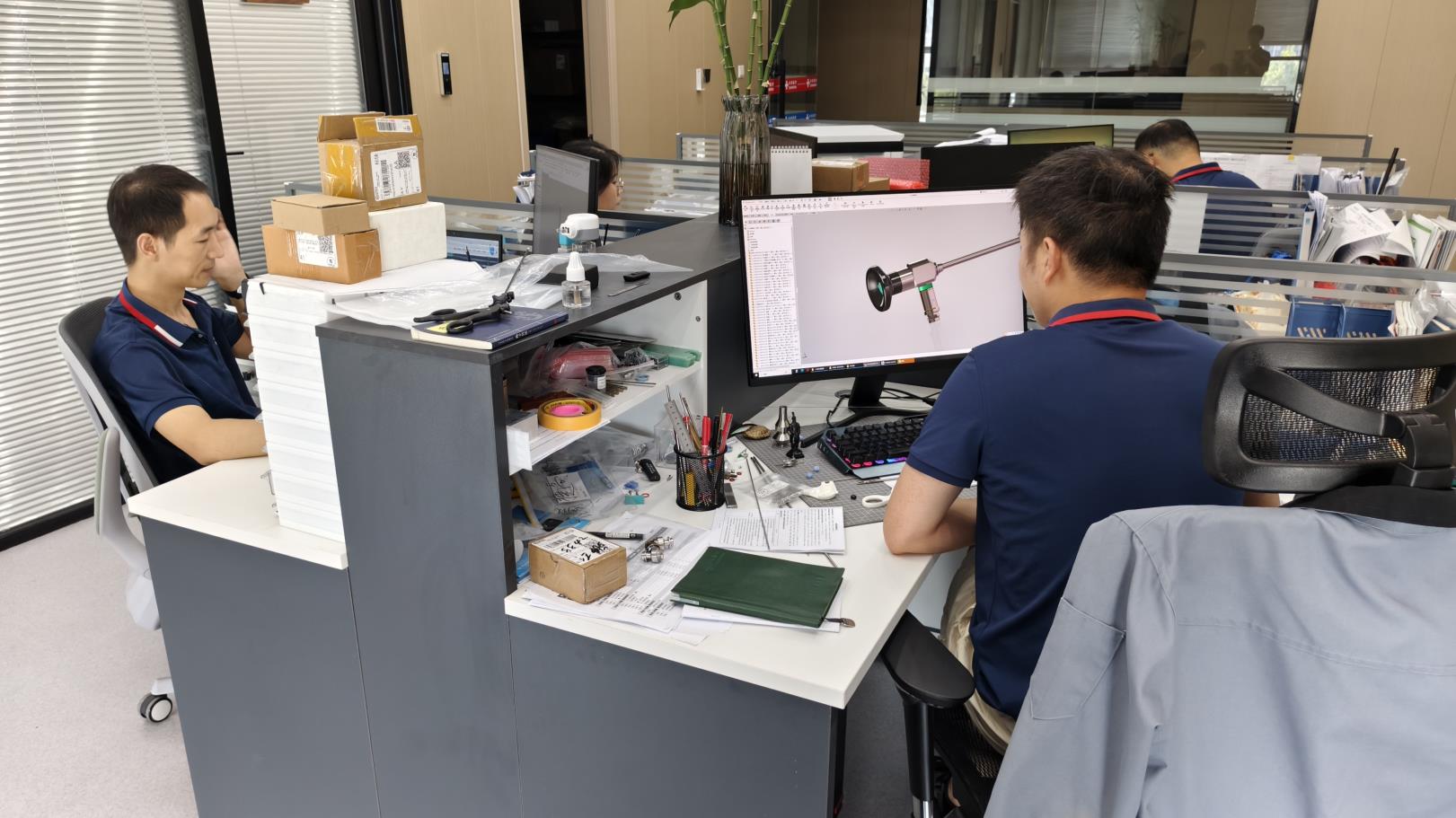
| Engineering Strength | 76 R&D Engineers; 186 New Orthopedic and Instrument Designs Introduced Annually |
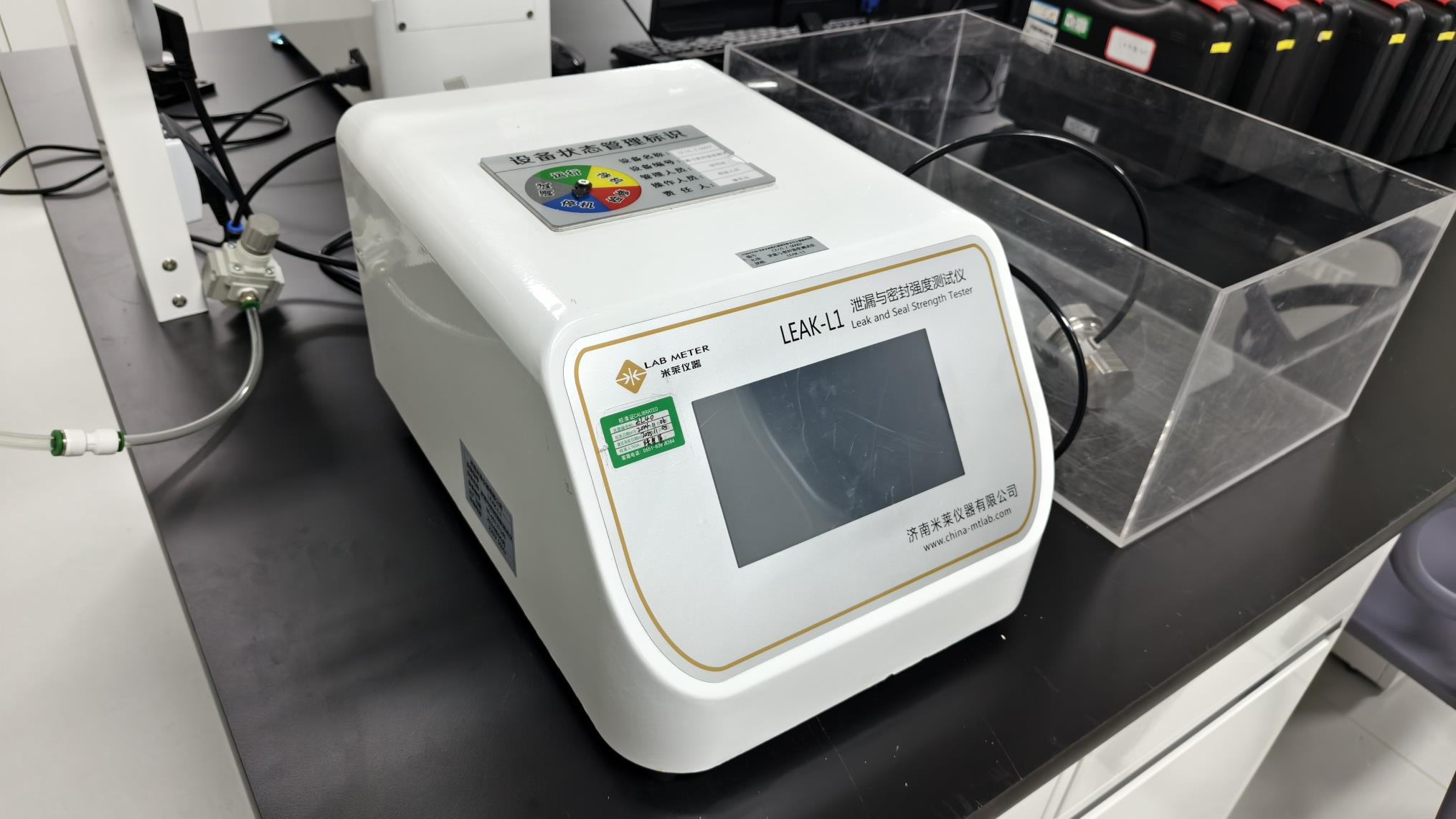
Mechanical stress testing and cleanroom packaging validation guarantee sterile delivery and long-term implant integrity.
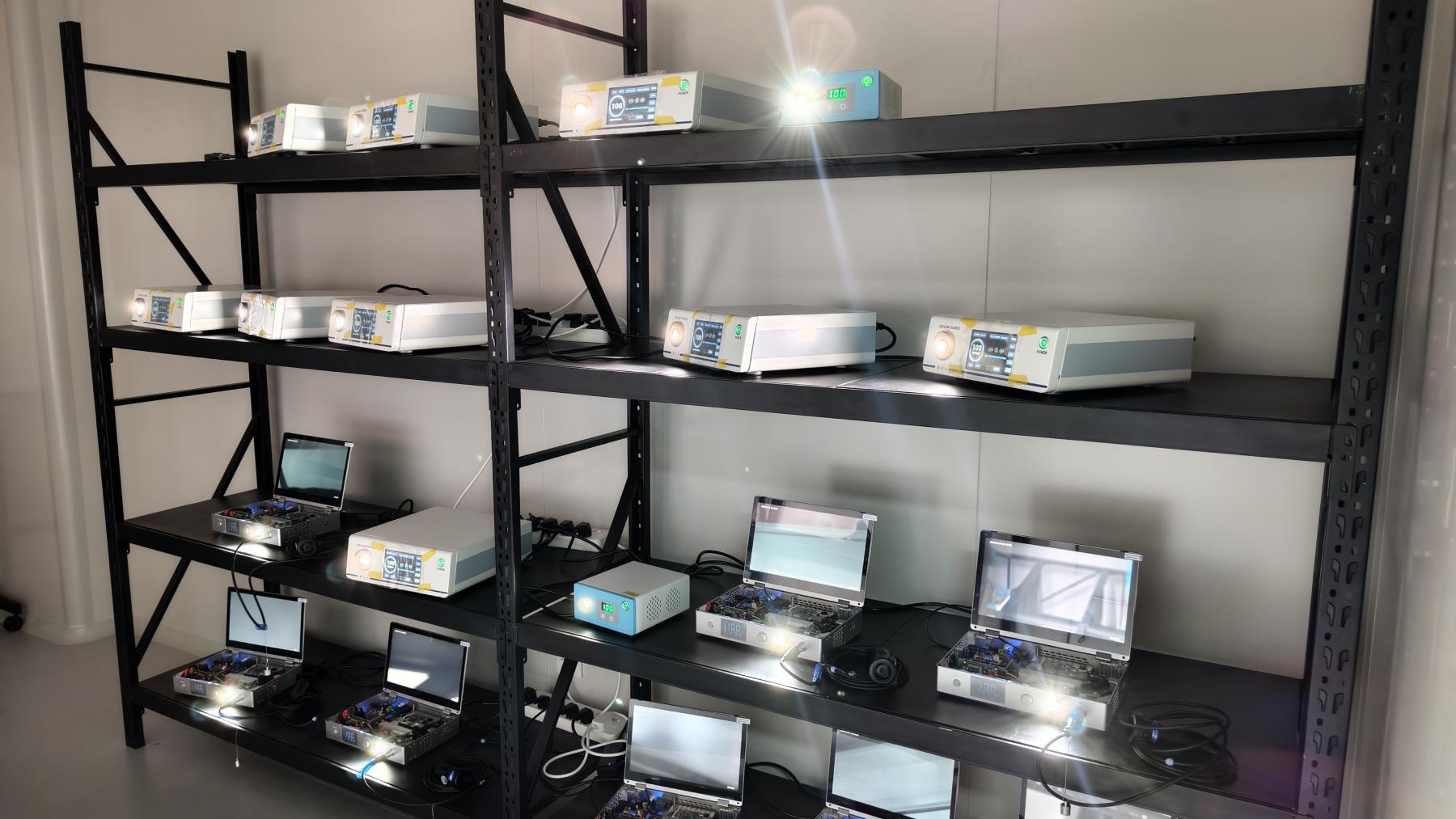
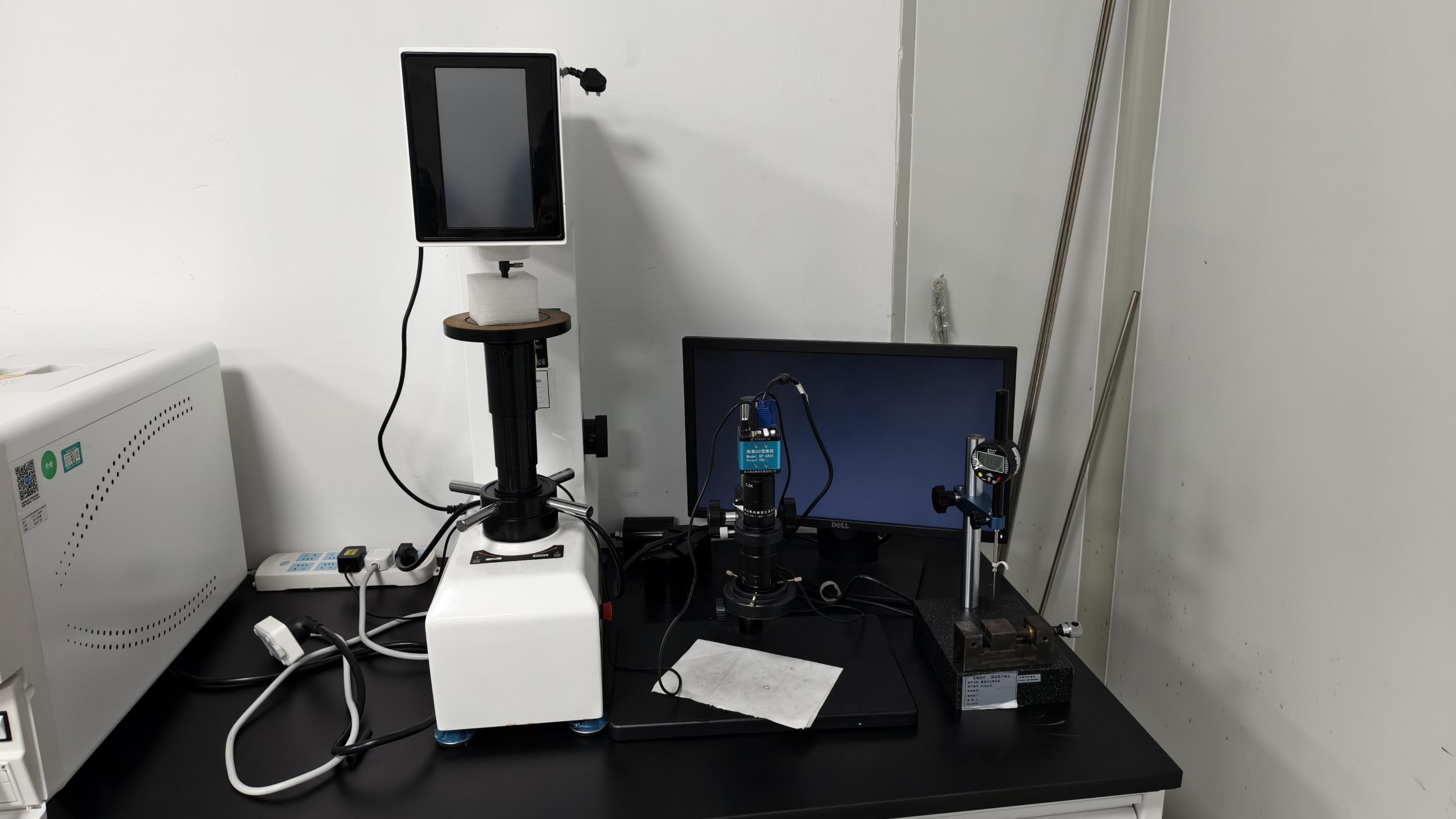
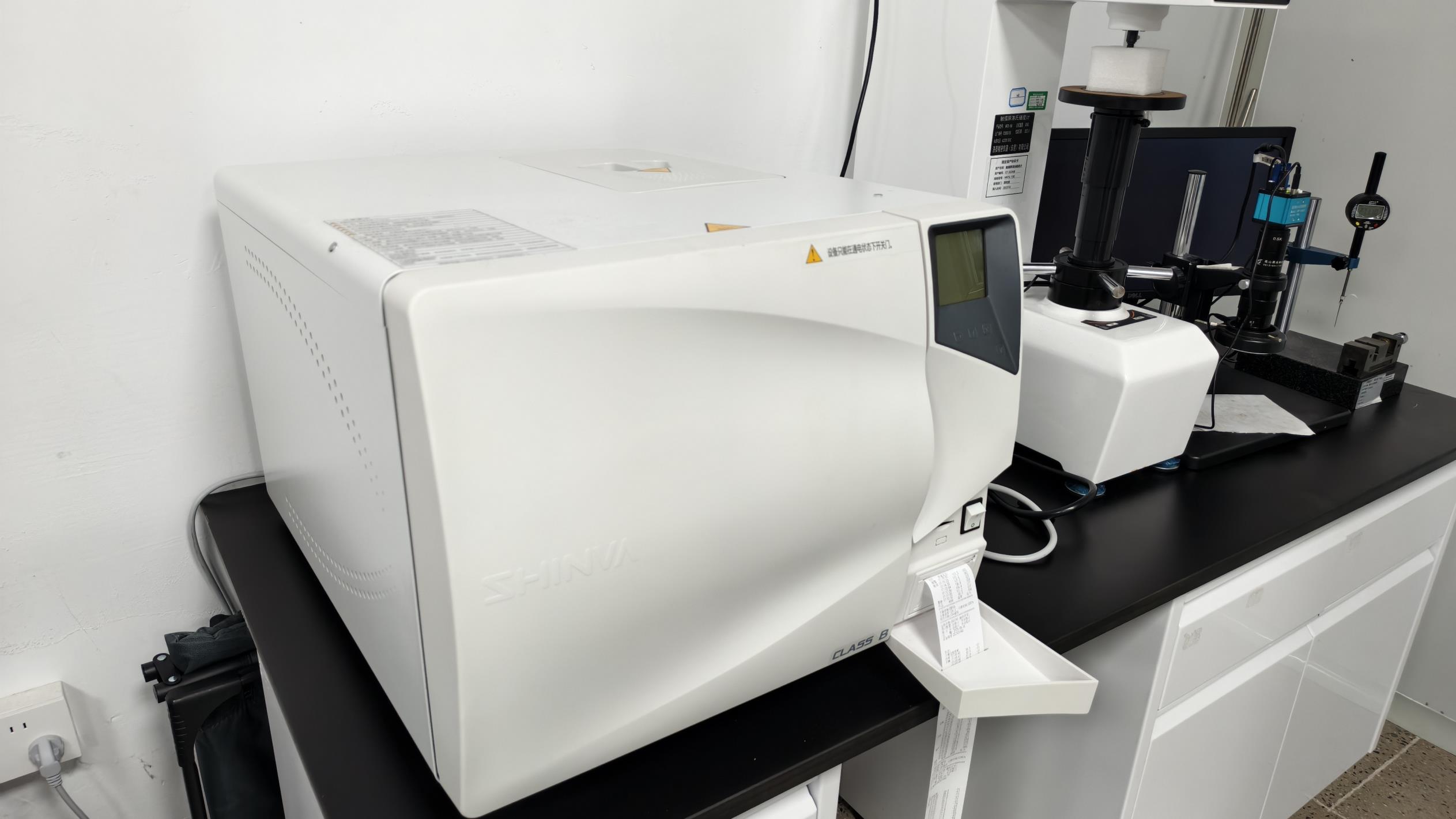
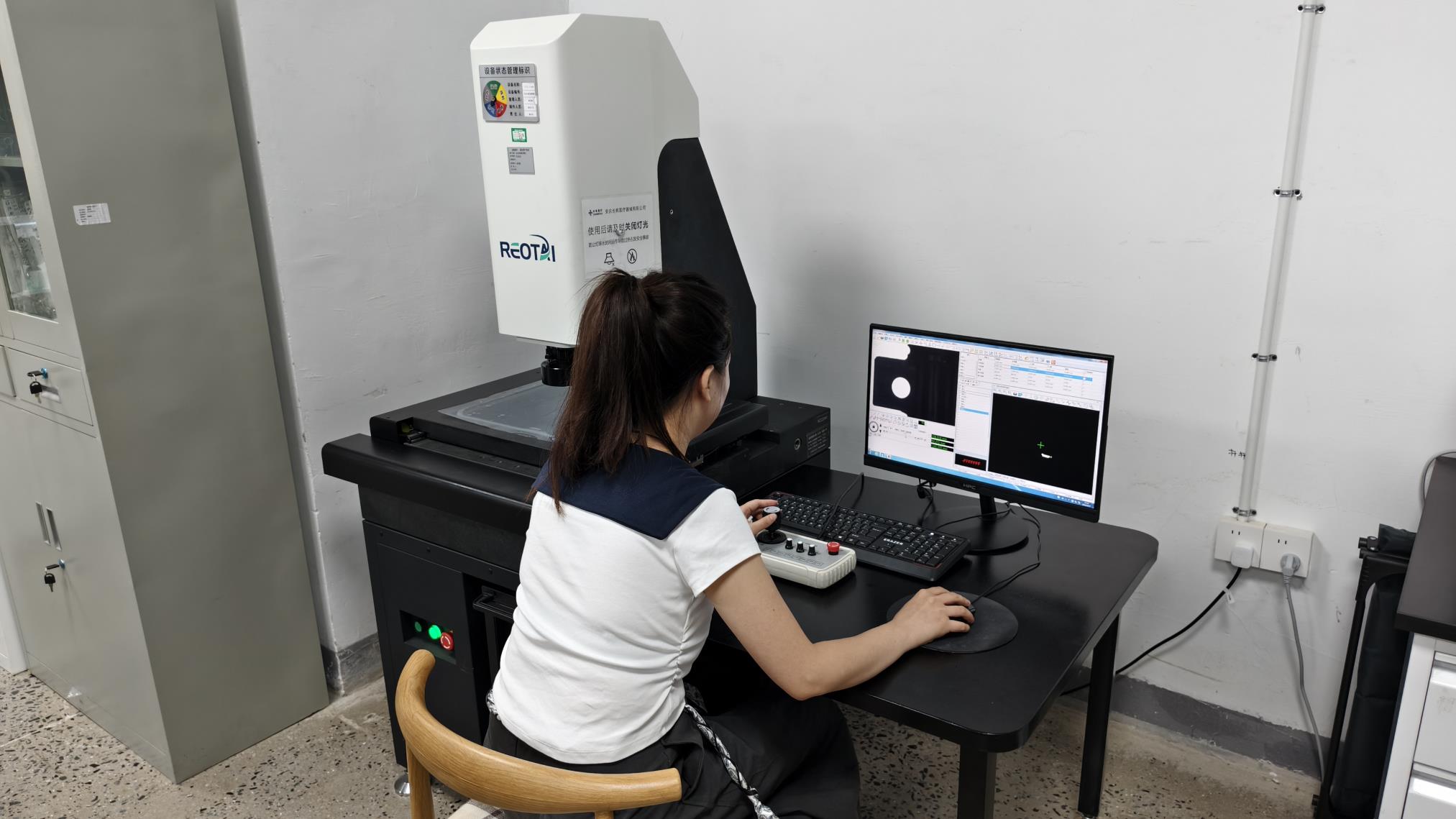
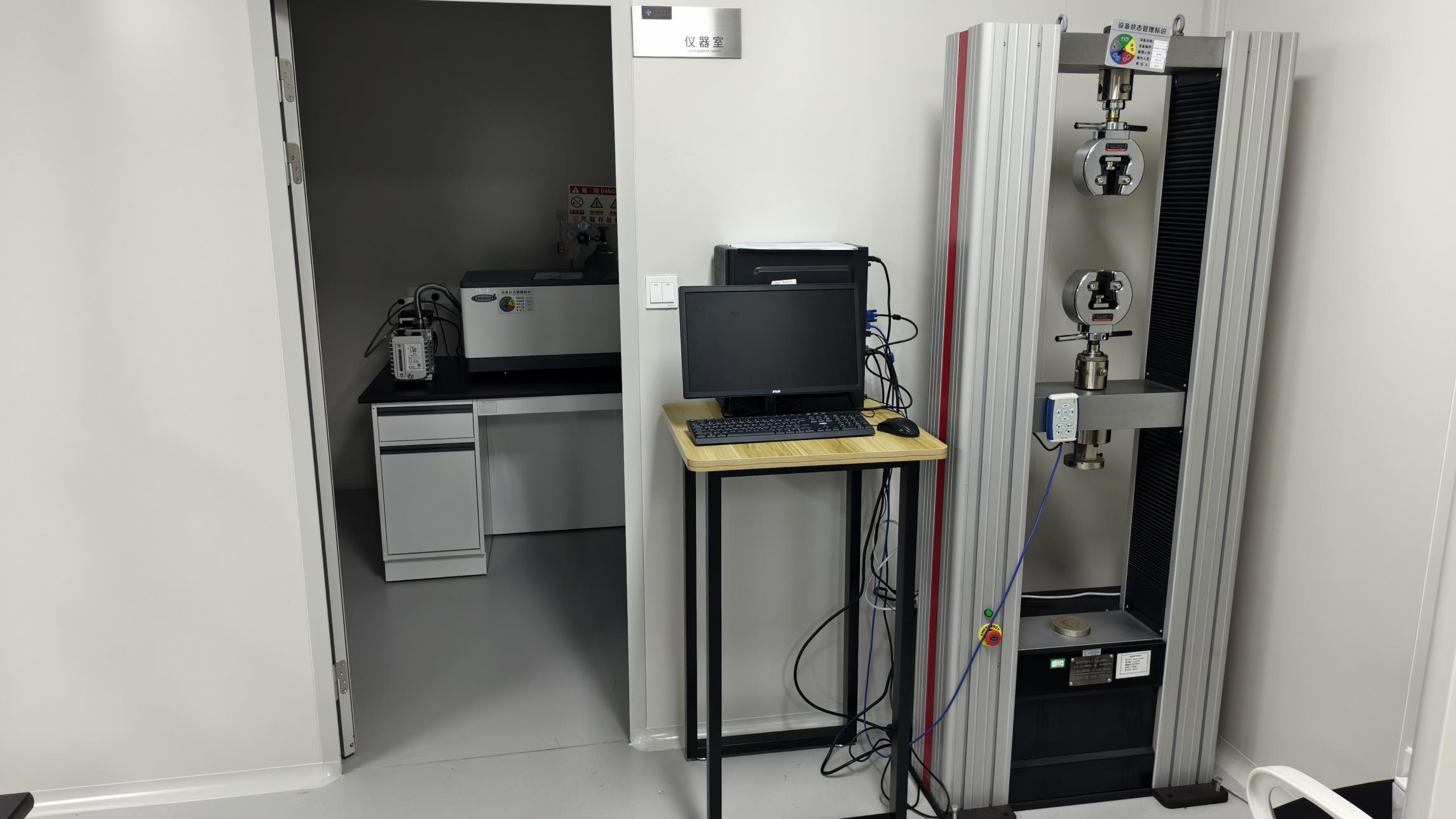
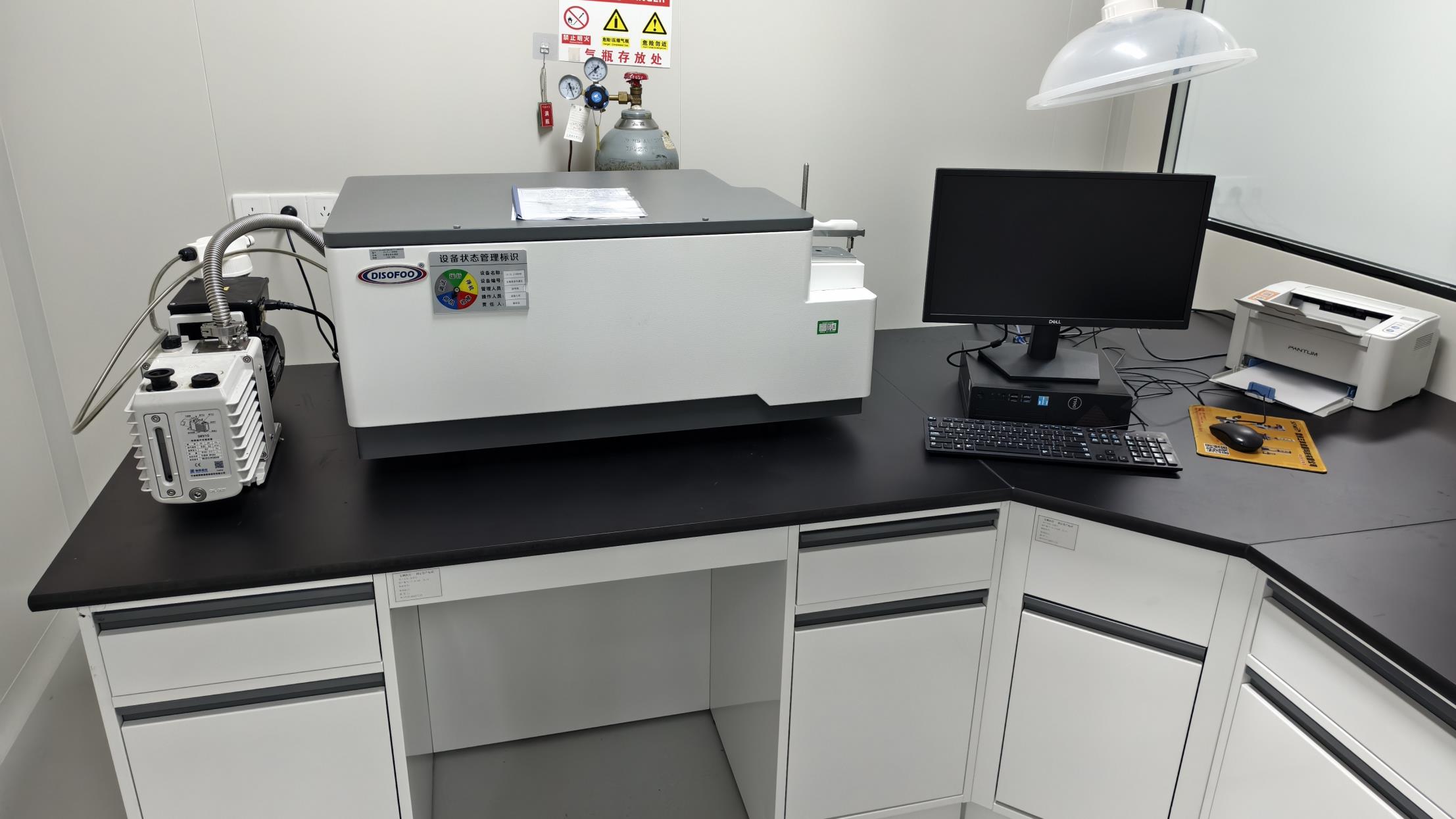
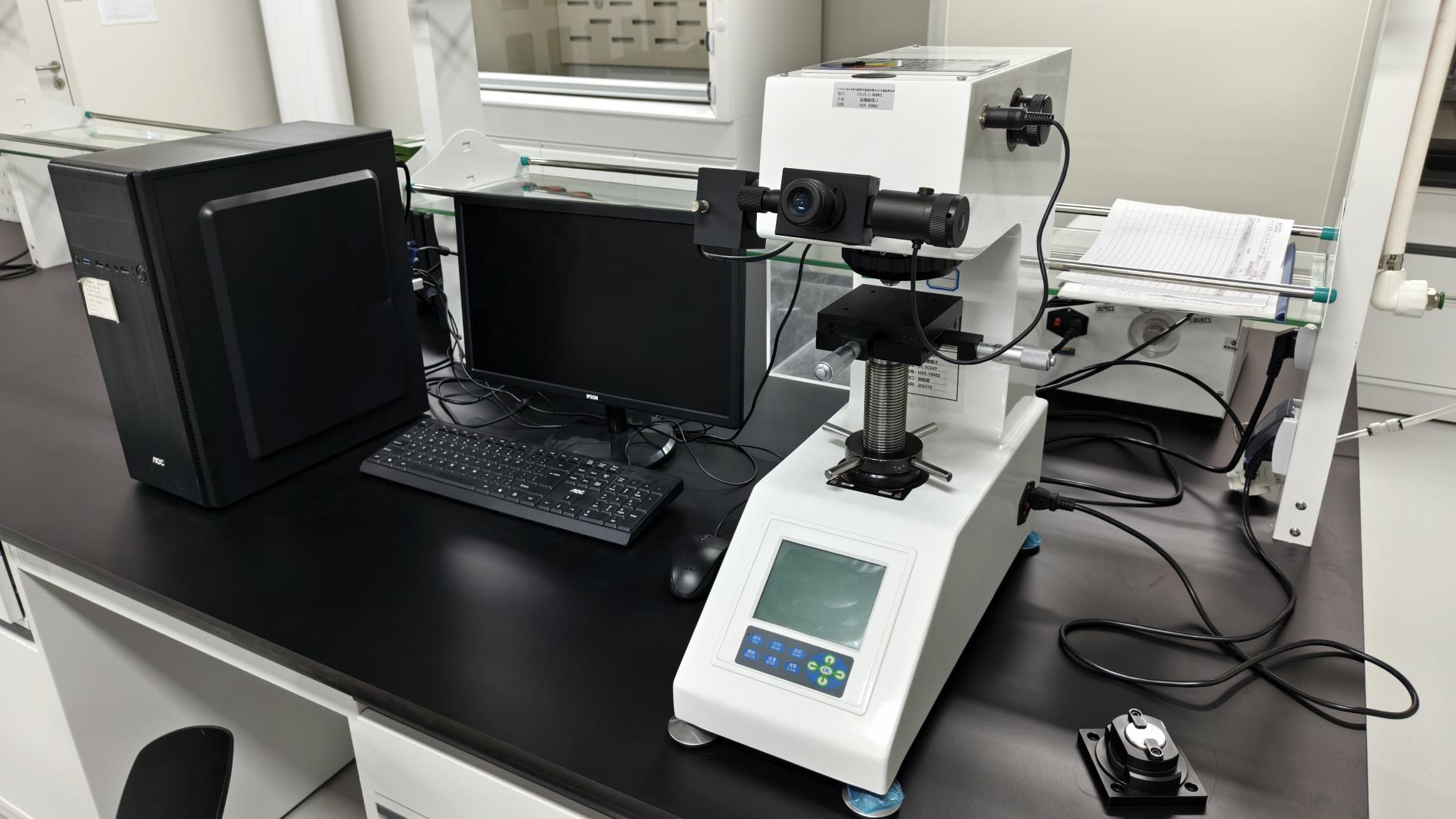
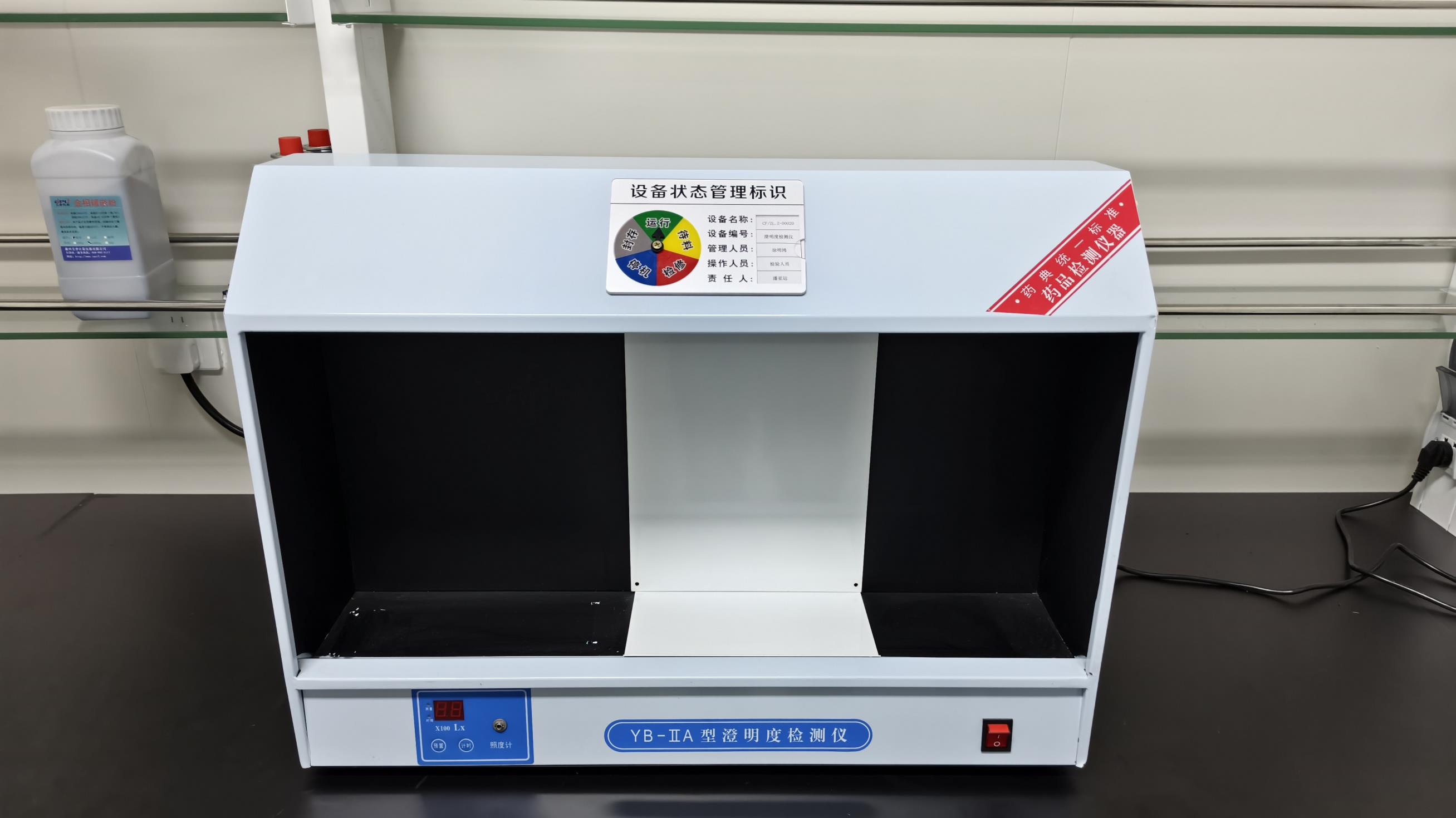
Healthcare providers in Canada require consistent, risk-mitigated supply channels to prevent backorders. Under consolidating procurement frameworks, hospitals demand manufacturers that can buffer unexpected clinical needs.
Synoviq's production facility maintains stock reserves of standard plate sizes, dynamic locking screws, and surgical instruments. By streamlining production queues, we coordinate with Canadian distributors to establish safety inventory limits, protecting hospital clients against supply delays.
Surgical implants must comply with local medical device regulatory frameworks. Synoviq manufactures under ISO 13485:2016 quality management standards, supporting Canadian importers with the documentation required for Medical Device Establishment Licensing (MDEL) and Medical Device Licenses (MDL).
Our technical files include biocompatibility dossiers, mechanical test records, and sterilization validation data. This comprehensive documentation supports distributors through local review processes and ensures quick path-to-market integration.
Technical answers for clinical, regulatory, and commercial procurement departments.
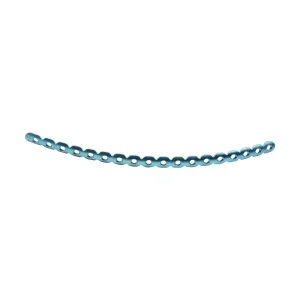
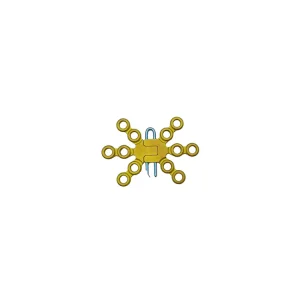
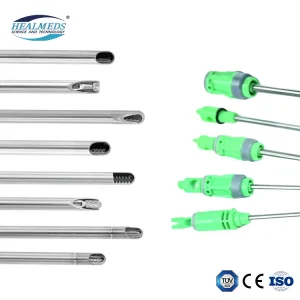
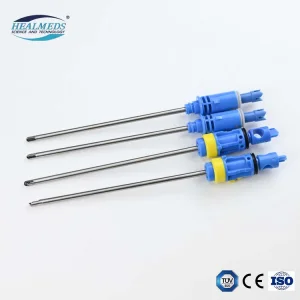
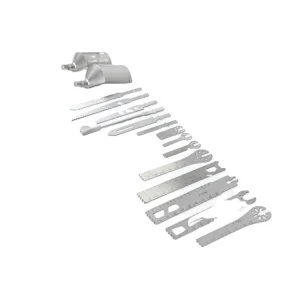
Explore our extensive range of clinical implants, specialized thoracic plating systems, arthroscopic shavers, and veterinary instrumentation.
Discuss OEM production requirements, material specifications, or tender compliance with our engineering team.
Send Inquiry Now Synoviq Medical