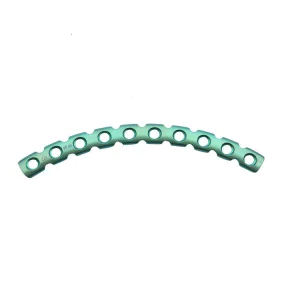
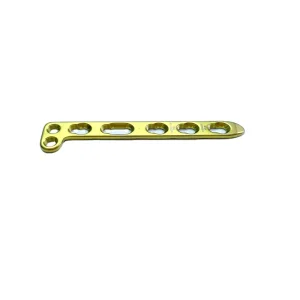
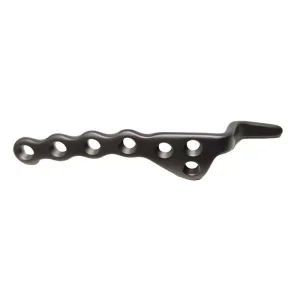
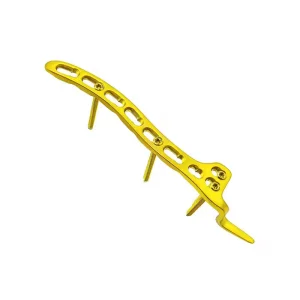
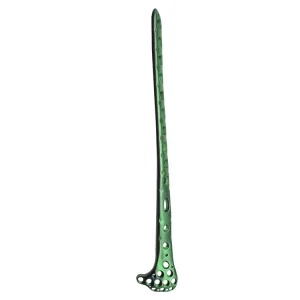
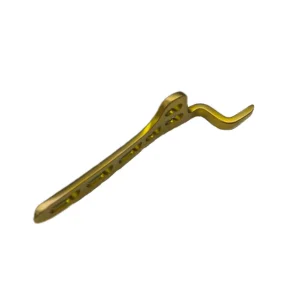
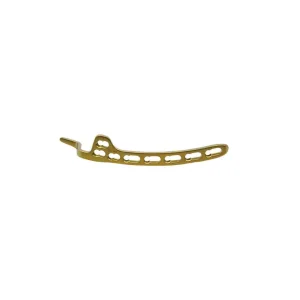
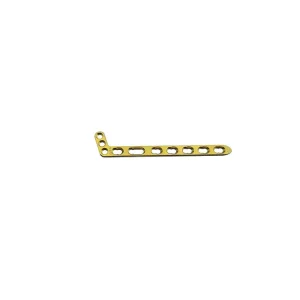
Optimized for Swedish hospitals and clinics, these titanium locking implants represent the pinnacle of anatomical design, high biocompatibility, and extreme manufacturing tolerance.
Sweden's healthcare sector, renowned for its stringent patient safety standards and data-driven approach, sits at the global vanguard of orthopedic clinical performance. The national reliance on quality registers, such as the Swedish Fracture Register (Svenska Frakturregistret - SFR), ensures that any orthopedic trauma implant placed within a patient is closely monitored for longitudinal efficacy, survival rate, and incidence of revision. For Swedish medical device procurers, sourcing trauma hardware is not merely a matter of unit economics—it is an exercise in rigorous clinical validation, material science transparency, and alignment with the European Medical Device Regulation (EU MDR 2017/745).
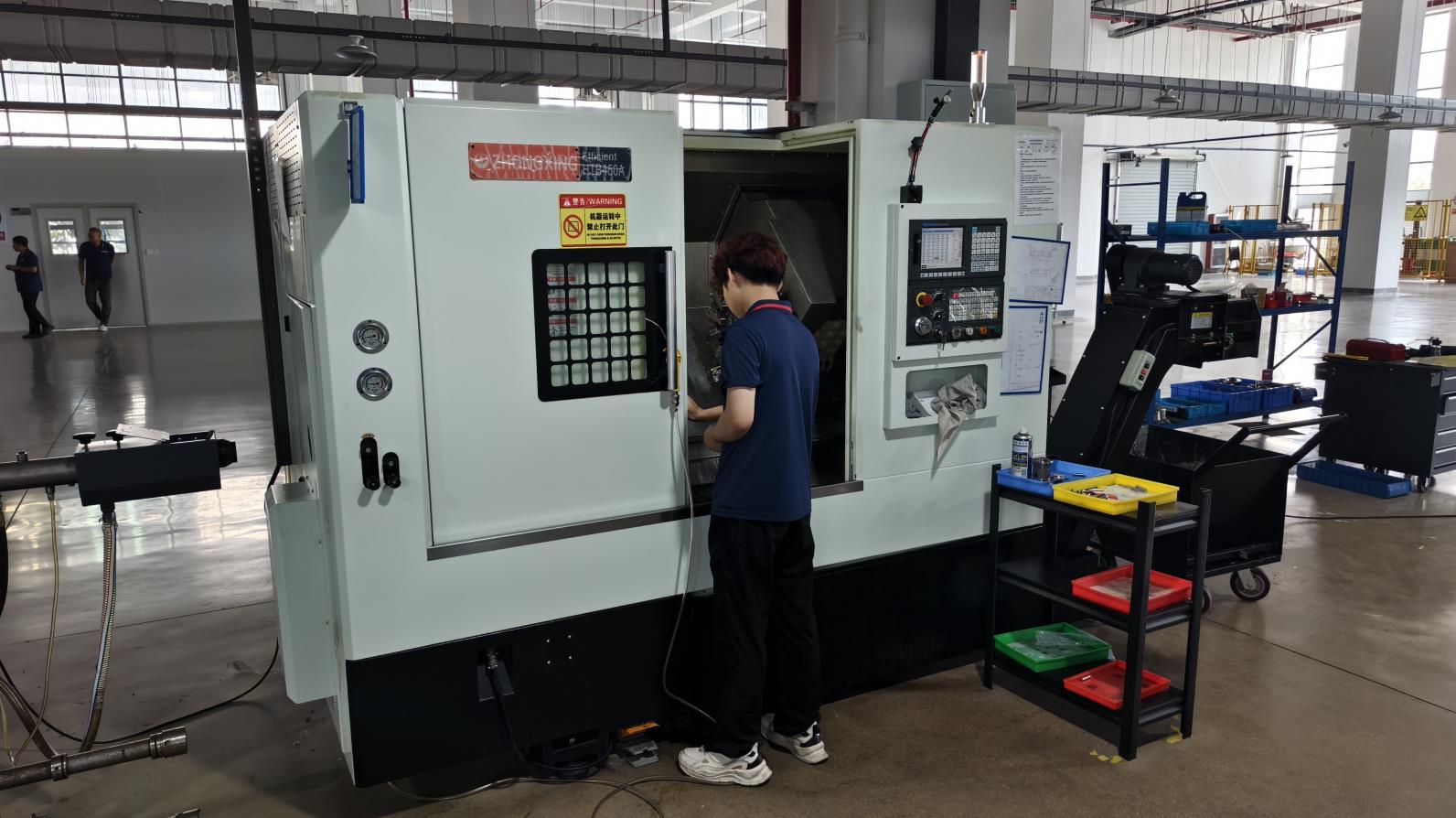
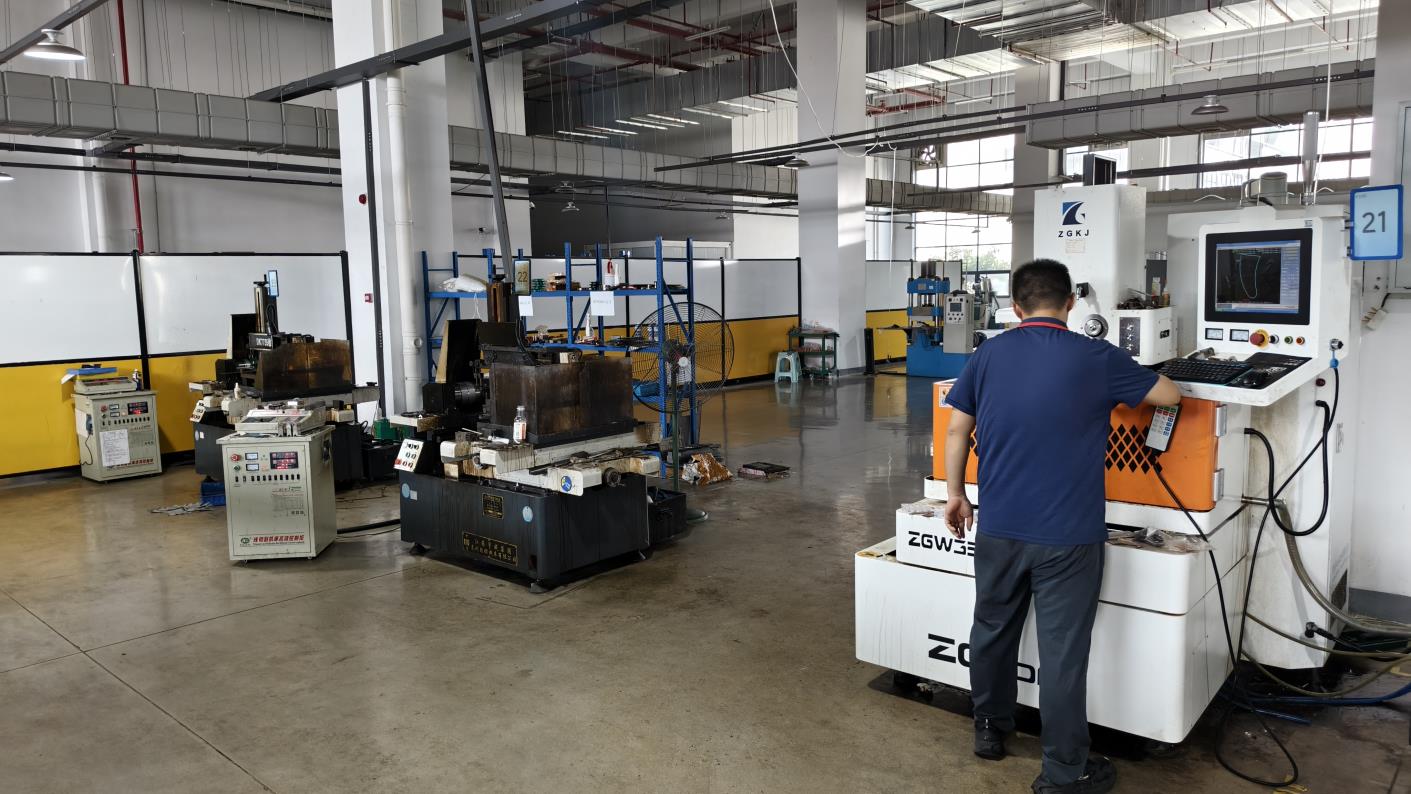
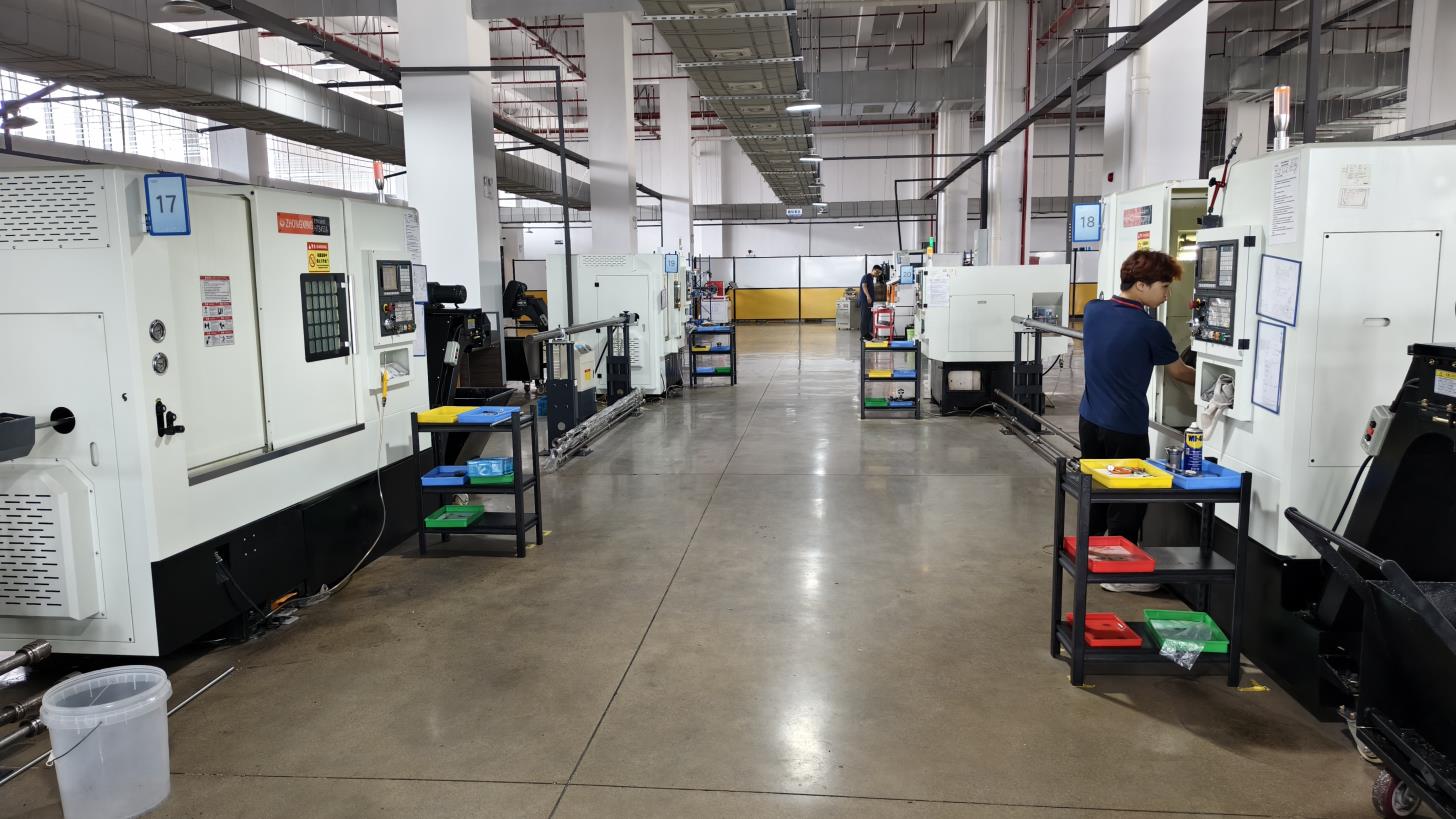
As a leading developer and exporter of surgical hardware, Synoviq Medical Technology delivers high-precision, biocompatible, and structurally optimized orthopedic implants designed to exceed Sweden's high-tech clinical requirements. By combining state-of-the-art Swiss-type CNC micro-machining with Grade 5 titanium alloys, we provide surgeons in Sweden with structural solutions that adapt precisely to anatomical variations, reduce operating times, and accelerate post-operative biomechanical stability.
Sweden’s demographics present a unique demand curve for orthopedic trauma implants. An active aging population combined with high seasonal mobility (such as winter skiing and outdoor recreation in regions like Jämtland or Dalarna) results in high incidences of articular fractures, distal radius fractures, and clavicular injuries. According to clinical data, distal radius fractures represent a significant percentage of all emergency department trauma cases in Sweden. To address this, clinics require implant systems that facilitate early weight-bearing and minimize soft-tissue irritation.
Furthermore, the Swedish municipal healthcare models (Region Stockholm, Västra Götalandsregionen, Region Skåne, etc.) prioritize cost-efficiency but refuse to compromise on implant life cycles. Synoviq addresses this macro-economic reality by establishing high-throughput, ISO 13485-certified OEM and ODM pipelines, delivering superior quality plates and screws directly to Swedish distributors at competitive price points.
The transition from MDD to EU MDR (Regulation EU 2017/745) in Sweden, regulated under the auspices of the Medical Products Agency (Läkemedelsverket), has dramatically elevated the barriers to entry for medical devices. High-risk Class IIb and Class III devices—which include internal fixation systems, locking compression plates (LCP), and intramedullary nails—require absolute traceabilities from the raw material supplier down to the sterile packaging code.
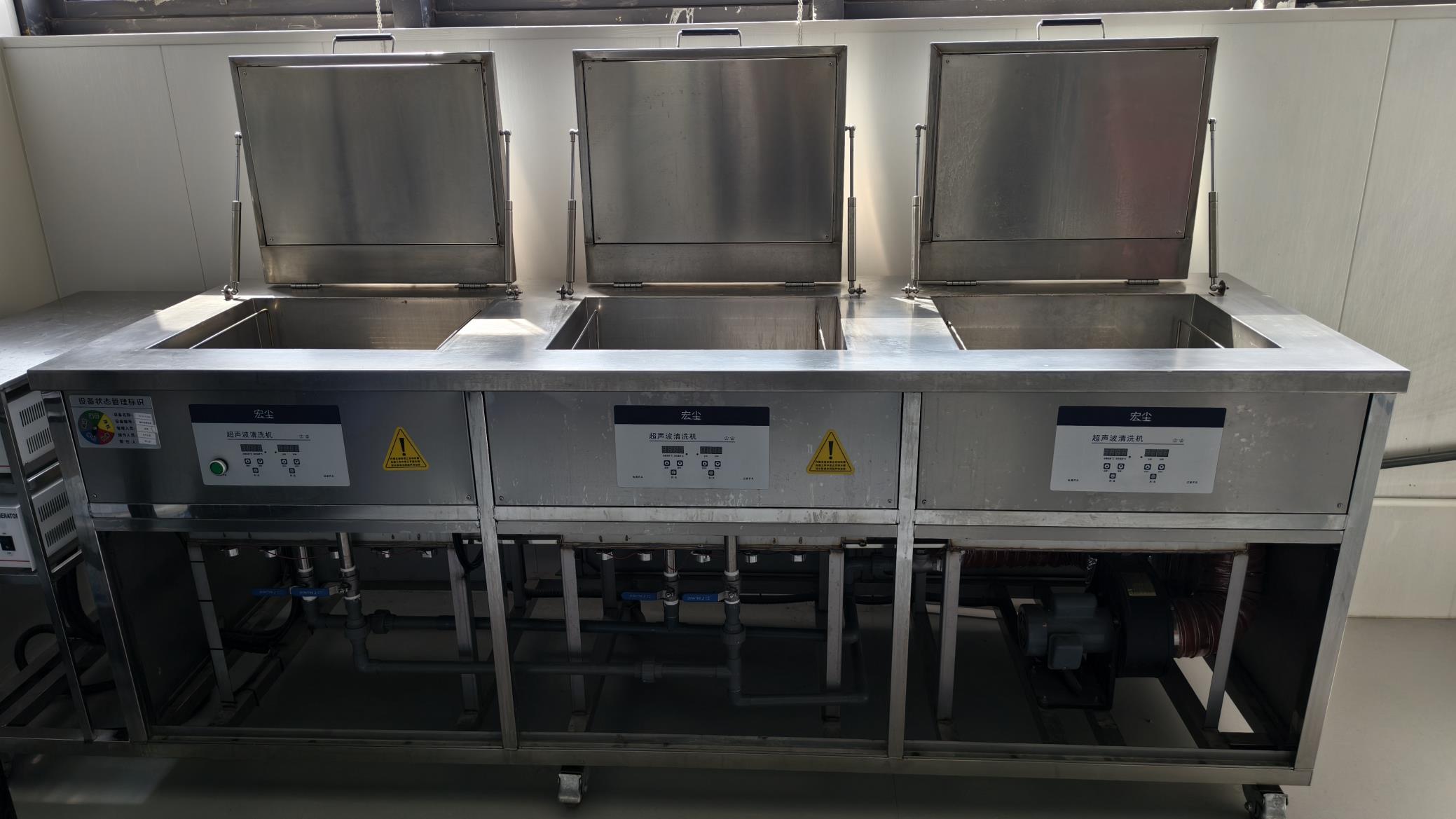
Our global supply strategy is engineered around this exact regulatory framework. Every titanium batch used in our implants undergoes thorough chemical composition and mechanical testing. The implants are produced in Class 100,000 cleanrooms and are subject to rigorous surface audits, passivation tests, and sterilization validations, ensuring that when our hardware arrives at Swedish hospitals (such as Karolinska University Hospital or Sahlgrenska University Hospital), it meets the highest criteria of clinical reliability.
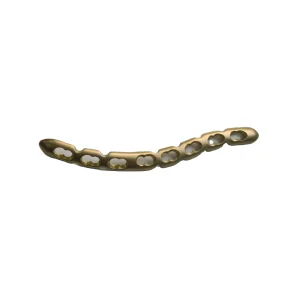
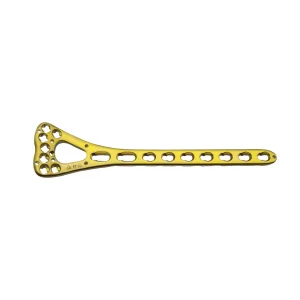
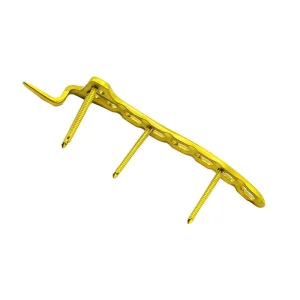
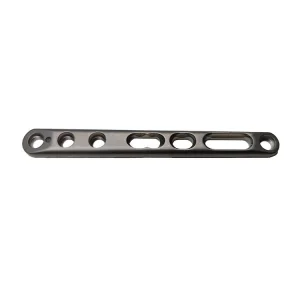
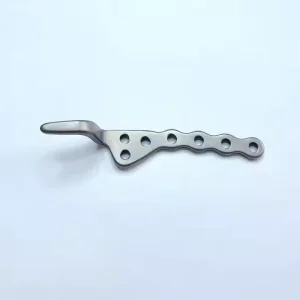
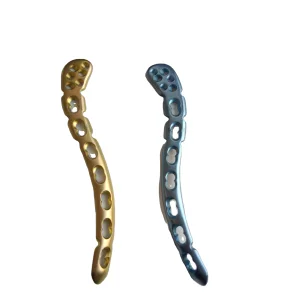
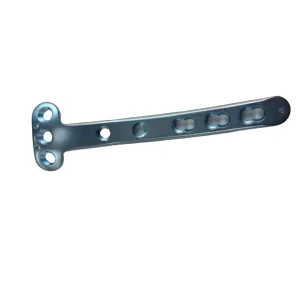
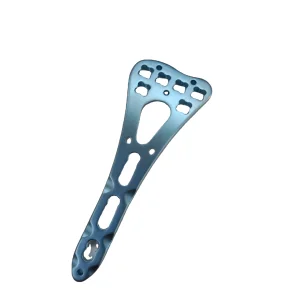
Contemporary fracture treatment requires implants to balance rigidity with micro-motion to stimulate secondary bone healing (callus formation). Synoviq’s Swedish line of trauma locking plates utilizes a Combi-hole design, allowing the surgeon to choose between conventional compression, dynamic locking, or a combination of both.
Key Technological Features:
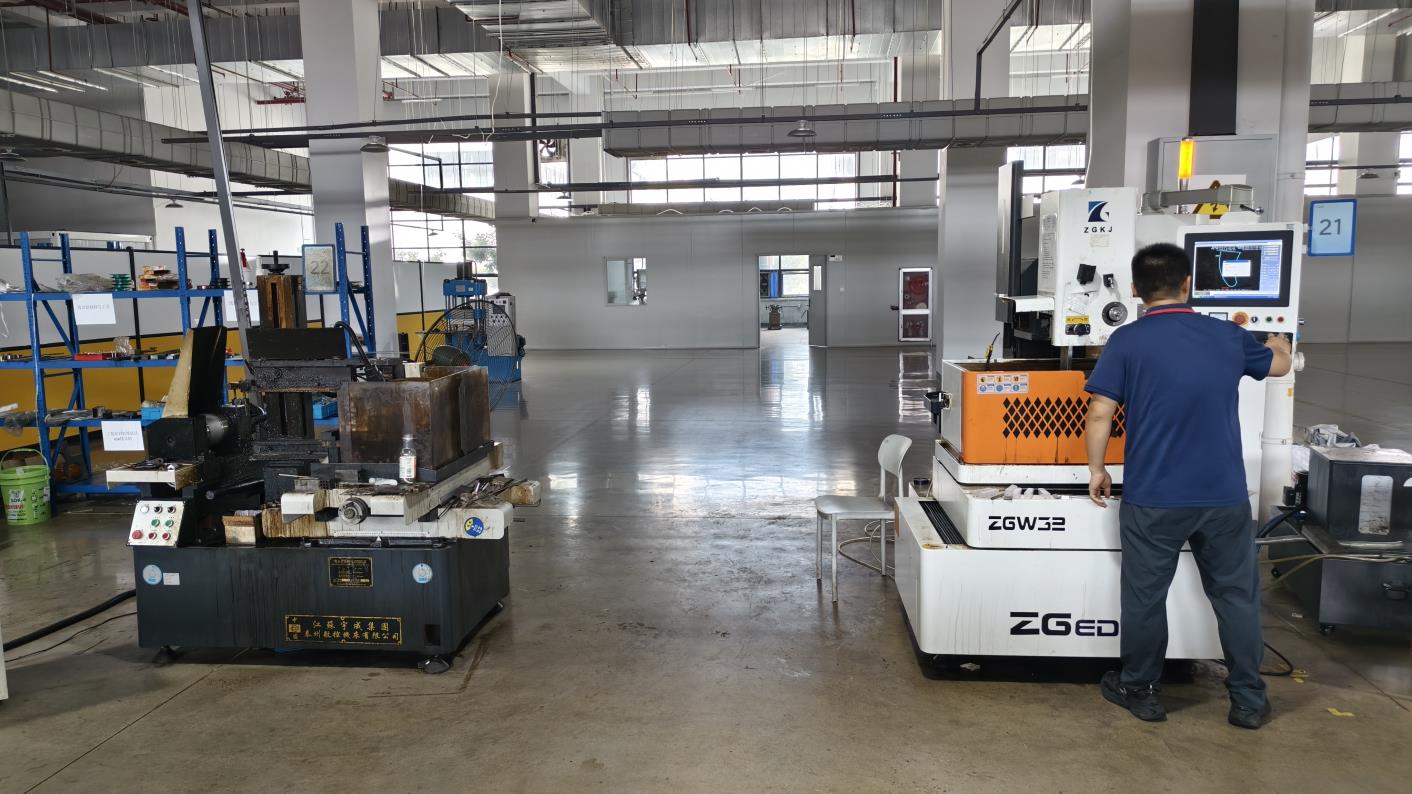
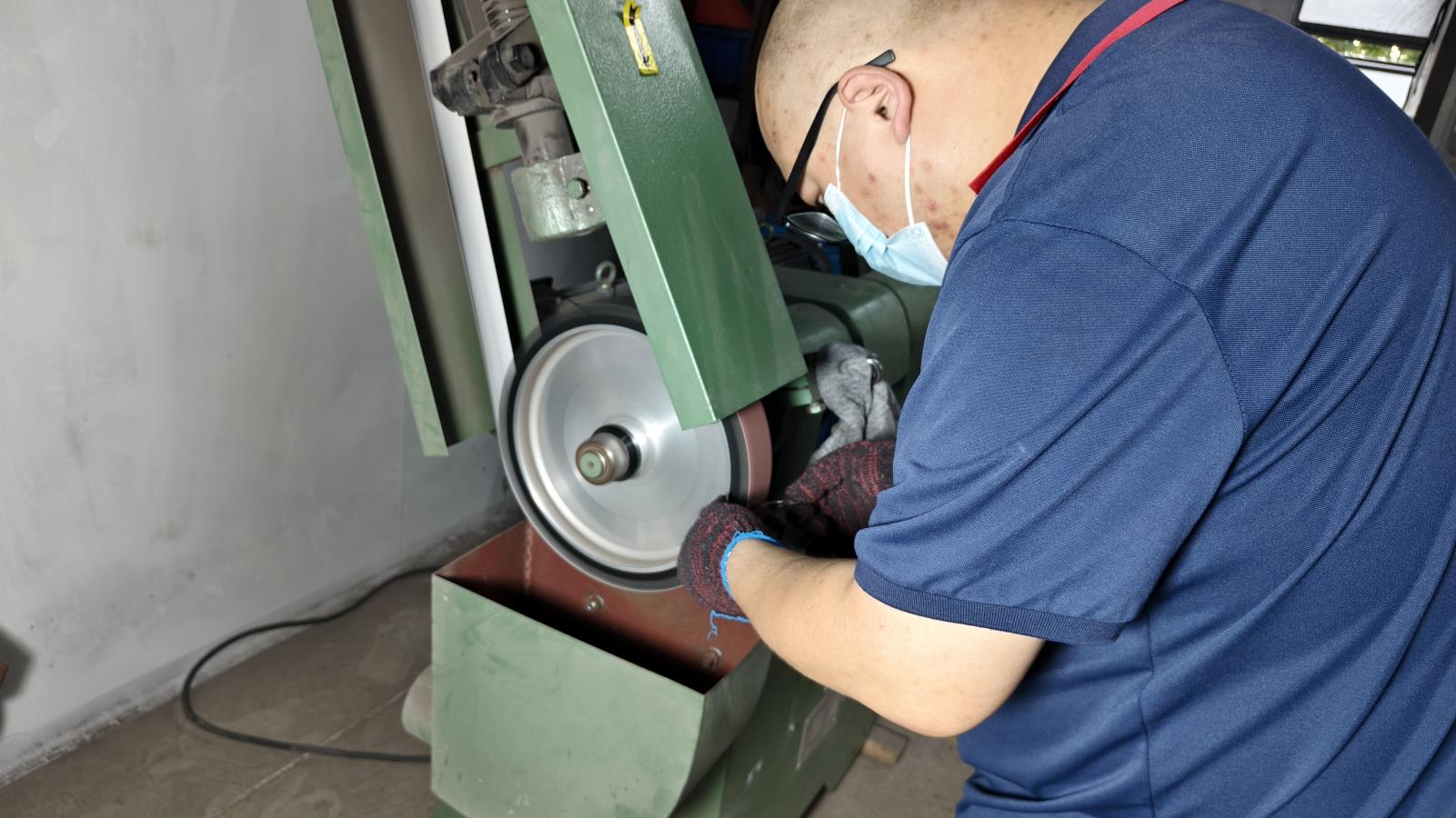
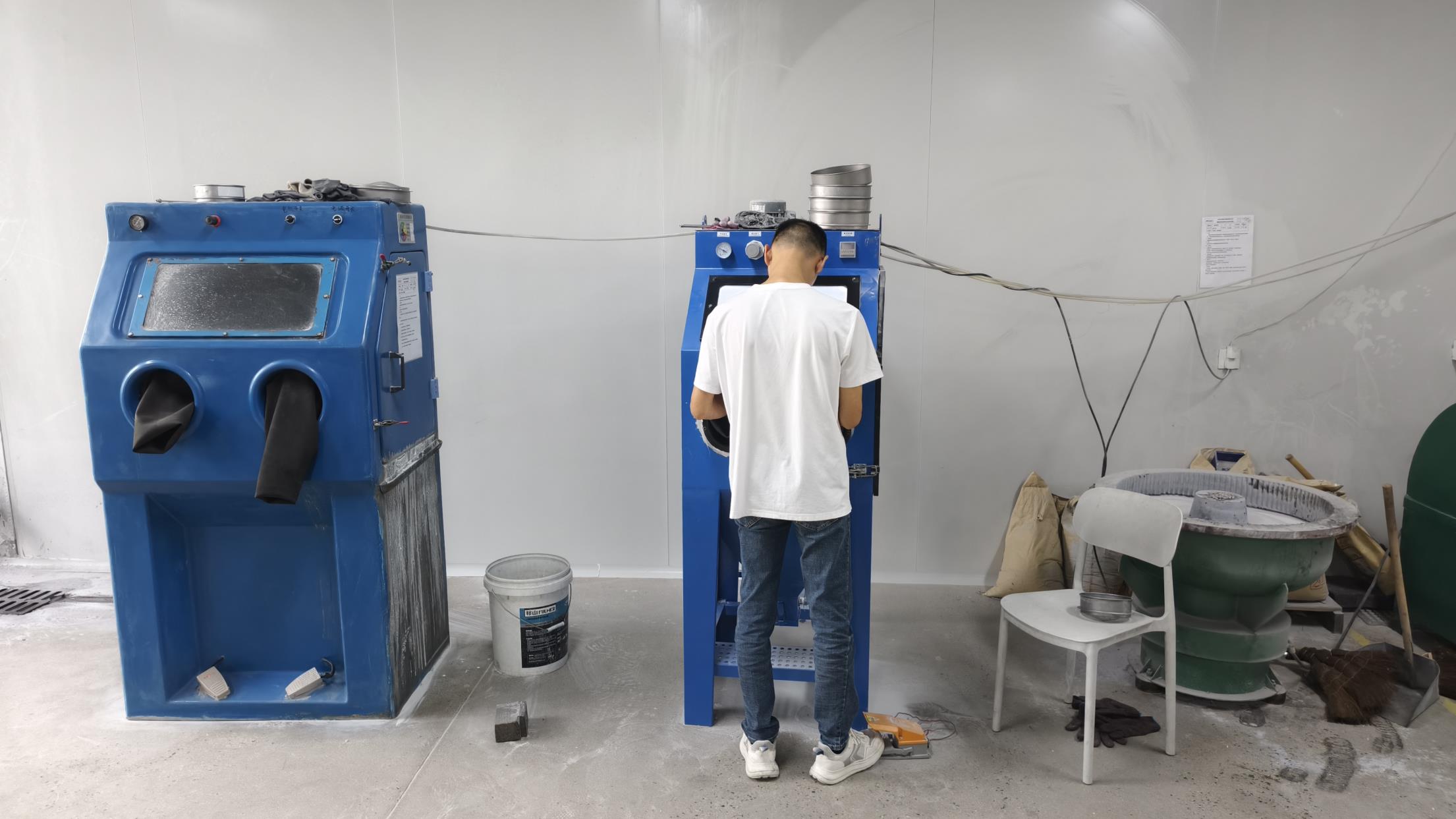
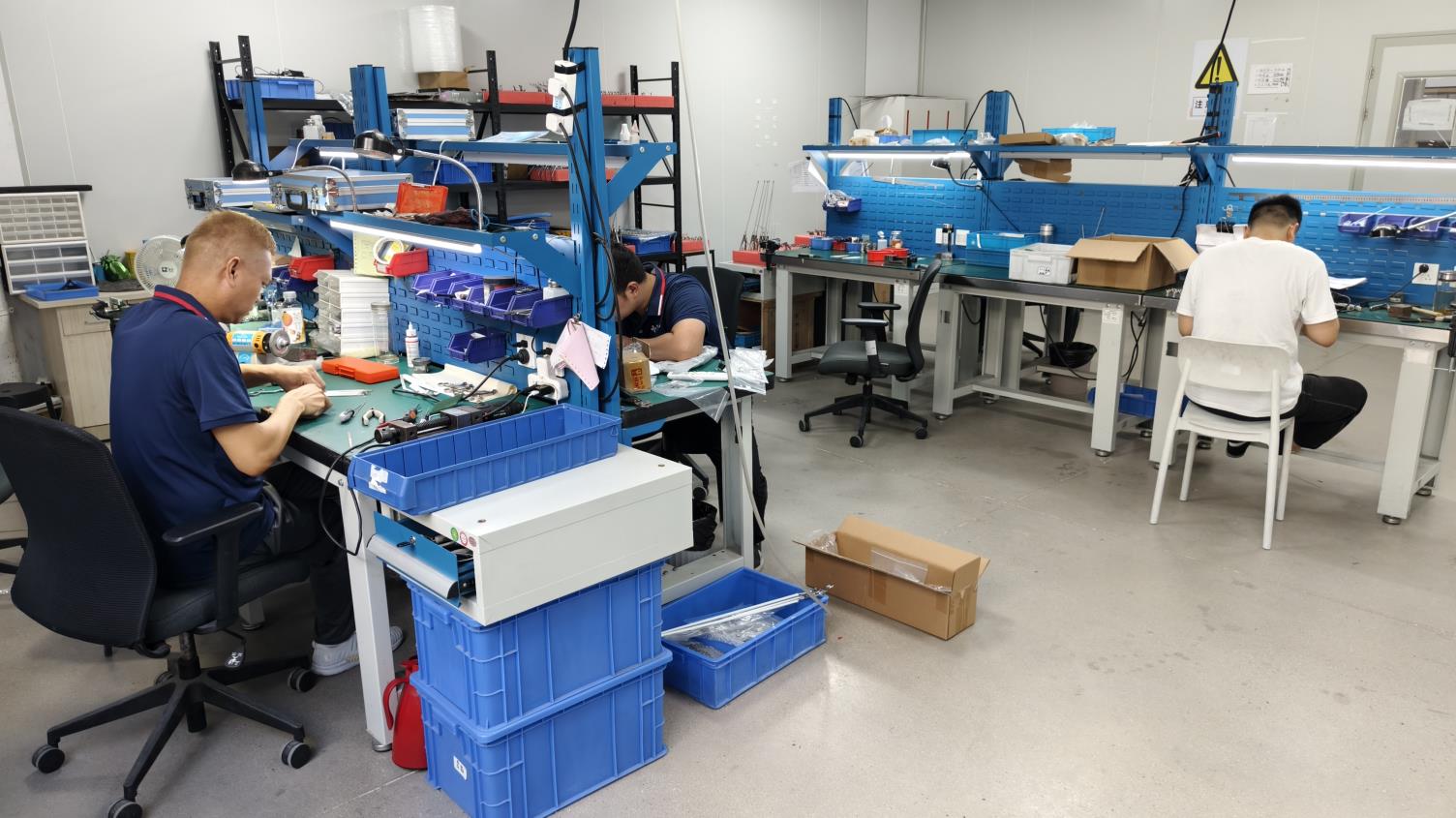
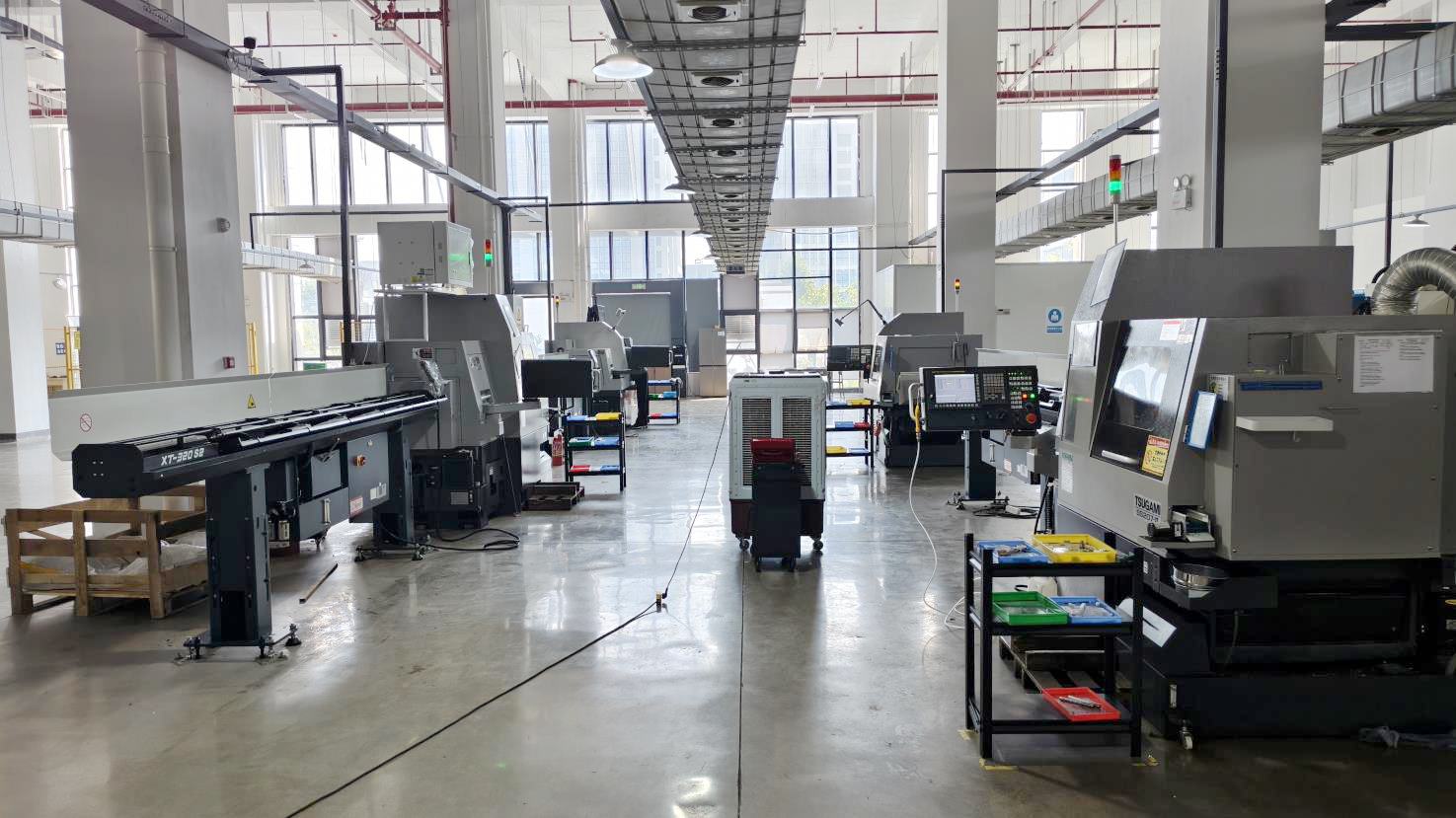
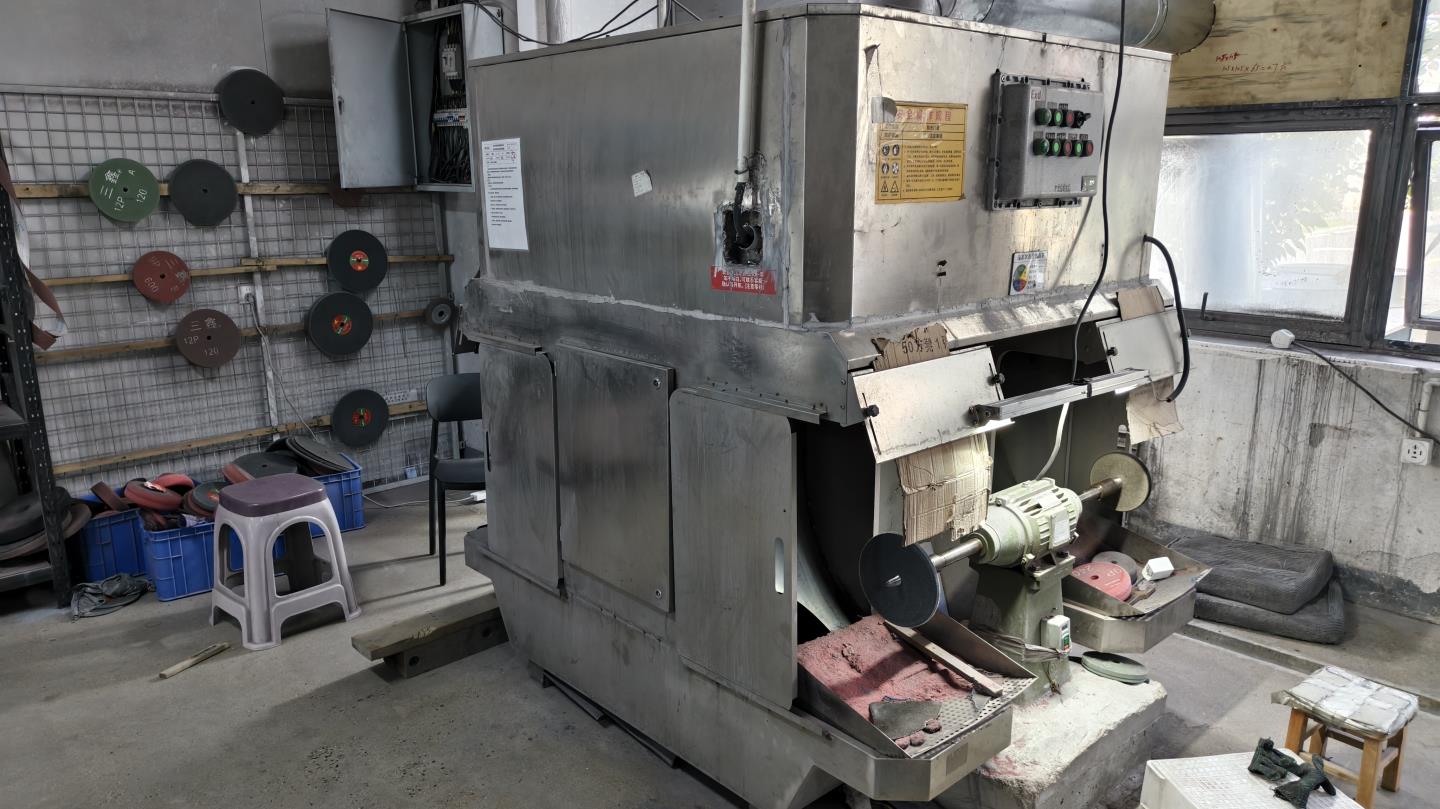
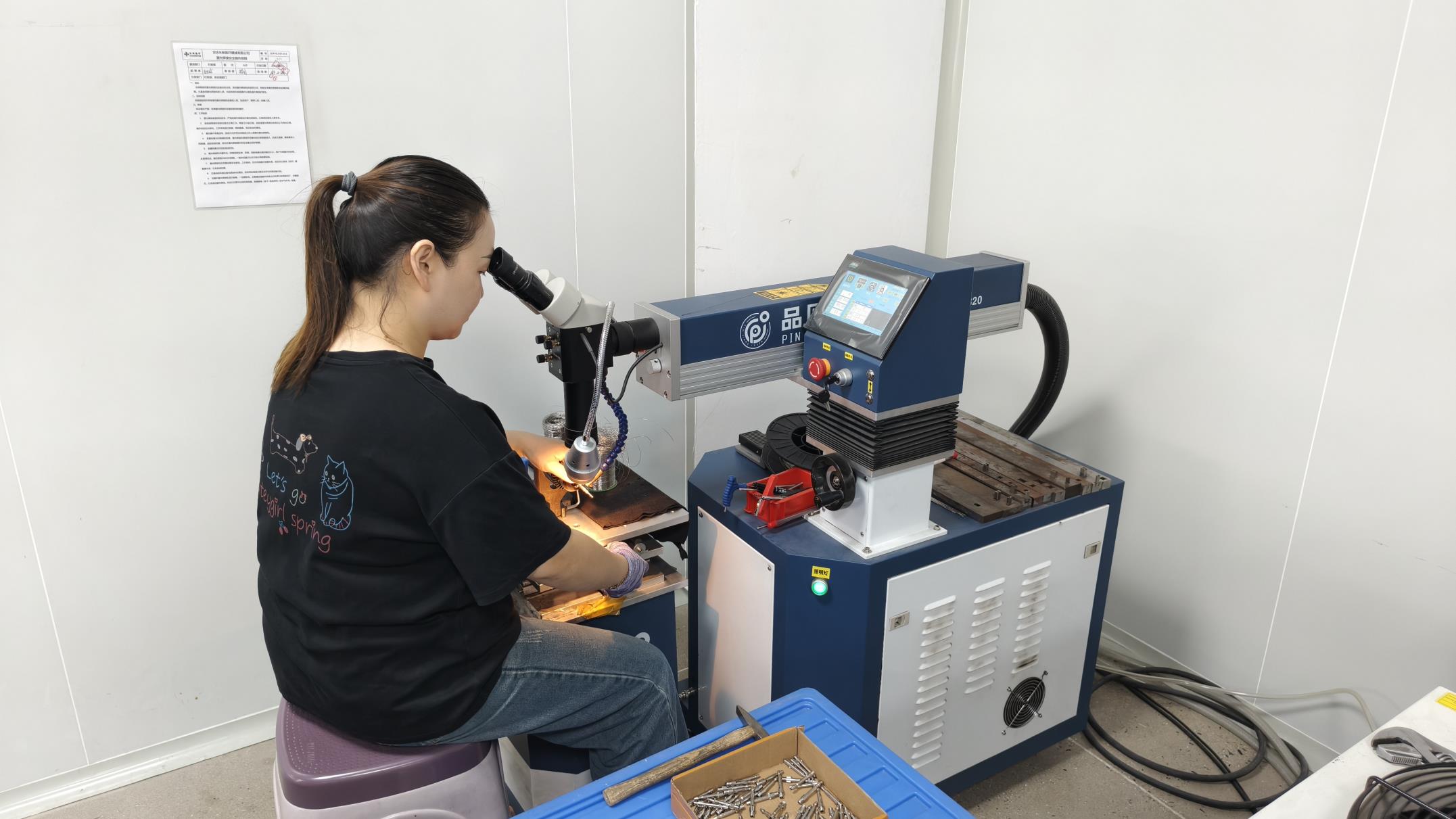
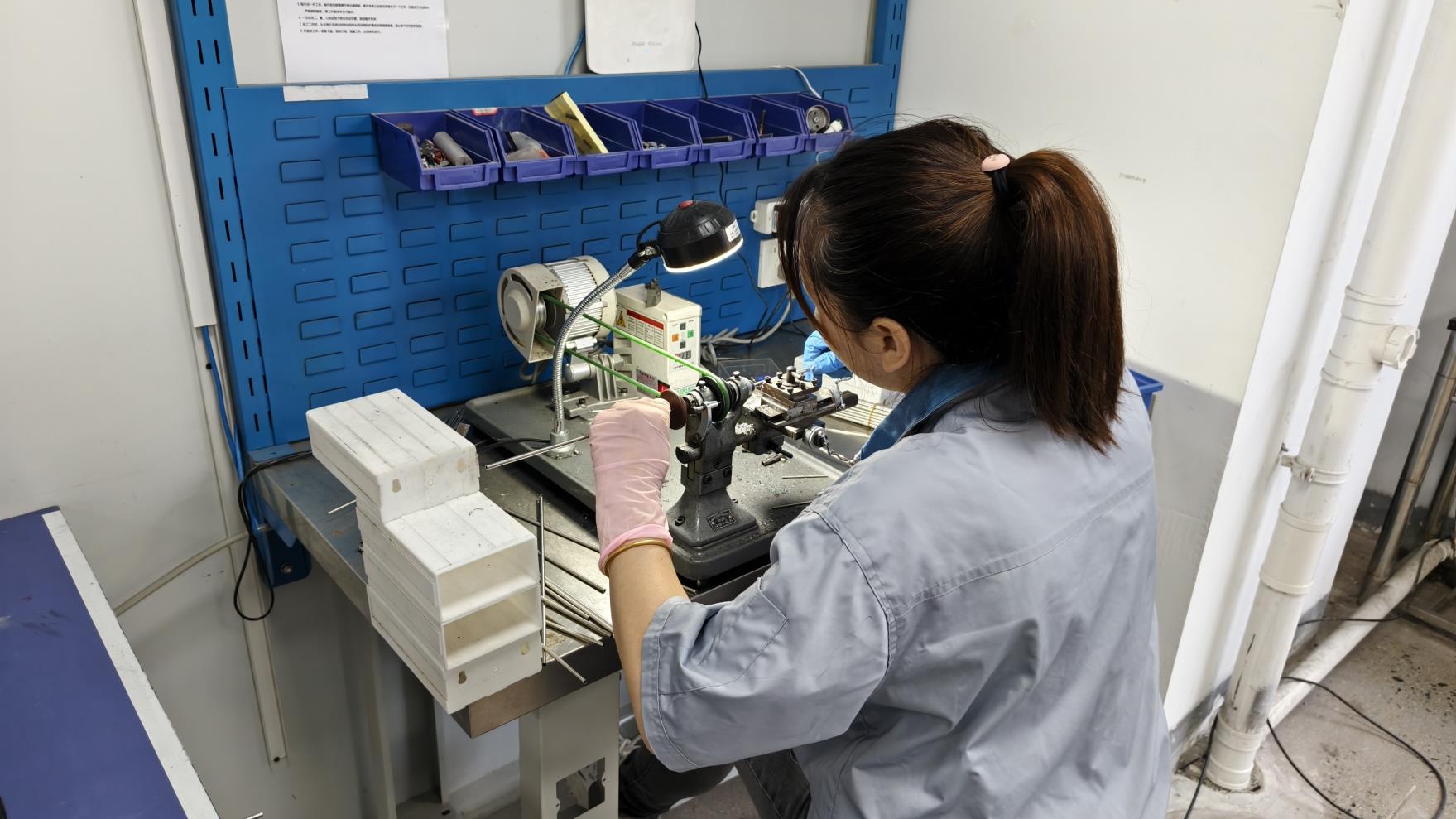
Operating an 18,600 m² advanced medical device campus, Synoviq Medical Technology utilizes state-of-the-art global machinery and quality processes to guarantee 100% component compliance and traceabilities for orthopedics trauma markets.
| Strategic Parameters | Technical and Capacity Thresholds |
|---|---|
| Company Infrastructure | Synoviq Medical Technology (China) Co., Ltd. (14 Years Industry Track Record) |
| Annual Export Volumes | USD 21.8 Million with extensive logistics channels to Northern Europe and Scandinavia |
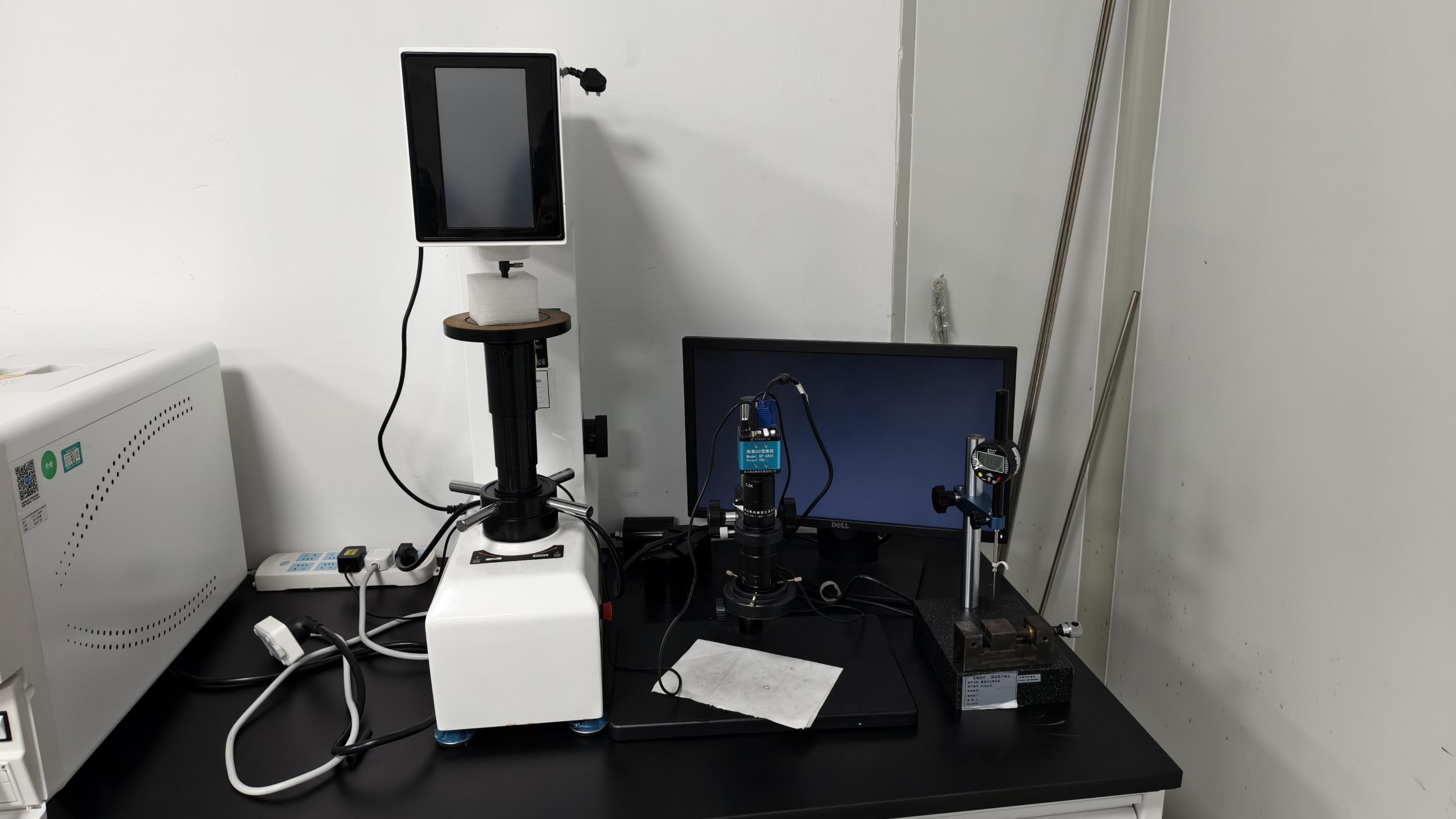
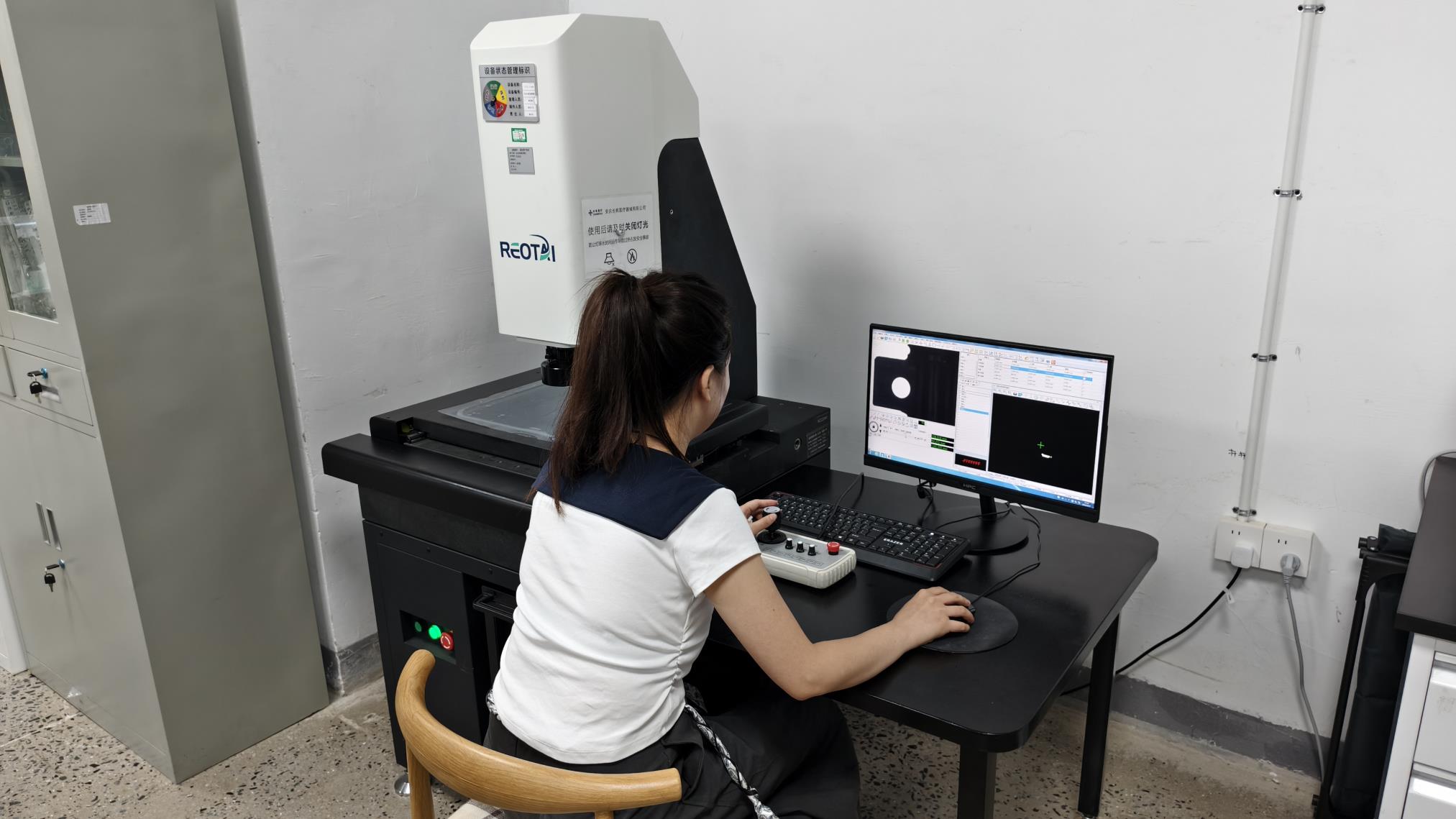
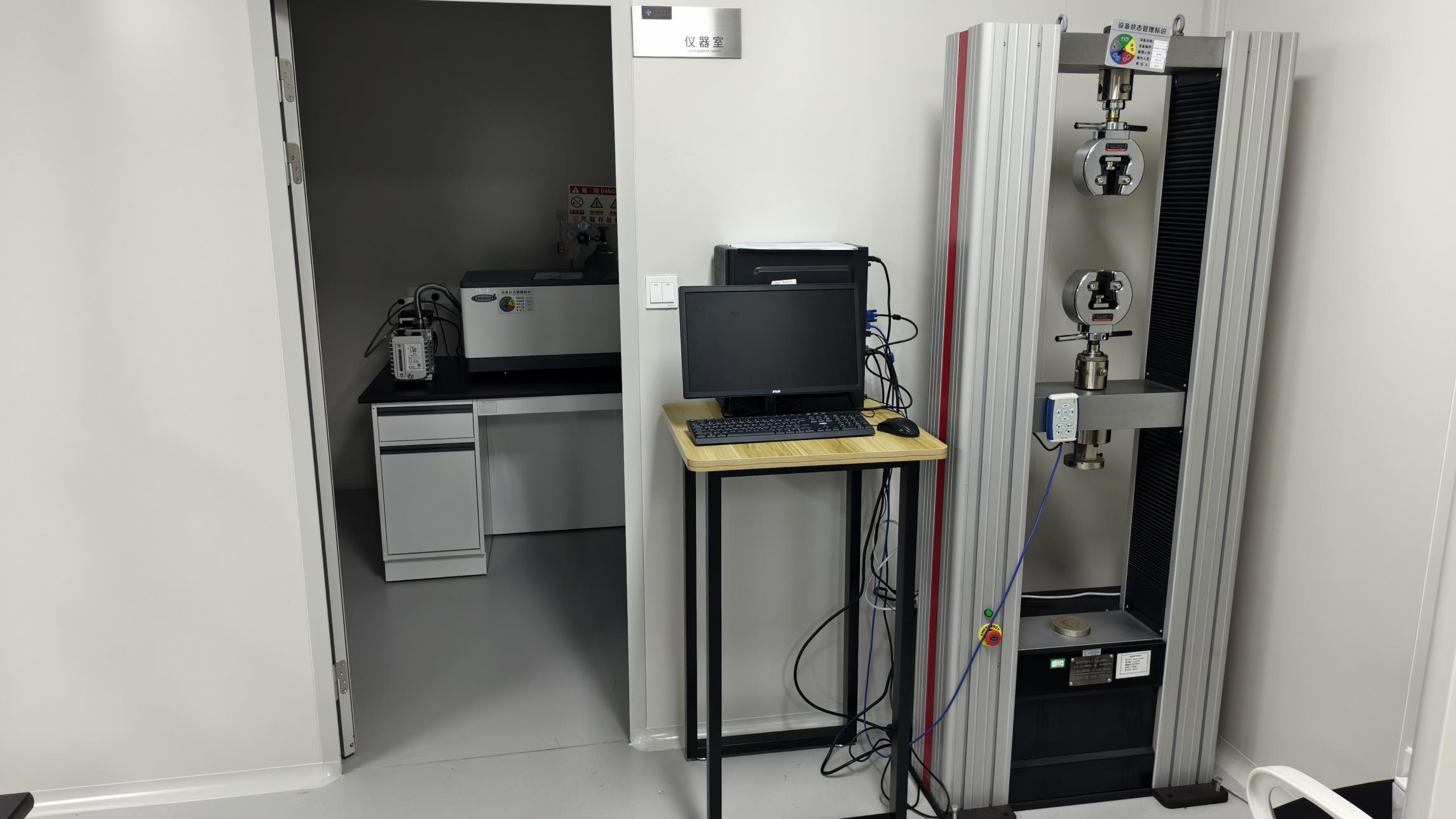
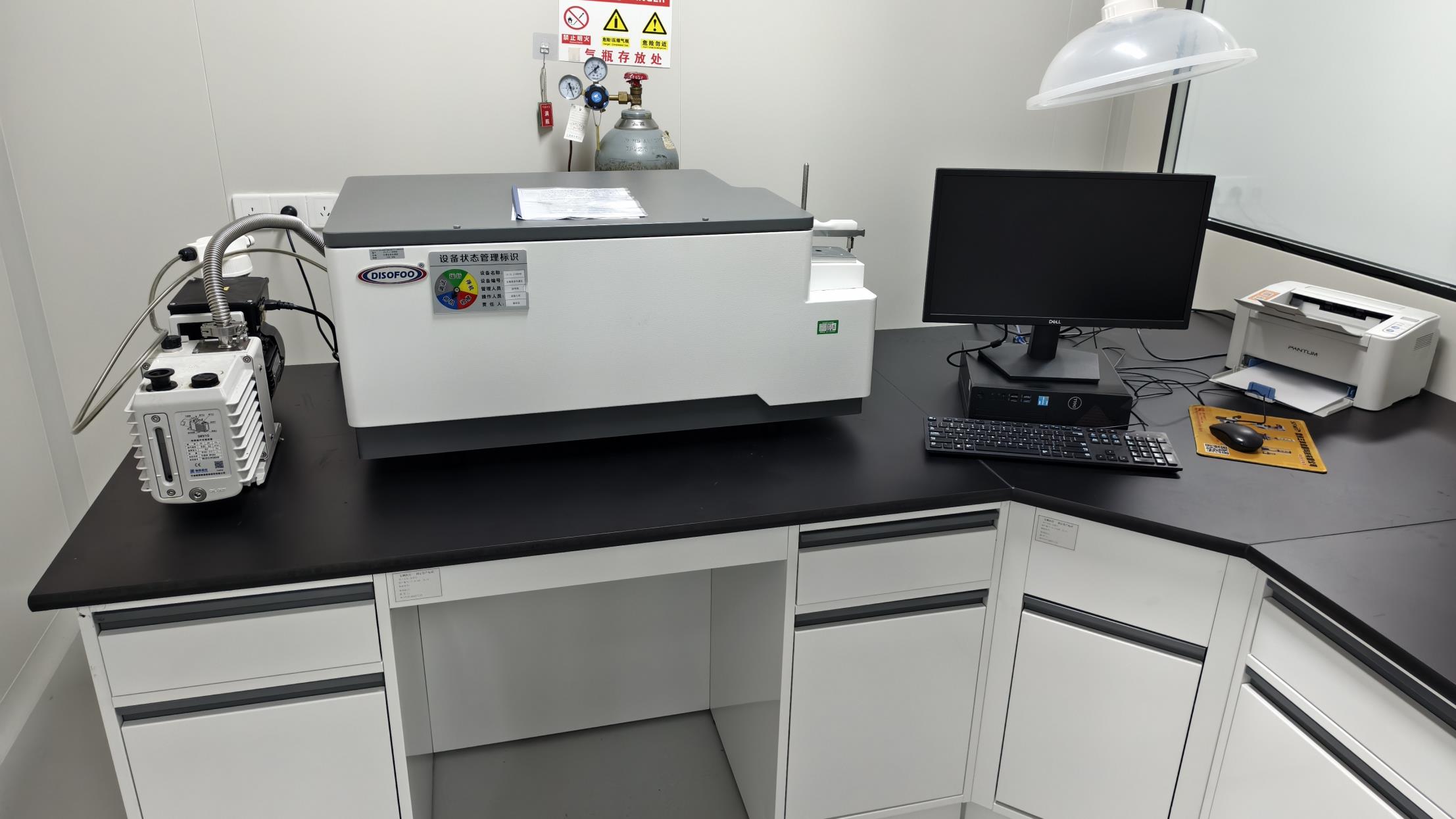
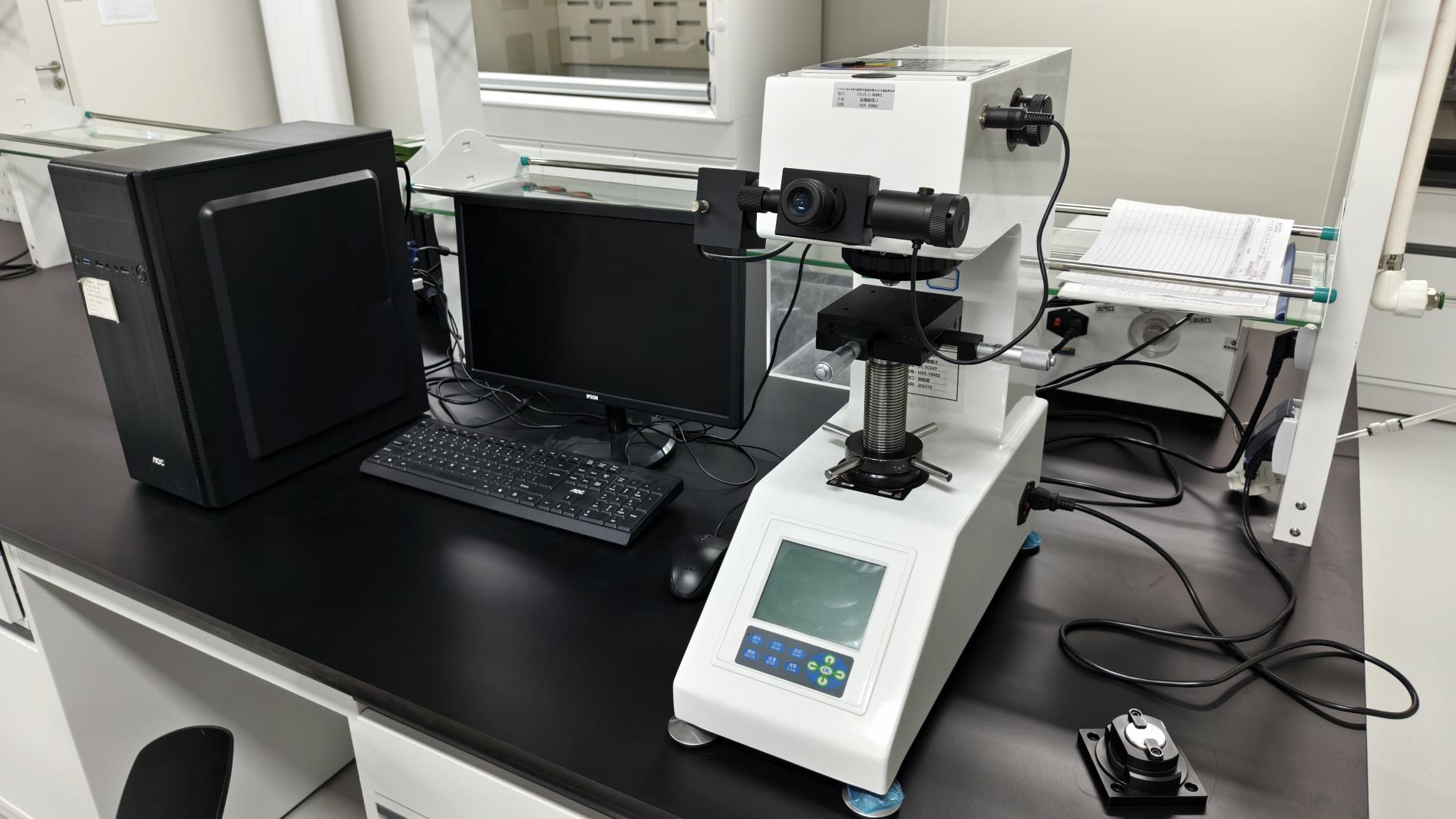
| QC Personnel & Protocol | 48 Dedicated QC engineers conducting 100% final inspections & Incoming material testing |
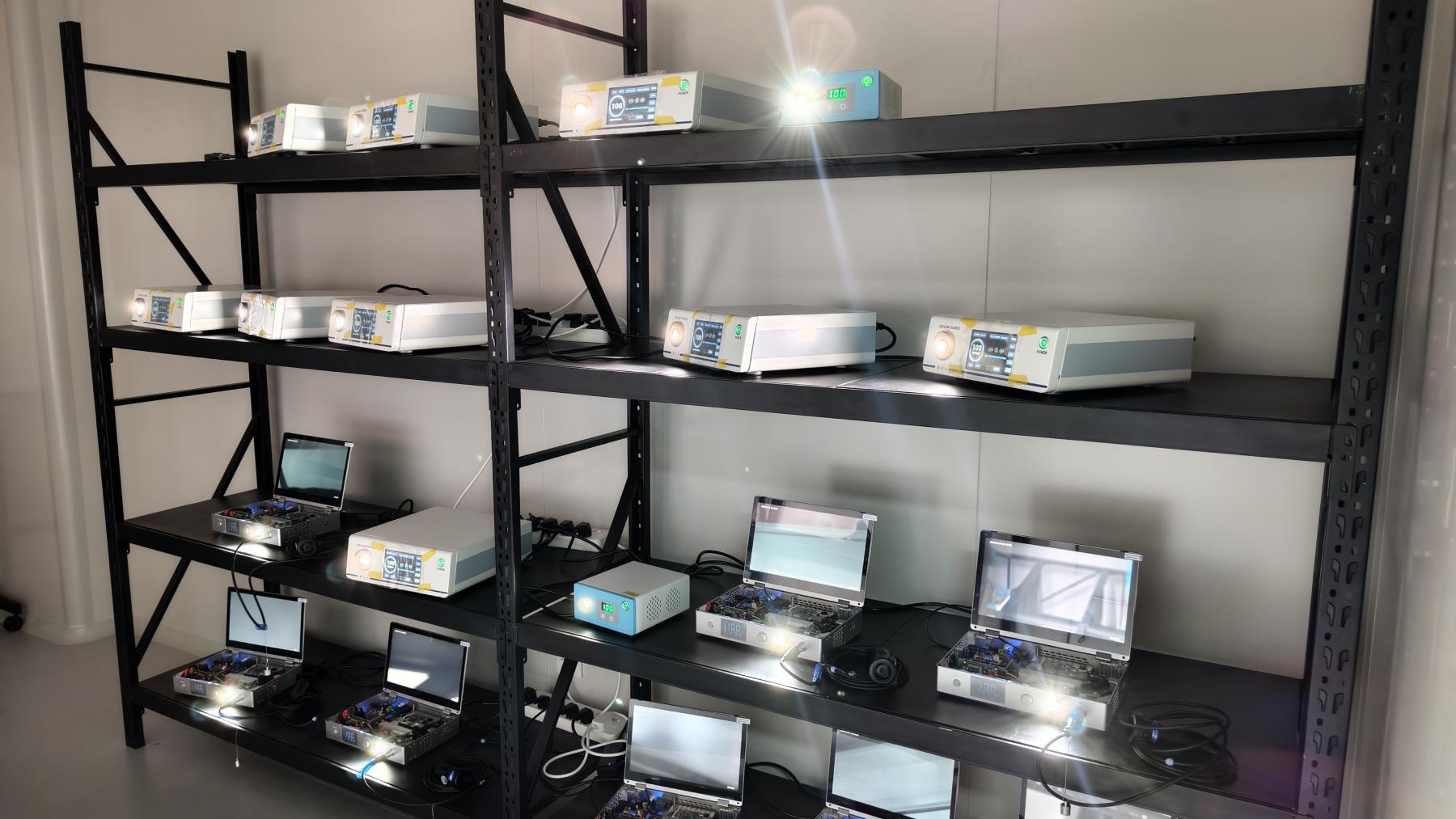
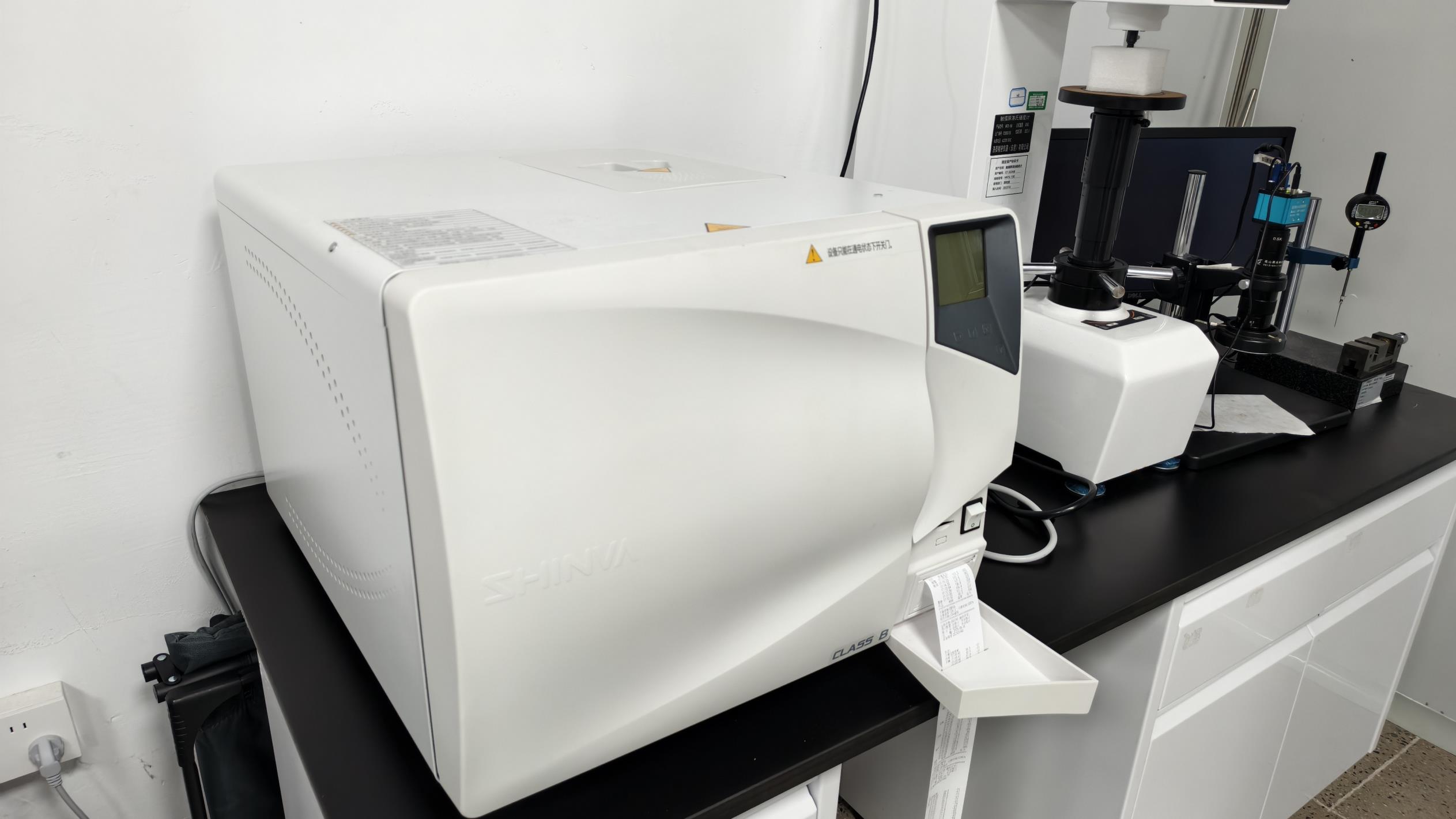
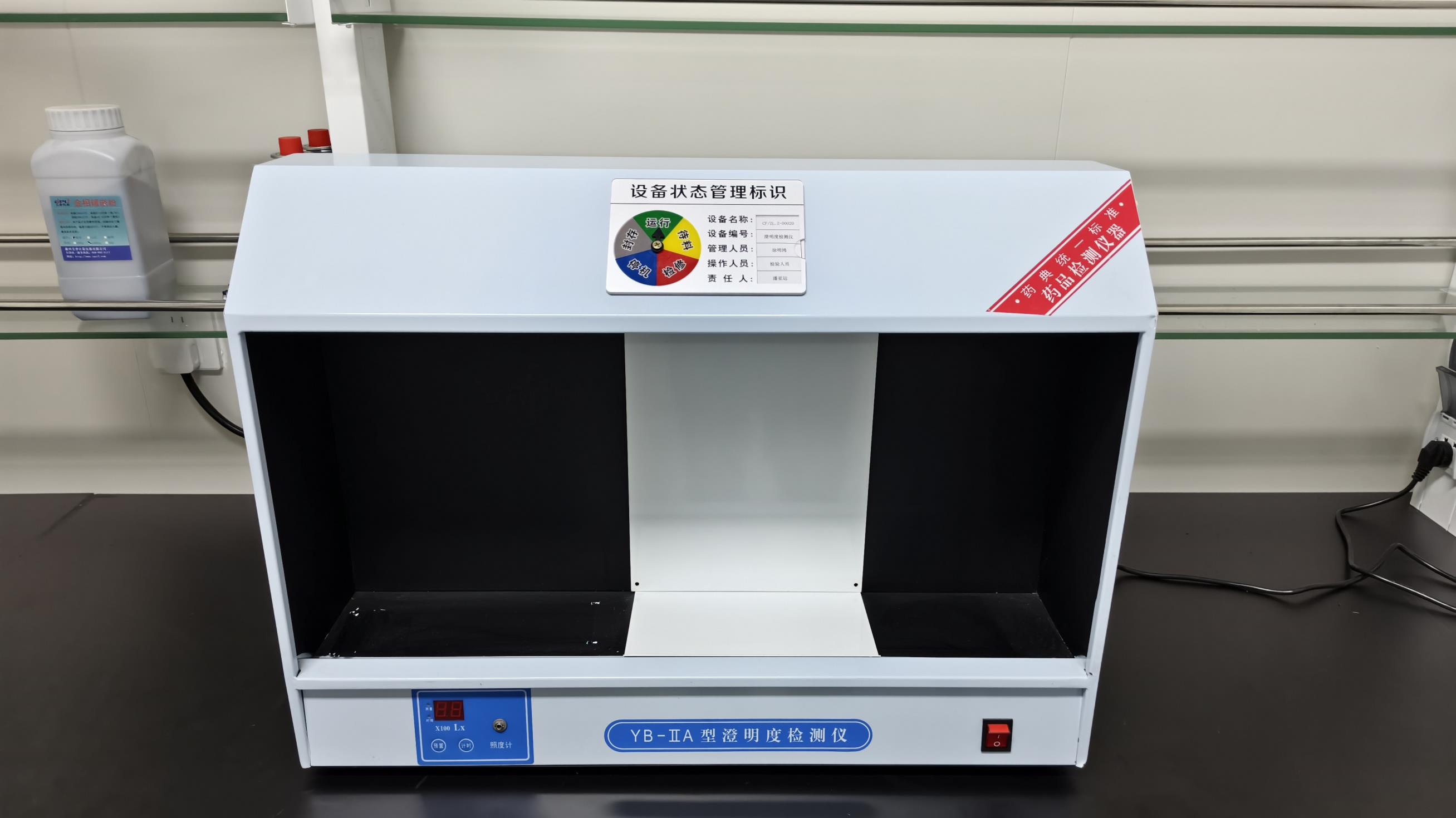
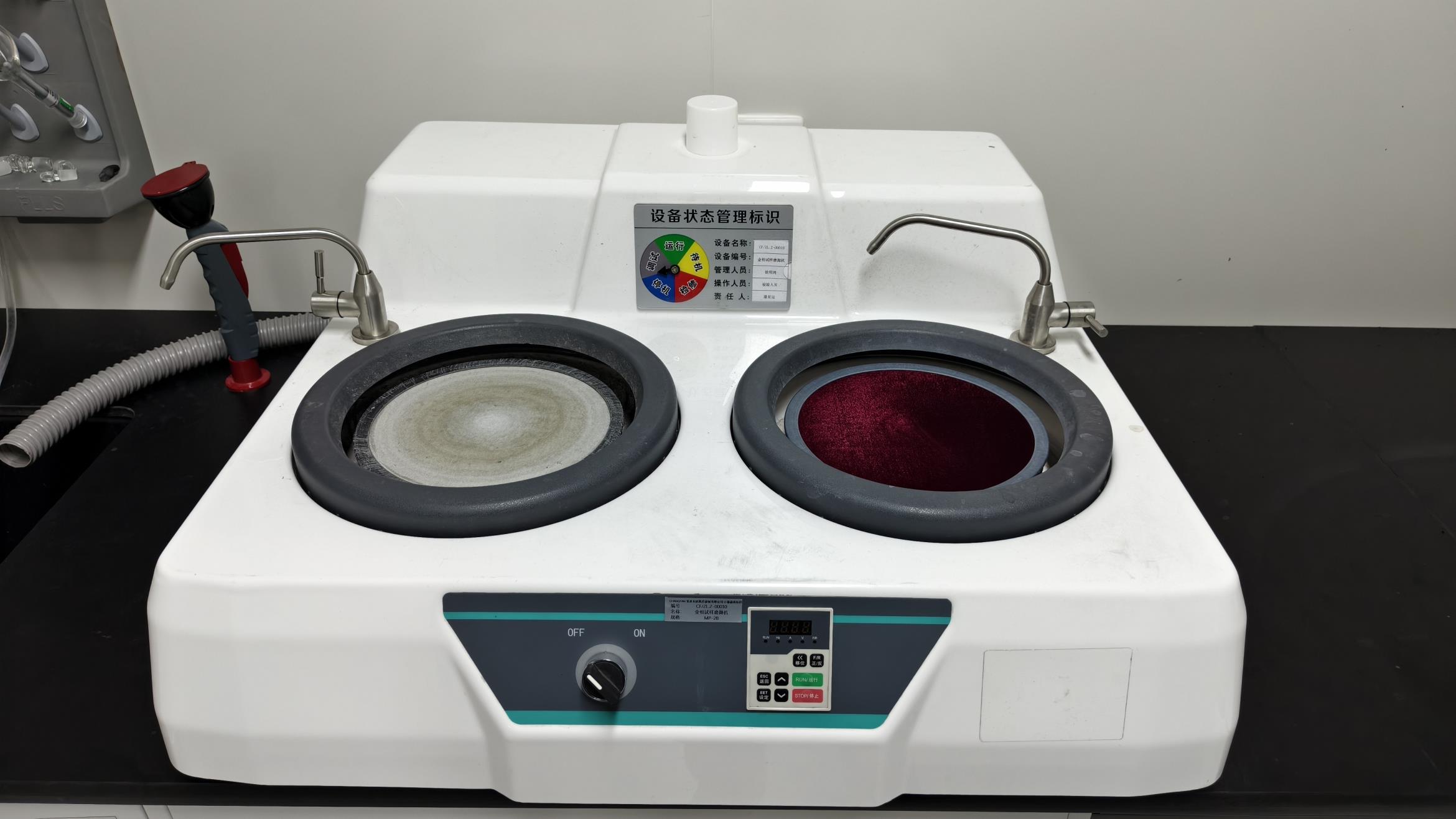
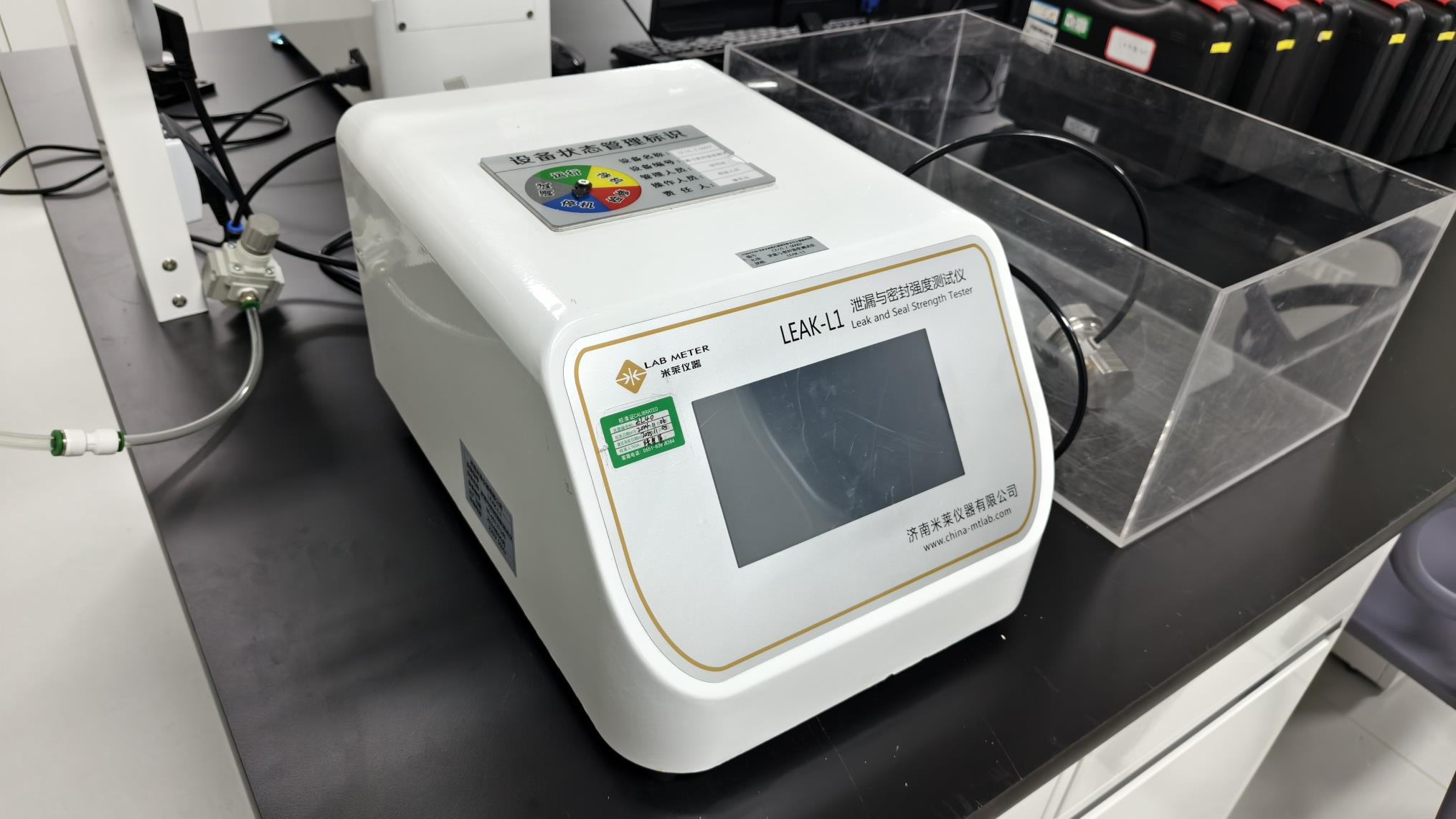
| Advanced Testing Battery | CMM dimensional validation, tensile fatigue, surface roughness testing, metallographic mapping, salt spray, sterility verification |
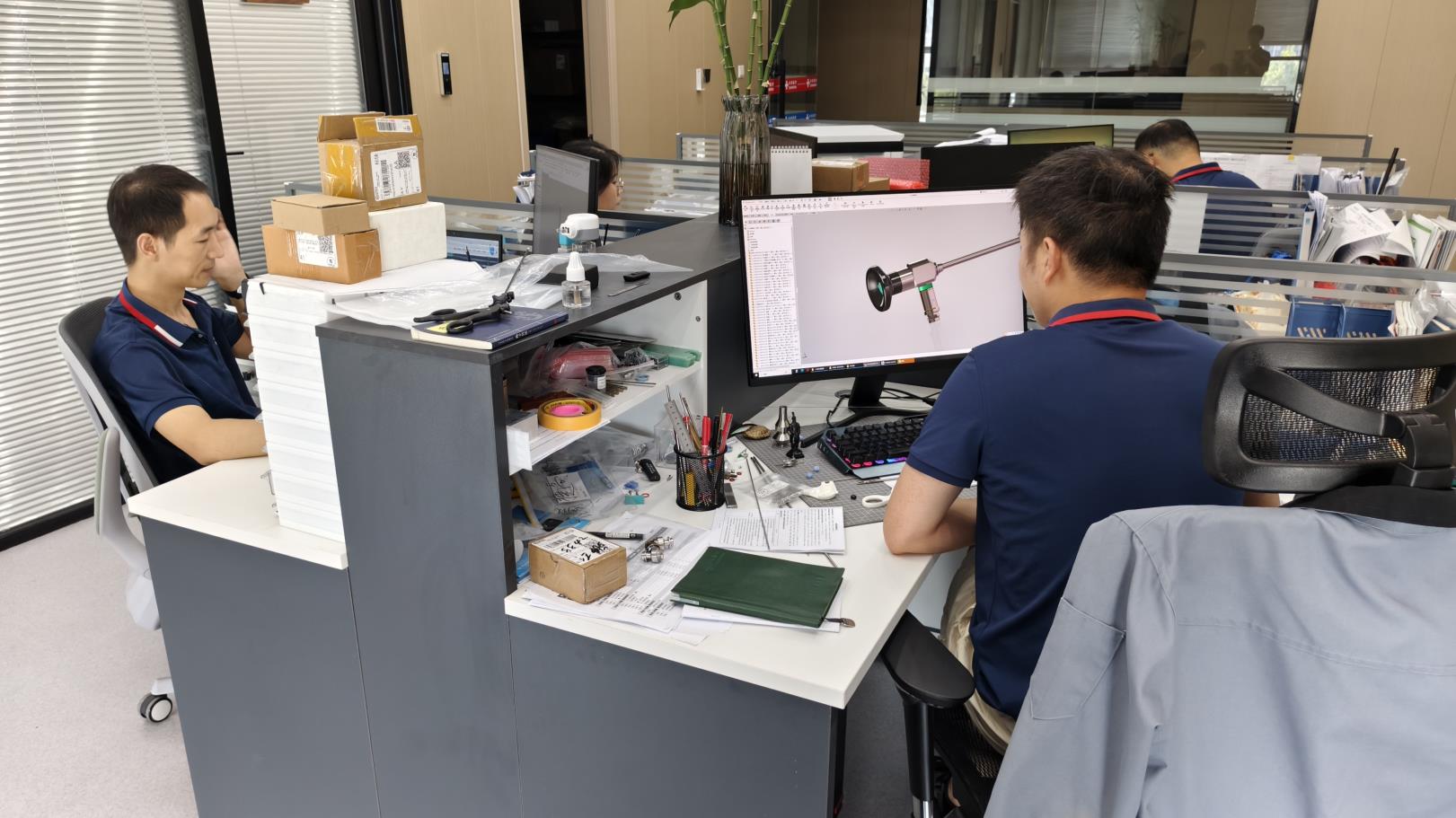
| R&D Strength | 76 Engineers, 186 New medical devices launched annually to meet rising clinical challenges |
The future of trauma fixation in Sweden points toward patient-specific implants (PSI) and bioactive surface coatings. Synoviq is currently investing in 3D-printing (Additive Manufacturing) technology using Ti-6Al-4V powder to allow rapid prototyping of complex pelvic and maxillofacial reconstructions.
Developing localized customized porous lattices that match the elastic modulus of cancellous bone, significantly reducing stress shielding and promoting bone ingrowth.
Applying silver-ion and iodine-based microscopic layers onto titanium plates to mitigate risk of implant-associated infections (IAI) in complex compound fractures.
R&D initiatives exploring magnesium-alloy and copolymer solutions for pediatric trauma cases to avoid the need for a secondary implant removal procedure.
Answers to essential logistical, quality, and regulatory inquiries for procurement officers, medical distributors, and surgical clinics in Sweden.
A comprehensive selection of trauma fixation plates, reconstruction systems, and specialized instruments matching surgical standards in Sweden.
Direct access to our targeted trauma fixation configurations, featuring advanced instrumentation interfaces.
Looking to optimize your trauma hardware supply chain in Sweden? Get in touch with our medical engineering team to receive full product specifications, certification dossiers, and tailored quotation frameworks.
Send Inquiry Now Synoviq Medical