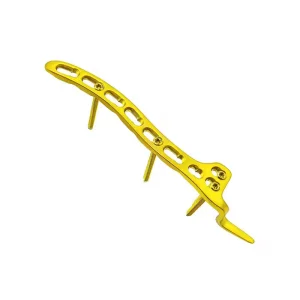
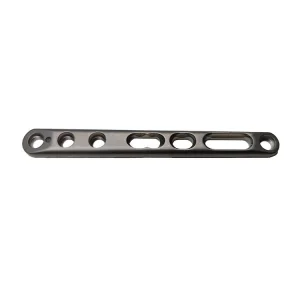
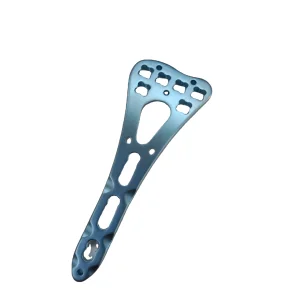
Clinically proven titanium implants engineered for anatomically precise stabilization. Sourced directly by European orthopedic distributors and NHS procurement hubs.
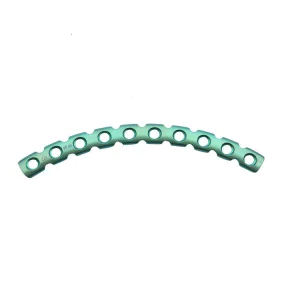
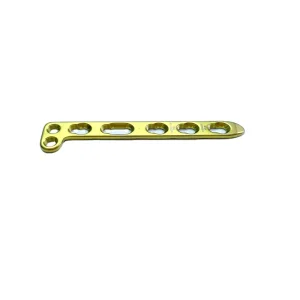
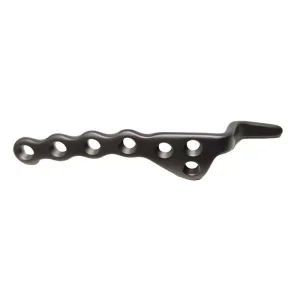
The London metropolitan area acts as the primary hub for complex trauma treatments in the UK, anchoring the London Major Trauma Network. Hospitals such as The Royal London Hospital (Barts Health NHS Trust), King’s College Hospital, St George’s Hospital, and St Mary’s Hospital (Imperial College Healthcare NHS Trust) operate under immense demand for emergency fracture fixation interventions.
In this intensive environment, surgical delays are critical. Our trauma implants are designed to integrate seamlessly into NHS orthopedic workflows. Since the UK’s transition post-Brexit, we have adapted our compliance pathways to align with both the UKCA (UK Conformity Assessed) framework and the transitional UK MDR 2002 regulations, while maintaining our MDR (EU) 2017/745 standards. This double-layer compliance guarantees that London importers and healthcare buyers face zero regulatory friction when importing Class IIb and Class III orthopedic hardware.
For NHS Supply Chain procurement and private orthopedic hospital chains across Greater London (such as HCA Healthcare UK, London Bridge Hospital, and The Wellington Hospital), inventory stability is key. We offer specialized OEM/ODM support that allows London partners to maintain buffer stocks in local distribution warehouses.
All components undergo validated cleanroom operations, achieving a Sterility Assurance Level (SAL) of 10⁻⁶, matching NHS decontamination guidelines.
Each titanium implant features unique device identification (UDI) laser marking, facilitating immediate scanning inside operating theatres.
A globally trusted OEM/ODM developer delivering clinical excellence through advanced osteosynthesis engineering.
Synoviq Medical Technology (China) Co., Ltd. is a professional manufacturer of orthopedic implants and surgical instruments, dedicated to delivering innovative, reliable, and high-quality medical solutions for healthcare professionals worldwide. Since its establishment, Synoviq has focused on research, development, precision manufacturing, and international quality standards, providing comprehensive OEM and ODM services for global medical device brands, distributors, and hospitals.
Our product portfolio includes trauma fixation systems, spinal implants, locking plates, intramedullary nails, external fixation systems, orthopedic screws, surgical instruments, and customized orthopedic solutions. Equipped with advanced CNC machining centers, precision inspection equipment, and modern clean production facilities, we ensure every product meets strict international quality requirements.
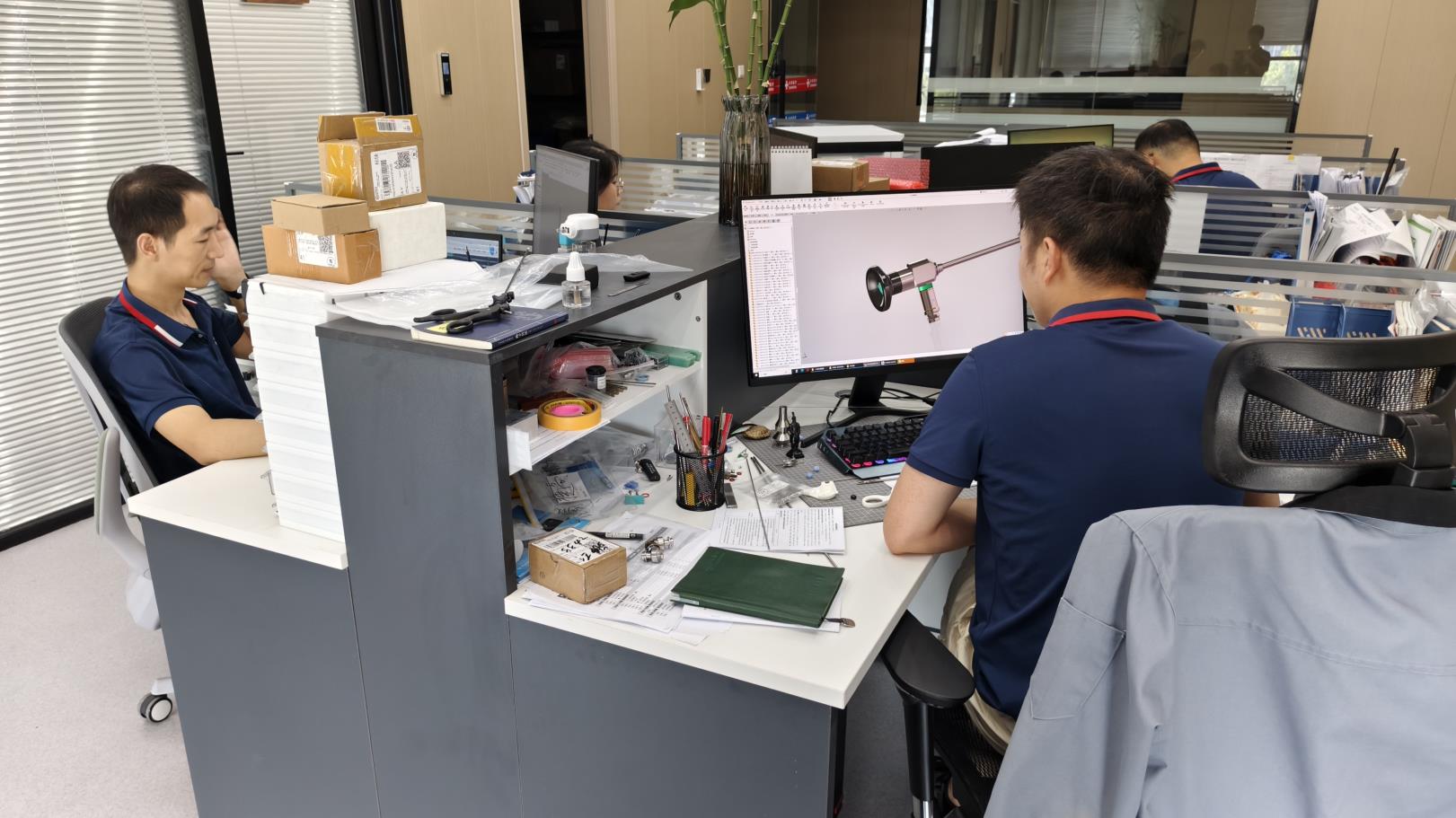
Driven by continuous innovation, Synoviq invests heavily in R&D and intelligent manufacturing to enhance product performance, surgical efficiency, and patient outcomes. Our experienced engineering team works closely with customers to develop customized products tailored to different clinical applications and market demands.
With a customer-oriented philosophy, competitive pricing, stable supply capability, and efficient technical support, Synoviq has established long-term partnerships with distributors, medical brands, and healthcare organizations across Europe, North America, South America, the Middle East, and Asia-Pacific.
| Item / Specification Metric | Synoviq Capabilities & Compliance Data |
|---|---|
| Company Name | Synoviq Medical Technology (China) Co., Ltd. |
| Brand & Trademark | Synoviq |
| Established Date | March 18, 2016 |
| Export & Industry Experience | 8 Years Exporting / 14 Years Industry R&D Experience |
| Quality Control Staff | 48 Quality Engineers and Inspectors |
| Inspection Assurances | 100% Final Inspection & Incoming Material Batch Inspection |
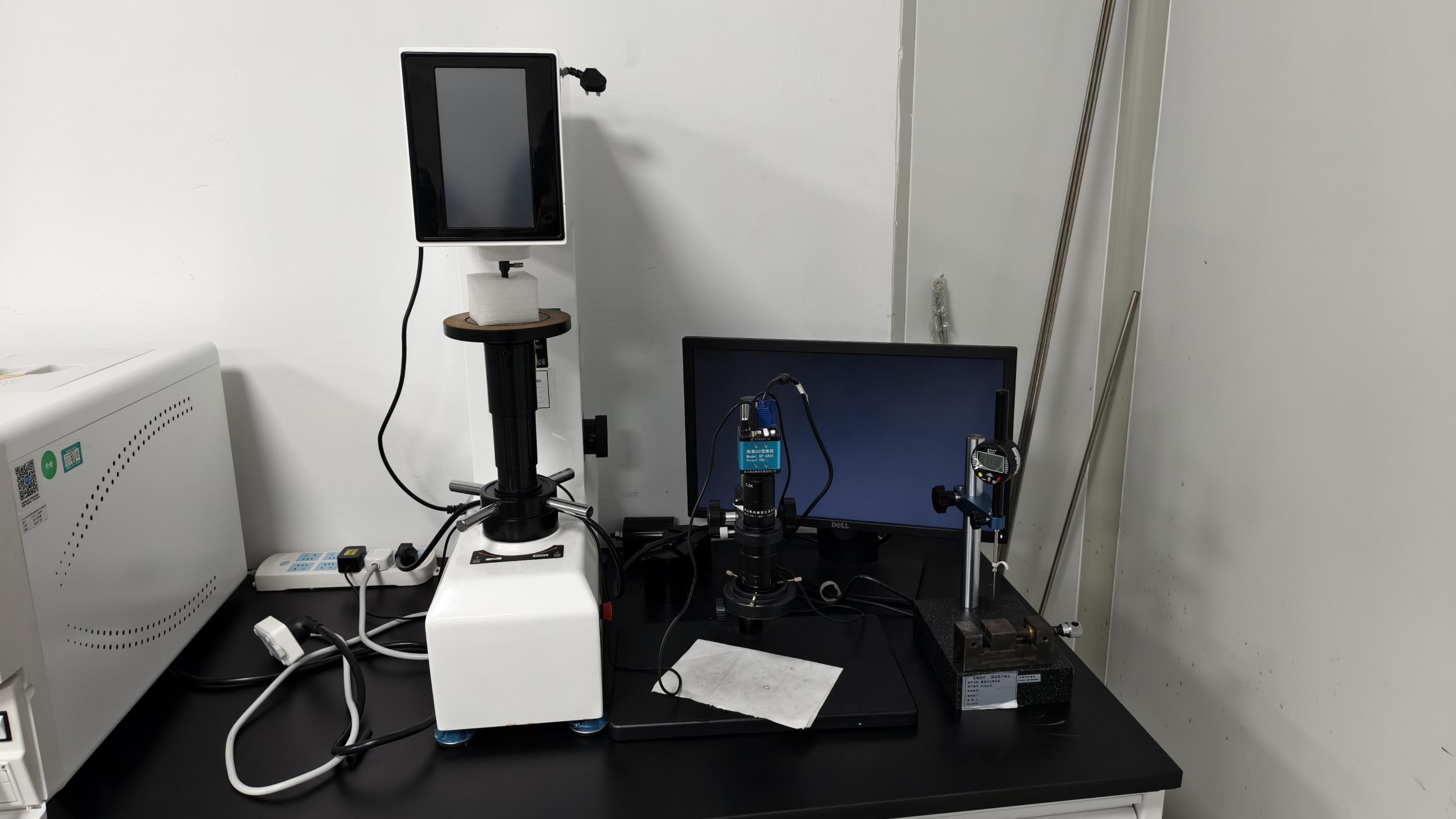
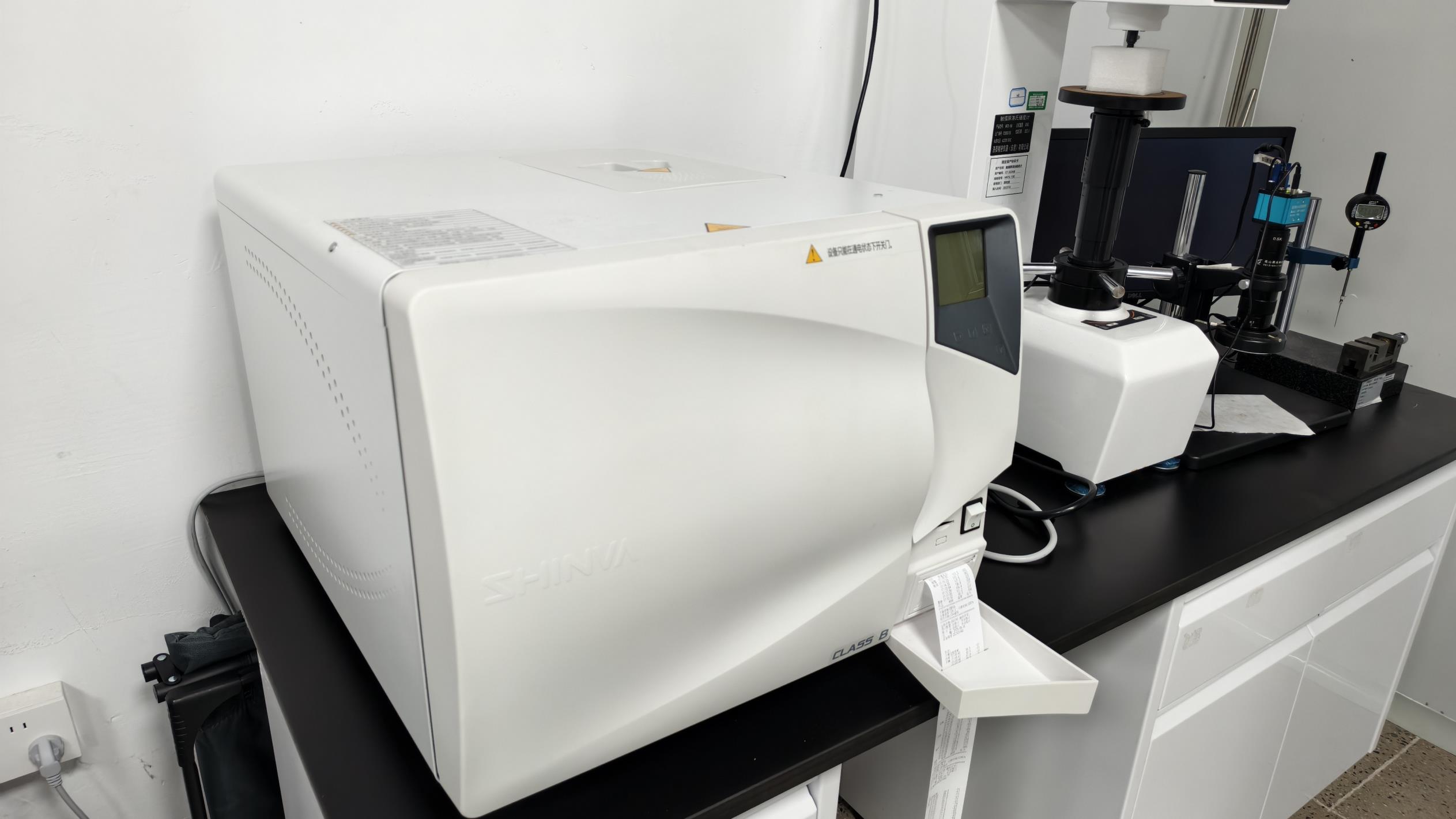
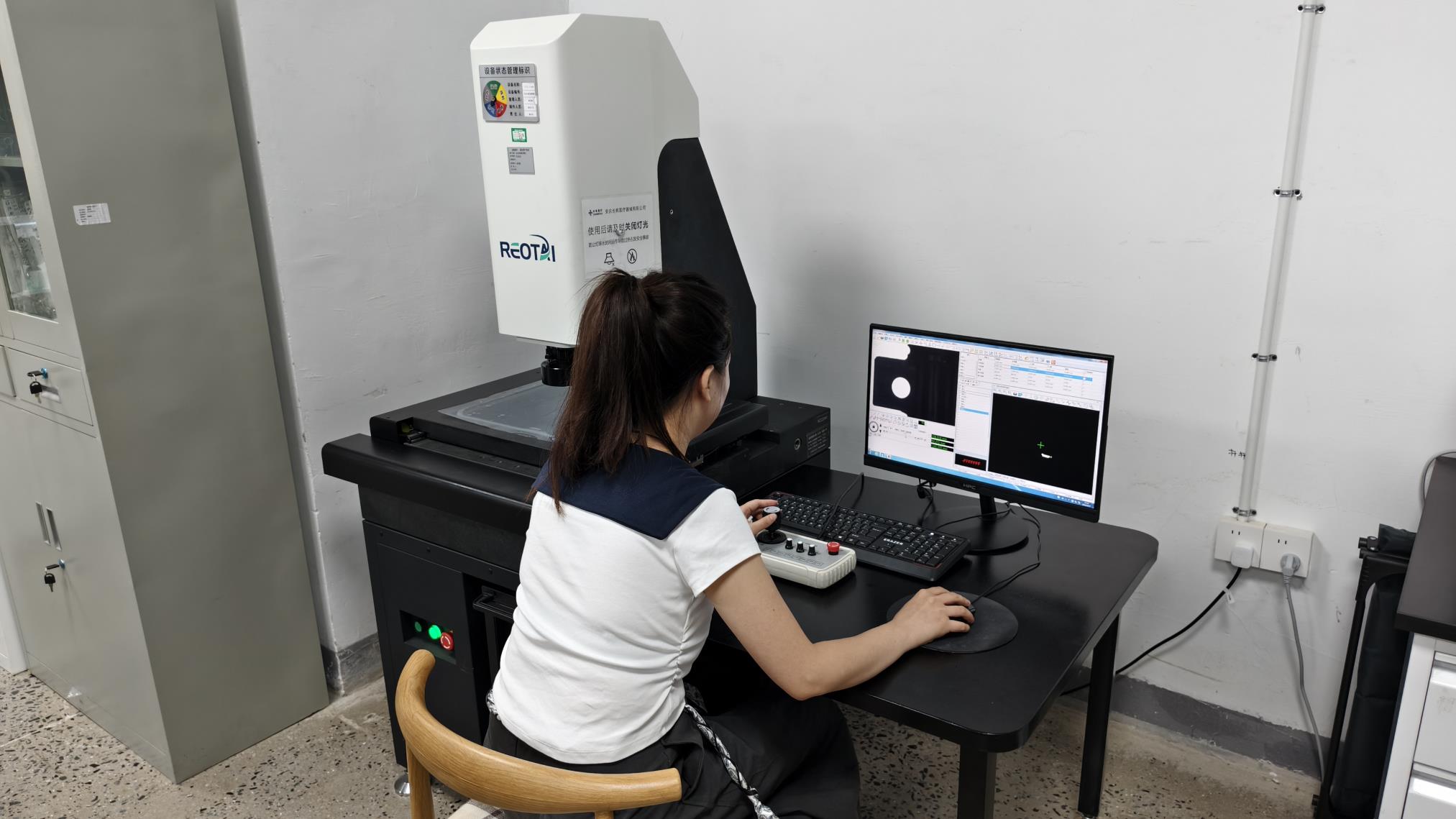
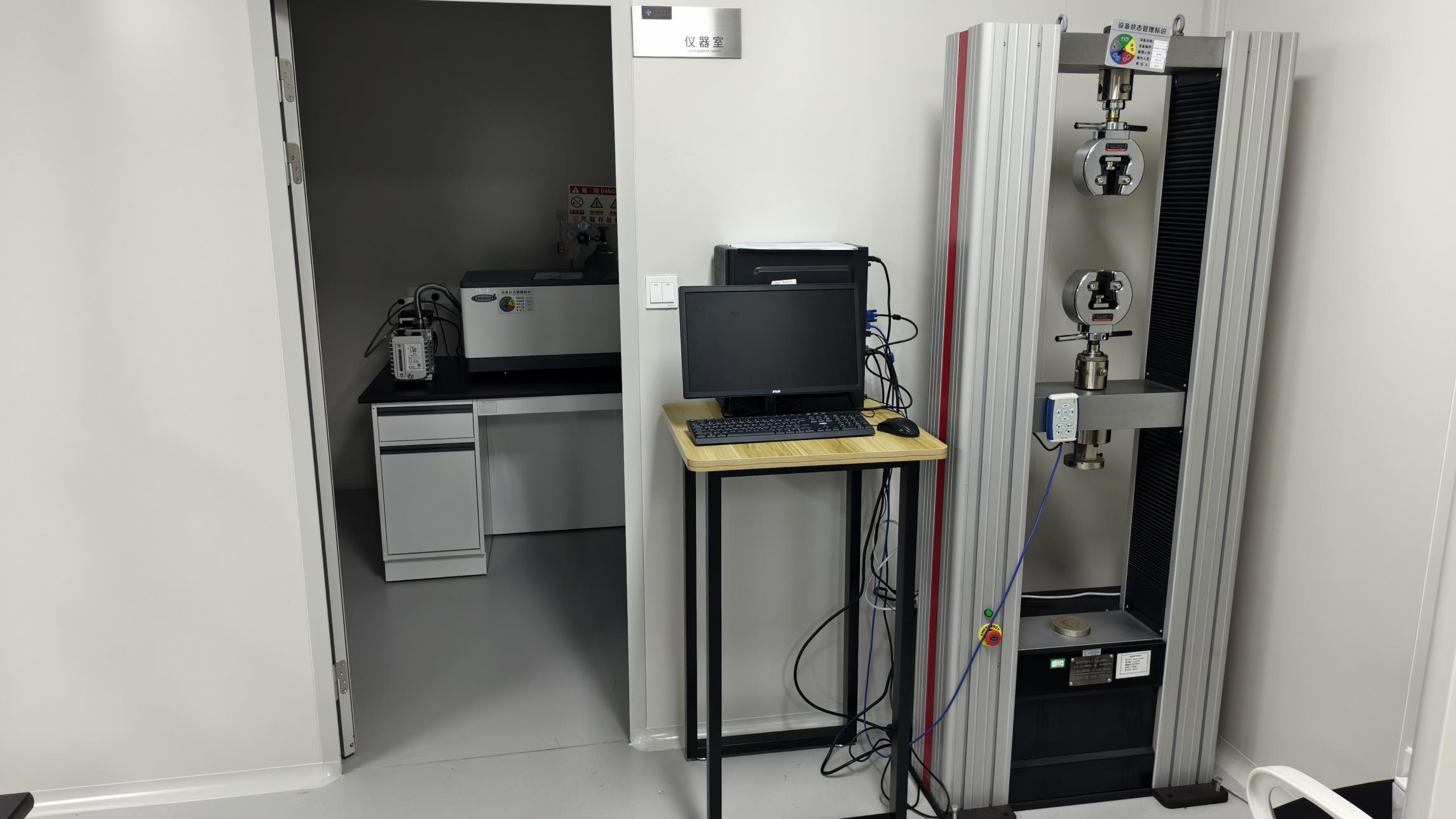
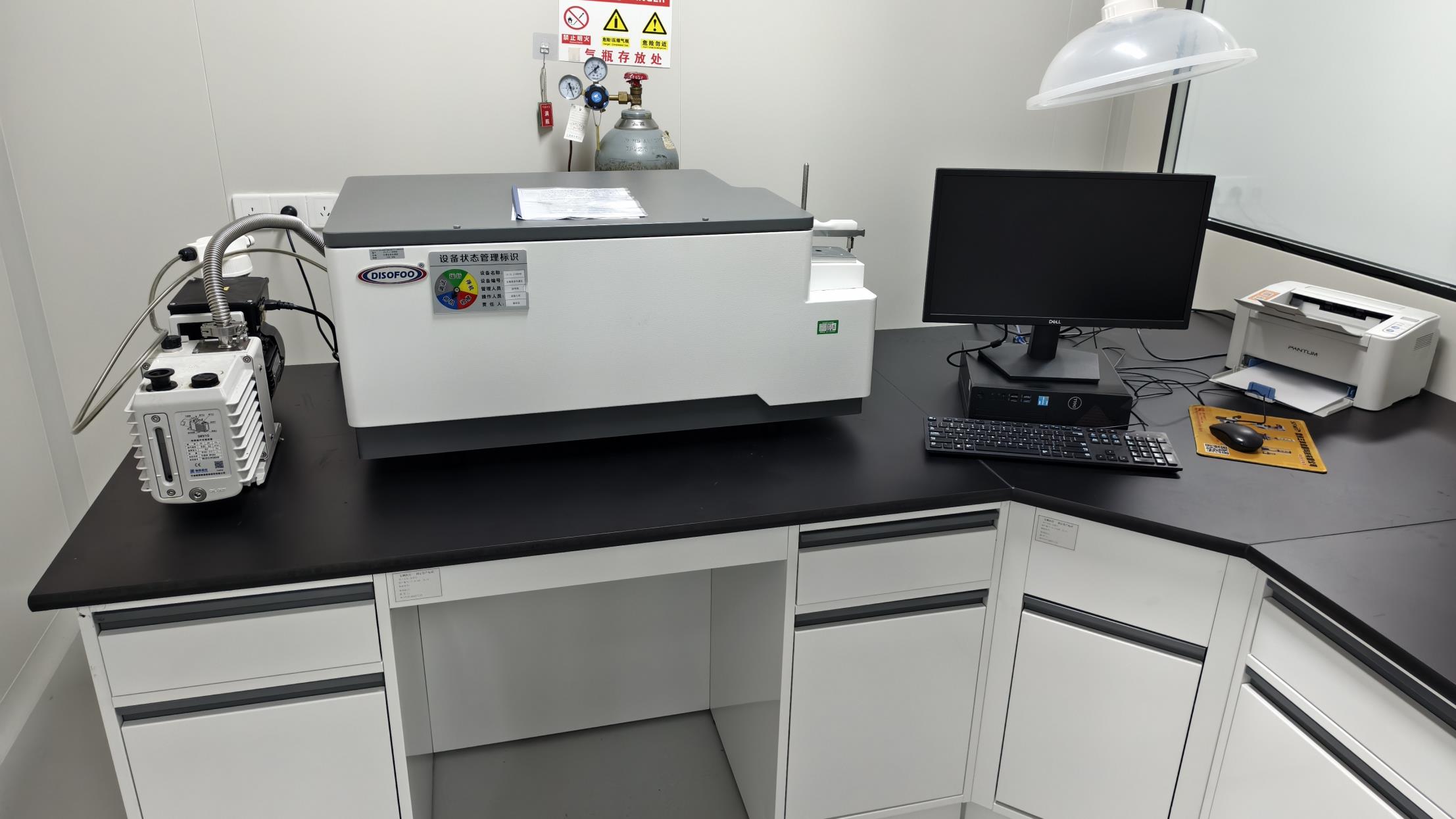
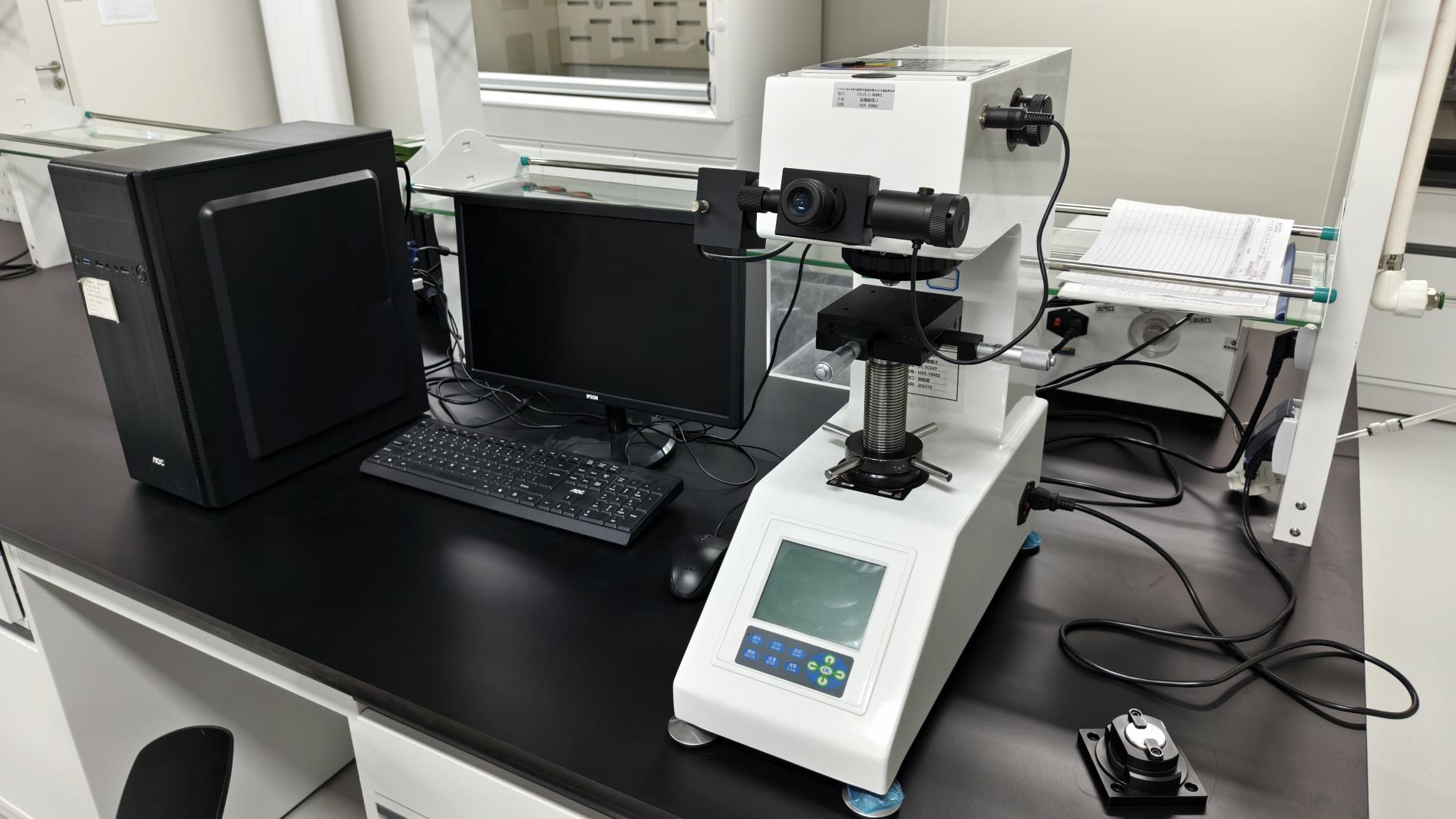
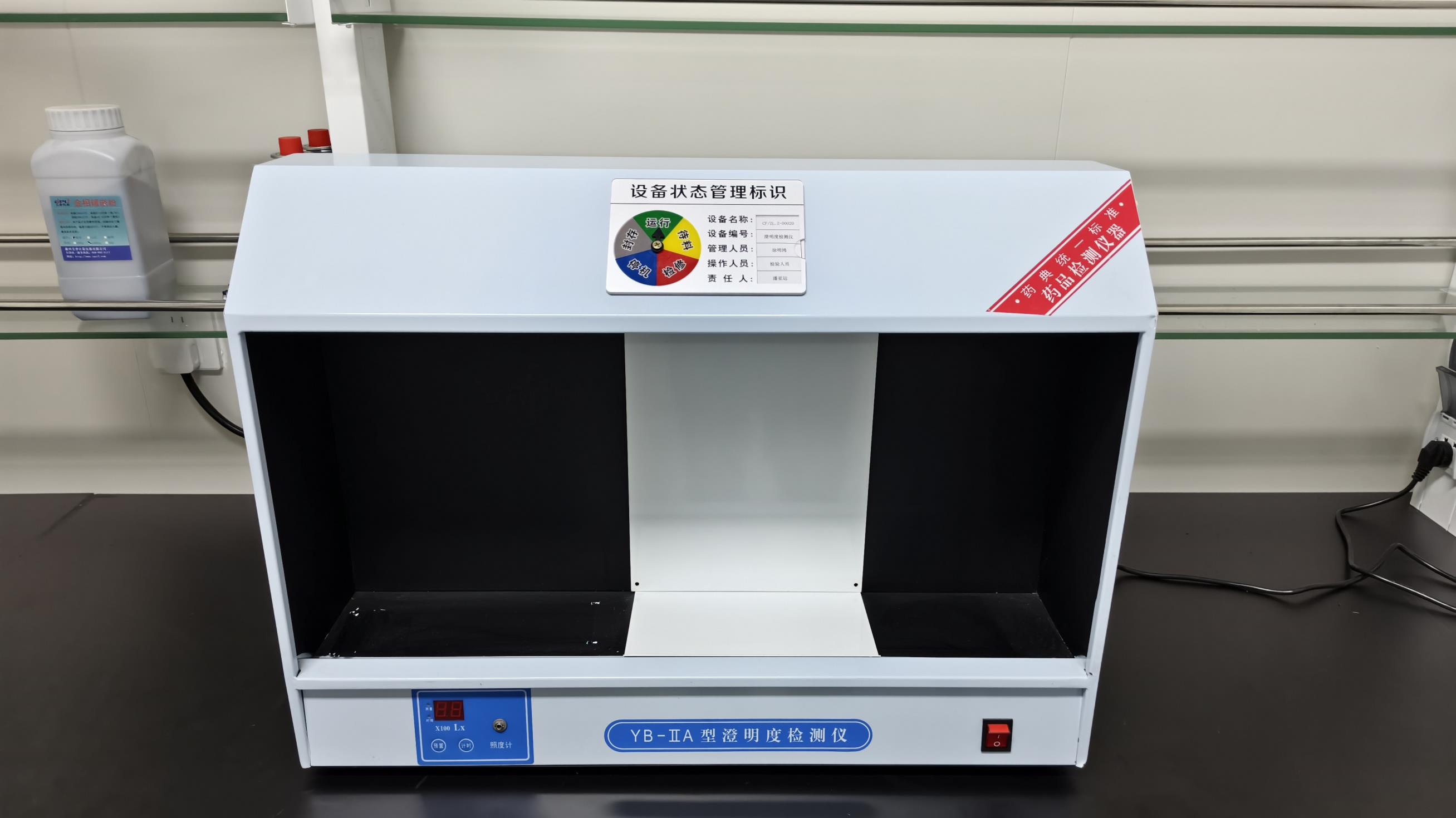
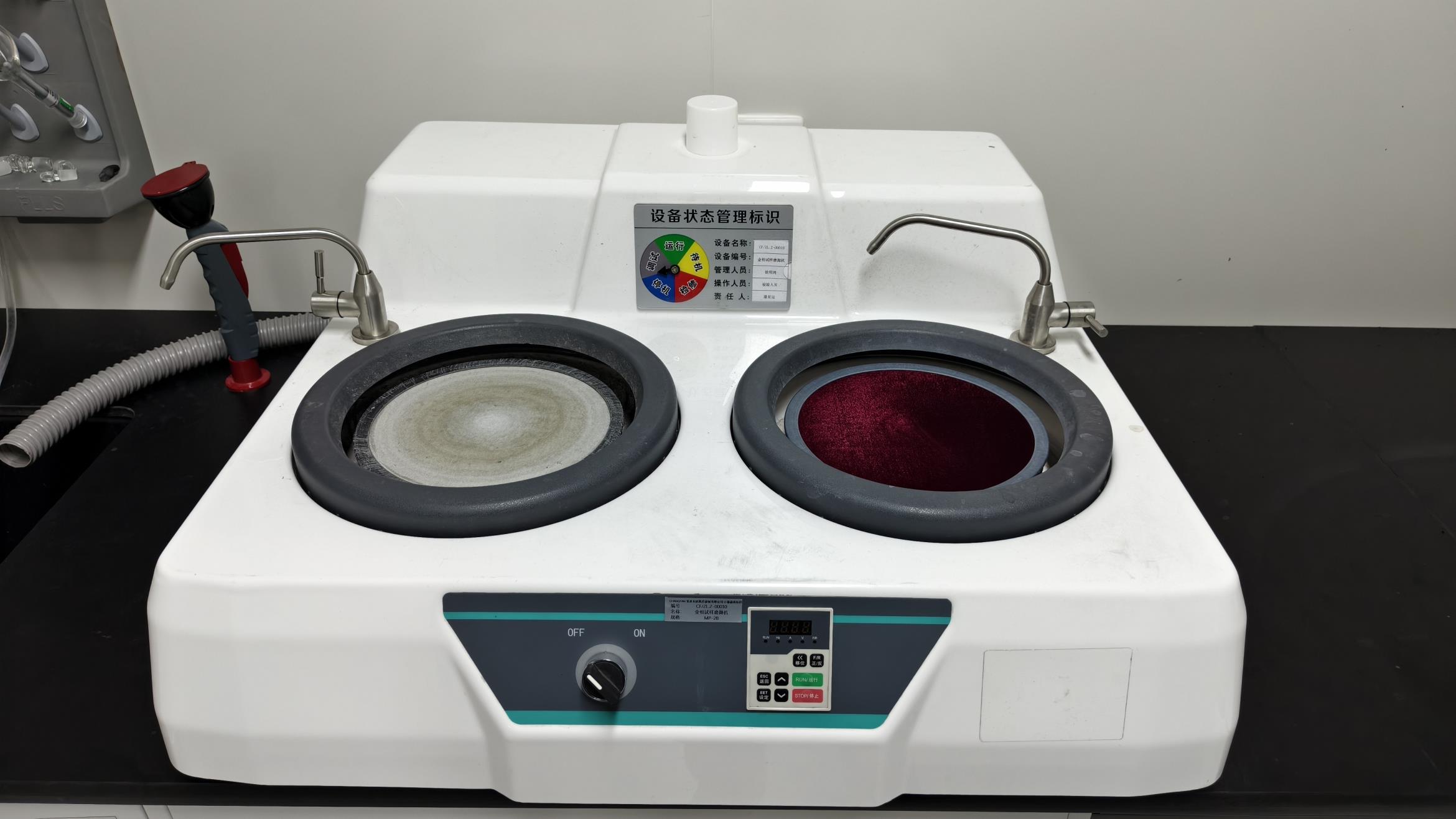
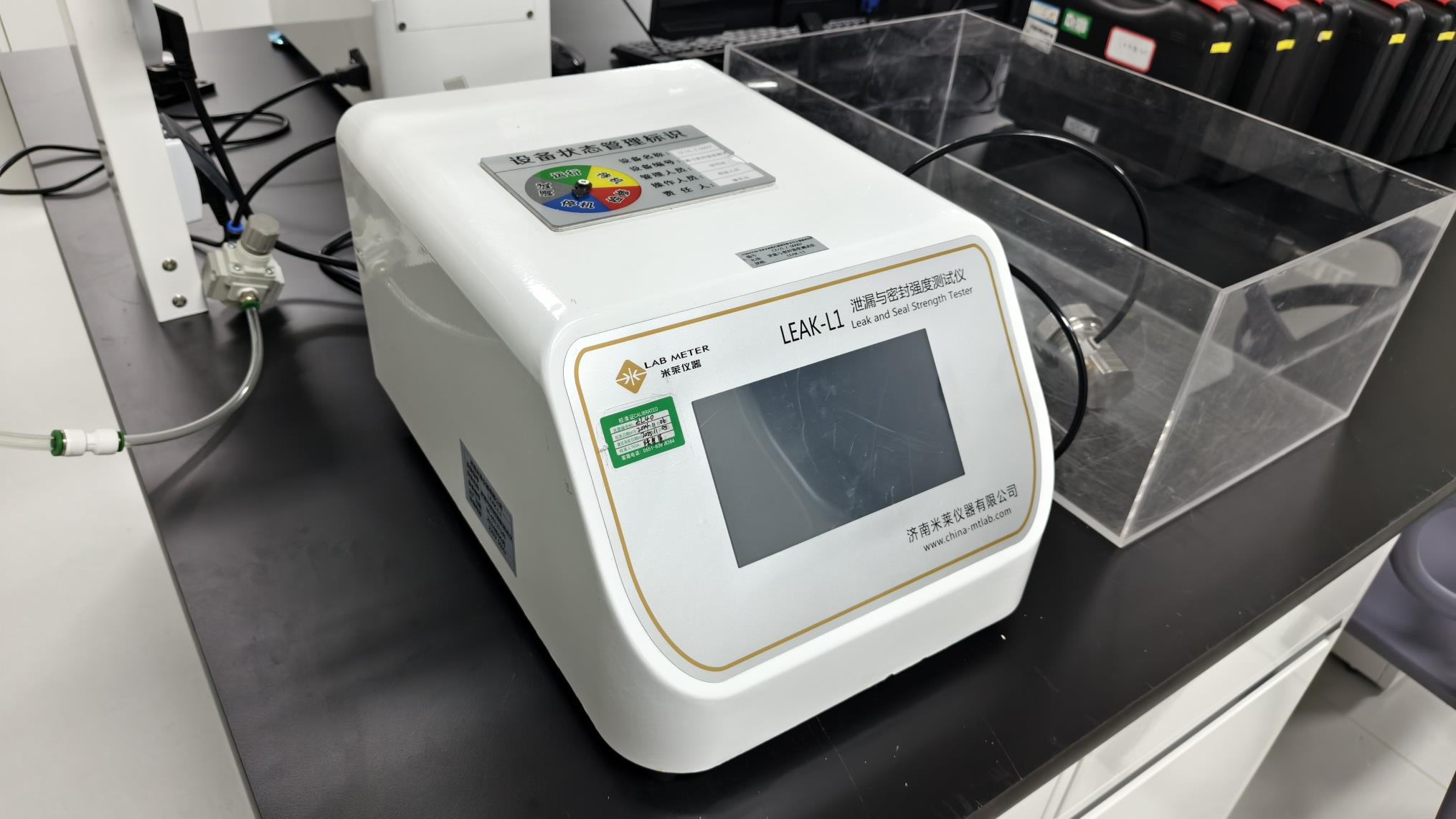
| Product Inspection Methods | CMM Measurement, Mechanical Testing, Surface Roughness Testing, Hardness Testing, Salt Spray Testing, Sterility Validation |
| Primary Export Regions | Europe (inc. UK), North America, South America, Middle East, Southeast Asia |
| Global Supply Chain Partners | 1,120+ Medical Device Distributors, Brands, and Clinical Importers |
| R&D Capability | Independent Product Design, Prototype Development, Clinical-Oriented Engineering, OEM & ODM Development |
| Customization Options | Logo Customization, Packaging Customization, Product Design Customization, Material Selection, Surface Treatment |
| New Products Released Last Year | 186 Patents / Anatomical Models |
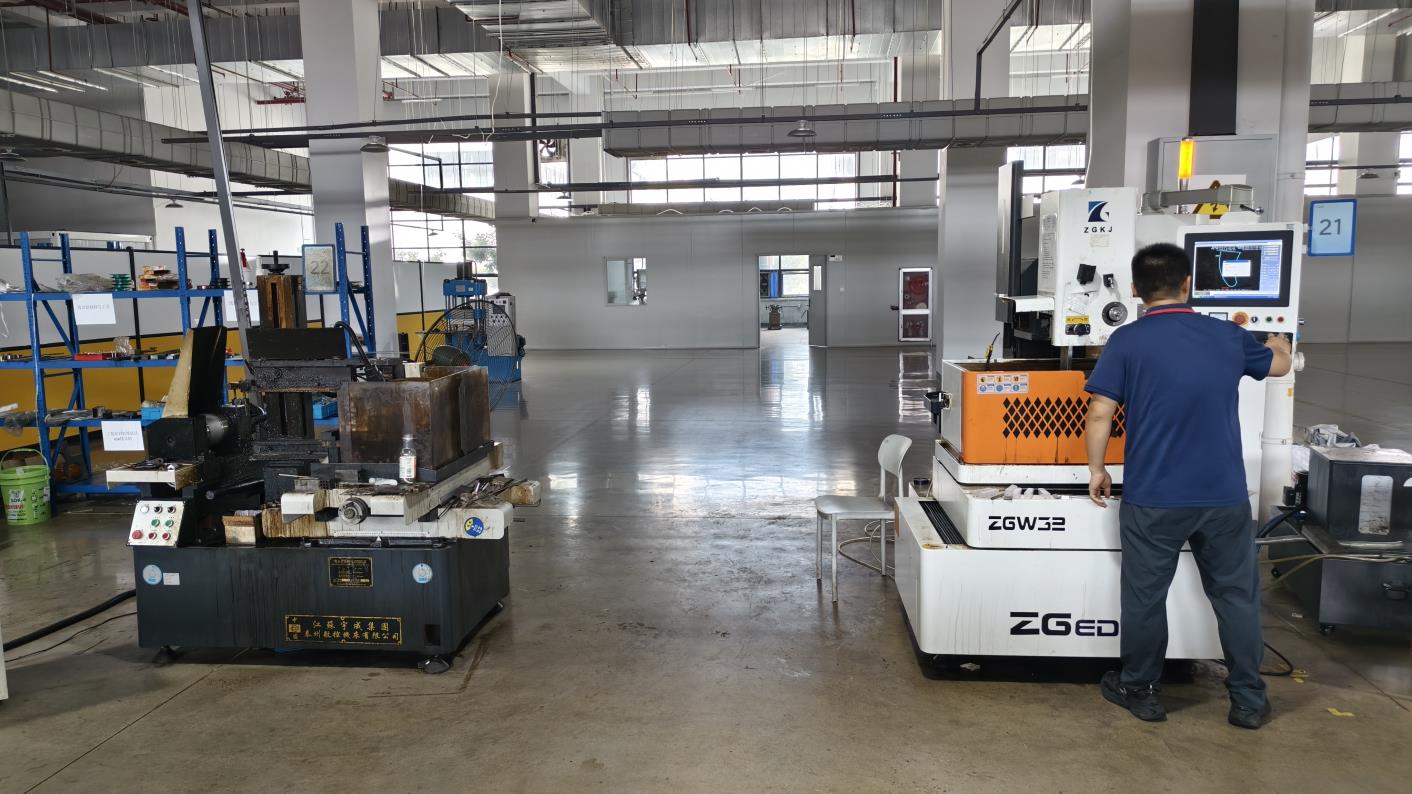
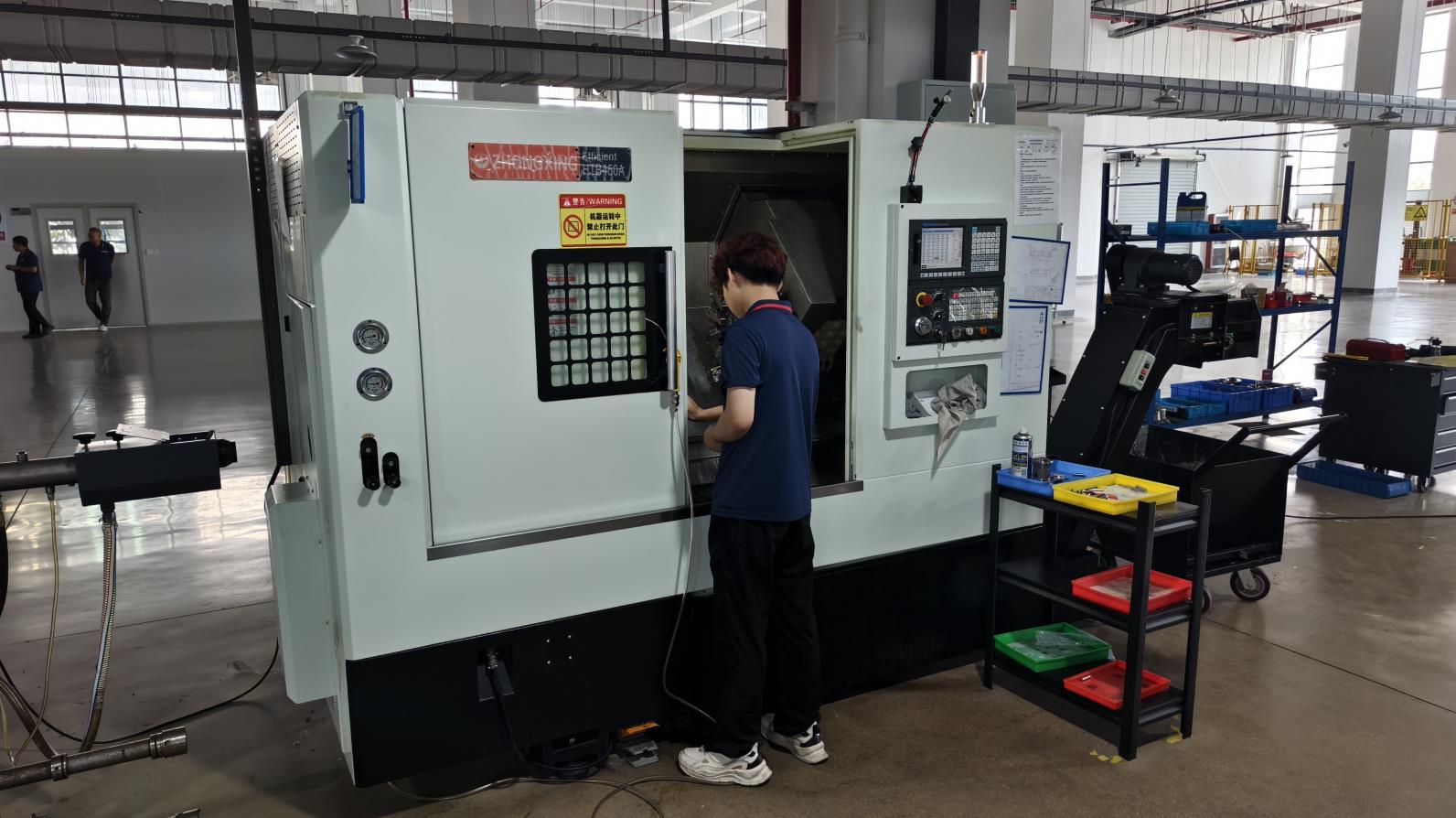
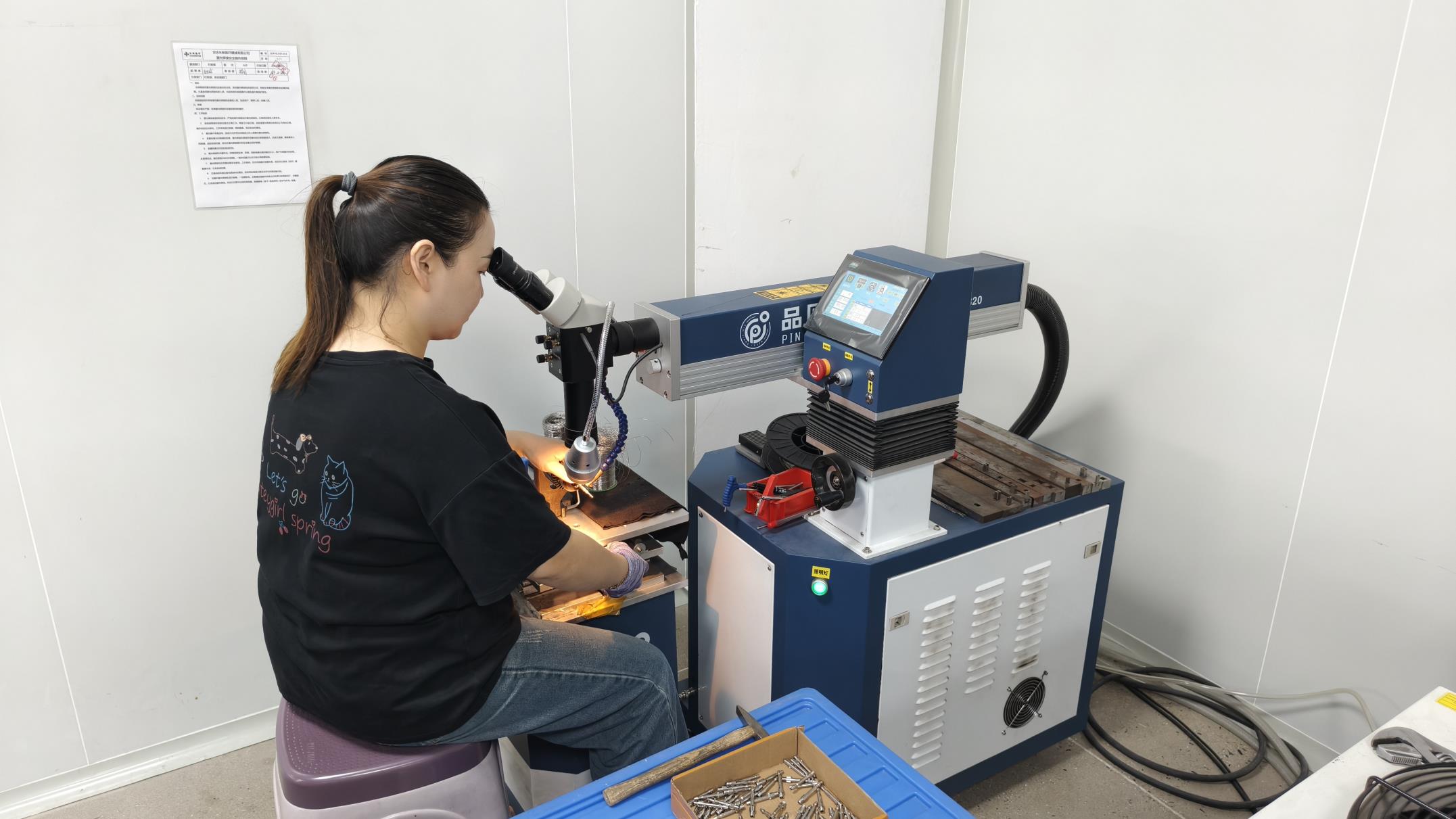
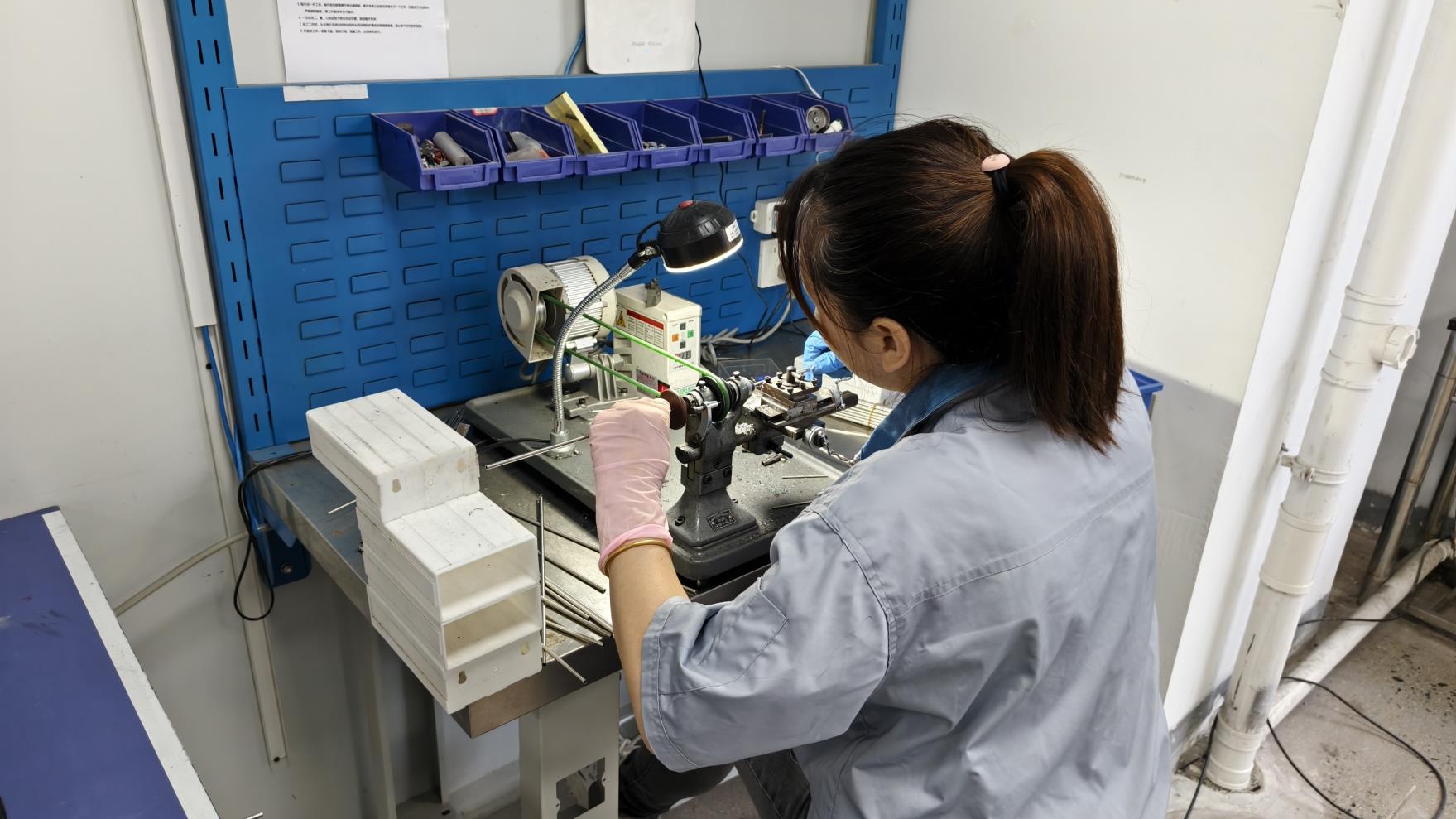
Every titanium plate and locking screw undergoes rigorous machining, polishing, and quality testing inside ISO Class 7 cleanrooms.
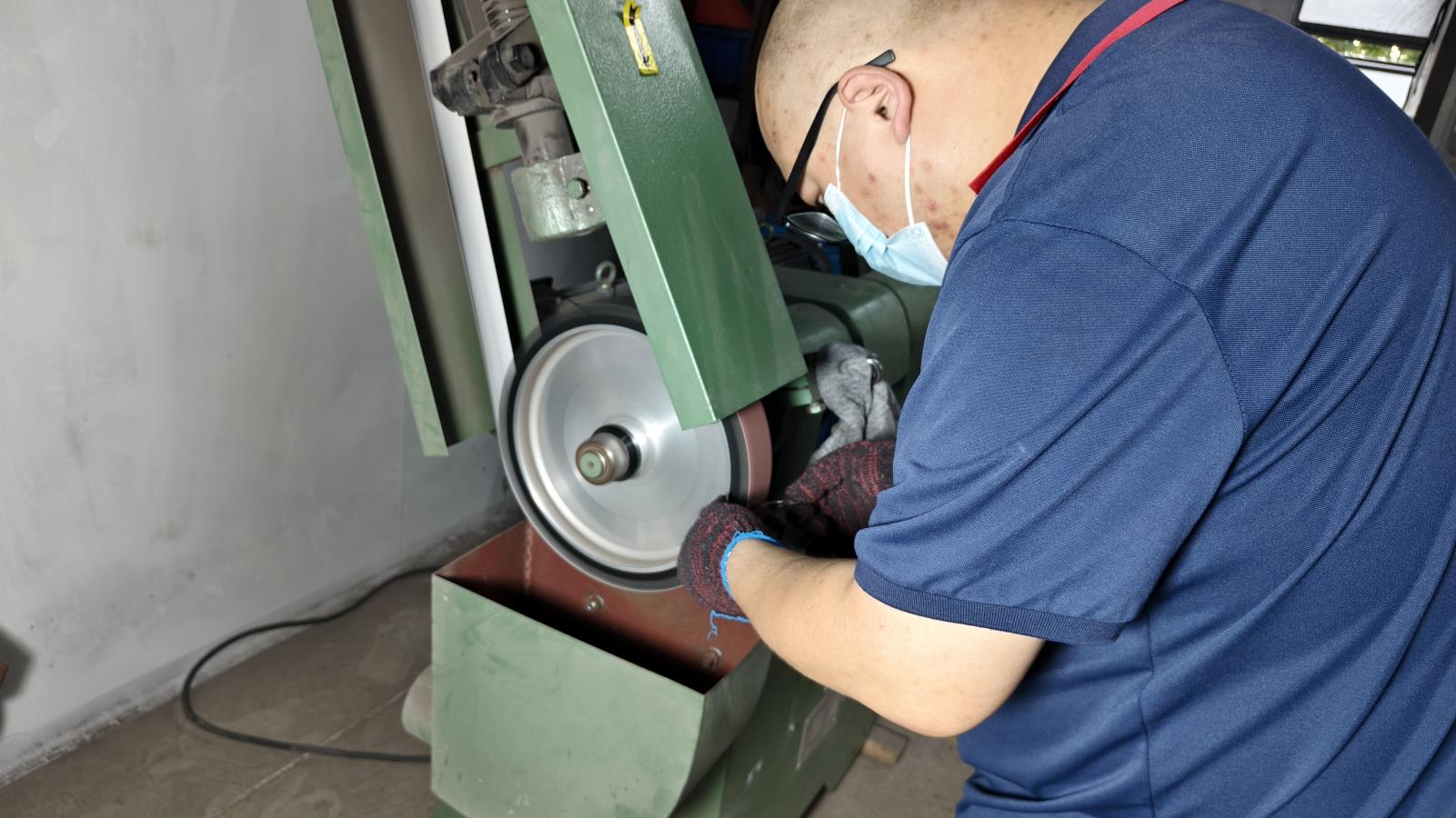
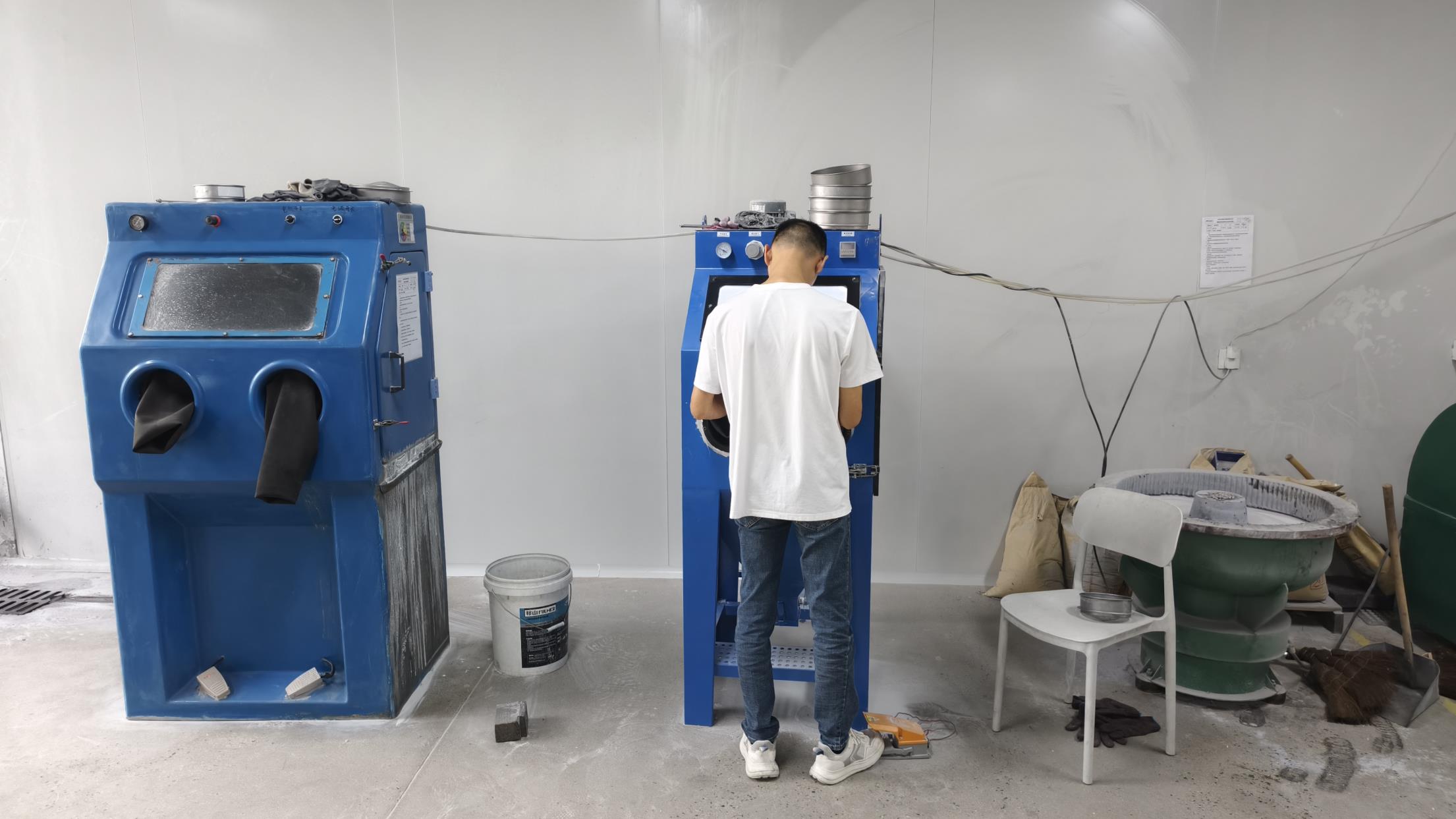
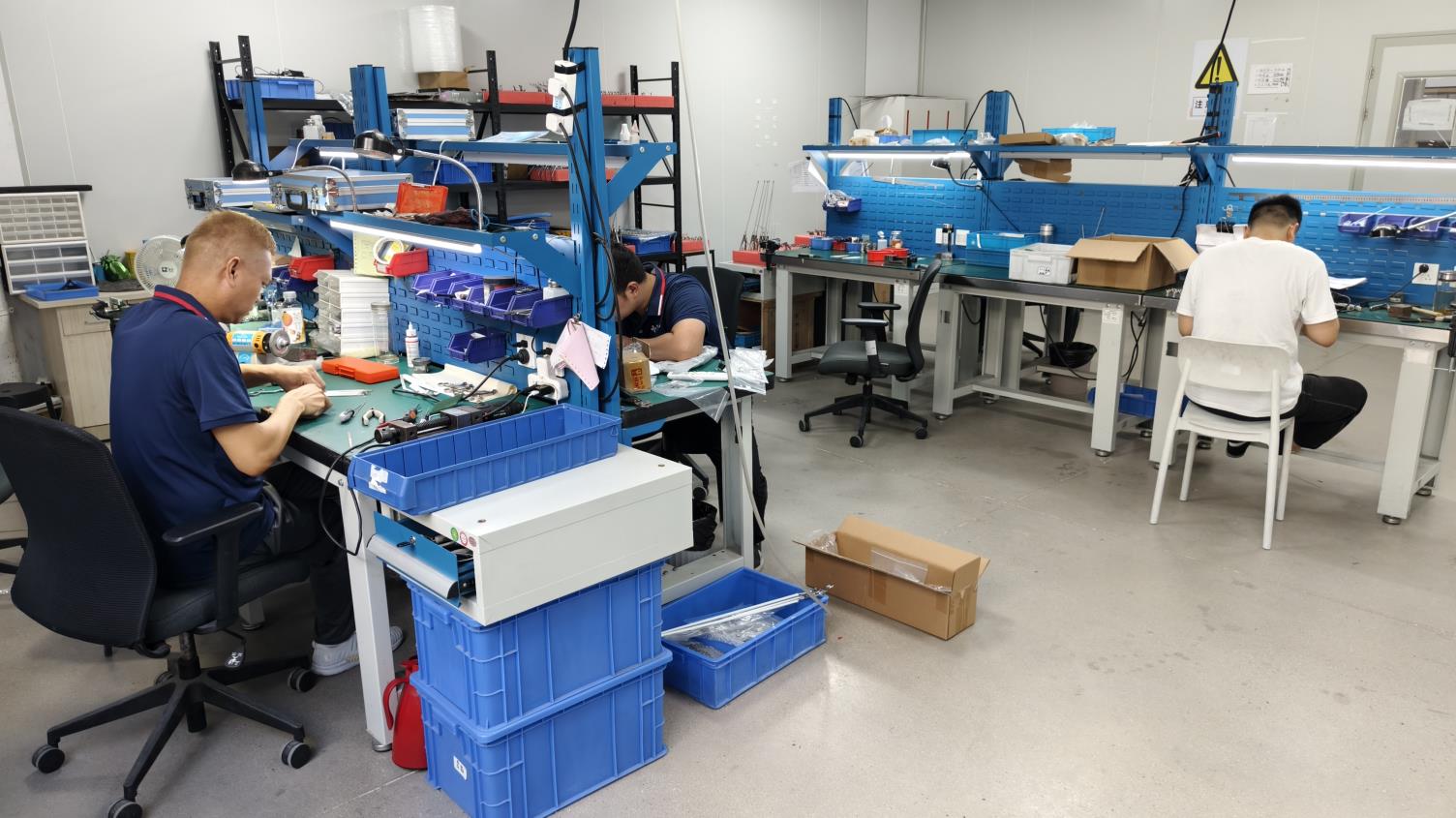
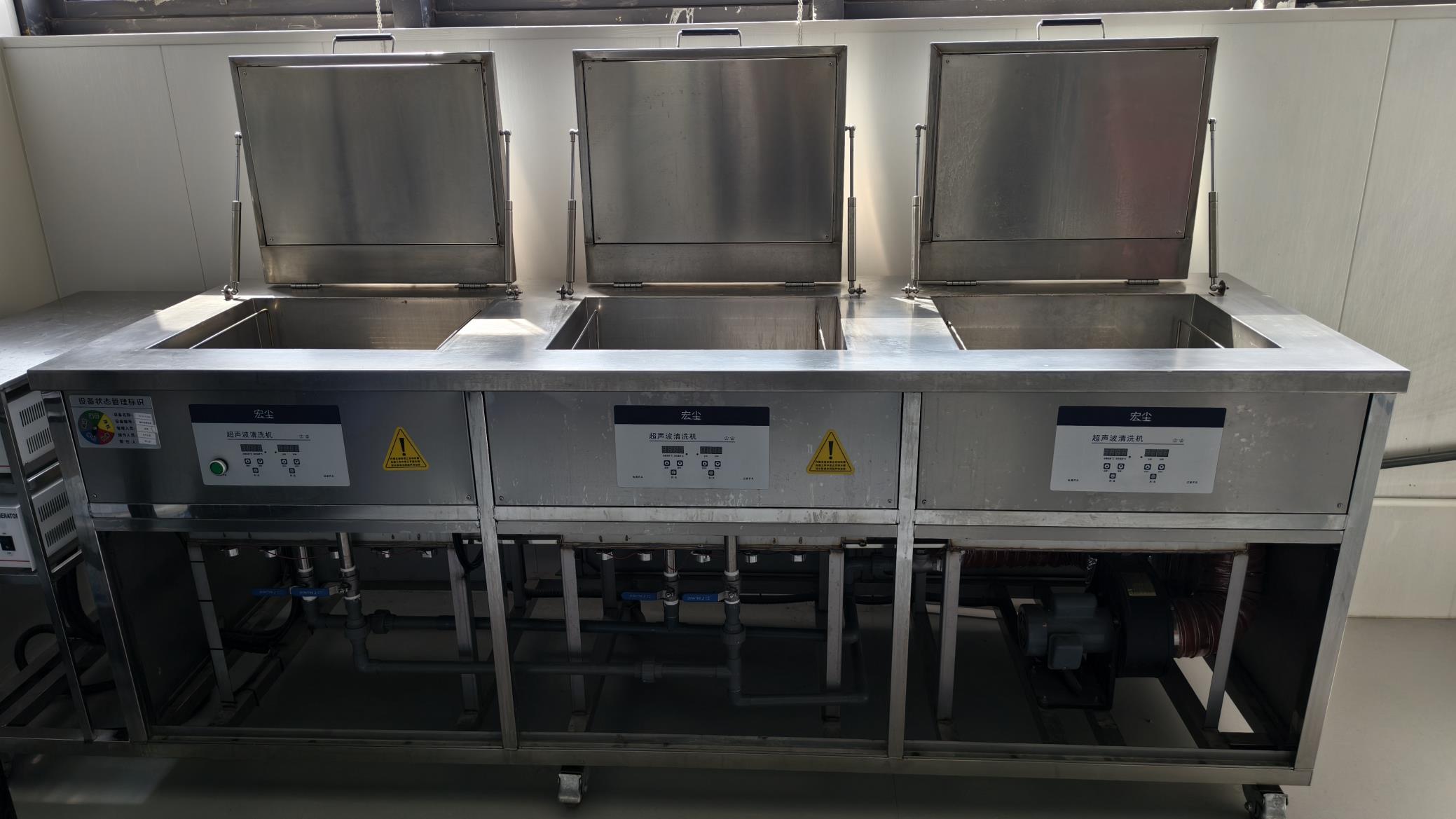
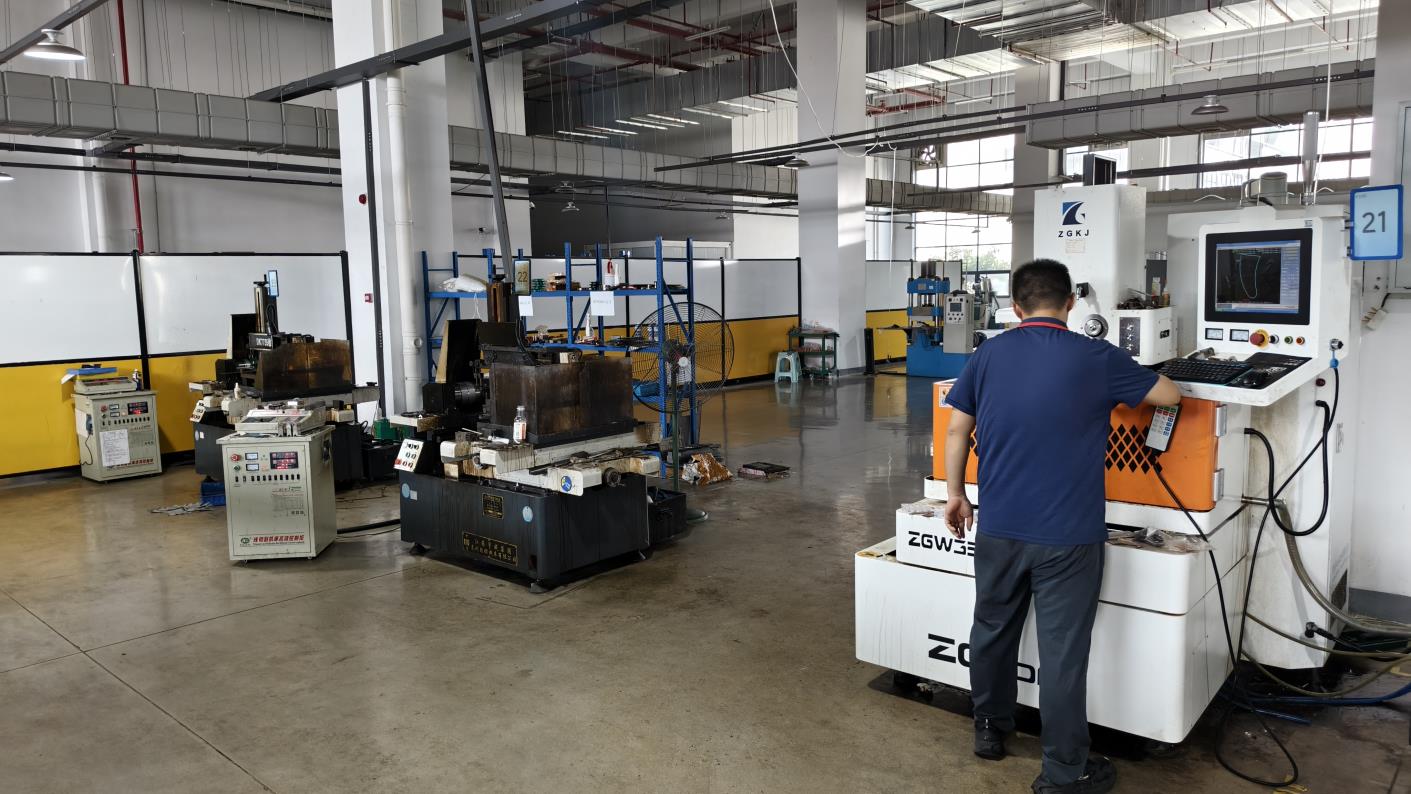
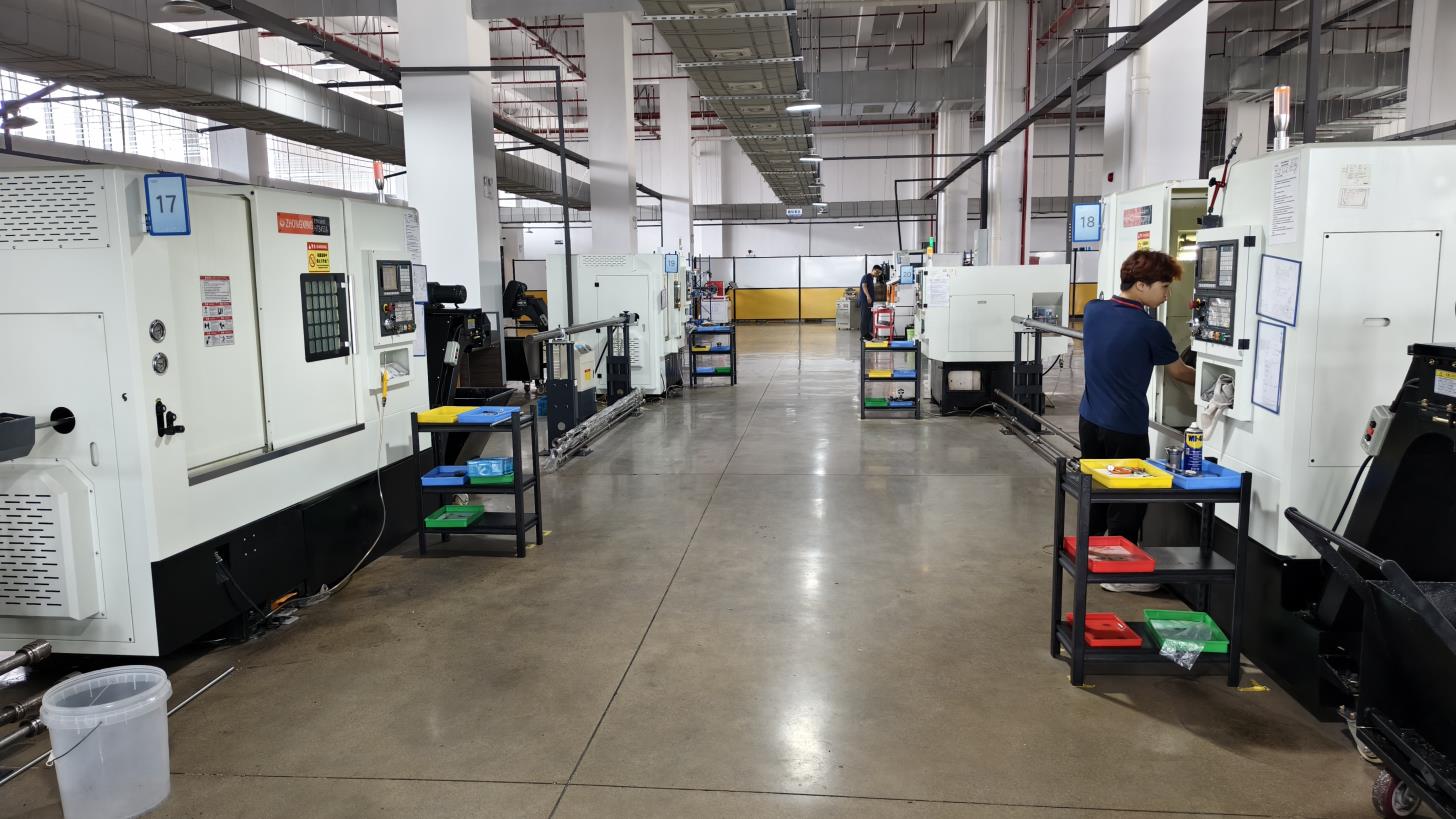
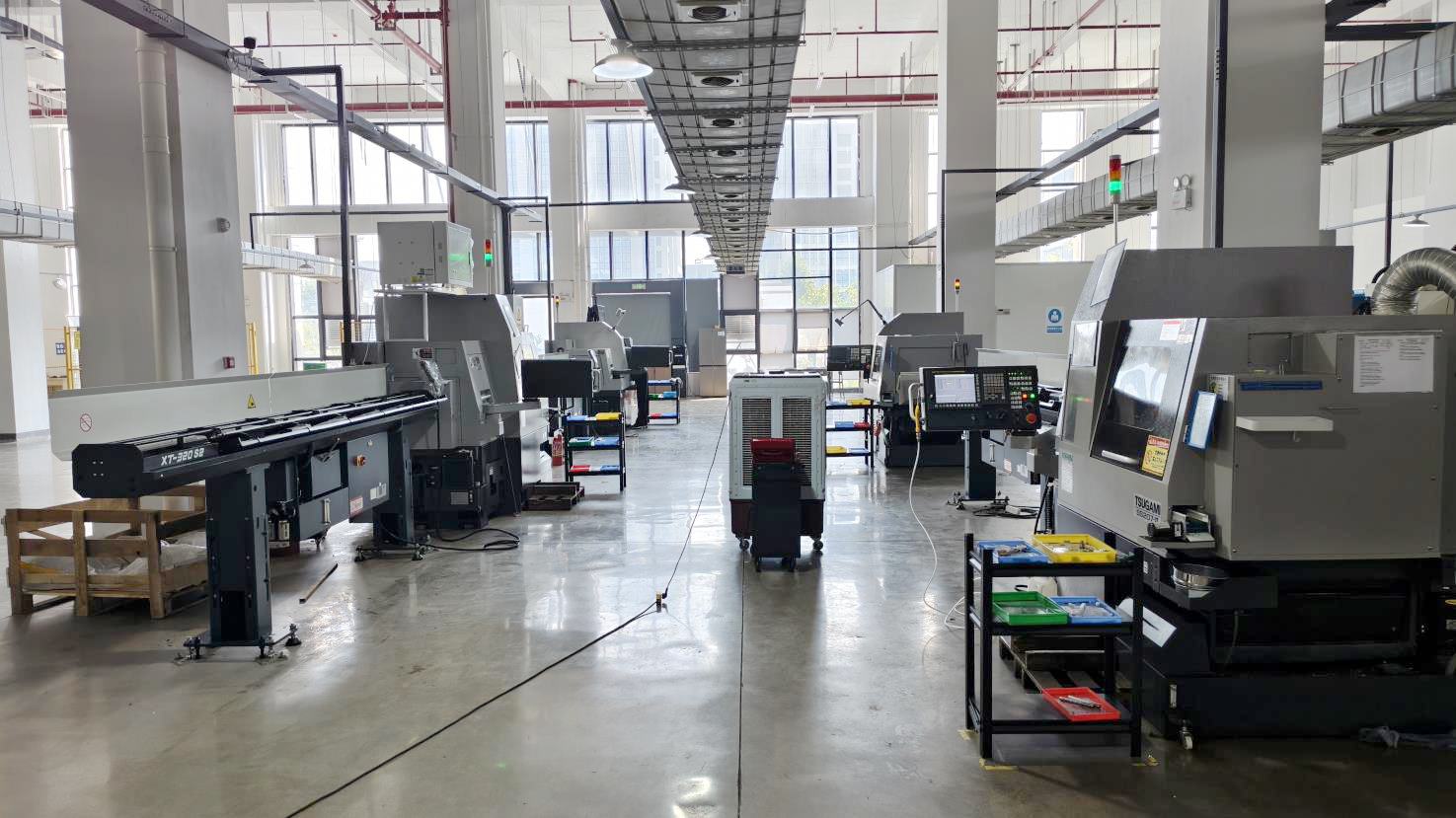
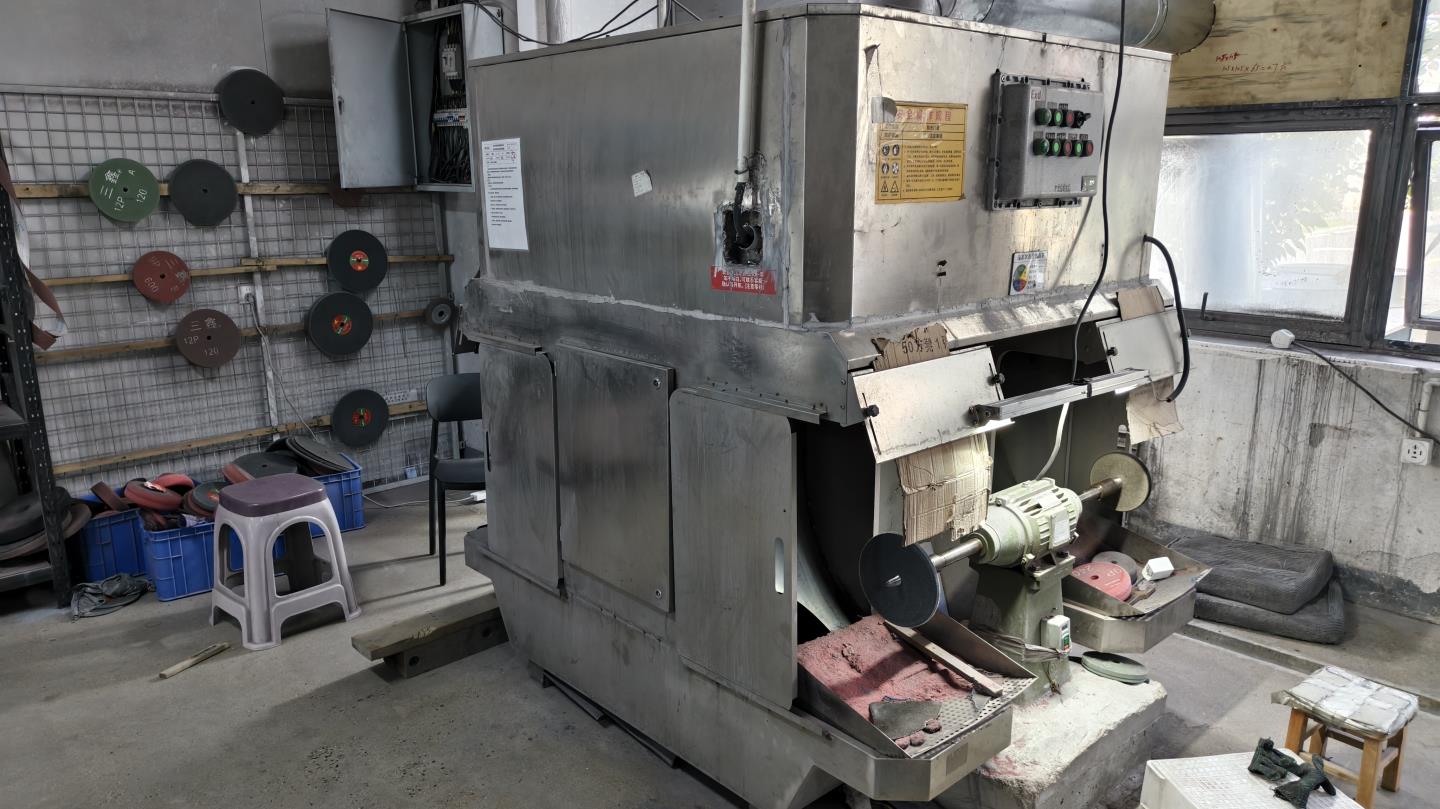
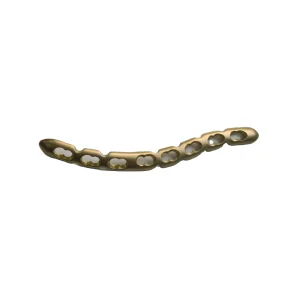
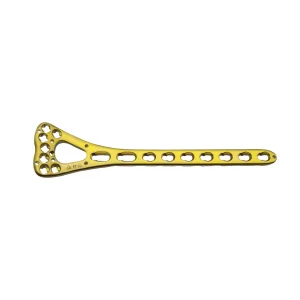
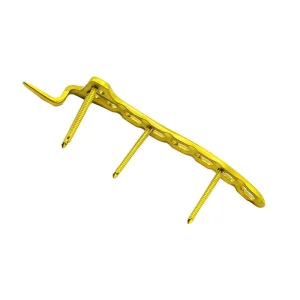
Optimized biomechanical designs developed to reduce plate profile thickness and surgical interference.
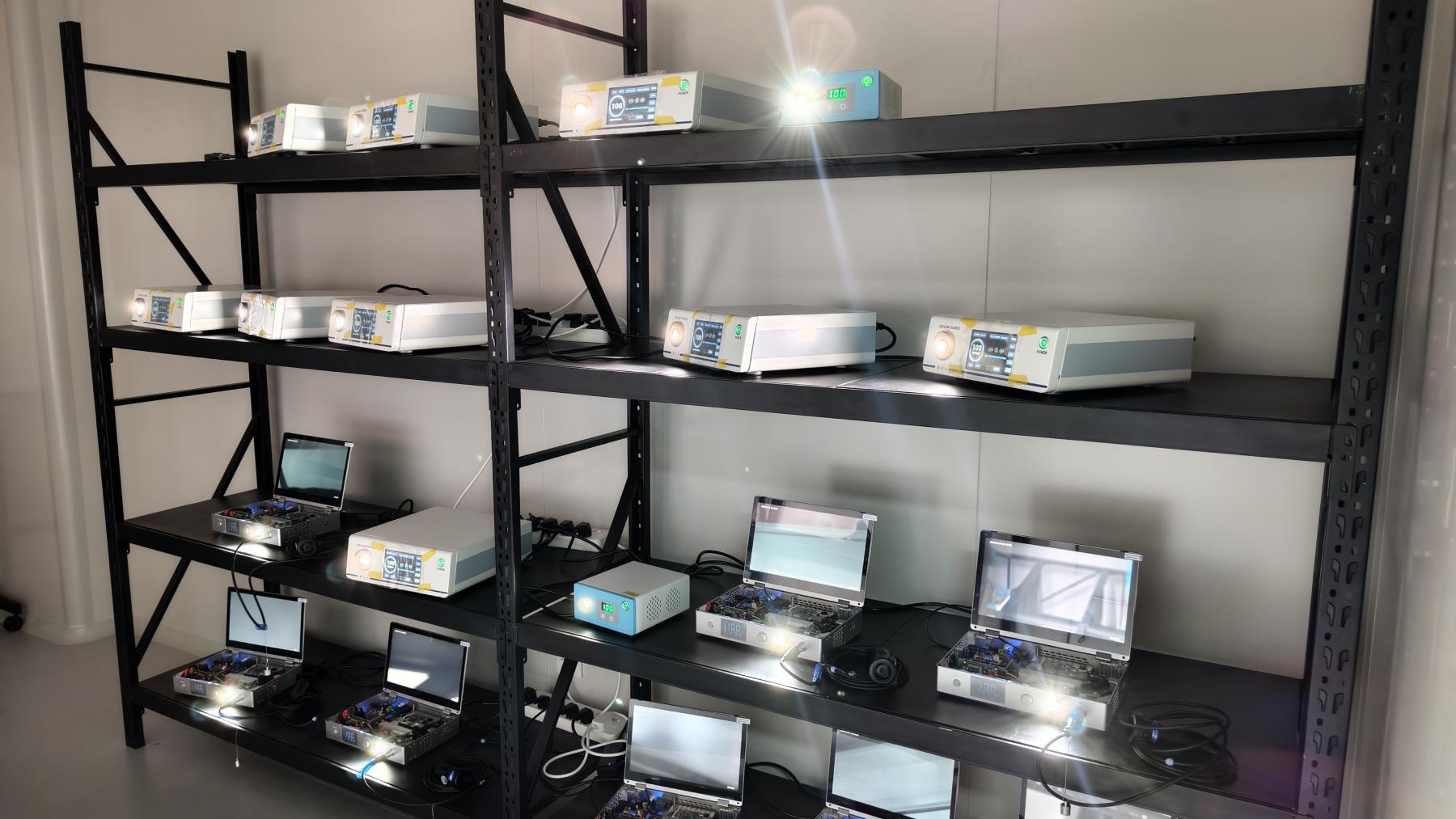
Synoviq’s internal labs utilize certified diagnostic machinery to ensure absolute mechanical integrity of our orthopedic trauma solutions.
Modern trauma fixation has shifted decisively toward Extra Low Interstitial (ELI) Titanium Alloy (ASTM F136). Compared to traditional 316L stainless steel, Ti-6Al-4V ELI exhibits a modulus of elasticity (~110 GPa) that is significantly closer to that of cortical human bone (~15-30 GPa). This closer match dramatically mitigates the effects of "stress shielding," a phenomenon where overly rigid implants absorb the mechanical loading forces, causing bone resorption and implant loosening.
Additionally, titanium alloys naturally produce a self-healing titanium dioxide (TiO₂) passivation layer upon contact with atmospheric oxygen, preventing corrosion in physiological environments. This biostability minimizes the release of metallic ions, lowering the incidence of sterile inflammatory tissue reactions and reducing the clinical need for secondary hardware removal surgeries.
Traditional fixed-angle locking plate systems restrict screw trajectories to a single predetermined axis. Our advanced Distal Radius & Clavicle Volar Locking Plates utilize multi-directional variable-angle locking holes. Surgeons can guide screws within a 30-degree cone (±15° off-axis deviation). This adaptability allows precise targeting of articular bone fragments without sacrificing stable construct rigidity.
By locking the screw thread directly to the plate hole, the construct acts as an internal fixator. This design preserves the periosteal blood supply by removing the need for tight plate-to-bone compression. Consequently, patients experience accelerated osteogenesis and reduced risk of avascular bone necrosis.
Engineered to support clinical protocols for periarticular reconstruction, diaphyseal fixation, and complex joint trauma.
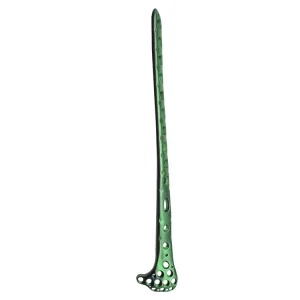
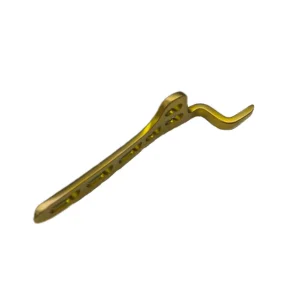
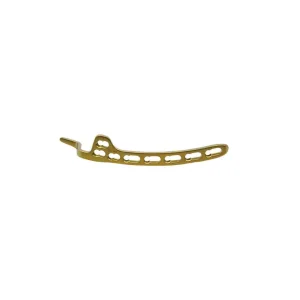
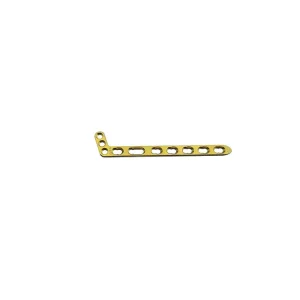
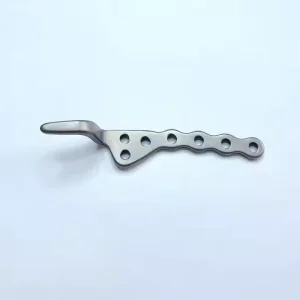
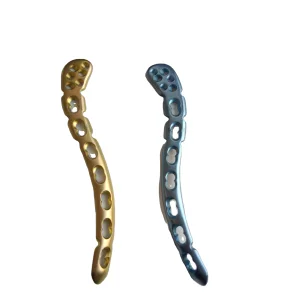
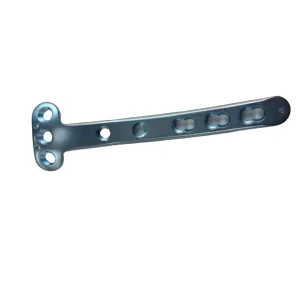
How Synoviq is integrating advanced materials and custom design architectures into future clinical frameworks.
Future orthopedic implants will focus heavily on micro- and nano-structured surface topographies. By utilizing anodization techniques that construct titanium dioxide (TiO₂) nanotube arrays, implants can actively guide osteoblast adhesion. This acceleration in osseointegration reduces patient recovery times in load-bearing applications.
We are researching structural integration pathways to embed passive sensor networks directly into intramedullary nails. These sensors monitor load changes and micro-strain variations during post-operative recovery, providing clinicians with actionable data on bone consolidation.
To eliminate the need for secondary surgeries in pediatric populations, we are investigating high-purity magnesium alloys. These implants provide stable structural fixation during bone healing and gradually degrade into bio-compatible byproducts absorbed by the body.
Technical, regulatory, and logistics information for medical device importers, surgical suppliers, and NHS hospital procurement professionals.
Get in touch with our team for detailed product catalogs, material certificates, and direct OEM pricing. We offer comprehensive support to distributors and hospital networks serving the London and European markets.
 Synoviq Medical