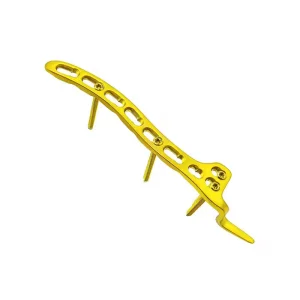
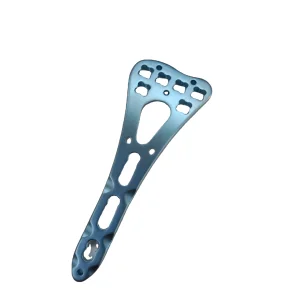
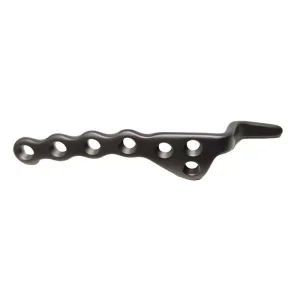
High-precision anatomical locking plates engineered for the demanding biomechanical requirements of trauma surgery across Brazil.
Understanding the clinical demands, regulatory barriers, and growth drivers in the largest healthcare landscape in Latin America.
The Brazilian market for orthopedic implants and trauma devices represents the largest and most dynamic sector in Latin America. Driven by an aging population, a high incidence of traffic and urban accidents, and a comprehensive public healthcare network under the SUS (Sistema Único de Saúde), the demand for reliable osteosynthesis products is constantly expanding. In Brazil, orthopedic trauma devices are subjected to stringent regulatory supervision by ANVISA (Agência Nacional de Vigilância Sanitária), requiring foreign manufacturers to secure robust registrations, adhere to strict quality rules, and cooperate with authorized local partners.
Urbanization and motorization in metropolitan hubs like São Paulo, Rio de Janeiro, and Belo Horizonte have resulted in persistent rates of traffic-related fractures. Additionally, Brazil is undergoing a rapid demographic transition, with the population aged 60 and older projected to reach over 30% by 2050. This shift is leading to a dramatic rise in fragility fractures, particularly of the proximal femur, humerus, and distal radius. To mitigate healthcare costs while providing optimal patient outcomes, Brazilian public and private hospitals (Saúde Suplementar) require implants that reduce surgery times, minimize postoperative complications, and accelerate weight-bearing capabilities.
More than 70% of the Brazilian population relies exclusively on the public SUS for orthopedic trauma care. Procurement for public hospitals is managed through electronic auctions (Pregão Eletrônico), where price competitiveness, stability of supply, and strict regulatory compliance are critical. For international manufacturers, this necessitates an optimization of production costs without compromising material purity or mechanical tolerances. Partnering with a reliable OEM manufacturer allows local Brazilian distributors to submit bidding proposals that feature both high technical compliance and competitive pricing.
Compliance with ANVISA RDC 751/2022 and BGMP (Brazilian Good Manufacturing Practices - RDC 665/2022) is essential. Our manufacturing lines meet international requirements (ISO 13485) to facilitate local registrations.
We utilize medical-grade titanium alloys (Ti-6Al-4V ELI conforming to ASTM F136), ensuring optimal biocompatibility, high fatigue strength, and excellent MRI compatibility for clinical applications.
With an annual export revenue of USD 21.8 Million and a building area of 18,600 m², Synoviq guarantees consistent volume supplies to meet the seasonal fluctuations of Brazilian hospital networks.
Bridging precision engineering with economic scale to empower Brazilian healthcare suppliers.
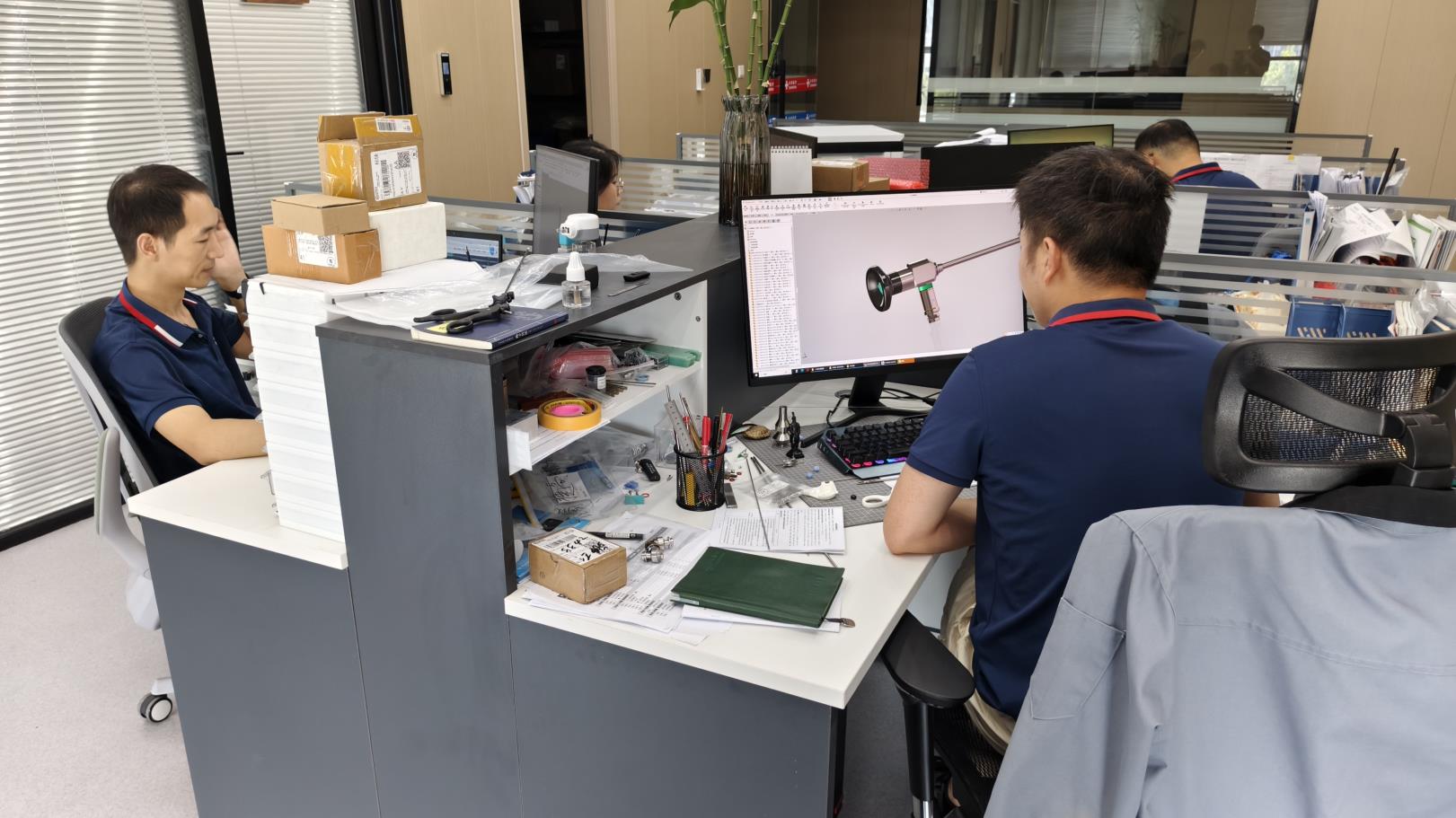
Synoviq Medical Technology (China) Co., Ltd. is a professional manufacturer of orthopedic implants and surgical instruments, dedicated to delivering innovative, reliable, and high-quality medical solutions for healthcare professionals worldwide. Since its establishment, Synoviq has focused on research, development, precision manufacturing, and international quality standards, providing comprehensive OEM and ODM services for global medical device brands, distributors, and hospitals.
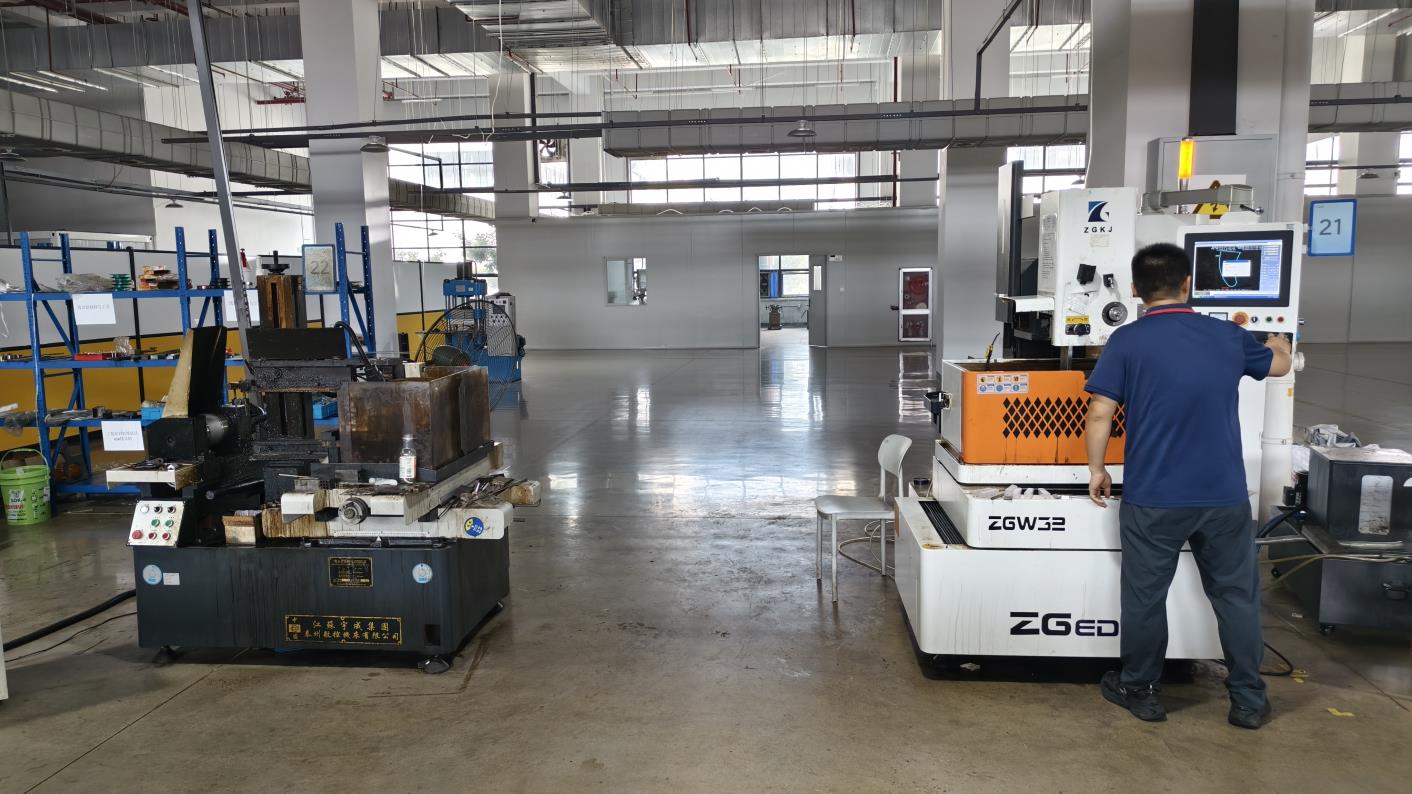
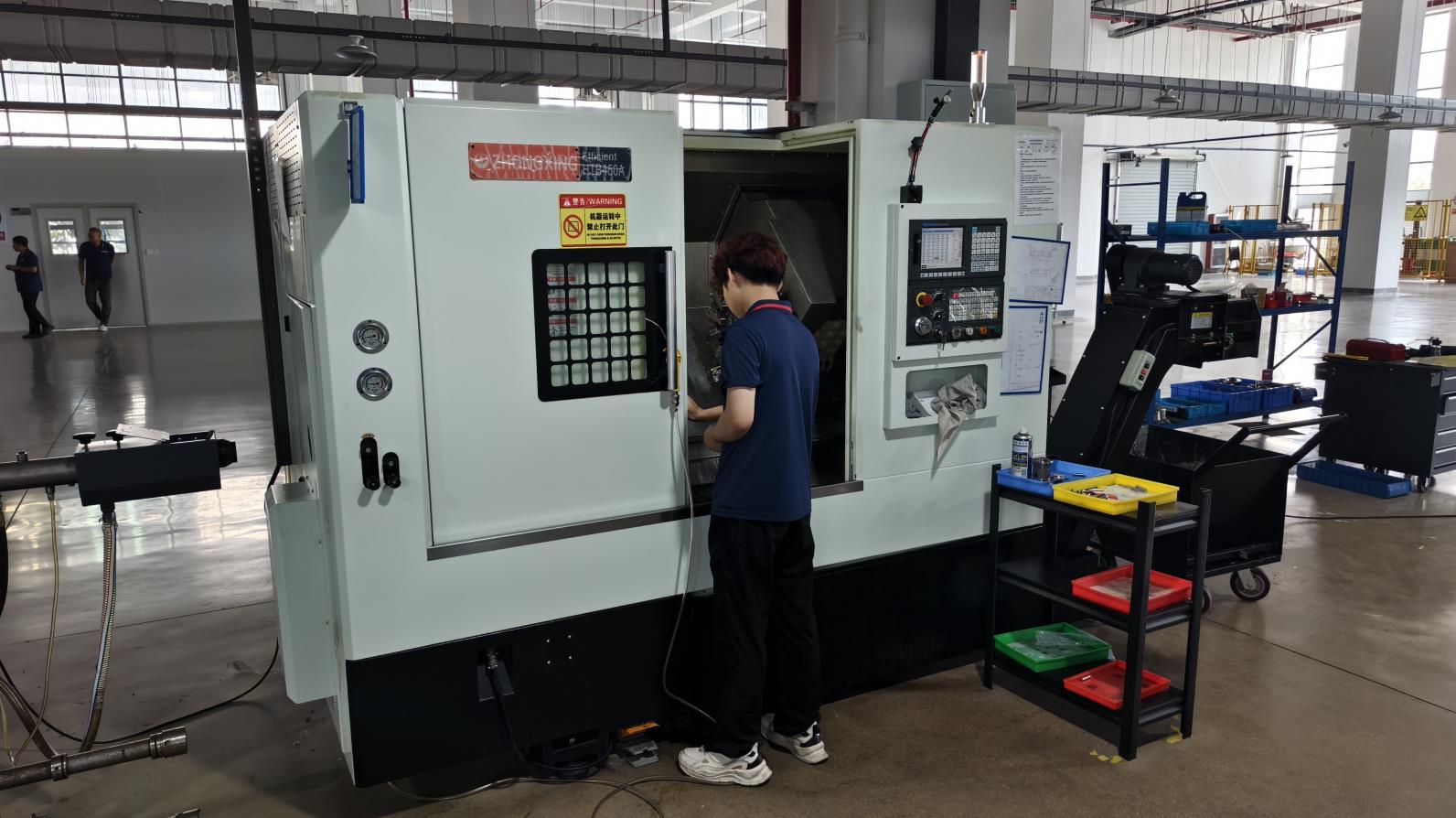
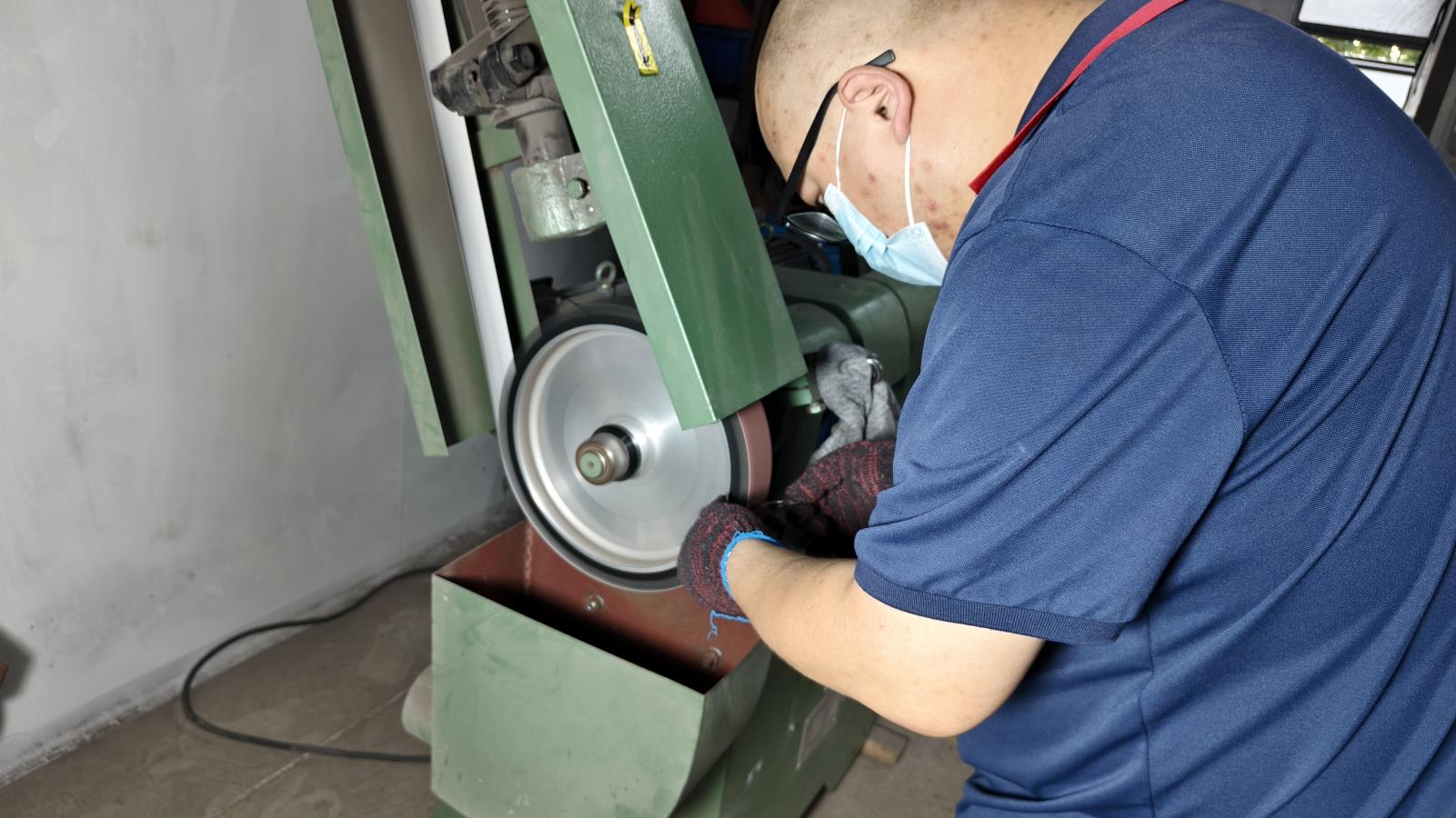
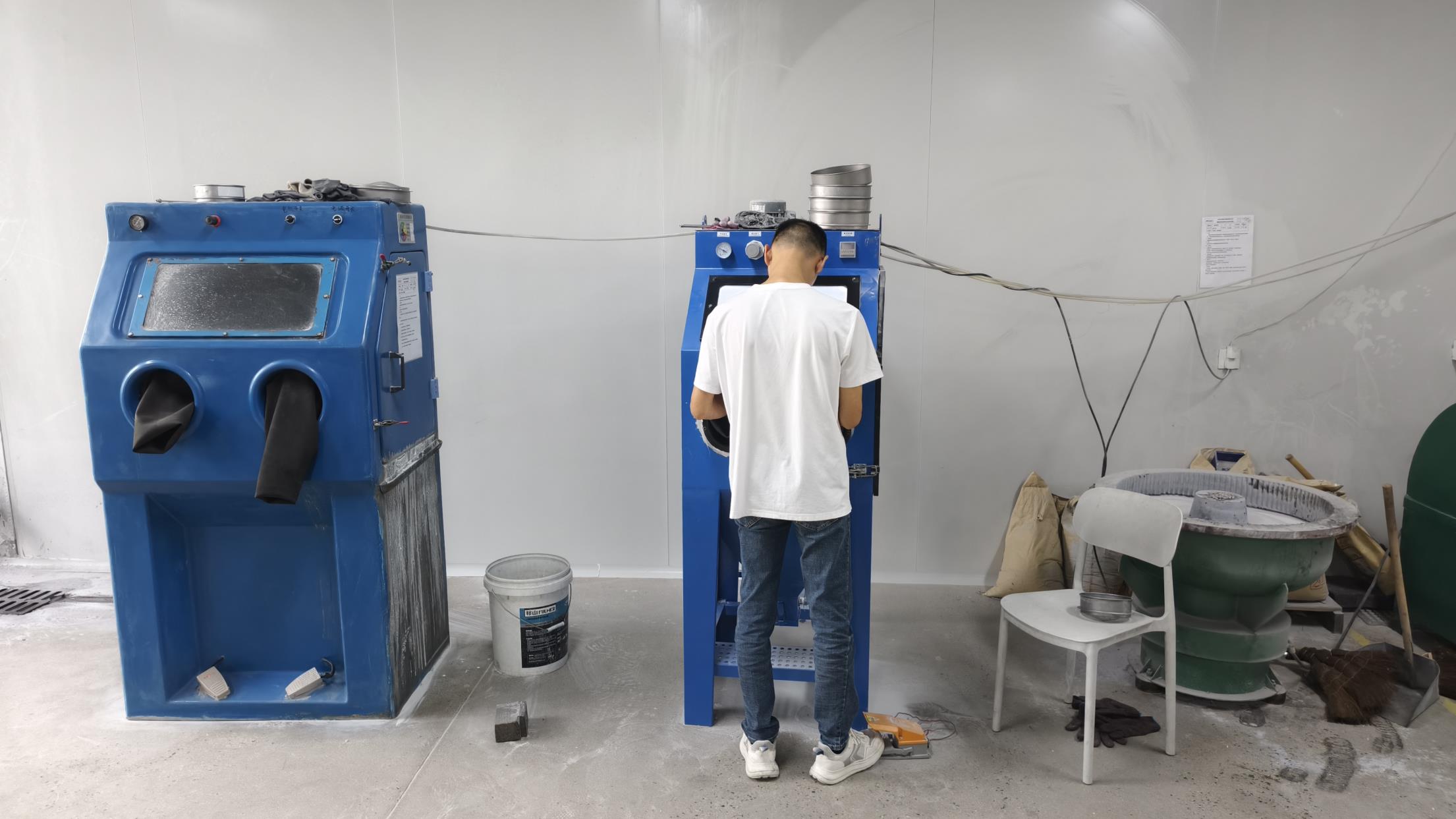
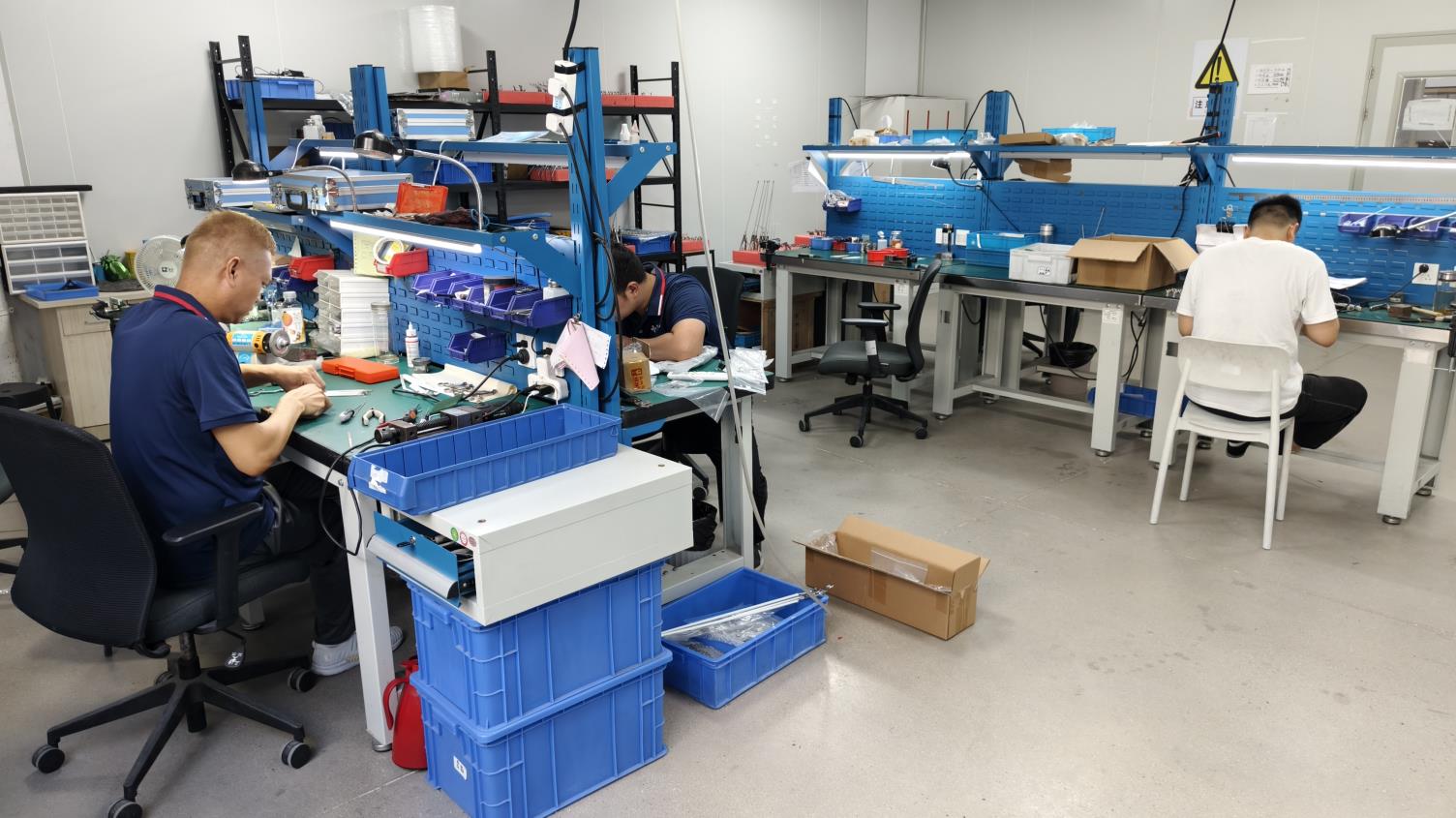
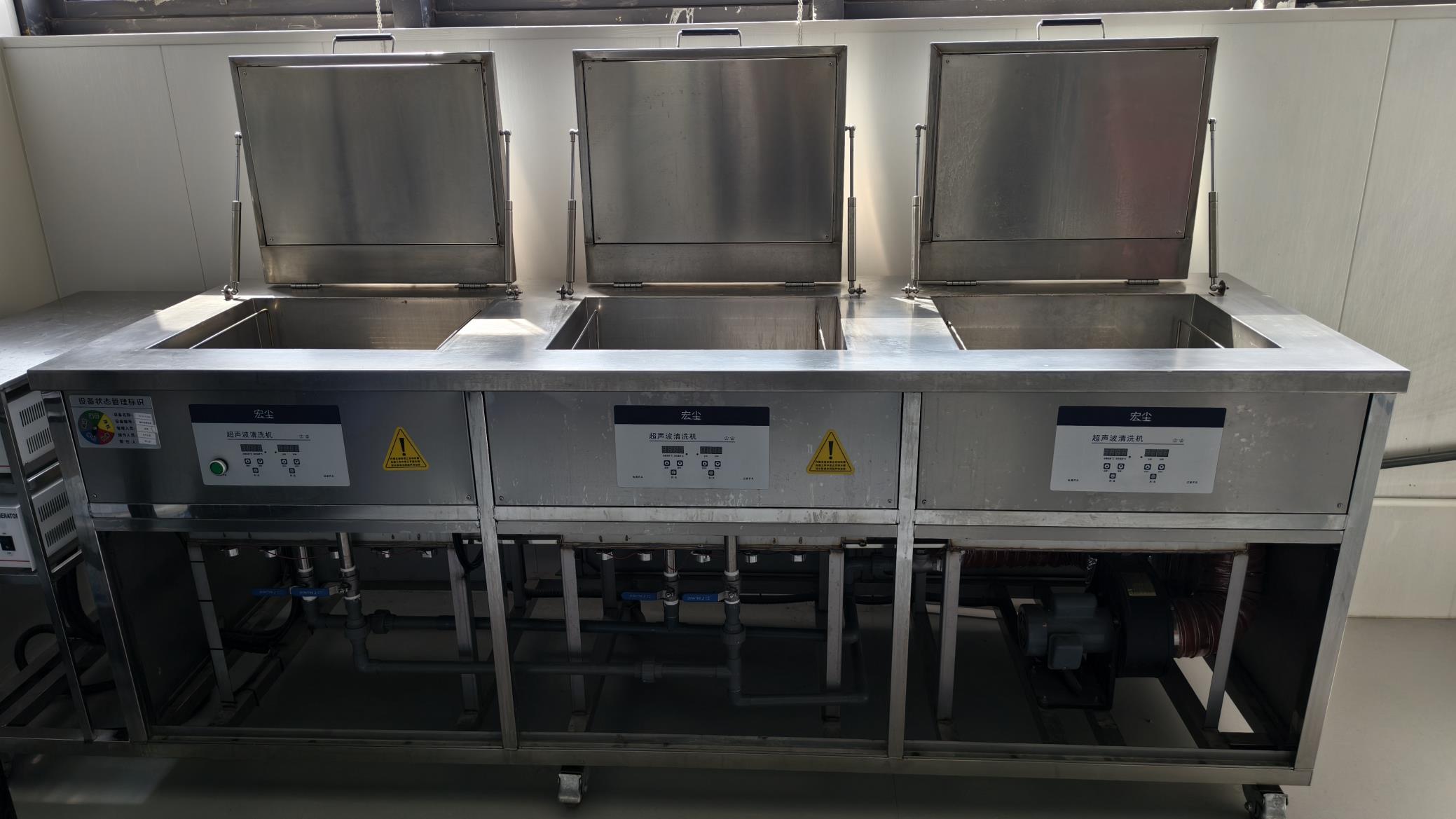
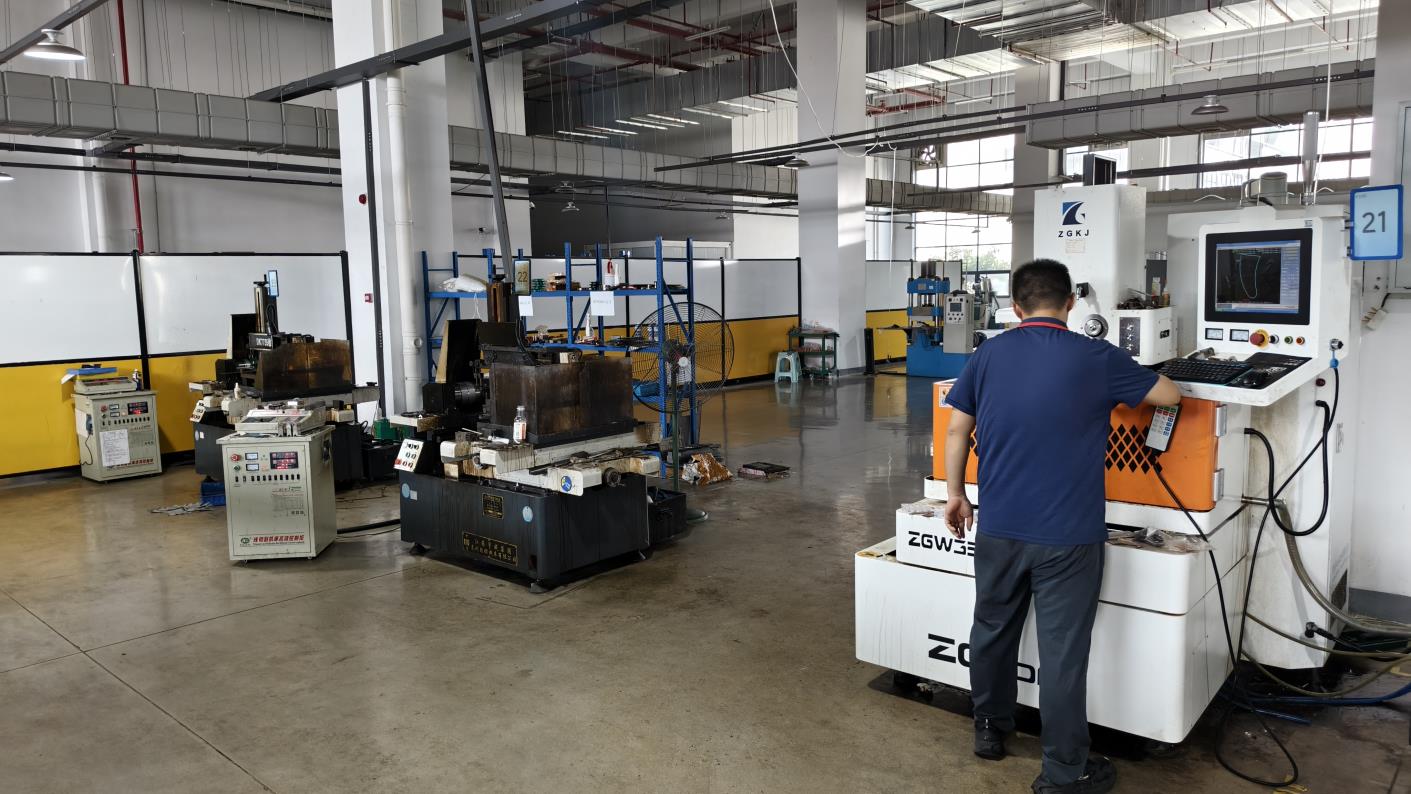
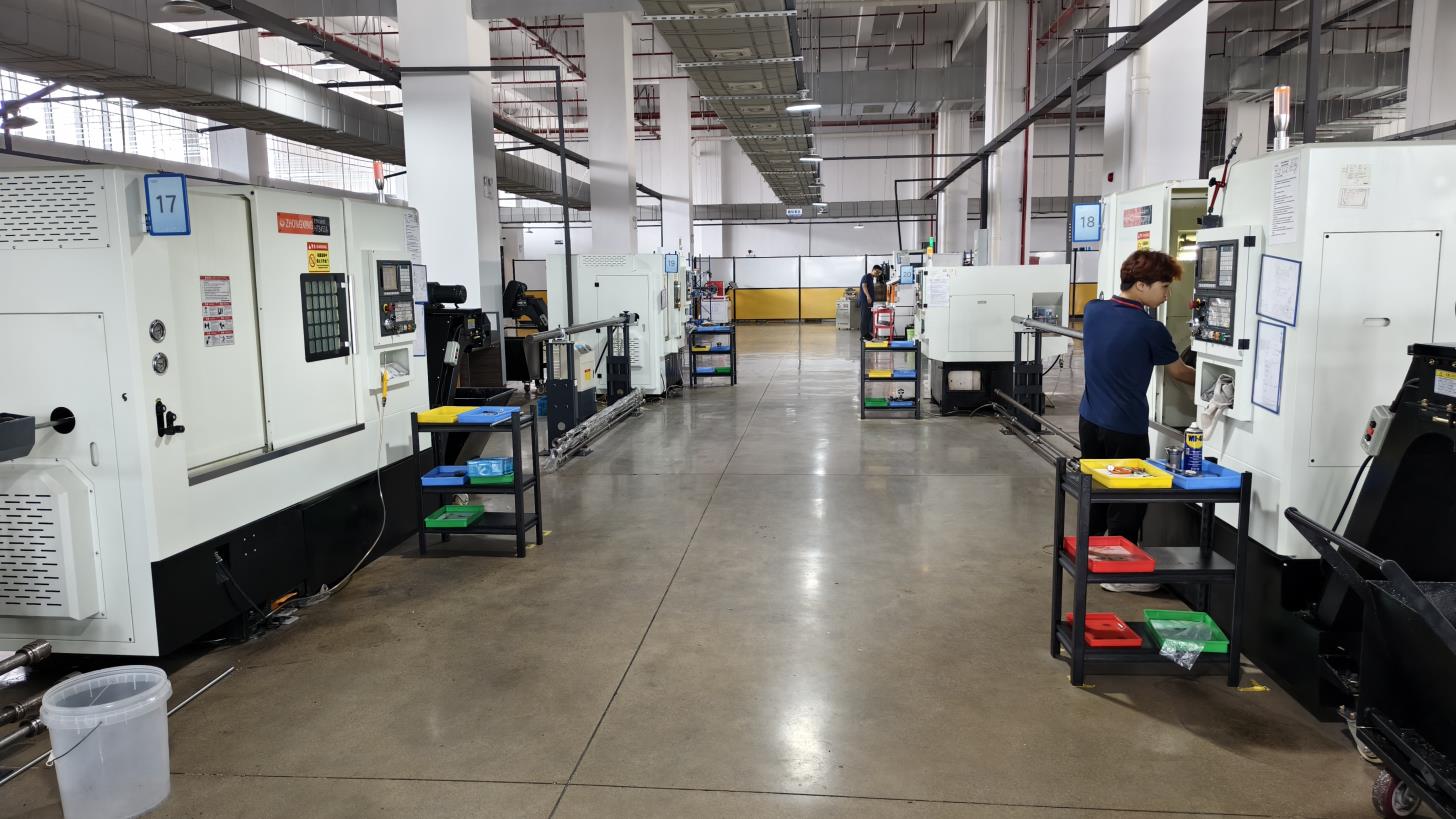
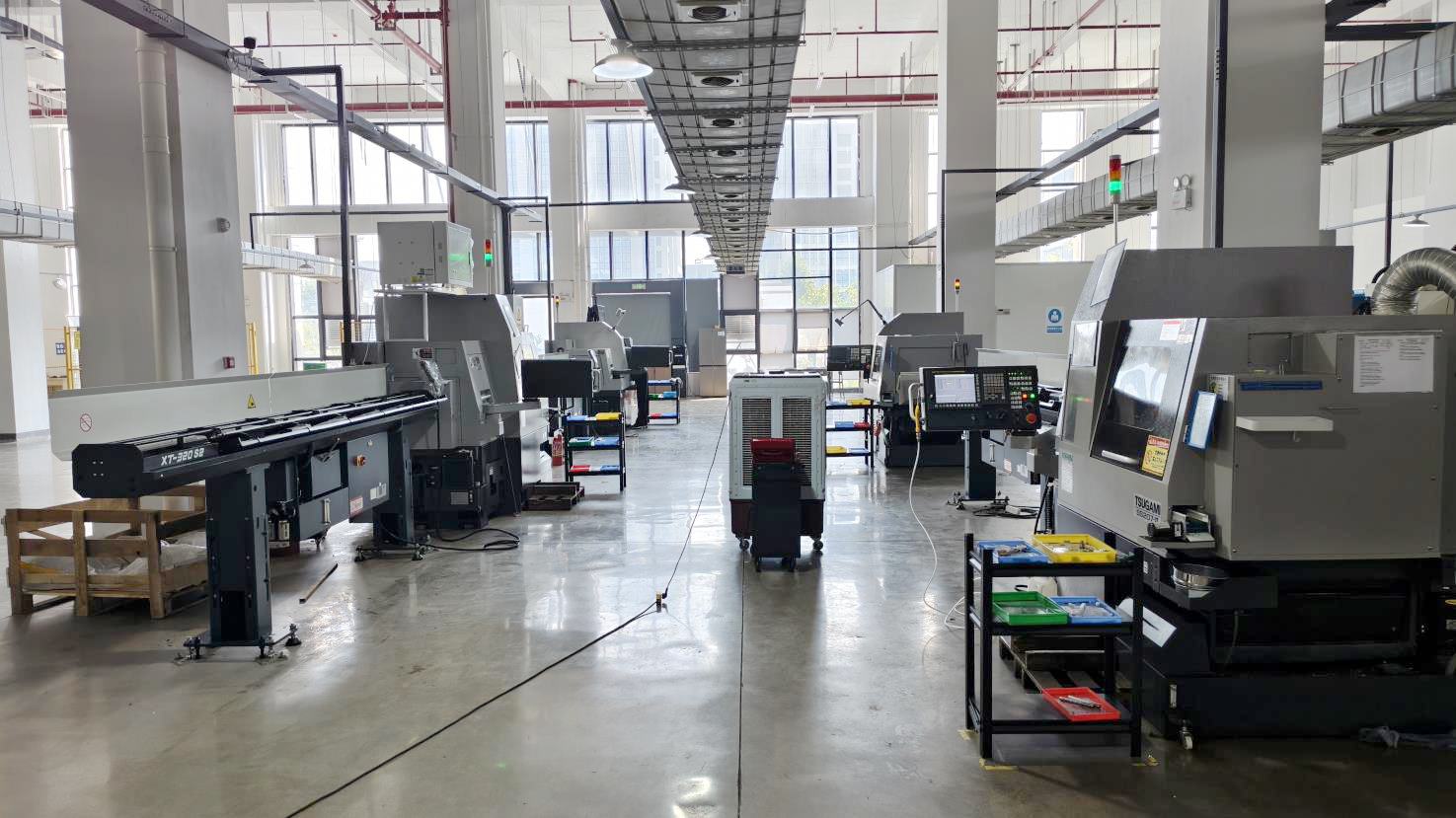
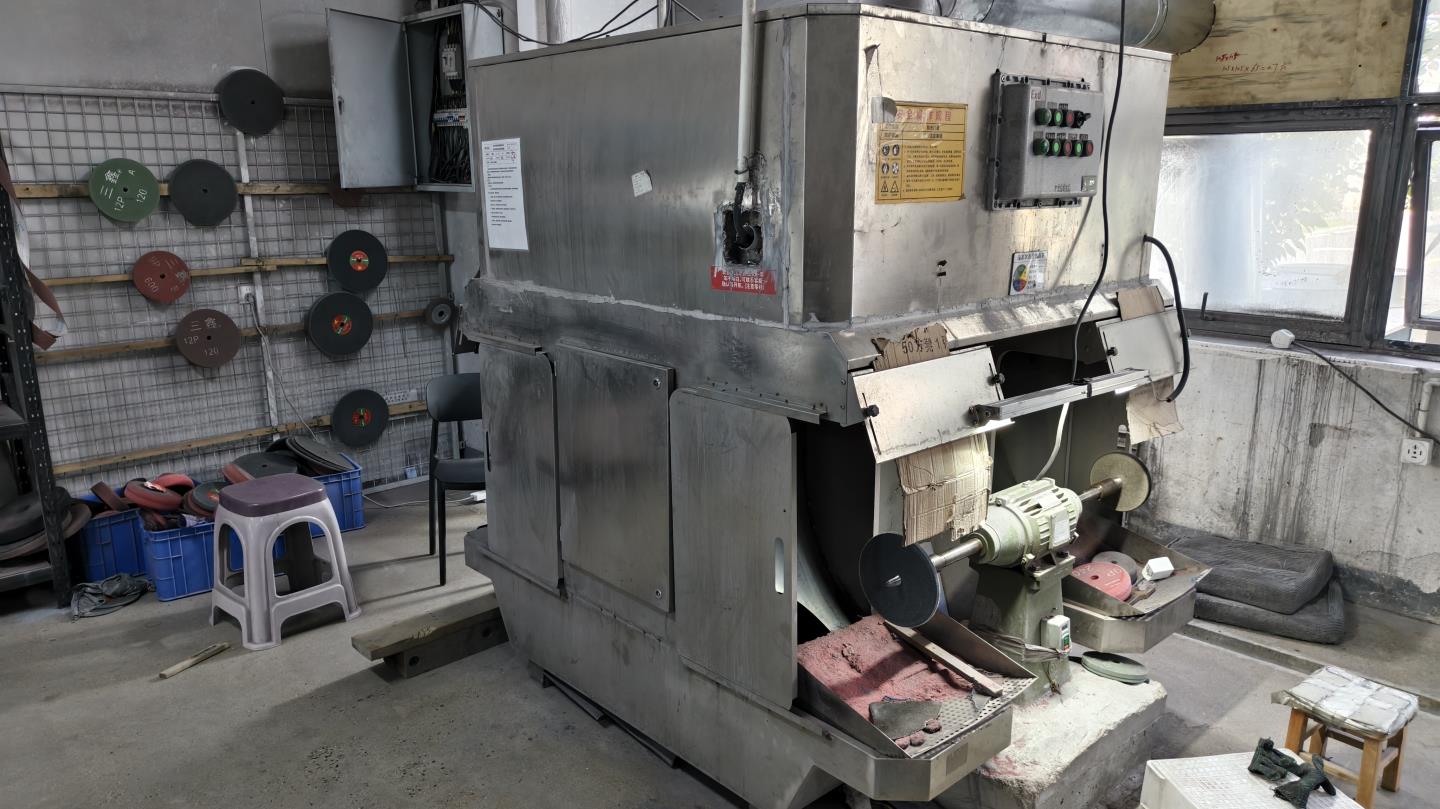
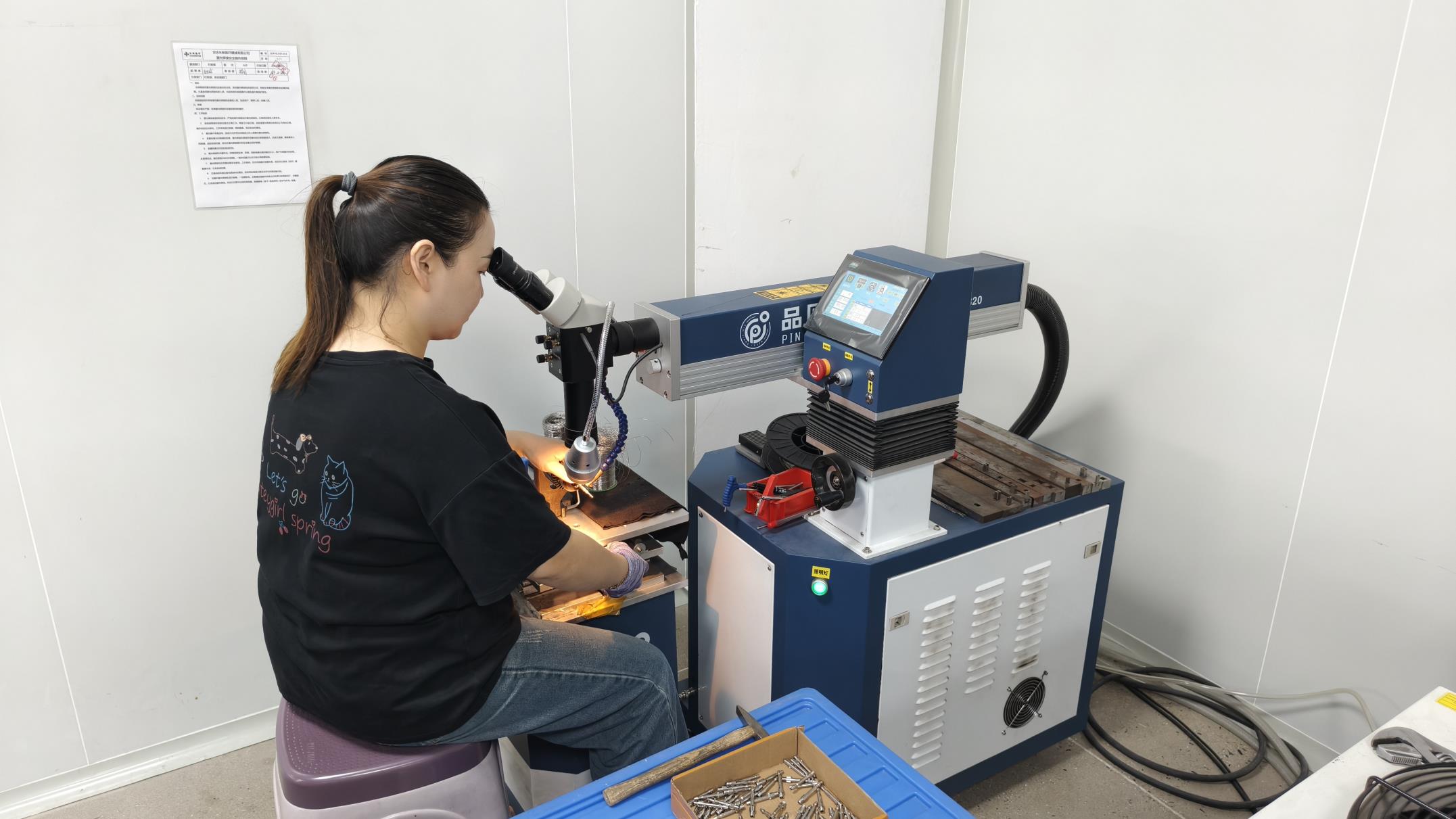
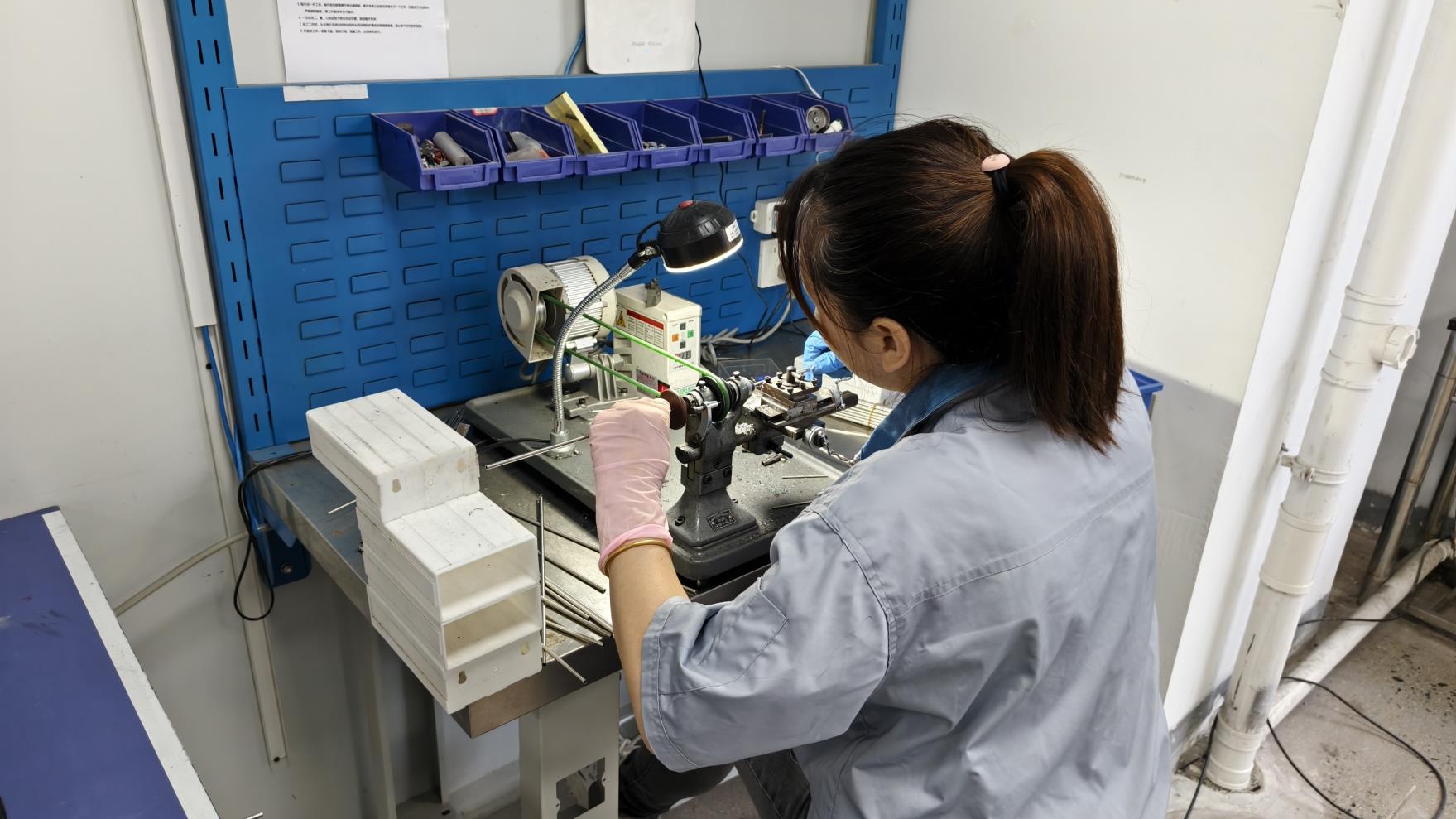
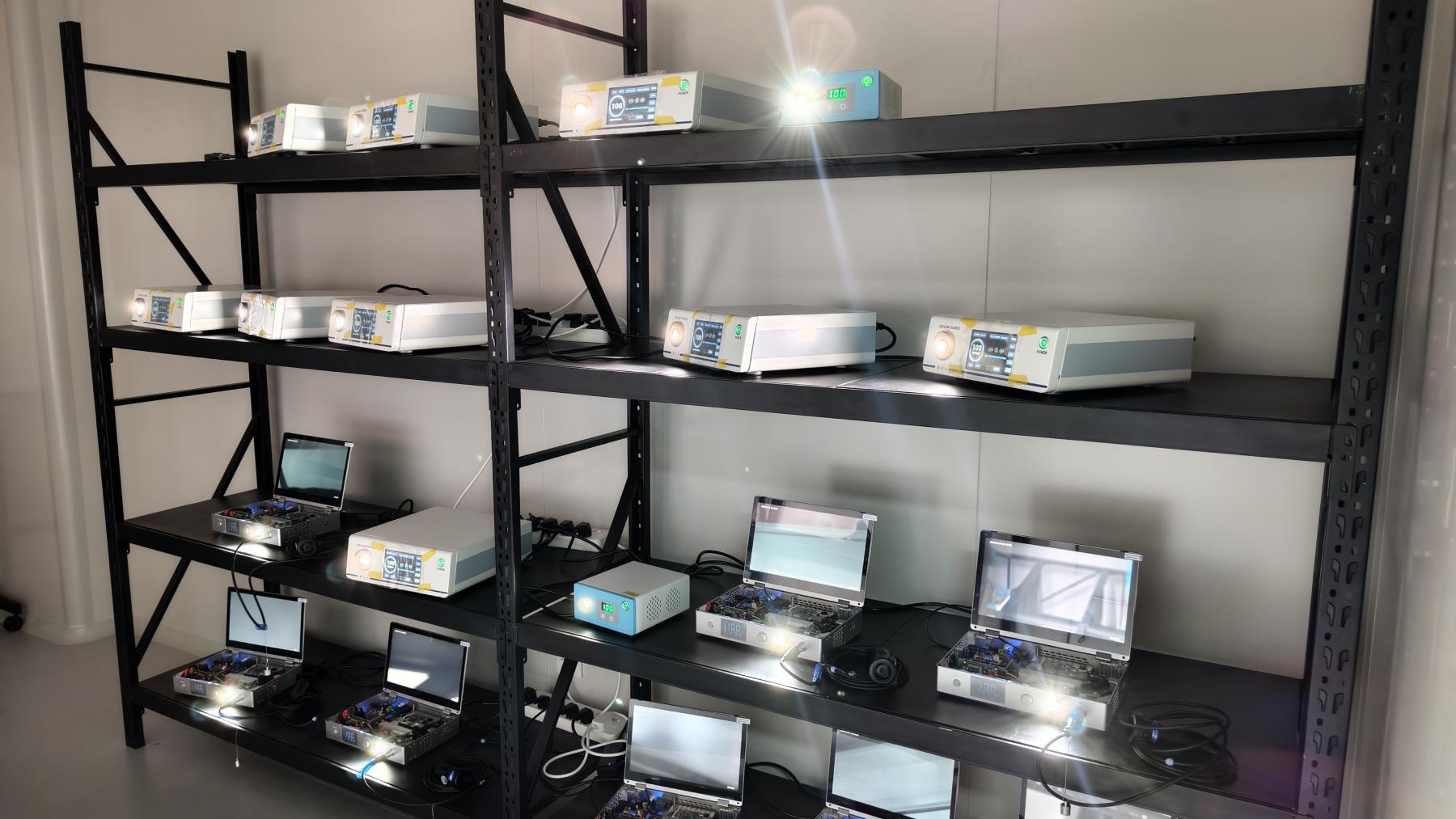
Our product portfolio includes trauma fixation systems, spinal implants, locking plates, intramedullary nails, external fixation systems, orthopedic screws, surgical instruments, and customized orthopedic solutions. Equipped with advanced CNC machining centers, precision inspection equipment, and modern clean production facilities, we ensure every product meets strict international quality requirements.
| Item | Information & Specifications |
|---|---|
| Company Name | Synoviq Medical Technology (China) Co., Ltd. |
| Brand | Synoviq / Geasure Series |
| Established | March 18, 2016 |
| Building Area | 18,600 m² (Dedicated Cleanroom Facilities) |
| Annual Export Revenue | USD 21.8 Million |
| Quality Inspection | 100% Final Inspection & Incoming Material Verification |
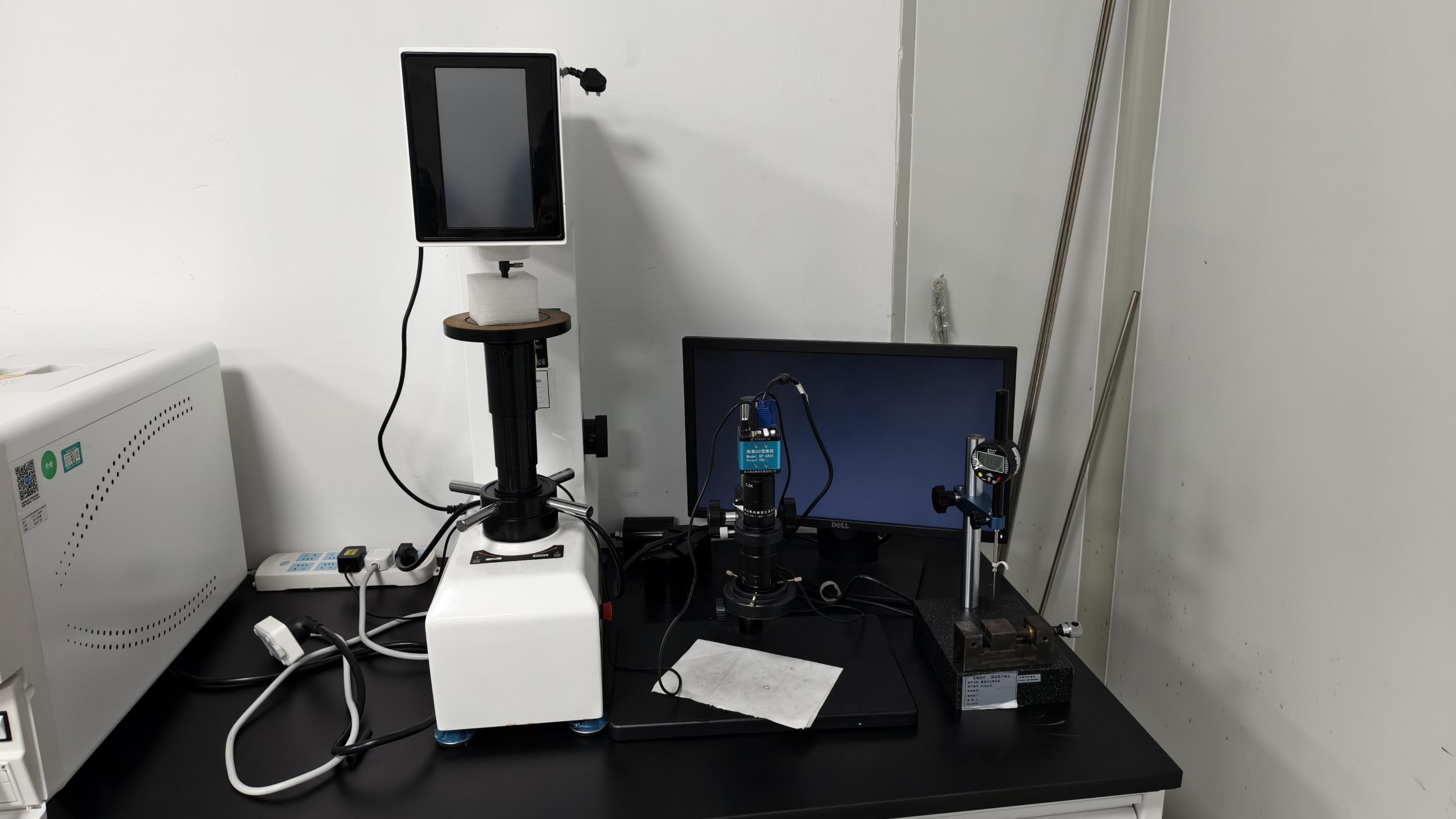
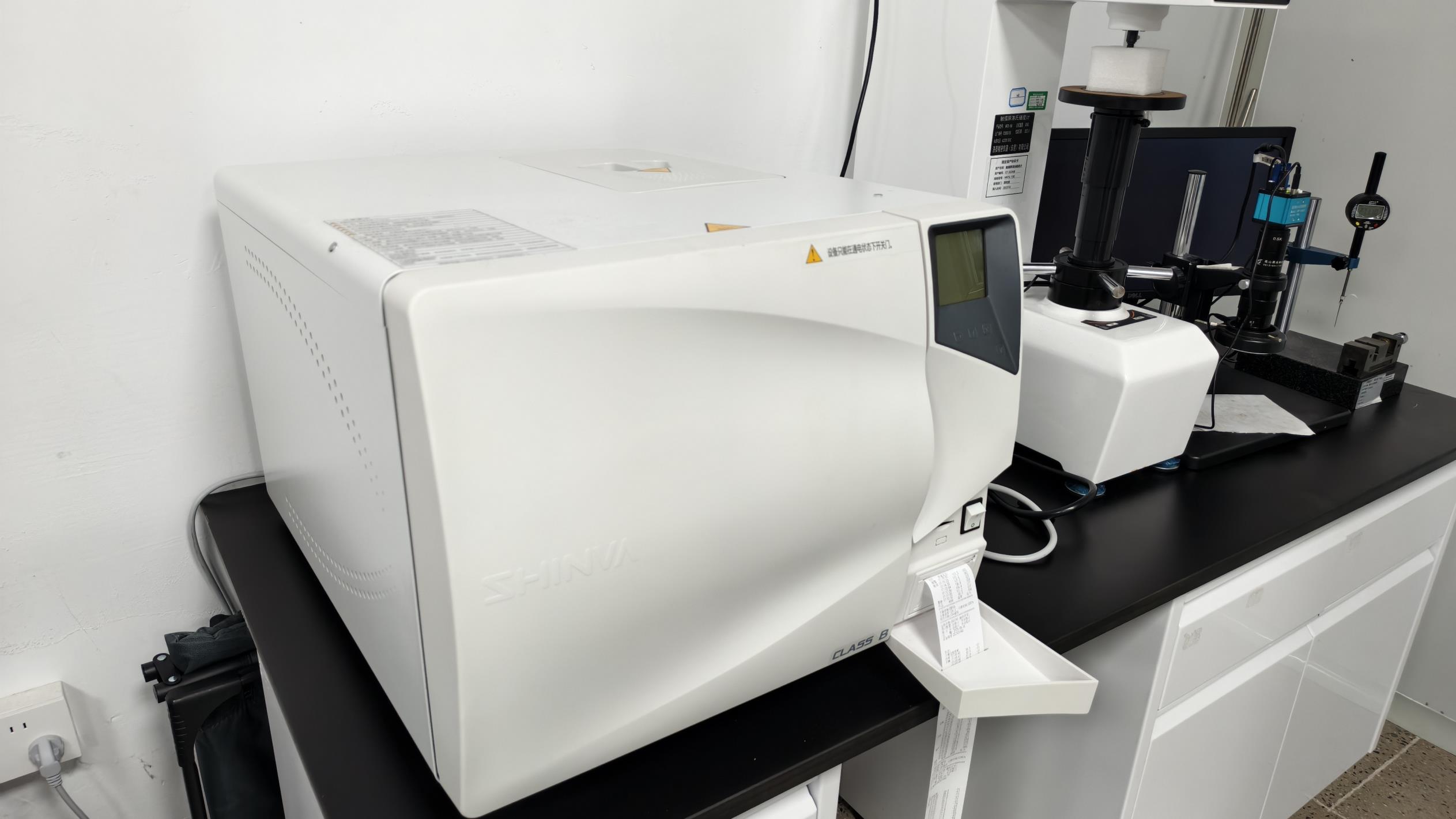
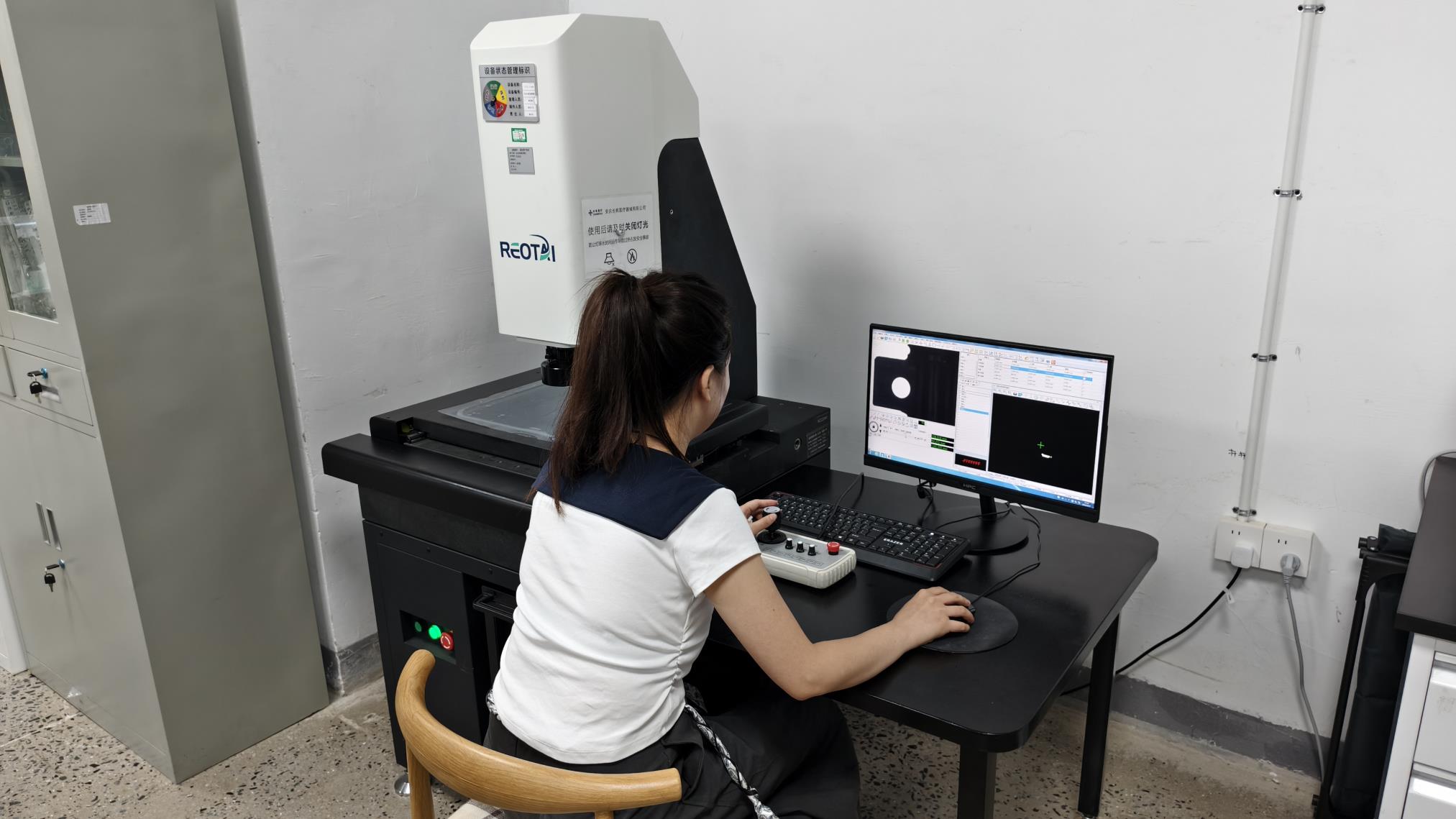
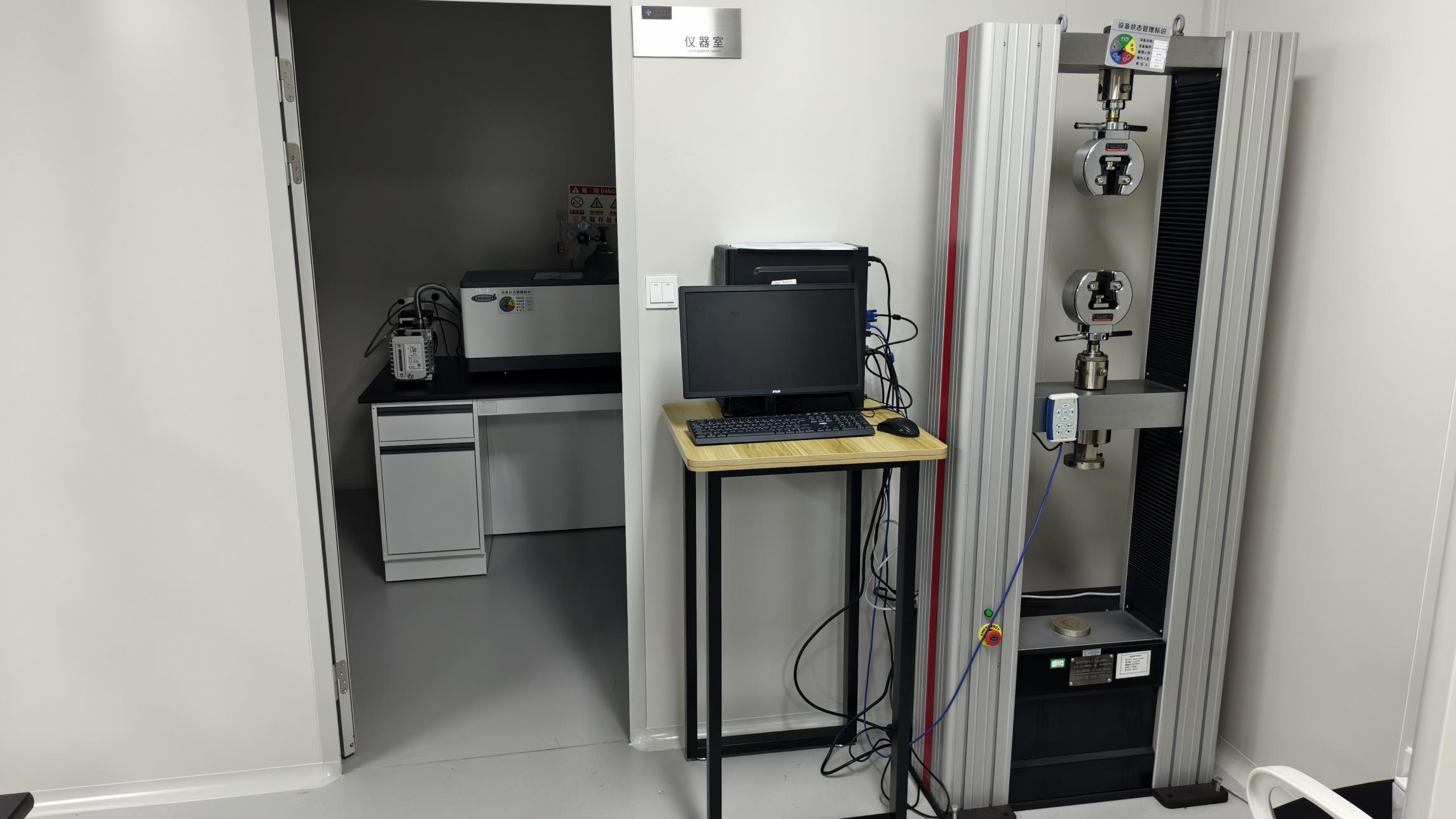
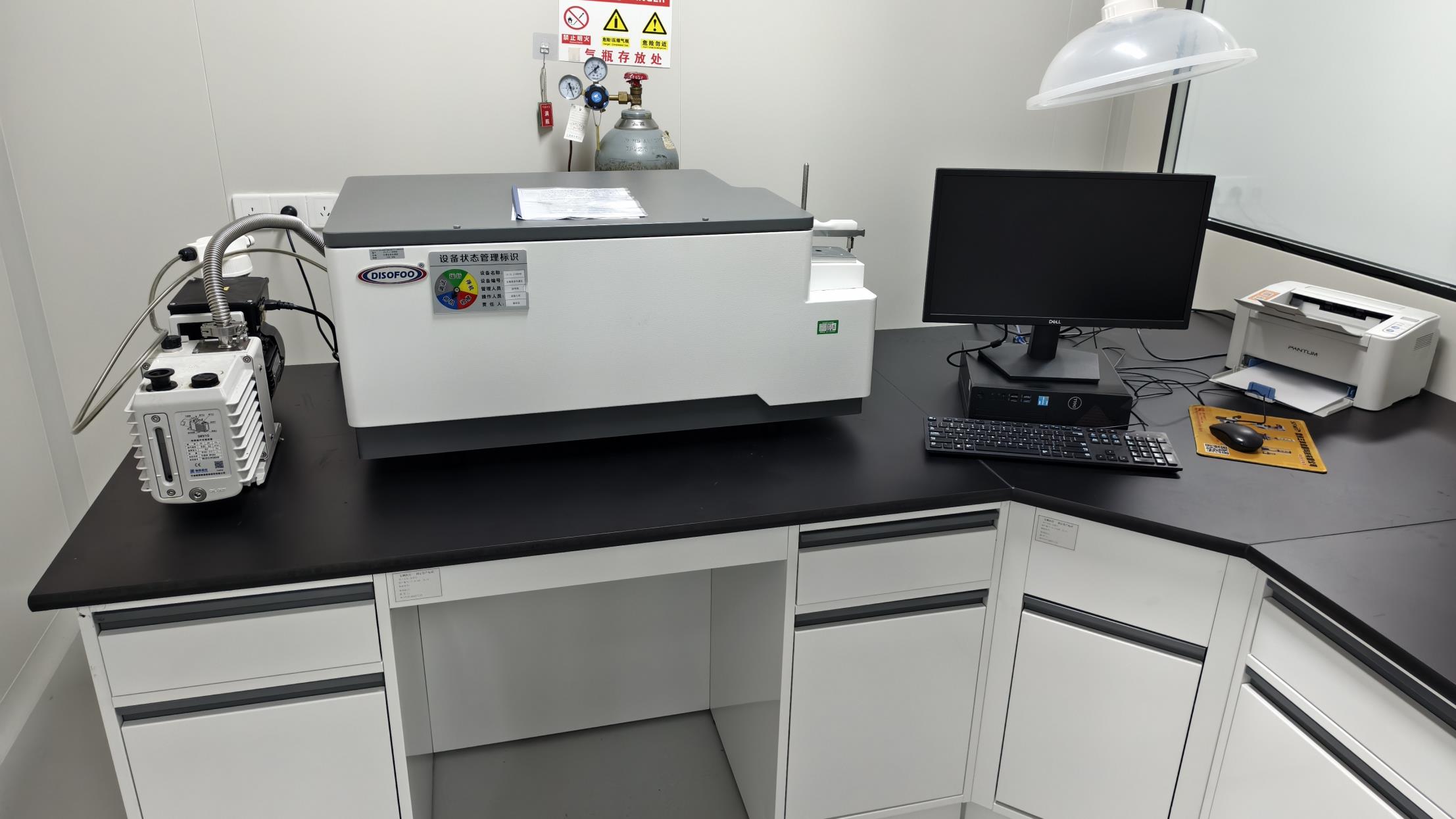
| Product Inspection Methods | CMM Measurement, Mechanical Testing, Surface Roughness Testing, Hardness Testing, Salt Spray Testing, Sterility Validation |
| R&D Capability | Independent Product Design, Finite Element Analysis (FEA), Prototype Development, OEM & ODM Development |
| Customization Options | Logo Customization, Color-coded Anodization, Custom Packaging, Anatomical Plate Geometry Modifications |
| R&D Engineers | 76 Specialized Engineers |
End-to-end quality assurance matching European and South American regulatory standards.
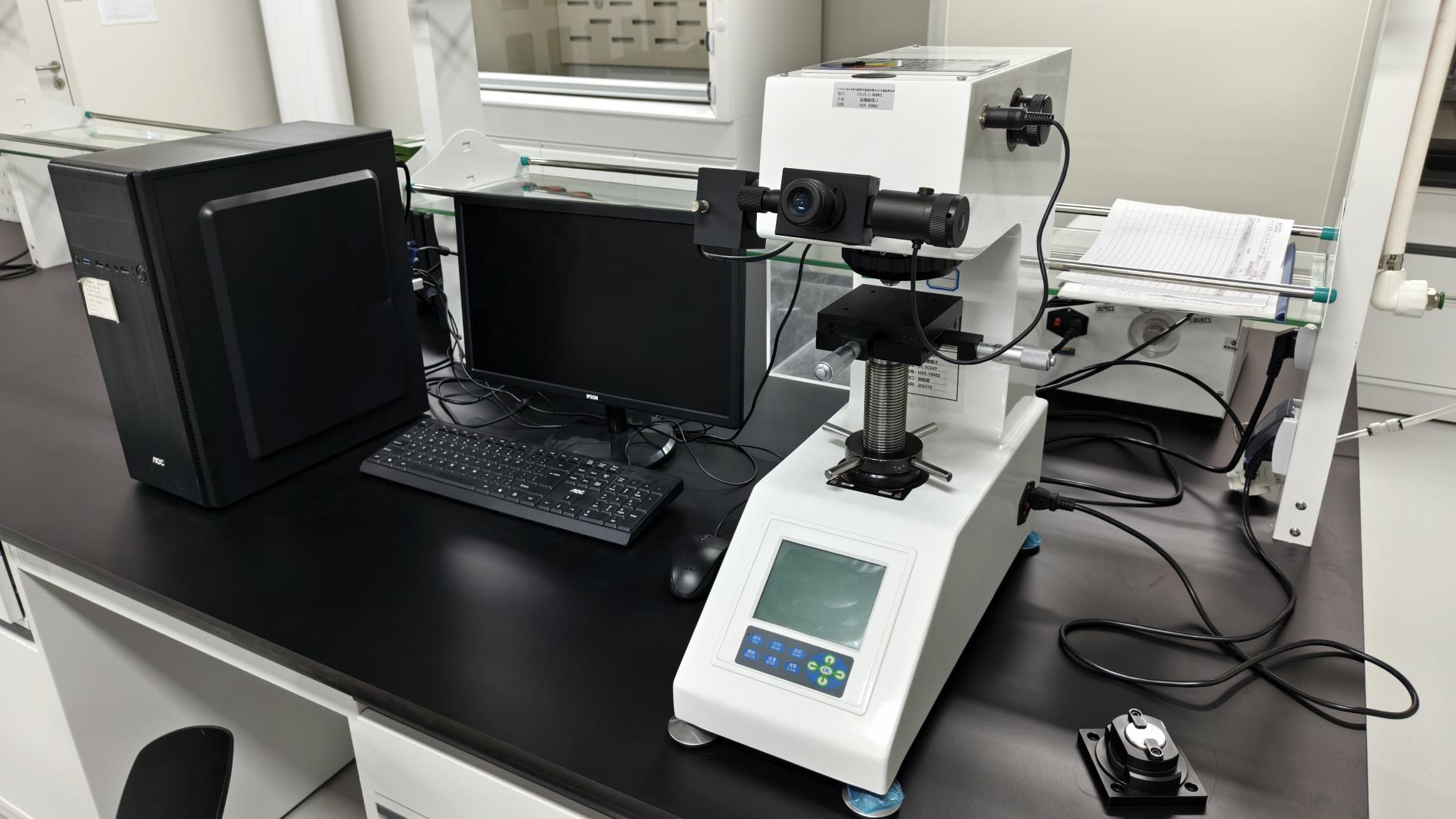
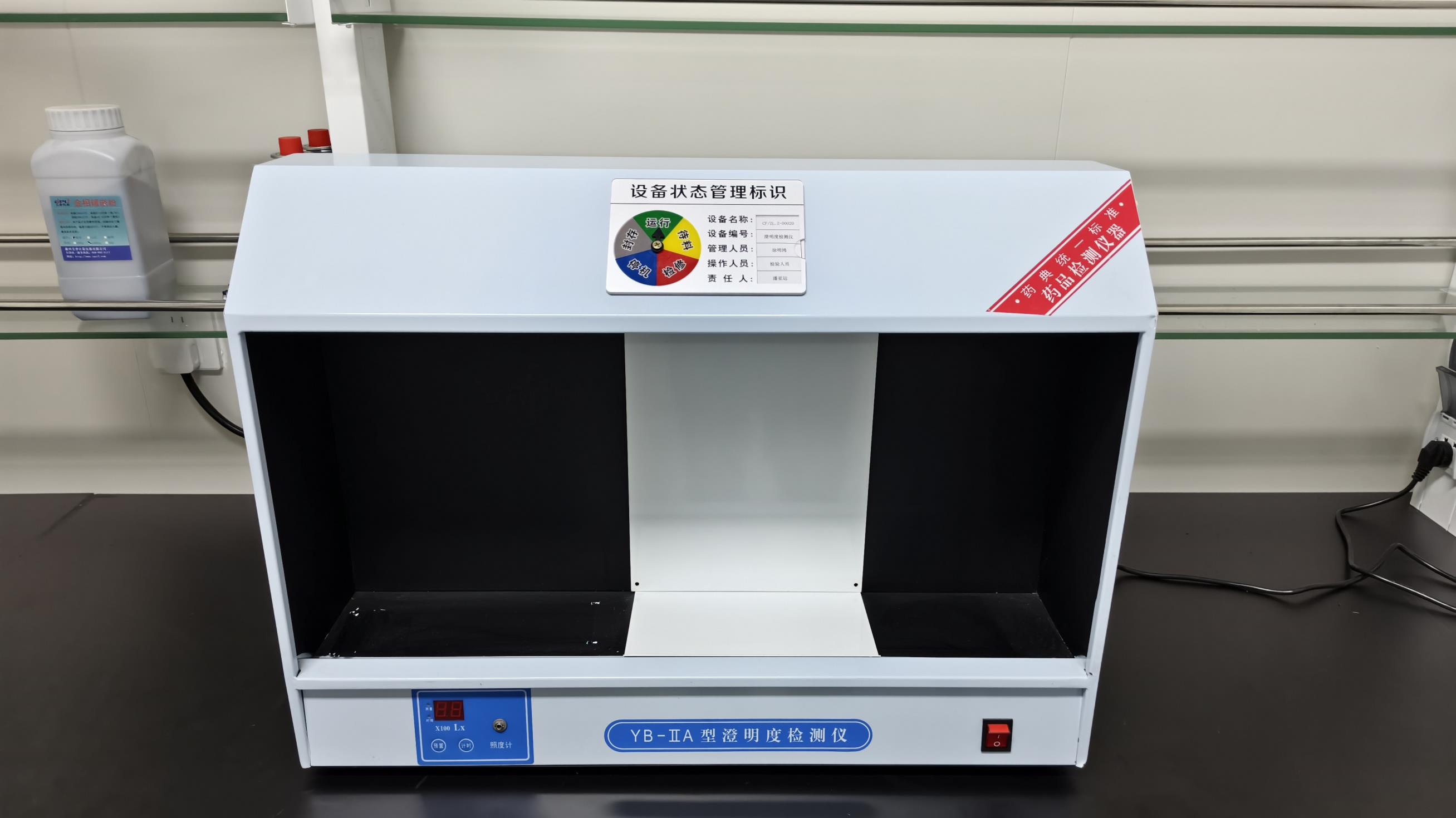
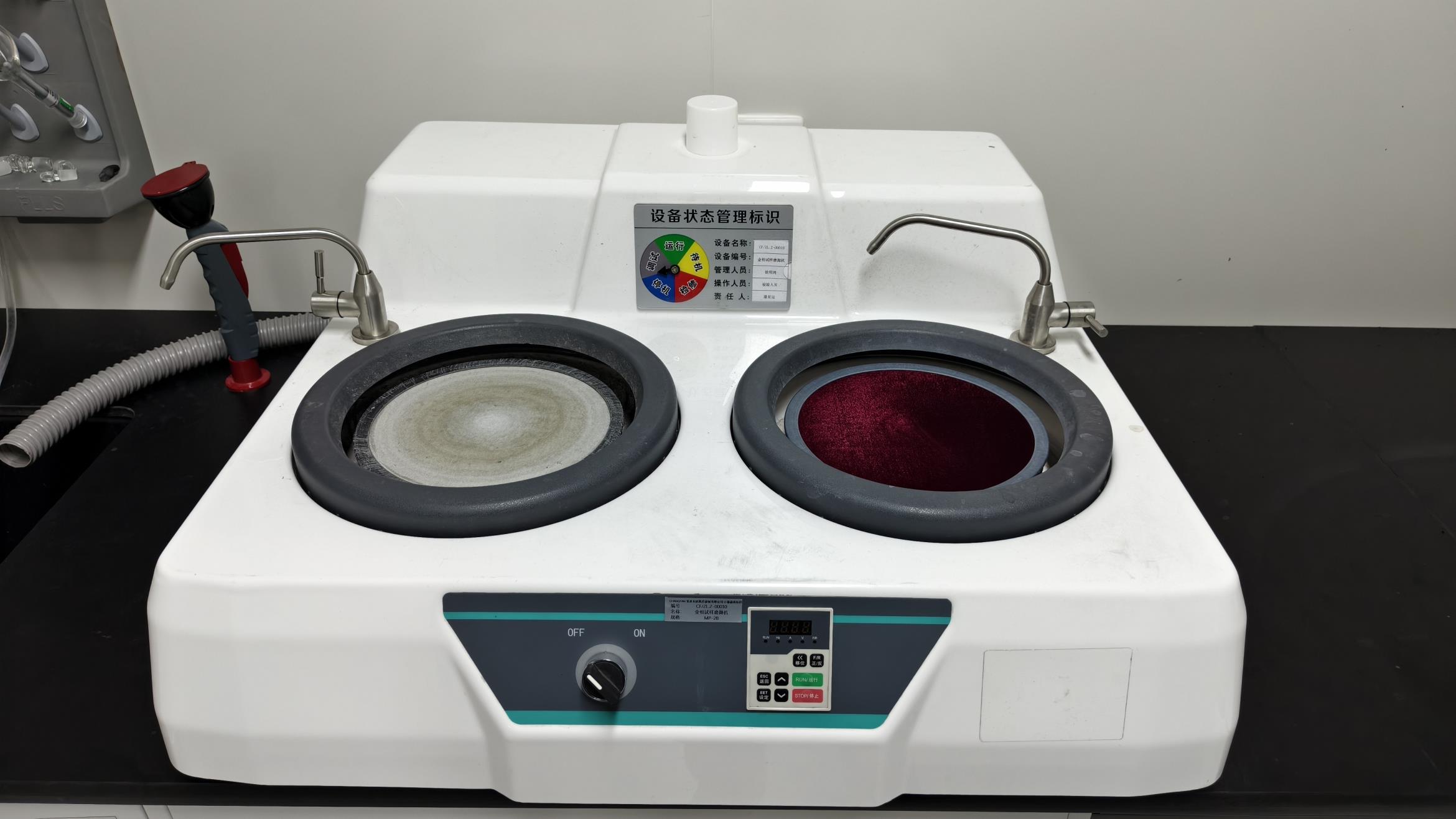
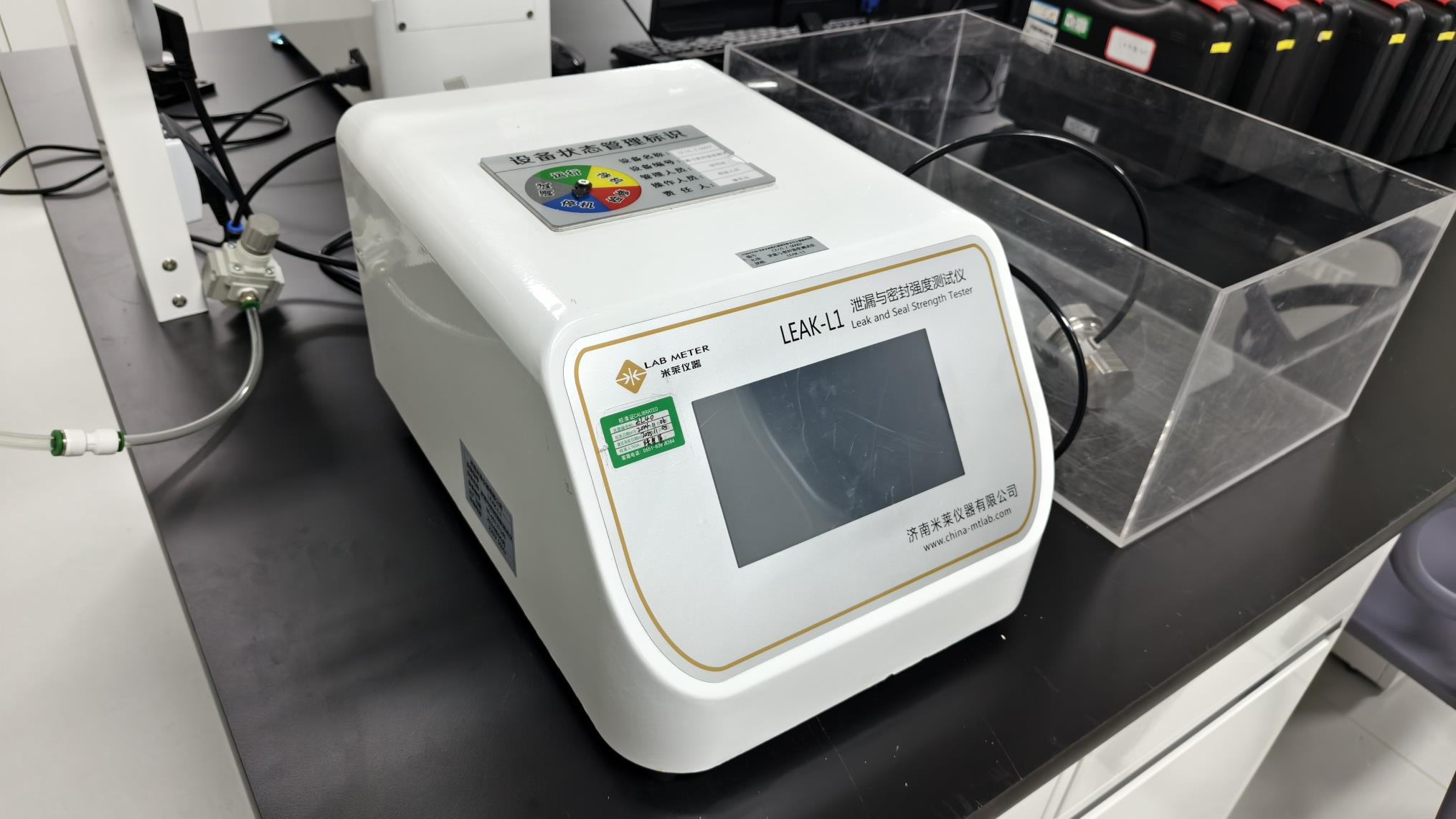
How Synoviq addresses regional supply uncertainties, registration challenges, and customization requirements.
Gaining access to the Brazilian market requires a systematic compilation of product documentation. Synoviq supports local registration holder entities (Brazilian Registration Holders - BRH) by providing technical dossiers that comply with ANVISA standards. This includes mechanical validation reports matching ASTM F382 (Standard Test Method for Metallic Bone Plates) and ASTM F543 (Standard Specification and Test Methods for Metallic Medical Bone Screws).
A significant portion of trauma implants shipped to South America are delivered non-sterile to be sterilized locally in hospital autoclaves using reusable instrumentation trays. Synoviq offers both validation pathways: pre-packaged sterile implants (validated via Gamma radiation or EO gas) and raw non-sterile options. Our surface passivation ensures that implants undergo autoclaving cycles without surface degradation, preserving mechanical characteristics and aesthetic finishes.
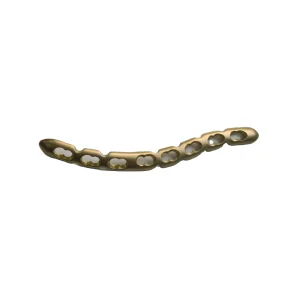
Brazil’s population features diverse anatomical profiles. Standard European or Asian sizing configurations do not always match local patient morphology. Leveraging our 76 R&D engineers, Synoviq utilizes clinical CAD data to manufacture plates with adaptable geometry. Our clavicle and distal tibia plates can be bent intraoperatively without losing stability, reducing stress-shielding and implant fracture risks.
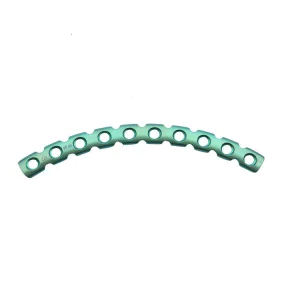
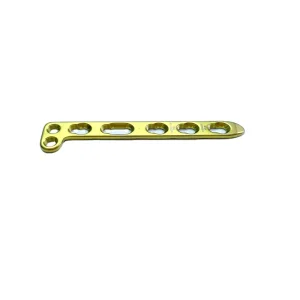
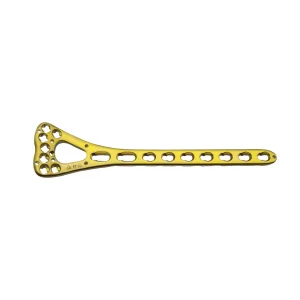
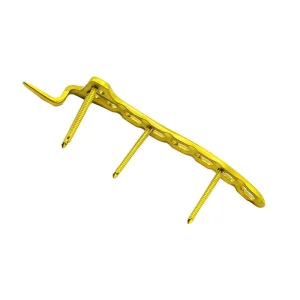
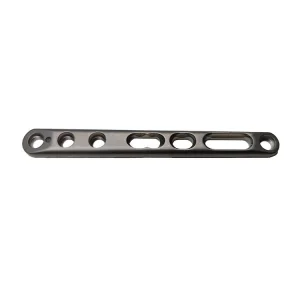
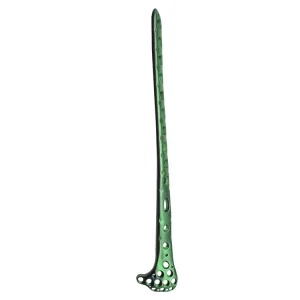
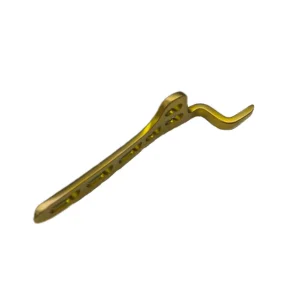
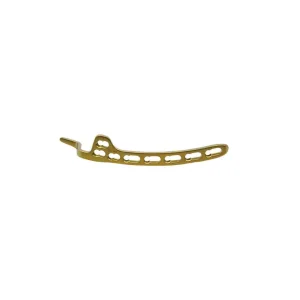
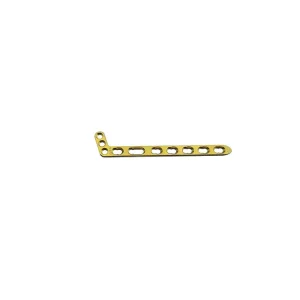
Anatomical locking and compression systems for clavicle, radius, humerus, and tibial indications.
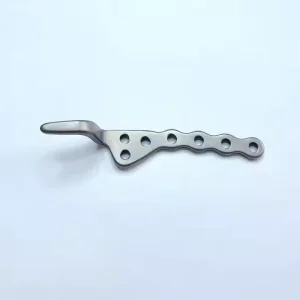
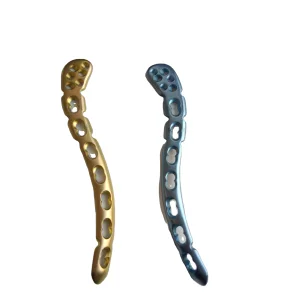
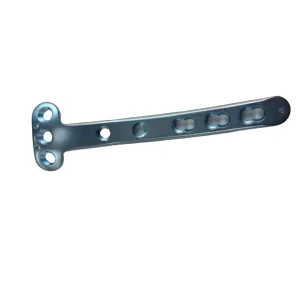
Crucial technical check-points for procurement managers auditing orthopedic implant factories.
Purchasing agents and distributors managing public bids in South America must assess orthopedic implant manufacturers on criteria beyond unit cost. Below are the standard verification steps Synoviq provides for all orders destinados ao Brasil:
All locking plates must resist multi-directional bending forces. Synoviq runs regular dynamic fatigue tests on all production runs. Our testing protocols match ASTM F382-17 standards, verifying that our implants endure 1 million cycles of mechanical stress without structural failure, protecting patients from premature implant collapse.
Implant failure often occurs at the screw-plate interface. If the locking thread is cut improperly, the screw can back out or cold-weld. Synoviq uses dedicated Swiss-type lathes to control the thread profile and lead of both the screw and the plate's locking ring. We inspect locking thread geometry using 2D video metrology instruments, holding dimensional tolerances to within 0.01 mm.
As part of ANVISA's focus on patient safety, implant traceability is highly regulated. Synoviq supports UDI (Unique Device Identification) guidelines, etching laser-marked data matrix codes directly onto the implants. This allows hospitals to scan and track each plate and screw from manufacturing to implantation, simplifying post-market surveillance.
Answers to essential regulatory, logistics, and technical questions for importing implants into Brazil.
 Synoviq Medical