Providing ASTM F136 compliant osteosynthesis solutions, bio-compatible trauma locking plates, and custom surgical instruments engineered for New York's leading trauma centers and global healthcare networks.
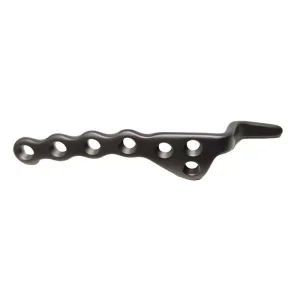
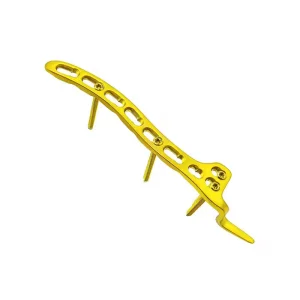
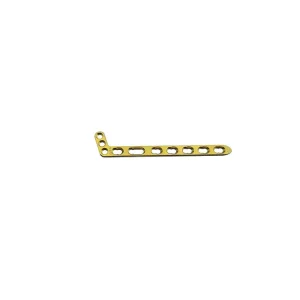
Explore our select high-precision orthopedic trauma implants designed to match the anatomical requirements and clinical safety standards demanded by New York hospital systems.
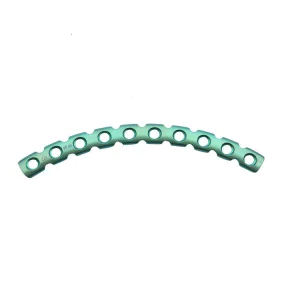
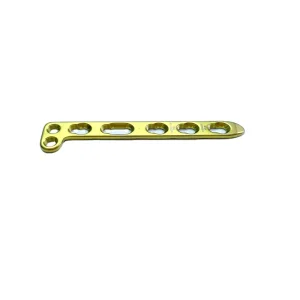
A technical overview of regulatory compliance, clinical demands, and material sciences dictating trauma device selection in the Tri-State Area.
New York State represents one of the most demanding medical device landscapes globally. Home to over 40 Level 1 Trauma Centers, including the historic Bellevue Hospital Center, Mount Sinai Health System, and NewYork-Presbyterian Hospital, the region processes hundreds of thousands of orthopedic trauma admissions annually. High-impact vehicular injuries, occupational falls, and geriatric fragility fractures call for osteosynthesis systems that offer extreme bio-compatibility, predictable biomechanical behavior, and highly efficient operative execution. In a fast-paced metropolitan trauma bay, orthopedic surgeons rely heavily on pre-contoured plates and self-tapping, self-drilling locking screws to reduce surgical time and minimize intraoperative complications.
Furthermore, New York’s strict hospital procurement frameworks prioritize devices that deliver high cost-performance ratios without compromising patient safety. For device distributors and supply chain directors operating in New York City, Upstate New York, and Long Island, sourcing high-grade orthopedic trauma implants requires alignment with manufacturers that comply with ISO 13485 quality management systems and maintain deep material traceability under ASTM F136 standards for surgical titanium alloys.
“The optimization of trauma implant procurement in metropolitan regions like New York relies heavily on stabilizing the balance between surgical reliability and device acquisition costs. Stable anatomical alignment, high fatigue strength, and minimized profile height are the technical baselines for modern internal fixation systems.”
The global orthopedic trauma implant market is undergoing rapid evolution. Key drivers include the aging global population and the rising incidence of musculoskeletal disorders. Titanium alloy (Ti-6Al-4V ELI, ASTM F136) remains the premier material of choice for permanent and temporary internal fixation devices due to its excellent strength-to-weight ratio, low elastic modulus (which limits stress shielding), and superb bio-compatibility. To ensure structural integrity, advanced exporters utilize Swiss-type CNC precision machining to mill complex geometries, followed by Type II anodization to optimize surface finish and limit wear-induced metal ion release.
From an international logistics standpoint, supply chain diversification has become paramount. Leading global brands and regional distributors are transitioning away from high-markup traditional domestic suppliers toward vertically integrated manufacturing partners who can offer direct-to-hospital OEM and ODM capabilities. This shift ensures consistent production cycles, robust regulatory files, and customized branding opportunities that elevate the distributor's competitive presence in mature markets.
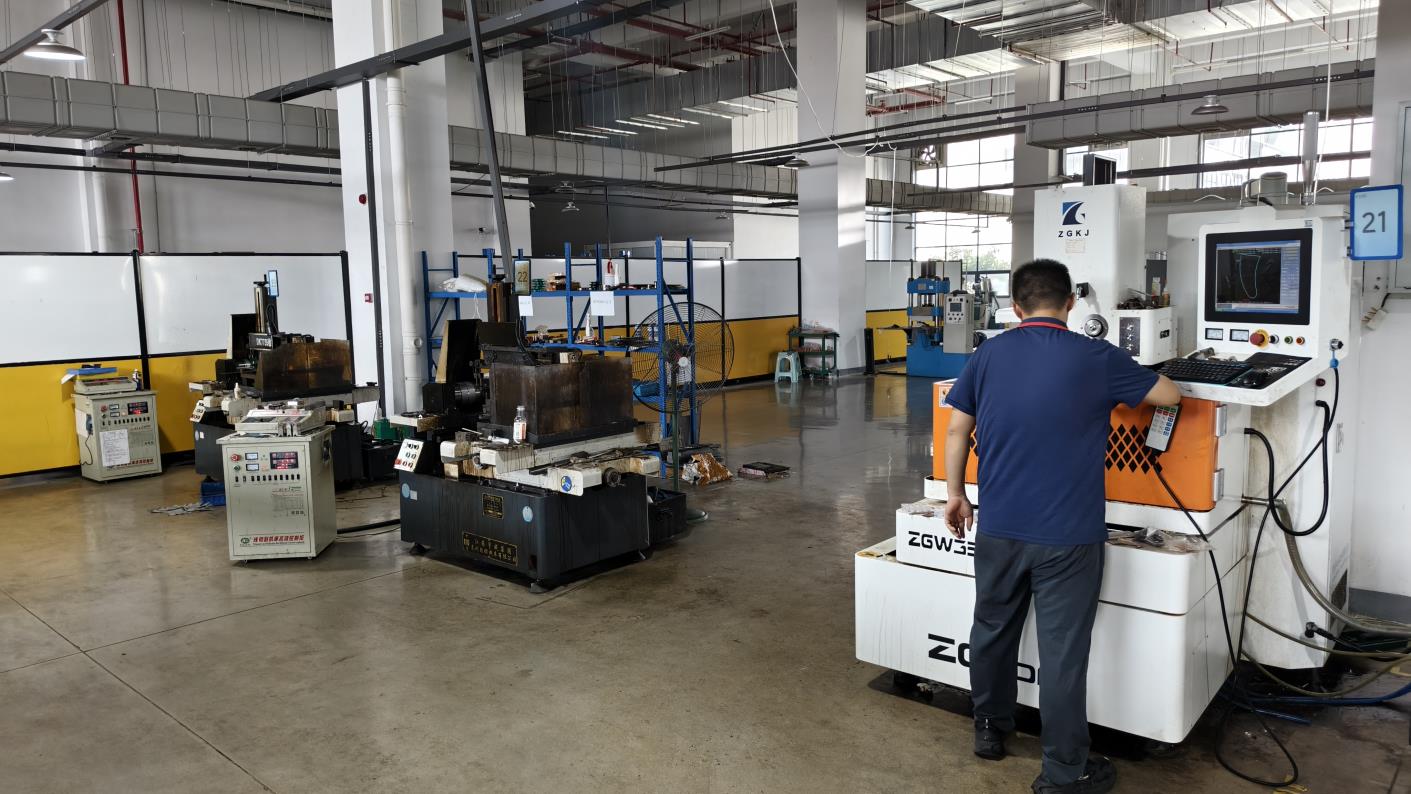
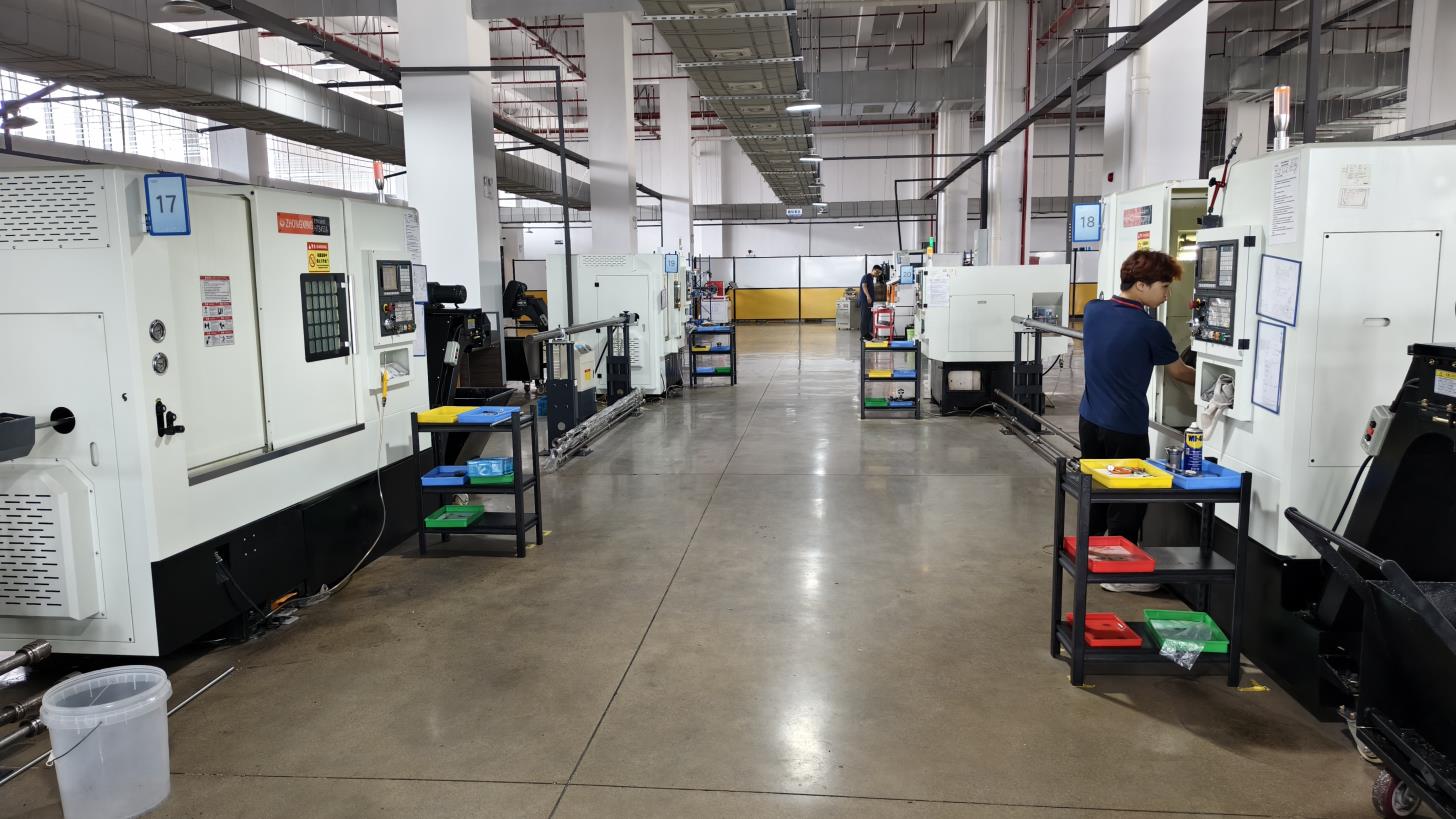
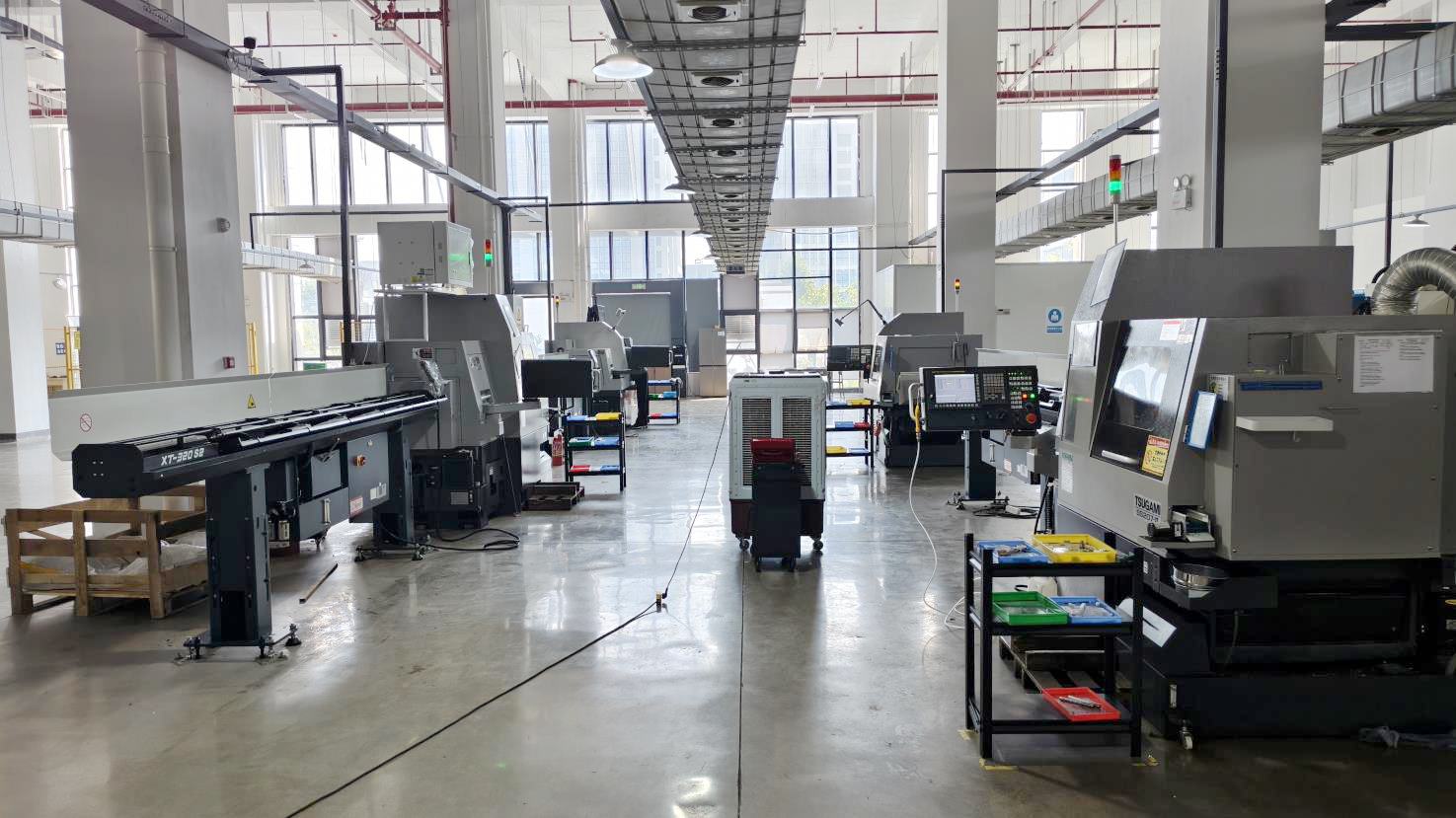
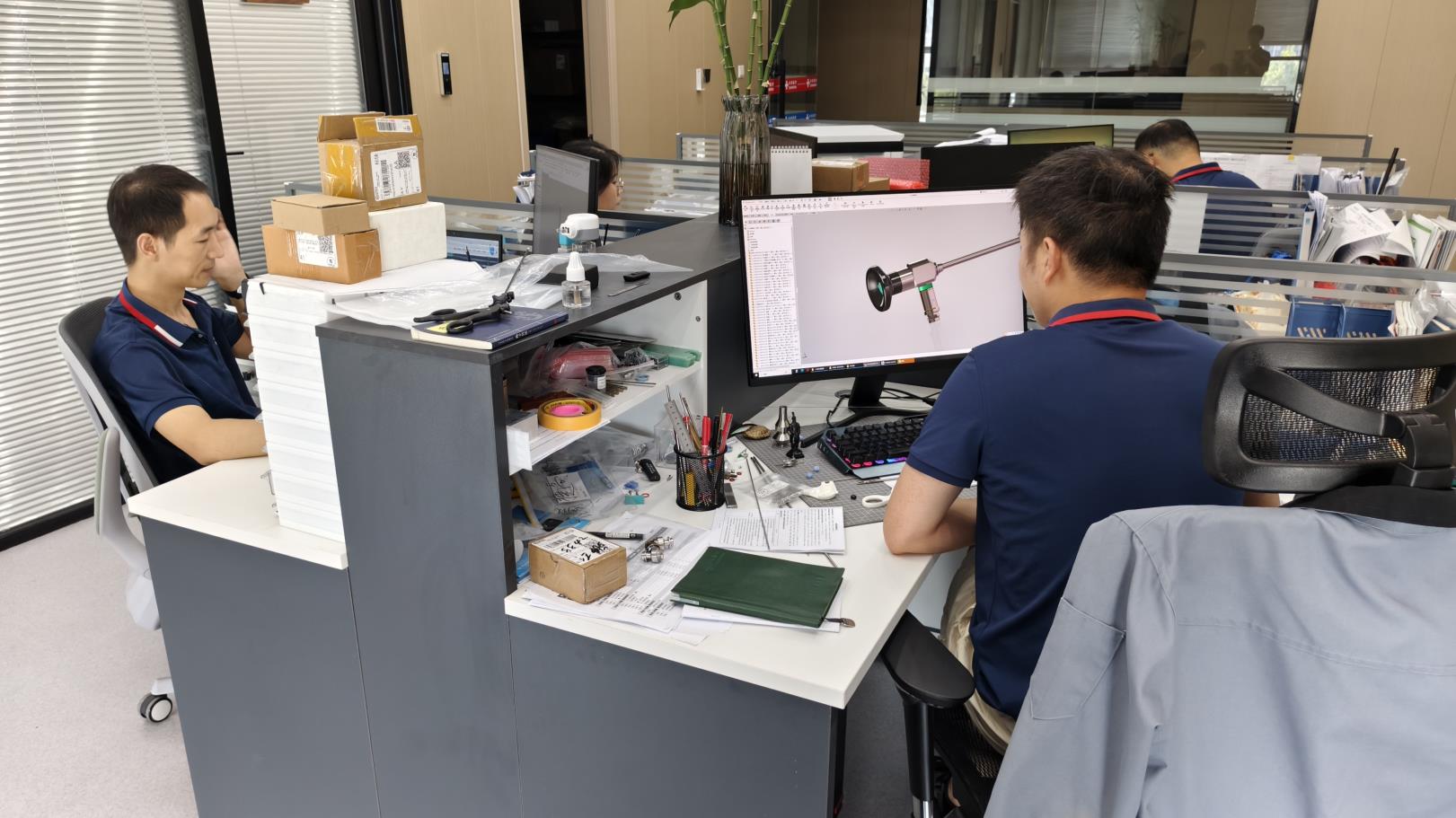
Synoviq Medical Technology (China) Co., Ltd. represents the cutting edge of high-capacity, precision-focused orthopedic manufacturing. Operating an 18,600 m² cleanroom-equipped facility, we mitigate the supply chain vulnerabilities that frequently disrupt New York medical suppliers. By leveraging domestic raw material security, highly automated Swiss-type lathes, and CNC wire cutting lines, we maintain complete control over production timelines. This integrated infrastructure allows for the rapid turnaround of customized plate geometries and screw lengths, transitioning custom requests from prototype to final sterility validation in record times.
Our logistical configurations are built for speed and reliability. Partnering with elite global logistics carriers, we execute direct air-freight routing into JFK International and Newark Liberty International airports. This ensures that critical inventory replenishments can clear customs and arrive at Tri-State distributor warehouses within days. For large-scale hospital tenders and government procurements, our robust material pipeline and automated production lines act as a natural buffer against market price fluctuations and regional component shortages.
A trusted global partner for high-precision orthopedic implants, specialized surgical instruments, and custom OEM/ODM services.
Synoviq Medical Technology (China) Co., Ltd. is a professional manufacturer of orthopedic implants and surgical instruments, dedicated to delivering innovative, reliable, and high-quality medical solutions for healthcare professionals worldwide. Since its establishment, Synoviq has focused on research, development, precision manufacturing, and international quality standards, providing comprehensive OEM and ODM services for global medical device brands, distributors, and hospitals.
Our product portfolio includes trauma fixation systems, spinal implants, locking plates, intramedullary nails, external fixation systems, orthopedic screws, surgical instruments, and customized orthopedic solutions. Equipped with advanced CNC machining centers, precision inspection equipment, and modern clean production facilities, we ensure every product meets strict international quality requirements.
Driven by continuous innovation, Synoviq invests heavily in R&D and intelligent manufacturing to enhance product performance, surgical efficiency, and patient outcomes. Our experienced engineering team works closely with customers to develop customized products tailored to different clinical applications and market demands.
With a customer-oriented philosophy, competitive pricing, stable supply capability, and efficient technical support, Synoviq has established long-term partnerships with distributors, medical brands, and healthcare organizations across Europe, North America, South America, the Middle East, and Asia-Pacific.
| Item | Information |
|---|---|
| Company Name | Synoviq Medical Technology (China) Co., Ltd. |
| Brand | Synoviq |
| Established | March 18, 2016 |
| Building Area | 18,600 m² |
| Annual Export Revenue | USD 21.8 Million |
| Export Experience | 8 Years |
| Industry Experience | 14 Years |
| Quality Inspection | 100% Final Inspection & Incoming Material Inspection |
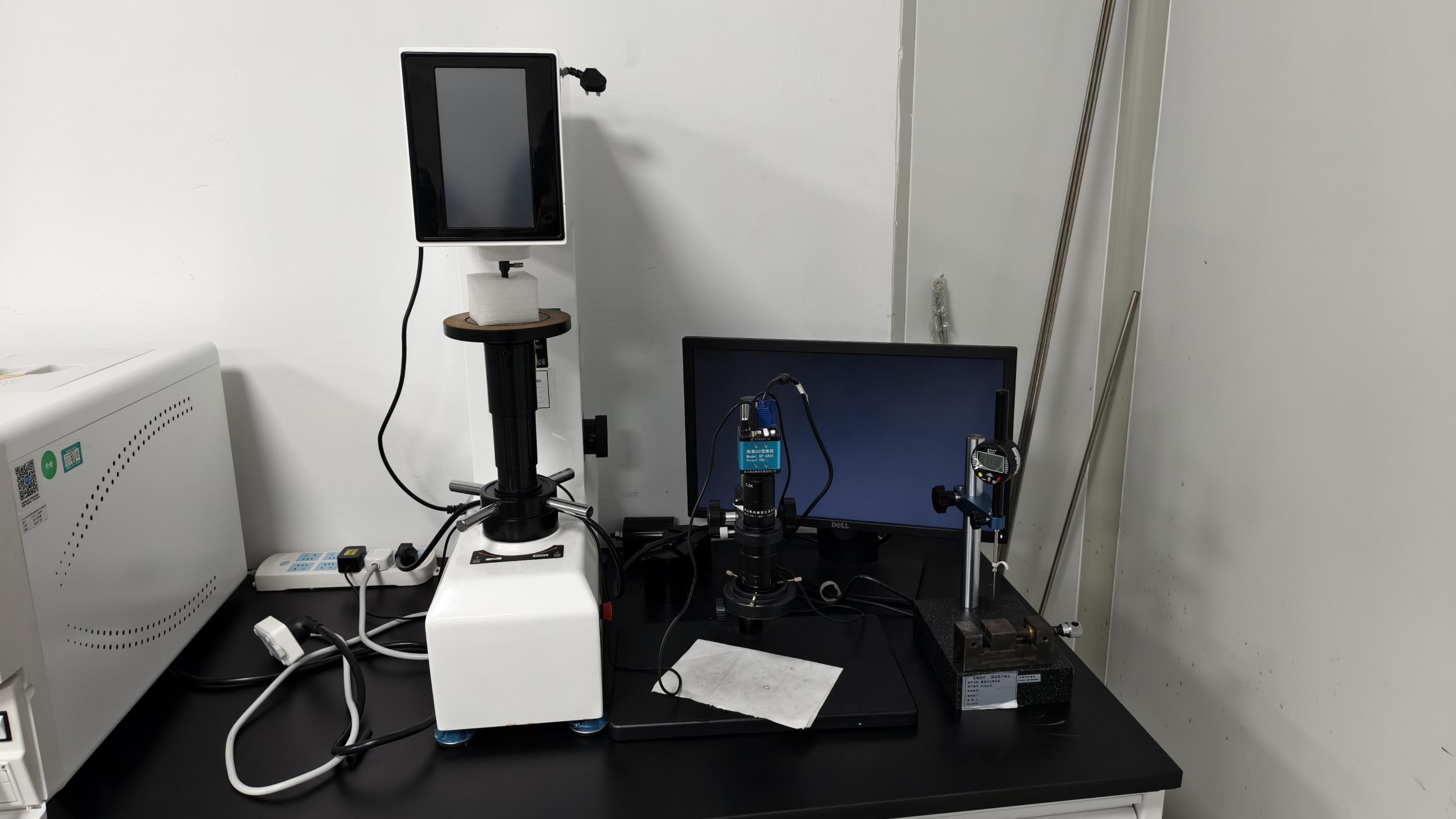
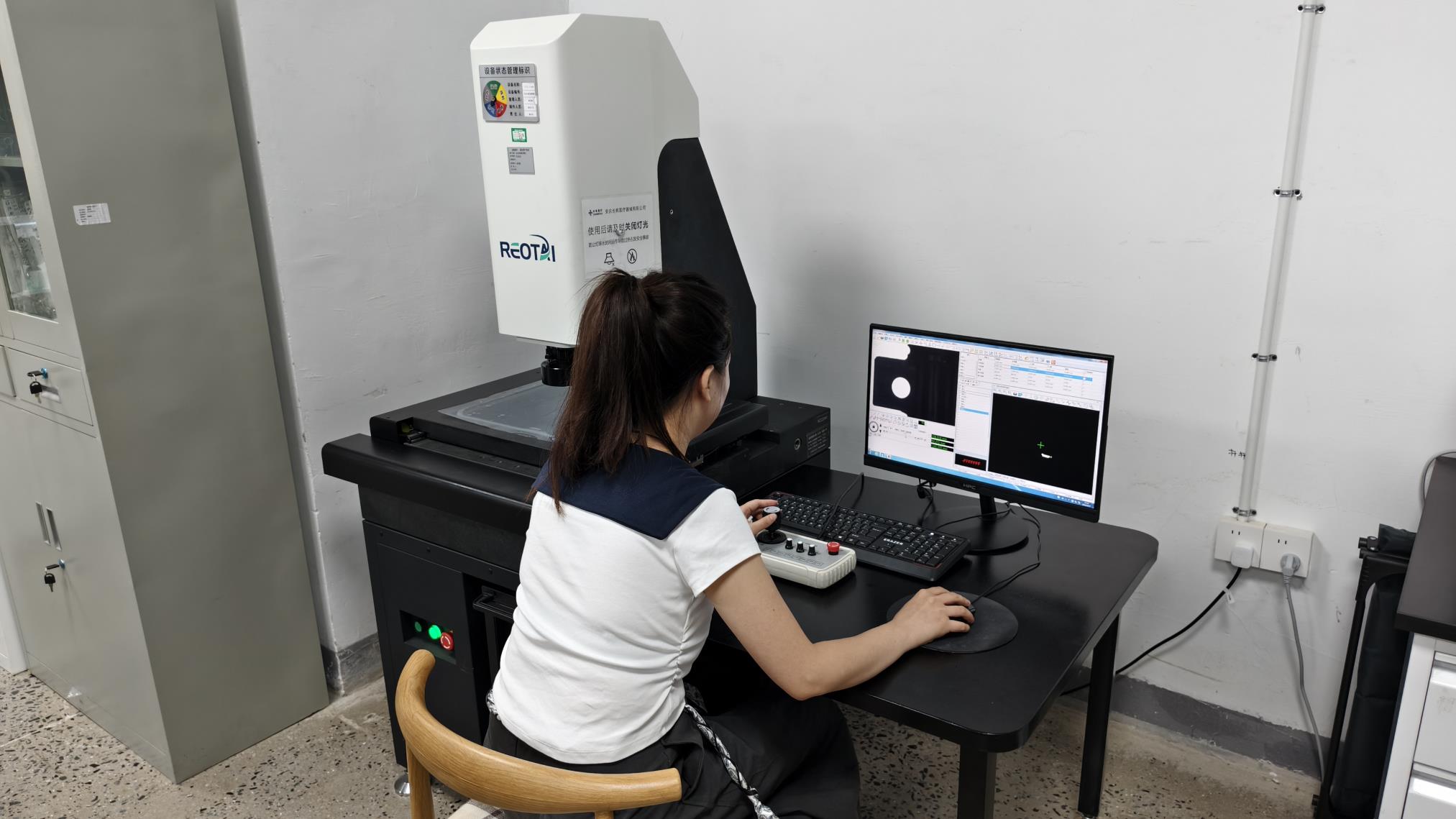
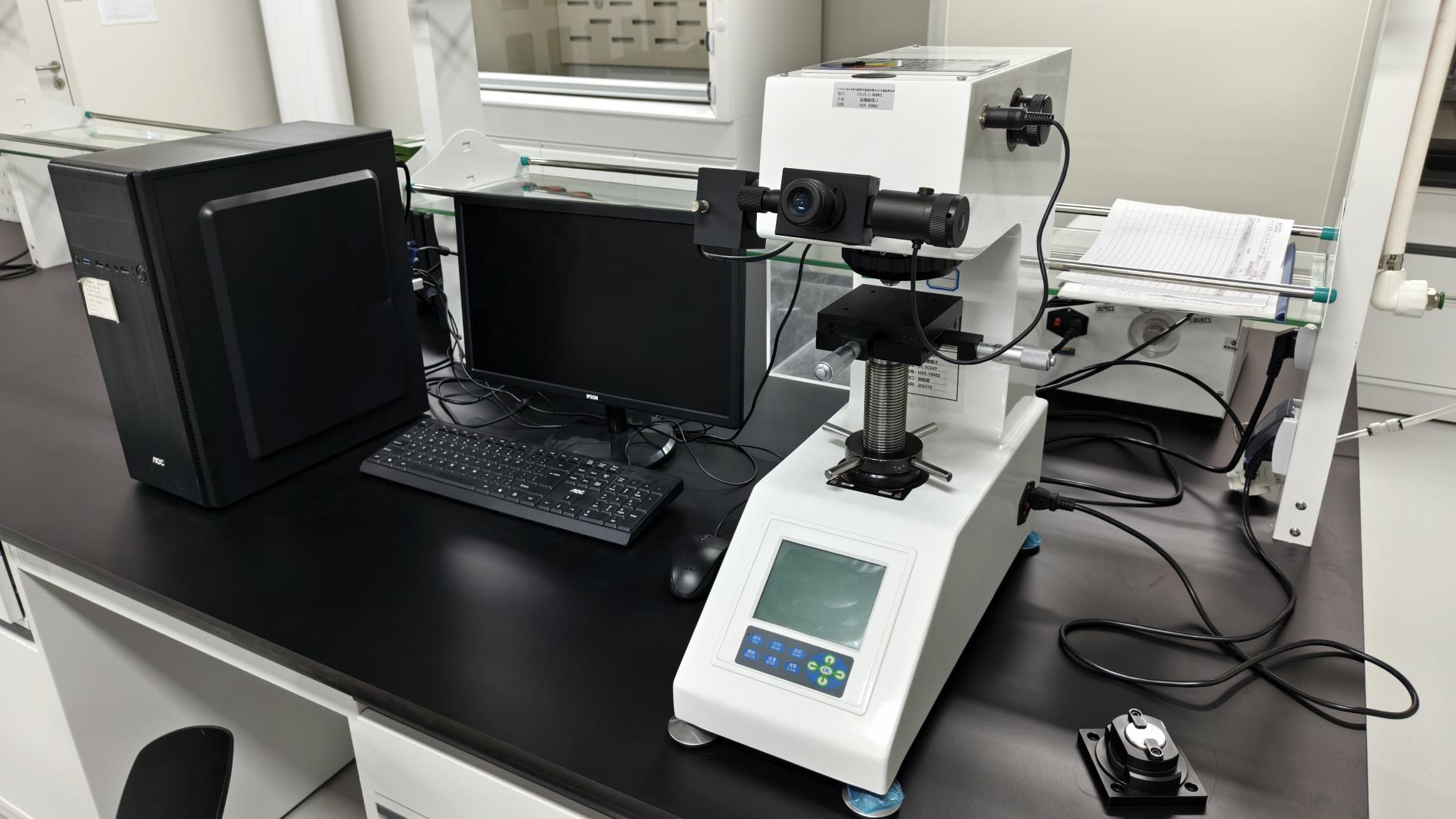
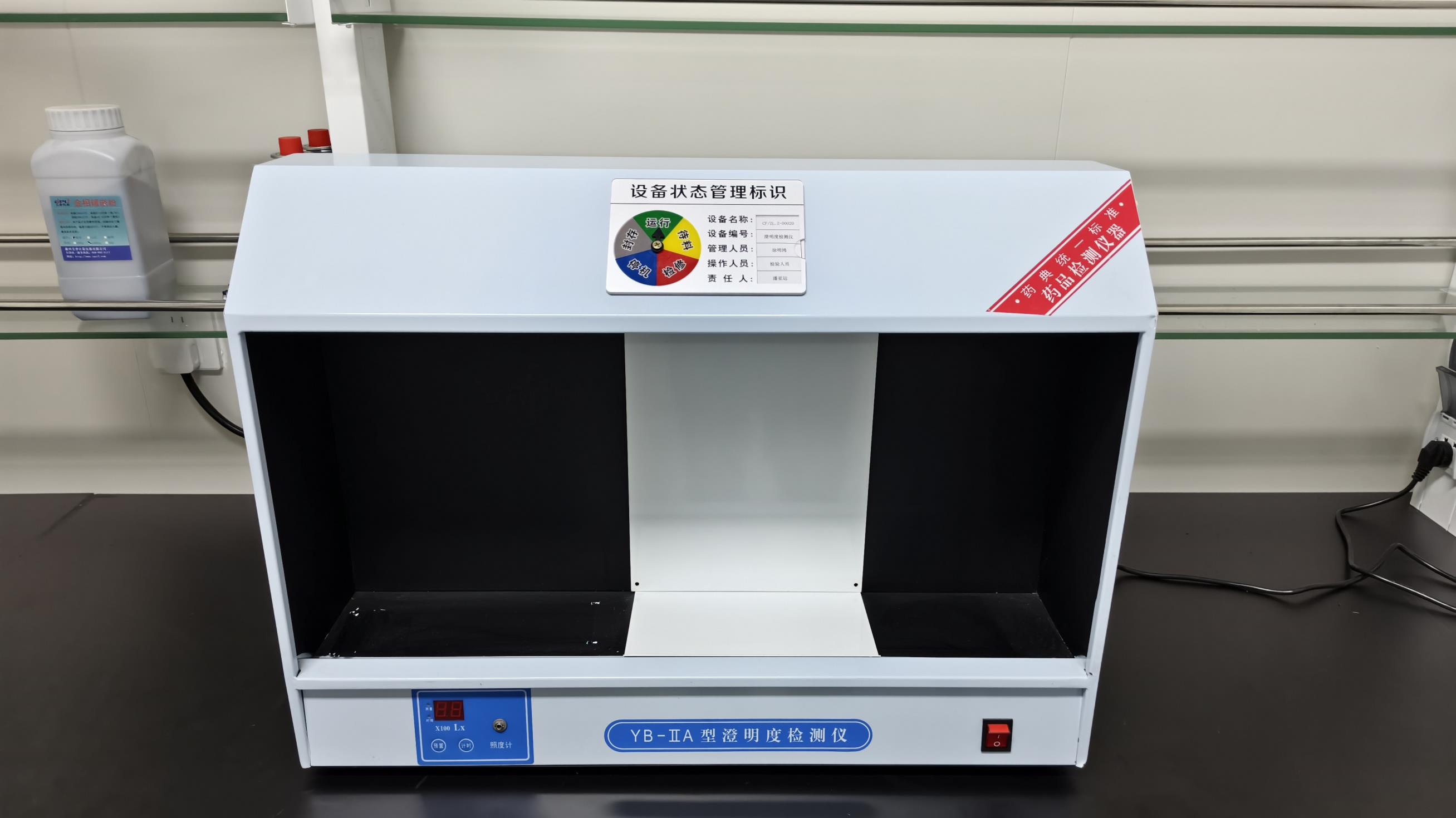
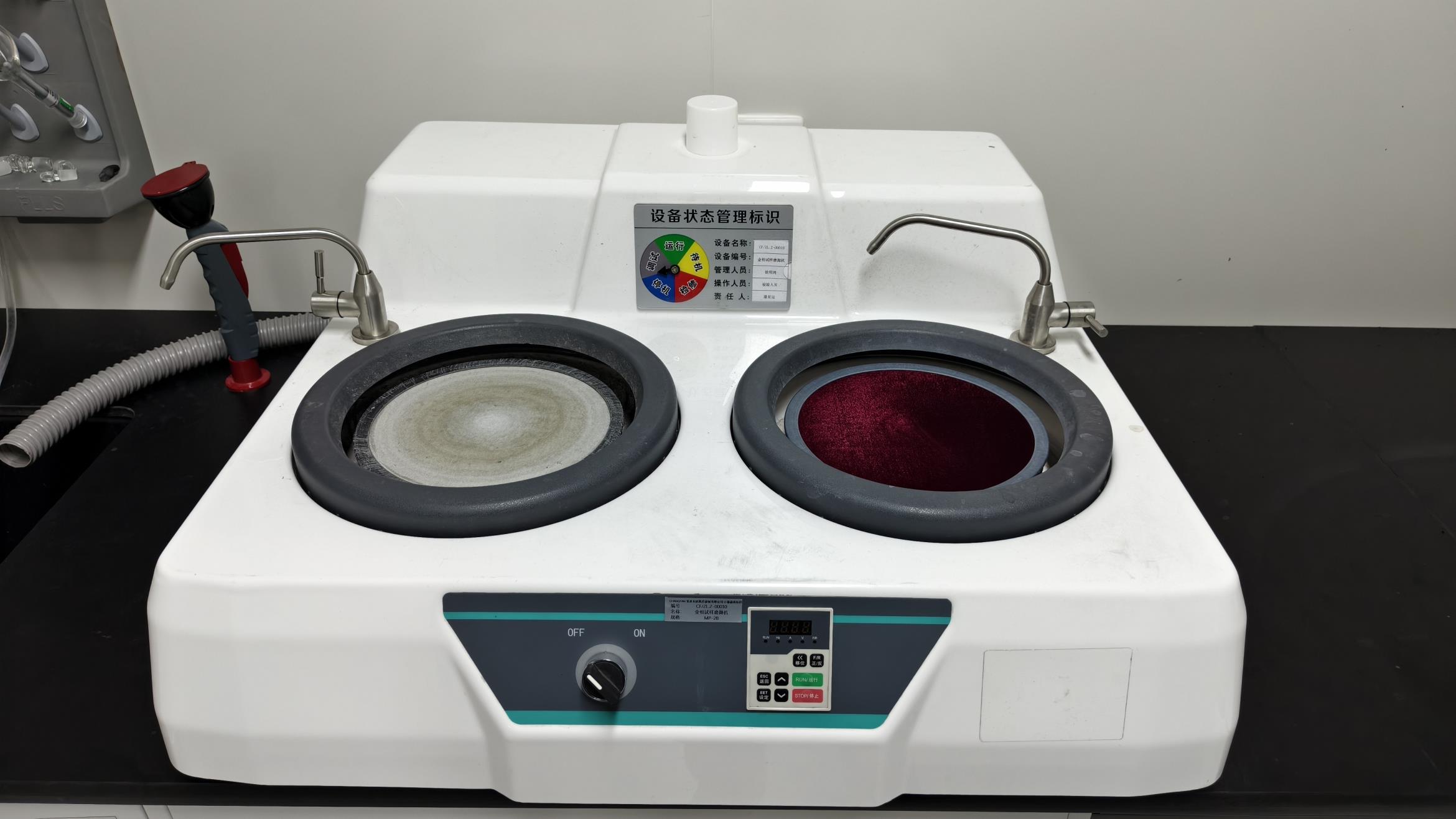
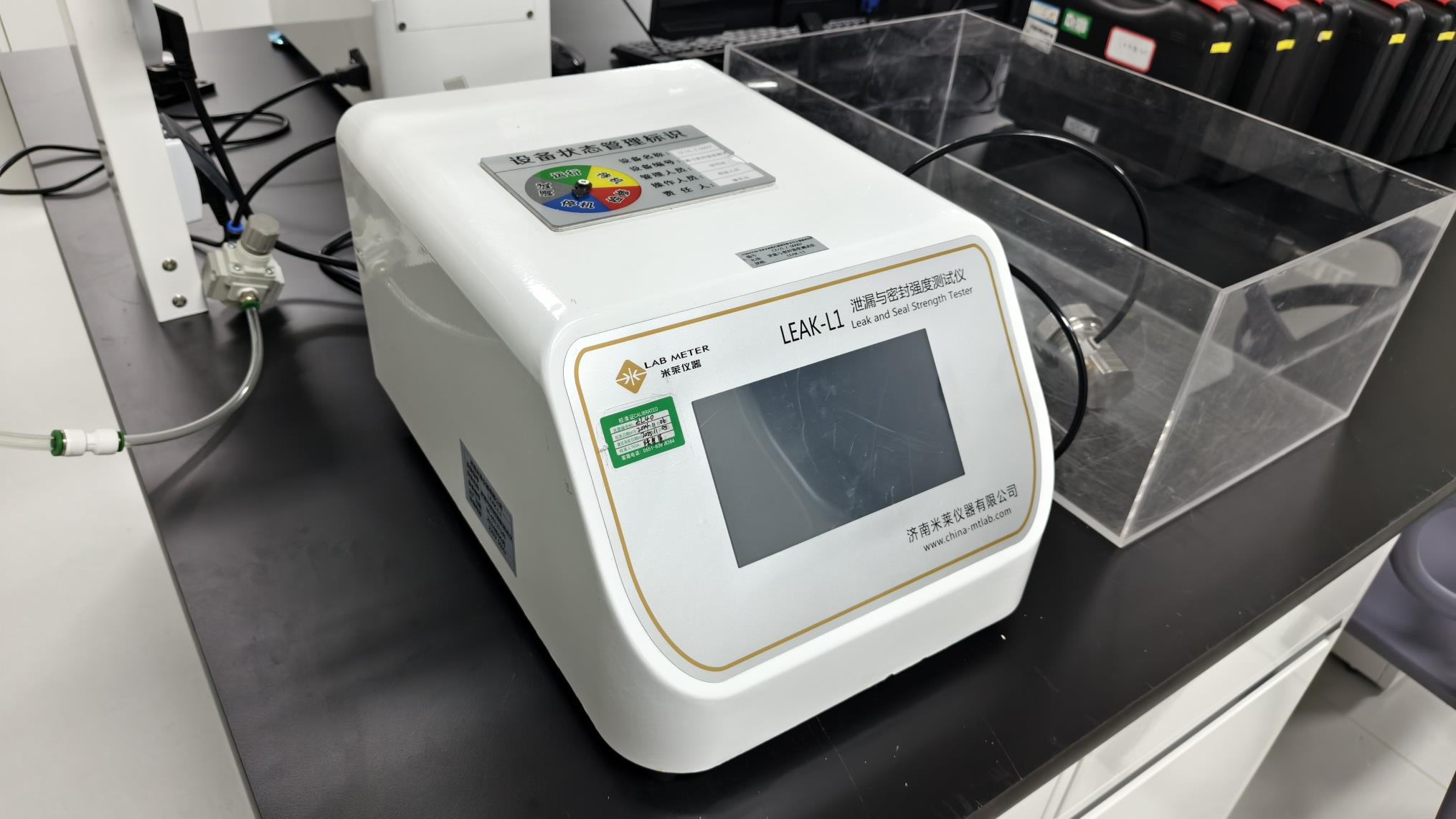
| Product Inspection Methods | CMM Measurement, Mechanical Testing, Surface Roughness Testing, Hardness Testing, Salt Spray Testing, Sterility Validation |
| Quality Control Staff | 48 Specialists |
| Business Type | Manufacturer & Exporter (OEM/ODM) |
| Main Markets | Europe, North America (New York Focus), South America, Middle East, Southeast Asia |
| Supply Chain Partners | 1,120+ |
| R&D Capability | Independent Product Design, Prototype Development, Clinical-Oriented Engineering, OEM & ODM Development |
| New Products Released Last Year | 186 Patents & Geometries |
| R&D Engineers | 76 |
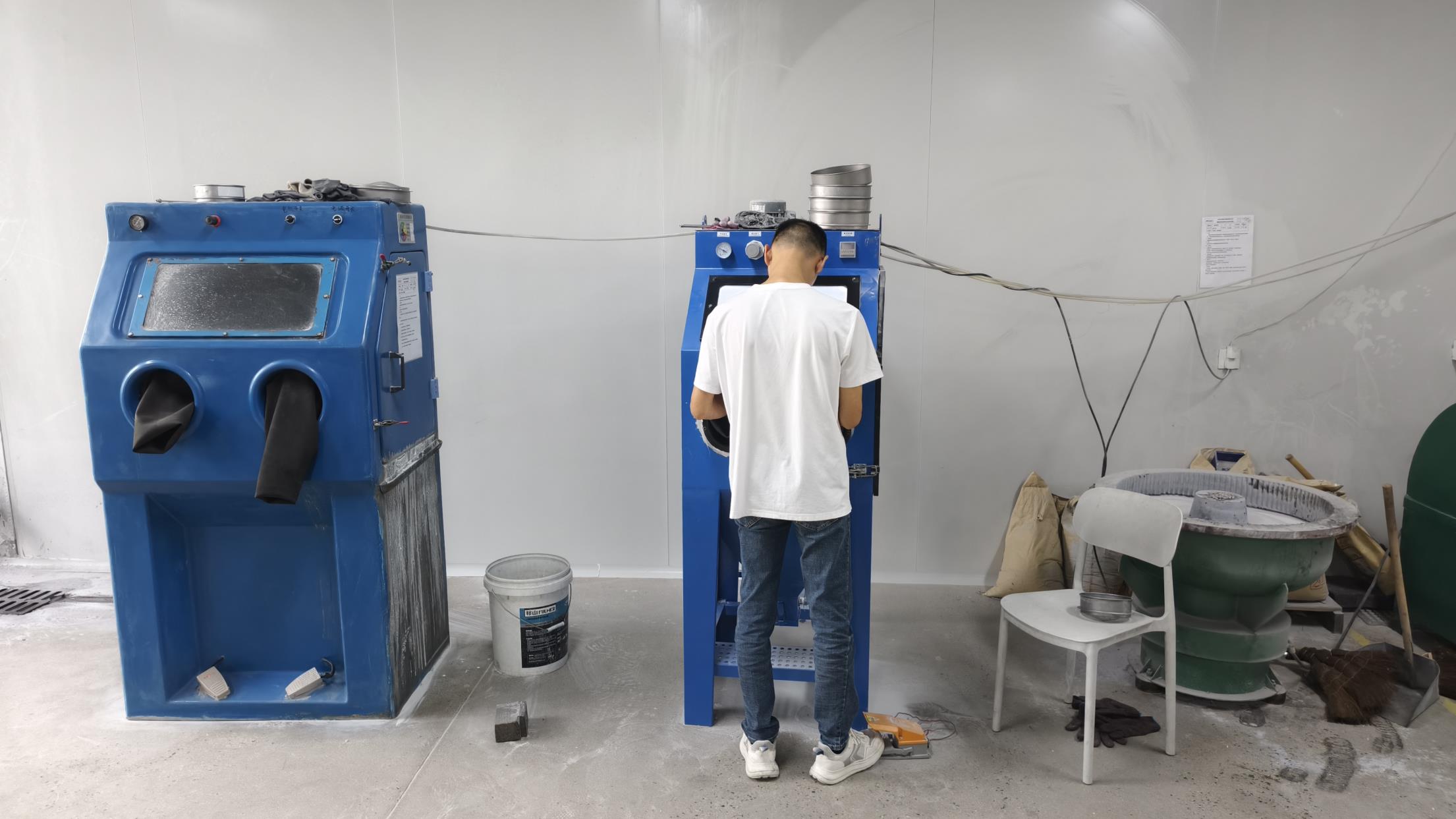
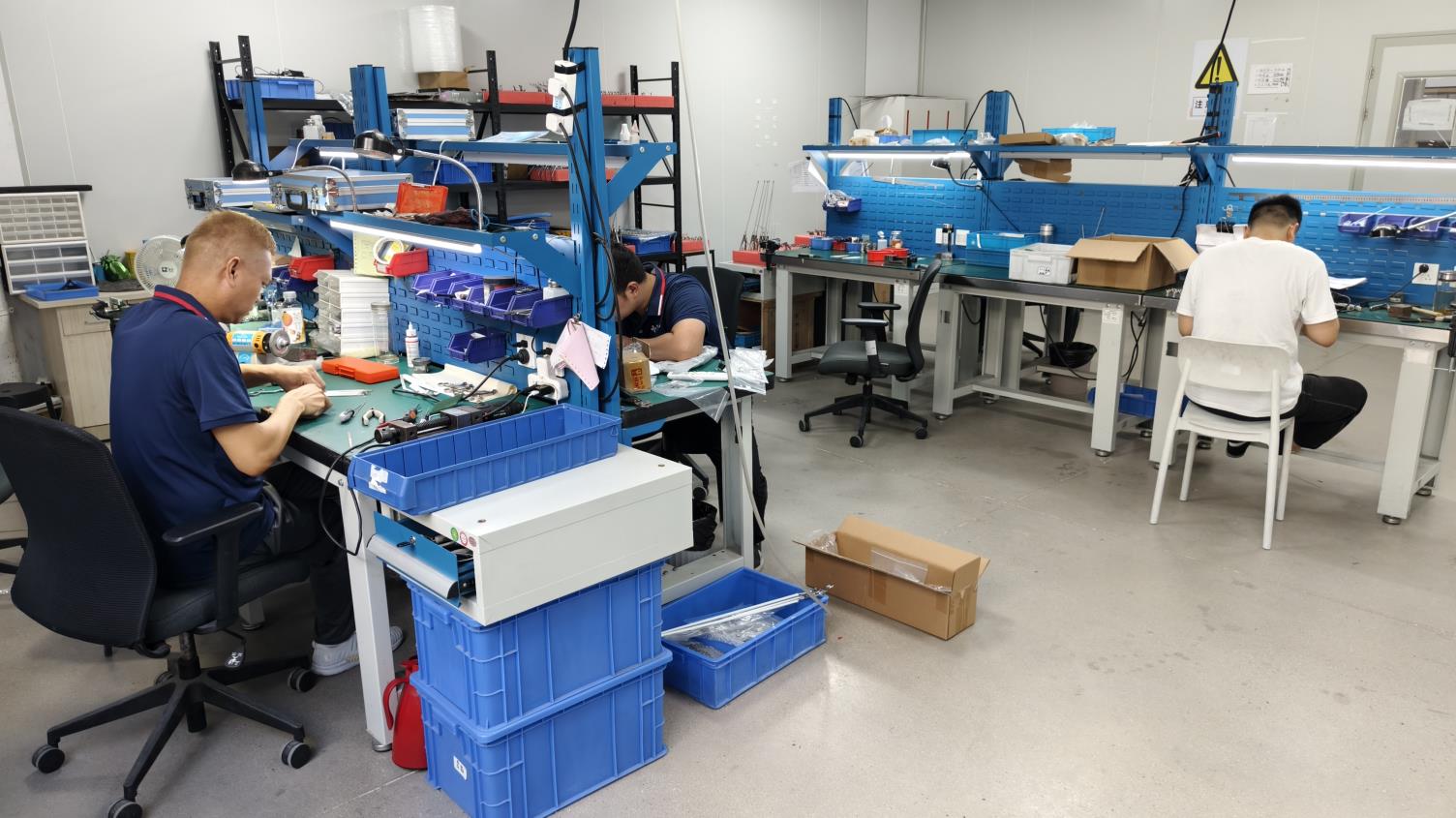
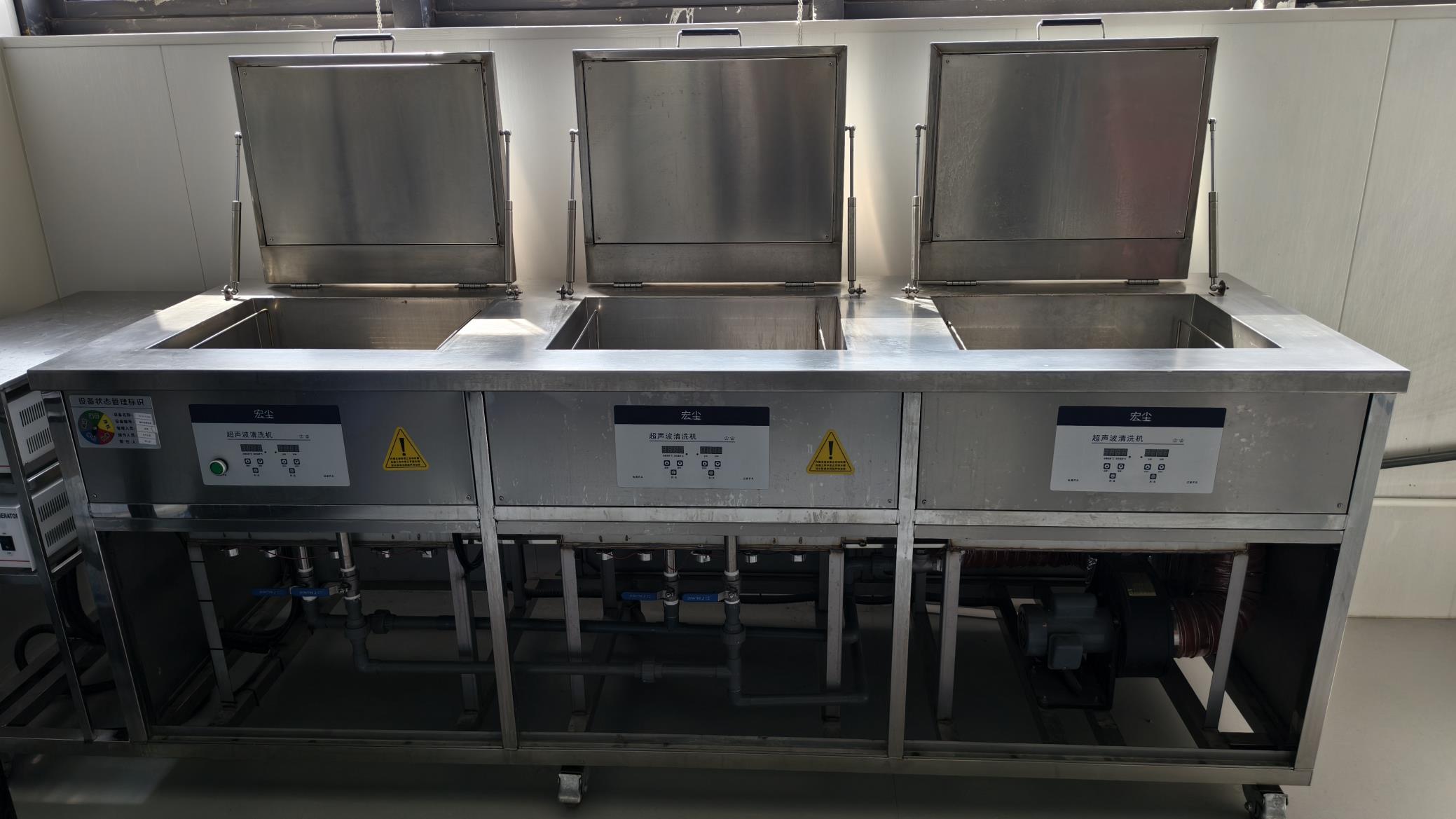
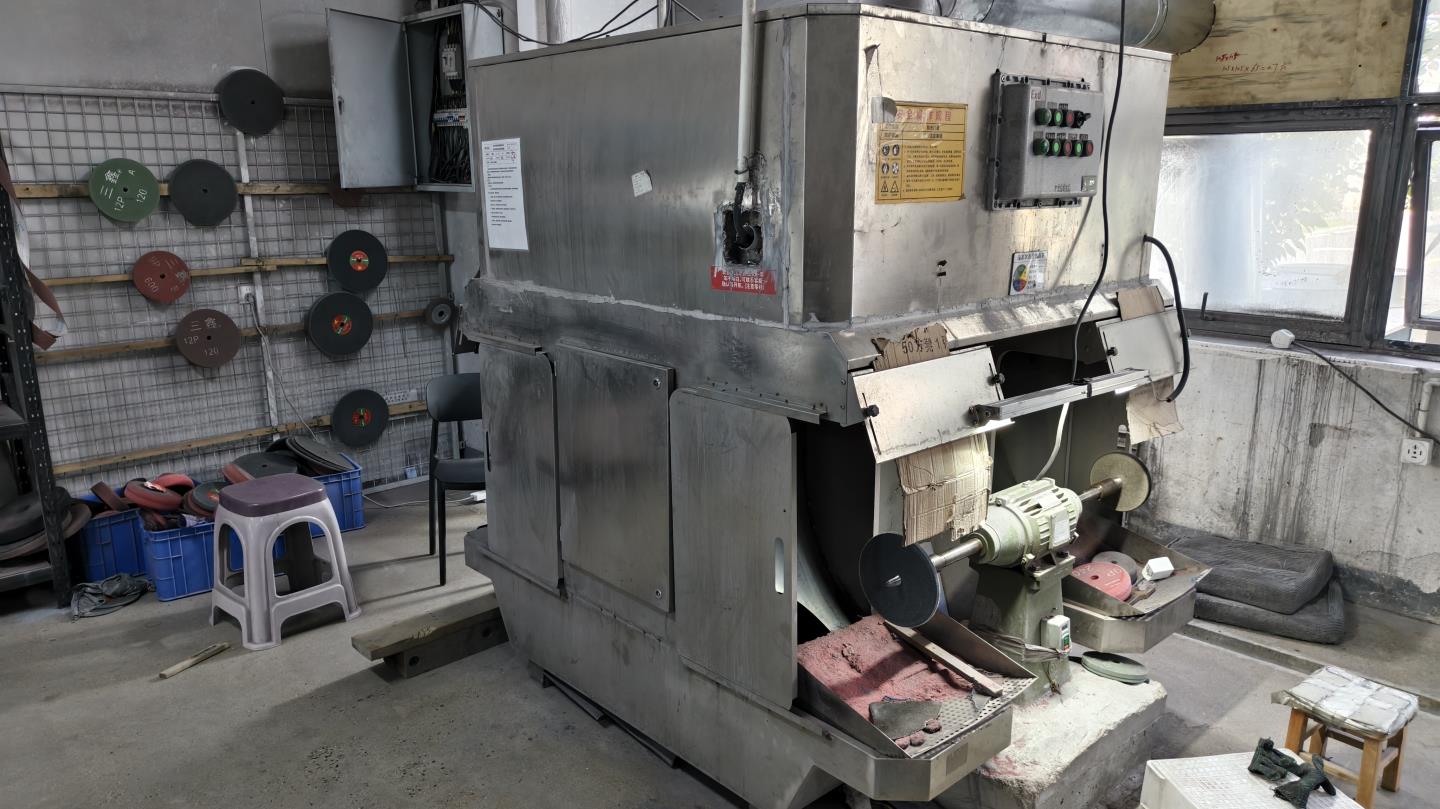
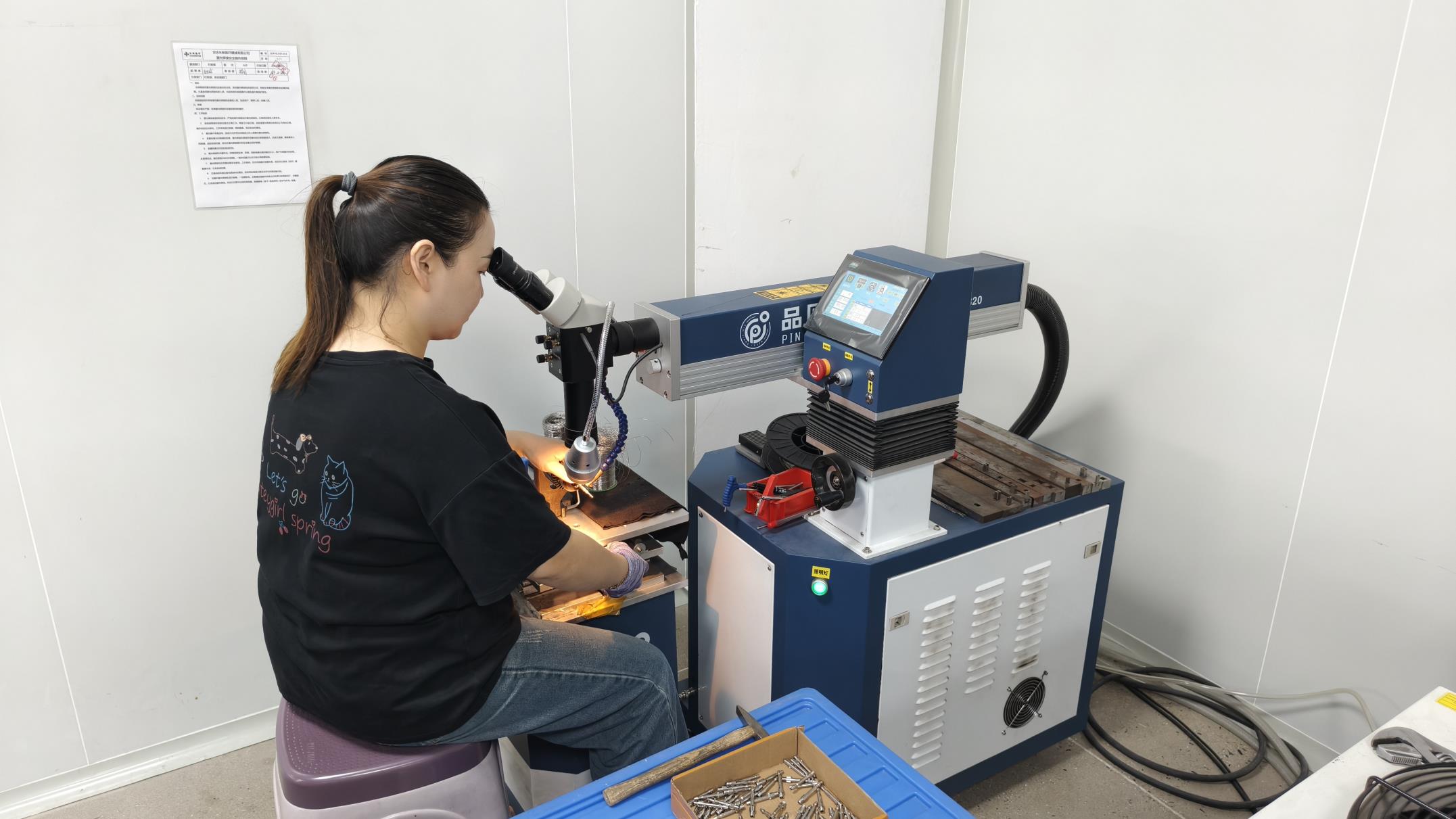
From raw titanium bar stock to high-performance implant ready for surgery: see our end-to-end production pipeline.
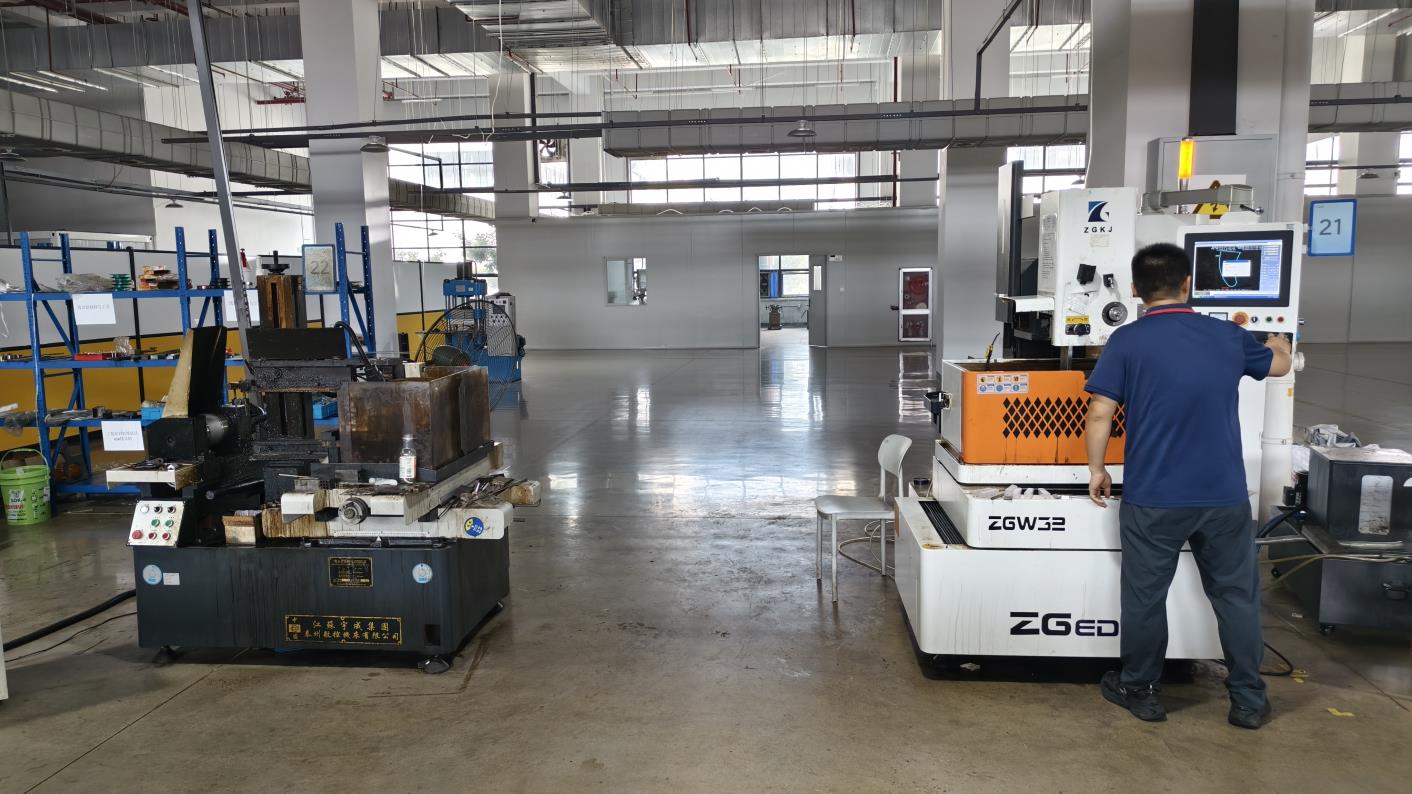
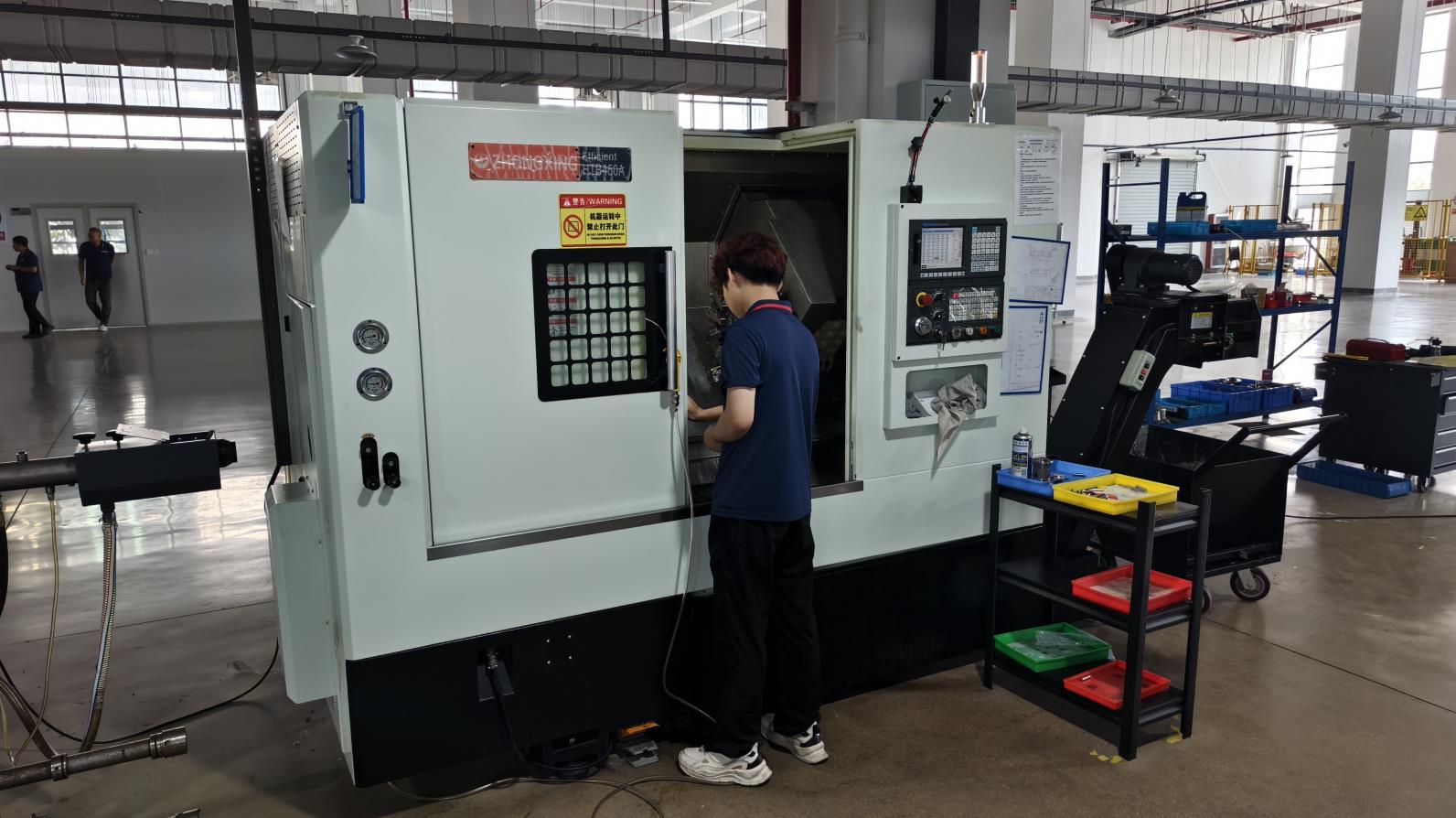
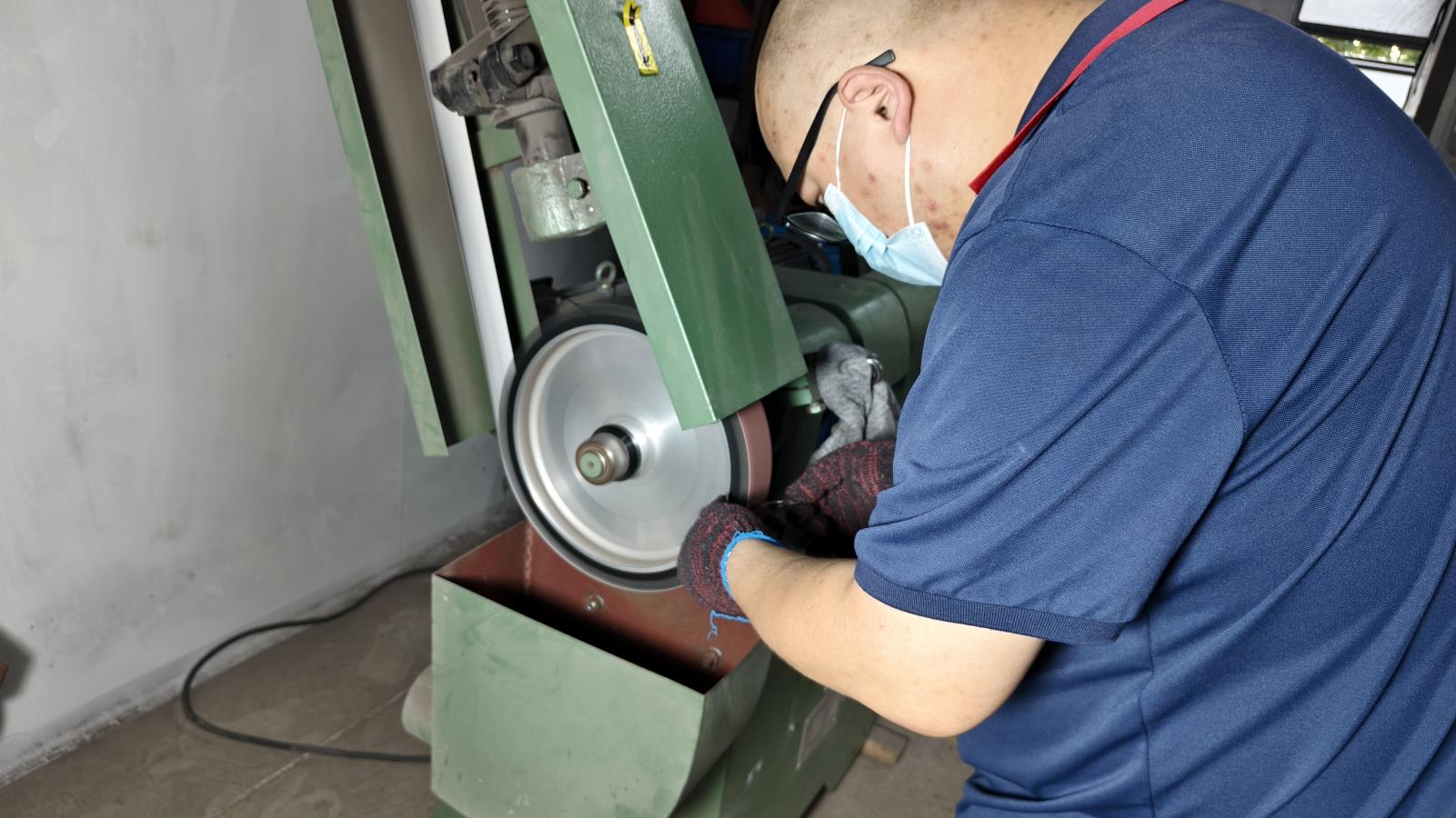
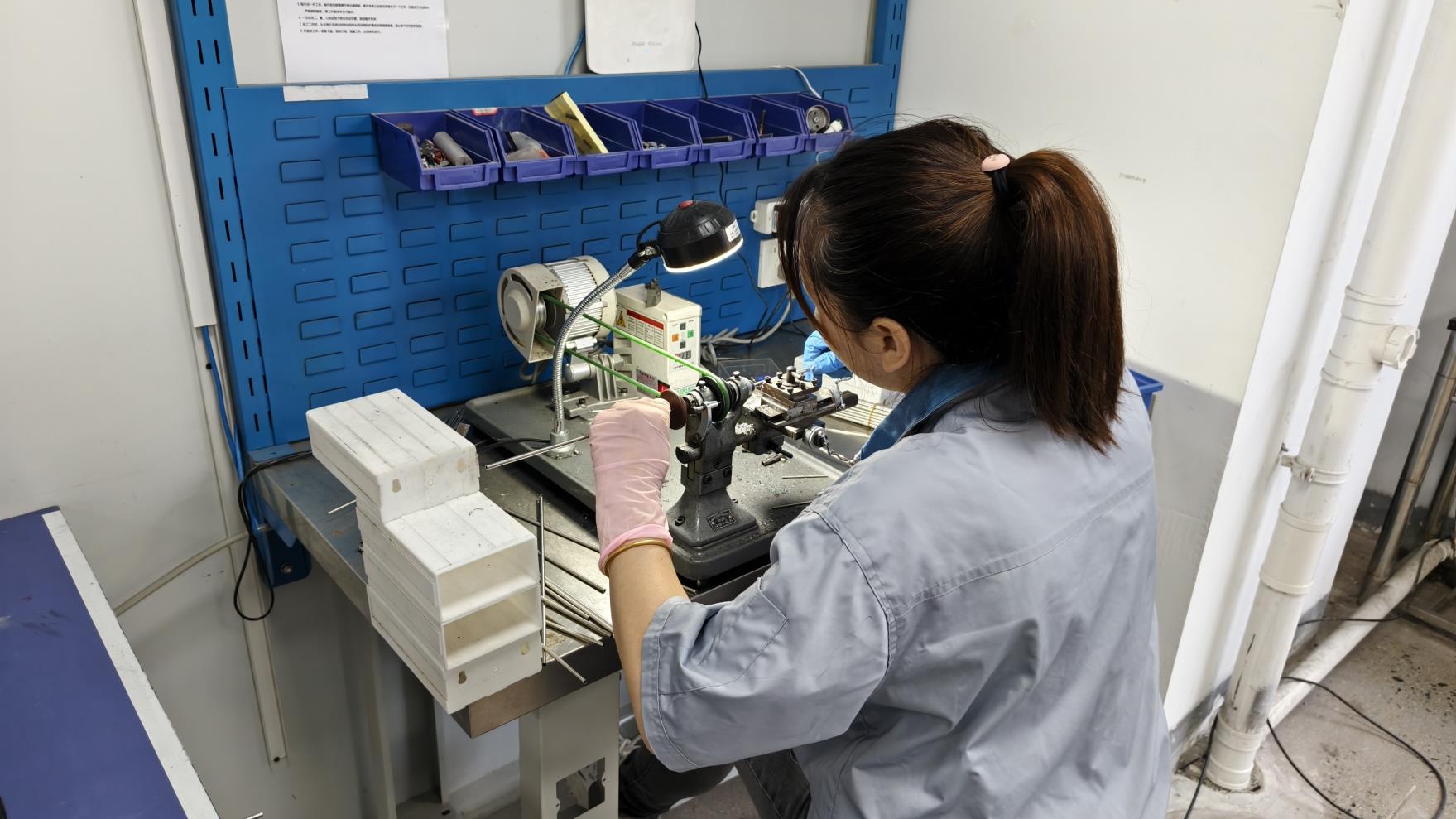
The roadmap for orthopedic internal fixation is shifting toward adaptive and bio-conductive structures. Key developments focus on reducing secondary surgeries for implant removal. At Synoviq, our research divisions are developing variable-angle locking constructs that permit localized anatomical adjustment within a 15-degree cone. This degree of freedom allows surgeons to bypass precarious fracture lines or primary vascular networks during screw placement without sacrificing fixation stability.
Looking ahead, we are exploring surface functionalization techniques, including the application of sub-micron porous structures onto the titanium surface. These microscopic pores mimic the natural trabecular framework of native bone, accelerating osteointegration and securing the implant-bone interface. This advancement is particularly beneficial for complex articular reconstructions and geriatric populations across New York, where compromised bone density poses challenges to standard internal fixation systems.
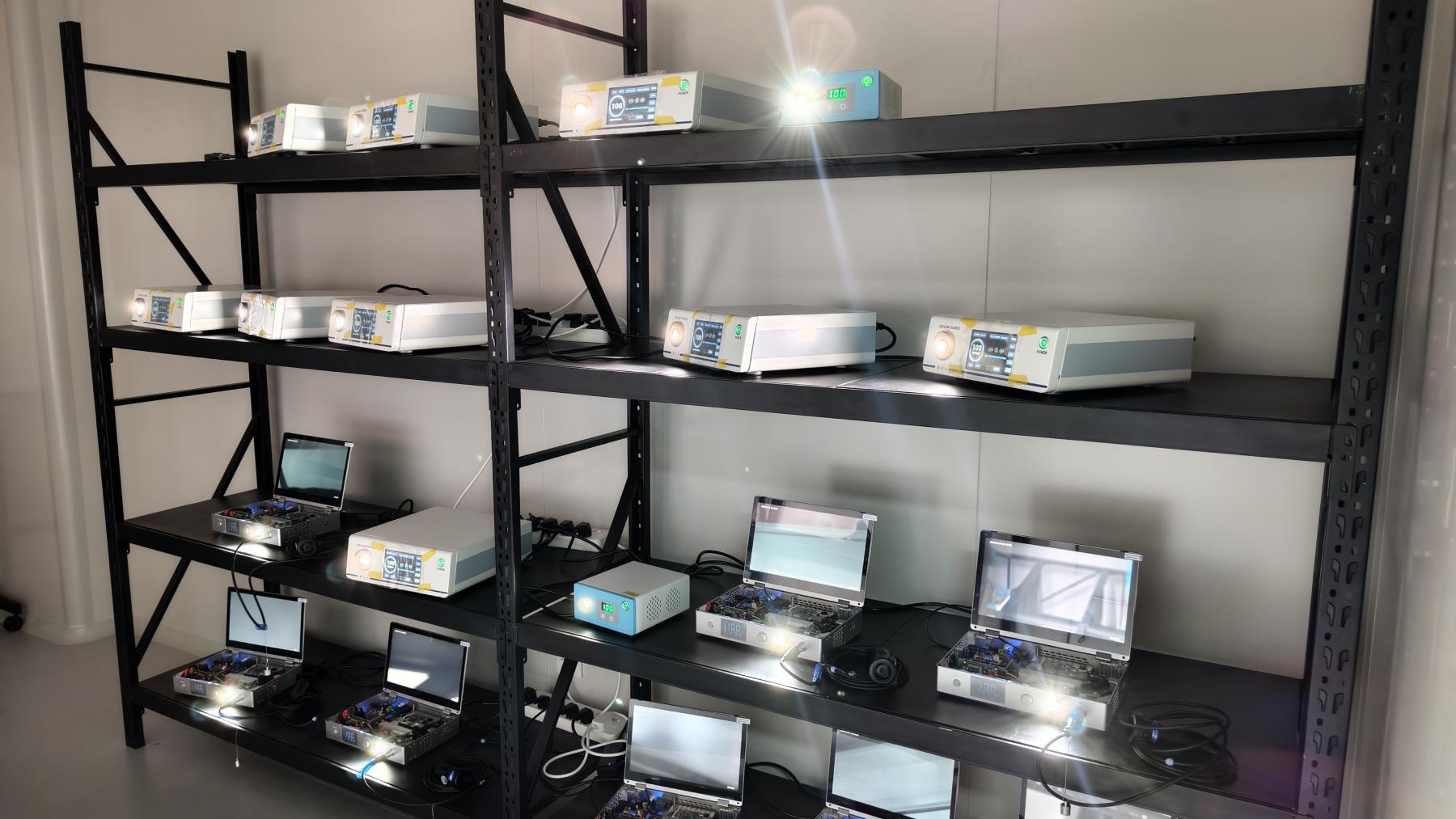
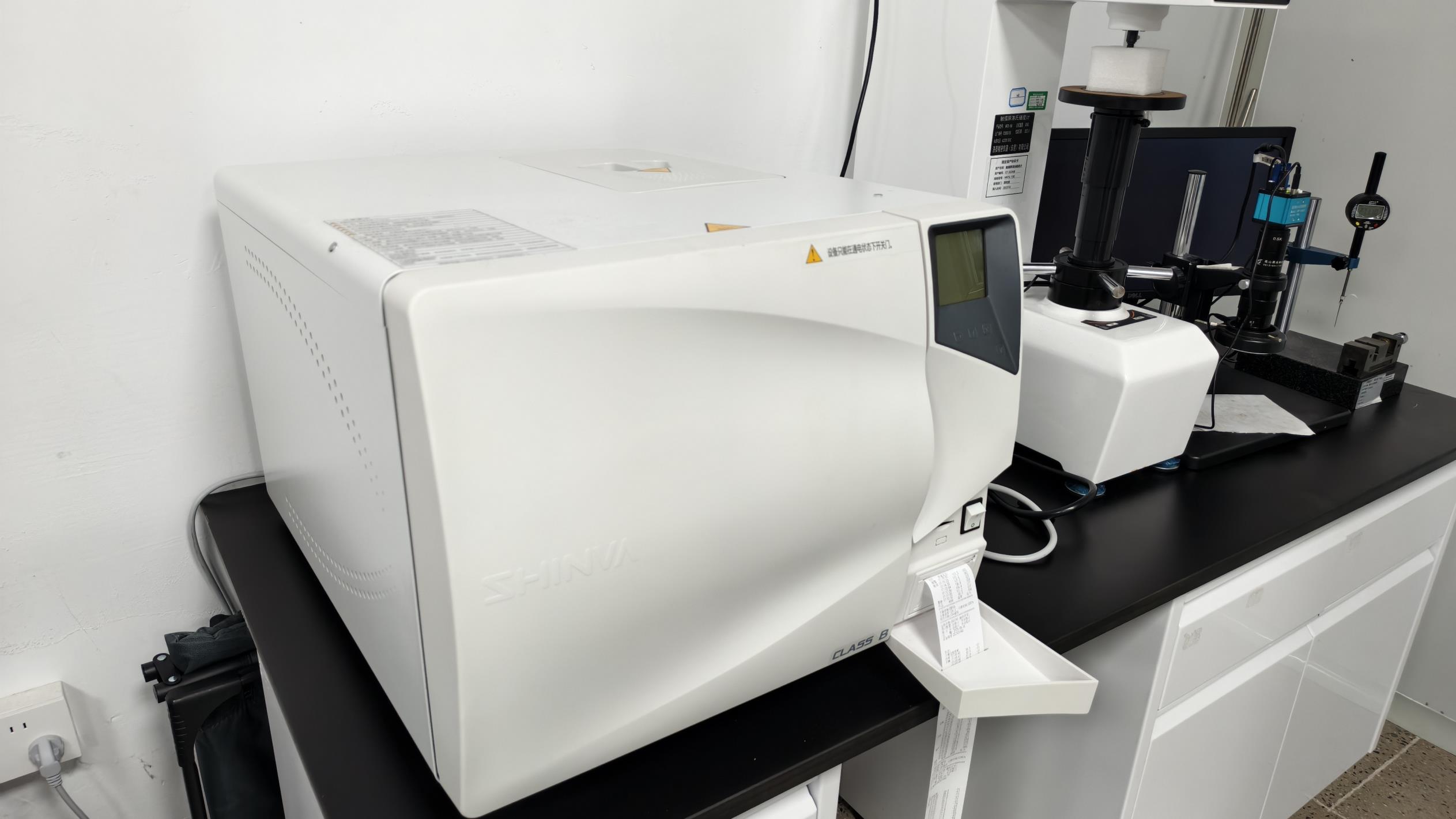
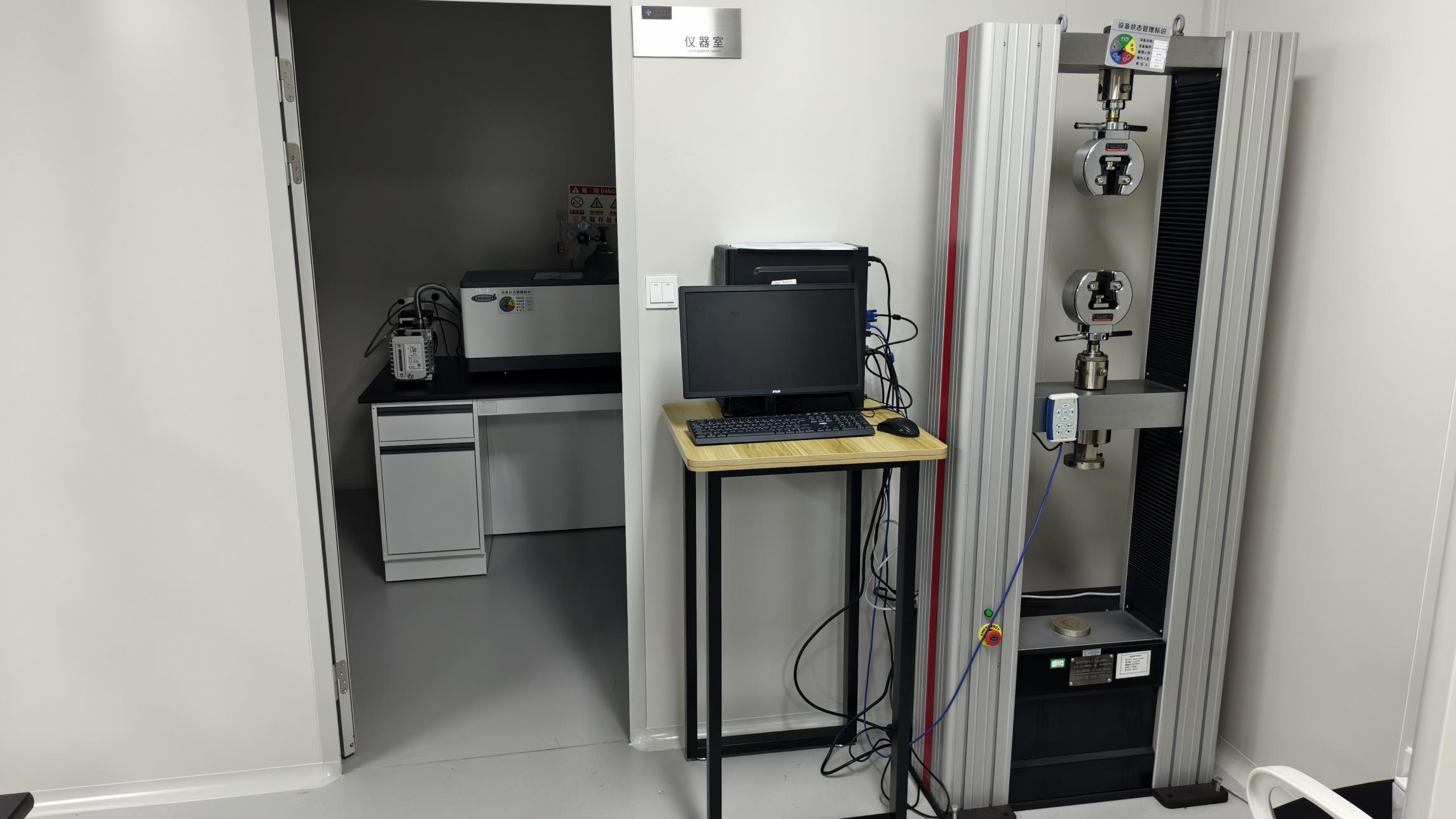
Quality validation for surgical devices requires absolute precision. Our Quality Assurance division operates as an independent entity, conducting comprehensive verification on 100% of finished lots. Raw material bars are verified for mechanical performance and grain structure composition before entering production. Post-machining inspections rely on automated multi-axis Coordinate Measuring Machines (CMM) to confirm dimensional tolerances within micron limits, ensuring perfect compatibility between plates and screws.
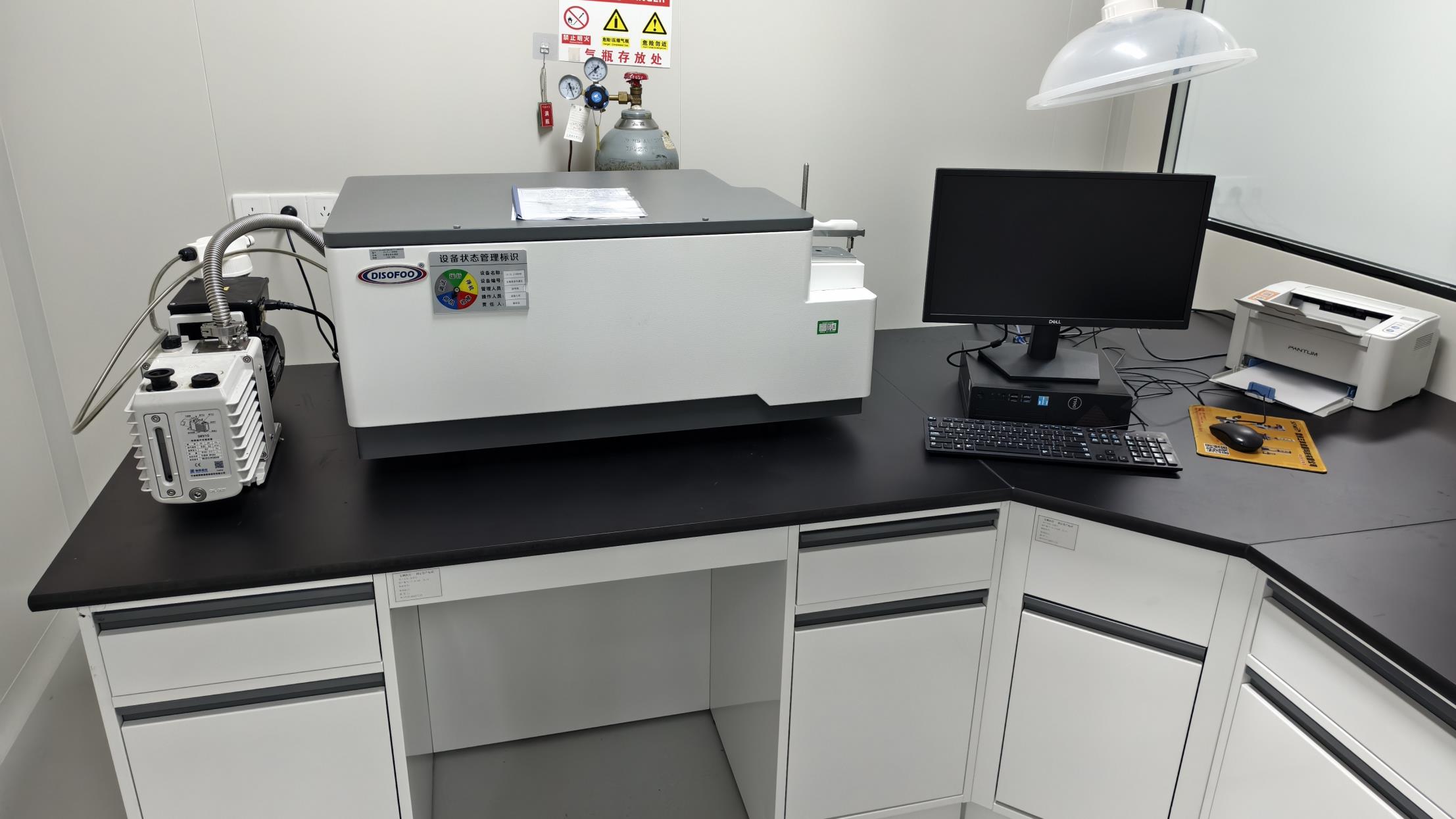
For chemical and physical validation, our test suites conduct corrosion susceptibility assessments, mechanical fatigue profiling under dynamic loading conditions, and surface roughness verification. Sterilization safety is guaranteed through validated cleanroom packaging protocols and verified autoclave testing, ensuring that every implant delivered to New York distributors arrives ready for hospital decontamination protocols.
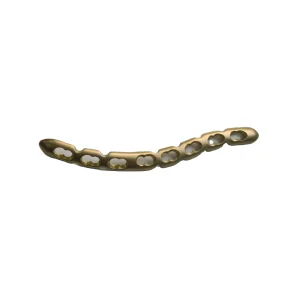
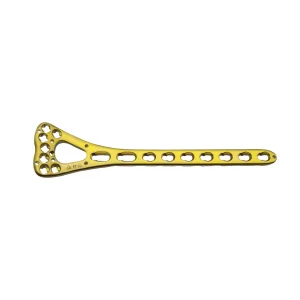
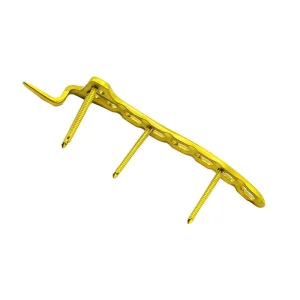
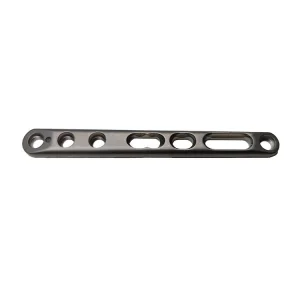
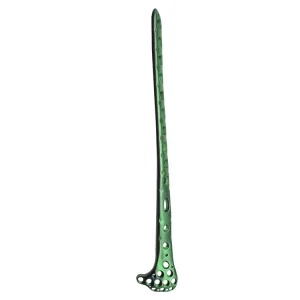
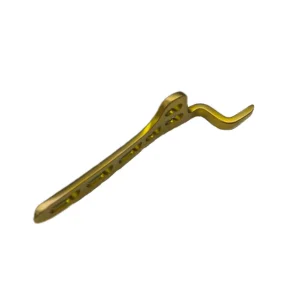
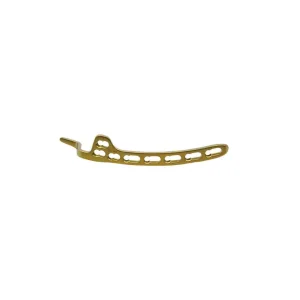
A broad range of locking compression systems, reconstructive plates, and specialized anatomical fixation devices for complex trauma cases.
Technical, regulatory, and logistics answers for medical device distributors and hospital procurement teams in the New York region.
 Synoviq Medical