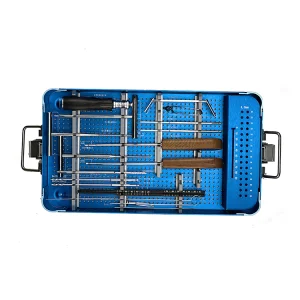
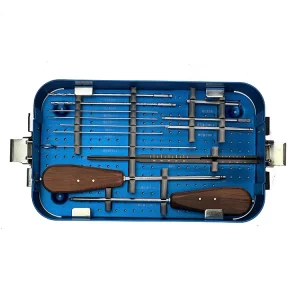
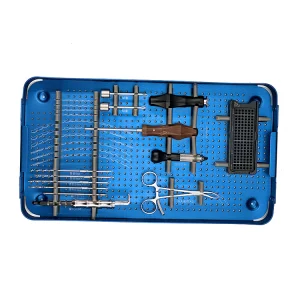
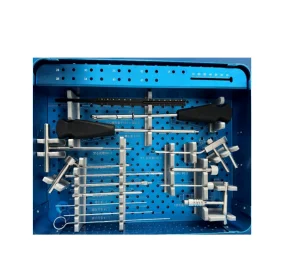
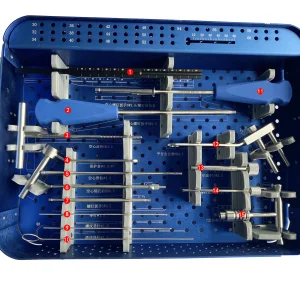
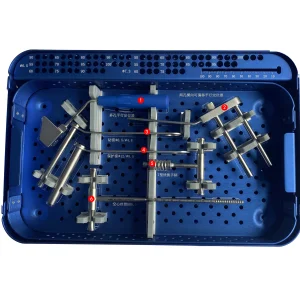
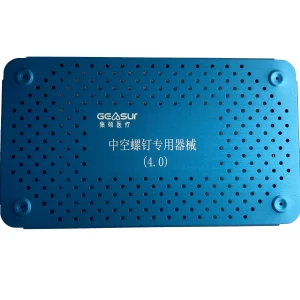
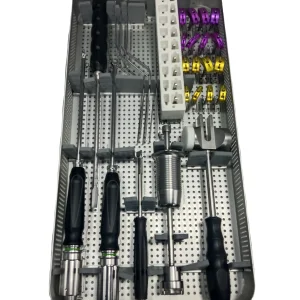
Engineered for immediate integration into specialized surgical theaters across Northern California. Realize precision targeting, low profile implants, and high torsional fatigue life.
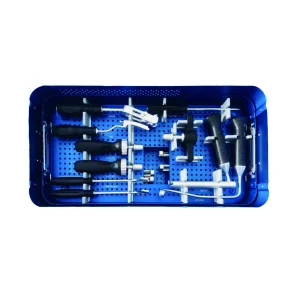
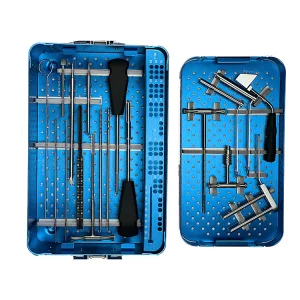
The San Francisco Bay Area stands as a global beacon for biotechnology innovation, biomedical engineering, and clinical excellence. Home to world-renowned medical institutions such as UCSF Medical Center, Stanford Health Care, and cutting-edge silicon valley medical device hubs, the region demands an uncompromising standard for orthopedic surgical instruments. However, the commercial reality of modern healthcare necessitates a delicate balance between local clinical design iteration and highly efficient, scalable global manufacturing. This is where the synergy between West Coast biomedical engineering and precision contract manufacturing factories becomes critical.
Historically, orthopedic instrument manufacturing in San Francisco has relied on local rapid prototyping, but scaling production to meet high-volume global orthopedic procurement requirements calls for a robust international manufacturing partner. Globally, the orthopedic instrument market is experiencing an unprecedented surge, driven by aging populations, a rise in minimally invasive surgeries (MIS), and complex spinal revision procedures. Consequently, medical device brands and hospital purchase organizations require partners capable of delivering massive volume while adhering strictly to FDA 21 CFR Part 820, EU MDR (2017/745), and ISO 13485:2016 quality management standards.
For medical brand distributors and OEMs operating in San Francisco, partnering directly with a high-efficiency Chinese factory like Synoviq Medical Technology (China) Co., Ltd. provides a significant competitive edge. With a modern 18,600 m² clean facility and a dedicated team of 76 R&D engineers, Synoviq delivers cost efficiencies and product agility that cannot be matched by local boutique workshops.
Our advanced production capabilities combine raw material optimization, automated Swiss-type lathes, and rigorous 100% final inspections. By outsourcing production to China, global healthcare brands bypass heavy capital expenditure on CNC tooling, cleaning validation systems, and regulatory validation protocols, instead accessing a turn-key supply chain partner with a proven history of shipping high-tier Class III medical products to North America, Europe, and the Middle East.
A deep insight into our industrial presence, technological infrastructure, and compliance framework.
| Performance Indicator | Operational Specifications |
|---|---|
| Registered Corporate Entity | Synoviq Medical Technology (China) Co., Ltd. |
| Core Brand Identity | Synoviq |
| Industrial Experience | 14 Years in Precision Orthopedic Engineering (Est. 2016) |
| Production Capacity & Area | 18,600 m² clean factory with Class 100,000 packing rooms |
| R&D and Engineering Staff | 76 Engineers specialized in biomechanics and material science |
| Global Quality Inspection | 100% Final Inspection & Incoming Material Inspection |
| Testing Protocols | CMM Measurement, Mechanical Testing, Surface Roughness Testing, Hardness Testing, Salt Spray Testing, Sterility Validation |
| Dedicated Quality Staff | 48 Quality Assurance (QA/QC) Specialists |
| Primary Service Mode | OEM/ODM Contract Manufacturing for Global Brands |
| Supply Chain Integration | Over 1,120 partner nodes globally for specialized finishing and logistics |
Exploring the technological processes and quality testing instruments utilized within our high-tech industrial complex.
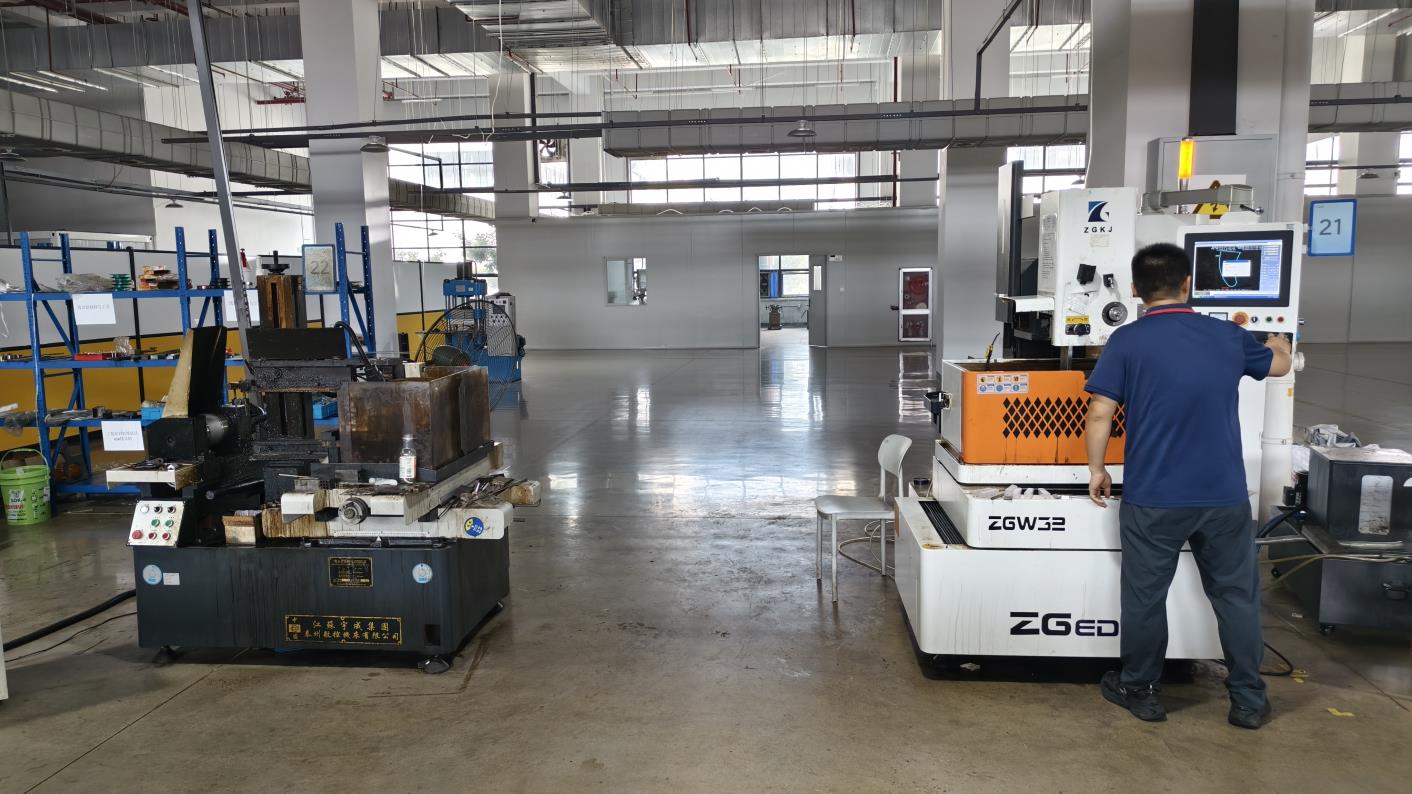
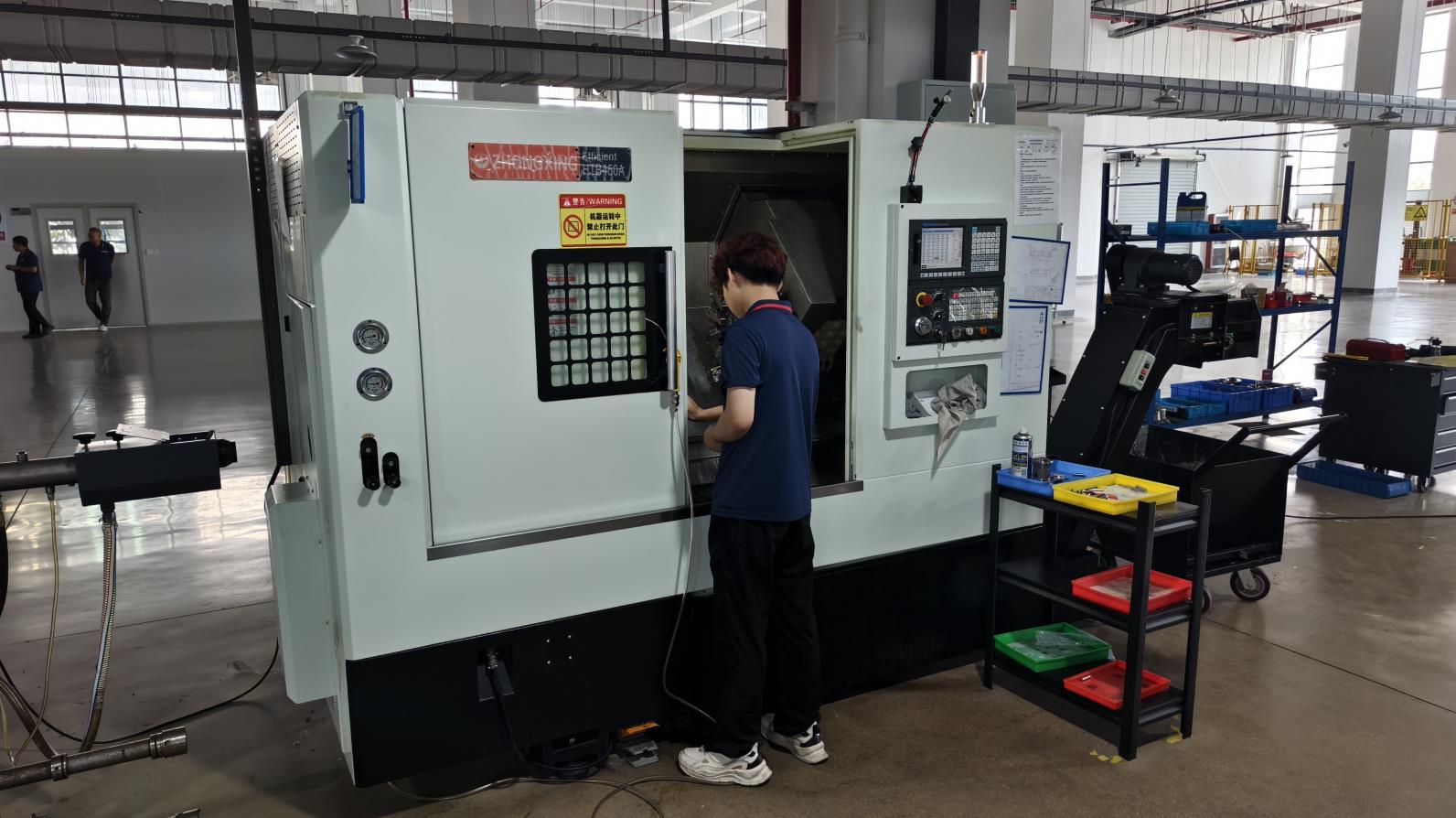
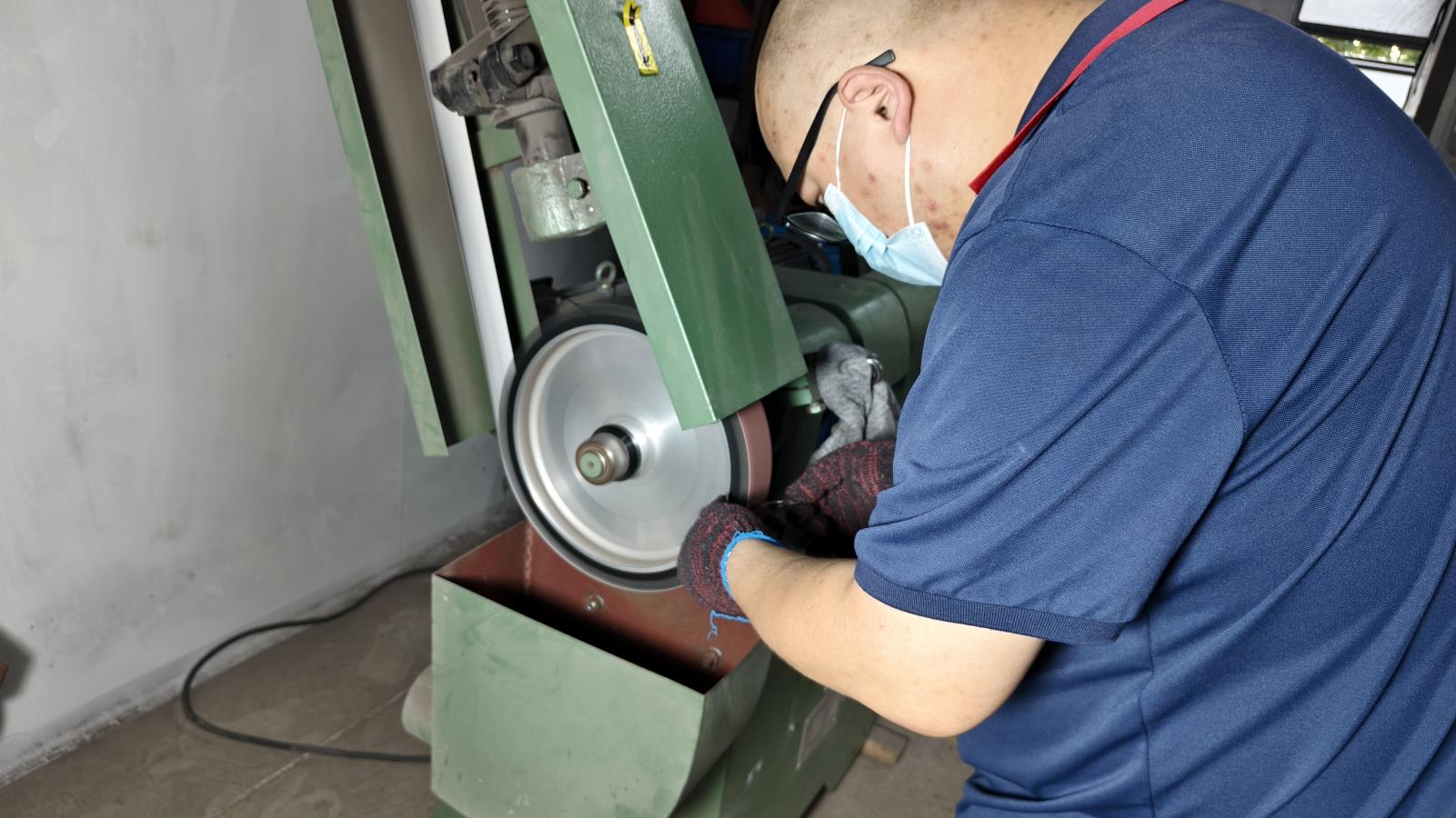
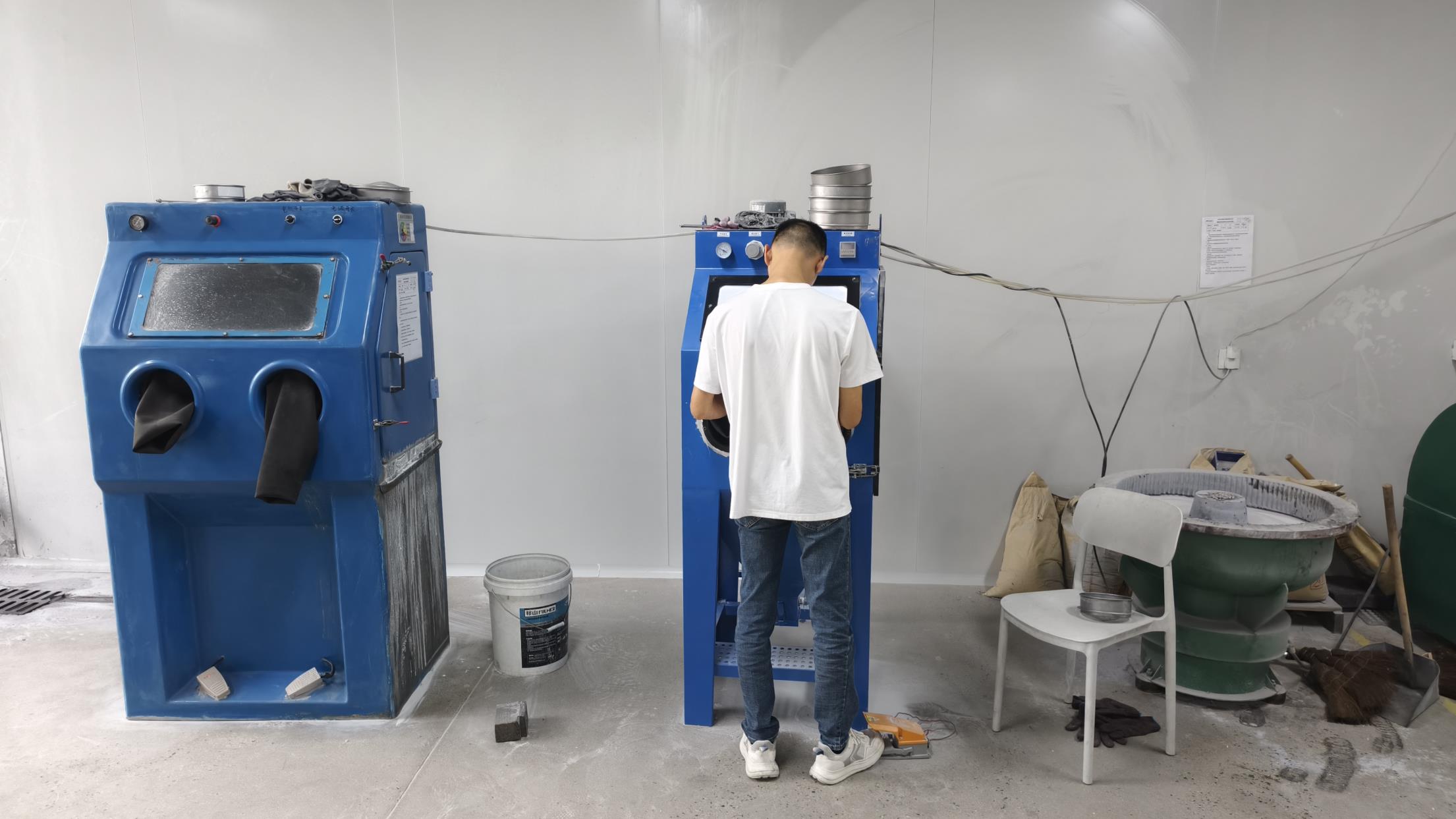
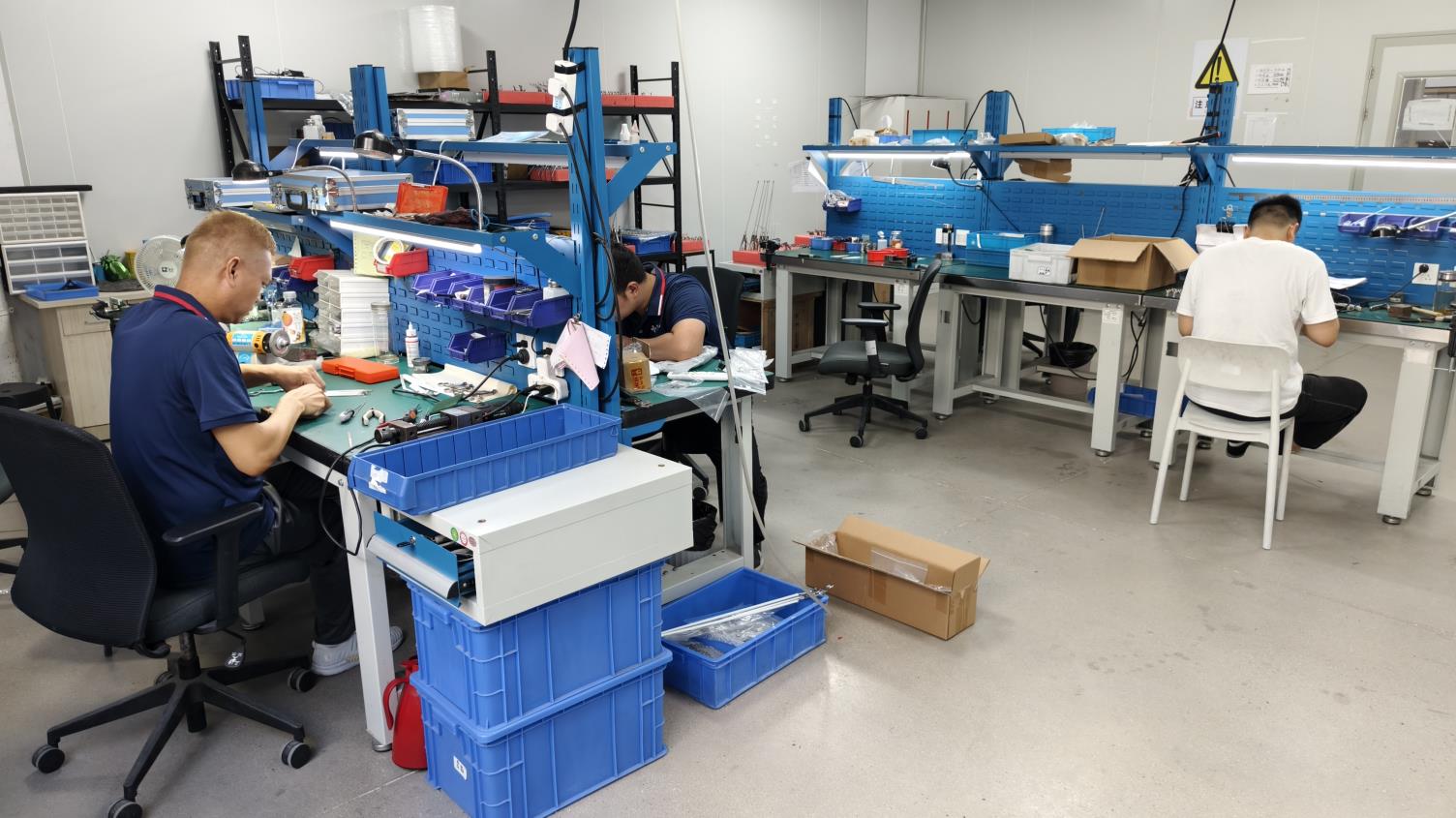
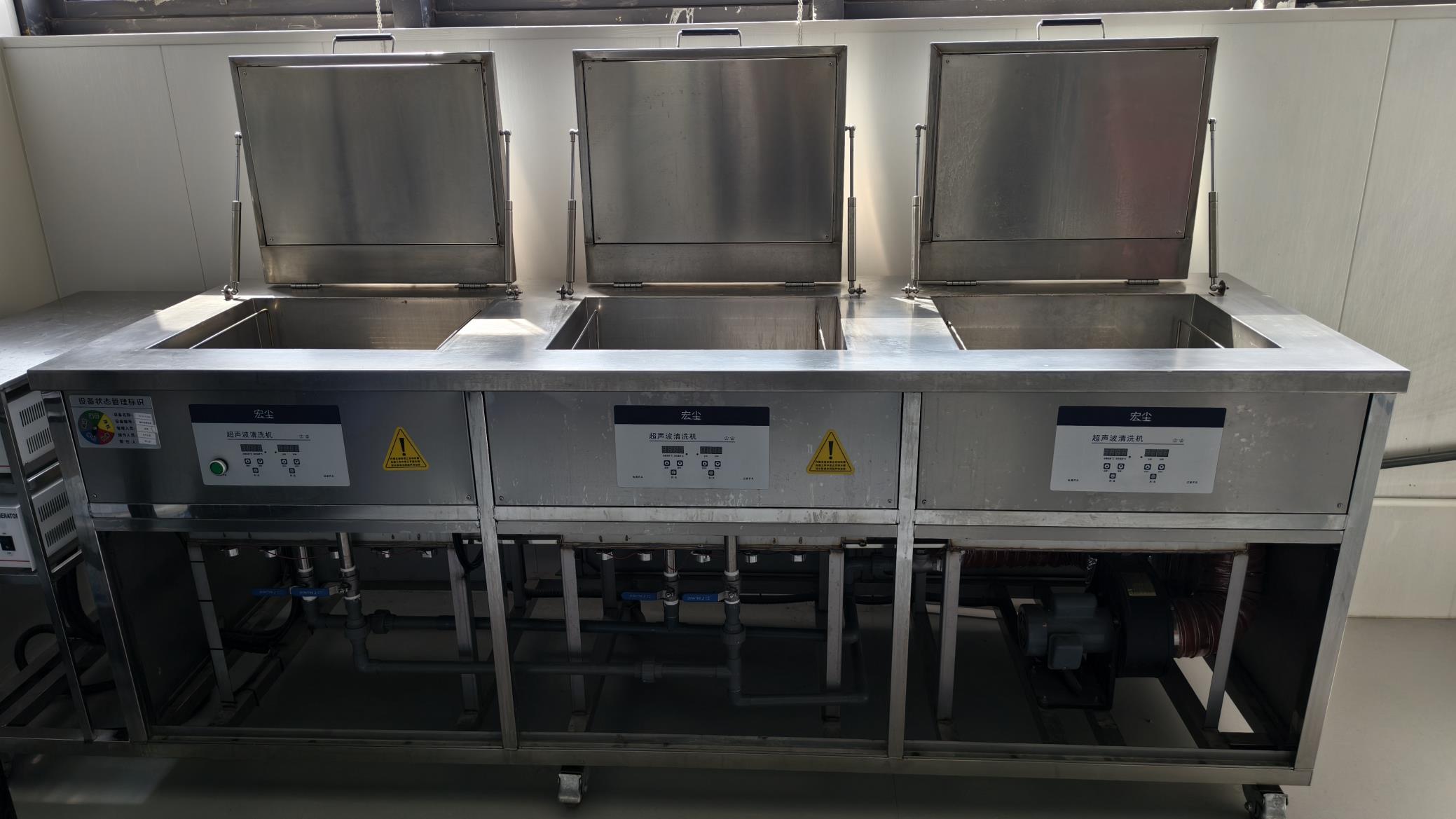
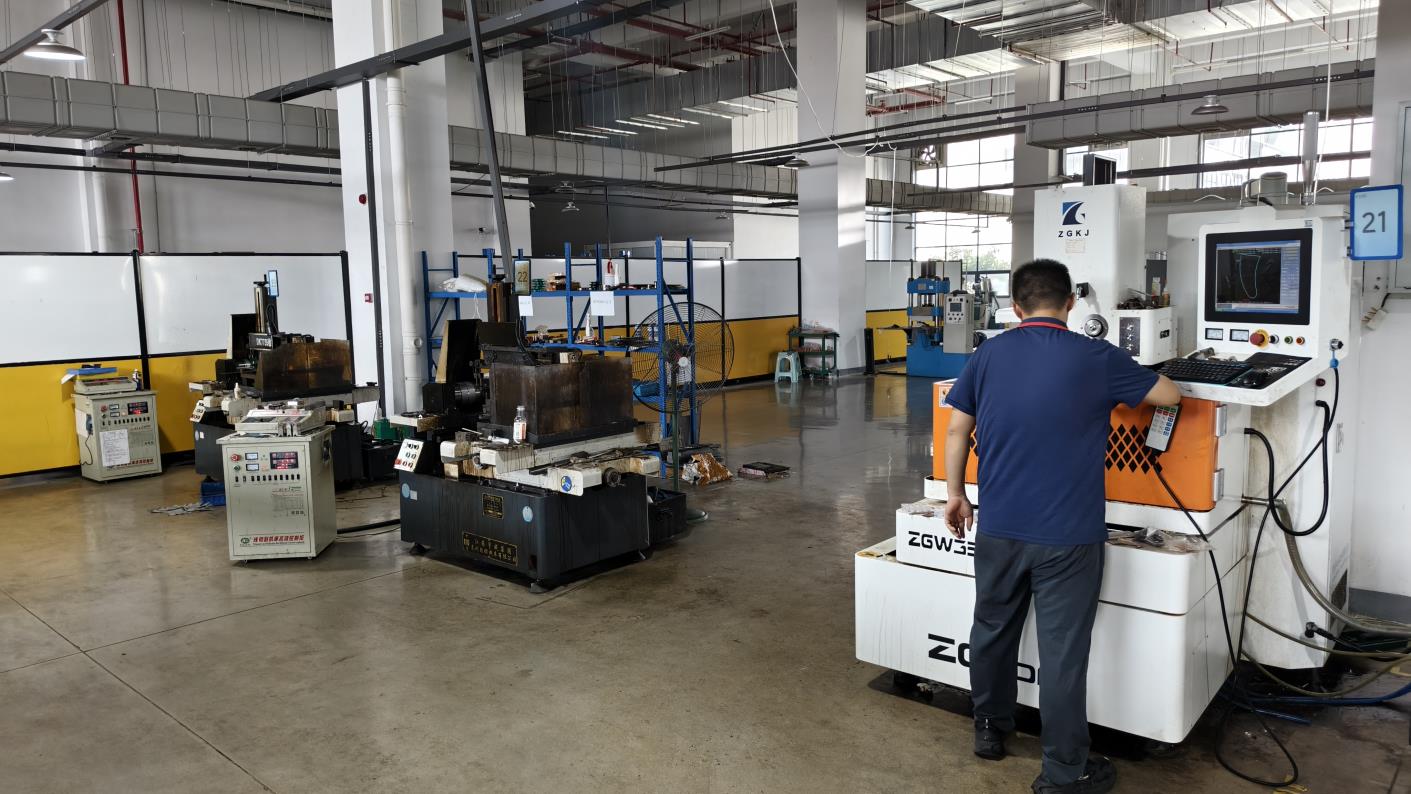
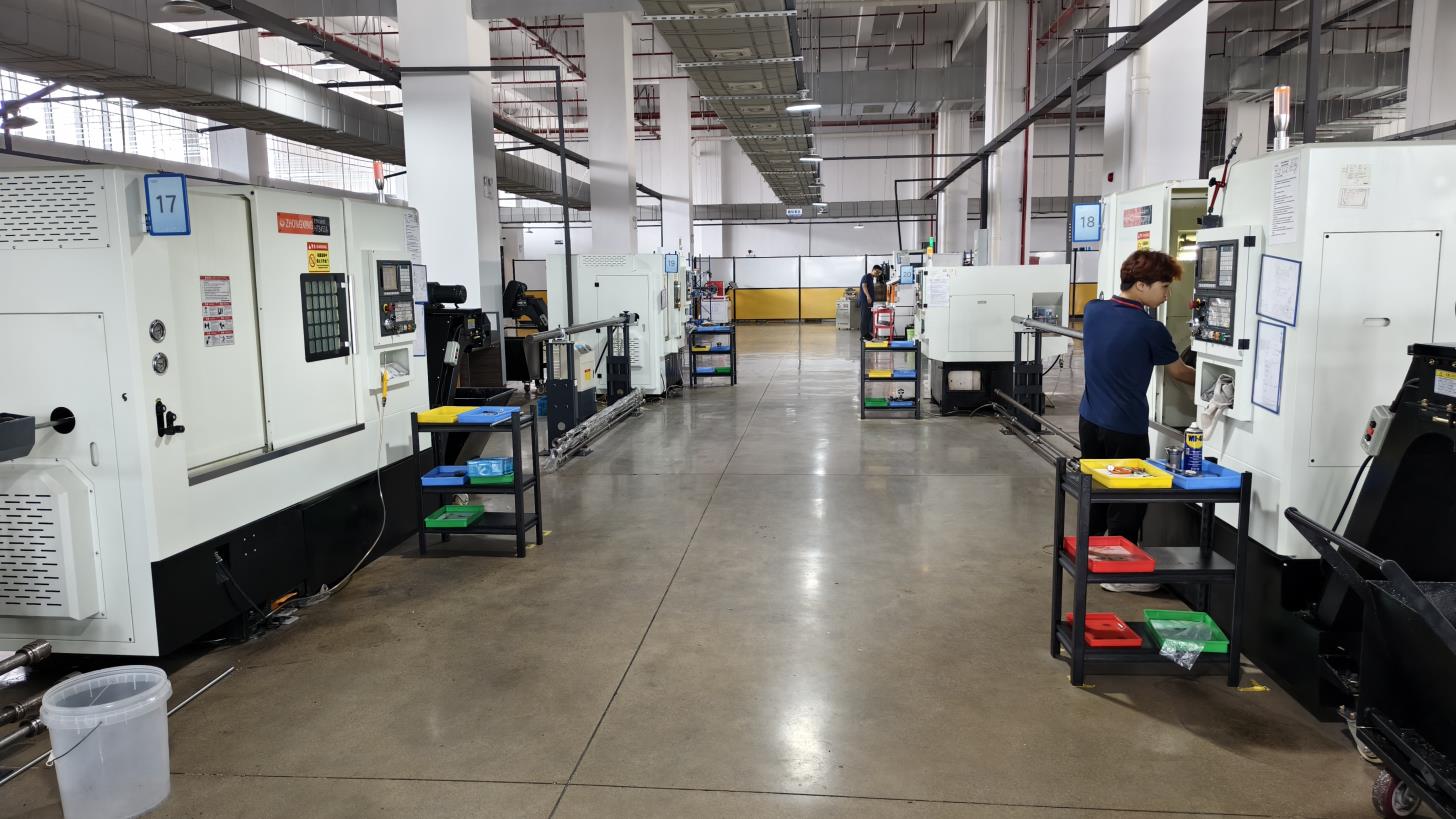
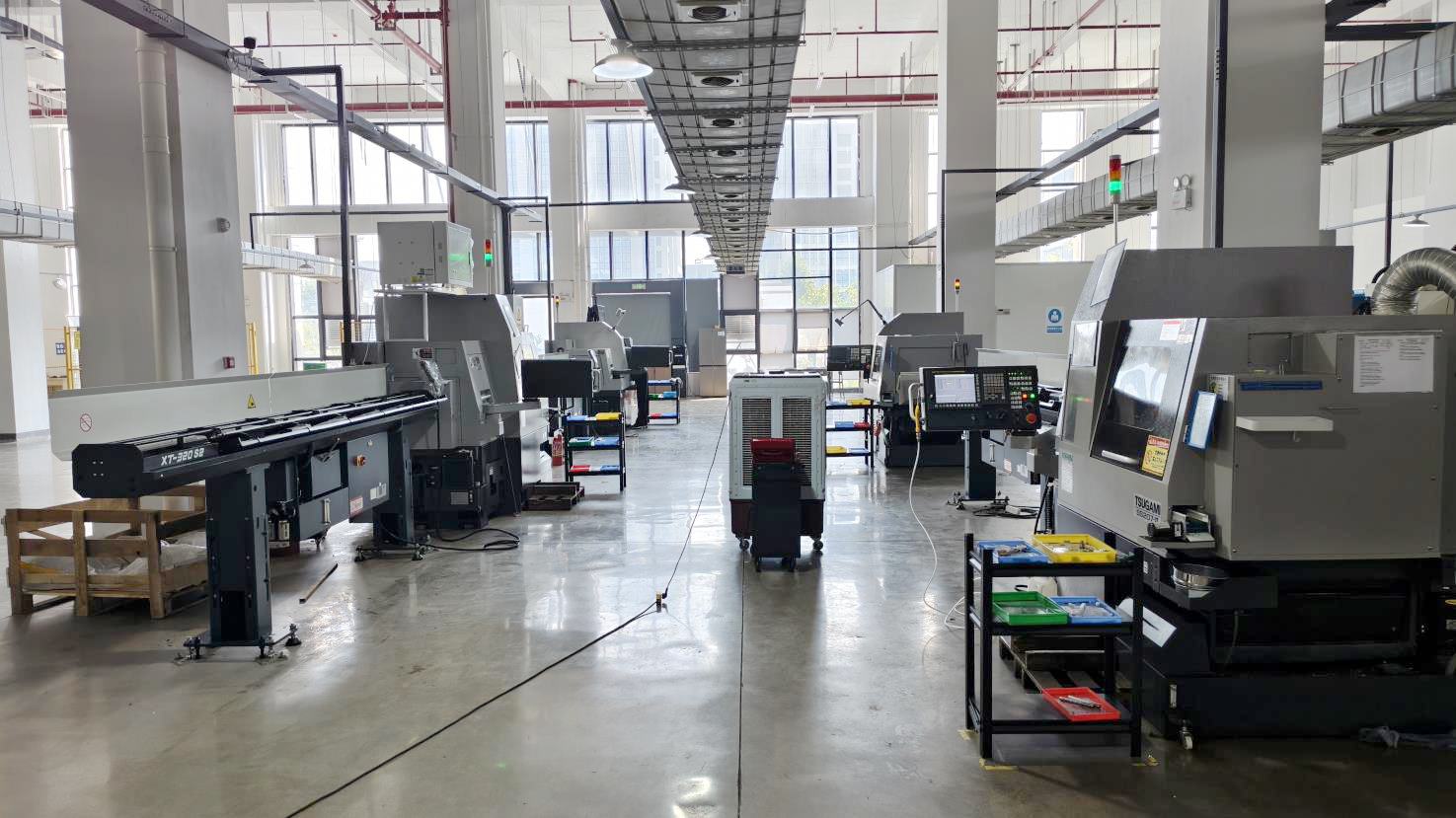
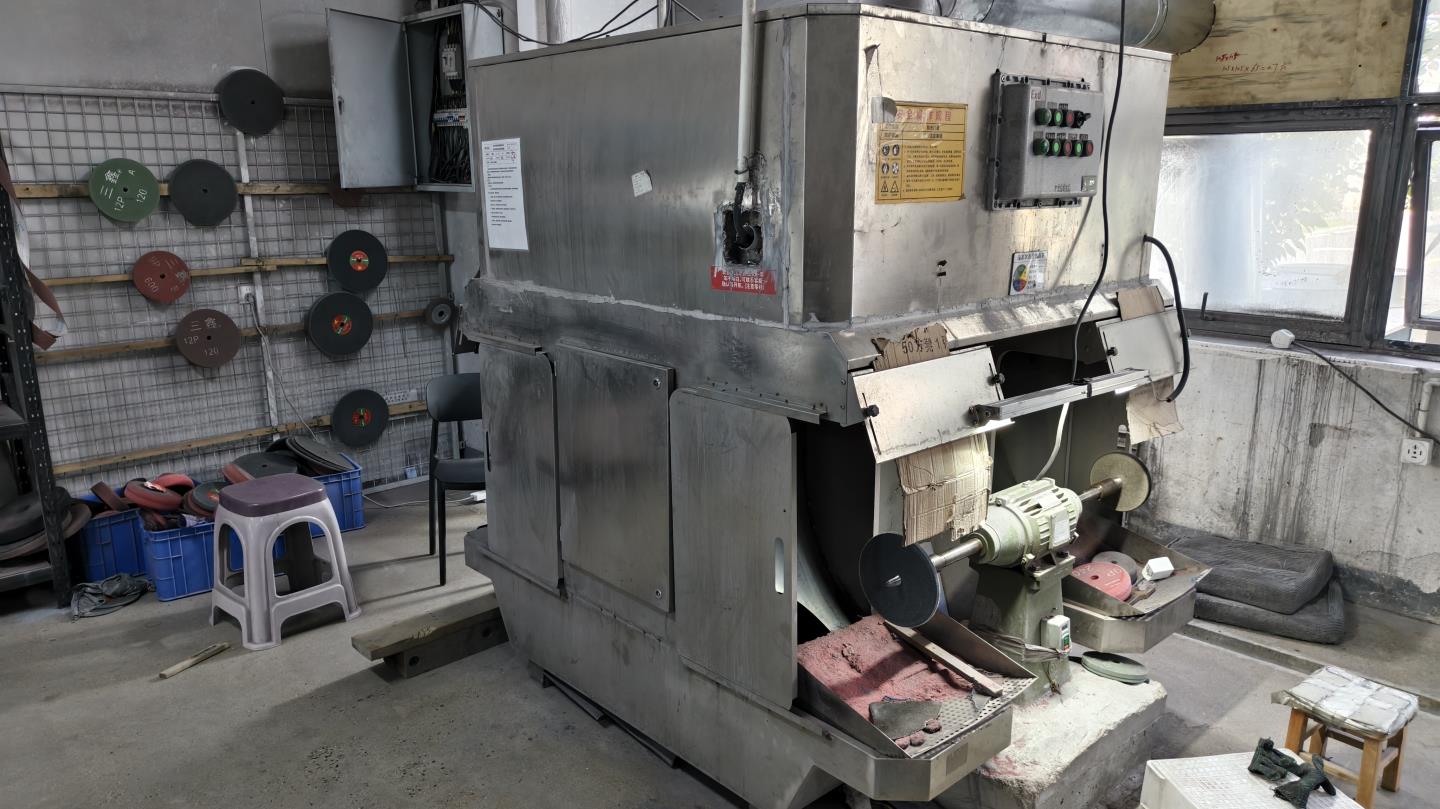
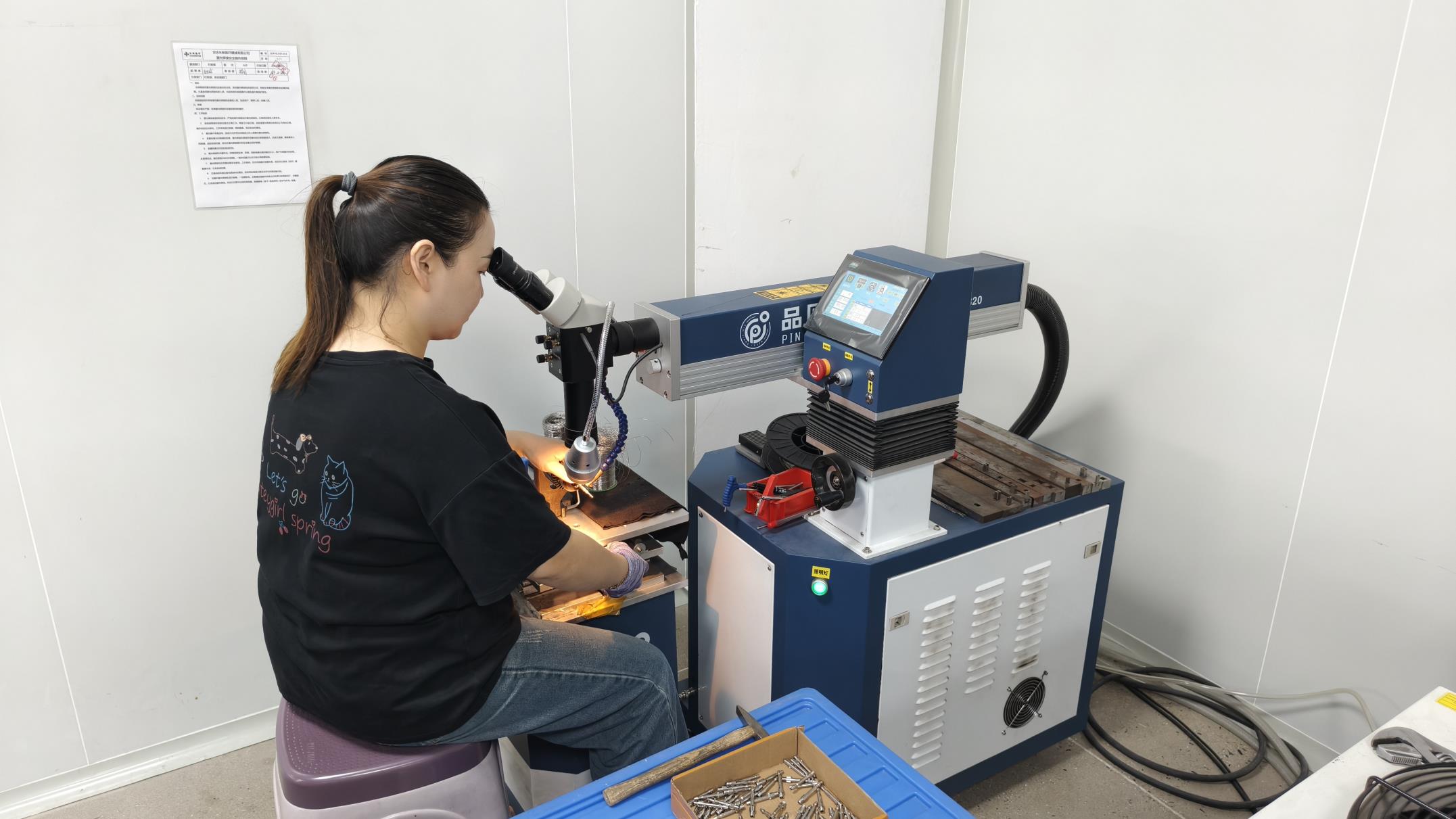
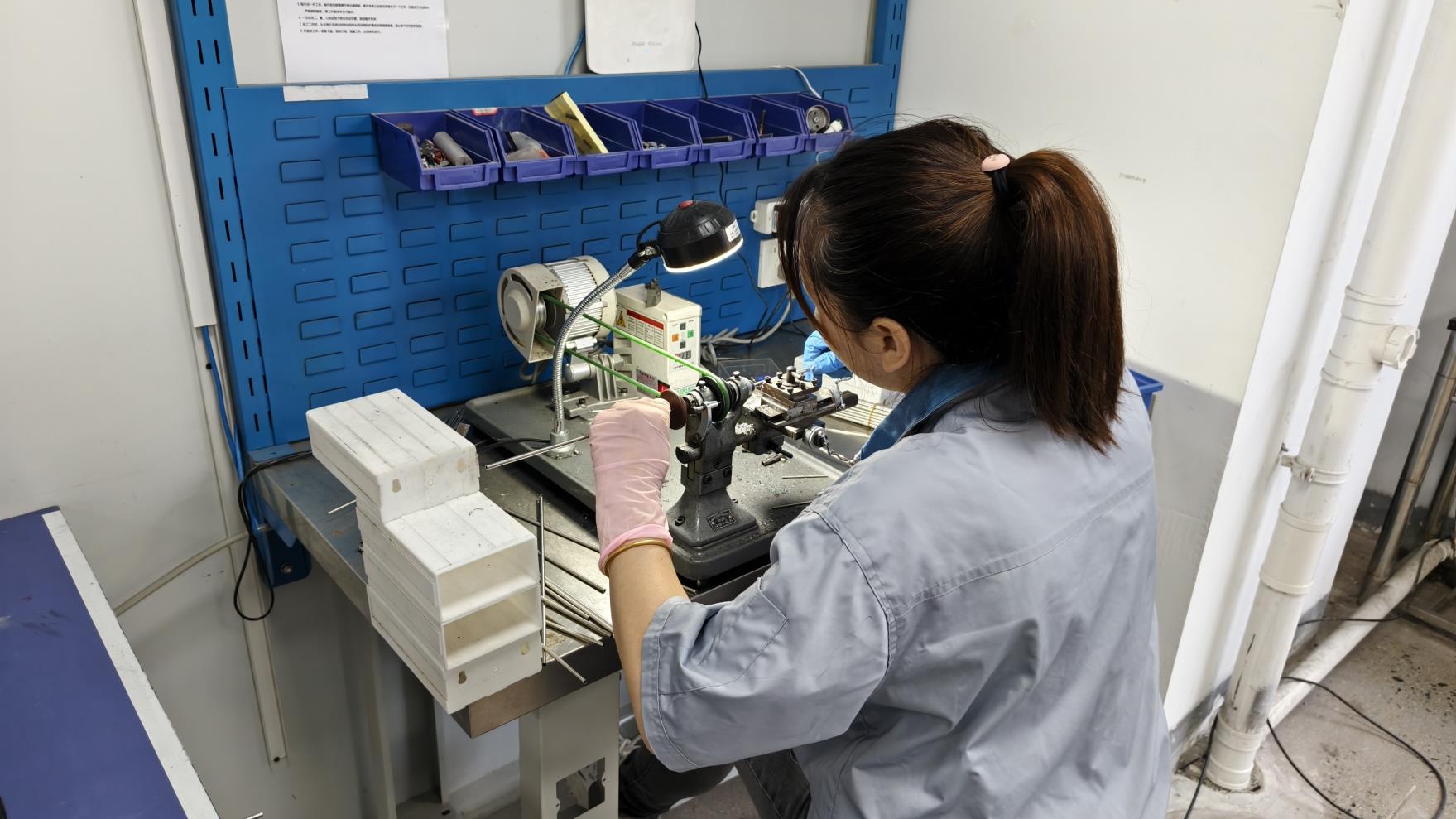
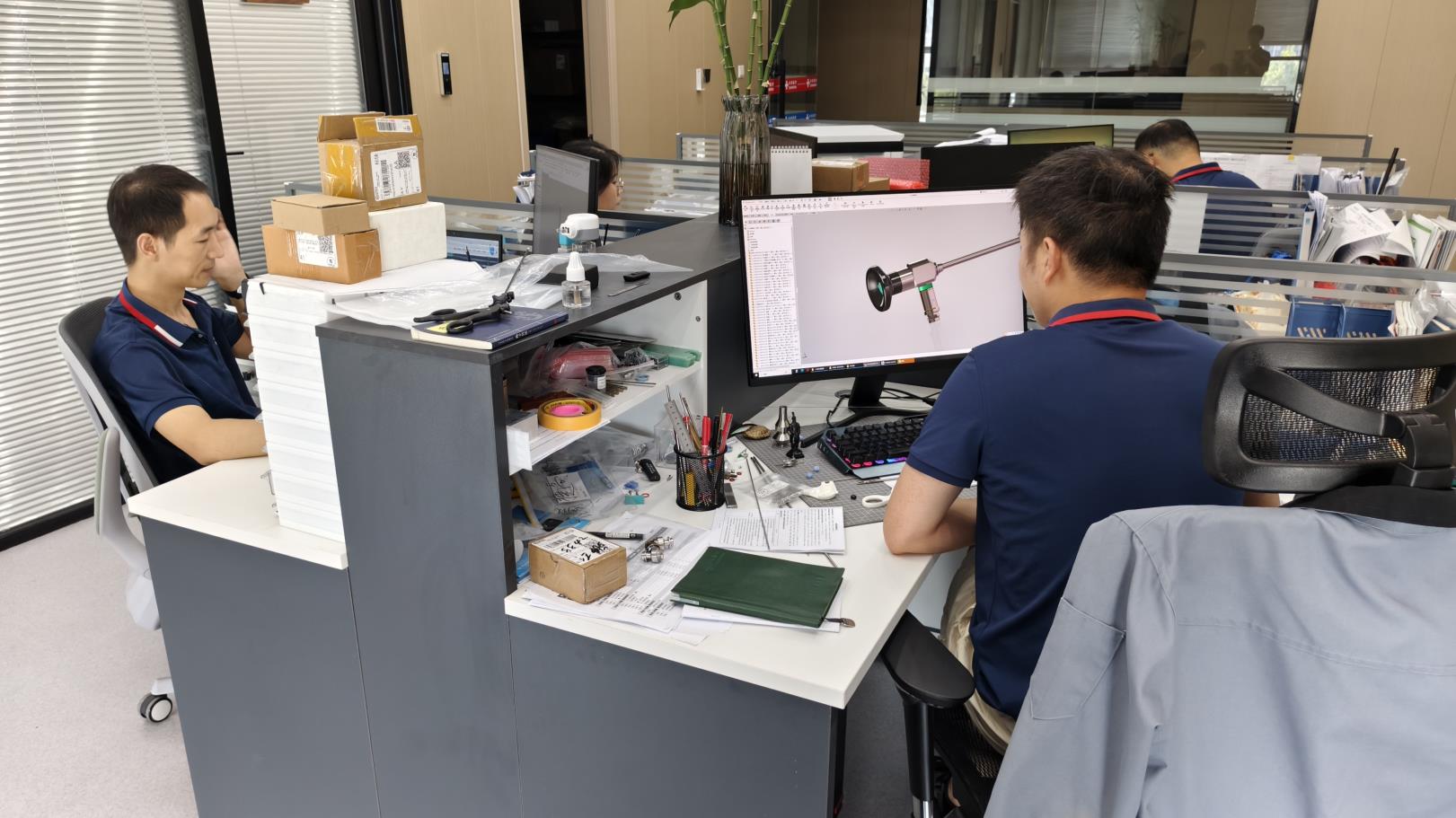
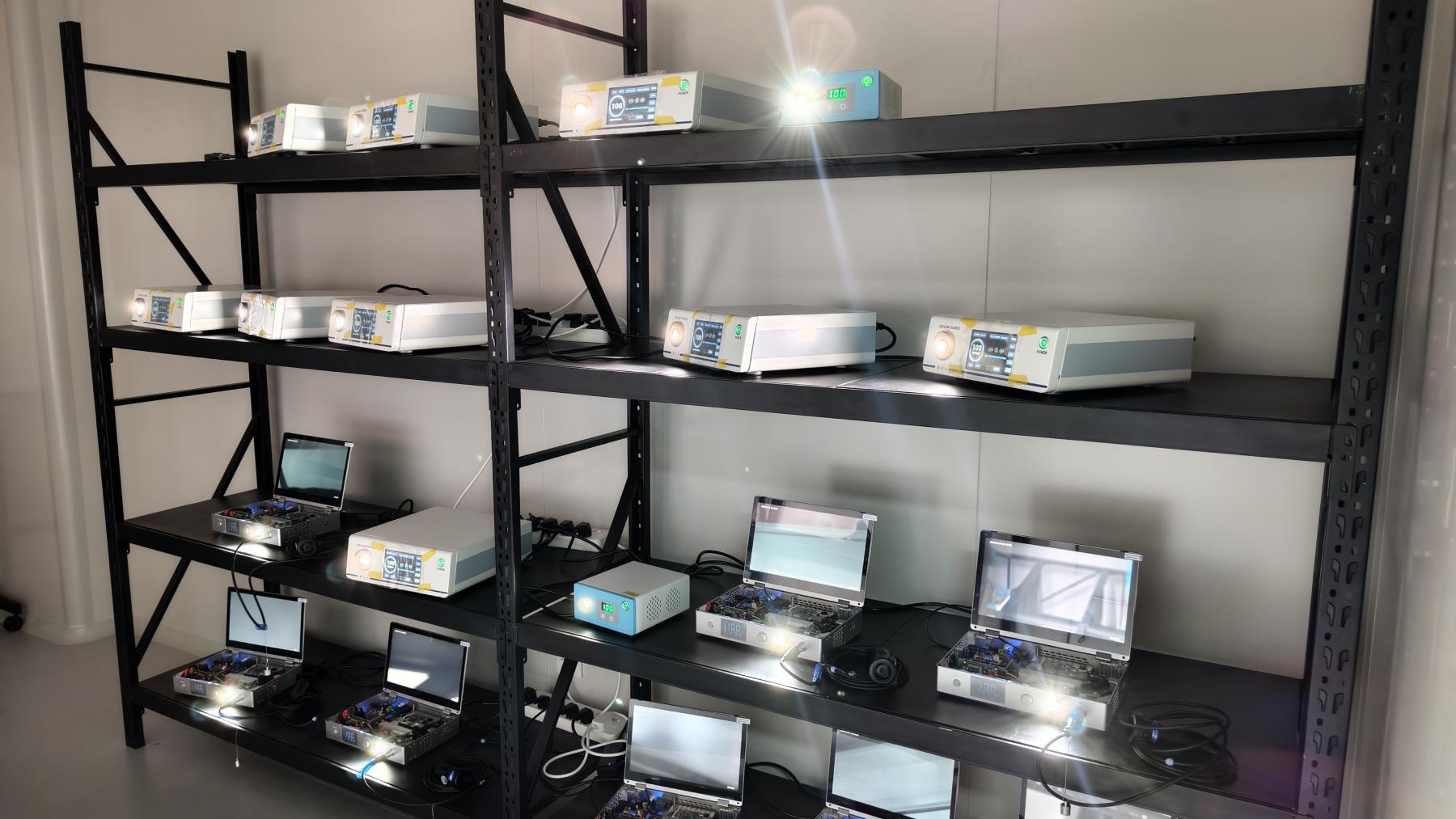
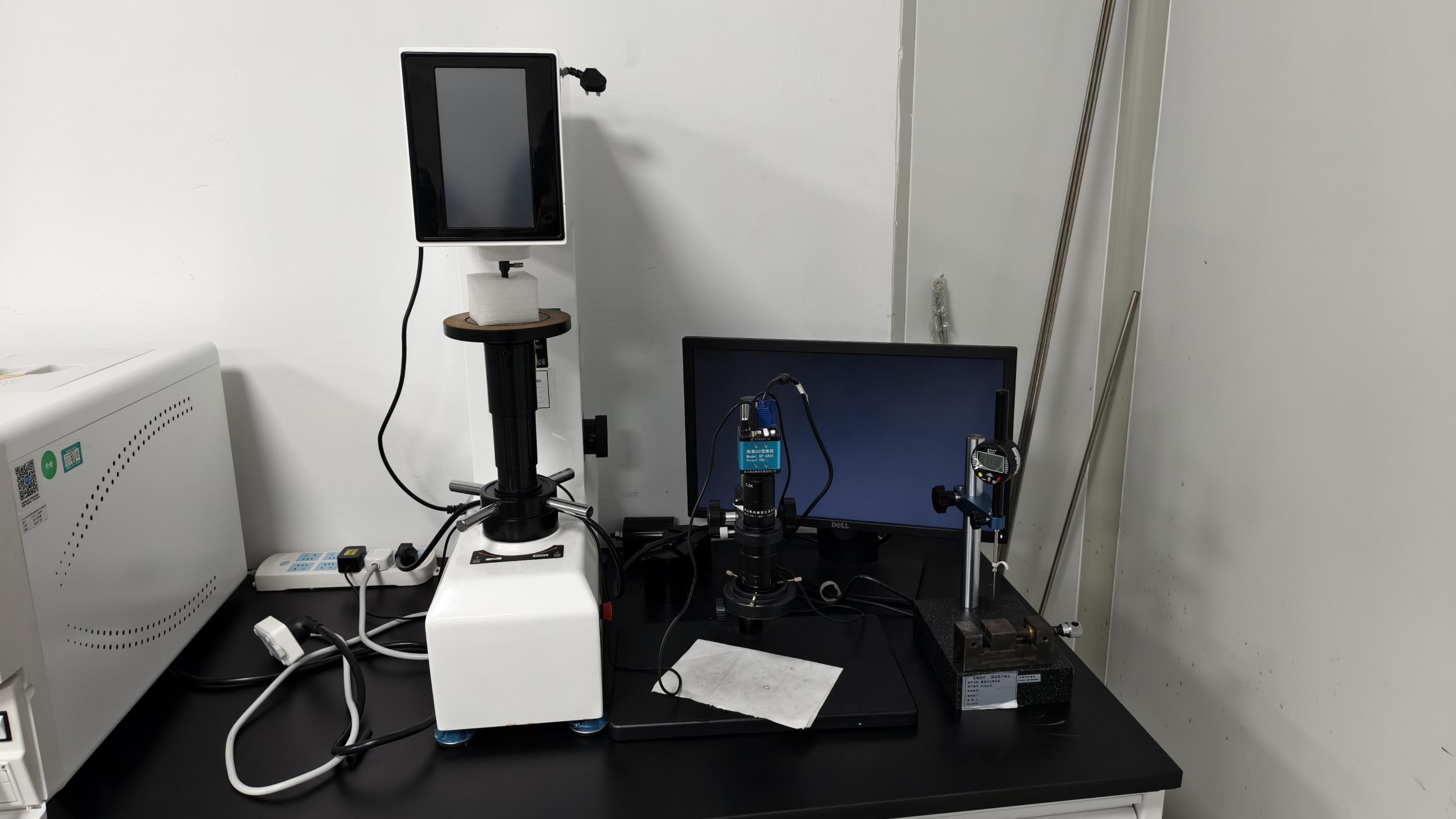
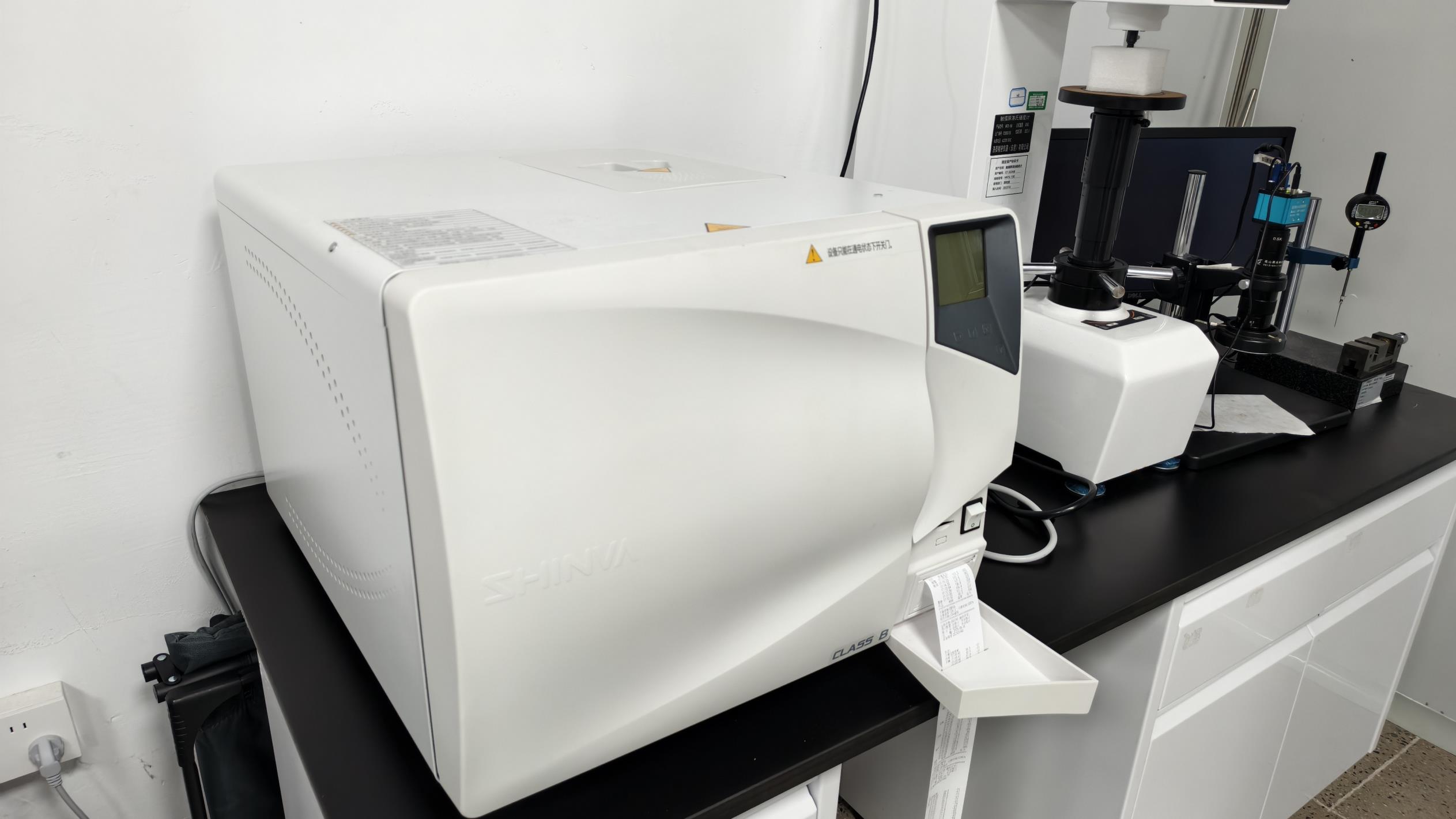
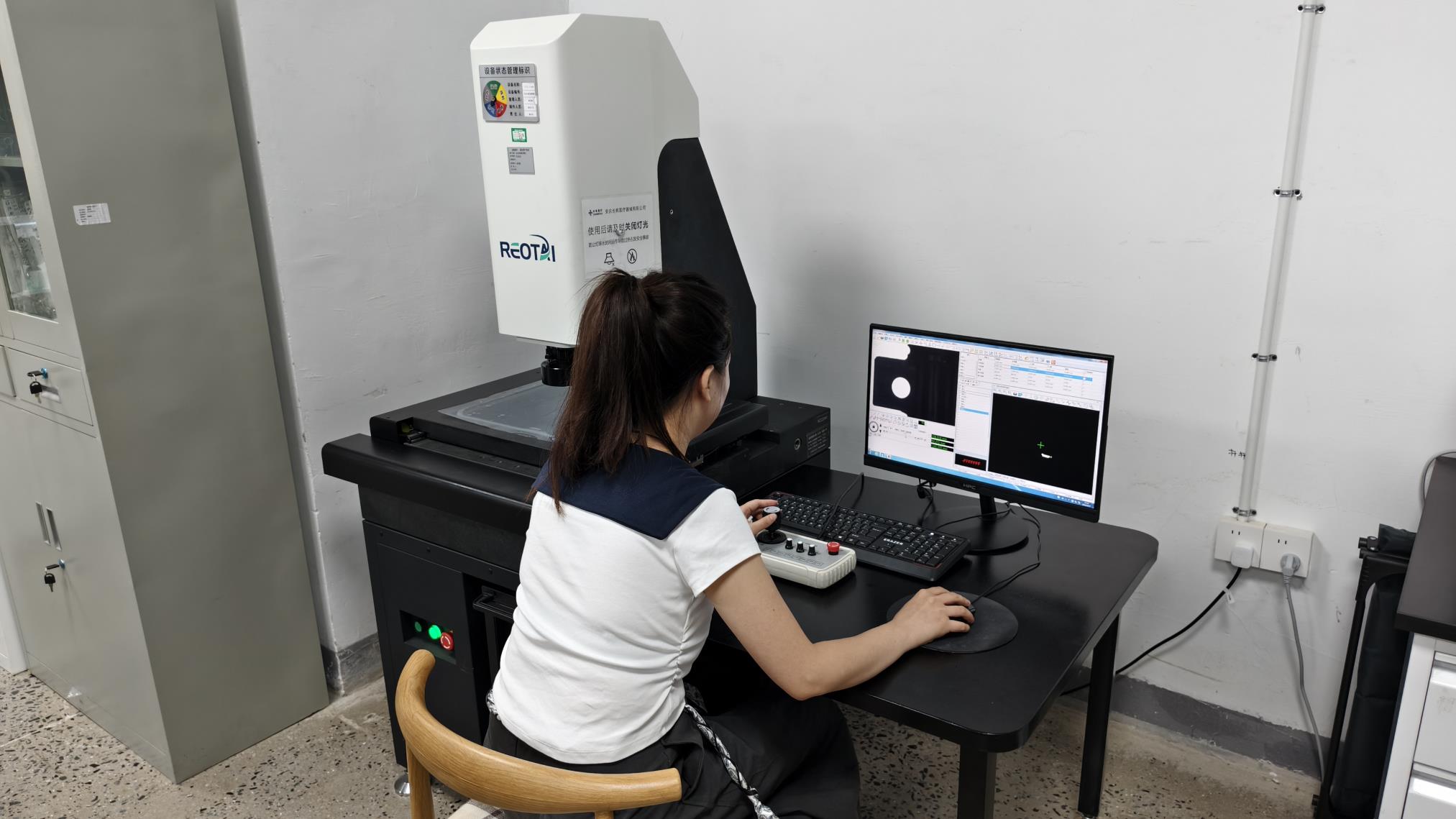
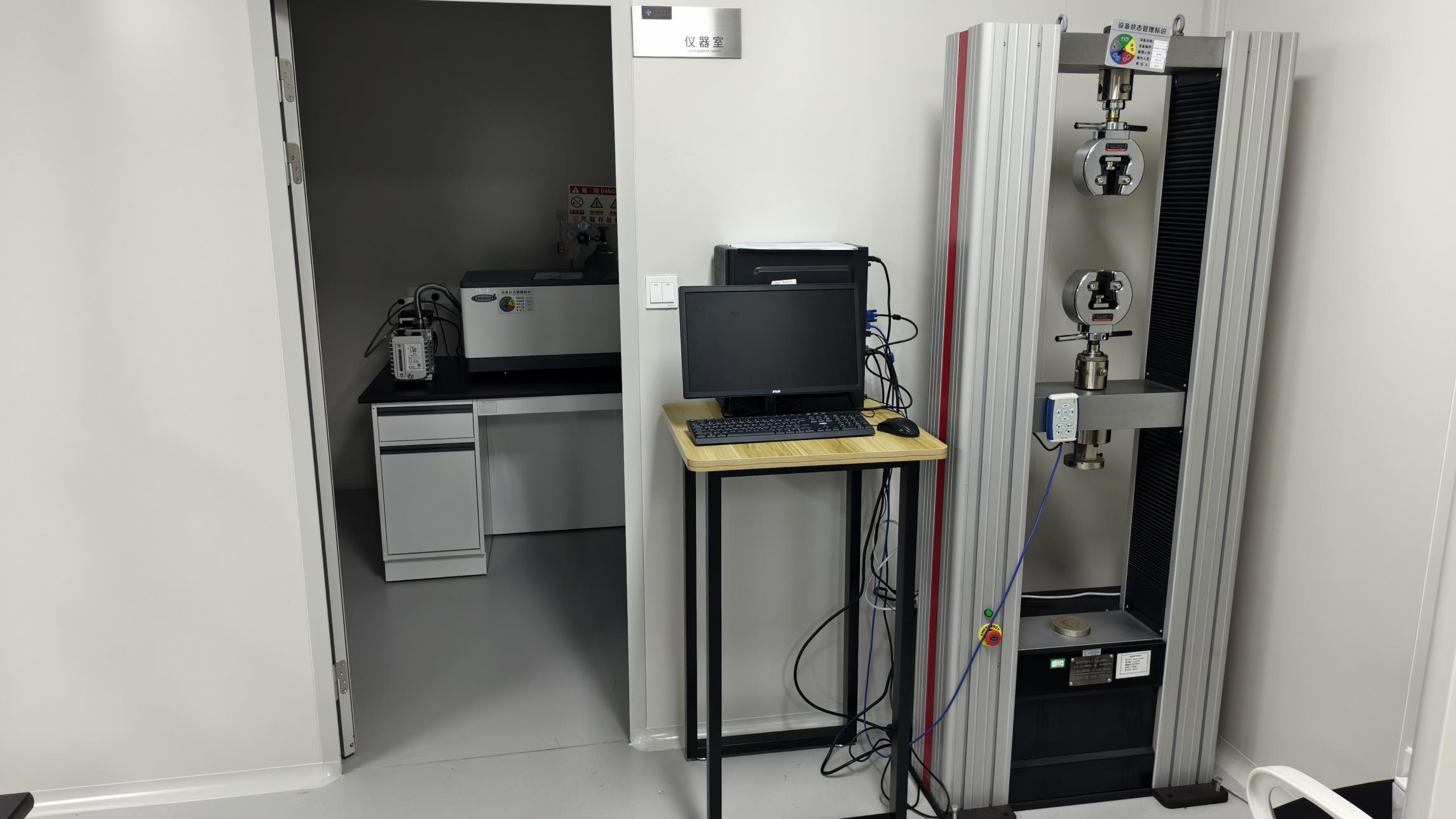
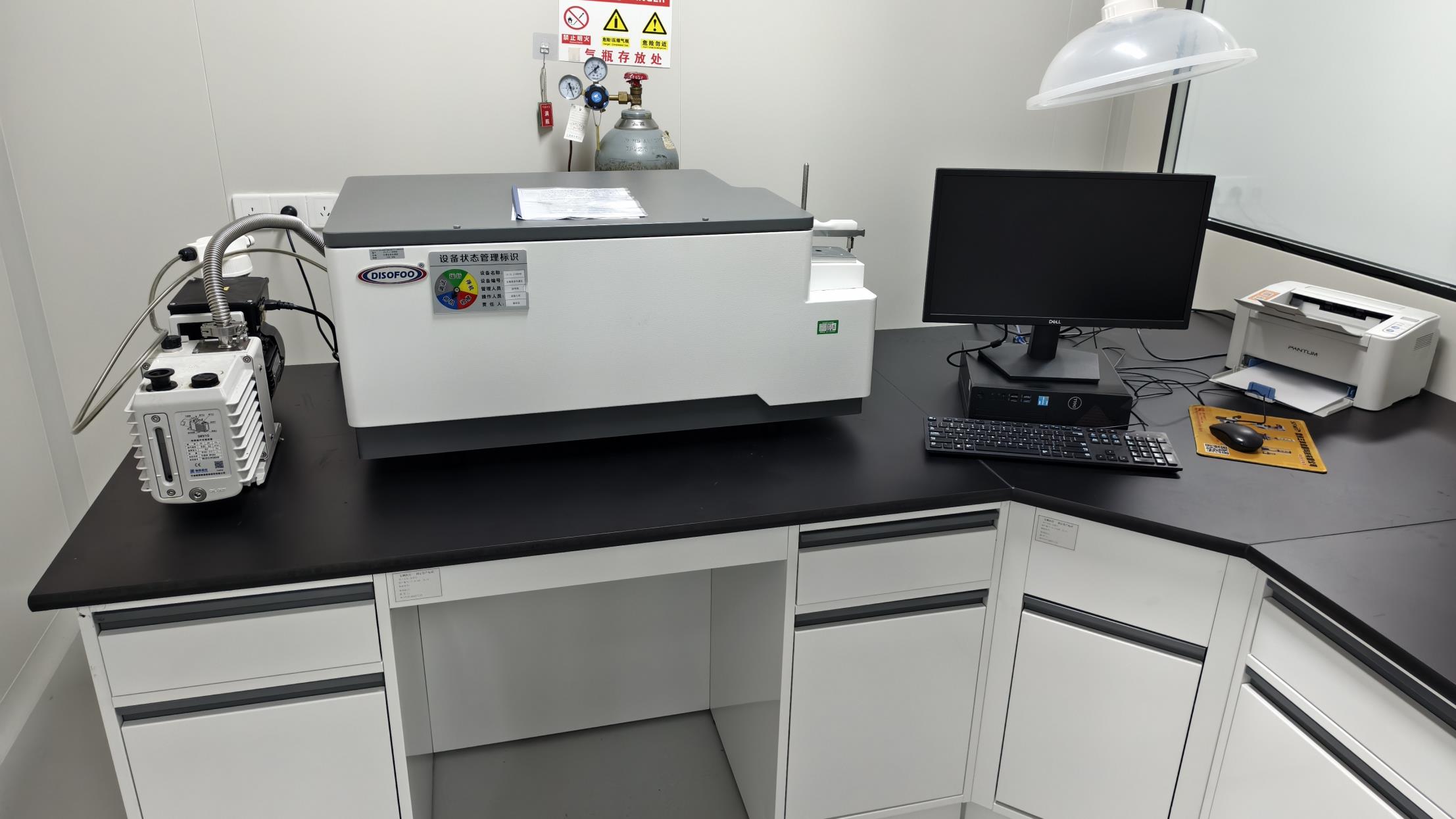
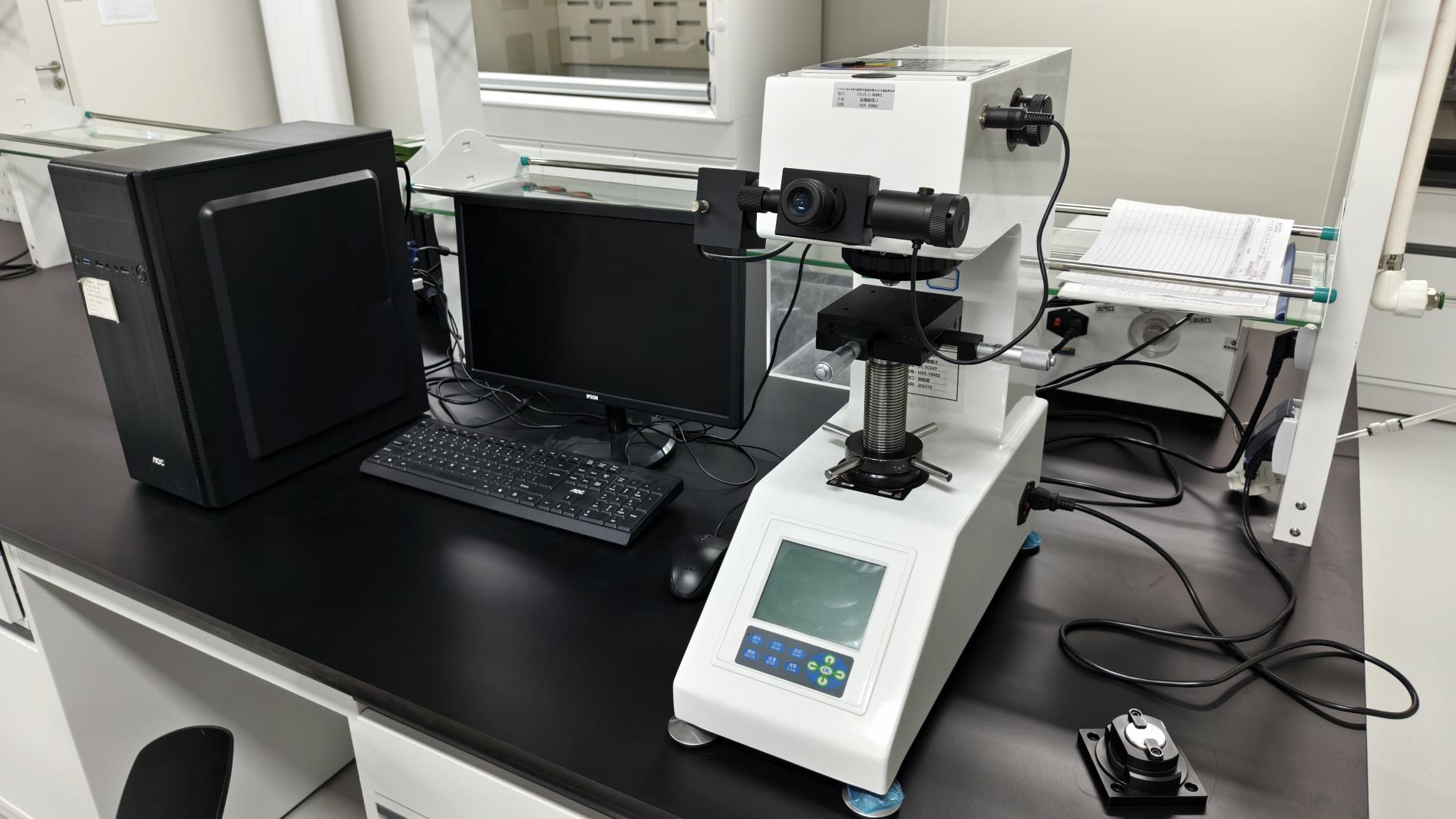
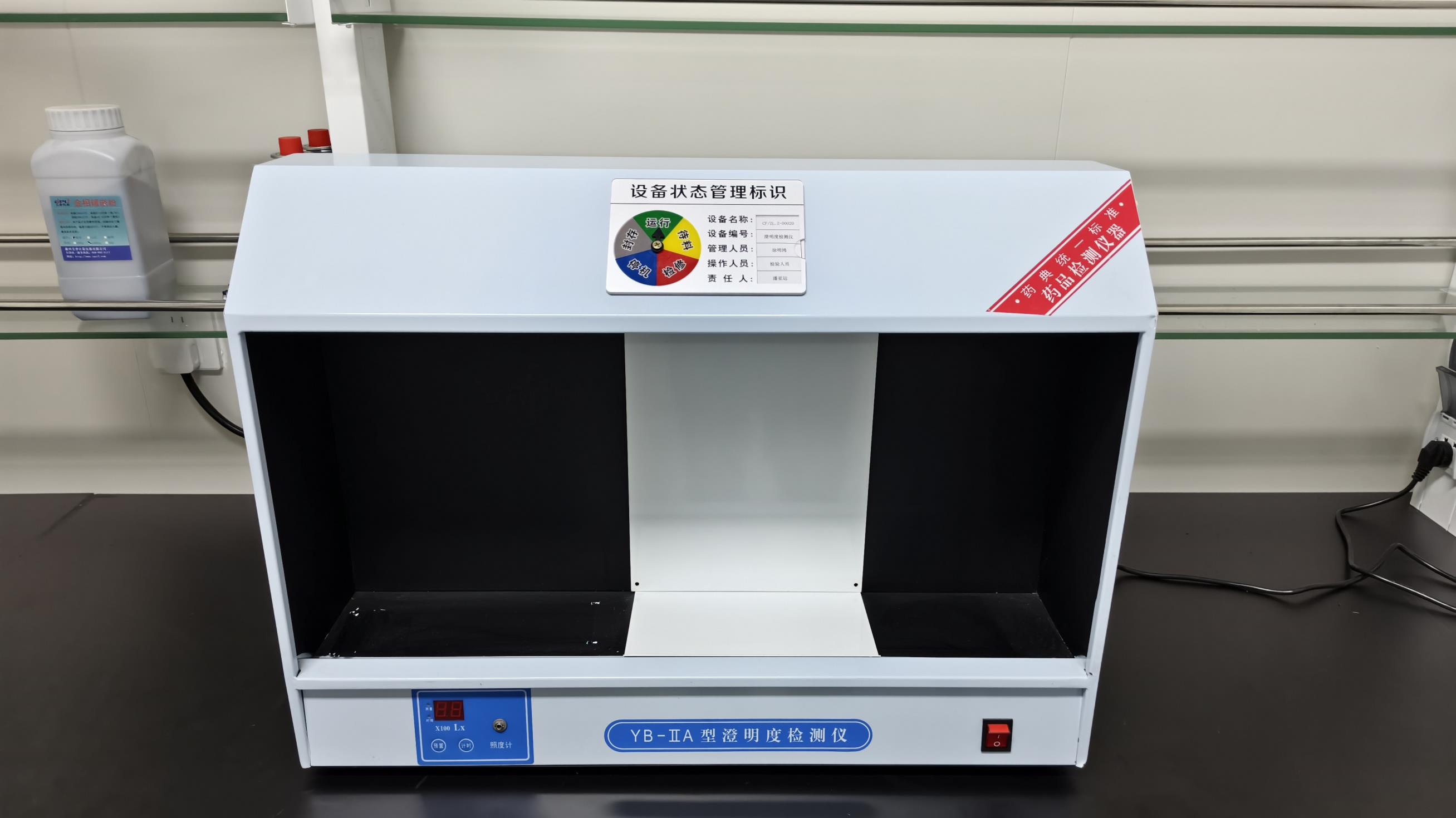
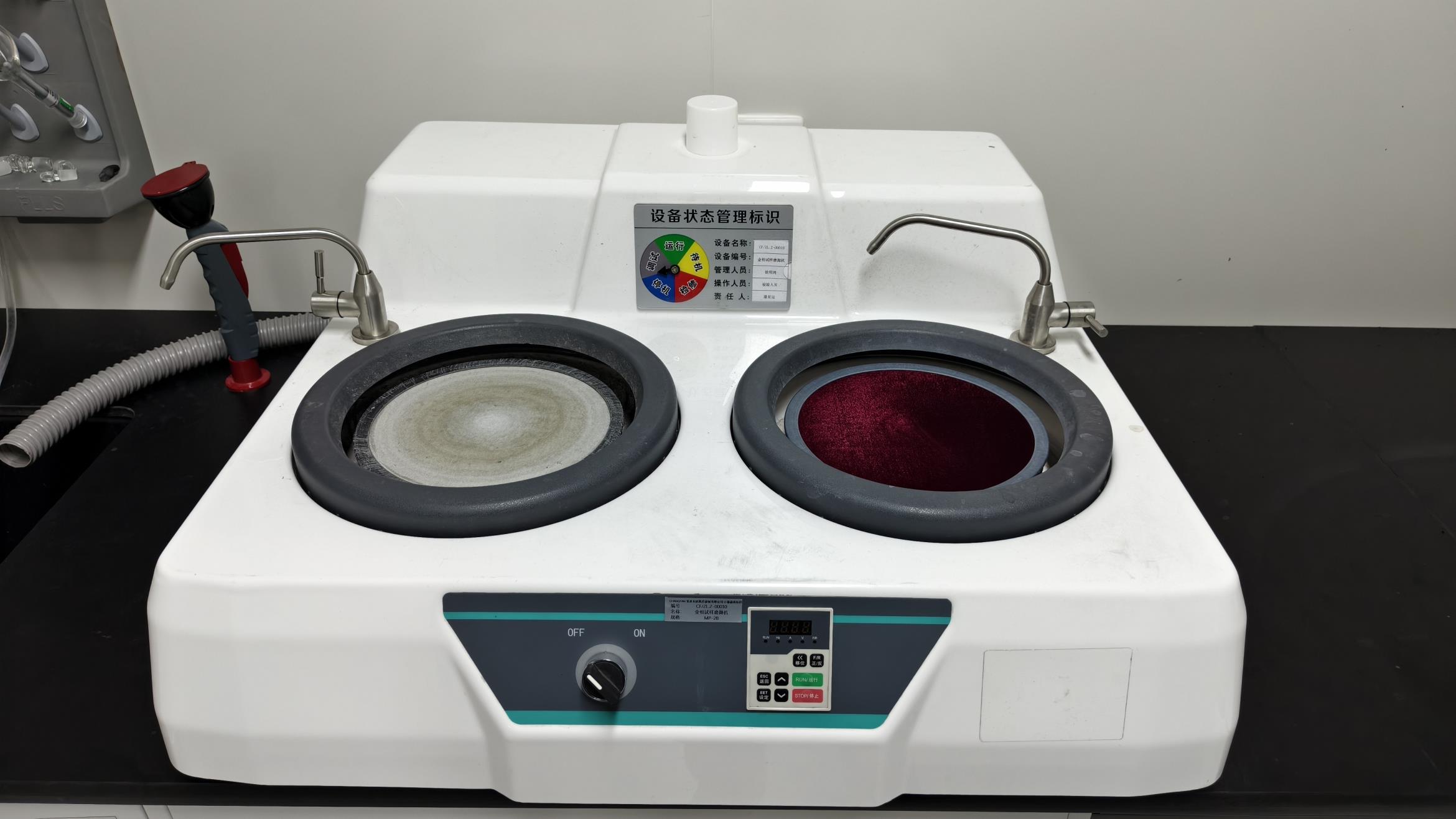
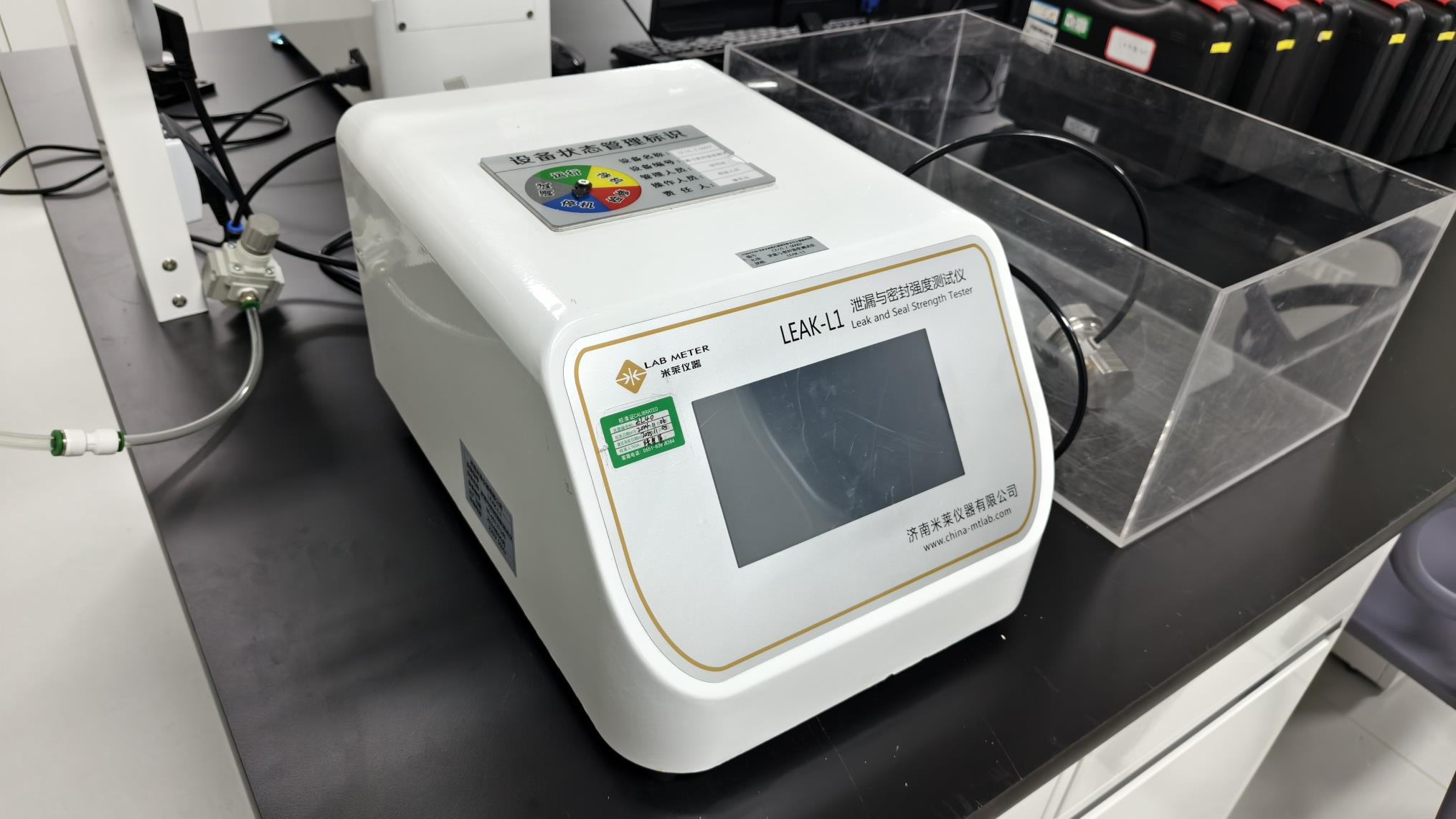
Orthopedic instrumentation manufactured by Synoviq is intentionally optimized for specialized procedures executed across San Francisco’s prominent healthcare settings. Our products interface seamlessly with localized surgical environments:
Purchasing directors from global medical device brands and hospital purchasing alliances operate under high pressure. They face the critical tasks of securing product pipelines, avoiding supply chain gaps, and meeting evolving regulatory standards.
Synoviq addresses these issues by offering raw material batch certification (with complete traceability back to titanium melt sources), ISO Class 7 cleanroom packaging options, and comprehensive dynamic fatigue/metallurgical analysis. We support all FDA 510(k) applications by providing comprehensive mechanical testing documentation, allowing distributors to secure regional regulatory clearances efficiently.
The orthopedic field is moving rapidly towards computer-aided surgeries, augmented reality navigation, and patient-specific instrumentation (PSI). Future product designs are changing to support this shift:
Instrument kits now require hard anodized finishes to prevent reflective glare under high-intensity theater cameras. In addition, tight geometric tolerance zones (within 0.01mm) are critical for integration with mechanical guidance systems. By continuous investment in 5-axis Swiss machining centers and CAD/CAM software tools, Synoviq remains at the forefront of this technological shift, preparing products for the next generation of digital operating rooms.
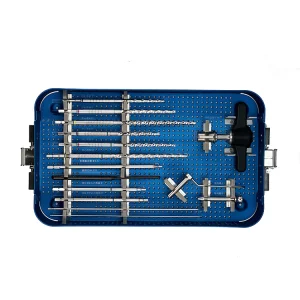
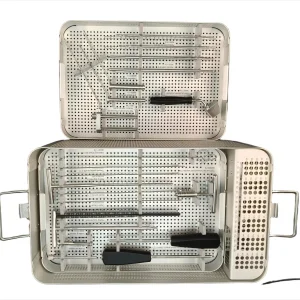
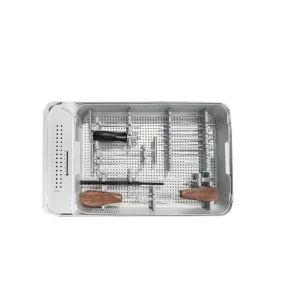
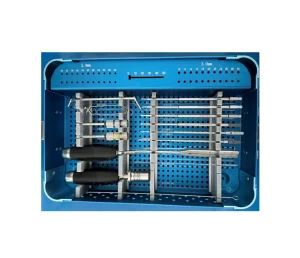
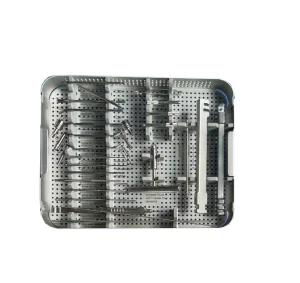
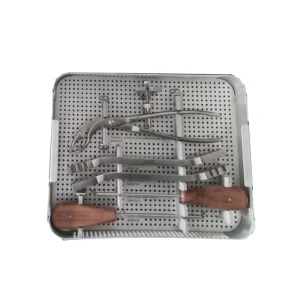
Highly specialized devices, trauma tools, and spinal implantation kits with complete trace-grade certifications.
Technical and regulatory answers regarding global procurement, materials processing, and logistics fulfillment.
Connect with our engineering and procurement team for bespoke OEM/ODM design requests, compliance documentation, and global contract pricing schedules.
Send Inquiry Now Synoviq Medical