Engineered to exceed German DIN standards, featuring high biocompatibility and robust design for clinical reliability.
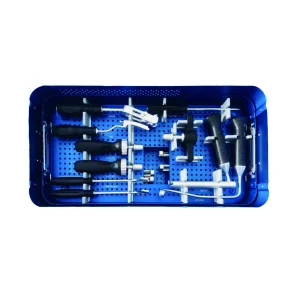
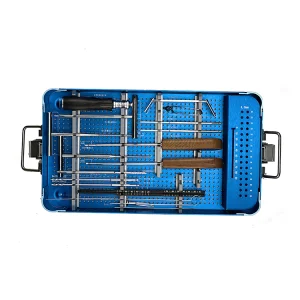
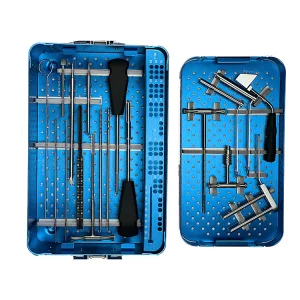
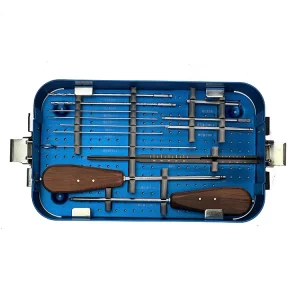
Analysis of the technological requirements, EU MDR regulations, and global supply chain optimization within the DACH region.
Germany represents one of the largest and most demanding orthopedic markets in Europe. An aging population, coupled with active lifestyles, has fueled a continuous demand for joint replacements, osteosynthesis devices, and spinal fusion procedures. Major German medical centers (such as the Charité Berlin and Universitätsklinikum Heidelberg) maintain some of the world's most rigorous benchmarks for surgical instrument reliability, biological compatibility, and sterilization performance.
A primary defining challenge for exporters entering the German market is the European Union Medical Device Regulation (EU MDR 2017/745). This framework has significantly elevated the requirements for technical documentation, clinical evaluations, and post-market clinical follow-ups (PMCF). Only orthopedic instruments manufactured under strict ISO 13485 quality systems with complete biological and mechanical traceabilities can find clinical acceptance within German clinics.
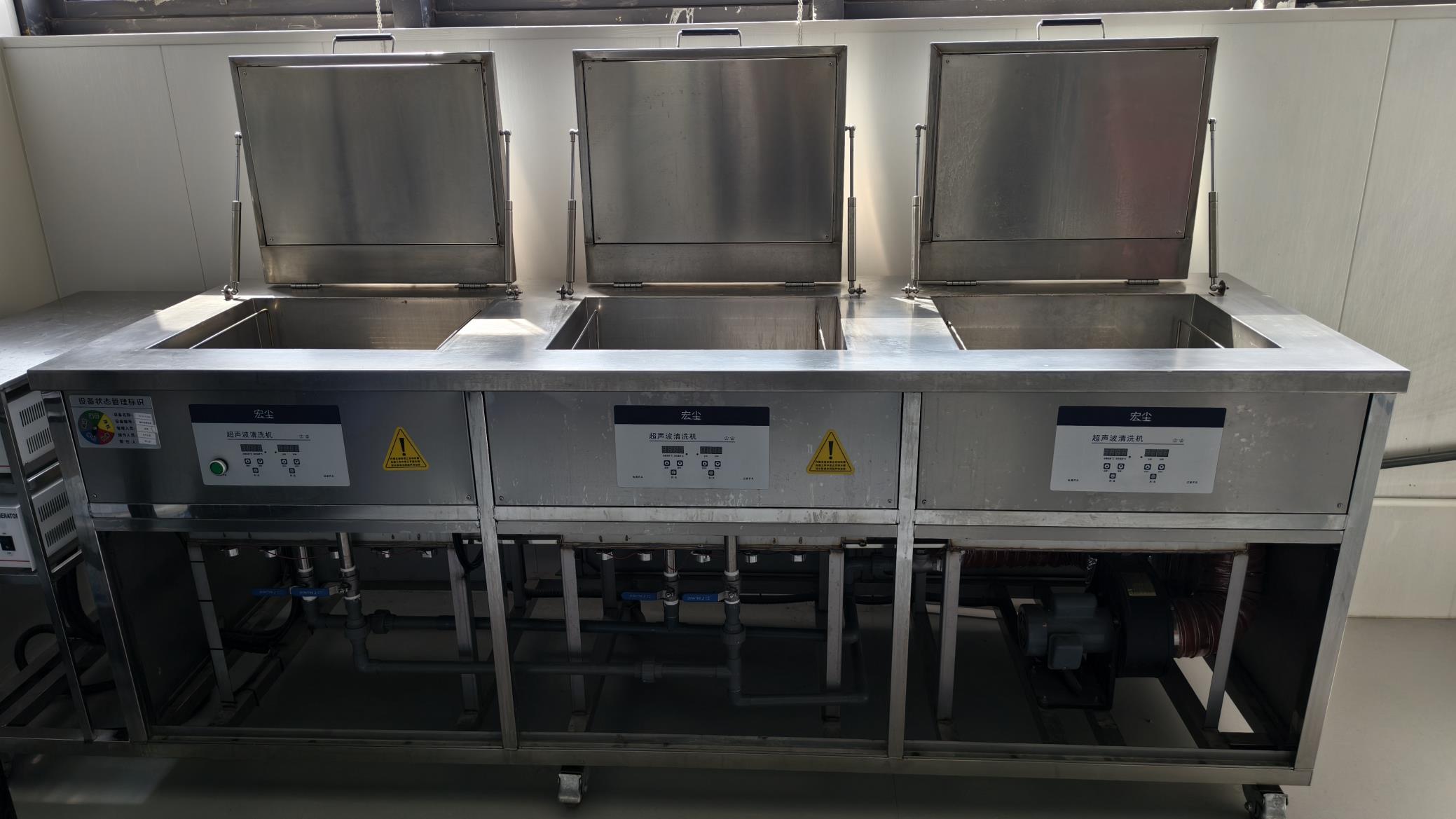
Cleanroom Validation: Cleanrooms must meet ISO 14644 standards, ensuring biological burden and particulate contaminants are controlled to minimum levels.
Corrosion Resistance (DIN EN ISO 7153-1): Materials must withstand repeated chemical washing and autoclave sterilization without exhibiting surface degradation or pitting corrosion.
German healthcare providers face dual pressures: maintaining high patient safety and managing structural cost constraints under the DRG system (Diagnosis Related Groups). This financial reality has driven German medical device brands, distributors, and purchasing groups to look beyond domestic borders for manufacturing partners who can supply reliable, high-end components without the premium price tags typically associated with European domestic manufacturers.
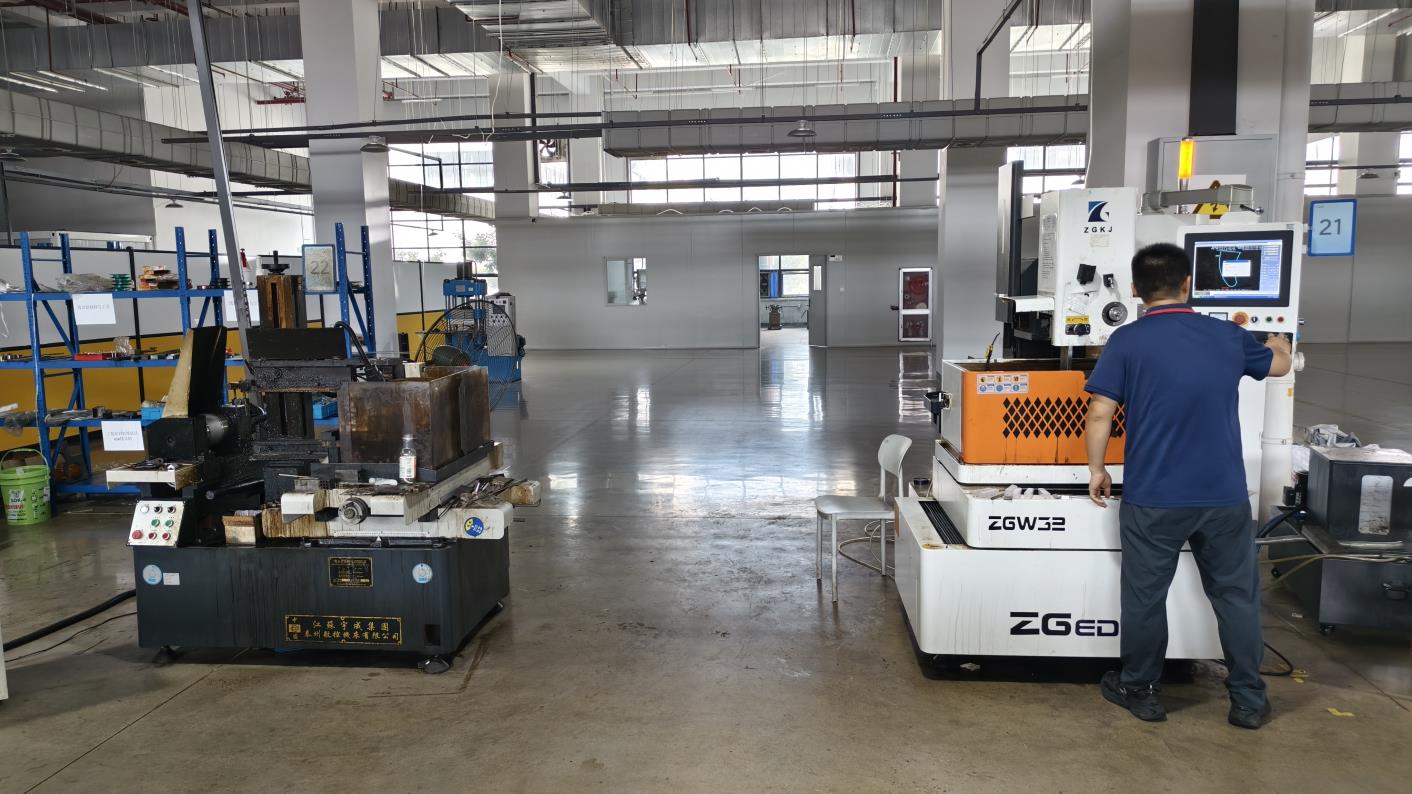
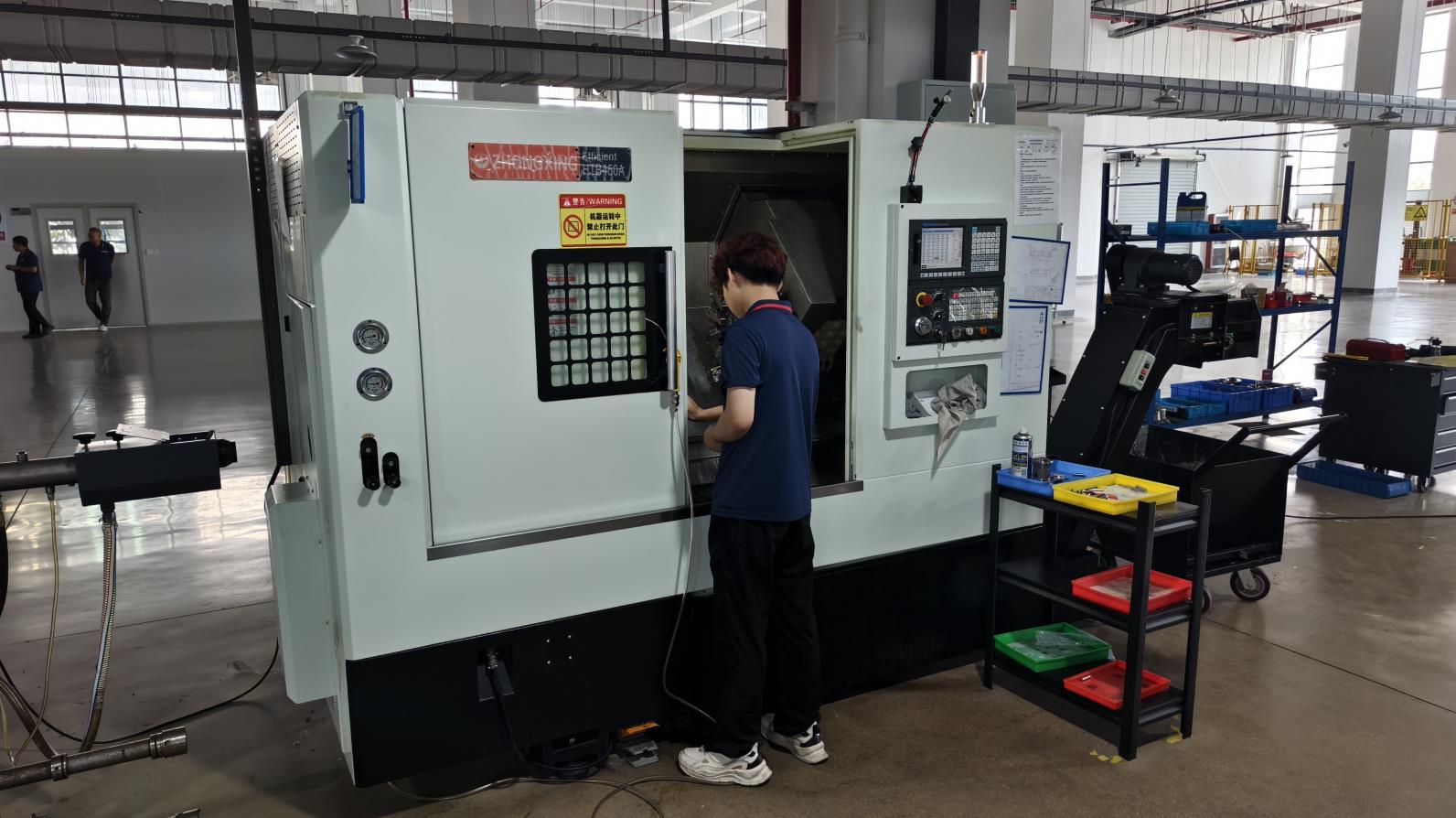
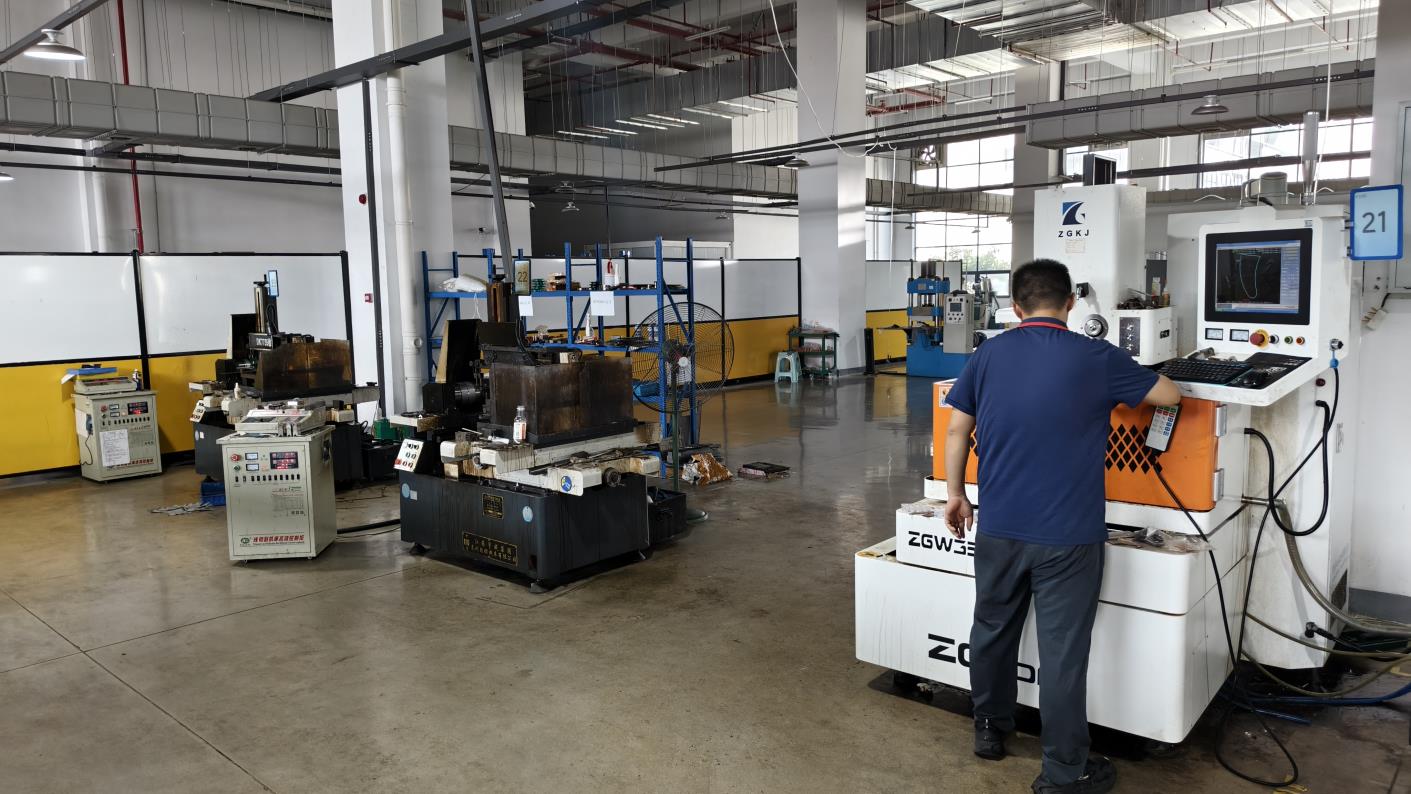
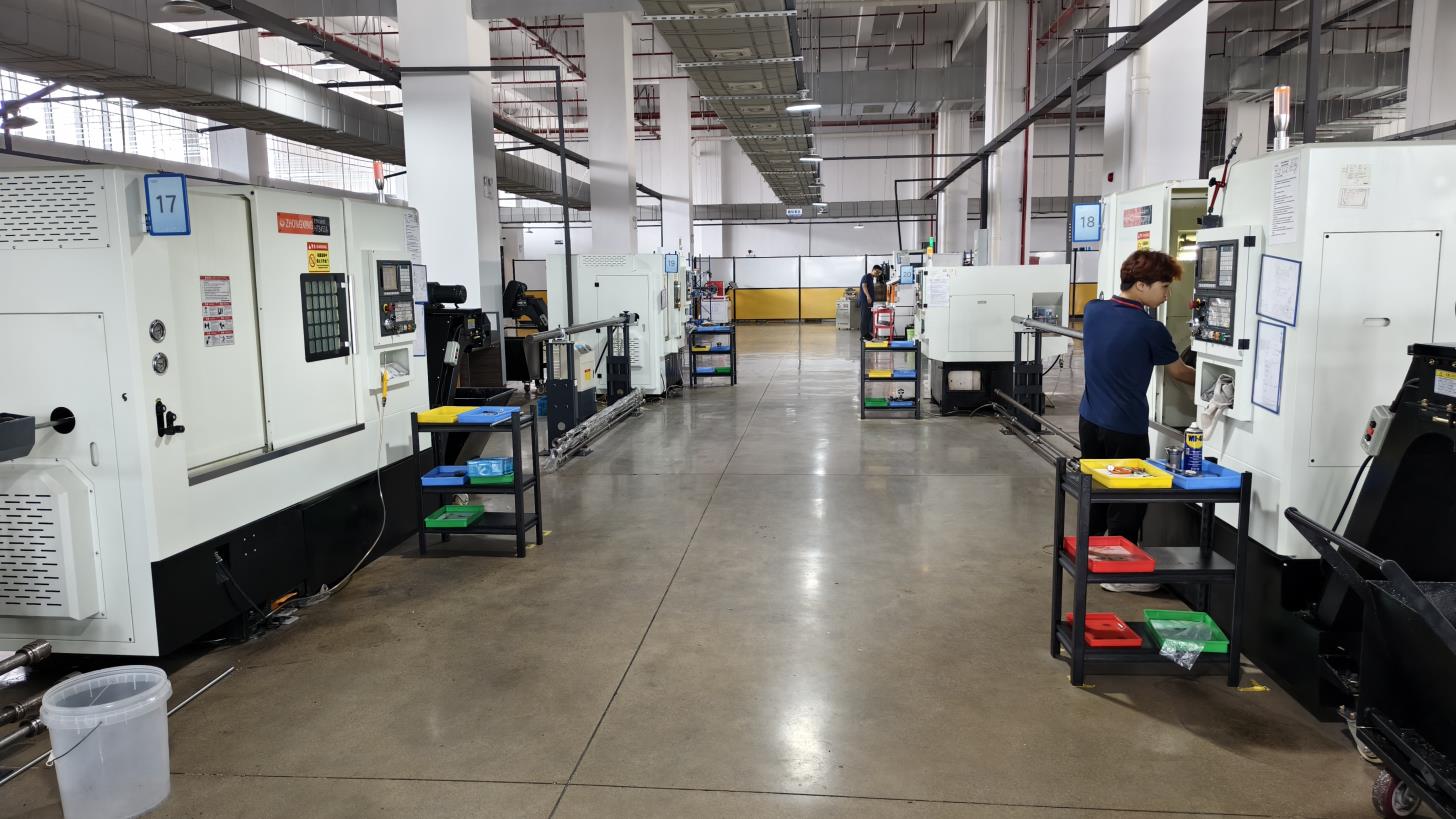
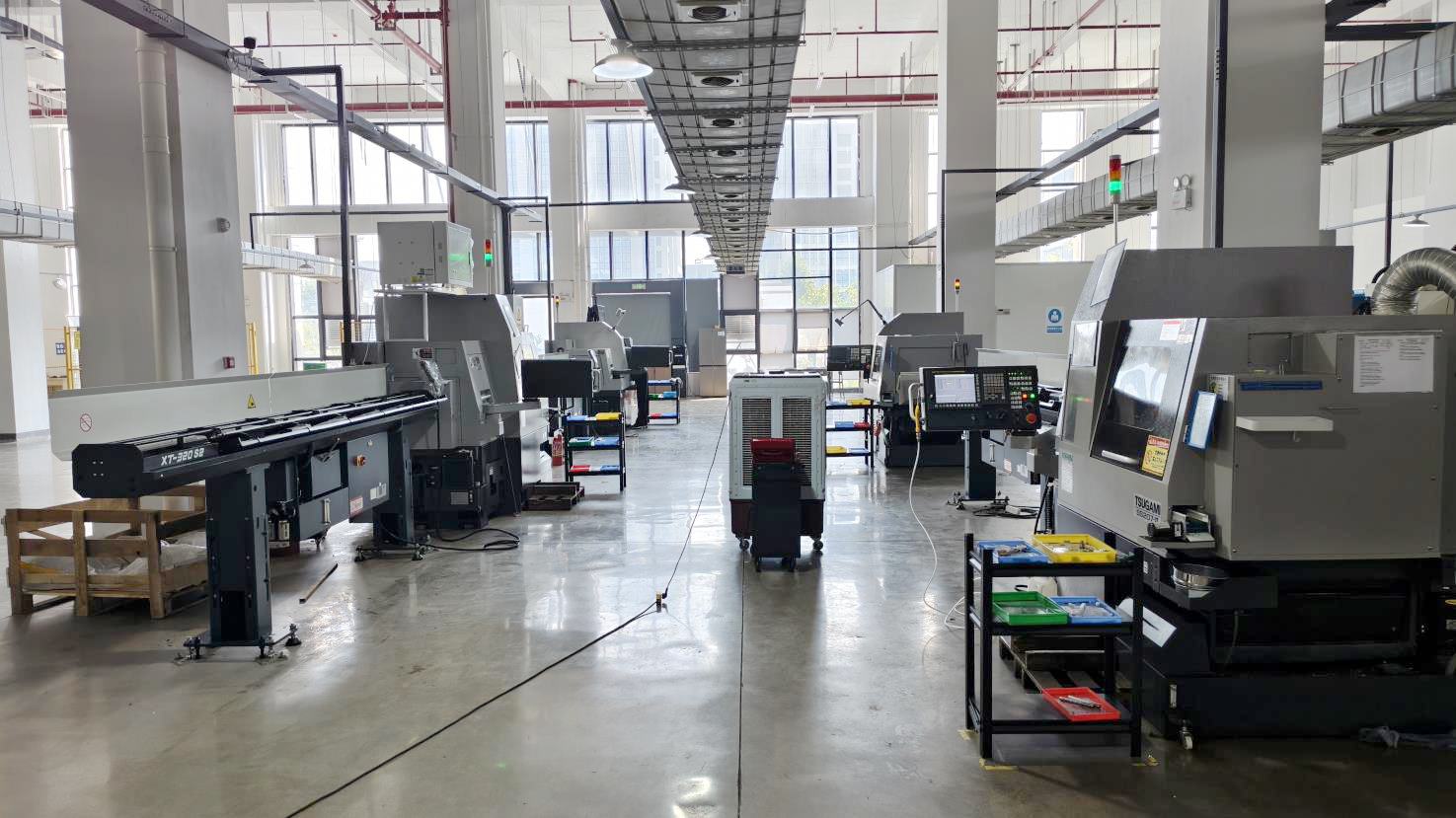
This is where modern Chinese factories, like Synoviq Medical Technology, play a vital role. By integrating advanced Swiss-type CNC lathes, German-engineered multi-axis machining centers, and 3D coordinate measurement technologies (CMM), we deliver products that match traditional Western craftsmanship at a significantly optimized cost structures. This cost efficiency allows German distributors to protect their margins while complying with strict hospital tender price ceilings.
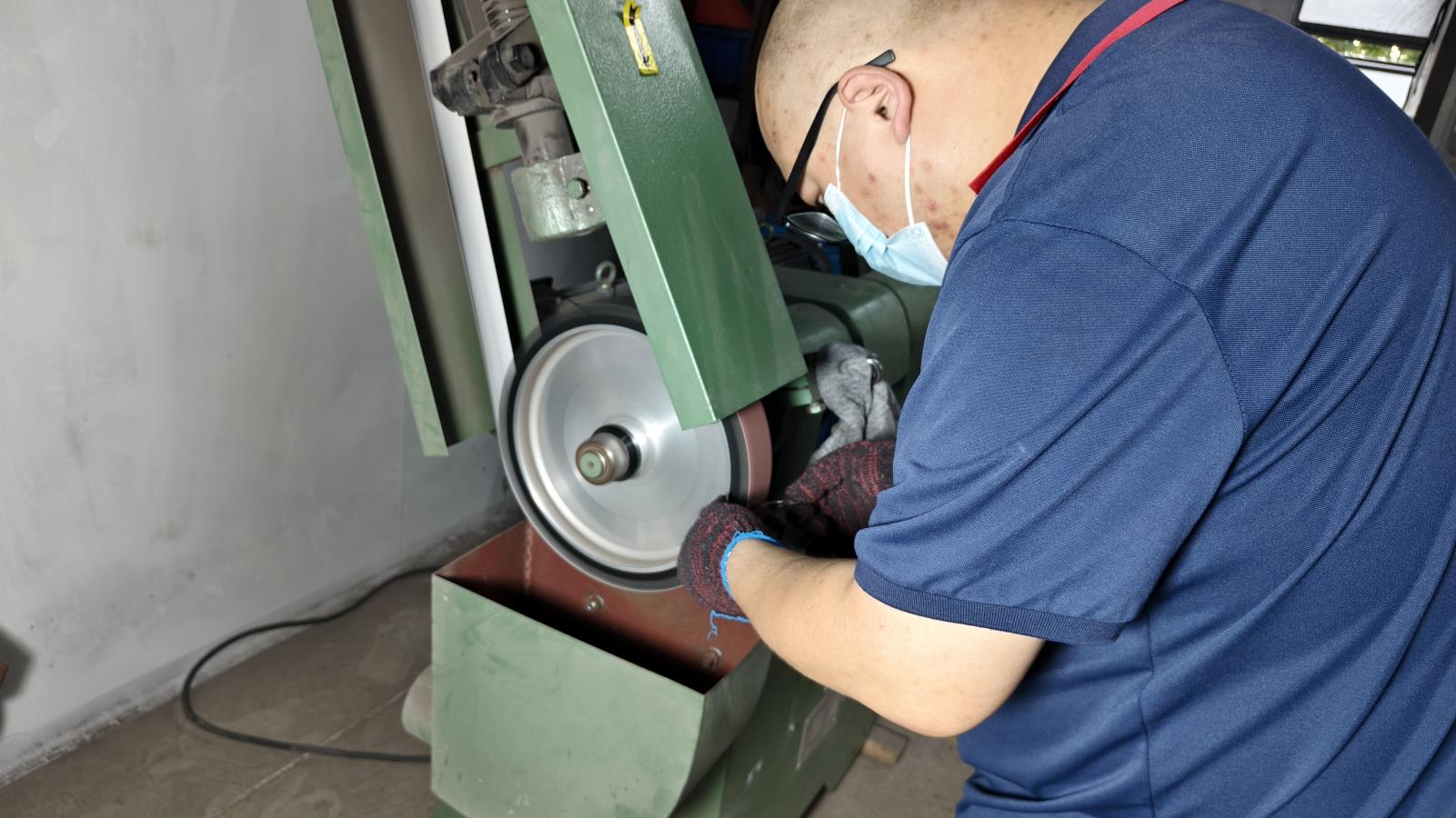
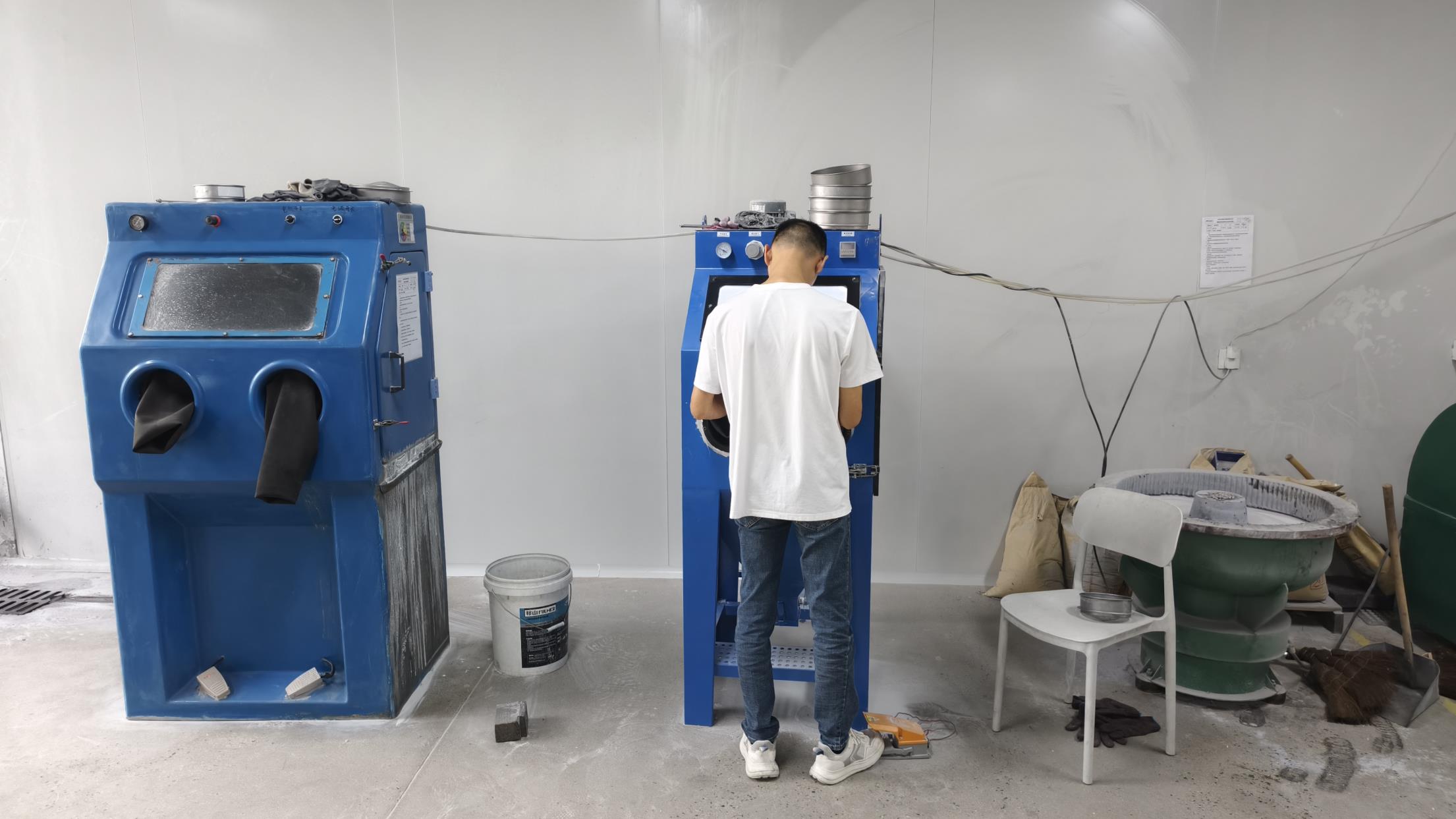
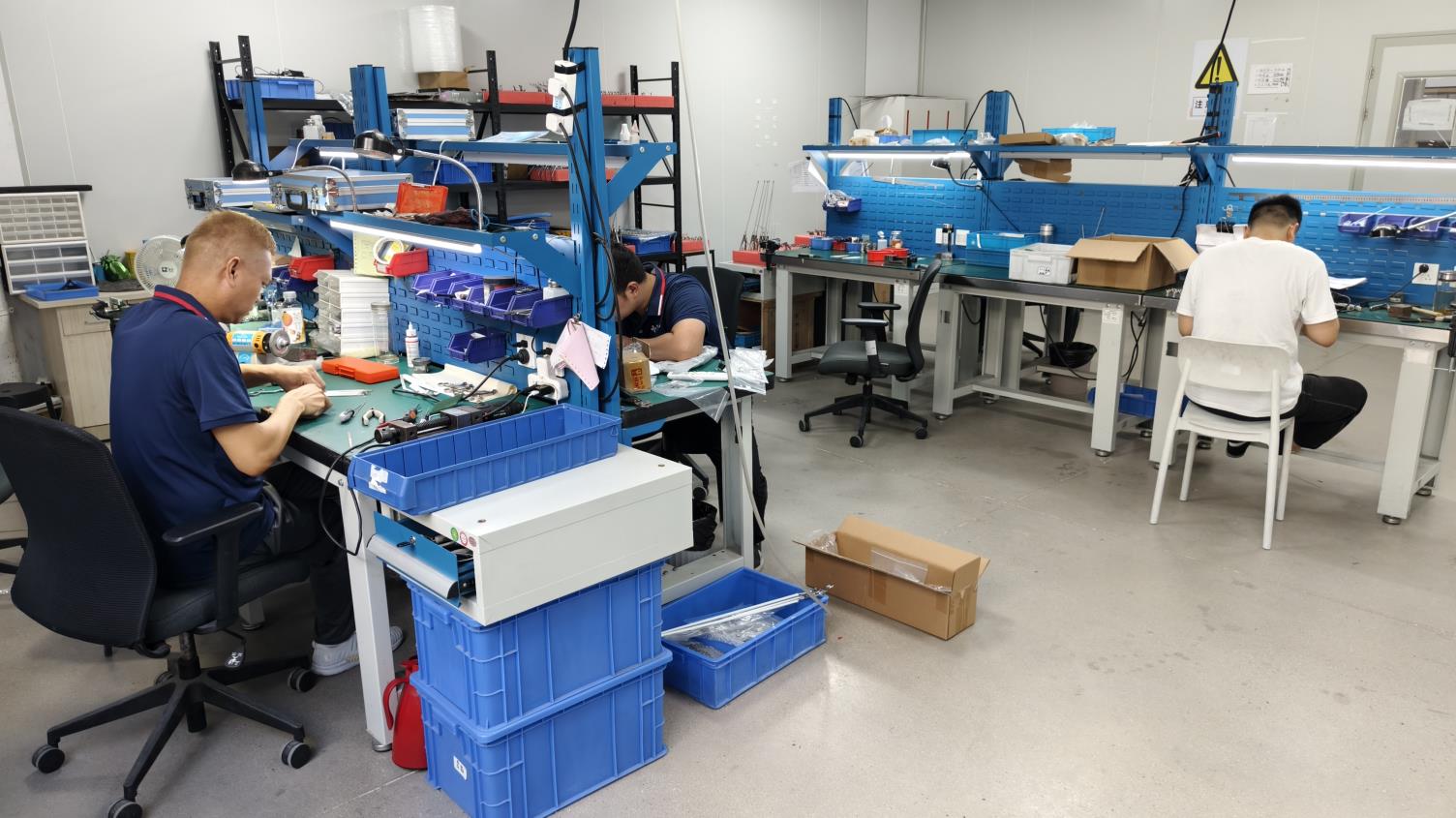
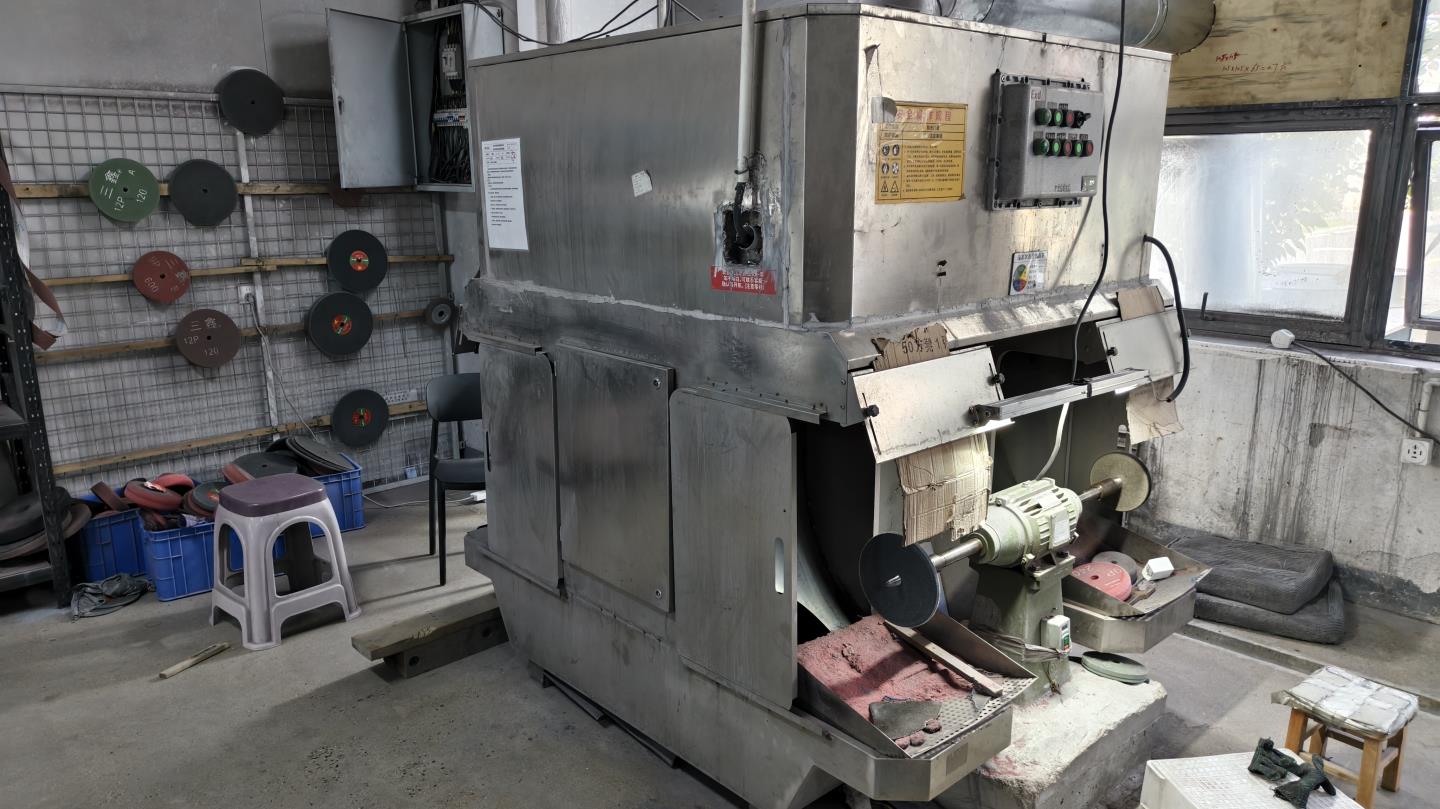
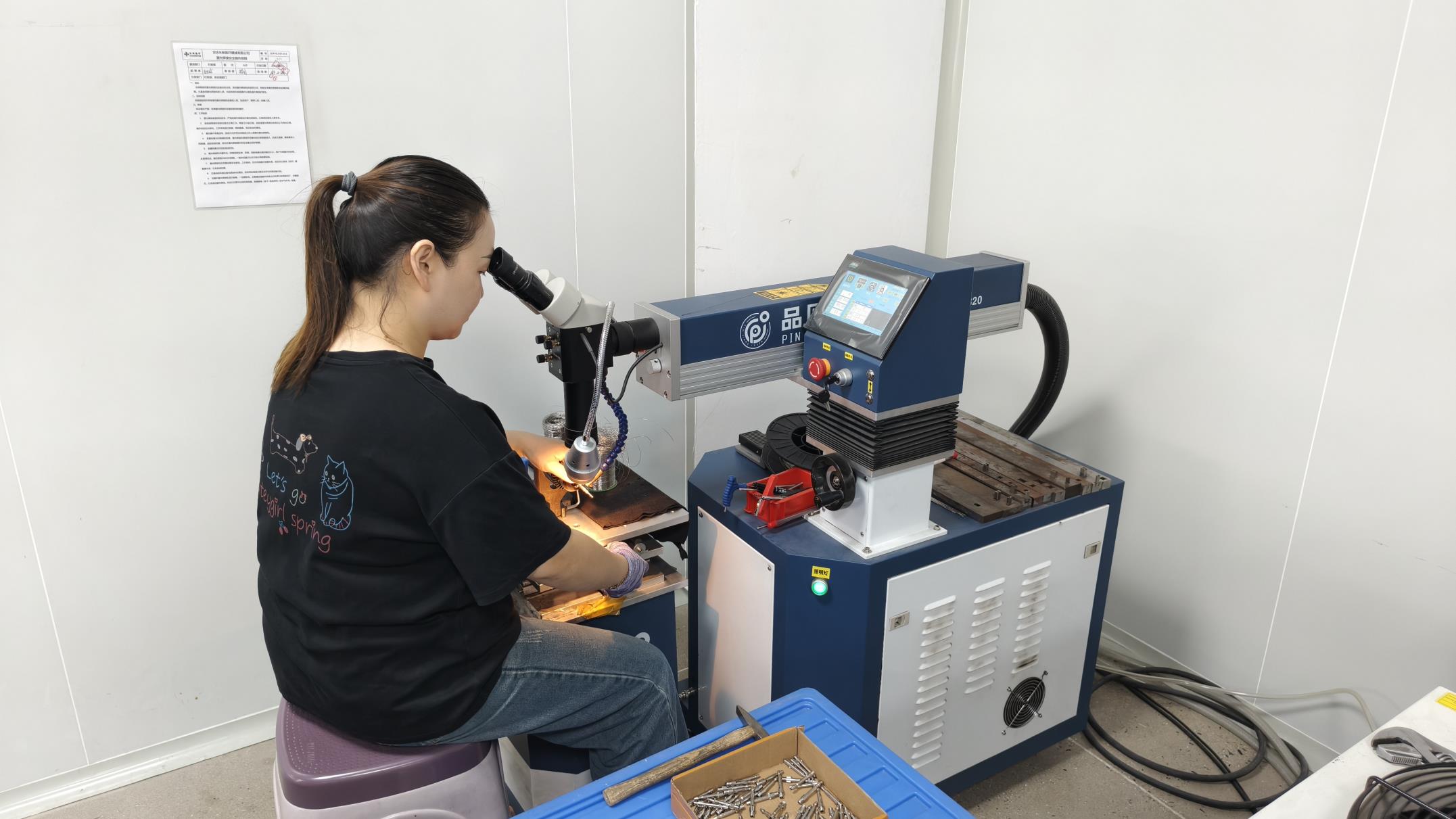
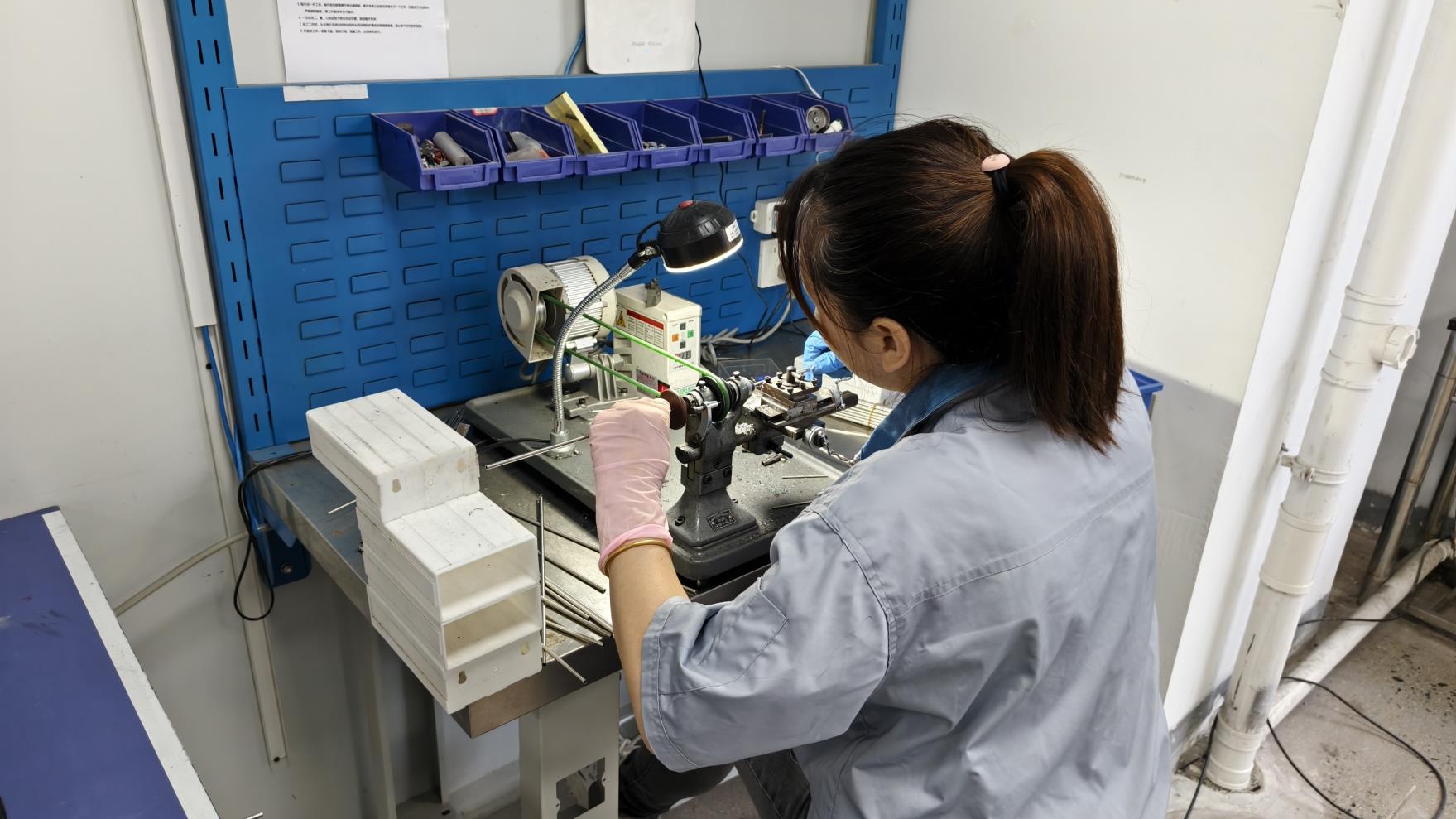
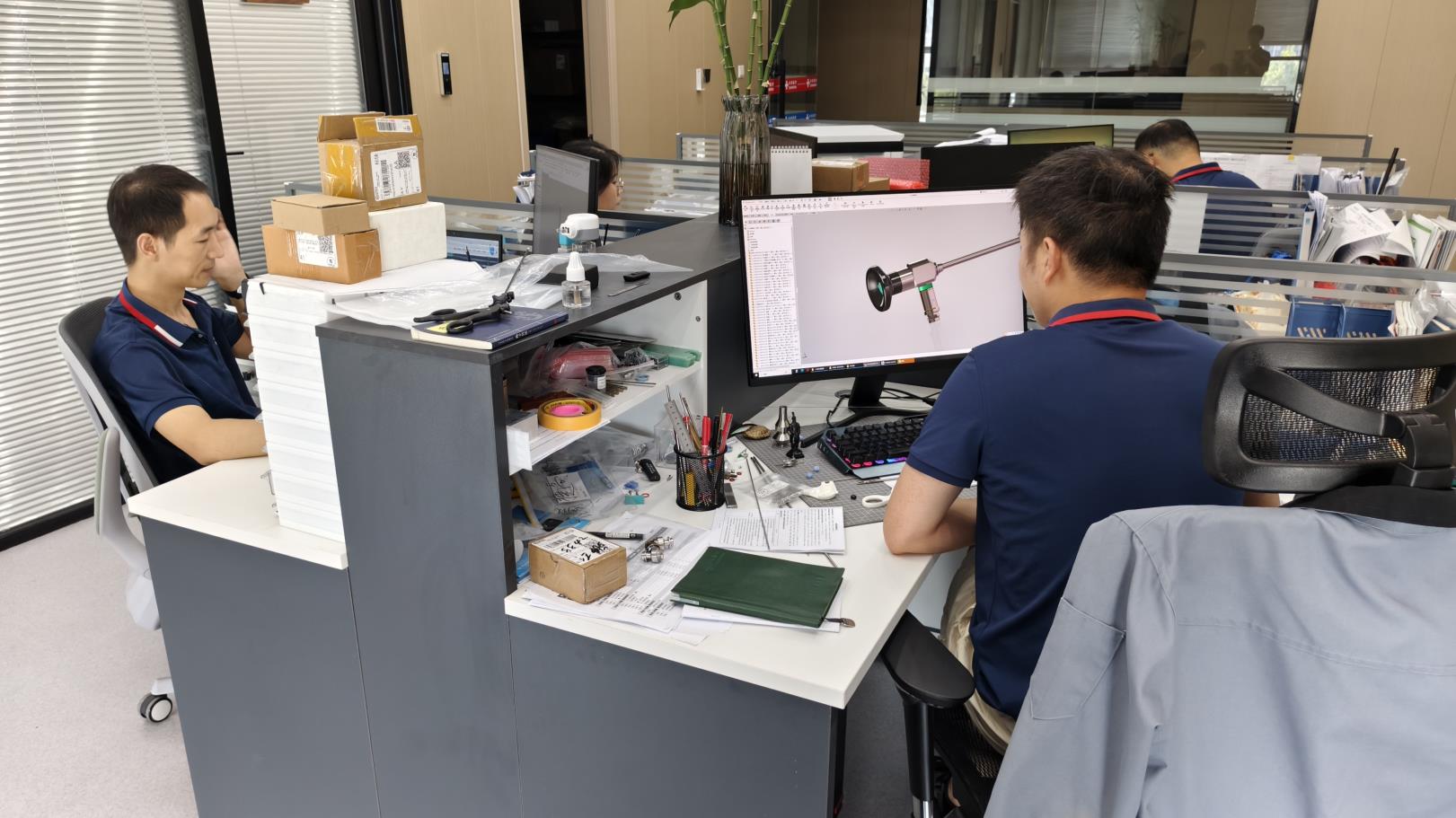
Synoviq operates on a concept of "Precision at Scale." Our 18,600 m² production facility features designated clean areas, automated wire-cutting, high-accuracy grinding, and state-of-the-art laser welding stations. Our engineers work hand-in-hand with medical professionals to design customized, patient-specific orthopedic instruments that meet the complex anatomical demands of clinical applications.
Transparent visualization of Synoviq’s internal step-by-step production flow and validation labs.
Determining raw material & joint shelf-life stability.
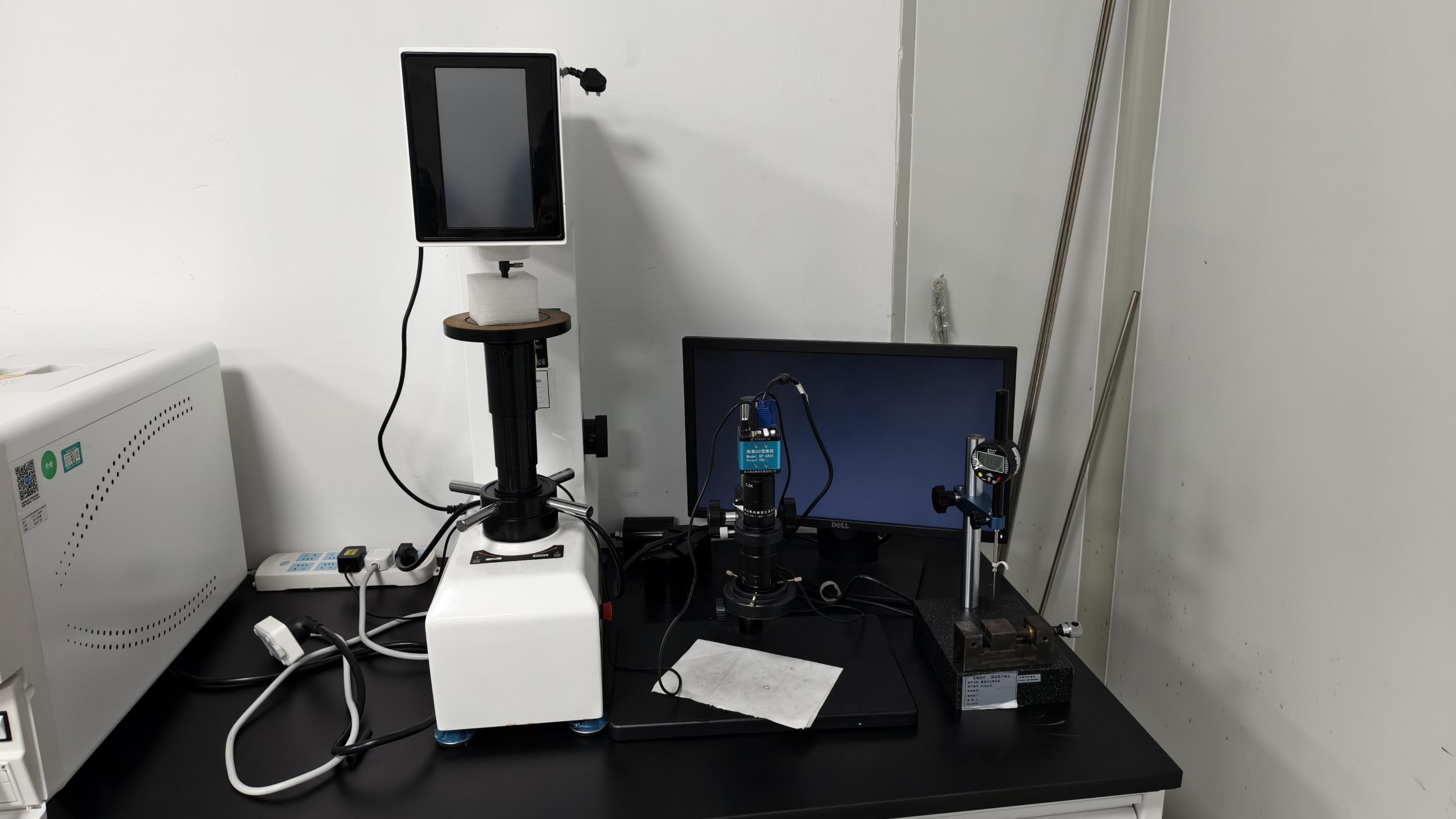
Detailed surface defect and thread precision control.
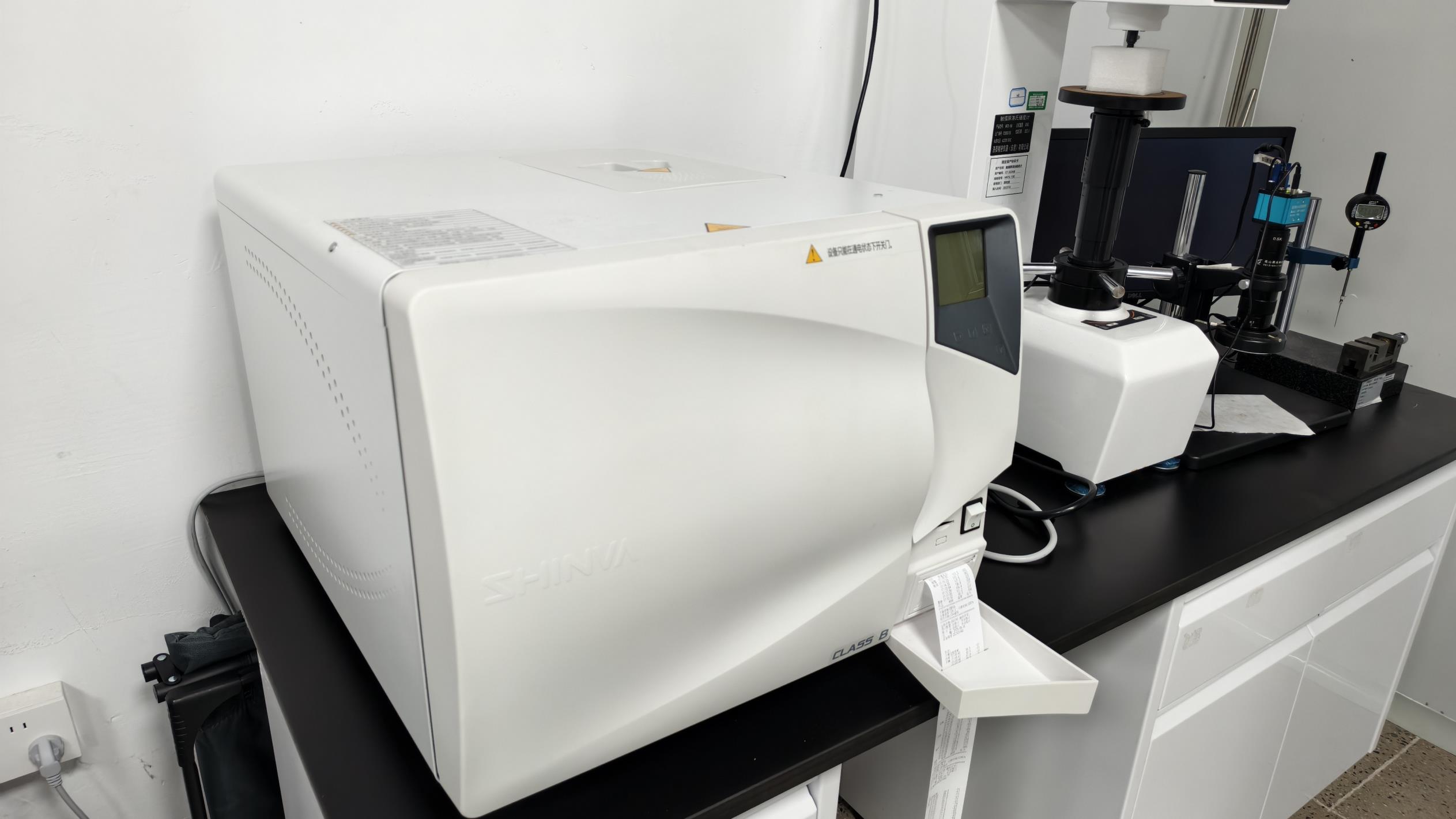
Evaluating compatibility with repeated hospital autoclaving.
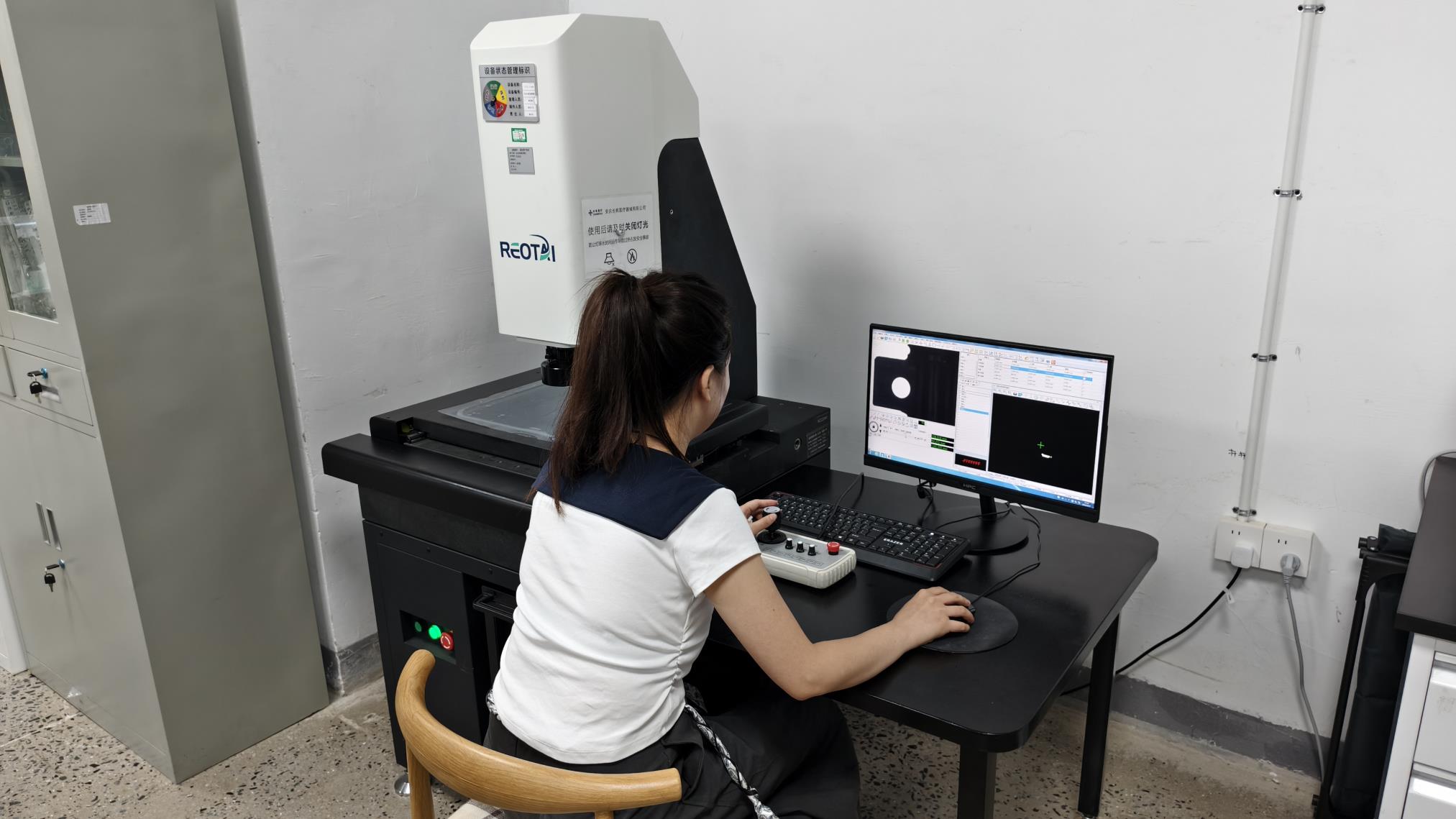
Automated optical verification of complex geometric shapes.
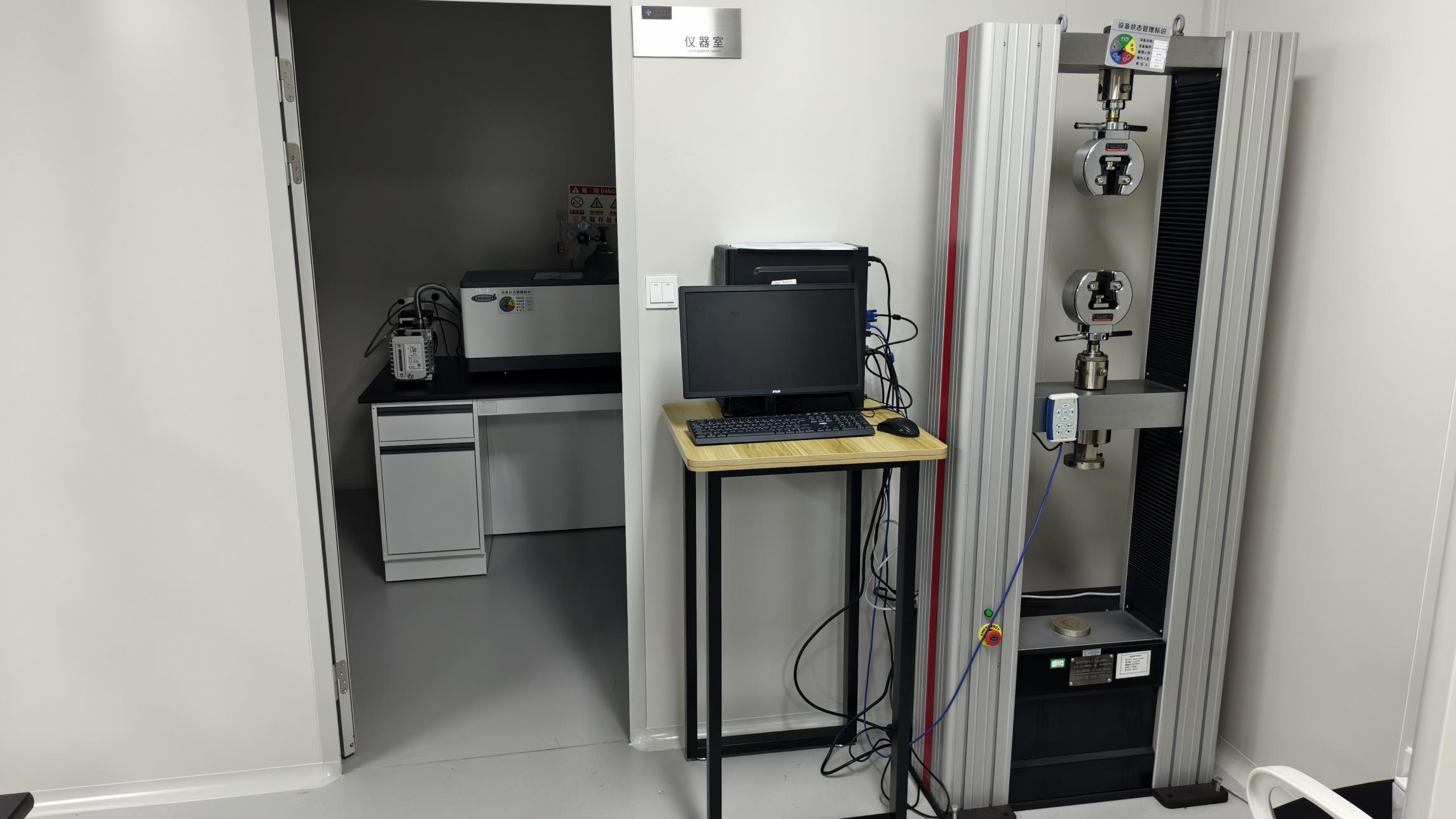
Mechanical stress, yield and ultimate pull-out testing.
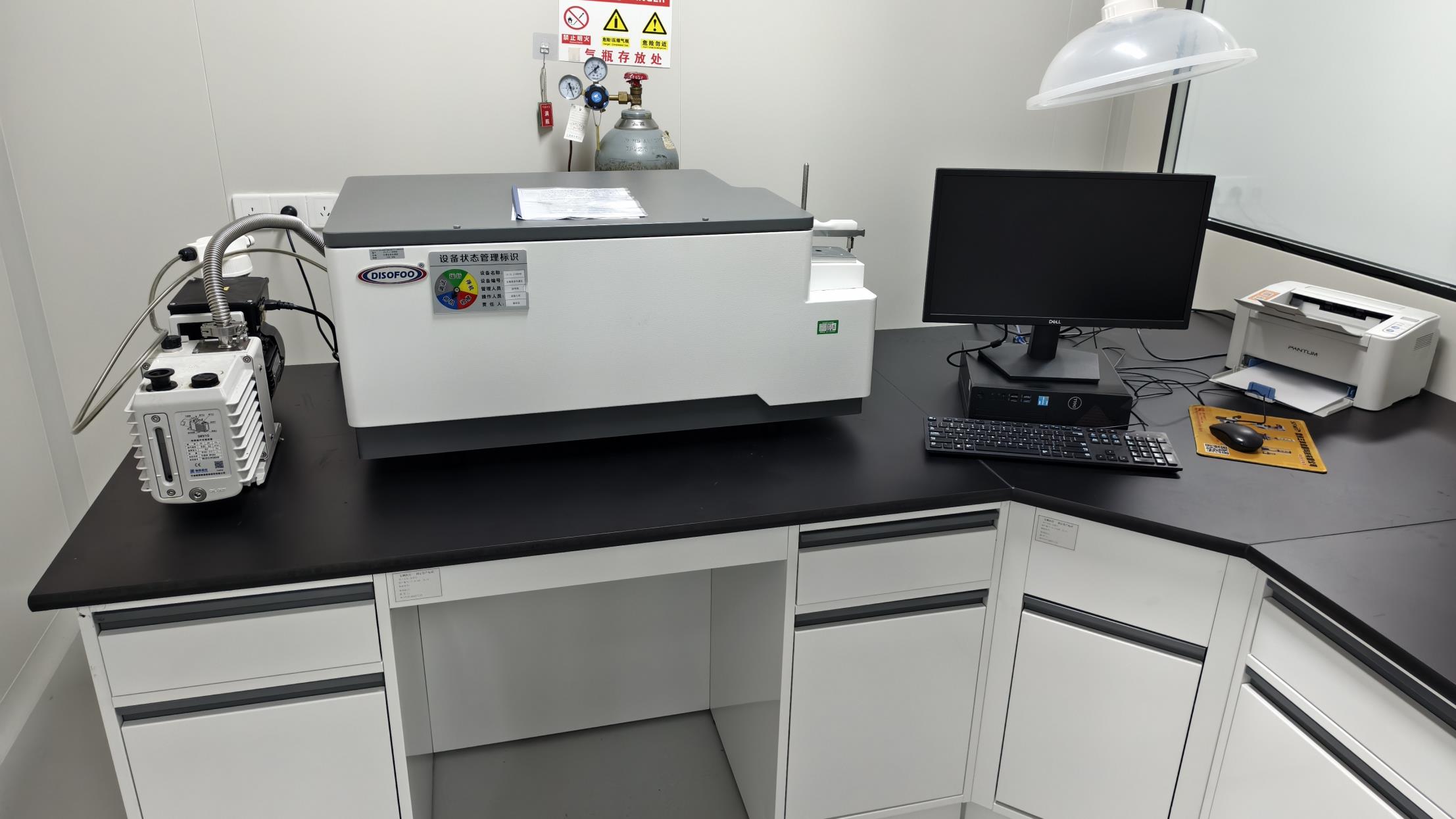
Verifying titanium chemical composition matching ISO standards.
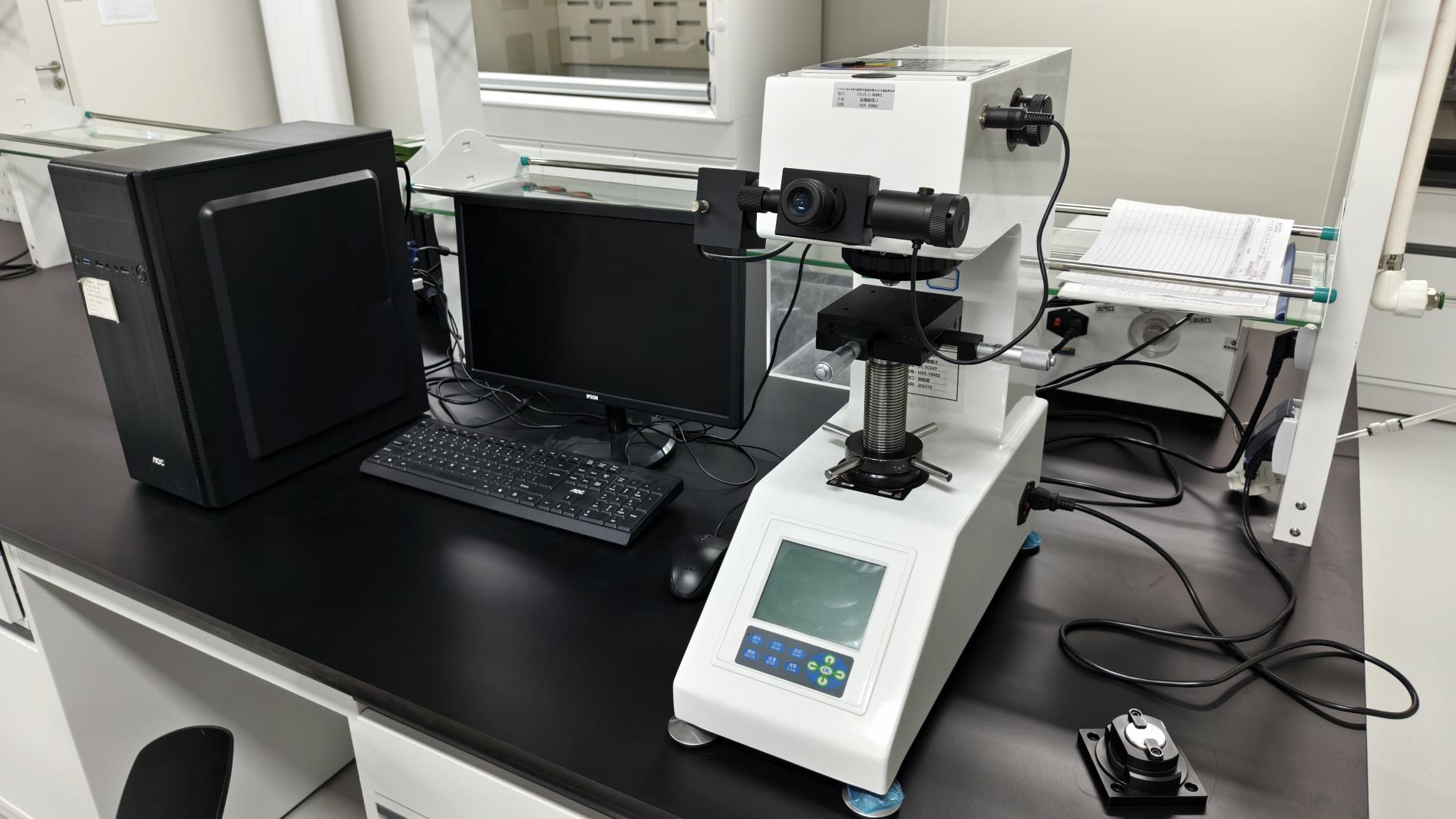
Ensuring wear resistance profiles match surgical needs.
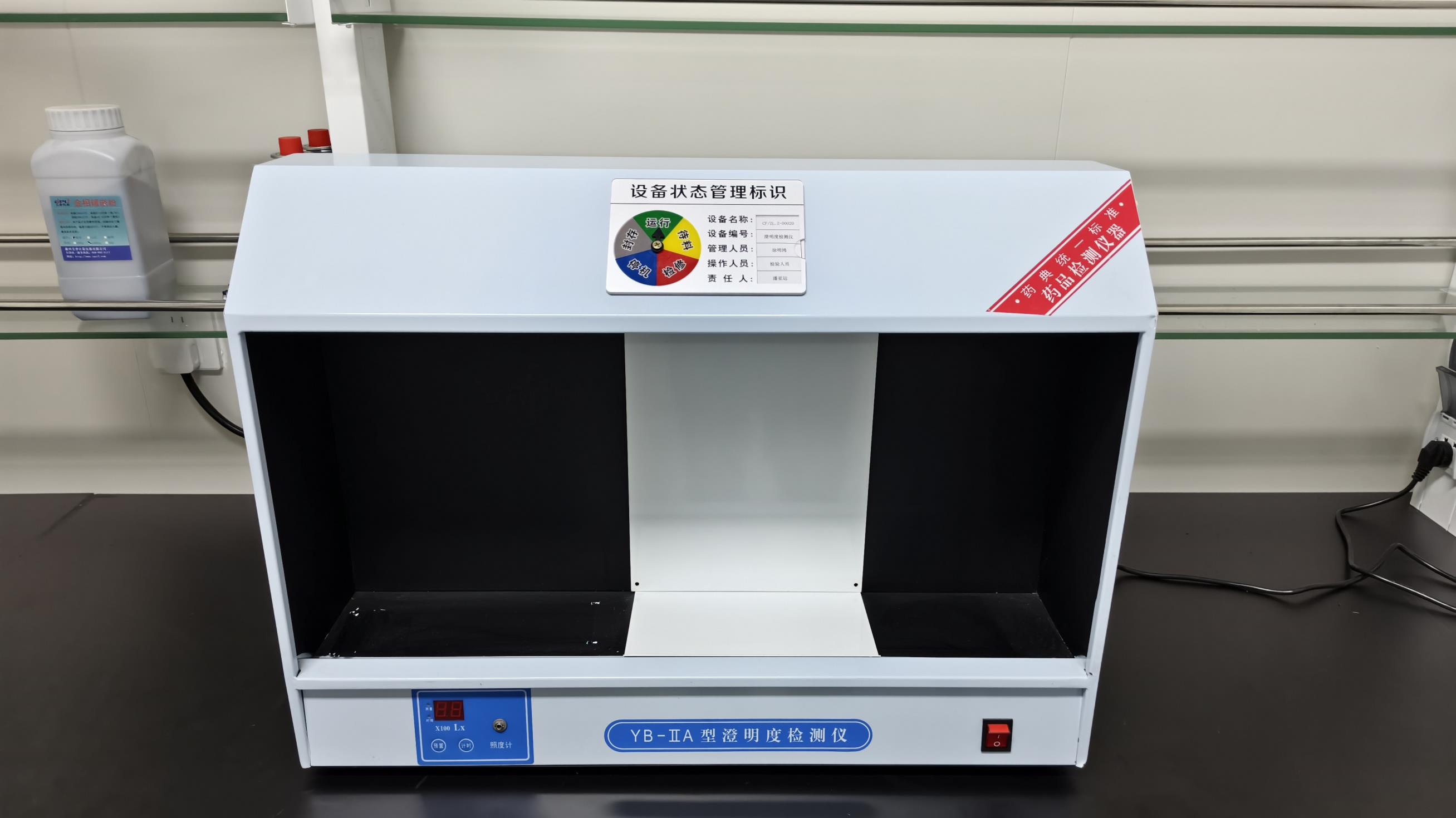
Checking surface cleanness and residual particle thresholds.
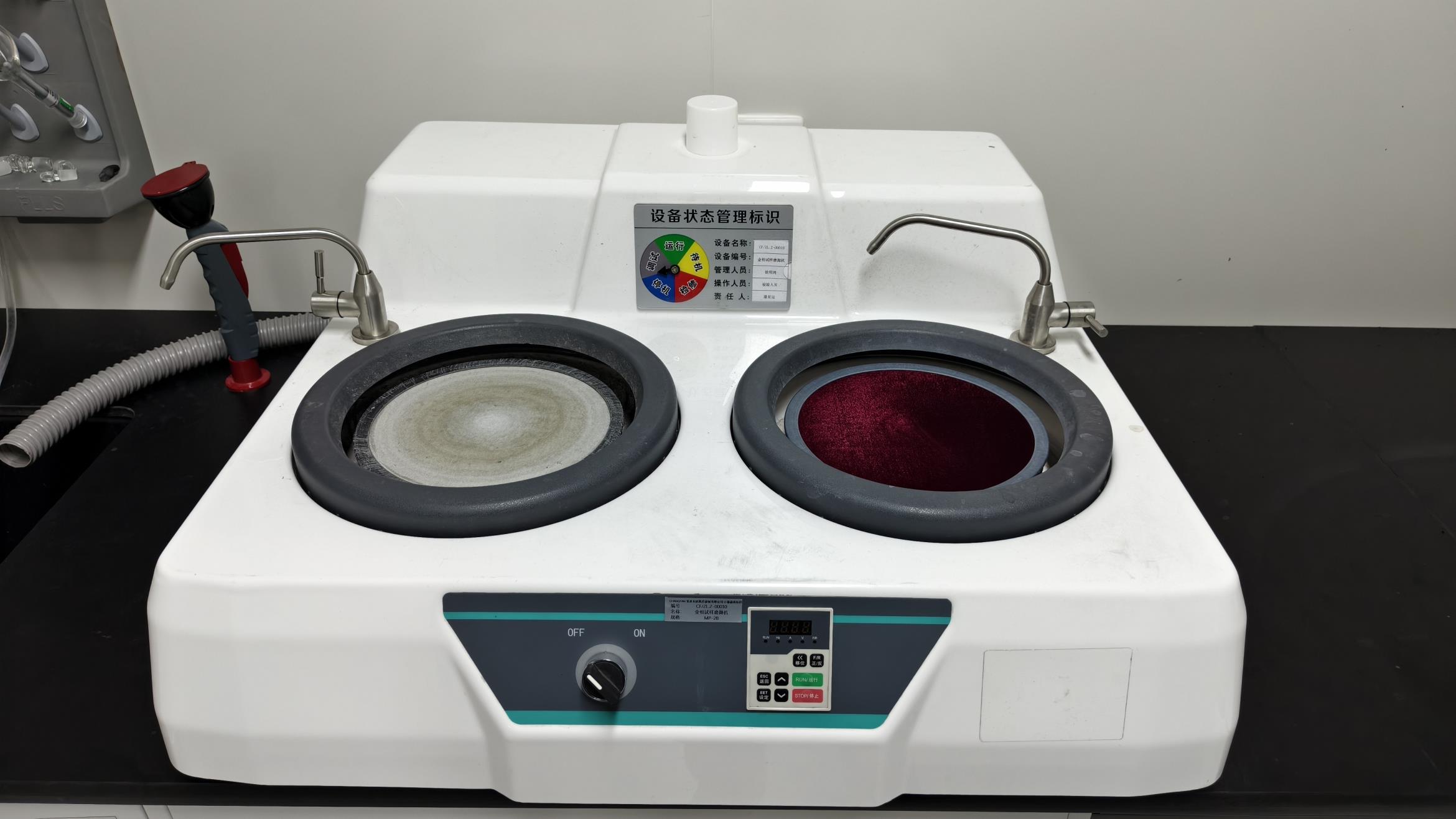
Microstructure evaluation of implant raw materials.
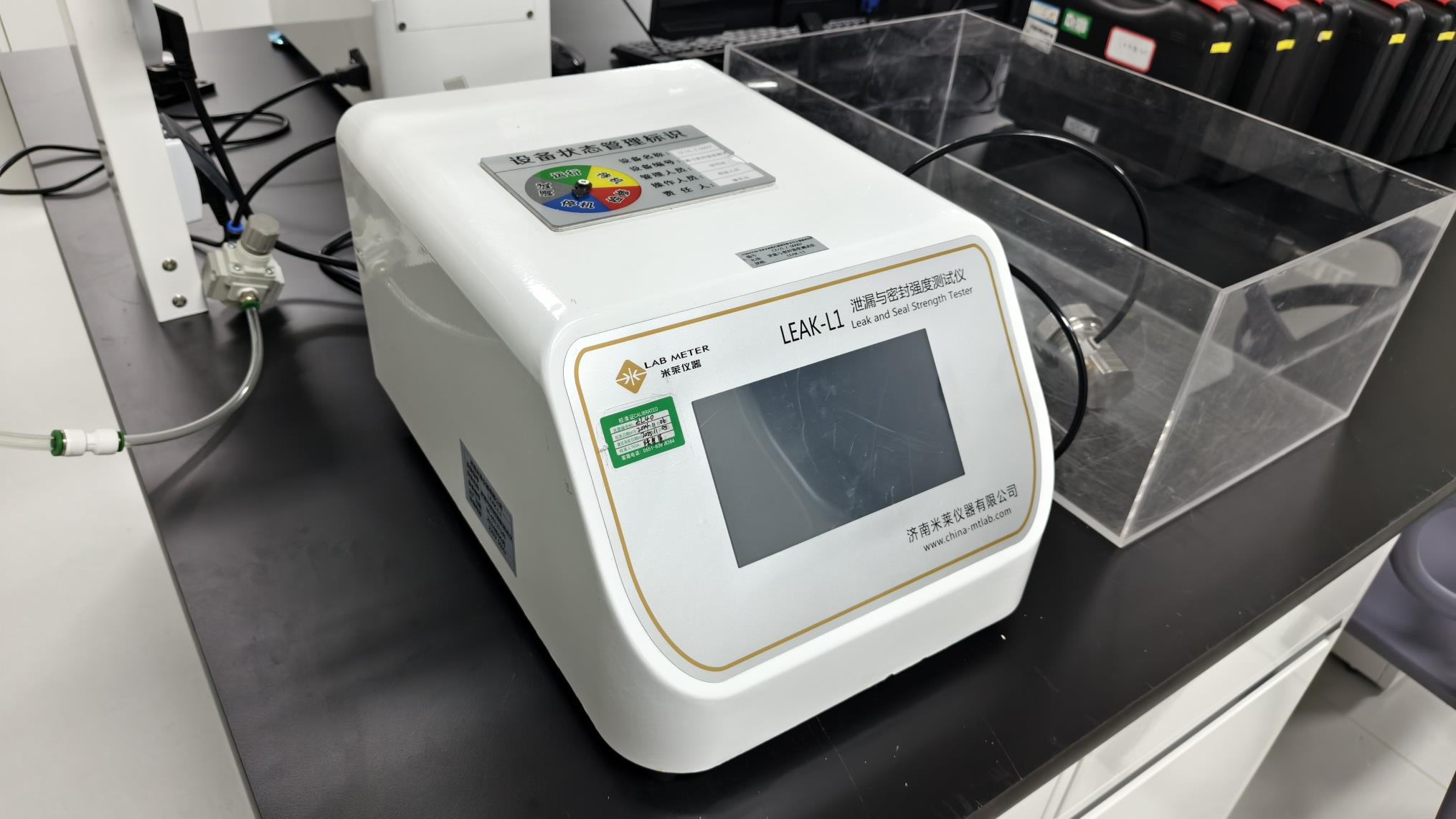
Ensuring sterile barrier pouch integrity prior to delivery.
Synoviq Medical Technology (China) Co., Ltd. is a professional manufacturer of orthopedic implants and surgical instruments, dedicated to delivering innovative, reliable, and high-quality medical solutions for healthcare professionals worldwide. Since its establishment, Synoviq has focused on research, development, precision manufacturing, and international quality standards, providing comprehensive OEM and ODM services for global medical device brands, distributors, and hospitals.
Our product portfolio includes trauma fixation systems, spinal implants, locking plates, intramedullary nails, external fixation systems, orthopedic screws, surgical instruments, and customized orthopedic solutions. Equipped with advanced CNC machining centers, precision inspection equipment, and modern clean production facilities, we ensure every product meets strict international quality requirements.
Driven by continuous innovation, Synoviq invests heavily in R&D and intelligent manufacturing to enhance product performance, surgical efficiency, and patient outcomes. Our experienced engineering team works closely with customers to develop customized products tailored to different clinical applications and market demands.
With a customer-oriented philosophy, competitive pricing, stable supply capability, and efficient technical support, Synoviq has established long-term partnerships with distributors, medical brands, and healthcare organizations across Europe, North America, South America, the Middle East, and Asia-Pacific.
| Item | Information Details |
|---|---|
| Company Name | Synoviq Medical Technology (China) Co., Ltd. |
| Brand | Synoviq |
| Established | March 18, 2016 |
| Building Area | 18,600 m² |
| Annual Export Revenue | USD 21.8 Million |
| Export Experience | 8 Years |
| Industry Experience | 14 Years |
| Quality Inspection | 100% Final Inspection & Incoming Material Inspection |
| Quality Control Staff | 48 Professionals |
| R&D Engineers | 76 Staff Members |
| New Products (Last Year) | 186 Innovative Releases |
Mapping orthopedic product design directly to German surgical challenges and future industry updates.
German surgical pathways increasingly prioritize minimally invasive procedures (MIS) to shorten hospital stays. Our cannulated self-tapping screws and precision bullet TLIF cages are designed to minimize soft tissue trauma, guaranteeing secure pedicle anchoring with minimal incision lengths.
Trauma clinics require versatile instrumentation. Our Herbert compression screw sets and lower-limb external fixators offer quick deployment, mechanical robustness under weight-bearing cycles, and high tactile feedback during intraoperative bone setting.
Instruments in Germany undergo intensive sterilization runs in Central Sterile Supply Departments (AEMP). Synoviq utilizes premium medical stainless steel and hard anodized coatings, preventing chemical discoloration or structural fatigue over hundreds of reprocessing cycles.
Select from our certified surgical configurations designed to support trauma fixations, spine fusions, and reconstructive clinical procedures.
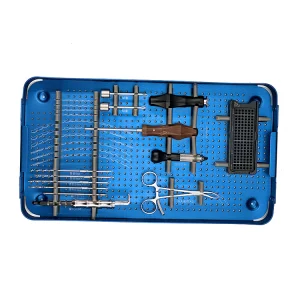
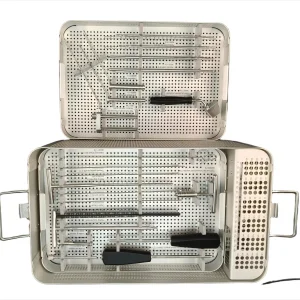
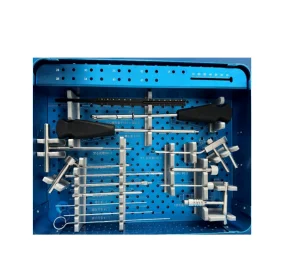
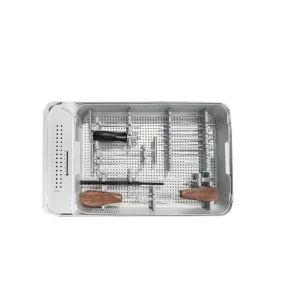
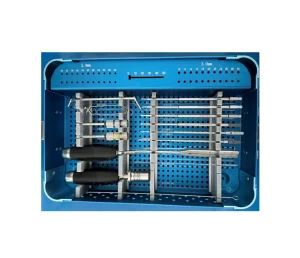
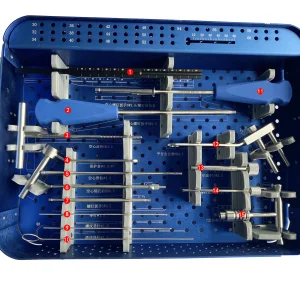
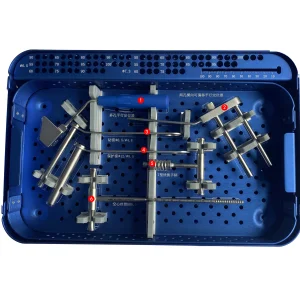
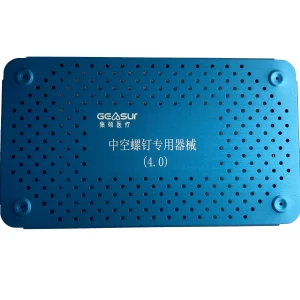
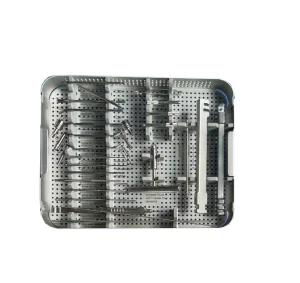
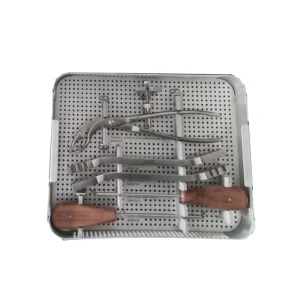
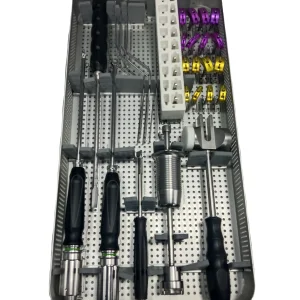
Essential insights regarding compliance, production standards, and ordering processes for the German market.
Yes. All of our orthopedic implants and surgical instruments are designed and manufactured in full alignment with the requirements of the EU MDR 2017/745 and ISO 13485 quality systems. We maintain comprehensive technical documentation, including biological evaluation reports (ISO 10993) and mechanical test data (fatigue, pull-out, and torque tests) to support your regulatory registrations within Germany and the broader European market.
We source medical-grade raw materials directly from audited suppliers with traceable mill certificates. For implants, we primarily use Ti-6Al-4V ELI (Gr. 5) Titanium Alloy conforming to ASTM F136 and ISO 5832-3. For instruments, we use high-grade Martensitic and Austenitic stainless steels matching DIN EN ISO 7153-1 specifications to ensure structural stability and rust resistance during autoclaving.
For standard instruments and screw kits, typical production times range between 30 to 45 days. Customized OEM designs requiring prototype tooling may take 60 to 75 days. Shipping to Germany via air cargo takes approximately 5–7 days, while sea freight via major European ports (Hamburg/Rotterdam) takes around 30–35 days.
Our Swiss-type CNC automatic lathes are calibrated for high-precision batch productions. In addition to our CNC operators, our QC department employs 48 inspectors who use 3D Coordinate Measuring Machines (CMM) and automatic 2D video measurement tools to conduct 100% final dimensional audits, ensuring deviation rates stay within ±0.005mm.
Yes. We offer fully customizable packaging options, including cleanroom sterile barrier pouches, custom aluminum instrument boxes, and customized labeling services that support UDI (Unique Device Identification) barcodes as required under EU MDR guidelines.
Get in touch with our engineering team today to receive detailed technical datasheets, regulatory validation documents, and OEM pricing structures tailored to your distribution requirements.
 Synoviq Medical