Sri Lanka's medical device ecosystem is undergoing a dramatic structural transformation. Historically, public healthcare infrastructure led by the Ministry of Health (MOH) and major teaching facilities—such as the National Hospital of Sri Lanka (NHSL) in Colombo and Kandy Teaching Hospital—has relied heavily on imported medical hardware. Due to the lack of high-precision domestic metallurgical manufacturing for clinical-grade titanium and cobalt-chrome alloys, global partnerships have become the bedrock of the country's orthopedic care capabilities.
For international procurers, biomedical distributors, and healthcare administrators operating in Sri Lanka, sourcing high-quality orthopedic implants and surgical instruments involves navigating a complex web of regulatory frameworks overseen by the National Medicines Regulatory Authority (NMRA). As clinical protocols advance toward minimally invasive procedures and complex spinal reconstructions, the demand for specialized instrument sets has skyrocketed. This whitepaper analyzes the supply chain dynamics, technical standards, and manufacturing roadmaps that define top-tier orthopedic sourcing for Sri Lankan and global markets, illustrating how advanced manufacturers like Synoviq Medical Technology (China) Co., Ltd. serve as key enablers in this medical supply chain.
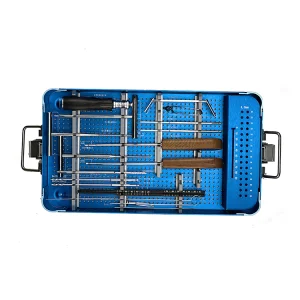
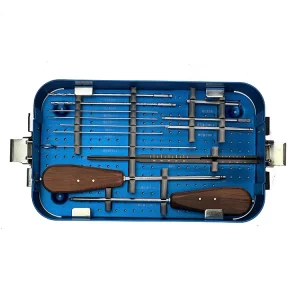
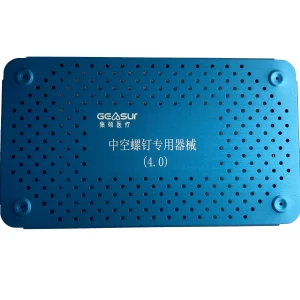
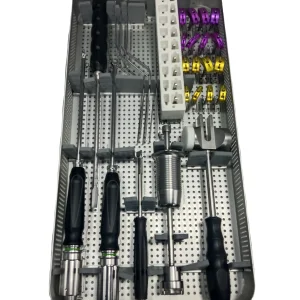
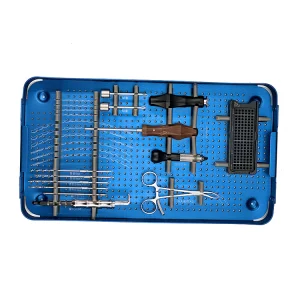
Explore our flagship instrumentation kits engineered to optimize clinical outcomes and withstand rigorous sterilization protocols in Sri Lankan surgical theatres.
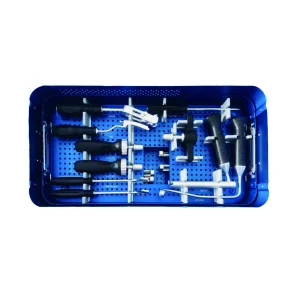
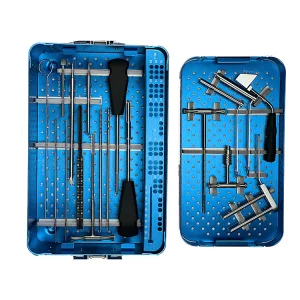
Procurement agencies in South Asia often face inconsistencies in metallurgy and mechanical validation when sourcing medical-grade hardware. Synoviq Medical Technology (China) Co., Ltd. addresses these systemic challenges by acting as a top-tier OEM/ODM manufacturer. Establishing long-term collaborations between Chinese manufacturing hubs and Sri Lankan distributors ensures that hospital bids satisfy international quality audits without inflating capital expenses.
Synoviq Medical Technology (China) Co., Ltd. is a dedicated pioneer in the orthopedic implants and surgical instruments sector. Since our establishment, our operational core has focused on high-precision processing, mechanical testing, and international compliance. We offer an extensive portfolio including trauma plates, spinal cages, external fixation constructs, and surgical tools customized for demanding medical applications.
| Item / Parameter | Operational Specifications & Validation Data |
|---|---|
| Company Name | Synoviq Medical Technology (China) Co., Ltd. |
| Establishment & Experience | Established March 18, 2016 (14 Years Industry Track Record) |
| Facility Footprint | 18,600 m² modern manufacturing space & Class 100,000 cleanrooms |
| Annual Export Volume | USD 21.8 Million globally across Europe, North America, South America, & Asia-Pacific |
| R&D and Quality Personnel | 76 dedicated R&D Engineers; 48 Quality Control (QC) Officers |
| Material Verification Methods | Spectrometer chemical analysis, CMM coordinate measurements, Tensile mechanical tests, Hardness & Roughness tests |
| Sterility & Customization | Sterility validation (EO & Steam), Laser engraving, customized packaging, OEM/ODM development |
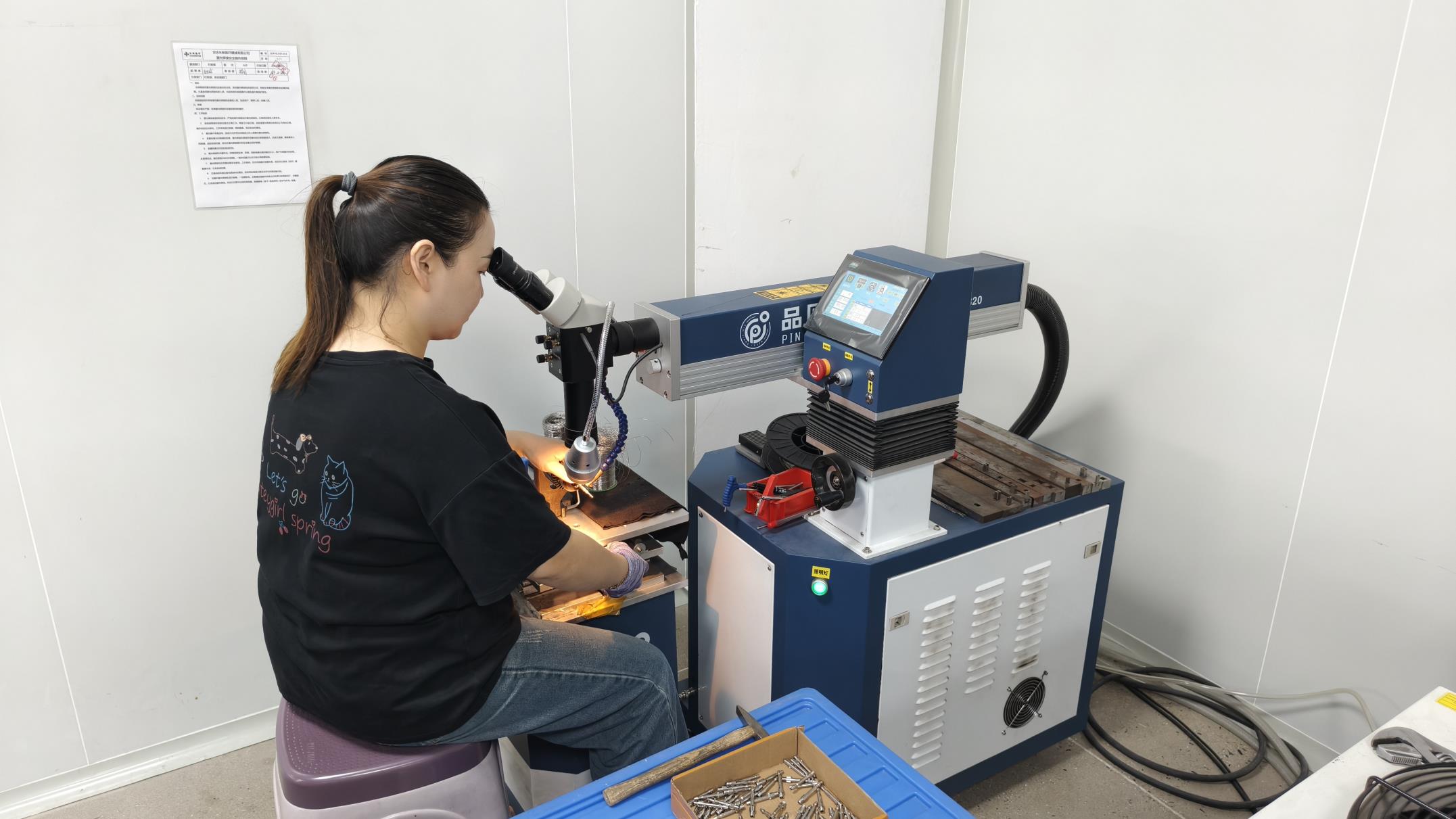
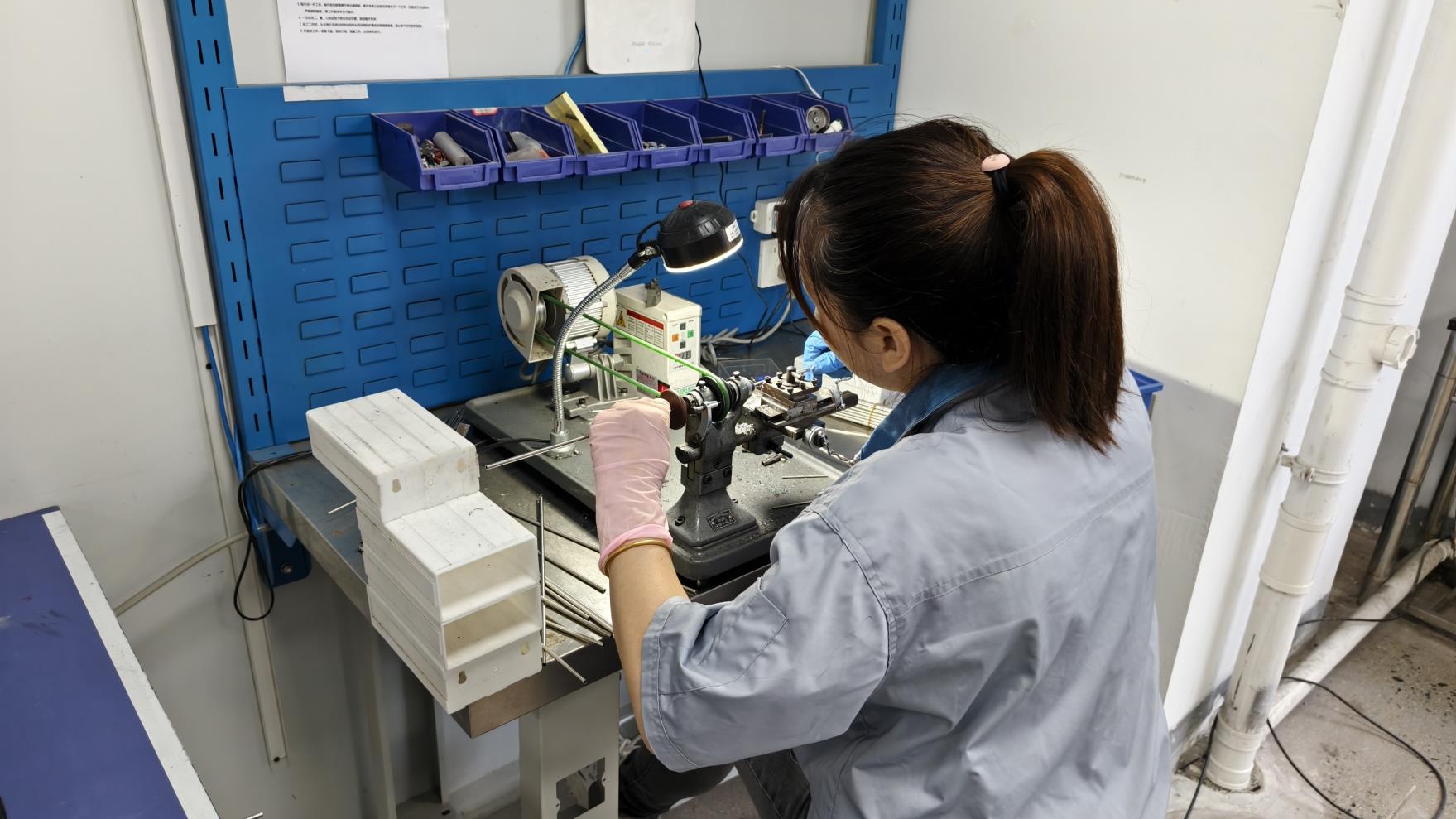
Achieving clinical safety in orthopedics requires micron-level precision during production. Below is a detailed workflow demonstrating Synoviq's advanced CNC machining, polishing, surface treatments, and comprehensive physical testing steps that comply with ISO 13485:2016.
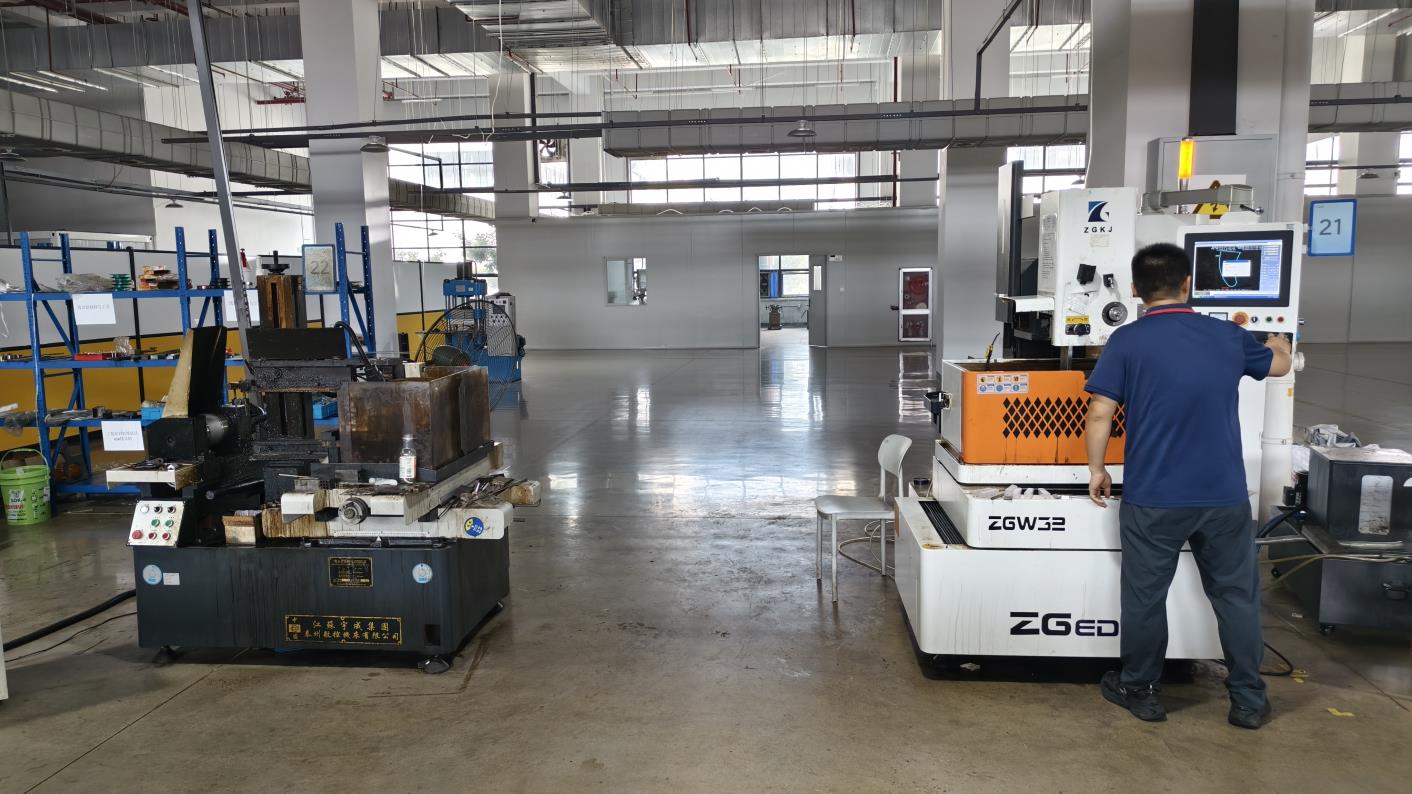
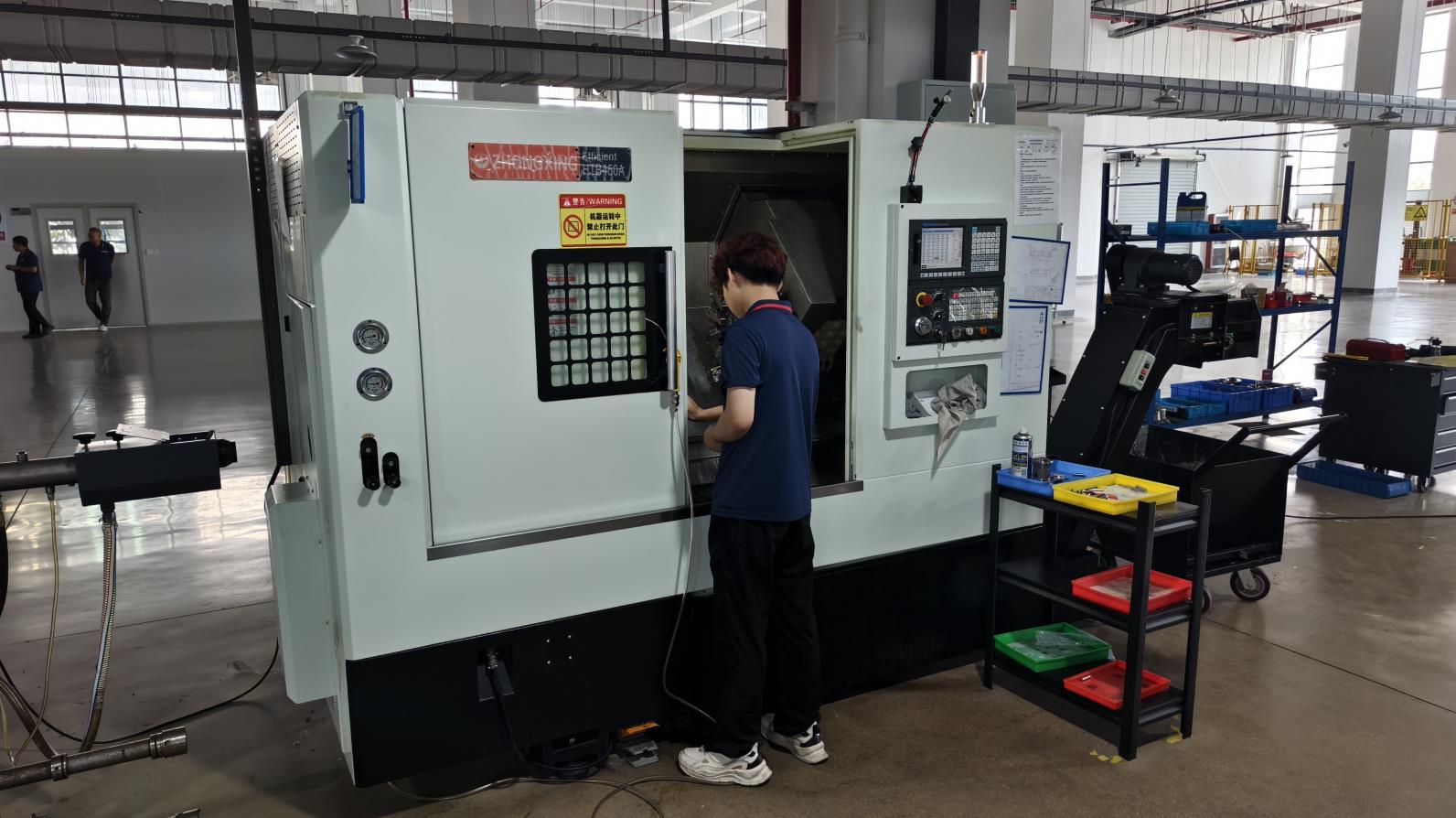
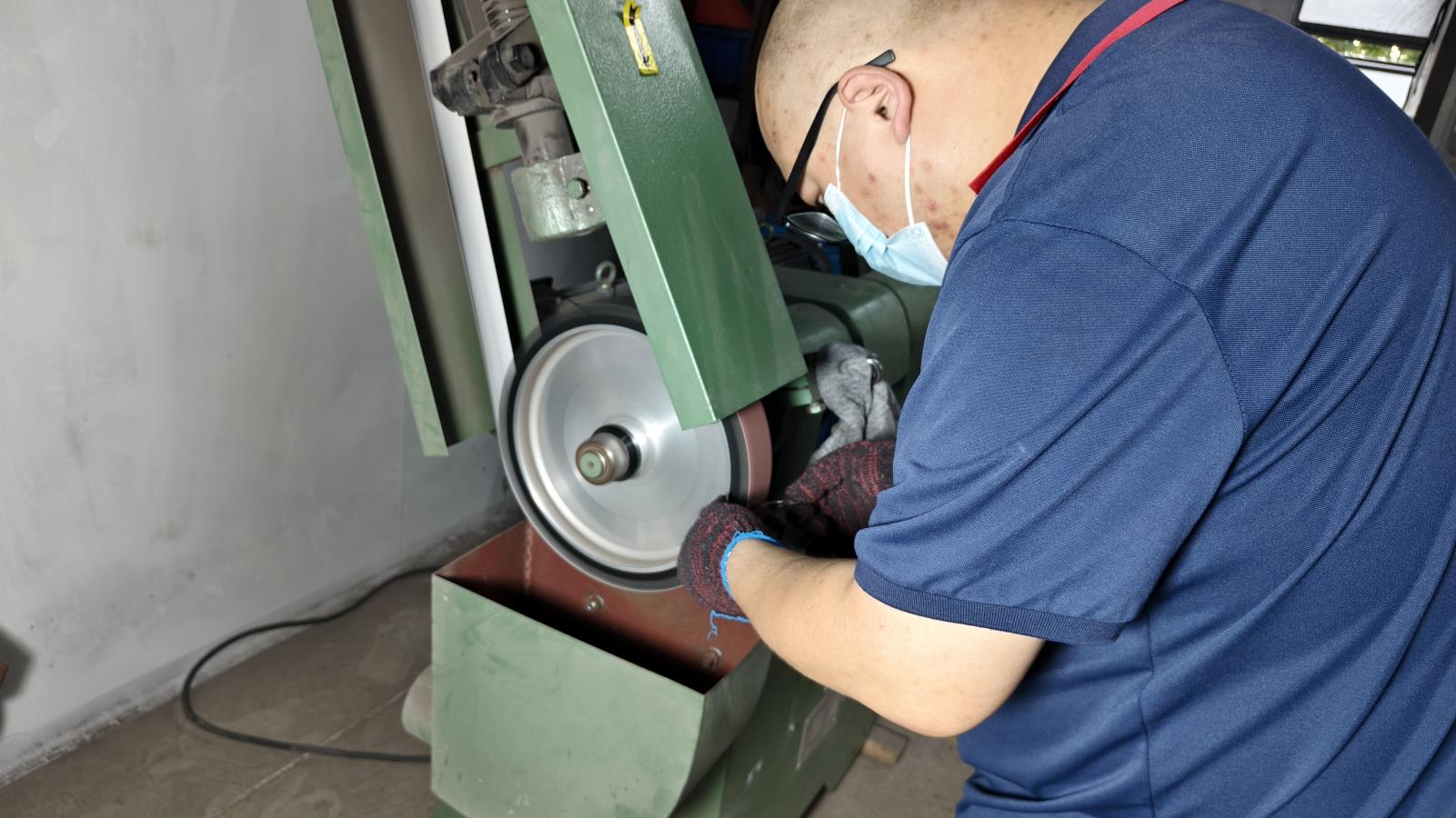
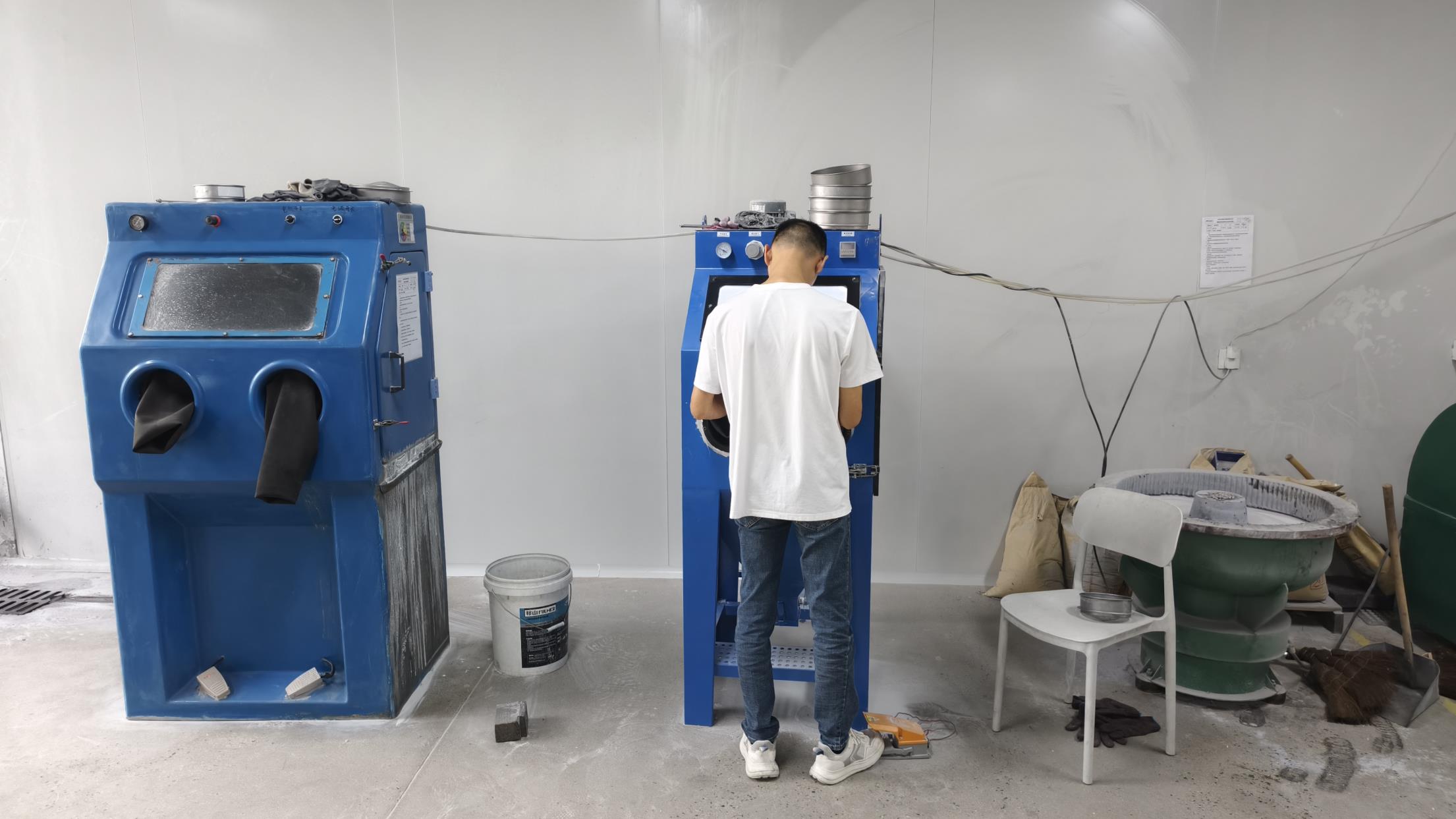
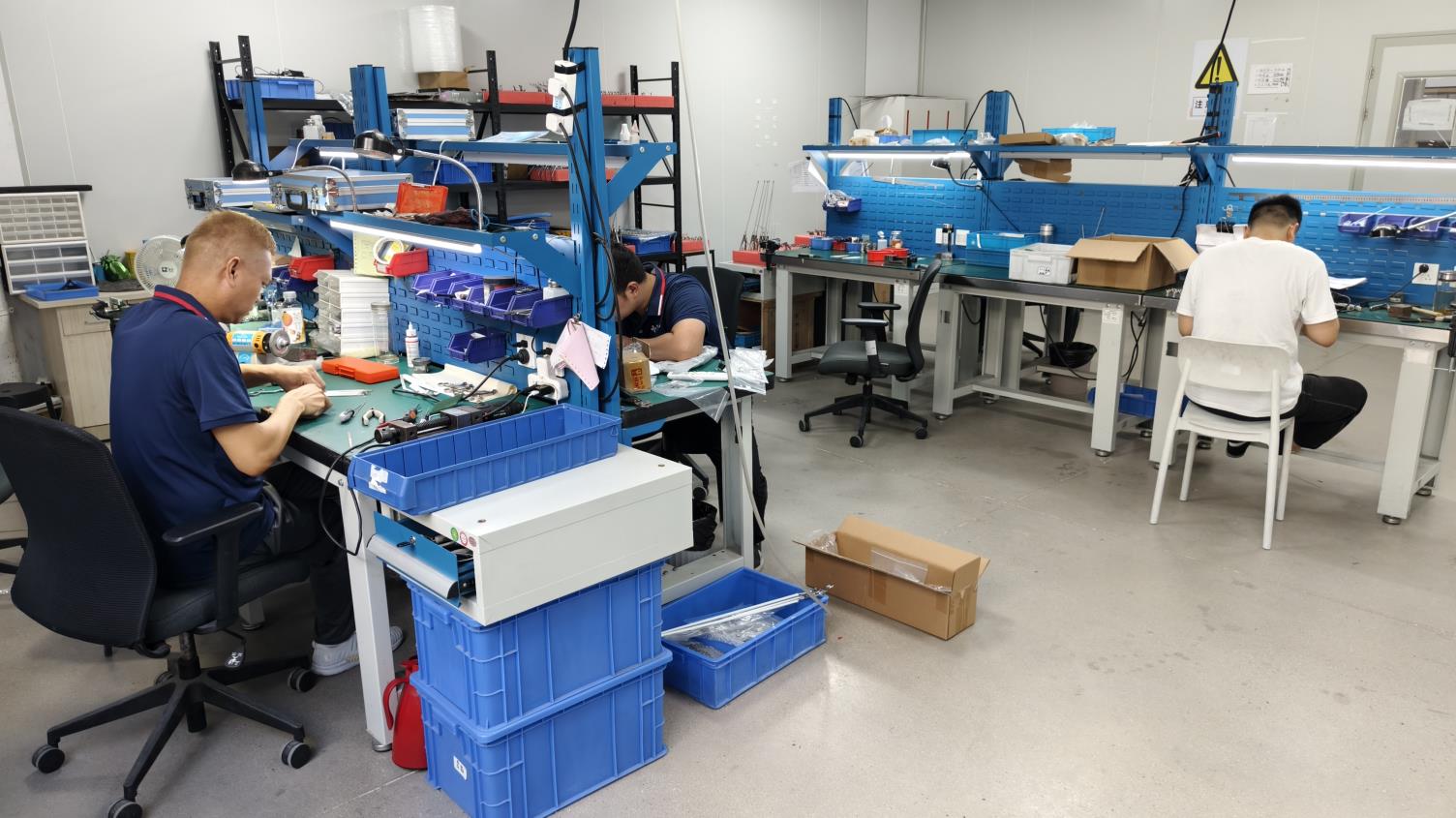
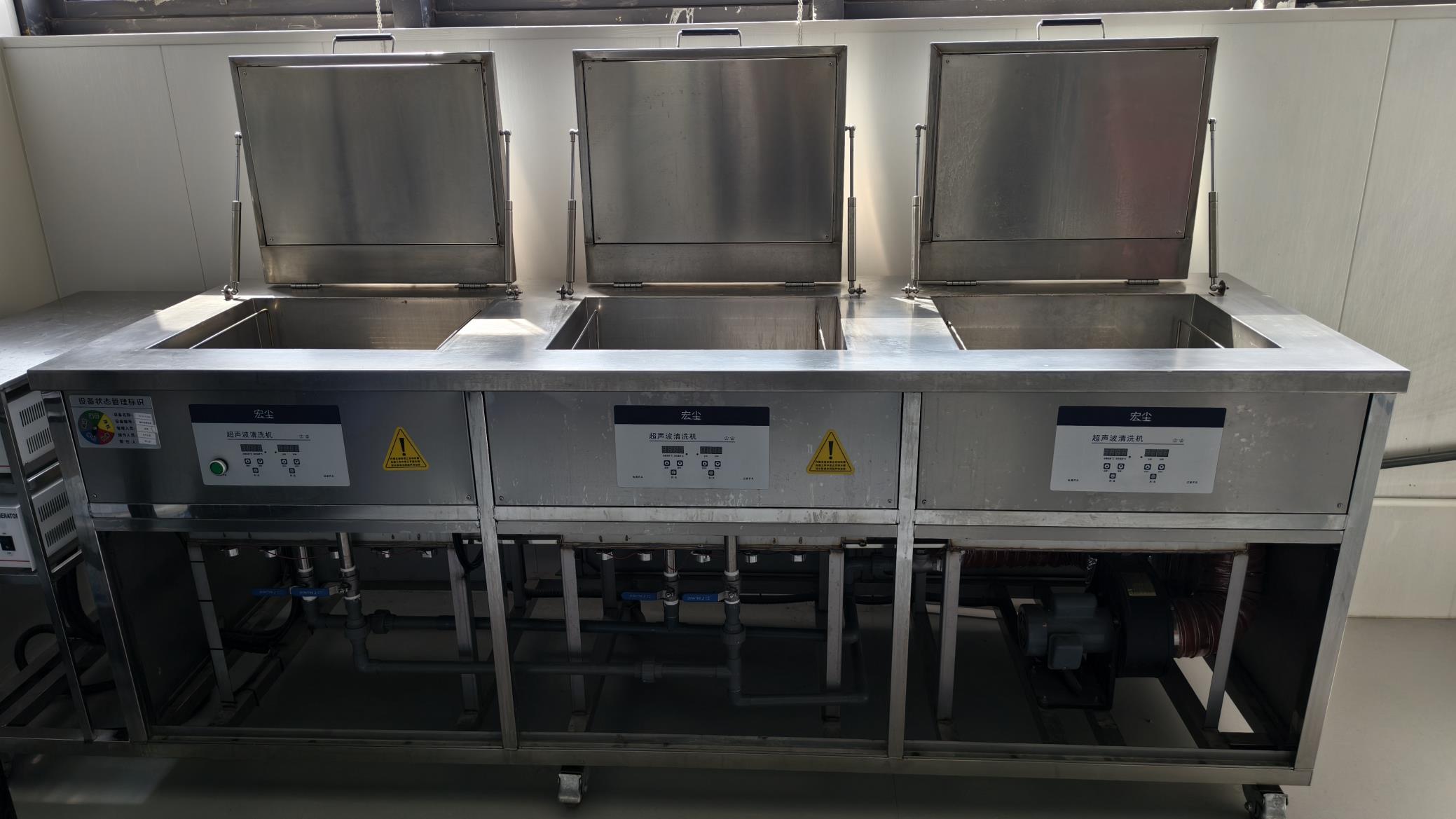
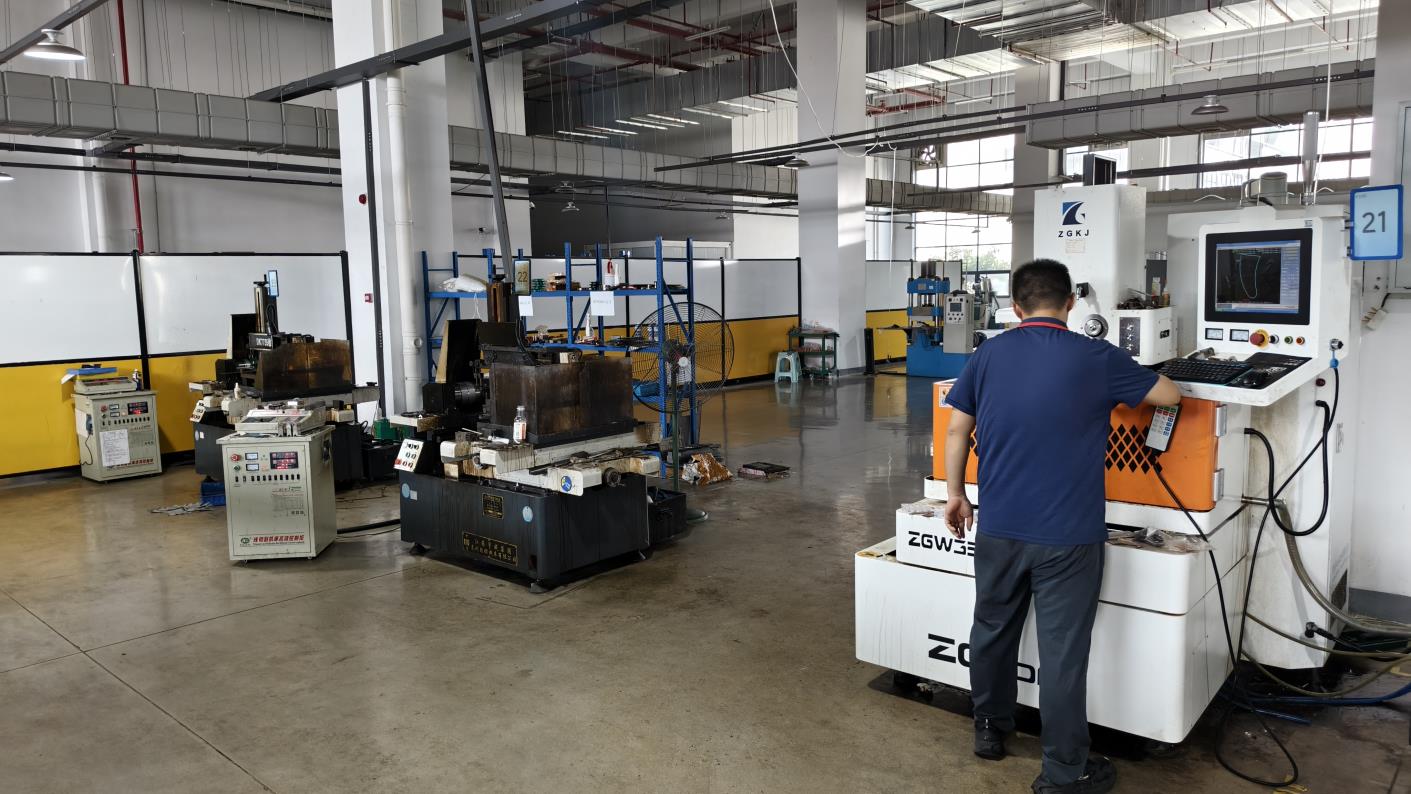
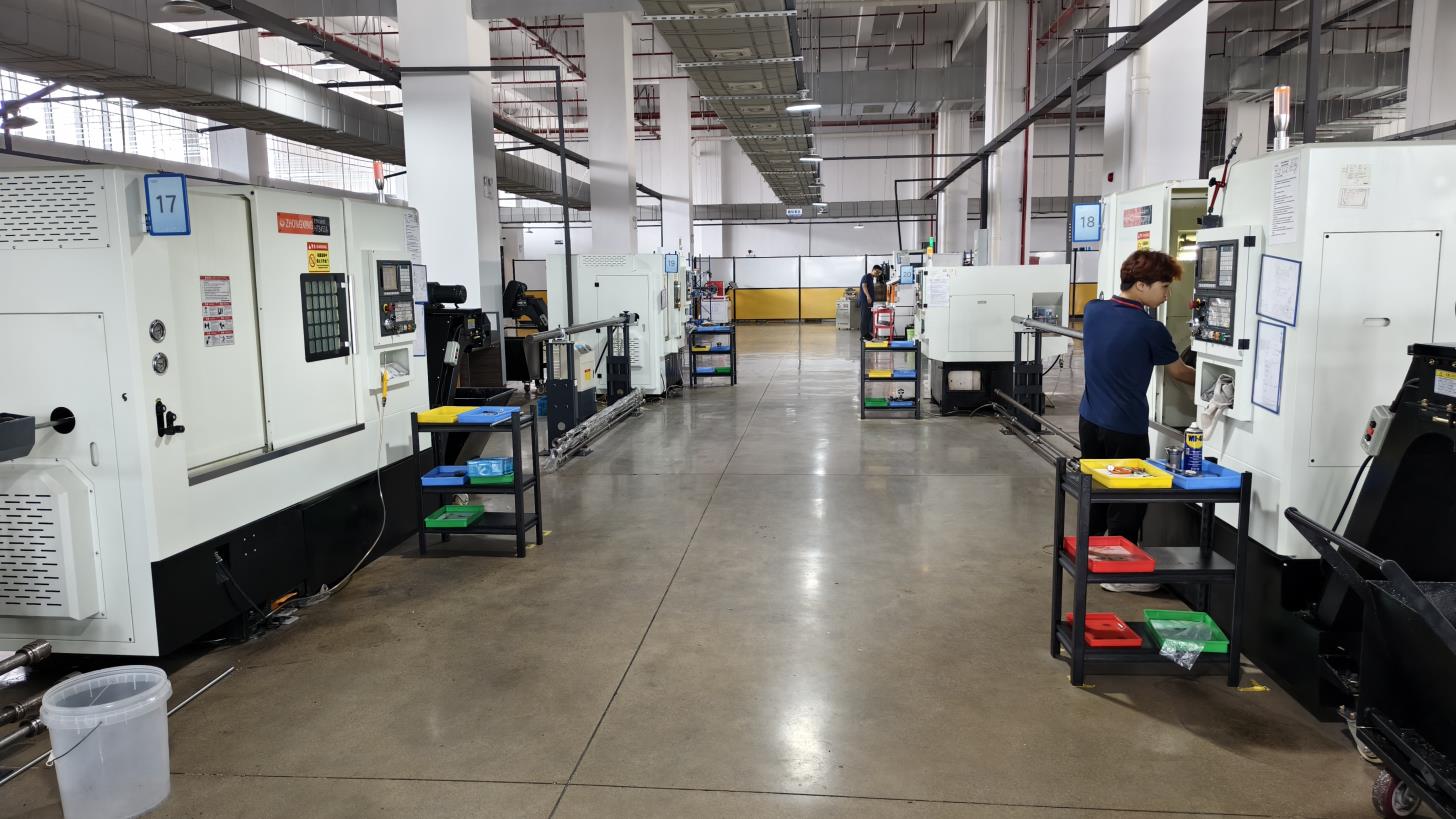
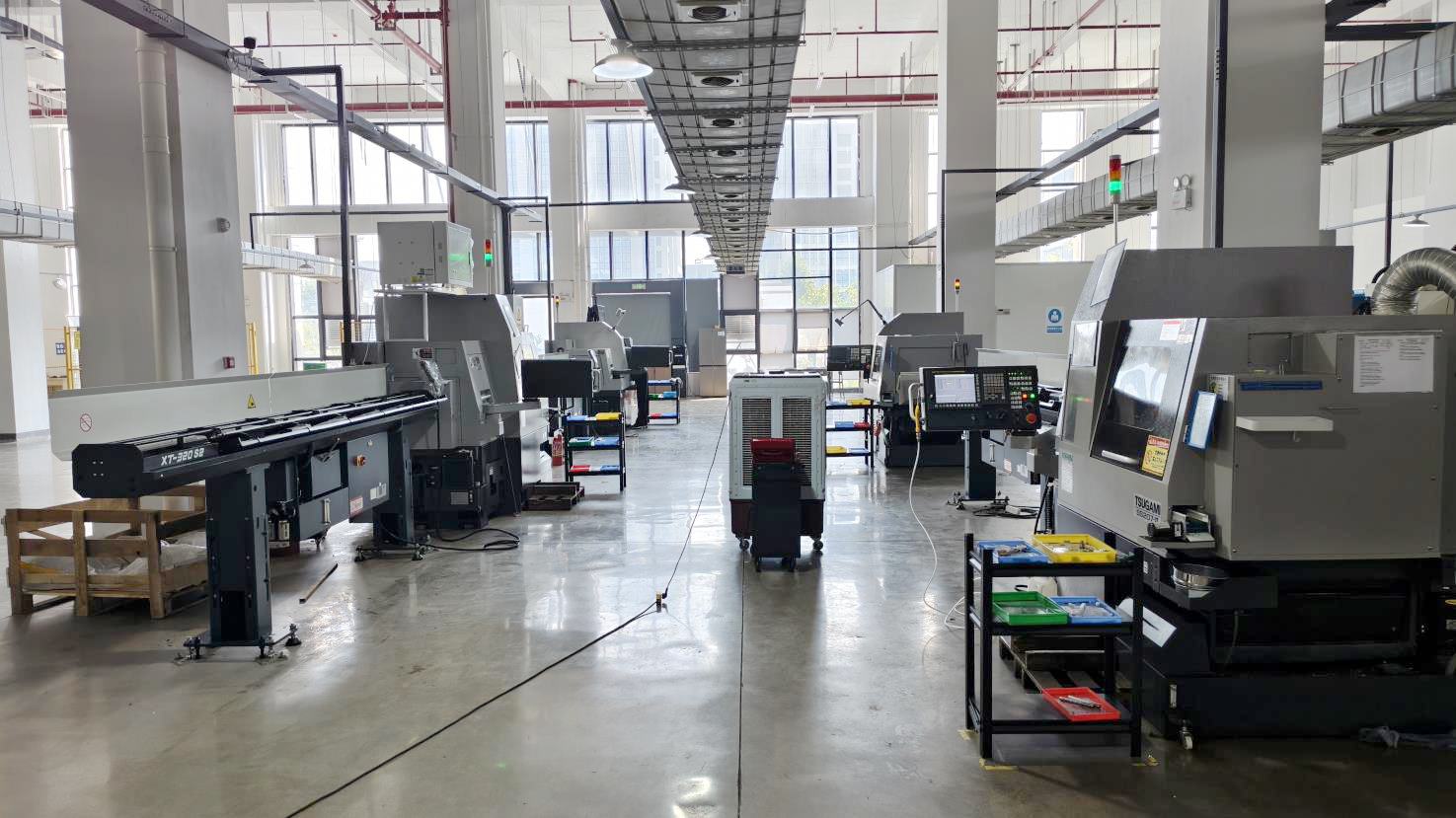
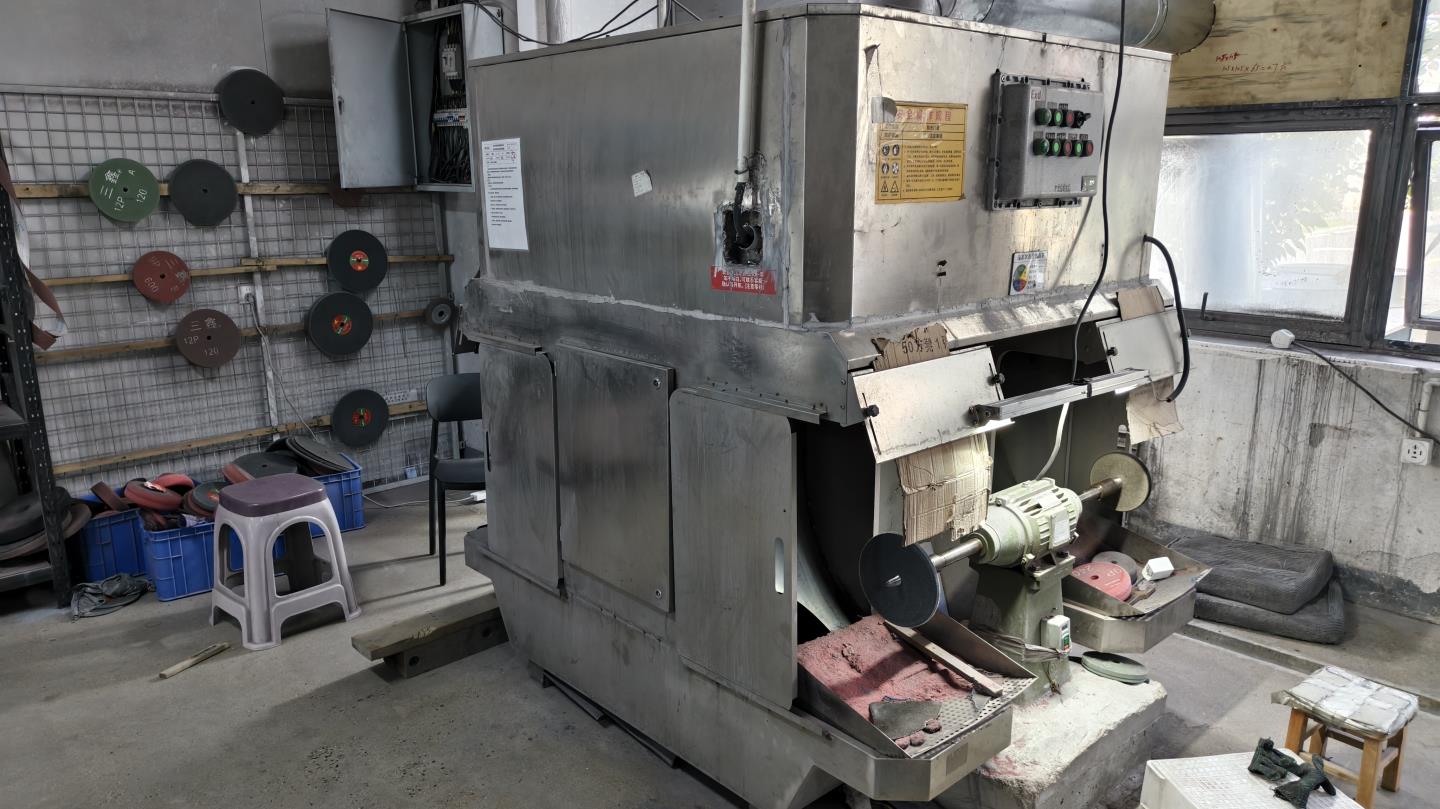
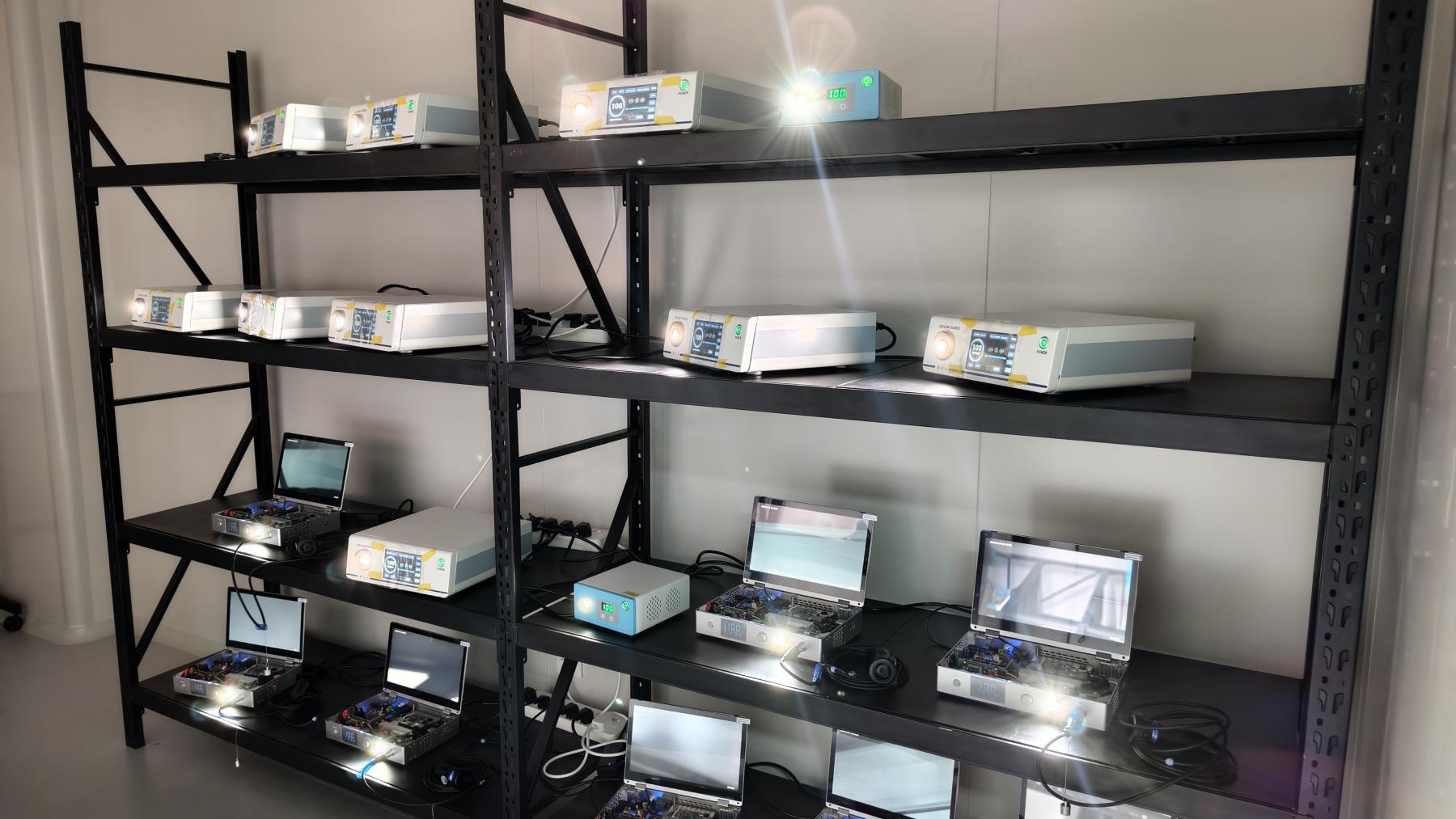
Quality validation relies on specialized equipment rather than manual oversight. Synoviq uses mechanical testing machines, spectrometers, and digital dimensional validation systems to verify the durability and performance of our orthopedic products:
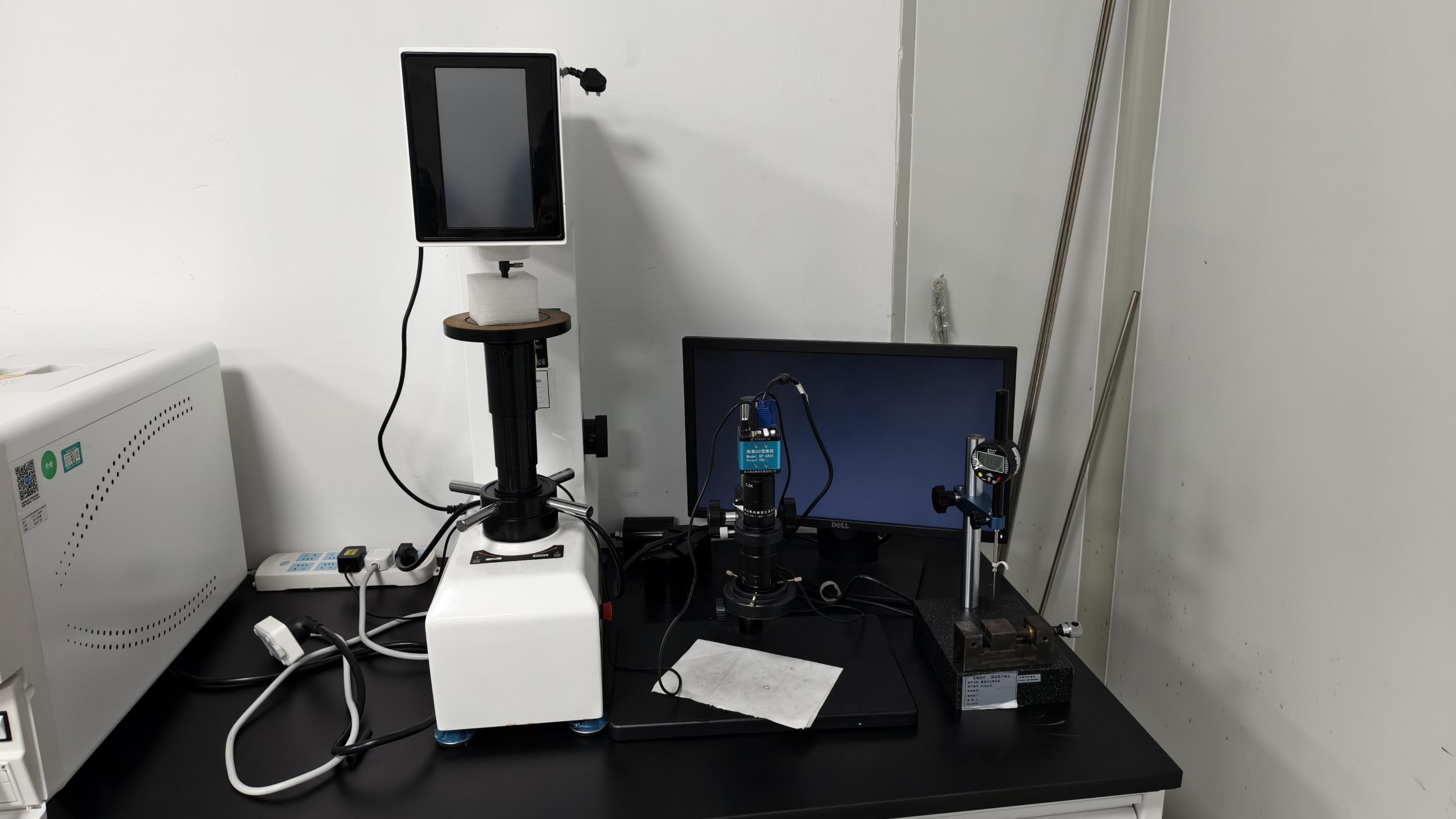
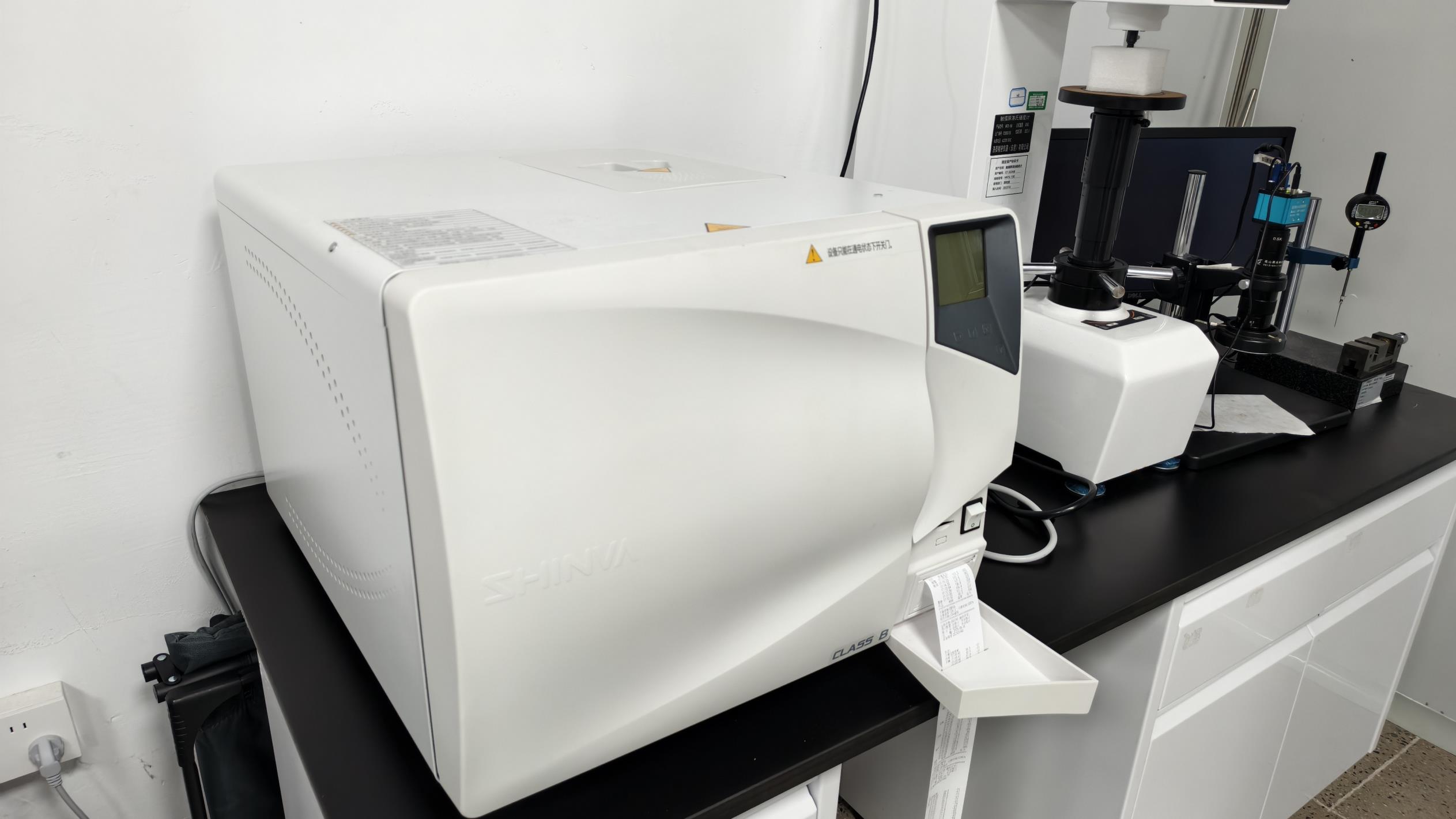
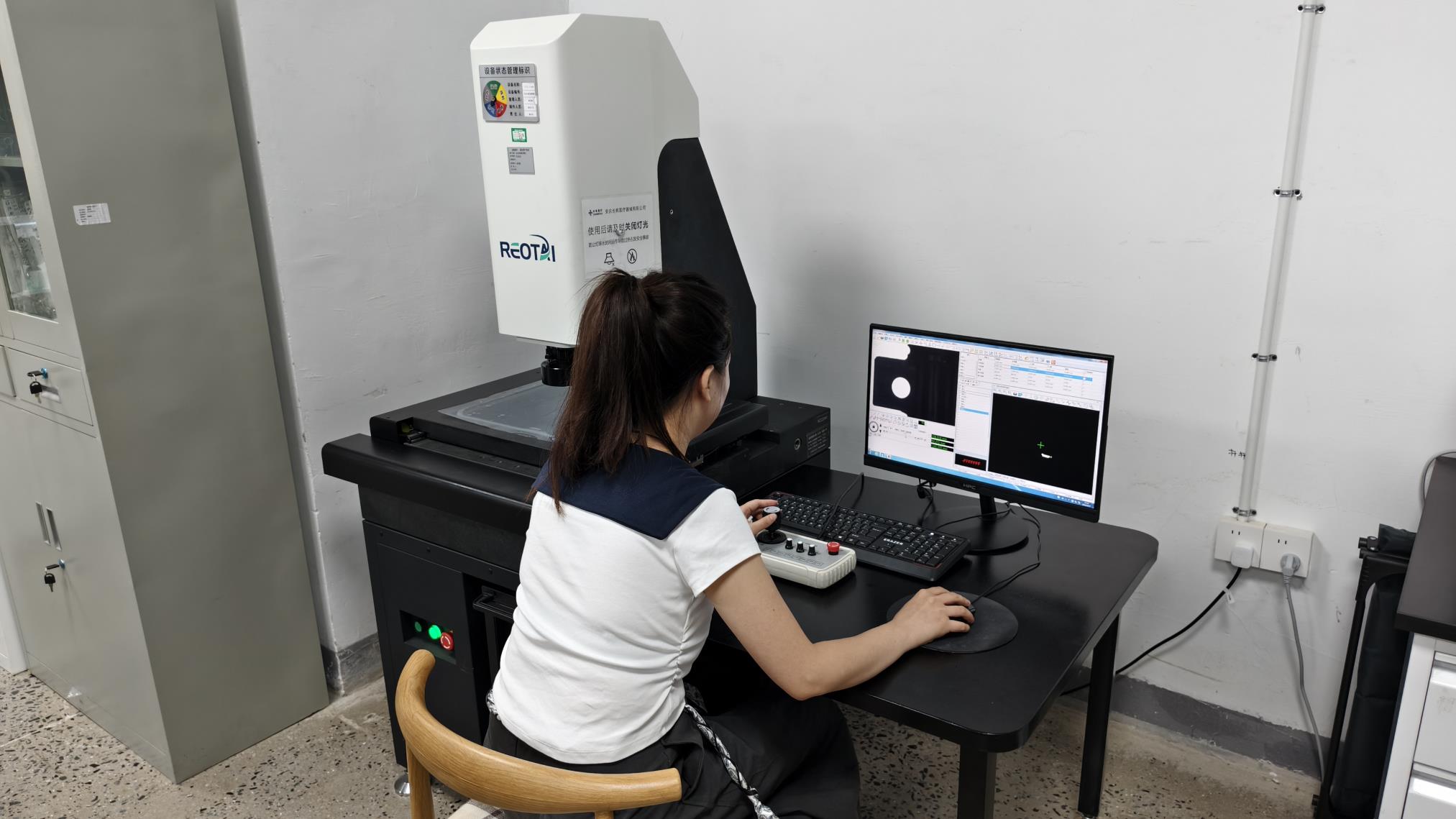
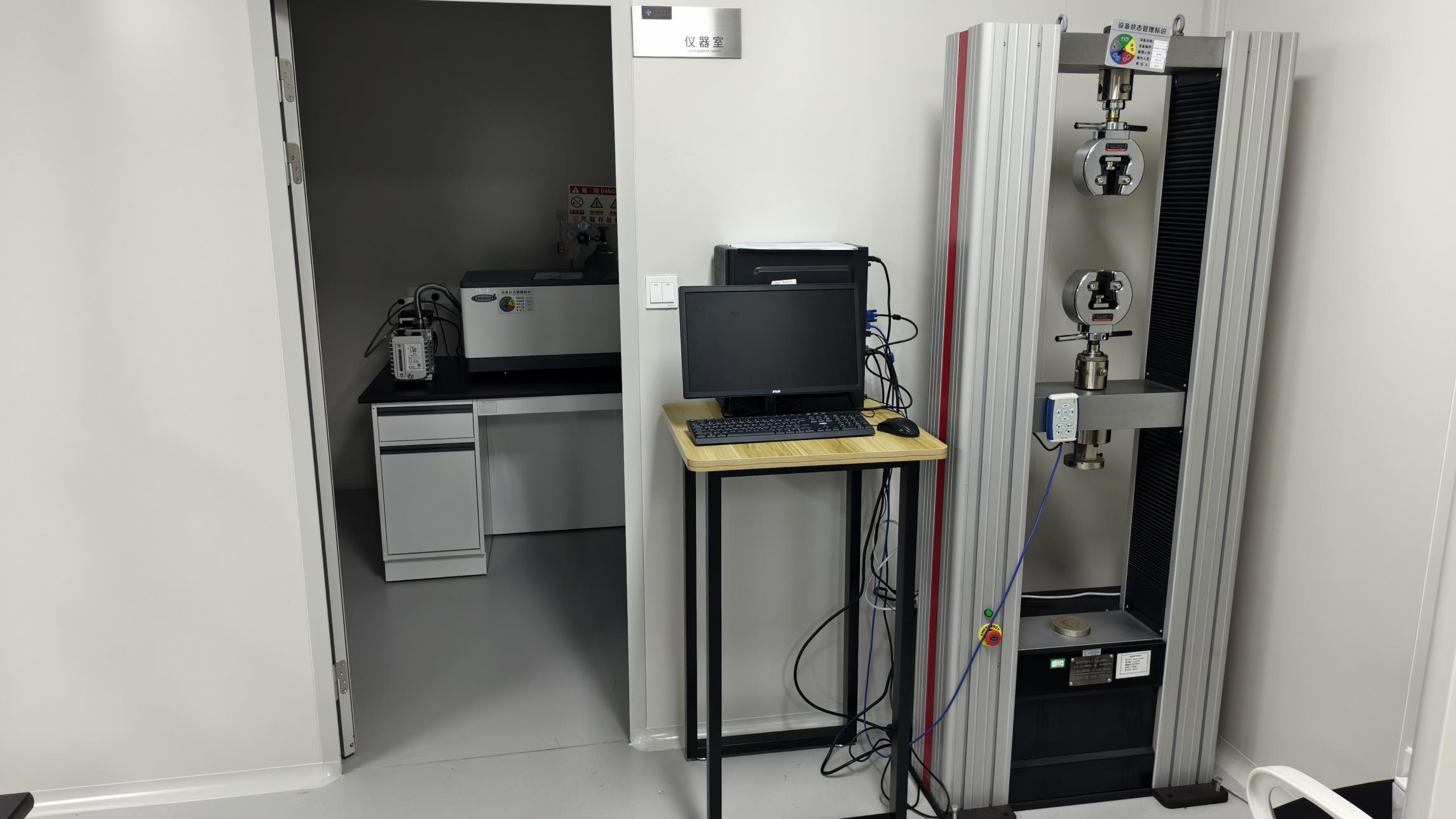
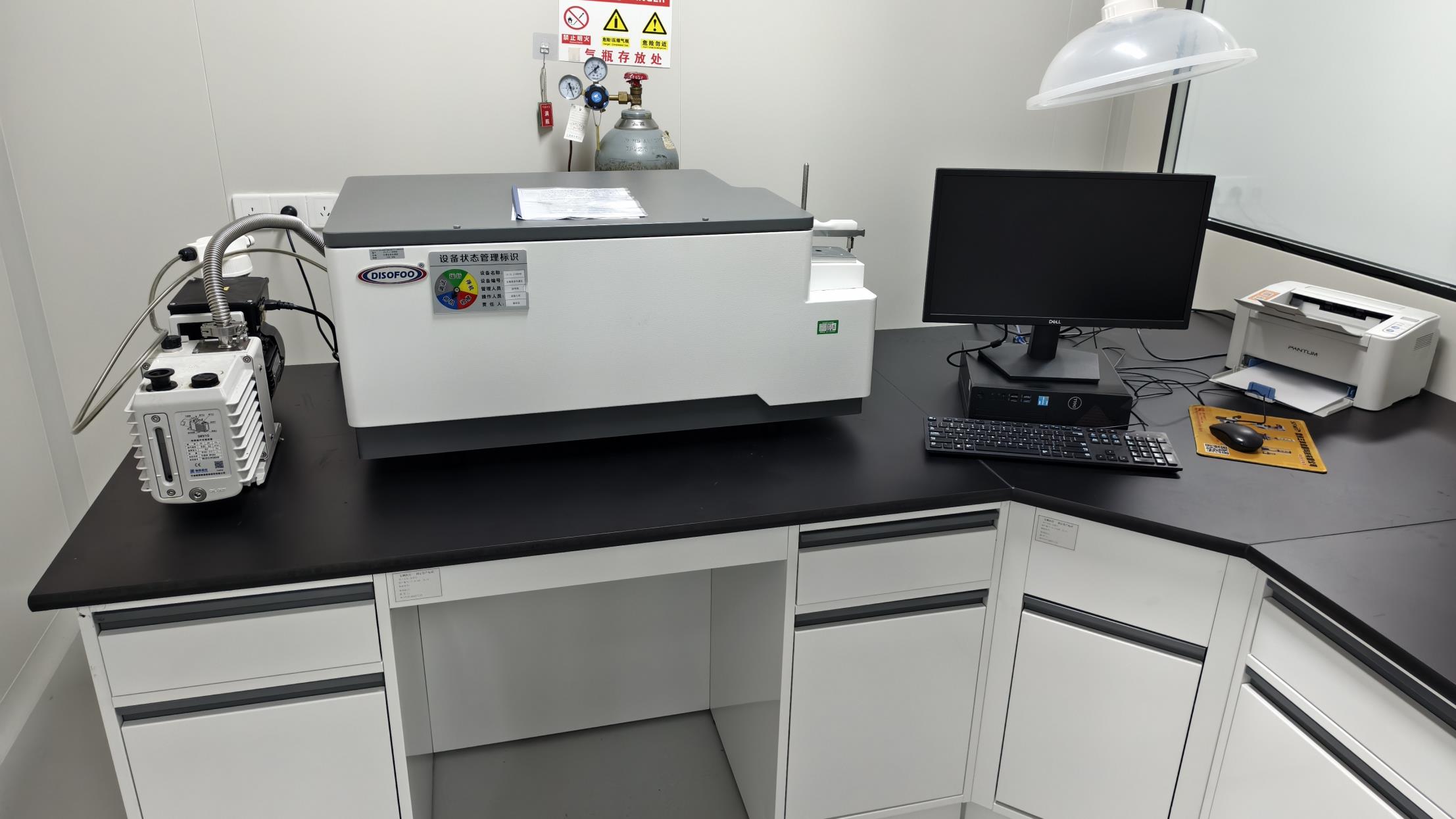
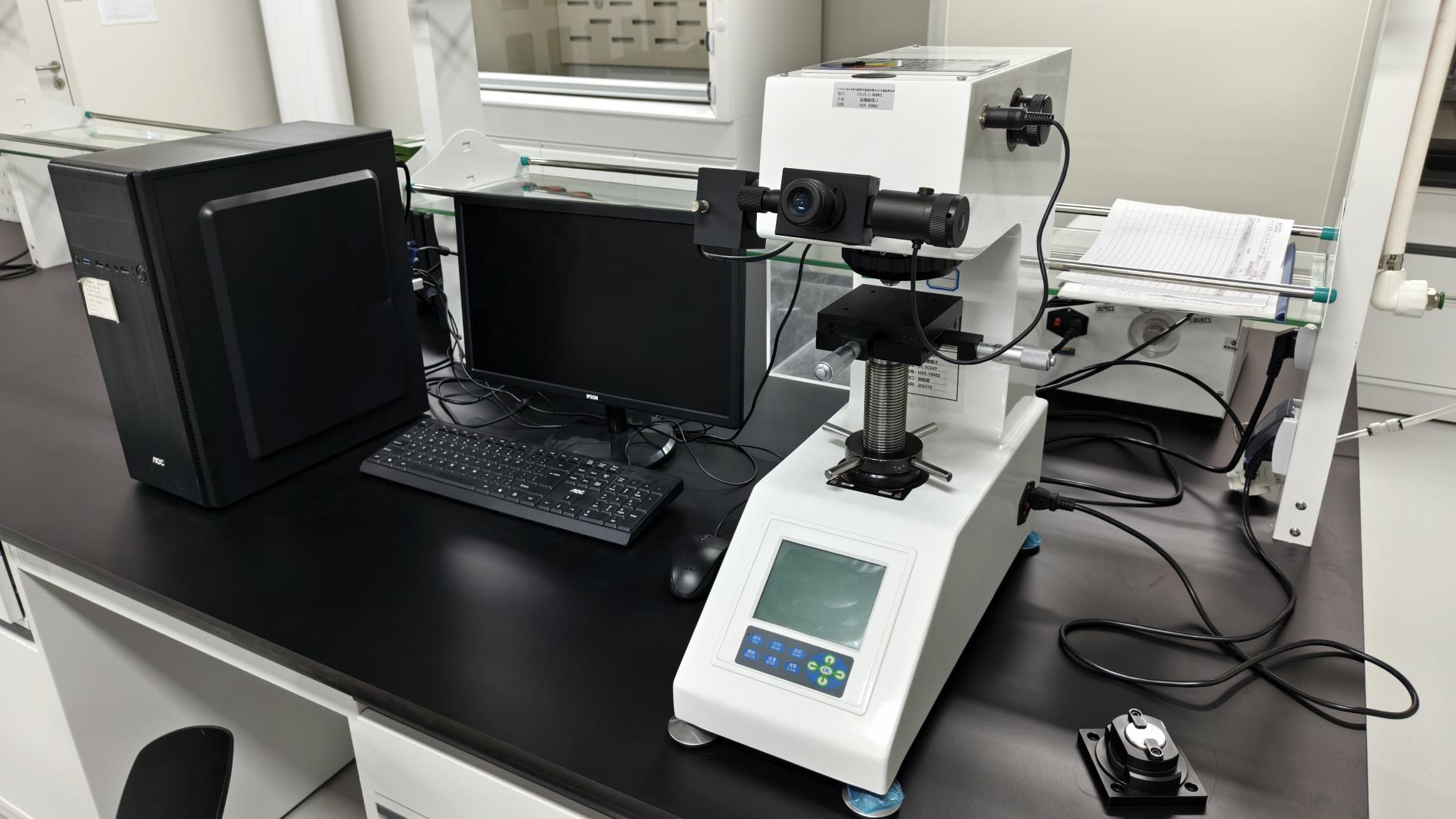
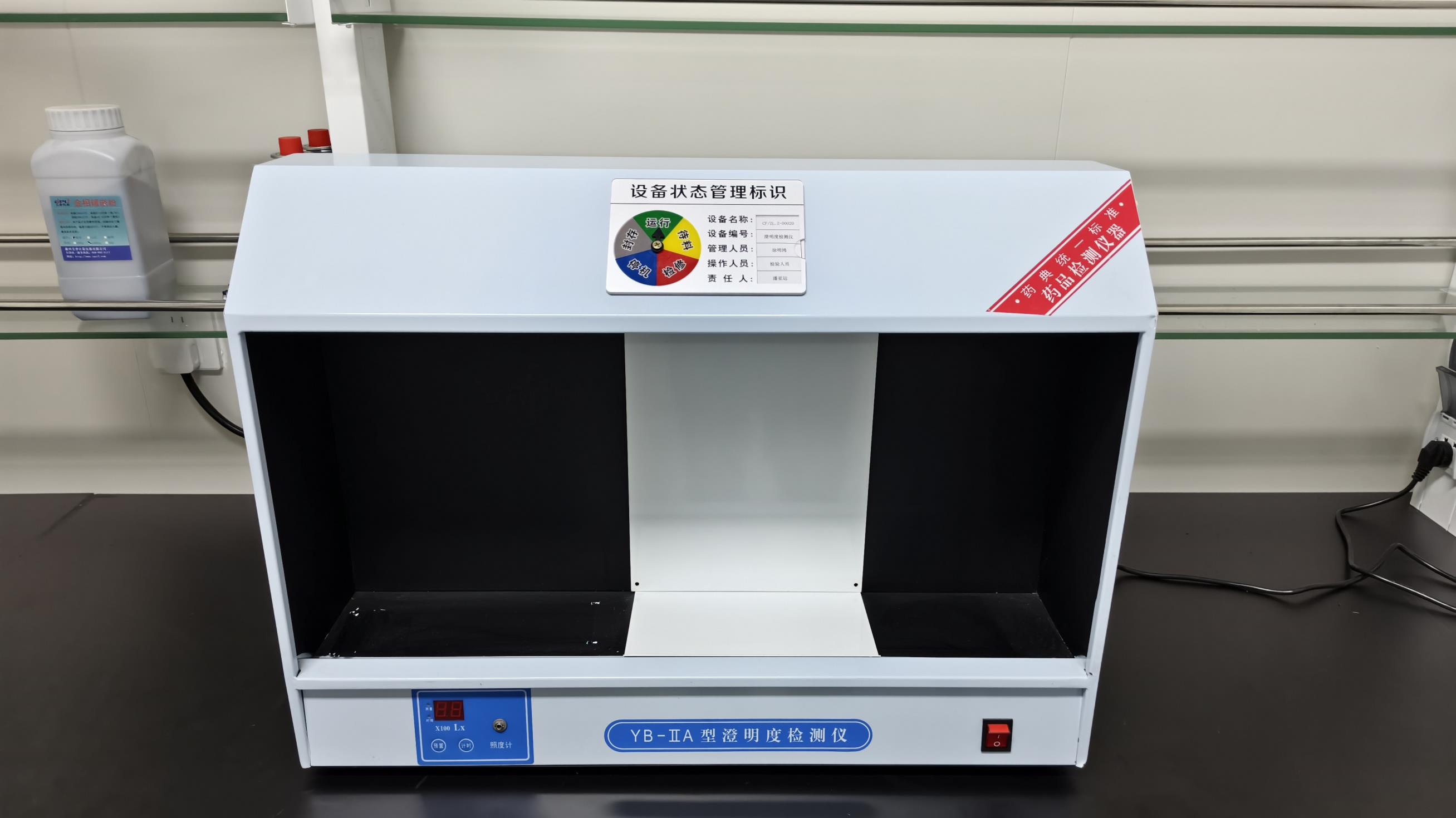
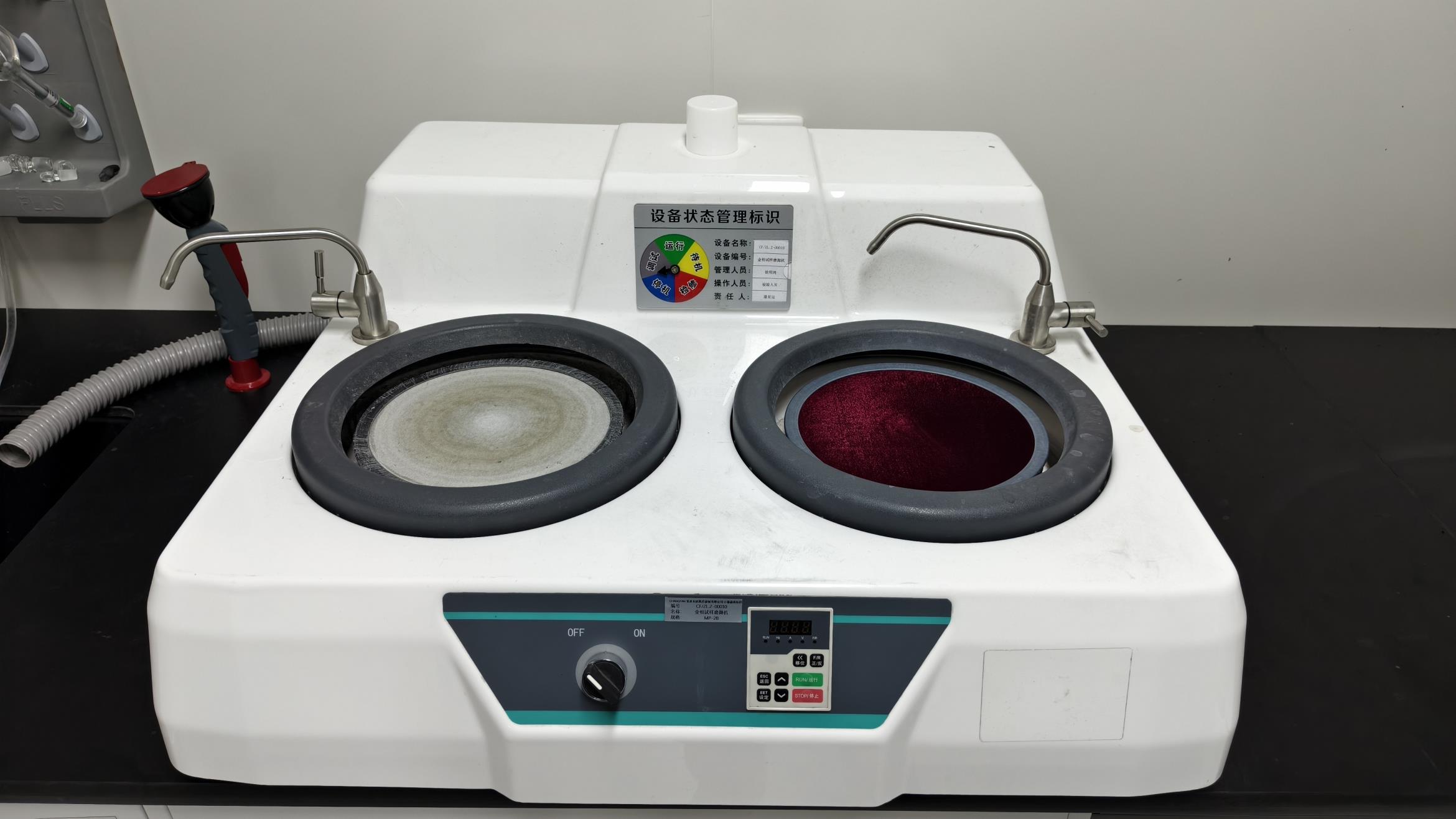
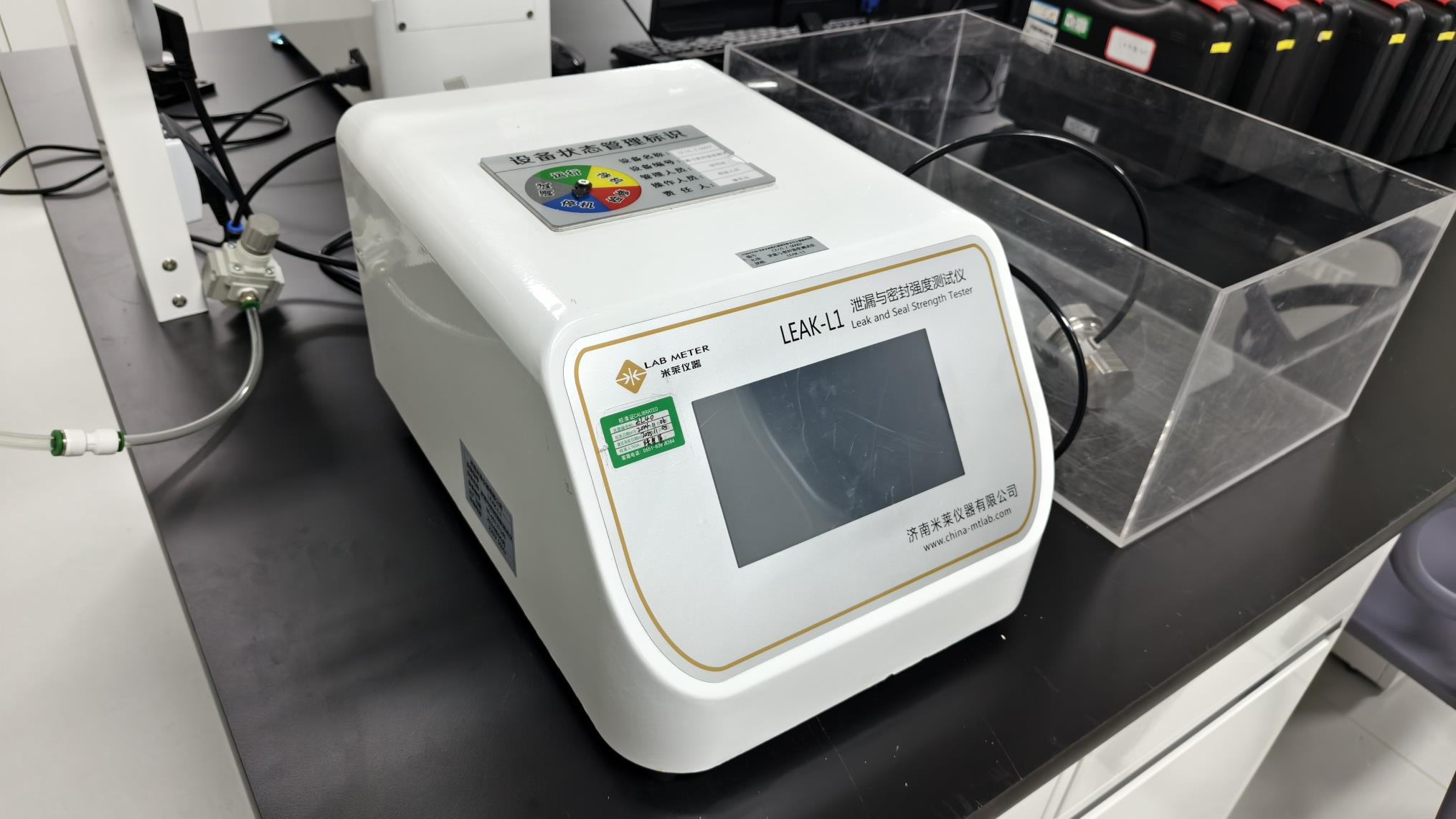
Modern orthopedic trauma surgery and spinal reconstruction demand exceptional biomechanical performance. Raw materials must offer high fatigue strength, biocompatibility, and a low modulus of elasticity to prevent stress shielding. Synoviq uses premium grades of titanium, stainless steel, and high-performance plastics:
Used for spinal pedicle screws, cages, and plates. Grade 5 Extra Low Interstitial (ELI) titanium offers superior fracture toughness and bio-inertness compared to commercially pure titanium, meeting ASTM F136 specifications.
Medical-grade vacuum arc remelted steel offers high ductility and tensile strength. It is used for external fixators and intramedullary rods where elastic deformation and fatigue resistance are critical.
Polyetheretherketone (PEEK) is used for spinal cages due to its radiolucency. PEEK's mechanical modulus closely matches human cortical bone, reducing the risk of implant subsidence.
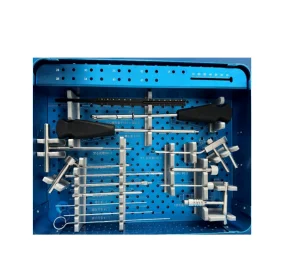
Our trauma kits and external fixators are engineered to provide mechanical stability and support anatomical reconstruction in complex fractures.
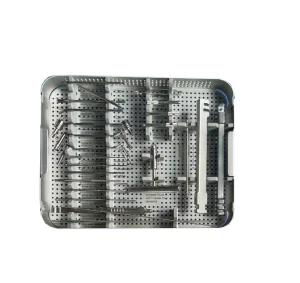
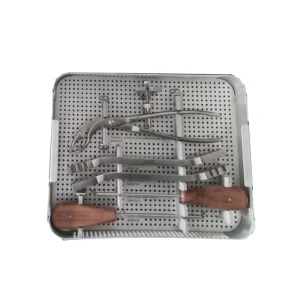
Sri Lanka's import patterns are shifting from simple stainless steel hardware toward modular, biocompatible, and patient-specific implant assemblies. The roadmap below outlines the key technological transitions impacting local and international buyers.
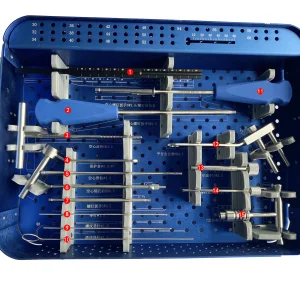
Surgical trends are shifting toward Minimally Invasive Surgery (MIS) pedicle screws, which require advanced cannulated instrumentation. These systems reduce soft tissue trauma and shorten post-operative hospital stays across Sri Lankan clinical centers.
Integrating Electron Beam Melting (EBM) and Direct Metal Laser Sintering (DMLS) to fabricate porous titanium structures. This technology matches the modulus of human bone and promotes osseointegration for complex revision surgeries.
Manufacturing specialized, non-reflective instrumentation kits designed for optical or electromagnetic computer-assisted navigation systems (CAS). This helps improve implant placement precision in spinal and trauma surgeries.
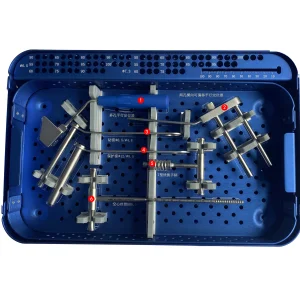
Explore our selection of specialized orthopedic surgical instruments, designed for precise bone fixation and compression procedures.
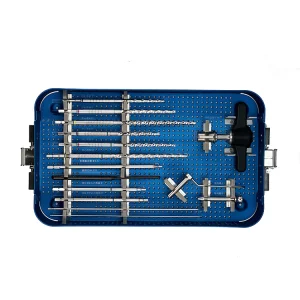
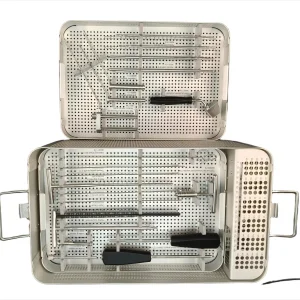
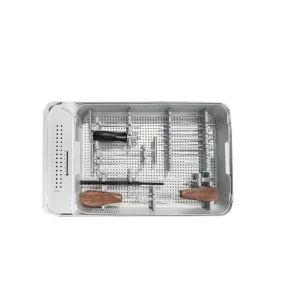
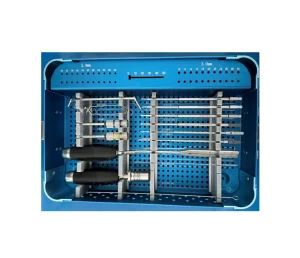
Securing registration with the National Medicines Regulatory Authority (NMRA) of Sri Lanka is a critical step for importing medical devices. The Ministry of Health mandates that imports comply with cleanroom standards and validation protocols.
Synoviq provides comprehensive regulatory documentation to support local distributors. This includes materials testing data, mechanical aging curves, biocompatibility profiles, and CE/ISO 13485 certifications. Our documentation is compiled in the Common Technical Document (CTD) format to help streamline the NMRA submission process.
Every shipment includes material test certificates detailing the chemical composition and mechanical properties of the titanium or steel alloy used, providing full traceablity back to the raw batch.
We provide comprehensive documentation support, including sterilization validations, packaging integrity reports, and risk analysis dossiers, to assist with local regulatory submissions.
We offer secure packing and delivery services to key logistics hubs, such as the Port of Colombo and Bandaranaike International Airport, ensuring efficient and timely transport.
Answers to common technical, material, and regulatory questions from healthcare distributors and procurement managers in Sri Lanka.
 Synoviq Medical