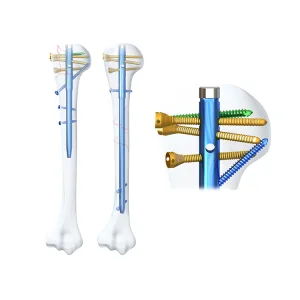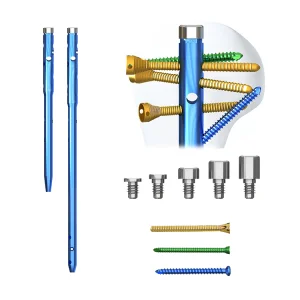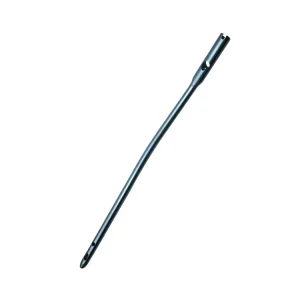
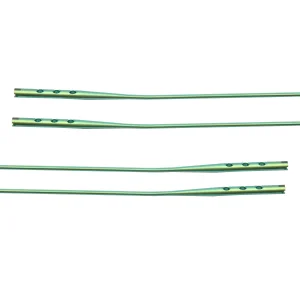
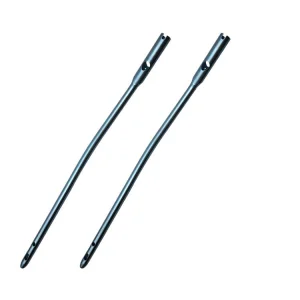
The Indian medical device market is experiencing an unprecedented structural transformation. Driven by rapid infrastructure development, urban expansion, and an demographic tilt toward an aging population, the clinical demand for orthopedic implants—specifically intramedullary nails (IM nails)—has scaled exponentially. India ranks among the highest globally in trauma caseloads, largely attributed to road traffic accidents (RTAs) and osteoporotic fractures in geriatric cohorts.
Historically, Indian healthcare facilities operated within a fragmented procurement environment, often choosing between low-cost, locally manufactured implants of inconsistent metallurgy or high-cost multinational brands. Today, the modern Indian healthcare ecosystem—fueled by the expansion of corporate hospital chains (such as Apollo, Max, Fortis, and Narayana Health) and government-backed insurance programs like Ayushman Bharat (PM-JAY)—demands a new paradigm: high-quality, CE-certified, and ISO-compliant implants at competitive bulk price points.
For Indian medical device distributors and importers in major healthcare hubs like Mumbai, Delhi, Bengaluru, and Chennai, sourcing from robust manufacturing centers is critical. This whitepaper analyzes why the integrated supply chains of advanced manufacturing centers in China present the most resilient solution to meet India's complex clinical and economic expectations.
Over 150,000 traffic-related trauma fatalities occur annually in India, alongside millions of non-fatal diaphyseal and metaphyseal fractures requiring surgical fixation.
The transitioning regulatory framework under India's CDSCO requires foreign manufacturers to supply complete technical dossiers (DMR, DHF, CE, ISO 13485).
Ayushman Bharat (PM-JAY) and state-level healthcare schemes impose strict price ceilings, making cost-controlled precision manufacturing highly critical.
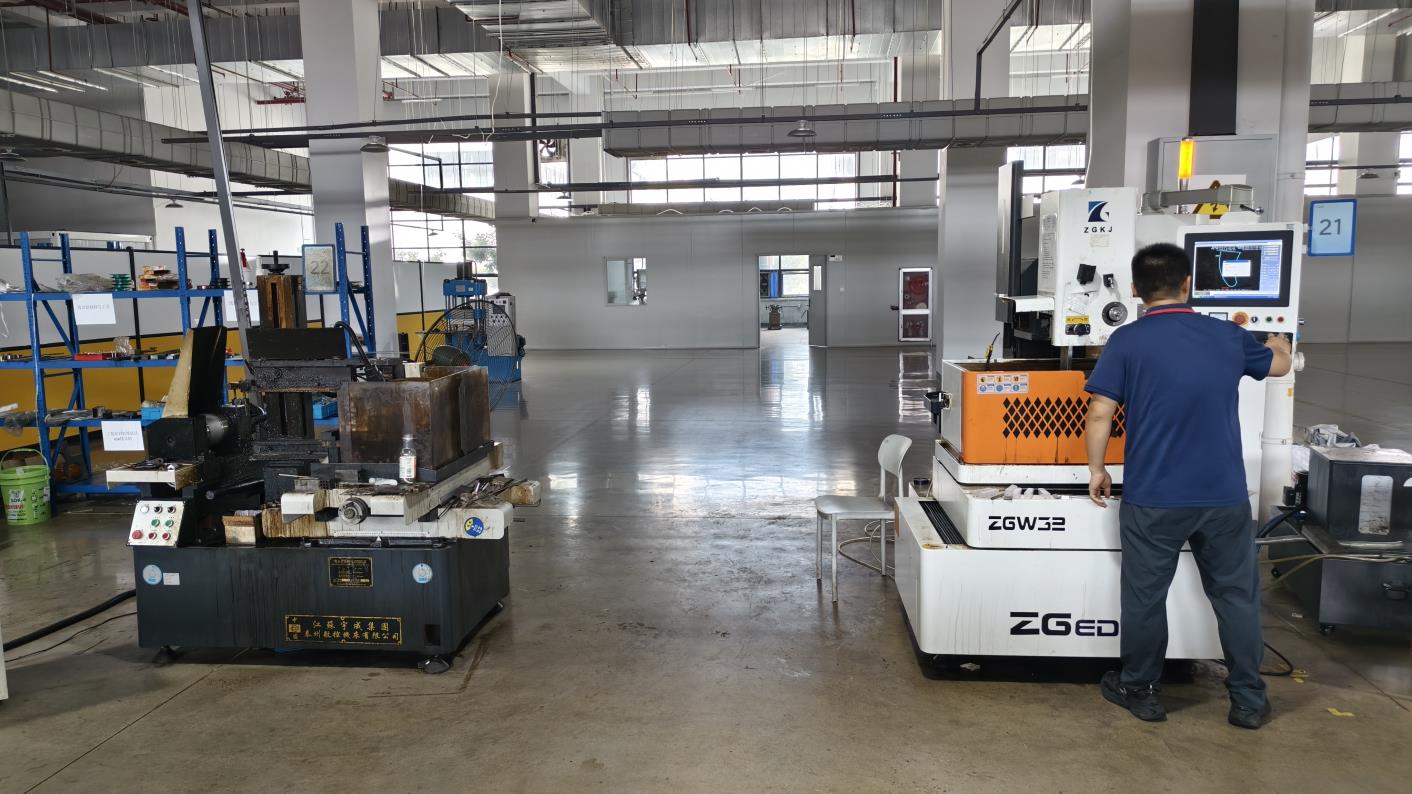
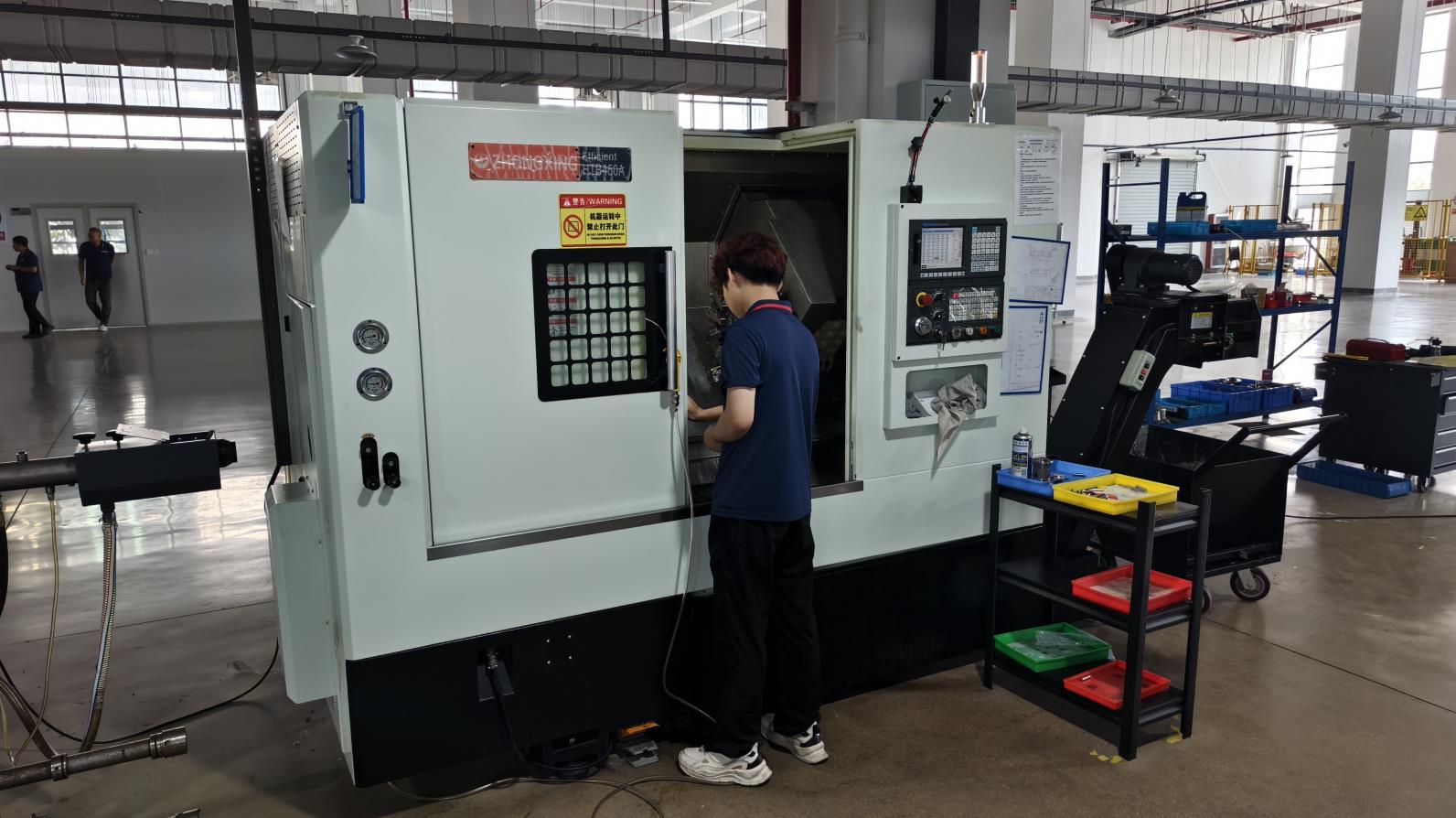
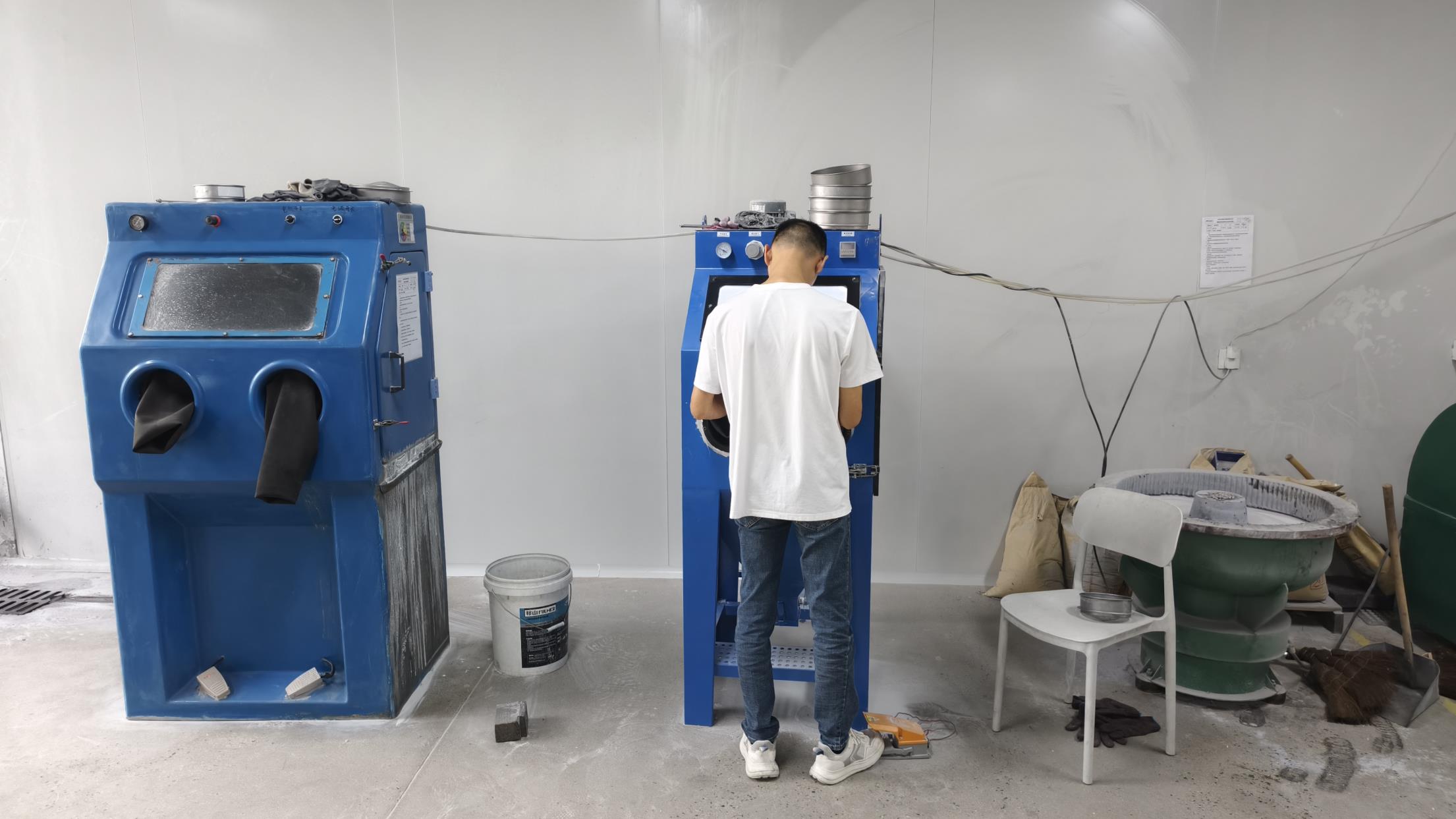
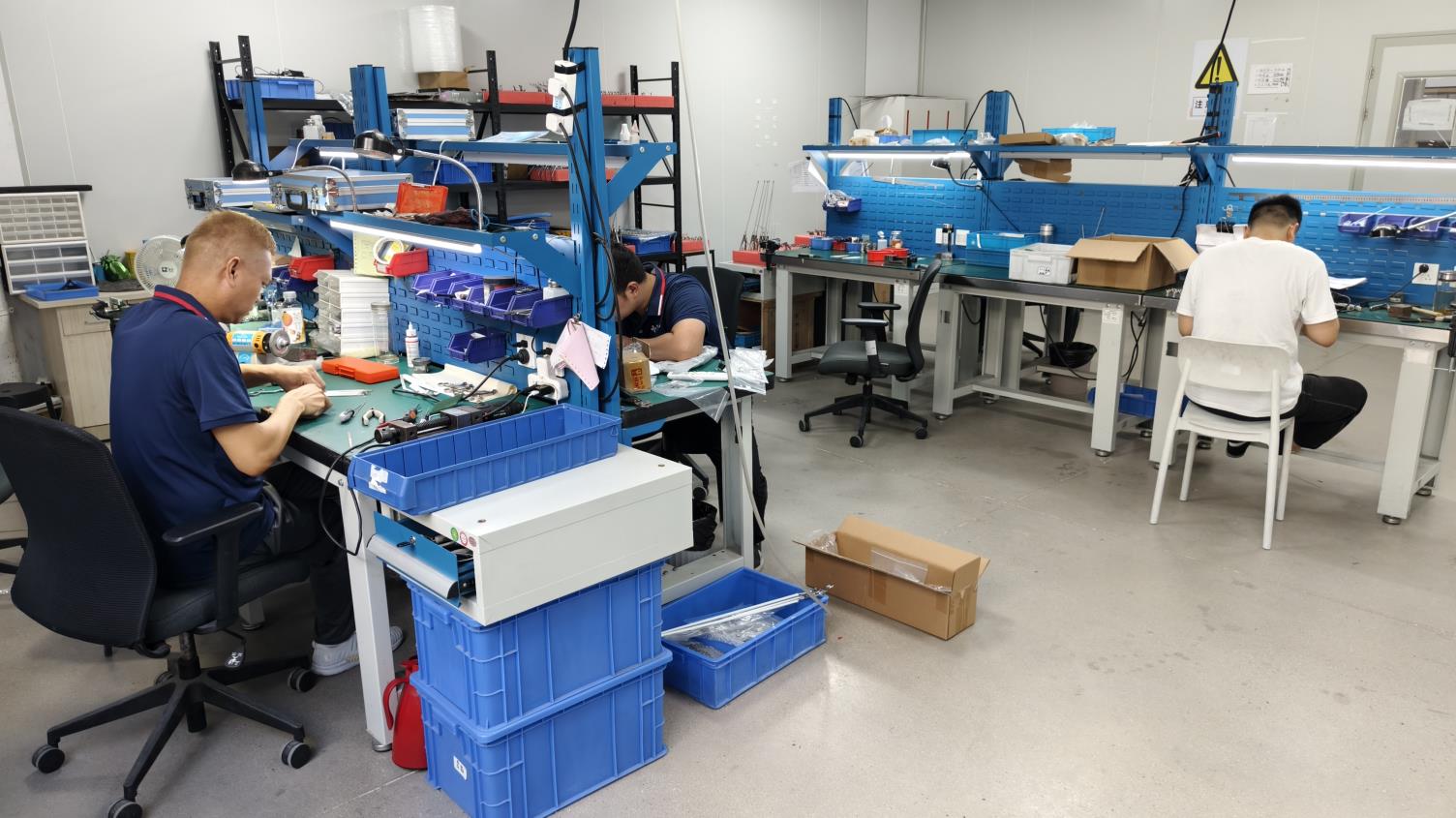
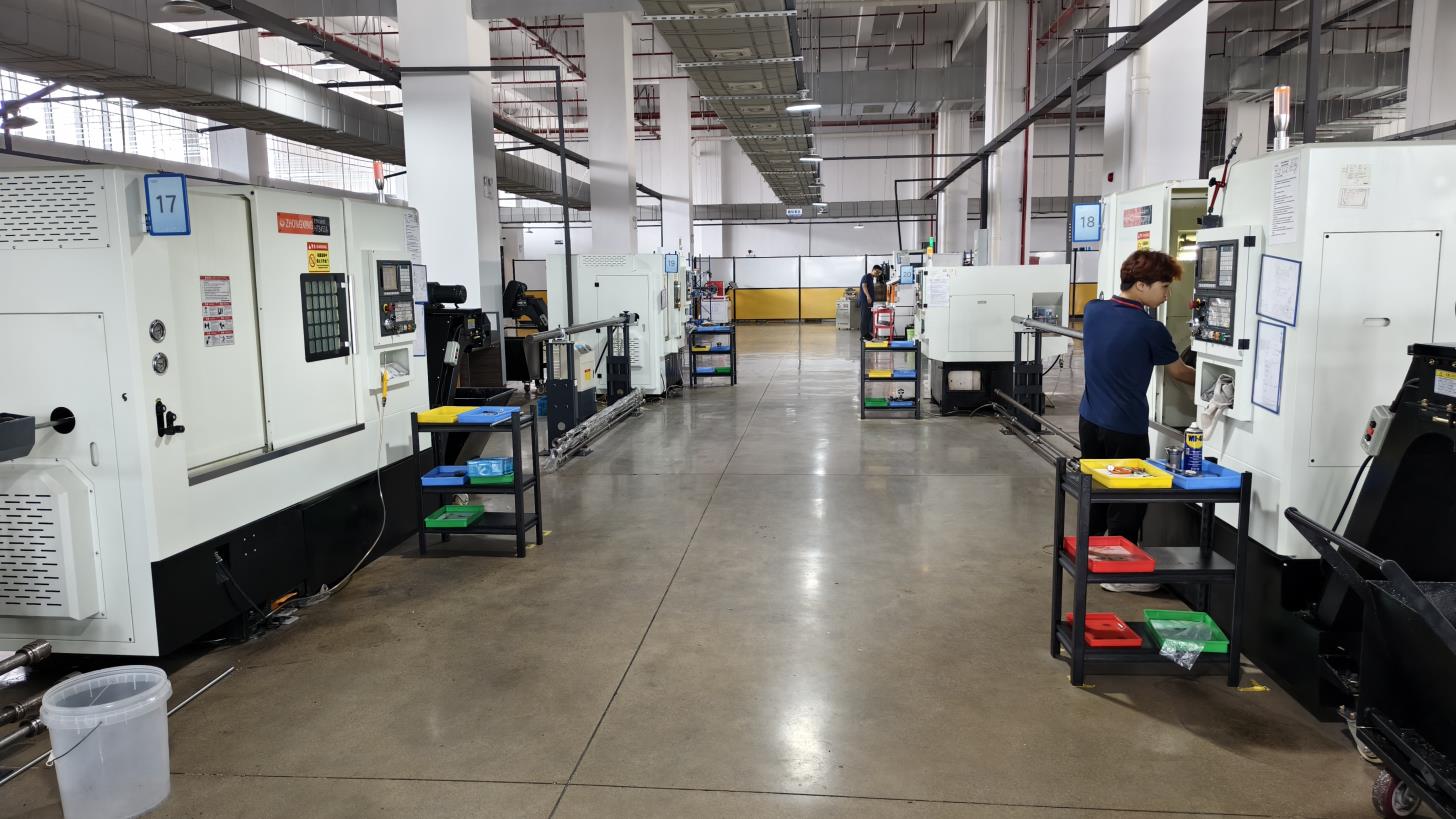
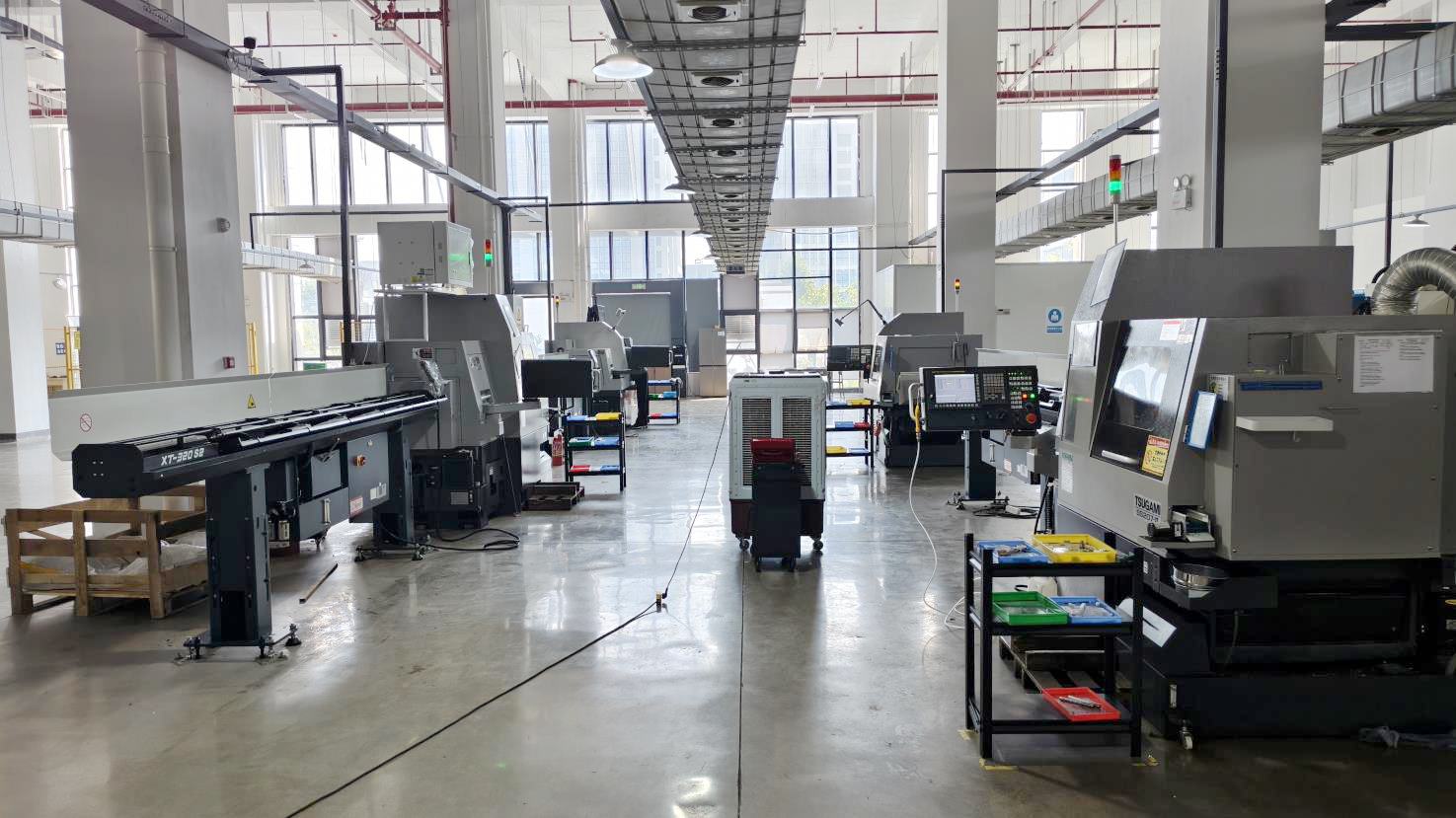
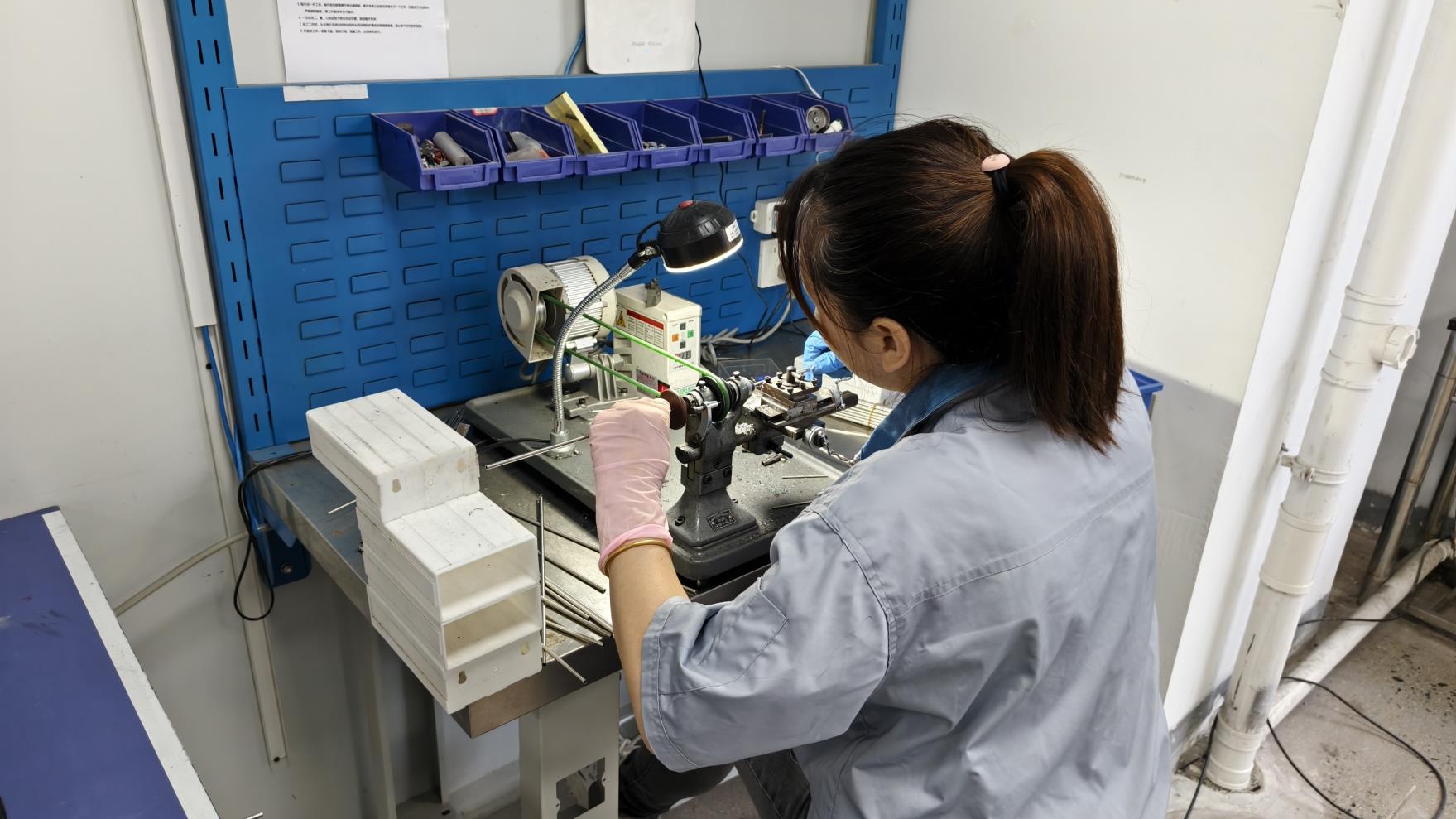
The manufacturing of high-grade orthopedic implants like titanium intramedullary nails requires strict adherence to raw material purity and mechanical tolerance levels. Sourcing from a Factory 4.0 infrastructure—such as the production ecosystem utilized by Synoviq Medical Technology—offers significant technological and efficiency advantages over traditional regional suppliers.
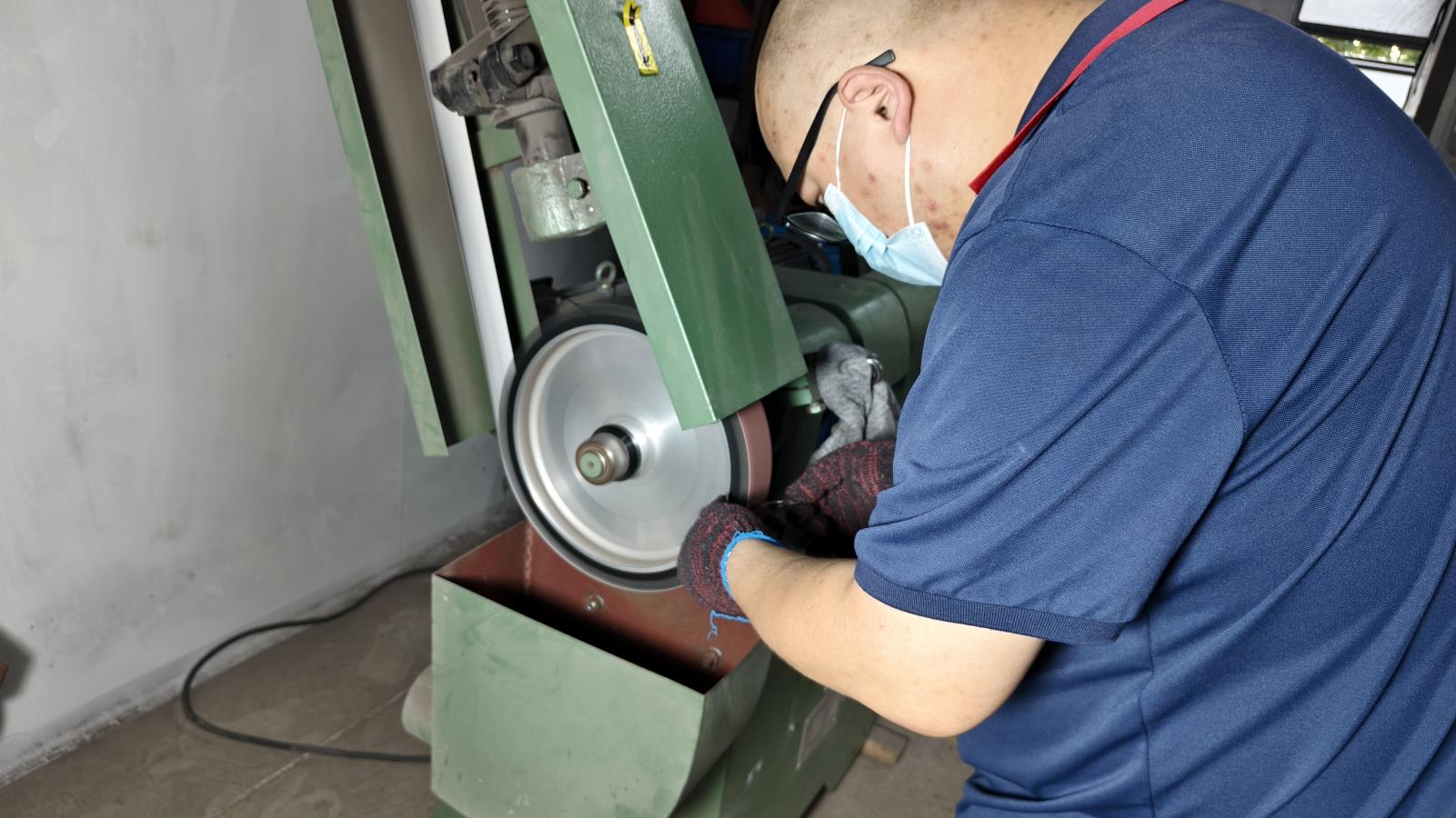
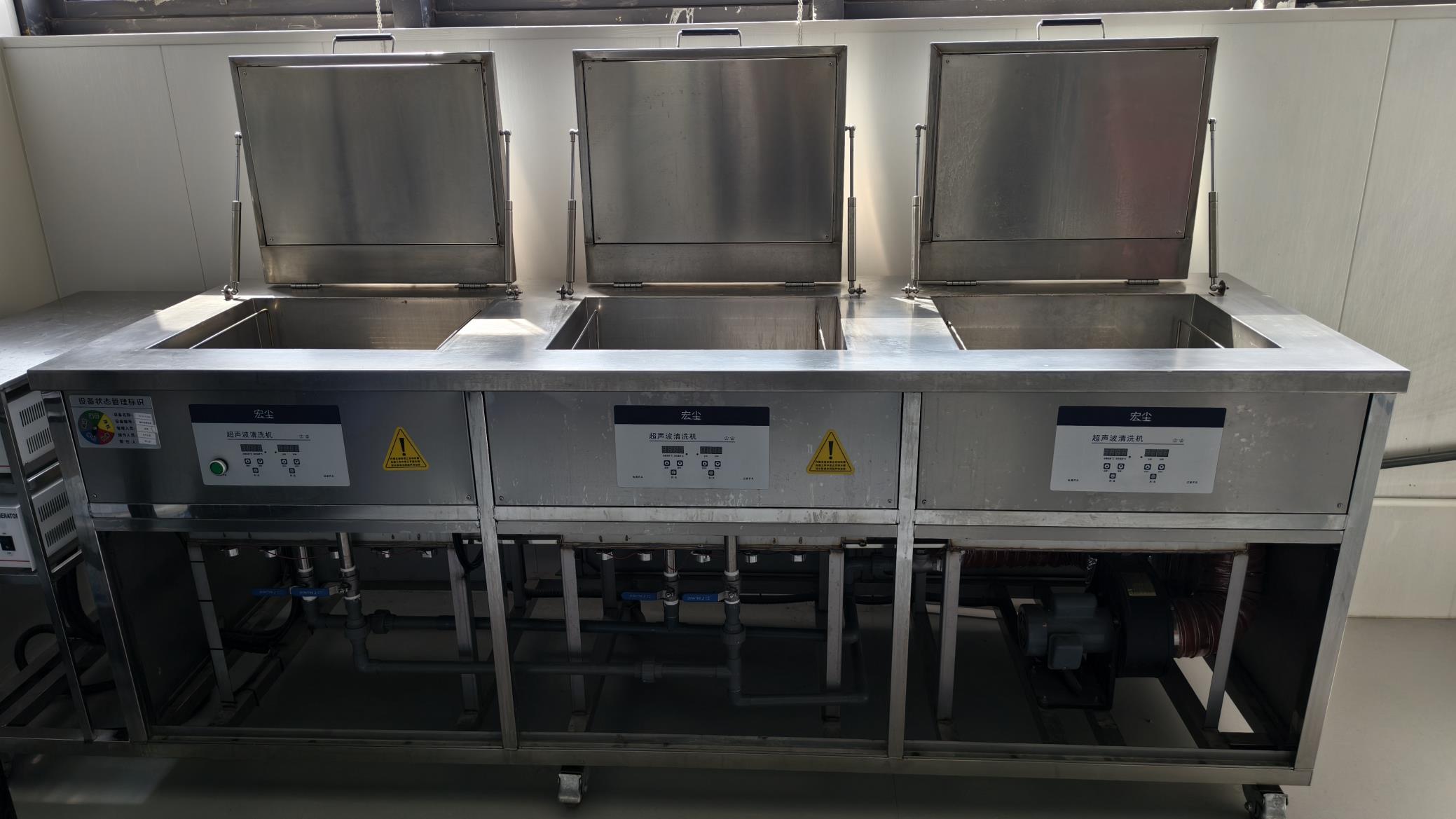
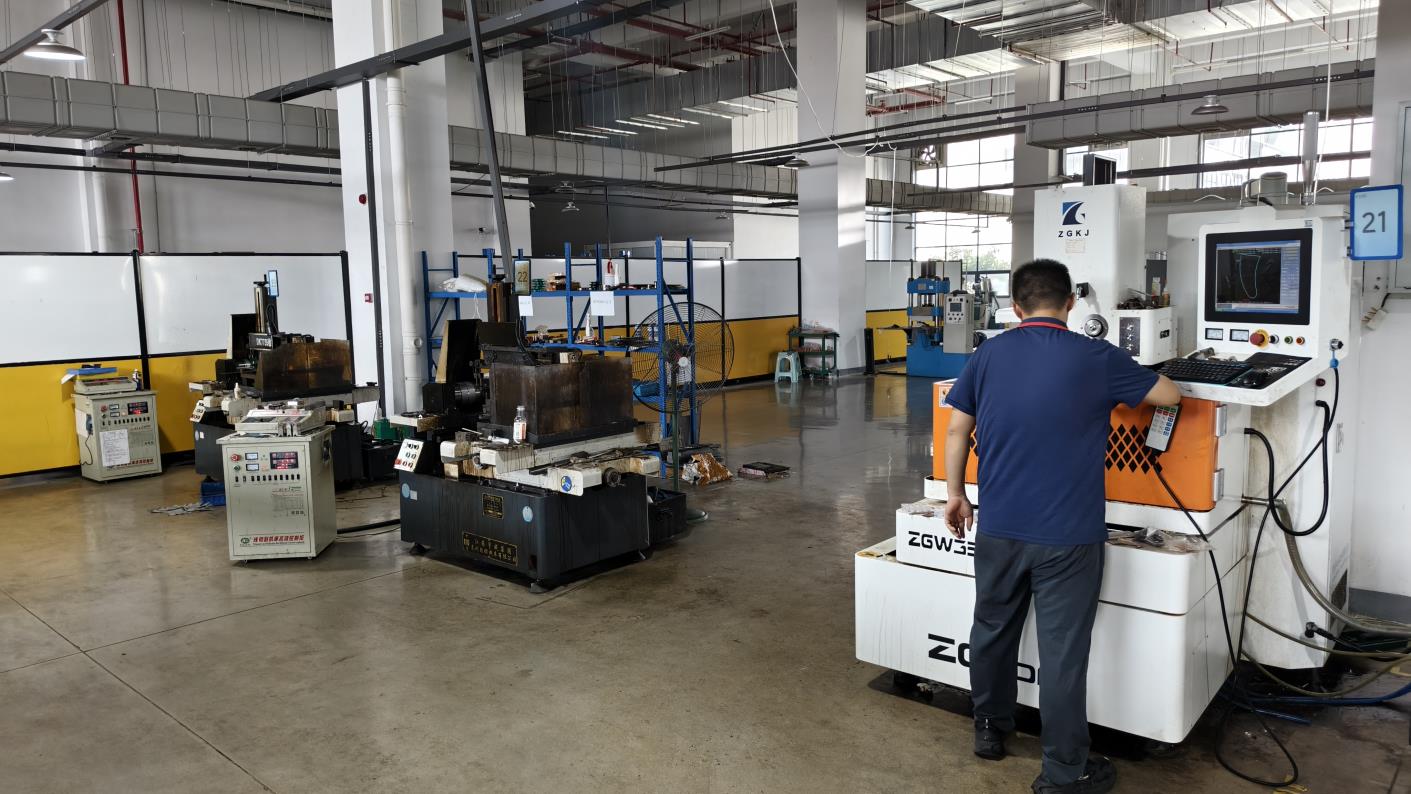
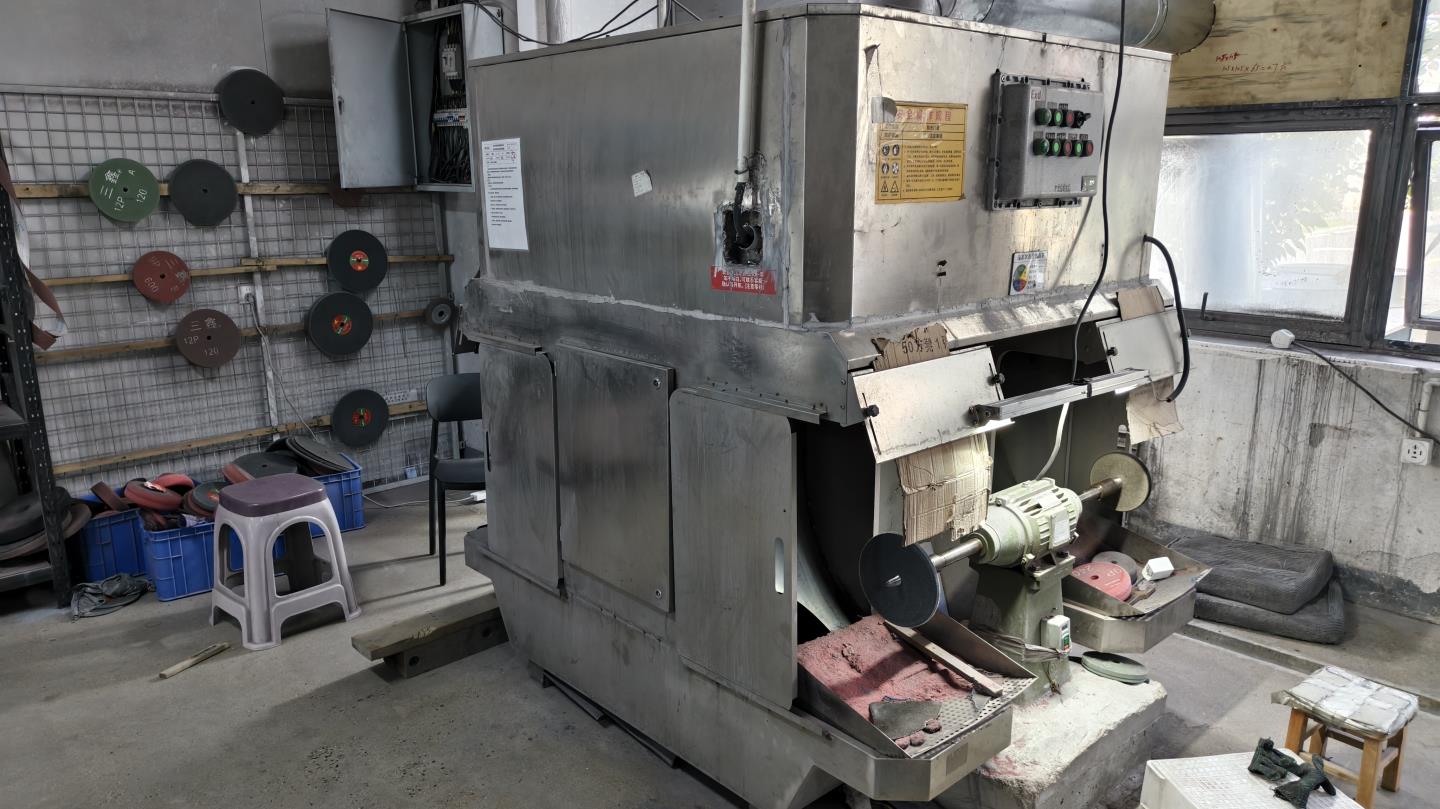
By integrating multi-axis Swiss-type CNC Lathes, robotic surface polishing systems, and automated cleaning processes, advanced production systems achieve dimensional tolerances of less than 0.005mm. This degree of control minimizes the risk of micro-structural stress concentrations in titanium alloy (Ti-6Al-4V ELI) implants, reducing the likelihood of mechanical implant failure in clinical environments.
Furthermore, digital raw material tracking systems ensure full transparency from raw titanium bar stock to the finished interlocking nail. For Indian B2B buyers, this transparency simplifies batch tracking and regulatory registration with the CDSCO, mitigating procurement risks and preventing supply chain disruptions.
Clinical settings in India vary significantly, from modern super-specialty hospitals to remote regional clinics. A one-size-fits-all implant catalog is insufficient. Advanced manufacturing systems address this through customizable designs:
Synoviq Medical Technology (China) Co., Ltd. is a professional manufacturer of orthopedic implants and surgical instruments, dedicated to delivering innovative, reliable, and high-quality medical solutions for healthcare professionals worldwide. Since its establishment, Synoviq has focused on research, development, precision manufacturing, and international quality standards, providing comprehensive OEM and ODM services for global medical device brands, distributors, and hospitals.
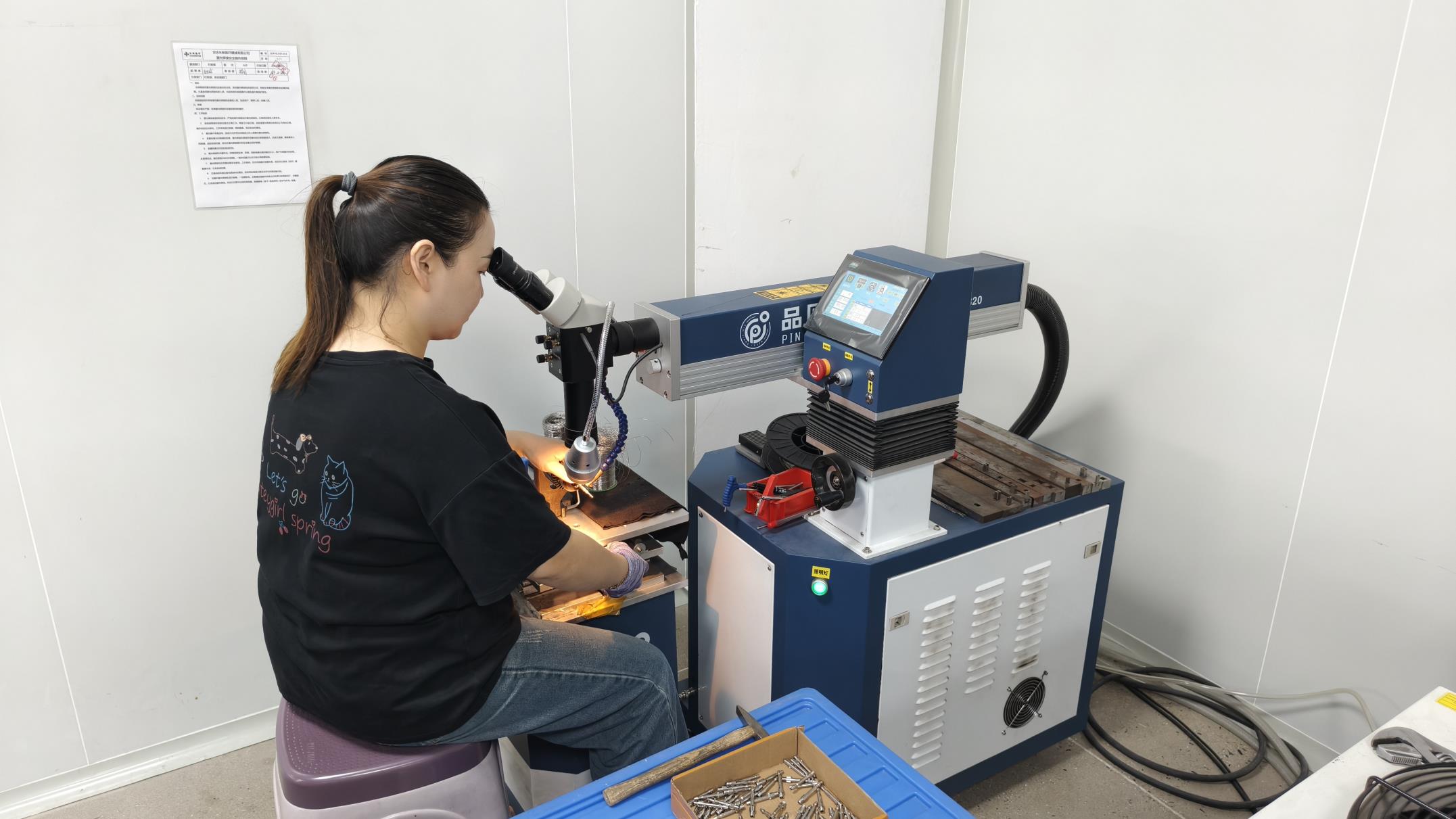
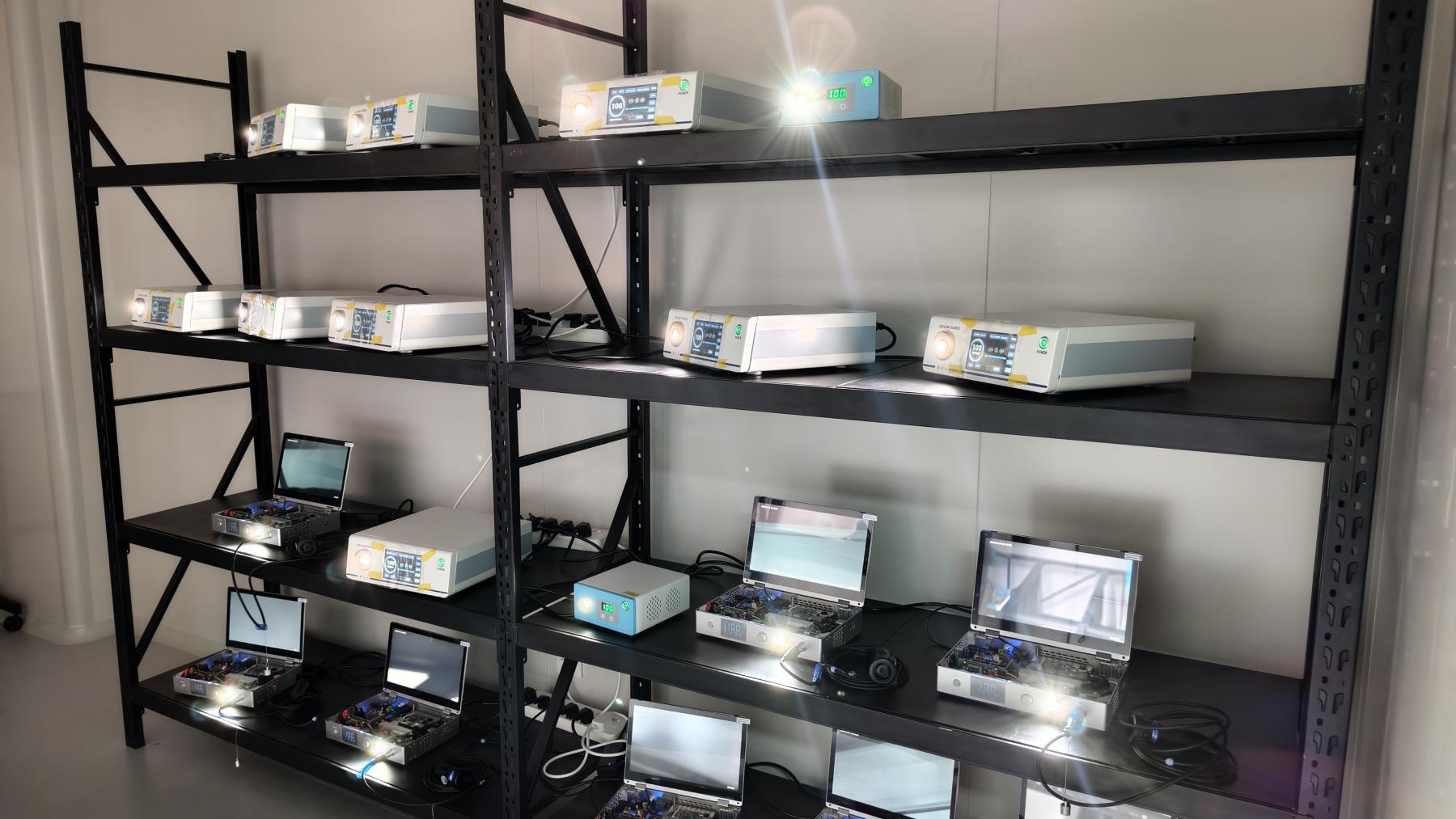
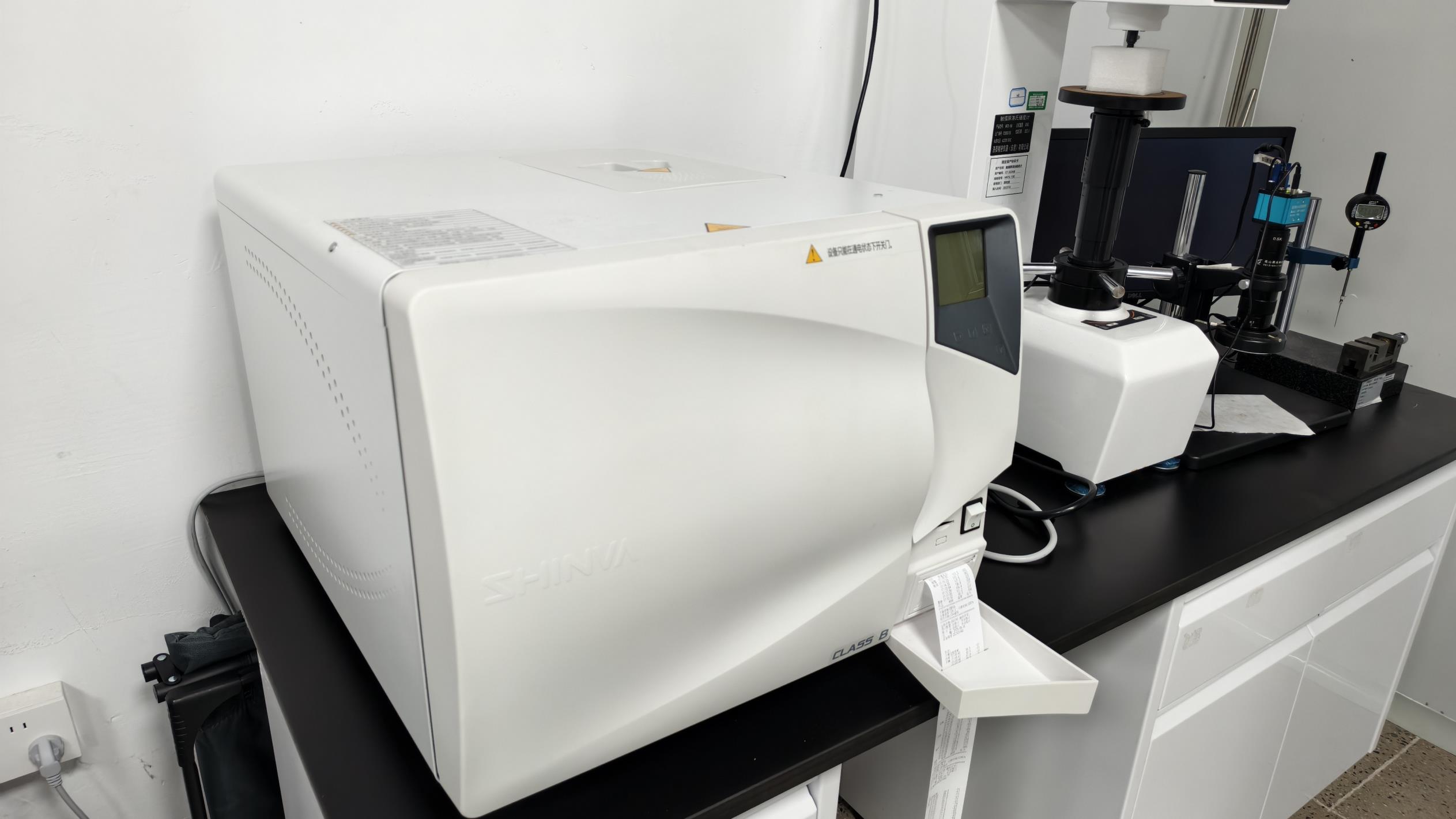
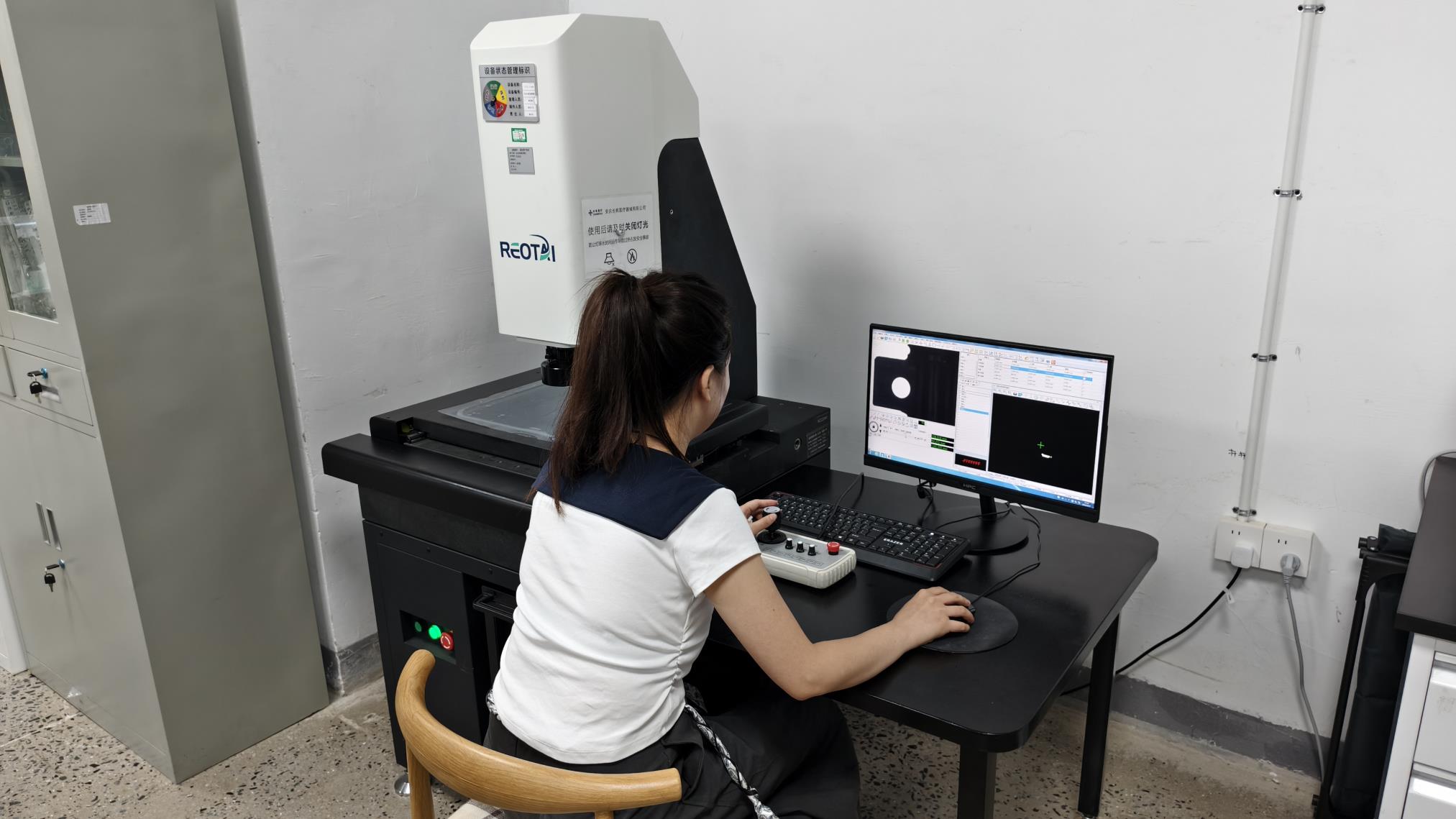
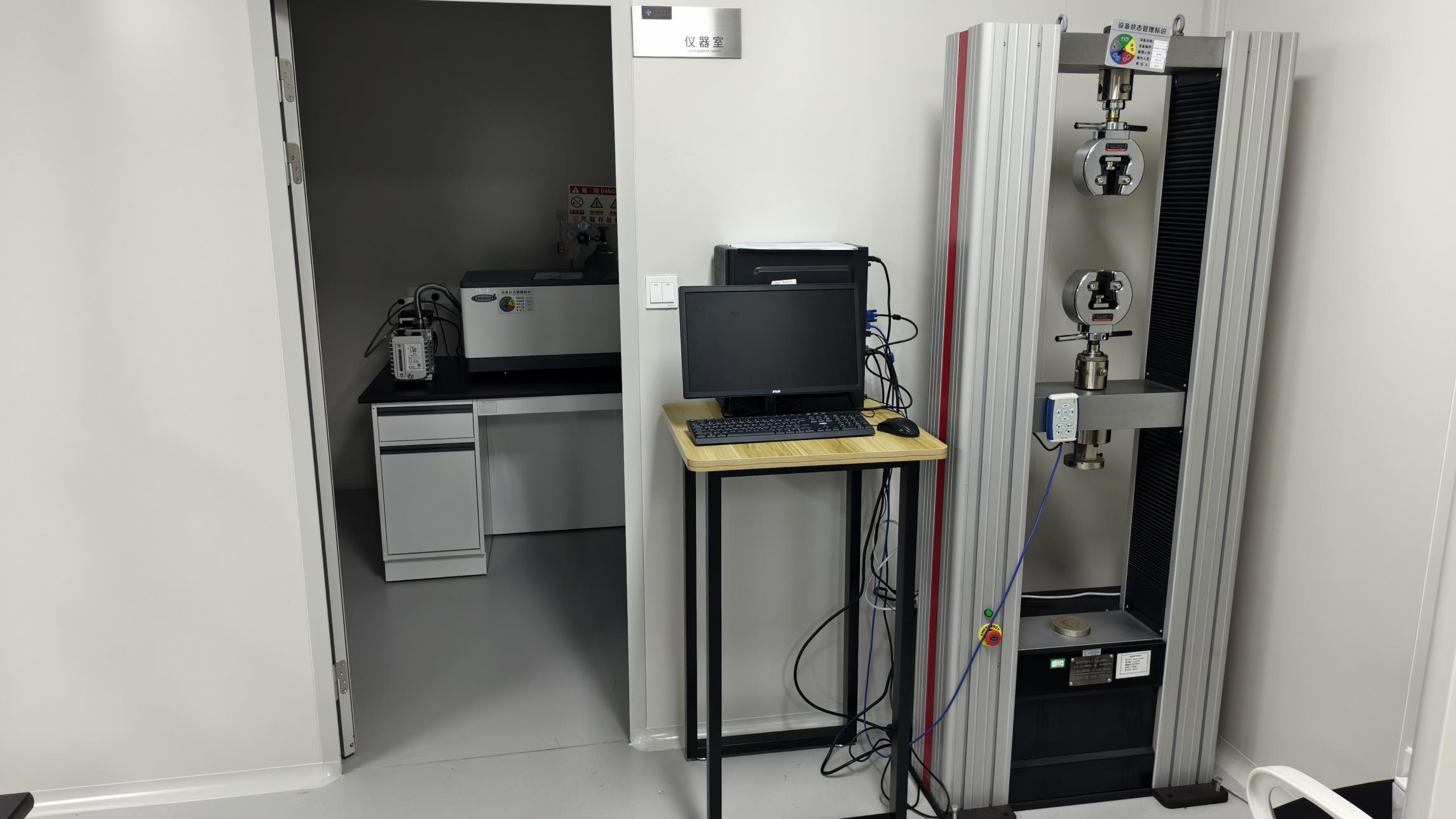
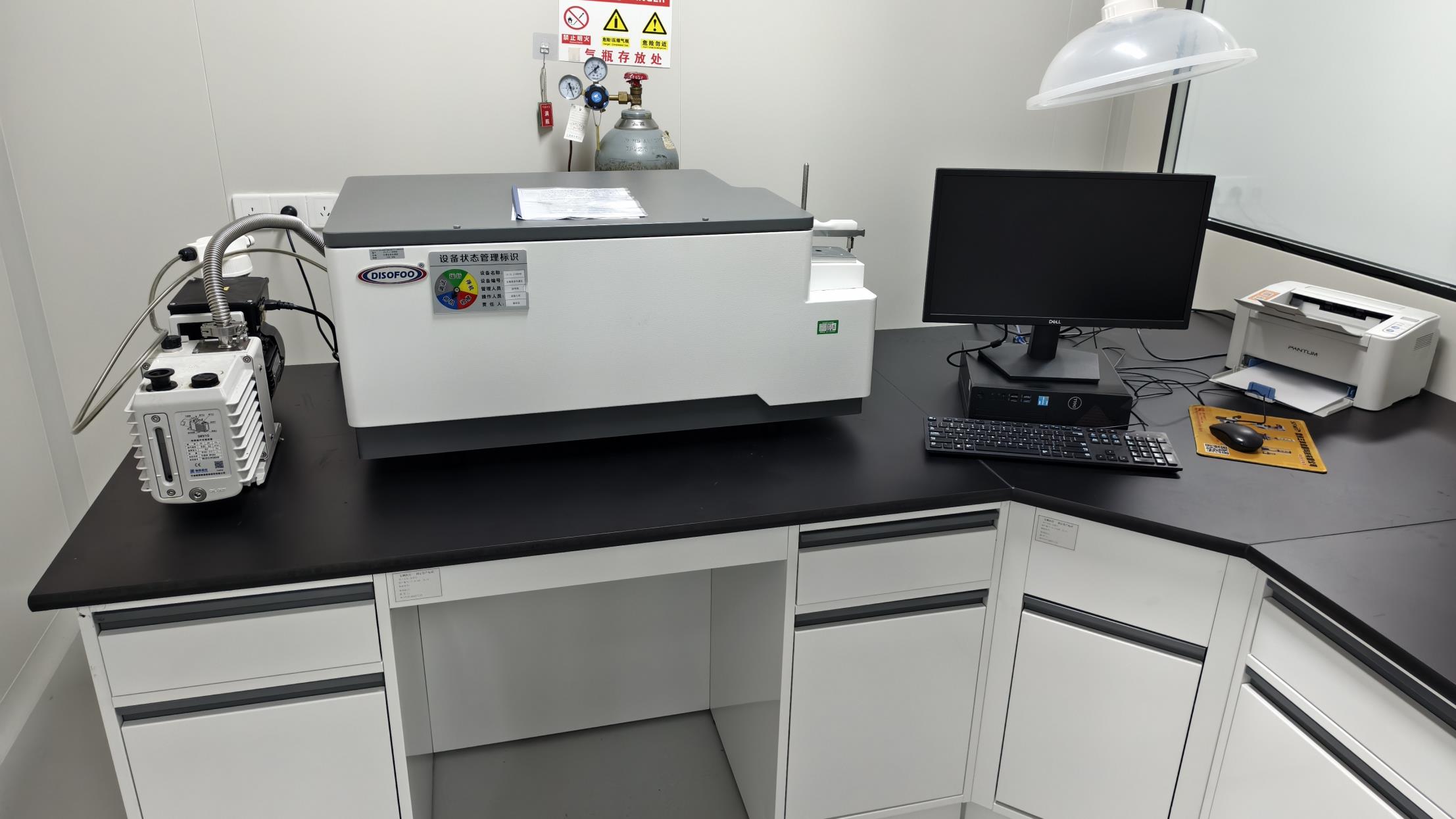
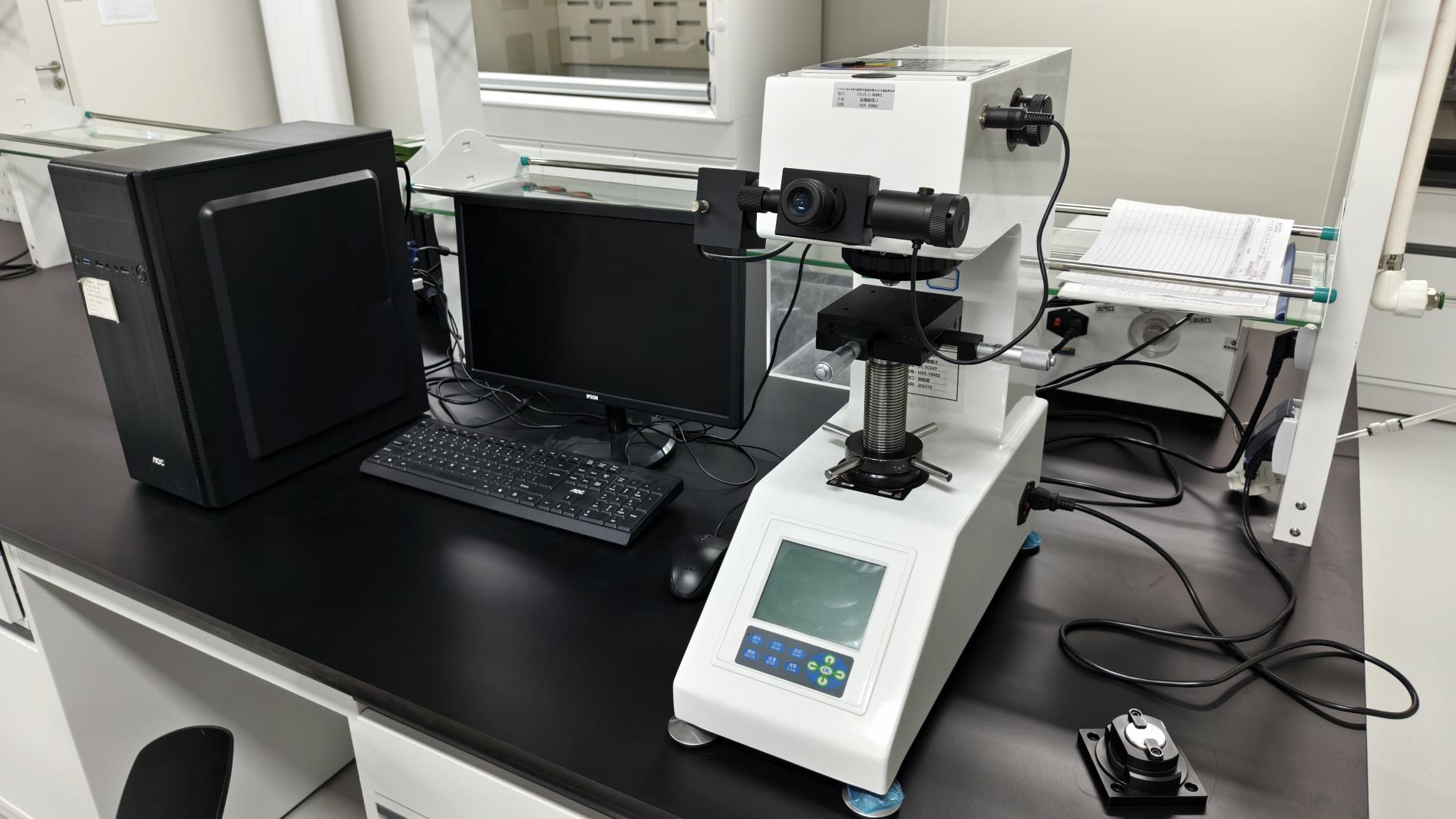
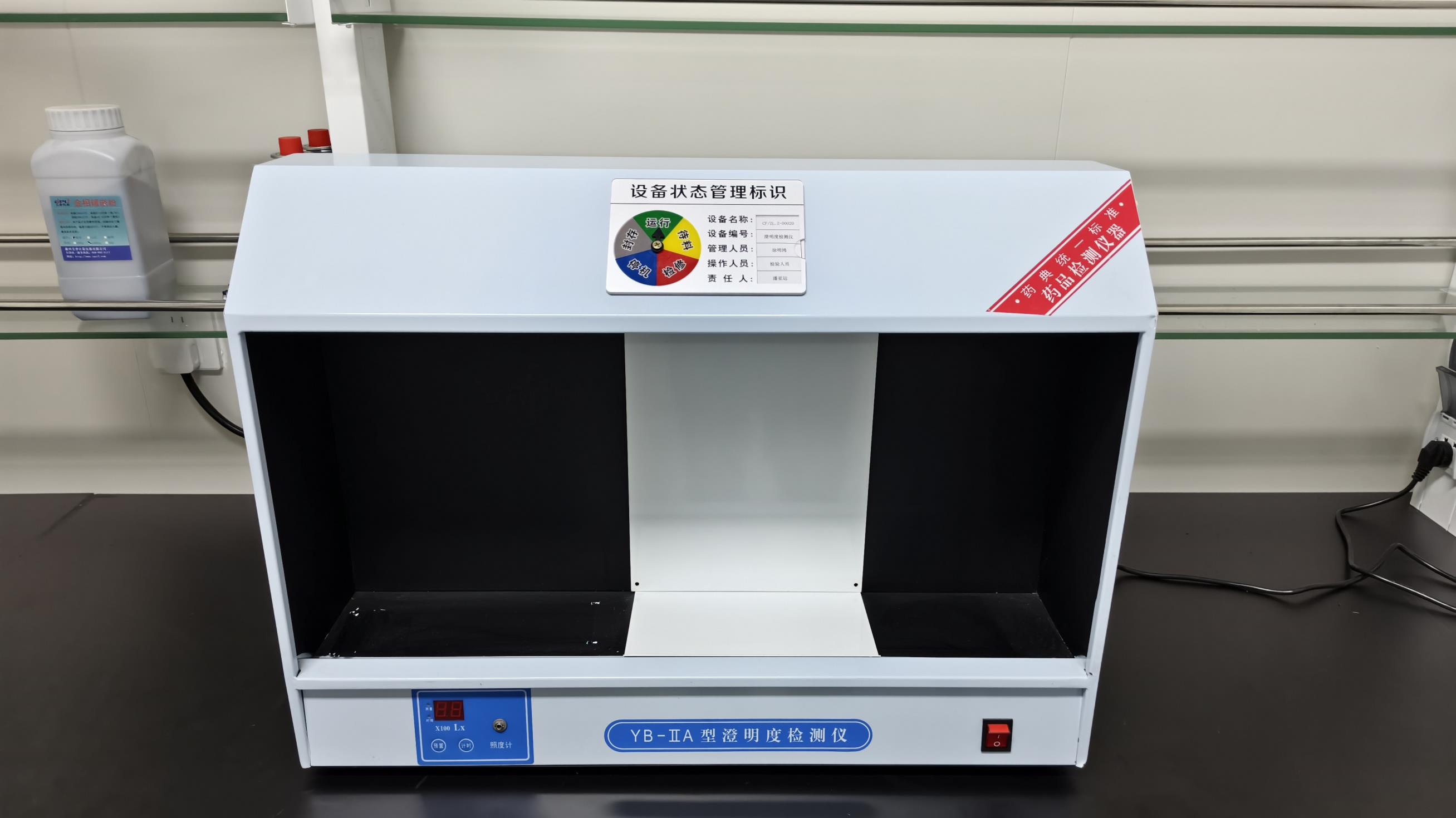
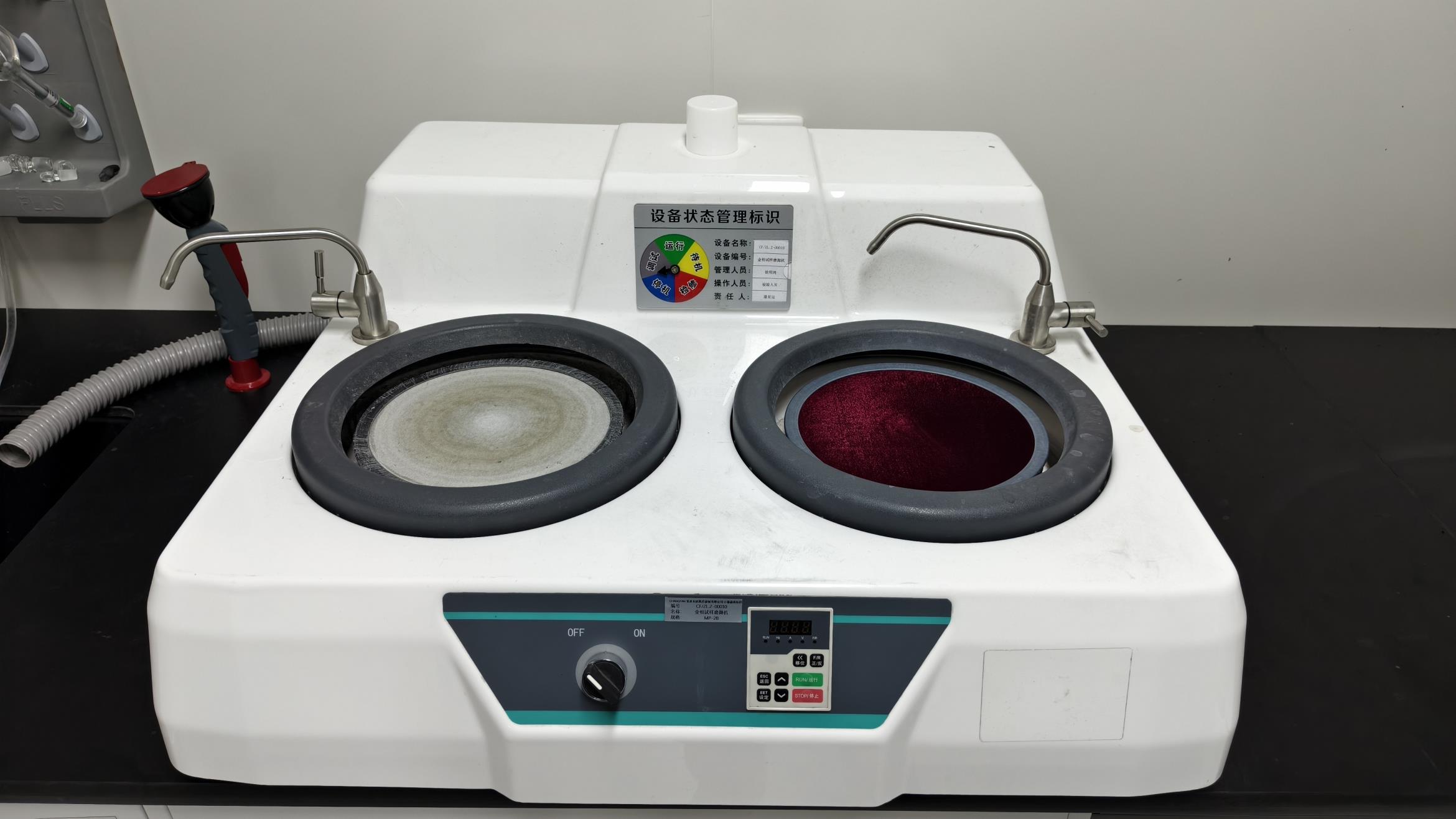
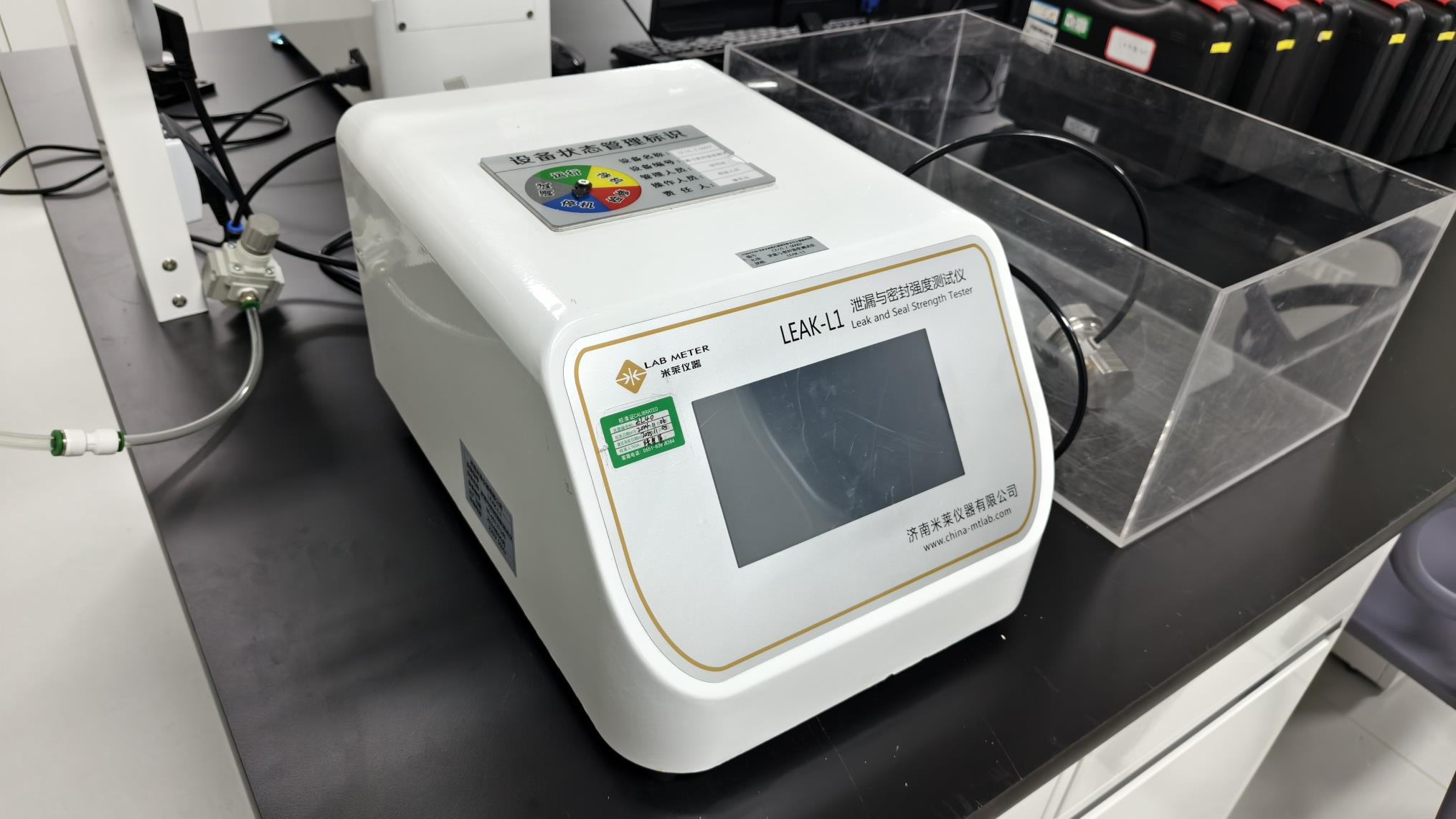
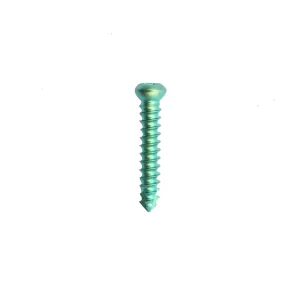
Our product portfolio includes trauma fixation systems, spinal implants, locking plates, intramedullary nails, external fixation systems, orthopedic screws, surgical instruments, and customized orthopedic solutions. Equipped with advanced CNC machining centers, precision inspection equipment, and modern clean production facilities, we ensure every product meets strict international quality requirements.
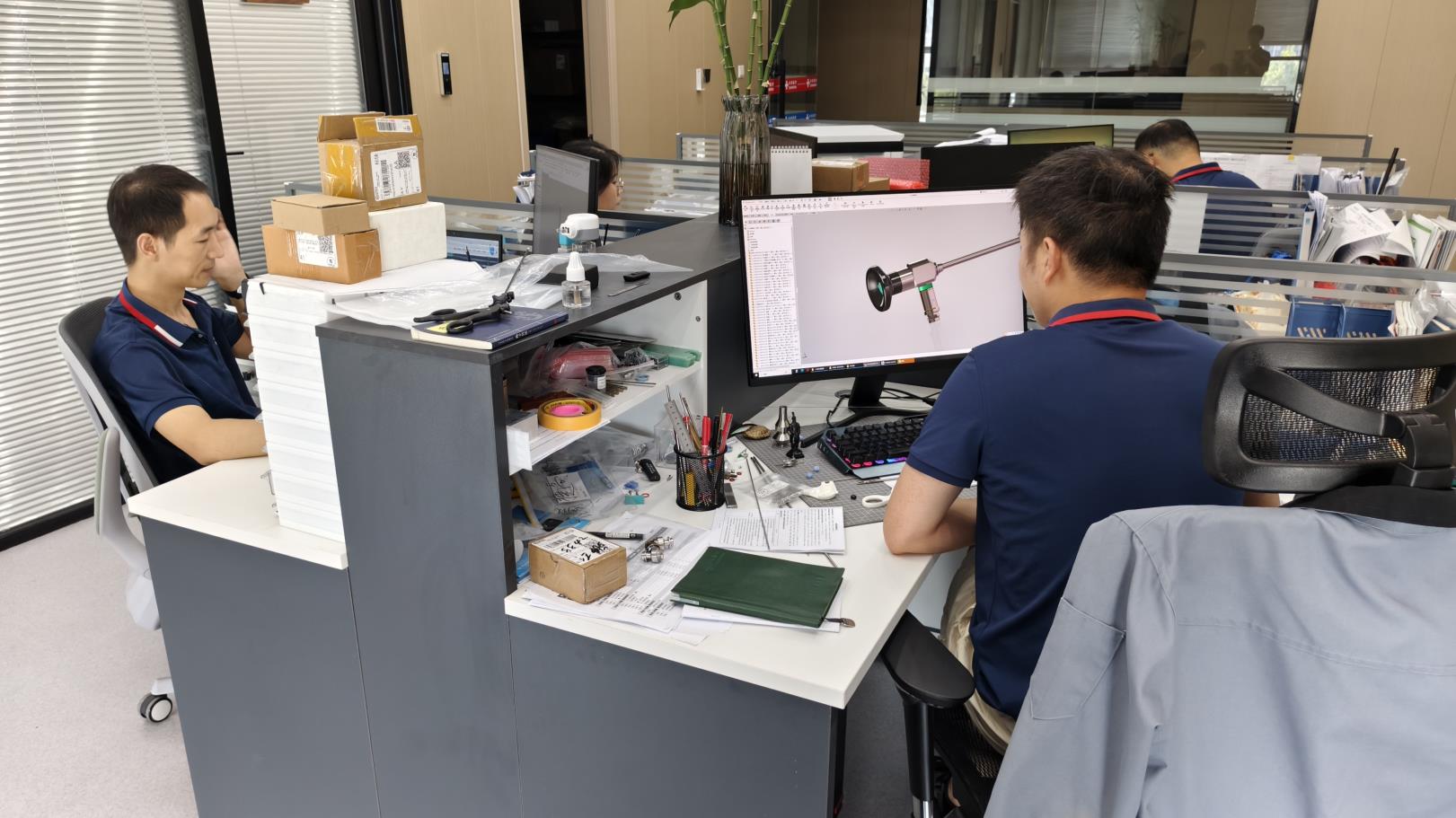
Driven by continuous innovation, Synoviq invests heavily in R&D and intelligent manufacturing to enhance product performance, surgical efficiency, and patient outcomes. Our experienced engineering team works closely with customers to develop customized products tailored to different clinical applications and market demands.
With a customer-oriented philosophy, competitive pricing, stable supply capability, and efficient technical support, Synoviq has established long-term partnerships with distributors, medical brands, and healthcare organizations across Europe, North America, South America, the Middle East, and Asia-Pacific.
| Item | Information |
|---|---|
| Company Name | Synoviq Medical Technology (China) Co., Ltd. |
| Brand | Synoviq |
| Established | March 18, 2016 |
| Building Area | 18,600 m² |
| Annual Export Revenue | USD 21.8 Million |
| Export Experience | 8 Years |
| Industry Experience | 14 Years |
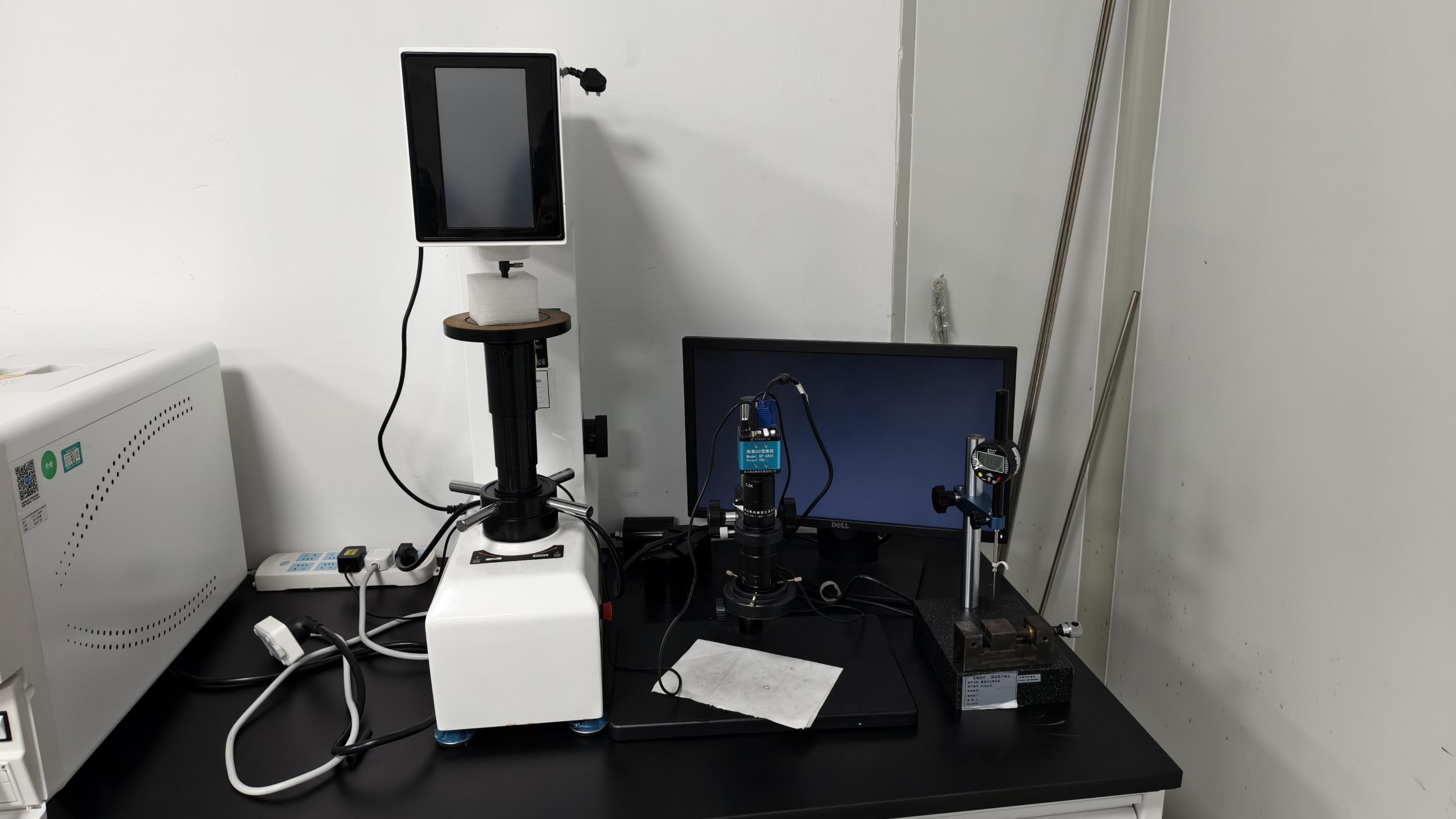
| Quality Inspection | 100% Final Inspection & Incoming Material Inspection |
| Product Inspection Methods | CMM Measurement, Mechanical Testing, Surface Roughness Testing, Hardness Testing, Salt Spray Testing, Sterility Validation |
| Quality Control Staff | 48 |
| Business Type | Manufacturer & Exporter (OEM/ODM) |
| Main Markets | Europe, North America, South America, Middle East, Southeast Asia |
| Supply Chain Partners | 1,120+ |
| Main Customer Types | Medical Device Brands, Importers, Distributors, Hospitals, Government Procurement Projects |
| R&D Capability | Independent Product Design, Prototype Development, Clinical-Oriented Engineering, OEM & ODM Development |
| Customization Options | Logo Customization, Packaging Customization, Product Design Customization, Material Selection, Surface Treatment |
| New Products Released Last Year | 186 |
| R&D Engineers | 76 |
The mechanical properties of intramedullary implants are vital for clinical success. Synoviq uses medical-grade titanium alloy (typically Ti-6Al-4V ELI, conforming to ASTM F136 standards) as its primary manufacturing material. This choice is supported by specific performance characteristics:
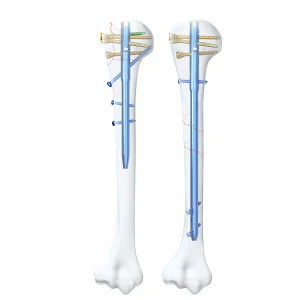
Implant designs are optimized to match specific fracture typologies encountered in clinical environments:
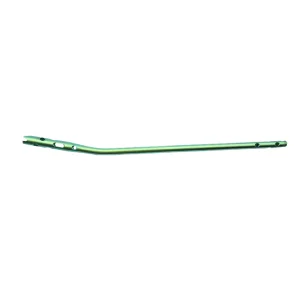
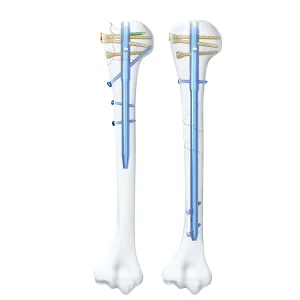
1. Proximal Femoral Fractures (PFNA System): The PFNA design is tailored for unstable intertrochanteric fractures, which are increasingly common among geriatric patients in India. The helical blade compresses the cancellous bone, providing superior resistance to cut-out compared to traditional lag screws.
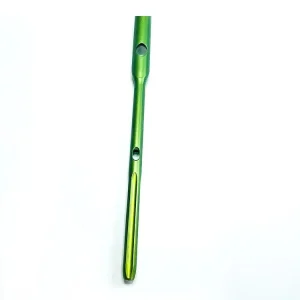
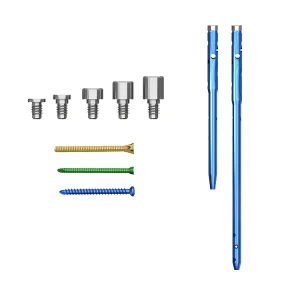
2. Diaphyseal Tibial and Femoral Fractures: Tibial interlocking nails with specialized distal locking options enable early weight-bearing, which is crucial for reducing hospital stay durations and overall treatment costs for active working-class patients.
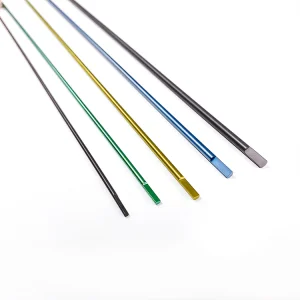
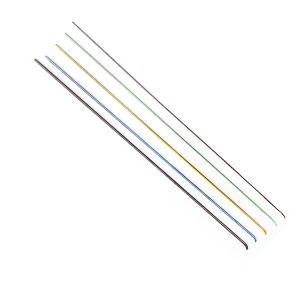
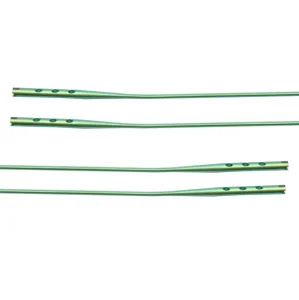
3. Pediatric Trauma (Elastic Stable Intramedullary Nails - ESIN): Intended for diaphyseal fractures in pediatric cohorts, these implants facilitate rapid stabilization without disrupting the growth plates, aligning with the requirements of specialized pediatric orthopedic units.

 Synoviq Medical