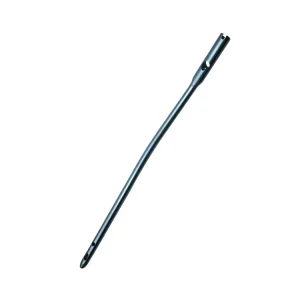
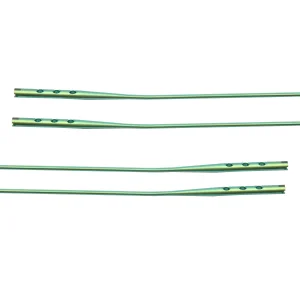
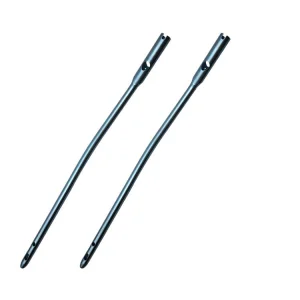
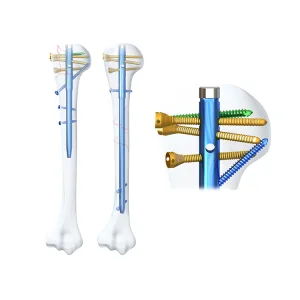
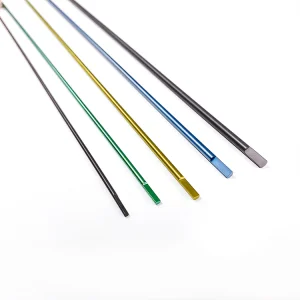
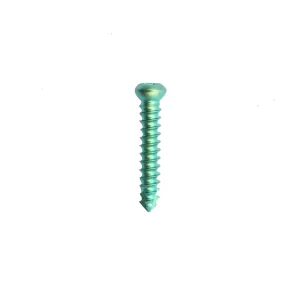
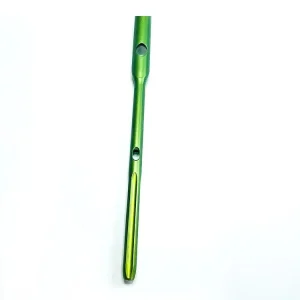
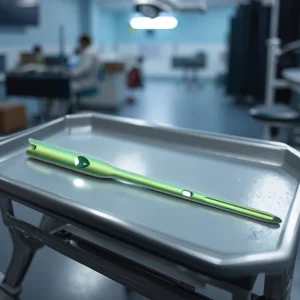
Engineered with bio-compatible titanium alloys to match strict Australian regulatory requirements and patient-specific load-bearing metrics.
Brisbane, as the clinical and economic engine of Queensland, is home to a world-class network of public and private healthcare facilities. Major institutions such as the Royal Brisbane and Women's Hospital (RBWH), the Princess Alexandra Hospital (PAH), and the Queensland Children's Hospital demand high-tier surgical implants that satisfy strict regulatory scrutiny by the Therapeutic Goods Administration (TGA).
The demand for intramedullary (IM) nails within the Queensland Health framework is driven by two main clinical demographics: geriatric hip fracture cases requiring proximal femoral nail antirotation (PFNA) systems, and high-velocity polytrauma cases resulting from arterial traffic accidents and regional construction activities. As orthopedic clinical guidelines increasingly favor minimally invasive procedures, IM nails have become the gold standard in restoring mobility swiftly, minimizing post-operative hospital stays, and driving cost efficiencies across the Australian healthcare system.
Globally, the orthopedic trauma fixation market is undergoing a paradigm shift towards intelligent design and advanced surface treatments. The conventional use of clinical-grade stainless steel is rapidly giving way to Titanium-6Aluminum-4Vanadium ELI (Extra Low Interstitial) alloys and carbon-reinforced PEEK implants. These modern materials mitigate stress shielding by offering a modulus of elasticity closer to that of human cortical bone.
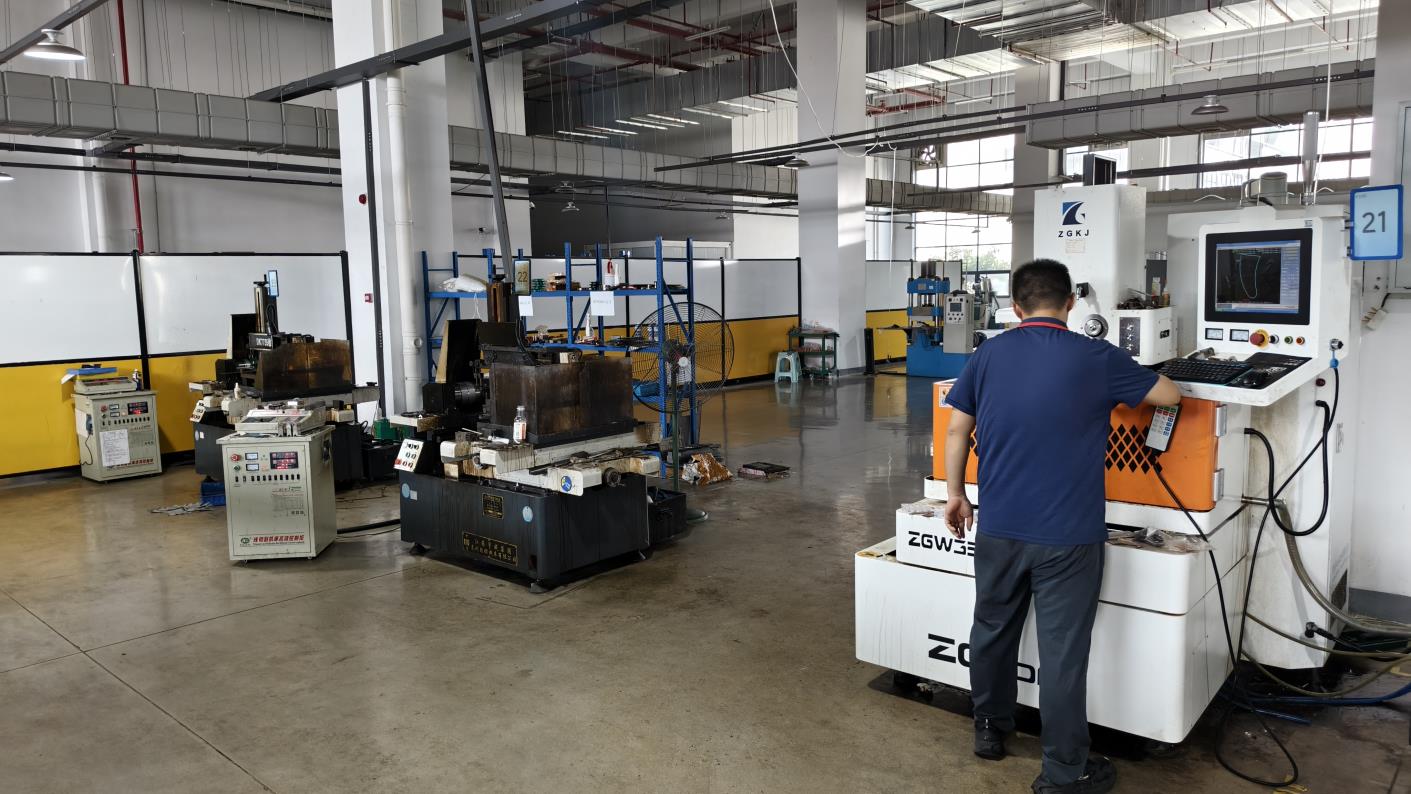
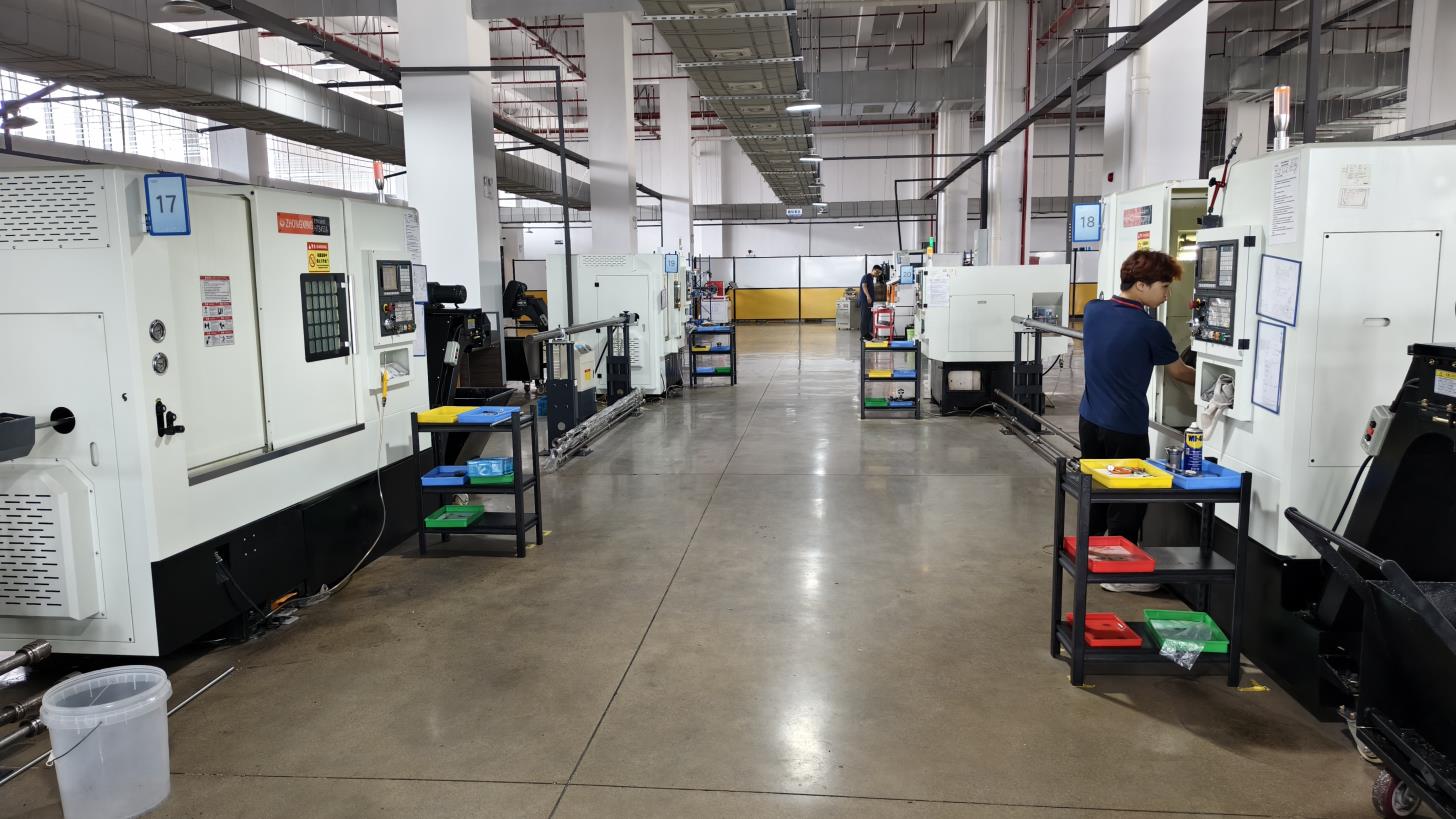
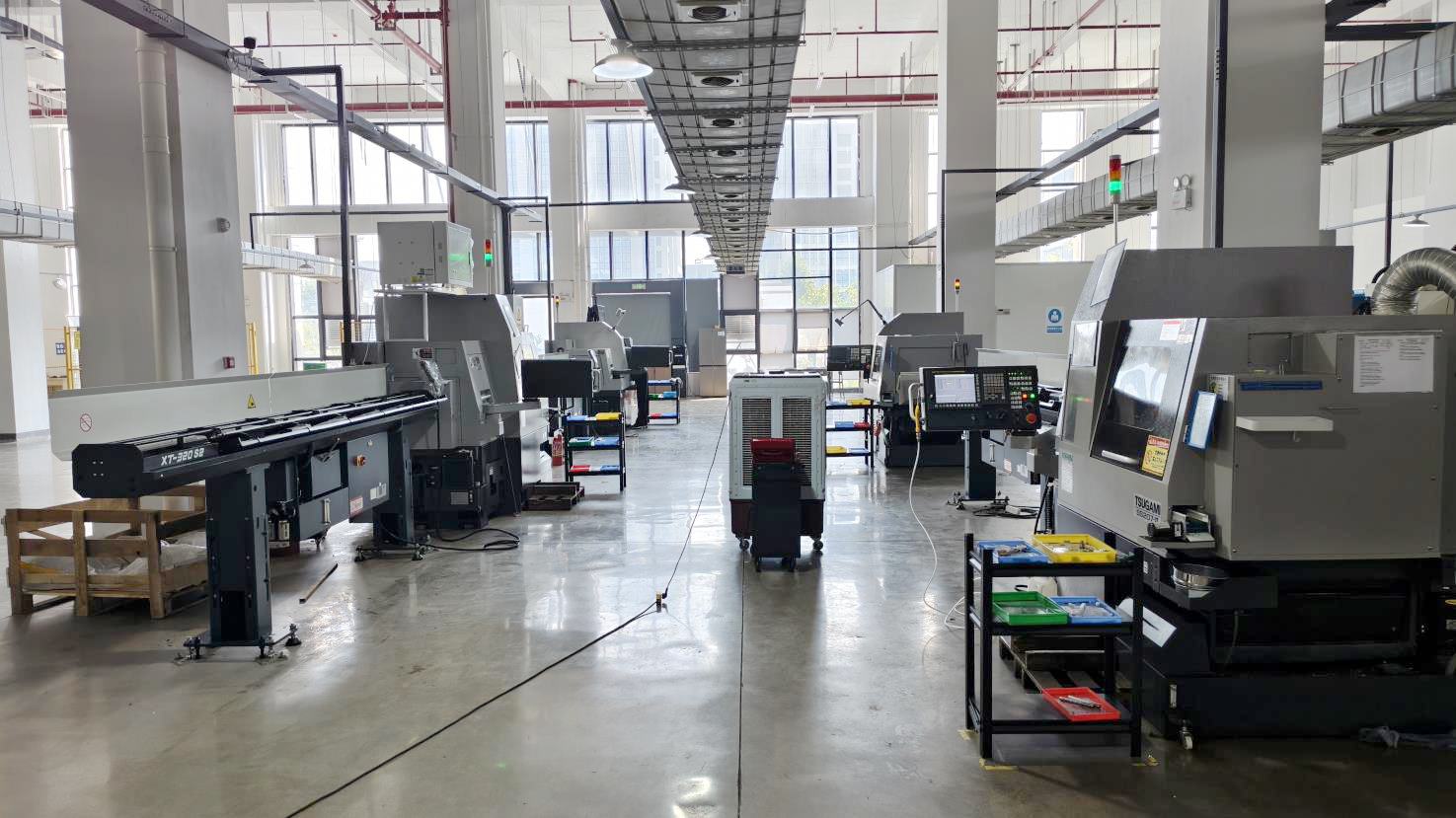
Furthermore, the integration of digital health technologies, such as electromagnetic-guided distal locking systems, is resolving the historical challenge of radiation exposure in the operating theater. As a leading manufacturer, Synoviq Medical matches these global vectors, investing in high-precision Swiss-type lathes and custom anodization systems to deliver components that ensure surgical precision and patient safety.
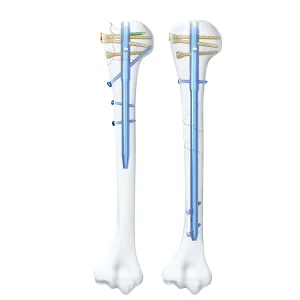
Synoviq's intramedullary nails are designed utilizing finite element analysis (FEA) to verify optimal load distribution along the anatomical axis of the femur, tibia, and humerus.
Our implants utilize titanium alloy (Ti-6Al-4V ELI) conformant to ASTM F136. The dynamic interlocking mechanism balances rigid internal fixation with micromotion, stimulating external callus formation. This optimization prevents non-union and reduces the incidence of peri-implant refracture.
Utilizing Type II electrochemical anodization, we create a stable, biologically inert titanium dioxide passivation layer. This reduces friction coefficient, increases resistance to fretting corrosion, and forms an ideal interface that mitigates bacterial colonization.
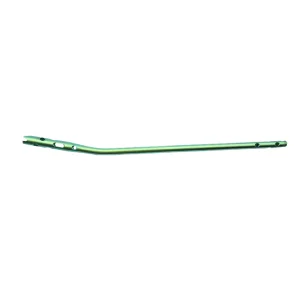
Through anthropometric database analysis, the Herzog bend on our tibial nails and the multi-planar locking options on our humeral and femoral systems are calibrated to fit diverse patient physiologies, reducing the surgeon's need for intra-operative contouring.
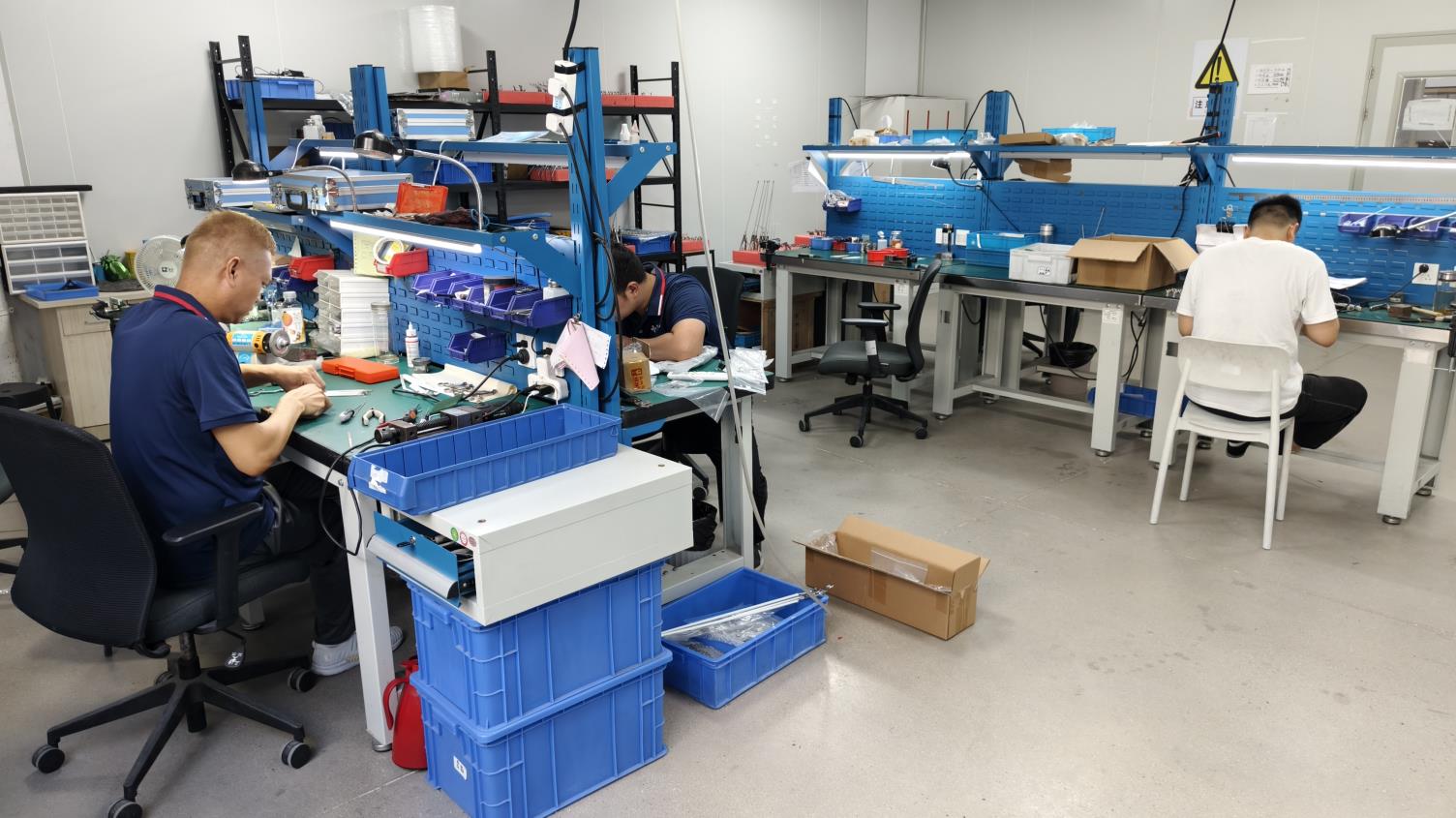
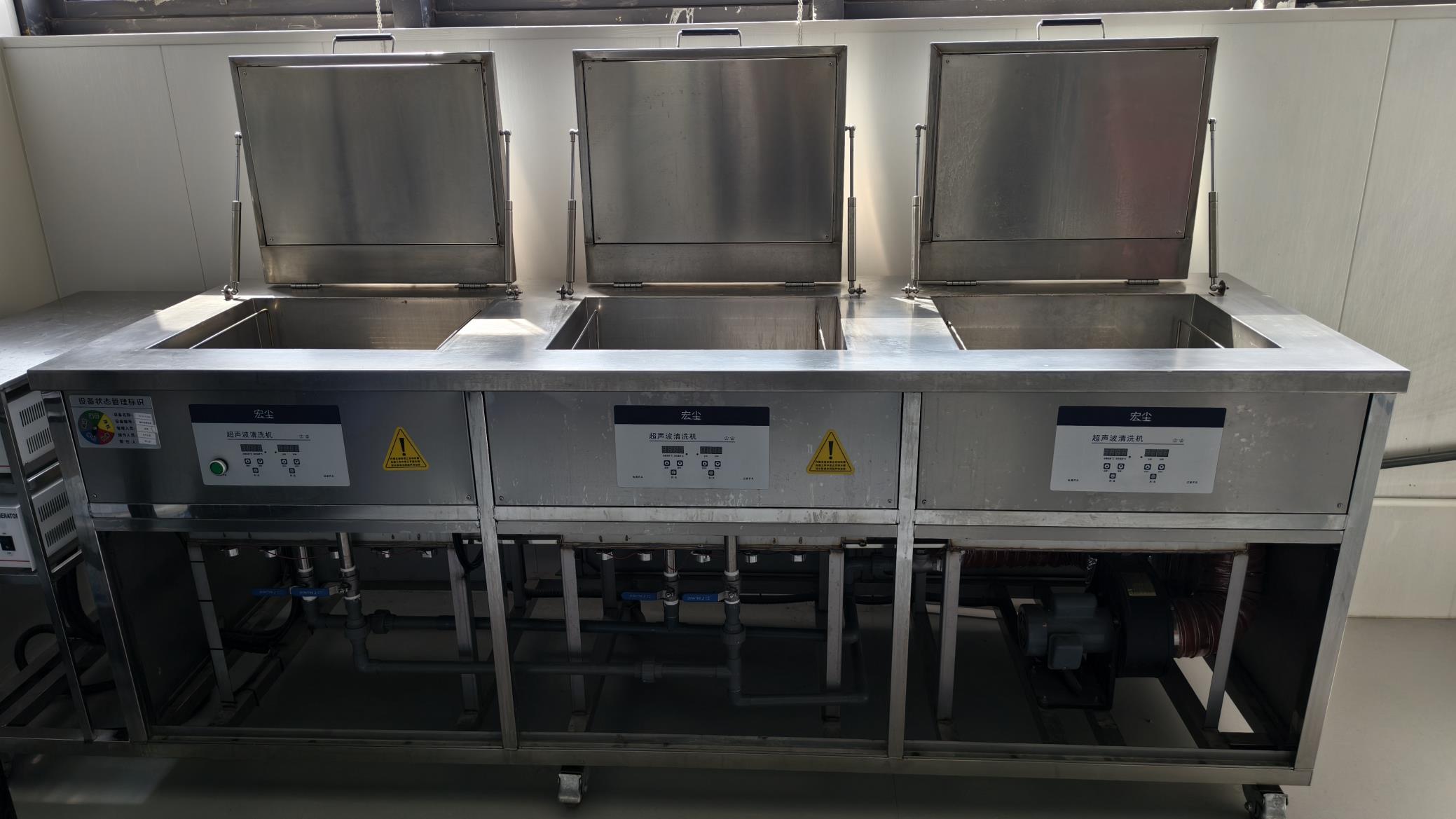
As a global OEM/ODM strategic partner, our manufacturing facility operates under Class 100,000 cleanrooms and utilizes the highest tier testing equipment to supply clinical entities in Brisbane and beyond.
Synoviq Medical Technology (China) Co., Ltd. is a dedicated manufacturer of orthopedic implants and surgical instruments. We deliver high-integrity solutions for healthcare professionals globally. Our focus on research, modern metallurgy, and automated production enables customized OEM and ODM solutions designed to align with strict regulatory specifications in Australia and the broader Asia-Pacific region.
| Operation Parametric | Specifications & Capabilities |
|---|---|
| Corporate Entities & Brands | Synoviq Medical Technology (China) Co., Ltd. (Brand: Synoviq) |
| Annualized Export Capacity | USD 21.8 Million globally across 8 years of export presence |
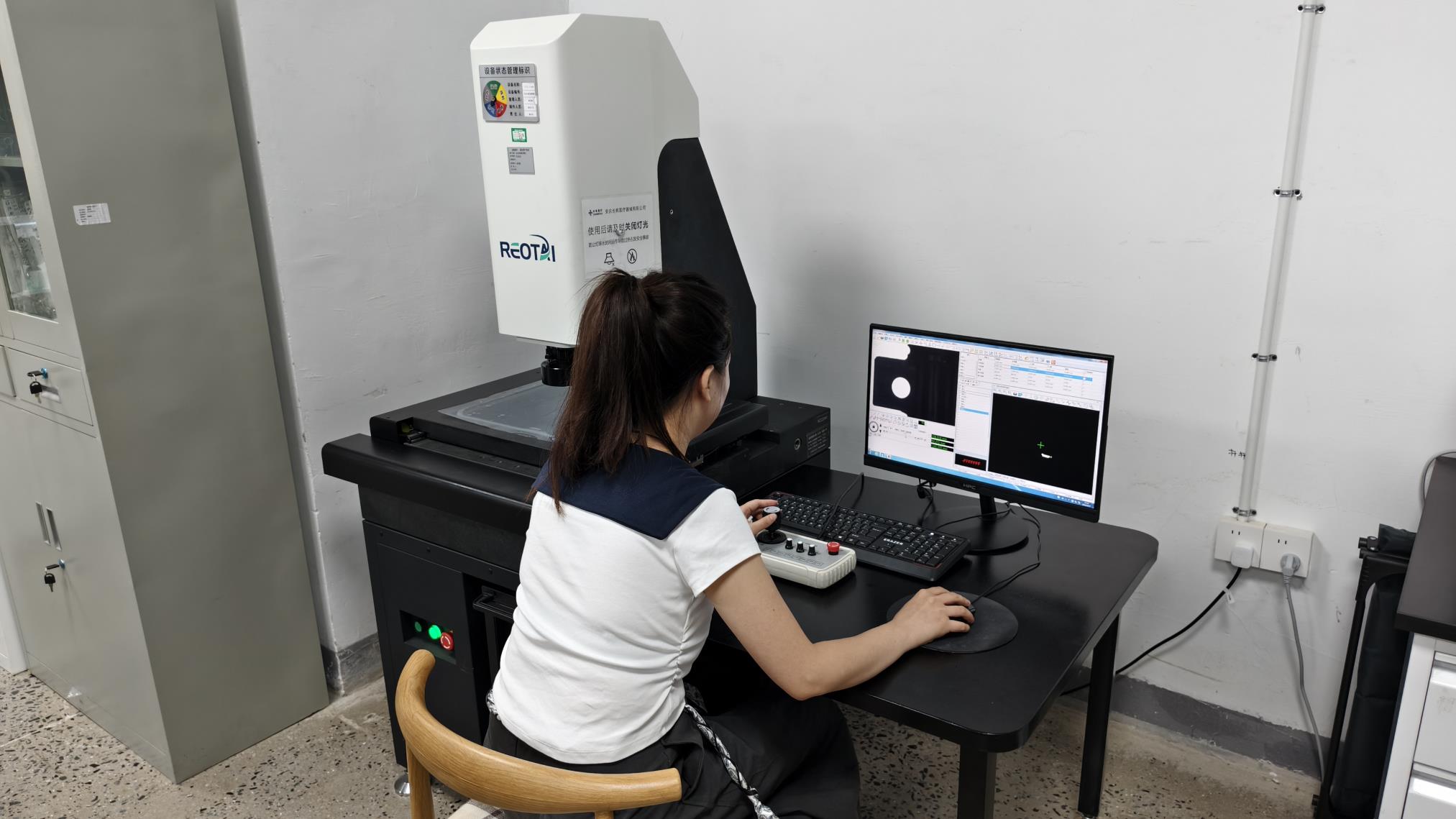
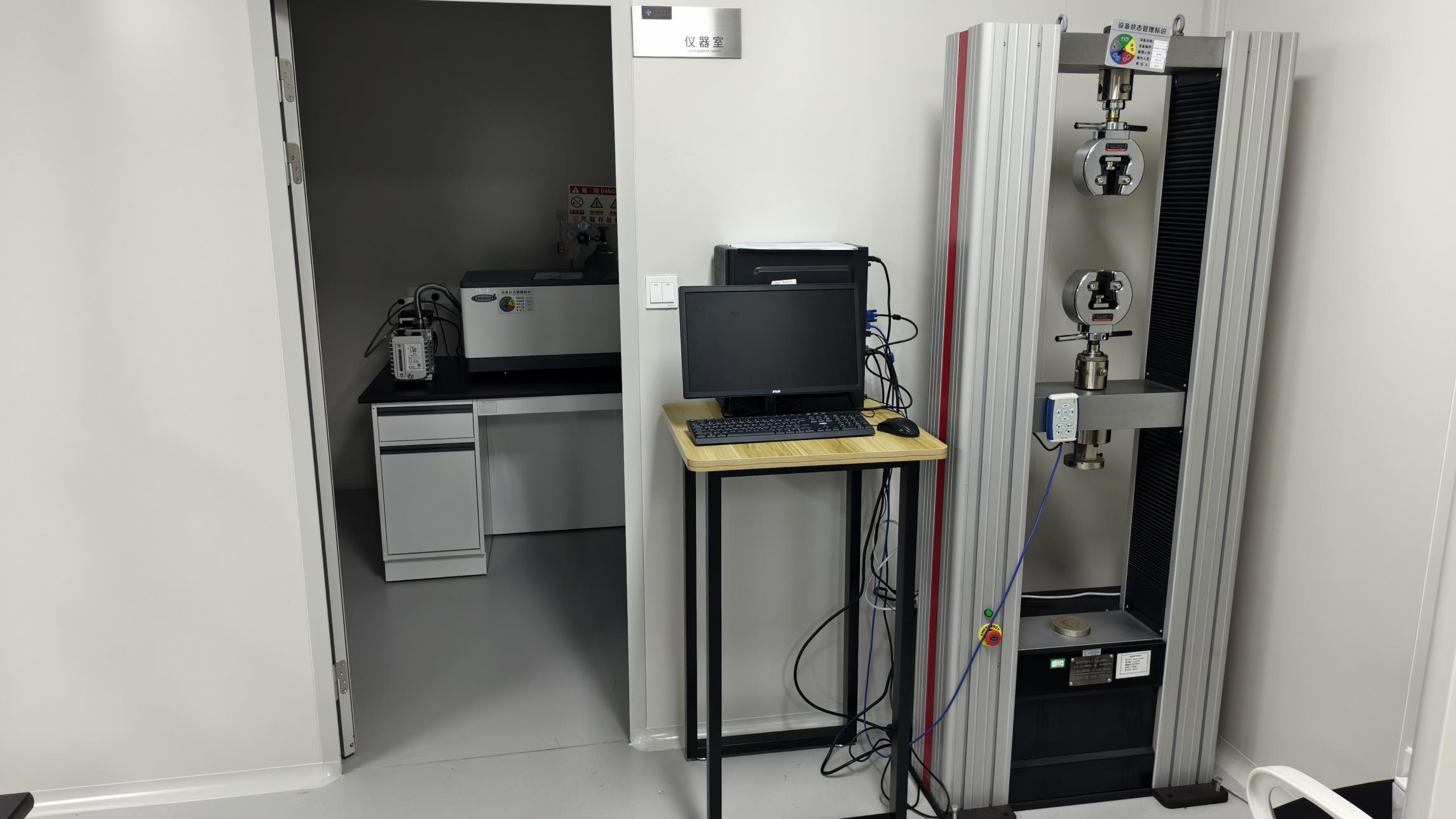
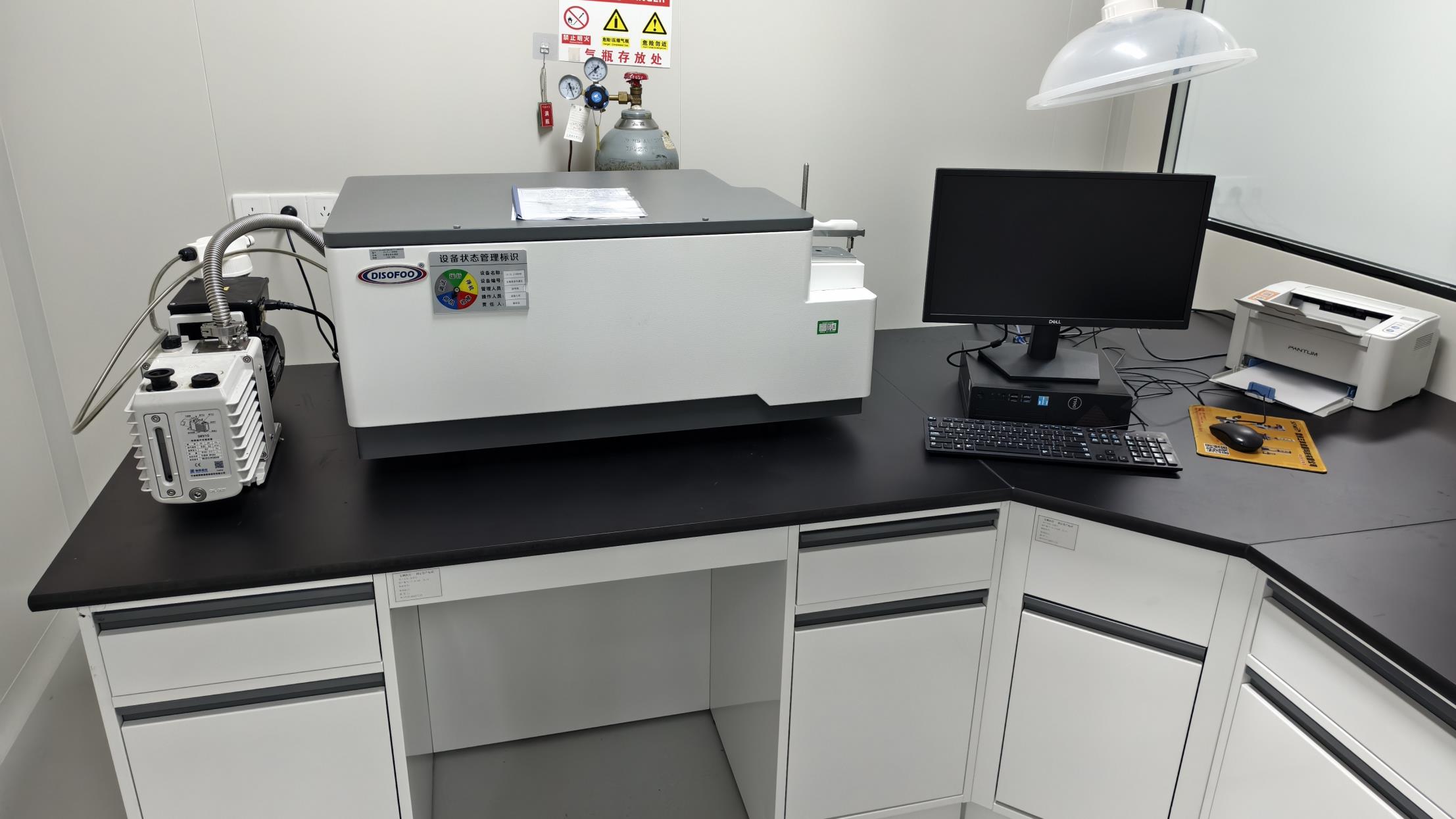
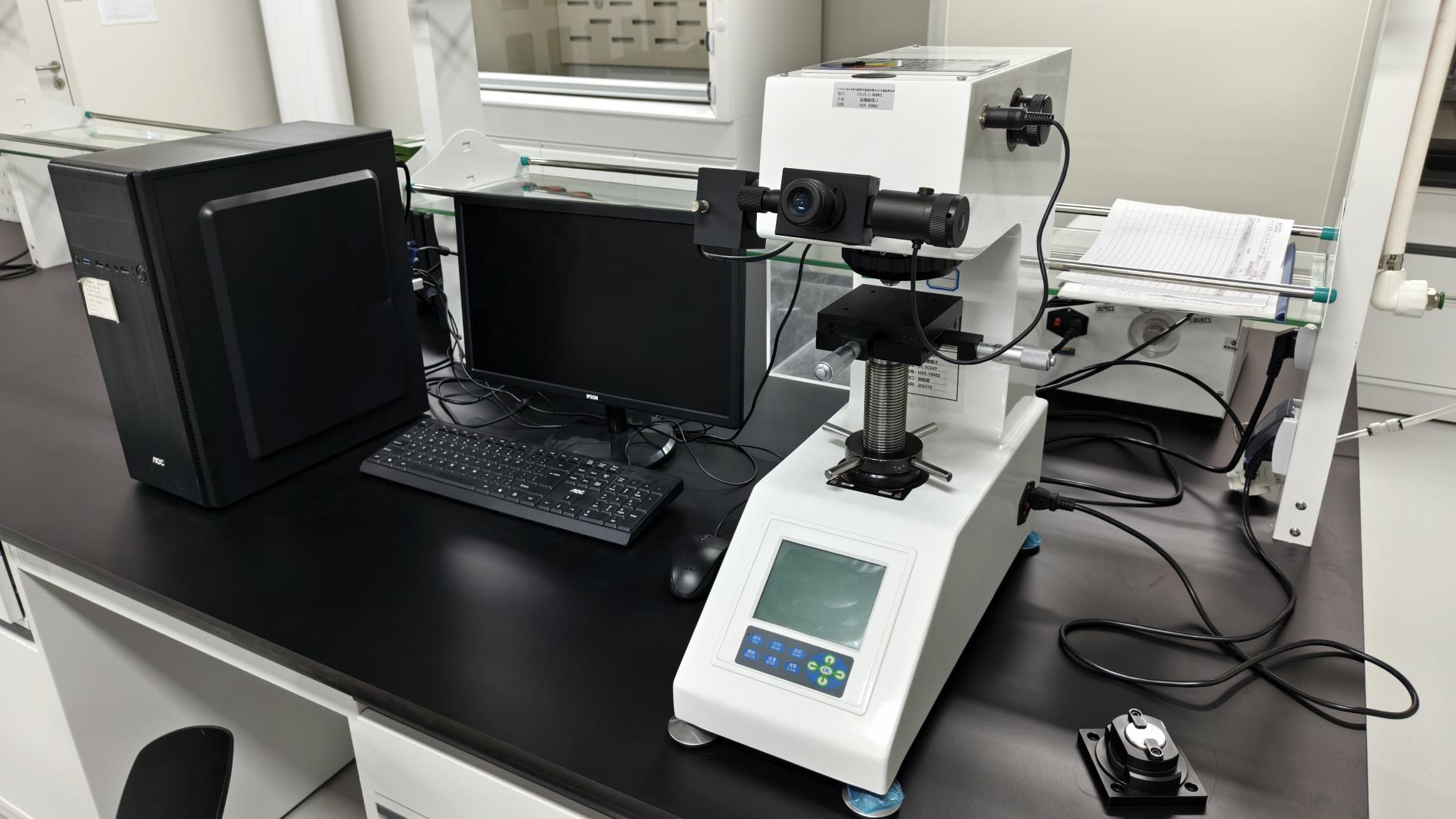
| Material Integrity Audits | 100% incoming spectroscopic verification, fatigue test, metallographic phase validation |
| Primary Materials Utilized | Titanium alloy (Ti-6Al-4V ELI, ASTM F136), CoCrMo, Ultra-high molecular weight PE |
| Metrology & Validation | CMM coordinate measuring, roughness profile testing, hardness testing, sterility validation |
| Clinical Licensing Readiness | Class III Cleanrooms, sterile barrier packaging validation, CE, ISO 13485 compliant |
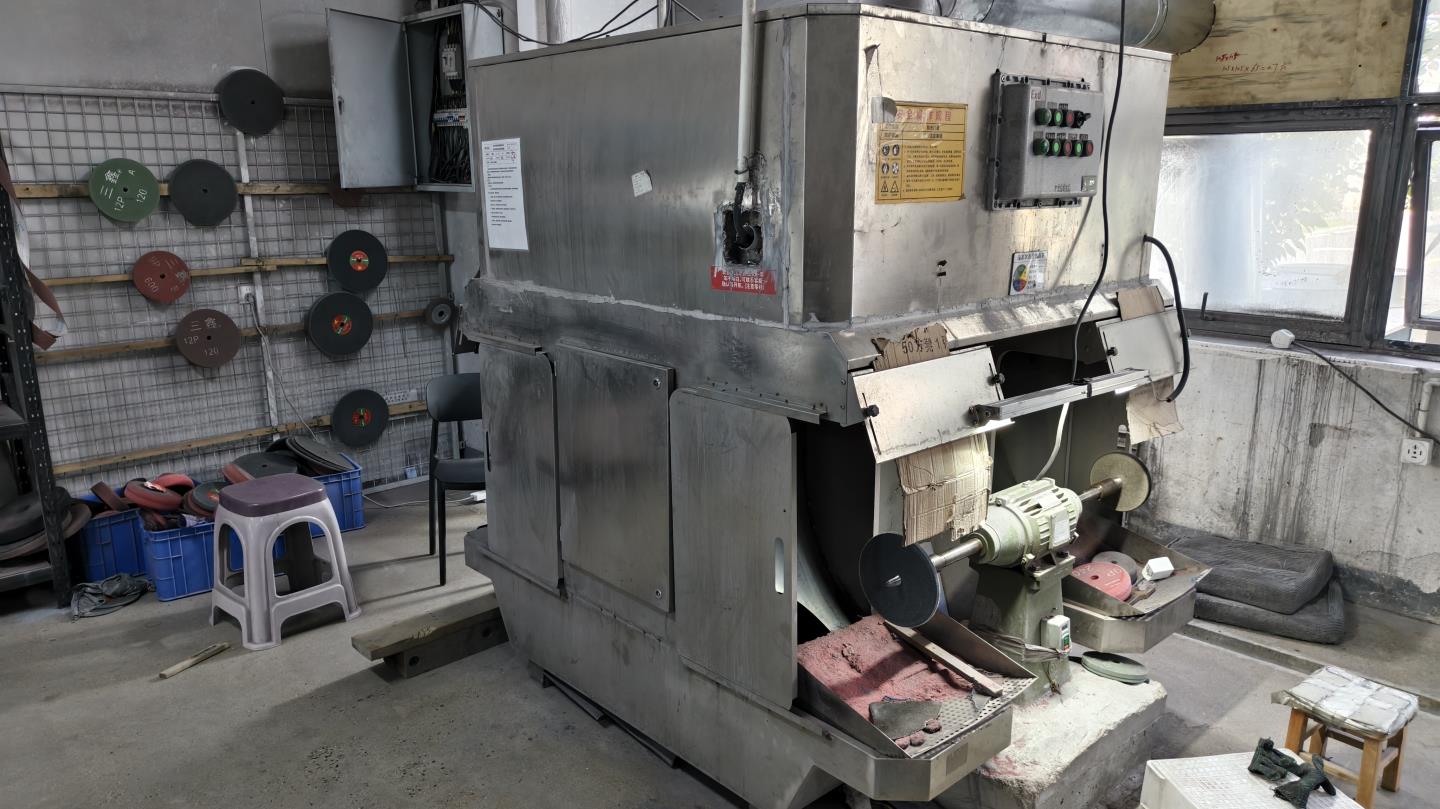
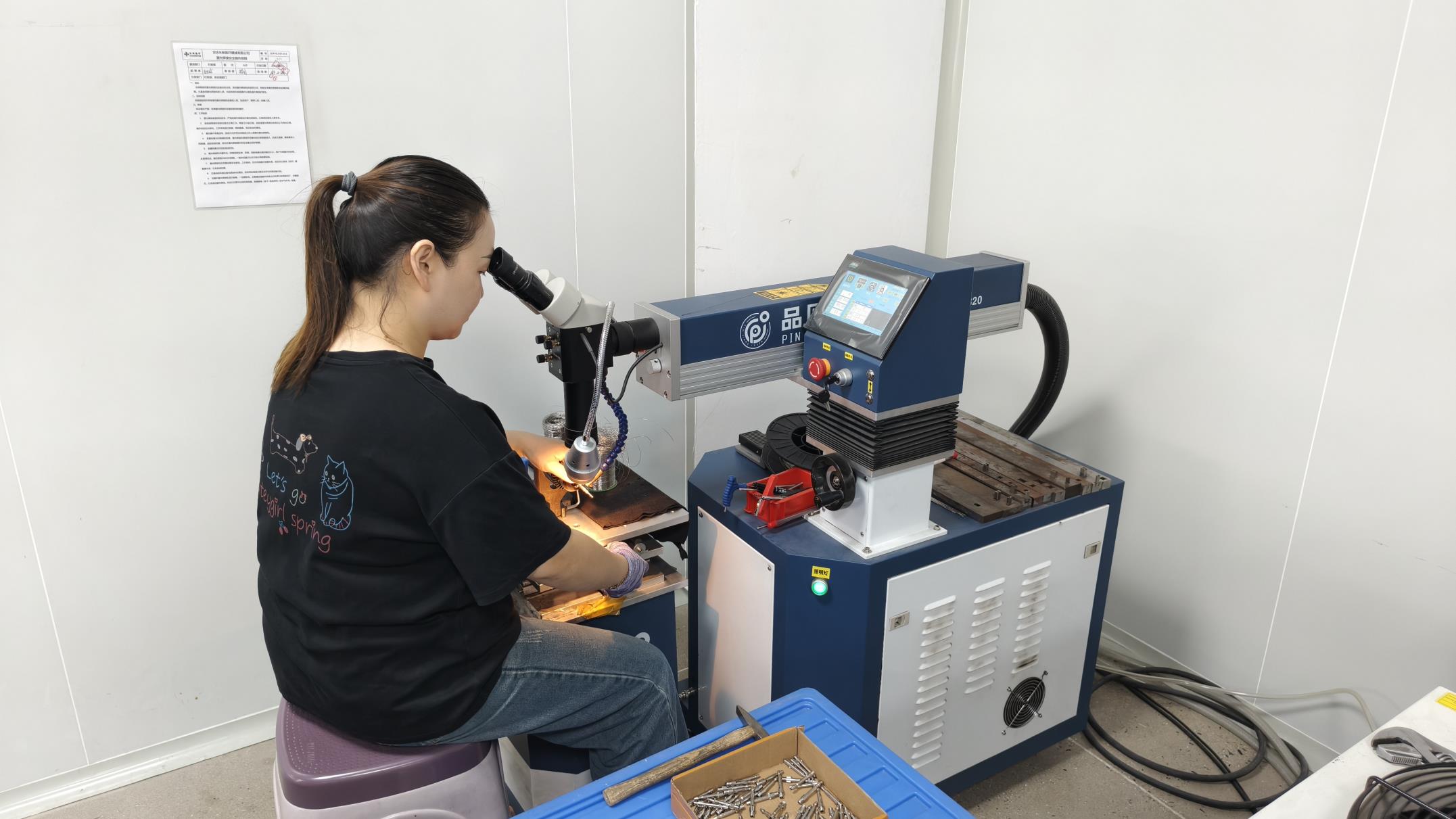
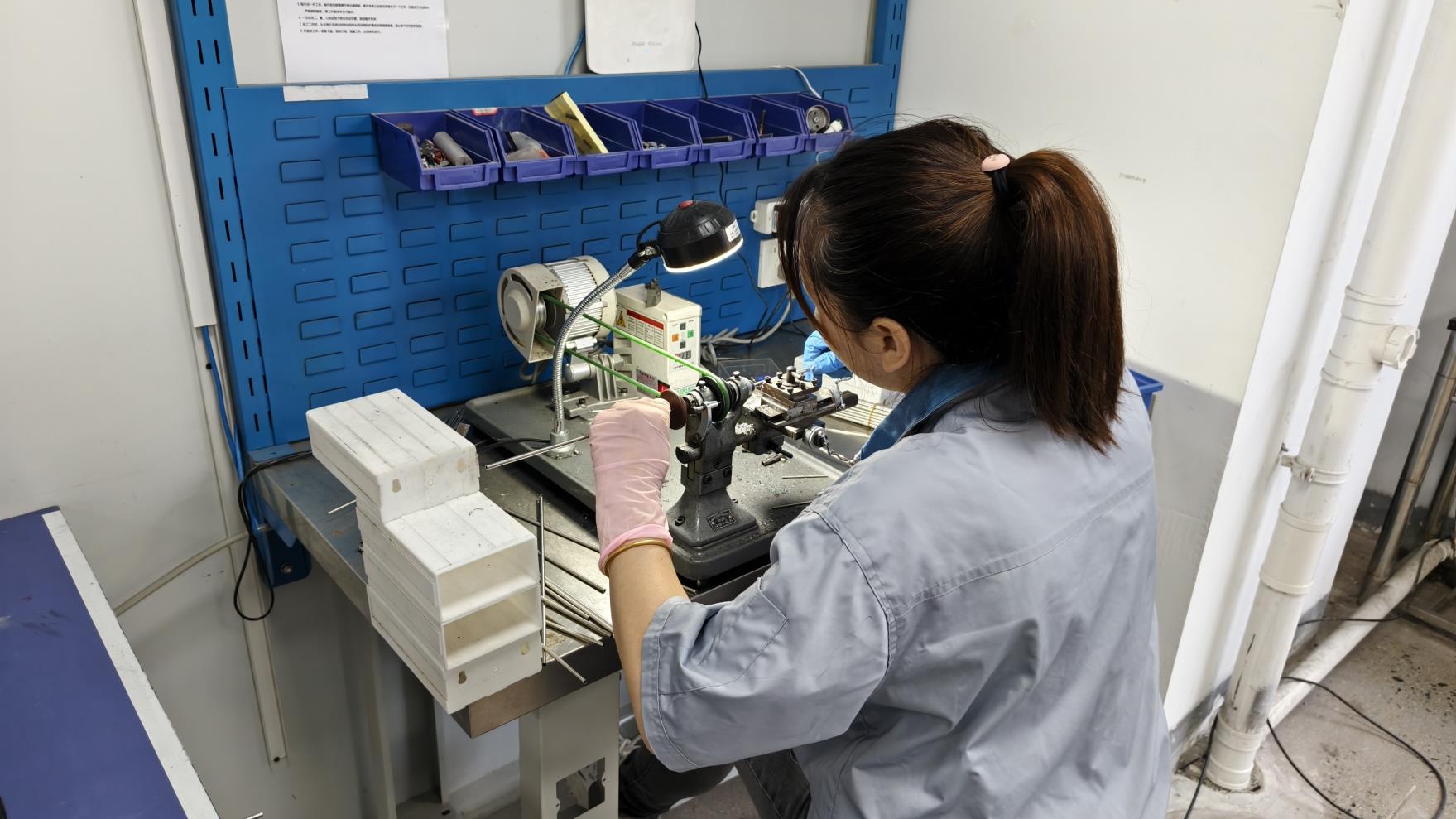
From initial rod cutting to final packaging and laser marking, we visual-inspect and test every stage to guarantee anatomical safety.
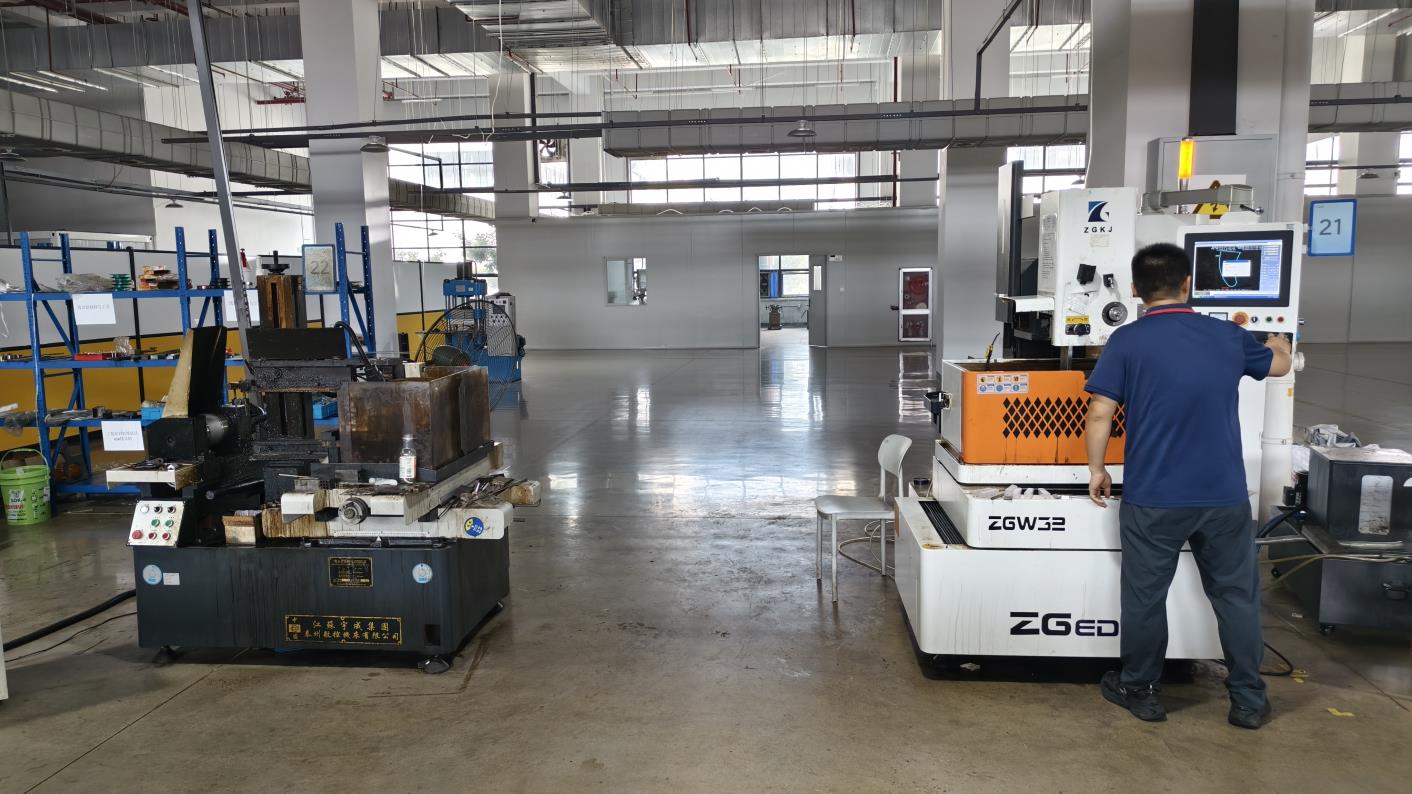
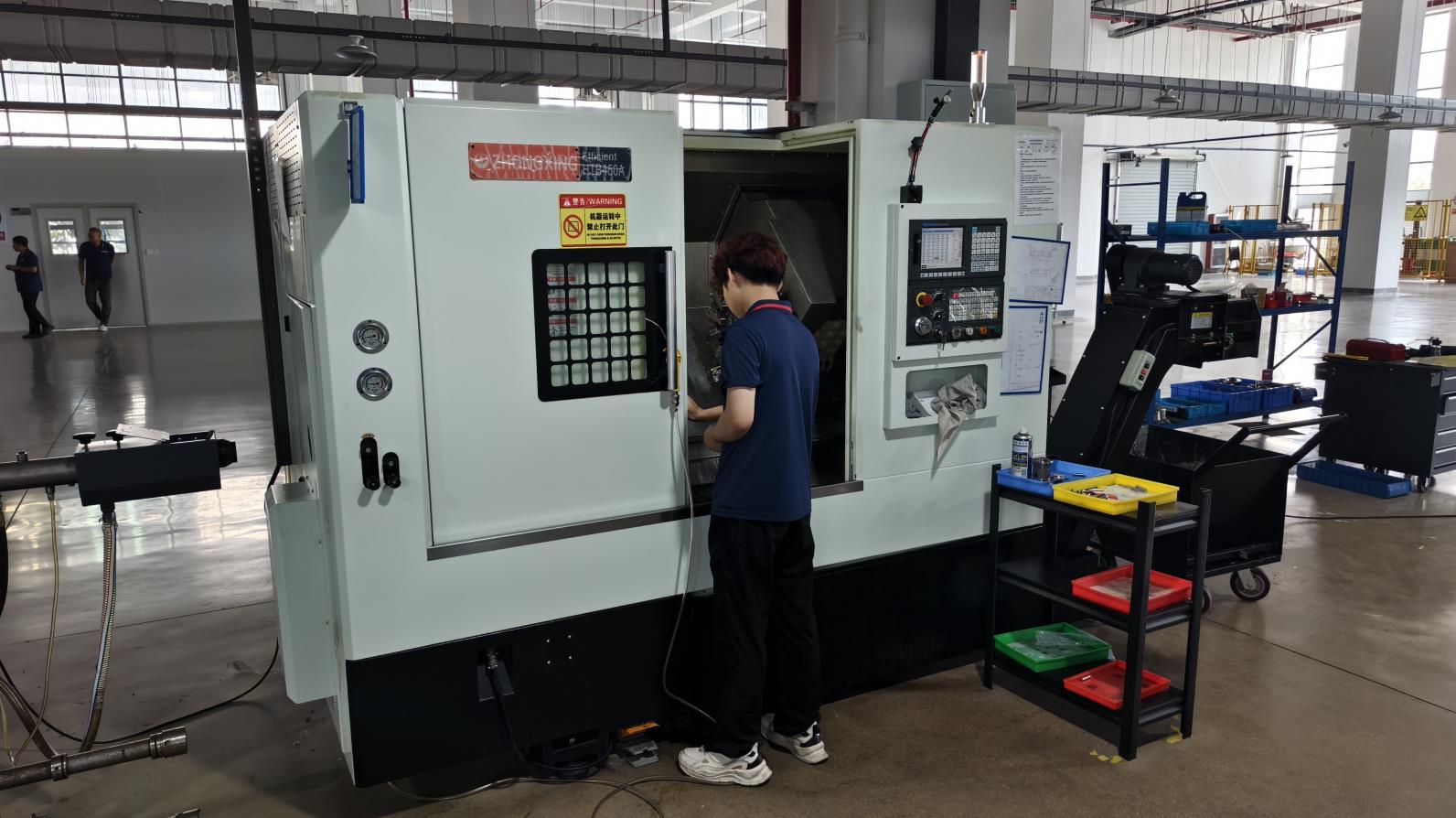
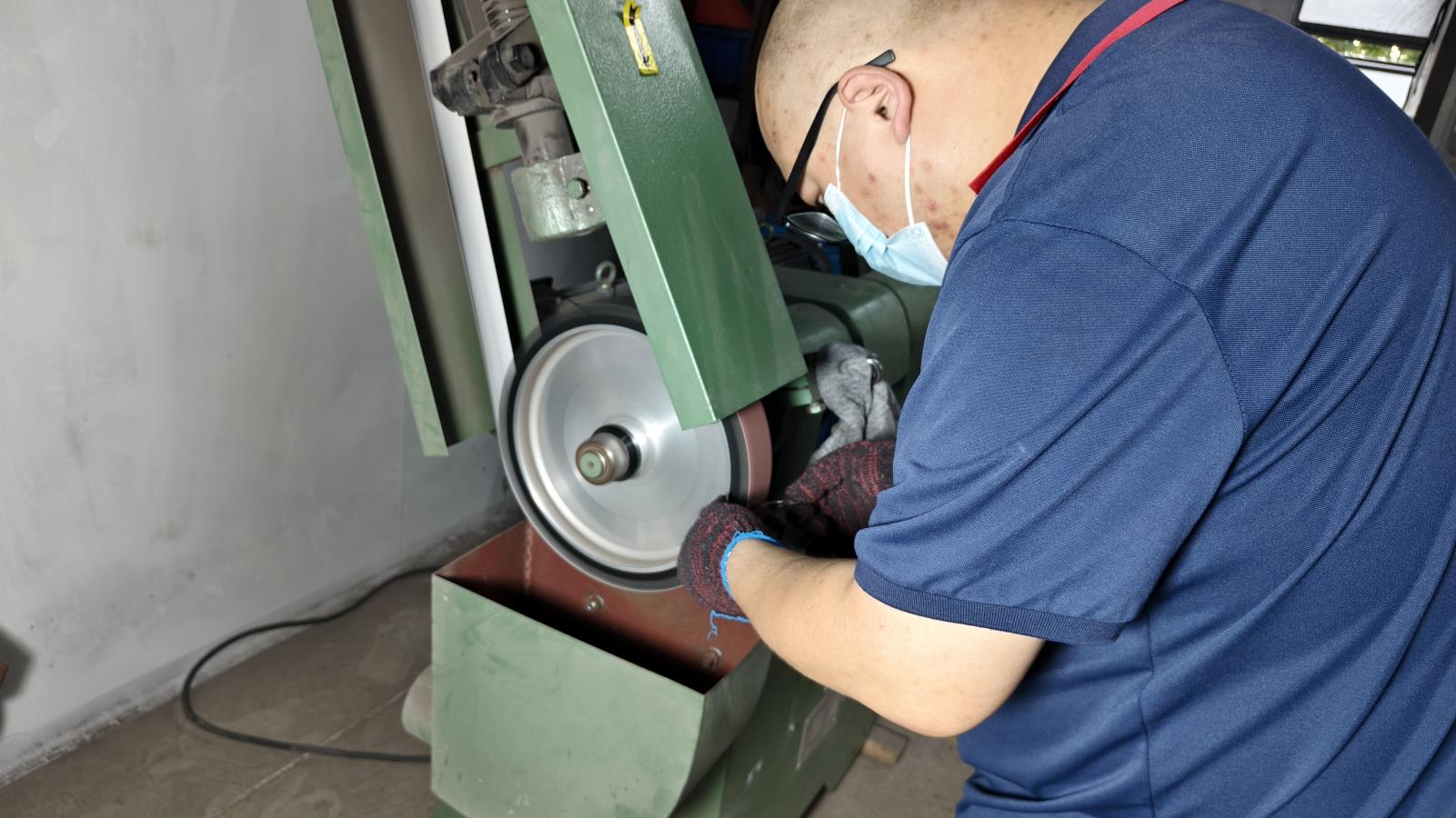
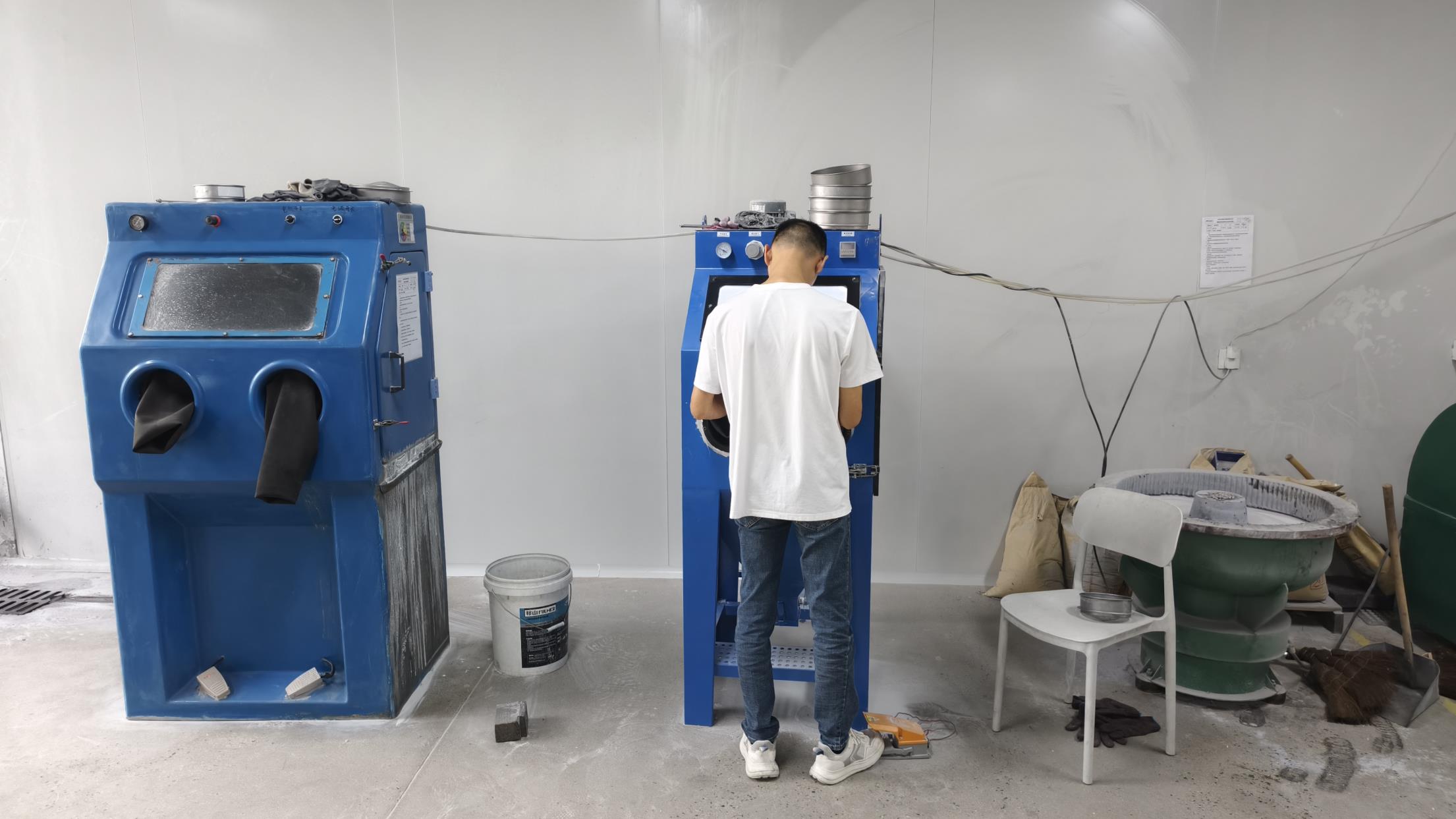
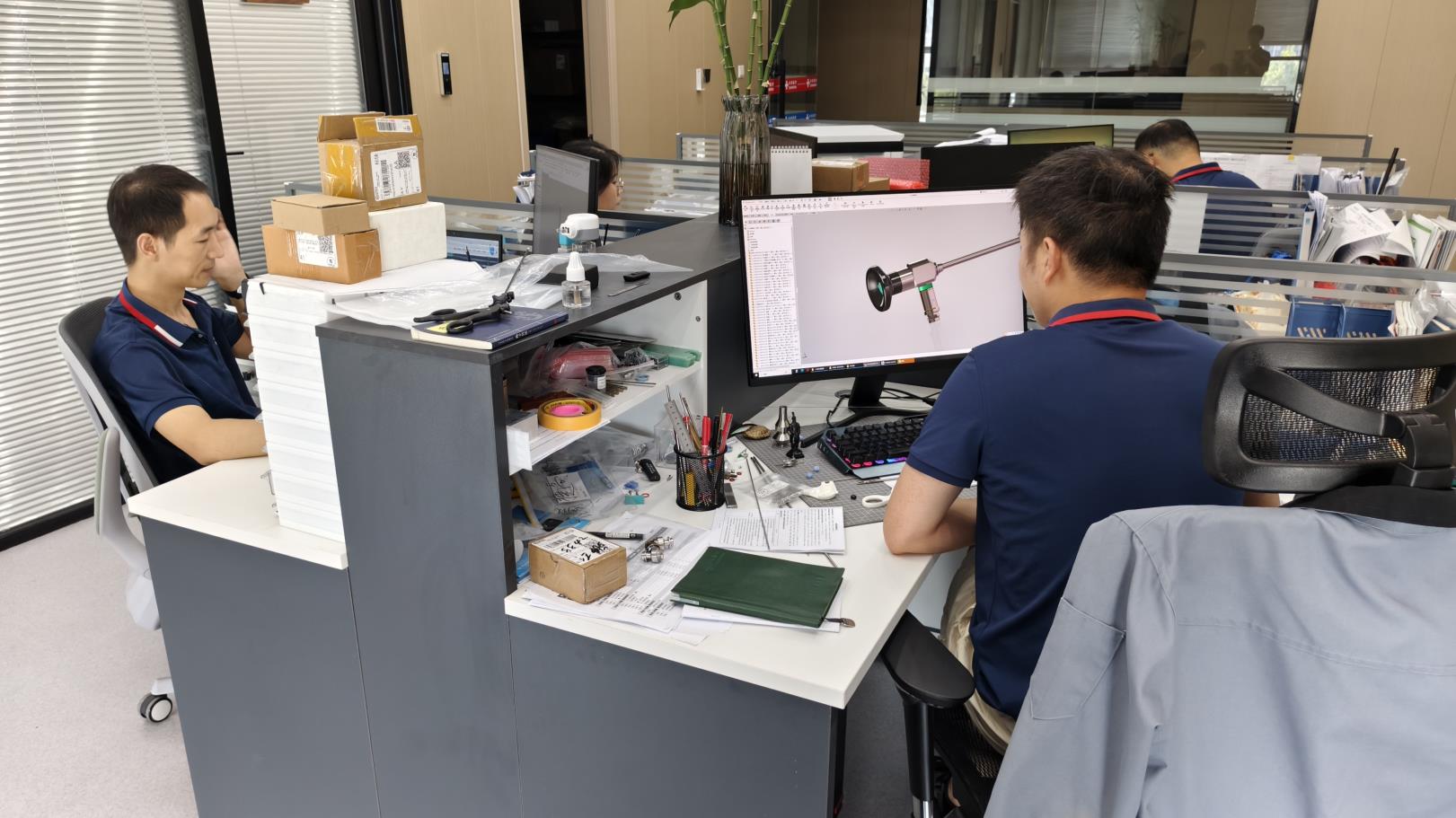
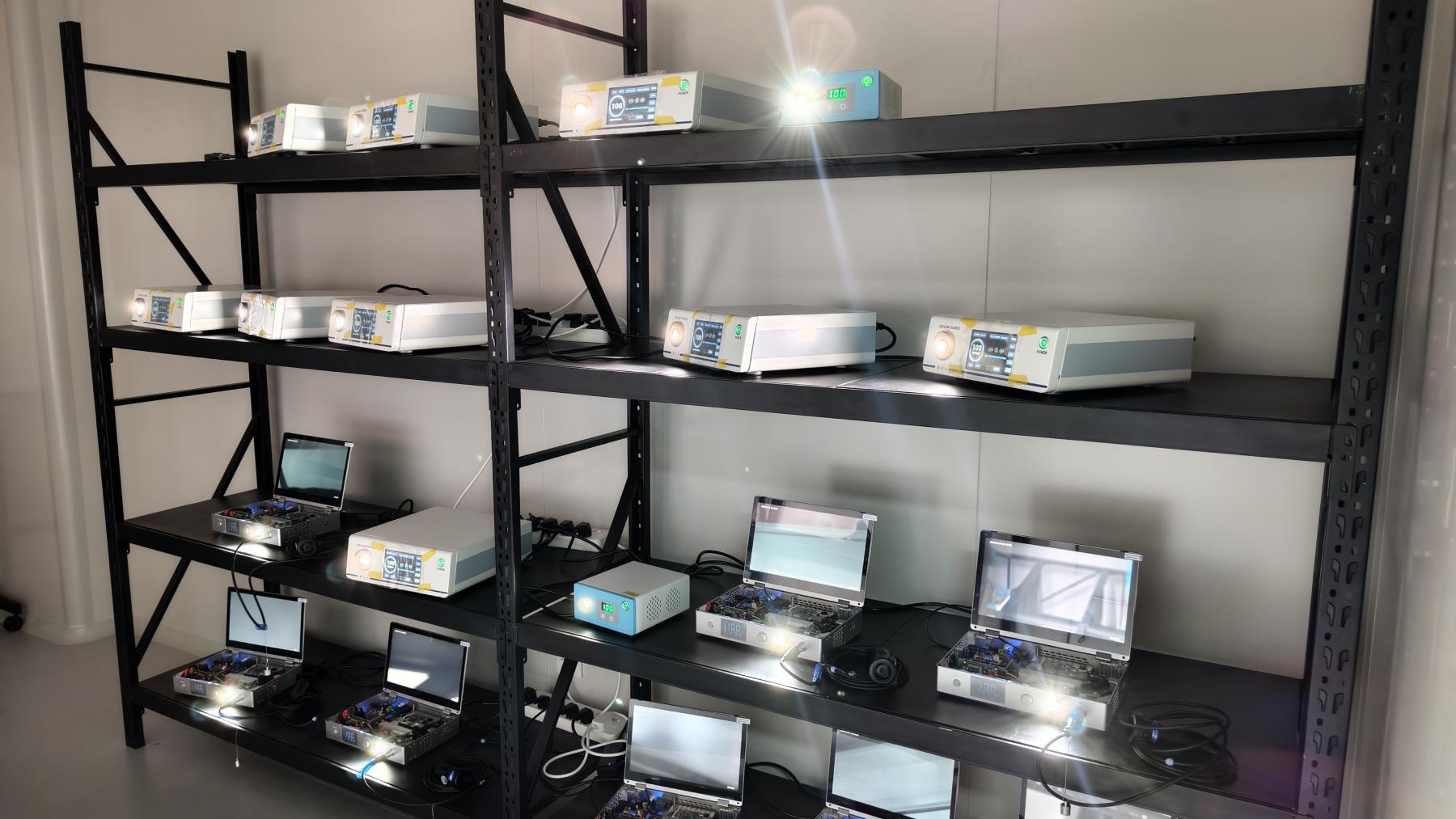
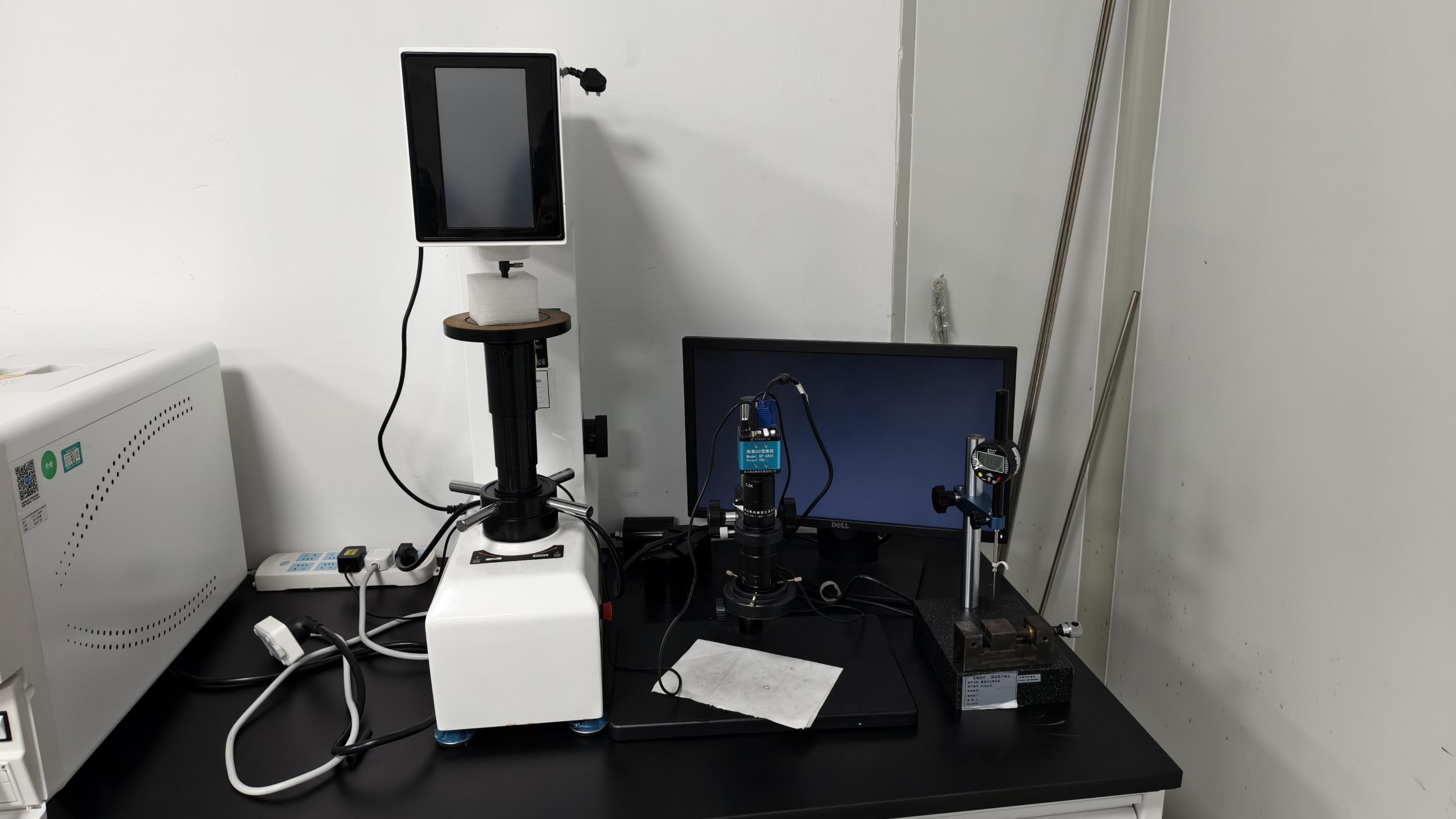
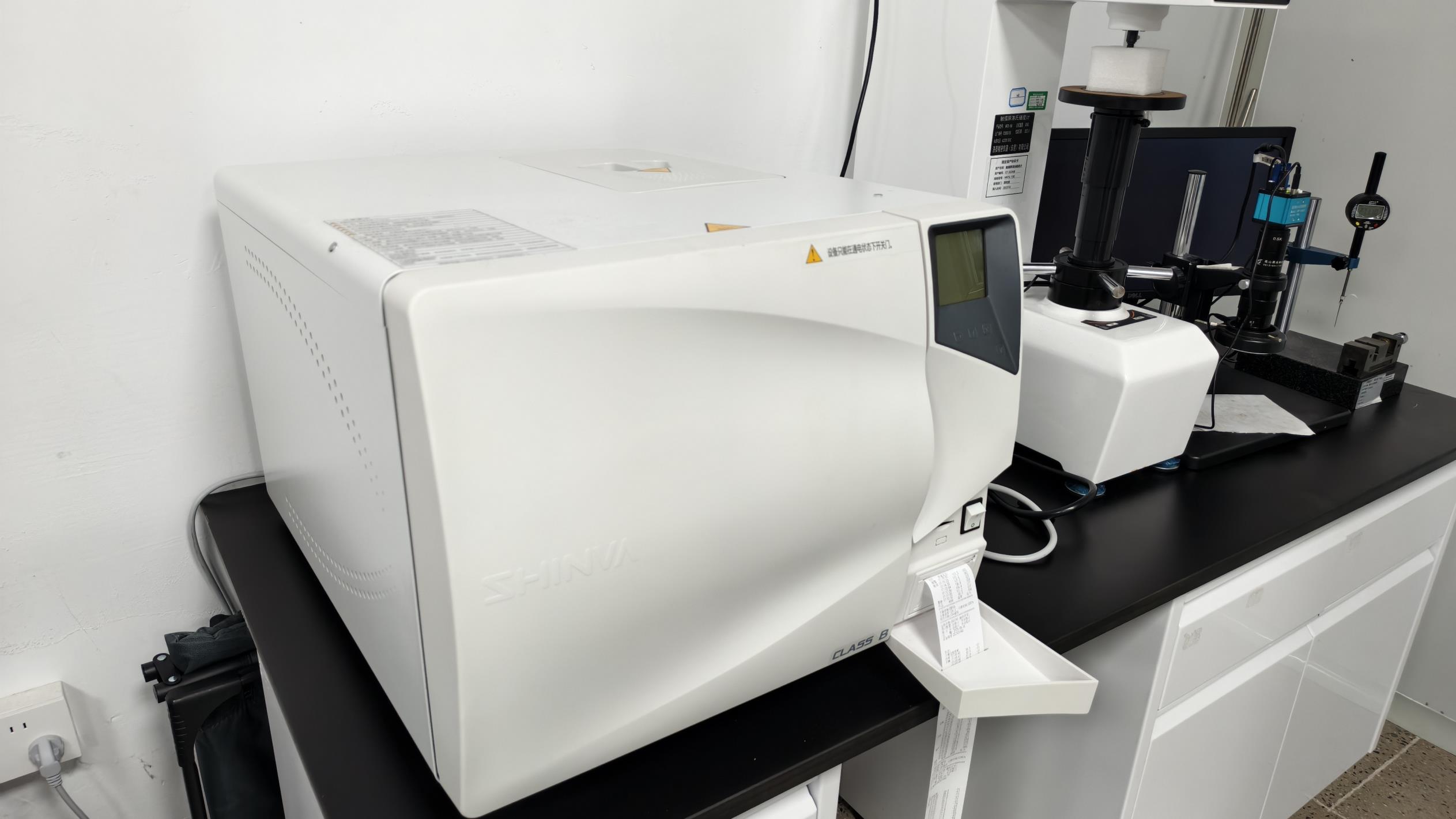
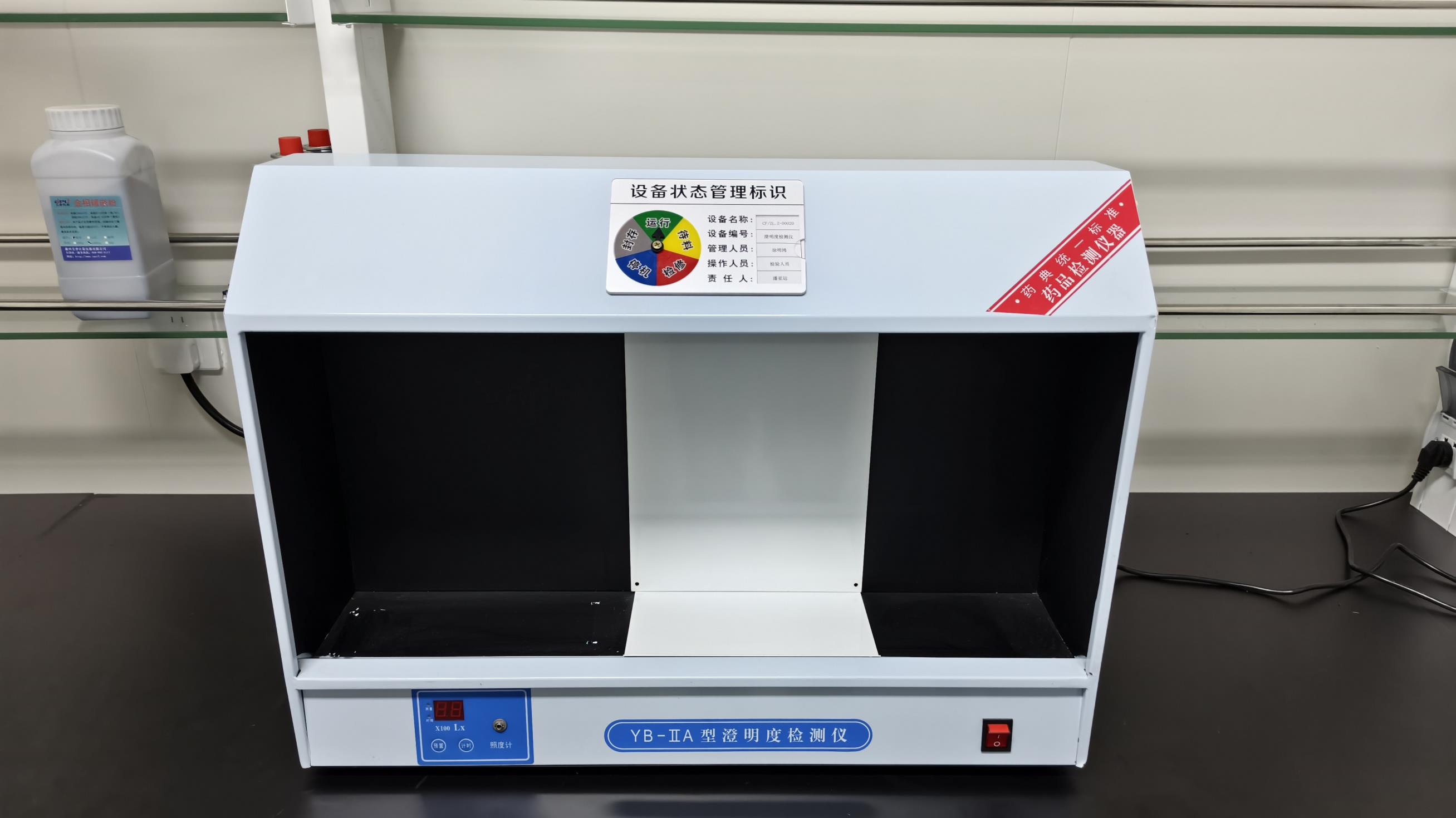
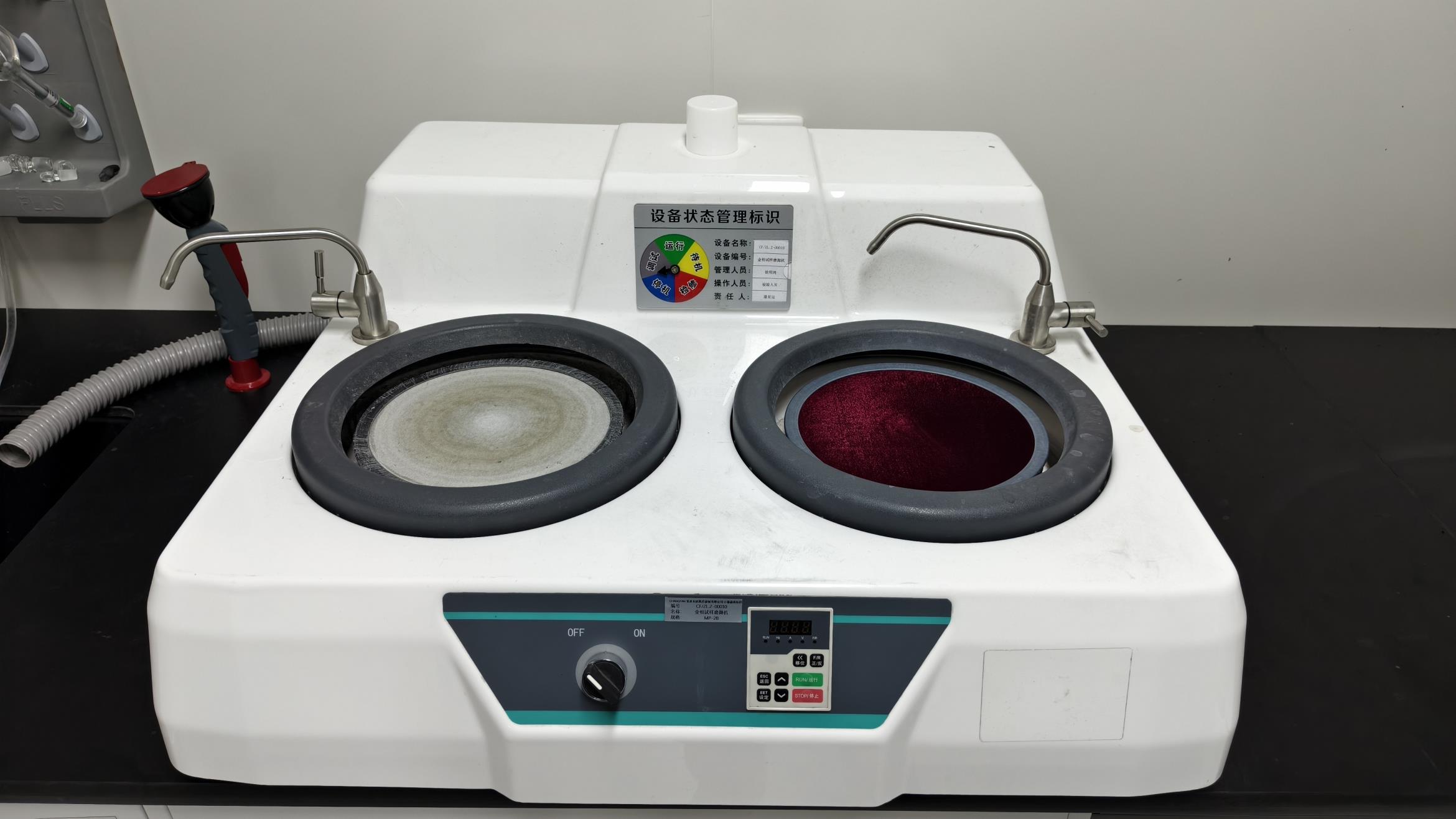
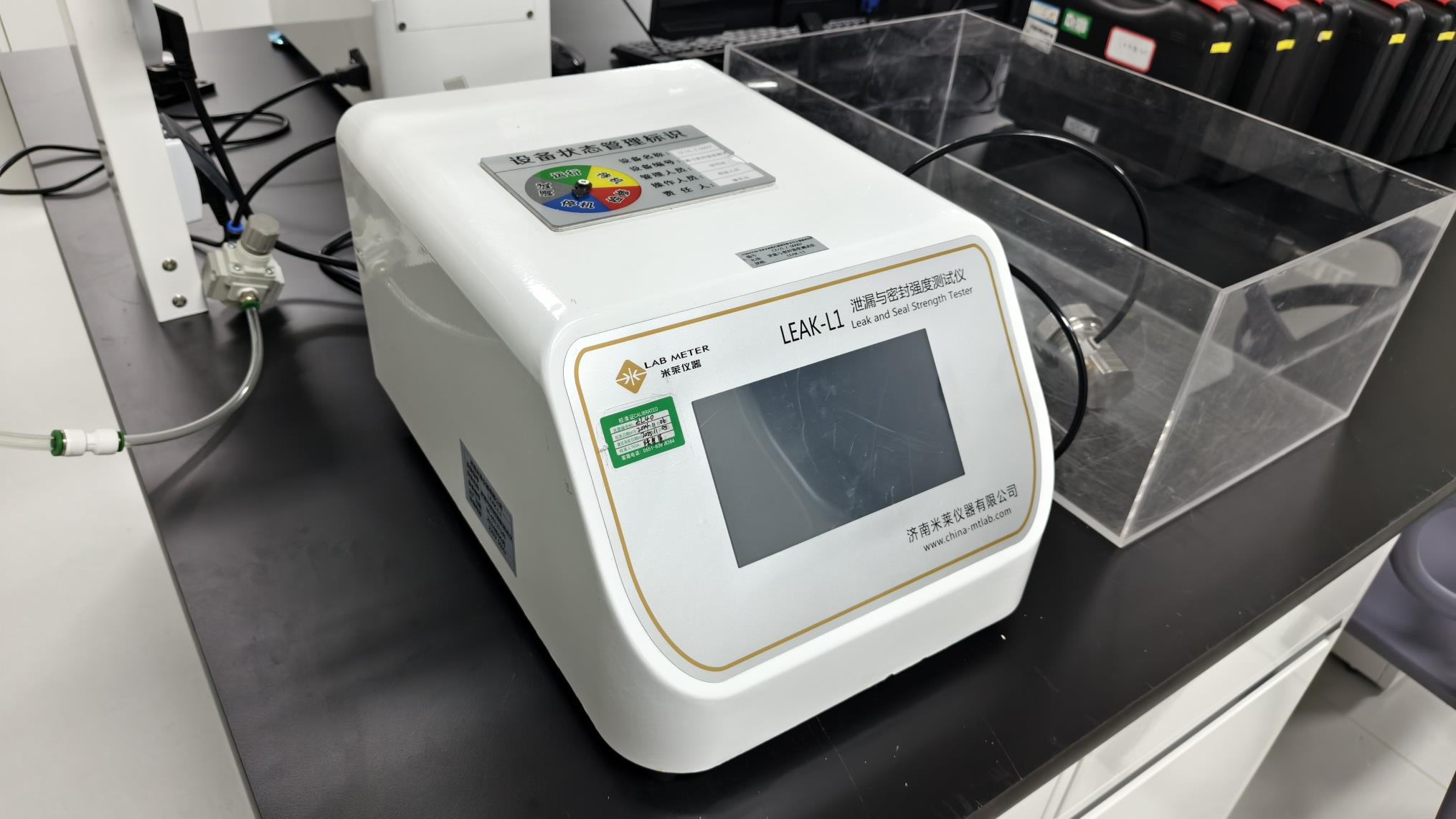
How we optimize orthopedics procurement pathways and clinical implementation for surgical teams across Queensland.
In Australia, state health bodies like Queensland Health enforce stringent regulatory and commercial checklists. We support Brisbane medical distributors with comprehensive documentation, including detailed sterile validation reports, biocompatibility credentials (ISO 10993), and factory audit parameters. This ensures smooth registration under the TGA and supports localized inventory management to prevent stockouts in high-demand trauma centers.
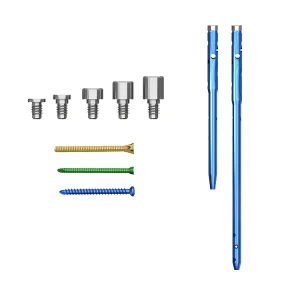
Surgical efficiency in Brisbane's private hospital groups (such as Ramsay Health and UnitingCare) directly correlates with minimized anesthesia exposure times. Our intramedullary system packages include intuitive, color-coded surgical toolkits. These setups feature robust guides, self-retaining drivers, and precise reaming shafts, reducing cognitive load on scrub teams and streamlining the clinical execution of bone fixation.
Advancing the biomechanical interface to drive better patient outcomes in high-complexity trauma cases.
Developing integrated piezo-electric strain sensors inside intramedullary cavities to wirelessly transmit micro-strain data, enabling clinician monitoring of bone healing and early detection of non-union directly in post-operative clinics.
Incorporating advanced silver-ion and antibiotic-eluting polymer coatings onto the outer core of nails, significantly reducing surgical site infections (SSI) in complex open compound fractures.
Integrating carbon-fiber reinforced polyetheretherketone (C-PEEK) materials to offer radiolucent orthopedic structural paths, allowing artifact-free post-operative CT and MRI visualization.
Detailed answers addressing technical integration, regulatory documentation, and logistical timelines for clinical clients.
Yes. All Synoviq implants are manufactured in compliance with international Class III medical device frameworks, operating under verified ISO 13485 quality systems. We provide technical files, CE certificates, and biocompatibility studies (ISO 10993) to assist our Brisbane distribution partners with Therapeutic Goods Administration (TGA) product registration pathways.
For standard orthopedic implants, manufacturing lead times range from 15 to 30 days depending on order volume. Air freight shipments to Brisbane Airport (BNE) typically require 5 to 7 business days, while sea freight configurations to the Port of Brisbane take approximately 18 to 25 days.
Yes, our R&D team consists of 76 engineers specializing in translating MRI/CT DICOM data into customized clinical implant parameters. We provide comprehensive OEM/ODM assistance for specialized designs, variable diameters, and customized locking geometry to support complex clinical reconstructive cases in Queensland hospitals.
Every batch of titanium alloy rods undergoes third-party spectroscopic chemical composition analysis, microscopic metallographic grain boundaries check, and tensile strength limit profiling. Mill certificates and chemical batch reports are tracked and provided with every export shipment.
Explore our comprehensive orthopedic implant systems, engineered for pediatric, adult trauma, and osteoporotic reconstruction.
Accelerate your medical procurement pathways in Brisbane. Connect with our engineering directors to arrange mechanical testing reports, verify regulatory parameters, and secure customized pricing.
 Synoviq Medical