Premium orthopedic implant designs engineered for precise physiological alignment, optimized for the high density of geriatric revision surgeries in the Tokyo metropolitan area.
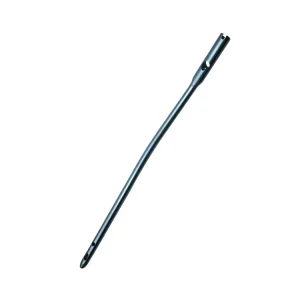
Designed to achieve high rotational stability in osteoporotic femoral neck and trochanteric fractures, typical in Tokyo's aging populations.
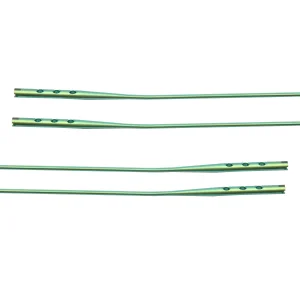
Ultra-slim interlocking configurations designed for precise radial and ulnar reduction, optimized for fast functional recovery.
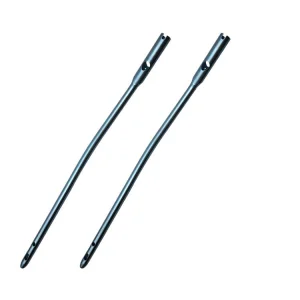
High-grade biocompatible titanium alloy structures engineered for load-bearing proximal bone segments.
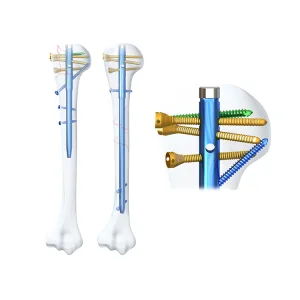
Optimal screw angles for stabilizing complex humeral shaft fractures with minimal cortical disruption.
In the field of modern orthopedic trauma treatment, the demand for intramedullary nails (IMN) has shifted from simple mechanical fixation to biologically responsive, biomechanically balanced internal stabilization. In high-density medical markets like Tokyo, Japan, these shifting clinical expectations are driven by a rapidly aging society, a highly advanced tertiary healthcare grid, and strict regulatory criteria set by the Pharmaceuticals and Medical Devices Agency (PMDA).
Tokyo's metropolitan area registers some of the highest ratios of geriatric patients globally. In patients over 75, femoral and humeral fractures often occur in bone beds compromised by severe osteoporosis. Standard bone plates can fail in soft, osteoporotic bone due to localized stress concentration. Modern intramedullary nails act as load-sharing devices, positioning the center of weight-bearing inside the anatomical medullary canal, protecting the compromised outer cortex and allowing for earlier post-operative mobilization.
Medical providers throughout districts like Shinjuku, Shibuya, and Chiyoda face unique clinical realities:
To meet the demands of advanced surgical centers like those associated with the University of Tokyo Hospital or Keio University Hospital, our manufacturing pathways implement several core technical strategies:
We source premium Grade 5 Titanium Alloy (Ti-6Al-4V ELI) conformant with ISO 5832-3 and ASTM F136 standards. This provides high tensile strength while retaining a lower modulus of elasticity closer to cortical bone, reducing stress-shielding effects.
Our interlocking mechanisms employ advanced configurations—such as the PFNA's helical blade—to compress cancelous bone structures. This maximizes cut-out resistance in osteopenic patients.
Our Swiss-type CNC tooling enables us to manufacture interlocking screws with micro-tolerance pitch layouts. This prevents hardware migration and limits the risk of back-out under cyclic load stress.
Under the operational banner of Synoviq Medical Technology (China) Co., Ltd., we maintain a production infrastructure designed to satisfy international standards. Our manufacturing footprint is optimized for OEM/ODM requirements, helping partners enter demanding medical markets quickly.
| Operational Dimension | Synoviq Technical Standard & Compliance Data |
|---|---|
| Corporate Registration & Brand | Synoviq Medical Technology (China) Co., Ltd. (Brand: Synoviq) |
| Founding & Infrastructure | Established March 18, 2016. High-capacity facility based on lean processing models. |
| Annual Capacity & Export Volume | USD 21.8 Million annual export revenue. 8+ years international shipment logistics experience. |
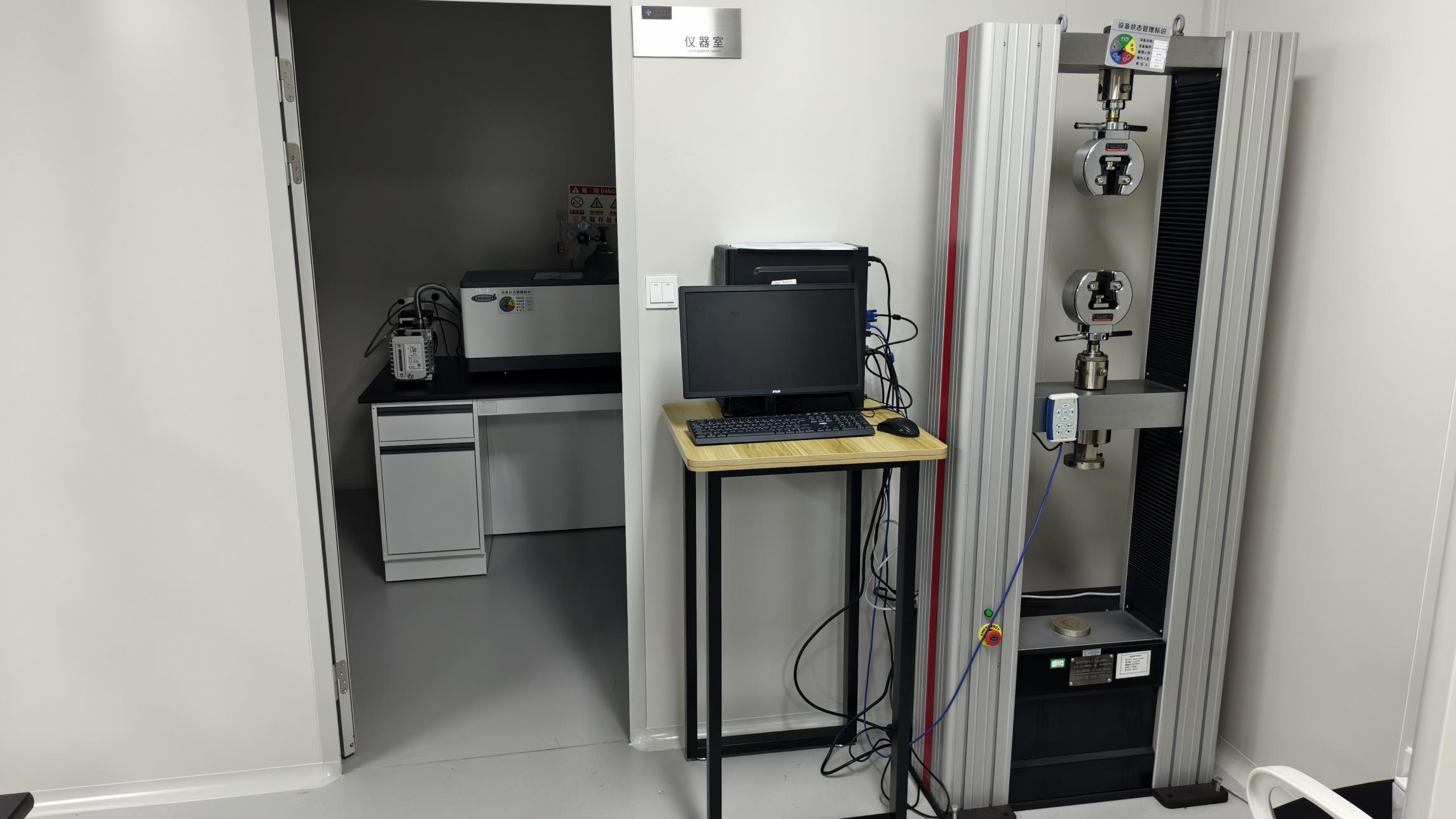
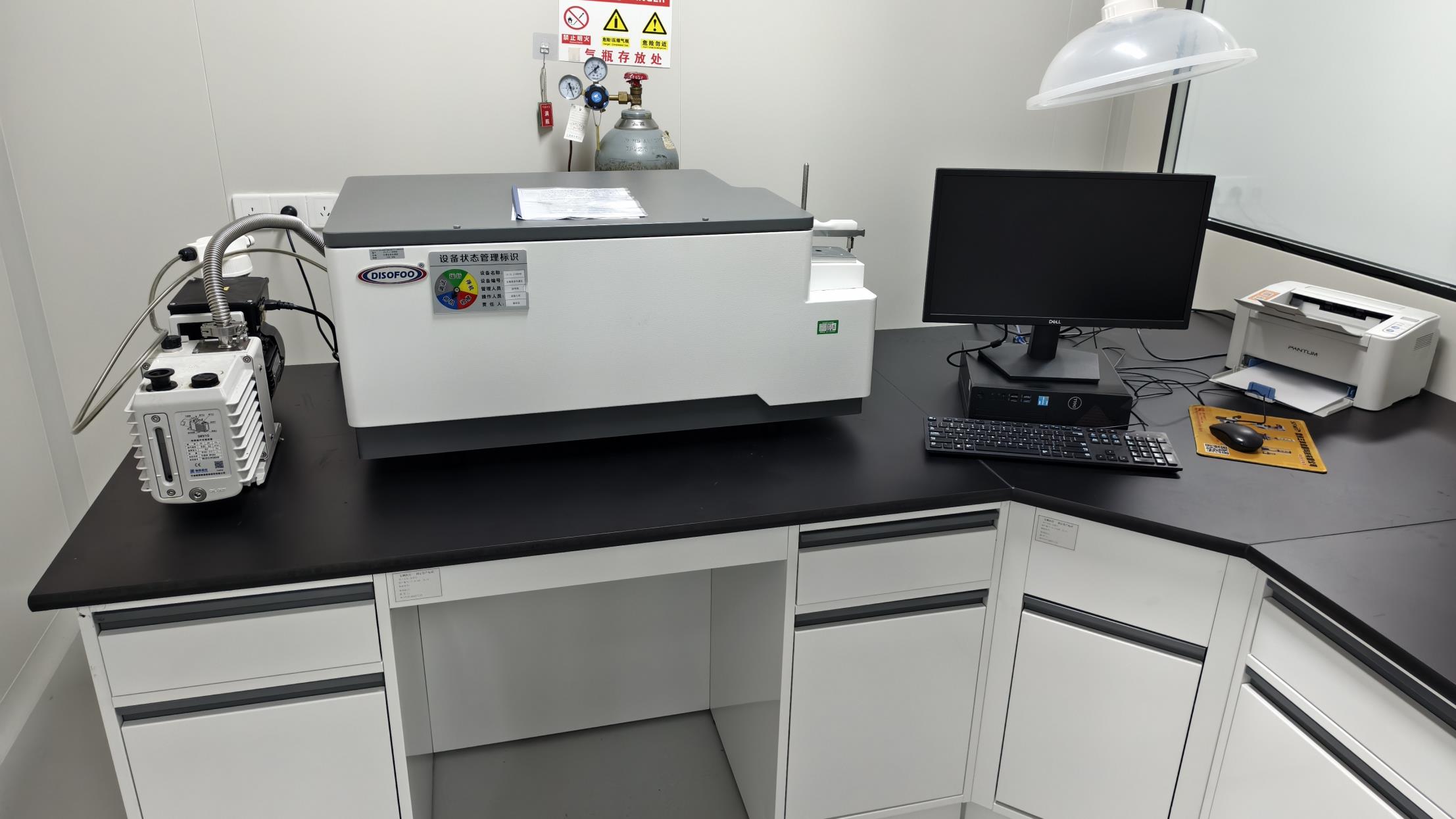
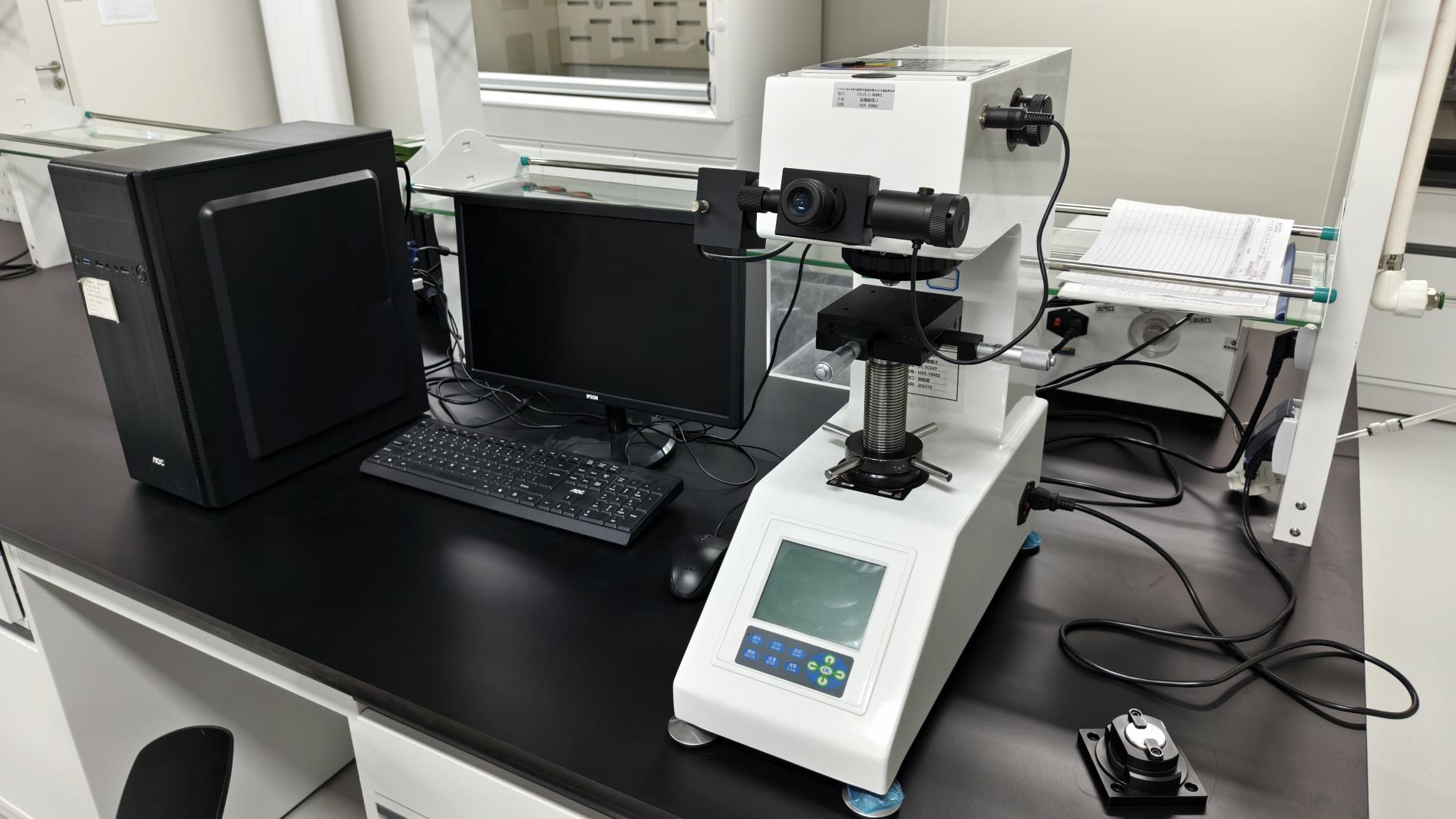
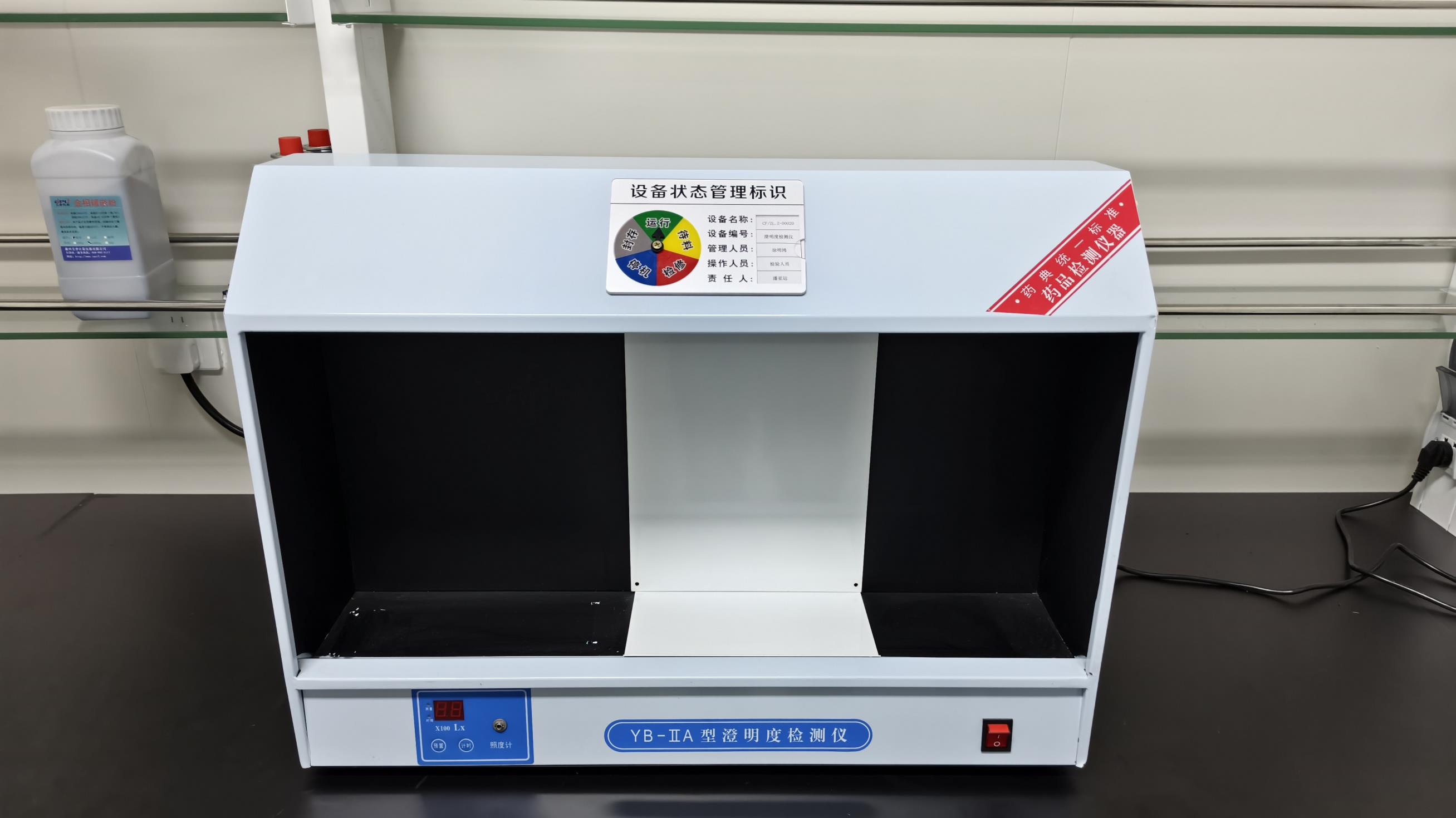
| Inspection Quality Policy | 100% Final non-destructive testing & incoming raw material chemical spectrum analysis. |
| Core Metrology Instruments | Coordinate Measuring Machines (CMM), 2D video inspection, tensile/torsional testers, roughness profiling. |
| Target Global Customer Profiles | OEM Medical Device Brands, Importers, Surgical Product Distributors, Hospital Networks, Tender Managers. |
| Product Evolution Dynamic | 186 newly approved product iterations launched in the last calendar year. |
| Sterility & Biosafety Protocols | Validation compliant with Class III medical requirements; certified cleanroom packaging. |
Our production line is monitored at every stage to ensure raw materials are processed into high-precision, clinical-grade medical implants.
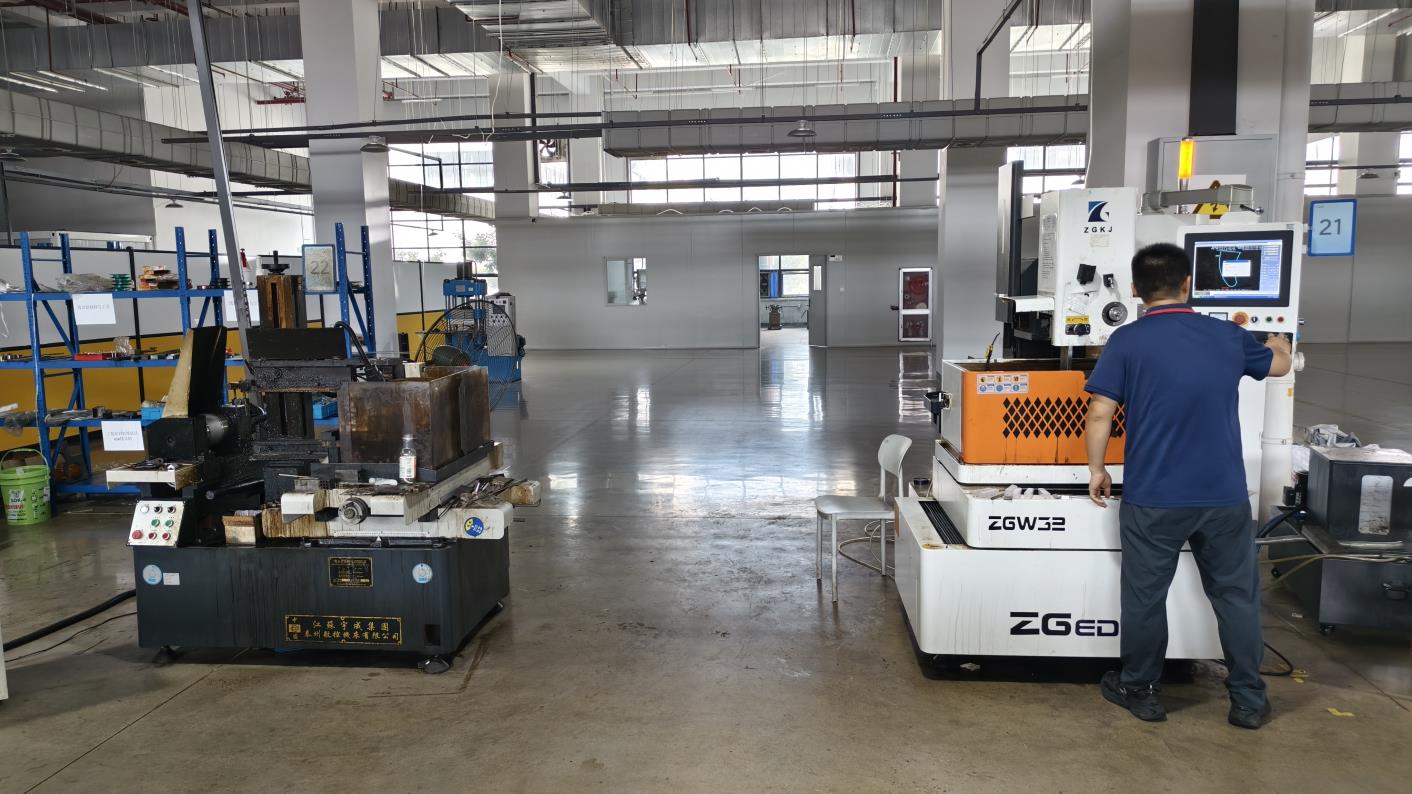
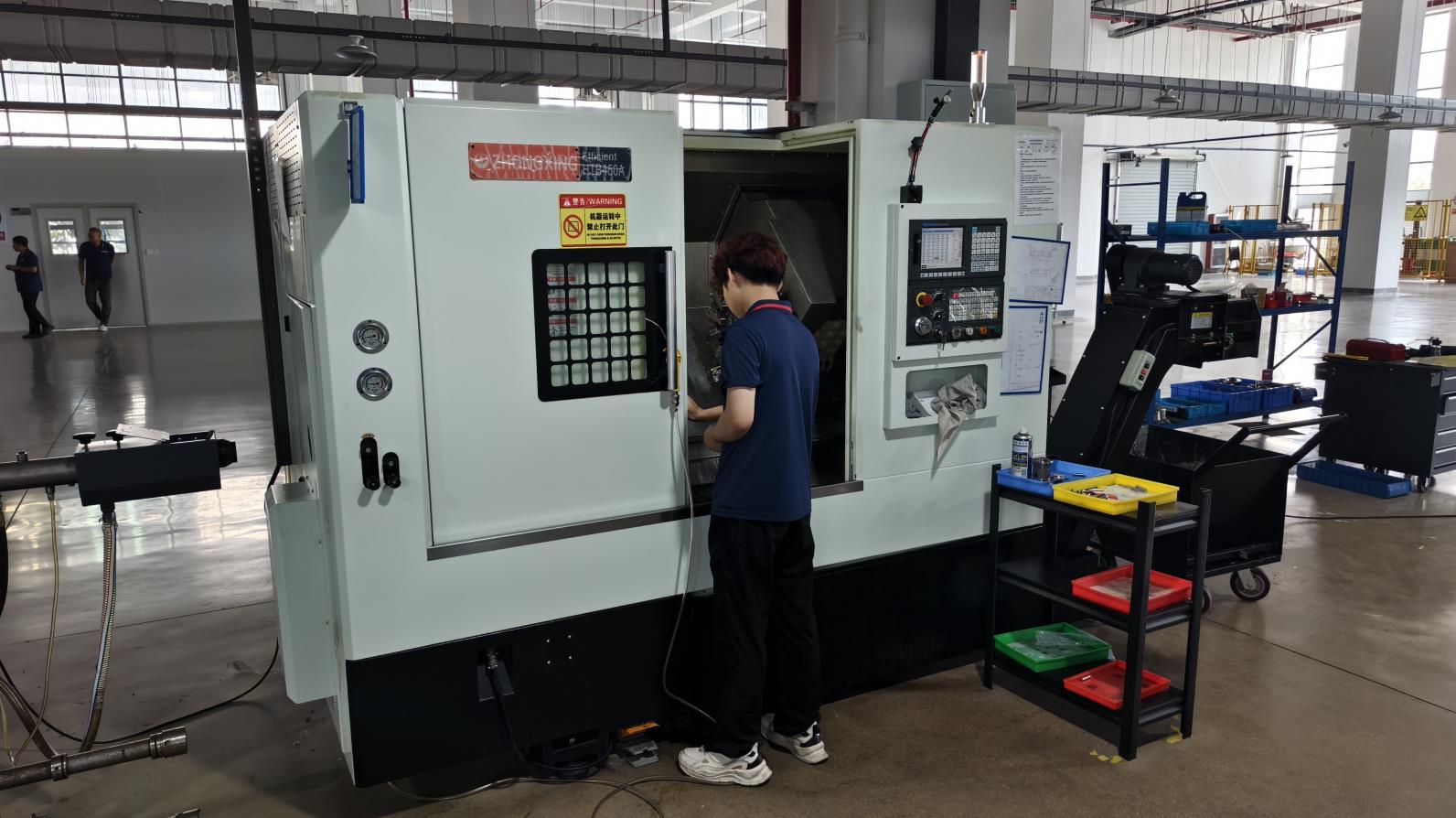
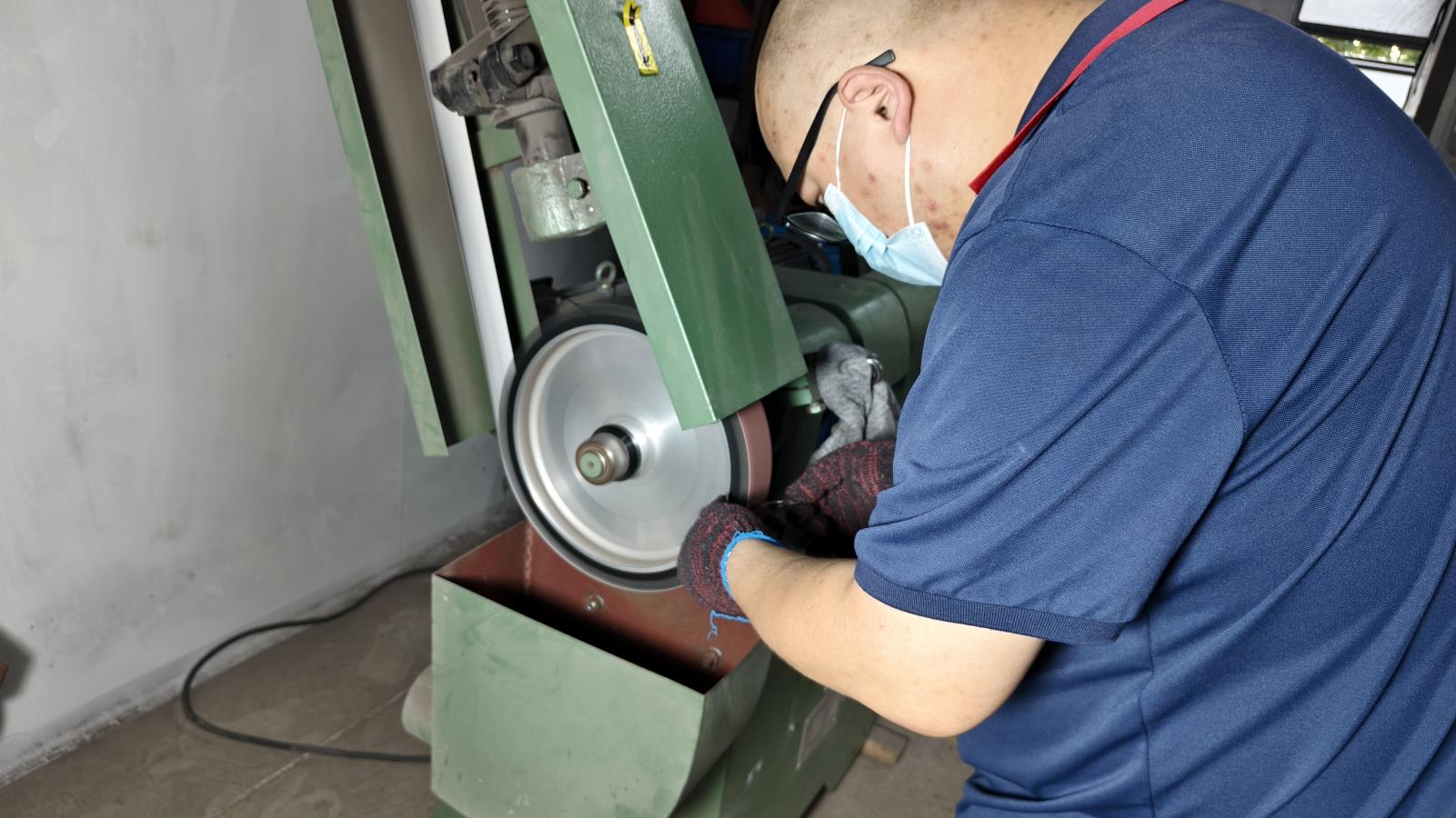
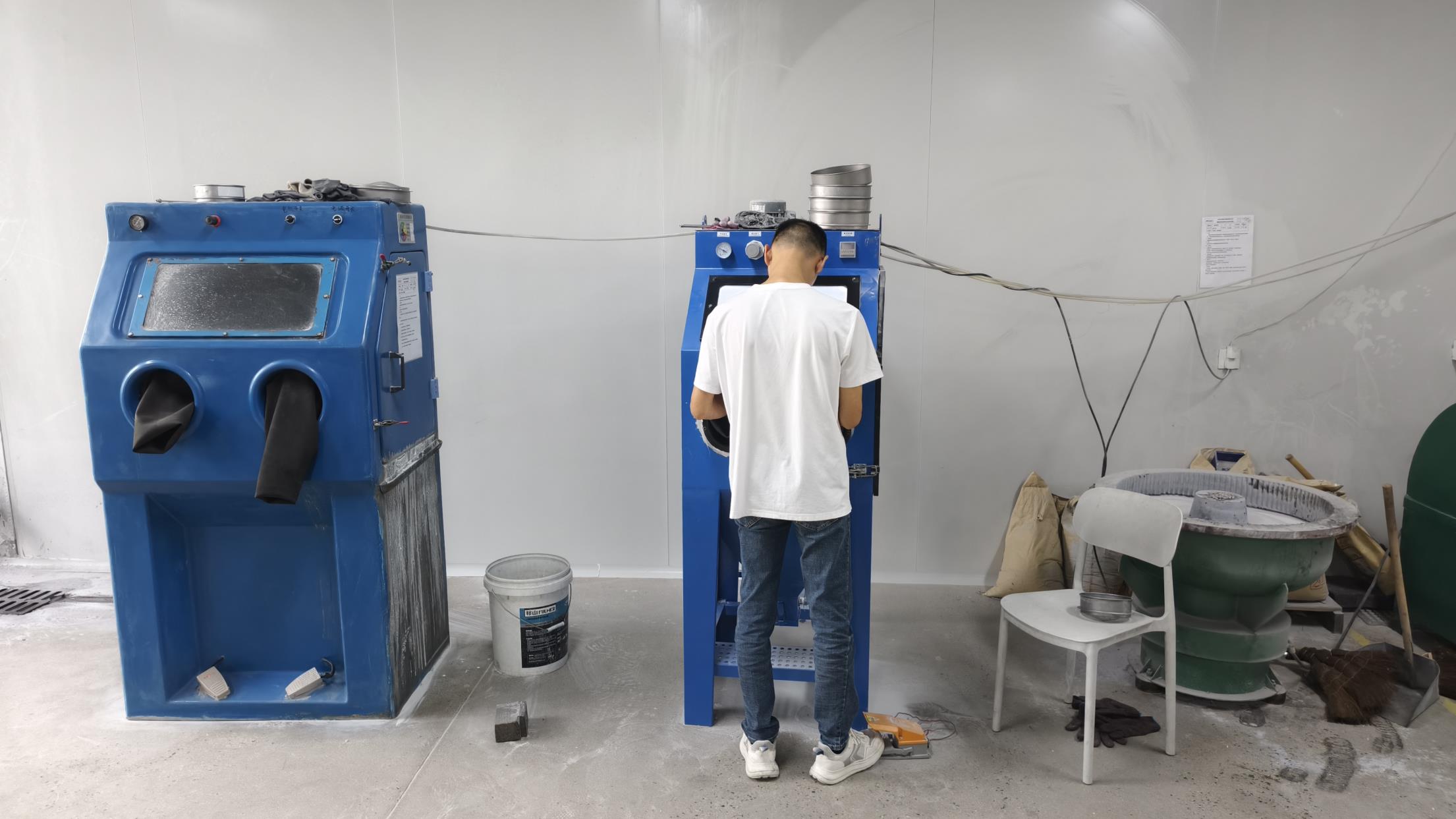
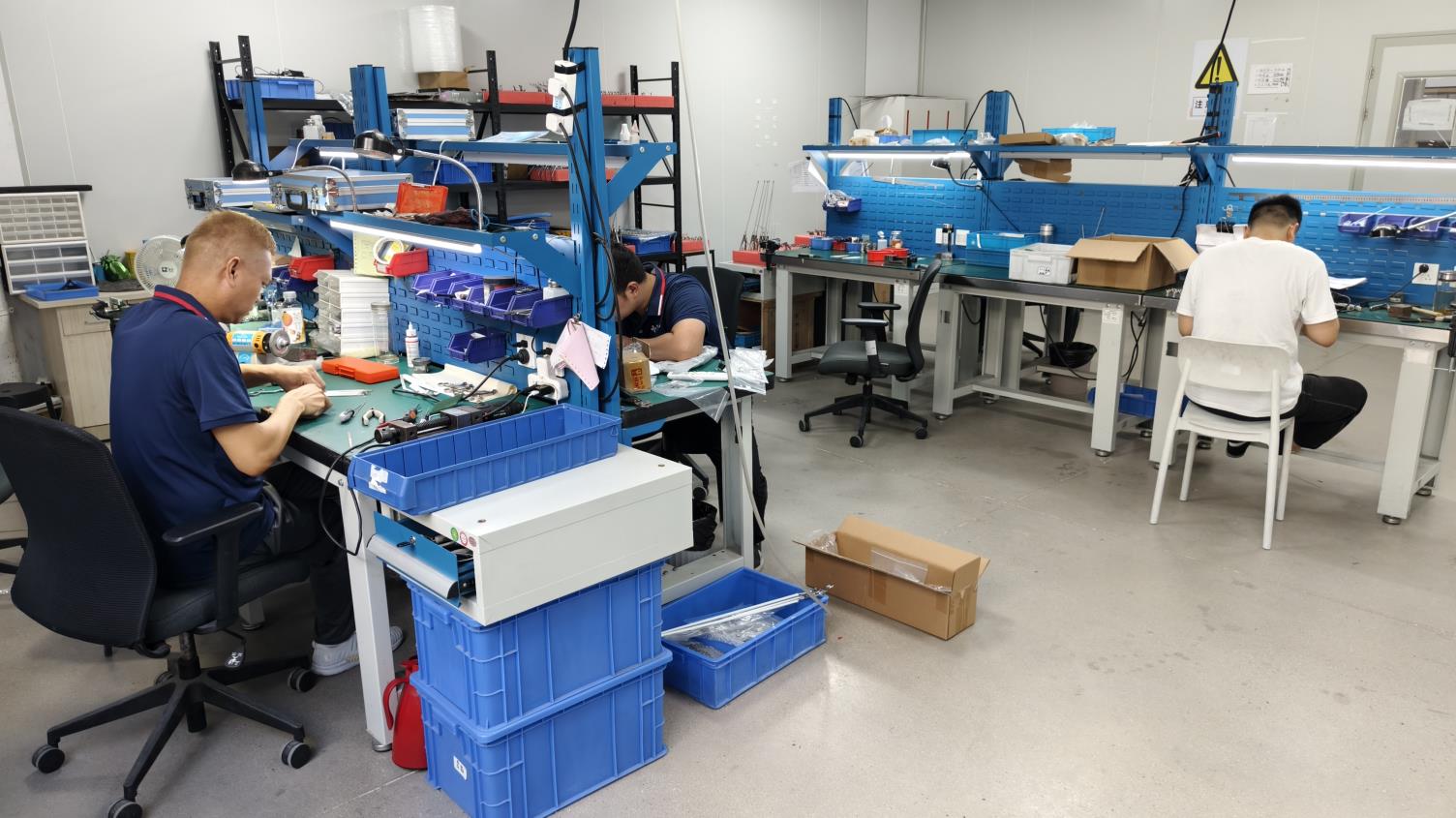
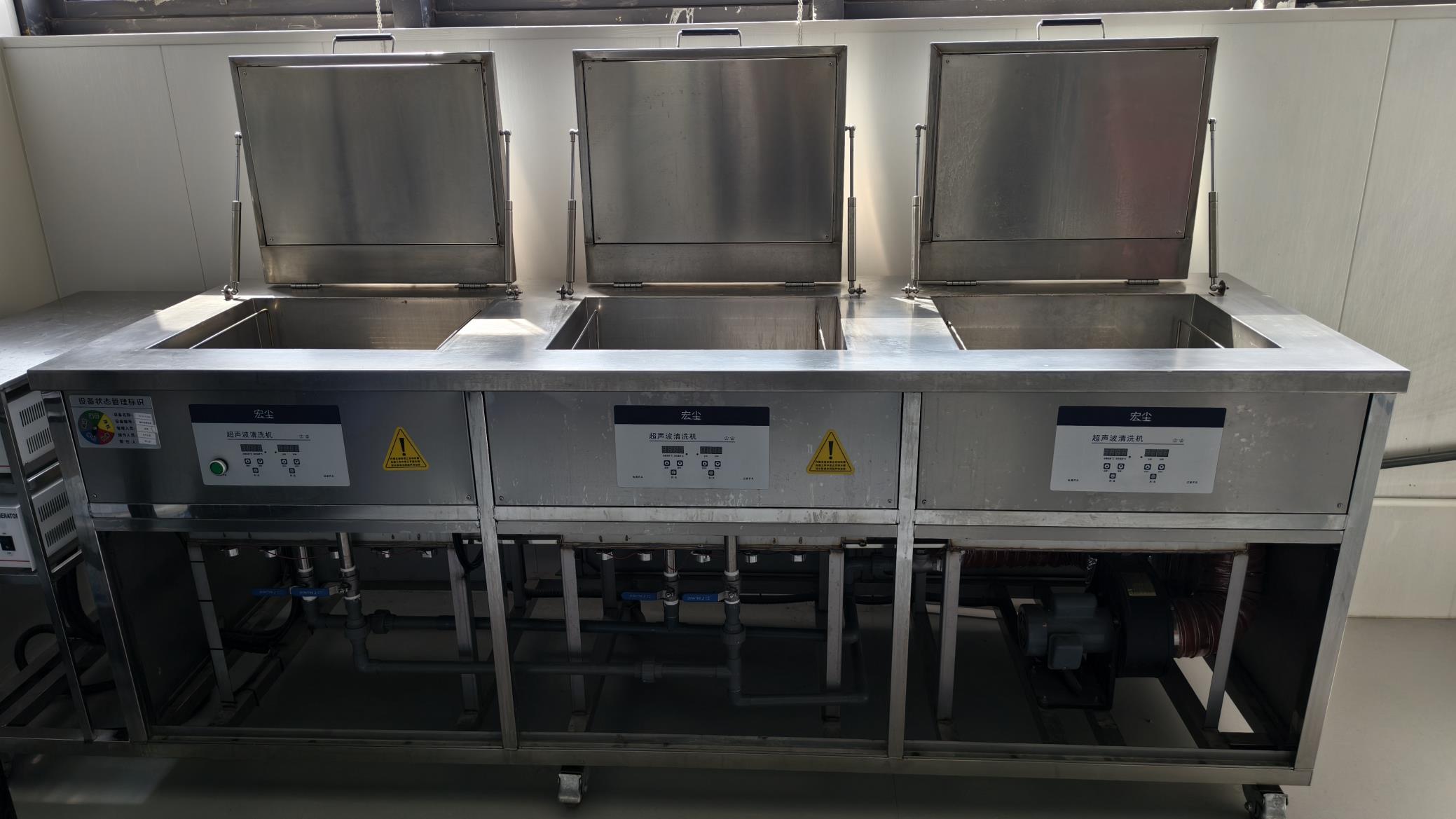
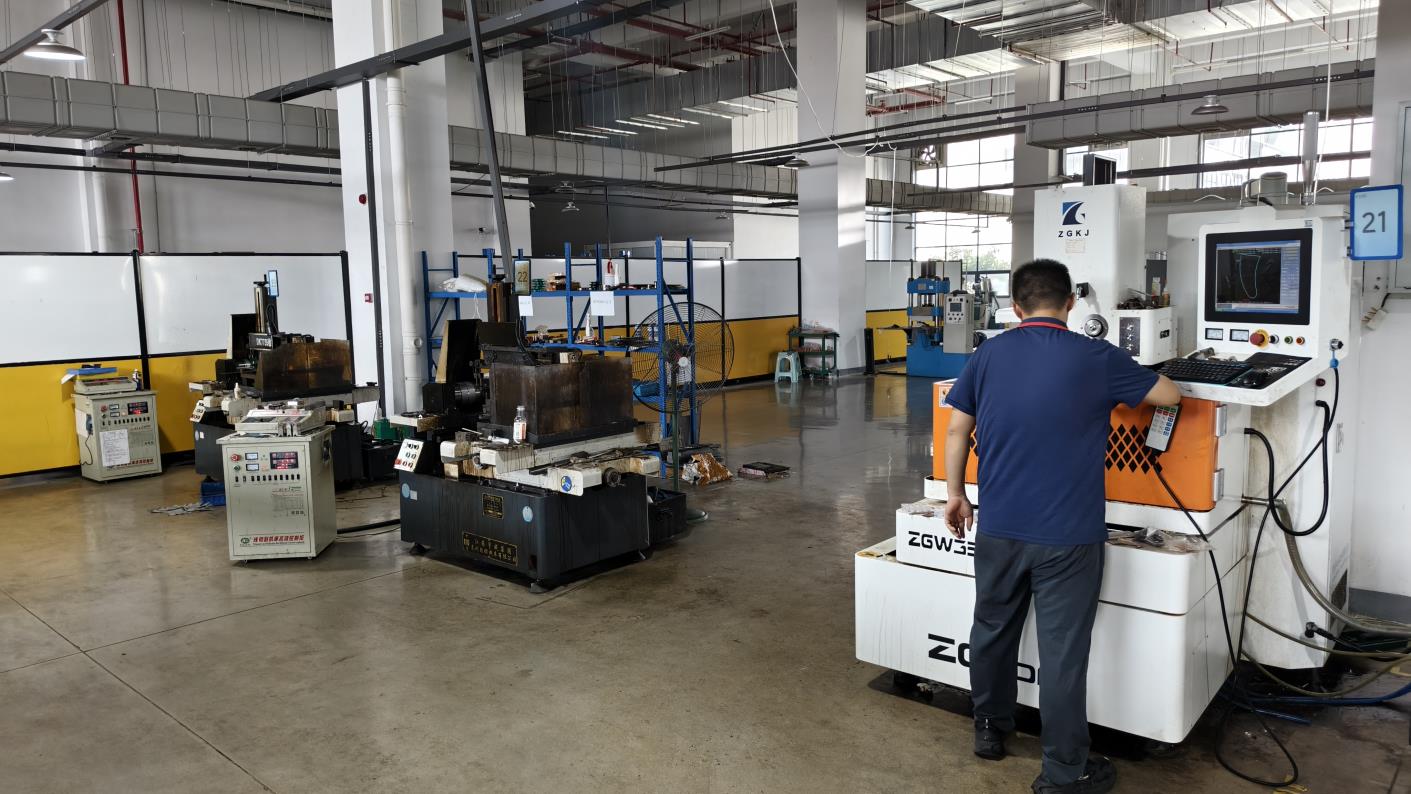
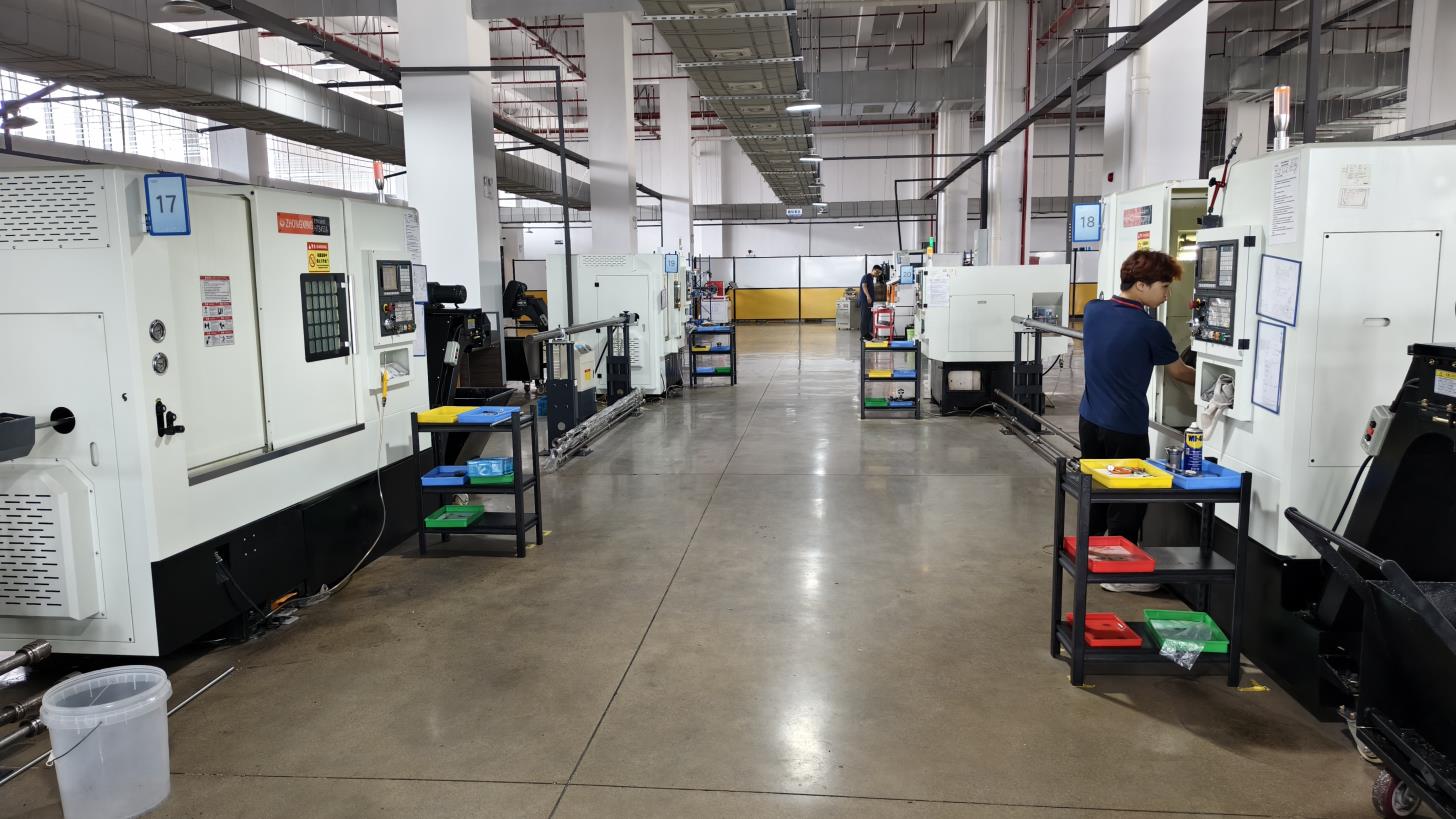
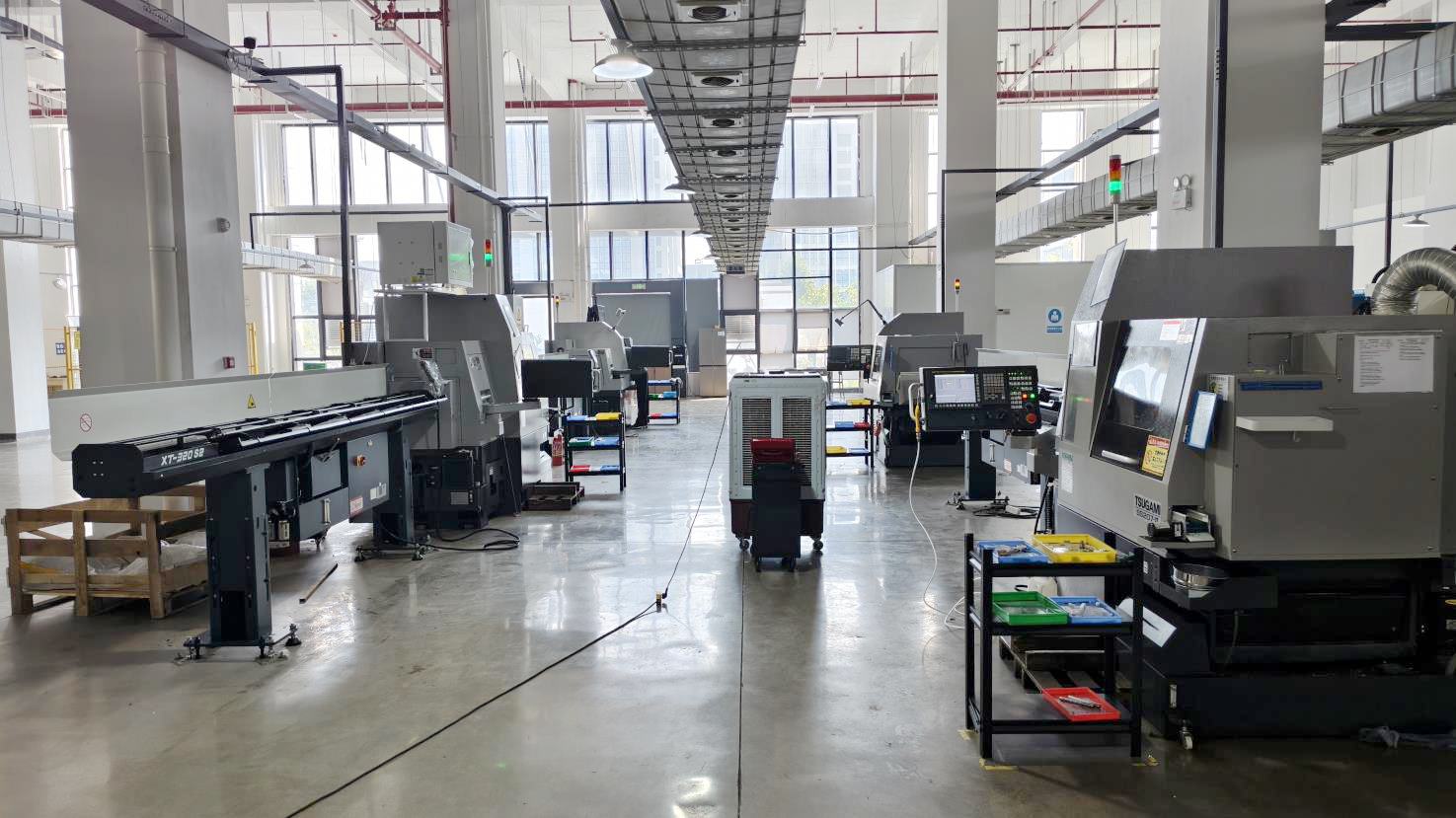
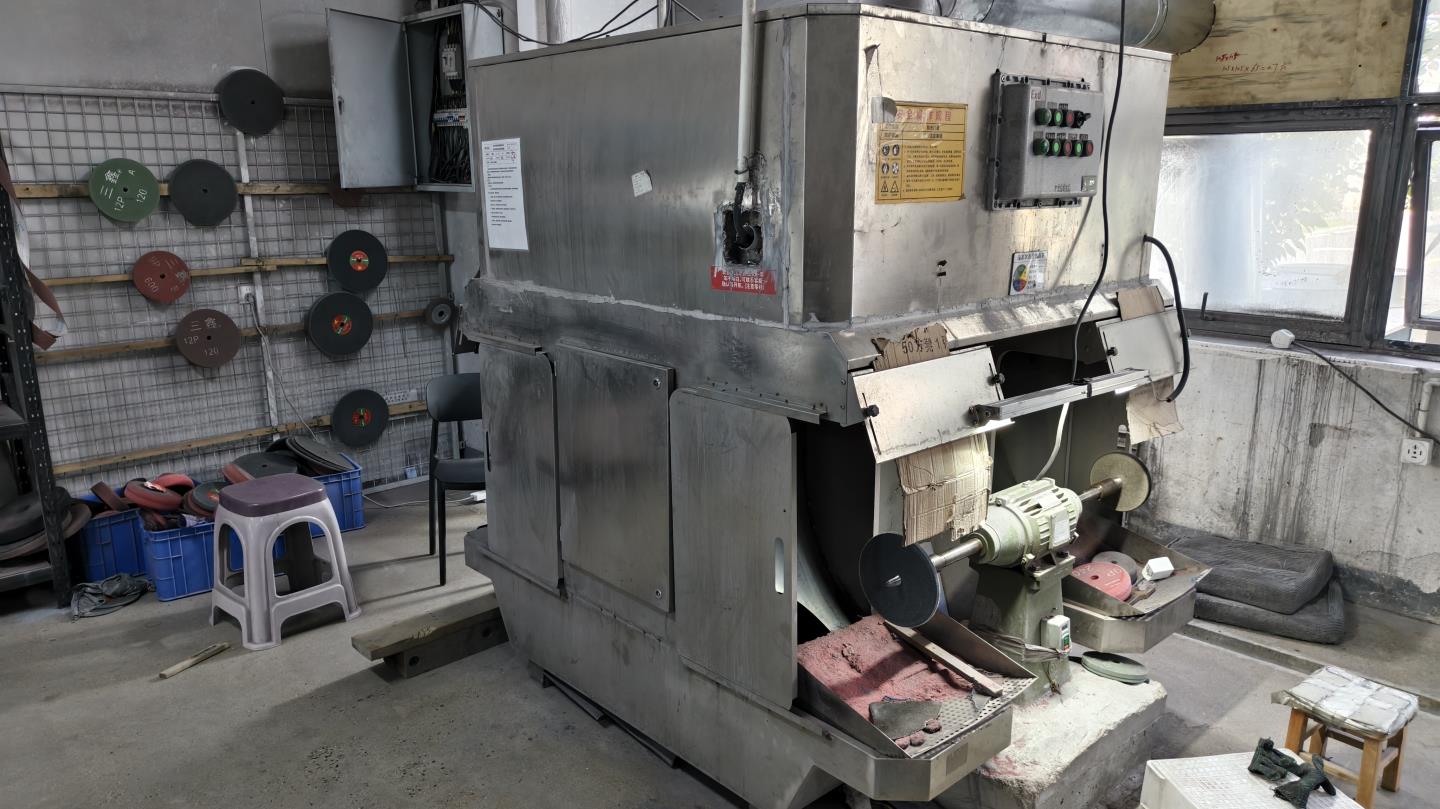
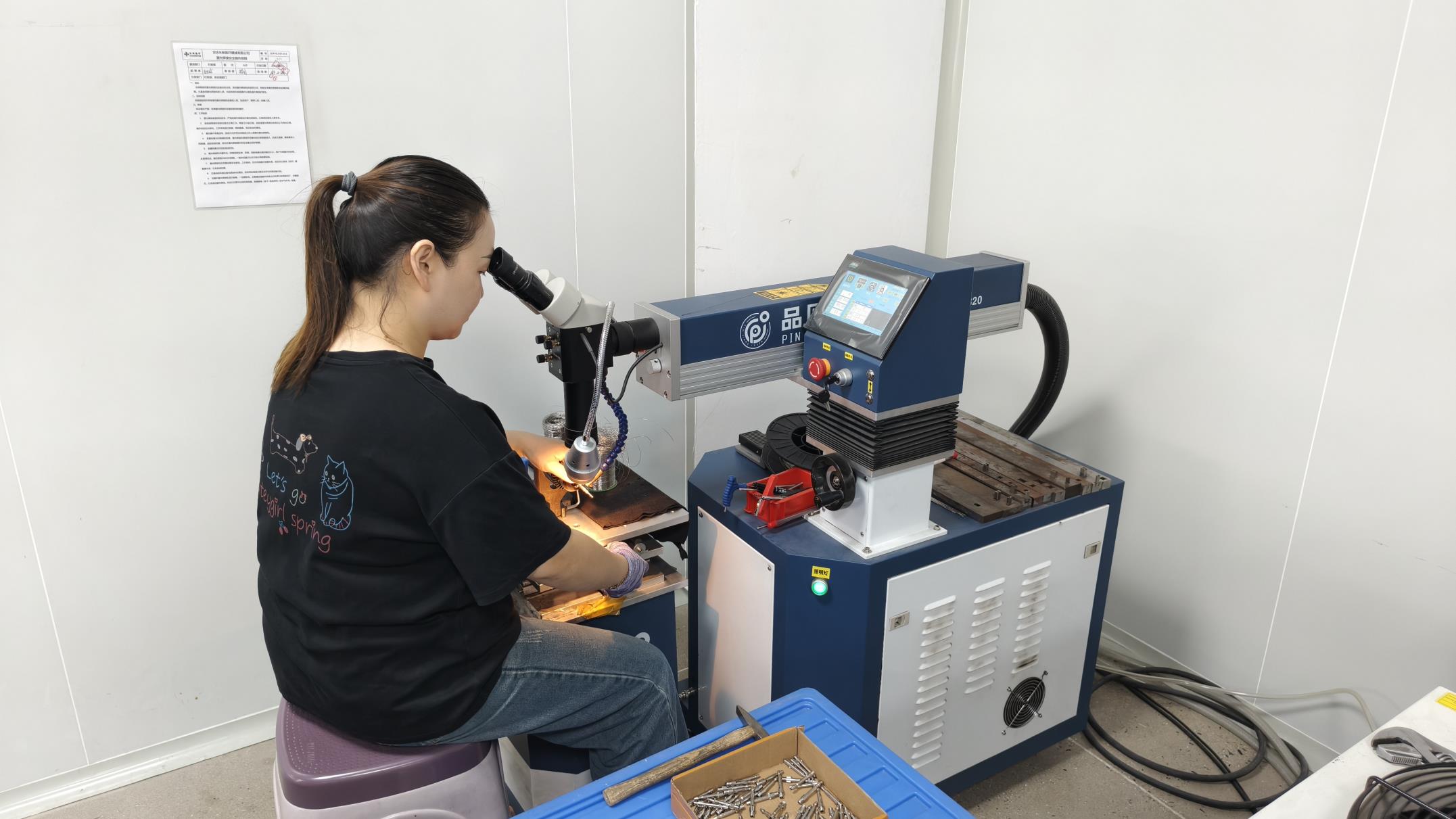
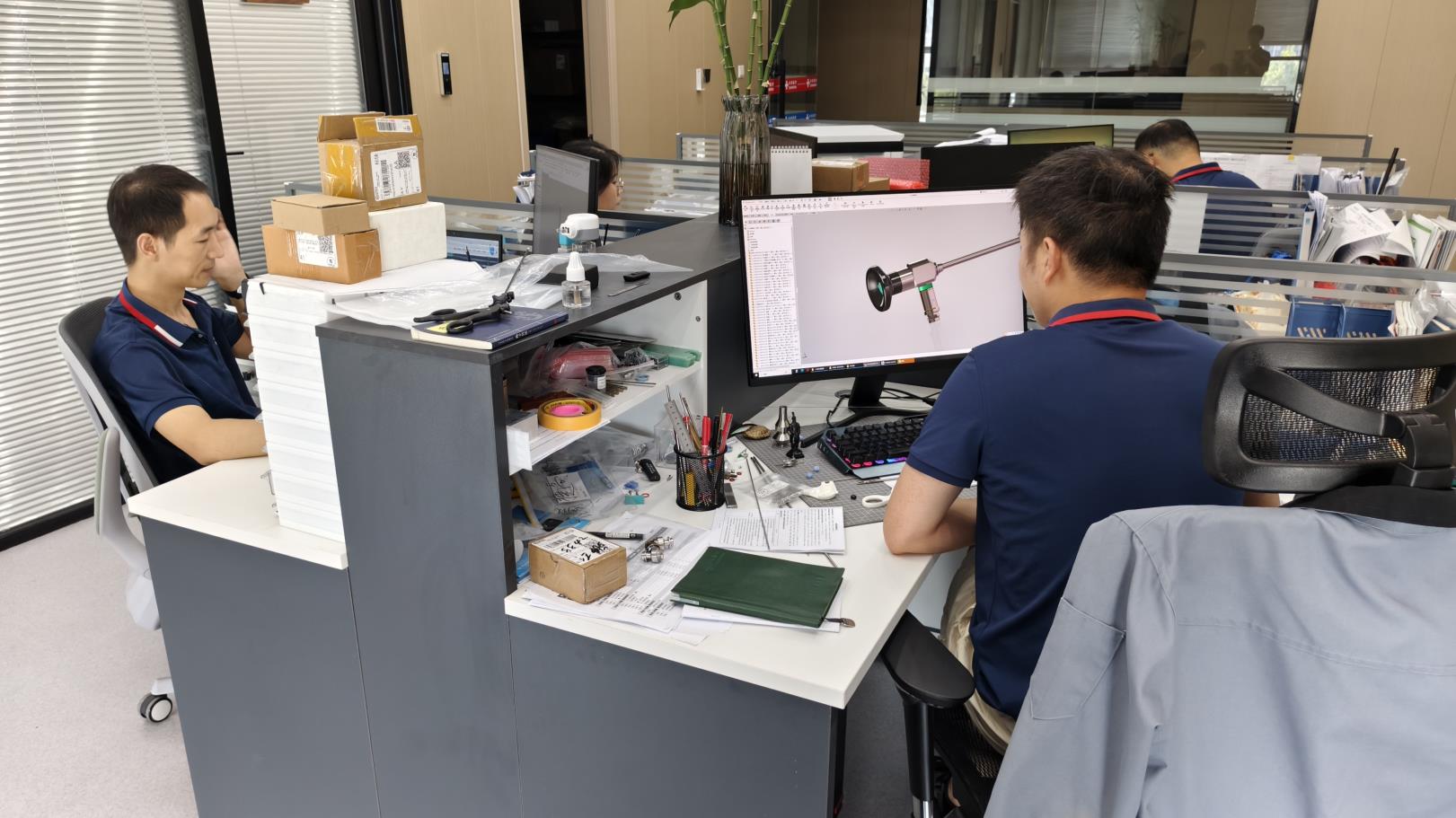
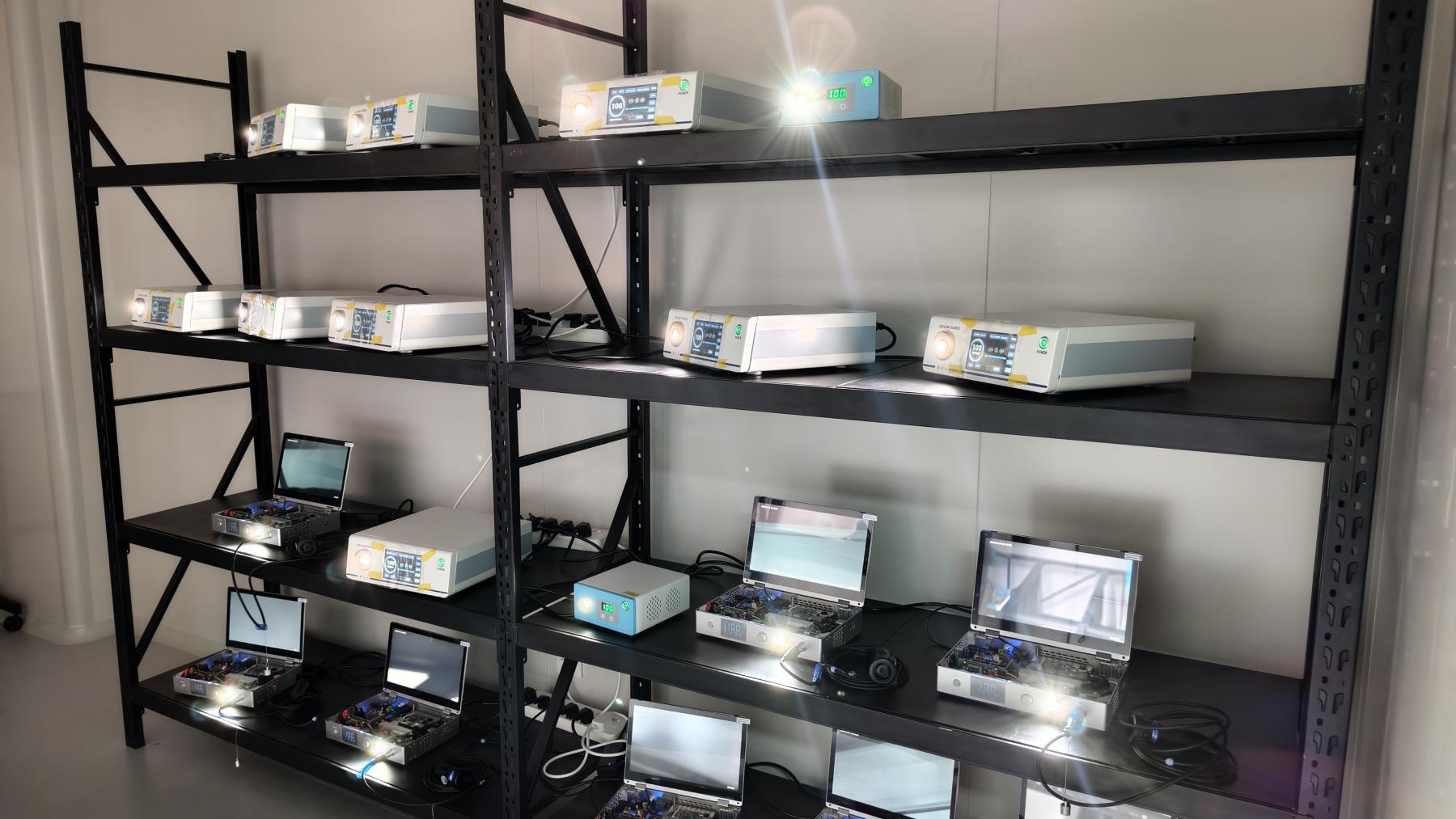
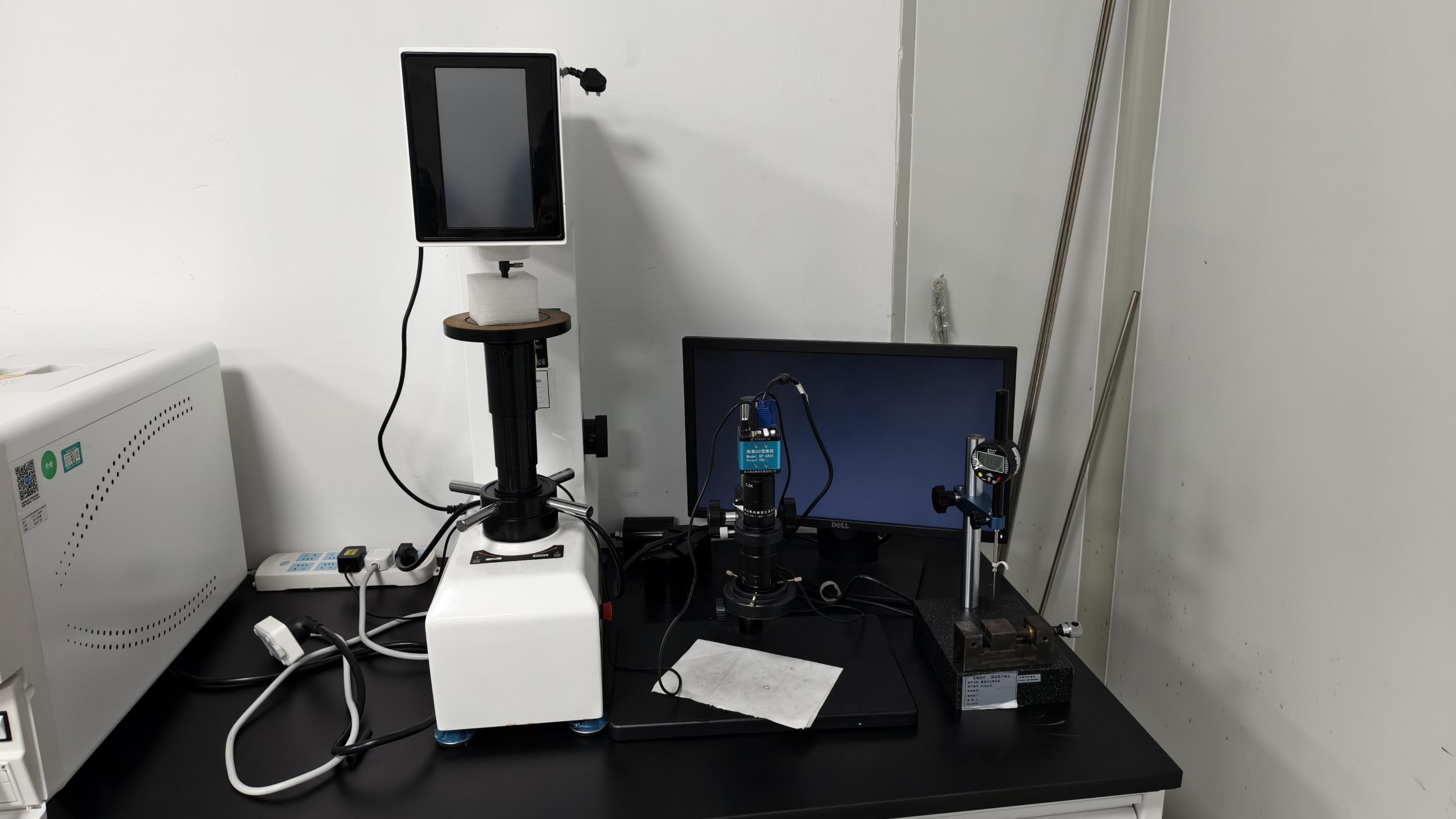
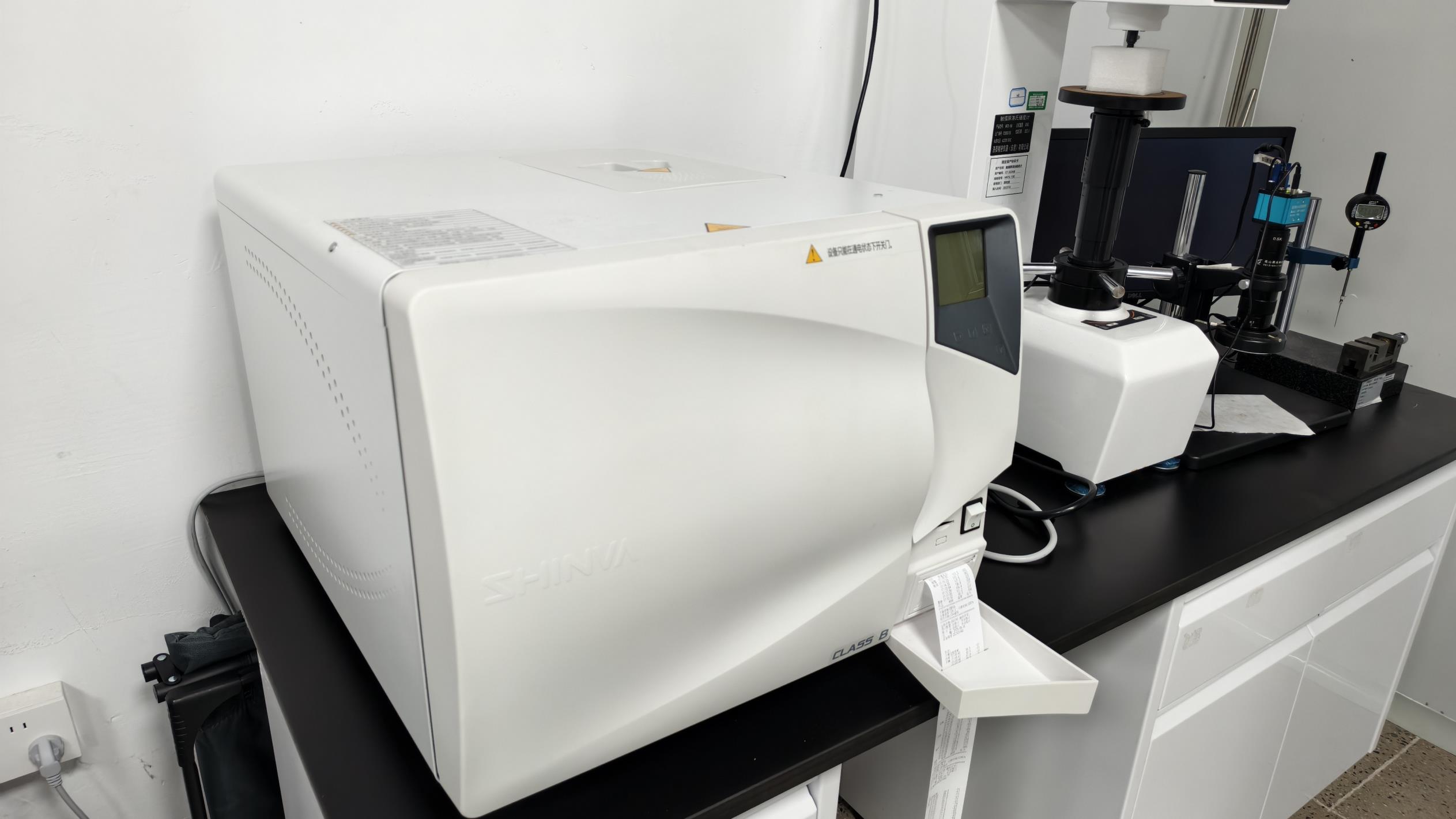
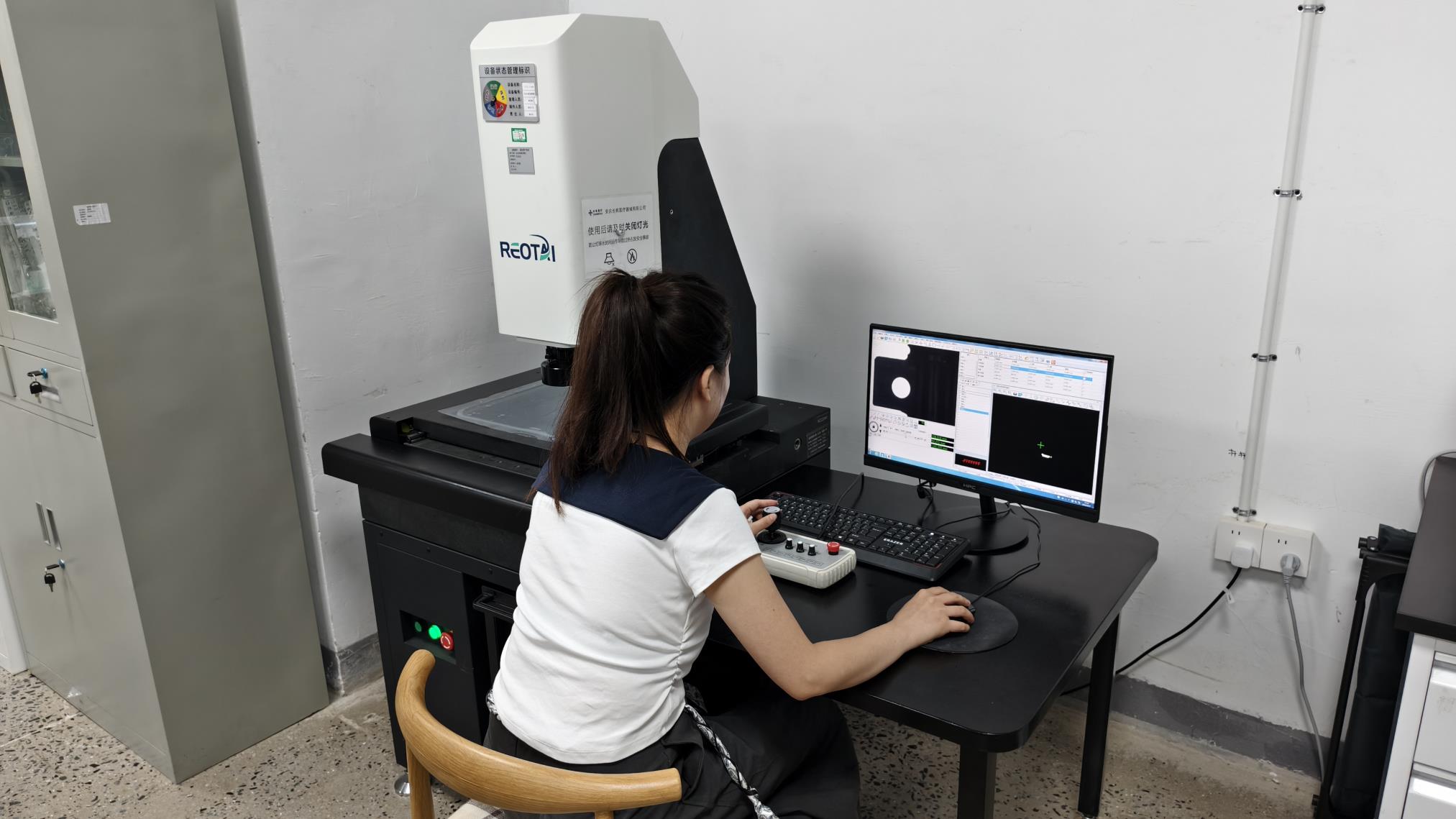
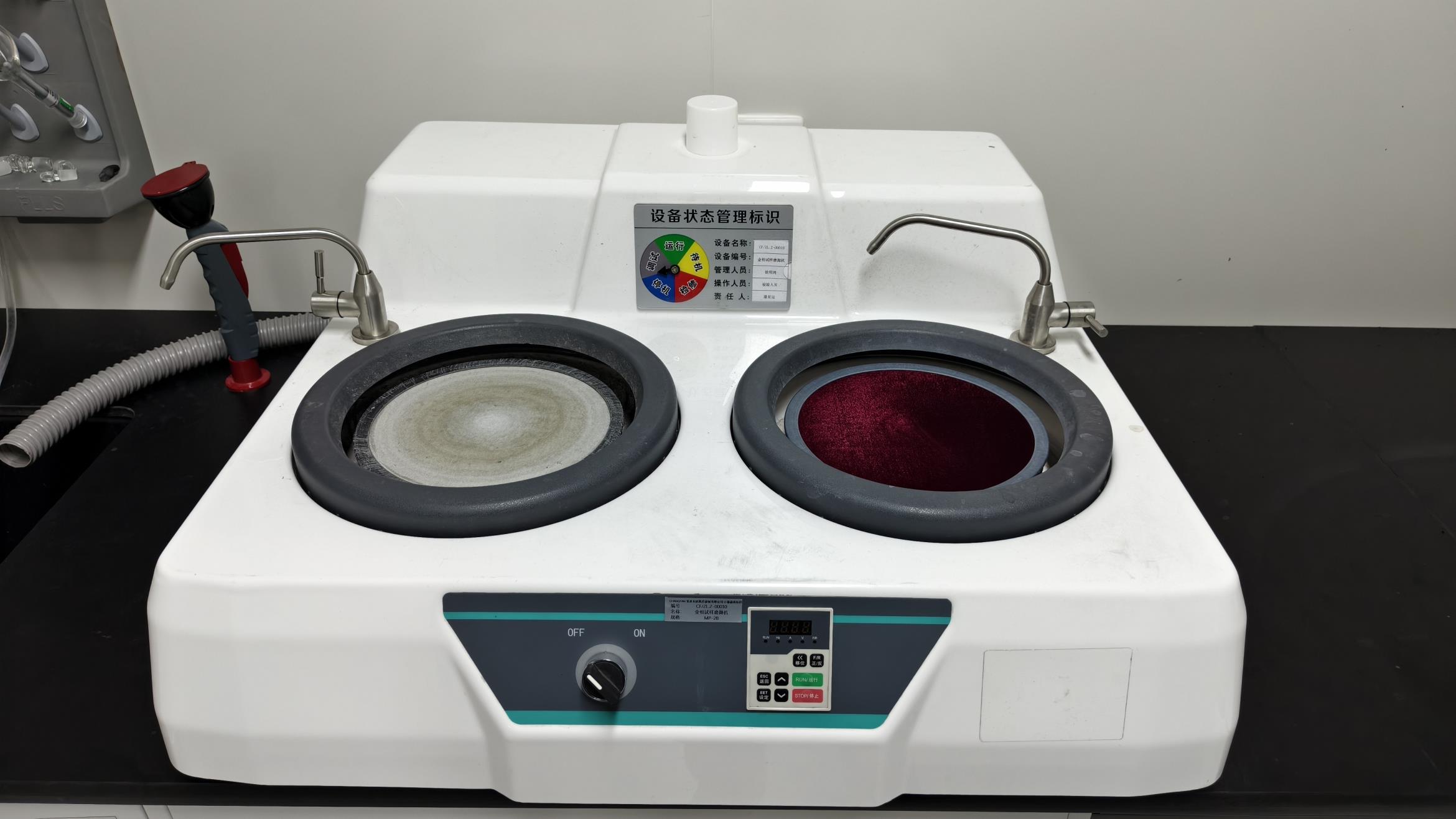
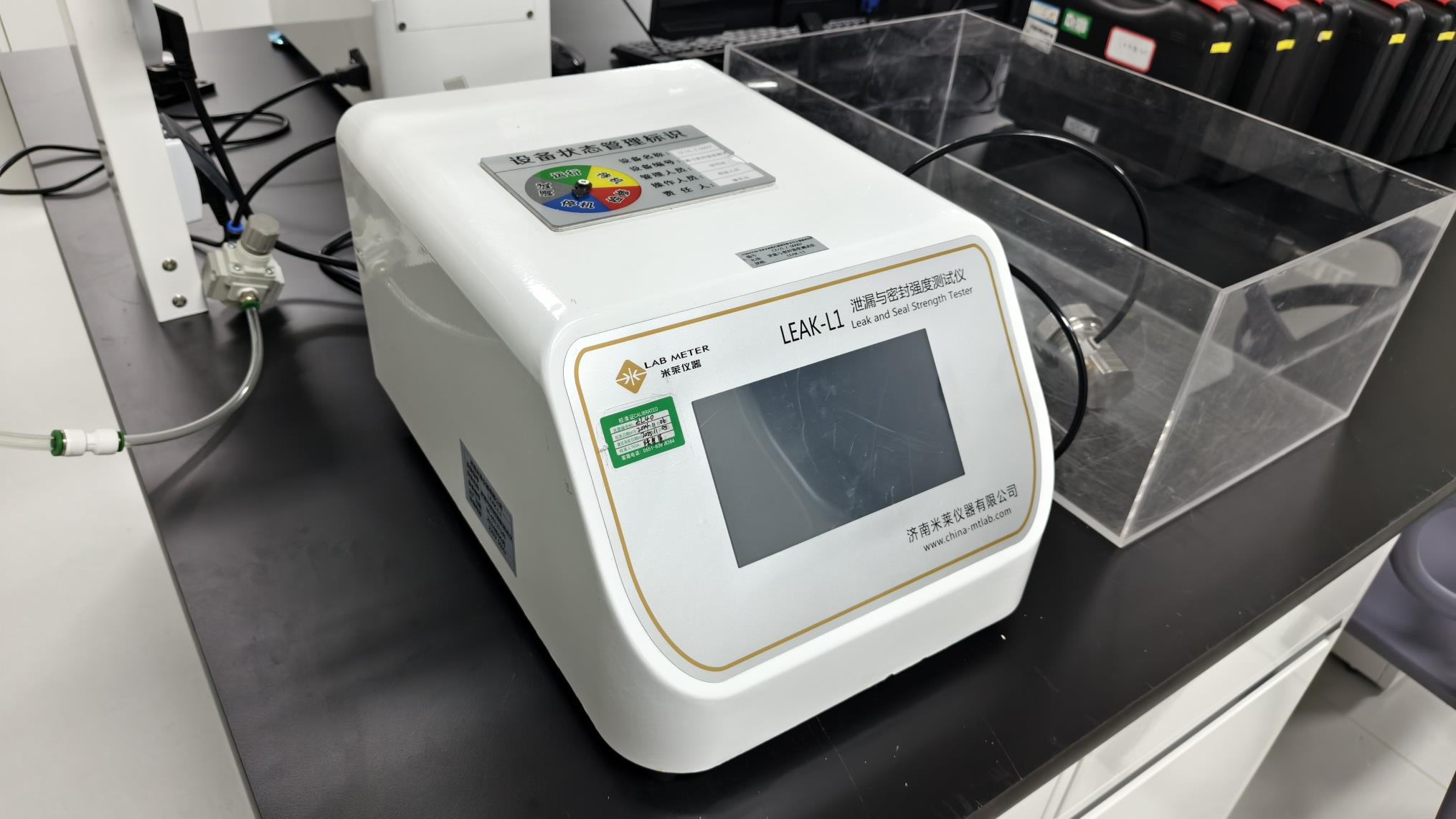
Operating in the Japanese orthopedic market requires strict adherence to localized medical safety guidelines. Our team offers specialized support pathways for distributors navigating these criteria:
We supply comprehensive design dossiers, fatigue-test data conformant to ISO standards, and structural raw-material certificates to support registration processes.
Our engineering services enable modification of distal curvature radii and localized insertion angle designs, optimizing implants for Asian skeletal profiles.
We maintain designated production slots for Tokyo partners, helping to stabilize inventory levels for regional trauma centers.
In cooperation with regional distributors and clinical researchers, Synoviq is working to incorporate several key technological advancements into our manufacturing pipeline:
A comprehensive inventory of surgical configurations, ranging from pediatric elastic systems to complex multiloc solutions, designed to support diverse orthopedic requirements.
Ensures optimal elastic stability for pediatric diaphyseal fractures, preserving the growth plate.
High-precision 3.5 locking configurations engineered to secure distal ulnar implants under load.
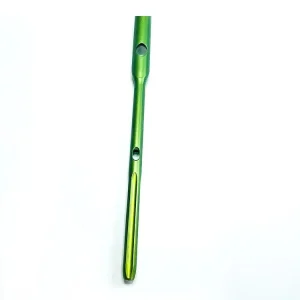
A specialized intramedullary design that offers rotational stability for osteoporotic hip fractures.
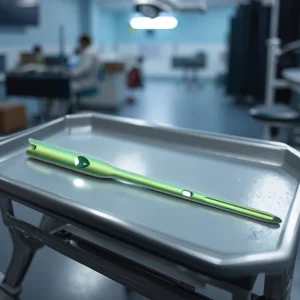
Optimized manufacturing tolerances designed to support quick surgical setup in regional hospitals.
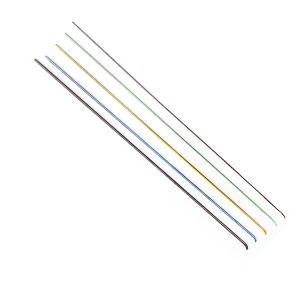
Constructed from high-elasticity titanium to allow rapid pediatric fracture consolidation.
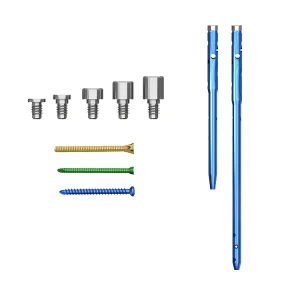
Provides multiple locking screw trajectories to manage complex fractures of the humeral head.
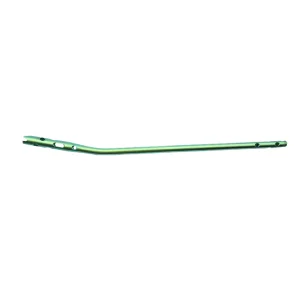
A high-stability tibial shaft fixator featuring dynamic interlocking options.
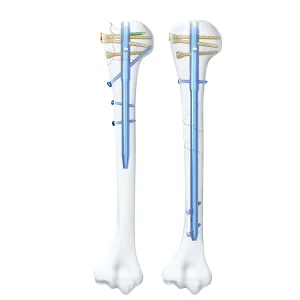
Specifically configured for bone with low mineral density, helping to prevent hardware cutout.
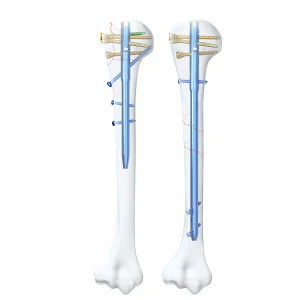
Multi-locking system that offers flexible screw placements to address varying fracture lines.
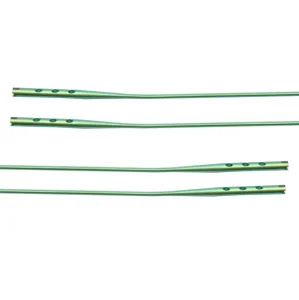
A specialized forearm internal fixation solution that supports anatomical rotation.
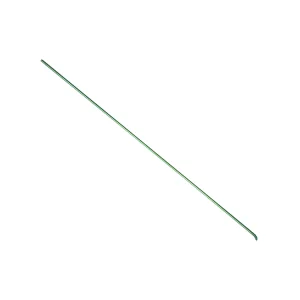
CE certified titanium structures designed for pediatric spinal and long-bone stabilization.
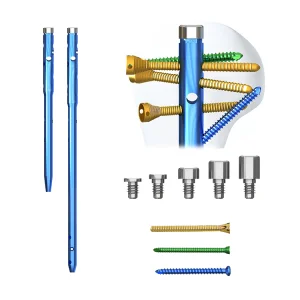
Certified Class III humeral nail constructed to meet demanding international bio-regulatory standards.
Answers to common questions regarding logistics, quality certification, design options, and regulatory processes in Japan.
For custom OEM/ODM modifications, our design and prototyping process takes 3-4 weeks. Once final designs are approved, typical production and sea freight delivery to the Port of Tokyo takes approximately 30-45 days. Expedited air freight is available for urgent requirements.
We provide comprehensive documentation packages for our distributors. This includes raw material certificate copies (ASTM F136 / ISO 5832-3), ISO 13485 quality system records, biomechanical fatigue test data conformant to ASTM F1264, and cleanroom bioburden validation logs.
Yes. Our R&D department collaborates with medical institutions to optimize implant geometries. This includes designing intramedullary nails with smaller shaft diameters and optimized anterior curvature radii to fit Asian anatomical profiles.
Every production batch undergoes raw material spectral verification, 3D CMM dimensional inspection, surface roughness profiling, and fatigue resistance testing. We maintain 100% final inspection on key functional tolerances before cleanroom packaging.
 Synoviq Medical