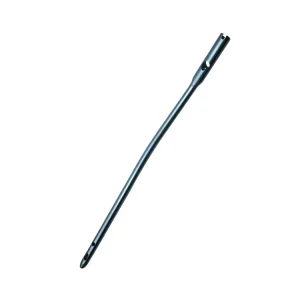
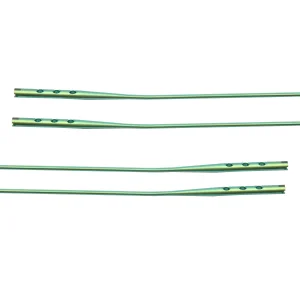
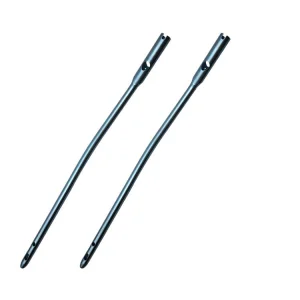
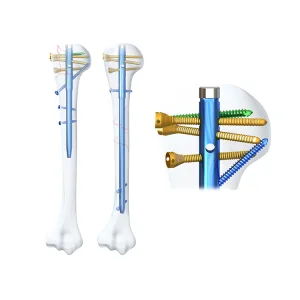
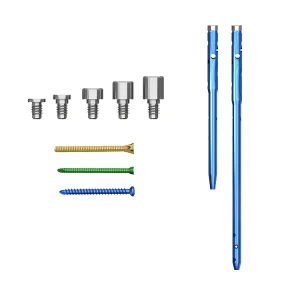
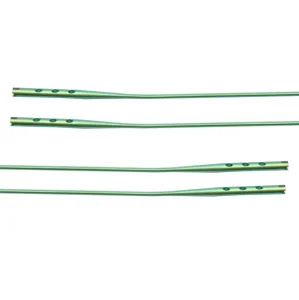
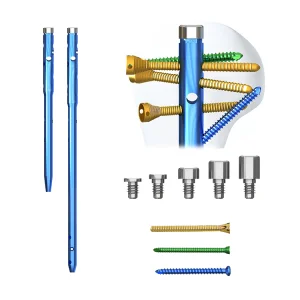
Engineered for high mechanical reliability, optimized biomechanical load transfer, and seamless compatibility with UK surgical standard operating procedures.
An Analysis of the NHS Procurement Landscape, MHRA Regulatory Trajectory, and Clinical Alignment Protocols.
The United Kingdom's orthopedic trauma market is experiencing a profound transition driven by demographic shifts, fiscal challenges within the National Health Service (NHS), and post-Brexit regulatory evolutions. Hip and long-bone fractures account for a significant percentage of urgent emergency admissions across the UK, representing a major cost center for NHS Trusts. With over 75,000 hip fractures occurring annually, the demand for high-performance internal fixation systems—specifically intramedullary (IM) nails—has intensified.
Under the NHS Supply Chain Framework, procurement officers and clinical directors are increasingly adopting value-based procurement strategies. This approach balances absolute clinical safety and efficacy with cost efficiency. For global exporters, accessing this market requires not only high manufacturing standards but also a deep understanding of the British Orthopaedic Association (BOA) guidelines and NHS standards. Intramedullary nails must support early patient mobilization to reduce length of stay (LoS) in hospitals, directly optimizing hospital resources.
Following the UK's departure from the European Union, the Medicines and Healthcare products Regulatory Agency (MHRA) established a distinct regulatory pathway for medical devices. Importers and exporters targeting the UK market must navigate the transition from CE marking to the UKCA (UK Conformity Assessed) mark. Class III medical devices, which include load-bearing orthopedic implants like interlocking intramedullary nails, are subject to stringent conformity assessments, requiring robust Clinical Evaluation Reports (CER) and comprehensive biocompatibility testing (ISO 10993).
Next-Generation Metallurgical Engineering and Geometric Innovations in Fracture Fixation.
The performance of an intramedullary nail is defined by its ability to share load with the surrounding host bone while maintaining anatomical alignment. Modern clinical practices in the UK favor titanium alloys (primarily Ti-6Al-4V ELI) for their superior fatigue resistance, biocompatibility, and lower elastic modulus compared to stainless steel. The reduced stiffness minimizes stress shielding, promoting secondary bone healing through micro-motion at the fracture site.
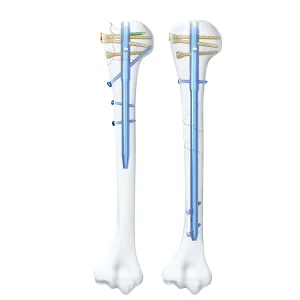
Modern IM nails incorporate specialized locking configurations to combat rotational instability. In proximal femoral fractures, the deployment of integrated helical blades or dual-integrated screws provides superior resistance to cut-out—a common failure mode in osteoporotic bone. By incorporating variable locking options (static, dynamic, and compression), surgeons can customize the construct to match specific patient demographics, especially elderly patients managed under the UK's National Hip Fracture Database (NHFD) initiatives.
Medical-grade Titanium Alloy (Ti-6Al-4V ELI) complying with ASTM F136 and ISO 5832-3 standards.
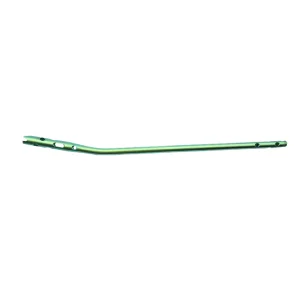
Optimized radius of curvature configurations tailored to match the physiological curvature of the UK patient population.
Advanced distal locking targeting holes featuring mechanical threads or distal dynamic slots for controlled fracture dynamization.
How Synoviq Medical Technology Leverages Advanced Machining Infrastructure to Support Global Orthopedic OEM/ODM Requirements.
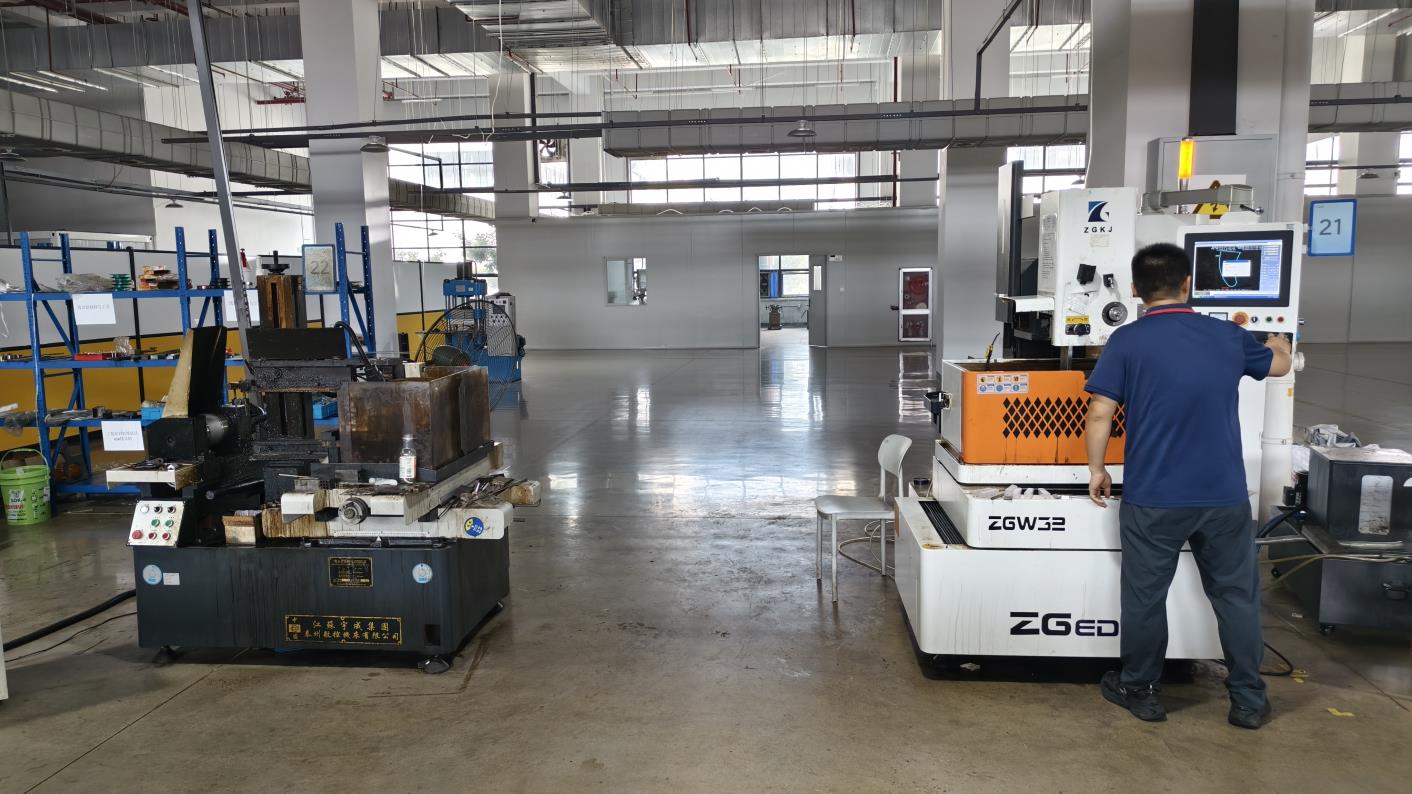
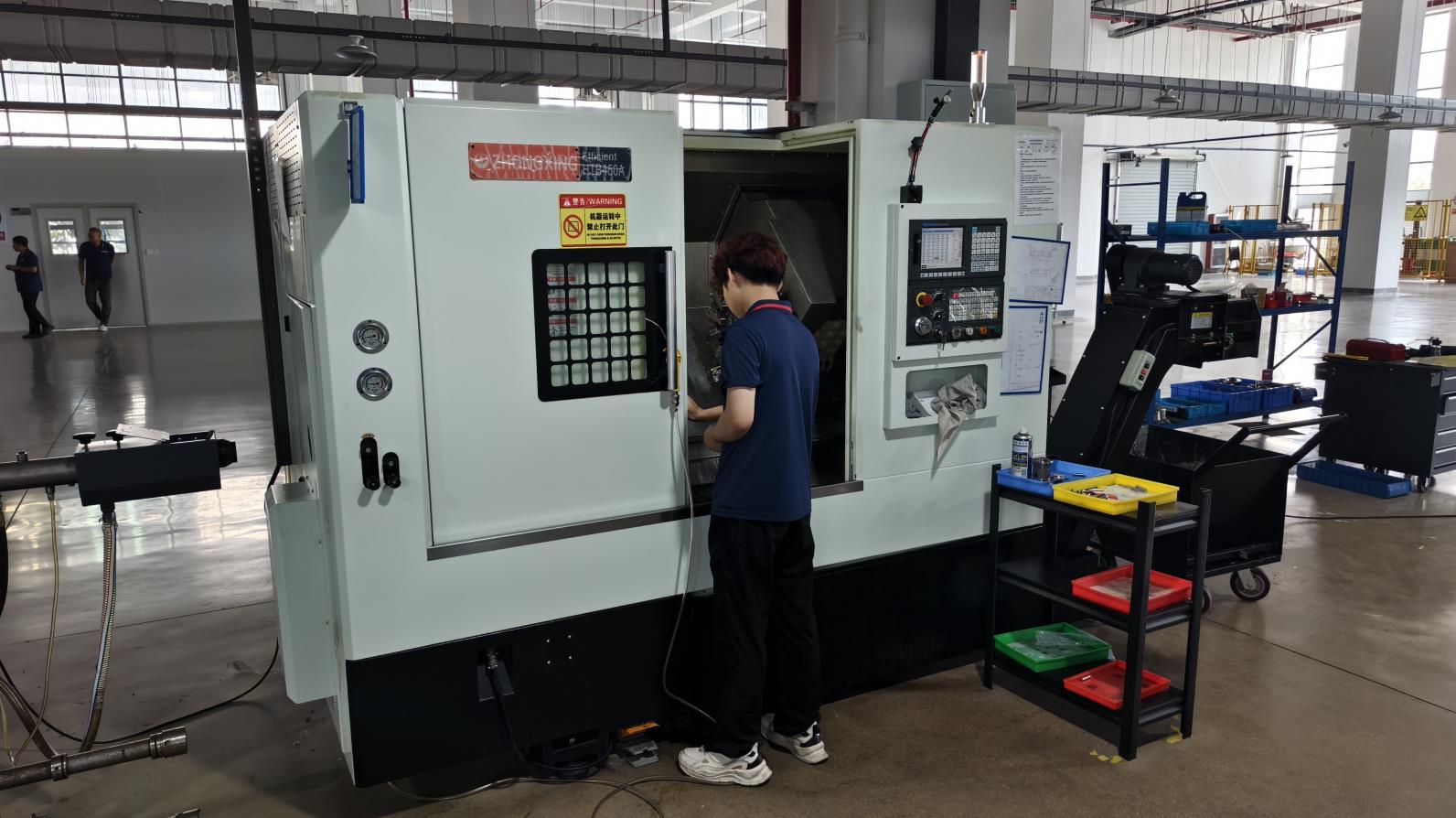
Our manufacturing facility spans over 18,600 m² and operates on advanced digital manufacturing principles. Through the deployment of high-precision Swiss-type CNC lathes, specialized multiaxis machining centers, and automated surface treatment pipelines, we produce orthopedic implants that meet or exceed stringent international standards. This advanced infrastructure allows us to maintain strict dimensional tolerances within ±5 microns, which is essential for ensuring the correct fit between the interlocking nails and their corresponding insertion guides during surgical procedures.
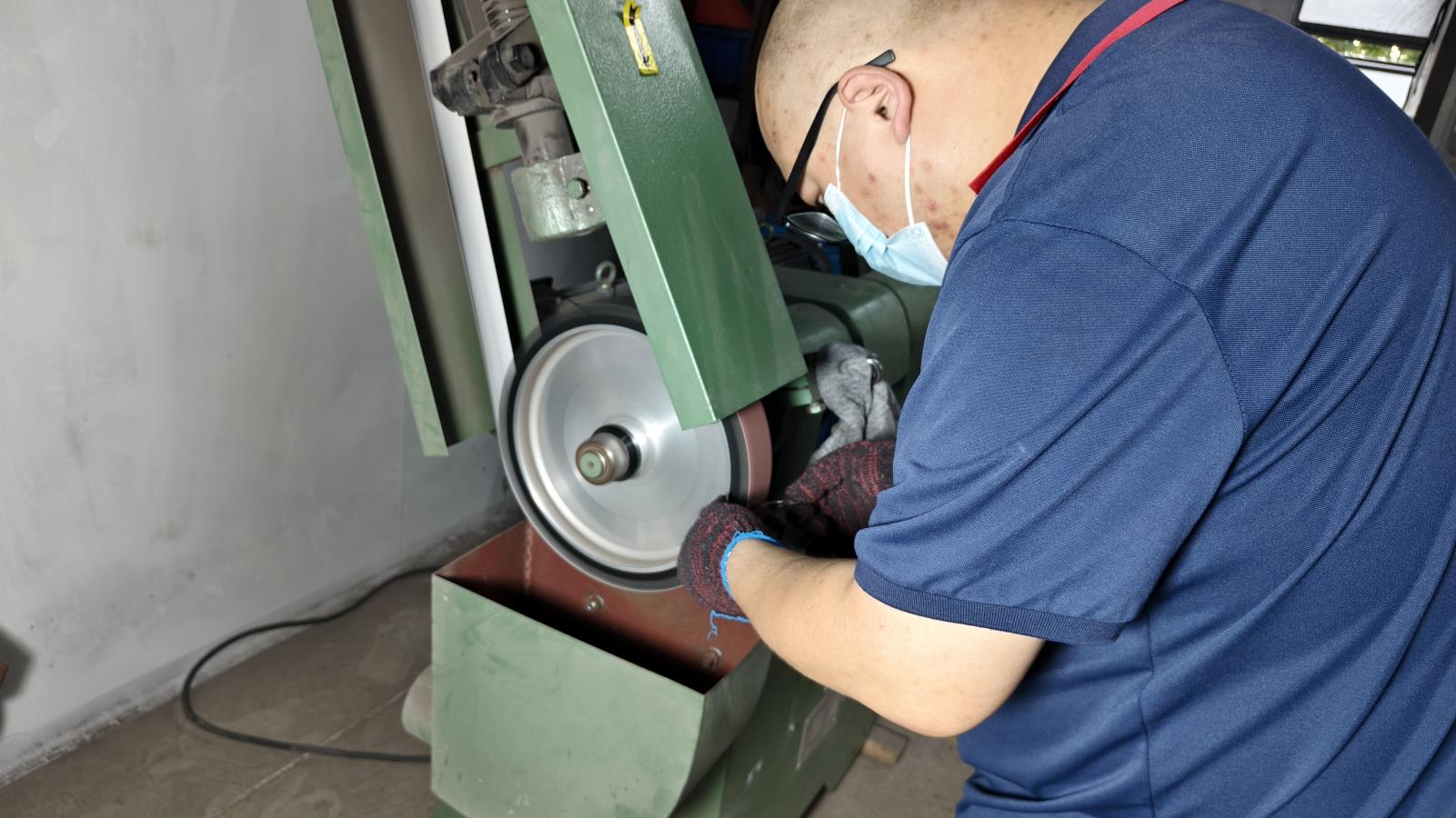
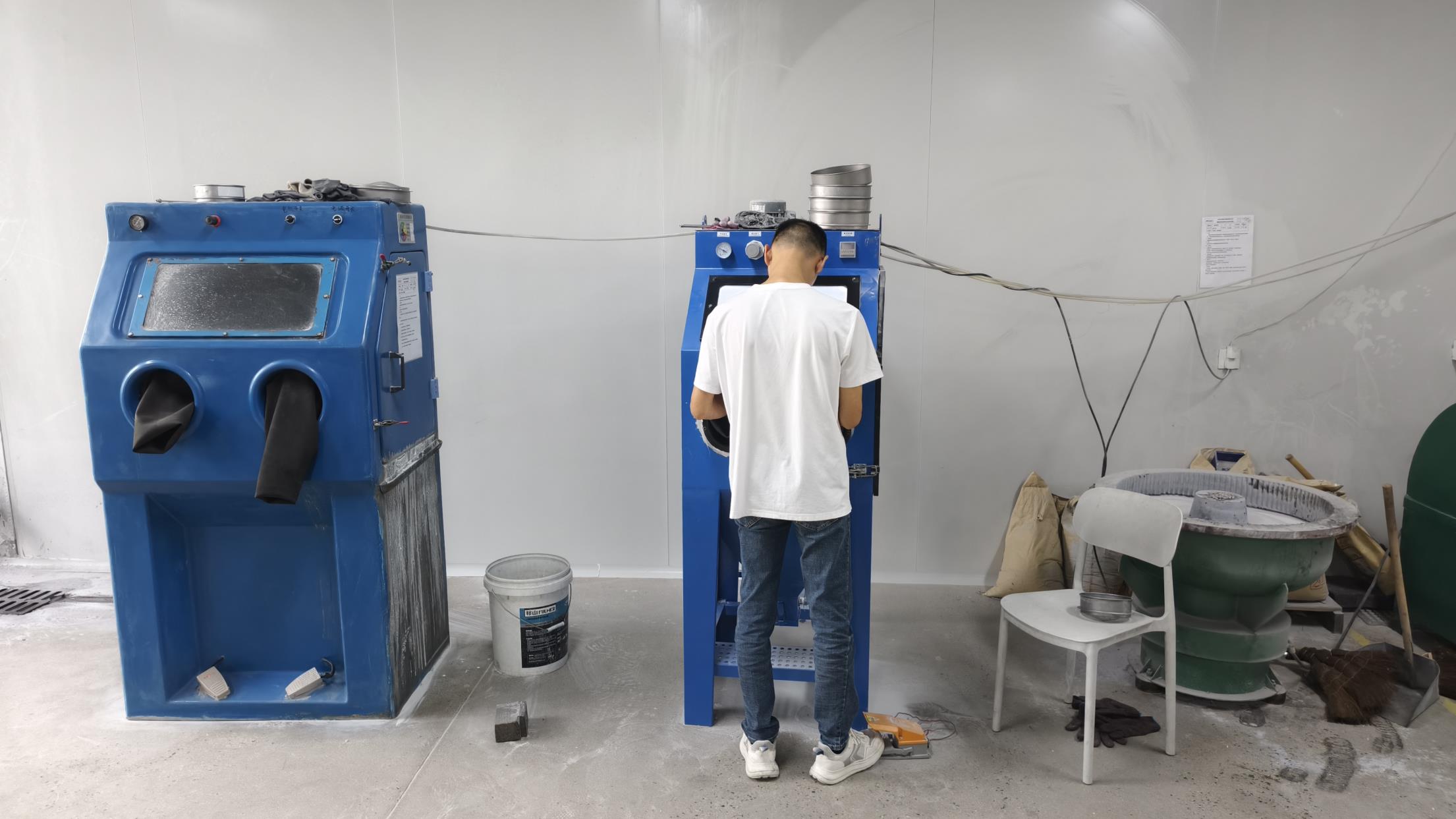
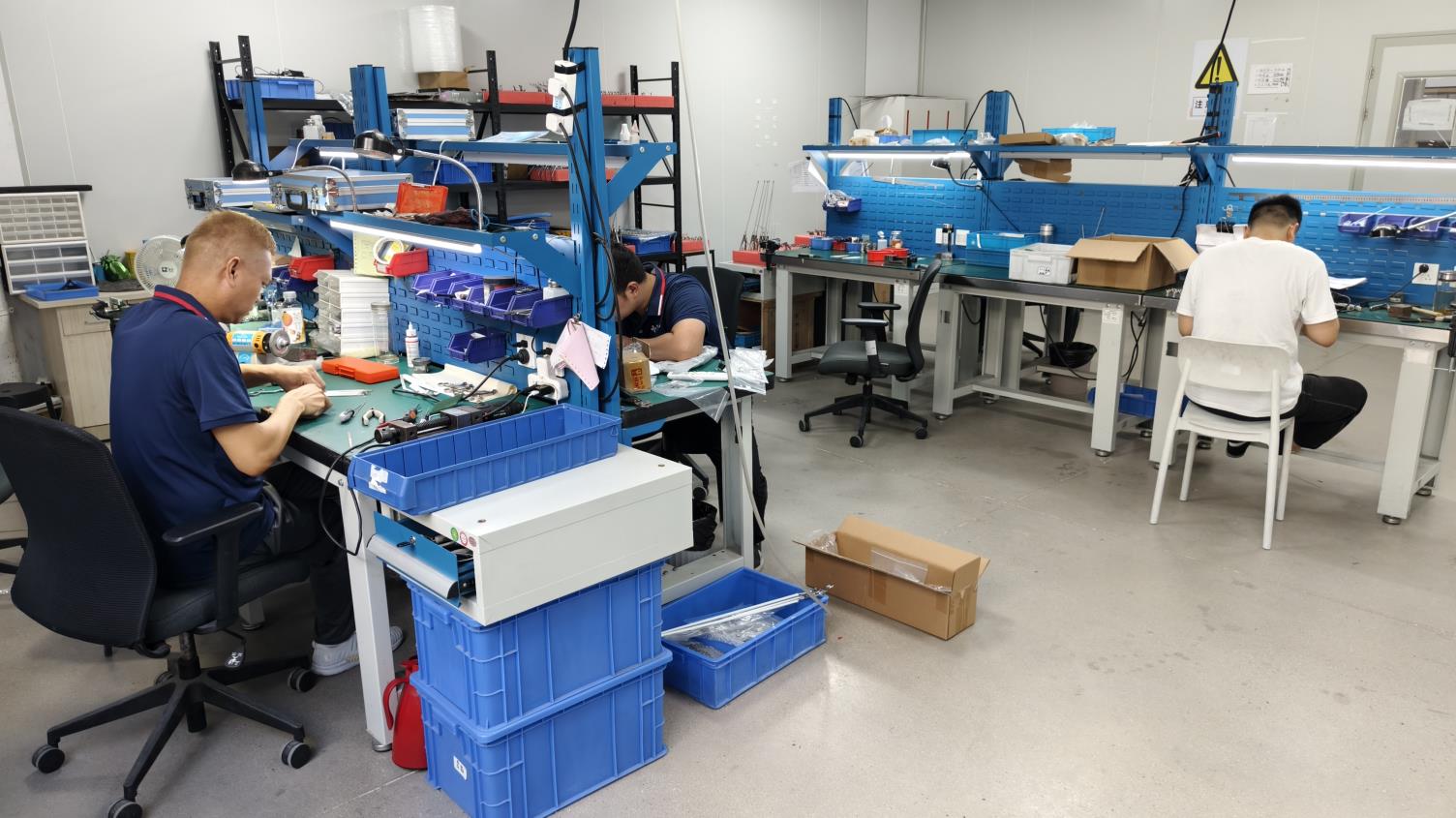
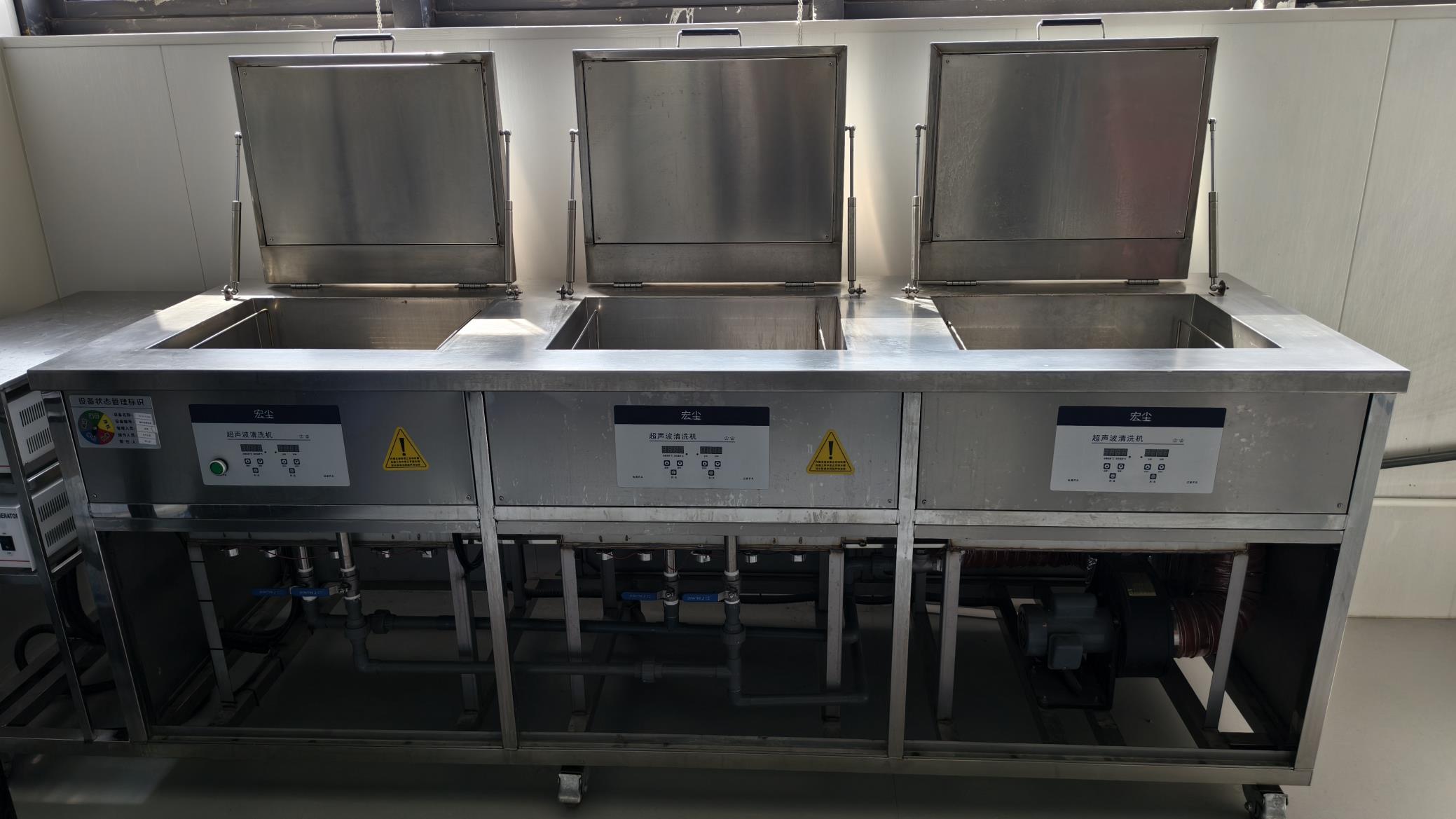
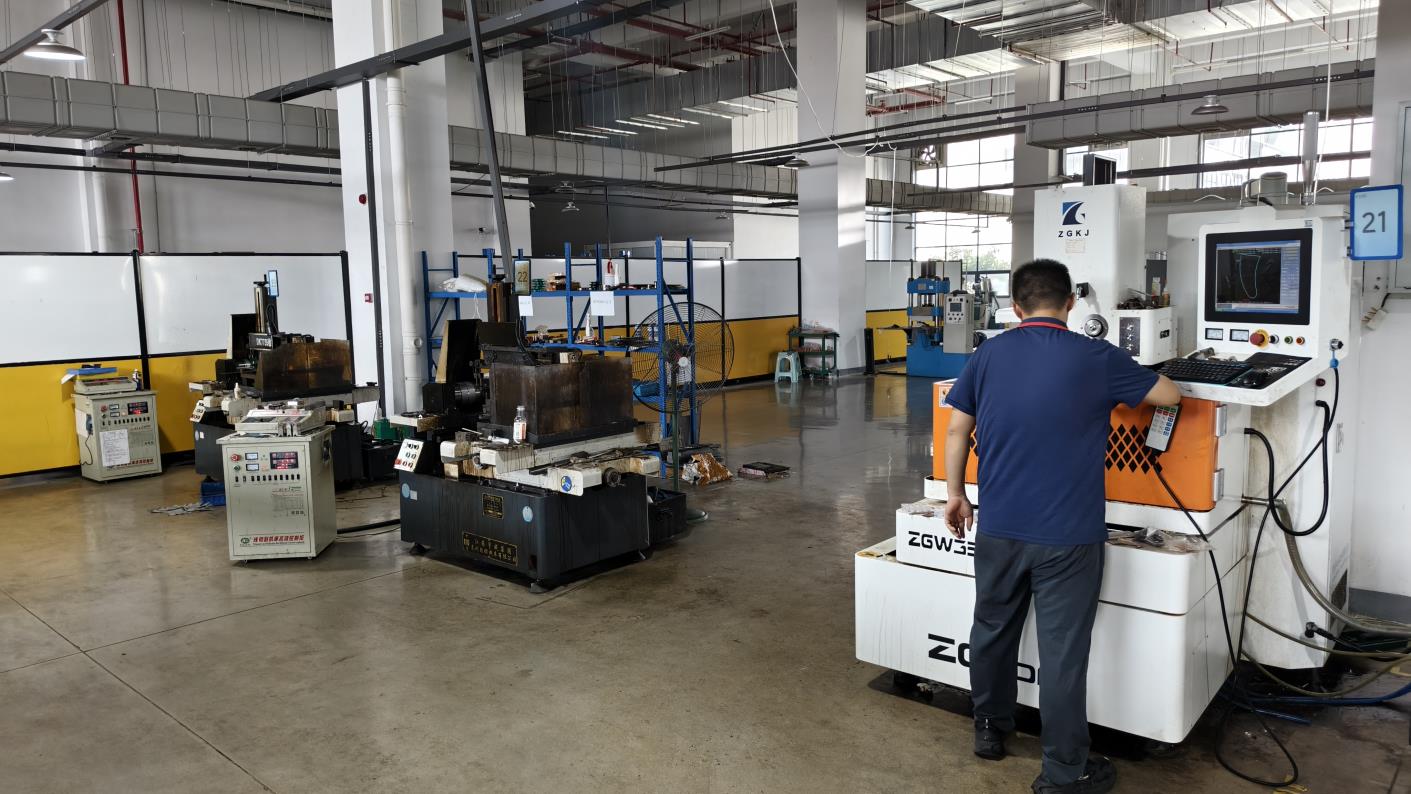
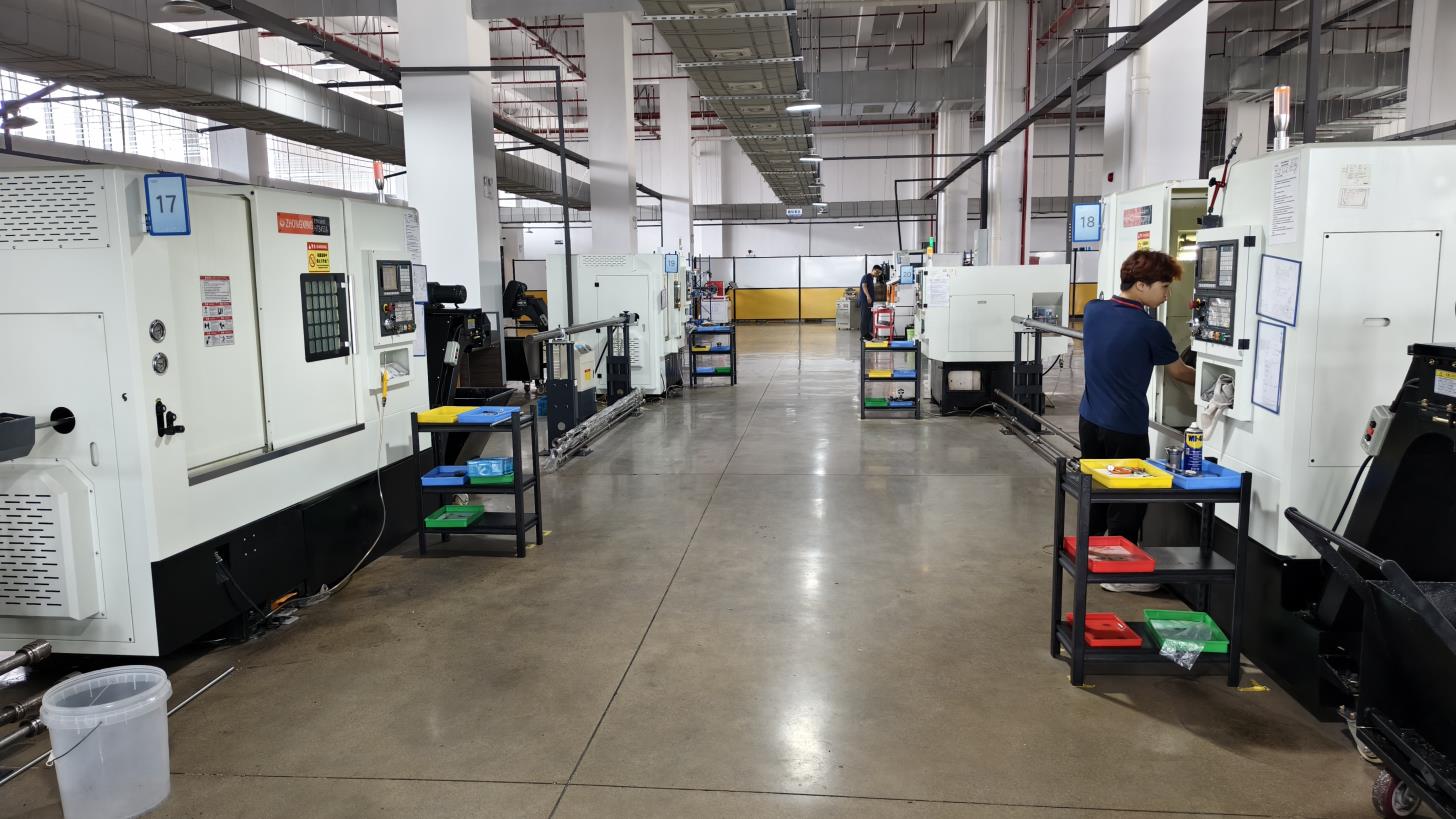
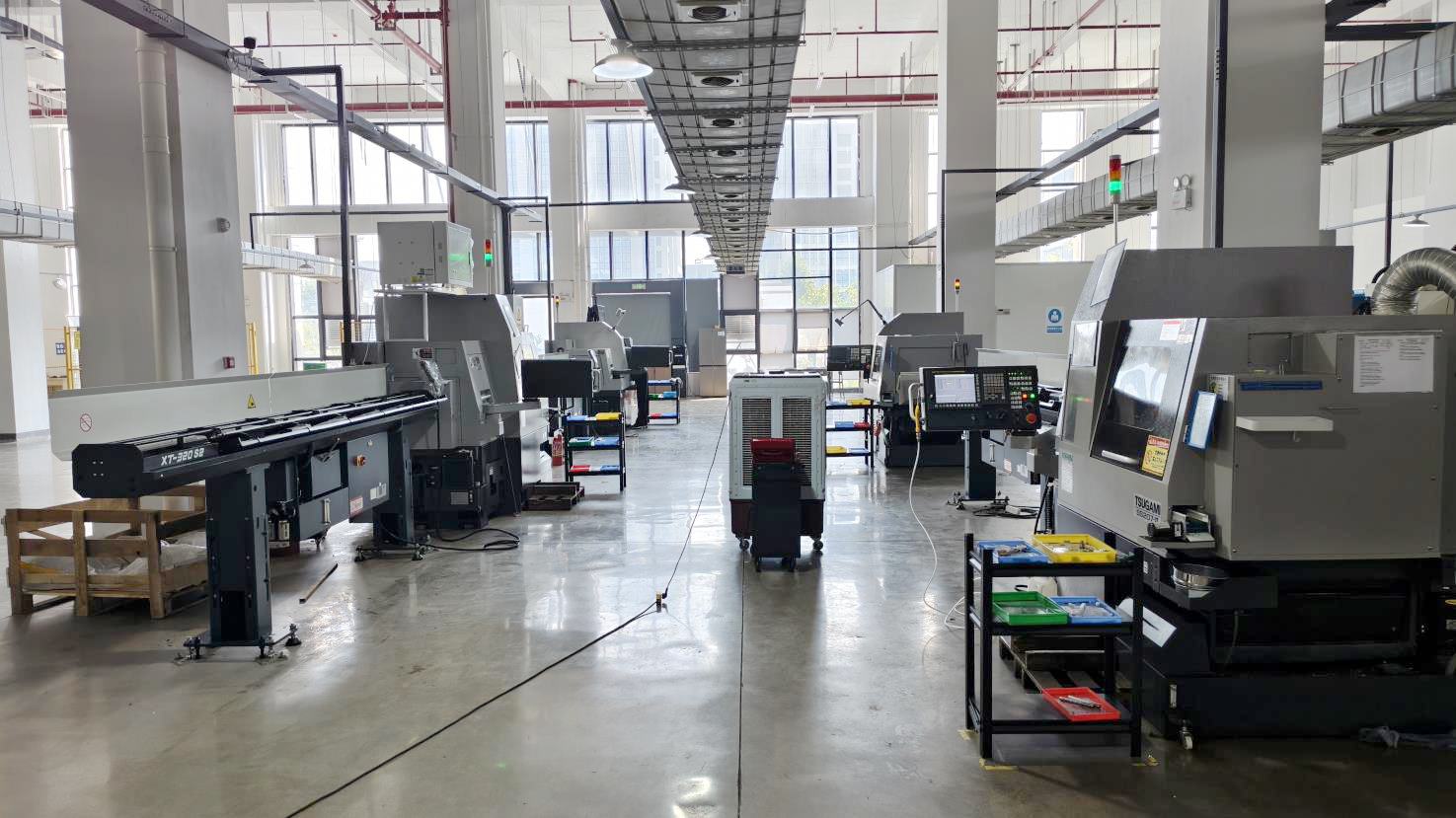
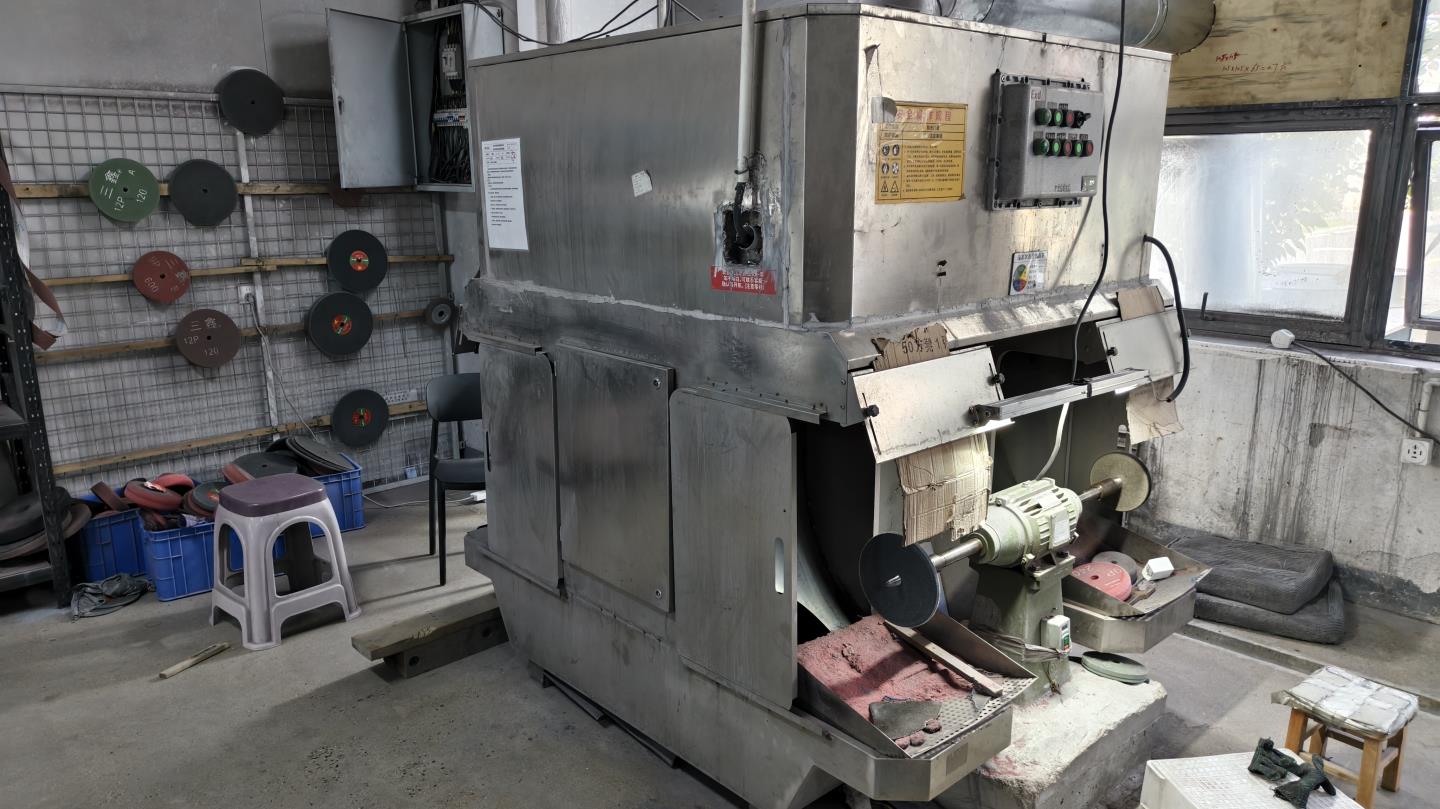
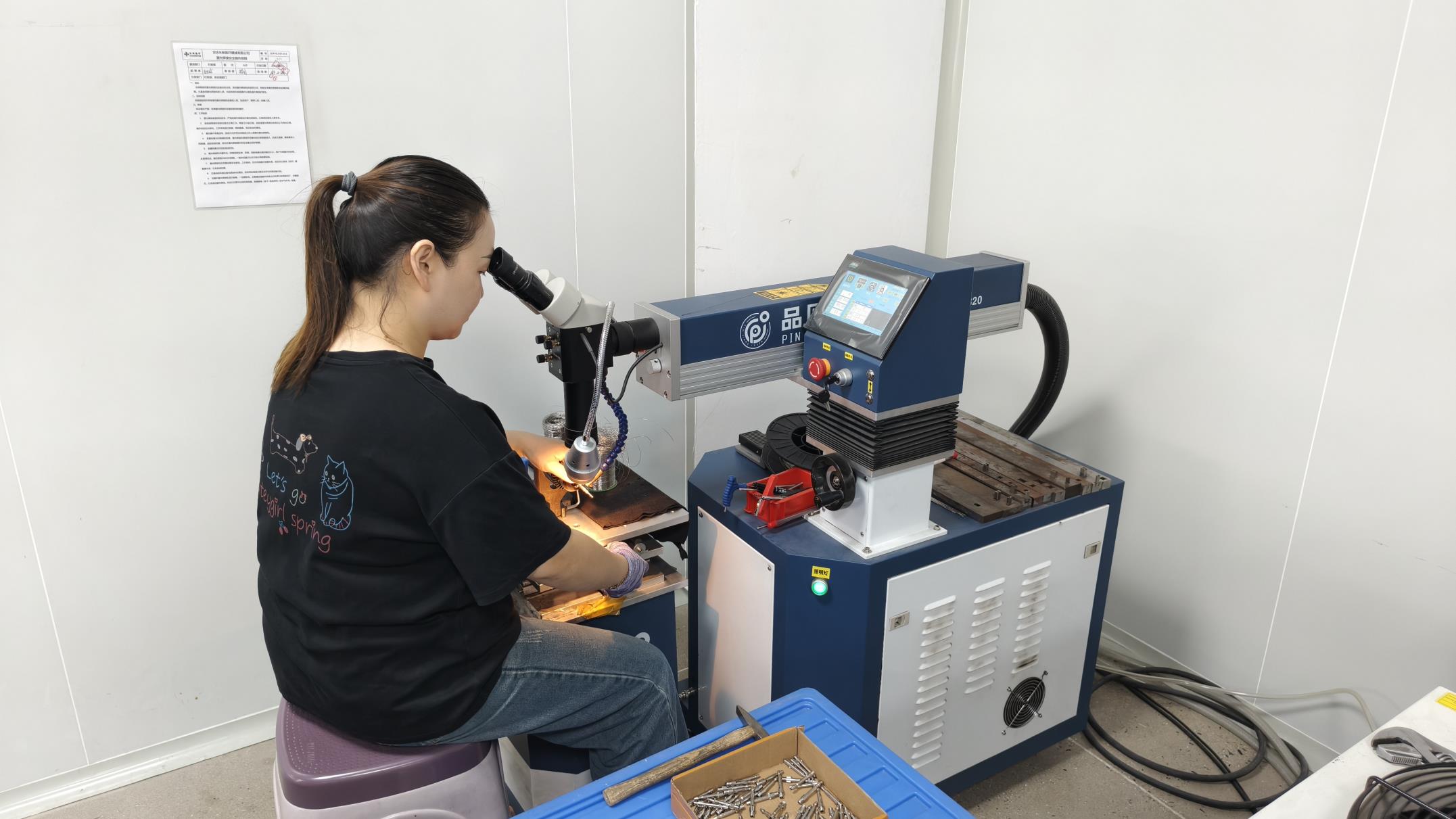
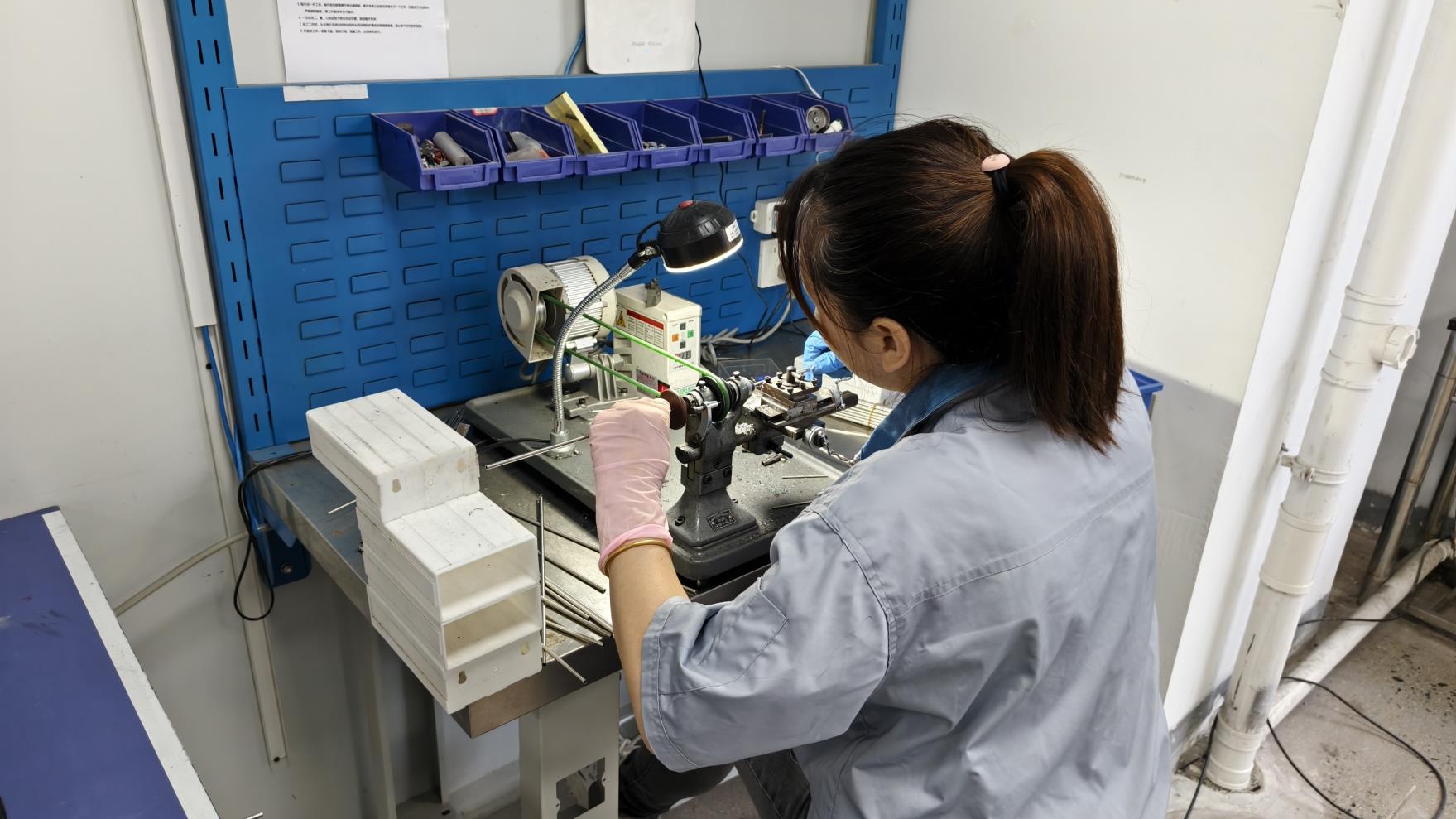
Synoviq Medical Technology (China) Co., Ltd.
Synoviq Medical Technology (China) Co., Ltd. is a dedicated manufacturer of orthopedic implants and surgical instruments. We design, manufacture, and export surgical solutions for healthcare professionals worldwide. Since our establishment, we have focused on research and development, precision manufacturing, and international quality standards, providing OEM and ODM services for medical device brands, distributors, and hospitals globally.
Our product portfolio includes trauma fixation systems, spinal implants, locking plates, intramedullary nails, external fixation systems, orthopedic screws, surgical instruments, and customized orthopedic solutions. Equipped with advanced CNC machining centers, precision inspection equipment, and modern clean production facilities, we verify that every product conforms to strict international quality standards.
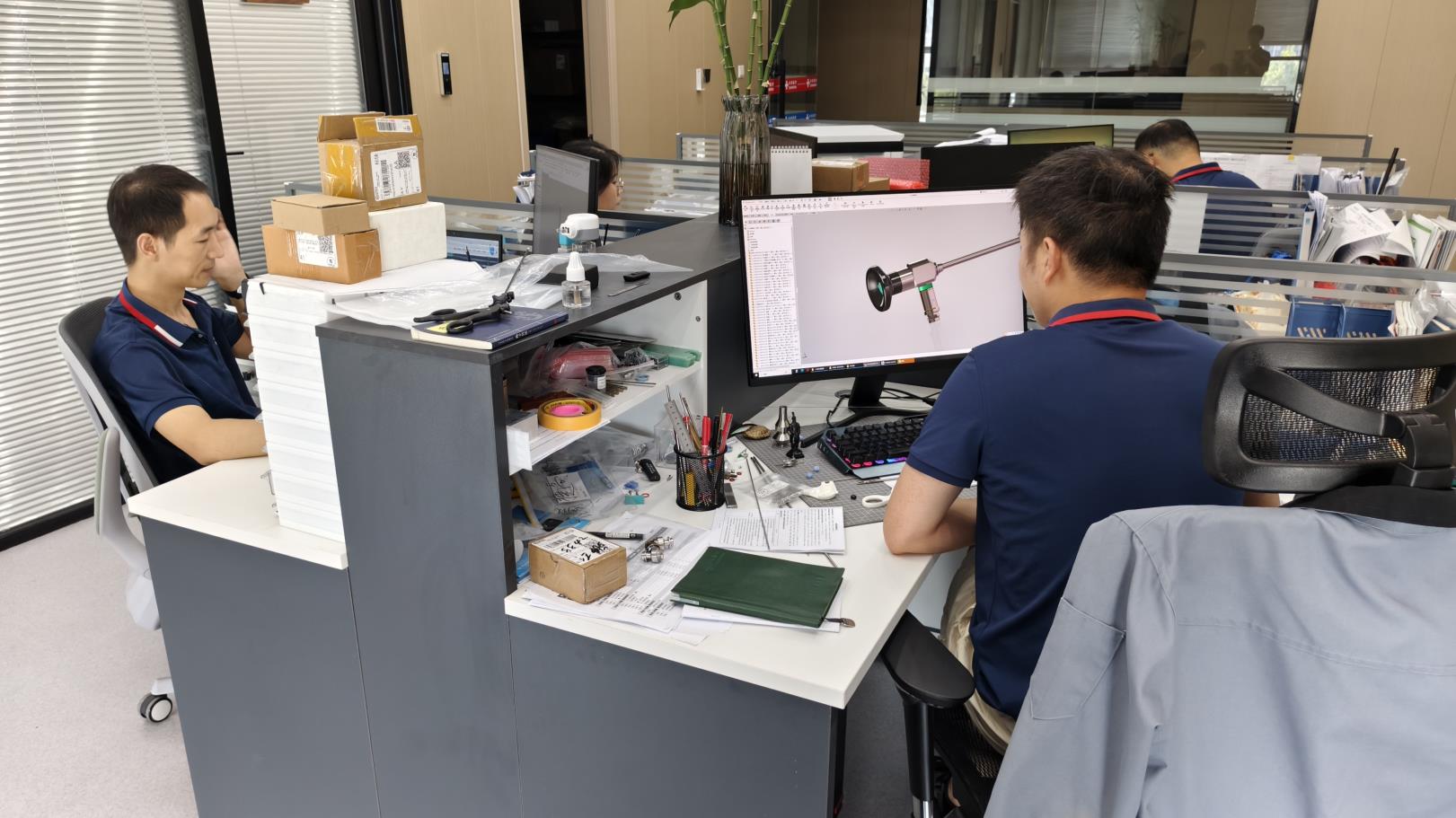
Supported by a focus on engineering development, Synoviq invests in R&D and intelligent manufacturing to support product performance, surgical efficiency, and patient outcomes. Our engineering team works with customers to develop customized products tailored to different clinical applications and market demands.
With our focus on product stability, pricing competitiveness, and responsive technical support, Synoviq has established long-term partnerships with distributors, medical brands, and healthcare organizations across Europe, North America, South America, the Middle East, and Asia-Pacific.
| Item Category | Operational Capabilities & Verification Metrics |
|---|---|
| Company Name | Synoviq Medical Technology (China) Co., Ltd. |
| Brand | Synoviq |
| Established | March 18, 2016 |
| Building Area | 18,600 m² |
| Annual Export Revenue | USD 21.8 Million |
| Export Experience | 8 Years |
| Industry Experience | 14 Years |
| Quality Inspection | 100% Final Inspection & Incoming Material Inspection |
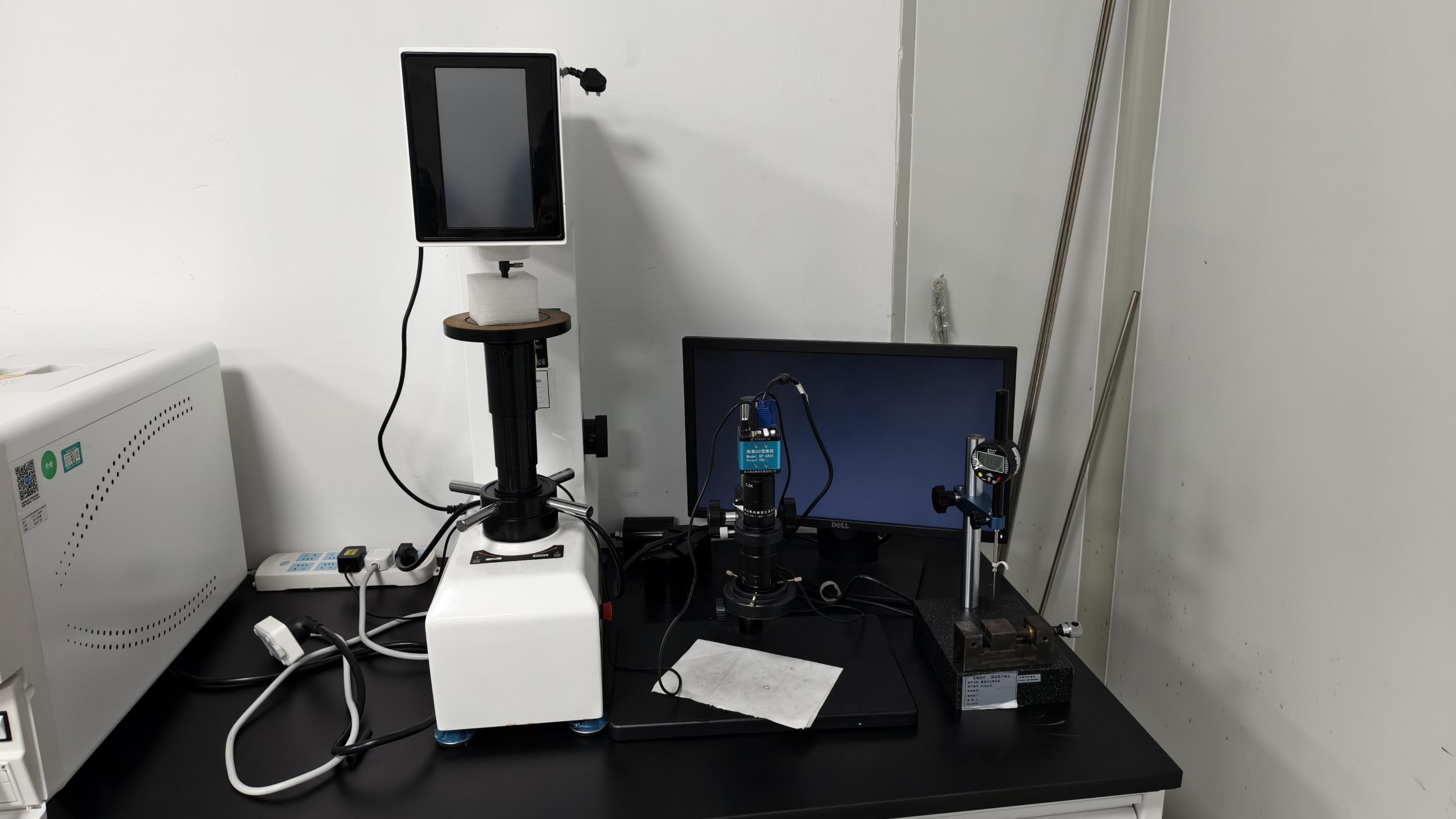
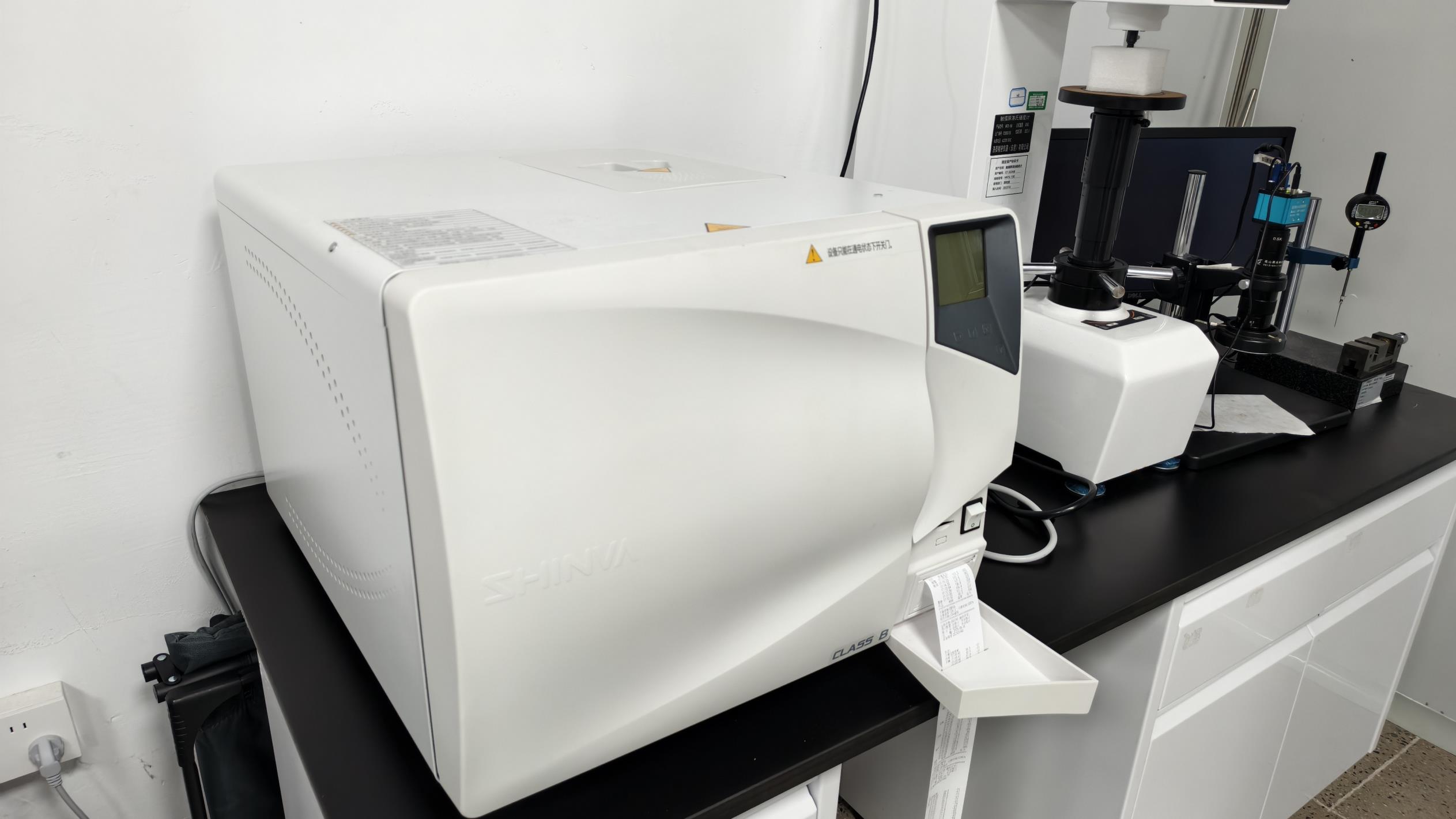
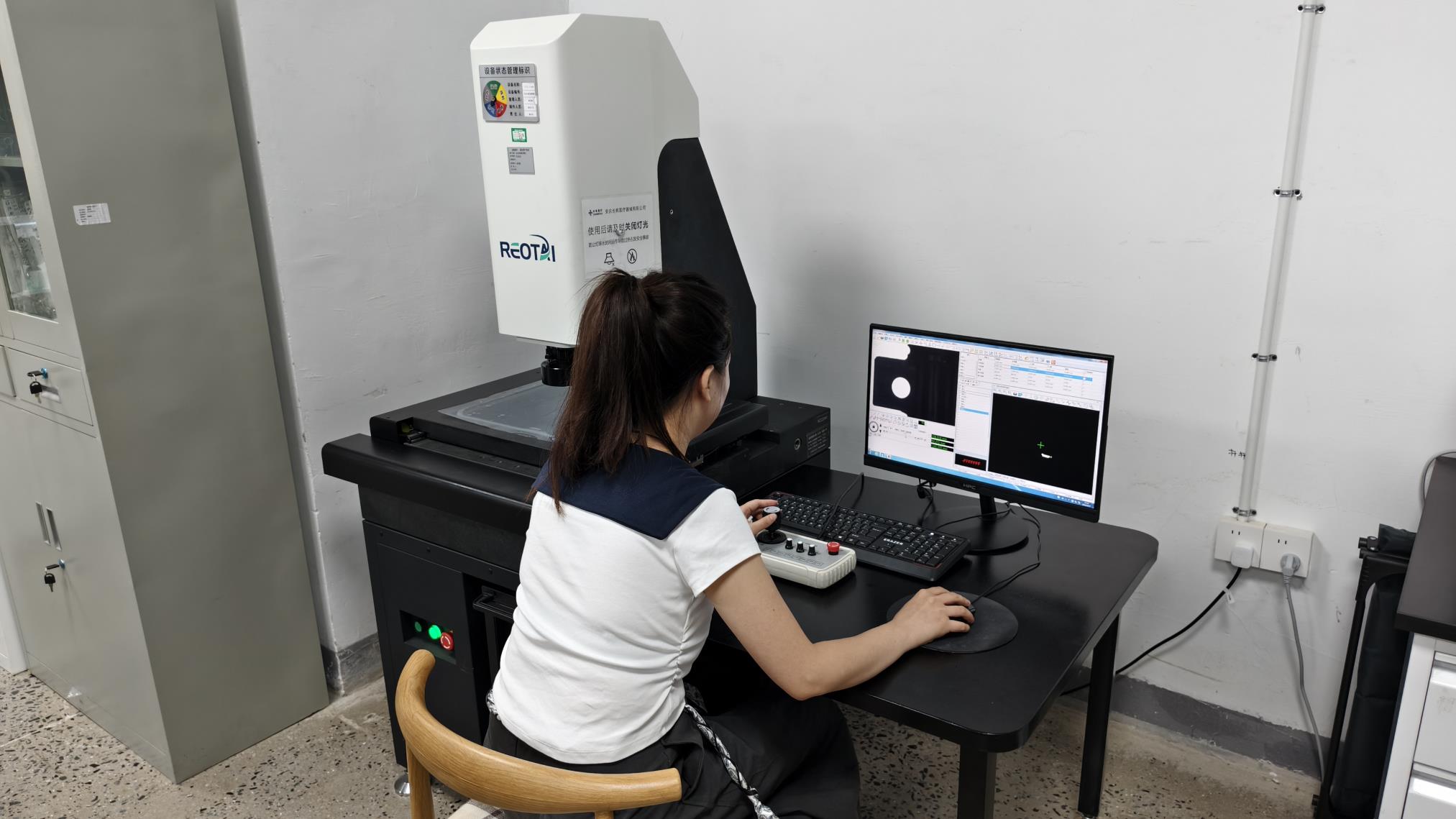
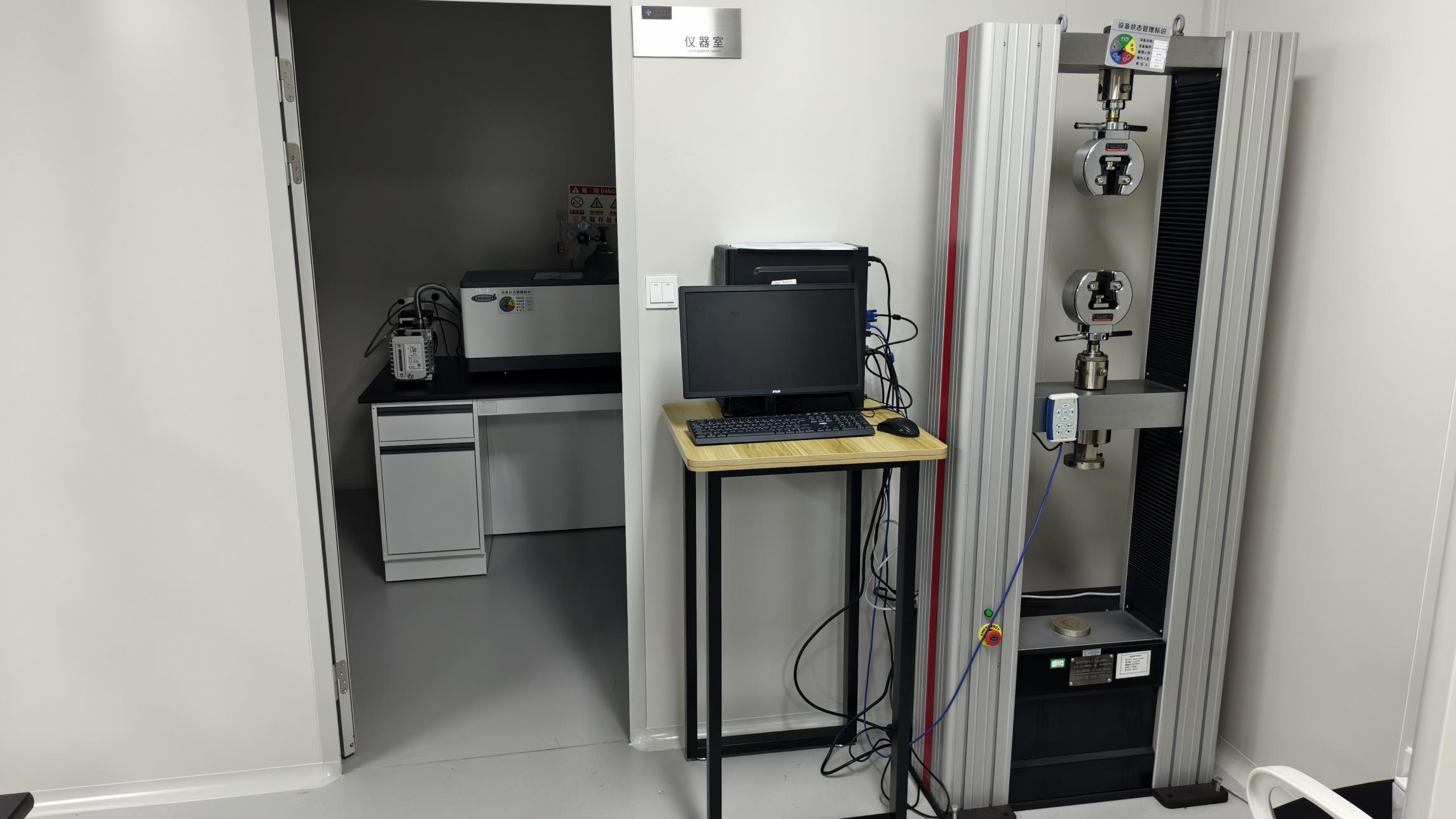
| Product Inspection Methods | CMM Measurement, Mechanical Testing, Surface Roughness Testing, Hardness Testing, Salt Spray Testing, Sterility Validation |
| Quality Control Staff | 48 Certified Quality Engineers |
| Business Type | Manufacturer & Exporter (OEM/ODM) |
| Main Markets | Europe (including United Kingdom), North America, South America, Middle East, Southeast Asia |
| Supply Chain Partners | 1,120+ Global Industrial Partners |
| Main Customer Types | Medical Device Brands, Importers, Distributors, NHS Trusts, Private Healthcare Networks |
| R&D Capability | Independent Product Design, FEA Simulation, Prototype Development, Clinical-Oriented Engineering |
| Customization Options | Laser Etching, Custom Packaging, Mechanical Design Customization, PVD Surface Treatment |
| New Products Released Last Year | 186 New Surgical & Implant Designs |
| R&D Engineers | 76 Specialized Orthopedic Design Engineers |
100% Traceability and Mechanical Verification from Raw Materials to Finished Sterile Implants.
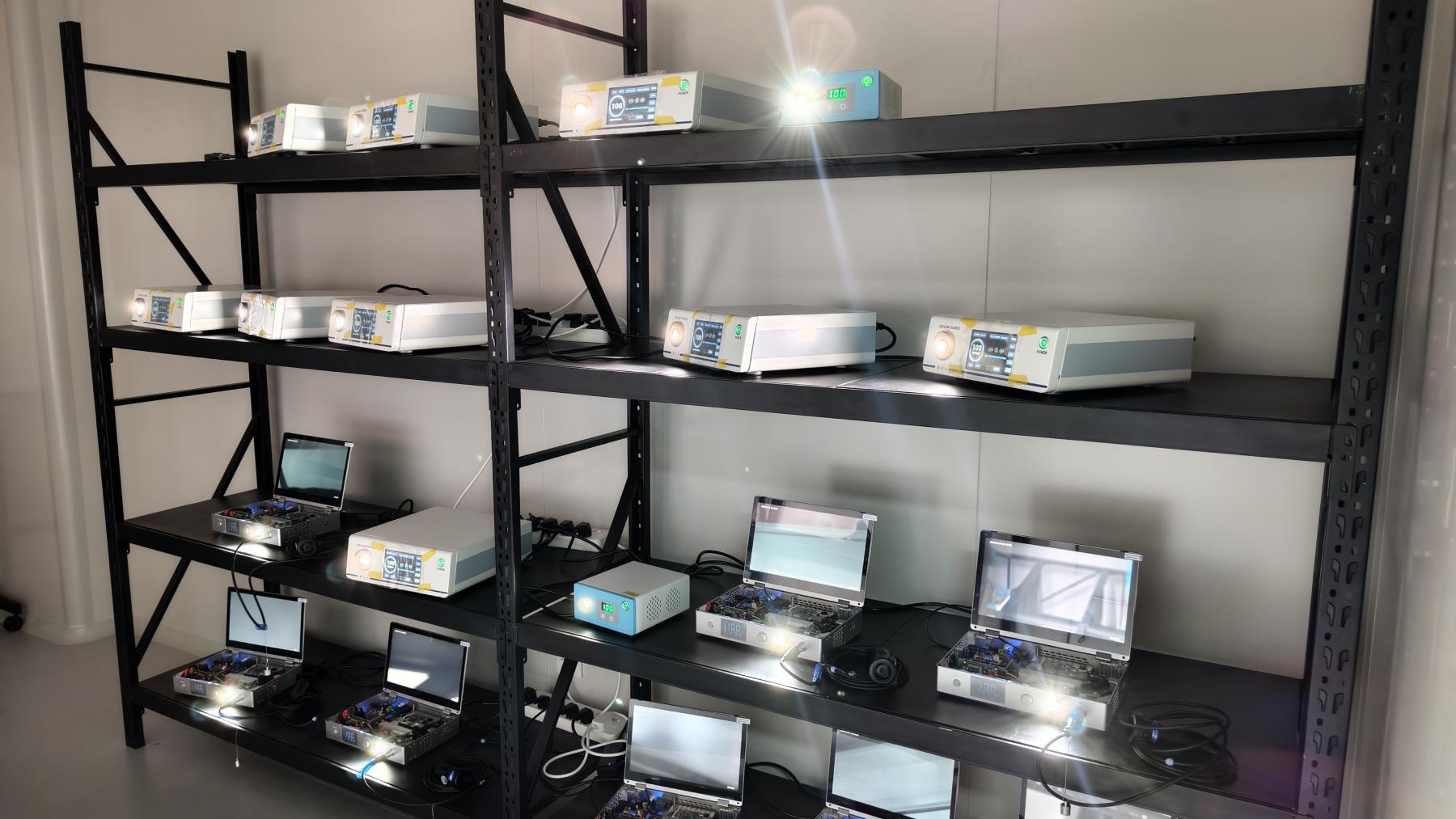
Quality assurance is critical for Class III medical implants. Synoviq maintains a comprehensive quality management system that monitors every stage of production. From raw titanium ingot spectral analysis to final dimensional validation on computerized coordinate measuring machines (CMM), we ensure that each intramedullary nail meets or exceeds ASTM and ISO standards for human implantation.
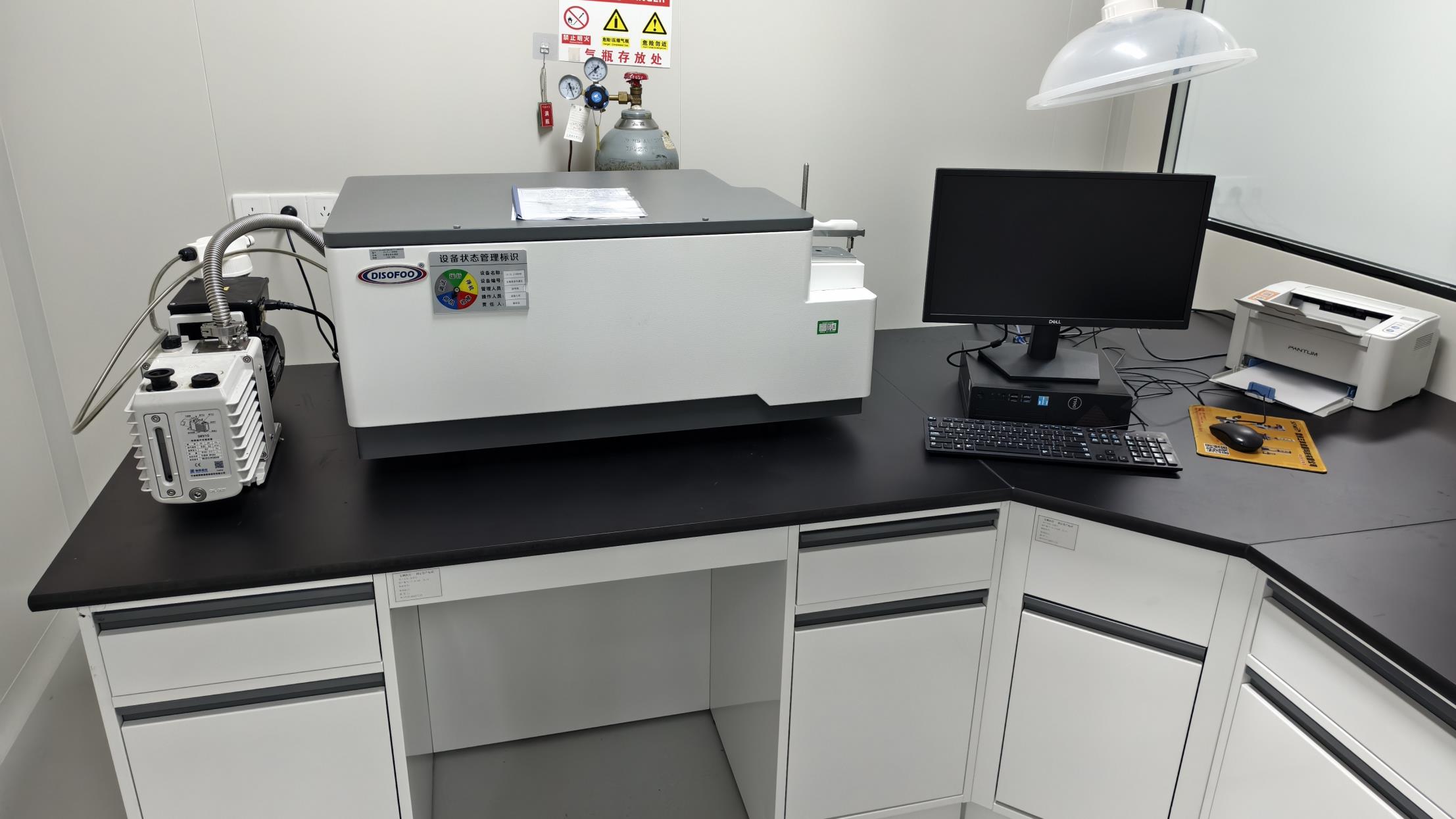
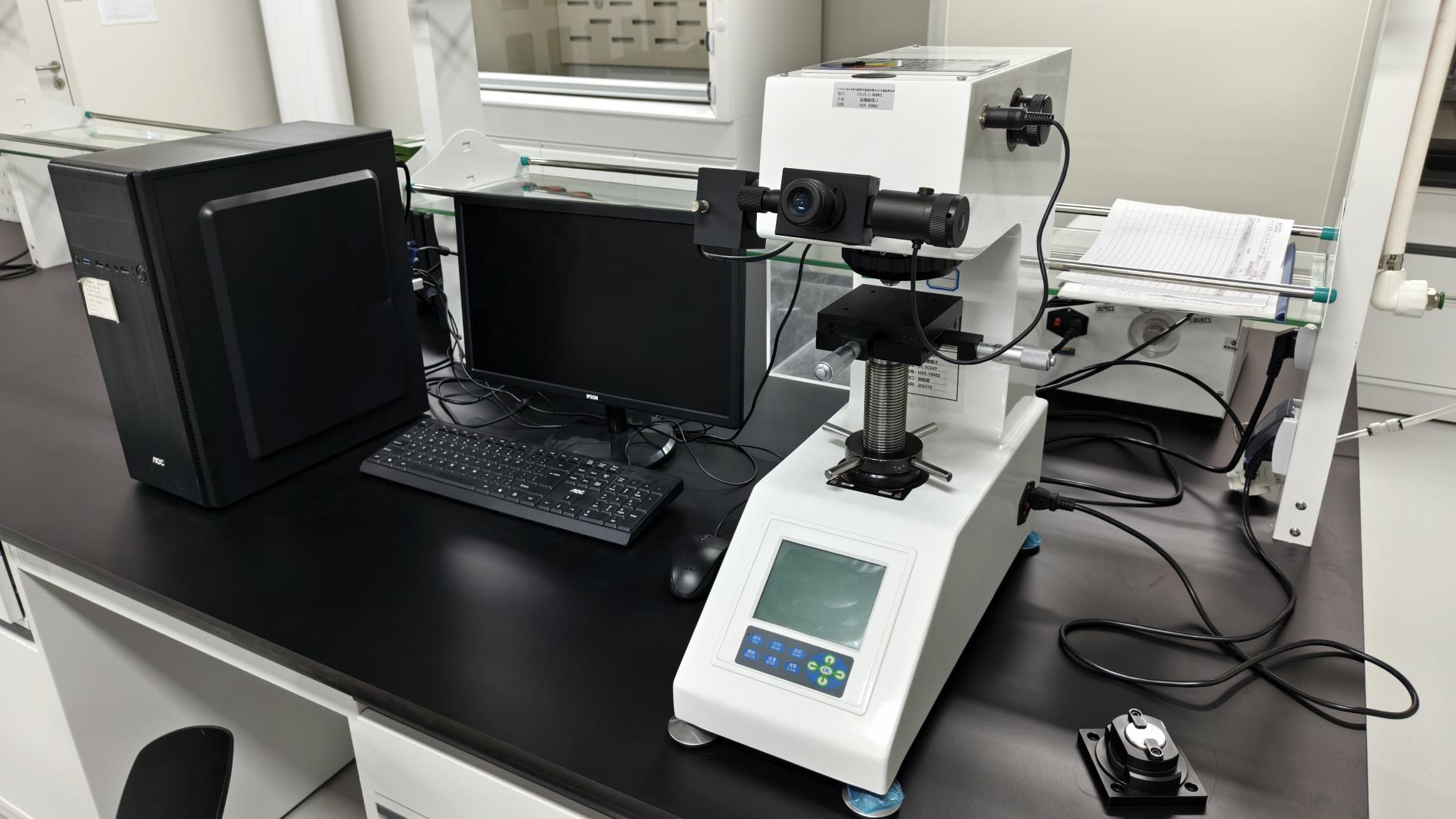
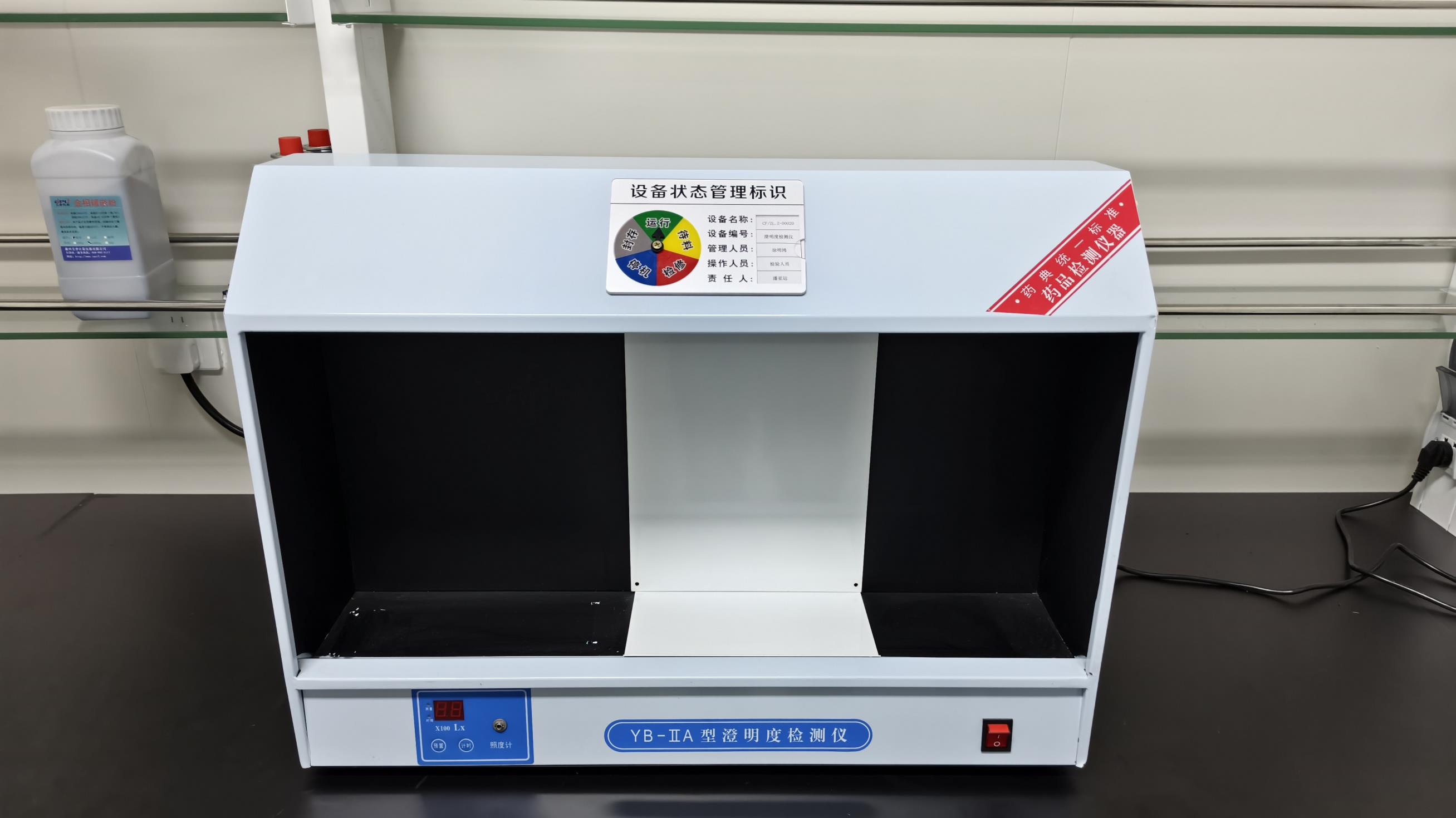
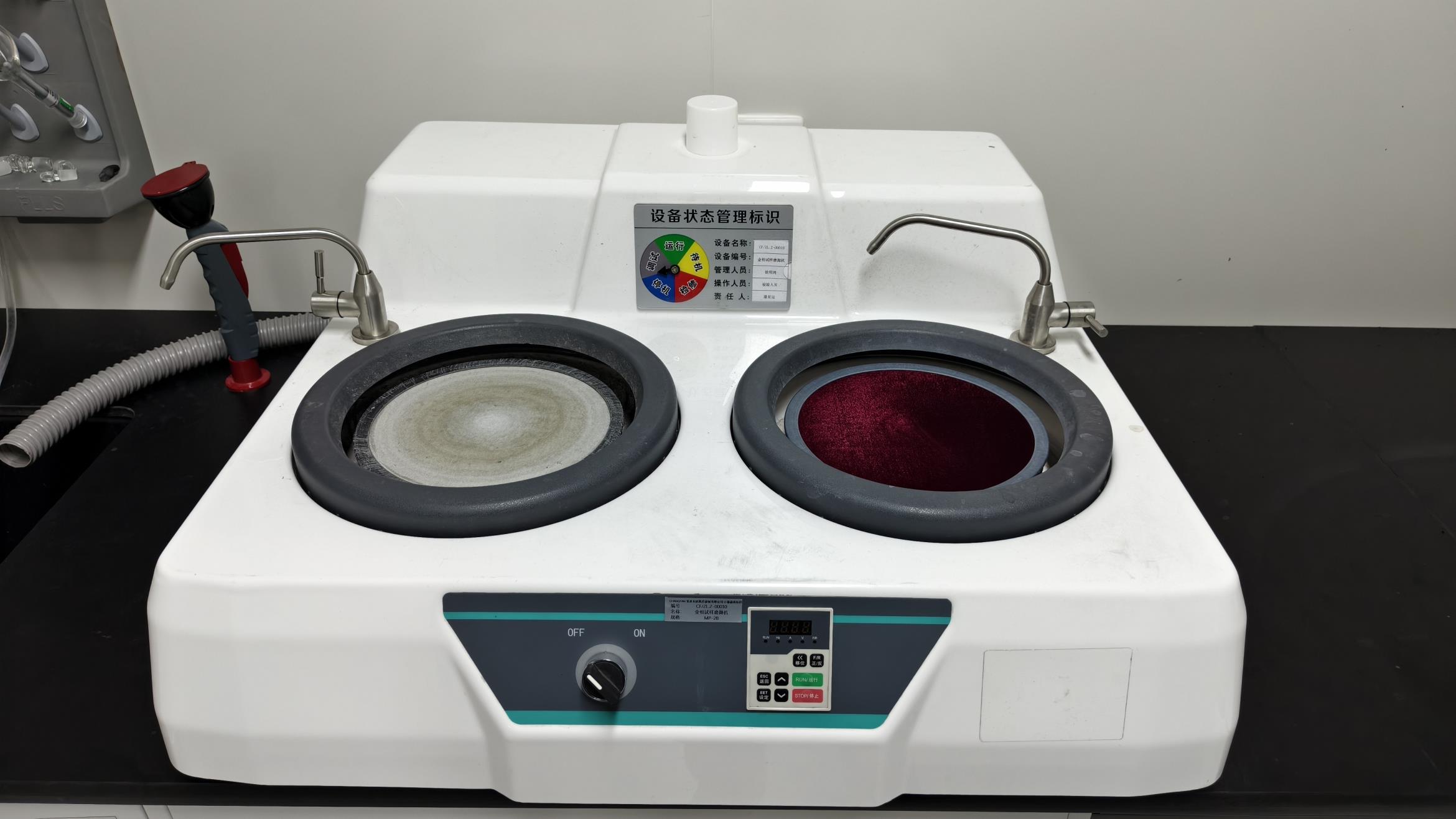
Expert insights on regulatory compliance, material specifications, and logistics coordination for importing intramedullary nails into the United Kingdom.
Yes. Synoviq is ISO 13485 certified, and all products destined for the UK market undergo conformity assessment routes aligned with the MHRA requirements. We maintain complete Clinical Evaluation Reports (CER) and technical files ready for submission via registered UK Responsible Persons (UKRP).
We exclusively use medical-grade Ti-6Al-4V ELI (Extra Low Interstitials) conforming to ASTM F136 and ISO 5832-3. This material provides optimal biocompatibility and high fatigue resistance, which is necessary for long-term load-bearing applications in long bone fractures.
We supply products in both non-sterilized (requiring autoclaving at the point of care) and EO (Ethylene Oxide) sterilized configurations. All packaging materials are validated to ensure barrier integrity under ISO 11607 standards.
With our team of 76 R&D engineers, we provide comprehensive OEM/ODM services, including customized anatomical geometries, proprietary locking mechanisms, and specialized instrument set designs. This is supported by laser-etching for UDI (Unique Device Identification) compliance.
Standard orders are processed and shipped within 30 to 45 days. We coordinate directly with global freight forwarders to deliver products to major UK entry ports under DDP or FOB terms, ensuring reliable supply chain integration.
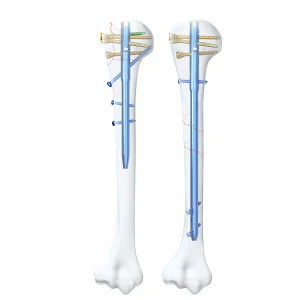
High-precision intramedullary systems designed for anatomical reconstruction across diverse orthopedic clinical scenarios.
 Synoviq Medical