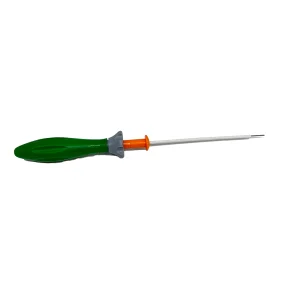
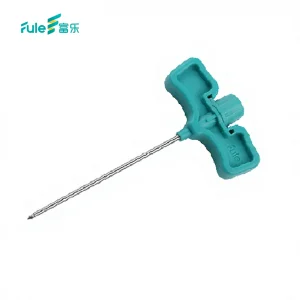
Explore our high-precision trauma reconstruction solutions and surgical instruments engineered to strict international standards.
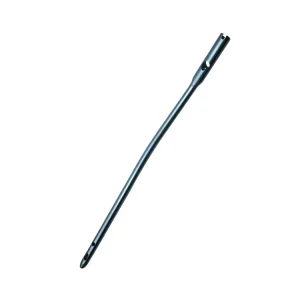
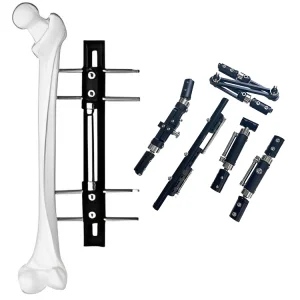
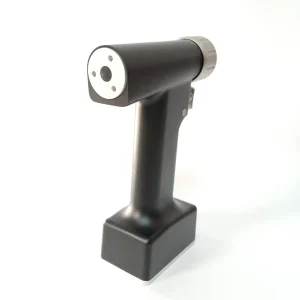
An in-depth analysis of biomechanical requirements, design innovations, global market dynamics, and manufacturing advancements in modern orthopedic surgery.
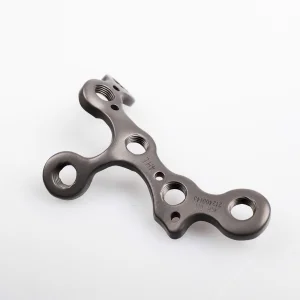
Proximal humeral fractures represent one of the most common trauma presentations, particularly in aging demographics affected by osteoporosis. Standard fixation methods historically struggled with high rates of screw pull-out, varus collapse, and hardware loosening. The introduction of the Anatomical Proximal Humeral Locking Compression Plate (LCP) revolutionized these clinical outcomes.
By providing a fixed-angle construct, locking plates convert the mechanical loading force from a friction-dependent interface (found in traditional dynamic compression plates) into a stable frame structure. This is critical for stabilizing comminuted fractures or poor-quality osteoporotic bone. The placement of calcar screws acts as a mechanical buttress, preventing secondary varus collapse under load and allowing for early post-operative mobilization and physical therapy.
"Clinical studies confirm that stable calcar restoration combined with locking angular stability reduces complication rates from 35% down to under 6% in complex 3-part and 4-part proximal humeral fractures."
Modern product lines have evolved toward low-profile designs that minimize soft-tissue irritation and subacromial impingement. Key innovations include:
Global medical device distributors and hospital procurement boards face stringent regulatory and logistical challenges. Key procurement metrics prioritize:
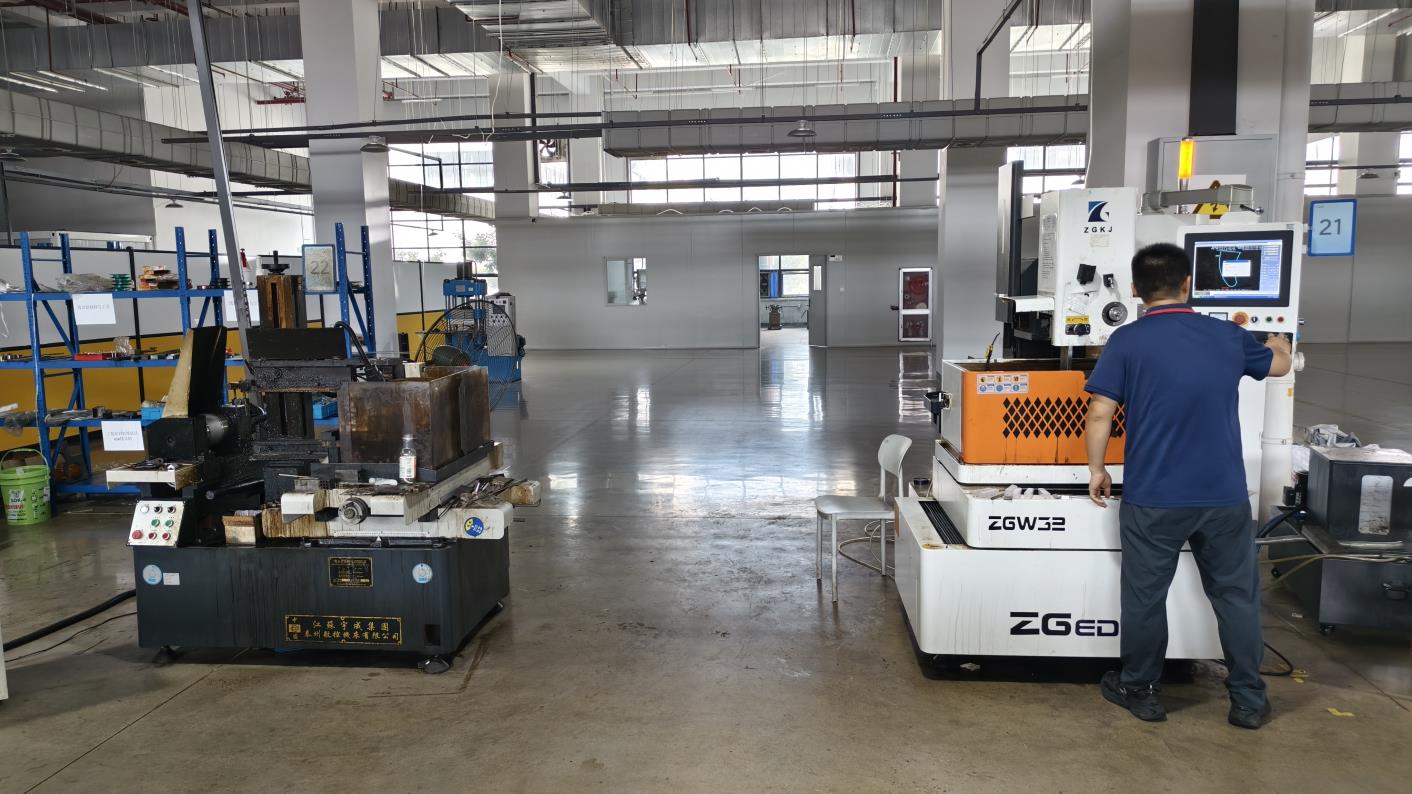
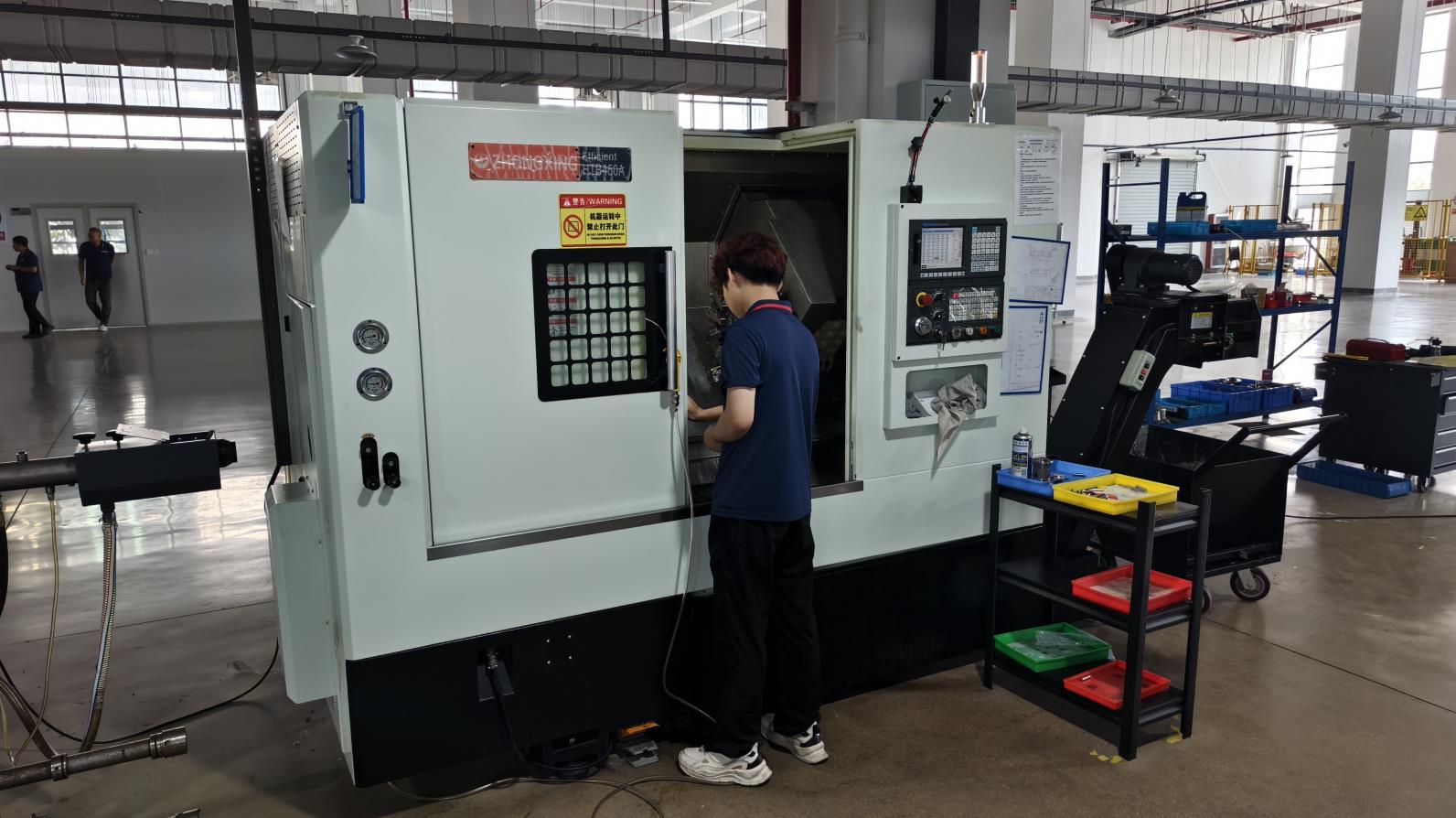
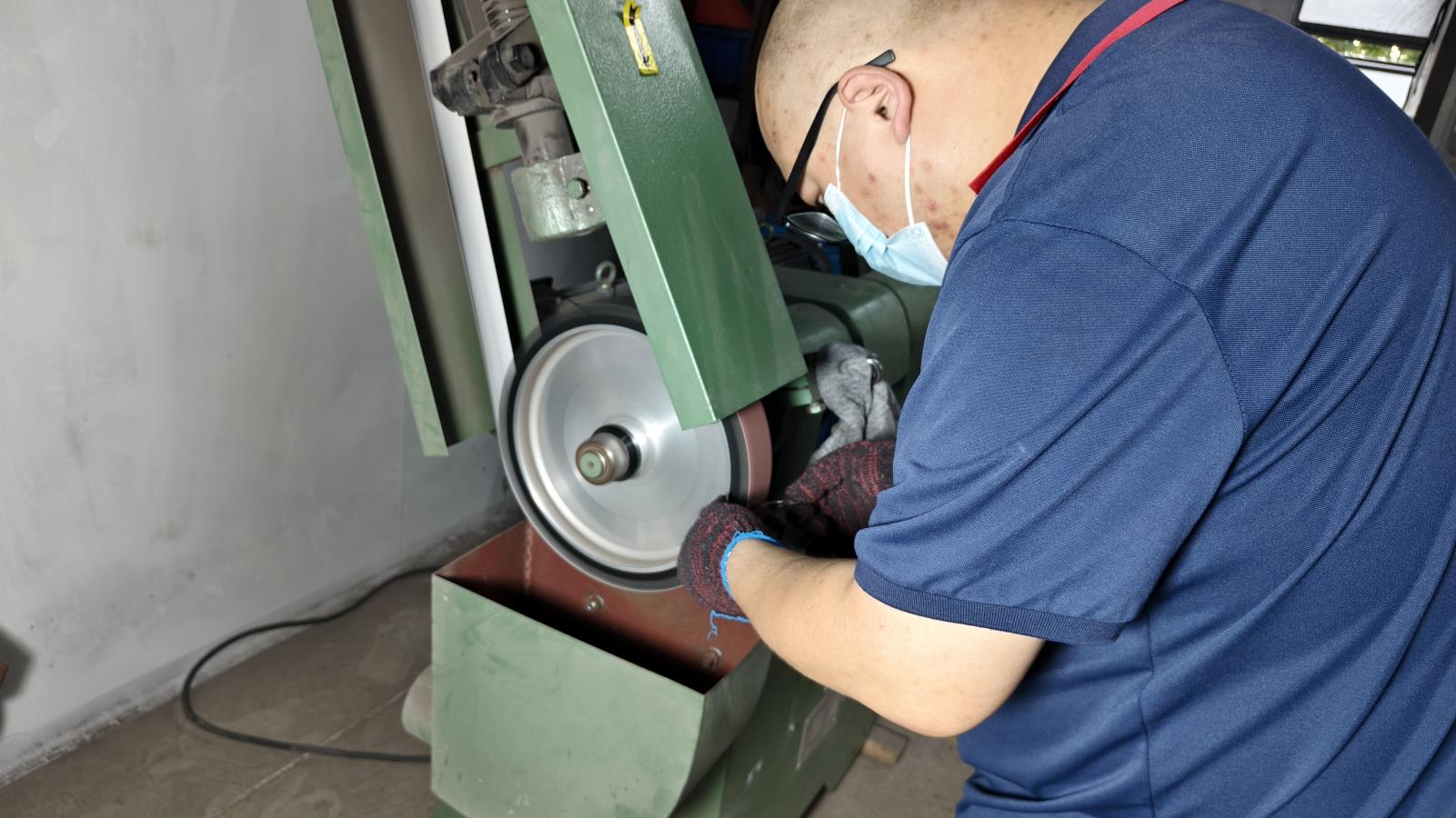
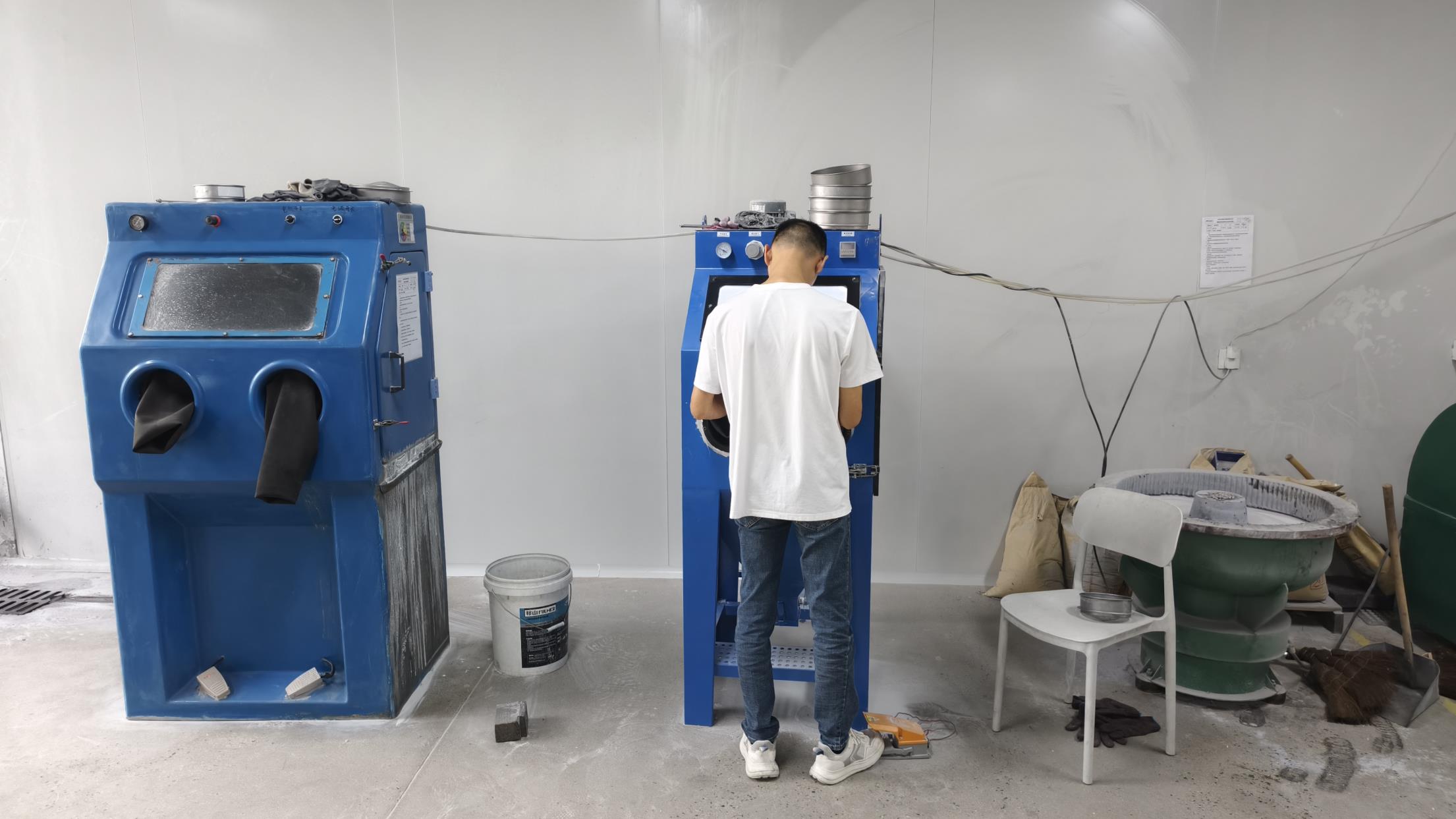
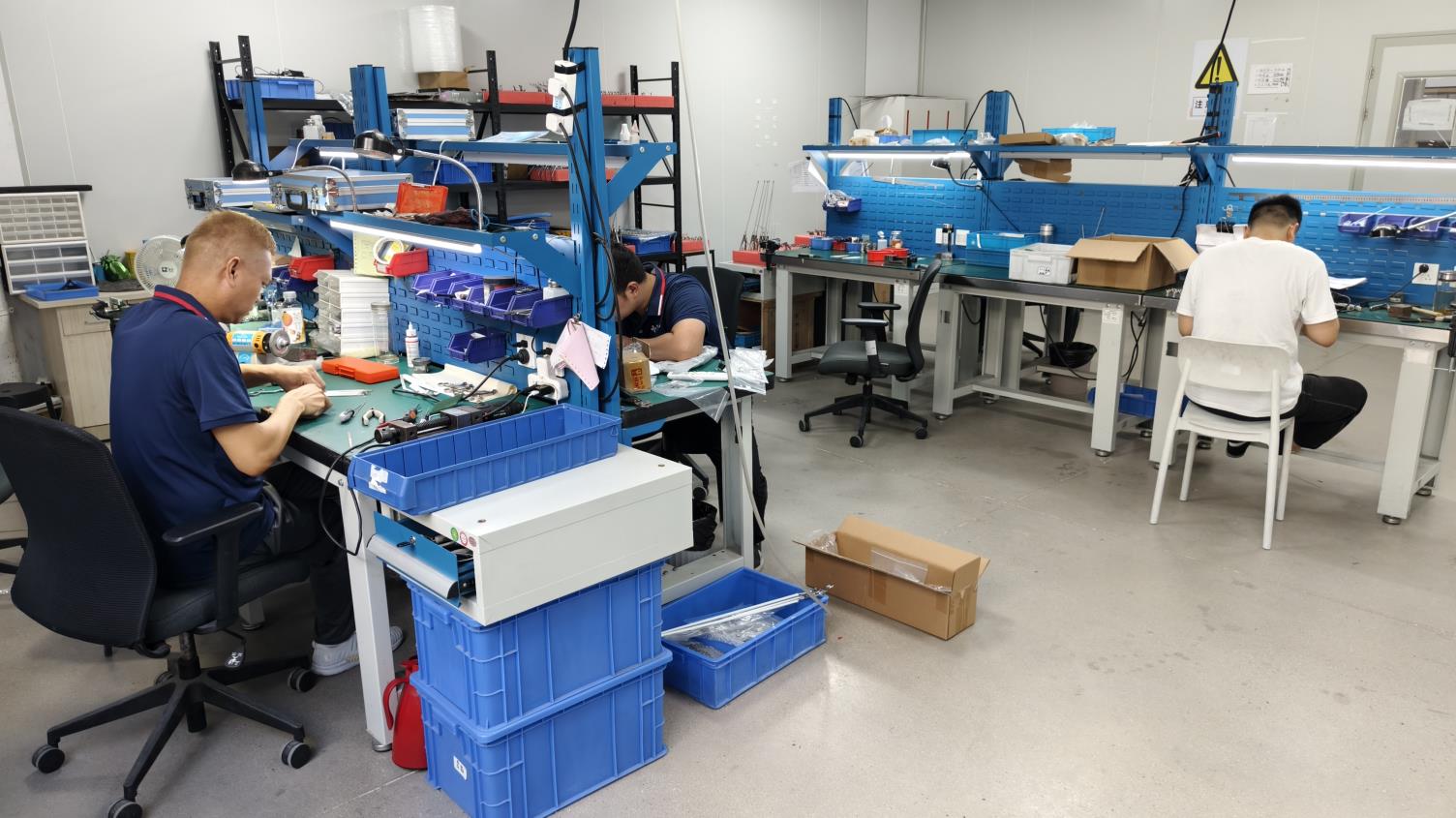
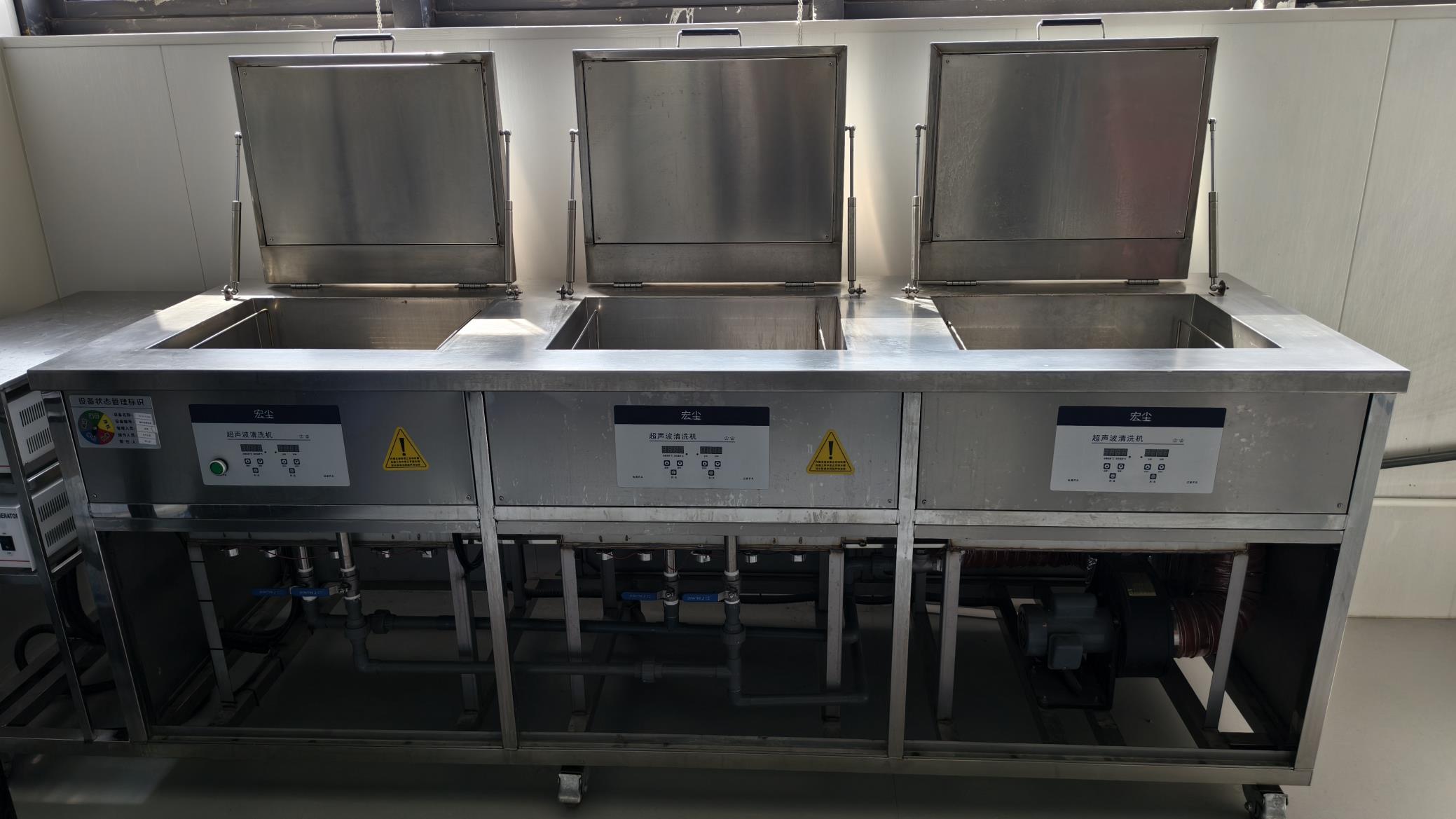
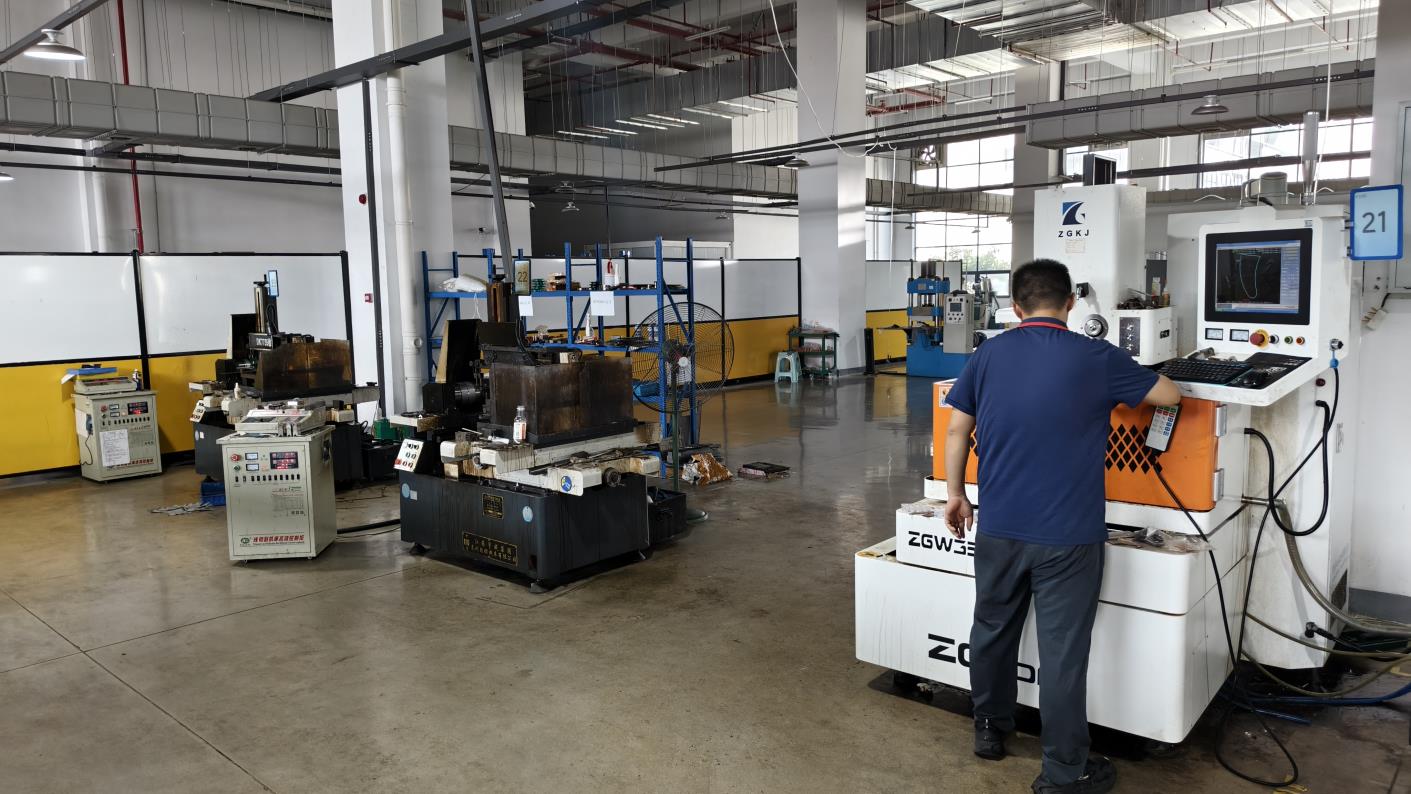
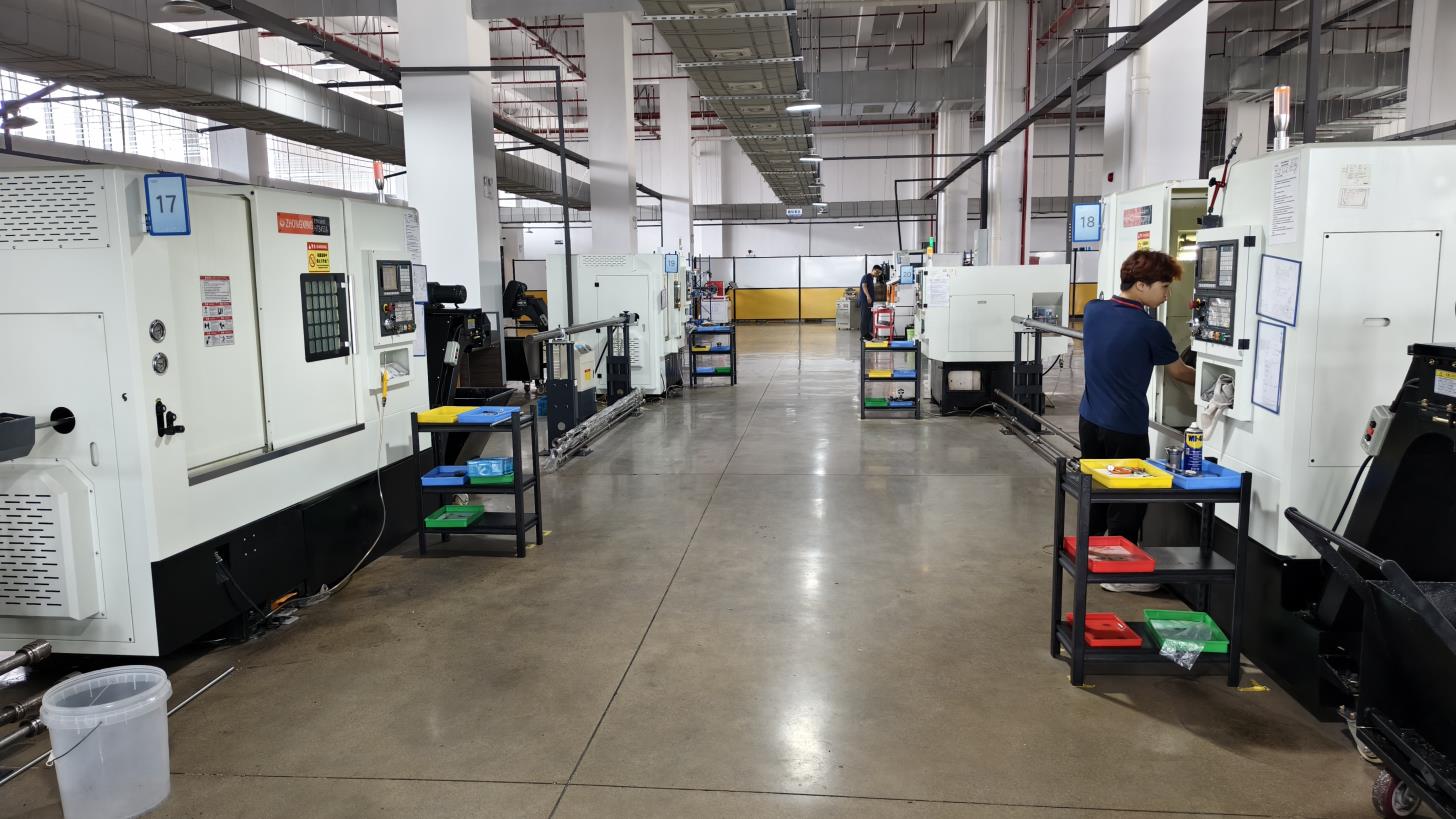
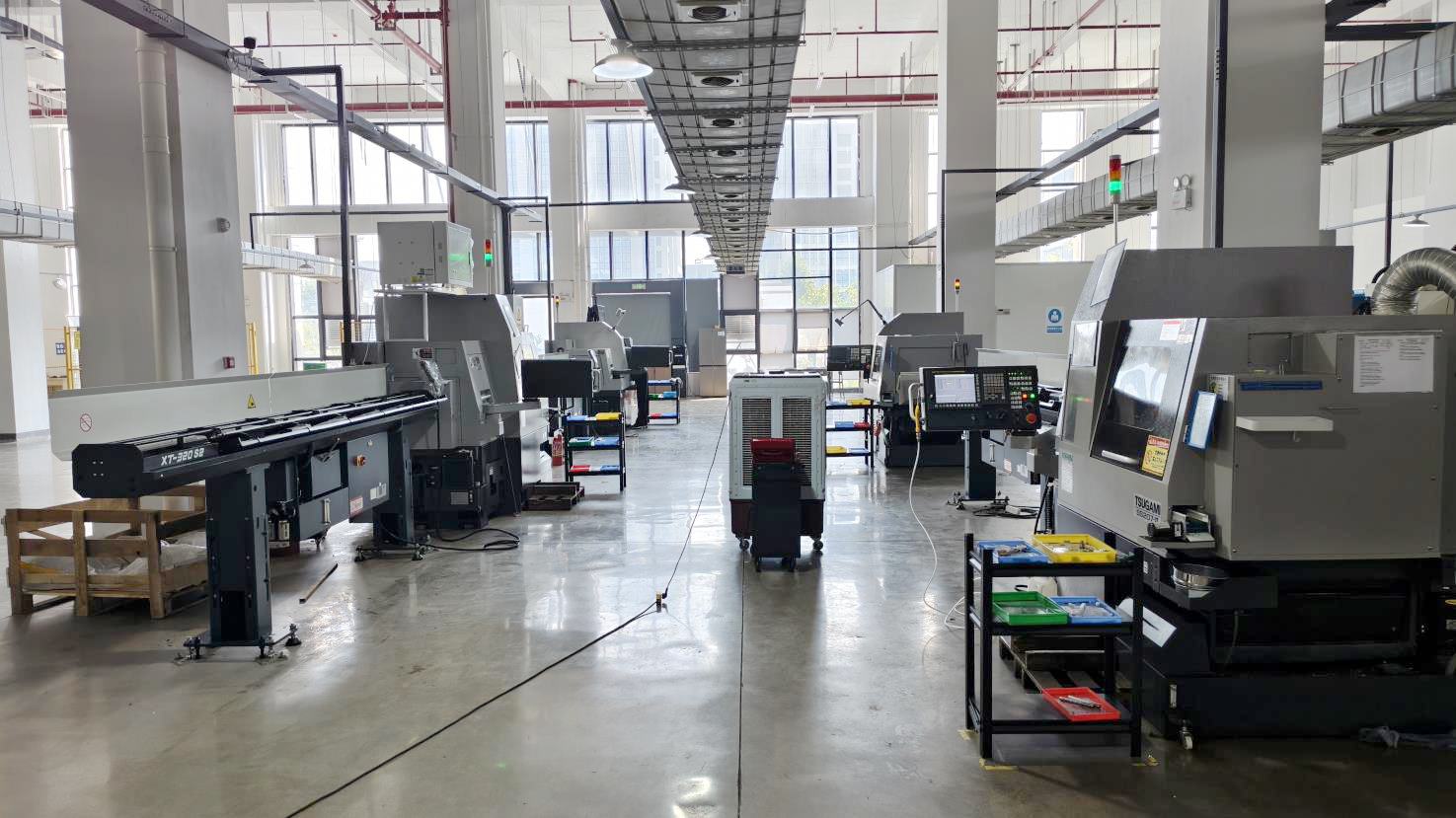
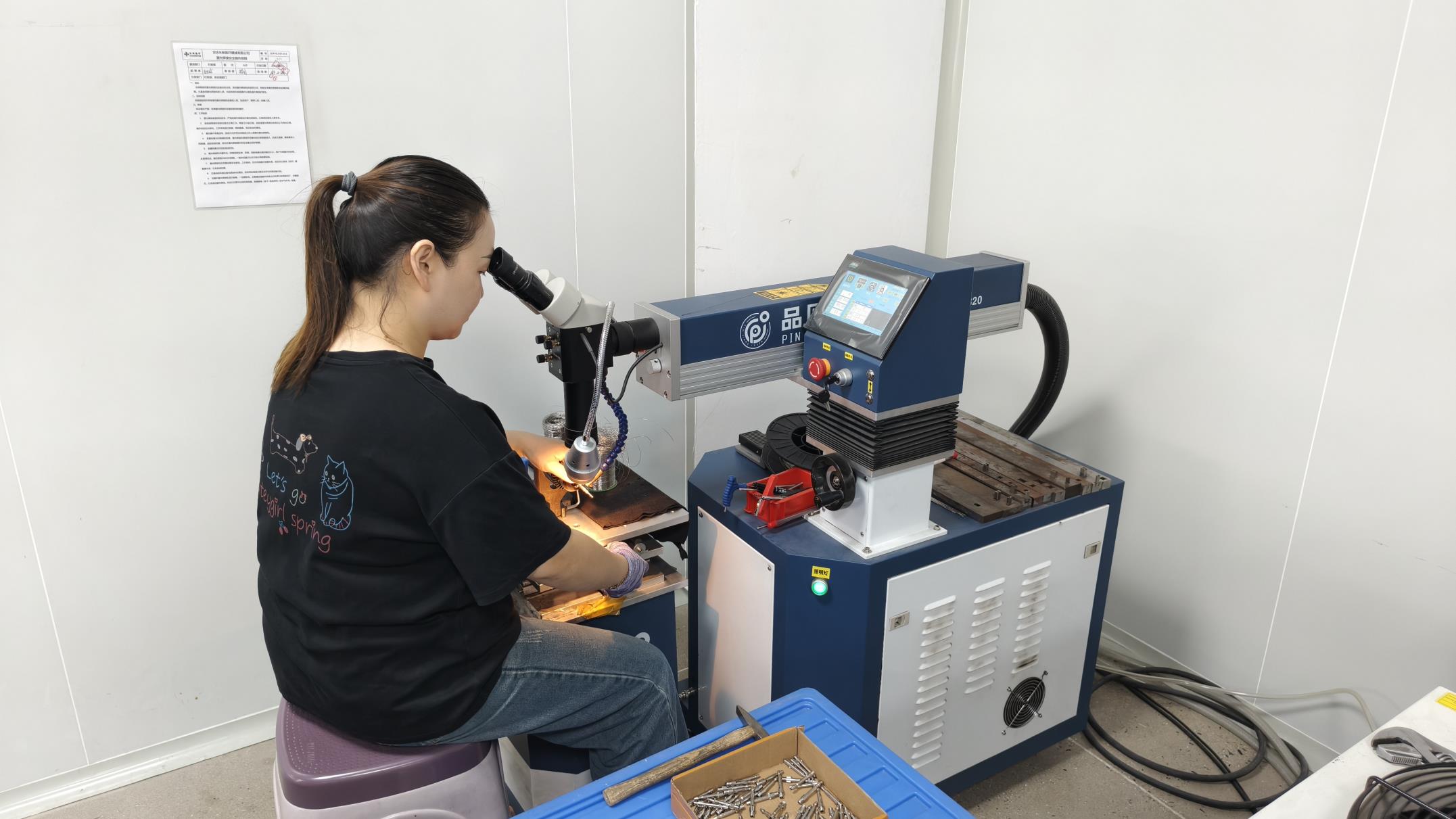
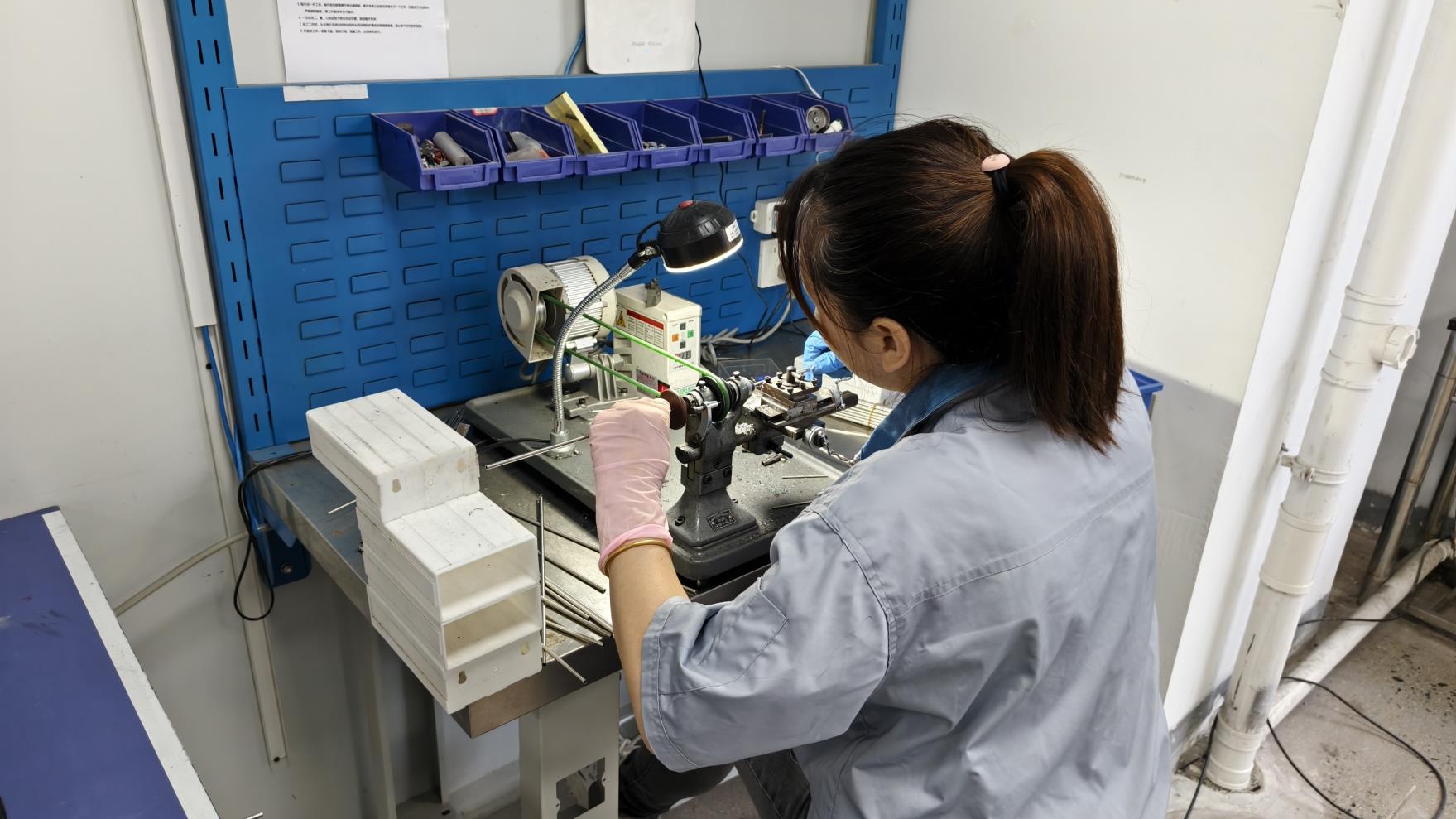
As the global center for precision manufacturing, China’s medical device sector has integrated advanced Industry 4.0 paradigms. Factories like Synoviq Medical Technology combine state-of-the-art multi-axis CNC machines and Swiss-type lathes to produce high-precision implants with sub-micron tolerances.
This automated ecosystem reduces human error, guarantees batch consistency, and provides significant cost-efficiency. Backed by a vast industrial network of over 1,120 supply chain partners, Chinese manufacturers can absorb volatile raw material fluctuations and maintain stable delivery timelines globally.
With 14 years of industry experience, we specialize in high-precision trauma, spinal, and joint reconstruction technologies.
Synoviq Medical Technology (China) Co., Ltd. is a professional manufacturer of orthopedic implants and surgical instruments, dedicated to delivering innovative, reliable, and high-quality medical solutions for healthcare professionals worldwide. Since its establishment, Synoviq has focused on research, development, precision manufacturing, and international quality standards, providing comprehensive OEM and ODM services for global medical device brands, distributors, and hospitals.
Our product portfolio includes trauma fixation systems, spinal implants, locking plates, intramedullary nails, external fixation systems, orthopedic screws, surgical instruments, and customized orthopedic solutions. Equipped with advanced CNC machining centers, precision inspection equipment, and modern clean production facilities, we ensure every product meets strict international quality requirements.
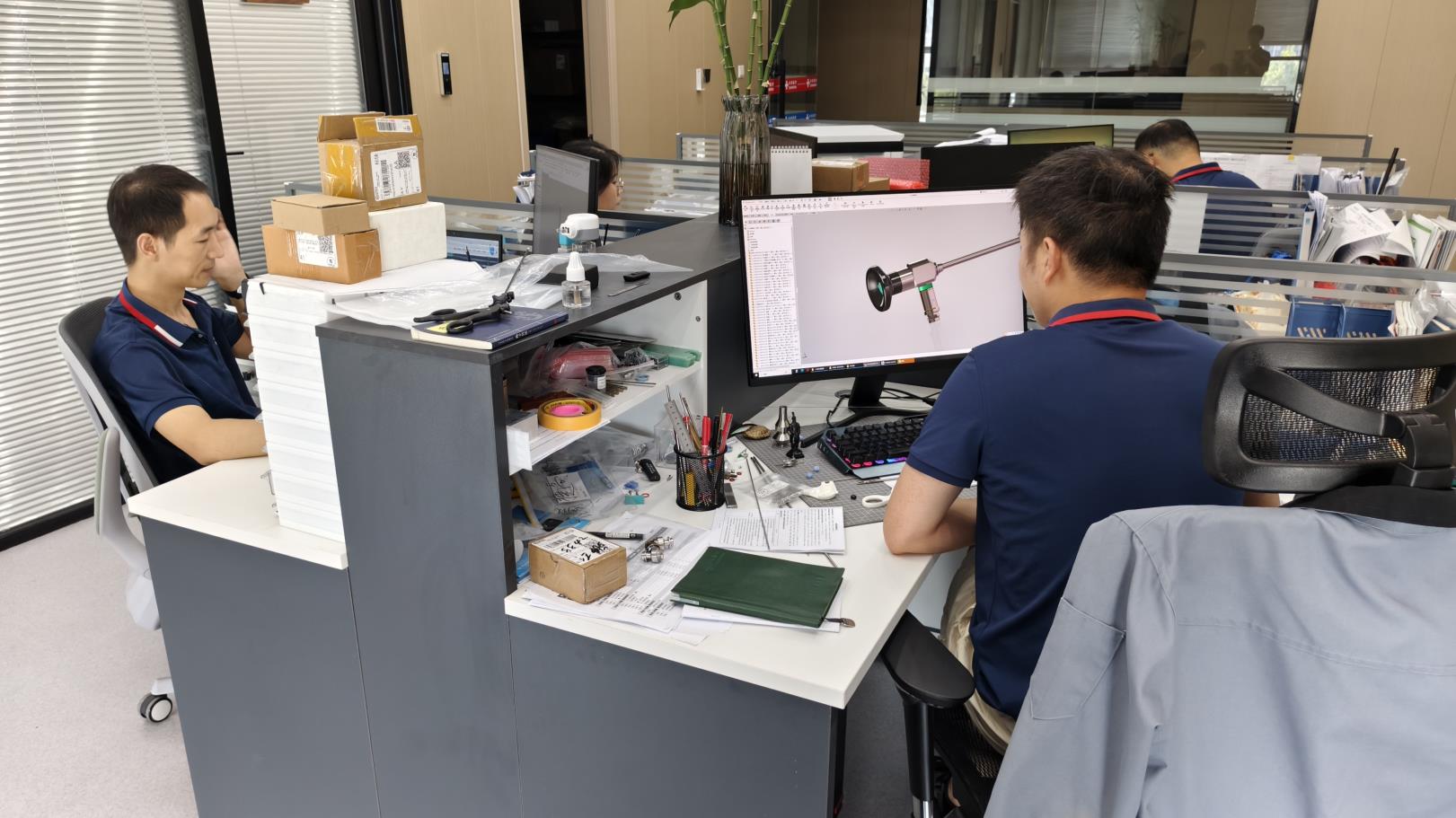
Driven by continuous innovation, Synoviq invests heavily in R&D and intelligent manufacturing to enhance product performance, surgical efficiency, and patient outcomes. Our experienced engineering team works closely with customers to develop customized products tailored to different clinical applications and market demands.
With a customer-oriented philosophy, competitive pricing, stable supply capability, and efficient technical support, Synoviq has established long-term partnerships with distributors, medical brands, and healthcare organizations across Europe, North America, South America, the Middle East, and Asia-Pacific.
| Item | Information |
|---|---|
| Company Name | Synoviq Medical Technology (China) Co., Ltd. |
| Brand | Synoviq |
| Established | March 18, 2016 |
| Building Area | 18,600 m² |
| Annual Export Revenue | USD 21.8 Million |
| Export Experience | 8 Years |
| Industry Experience | 14 Years |
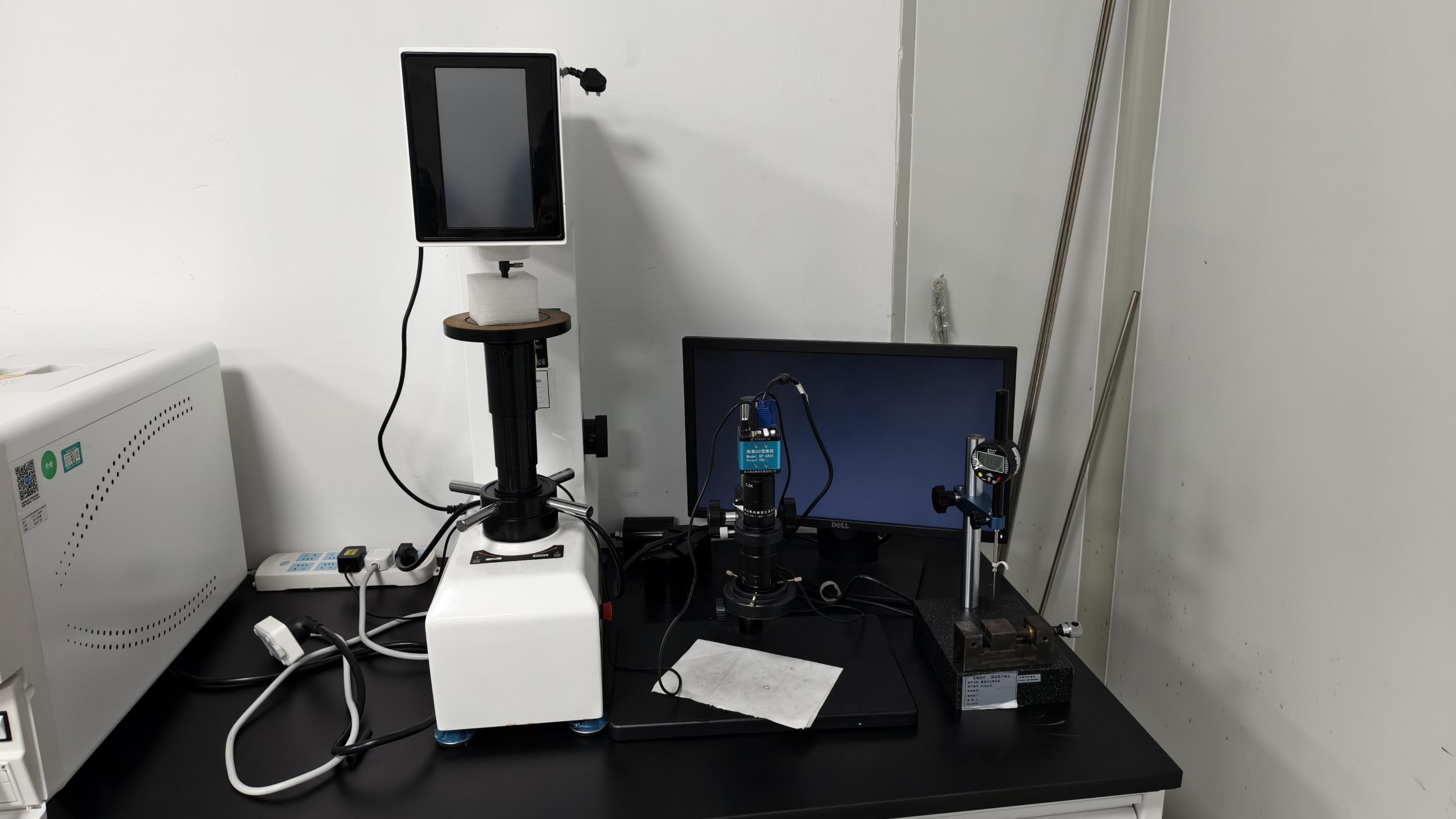
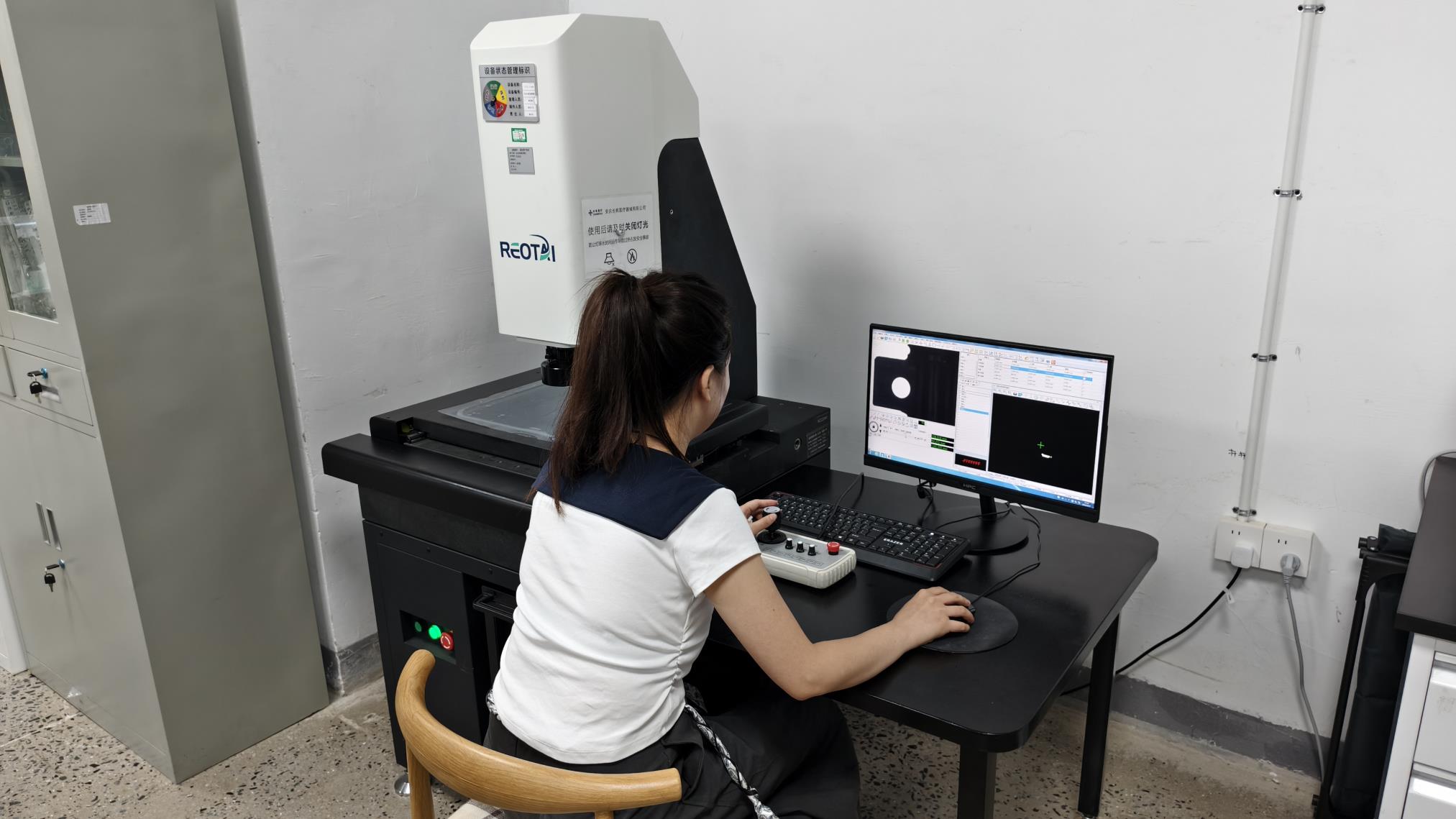
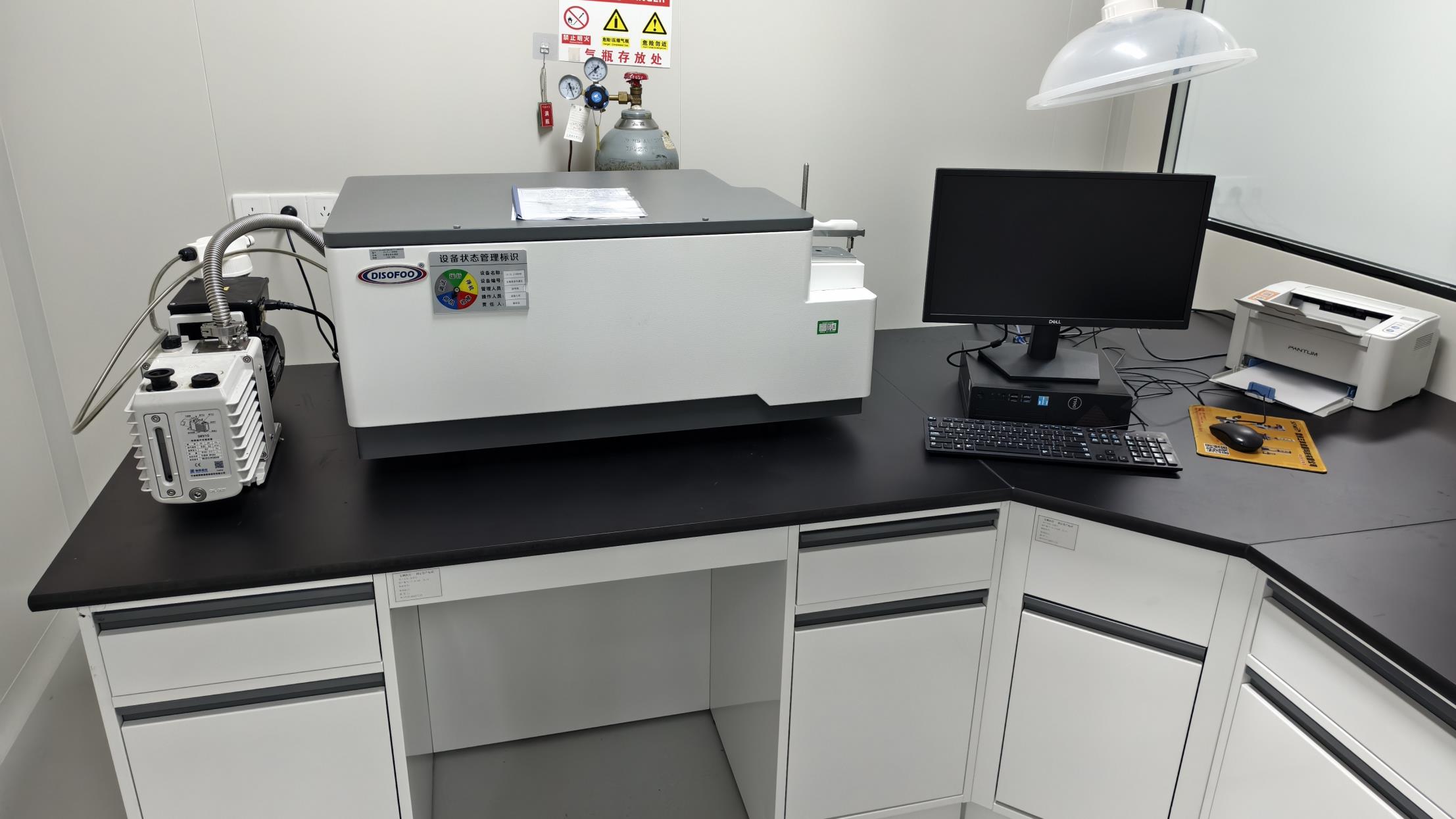
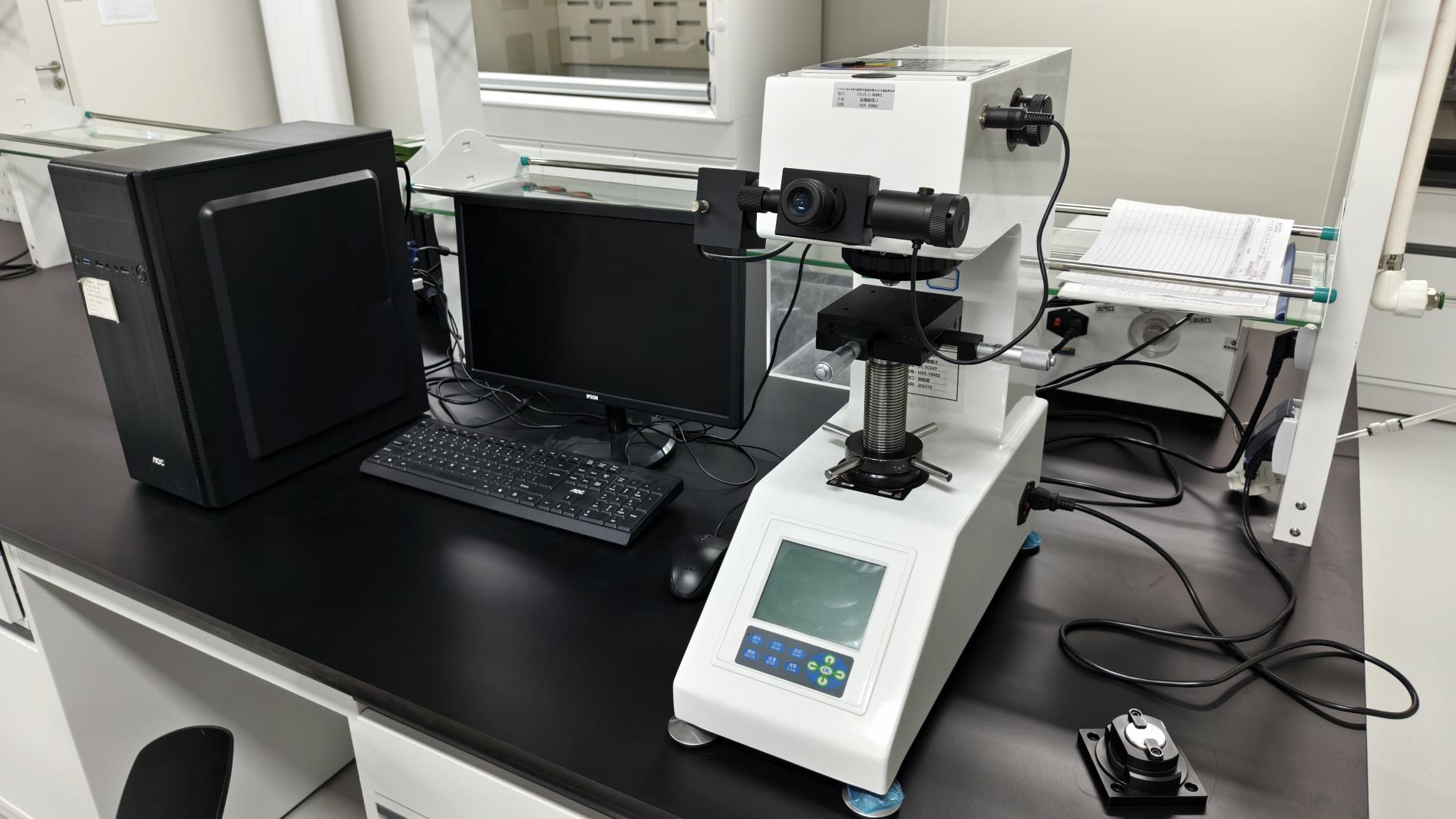
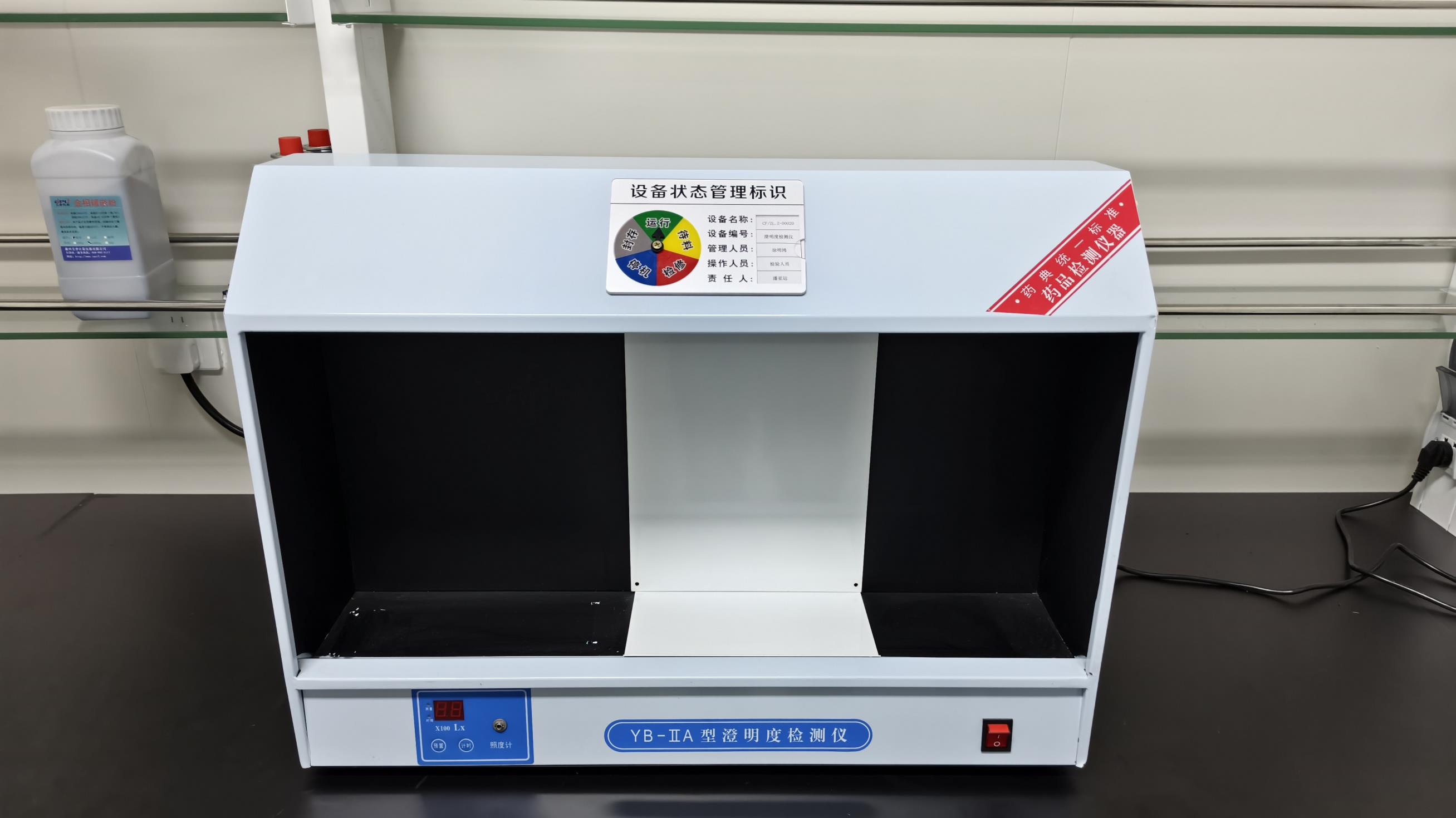
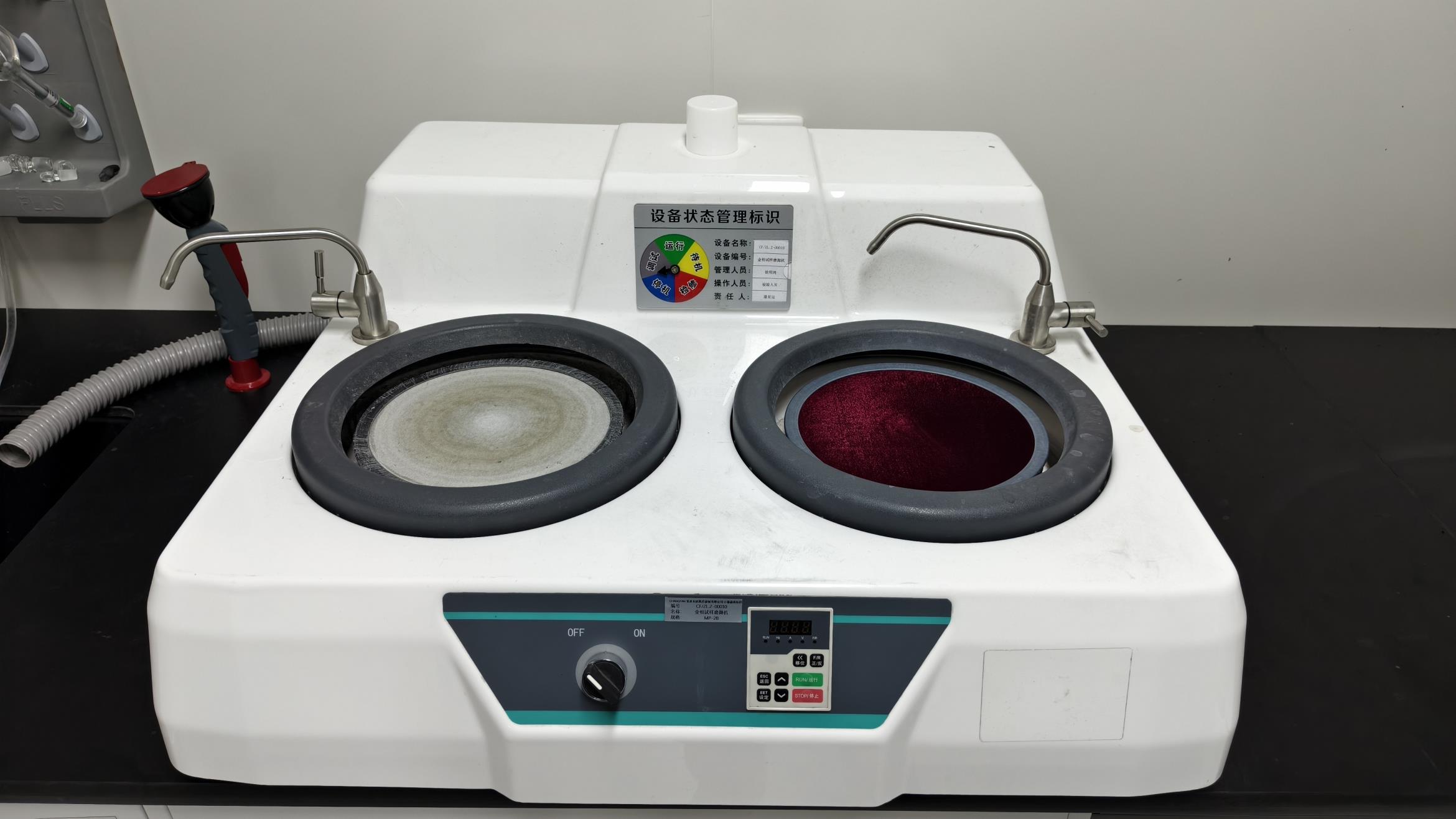
| Quality Inspection | 100% Final Inspection & Incoming Material Inspection |
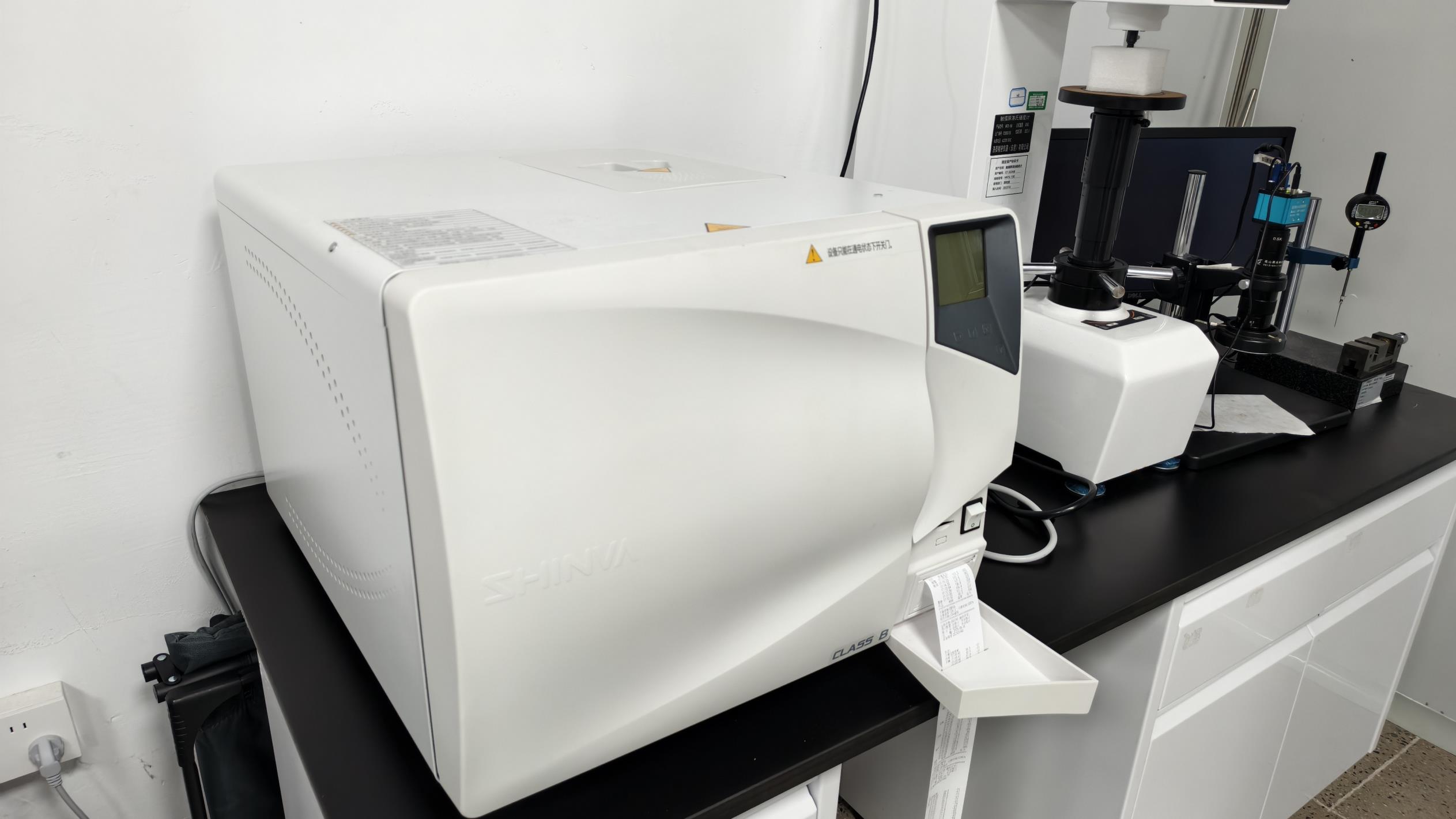
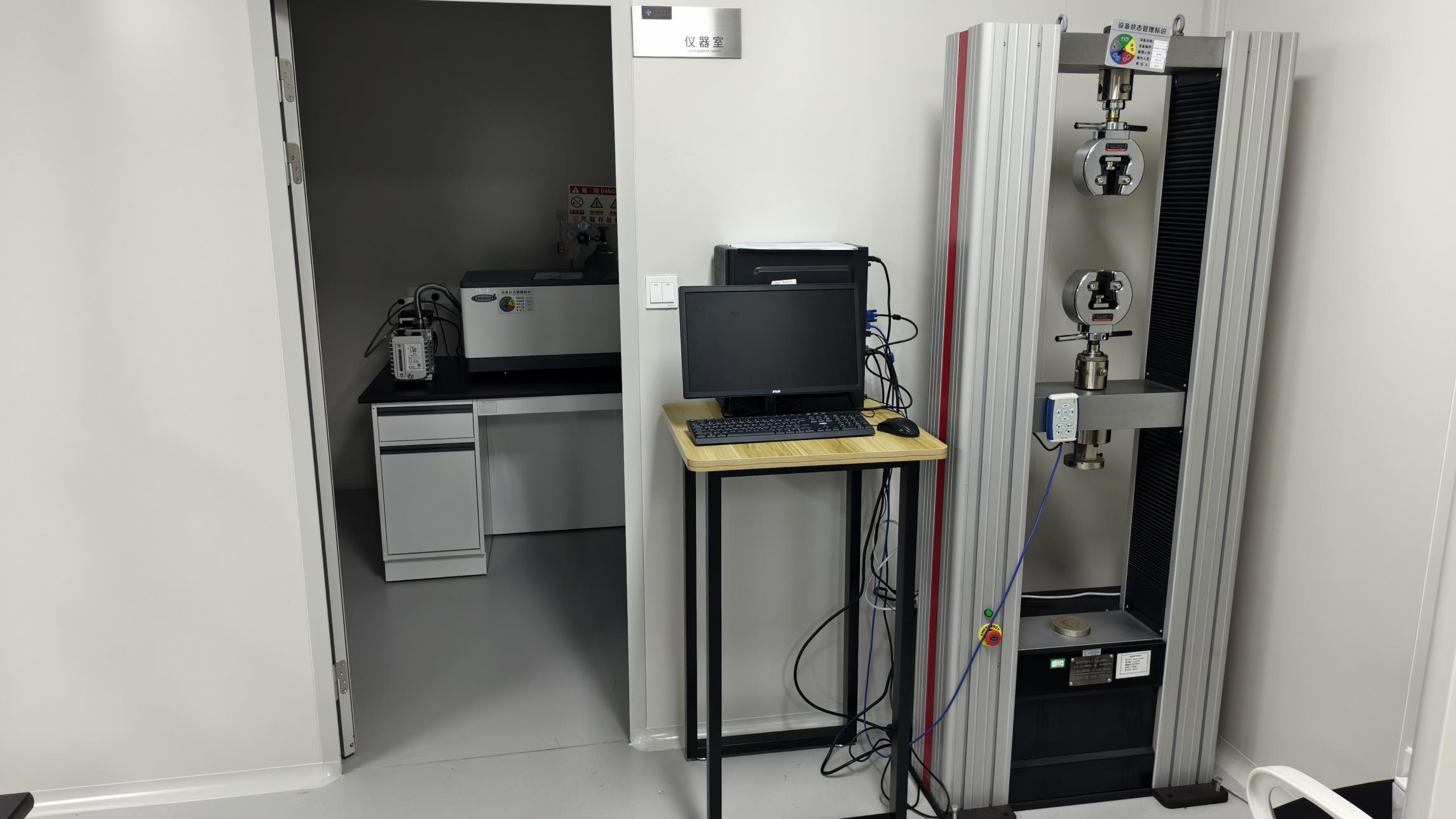
| Product Inspection Methods | CMM Measurement, Mechanical Testing, Surface Roughness Testing, Hardness Testing, Salt Spray Testing, Sterility Validation |
| Quality Control Staff | 48 |
| Business Type | Manufacturer & Exporter (OEM/ODM) |
| Main Markets | Europe, North America, South America, Middle East, Southeast Asia |
| Supply Chain Partners | 1,120+ |
| Main Customer Types | Medical Device Brands, Importers, Distributors, Hospitals, Government Procurement Projects |
| R&D Capability | Independent Product Design, Prototype Development, Clinical-Oriented Engineering, OEM & ODM Development |
| Customization Options | Logo Customization, Packaging Customization, Product Design Customization, Material Selection, Surface Treatment |
| New Products Released Last Year | 186 |
| R&D Engineers | 76 |
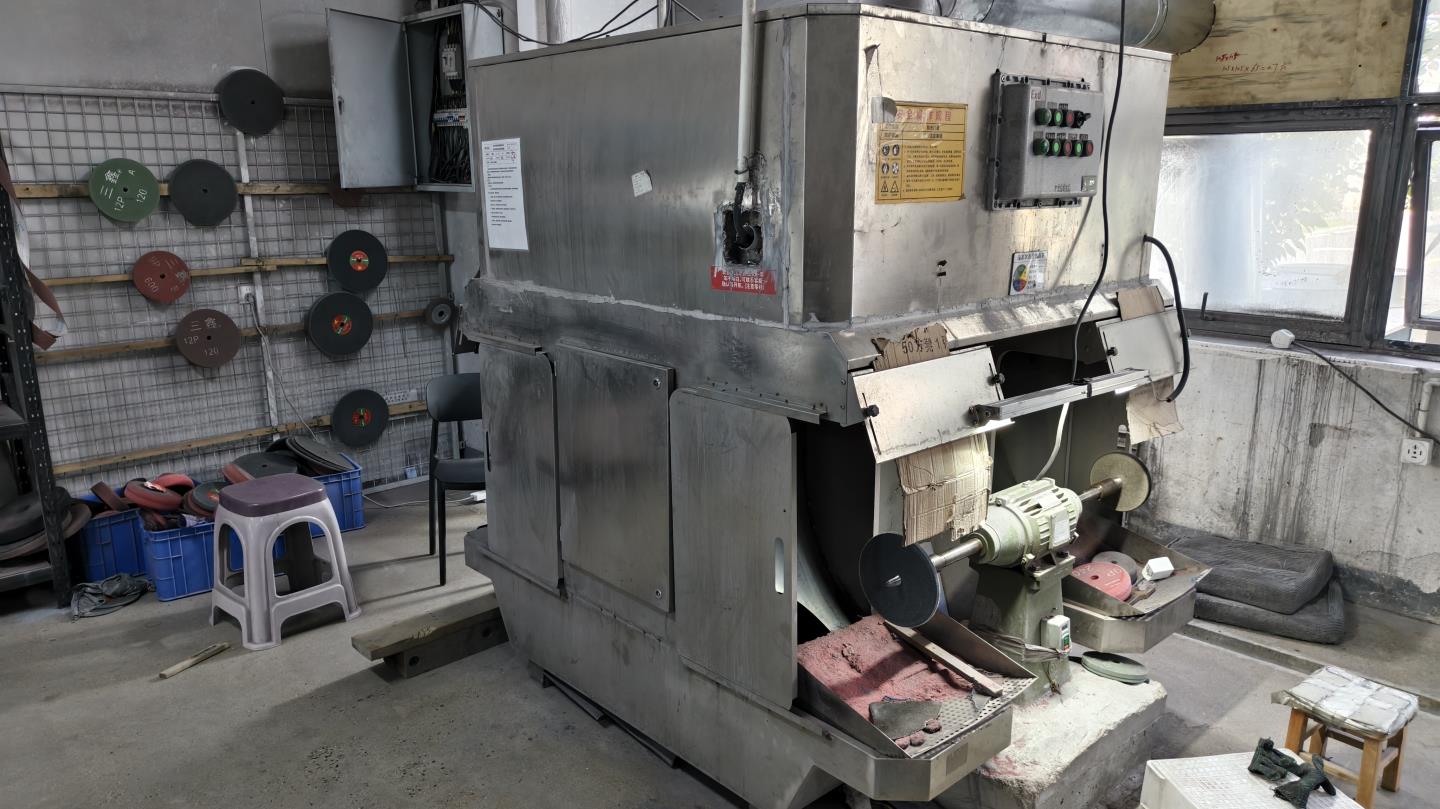
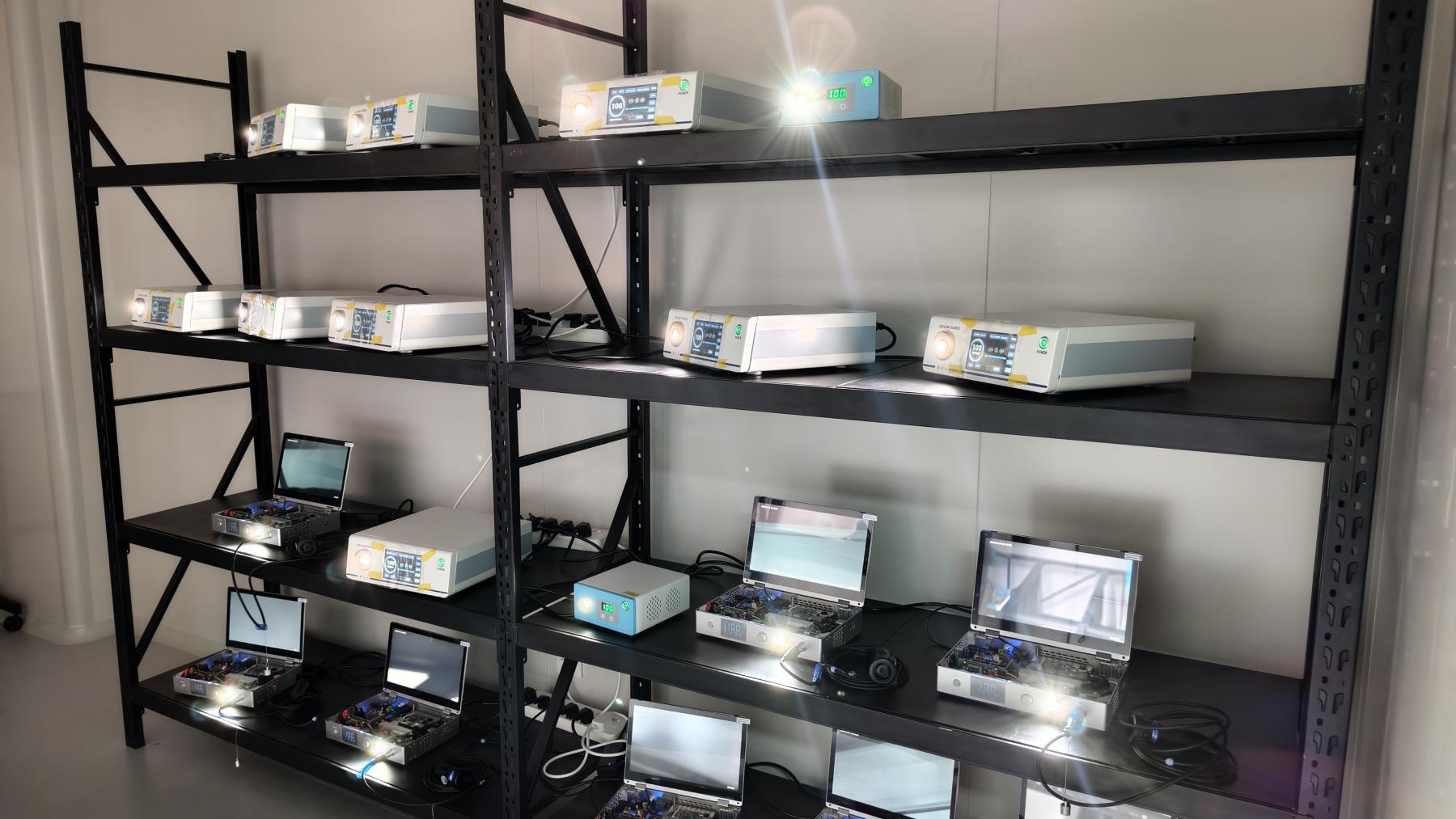
Our ISO-certified facilities and testing centers employ high-end global technologies to maintain sub-micron reliability.
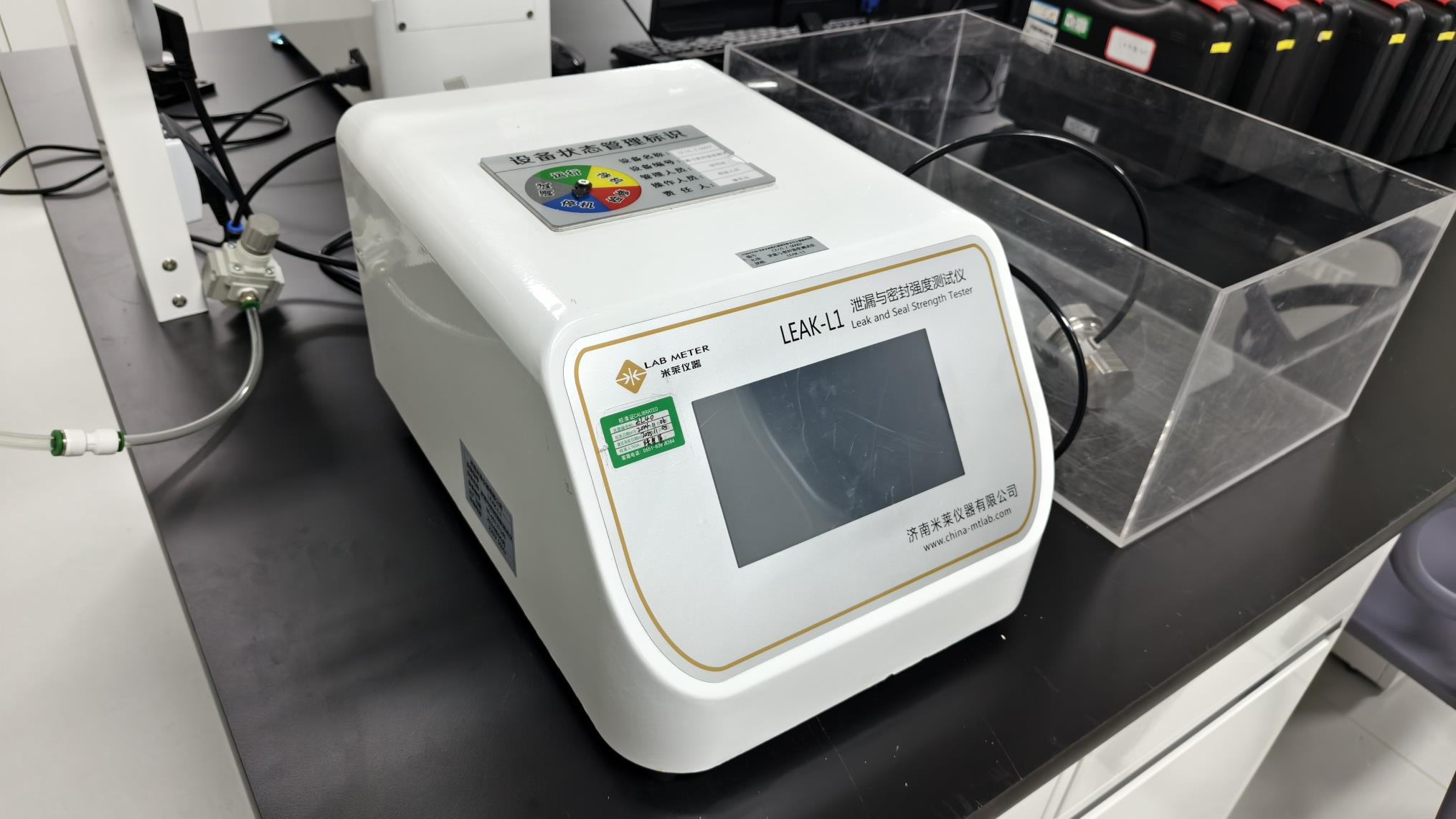
How Proximal Humeral Locking Plates perform across different trauma environments and bone conditions.
Clinical, regulatory, and logistics answers compiled by our senior engineering team.
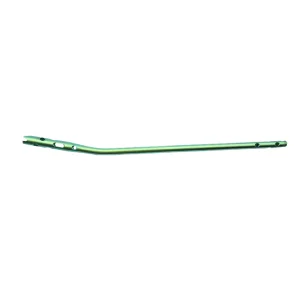
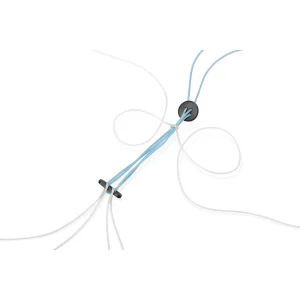
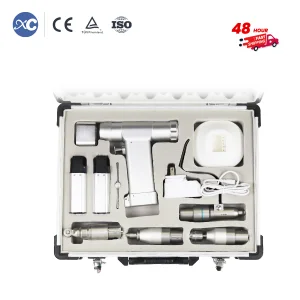
Further explore our range of surgical equipment, bone fixing plates, and custom clinical sets.
 Synoviq Medical