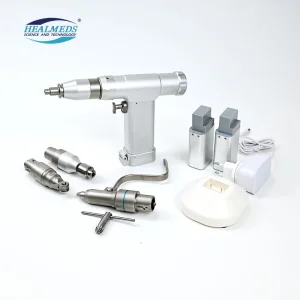
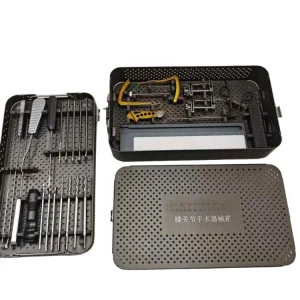
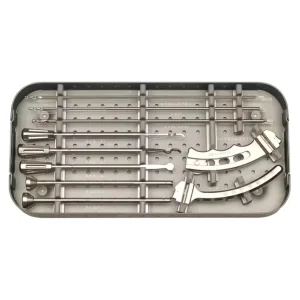
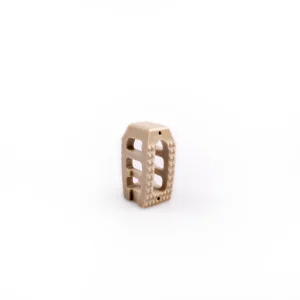
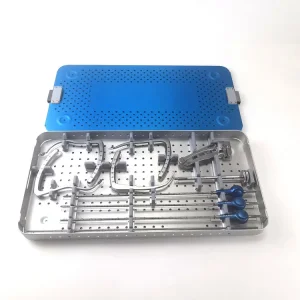
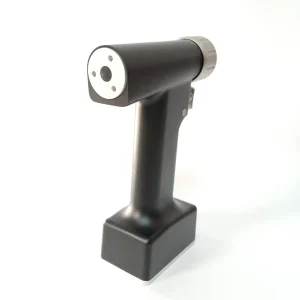
Modern orthopedic surgery demands surgical power tools that achieve a delicate balance between mechanical raw power and micro-precision. As a premier orthopedic bone drills manufacturer and exporter, Synoviq Medical Technology (China) Co., Ltd. engineering principles target the reduction of thermal necrosis, maintaining structural bone integrity during osteotomy, and assuring absolute safety within clinical environments.
High-performance electric and battery-operated bone drills are no longer simple mechanical tools. They represent the integration of advanced ergonomics, surgical grade metallurgy (such as medical-grade titanium and high-nitrogen stainless steels), and high-efficiency brushless motor technologies. In internal fixation surgeries, bone drilling constitutes a crucial step; any variance in drill concentricity, rotational speed, or torque parameters can impair screw purchase or compromise micro-vascular patterns within the cortical bone.
"The performance of a surgical drill directly dictates the precision of implant placement, and by extension, the recovery trajectory of the patient. Synoviq addresses this biological reality with micro-engineered tolerances down to 0.005mm."
Moreover, global healthcare infrastructure is facing an increased volume of arthroplasty, trauma reconstruction, and spinal fusion procedures. This escalation requires surgical equipment to endure rigorous clinical usage. High-duty cycle tools must withstand repetitive high-temperature and high-pressure steam sterilization cycles (134°C autoclaving) without degradation of electronic controls or battery longevity.
Synoviq Medical Technology (China) Co., Ltd. is a dedicated manufacturer of orthopedic implants and surgical instruments, engineered for healthcare systems worldwide. Since its establishment in 2016, Synoviq has focused on the engineering, validation, and precision manufacturing of orthopedic devices, offering robust OEM and ODM solutions to medical device brands, international distributors, and clinical institutions.
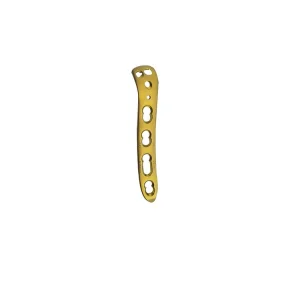
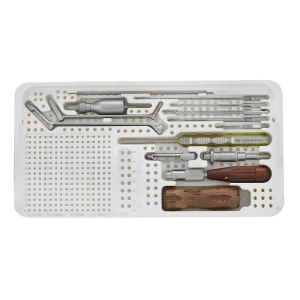
Our manufacturing portfolio ranges from trauma fixation assemblies and spine retractor systems to high-speed cannulated drills and orthopedic locking plate matrices. Backed by CNC machining networks and an in-house cleanroom infrastructure, every component from Synoviq complies with rigorous international quality standards.
| Operational Metric | Enterprise Value & Compliance Details |
|---|---|
| Company Name | Synoviq Medical Technology (China) Co., Ltd. |
| Brand Identity | Synoviq |
| Established | March 18, 2016 |
| Industrial Footprint | 18,600 m² Manufacturing Facility |
| Global Export Revenue | USD 21.8 Million annually |
| Market Experience | 14 Years Industry Domain / 8 Years Direct Exporting |
| Quality Control Framework | 100% Final Inspection & Strict Incoming Material Inspection |
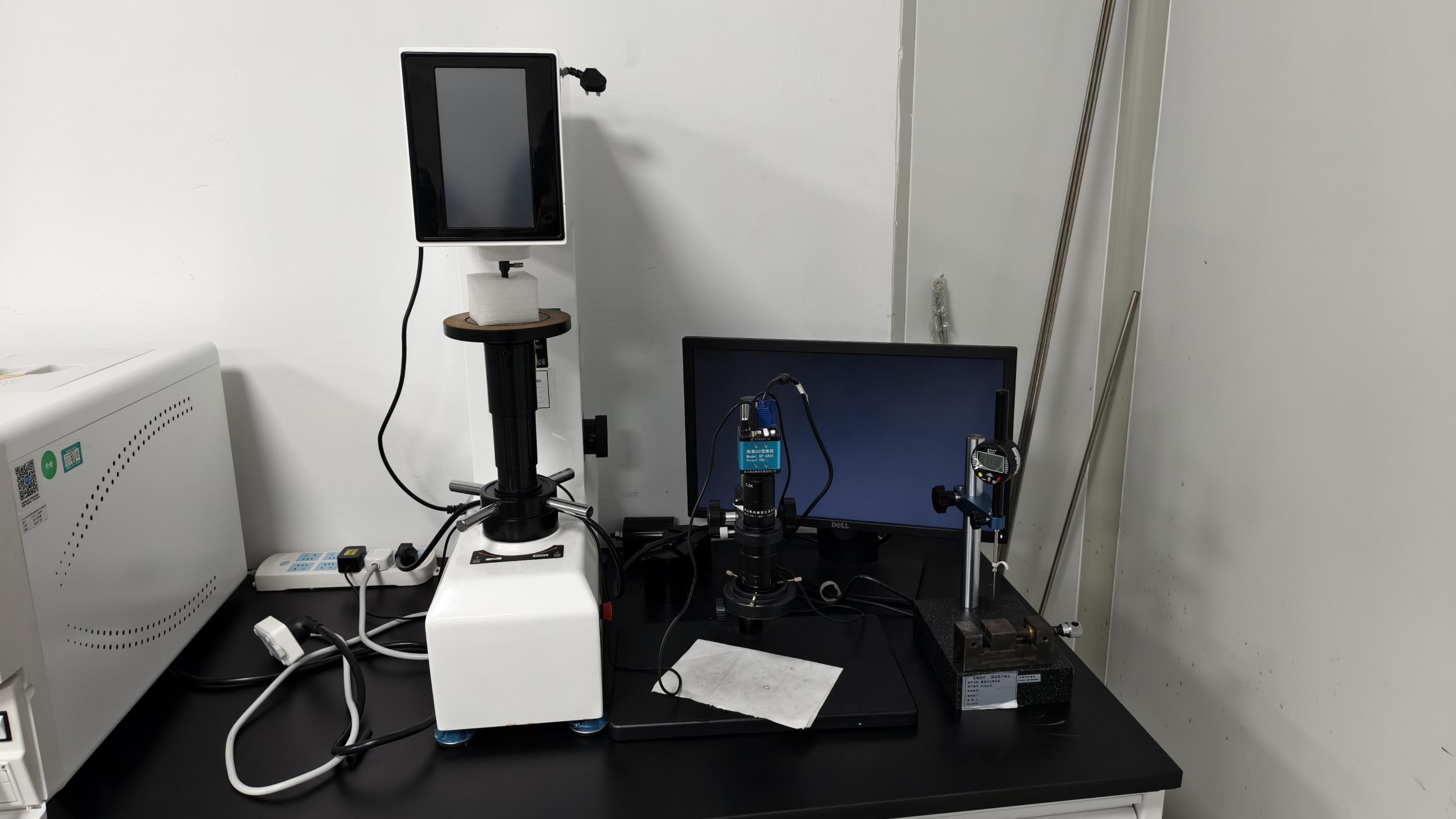
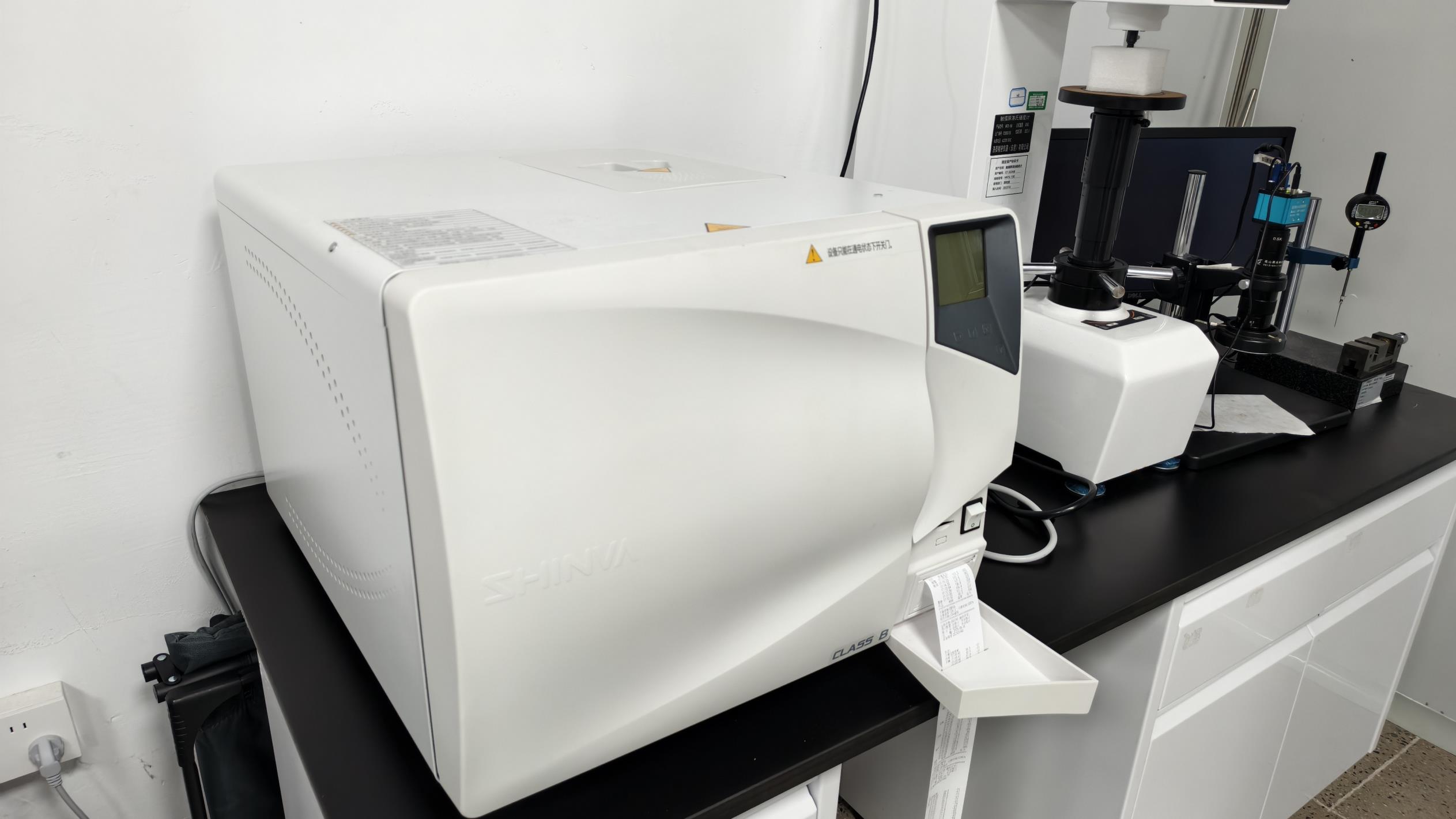
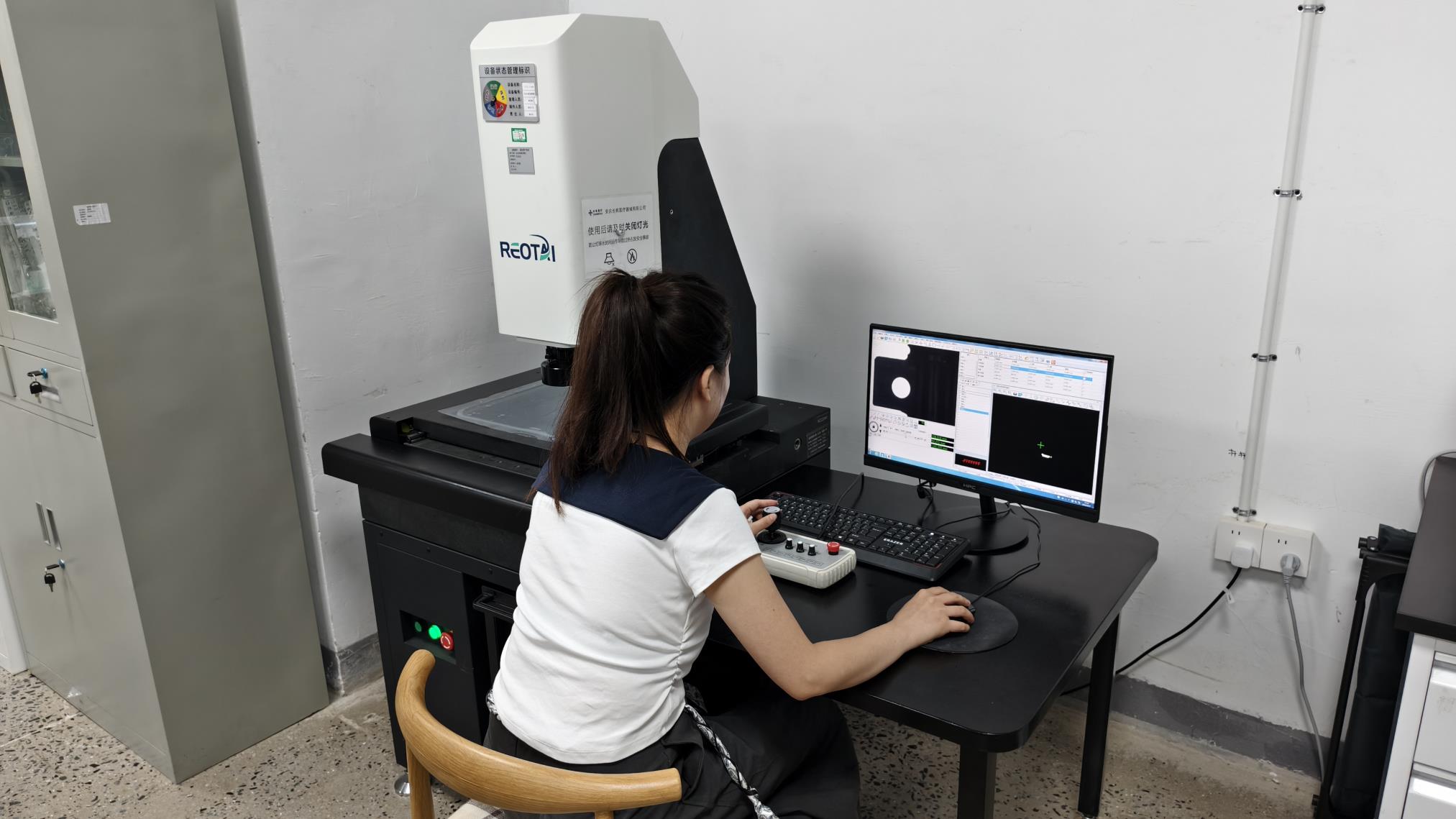
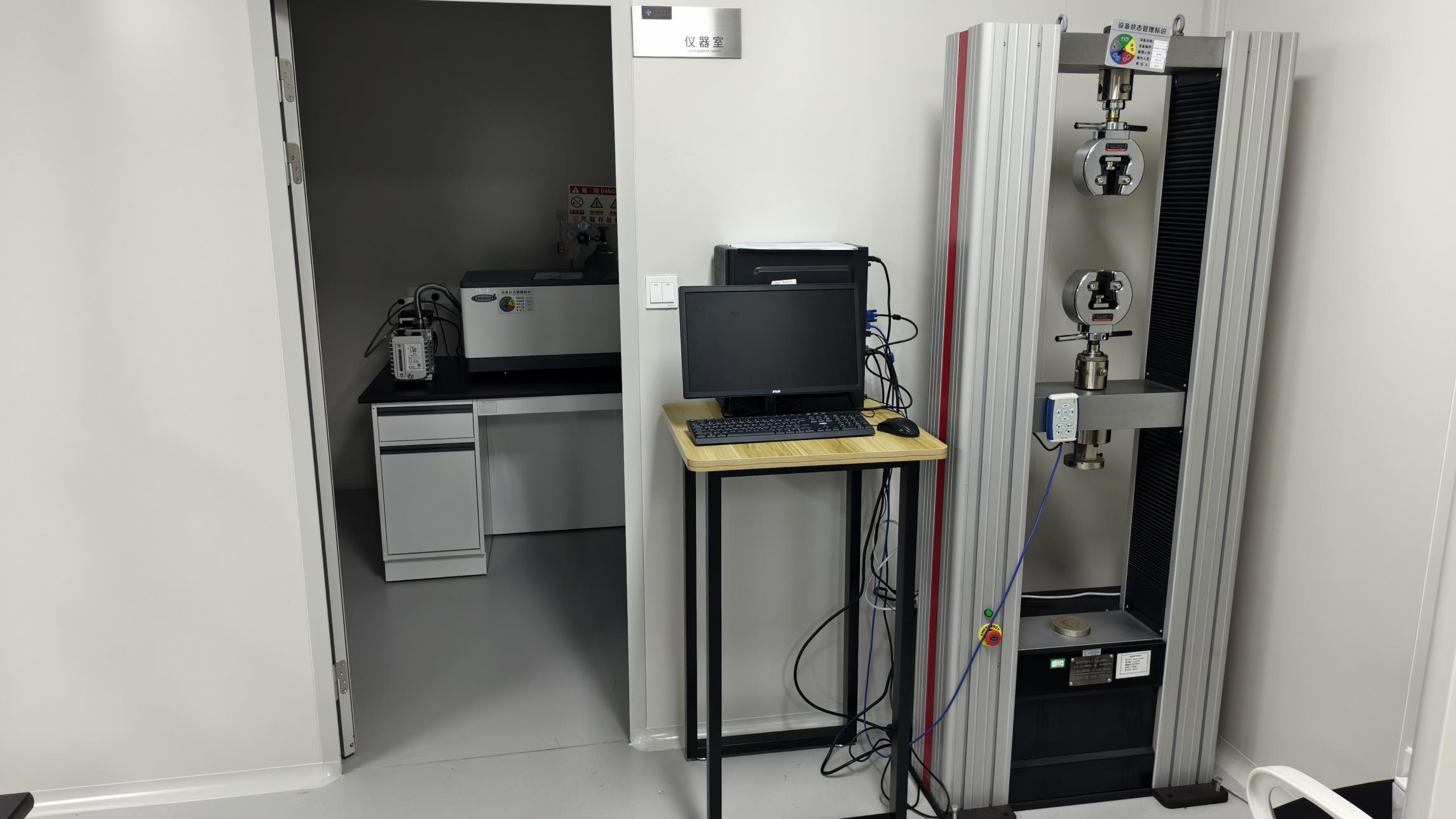
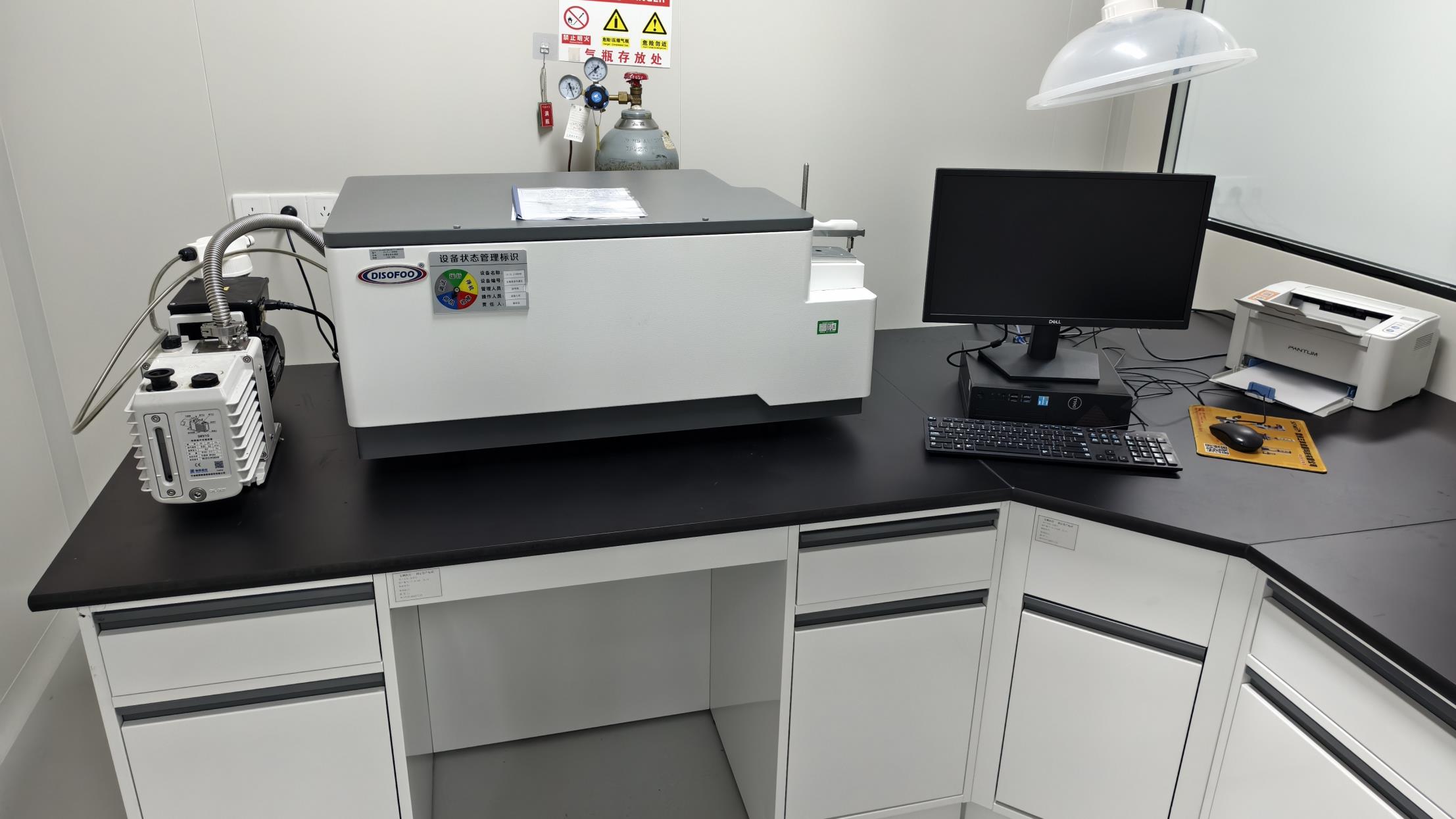
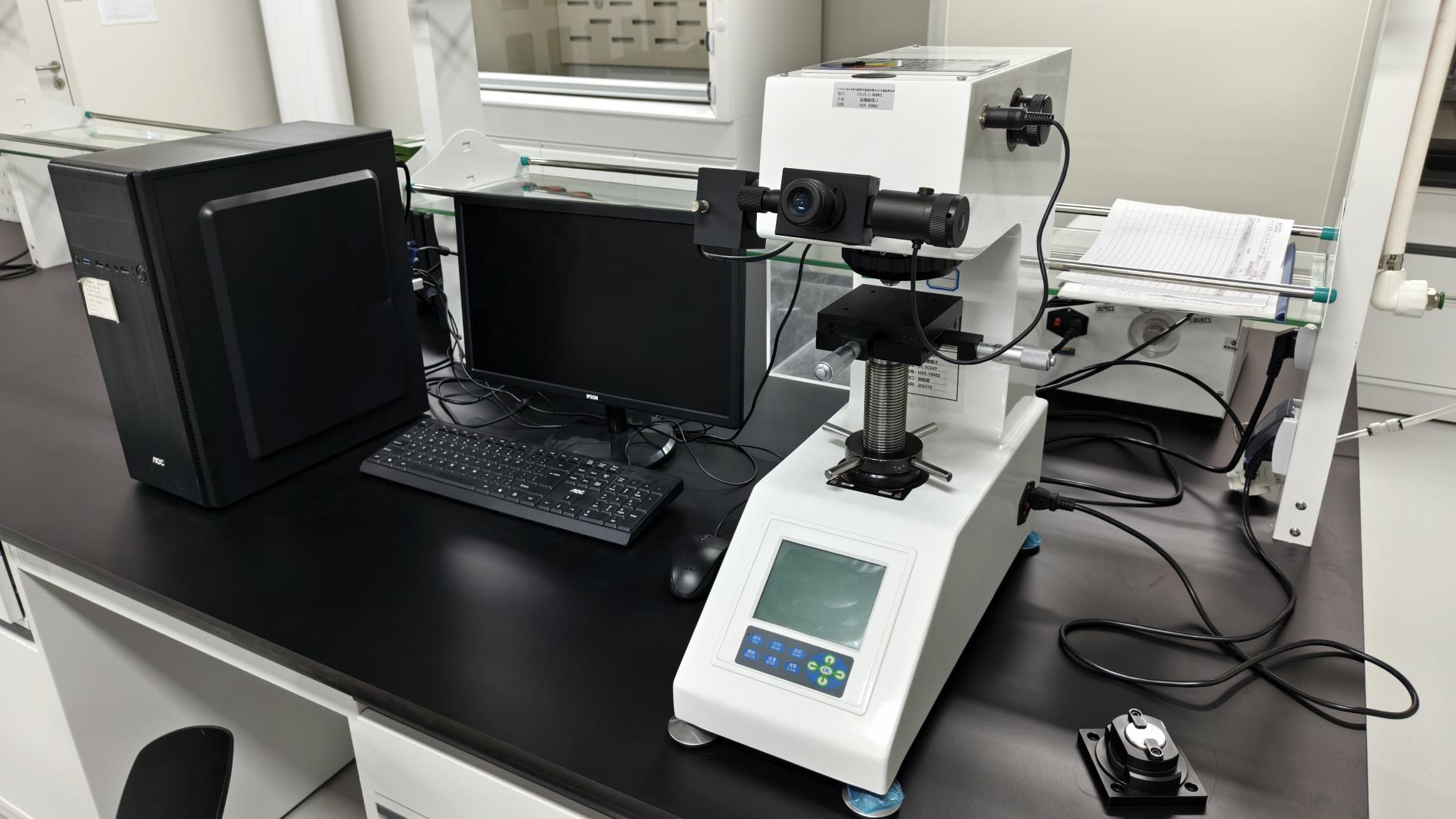
| Product Inspection Methods | CMM Measurement, Mechanical Testing, Surface Roughness Testing, Hardness Testing, Salt Spray Testing, Sterility Validation |
| Quality Control Staff | 48 QA/QC Specialists |
| Business Model | Manufacturer & Exporter (OEM/ODM Support) |
| Core Markets | Europe, North America, South America, Middle East, Southeast Asia |
| Customization Capabilities | Logo Branding, Laser Etching, Custom Sterility Packaging, Specific Material Selection (Grade 5 Titanium, 316L Stainless Steel), Specialty Surface Treatment (Anodization, PVD) |
| R&D Team Capacity | 76 Dedicated R&D Engineers, 186 New Products Released Annually |
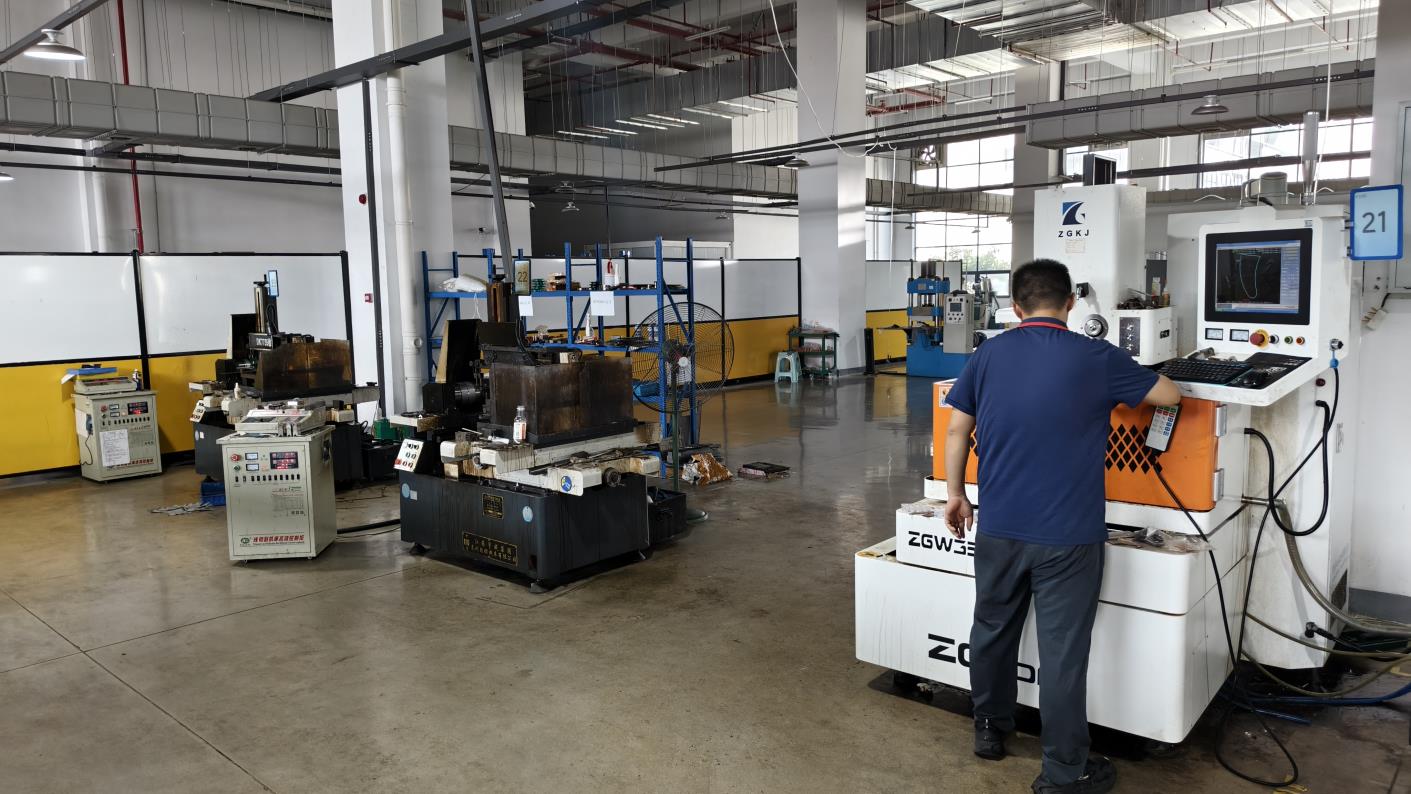
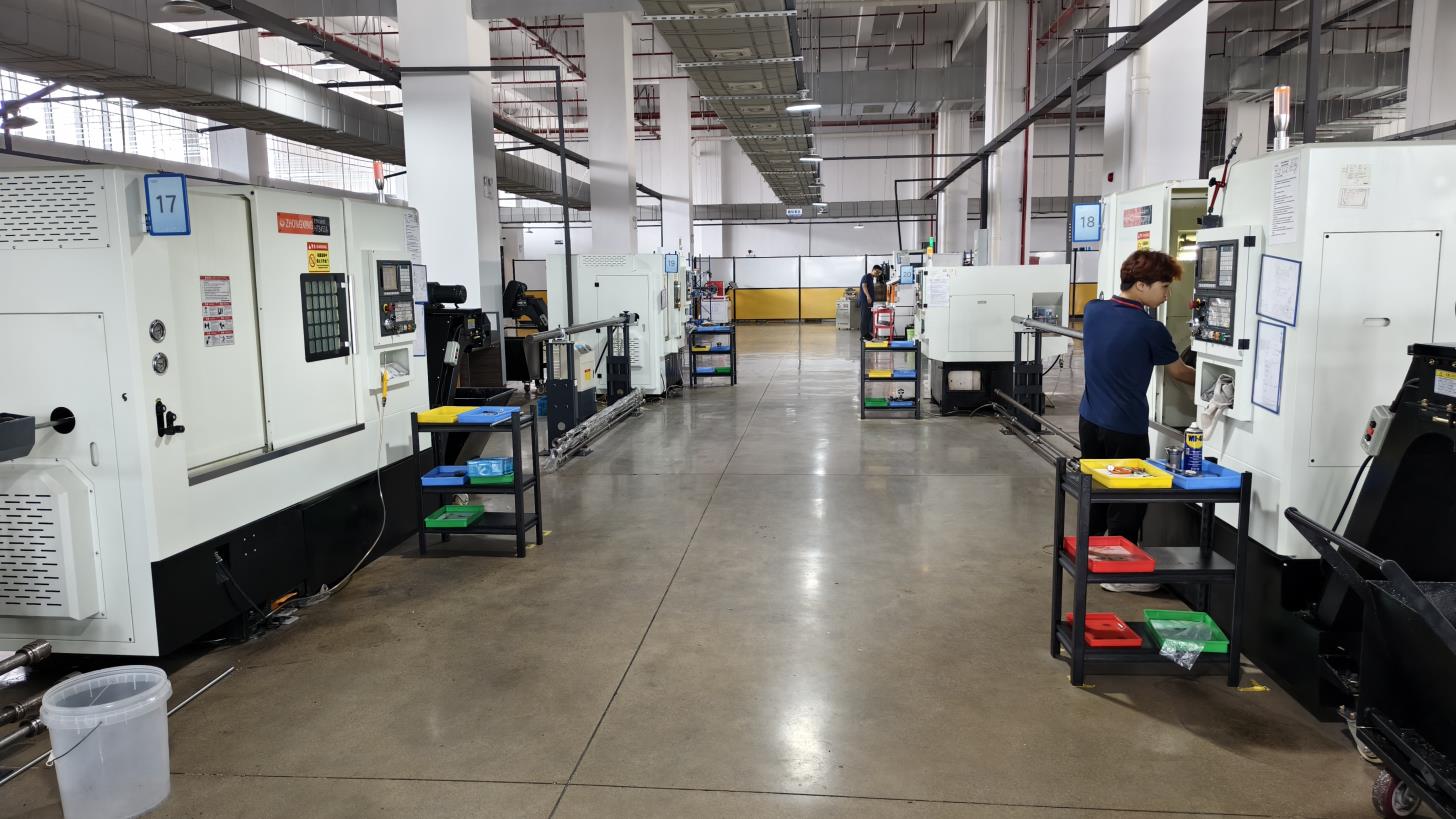
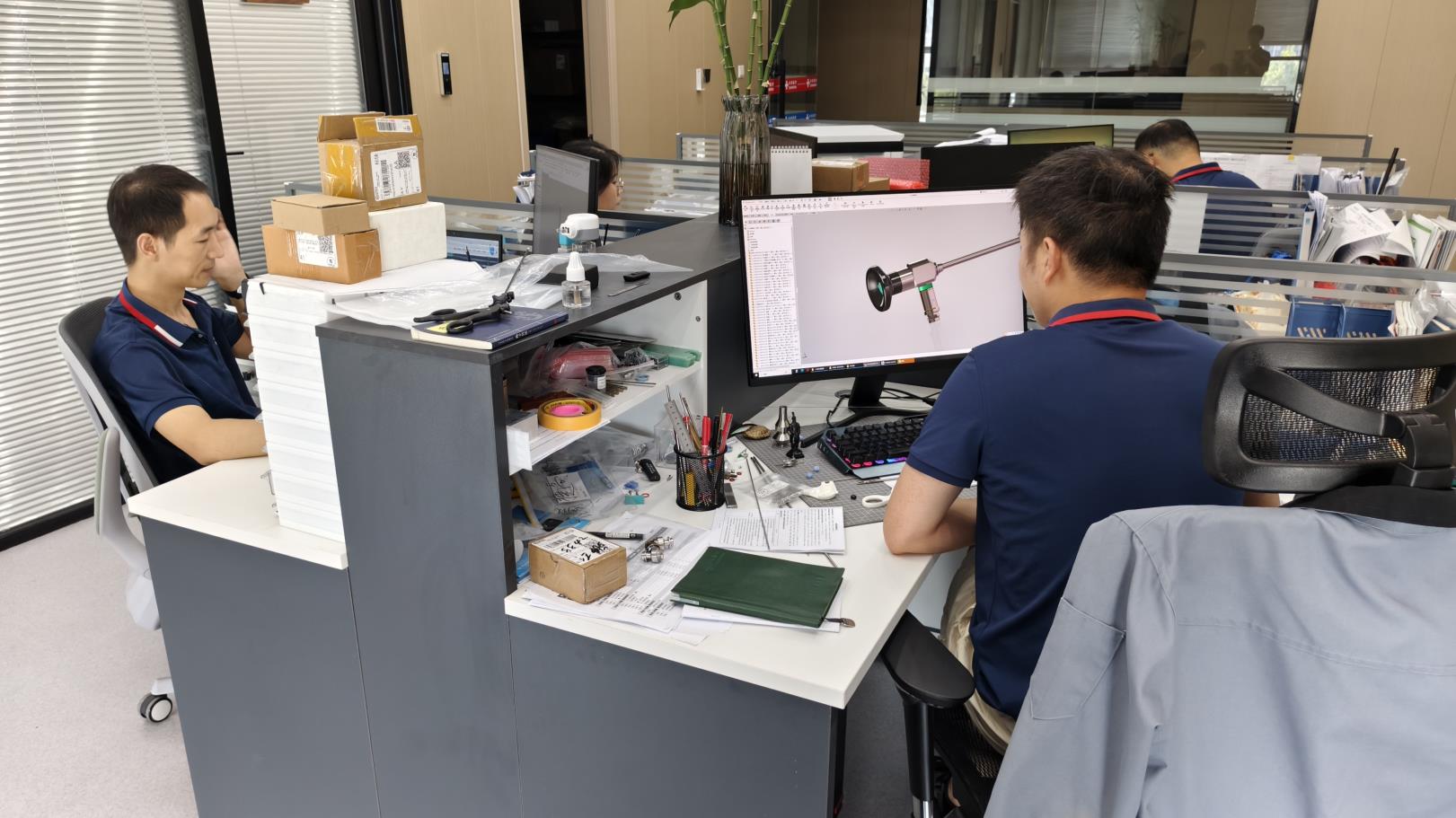
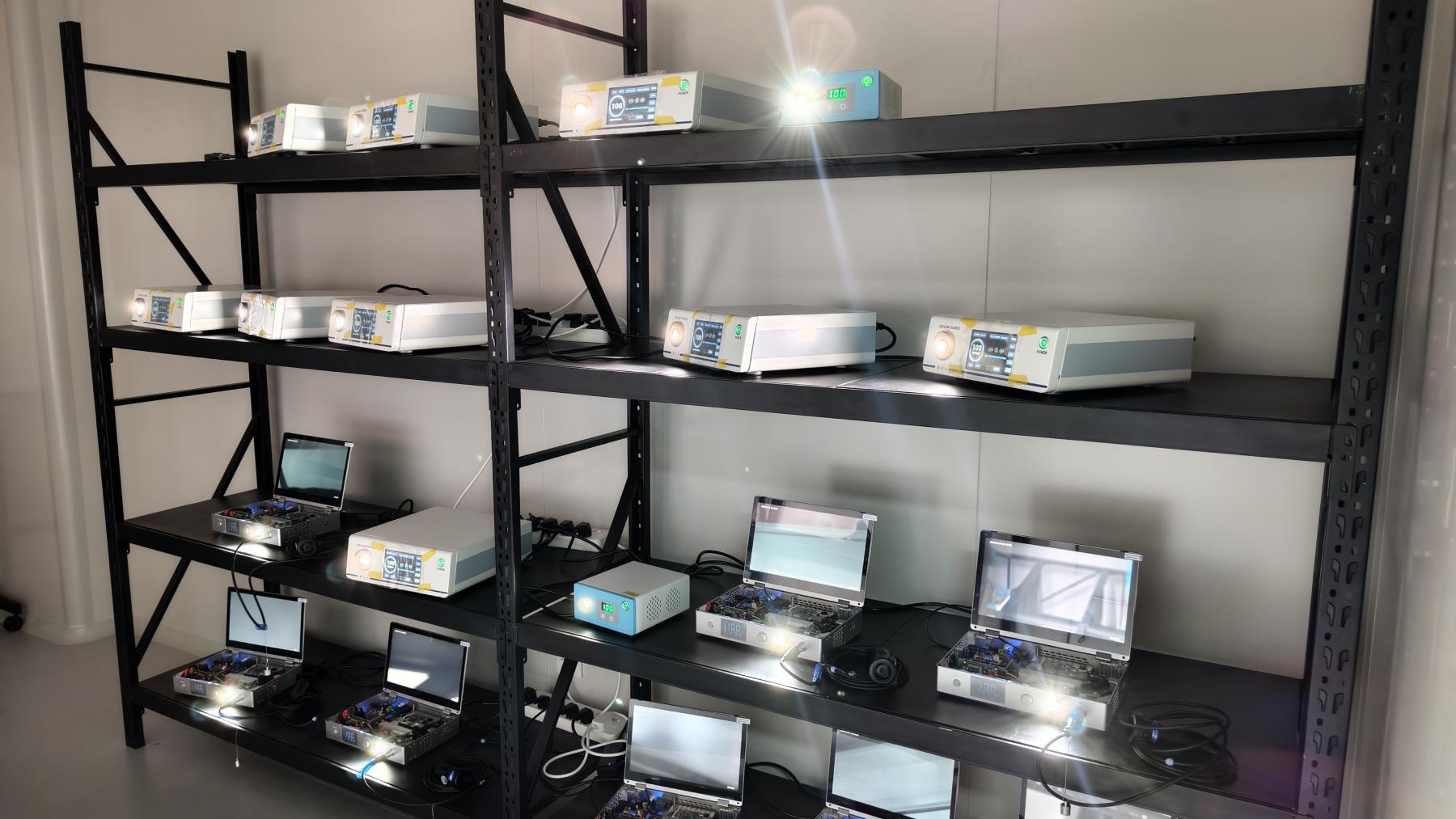
Our manufacturing facility utilizes a closed-loop quality management process where raw materials are transformed into clinical-grade orthopedic instruments through advanced machining phases.
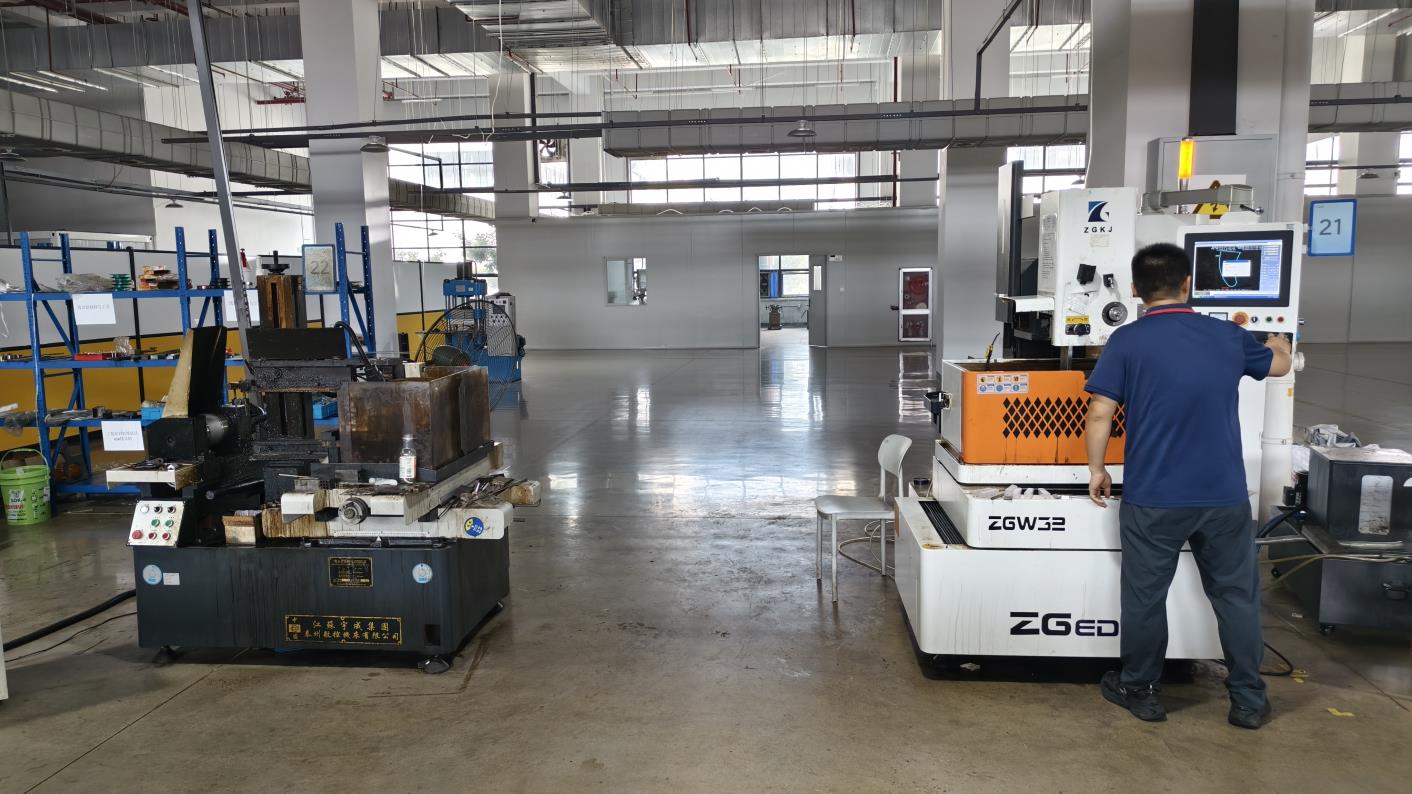
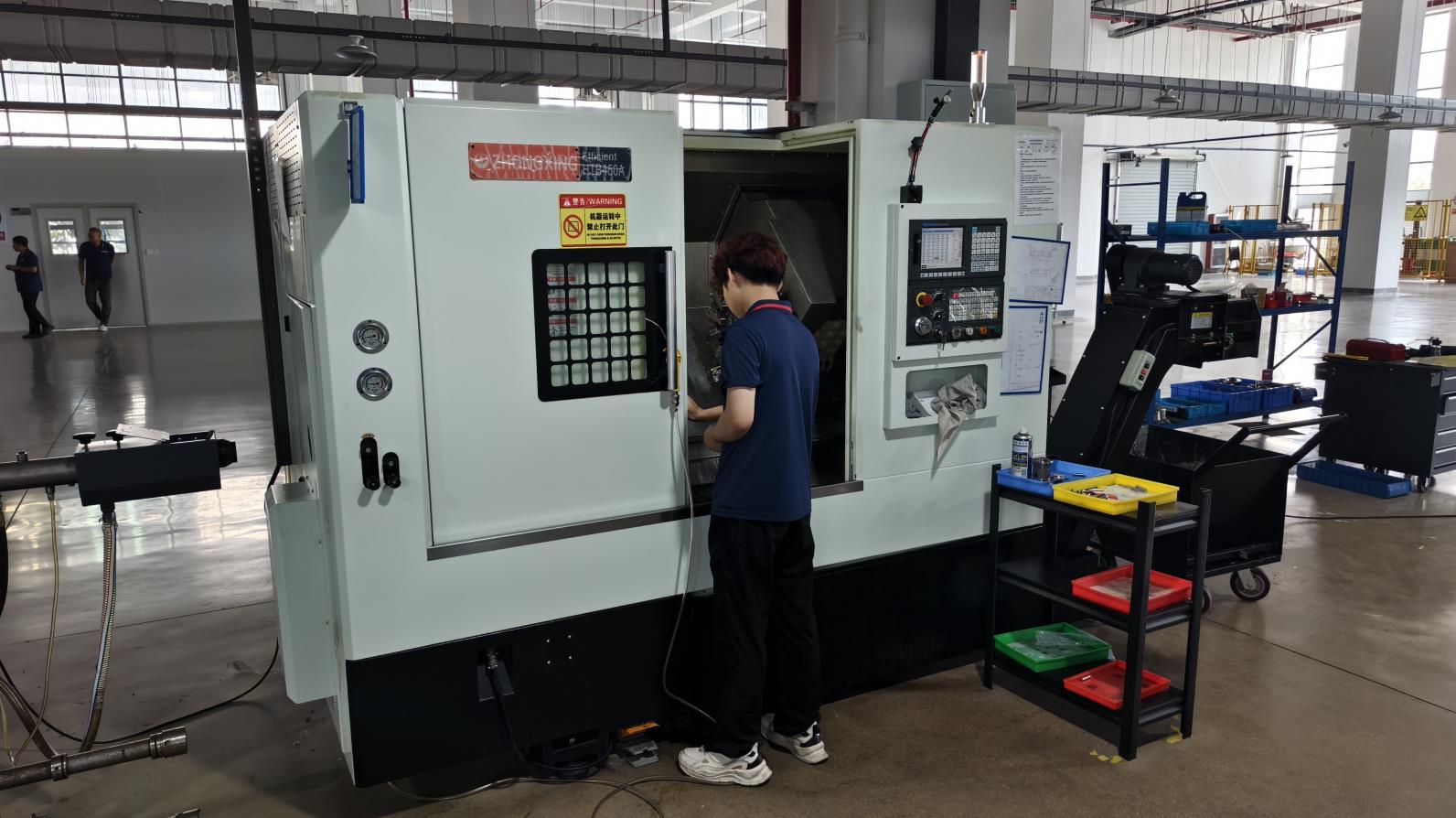
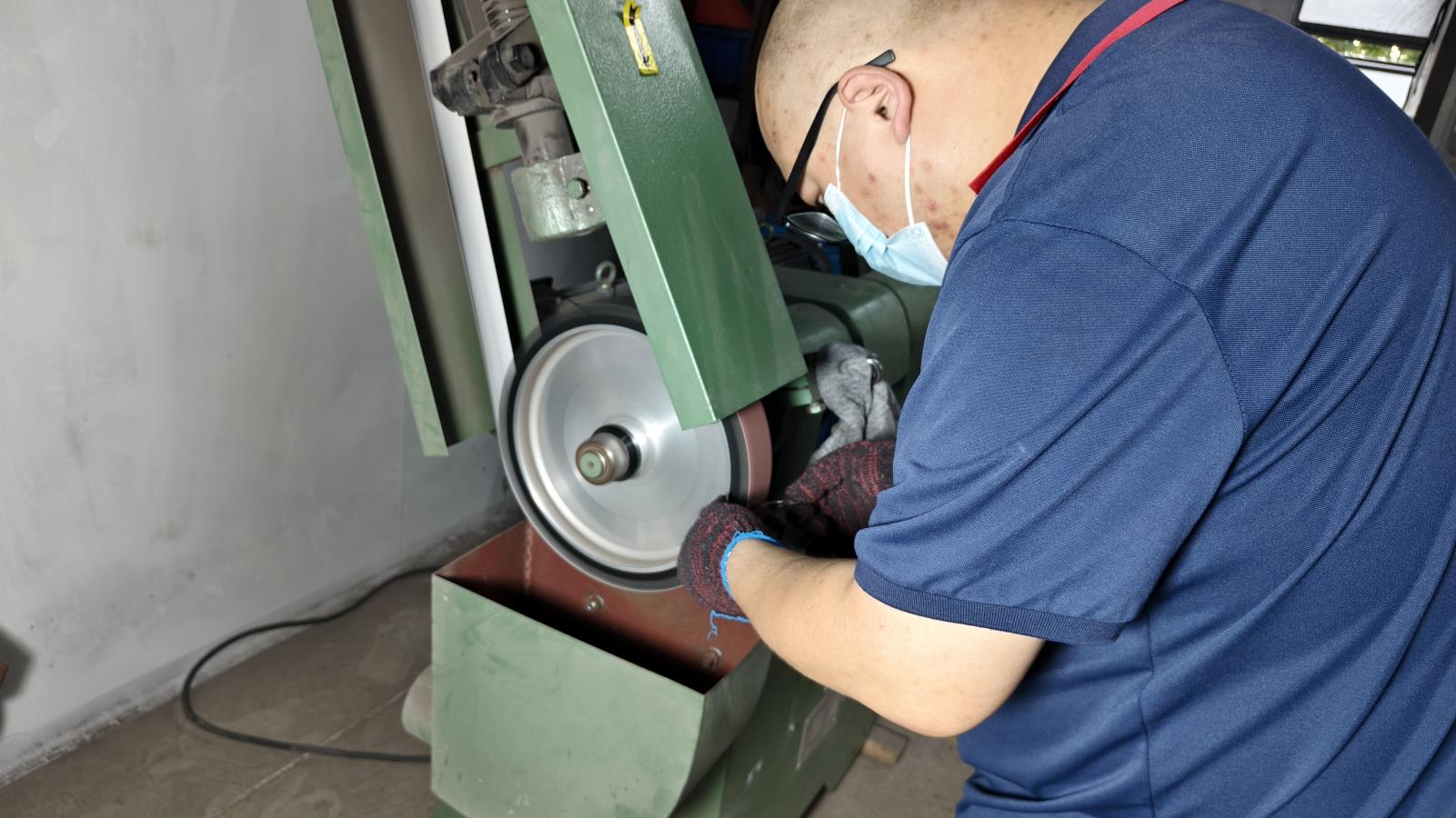
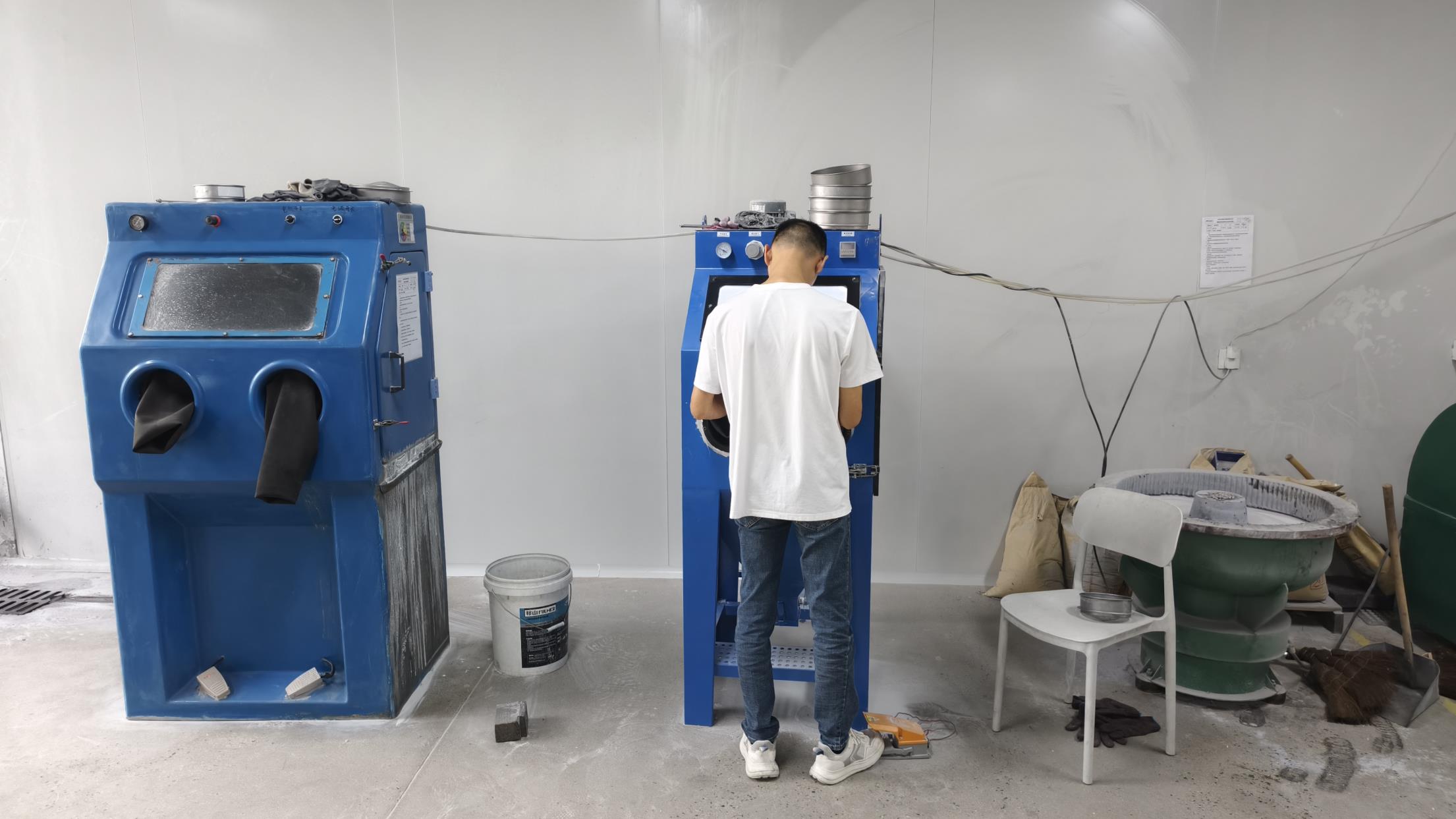
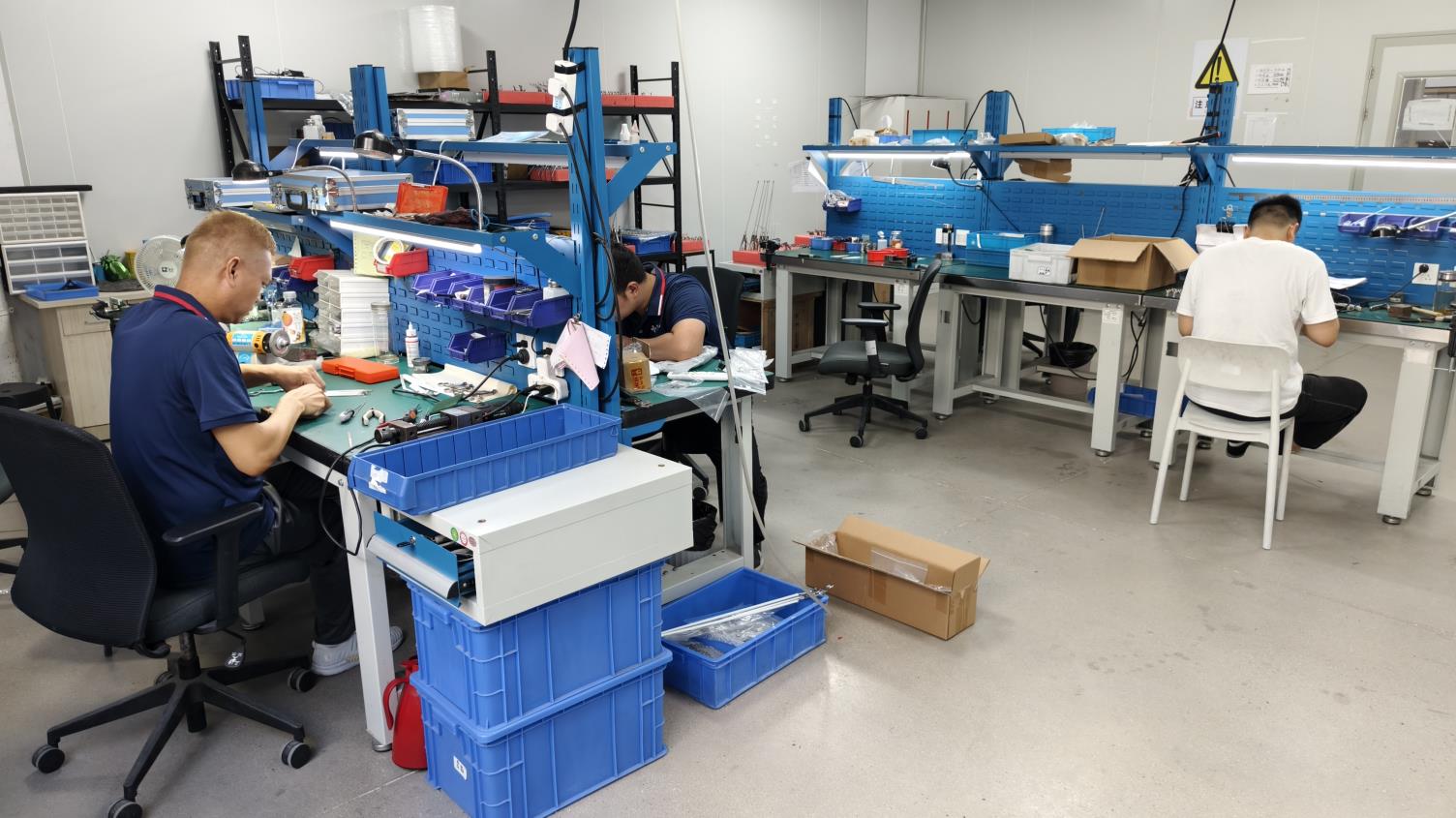
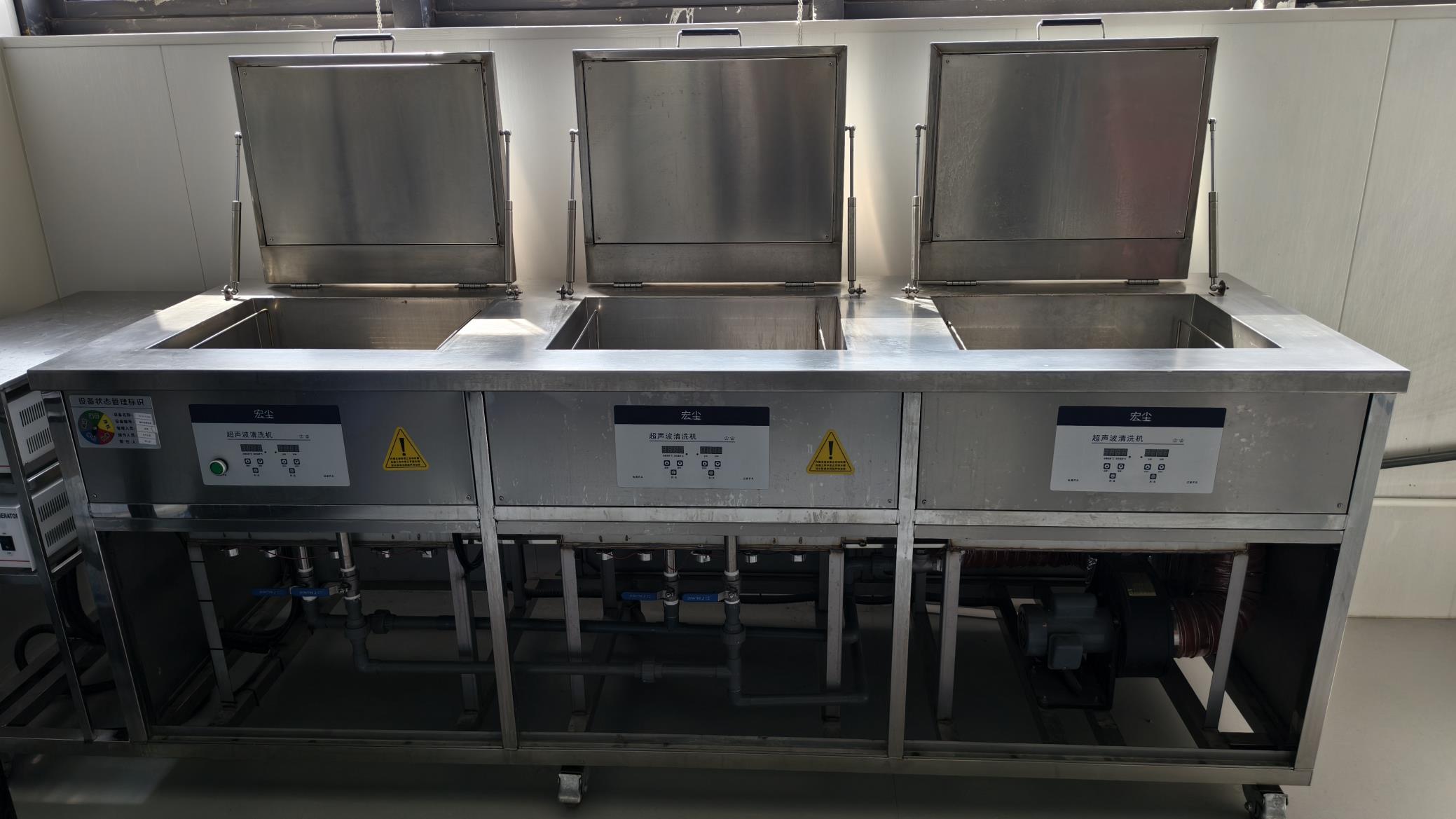
Our factory utilizes advanced multi-axis machining tools to enable repeatable production tolerances for complex implant designs and surgical power tool assemblies.
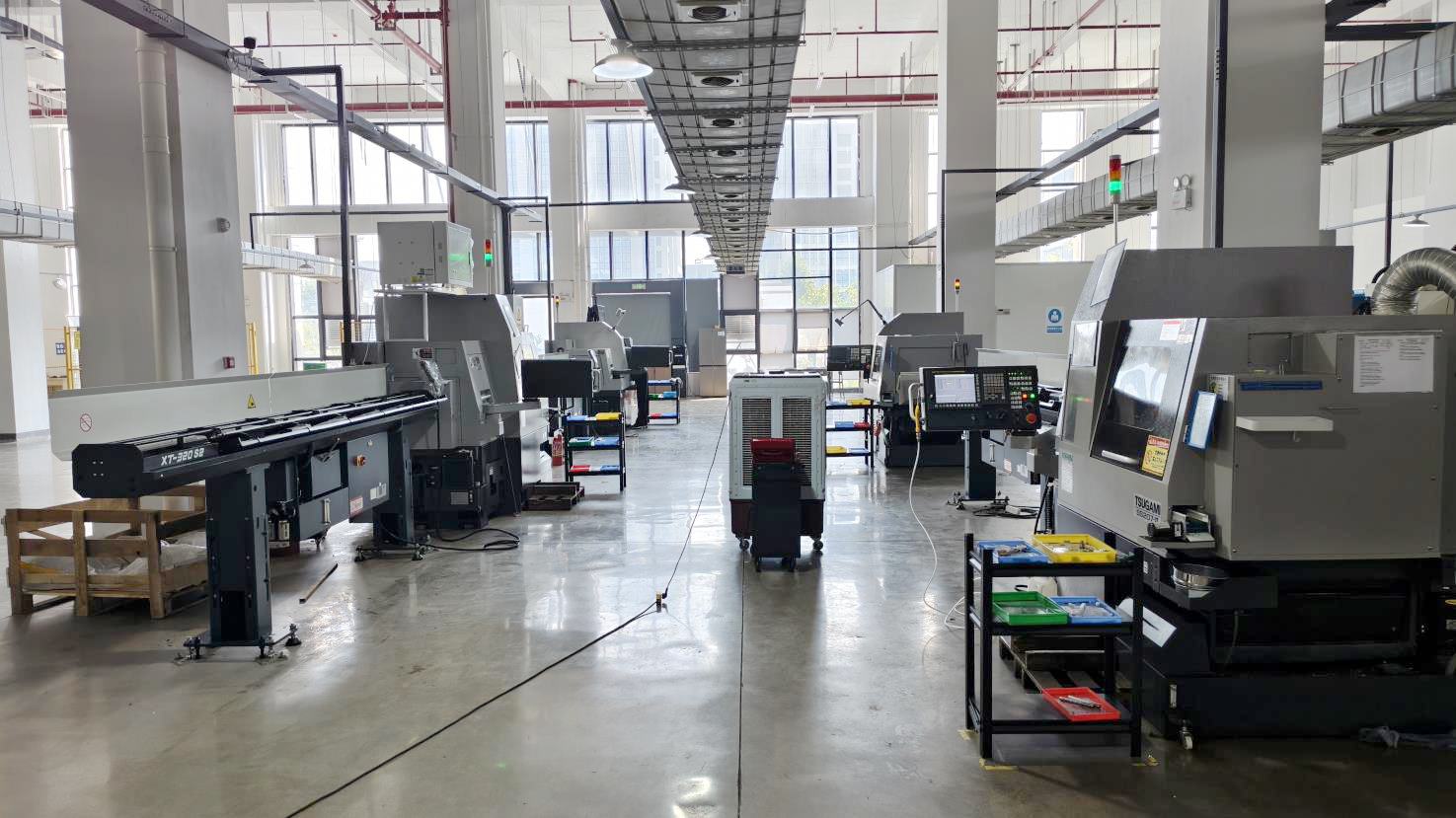
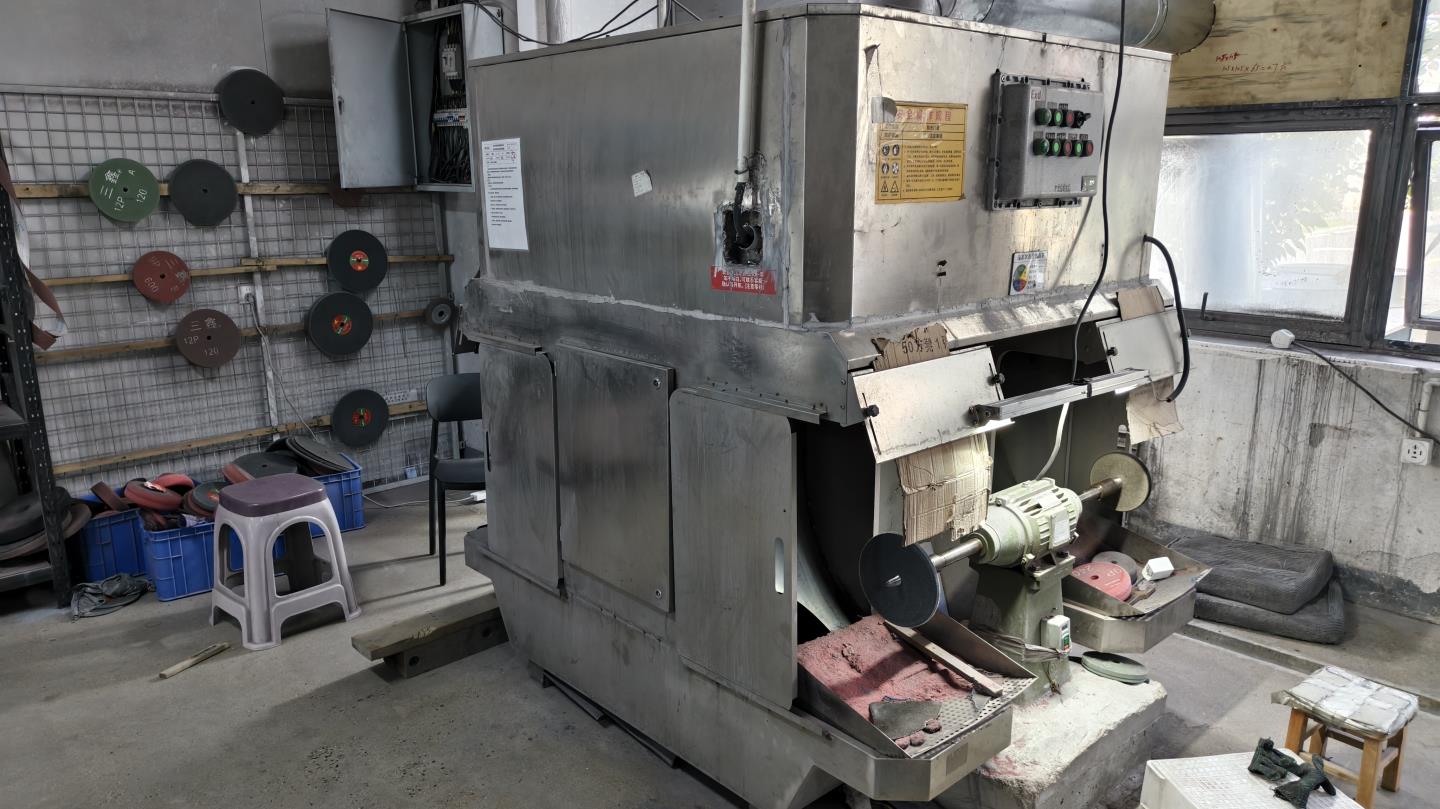
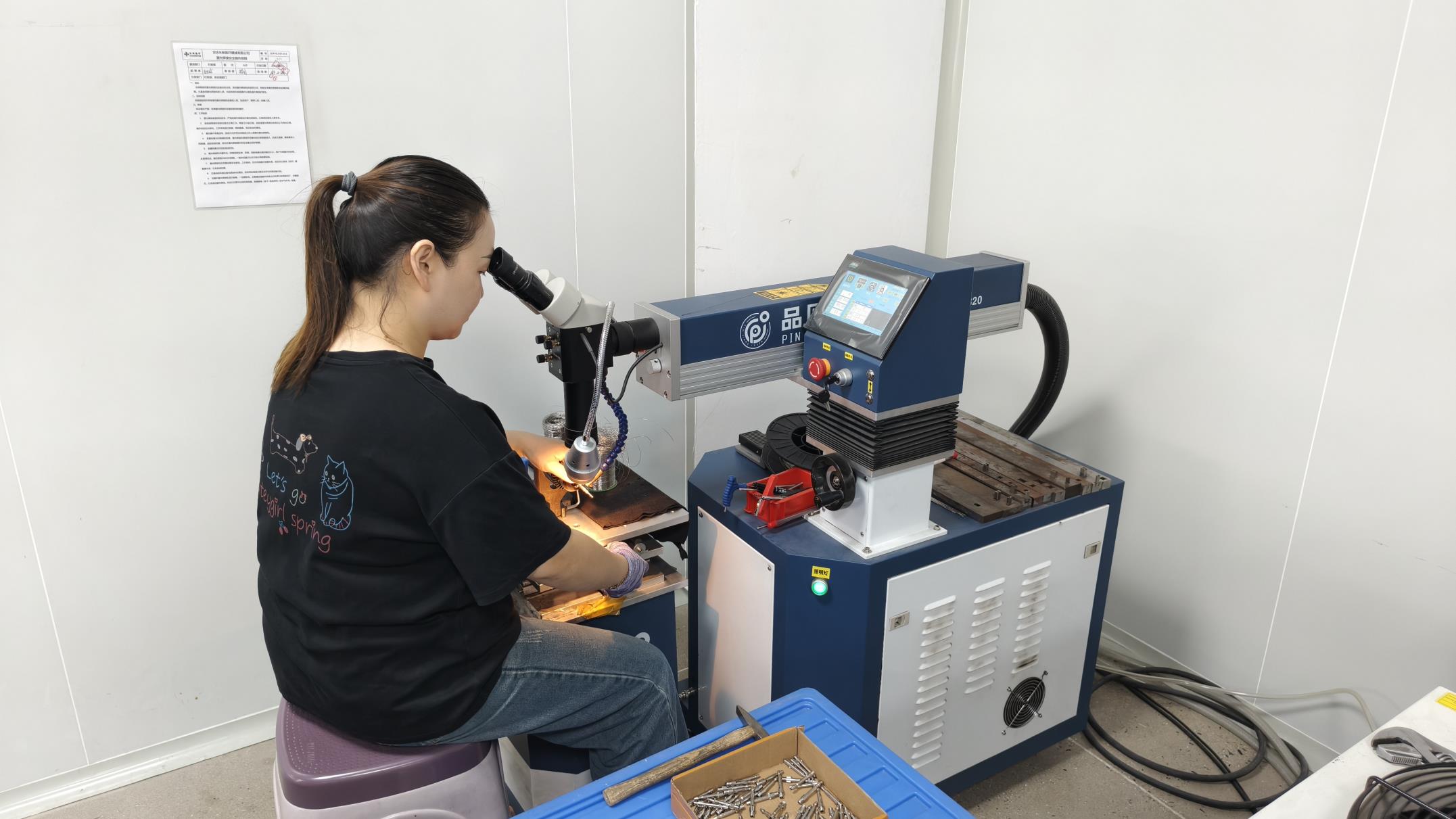
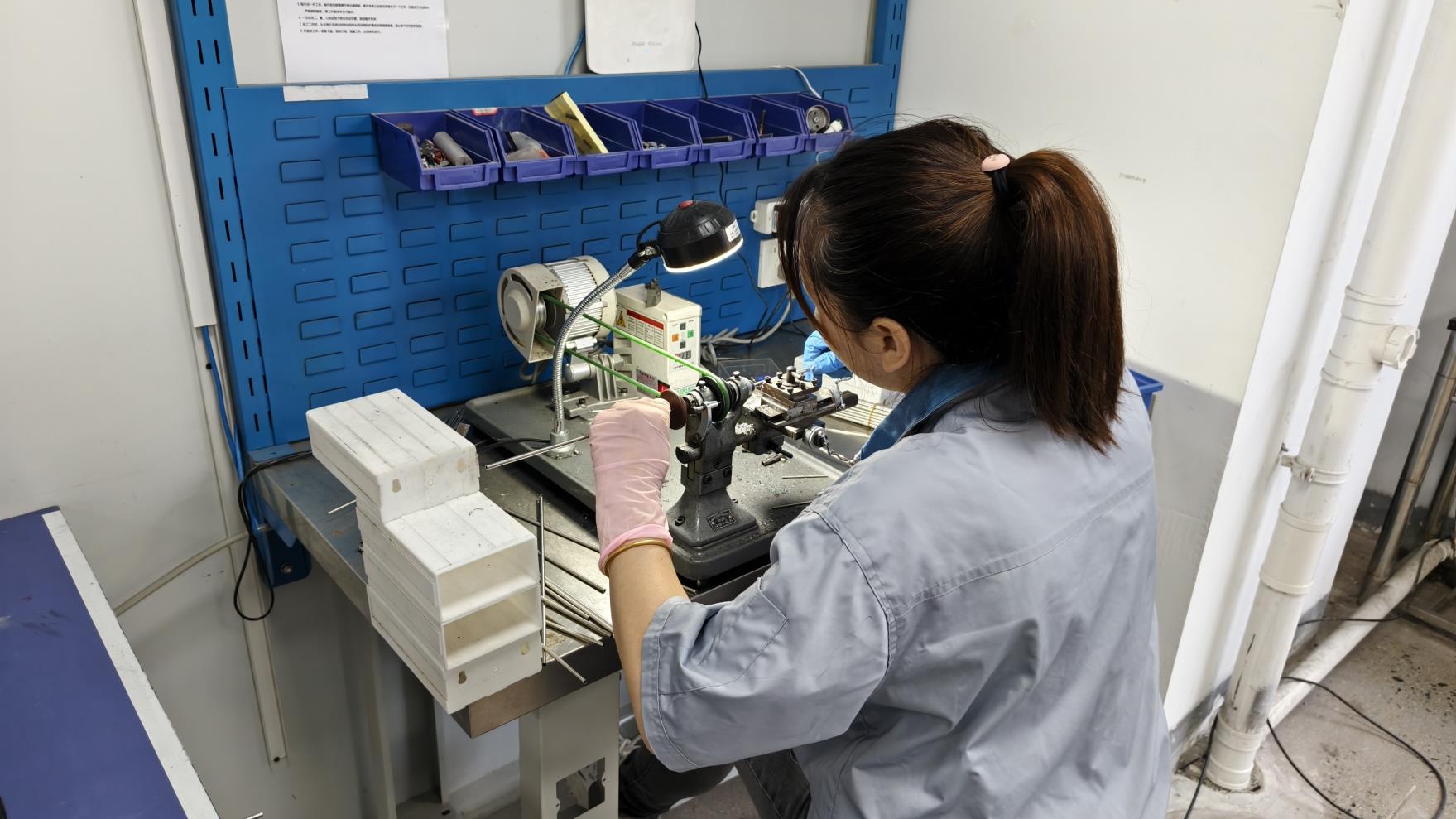
To ensure clinical safety, our metrology lab evaluates every production run against mechanical and chemical performance benchmarks.
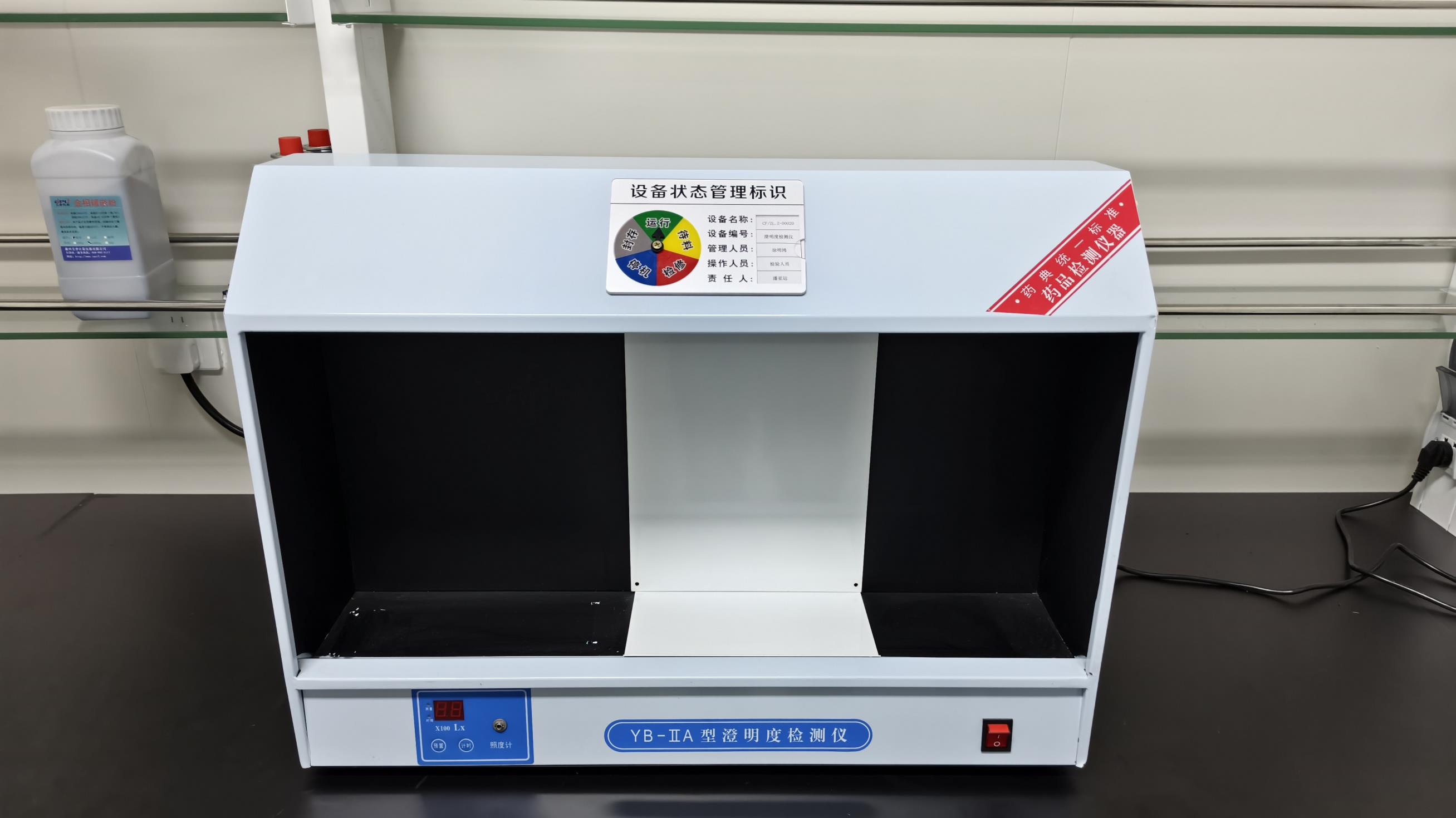
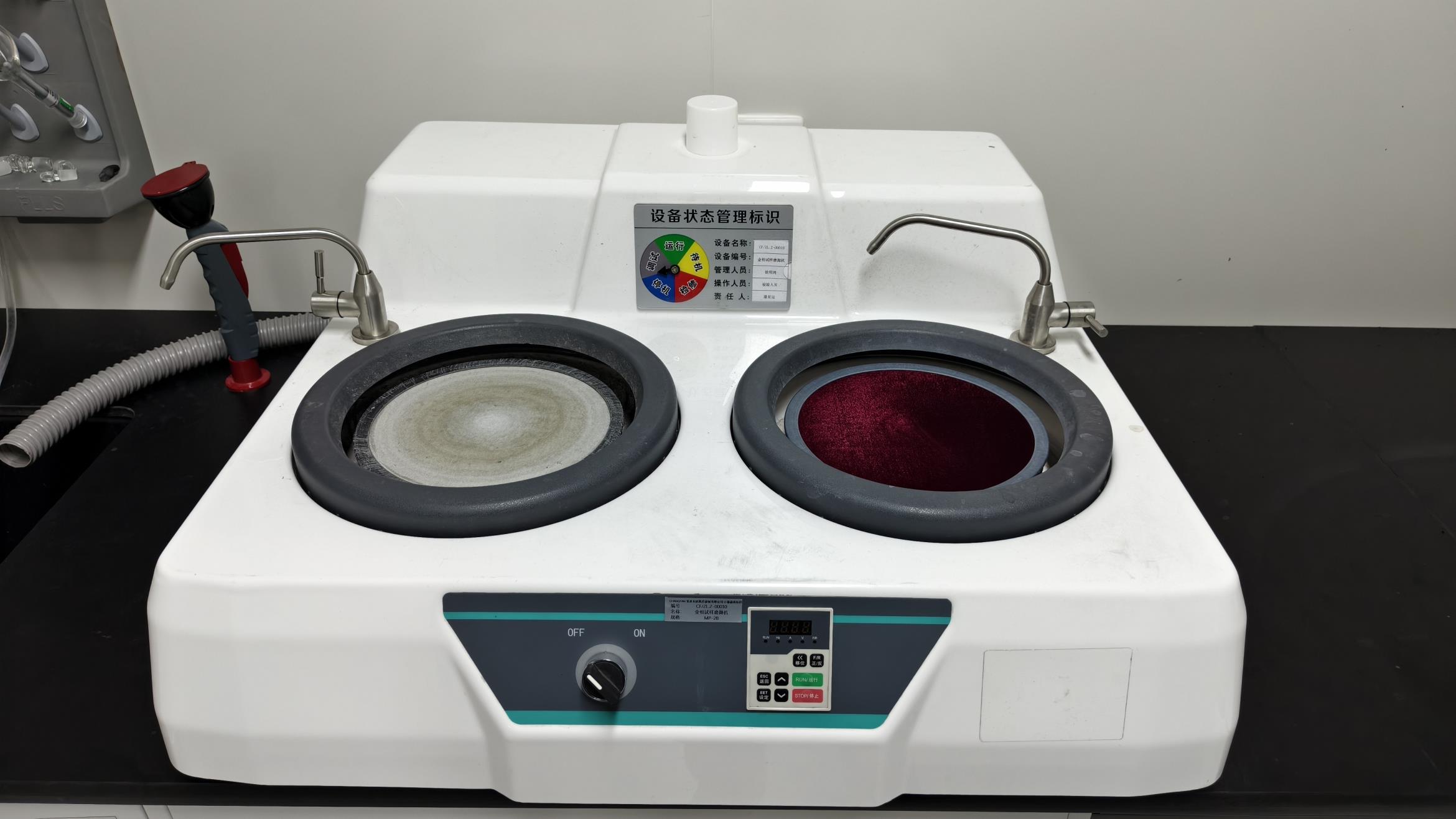
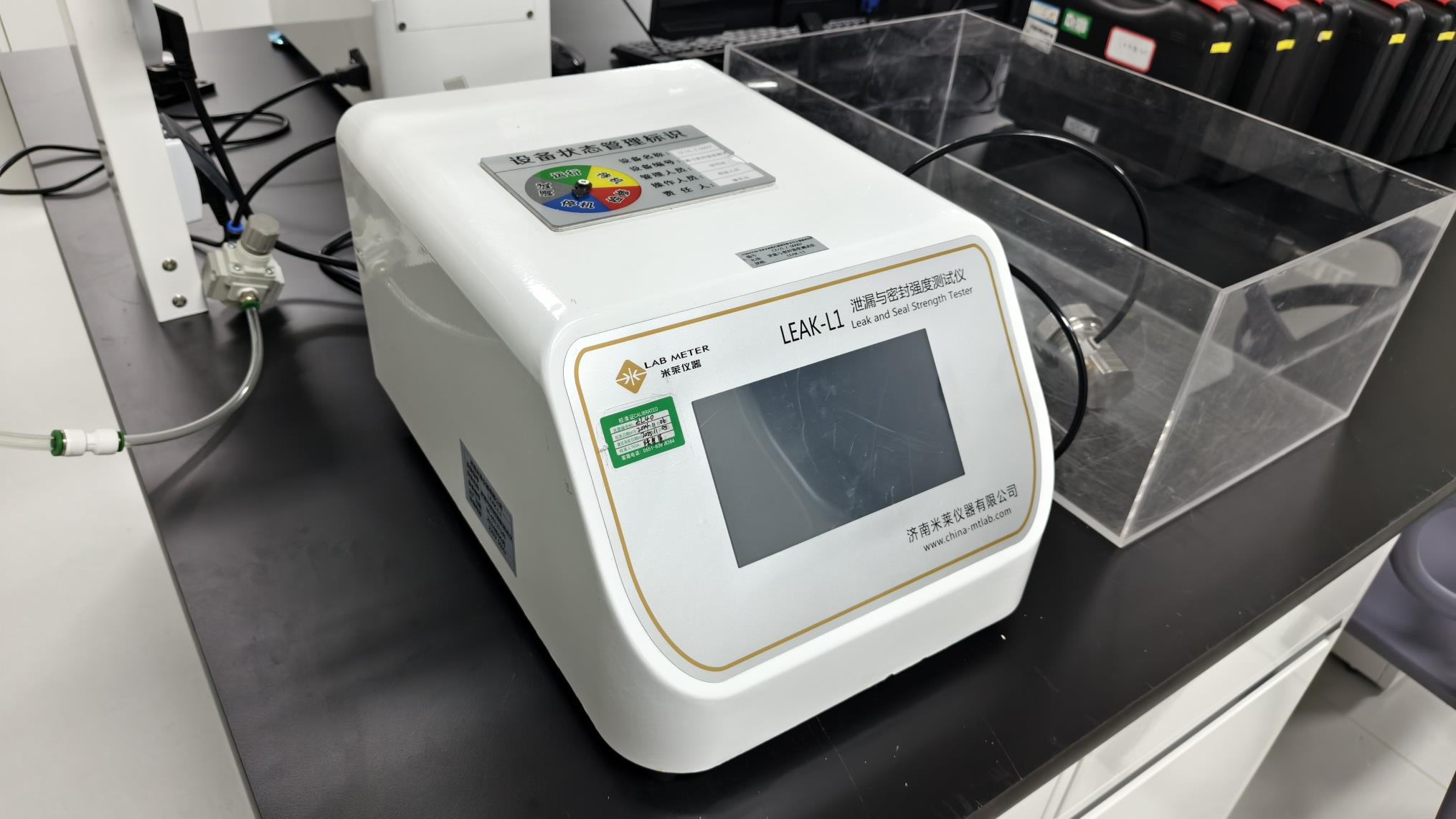
China's medical device manufacturing sector has evolved from component fabrication to advanced system integration. By consolidating mechanical, raw material, and electronics supply chains, Chinese manufacturers deliver medical solutions that balance cost efficiency with reliable clinical performance.
1. Fully Integrated Supply Chain Ecosystem: Located near major industrial clusters, manufacturers like Synoviq access raw titanium alloys (Ti-6Al-4V ELI), biocompatible plastics (PEEK), and high-frequency brushless motors locally. This supply chain proximity reduces lead times for prototype refinement and regular batch production.
2. High-Precision Capital Infrastructure: China's medical production lines utilize Swiss-type multi-axis CNC lathes, laser welding equipment, and Automated Optical Inspection (AOI) setups. This machinery enables the production of complex geometries—such as variable-angle locking plates and cannulated drills—with high repeatability.
3. Regulatory Alignment and International Standards: Modern Chinese manufacturers operate under ISO 13485:2016 quality systems. Our products undergo rigorous testing, including sterilization validation, bio-compatibility assays, and dynamic mechanical fatigue testing, matching standards required by CE, FDA, and local regulatory frameworks.
Medical supply chains demand traceability, stable lead times, and regulatory compliance. When sourcing orthopedic power drills and osteotomy tools, global procurement teams typically focus on key functional and technical requirements:
Synoviq addresses these needs through structured OEM/ODM services, supplying product batches that carry laser-marked GS1 barcodes and unique device identifiers (UDI), facilitating entry into major hospital tenders and distribution networks.
The orthopedic industry is undergoing a transition driven by smart technologies, material sciences, and clinical safety improvements:
1. Smart Drill Integration with Real-Time Feedback: Future surgical drill systems will feature integrated sensors to monitor torque, drill-bit temperature, and depth. These sensors provide real-time feedback to surgeons, helping prevent bone thermal damage and guiding depth control near delicate tissues.
2. Lightweight, Ergonomic Biocompatible Enclosures: PEEK and light-alloy housings are replacing heavier metal casings. This shift reduces hand fatigue for surgeons during lengthy procedures while maintaining compatibility with harsh cleaning chemicals.
3. Direct Integration with Robotic Surgery Systems: As robotic-assisted joint and spine surgeries expand, power tools are being modified for robotic mounting. These setups require high-speed communication interfaces, precise orientation tracking, and mechanical mounting interfaces.
Synoviq's orthopedic drills and surgical systems are deployed across various medical specialties:
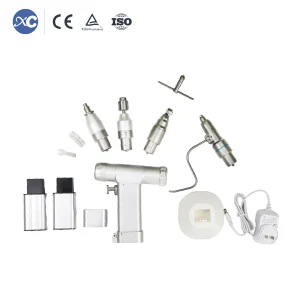
Trauma Reconstruction: In emergency trauma units, surgeons utilize modular power drills to perform internal fixation for complex fractures. These drills enable rapid switches between high-speed drilling, reaming, and K-wire driving, optimizing procedure times.
Spinal Surgery: For delicate thoracic and lumbar spine procedures, high-speed micro-drills and retractor systems provide the visibility and precision necessary to perform bone decompression, vertebral access, or screw path preparation near neurological structures.
Veterinary Orthopedics: The veterinary market increasingly utilizes clinical-grade orthopedic systems for companion animals and equine fracture repairs. Synoviq supplies dedicated micro-bone drills and implants designed for small animal anatomy and veterinary budgets.
 Synoviq Medical