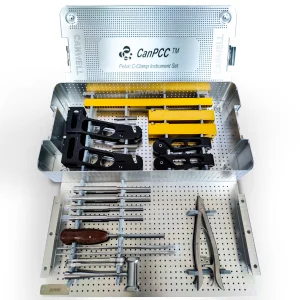
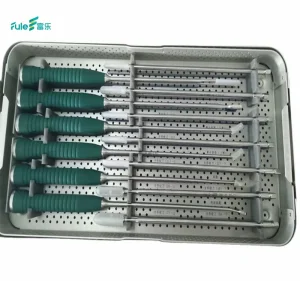
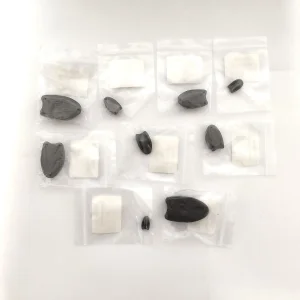
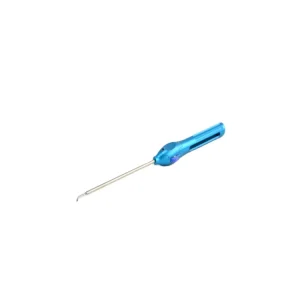
Explore our flagship catalog of surgical implants, instrumentation kits, and high-performance fixation hardware.
An in-depth review of distal radius fracture management, structural ergonomics, and industrial shifts.
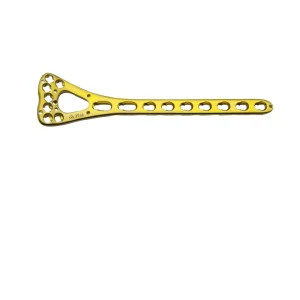
Distal radius fractures (DRFs) remain among the most frequent bone injuries treated by orthopedic surgeons globally, accounting for nearly 18% of all adult fractures. Historically managed through non-operative casting or percutaneous Kirschner wiring, the clinical paradigm has shifted decisively toward open reduction and internal fixation (ORIF) using anatomically shaped distal radius volar locking plates. This transition is backed by extensive clinical evidence demonstrating that anatomic restoration of the articular surface reduces the incidence of post-traumatic arthrosis and enables early mobilization, improving the patient's long-term quality of life.
In the global market, China has emerged as the premier manufacturing engine for class-III orthopedic implants. Driven by massive technological upgrades, high-precision Swiss-type CNC lathes, and strict adherence to international quality management guidelines (such as ISO 13485 and FDA 21 CFR Part 820), Chinese manufacturers like Synoviq Medical Technology offer premium, biocompatible implant systems that rival Western counterparts at a sustainable cost structure. This capability supports healthcare infrastructure globally, particularly during dynamic procurement shifts and budgetary adjustments.
Dedicated to delivering innovative, reliable, and high-quality medical solutions for healthcare professionals worldwide.
Synoviq Medical Technology (China) Co., Ltd. is a professional manufacturer of orthopedic implants and surgical instruments, dedicated to delivering innovative, reliable, and high-quality medical solutions for healthcare professionals worldwide. Since its establishment, Synoviq has focused on research, development, precision manufacturing, and international quality standards, providing comprehensive OEM and ODM services for global medical device brands, distributors, and hospitals.
Our product portfolio includes trauma fixation systems, spinal implants, locking plates, intramedullary nails, external fixation systems, orthopedic screws, surgical instruments, and customized orthopedic solutions. Equipped with advanced CNC machining centers, precision inspection equipment, and modern clean production facilities, we ensure every product meets strict international quality requirements.
Driven by continuous innovation, Synoviq invests heavily in R&D and intelligent manufacturing to enhance product performance, surgical efficiency, and patient outcomes. Our experienced engineering team works closely with customers to develop customized products tailored to different clinical applications and market demands.
With a customer-oriented philosophy, competitive pricing, stable supply capability, and efficient technical support, Synoviq has established long-term partnerships with distributors, medical brands, and healthcare organizations across Europe, North America, South America, the Middle East, and Asia-Pacific.
| Item / Parameter | Detailed Specifications & Capabilities |
|---|---|
| Company Name | Synoviq Medical Technology (China) Co., Ltd. |
| Brand | Synoviq |
| Established | March 18, 2016 |
| Building Area | 18,600 m² |
| Annual Export Revenue | USD 21.8 Million |
| Export Experience | 8 Years |
| Industry Experience | 14 Years |
| Quality Inspection | 100% Final Inspection & Incoming Material Inspection |
| Product Inspection Methods | CMM Measurement, Mechanical Testing, Surface Roughness Testing, Hardness Testing, Salt Spray Testing, Sterility Validation |
| Quality Control Staff | 48 Quality Control Professionals |
| Business Type | Manufacturer & Exporter (OEM/ODM) |
| Main Markets | Europe, North America, South America, Middle East, Southeast Asia |
| Supply Chain Partners | 1,120+ Verified Partners |
| Main Customer Types | Medical Device Brands, Importers, Distributors, Hospitals, Government Procurement Projects |
| R&D Capability | Independent Product Design, Prototype Development, Clinical-Oriented Engineering, OEM & ODM Development |
| Customization Options | Logo Customization, Packaging Customization, Product Design Customization, Material Selection, Surface Treatment |
| New Products Released Last Year | 186 New Surgical Solutions |
| R&D Engineers | 76 Engineers |
A comprehensive step-by-step look at our clinical fabrication pipeline, machinery, and testing validation protocols.
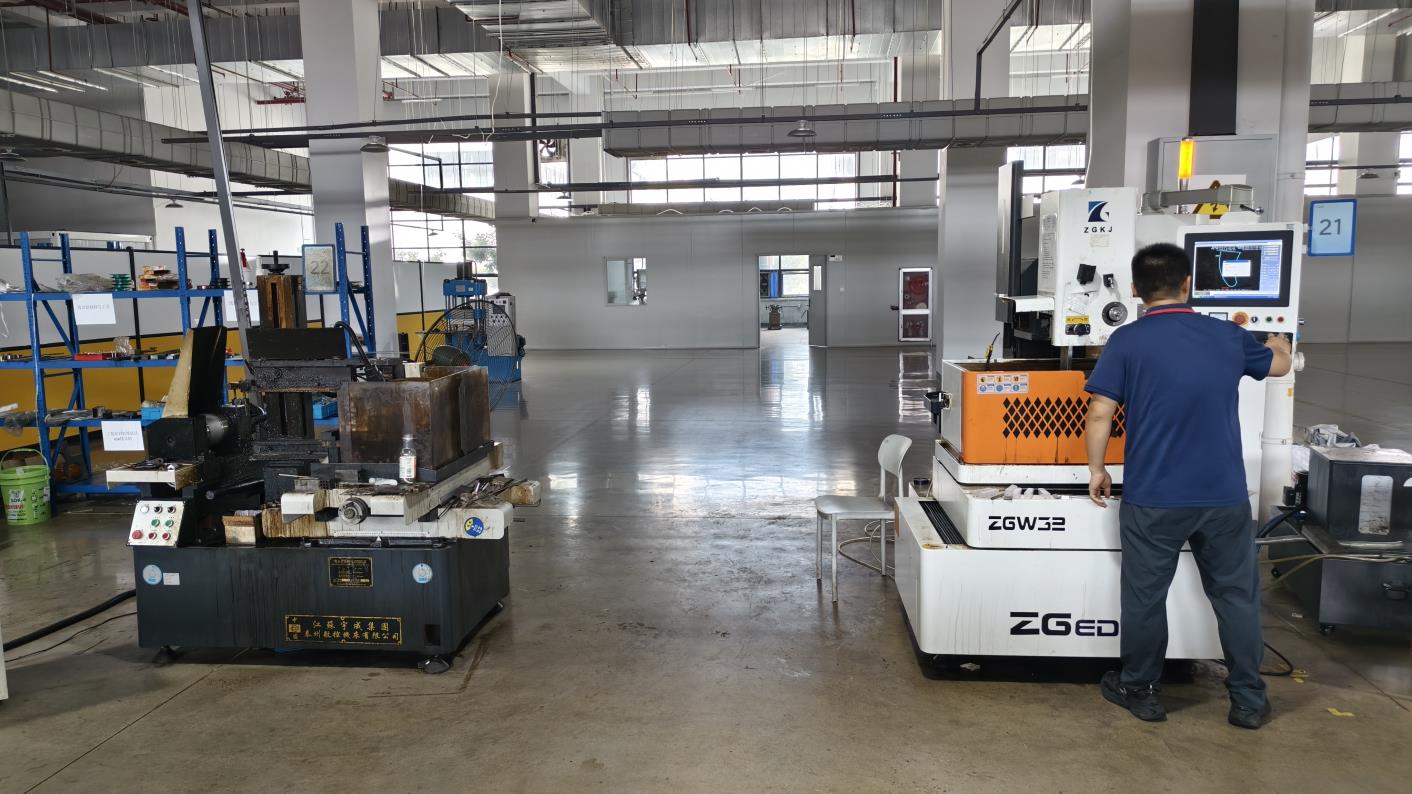
High-precision raw titanium and stainless steel stock preparation, maintaining structural grain alignment for optimal mechanical tensile load distribution.
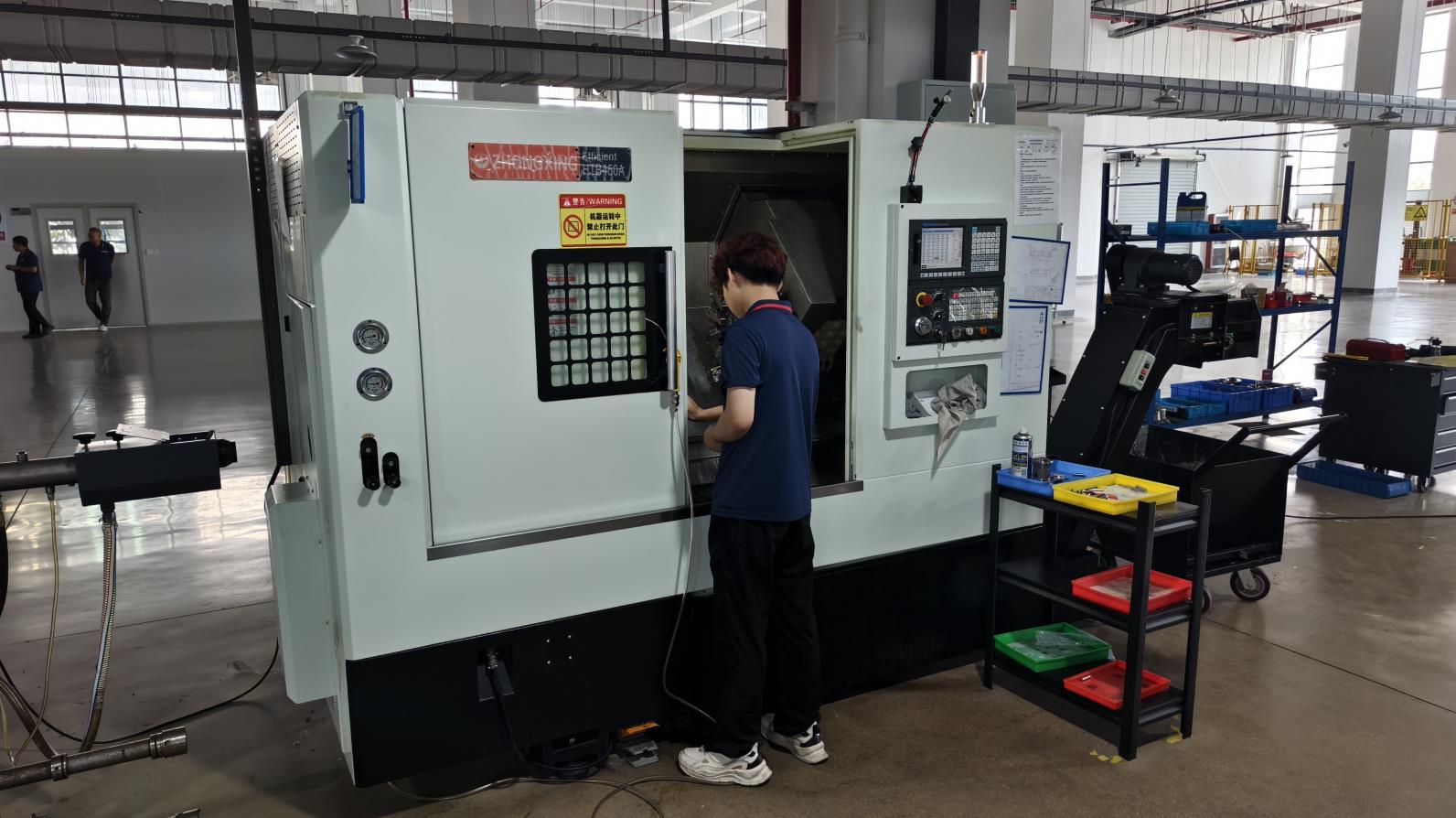
Multiaxis CNC milling profiles the anatomical curvature of volar locking plates, matching patient osteological topography.
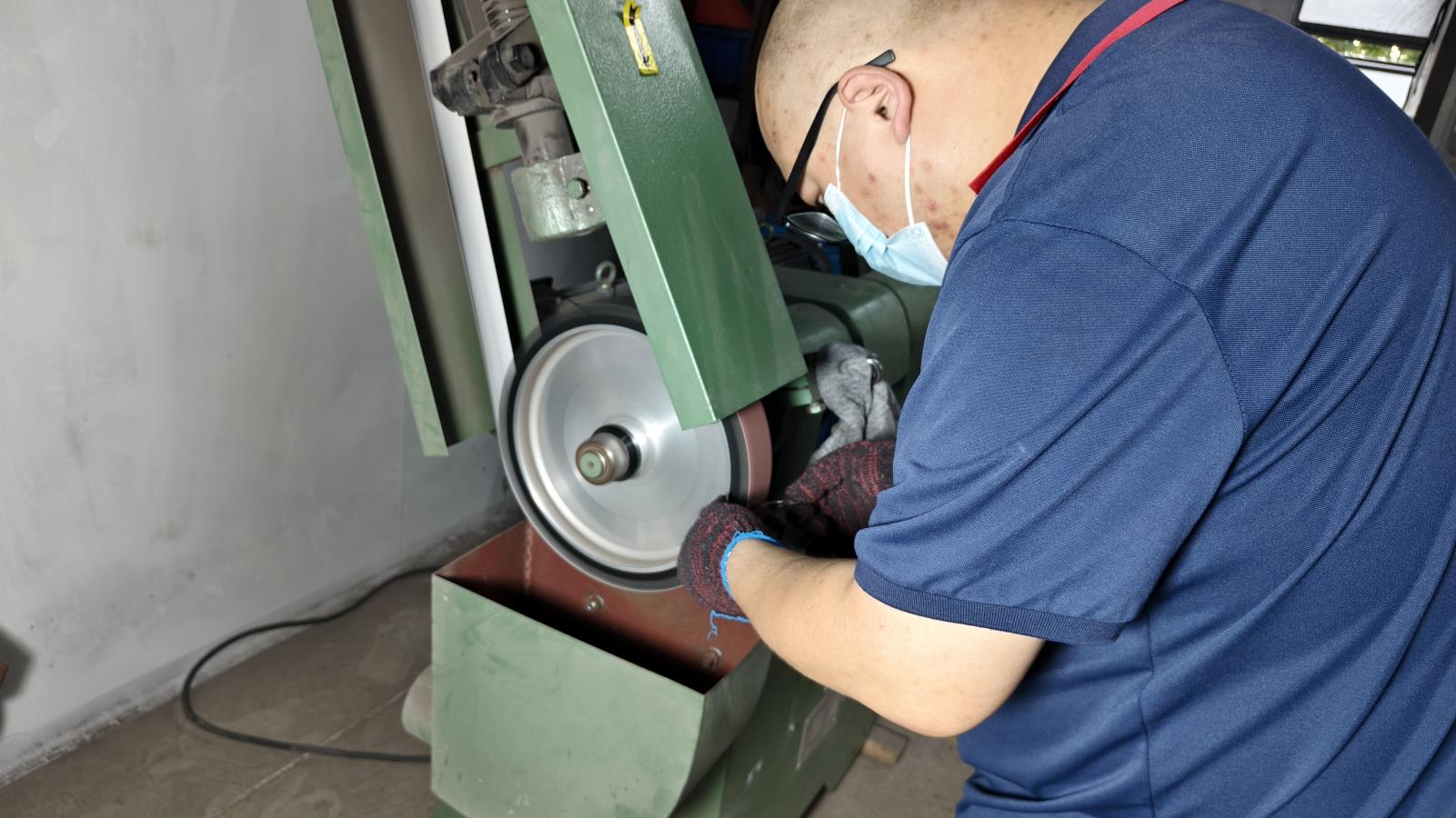
Removes micro-burrs and sharp margins to prevent local soft tissue irritation, adhesion, or tendon rupture post-operation.
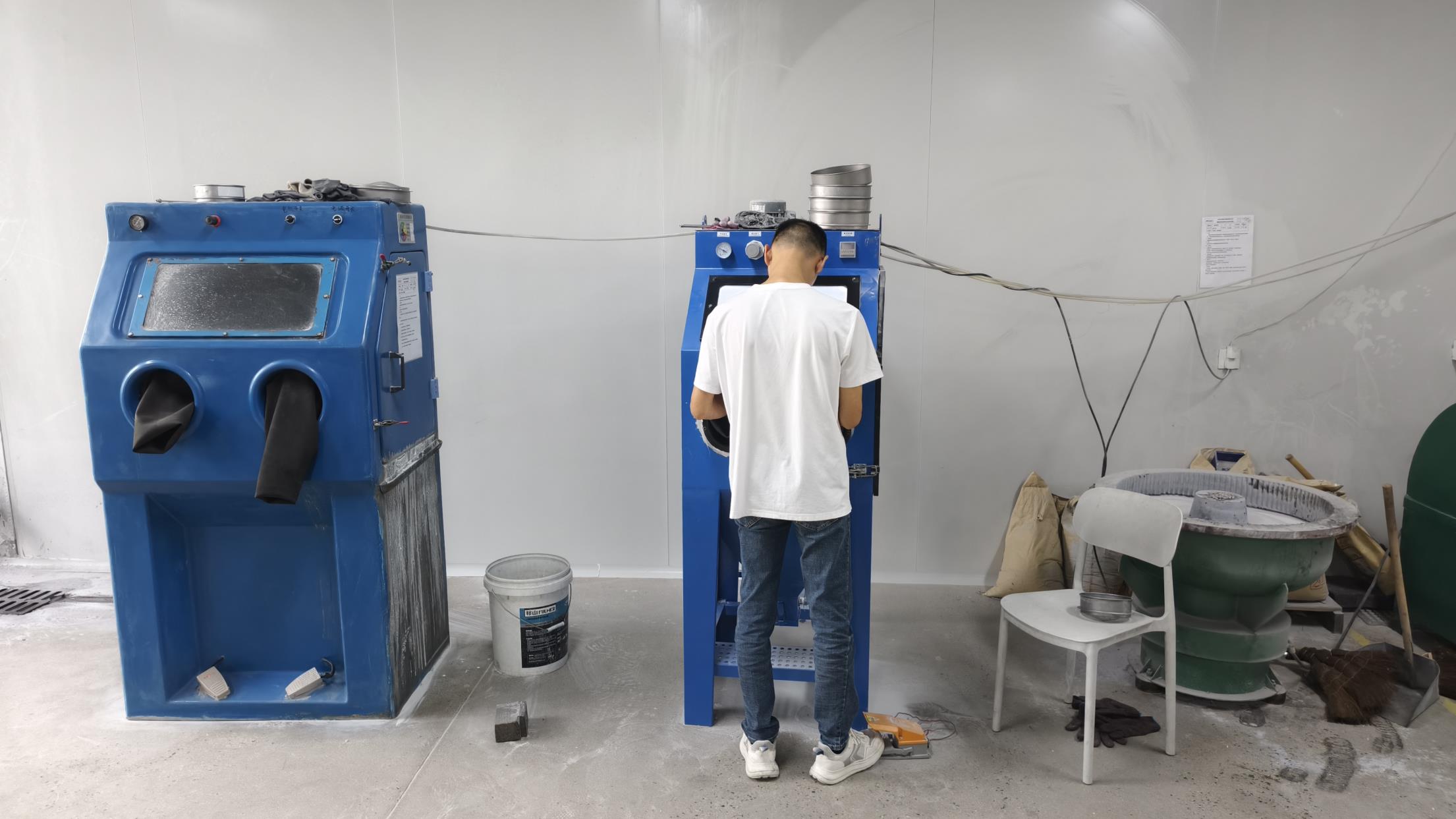
Generates a protective passive oxide layer to enhance corrosion resistance and support anatomical color-coding (Type II/III anodizing).
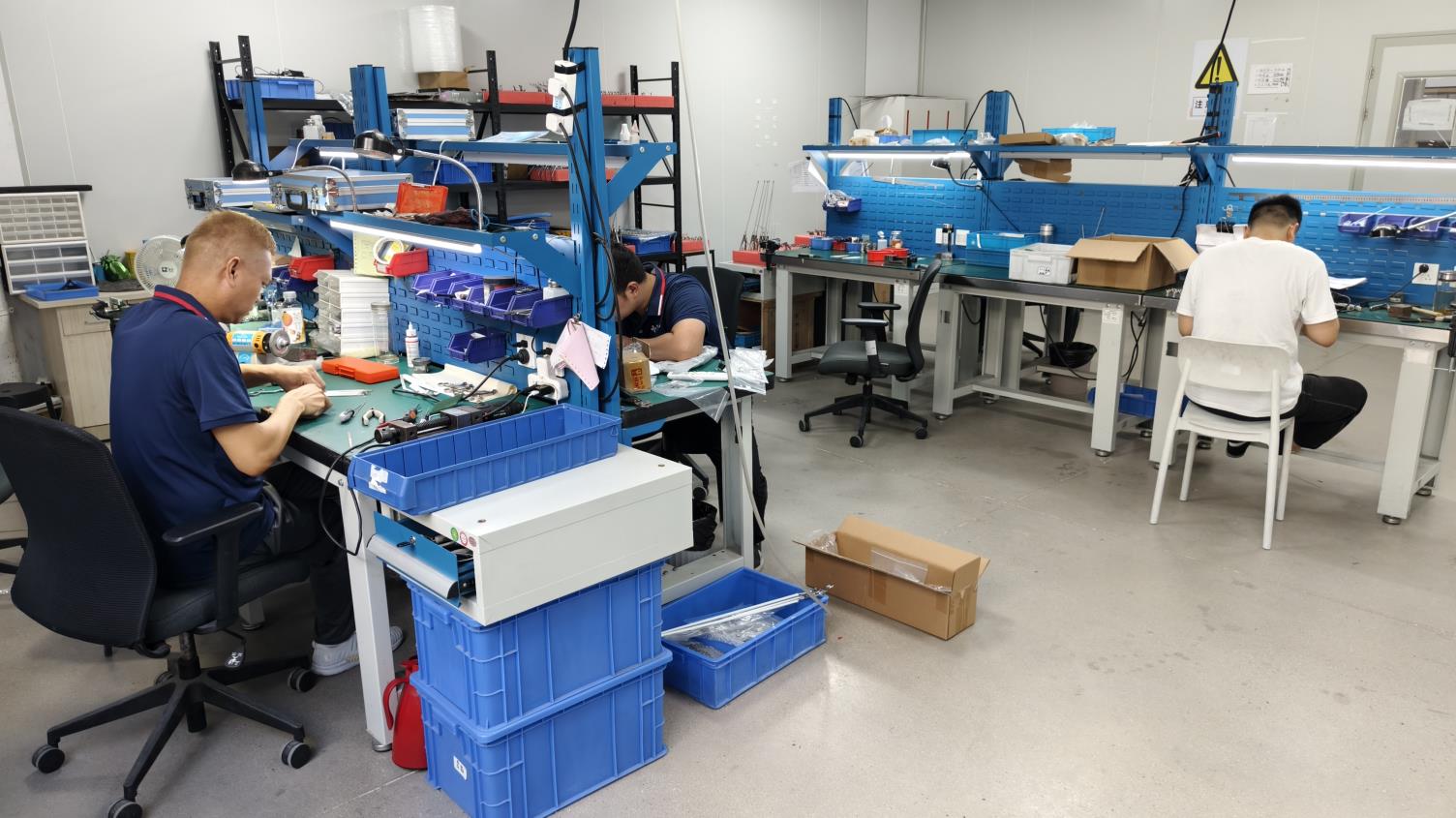
Implant and screw coupling parts are pre-assembled and verified inside strict ISO Class 7 cleanrooms to ensure pristine hygiene.
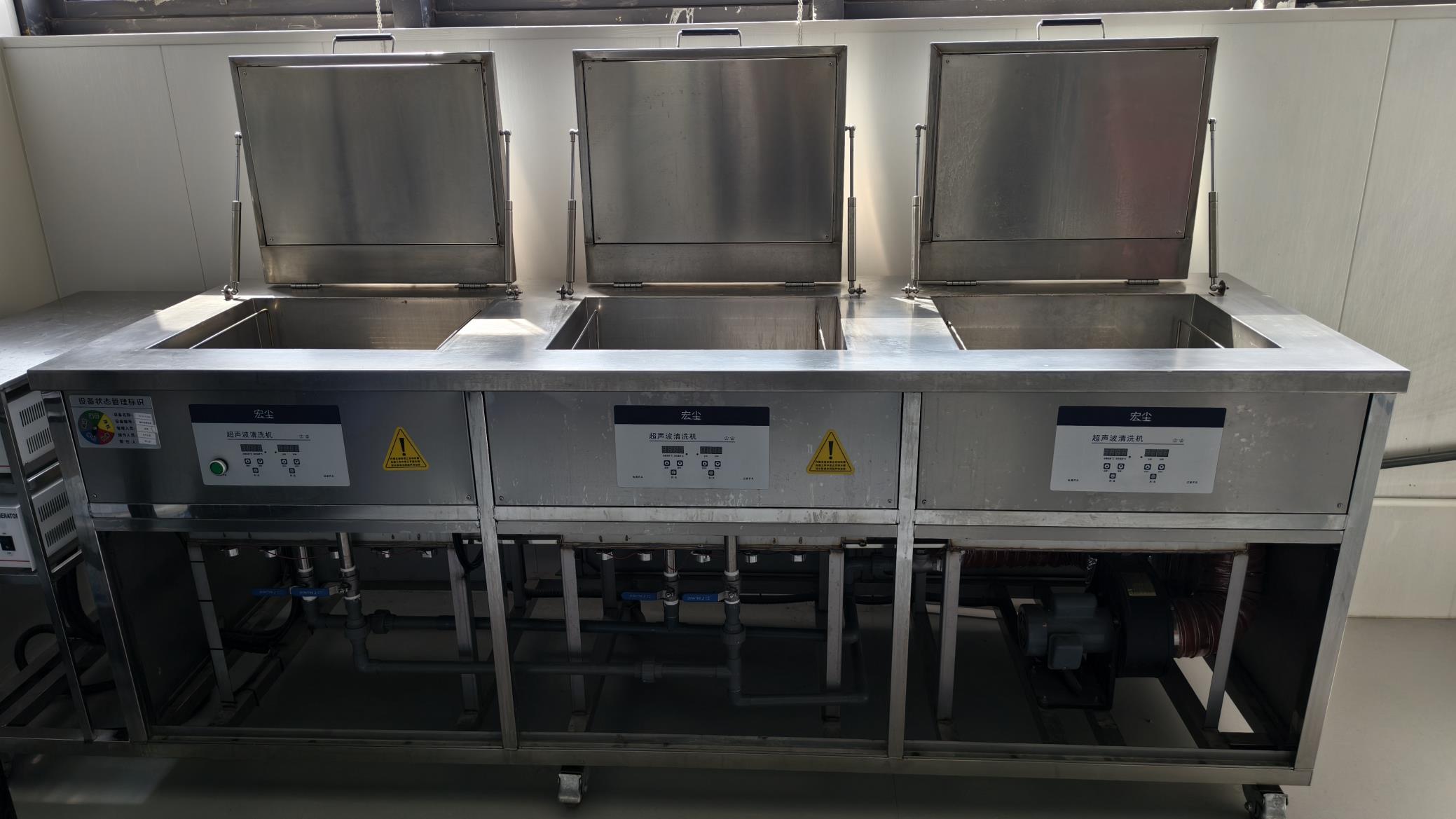
Uses pyrogen-free purified water cycles to remove residual oils, polishing compounds, and chemical micro-impurities.
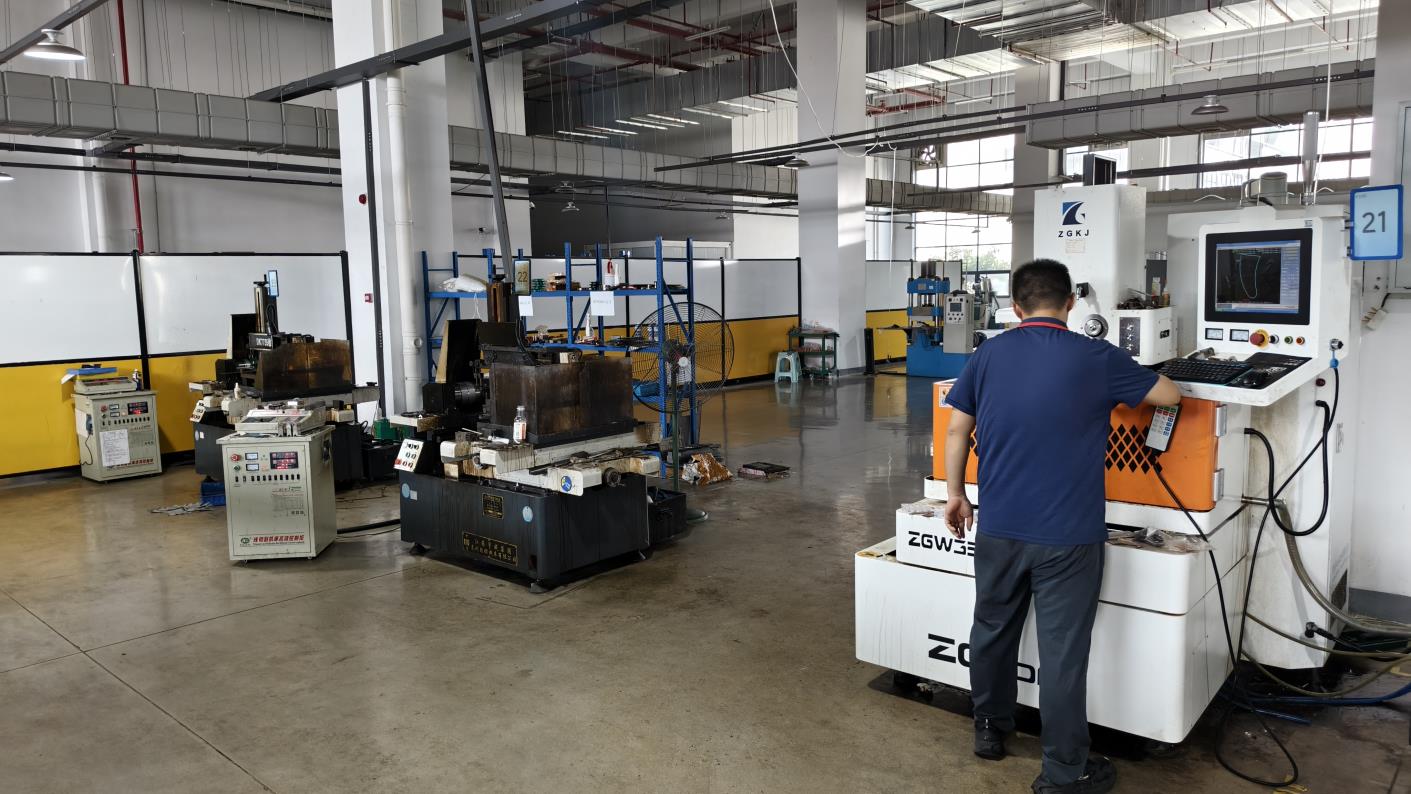
Utilizes ultra-fine wire cutting to form complex geometries and precise slits in dynamic locking plates without stress concentration.
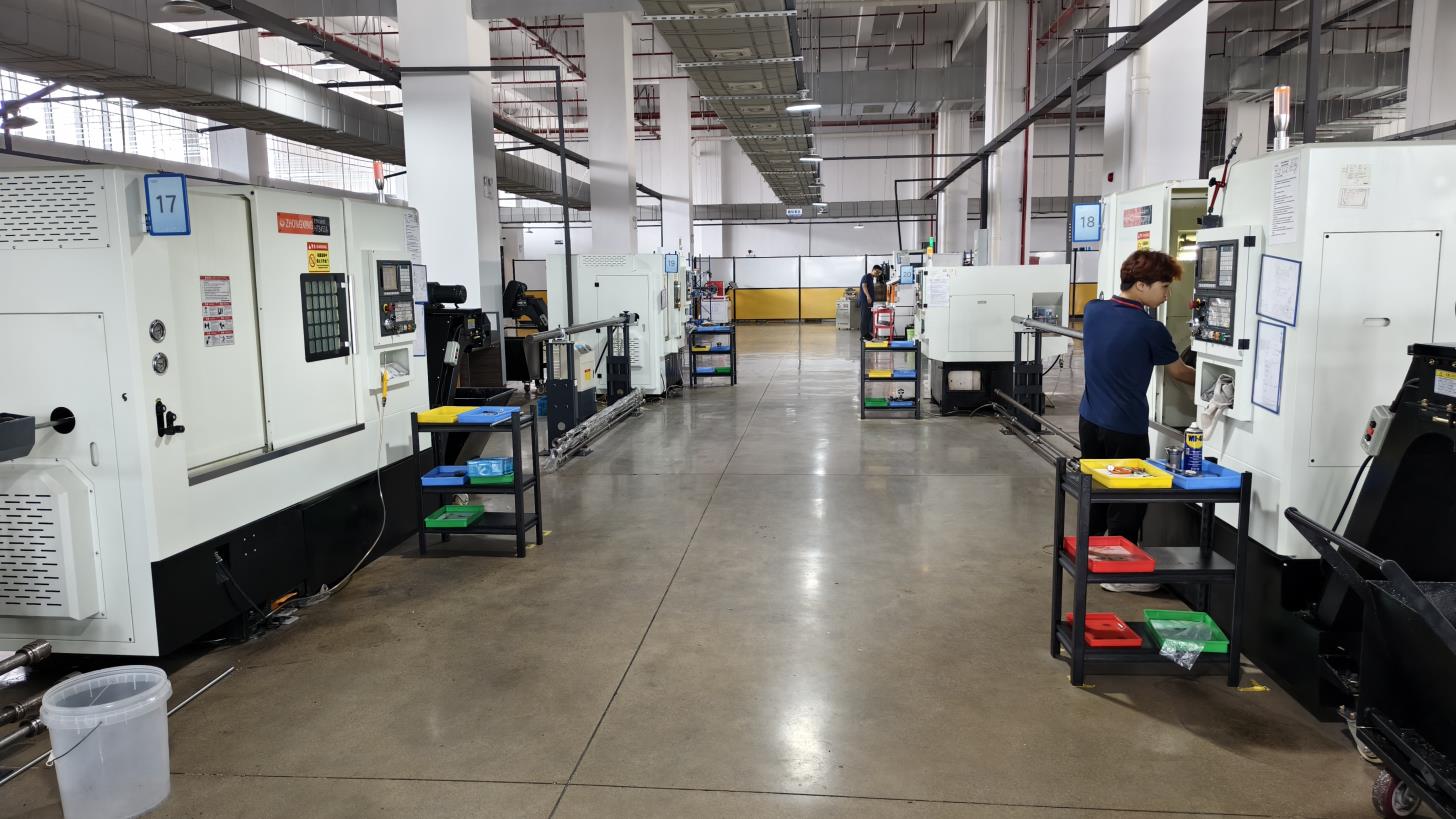
Executes structural component profiles with tight dimensional tolerances within the micron range.
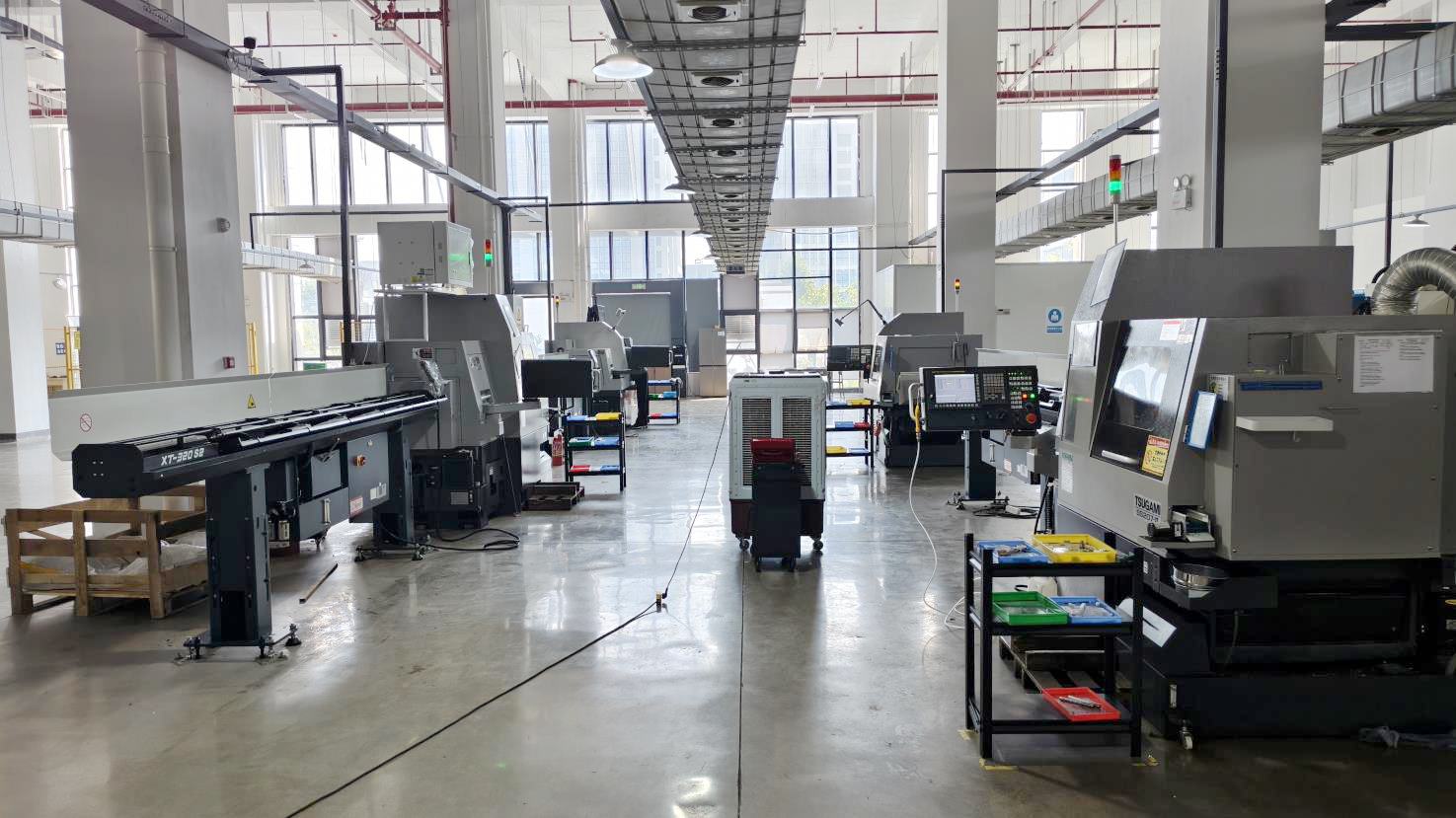
Optimized for orthopedic screws. Cuts threading profiles and self-tapping flutes in a single continuous operational sequence.
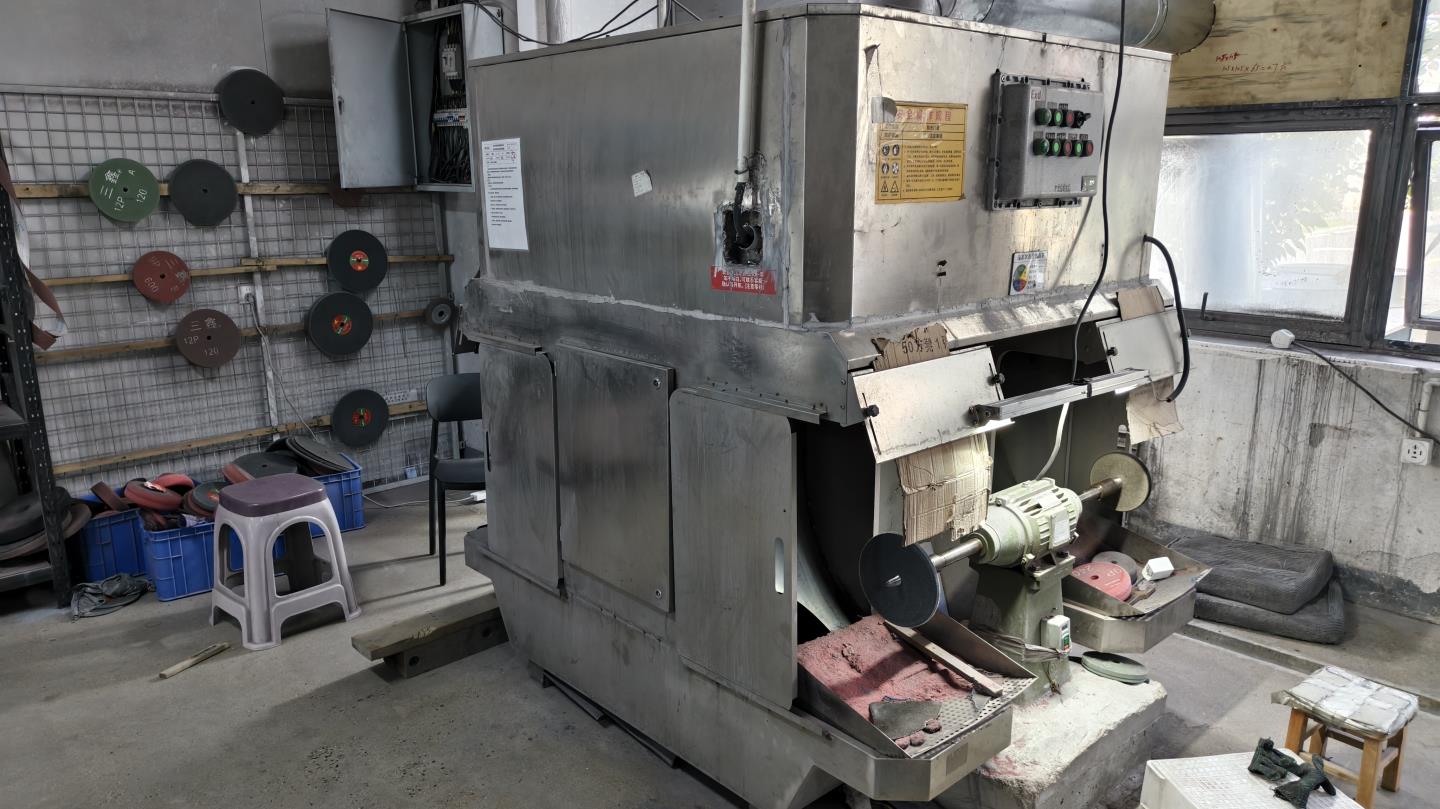
Achieves sub-micron surface finishes, minimizing frictional coefficients for guide wires and instrumentation sliding channels.
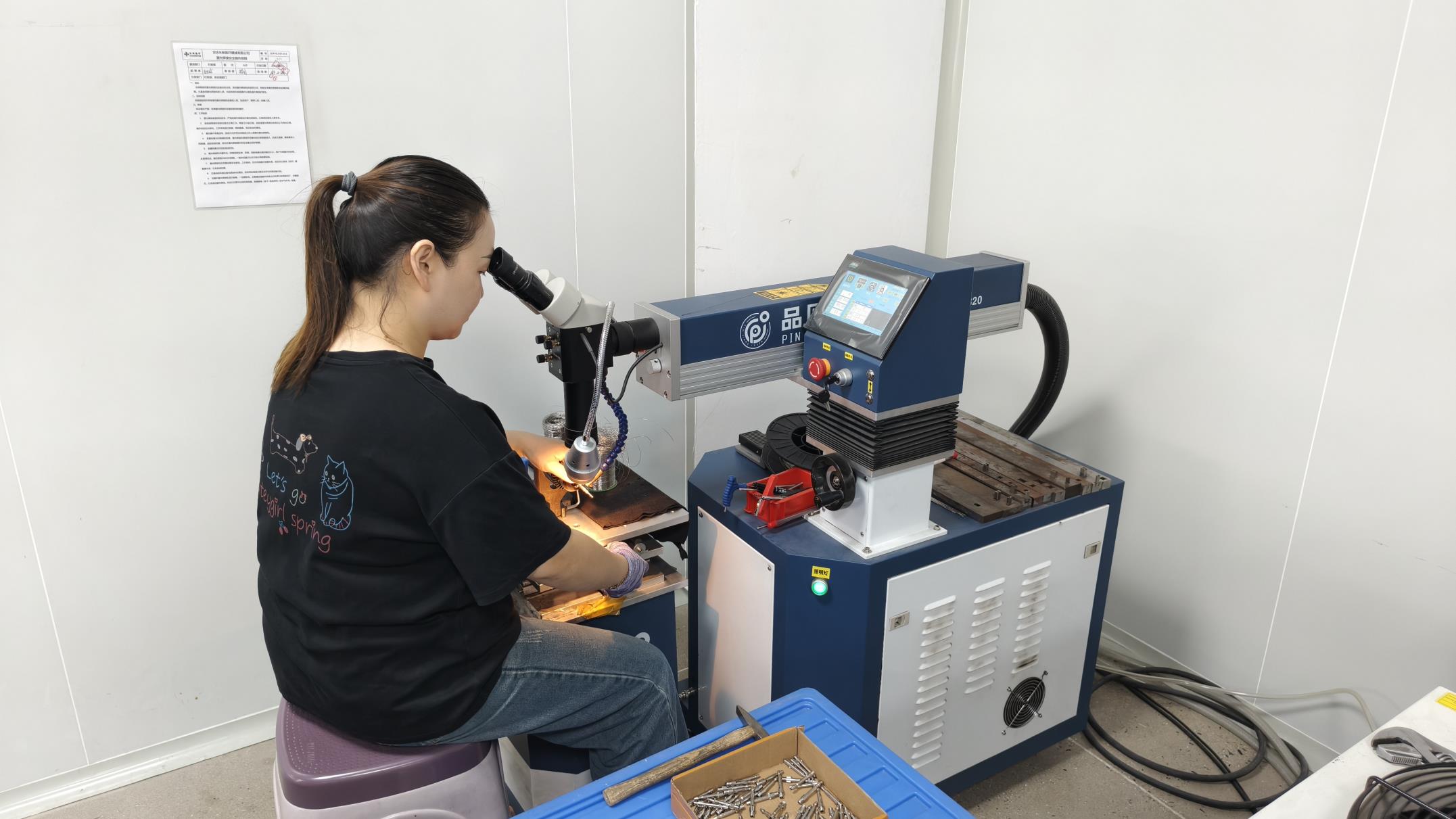
Provides highly localized, deep-penetration weld seams with minimal thermal distortion, keeping structural integrity intact.
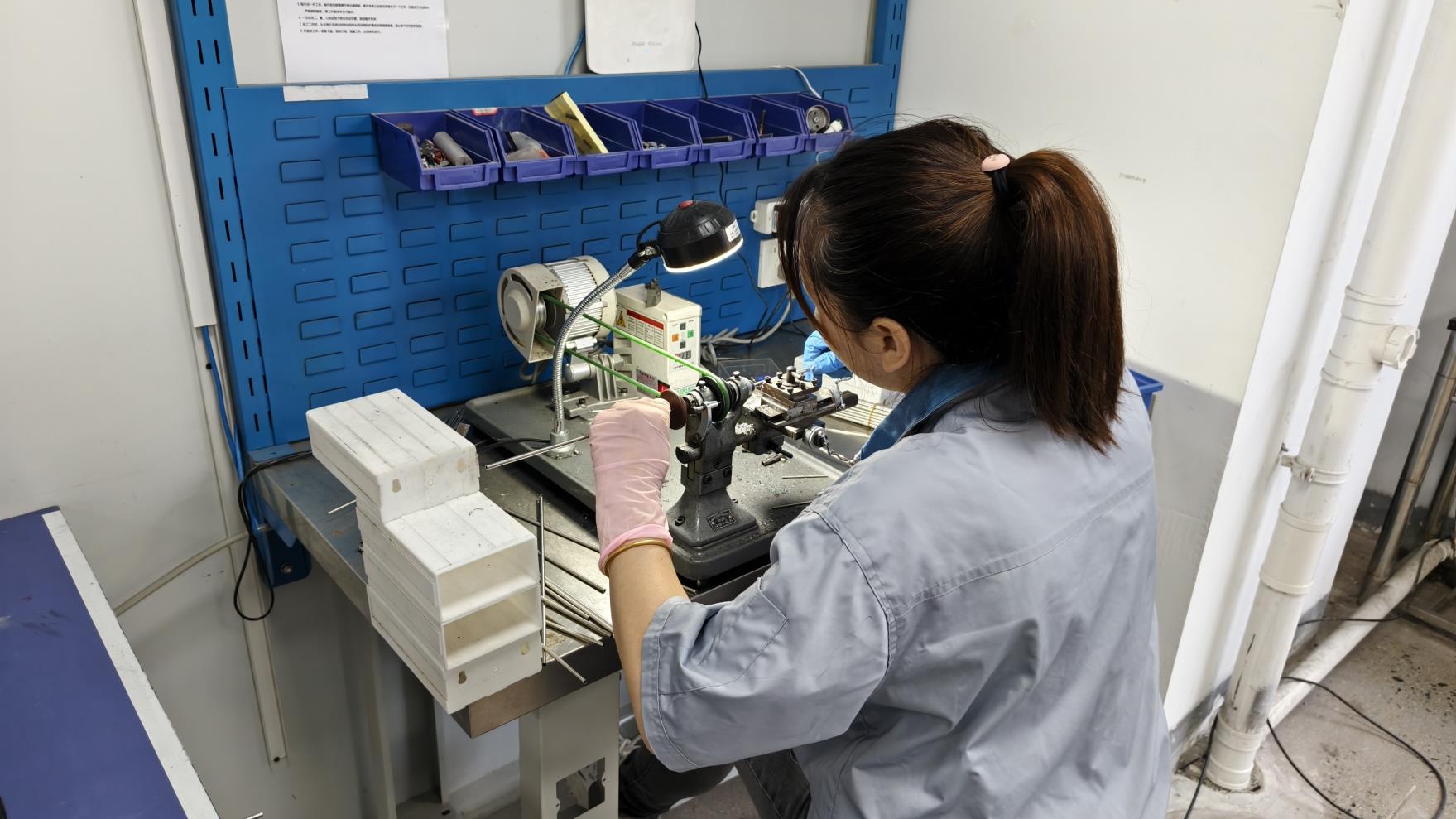
Utilized for prototyping, auxiliary instrument tooling, and raw billet sizing operations prior to finish machining.
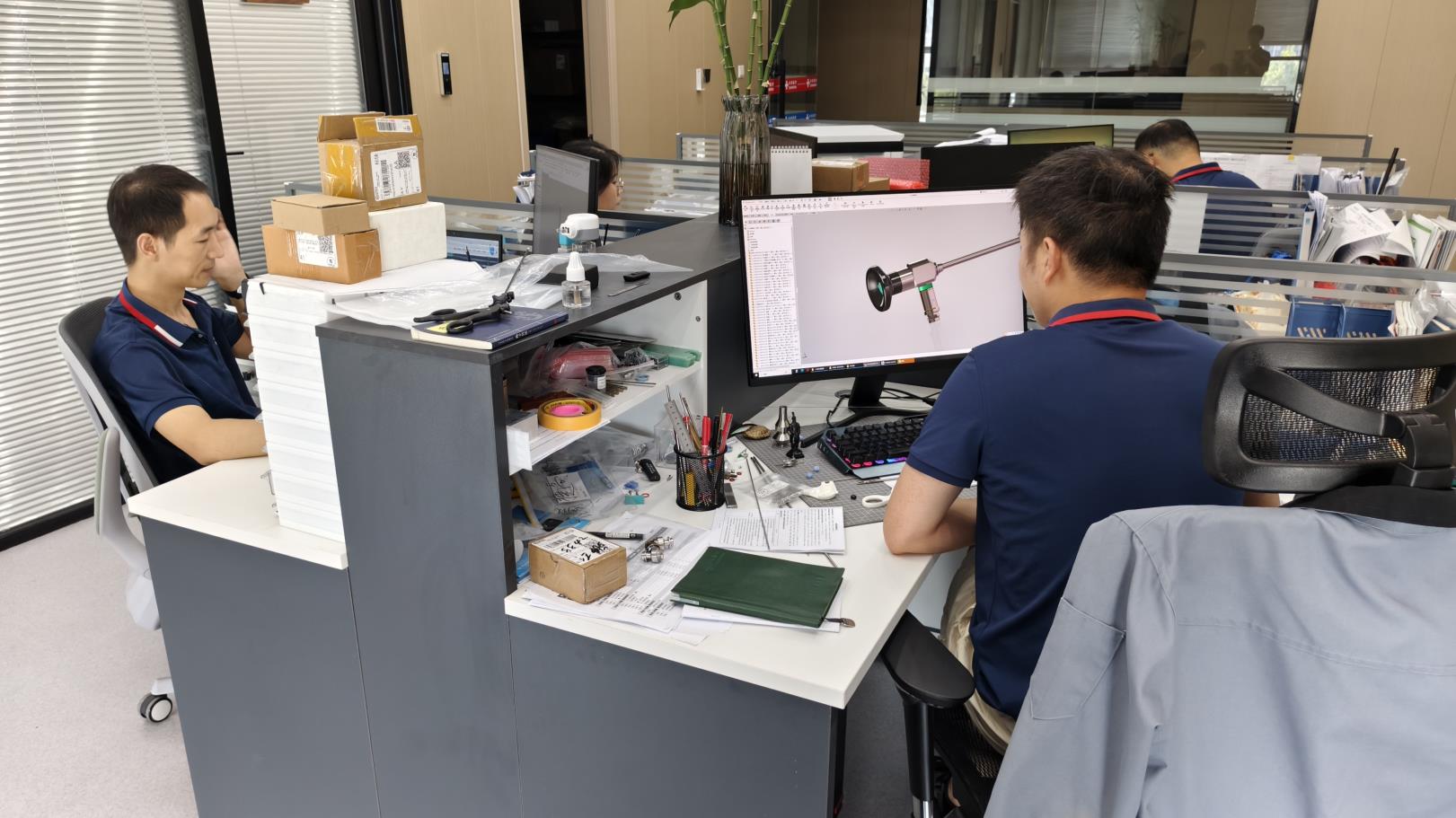
Uses Finite Element Analysis to simulate physiological load distributions and optimize plate-screw structural dynamics.
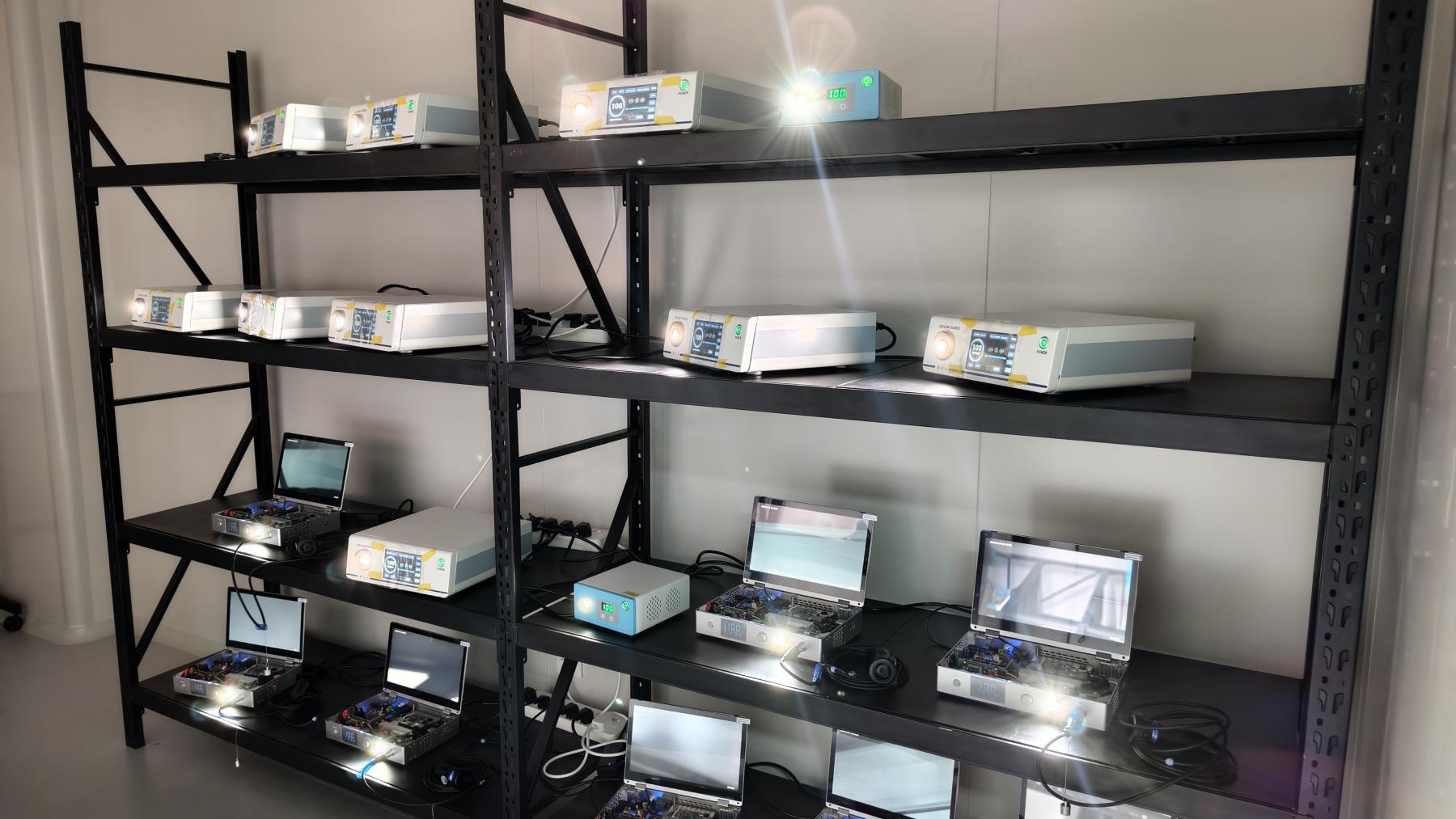
Evaluates sterile barrier packaging and mechanical performance profile deterioration under accelerated aging scenarios.
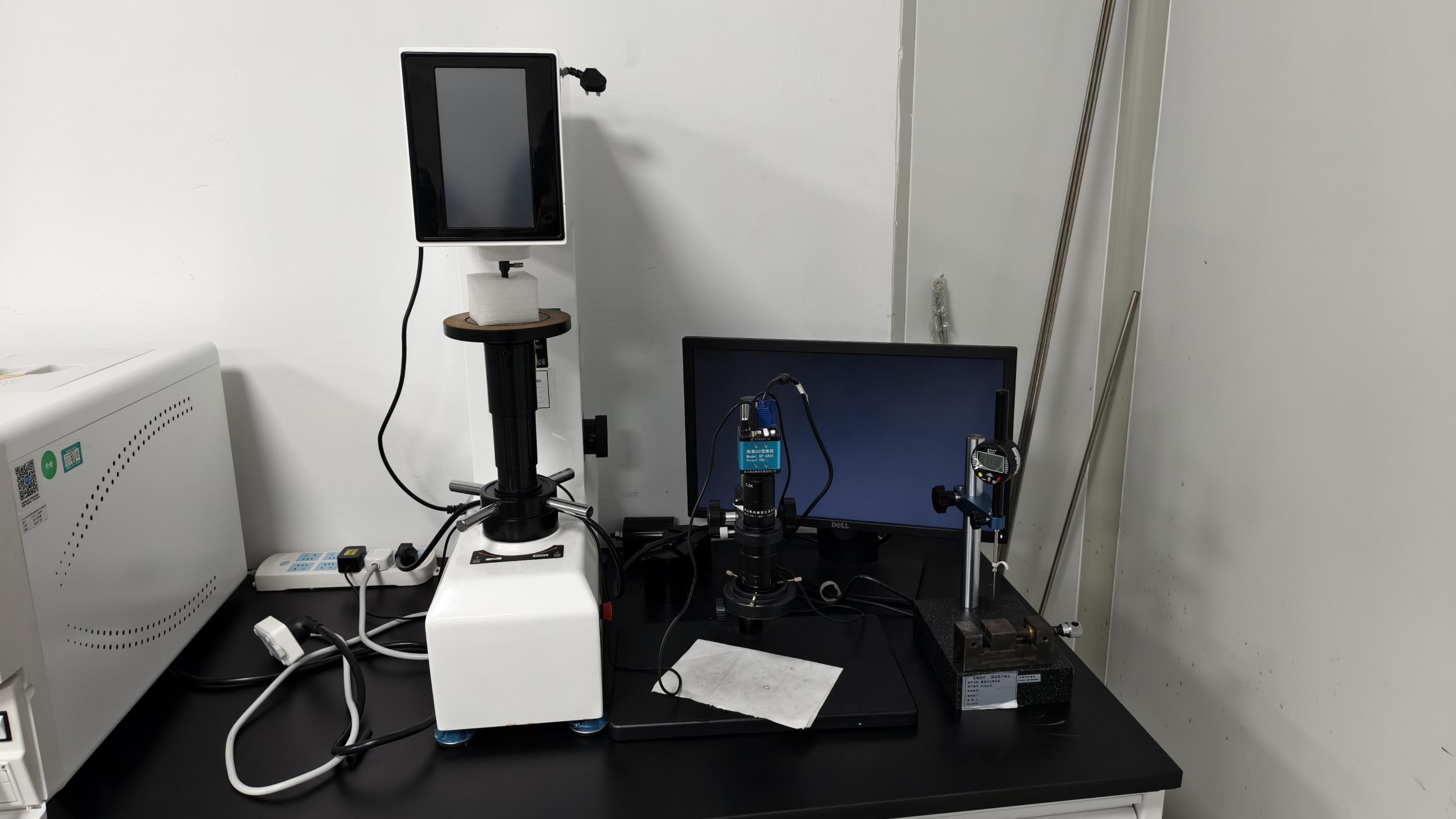
Inspects locking threads and edges for micro-fractures, burrs, or crystal defects at up to 1000x zoom.
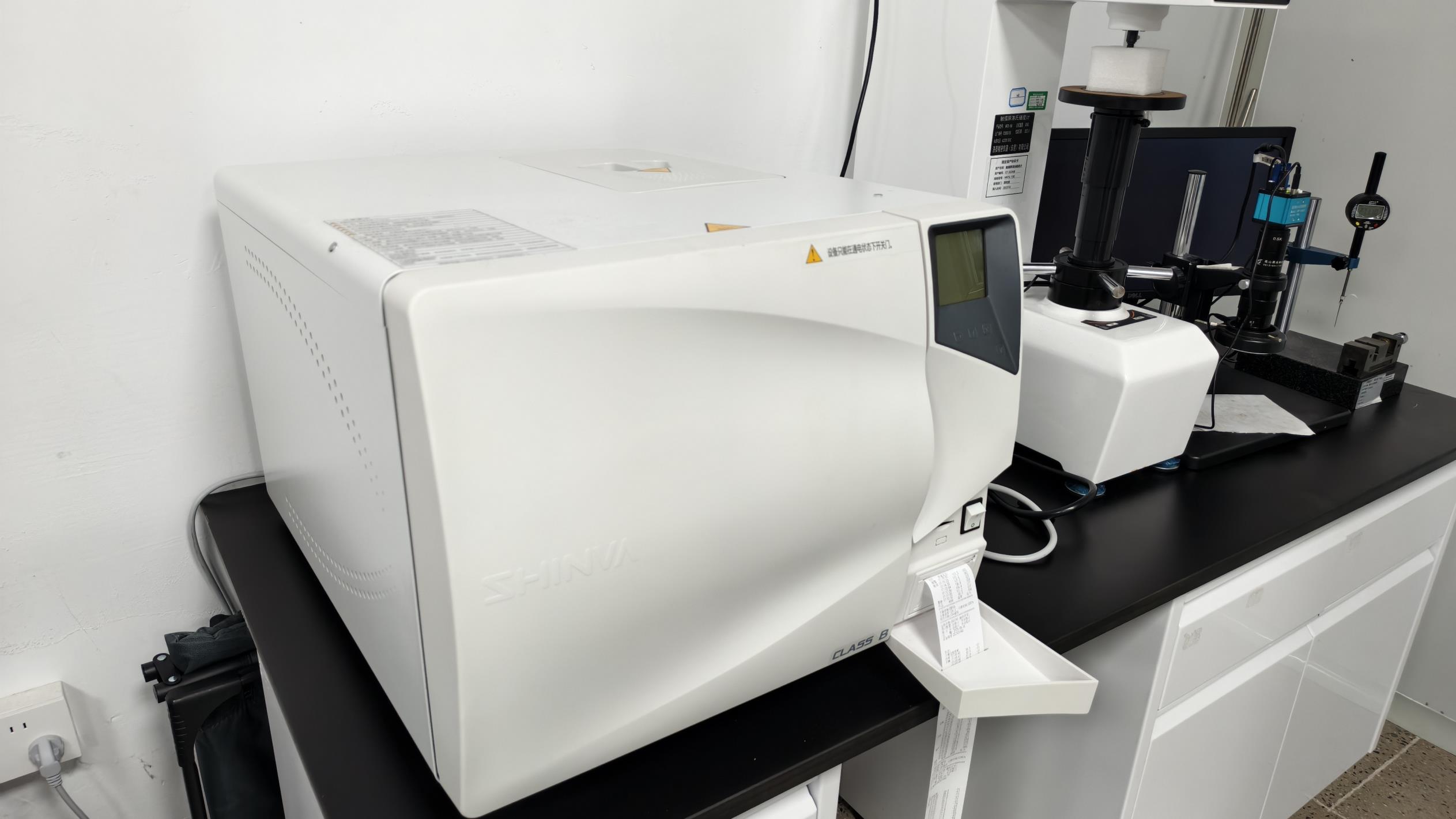
Validates parameters for sterilization cycles, confirming zero bioburden survival on reusable orthopedic instruments.
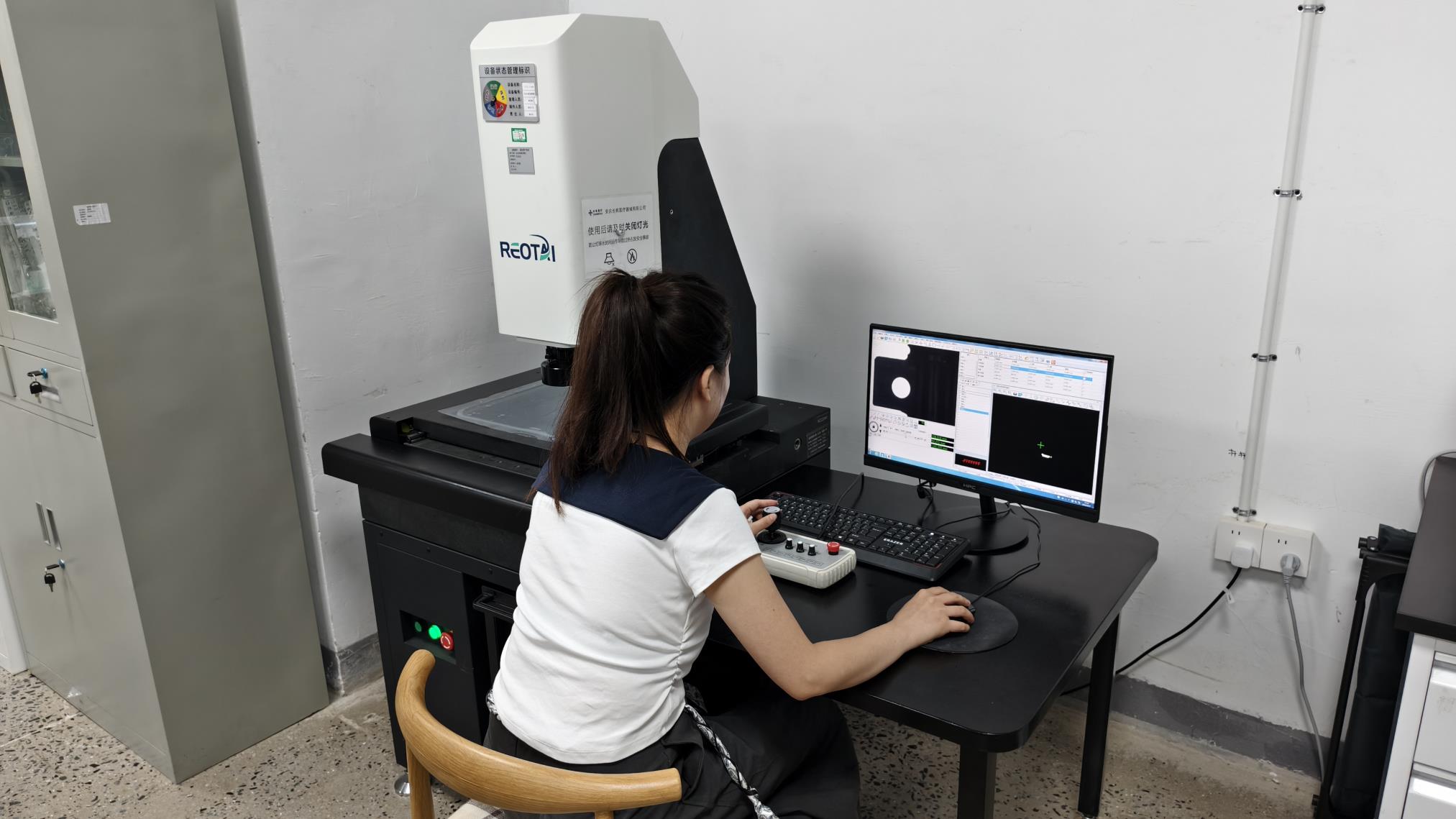
Executes non-contact optical measurements of screw thread pitch and plate hole dimensions for consistent screw fitment.
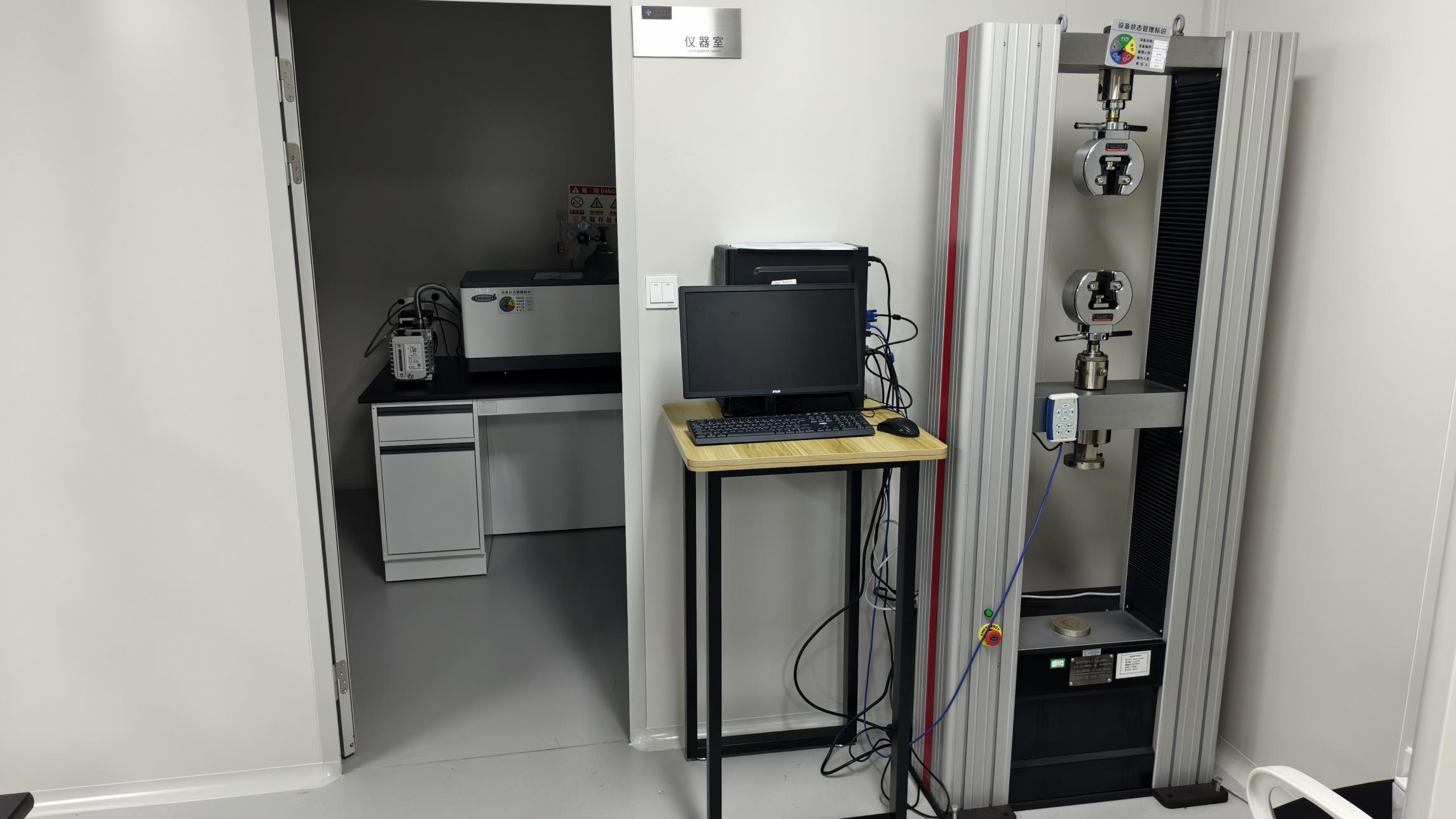
Tests structural limits and fatigue resistance under cyclical loading to prevent in-vivo plate fractures during bone healing.
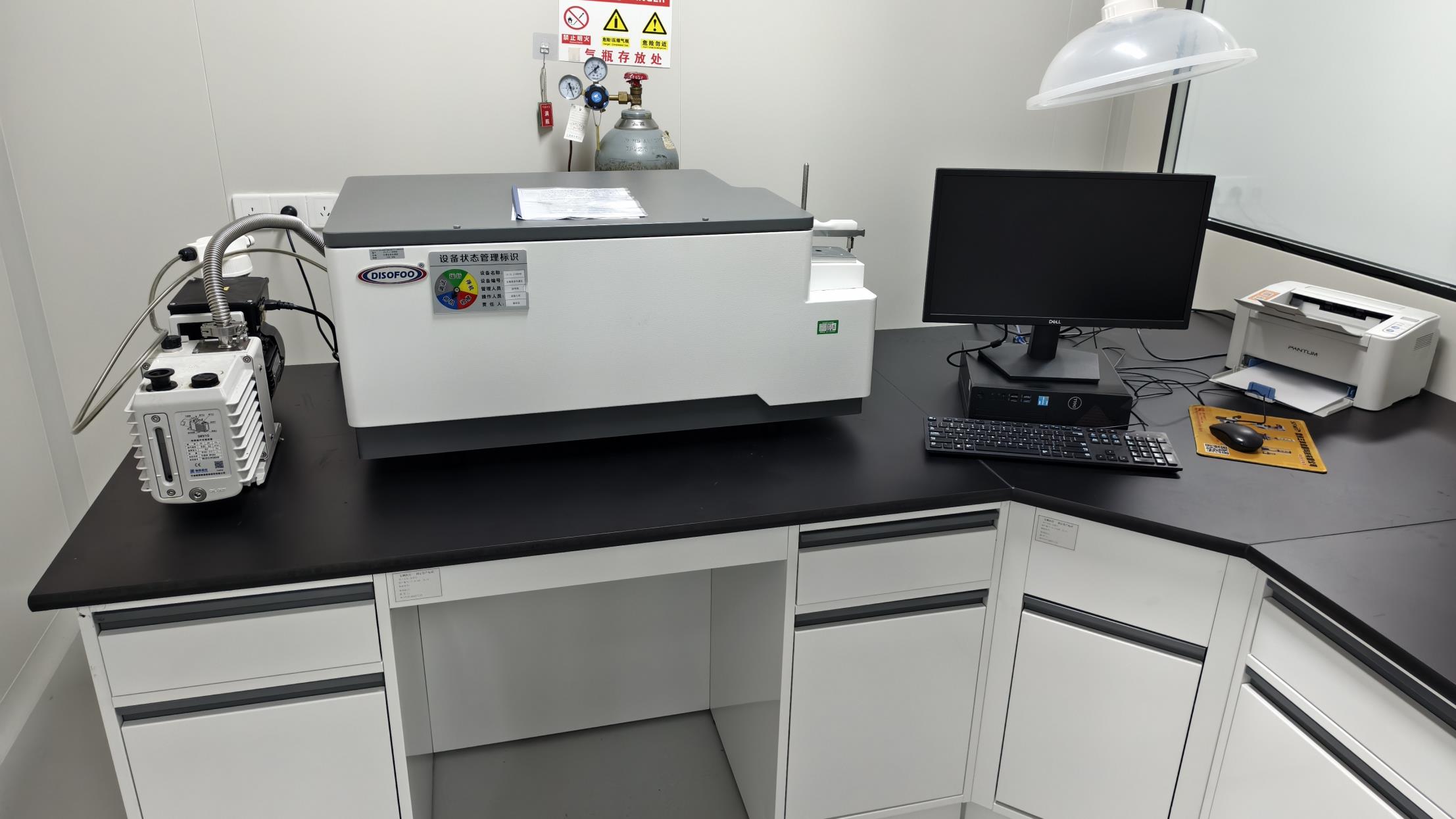
Verifies the chemical composition of incoming titanium alloys, ensuring compliance with ISO 5832-3 and ASTM F136 standards.
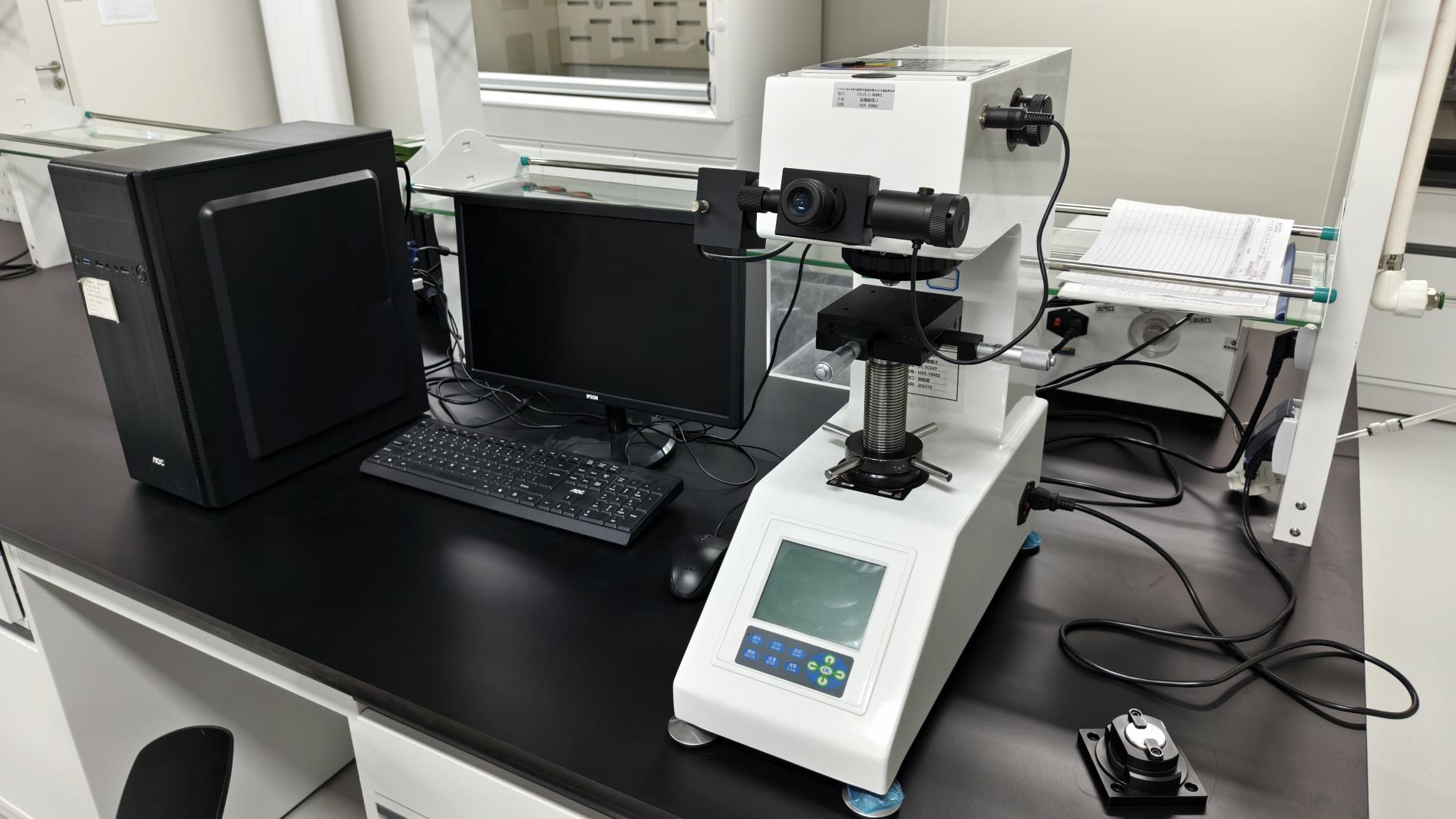
Measures material structural resistance parameters to prevent screw strip-out or plate deformation during locking.
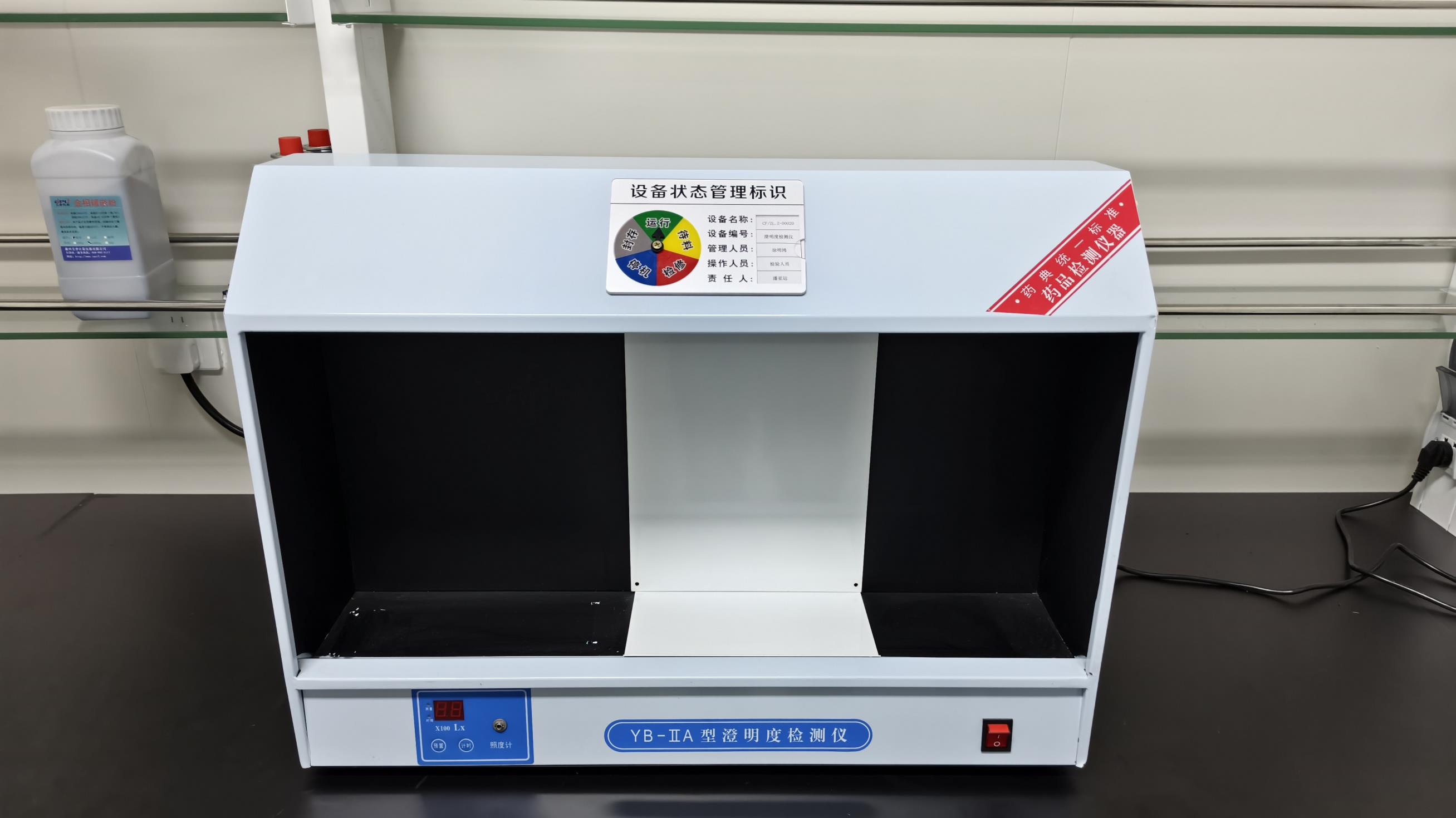
Monitors water purity and chemical residue during cleaning, verifying zero particulate contamination.
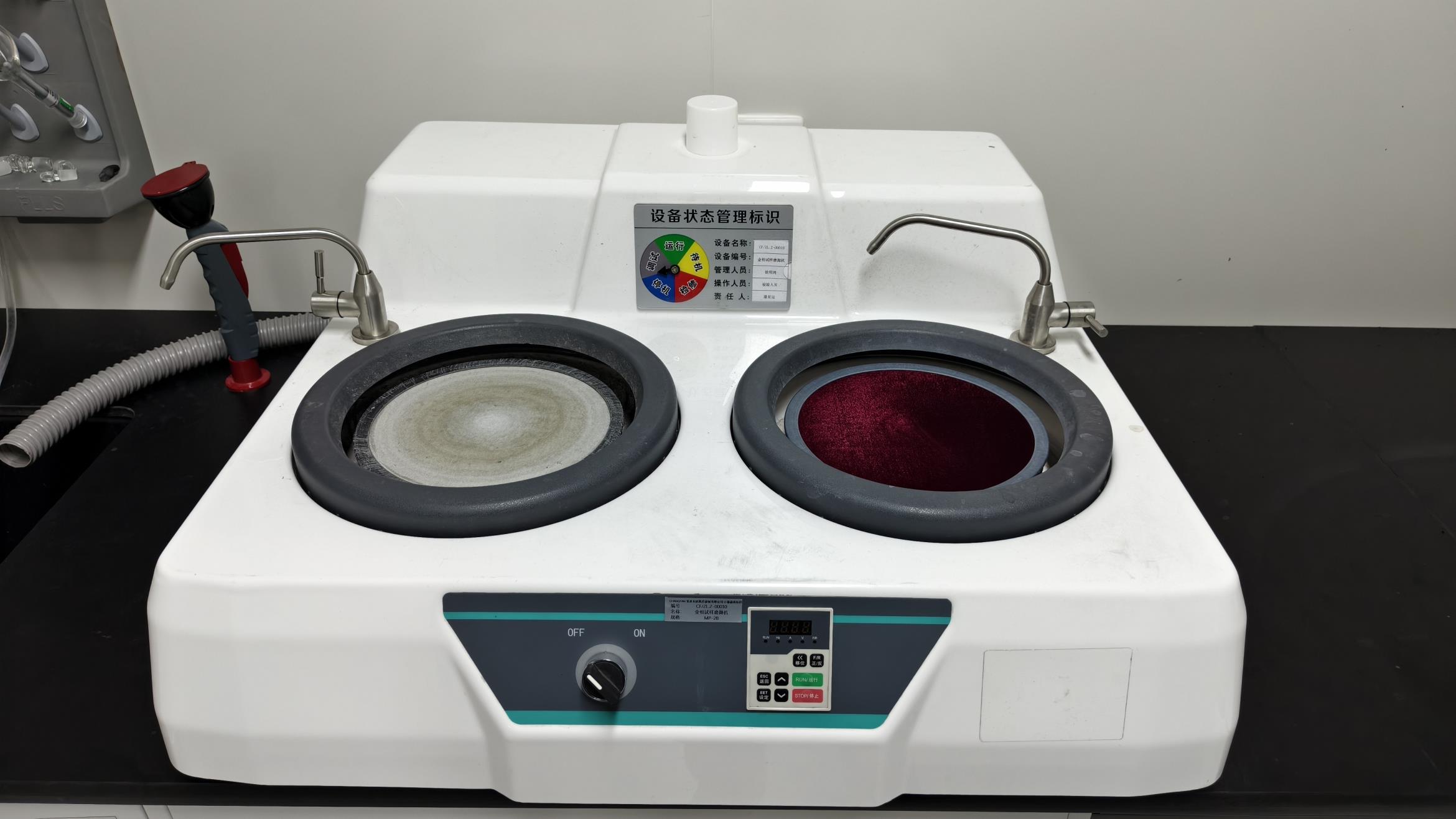
Prepares cross-sections to examine alloy grain structure and ensure no internal micro-voids exist.
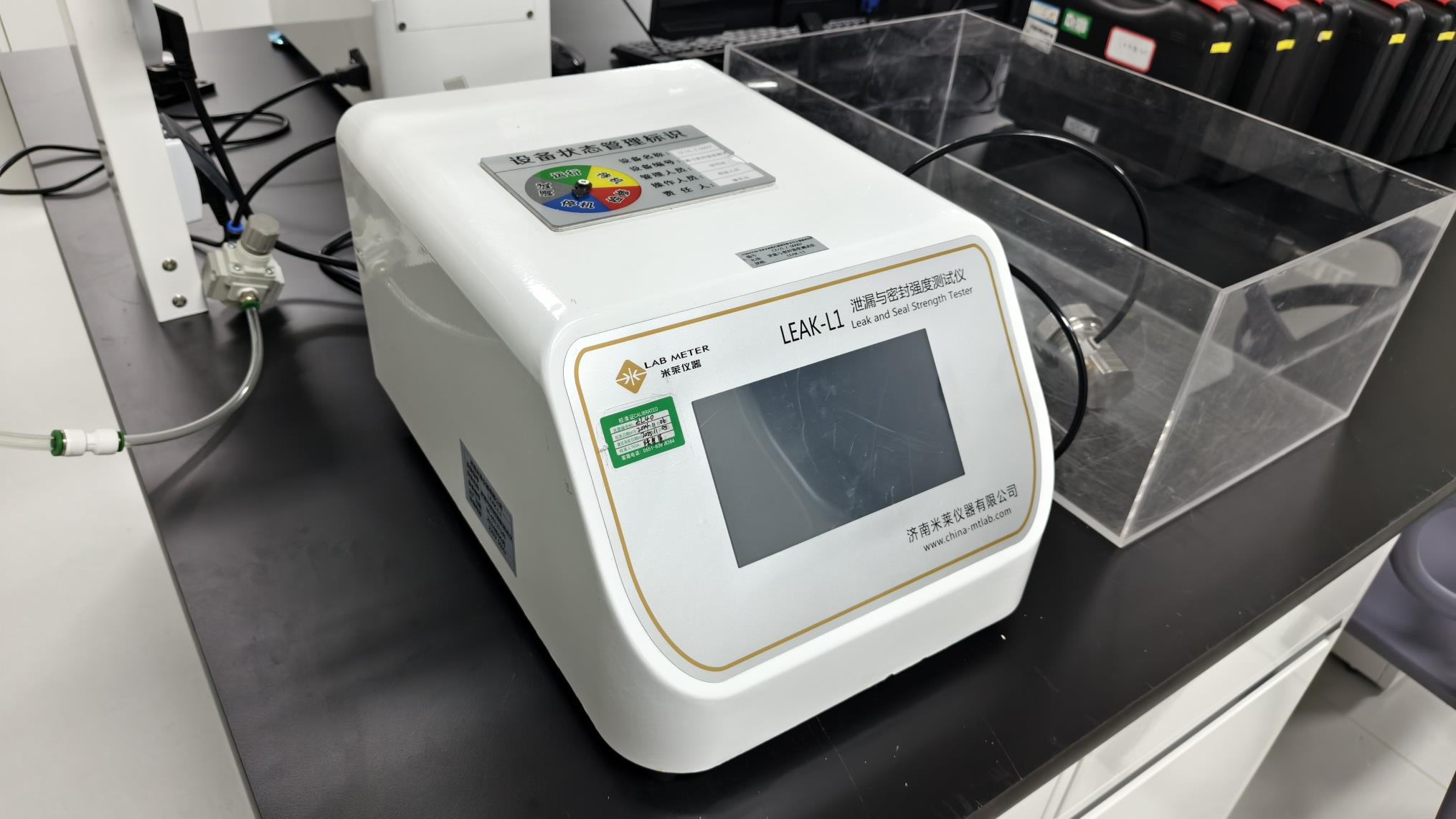
Verifies the integrity of sterile pouch seals, guaranteeing a 5-year sterile shelf life under proper storage conditions.
Pioneering advancements in low-profile geometry, polyaxial locking mechanisms, and tissue preservation.
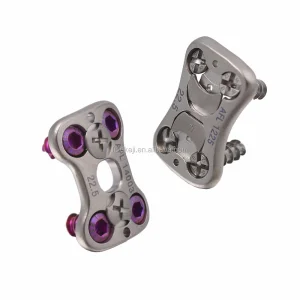
Our distal radius plates feature a low-profile construct (thickness under 1.6mm) and rounded margins. This configuration reduces contact with the pronator quadratus and flexor tendons, lowering the risk of flexor pollicis longus (FPL) tendon rupture—a common clinical complication associated with older volar plate designs.
Featuring a multi-directional locking screw configuration, our plates allow surgeons to angle locking screws up to 15 degrees in any direction. This variable-angle flexibility enables targeted stabilization of complex intra-articular fragments, such as the lunate facet and radial styloid, accommodating patient-specific bone anatomy.
We apply Type II hard anodization to reduce cold-welding (galling) between titanium screws and locking plates. This treatment increases surface fatigue strength and wear resistance, facilitating easier implant removal if required after bone consolidation.
Synoviq supports global orthopedics supply chains by providing customized, high-precision products. We offer end-to-end support for B2B procurement partners, including:
Addressing key technical, regulatory, and logistics questions from procurement and medical teams.
Grade 5 Titanium (Ti-6Al-4V ELI) has a lower elastic modulus than stainless steel, which reduces stress shielding and promotes bone remodeling. It is highly biocompatible and corrosion-resistant, and its low magnetic susceptibility minimizes artifacts on postoperative MRI and CT scans.
Our designs are based on digital CT reconstructions of distal radius anatomy. The plates pre-contoured fit matches the volar ridge, minimizing the need for intraoperative plate bending. This helps preserve plate strength and reduces surgical time.
Our variable-angle volar locking plates allow screws to be angled up to 15 degrees. This enables surgeons to position screws precisely around the articular surface to secure fragmented bones in complex intra-articular fractures.
Every manufacturing run undergoes mechanical fatigue testing, coordinate measuring machine (CMM) dimensional verification, and material composition confirmation via optical emission spectrometry. For sterile configurations, we also conduct sterility and pyrogen testing.
We provide full design services, prototype development, laser-marking customization, and custom packaging. Our production capacity allows for scale-up to support government hospital tenders and private brand rollouts.
Standard OEM modifications are typically processed within 45 to 60 days. This timeline includes drawing approval, prototype validation, CNC program adjustments, and anodized finishing.
Browse additional precision orthopedic implants and instrumentation for advanced surgical needs.
 Synoviq Medical