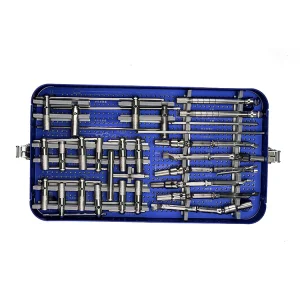
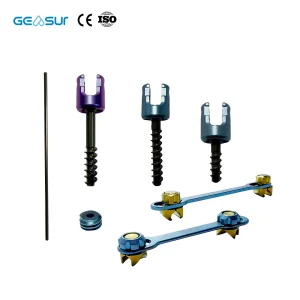
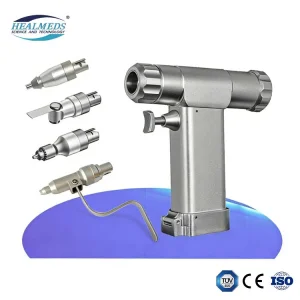
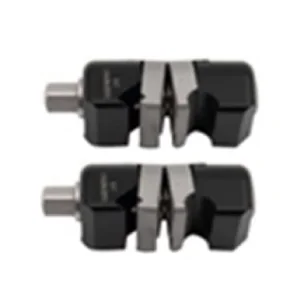
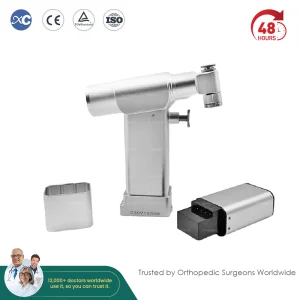
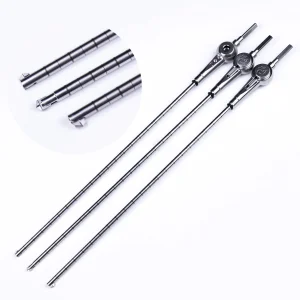
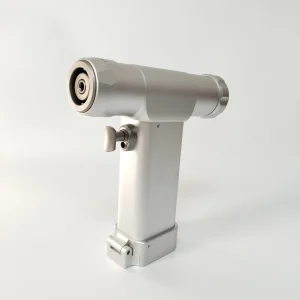
High-precision orthopedic implants, surgical drills, power tools, and dynamic pedicle screw assemblies designed for global distribution and trauma applications.
How variable-pitch design, precision materials, and thread mechanics provide optimal stability in intra-articular fractures.
Headless cannulated screws represent a major milestone in modern traumatology and reconstructive surgery. Designed specifically for intra-articular fractures (such as scaphoid, radial head, and osteochondral fractures), these screws utilize compression mechanics that allow the screw to sink below the articular cartilage surface. This layout prevents tissue impingement and joint irritation, which are common issues with traditional headed screws.
At the center of this design is the variable thread pitch. The lead of the tip thread is larger than the tail thread. As the screw is driven into the bone, each turn pulls the distal fragment closer to the proximal bone fragment, generating controlled compression. As a top-tier factory, we use advanced CNC machining to maintain strict tolerances, ensuring that the variable pitch creates uniform compression without stripping the delicate cancellous structure.
Utilizing Medical Grade 5 Titanium (Ti-6Al-4V ELI) and Cobalt-Chromium alloys to achieve high fatigue limits and optimal biocompatibility.
Cannulated configurations allow guide wire placement, ensuring precise alignment and minimizing bone displacement during insertion.
The low-profile design sits flush with or below the articular surface, protecting adjacent tendons, ligaments, and cartilage.
Designed with optimized cutting flutes at the tip to ease insertion, decrease heat buildup, and reduce local bone necrosis risks.
A professional manufacturer of orthopedic implants and surgical instruments, dedicated to delivering innovative, reliable, and high-quality medical solutions for healthcare professionals worldwide.
Since its establishment, Synoviq has focused on research, development, precision manufacturing, and international quality standards, providing comprehensive OEM and ODM services for global medical device brands, distributors, and hospitals. Our product portfolio includes trauma fixation systems, spinal implants, locking plates, intramedullary nails, external fixation systems, orthopedic screws, surgical instruments, and customized orthopedic solutions.
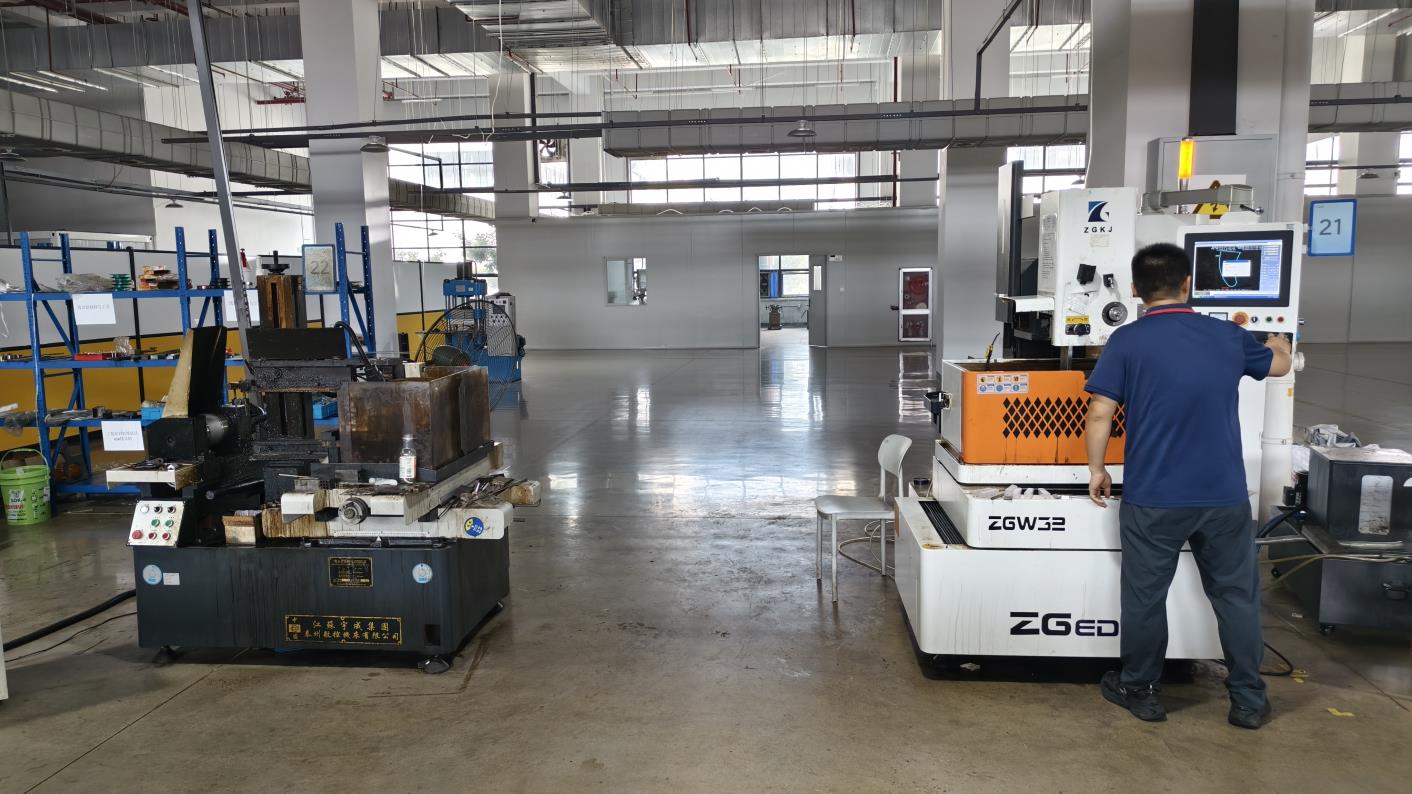
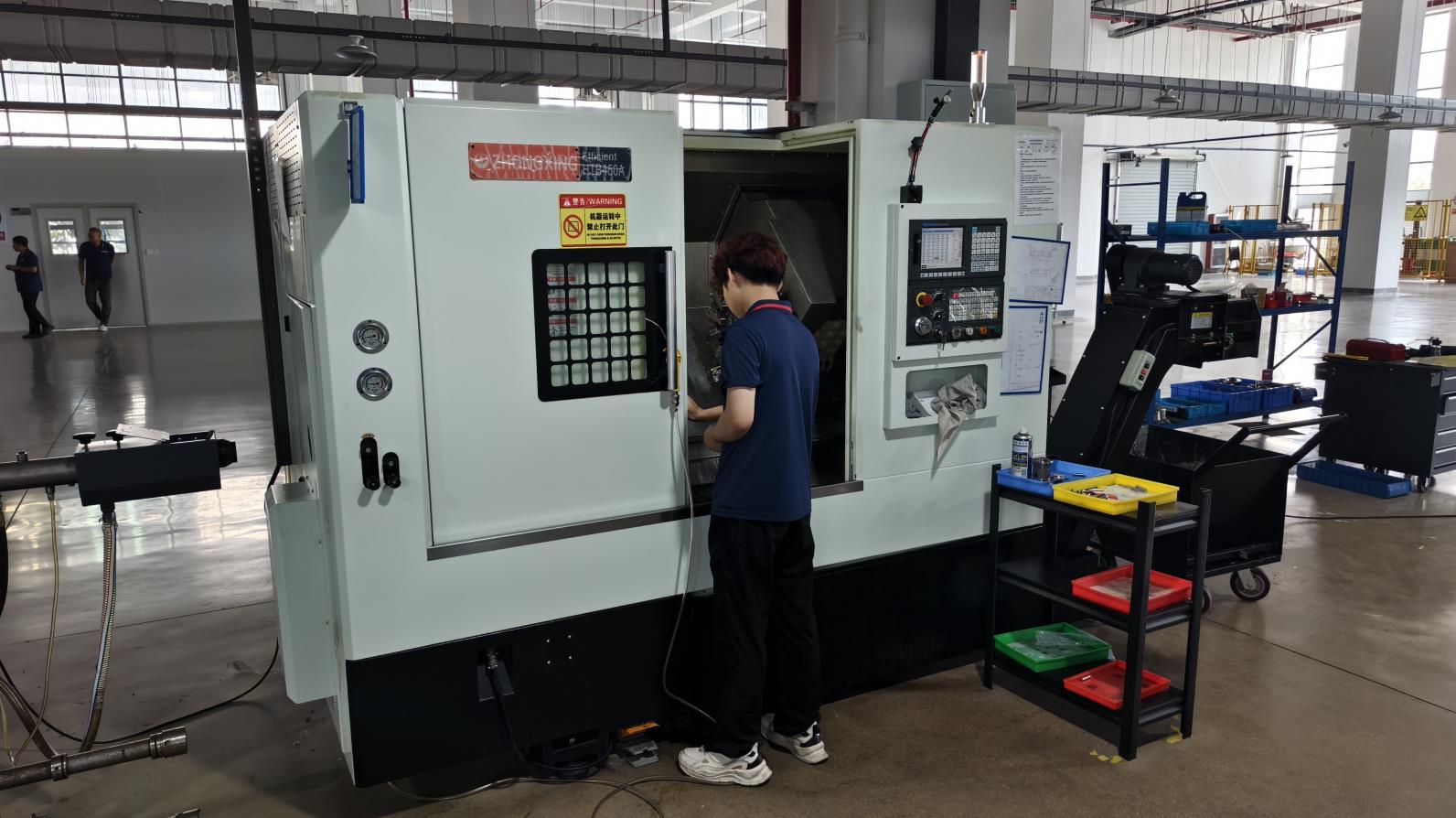
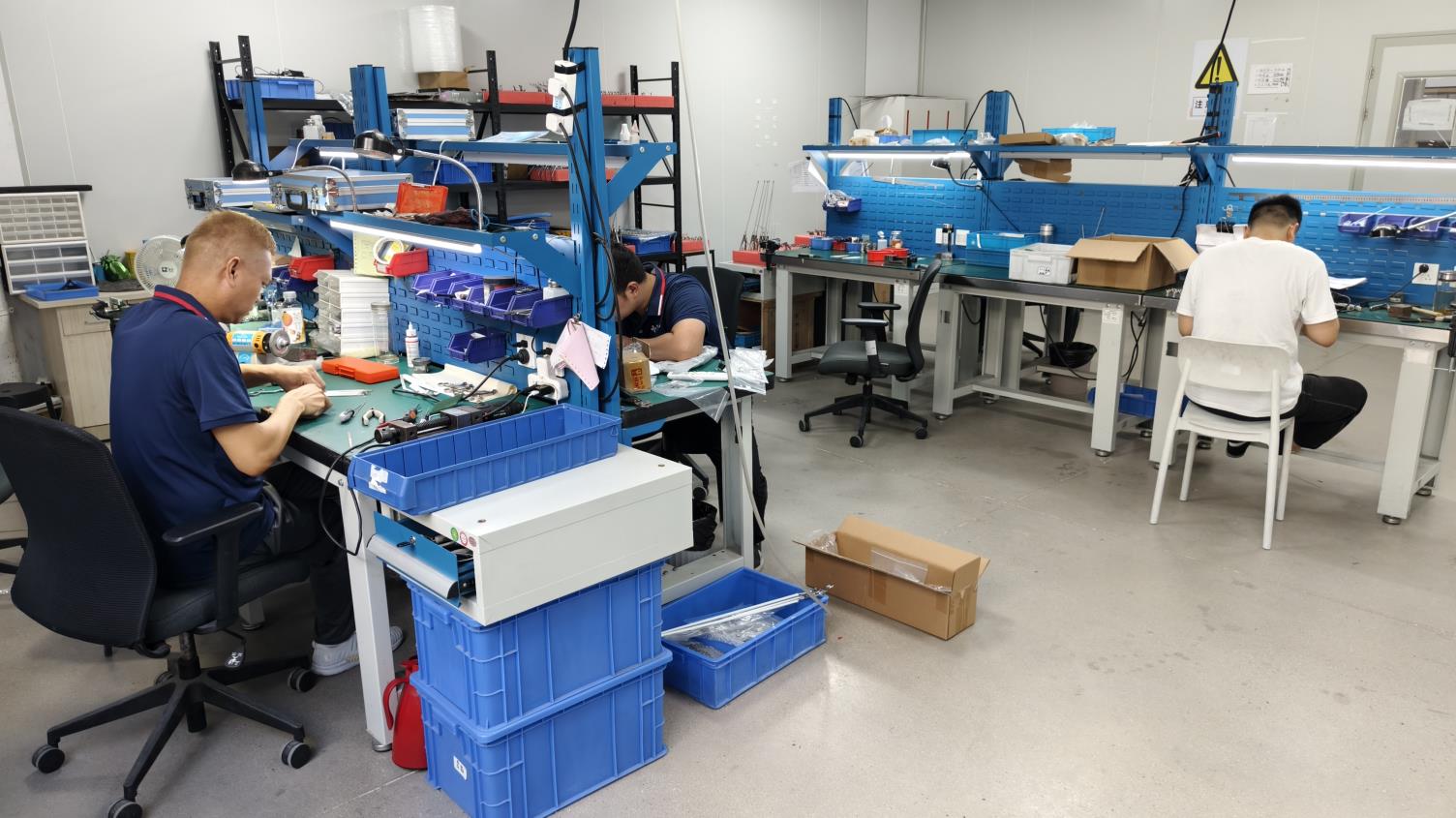
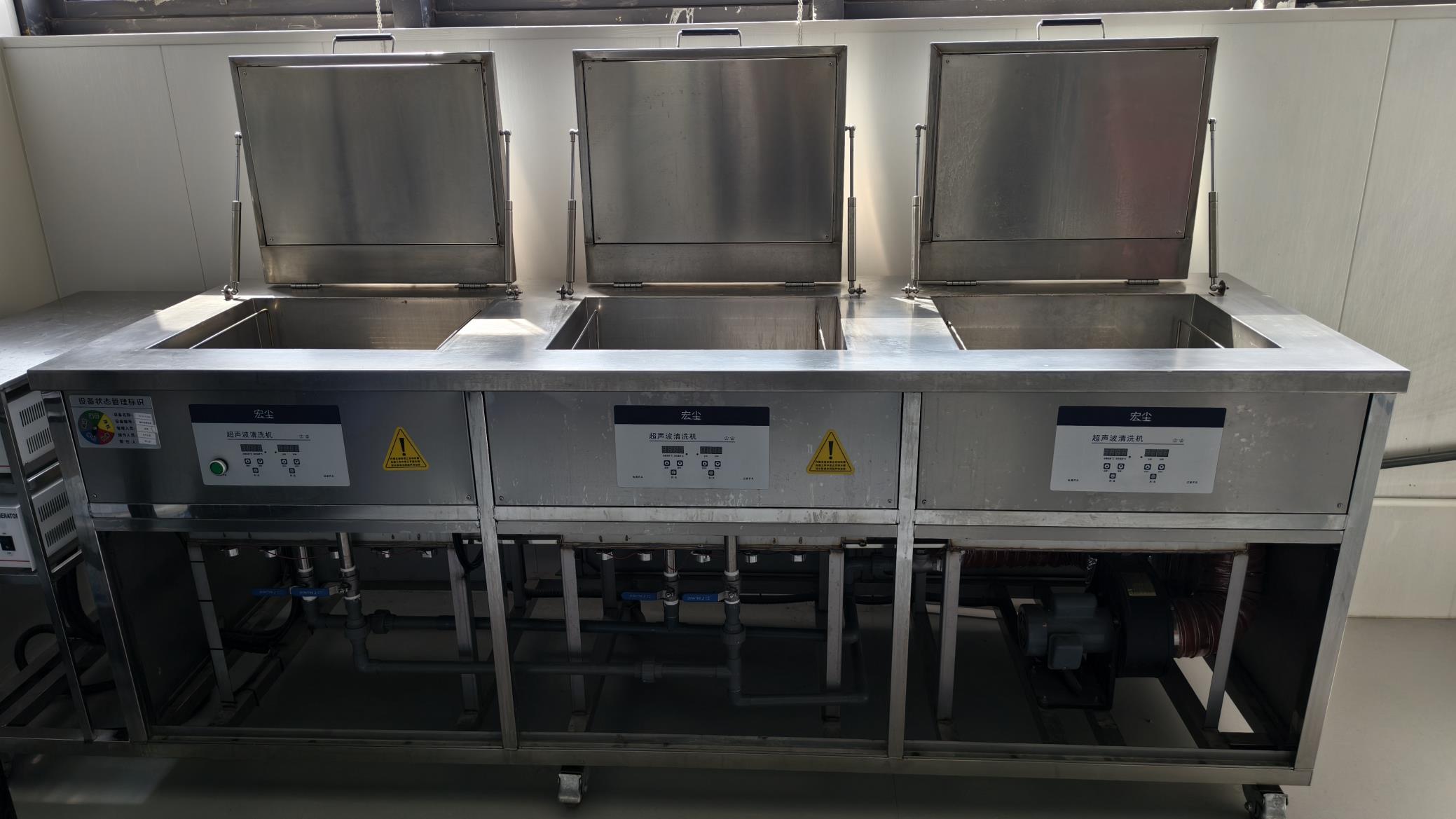
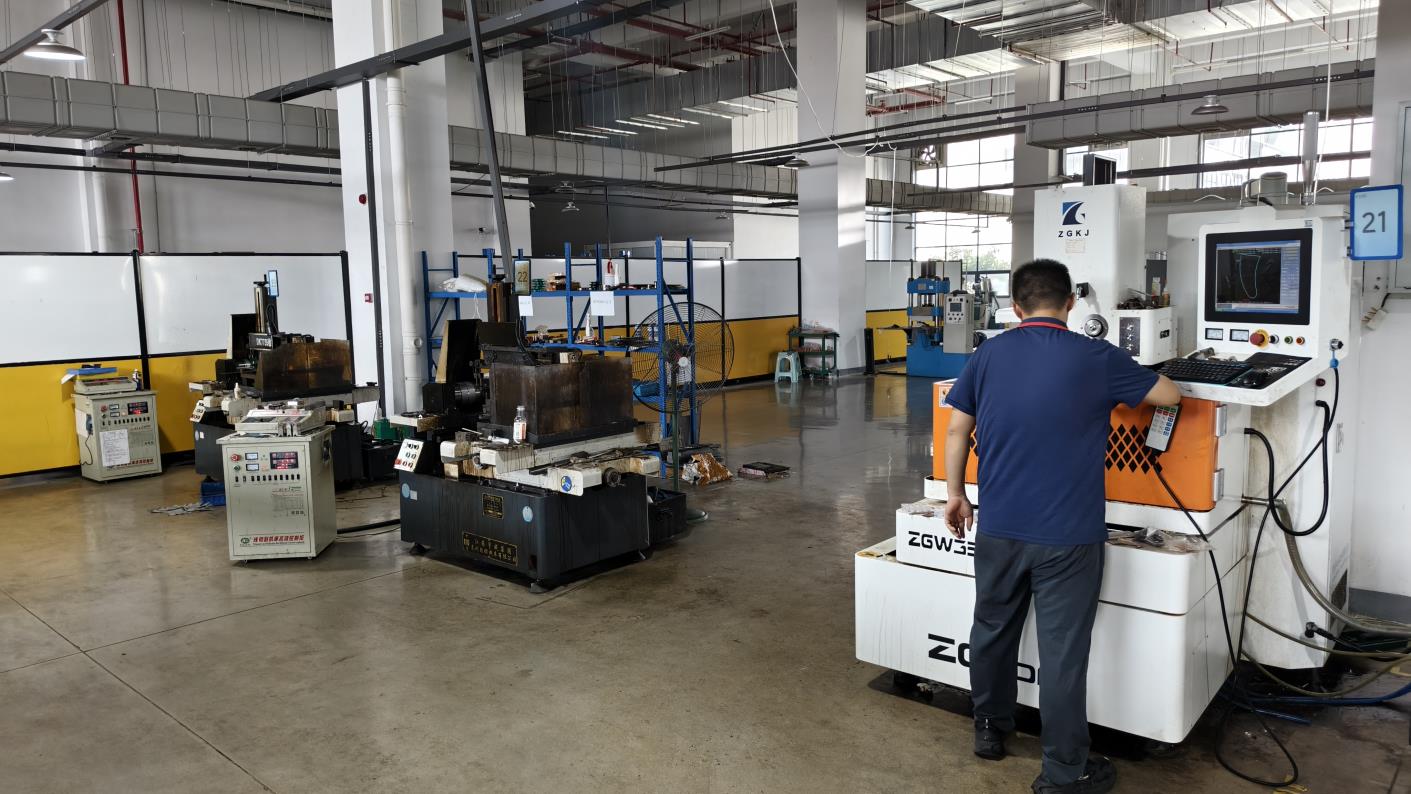
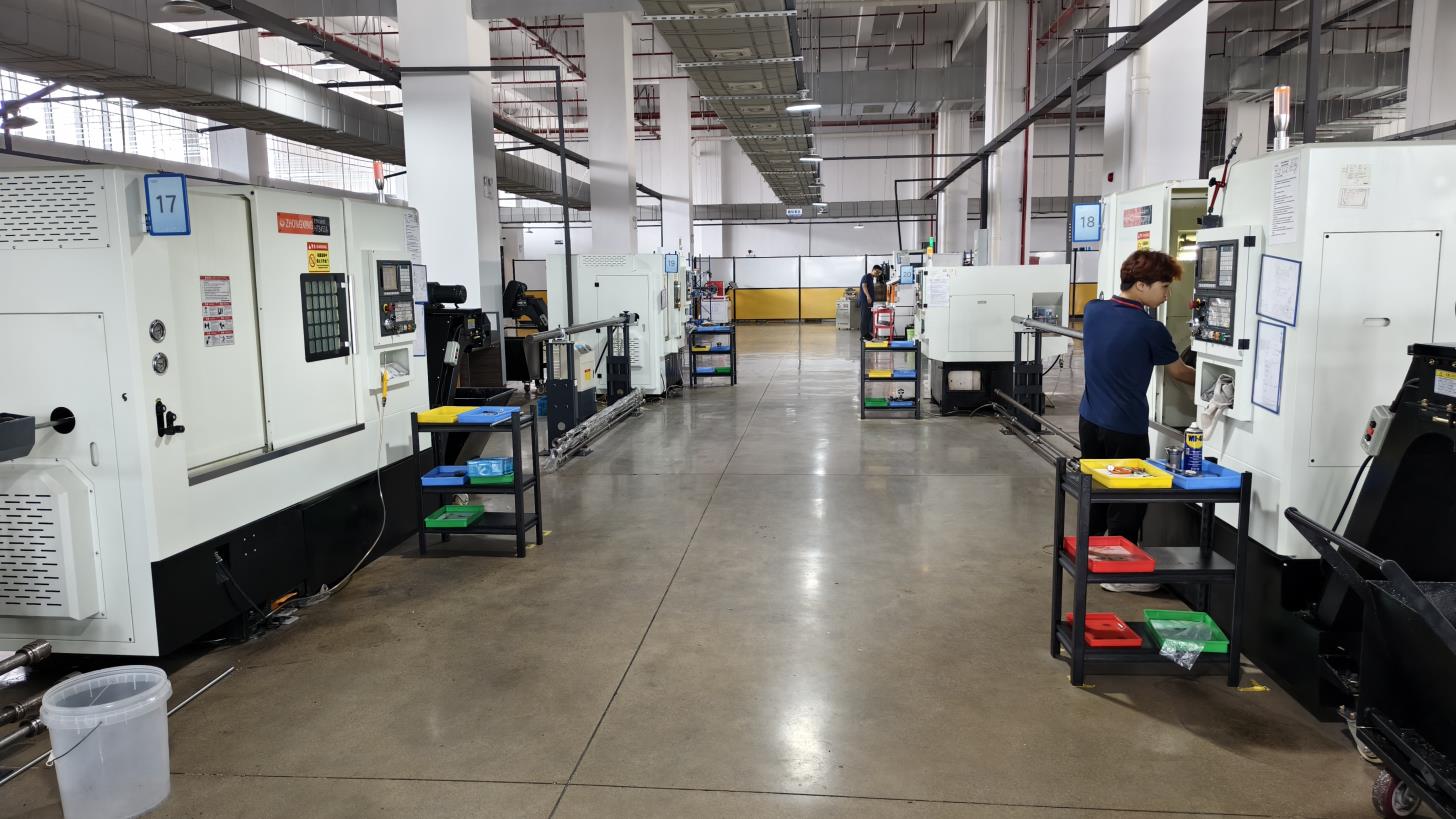
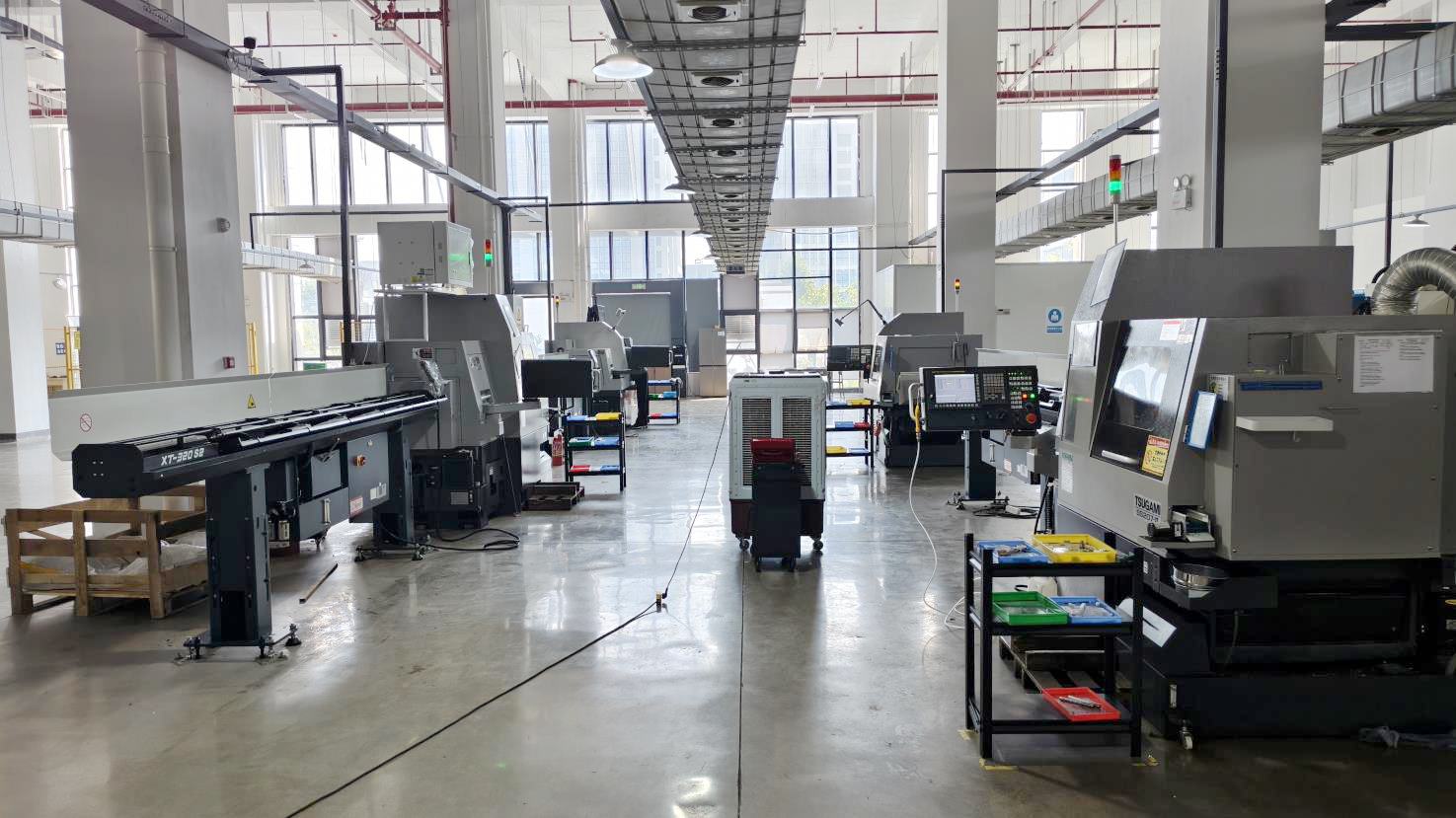
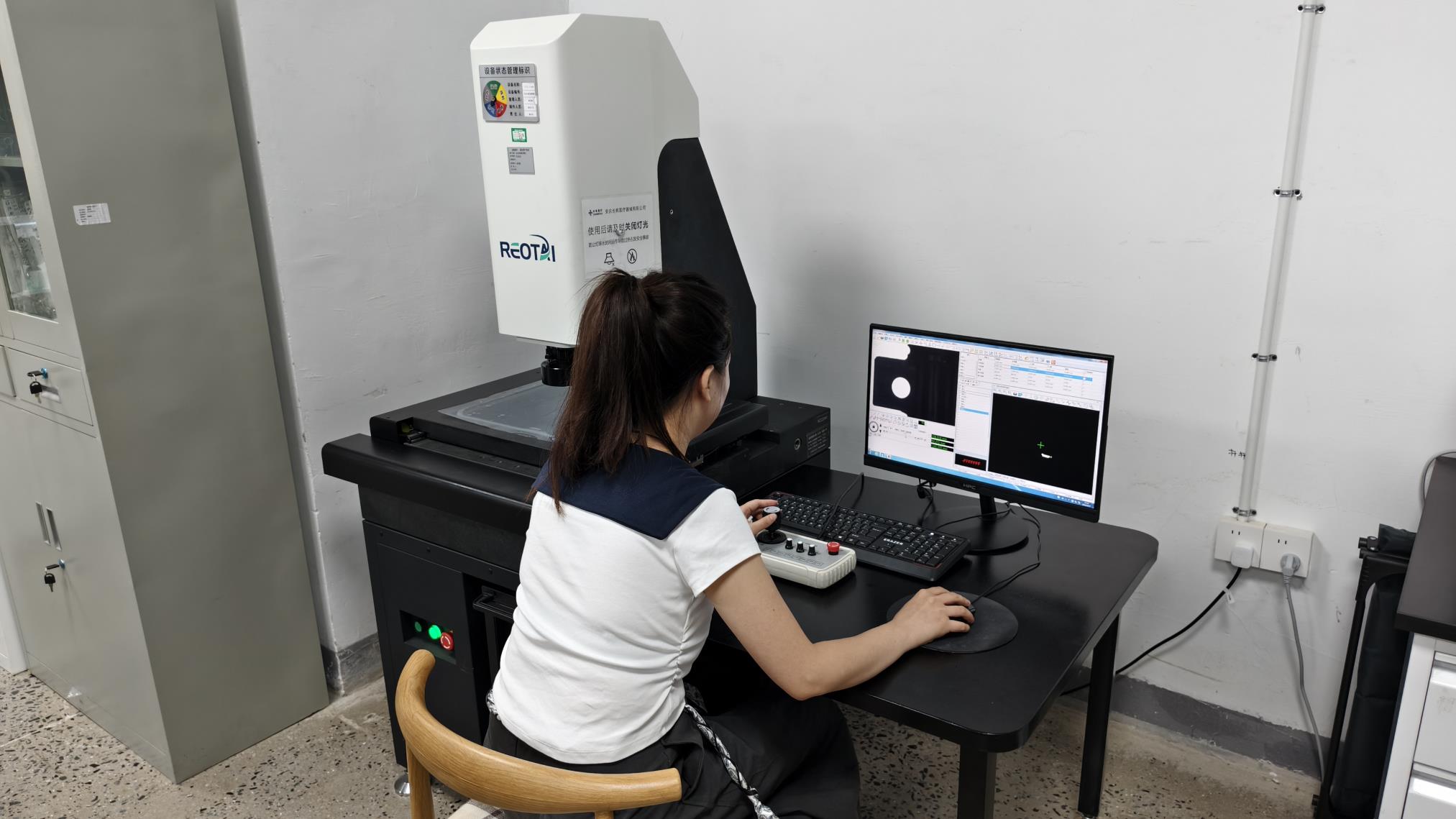
Equipped with advanced CNC machining centers, precision inspection equipment, and modern clean production facilities, we ensure every product meets strict international quality requirements. Driven by continuous innovation, Synoviq invests heavily in R&D and intelligent manufacturing to enhance product performance, surgical efficiency, and patient outcomes.
| Specification / Item | Information Details |
|---|---|
| Company Name | Synoviq Medical Technology (China) Co., Ltd. |
| Brand | Synoviq |
| Established Date | March 18, 2016 |
| Building Area | 18,600 m² |
| Annual Export Revenue | USD 21.8 Million |
| Export Experience | 8 Years |
| Quality Control Staff | 48 Quality Specialists |
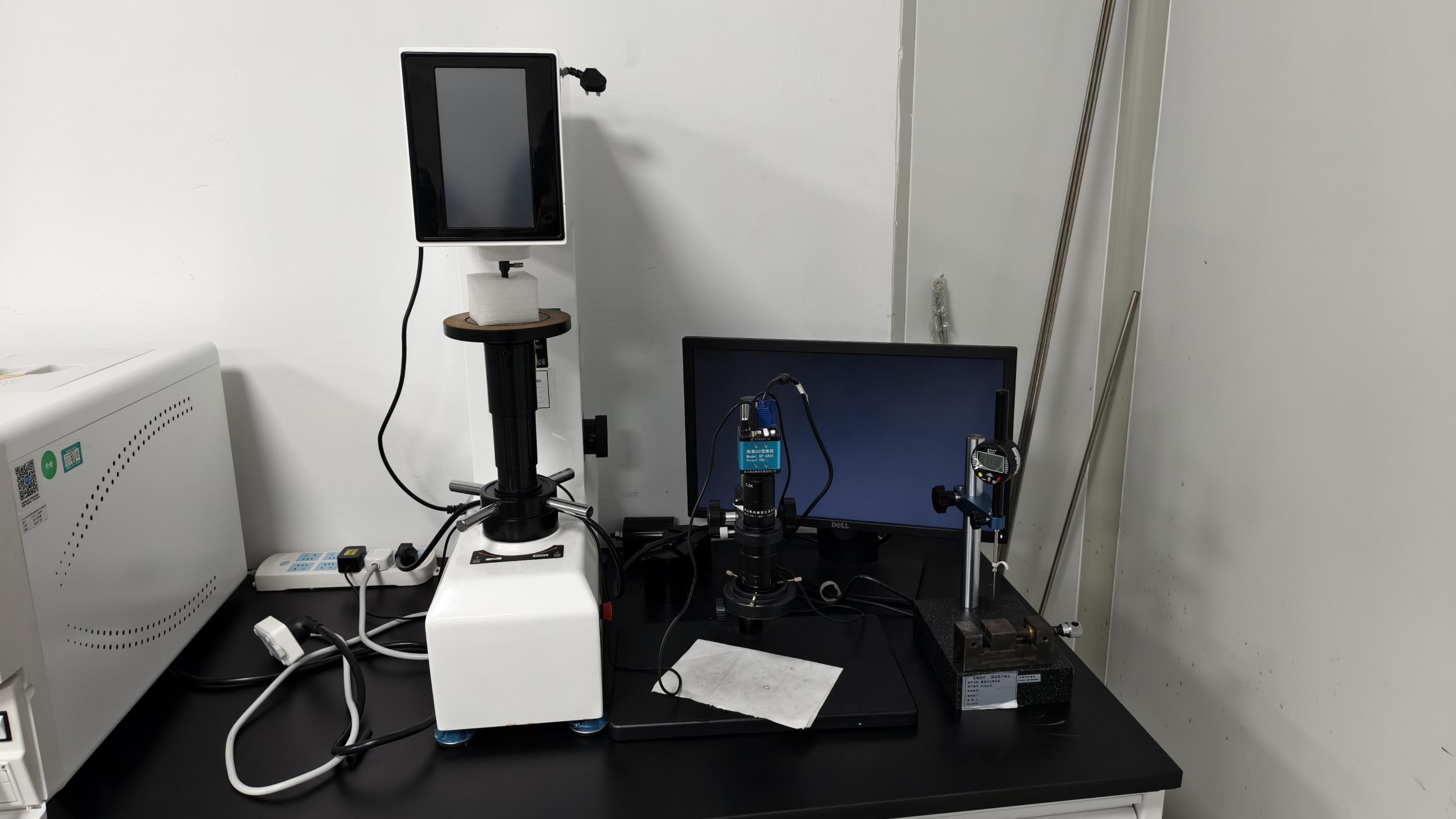
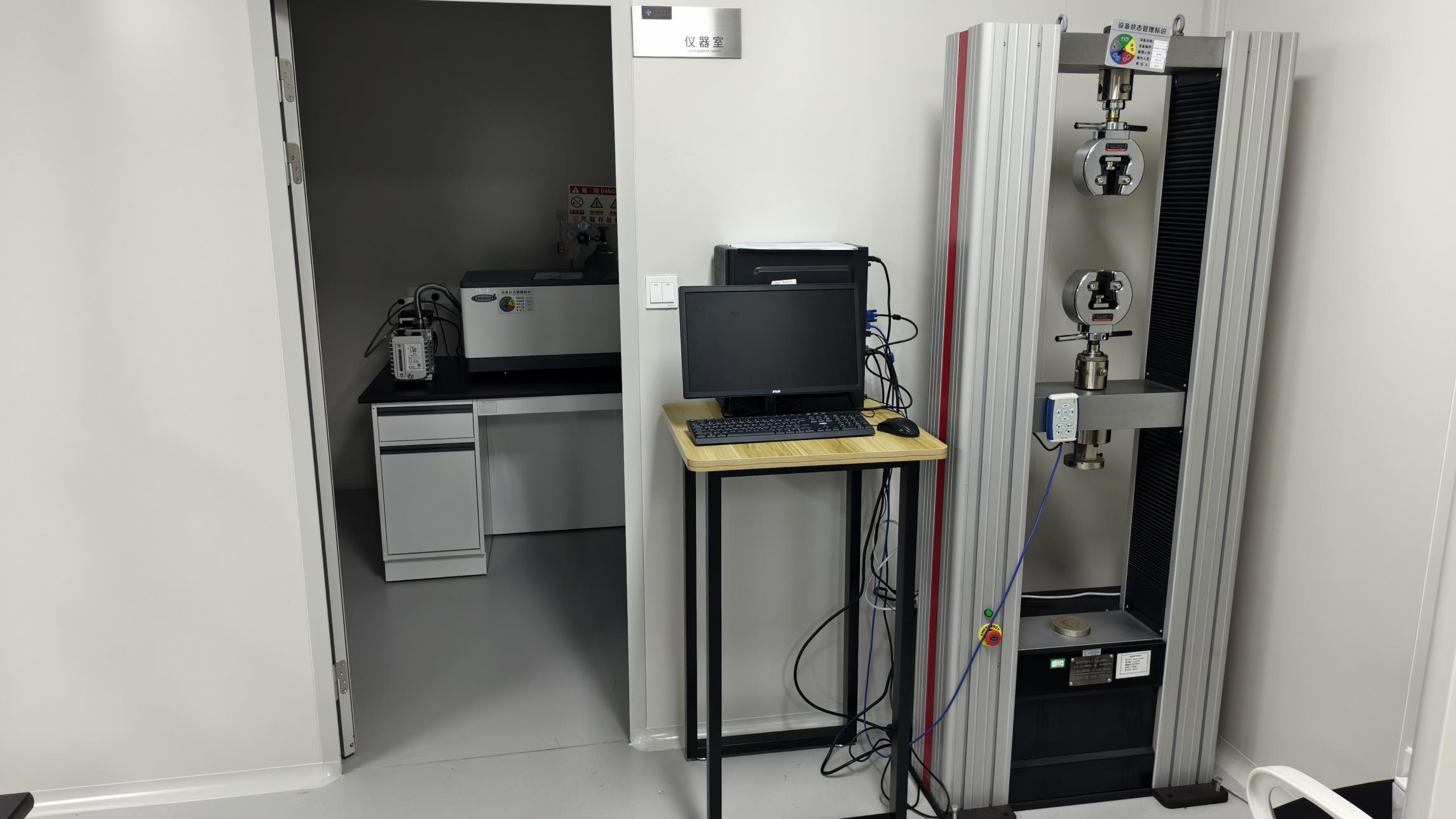
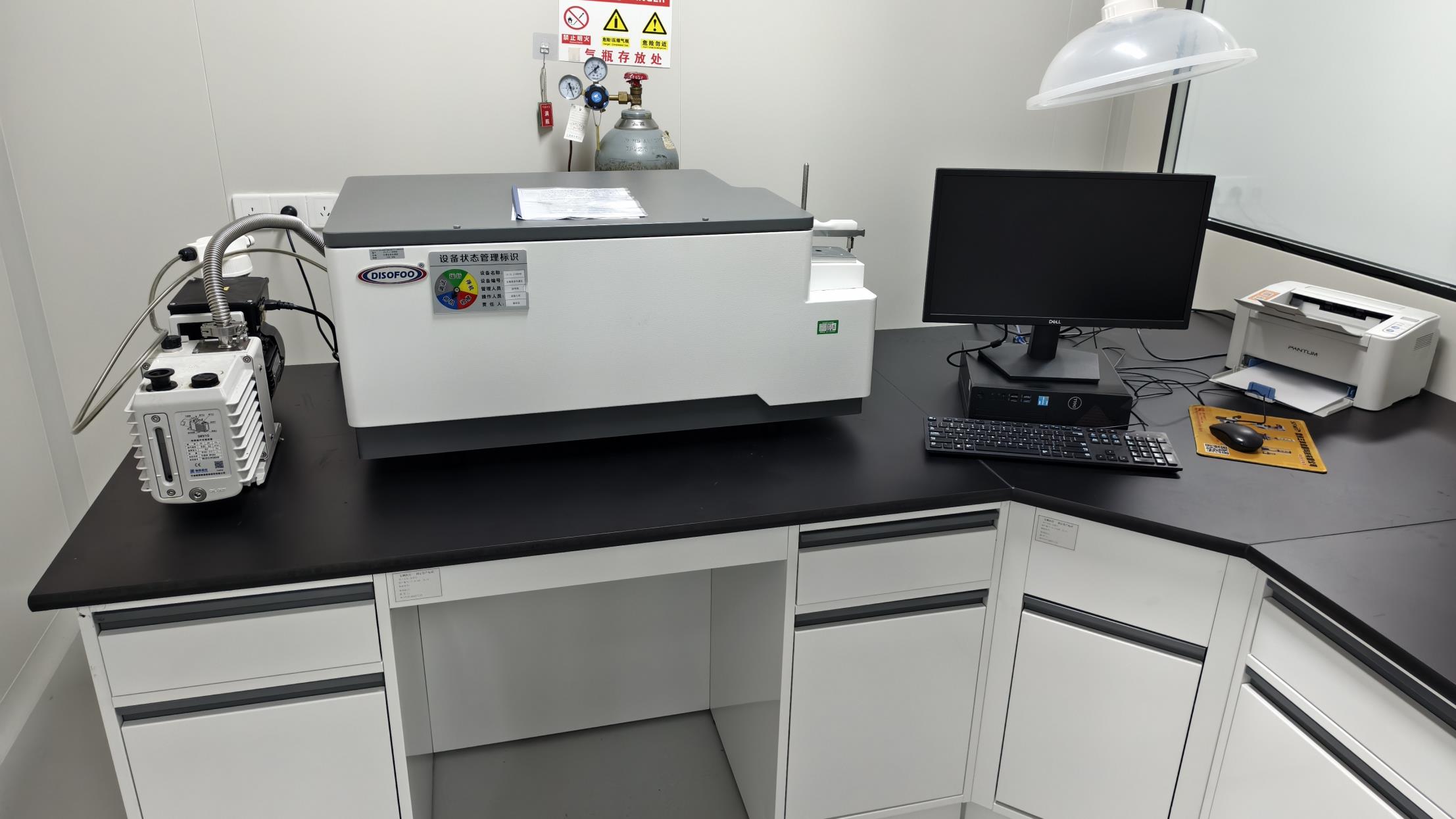
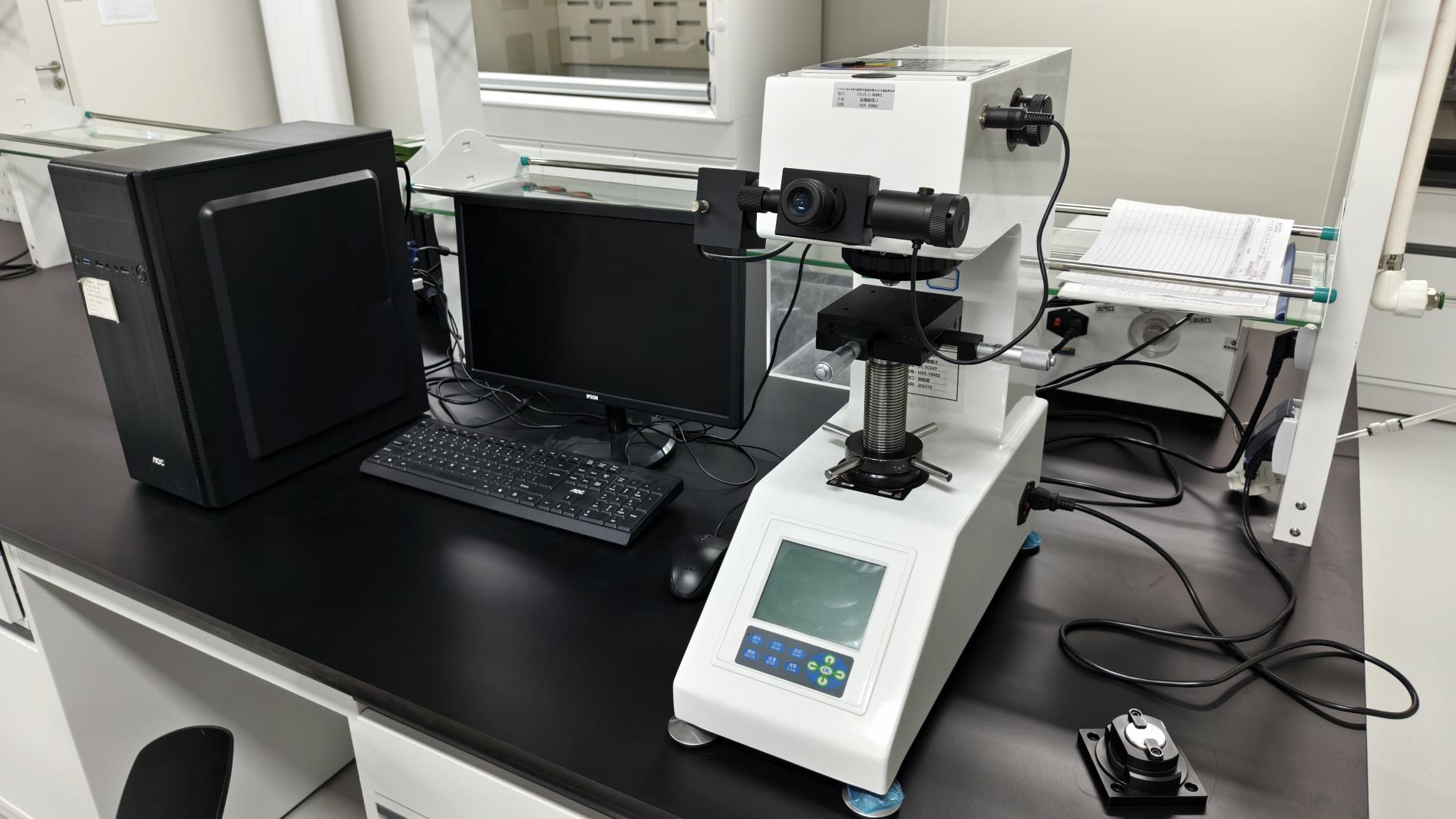
| Inspection Methods | CMM Measurement, Mechanical Testing, Surface Roughness Testing, Hardness Testing, Salt Spray Testing, Sterility Validation |
| Business Type | Manufacturer & Exporter (OEM/ODM) |
| Main Markets | Europe, North America, South America, Middle East, Southeast Asia |
| Supply Chain Partners | 1,120+ Global Partners |
| Customization Options | Logo Customization, Packaging Customization, Product Design Customization, Material Selection, Surface Treatment |
| New Products Released Last Year | 186 Products Developed |
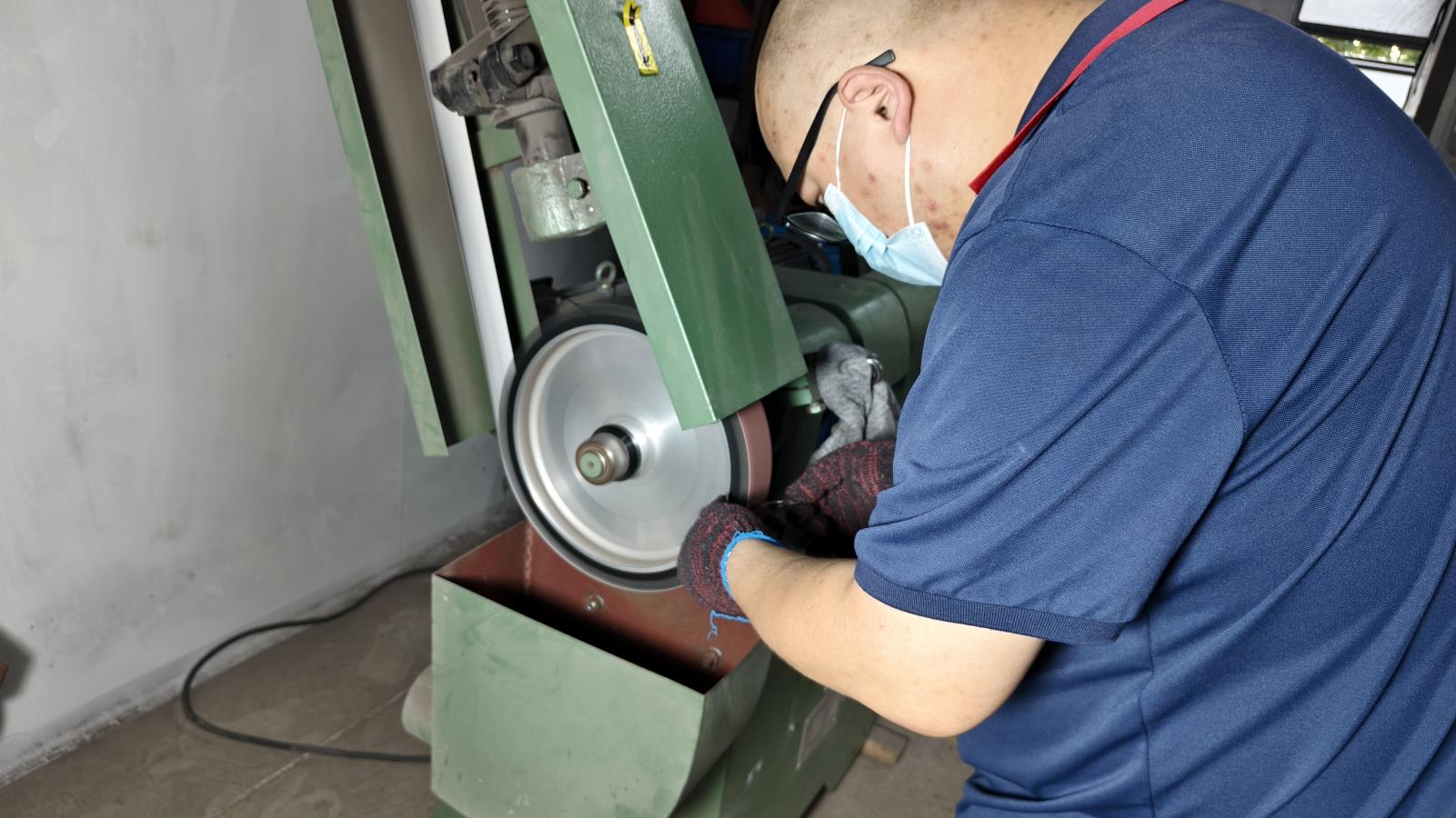
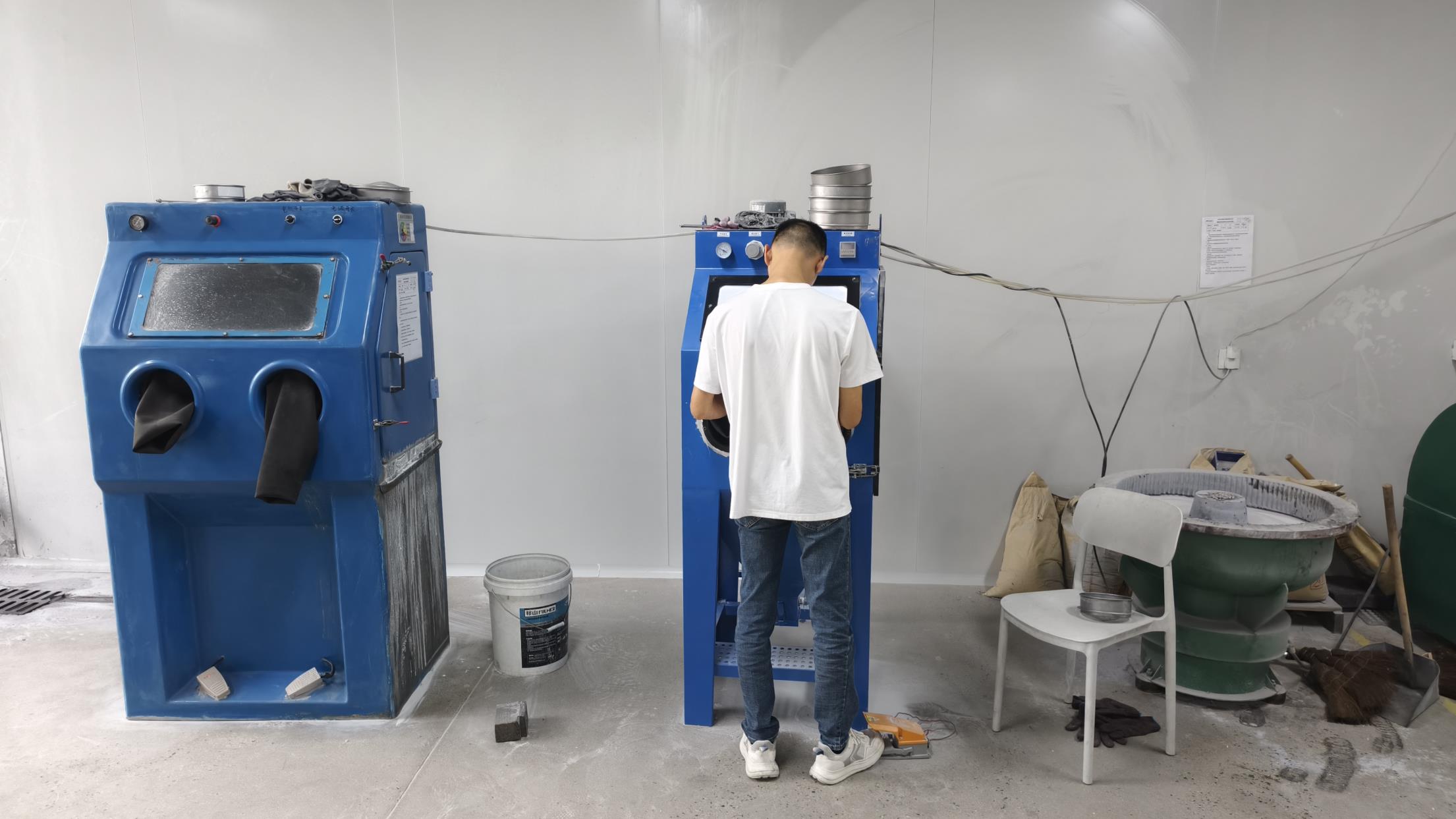
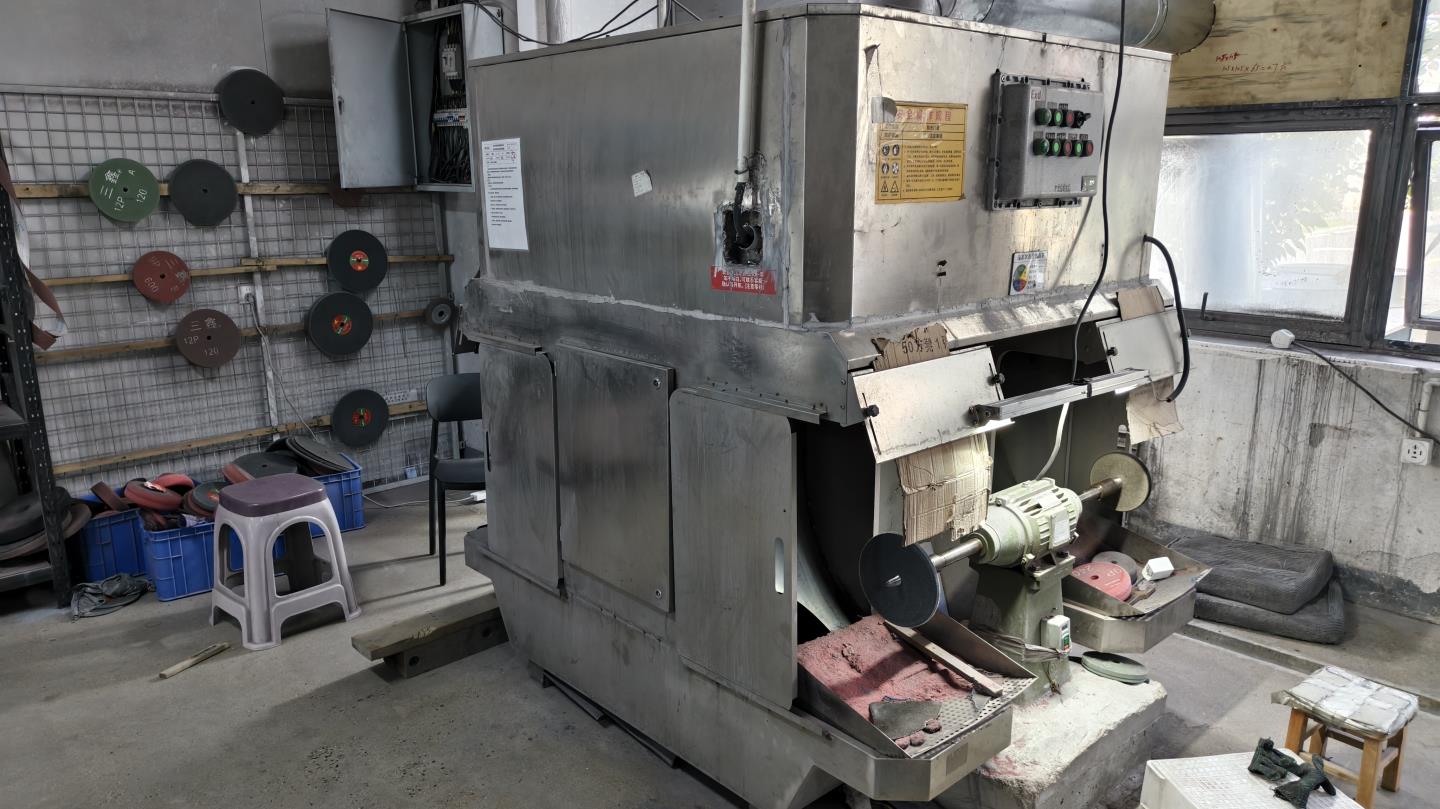
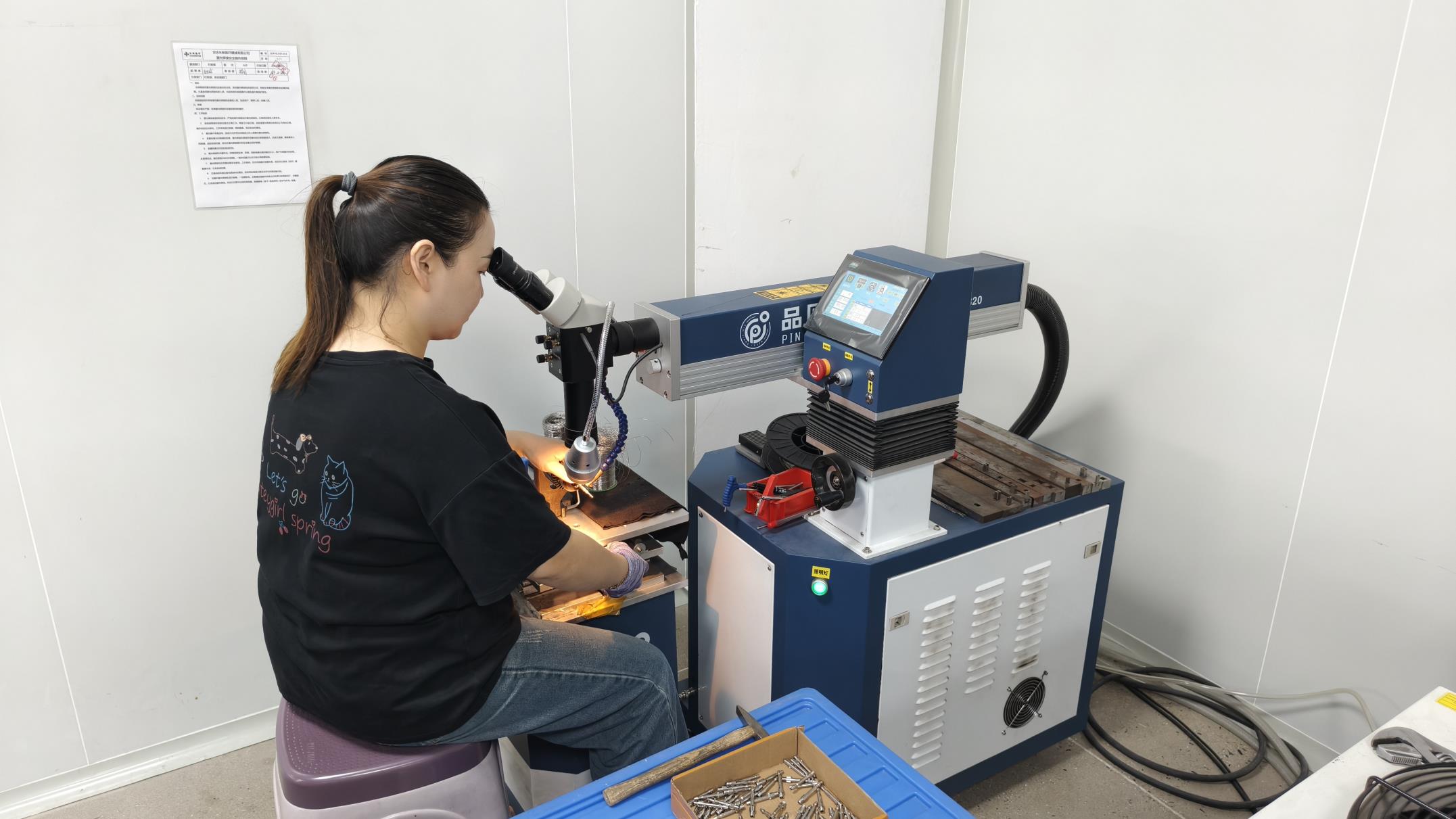
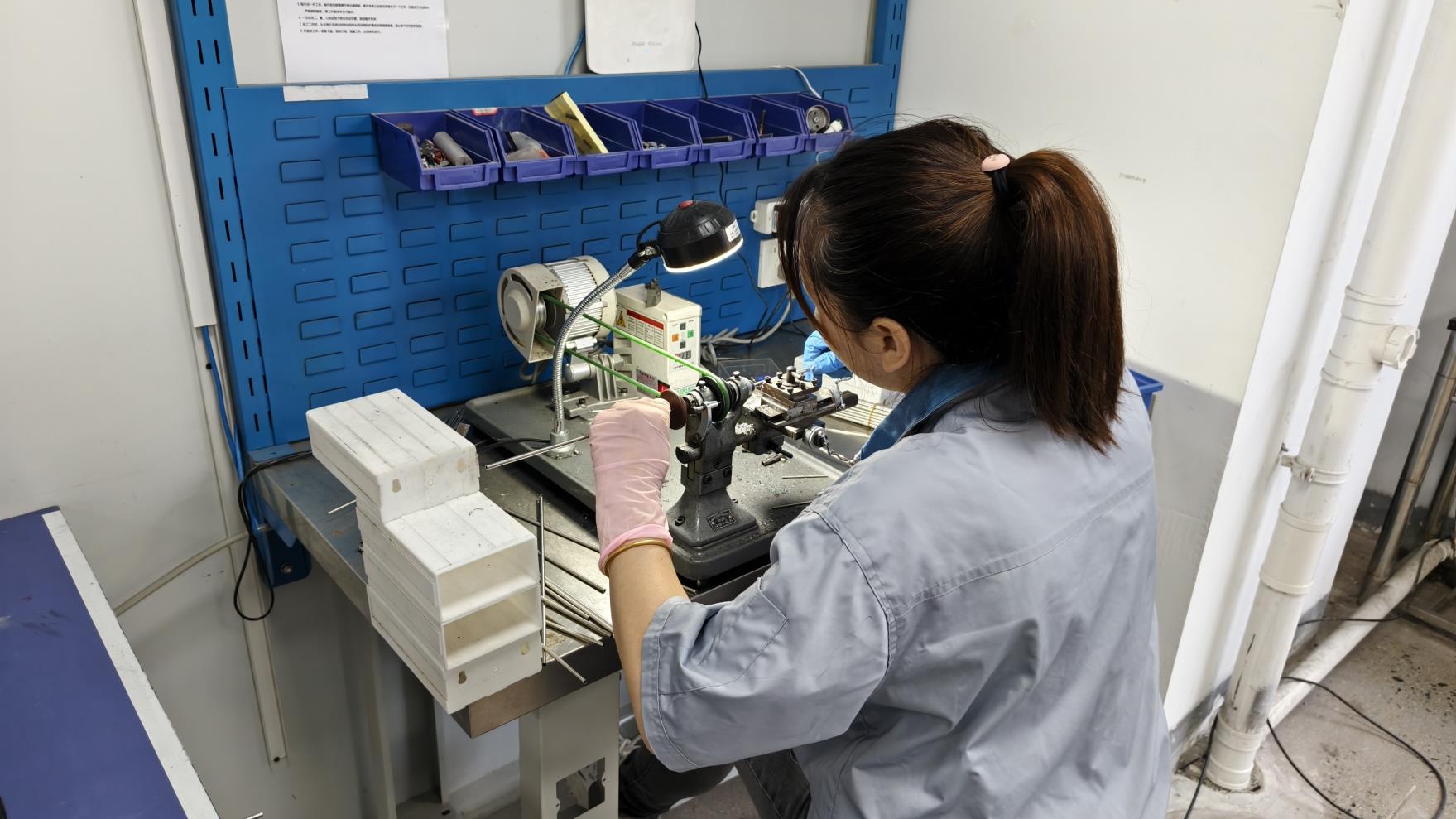
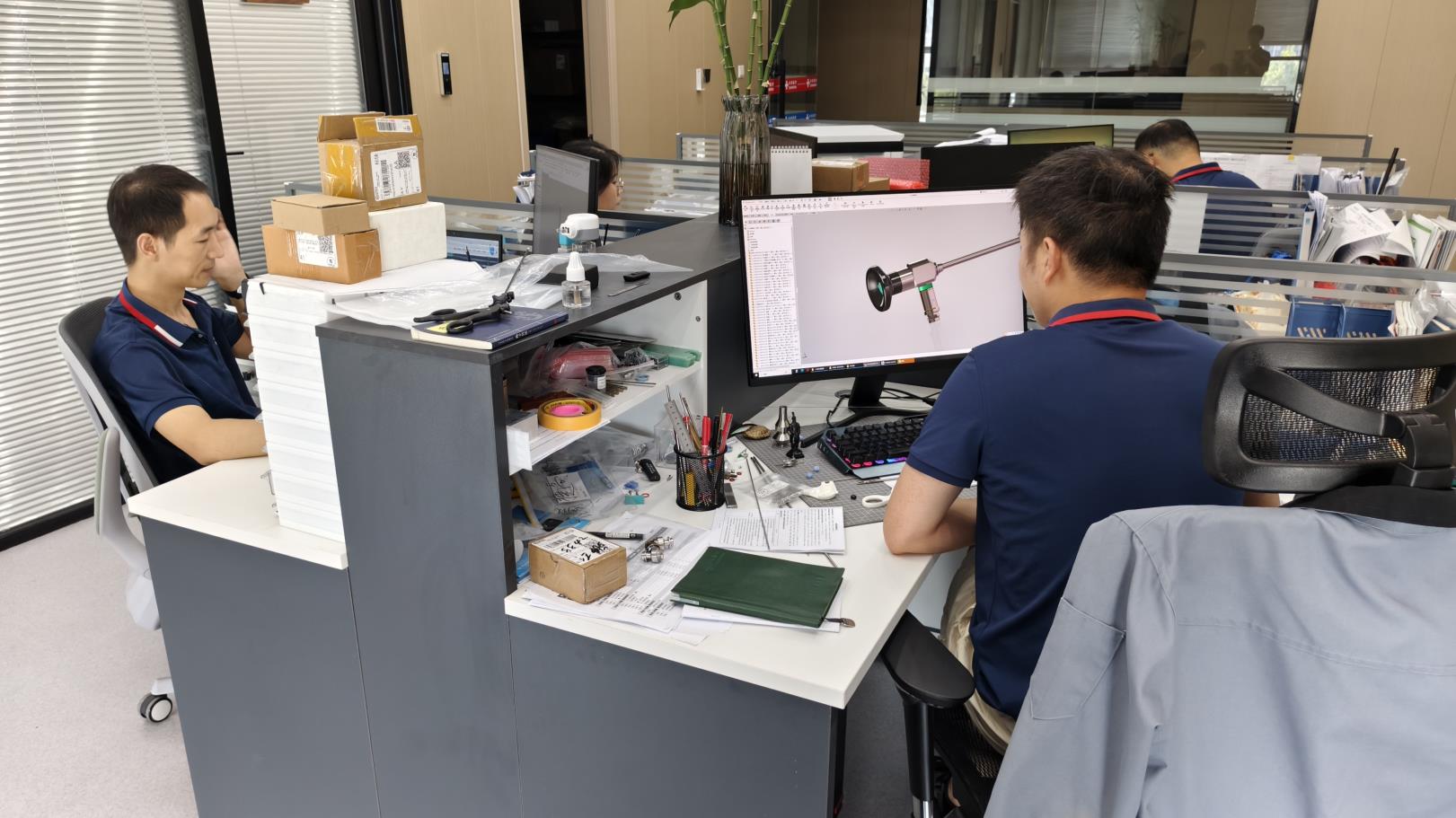
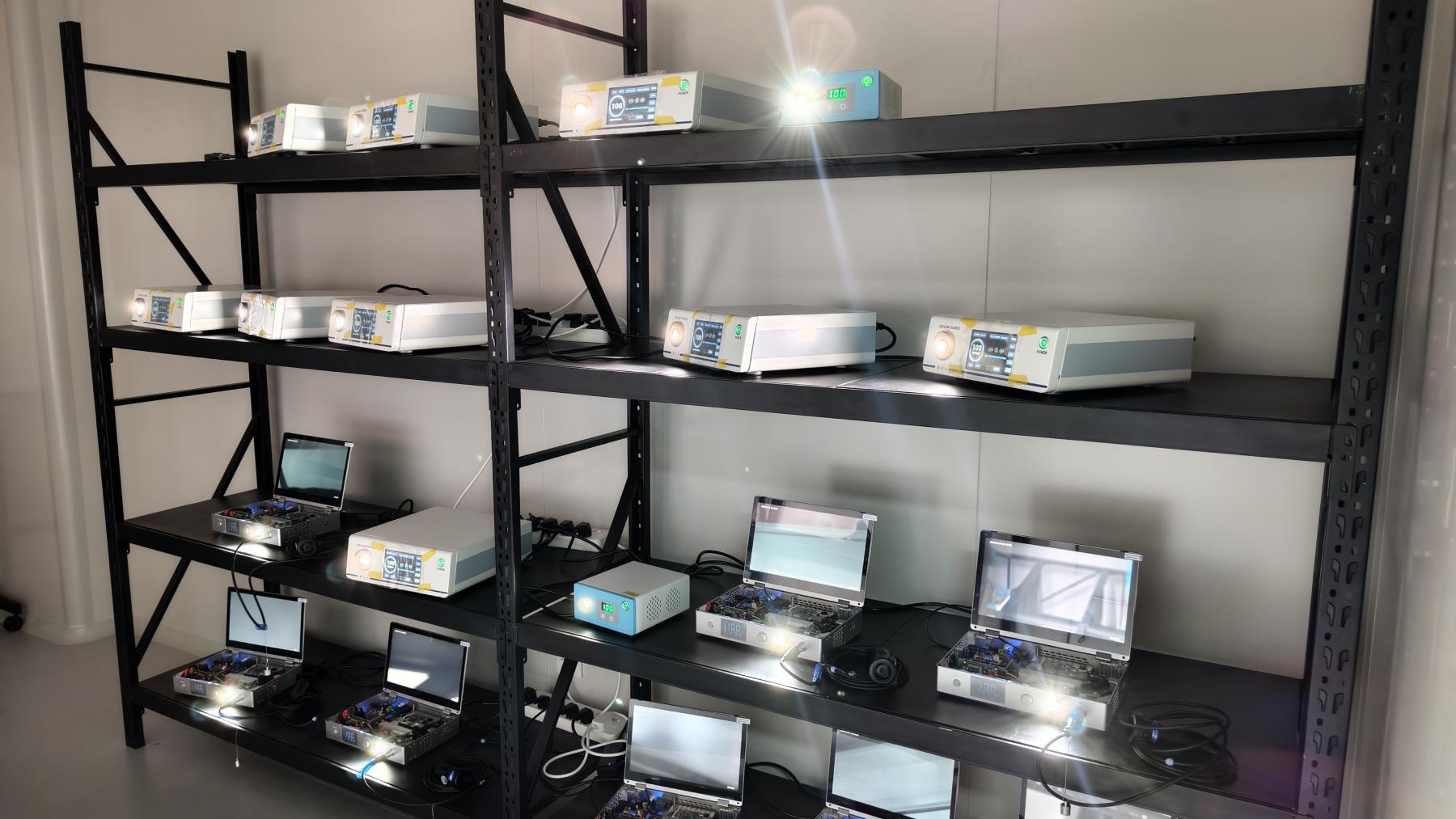
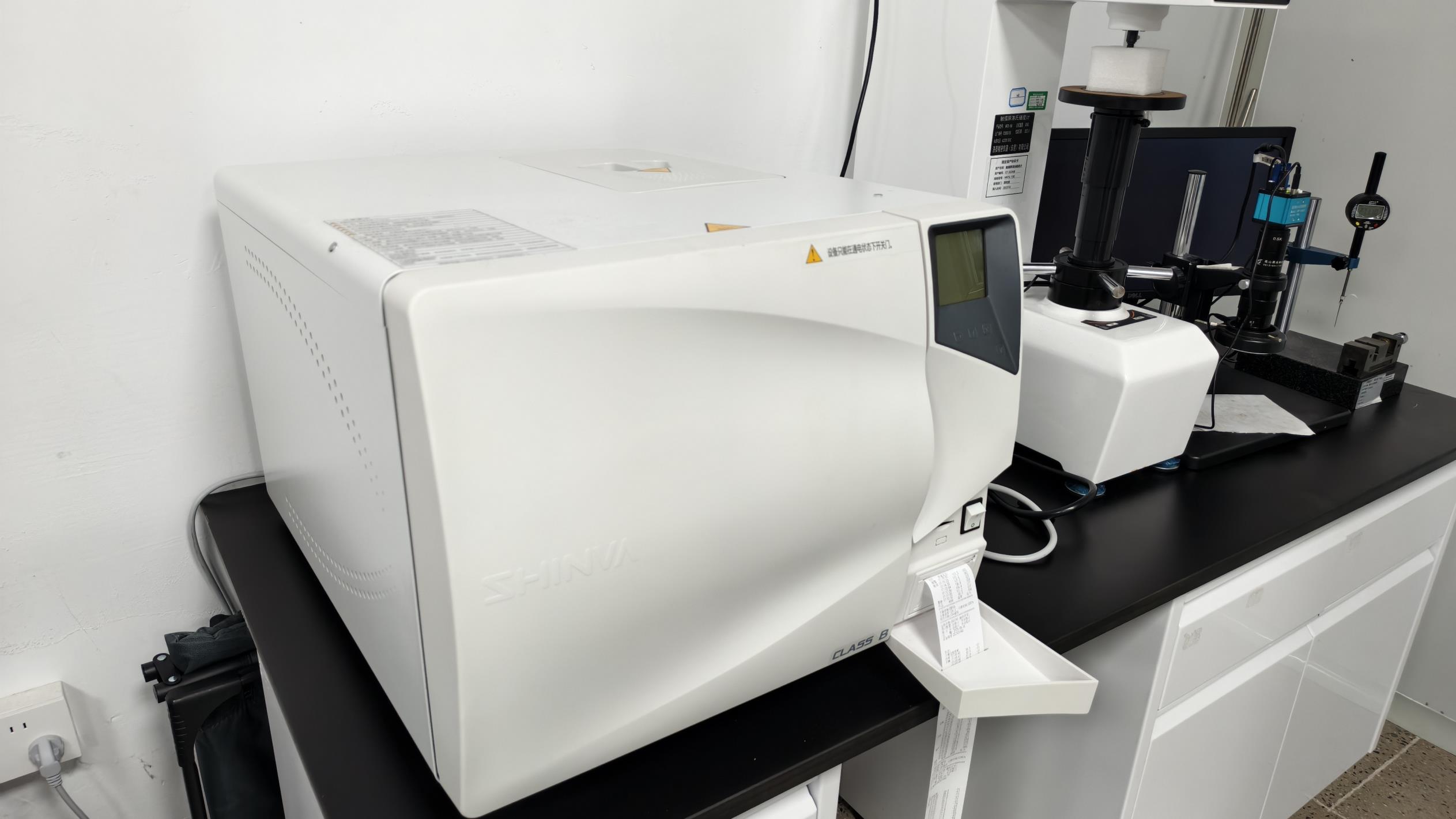
Take an inside look at our state-of-the-art facilities, featuring high-precision machinery and rigorous testing protocols that ensure safety and precision for clinical use.
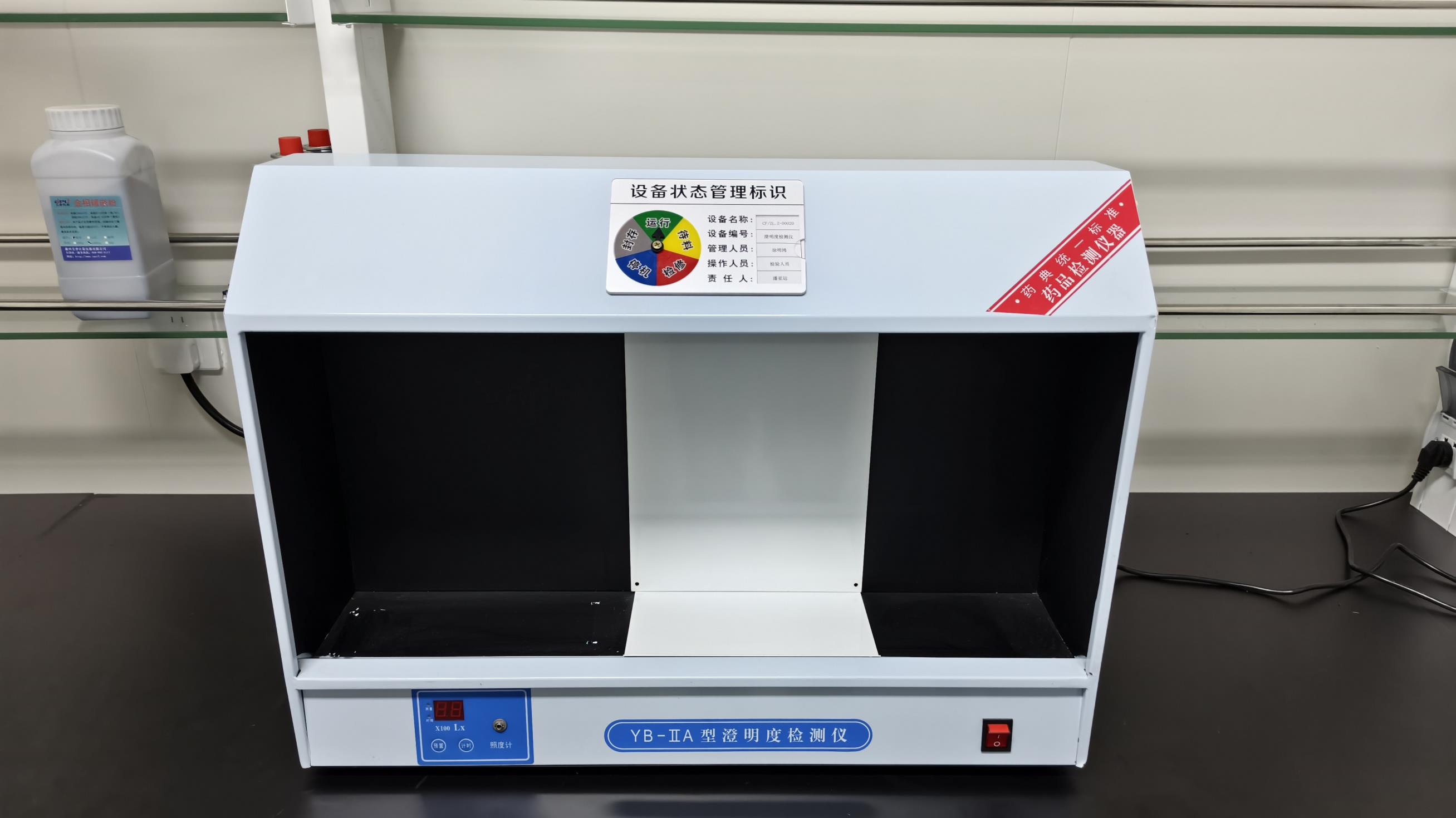
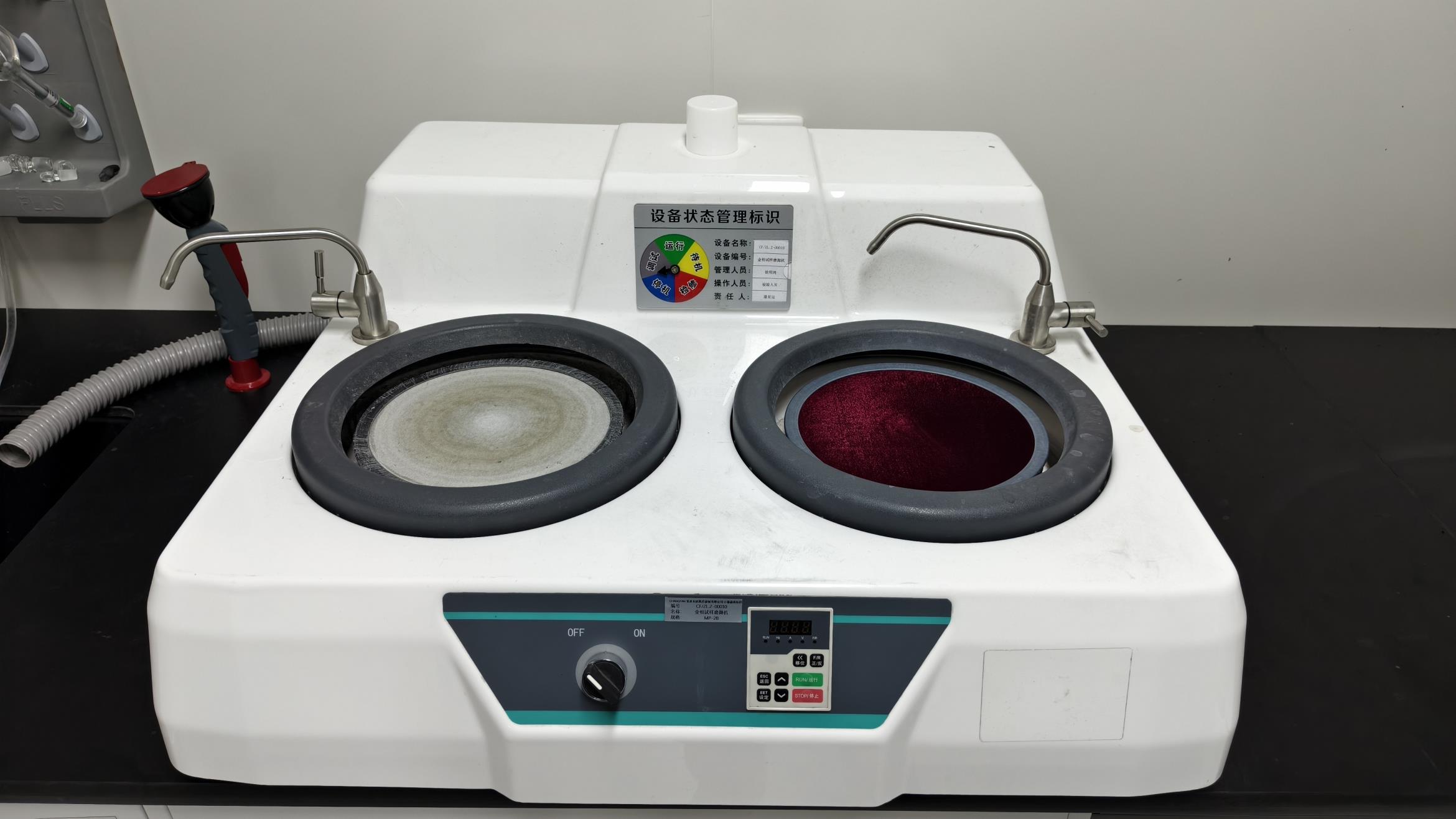
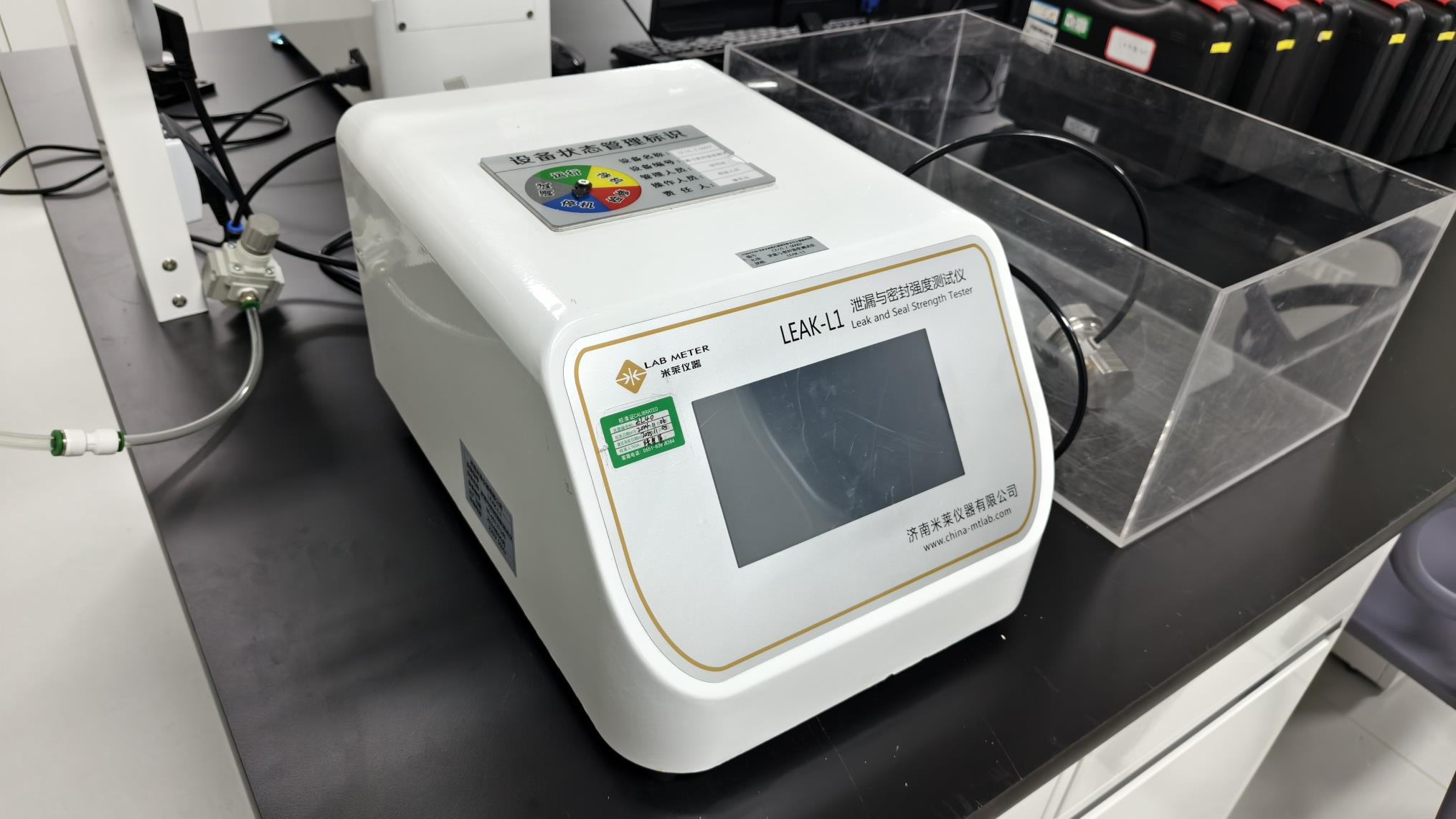
A professional analysis of strategic procurement shifts, geopolitical sourcing considerations, and clinical demand growth.
Global orthopedic implant procurement is shifting towards consolidation and strict compliance. Key trends driving this change include:
For B2B buyers, securing a reliable supply chain requires a balanced approach. Having a dual-sourcing strategy that pairs regional distribution hubs with direct-to-manufacturer OEM relationships helps secure supply while managing costs.
An overview of our upcoming product developments, advanced material applications, and digital integration plans.
Developing magnesium alloy (Mg-Zn-Zr) and polymeric composites designed to resorb naturally, eliminating the need for removal surgeries.
Utilizing Electron Beam Melting (EBM) and Direct Metal Laser Sintering (DMLS) to design screw shafts that encourage bone ingrowth.
R&D trials integrating micro-sensor technology to monitor real-time loading forces and bone healing parameters in clinical settings.
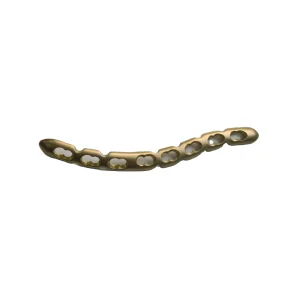
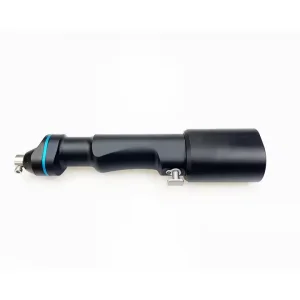
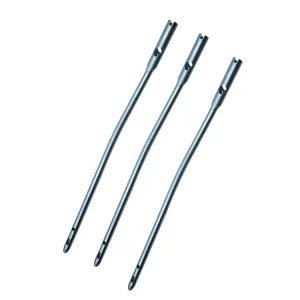
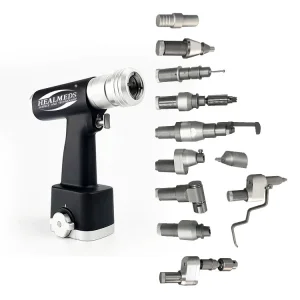
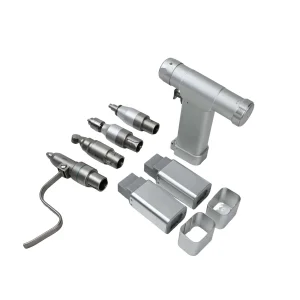
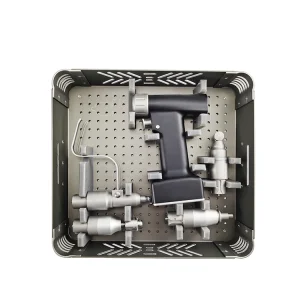
High-durability clavicle systems, interlocking nails, multi-function orthopedic drills, and specialty arthroscopy instruments.
Essential insights for medical device distributors, procurement officers, and regulatory managers regarding headless cannulated screws.
 Synoviq Medical