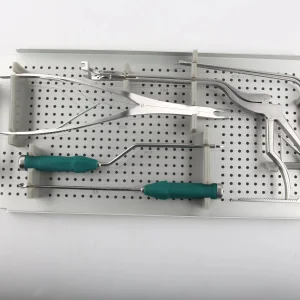
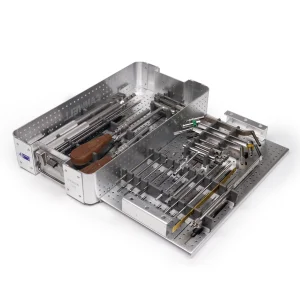
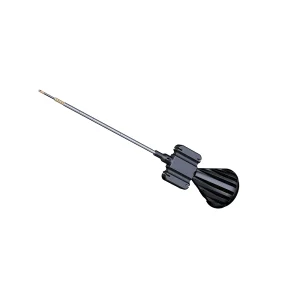
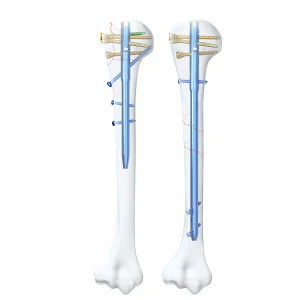
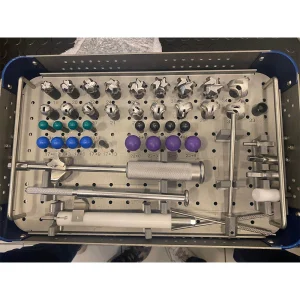
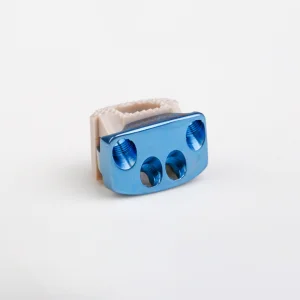
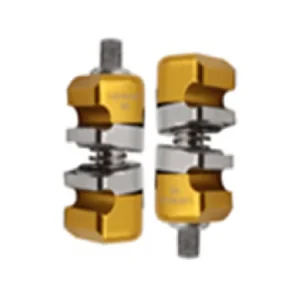
Premium medical components engineered for osteosynthesis and rigid surgical fixation
In modern traumatology and orthopedic reconstruction, external fixation systems are fundamental for dynamic stabilizing, limb lengthening, deformity correction, and damage control orthopedics (DCO). This comprehensive whitepaper evaluates the biomechanical principles, advanced metallurgy, and strict manufacturing capabilities required to supply high-reliability external fixators globally.
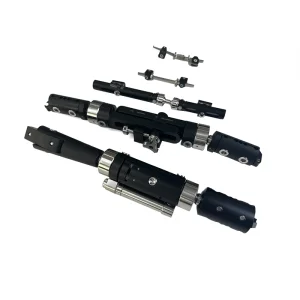
Unlike internal plating systems, external fixation relies heavily on load-sharing frames, pins, transfixion wires, and connecting rods that stay outside the soft tissue envelope. The mechanical stability of the frame depends on pin size, number of rods, and spacing distance relative to the fractured bone. A successful external fixator must resist bending and torsional forces while allowing micromotion that promotes secondary bone healing through callus formation.
For custom OEM/ODM configurations, engineers must account for the stiffness coefficients of raw materials. Medical Grade 5 Titanium (Ti-6Al-4V ELI) is favored for its strength-to-weight ratio and biocompatibility, whereas carbon-fiber-reinforced polymers provide optimal radiolucency for intraoperative X-ray visualization and postoperative alignment tracking.
• Snap-fit mechanisms for rapid clamp placement
• Infinite multiplanar adjustment capabilities
• Serrated clamp jaw profiles to prevent rod slippage
• High-tension locking for complex pediatric limb reconstructions
Synoviq Medical Technology (China) Co., Ltd. is a professional manufacturer of orthopedic implants and surgical instruments, dedicated to delivering innovative, reliable, and high-quality medical solutions for healthcare professionals worldwide. Since its establishment, Synoviq has focused on research, development, precision manufacturing, and international quality standards, providing comprehensive OEM and ODM services for global medical device brands, distributors, and hospitals.
Our product portfolio includes trauma fixation systems, spinal implants, locking plates, intramedullary nails, external fixation systems, orthopedic screws, surgical instruments, and customized orthopedic solutions. Equipped with advanced CNC machining centers, precision inspection equipment, and modern clean production facilities, we ensure every product meets strict international quality requirements.
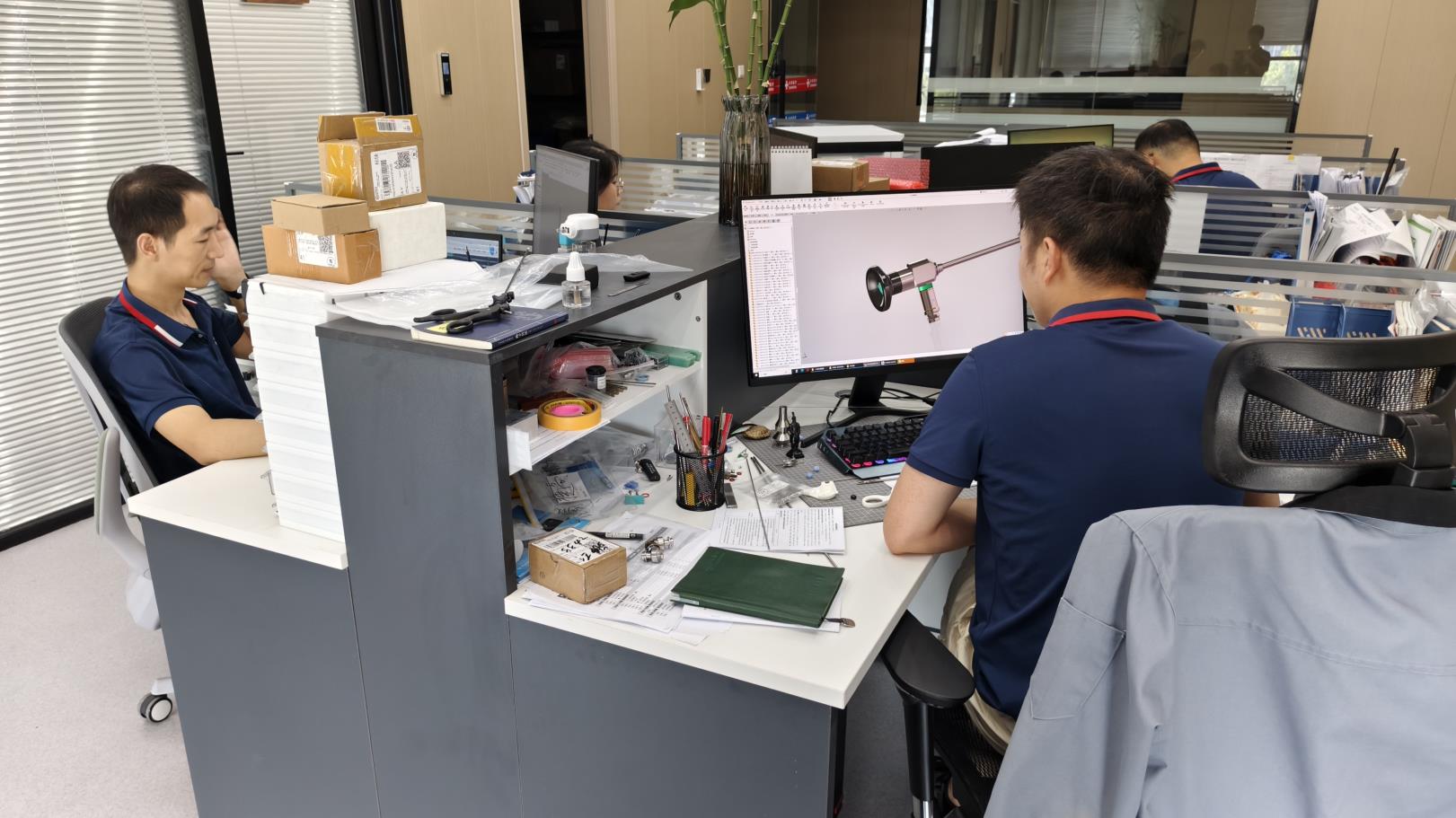
Driven by continuous innovation, Synoviq invests heavily in R&D and intelligent manufacturing to enhance product performance, surgical efficiency, and patient outcomes. Our experienced engineering team works closely with customers to develop customized products tailored to different clinical applications and market demands.
With a customer-oriented philosophy, competitive pricing, stable supply capability, and efficient technical support, Synoviq has established long-term partnerships with distributors, medical brands, and healthcare organizations across Europe, North America, South America, the Middle East, and Asia-Pacific.
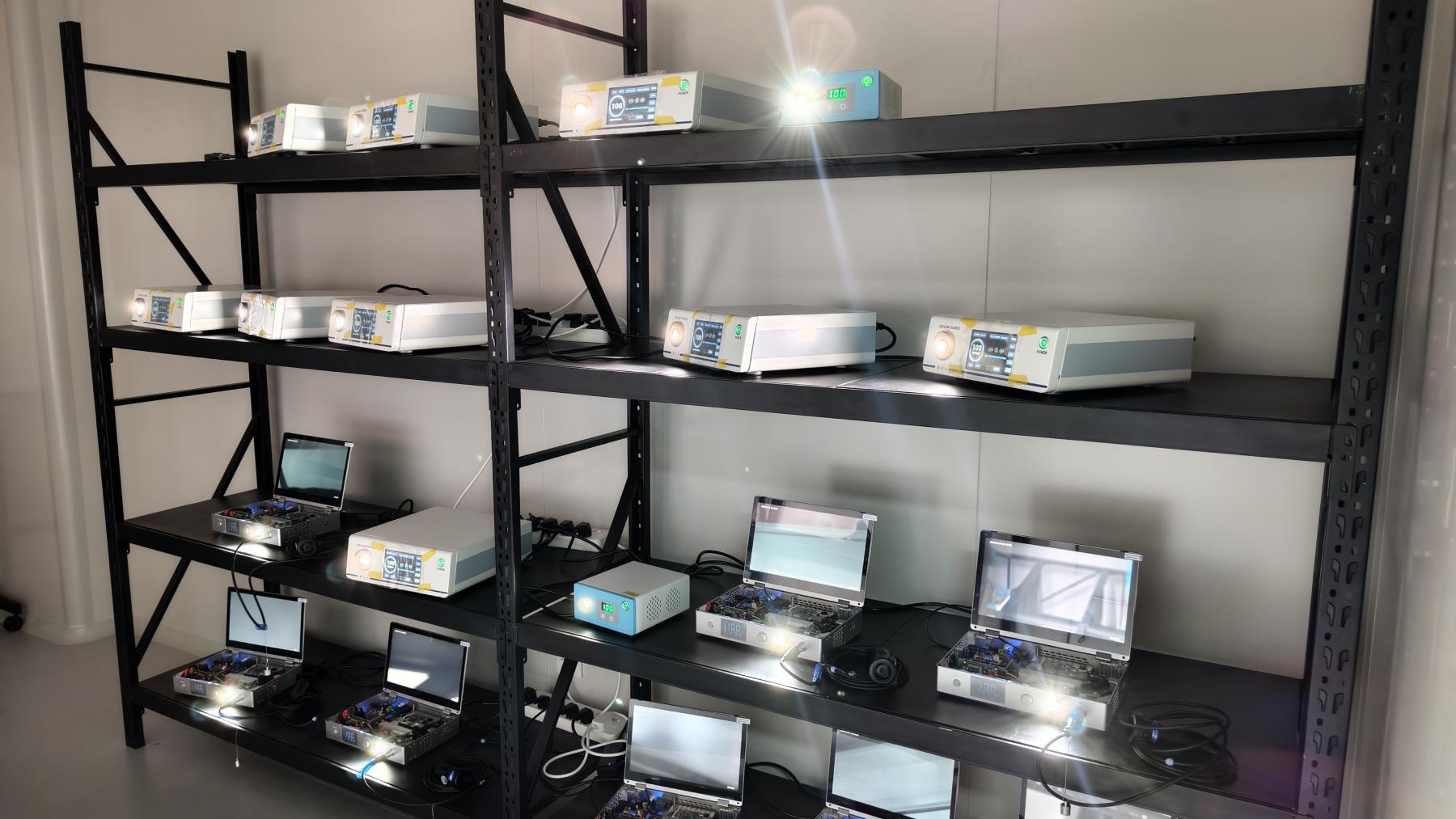
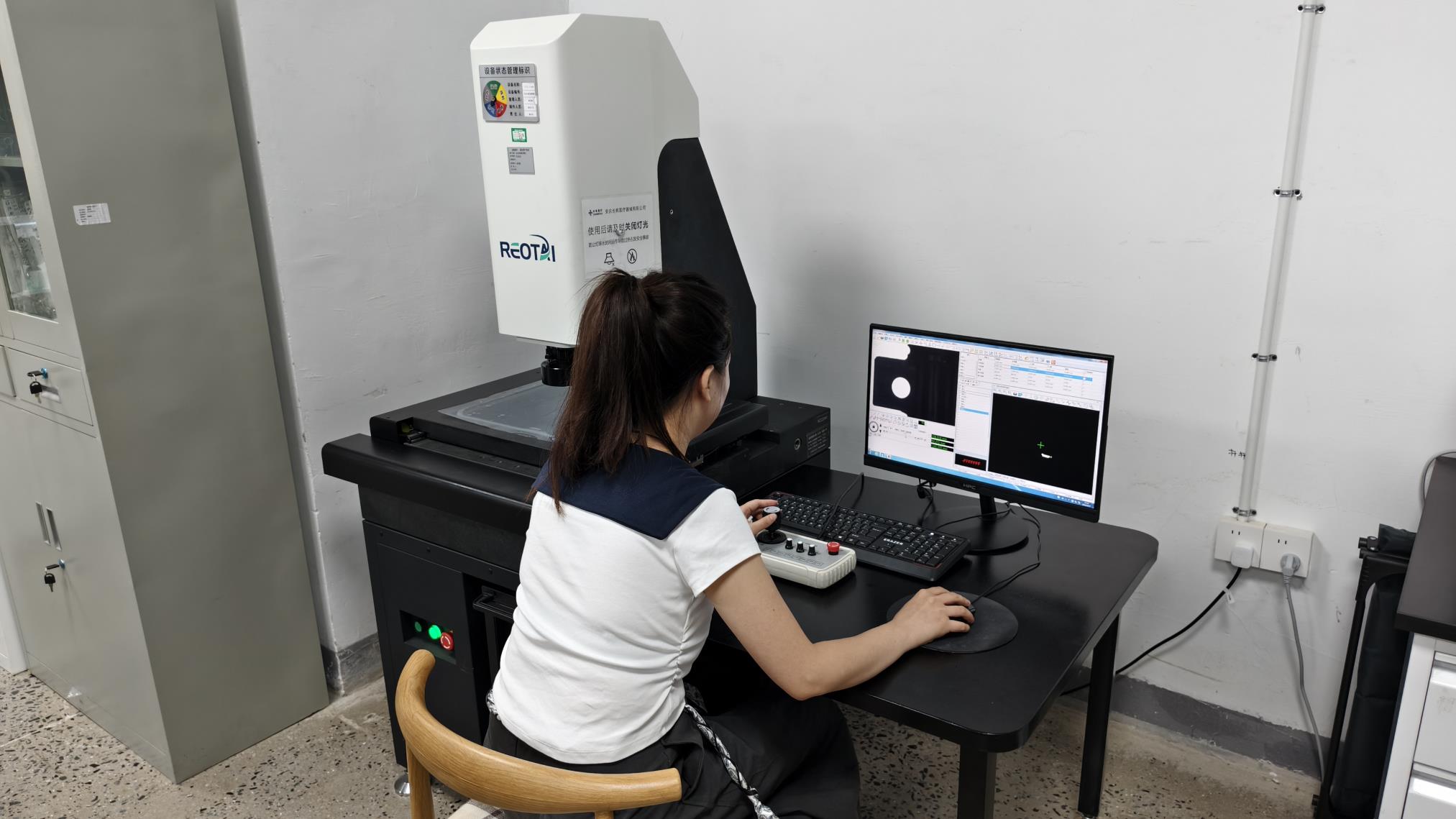
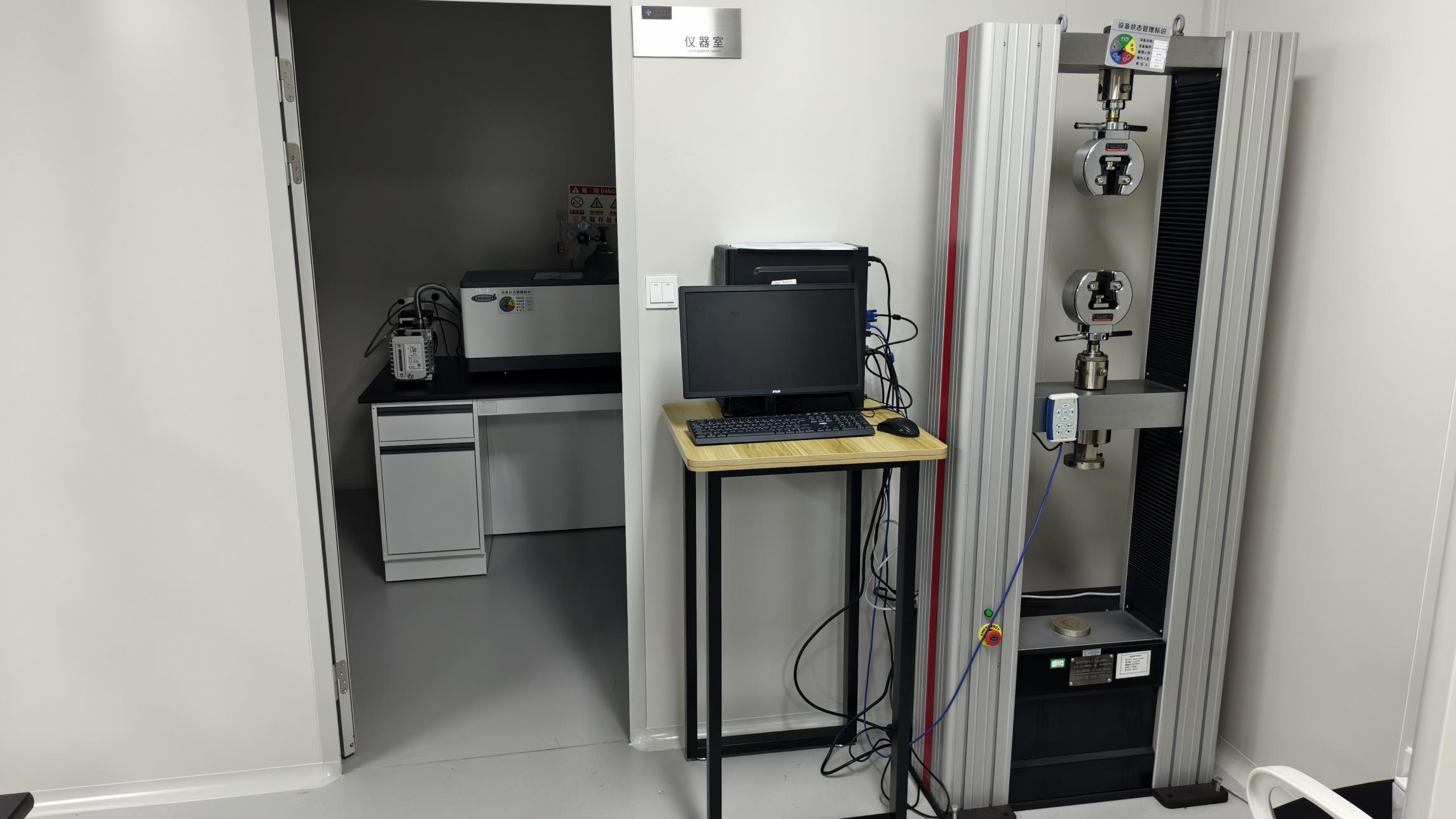
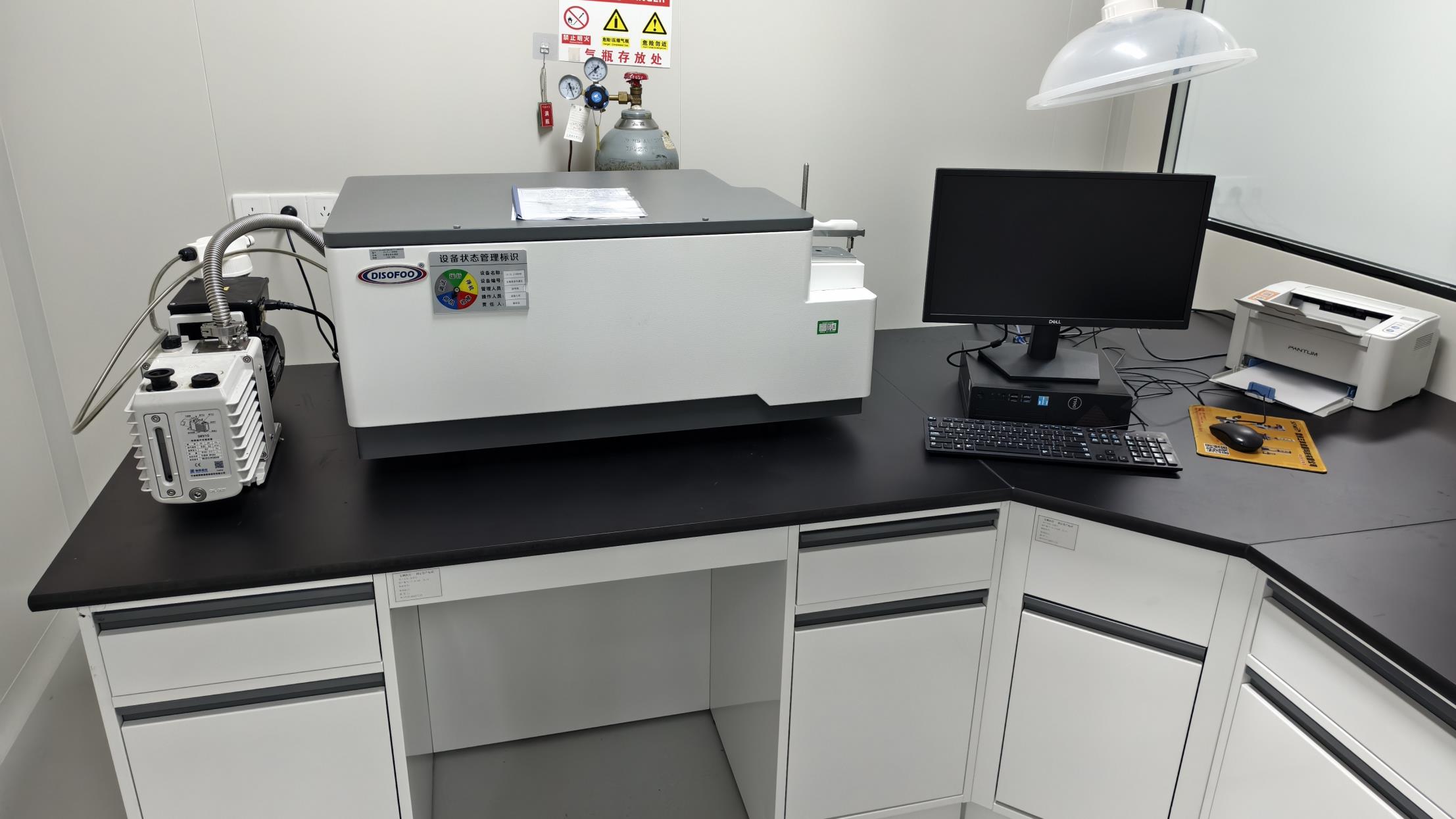
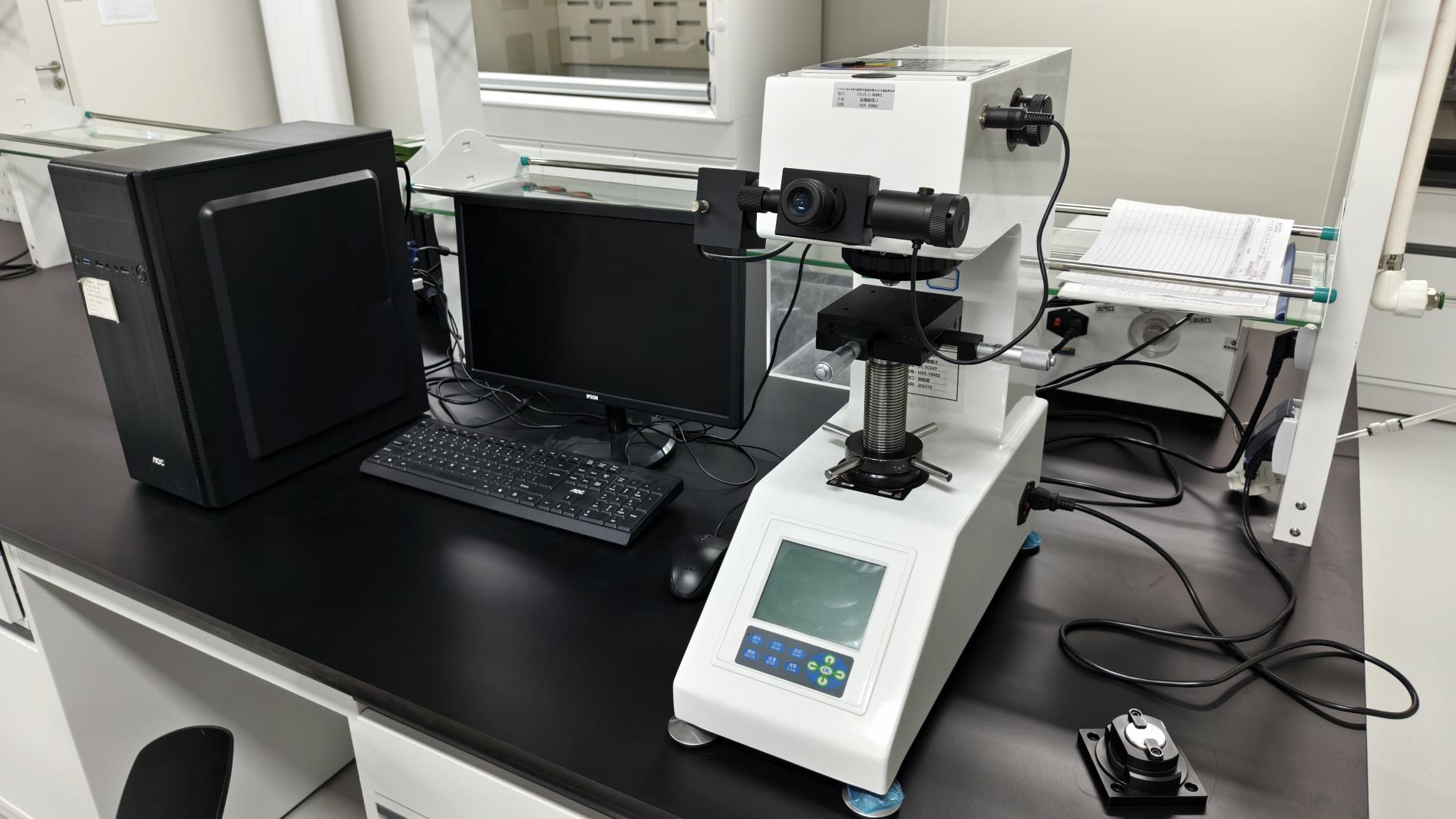
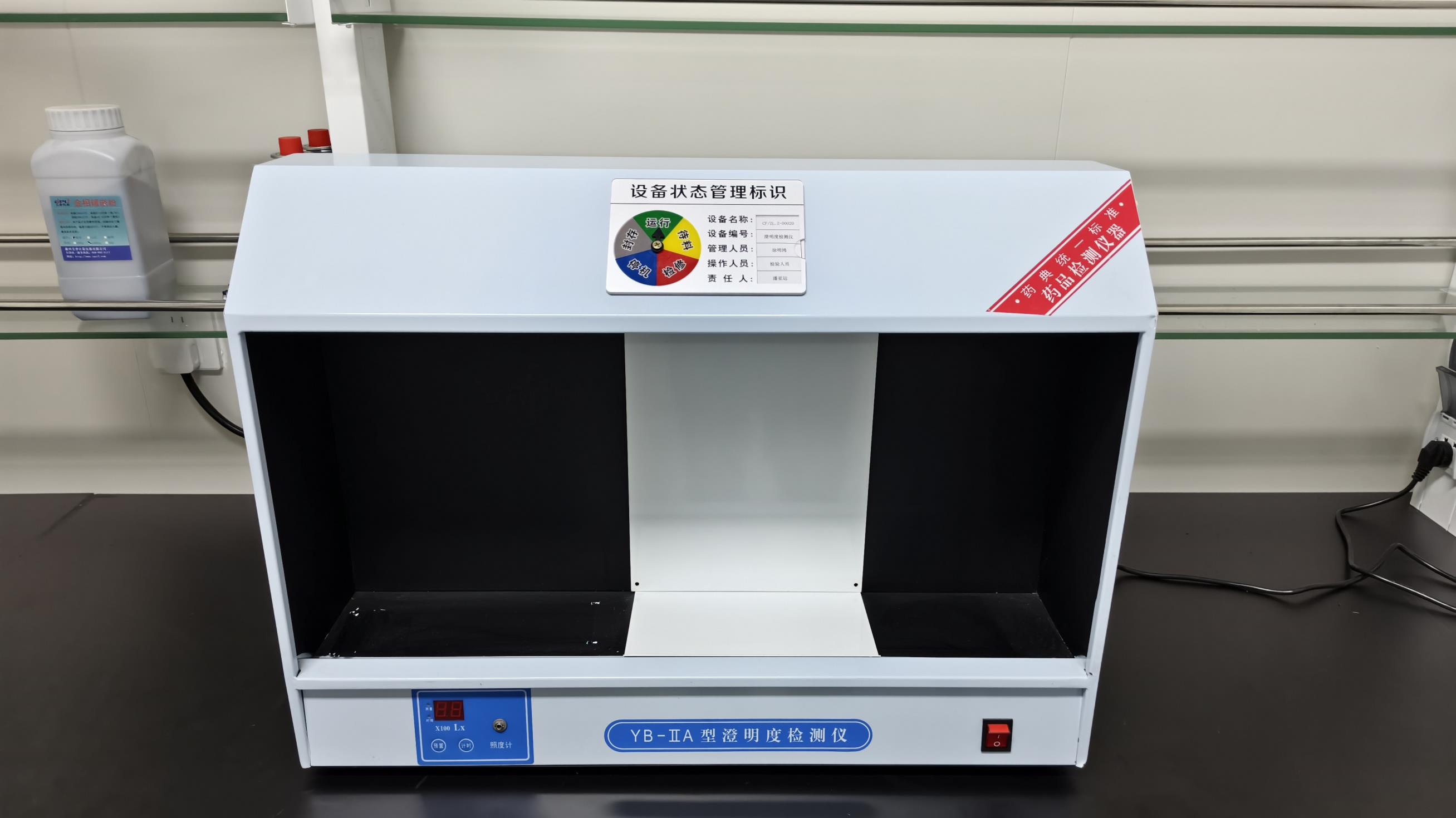
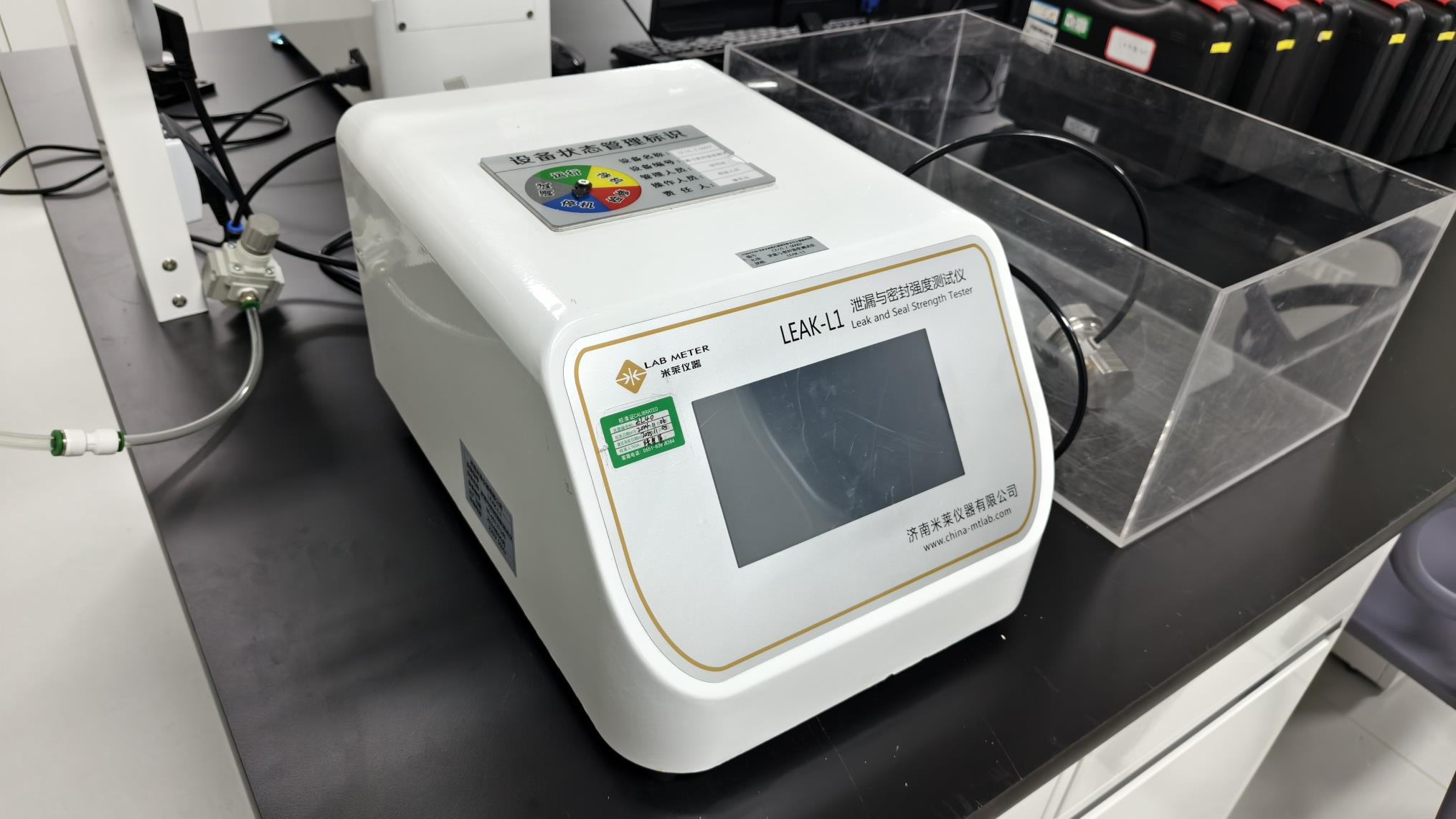
Collaborating with over 1,120 supply chain partners, Synoviq combines state-of-the-art testing methods (CMM measurement, mechanical fatigue testing, salt spray, and sterility validation) to secure safe, reliable implants and instruments for surgical suites globally.
| Item | Information Details |
|---|---|
| Company Name | Synoviq Medical Technology (China) Co., Ltd. |
| Brand | Synoviq |
| Established | March 18, 2016 |
| Building Area | 18,600 m² |
| Annual Export Revenue | USD 21.8 Million |
| Export Experience | 8 Years |
| Industry Experience | 14 Years |
| Quality Inspection | 100% Final Inspection & Incoming Material Inspection |
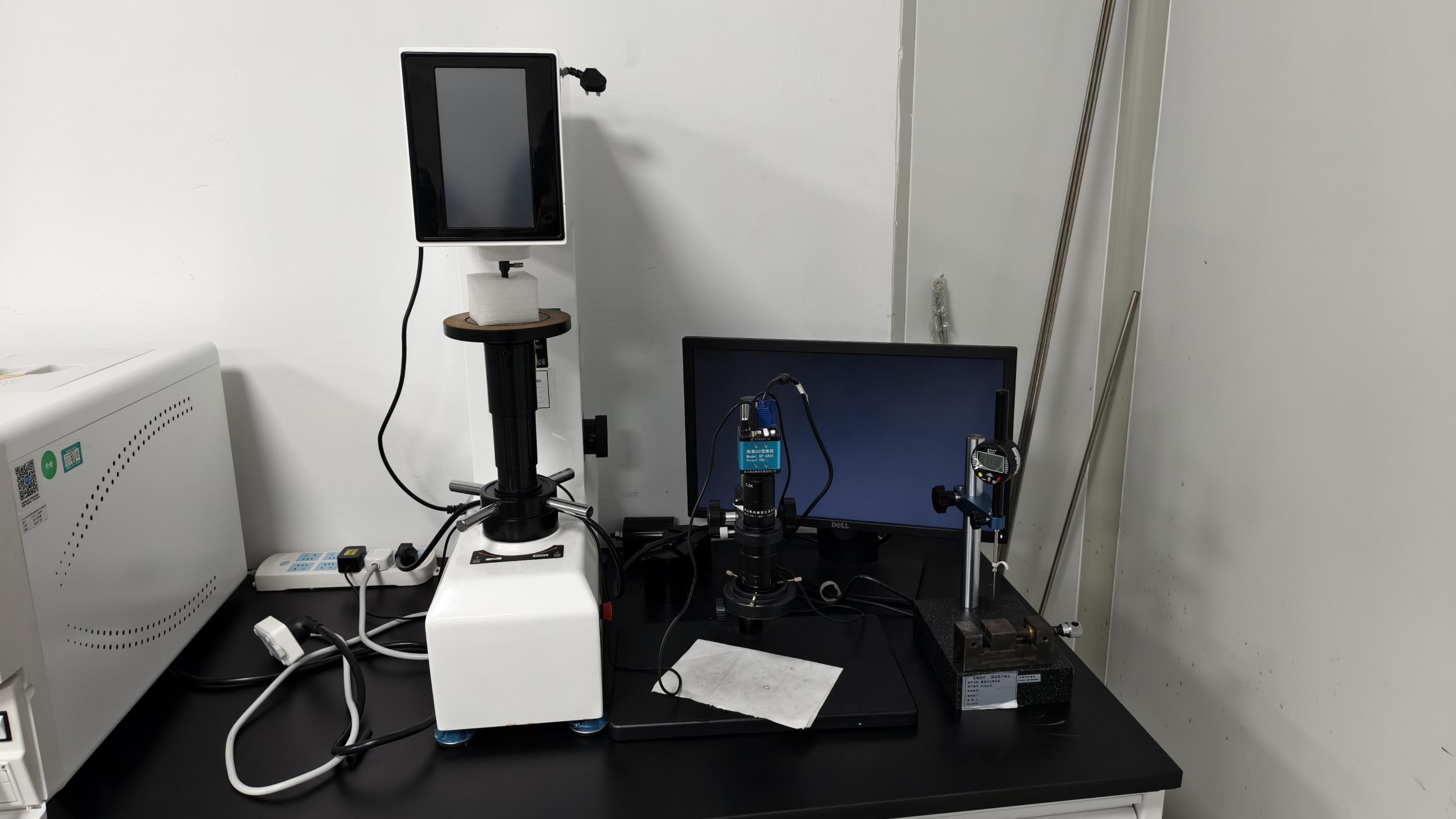
| Product Inspection Methods | CMM Measurement, Mechanical Testing, Surface Roughness Testing, Hardness Testing, Salt Spray Testing, Sterility Validation |
| Quality Control Staff | 48 Specialists |
| Business Type | Manufacturer & Exporter (OEM/ODM) |
| Main Markets | Europe, North America, South America, Middle East, Southeast Asia |
| Supply Chain Partners | 1,120+ Certified Entities |
| Main Customer Types | Medical Device Brands, Importers, Distributors, Hospitals, Government Procurement Projects |
| R&D Capability | Independent Product Design, Prototype Development, Clinical-Oriented Engineering, OEM & ODM Development |
| Customization Options | Logo Customization, Packaging Customization, Product Design Customization, Material Selection, Surface Treatment |
| New Products Released Last Year | 186 Innovative Items |
| R&D Engineers | 76 Specialized Engineers |
Analyzing the manufacturing efficiencies, logistical strengths, and technological cluster integration of Eastern China's medical device hubs.
By operating inside established industrial parks, Synoviq secures direct access to specialized raw materials like implant-grade titanium bars (ASTM F136 compliant) and anodizing treatments without extensive freight delays. This localized synergy keeps production overheads low while supporting rapid design iterations.
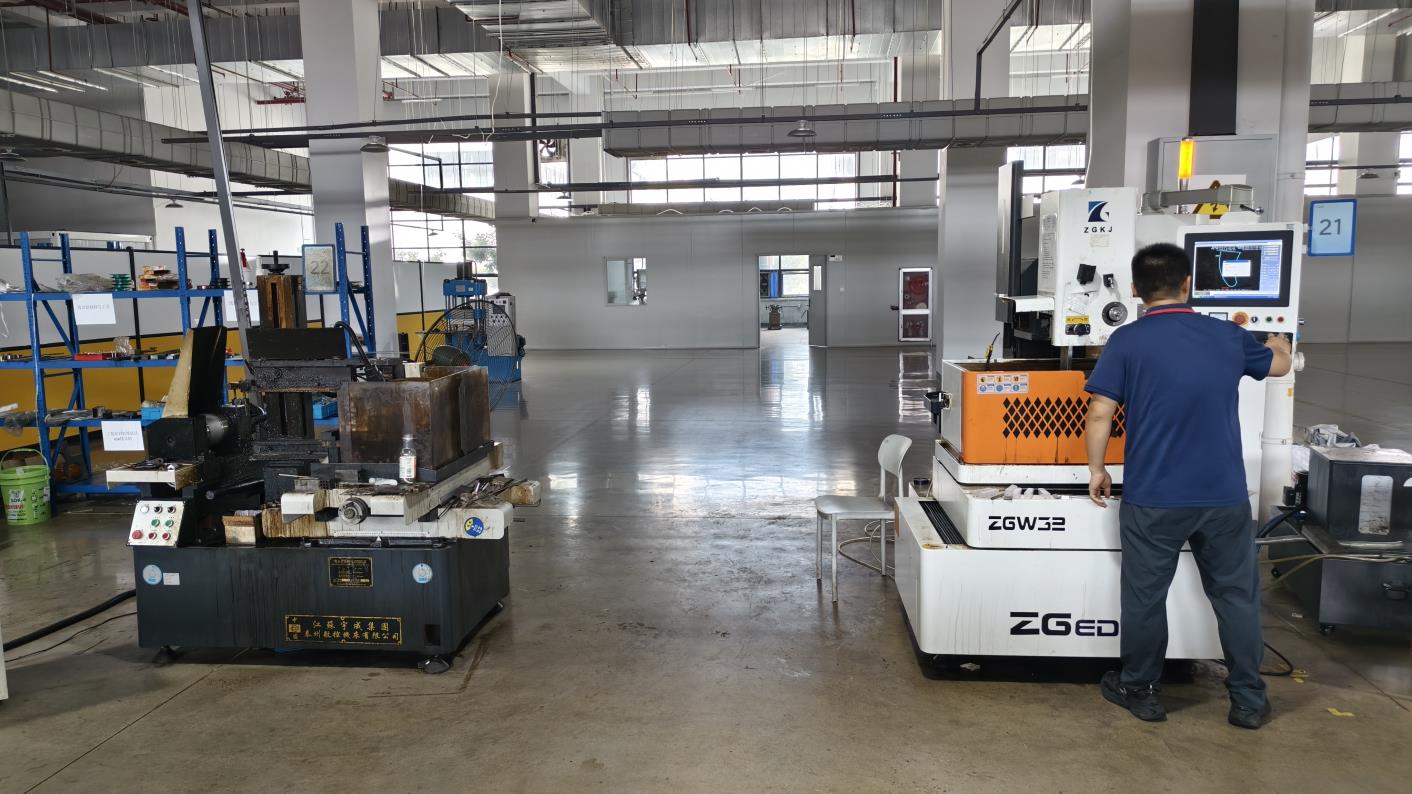
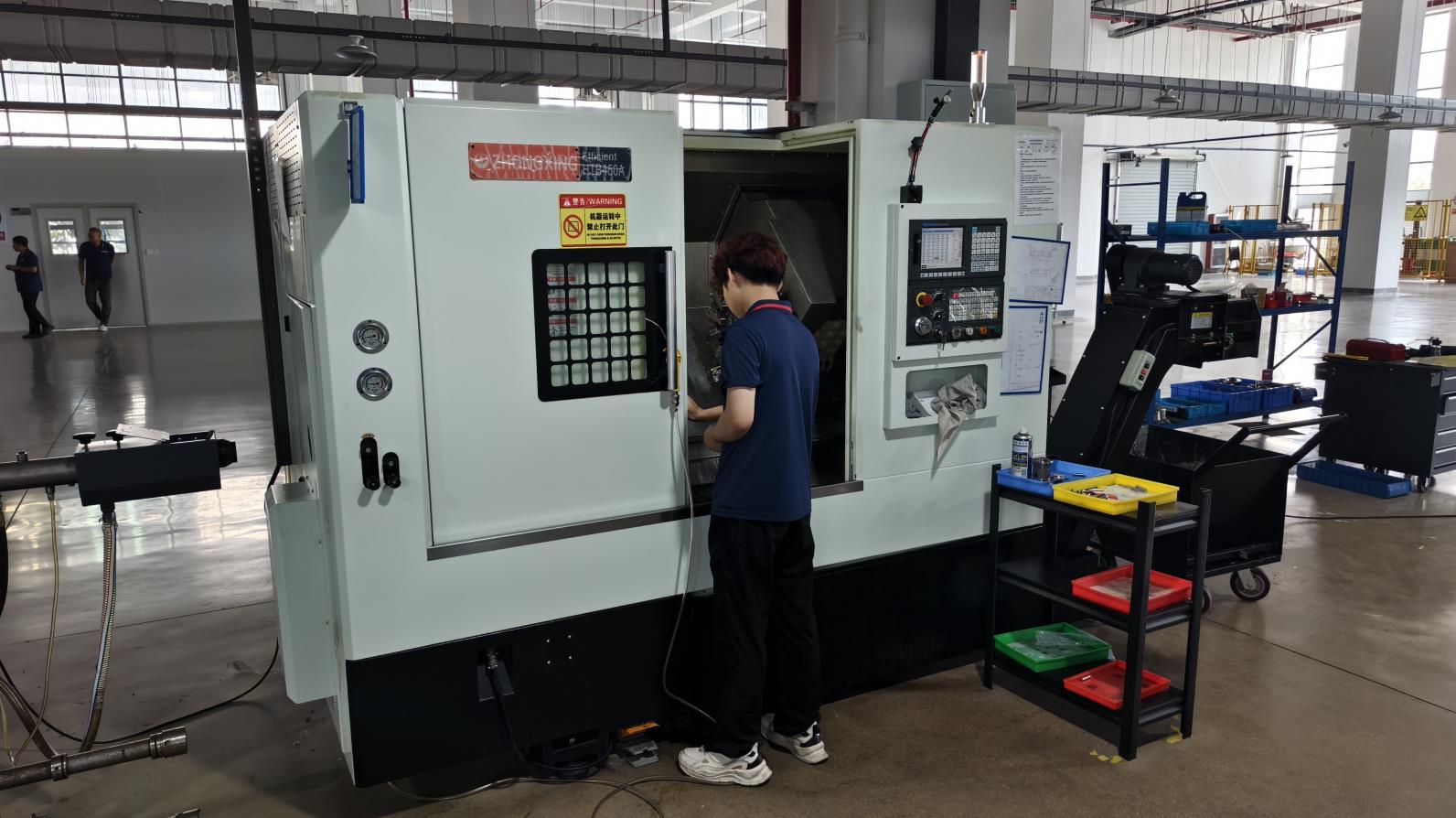
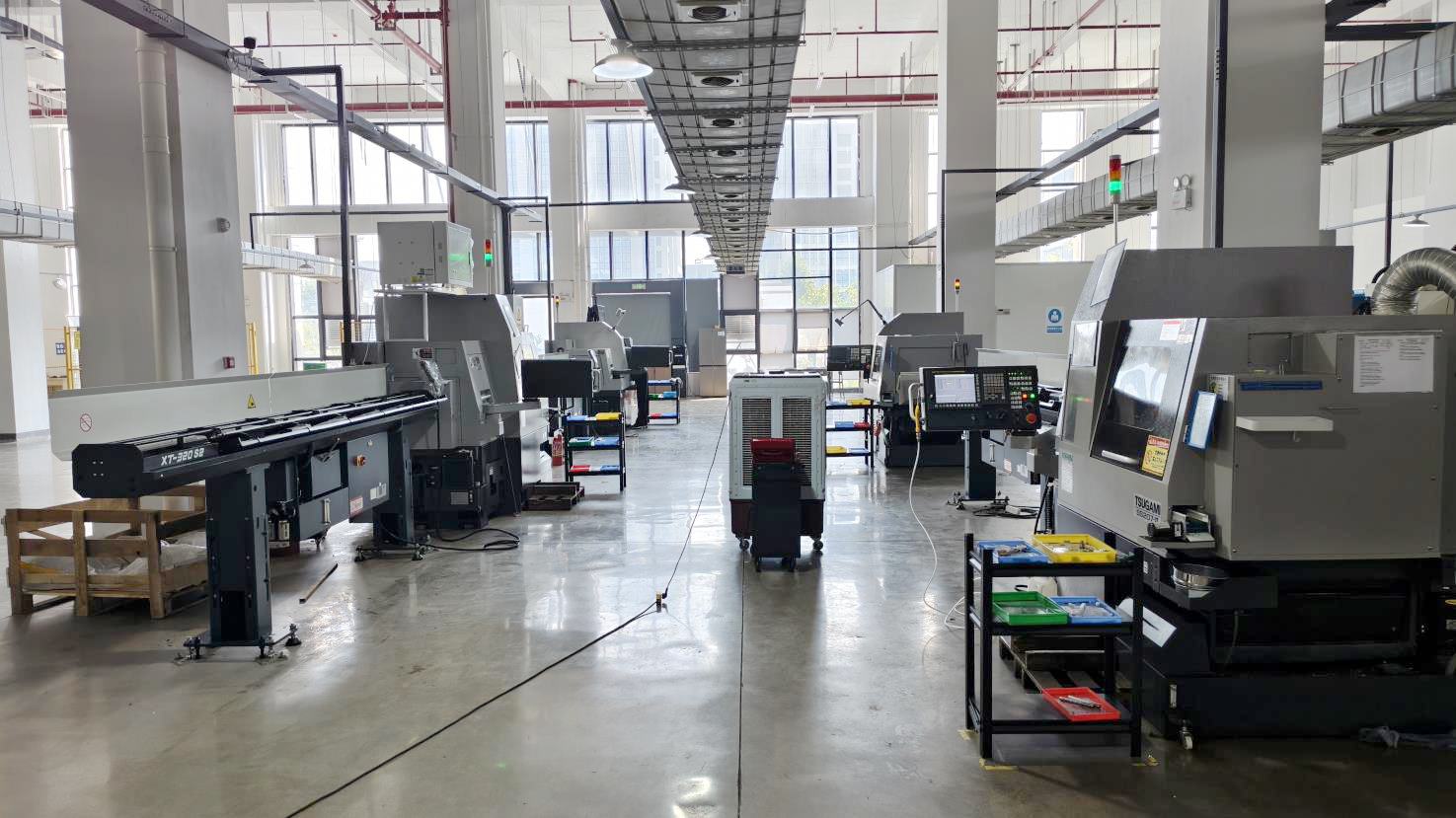
Precision is vital for pin-to-rod couplings and locking clamps. Synoviq uses multi-axis Swiss-type lathes and wire-cutting EDM (Electrical Discharge Machining) setups to maintain dimensional tolerances within microns. This mechanical consistency prevents thread galling and stabilizes long-term fixator locking torque.
Located in a major trade hub, we offer reliable container routing to Europe, North America, the Middle East, and South America. This minimizes customs transit times and allows bulk orders to be delivered within tight clinical project schedules.
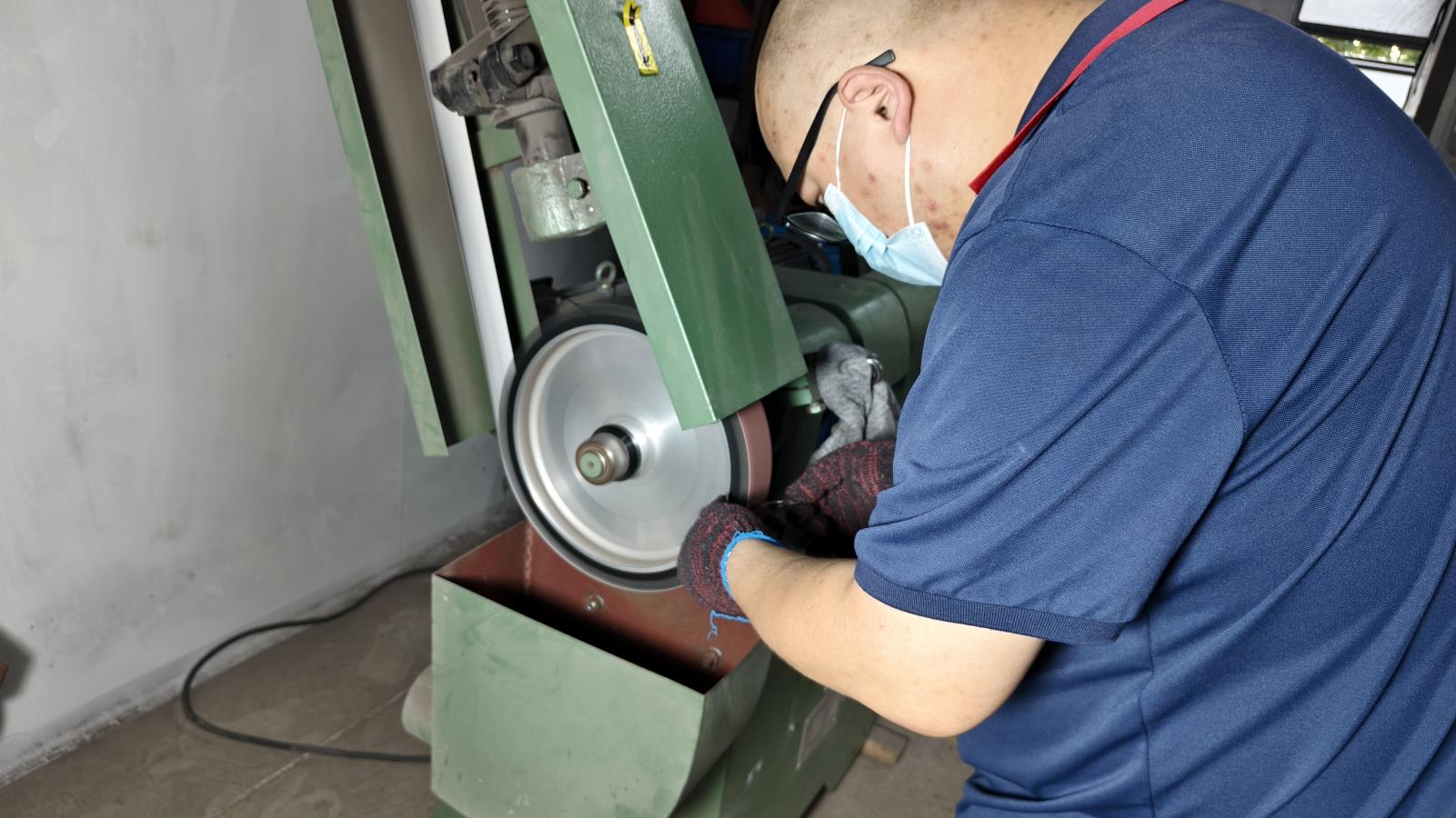
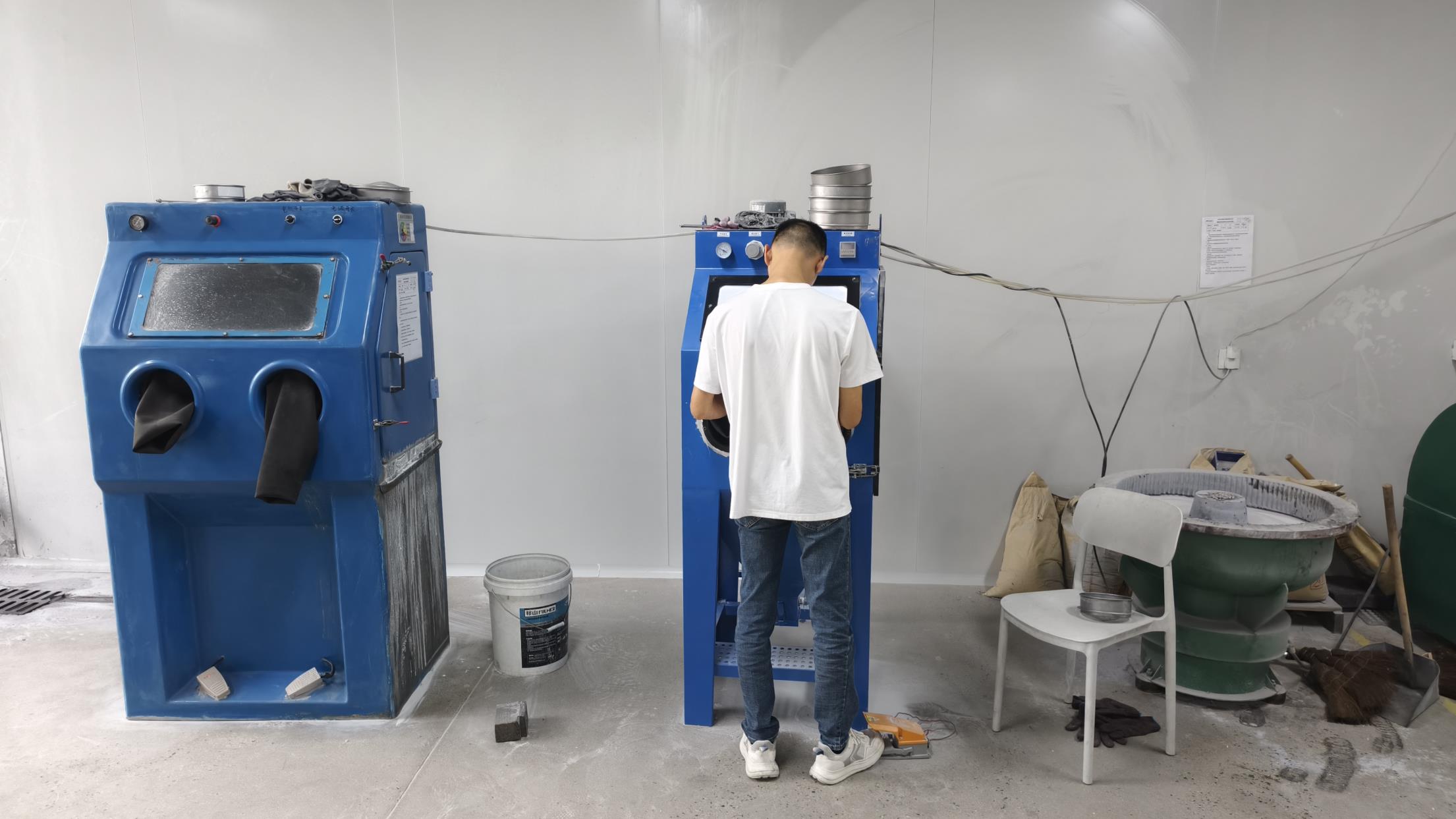
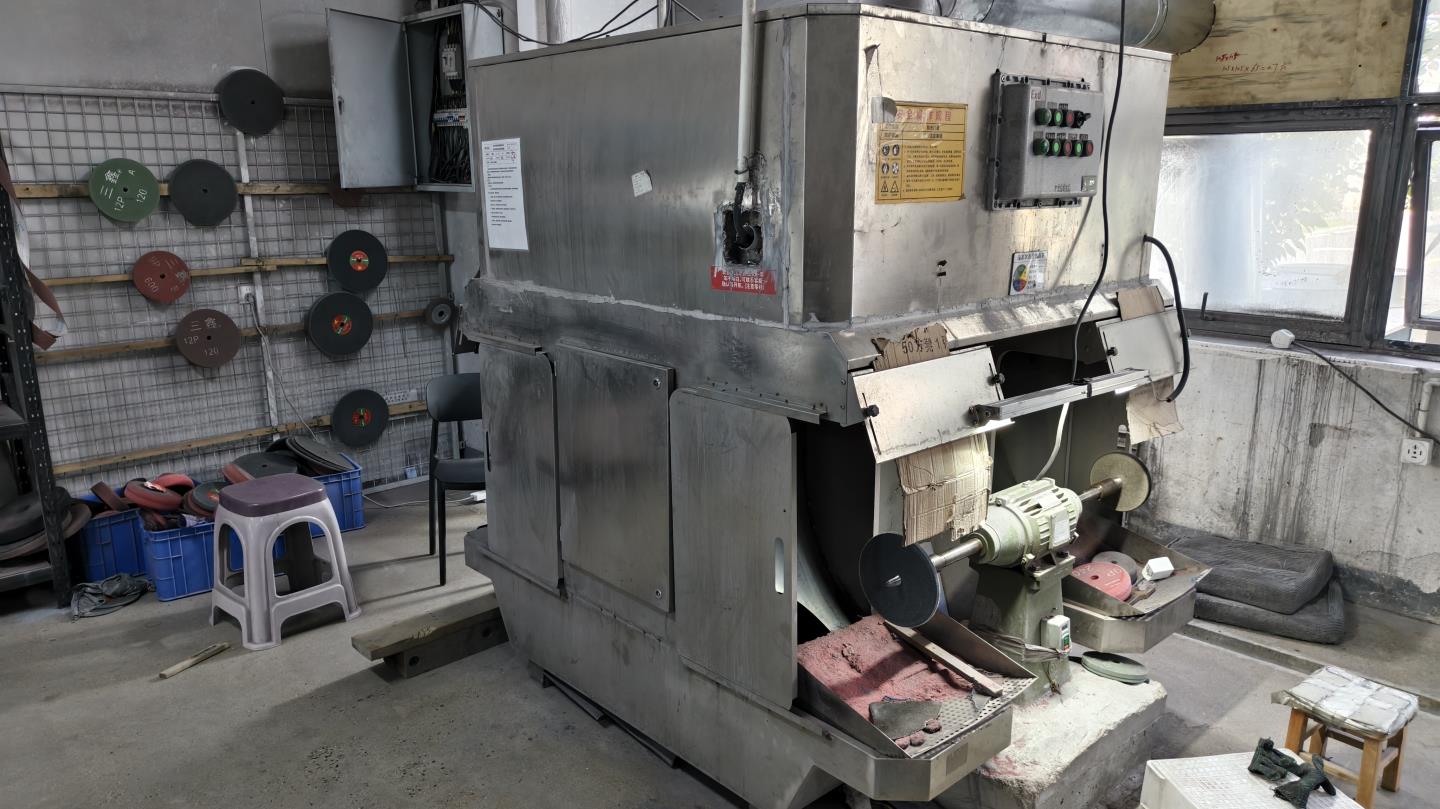
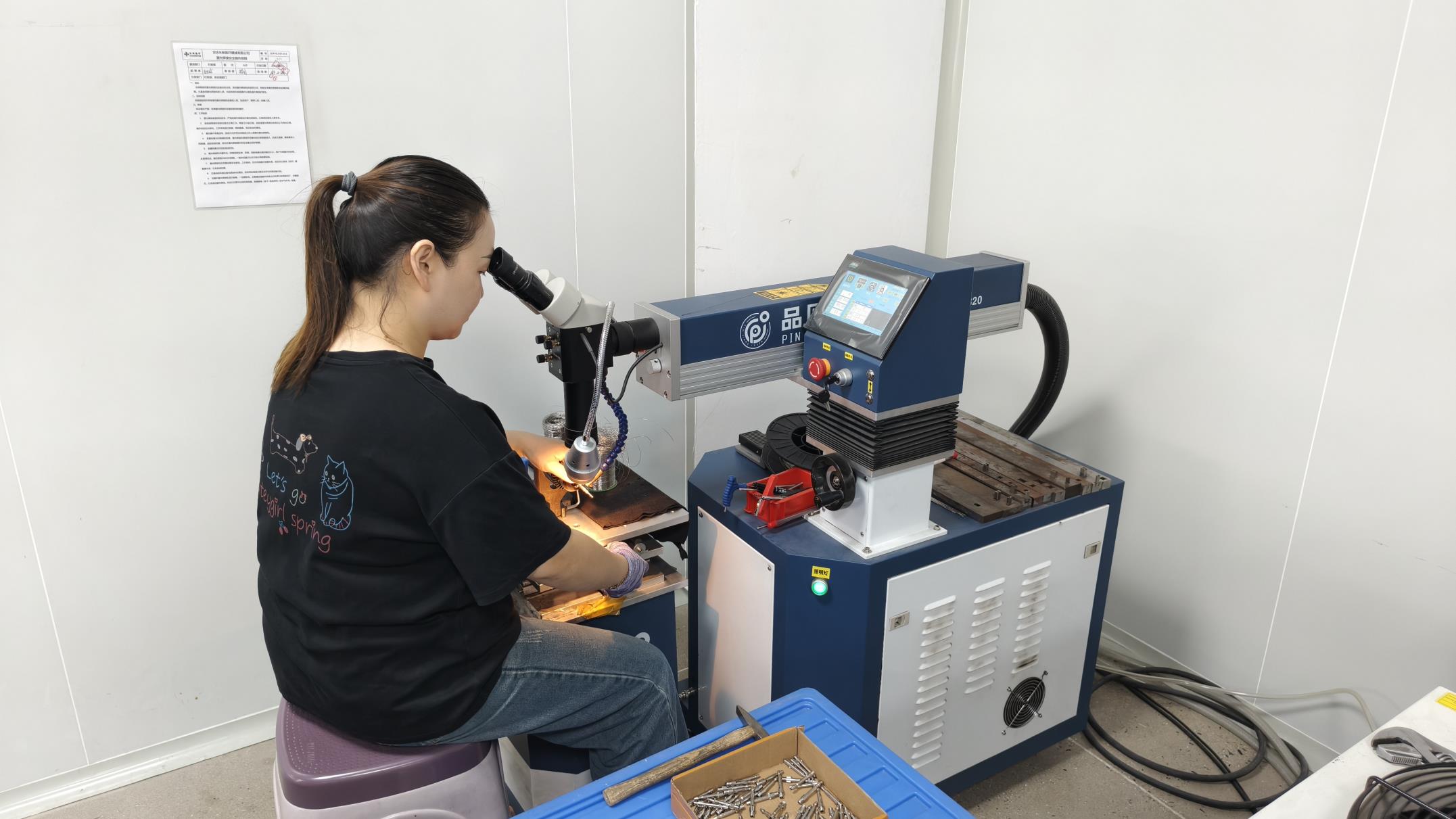
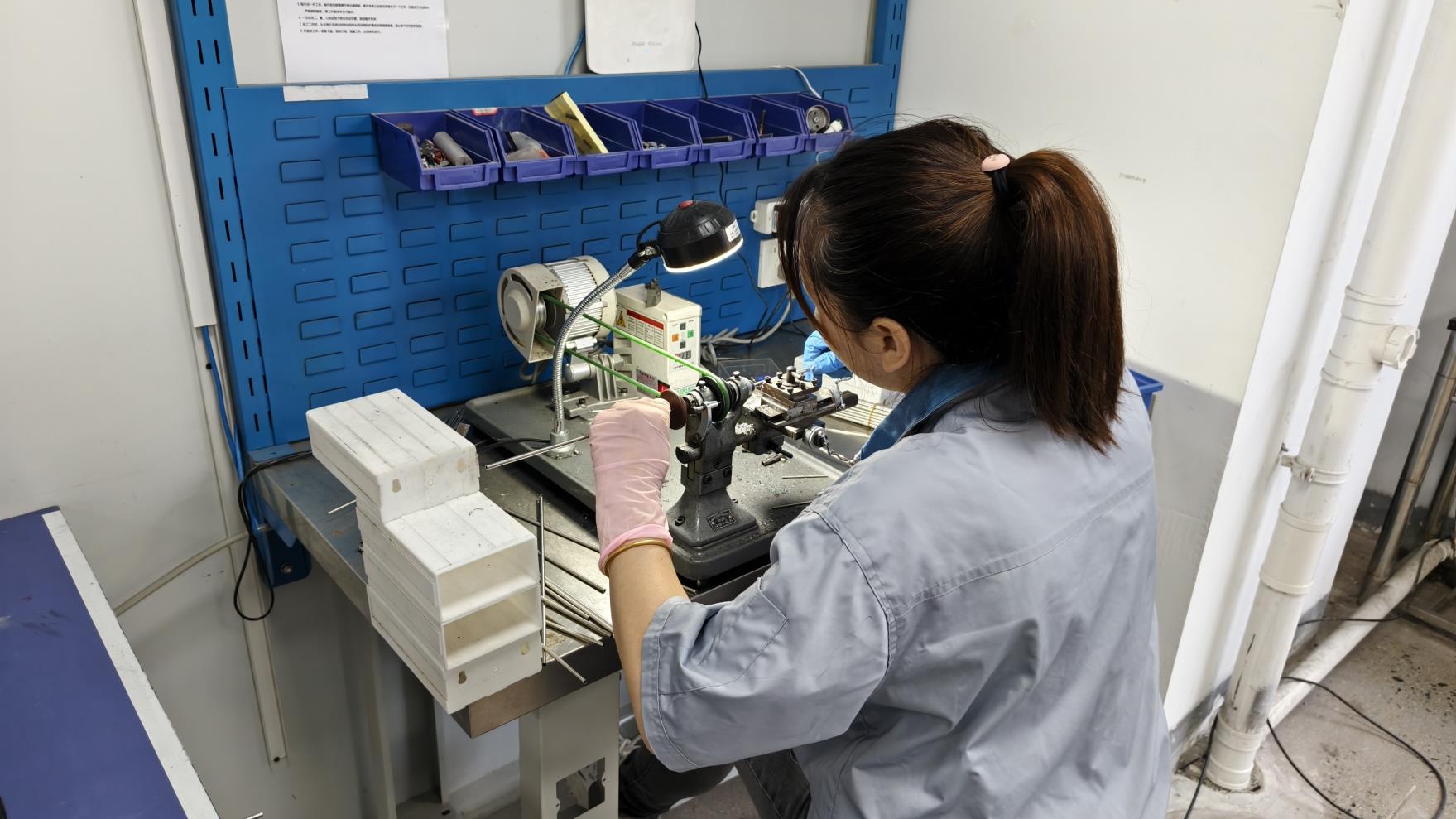
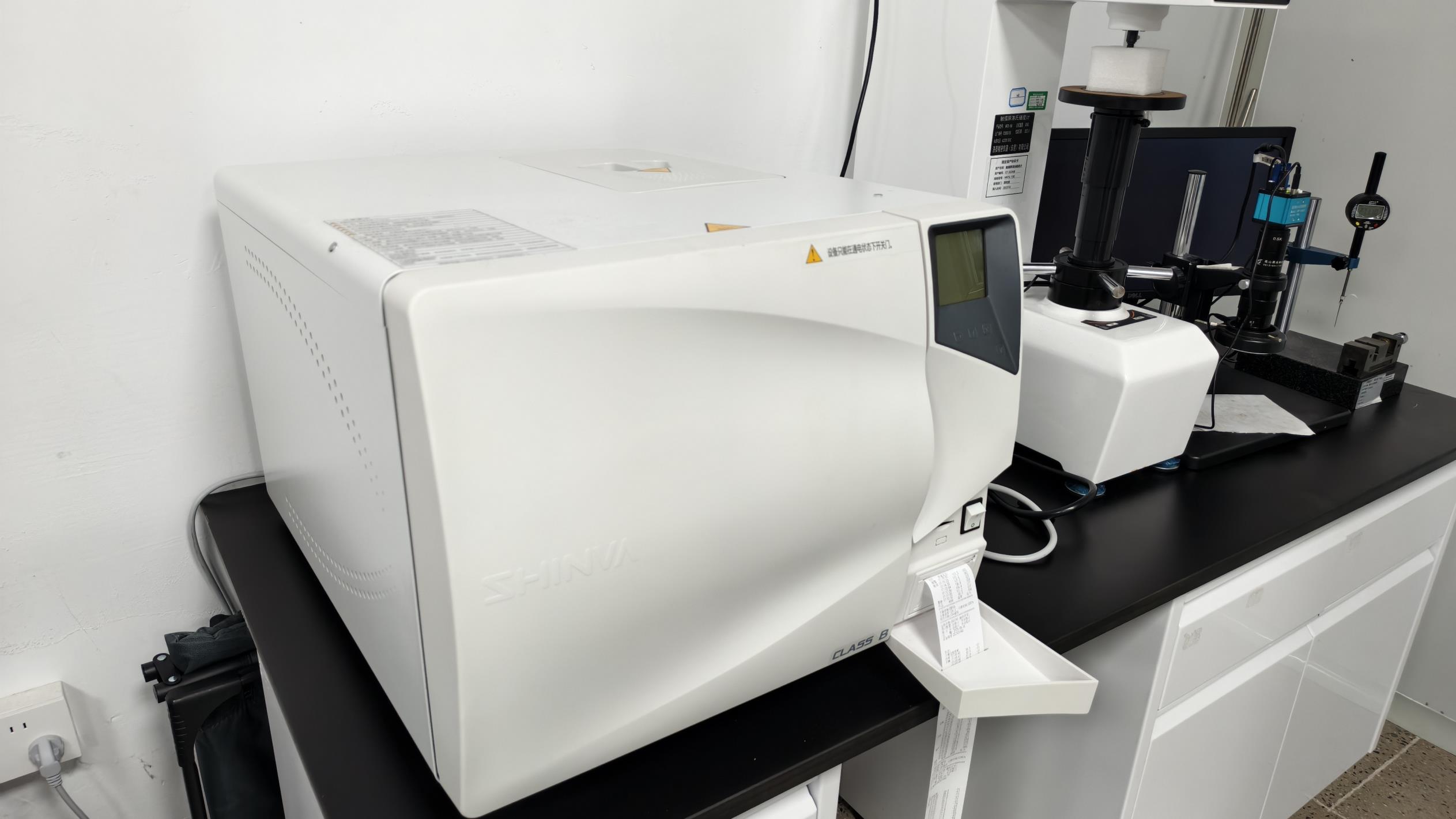
Visualizing the critical stages of machining, processing, and validating orthopedic hardware inside Synoviq's certified plant.
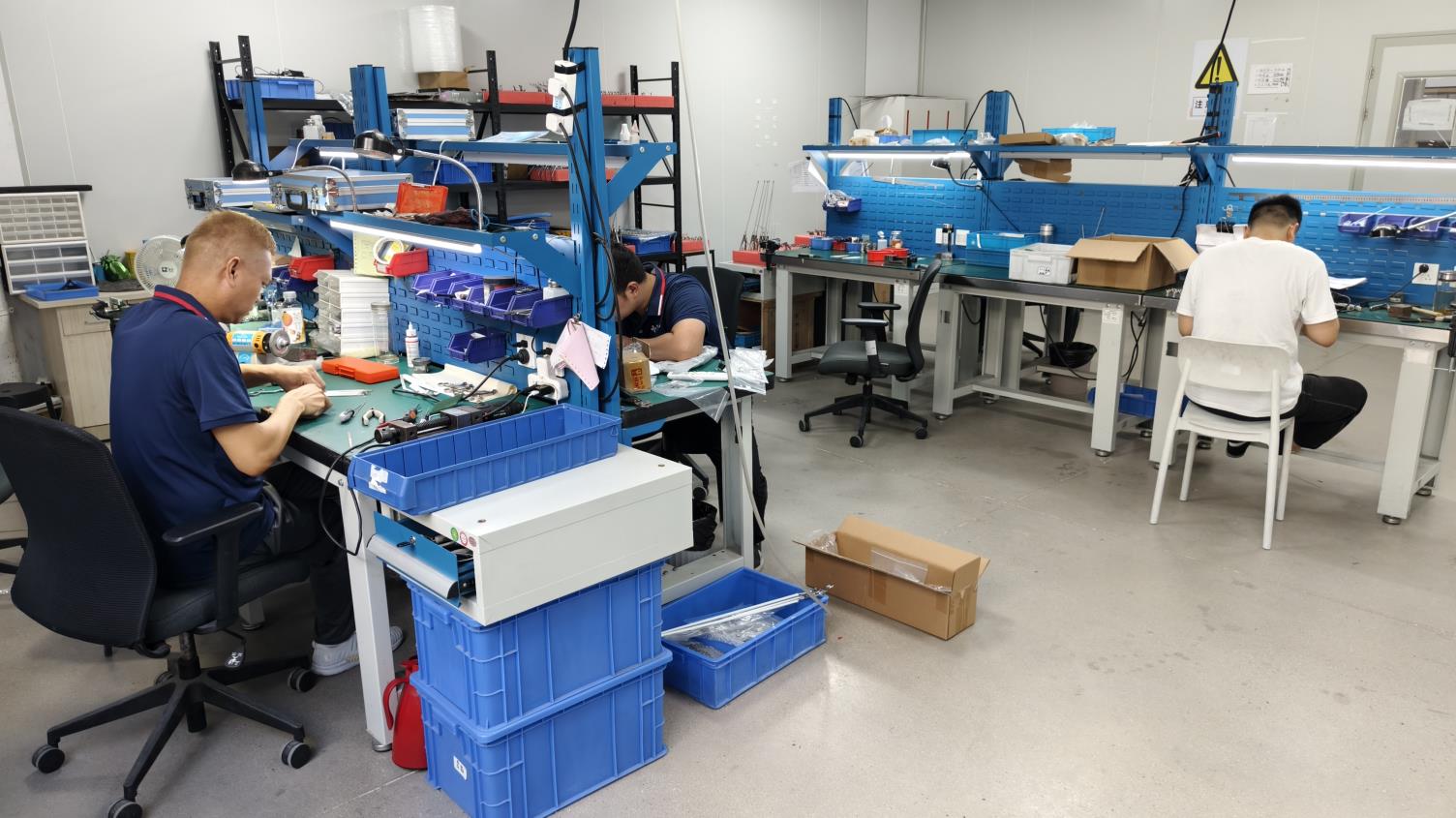
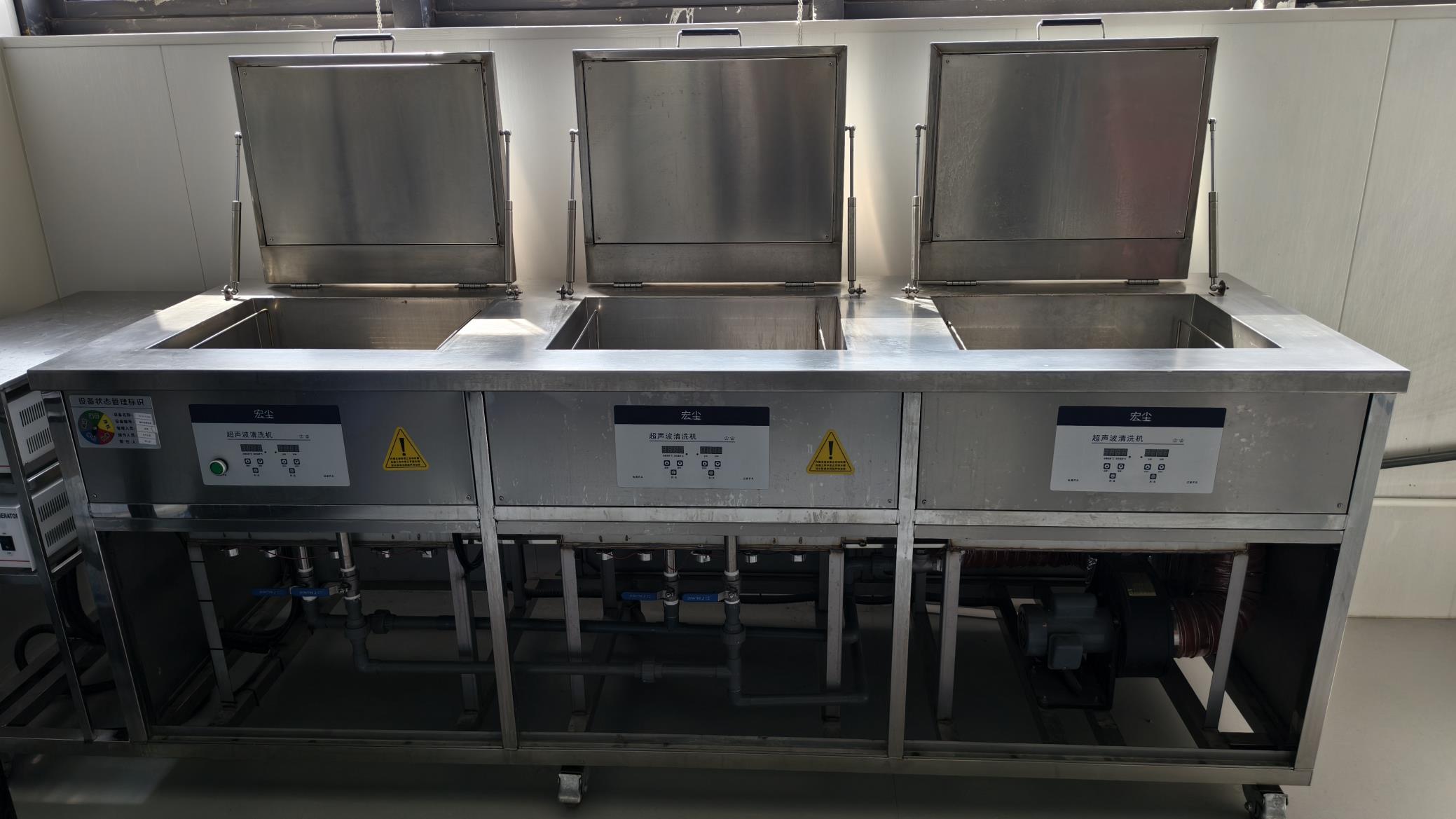
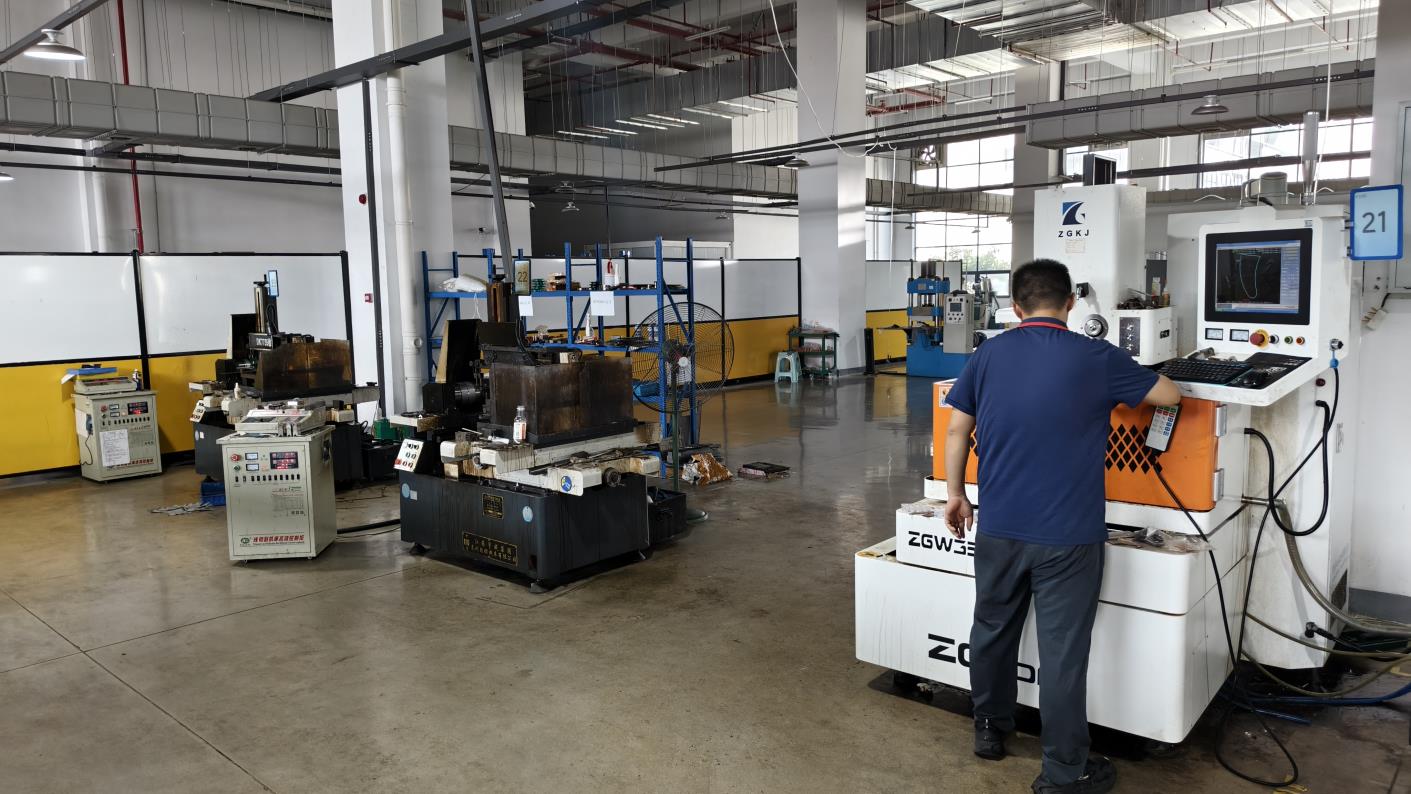
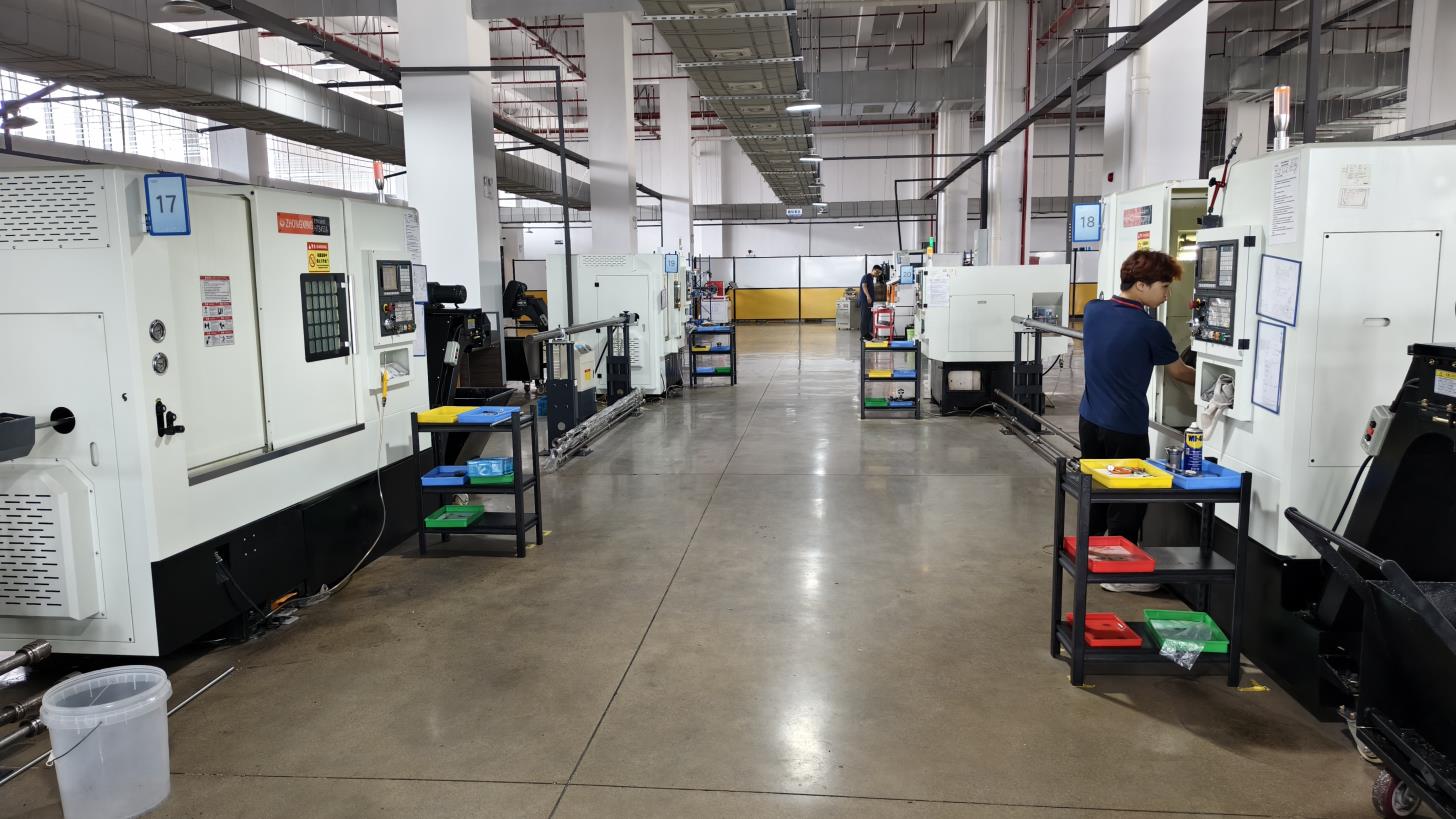
Navigating the complex landscape of international medical device regulations requires robust quality protocols and thorough technical documentation.
For medical device brands and hospital chains, regulatory compliance is non-negotiable. Synoviq works under strict ISO 13485:2016 medical manufacturing standards. Our class III implants and trauma plates are engineered and audited to support CE MDR (Medical Device Regulation) registration and local FDA 510(k) clearances.
Additionally, we provide a complete technical file package including biocompatibility test records (ISO 10993), packaging stability data, and mechanical fatigue test curves. This allows distributors to fast-track registration processes in their local markets.
We perform 100% final inspections and incoming material verifications using advanced metrology equipment:
• CMM (Coordinate Measuring Machines): Verifies screw pitches, drill sleeves, and clamp dimensions down to 2 microns.
• Fatigue and Tensile Testing: subjects pins, plates, and external rods to cyclic mechanical stress tests, ensuring structures can bear physiological loads without fracturing.
• Sterility and Packaging Validation: Confirms seal strength and bacterial barrier properties, maintaining sterile integrity from shipping through to the OR.
We work closely with various distribution networks, adapting our production processes to fit specific purchasing requirements.
• Brand OEM/ODM: Fast-track product development using our existing designs. Includes custom logo engraving, color anodizing, and custom layout boxes.
• Large Hospital Group Purchasing (GPO): Cost-effective bulk production that helps hospitals lower procedural costs while maintaining high patient safety standards.
• Government Bidding Support: We supply comprehensive documentation and stable lead times to help regional importers win local orthopedic procurement tenders.
Detailed analysis of where external fixation setups are critical for bone stabilization.
High-energy trauma often leads to significant soft-tissue damage. In these cases, internal plates can increase the risk of osteomyelitis. Temporary external fixators allow surgeons to stabilize bone segments rigidly while providing unrestricted access to the soft tissues for plastic reconstruction and wound management.
Using circular ring fixators (such as Ilizarov-type frames), surgeons can perform gradual distraction osteogenesis. These constructs allow patients to weight-bear early, which stimulates bone regeneration and helps correct congenital limb discrepancies.
For polytrauma patients in critical condition, long reconstructive surgeries are contraindicated. Quick applications of modular bridging fixators (spanning the knee, hip, or ankle joints) stabilize fractures in minutes. This minimizes surgical trauma and helps control the patient's systemic inflammatory response.
A technical overview of the engineering developments shaping the next generation of external fixator components.
Replacing traditional steel rods with carbon fiber composite tubing reduces the frame's weight and provides radiolucency. This allows surgeons to check bone alignment on X-rays without metal structures blocking the view.
Pin-tract infection is a common complication of external fixation. New designs use specialized PVD coatings and antimicrobial layers to prevent bacterial colonization along the pin tract, lowering infection rates and reducing pin loosening.
Modern deformity correction uses computer-assisted hexapod fixators. Surgeons enter patient parameters into planning software, which calculates the exact daily strut adjustments needed to correct complex multiplanar deformities.
Technical answers to common questions from regulatory departments and procurement managers.
Complete your supply portfolio with our highly reliable joint replacement and osteotomy systems
 Synoviq Medical