Explore our core manufacturing line of clinical-grade implants and specialized instrument kits designed for human and veterinary orthopedic solutions.
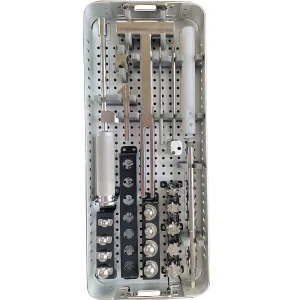
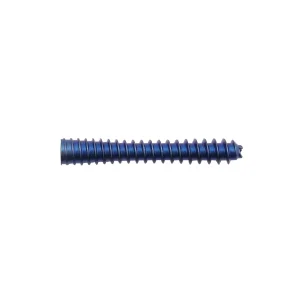
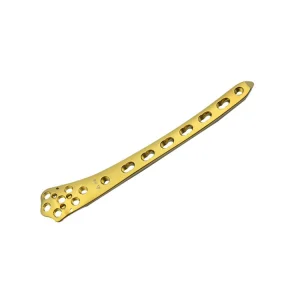
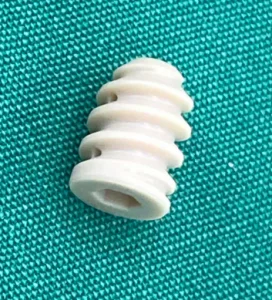
Analyzing market distributions, raw materials supply, and structural dynamics within the global joint reconstruction sector.
Total Hip Arthroplasty (THA) remains one of the most clinically successful and cost-effective interventions in modern orthopedics. While cementless fixation has gained substantial market share in active, younger demographics over the past three decades, cemented hip prosthesis systems remain the clinical gold standard for specific patient cohorts. Particularly for geriatric patients with poor bone quality, osteoporotic femoral channels (Dorr Type C classification), or patients requiring revision surgeries, cemented stems offer immediate mechanical stability and lower risk of intraoperative or periprosthetic fractures.
The global demand for cemented hip prostheses is highly resilient, driven primarily by demographic shifts. Aging populations in regions such as Western Europe, Japan, and North America require predictable primary arthroplasty outcomes. PMMA (Polymethyl Methacrylate) bone cement acts as a mechanical buffer, distributing load evenly along the bone-implant interface, which effectively minimizes localized stress concentration. B2B procurement managers and orthopedic device brands are increasingly seeking strategic OEM/ODM partners capable of producing high-precision, collarless polished tapered (CPT) or anatomical cemented stems that comply with MDR (EU) and FDA regulations.
Unlike cementless implants that depend on biological osseointegration, cemented hip stems rely on precise geometry and specialized surface finishes (such as high-gloss mirror polishing Ra < 0.02μm or controlled satin surfaces) to optimize the interface between the metal, the PMMA bone cement, and the trabecular bone bed. Sourcing implants with consistent tolerances from a dedicated manufacturing factory is critical to long-term implant survival rates.
An accelerating elderly demographic worldwide sustains high demand for cemented hip replacements. These implants offer predictable outcomes in bone beds with low regenerative capacity.
In osteoporotic patients, cemented fixation minimizes the risk of late periprosthetic fractures compared to press-fit stems, which exert high hoop stresses during insertion.
Strict clinical validation protocols globally demand that manufacturers prove material traceability, biocombatibility, and precision mechanical endurance.
Why global orthopedic brands leverage Chinese factories for OEM/ODM scalability and high precision.
In the high-precision world of orthopedic medical device manufacturing, Chinese factories have transitioned from simple cost-focused producers to global centers of advanced technological excellence. Industrial hubs specializing in biomedical metallurgy leverage integrated supply chains. This setup allows raw medical-grade alloys, multiaxial precision milling, surface finish processing, passivation, sterile barrier packaging, and international distribution to occur within highly efficient, localized clusters.
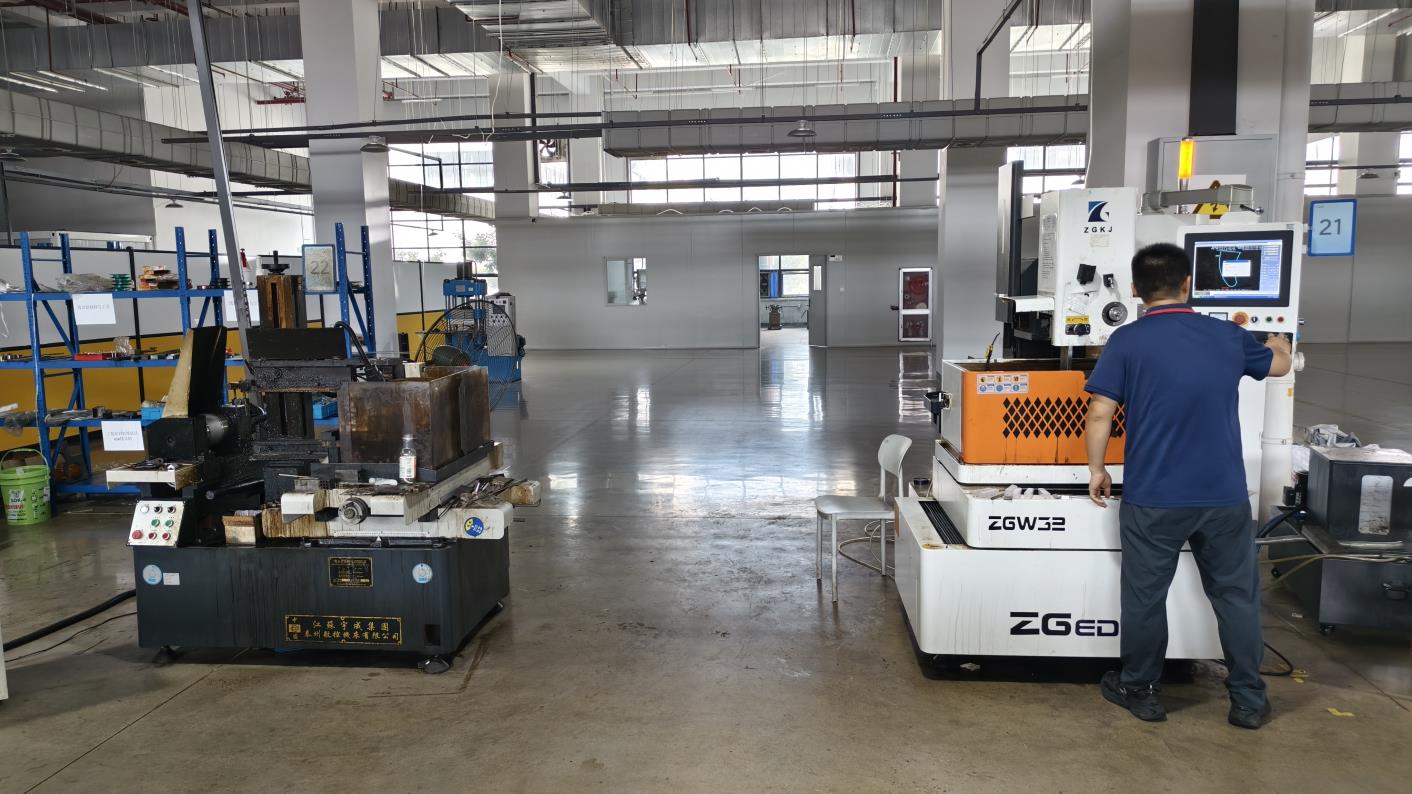
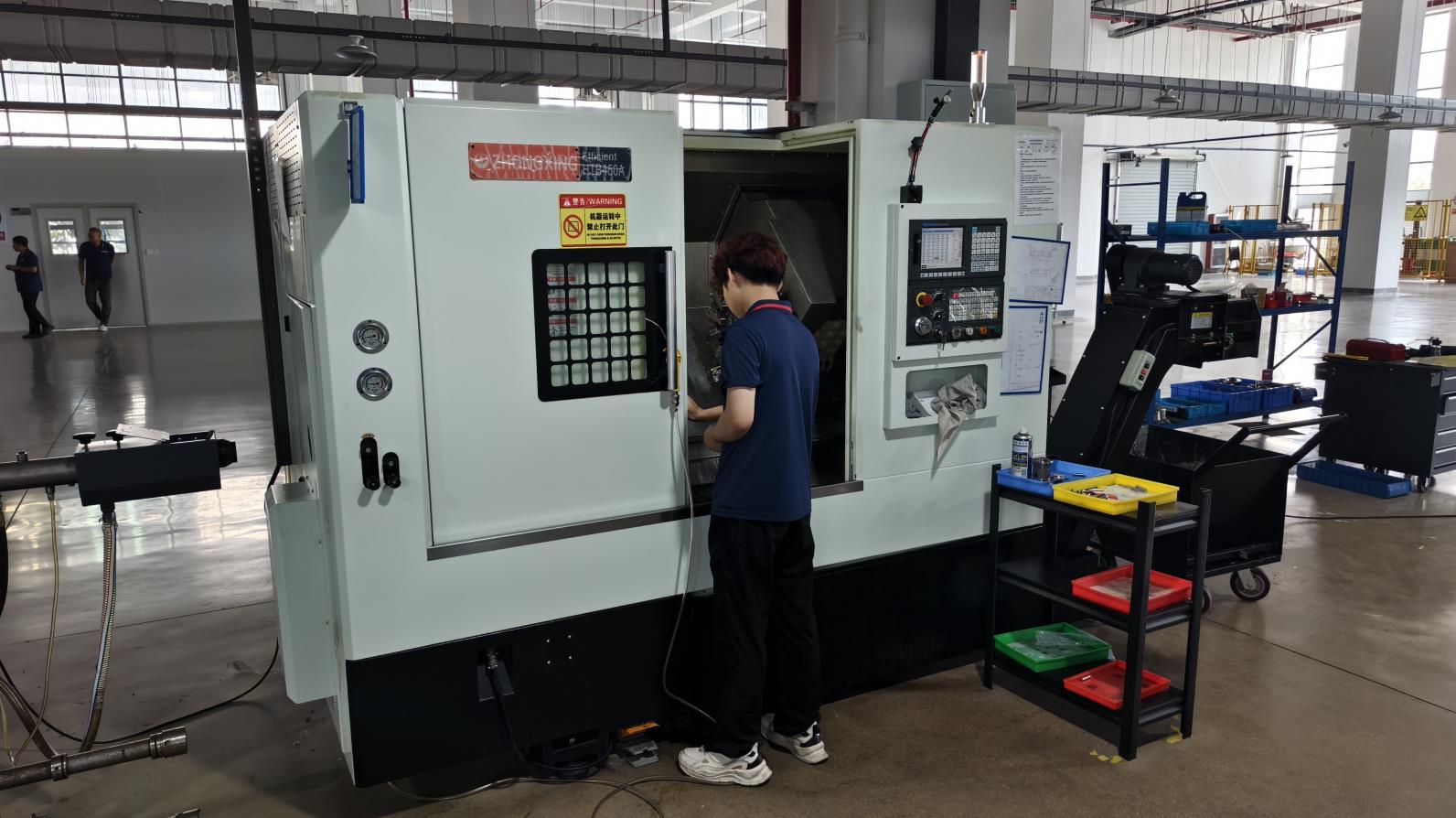
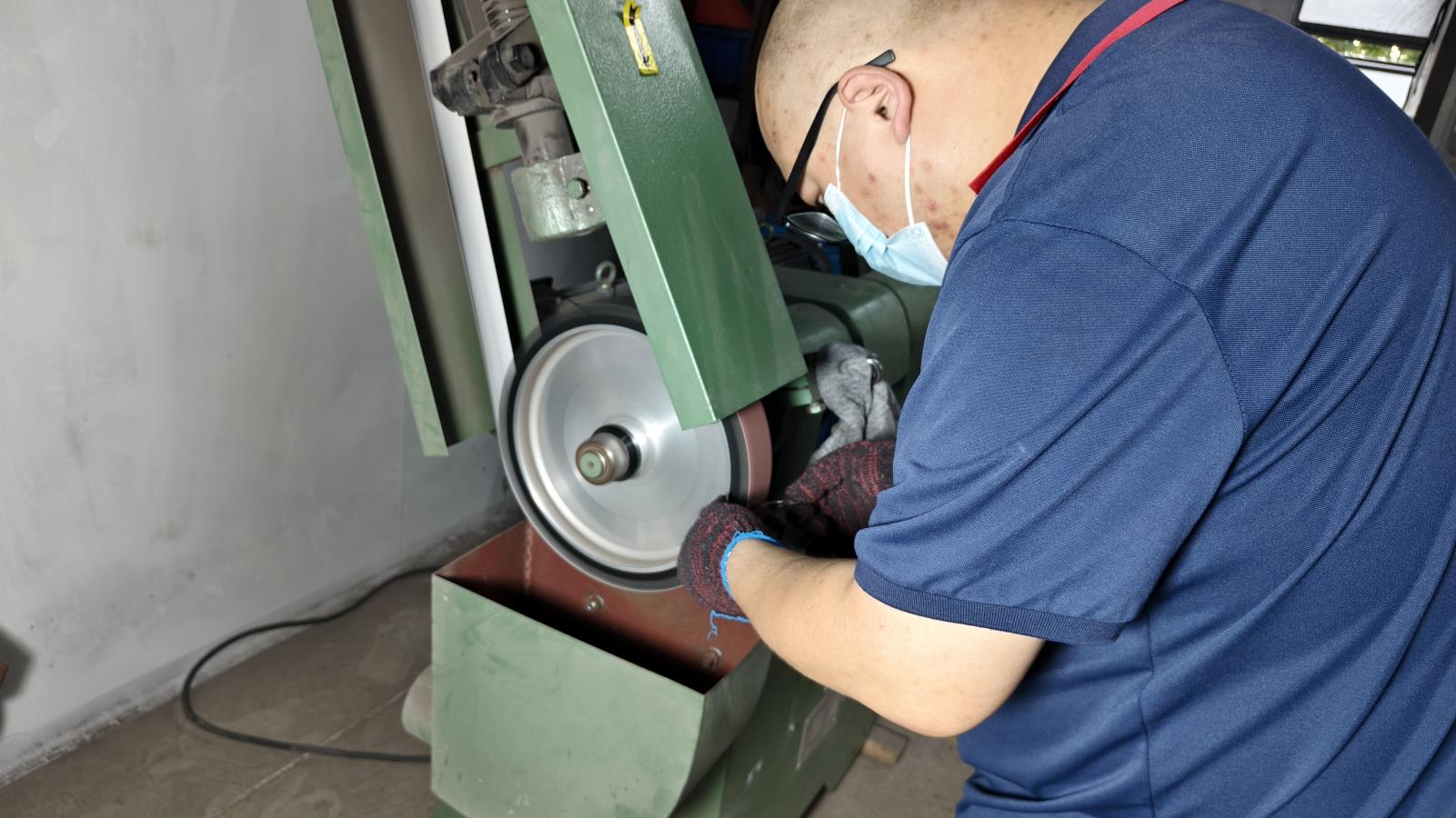
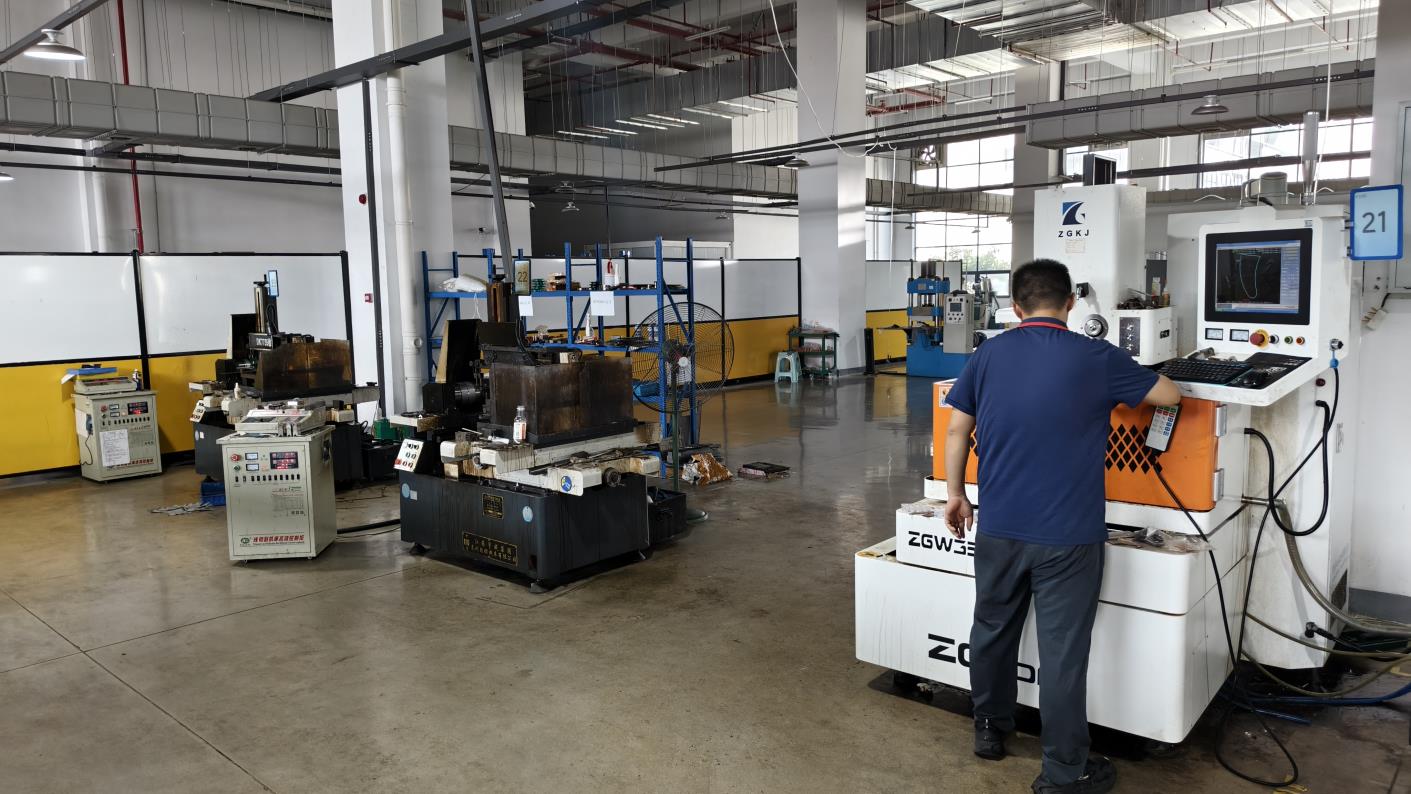
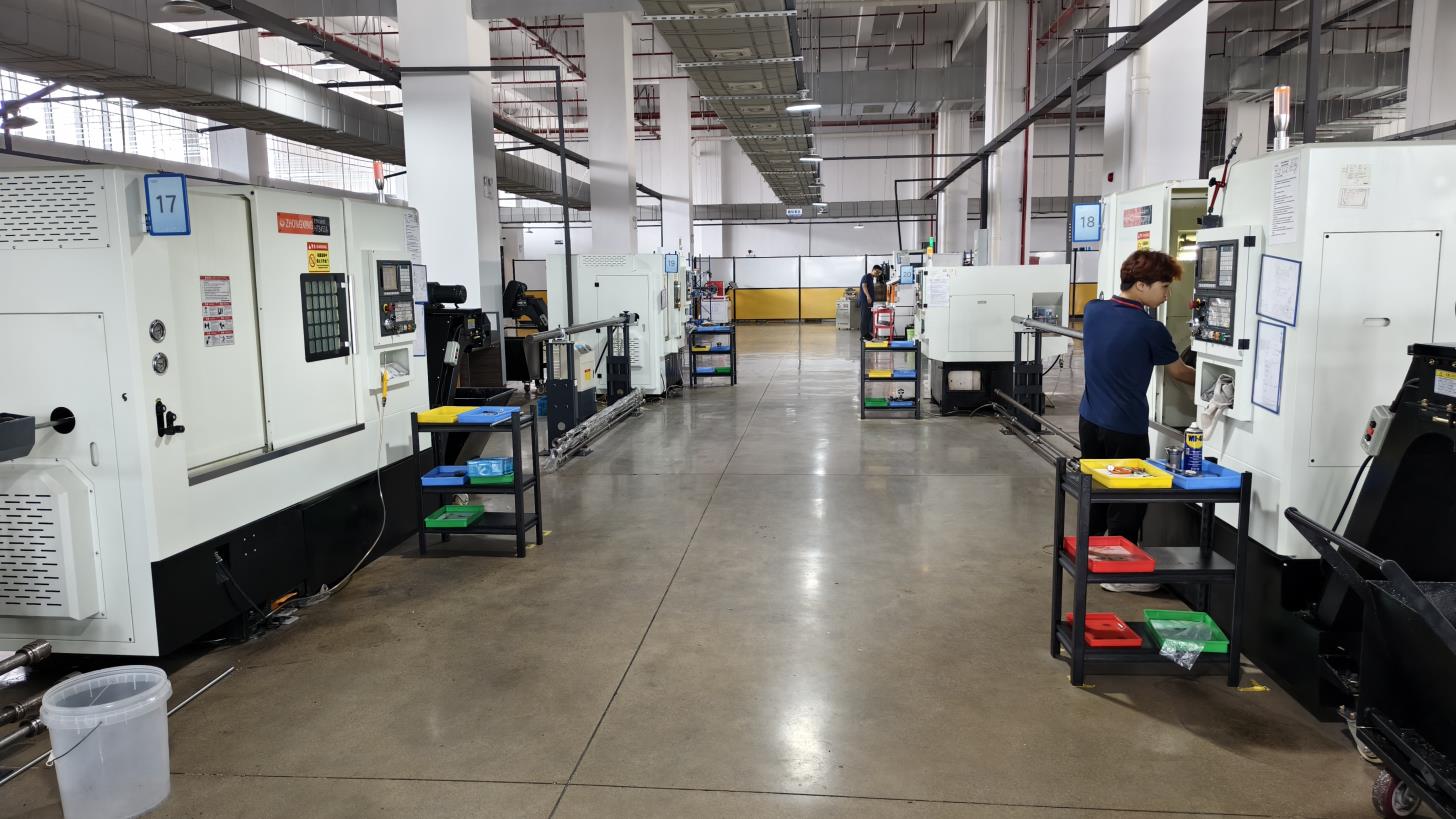
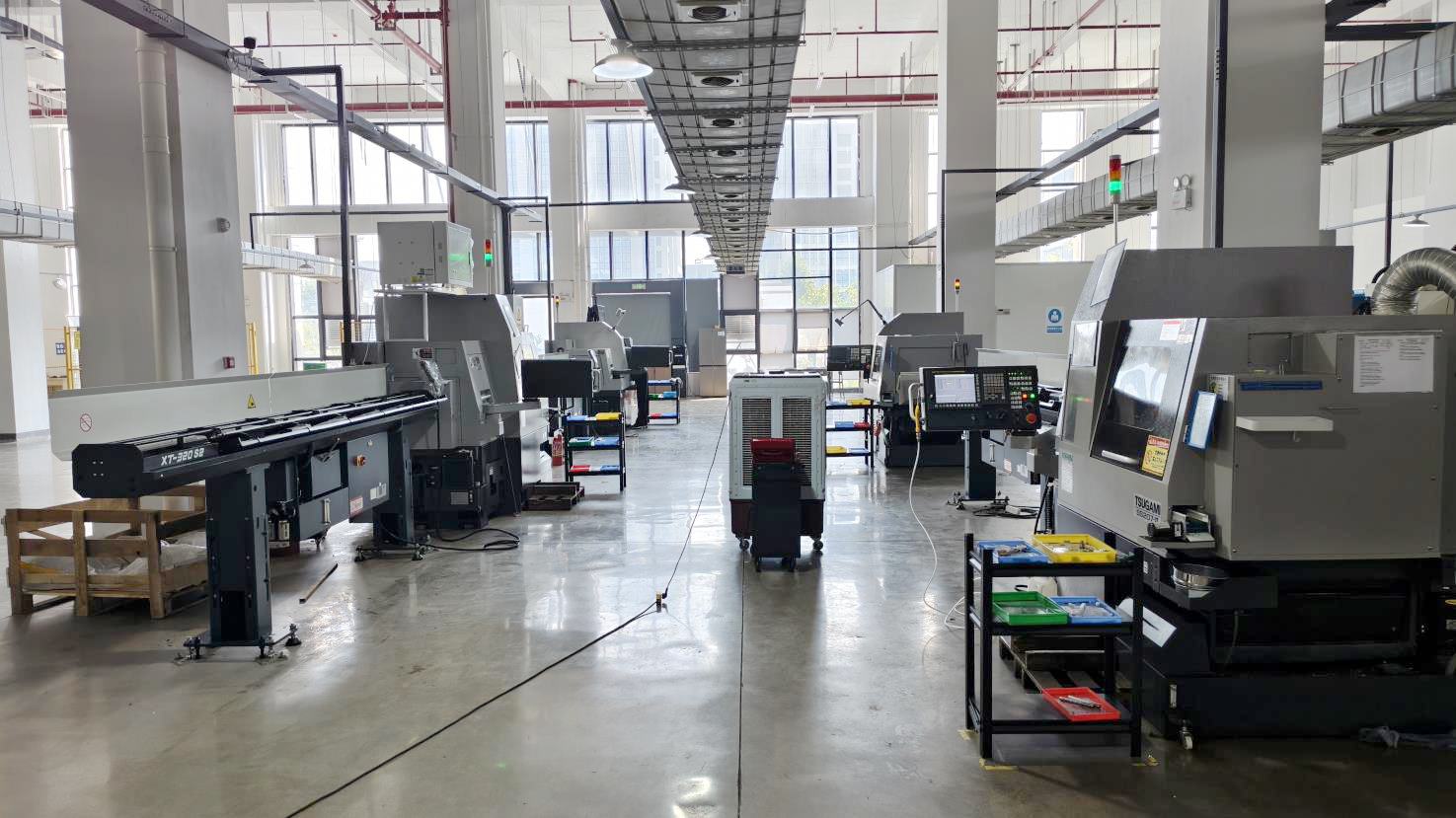
Our facility leverages state-of-the-art Swiss-type CNC lathes, 5-axis machining centers, and automated polishing systems to guarantee dimensional repeatability within tolerances of ±5 microns. The synergy of local engineers, highly integrated component vendors, and streamlined production processes reduces manufacturing lead times by up to 40% compared to Western manufacturers. Furthermore, strict adherence to international standards like ISO 13485 enables seamless integration into the supply chains of multinational medical device companies.
Synoviq Medical Technology (China) Co., Ltd. - A Trusted Partner in Orthopedic OEM & ODM Solutions.
Synoviq Medical Technology (China) Co., Ltd. is a professional manufacturer of orthopedic implants and surgical instruments, dedicated to delivering innovative, reliable, and high-quality medical solutions for healthcare professionals worldwide. Since its establishment, Synoviq has focused on research, development, precision manufacturing, and international quality standards, providing comprehensive OEM and ODM services for global medical device brands, distributors, and hospitals.
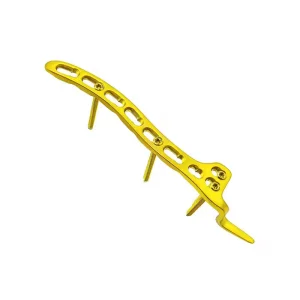
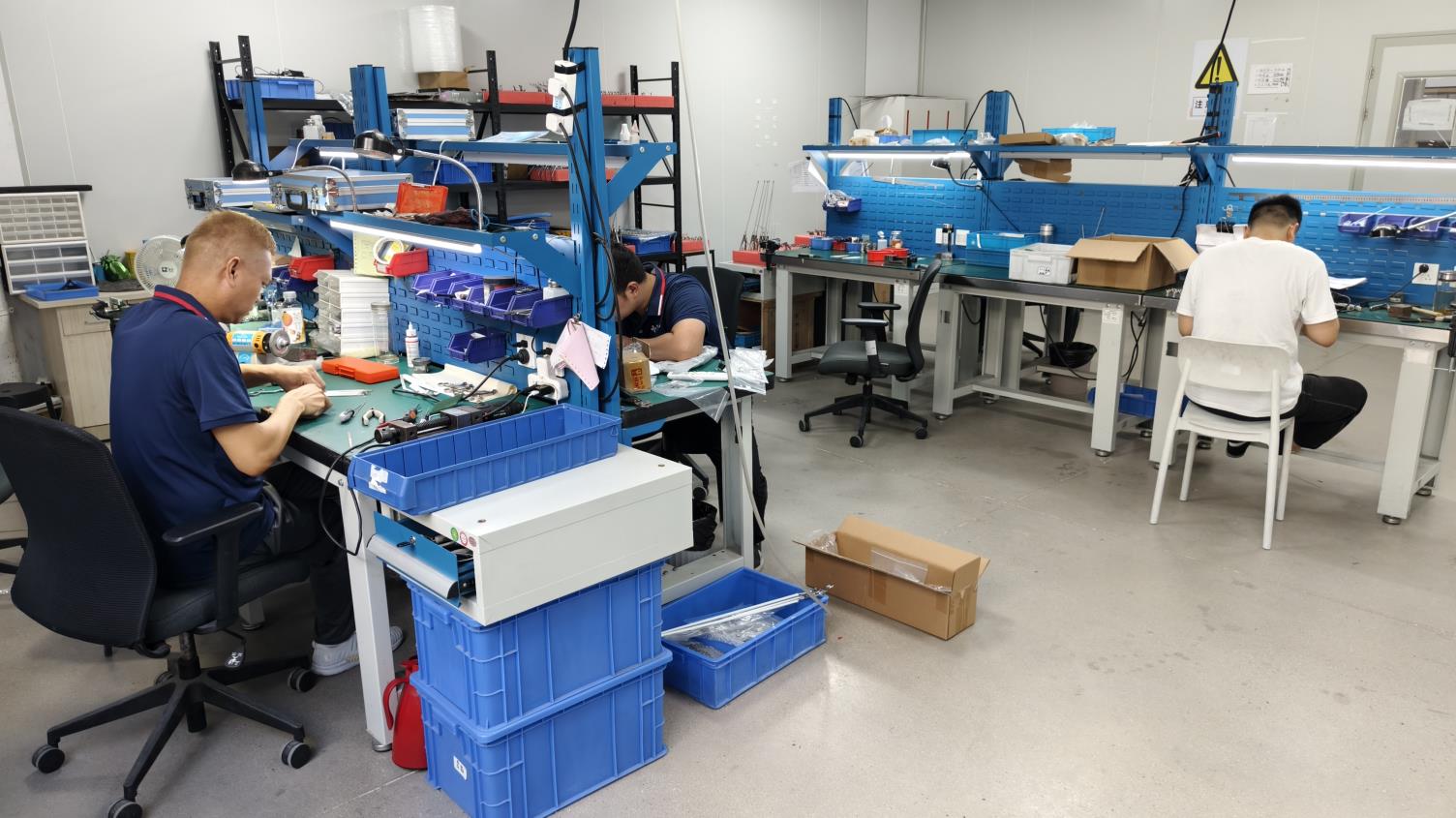
Our product portfolio includes trauma fixation systems, spinal implants, locking plates, intramedullary nails, external fixation systems, orthopedic screws, surgical instruments, and customized orthopedic solutions. Equipped with advanced CNC machining centers, precision inspection equipment, and modern clean production facilities, we ensure every product meets strict international quality requirements.
Driven by continuous innovation, Synoviq invests heavily in R&D and intelligent manufacturing to enhance product performance, surgical efficiency, and patient outcomes. Our experienced engineering team works closely with customers to develop customized products tailored to different clinical applications and market demands. With a customer-oriented philosophy, competitive pricing, stable supply capability, and efficient technical support, Synoviq has established long-term partnerships with distributors, medical brands, and healthcare organizations across Europe, North America, South America, the Middle East, and Asia-Pacific.
| Core Metric / Capability | Operational Details & Specifications |
|---|---|
| Company Name | Synoviq Medical Technology (China) Co., Ltd. |
| Established / History | March 18, 2016 (14 Years of Deep Orthopedic Industry Heritage) |
| Manufacturing Scale | 18,600 m² modern facility equipped with ISO Class 7 cleanrooms |
| Annual Export Revenue | USD 21.8 Million (Serving Europe, North America, LatAm, & Asia) |
| R&D Capacity | 76 dedicated design engineers; 186 new products released annually |
| Quality Control Staff | 48 QC specialists conducting 100% final inspection & material validation |
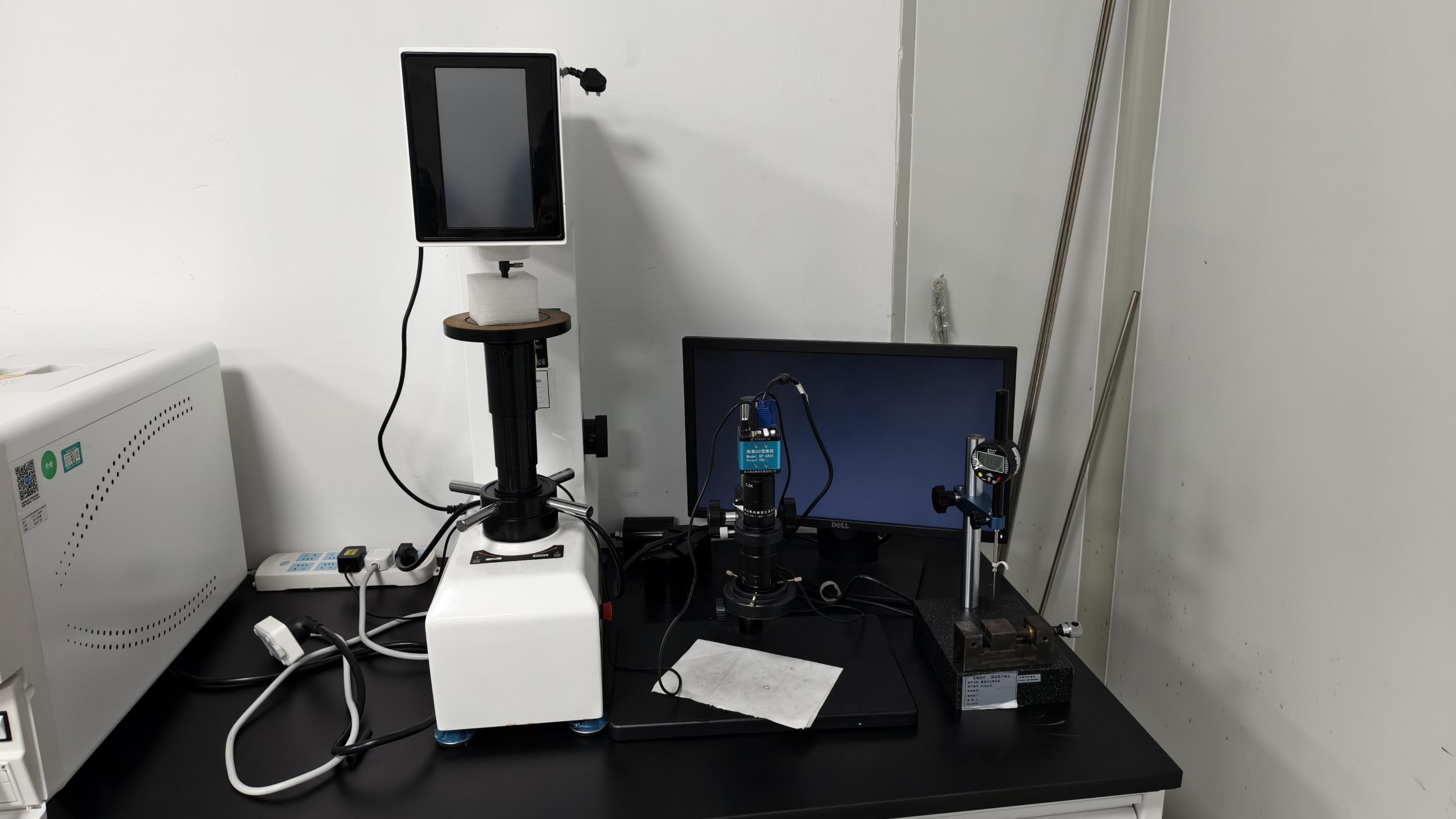
| Inspection Capabilities | CMM Measurement, Mechanical Testing, Surface Roughness Testing, Hardness Testing, Salt Spray Testing, Sterility Validation |
| Customization Options | Laser marking, customized anodization, sterile packing, custom implant CAD geometries |
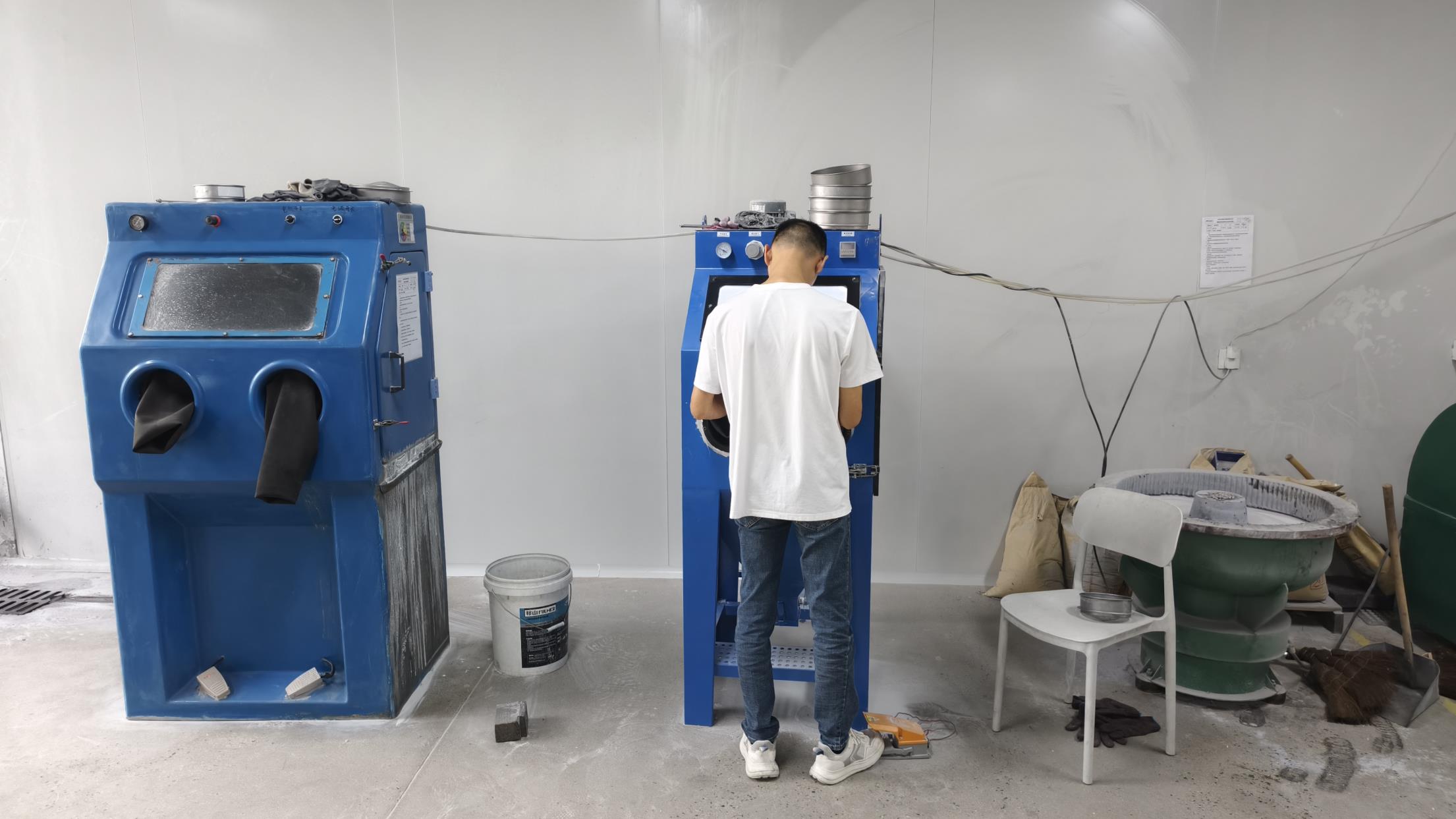
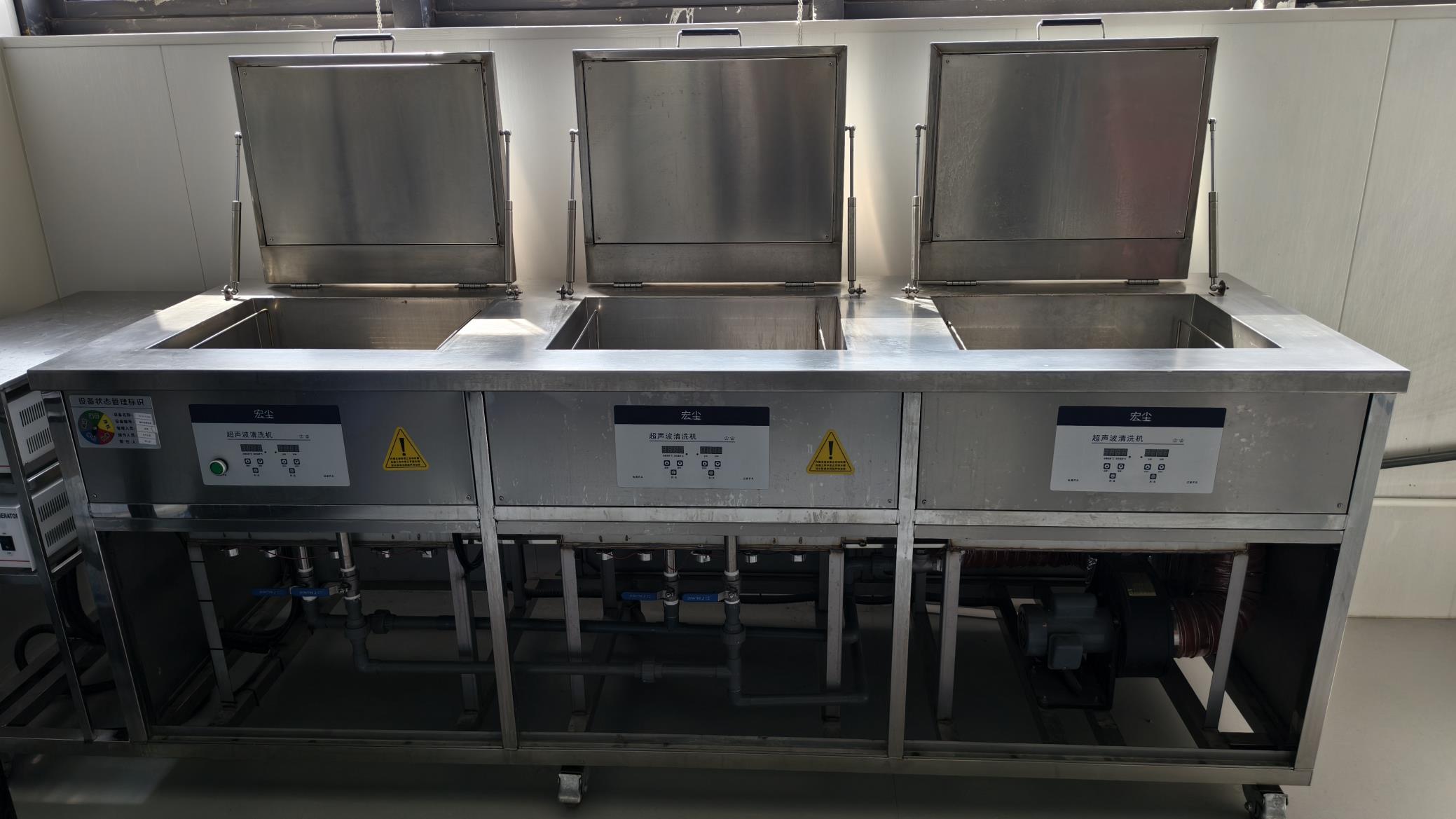
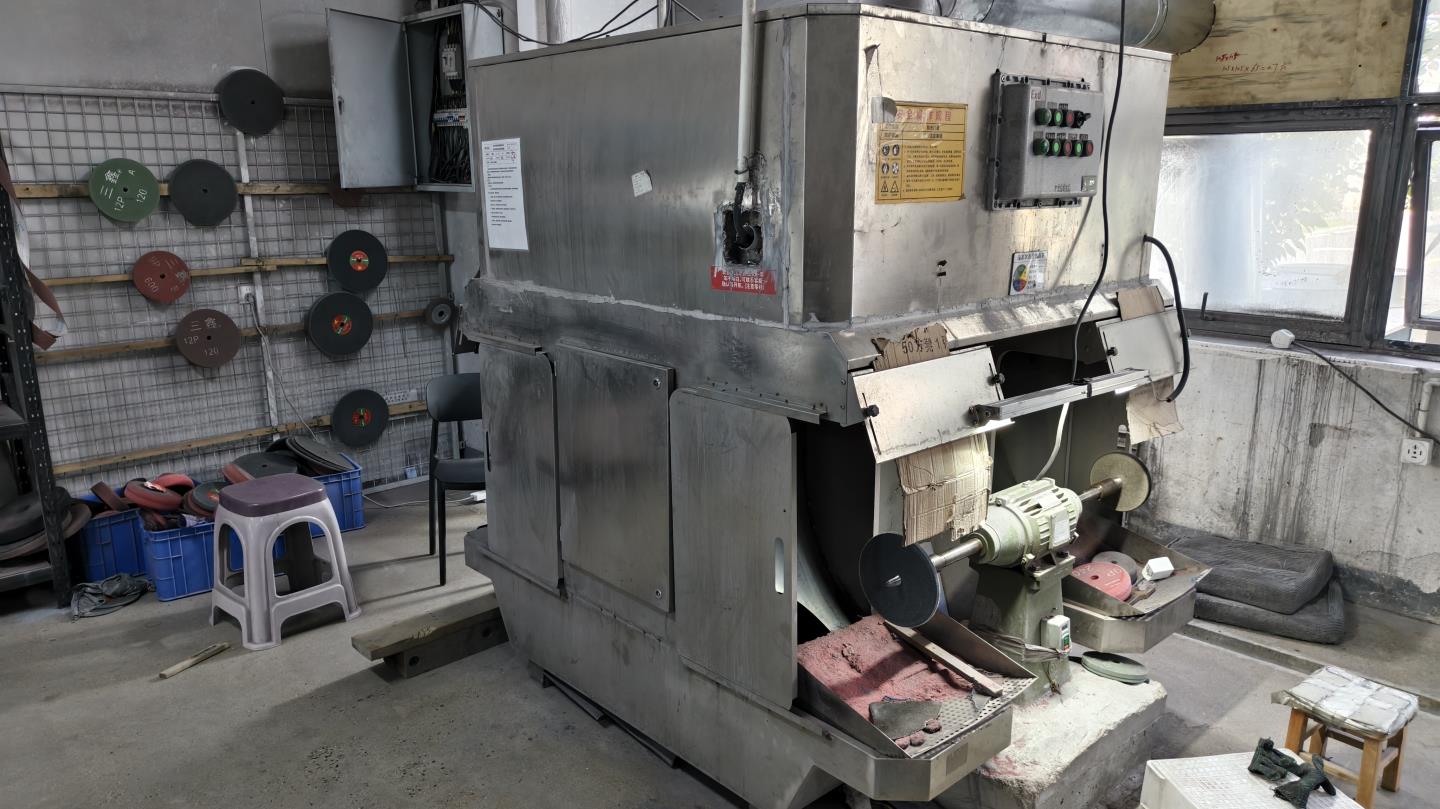
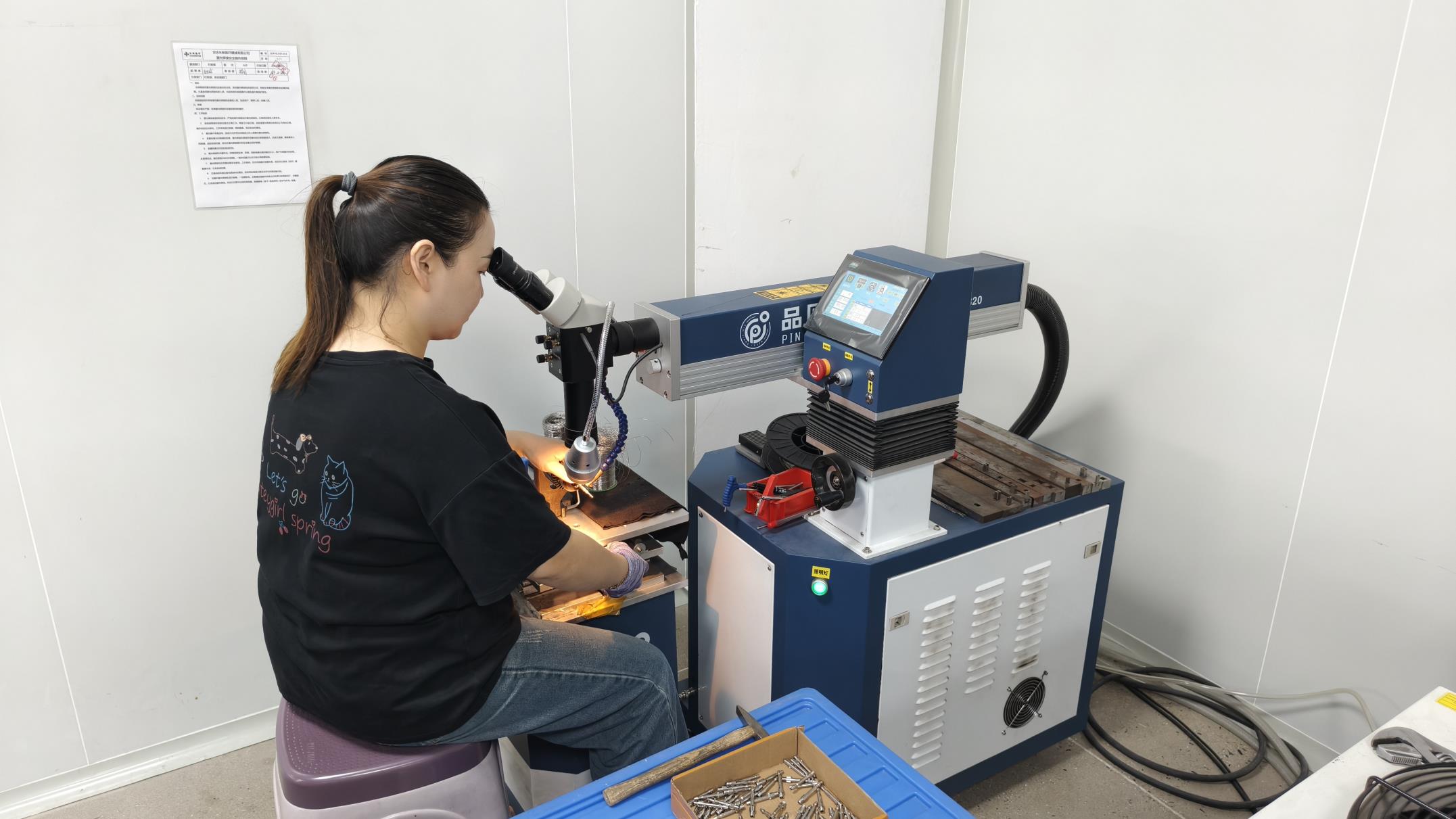
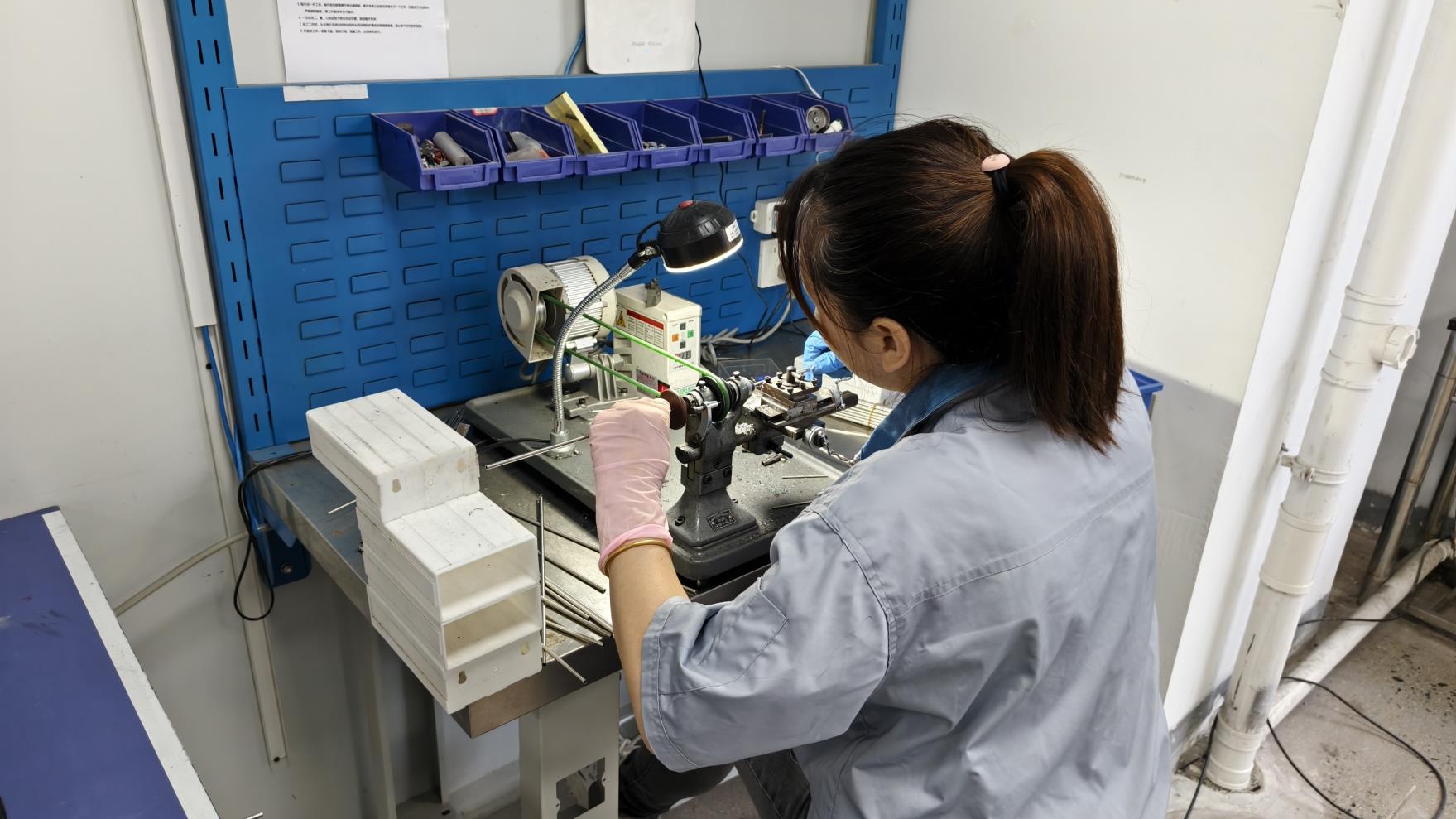
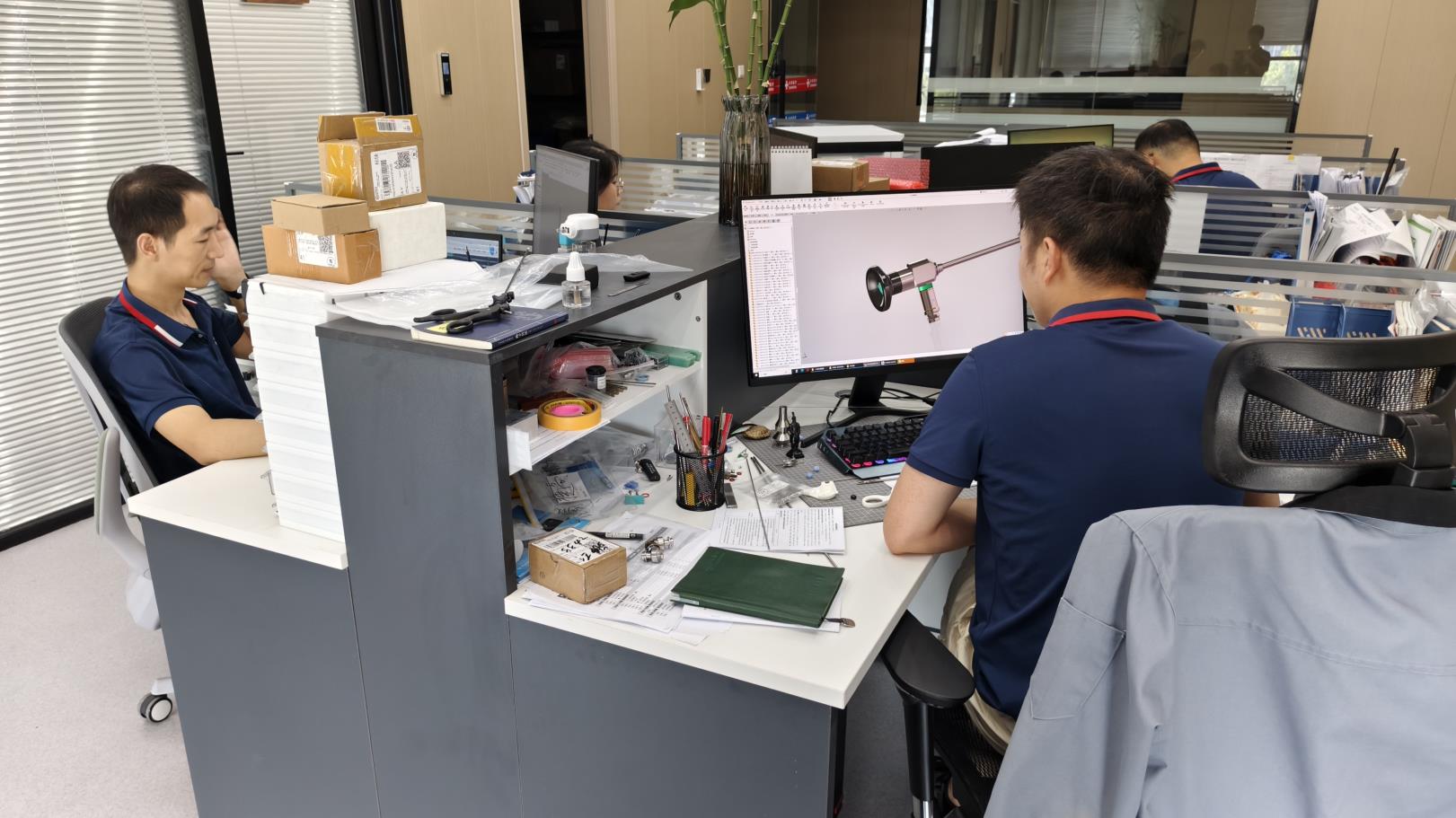
Visual tour of Synoviq's state-of-the-art manufacturing factory and machining systems.
How our clinical-grade implants adapt to diverse healthcare sectors and veterinary science.
Purchasing profiles for orthopedic implants differ significantly between regions and clinical settings. In highly developed markets such as Western Europe, Japan, and the United States, medical device distributors focus heavily on premium quality parameters. This includes MDR certification, extensive validation files, customizable sizing steps, and integrated instruments that minimize surgical time. The demand in these regions is stable, driven by an active elderly population seeking long-term joint longevity.
In emerging markets, including regions of Latin America, the Middle East, and Southeast Asia, cost-efficiency and supply reliability are crucial for securing government hospital tenders. These markets prioritize robust implants with predictable clinical performance, accompanied by cost-effective instrument sets. Our capability to deliver CE-marked orthopedic implants alongside standard and custom packaging enables partners in these territories to bid competitively and win public health projects.
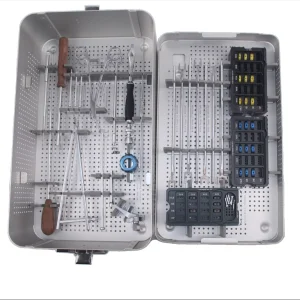
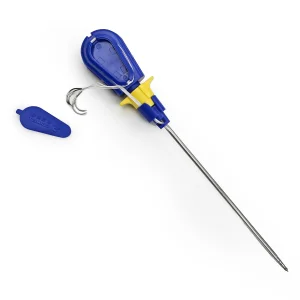
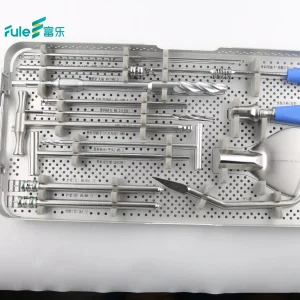
An increasingly prominent application sector is veterinary arthroplasty. Large canine breeds are highly susceptible to hip dysplasia and severe osteoarthritis. The mechanical and physiological demands of a canine hip replacement closely mirror human biomechanics. Synoviq addresses this segment by offering dedicated Veterinary Hip Prosthesis Joint Replacement Instrument Sets, allowing veterinary surgeons to access the same high level of implant precision and reliability used in human medicine.
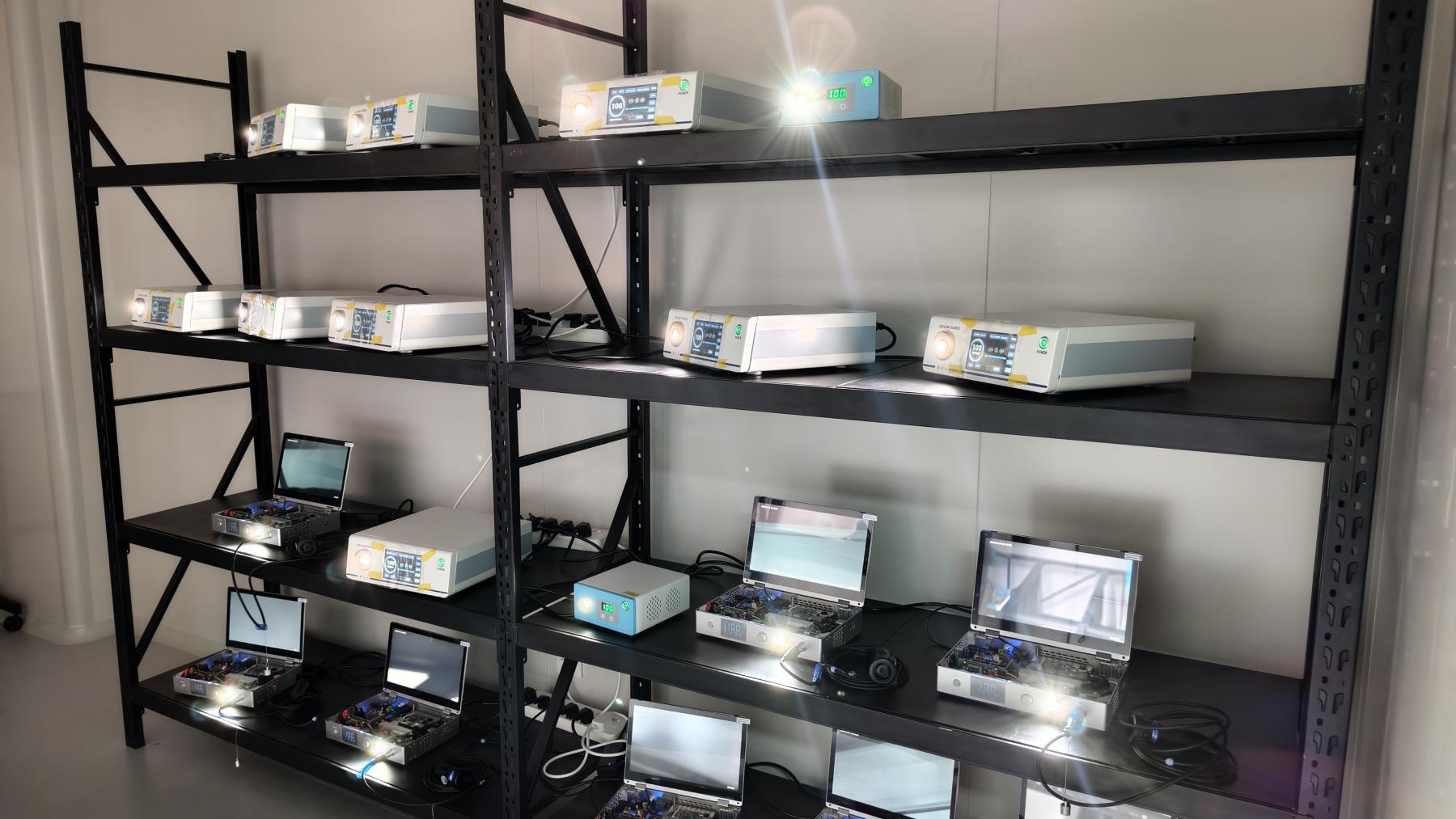
We deploy rigorous physical, chemical, and mechanical validations to guarantee 100% reliability for human implants.
Medical devices are high-risk classifications (FDA Class III / EU Class III), meaning clinical failure is not an option. At Synoviq, our dedicated QA team operates in accordance with strict international guidelines, including the FDA Quality System Regulation (QSR) and ISO 13485:2016. Every incoming batch of titanium alloy, cobalt-chromium, or ultra-high-molecular-weight polyethylene undergoes raw spectral analysis to verify biocompatibility and microstructure compliance.
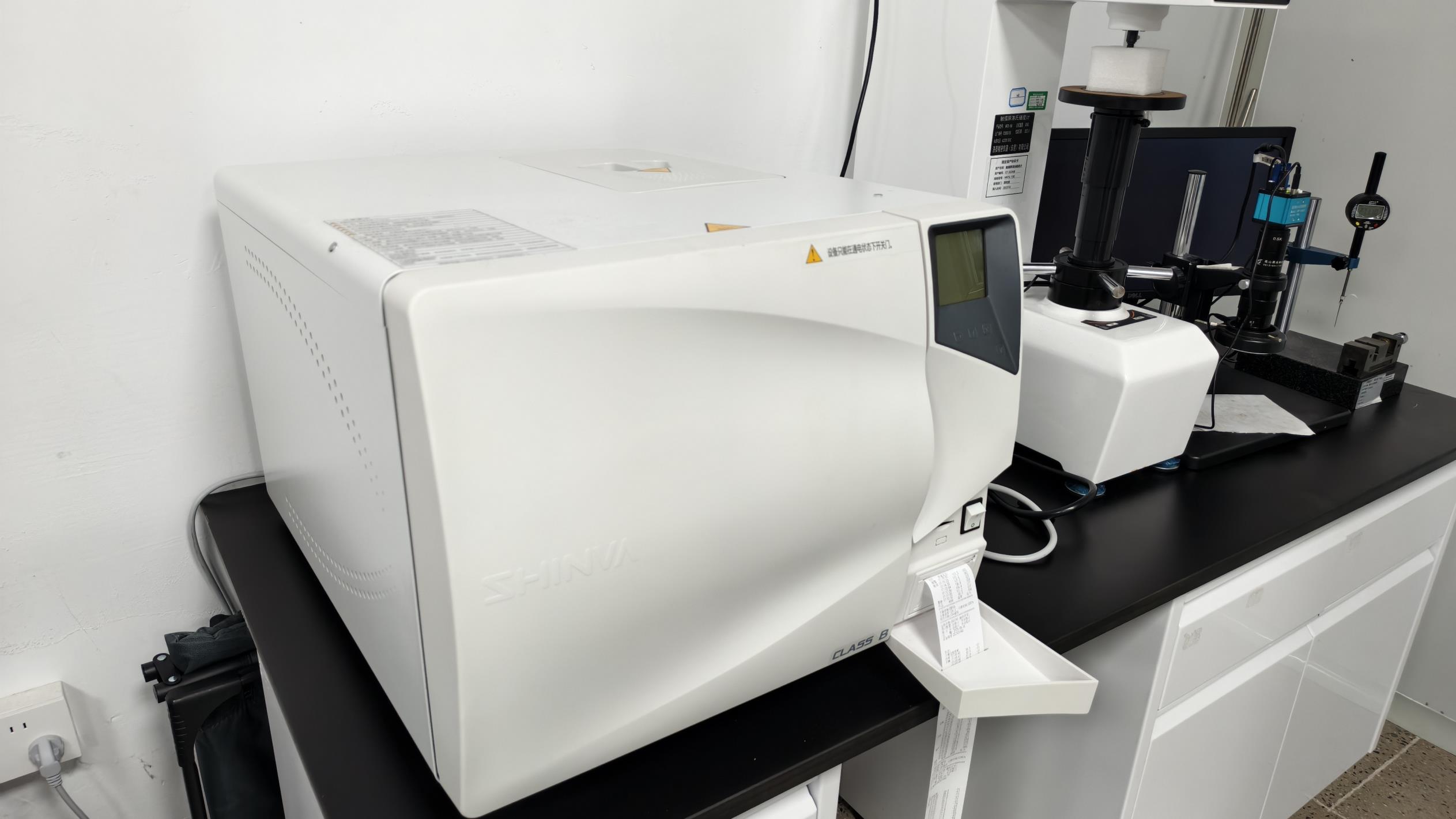
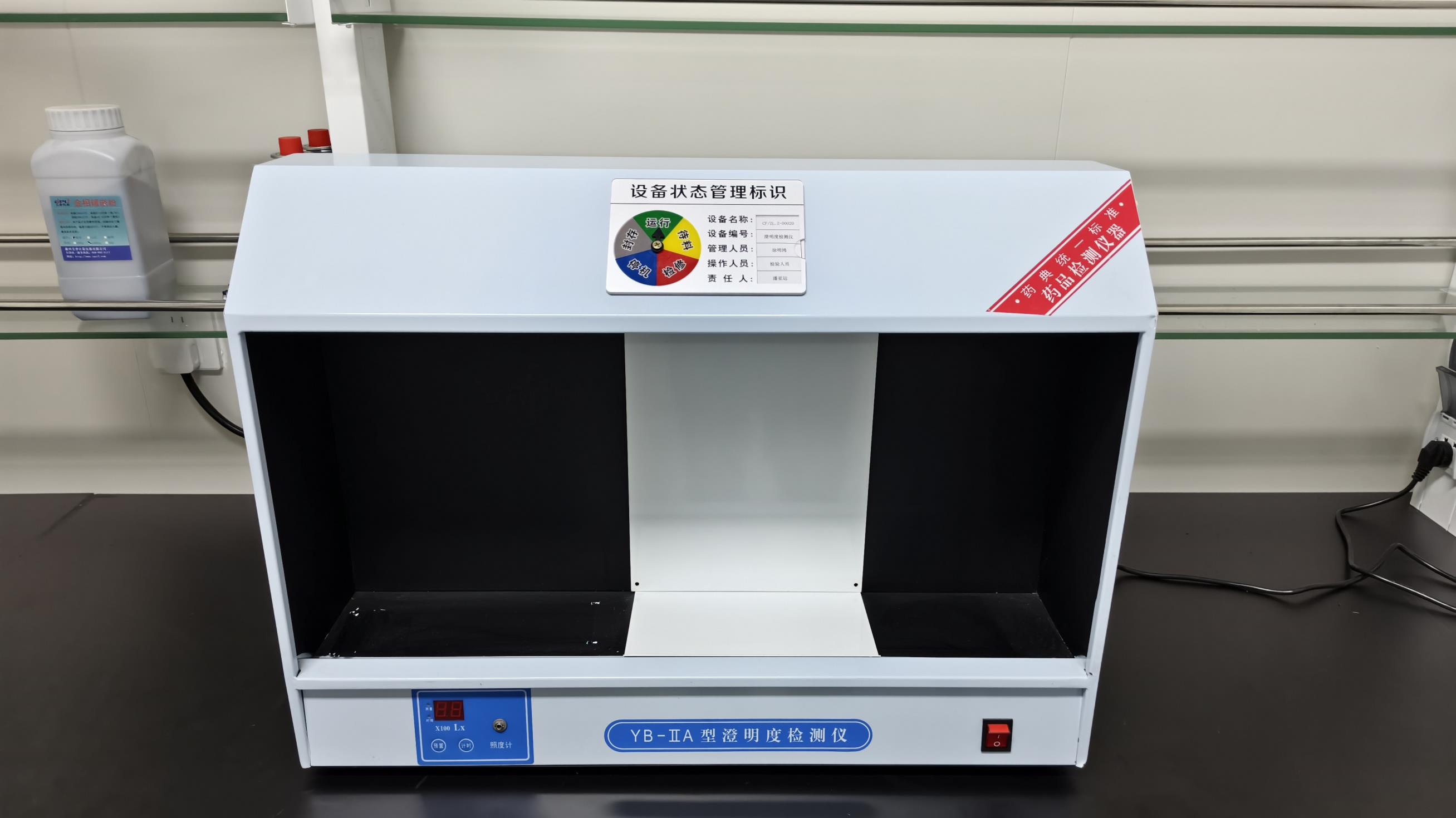
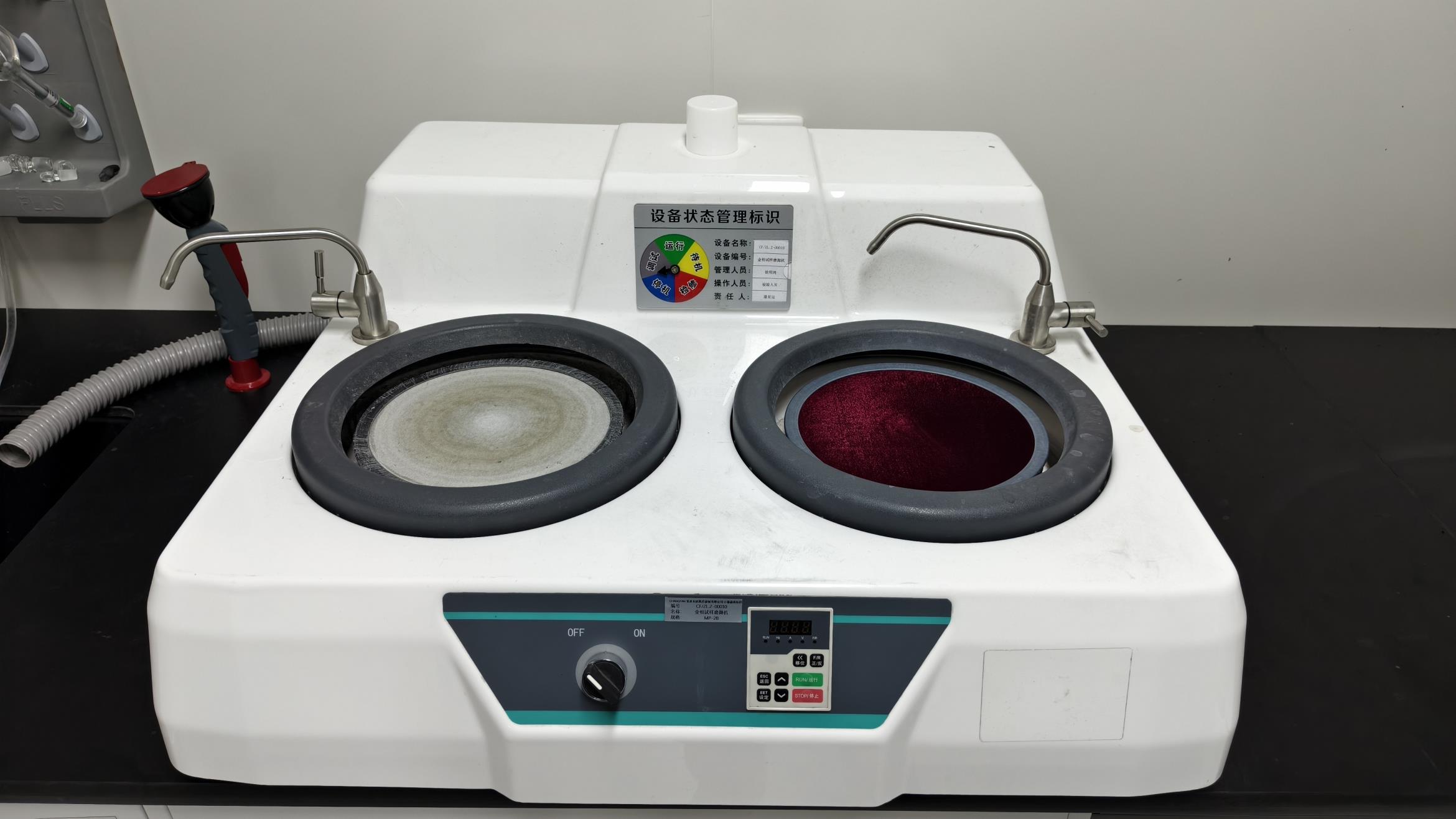
Our quality assurance program extends beyond basic inspection. We conduct physical aging tests, dynamic fatigue simulation under ISO 7206 protocols for femoral stems, automated optical measurements, and metallographic assessments. By utilizing calibrated testing systems, we assure partners that every implant batch possesses the mechanical integrity and dimensional precision required for safe clinical use.
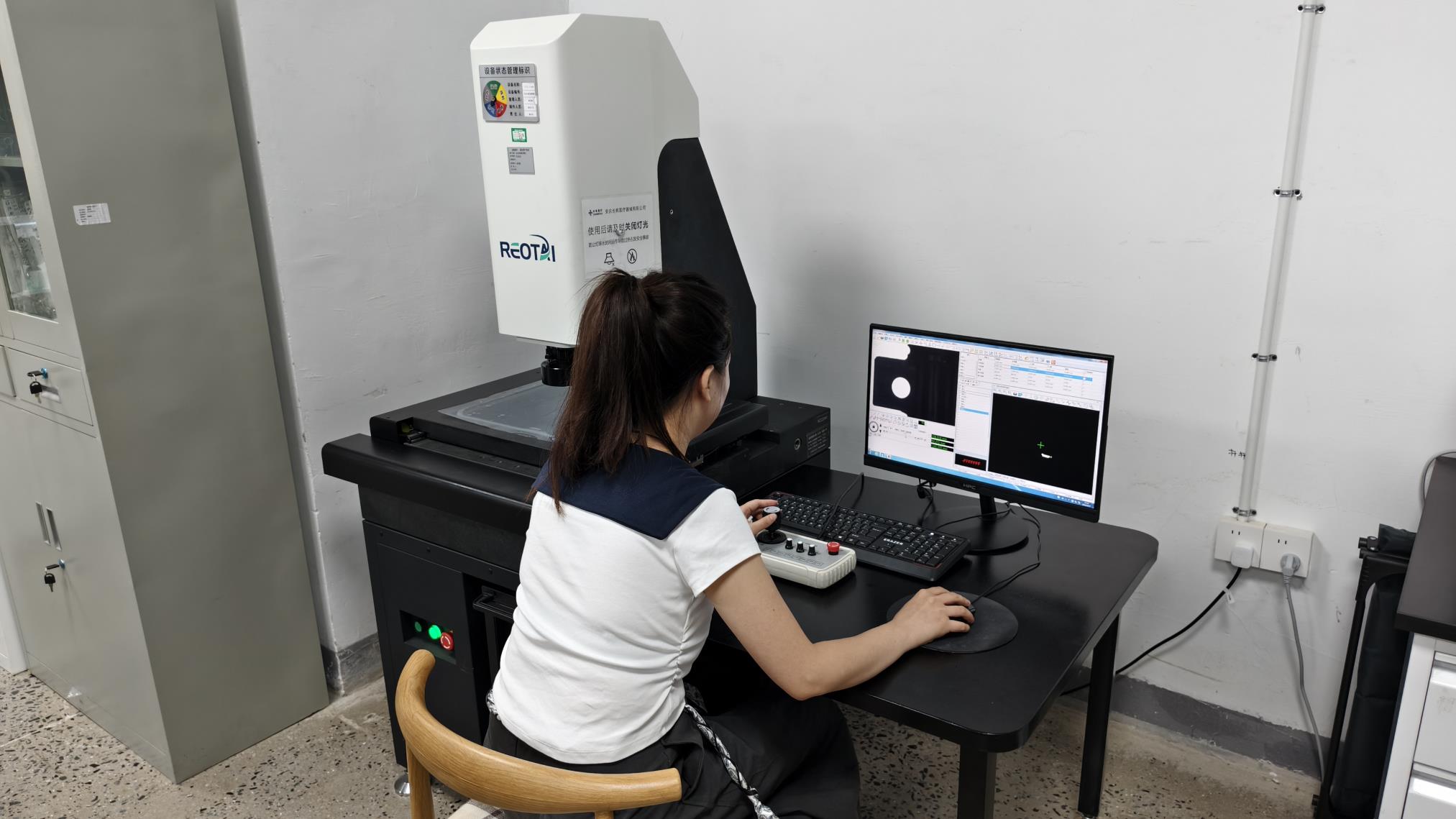
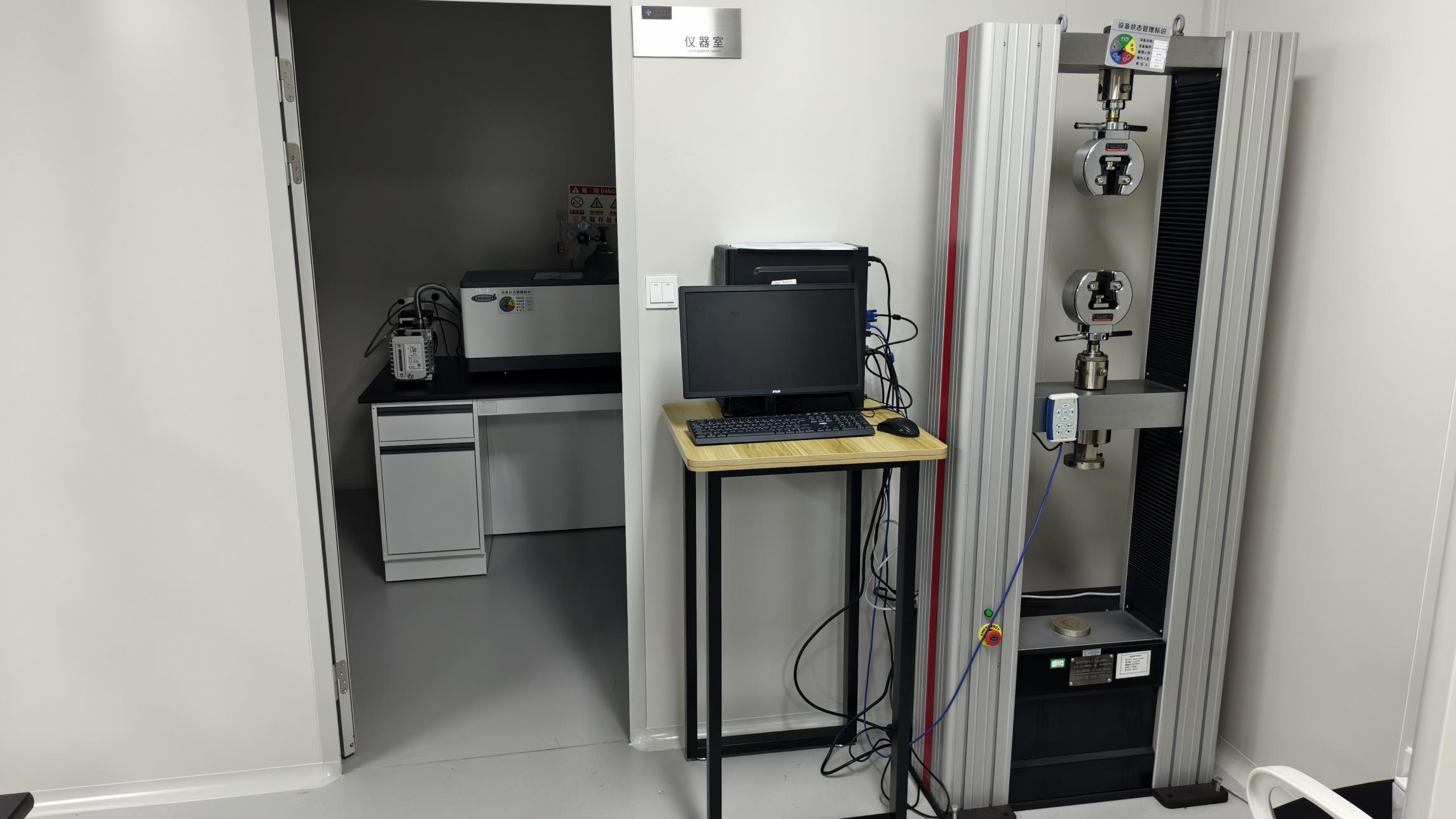
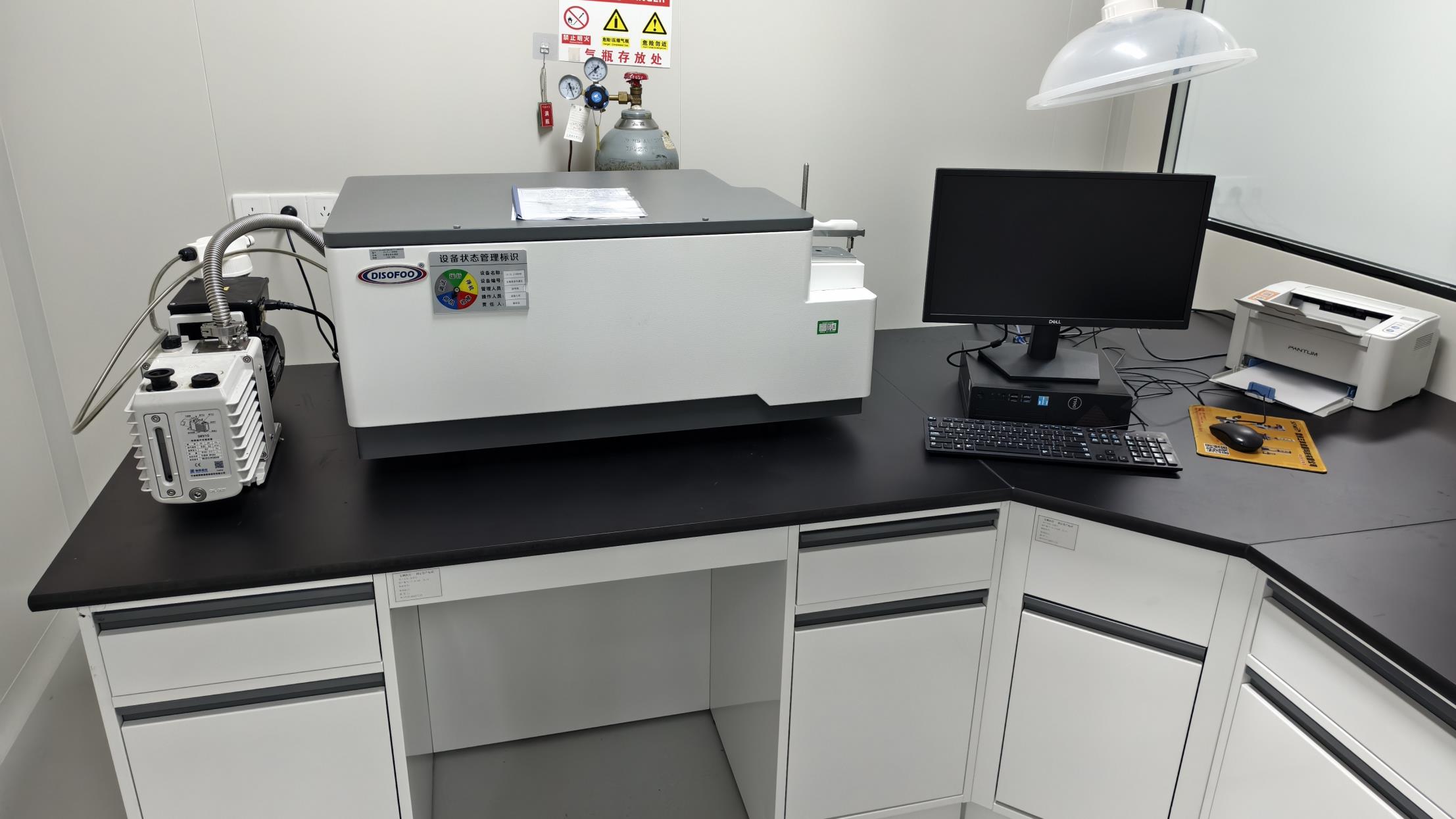
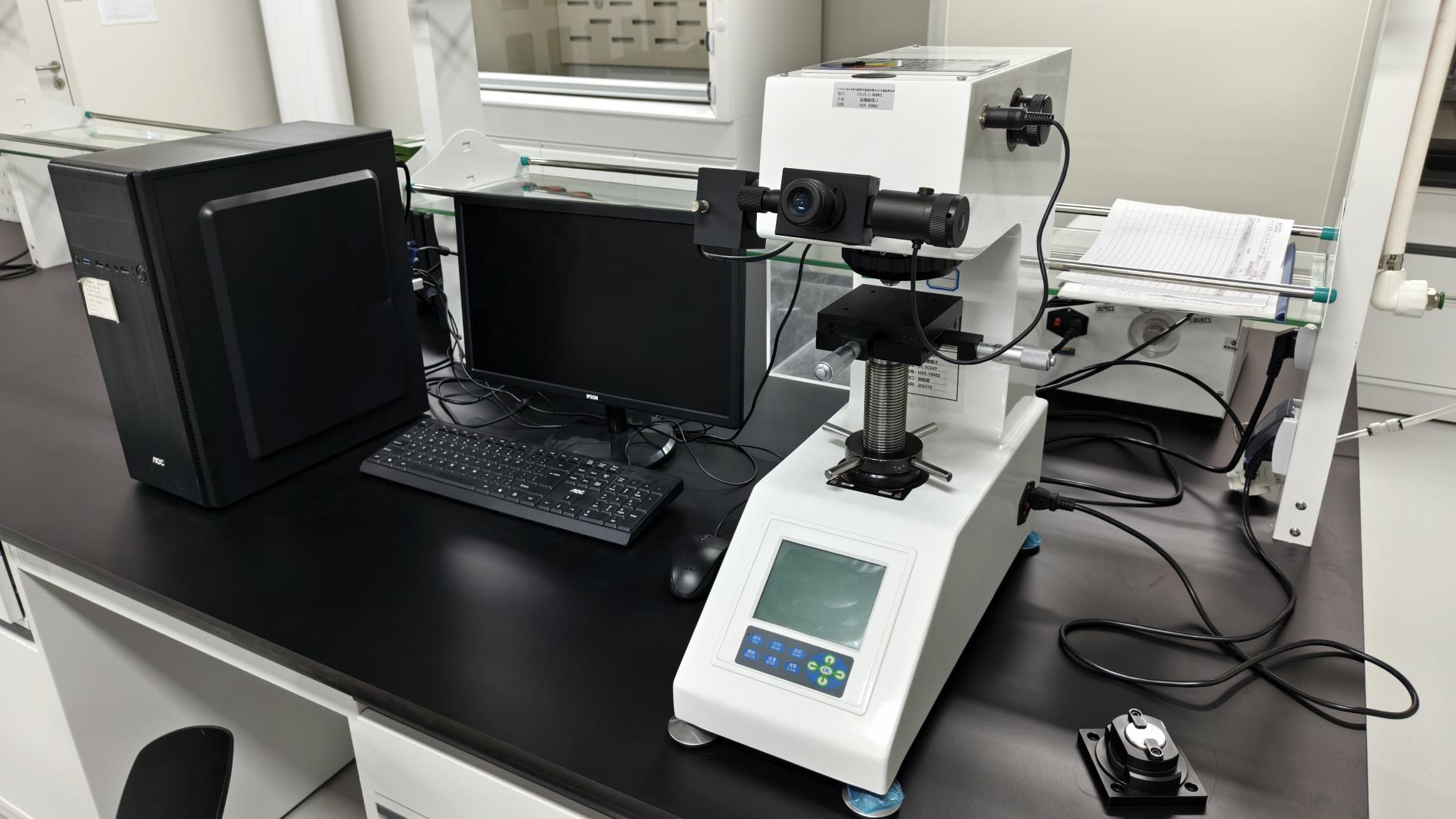
Technological innovations reshaping design requirements, materials, and clinical delivery.
The orthopedic industry is rapidly evolving, driven by material science breakthroughs and digital integration. A key trend is the development of advanced biomimetic coatings. Even in cemented applications, applying textured coatings to the proximal aspect of the stem helps optimize shear transfer and load distribution, which in turn reduces PMMA wear debris generation.
Furthermore, the integration of antibiotic-loaded PMMA bone cement systems has prompted manufacturers to design implant surfaces that facilitate antimicrobial adhesion inhibition. Digitally driven surgical planning and patient-specific instrumentation (PSI) are also influencing how implants are sourced. Hospitals and clinical partners increasingly require OEM/ODM suppliers to offer comprehensive custom options, seamless transition from CAD models to finished implants, and sterile double-barrier packaging ready for immediate surgery center use.
Direct, engineering-backed answers regarding orthopedic manufacturing, certification, and customization capabilities.
We manufacture cemented hip prostheses utilizing high-grade biocompatible medical alloys. Primarily, we use Cobalt-Chromium-Molybdenum (CoCrMo) alloy conforming to ISO 5832-4 or ASTM F75, and Titanium Alloy (Ti6Al4V ELI) conforming to ISO 5832-3 or ASTM F136. All raw materials are sourced from certified medical-grade suppliers, accompanied by Mill Test Certificates (MTC) and verified in-house via optical emission spectrometry.
Our ODM service features a collaborative design process. The client provides initial dimensional specifications, clinical drawings, or scan files. Our engineering team, comprising 76 R&D professionals, translates these into structured 3D models. We perform Finite Element Analysis (FEA) to evaluate structural stress distribution, machine prototypes on 5-axis CNC centers, and conduct mechanical testing before proceeding with volume manufacturing.
Surface roughness (Ra) is critical for cemented fixation. We offer high-gloss mirror polishing (Ra < 0.02 μm) on articulating components to reduce friction and wear. For the femoral stem body, we provide controlled satin/matte finishes (Ra 0.8 μm to 1.5 μm) to optimize mechanical interlocking with the PMMA cement mantle, preventing micro-motion.
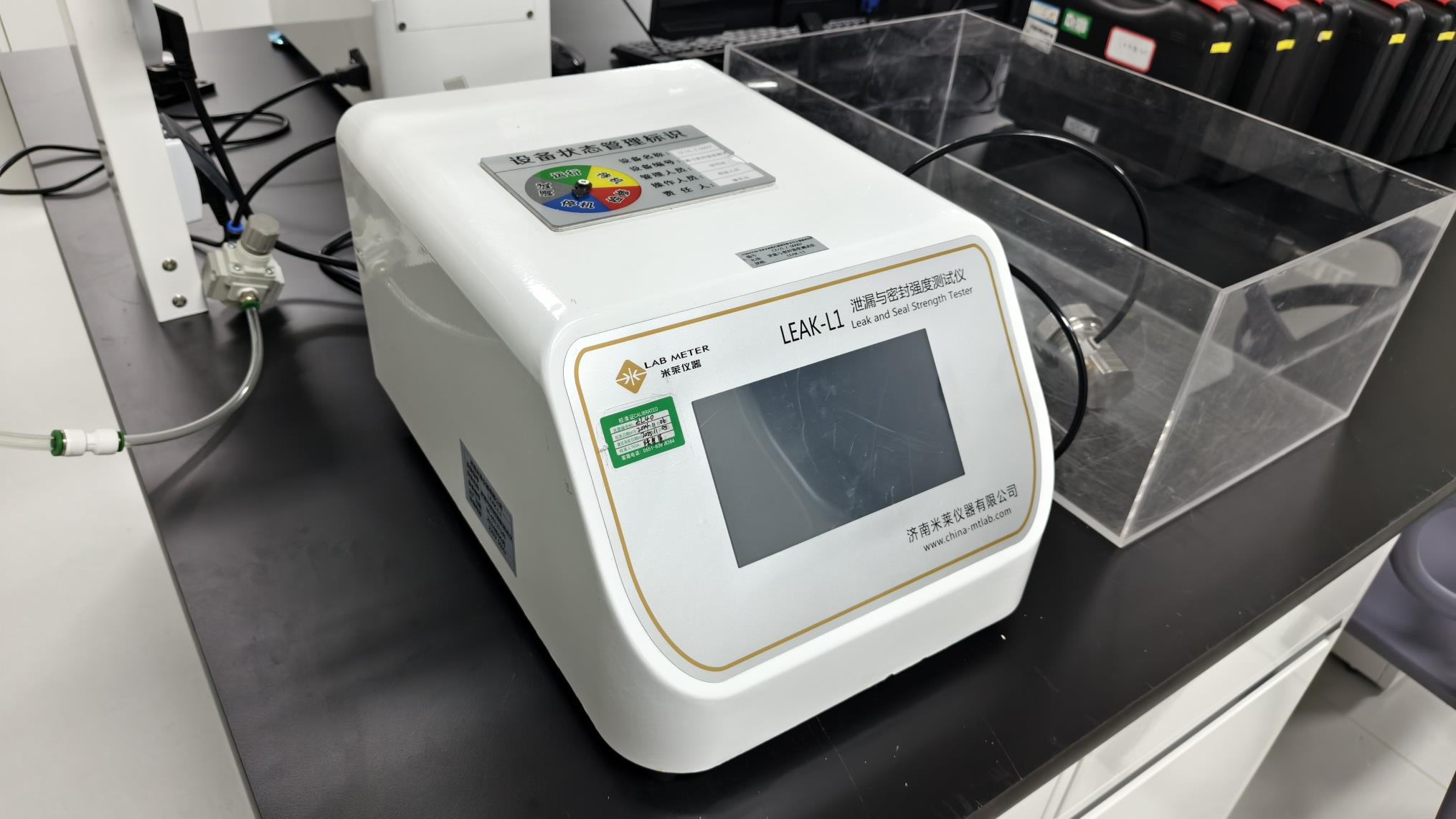
Our cleanrooms are designed and validated under ISO 14644 standard protocols (Class 7/Class 10,000 classification). Cleaning utilizes automated multi-stage ultrasonic systems with purified RO water. Sterile packaging involves medical-grade Tyvek pouches validated via dye penetration tests and sealing strength tests, conforming to ISO 11607 standards.
For standard orthopedic implants, typical production lead times are 45–60 days. This depends on materials and sterilization validation. Custom OEM/ODM orders may take longer, with timelines determined by prototype approval. Minimum Order Quantities (MOQ) are negotiable depending on device dimensions and complexity, accommodating both clinical validation trials and high-volume commercial runs.
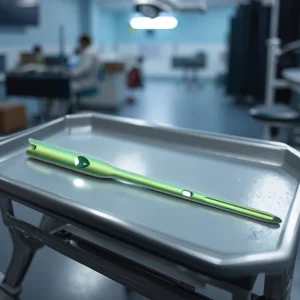
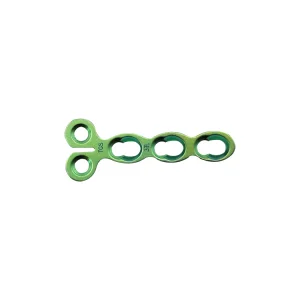
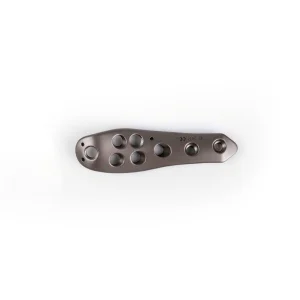
Complementary products supporting full joint reconstruction, trauma fixation, and spinal stabilization systems.
 Synoviq Medical