Select premium instruments and orthopedic implant assemblies engineered to clinical-grade tolerances.
Analysis of the clinical advancements, biomechanical shifts, and strategic demands for custom orthopedic implants.
Reverse Shoulder Arthroplasty (RSA) has revolutionized the treatment of complex glenohumeral pathology. Originally designed for cuff tear arthropathy, RSA biomechanically alters the shoulder joint by reversing the normal ball-and-socket configuration. By placing the glenosphere on the glenoid and the socket cup on the proximal humerus, the center of rotation is shifted medially and inferiorly. This structural change increases the moment arm of the deltoid muscle, allowing it to compensate for a non-functional rotatory cuff.
As the clinical applications expand to include massive rotator cuff tears without arthritis, complex proximal humeral fractures, tumor resections, and failed anatomic total shoulder replacements, the demand for highly customized, bio-compatible implants is growing. Global OEM suppliers must meet these needs with precise material science, offering implants that maximize range of motion and primary stability while minimizing complications like glenoid loosening, scapular notching, and instability.
Modern orthopedic surgery favors anatomic replication. OEMs must transition from offering static sizes to utilizing modular systems that accommodate patient-specific instrumentation (PSI) and patient-matched implants, improving glenoid component positioning and reducing operating times.
Alternative bearings, highly cross-linked polyethylenes (HXLPE) infused with Vitamin E, and plasma-sprayed porous titanium or hydroxyapatite (HA) coatings are now standard features. These technologies improve long-term osseointegration and reduce aseptic loosening rates.
Synoviq Medical Technology (China) Co., Ltd. represents a decade of manufacturing innovation and international regulatory alignment.
Synoviq Medical Technology (China) Co., Ltd. is a professional manufacturer of orthopedic implants and surgical instruments. We deliver medical solutions for healthcare professionals worldwide. Since our establishment, Synoviq has focused on research, development, precision manufacturing, and international quality standards. We provide OEM and ODM services for global medical device brands, distributors, and hospitals.
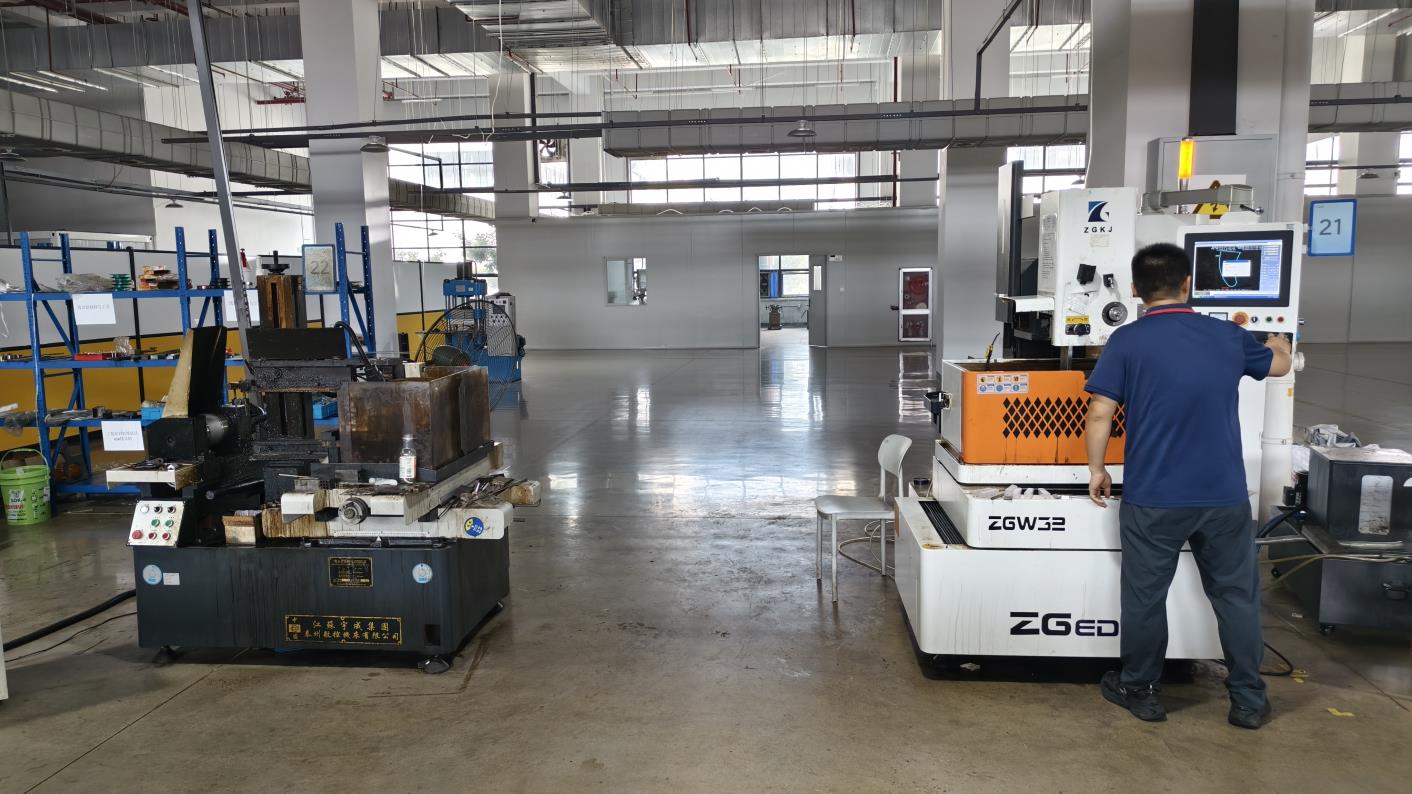
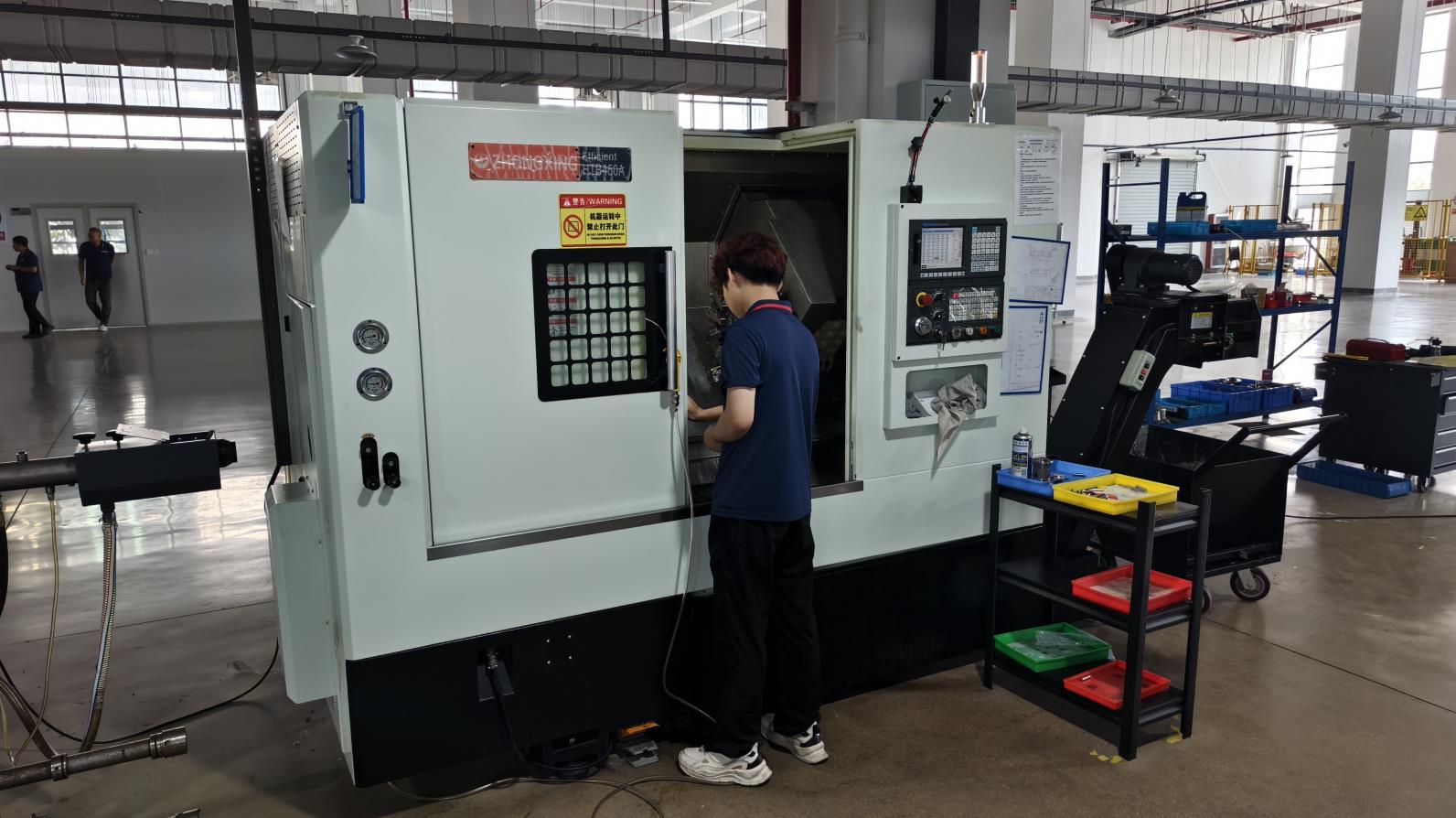
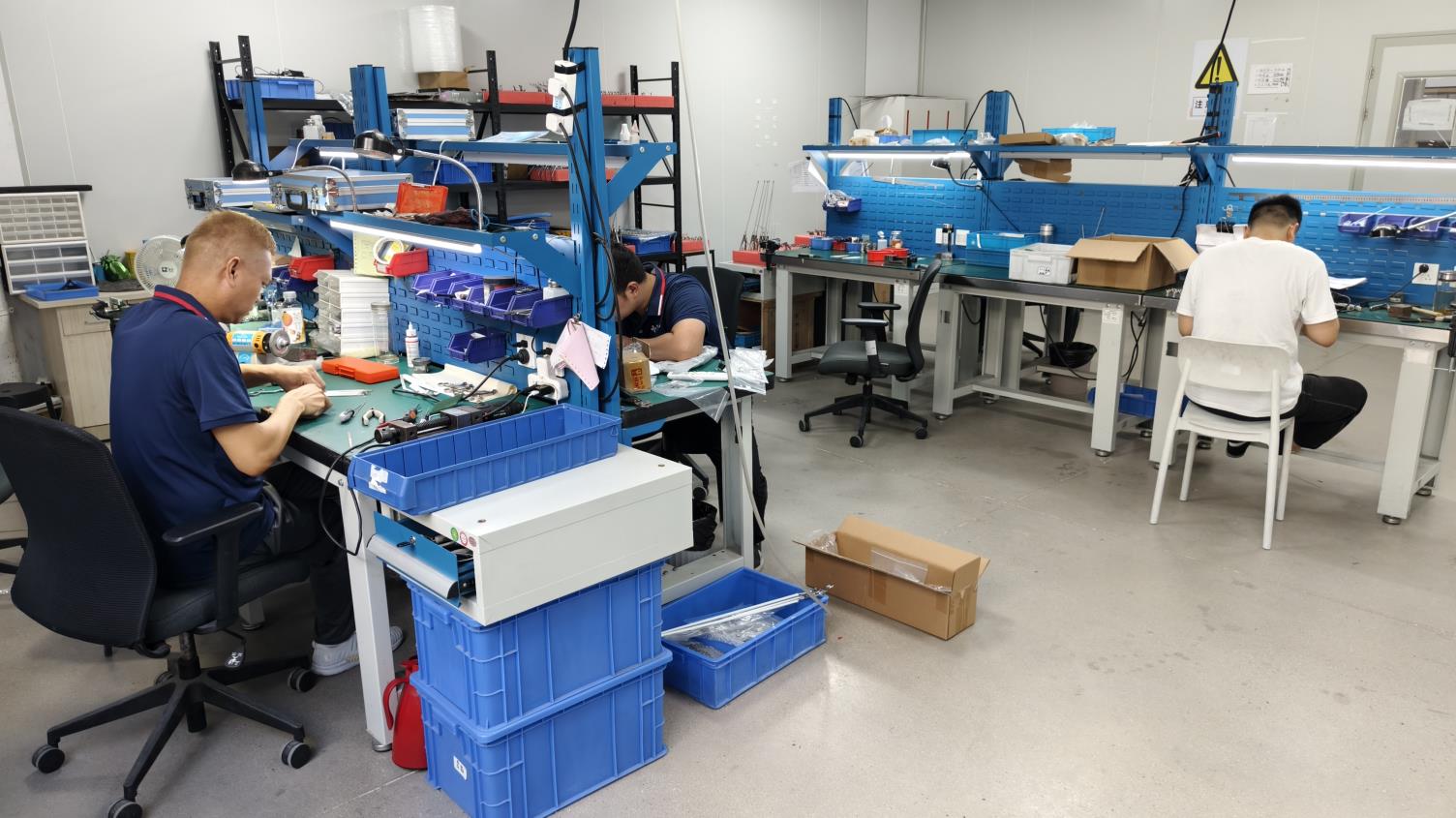
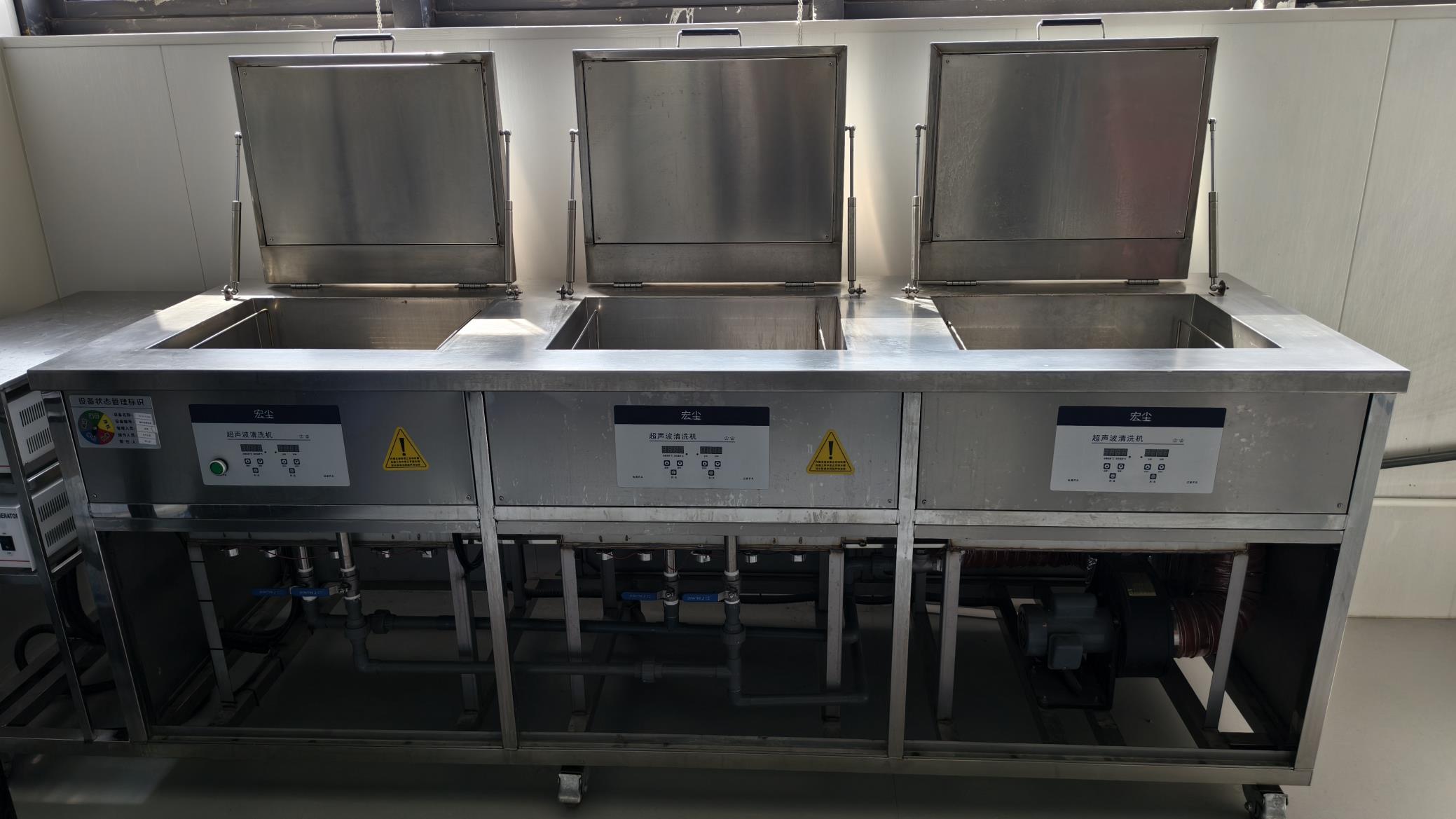
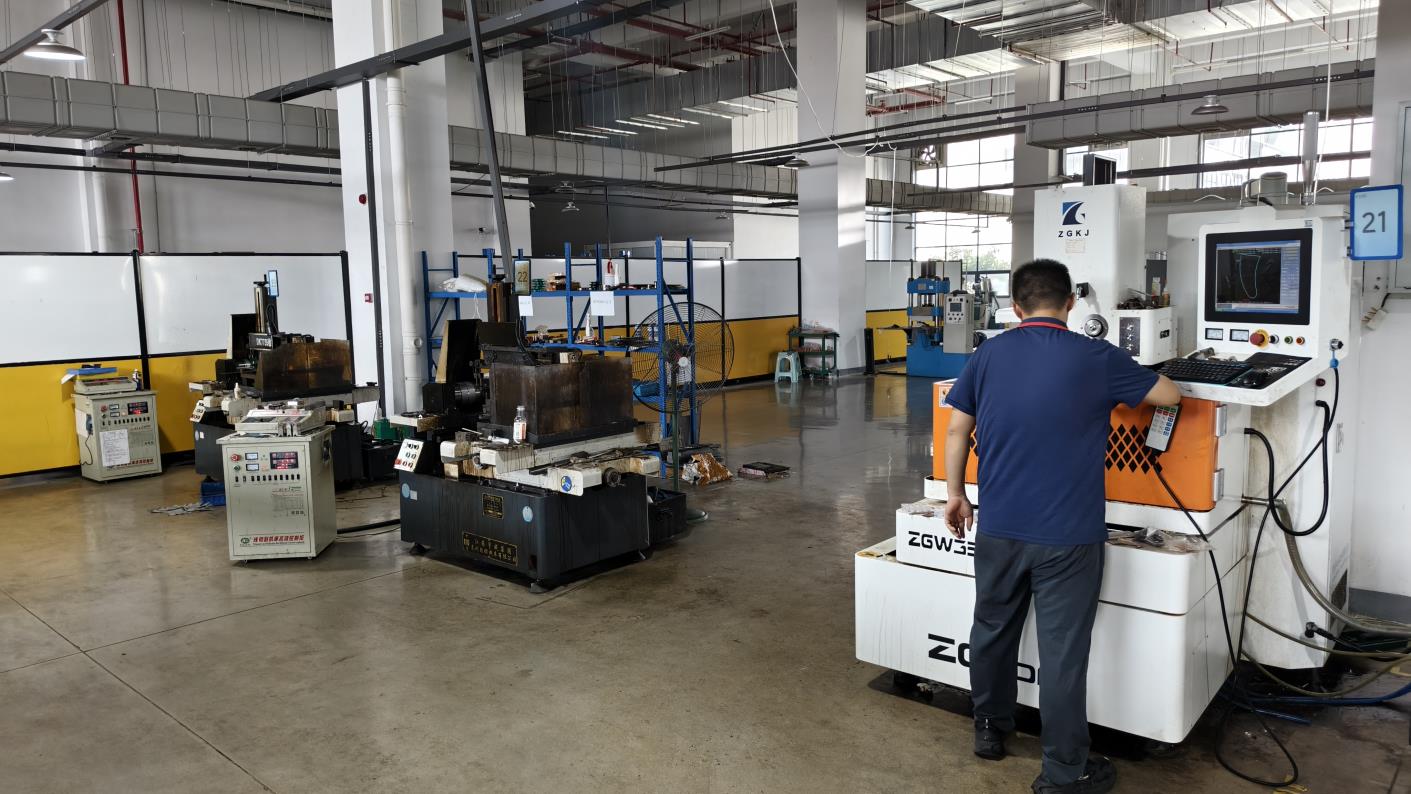
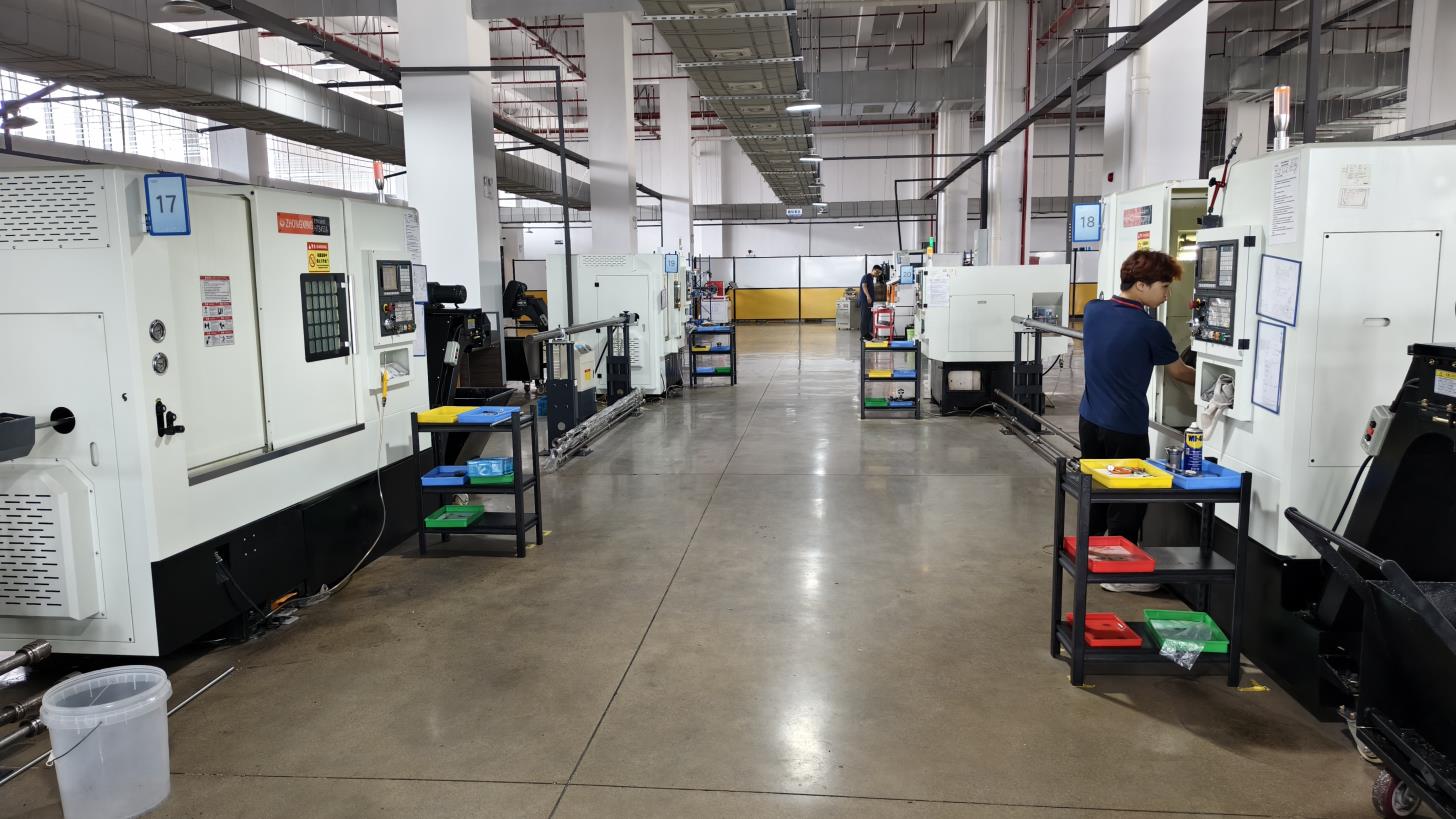
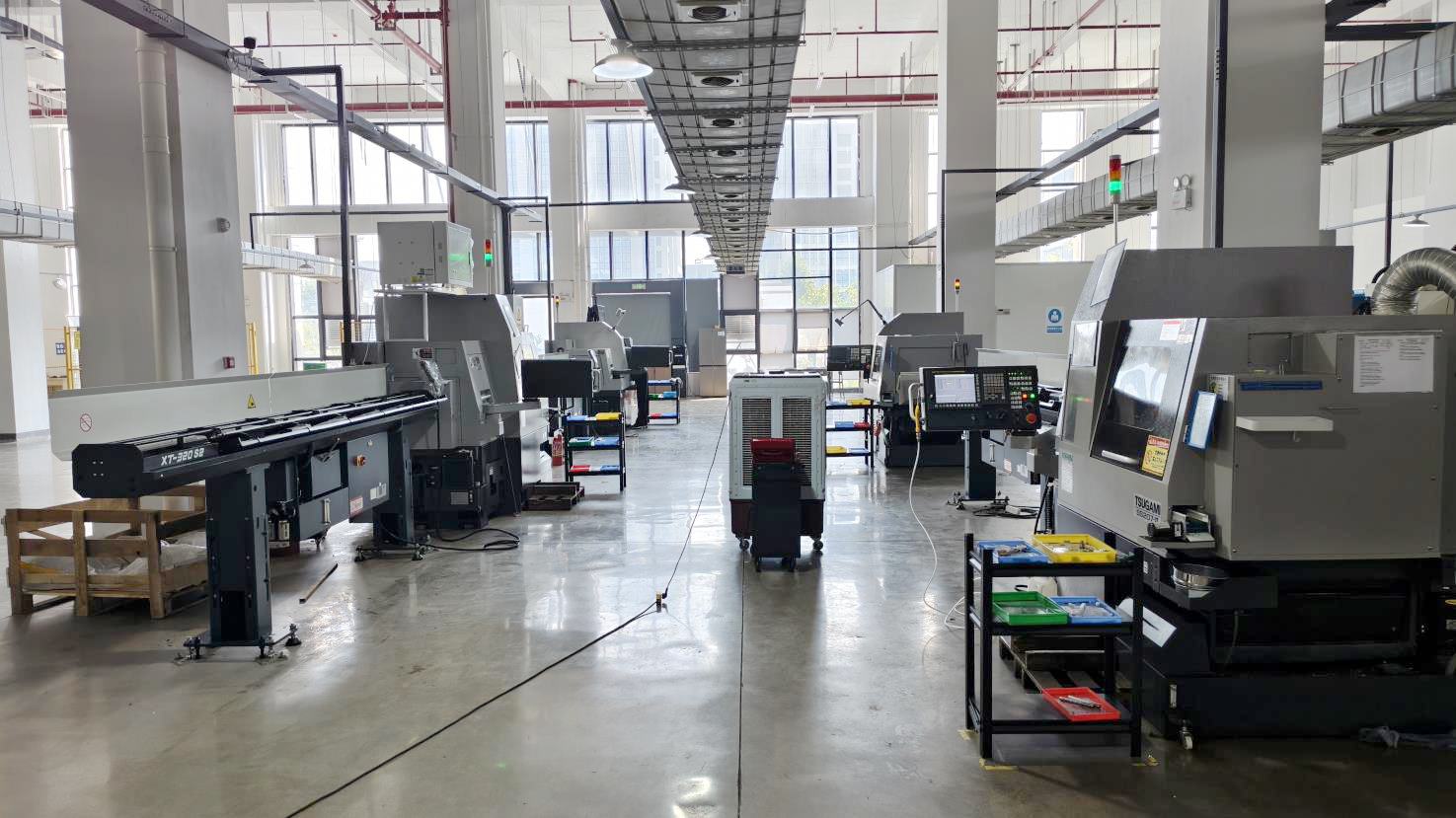
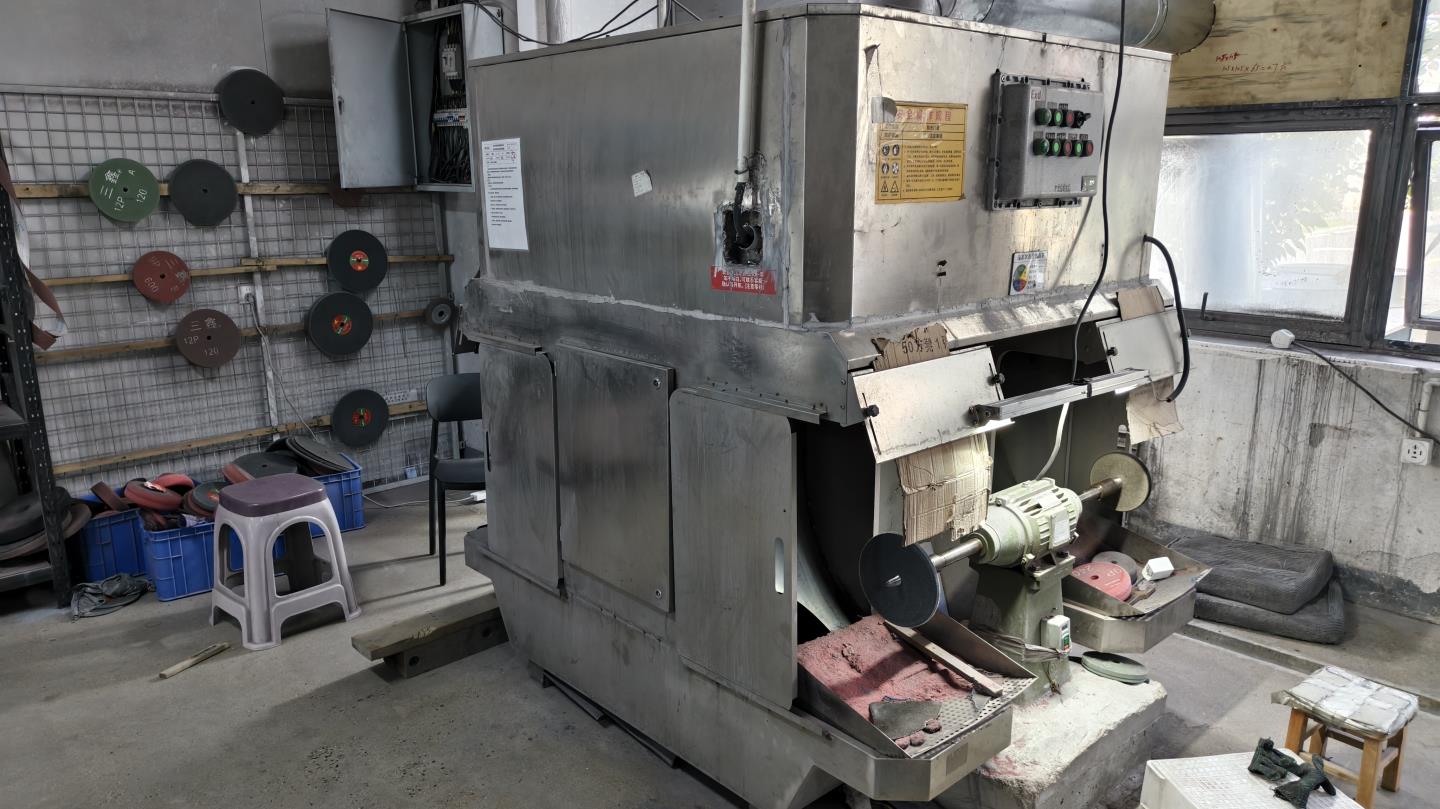
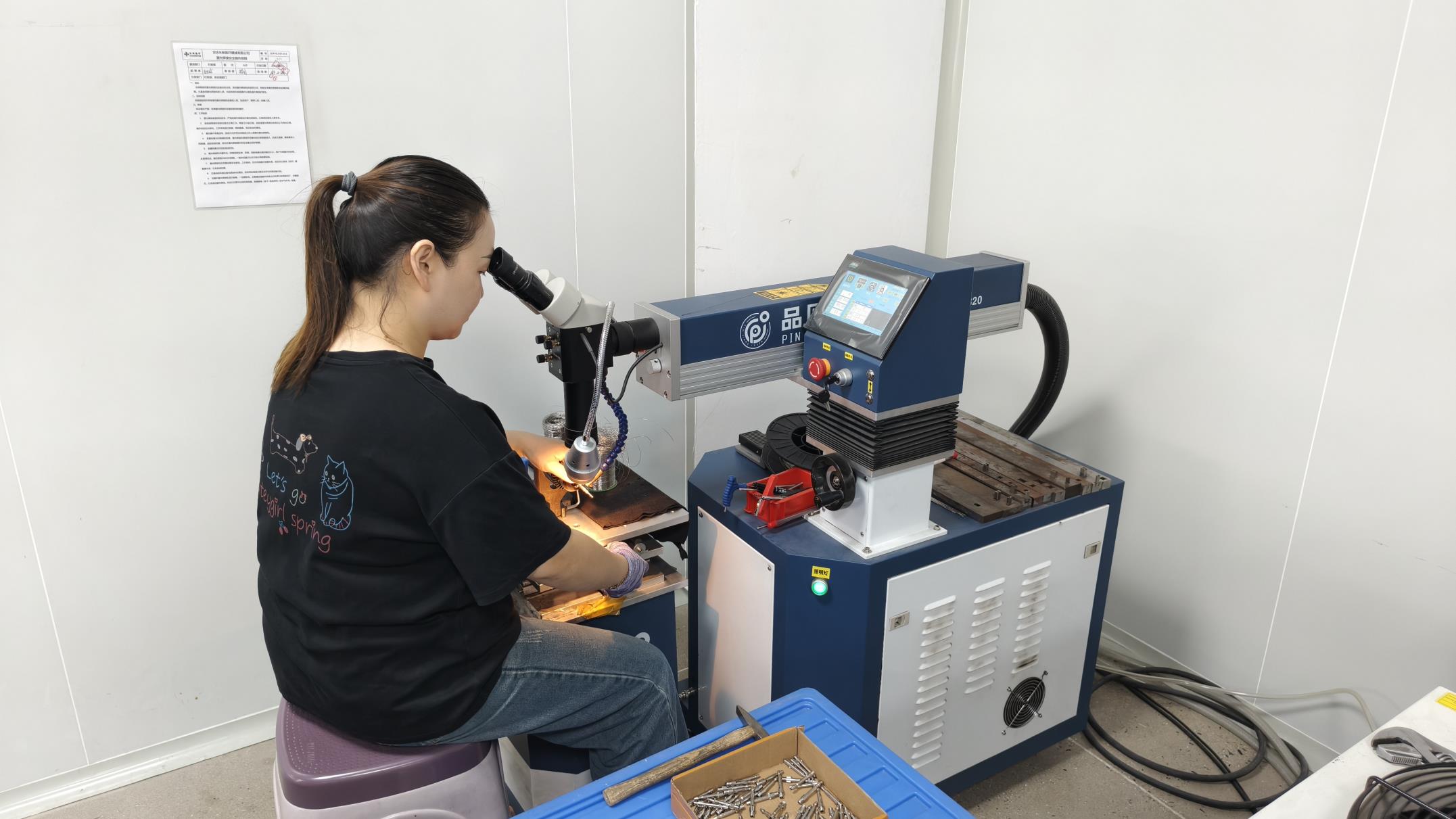
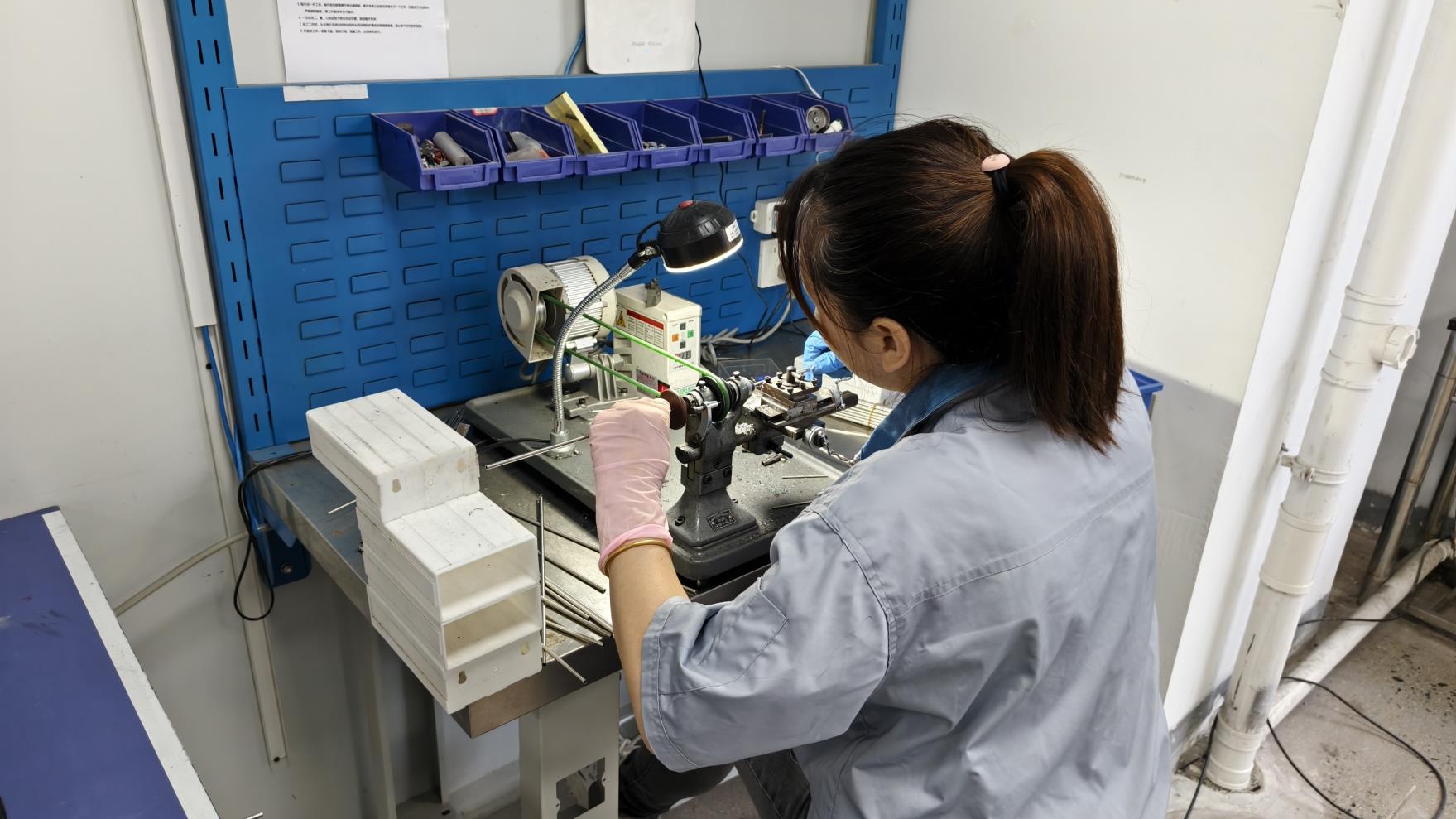
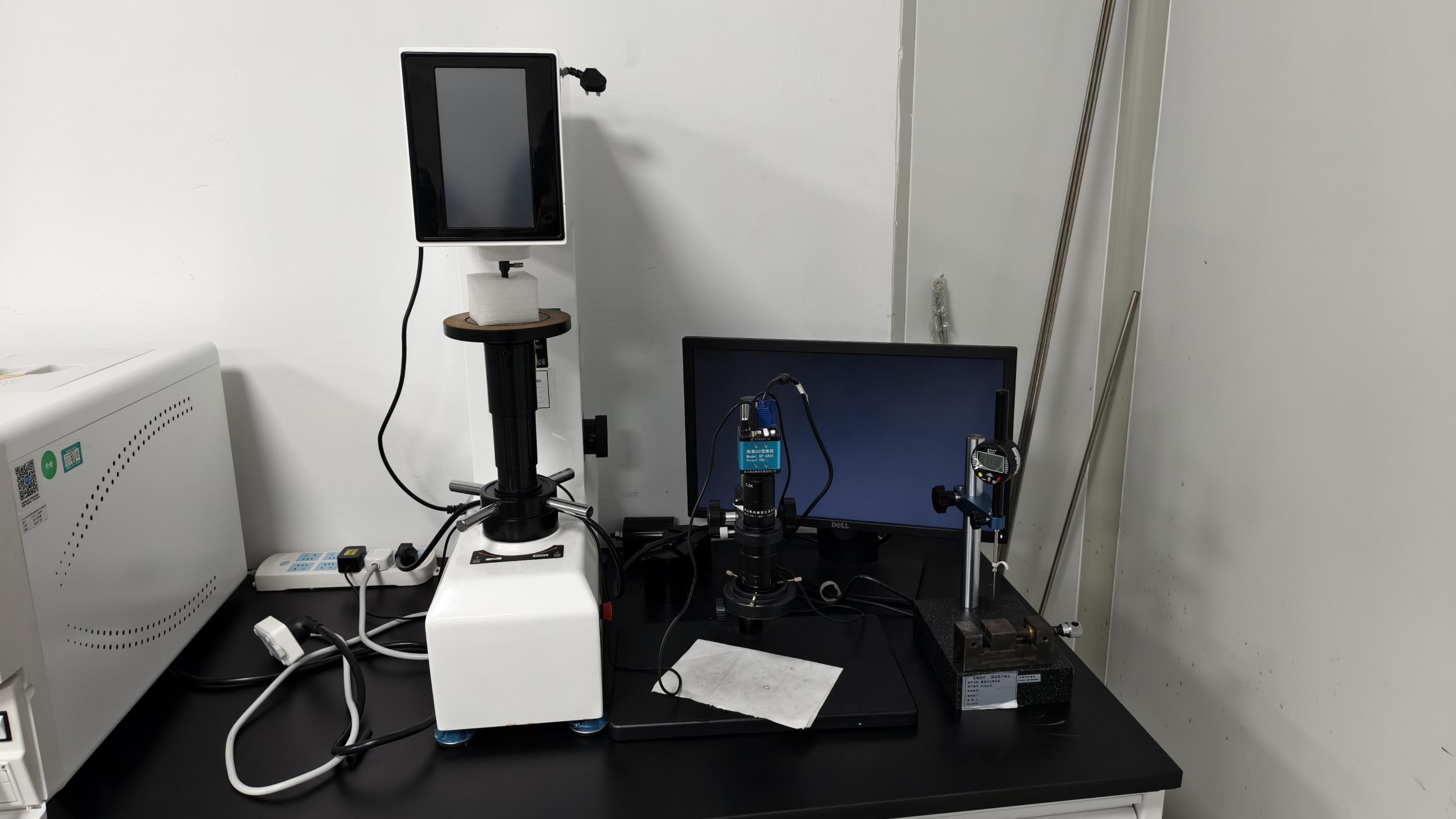
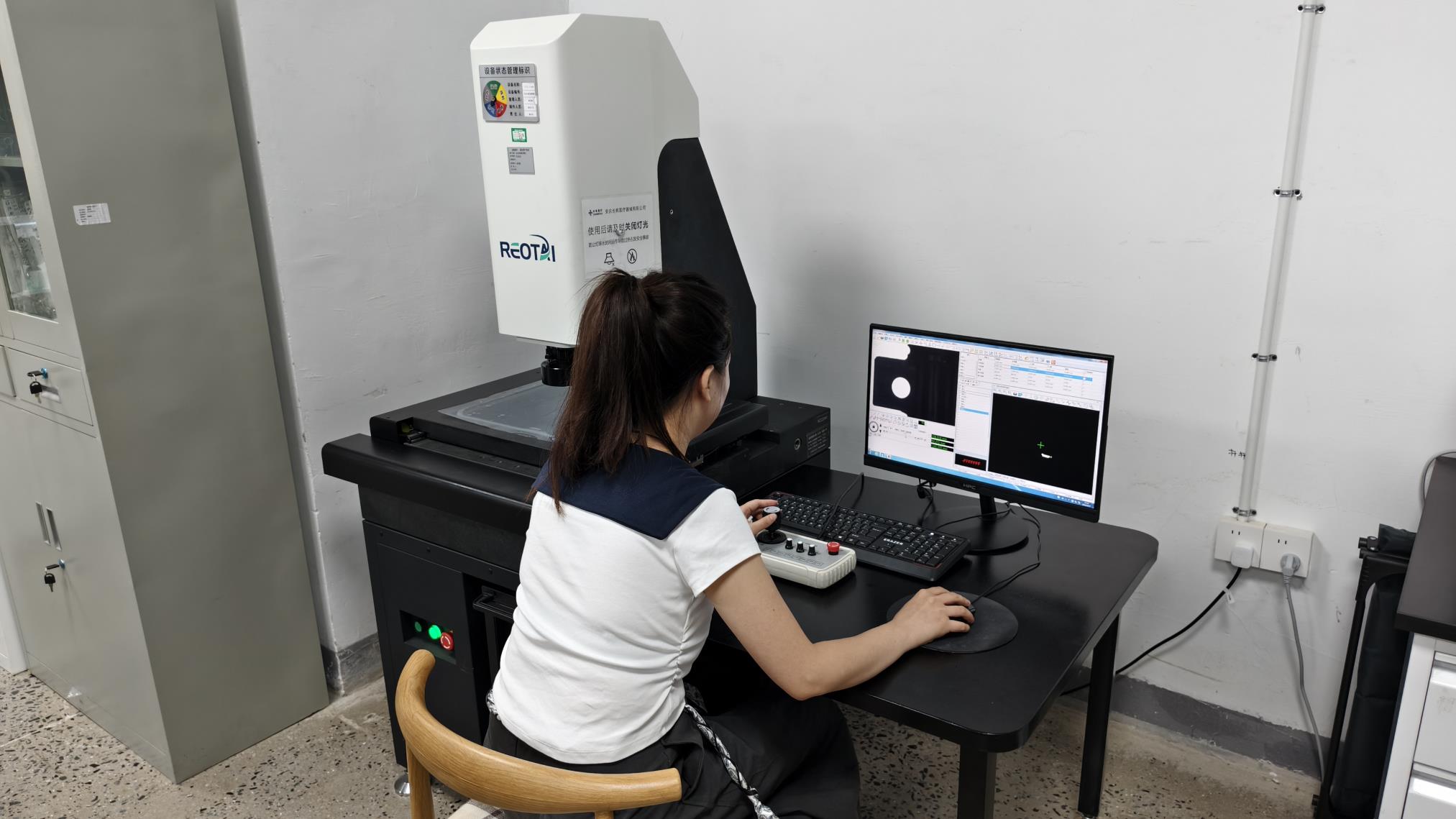
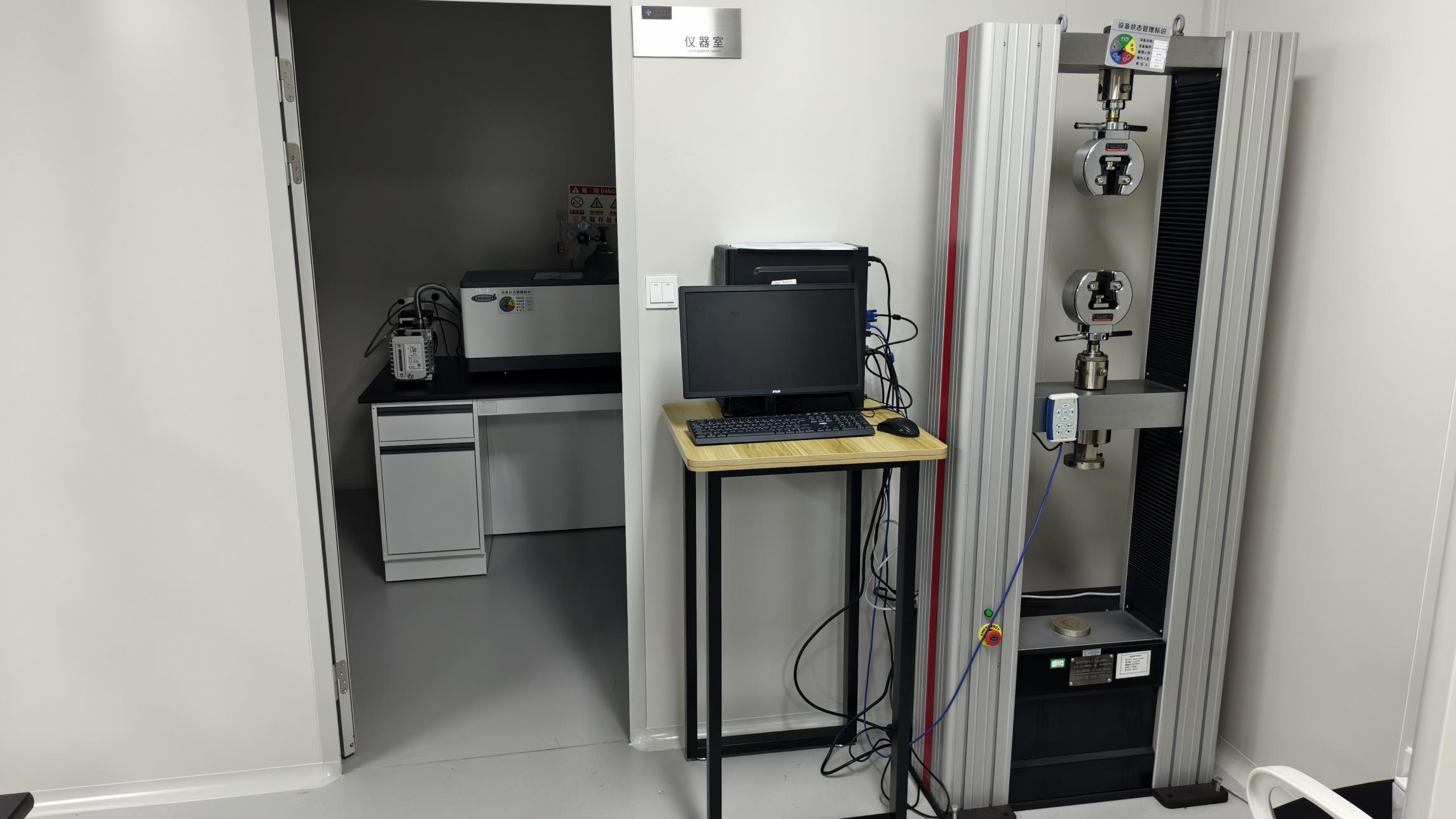
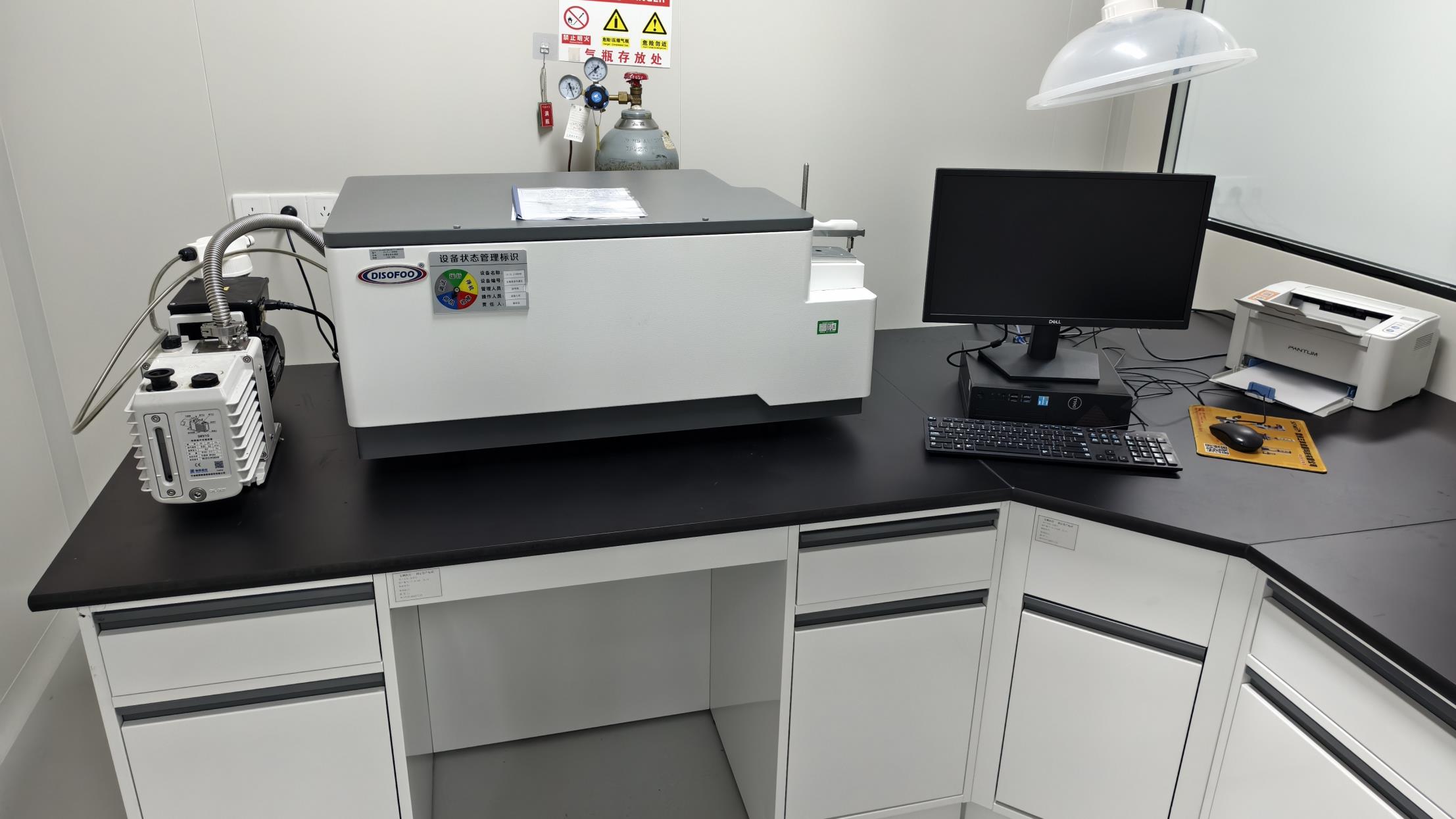
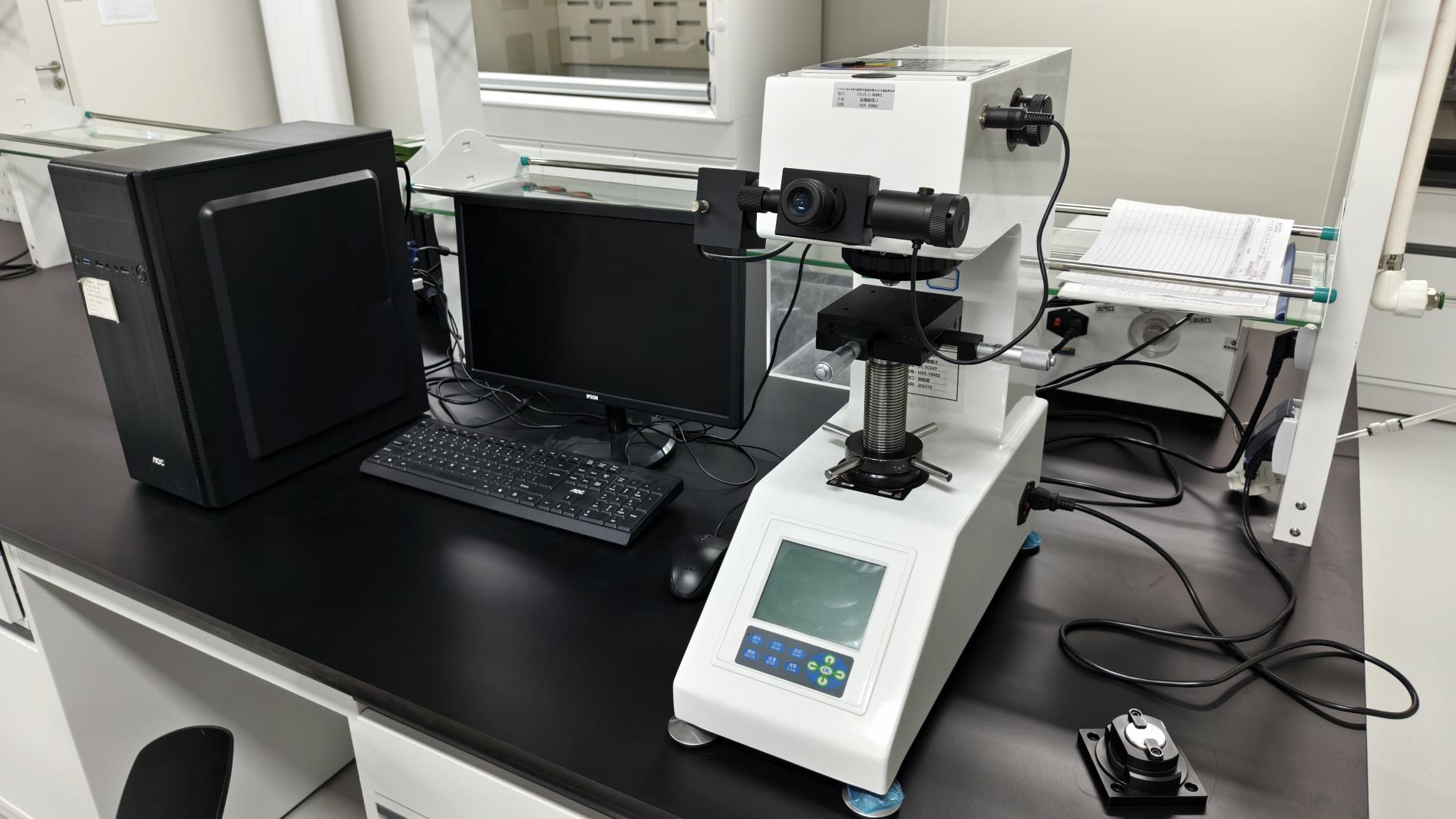
Our product portfolio includes trauma fixation systems, spinal implants, locking plates, intramedullary nails, external fixation systems, orthopedic screws, surgical instruments, and customized orthopedic solutions. Equipped with advanced CNC machining centers, precision inspection equipment, and modern clean production facilities, we ensure every product meets international quality standards.
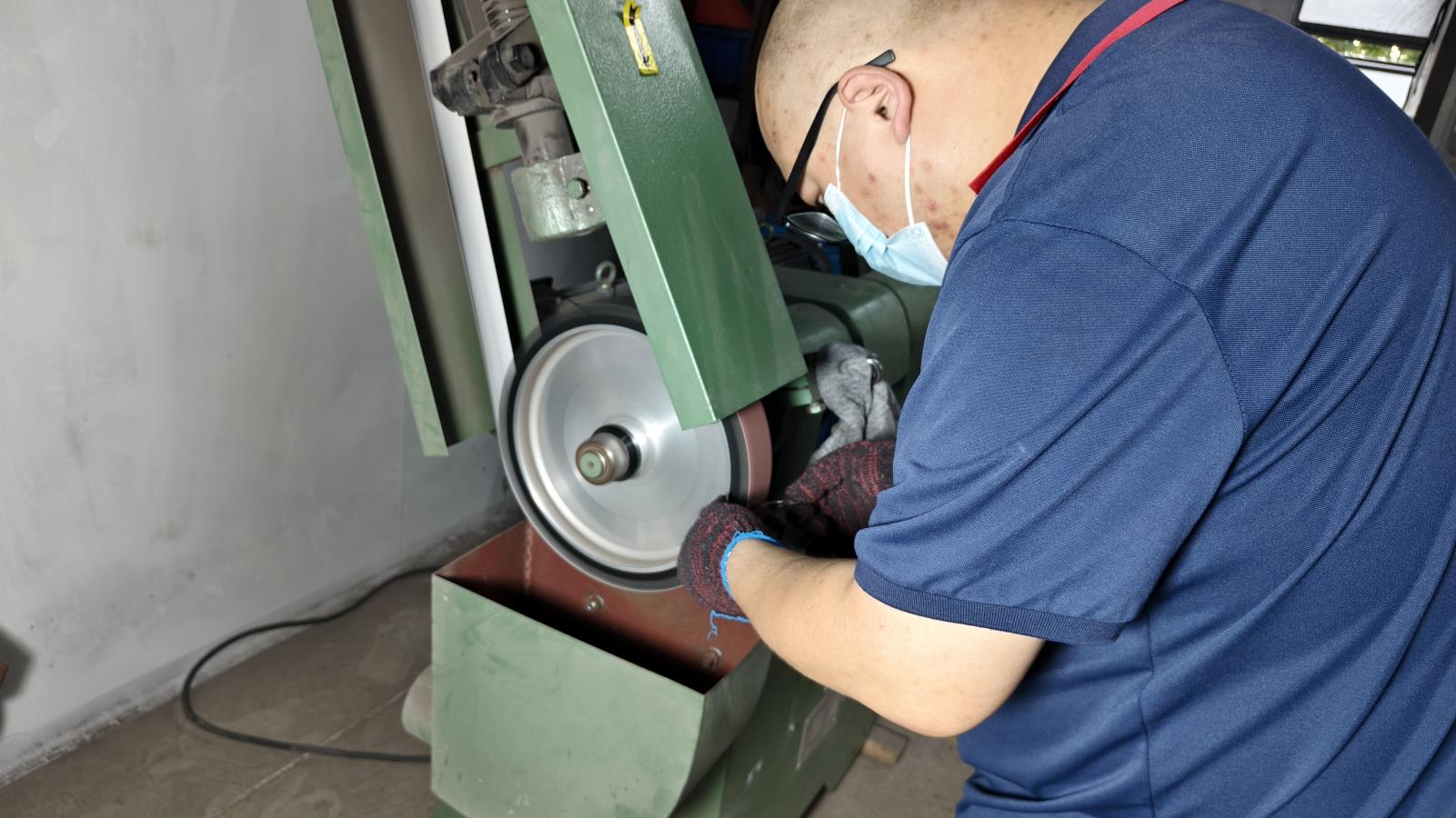
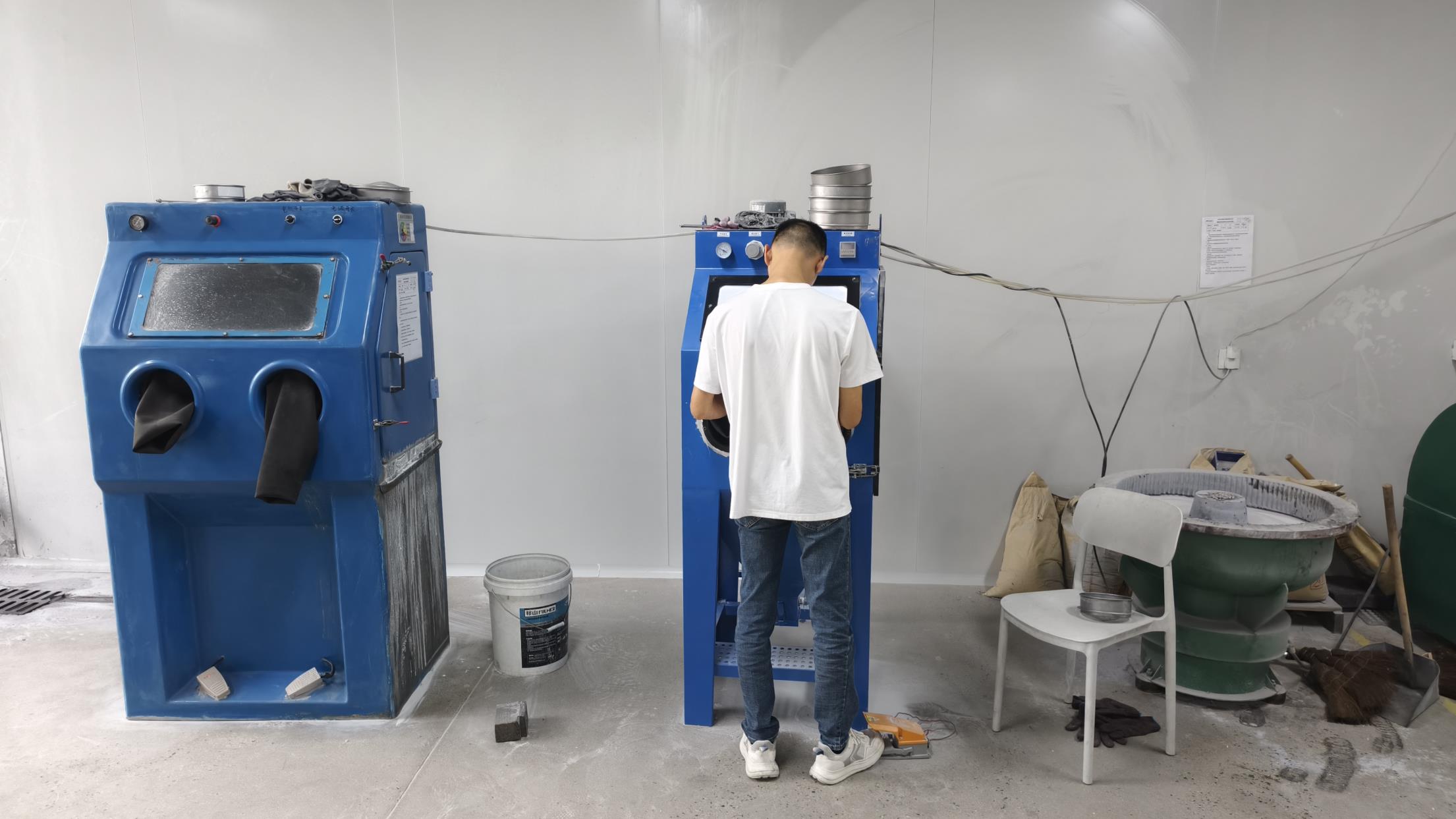
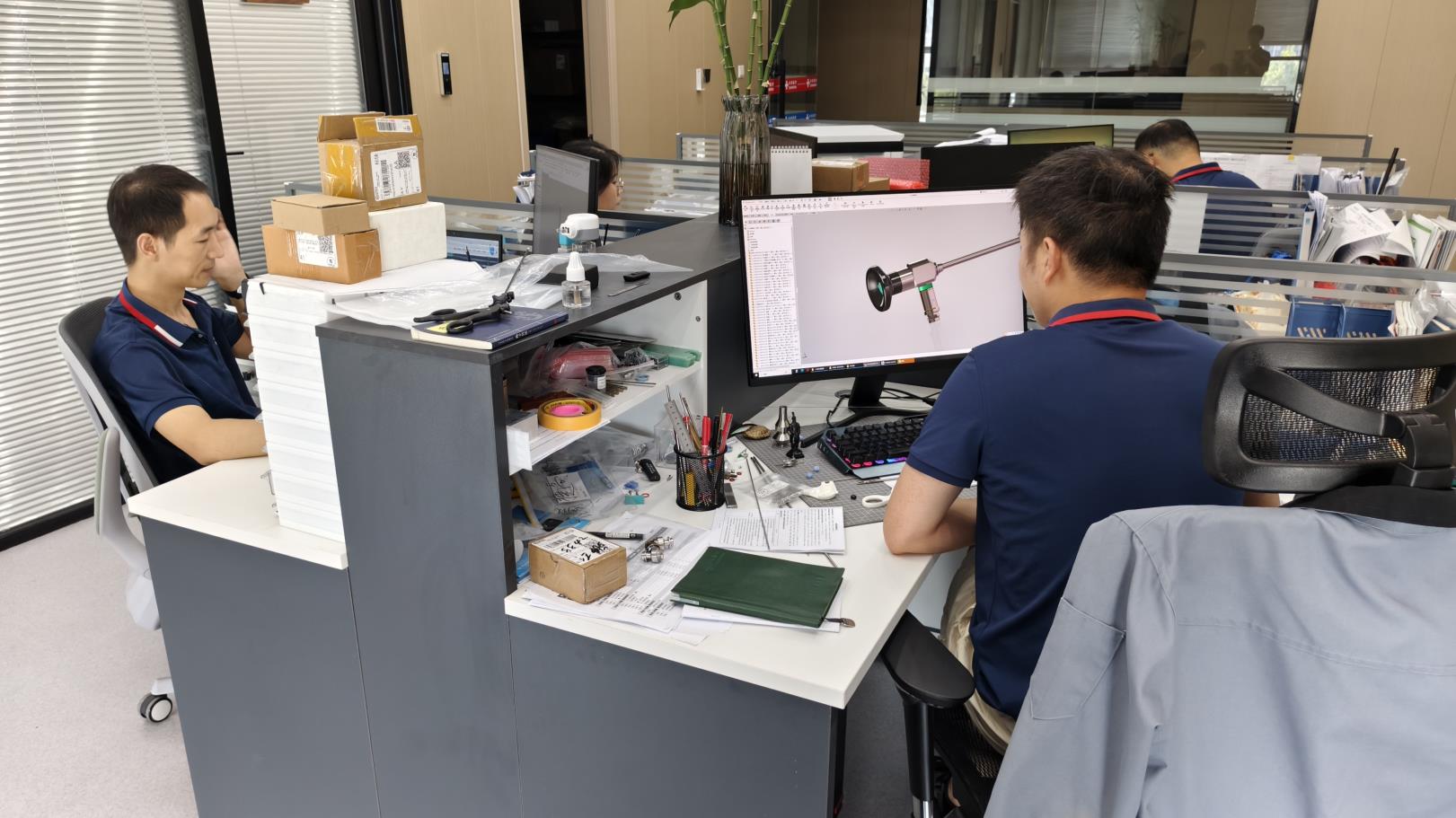
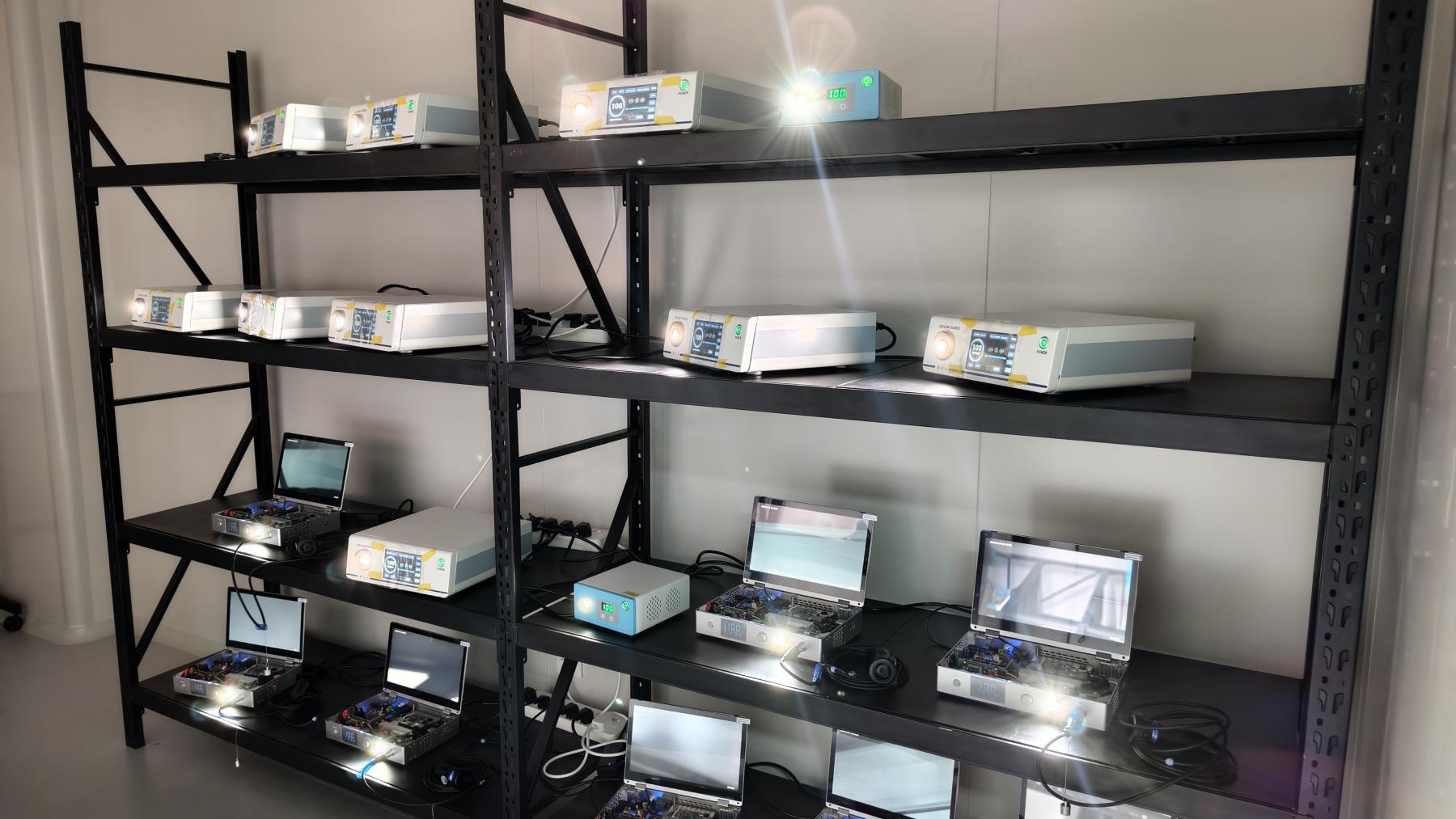
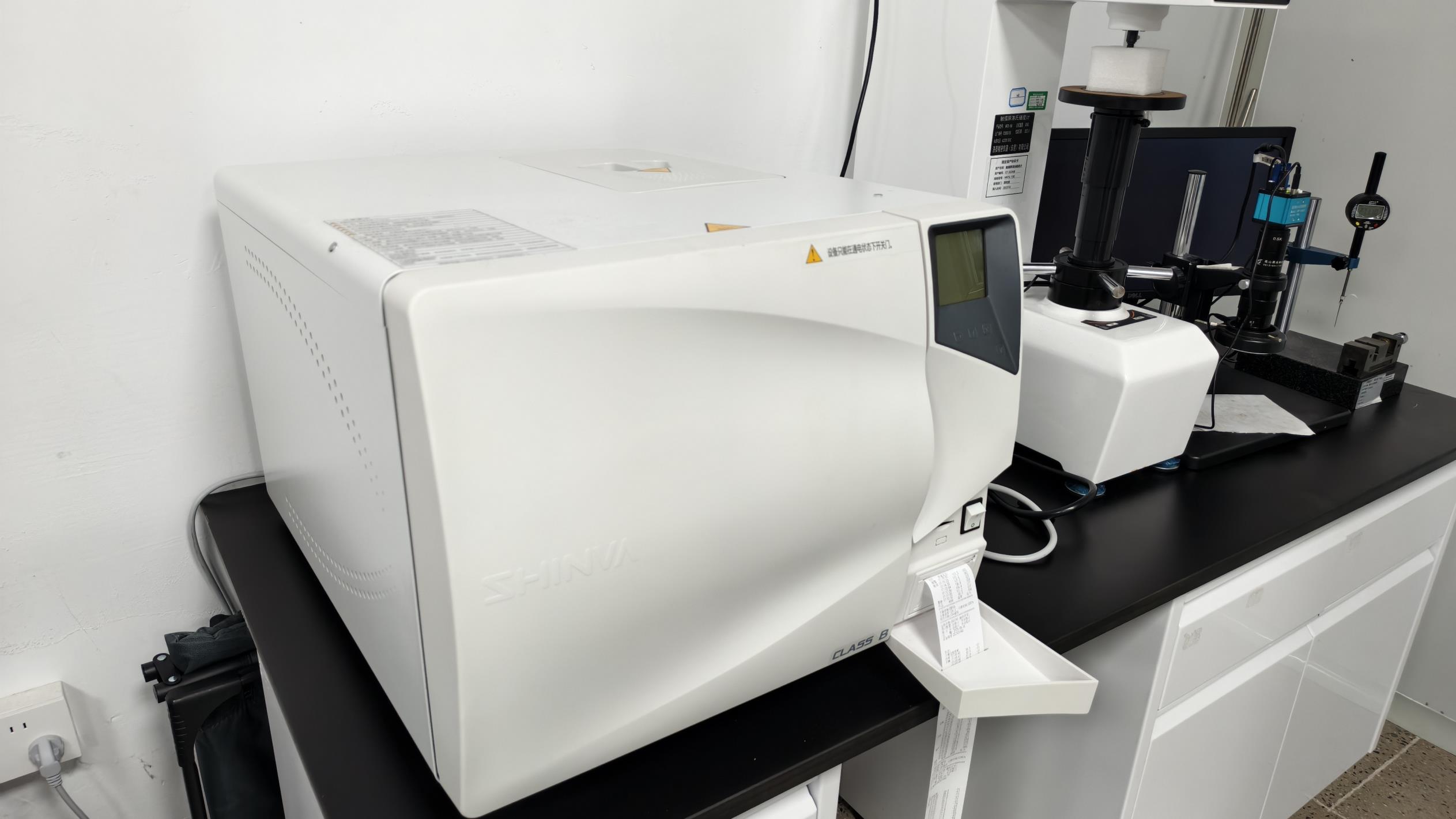
A visual tour of our cleanrooms, precision machining bays, and mechanical evaluation laboratories.
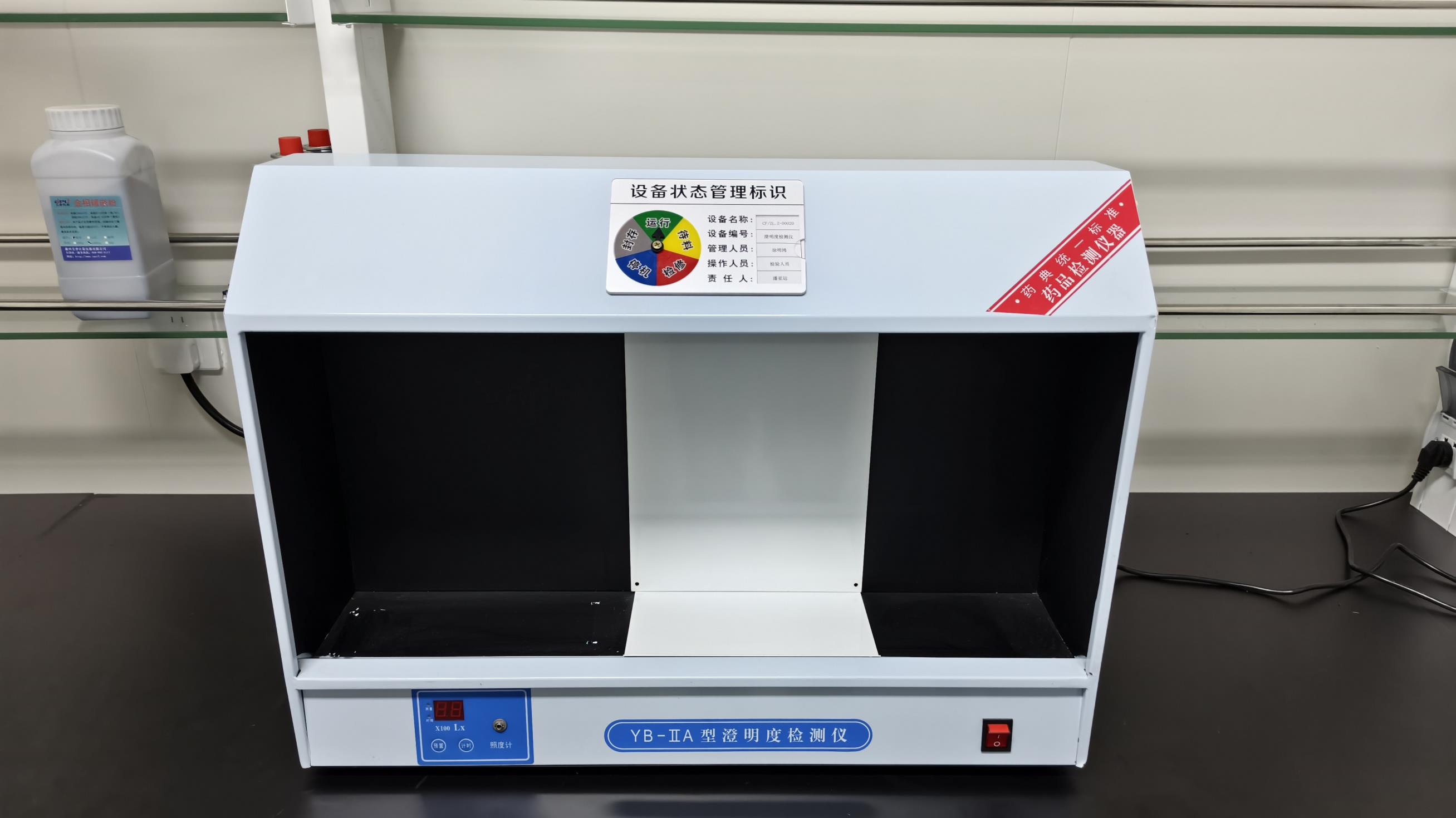
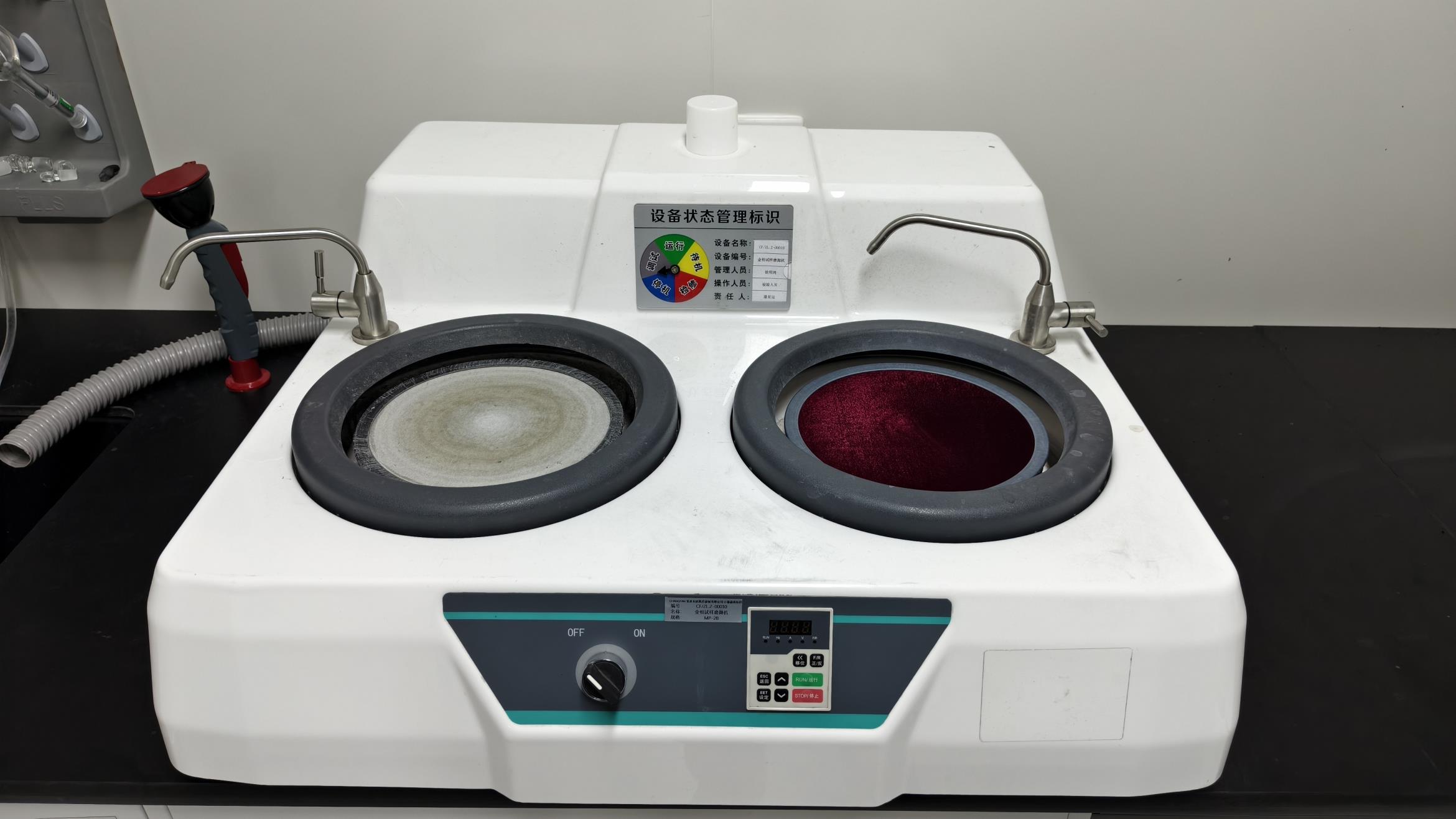
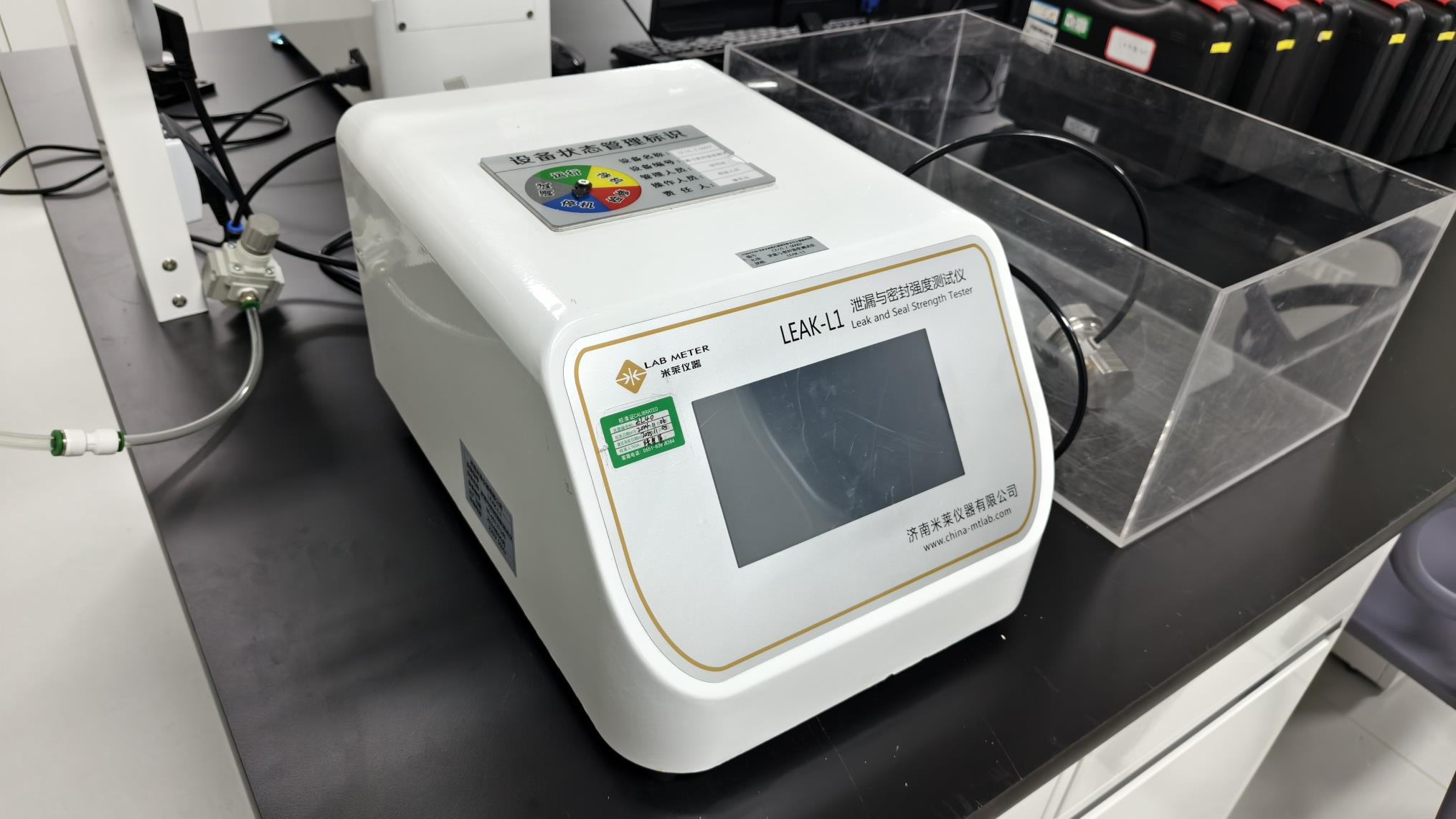
Addressing procurement challenges for global implant brands, health systems, and international distributors.
Fluctuations in high-grade raw material availability (Titanium Ti-6Al-4V ELI, CoCrMo alloys, Ultra-High-Molecular-Weight Polyethylene) present a risk. Synoviq addresses this through deep relationships with certified material mills, maintaining safety stocks to ensure delivery timeline stability.
Navigating changing requirements, such as the EU MDR and FDA 510(k), is critical. Synoviq provides comprehensive regulatory documentation, raw material traceability (MTRs), bio-compatibility files (ISO 10993), and sterilization validation dossiers to simplify clearance processes.
Our dedicated R&D team of 76 engineers utilizes CAD/CAM platforms to convert complex designs into production workflows. We offer fast prototyping and design-for-manufacturing (DFM) adjustments to reduce development lead times.
Our ongoing R&D efforts are focused on the next generation of joint reconstruction technologies.
Additive manufacturing using Electron Beam Melting (EBM) and Direct Metal Laser Sintering (DMLS) allows for the production of advanced porous structures. These biomimetic designs mimic the trabecular properties of natural bone, encouraging rapid osseointegration and offering improved primary stability for cementless glenoid bases and humeral stems.
Future orthopedic applications will utilize embedded micro-sensors. These low-power sensors can transmit real-time data regarding post-operative joint load distribution, temperature, and kinematic alignment. This enables clinicians to monitor wear patterns and diagnose early joint complications remotely.
A key focus of our current research is the customization of retroversion angles, neck-shaft inclinations, and humeral offsets. By offering a wider variety of eccentric glenospheres and modular spacer options, our designs allow orthopedic surgeons to adjust joint tension and optimize muscle function, minimizing the risk of dislocation.
Looking to the Future:
Synoviq invests 12% of its annual revenues back into laboratory testing and product validation, working closely with clinical institutions to improve surgeon workflows and patient safety.
Technical and regulatory answers for sourcing managers, biomedical engineers, and commercial partners.
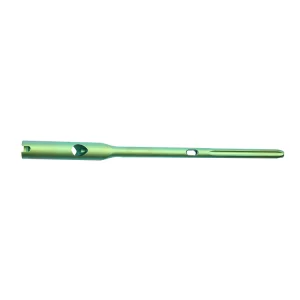
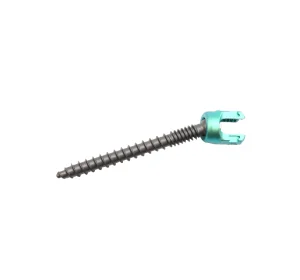
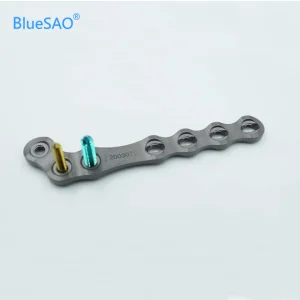
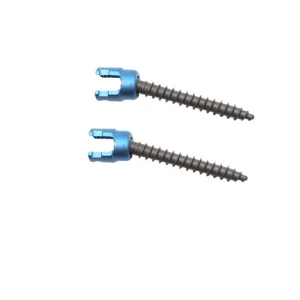
Explore our surgical tools, specialized screws, and veterinary plate configurations.
 Synoviq Medical