Explore our premier range of orthopedic power tools, spine systems, intramedullary nails, and retraction instruments engineered for high-performance surgical applications.
Unlike adult skeleton configurations, pediatric orthopedic patients present a dynamic anatomical landscape defined by continuous skeletal growth, high metabolic turnover, and the crucial presence of open epiphyseal plates (growth plates). The engineering of pediatric implants is not merely a task of downsizing adult components. It requires specialized material selection, design optimization for low bone density, and mechanical systems that preserve potential skeletal growth while avoiding premature physeal closure.
As a leading Chinese manufacturer, Synoviq Medical Technology (China) Co., Ltd. coordinates close clinical partnerships with international orthopedic surgeons to produce specialized trauma fixation systems, growing spinal systems, and pediatric reconstruction components. Our operations are governed by rigid international standards including ISO 13485, focusing on bio-compatibility and precision load-sharing to deliver implants that adapt harmoniously to a child’s healing physiology.
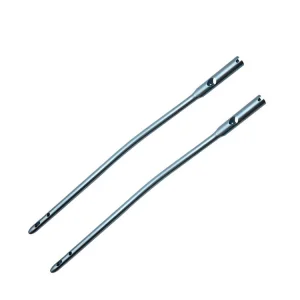
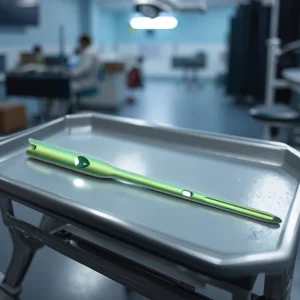
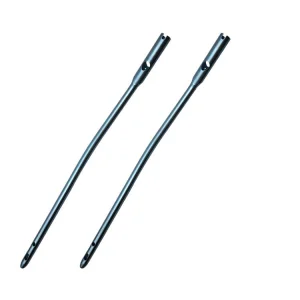
The principal objective when treating pediatric skeletal trauma is protecting the physis. Misplaced rigid implants crossing the physis can lead to tethering, angular deformities, and significant limb length discrepancies. Our design engineers utilize bio-compatible titanium alloys (specifically Grade 5 Ti-6Al-4V ELI) to design flexible intramedullary nails (FIN) and low-profile cannulated locking plates. These devices provide relative stability without violating the active growth zones, ensuring optimal structural restoration and rapid healing.
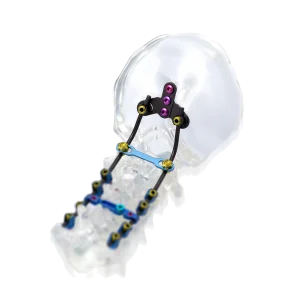
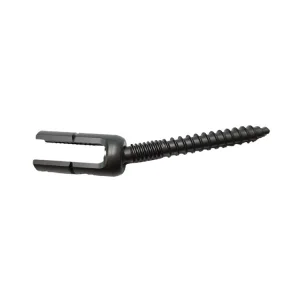
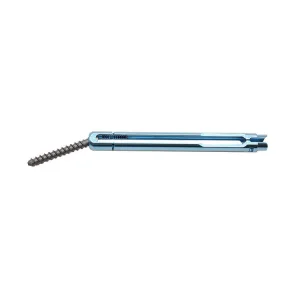
Managing early-onset scoliosis (EOS) requires spinal hardware that accommodates growth. Synoviq supplies robust, low-profile posterior spinal screw-rod systems. By deploying growing-rod designs and polyaxial pedicle screws with low profile heads, we provide surgeons with the tools to construct stable scaffolding that protects the thoracic cage and permits normal spinal elongation without early fusion.
| Operational Parameter | Synoviq Quality Standard & Infrastructure |
|---|---|
| Company Name & Brand | Synoviq Medical Technology (China) Co., Ltd. (Brand: Synoviq) |
| Established Date | March 18, 2016 (Registered under state medical device manufacturing laws) |
| Quality Inspection Protocols | 100% Final Inspection & Incoming Material Inspection (Non-destructive & Destructive testing) |
| Product Inspection Methods | CMM Measurement, Mechanical Testing, Surface Roughness Testing, Hardness Testing, Salt Spray Testing, Sterility Validation |
| Quality Control Staff | 48 Dedicated Quality Assurance Technicians & Regulatory Officers |
| Business Model | Manufacturer & Exporter (Advanced OEM/ODM Solutions) |
| Supply Chain Partners | 1,120+ International medical distributors and hospital networks |
| R&D Capability | Independent CAD/CAM Product Design, Prototyping, Clinical-Oriented Engineering, Custom Surface Treatment |
| Customization Options | Laser Logo Customization, Sterile Packaging, Material Grade Customization, Special Surface Finishing (Anodizing, HA Coating) |
| Annual Product Development | 186 New products/models released to global markets last year |
We utilize precision Swiss-type lathes, multi-axis CNC machines, and rigid laboratory instruments to verify chemical, mechanical, and biological properties.
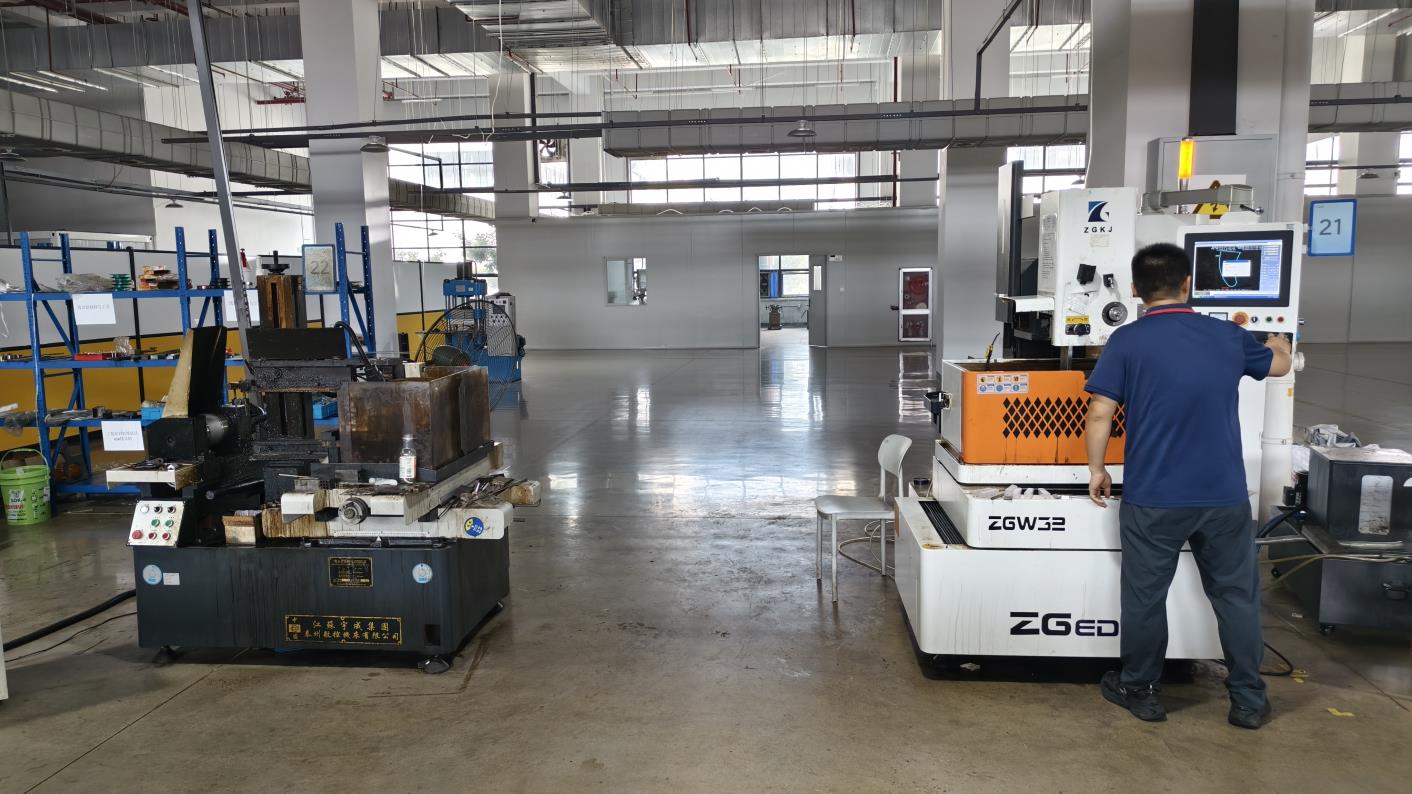
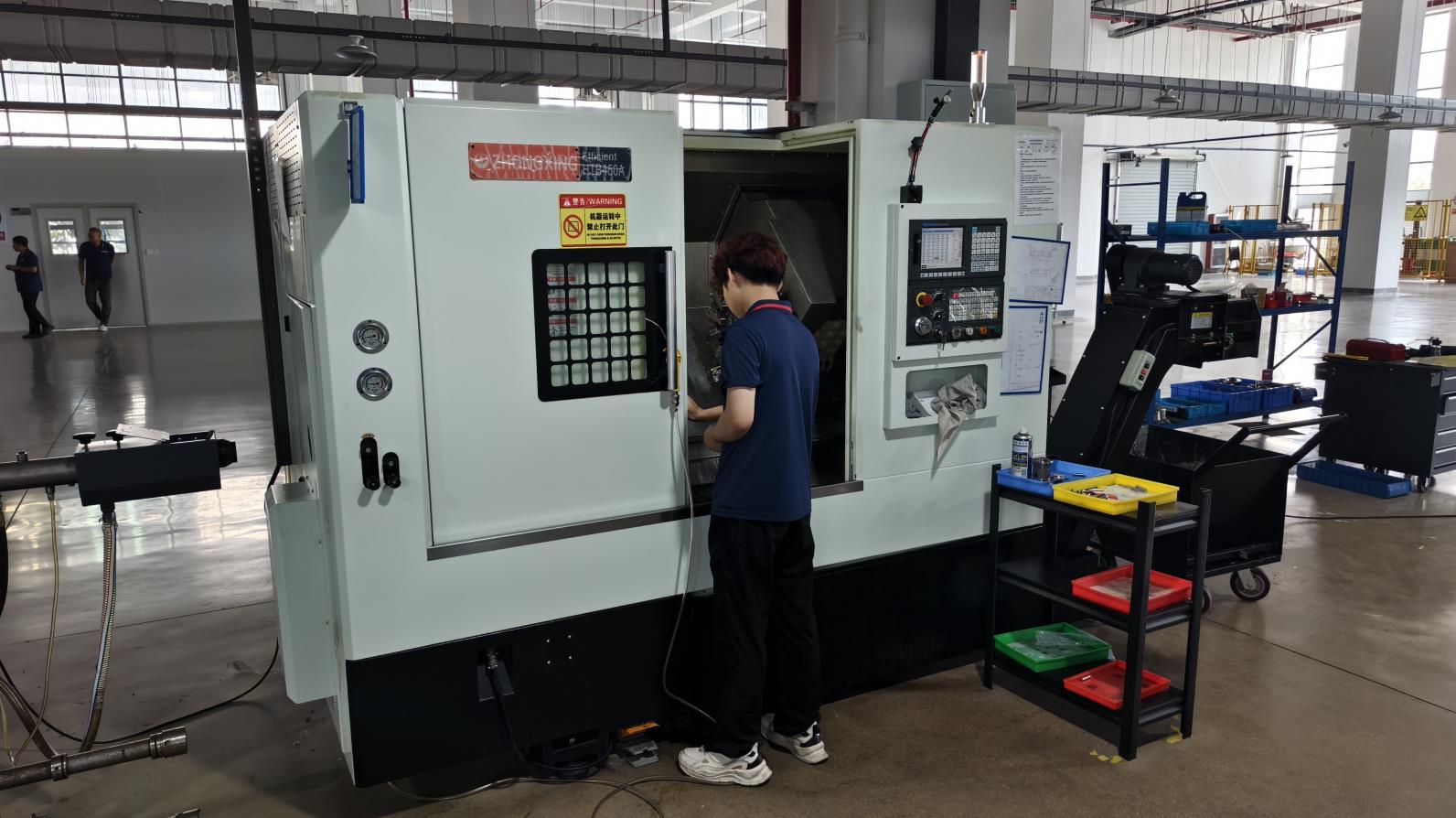
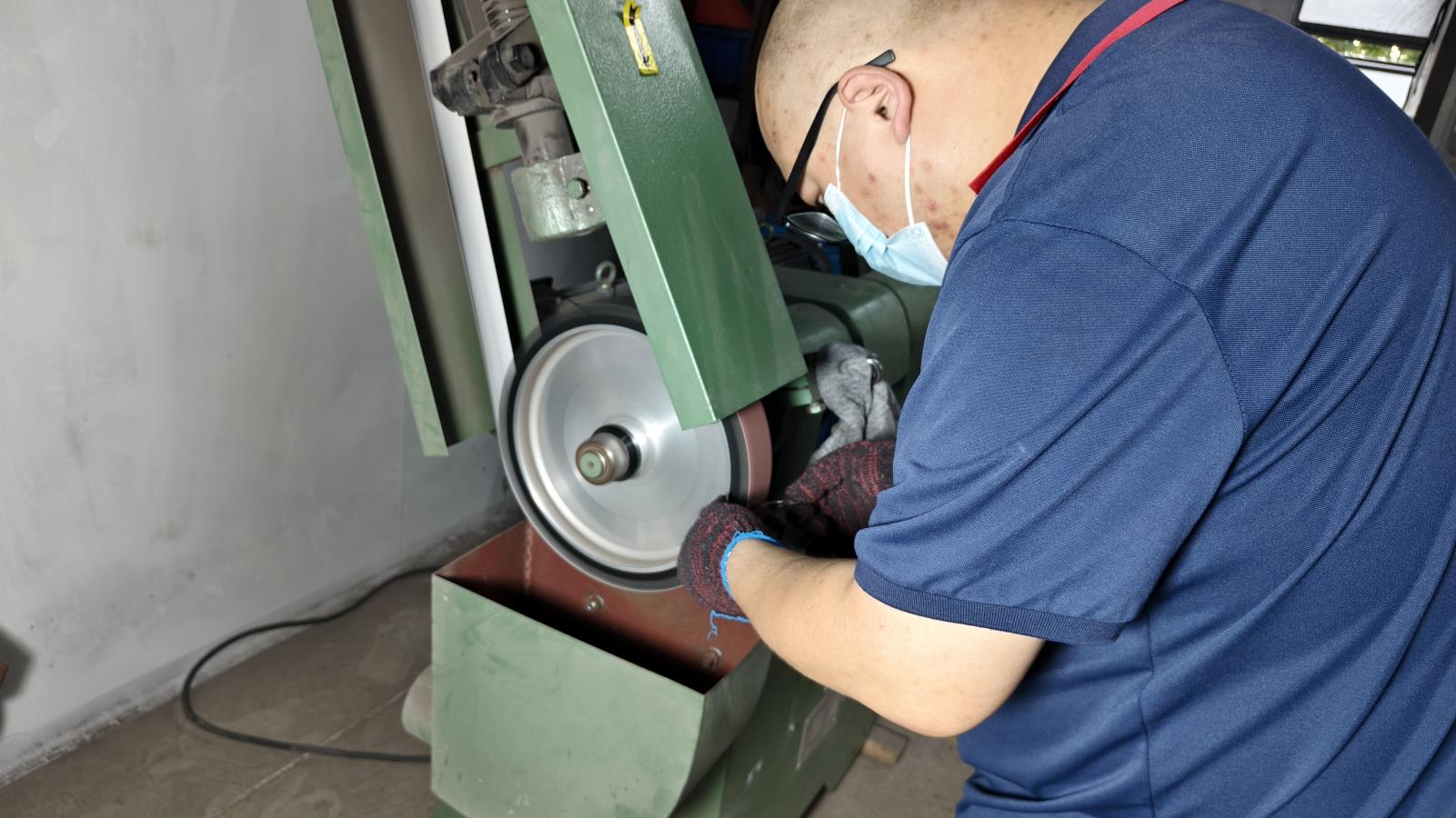
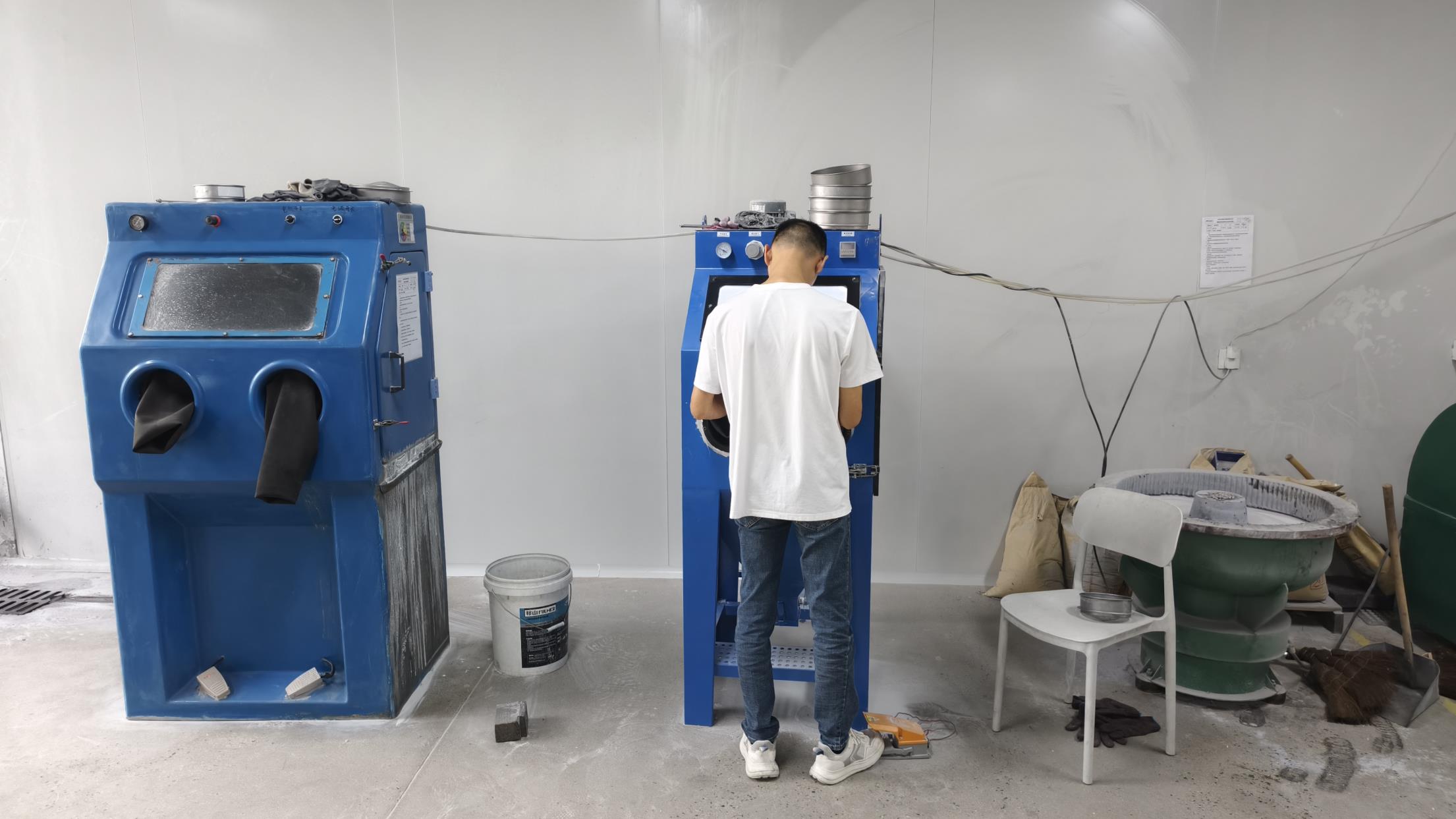
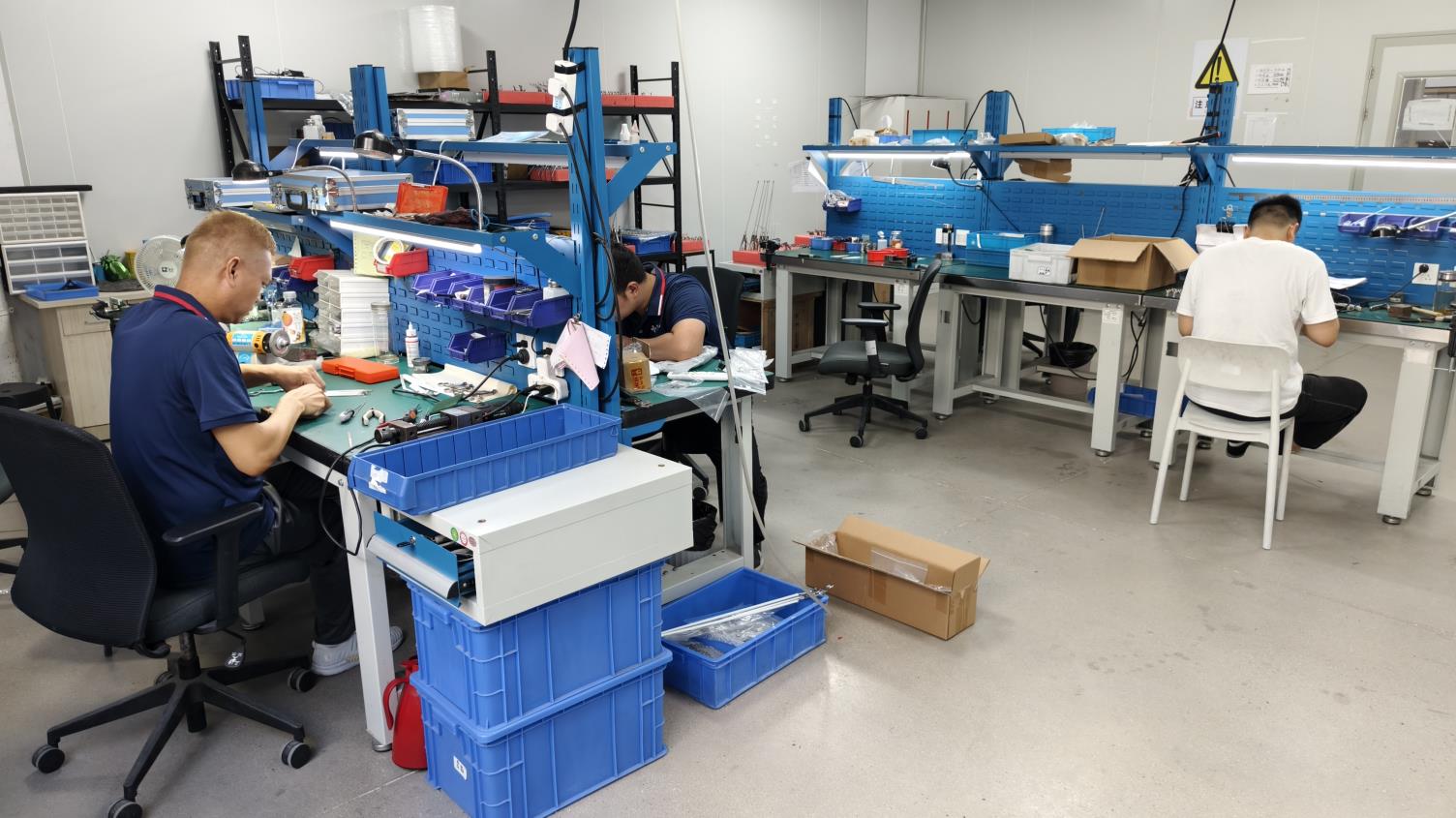
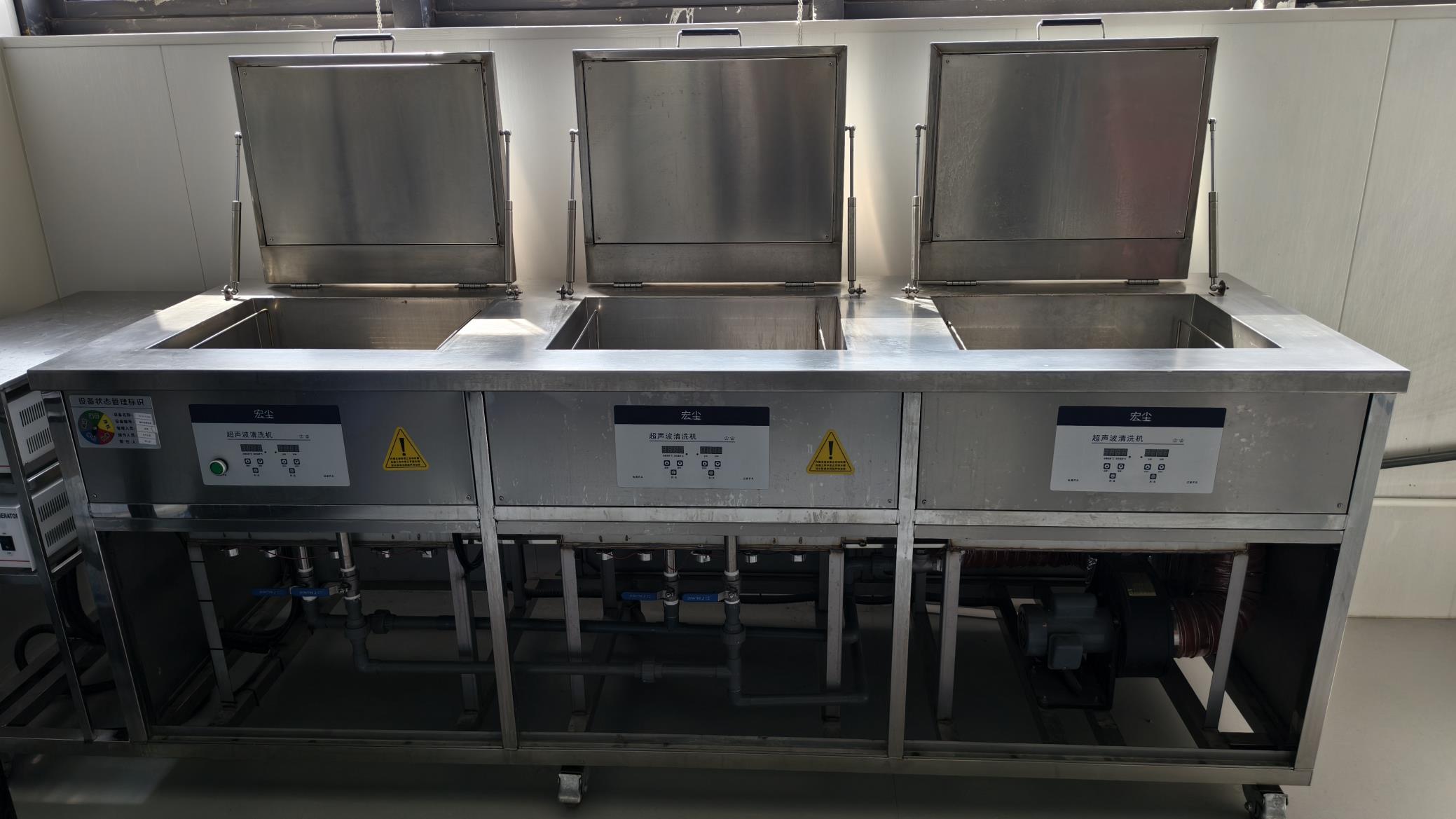
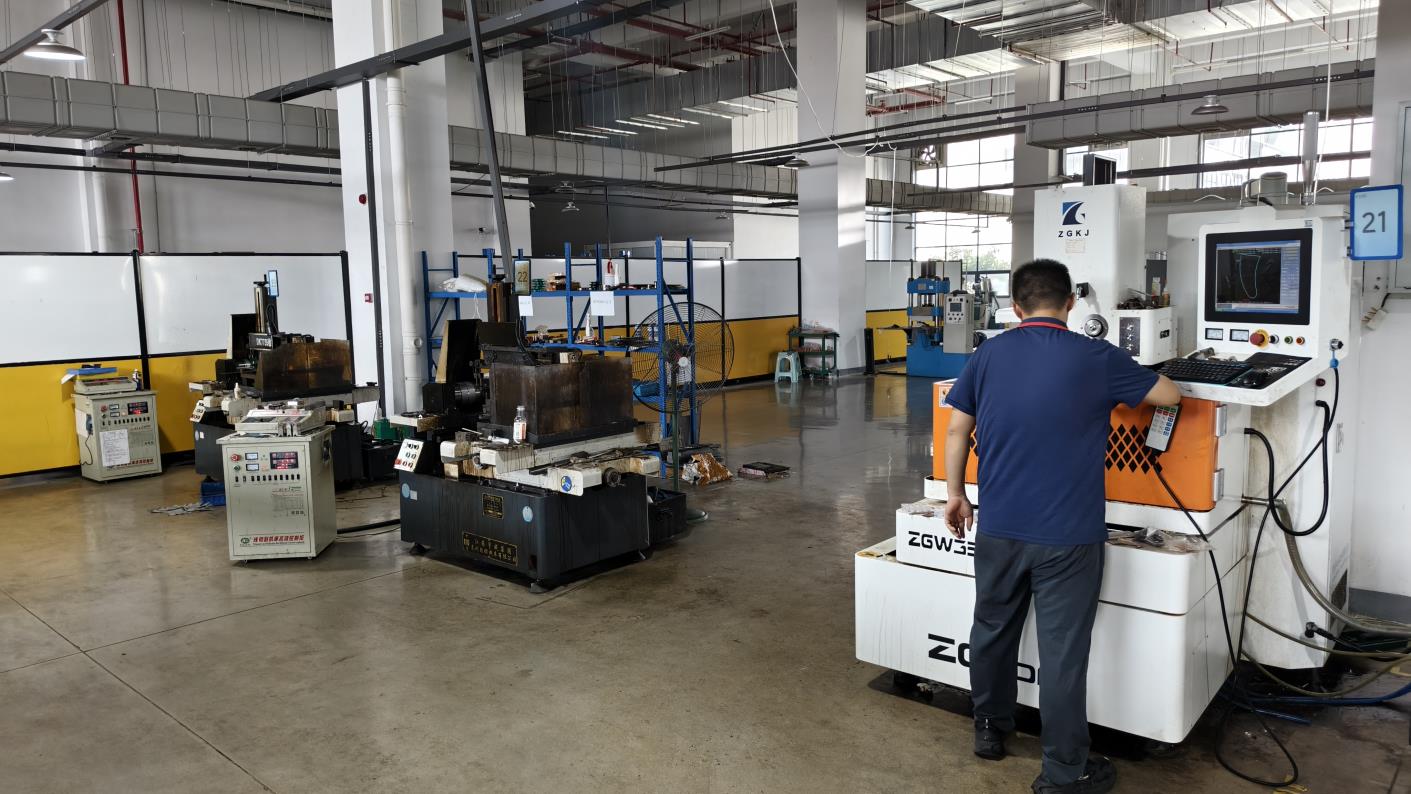
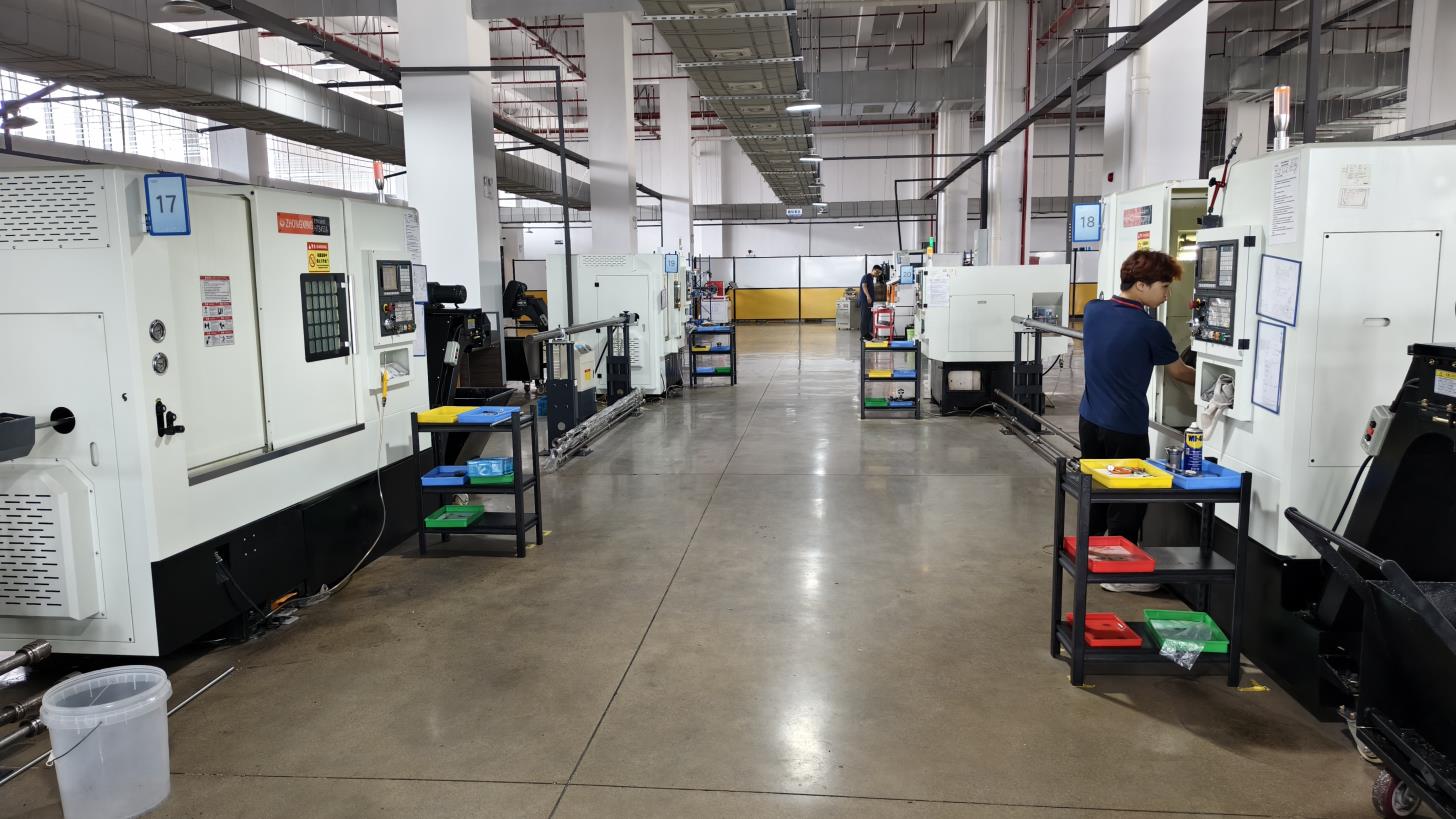
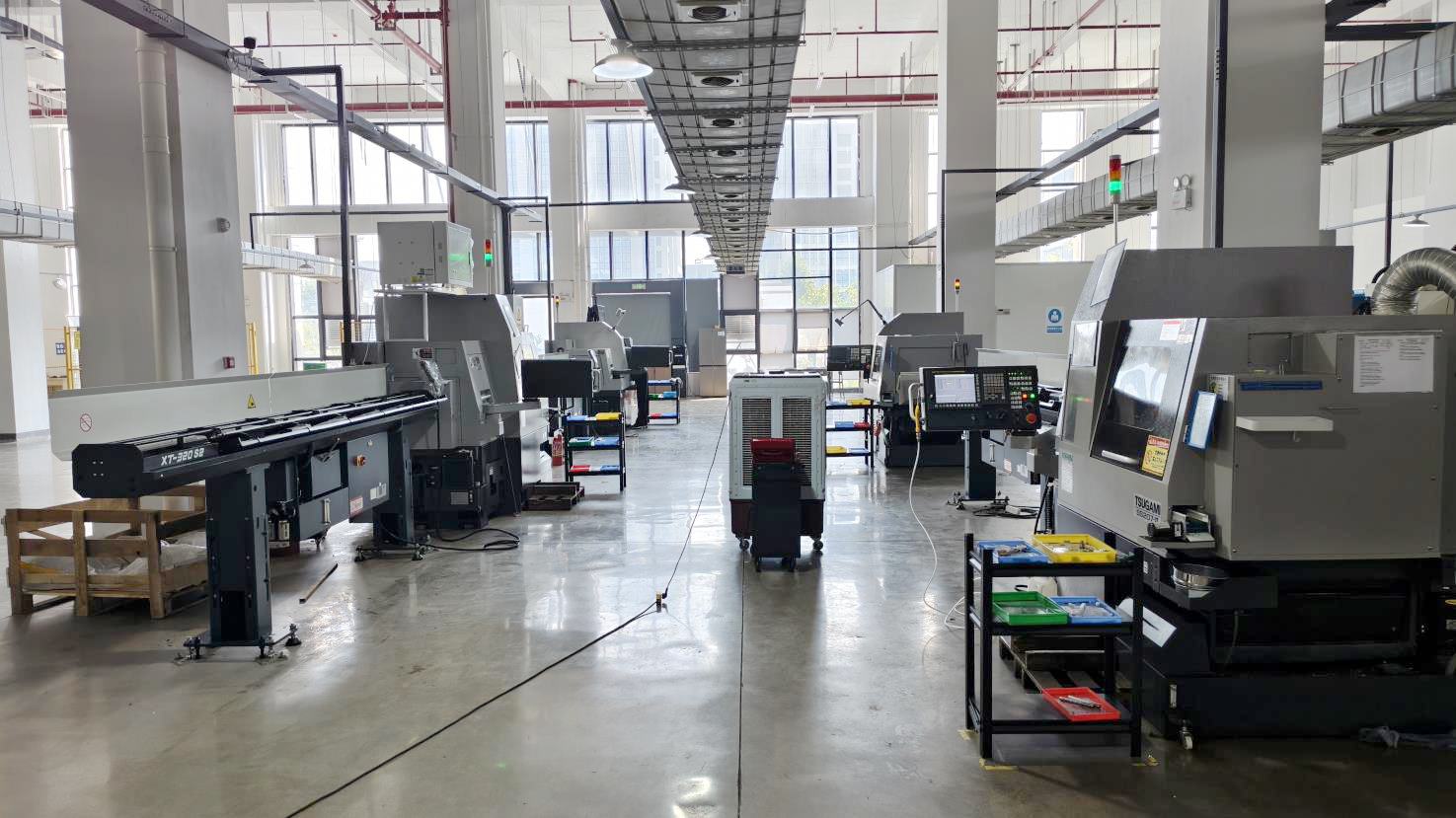
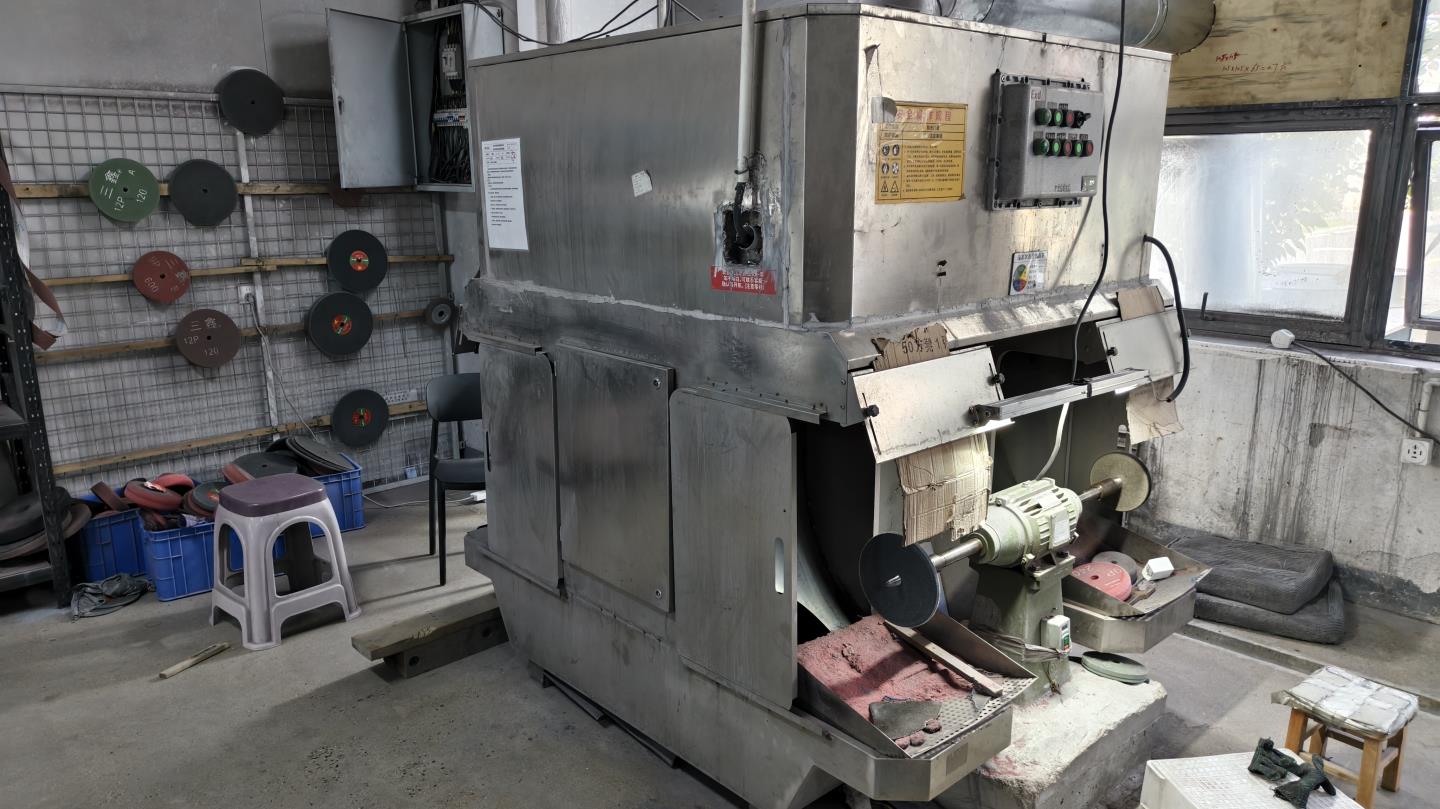
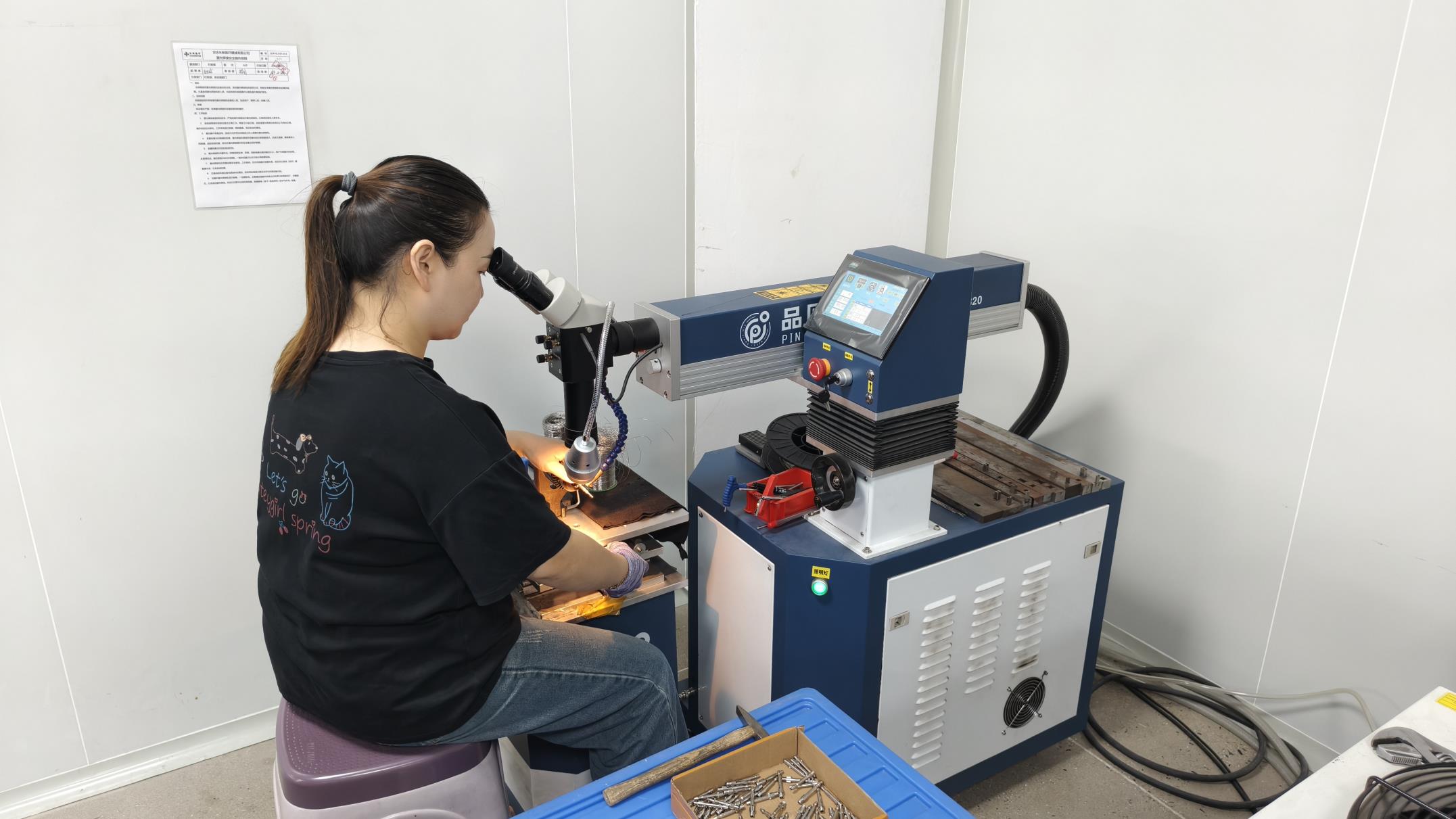
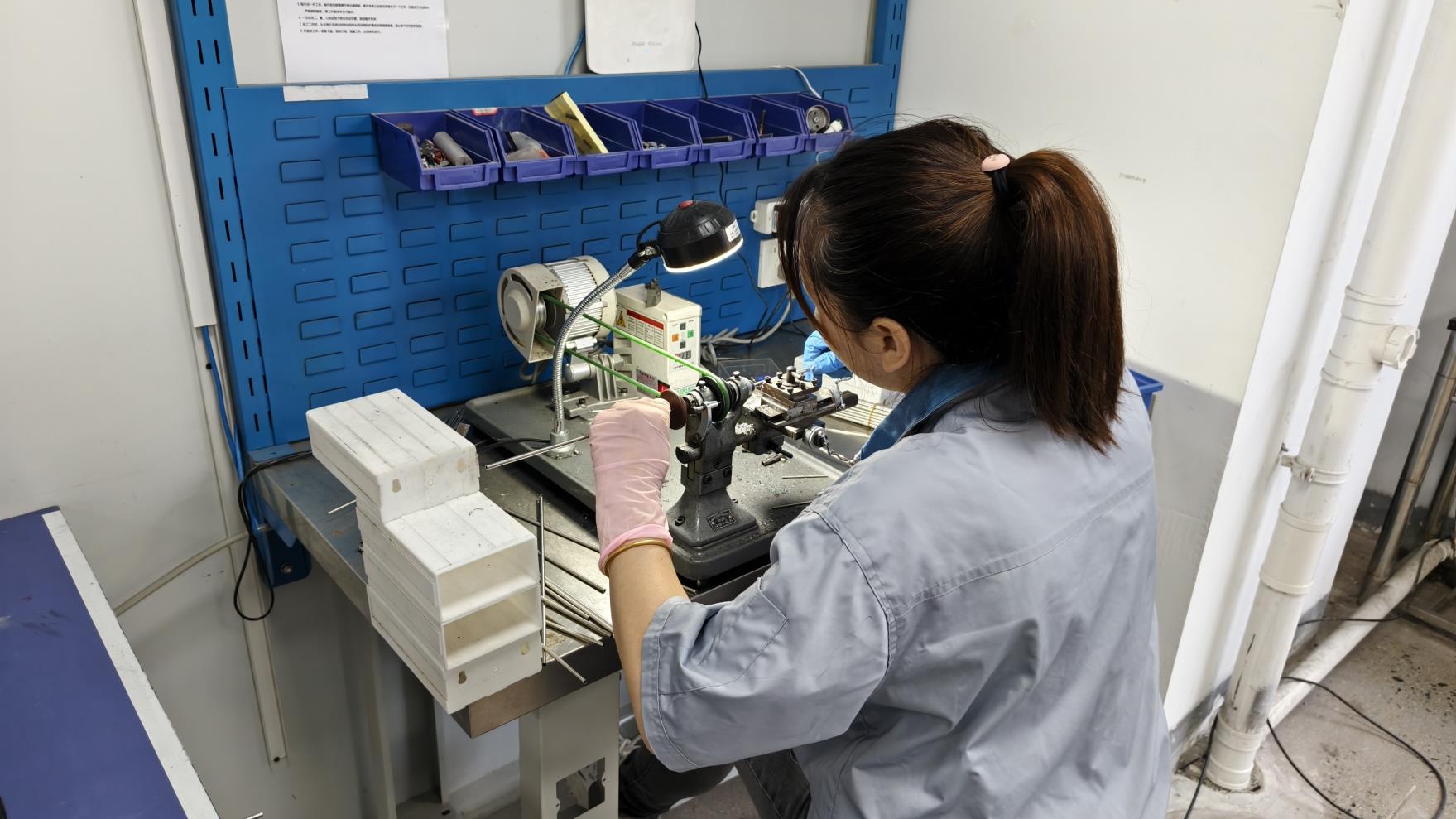
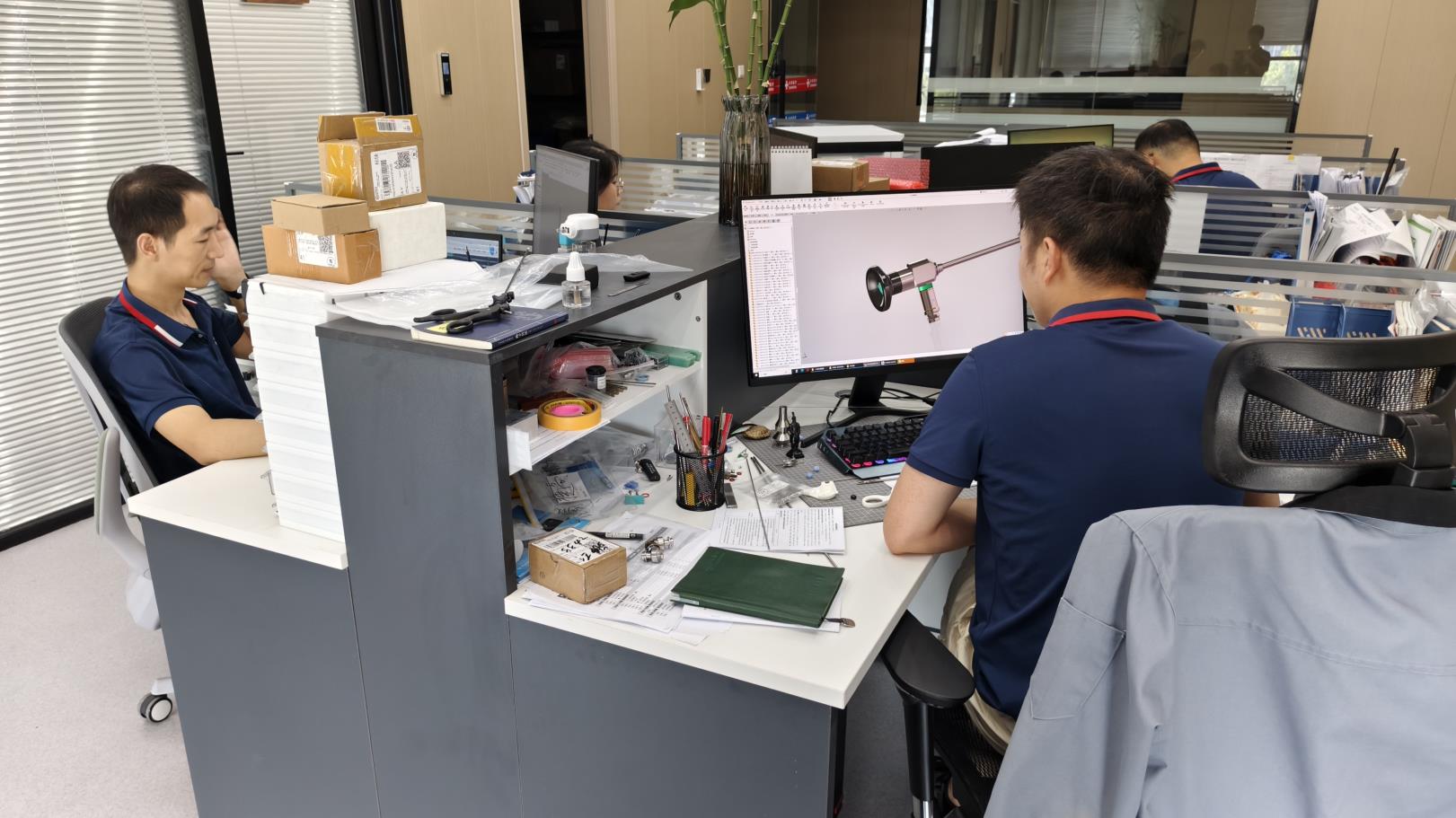
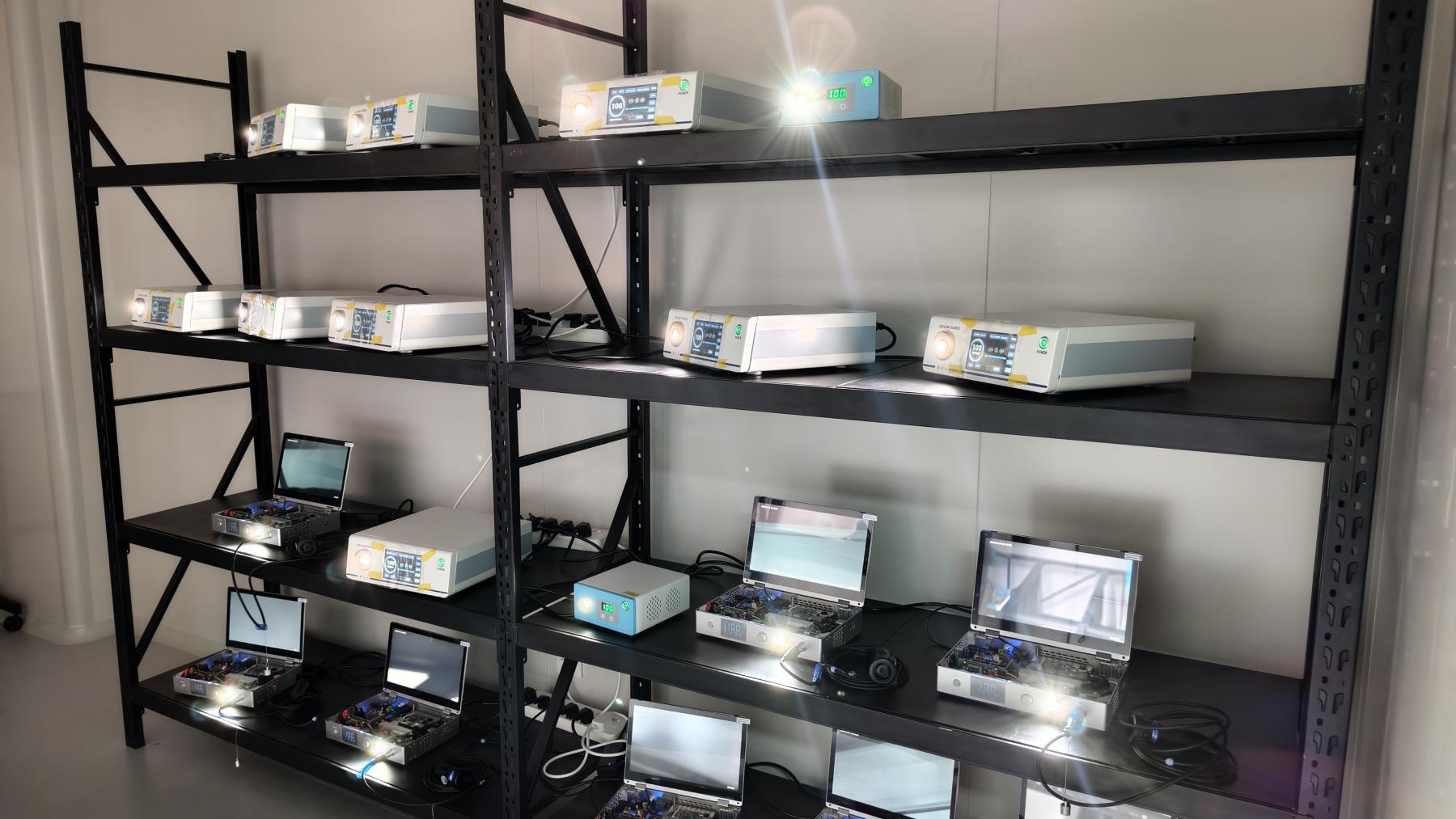
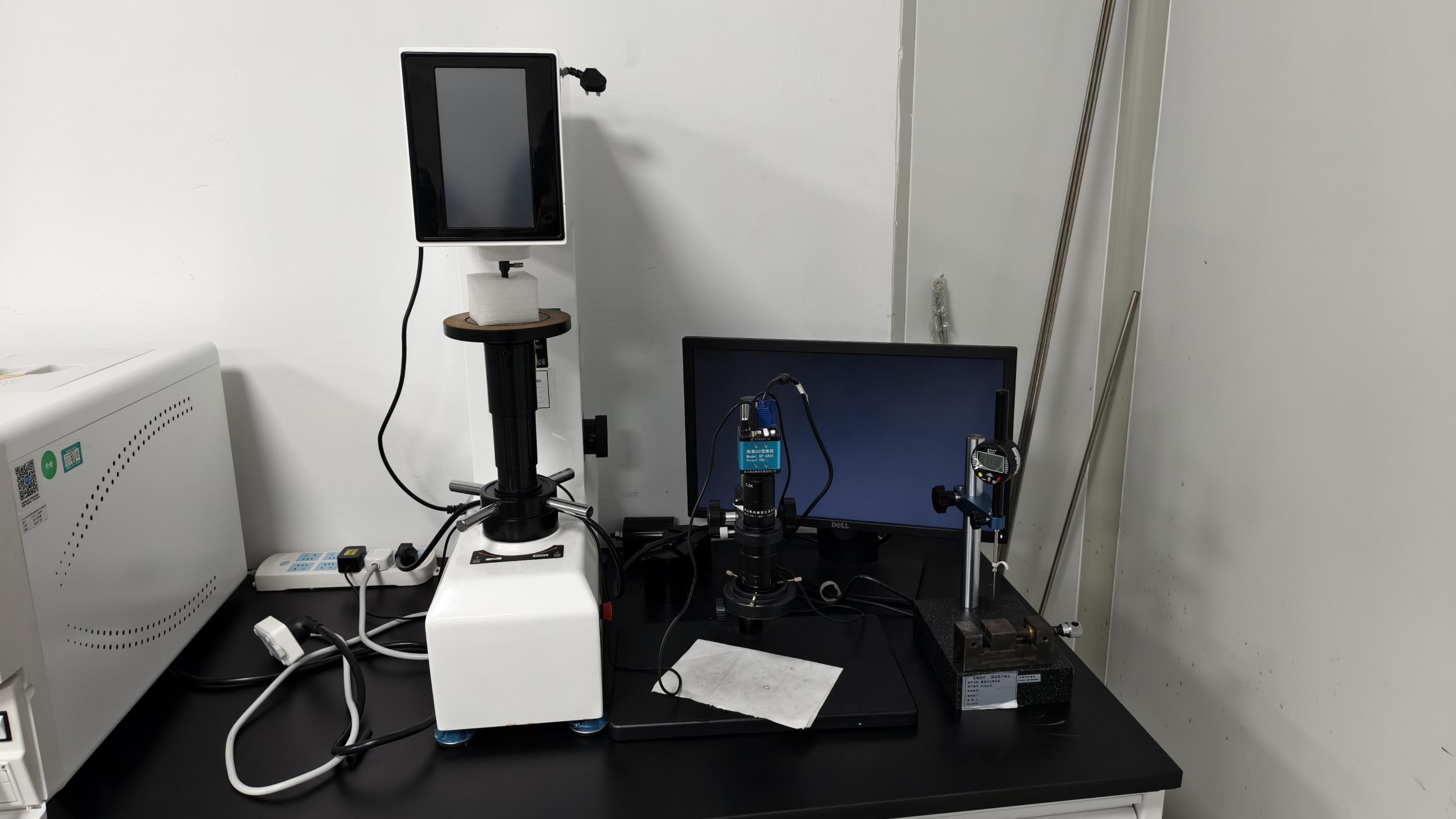
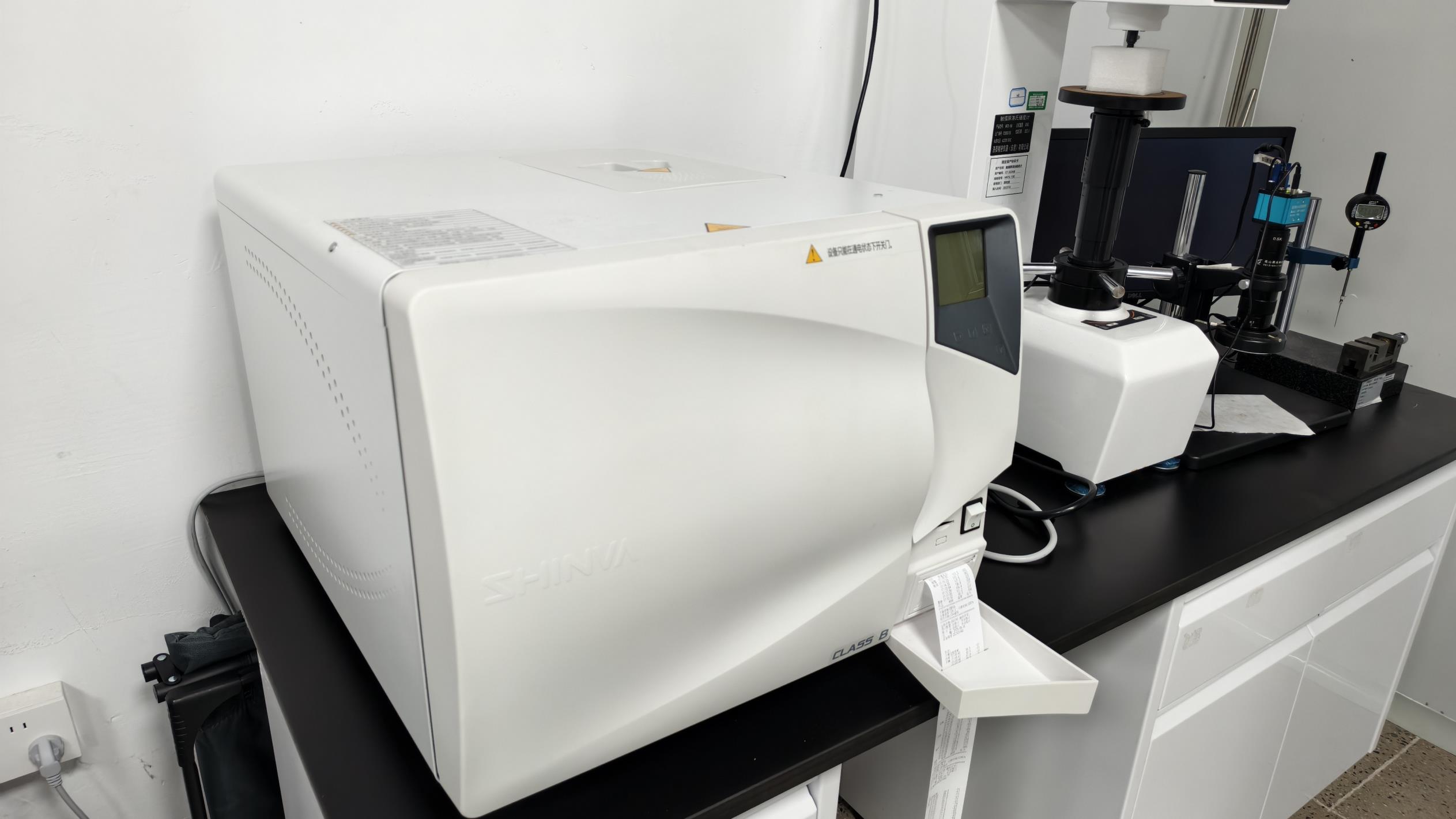
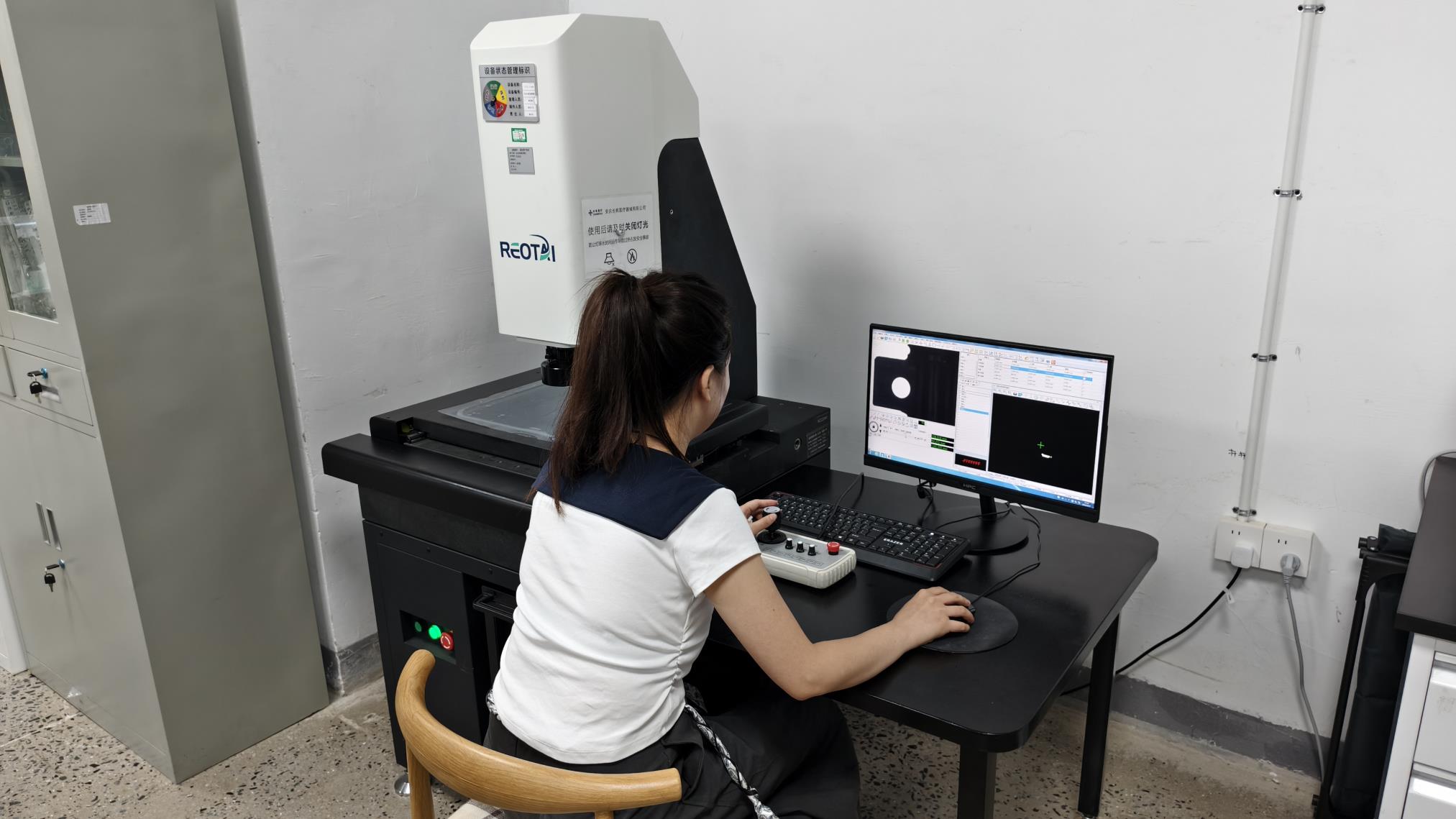
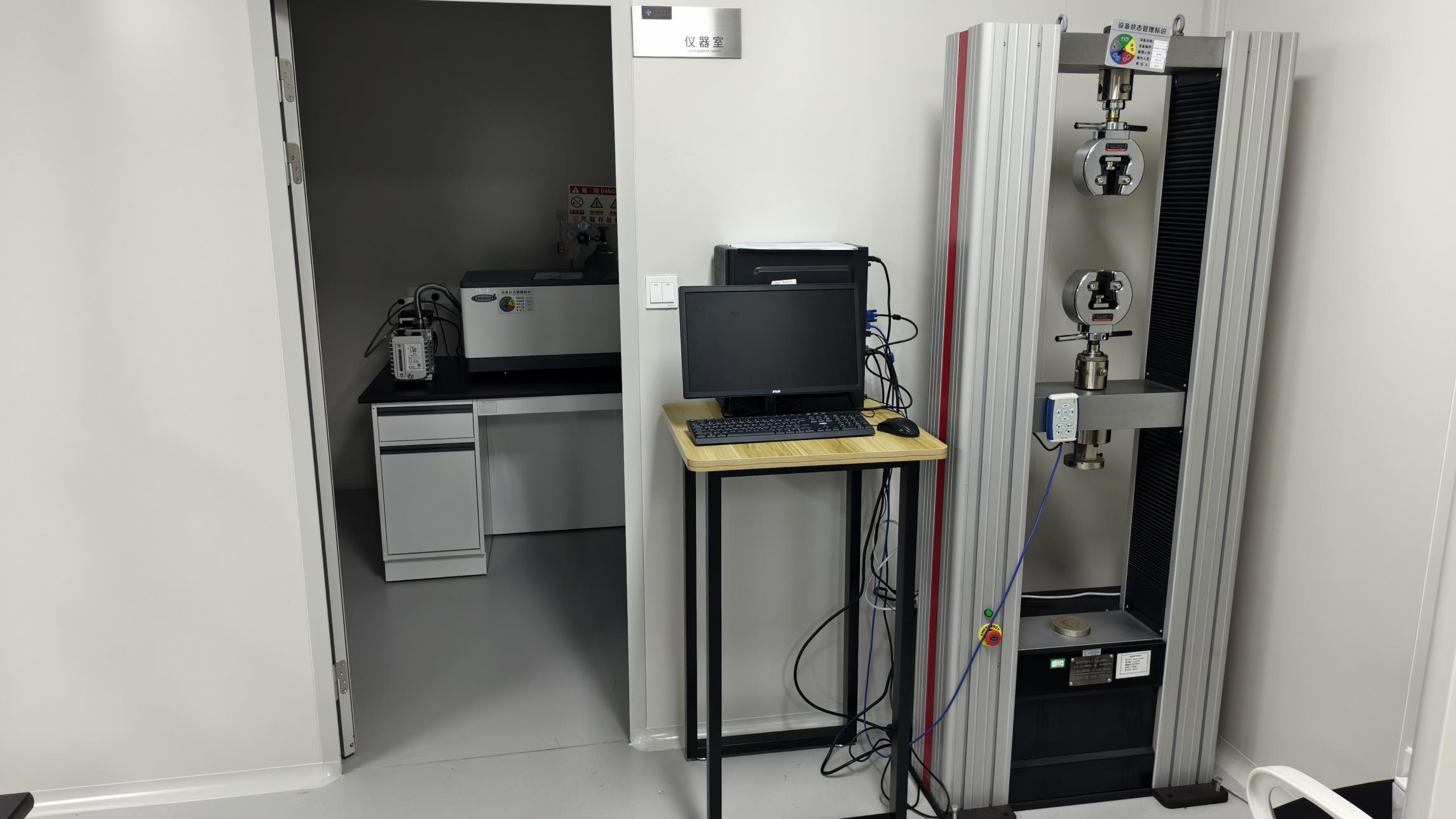
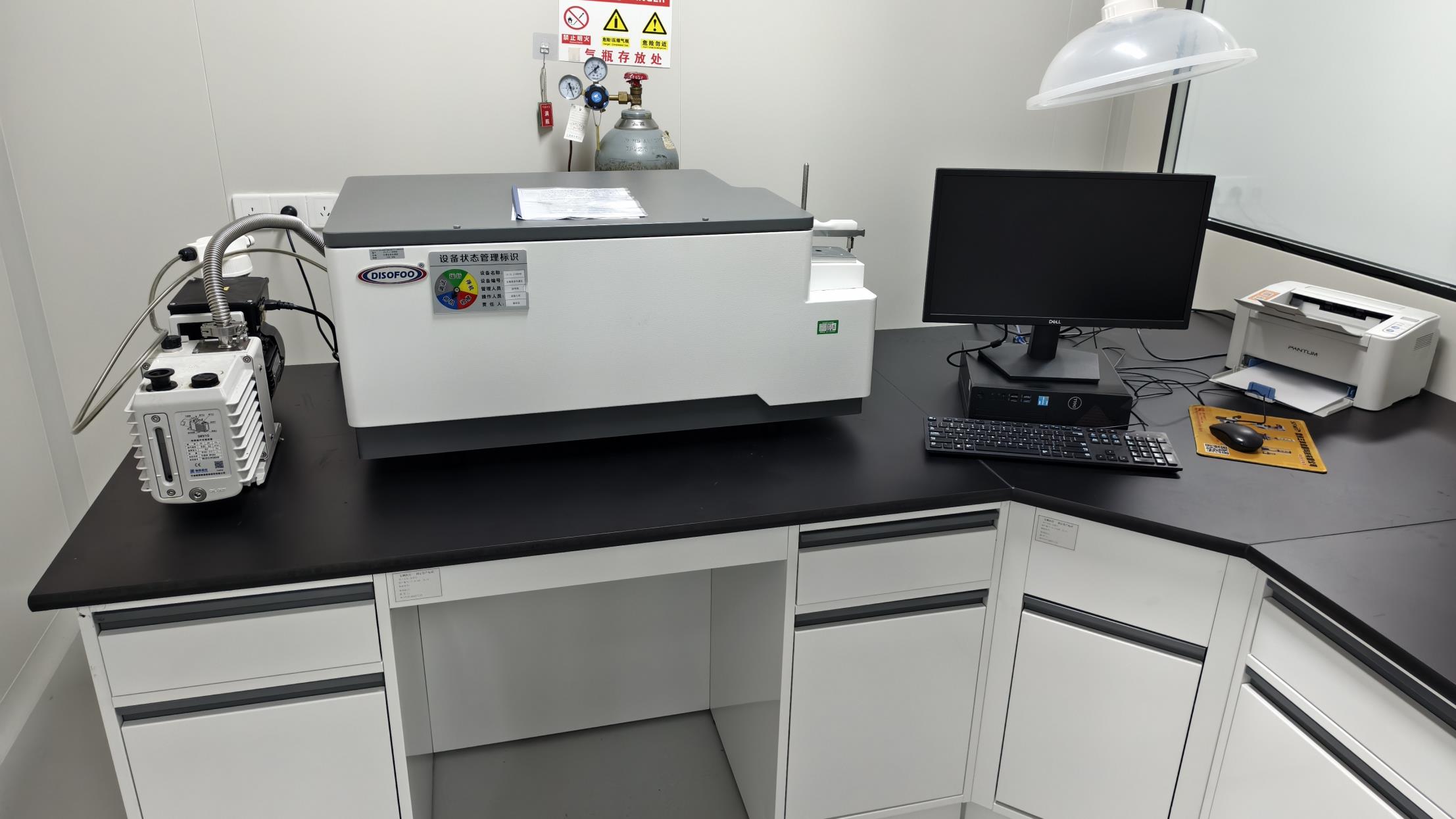
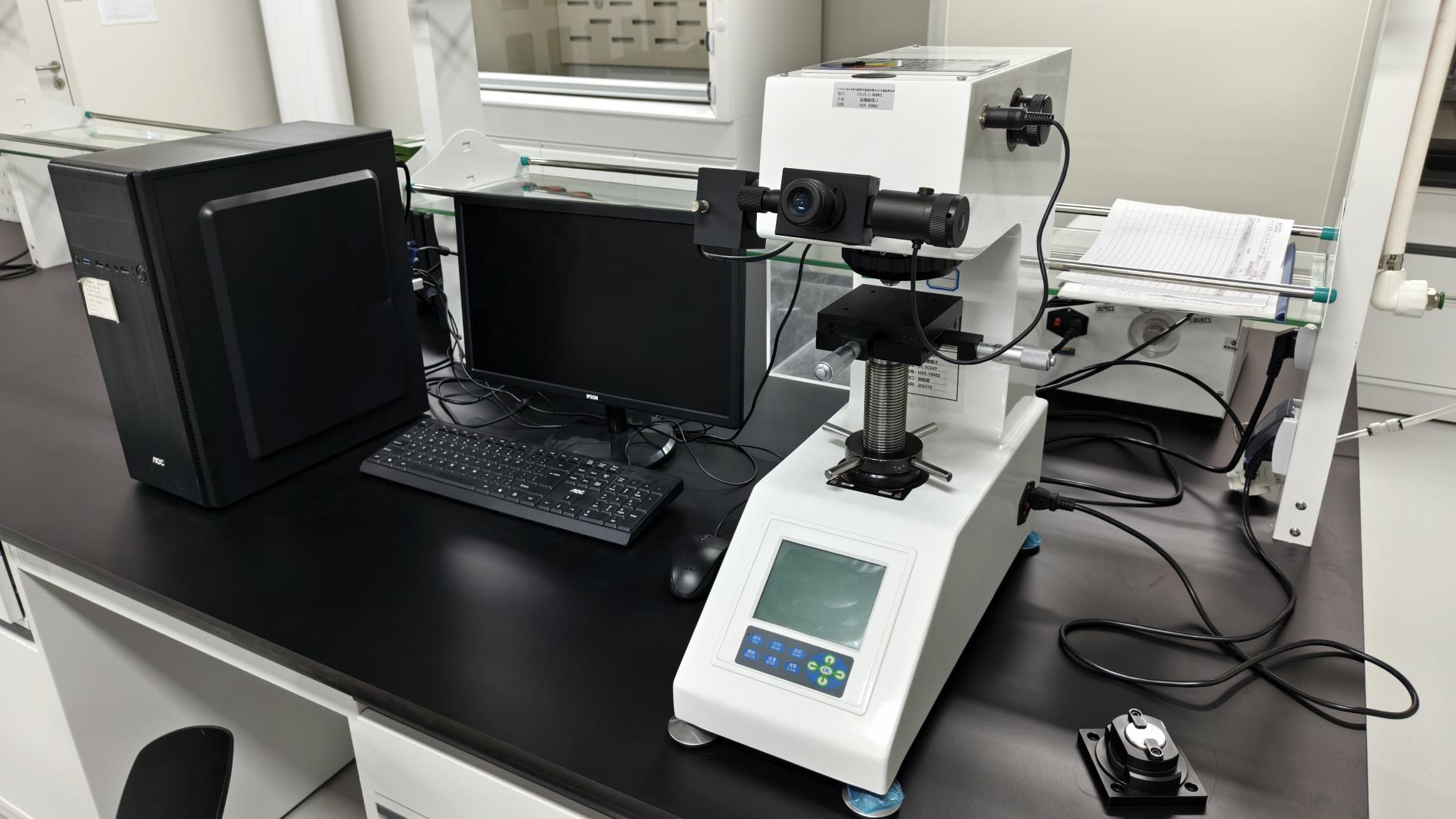
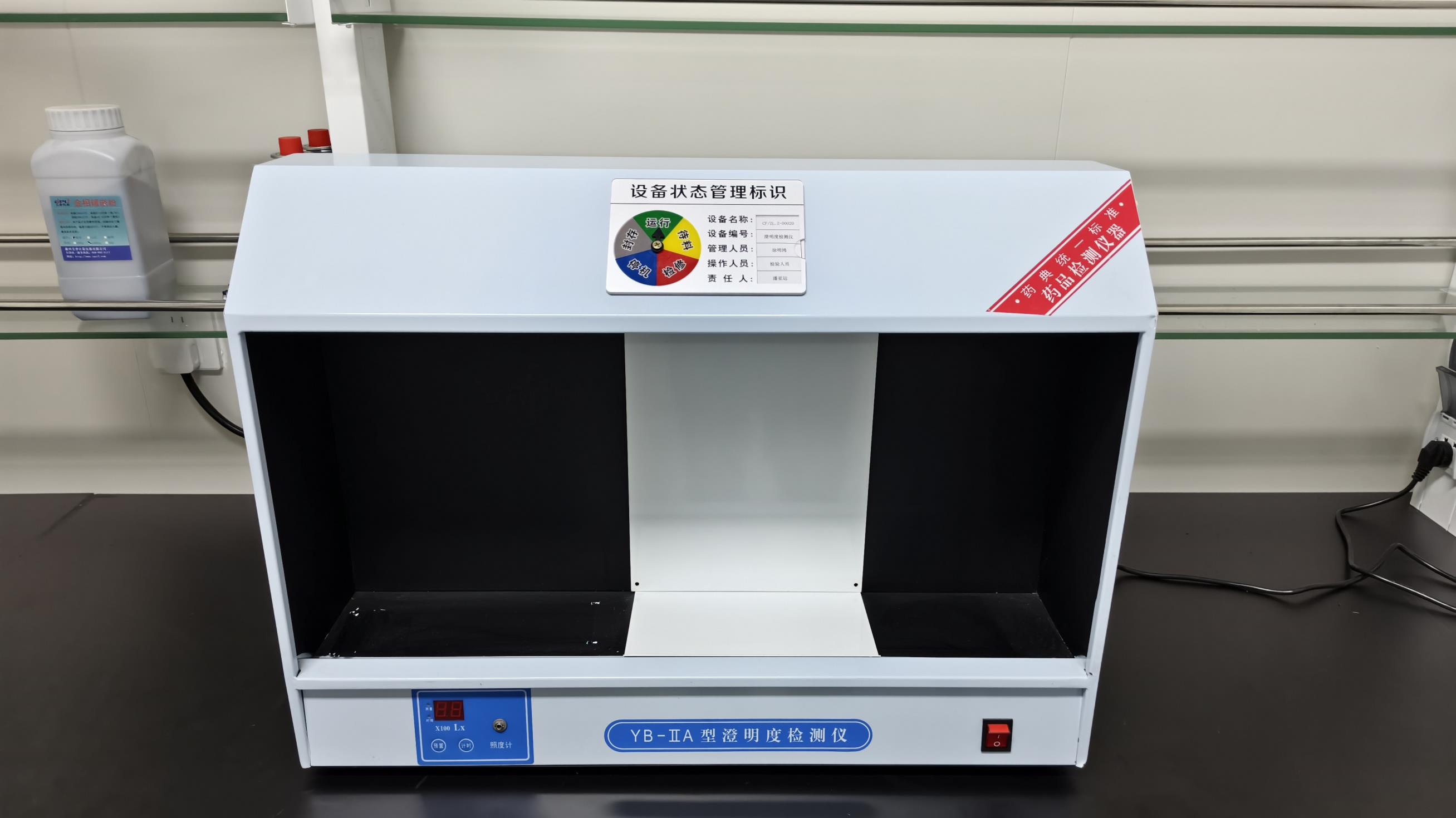
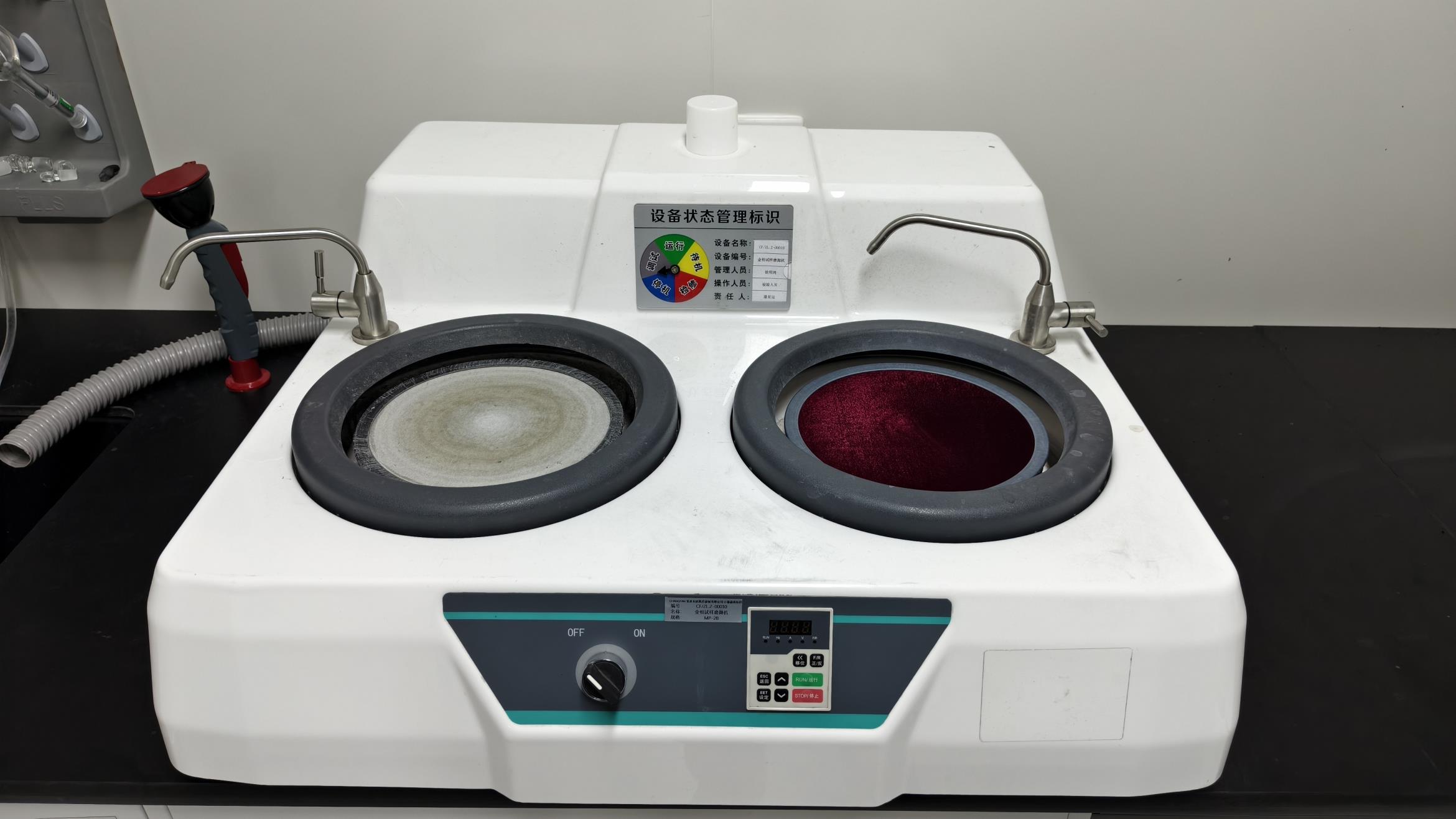
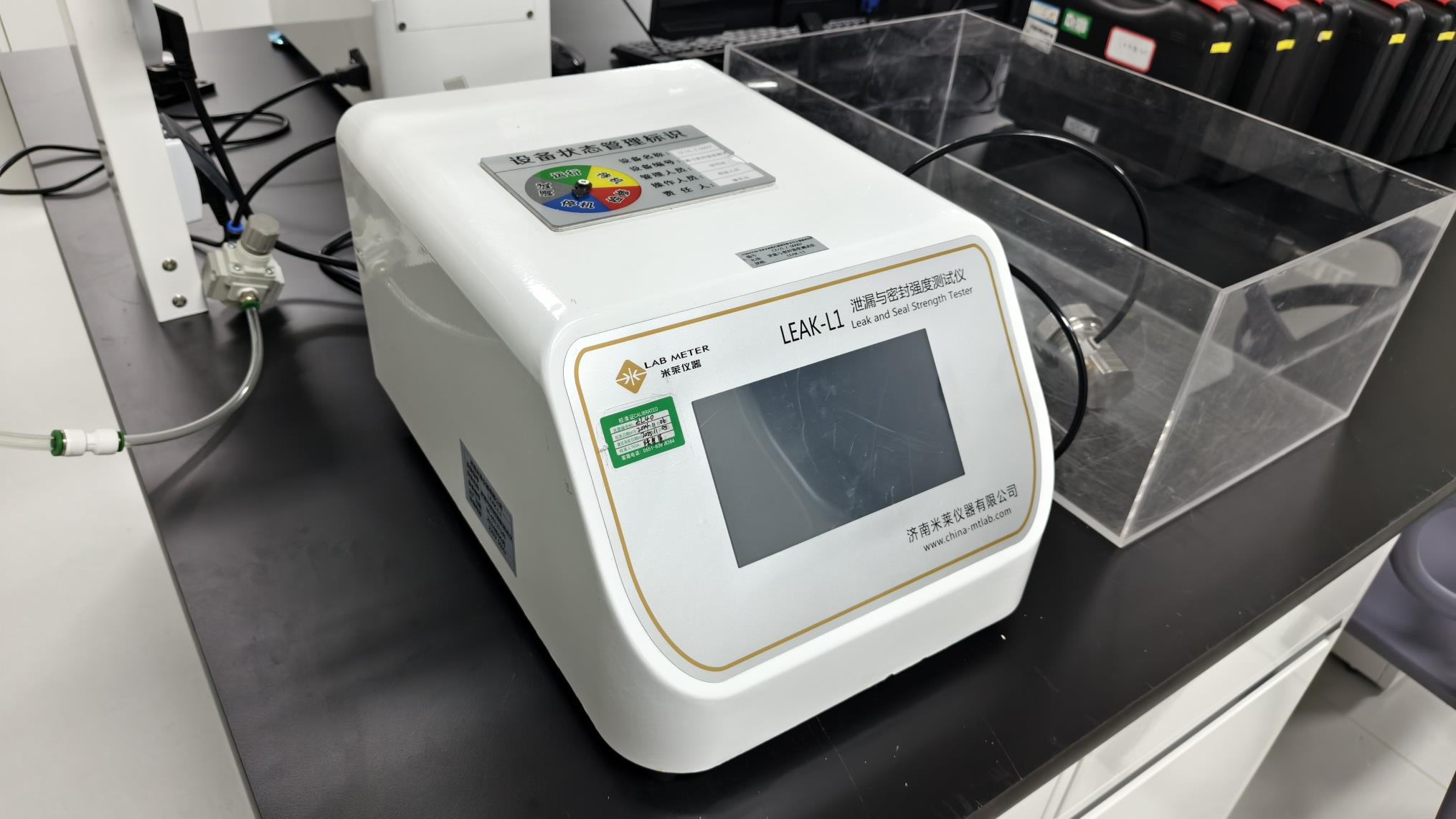
We operate advanced Swiss-type longitudinal CNC machining centers and high-speed milling networks. This equipment achieves dimensional tolerances within ±0.005mm, which is essential for ensuring accurate fitment of pediatric locking plates and cannulated screw assemblies.
Our raw materials, including Titanium Grade 5 ELI (ASTM F136) and cobalt-chrome-molybdenum alloys, are sourced from certified aerospace-grade suppliers. Every batch undergoes chemical composition analysis, microscopic structure verification, and tensile strength evaluations in-house.
China's centralized medical manufacturing clusters allow us to manage every step—from raw material forging and machining to surface treatment, sterilization, packaging, and custom logistics—within a unified operational ecosystem, significantly reducing lead times for our global clients.
The pediatric orthopedic market is transitioning from standard down-sized hardware toward dynamic, biomimetic implants. Key developmental pathways include:
To avoid a second surgical procedure for implant removal, there is growing clinical interest in bio-absorbable magnesium alloys and polylactic acid (PLA) compounds. These materials dissolve slowly as bone tissue regenerates, reducing stress shielding and psychological trauma for pediatric patients.
Severe deformities require patient-specific implants. Using preoperative CT data, we use electron beam melting (EBM) 3D-printing systems to produce custom pelvic reconstruction plates and customized spinal cages that match the patient's specific bone anatomy.
Next-generation growth modulation systems integrate adjustable locking options that allow controlled bone growth in specific directions. This simplifies the treatment of skeletal issues like genu varum (bowlegs) and genu valgum (knock-knees).
Clinical Dilemma: High risk of growth plate damage from traditional bone plates.
Synoviq Solution: Low-profile elastic stable intramedullary nails (ESIN) and mini fragment locking plates. These designs distribute mechanical loads along the bone axis while protecting the physis.
Clinical Dilemma: Spine fusion limits thoracic cavity development in growing patients.
Synoviq Solution: Adjustable growing-rod systems and polyaxial pedicle screws. These systems provide correction while allowing the spine to grow naturally.
Clinical Dilemma: Bone loss from trauma or tumor resections requiring reconstruction.
Synoviq Solution: Custom segment spacers and external ring fixators. Designed for precise bone transport (osteogenesis), allowing for controlled limb lengthening.
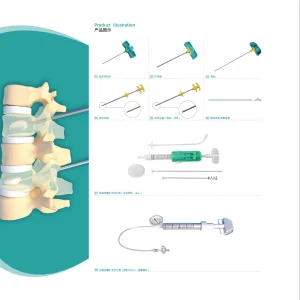
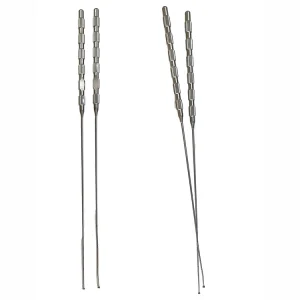
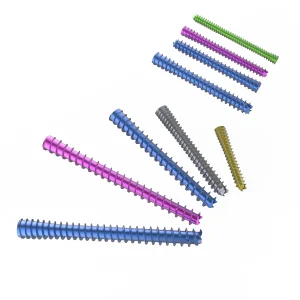
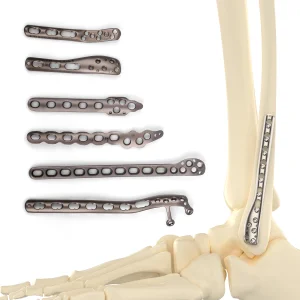
Precision-engineered spinal screw assemblies, balloon catheters, locking plates, and surgical fixation systems designed for complex reconstructive procedures.
 Synoviq Medical