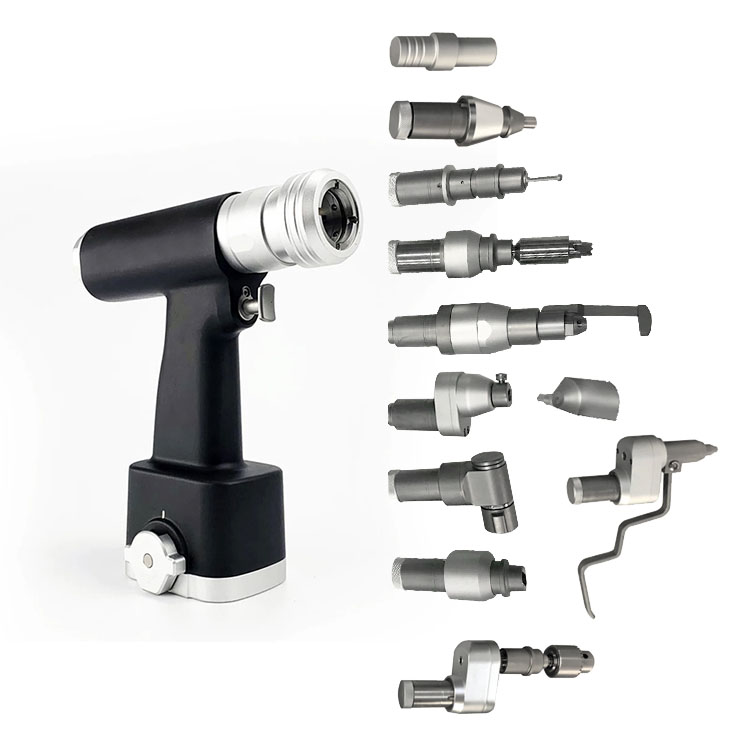
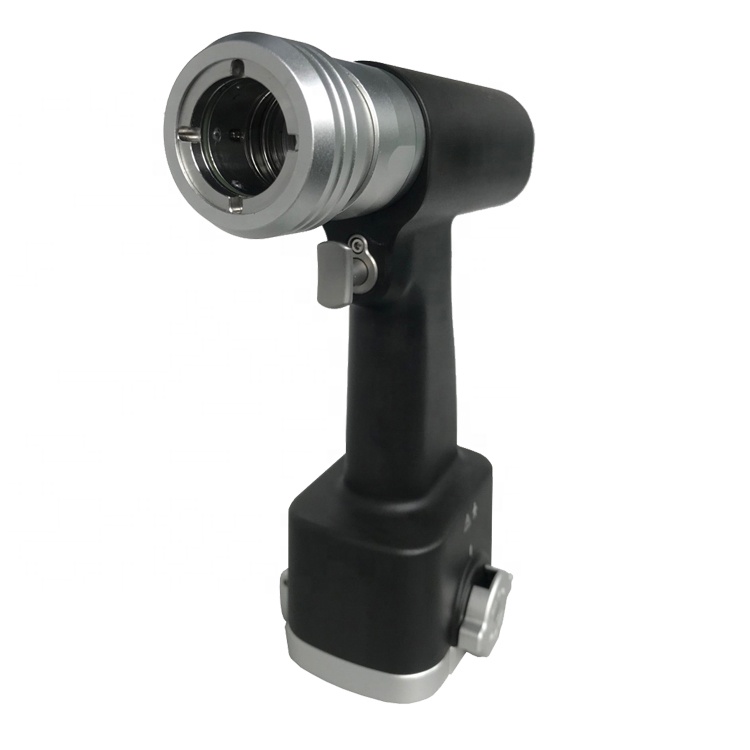
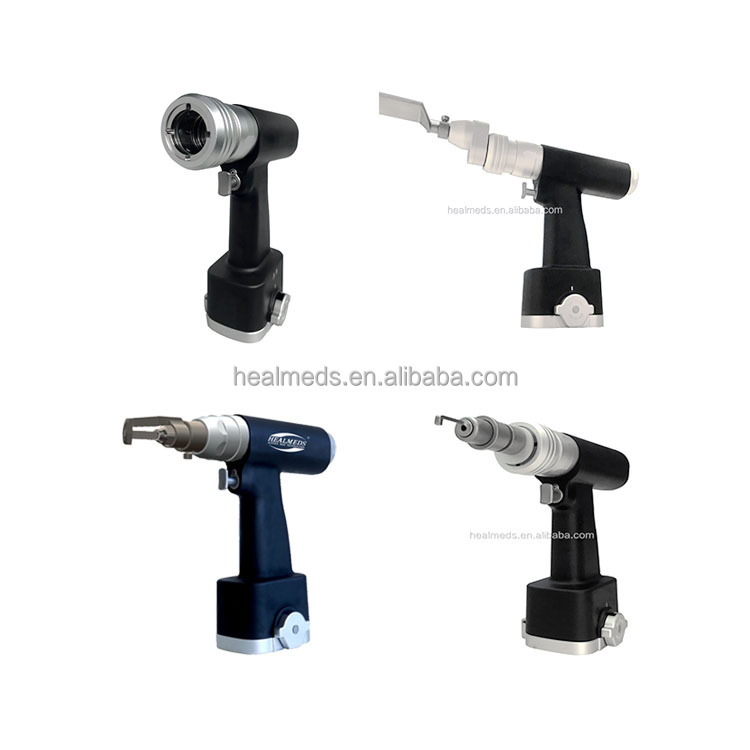
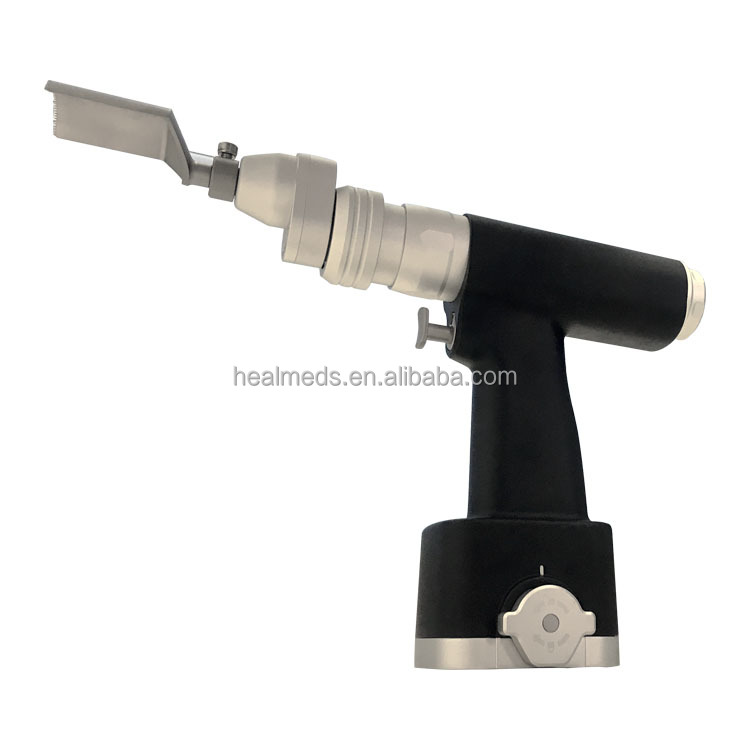
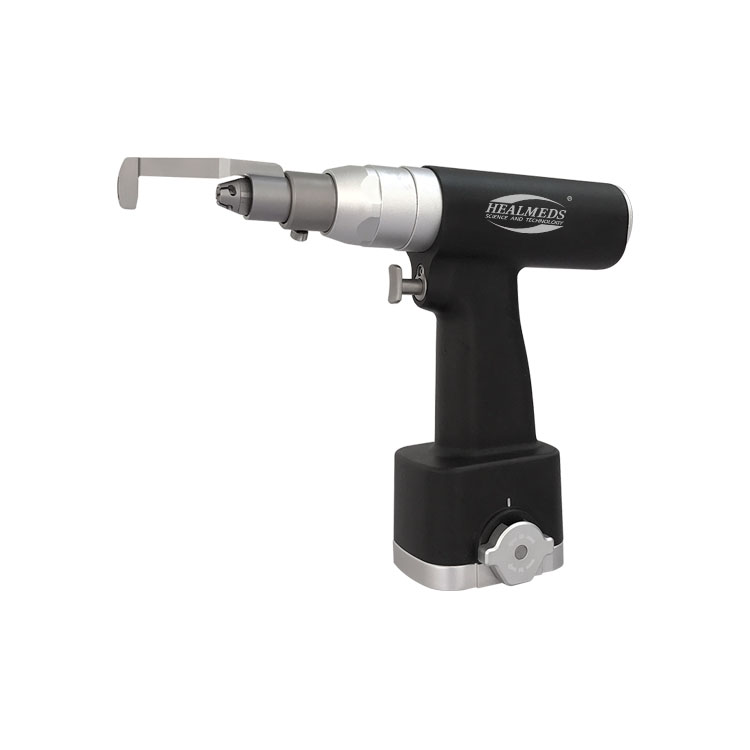
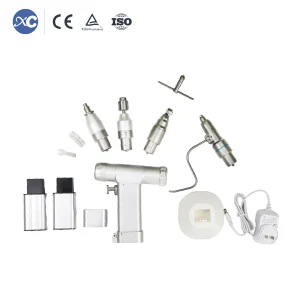
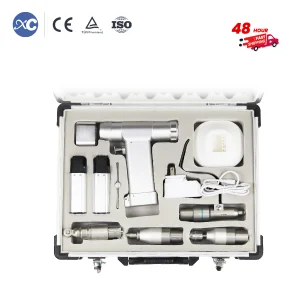
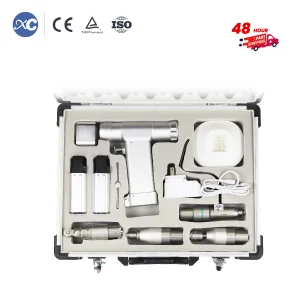
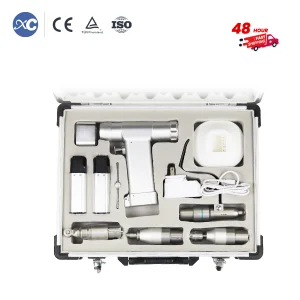
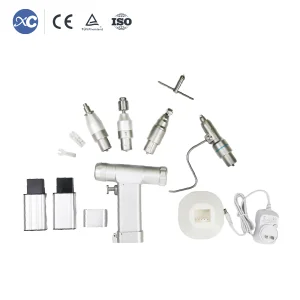
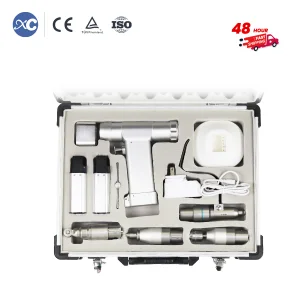
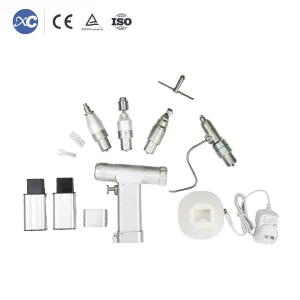
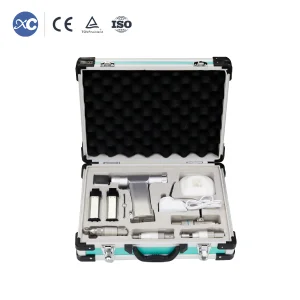
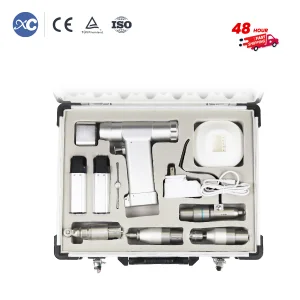
Sterilize temperature ≤ 135 °C (Improved type ≤ 155 °C ), if the temperature is over 135 °C, the motor will be damaged.
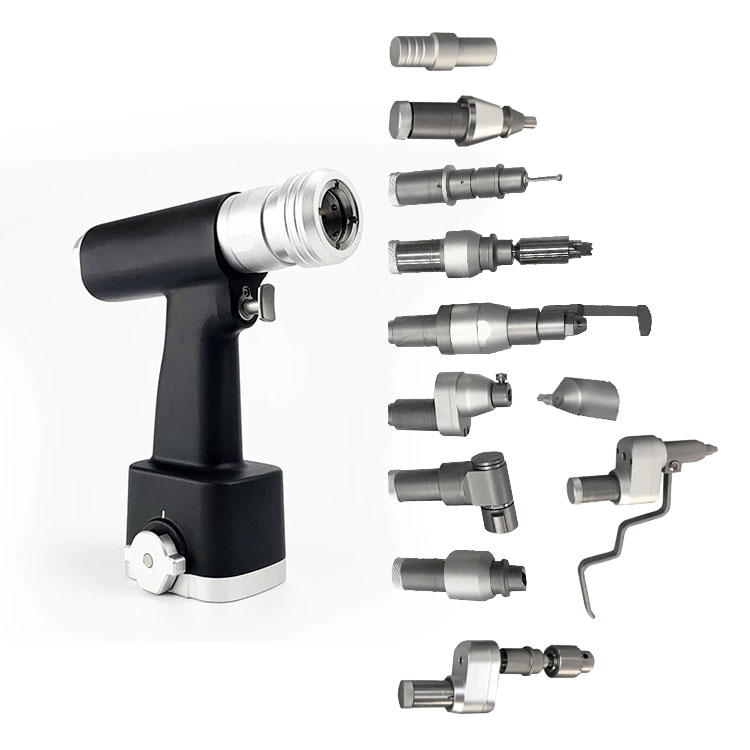
Normal bone drill can only hold drill bits less than 6 mm, reaming drill with big torque, rpm is around 300, hollow drill is used with nail or K wire, rpm is around 600.
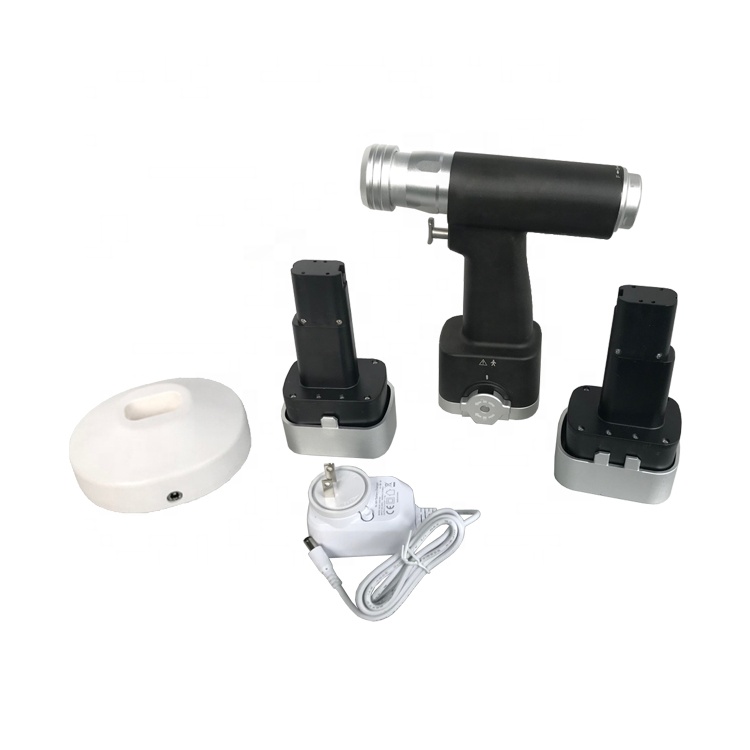
The battery need to be get out of the power tool after surgery. Otherwise the small automatic discharge of the electric will make the life of the battery short.
The battery cannot be sterilized, it is not resistant to high temperatures.
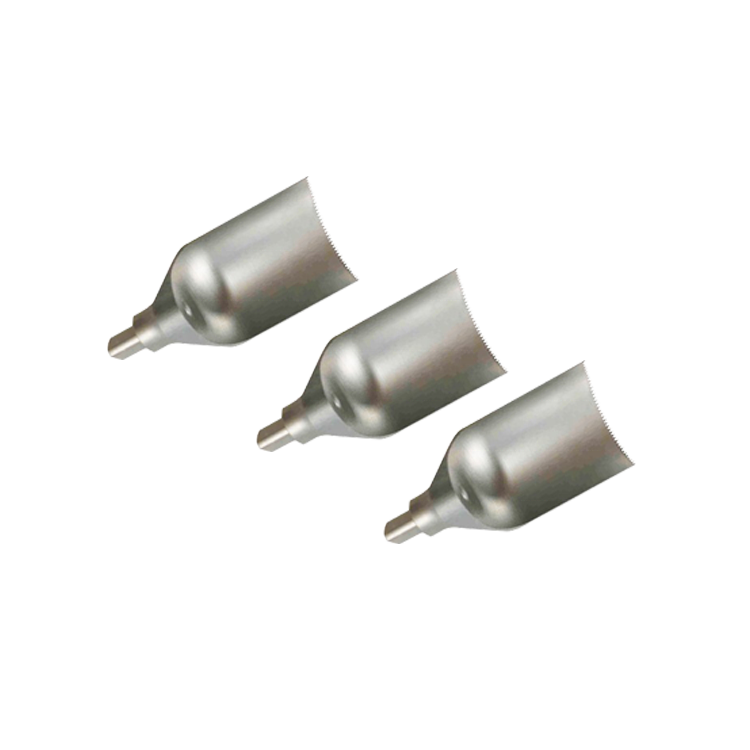
The cranial bur must be washed right after the surgery by purger in order to avoid the blood stick in the bur, then we should make it dry.
The battery space in the hand piece of the tool should not have any water, after sterilization.
The cranial bur blade is made of medical stainless steel, in order to avoid broken, so it is flexible and not very hard, it is easy to be worn-out, we suggest each blade only use for 1 surgery.
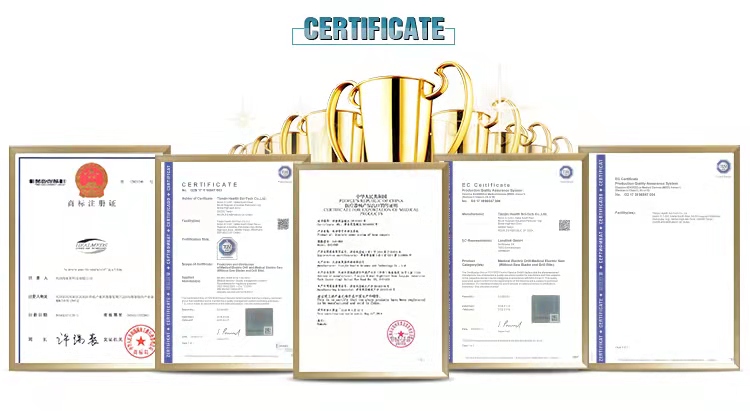
Certification
Company Profile
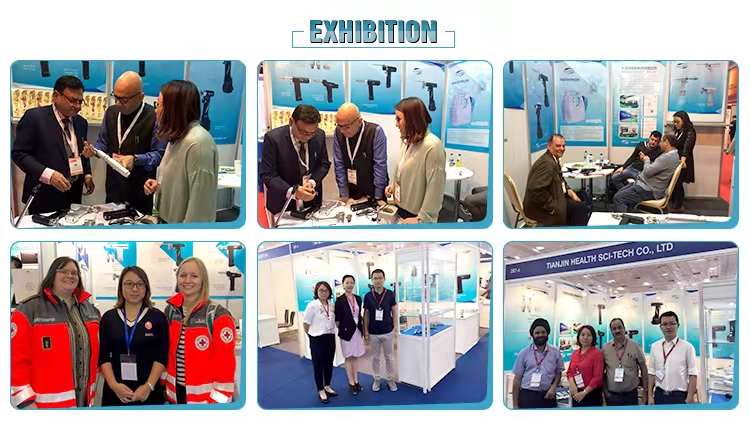
Exhibition
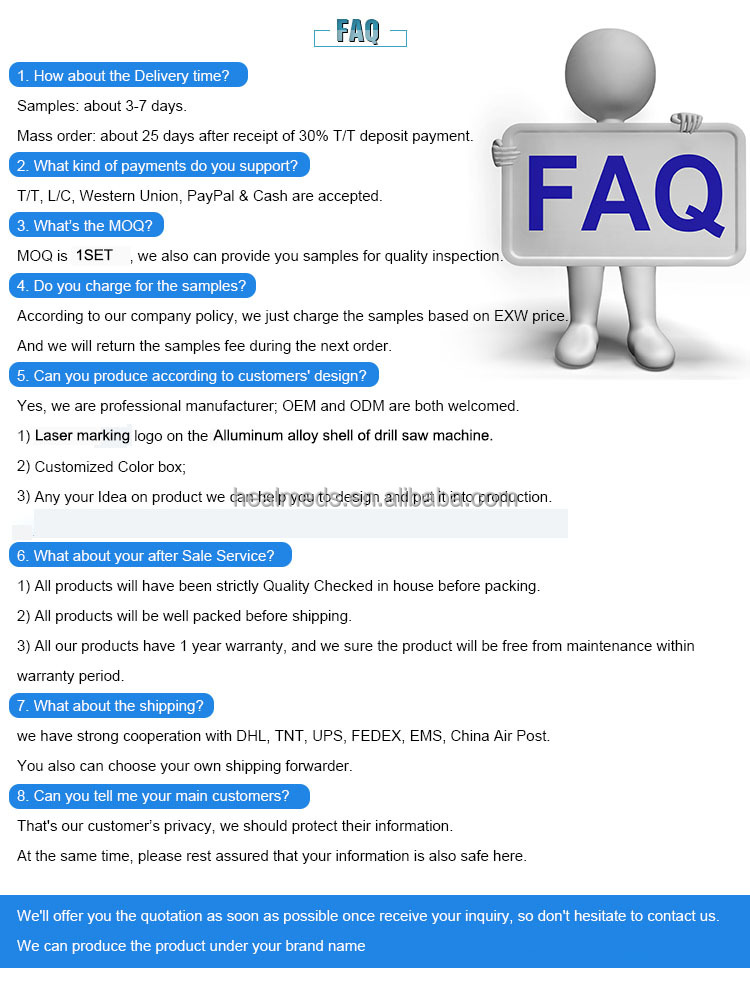
FAQ
Q1: What is the maximum temperature limit for sterilizing the bone drill system?
The standard sterilization temperature must not exceed 135°C (up to 155°C for the improved type). Exceeding these temperatures will result in damage to the internal motor.
Q2: Can the Ni-MH battery be sterilized along with the drill handpiece?
No, the battery is not resistant to high temperatures and cannot be sterilized. It must be removed from the handpiece tool immediately after surgery.
Q3: How many times can a cranial bur blade be used?
The cranial bur blade is made of medical stainless steel, making it flexible but susceptible to wear-and-tear. To avoid breakage during surgical procedures, we recommend using each blade for only one surgery.
Q4: What maintenance is required for the cranial bur after surgery?
Immediately after surgery, the cranial bur should be washed using a purger to prevent blood from drying and sticking inside the mechanism. It must then be thoroughly dried.
Q5: Why is it important to remove the battery from the tool handpiece after use?
If the battery is left inside the tool, a minor automatic discharge will occur, which significantly reduces the overall lifespan and performance of the battery.
Q6: What is the recommended RPM and drill capacity for different operations?
Standard bone drills accommodate drill bits under 6mm. High torque reaming drills operate at around 300 RPM. Hollow drills, used with nails or K-wire, typically operate at around 600 RPM.
 Synoviq Medical