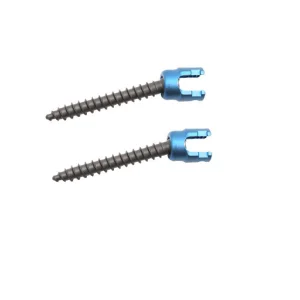
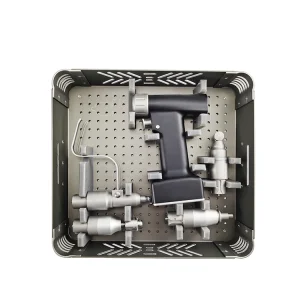
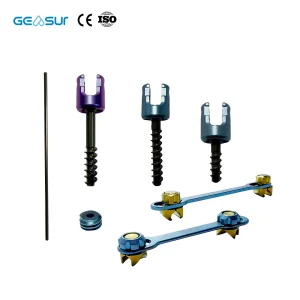
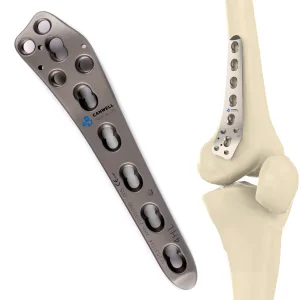
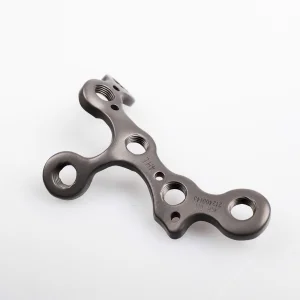
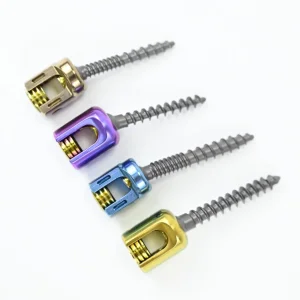
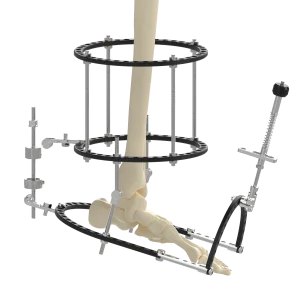
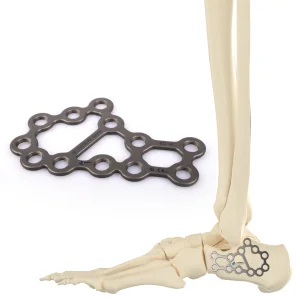
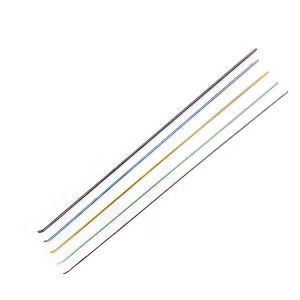
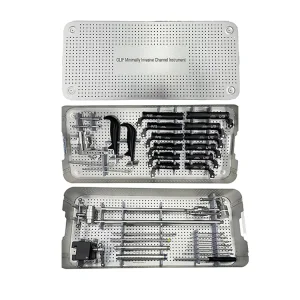
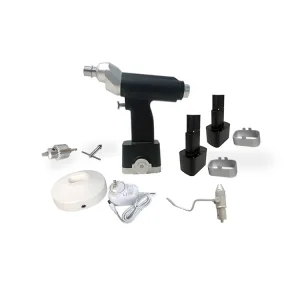
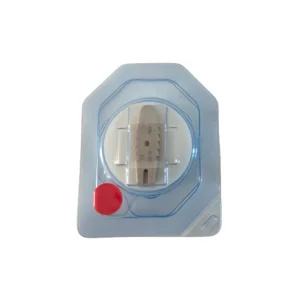
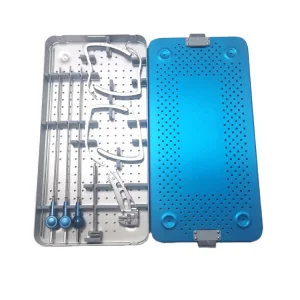
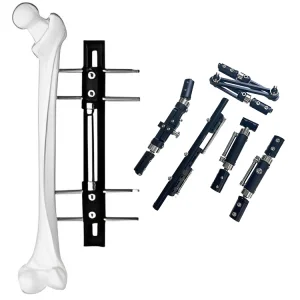
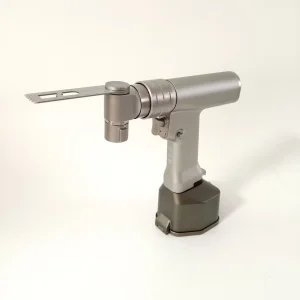
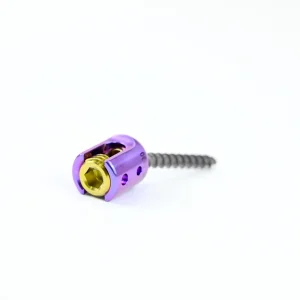
Explore our leading surgical screws, anatomical plates, external fixators, and power tool systems engineered for high clinical efficacy.
The global orthopedic sector is undergoing a profound paradigm shift. As demographics skew older and traumatic injuries rise due to dynamic industrial and vehicular environments, the demand for advanced osteosynthesis implants has reached critical thresholds. Internal and external fracture fixation devices must bridge the gap between high mechanical load bearing and biological integration.
Synoviq Medical Technology (China) Co., Ltd. is positioned at the intersection of clinical design, material science, and high-precision manufacturing. By implementing advanced biocompatible alloys (ASTM F136 Titanium, PEEK-Optima, and Surgical Stainless Steel), we deliver osteosynthesis systems designed to minimize infection rates, accelerate osseointegration, and streamline surgical times for trauma specialists worldwide.
Through our comprehensive R&D structure and localized international support, we function not just as an OEM manufacturer, but as a strategic development partner capable of transforming clinical needs into sterile, regulatory-compliant medical solutions.
Under Google's Search Quality Rater Guidelines, high E-E-A-T demands first-hand industry insights. Our technical blueprints, raw material trace certifications, and complete process transparency provide orthopedic procurement officers with the direct verification data required for critical decision-making processes.
An authoritative profile of our design systems, materials integration, and manufacturing footprint.
Established on March 18, 2016, Synoviq Medical Technology (China) Co., Ltd. has evolved into a premier destination for global OEM and ODM orthopedic solutions. We specialize in high-stakes biomechanical implants, including trauma locking plate systems, polyaxial spinal pedicle screws, intramedullary nail complexes, and specialized veterinary instrumentation.
Our operational framework is designed to fulfill the complex purchasing requirements of international hospital networks, state-funded healthcare procurement programs, and global medical device brands. By controlling the entire lifecycle of implant creation—from design, raw material testing via spectrometers, CNC Swiss-type machining, surface passivation, cleanroom packaging, to final mechanical and sterility validations—we manage quality at every micron.
Our multi-disciplinary team is backed by 76 dedicated R&D engineers and 48 quality control specialists. This ensures that any customized orthopedic configuration or standard anatomical plating system delivers absolute reliability, optimal fatigue strength, and anatomical conformity during surgical interventions.
| Key Operational Dimension | Technical Capability & Metrics |
|---|---|
| Company Entity | Synoviq Medical Technology (China) Co., Ltd. (Brand: Synoviq) |
| Factory Footprint | 18,600 m² clean and automated manufacturing facility |
| Annual Export Volume | USD 21.8 Million (Exporting globally for over 8 years) |
| Testing Methodologies | CMM Measurement, Mechanical Testing, Surface Roughness Testing, Hardness Testing, Salt Spray Testing, Sterility Validation |
| Customization Capabilities | Logo Customization, Custom Sterilized Packaging, Bespoke Geometry Design, Surface Passivation, Anodizing |
| R&D Output | 186 New Products Released last year; 1,120+ supply chain partners worldwide |
Visualizing our precision manufacturing cycle. How Synoviq converts medical-grade raw titanium and PEEK polymers into high-performance clinical implants.
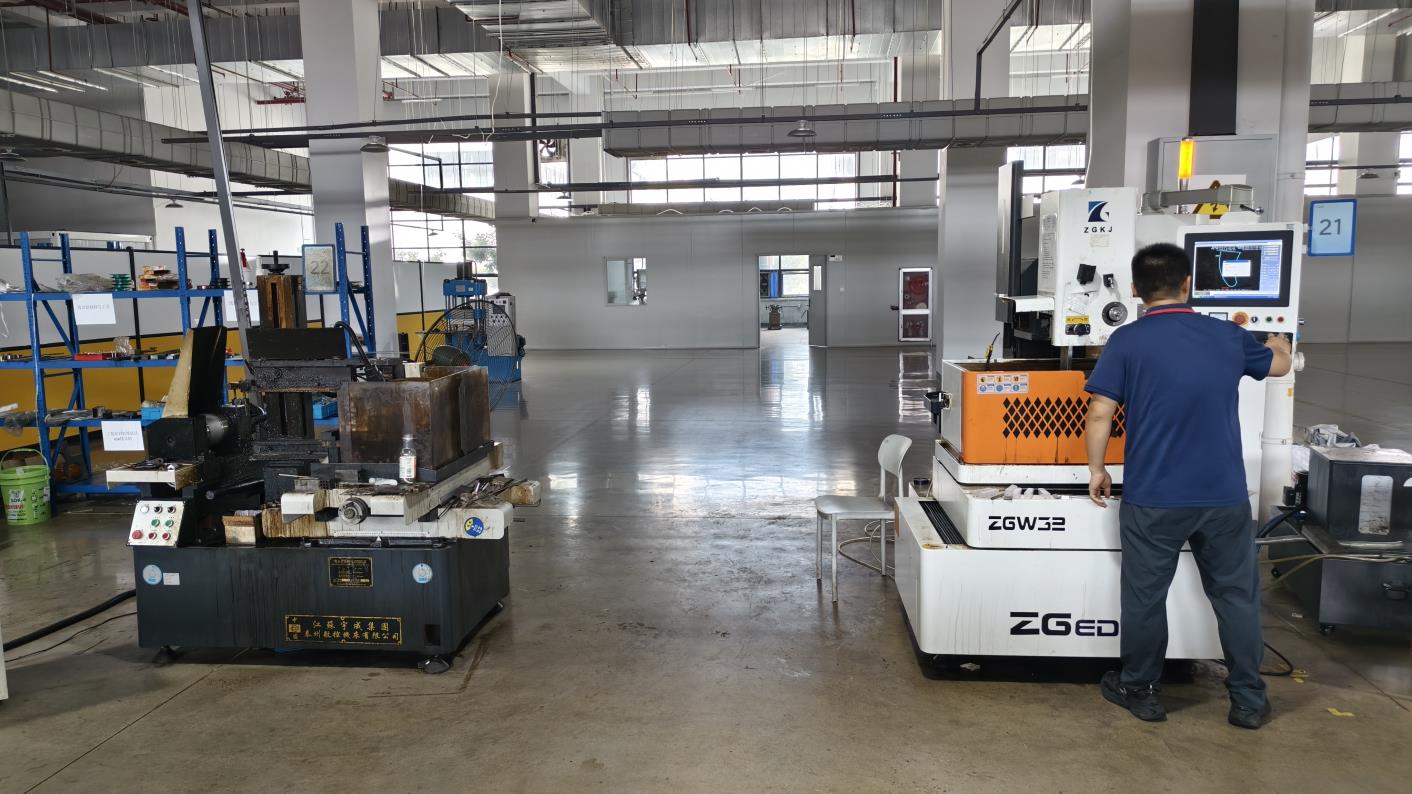
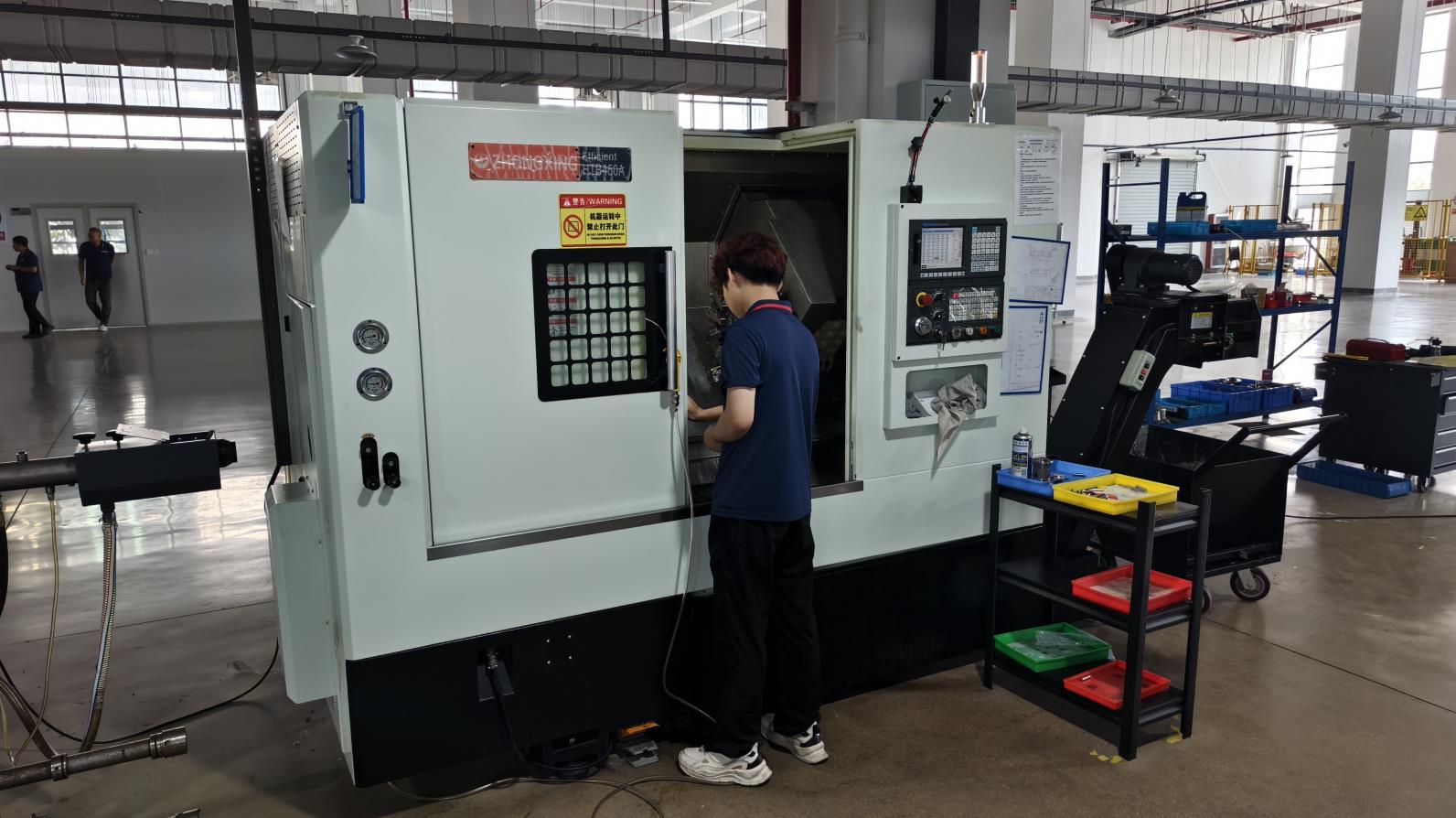
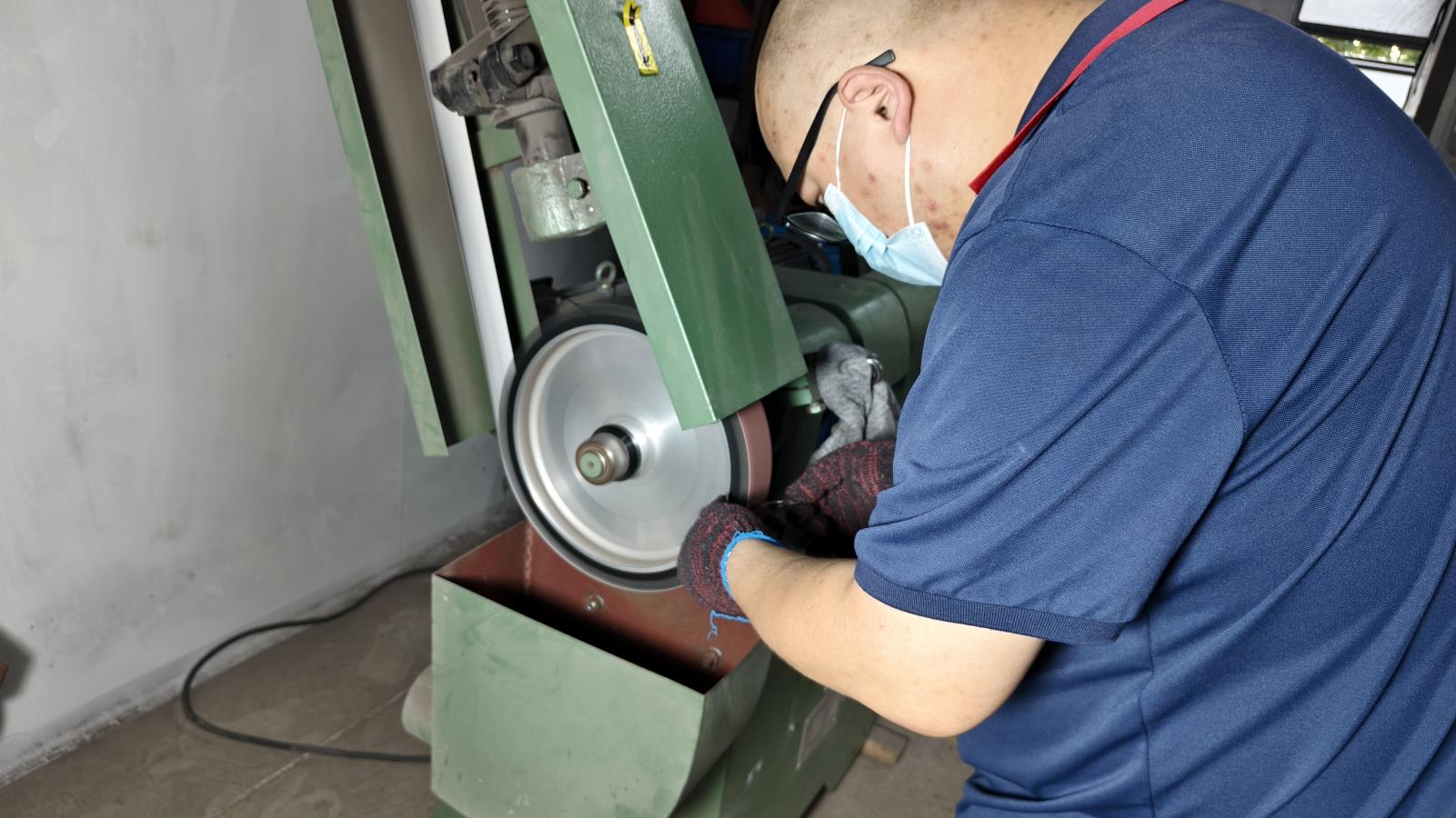
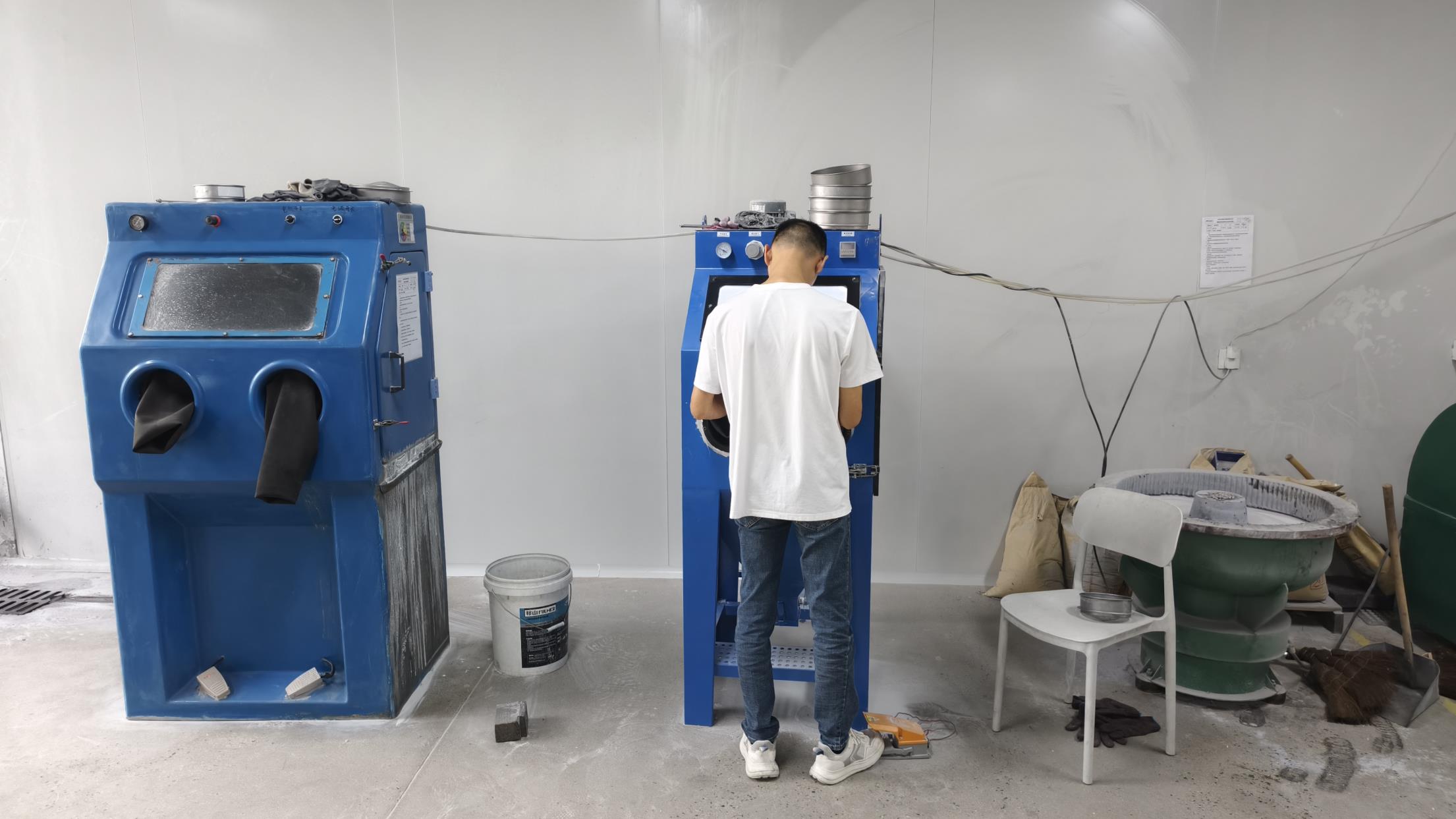
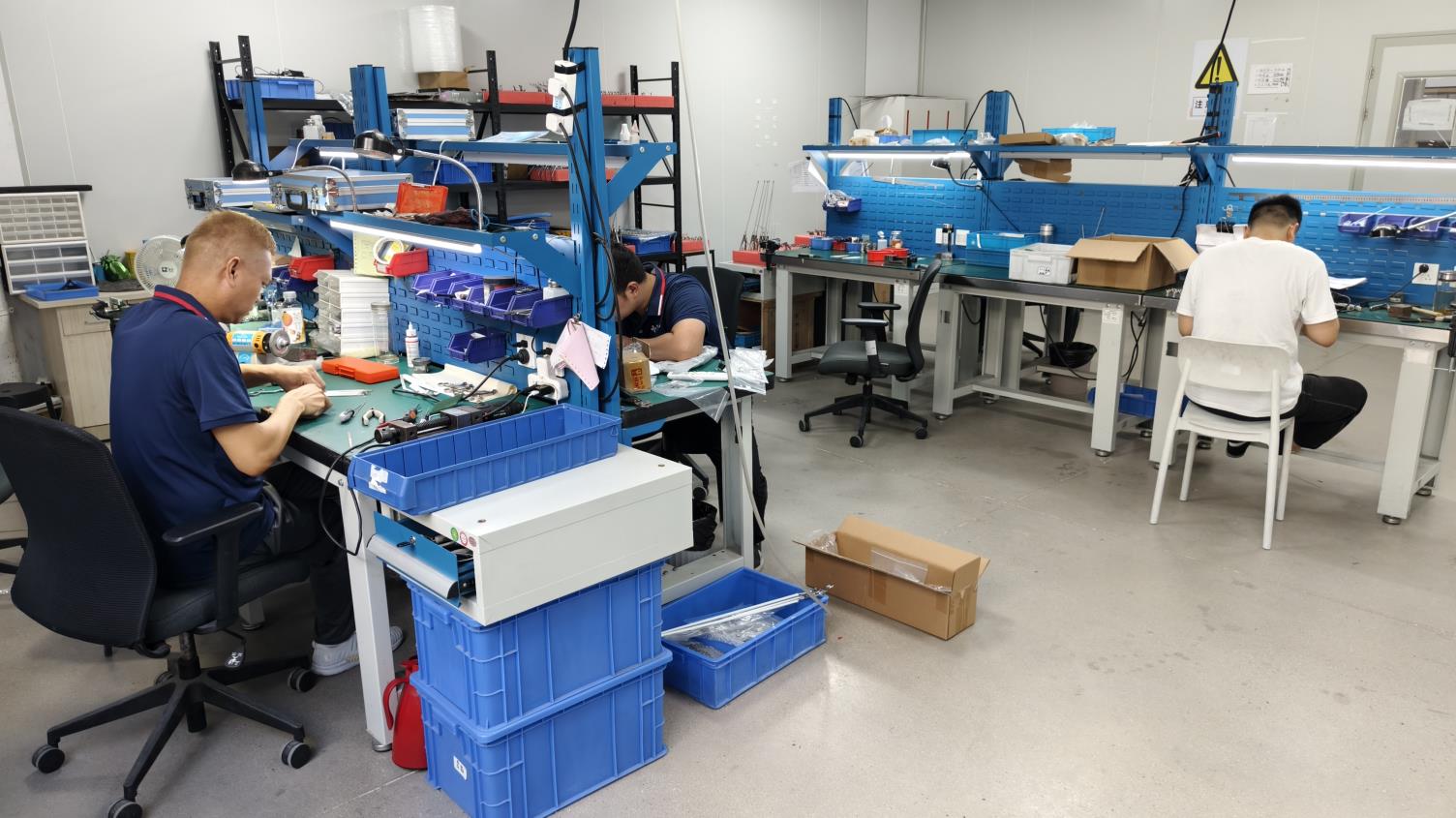
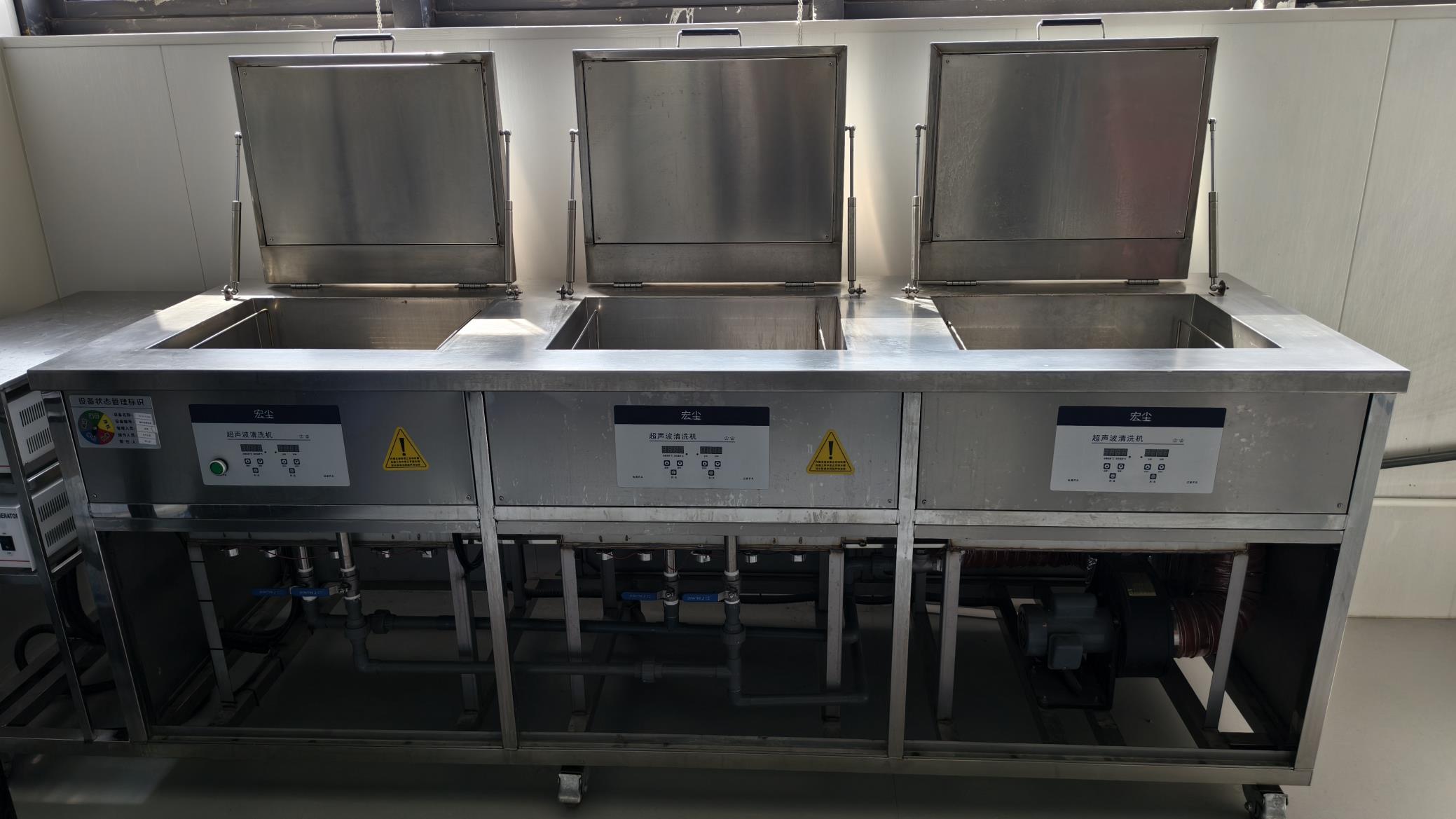
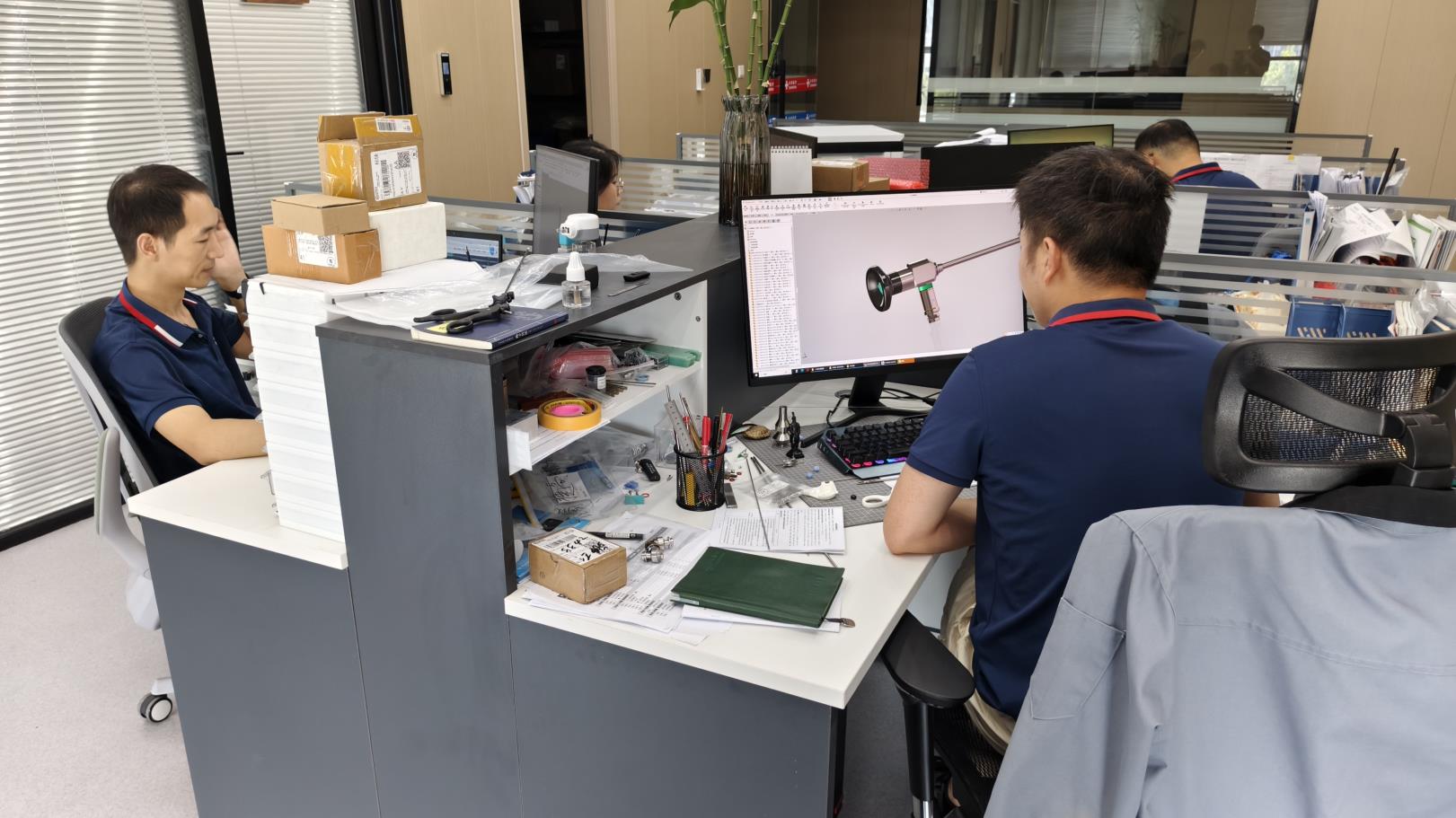
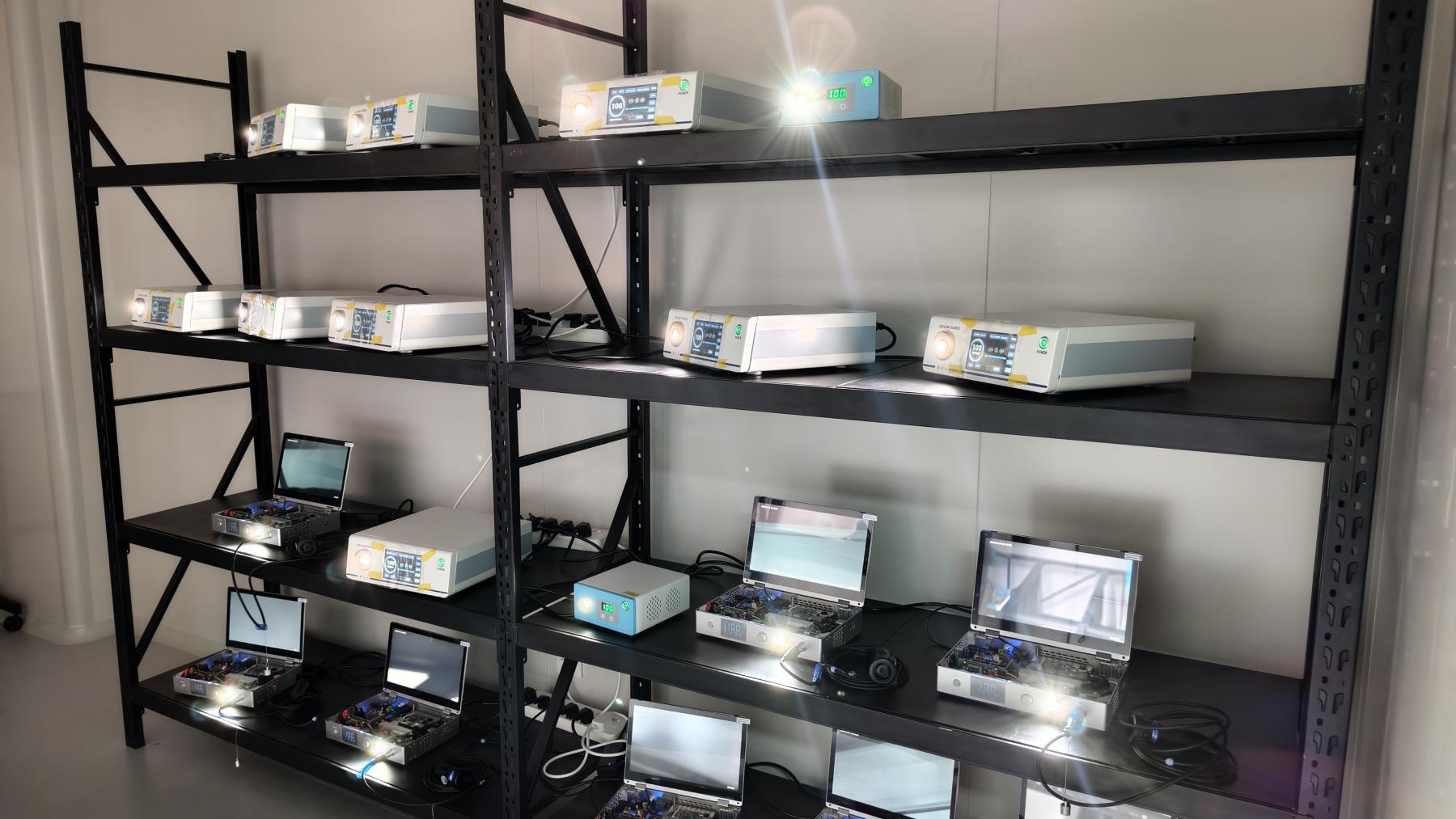
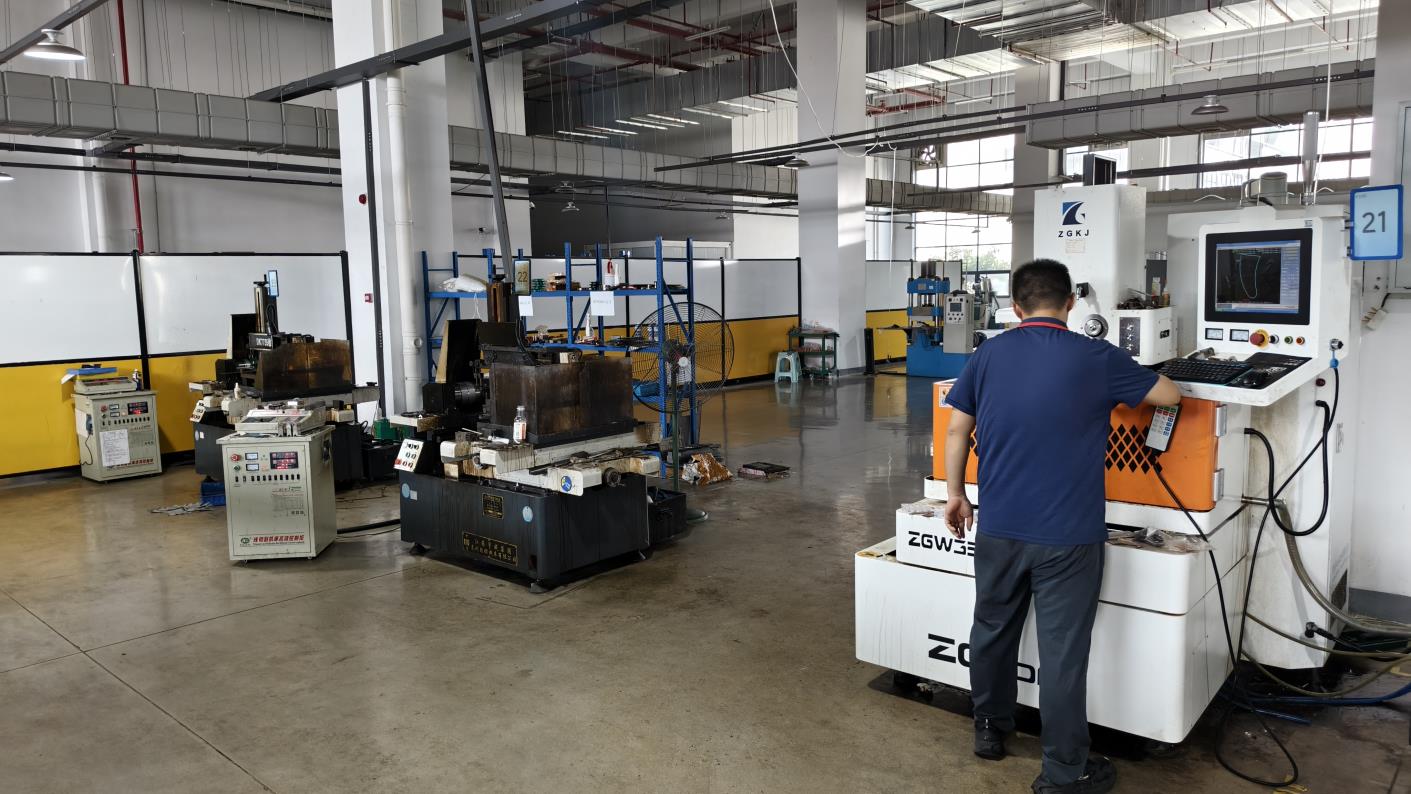
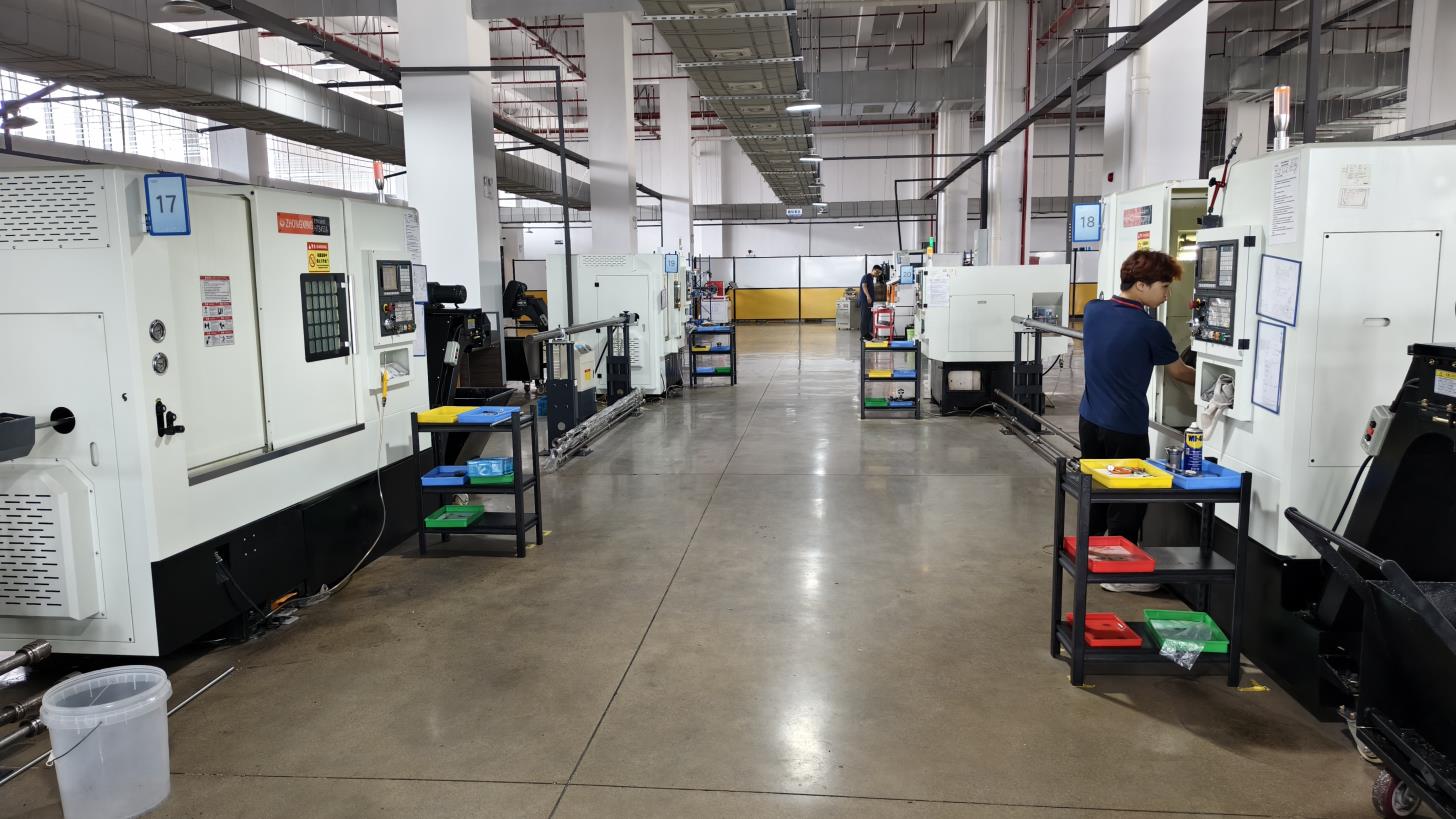
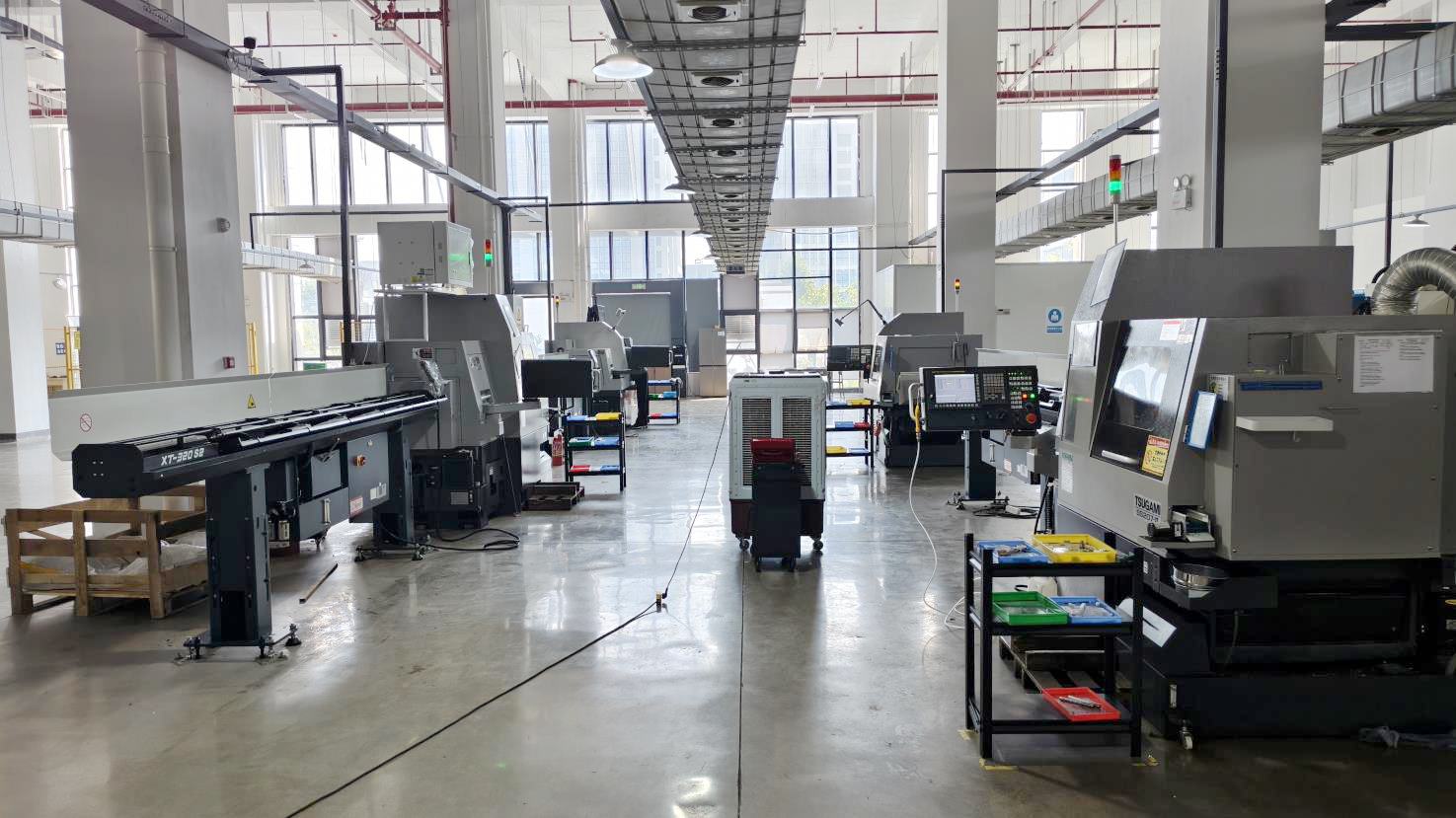
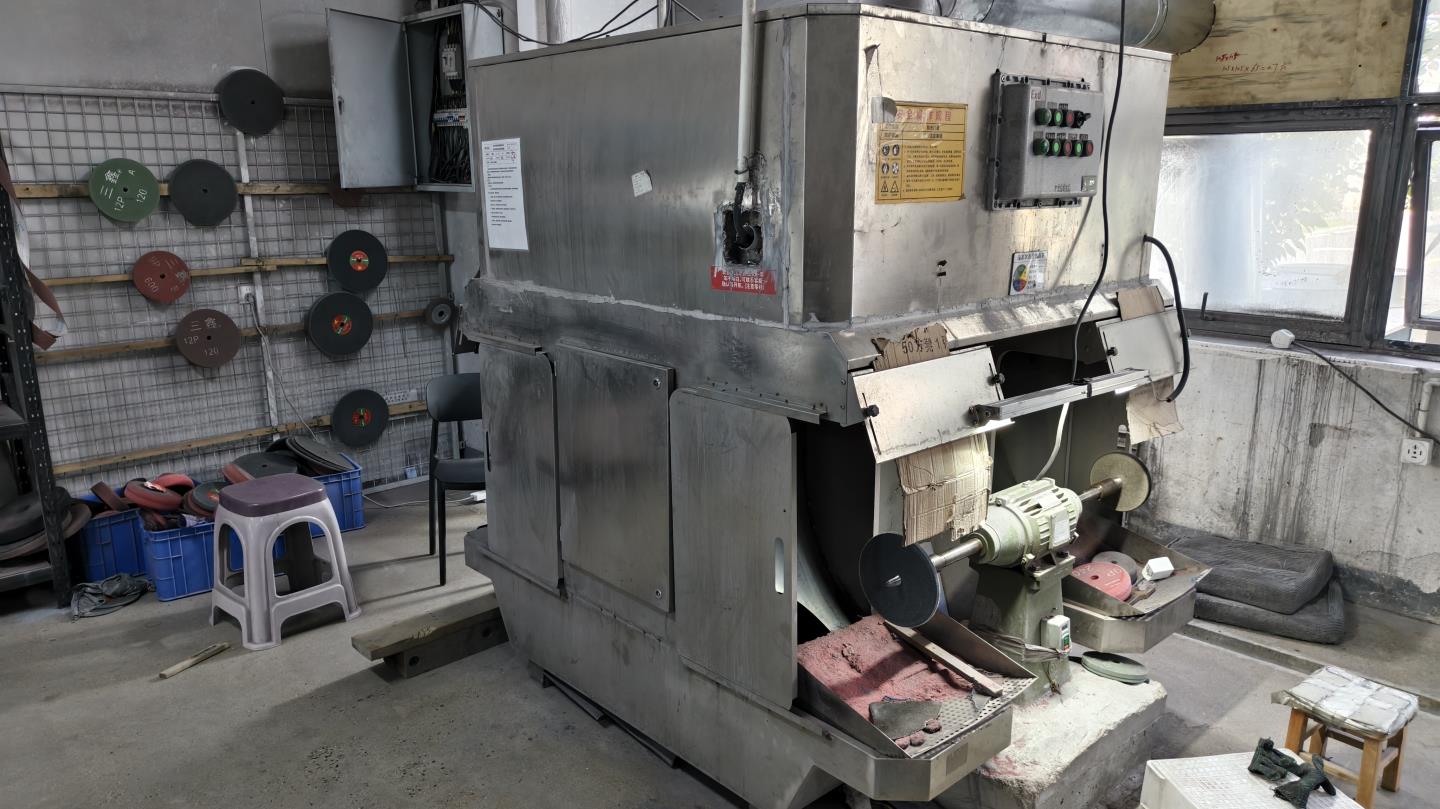
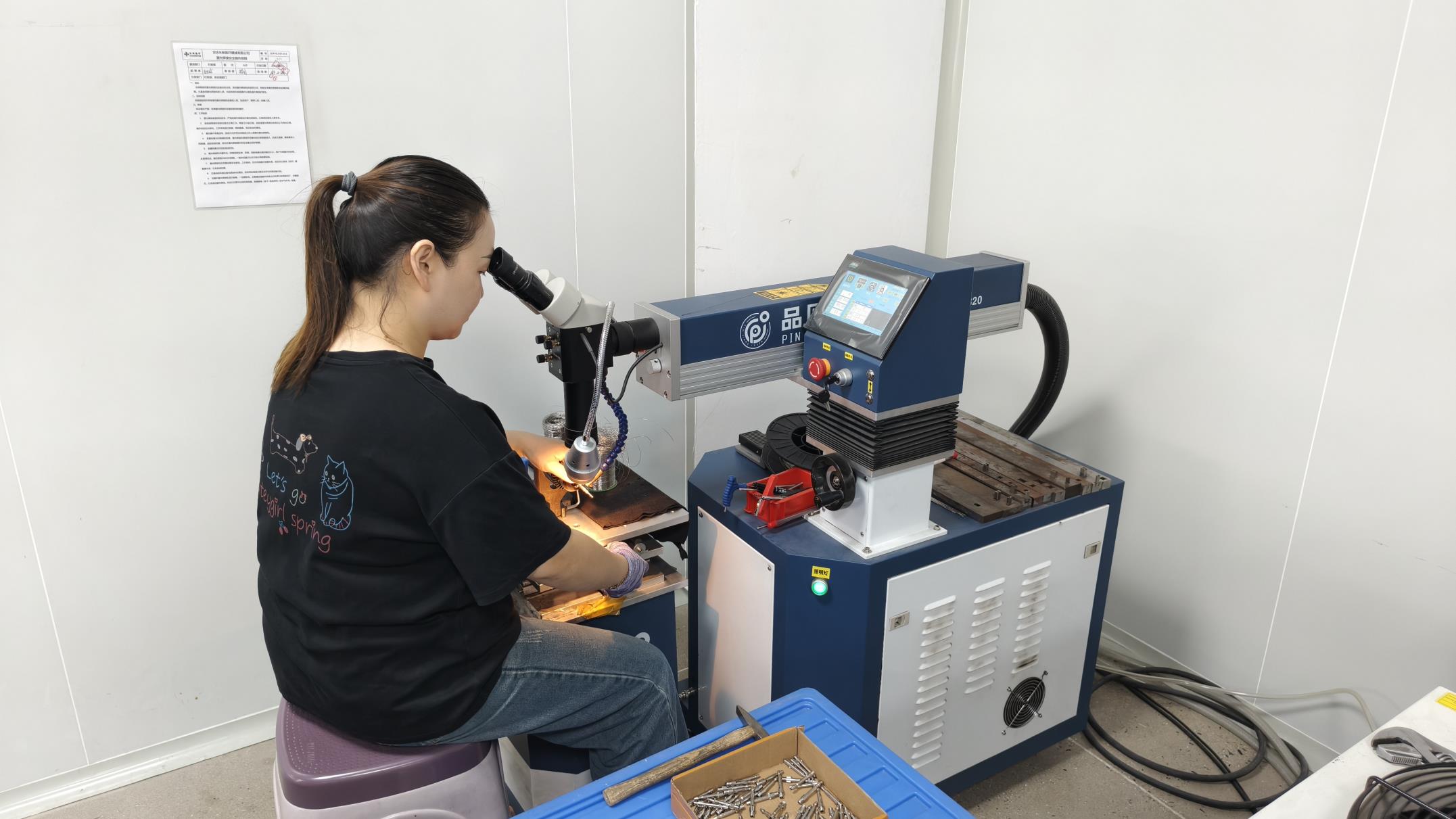
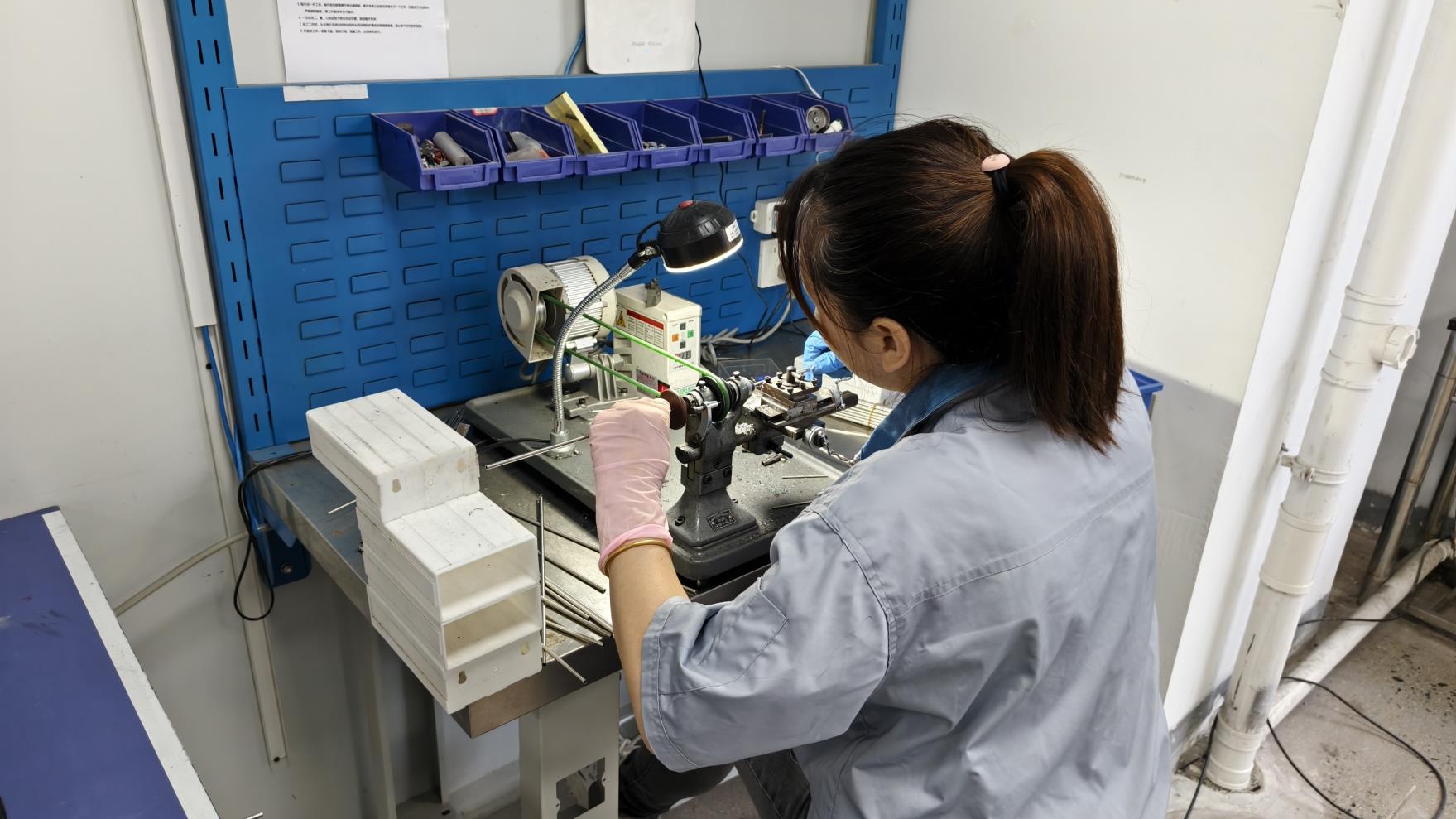
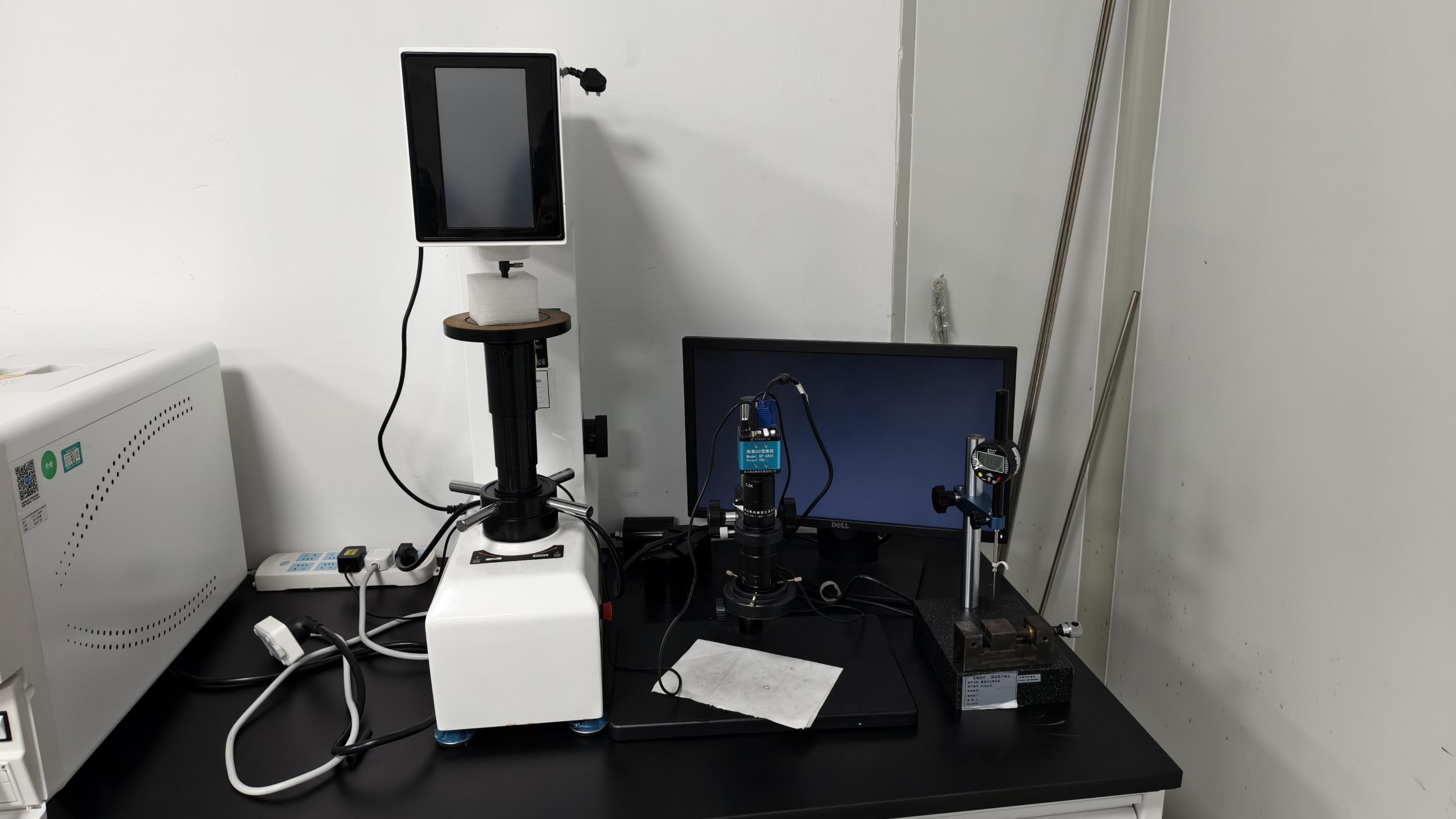
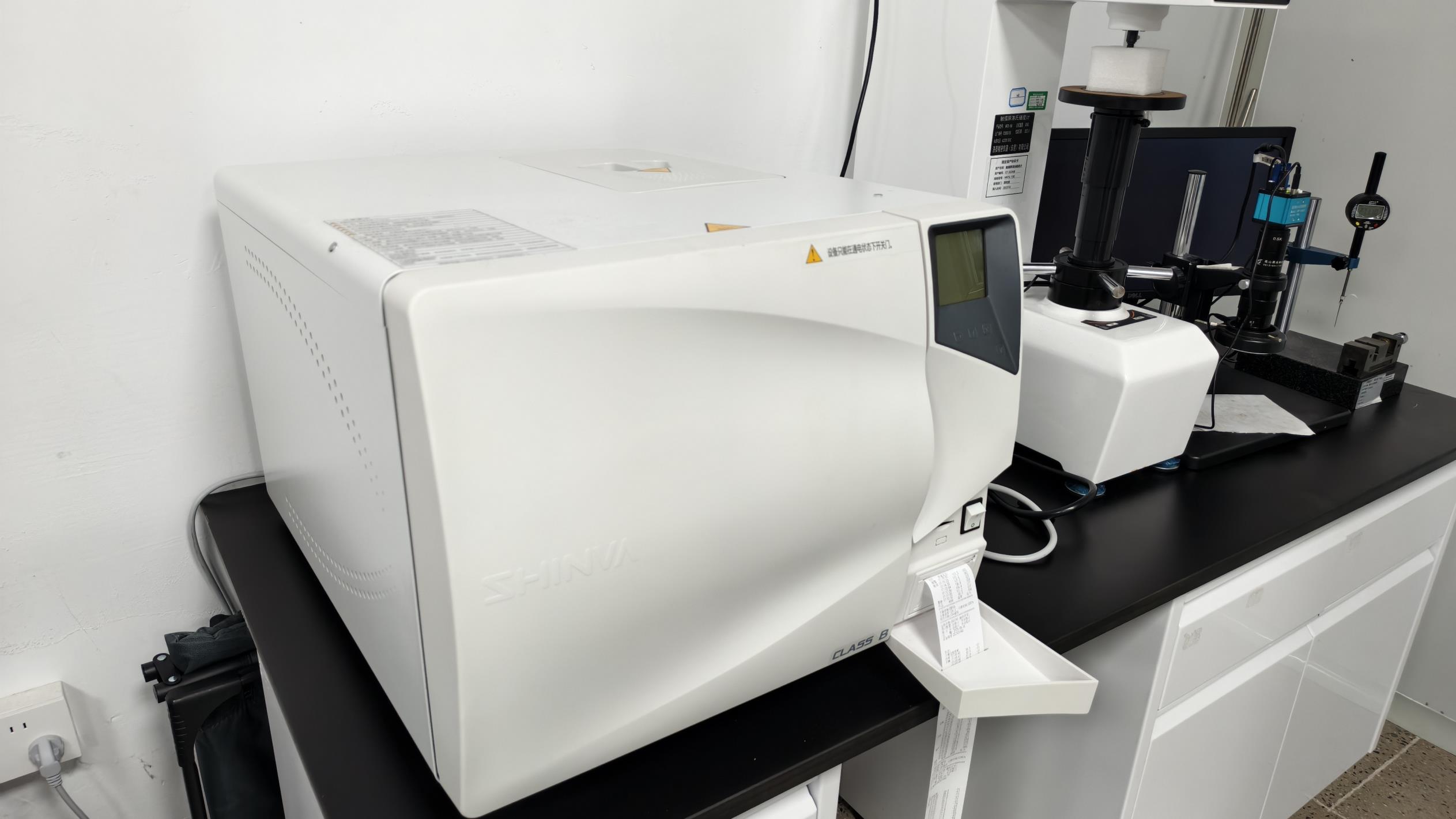
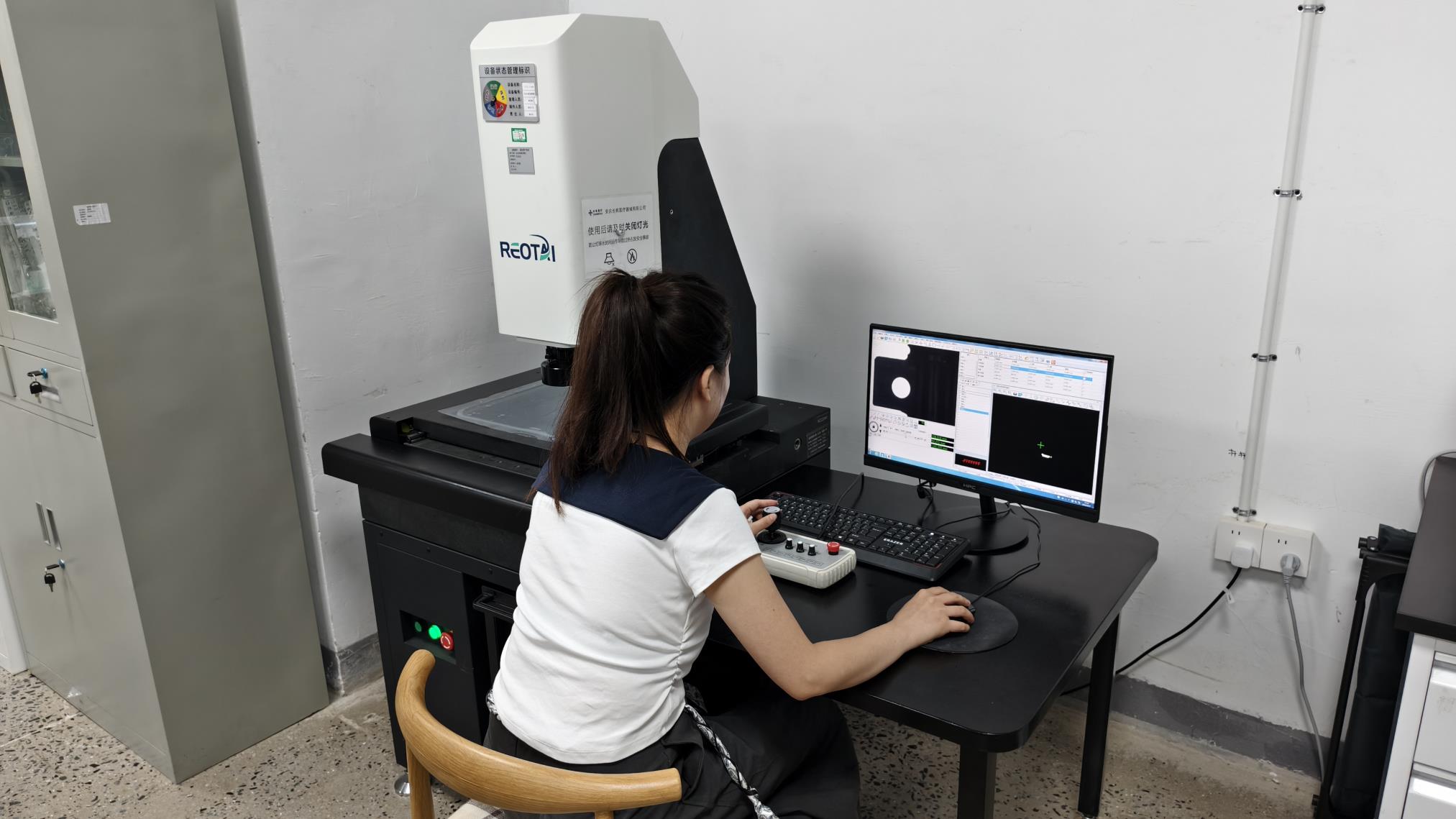
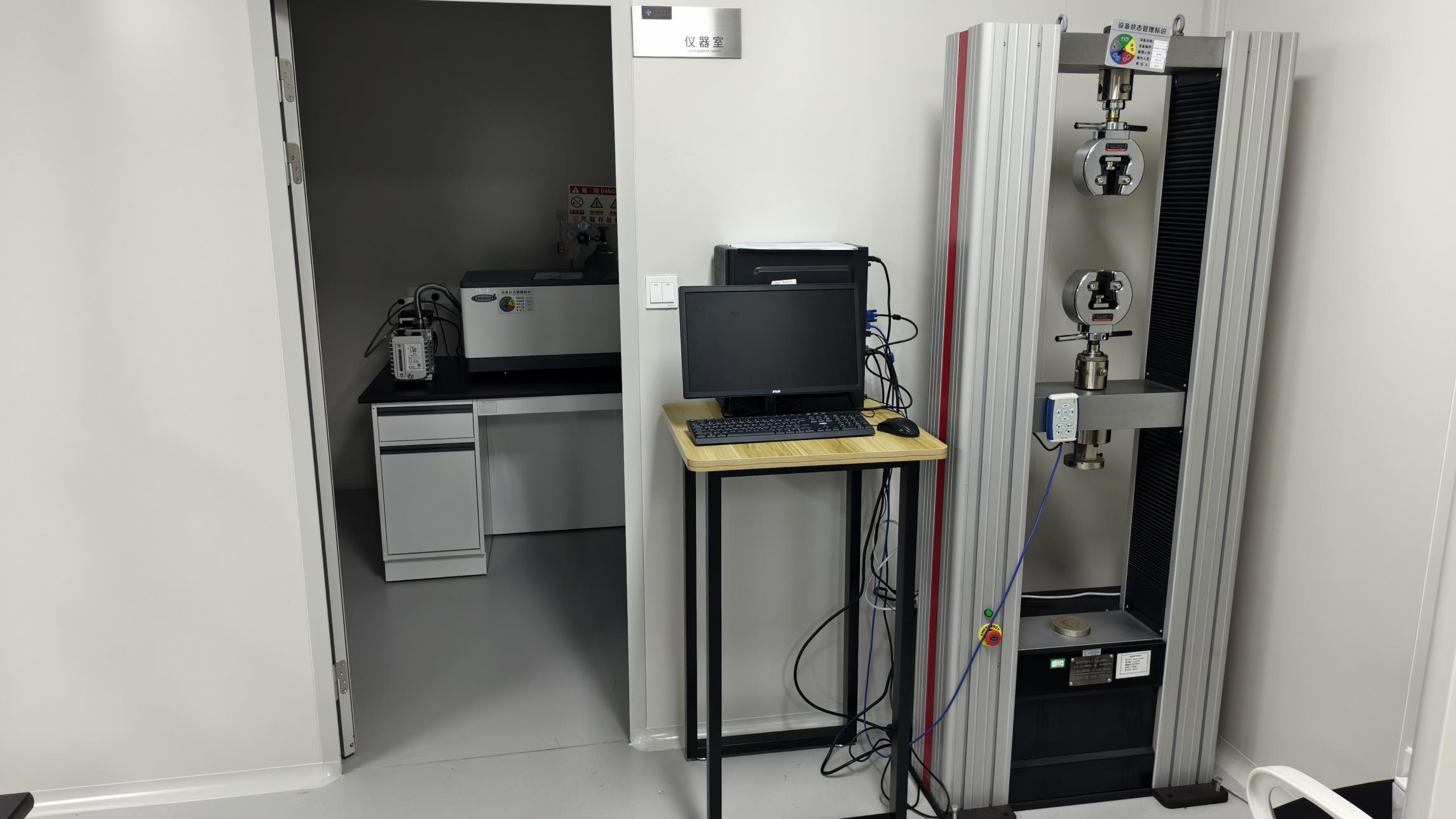
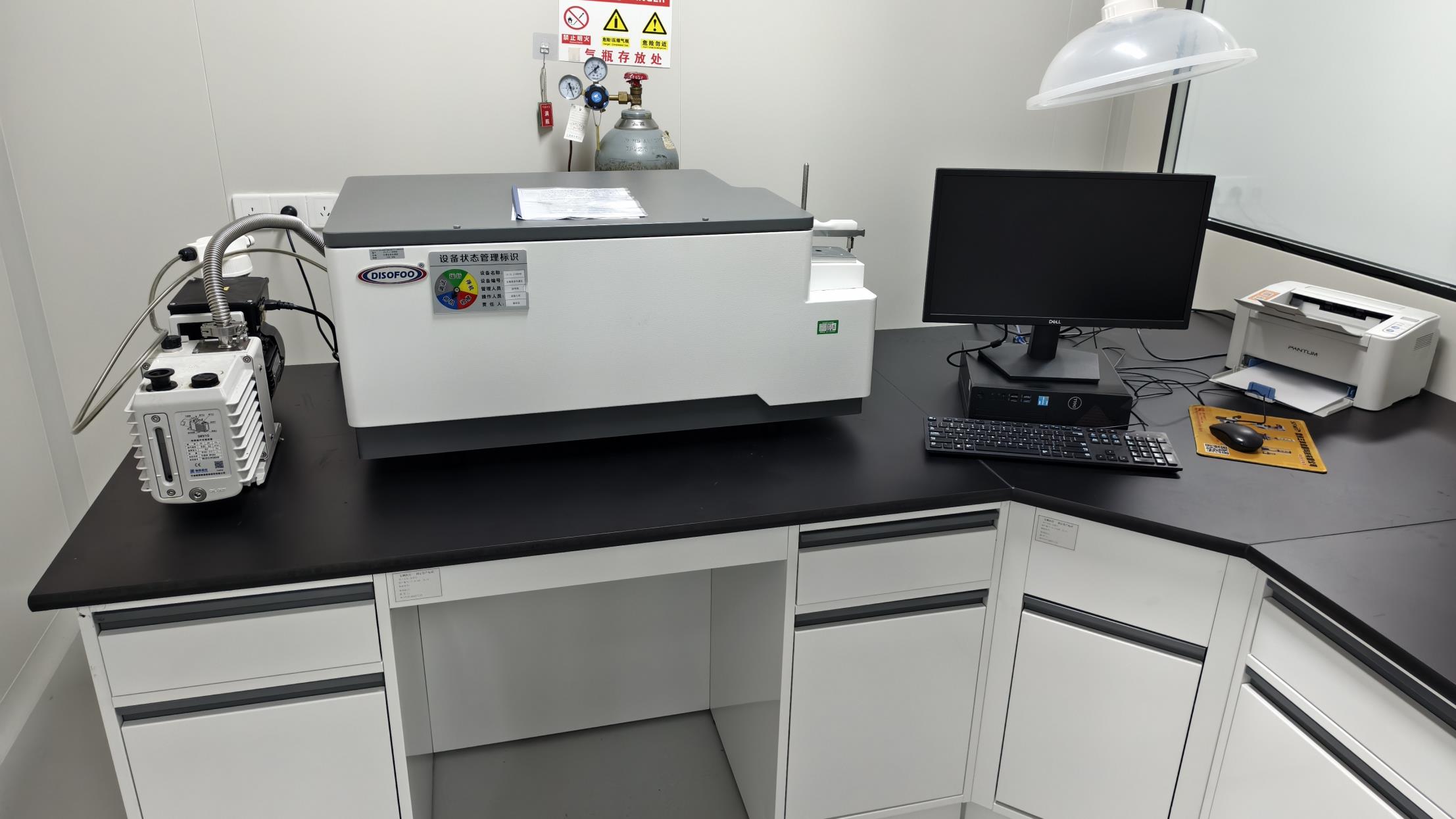
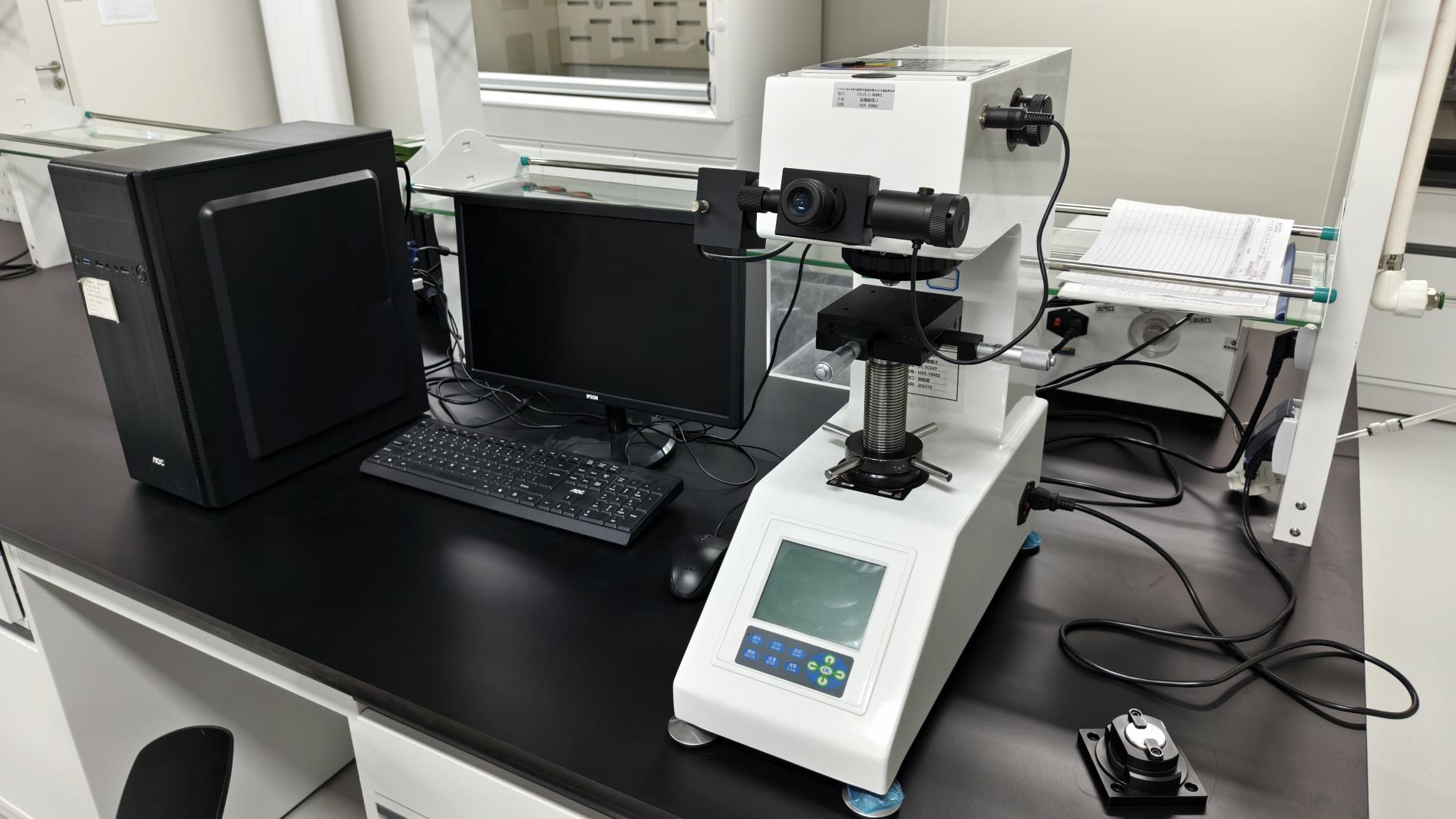
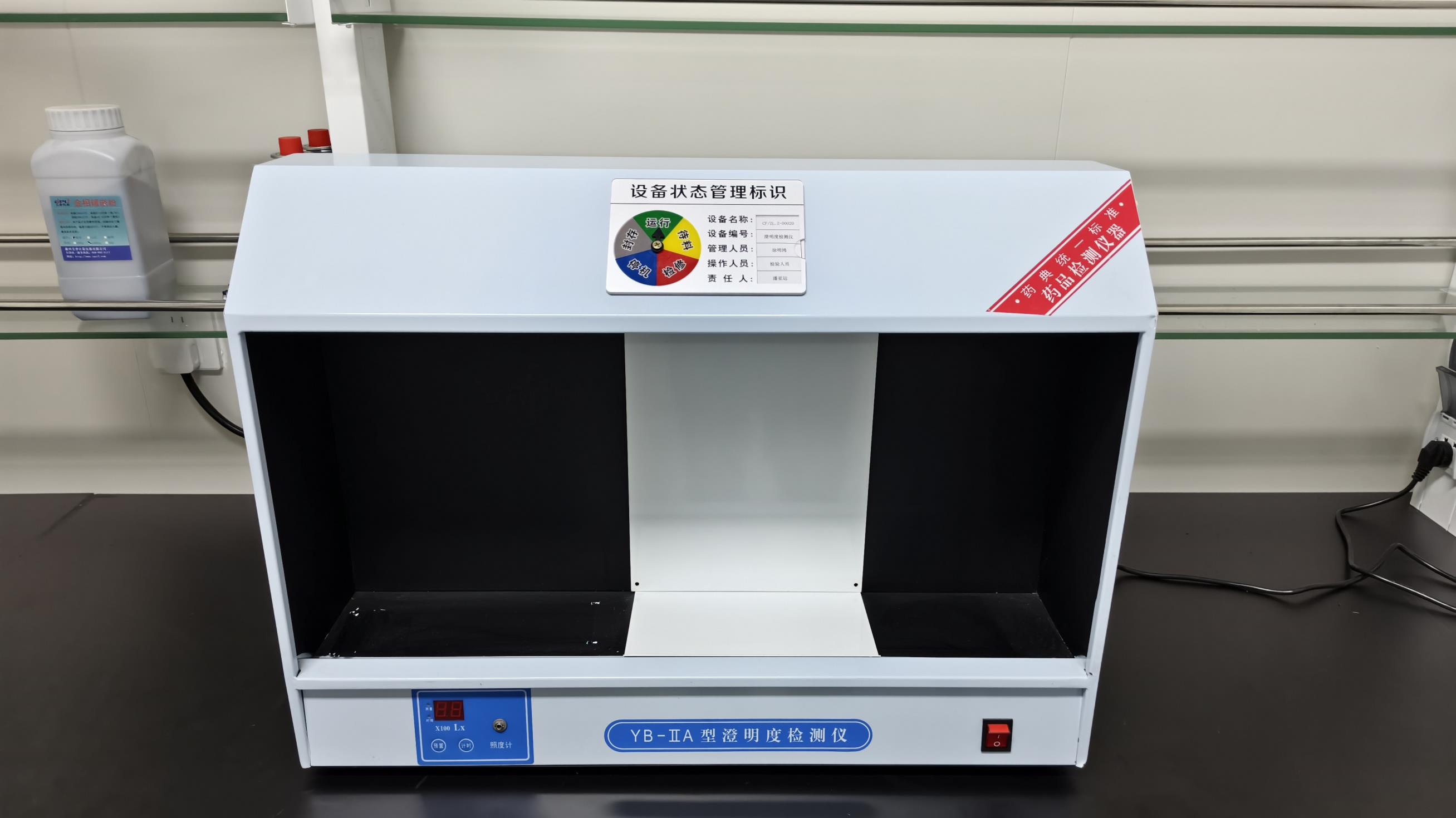
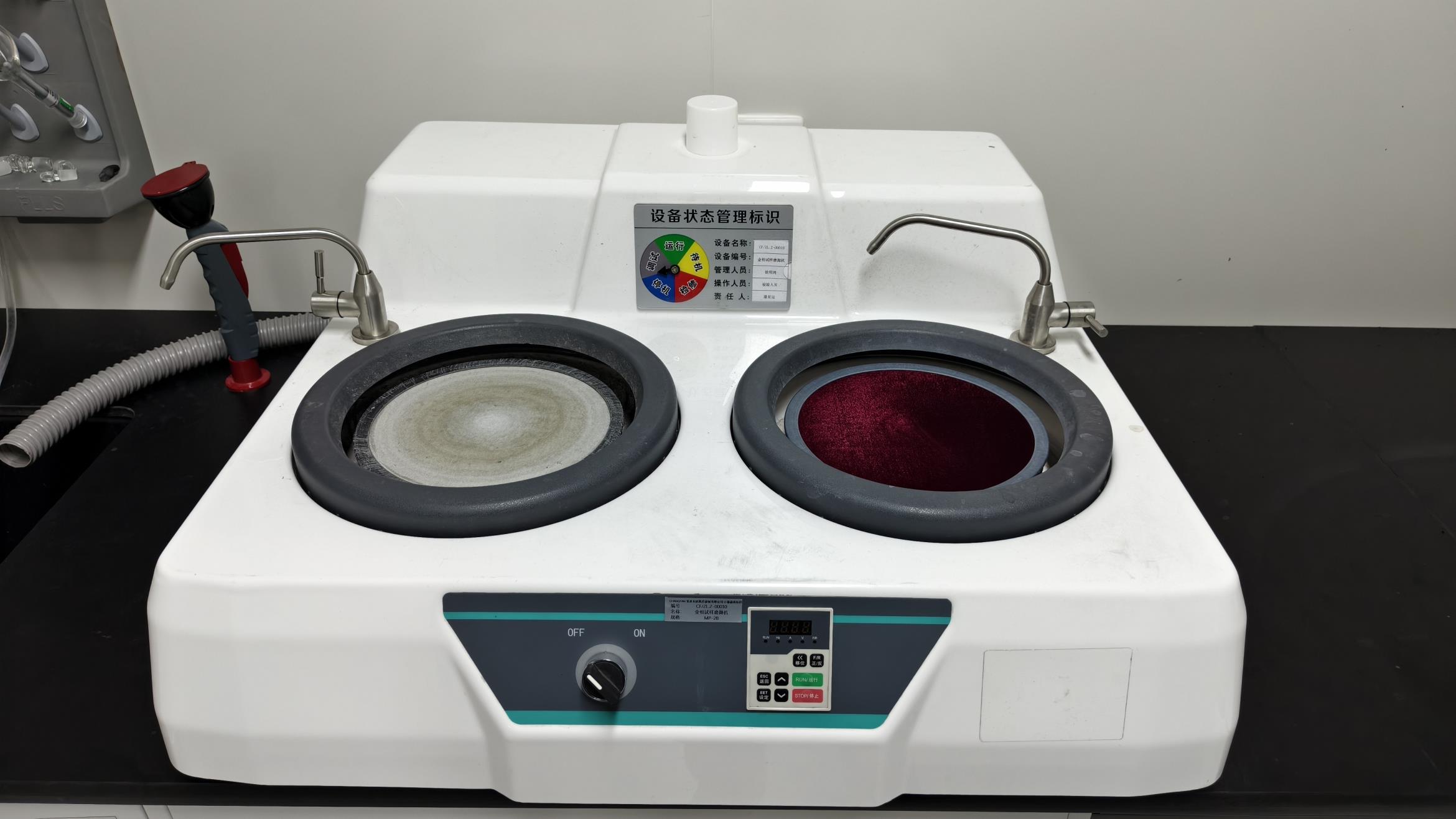
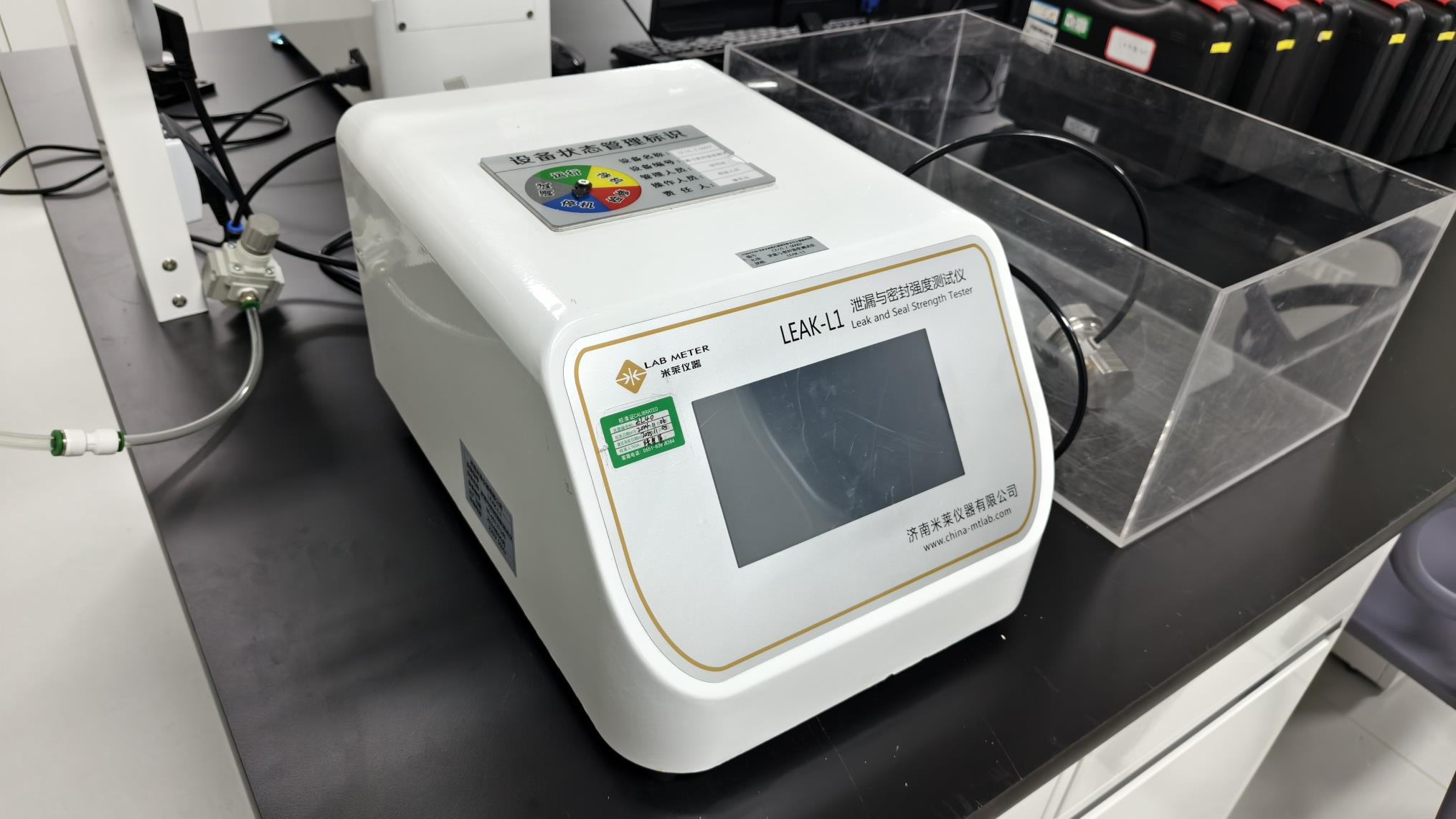
Our manufacturing workflow operates under an automated MES (Manufacturing Execution System) connected directly to Swiss-type precision lathes and multi-axis CNC centers. Raw materials undergo 100% incoming metallurgical validation via chemical spectrometers to confirm the concentration of Titanium, Aluminum, and Vanadium (Grades 4 and 5 ELI). Following precision machining and thread profiling, implants undergo specialized electrochemical oxidation (anodizing) to create a specific oxide protective layer. This layer prevents metal ion release, increases biocompatibility, and provides color coding (e.g., green for locking, blue for non-locking) to simplify identification in hectic operating theater conditions.
Developing next-generation implants to transform patient recovery profiles.
Developing hydroxyapatite (HA) and silver nanoparticle coatings that concurrently promote osteoblast adhesion while actively preventing surgical site bacterial colonization.
Advancing our PEEK-Optima LT1 carbon-fiber constructs. By matching the elastic modulus of natural cortical bone, we prevent stress shielding, promoting uniform natural healing.
Investing in Direct Metal Laser Sintering (DMLS) architectures. Creating highly customized, porous, biomimetic scaffolds for extensive segment reconstructions and complex joint arthroplasty.
"The horizon of fracture management lies in reducing implant stiffness to biological levels, eliminating secondary surgeries through bioresorbable magnesium-based components, and utilizing digital preoperative templating."
Addressing supply chain optimization, risk mitigation, and international regulatory pathways.
Purchasing surgical implants on an international scale requires navigability across localized certification barriers. Our plants operate under rigorous ISO 13485 (Medical Devices Quality Management Systems) guidelines, maintaining cleanroom classifications conforming to ISO Class 7 (Class 10,000) for final component handling, cleaning, and packaging.
We provide full technical dossier support including biocompatibility reports (ISO 10993 series), sterilization validation protocols (ISO 11137 for gamma radiation and ISO 11135 for Ethylene Oxide sterilization), and packaging integrity profiles (ASTM F1929 and ASTM F88). This level of technical documentation significantly shortens the localized registration phase (such as CE MDR in Europe, FDA 510(k) in the US, and ANVISA in South America) for our OEM partners.
In-depth insights regarding product standards, raw materials, clinical applications, and partnership structures.
Complete your supply portfolio with our pediatric nails, interbody fusion cages, arthroscopy sets, and high-efficiency bone drills.
 Synoviq Medical