Explore our top-tier precision instruments, power systems, and orthopedic hardware manufactured under rigorous CE and ISO 13485 standards.
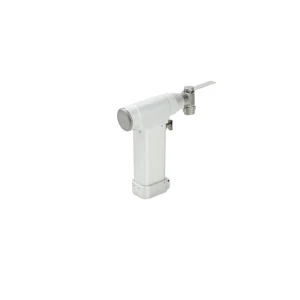
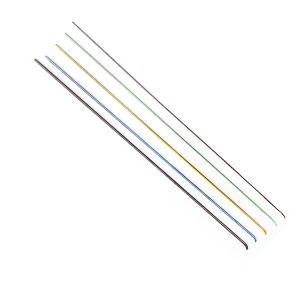
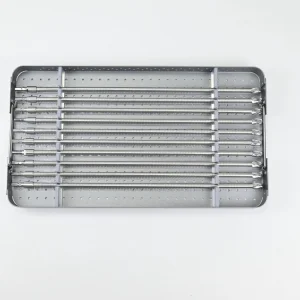
The global market for trauma fixation devices has transitioned rapidly from conventional plating systems toward locking compression systems (LCP), specifically in the anatomical fixation of complex femoral fractures. As the population demographics shift toward an aging population in developed economies, the incidence of osteoporotic proximal and distal femoral fractures has escalated. Concurrently, high-energy trauma incidents resulting from high-velocity industrial and road traffic accidents present complex, multi-fragmentary articular fractures.
Femoral locking plates represent the peak of biomechanical engineering in internal fixation. By incorporating threaded locking holes that lock the screw head to the plate, the implant construct acts as an internal fixator. Unlike dynamic compression plates (DCP), locking screw-plate interfaces do not require the plate to be frictionally compressed against the periosteum. This design element preserves the vital periosteal blood supply, reduces bone necrosis, and dramatically improves bone healing rates. Consequently, global demand for medical-grade Titanium Alloy (specifically Ti-6Al-4V ELI / ASTM F136) and Ultra-Clean Stainless Steel (316LVM) femoral plates is experiencing double-digit growth across orthopedic trauma hubs in North America, Western Europe, and Latin America.
“The preservation of periosteal vascularity, coupled with the rigid angular stability provided by submuscular locking implants, has made distal femoral anatomical locking plates the clinical gold standard for AO/OTA Type 33 fractures.”
In recent years, China has evolved from a basic medical components manufacturer into a primary global powerhouse for high-tech medical implants. Companies like Synoviq Medical Technology (China) Co., Ltd. leverage comprehensive industrial ecosystems. Located in China's high-tech manufacturing corridors, our facilities utilize highly integrated supply chains, cutting-edge automated machining centers, and raw material sourcing directly from certified medical titanium producers.
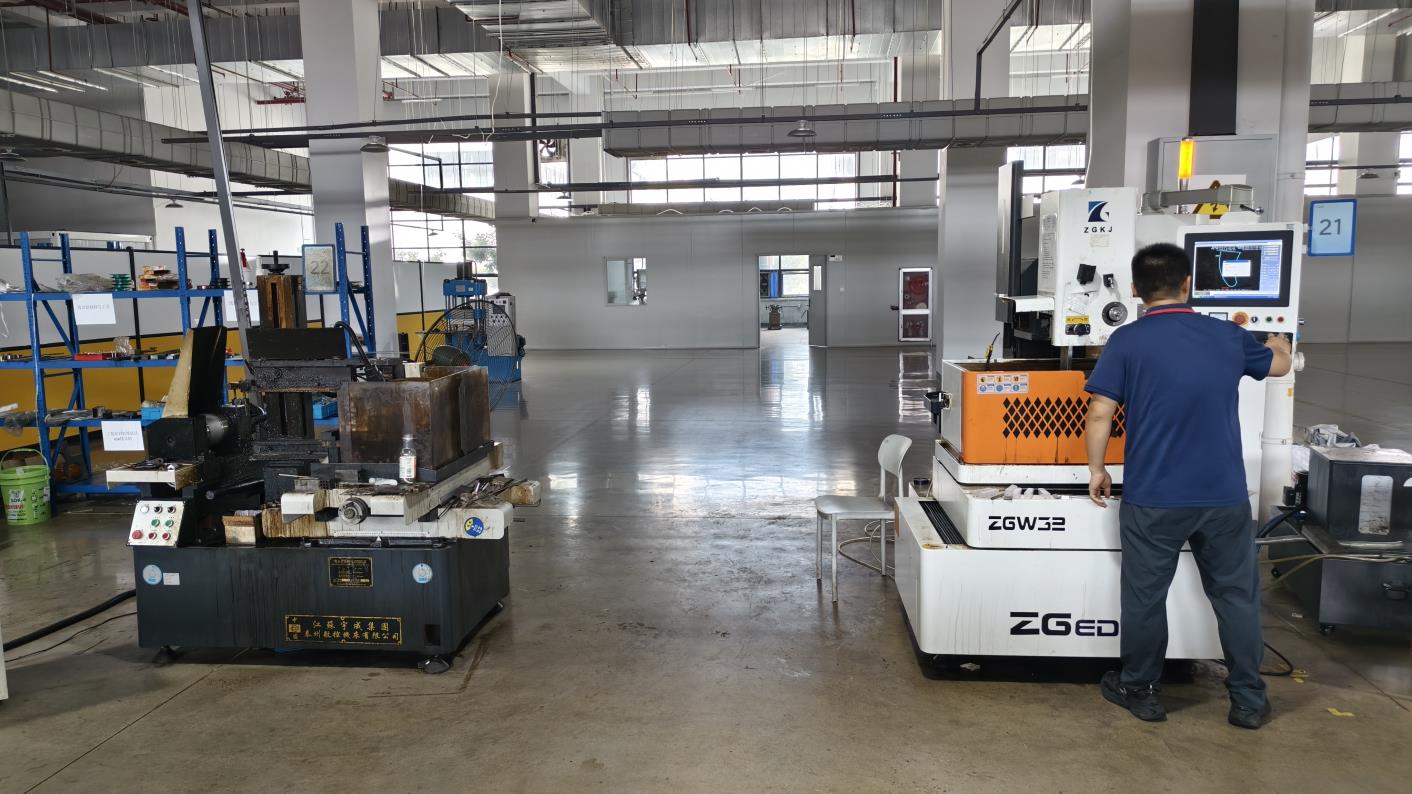
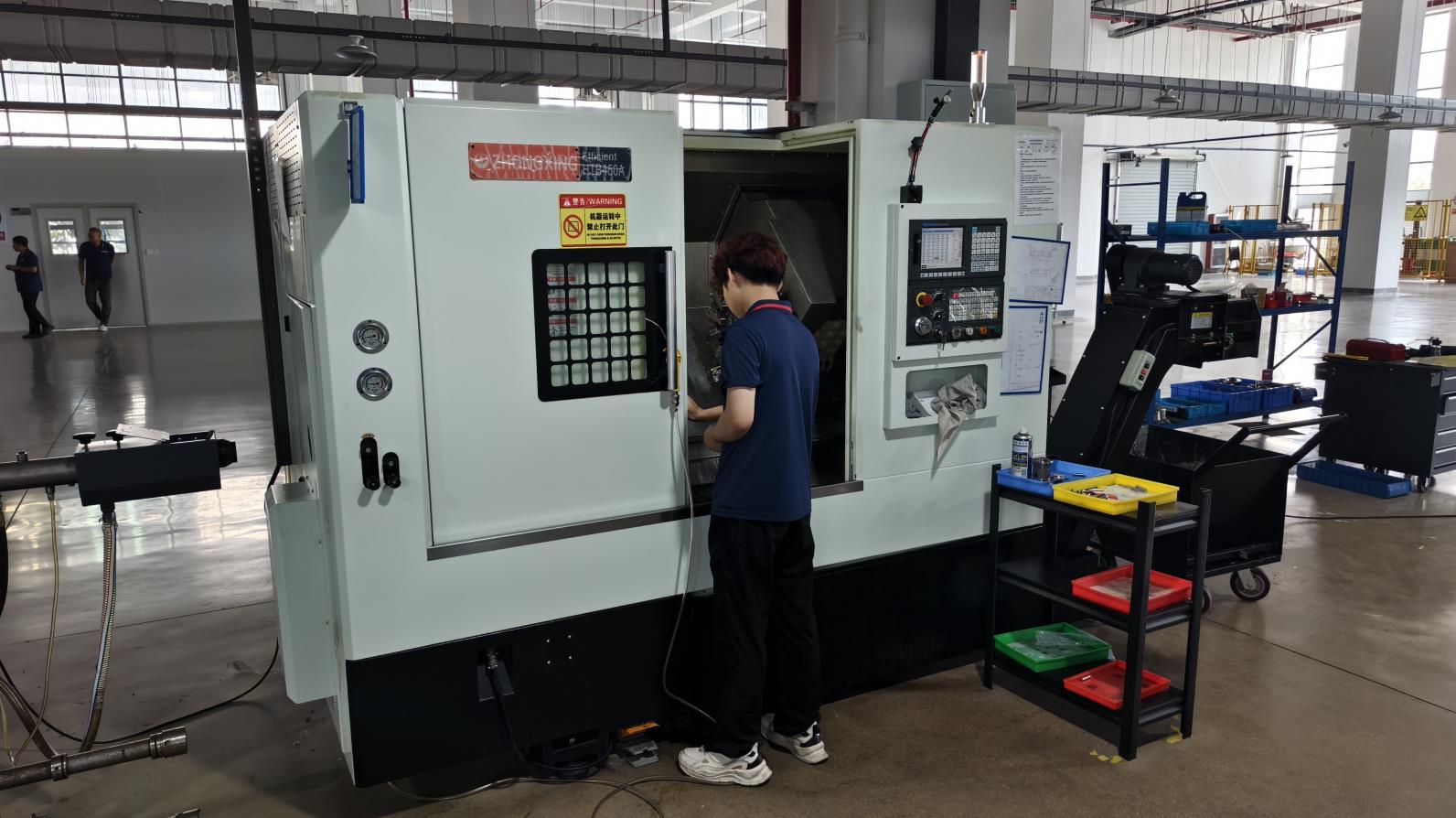
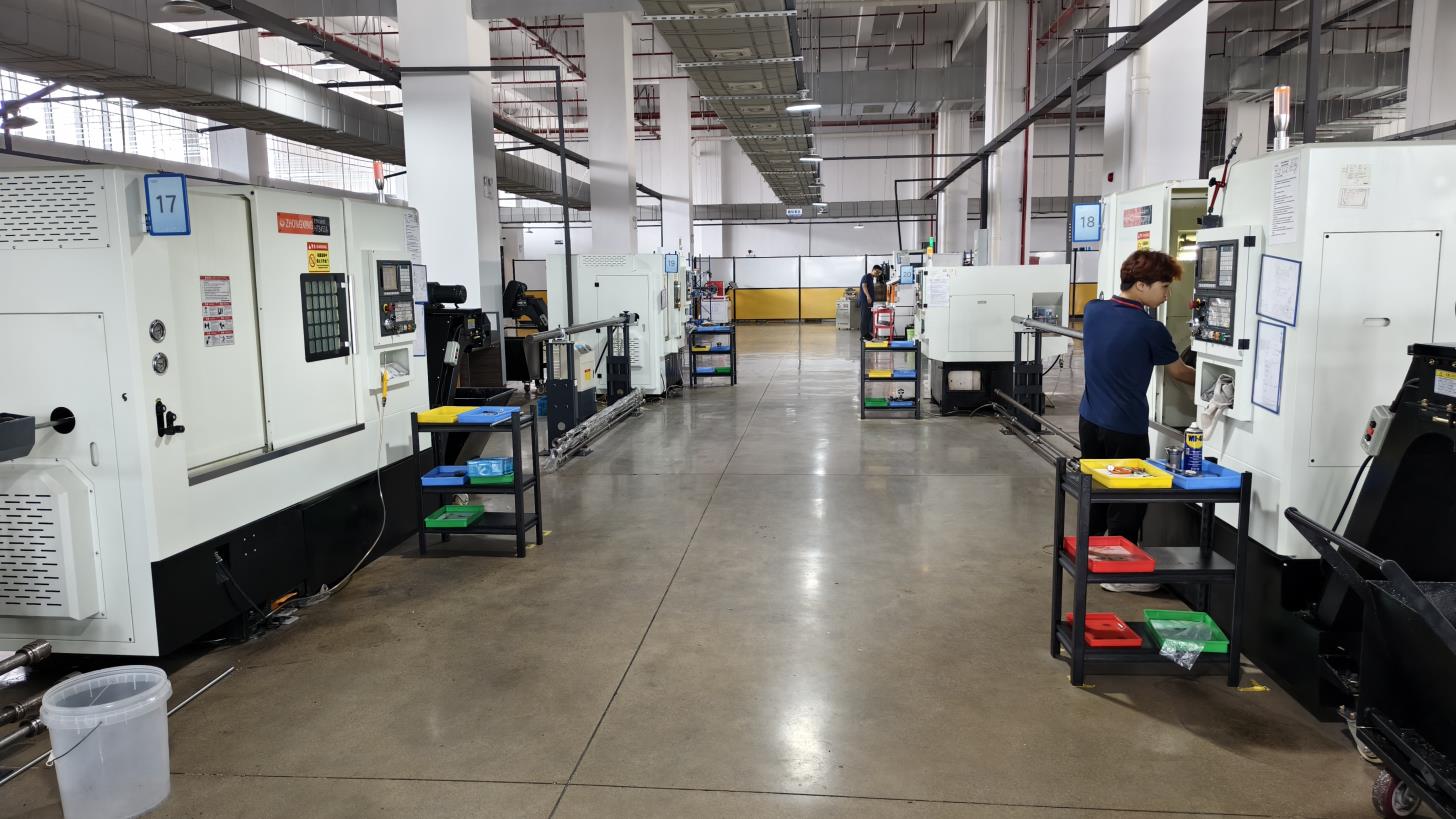
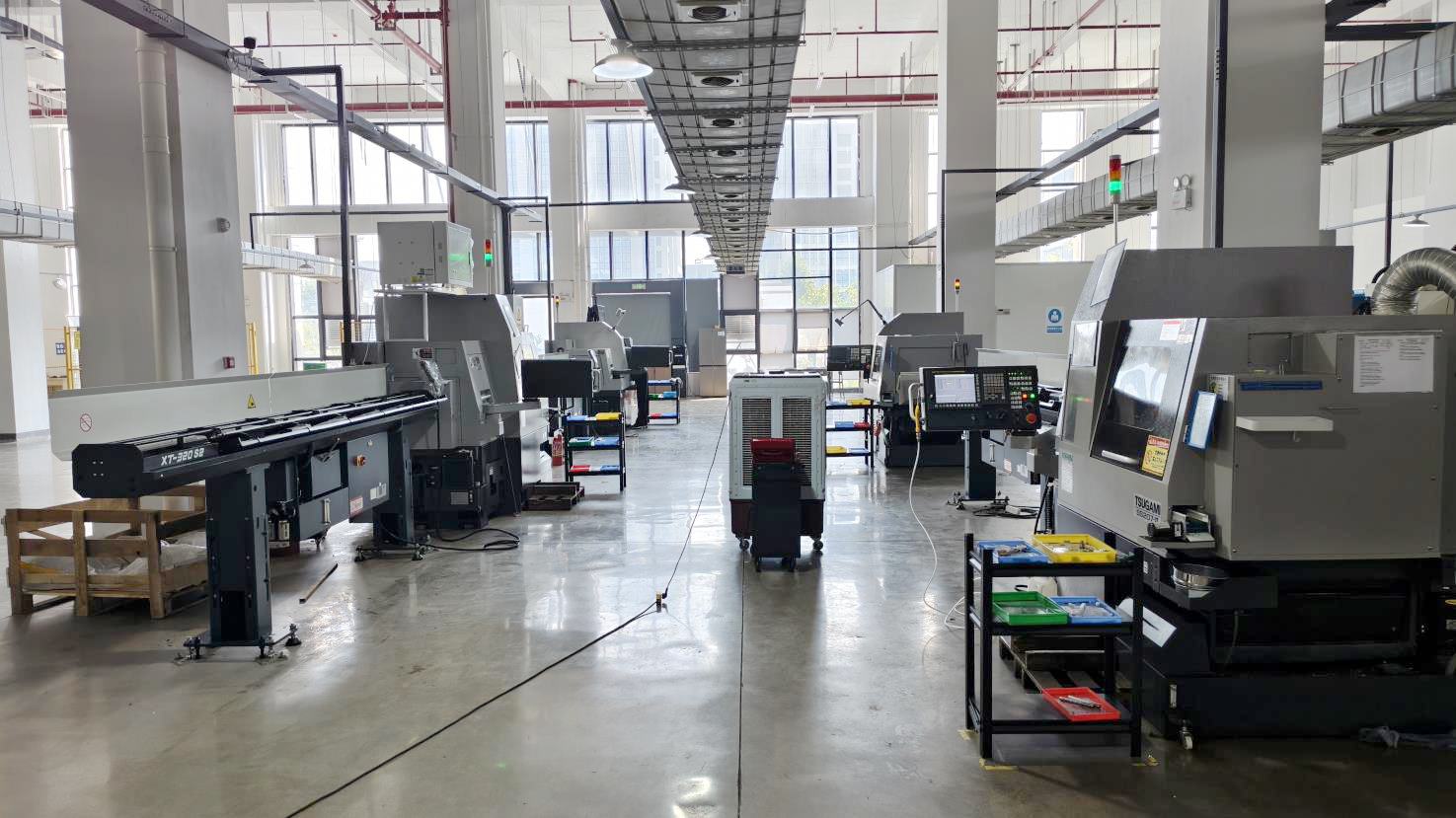
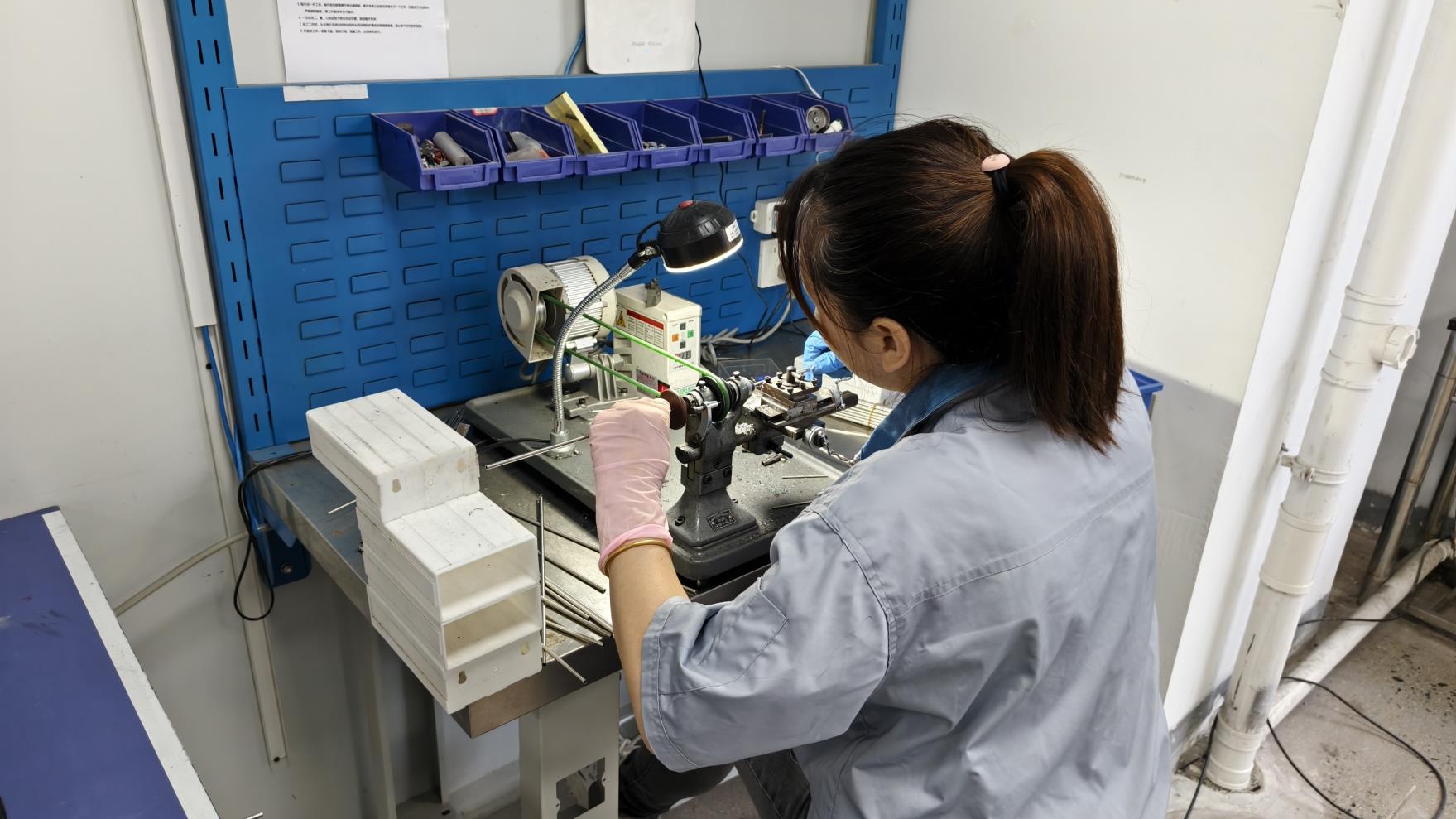
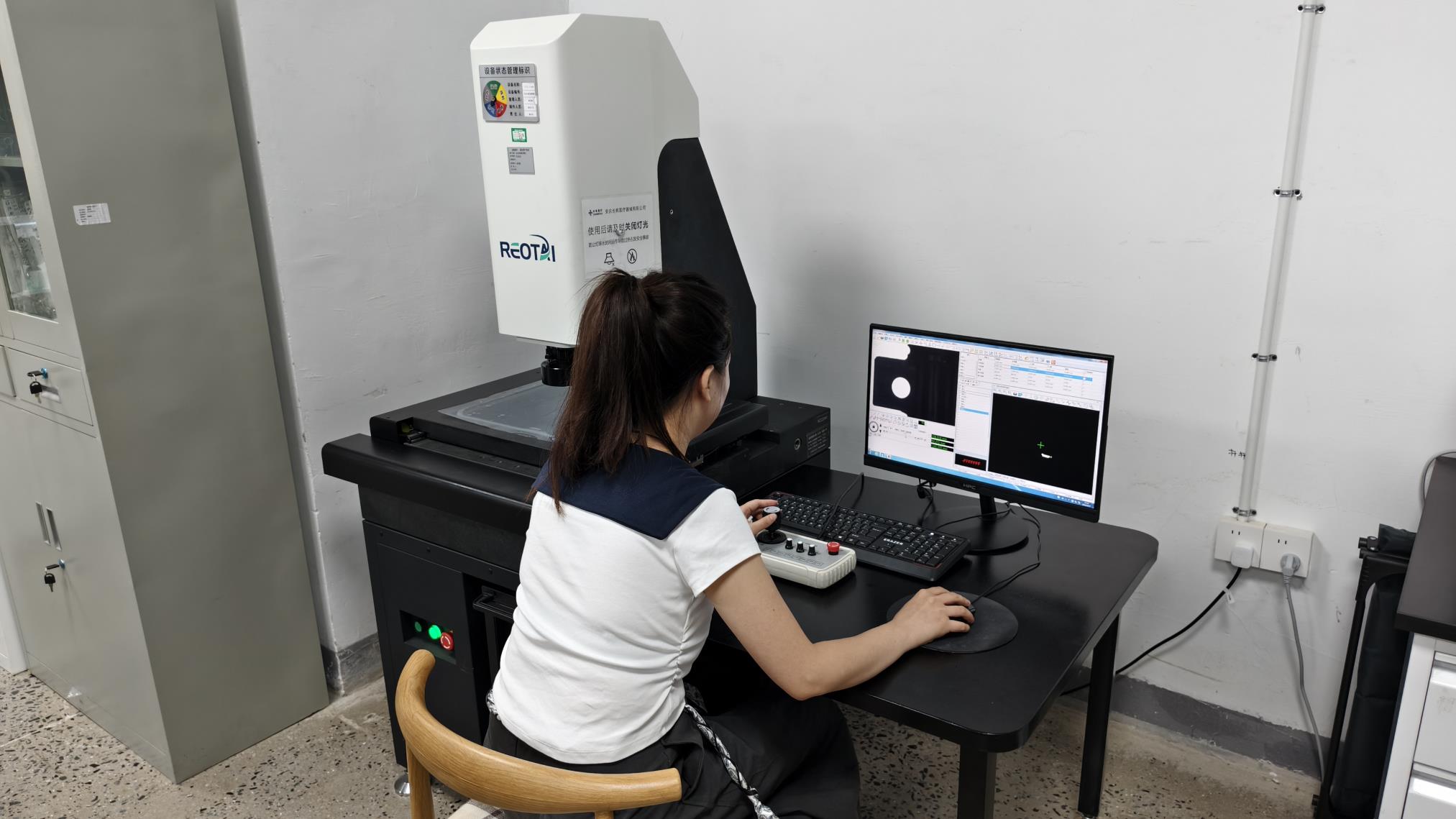
China's competitive advantage is no longer merely defined by labor cost efficiencies; instead, it is driven by technological maturity and automation. Modern facilities deploy multi-axis CNC Swiss-type lathes, automated wire-cutting machines, and advanced surface treatment systems that ensure sub-micron precision. This high concentration of specialized tooling, coupled with in-house material testing labs (equipped with CMM measuring systems and fatigue testers), allows Chinese exporters to deliver implants that match or exceed Western performance benchmarks at a fraction of the cost.
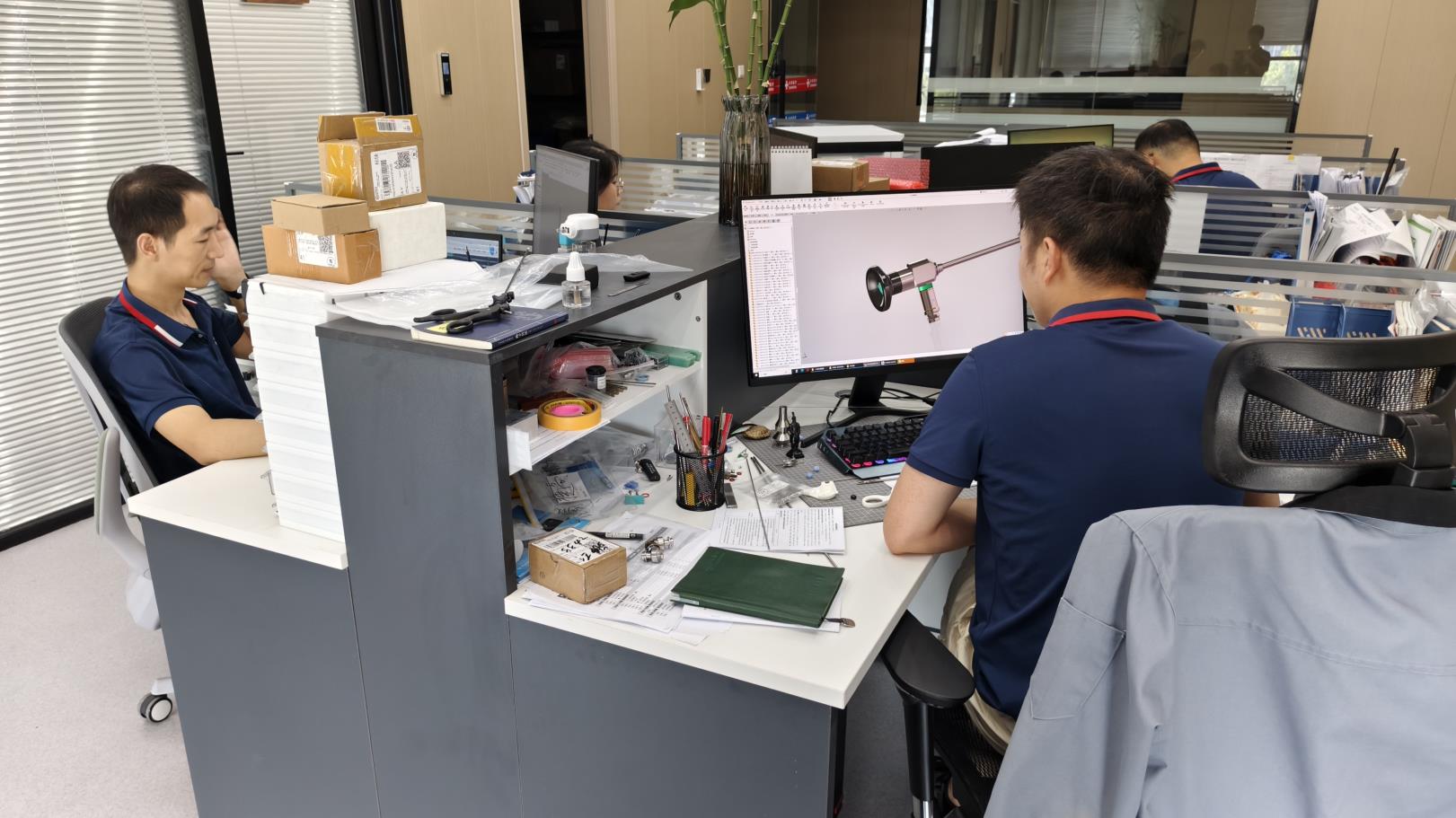
Established on March 18, 2016, Synoviq Medical Technology (China) Co., Ltd. operates a sprawling 18,600 m² state-of-the-art facility dedicated to the research, development, and production of orthopedic trauma and spinal fixation systems. Guided by 14 years of industry expertise and supported by an elite team of 76 R&D engineers, we release over 180 innovative orthopedic designs annually.
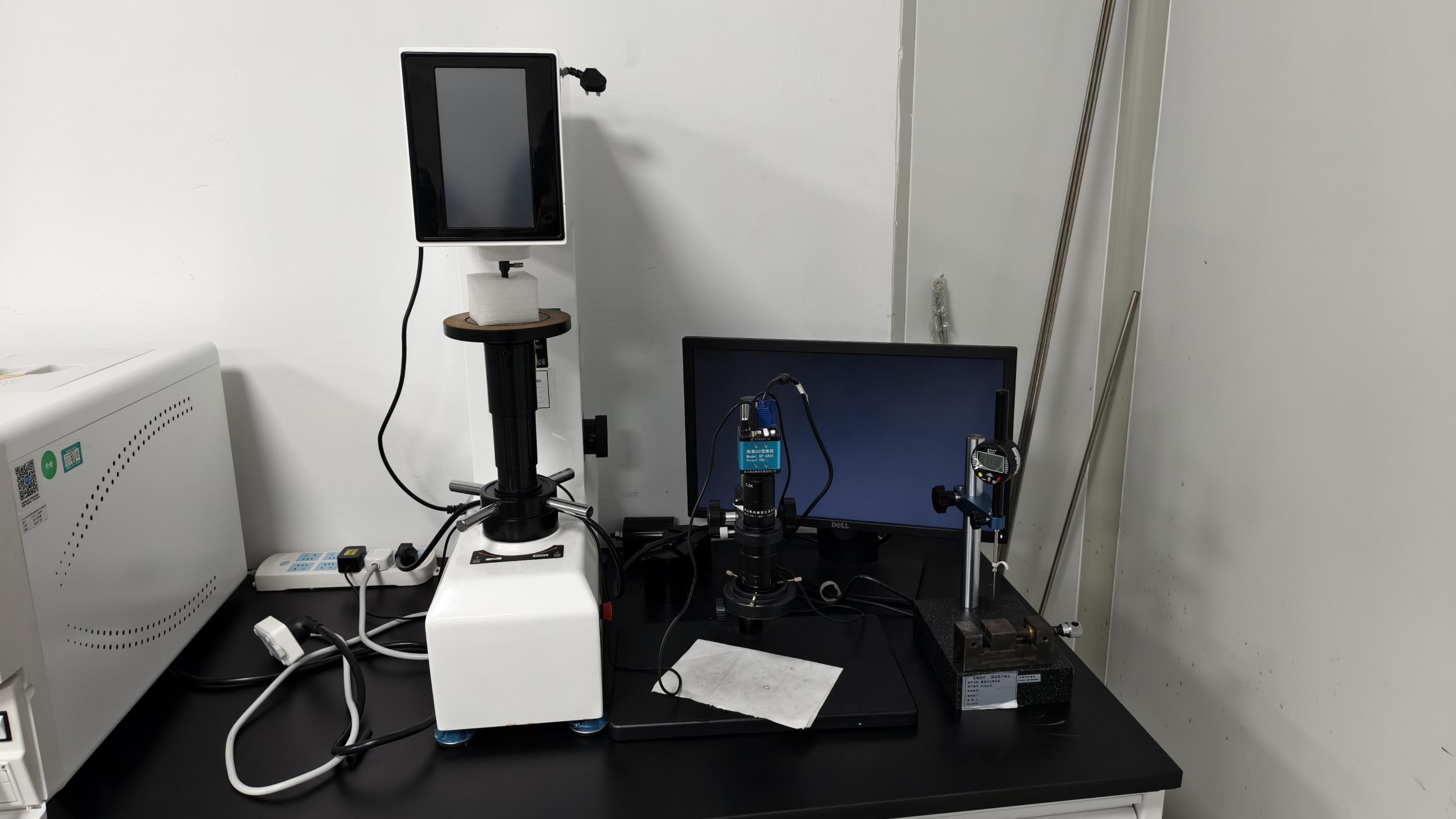
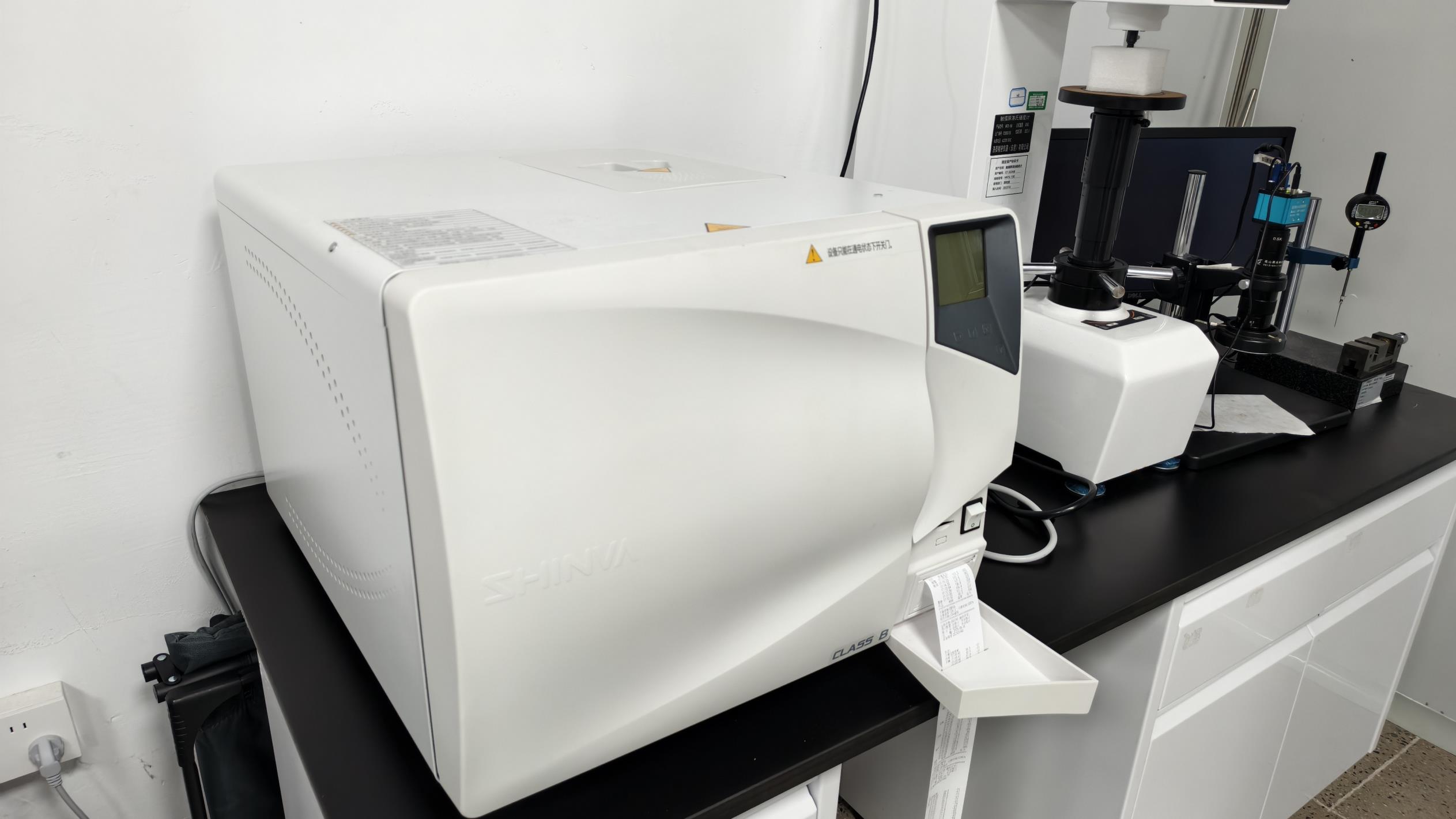
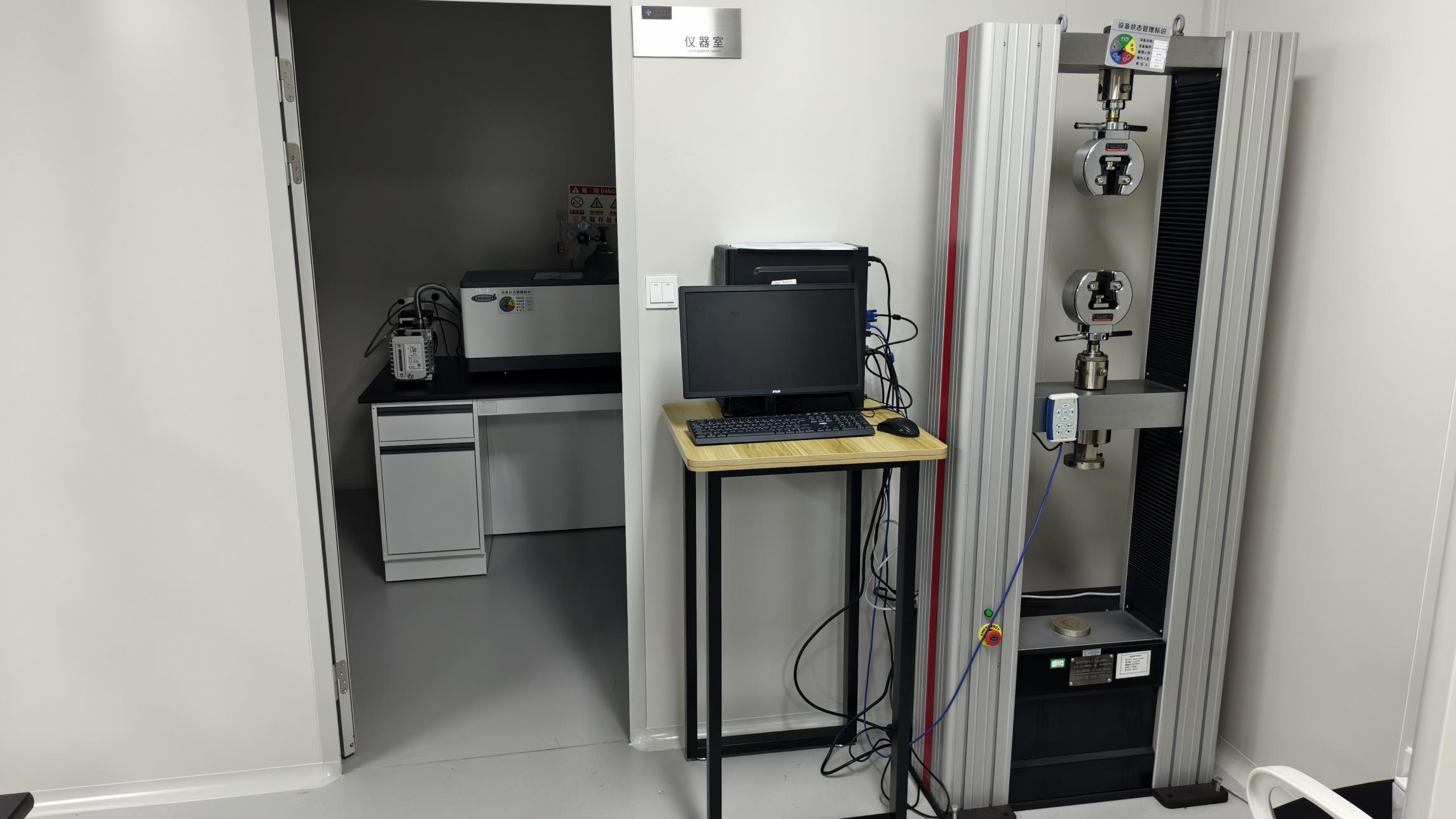
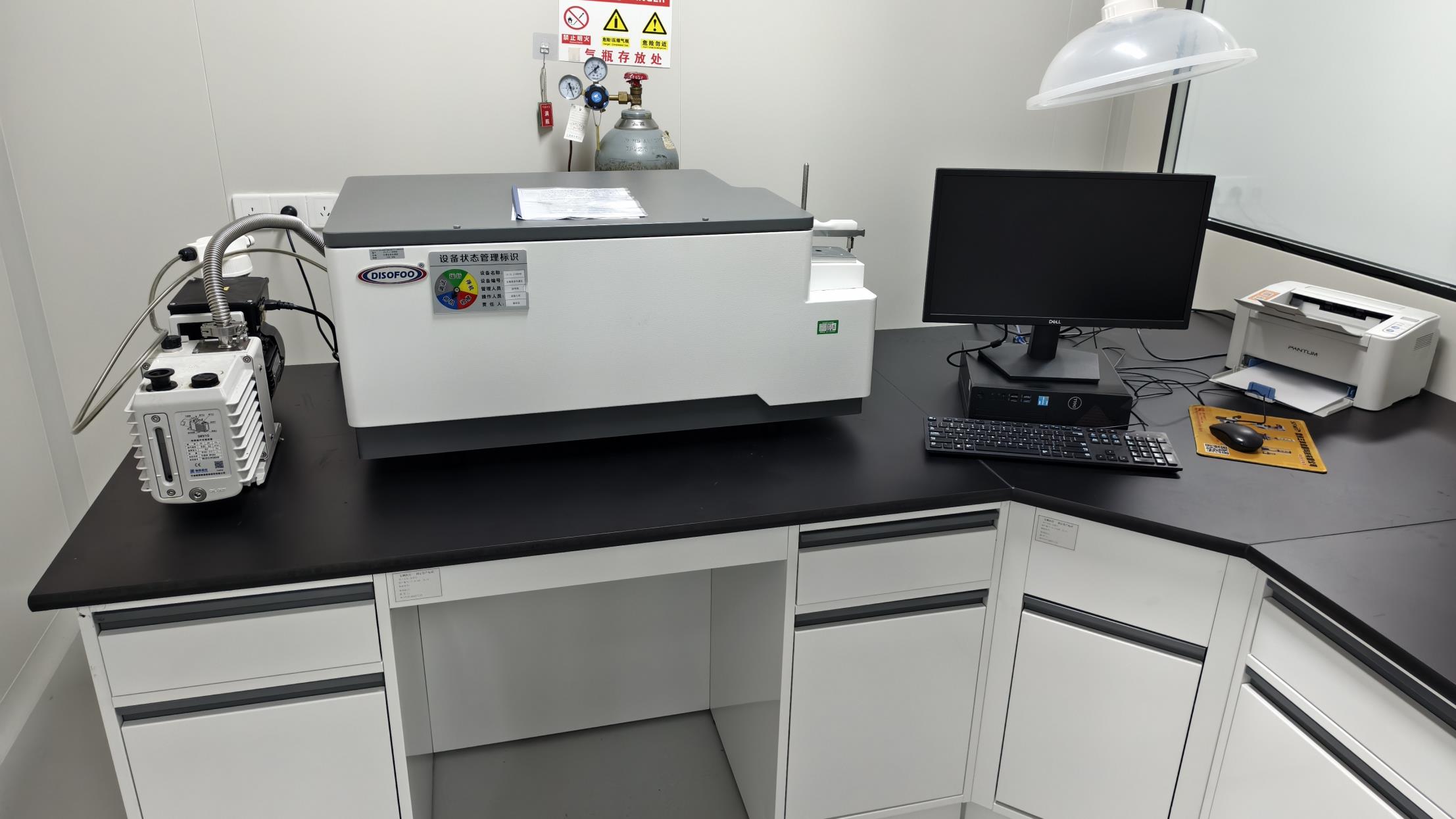
To ensure absolute safety, every femoral plate is subjected to 100% final inspection. Our quality assurance protocol spans high-end diagnostic methods including Coordinate Measuring Machine (CMM) dimensional verification, tensile and mechanical fatigue testing under simulated physiological loads, surface roughness testing to verify optimal osseointegration, metallographic analysis, and rigorous sterility validation.
Full customization from initial CAD/CAM layout and prototype design to proprietary surface treatments (anodizing/sandblasting) and private label packaging.
We utilize premium implantable Titanium Alloy (TC4/Ti-6Al-4V ELI) and PEEK polymer configurations designed to support optimal healing and minimize artifacts during MRI scans.
All products are produced in Class 100,000 cleanrooms and carry CE, Class III medical designations, and comply strictly with ISO 13485 regulations.
| Parameter / Asset | Specification & Capacity |
|---|---|
| Company Name | Synoviq Medical Technology (China) Co., Ltd. |
| Brand Name | Synoviq |
| Core Focus | Trauma Fixation Plates, Intramedullary Nails, Spine Systems, Surgical Power Tools |
| QA Inspection Team | 48 dedicated Quality Assurance Specialists |
| Infrastructure Capacity | 18,600 m² modern clean production facility |
| Product Verification | CMM Measurement, Tensile testing, hard-wear/fatigue analysis, Metallographic testing, Cleanroom validation |
| Target Export Regions | Europe, North America, South America, Middle East, Southeast Asia |
| Product Development | 186 New products released last year, supported by 76 engineers |
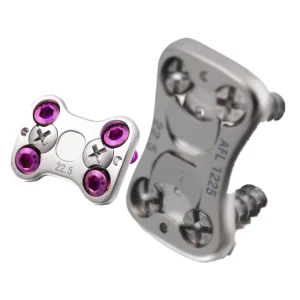
Femoral fractures present diverse geometries depending on the exact location of the bone failure: proximal, shaft, or distal. Correspondingly, femoral locking plates are designed with anatomical shapes to match the contours of the bone. For instance, **Distal Femoral Locking Plates** are pre-contoured to fit the lateral aspect of the distal femur. The distal portion of the plate features an expanded grid of multi-directional locking screw options that purchase into the femoral condyles without encroaching on the patellofemoral joint space.
Conversely, **Proximal Femoral Locking Plates** target fractures of the trochanteric region, neck, and subtrochanteric shaft. These plates utilize thick, reinforced proximal dynamic locking holes designed to hold large-diameter cannulated screws that can withstand the severe bending moments exerted by the hip joint muscles. Modern surgical approaches favor Minimally Invasive Percutaneous Osteosynthesis (MIPO) using dedicated radiolucent insertion guides. The plates feature tapered tips to facilitate smooth submuscular sliding, minimizing periosteal dissection and muscle damage.
The field of orthopedic traumatology is shifting toward polyaxial locking mechanisms. Unlike monoaxial locking systems, where screws can only insert at a predetermined fixed angle, polyaxial systems allow surgeons to angulate the screw up to 15 degrees in any direction before locking it. This clinical flexibility is critical when avoiding existing joint prostheses or aiming screws into regions of dense, high-quality bone.
Furthermore, modern research emphasizes advanced surface modifications to mitigate the risk of implant-associated infection. These advancements include anodization type II, which increases wear resistance and reduces raw metal ion release, and bio-active micro-grooving, which promotes faster bone attachment.
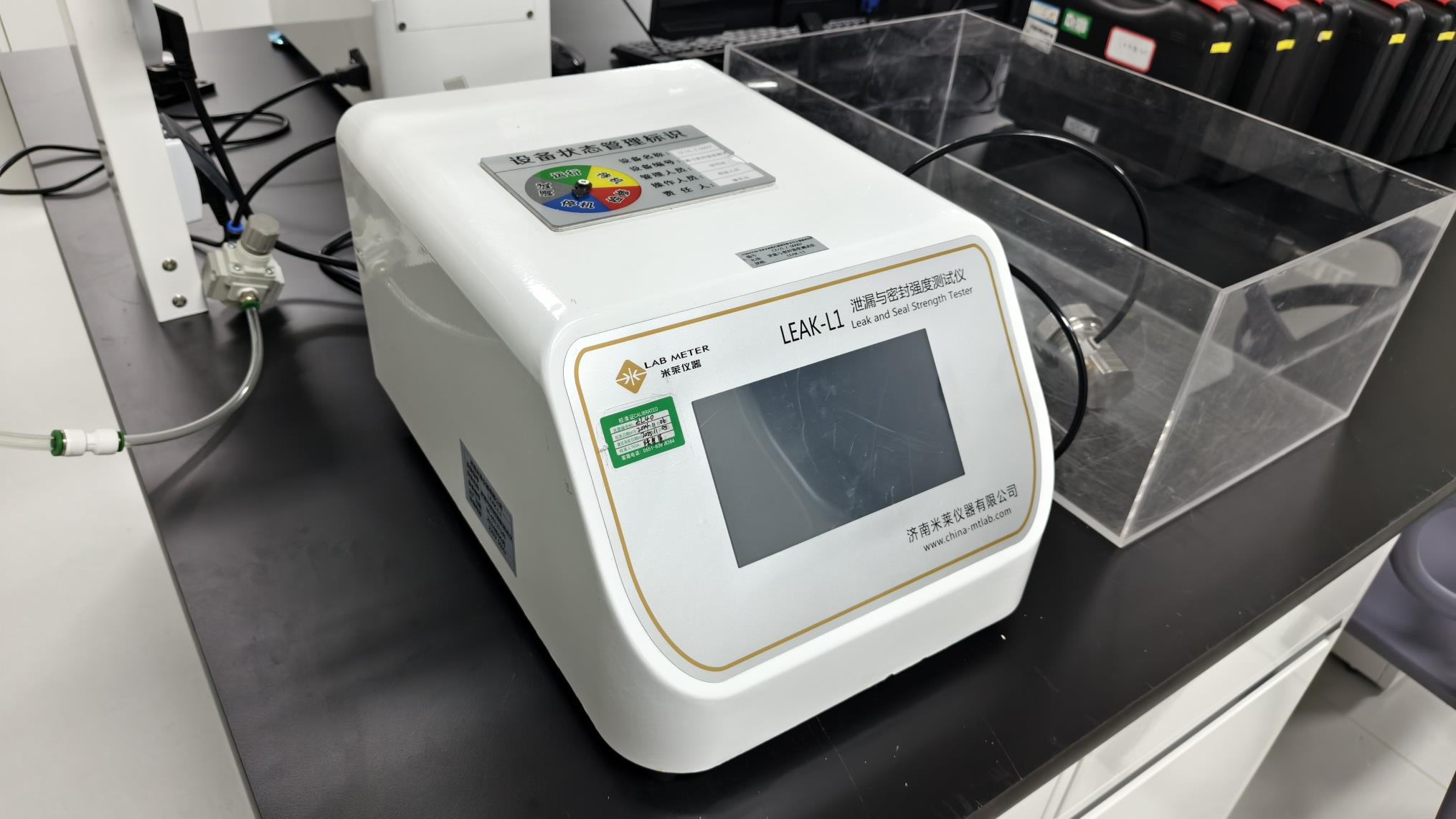
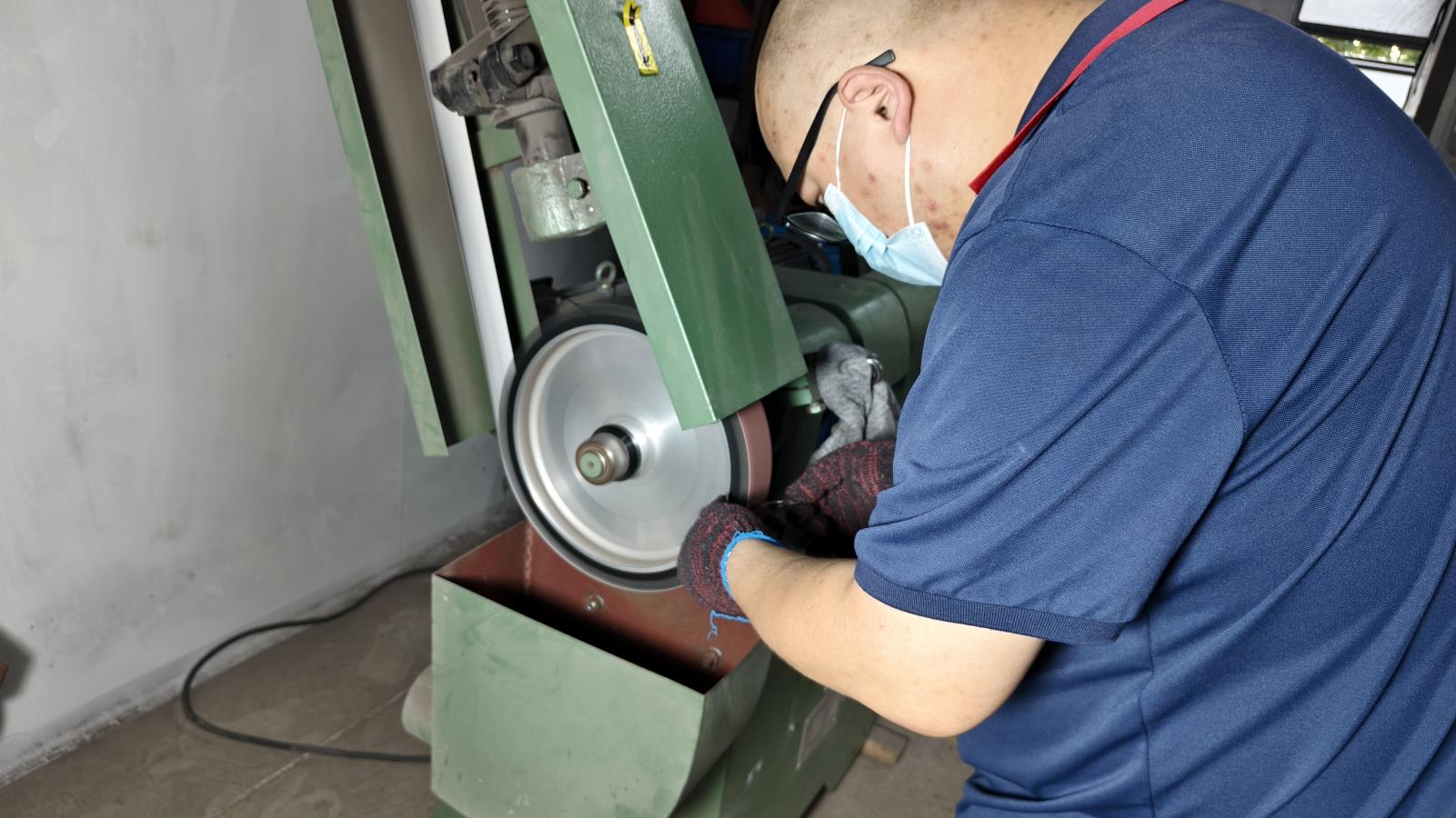
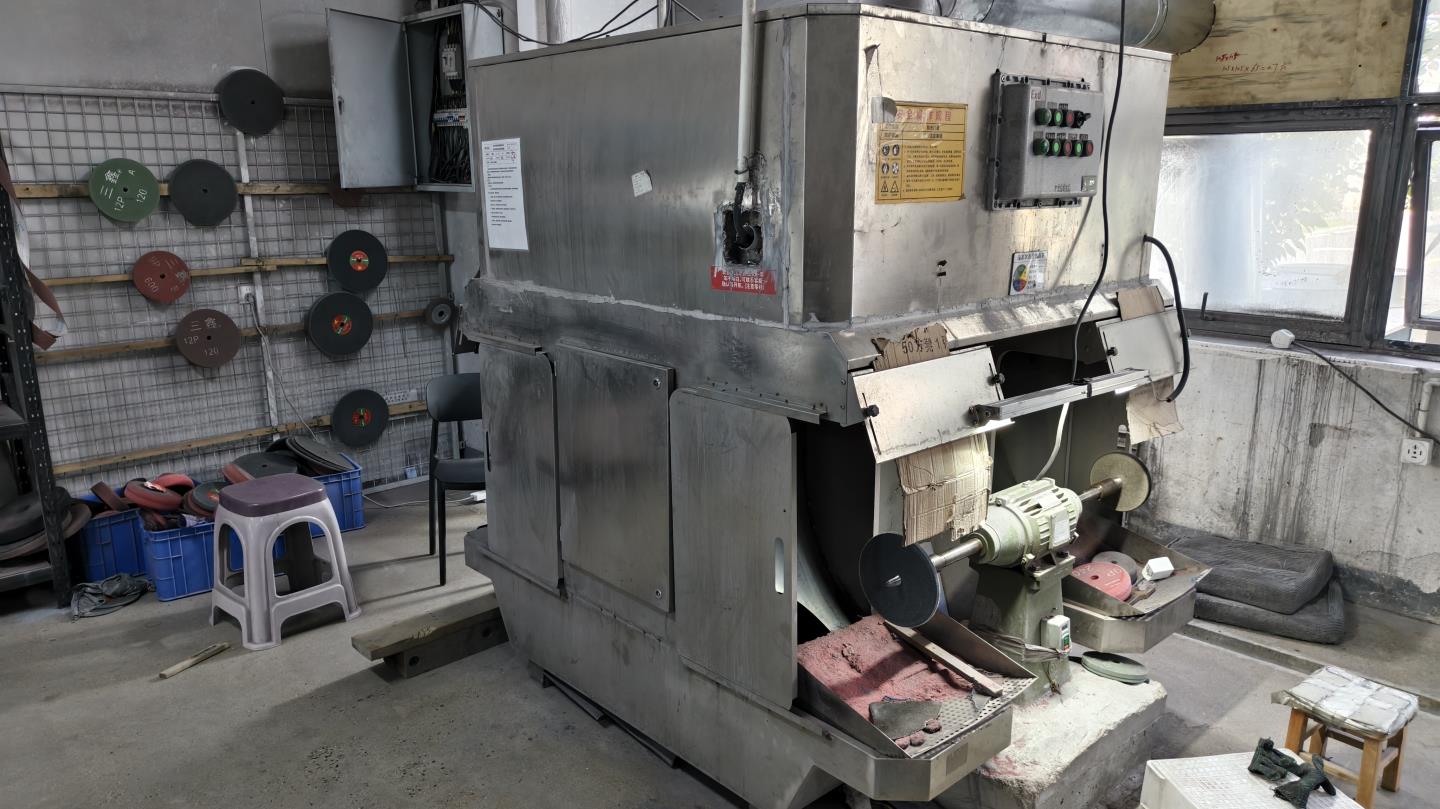
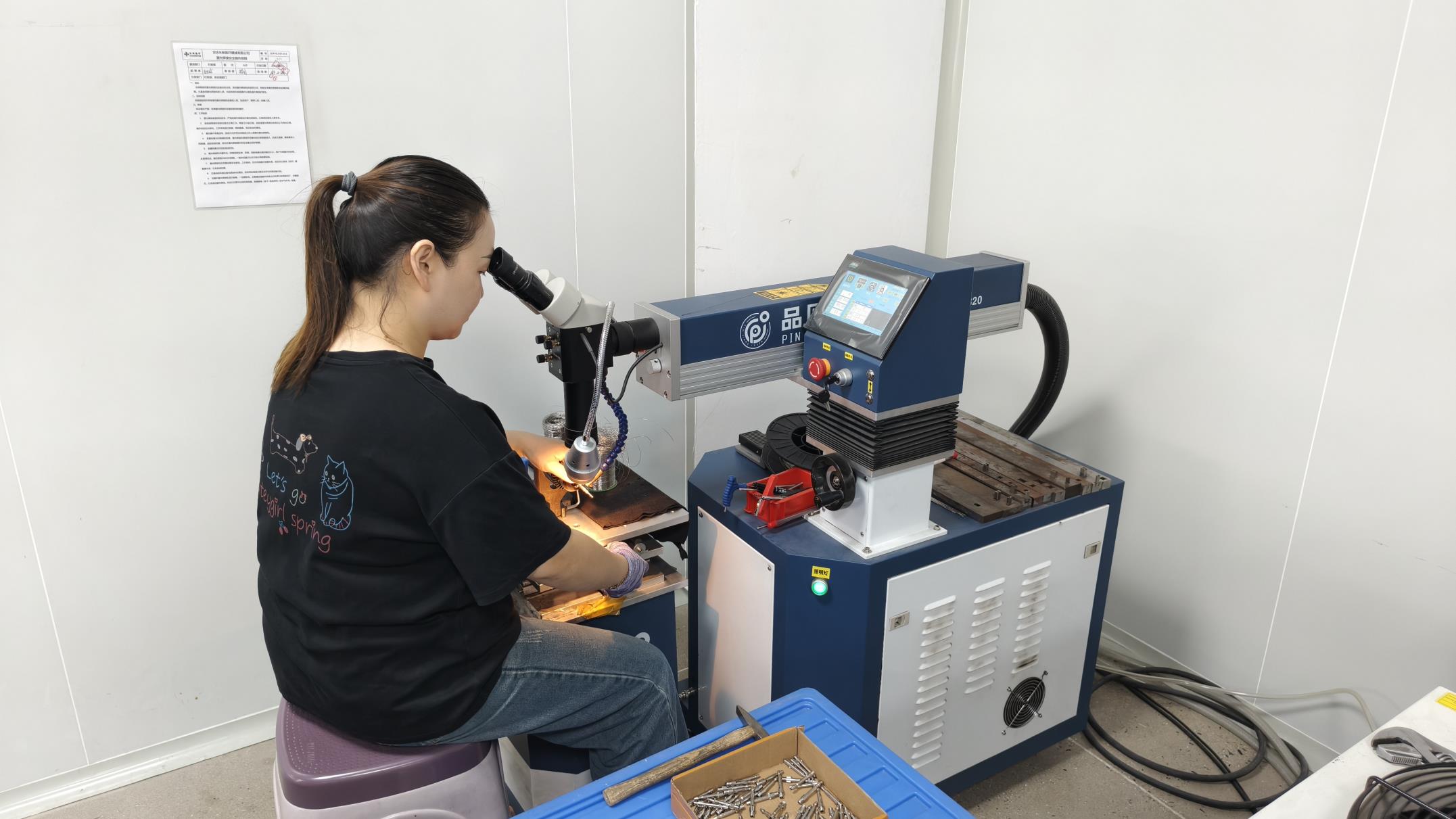
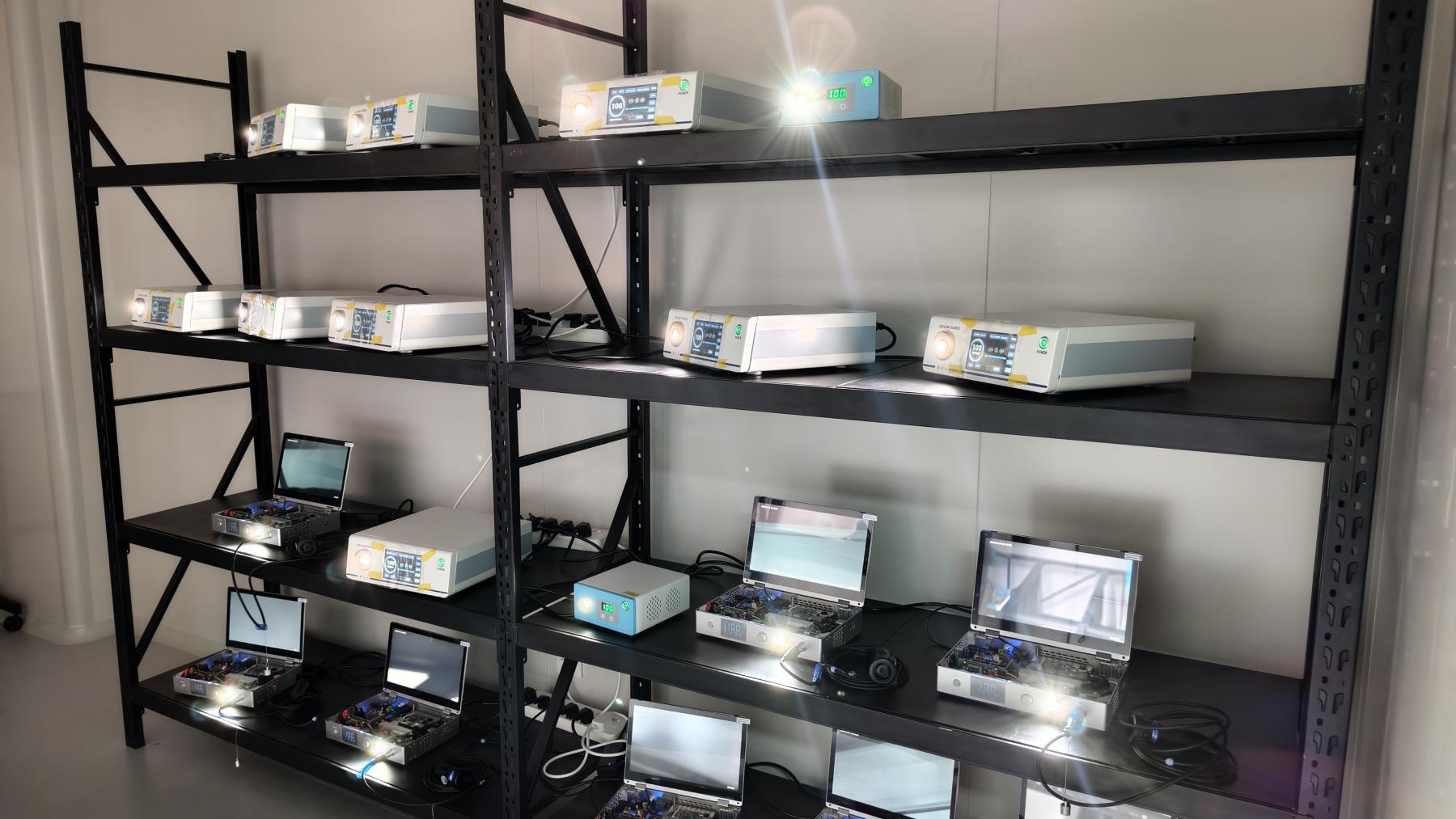
A visual overview of our advanced production lines, heavy machining, and verification instruments designed to guarantee absolute implant compliance.
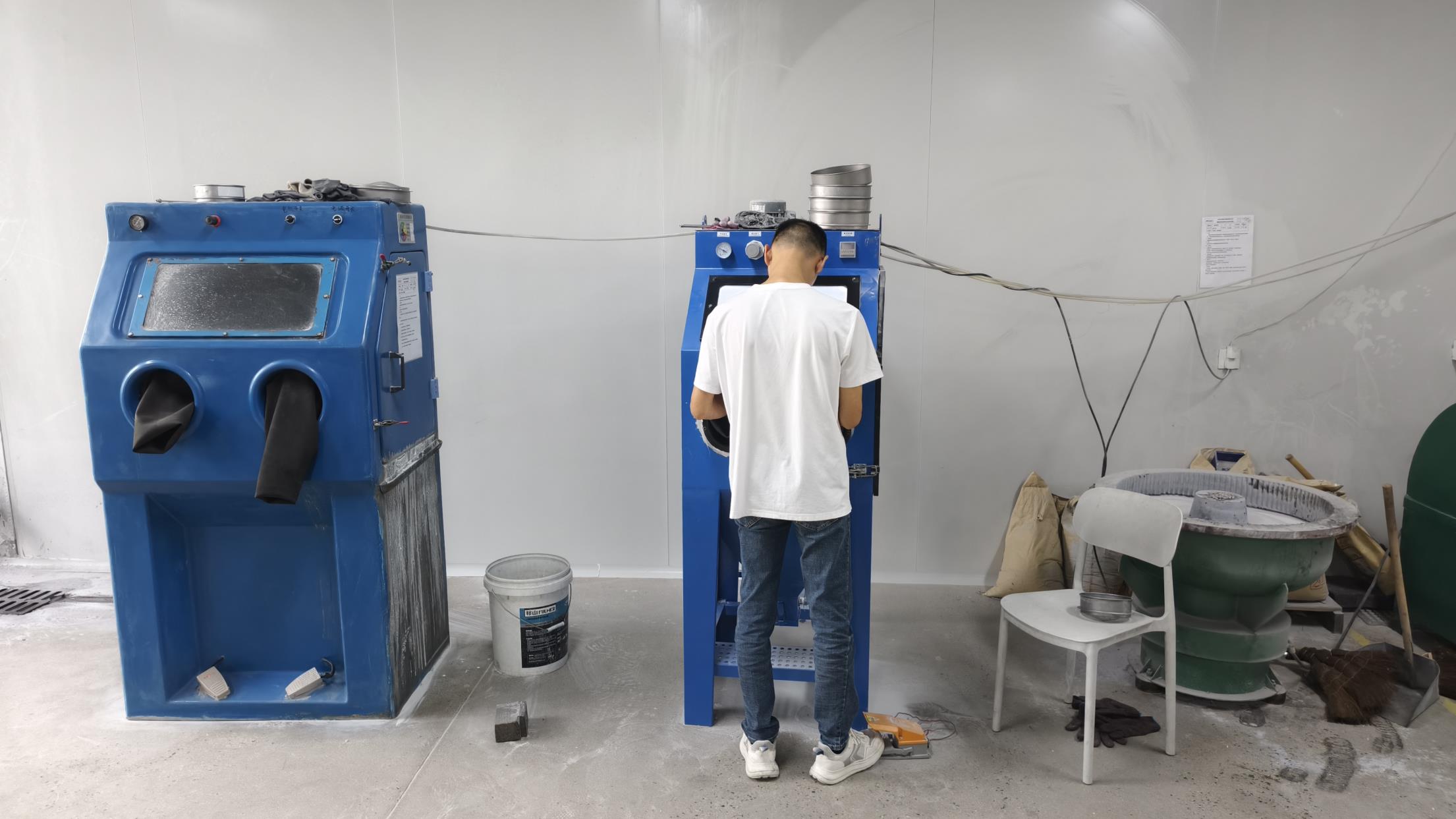
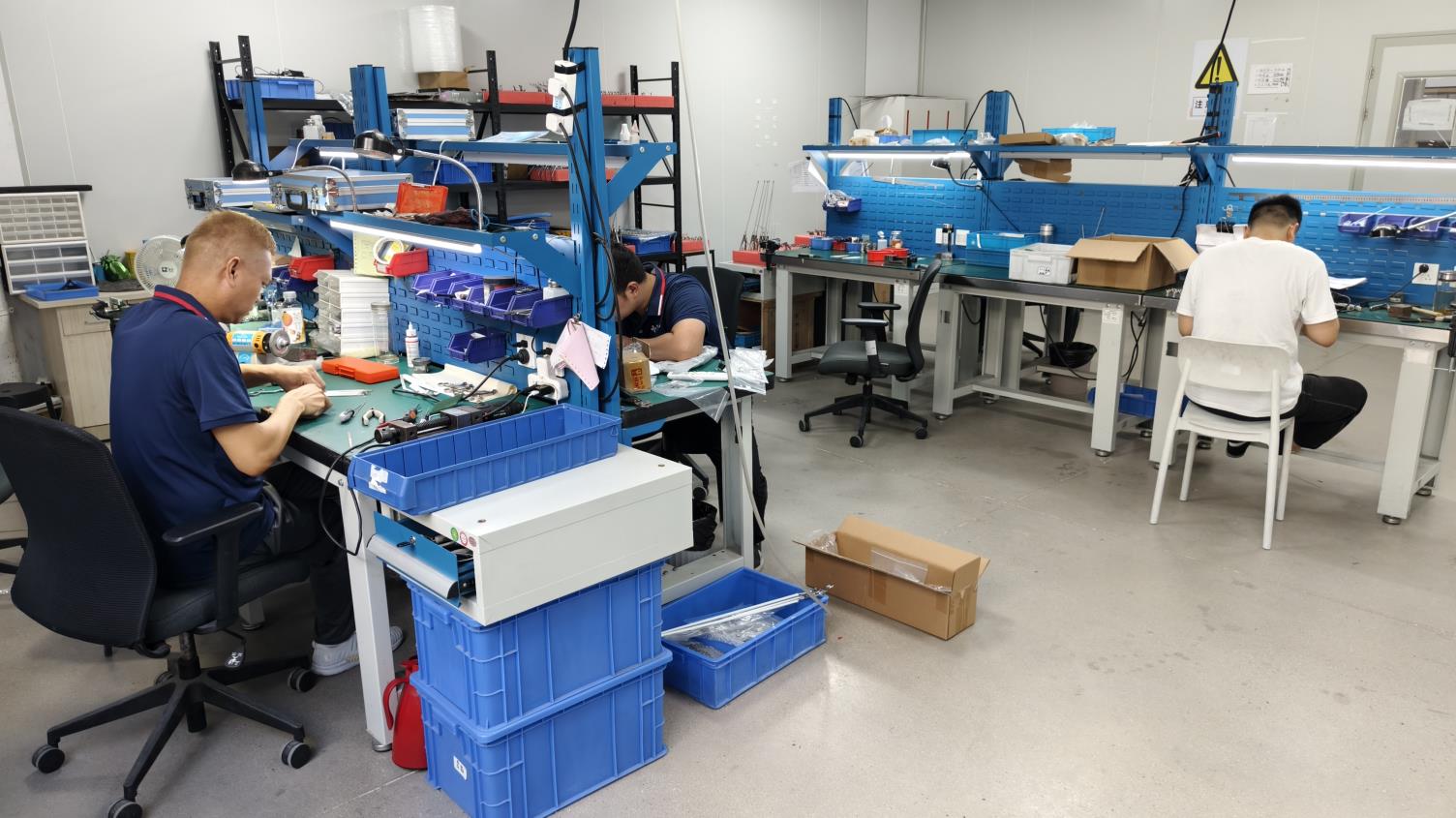
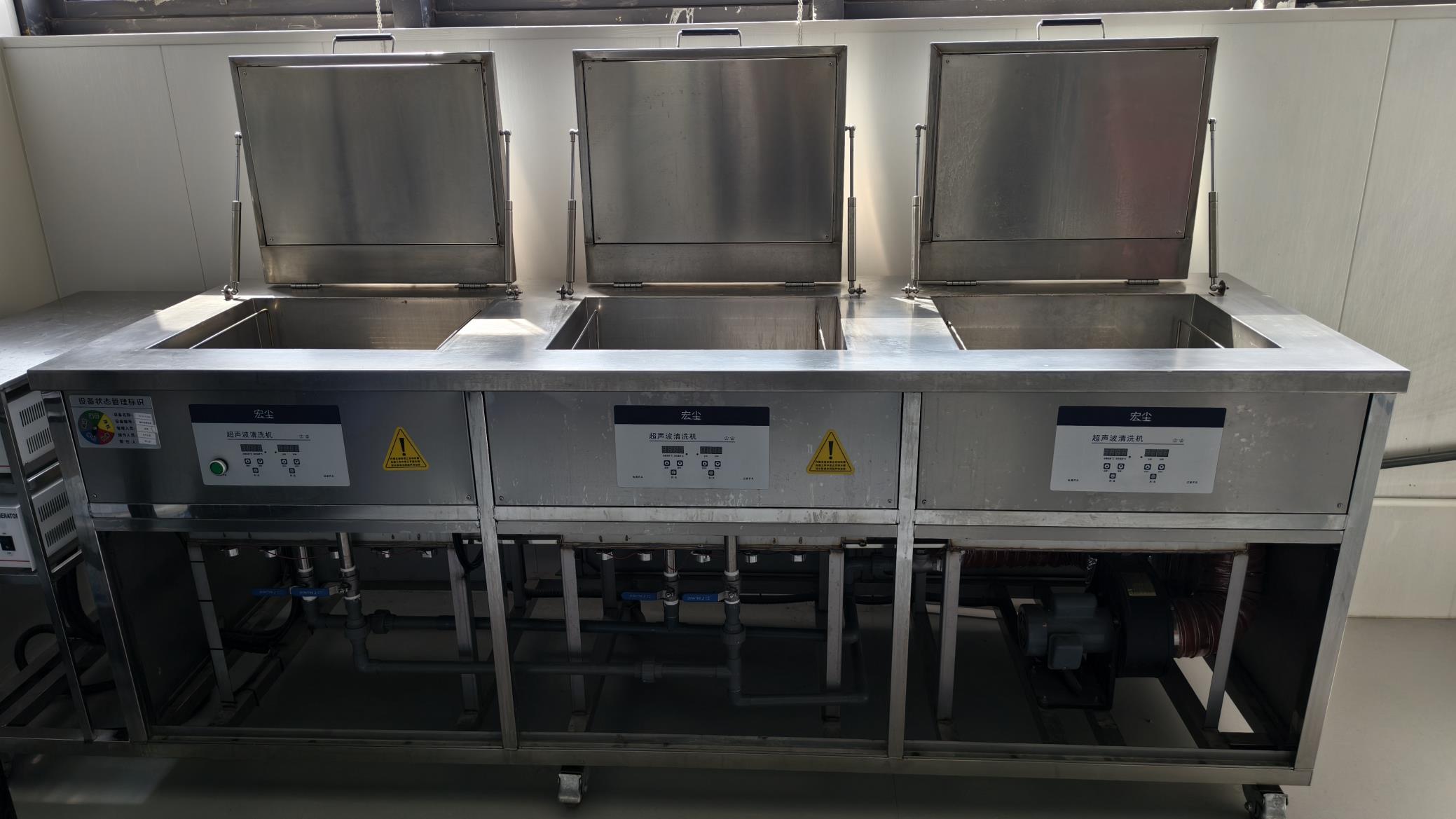
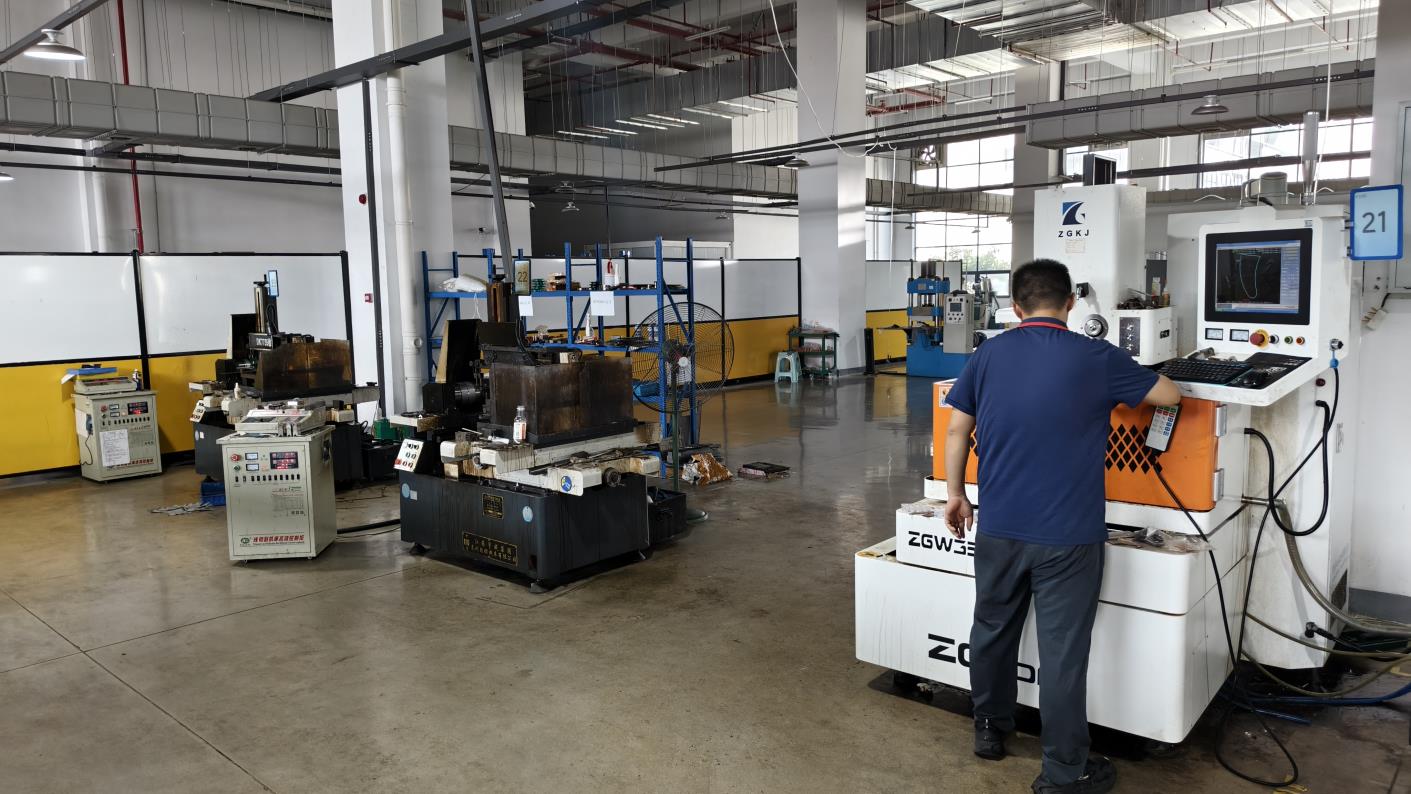
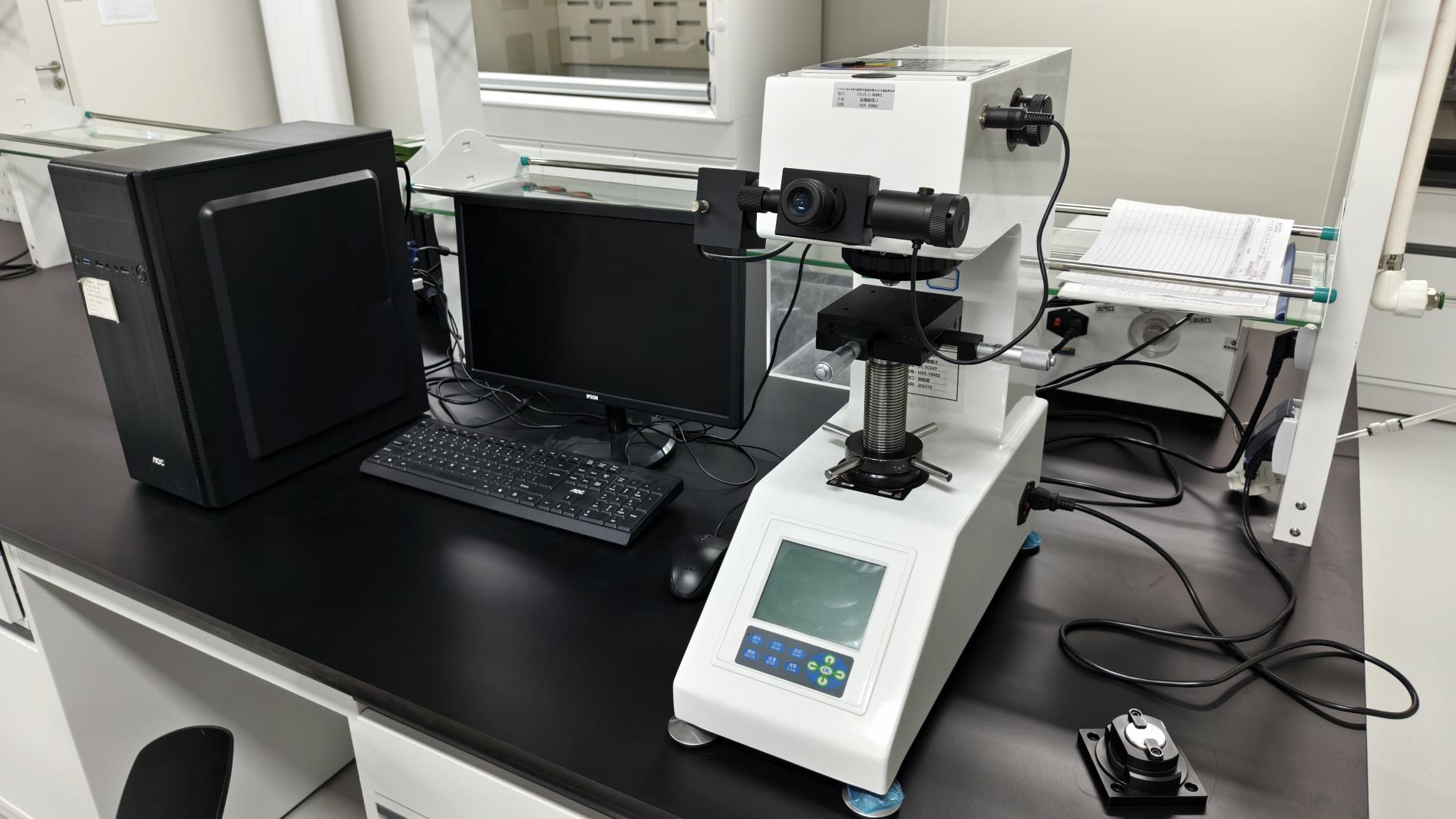
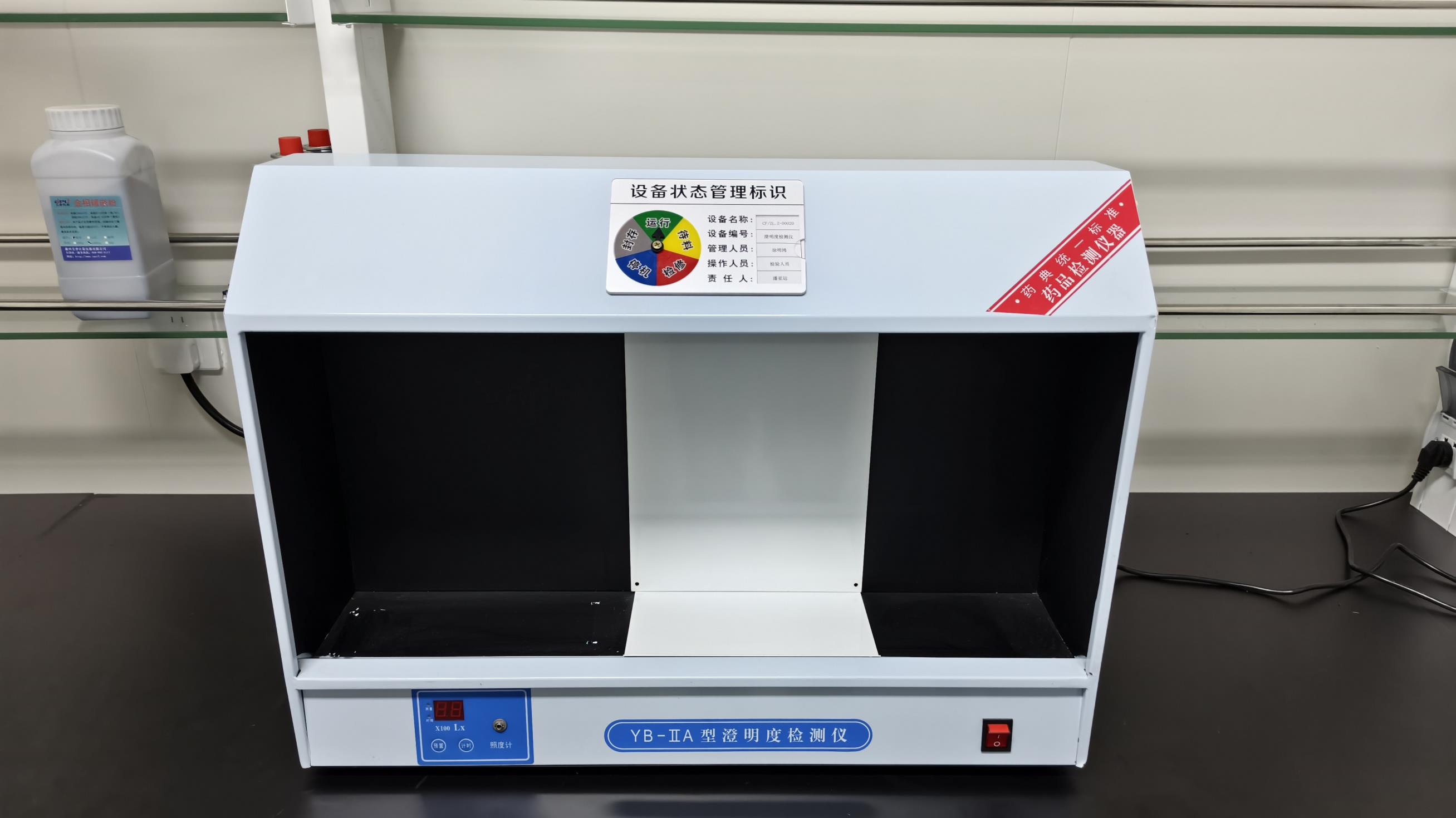
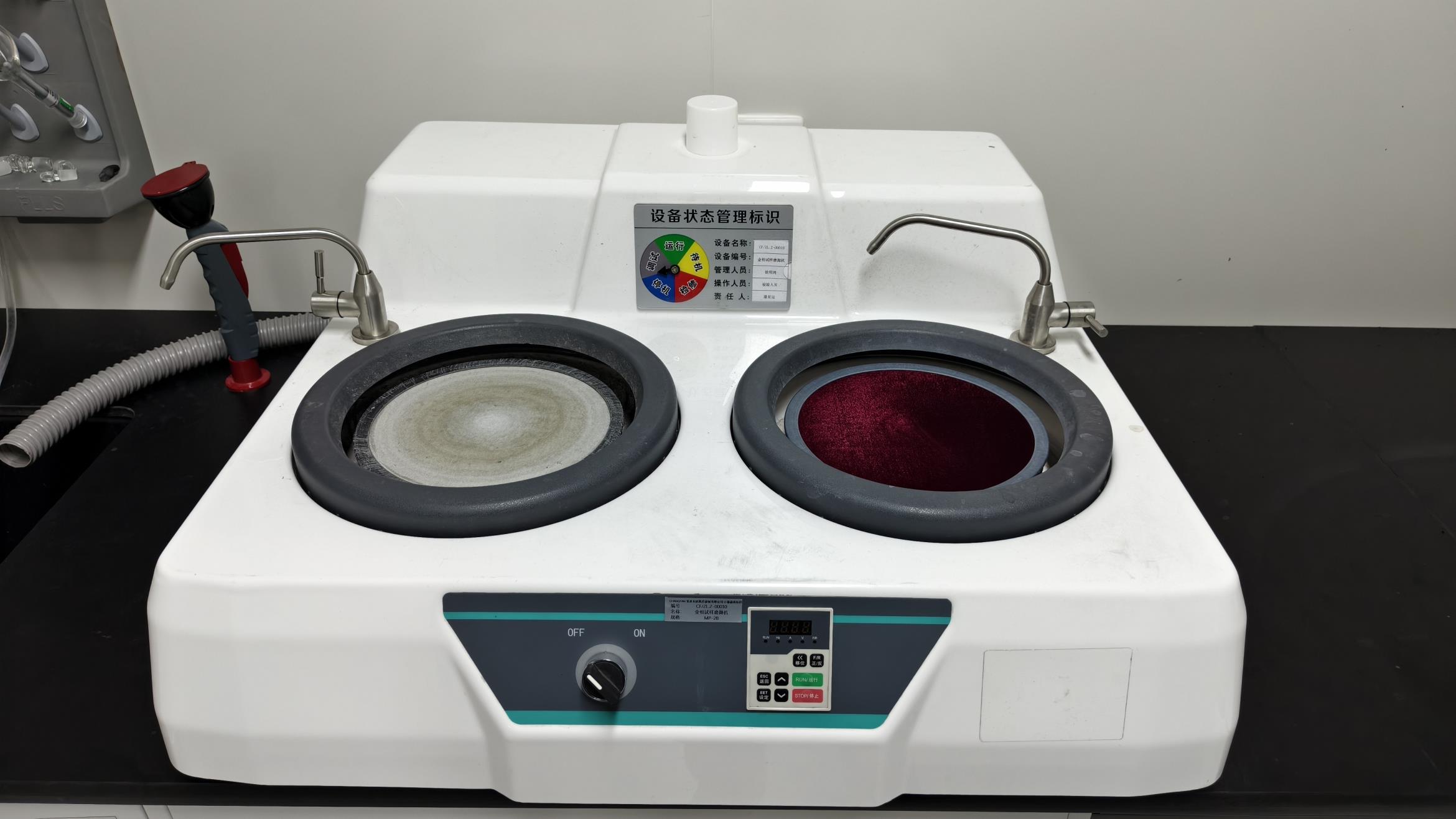
Essential information for medical distributors, clinical evaluators, and purchase managers sourcing orthopedic locking plates.
Titanium Alloy (Ti-6Al-4V ELI / ASTM F136) offers a lower elastic modulus than stainless steel, reducing stress shielding and encouraging callused bone healing. Additionally, titanium is highly biocompatible and produces fewer MRI/CT imaging artifacts. Stainless Steel 316LVM remains a cost-effective, high-yield alternative that is easier to contour intraoperatively in complex reconstructive cases.
In dynamic locking plates, the mechanical interface is locked directly into the plate’s threaded holes. The assembly acts as a single mechanical construct. This design prevents toggle at the screw head and stops screw back-out, preventing loss of reduction even in low-density or osteoporotic bone.
We perform mechanical testing according to standard ASTM F382 protocols. This testing subjects the femoral plates to cyclic four-point bending stress under simulated body temperatures to ensure they can endure physiological loads during the normal 3- to 6-month fracture healing phase without material failure.
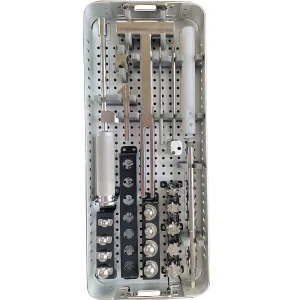
Yes, our locking plates and screws are designed to align with international metric standards. This compatibility allows them to be used with standard AO instrument sets. Additionally, we provide customized dynamic instrumentation sets specifically optimized for our plate geometries.
Yes, we provide full material certificates (heat numbers, chemical composition analysis, and tensile strength charts) with every shipment. Batch traceability is maintained from the raw titanium bar stock through milling, anodizing, sterilization validation, and delivery.
Standard OEM production runs typically require 35 to 50 days, depending on the complexity of the design and surface treatment requirements. Prototype runs for custom product development are often completed and shipped for review within 20 days.
Browse our extended catalog of bone fixation plates, intramedullary extraction systems, and veterinary implants.
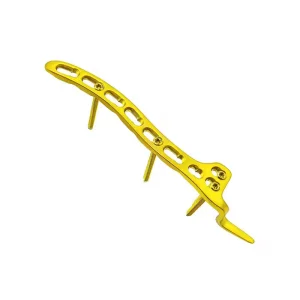
 Synoviq Medical