Browse our certified trauma, reconstruction, and power tool solutions built to meet the most rigorous clinical challenges in human and veterinary orthopedics.
In the rapidly evolving landscape of sports medicine and reconstructive surgery, joint stabilization relies heavily on advanced biomechanical fixations. Cortical fixation buttons represent a critical technological breakthrough, replacing older-generation interference screws and staples for ligament-to-bone fixation. Historically, graft slippage and poor osteointegration caused high failure rates. Modern cortical buttons solve this by providing rigid, secure fixation directly onto the cortical wall, preserving joint biomechanics.
These devices are primarily used in reconstruction of the Anterior Cruciate Ligament (ACL), Posterior Cruciate Ligament (PCL), and distal biceps tendon repair. The clinical standard demands implants that can withstand cyclic loading, maintain loop integrity without elongation, and offer high pull-out strength.
To achieve this, Synoviq Medical Technology employs biocompatible materials like Titanium Grade 5 ELI (Ti-6Al-4V ELI) and high-performance polymers. The low-profile button design reduces soft tissue irritation, while our advanced loop technology prevents micro-motion, minimizing the risk of postoperative revision surgery.
*Manufactured in alignment with international standards ISO 13485 and FDA guidelines for surgical bone fixations.
How shifting orthopedic paradigms demand high supply chain resilience, absolute material validation, and competitive manufacturing.
The global transition toward arthroscopic procedures is fueling the demand for smaller, more reliable cortical fixation implants. Large open incisions are being replaced by micro-portals, requiring low-profile hardware and dedicated inserters that operate within restricted anatomical windows.
Medical importers and distributors face tightening regulatory frameworks, such as Europe's MDR and FDA 510(k) clearances. Working with manufacturers that implement 100% final inspections and end-to-end chemical and mechanical validation is essential to avoid costly product liability risks.
Large scale distributors seek partners offering white-label options, custom laser etching, sterile packaging, and surgical toolkits. Synoviq provides fully tailored implants with customized colors, dimensions, and loops to align seamlessly with localized clinical practices.
Leveraging state-of-the-art Chinese industrial infrastructure to ensure high quality, rapid throughput, and significant cost optimization for global healthcare providers.
The Chinese manufacturing sector has moved beyond basic replication, evolving into a hub of high-precision Industry 4.0 technology. Synoviq Medical Technology stands at the forefront of this shift, utilizing high-precision Swiss-type CNC lathes and 5-axis machining centers to manufacture implants with tolerances tight enough to meet class III medical implant demands (often within ±0.005mm). We bypass fragmented, multi-step sub-contracting by housing cutting, machining, surface treatments, anodization, ultrasonic cleaning, and sterilization testing under one vertically integrated roof. This setup ensures unmatched supply chain control, short leads times, and structural traceability for raw materials like titanium rod stock.
From raw titanium bars to medical-grade, sterile-ready packed solutions, every step is strictly monitored by internal inspection teams operating in Class 100,000 cleanrooms.
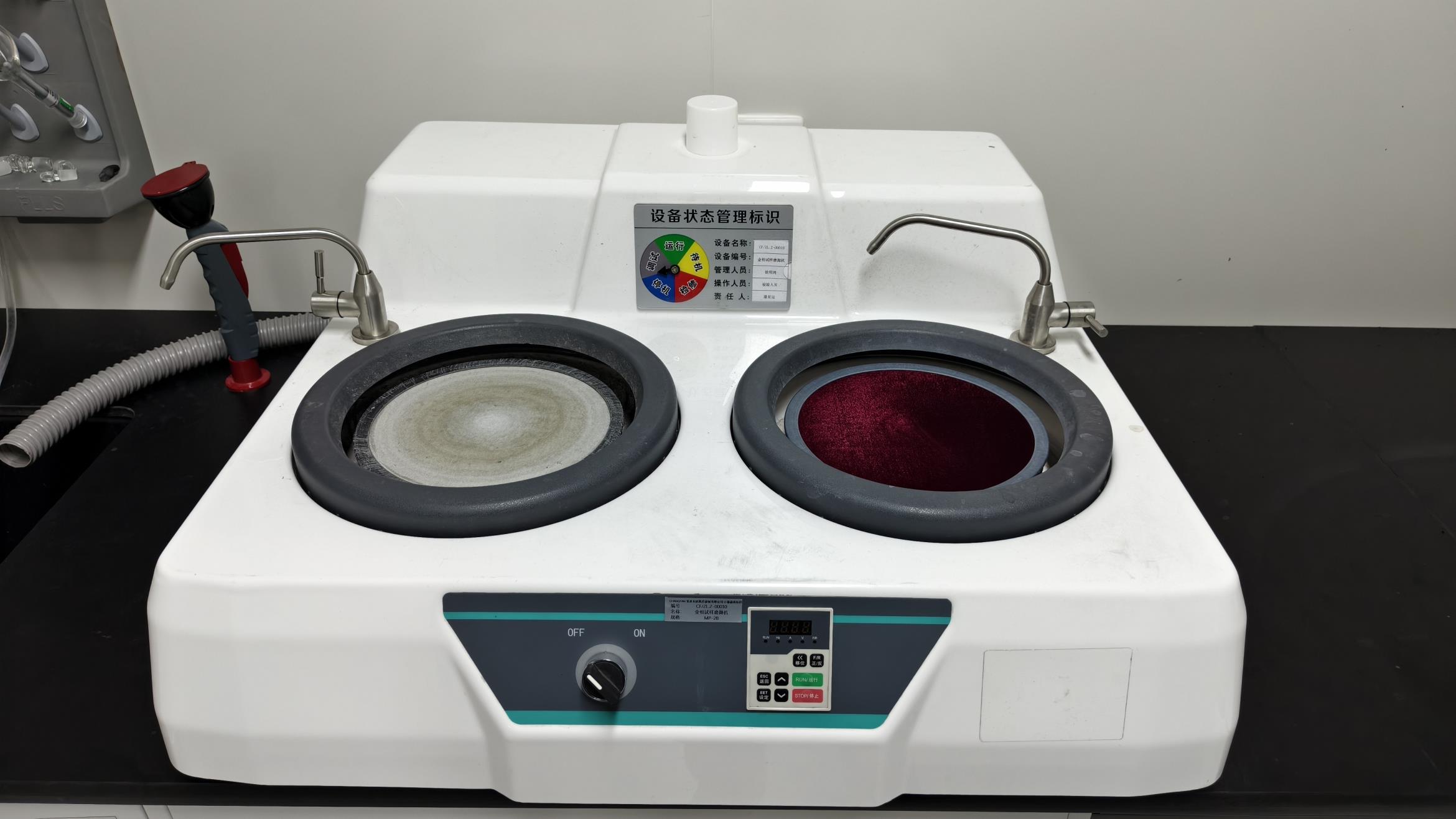
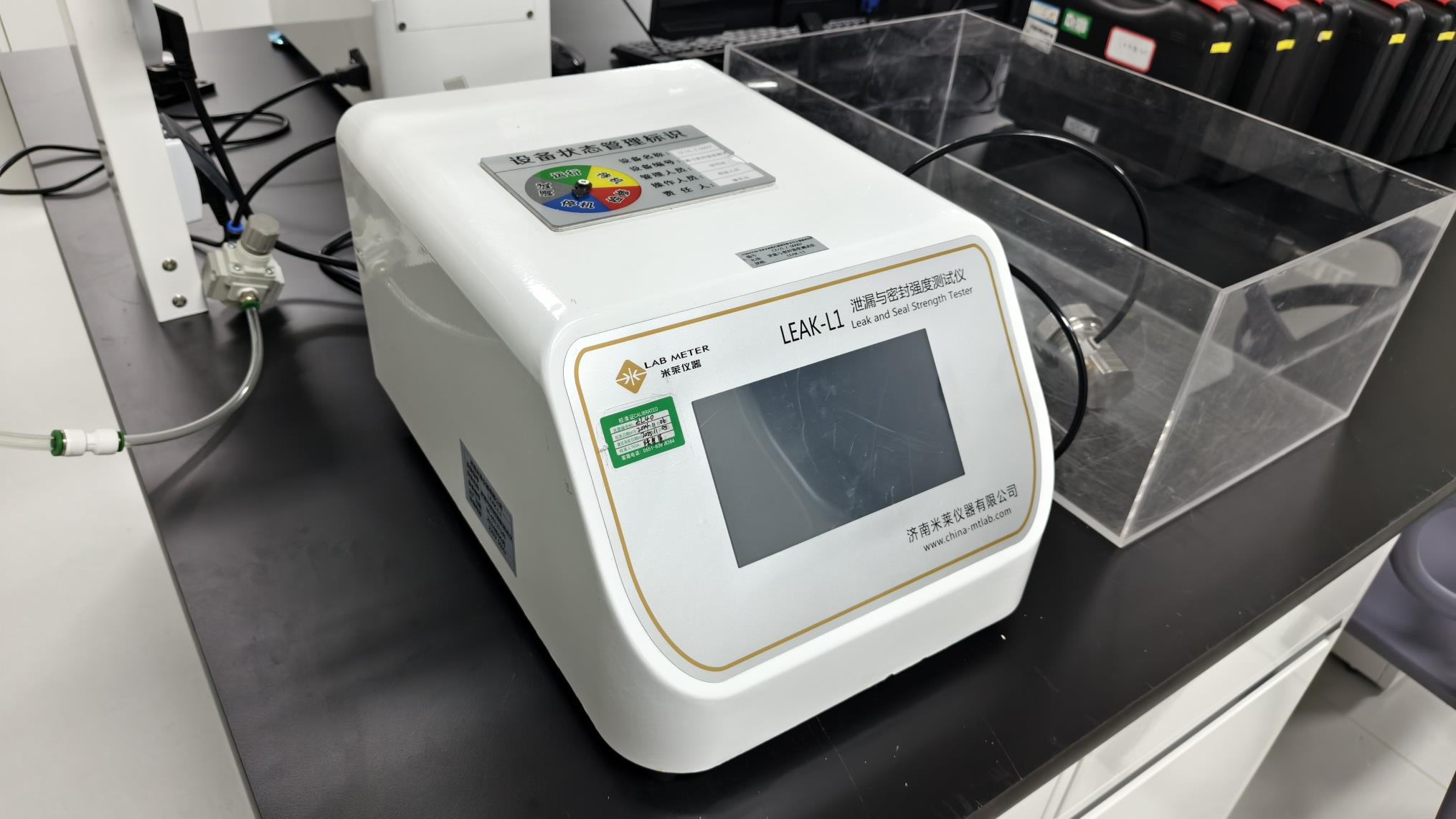
Utilizing CMM measuring machines, digital video measuring, metallurgical sample analyzers, and microhardness testers to verify mechanical and spatial accuracy.
Located in China's advanced industrial corridor, we enjoy direct access to world-class logistics networks, allowing us to ship standard or custom orders globally in record time.
A visual demonstration of our modern medical implant manufacturing processes and testing instruments.
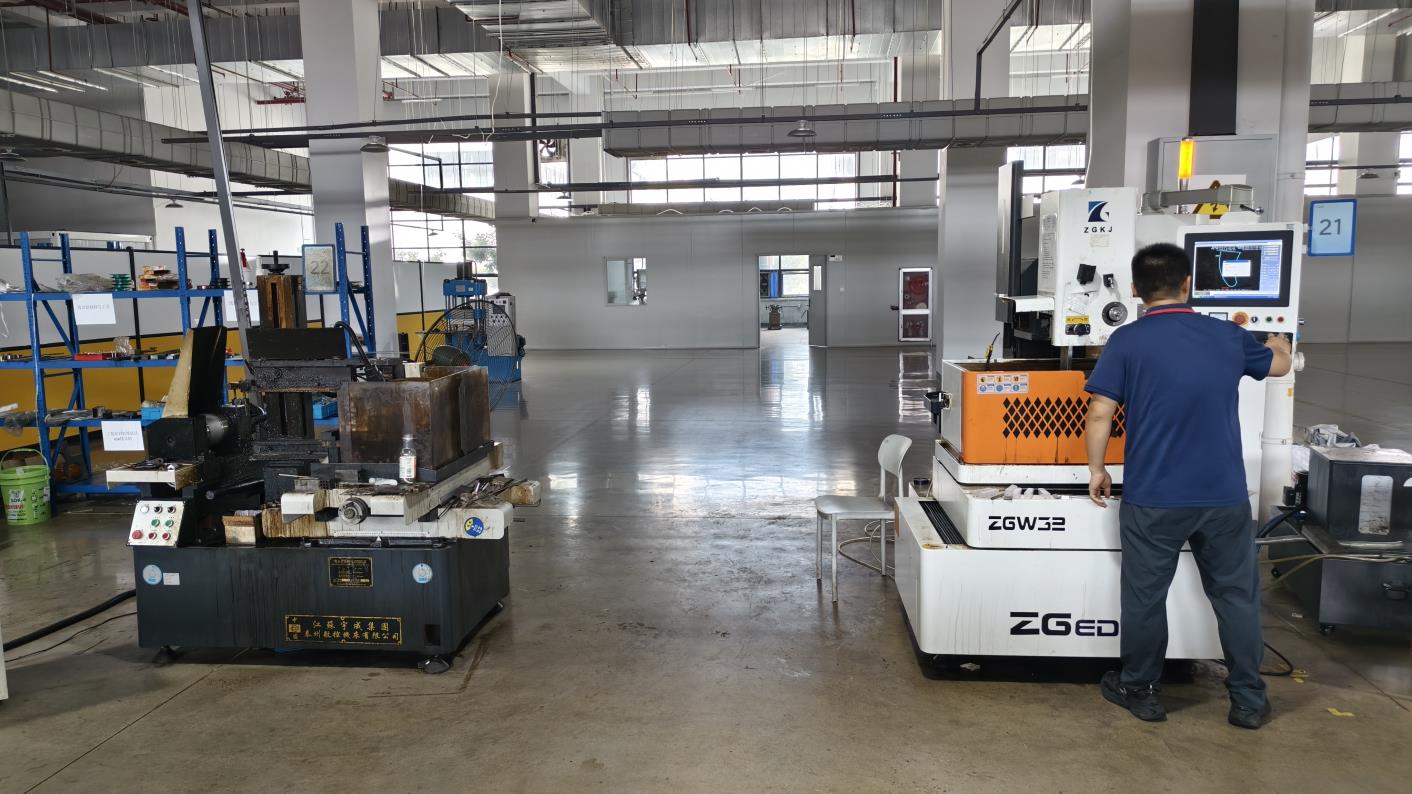
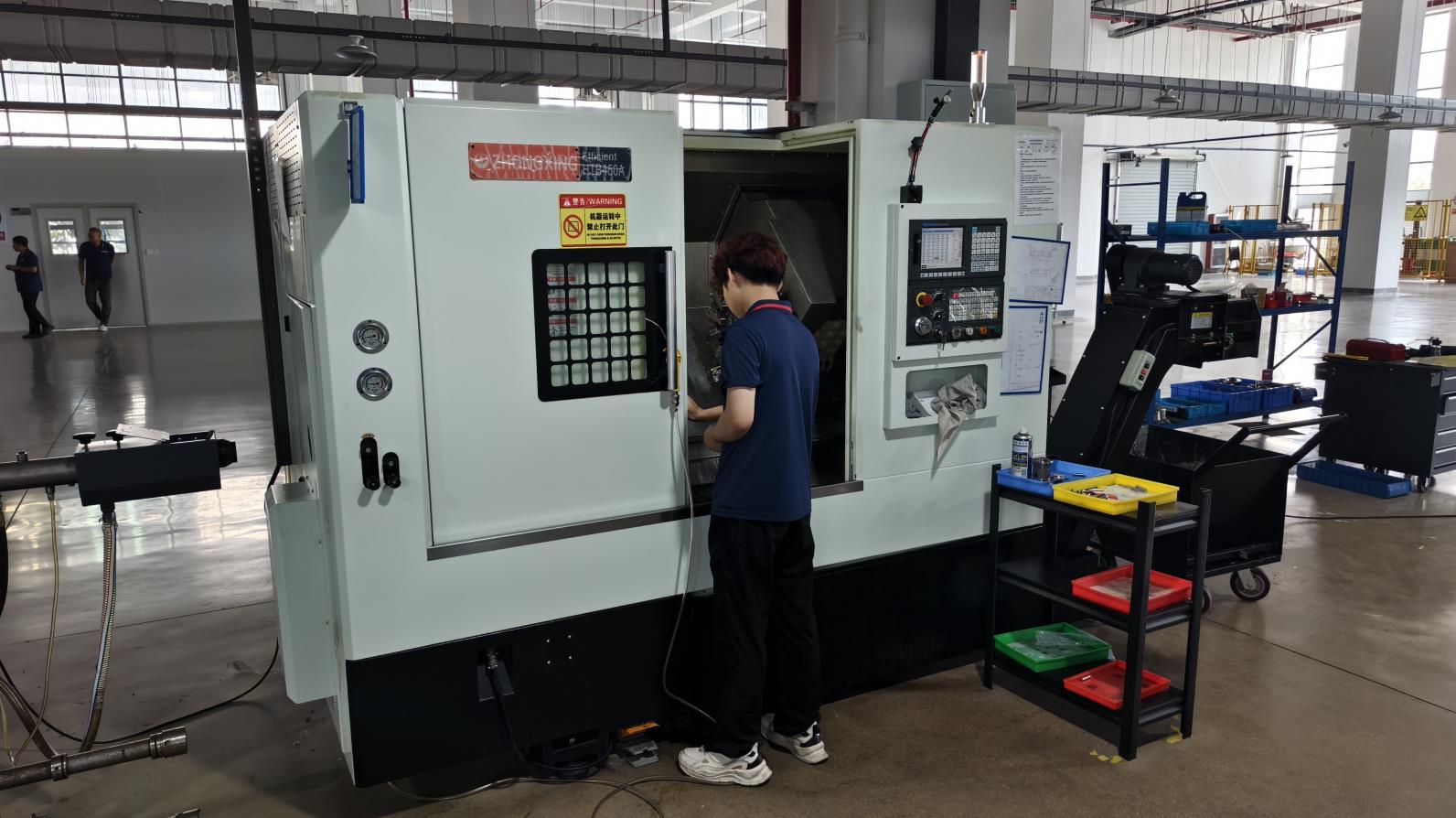
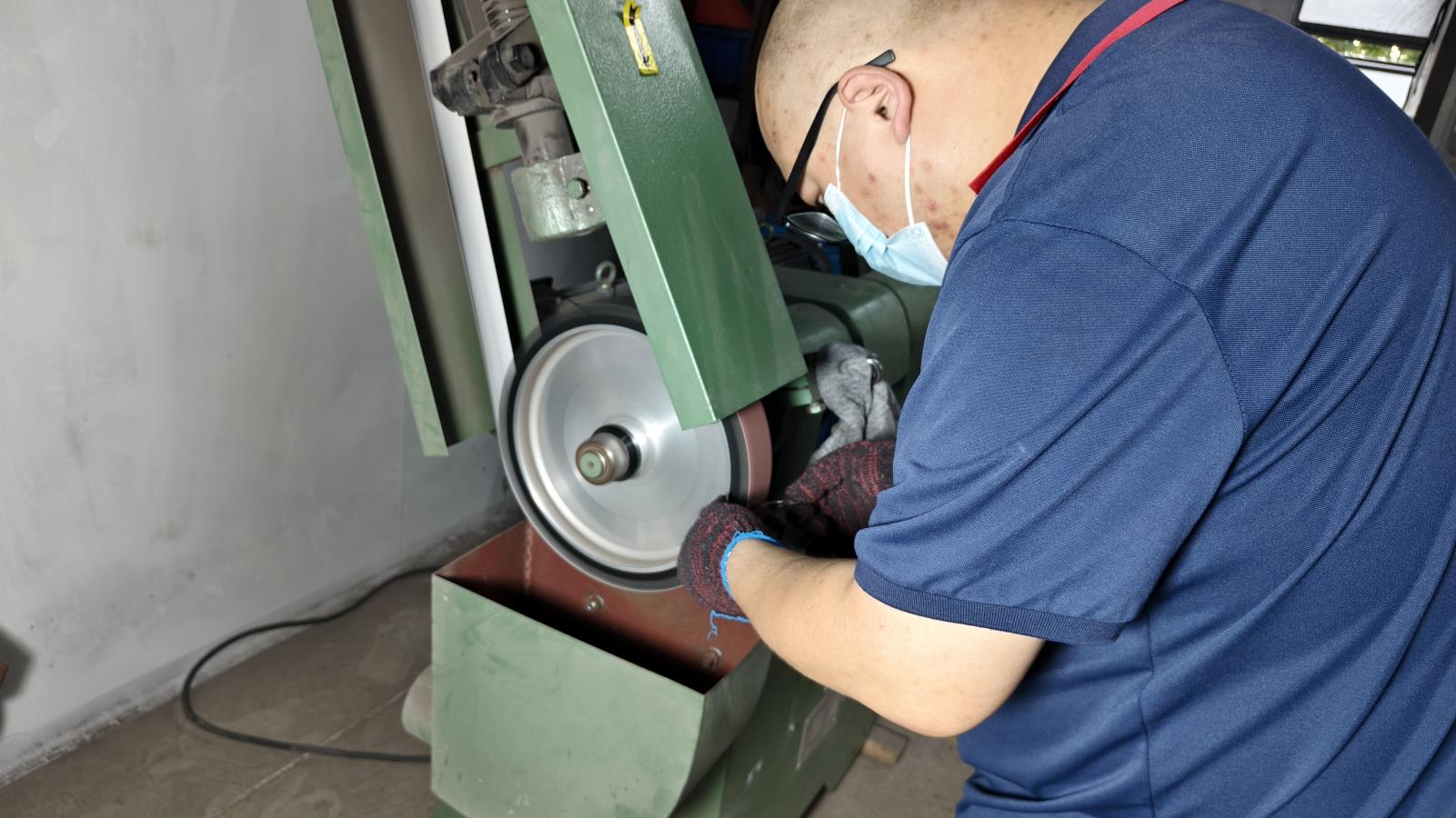
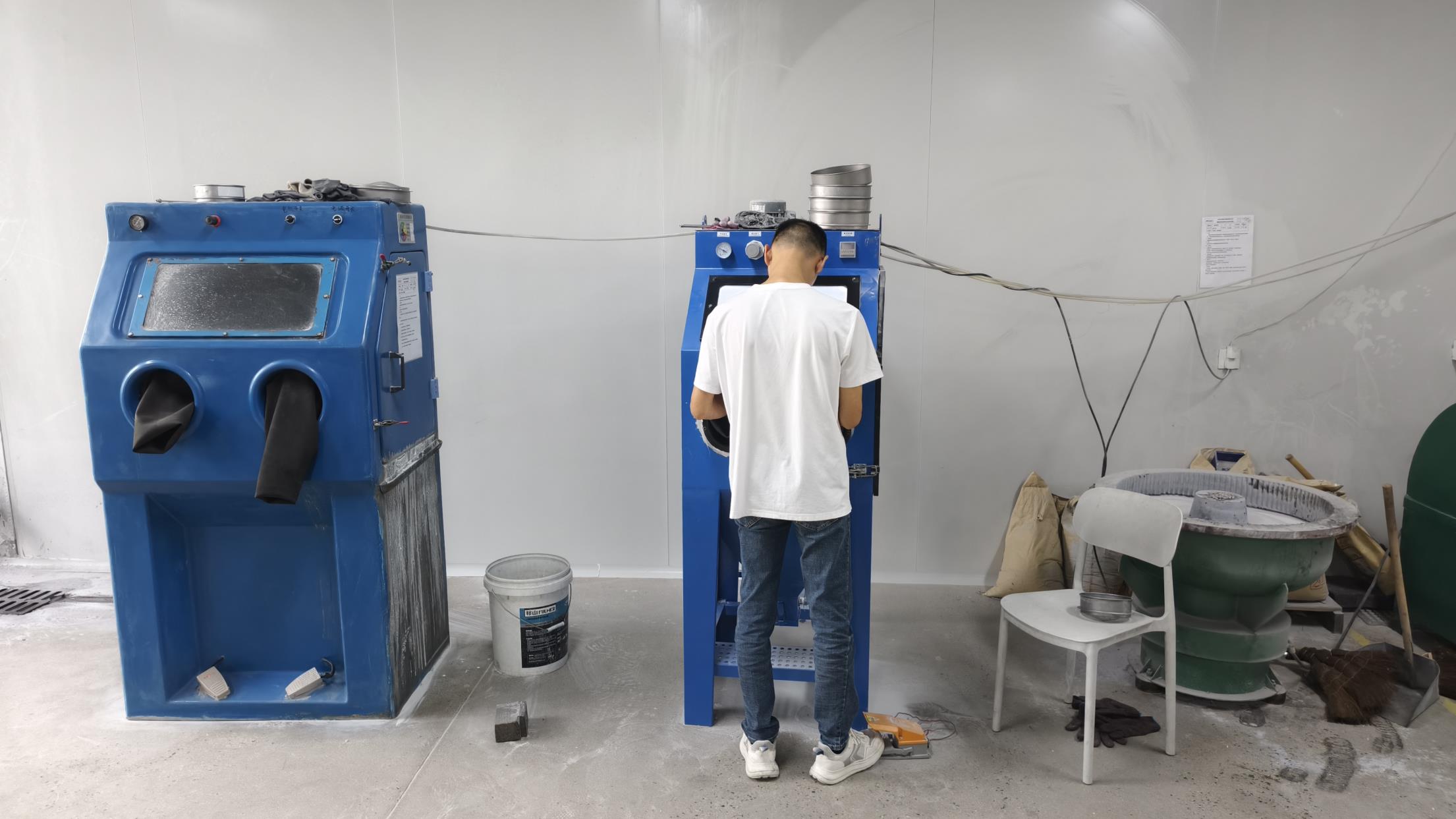
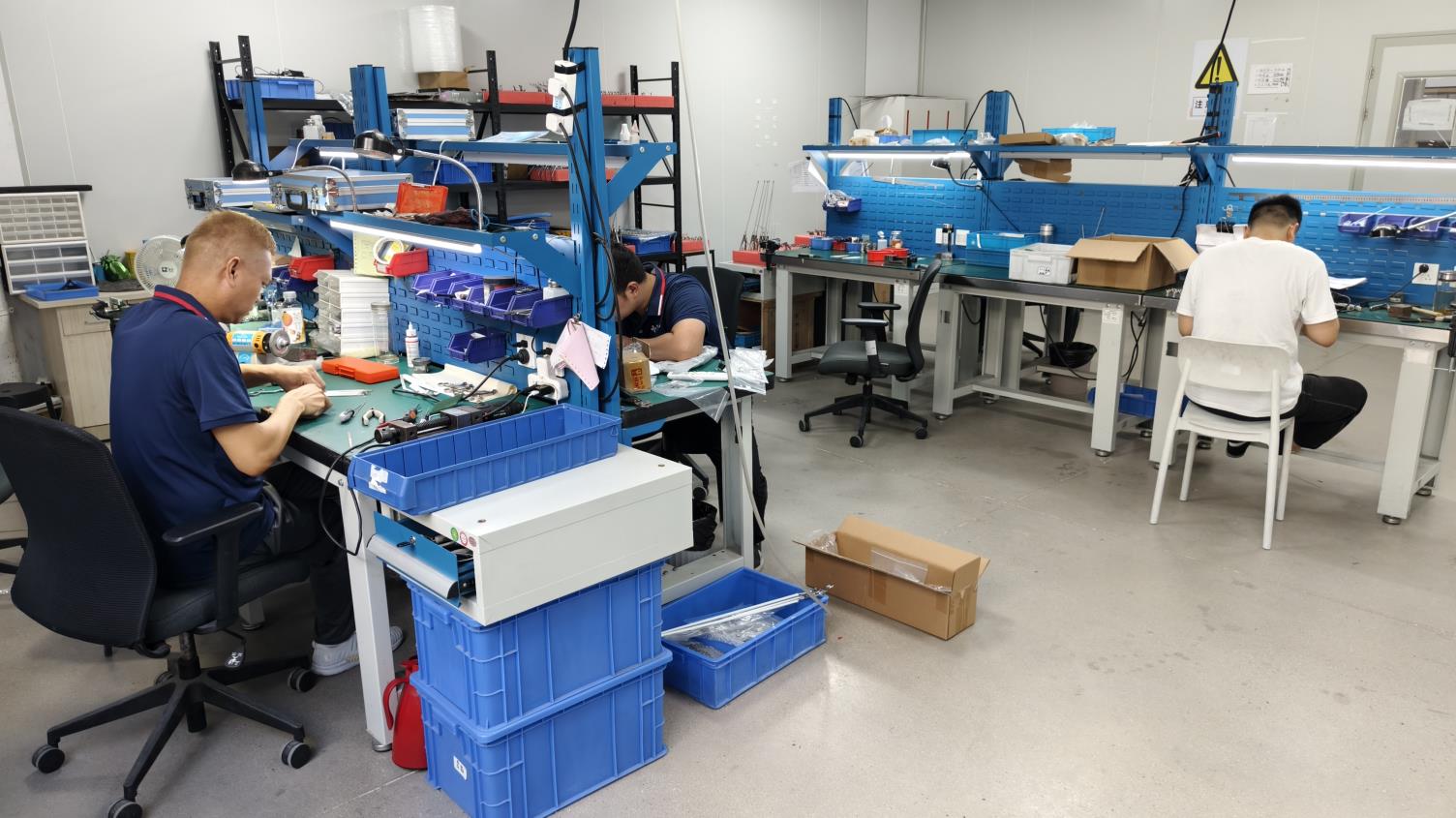
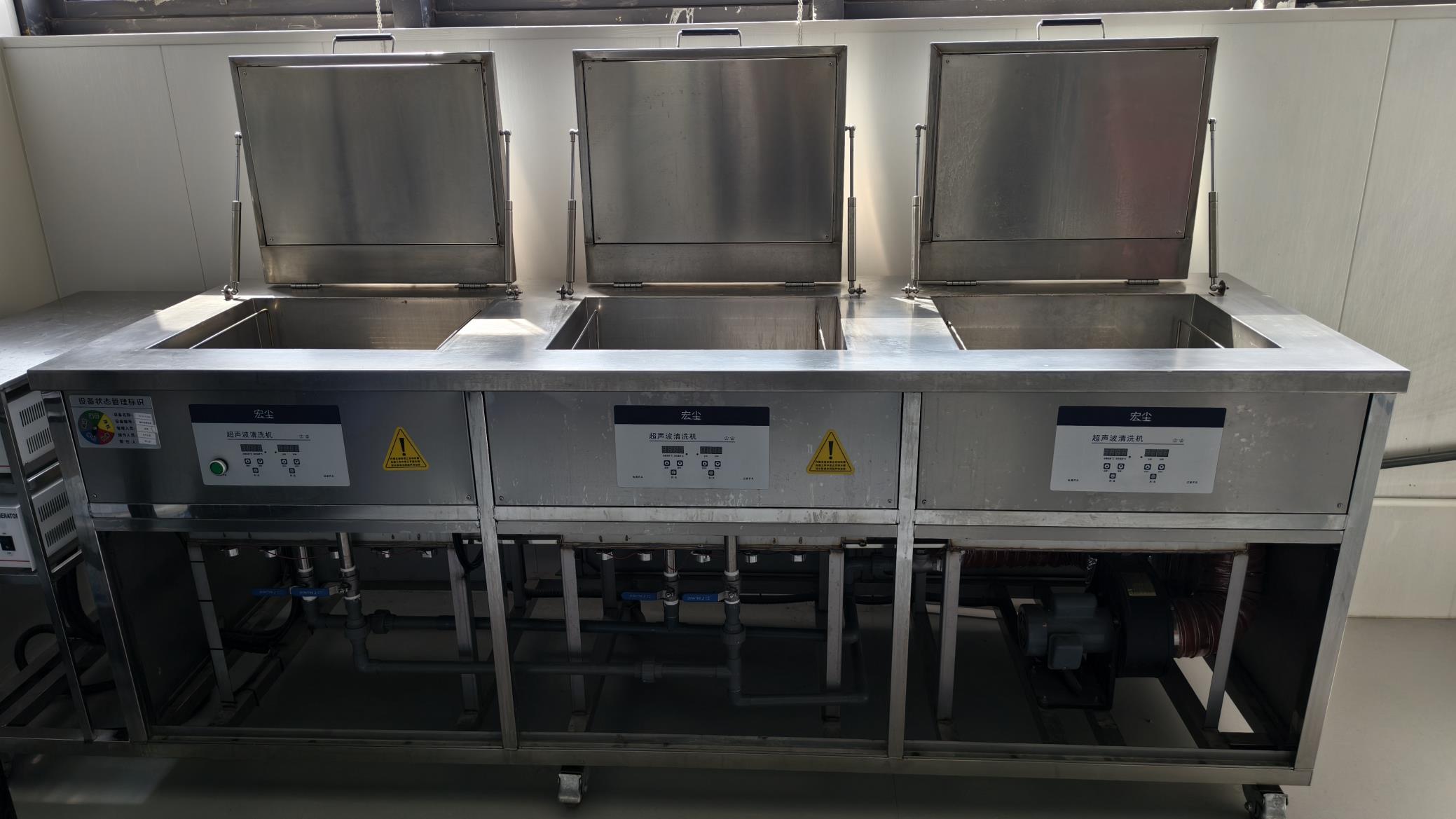
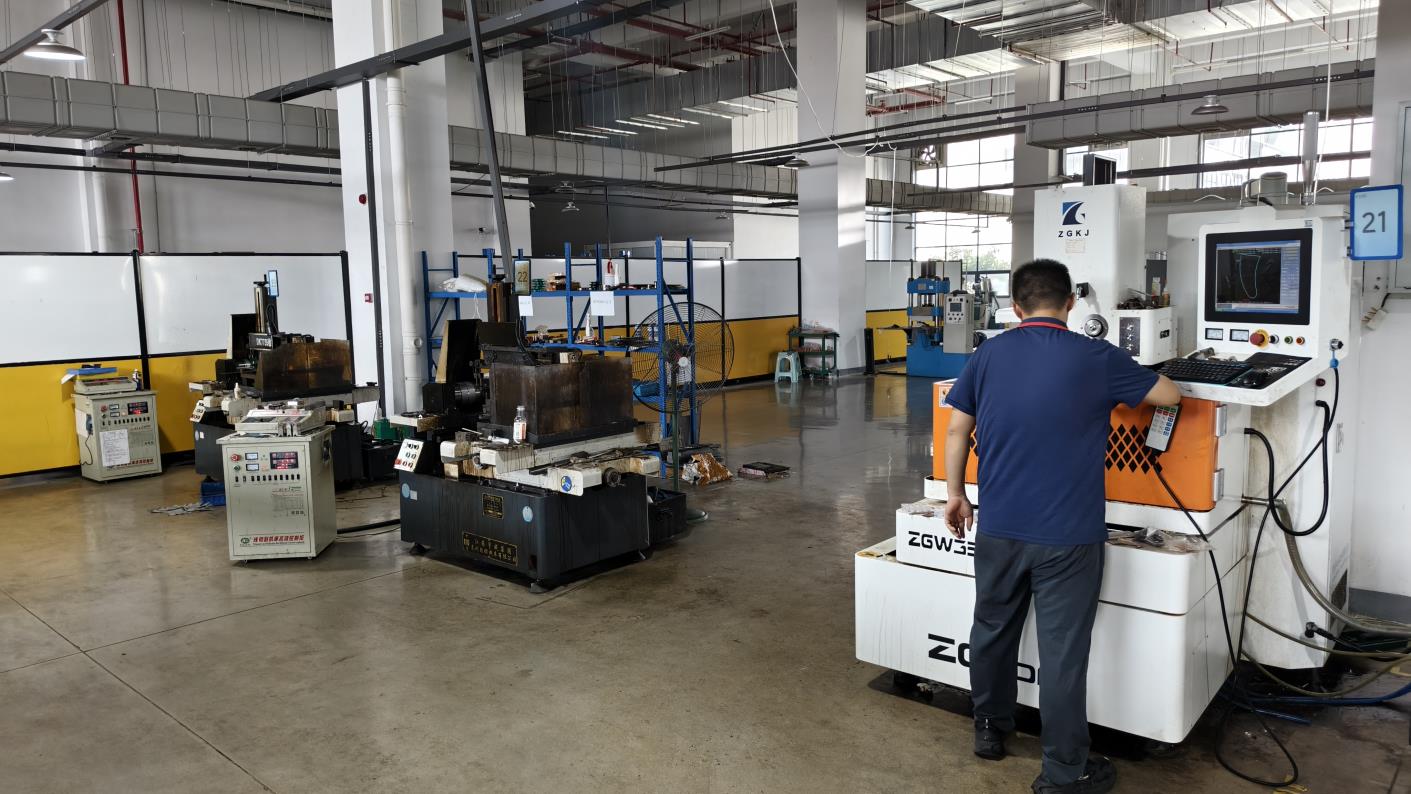
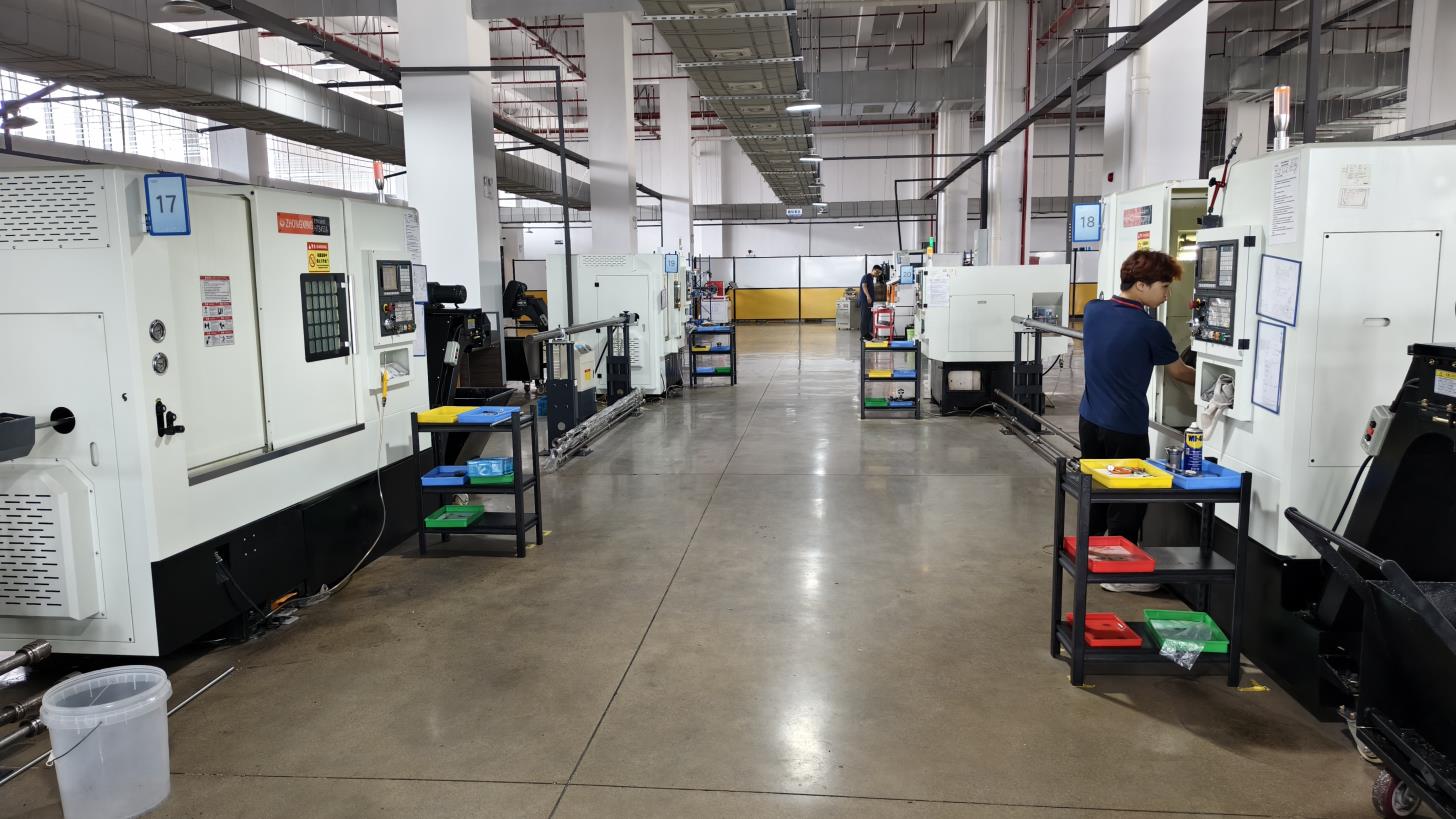
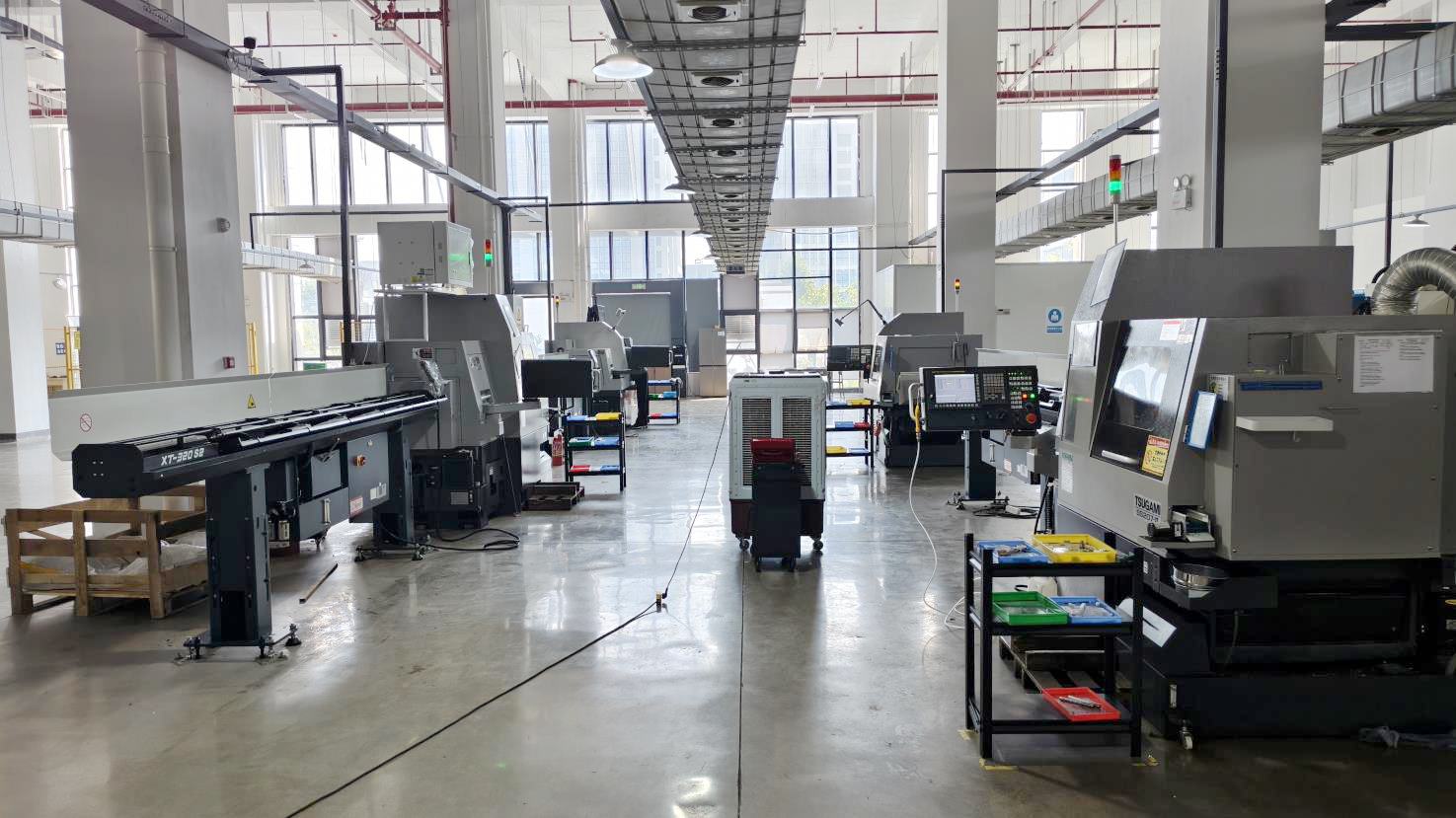
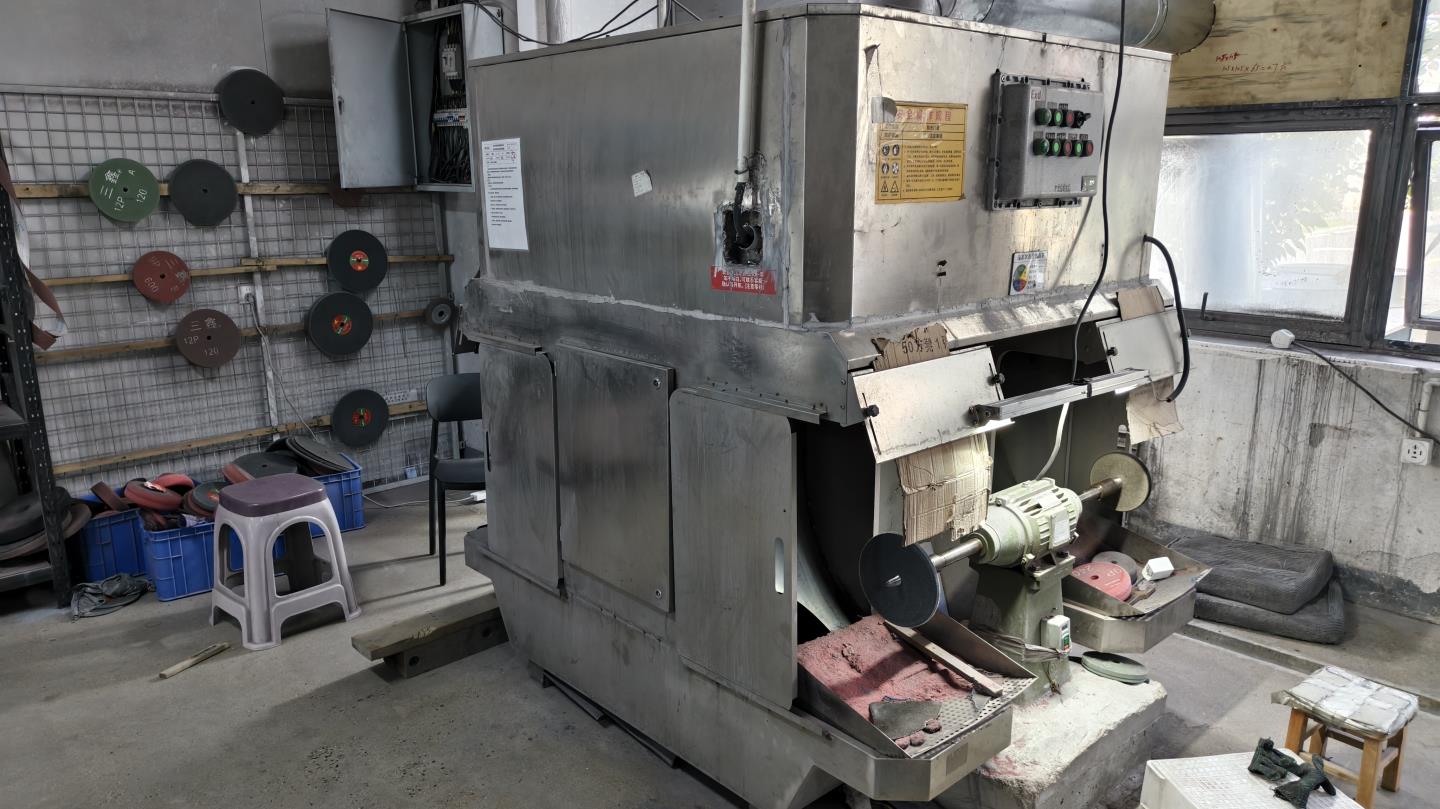
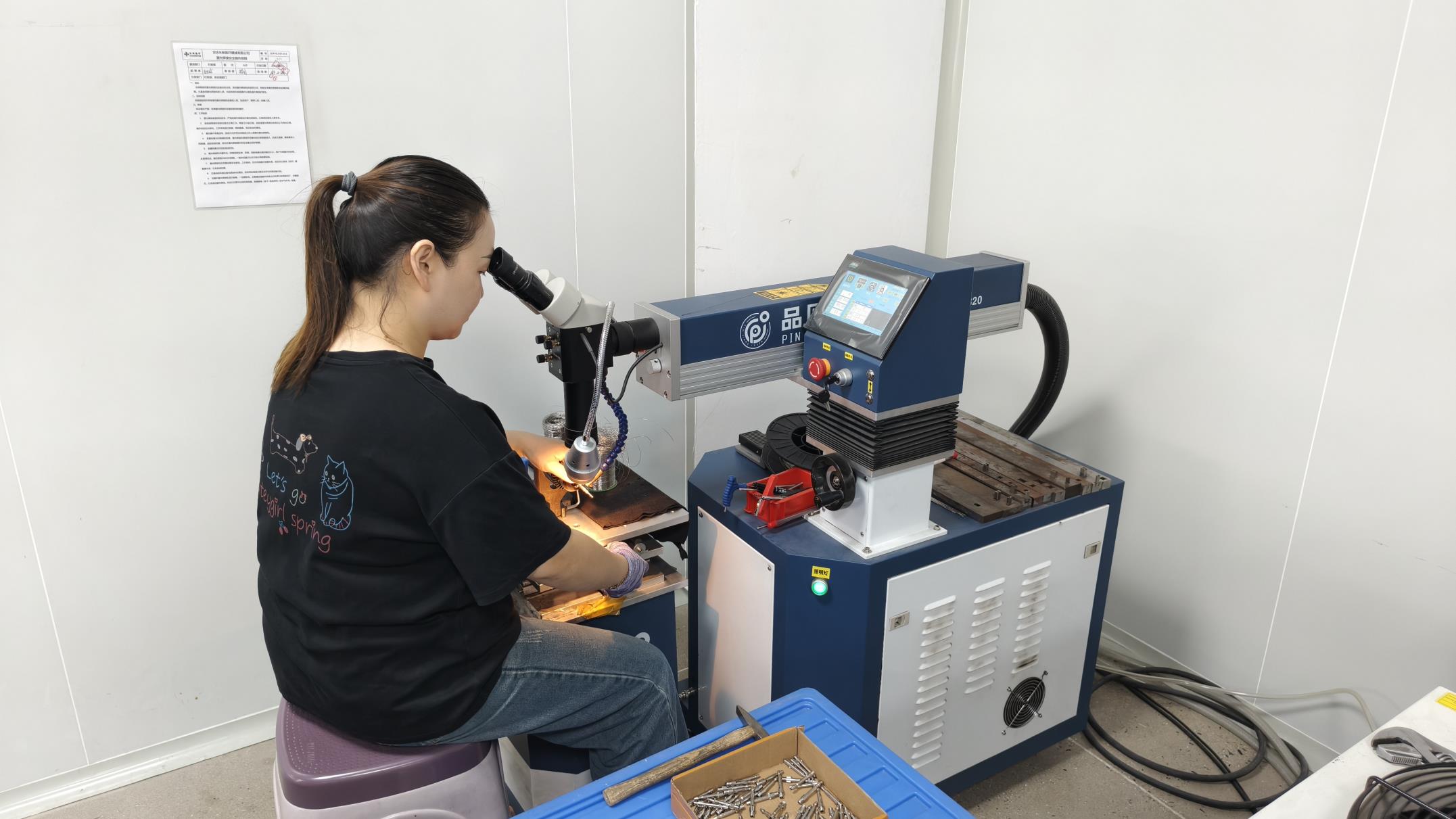
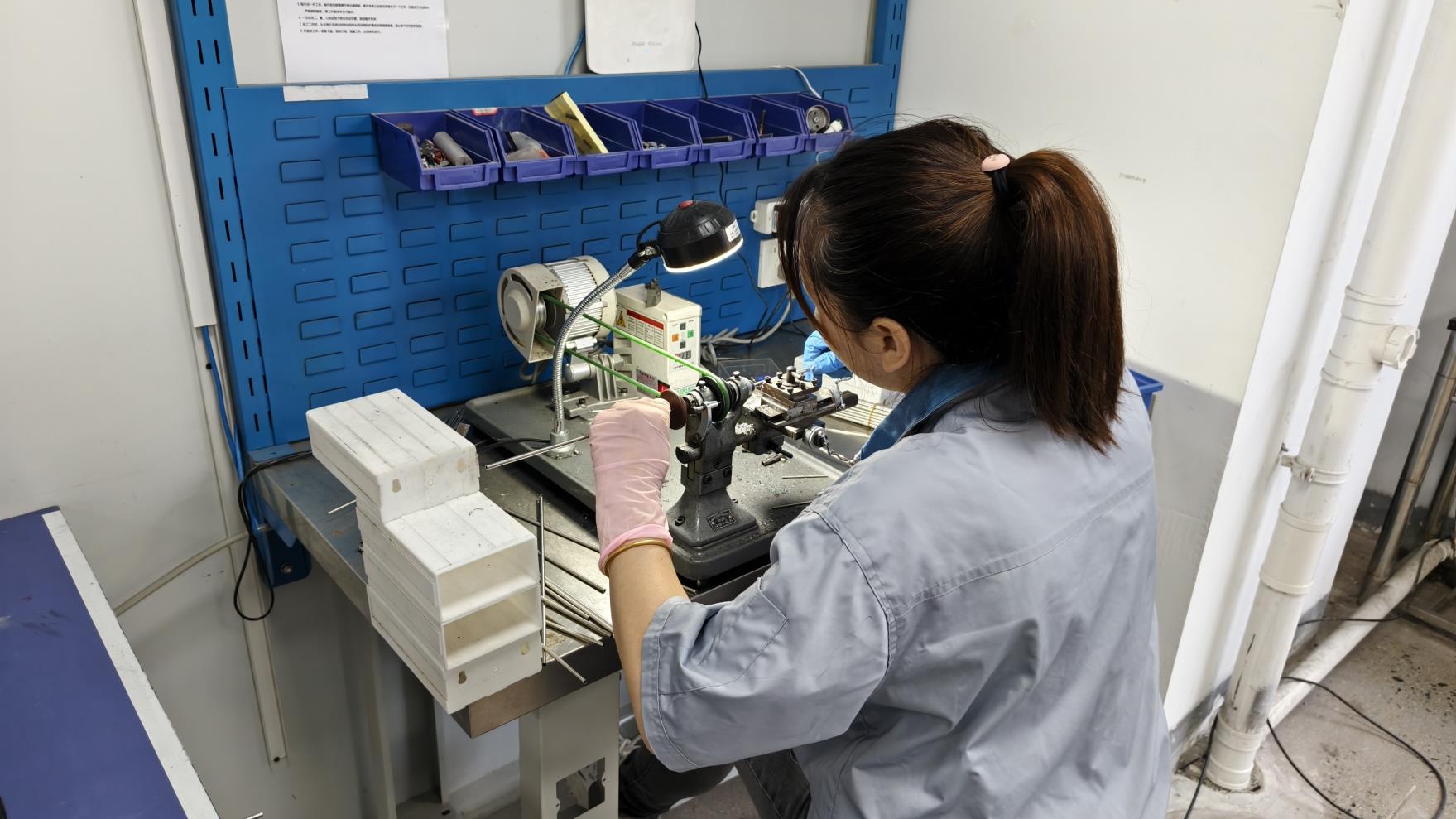
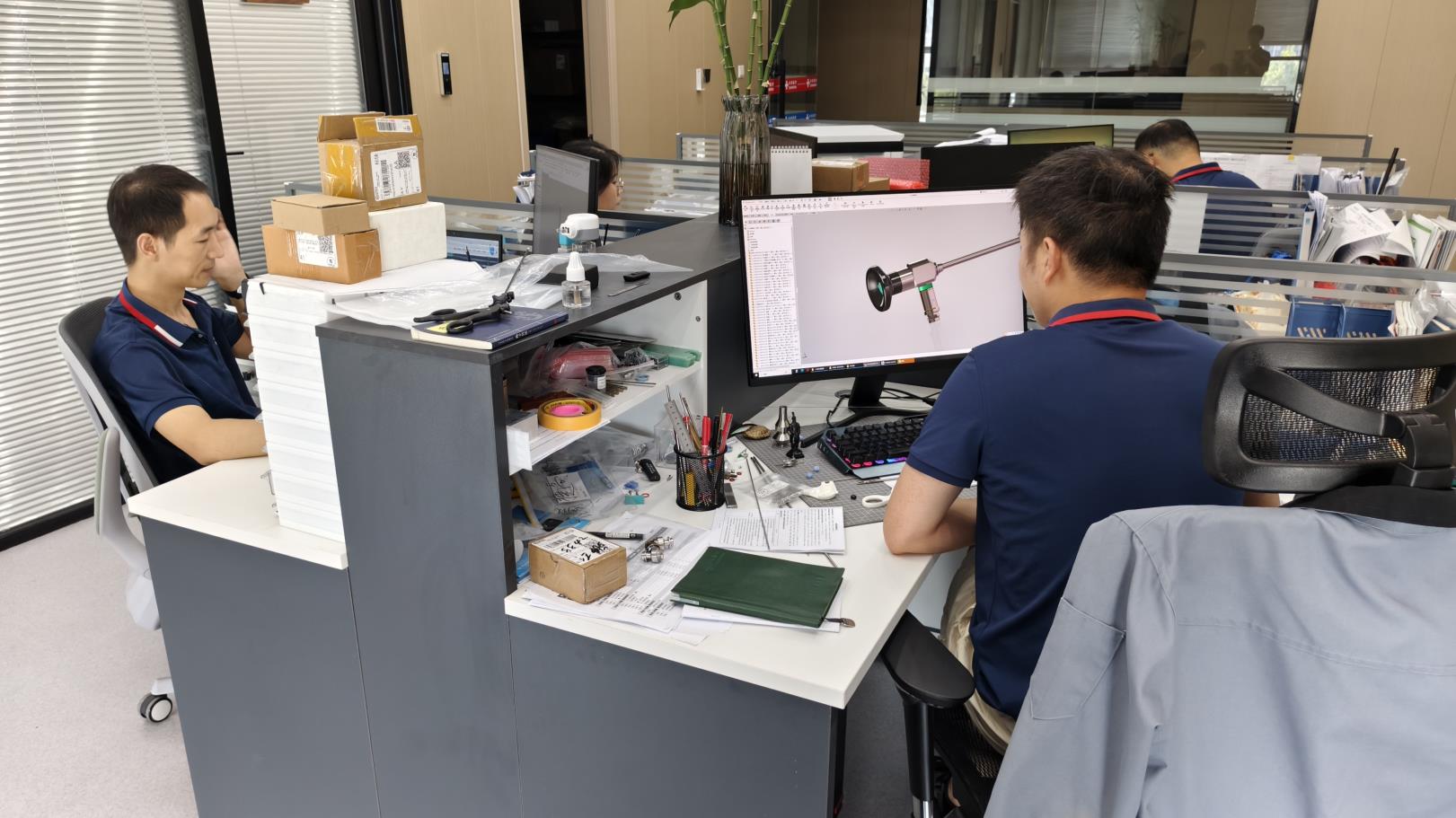
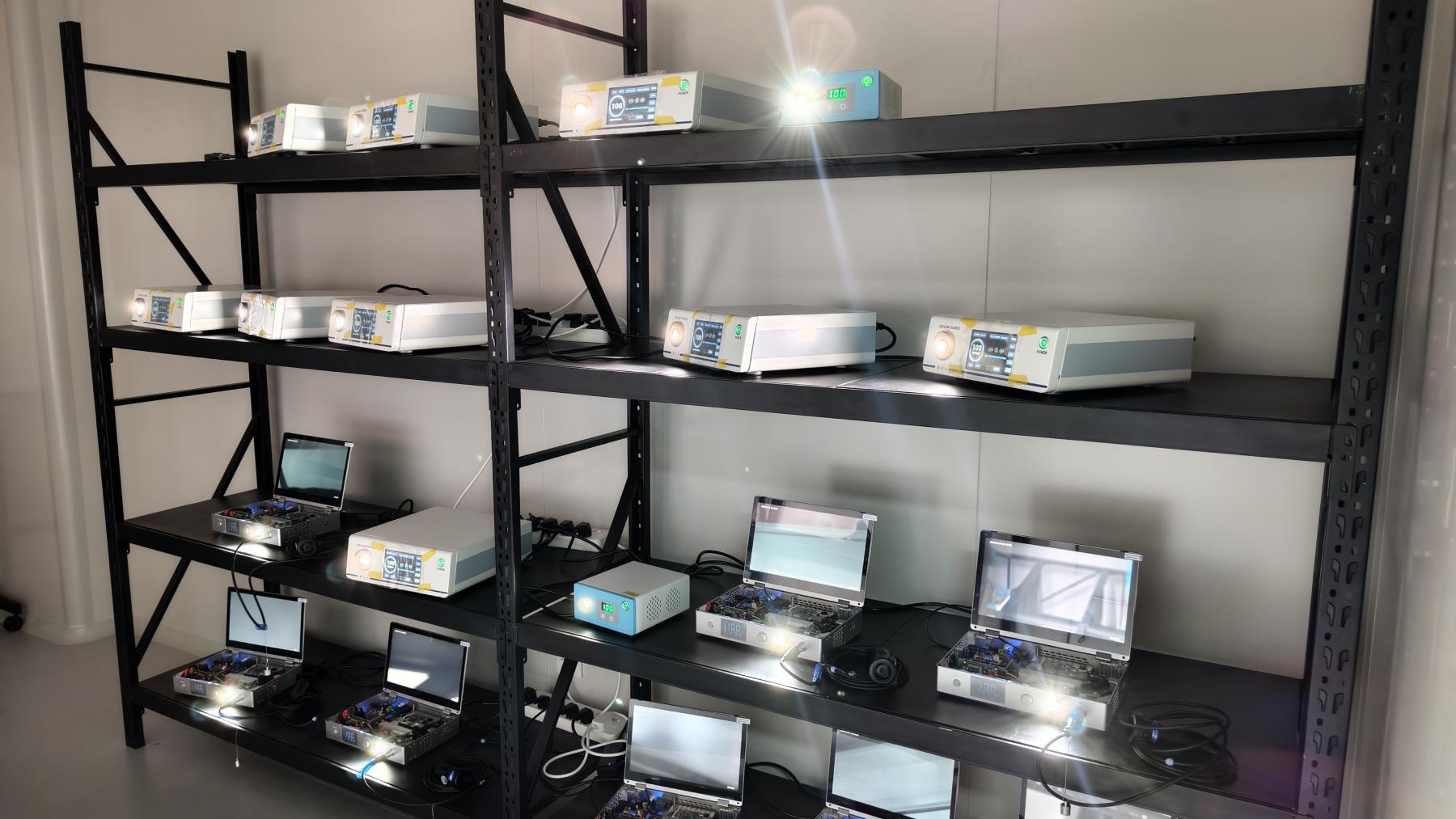
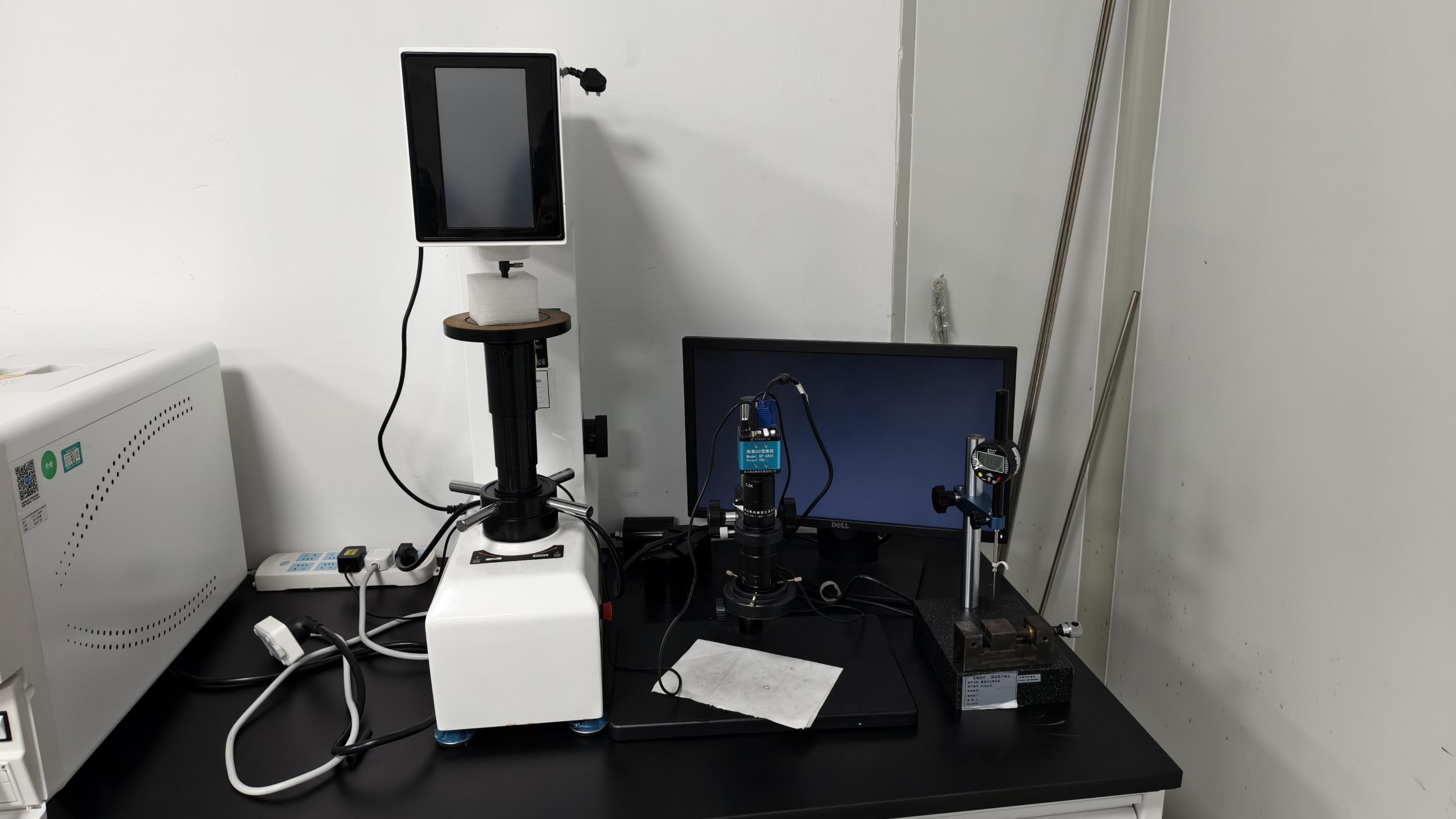
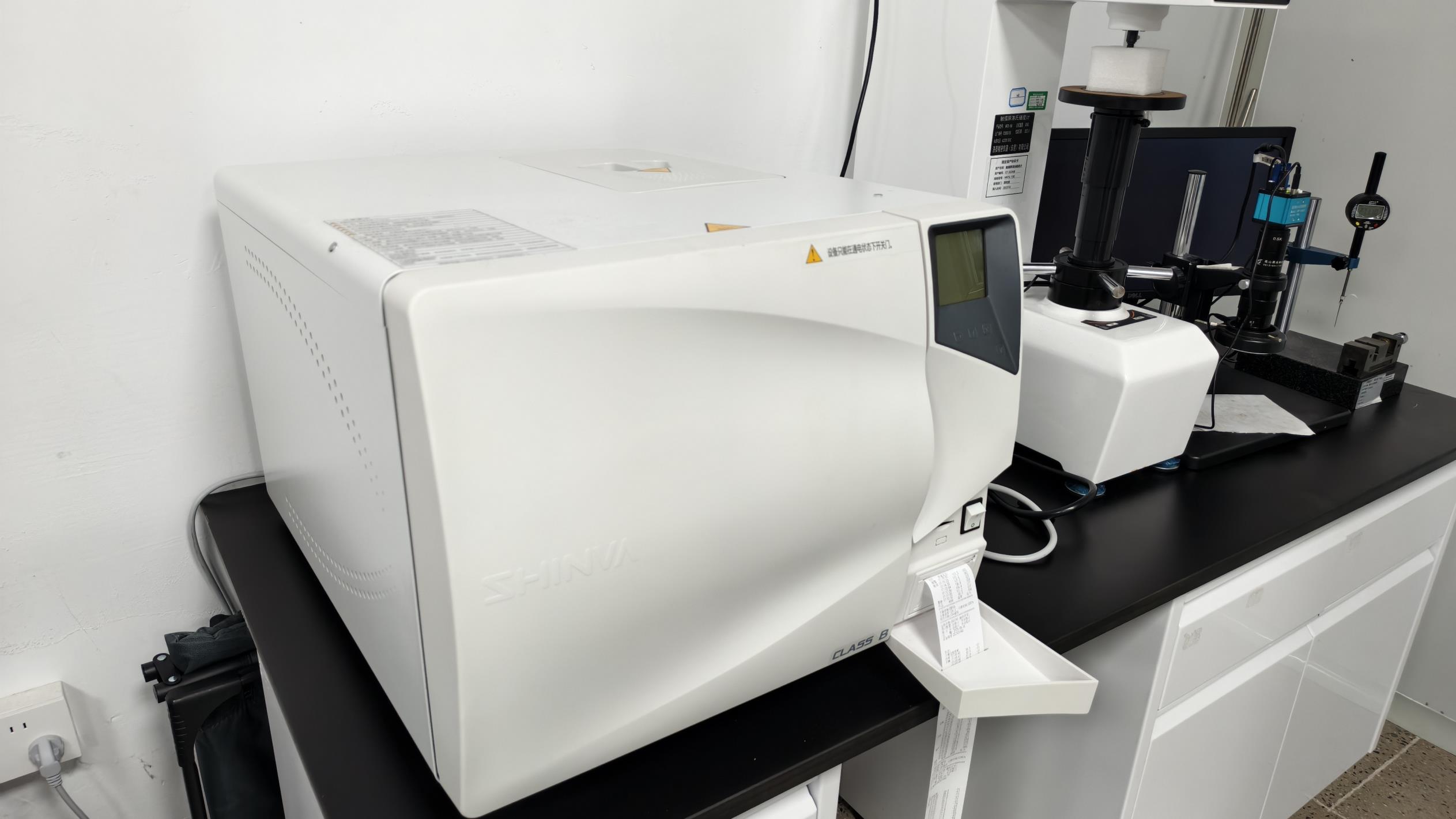
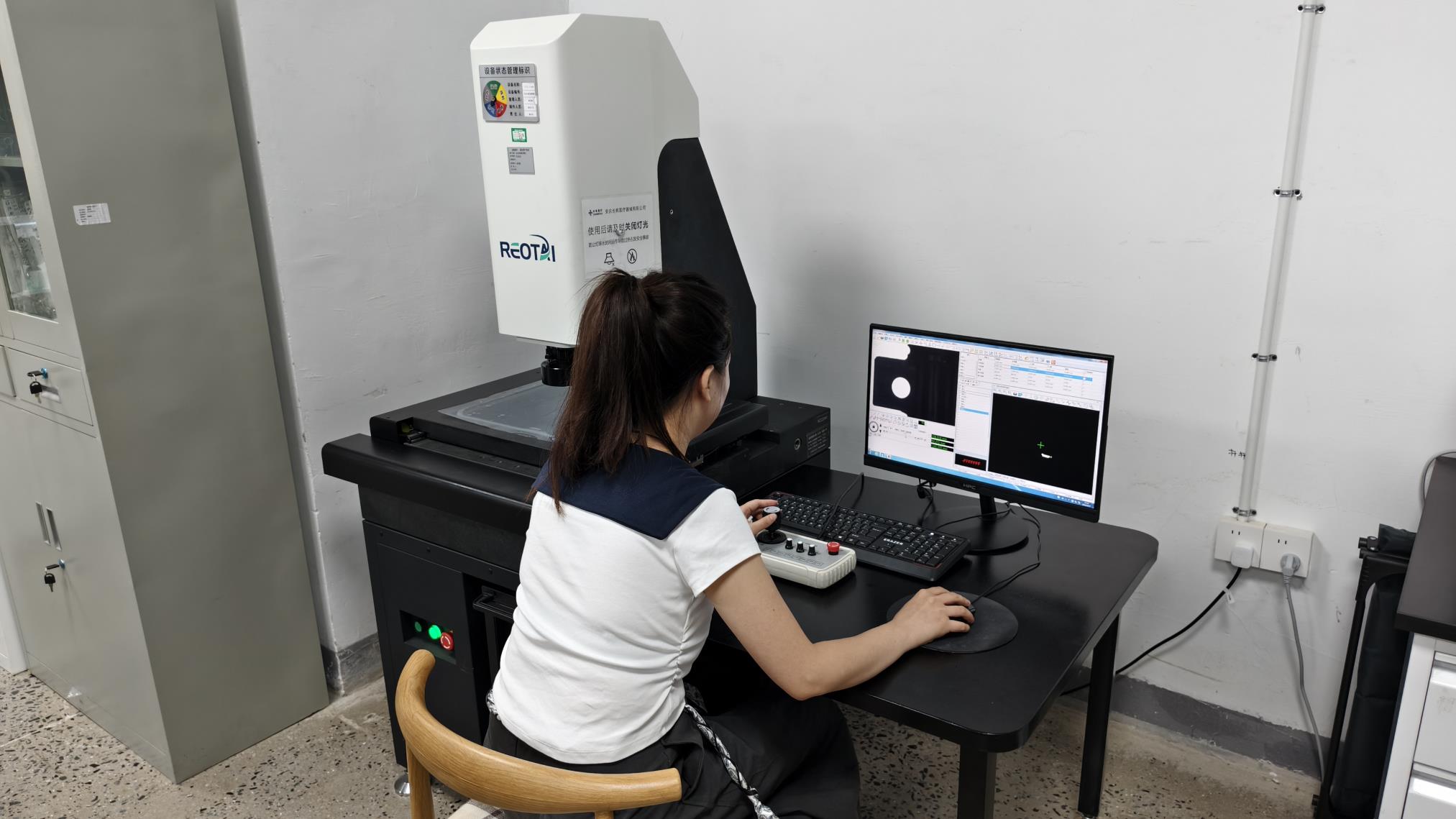
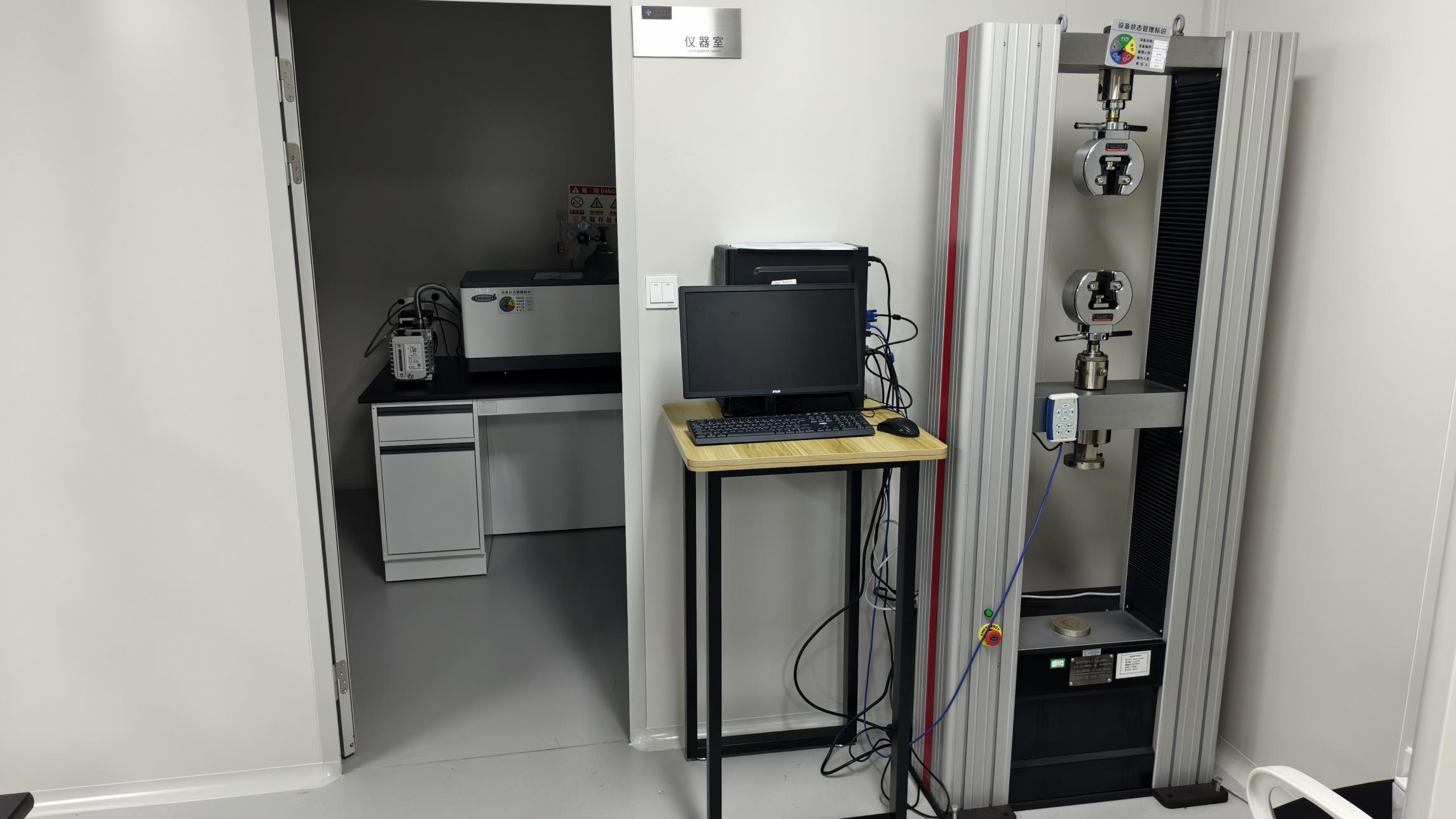
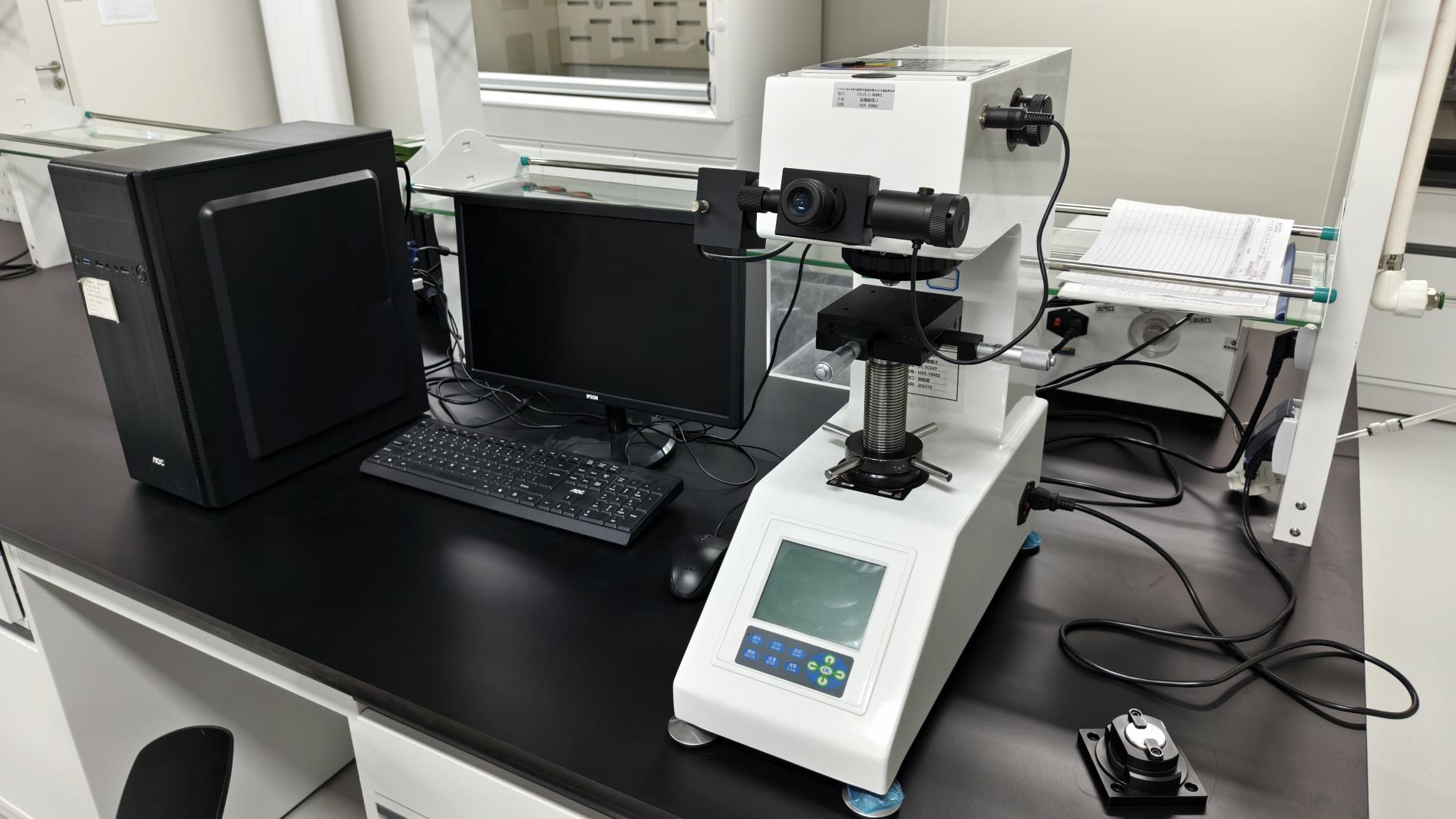
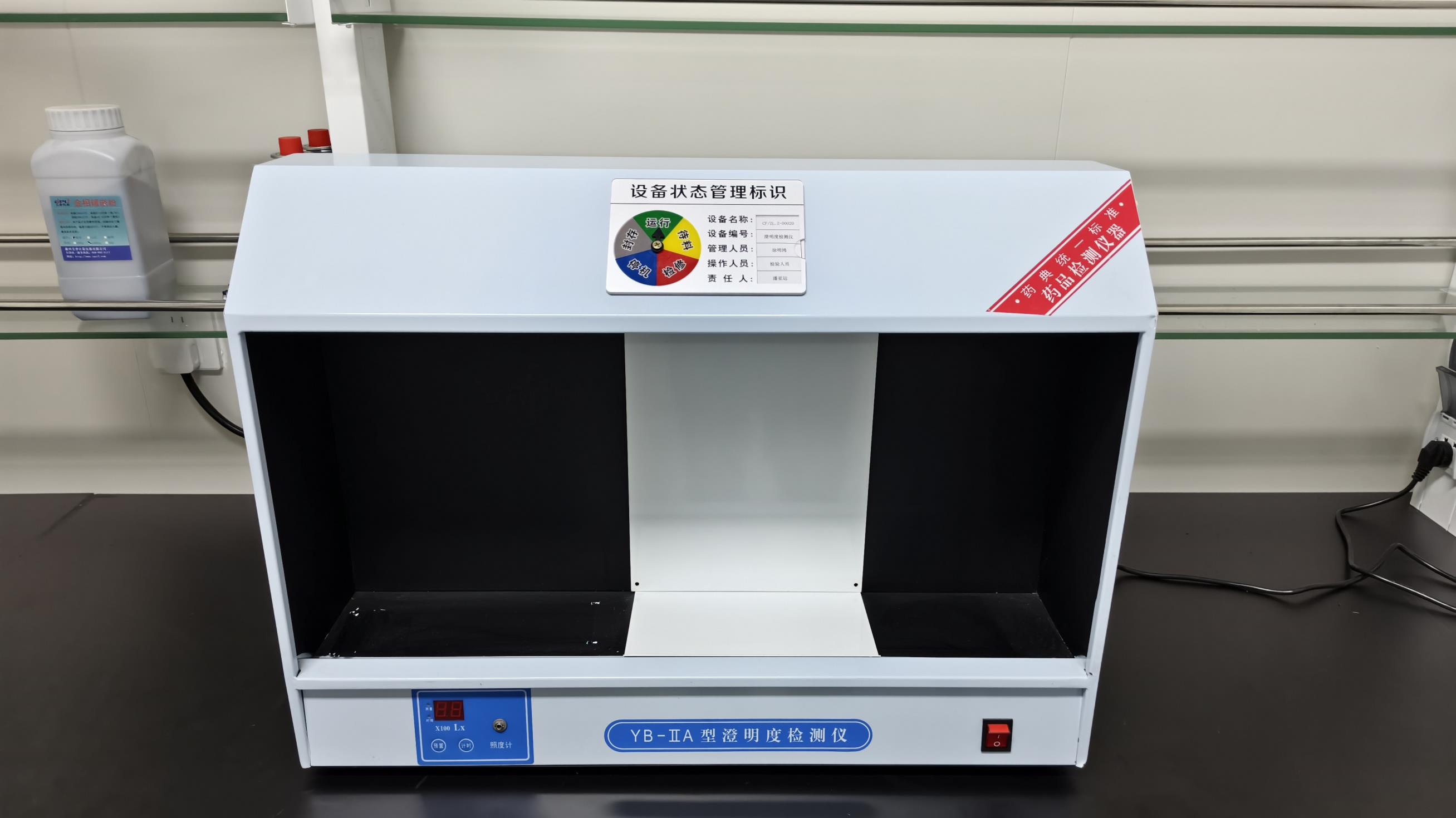
Synoviq Medical Technology (China) Co., Ltd. is a professional manufacturer of orthopedic implants and surgical instruments, dedicated to delivering innovative, reliable, and high-quality medical solutions for healthcare professionals worldwide. Since its establishment, Synoviq has focused on research, development, precision manufacturing, and international quality standards, providing comprehensive OEM and ODM services for global medical device brands, distributors, and hospitals.
Our product portfolio includes trauma fixation systems, spinal implants, locking plates, intramedullary nails, external fixation systems, orthopedic screws, surgical instruments, and customized orthopedic solutions. Equipped with advanced CNC machining centers, precision inspection equipment, and modern clean production facilities, we ensure every product meets strict international quality requirements.
Driven by continuous innovation, Synoviq invests heavily in R&D and intelligent manufacturing to enhance product performance, surgical efficiency, and patient outcomes. Our experienced engineering team works closely with customers to develop customized products tailored to different clinical applications and market demands.
With a customer-oriented philosophy, competitive pricing, stable supply capability, and efficient technical support, Synoviq has established long-term partnerships with distributors, medical brands, and healthcare organizations across Europe, North America, South America, the Middle East, and Asia-Pacific.
| Item | Information |
|---|---|
| Company Name | Synoviq Medical Technology (China) Co., Ltd. |
| Brand | Synoviq |
| Established | March 18, 2016 |
| Building Area | 18,600 m² |
| Annual Export Revenue | USD 21.8 Million |
| Export Experience | 8 Years |
| Industry Experience | 14 Years |
| Quality Inspection | 100% Final Inspection & Incoming Material Inspection |
| Product Inspection Methods | CMM Measurement, Mechanical Testing, Surface Roughness Testing, Hardness Testing, Salt Spray Testing, Sterility Validation |
| Quality Control Staff | 48 |
| Business Type | Manufacturer & Exporter (OEM/ODM) |
| Main Markets | Europe, North America, South America, Middle East, Southeast Asia |
| Supply Chain Partners | 1,120+ |
| Main Customer Types | Medical Device Brands, Importers, Distributors, Hospitals, Government Procurement Projects |
| R&D Capability | Independent Product Design, Prototype Development, Clinical-Oriented Engineering, OEM & ODM Development |
| Customization Options | Logo Customization, Packaging Customization, Product Design Customization, Material Selection, Surface Treatment |
| New Products Released Last Year | 186 |
| R&D Engineers | 76 |
How Cortical Fixation Buttons are strategically applied to yield dynamic stabilization and anatomical recovery.
During femoral tunnel placement in cruciate ligament reconstructive surgery, a cortical fixation button acts as the primary mechanical anchor. Trans-osseous pull-through sutures secure the graft against the outer cortex of the femur. Synoviq buttons are engineered with custom edge radiuses, minimizing graft abrasion and eliminating "bungee-effect" micro-motions within the bone tunnel.
Unlike rigid syndesmotic screws, which restrict physiological motion and are prone to breakage, cortical button systems provide a semi-rigid, dynamic alternative. These systems permit micro-motion of the fibula relative to the tibia under physiologic loads, accelerating patient rehabilitation and reducing the need for hardware removal procedures.
Reattaching the distal biceps tendon to the radial tuberosity requires stable fixation under high tension. A cortical button allows the surgeon to perform a single-incision technique, pulling the tendon directly into the pre-drilled bone socket. This provides reliable biomechanical stability, helping patients regain flexion and supination strength faster.
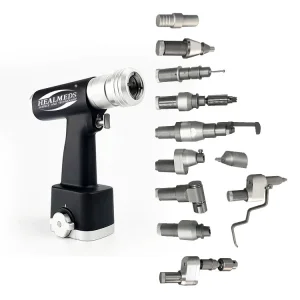
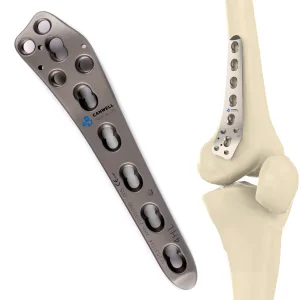
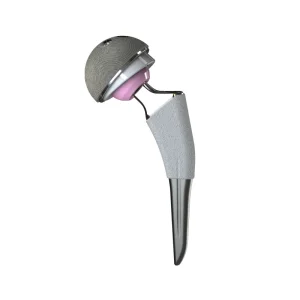
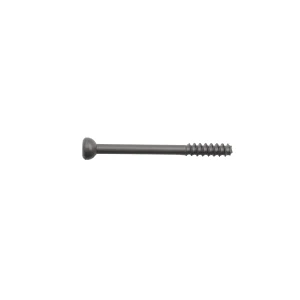
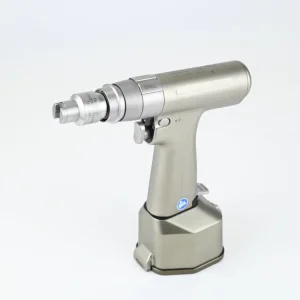
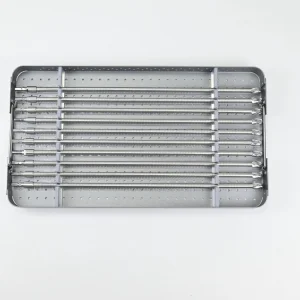
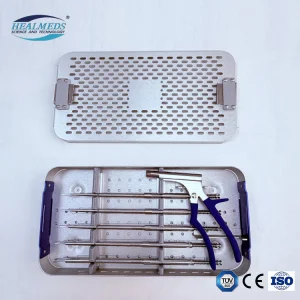
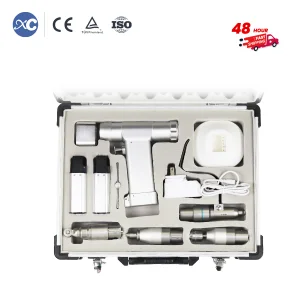
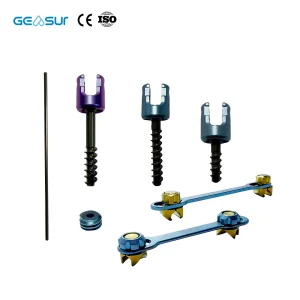
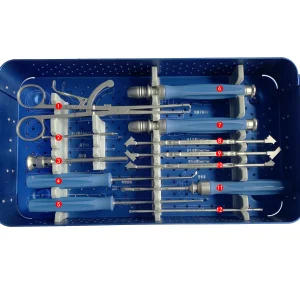
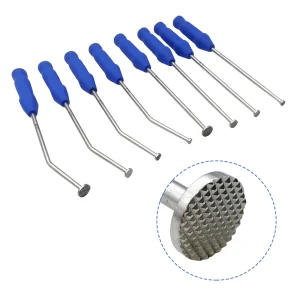
Ancillary instruments, spine pedicle screws, locking plates, and specialized veterinary surgical kits to round out clinical distribution portfolios.
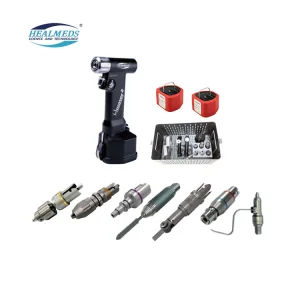
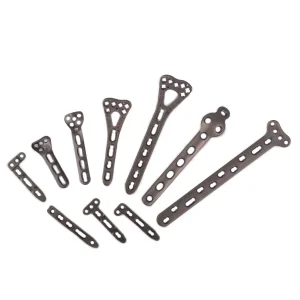
Addressing technical, mechanical, and regulatory concerns for procurement managers and distributors.
We use medical-grade Ti-6Al-4V ELI (Extra Low Interstitials) Titanium Alloy, conforming strictly to ASTM F136 standards. This material is chosen for its superior fatigue strength, exceptional biocompatibility, and excellent corrosion resistance compared to standard titanium, making it ideal for permanent or long-term orthopedic implants.
Our CNC machining centers run proprietary polishing sequences to radius all internal eyelet edges. Surface roughness (Ra) is strictly controlled to values below 0.2 micrometers. This mirror-like edge profile is verified using 3D video measuring systems and microscopes to ensure zero micro-burrs that could compromise the integrity of ultra-high-molecular-weight polyethylene (UHMWPE) loop structures.
Yes. Synoviq offers extensive OEM/ODM support, backed by 76 R&D engineers. We customize loop lengths (ranging from 15mm to 60mm), button geometries, and colors (via anodization), and can laser-etch your brand logo. Additionally, we provide sterile-barrier packaging options to match your local regulatory requirements.
Our manufacturing facilities are audited and certified to ISO 13485 standards for medical device quality management. We run strict quality control protocols across all manufacturing stages, from incoming material inspections and spectral verification to final CMM testing and validation of cleanroom sterility.
We run biomechanical validation protocols on our tensile testing machines. The cortical buttons undergo static ultimate pull-out testing to confirm tensile thresholds exceed 1,400 Newtons, as well as dynamic cyclic fatigue testing (simulating hundreds of thousands of gait cycles) to guarantee zero mechanical failure or creep under stress.
With 8 years of dedicated export experience, we ship to over 50 countries, including key markets in Europe, North America, and Southeast Asia. We maintain long-term partnerships with leading global logistics providers, ensuring smooth customs processing and prompt delivery of standard trauma implants, locking plates, and custom surgical instruments.
For standard orthopedic implants, our lead time ranges from 15 to 30 days. For custom OEM projects involving mold development, prototyping, and sterile validation, the timeline spans 45 to 60 days. We provide complete transparent progress tracking through our customer service team.
 Synoviq Medical