Synoviq Medical
The Evolution of Ceramic Hip Arthroplasty: Microstructures, Wear Mechanics, & Safety
In modern joint replacement surgery, the selection of bearing materials directly dictates the survivorship of total hip arthroplasty (THA) constructs. Over past decades, the orthopedic sector has evolved from metal-on-polyethylene (MoP) systems to high-performance ceramic-on-ceramic (CoC) and ceramic-on-polyethylene (CoP) configurations. High-purity ceramic materials exhibit ultra-low wear rates, exceptional chemical inertness, and superior resistance to third-body scratching.
The superior clinical performance of ceramic hip heads stems from the microstructure of modern medical ceramics, primarily Alumina (Al2O3) and Zirconia-Toughened Alumina (ZTA). High-density alumina presents a micro-hardness far exceeding that of surgical cobalt-chromium (CoCr) alloys. This structural hardness minimizes plastic deformation under localized pressure. More critically, the hydrophilic nature of ceramic oxides facilitates the formation of a continuous fluid film (synovial fluid lubricant) across the articulating interface, lowering friction and reducing wear to negligible sub-micron levels annually.
Material Wear Rates & Joint Integrity Comparison
Tribological tests show that CoC couplings lower wear rates by up to 100-fold compared to conventional metal-on-polyethylene pairings. The virtual absence of wear particles mitigates osteolysis (bone loss triggered by immune responses to foreign particles) and subsequent implant loosening. This makes ceramic heads the standard choice for young, active patients needing long-term joint stability.
Technical Roadmap & Future Horizons of Orthopedic Biomaterials
The next phase of clinical orthopedics centers on advanced material modifications and sensor integrations. Synoviq is currently targeting research areas to advance implant longevity and diagnostics:
- Silicon Nitride (Si3N4) Coatings: Utilizing silicon nitride surfaces to introduce intrinsic anti-microbial properties, reducing surgical site infection (SSI) rates without compromising bulk ceramic mechanical properties.
- Nano-Structured Surface Texturing: Engineering sub-micron patterns via femtosecond laser texturing on non-articulating taper zones. This improves mechanical grip on the femoral stem, reducing micromotion and fretting corrosion.
- Integrated Biotelemetry (Smart Implants): Incorporating micro-sensors within hollow sections of non-articulating components to transmit real-time telemetry on joint temperature, localized loading forces, and early-stage osteolysis indicators.
Macro Industry Solutions & Supply Chain Security
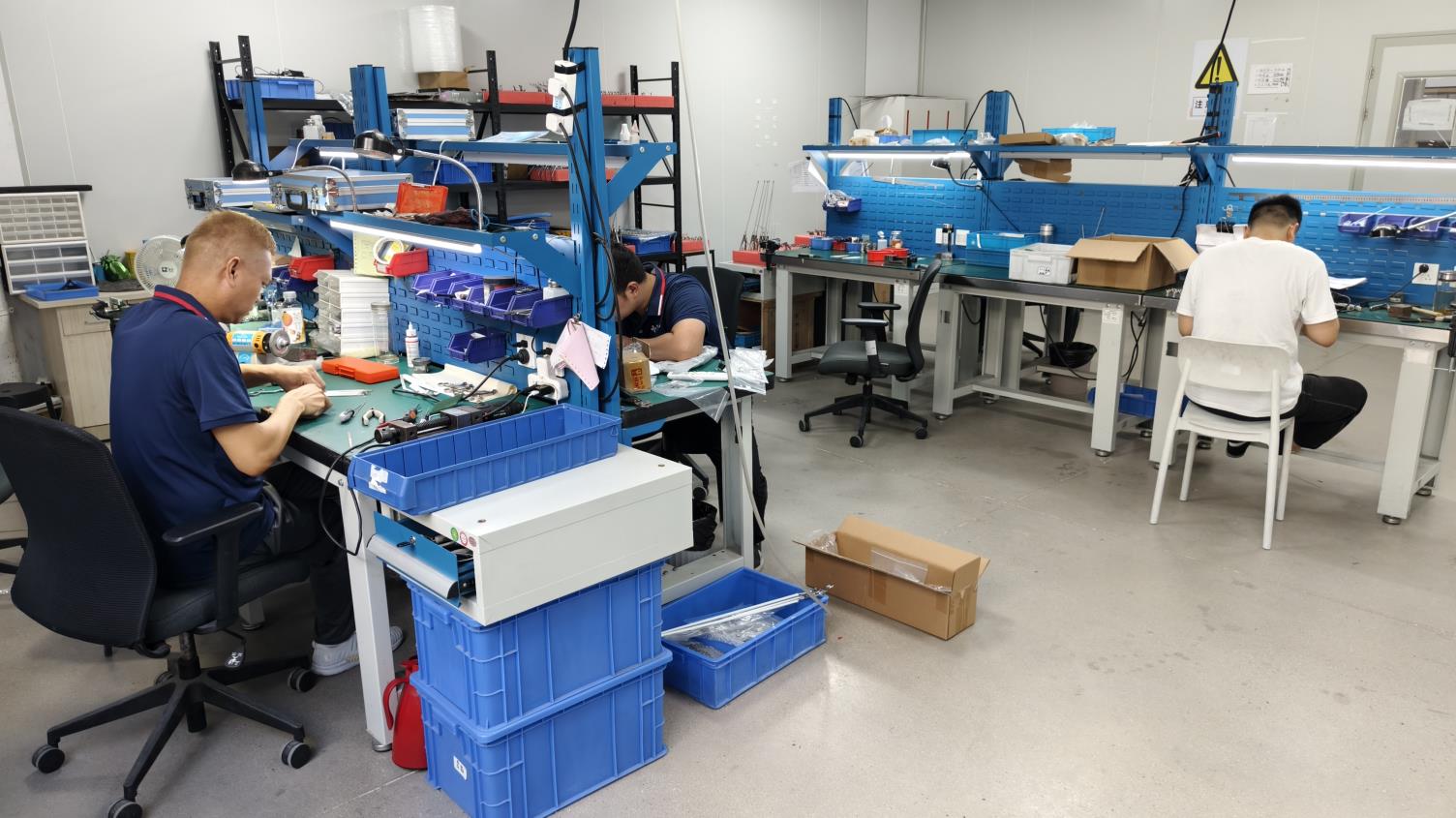
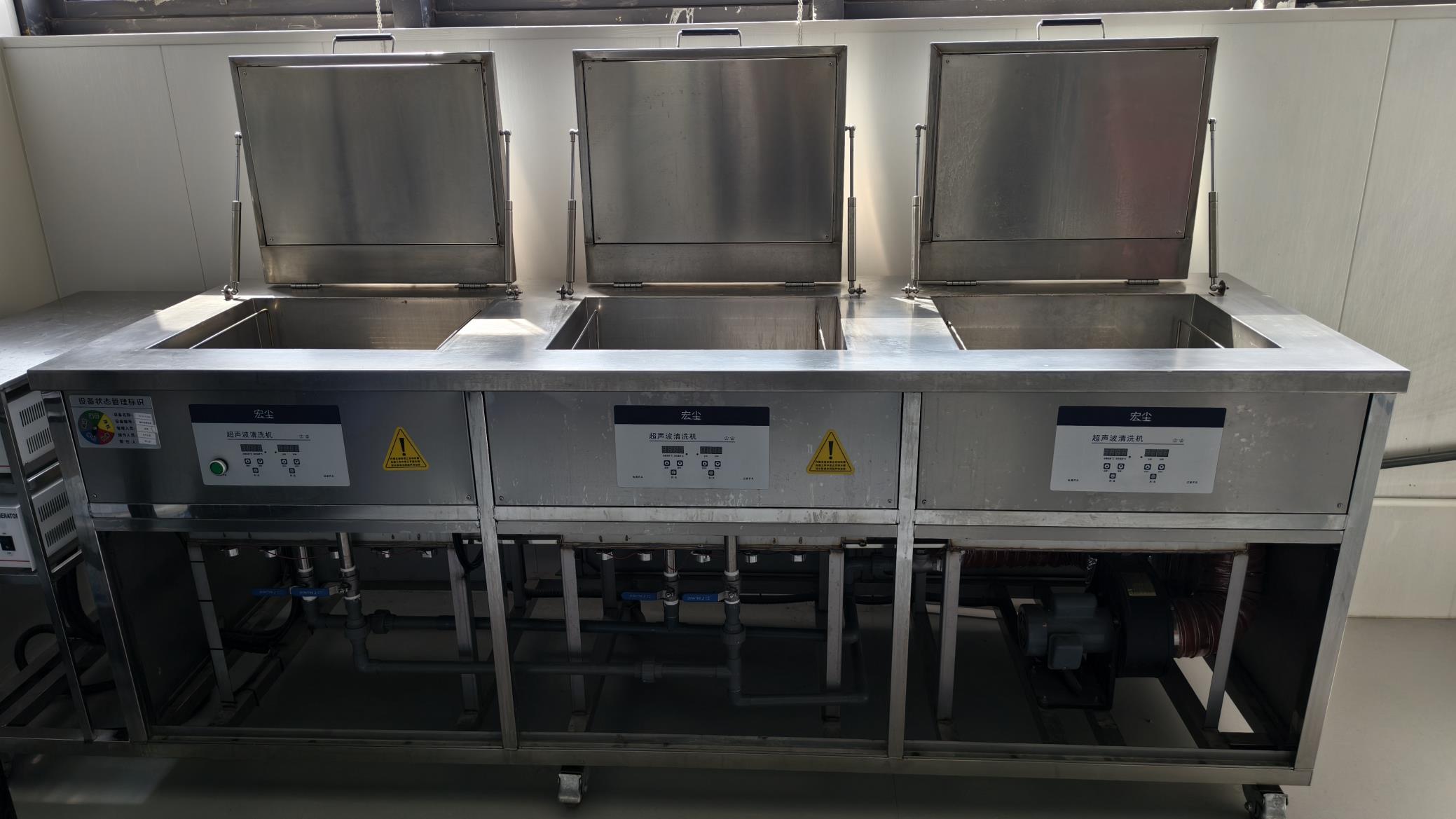
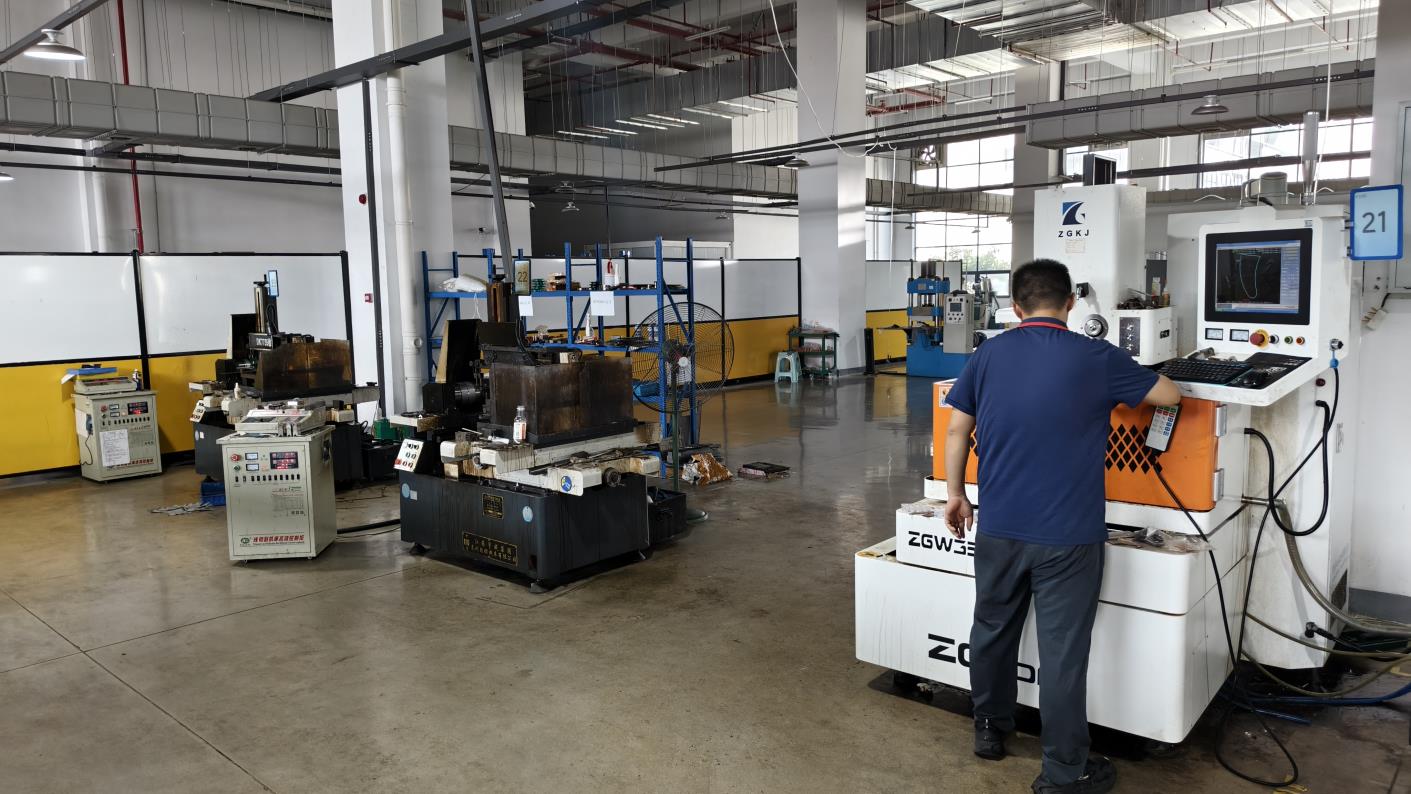
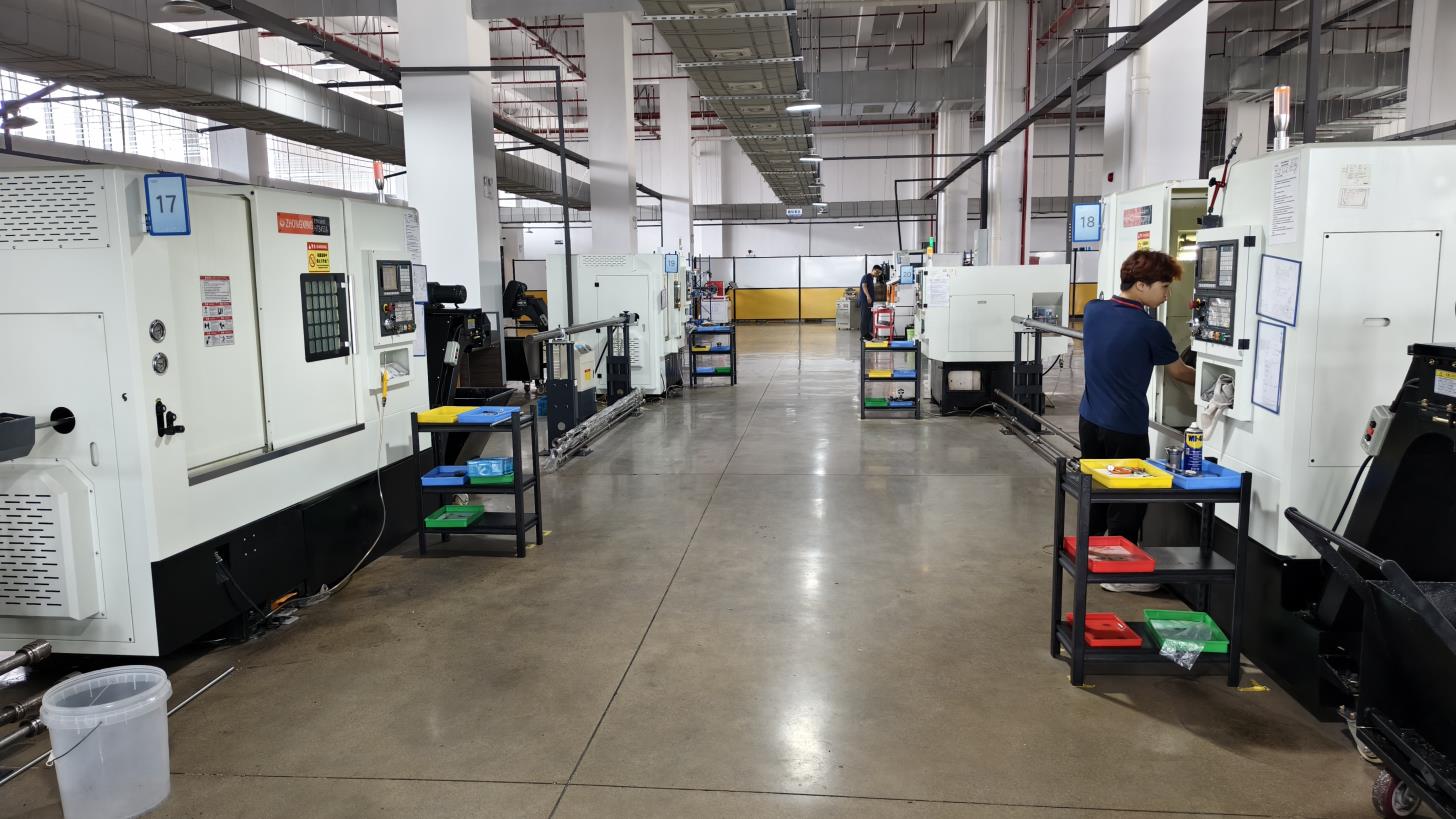
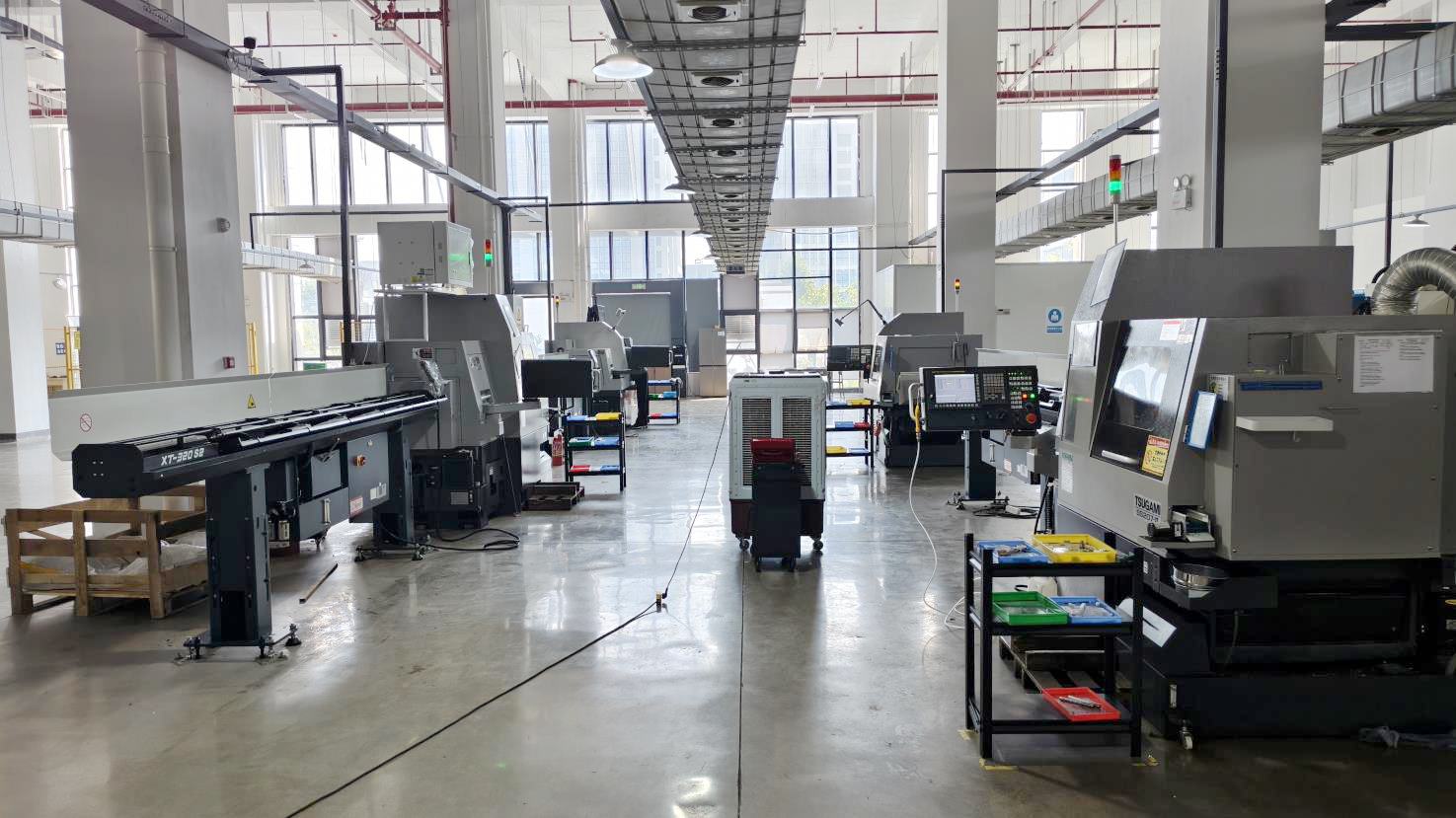
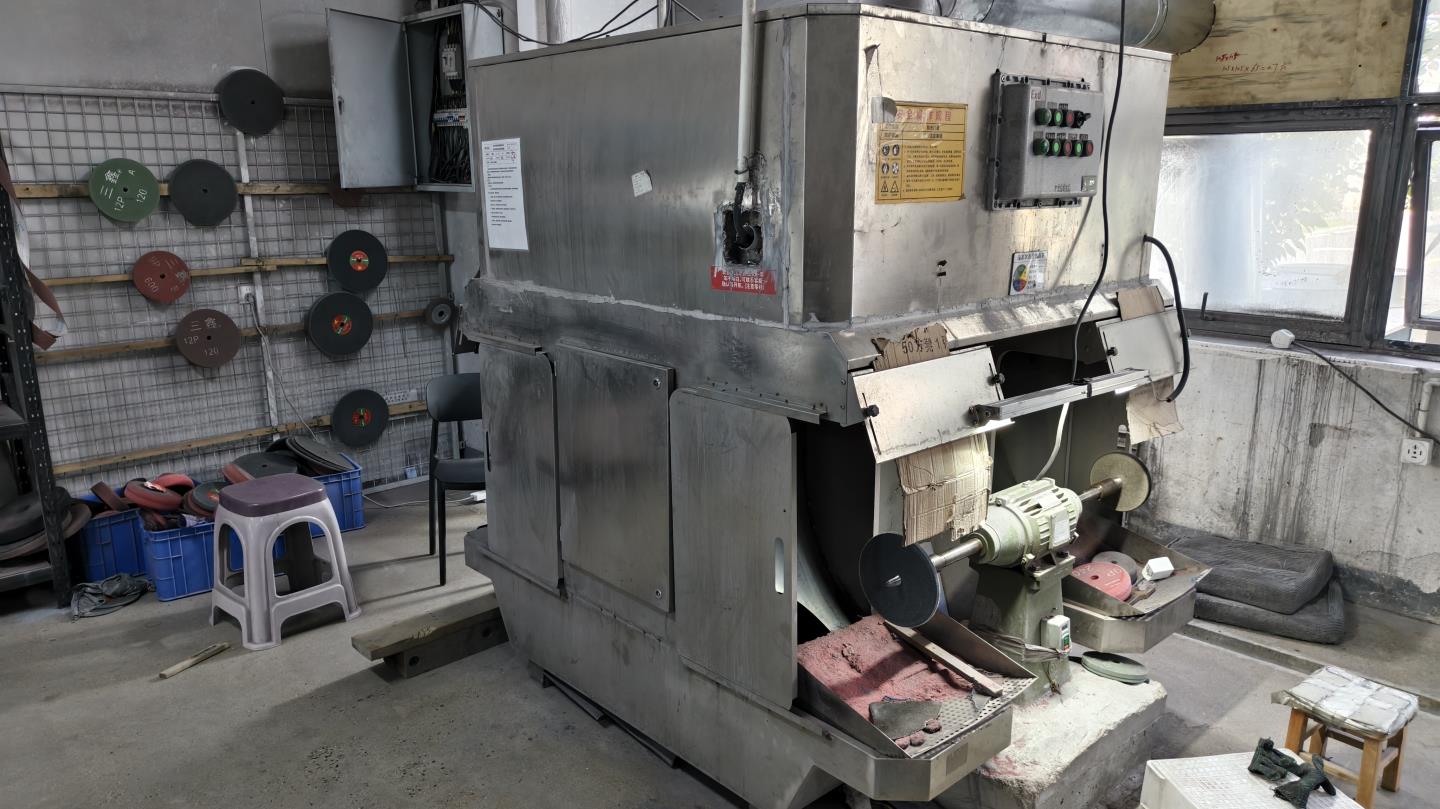
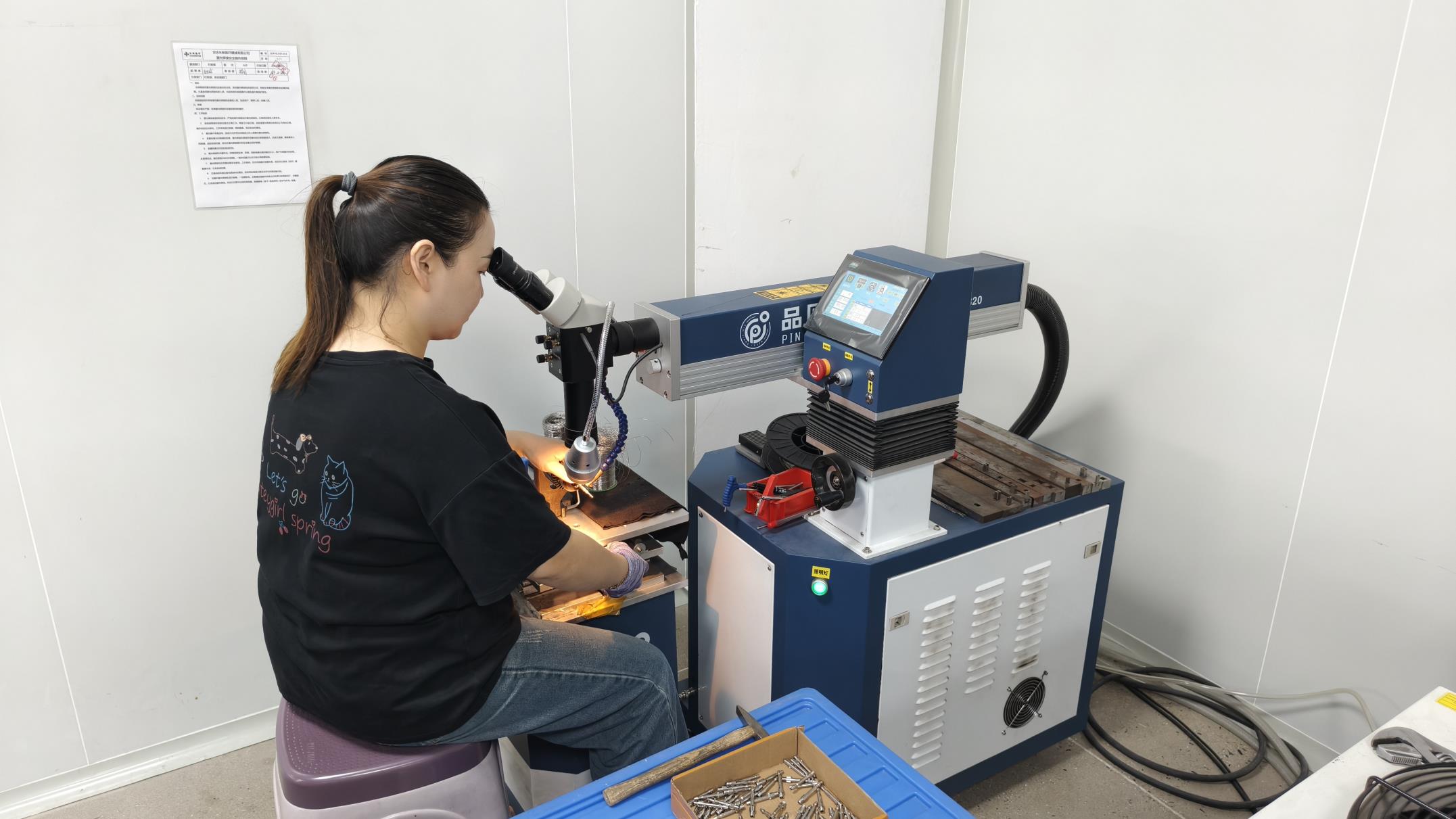
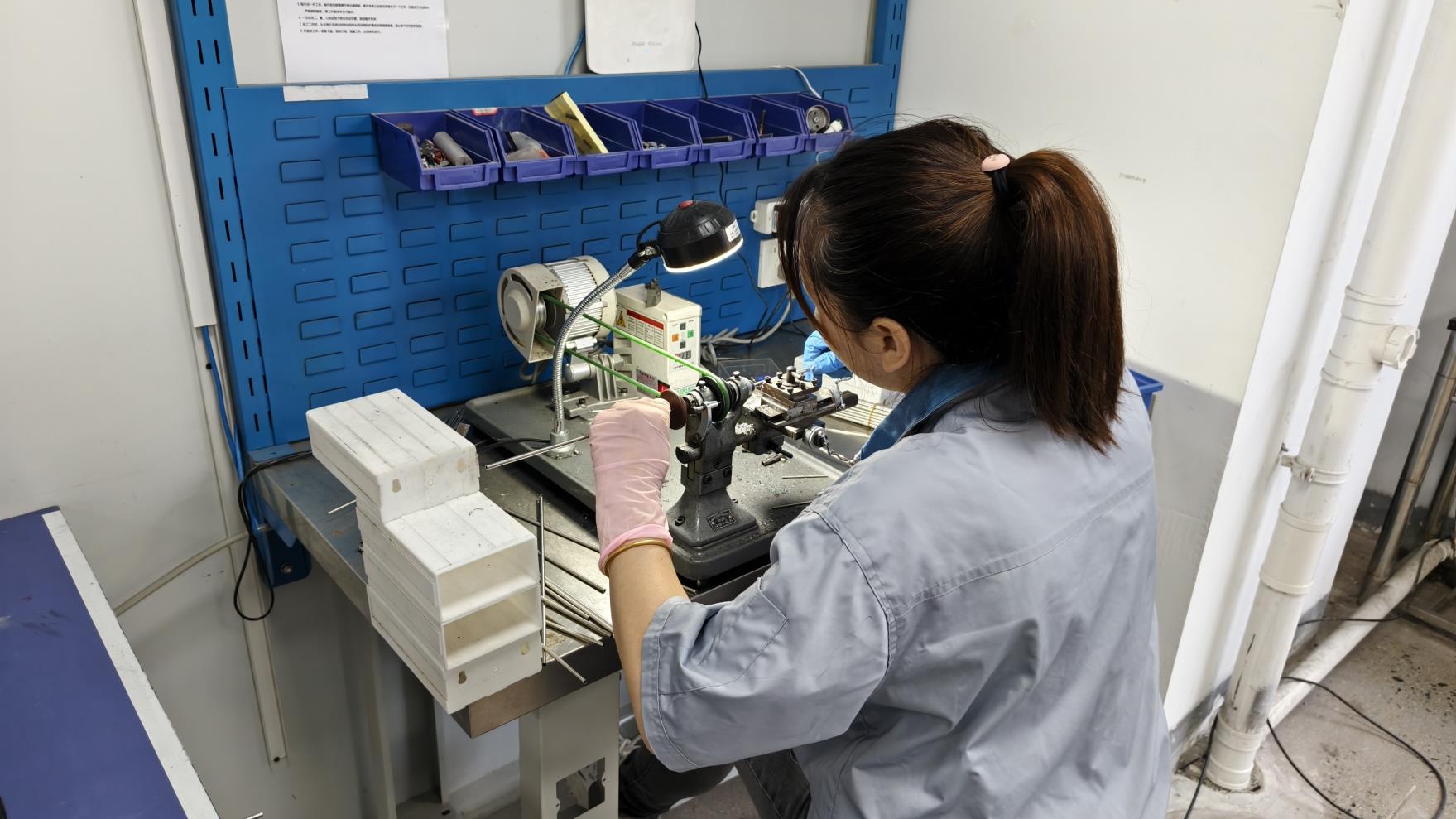
Global healthcare systems face the dual pressure of rising orthopaedic case volumes and tight cost containment. The procurement of surgical implants demands stable manufacturing partners. Synoviq addresses this gap by offering a fully integrated industrial loop—from raw powder synthesis to sterile packaging—reducing reliance on multi-tiered sub-tier suppliers.
By maintaining raw material alliances with leading global powder suppliers, we guarantee consistent raw chemical formulations. Our vertical manufacturing model cushions global OEM brands from supply chain shocks, logistics delays, and raw material volatility, maintaining continuous product availability for healthcare institutions.