Precision-Engineered Instrumentation and Implantable Systems
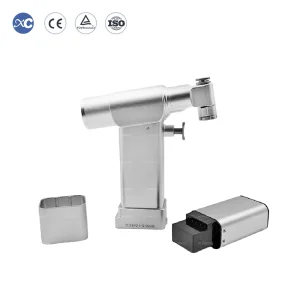
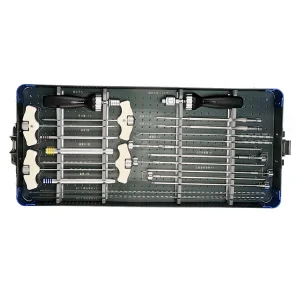
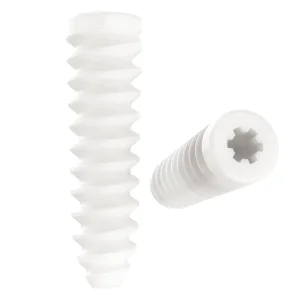
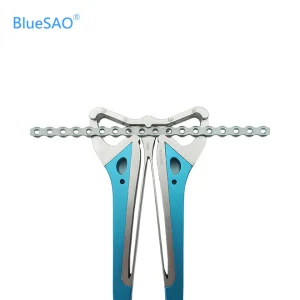
Total Knee Arthroplasty (TKA) has evolved into one of the most successful and cost-effective surgical procedures in modern medicine. Driven by an aging global population, rising prevalence of degenerative joint disease, and the expanding clinical need for early mobility restoration, the demand for precision-engineered knee replacement implants is reaching historic highs. Importers, clinical purchase directors, and healthcare distributors face the challenge of securing implants that deliver long-term survivorship, anatomical fidelity, and regulatory compliance.
Internationally, clinical paradigms are shifting toward implant systems that maximize natural kinetics while minimizing post-operative wear. This shifting dynamic demands that manufacturers integrate advanced metallurgical engineering with premium ultra-high-molecular-weight polyethylene (UHMWPE) wear surfaces to eliminate risk factors such as aseptic loosening and osteolysis.
Exploring the Engineering Blueprint and Biocompatibility of CE Certified Implants
Our implant systems incorporate vacuum-melted Cobalt-Chromium-Molybdenum (CoCrMo) conforming to ASTM F75 standard specifications for femoral components, providing supreme hardness and resistance to scratch-induced abrasive wear. Tibial trays utilize Ti6Al4V ELI titanium alloys (ASTM F136) to offer excellent strength-to-weight ratios and bio-integration profiles.
To optimize articulation wear performance, we implement Ultra-High-Molecular-Weight Polyethylene (UHMWPE) that undergoes controlled cross-linking under gamma irradiation. Infused Vitamin-E (tocopherol) stabilization acts as a permanent free radical scavenger, safeguarding the tibial insert against long-term in vivo oxidation and mechanical degradation.
Our production support covers Cruciate-Retaining (CR) designs for patients with healthy posterior cruciate ligaments, and Posterior-Stabilized (PS) designs utilizing a cam-and-post mechanism to provide mechanical substitution. Both versions prioritize anatomical femoral sizing and optimized contact areas to prevent edge-loading.
In the highly competitive medical device arena, the ability to maintain predictable lead times and price stability is vital. Operating from our state-of-the-art facility in China, Synoviq Medical Technology leverages structural raw material integration and high-capacity manufacturing to offer unparalleled supply chain advantages. Our proximity to premium raw material processors and specialized surface treatment suppliers allows us to bypass global logjams that challenge smaller manufacturers.
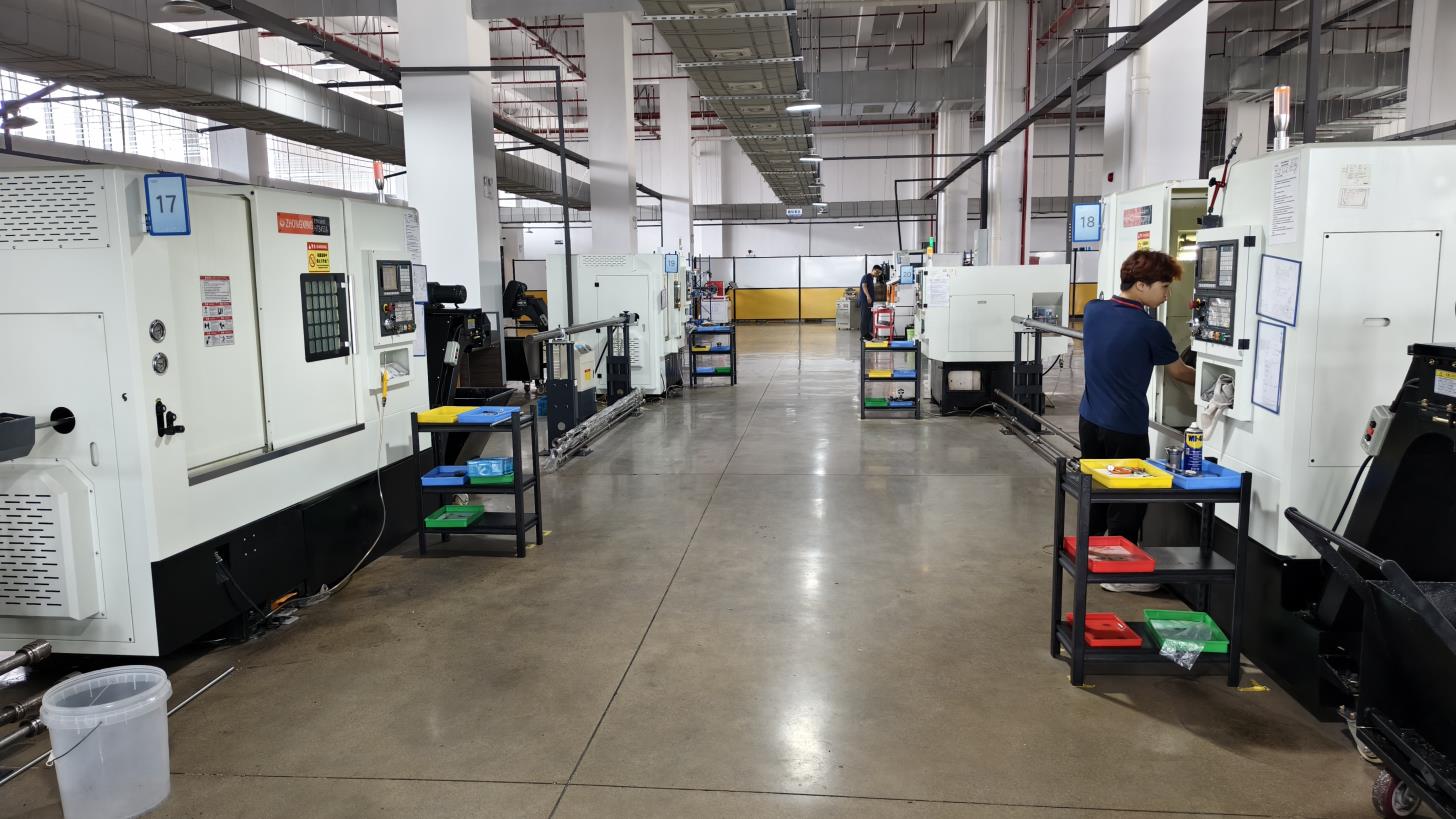
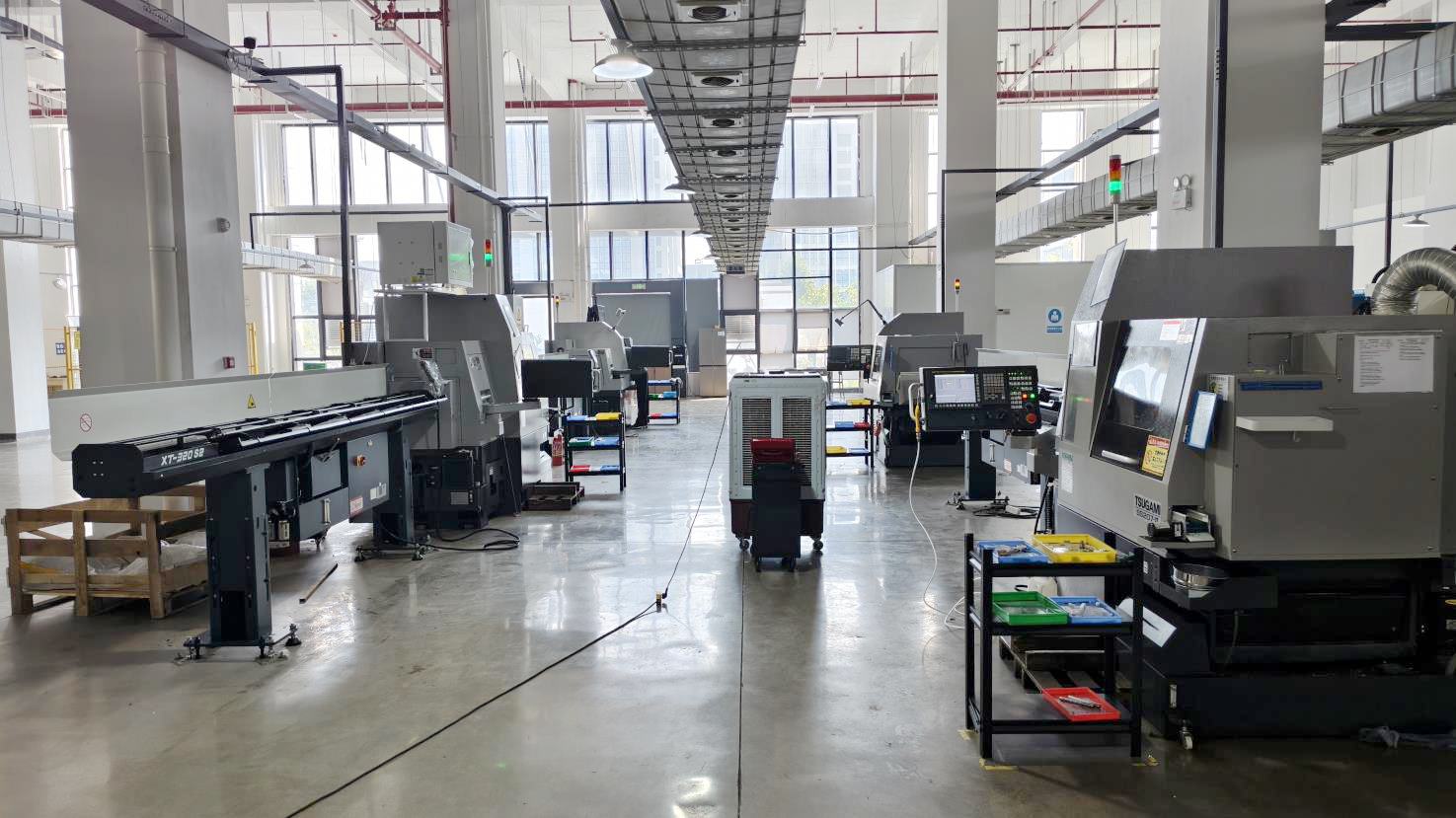
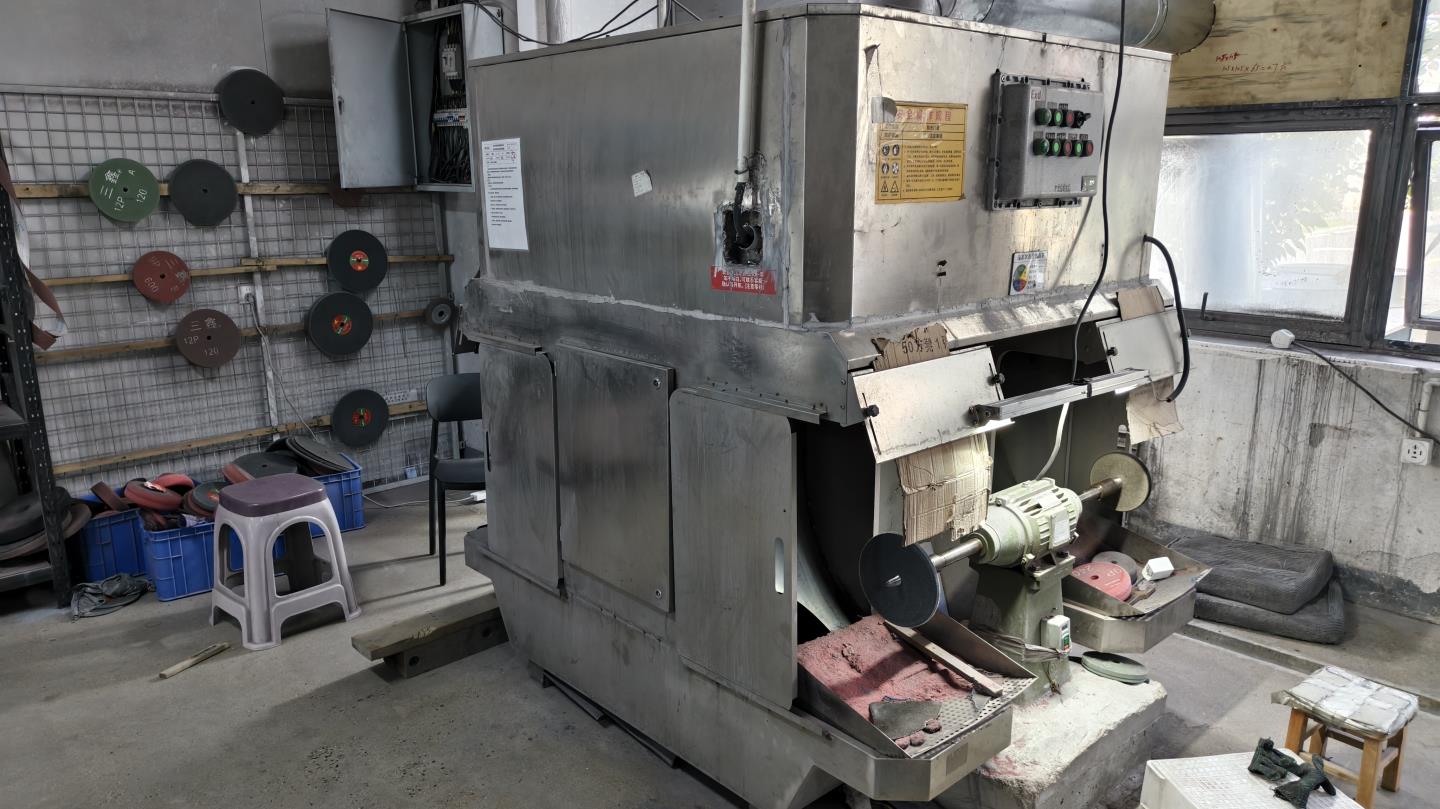
By coupling Swiss-type precision machining with vertically integrated finishing processes, we lower capital overheads without risking material purity or component tolerance. This structural agility allows us to deliver high-quality CE certified implants with shorter lead times and superior pricing options compared to traditional suppliers.
Synoviq Medical Technology (China) Co., Ltd. — Professional Orthopedic Manufacturer
Synoviq Medical Technology (China) Co., Ltd. is a professional manufacturer of orthopedic implants and surgical instruments, dedicated to delivering innovative, reliable, and high-quality medical solutions for healthcare professionals worldwide. Since its establishment, Synoviq has focused on research, development, precision manufacturing, and international quality standards, providing comprehensive OEM and ODM services for global medical device brands, distributors, and hospitals.
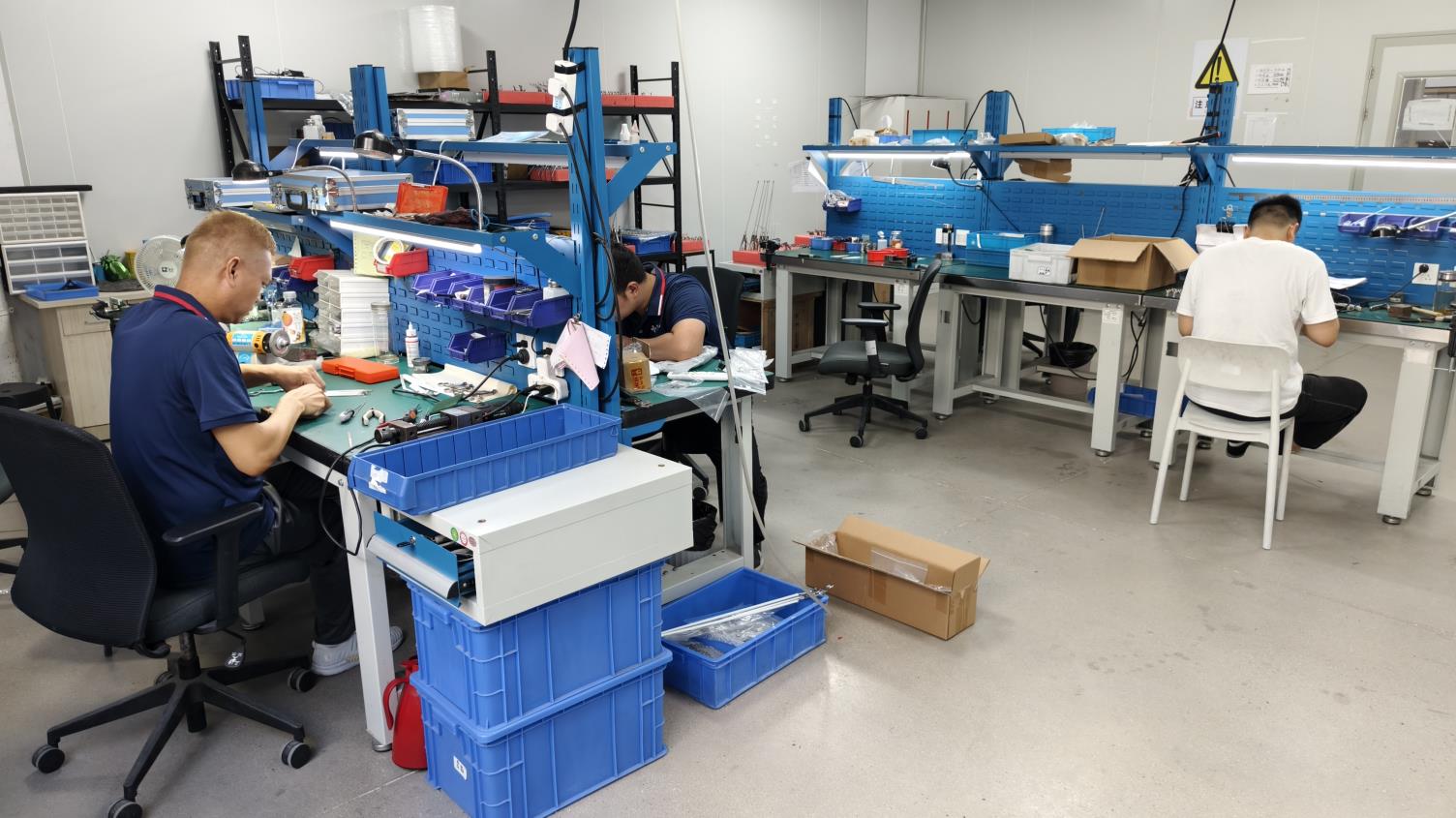
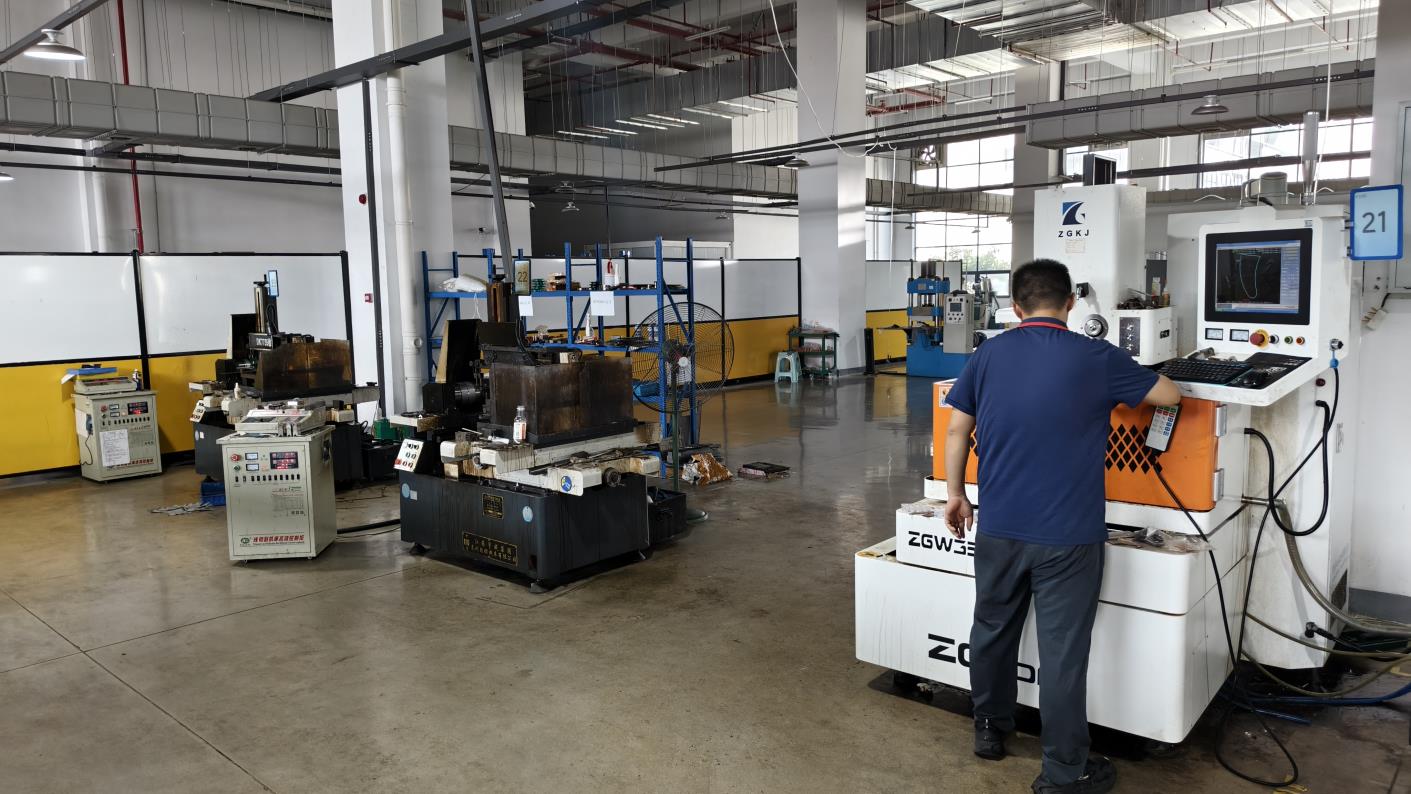
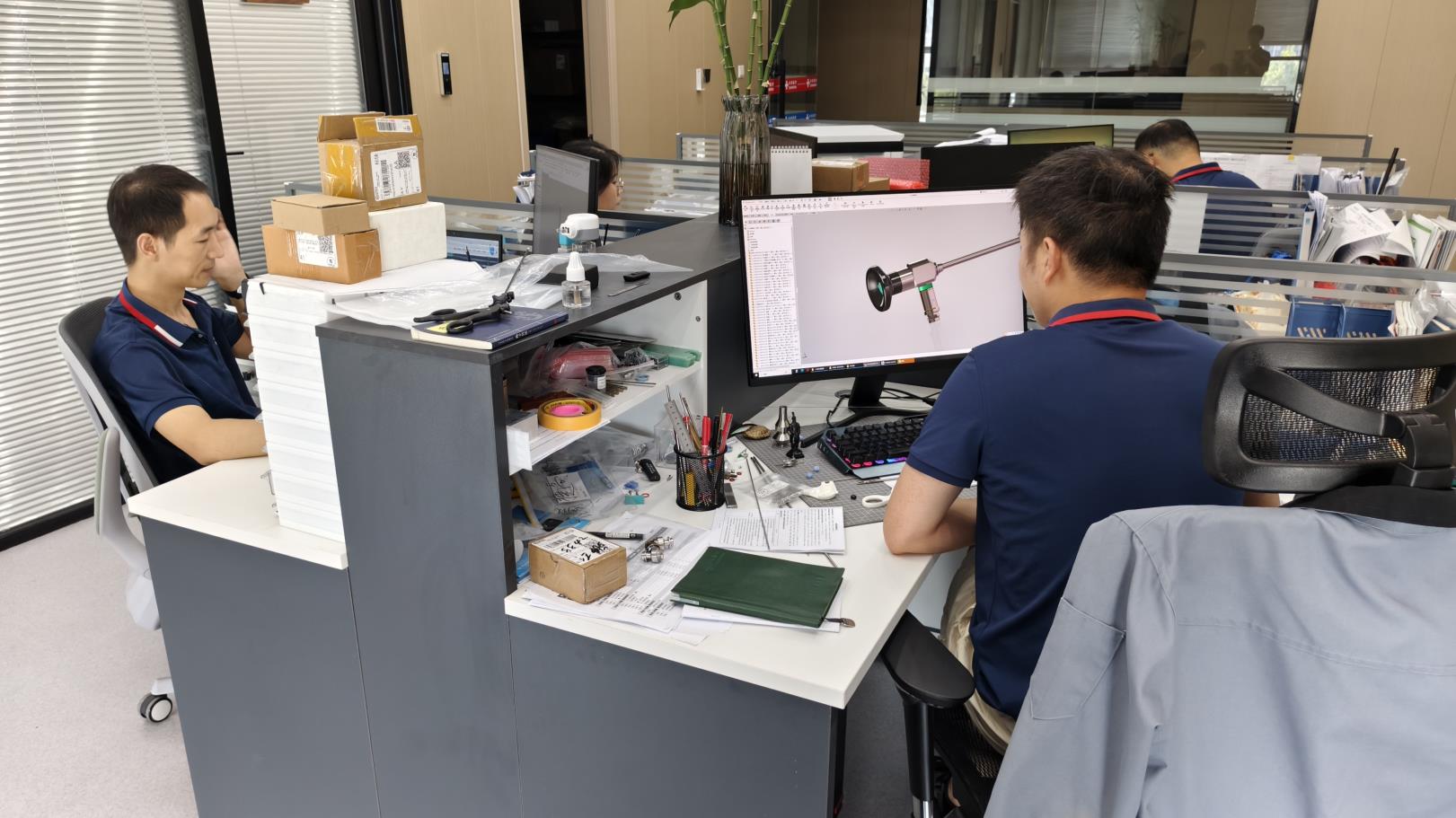
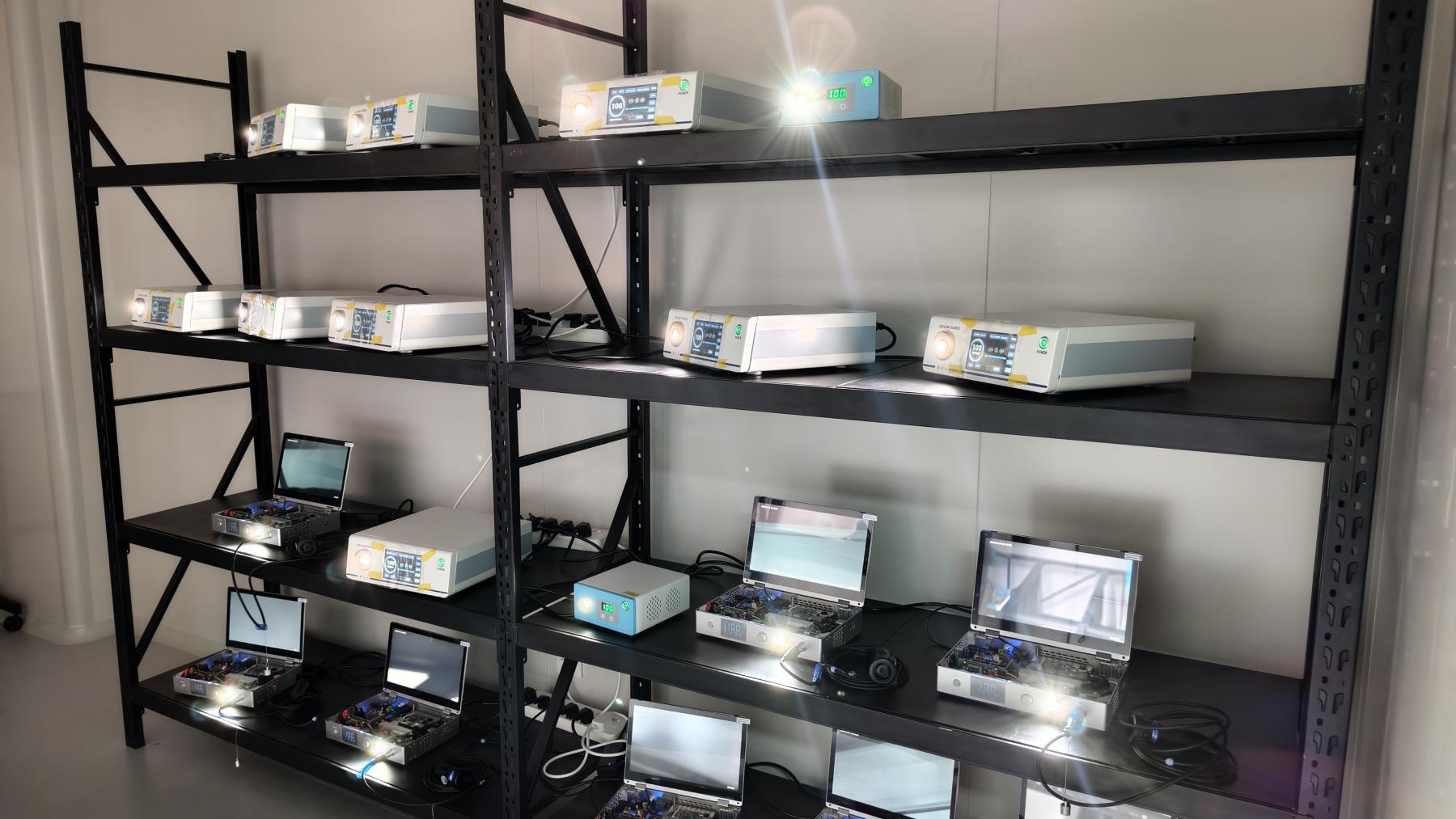
Our product portfolio includes trauma fixation systems, spinal implants, locking plates, intramedullary nails, external fixation systems, orthopedic screws, surgical instruments, and customized orthopedic solutions. Equipped with advanced CNC machining centers, precision inspection equipment, and modern clean production facilities, we ensure every product meets strict international quality requirements.
Driven by continuous innovation, Synoviq invests heavily in R&D and intelligent manufacturing to enhance product performance, surgical efficiency, and patient outcomes. Our experienced engineering team works closely with customers to develop customized products tailored to different clinical applications and market demands.
With a customer-oriented philosophy, competitive pricing, stable supply capability, and efficient technical support, Synoviq has established long-term partnerships with distributors, medical brands, and healthcare organizations across Europe, North America, South America, the Middle East, and Asia-Pacific.
| Item | Information |
|---|---|
| Company Name | Synoviq Medical Technology (China) Co., Ltd. |
| Brand | Synoviq |
| Established | March 18, 2016 |
| Building Area | 18,600 m² |
| Annual Export Revenue | USD 21.8 Million |
| Export Experience | 8 Years |
| Industry Experience | 14 Years |
| Quality Inspection | 100% Final Inspection & Incoming Material Inspection |
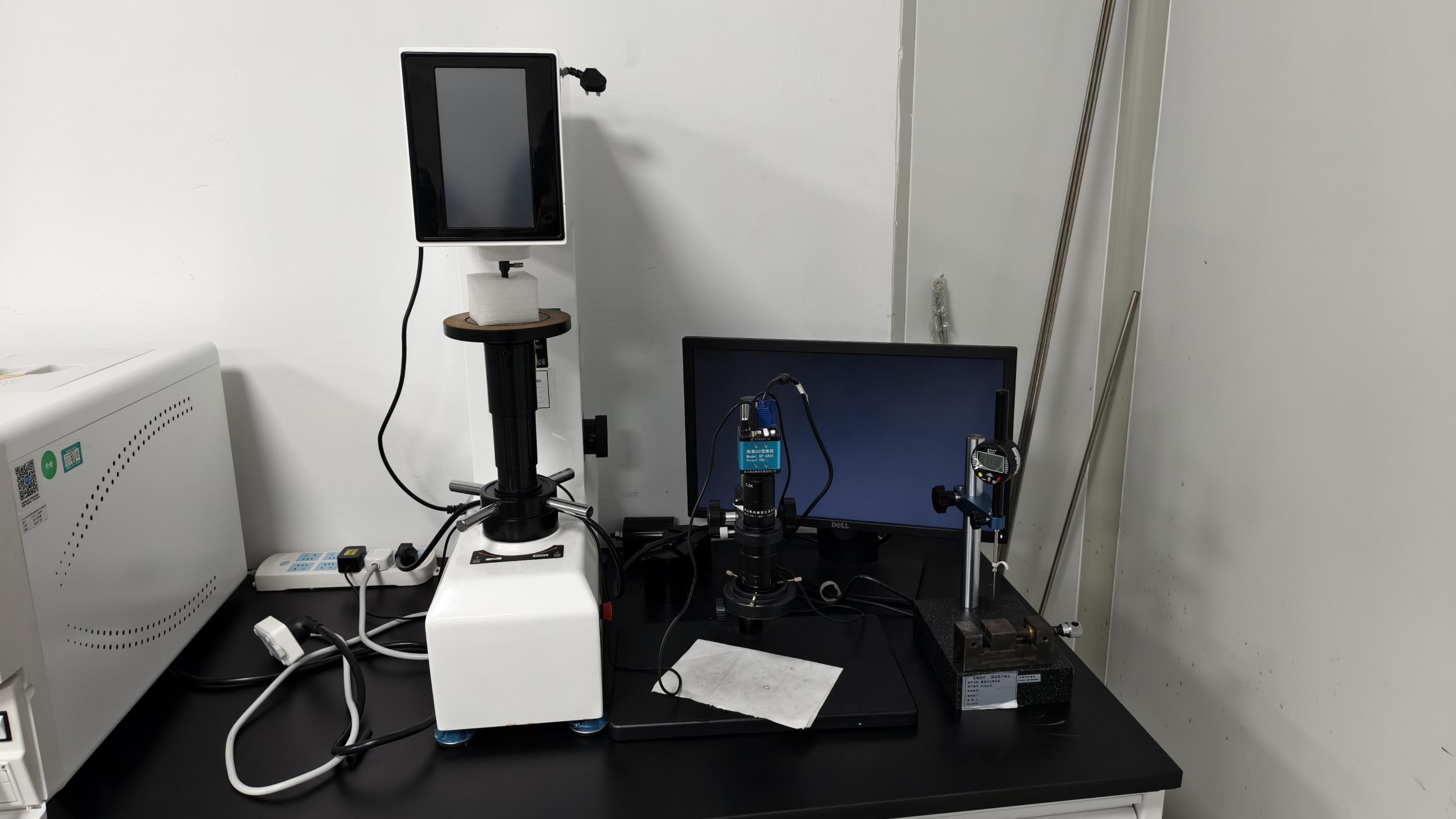
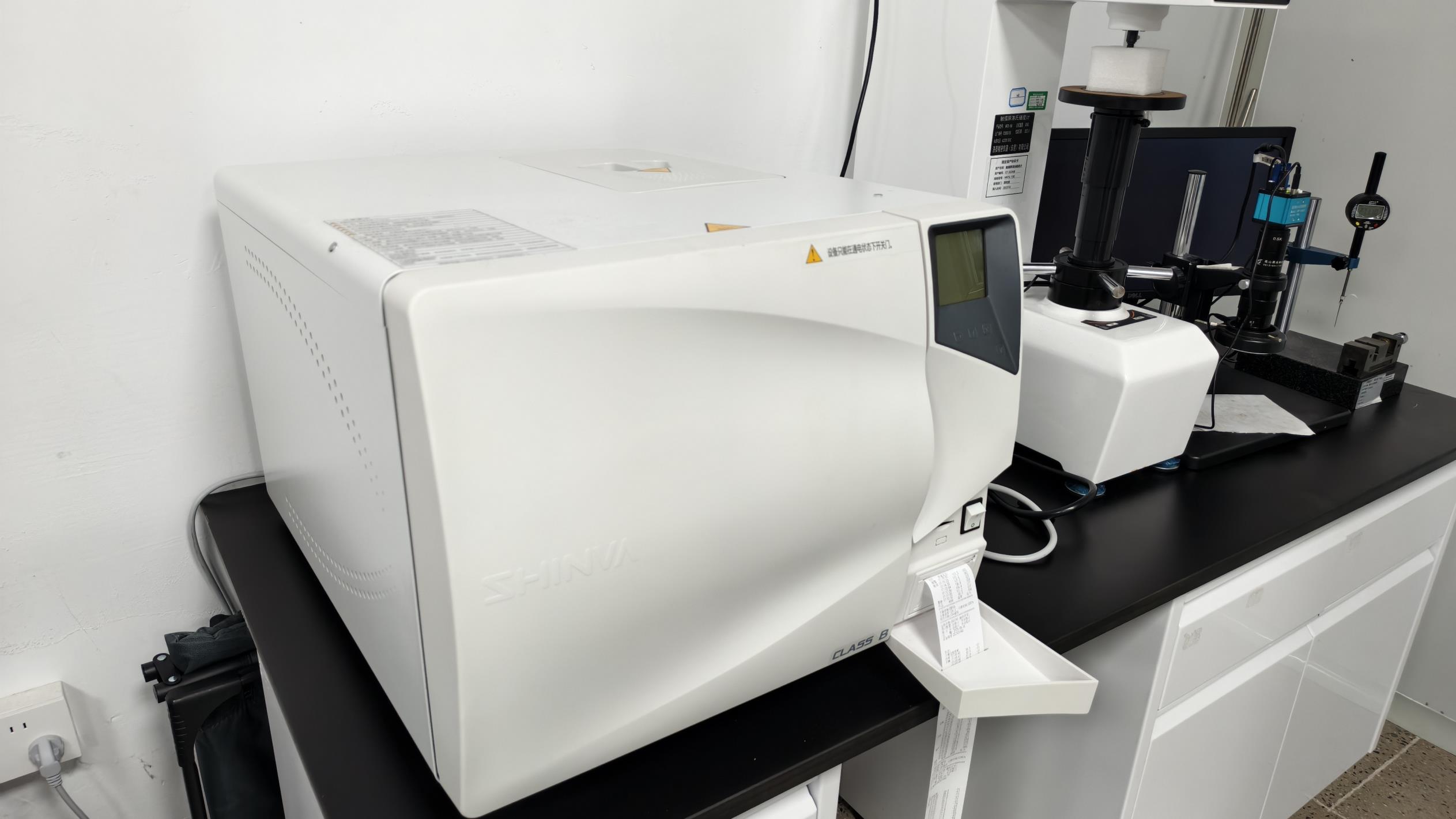
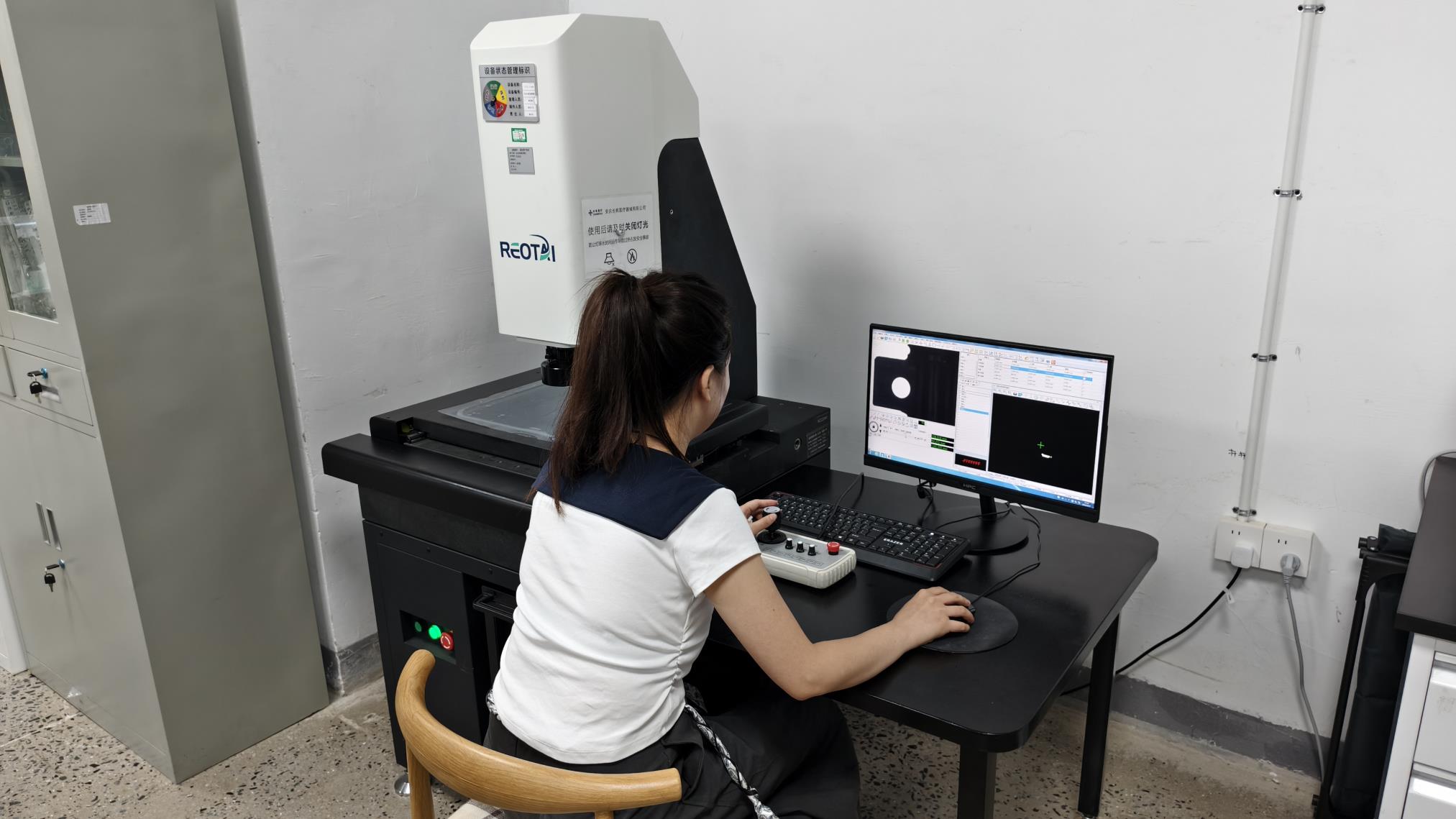
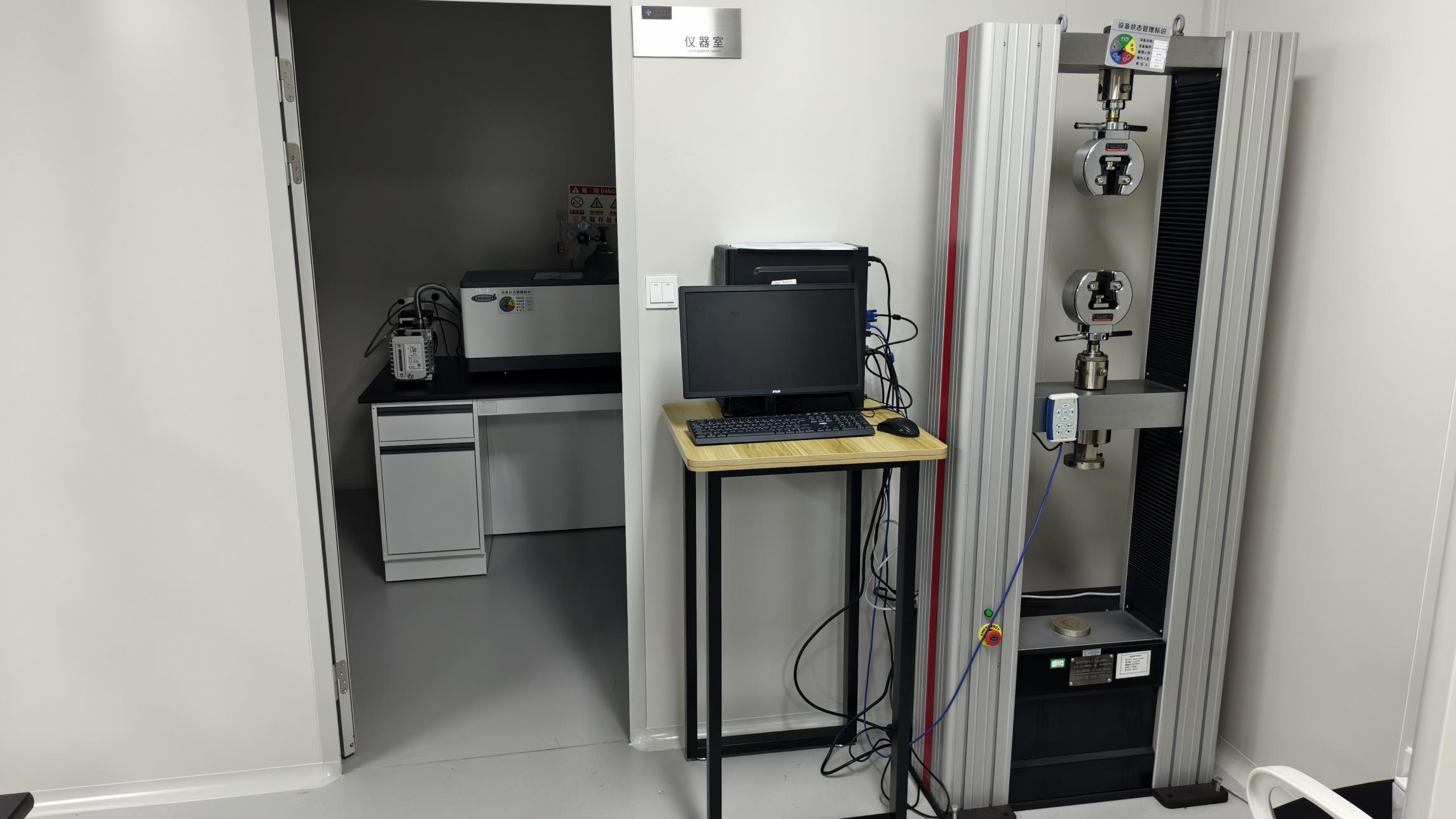
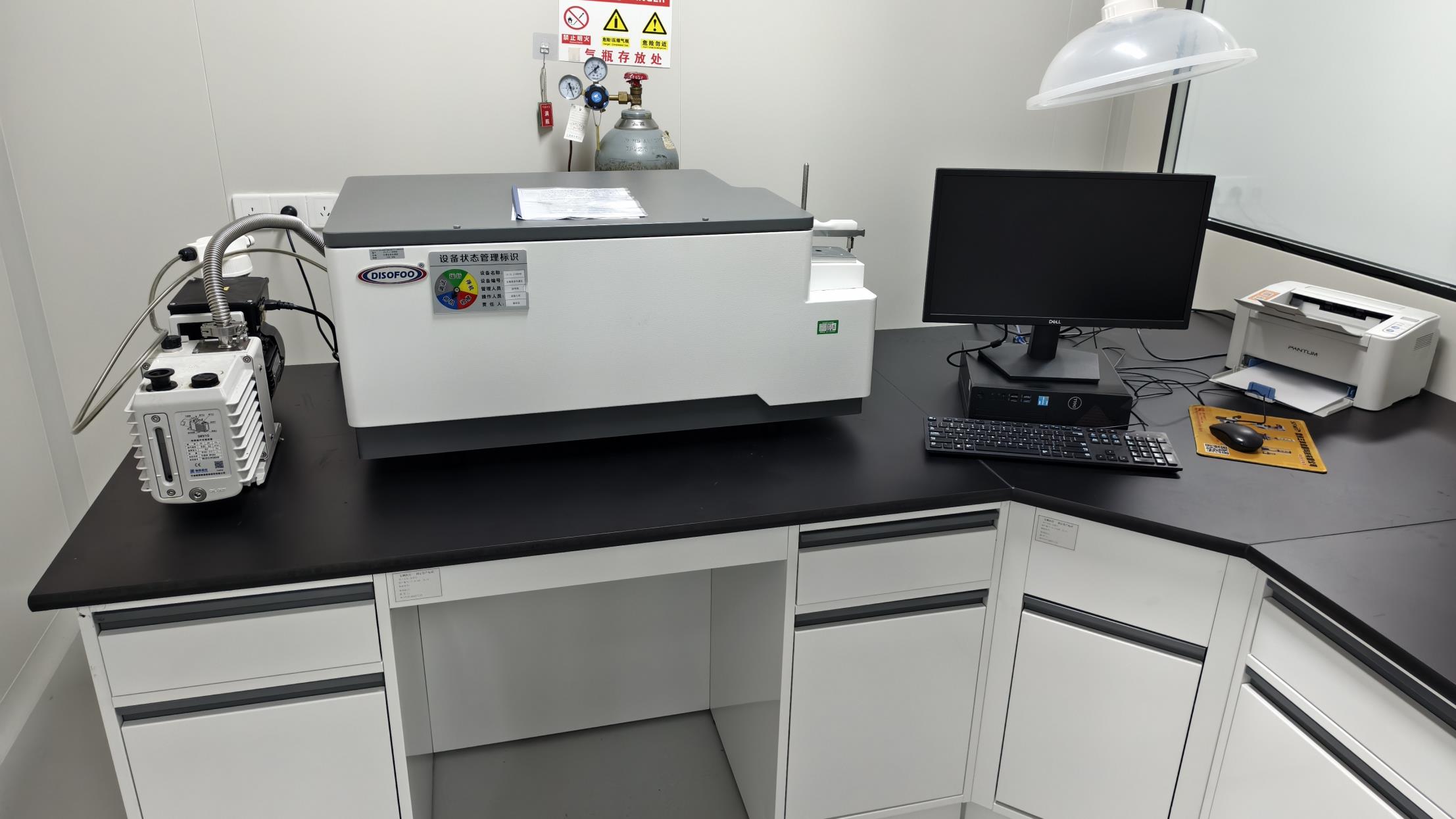
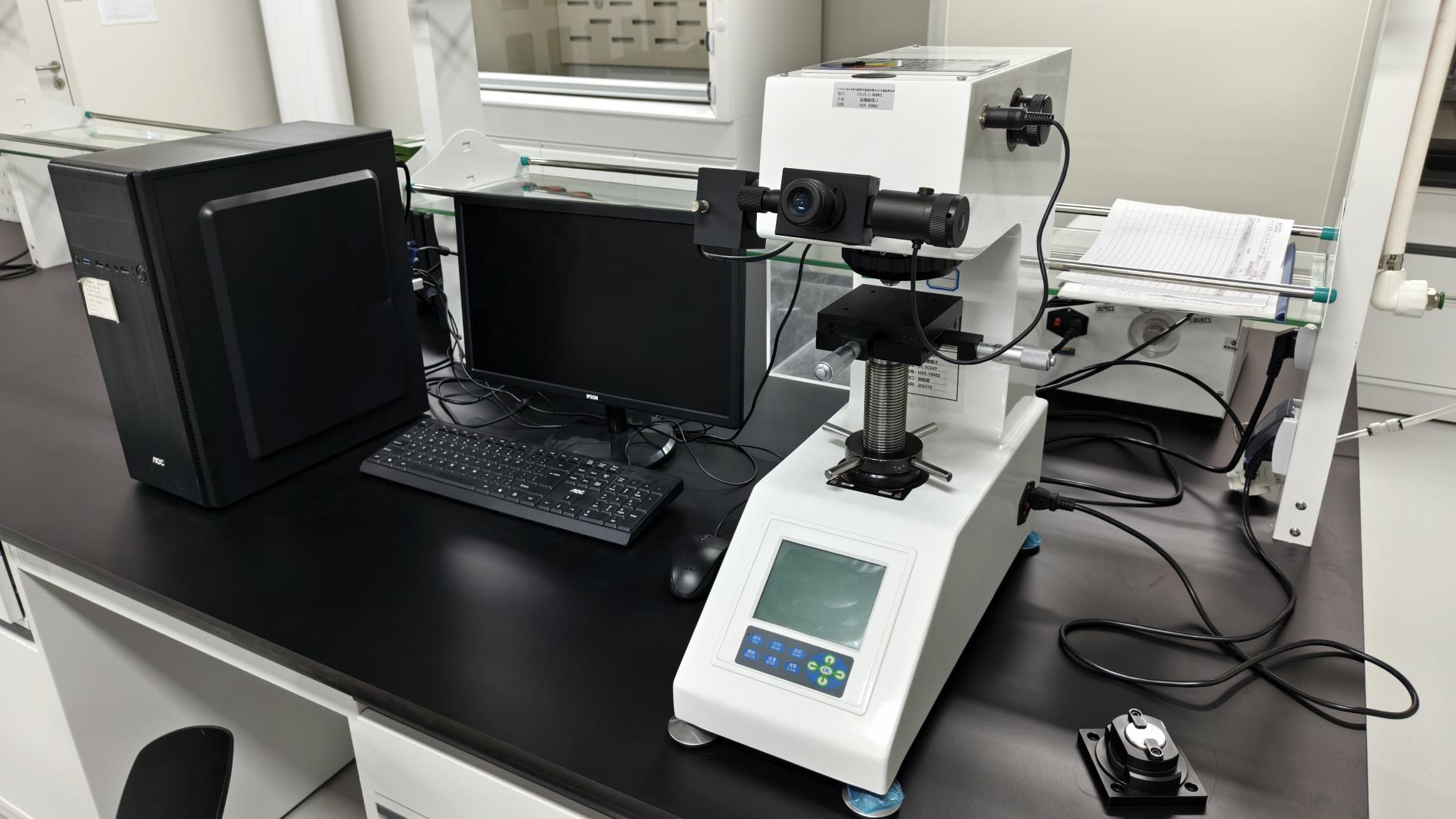
| Product Inspection Methods | CMM Measurement, Mechanical Testing, Surface Roughness Testing, Hardness Testing, Salt Spray Testing, Sterility Validation |
| Quality Control Staff | 48 |
| Business Type | Manufacturer & Exporter (OEM/ODM) |
| Main Markets | Europe, North America, South America, Middle East, Southeast Asia |
| Supply Chain Partners | 1,120+ |
| Main Customer Types | Medical Device Brands, Importers, Distributors, Hospitals, Government Procurement Projects |
| R&D Capability | Independent Product Design, Prototype Development, Clinical-Oriented Engineering, OEM & ODM Development |
| Customization Options | Logo Customization, Packaging Customization, Product Design Customization, Material Selection, Surface Treatment |
| New Products Released Last Year | 186 |
| R&D Engineers | 76 |
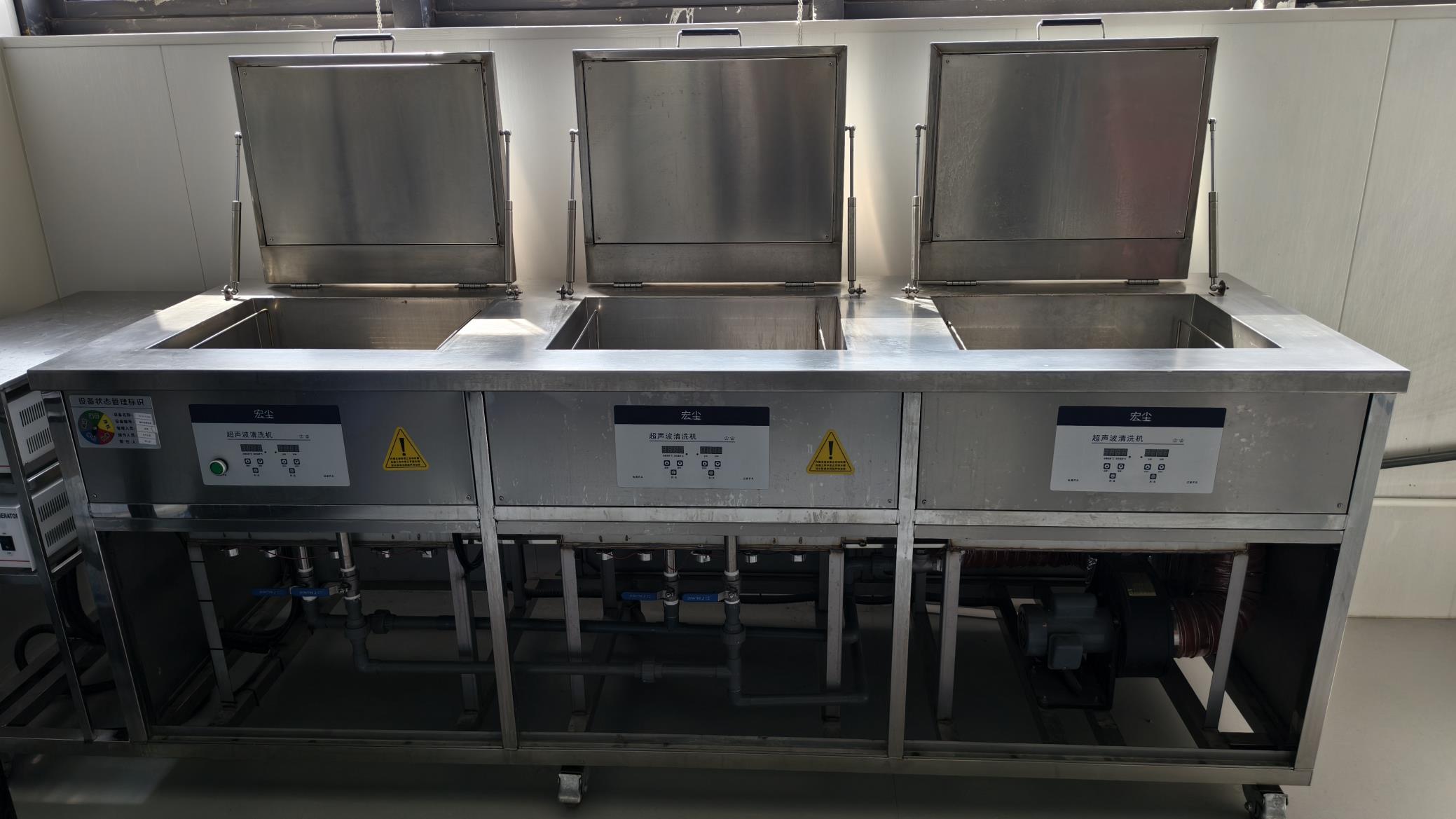
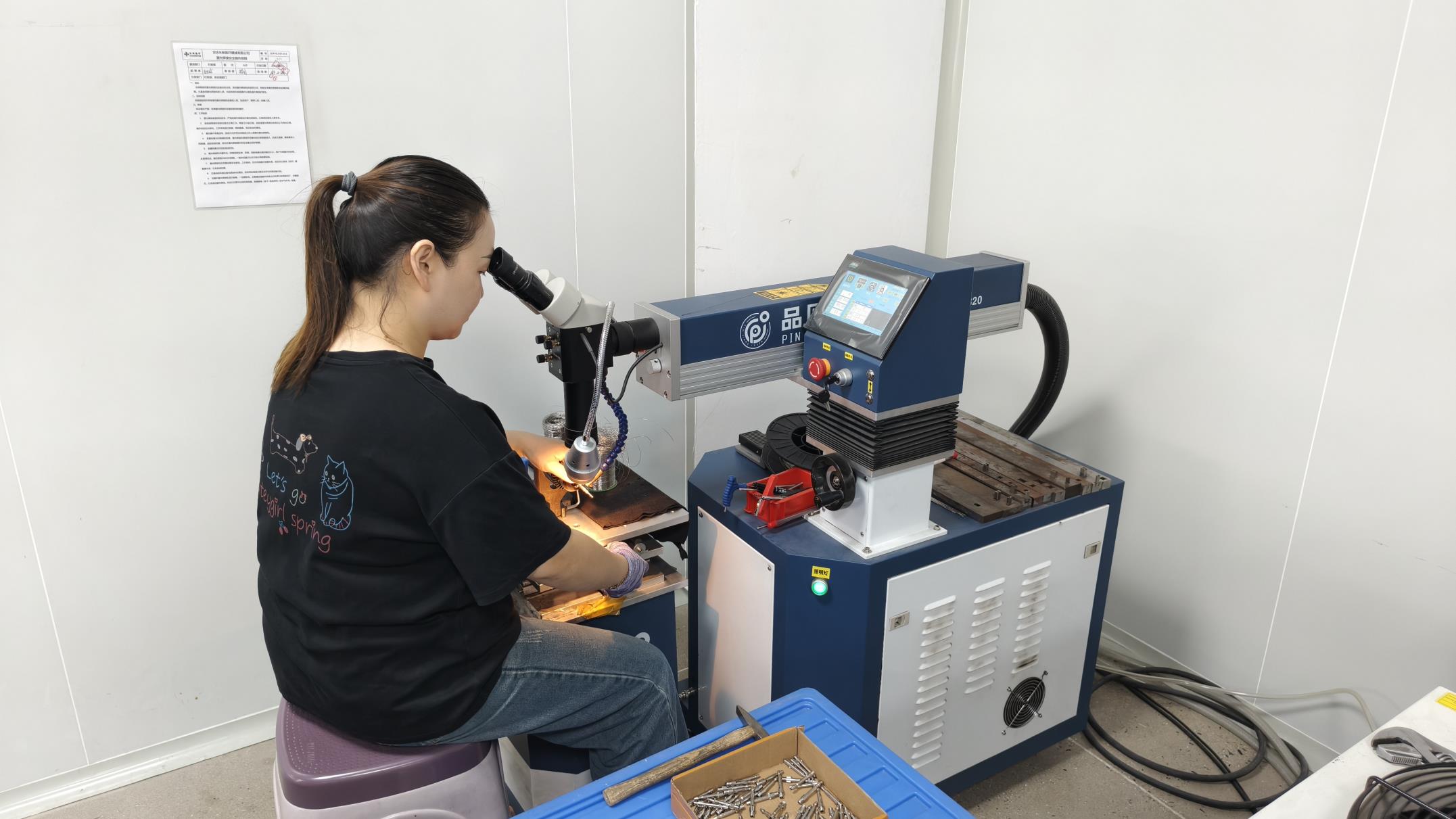
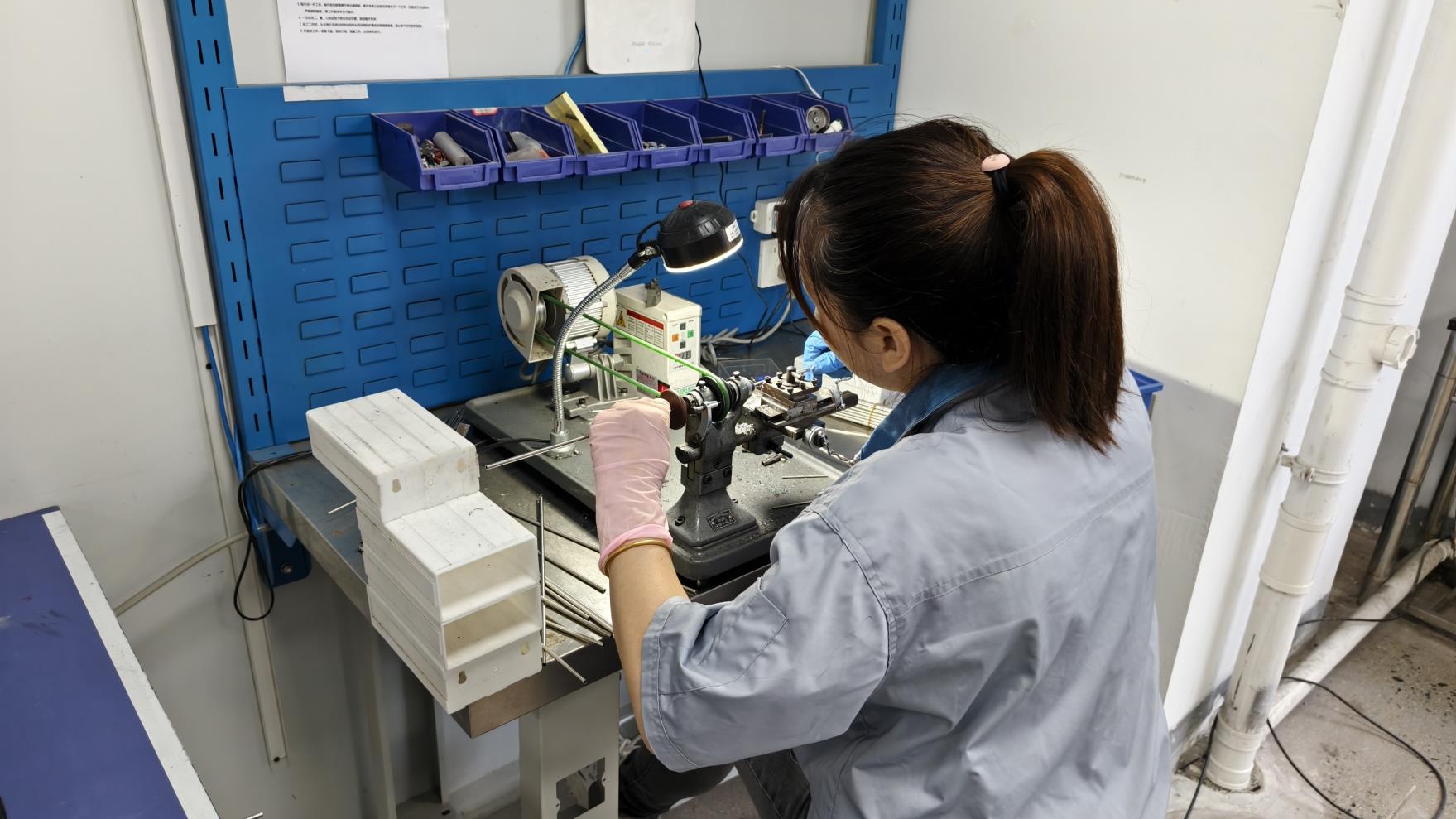
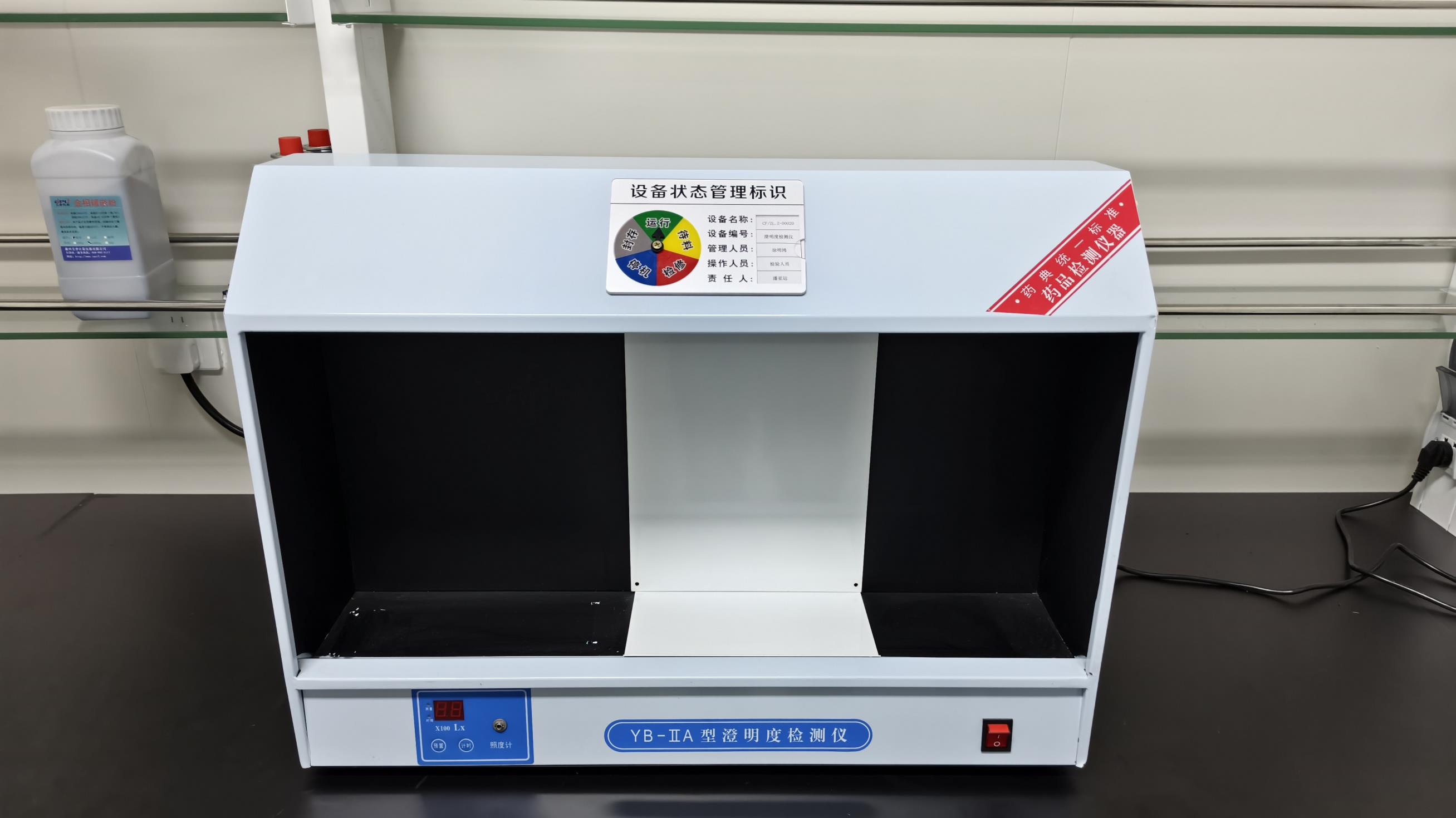
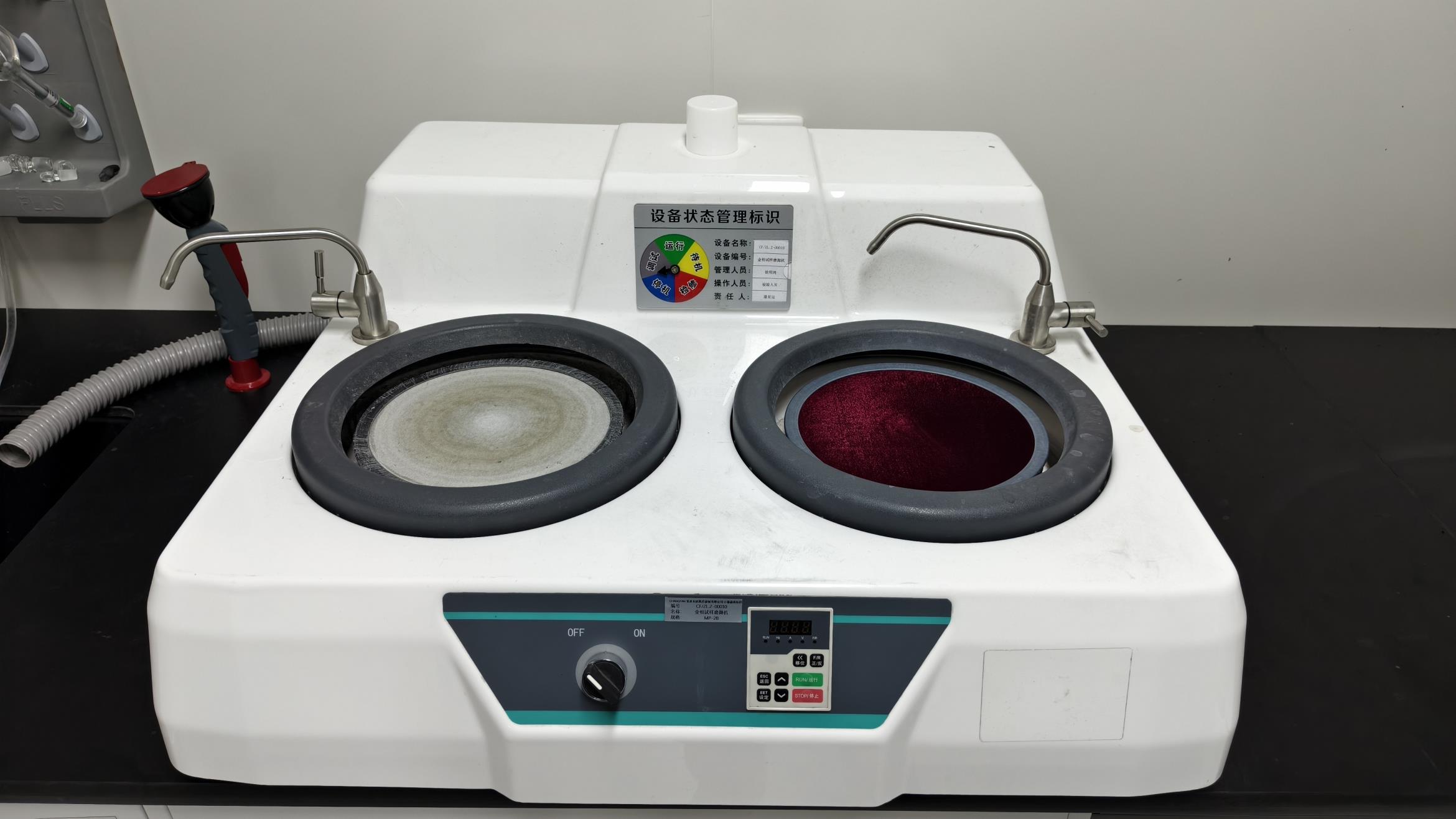
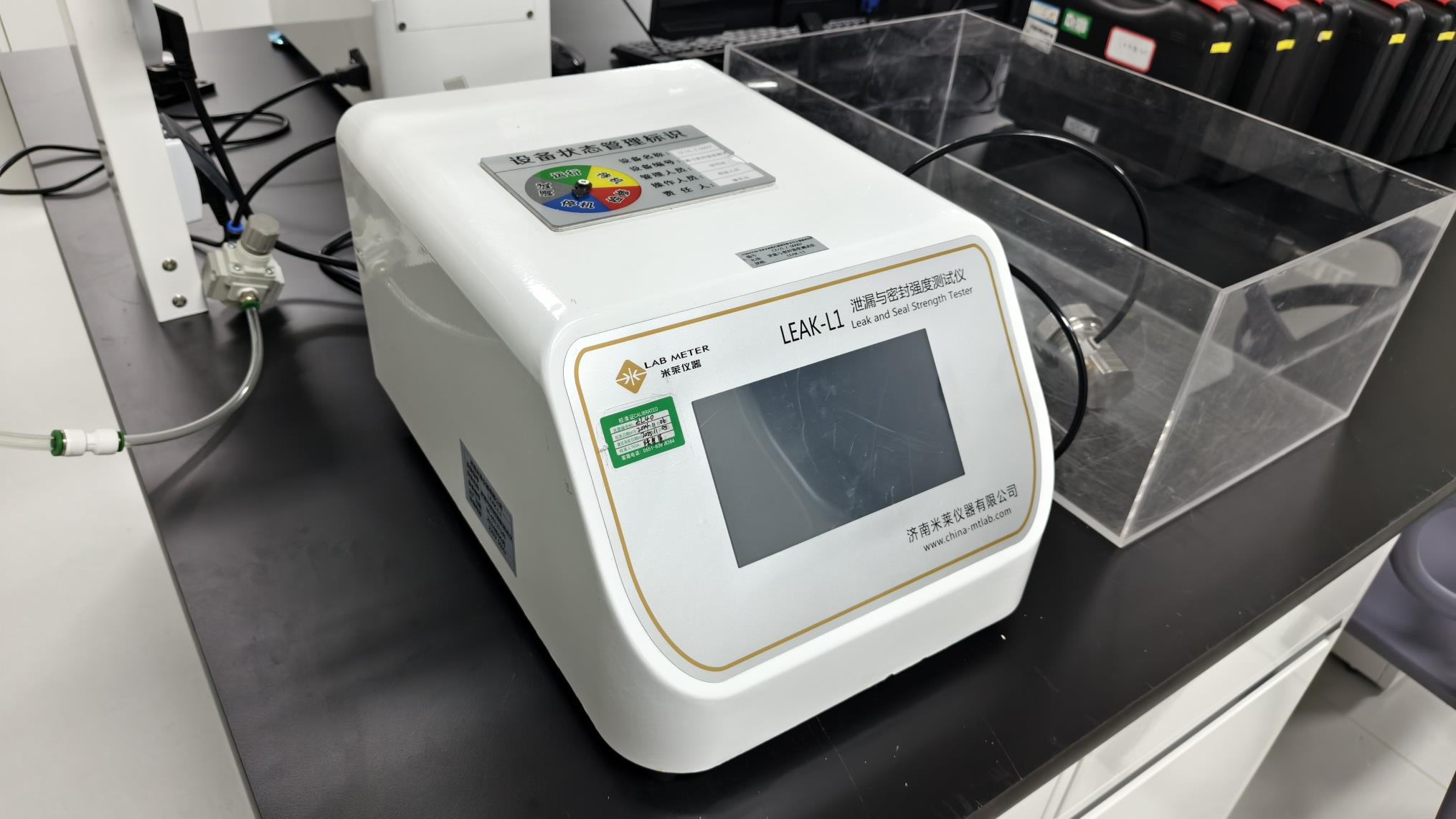
A Visual Tour of Our Advanced Manufacturing, Processing and Testing Capabilities
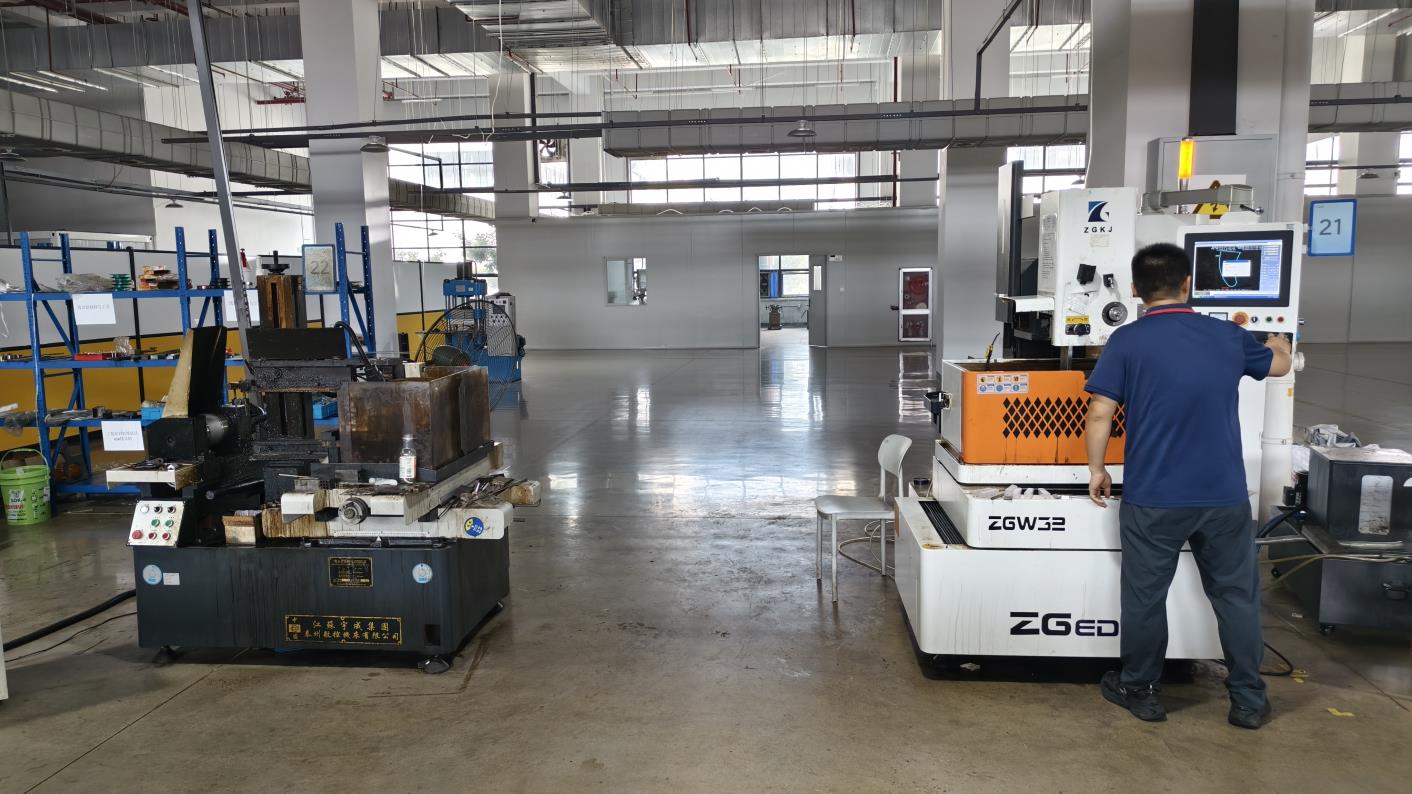
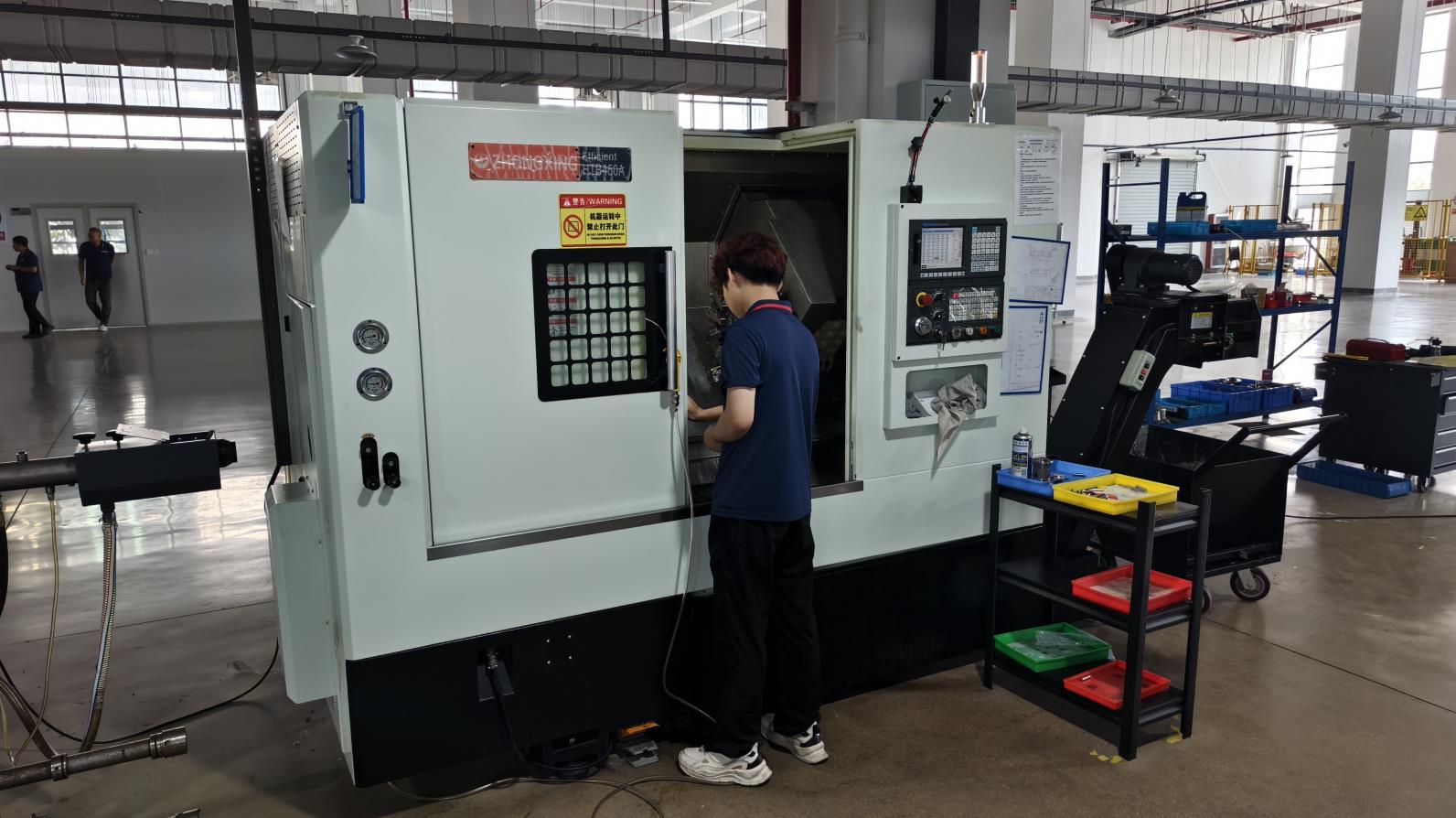
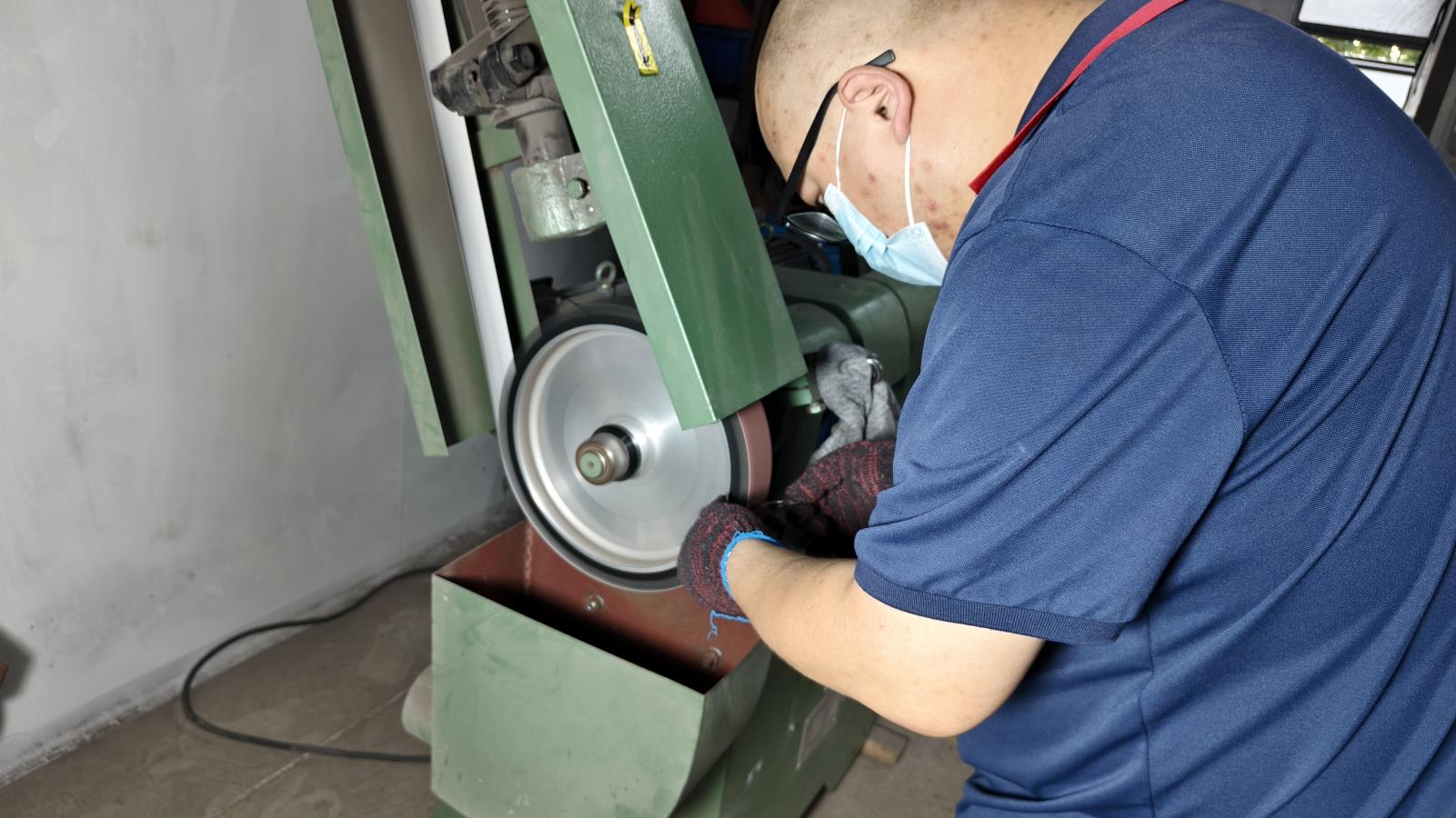
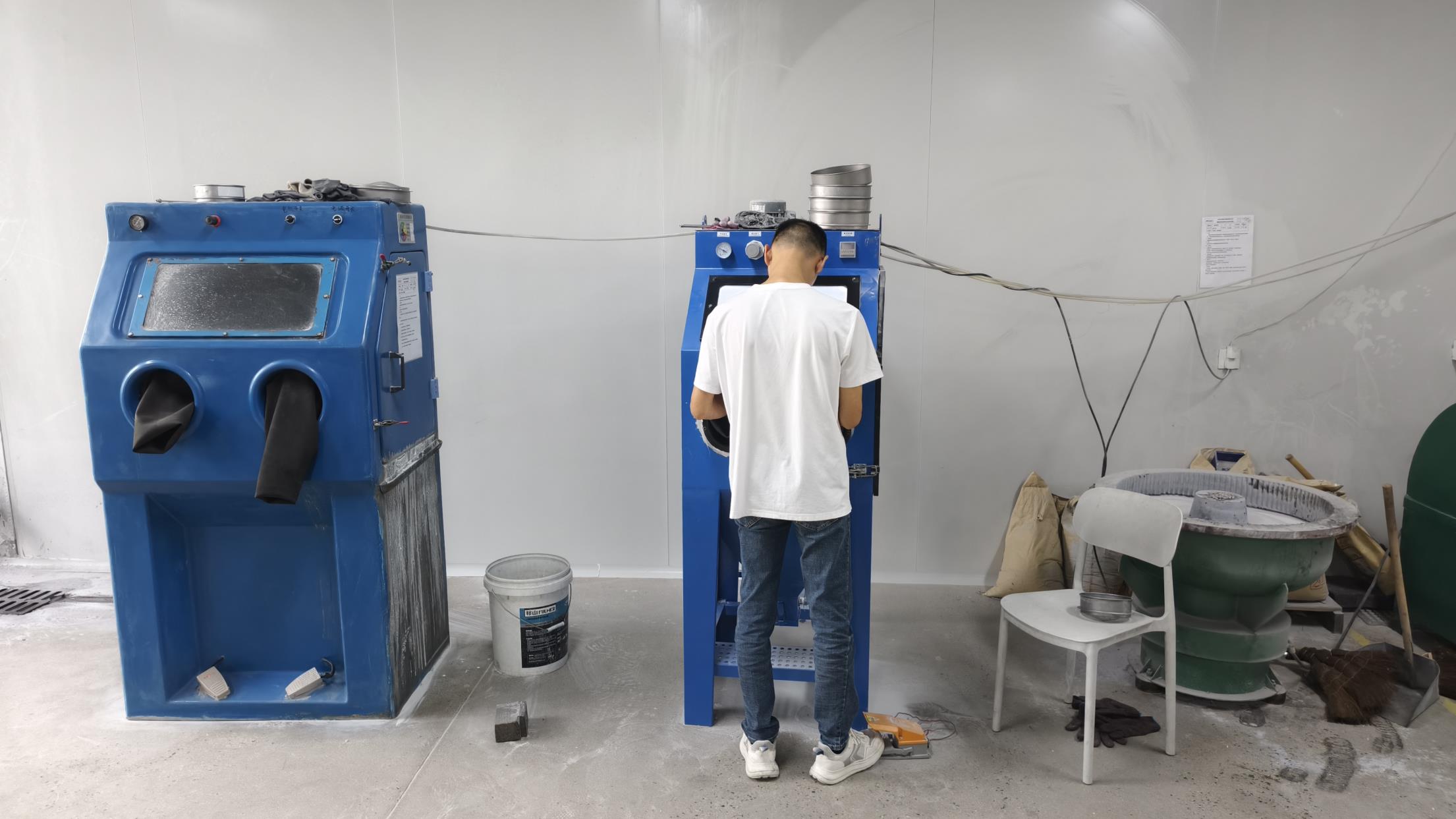
Patient demographics vary across regions, requiring distinct implant considerations. In Western markets, patients typically present higher Body Mass Index (BMI) profiles, calling for enhanced shear stress capability at the bone-cement interface. Our high-viscosity PMMA-compatible cement fixation structures are optimized to endure high structural loading without debonding.
Conversely, in many Asian and Middle Eastern populations, deep flexion activities—such as kneeling, squatting, and cross-legged sitting—are integral parts of cultural and daily life. To address these movements safely, we offer high-flexion configurations that support safe articulation up to 145 degrees of flexion. This design modification increases the posterior chamfer and adjusts the cam-post contact profile to reduce anterior impingement and prevent posterior dislocation during deep knee bends.
Providing the Framework for Compliance, Registration, and Post-Market Performance
All knee replacement implants manufactured in our facility undergo strict technical documentation review aligned with EU Medical Device Regulation (MDR 2017/745). Our Class III certifications allow smooth customs clearance and regulatory approval for our European distribution networks.
Our quality management system is fully certified to ISO 13485 standards. From the identification of titanium bar stock through CNC processing, cleaning in class 100,000 cleanrooms, to sterilization validation, every manufacturing step is recorded and fully traceable.
We provide full registration dossiers to support local registration processes. This includes biomechanical wear simulations (ISO 14243), biocompatibility studies (ISO 10993 series), cleanroom validation reports, and comprehensive clinical evaluation updates.
Developing 3D-printed porous titanium bases to encourage biological bone ingrowth without relying on bone cement.
Evaluating dual-mobility knee configurations to offer enhanced rotational range of motion for highly active patients.
Orthopedic science continues to advance rapidly. Synoviq invests approximately 10% of its annual export revenue into researching osteophilic surface treatments and patient-specific implant matching. Our R&D team is actively optimizing additive manufacturing protocols to produce next-generation implants designed for cementless fixation.
Additionally, we are developing sensor-assisted surgical trial tools. These systems are designed to provide surgeons with real-time feedback on ligament tension and gap balance during surgery, assisting in implant placement to minimize early-stage revision risks.
Essential Technical and Commercial Answers for Professional Buyers and Distributors
Explore Our Extended Range of CE-Certified Joint, Trauma, and Bone Fixation Systems
 Synoviq Medical