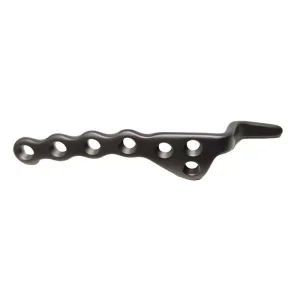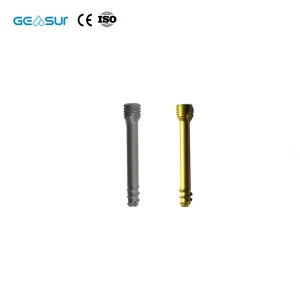
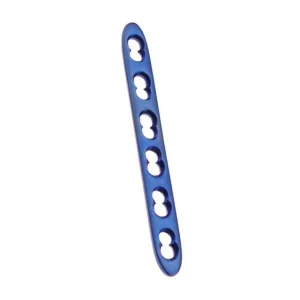
Geasure Medical Trauma Implants Narrow Dynamic Locking Plate Titanium Alloy 5-16 Hole ZXSD05
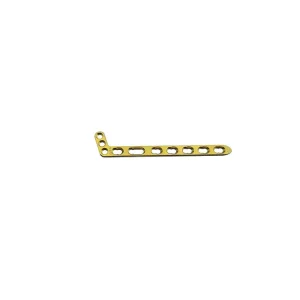
RF Plasma Electrodes for Sports Injury Surgery ENT Spinal Surgery
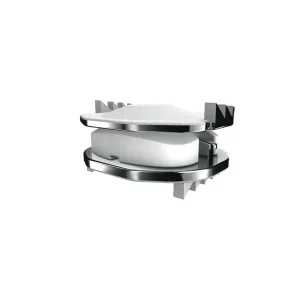
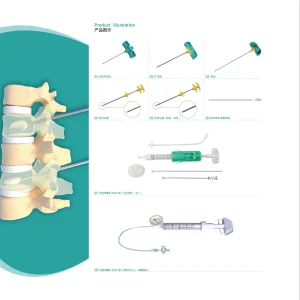
Orthopedic Implant Adjustable Spinal Fusion Cage Used for Spinal Fusion Surgery
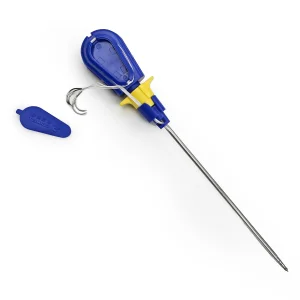
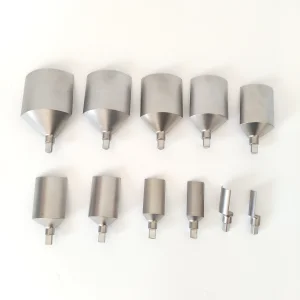
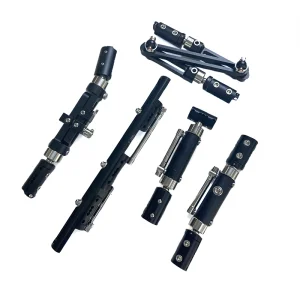
Geasure Orthopedic Spinal Surgical Instruments Posterior Cervical Screw Instrument Set GB18X01
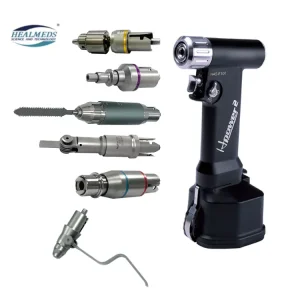
Conmed Stryker Medical Orthopedic Drilling Electric Orthopedic Drill for Orthopaedic Power Tools
Cervical expansive laminoplasty has undergone critical evolutionary transitions over the past two decades. As the clinical gold standard for addressing multilevel cervical myelopathy and Ossification of the Posterior Longitudinal Ligament (OPLL), modern implantology demands high biomechanical reliability. Traditional suture-anchored reconstruction and autograft techniques have largely transitioned to titanium mini-plate systems.
The contemporary industry shift favors ultra-low profile configurations designed to mitigate postoperative soft-tissue irritation and axial neck discomfort. Modern Laminoplasty Plates incorporate advanced anatomical design elements (such as pre-bent configurations and expandable hinge designs) that enable spine surgeons to secure optimal spinal canal enlargement while preserving posterior muscular attachment and stabilizing the laminar arches.
For critical Class III spinal implants, material integrity dictates clinical longevity. Synoviq utilizes premium medical-grade titanium alloy (Ti-6Al-4V ELI) conforming to ISO 5832-3 and ASTM F136 specifications. This structural standard offers the optimal balance of a low elastic modulus (which closely aligns with cortical bone to prevent stress shielding), high tensile fatigue strength, and exceptional biocompatibility.
Furthermore, customized electrochemical surface anodization processes form a uniform titanium dioxide passive layer. This minimizes corrosion rates and enhances wear resistance under cyclical micro-motion conditions, fostering favorable osteointegration and lowering local inflammatory responses.
Aligning high-precision spinal manufacturing with European Medical Devices Regulation (MDR) standards and automated quality assurance pipelines.
Entering the European Union and associated international markets requires strict compliance with the Medical Device Regulation (MDR 2017/745). CE certification serves as a validation of a device's safety, clinical efficacy, and manufacturing consistency.
Our laminoplasty plate systems undergo comprehensive mechanical characterization testing, including dynamic and static bending fatigue tests in compliance with ASTM F1717. Technical documentation, clinical evaluations, and post-market clinical follow-up (PMCF) plans are thoroughly documented to ensure full traceability and streamline regulatory approvals for global B2B procurement partners.
Synoviq's 18,600 m² state-of-the-art facility integrates advanced CNC Swiss-type multi-axis lathe machining, robotic surface finishings, and automated packaging. Our Factory 4.0 infrastructure minimizes variable tolerance ranges down to the micron level, ensuring absolute dimensional consistency across implant batches.
By establishing long-term strategic relationships with verified medical-grade raw material suppliers, we guarantee stable procurement and delivery timelines. This robust logistical structure insulates our international distributors and hospital procurement networks from supply chain disruptions.
We support diverse commercial ecosystems, from specialized distributors to large-scale government procurement tenders and multi-national OEM/ODM programs. Customization services are backed by a team of 76 R&D engineers, enabling tailored product design, custom labeling, and region-specific packaging modifications.
Leveraging our 8-year export track record across Europe, North America, and the Asia-Pacific region, we offer comprehensive regulatory support. This includes providing Certifications of Free Sale (CFS), detailed Device Master Files (DMF), and specialized customs clearance documentation.
Did you know? Unlike standard orthopedic trauma plates, laminoplasty hinge implants must withstand continuous physiological micro-motions and dynamic shear stresses from the surrounding cervical posterior musculature. Synoviq's CE-certified plates feature a specialized structural hinge region with optimized thickness transitions. This design prevents localized stress concentrations, reduces post-operative implant displacement, and facilitates faster patient recovery.
Take a look inside our ISO 13485 certified production facility, where we utilize high-precision machinery and rigorous testing protocols to manufacture advanced spinal systems.
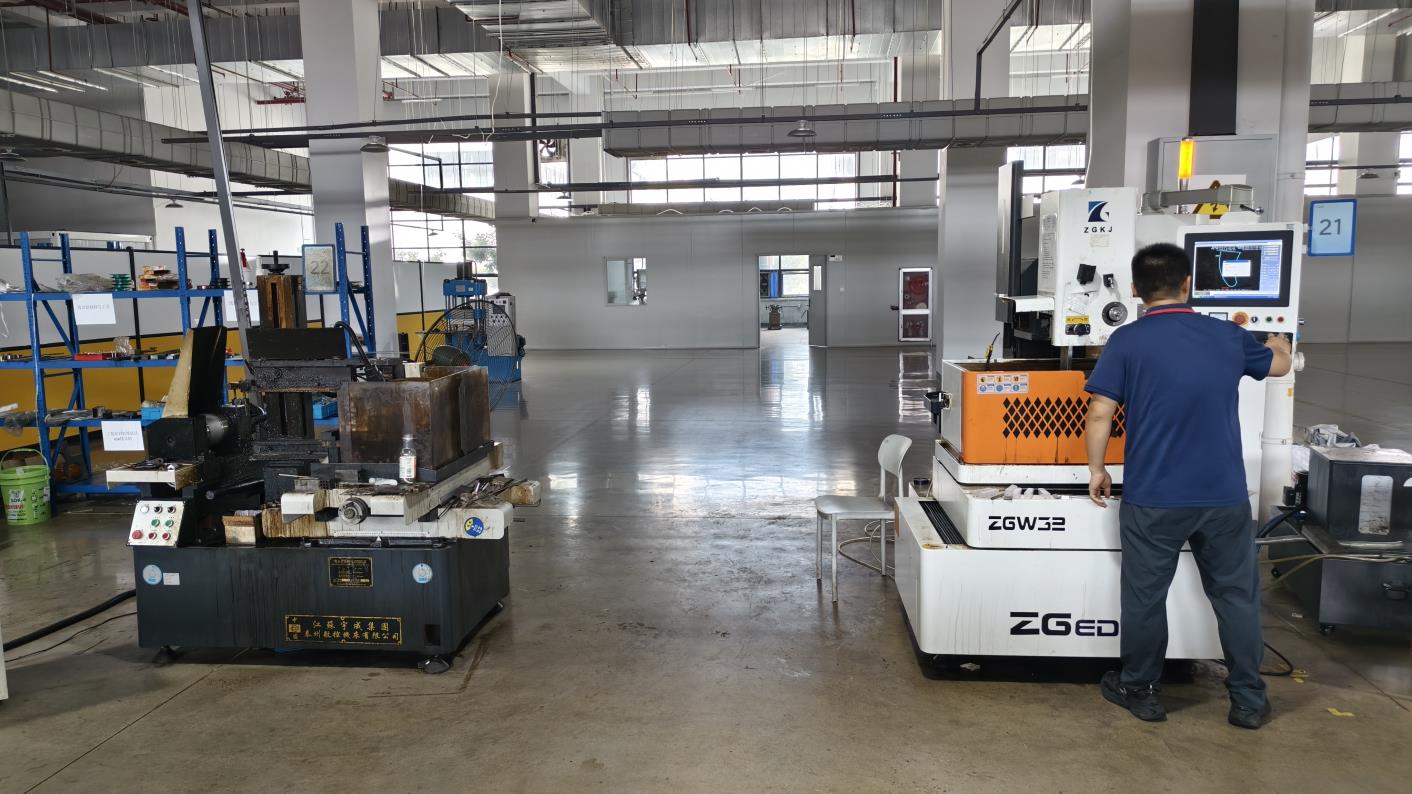
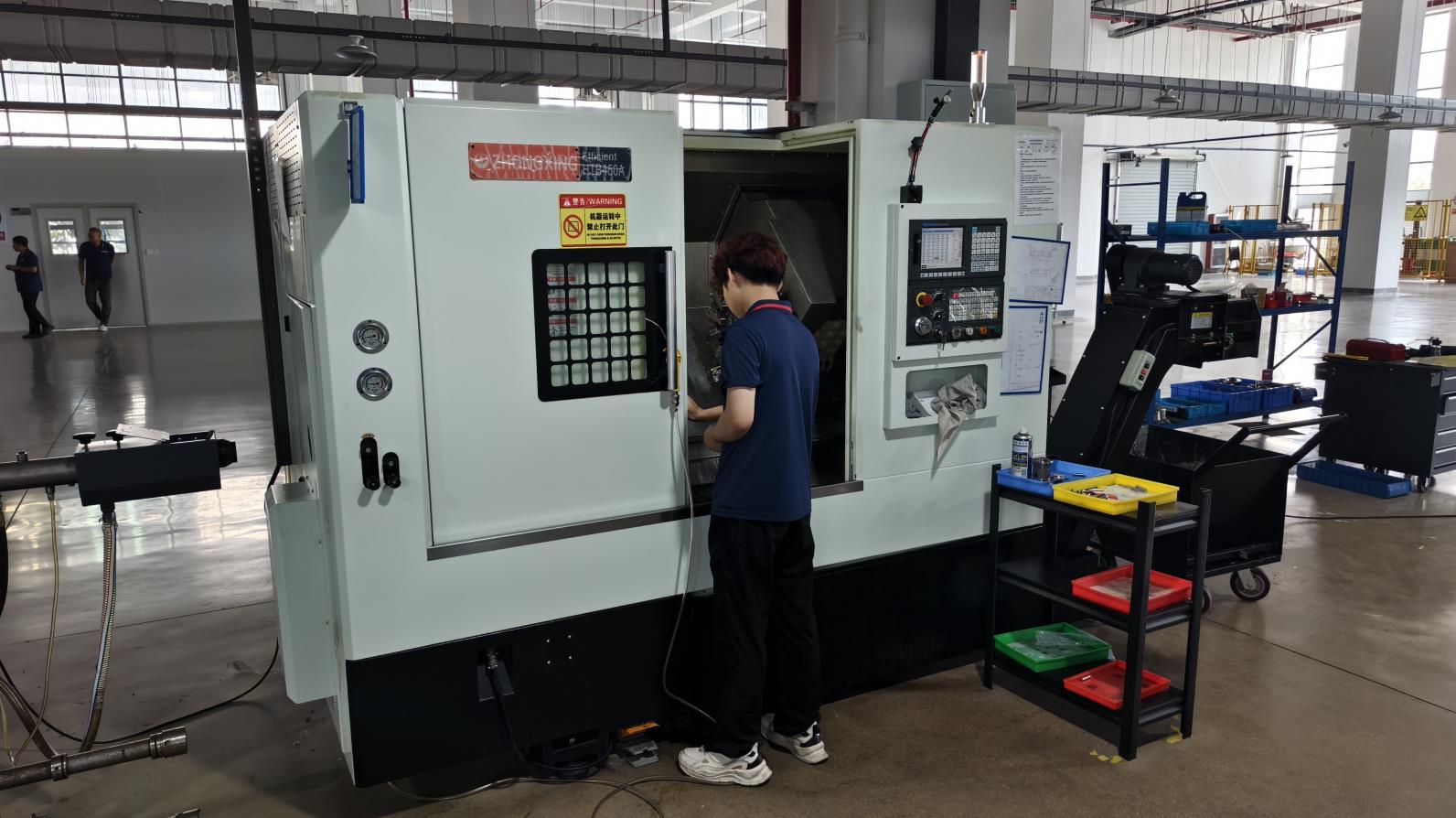
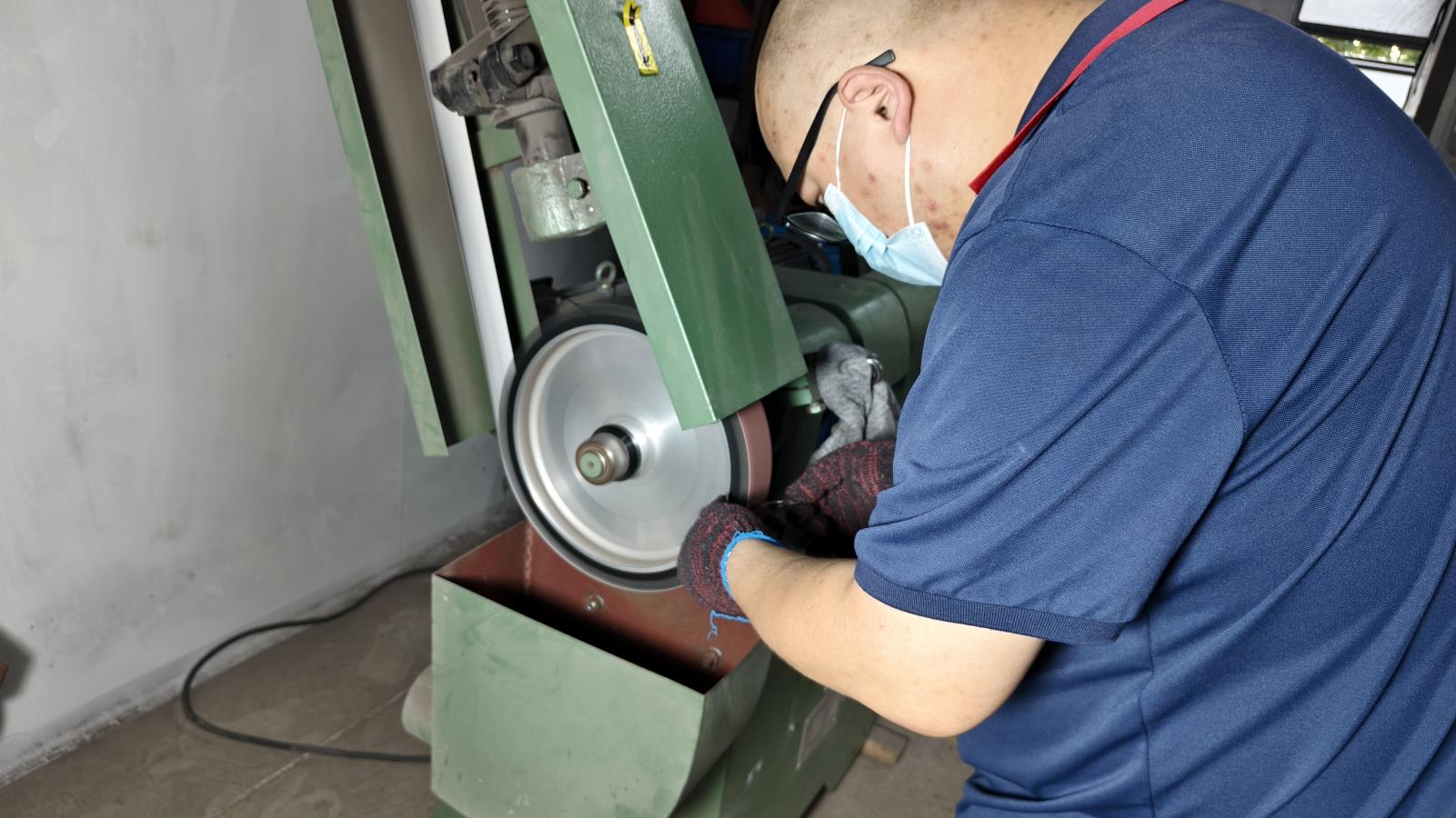
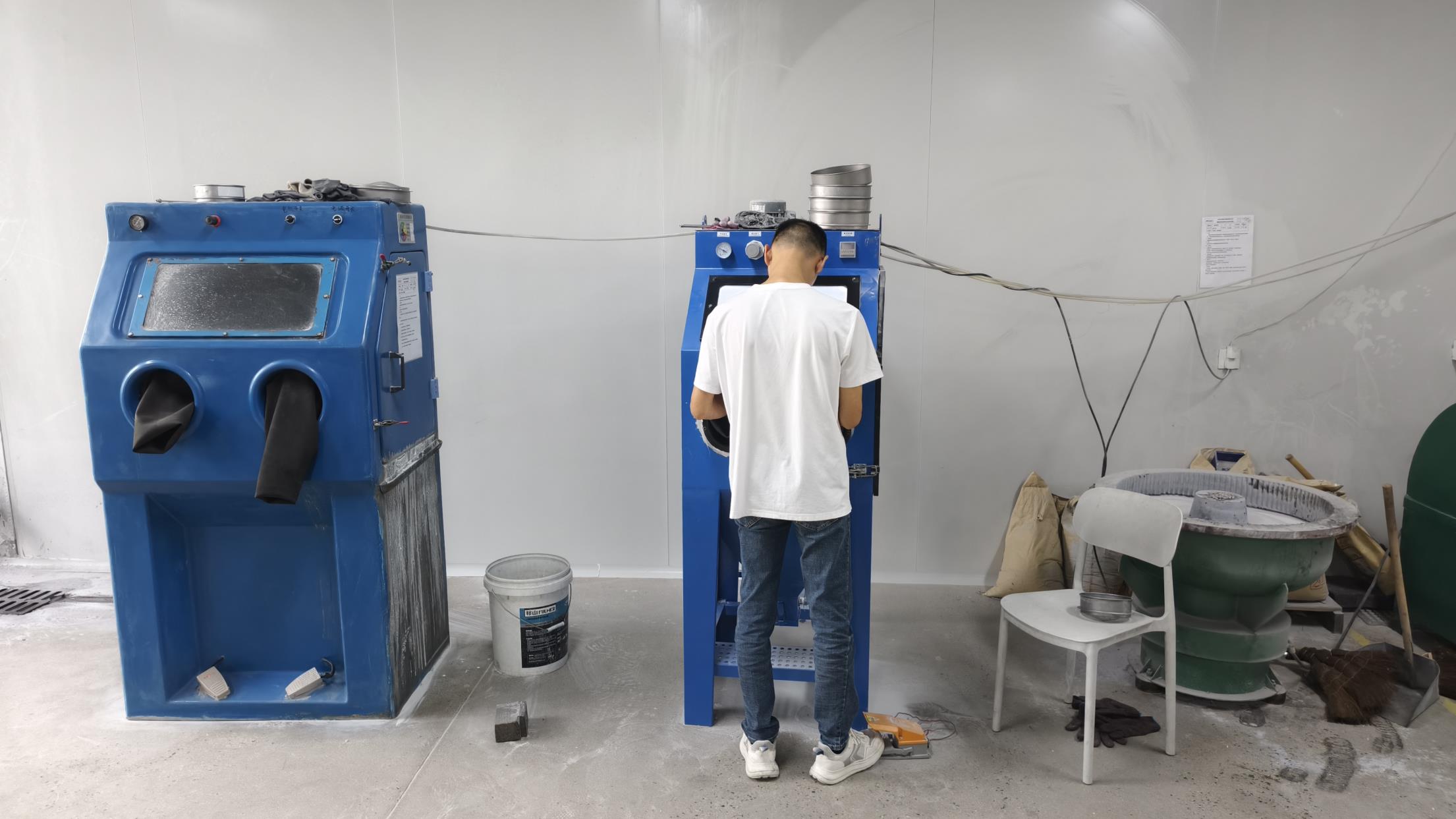
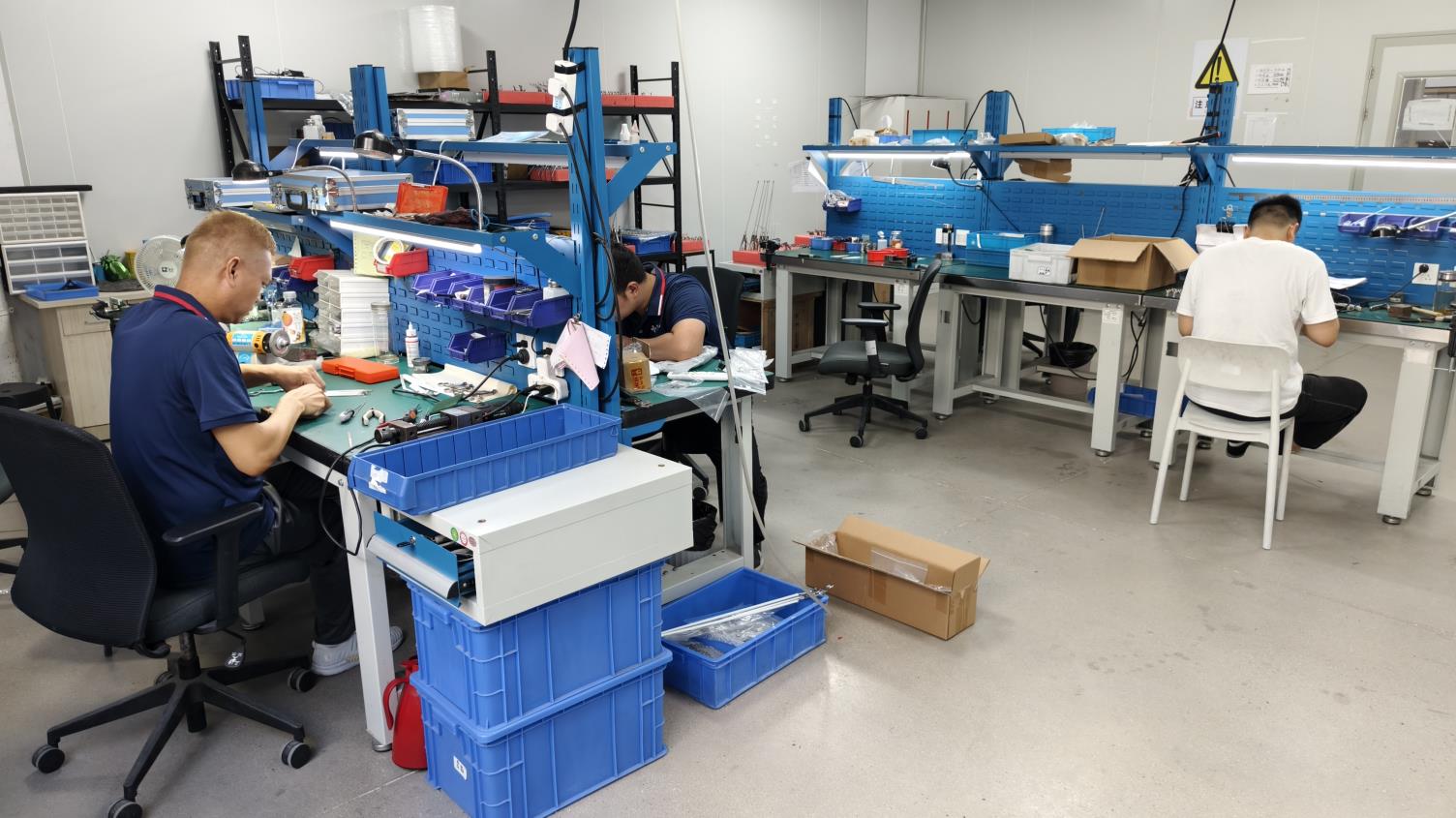
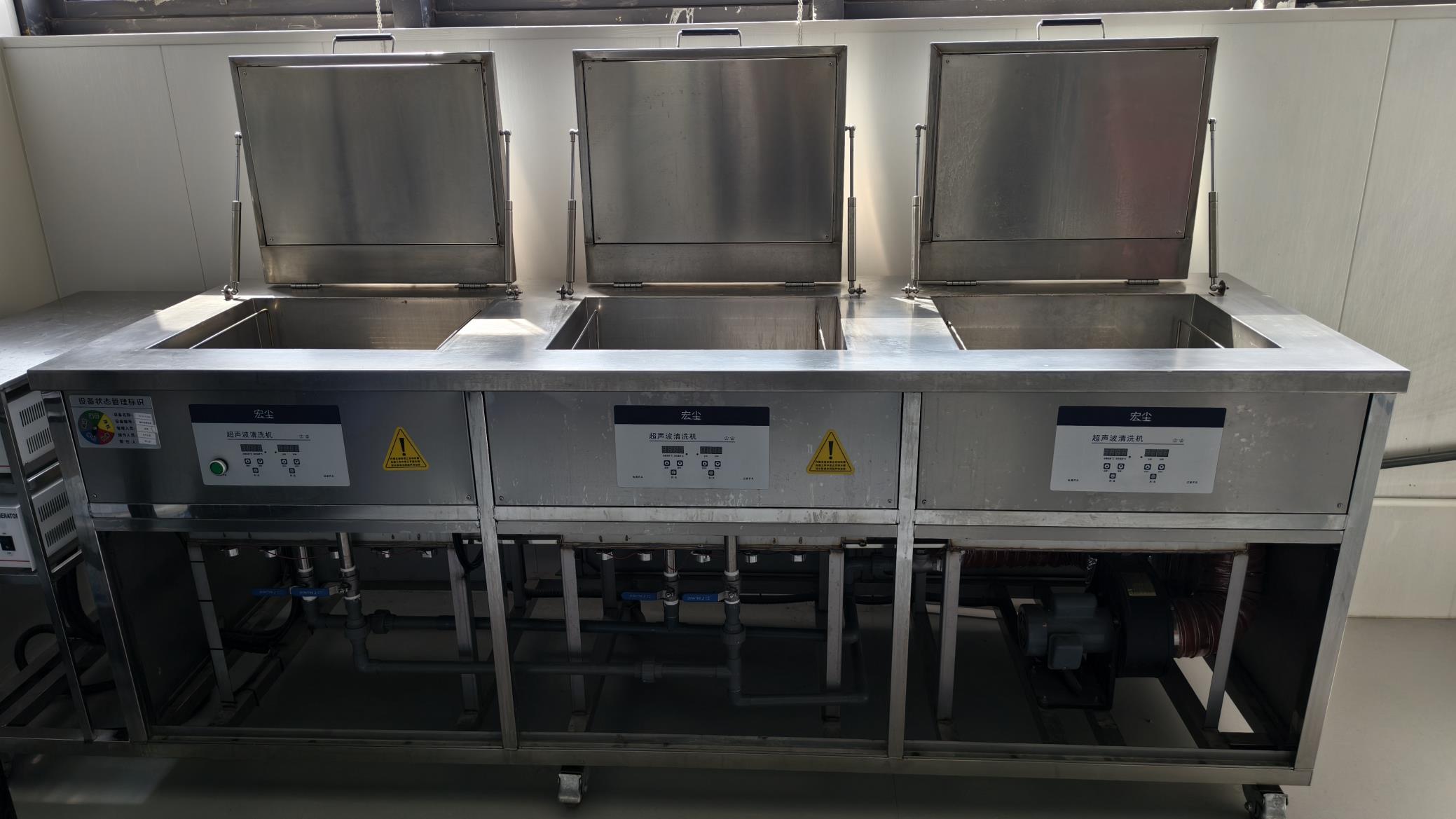
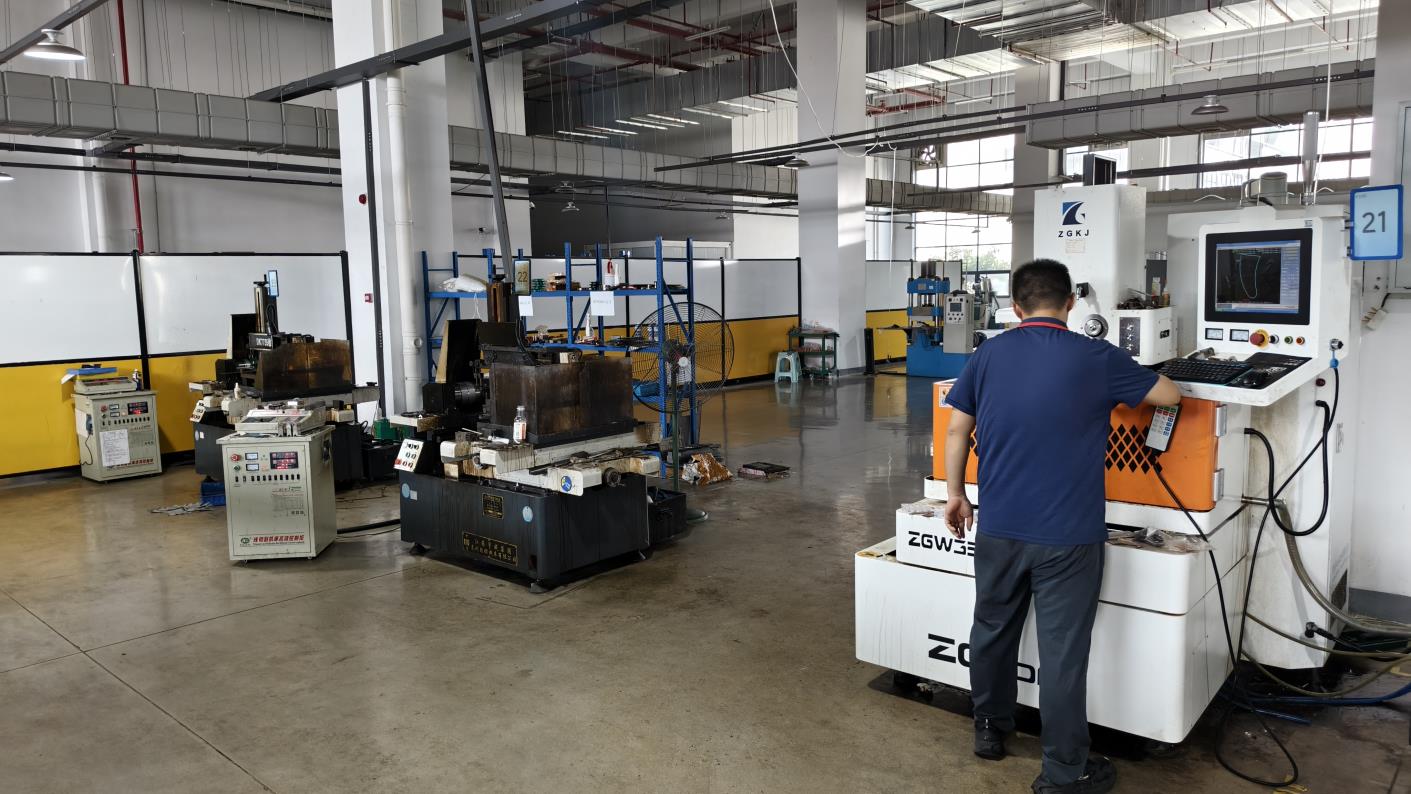
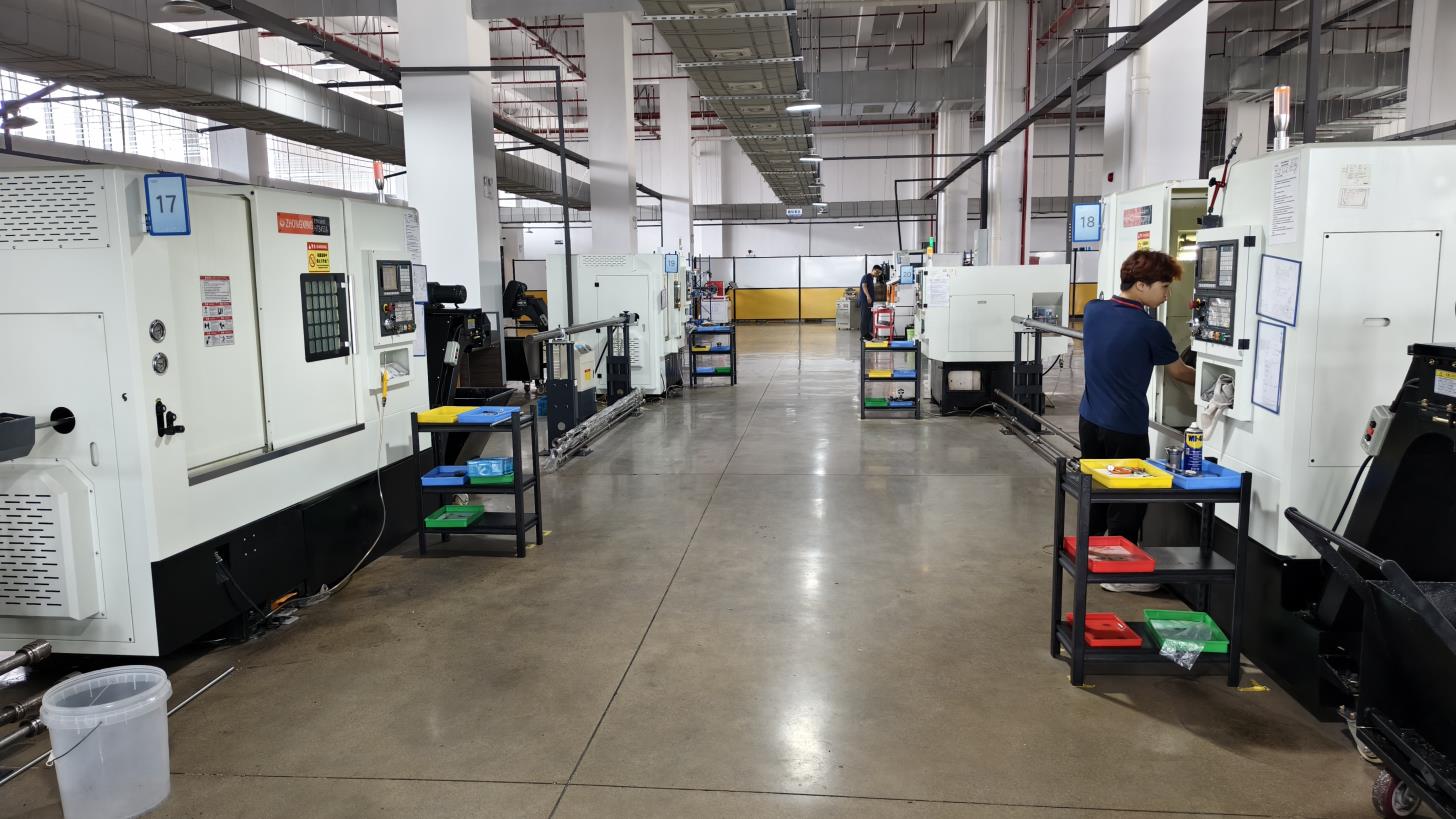
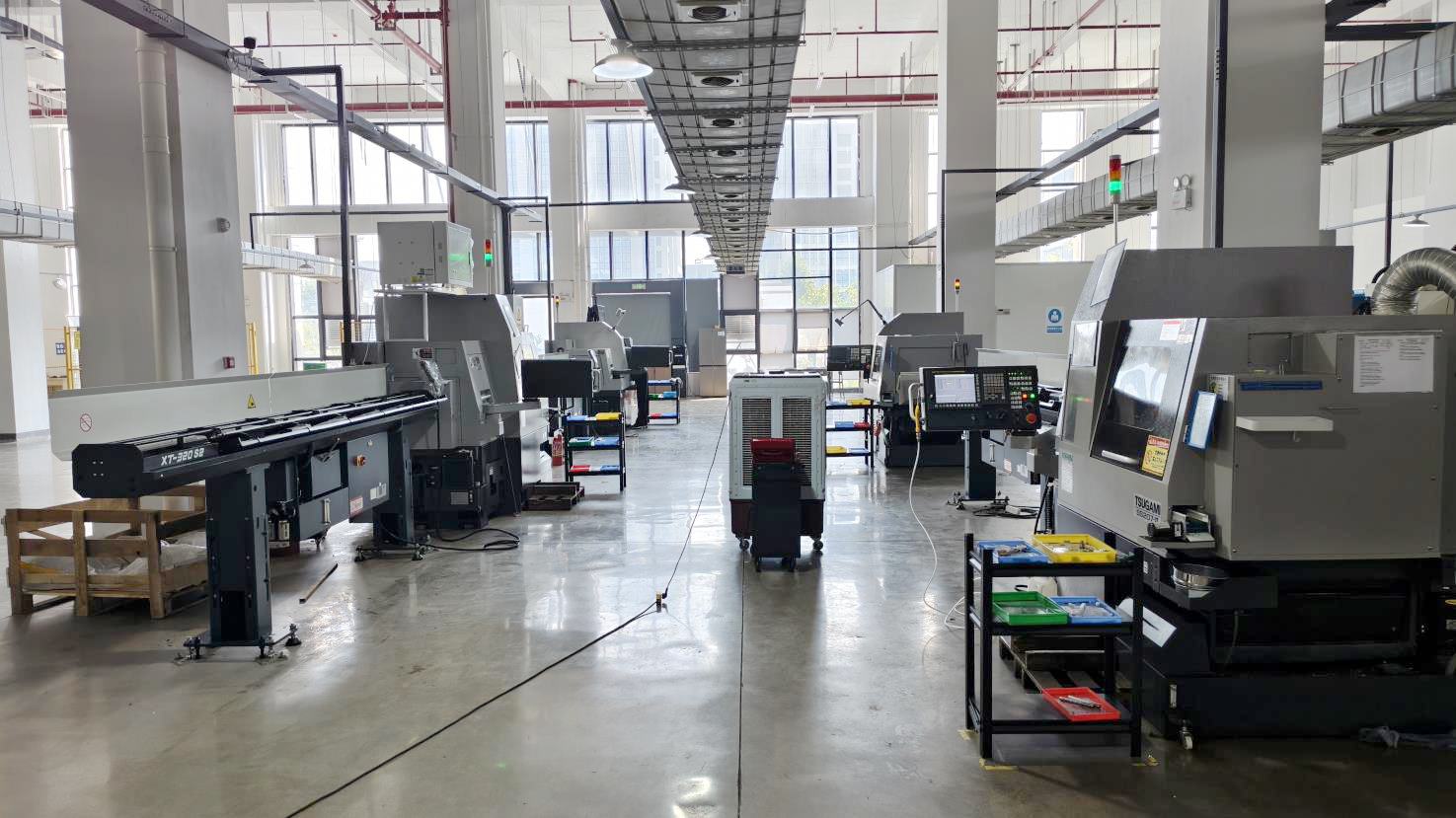
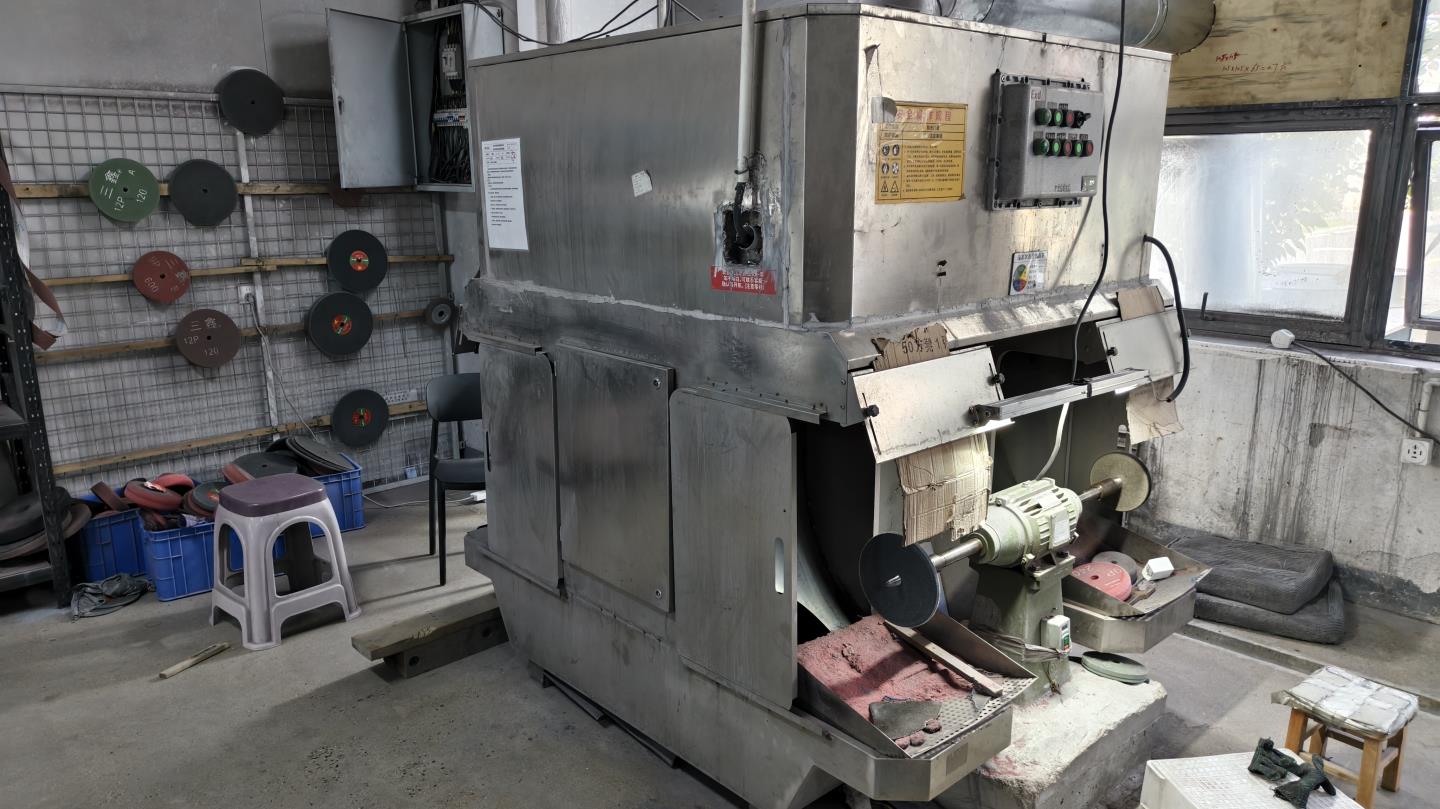
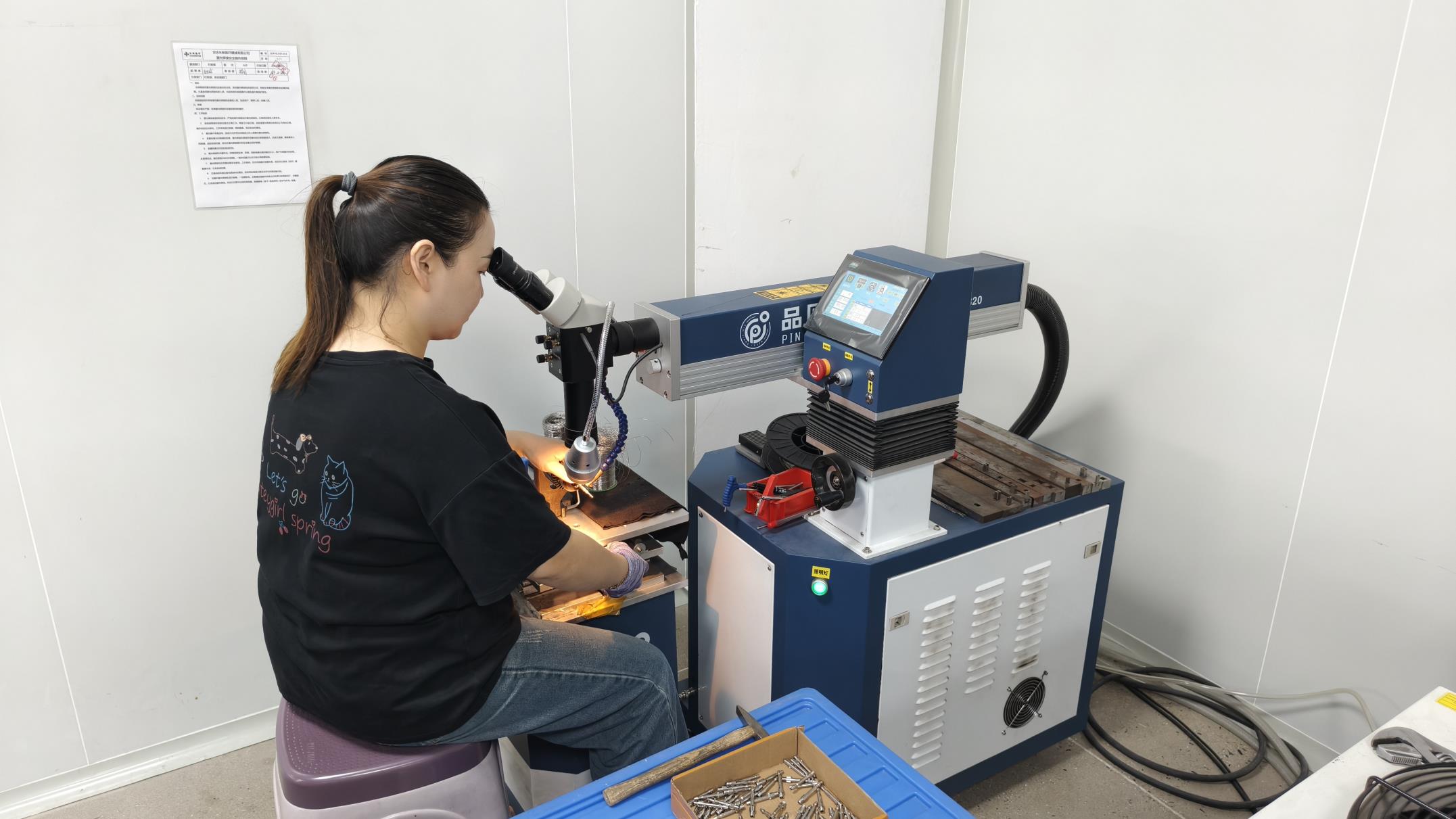
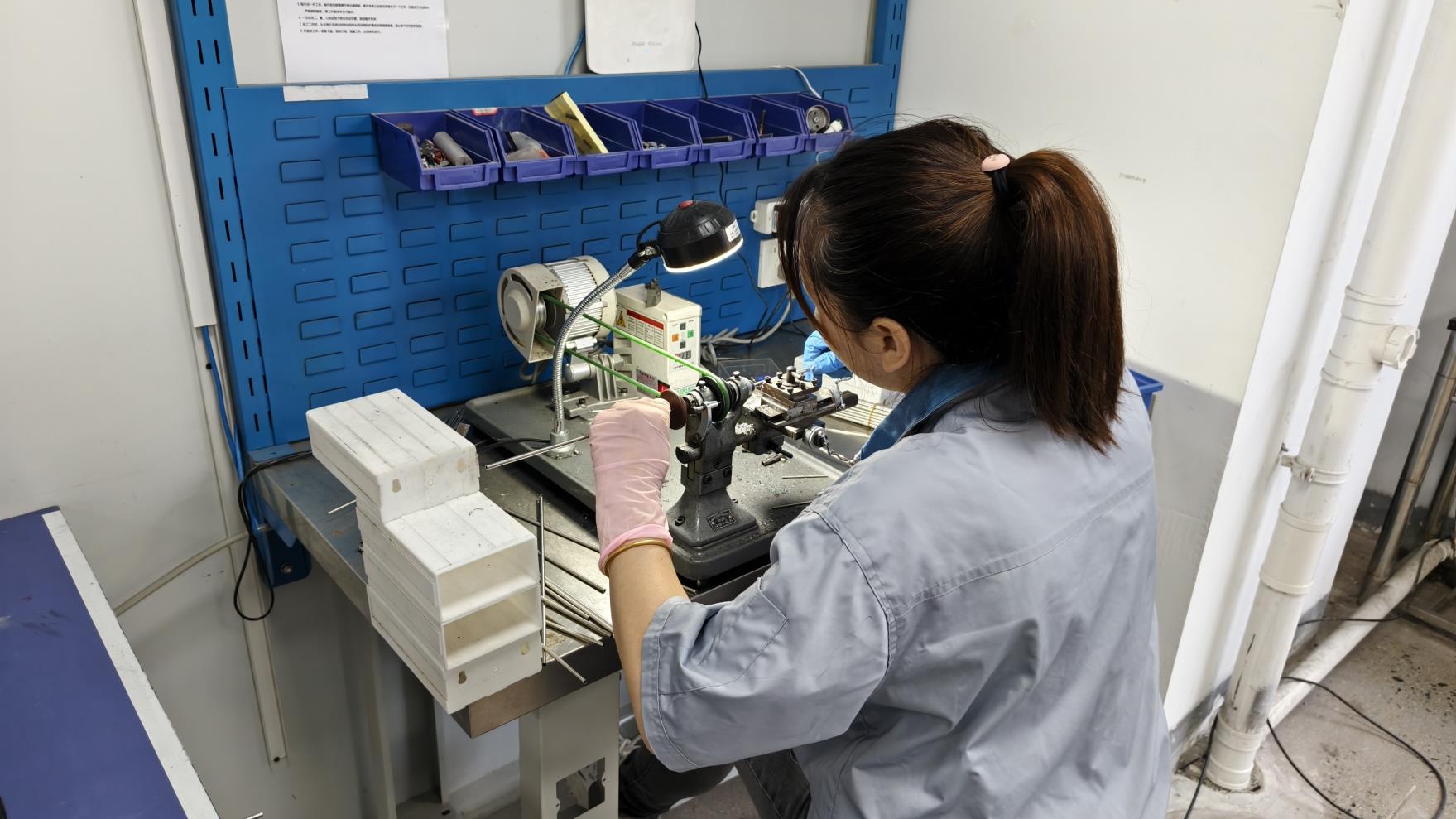
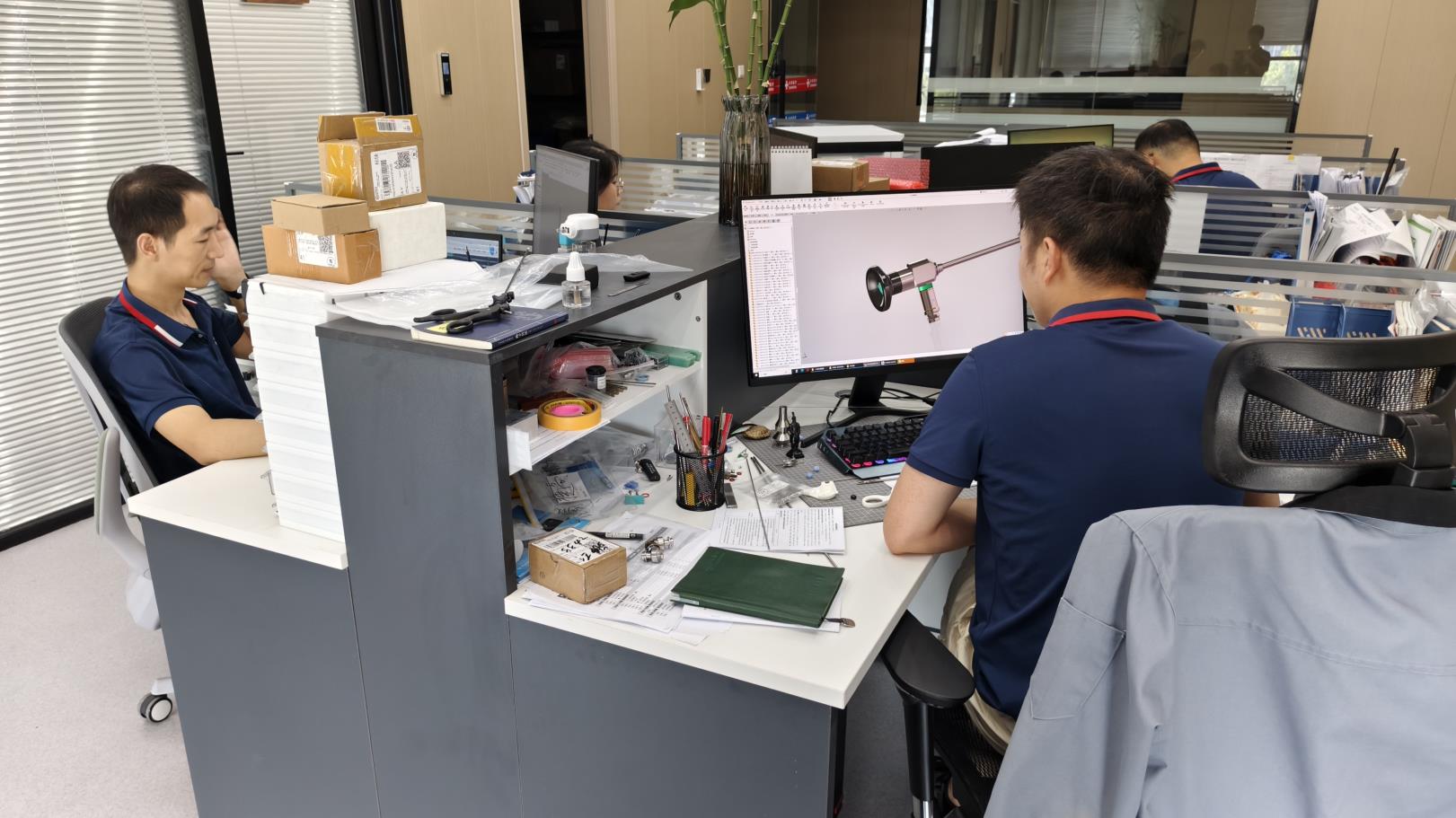
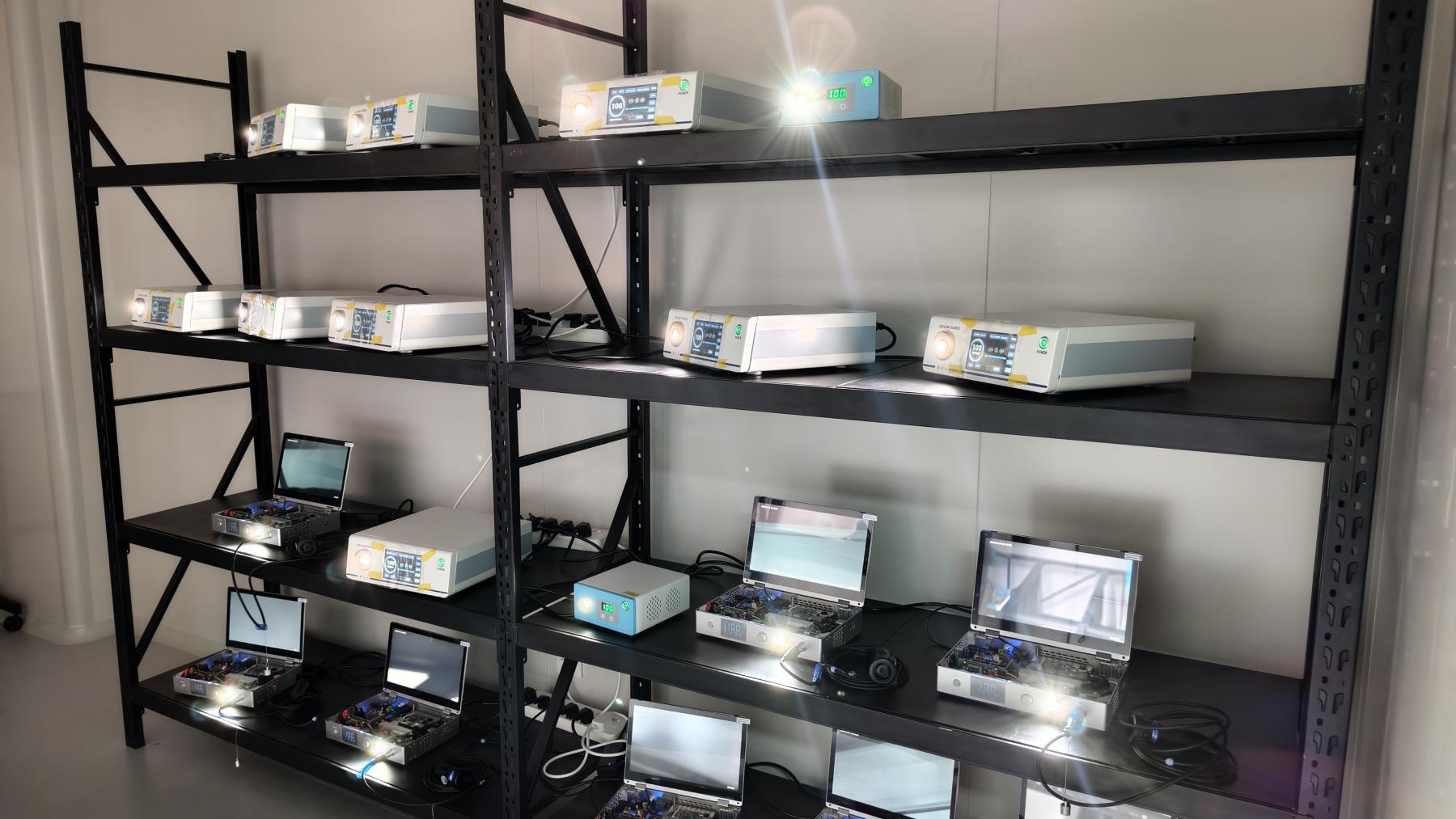
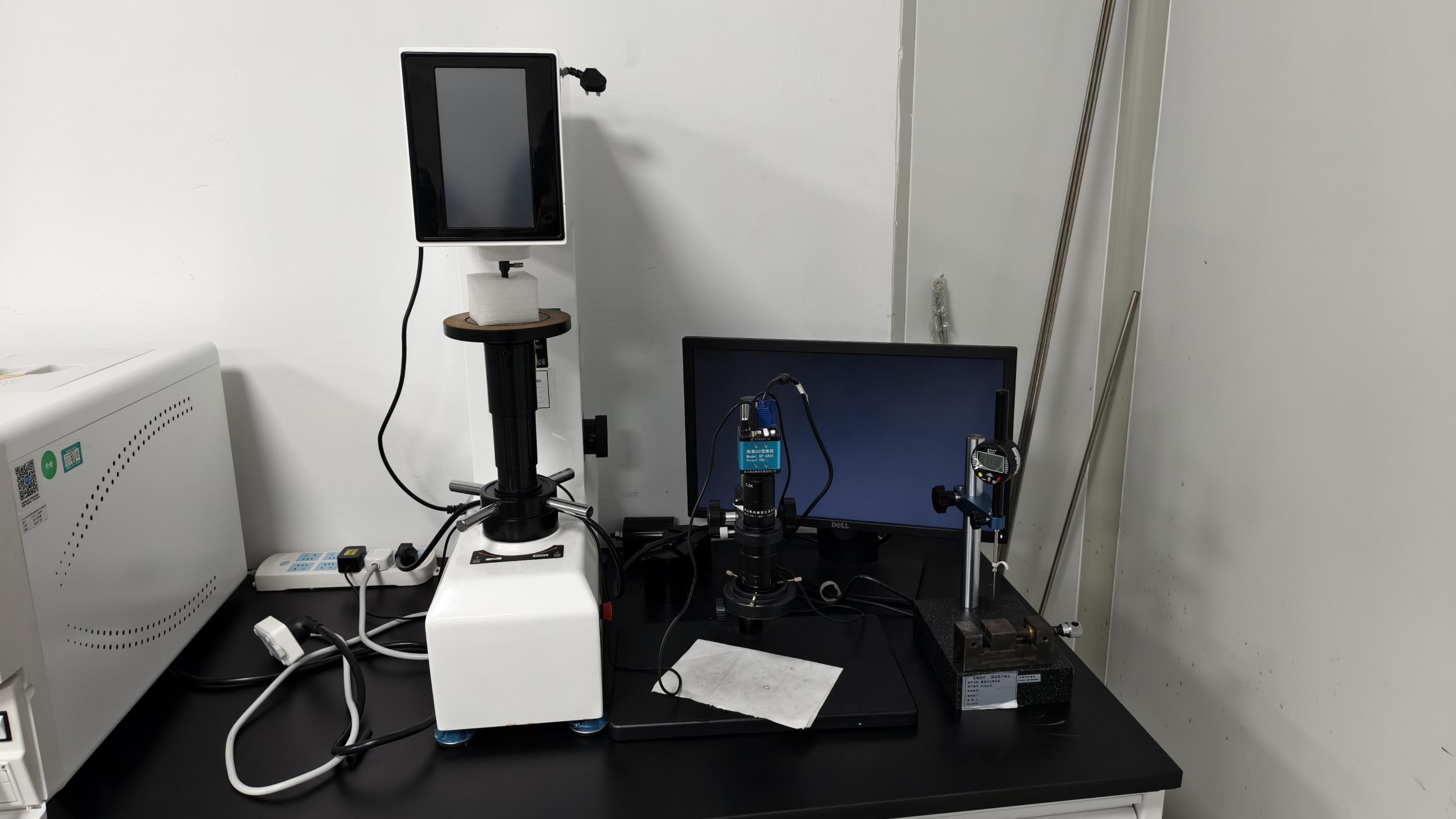
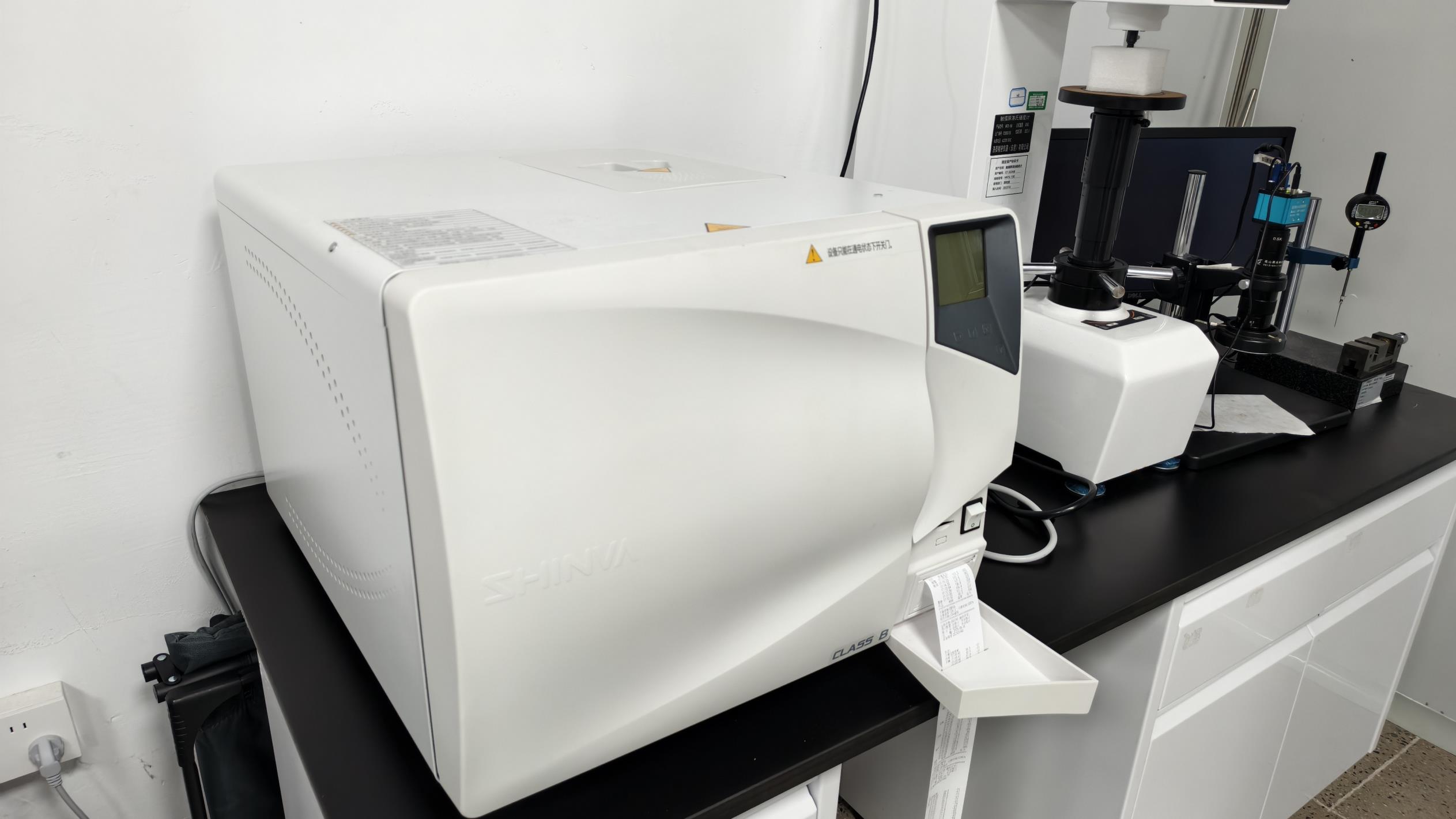
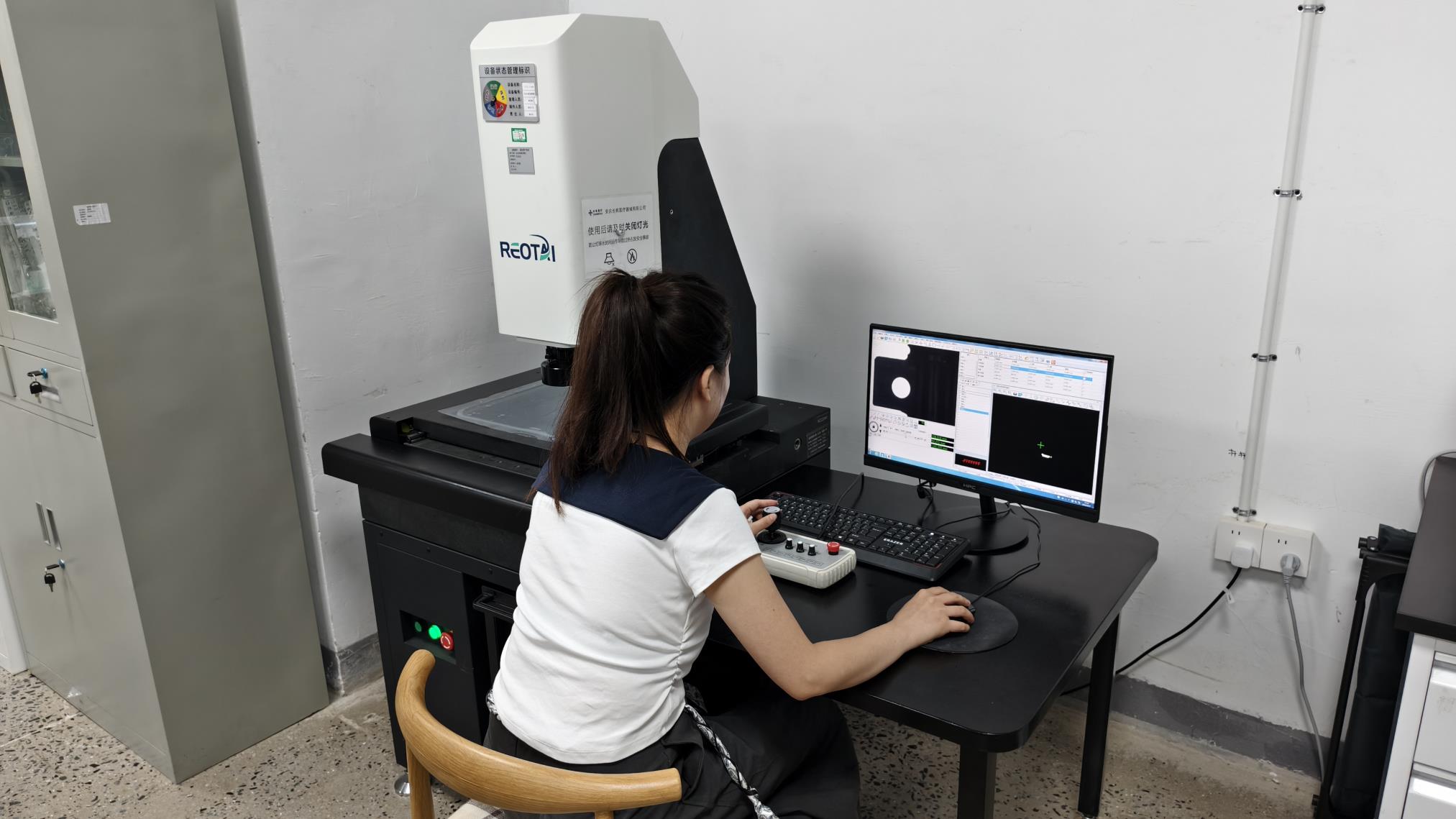
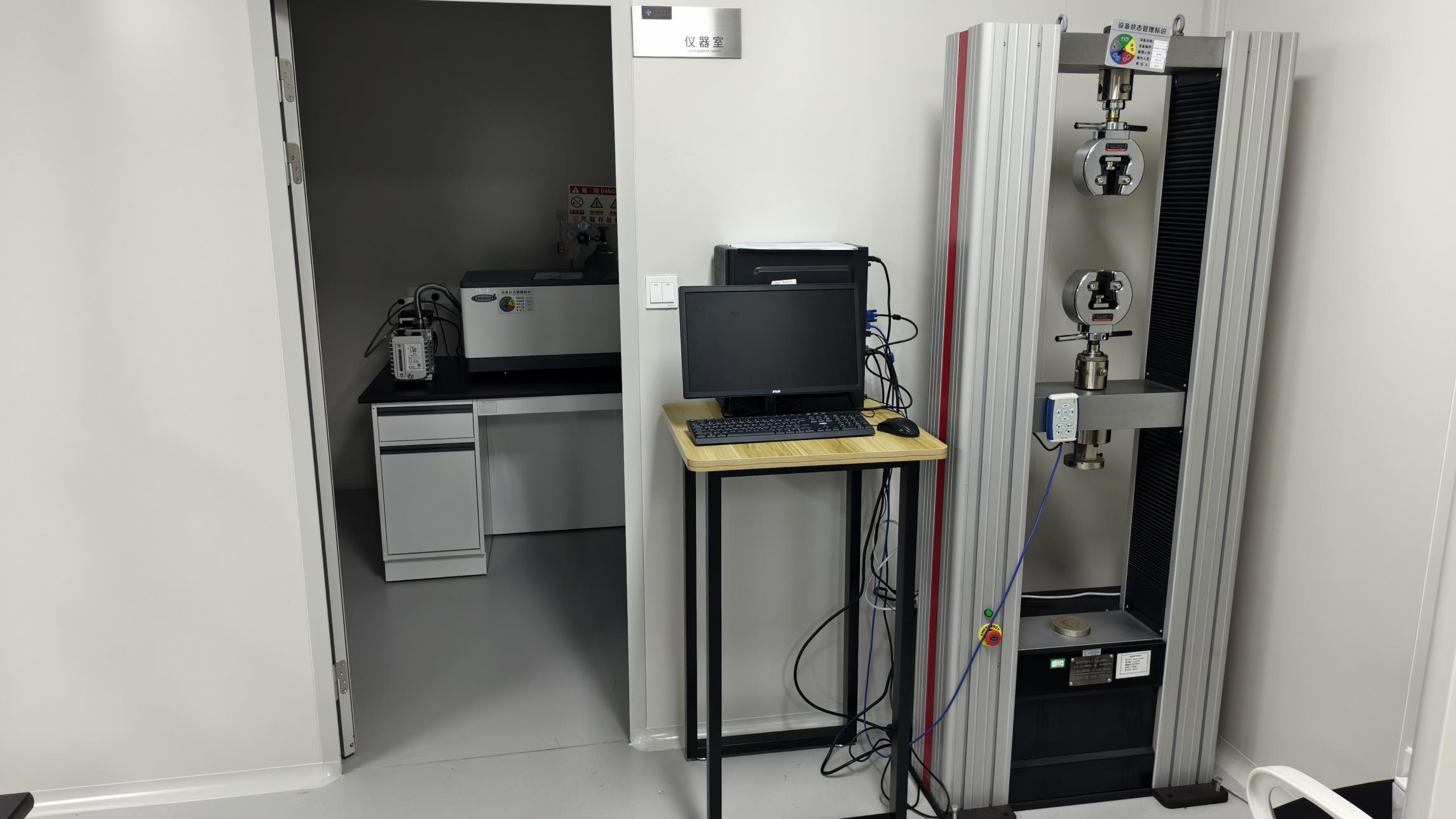
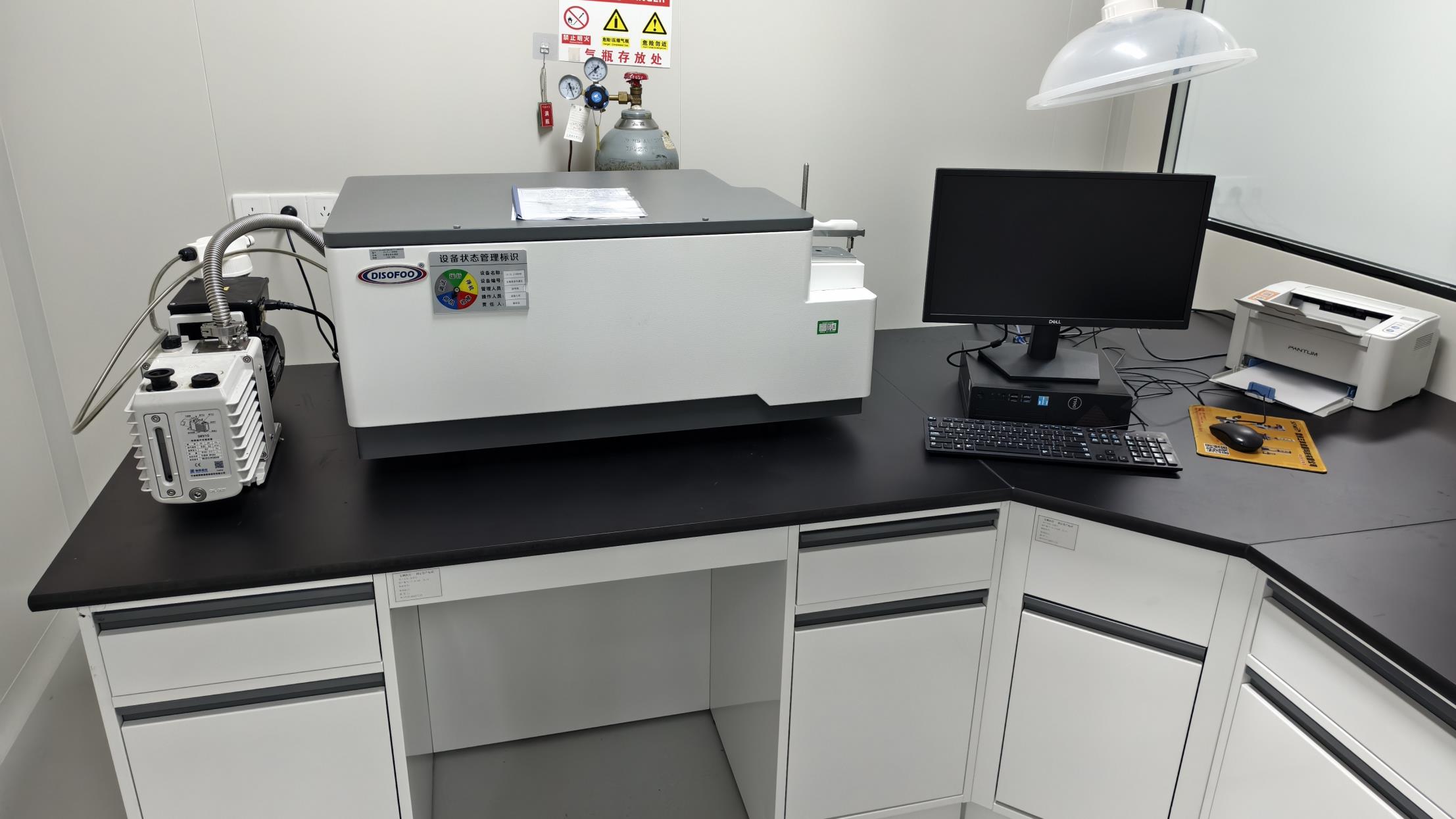
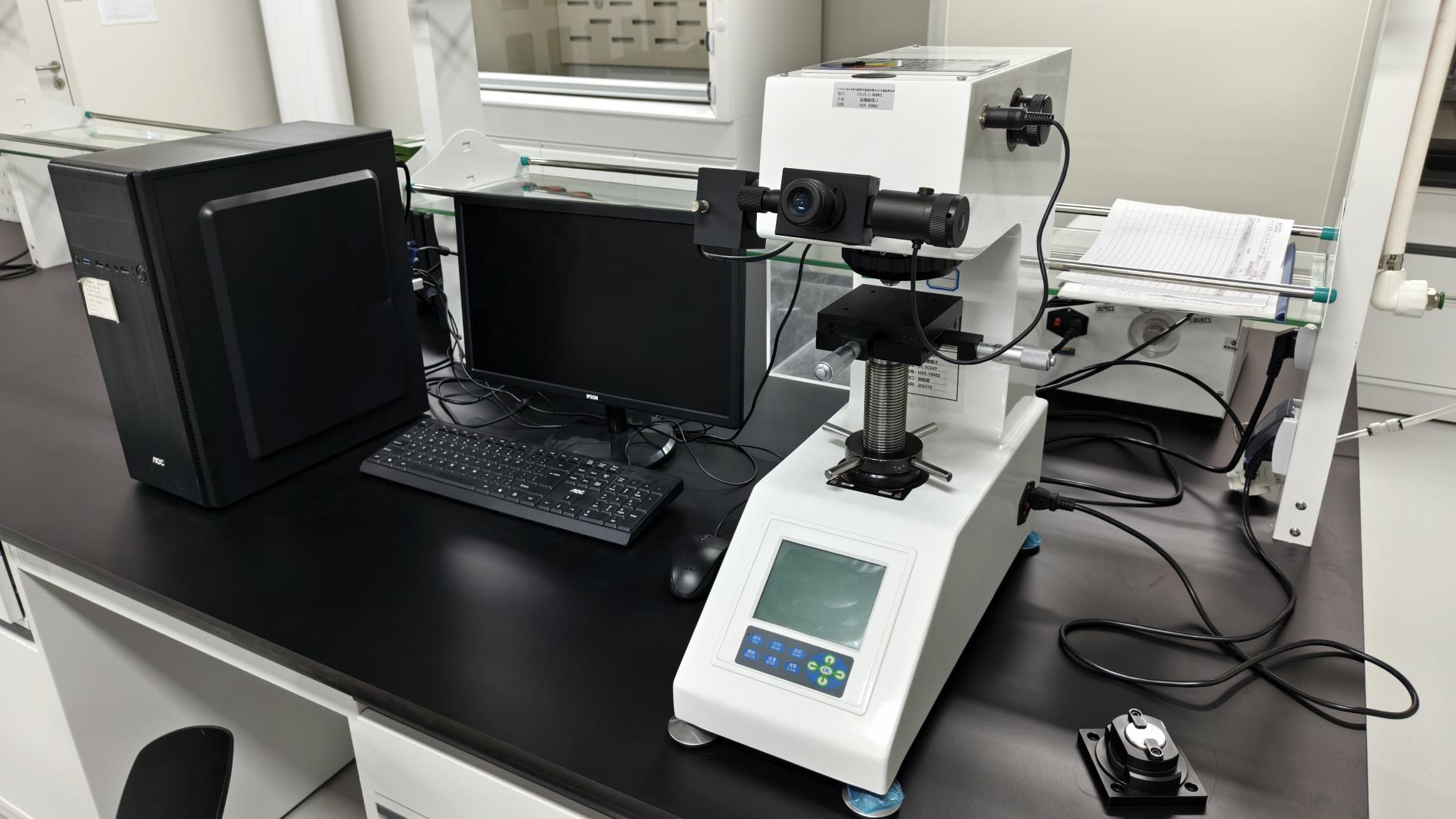
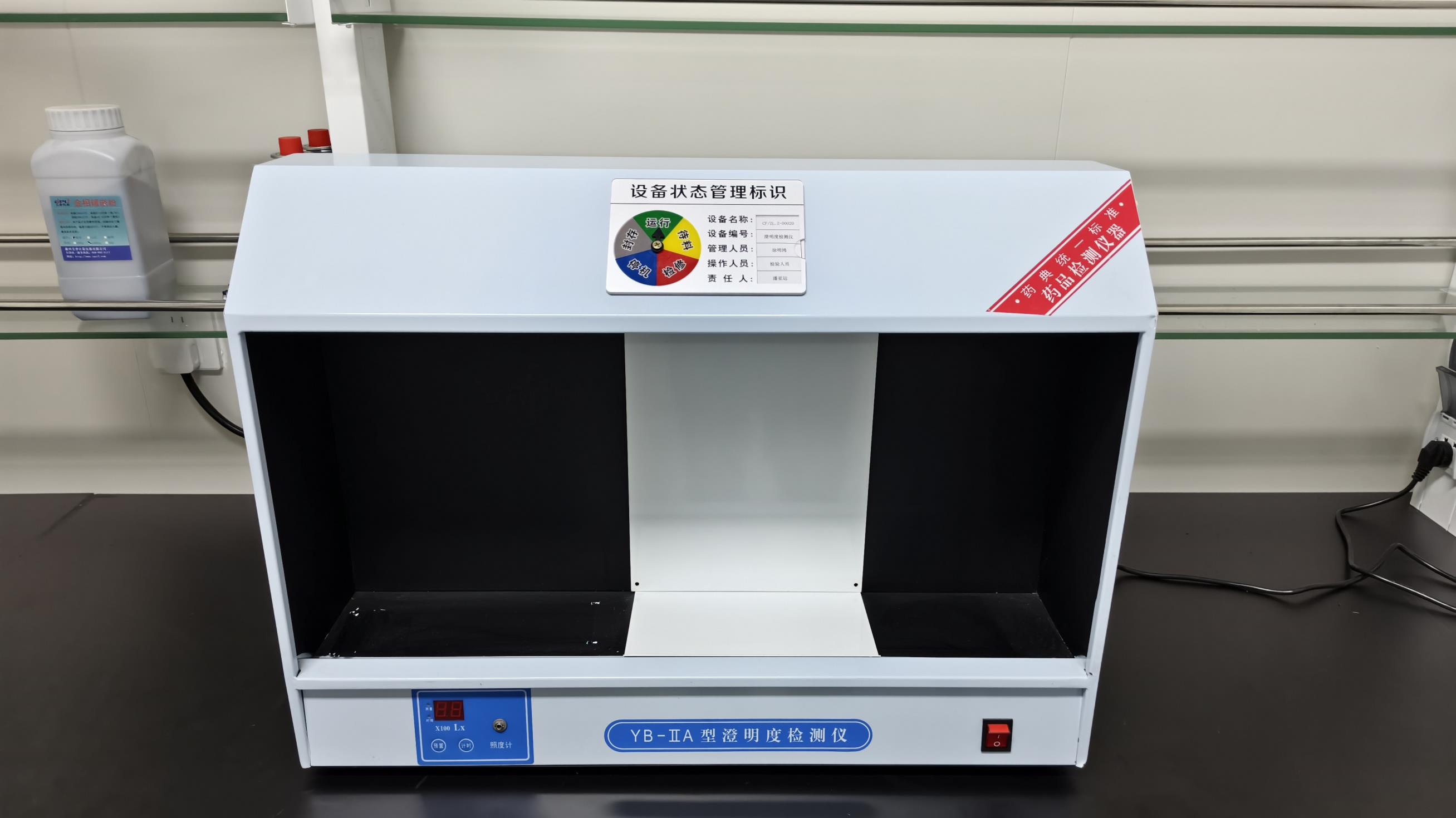
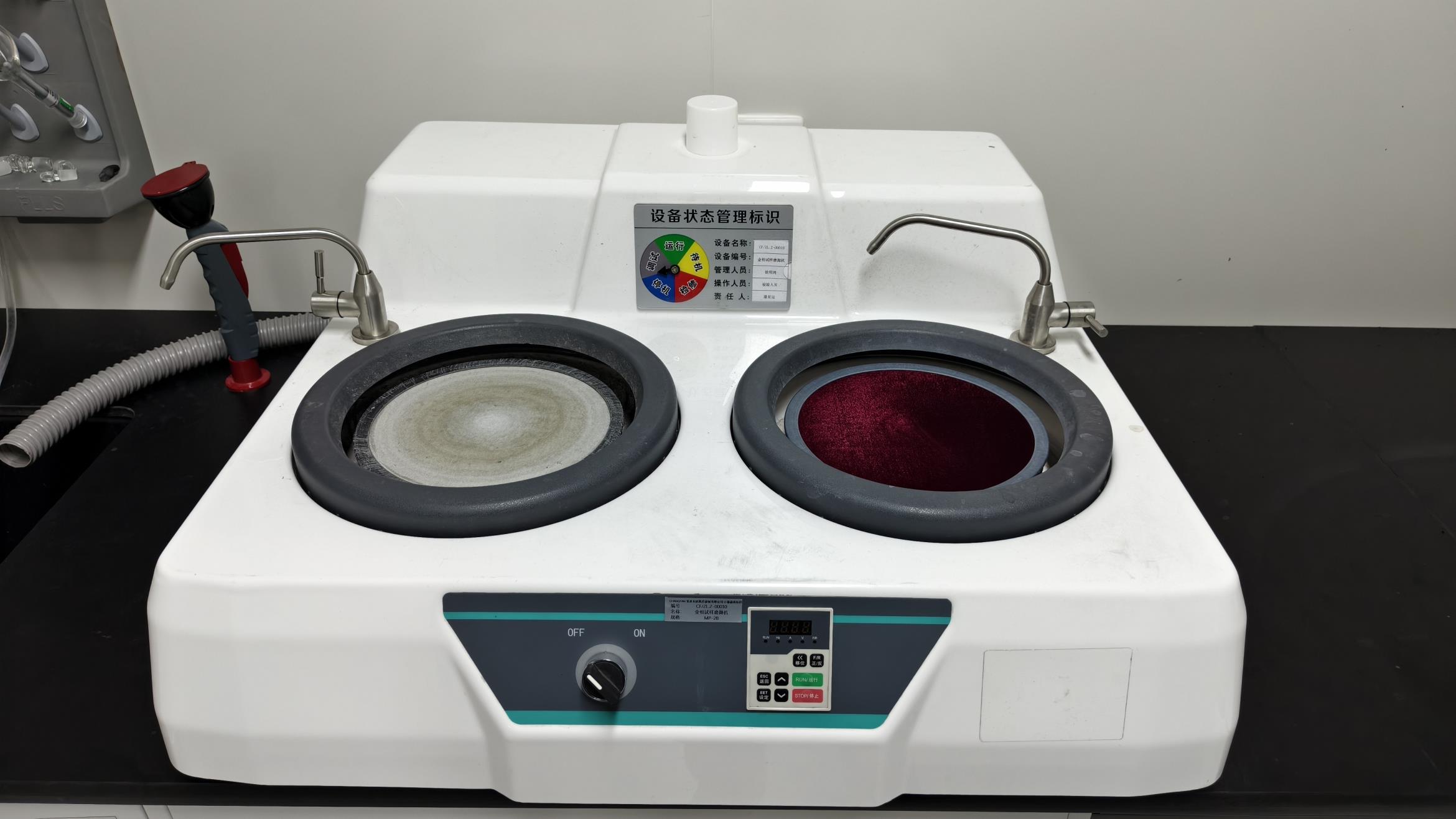
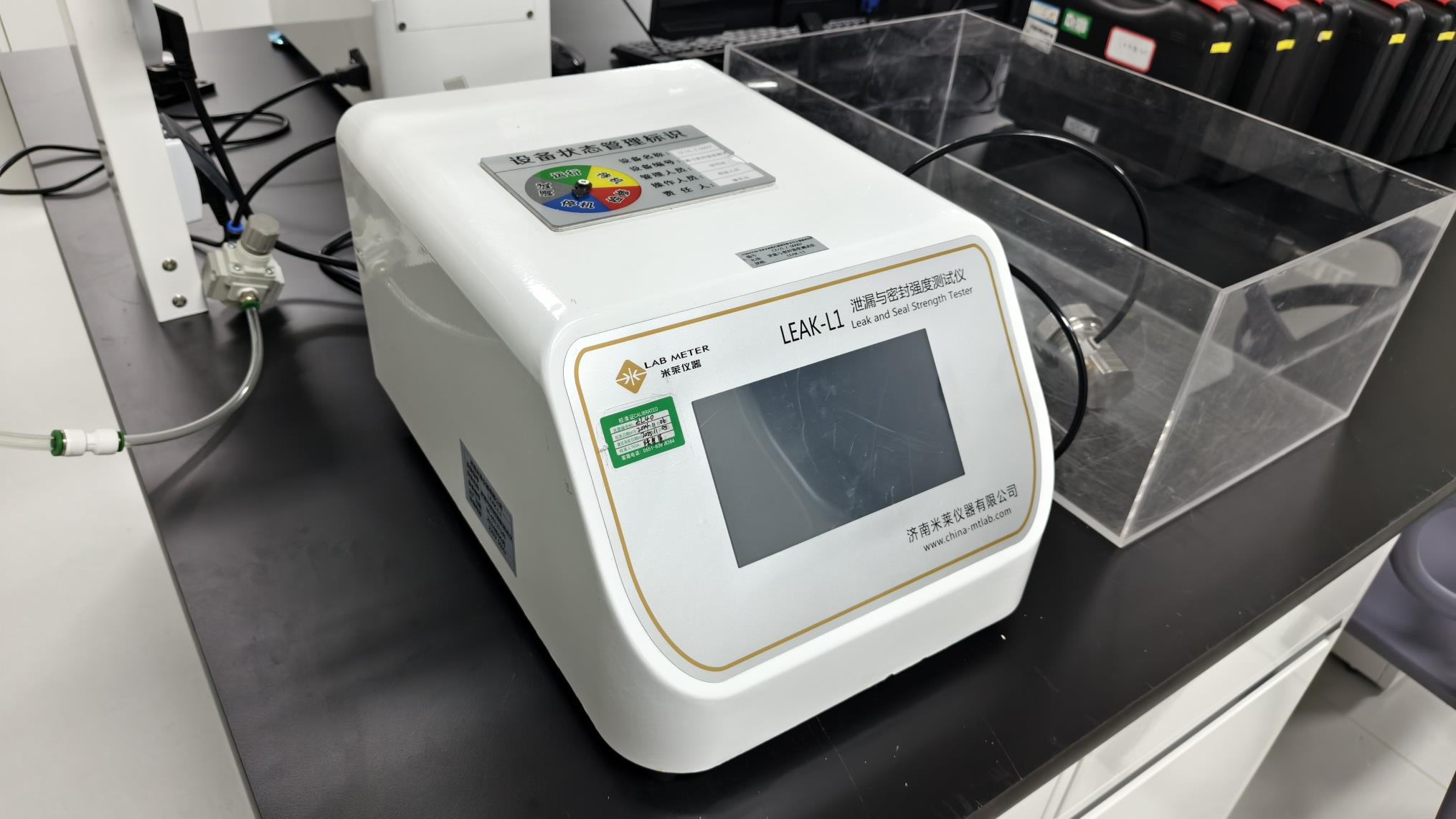
Key organizational data points, manufacturing capabilities, and quality control methodologies.
| Operation Metric & Capability Detail | Synoviq Quality Standard Information |
|---|---|
| Company Name | Synoviq Medical Technology (China) Co., Ltd. |
| Brand | Synoviq |
| Established | March 18, 2016 |
| Building Area | 18,600 m² |
| Annual Export Revenue | USD 21.8 Million |
| Export Experience | 8 Years |
| Industry Experience | 14 Years |
| Quality Inspection | 100% Final Inspection & Incoming Material Inspection |
| Product Inspection Methods | CMM Measurement, Mechanical Testing, Surface Roughness Testing, Hardness Testing, Salt Spray Testing, Sterility Validation |
| Quality Control Staff | 48 Dedicated Specialists |
| Business Type | Manufacturer & Exporter (OEM/ODM) |
| Main Markets | Europe, North America, South America, Middle East, Southeast Asia |
| Supply Chain Partners | 1,120+ Verified Clinical Suppliers & Partners |
| Main Customer Types | Medical Device Brands, Importers, Distributors, Hospitals, Government Procurement Projects |
| R&D Capability | Independent Product Design, Prototype Development, Clinical-Oriented Engineering, OEM & ODM Development |
| Customization Options | Logo Customization, Packaging Customization, Product Design Customization, Material Selection, Surface Treatment |
| New Products Released Last Year | 186 New Surgical Systems |
| R&D Engineers | 76 Senior Engineers |
Synoviq laminoplasty implants and surgical instrumentation are designed for critical spinal reconstruction applications.
For patients suffering from spinal canal narrowing caused by congenital stenosis or degenerative changes, expansive open-door laminoplasty offers stable decompression. Our laminoplasty plates provide rigid fixation of the hinged laminar arches, helping to secure the expanded spinal canal and prevent post-operative closure.
Ossification of the Posterior Longitudinal Ligament (OPLL) requires stable posterior decompression without compromising spinal stability. Using pre-bent titanium plates allows surgeons to fix the lamina securely, providing immediate structural support and encouraging long-term bony fusion.
In pediatric spinal deformity surgeries or acute traumatic displacement of the posterior column, low-profile implants are essential. The dynamic flexibility of our mini-plate lines accommodates varying mechanical loads, reducing stress concentrations at the bone-screw interface.
Find technical, regulatory, and commercial answers for orthopedic device importers and healthcare distributors.
 Synoviq Medical