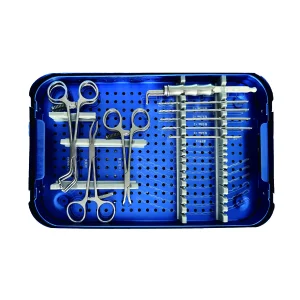
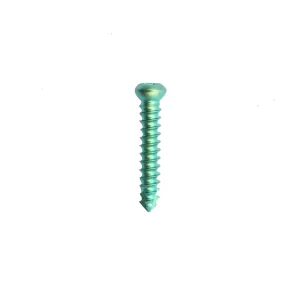
Advanced trauma plates and instrument sets optimized for high-performance surgical procedures in local regional referral centers.
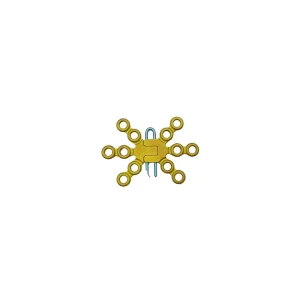
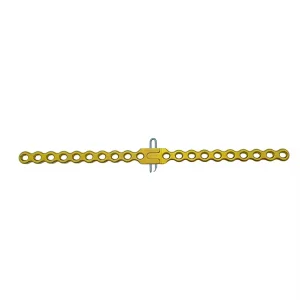
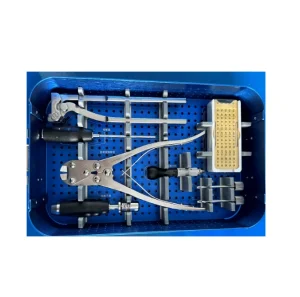
Ethiopia's healthcare infrastructure is undergoing a significant transformation, catalyzed by both public investments and private partnerships. Large tertiary centers, such as Tikur Anbessa Specialized Hospital (TASH), St. Paul's Hospital Millennium Medical College, and key regional referral institutions, are experiencing a surge in complex cardiovascular and thoracic surgeries. Among these advancements, the methods for sternal closure post-cardiac surgery and trauma reconstruction have transitioned from classical stainless-steel wire cerclages toward rigid sternal fixation systems. Rigid sternal fixation provides superior mechanical stability, markedly reducing post-sternotomy complications, deep sternal wound infections (DSWI), and overall recovery periods.
However, securing a steady, cost-effective, and regulatory-compliant supply chain for medical-grade implant materials remains a primary hurdle for procurement teams in East Africa. As a premier global supplier of sternal fixation systems, Synoviq Medical Technology fills this gap by combining advanced manufacturing capabilities with local market insight to address the unique clinical requirements of the Ethiopian marketplace.
Rigid sternal fixation utilizes anatomically pre-contoured plates and locking screws made from biocompatible Titanium Alloy (Ti-6Al-4V ELI). Biomechanical research demonstrates that rigid stabilization delivers several core benefits over wire cerclage:
In high-altitude regions like Addis Ababa, respiratory workload and pulmonary dynamics can vary post-surgery. Providing optimal chest wall rigidity prevents paradoxical breathing patterns, allowing patients to participate in pulmonary rehabilitation sooner.
Importing surgical implants into Ethiopia requires compliance with the Ethiopian Food and Drug Authority (EFDA). Strict controls govern medical devices categorized as High-Risk (Class C and D implants), necessitating extensive technical documentation:
Synoviq Medical Technology supports local distributors and hospital groups through this regulatory process, providing certified document packets, product registration assistance, and complete technical trace logs for import clearing.
The global demand for reliable medical implants requires an agile manufacturer capable of maintaining volume stability without compromising precision. As an established Chinese orthopedic manufacturer, Synoviq utilizes vertical integration to offer highly competitive pricing, extensive OEM/ODM support, and consistent lead times. This direct-from-factory structure shields Ethiopian hospital networks from the volatile markups typical of traditional multi-tier distributors.
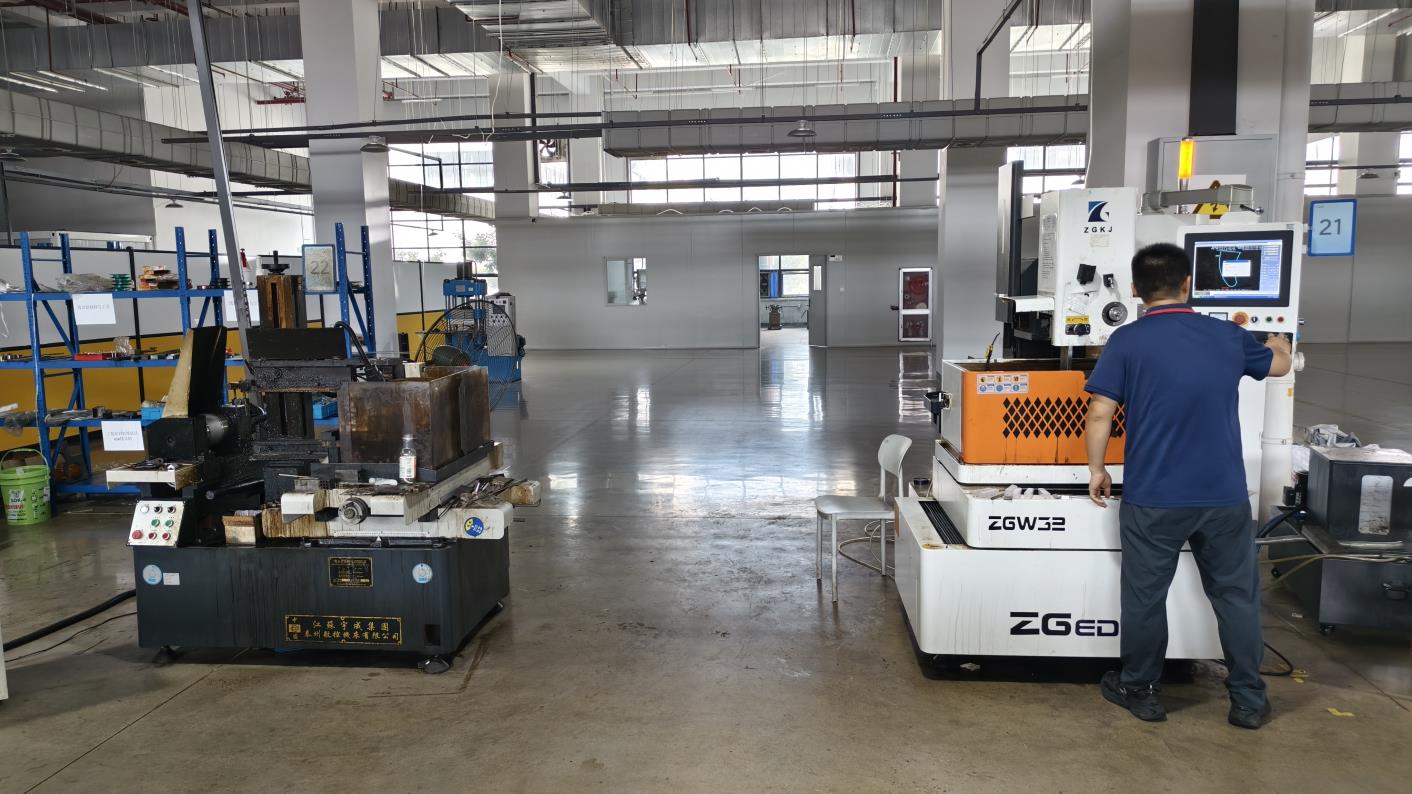
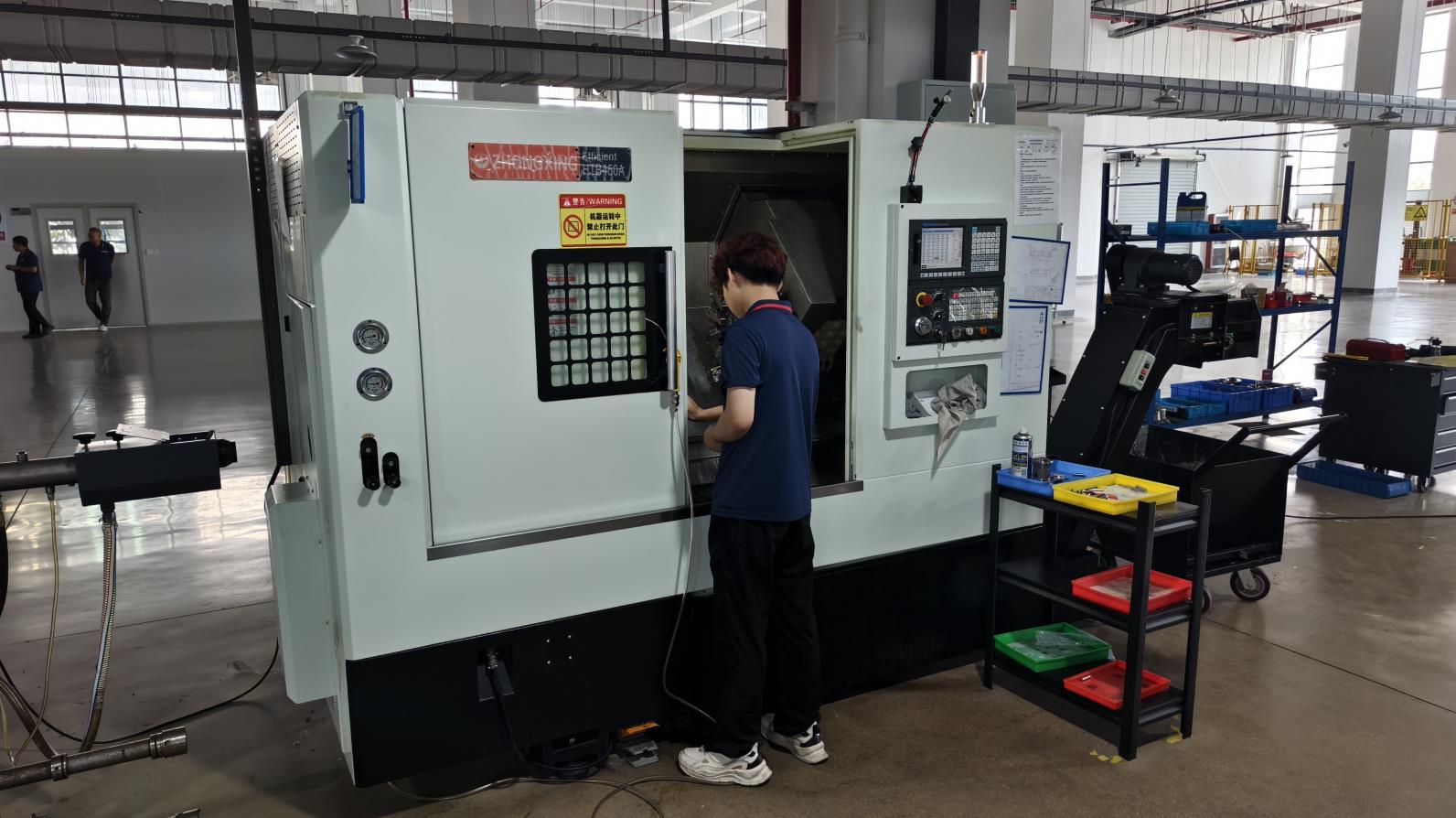
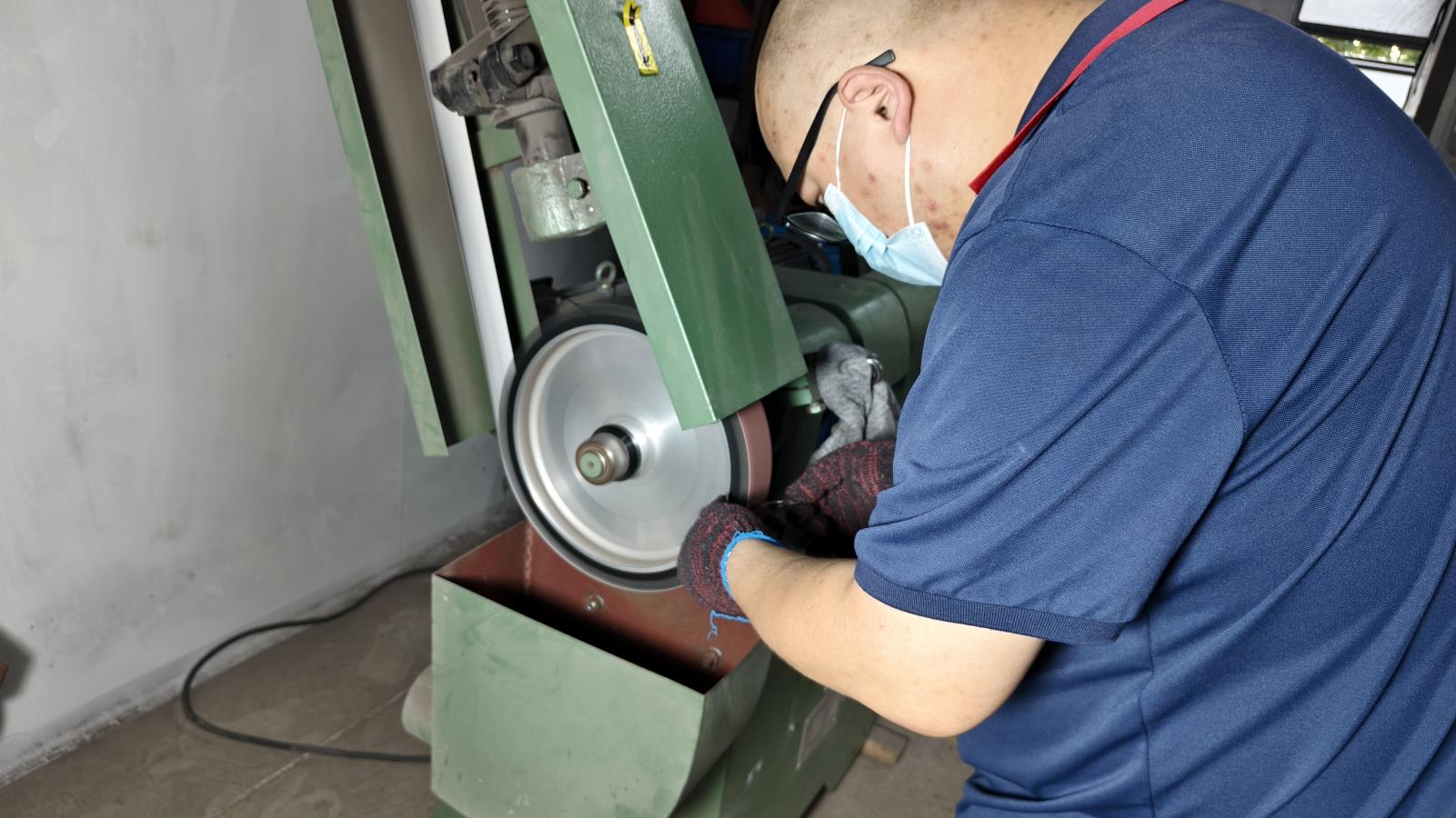
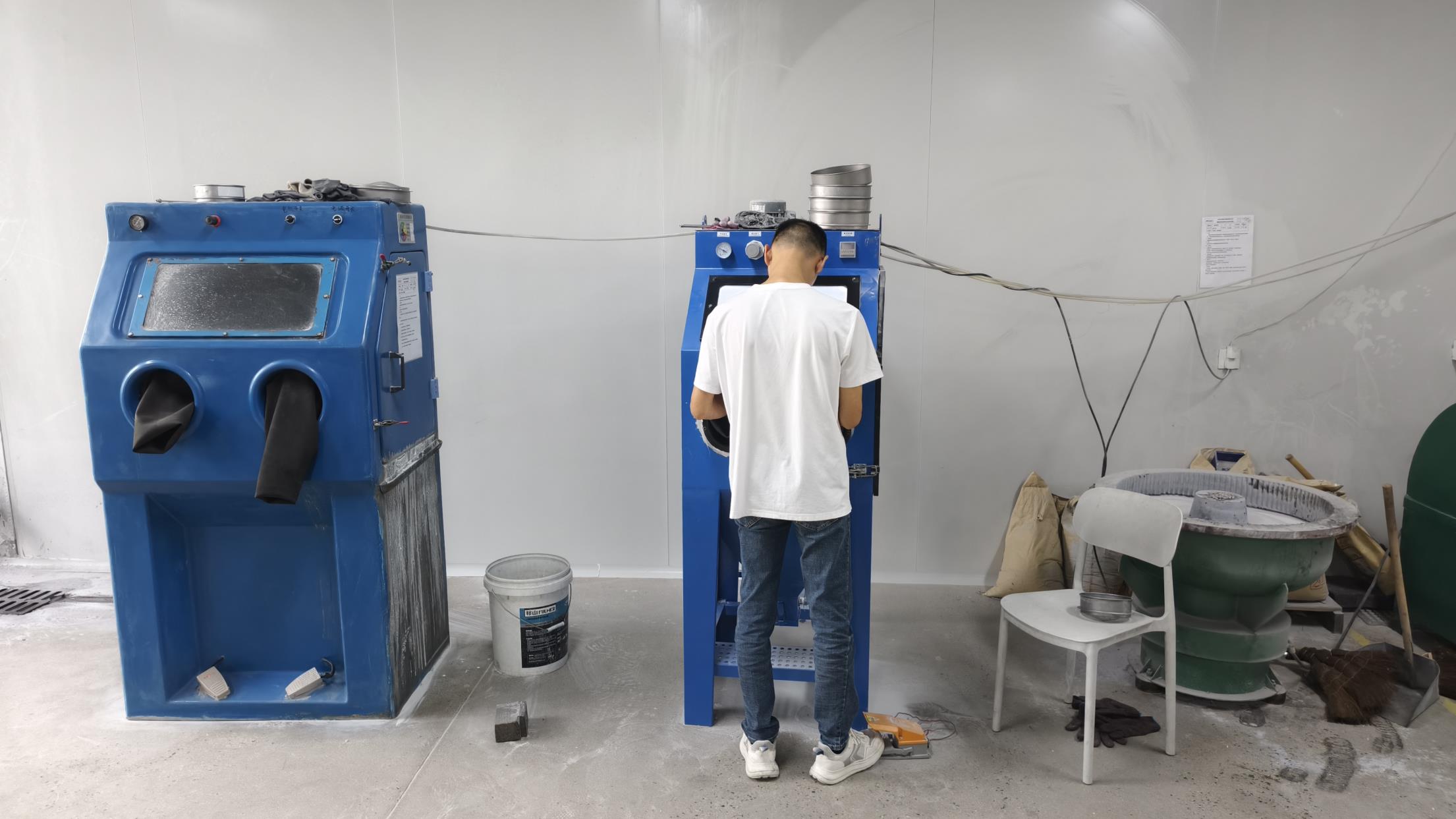
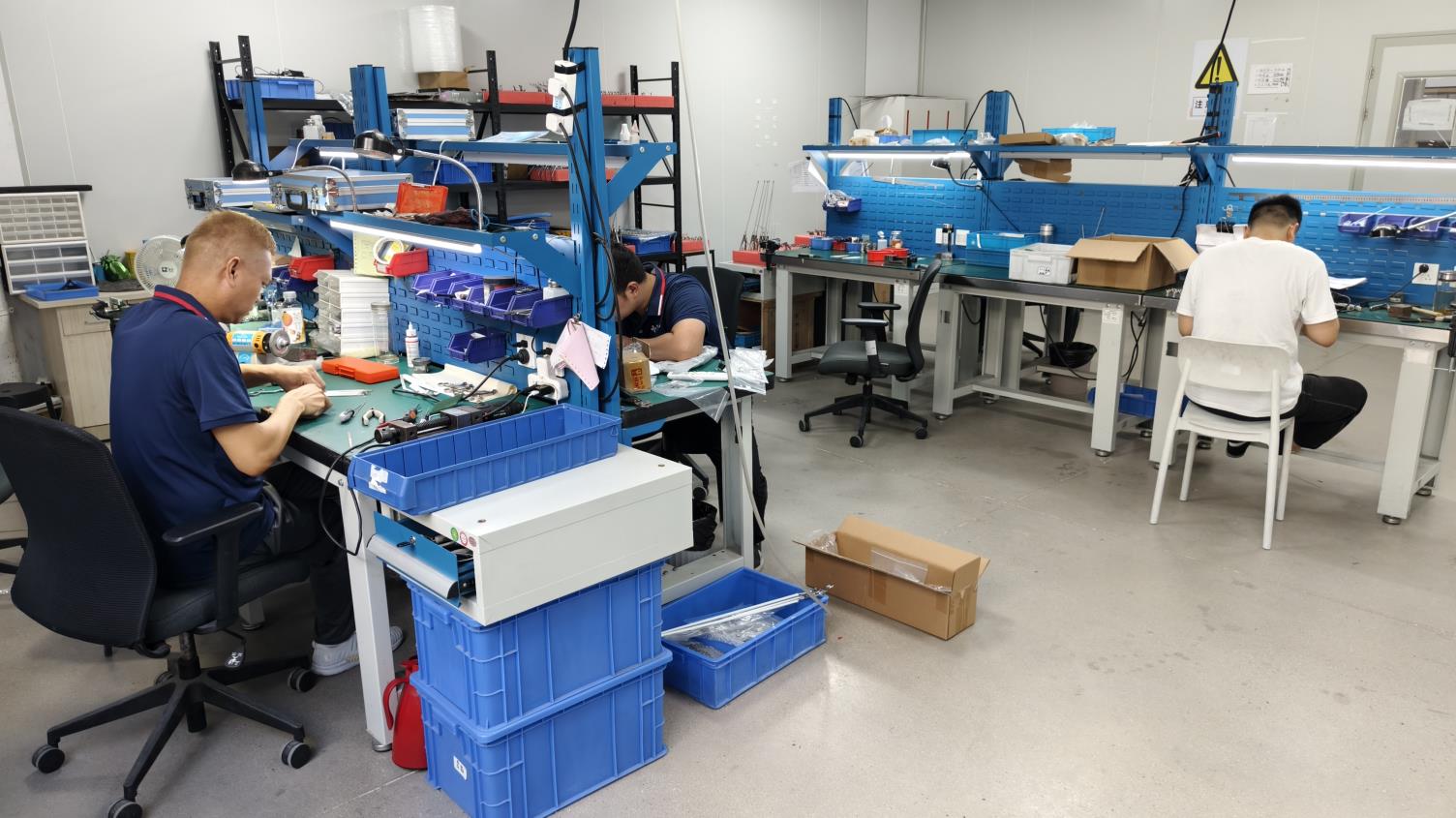
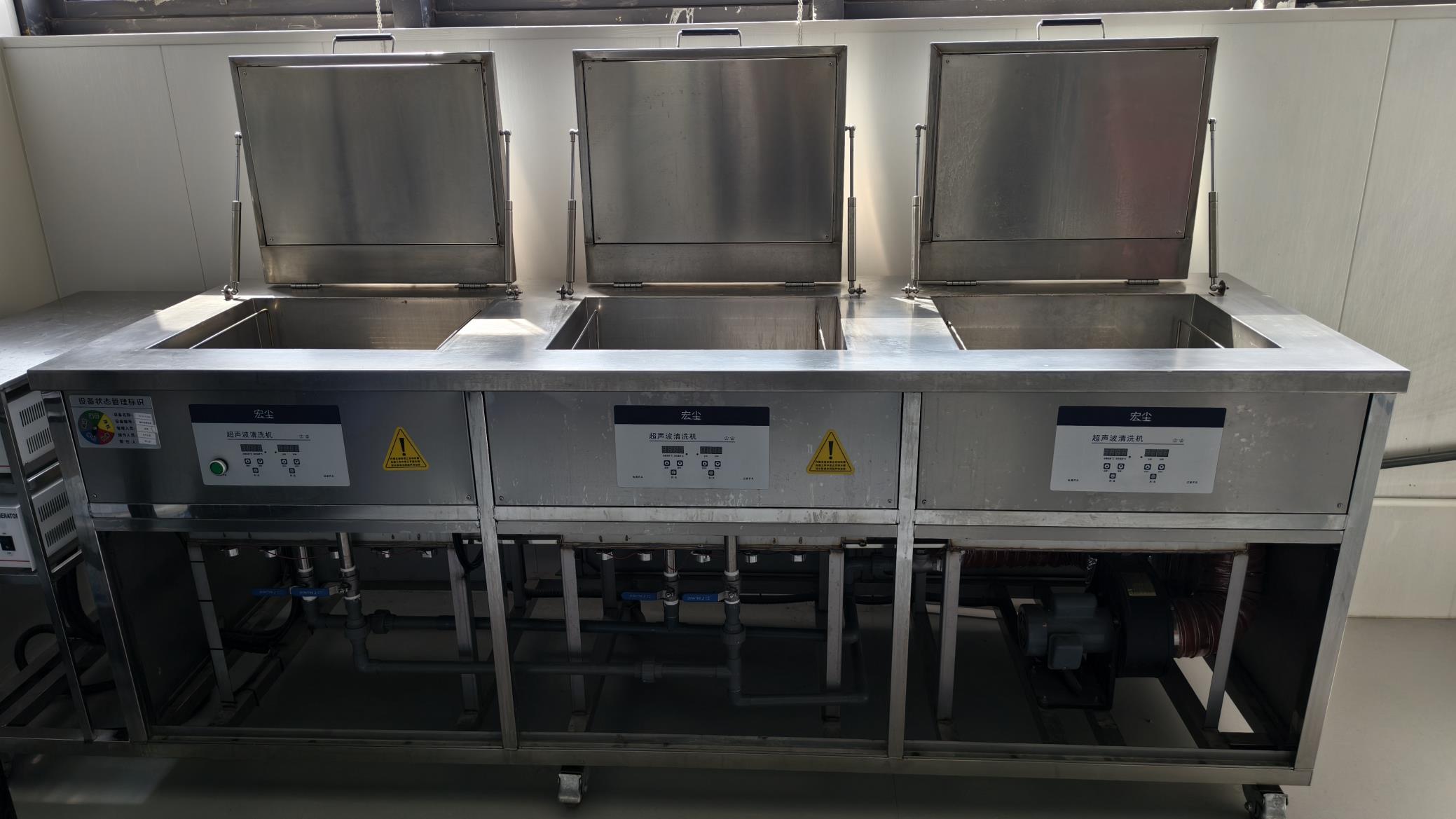
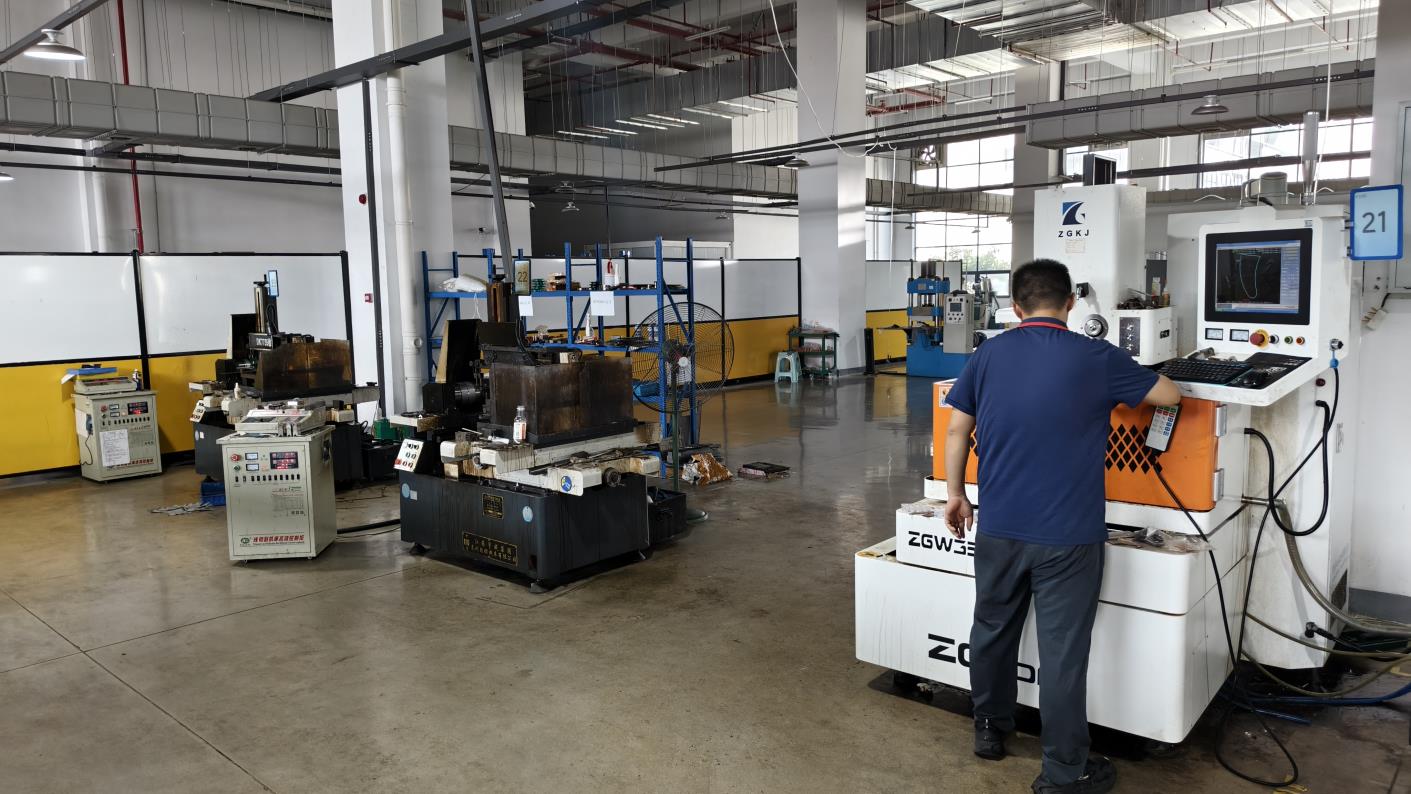
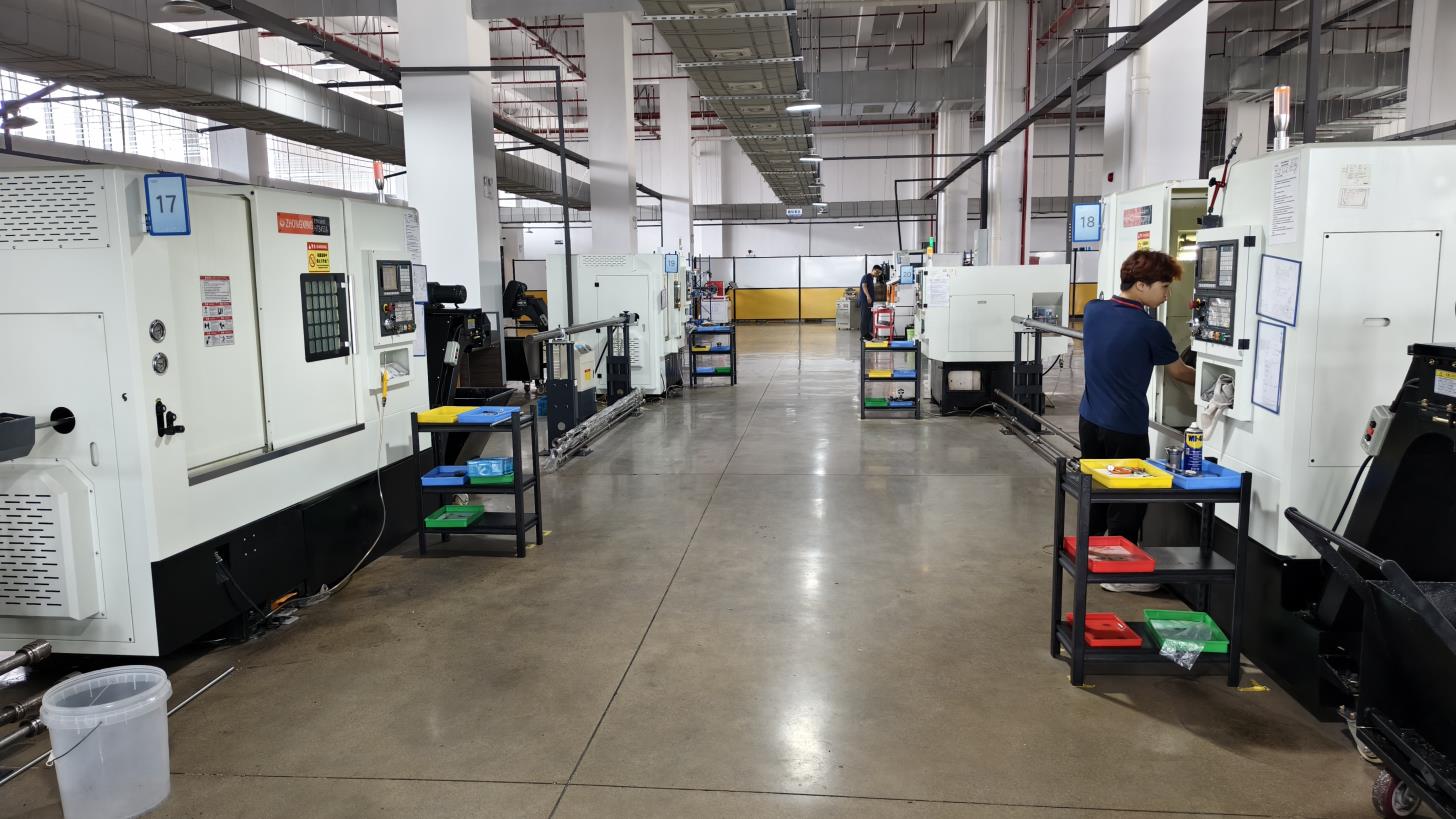
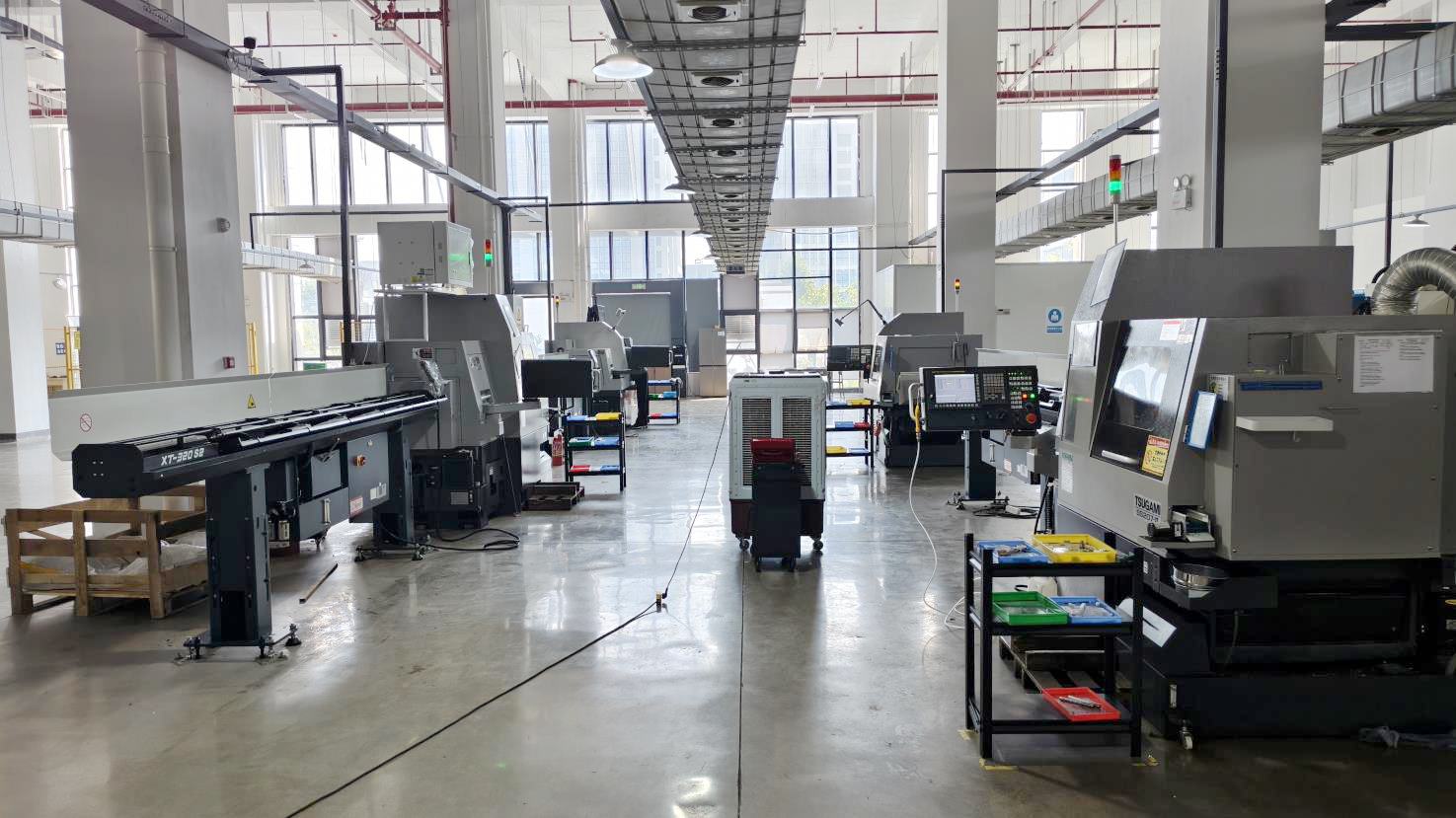
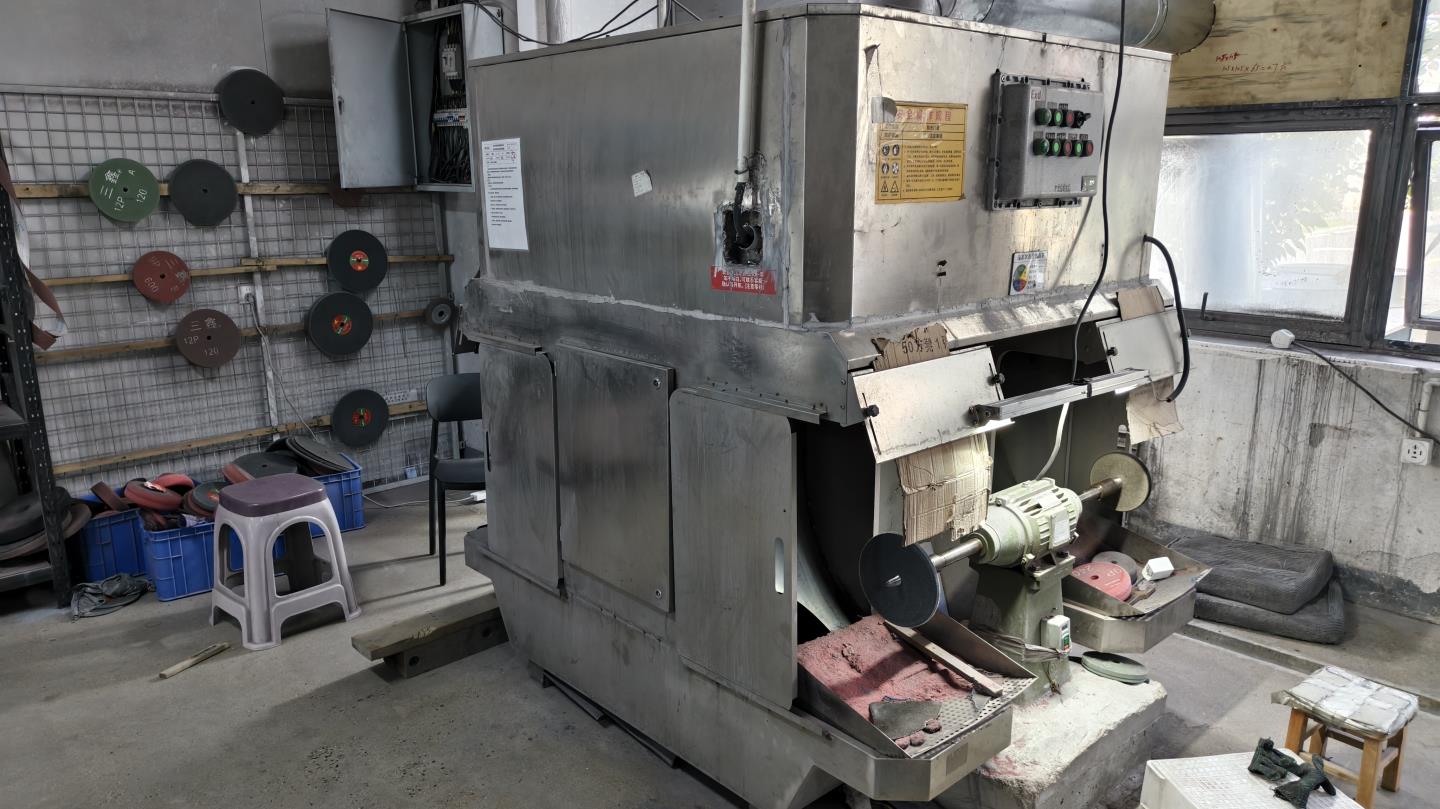
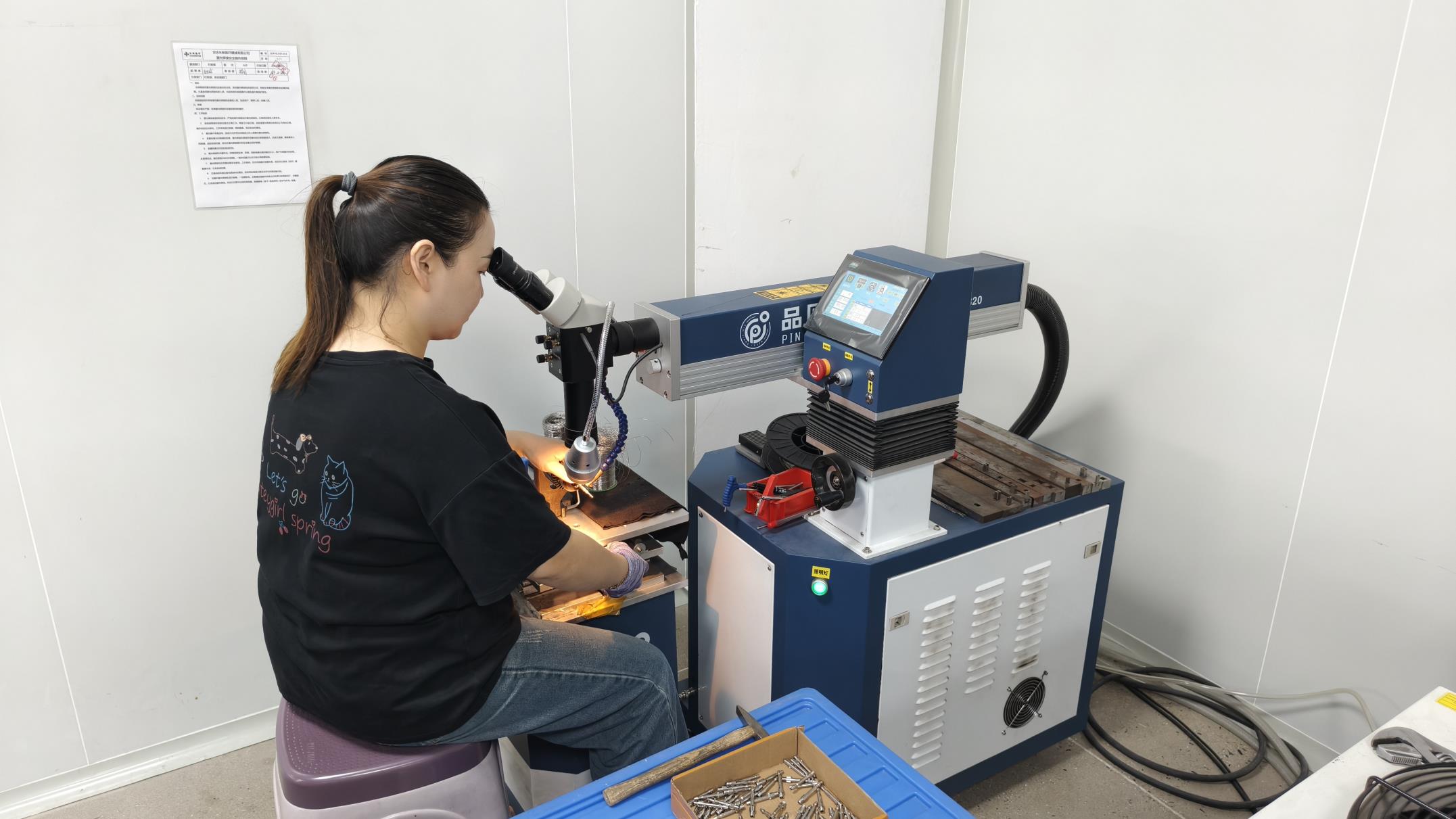
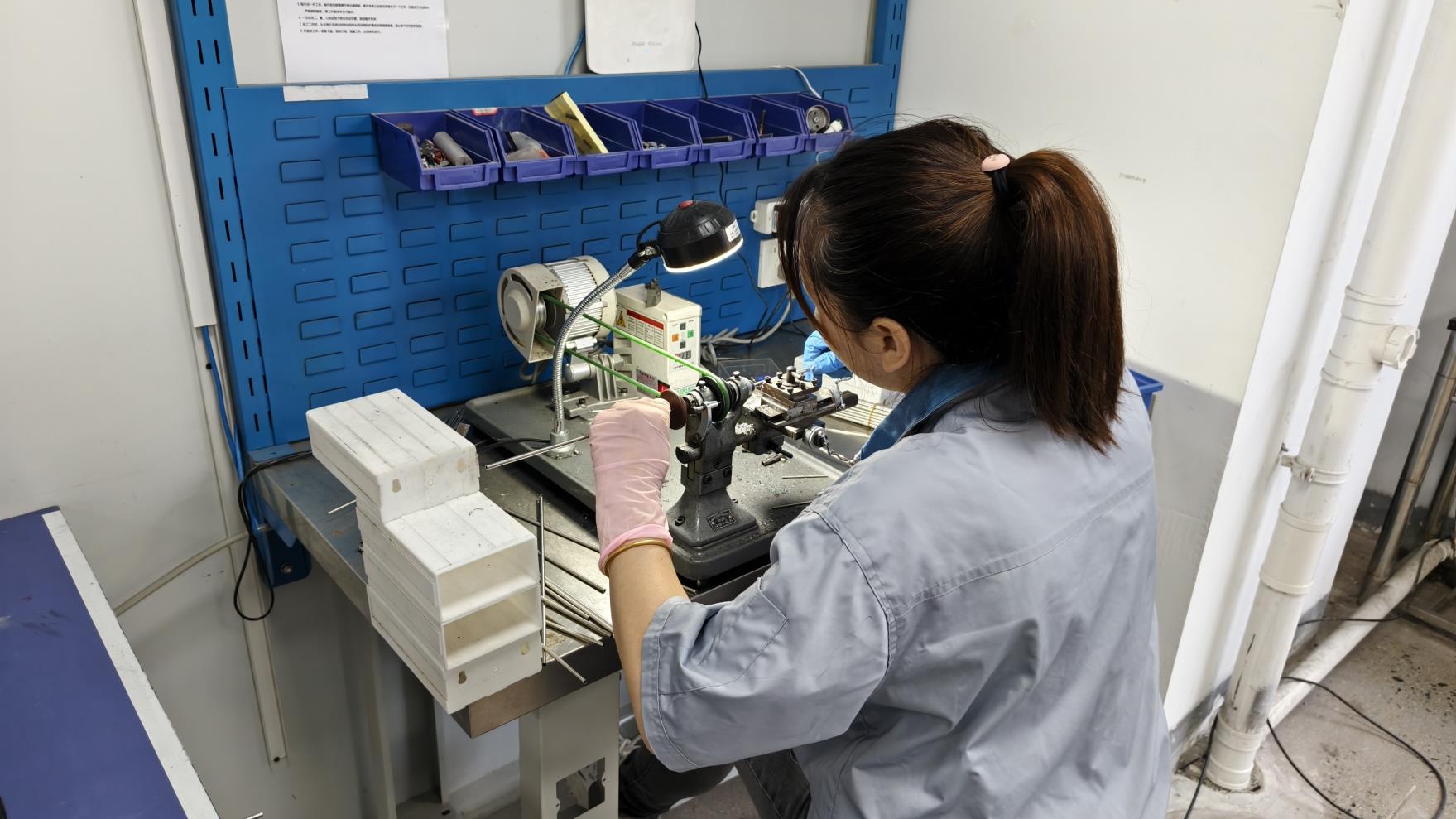
Operating out of our 18,600 m² modern facility, we oversee the entire life cycle of each orthopedic implant. From incoming medical titanium bar inspections to Swiss-type CNC precision lathe operations, ultrasonic cleanroom processing, and sterile double-barrier packaging, every stage is fully traceable. Utilizing Chinese supply chain networks allows us to source raw materials, execute high-throughput runs, and customize surgical trays efficiently, delivering superior clinical products at manageable costs.
Synoviq Medical Technology (China) Co., Ltd. is a dedicated manufacturer of orthopedic implants and surgical instruments, supplying reliable medical configurations for health professionals worldwide. We provide trauma systems, spinal components, locking plate arrays, intramedullary nails, and tailor-made surgical instruments to meet diverse clinical profiles.
| Item / Metric | Technical Operations & Corporate Details |
|---|---|
| Company Name | Synoviq Medical Technology (China) Co., Ltd. |
| Established & Experience | March 18, 2016 (14 Years Industry Experience, 8 Years Export Experience) |
| Manufacturing Base | 18,600 m² State-of-the-Art Machining Facility |
| Annual Export Revenue | USD 21.8 Million |
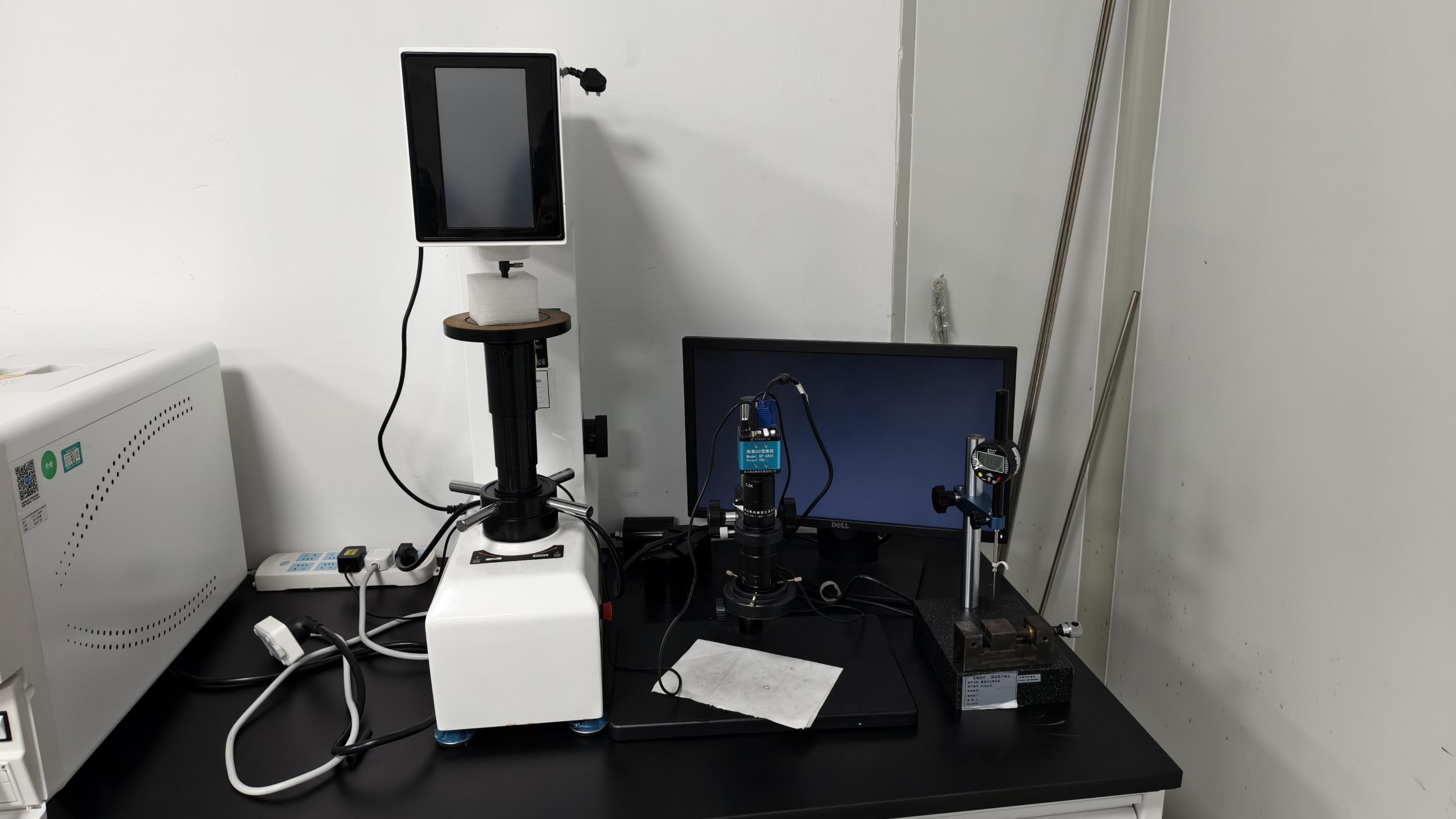
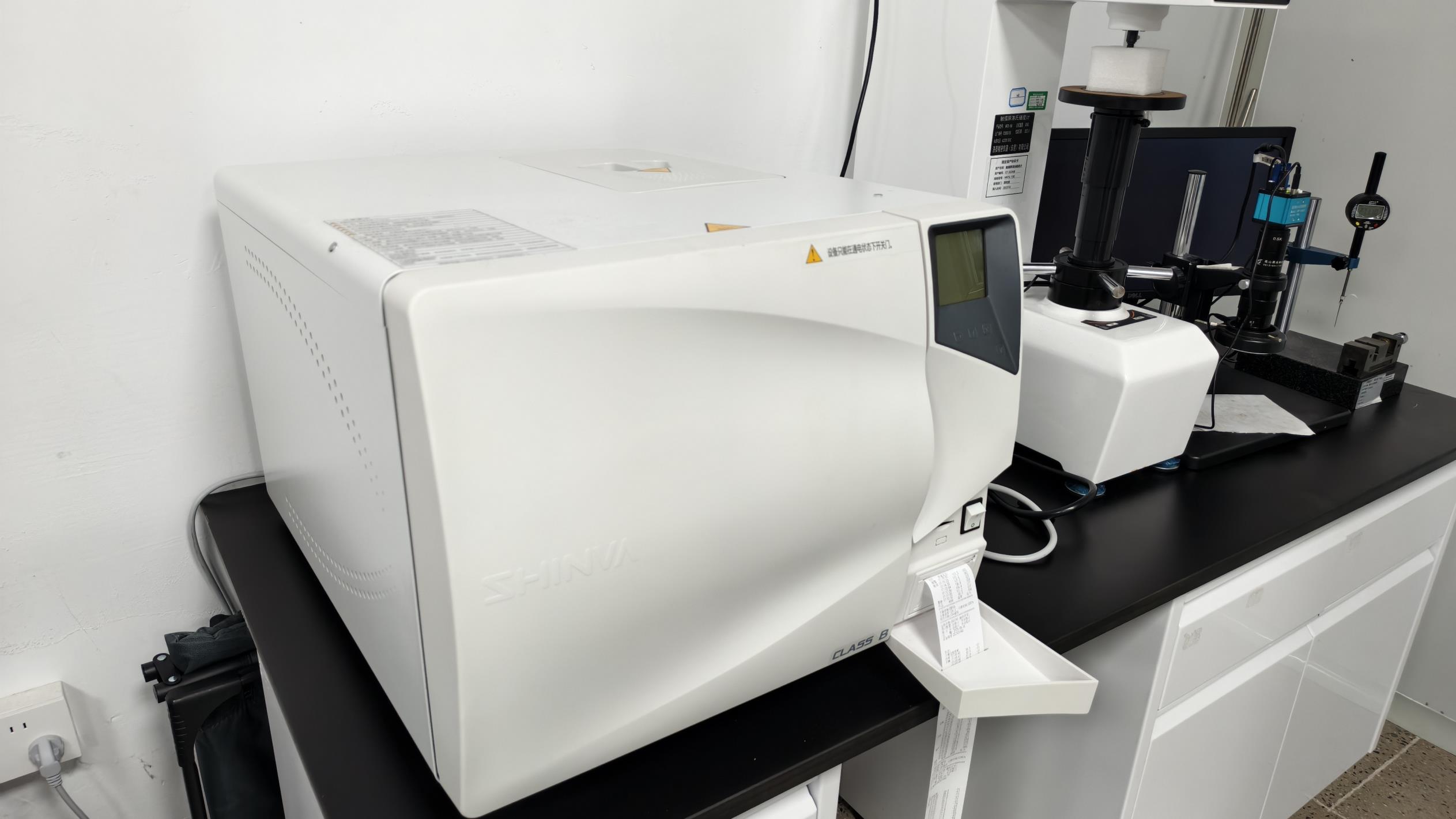
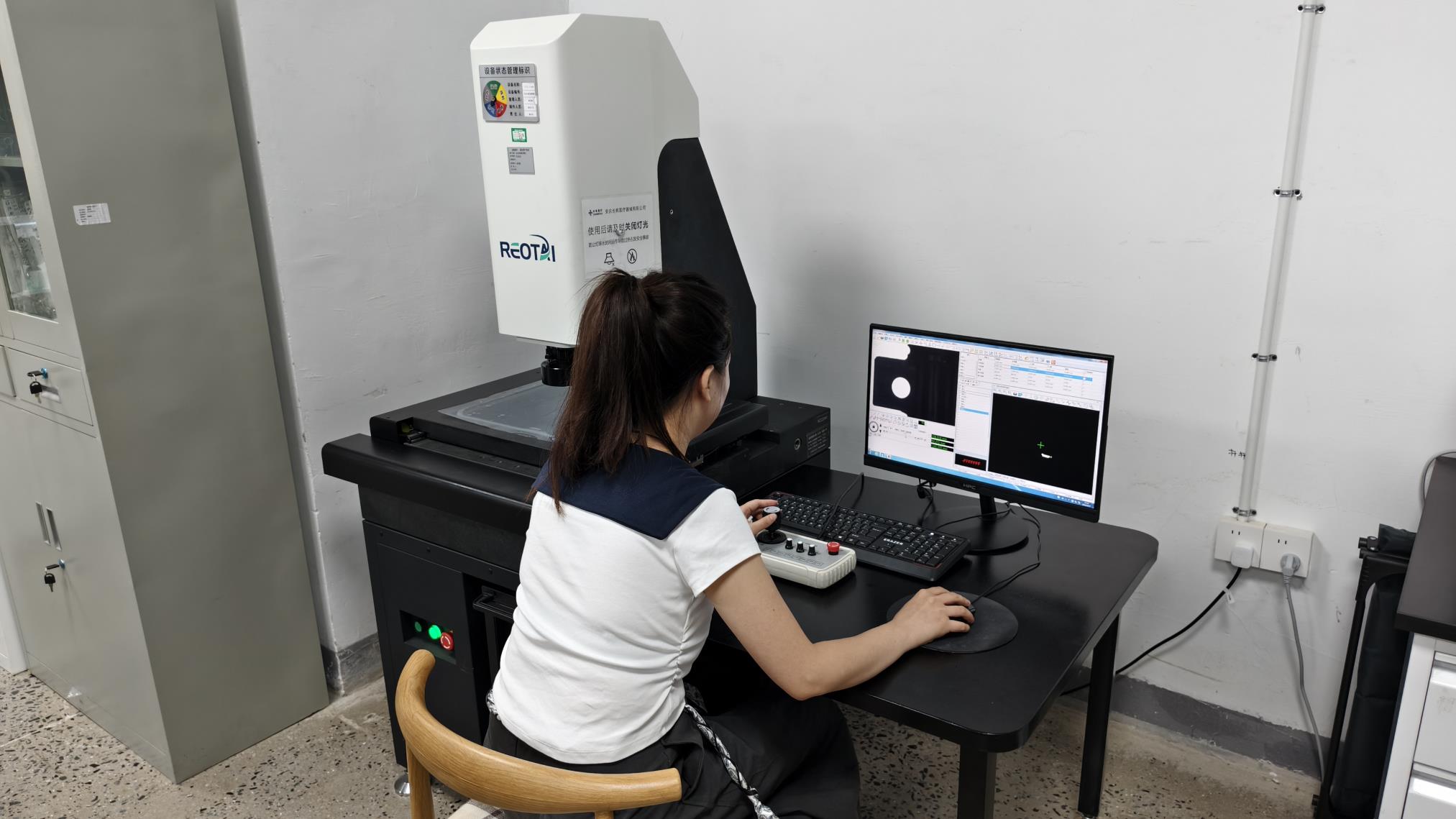
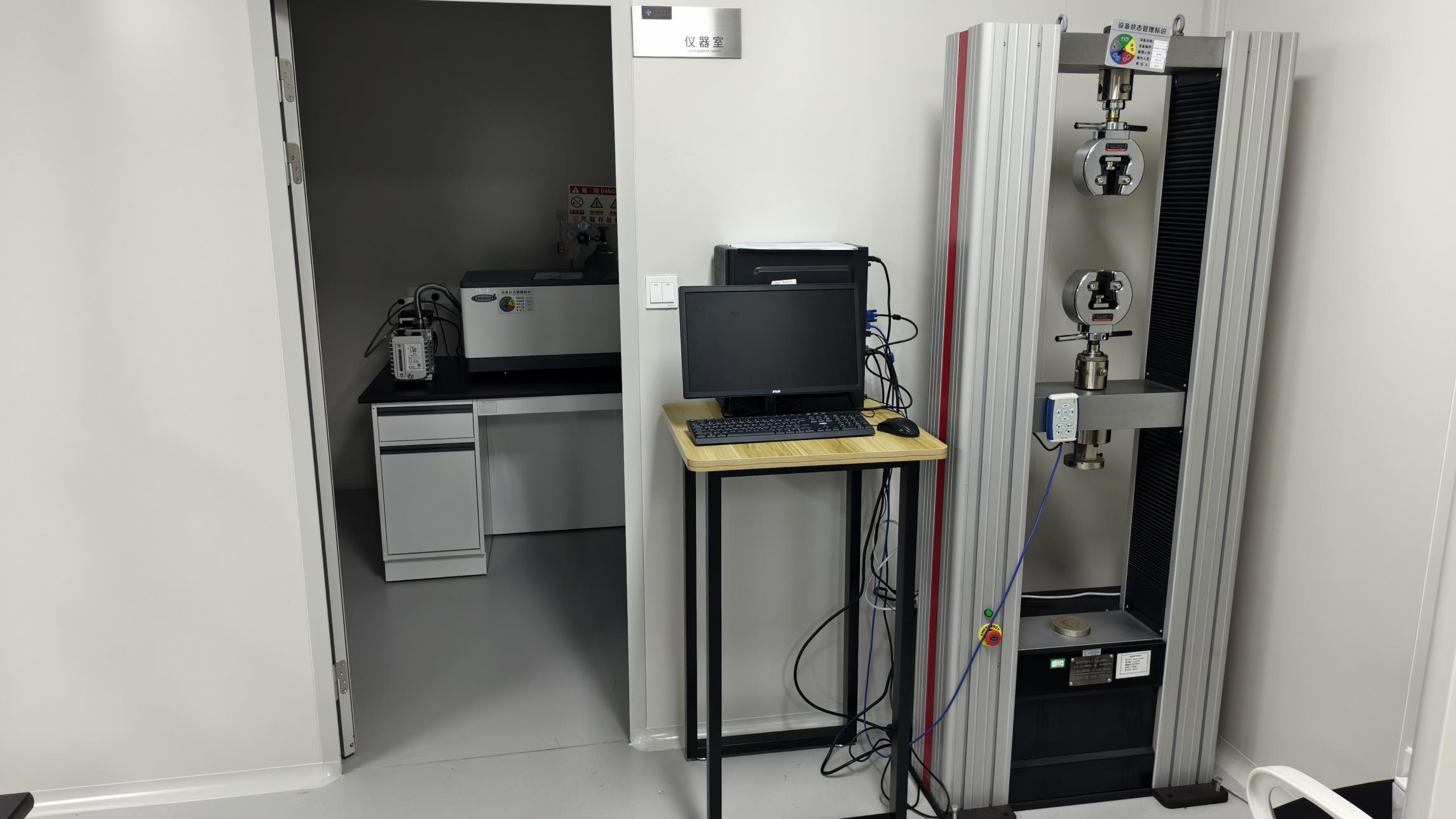
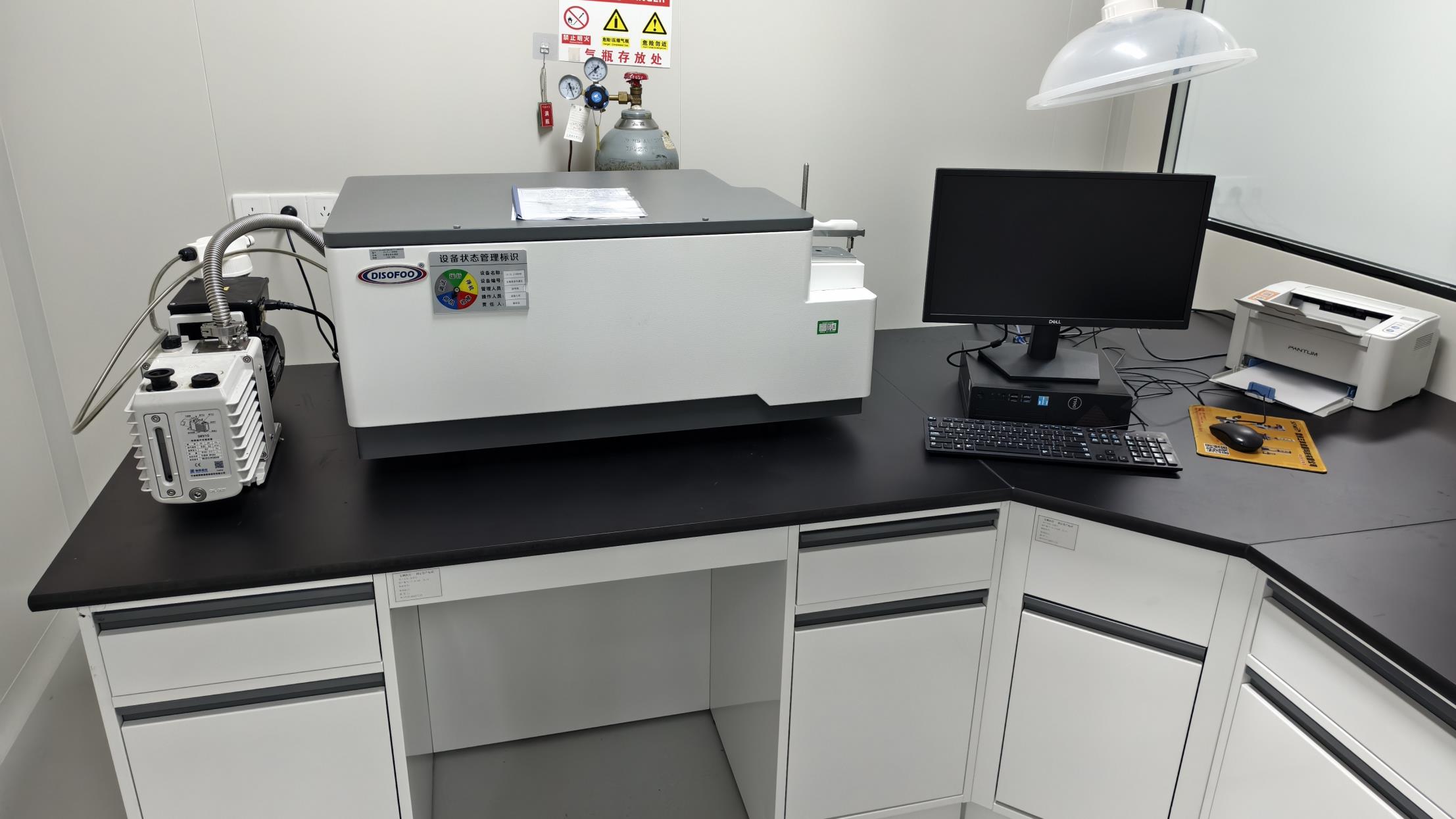
| Quality Inspection Protocols | 100% Final Inspection & Incoming Material Inspection (CMM, Mechanical Testing, Surface Roughness, Hardness Testing, Salt Spray, Sterility Validation) |
| Regulatory Standards | Compliant with Major Global Directives & Regional EFDA Regulations |
| R&D and Personnel | 76 R&D Engineers / 48 Quality Control Specialists |
| Supply Chain Capacity | Partnership with over 1,120 global supply partners; robust OEM/ODM production lines |
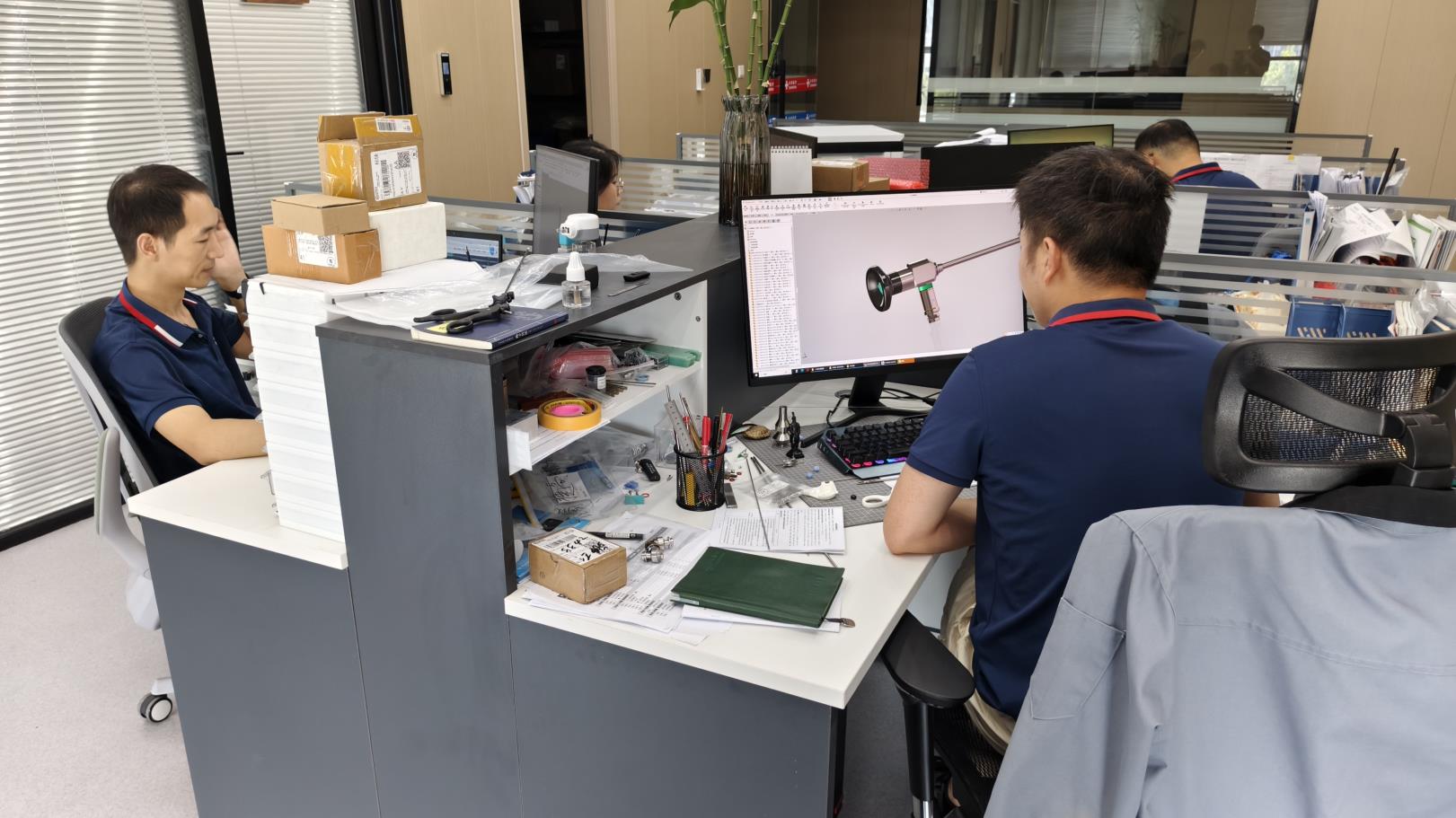
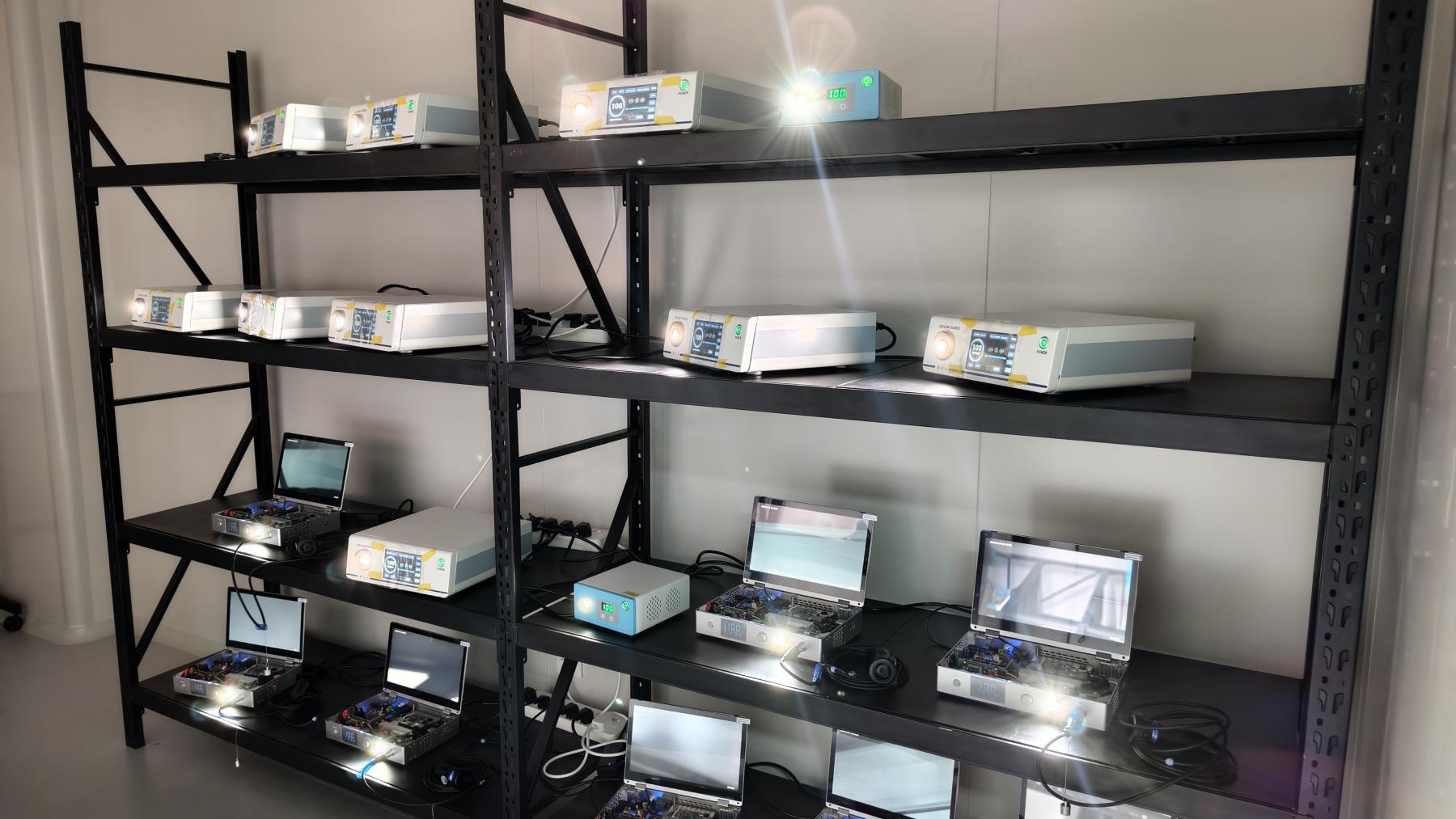
A look inside Synoviq's state-of-the-art production environments and quality verification laboratories.
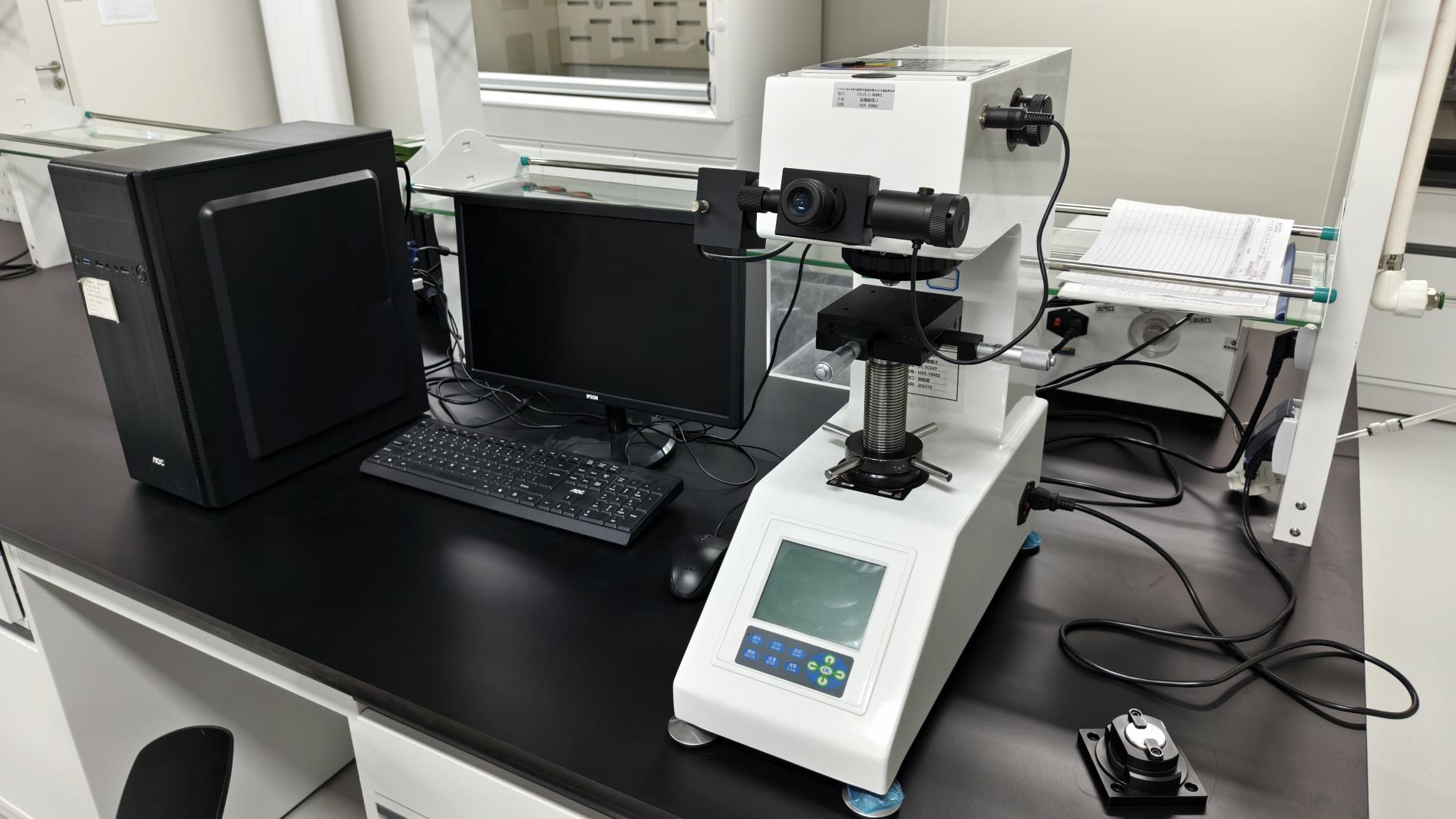
In developing nations across sub-Saharan Africa, procurement officers balance hospital-grade material demands with constrained public budgets. The adoption of modern Sternal Fixation Systems is driven by critical clinical factors that directly improve patient outcomes:
Rigid fixation systems minimize lateral bone micro-motion, allowing patients to breathe comfortably sooner and reducing ICU and general hospital stays.
Properly stabilized sternums mitigate the risk of deep sternal wound infections (DSWI) and mediastinitis, preventing costly long-term complications.
Surgical systems featuring fast-release locking mechanics allow surgeons to safely execute emergency re-entries in critical post-operative events.
Additionally, modern sternal fixation focuses on anatomical customization. Because sternal morphology varies significantly across patient cohorts, pre-contoured plates reduce the need for intraoperative adjustments, shortening anesthesia runtimes.
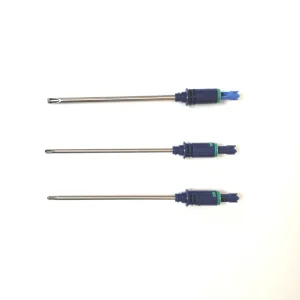
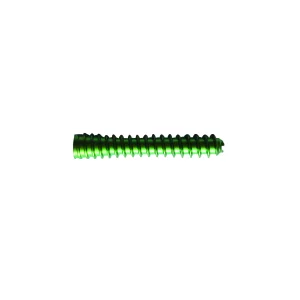
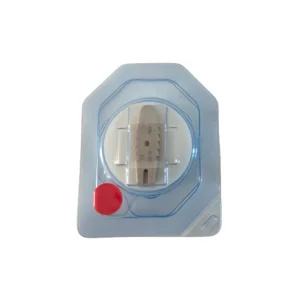
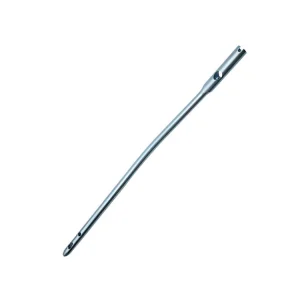
Synoviq addresses these issues by offering complete surgical sets containing anatomical sternal plates, variable angle locking screws, emergency wire-cutters, and user-friendly drill guides. Working directly with procurement authorities, we help optimize logistics and supply lines, making premium sternal closure technology accessible for cardiac centers in Addis Ababa and beyond.
Key information regarding international logistics, regulatory processes, and orthopedic implant technology.
Explore our wider range of orthopedic implants, internal fixation trauma plates, and specialized surgical instrumentation.
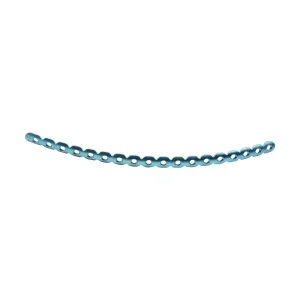
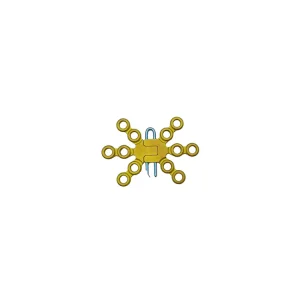
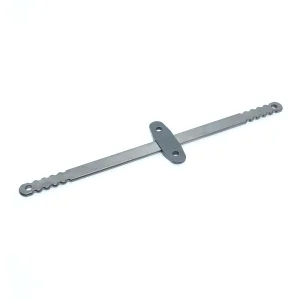
For institutional bulk pricing, custom manufacturing requests (OEM/ODM), or regional distributorship inquiries in the Ethiopian market.
Send Inquiry Now Synoviq Medical