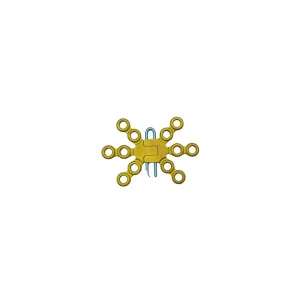
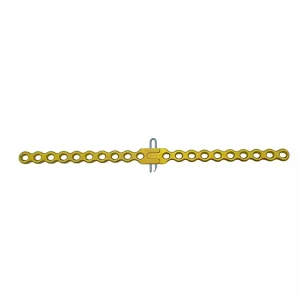
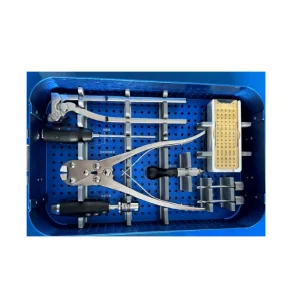
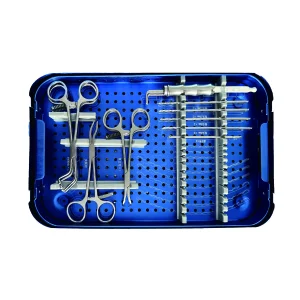
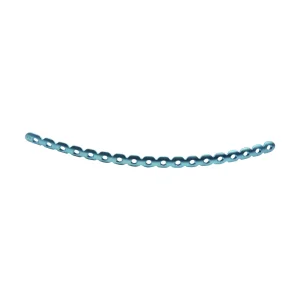
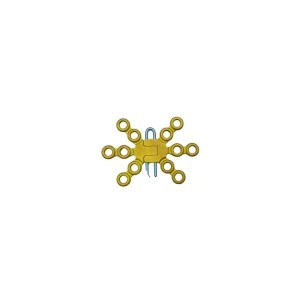
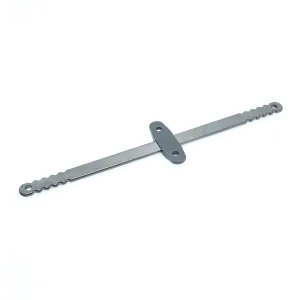
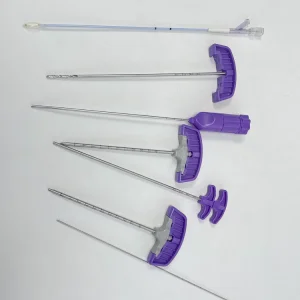
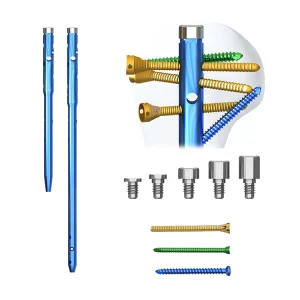
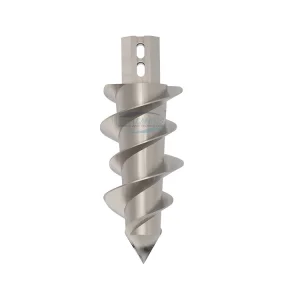
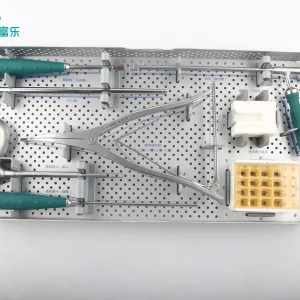
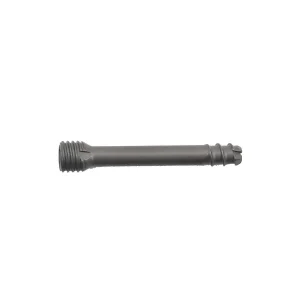
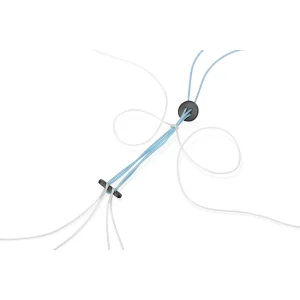
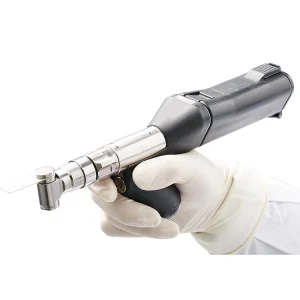
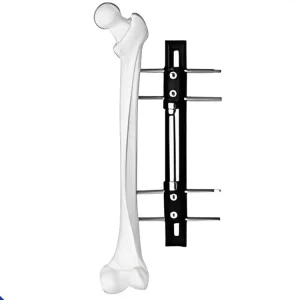
Core product families engineered for sternal closure, rib reconstruction and orthopedic trauma — ready for Mulifanua hospital procurement and distributor stock programs.
A localized reading of a global category — semantic search, user intent and procurement realities around sternal closure in Samoa's Mulifanua corridor.
Mulifanua sits on the western tip of Upolu, anchored by the Mulifanua Ferry Terminal — the main maritime gateway connecting Upolu to Savai'i and a critical logistics node for medical consignments entering Samoa. This geography directly shapes how sternal fixation systems, rib plates and trauma instrumentation reach island hospitals, district clinics and NGO-supported surgical programs.
Samoa's hospital network is centralized around Tupua Tamasese Meaole Hospital in Apia, with district referral pathways feeding into it. For sternal fixation — predominantly used in cardiac surgery and high-energy thoracic trauma reconstruction — the practical demand in Mulifanua and the surrounding northwest Upolu corridor is episodic but high-value. Procurement is driven by a small number of surgical teams, government tenders, and development-funded equipment packages.
Because freight lead times to Samoa are long and unpredictable, the local commercial requirement is not raw product availability but kit completeness, sterile-barrier integrity and multi-year shelf-life documentation. Factories capable of shipping a single validated sternal closure tray — with plates, screws, instrumentation and IFU in one lot — win disproportionate share over suppliers who ship components separately.
Cardiac sternal closure: Median sternotomy closure after CABG or valve procedures performed by visiting or local cardiothoracic teams, where rigid plate fixation reduces dehiscence risk in diabetic and elderly Pacific patients.
High-energy thoracic trauma: Road traffic and agricultural injuries along the northwest Upolu corridor frequently produce rib and sternal fractures; titanium rib plating sets support reconstruction where wire cerclage alone is insufficient.
Referral and outreach surgery: District-level clinics and mobile surgical missions need low-instrument-count, single-use-friendly sets that minimize reprocessing burden in settings with constrained CSSD capacity.
Distributor stock programs: Local medical distributors serving Samoa and the wider Polynesian region require fast-moving, CE/ISO-documented SKUs that can be reordered in small batches without container minimums.
Full Synoviq catalog coverage: sternum plates, rib fixation, spine, intramedullary nails, anchors, fusion cages and external fixation — all with retained product URLs.
Semantic search intent around "sternal fixation system factories" splits into buyers, clinicians and distributors. Each segment needs different proof.
The global sternal fixation market remains a niche within the broader orthopedic trauma category, but its clinical importance is outsized. Developed markets — EU, North America, Japan — are shifting from traditional wire cerclage toward rigid plate and screw systems, driven by evidence of reduced sternal dehiscence and mediastinitis risk in high-risk patients (diabetics, COPD, obese, bilateral internal mammary artery harvest).
This shift creates sustained demand for precision-machined titanium sternum plates, locking screws and dedicated sternal instrumentation trays. Chinese orthopedic manufacturing clusters — particularly in Jiangsu, Zhejiang and Beijing — have absorbed much of this demand as qualified second-source and OEM partners for European and Middle Eastern brands, and increasingly supply Southeast Asia and the Pacific directly.
Regulatory tightening (MDR in Europe, FDA 510(k) pathways in the US, TGA in Australia) raises the certification bar, which paradoxically benefits established Chinese factories that already hold NMPA Class III plus CE/ISO 13485 — because they can anchor smaller island distributors who cannot afford multi-region certifications of their own.
When users type "Sternal Fixation System Factories & Suppliers in Mulifanua," the intent is overwhelmingly commercial investigation, not informational. Sub-intents that drive the SERP include: factory-direct pricing, MOQ for small island markets, OEM branding for local distributors, CE documentation for tender compliance, and kit completeness.
Google's Search Quality Rater Guidelines reward pages that demonstrate Experience, Expertise, Authoritativeness and Trust (E-E-A-T). For a supplier-focused page to rank for these queries, it must show: actual manufacturing capability with equipment evidence, certification transparency, real export track record, and clinical-context understanding — not just a product list.
This page is structured to deliver that information gain: it pairs the product catalog with material science, localization logistics, and roadmap intelligence that generic supplier directories cannot replicate.
Four-step technical evolution — from material selection to next-generation sternal and chest wall reconstruction.
Ti‑6Al‑4V ELI (extra-low interstitial) as standard for sternal plates; surface passivation and controlled anodization to enhance osteointegration and reduce bacterial adhesion; 316L/17‑4PH for instrumentation.
5-axis CNC, Swiss-type lathes, wire EDM and laser welding for plate contouring, locking-hole geometry and screw thread accuracy within ±0.02 mm tolerances verified by CMM.
Mechanical fatigue testing, pull-out strength, corrosion (salt spray), hardness and sterility validation; single-use tray and dual-barrier packaging for island freight.
Patient-specific sternal and rib plates from CT data, locked compression hybrids, bioresorbable options under development and digital surgical planning support.
Technical route maps are not academic for a Pacific distributor. They translate into three practical assurances: (1) that plate geometry is based on anthropometric data broad enough to cover Polynesian patients; (2) that sterilization and packaging survive extended sea freight and humidity; (3) that instrument sets can be reprocessed with the equipment actually available in-country.
Synoviq's engineering team supports the design of application-specific kits — for example a sternal closure tray optimized for small surgical teams (fewer instruments, clear labeling, single-use alternatives) and rib fixation sets scaled to trauma caseloads typical of Samoa's referral hospitals.
Over the next 3–5 years we anticipate three shifts affecting sternal fixation supply to the Pacific: (1) a rise in tender-driven procurement requiring CE/ISO documentation as standard; (2) growing interest in rigid plate-based sternal closure as visiting cardiac teams document outcomes; and (3) increasing adoption of patient-specific 3D-printed plates for complex chest wall reconstruction, where Chinese manufacturers with in-house design-to-print pipelines will lead on cost.
Factories that combine certified quality systems, OEM flexibility and small-batch logistics will dominate this corridor. Larger freight-minimum factories will lose share to agile suppliers like Synoviq.
Synoviq Medical Technology (China) Co., Ltd. — established March 2016, 18,600 m² facility, 76 R&D engineers, 48 QC specialists, 1,120+ supply chain partners.
Synoviq operates a vertically integrated manufacturing model: incoming material inspection, CNC machining (cutting, turning, Swiss-type lathe, grinding, wire EDM), polishing, surface treatment, assembling, cleaning and final 100% inspection — all under one 18,600 m² roof. This eliminates multi-vendor handoff risk that plagues smaller exporters.
With 1,120+ supply chain partners and a dedicated 48-person QC team, the factory maintains buffer capacity for titanium raw material and instrument components — critical for island markets where a single delayed shipment can stall a surgical program for months.
Export experience of 8 years and annual export revenue of USD 21.8 million across Europe, North America, South America, the Middle East and Southeast Asia demonstrates reliable international logistics performance.
76 R&D engineers and 186 new products released in the last year demonstrate rapid design-to-production cycles. Synoviq's OEM/ODM model allows distributors to brand sternal fixation trays, rib plate sets and trauma instrumentation under their own label — with logo, packaging, product design, material selection and surface treatment all customizable.
For Mulifanua buyers, this means: small-batch friendly production, direct factory pricing, and technical support in the buyer's time zone. Custom sternal closure kits can be assembled to order without requiring container-scale commitments.
Quality inspection methods include CMM measurement, mechanical testing, surface roughness testing, hardness testing, salt spray testing and sterility validation — all documented per lot, which is a prerequisite for Pacific government tender compliance.
A professional manufacturer of orthopedic implants and surgical instruments, delivering innovative, reliable, high-quality medical solutions worldwide since 2016.
Synoviq Medical Technology (China) Co., Ltd. is a professional manufacturer of orthopedic implants and surgical instruments, dedicated to delivering innovative, reliable, and high-quality medical solutions for healthcare professionals worldwide. Since its establishment, Synoviq has focused on research, development, precision manufacturing, and international quality standards, providing comprehensive OEM and ODM services for global medical device brands, distributors, and hospitals.
Our product portfolio includes trauma fixation systems, spinal implants, locking plates, intramedullary nails, external fixation systems, orthopedic screws, surgical instruments, and customized orthopedic solutions. Equipped with advanced CNC machining centers, precision inspection equipment, and modern clean production facilities, we ensure every product meets strict international quality requirements.
Driven by continuous innovation, Synoviq invests heavily in R&D and intelligent manufacturing to enhance product performance, surgical efficiency, and patient outcomes. Our experienced engineering team works closely with customers to develop customized products tailored to different clinical applications and market demands.
With a customer-oriented philosophy, competitive pricing, stable supply capability, and efficient technical support, Synoviq has established long-term partnerships with distributors, medical brands, and healthcare organizations across Europe, North America, South America, the Middle East, and Asia-Pacific.
Committed to quality, innovation, and global collaboration, Synoviq Medical Technology (China) Co., Ltd. strives to become a trusted international partner in the orthopedic medical device industry.
| Item | Information |
|---|---|
| Company Name | Synoviq Medical Technology (China) Co., Ltd. |
| Brand | Synoviq |
| Established | March 18, 2016 |
| Building Area | 18,600 m² |
| Annual Export Revenue | USD 21.8 Million |
| Export Experience | 8 Years |
| Industry Experience | 14 Years |
| Quality Inspection | 100% Final Inspection & Incoming Material Inspection |
| Product Inspection Methods | CMM Measurement, Mechanical Testing, Surface Roughness Testing, Hardness Testing, Salt Spray Testing, Sterility Validation |
| Quality Control Staff | 48 |
| Business Type | Manufacturer & Exporter (OEM/ODM) |
| Main Markets | Europe, North America, South America, Middle East, Southeast Asia |
| Supply Chain Partners | 1,120+ |
| Main Customer Types | Medical Device Brands, Importers, Distributors, Hospitals, Government Procurement Projects |
| R&D Capability | Independent Product Design, Prototype Development, Clinical-Oriented Engineering, OEM & ODM Development |
| Customization Options | Logo Customization, Packaging Customization, Product Design Customization, Material Selection, Surface Treatment |
| New Products Released Last Year | 186 |
| R&D Engineers | 76 |
From tender documentation to sterility validation — built for Pacific procurement realities.
Product documentation is prepared for Pacific-region tender submission: CE conformity where applicable, ISO 13485 quality system evidence, NMPA Class III registrations for key implants, biocompatibility reporting, and full material traceability from titanium mill heat number to finished lot.
Every sternal fixation lot is subject to CMM dimensional verification, mechanical pull-out testing, surface roughness checks, and salt spray corrosion testing. Sterility is validated per batch, with shelf-life documentation suited to extended island storage.
English-language IFU and labeling are standard; additional language localization can be arranged for OEM distributors.
Pacific distributors are supported through: pre-tender technical dossiers, sample provision before commitment, kit configuration matching local surgical practice, aftersales instrument replacement programs, and training content for surgical teams.
Order volume for Mulifanua-focused buyers can be scaled from small pilot batches to full container programs without a change in quality protocol. Freight is planned around Pacific shipping schedules, and packaging is reinforced for humidity and long transit.
For more localized pricing and configuration, use the Send Inquiry Now channel to reach the export team directly.
Real production and QC capability: from cutting and machining to polishing, surface treatment, assembling, cleaning and full inspection.
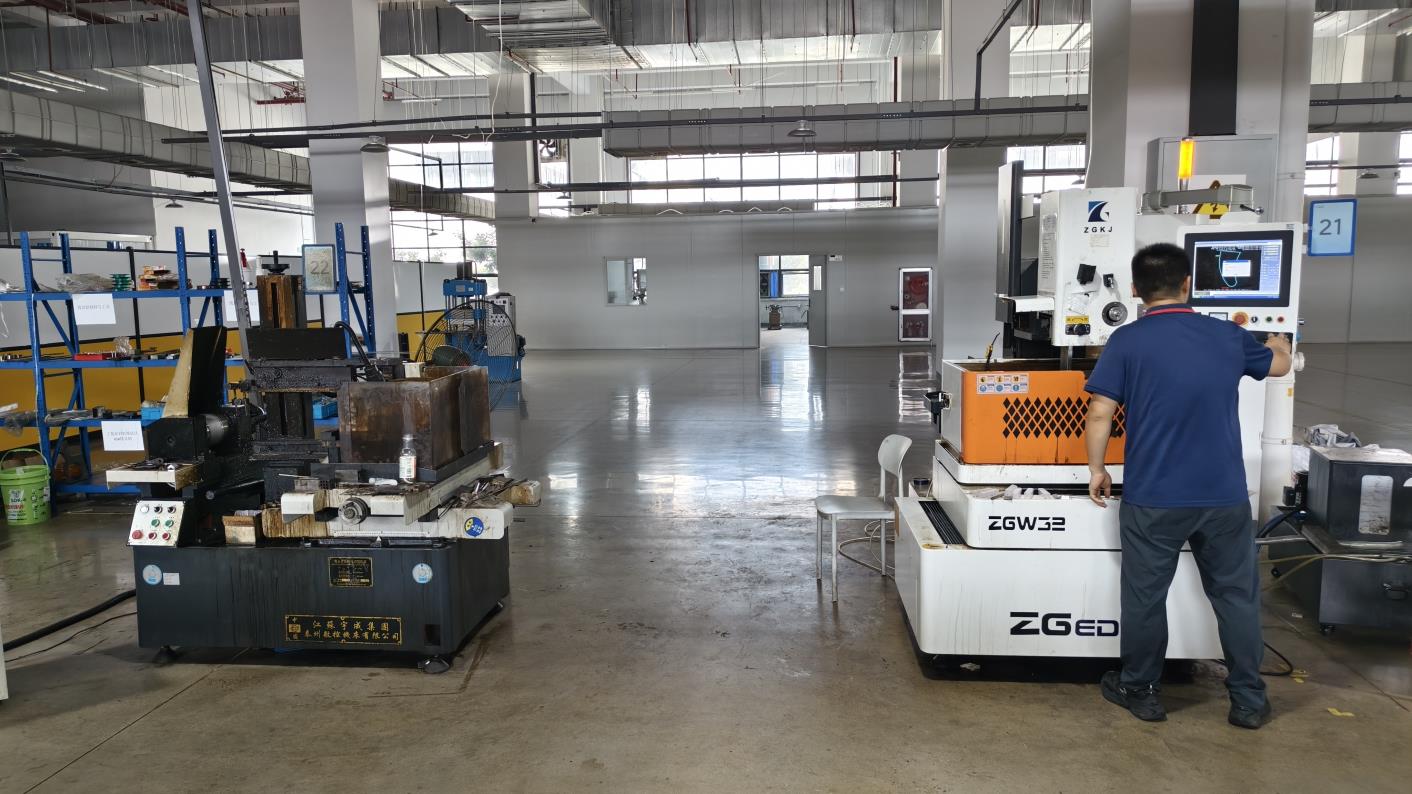 Cutting
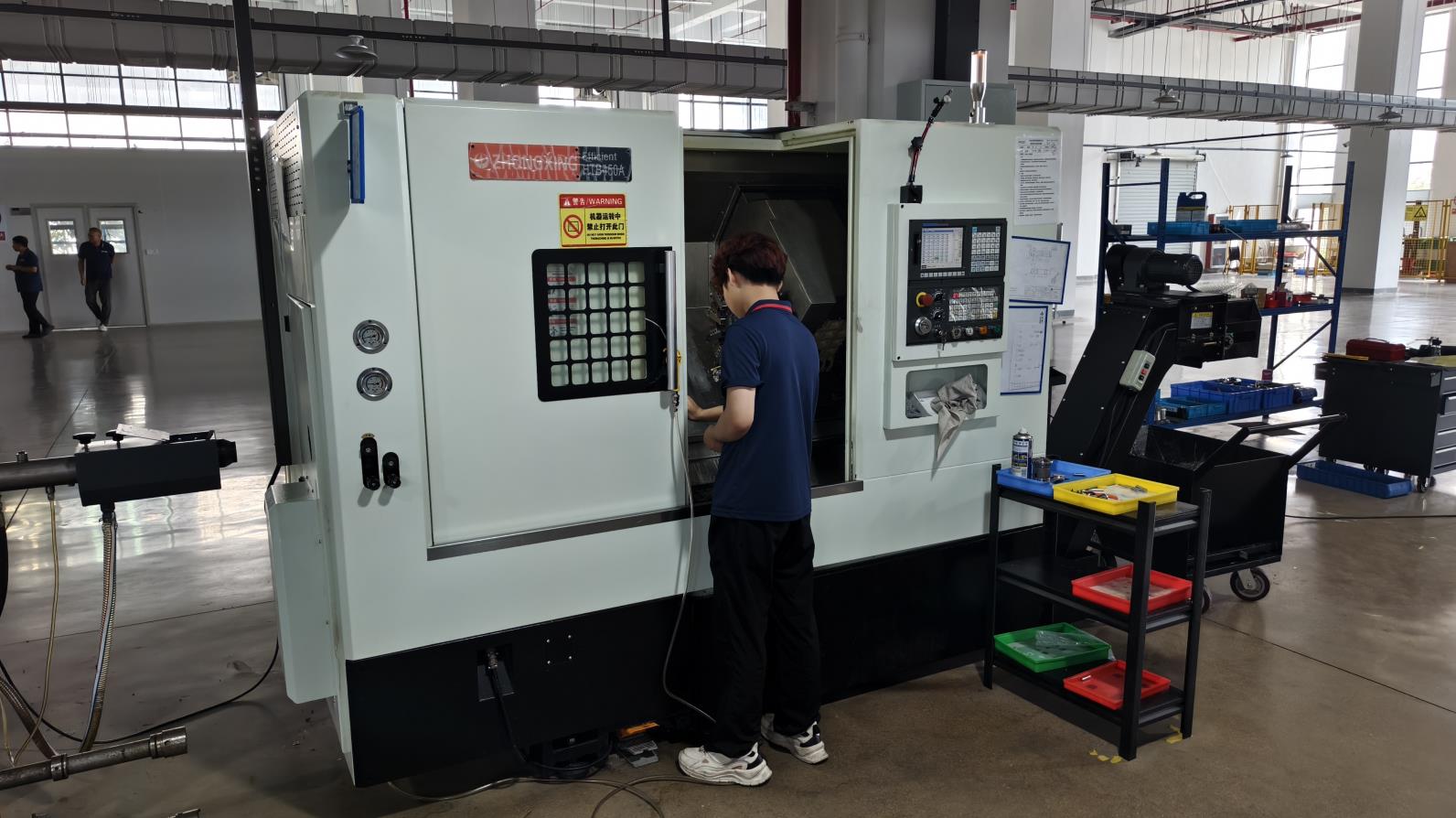 Machining
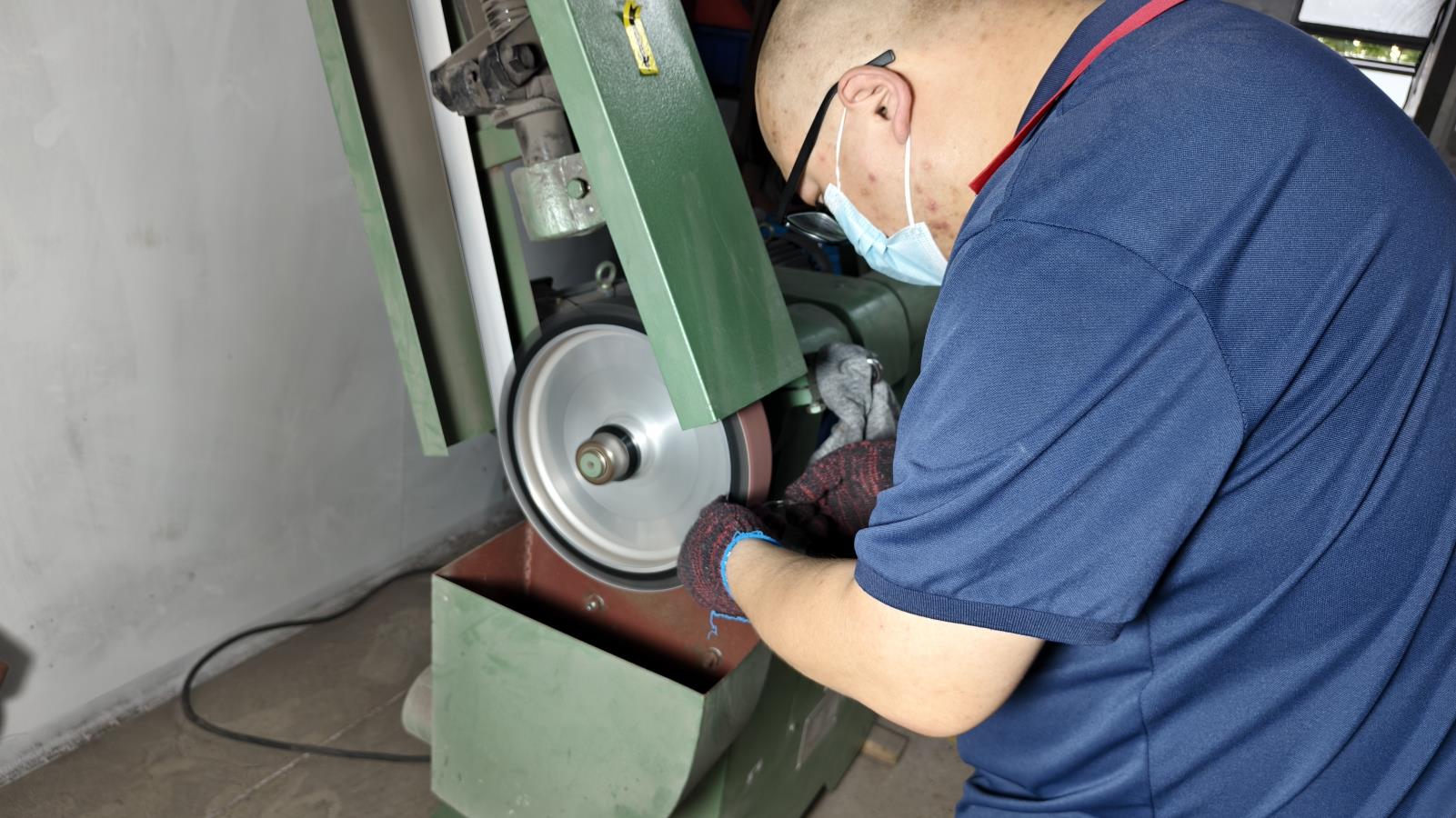 Polishing
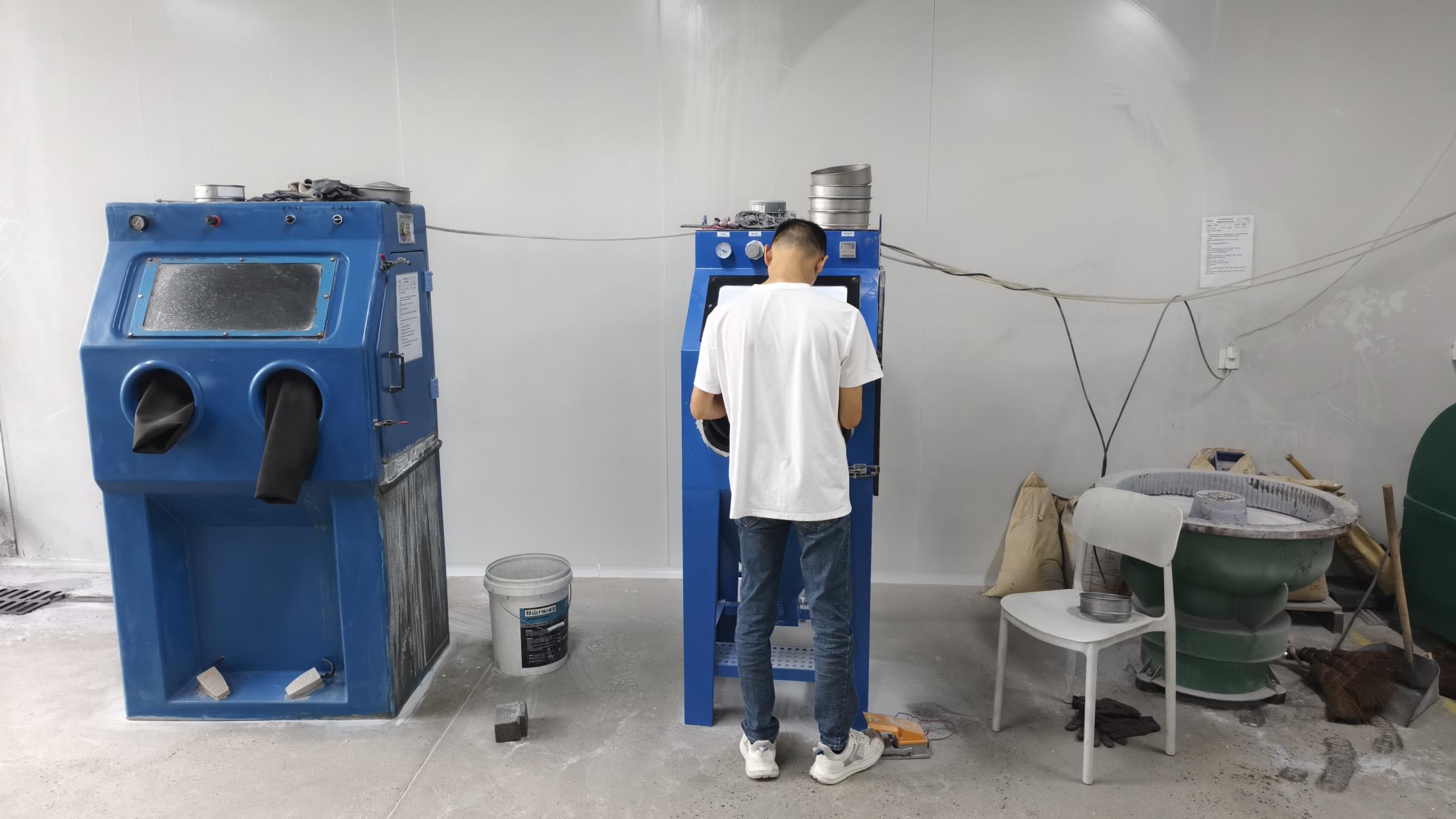 Surface Treatment
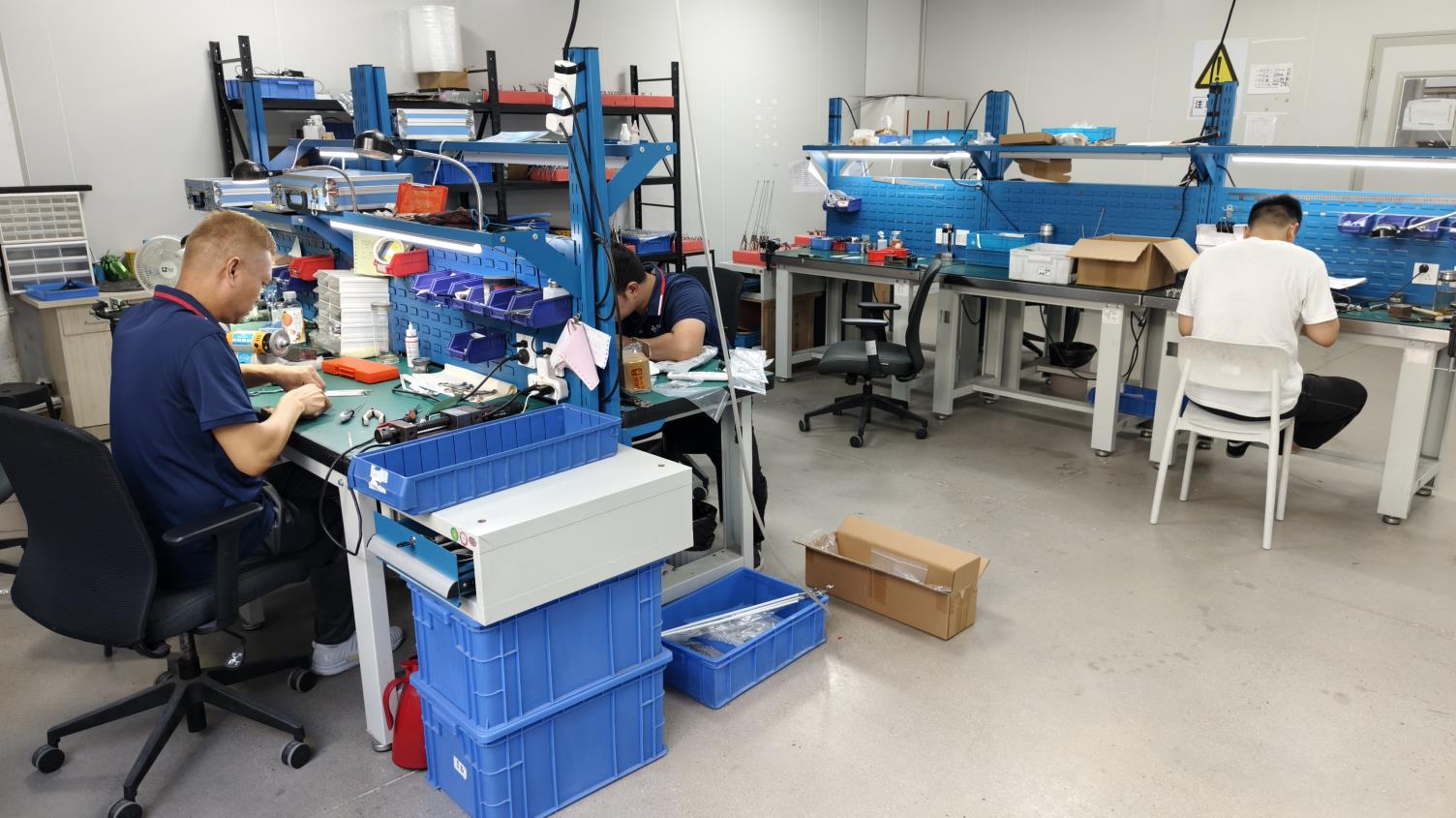 Assembling
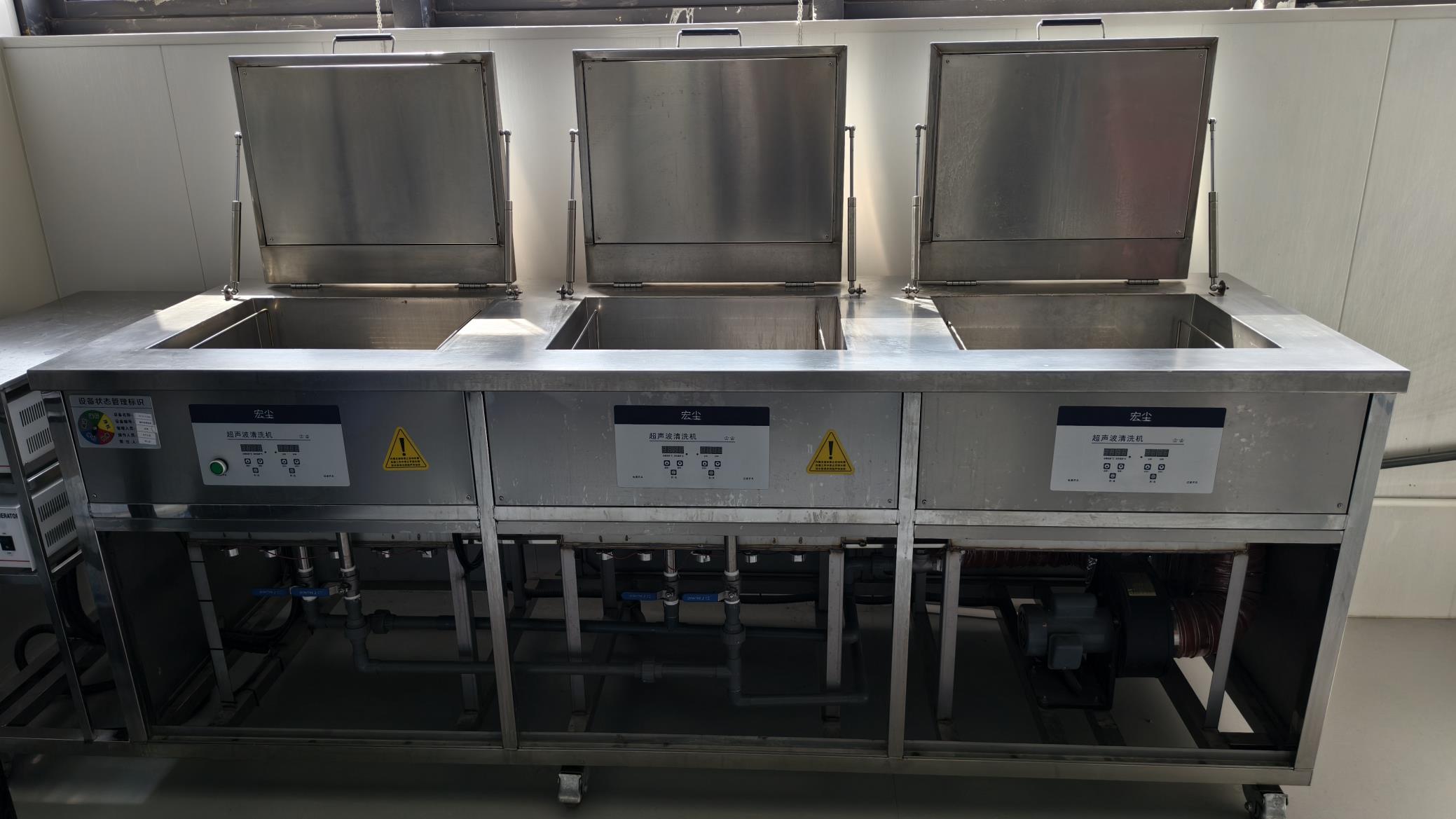 Cleaning
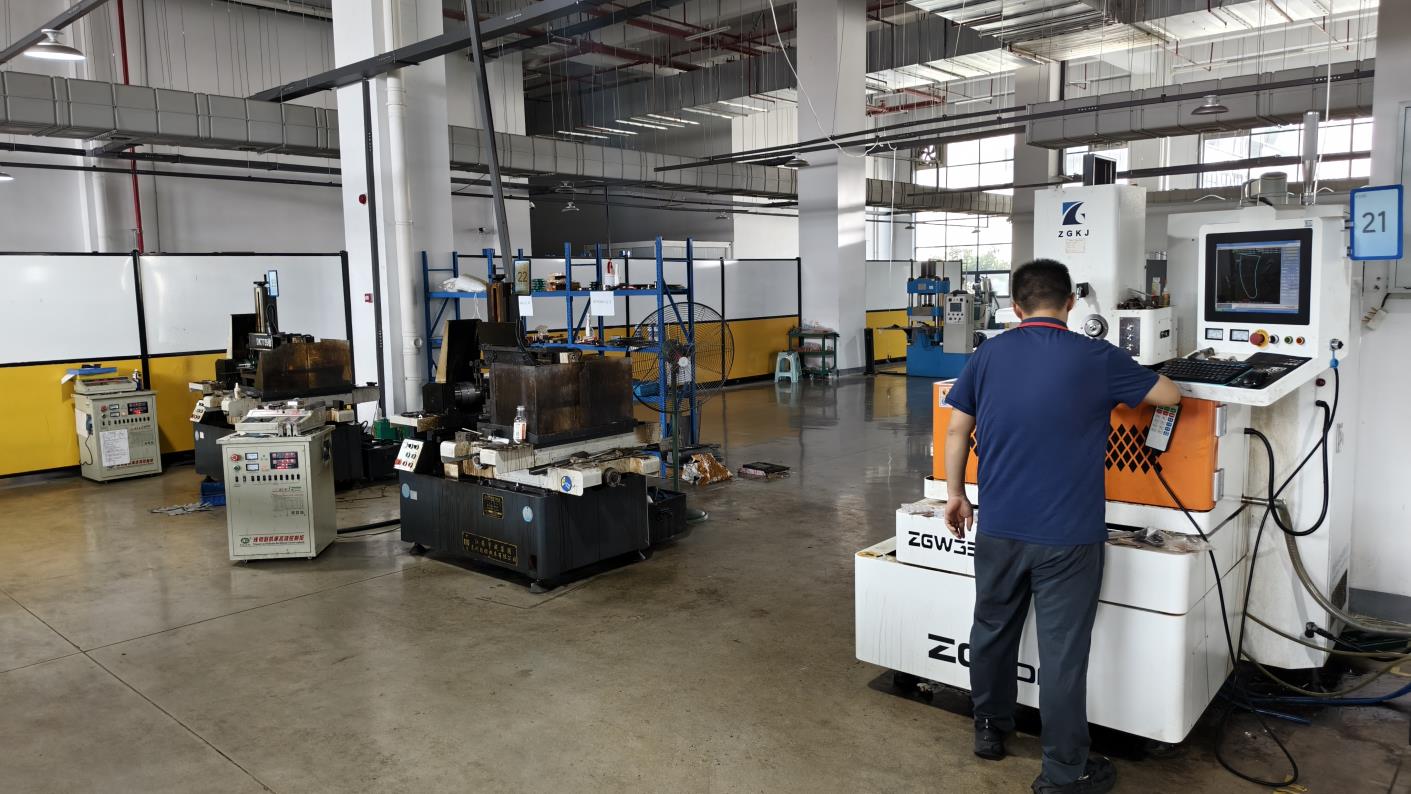 Wire Cutting Machine
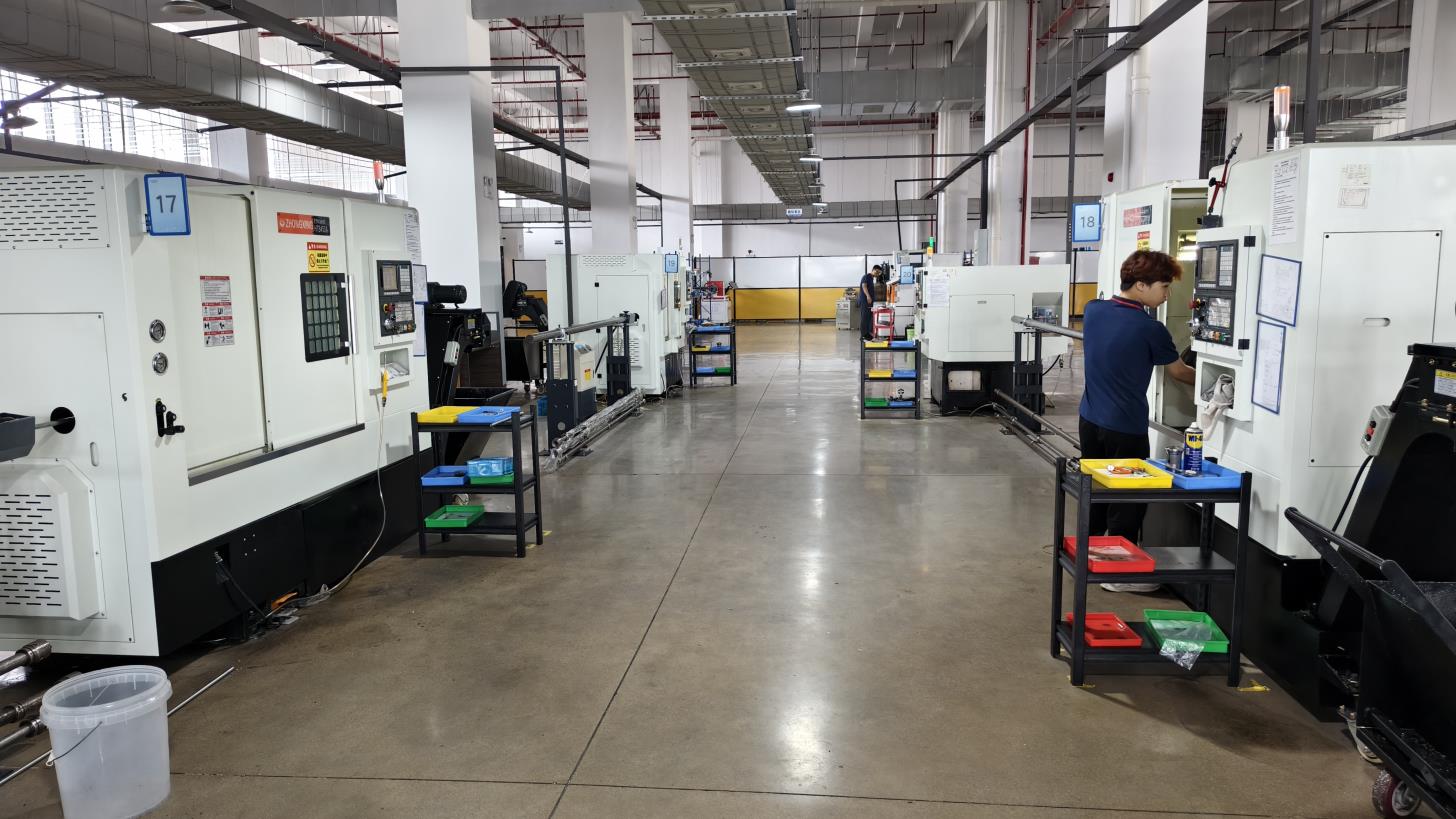 CNC Lathe
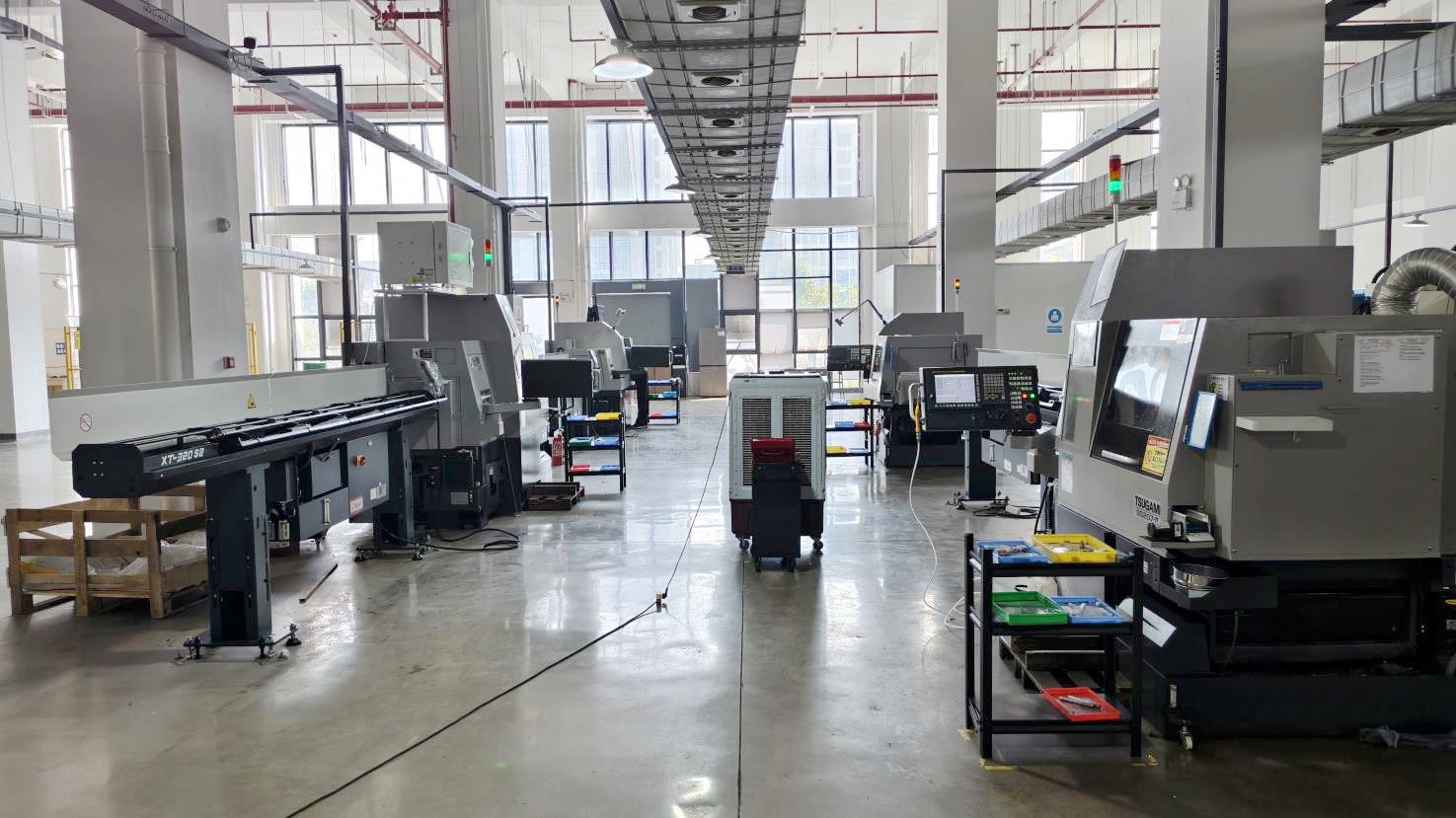 Swiss-type Lathe
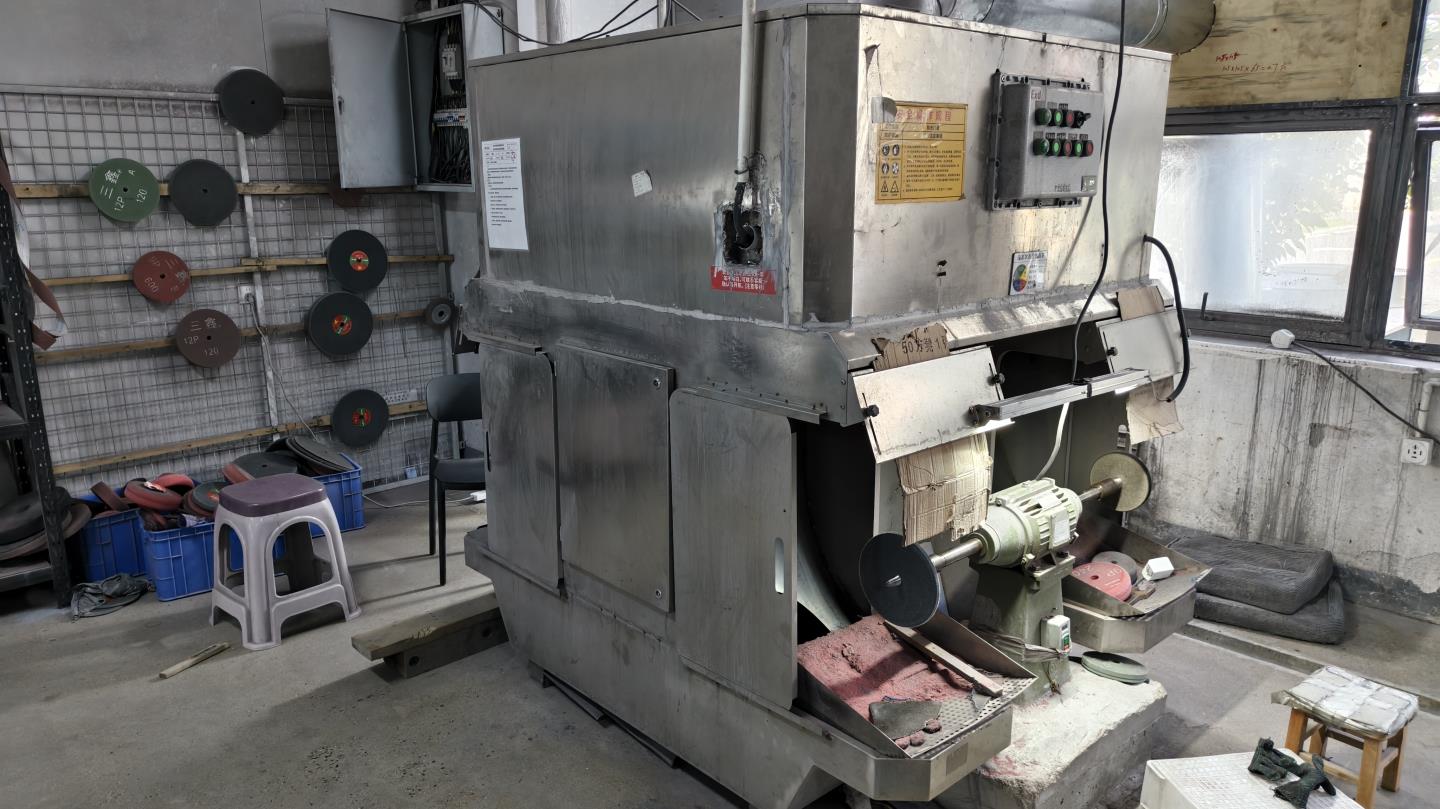 Grinder
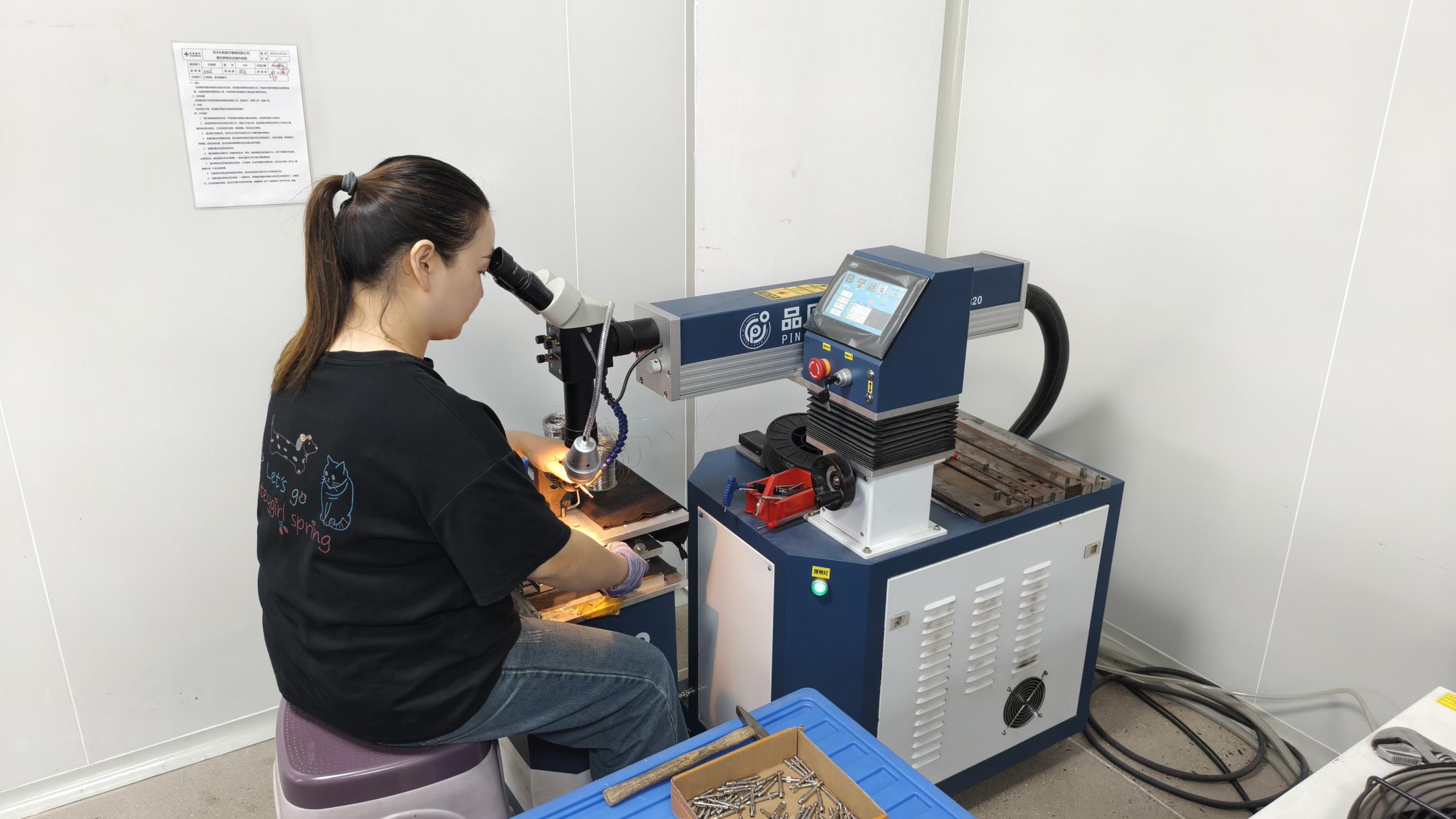 Laser Welding Machine
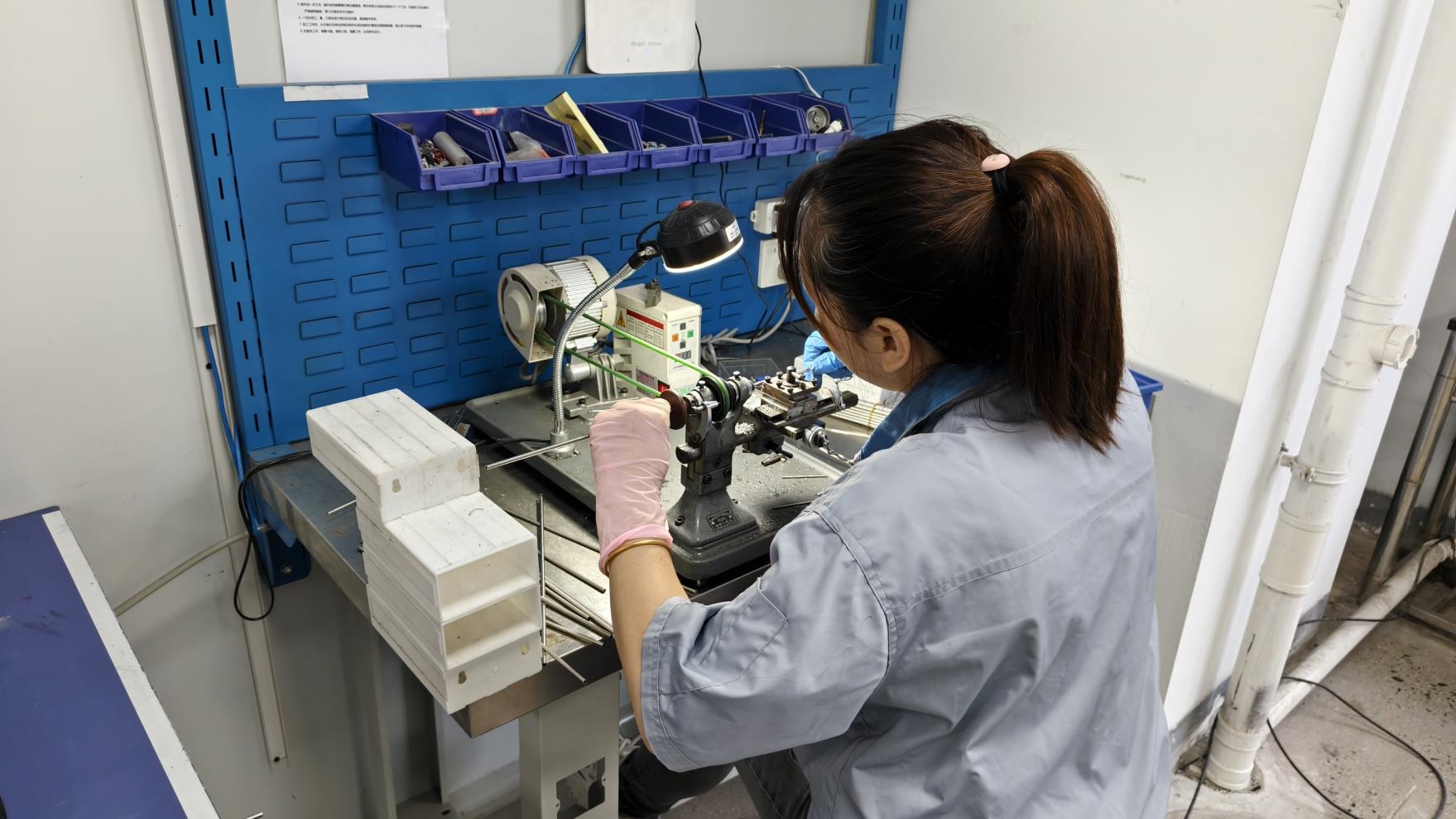 Lathe
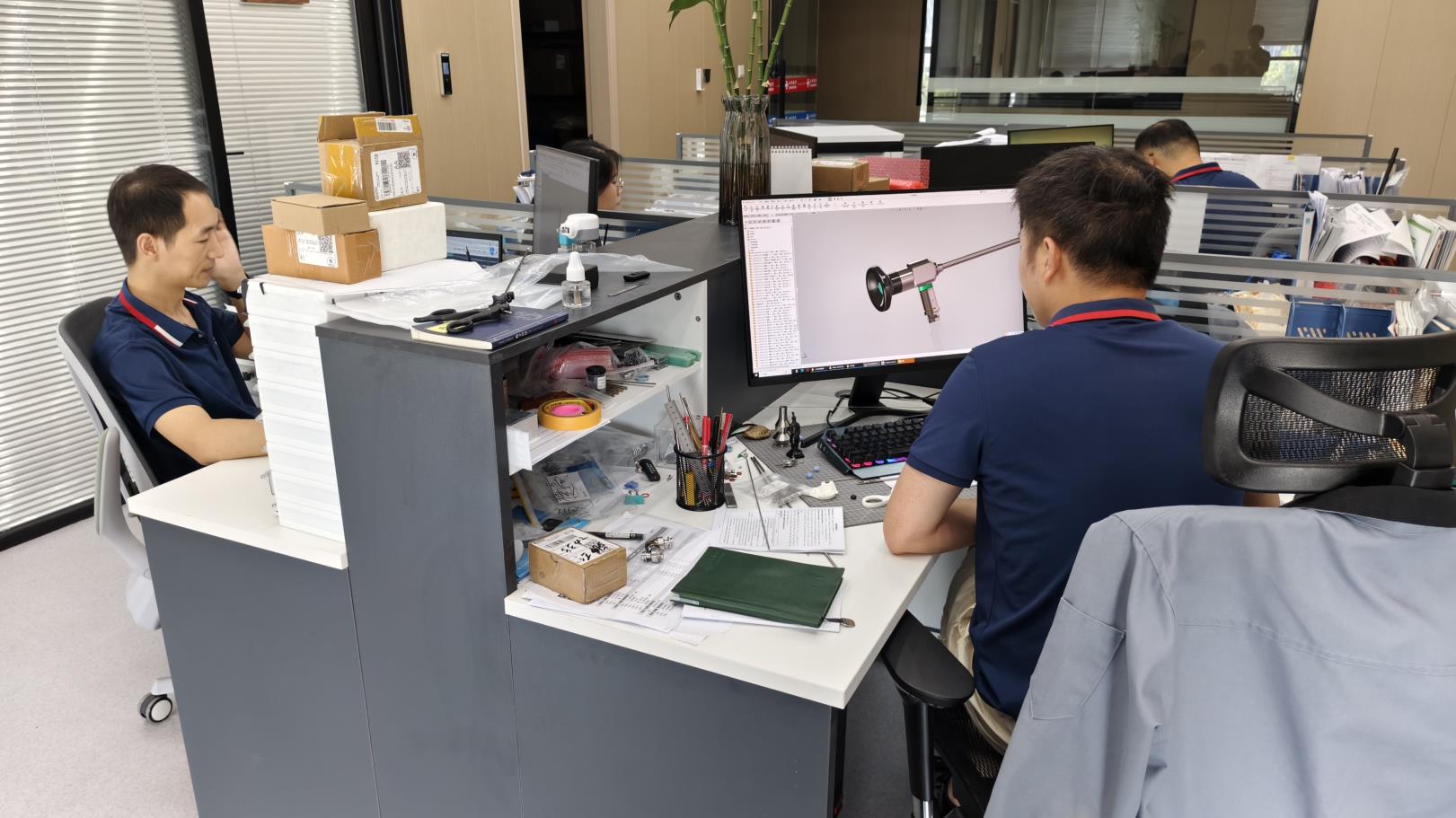 Design
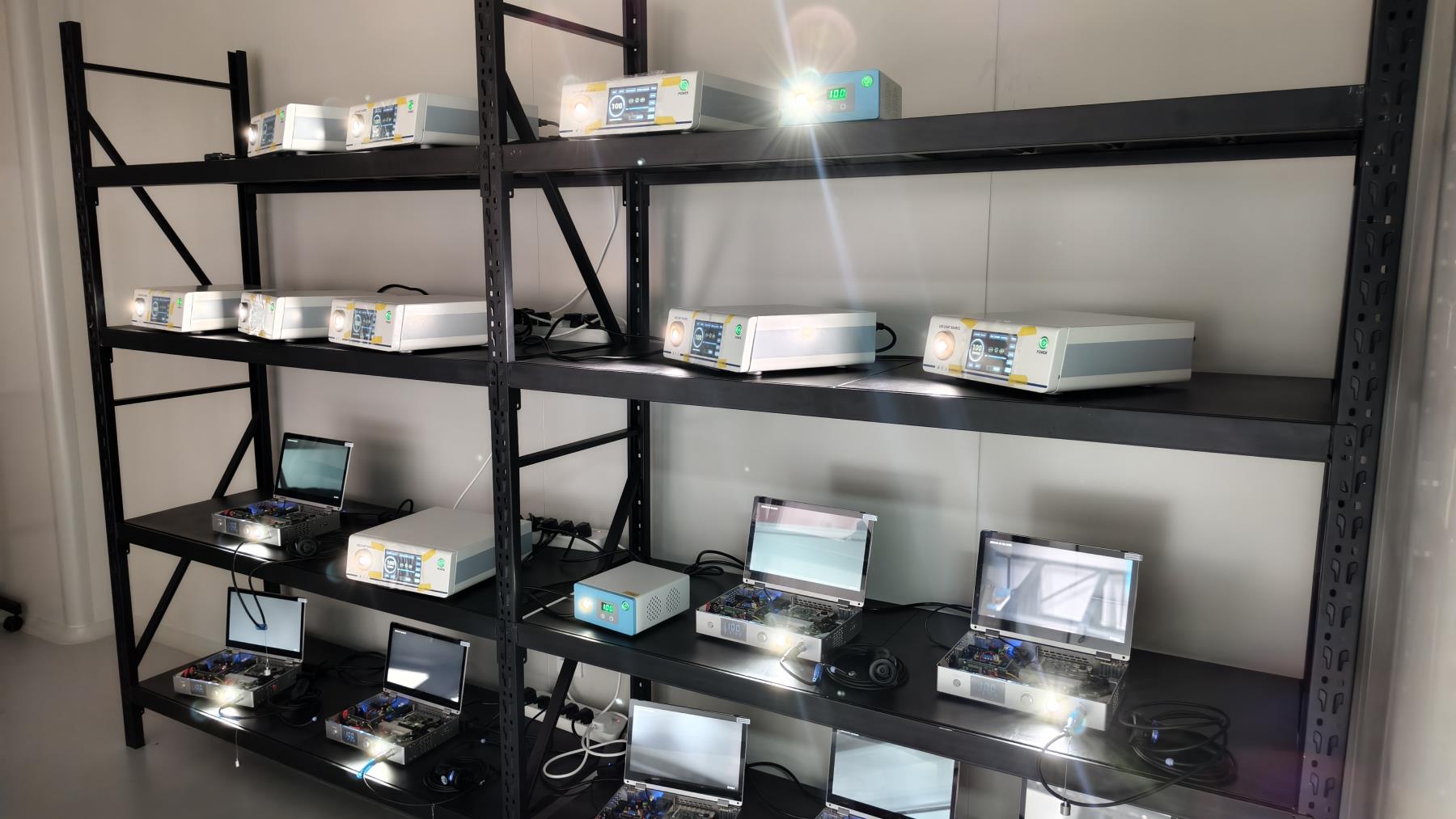 Aging Test
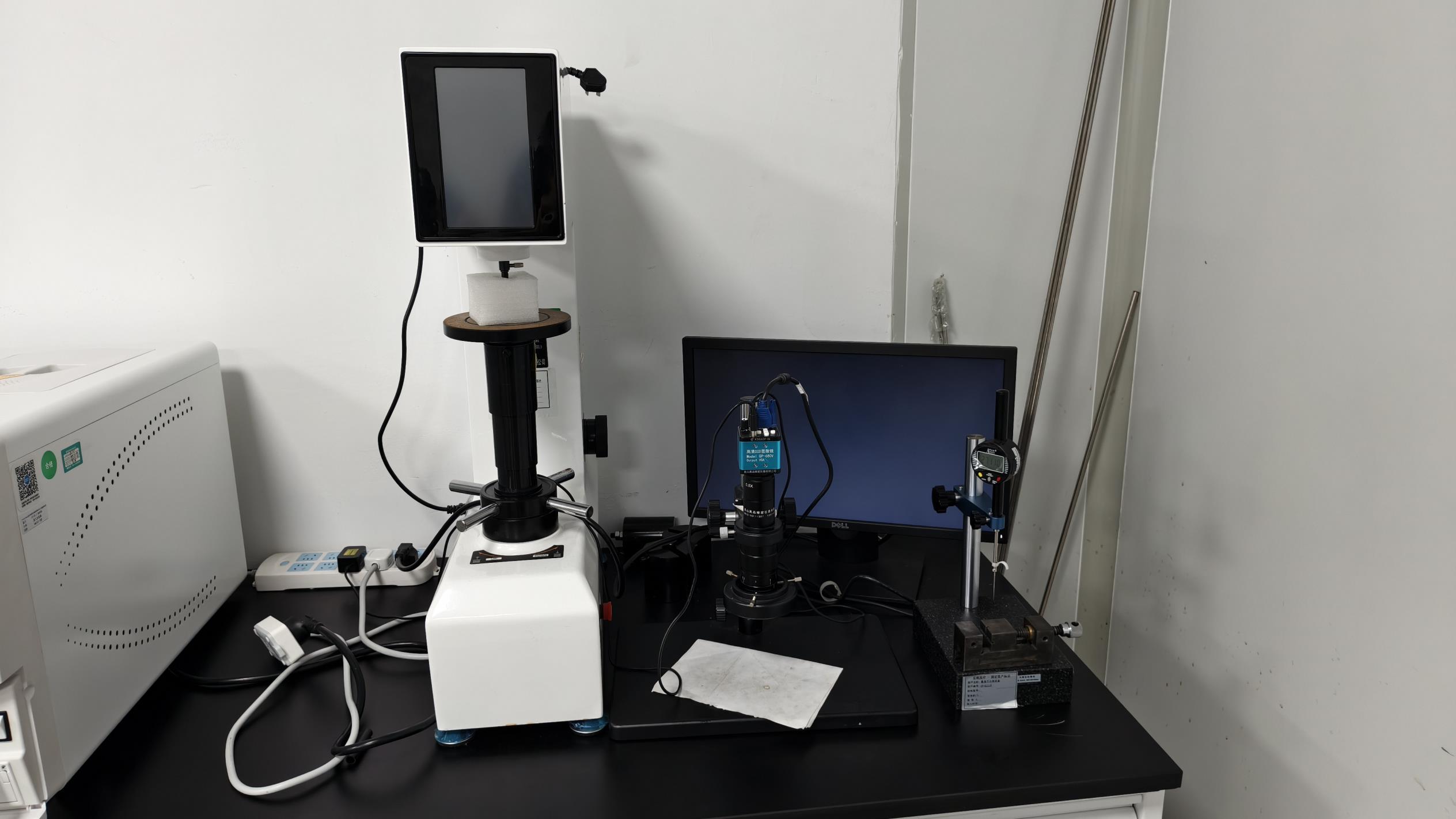 Digital Microscope
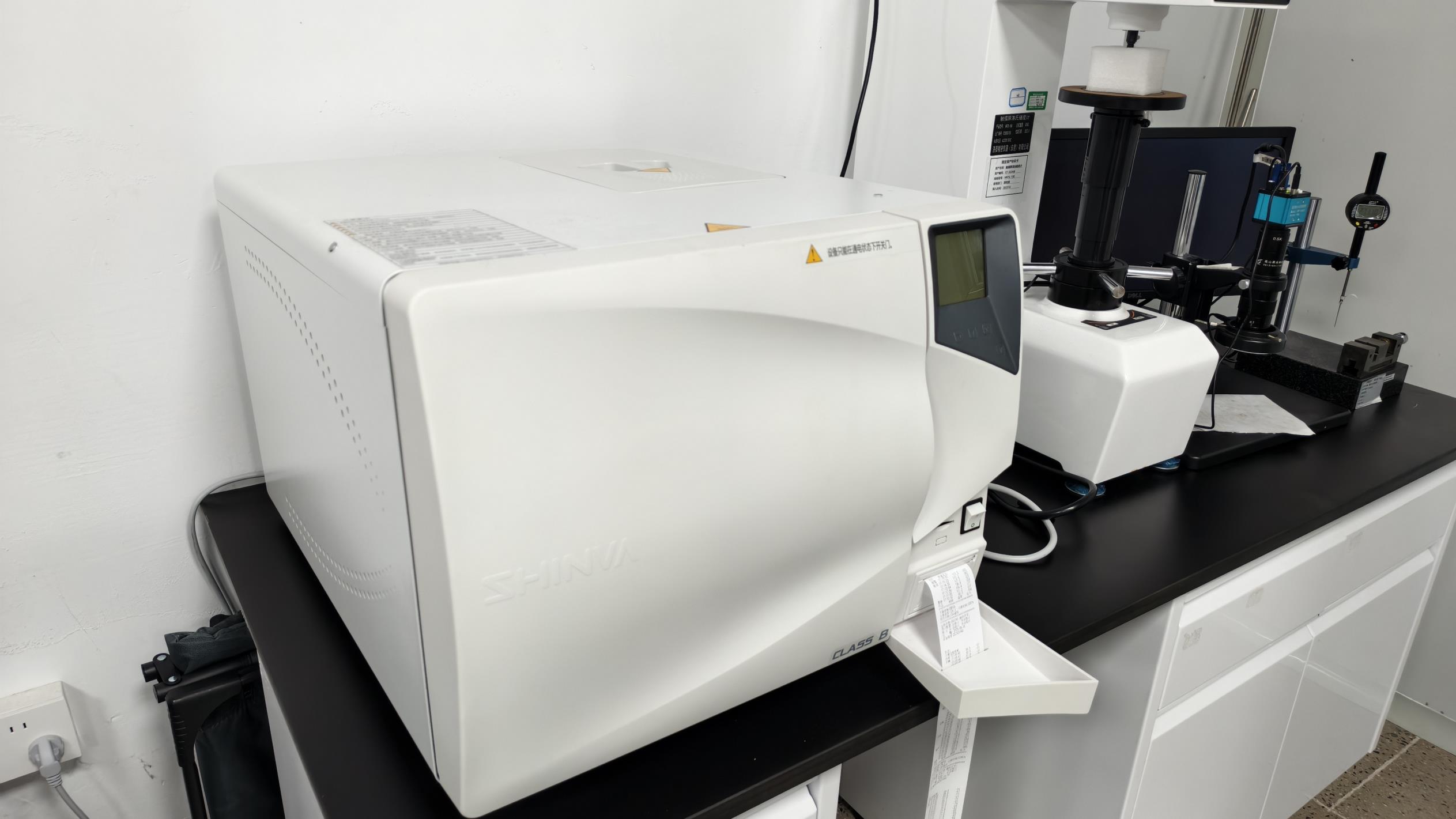 Steam Sterilizer
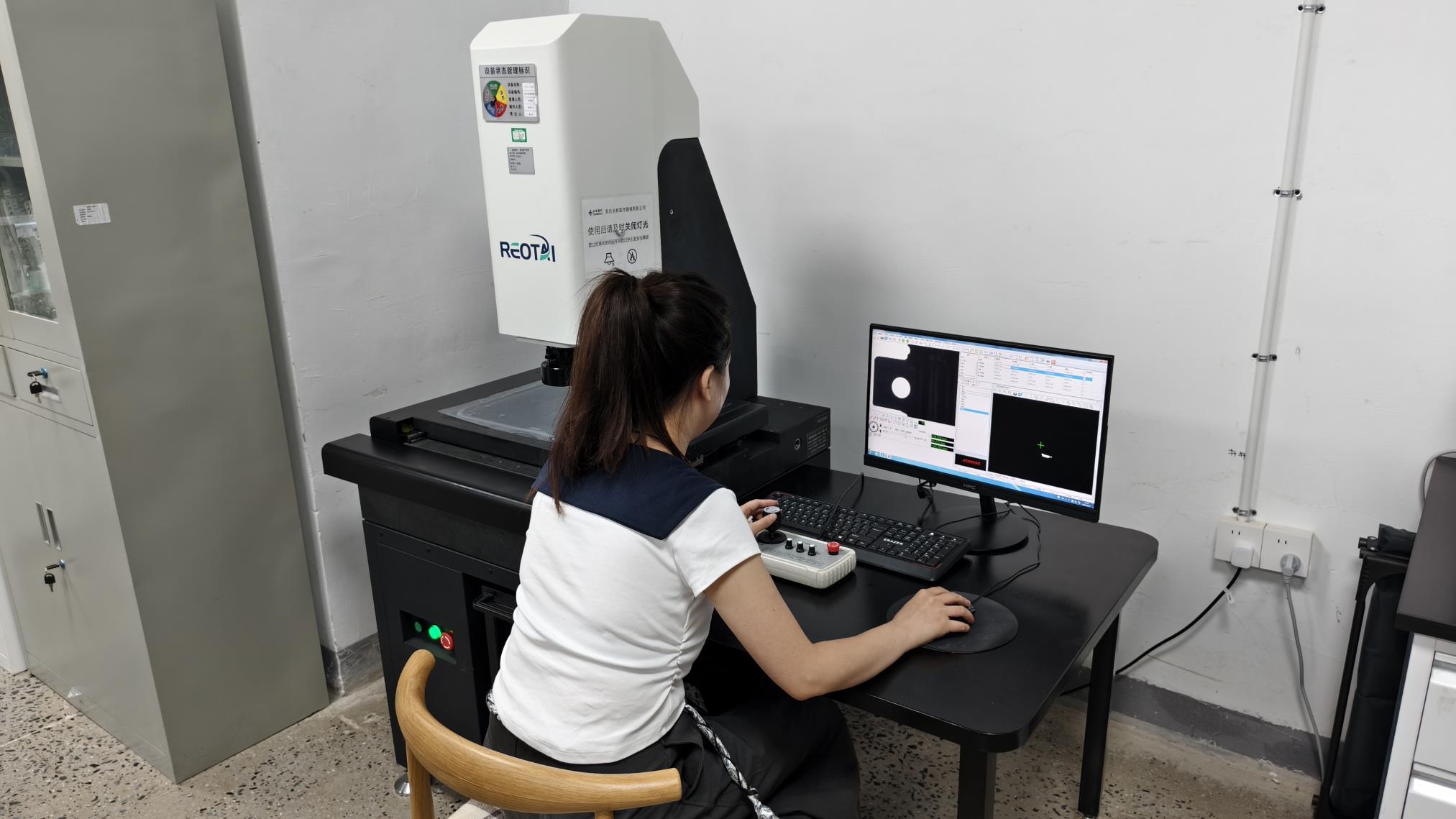 Automatic 2D Video Measuring Instrument
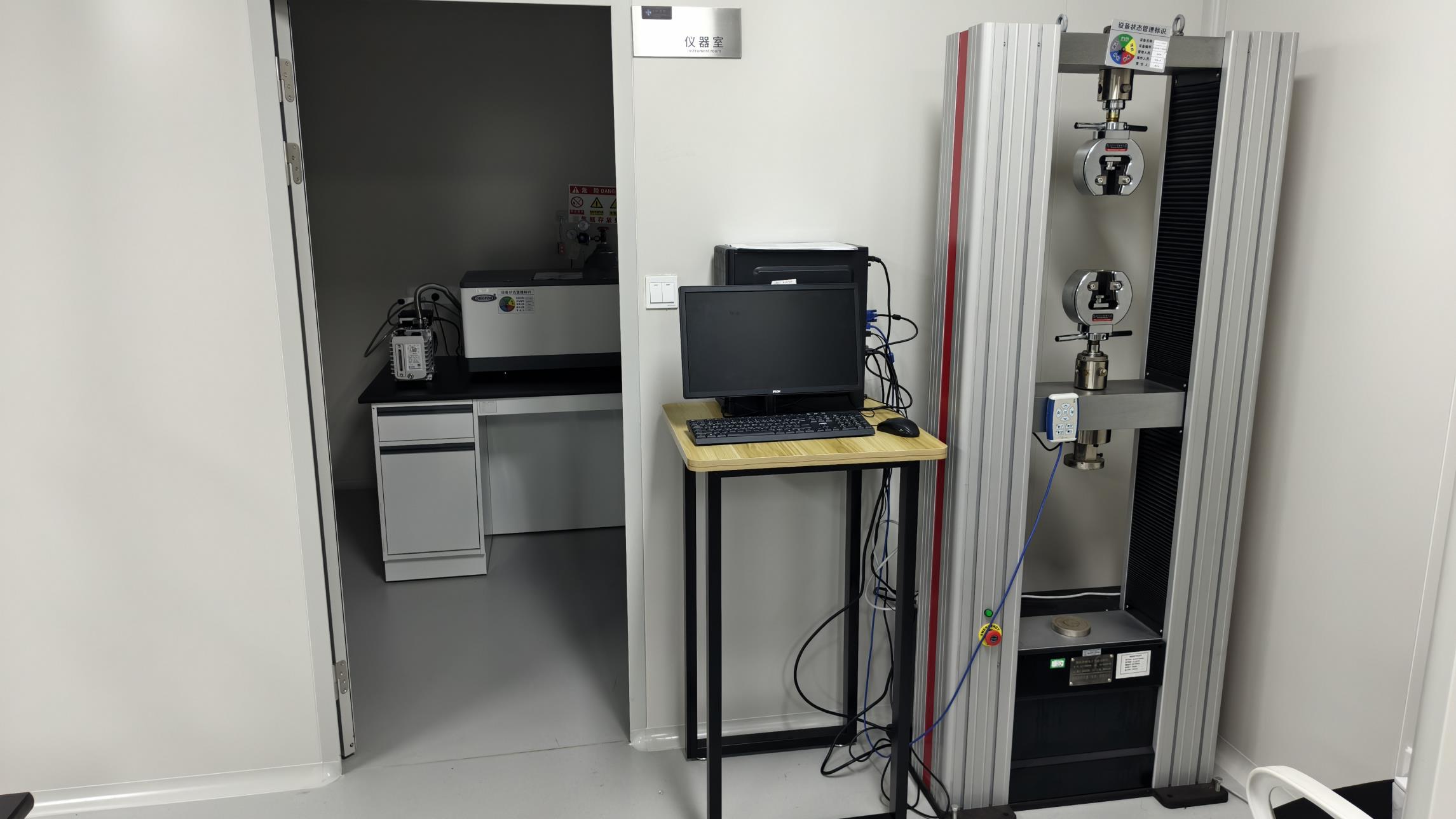 Tensile Testing Machine
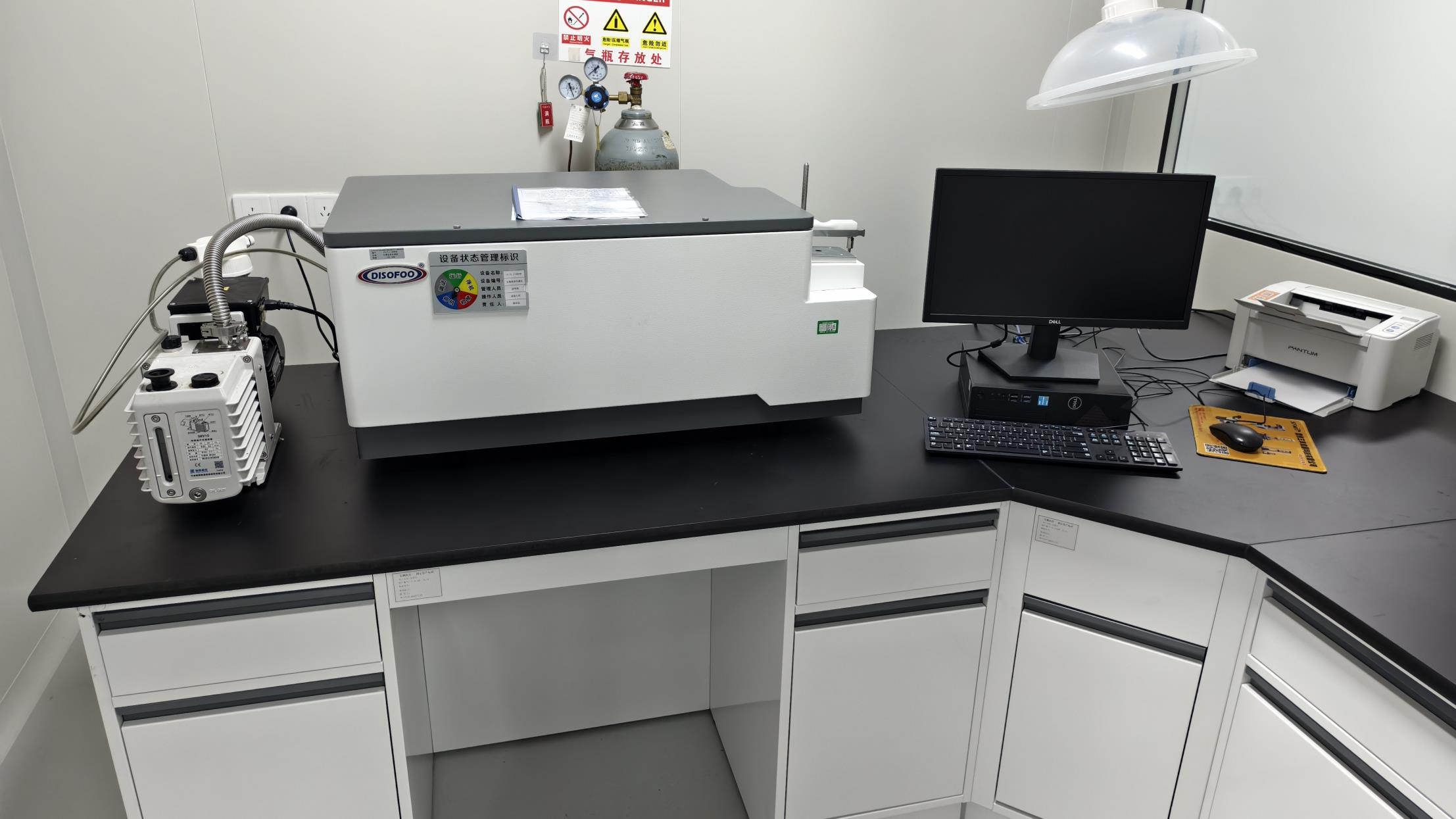 Spectrometer
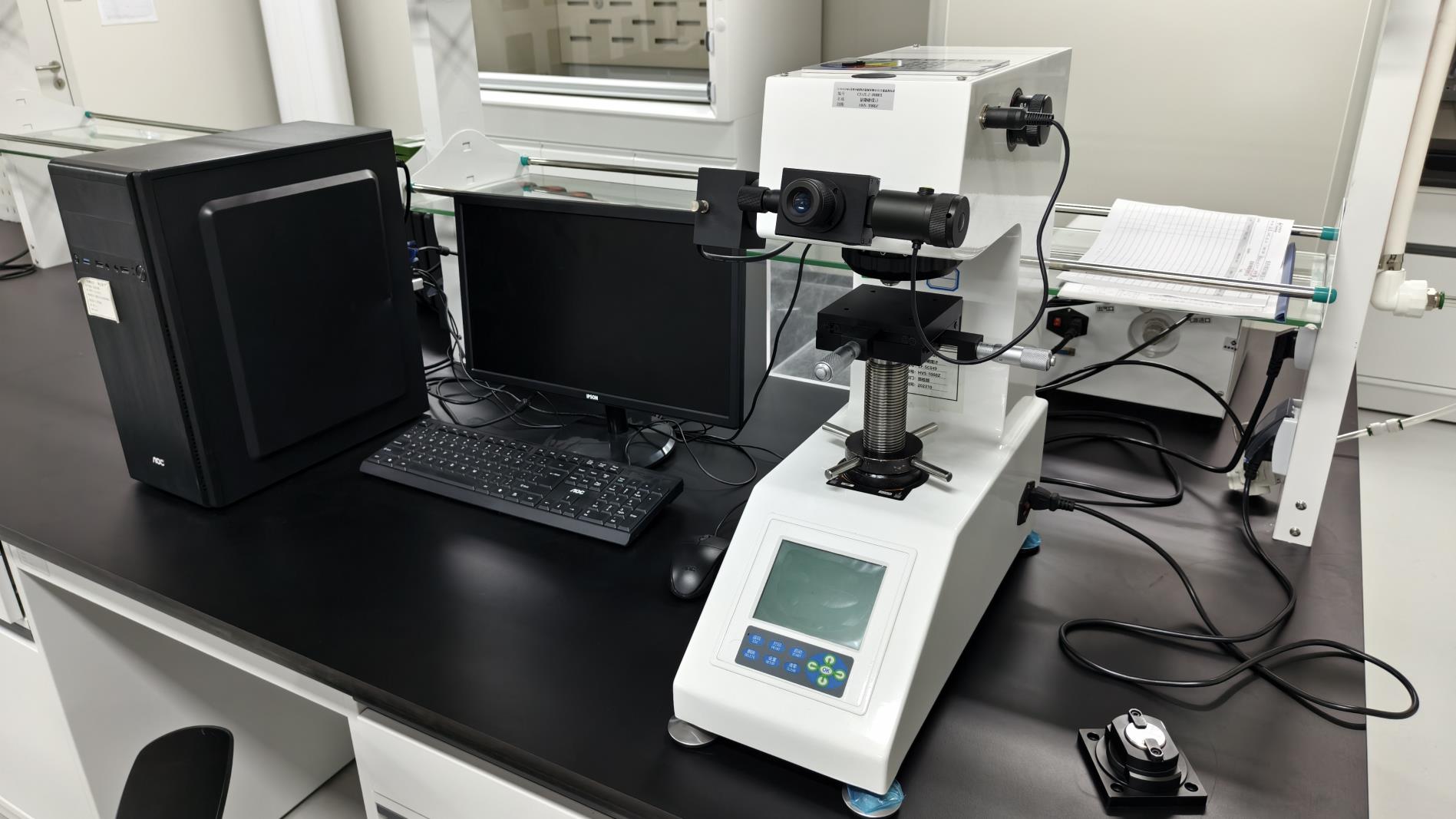 Hardness Tester
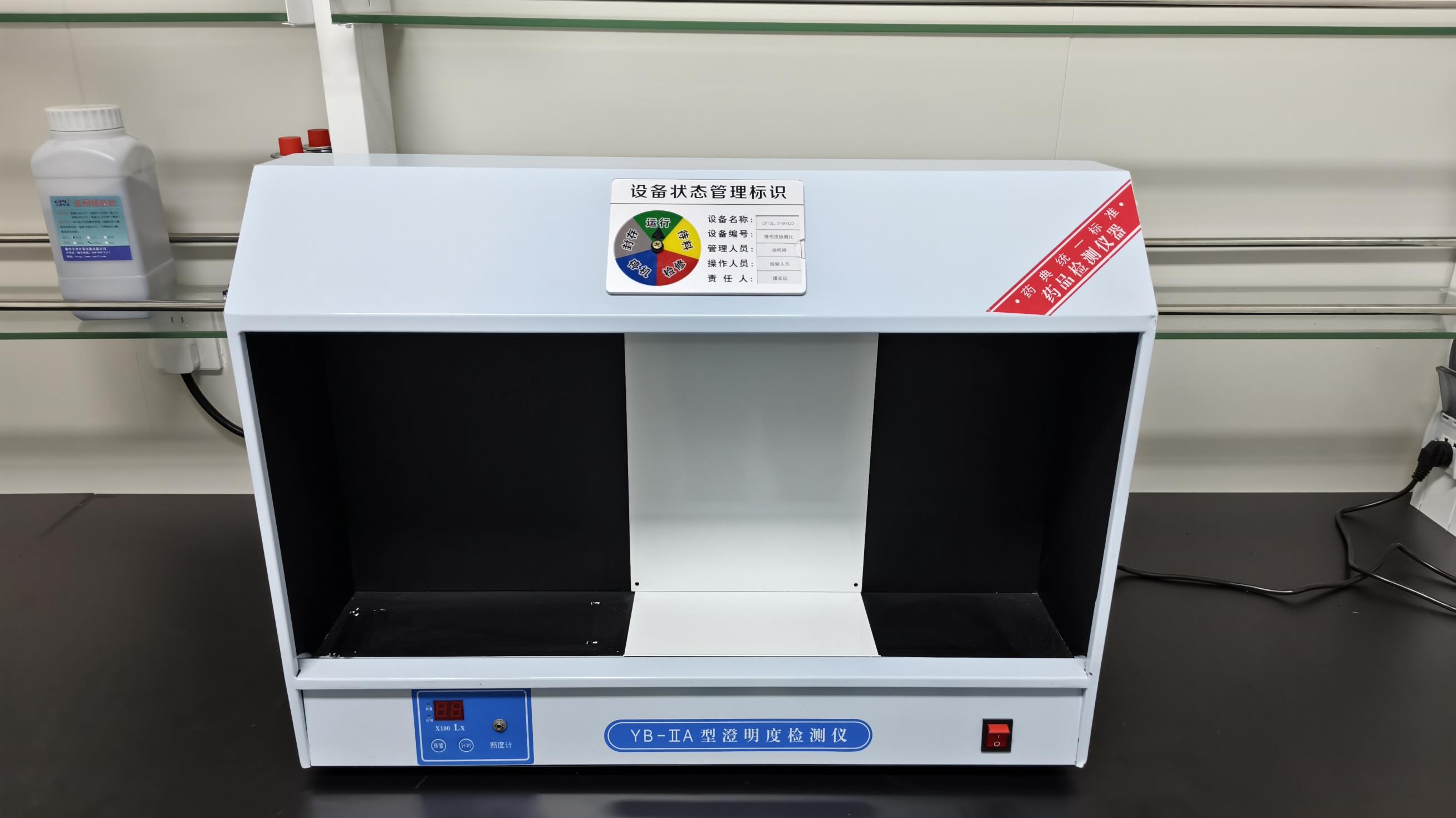 Clarity Detector
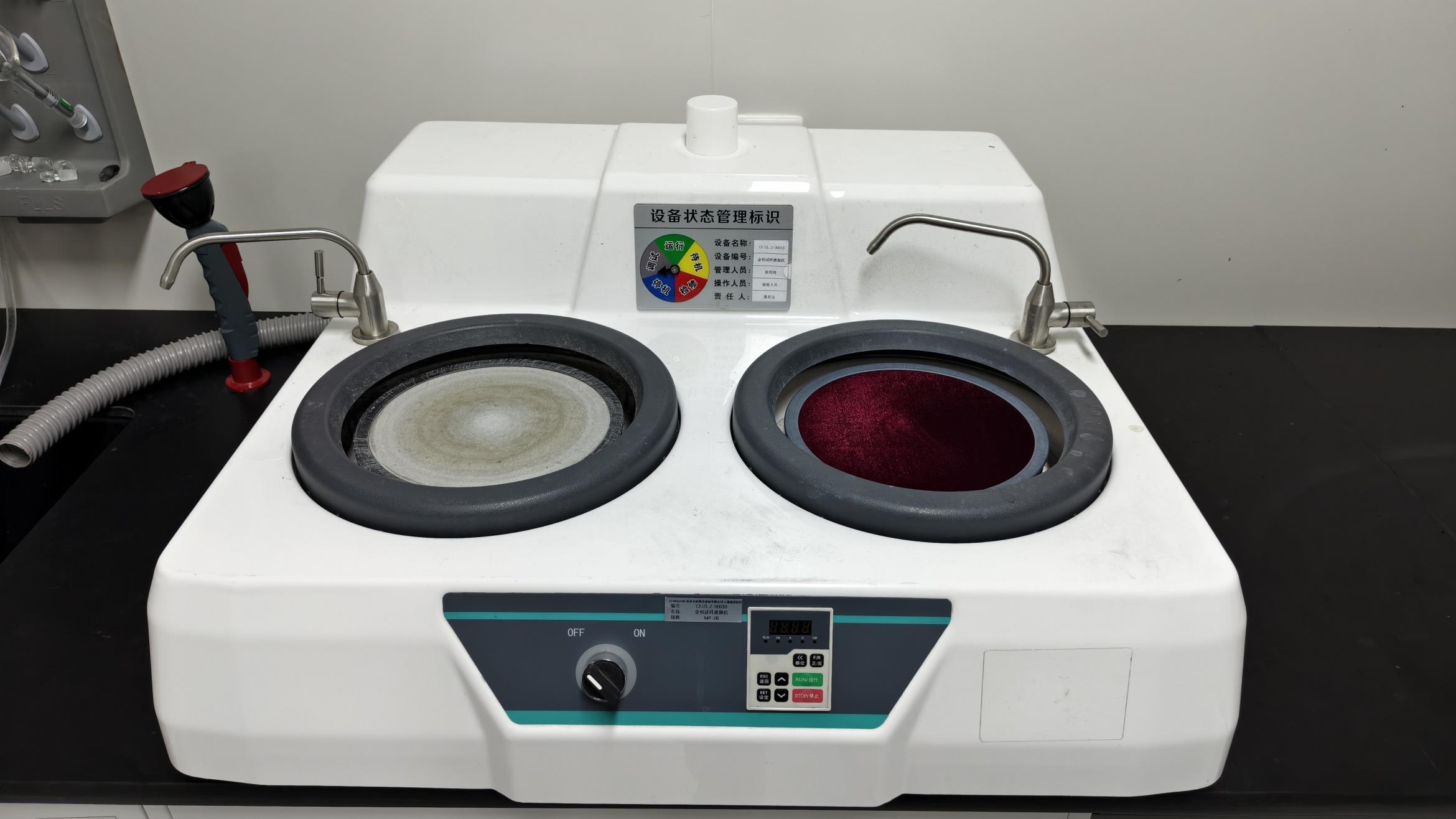 Metallographic Sample Machine
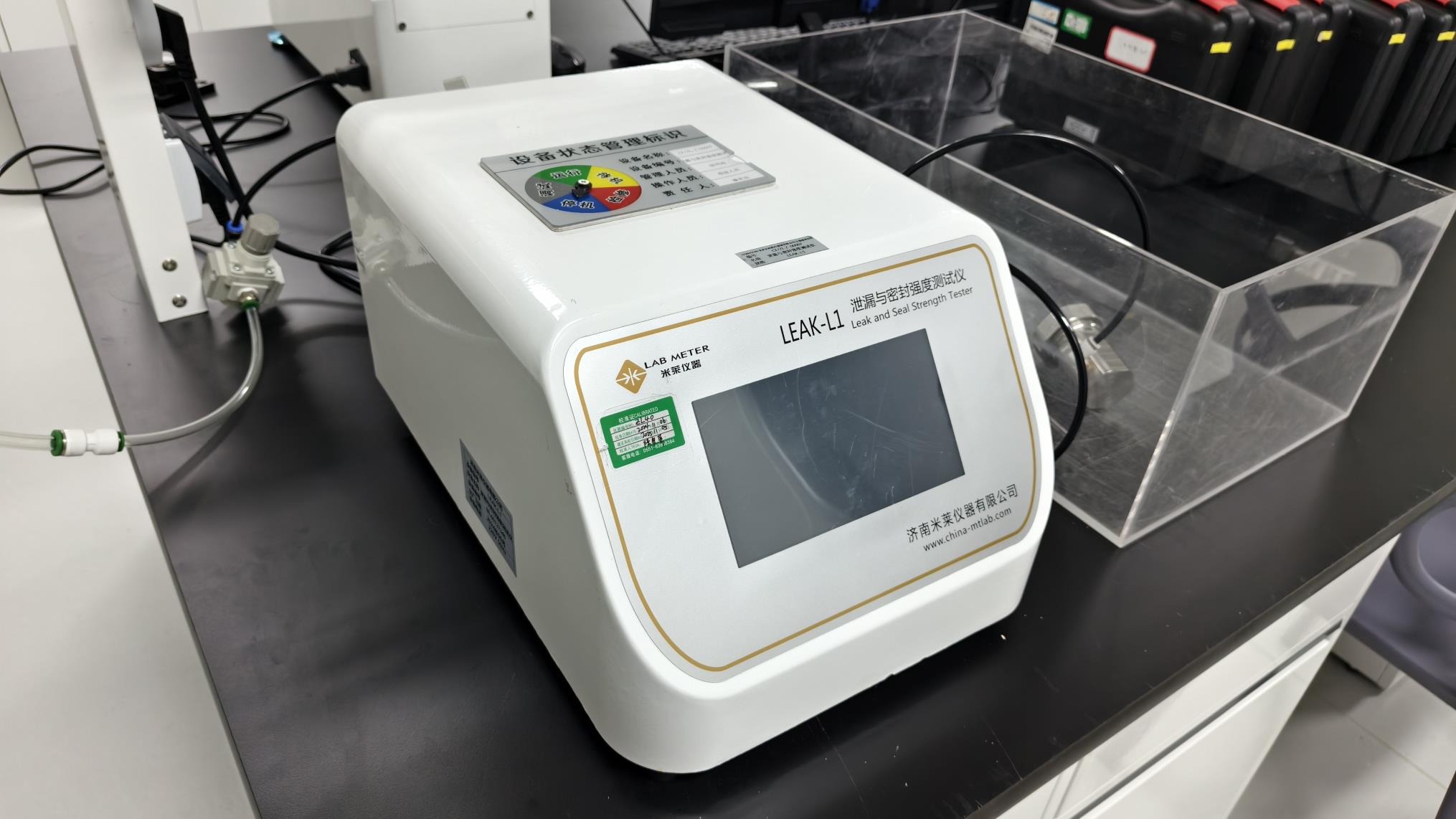 Leakage and Sealing Strength Tester
Direct answers to the questions Pacific distributors, hospitals and OEM brands ask most.
A sternal fixation system is a set of titanium plates, locking screws and instrumentation used to close the sternum after median sternotomy (typically following cardiac surgery) or to reconstruct sternal fractures. Compared with traditional wire cerclage, rigid plate fixation distributes load more evenly, which can reduce the risk of sternal dehiscence and mediastinitis — particularly in high-risk patients such as diabetics, obese patients or those with COPD.
Yes. Synoviq supplies distributors, hospitals and OEM brands directly from its 18,600 m² facility in China, with export experience covering Europe, North America, South America, the Middle East and Southeast Asia. Shipping to Samoa is planned around Pacific freight schedules, and packaging is reinforced for extended transit and humidity.
Documentation includes CE conformity where applicable, ISO 13485 quality system evidence, NMPA Class III registration for key implants, biocompatibility reports, sterility validation data and full material traceability. English IFU and labeling are standard, with optional localization for OEM distributors.
MOQ depends on the SKU and whether the order is standard catalog or OEM-customized. Synoviq supports pilot and small-batch orders so Pacific distributors can validate demand before committing to container-scale volumes. Contact the export team at Send Inquiry Now for a specific quotation.
Products are supplied either non-sterile for hospital reprocessing or sterile in validated single-use barrier packaging, depending on the SKU and buyer preference. Sterility validation is documented per lot, and packaging is designed to survive extended sea freight.
Yes. Synoviq offers full OEM and ODM services including logo customization, packaging design, product design modification, material selection and surface treatment customization. This allows regional distributors to build their own branded sternal and trauma product lines without owning manufacturing infrastructure.
Lead times vary by order scope, customization level and material availability. Standard catalog items typically ship faster than customized kits. The export team provides a confirmed schedule with each order confirmation and aligns dispatch with Pacific shipping windows.
Yes. The engineering team supports kit configuration, technical dossiers for tenders, and training content for surgical teams. Aftersales support includes instrument replacement programs and documentation updates.
 Synoviq Medical