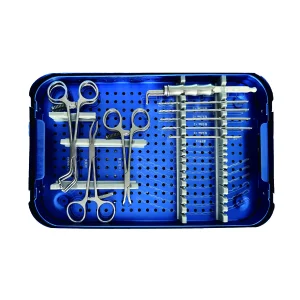
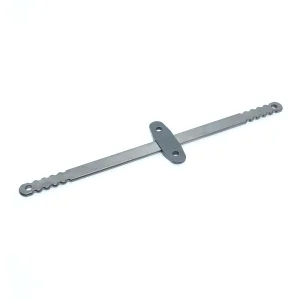
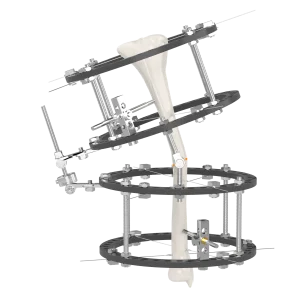
Our top-tier titanium plate and screw configurations are specifically designed to meet the rigorous clinical standards of tertiary medical institutions in South Korea. These systems provide robust biomechanical stabilization for post-sternotomy care and osteosynthesis reconstruction.
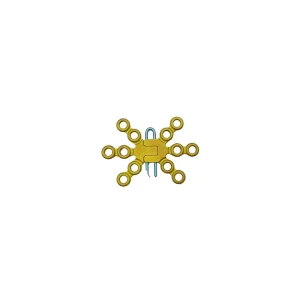
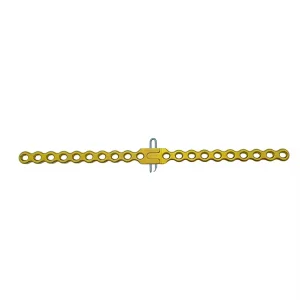
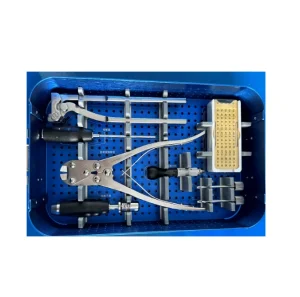
Seoul acts as a global epicenter for advanced cardiothoracic interventions. Large tertiary care centers like Seoul National University Hospital (SNUH), Asan Medical Center, and Samsung Medical Center drive substantial demand for rigid sternal fixation systems. The paradigm has shifted from traditional wire cerclage to rigid titanium plates to prevent sternal dehiscence and mediastinitis, ensuring faster patient mobilization and reduced ICU stay times.
The global sternal fixation market is moving rapidly towards personalized medicine. Standard systems are being replaced by anatomical plates and low-profile designs that minimize postoperative pain. Regulatory bodies (such as MFDS in Korea, US FDA, and CE MDR in Europe) demand traceably manufactured titanium alloys (Ti-6Al-4V ELI) that match patient-specific anatomical contours.
While South Korean healthcare brands excel in design, localized orthopedic distributors in Seoul heavily rely on robust OEM/ODM production partners in China. The combination of South Korea’s rigorous regulatory guidelines and China’s high-precision medical manufacturing facilities forms a highly efficient supply chain network across the East Asian region.
Synoviq Medical Technology (China) Co., Ltd. is an industry-leading manufacturer of orthopedic implants and surgical instruments. Guided by the rigorous principles of clinical efficacy and engineering excellence, we supply distributors, hospitals, and medical device brands globally—with a strategic focus on the Seoul metropolitan area and global export corridors.
| Parameter | Verification & Capabilities |
|---|---|
| Company Name | Synoviq Medical Technology (China) Co., Ltd. |
| Established & Brand | March 18, 2016 | Brand: Synoviq |
| Customization Options | Full OEM/ODM (Logo, packaging, custom titanium plate design, anodization color) |
| Export Track Record | 8 Years exporting to high-standard markets in APAC, South America, and Europe |
| Quality Control Personnel | 48 dedicated QC inspectors conducting raw material and finished product evaluations |
| Inspection Methodologies | CMM Measurement, Tensile Strength, Surface Roughness, Hardness, Salt Spray, Sterility Validation |
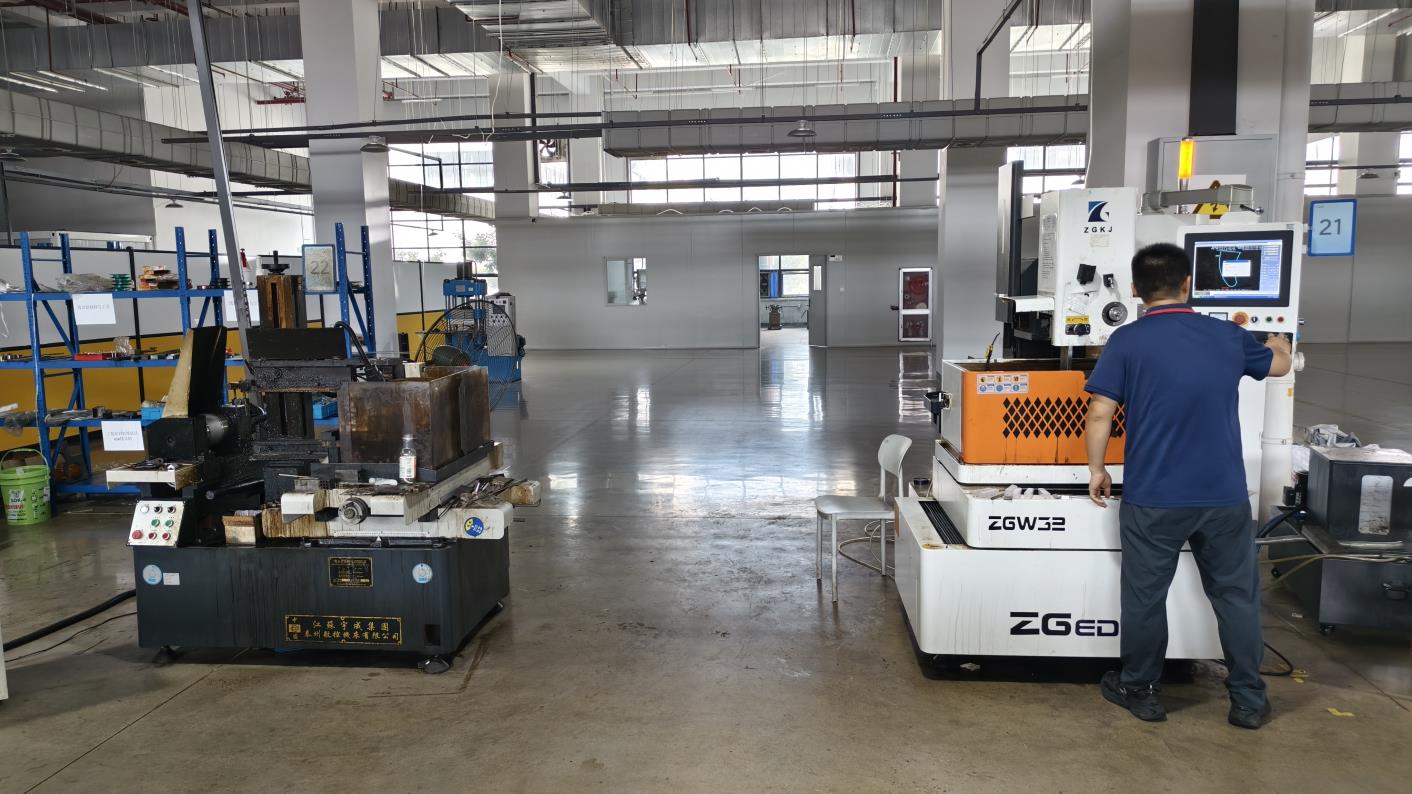
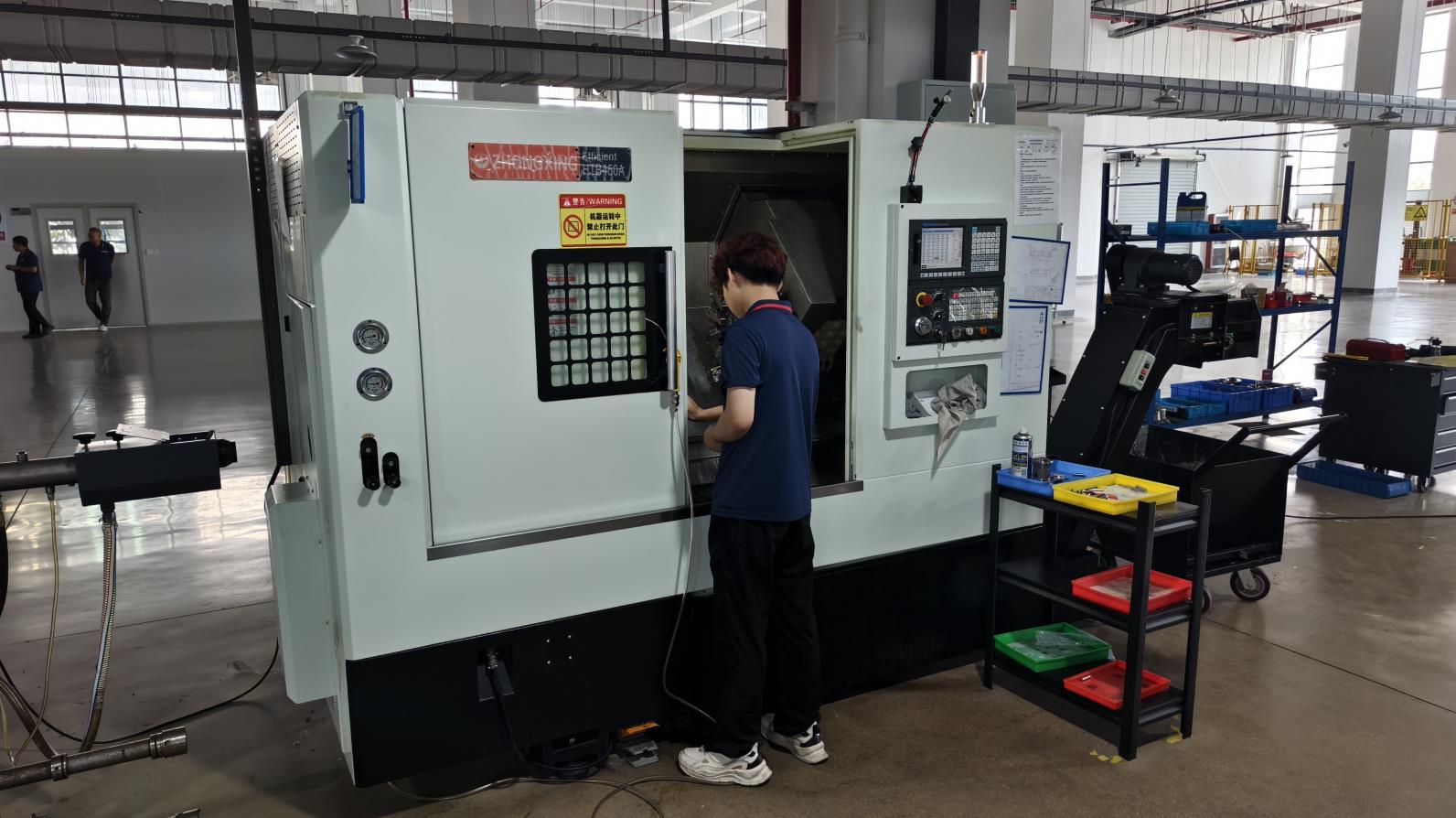
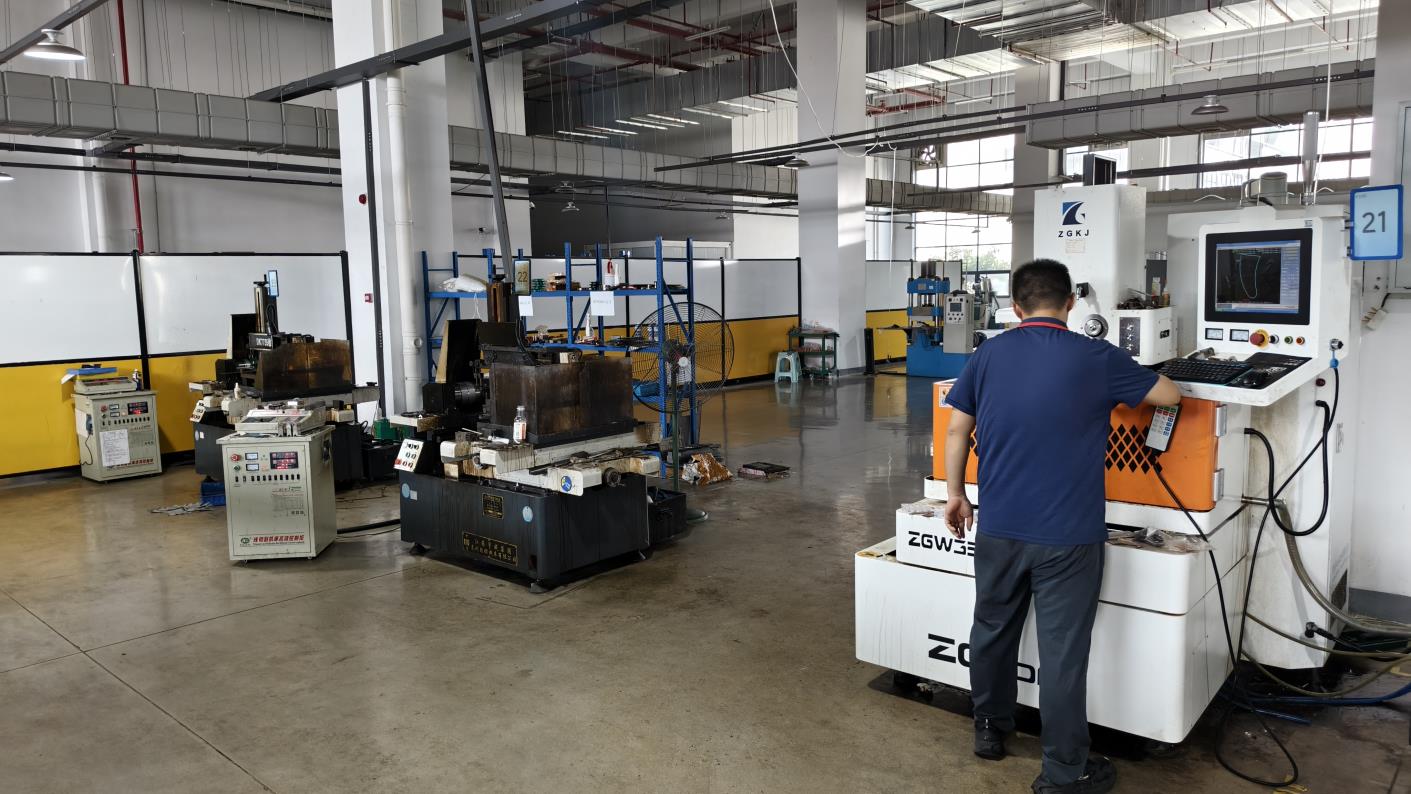
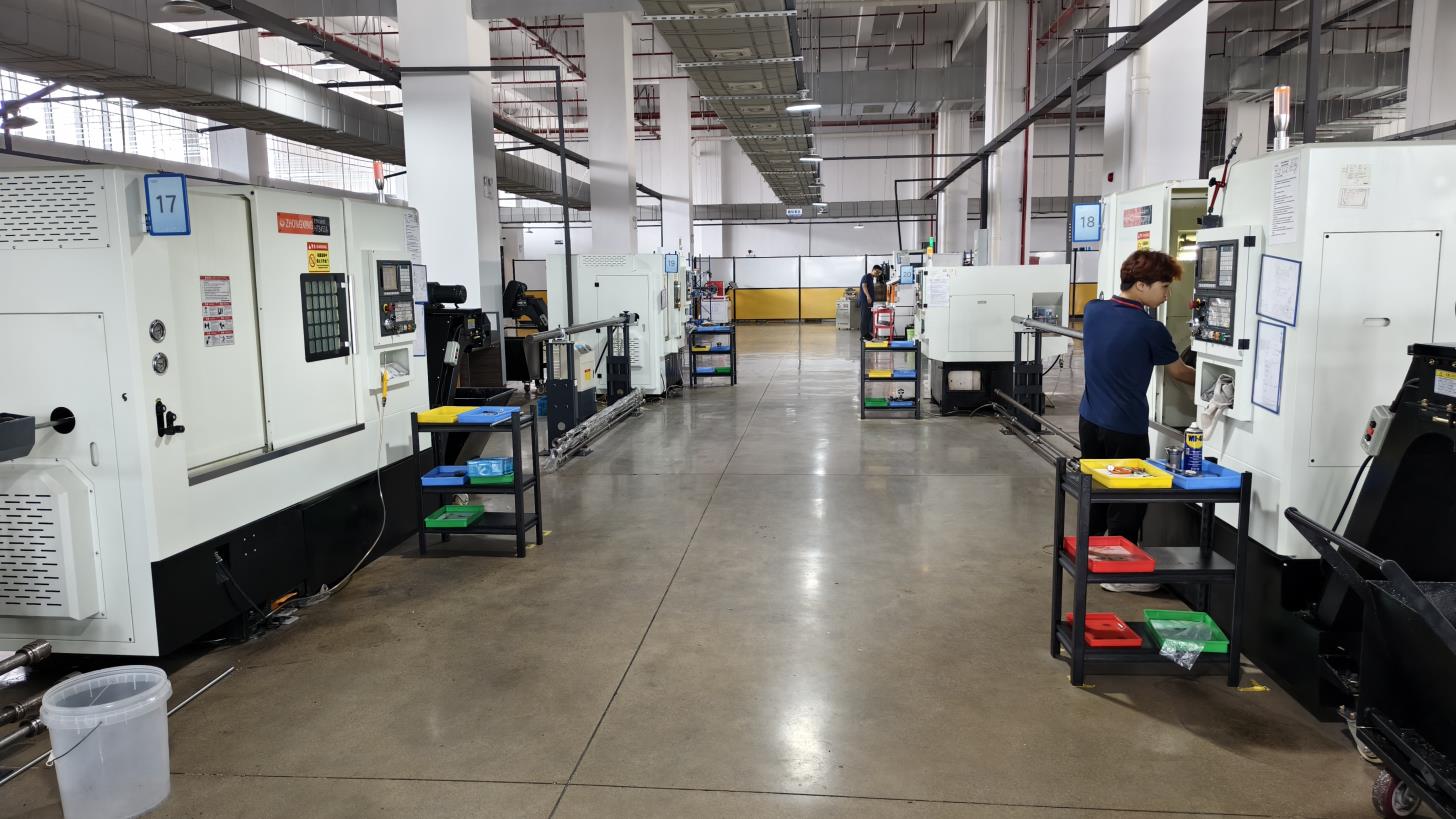
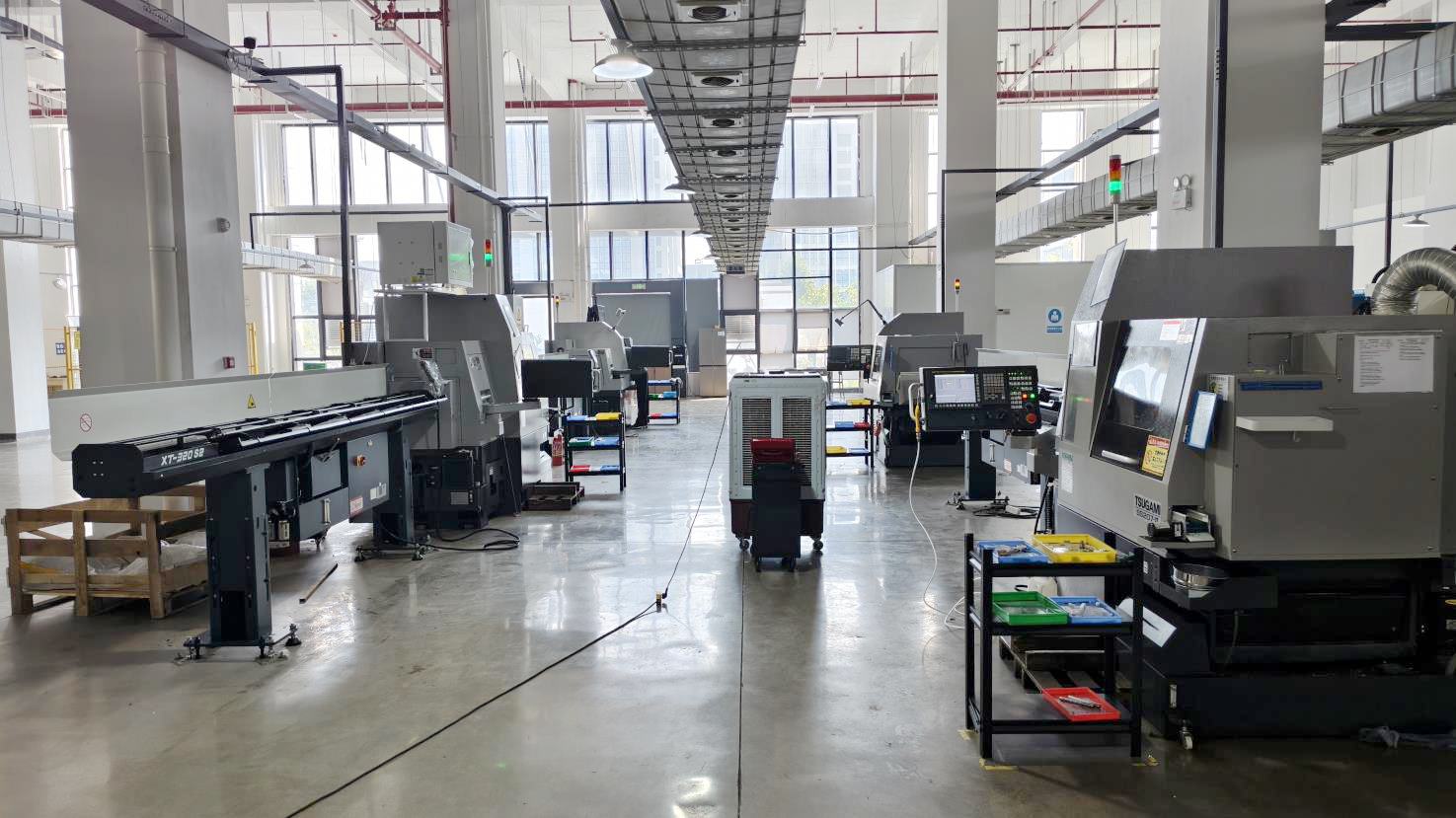
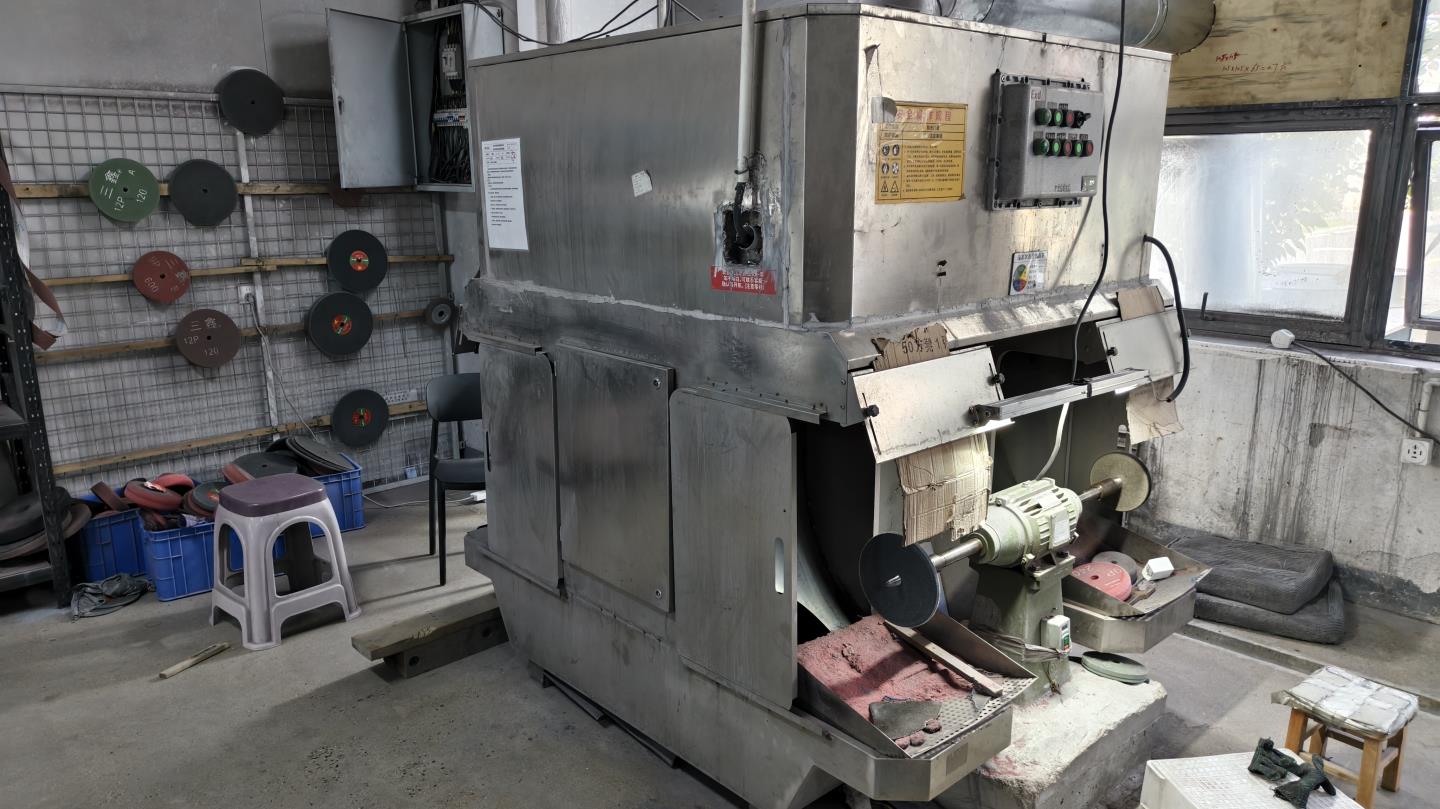
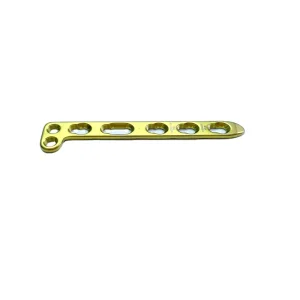
Our manufacturing plant leverages advanced Swiss-type CNC machines, multi-axis grinders, and strict cleaning systems to produce trauma, sternal, and rib fixation plates that ensure structural integrity and biocompatibility. Below is a detailed visual representation of our workflows, testing infrastructure, and toolsets.
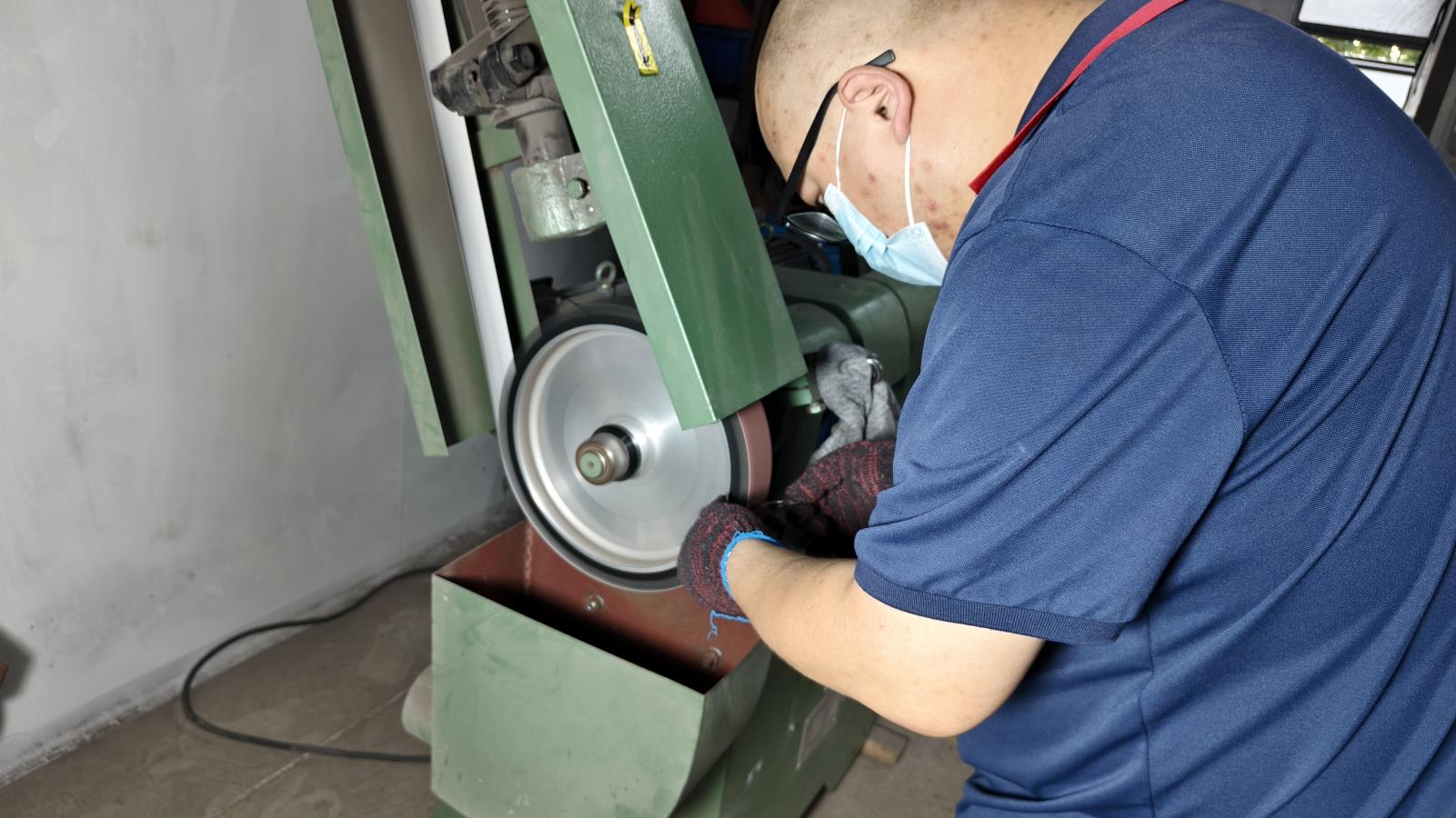
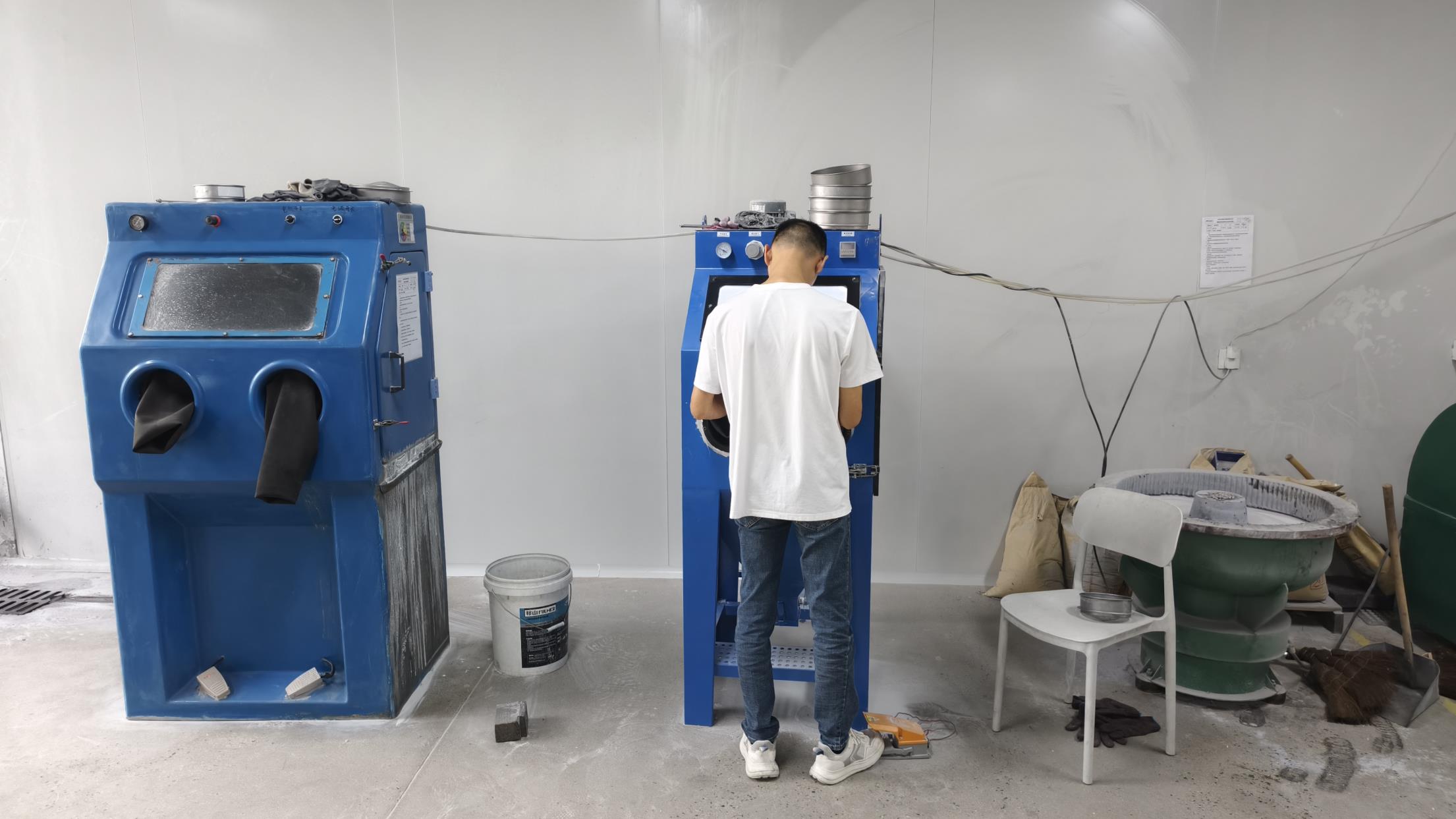
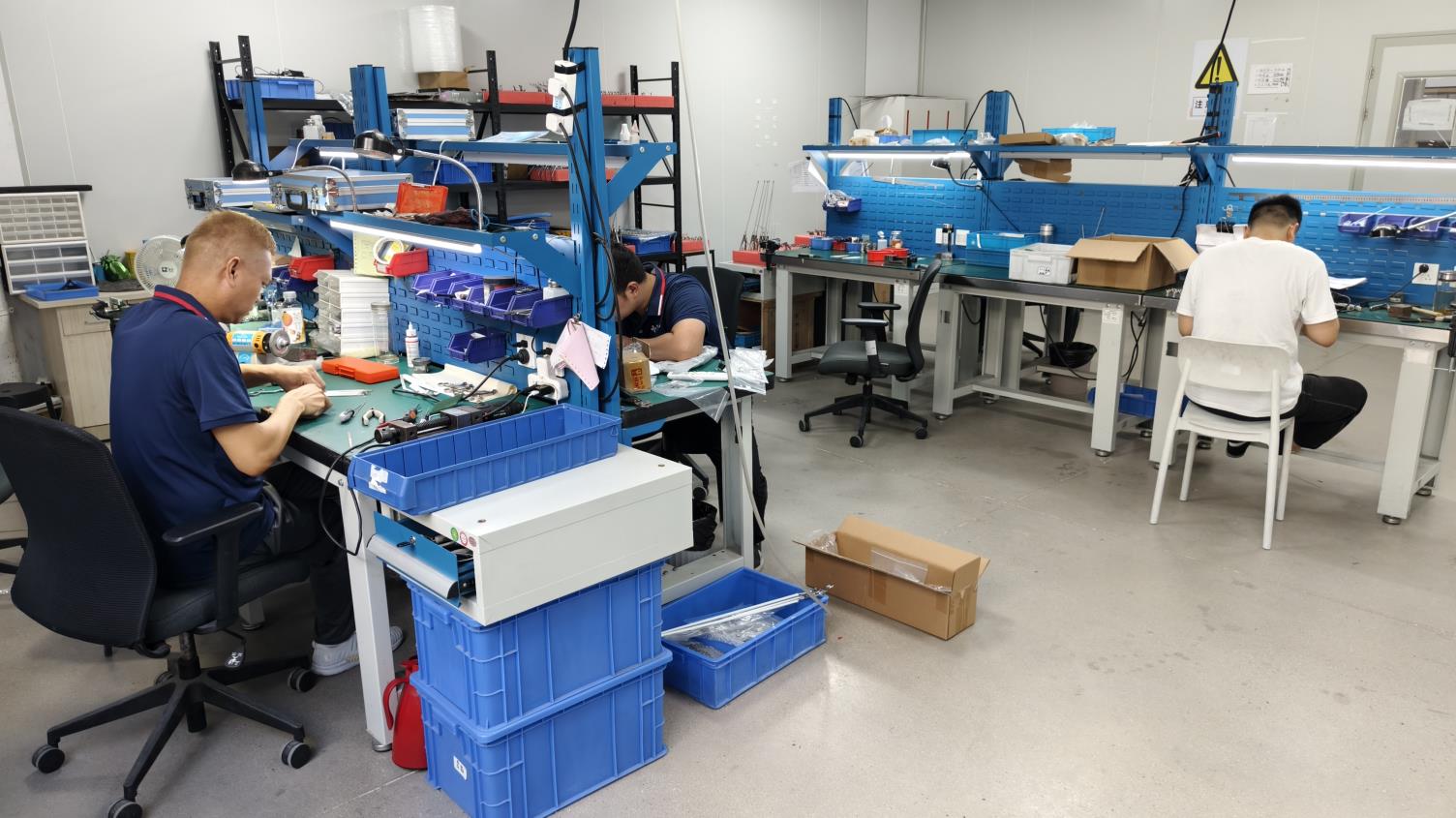
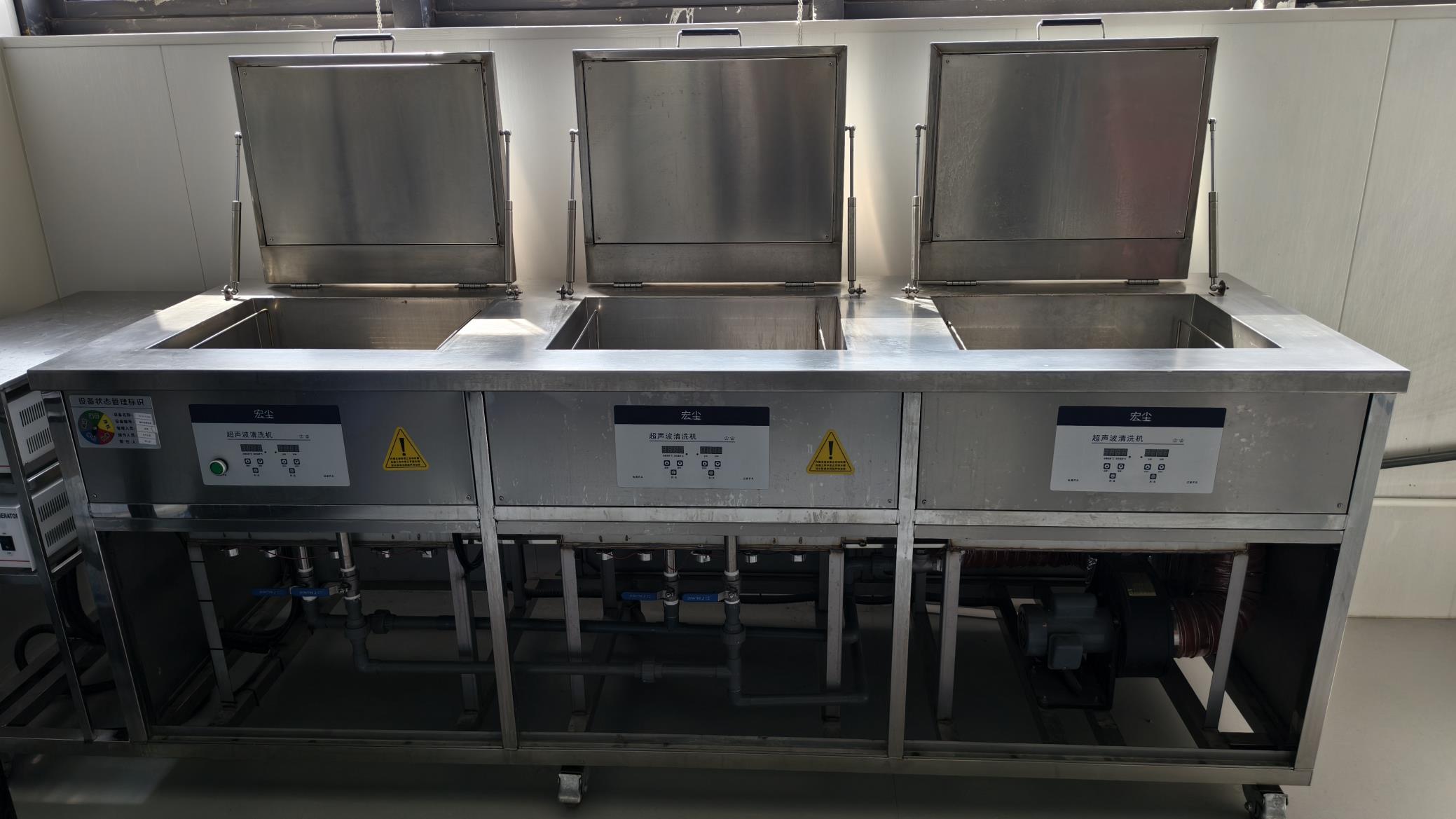
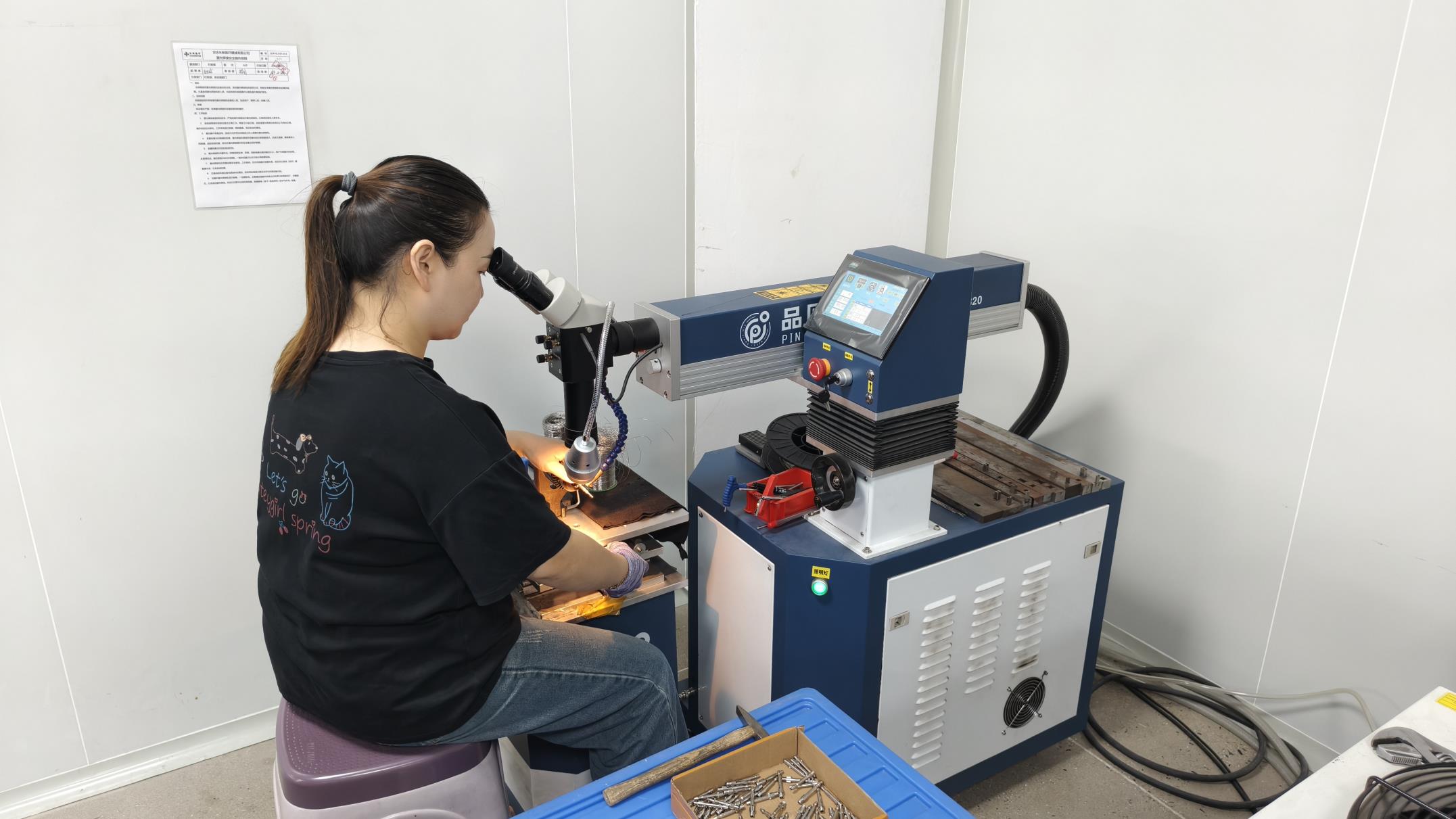
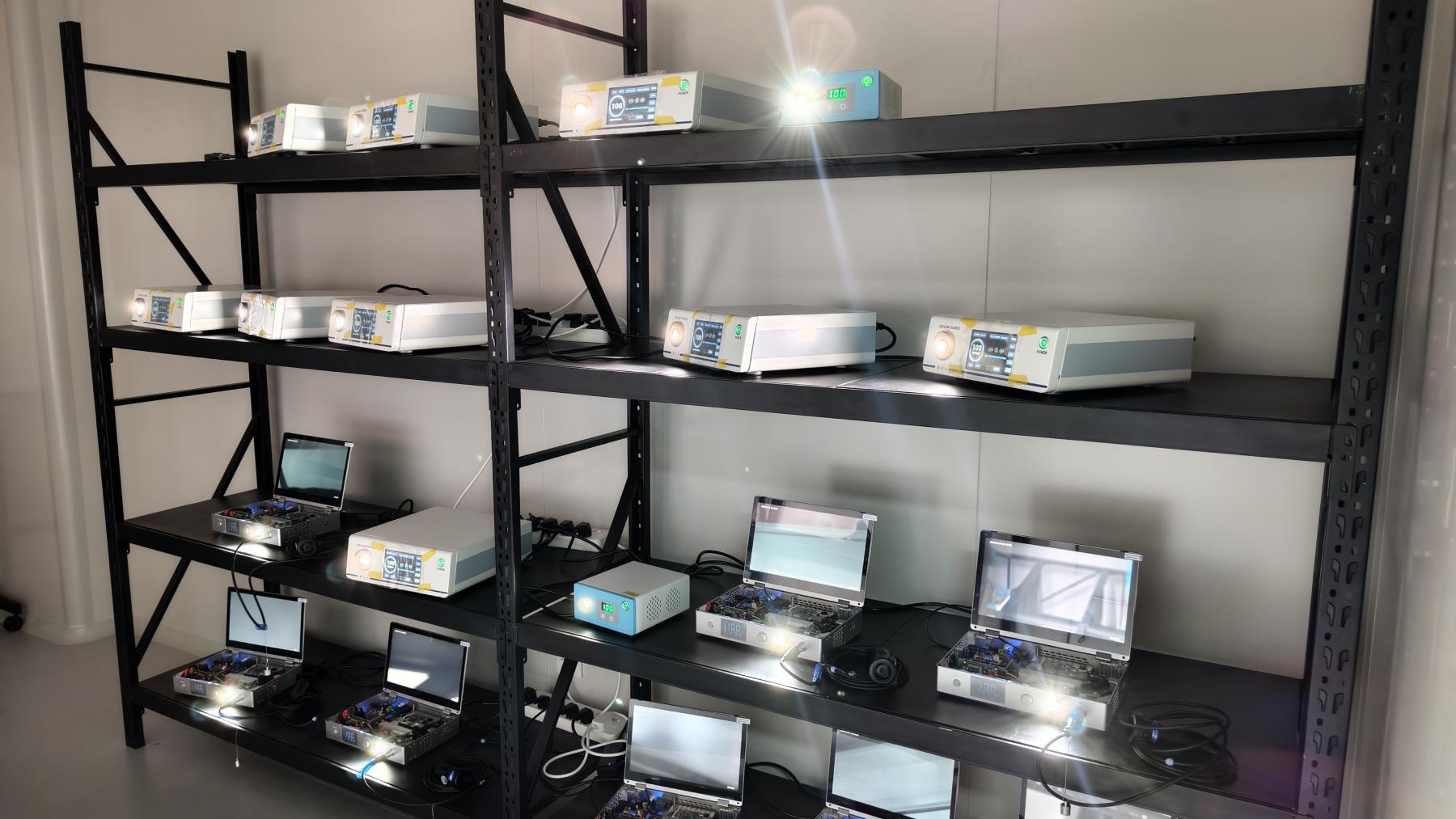
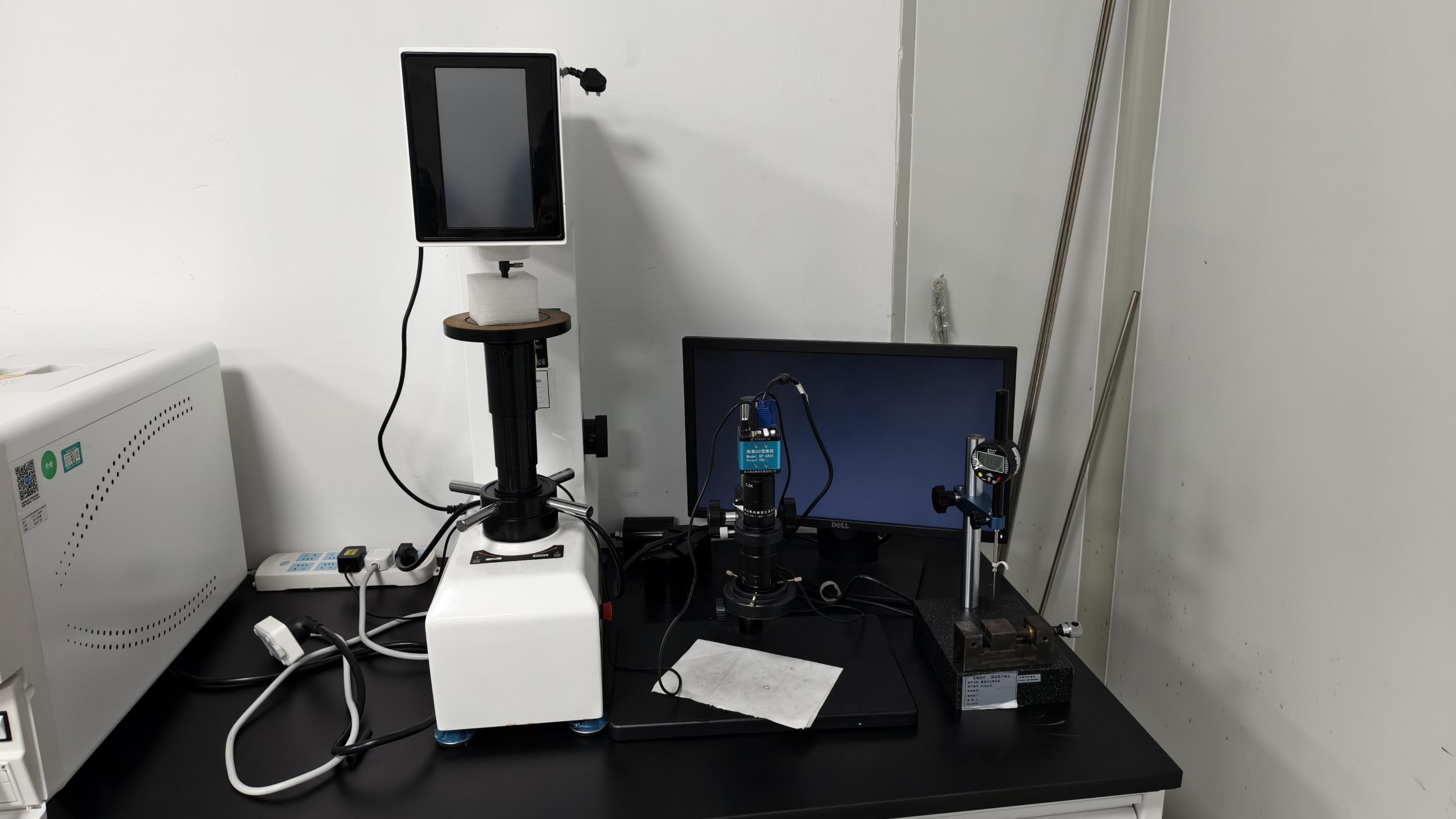
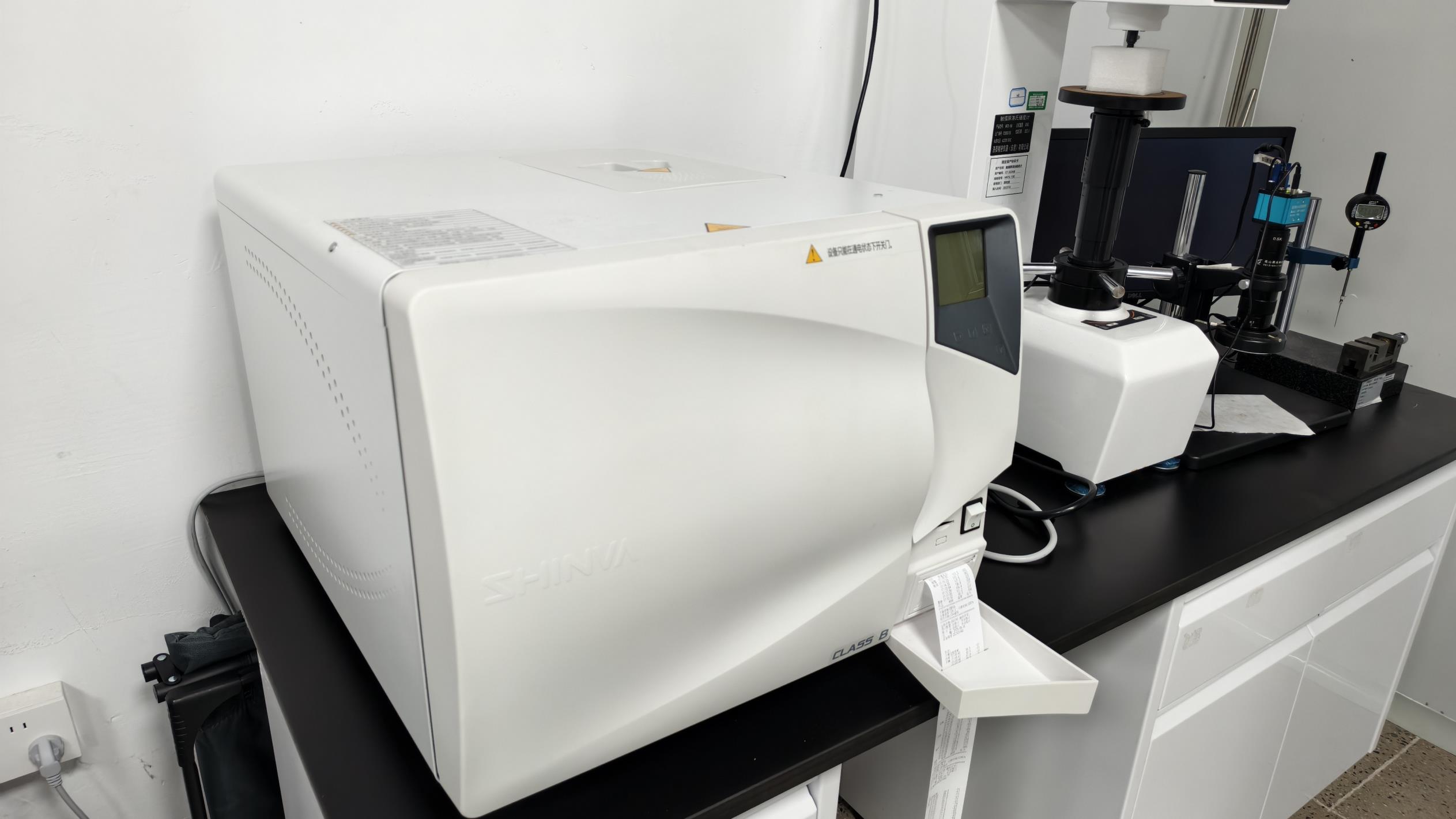
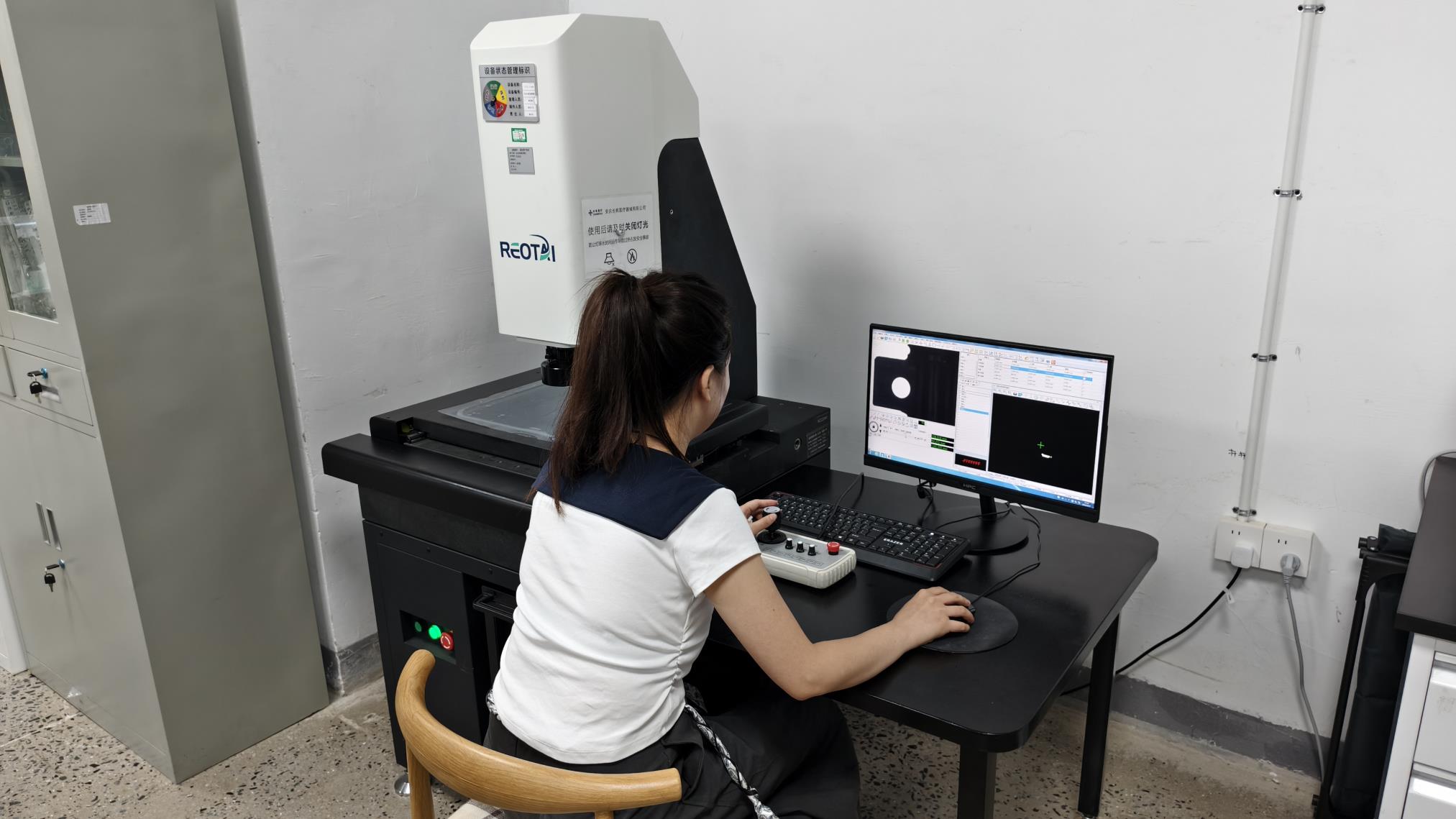
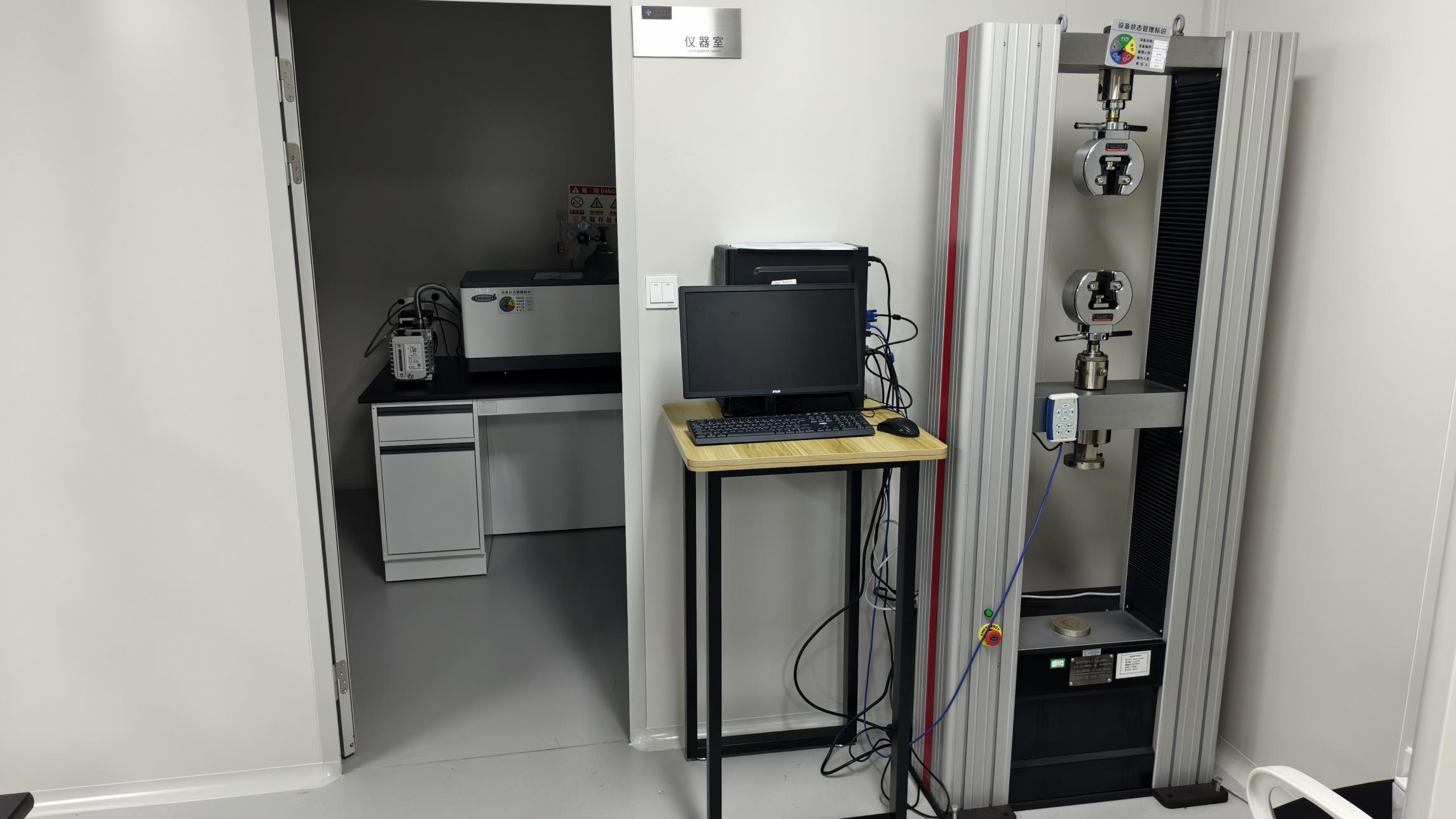
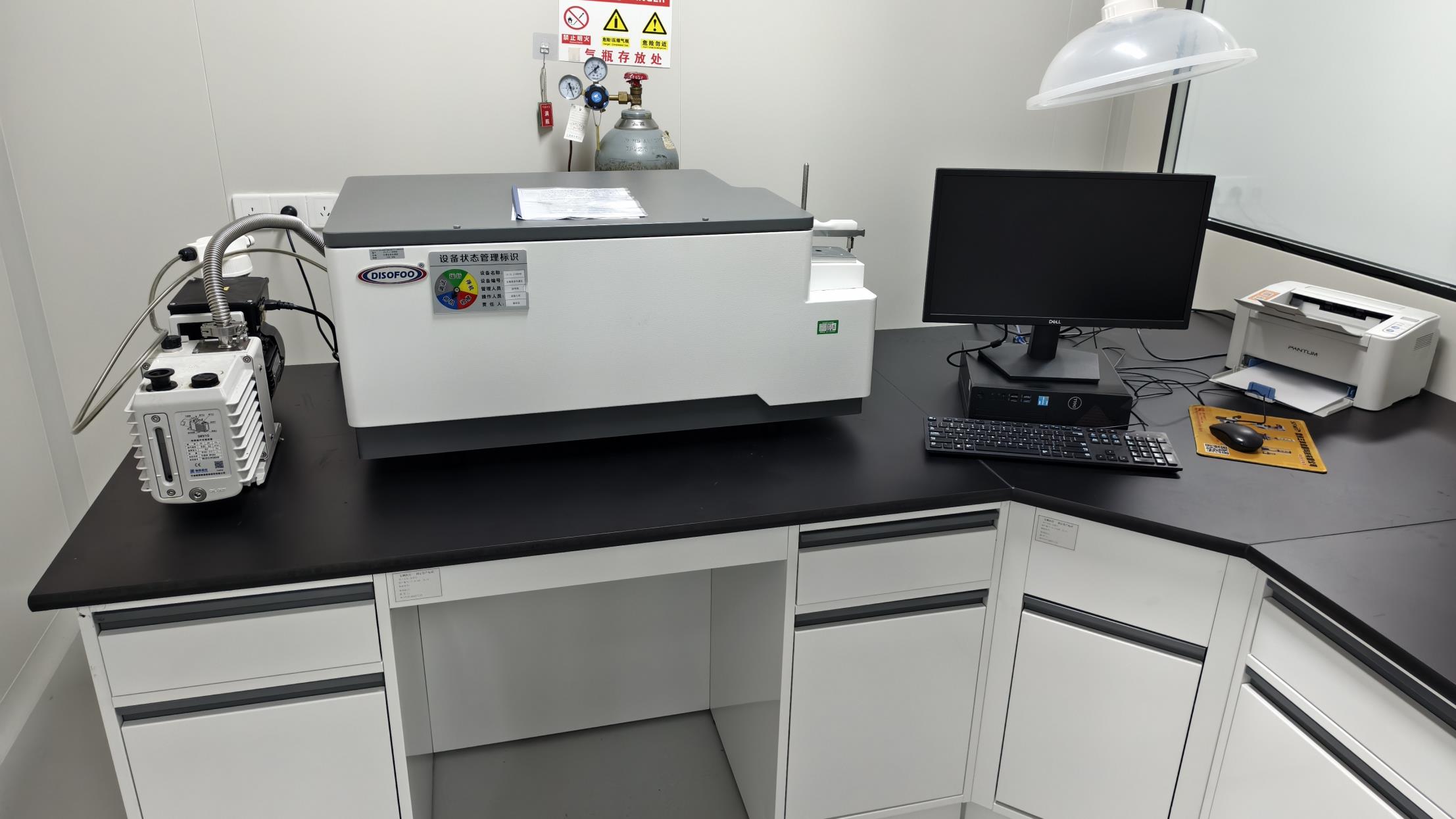
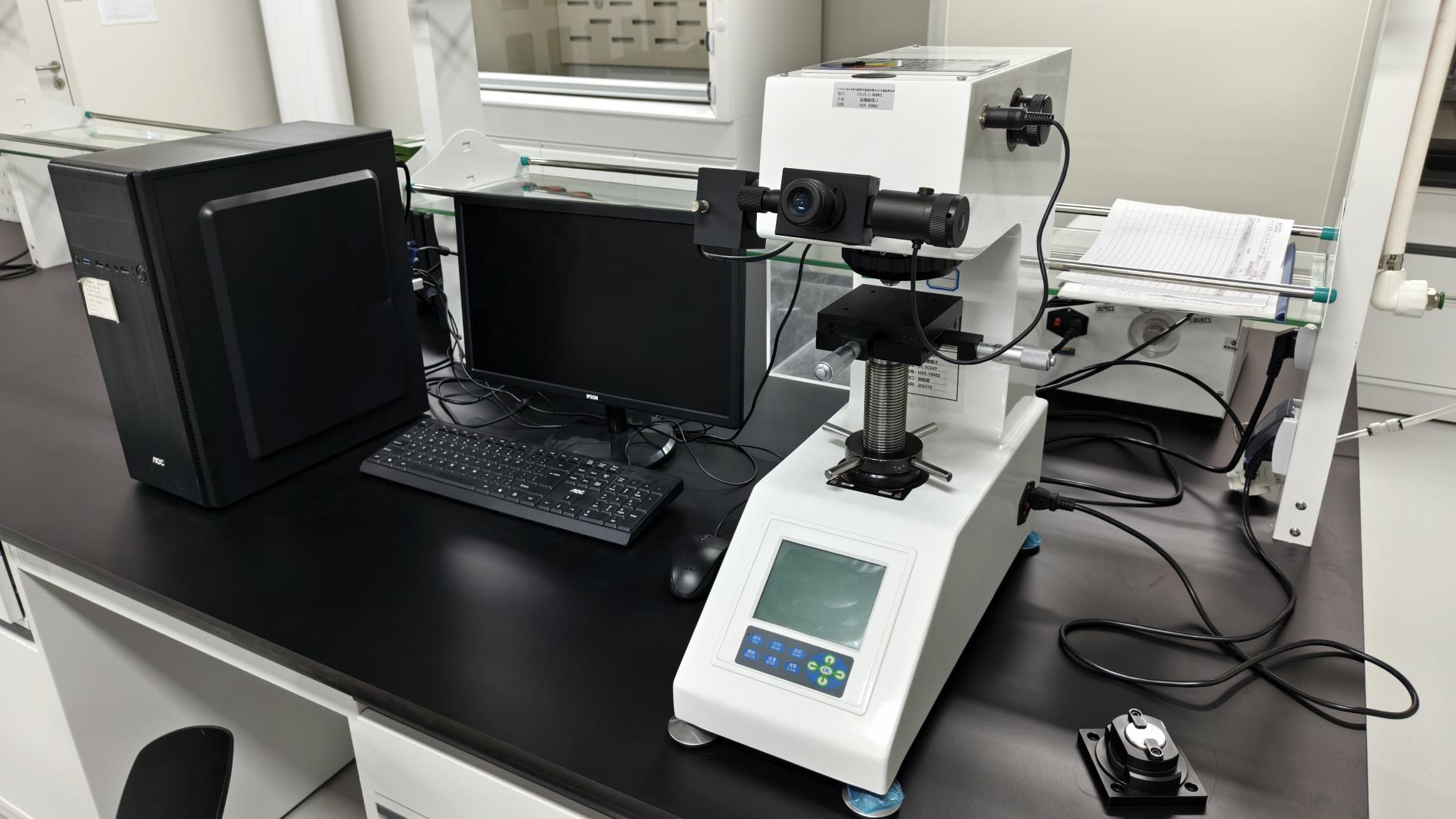
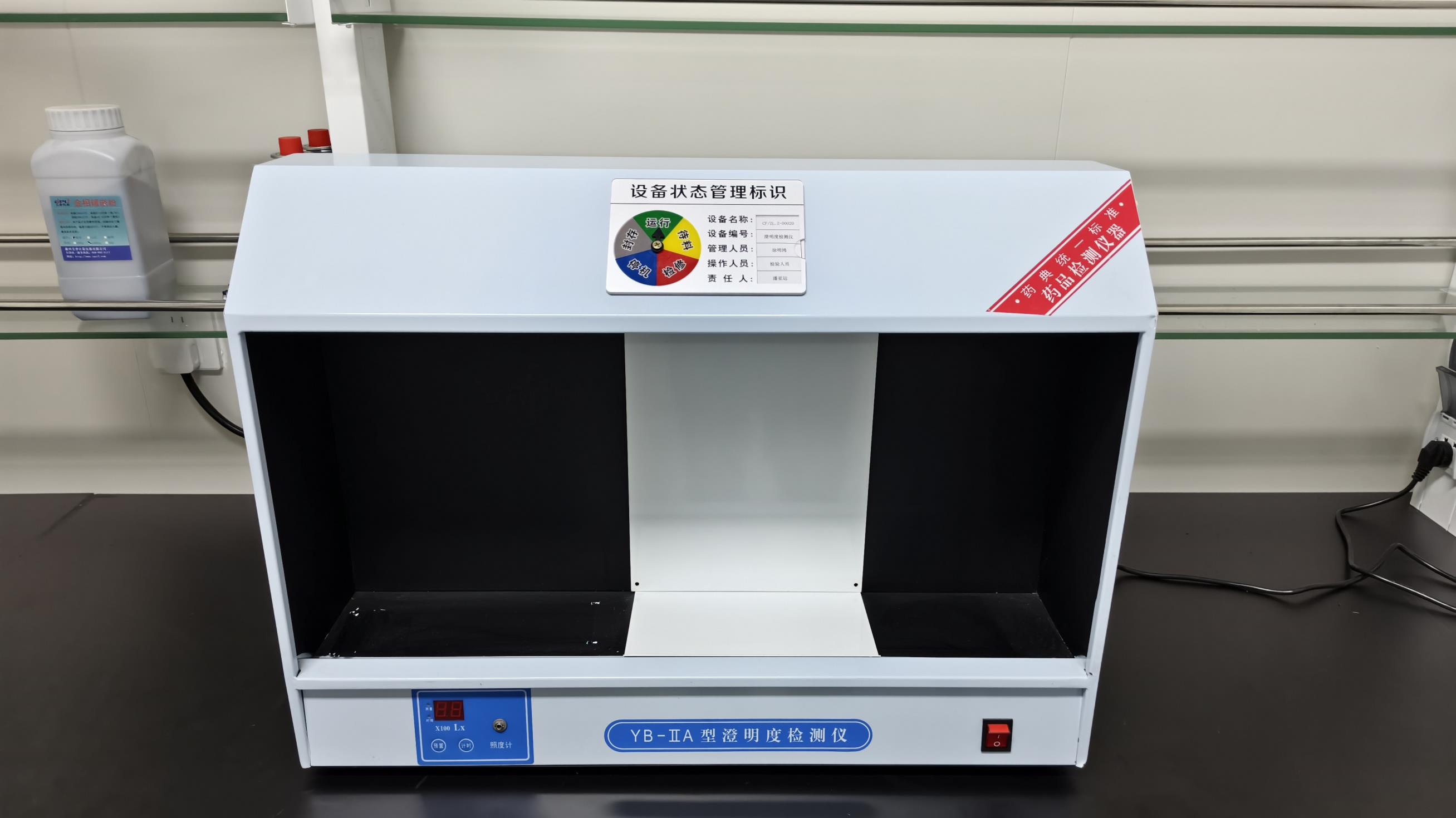
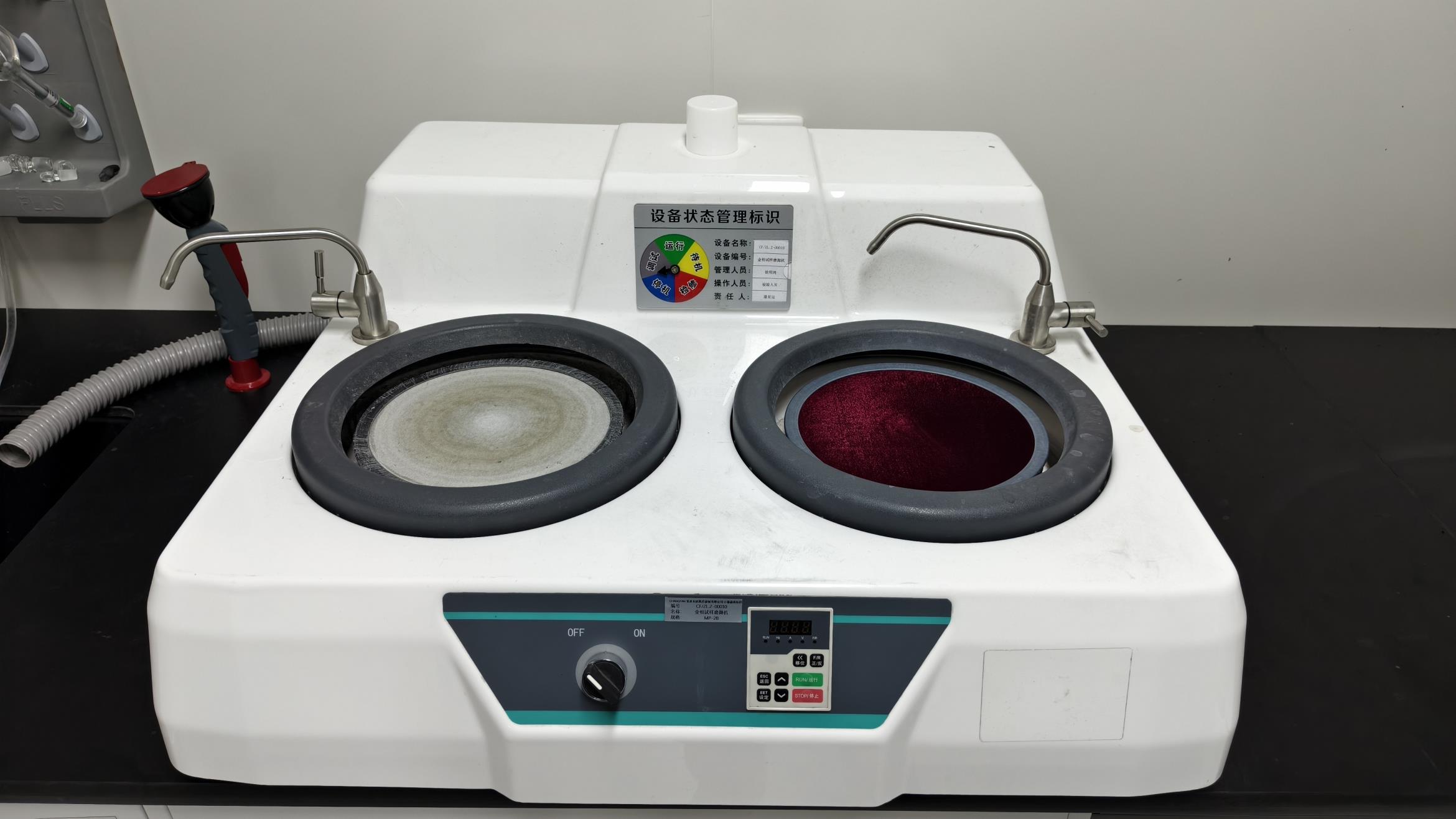
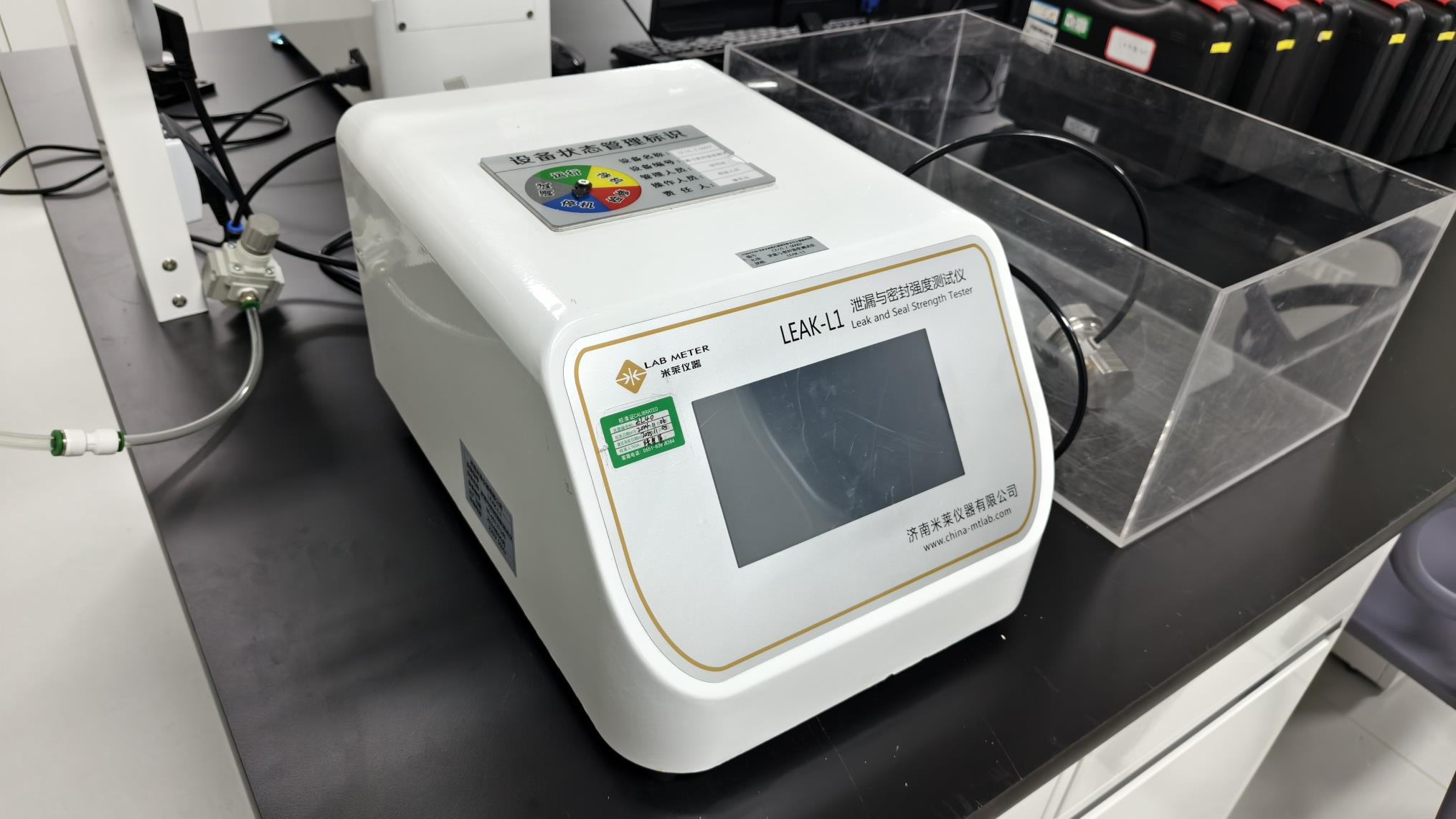
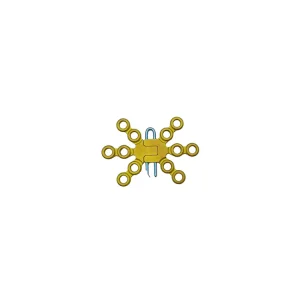
Our sternal stabilization systems are constructed to address various high-demand surgical situations. They provide primary stability, limit lateral movement, and support early respiratory rehabilitation.
Patients exhibiting risk factors such as obesity, advanced chronic obstructive pulmonary disease (COPD), diabetes mellitus, or severe osteoporosis present challenges for standard wire cerclage. Our rigid plate systems distribute chest wall stress evenly, significantly reducing the occurrence of sternal cut-through or bone fragmentation under respiratory load.
In revisions following secondary wound complications or non-union (dehiscence), rigid transverse reconstruction using Synoviq plates provides lateral and torsional stability. This mechanical strength secures the thorax, promoting bony union and containing the spread of localized infection.
Trauma centers in Seoul manage severe crush injuries and flail chest presentations. The cross-compatibility of our rib and sternal locking plates allows trauma surgeons to construct customized fixation configurations quickly, stabilizing complex fractures of the anterior chest wall.
We work closely with global importers and distributors to simplify cross-border sourcing. Synoviq guarantees consistent lead times, customs documentation, and certificates of analysis (COA) for all raw materials, meeting the import standards of various global destination markets.
Clear, direct information regarding the engineering specifications, regulatory compliance, and distribution options for our medical implants.
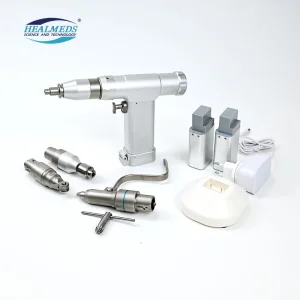
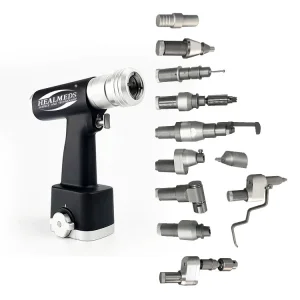
Explore our extensive range of orthopedic trauma plates, specialty sternum closure accessories, and surgical power tool configurations designed for modern operating rooms.
 Synoviq Medical