Selected high-rigidity couplings and wrist stabilizers engineered to meet CE, MDR, and Austrian clinical guidelines.
Austria boasts one of the most advanced healthcare systems globally, characterized by decentralized trauma centers (Unfallkrankenhäuser) strategically positioned across Alpine tourist regions and metropolitan centers like Vienna, Graz, and Linz. Because of the country’s active culture in skiing, mountain sports, and outdoor activities, Austrian orthopedic surgeons deal with a disproportionately high incidence of complex fractures, articular segment displacements, and high-energy polytraumas.
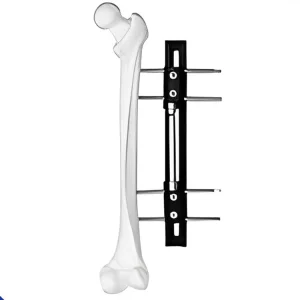
In clinical emergency scenarios, the primary goal of surgical interventions is rapid stabilization. External fixation systems play a critical role in temporary or definitive management of unstable long bone fractures, pelvic disruptions, and articular segment injuries. Austrian orthopedic practices demand instrumentation with the highest biocompatibility, high structural stability, and modular configuration capability, enabling surgeons to adapt frames to diverse anatomical profiles within minutes.
The biomechanical success of external fixation relies on balancing frame rigidity with the elasticity required to promote micromotion and callusing. Standard assemblies typically deploy stainless steel (316L) or Grade 5 Titanium Alloy (Ti-6Al-4V ELI). Titanium alloys have increasingly become the standard in Austria’s leading clinics, including the Vienna General Hospital (AKH Wien) and the AUVA Trauma Centers, due to several key factors:
Precise multi-planar reduction parameters for intra-articular and shaft reconstructions.
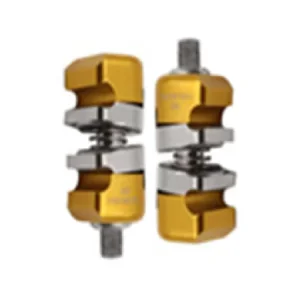
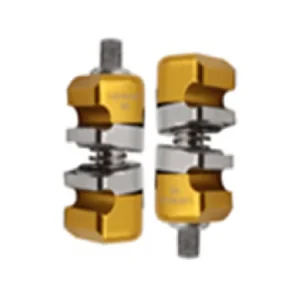
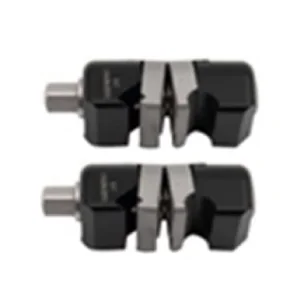
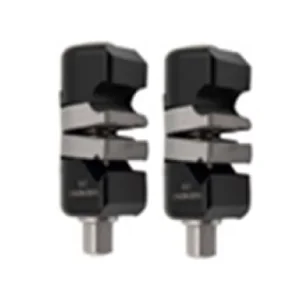
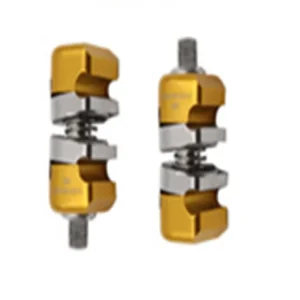
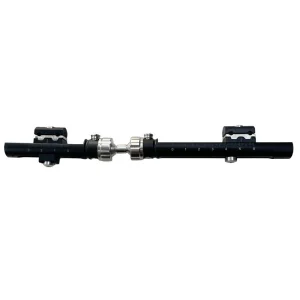
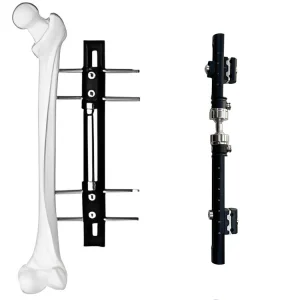
Quick-release rod-to-pin and rod-to-rod clamps to assemble customized configurations in minutes.
Documentation tracking raw materials and clean-room assembly workflows to satisfy European safety audits.
For B2B procurement managers, hospital consortiums, and medical device distributors across Europe and North America, sourcing external fixation components involves navigating complex supply networks, quality verification steps, and regulatory hurdles. The transition to the European Medical Device Regulation (MDR 2017/745) has placed immense pressure on legacy implant designs, forcing suppliers to provide absolute traceability, clinical data, and clean-room manufacturing transparency.
With domestic European manufacturing costs rising due to energy spikes and labor shortages, international buyers are increasingly utilizing global sourcing strategies. Sourcing from specialized Chinese Class III orthopedic factories that offer OEM and ODM capabilities allows buyers to acquire cost-effective components without sacrificing quality or regulatory compliance.
The manufacturing infrastructure of China's orthopedic medical device sector has evolved from basic machining shops to smart, digitalized Industry 4.0 production hubs. These facilities integrate automated CNC centers, Swiss-type high-precision lathes, robotic finishing lines, and ISO Class 7 (Class 10,000) clean-room packaging facilities to execute precision medical engineering at scale.
By leveraging an integrated supply chain that spans raw titanium processing, mechanical design, surface passivation, and validation testing, Chinese manufacturers can bypass the bottlenecks typical of fragmented supply chains. This integration provides B2B buyers with rapid prototype cycles, consistent dimensional tolerances, and stable production capacities that remain insulated from geopolitical or regional economic disruptions.
Synoviq Medical Technology (China) Co., Ltd. is a professional manufacturer of orthopedic implants and surgical instruments, dedicated to delivering innovative, reliable, and high-quality medical solutions for healthcare professionals worldwide. Since its establishment, Synoviq has focused on research, development, precision manufacturing, and international quality standards, providing comprehensive OEM and ODM services for global medical device brands, distributors, and hospitals.
Our product portfolio includes trauma fixation systems, spinal implants, locking plates, intramedullary nails, external fixation systems, orthopedic screws, surgical instruments, and customized orthopedic solutions. Equipped with advanced CNC machining centers, precision inspection equipment, and modern clean production facilities, we ensure every product meets strict international quality requirements.
Driven by continuous innovation, Synoviq invests heavily in R&D and intelligent manufacturing to enhance product performance, surgical efficiency, and patient outcomes. Our experienced engineering team works closely with customers to develop customized products tailored to different clinical applications and market demands.
With a customer-oriented philosophy, competitive pricing, stable supply capability, and efficient technical support, Synoviq has established long-term partnerships with distributors, medical brands, and healthcare organizations across Europe, North America, South America, the Middle East, and Asia-Pacific.
| Item / Parameter | Operational & Quality Capacity Specification |
|---|---|
| Company Name | Synoviq Medical Technology (China) Co., Ltd. |
| Brand | Synoviq |
| Established | March 18, 2016 |
| Building Area | 18,600 m² |
| Annual Export Revenue | USD 21.8 Million |
| Export Experience | 8 Years |
| Industry Experience | 14 Years |
| Quality Inspection | 100% Final Inspection & Incoming Material Inspection |
| Product Inspection Methods | CMM Measurement, Mechanical Testing, Surface Roughness Testing, Hardness Testing, Salt Spray Testing, Sterility Validation |
| Quality Control Staff | 48 Dedicated Specialists |
| Business Type | Manufacturer & Exporter (OEM/ODM) |
| Main Markets | Europe (Austria, Germany, Italy), North America, South America, Middle East, Southeast Asia |
| Supply Chain Partners | 1,120+ Verified Clinical and Material Partners |
| Main Customer Types | Medical Device Brands, Importers, Distributors, Hospitals, Government Procurement Projects |
| R&D Capability | Independent Product Design, Prototype Development, Clinical-Oriented Engineering, OEM & ODM Development |
| Customization Options | Logo Customization, Packaging Customization, Product Design Customization, Material Selection, Surface Treatment |
| New Products Released Last Year | 186 Innovative Orthopedic Designs |
| R&D Engineers | 76 Specialized Bio-Mechanical Engineers |
Walkthrough of our end-to-end orthopedic manufacturing system, combining ISO class processing with multi-stage quality control.
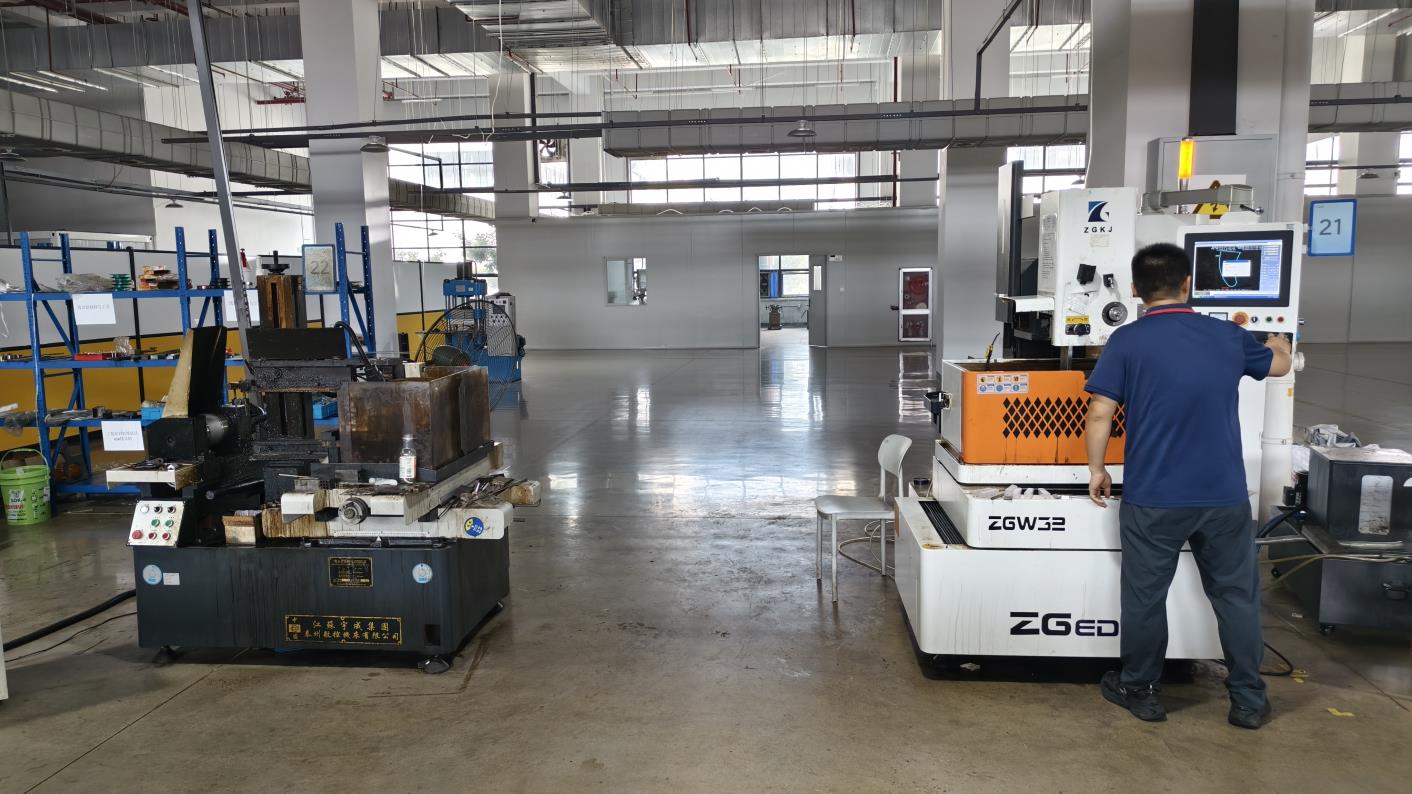
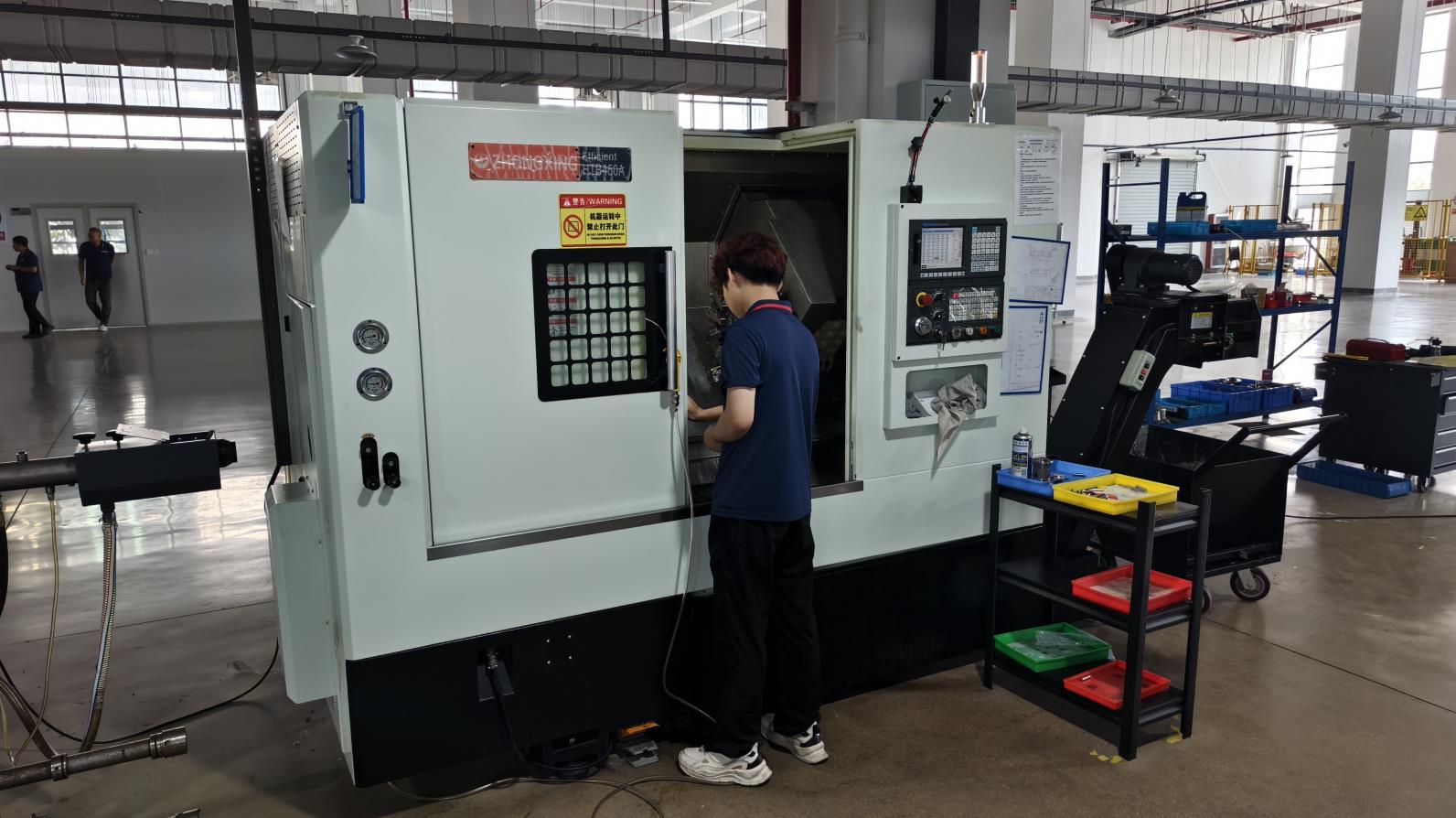
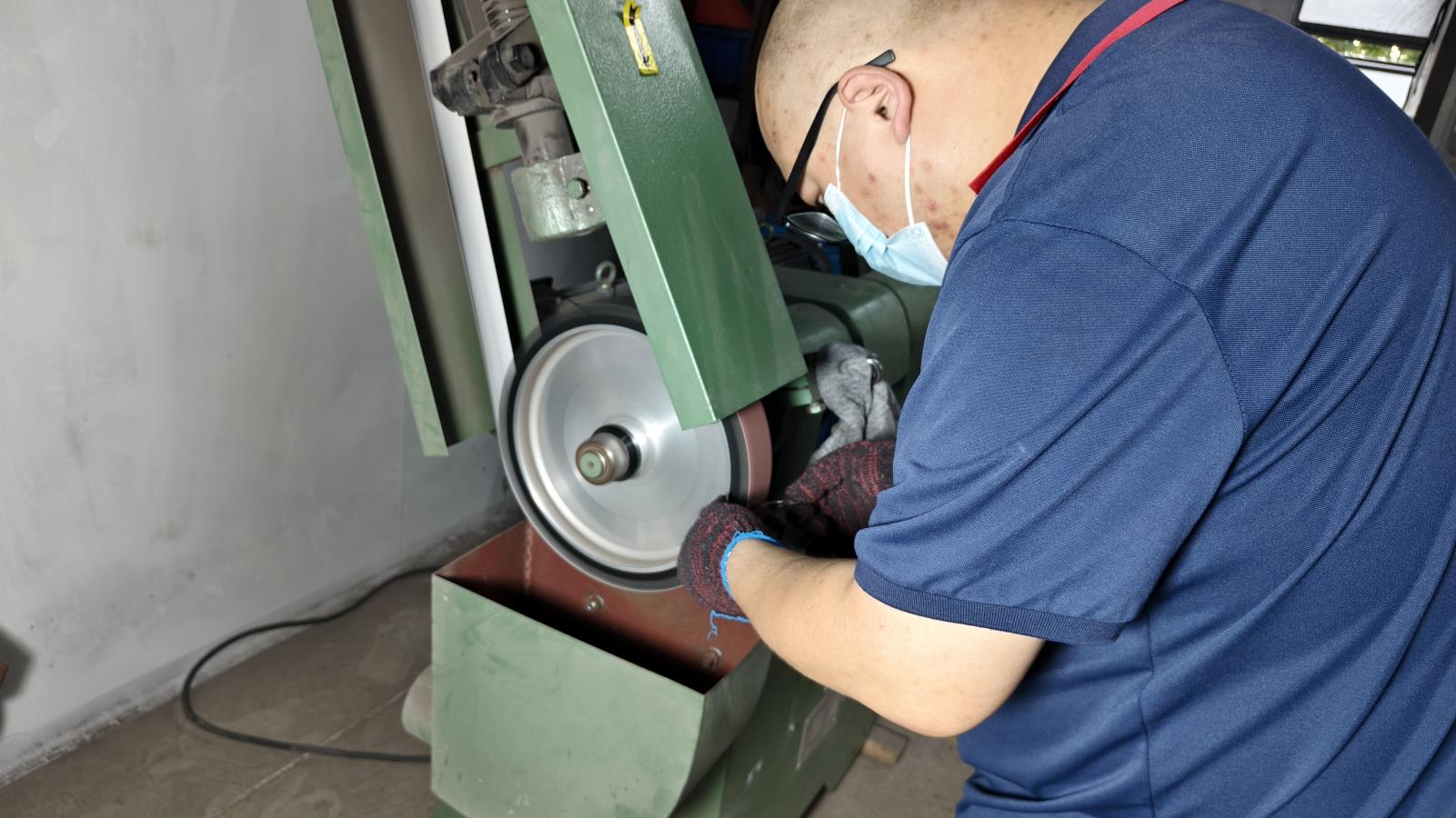
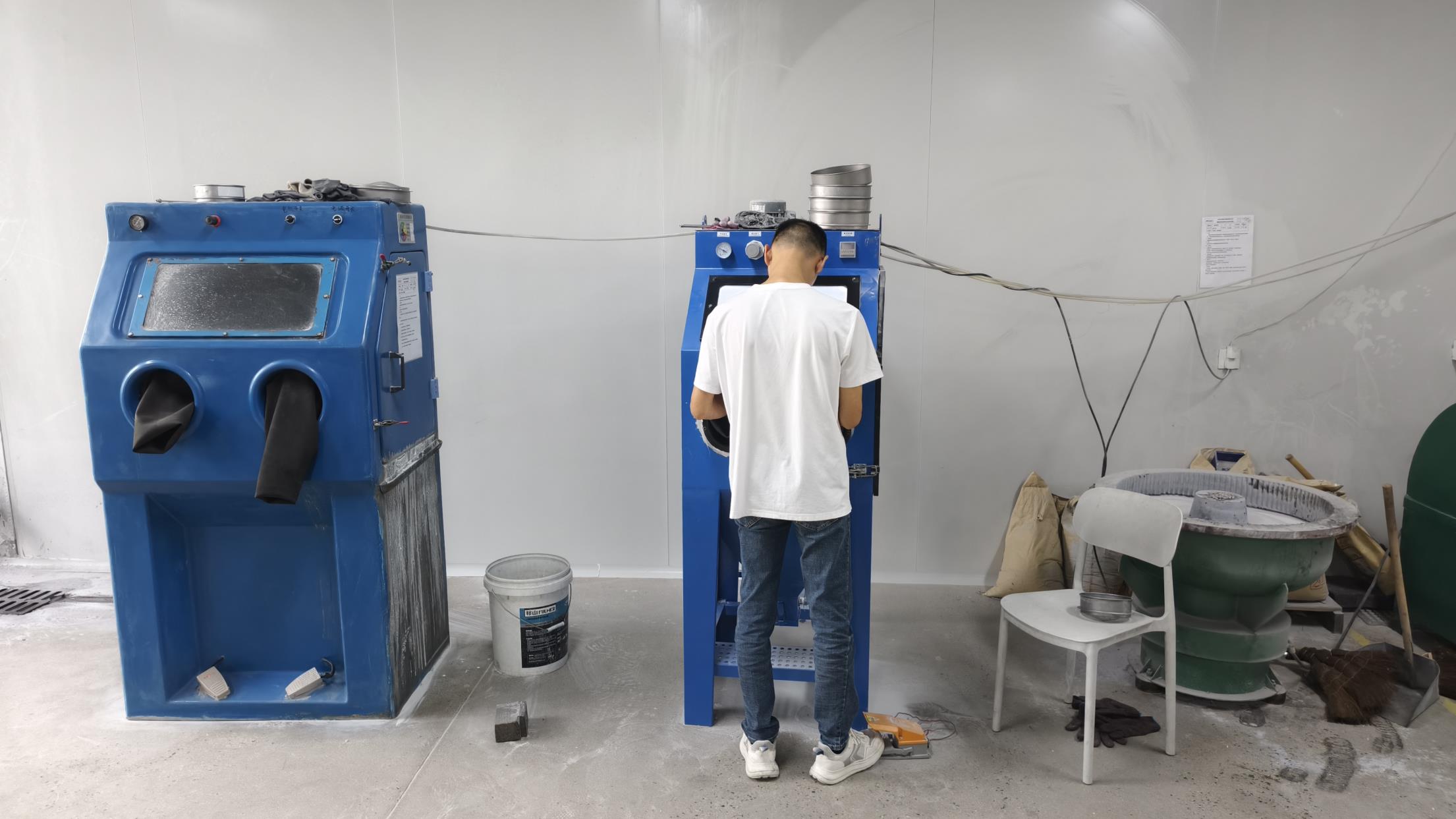
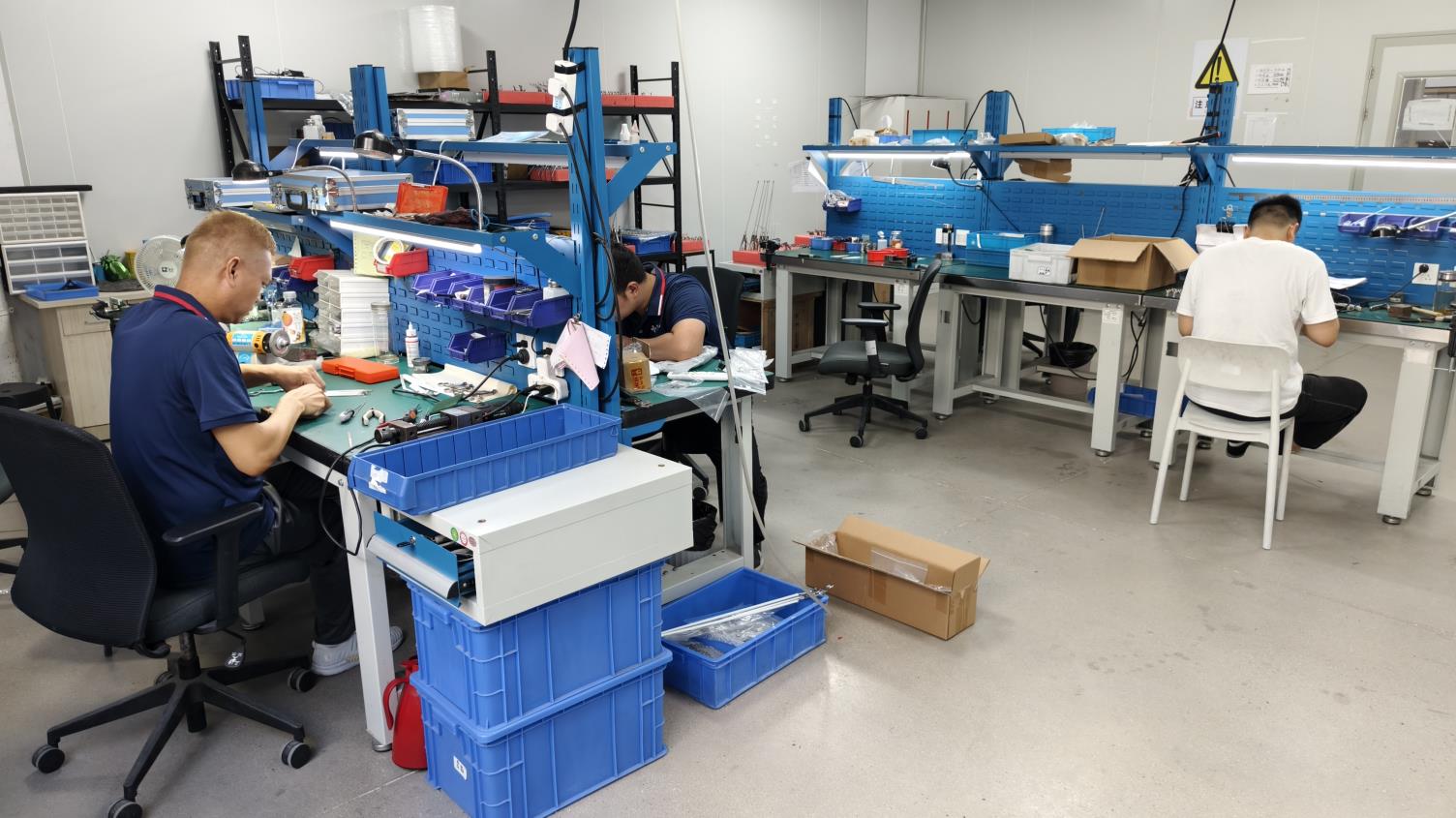
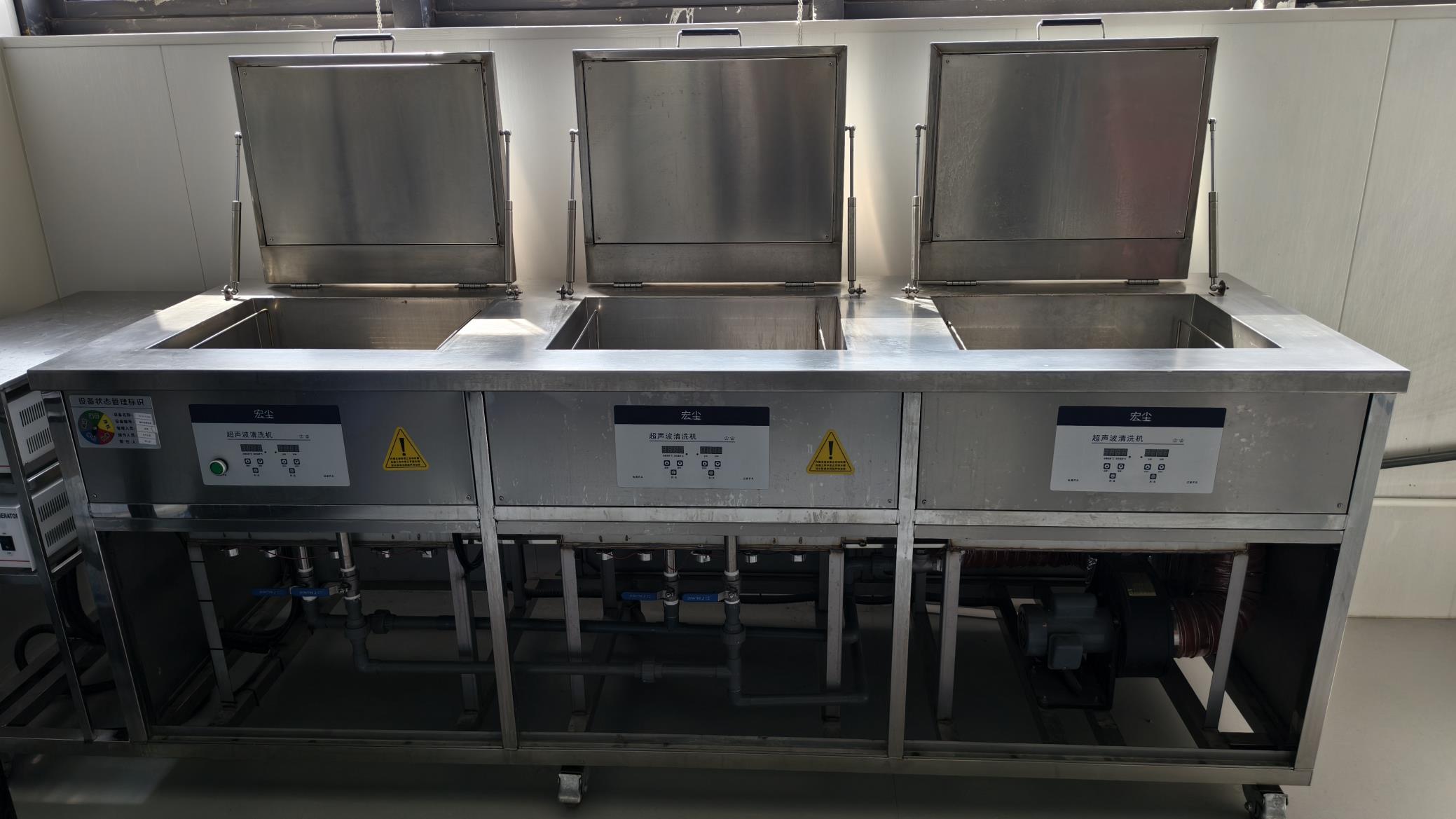
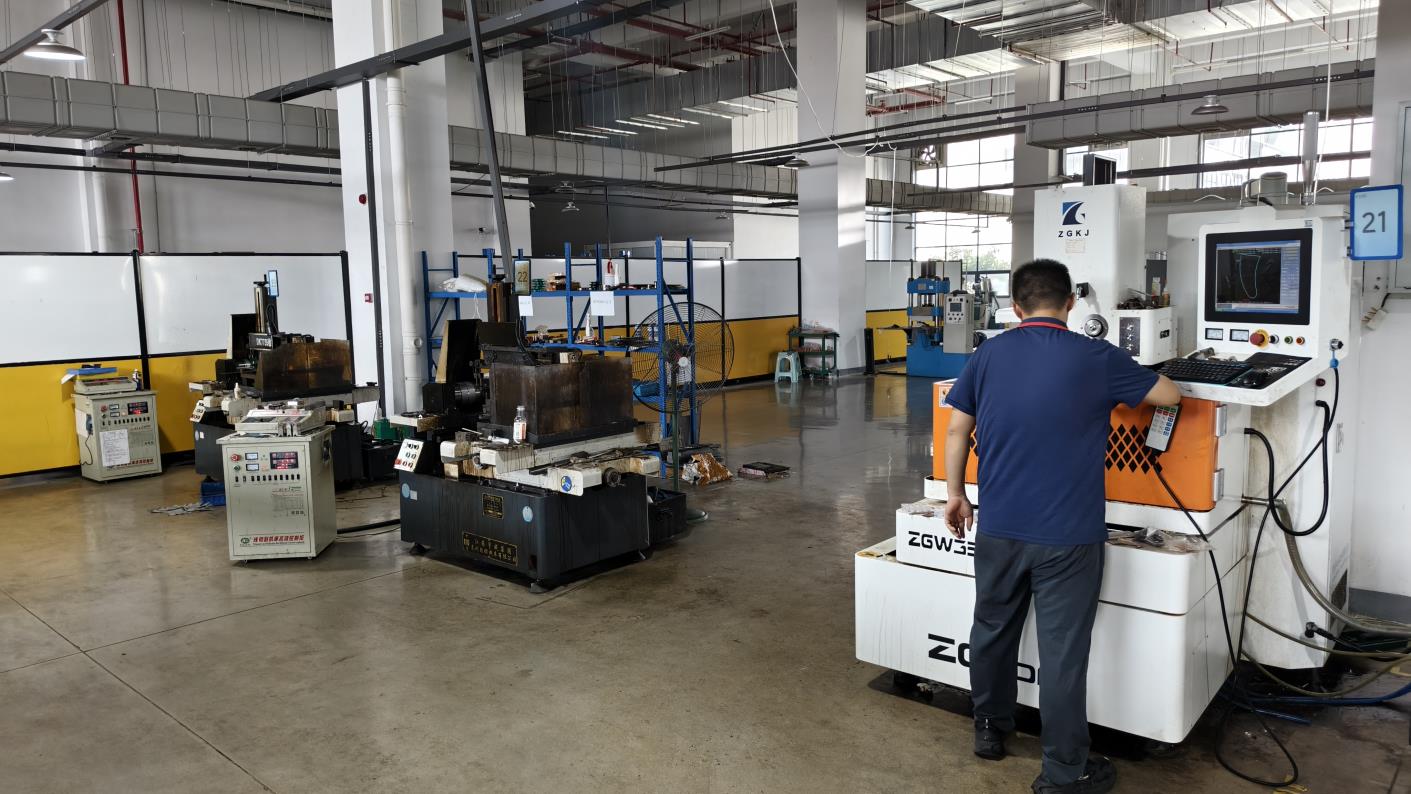
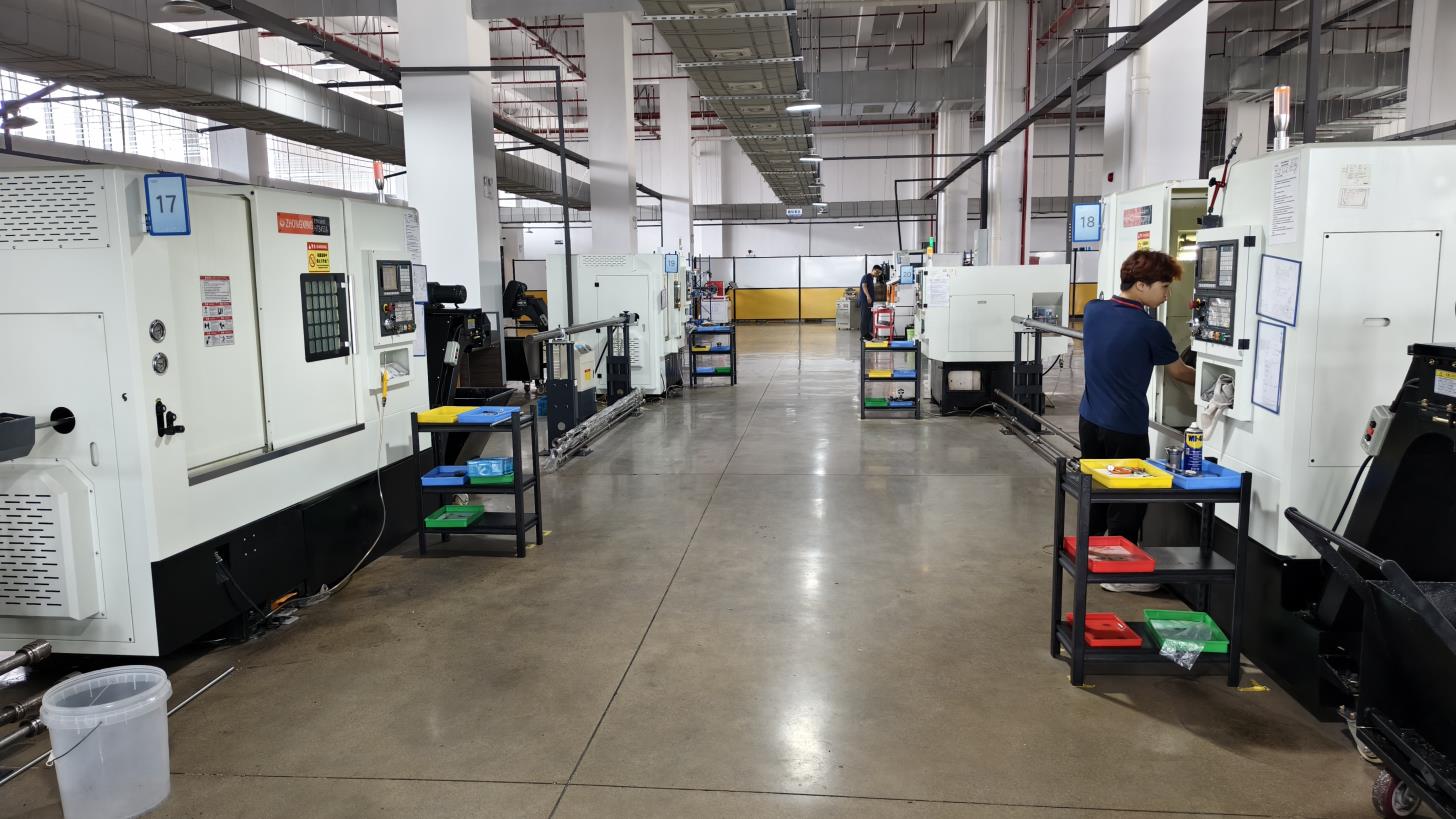
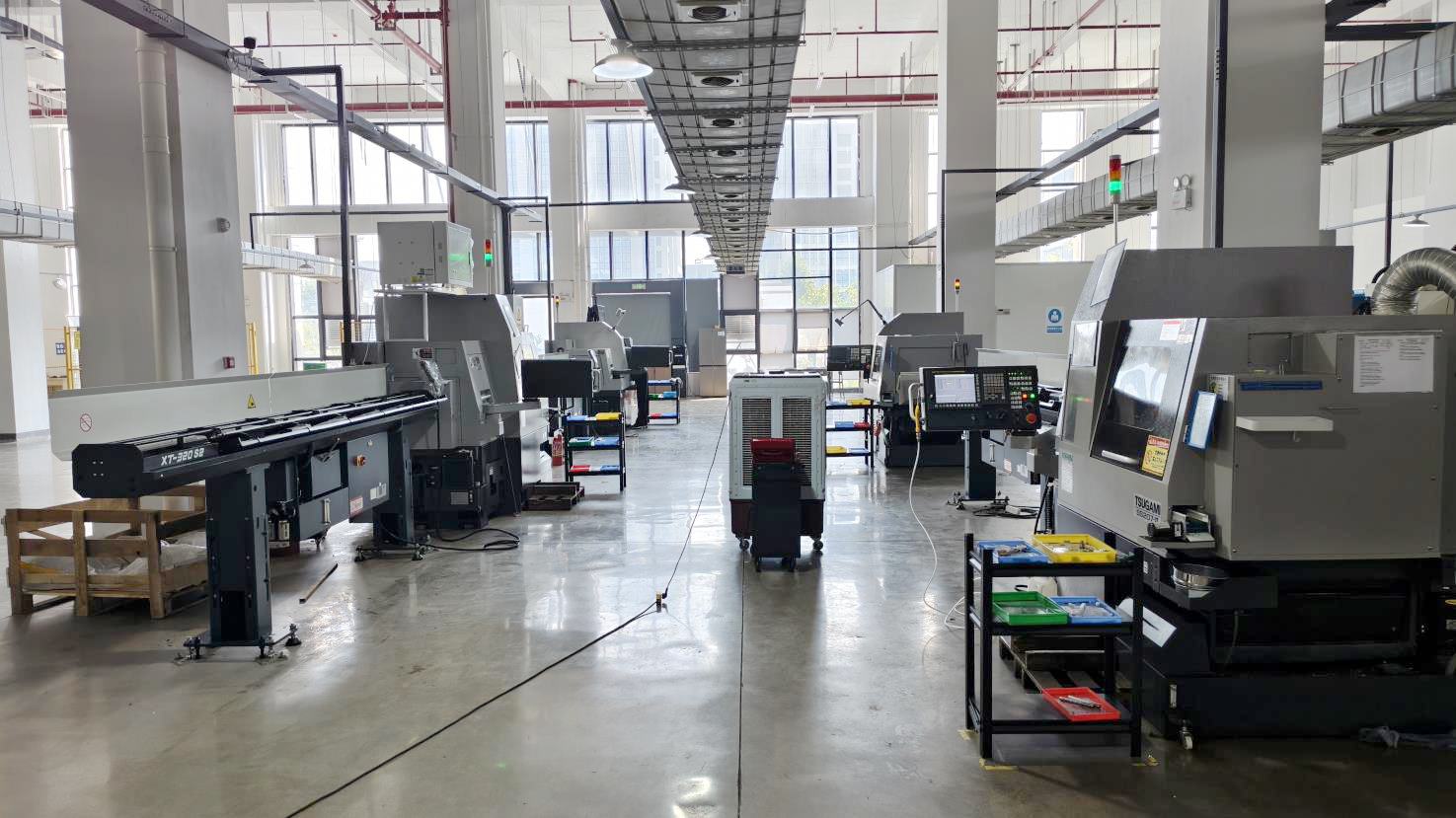
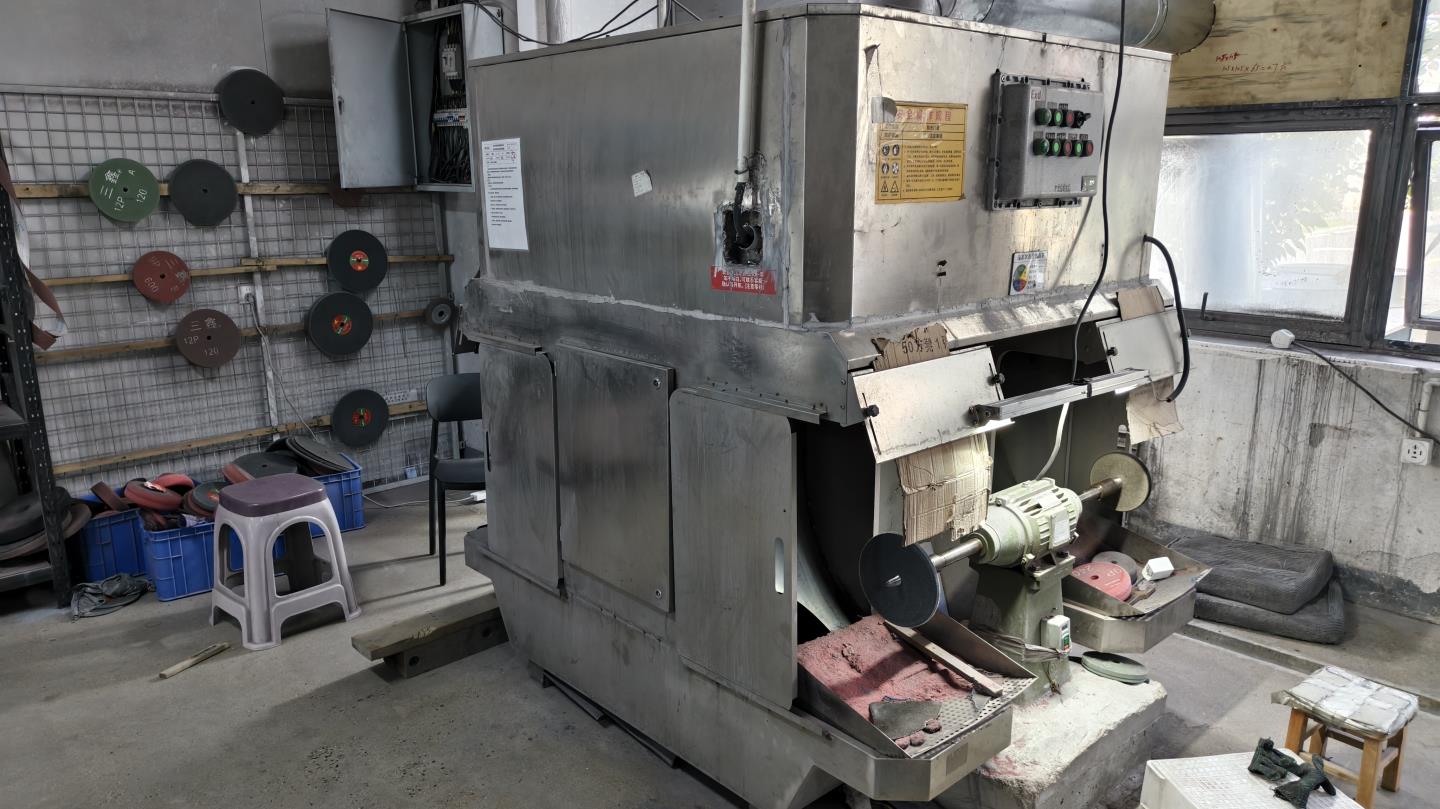
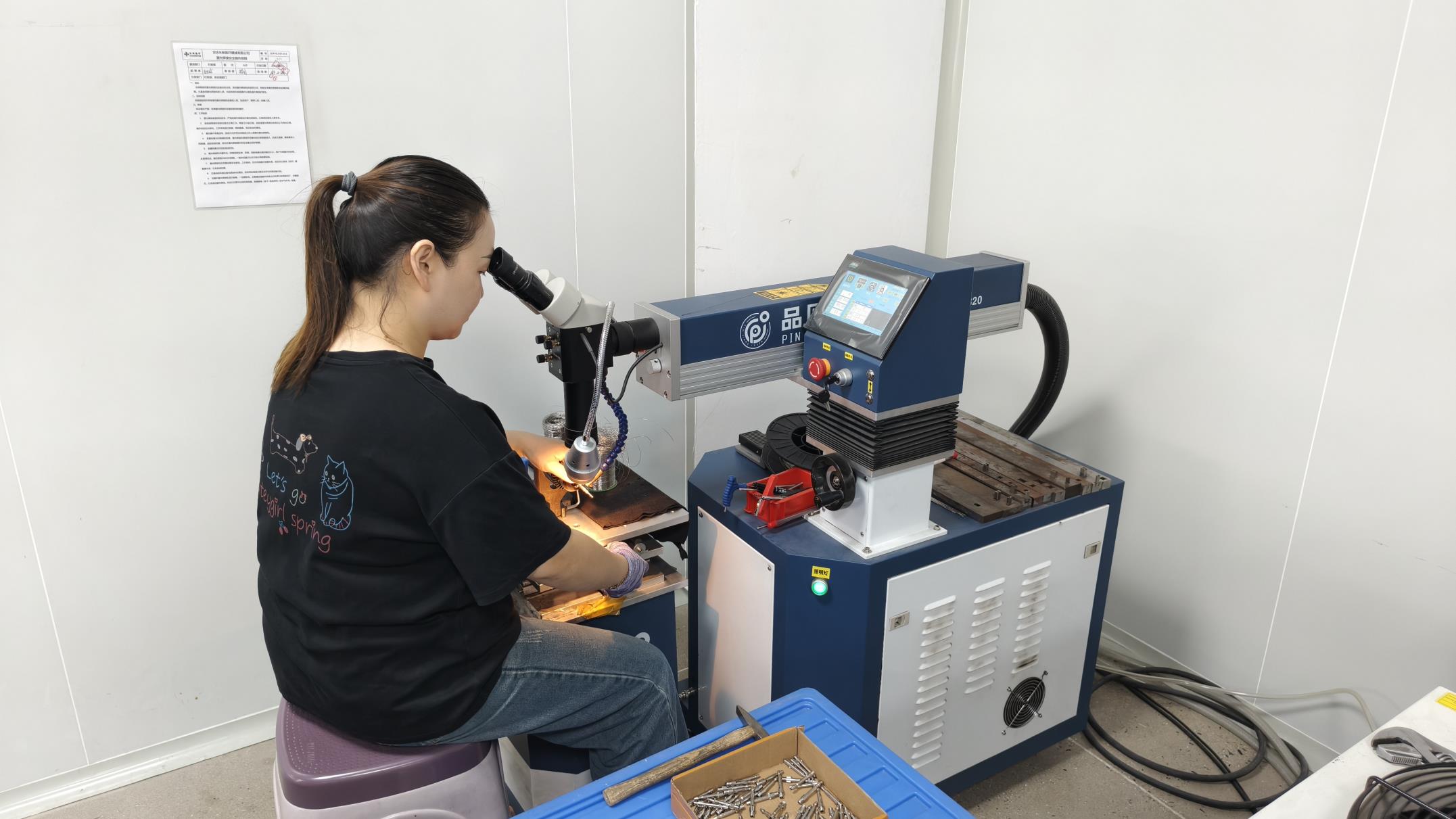
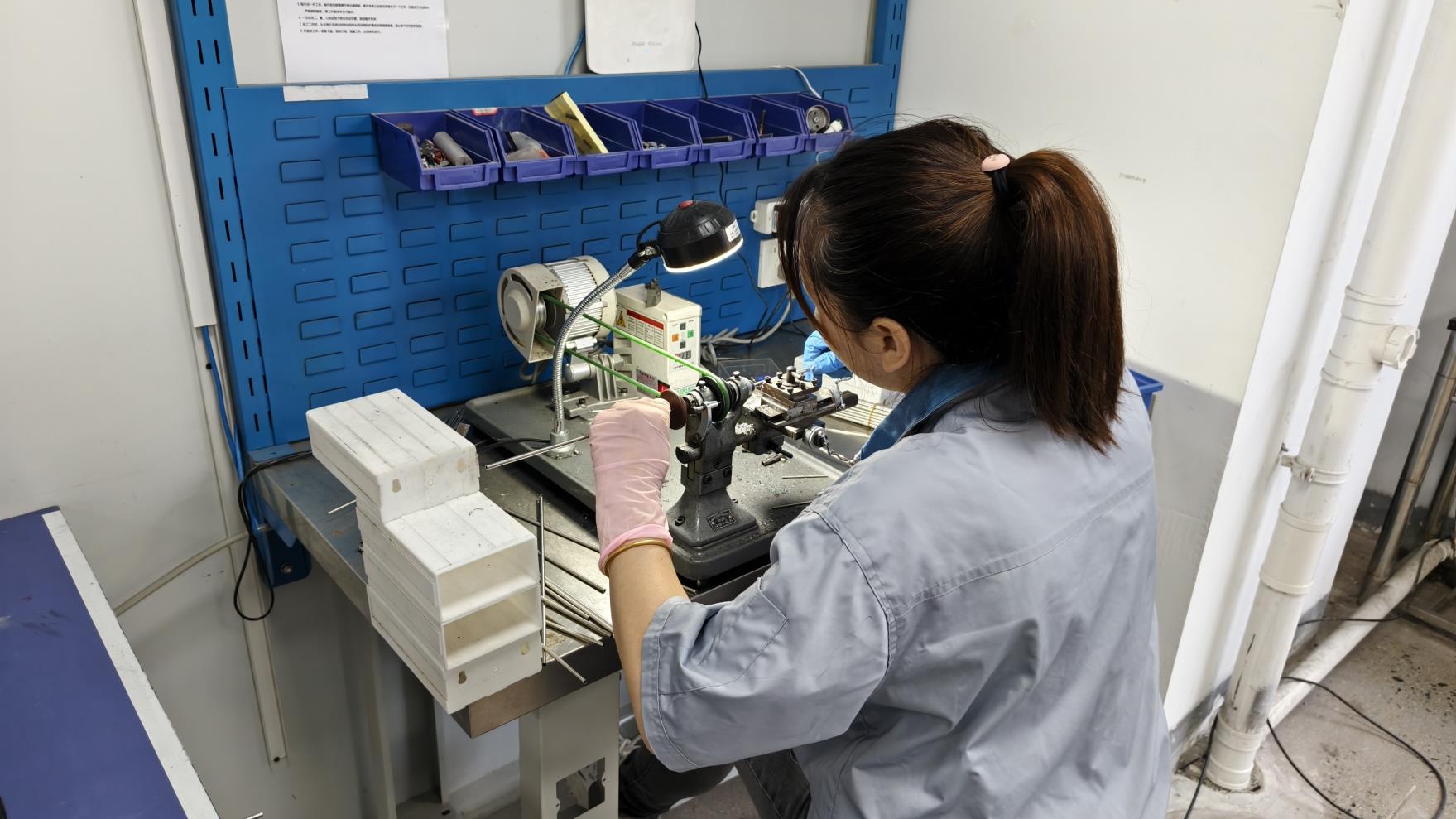
Our quality verification processes run 24/7, employing non-destructive, tensile, and metallographic testing methods.
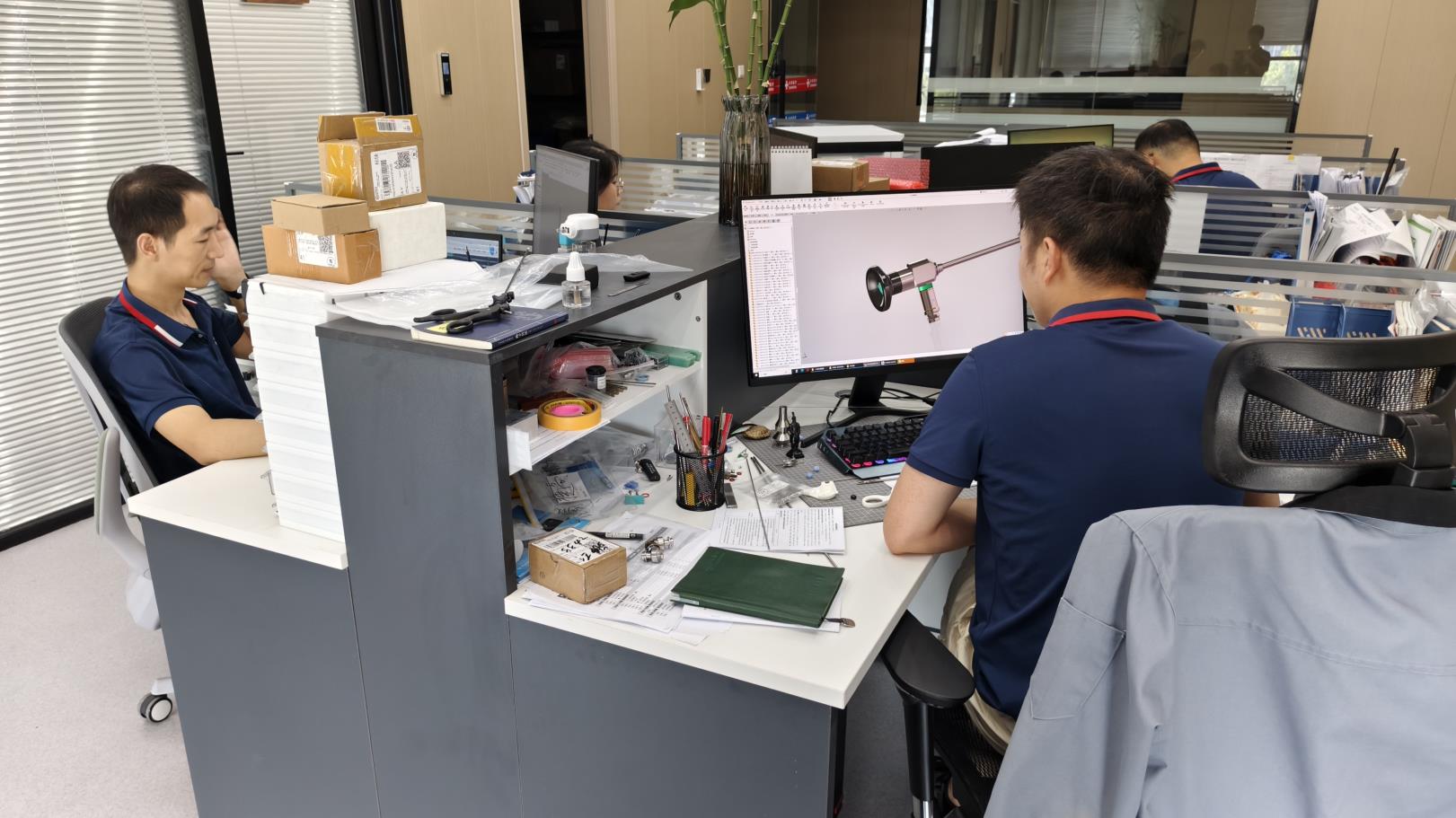
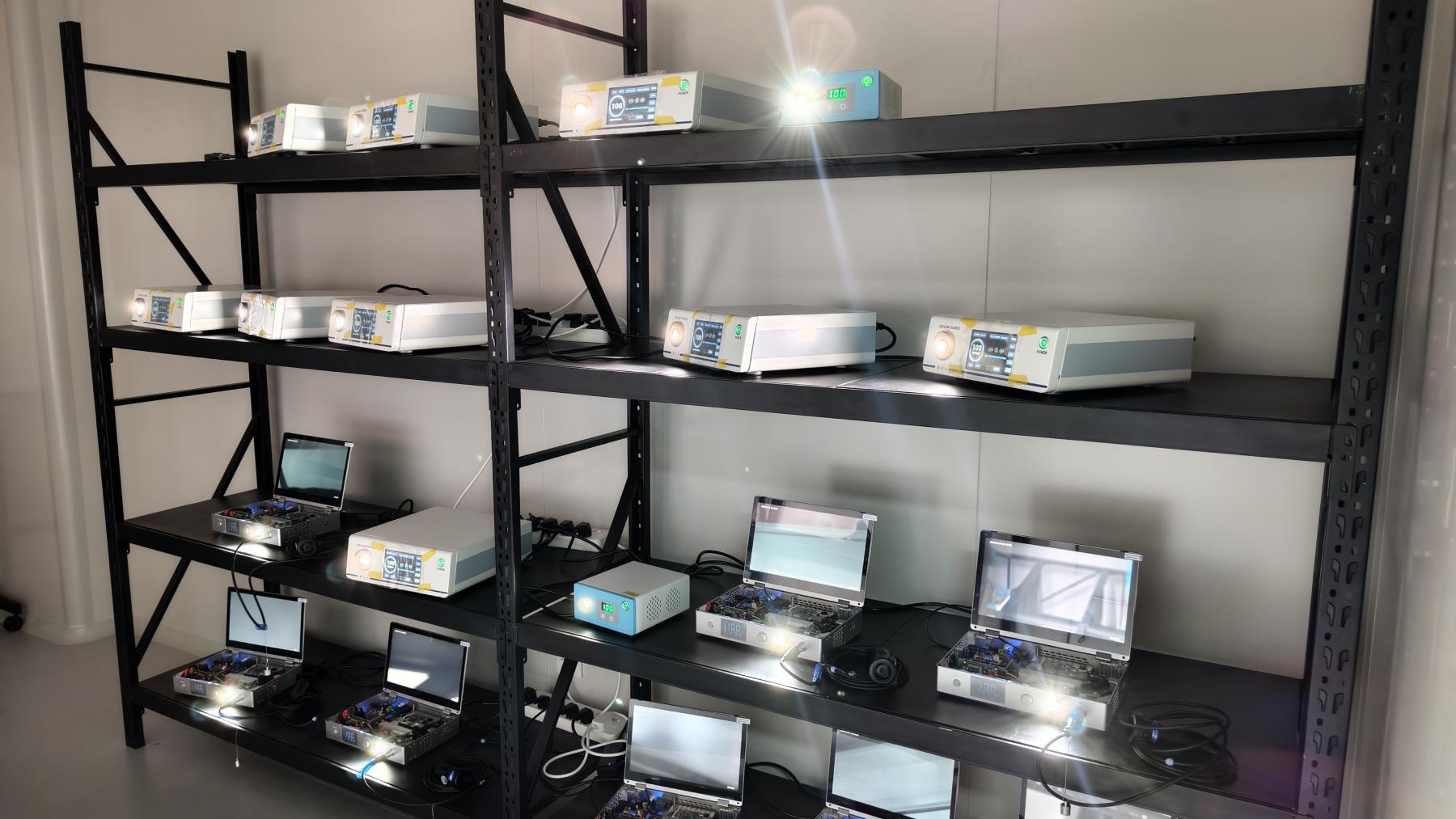
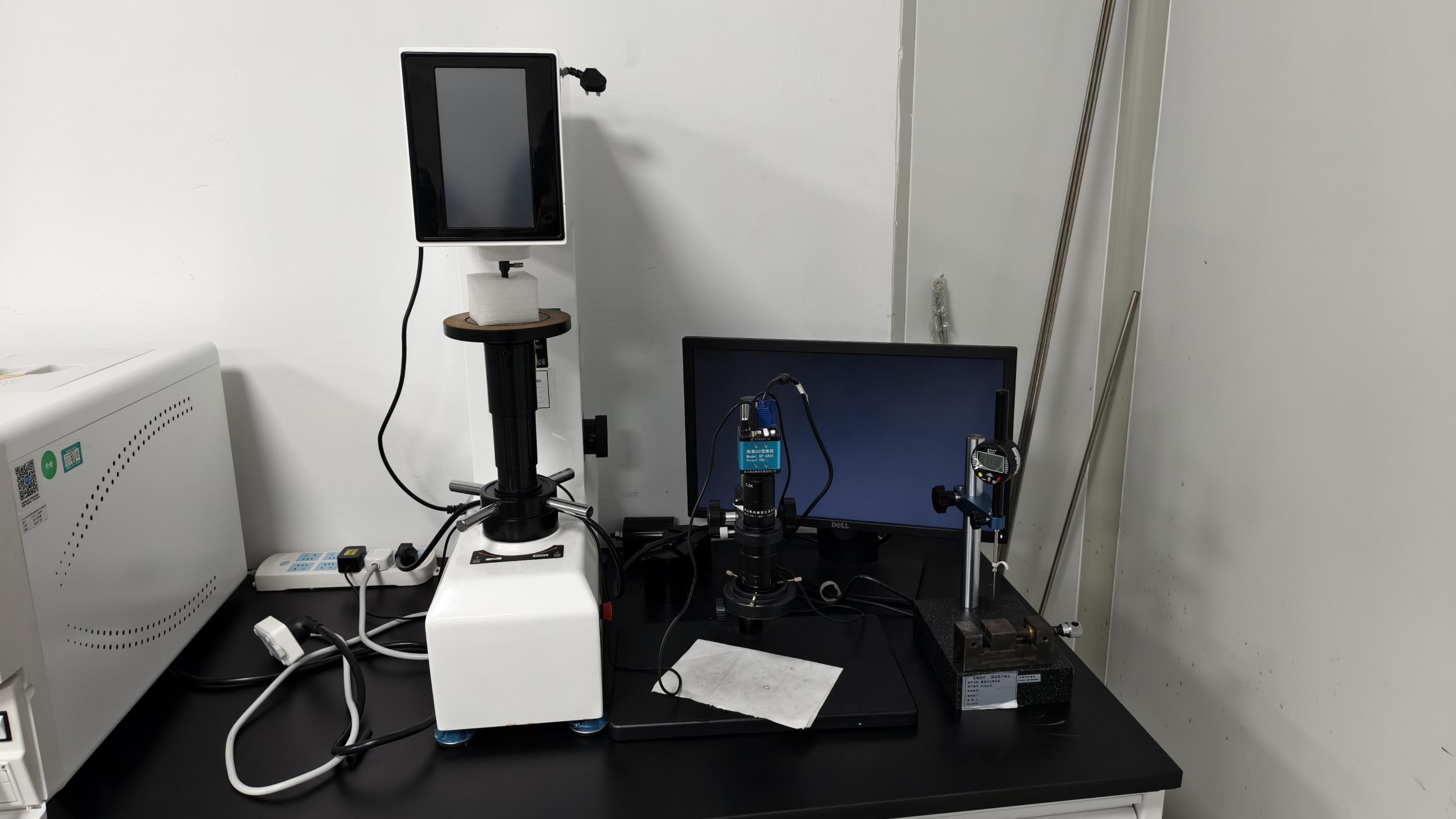
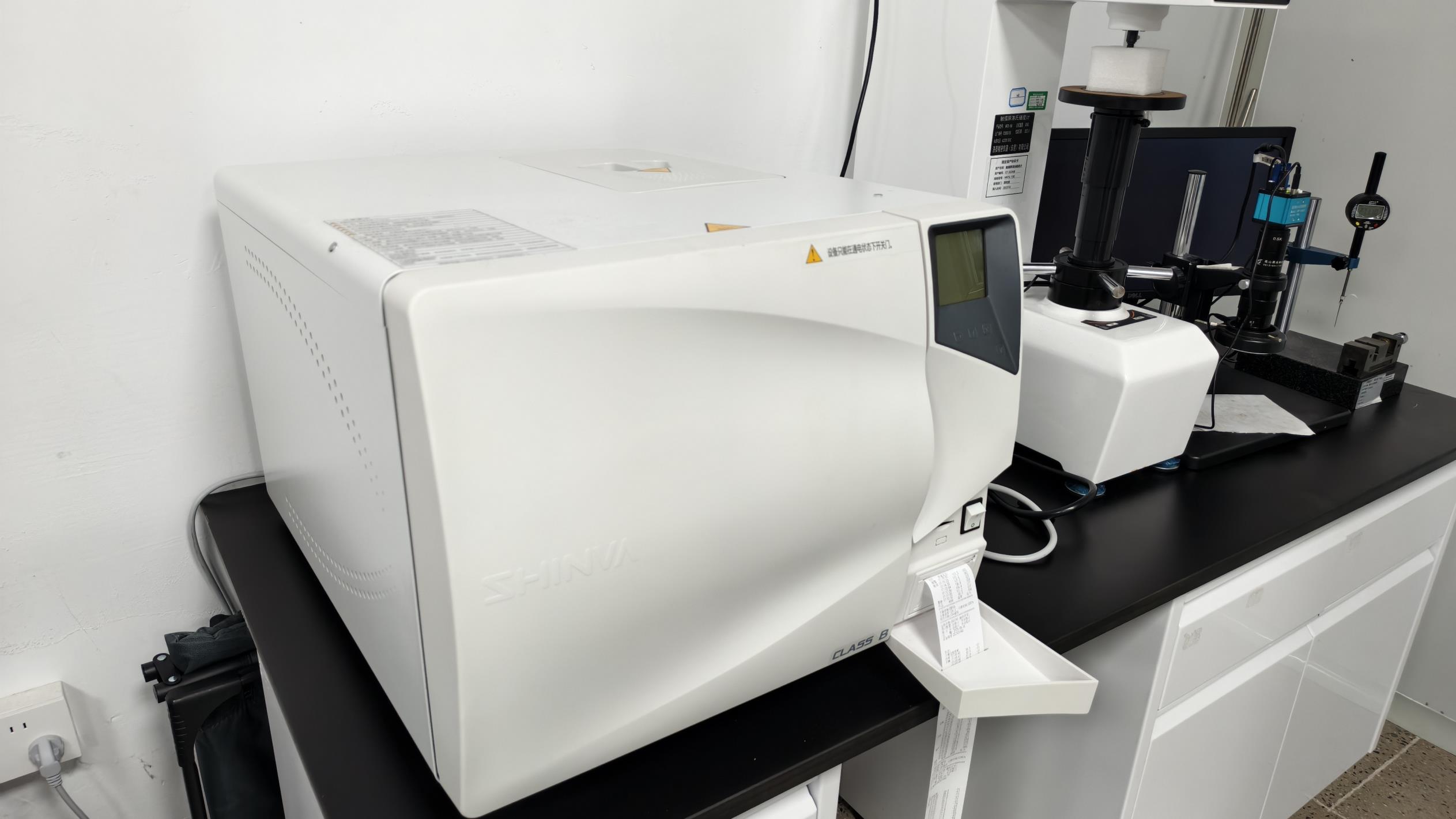
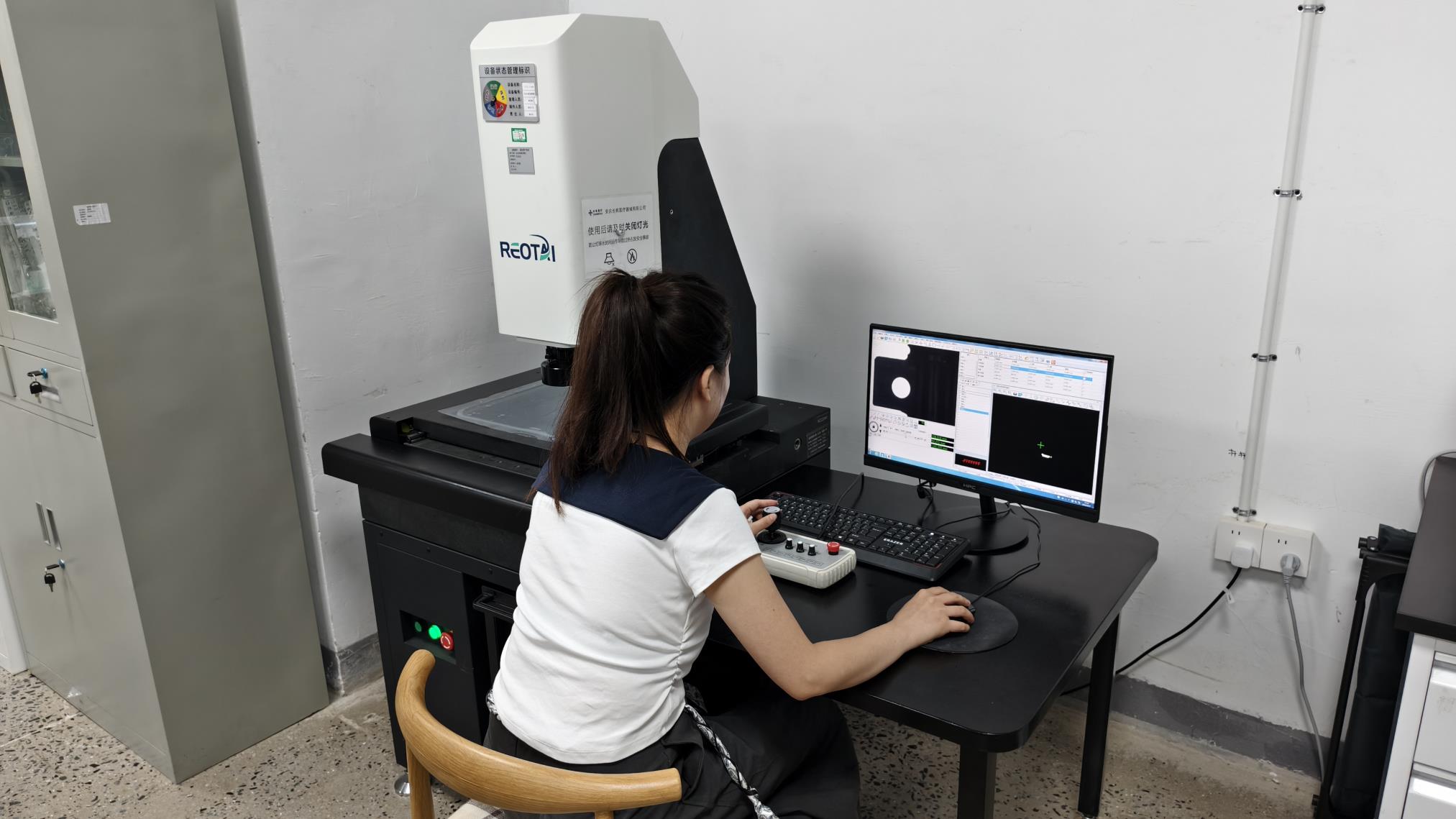
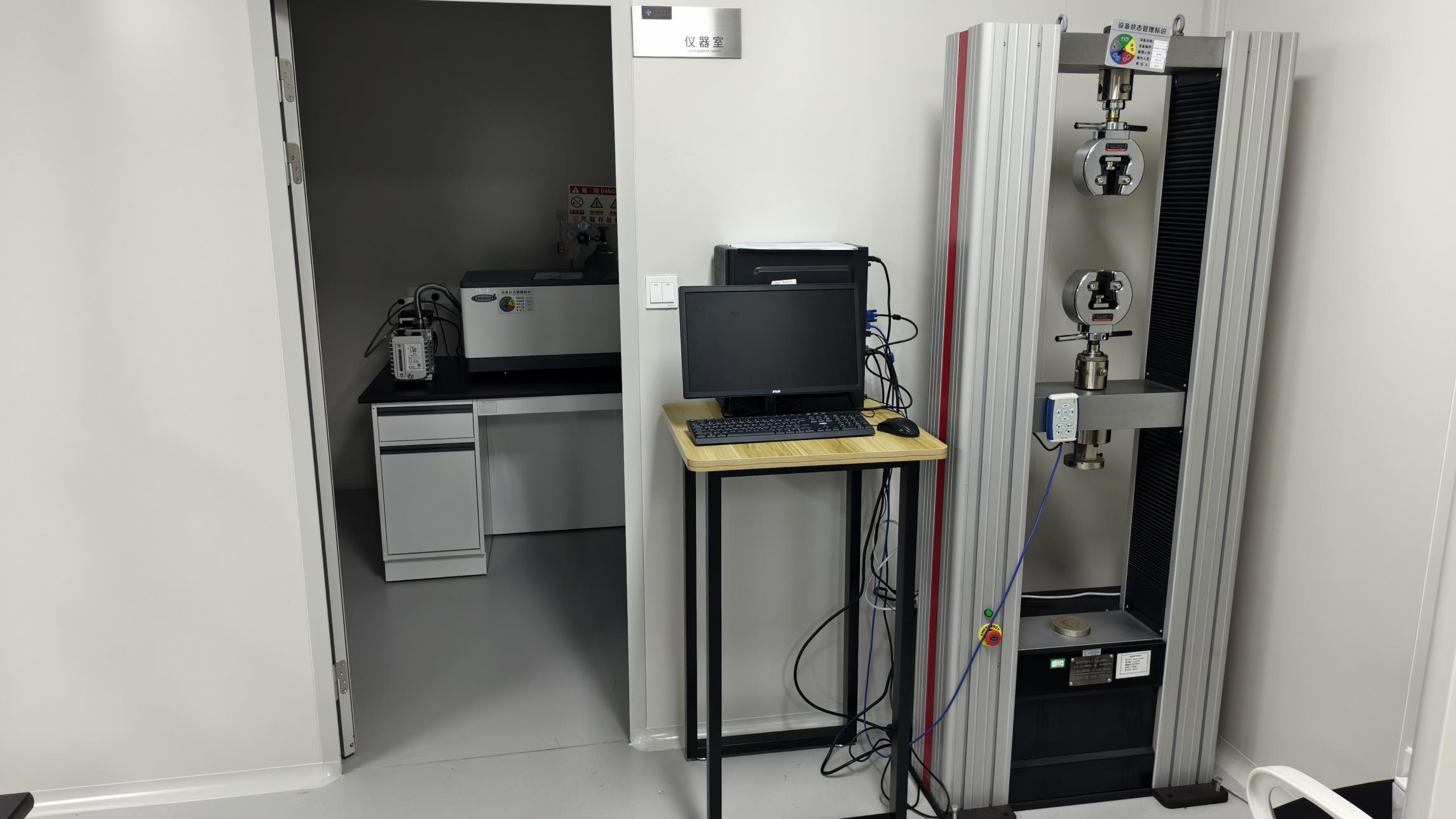
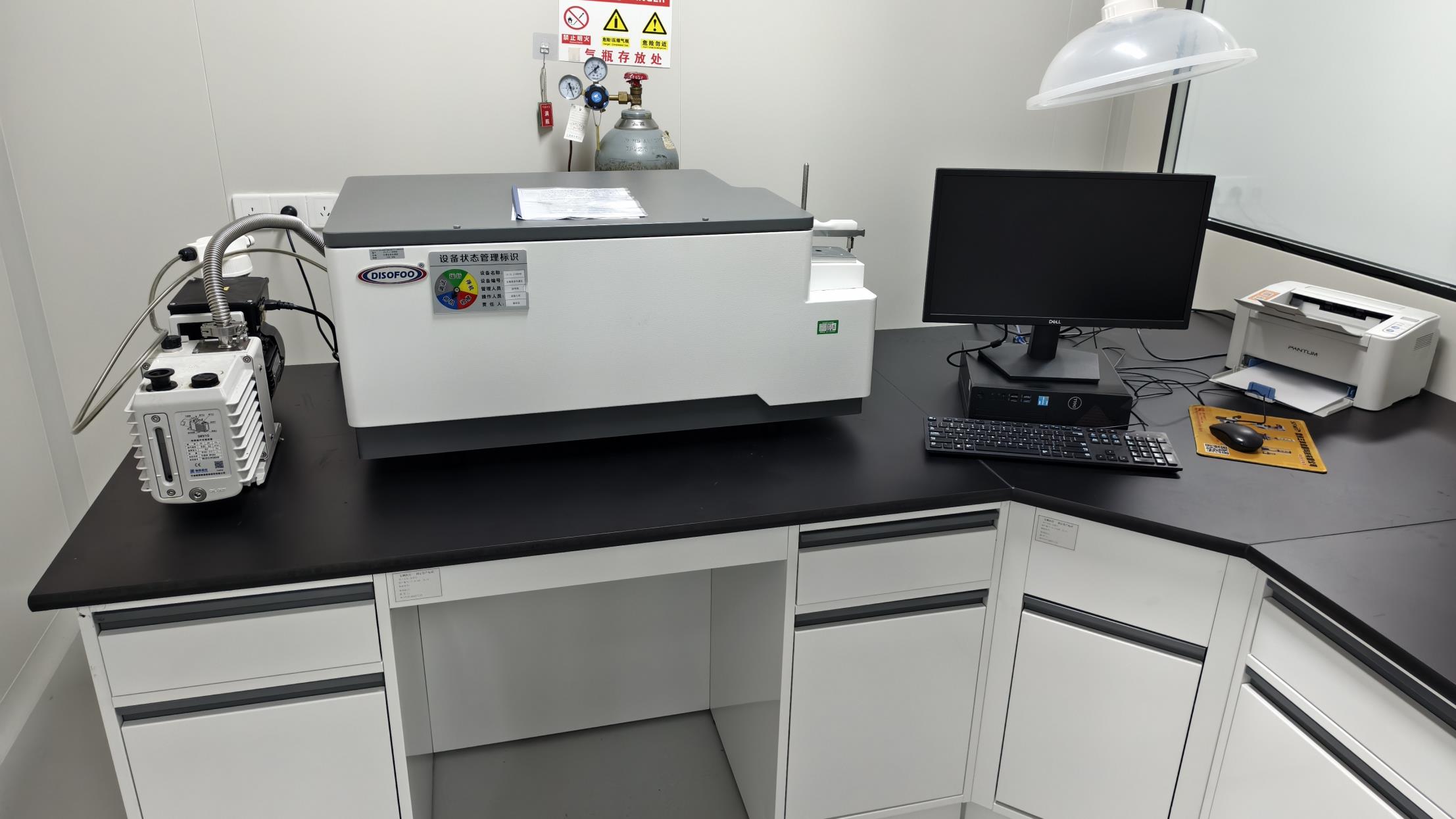
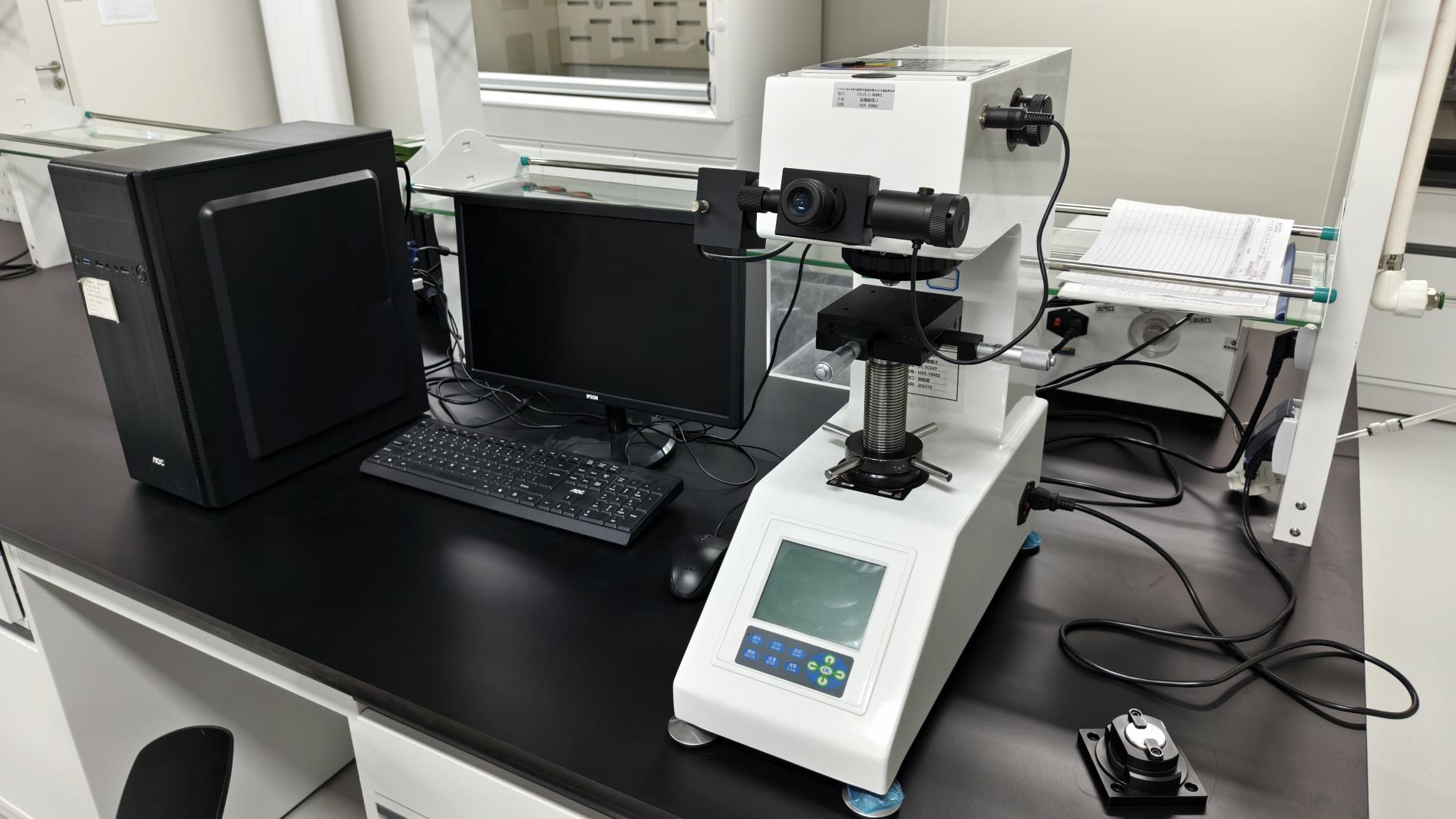
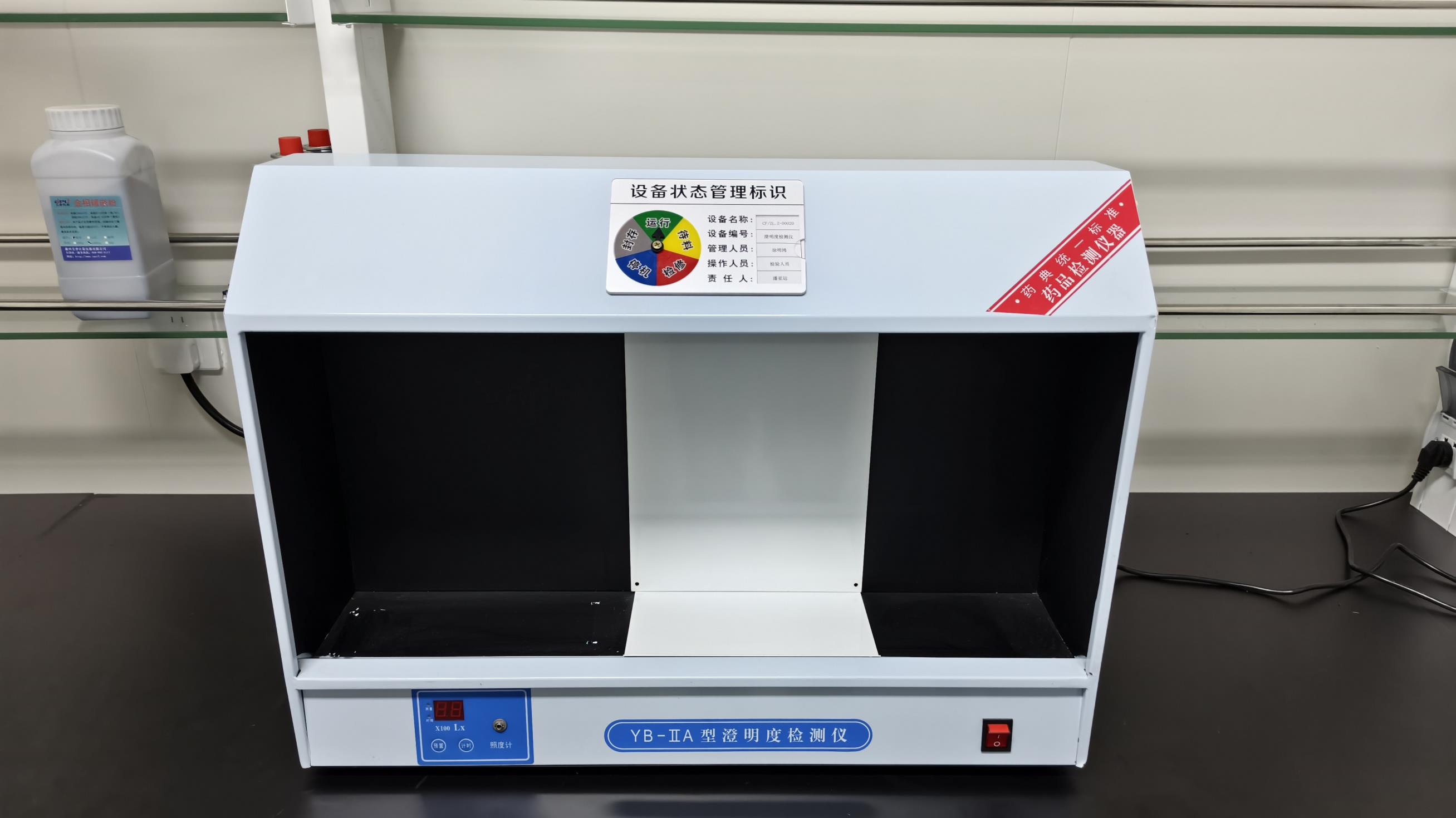
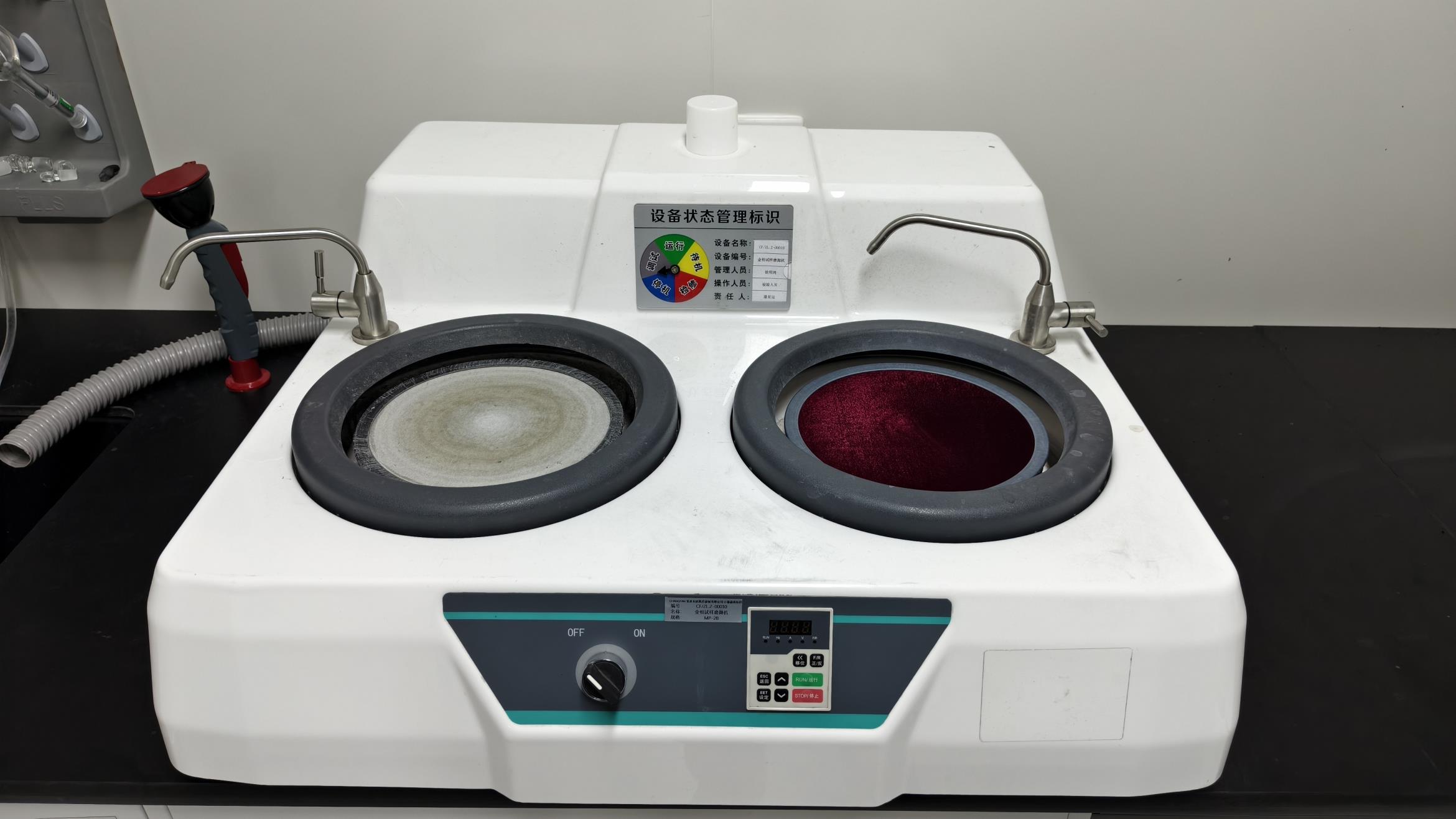
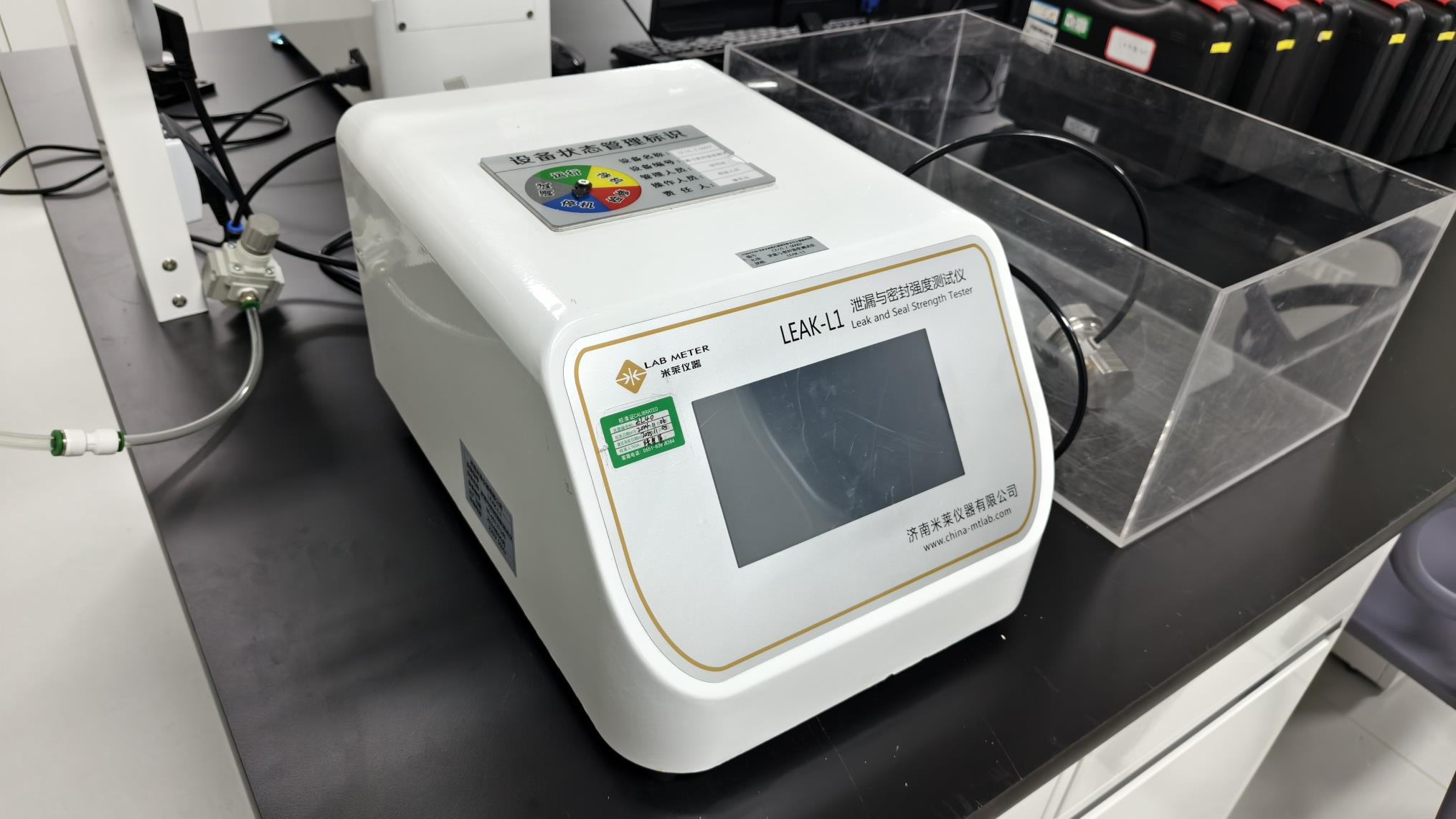
Key information regarding materials, production protocols, and international regulatory procedures for our orthopedic portfolio.
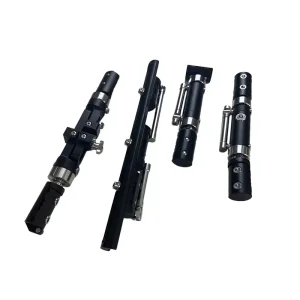
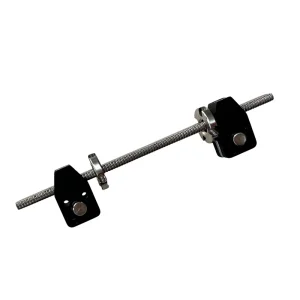
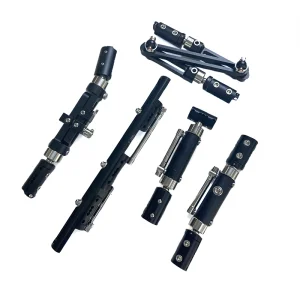
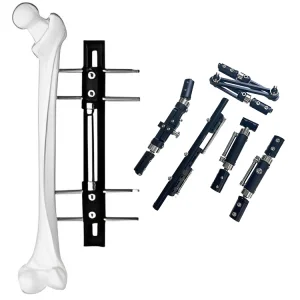
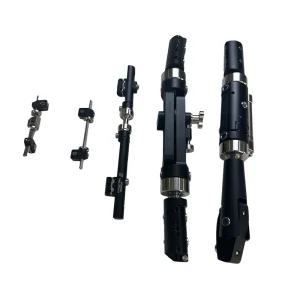
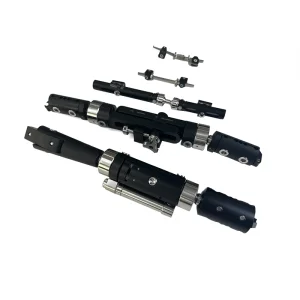
Explore our complete range of pins, clamps, and bone lengthening systems, configured for major hospital networks and trauma centers.
 Synoviq Medical