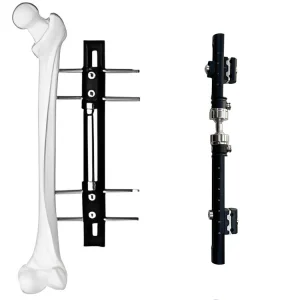
High-performance external fixation constructs engineered for rapid deployment in Melbourne emergency departments and trauma centers.
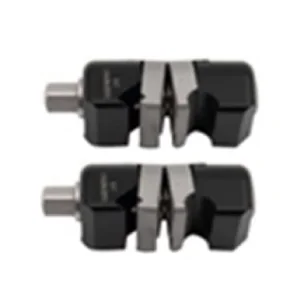
An in-depth analysis of supply chain requirements, regulatory frameworks, and clinical parameters driving Victorian healthcare procurement.
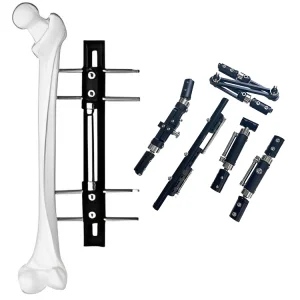
The state of Victoria, anchored by Melbourne's world-class medical precincts in Parkville, Clayton, and Geelong, operates one of the most advanced healthcare networks globally. Major level-1 trauma facilities, including The Alfred and Royal Melbourne Hospital, handle complex orthopedic reconstructions resulting from high-impact vehicle accidents, occupational injuries, and sports trauma. In these acute situations, external fixation systems serve as the critical first-line defense for temporary stabilization, damage control orthopedics (DCO), and definitive limb salvage. Local clinical demand dictates that medical devices maintain absolute structural reliability while complying with strict biocompatibility mandates.
However, Melbourne's local supply chain faces challenges. Distant global logistics pipelines often lead to long lead times, variable stock levels, and high costs. Furthermore, local medical distributors and surgical centers must balance high patient outcomes with tightening budgets in both public and private sectors. By working directly with an advanced manufacturing facility like Synoviq, clinical buyers, orthopedic importers, and hospital procurement departments in Melbourne can establish a direct line to reliable, high-yield manufacturing. This approach ensures a reliable supply of titanium alloy and carbon fiber fixation systems that match the clinical performance of legacy brands at competitive price points.
The global external fixation market is shifting toward lighter, MRI-compatible, and radiolucent systems. Historically, heavy stainless steel configurations dominated clinical spaces. While structurally strong, they limited radiographic evaluation and added significant weight for the patient. Modern clinical protocols prioritize Grade 5 Titanium (Ti-6Al-4V ELI) and carbon fiber composite rods. These materials offer high strength-to-weight ratios and allow surgeons to monitor bone healing under X-ray and CT scanners without metal artifacts.
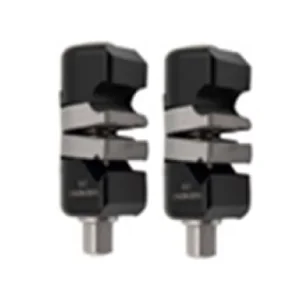
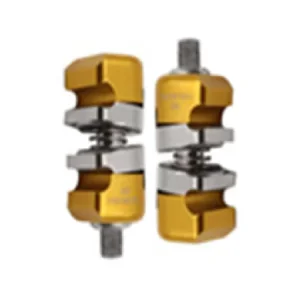
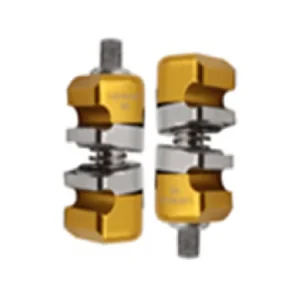
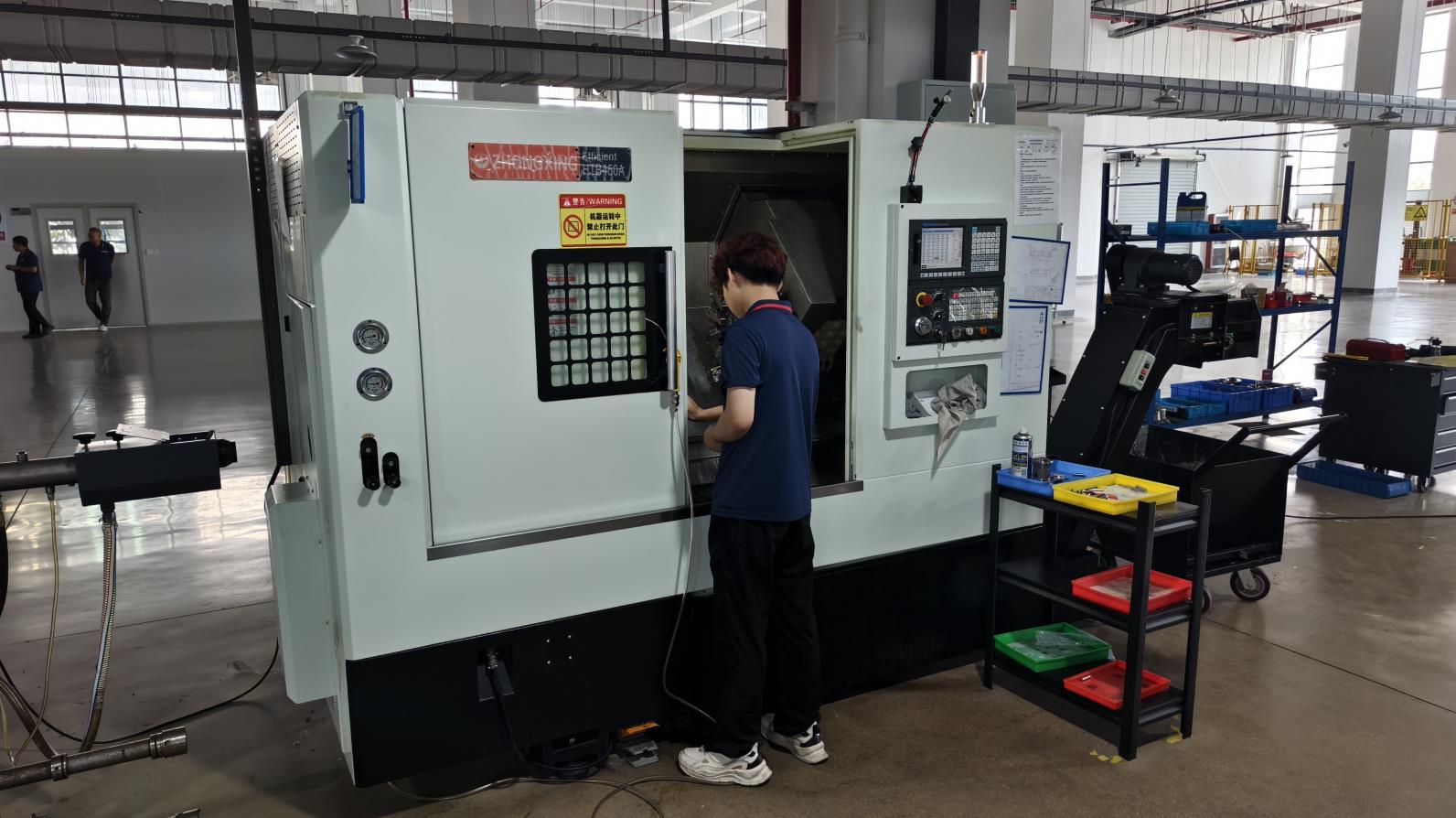
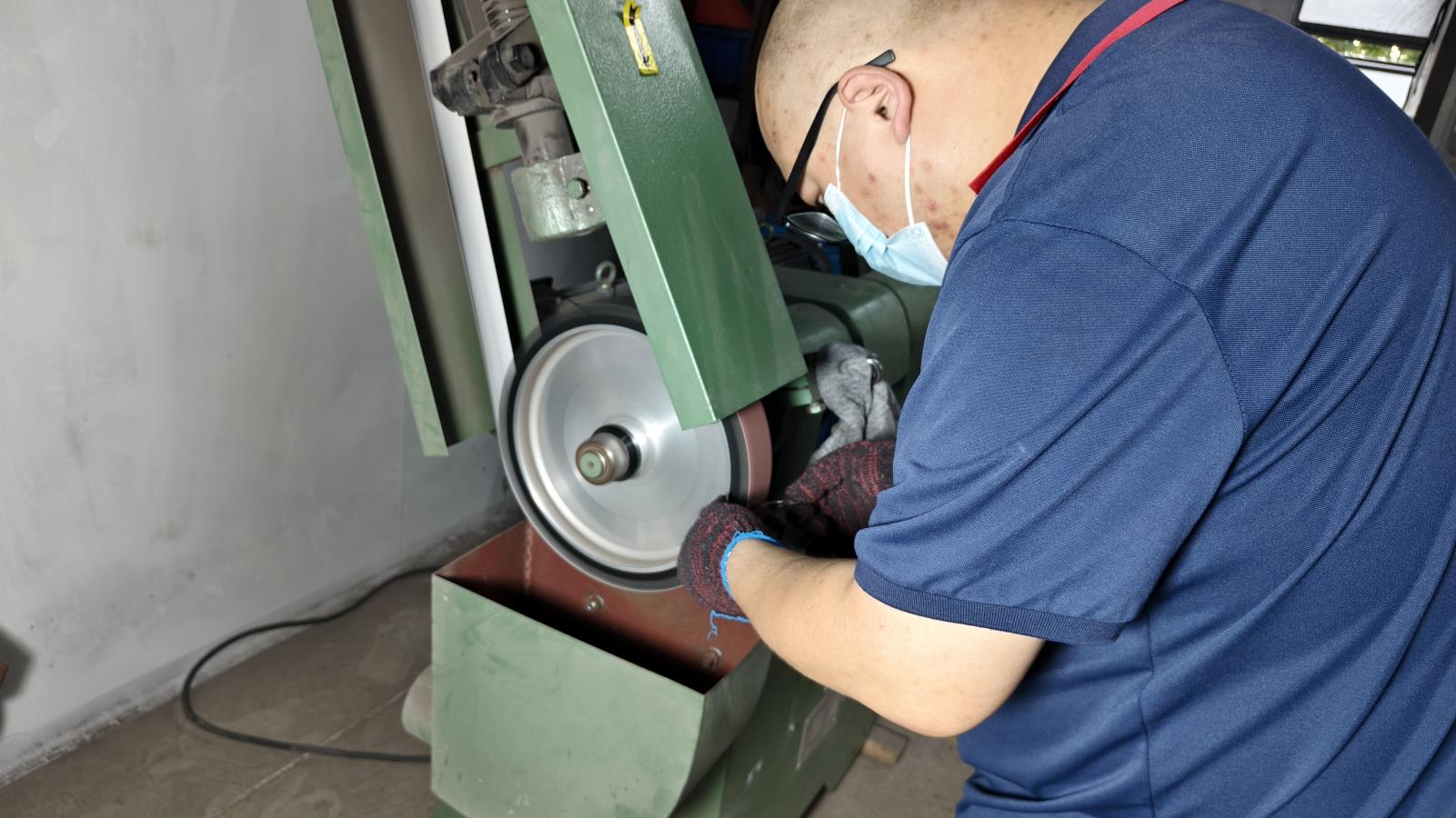
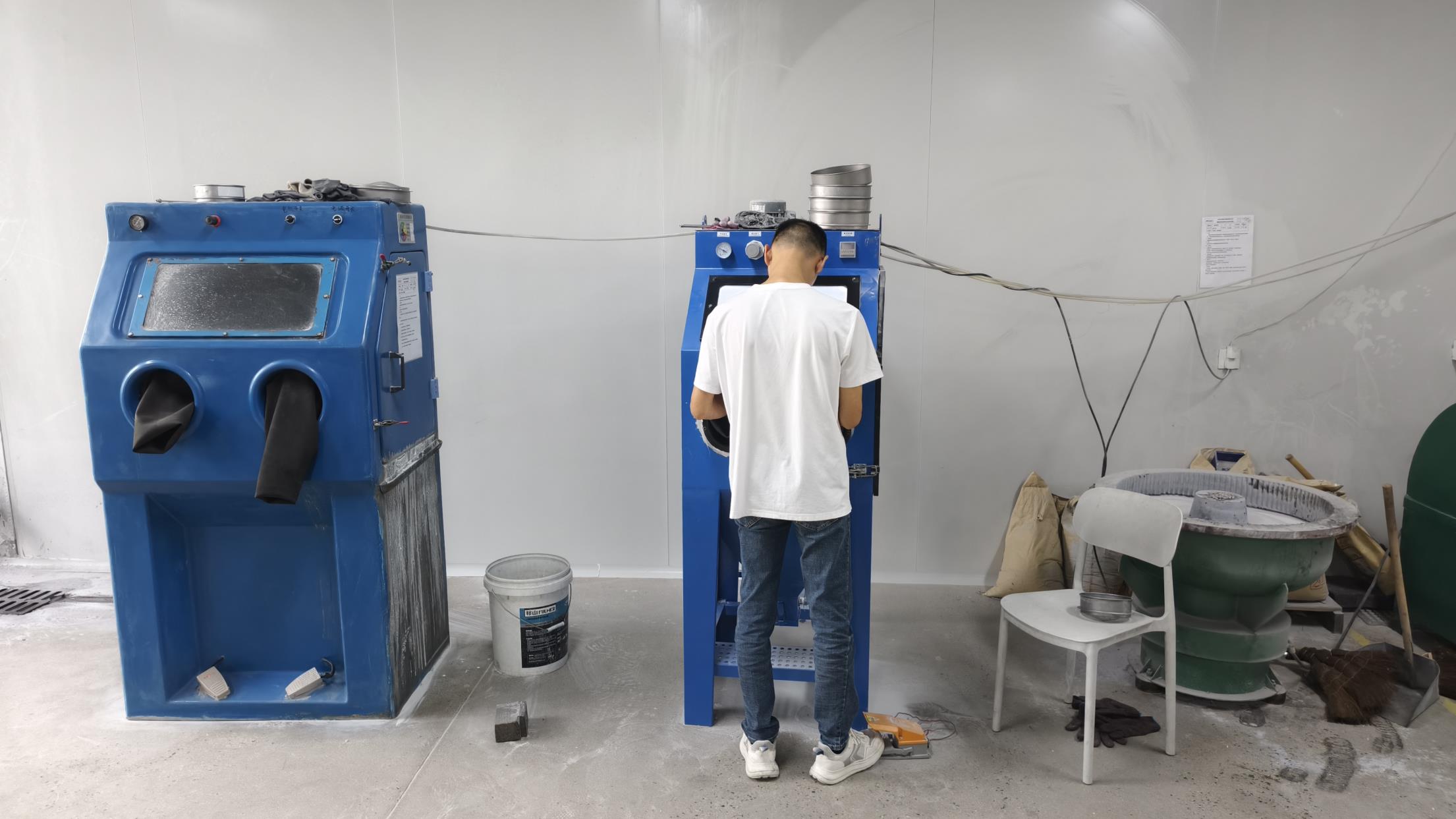
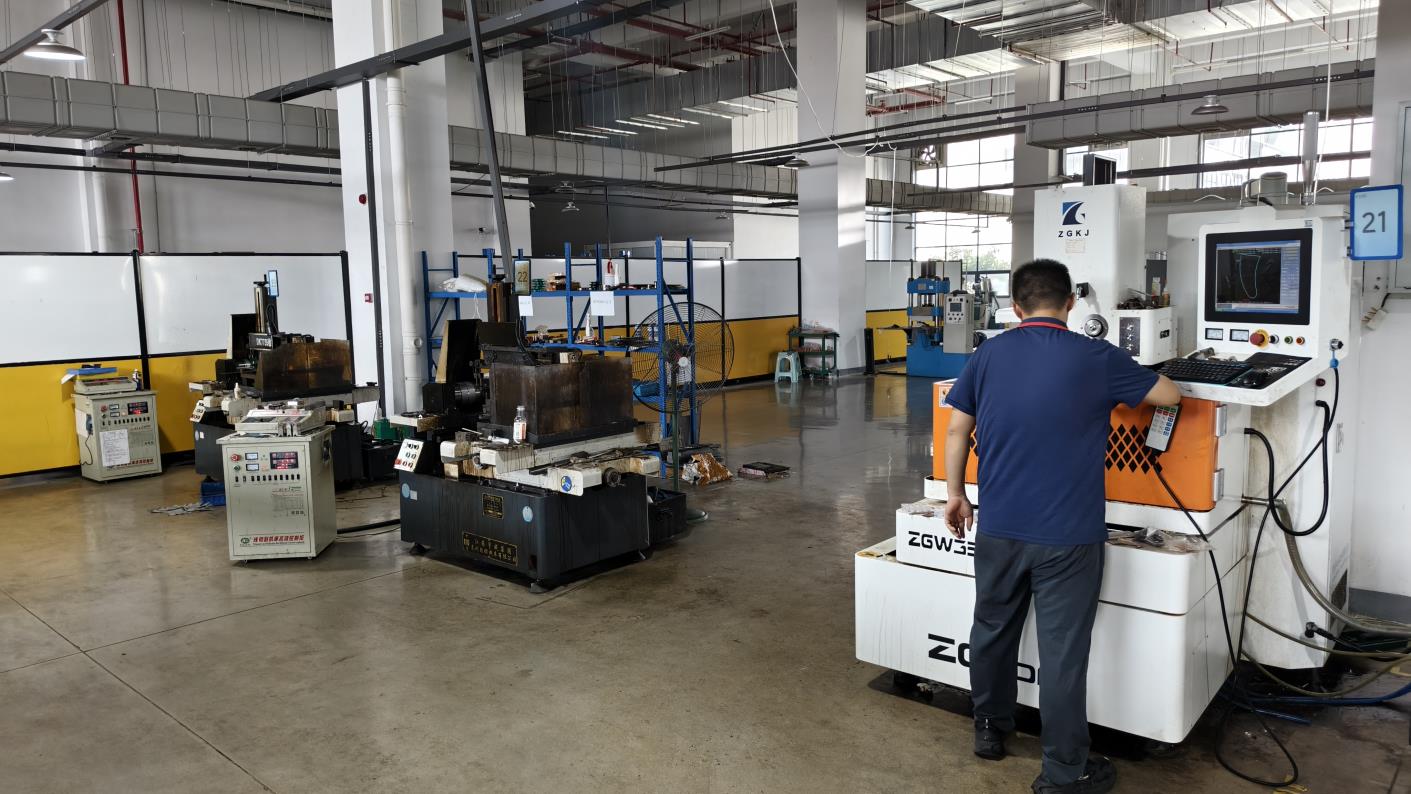
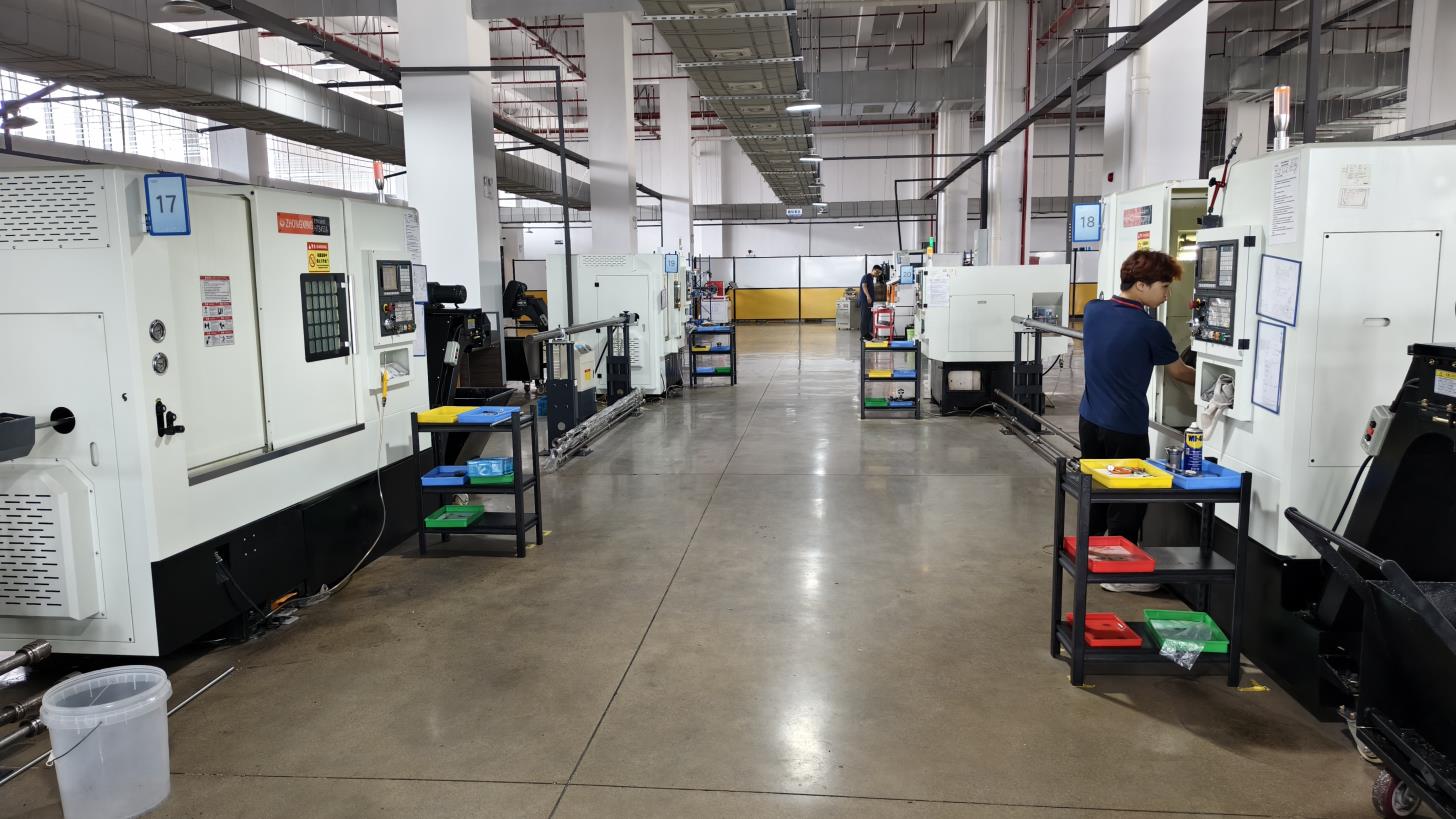
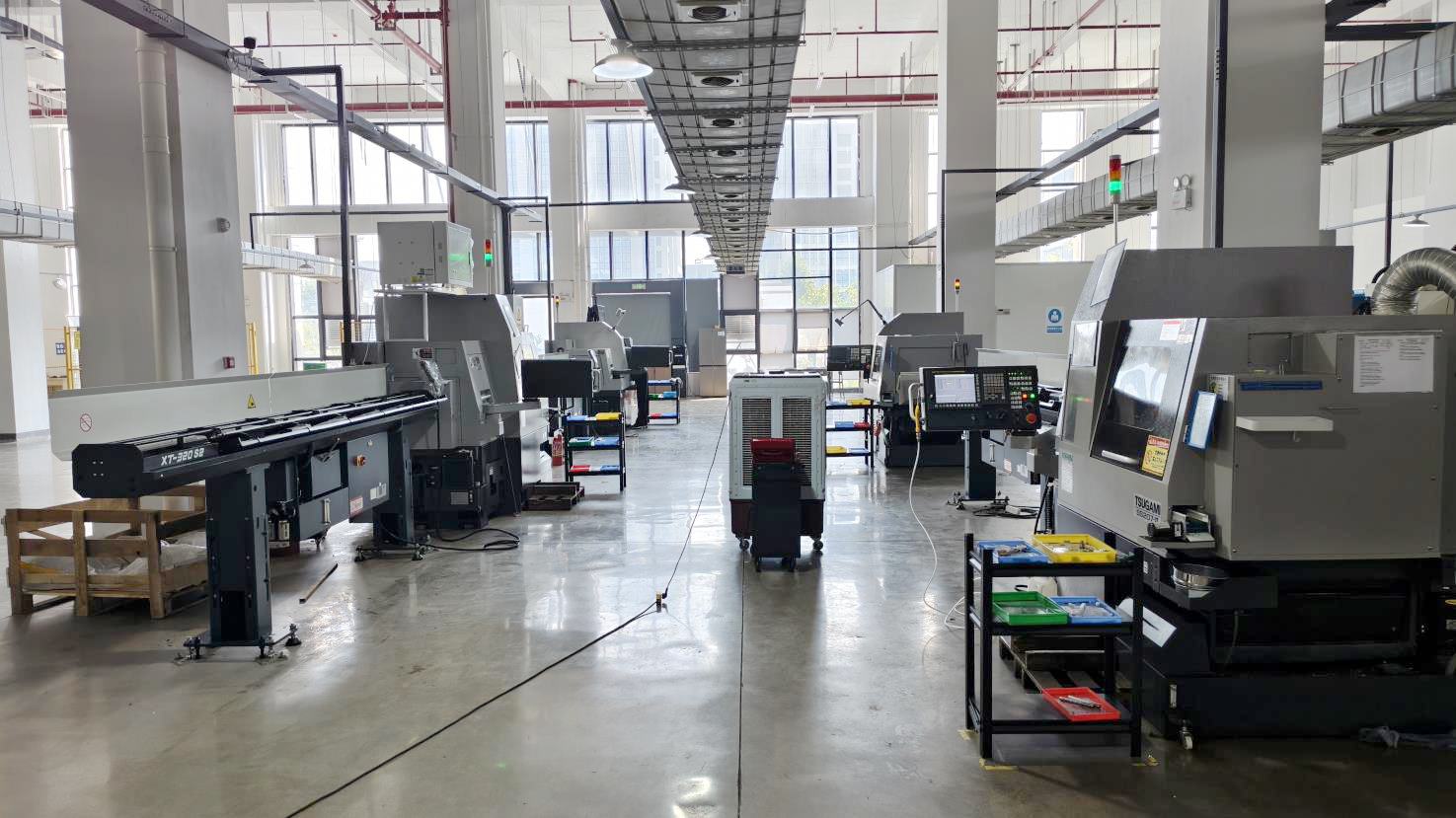
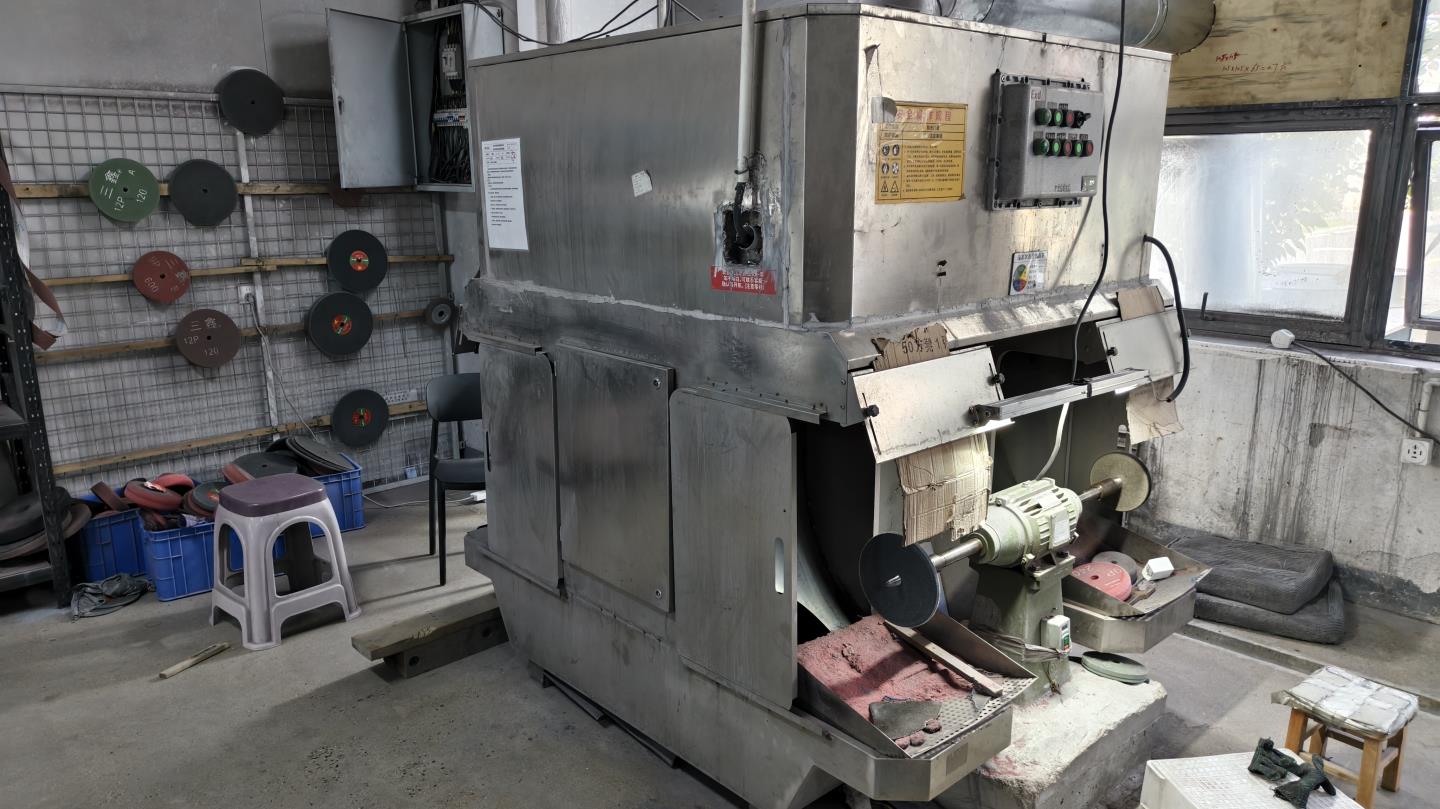
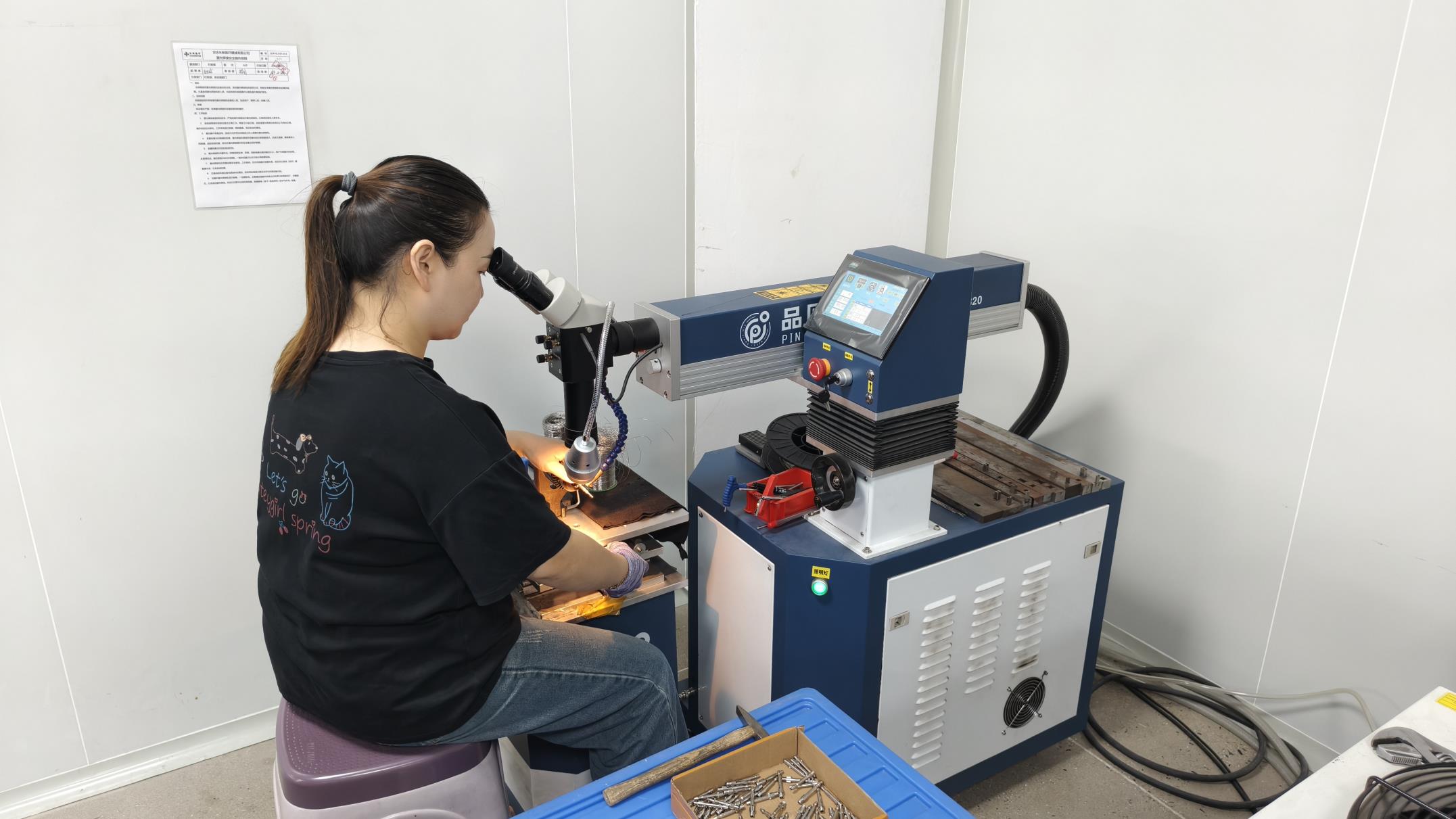
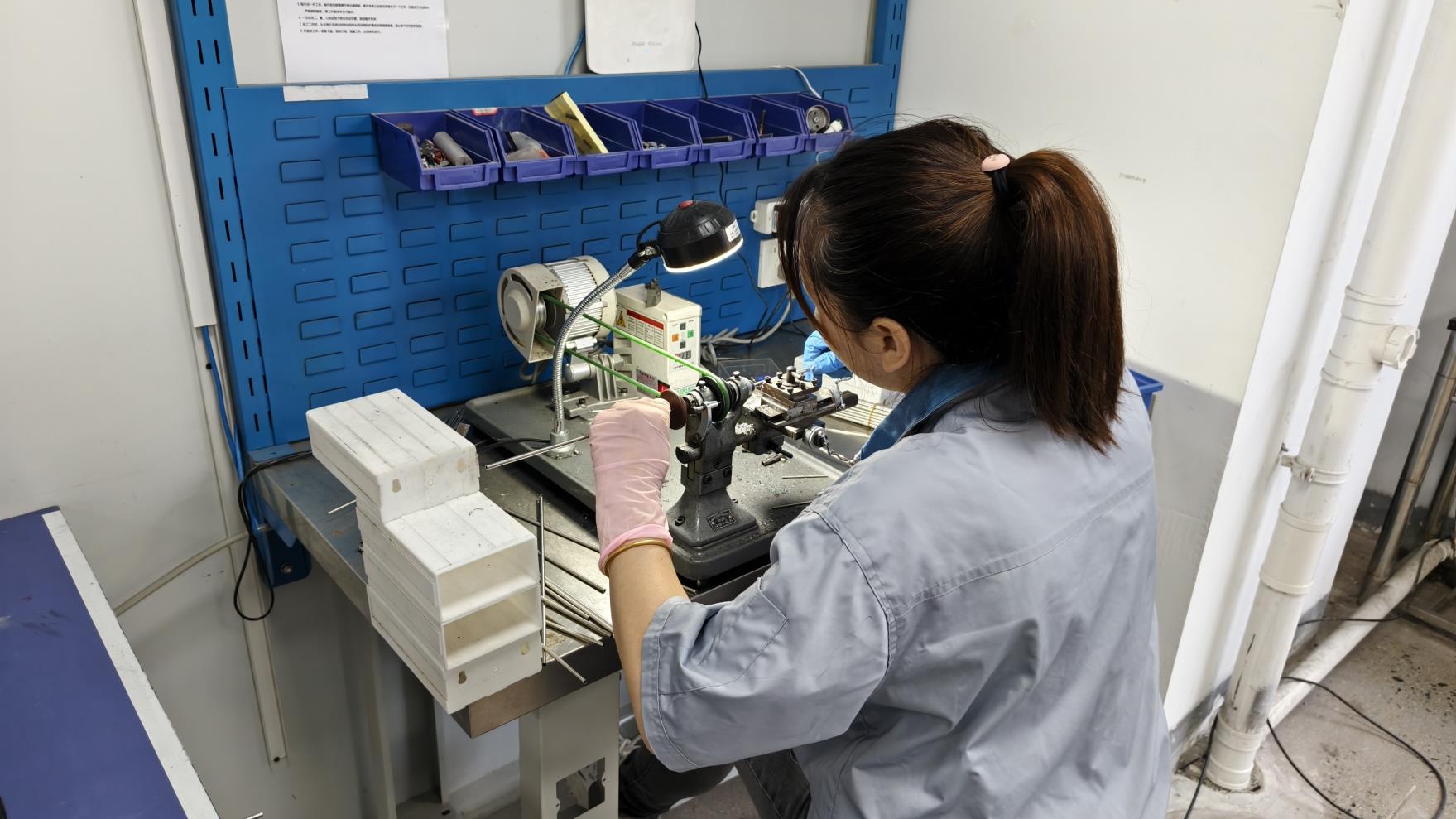
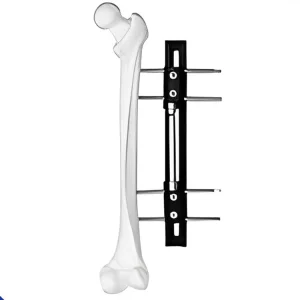
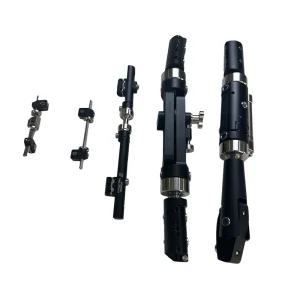
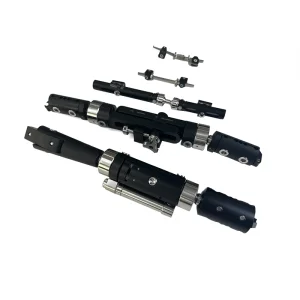
From an engineering perspective, the performance of an external fixator depends on the stability of its pin-to-rod clamps and rod-to-rod couplings. Even minor mechanical slippage at the clamp interface can lead to displacement at the fracture site, potentially causing malunion or nonunion. High-quality external fixation factories focus on precision CNC thread milling, strict tolerances, and mechanical surface treatments like anodization to increase friction coefficients. These processes ensure secure locking at standardized torque specifications.
OEM/ODM excellence in orthopedic manufacturing, supported by global export compliance and independent testing protocols.
| Item / Metric | Manufacturing Capabilities & Specifications |
|---|---|
| Company Name | Synoviq Medical Technology (China) Co., Ltd. |
| Brand | Synoviq |
| Established | March 18, 2016 |
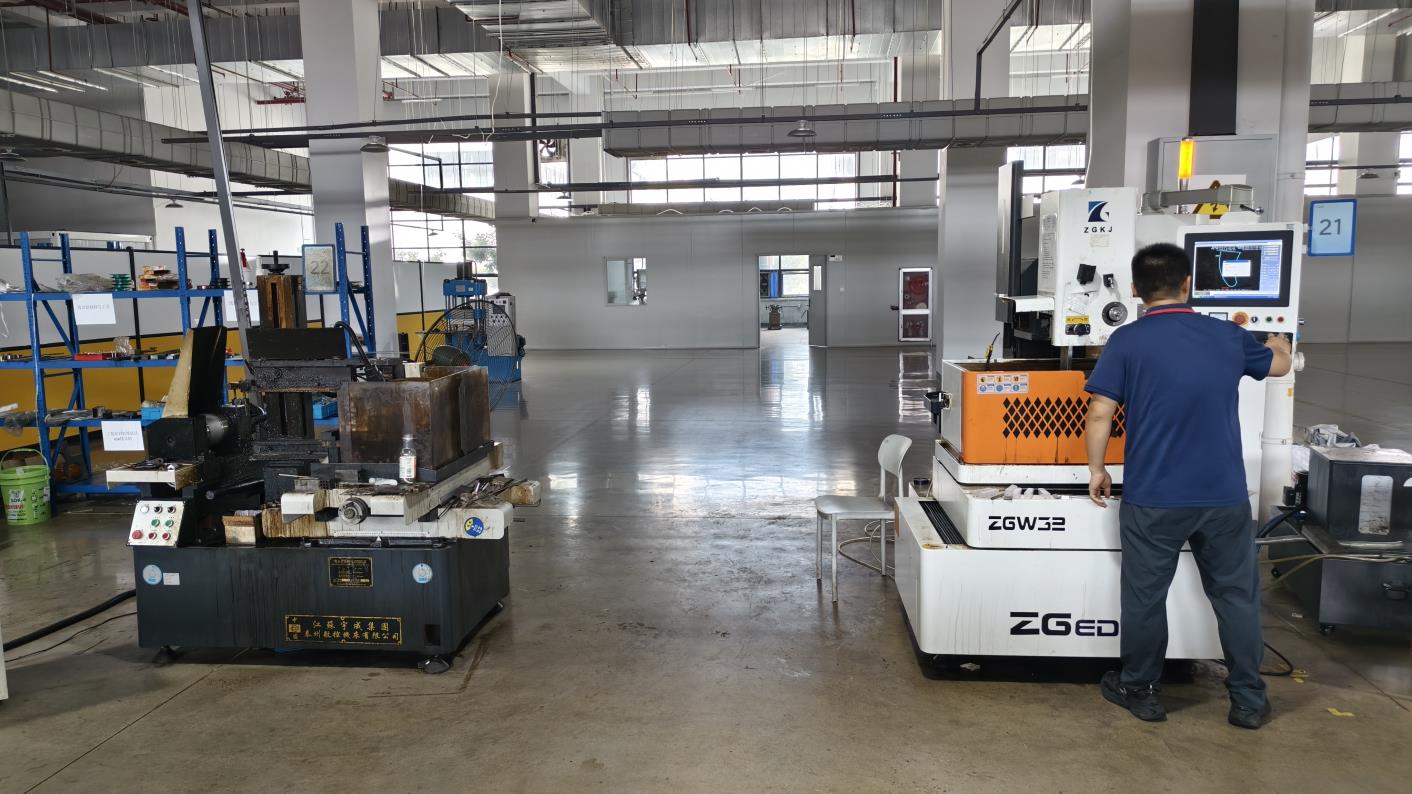
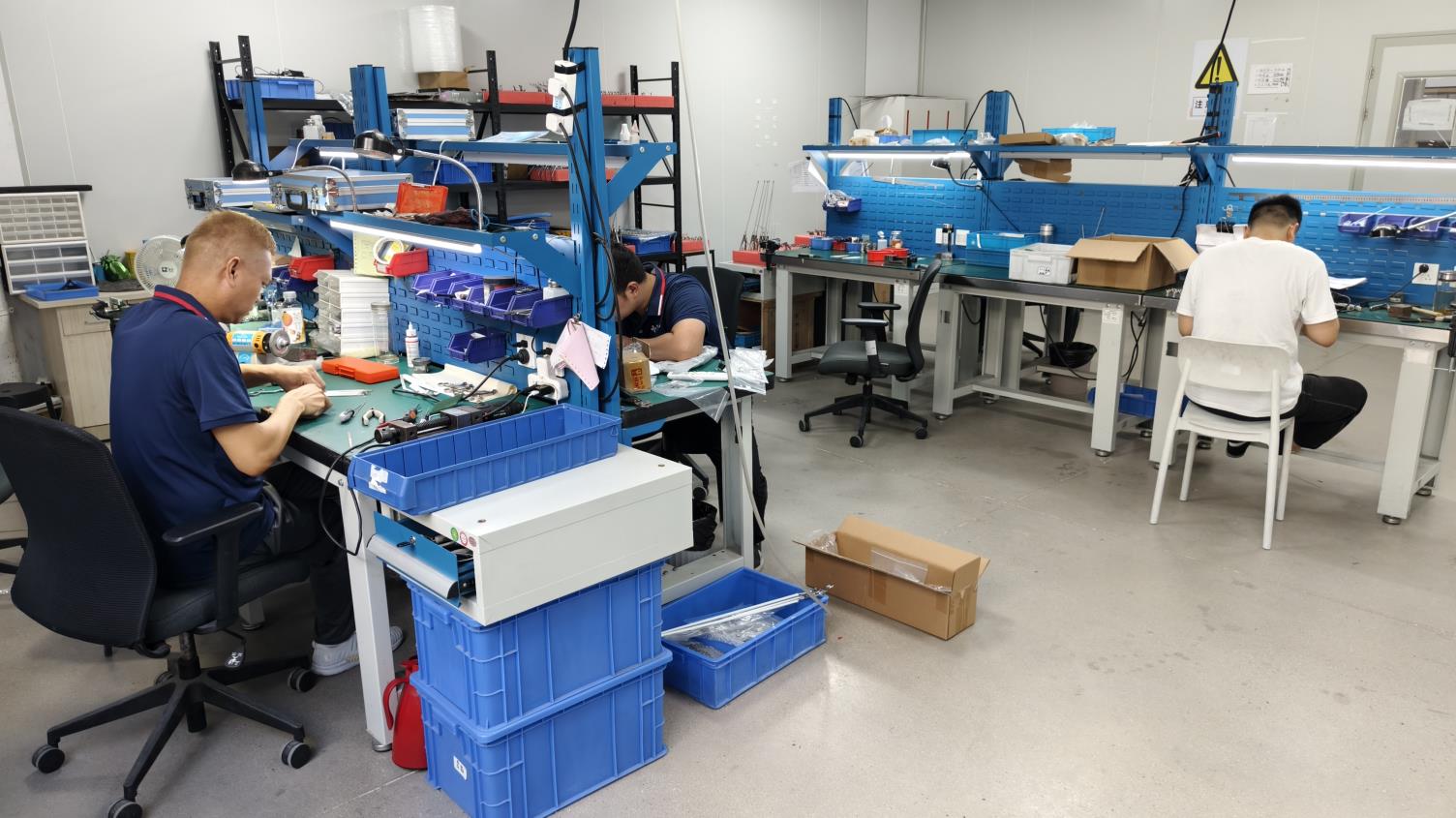
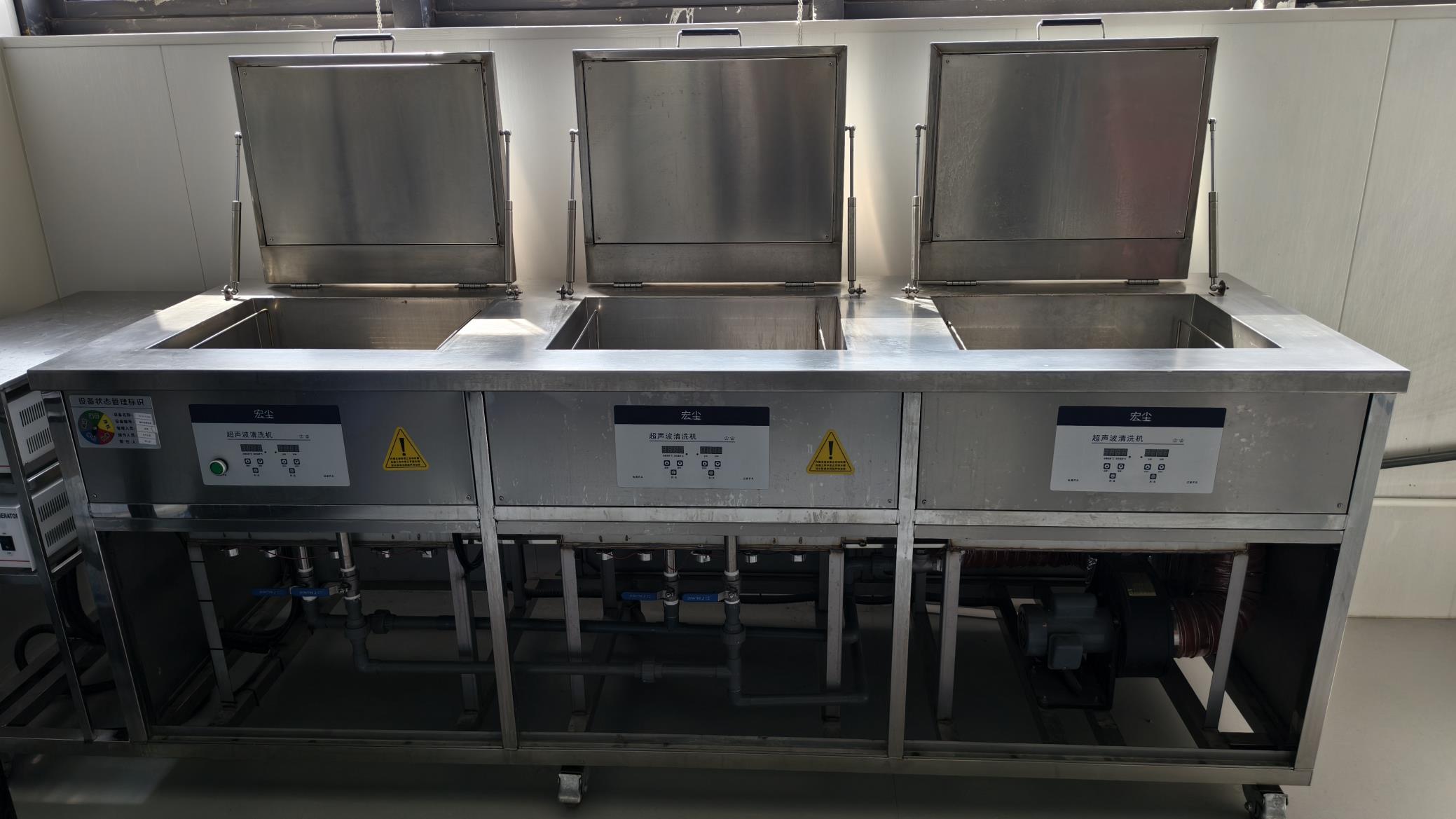
| Building Area | 18,600 m² modern manufacturing facility |
| Annual Export Revenue | USD 21.8 Million |
| Export Experience | 8 Years global shipping and regulatory clearance support |
| Industry Experience | 14 Years specialized in trauma & spinal orthopedic implants |
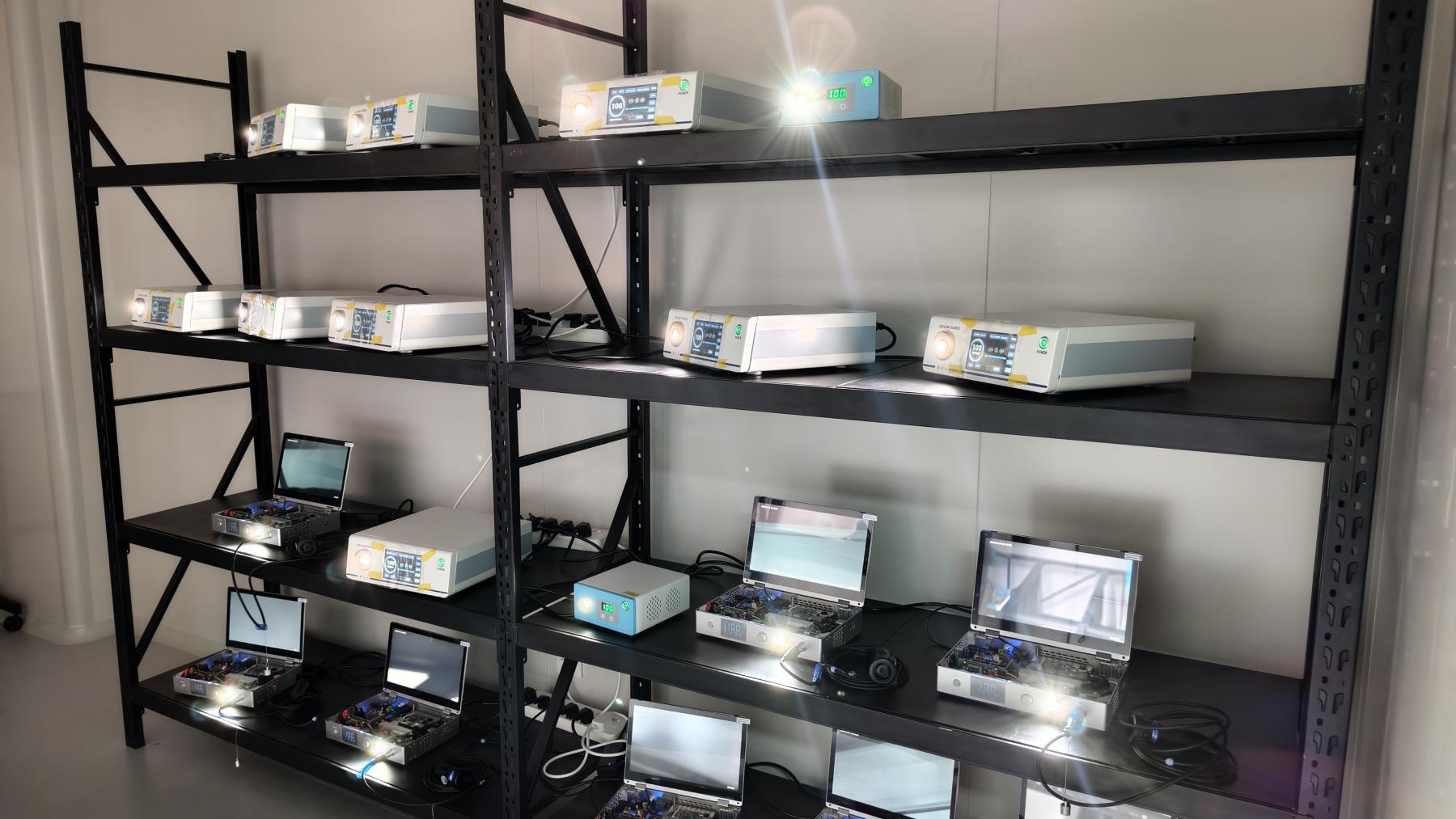
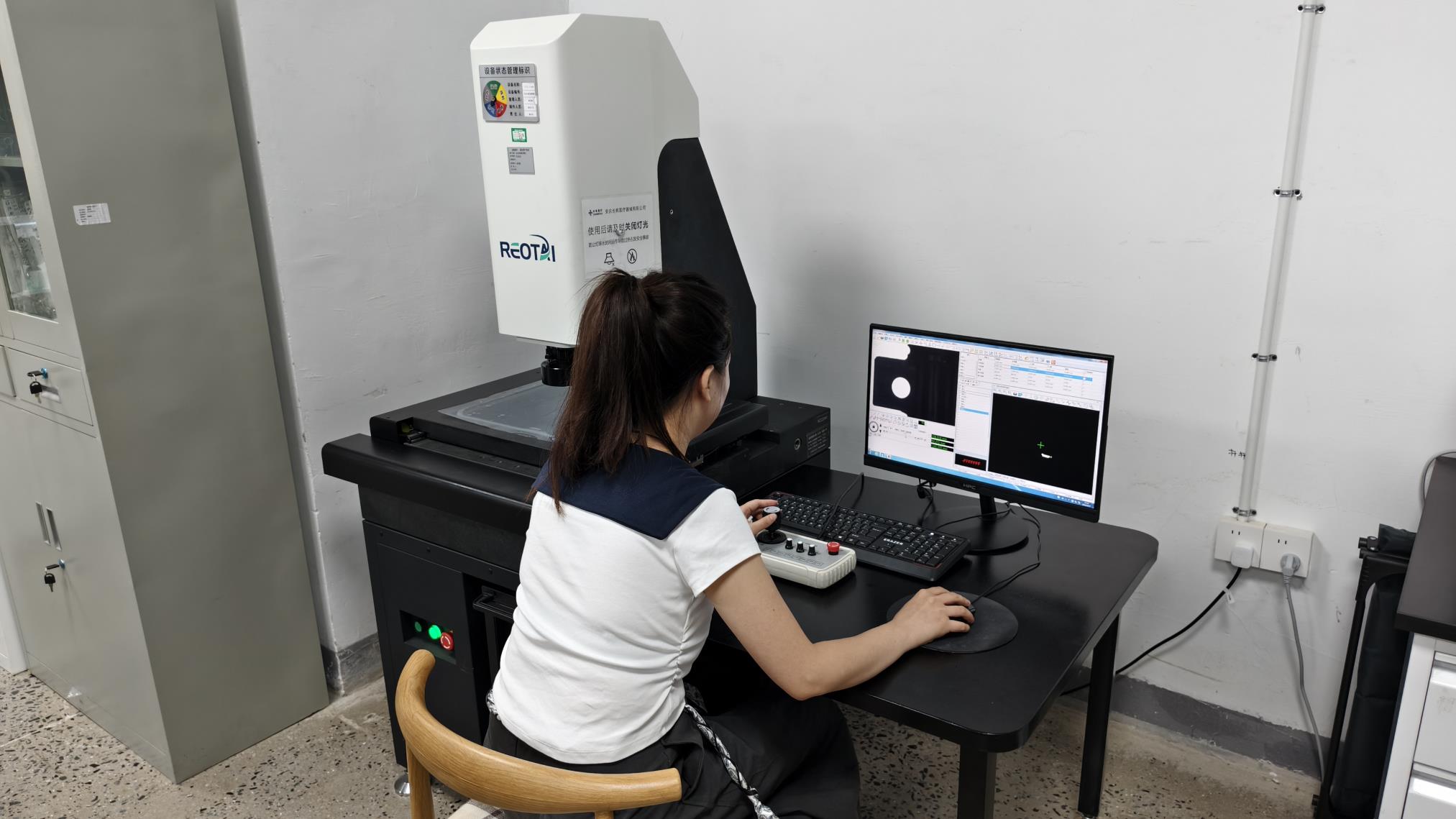
| Quality Inspection | 100% Final Inspection & Incoming Material Inspection |
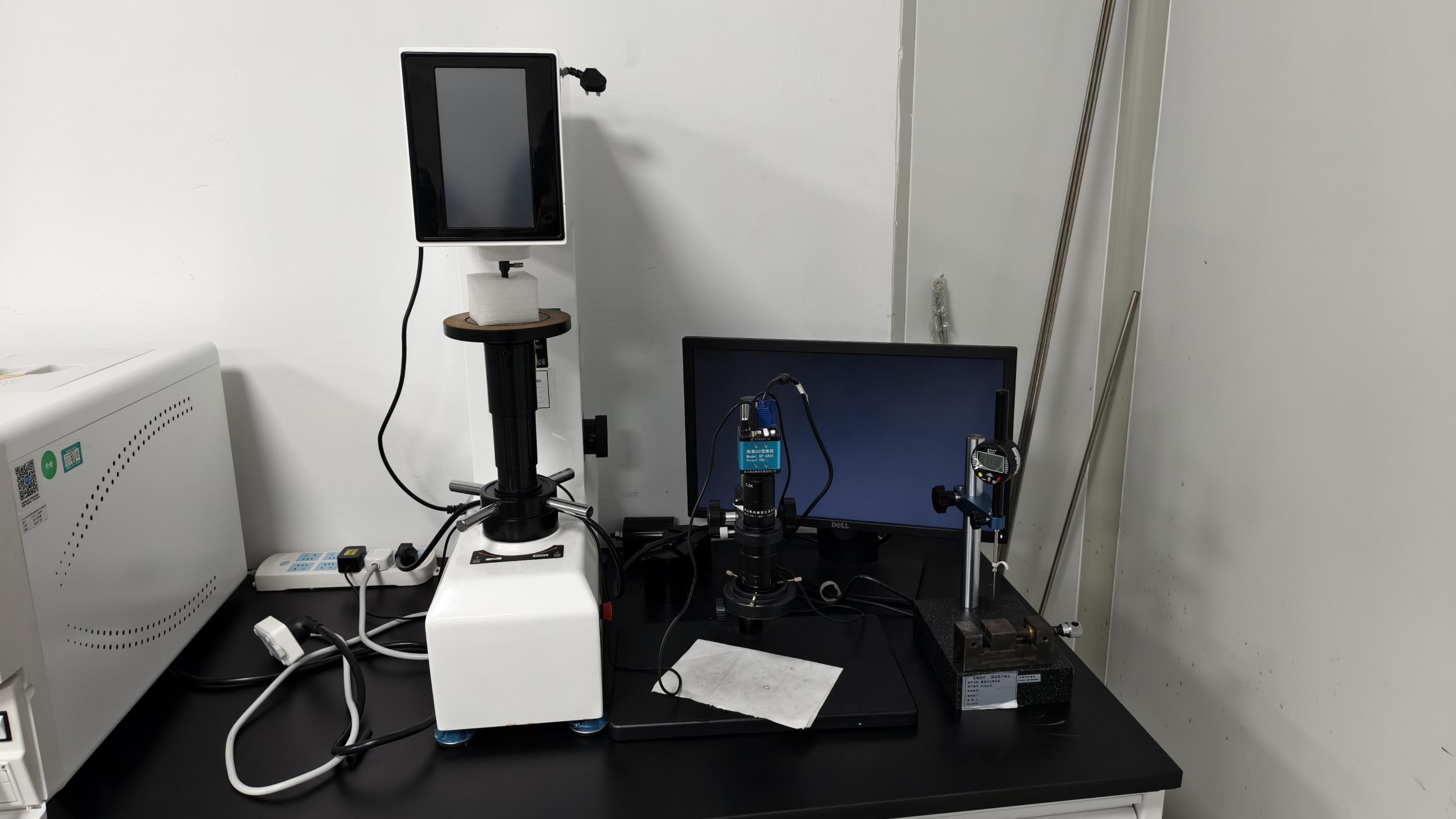
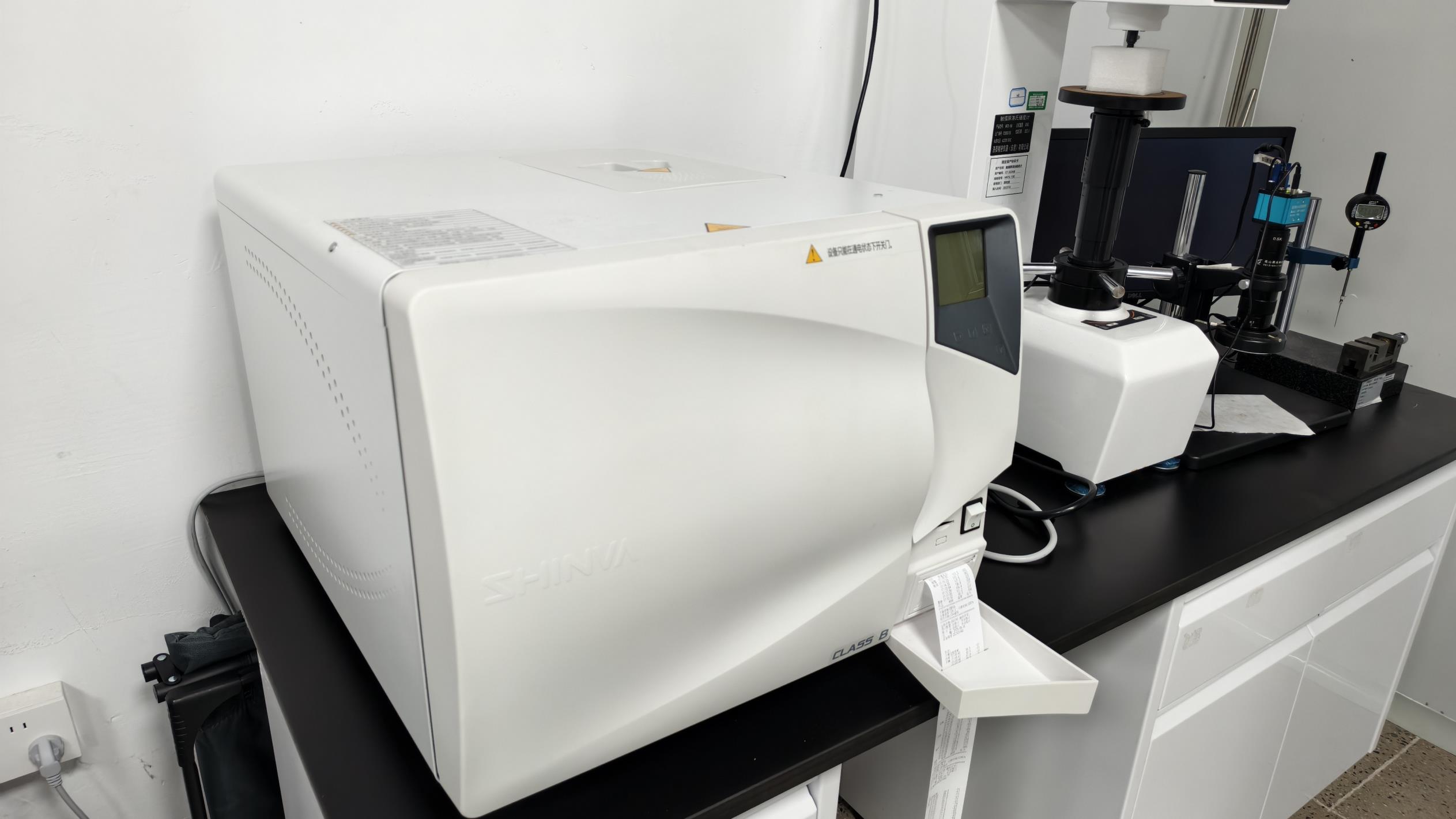
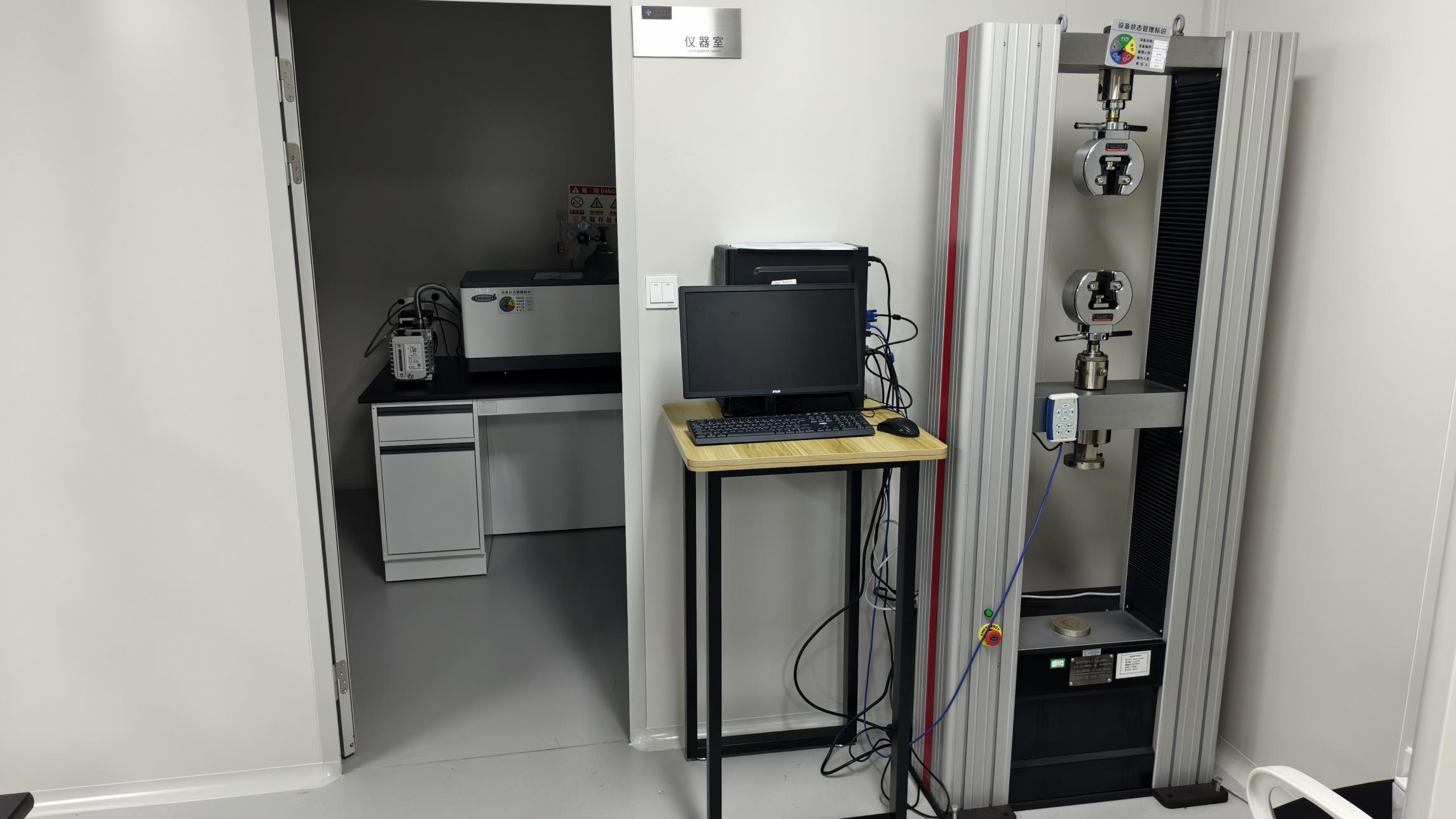
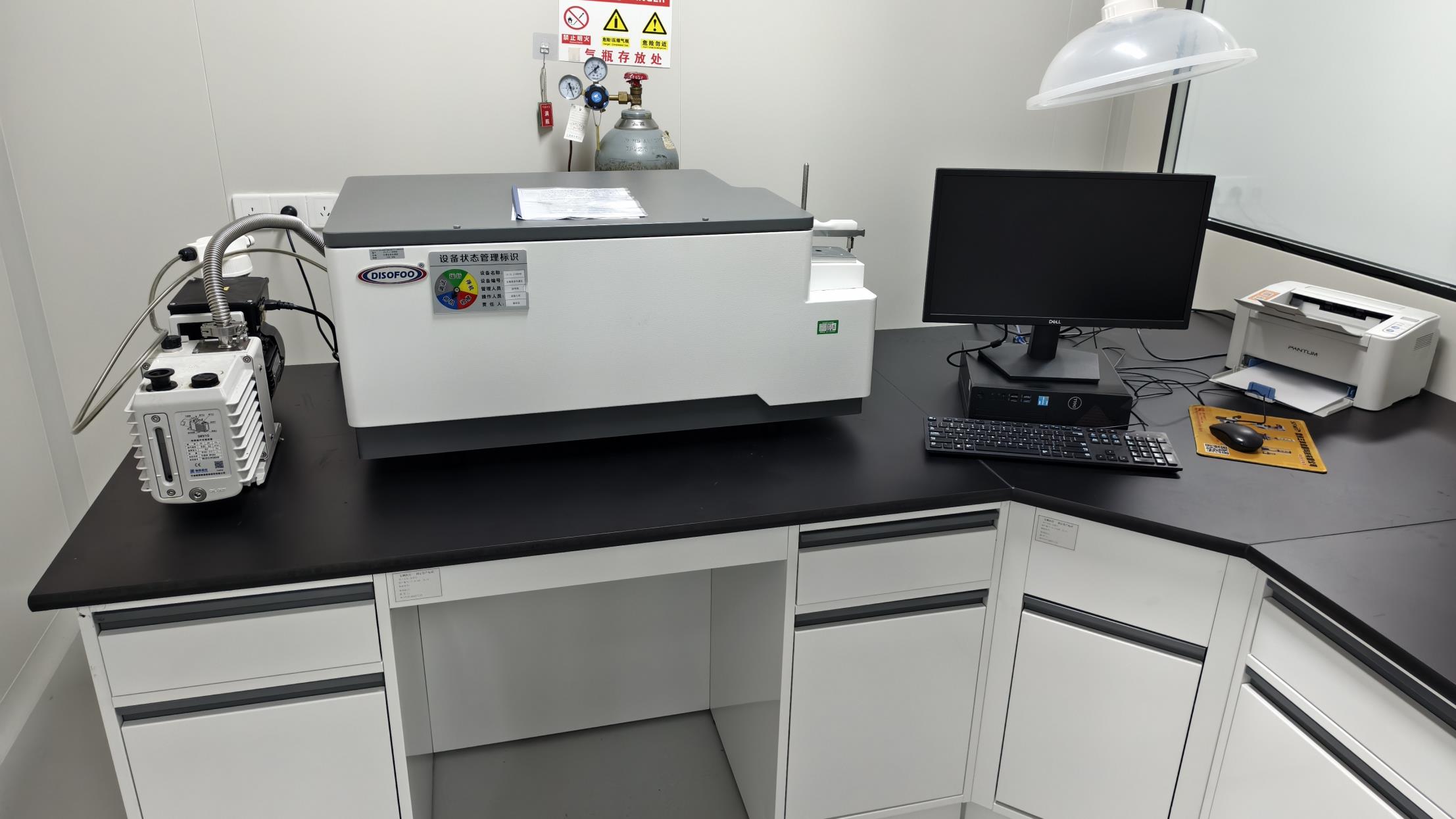
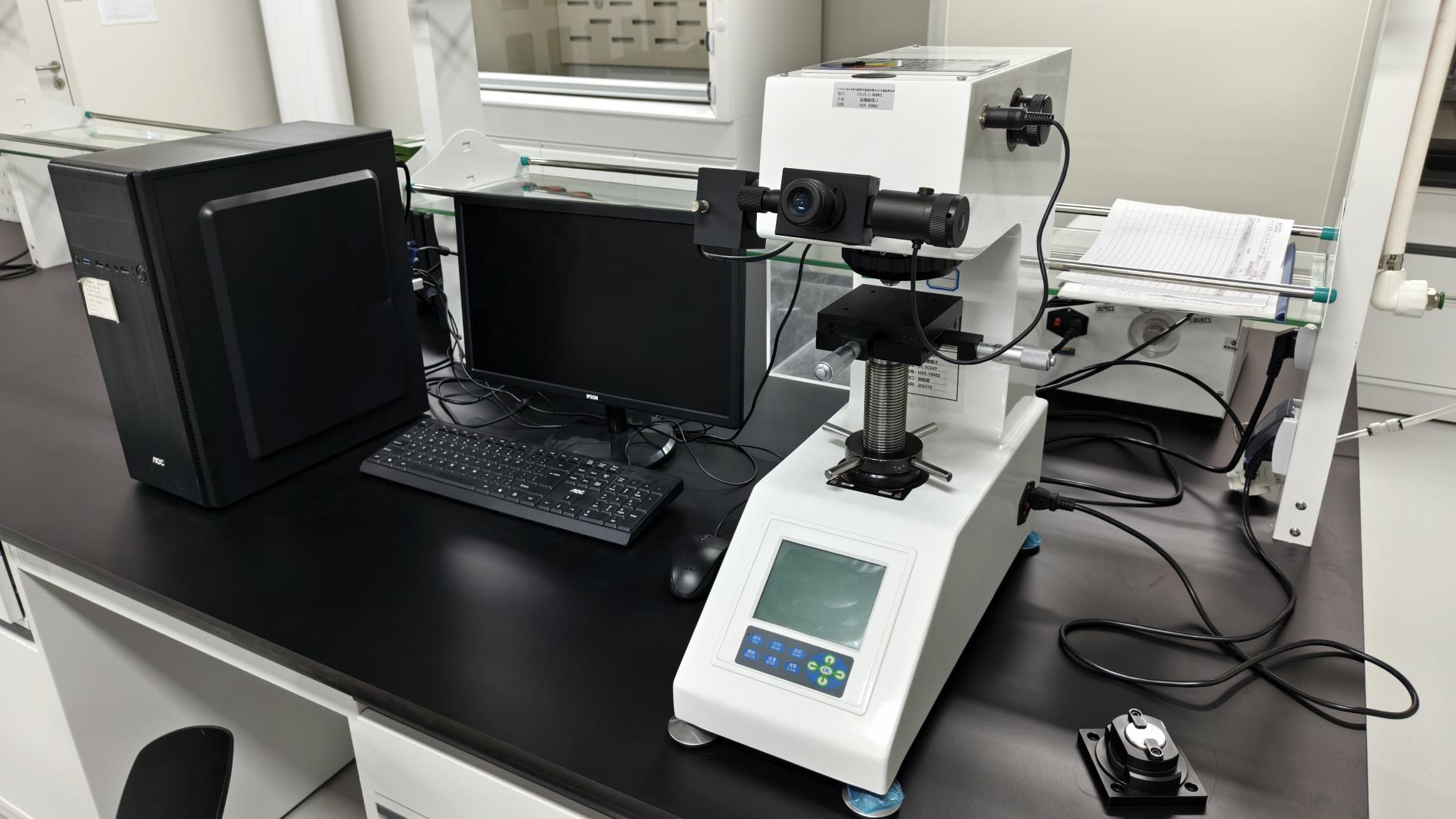
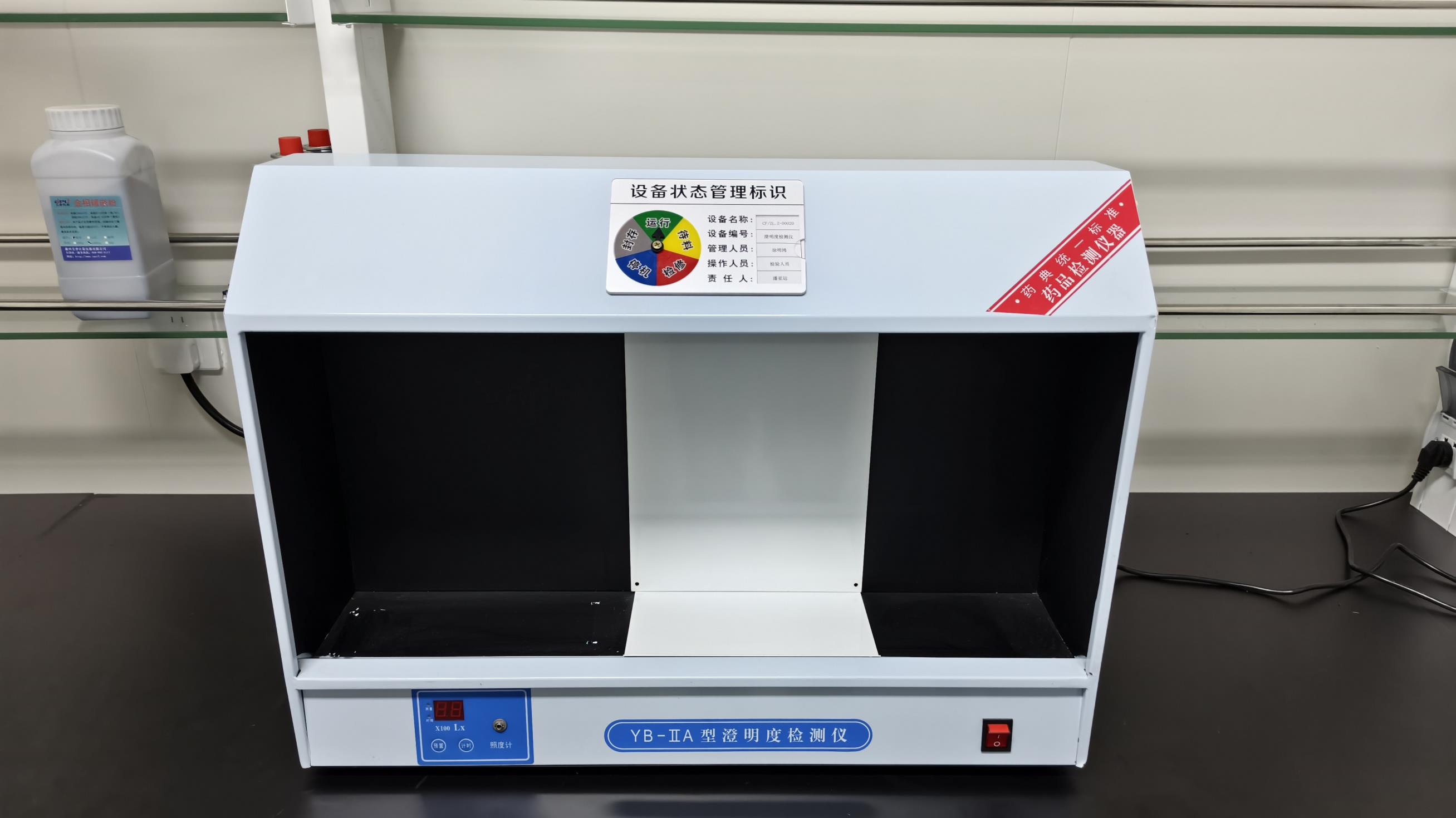
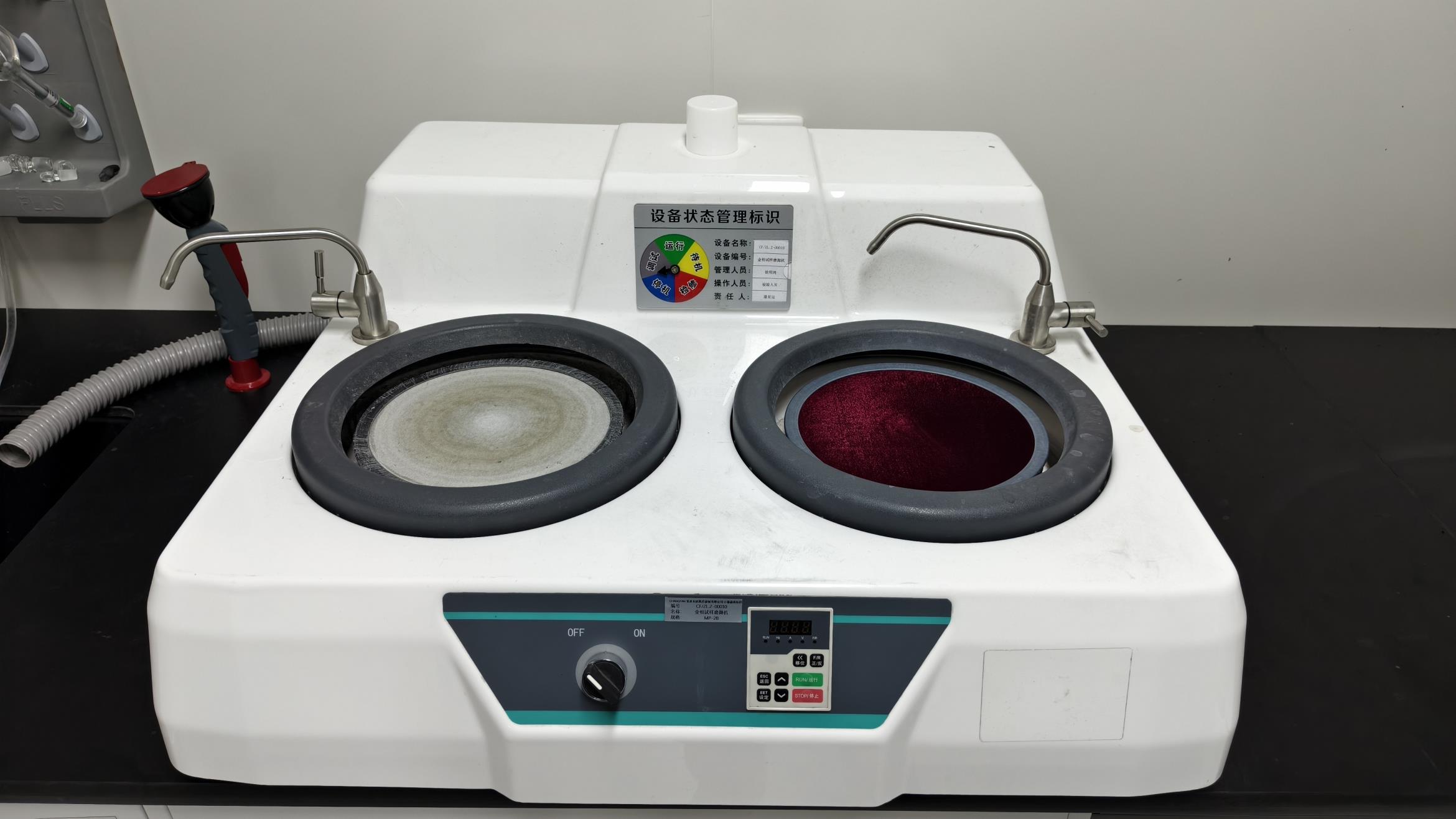
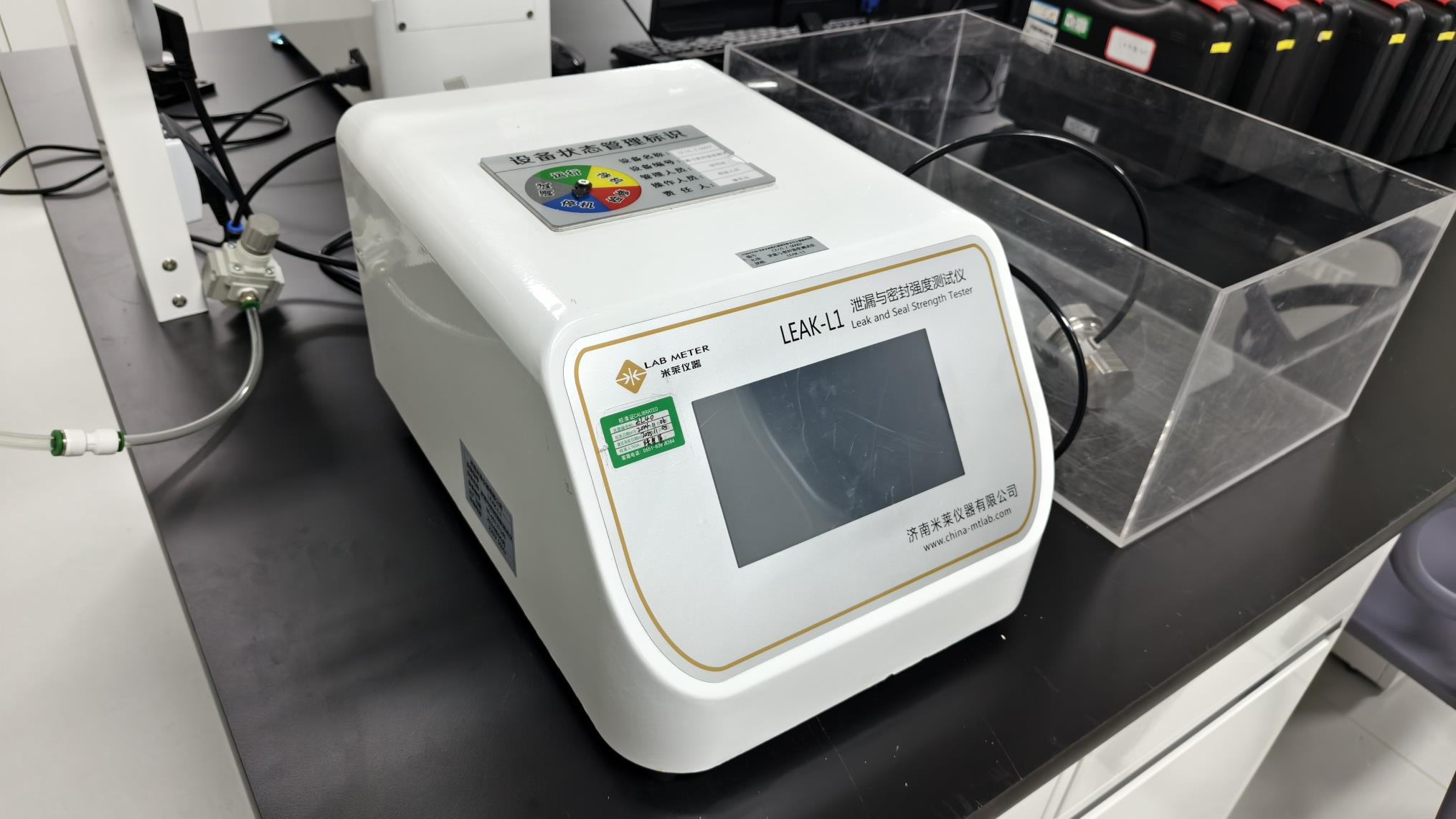
| Product Inspection Methods | CMM Measurement, Mechanical Testing, Surface Roughness Testing, Hardness Testing, Salt Spray Testing, Sterility Validation |
| Quality Control Staff | 48 dedicated QC inspectors and regulatory QA professionals |
| Business Type | Manufacturer & Exporter (OEM/ODM Solutions) |
| Main Markets | Europe, North America, South America, Middle East, Southeast Asia |
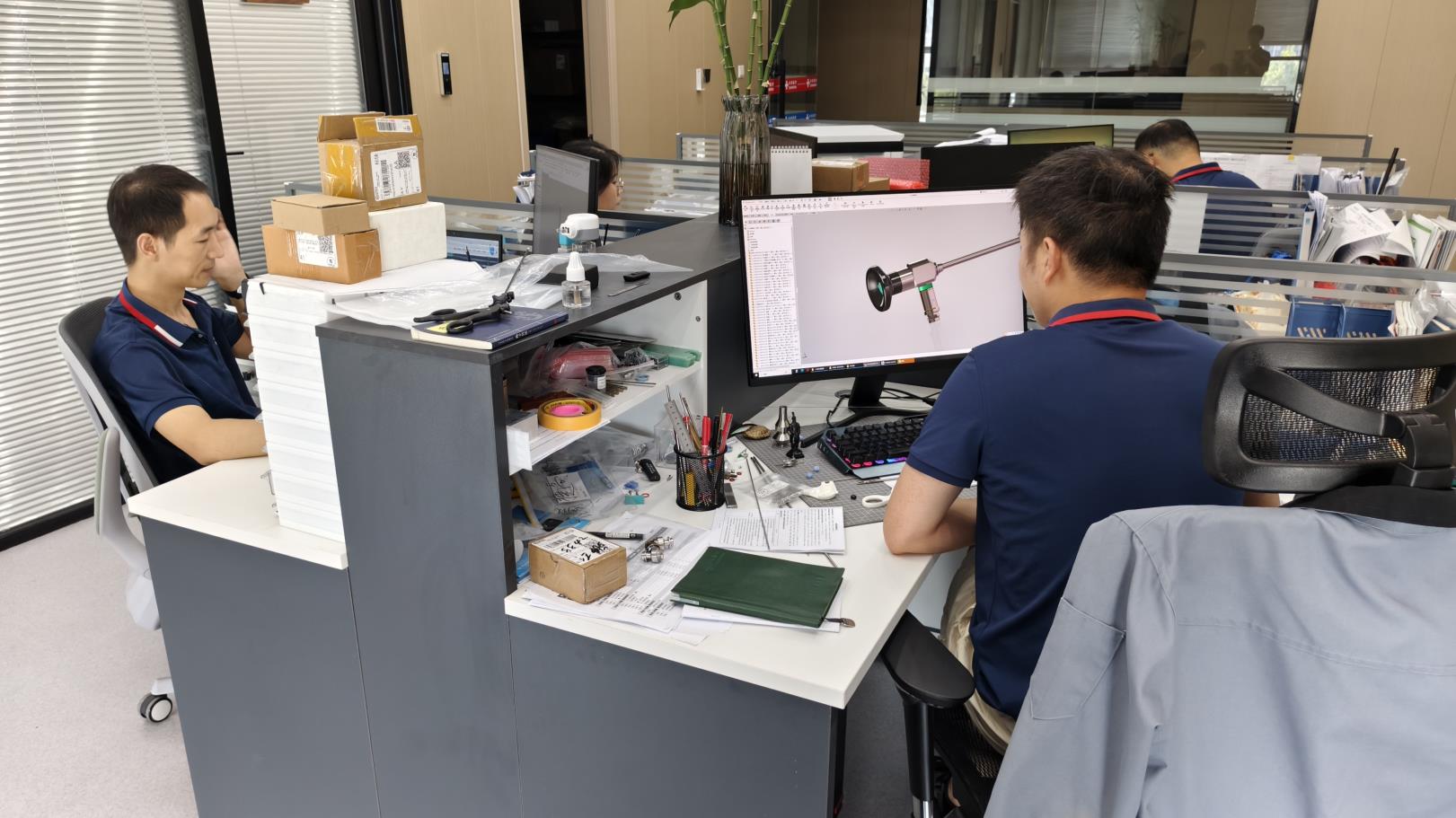
| R&D Capability | Independent Product Design, Prototype Development, Clinical-Oriented Engineering |
| Customization Options | Logo laser marking, packaging customization, product design, material selection, surface treatments |
Entering the Australian medical device market requires strict compliance with the Therapeutic Goods Administration (TGA). Under the Therapeutic Goods Act 1989, external fixation frames, transfixion pins, and surgical clamps are classified as implantable Class IIb or Class III medical devices. The TGA requires manufacturers to demonstrate evidence of a certified Quality Management System (QMS), typically through the Medical Device Single Audit Program (MDSAP) or ISO 13485:2016 certification.
We provide full documentation pathways, including MDSAP audits, ISO 13485 certificates, and CE certifications under EU MDR. This helps local Australian sponsors secure quick inclusion in the Australian Register of Therapeutic Goods (ARTG).
All materials undergo biological evaluation per ISO 10993. Products are processed in Class 100,000 cleanrooms and validated for sterilization using Gamma irradiation (ISO 11137) or EO gas protocols (ISO 11135).
External components undergo static and dynamic fatigue testing in line with ASTM F1541 standards. This ensures they can withstand physiological loads during limb reconstruction and mobilization.
Synoviq's premium carbon fiber composite rods offer exceptional mechanical performance. They are 100% radiolucent, allowing surgeons to monitor cortical consolidation without removing the frame. They are also lighter than stainless steel, reducing physical burden for patients during recovery in outpatient settings across Victoria.
The field of external fixation is entering an era of digital and personalized medicine. Synoviq is currently investing in three major technological sectors to maintain leadership in global device production:
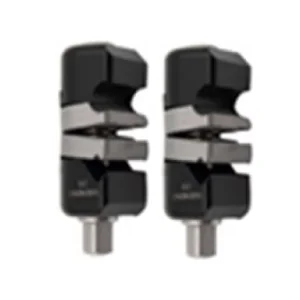
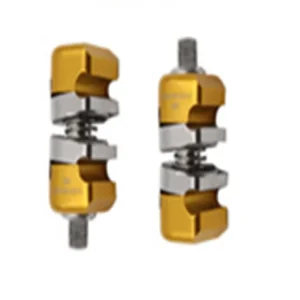
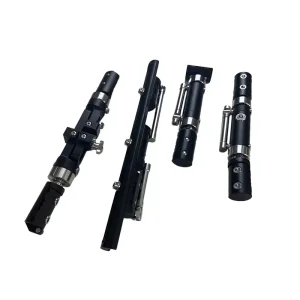
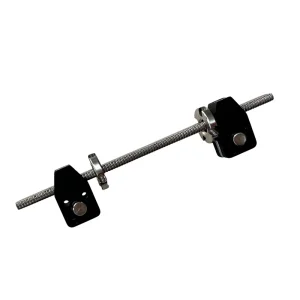
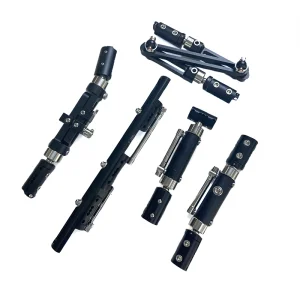
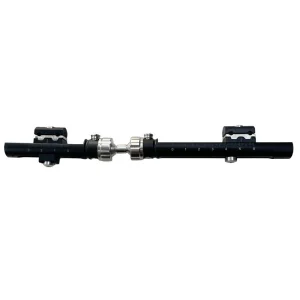
Explore our full line of external fixation systems, including wrist joint fixators and bone lengthening components.
Key technical and regulatory answers for clinical sponsors and supply coordinators in Victoria and global markets.
We supply full documentation to support local sponsors, including ISO 13485:2016 certificates, MDSAP audit evidence, material test certificates (Grade 5 Titanium / medical-grade stainless steel), and EU MDR conformity reports. This data pack helps streamline registration with the TGA for inclusion on the ARTG.
For OEM orders, manufacturing typically takes 30 to 45 days, depending on batch sizes and custom configurations. Once complete, we use air freight (via carriers like DHL, FedEx, or specialized air cargo services to Melbourne Airport - MEL) for urgent clinical needs, or sea freight to the Port of Melbourne for standard inventory replenishment.
Yes, we provide full OEM and ODM services. Our engineering team uses advanced CAD modeling to modify pin-to-rod clamps, change clamping dimensions, and manufacture custom frame components. We can also laser mark your local distributor logo and configure customized surgical kits.
Every production batch undergoes strict quality control. This includes coordinate measuring machine (CMM) dimensional checks, universal tensile testing, Vickers hardness testing, and ASTM F1541 mechanical tests to check torque and fatigue limits. This testing ensures stable bone alignment under physiological loading conditions.
Our external fixation components are made from Grade 5 Titanium alloy (Ti-6Al-4V ELI) and carbon fiber composites. These materials are non-magnetic and highly MRI-compatible under standard imaging protocols. They help minimize imaging artifacts and allow clear assessment of soft tissue and bone healing.
Require detailed technical specifications or compliance documents?
Send Inquiry Now Synoviq Medical