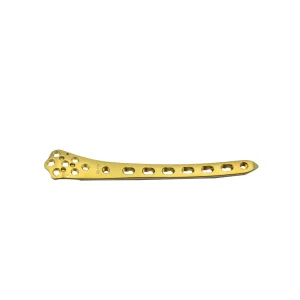
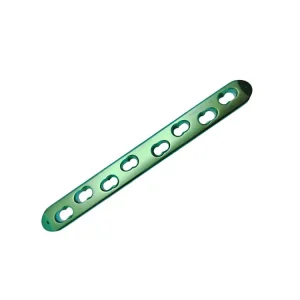
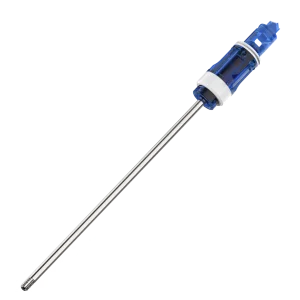
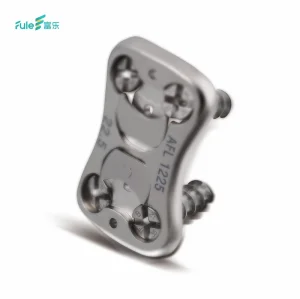
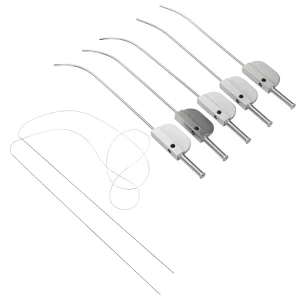
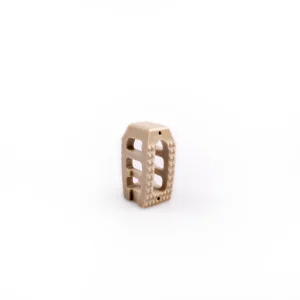
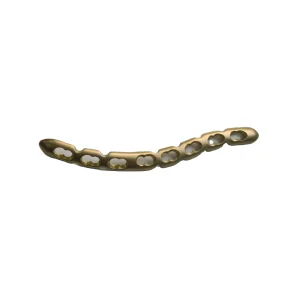
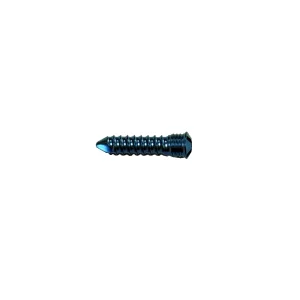
Explore our clinical-grade implant portfolio, manufactured under strict international quality controls. Engineered using advanced titanium alloys, biocompatible polymers, and precise micro-machining technologies.
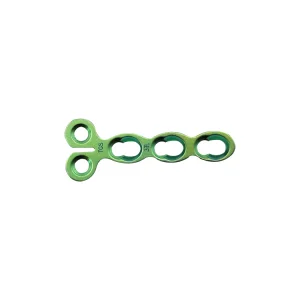
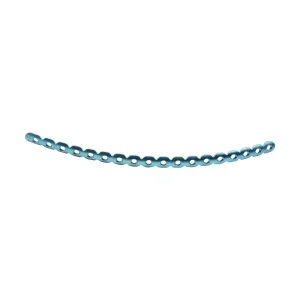
Cranio-maxillofacial (CMF) reconstruction represents one of the most anatomically challenging fields in orthopedic surgery. The human skull, face, and jaw feature complex, three-dimensional geometry subject to continuous muscular loads from mastication, speech, and facial expressions. Maxillofacial plating systems are specifically designed to immobilize bone fragments in cases of severe trauma, orthognathic correction, and oncological resections.
Unlike larger long-bone trauma plates, maxillofacial plates must feature ultra-low profiles to prevent patient palpability under thin facial skin, while maintaining high mechanical strength and fatigue resistance. These designs must accommodate contouring during surgery without losing locking efficacy or risking micro-fracture of the titanium plate structure.
As a premier global exporter, Synoviq Medical Technology utilizes medical-grade titanium (Grade 2 pure titanium and Grade 5 Ti-6Al-4V ELI) adhering strictly to ASTM F67 and ASTM F136 standards. The biological integration of titanium is critical; the material forms a passive oxide layer that prevents corrosion under the demanding physiological environment of the oral cavity and craniofacial skeleton.
Through customized surface treatment methods, including Type II anodization and acid etching, we enhance the osteointegration characteristics of our screw threads and locking mechanisms, minimizing screw loosening and reducing secondary surgical intervention rates.
Synoviq Medical Technology (China) Co., Ltd. stands at the forefront of orthopedic implant design and precision manufacturing. We specialize in the high-volume production of trauma fixation systems, spinal implants, locking plates, CMF systems, and specialized veterinary surgical tools. Operating from an expansive, state-of-the-art facility, our manufacturing integration spans from raw material sourcing to finished, sterilized device delivery for international distributors, OEM clients, and healthcare institutions.
| Core Capabilities & Credentials | Operational Parameters & Specifications |
|---|---|
| Establishment & Industry Pedigree | March 18, 2016 (With 14 years of design and manufacturing experience) |
| Quality Control Staffing | 48 dedicated QC & QA engineers executing 100% final and incoming inspections |
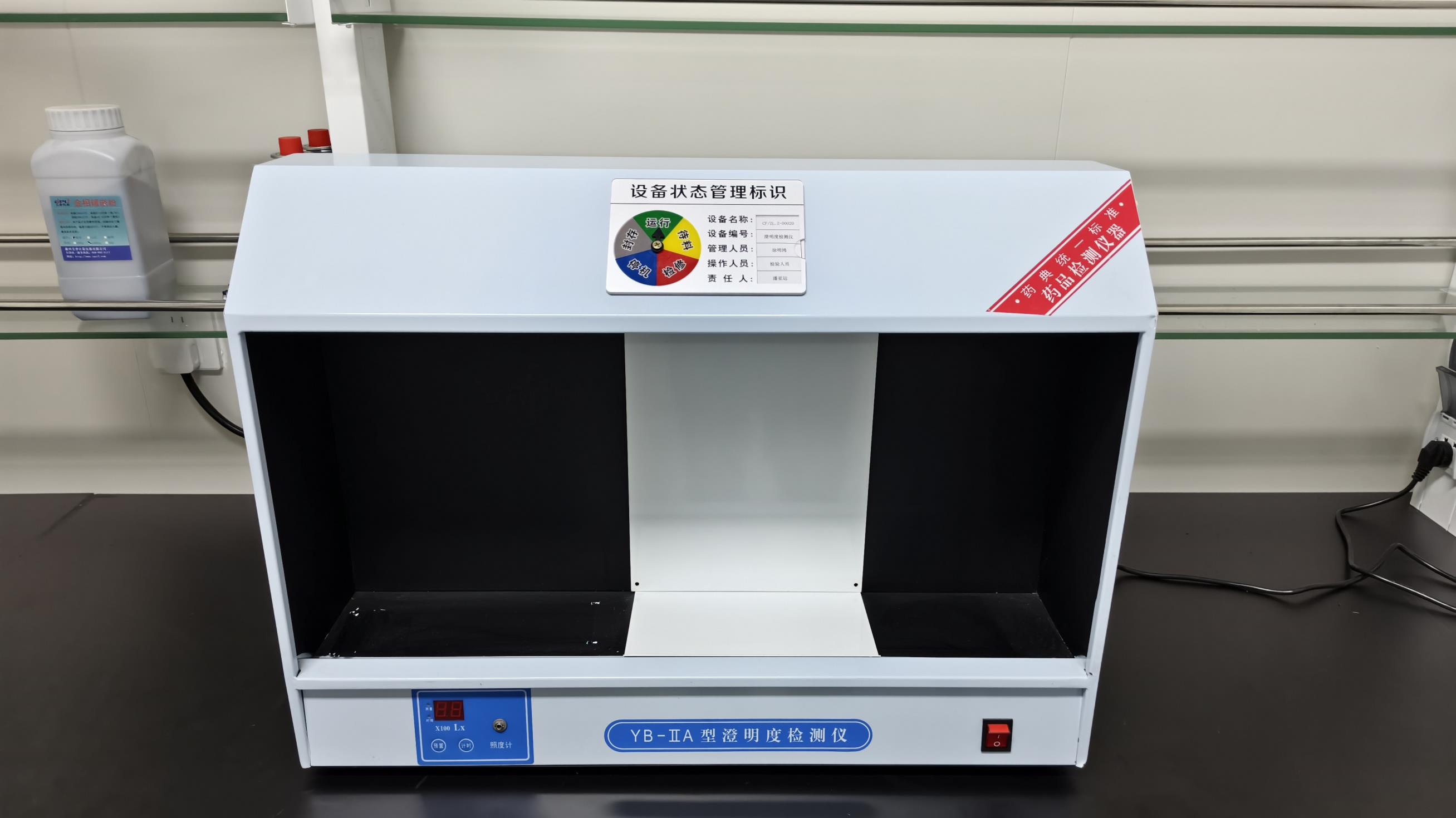
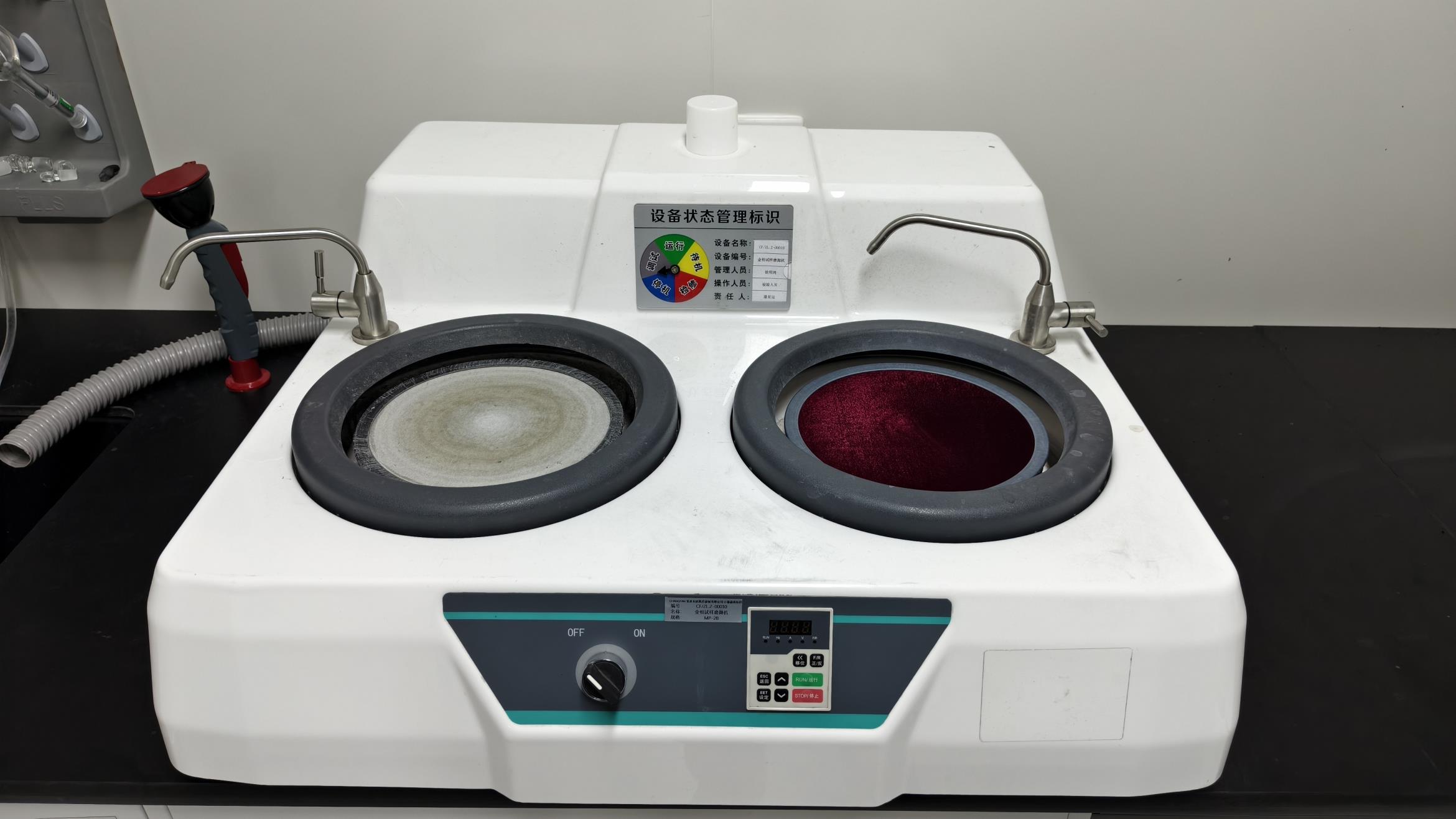
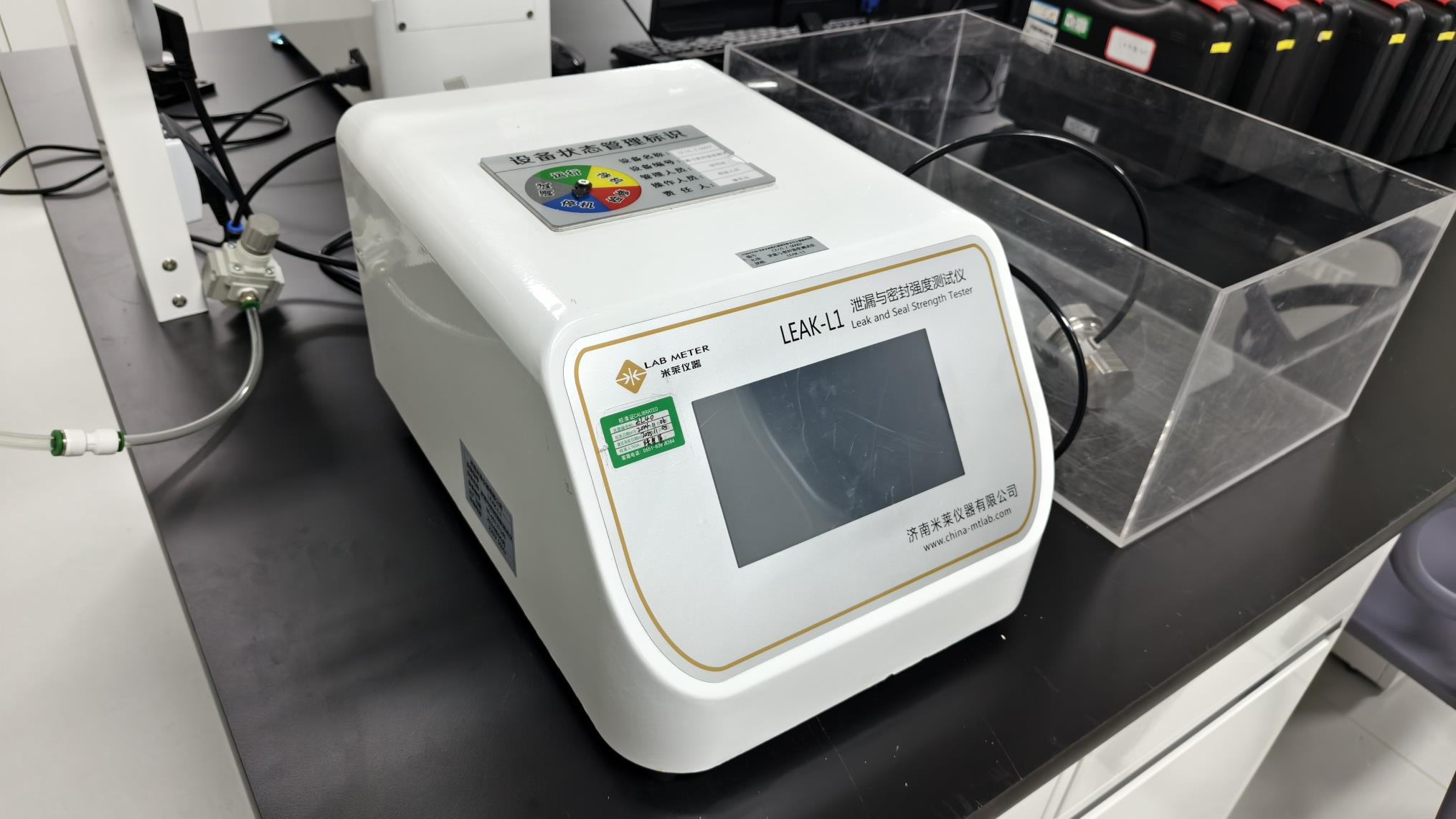
| Testing Instrumentation & Validation | CMM Measurement, Mechanical Testing, Surface Roughness Testing, Hardness Testing, Salt Spray Testing, Sterility Validation |
| Global Target Markets | Europe, North America, South America, Middle East, Southeast Asia |
| Supply Chain Integration | 1,120+ active international supply chain partners & raw material vendors |
| OEM / ODM Customization Options | Logo customization, sterile & non-sterile packaging customization, raw material selection, specialized surface treatment |
| Active R&D Staff & Product Output | 76 R&D engineers, developing and releasing 186 new products in the previous fiscal year |
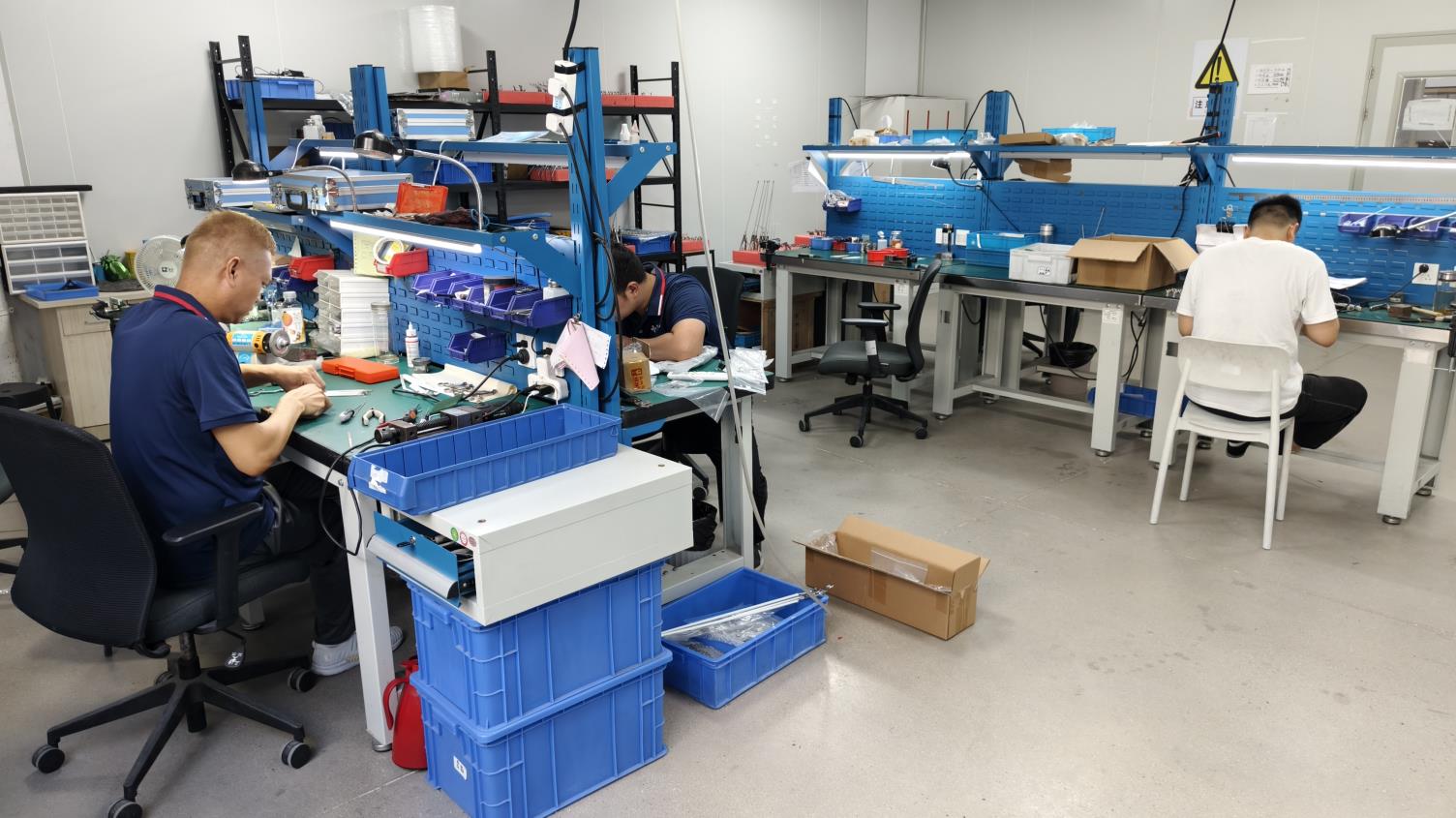
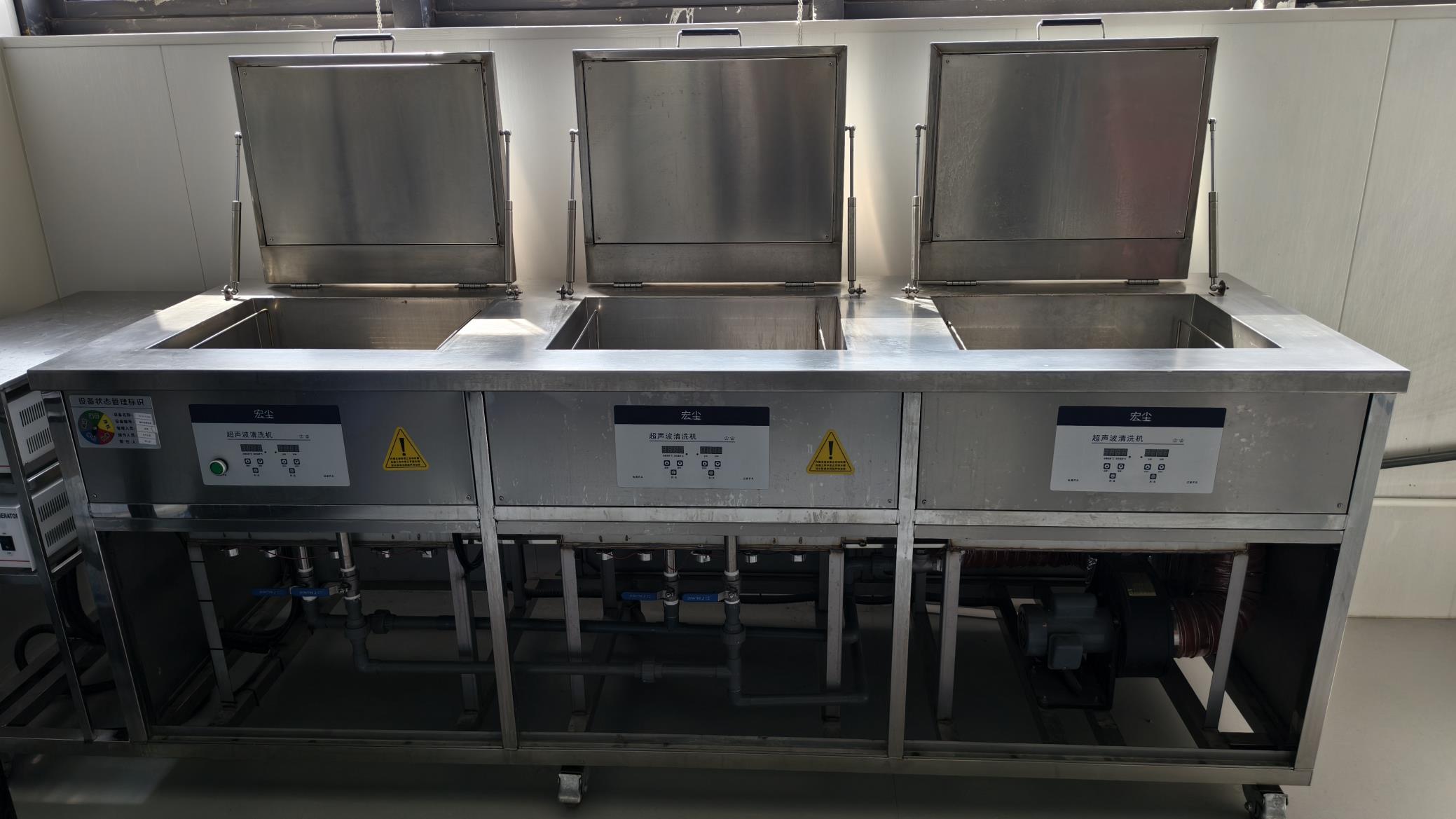
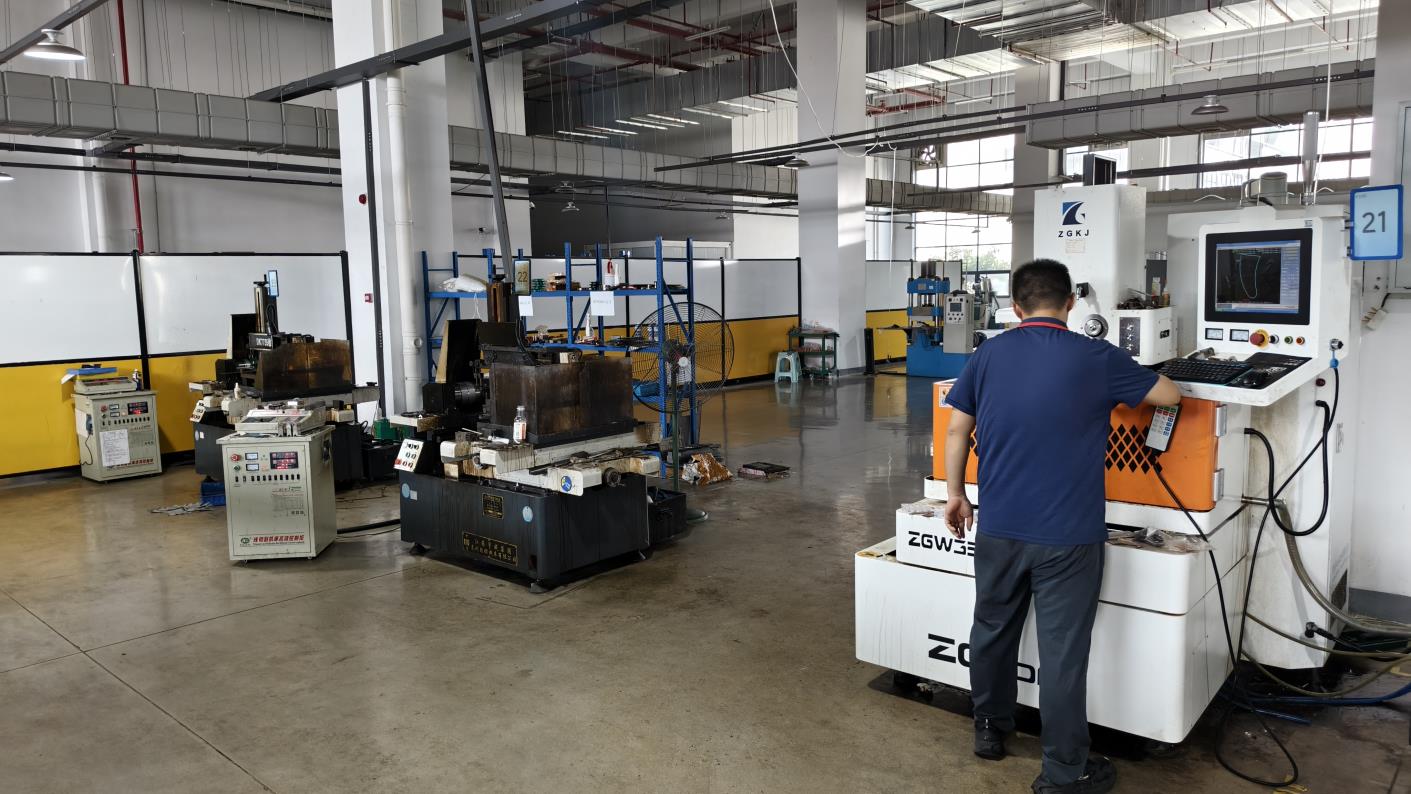
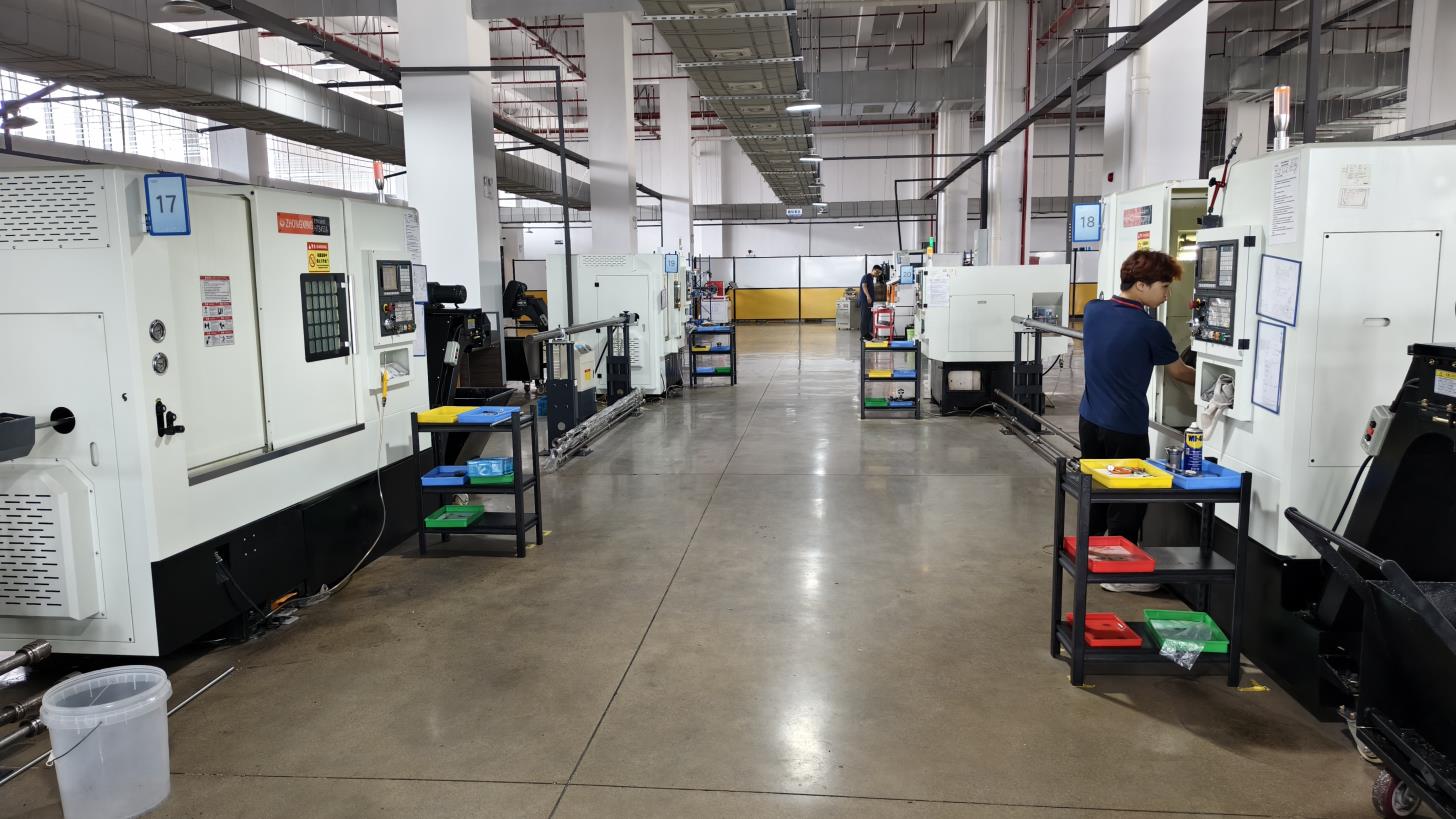
Synoviq's advanced CNC milling, polishing, and quality validation ecosystem produces implant profiles with surgical-grade precision down to sub-micron tolerances.
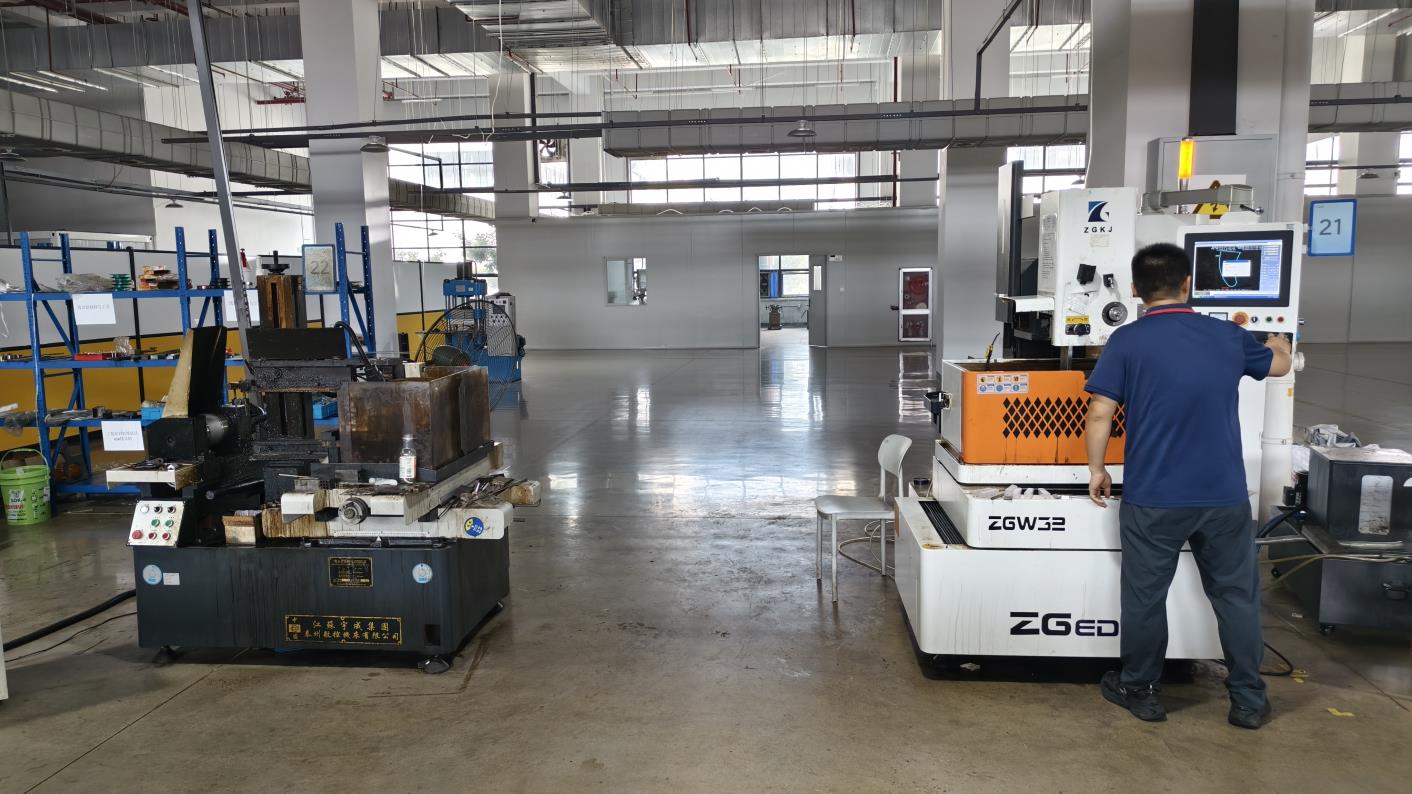
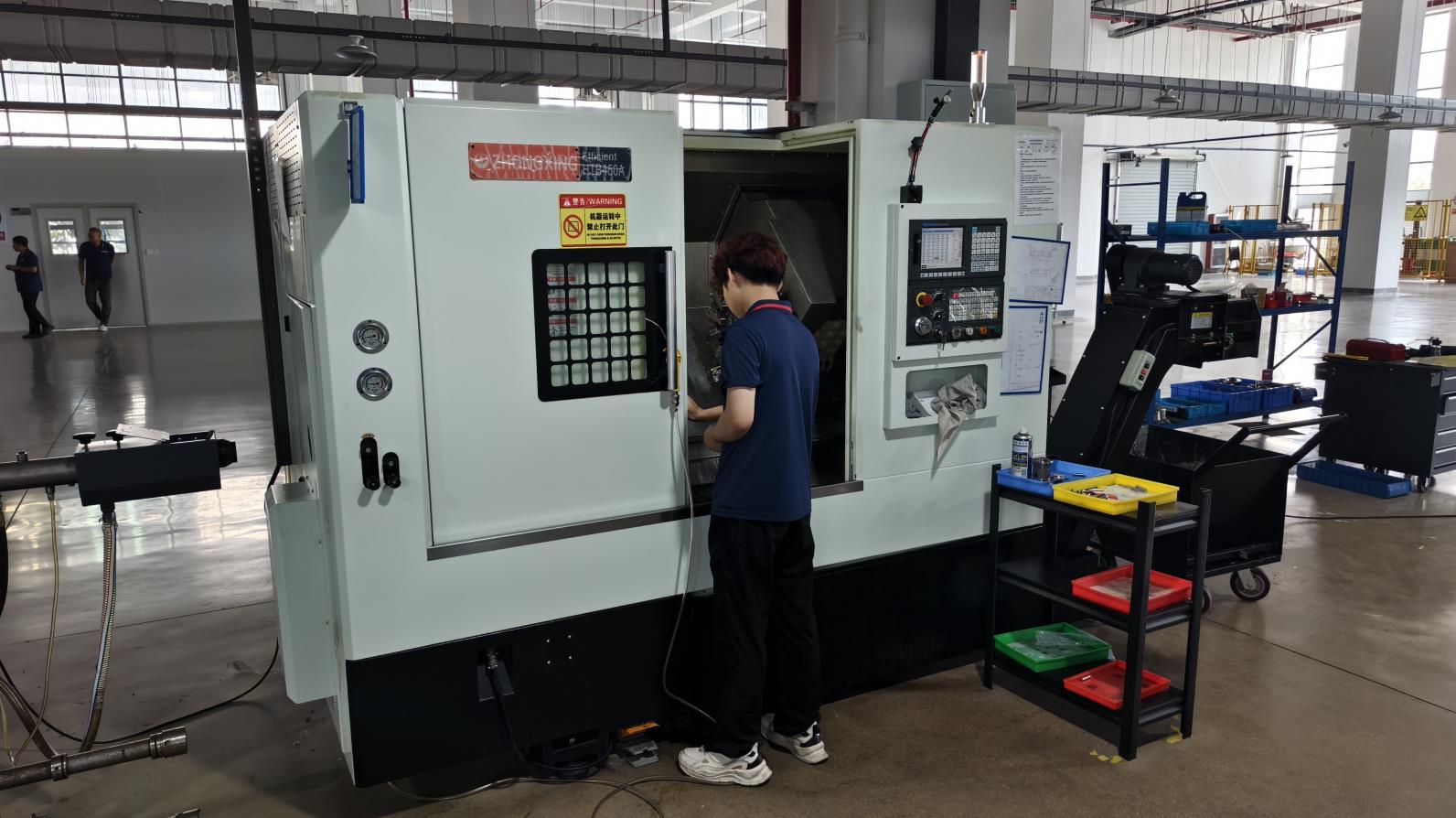
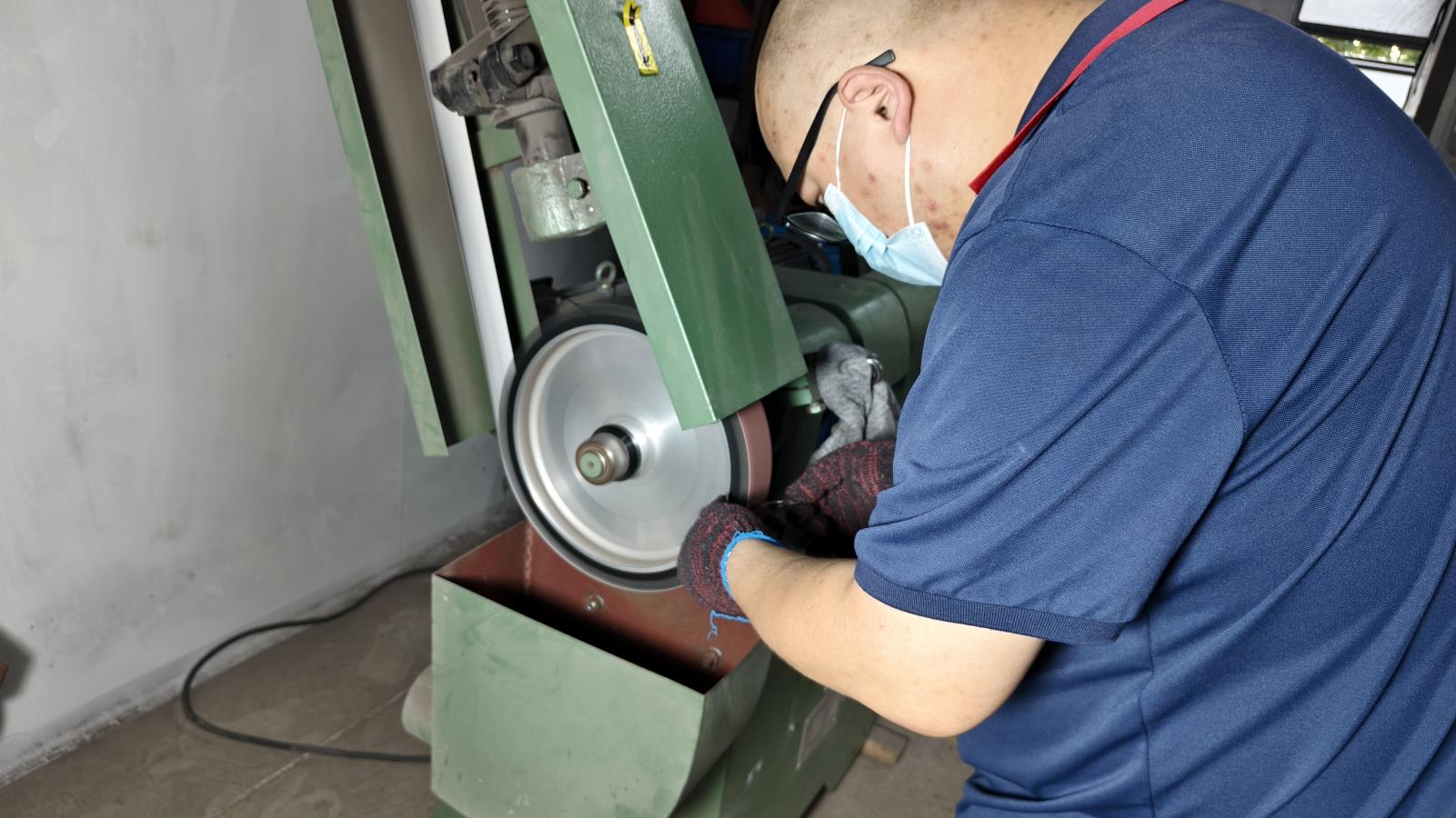
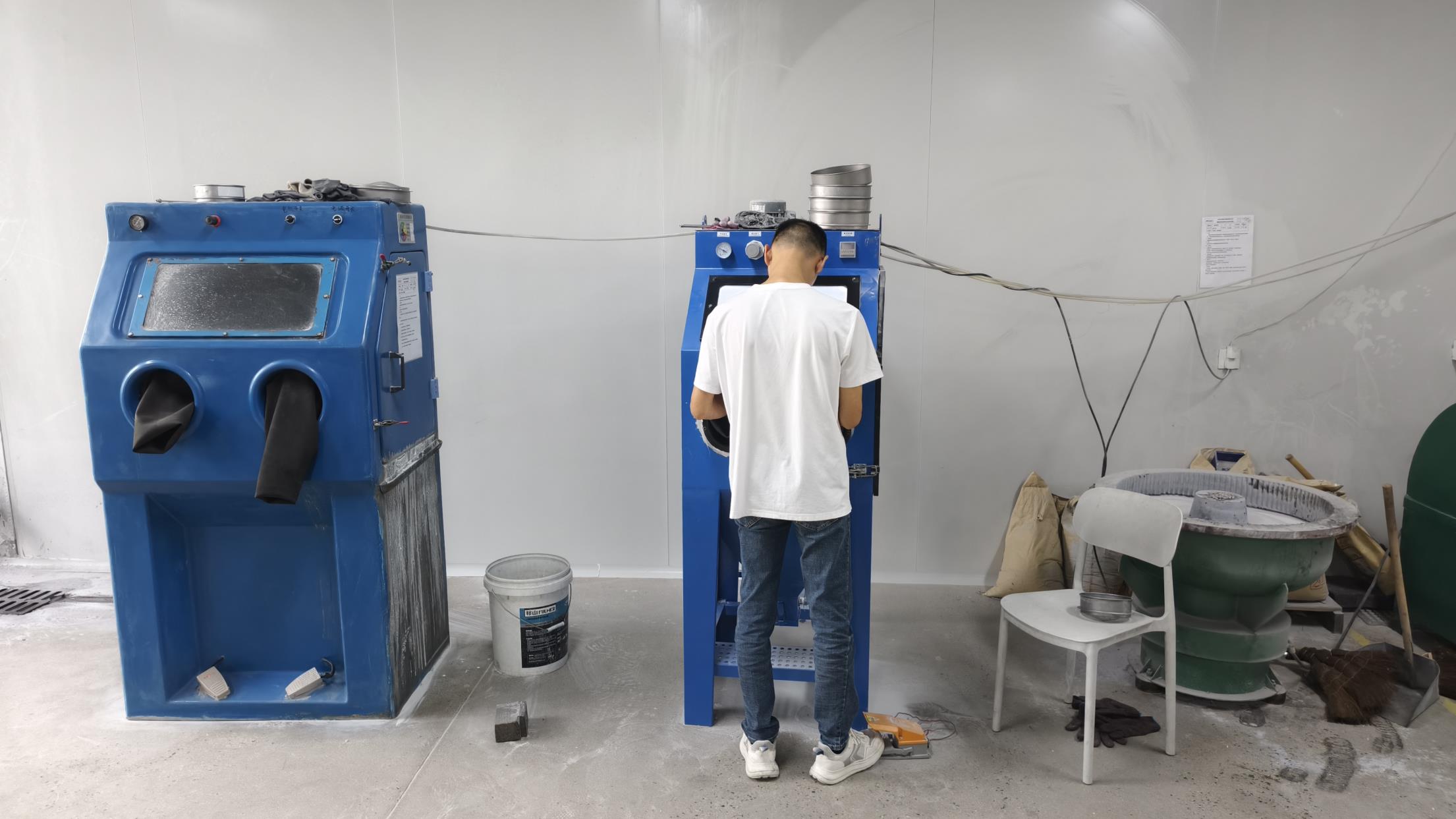
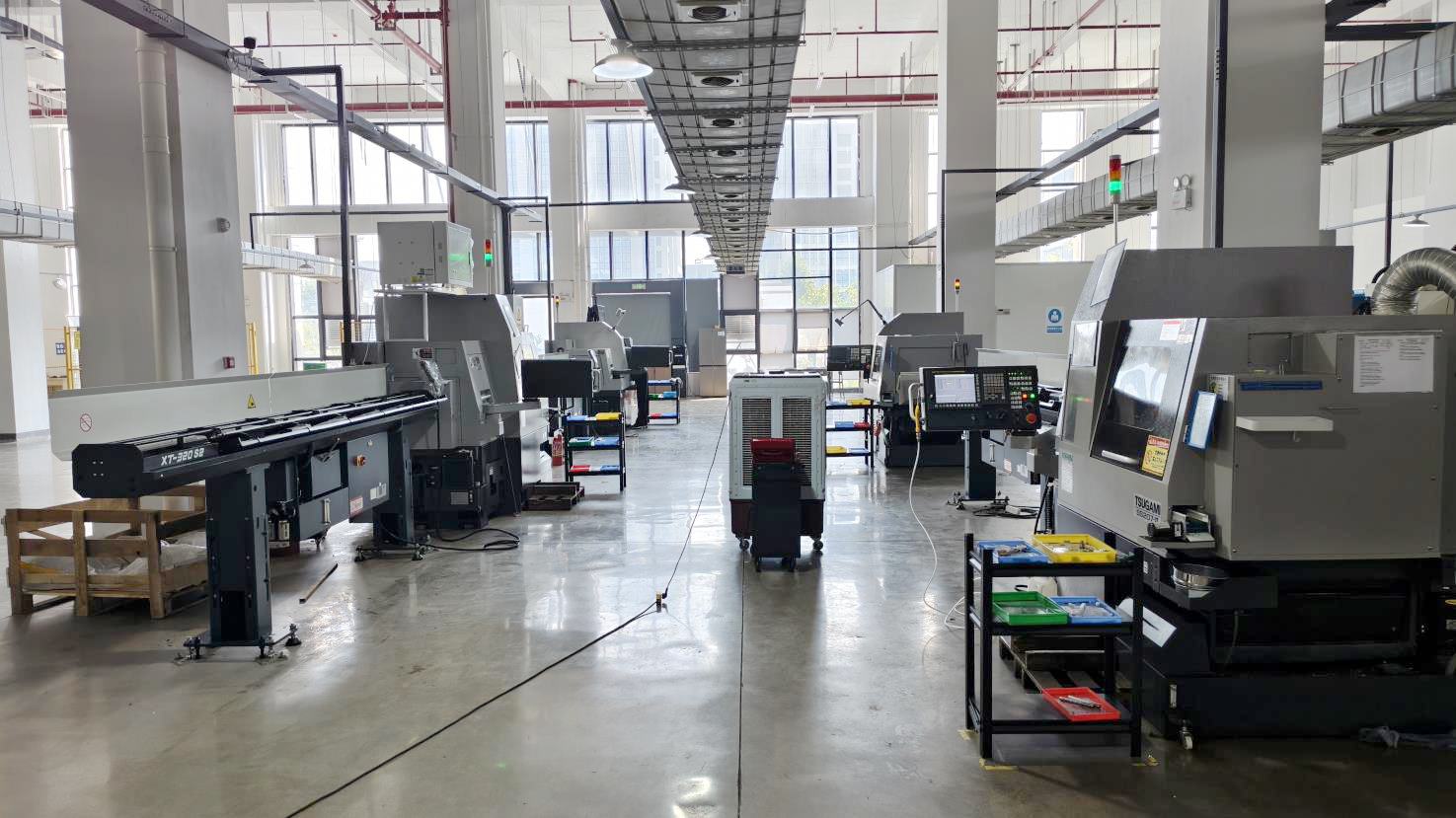
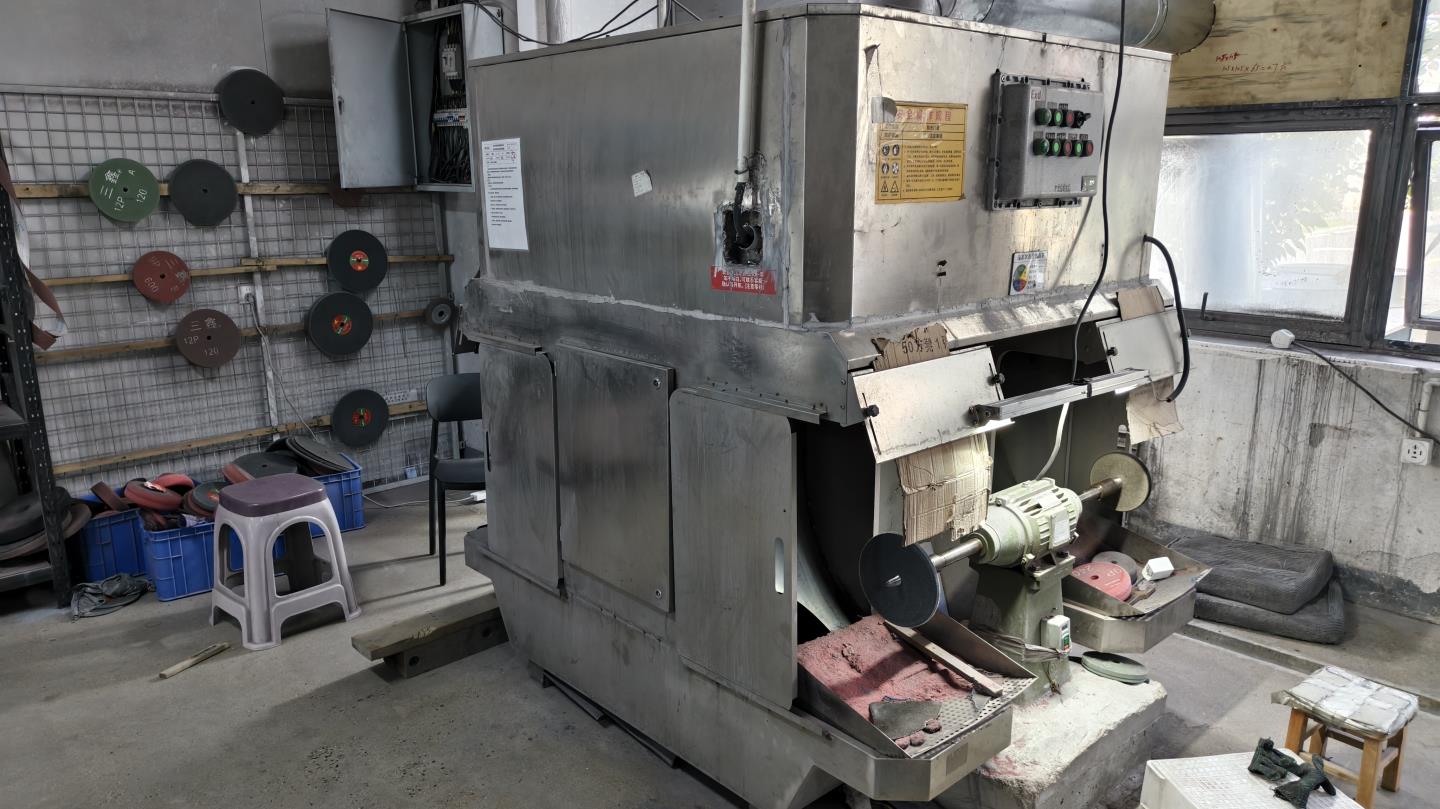
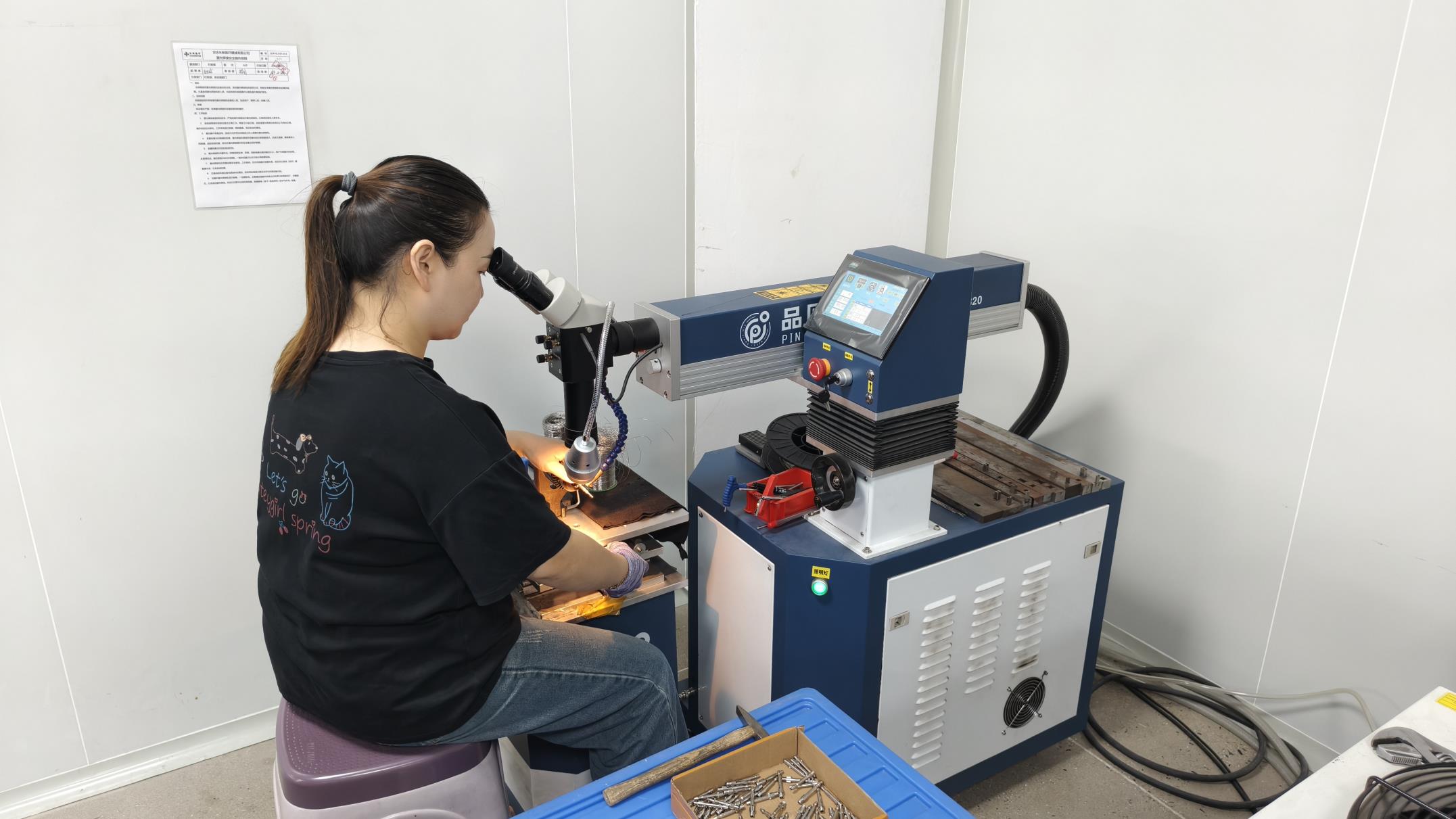
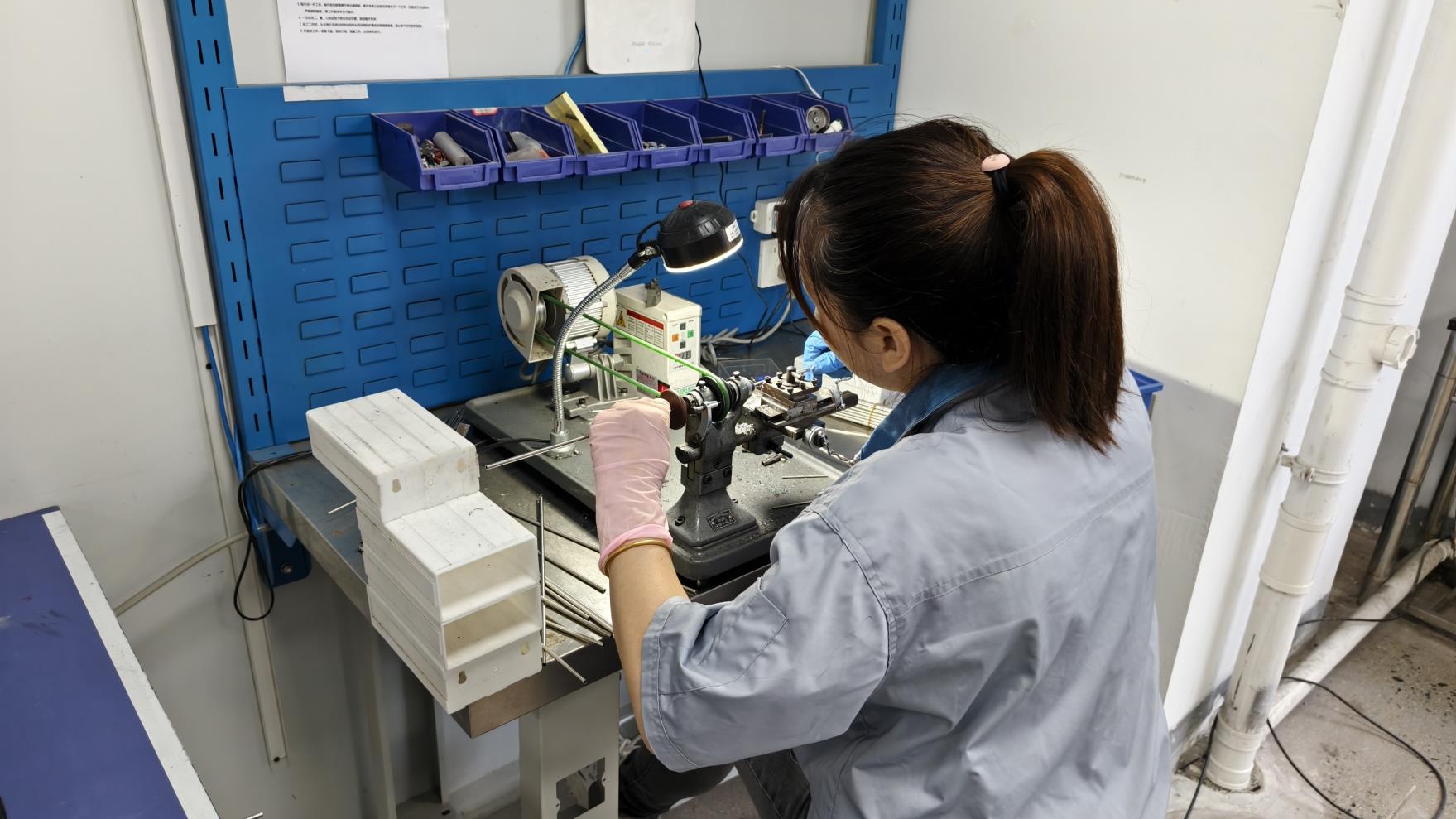
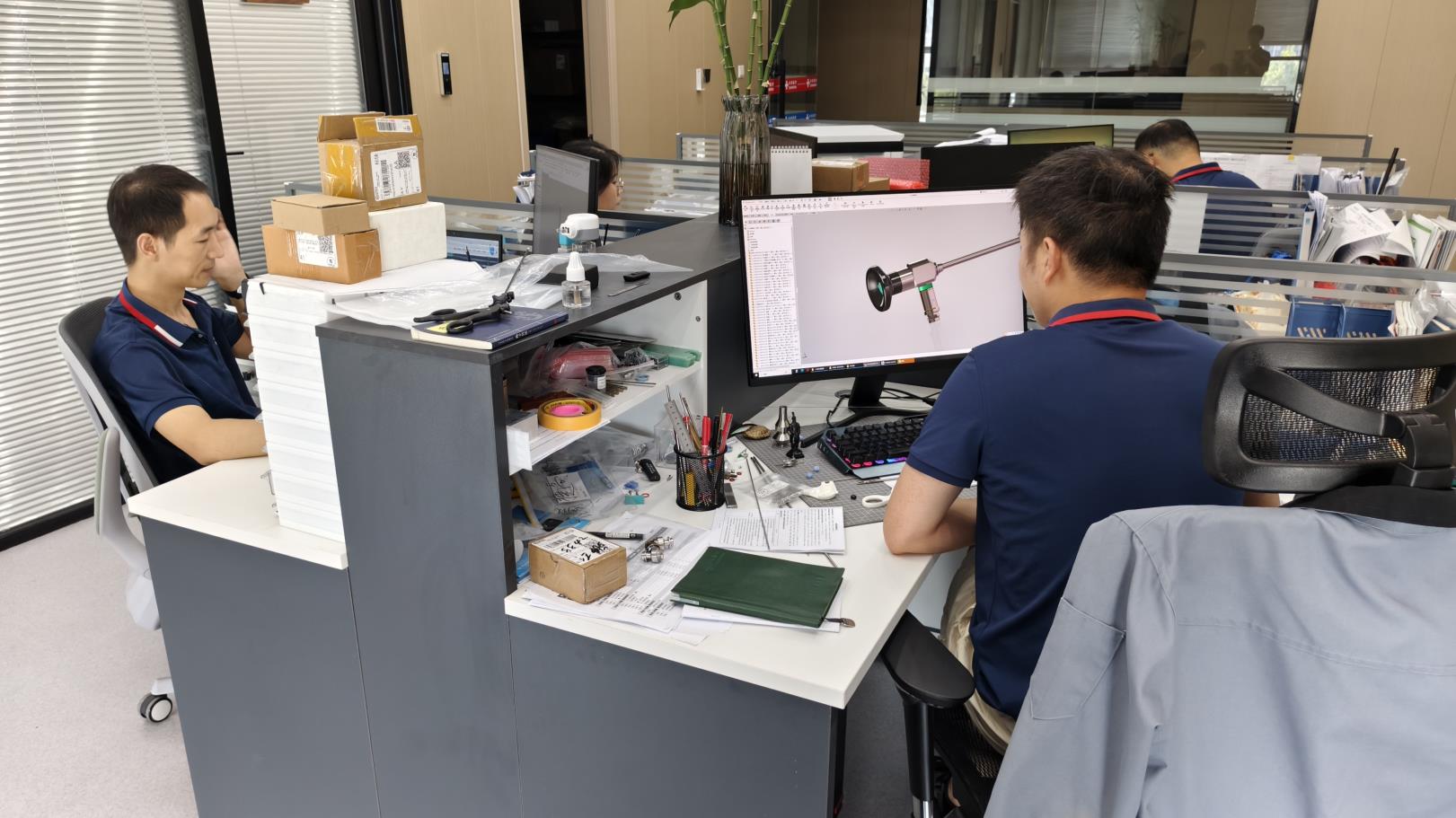
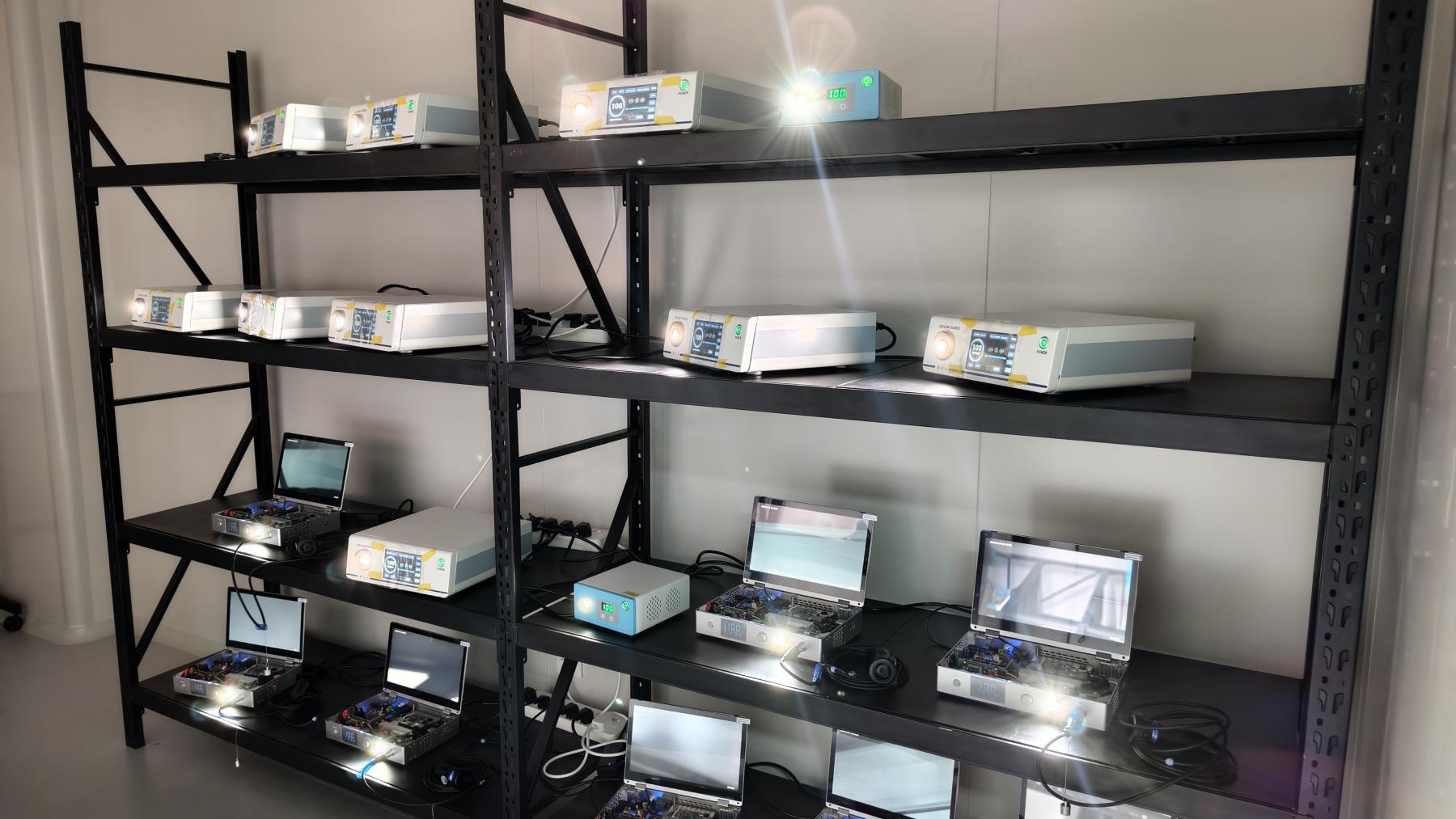
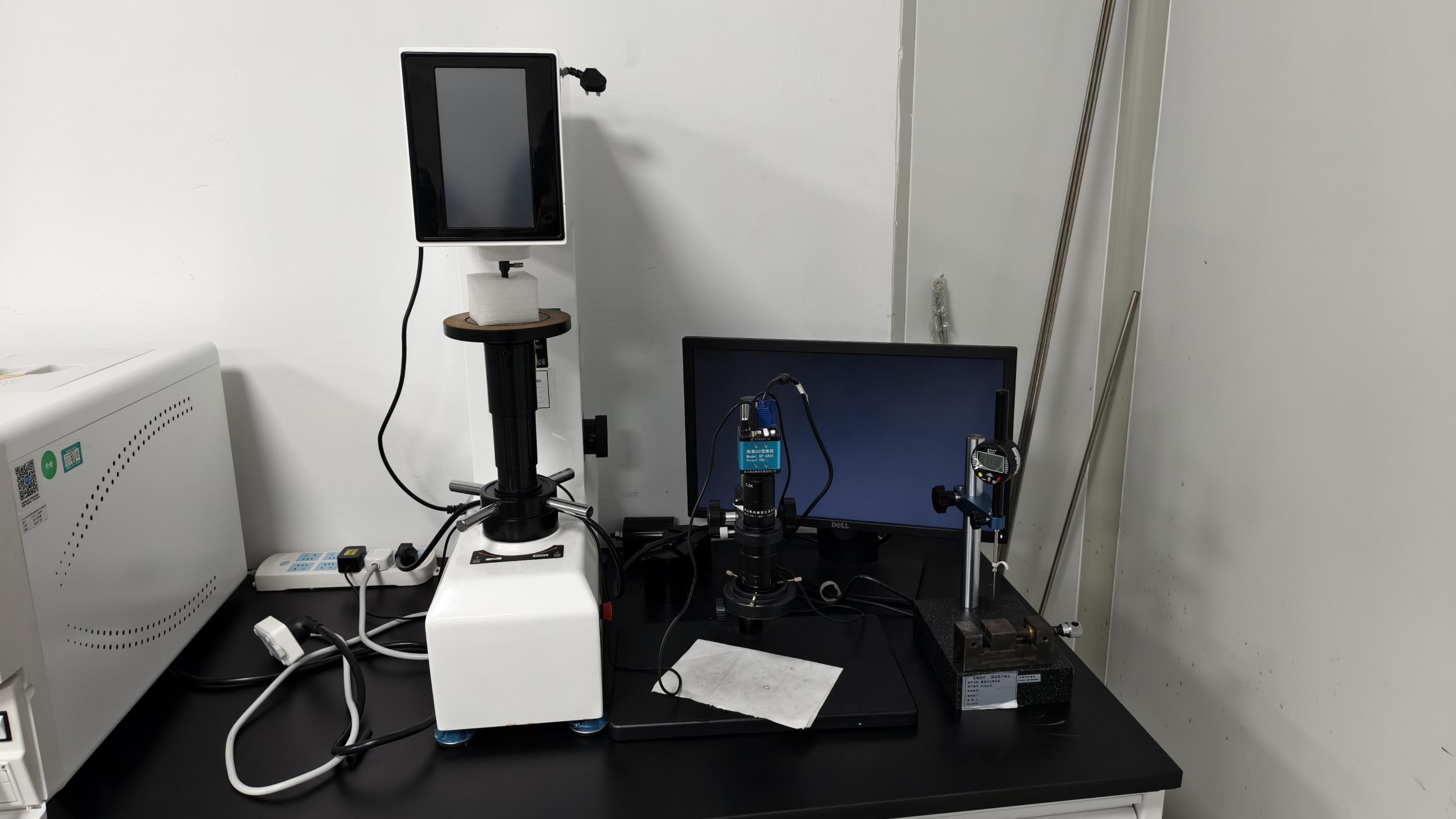
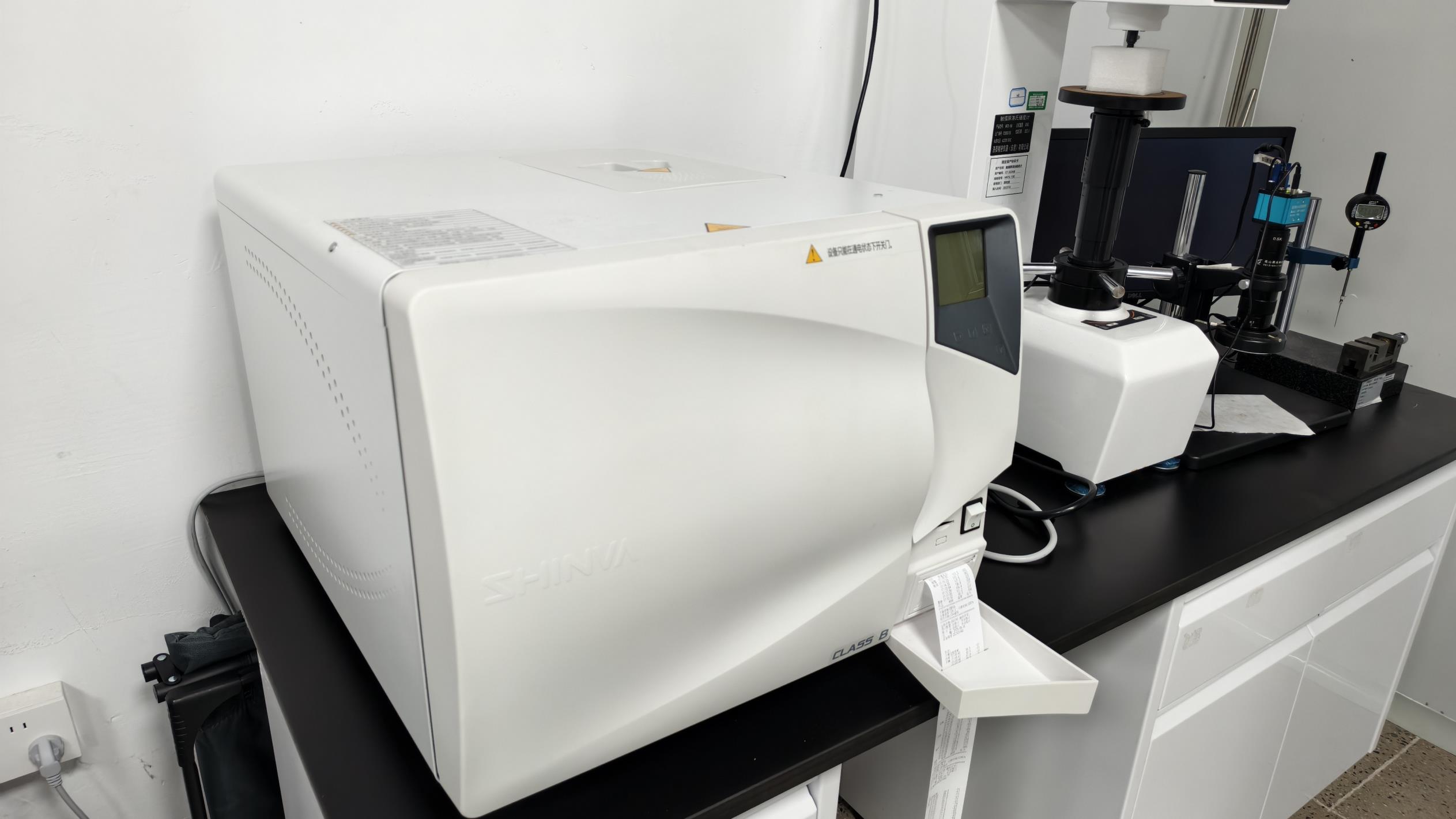
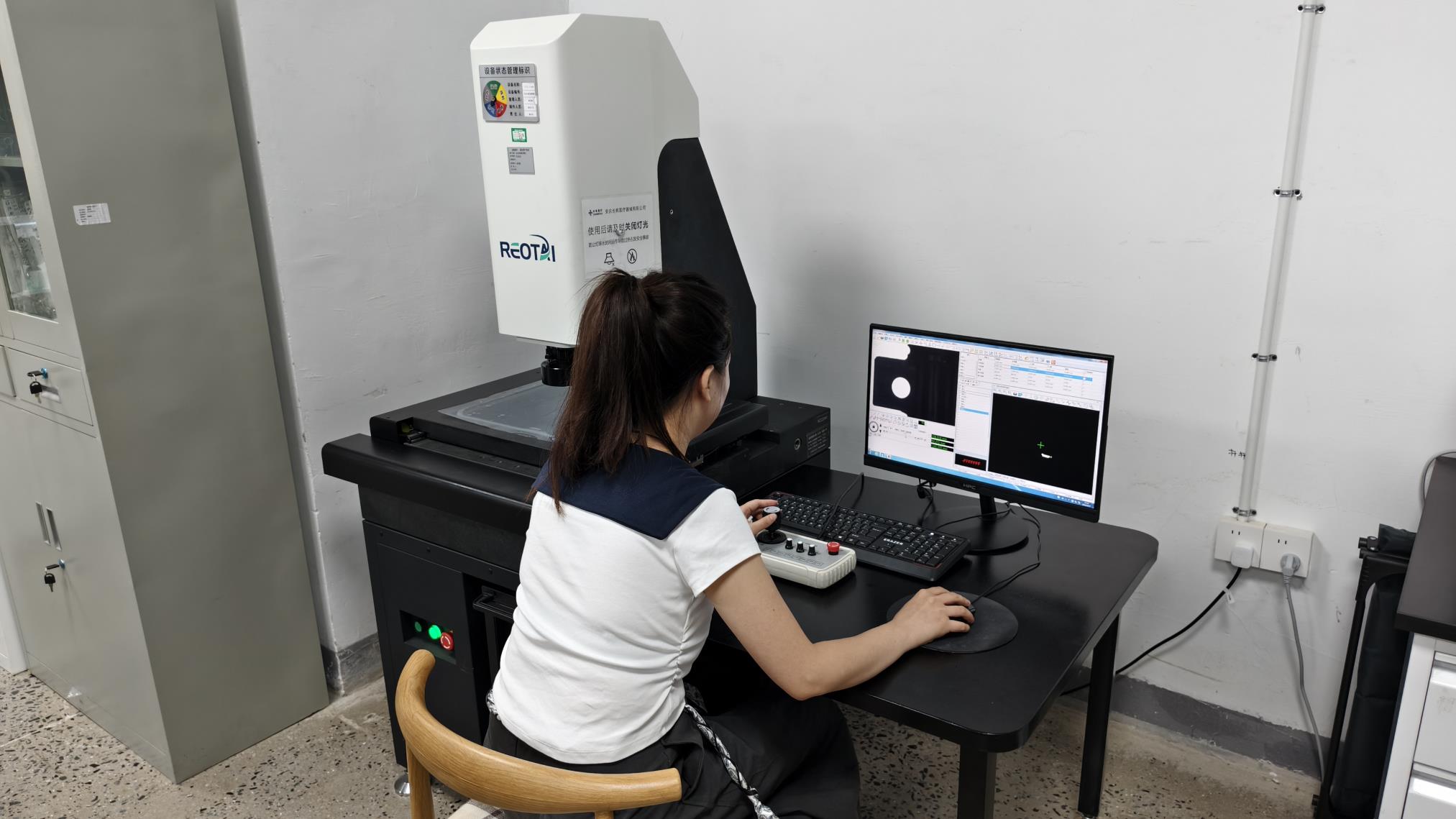
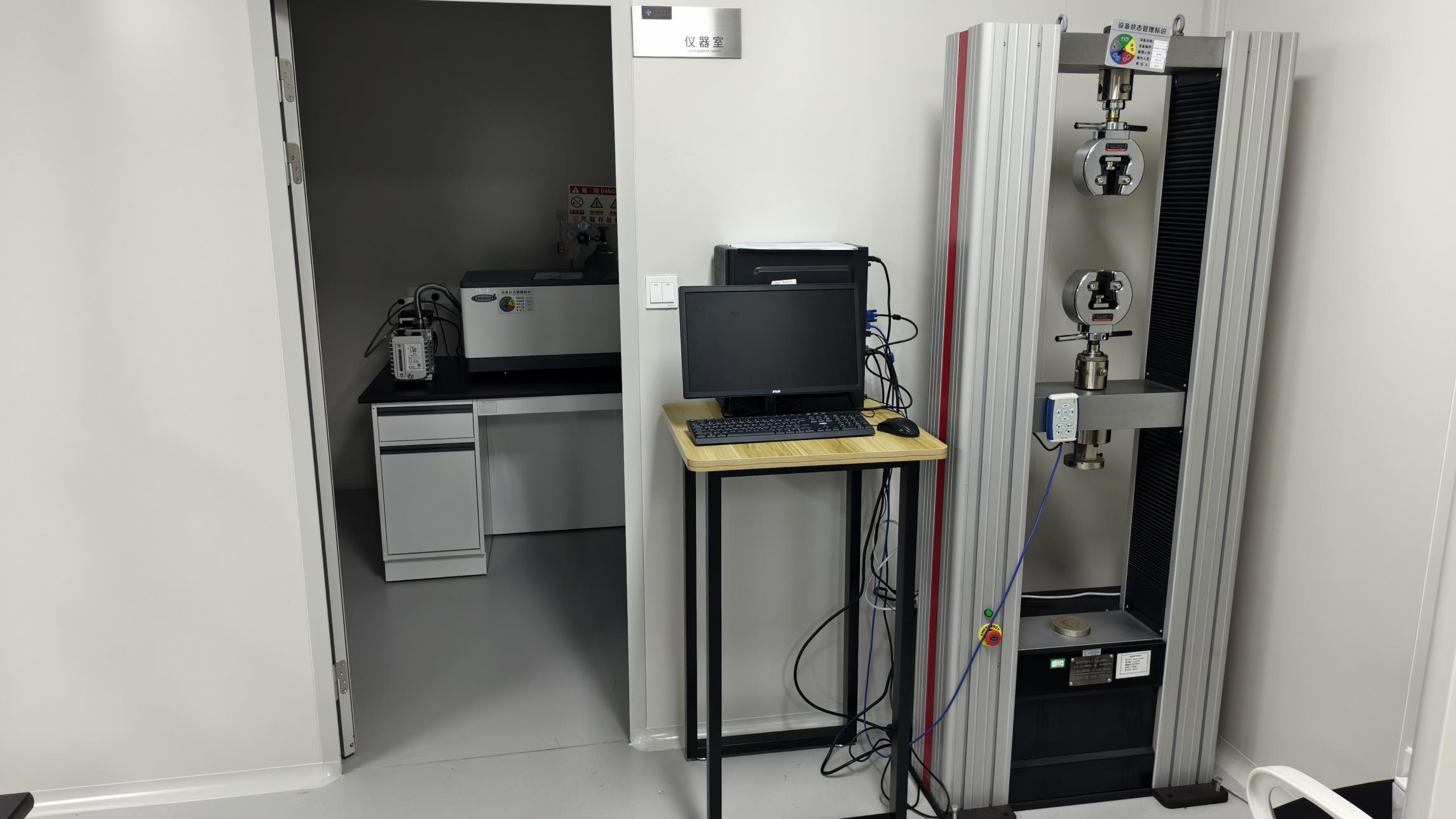
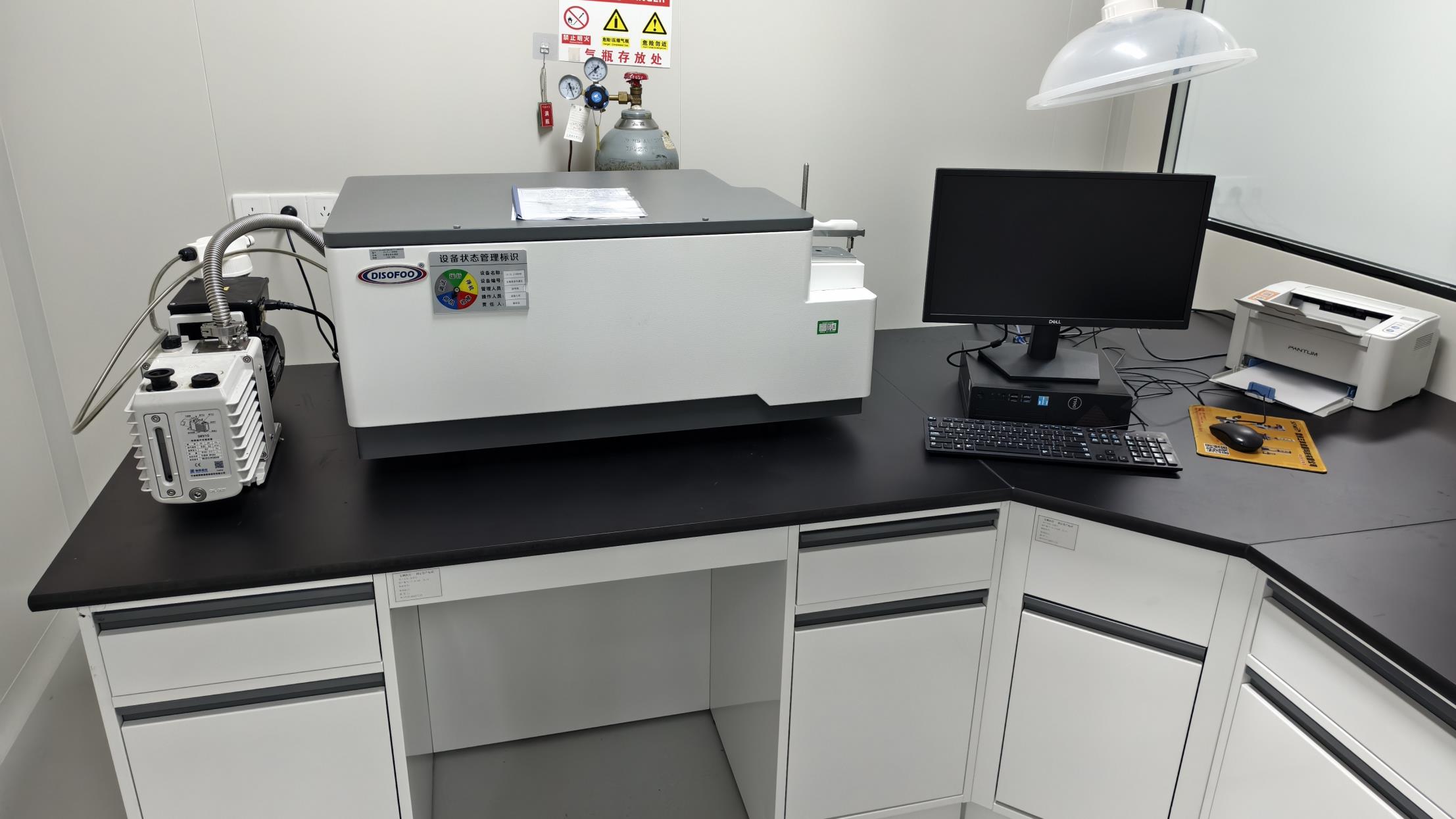
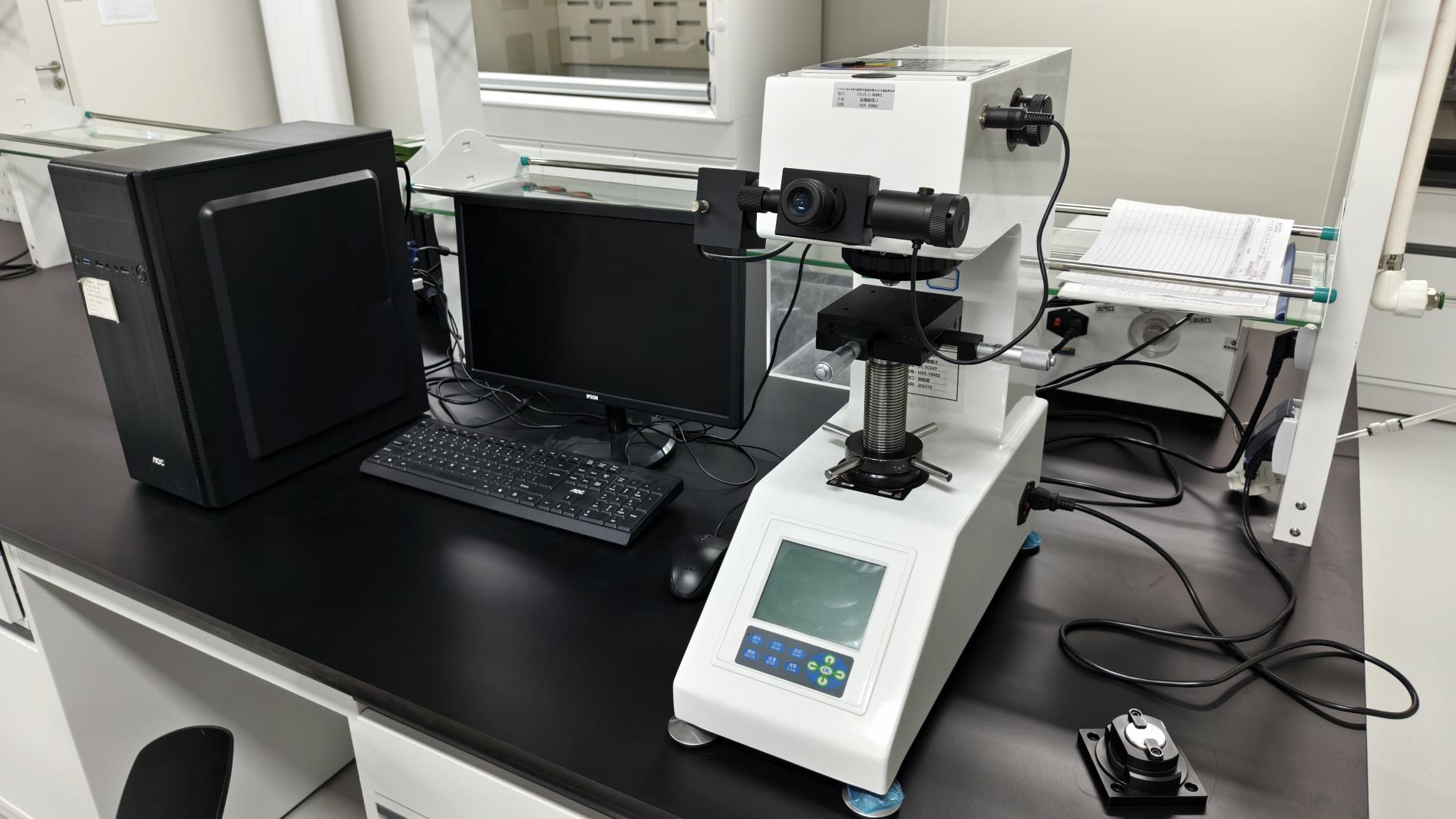
In the highly competitive medical device industry, manufacturing in China offers unique supply chain advantages that combine cost-effectiveness with world-class engineering standards. At Synoviq, we leverage these advantages to provide significant benefits to our global partners:
Our strategic location within China's medical device cluster provides direct access to high-grade biocompatible raw materials, advanced thermal processing facilities, and dedicated packaging suppliers. This dense supplier ecosystem allows us to reduce raw material lead times and respond dynamically to fluctuations in product demand.
By integrating automated Swiss-type lathes and high-axis CNC centers, we achieve excellent repeatability while optimizing labor overhead. This balance of automated machining and skilled quality inspection ensures competitive pricing without compromising the critical structural integrity of internal fixation plates.
Over the past 8 years, our export division has established reliable logistical networks. We handle international shipping compliance, customs clearance documentation, and sterile-barrier packaging requirements, ensuring that all shipments arrive at your warehouse in optimal condition.
In the medical device domain, regulatory approval is the primary hurdle for market entry. Synoviq does not simply ship hardware; we actively support our clients with the regulatory documentation required to register Class II and Class III implants.
Our regulatory affairs team prepares comprehensive technical dossiers that comply with FDA 510(k) requirements, EU Medical Device Regulation (MDR 2017/745), and various national standards across South America, the Middle East, and Asia-Pacific.
Our quality control protocols are built on transparency and traceability. Every titanium bar stock is tracked from receipt, through mechanical profiling, to final sterilization validation:
1. Craniofacial Trauma: Fixation of midface, orbital floor, and zygomatic arch fractures where ultra-low plate profiles are essential to minimize skin irritation.
2. Orthognathic Surgery: Maxillary Le Fort I osteotomies and bilateral sagittal split osteotomies (BSSO) where stable locking plates prevent relapse.
3. Mandibular Reconstruction: Management of segmental mandibular defects using rigid locking plate designs capable of bearing significant mechanical loads.
For medical device importers and government procurement agencies, managing long-term inventory rotation is critical. Synoviq offers flexible MOQ (Minimum Order Quantity) terms coupled with scheduled container deliveries.
Our OEM and ODM workflows allow distributors to sell custom-branded plating systems directly into local private and public healthcare systems, with full technical support and warranties provided by our manufacturing team.
How advanced digital technologies and new material sciences are shaping the future of cranio-maxillofacial reconstruction.
Surgeons increasingly rely on preoperative CT scans to plan jaw resections and orthognathic alignment virtually. This trend demands pre-bent plates or custom patient-specific implants (PSI) mapped to digital surgical models.
3D laser-melted titanium implants are transitioning from experimental trials to standard clinical applications, allowing for precise restoration of complex anatomical contours in oncology and severe trauma reconstruction.
Polylactic acid-based polymers (PLLA/PDLA) are gaining traction in pediatric skull reconstructions. They provide temporary fixation and are gradually absorbed by the body, eliminating the need for implant removal.
From spine trauma reconstruction to arthroscopic sports medicine, we provide high-precision medical devices for surgical providers globally.
 Synoviq Medical