Explore our foundational range of orthotic and orthopedic implants engineered to clinical precision standards.
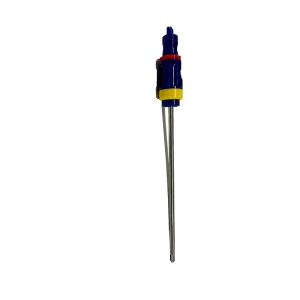
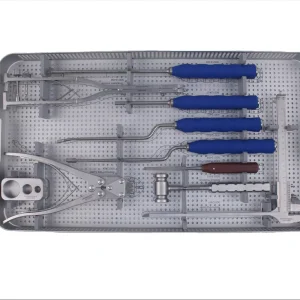
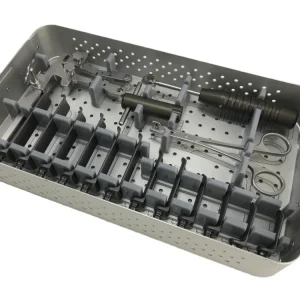
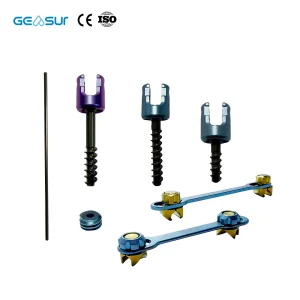
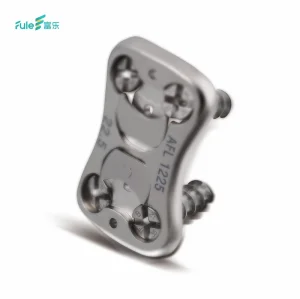
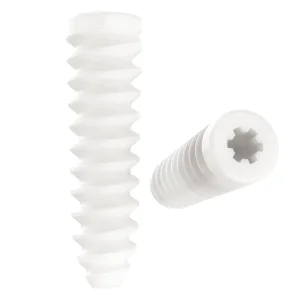
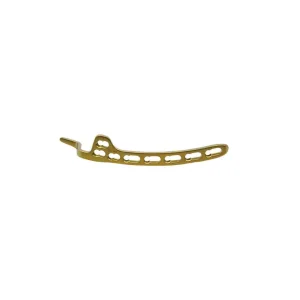
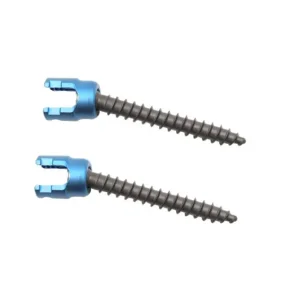
An in-depth analysis of biomechanical design, structural integrity, and modern surgical indications for humeral shaft stabilization.
Humeral intramedullary nails (IM nails) have revolutionized the treatment of humeral shaft fractures, offering a biomechanically superior alternative to conventional plate osteosynthesis. Operating as a load-sharing device, the humeral intramedullary nail is aligned with the longitudinal neutral axis of the humerus. This axial alignment reduces bending moments significantly compared to eccentric locking plates. The biological preservation of the periosteum combined with minimal soft-tissue disruption accelerates osteotomy site vascularization and secondary bone healing via callus formation.
For proximal and distal fixation, modern humeral nails employ multi-planar interlocking locking screws. This configuration mitigates rotational instability—historically the primary mechanical vulnerability of intramedullary fixation in the upper extremity. By distributing mechanical loads across both cortical walls and within the cancellous bone of the humeral head, our humeral nail systems demonstrate exceptional resistance to torsional, bending, and axial compressive stresses.
The choice of nail entry point represents a vital decision pathway in upper extremity trauma management. Anterograde insertion, entering through the greater tuberosity, is generally indicated for proximal third and mid-shaft fractures. While technically straightforward, it requires careful protective dissection of the rotator cuff insertion sites to avoid postoperative impingement syndromes. Conversely, retrograde insertion via the extra-articular olecranon fossa is preferred for distal-third fractures to secure distal mechanical purchase without compromising shoulder biomechanics.
Regardless of the technique, instrument and nail design must allow precise alignment. Standardizing instrument tolerances prevents intraoperative fracture distraction and limits thermal bone necrosis during medullary reaming processes. As a primary global manufacturer, our tooling sets utilize optimized guide-wire systems and highly rigid titanium carbon fiber aiming arms to ensure proximal and distal targeting accuracy.
Established manufacturing expertise delivering orthopedic implants and precision surgical instruments worldwide.
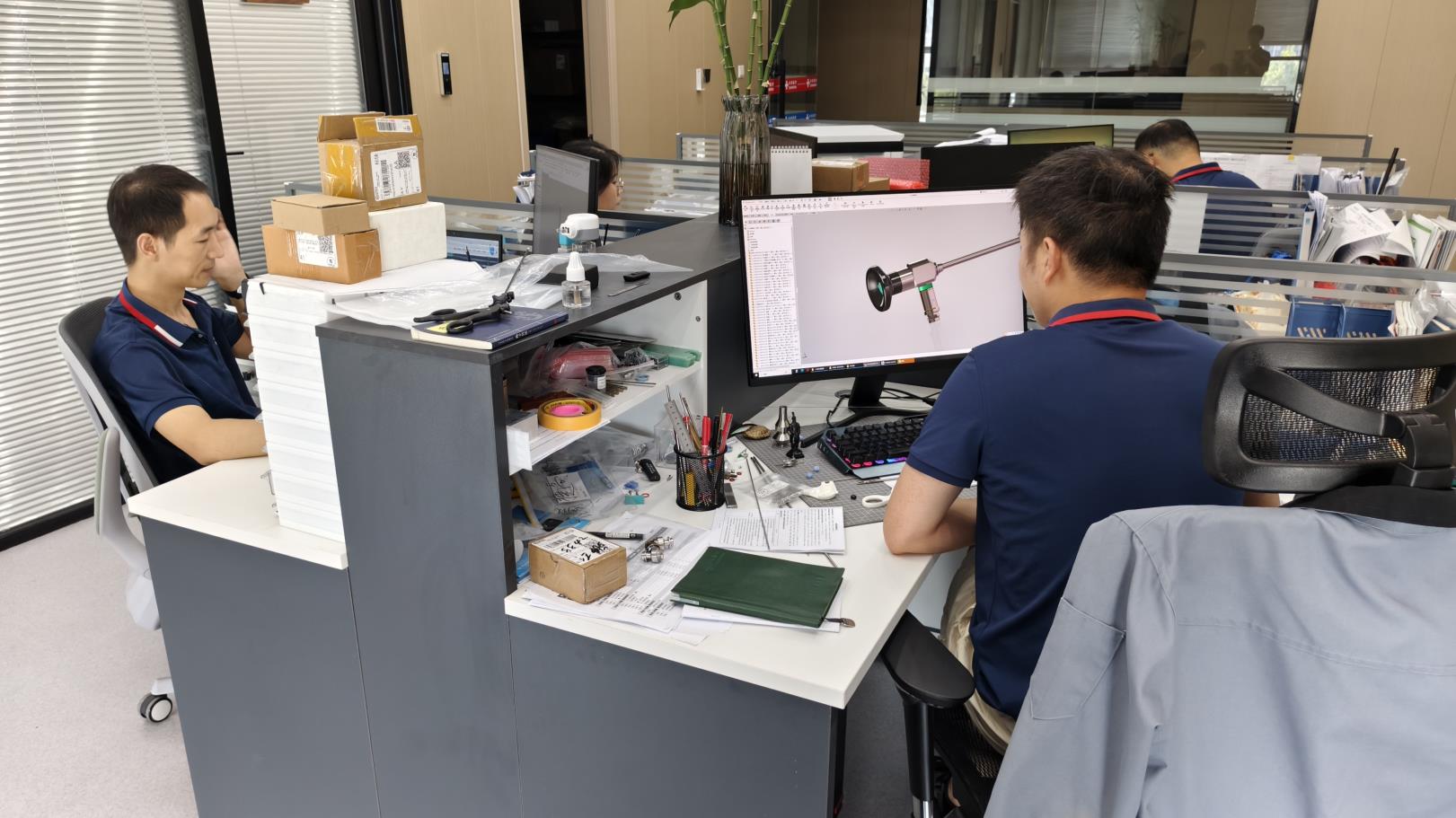
Synoviq Medical Technology (China) Co., Ltd. is a leading manufacturer specializing in the research, development, and high-precision fabrication of advanced orthopedic implants and surgical instruments. Since our inception on March 18, 2016, we have leveraged 14 years of industry heritage to establish a sophisticated manufacturing infrastructure that satisfies international healthcare requirements. Our core product portfolio encompasses comprehensive trauma fixation setups, spinal implant configurations, locking bone plates, intramedullary locking nails, external fixator systems, bone screws, and specialized instrument kits.
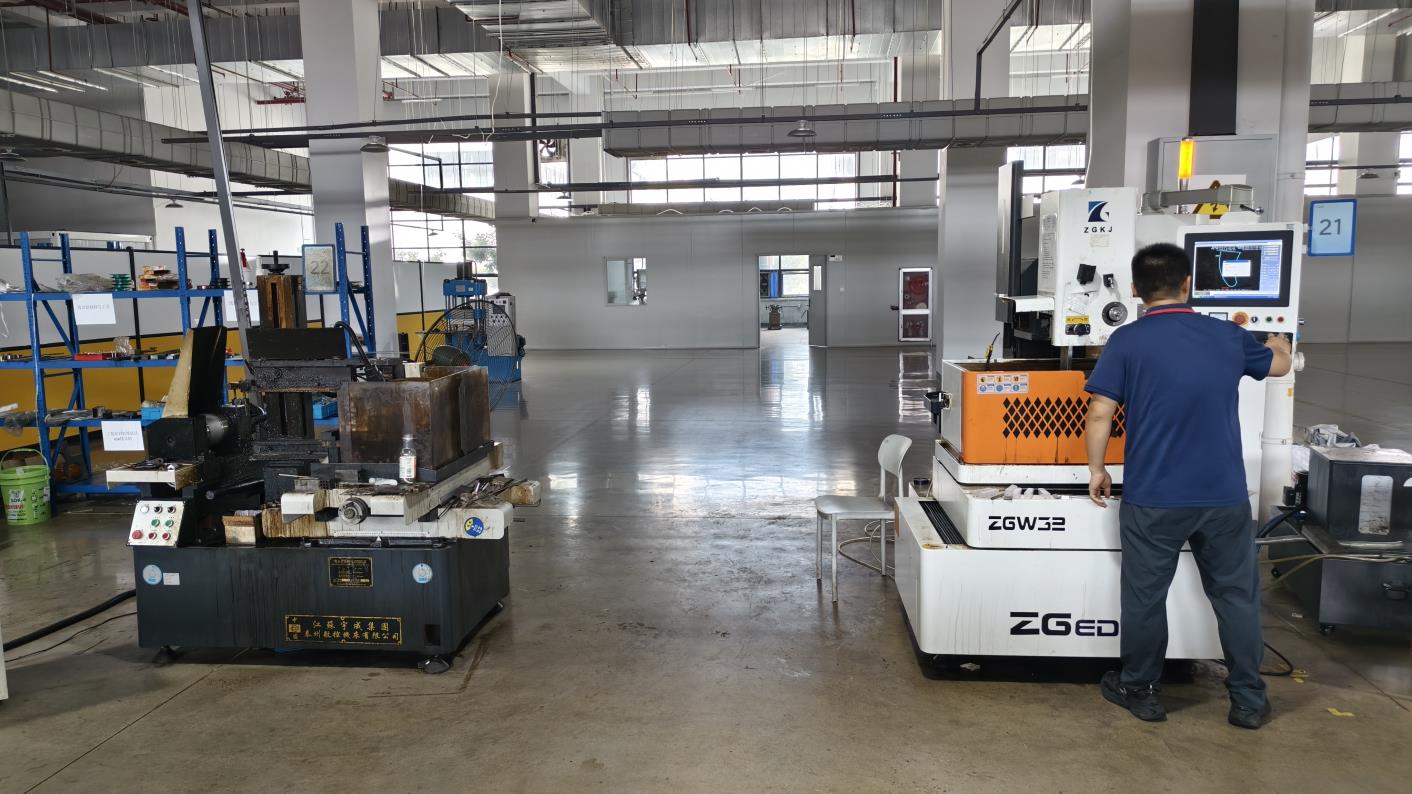
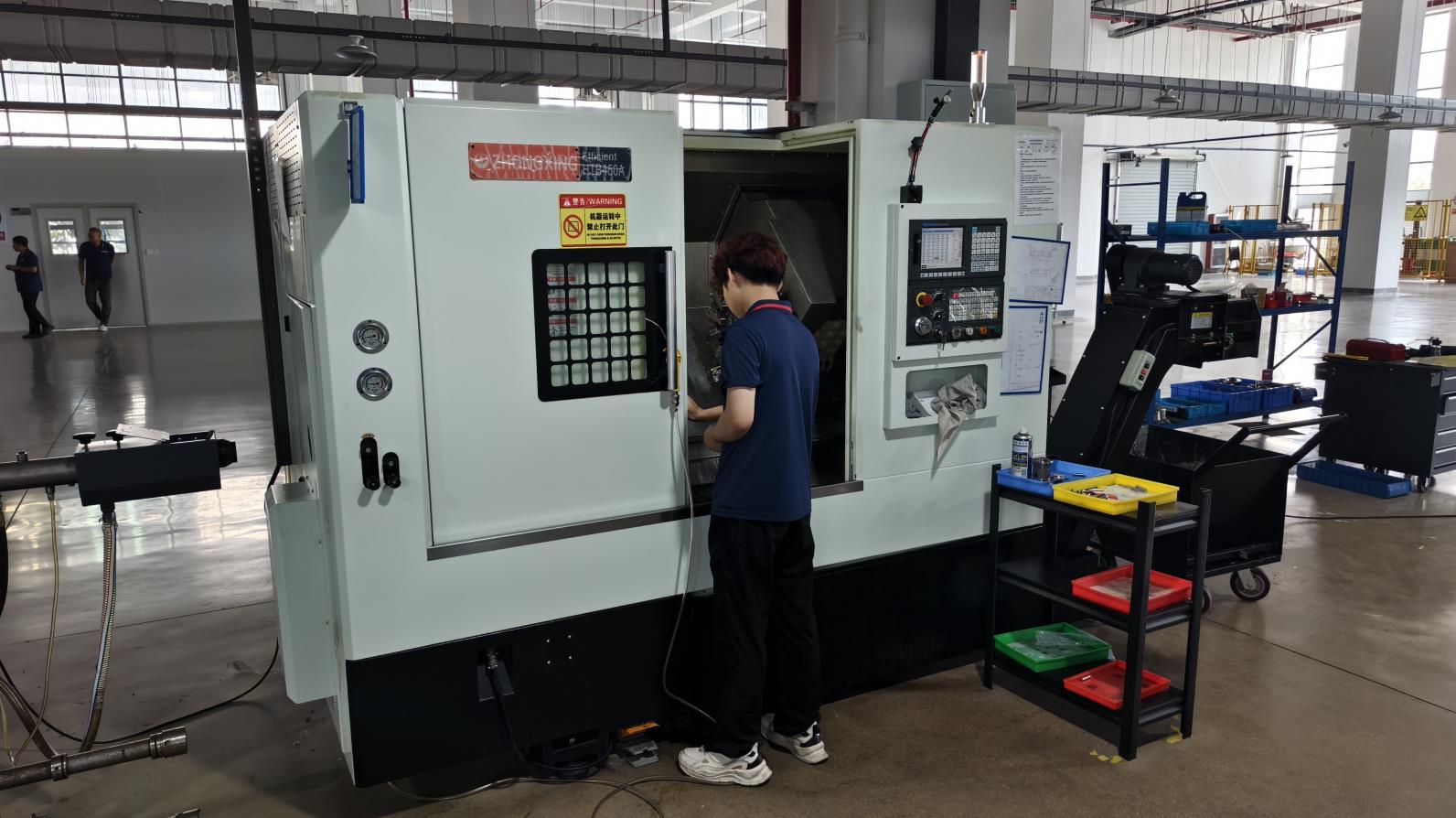
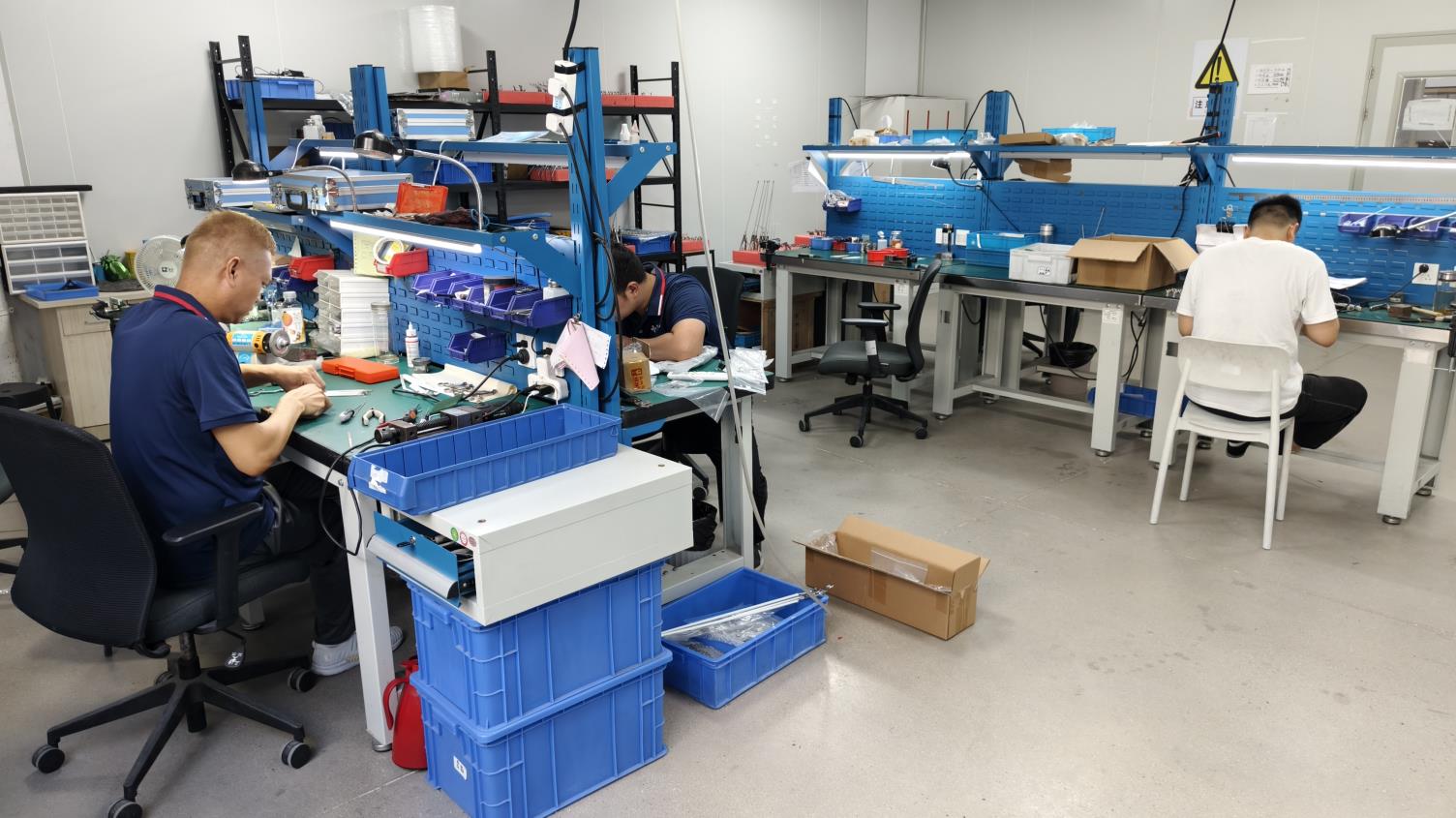
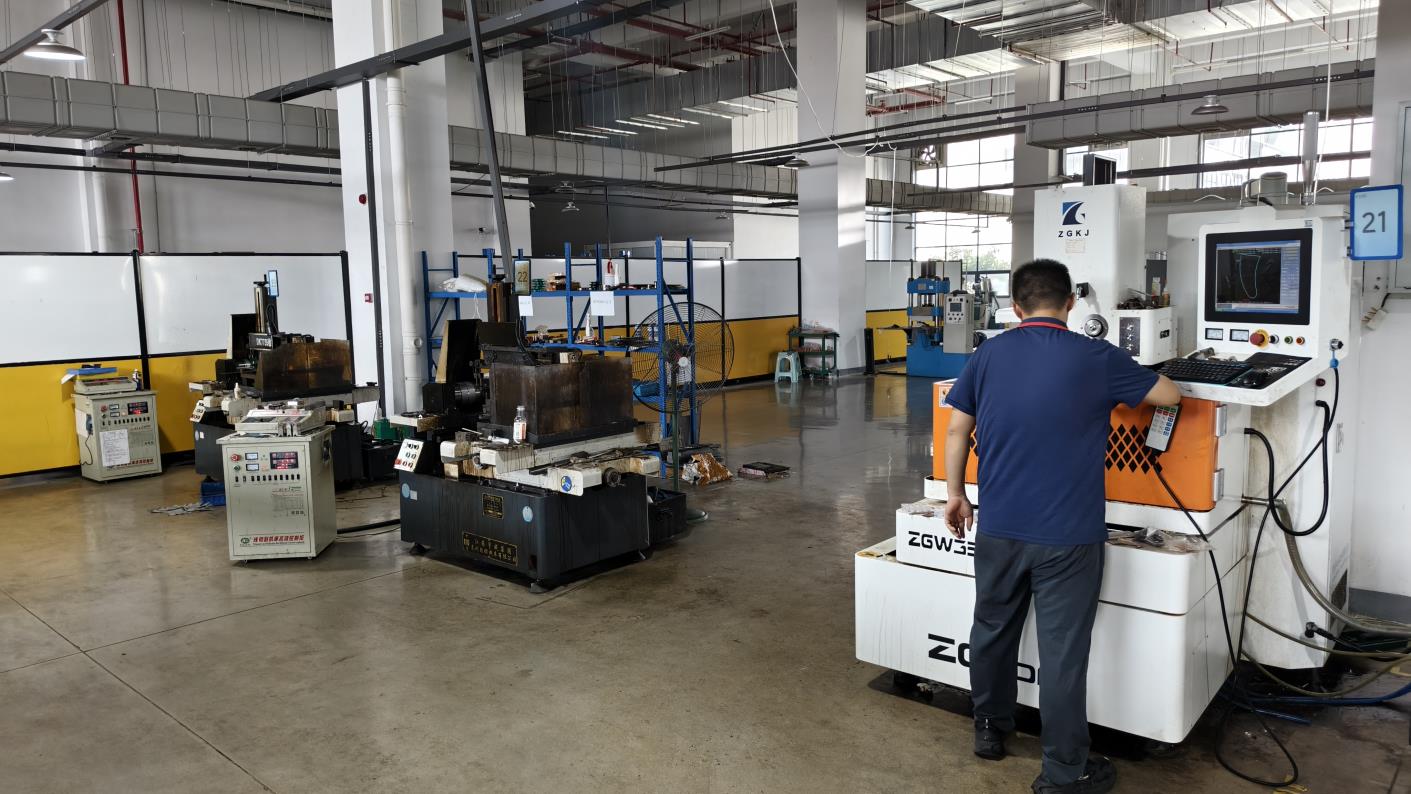
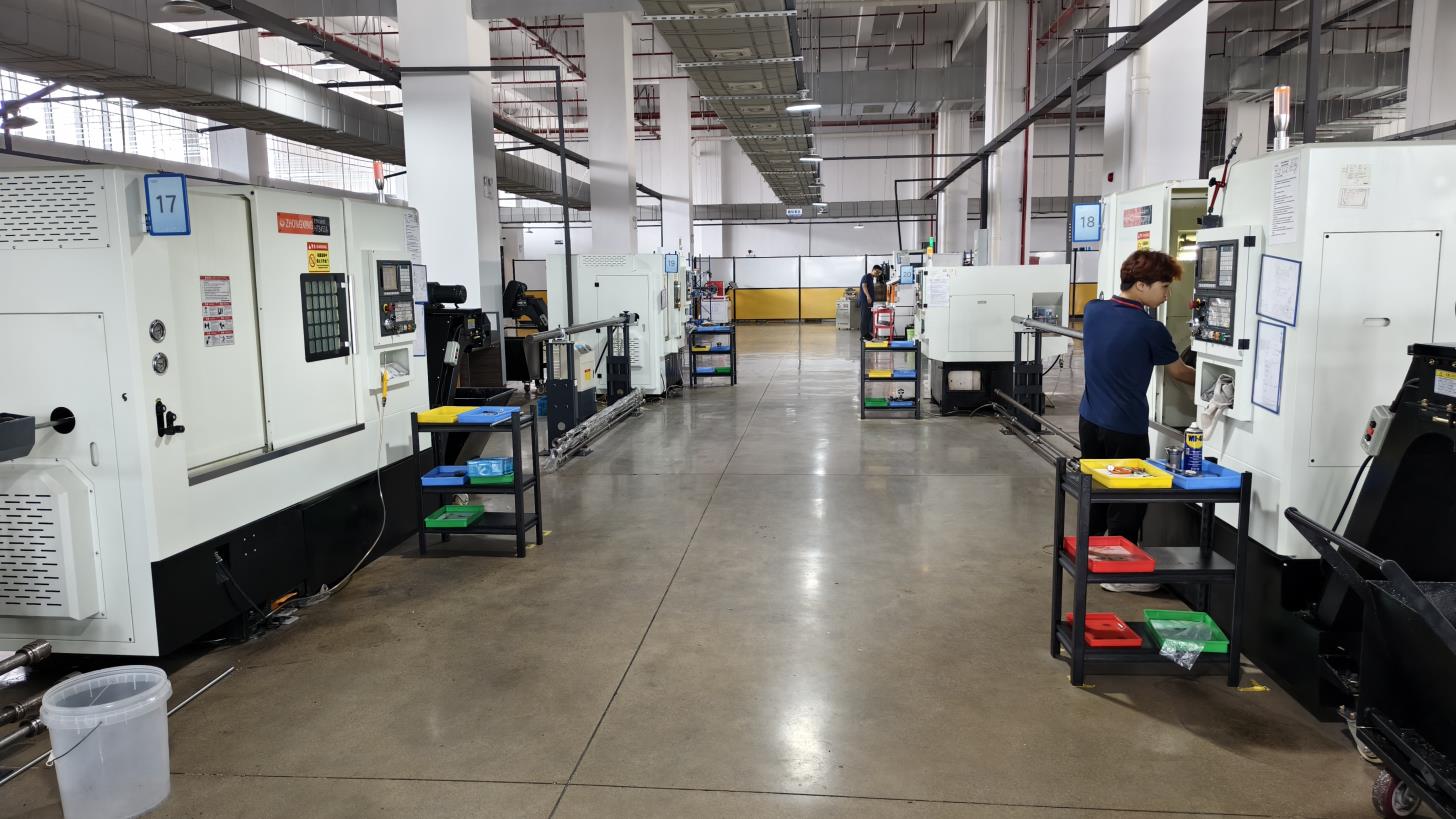
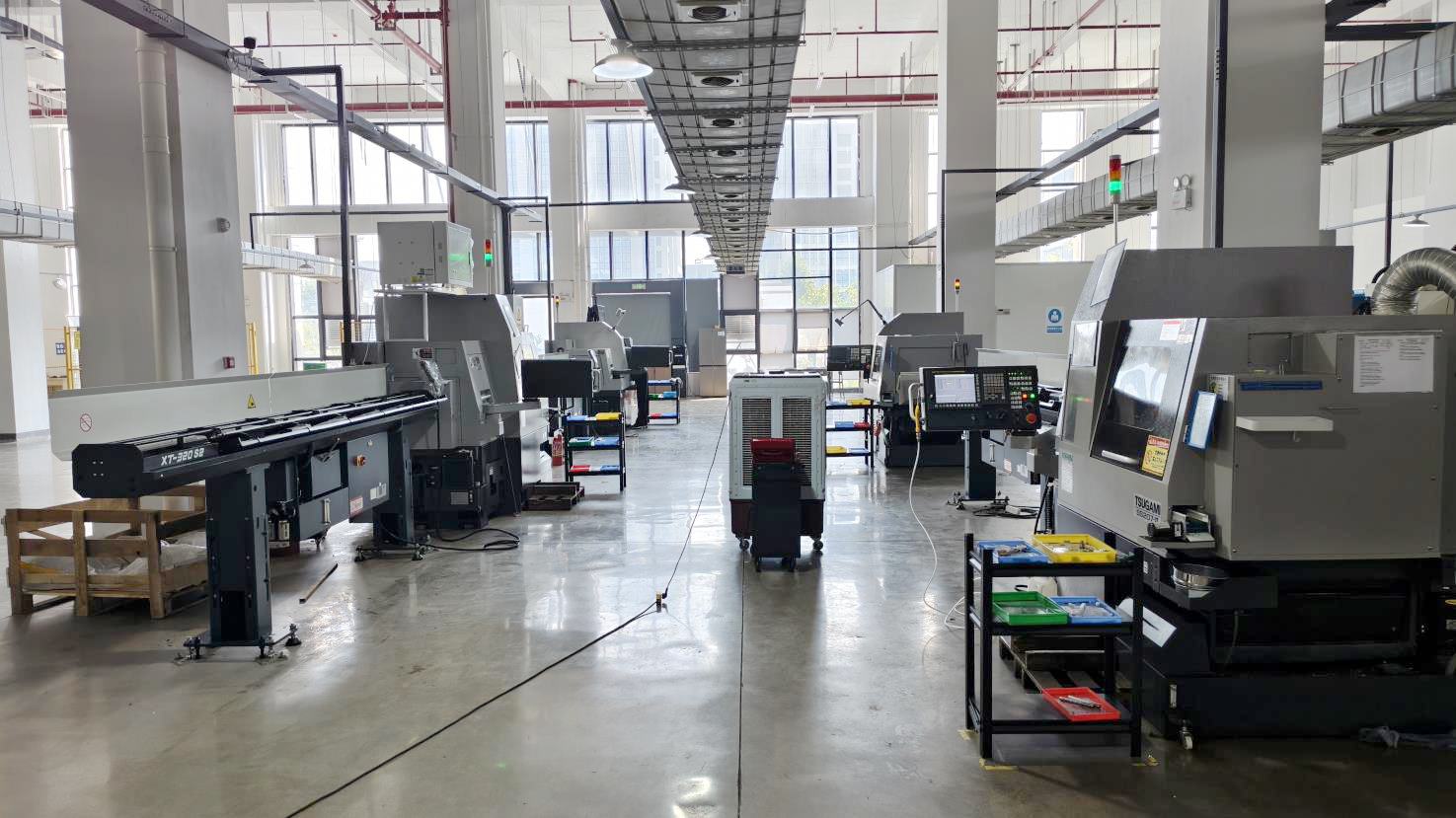
Our facility is equipped with automated CNC machining lines, Swiss-type high-precision lathes, advanced metallurgical laboratories, and Class 100,000 cleanroom environments. This extensive capability enables Synoviq to serve as a reliable OEM and ODM partner for global medical brands, major distributors, and national healthcare systems across Europe, North America, South America, the Middle East, and Asia-Pacific. By maintaining a QA/QC staff of 48 specialists and conducting 100% final inspections, we guarantee that every implant delivered provides the highest level of mechanical safety and clinical efficacy.
| Profile Specification Item | Detailed Corporate Information & Operational Capacity |
|---|---|
| Company Name & Brand | Synoviq Medical Technology (China) Co., Ltd. (Brand: Synoviq) |
| Established Date | March 18, 2016 (With 14 years of foundational industry experience) |
| Facilities Infrastructure | 18,600 m² building footprint optimized for cleanroom operations & CNC machining |
| Quality Control Staff | 48 dedicated QC inspectors with 100% Final Inspection protocols |
| Quality Inspection Capabilities | CMM dimensional validation, mechanical fatigue testing, surface roughness testing, hardness profiling, salt spray corrosion testing, sterility assurance validation |
| Core Business Model | Contract Manufacturer & Exporter (Comprehensive OEM / ODM capability) |
| Global Distribution Network | Europe, North America, South America, Middle East, Southeast Asia (1,120+ supply partners) |
| R&D Depth | 76 R&D engineers, 186 new medical devices released in the last calendar year |
| Customization Scope | Custom laser branding, custom sterile packaging design, rapid alloy prototype machining, customized surface anodization |
Evaluating commercial expansion trends, material science advancements, and international compliance barriers in trauma care.
The international orthopedic trauma device market is undergoing significant restructuring. Driven by rising healthcare costs and demand for surgical efficiency, hospital purchasing organizations and medical brands are looking to offshore precision manufacturing hubs to control costs without sacrificing quality. Modern manufacturers must function as collaborative development partners rather than simple transactional factories. Synoviq addresses this gap by offering cleanroom packaging, component tracking, and direct-to-warehouse delivery services.
Additionally, domestic regulations like EU MDR and regional registration policies require clear traceability of raw material batches, surgical performance data, and biocompatibility documentation. Navigating these requirements demands strict control over the entire supply chain. Our supply chain involves 1,120+ trusted material partners and service providers, allowing us to maintain stable, high-volume production even during global raw material shortages.
Material selection determines the mechanical limits and long-term biocompatibility of humeral intramedullary nails. Medical grade Titanium Alloy (Ti-6Al-4V ELI, complying with ASTM F136 standards) remains the primary material of choice. It offers an optimal strength-to-weight ratio, excellent fatigue resistance, and a low modulus of elasticity that minimizes stress-shielding risks compared to stainless steel alternatives.
Through controlled electrochemical anodization processes, we generate a stable, sterile oxide layer on the implant's surface. This surface modification increases corrosion resistance, prevents metal ion release into the surrounding tissue, and color-codes different diameters to make identification easier for surgical staff. Our ongoing R&D efforts also explore advanced polymers, including polyetheretherketone (PEEK) composite variations, to improve radiolucent monitoring during long-term healing evaluations.
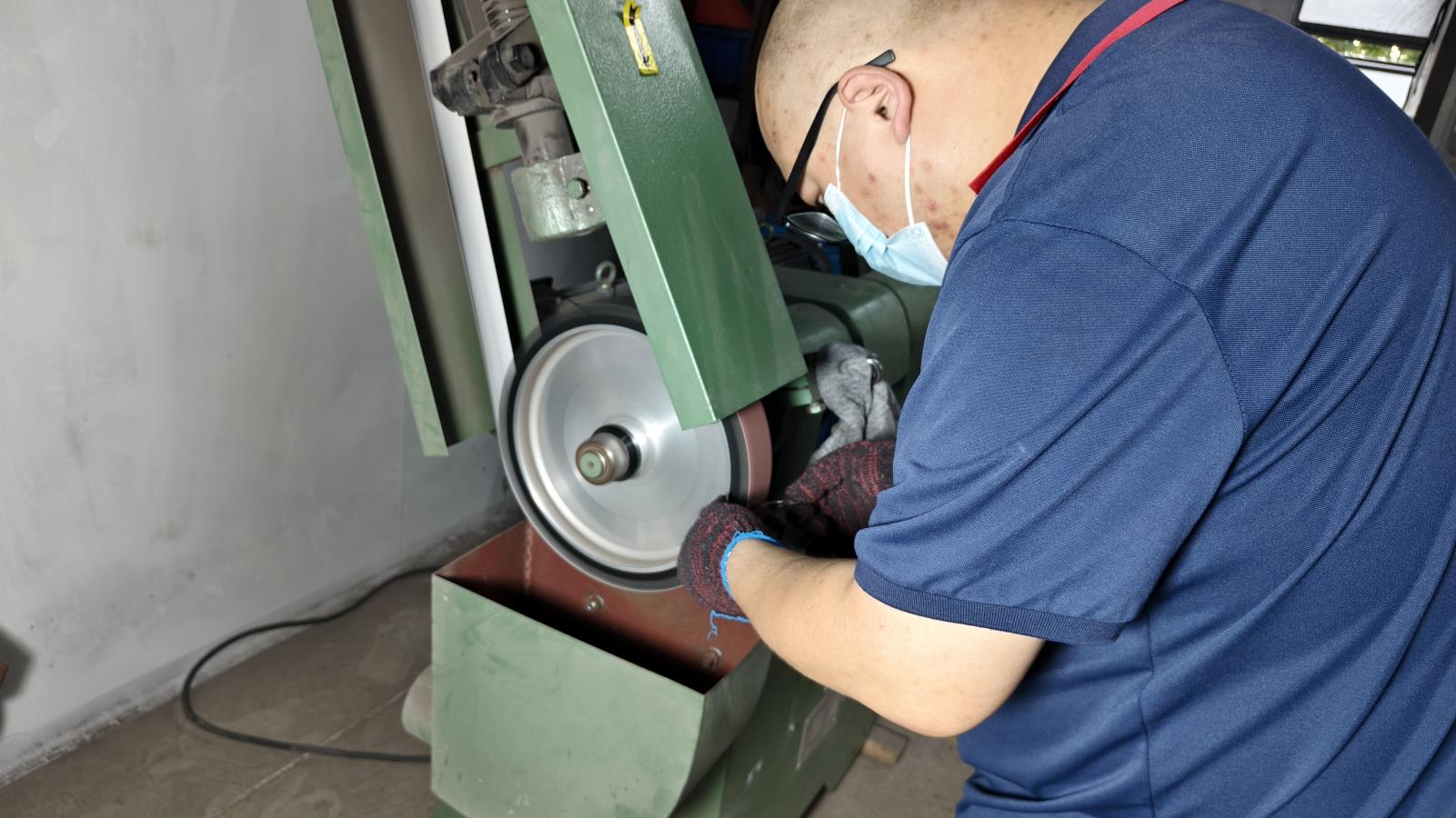
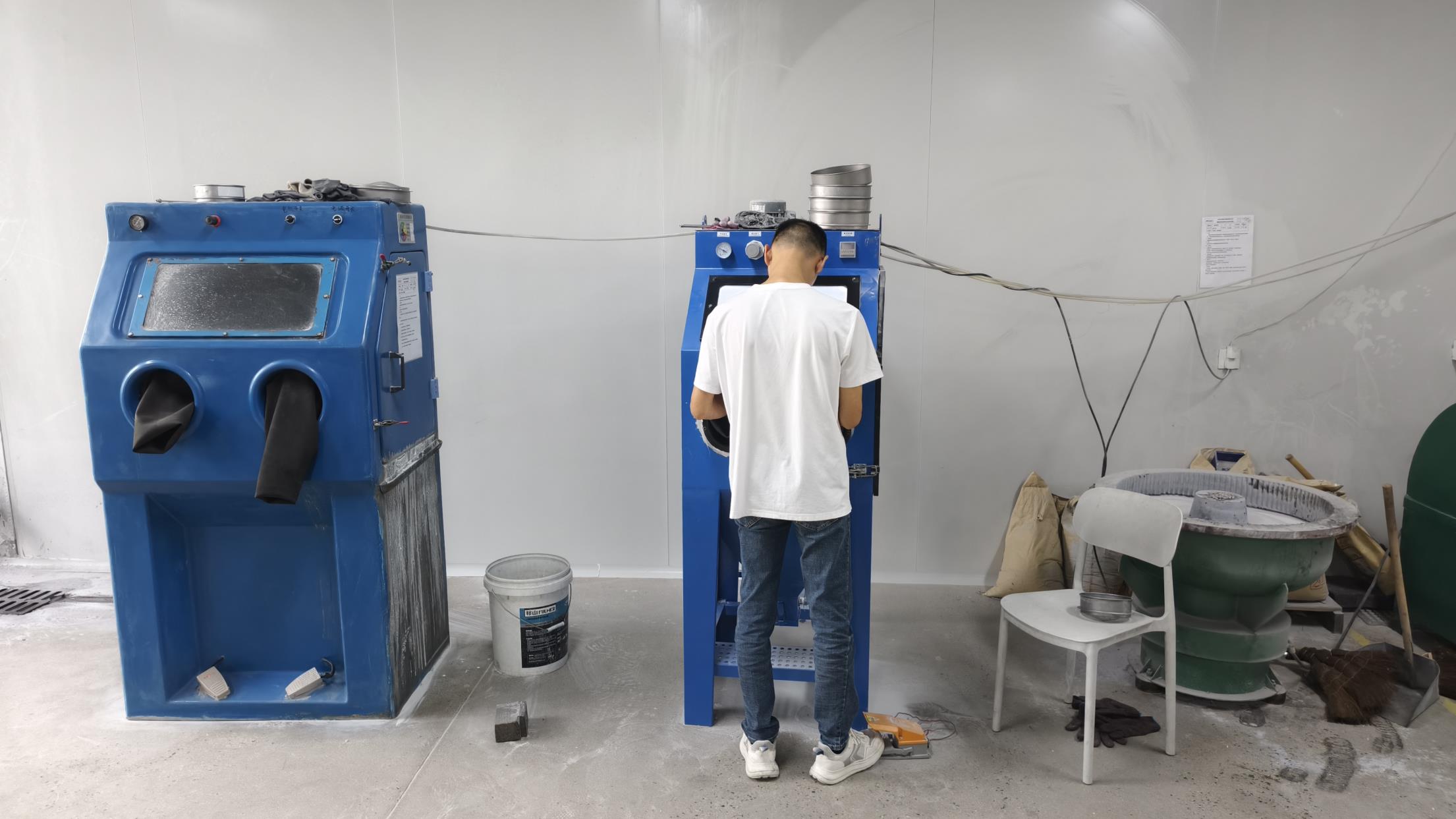
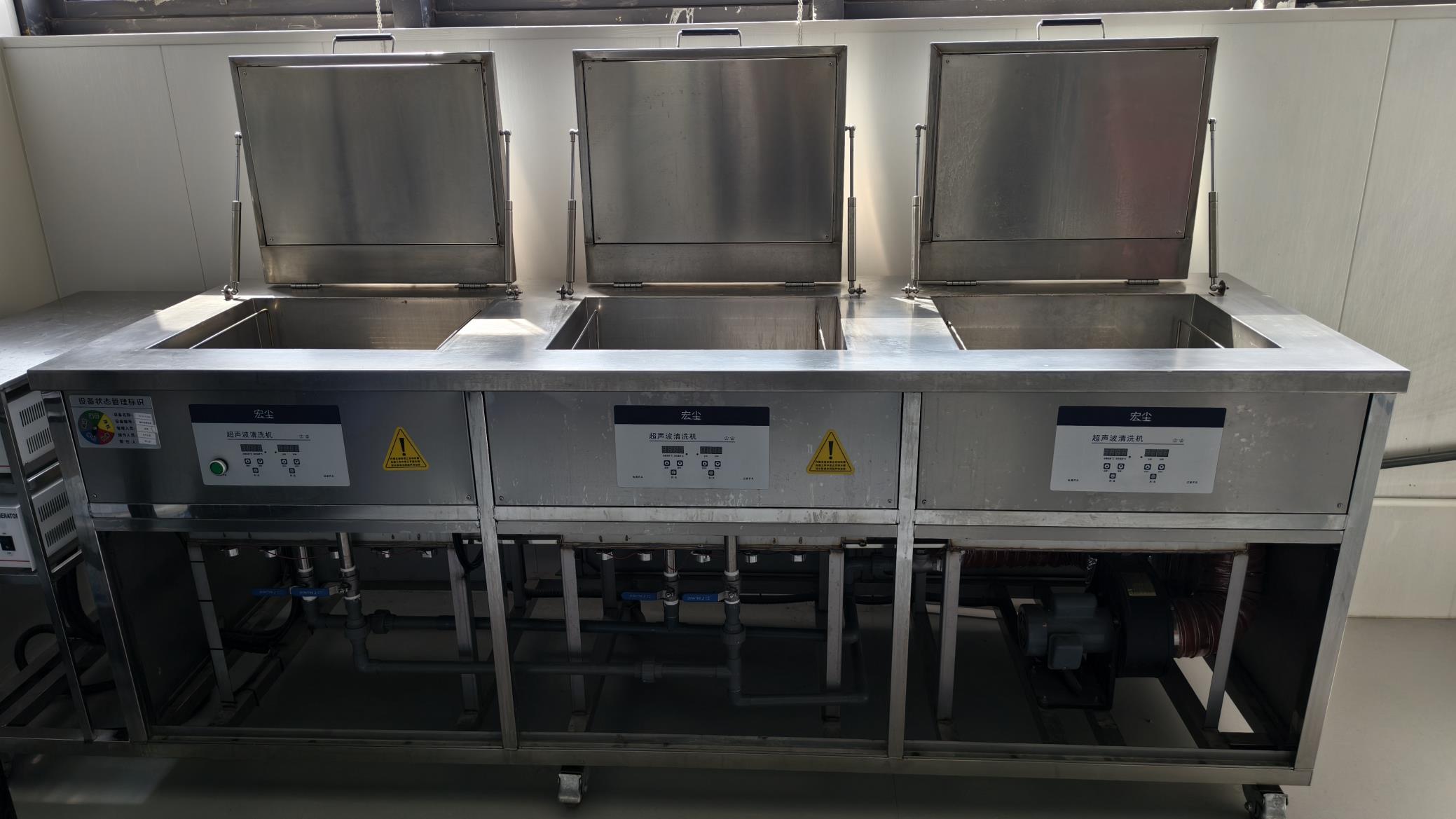
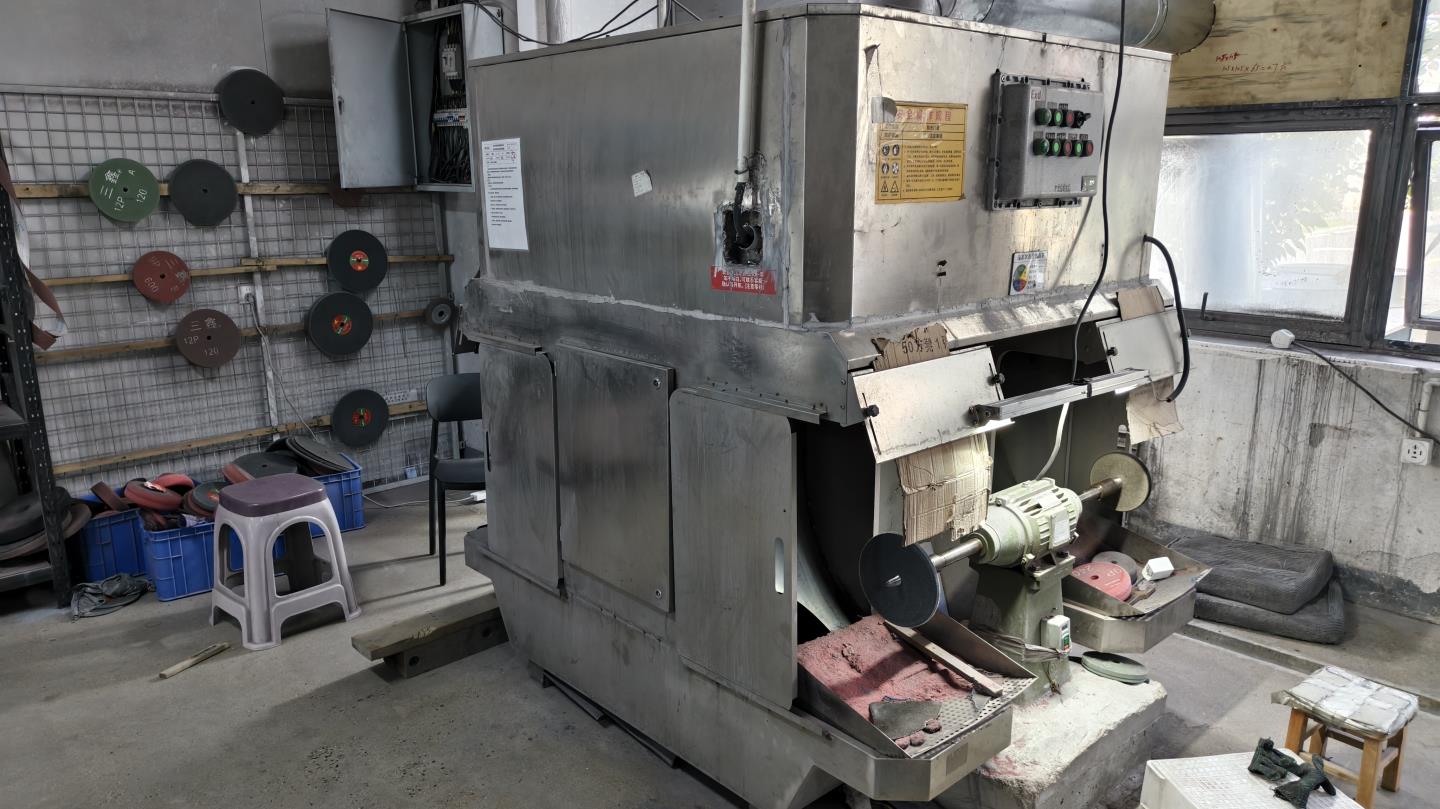
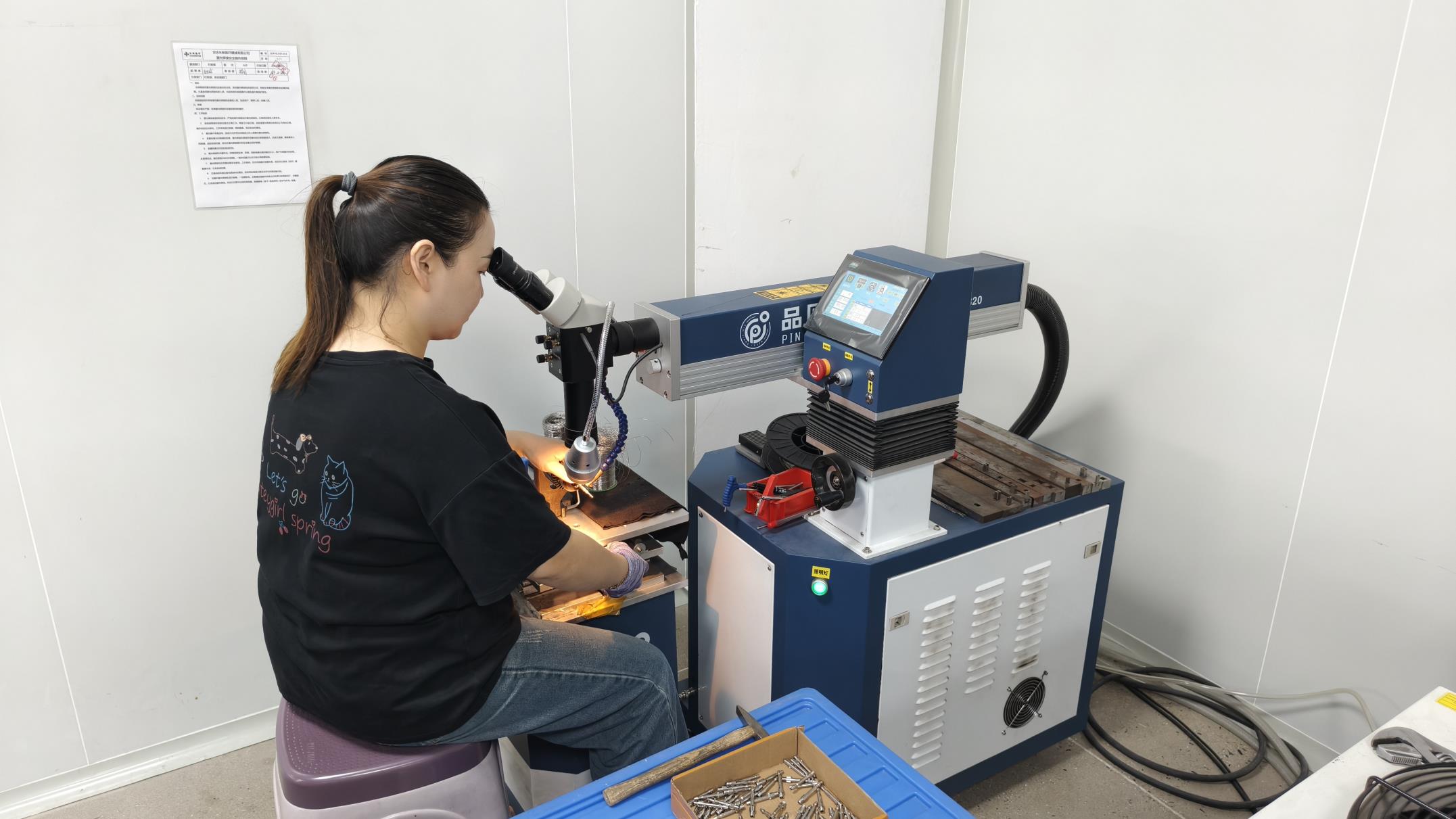
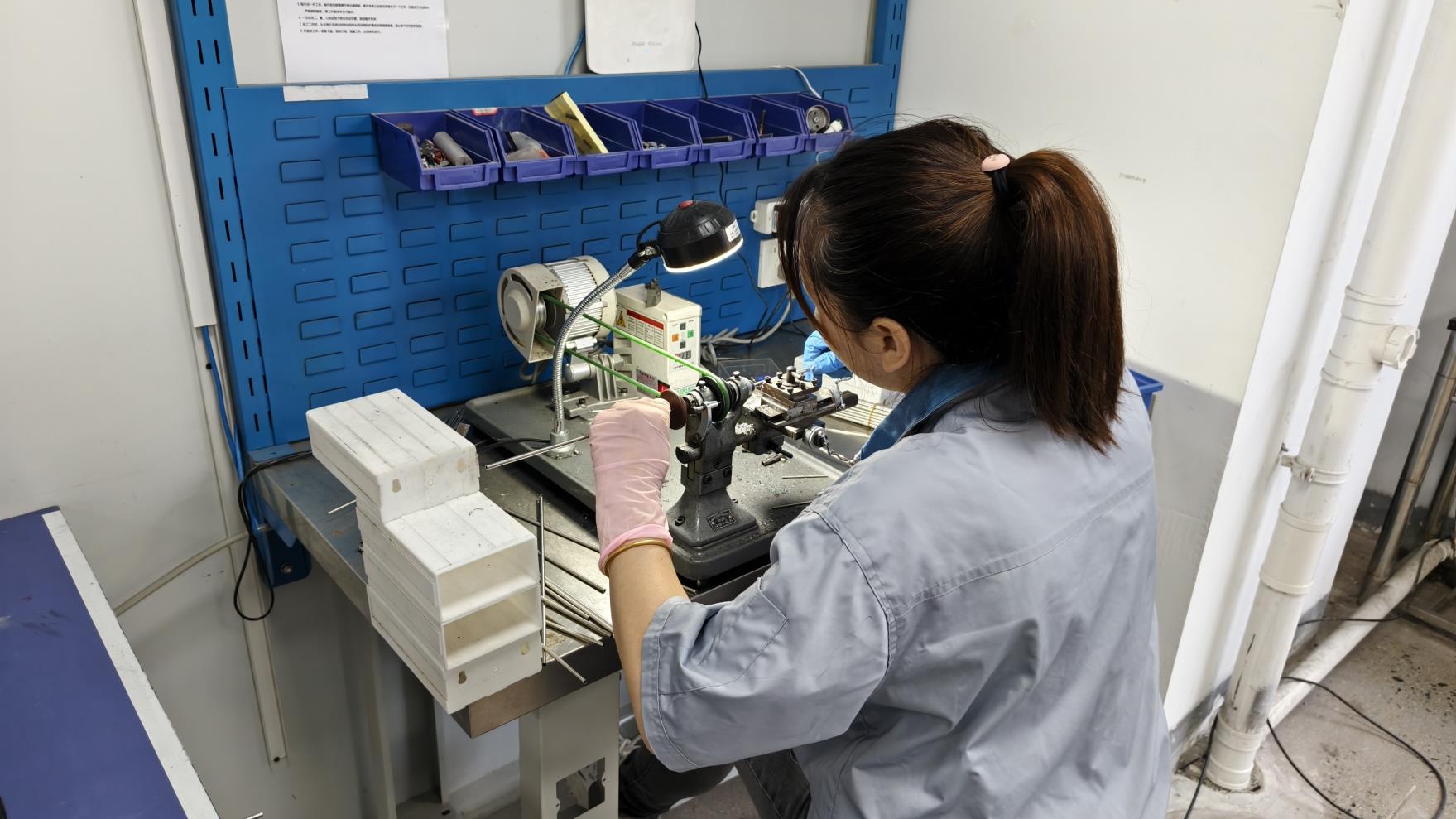
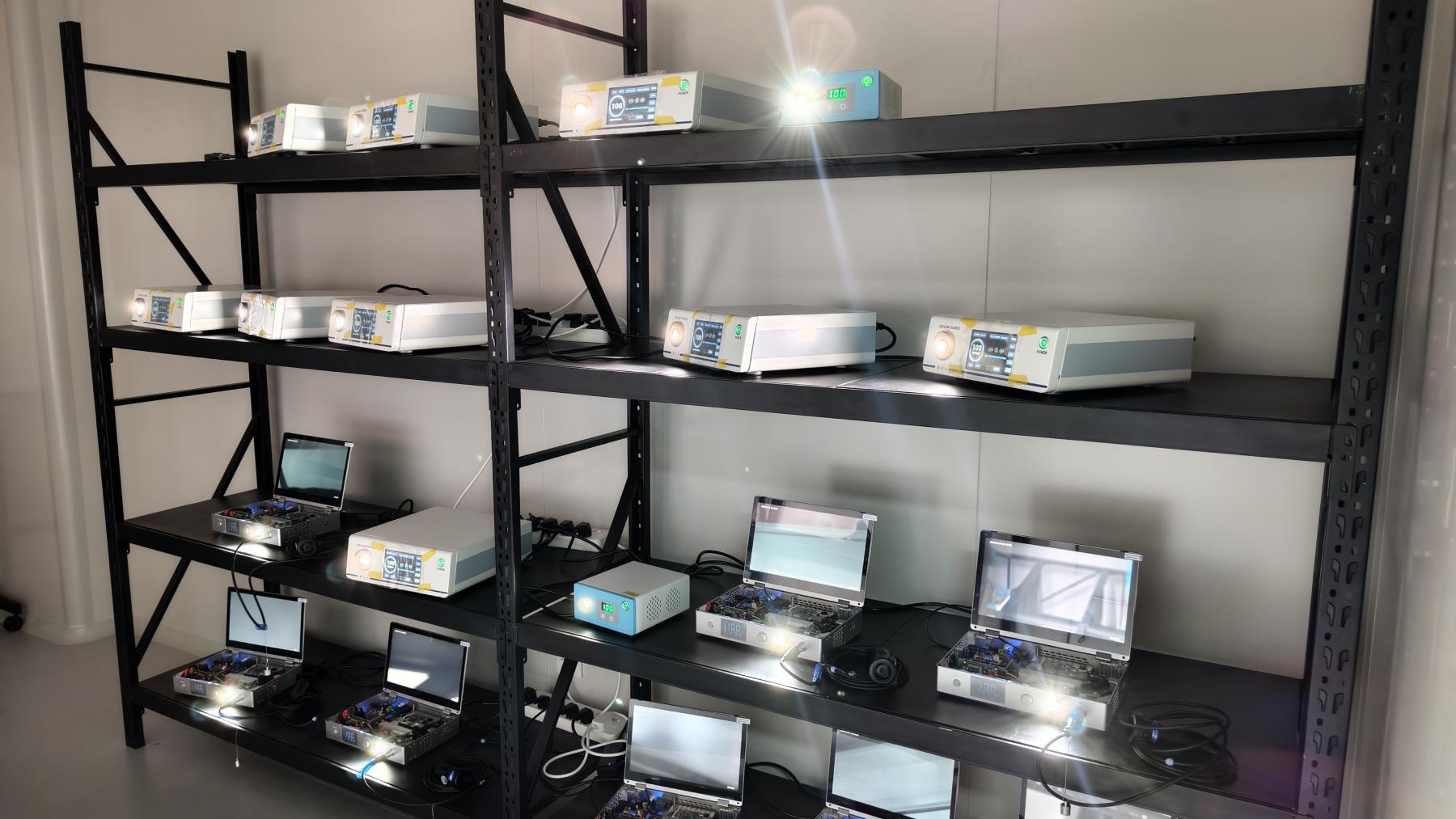
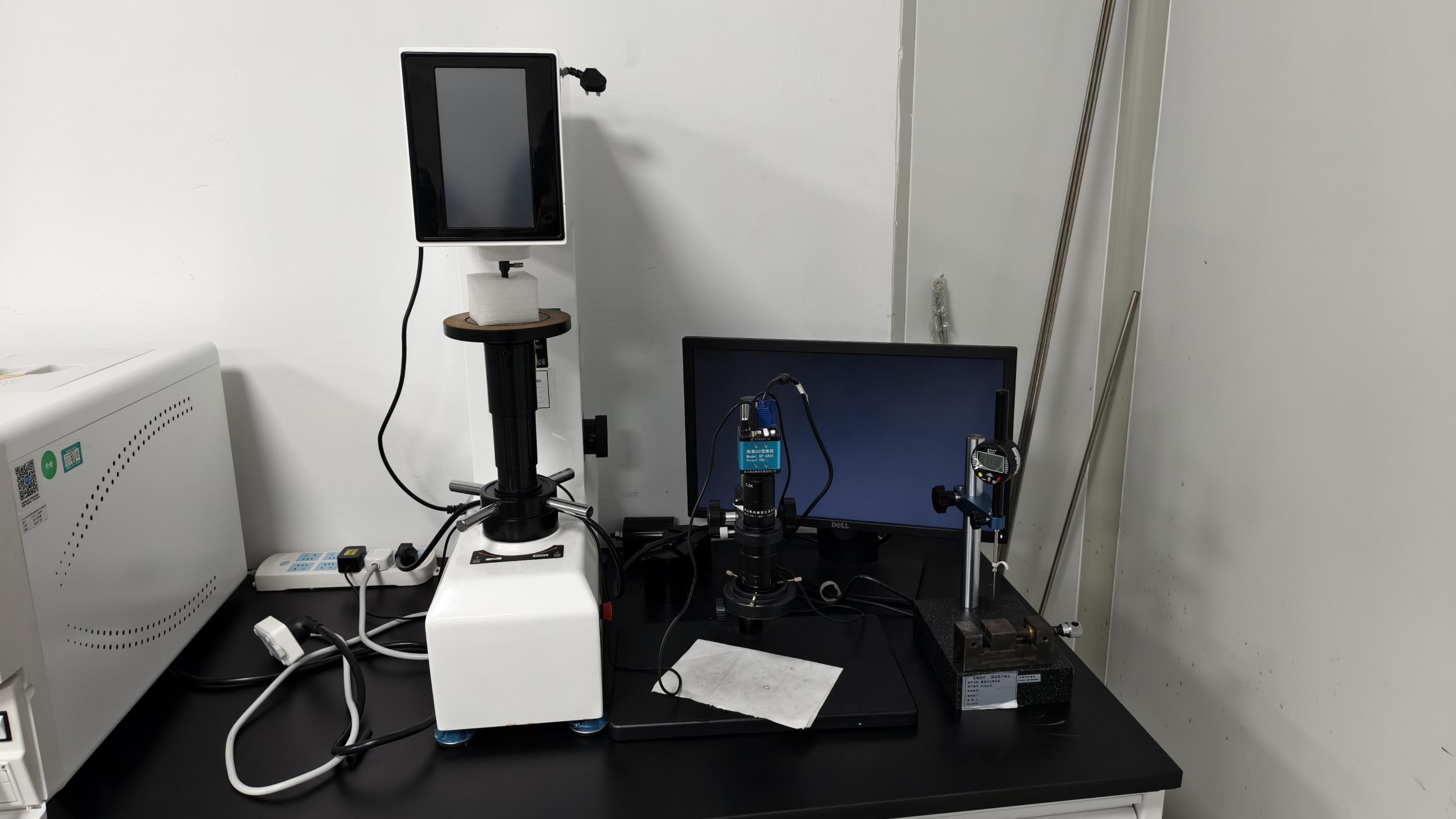
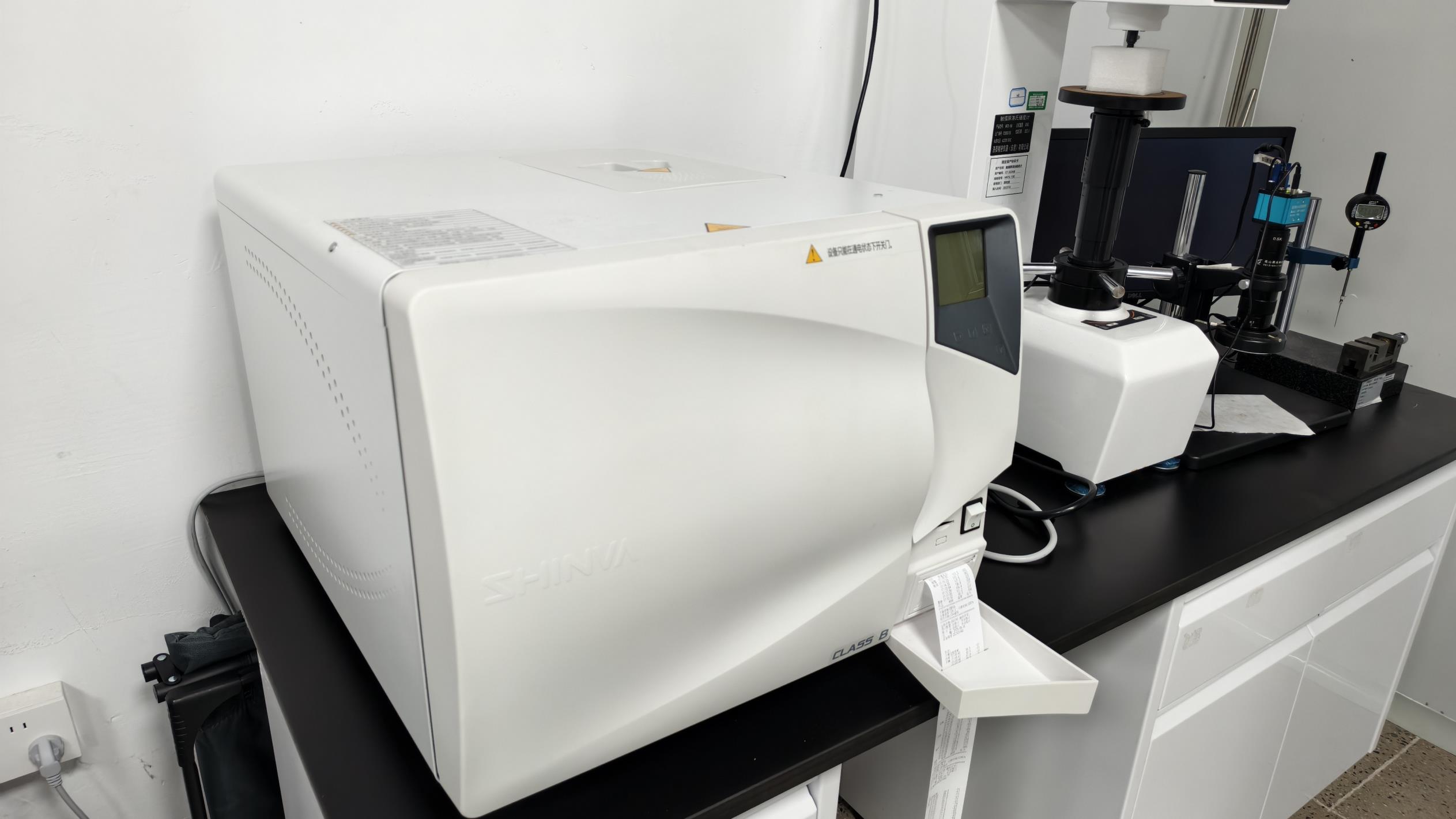
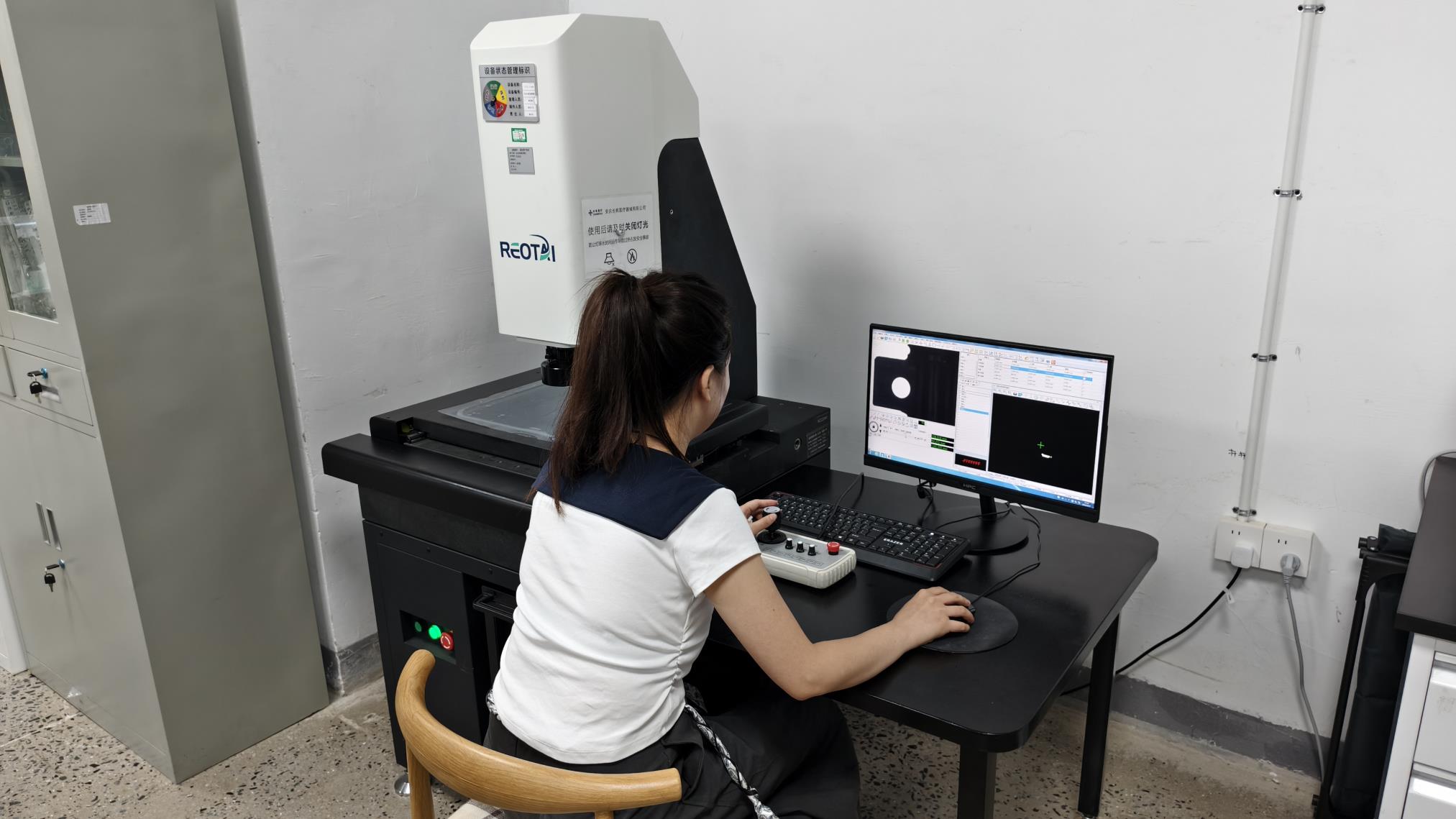
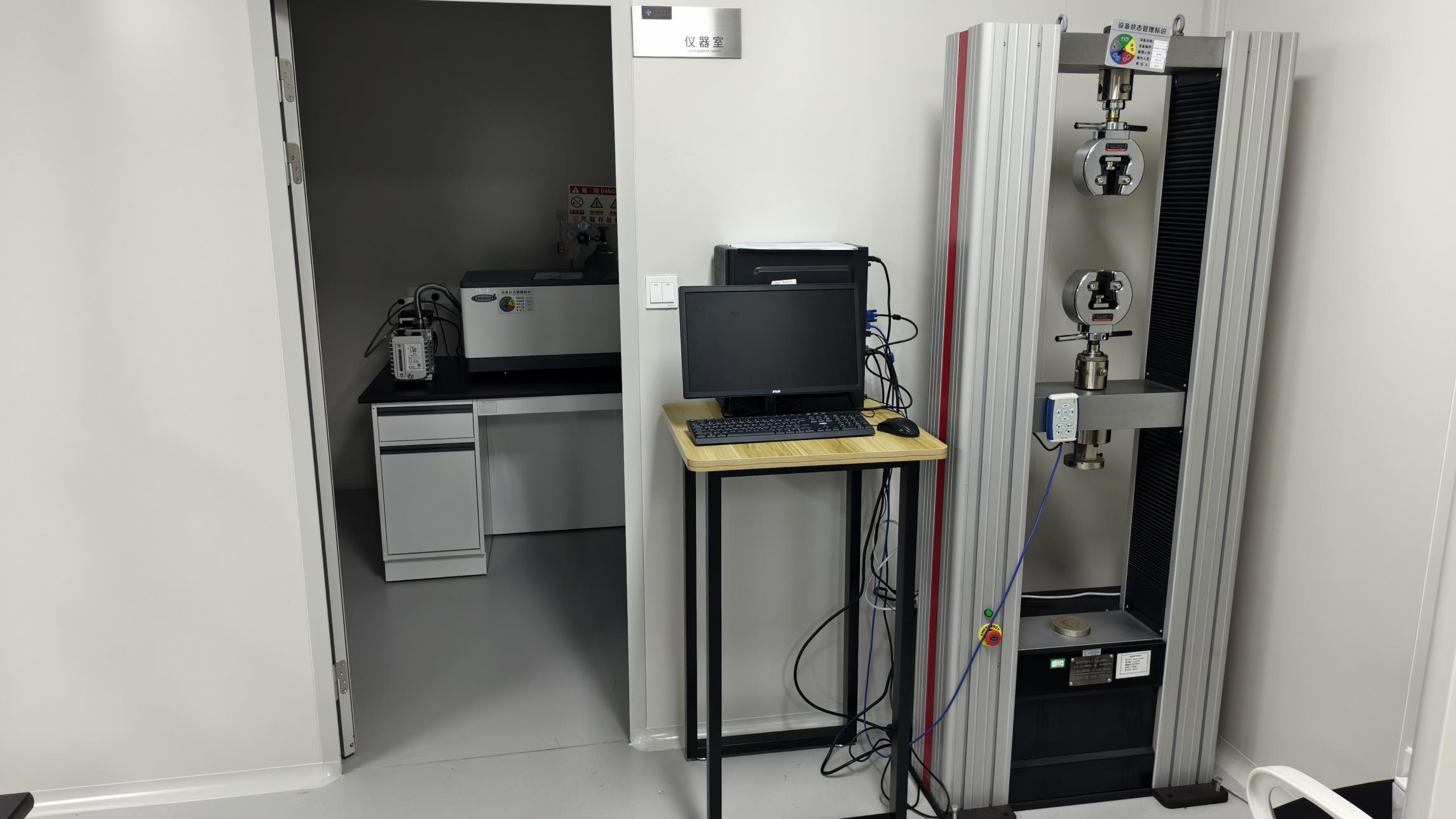
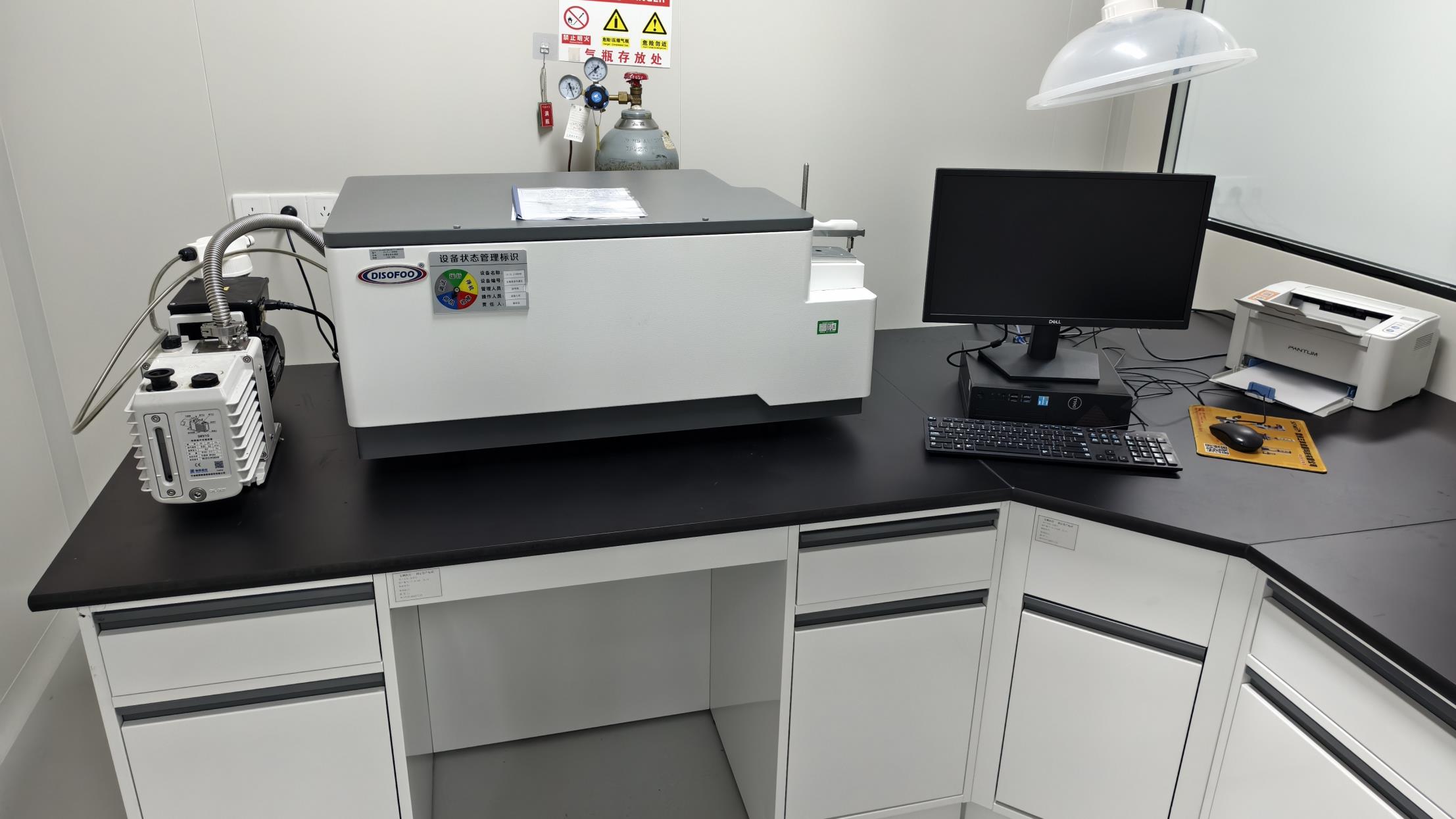
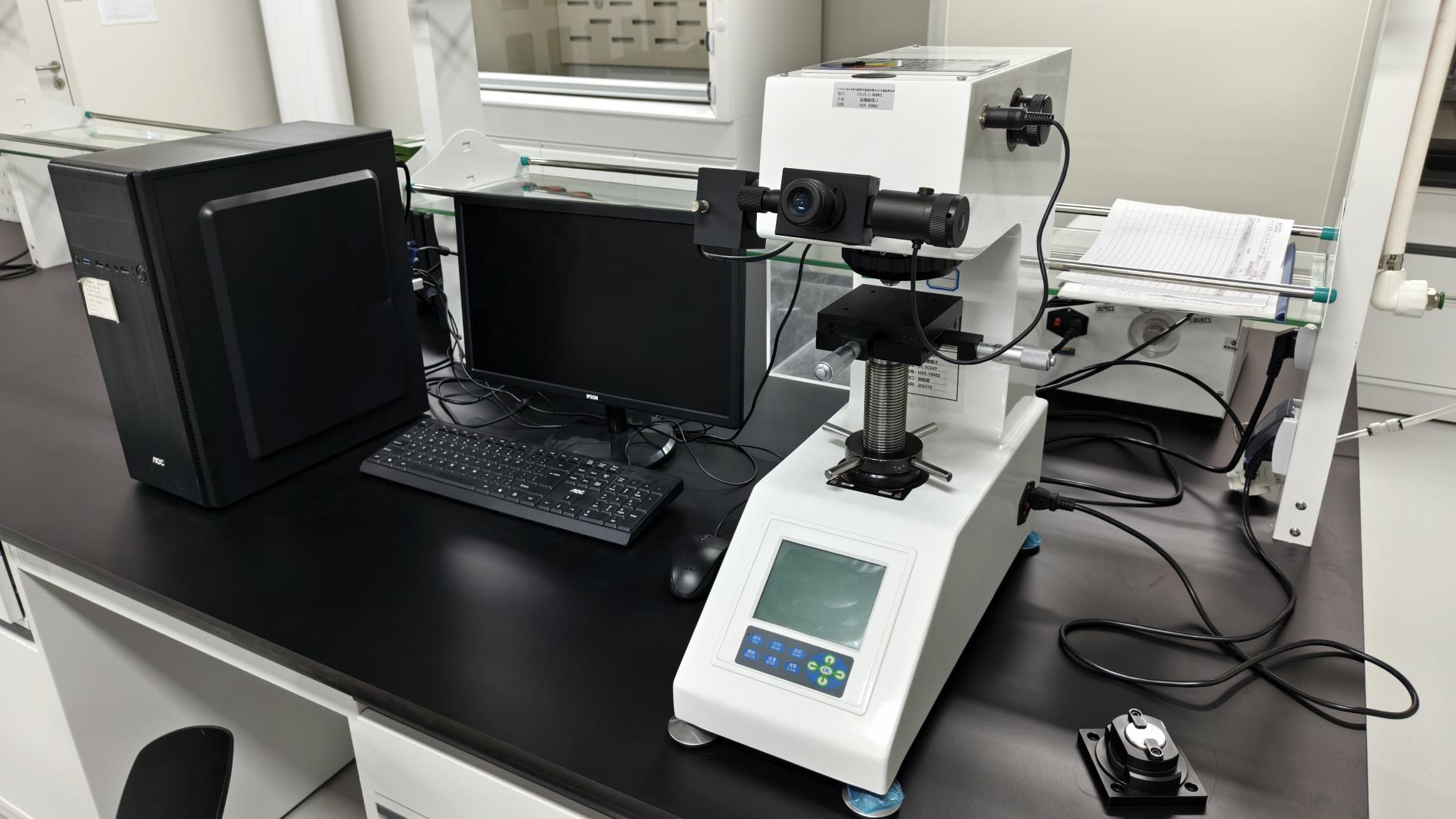
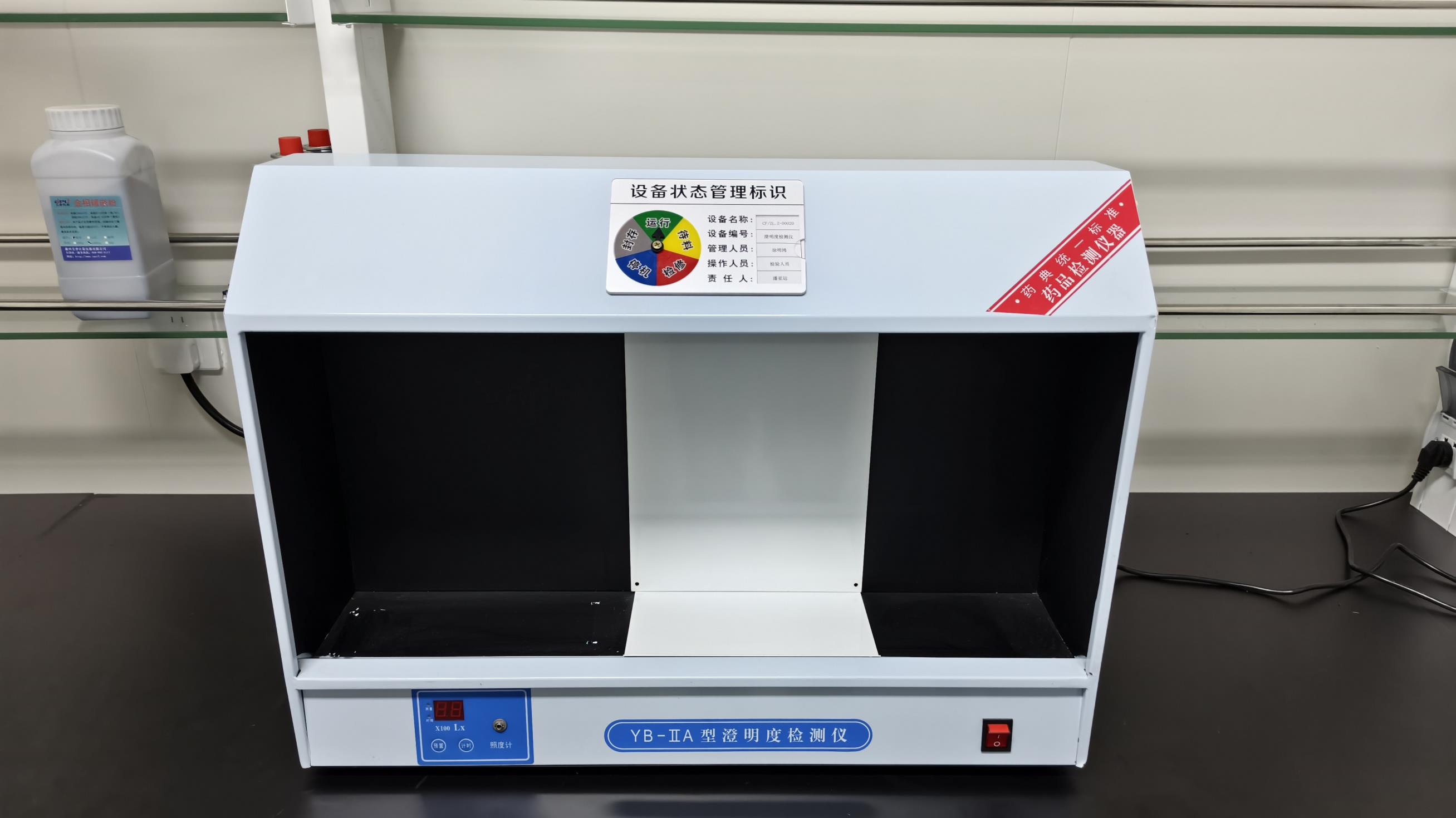
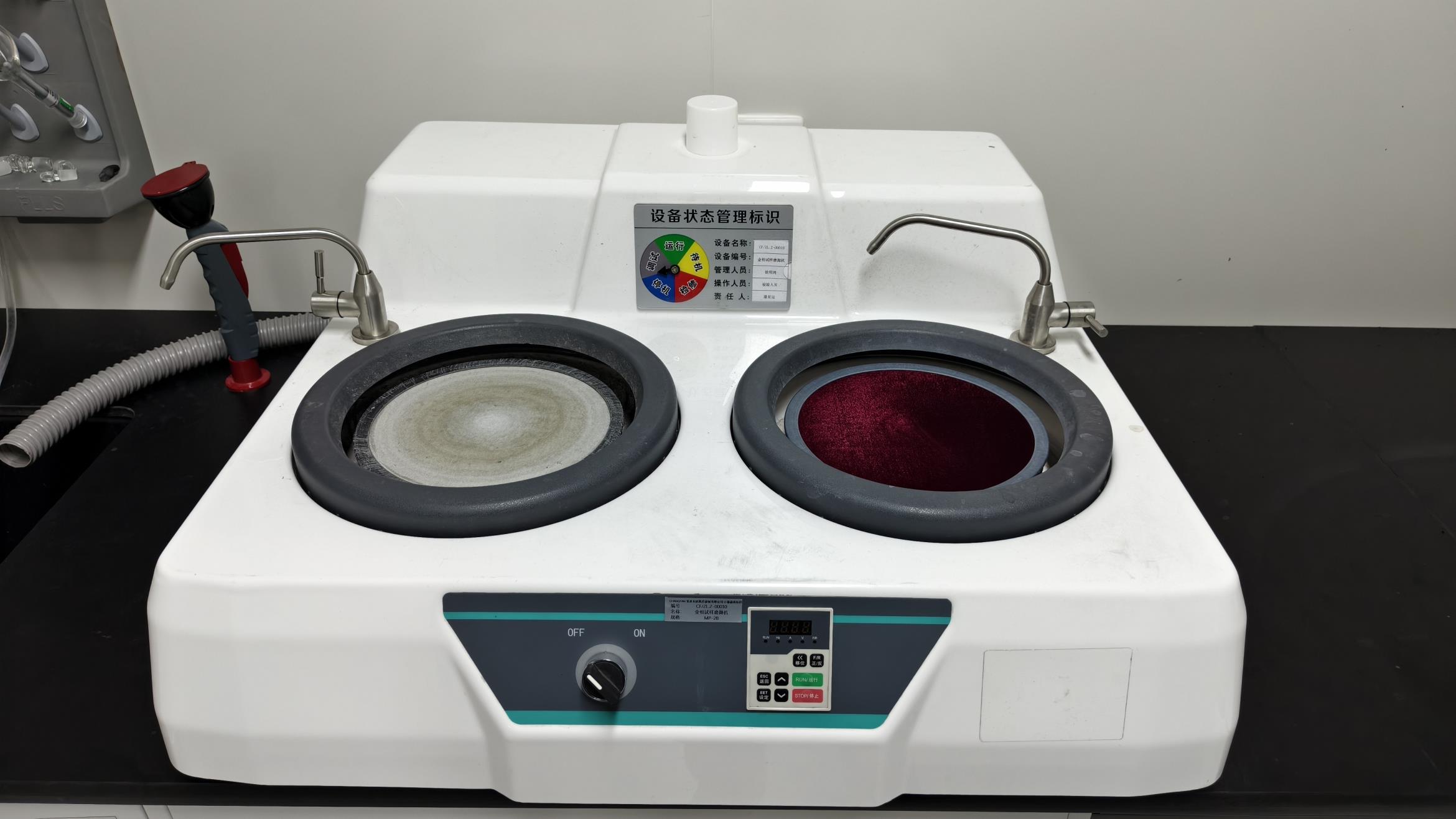
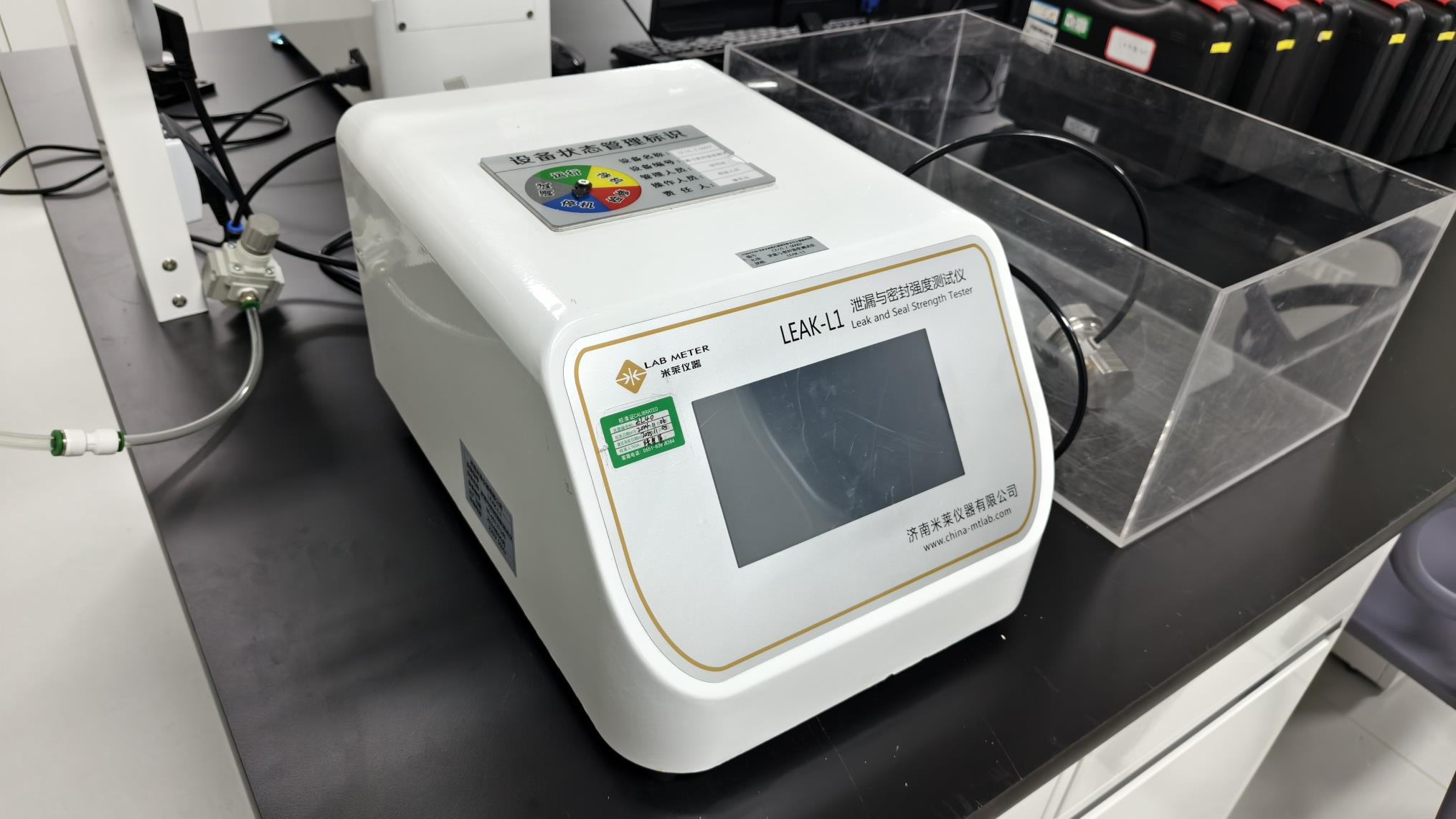
Witness our closed-loop quality control ecosystem combining high-precision machining with comprehensive material and mechanical validation.
Navigating the convergence of biomechanical engineering, additive manufacturing, and digital surgical targeting.
Standard intramedullary nails are designed to accommodate broad anatomical ranges. However, complex revision cases and pathological fractures benefit from customized structural designs. Our R&D pipeline is actively integrating direct metal laser sintering (DMLS) technologies. This allows us to transition from mass-manufactured rods to patient-specific intramedullary shapes designed directly from preoperative CT datasets.
These 3D-printed structures match the anatomical curvature of the patient's humerus, optimizing fit and improving endosteal contact points. By altering porous density distributions along the nail's length, we can customize local stiffness, minimizing stress shielding while maintaining high load-bearing capacity.
Distal locking of humeral nails remains a challenging step in trauma surgery, often requiring repeat fluoroscopic imaging that increases radiation exposure for patients and operating room teams. To address this, Synoviq is developing electromagnetic targeting instrumentation. By embedding miniature micro-sensors within aiming guides, surgeons can locate distal lock channels without ionizing radiation. This mechanical-digital integration shortens surgical times, improves targeting accuracy, and reduces reliance on intraoperative C-arm systems.
Future iterations of our trauma range will incorporate thin, bio-compatible sensor layers capable of monitoring real-time load-sharing variations directly at the fracture site. When combined with sub-micron bioactive surface coatings (such as strontium-doped hydroxyapatite), these implants promote accelerated osteogenesis while allowing medical staff to wirelessly assess structural healing progress.
Analyzing critical laboratory validations, precision inspection equipment, and sterilization parameters.
To maintain consistent performance across our implant ranges, Synoviq enforces strict quality control parameters at every production phase. Our chemical lab utilizes optical emission spectrometers to verify raw alloy compositions, confirming titanium alloy conforms to ASTM F136 ELI requirements before machining begins. Following precision Swiss-lathe processing, products undergo testing in our mechanical laboratory. This includes static and dynamic fatigue tests (under ISO 9585 and ASTM F1264 guidelines) to ensure the implants can withstand repetitive skeletal loading cycles.
Our metrology laboratory uses automatic 2D video measuring systems and coordinate measuring machines (CMM) to verify dimensional tolerances to within single-micron ranges. We also utilize digital metallurgical microscopes to inspect material grain structure, ensuring no micro-voids or structural weaknesses are present in the final product.
Before packaging, implants undergo automated multi-stage ultrasonic cleaning and acid passivating treatments to eliminate manufacturing residues. Cleanroom assembly is conducted under Class 100,000 environmental control conditions, followed by validation testing to confirm sterility and seal integrity. These protocols ensure our products consistently meet international distribution and regulatory standards.
Providing technical answers to common queries from surgeons, medical device distributors, and global sourcing specialists.
Explore our secondary lineup of clinical instruments, veterinary surgical tools, and spinal fixators.
 Synoviq Medical