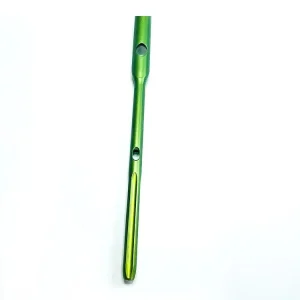
The global orthopedics market is undergoing a fundamental shift towards biologics and regenerative frameworks. As surgery techniques advance from simple mechanical fixation to biologically active regeneration, the role of engineered bone grafts and complementary fixation hardware is more critical than ever. Leading medical professionals demand a synergy between synthetic bone matrices (such as high-purity Calcium Phosphates, bioactive glasses, and collagen matrices) and precision-machined titanium/PEEK stabilization systems.
Synoviq Medical Technology (China) Co., Ltd. is positioned at the intersection of mechanical fixation and bone regeneration. With a focus on state-of-the-art orthopedics research, Synoviq manufactures complex osteotomy instruments, trauma fixation hardware, and biocompatible platforms. By utilizing high-tier raw material compounds, advanced surface texturing, and cleanroom packaging technologies, Synoviq ensures that global medical device distributors, hospitals, and OEM brands access implants built for optimal patient outcomes.
Our commitment to Quality Management Systems (QMS) conforms to ISO 13485 standards, delivering high-integrity products that withstand the rigorous demands of regulatory bodies such as the FDA, CE MDR, and NMPA.
Modern bone grafting relies on three physiological principles: Osteogenesis (cells that form new bone), Osteoinduction (chemical signals triggering bone growth), and Osteoconduction (structural scaffold for bone attachment). Clinical procedures across trauma and spine surgeries combine synthetic matrices with rigid fixation plates to optimize healing timelines.
Autologous bone remains a common option but is limited by donor site pain and finite supply. This drives the global growth of synthetic alternatives like high-purity Beta-Tricalcium Phosphate (β-TCP) and Hydroxyapatite (HA). These materials are paired with biocompatible metals to offer predictable, controllable healing rates.
B2B importers operate under strict local guidelines (such as FDA Class II/III, EU CE MDR, MDSAP). Gaining regulatory approval requires detailed trace records, cleanroom bioburden validations, and mechanical fatigue test logs. Synoviq assists partners with comprehensive technical documentation to simplify local registration.
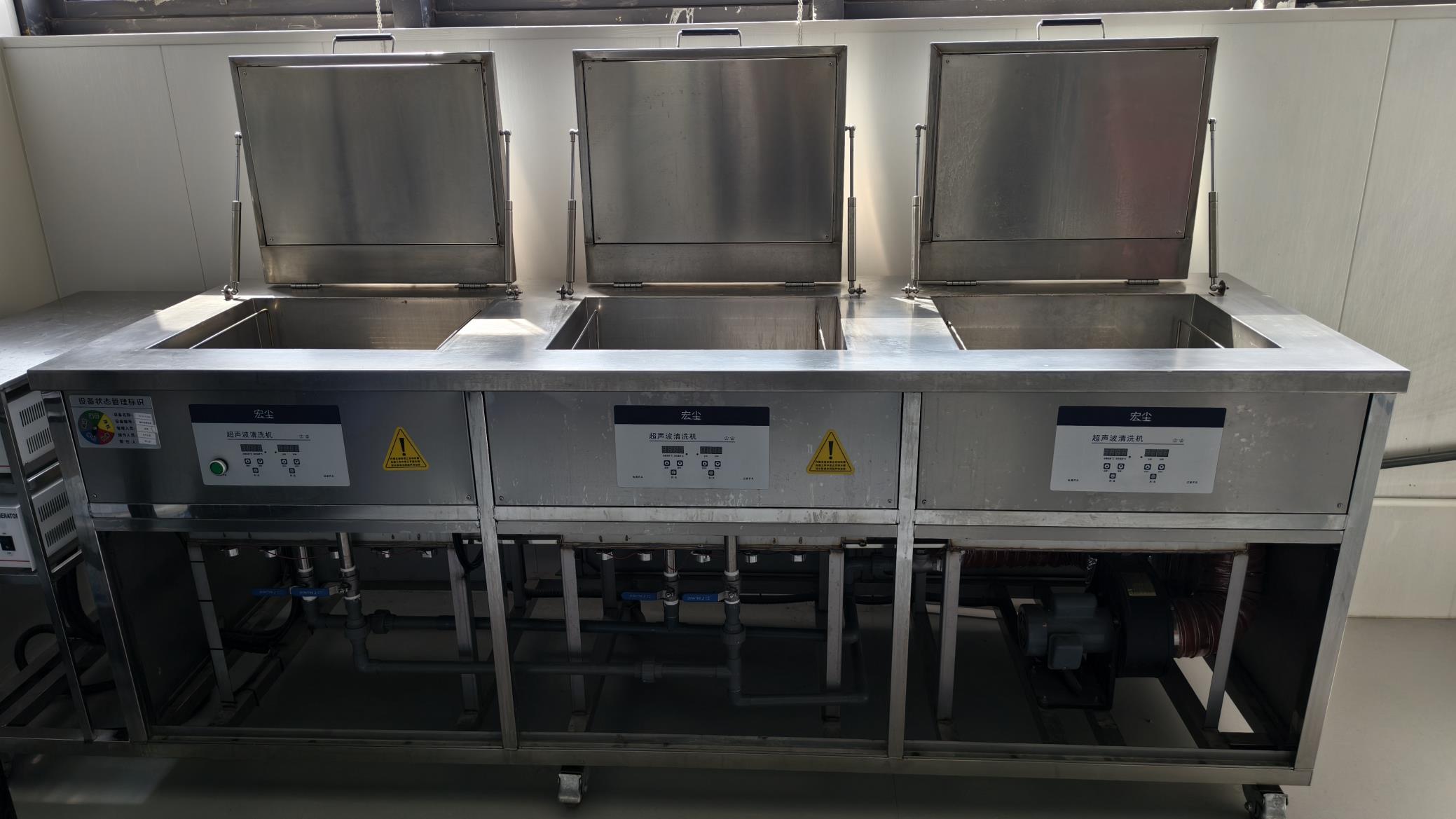
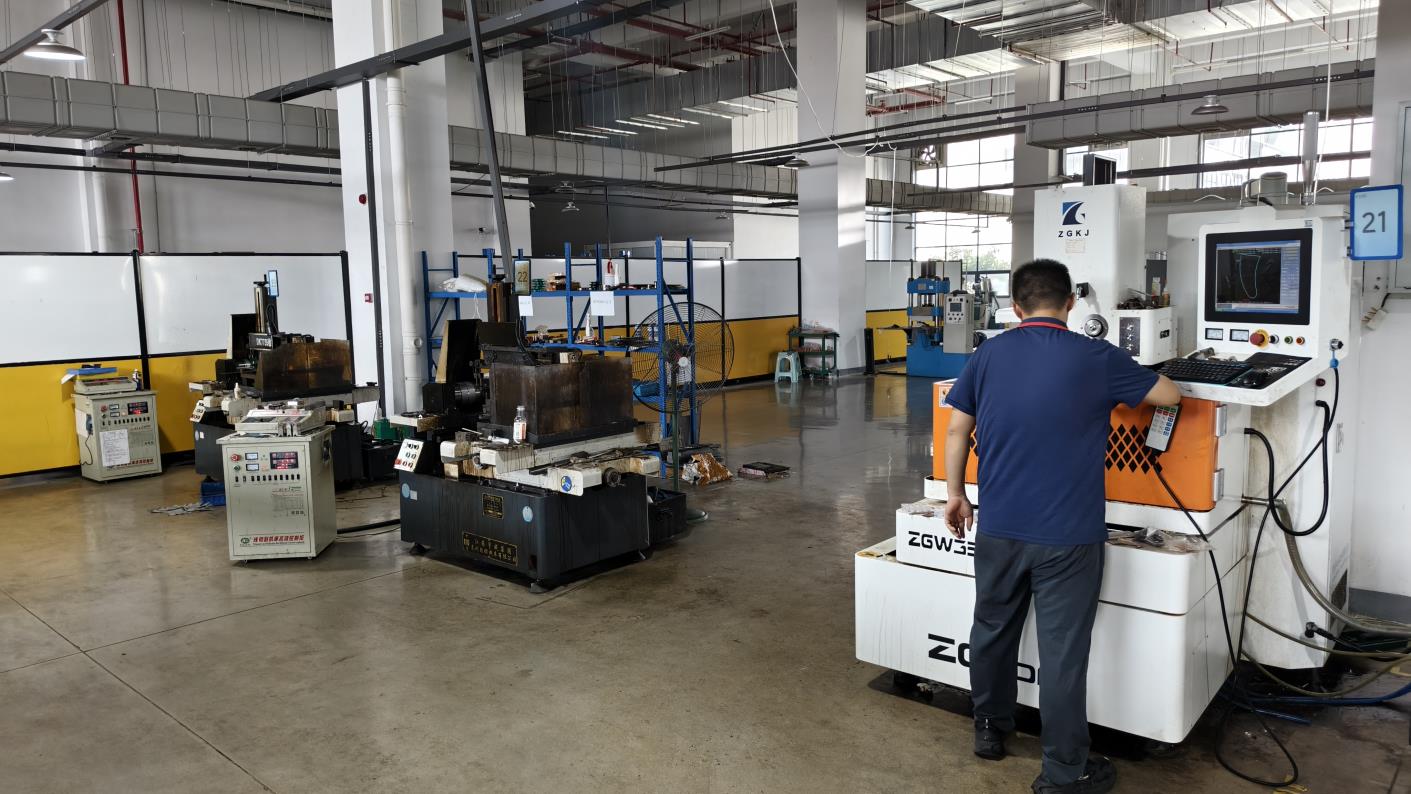
China's medical manufacturing sector has transitioned from mass production to high-precision, automated fabrication. At Synoviq's 18,600 m² facility, advanced processes utilize integrated CNC lines, automated cleaning tunnels, and cleanroom environments. This concentration of technology allows for efficient production turnarounds and consistent tolerances within micrometers.
By localizing raw materials sourcing (such as medical-grade titanium alloys and PEEK) and maintaining close ties with sterilization hubs, China-based manufacturers reduce supply chain risks. Synoviq controls manufacturing costs while maintaining high quality, allowing global brands to allocate resources toward clinical trials, marketing, and distribution channel growth.
Additionally, our 76 R&D engineers shorten prototype cycles. We can turn design concepts into clinical-grade samples in weeks instead of months, helping partners capitalize on emerging clinical trends.
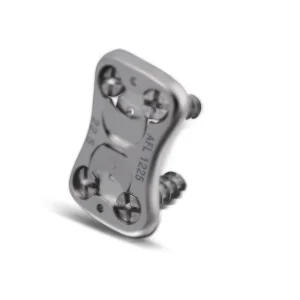
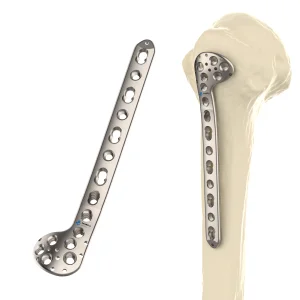
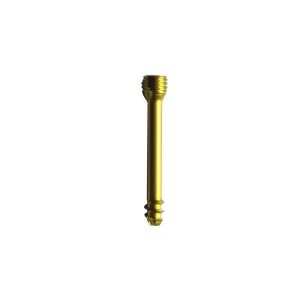
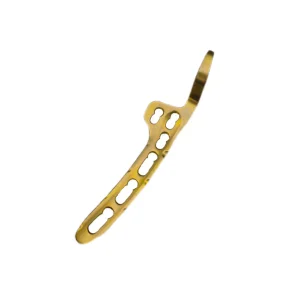
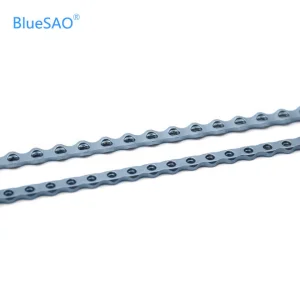
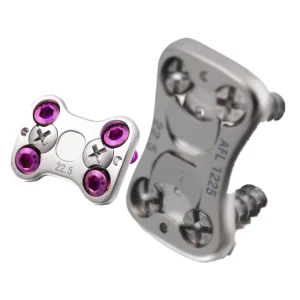
During high-energy trauma reconstruction (such as distal radial or proximal humerus fractures), surgeons utilize locking plates and compression screws alongside bone grafts. The plate provides immediate mechanical stability, while the bone graft fills voids to support long-term consolidation.
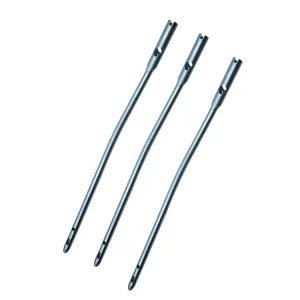
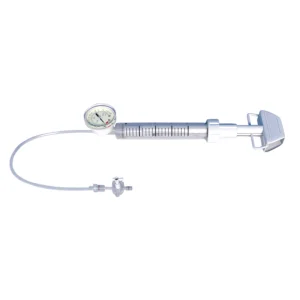
Cervical spine plates and PEEK interbody cages rely on bone graft materials to encourage fusion between vertebrae. Additionally, tools like kyphoplasty/vertebroplasty needles deliver bone cements directly to osteoporotic fractures, providing structural support to the spine.
Veterinary surgery uses specialized implants (such as TPLO systems and PRCL-M reconstruction plates). Because animals experience unpredictable post-operative loading, combining bone graft substrates with high-strength plates helps facilitate quicker bone healing.
| Operational Parameter | Verification / Manufacturing Standard |
|---|---|
| Company Entity | Synoviq Medical Technology (China) Co., Ltd. (Brand: Synoviq) |
| Industrial Experience | Founded in March 2016 (8 Years Export, 14 Years manufacturing experience) |
| Production Facility | 18,600 m² integrated plant featuring modern CNC mills and ISO cleanrooms |
| Annual Export Volume | USD 21.8 Million, servicing Europe, Americas, the Middle East, and Asia-Pacific |
| R&D Architecture | 76 dedicated development engineers (186 new products launched last year) |
| Material Matrix | Titanium alloy (Ti-6Al-4V ELI), PEEK, medical stainless steel, Calcium Phosphate bioceramics |
| Quality Control Staff | 48 specialists managing incoming material validation, in-line testing, and final inspections |
| Quality Controls | CMM dimensional analysis, metallographic examination, tensile fatigue limits, roughness analysis, salt spray resistance, sterility validation |
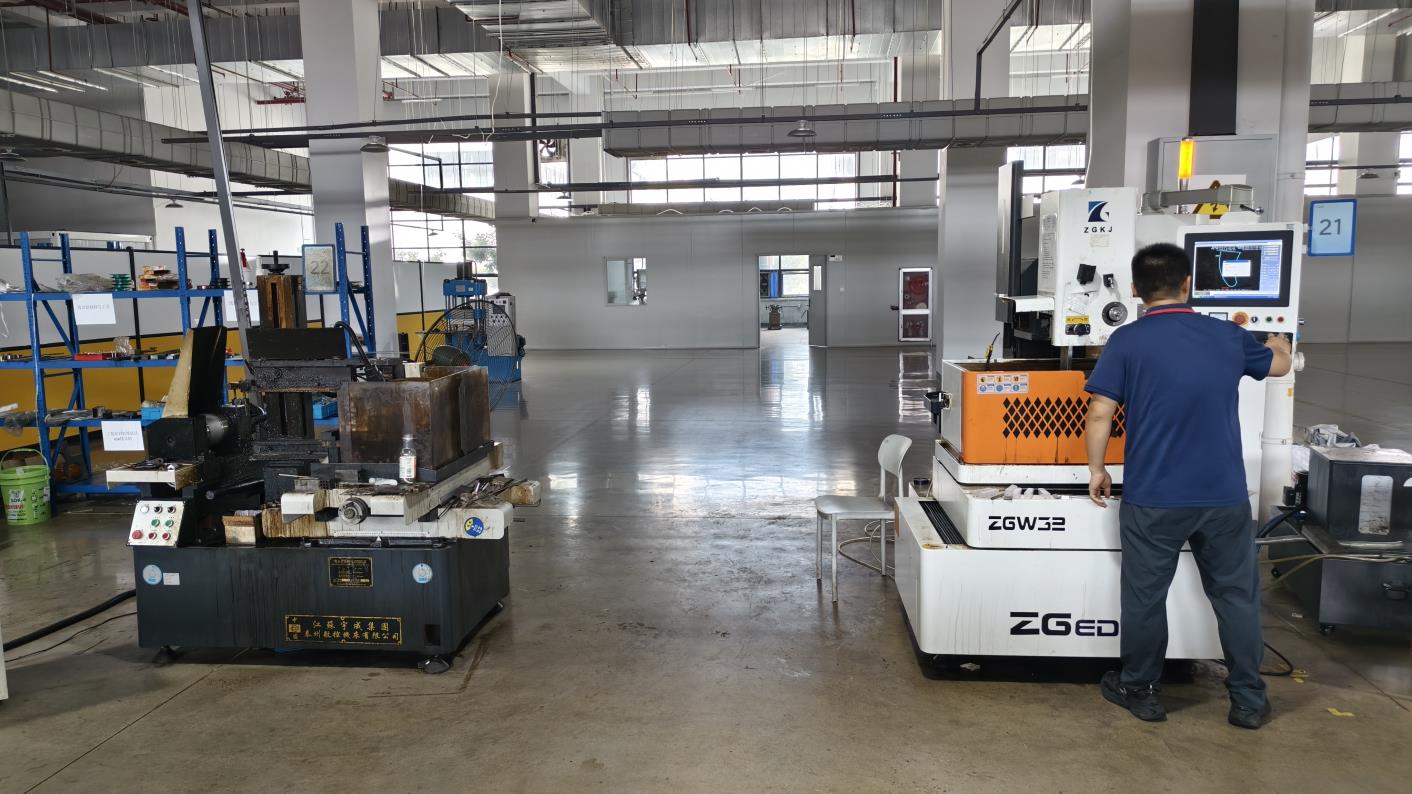
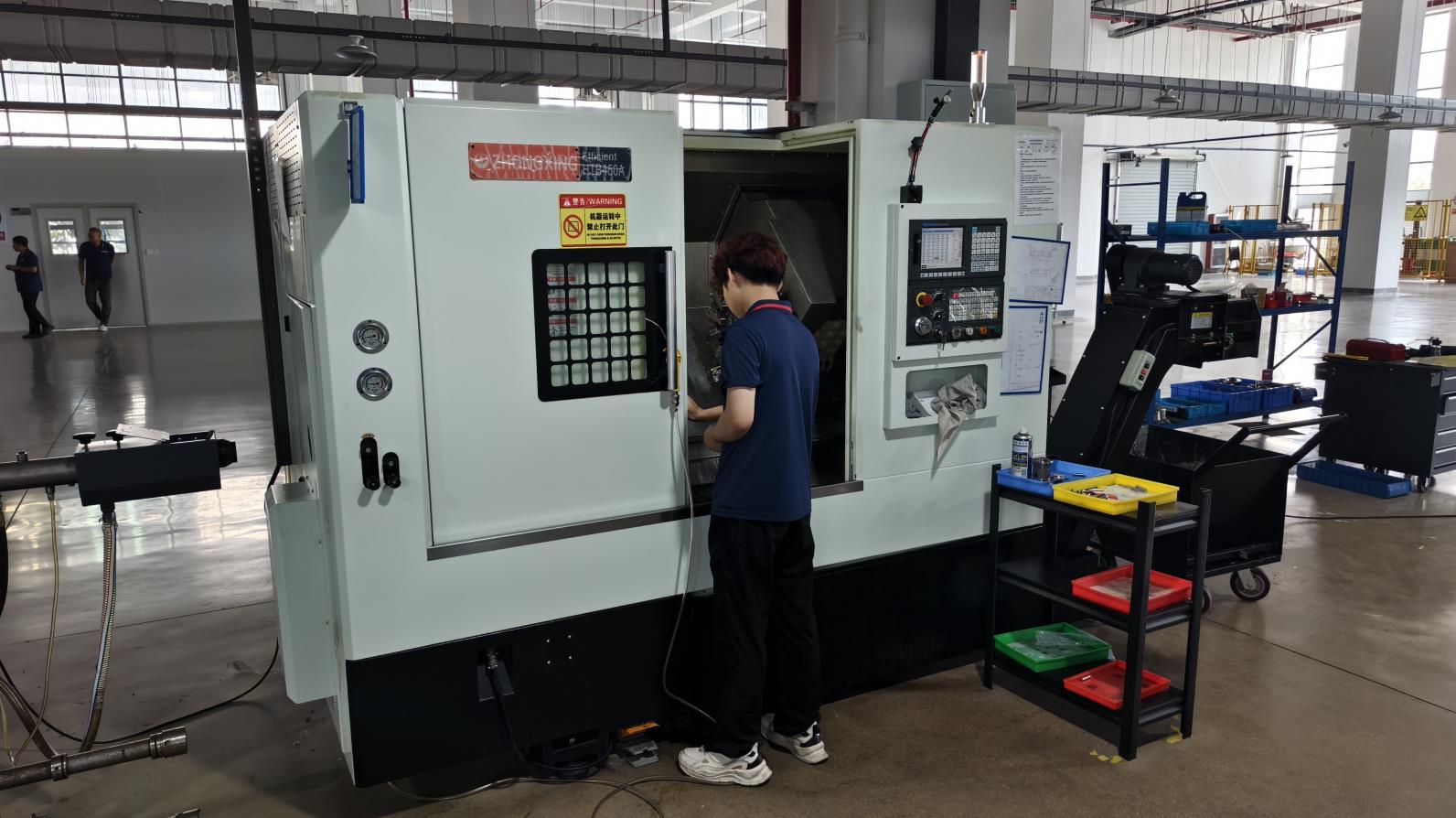
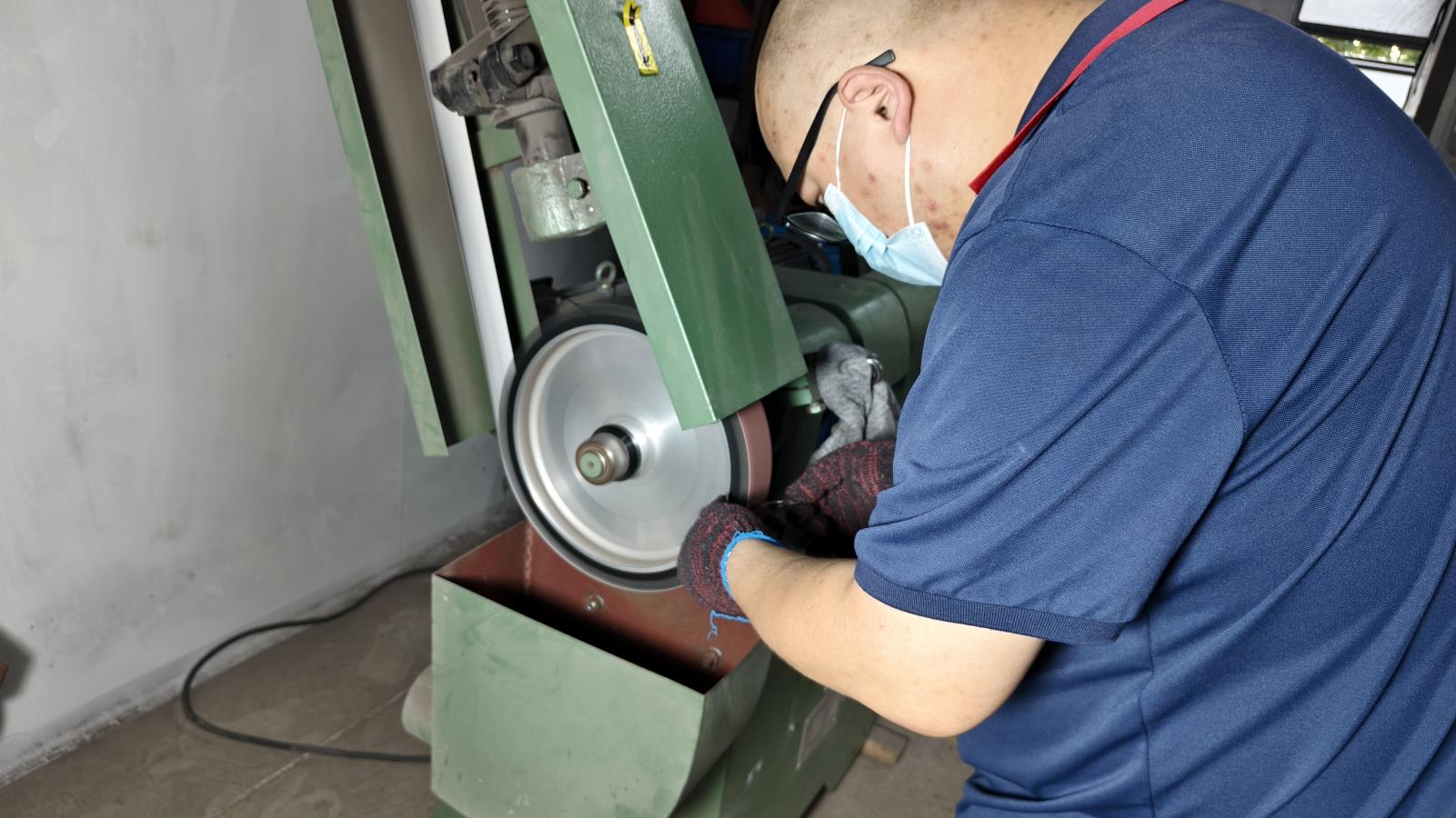
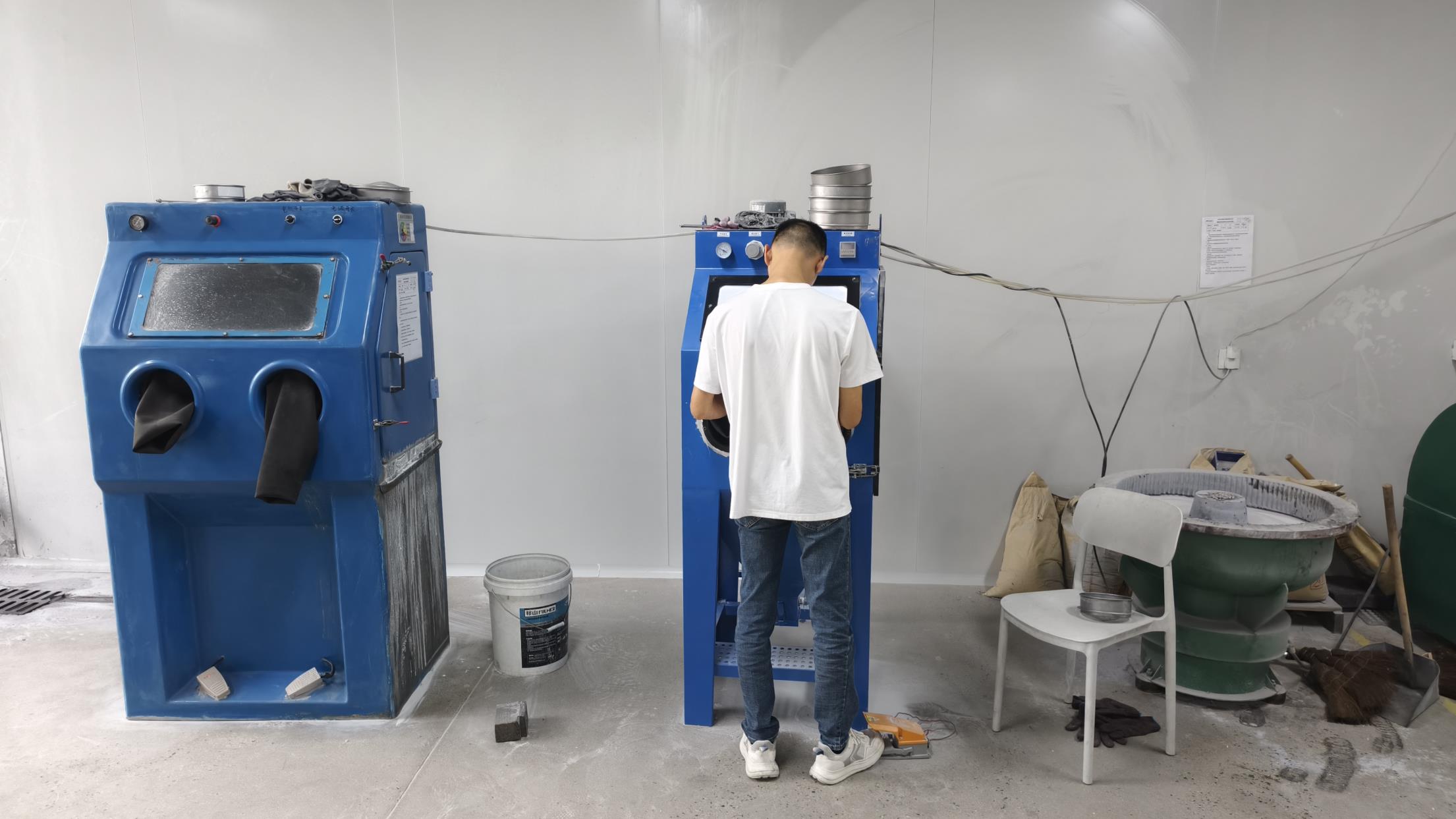
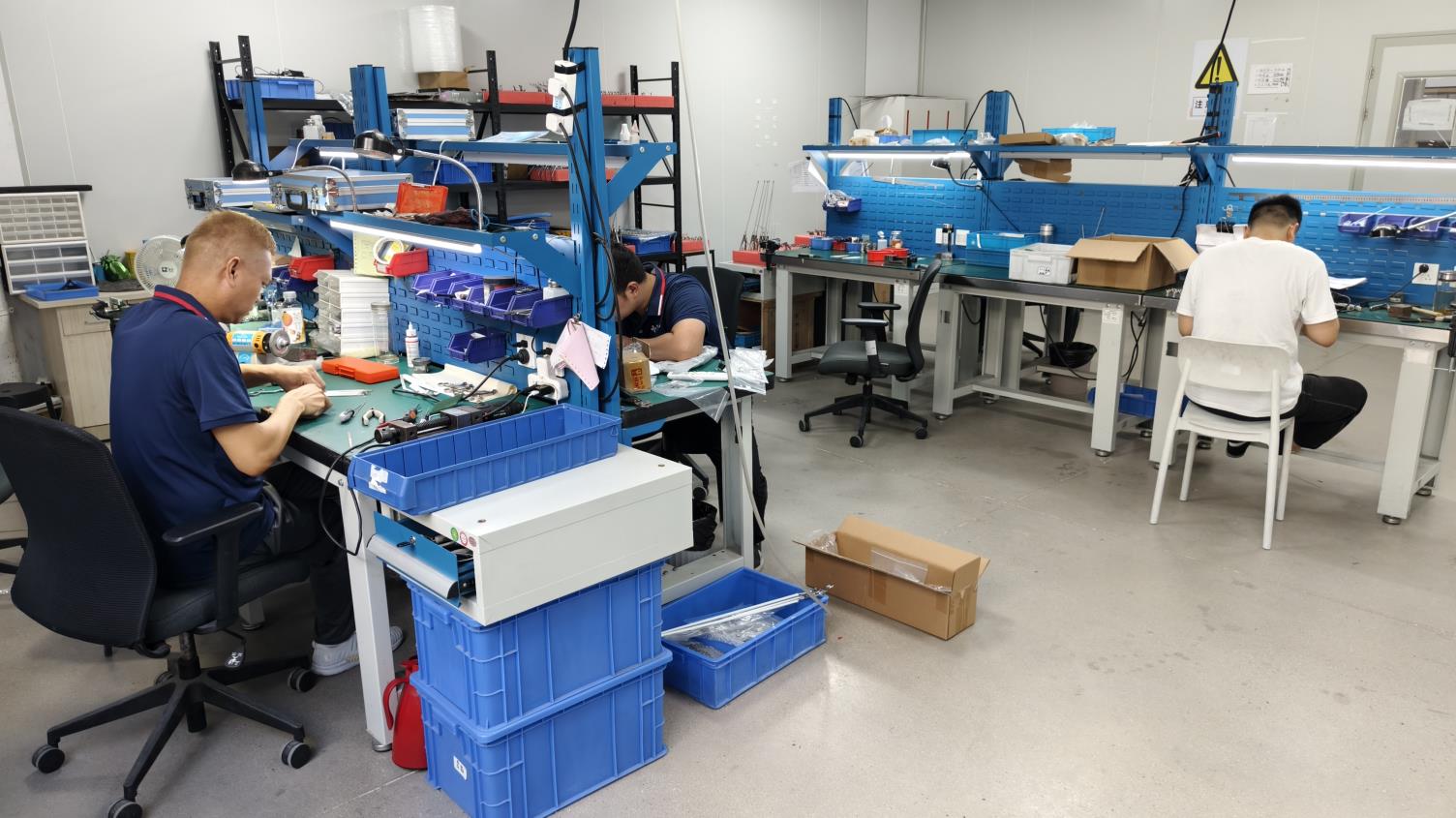
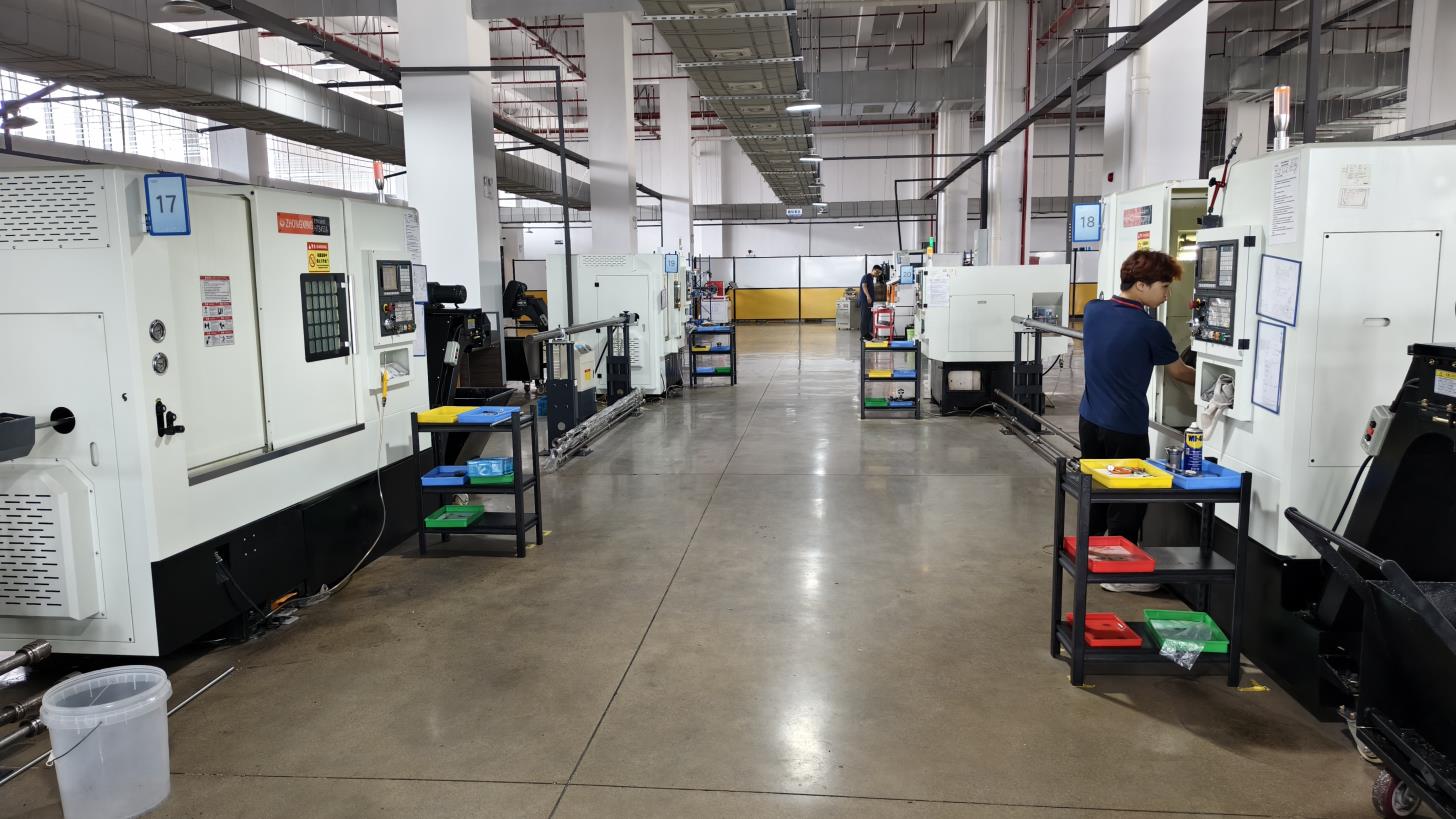
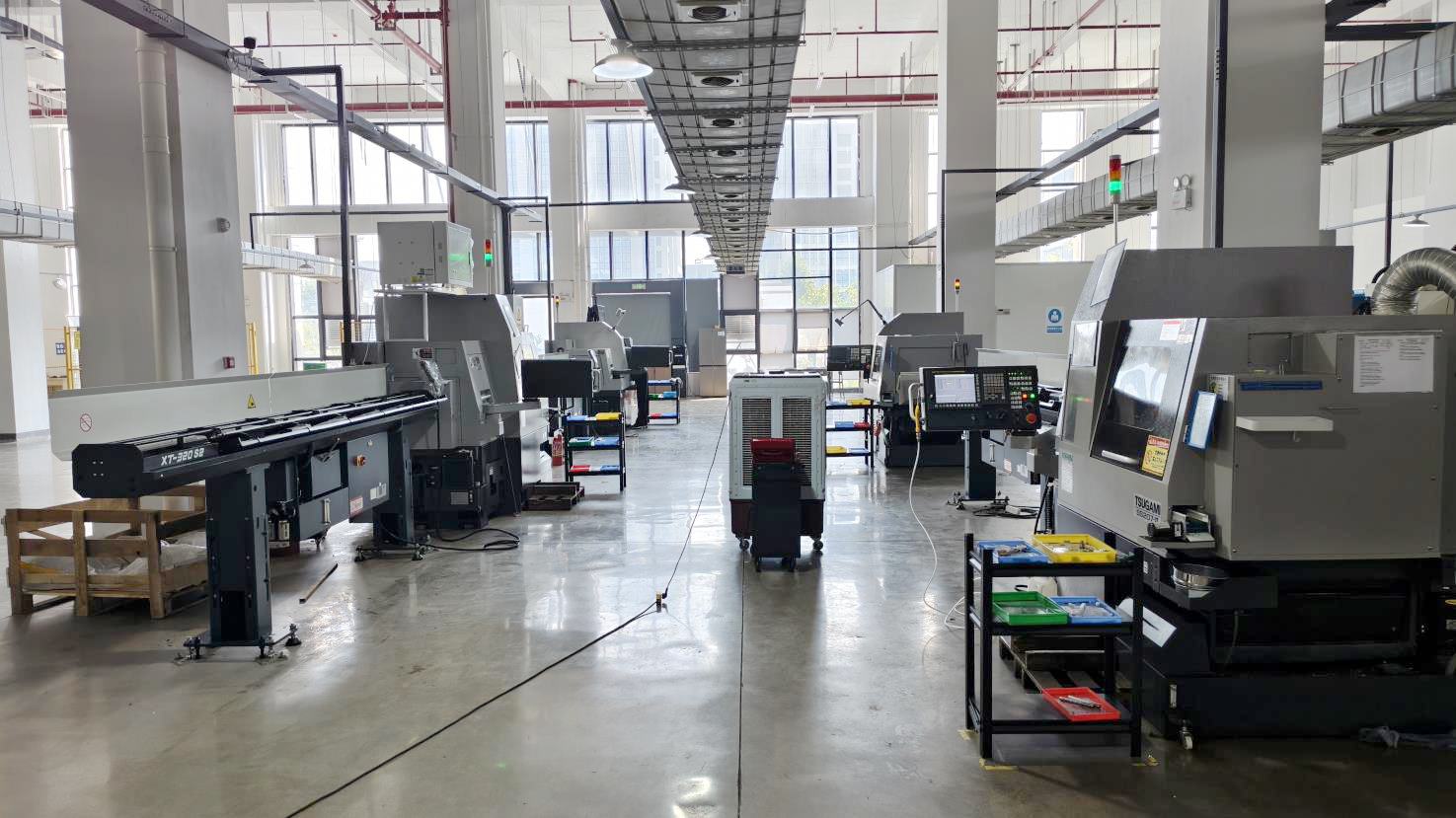
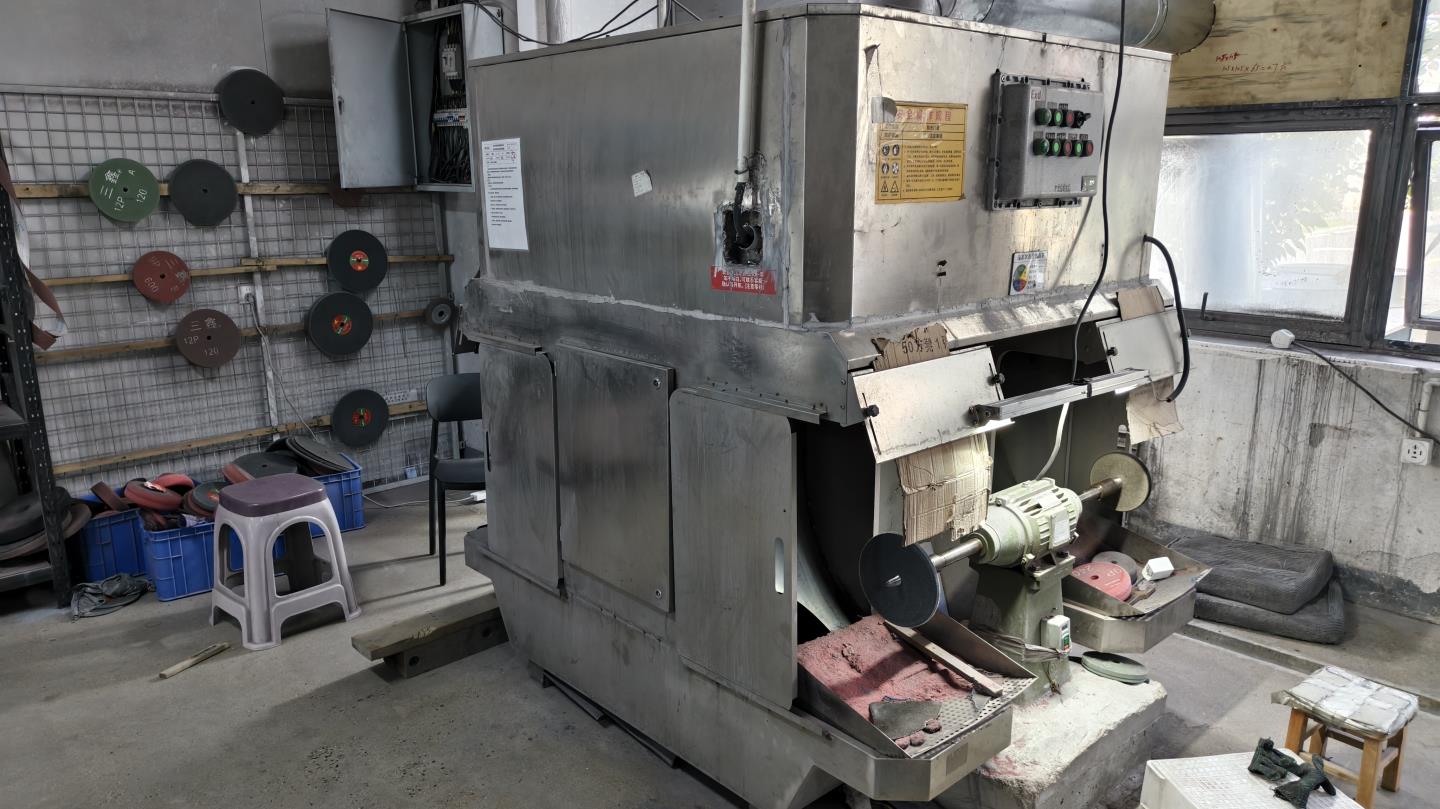
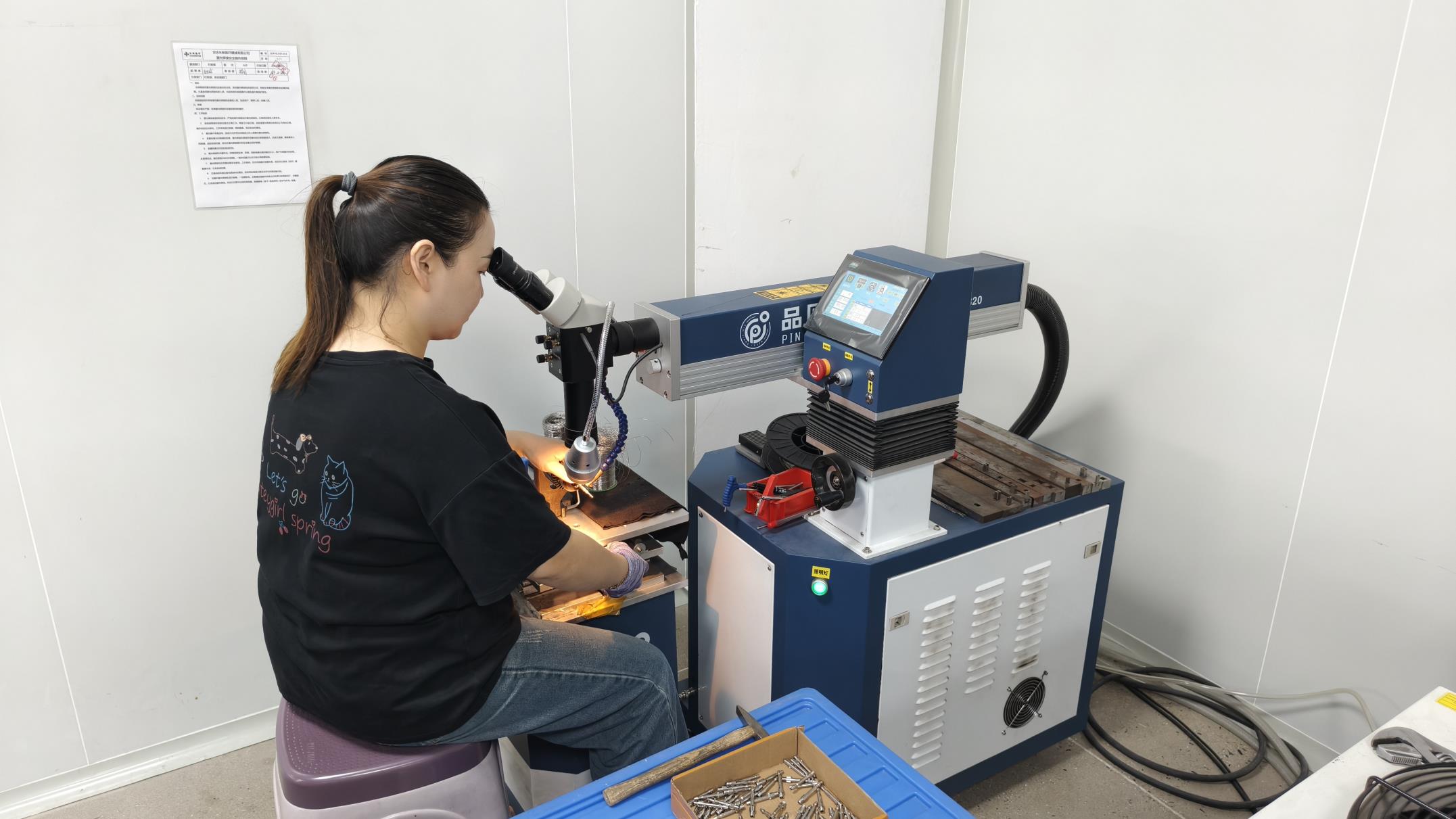
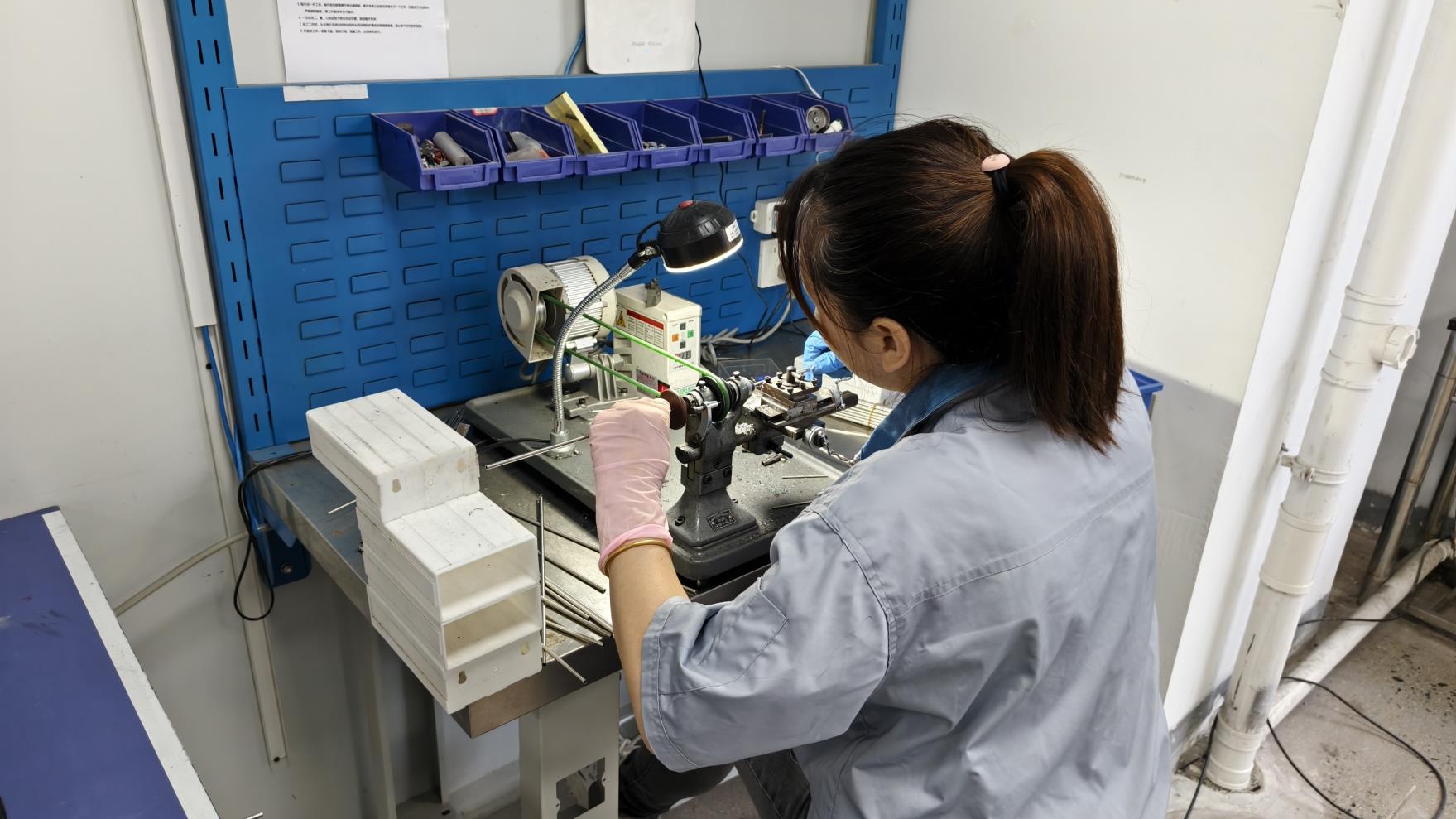
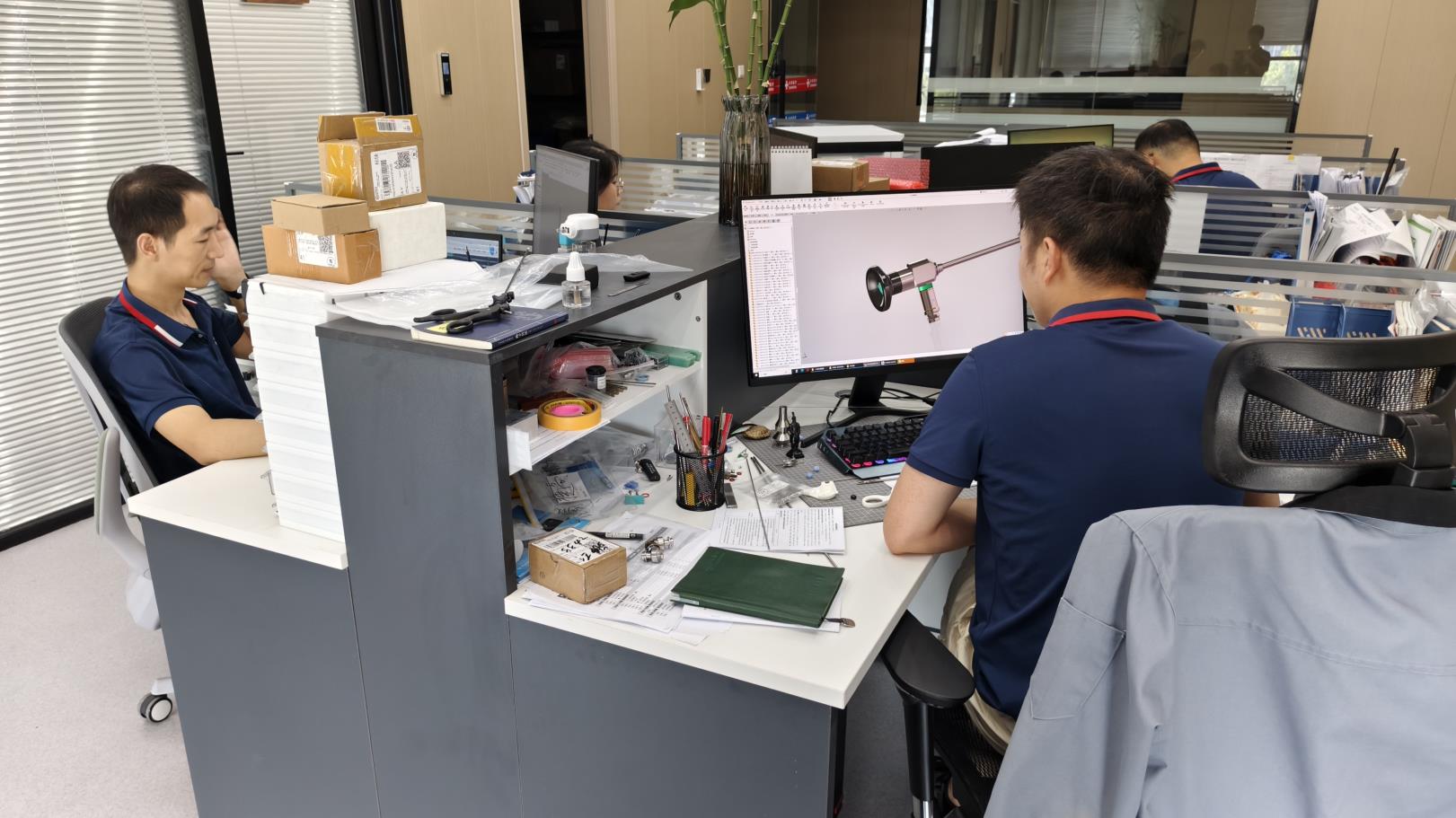
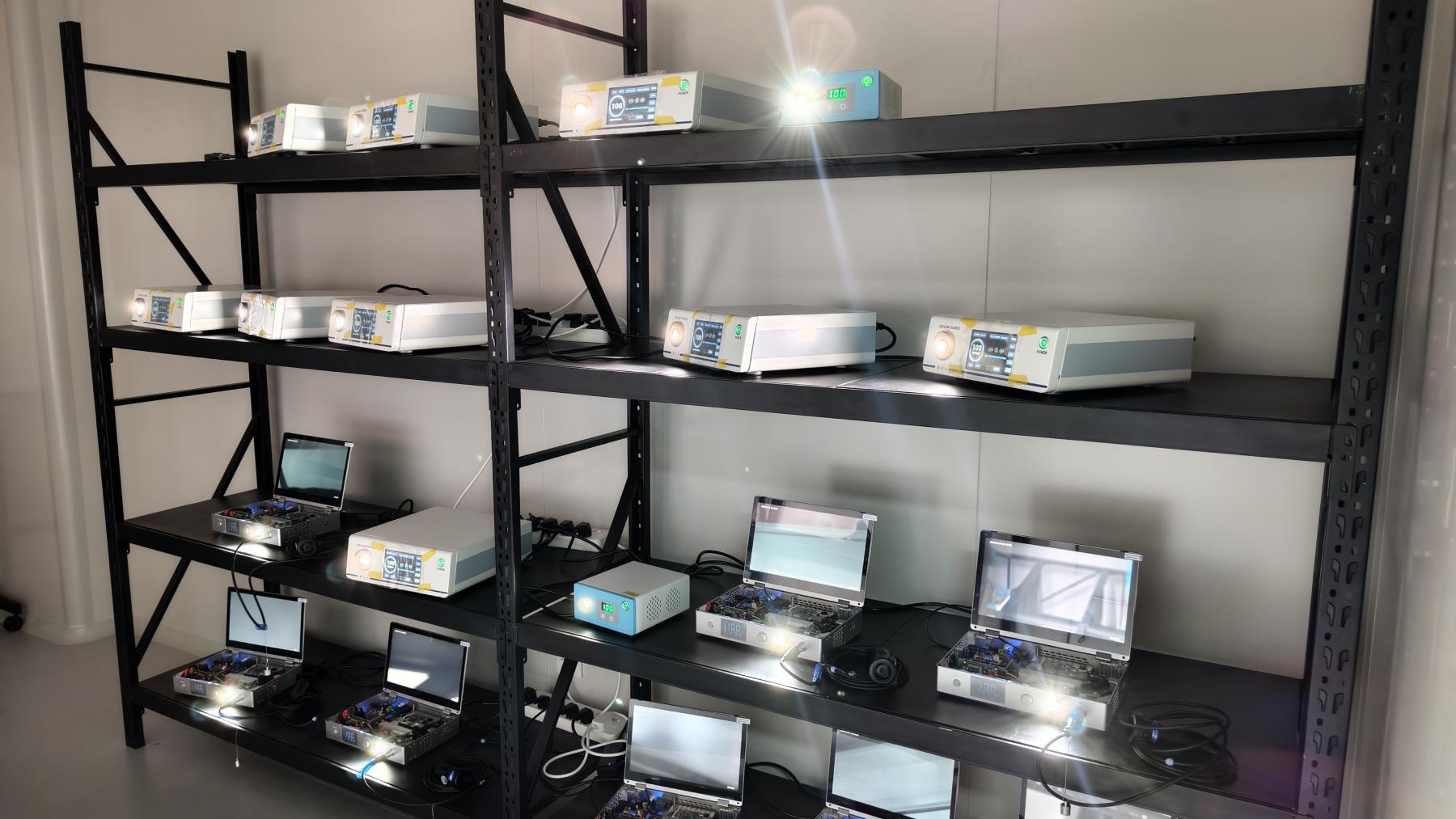
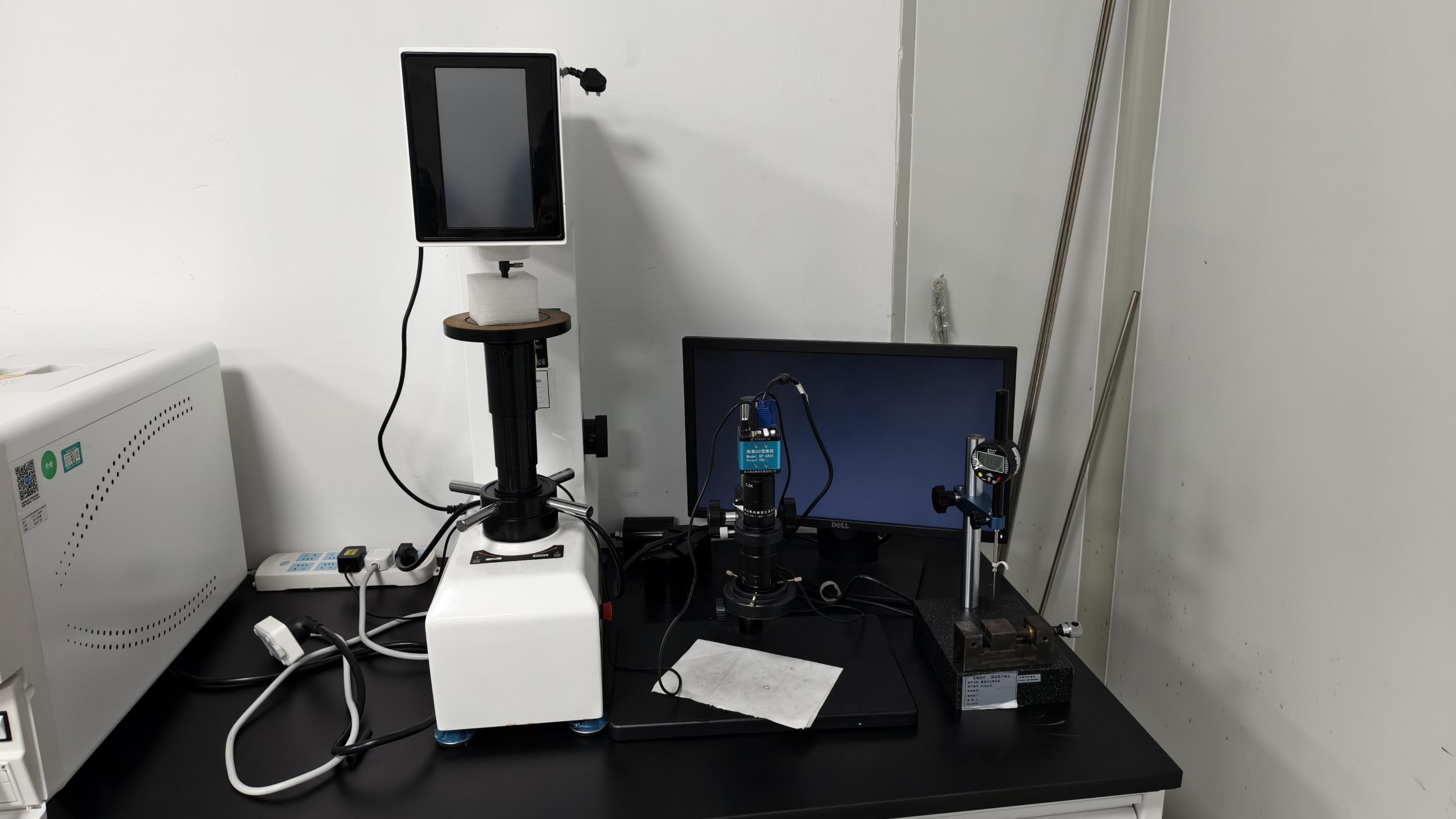
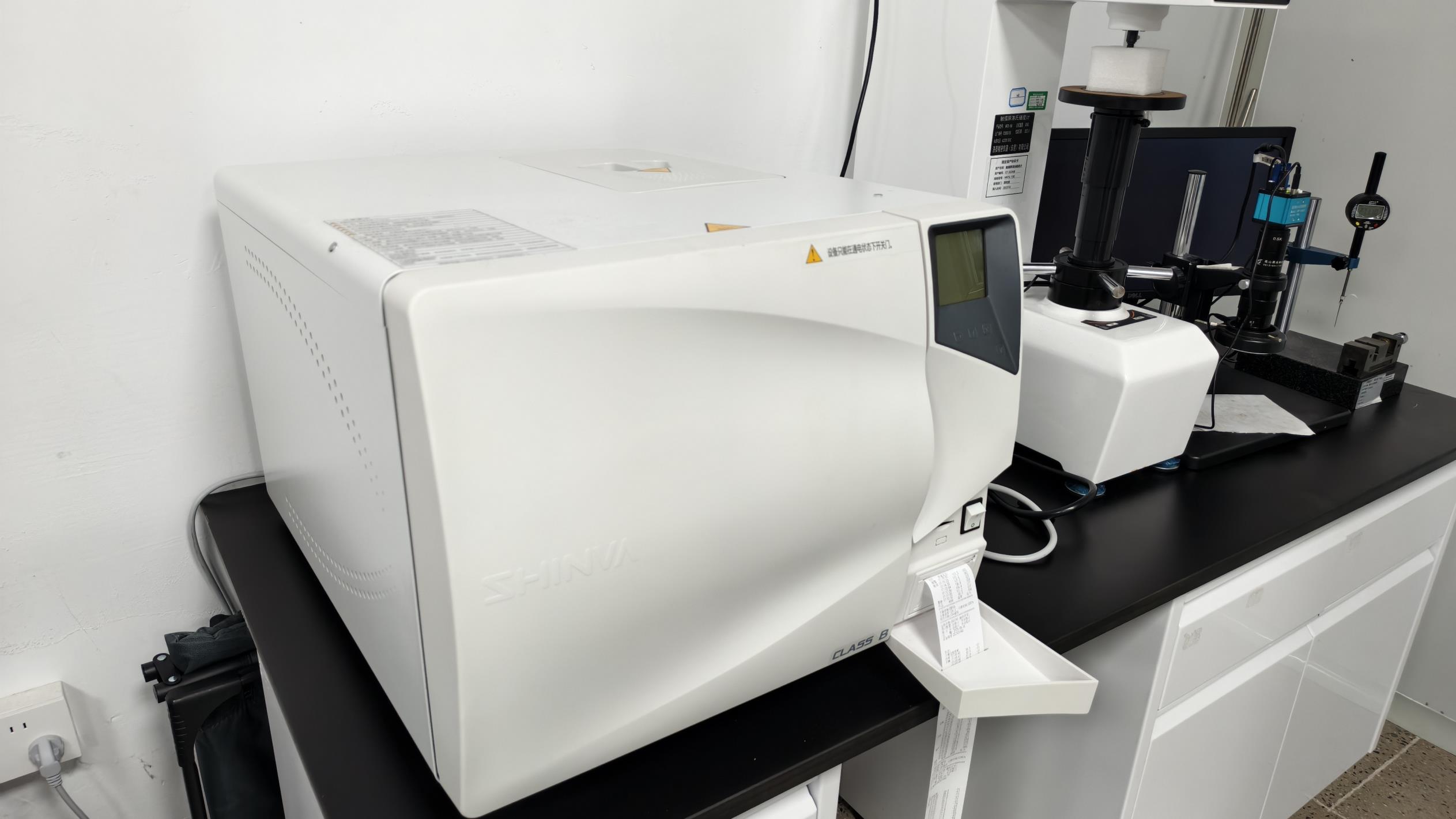
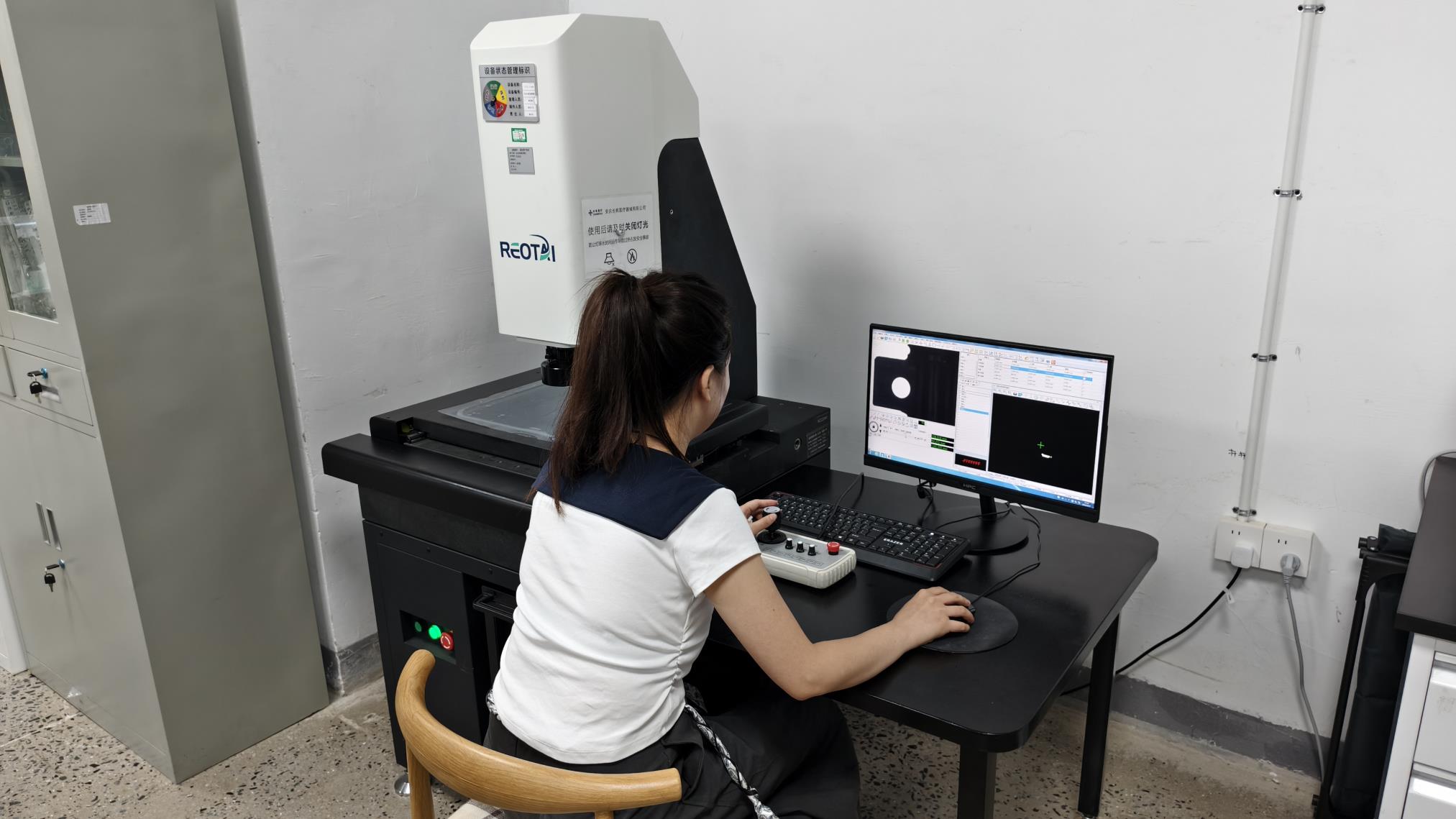
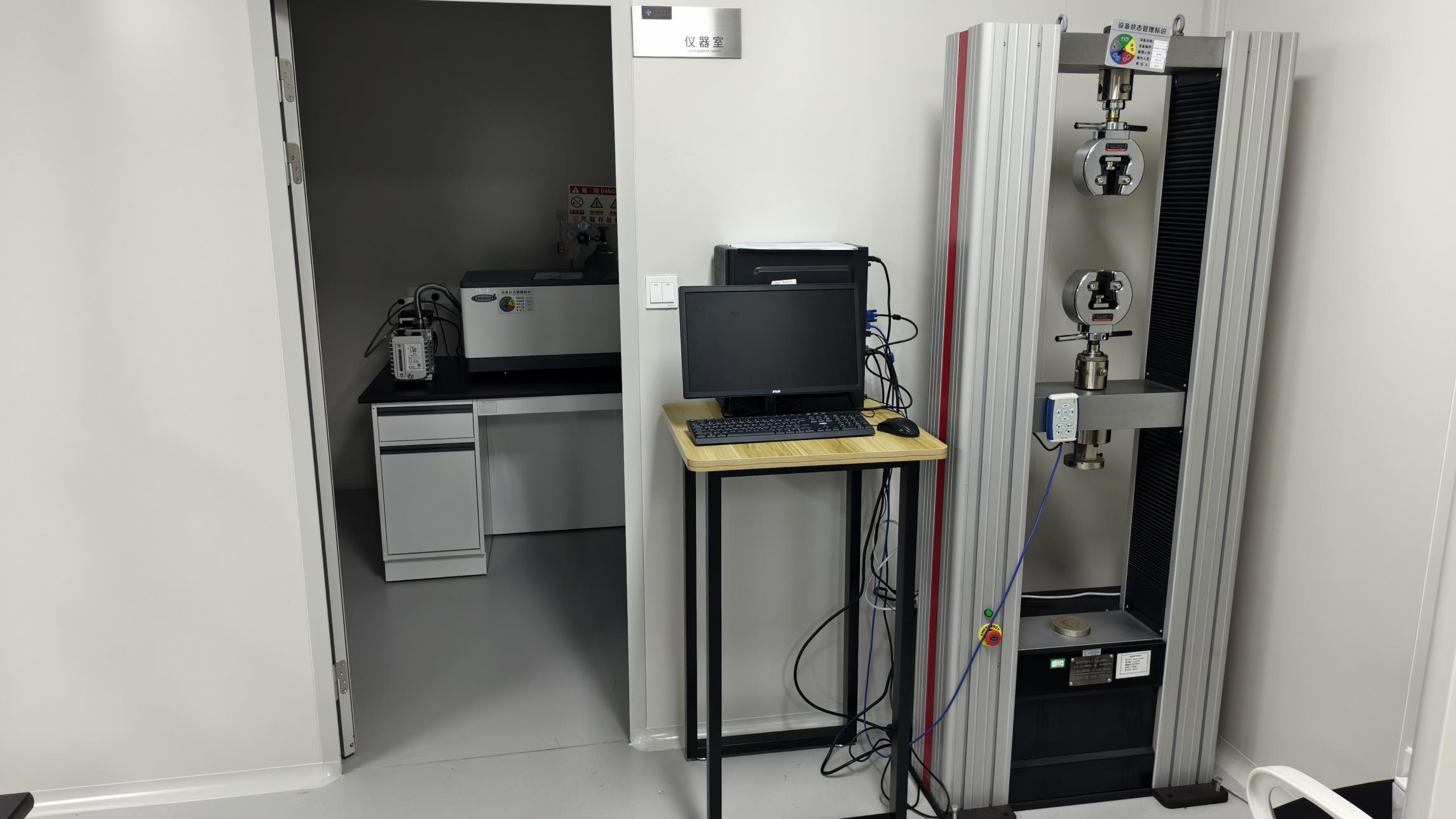
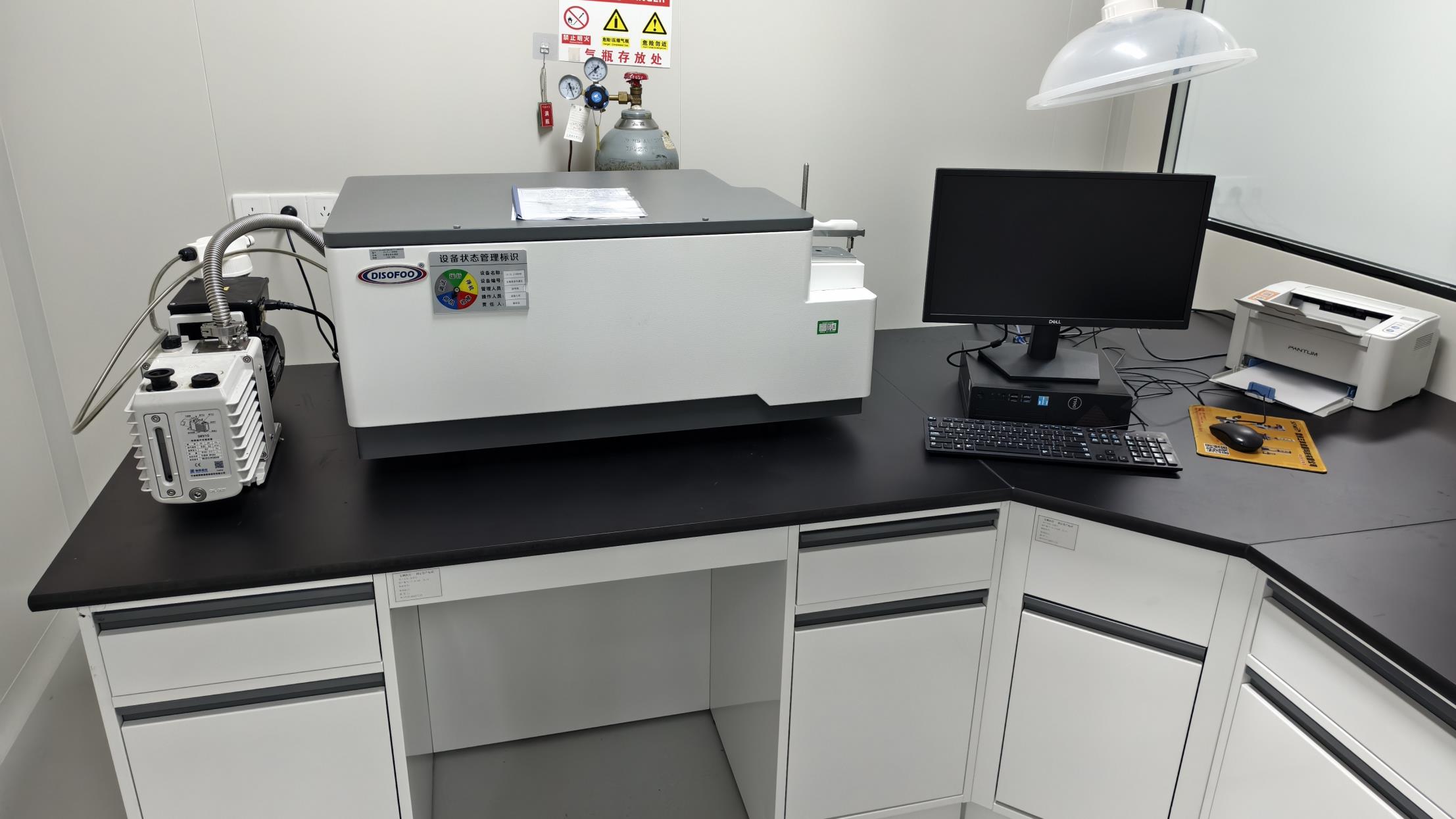
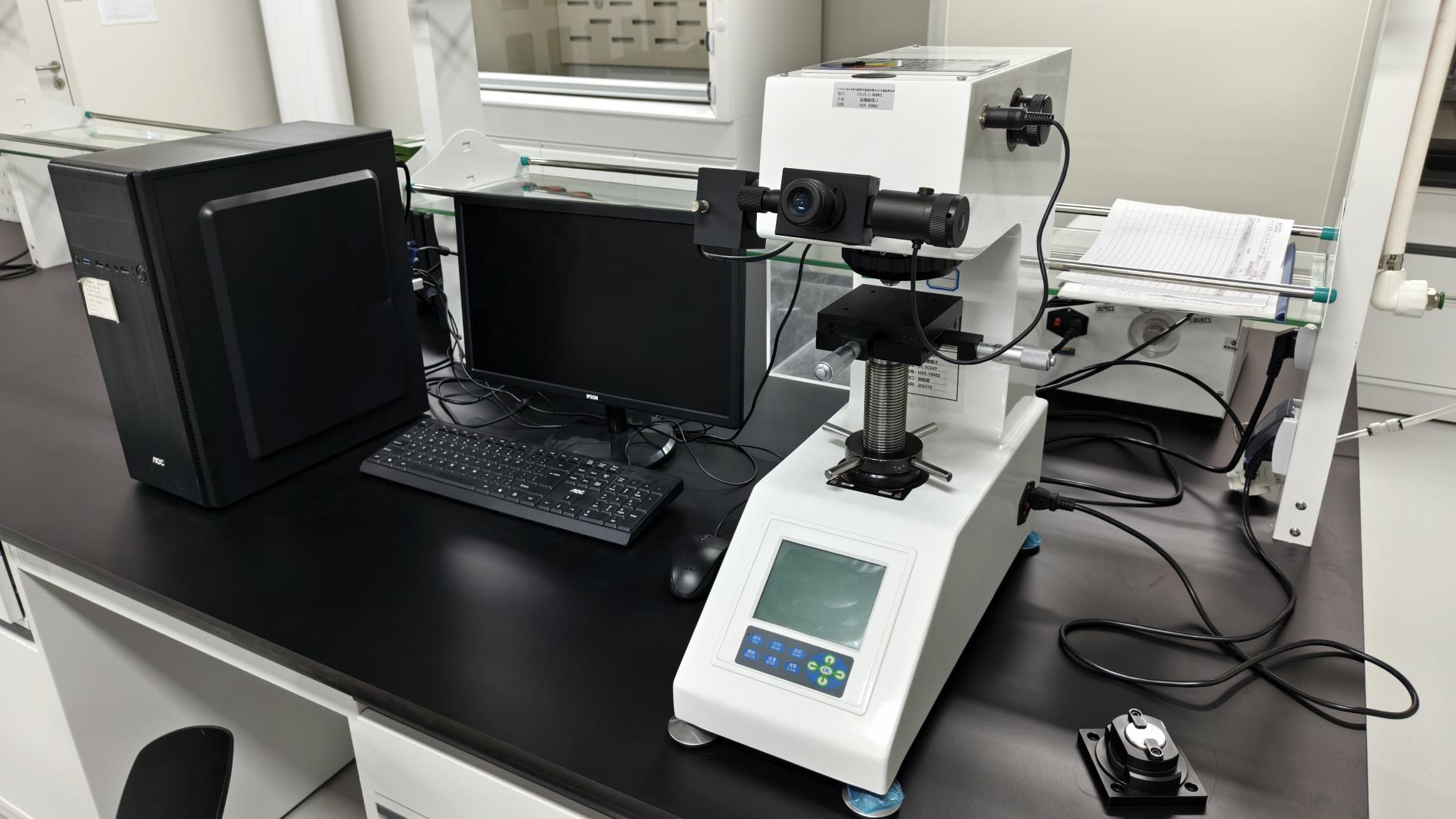
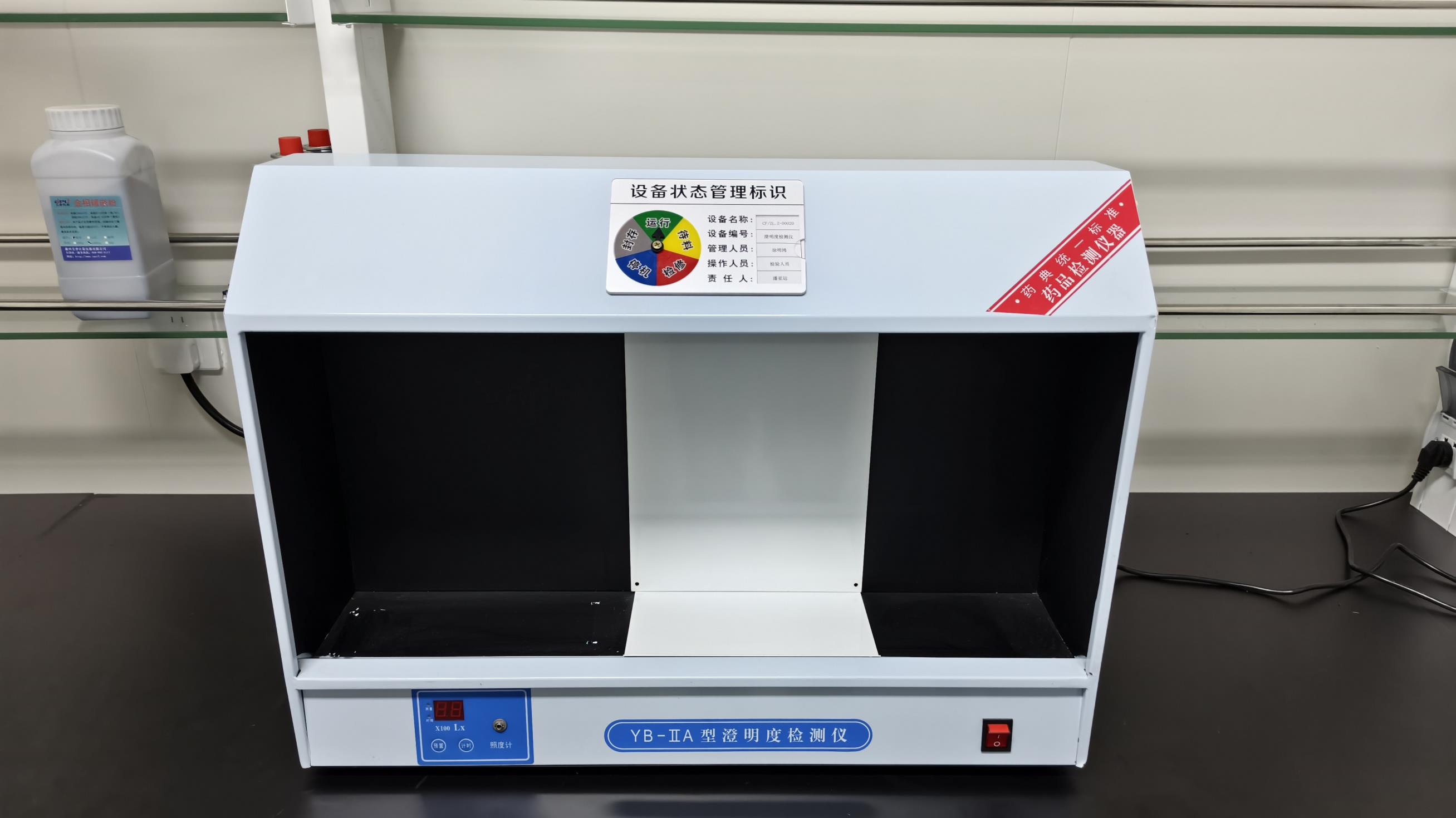
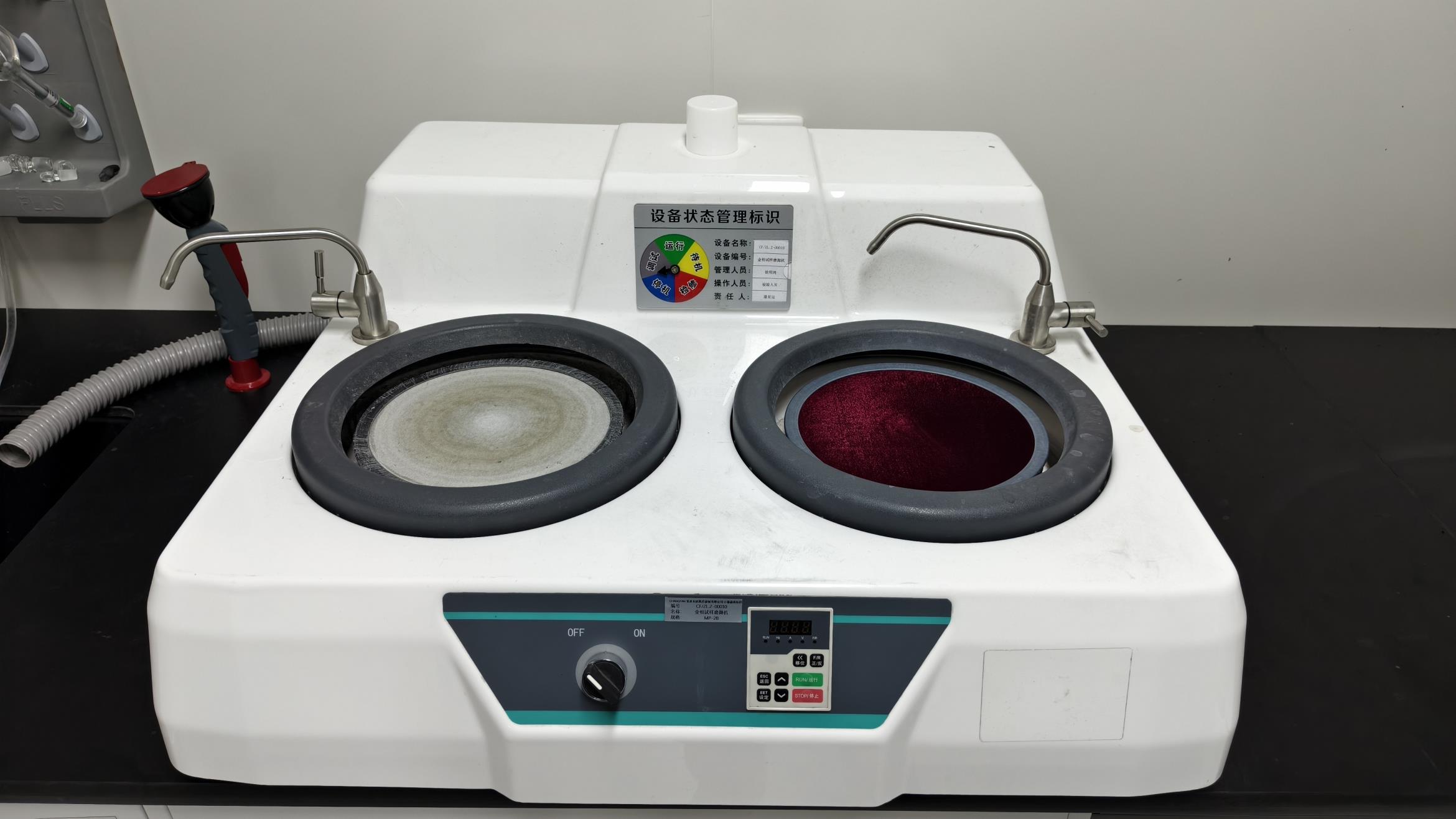
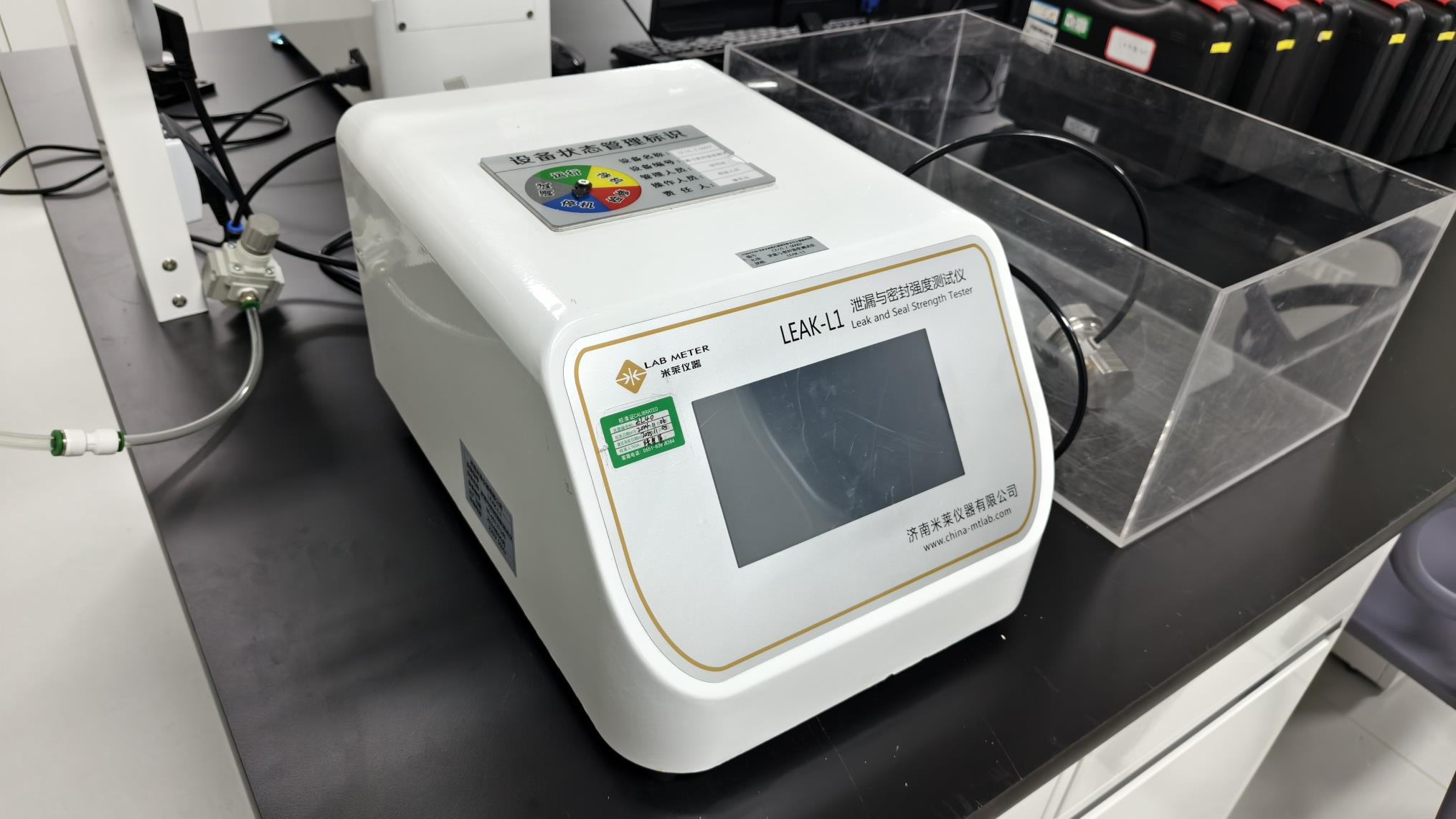
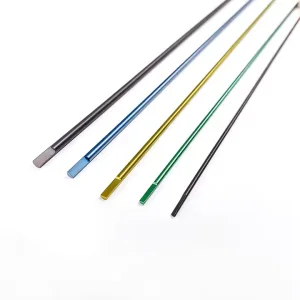
Our OEM and ODM workflows transform CAD layouts into certified products. Custom options include specific sizing profiles, anodized color schemes, and custom packaging designs.
We supply full product dossiers, raw material heat traces, and test data logs (CMM, micro-roughness, fatigue tests) to streamline local regulatory filings.
Cleanroom environments and ultrasonic cleaning cycles minimize bioburden and pyrogen loads, preparing products for final sterilization protocols.
Our packaging systems are designed to protect precision threads and surfaces during transit. We work with global freight networks to ensure on-time delivery.
The orthopedics field is moving toward bioactive and patient-specific solutions. Traditional inert implants are evolving to incorporate active surface modifications that promote faster healing. Research in osteoinductive coatings—such as silicon-doped calcium phosphate, nano-hydroxyapatite, and titanium plasma sprays—is designed to accelerate integration between the implant and natural bone.
Additionally, 3D-printed scaffolds are changing how surgeons address complex bone losses. These scaffolds mimic the porous structure of natural bone, allowing blood vessels and new bone cells to grow throughout the implant. By using specialized materials, these scaffolds can support weight initially and then slowly dissolve as natural bone regenerates.
At Synoviq, our R&D teams monitor these developments closely. We continuously update our manufacturing processes, including Swiss machining and specialized surface treatments, to produce next-generation implants that align with these clinical advancements.
 Synoviq Medical