Explore our leading selection of precision surgical instruments, implants, and trauma systems engineered for optimal biomechanical performance.
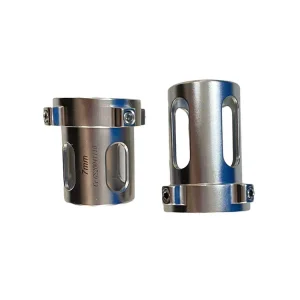
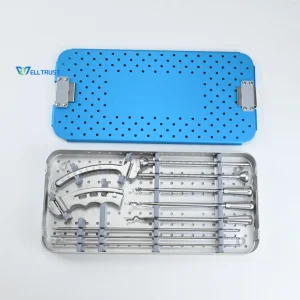
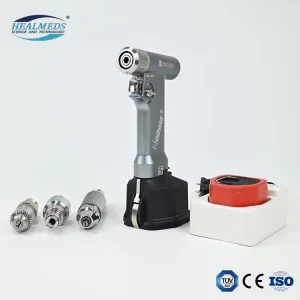
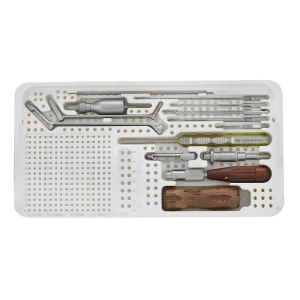
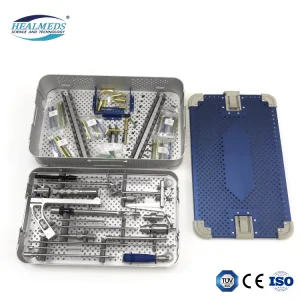
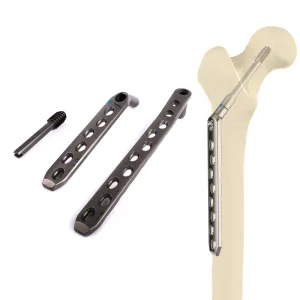
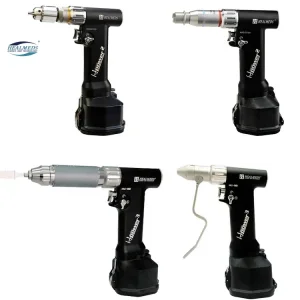
The global sports medicine landscape is undergoing a significant transformation. As surgical focus shifts towards minimally invasive arthroscopic procedures, the demand for highly reliable fixation devices has surged. Among these, Titanium Suture Anchors remain the gold standard for clinical efficiency, particularly in rotator cuff repairs, labrum reconstruction, and joint stabilization. Their high biomechanical pull-out strength, immediate primary stability, and biocompatibility make them irreplaceable in high-stress orthopedic repairs.
Information Gain Insight: Modern titanium anchors are fabricated using Grade 5 ELI Titanium (Ti-6Al-4V ASTM F136). Unlike standard industrial titanium, Extra Low Interstitial (ELI) variants reduce micro-impurities (such as oxygen, carbon, and hydrogen), dramatically increasing fracture toughness and fatigue resistance under cyclic physiological loads.
Orthopedic surgeons choose anchors based on three main criteria: pull-out force, insertion torque, and inflammatory response. While polymeric materials like PEEK (Polyetheretherketone) and bio-absorbable polymers (PLGA/PLLA) offer radio-translucency, they are prone to mechanical degradation or local soft tissue inflammatory reactions during resorption. Titanium suture anchors offer superior initial mechanical fixation, ensuring that the tendon-to-bone interface remains perfectly opposed during the crucial first 6 to 8 weeks of biological healing.
Our manufacturing processes are engineered to solve real-world clinical and procurement challenges.
B2B importers, orthopedic device brands, and hospital procurement officers face growing headwinds, including stringent regulatory oversight, supply chain volatility, and shifting quality validation protocols. As a leading Chinese manufacturer, Synoviq alleviates these challenges by providing direct vertical integration—from raw medical-grade titanium rods to finished sterile-packed devices. This eliminates third-party markup, guarantees traceability, and reduces production cycles by up to 35% compared to European and North American peers.
A critical engineering failure point in traditional suture anchors is the sharp transition zone around the eyelet, which can fray the suture during high-tension knots. Our titanium suture anchors feature a custom double-lead thread profile that increases insertion speed while doubling the surface-area contact with bone. Additionally, our inner eyelet paths undergo advanced electrolytic polishing, producing a friction-free routing channel that preserves suture integrity under multi-directional loading conditions.
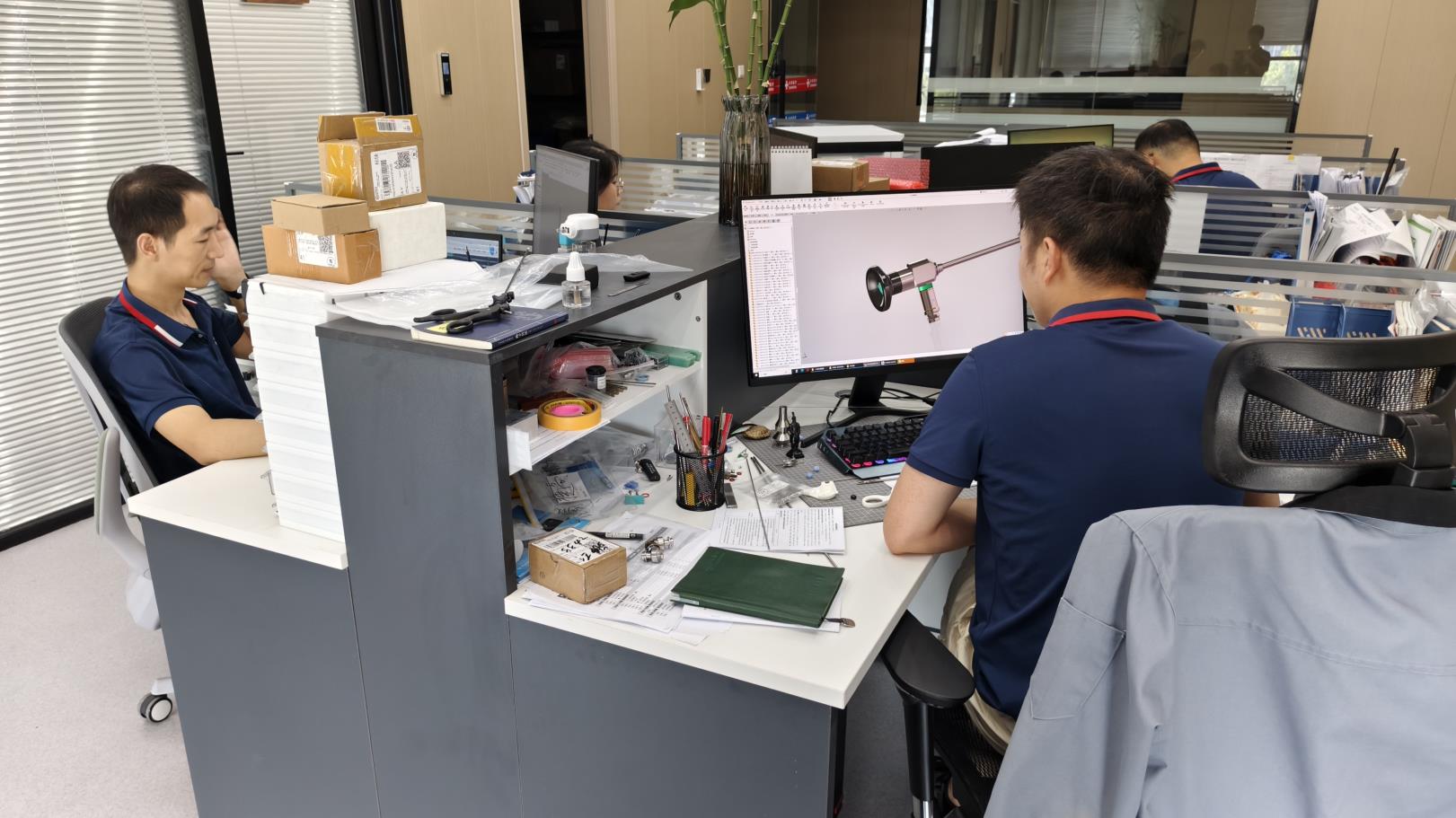
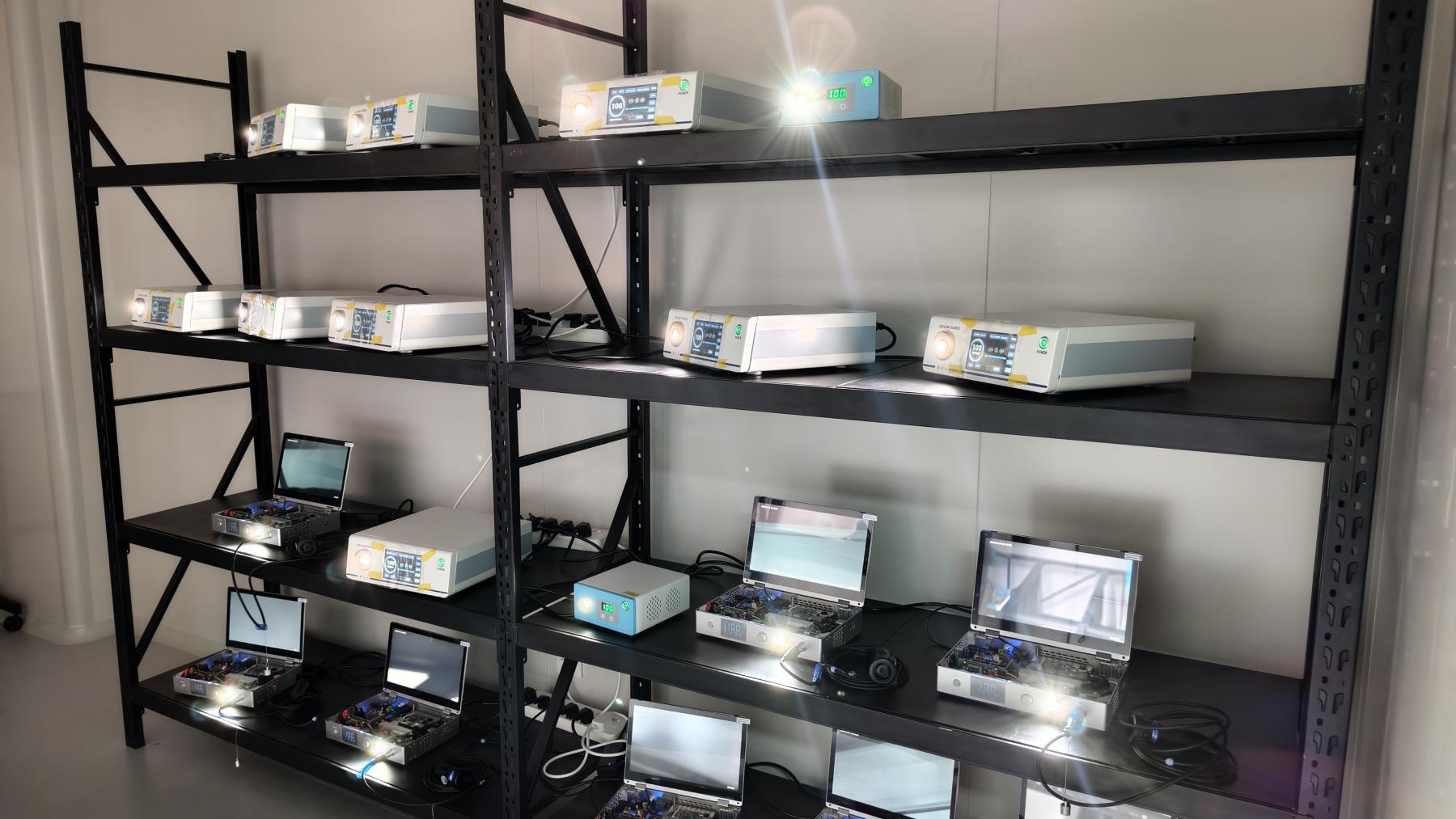
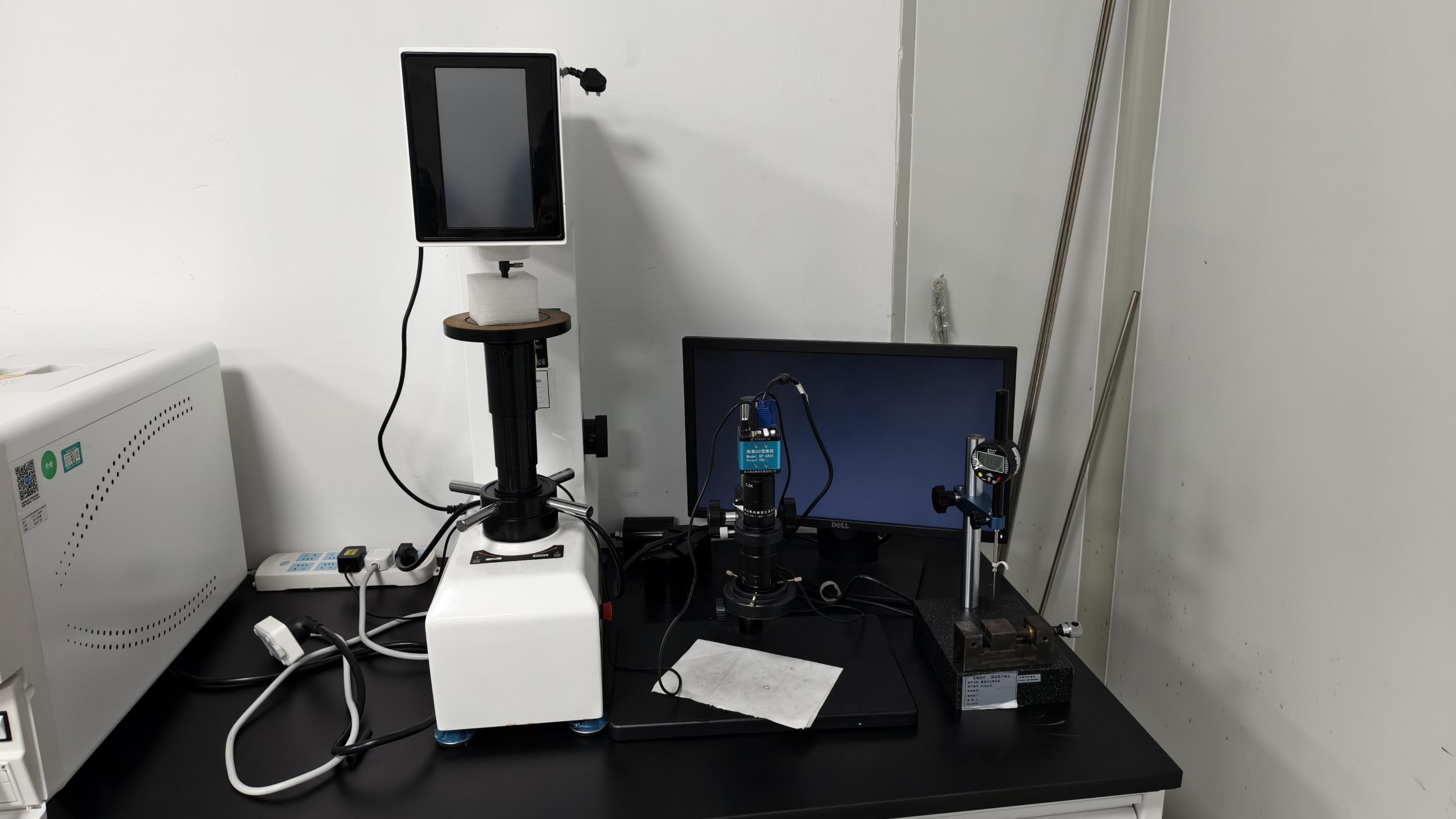
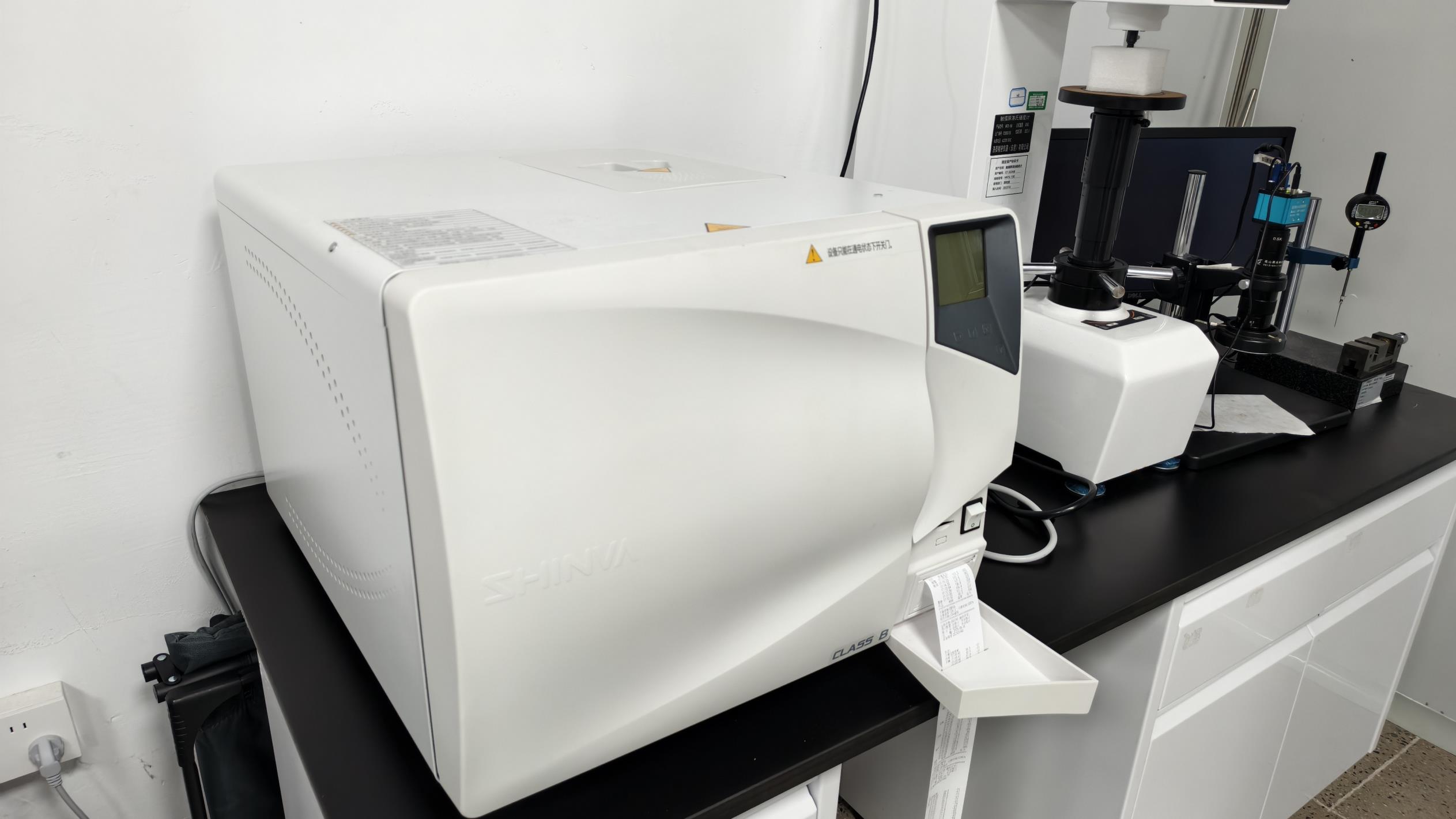
Inside Synoviq's state-of-the-art 18,600 m² smart manufacturing plant. We verify materials, tolerances, and surface properties at every step.
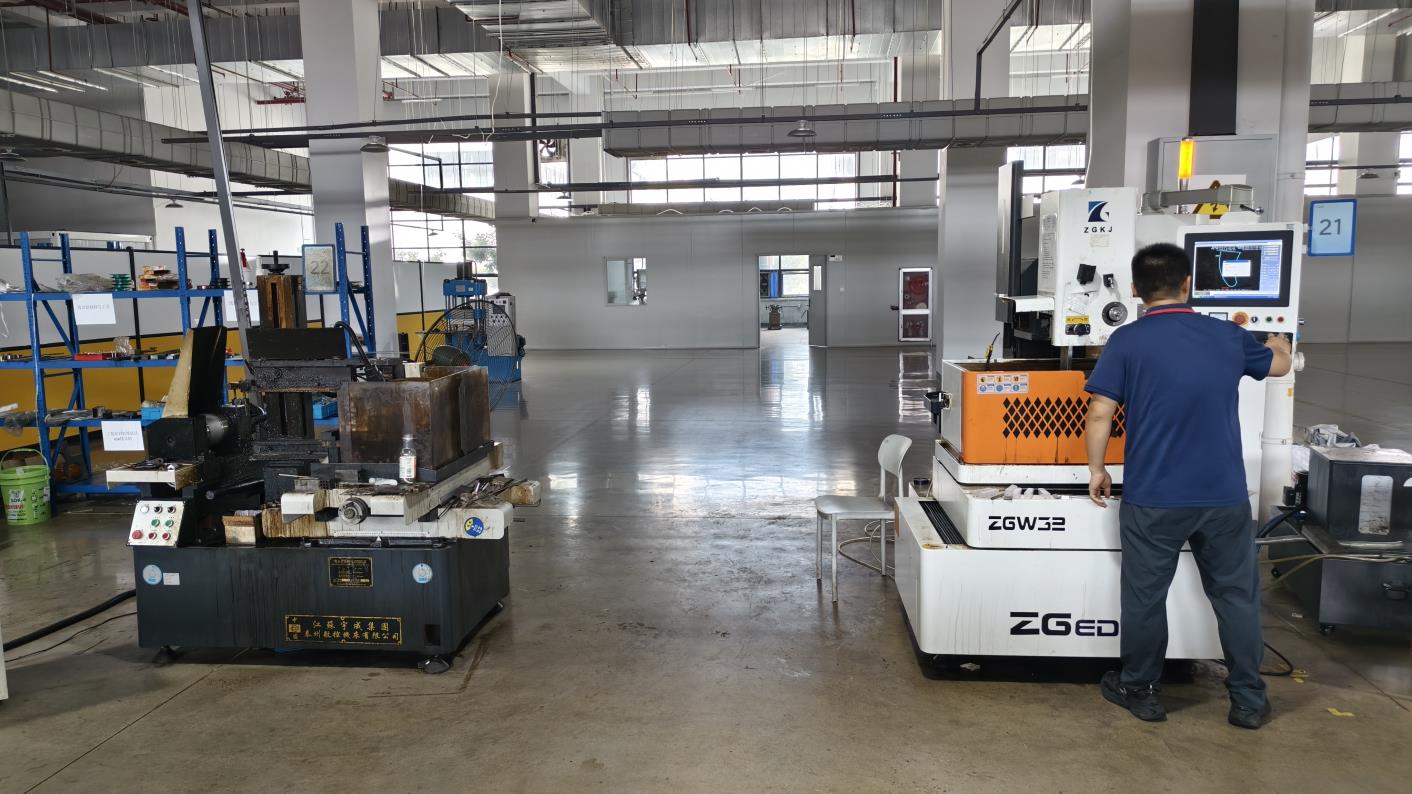
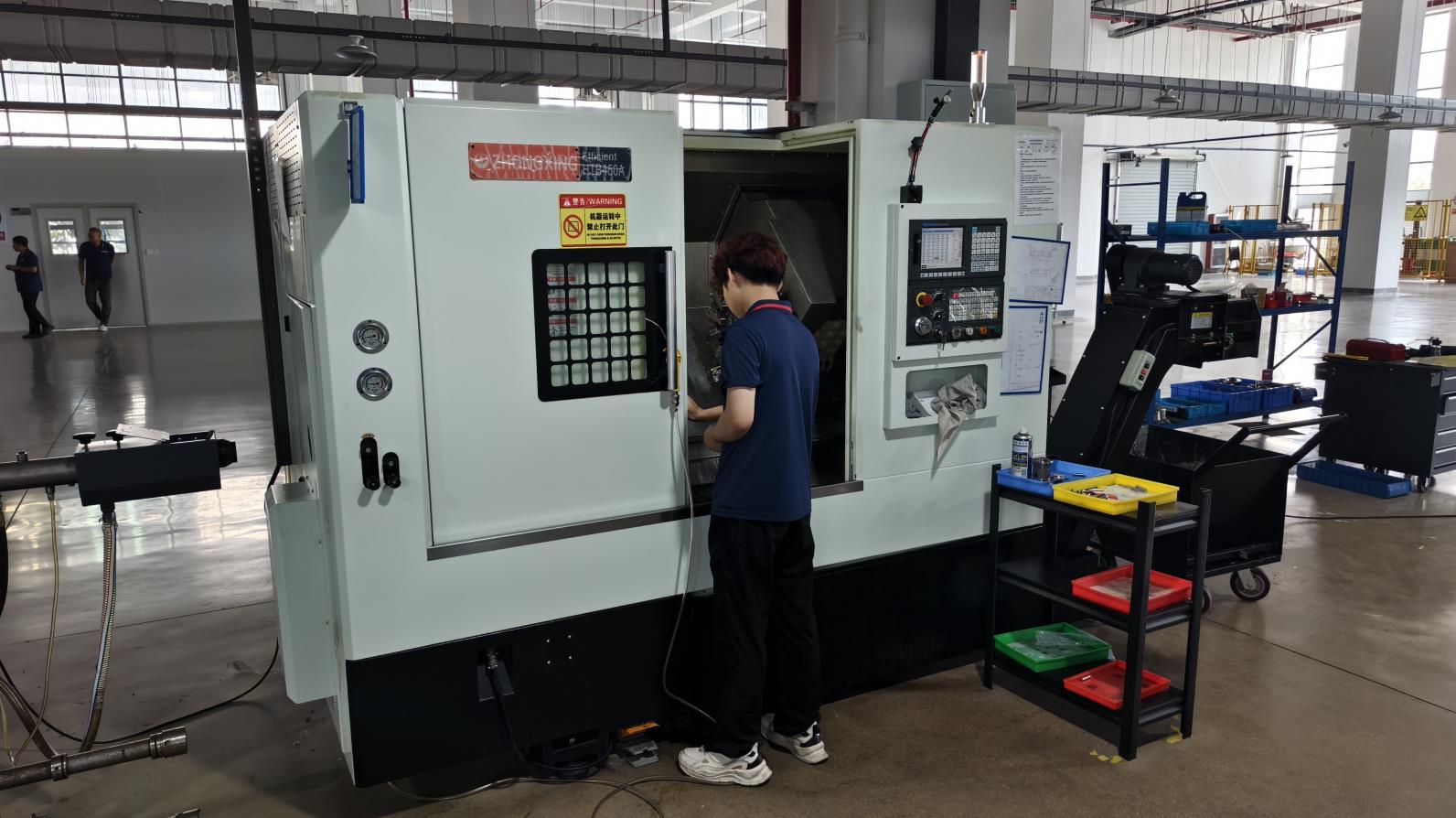
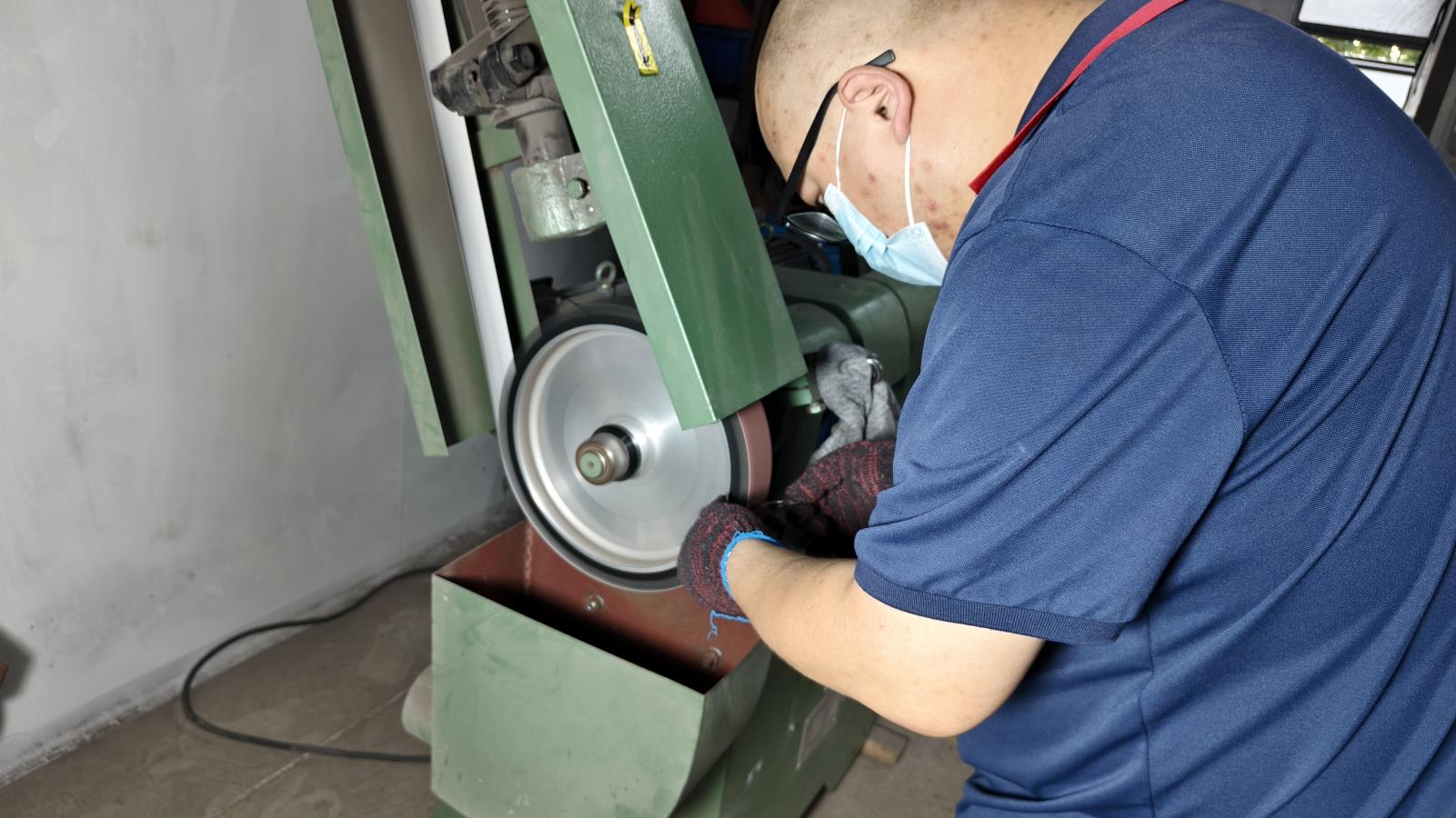
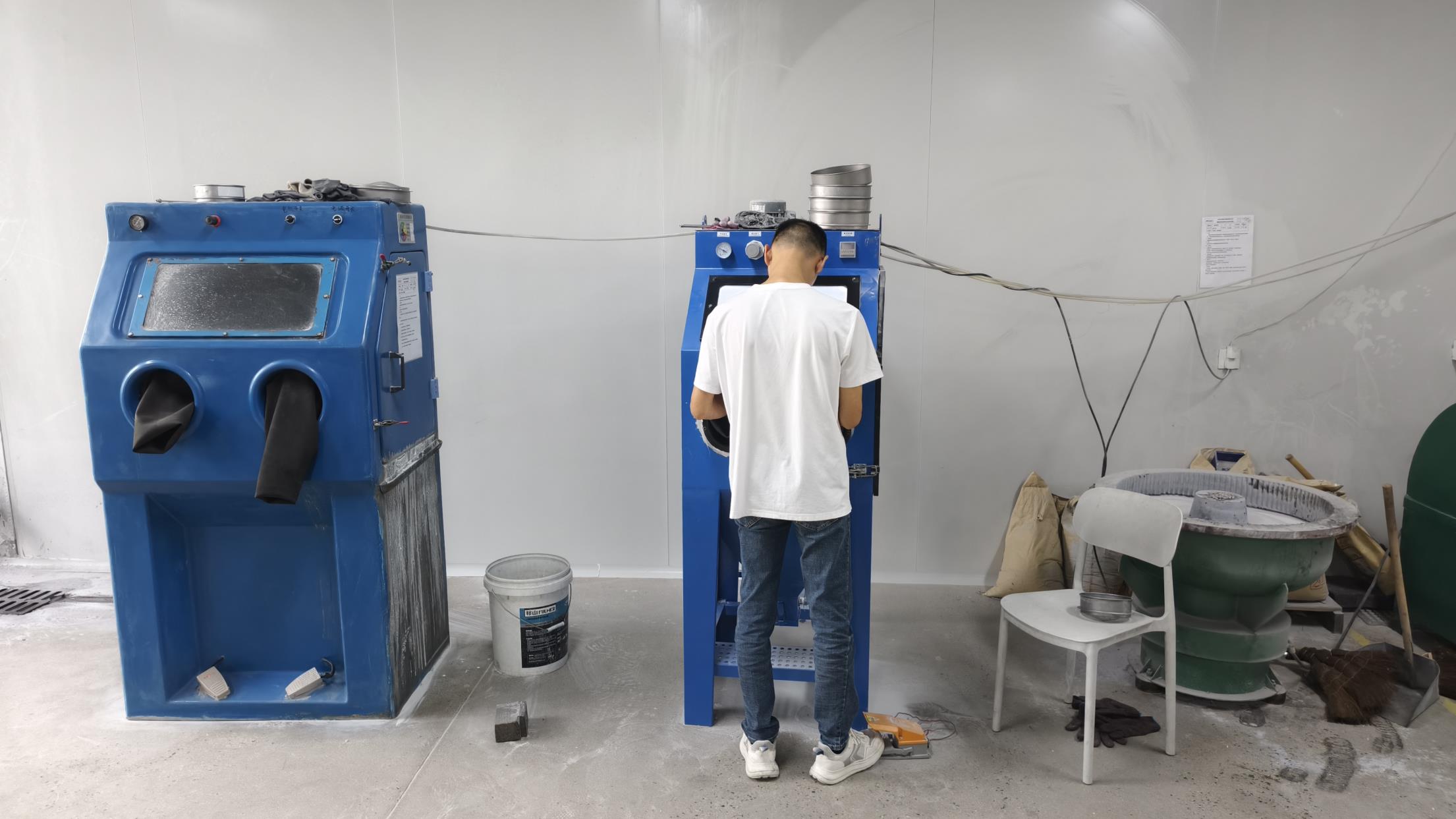
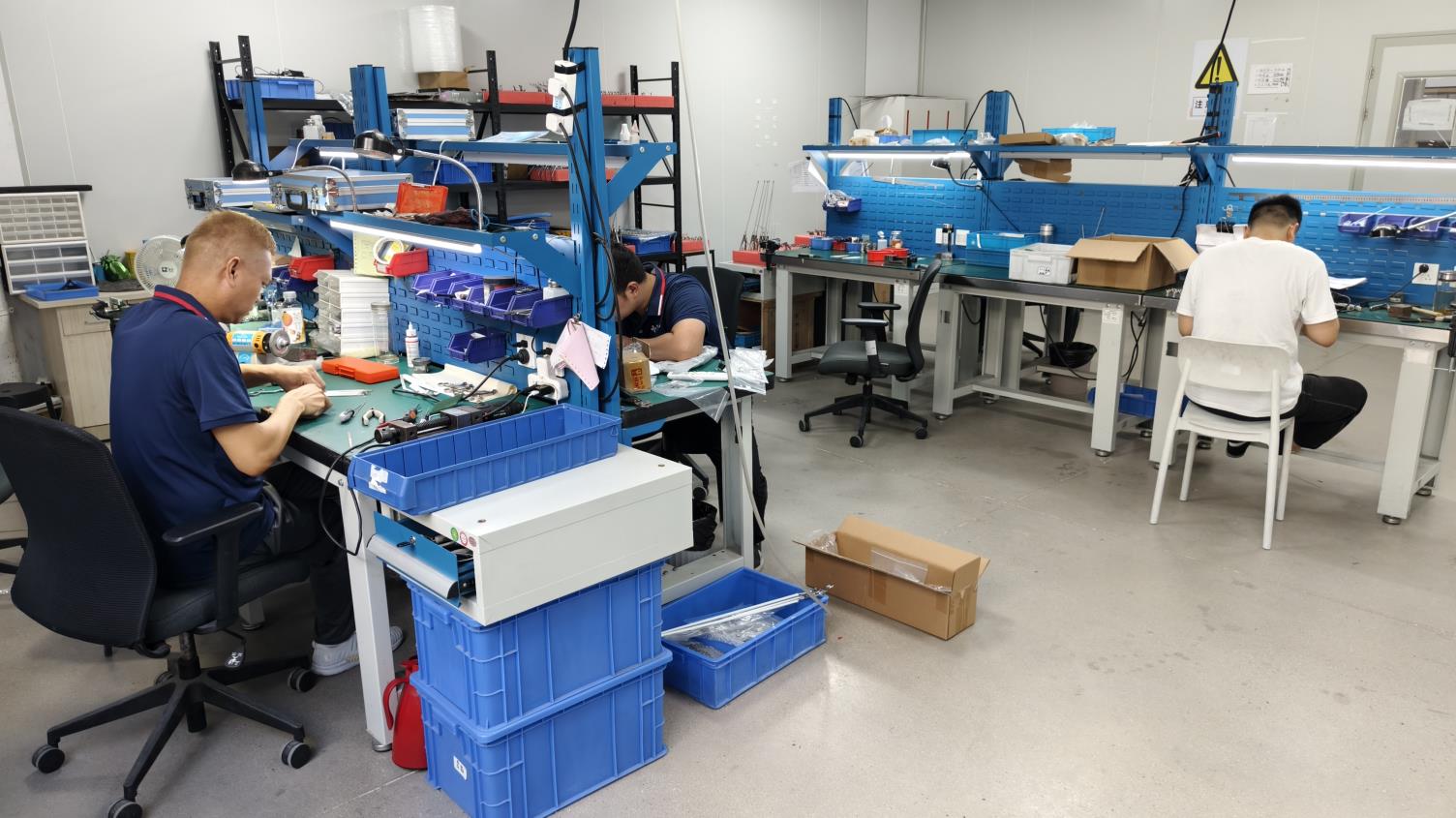
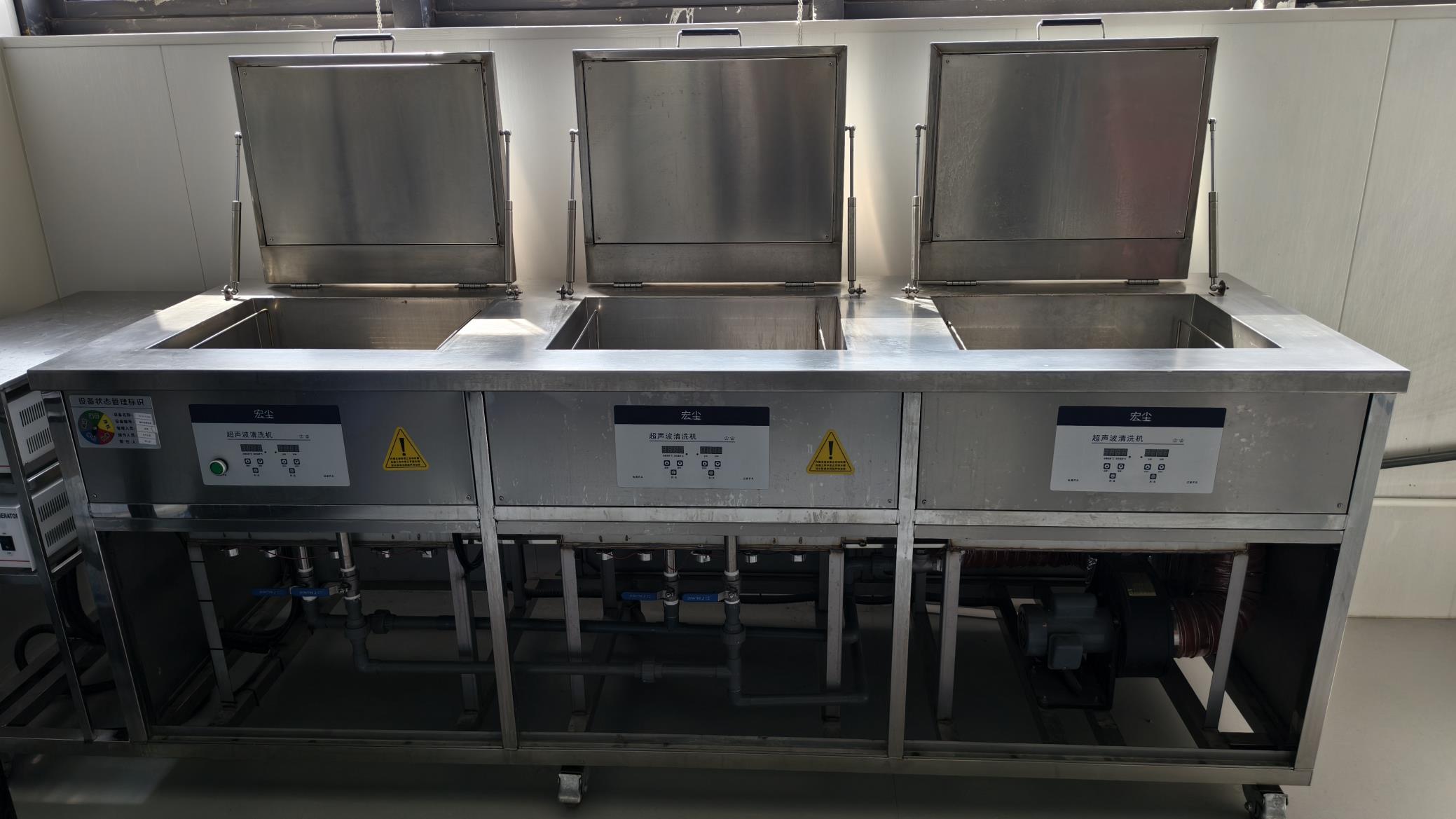
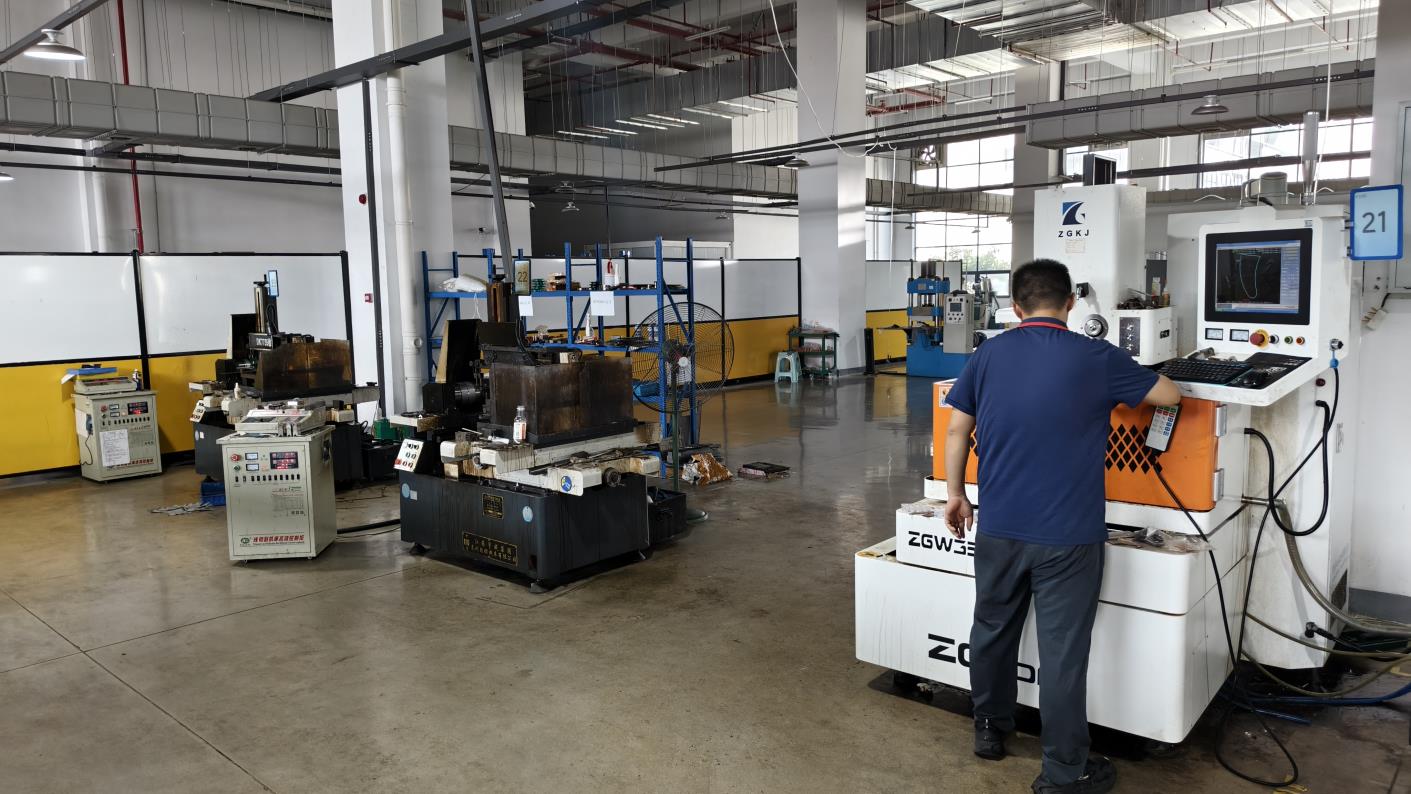
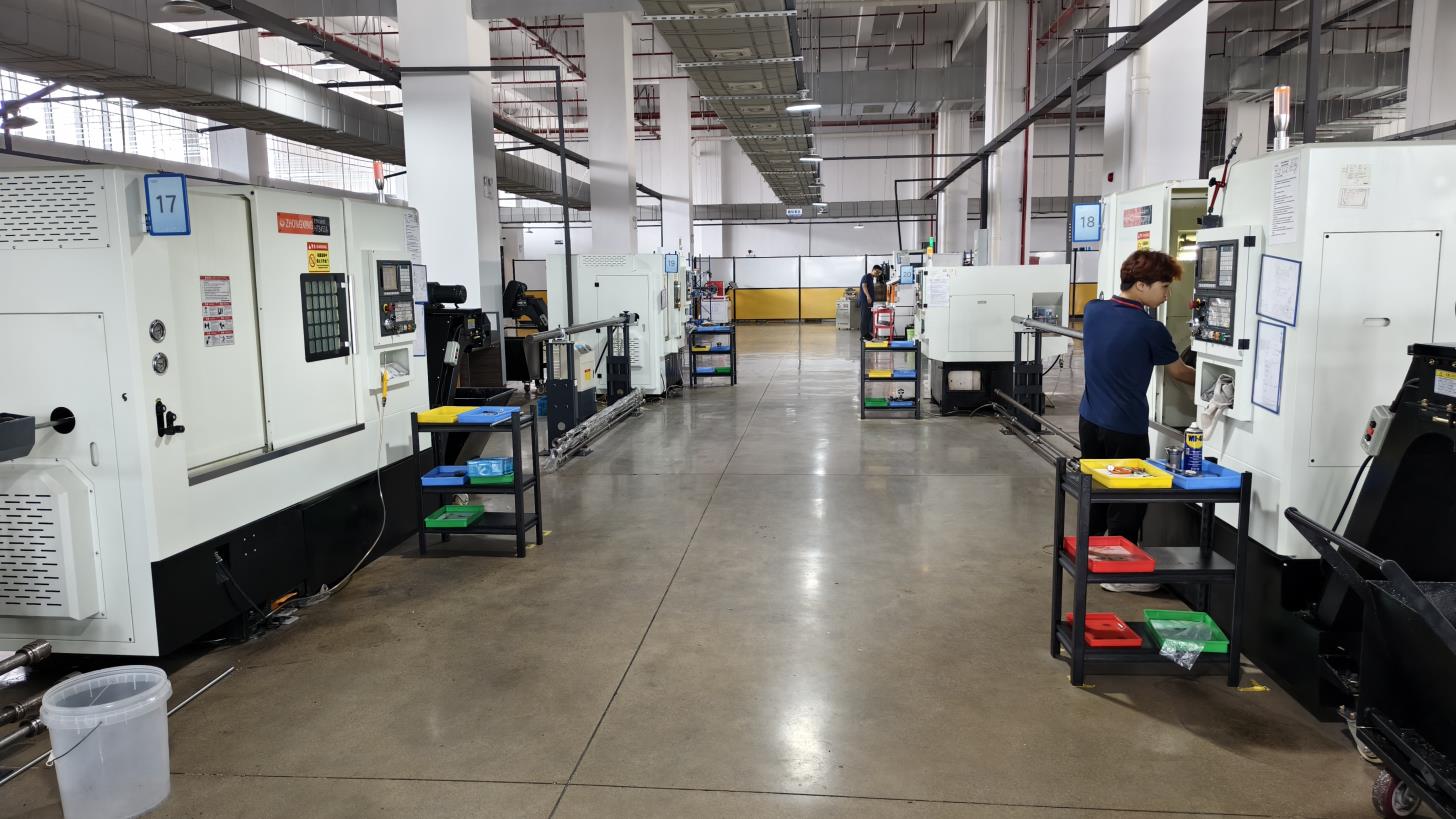
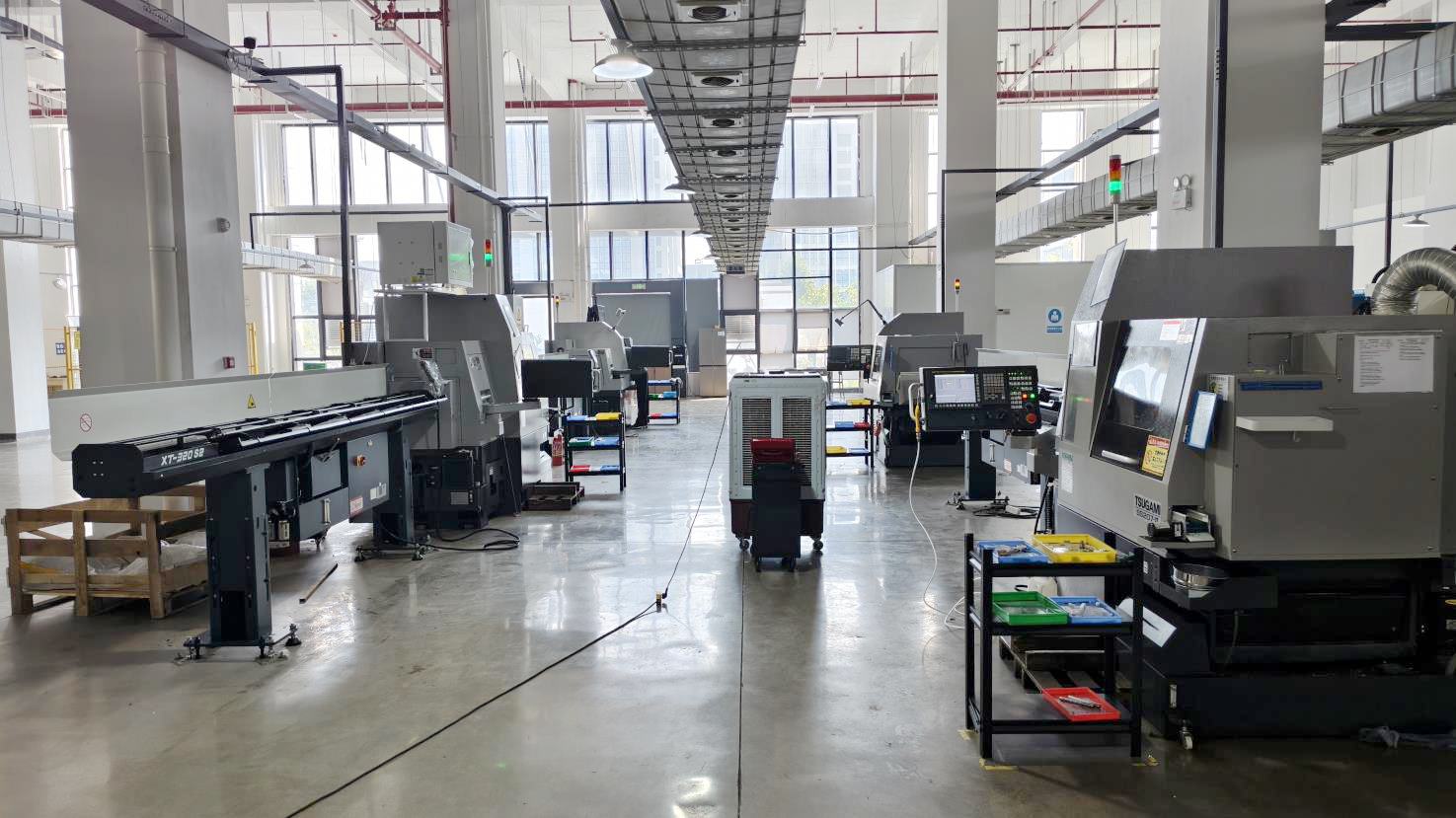
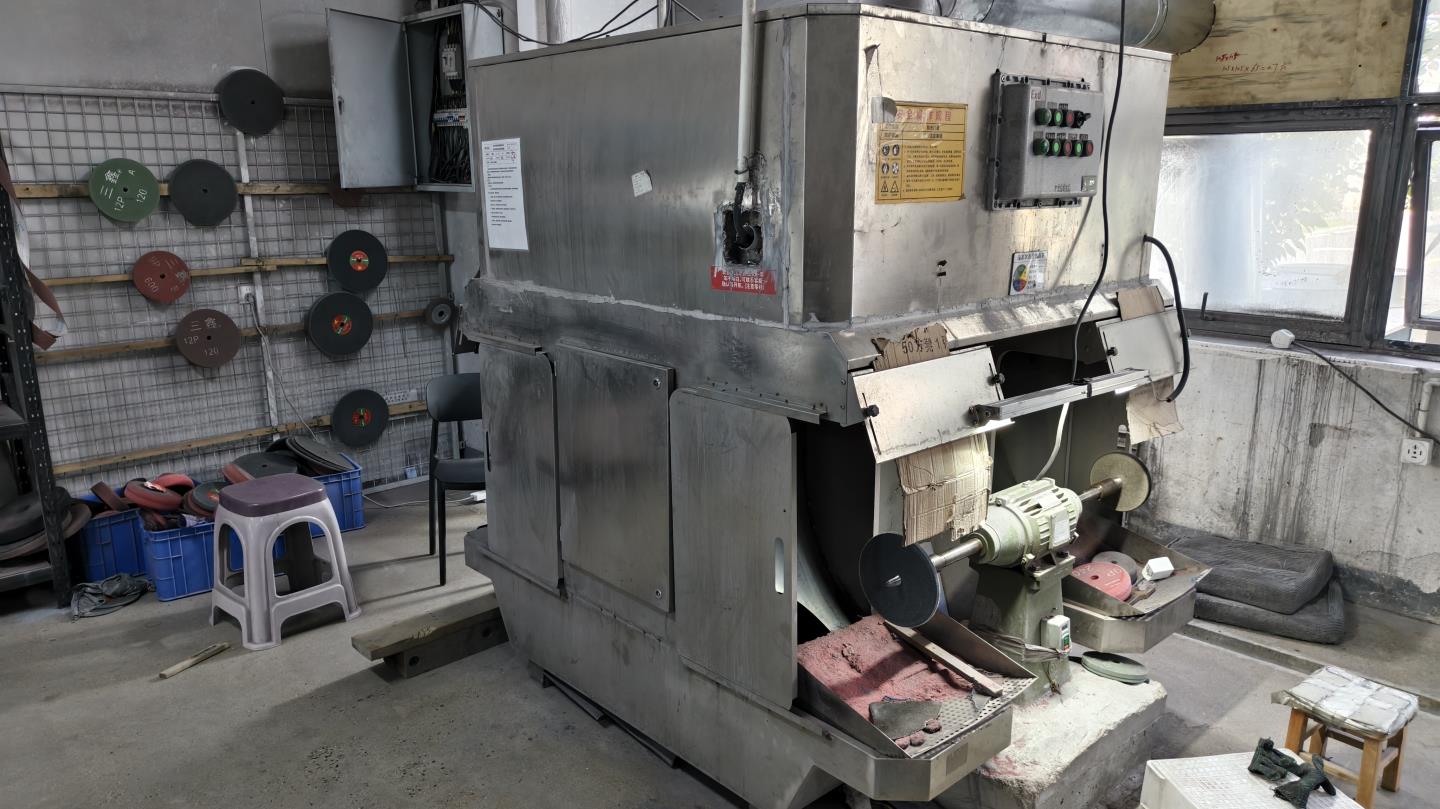
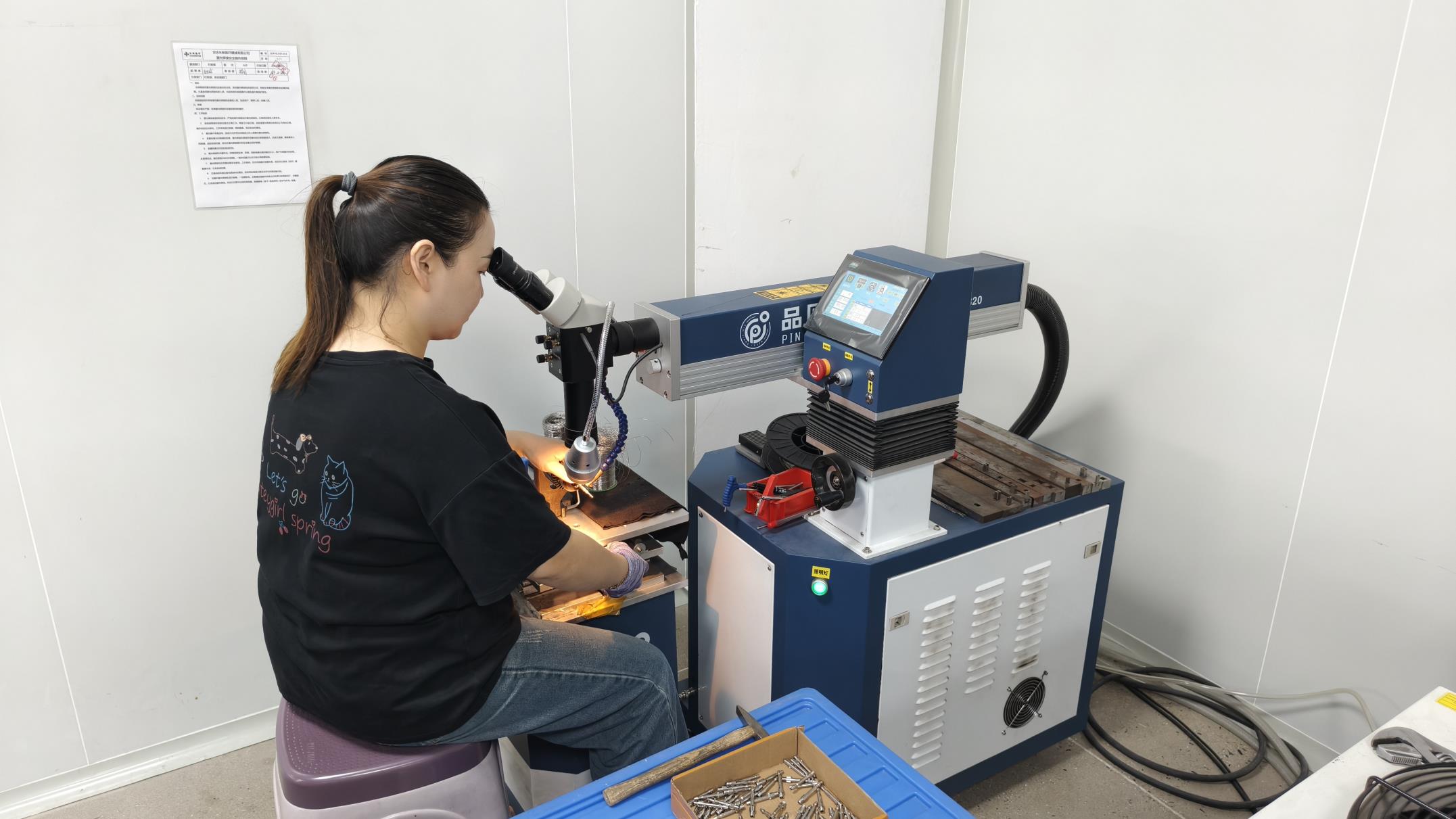
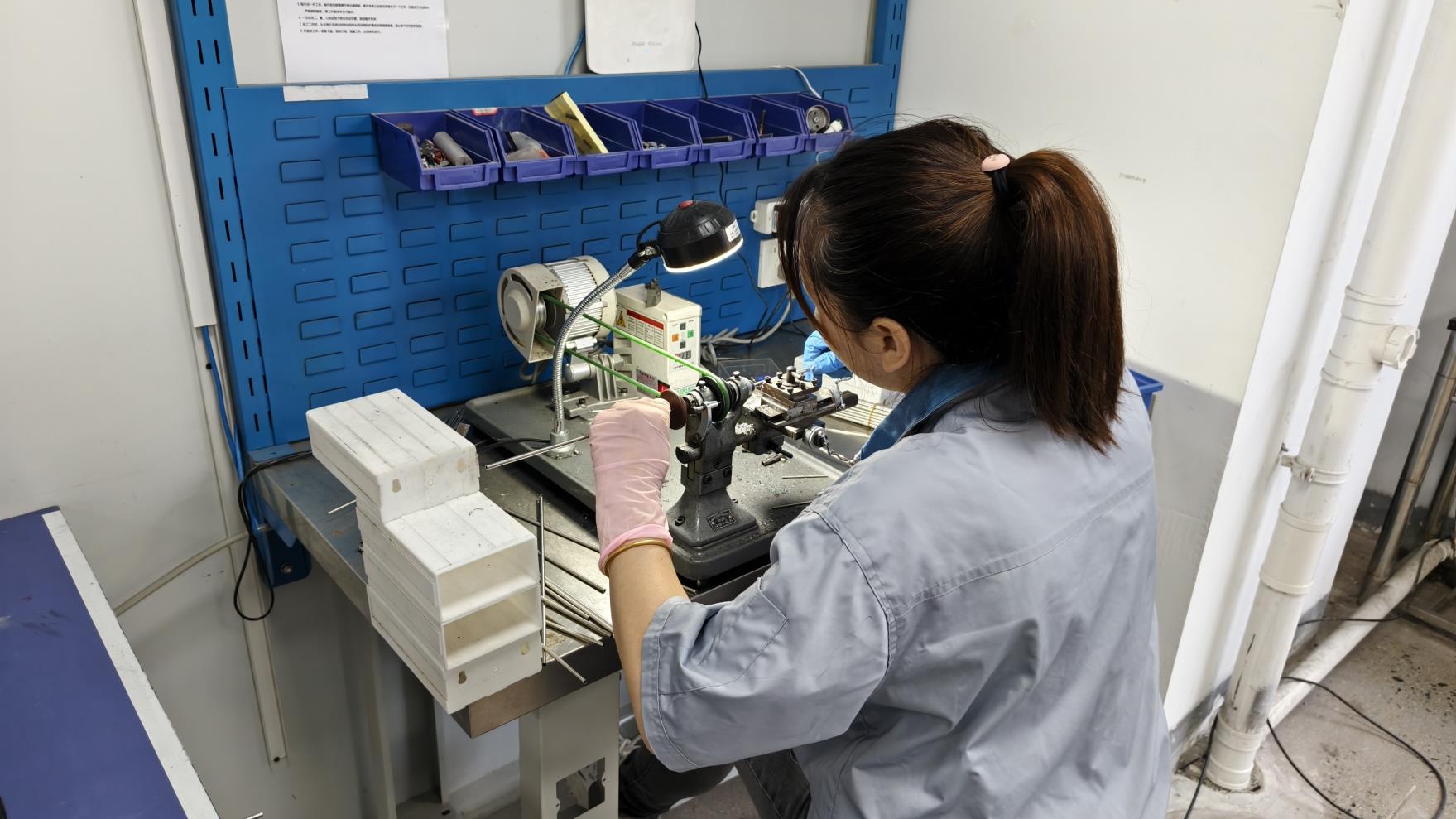
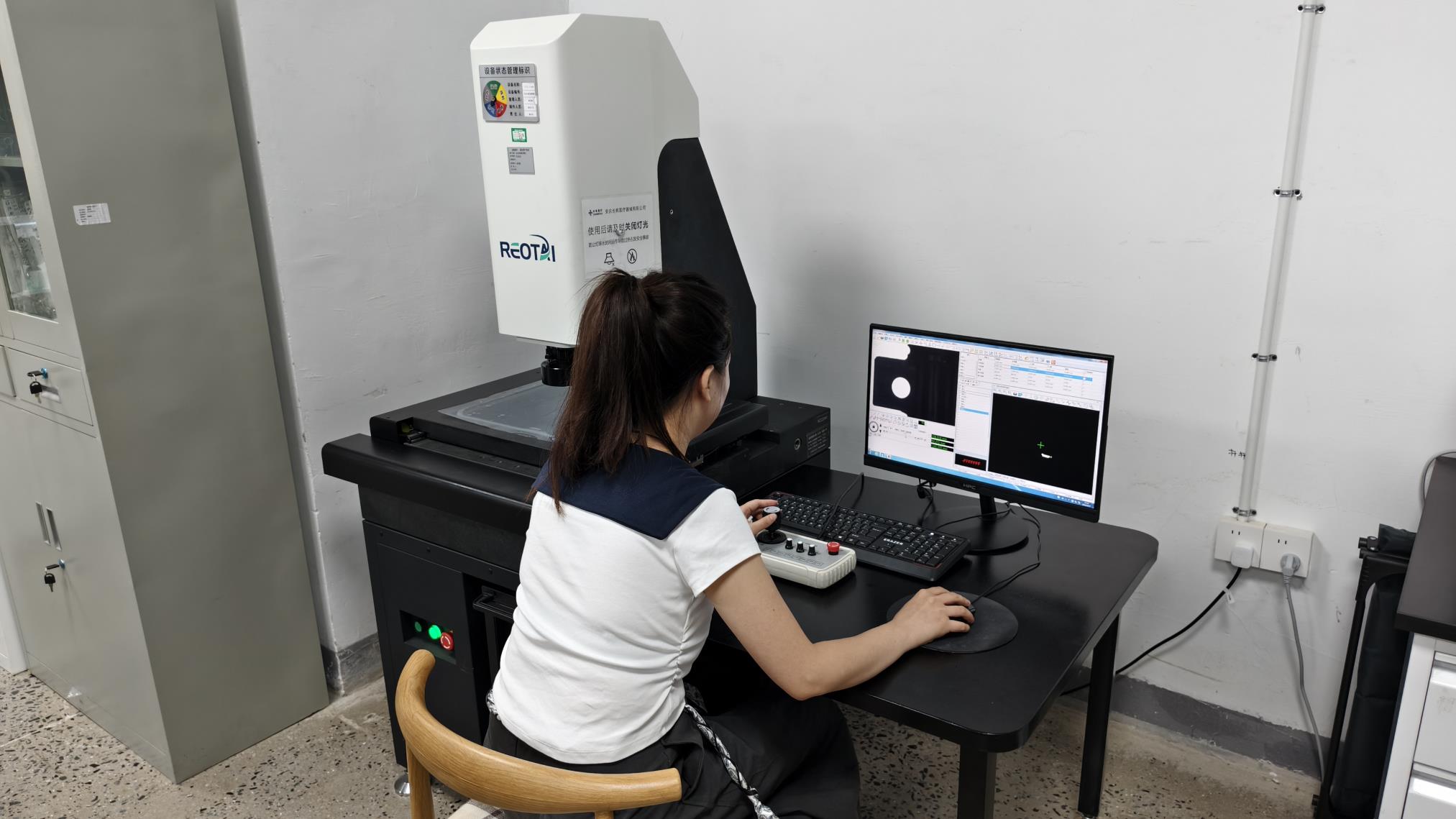
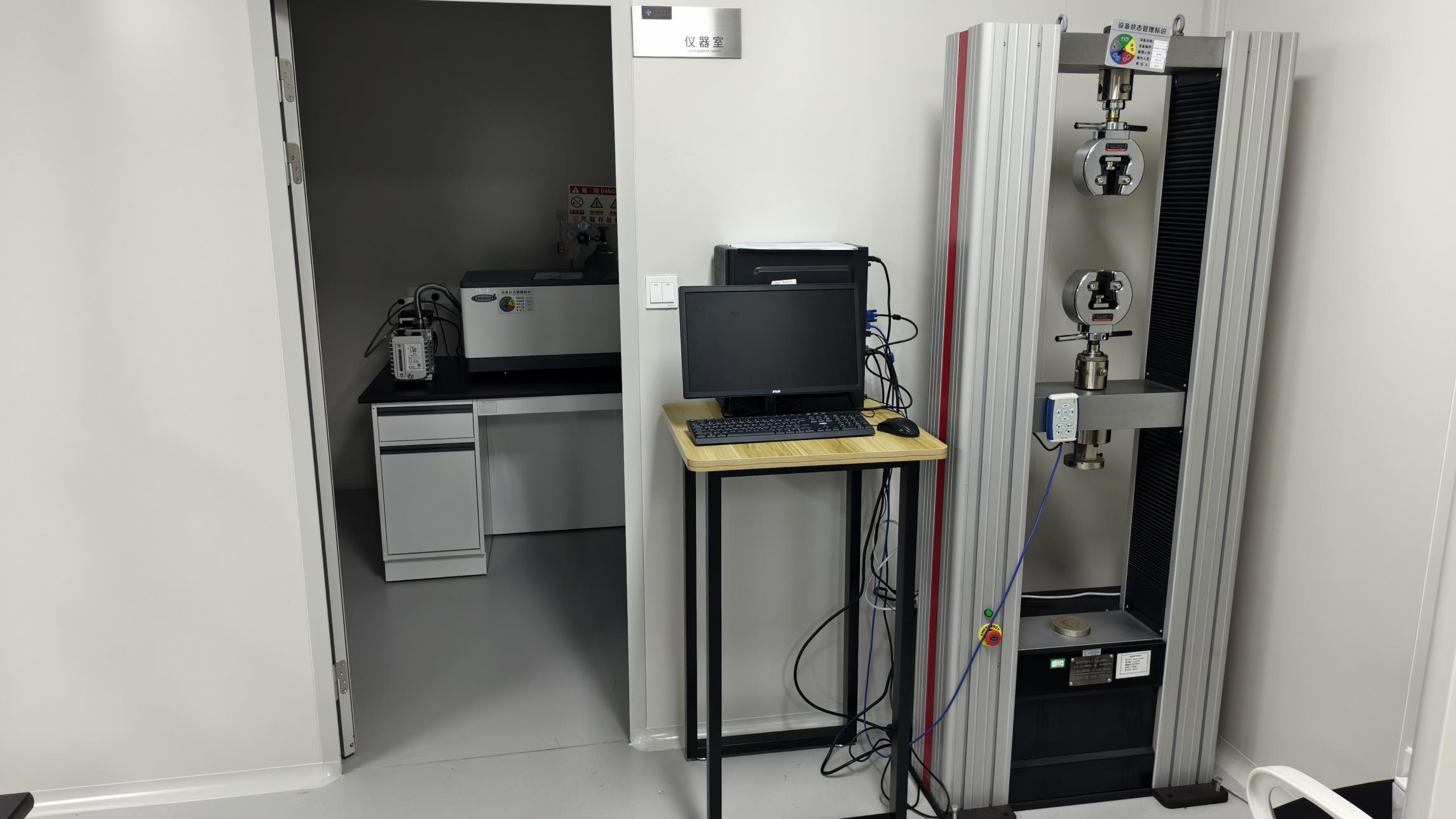
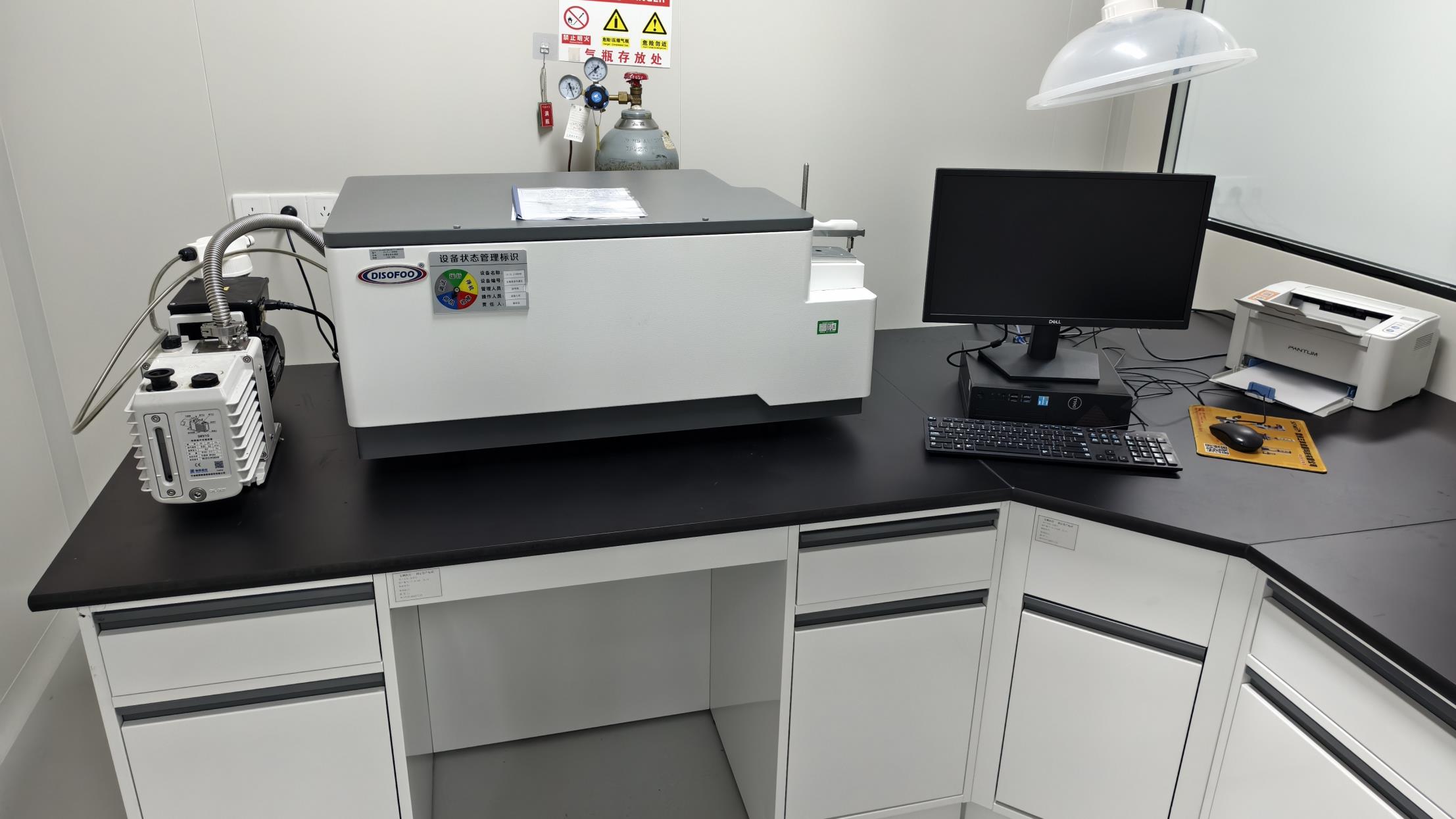
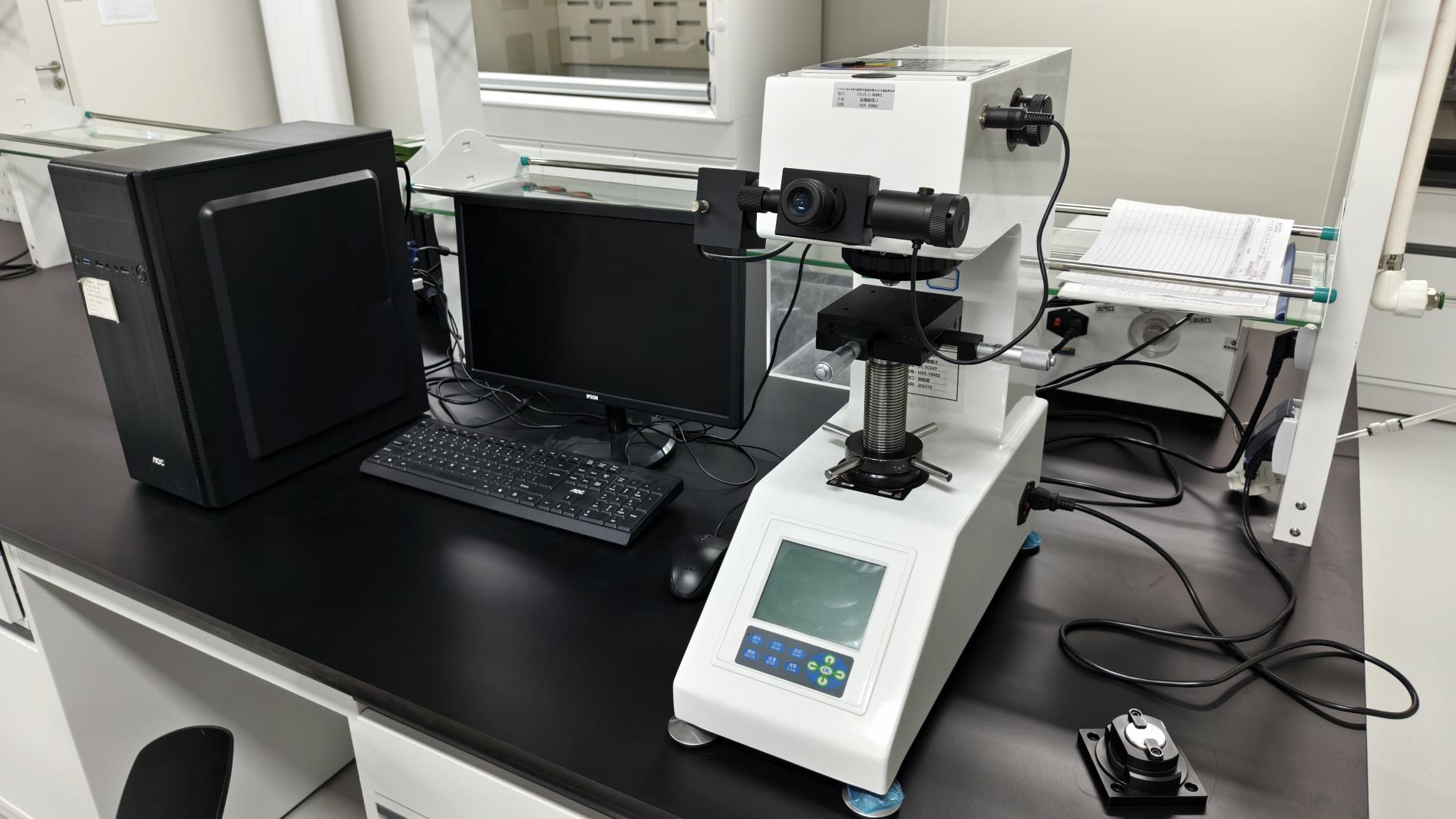
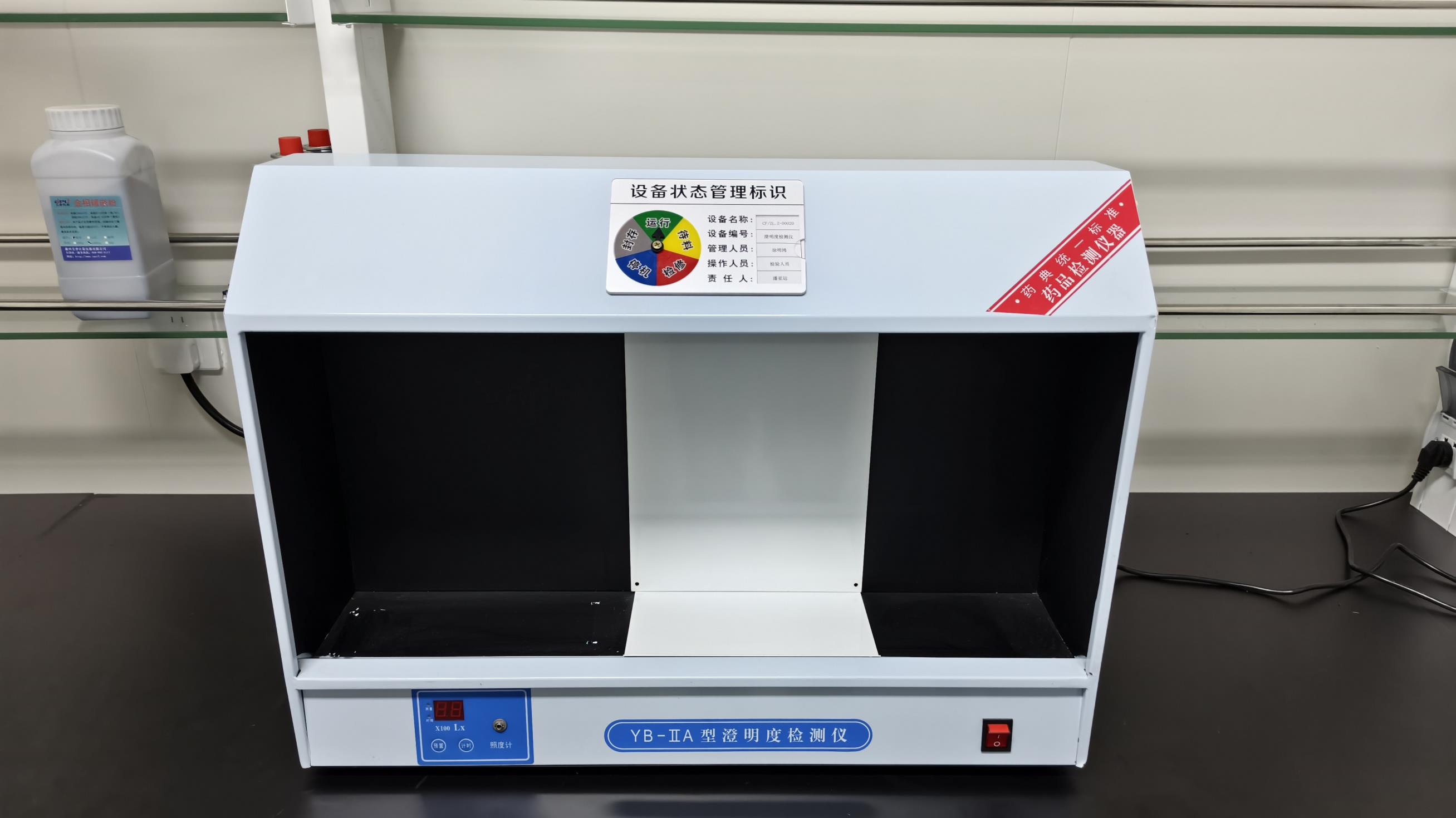
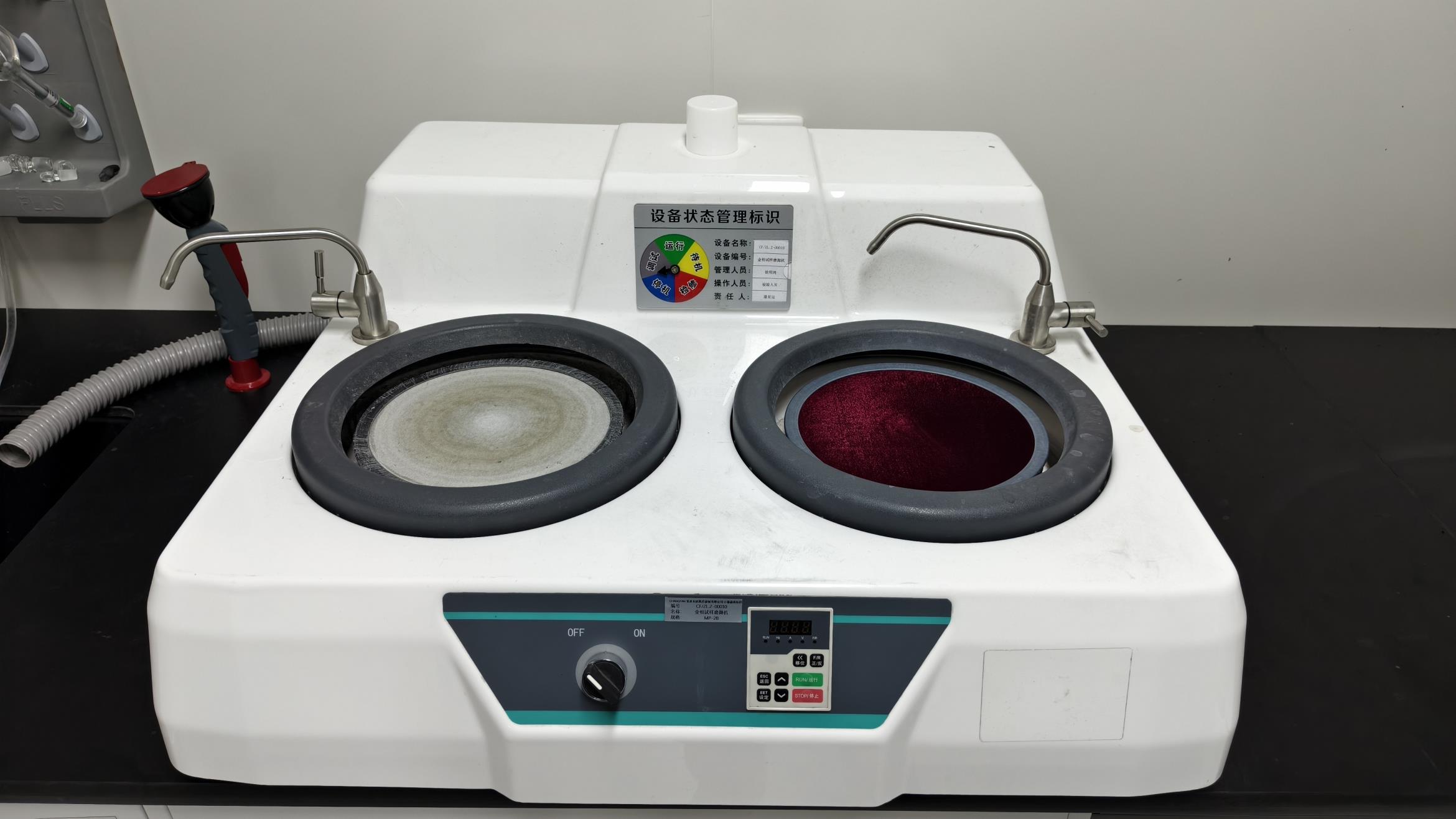
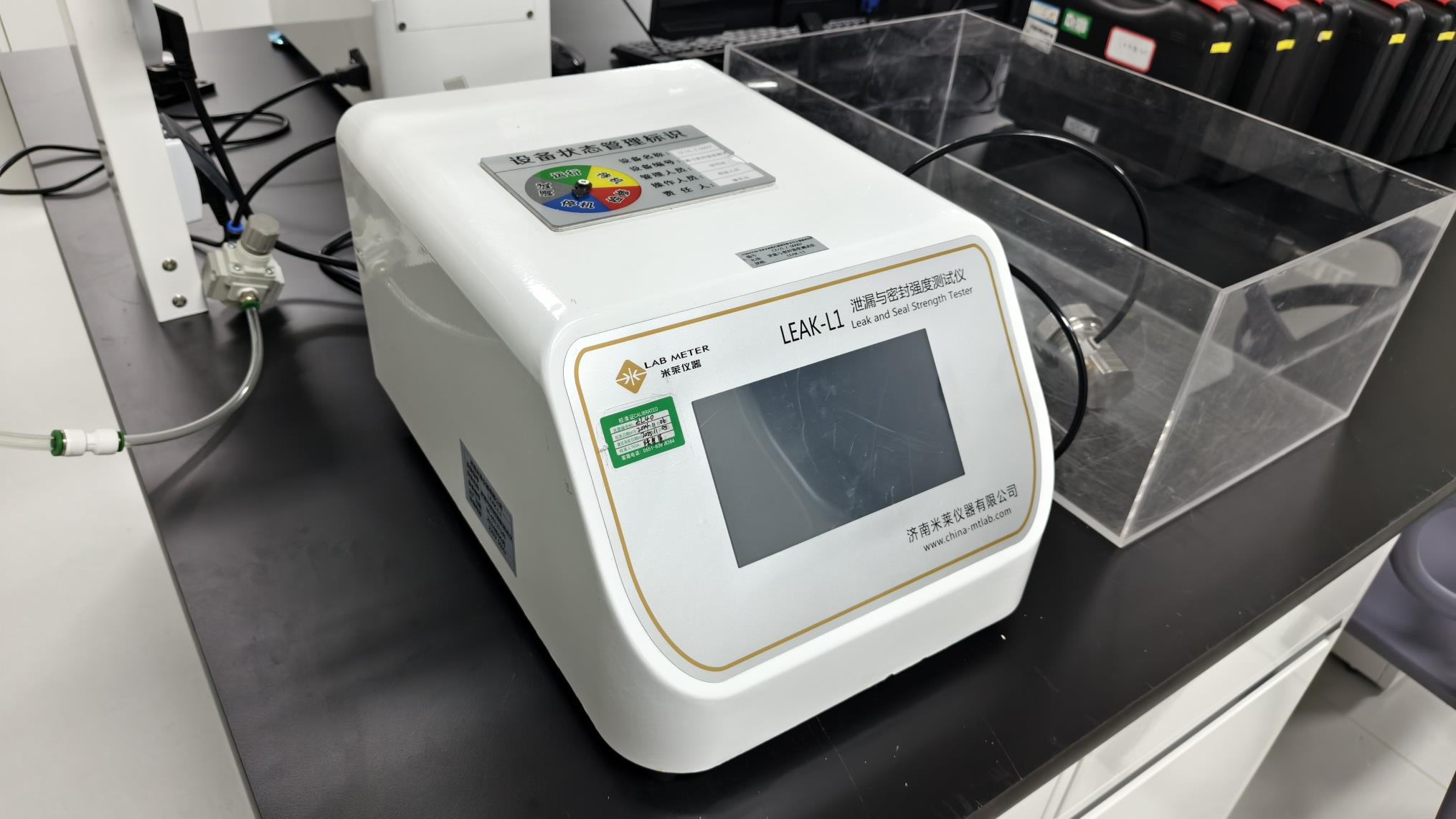
Medical devices are subject to strict regulatory oversight. Synoviq ensures global compliance through standard operating procedures that align with ISO 13485:2016 medical quality management systems. Our implants are certified for distribution across European markets, Latin America, Southeast Asia, and the Middle East.
All titanium implants are processed in Class 100,000 (ISO Class 8) cleanrooms. Standard options include Gamma-irradiation or Ethylene Oxide (EO) sterilization validation. Every batch undergoes sterility validation, bacterial endotoxin testing, and packaging integrity leakage tests (via ASTM F1929 standard protocols) to guarantee a shelf-life of up to five years.
Our engineering team utilizes advanced finite element analysis (FEA) to simulate human physiological stress before machining prototypes. Through our OEM/ODM services, clients can customize:
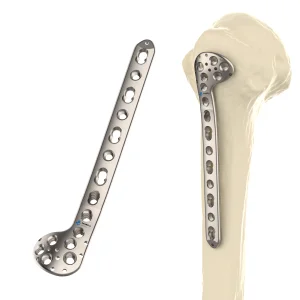
Browse our extended product portfolio, including trauma plates, spinal systems, and advanced ablation systems.
 Synoviq Medical