Premium trauma systems, sports medicine anchors, and specialized surgical equipment engineered for global hospitals.
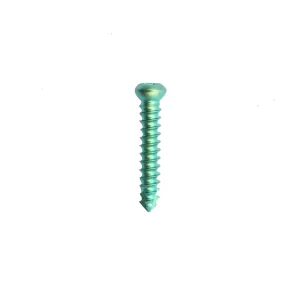
An executive guide to biomechanical integrity, materials chemistry, supply chain localization, and regulatory compliance for global medical procurement.
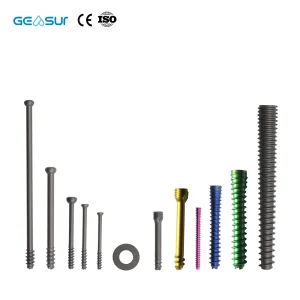
Anterior Cruciate Ligament (ACL) reconstruction has evolved dramatically over the last three decades. The transition from heavy, non-absorbable metals to advanced biocompatible alloys and bioabsorbable polymers represents a monumental shift in patient outcomes. Interference screws are the primary fixation mechanism for bone-patellar tendon-bone (BTB) grafts and soft tissue grafts within the tibial and femoral tunnels.
Historically, stainless steel was the default standard, but its high stiffness index introduced significant stress shielding and interference with magnetic resonance imaging (MRI). Today, modern orthopedics depends on Titanium Alloy (Ti-6Al-4V ELI) and Polyether ether ketone (PEEK), as well as bioabsorbable materials like Polylactic-co-glycolic acid (PLGA) combined with osteoconductive agents like Tricalcium Phosphate (TCP). China's leading factories have integrated these advanced materials into their mainstream production lines to supply global medical brands with high-fidelity implants.
Biomechanical Insight: The principal indicator of ACL reconstruction success is the primary pullout strength. High-precision threading prevents thread shear during surgical insertion while ensuring continuous compression on the soft tissue graft.
When selecting a supplier for interference screws, clinical distributors and buyers must evaluate two main product paradigms:
The global orthopedics market faces margin pressures due to healthcare reforms and insurance reimbursement adjustments (such as DRGs). Direct sourcing of interference screws and related sports medicine implants from certified Chinese factories has changed the cost structure of medical distribution. China's industrial clusters for medical manufacturing combine massive raw material supply chains with automated Swiss-type CNC precision machining.
By partnering with established manufacturers like Synoviq Medical Technology (China) Co., Ltd., global brands leverage structural cost savings without sacrificing material purity. With 14 years of industry experience and a dedicated R&D team of 76 engineers, Synoviq represents a reliable supply chain partner capable of handling high-volume demands while maintaining ISO 13485 standards.
A leading OEM/ODM manufacturer specializing in orthopedic implants, trauma fixation systems, and high-performance instrumentation.
Synoviq Medical Technology (China) Co., Ltd. is a professional manufacturer of orthopedic implants and surgical instruments, dedicated to delivering innovative, reliable, and high-quality medical solutions for healthcare professionals worldwide. Since its establishment, Synoviq has focused on research, development, precision manufacturing, and international quality standards, providing comprehensive OEM and ODM services for global medical device brands, distributors, and hospitals.
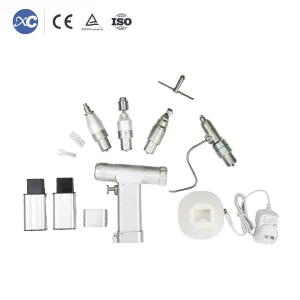
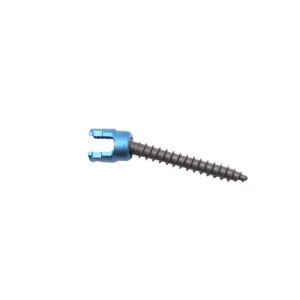
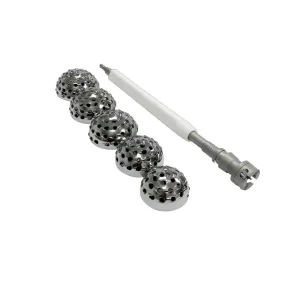
Our product portfolio includes trauma fixation systems, spinal implants, locking plates, intramedullary nails, external fixation systems, orthopedic screws, surgical instruments, and customized orthopedic solutions. Equipped with advanced CNC machining centers, precision inspection equipment, and modern clean production facilities, we ensure every product meets strict international quality requirements.
Driven by continuous innovation, Synoviq invests heavily in R&D and intelligent manufacturing to enhance product performance, surgical efficiency, and patient outcomes. Our experienced engineering team works closely with customers to develop customized products tailored to different clinical applications and market demands.
With a customer-oriented philosophy, competitive pricing, stable supply capability, and efficient technical support, Synoviq has established long-term partnerships with distributors, medical brands, and healthcare organizations across Europe, North America, South America, the Middle East, and Asia-Pacific. Committed to quality, innovation, and global collaboration, Synoviq Medical Technology (China) Co., Ltd. strives to become a trusted international partner in the orthopedic medical device industry.
| Corporate Parameter | Operational Standard & Verification Details |
|---|---|
| Company Name | Synoviq Medical Technology (China) Co., Ltd. |
| Brand | Synoviq |
| Established | March 18, 2016 |
| Building Area | 18,600 m² |
| Annual Export Revenue | USD 21.8 Million |
| Export Experience | 8 Years |
| Industry Experience | 14 Years |
| Quality Inspection | 100% Final Inspection & Incoming Material Inspection |
| Product Inspection Methods | CMM Measurement, Mechanical Testing, Surface Roughness Testing, Hardness Testing, Salt Spray Testing, Sterility Validation |
| Quality Control Staff | 48 Quality Specialists |
| Business Type | Manufacturer & Exporter (OEM/ODM) |
| Main Markets | Europe, North America, South America, Middle East, Southeast Asia |
| Supply Chain Partners | 1,120+ Active Global Distributors & Partners |
| Main Customer Types | Medical Device Brands, Importers, Distributors, Hospitals, Government Procurement Projects |
| R&D Capability | Independent Product Design, Prototype Development, Clinical-Oriented Engineering, OEM & ODM Development |
| Customization Options | Logo Customization, Packaging Customization, Product Design Customization, Material Selection, Surface Treatment |
| New Products Released Last Year | 186 Innovative Products |
| R&D Engineers | 76 Engineers |
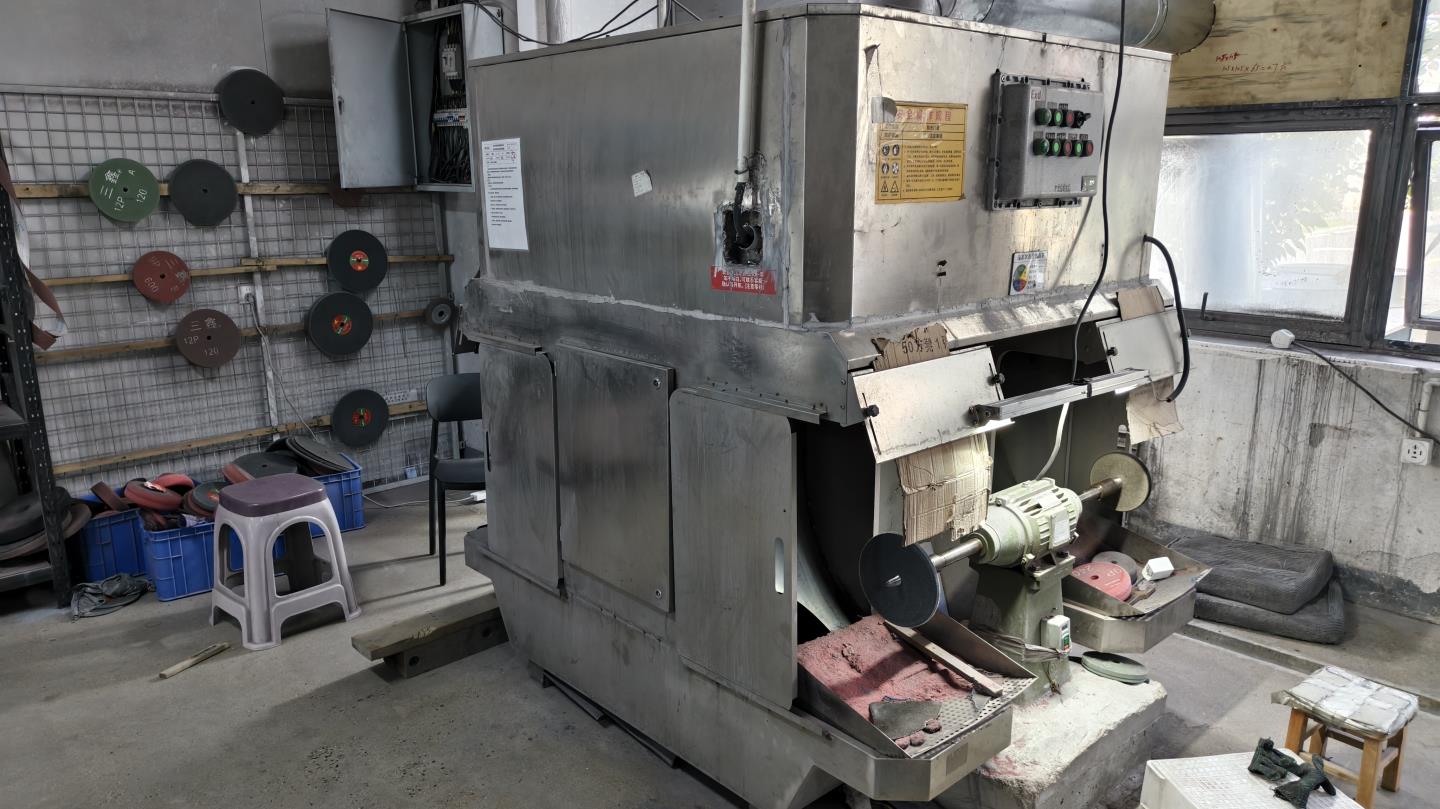
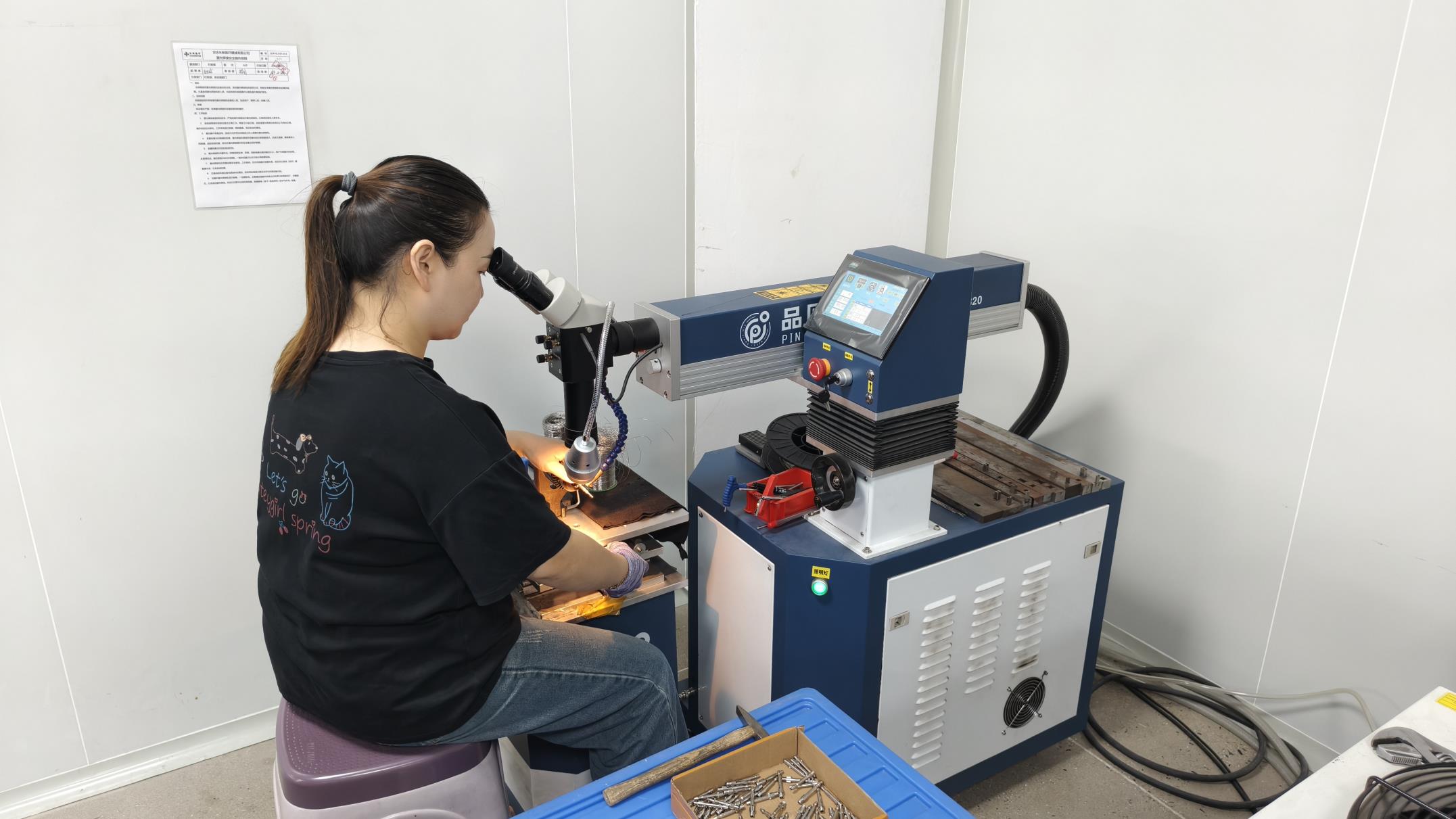
A look inside our 18,600 m² facility, highlighting our CNC machinery, surface treatment labs, and quality control departments.
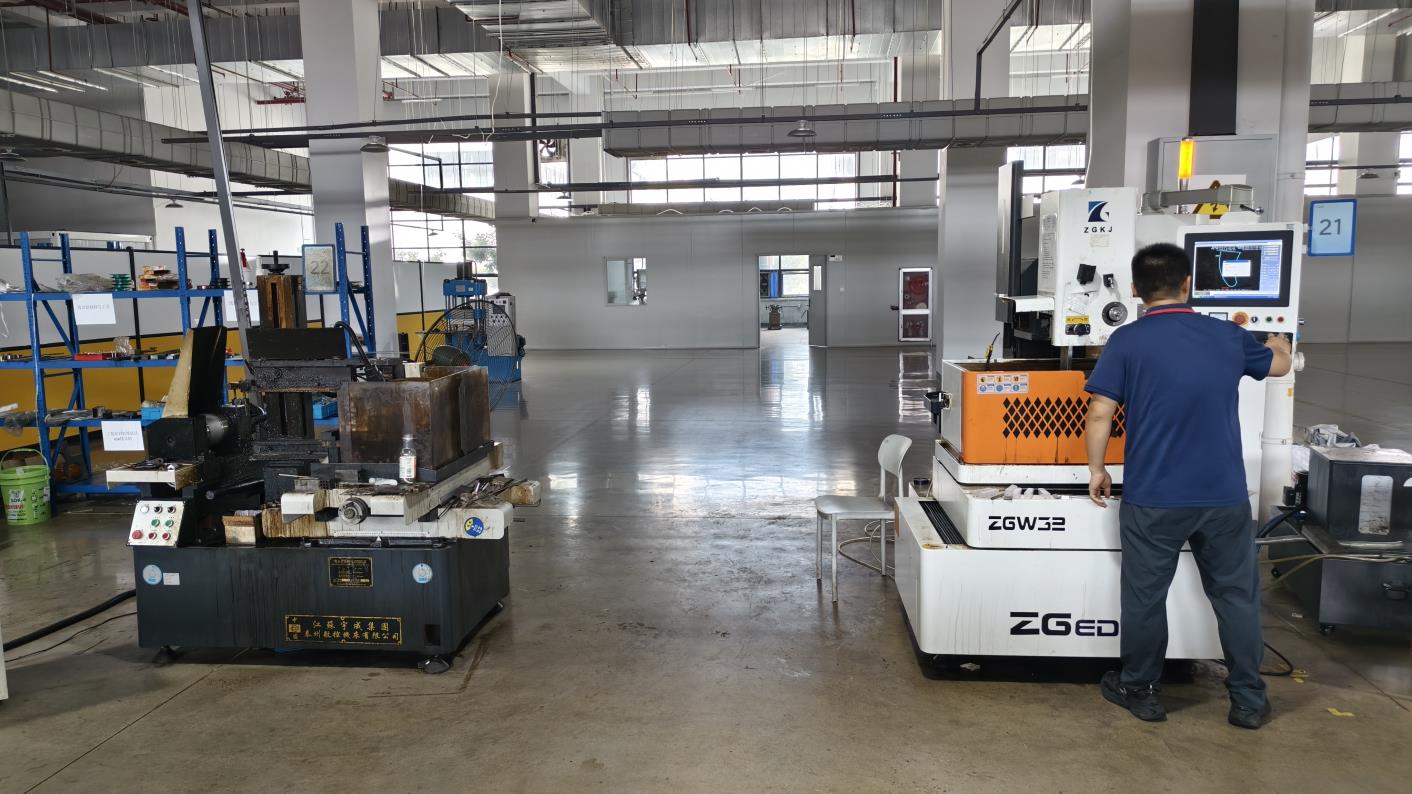
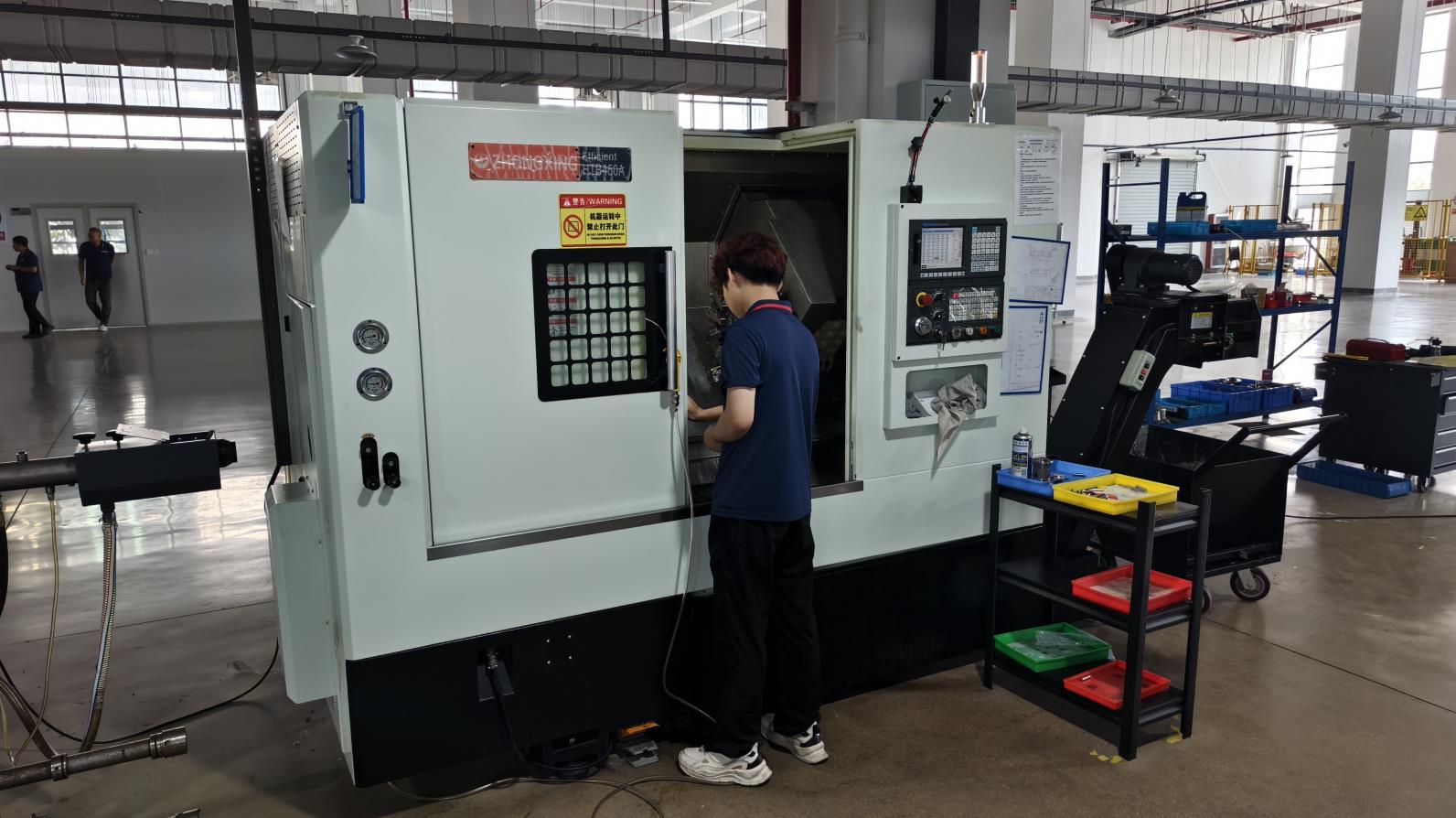
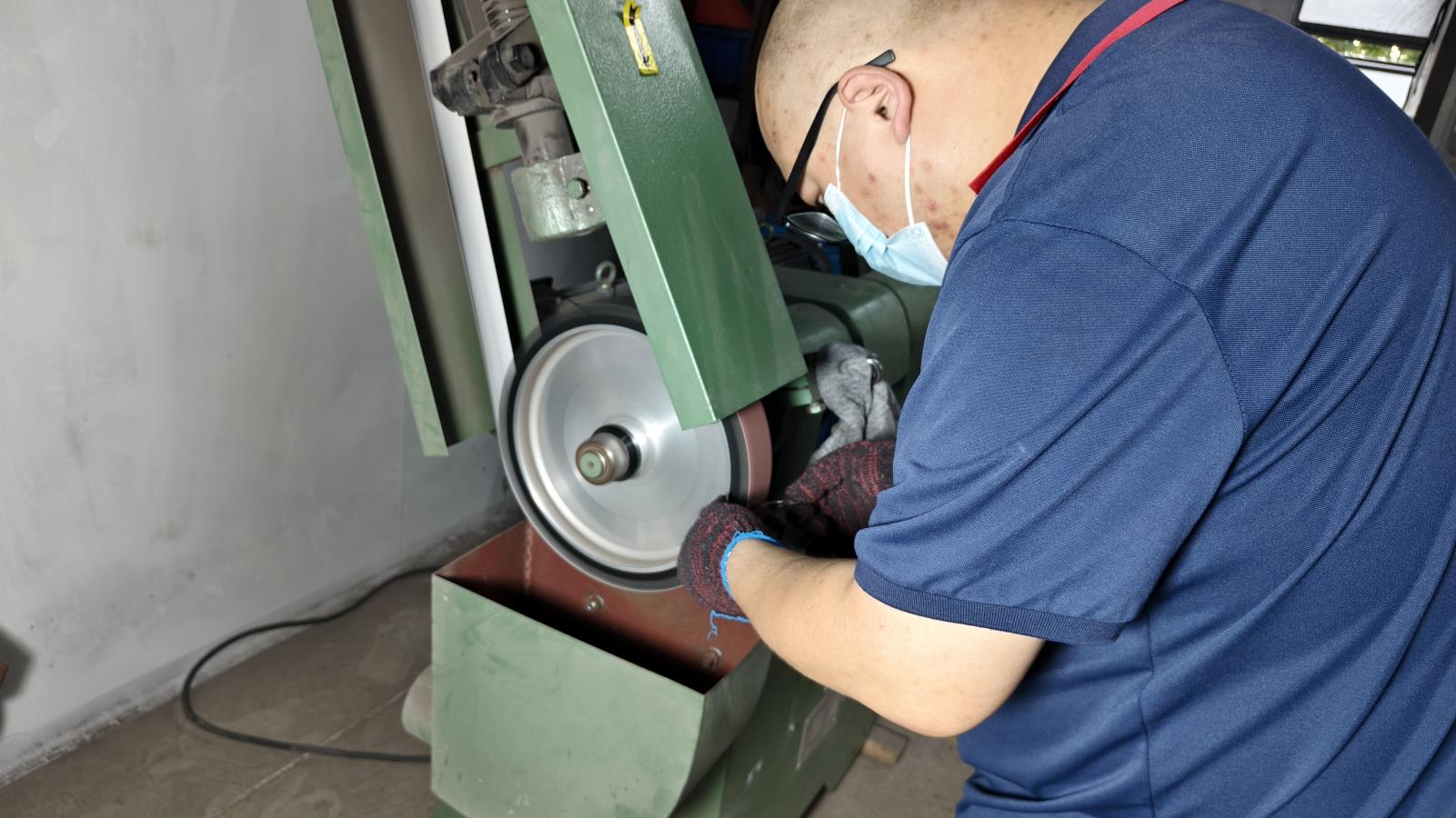
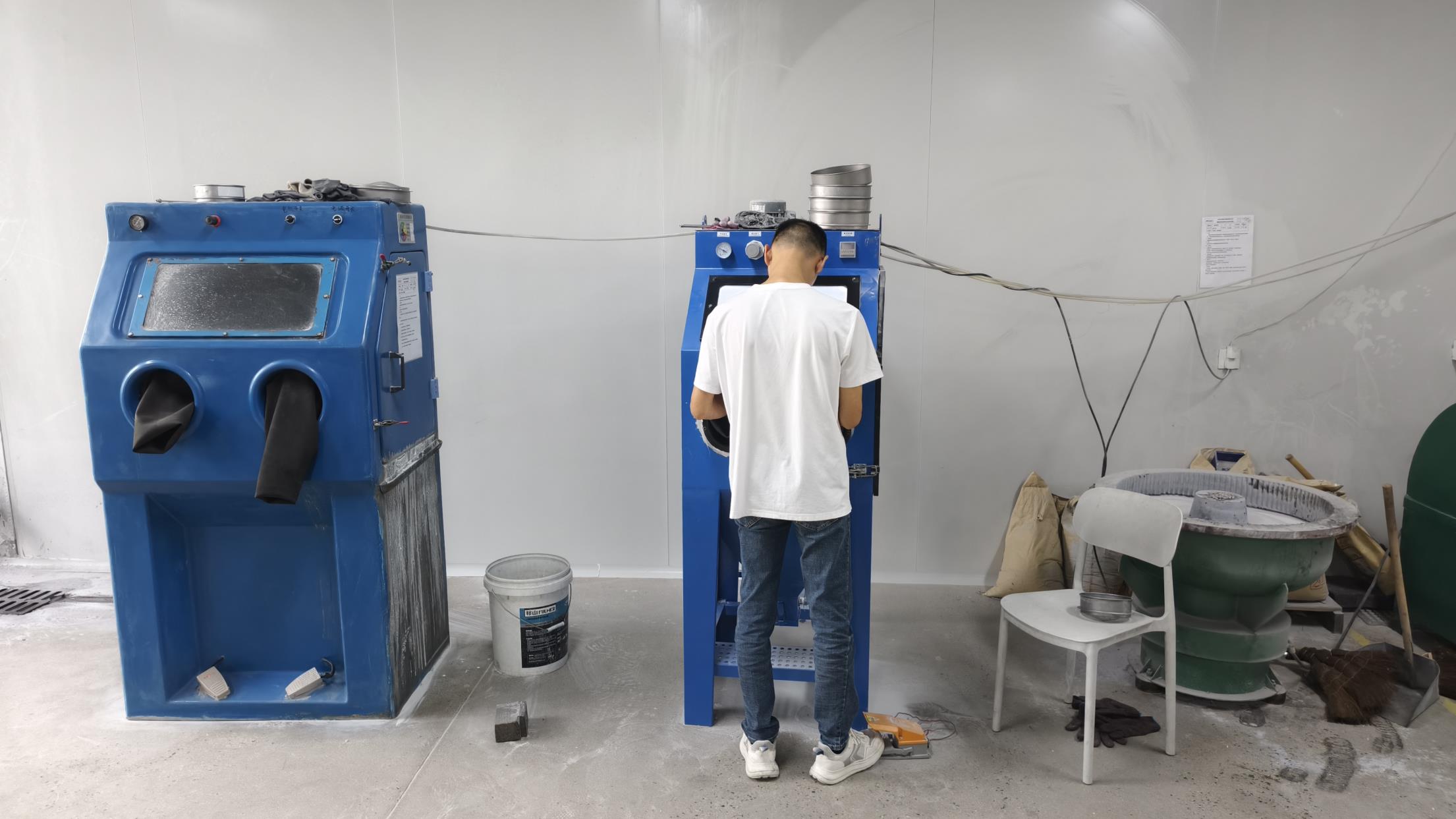
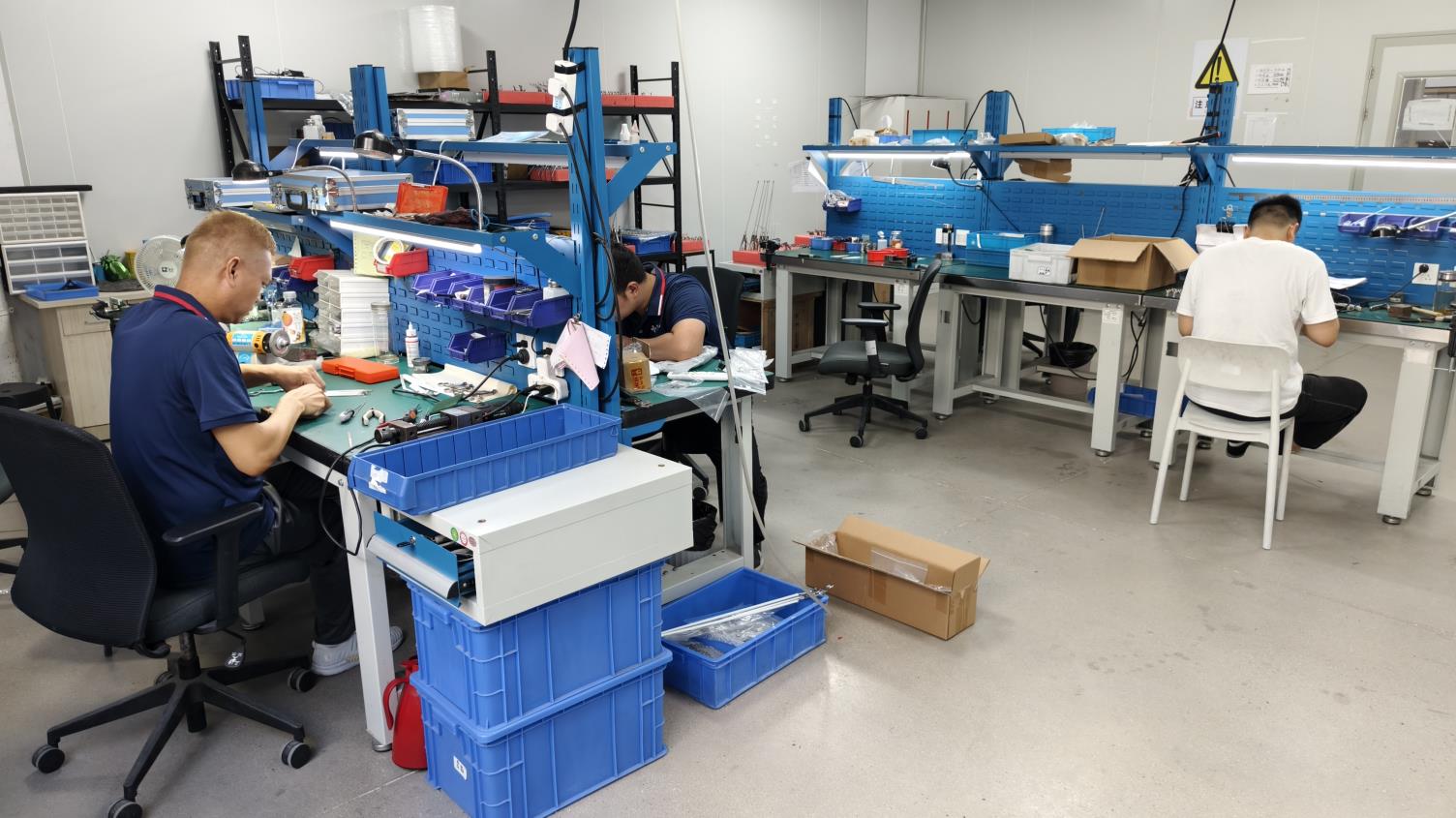
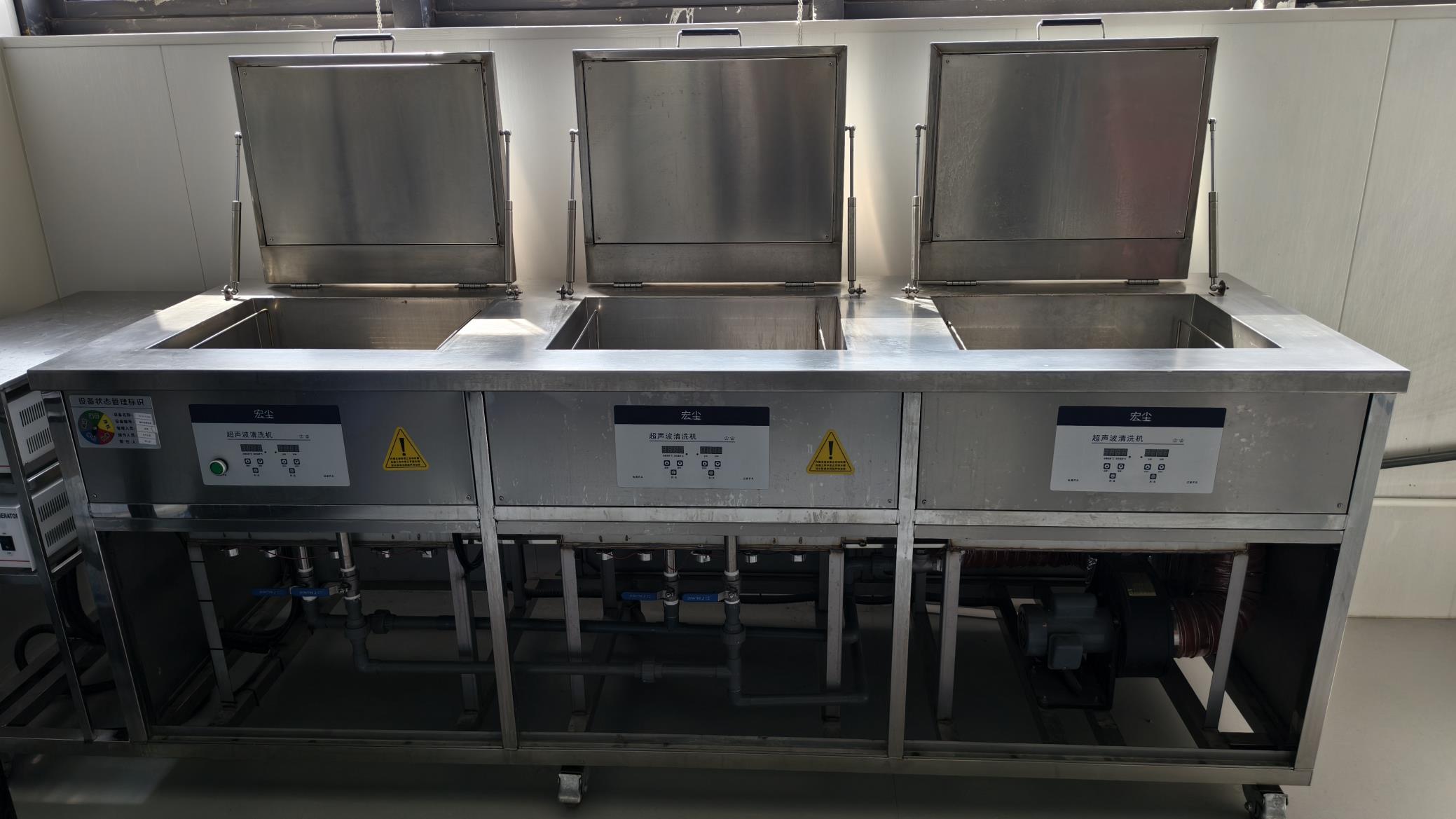
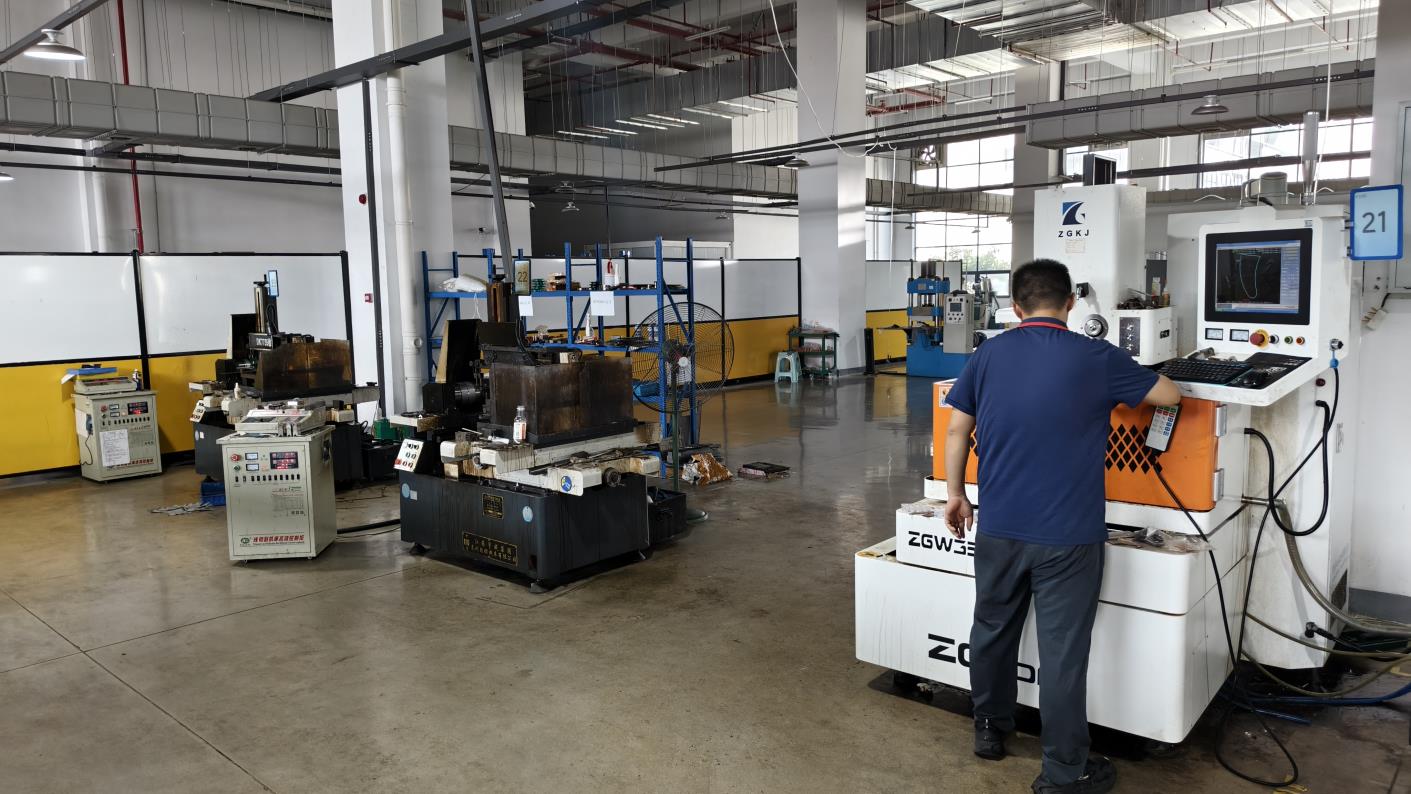
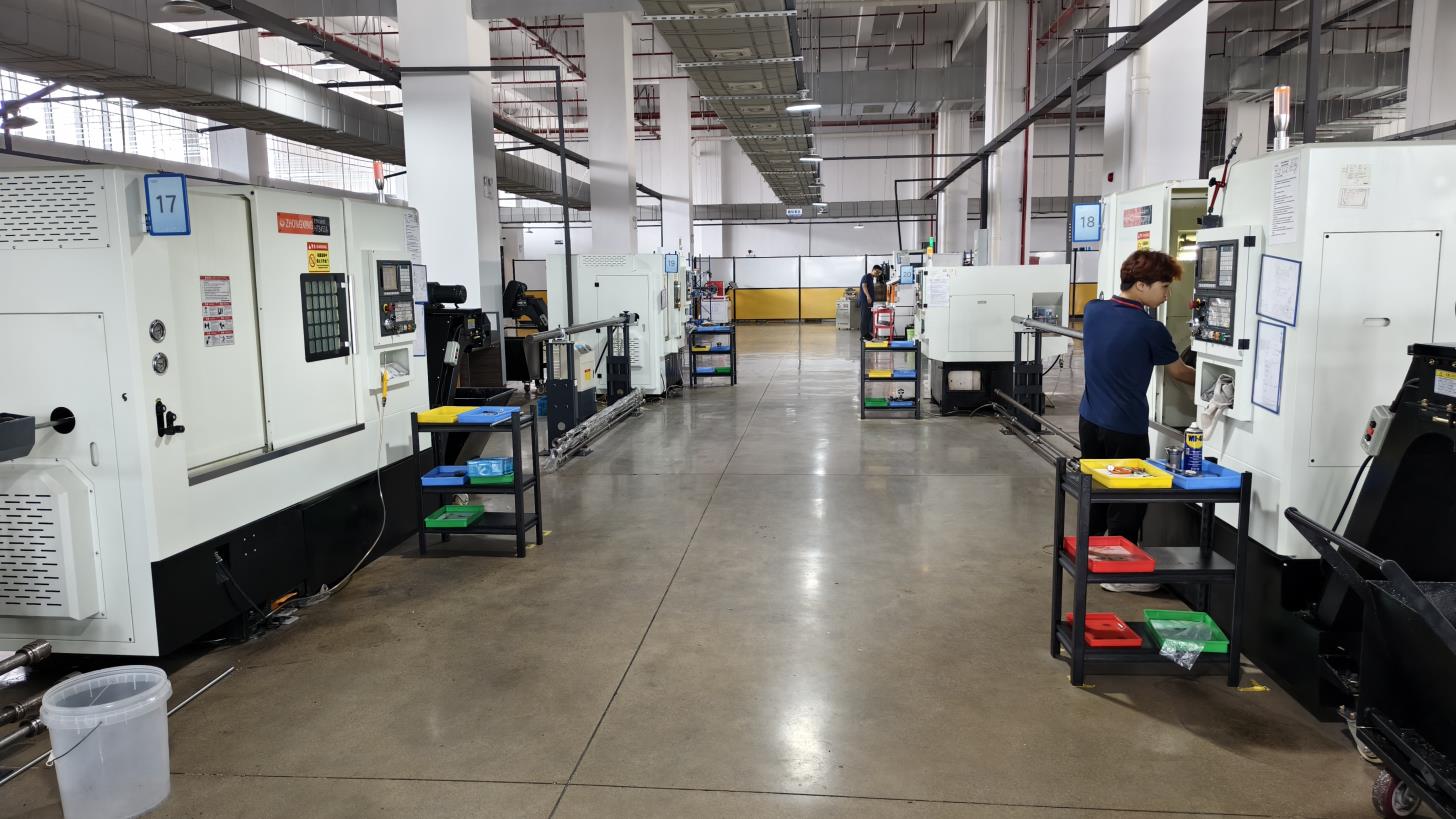
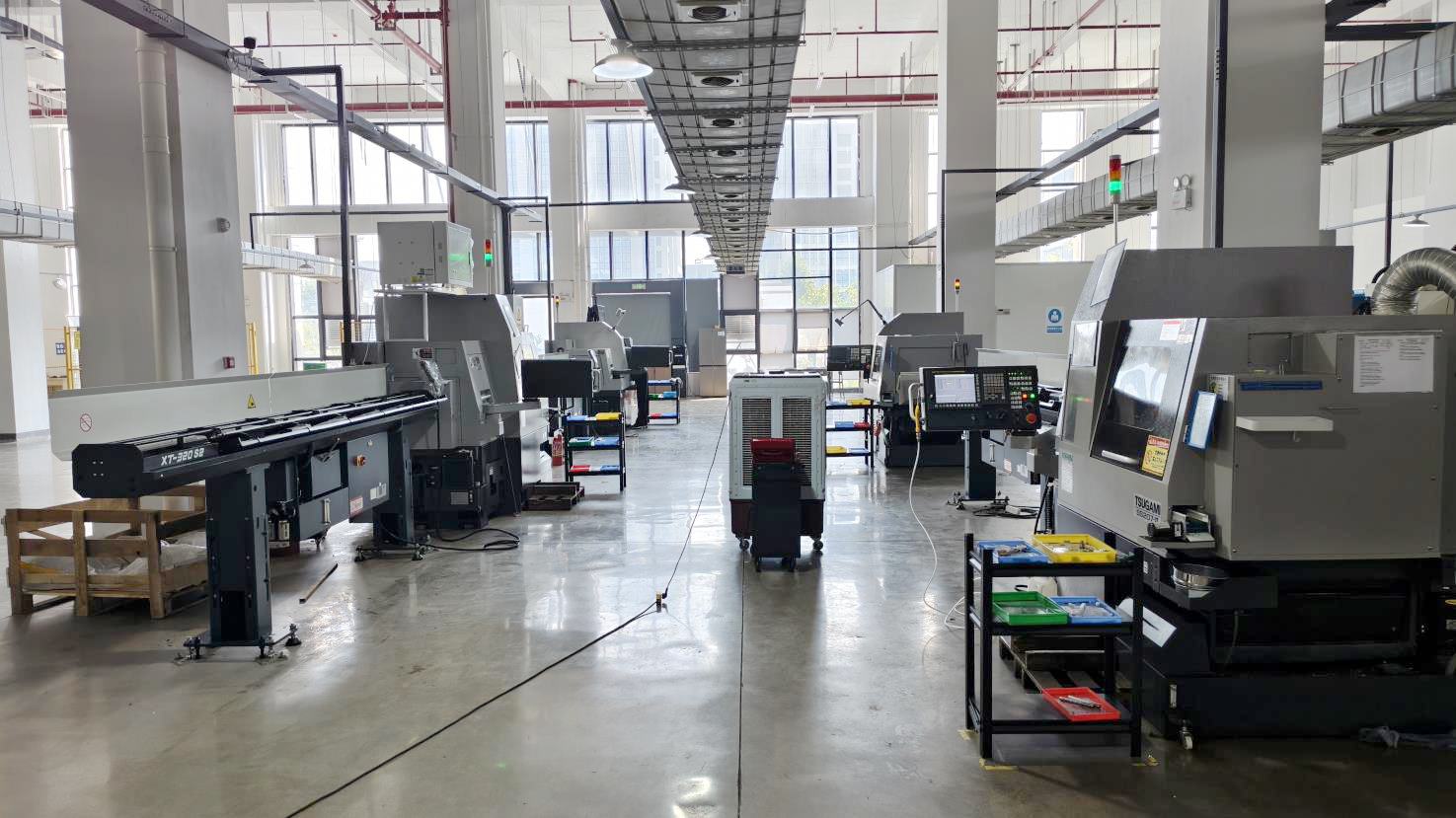
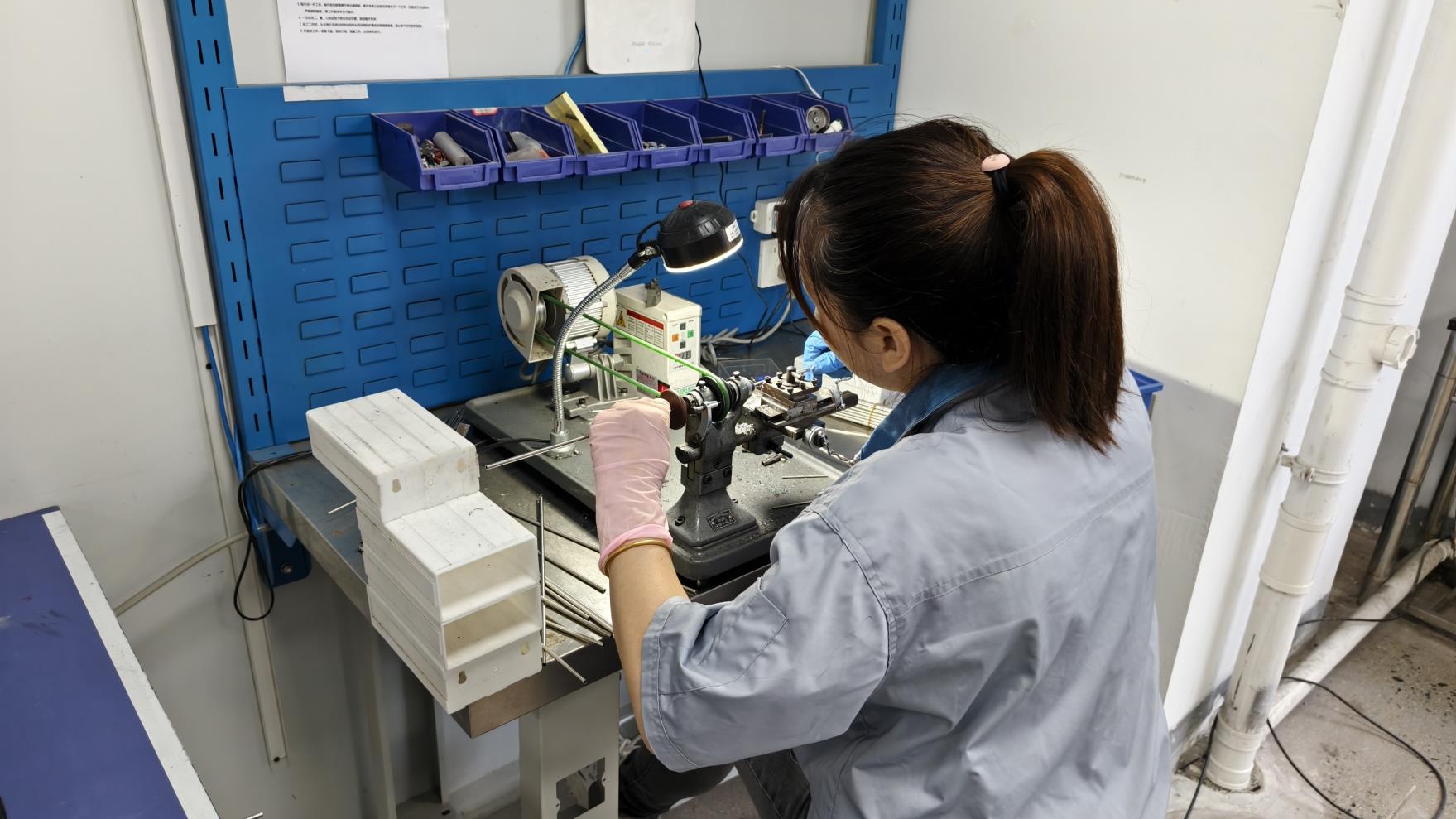
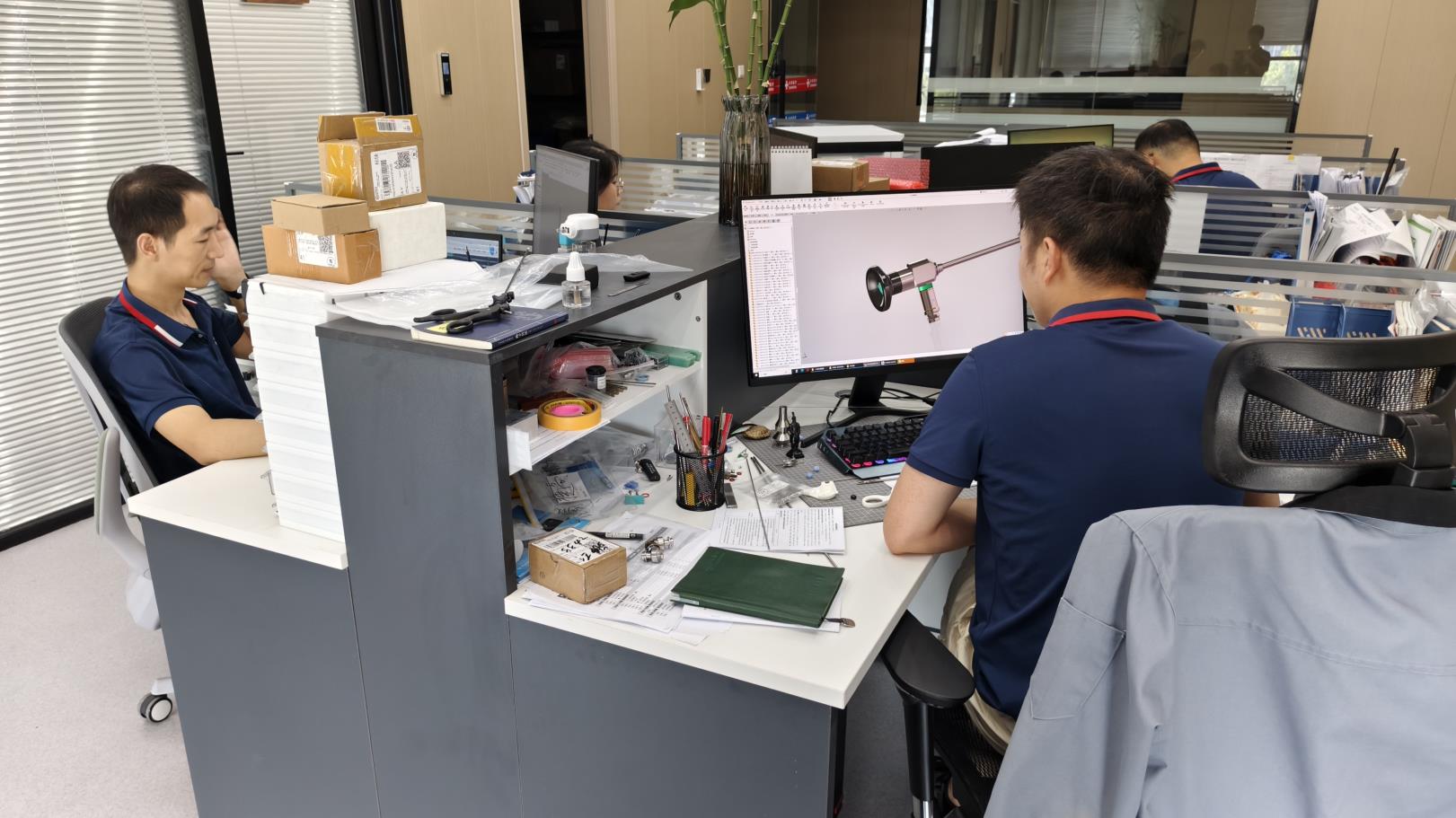
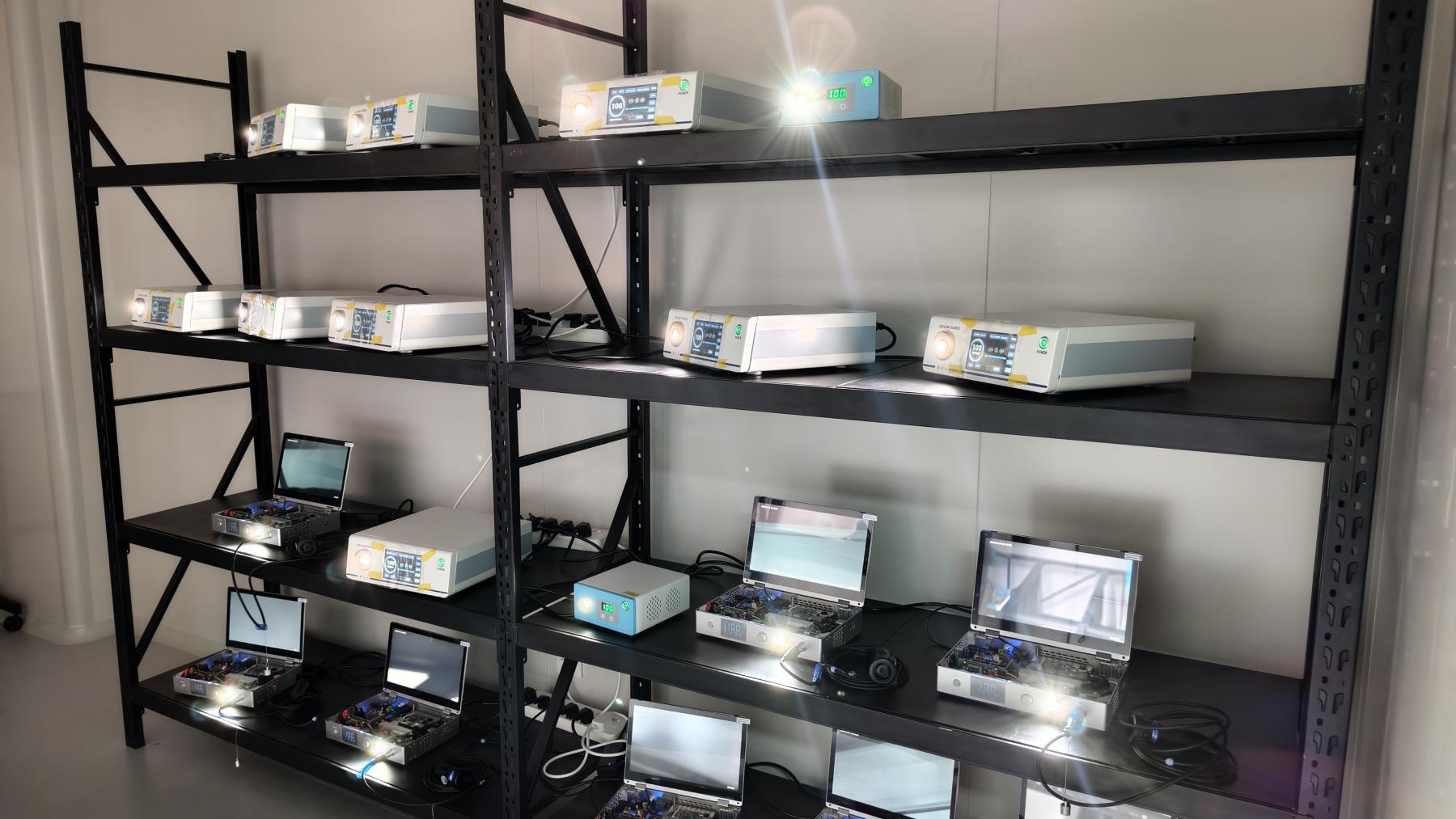
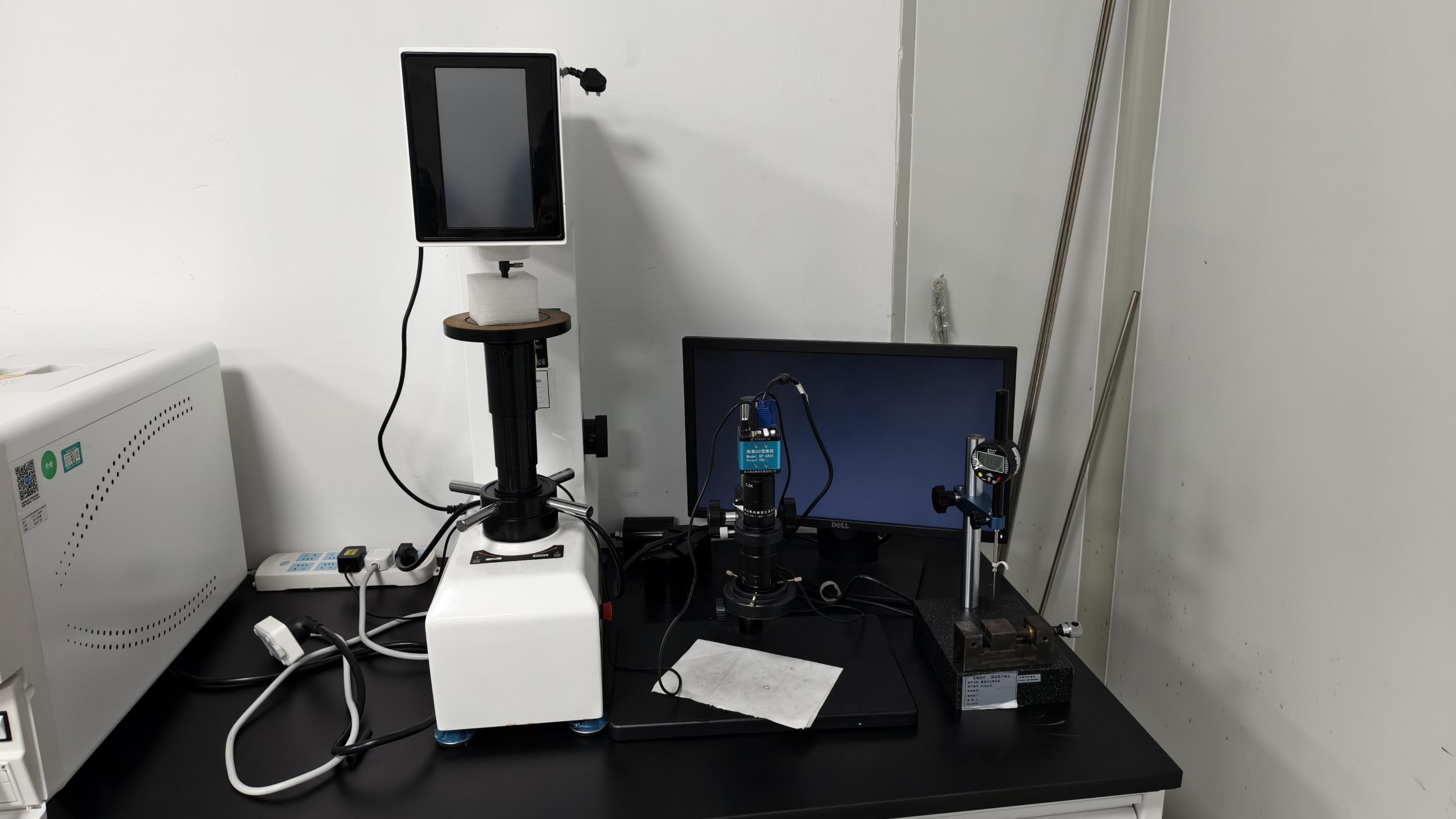
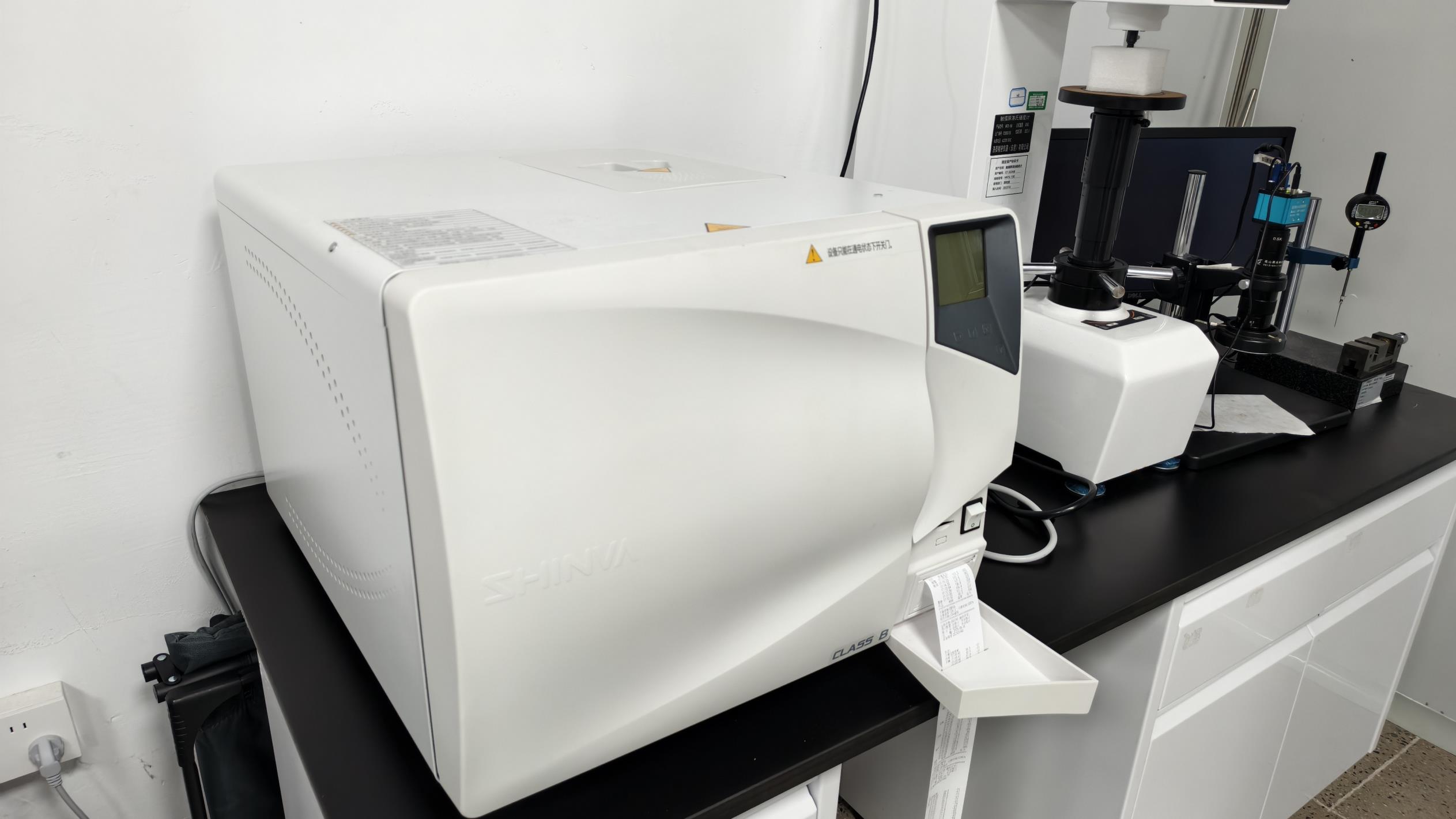
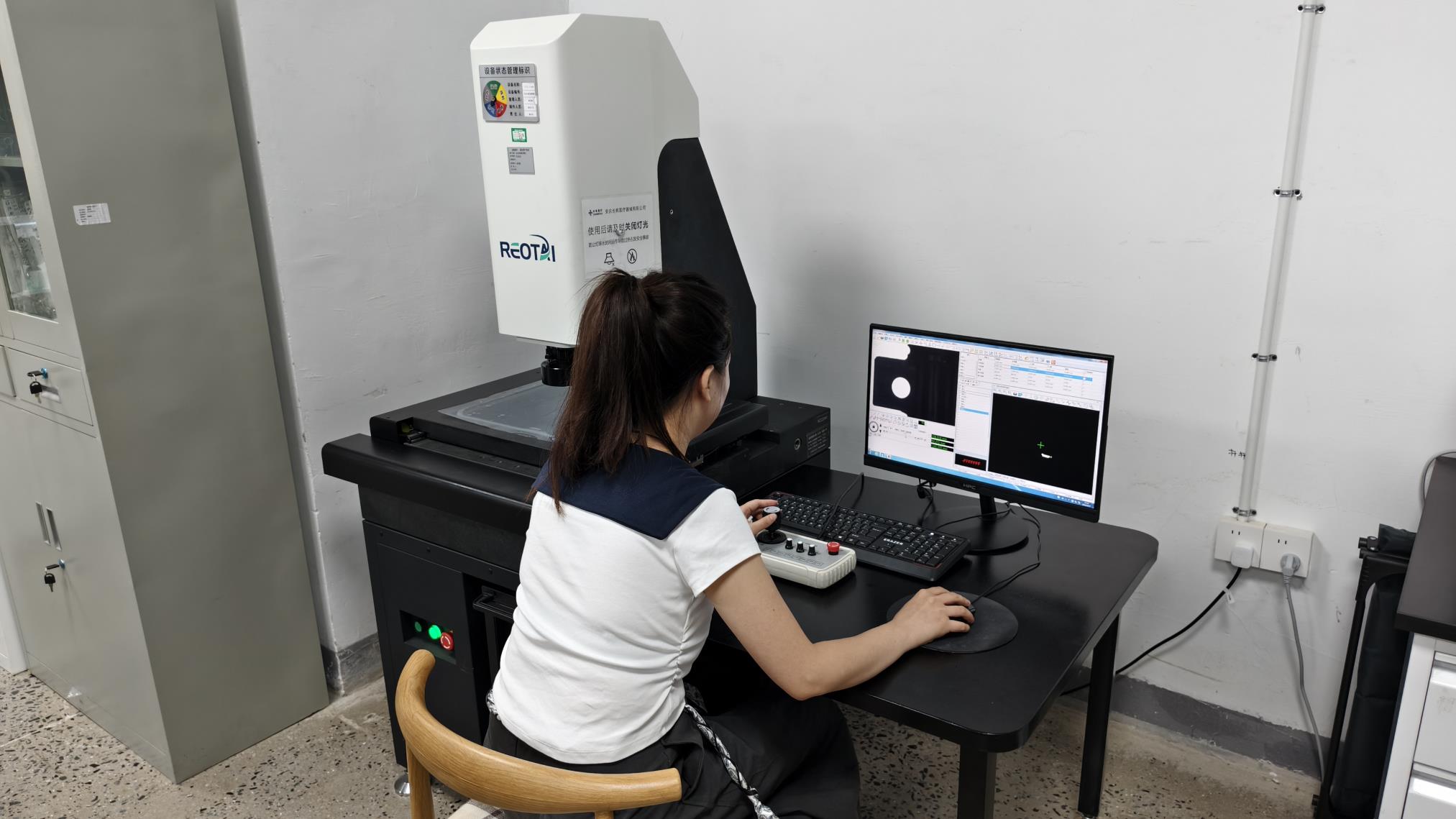
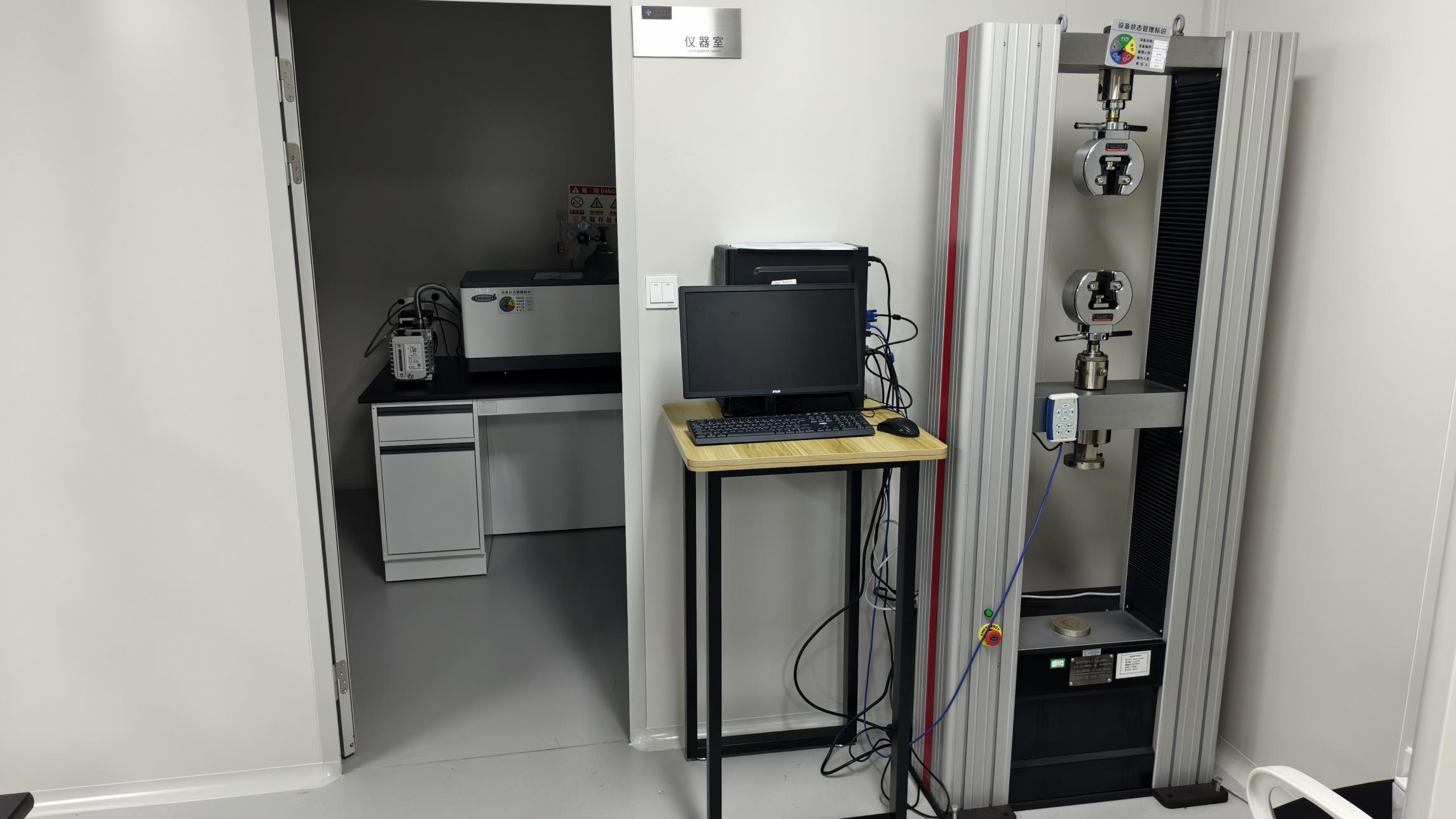
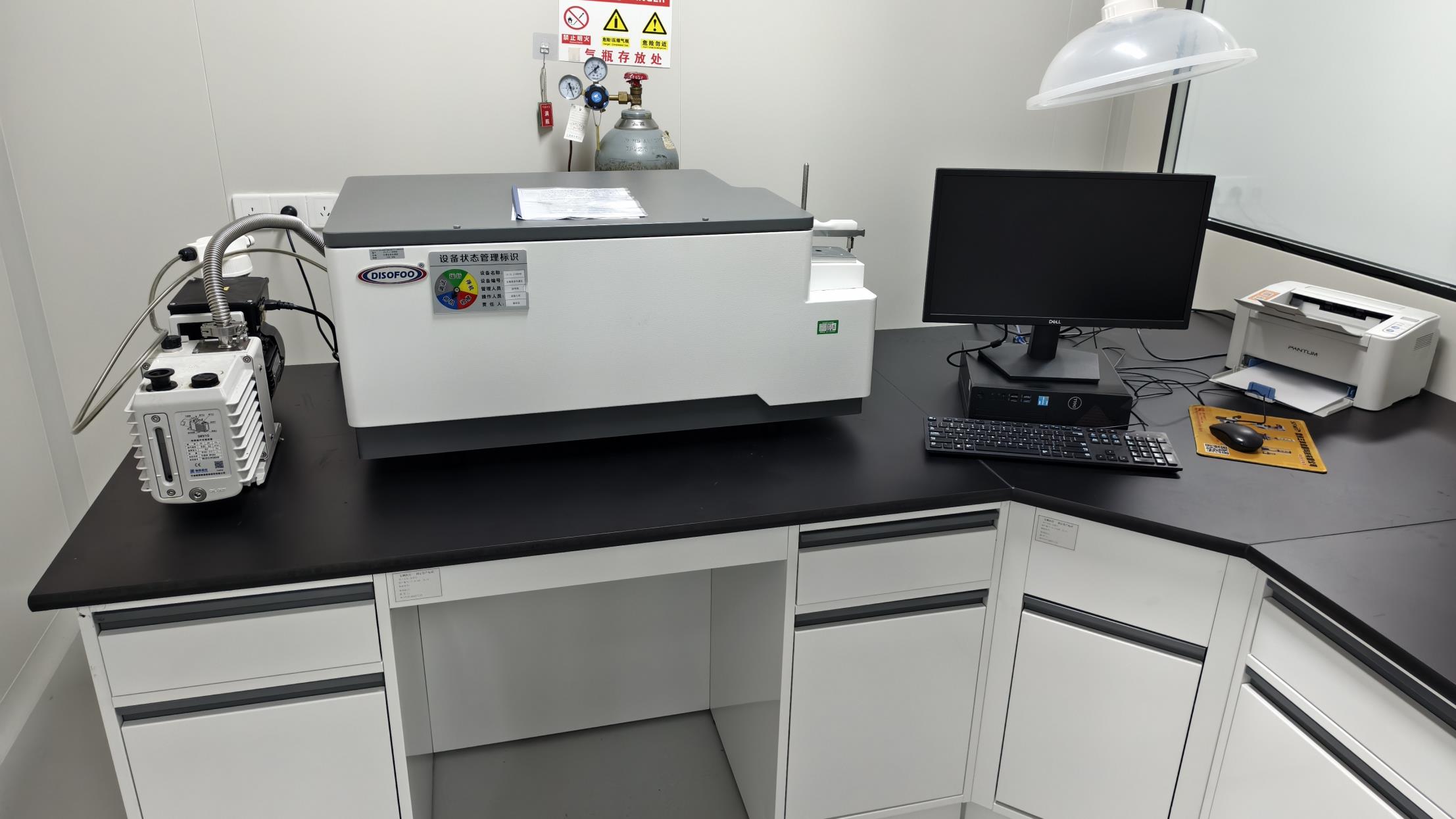
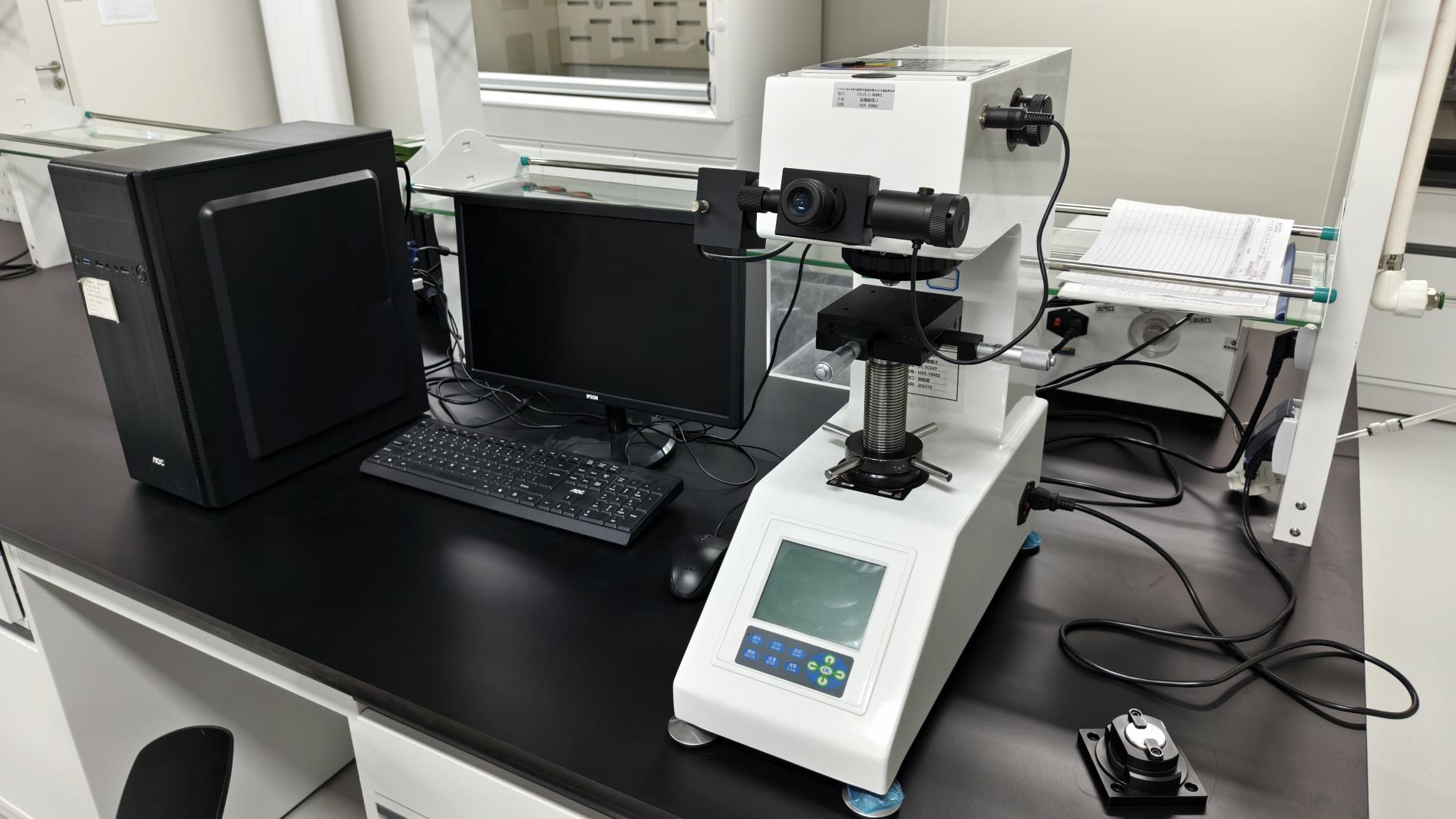
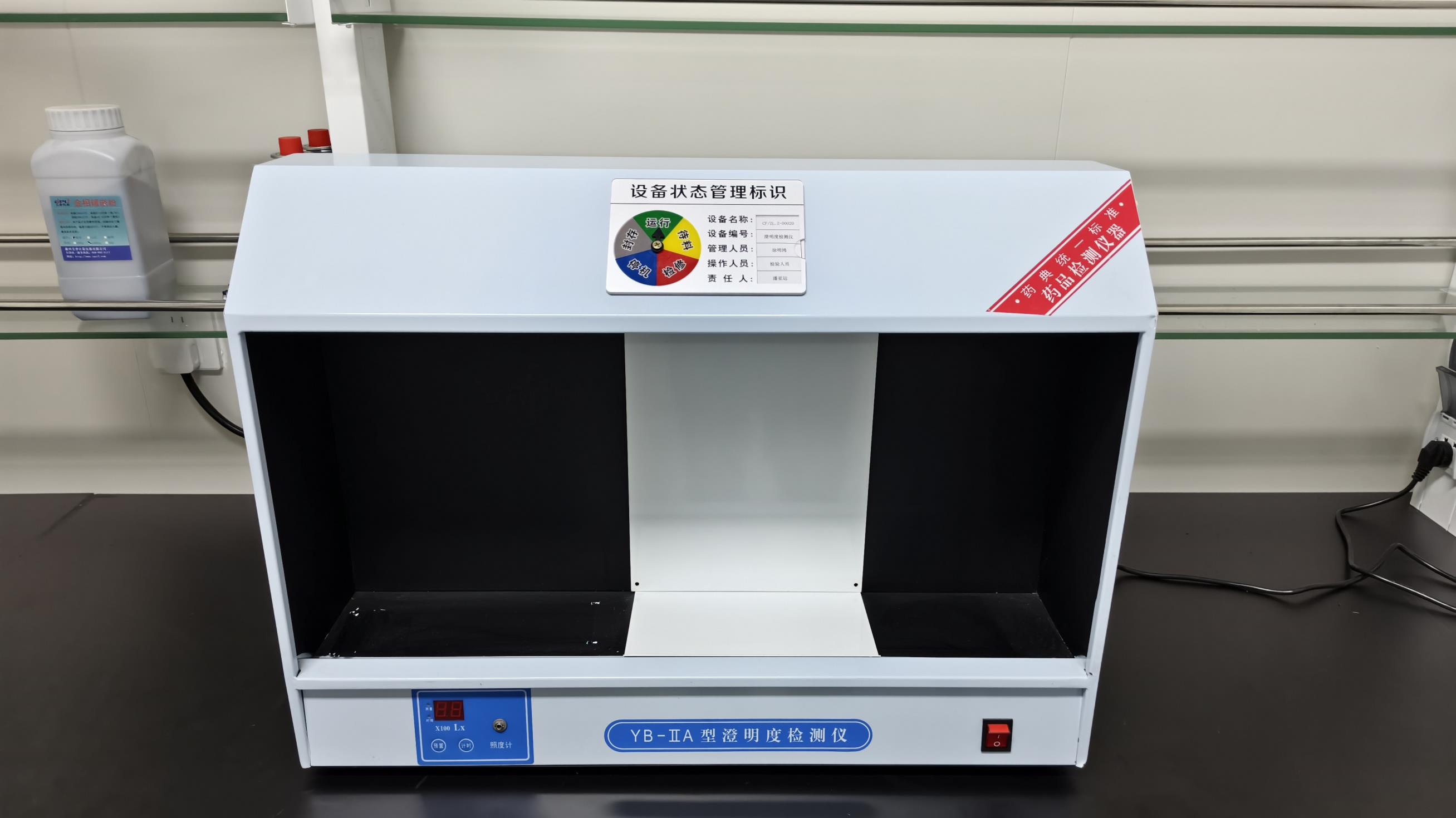
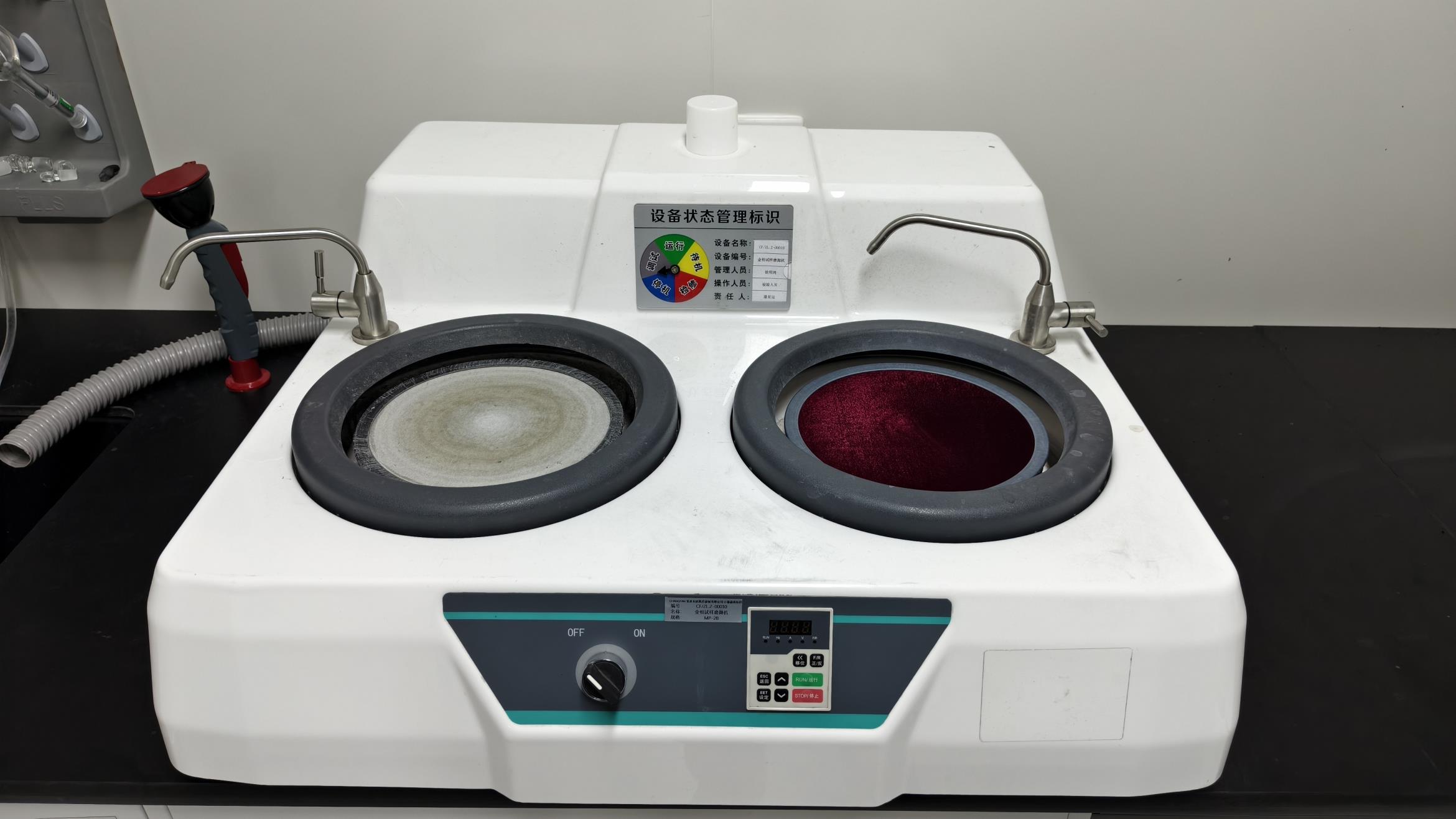
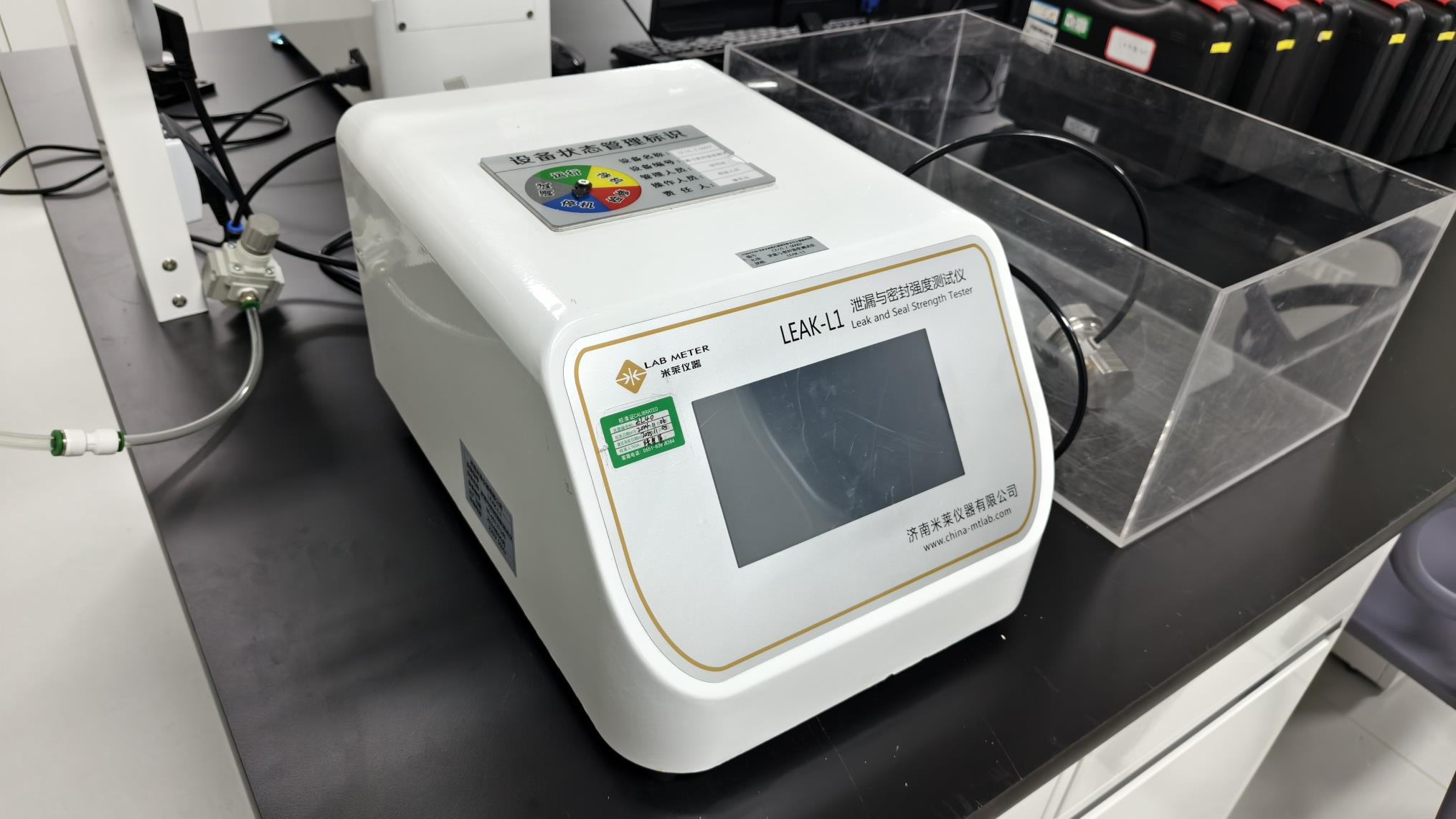
Medical devices are classified under strict risk categories. Orthopedic implants, such as interference screws and suture anchors, are regulated as Class III devices (high-risk permanent implants) in most jurisdictions, including the EU (under MDR 2017/745) and China (under NMPA). Synoviq maintains 100% final inspections utilizing advanced Coordinate Measuring Machines (CMM) and mechanical testing rigs to guarantee dimensional tolerances within micrometers.
For international buyers, registration dossiers constitute a critical requirement. Our R&D and regulatory affairs departments assist customers by providing raw material certification, biocompatibility data (ISO 10993), sterilization validation reports (ISO 11135 / ISO 11137), and stability testing data. This documentation simplifies the process of obtaining national registrations for healthcare networks.
China's industrial infrastructure offers several distinct advantages for orthopedic sourcing:
Surgical methodologies vary by region. For instance, in pediatric ACL reconstructions, avoiding the physis (growth plate) is critical, prompting demand for specialized shorter, bioabsorbable interference screws. Conversely, revision surgeries often require larger-diameter screws (10mm to 12mm) to fill dilated tunnels from prior procedures.
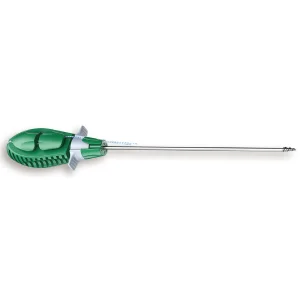
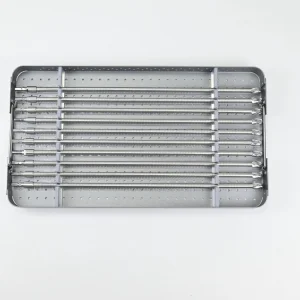
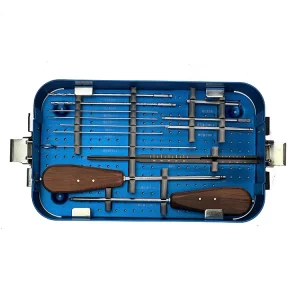
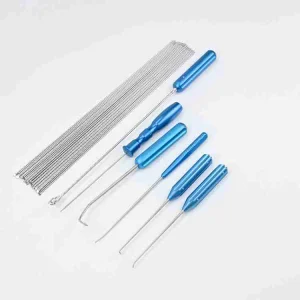
In developing markets, where arthroscopy is growing rapidly, surgeons require comprehensive instrument kits. Synoviq addresses this by providing standardized, reusable surgical instruments, including cannulated screwdrivers, insertion guides, and flexible reamers. This ensures seamless clinical integration and reliable surgical workflow.
Expert answers addressing materials chemistry, manufacturing standards, sterilization, and international supply chain logistics.
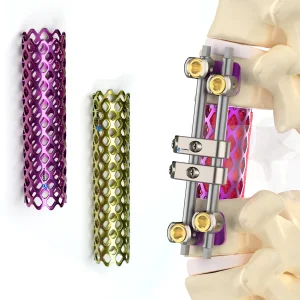
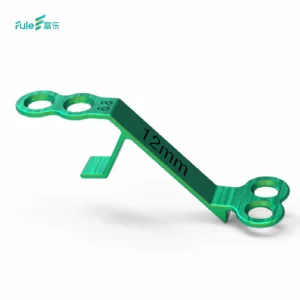
Innovative spinal stabilization cages, orthopedic cutting tools, and robust veterinary surgery solutions.
 Synoviq Medical