Over the last decade, spinal fusion surgery has undergone a significant transformation, evolving from rigid static implants to dynamic, biomechanically responsive expandable spine cages. Static interbody spacers, while historically effective, present inherent limitations: high insertion forces that damage endplates, limited contact area with the host bone, and inability to restore customized lordotic angles. Expandable spine cages address these challenges directly.
By entering the disc space in a collapsed state, these advanced implants minimize the risk of nerve root injury and dural tear during insertion. Once correctly positioned, they can be expanded in height or lordosis. This precise adjustment ensures maximum contact with endplates, optimizes load distribution to promote Wolff's law, and reduces the risk of implant subsidence—a common issue in modern reconstructive spinal surgeries.
Decreased Endplate Disruption: Low insertion profile reduces mechanical scraping of subchondral bone.
Optimized Lordotic Restoration: Dynamic adaptation to patients' sagittal balance requirements (up to 15°–20° of variable correction).
Large Graft Windows: Designed to accommodate bone graft material post-expansion, maximizing fusion success rate.
Analyzing the macroeconomic drivers, regulatory headwinds, and shifts in supply chain routes for spinal fusion systems.
While mature markets like the US and EU lead in technology adoption, countries in Latin America, Asia-Pacific, and the Middle East are experiencing rapid increases in spinal fusion surgeries, driven by an aging demographic and expanding healthcare infrastructure.
Global medical device brands are diversifying production lines. Partnering with high-precision Chinese manufacturers certified to ISO 13485 allows global distributors to optimize their cost-to-margin ratio while retaining control over design modifications.
Hospitals and group purchasing organizations (GPOs) are demanding high-performing implants at lower prices. OEM/ODM models from China offer highly competitive unit prices without compromising on advanced surface treatments and mechanical tolerances.
The global demand for orthopedic and spinal implants is transitioning from pure custom manufacturing to highly integrated OEM/ODM ecosystems. In this macro context, Chinese manufacturers like Synoviq Medical Technology (China) Co., Ltd. bridge the gap between engineering innovation and high-volume cost efficiency. By using advanced Swiss-type CNC centers and specialized surface finishing technologies, these factories produce products that equal or exceed Western equivalents in durability and biocompatibility.
The technological trajectory of expandable interbody devices relies on material science breakthroughs and mechanism engineering.
Titanium Alloy (Ti-6Al-4V ELI) remains the standard for mechanical strength. However, the industry is transitioning toward 3D-printed porous titanium structures and PEEK (Polyetheretherketone). Porous titanium resembles the modulus of human trabecular bone, encouraging osteointegration, while PEEK offers radiolucency for clearer post-operative imaging.
Modern cages employ vertical expansion, articulating horizontal expansion, or variable lordotic tilt. The mechanical challenge is to design compact internal gear drives that can withstand axial loads exceeding 10kN without mechanical failure or lock slip.
Acid etching, anodic oxidation, and plasma spraying are used to create sub-micron surface roughness. These micro-textures promote osteoblast differentiation and accelerate the formation of a direct structural and functional connection between bone and implant.
The Future Horizon: Smart Implants and Biodegradable Polymers. The next five years will see the emergence of sensor-integrated cages capable of tracking fusion strain and localized infection biomarkers in real-time. Leading manufacturers are investing in R&D for biodegradable magnesium alloys and carbon-fiber-reinforced composites, which could lead to implants that gradually transfer load back to the fused bone structure over time.
A premier manufacturer of orthopedic implants and surgical instruments, dedicated to delivering innovative, reliable, and high-quality medical solutions for healthcare professionals worldwide.
Since its establishment, Synoviq has focused on research, development, precision manufacturing, and international quality standards. The company provides comprehensive OEM and ODM services for global medical device brands, distributors, and hospitals. Our product portfolio includes trauma fixation systems, spinal implants, locking plates, intramedullary nails, external fixation systems, orthopedic screws, surgical instruments, and customized orthopedic solutions. Equipped with advanced CNC machining centers, precision inspection equipment, and modern clean production facilities, we ensure every product meets strict international quality requirements.
Driven by continuous innovation, Synoviq invests heavily in R&D and intelligent manufacturing to enhance product performance, surgical efficiency, and patient outcomes. Our experienced engineering team works closely with customers to develop customized products tailored to different clinical applications and market demands.
| Item | Information |
|---|---|
| Company Name | Synoviq Medical Technology (China) Co., Ltd. |
| Brand | Synoviq |
| Established | March 18, 2016 |
| Building Area | 18,600 m² |
| Annual Export Revenue | USD 21.8 Million |
| Export Experience | 8 Years |
| Industry Experience | 14 Years |
| Quality Inspection | 100% Final Inspection & Incoming Material Inspection |
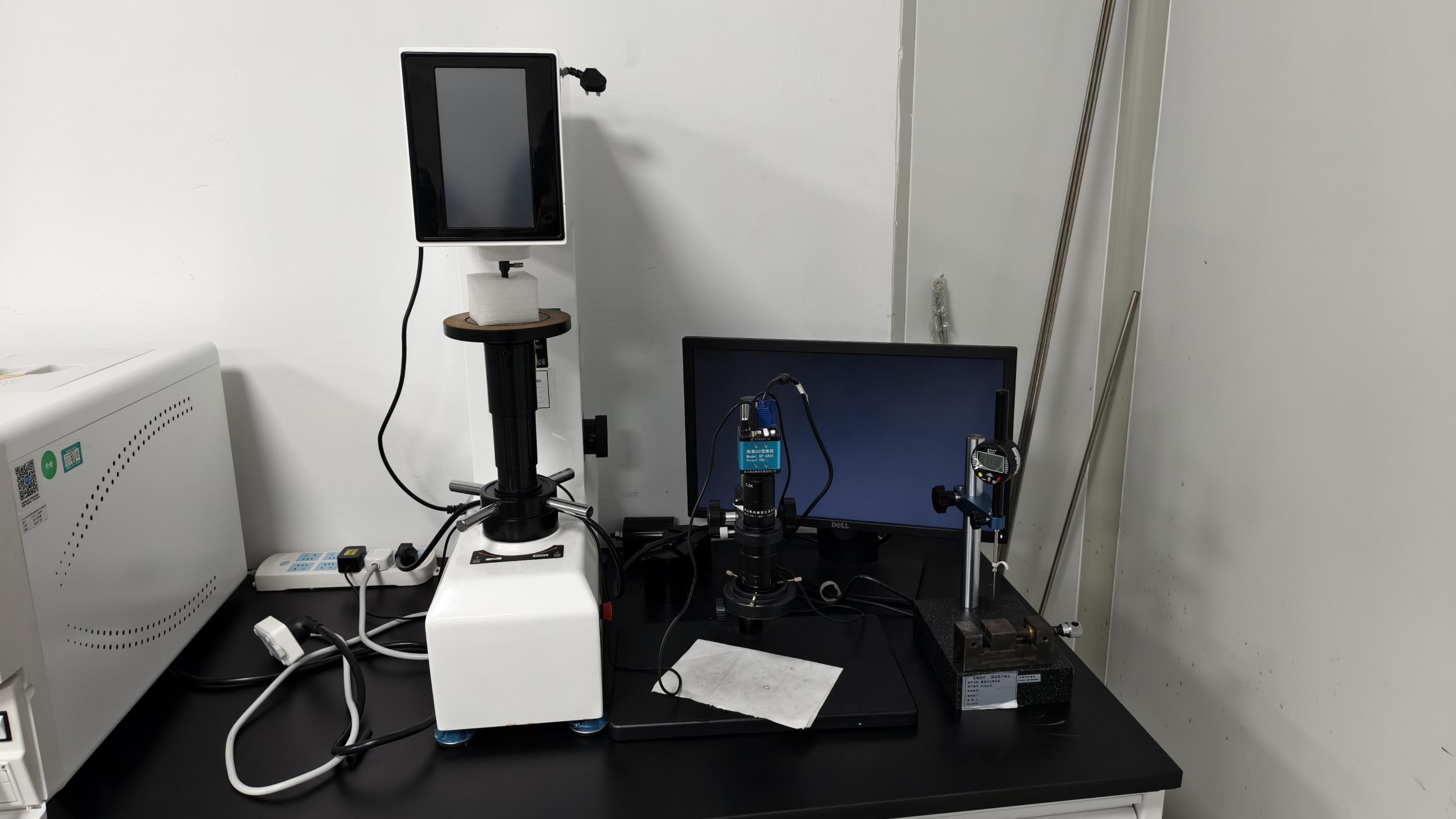
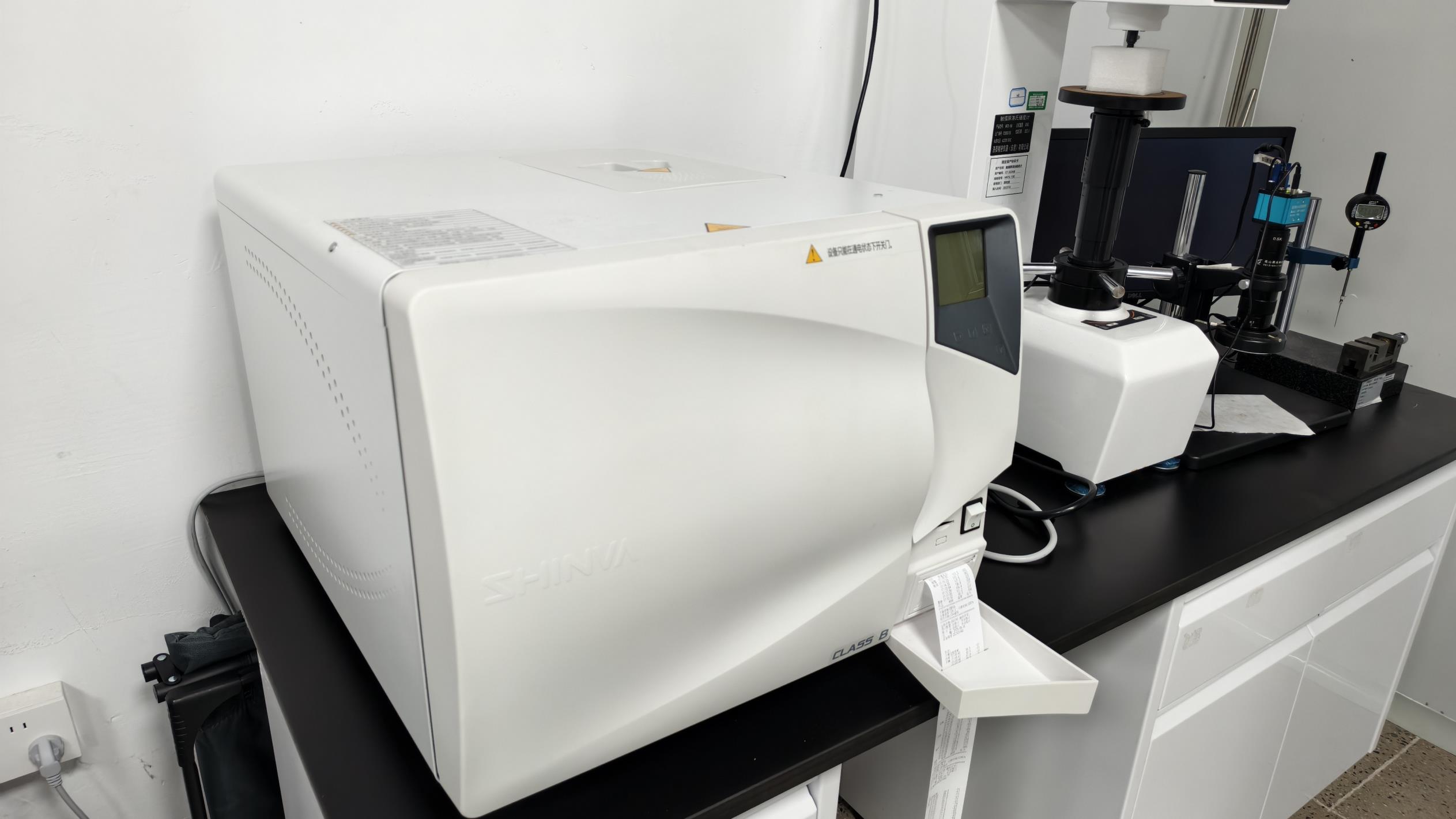
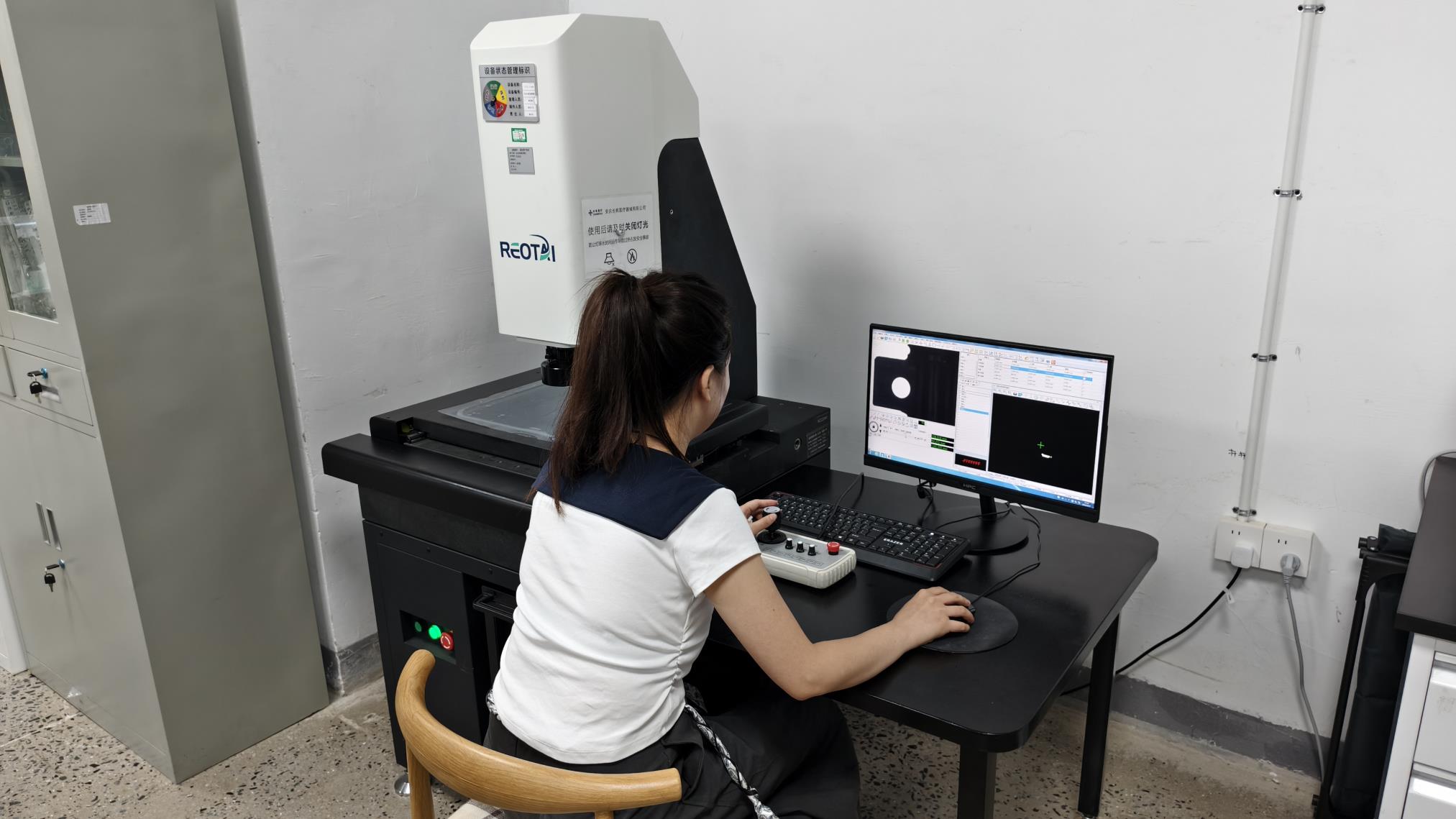
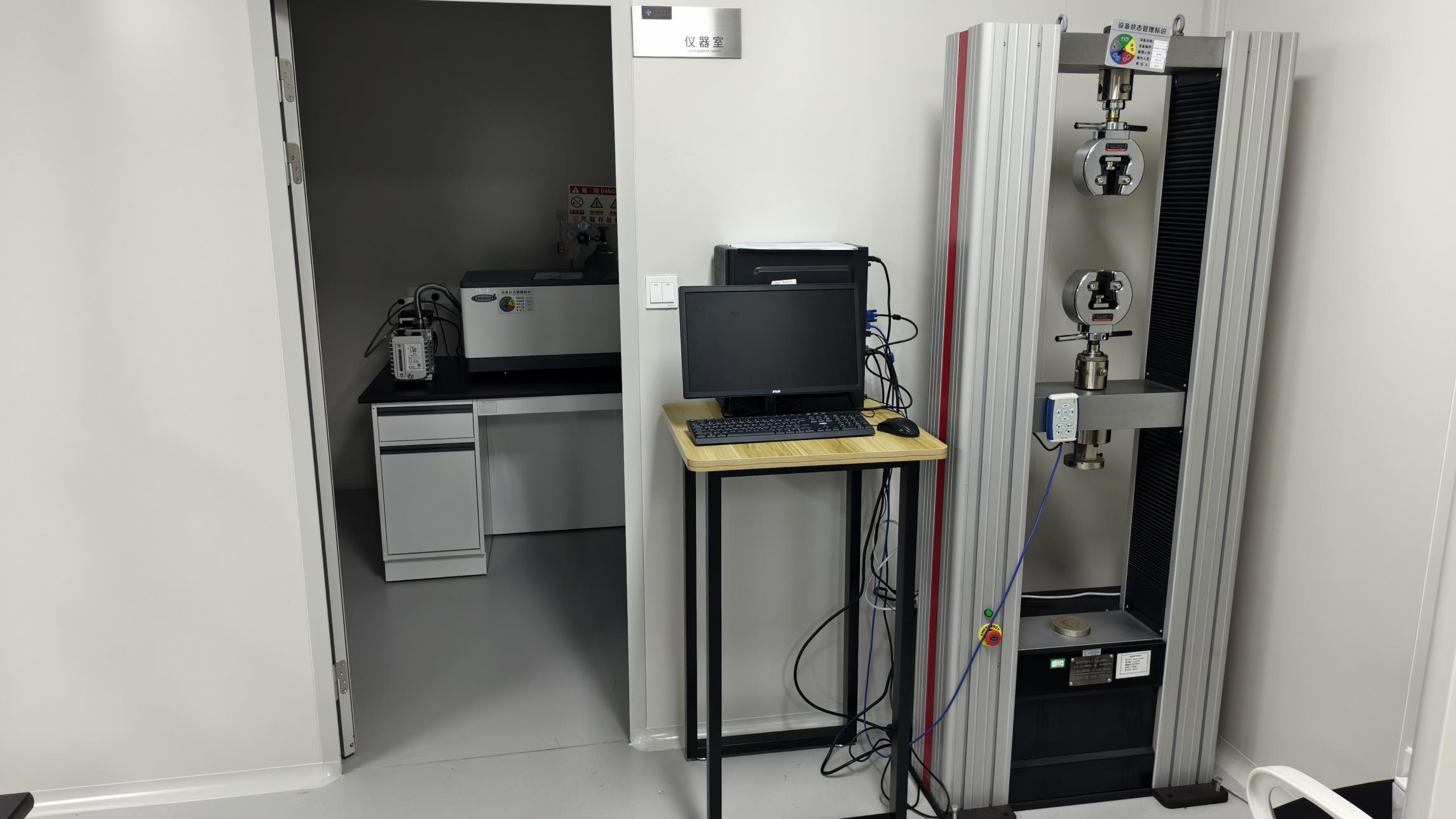
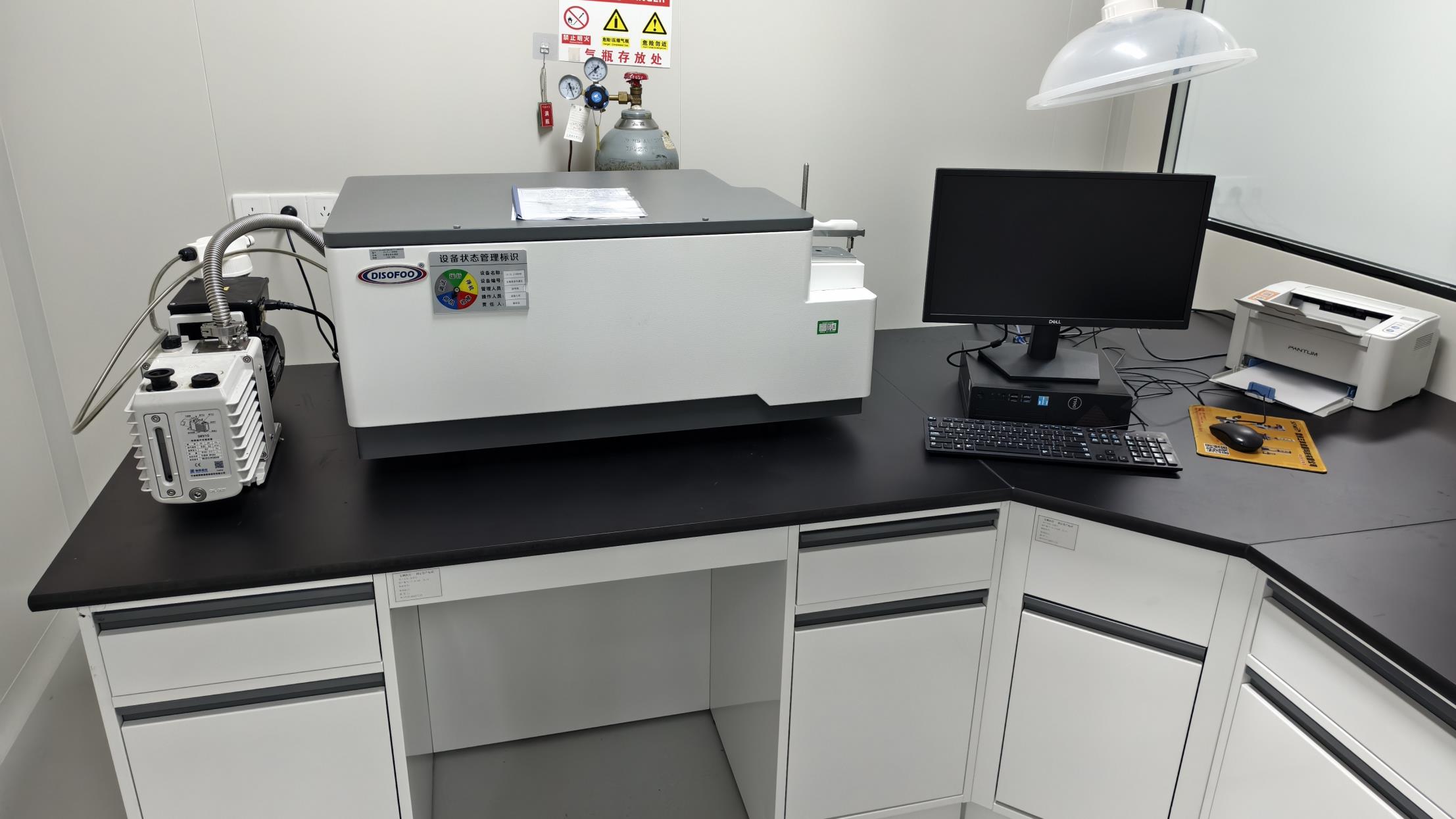
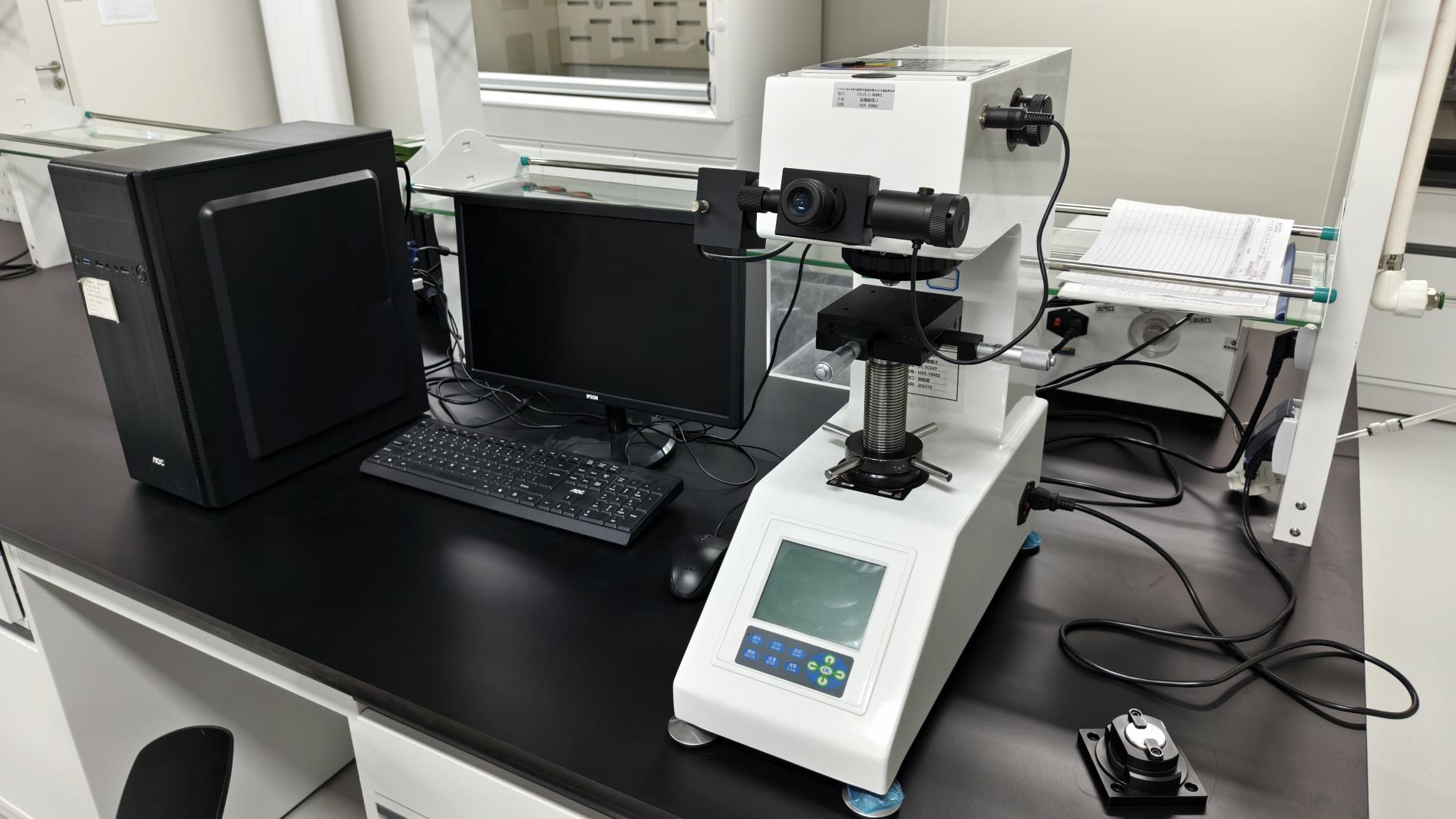
| Product Inspection Methods | CMM Measurement, Mechanical Testing, Surface Roughness Testing, Hardness Testing, Salt Spray Testing, Sterility Validation |
| Quality Control Staff | 48 |
| Business Type | Manufacturer & Exporter (OEM/ODM) |
| Main Markets | Europe, North America, South America, Middle East, Southeast Asia |
| Supply Chain Partners | 1,120+ |
| Main Customer Types | Medical Device Brands, Importers, Distributors, Hospitals, Government Procurement Projects |
| R&D Capability | Independent Product Design, Prototype Development, Clinical-Oriented Engineering, OEM & ODM Development |
| Customization Options | Logo Customization, Packaging Customization, Product Design Customization, Material Selection, Surface Treatment |
| New Products Released Last Year | 186 |
| R&D Engineers | 76 |
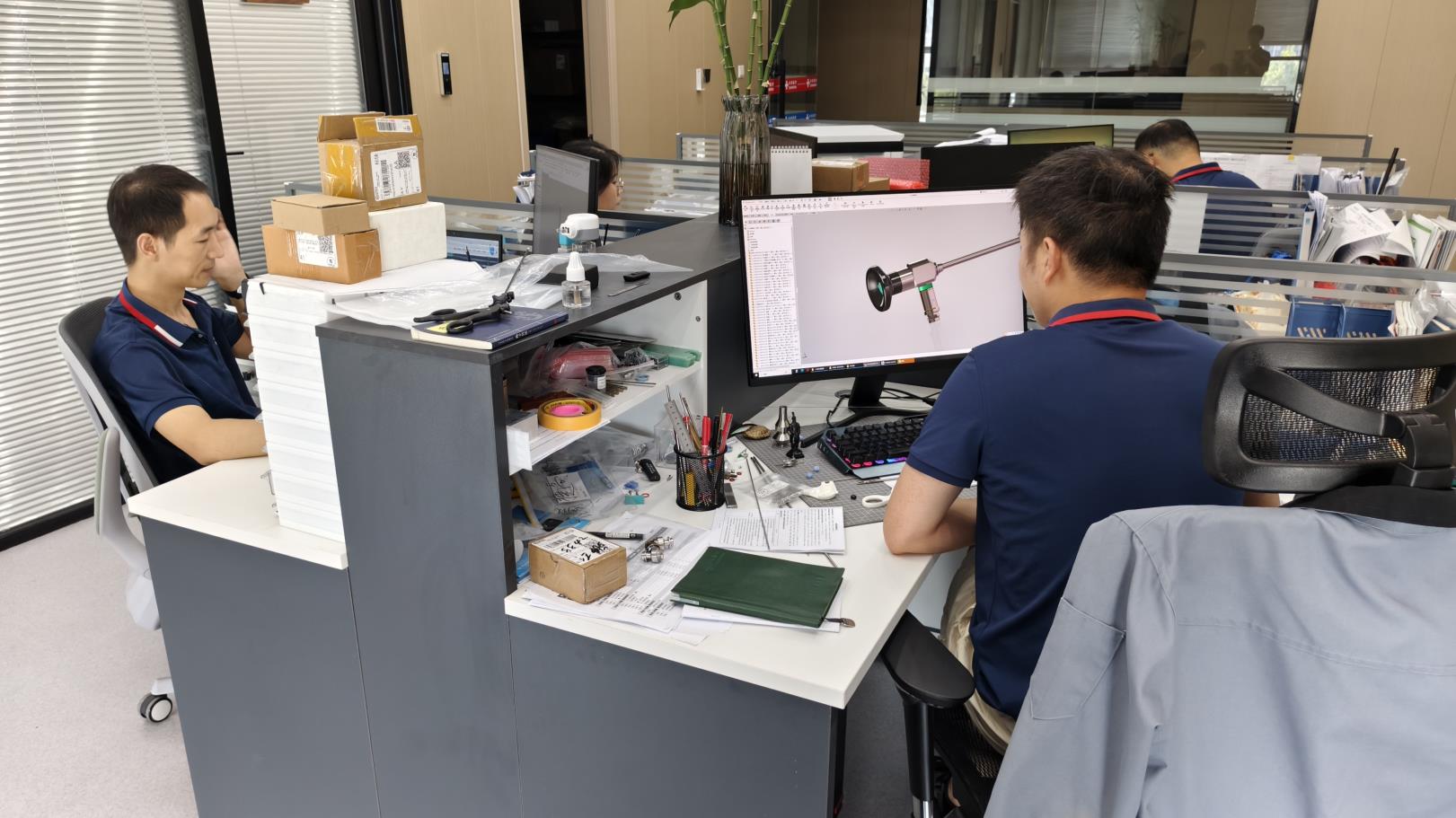
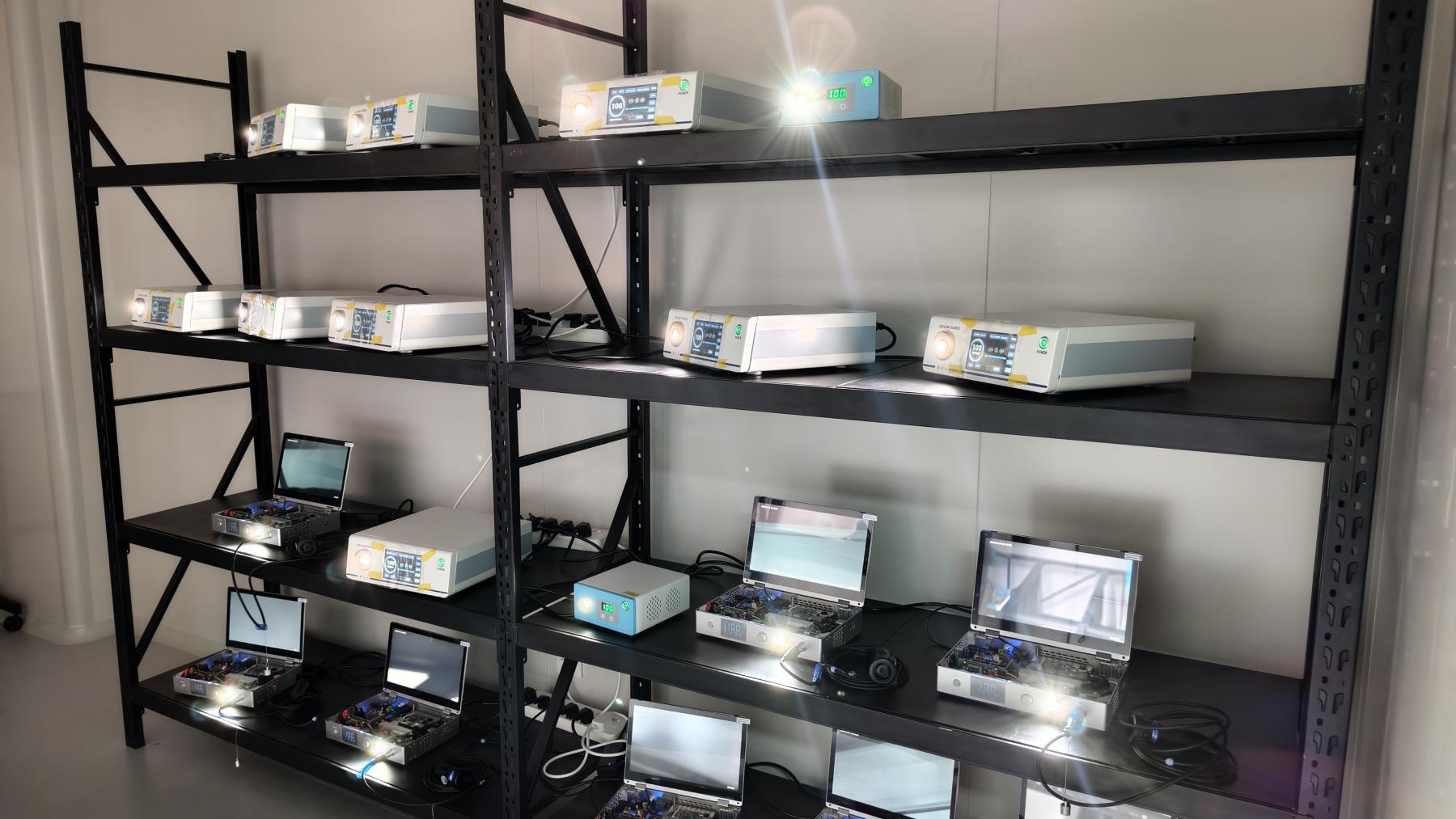
A visual walk-through of Synoviq's state-of-the-art facility, showing our manufacturing capabilities from raw cutting to final validation.
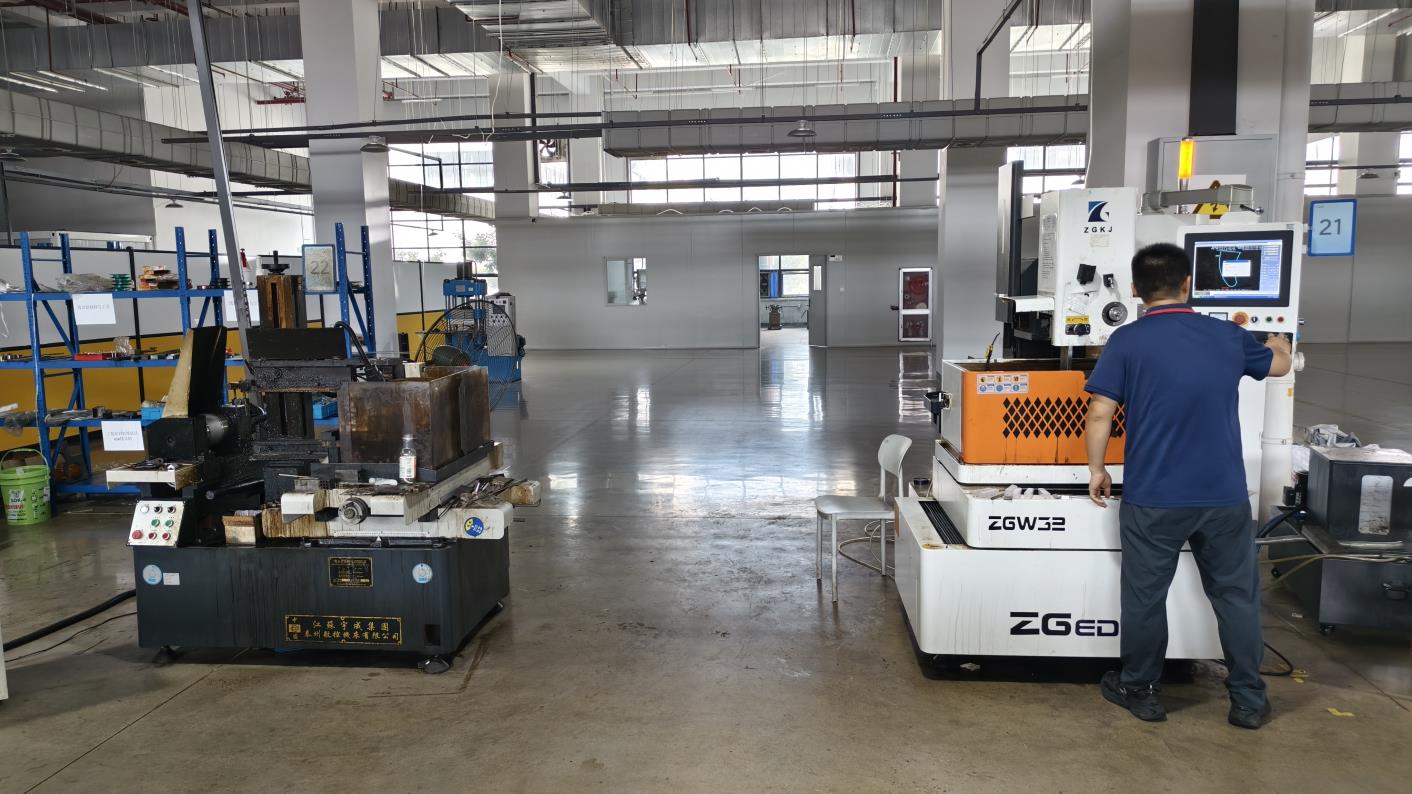
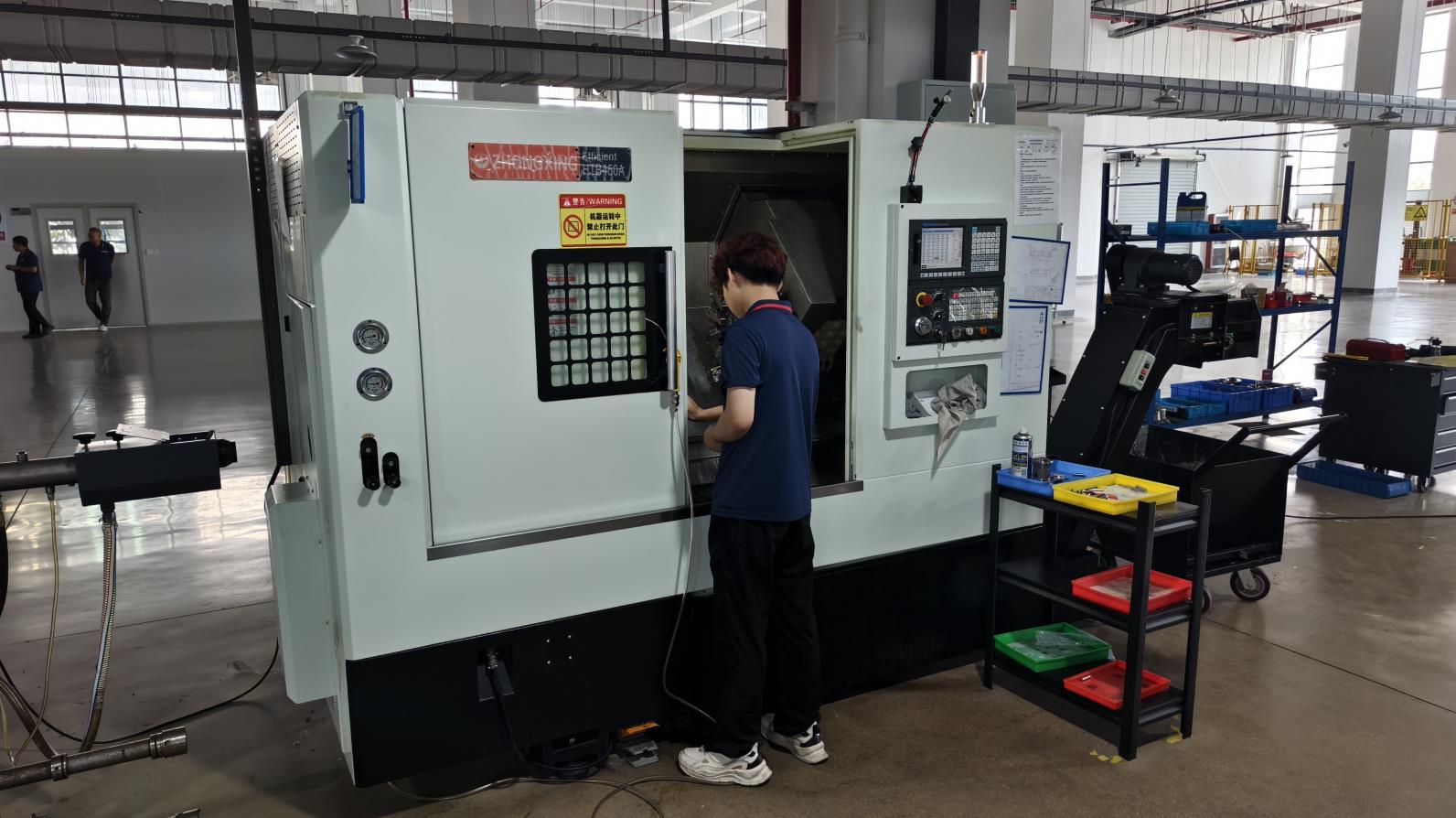
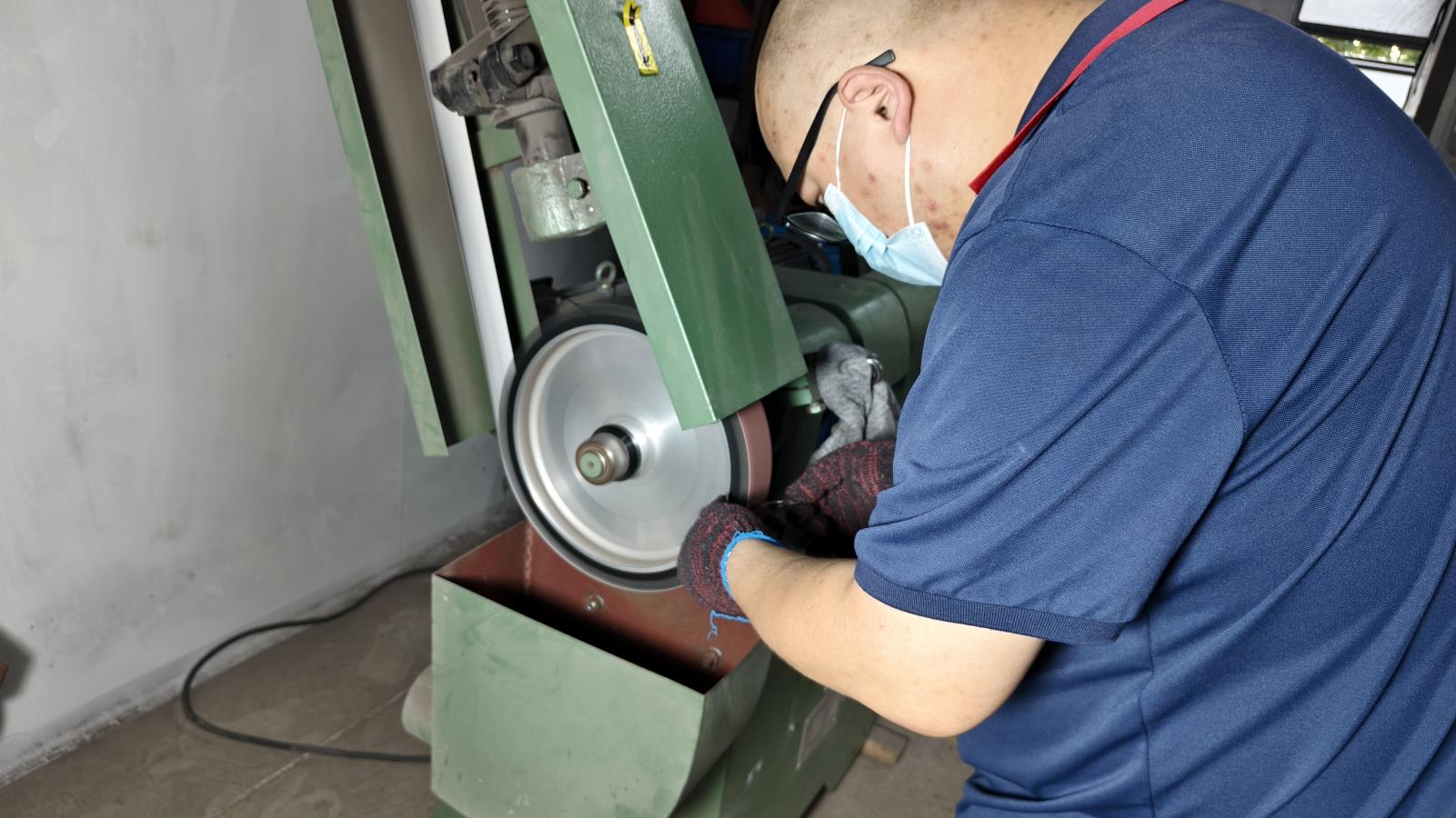
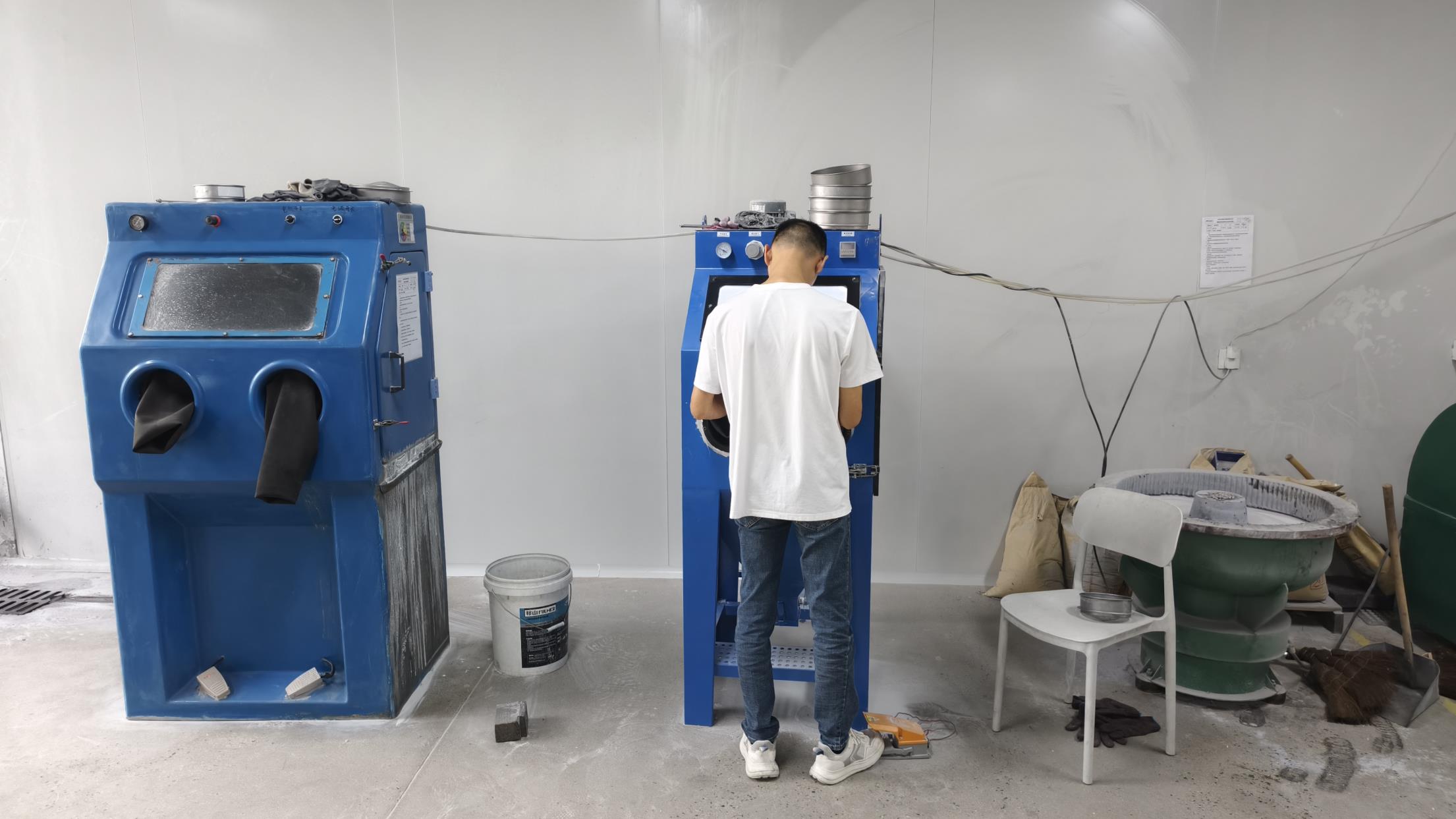
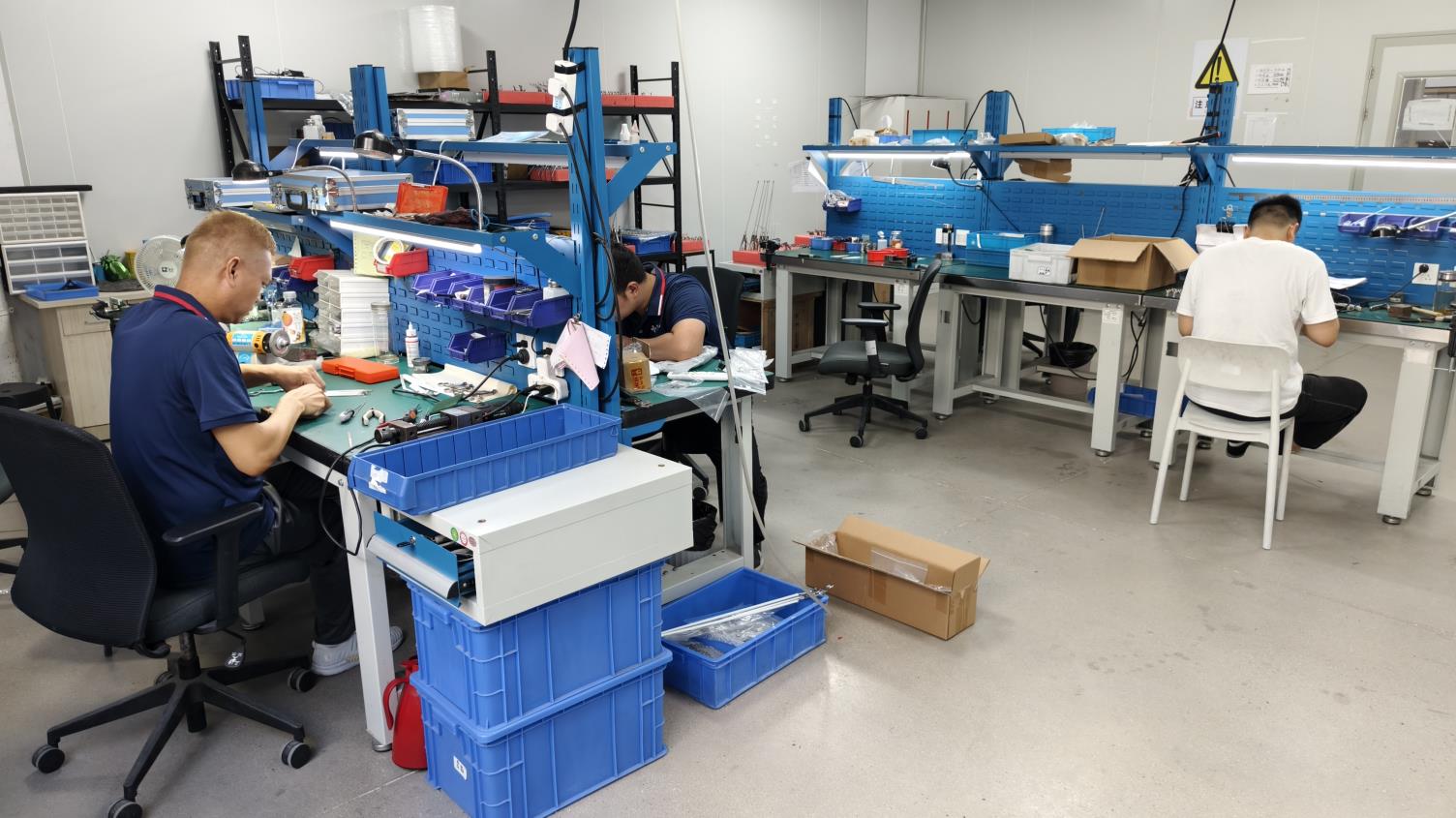
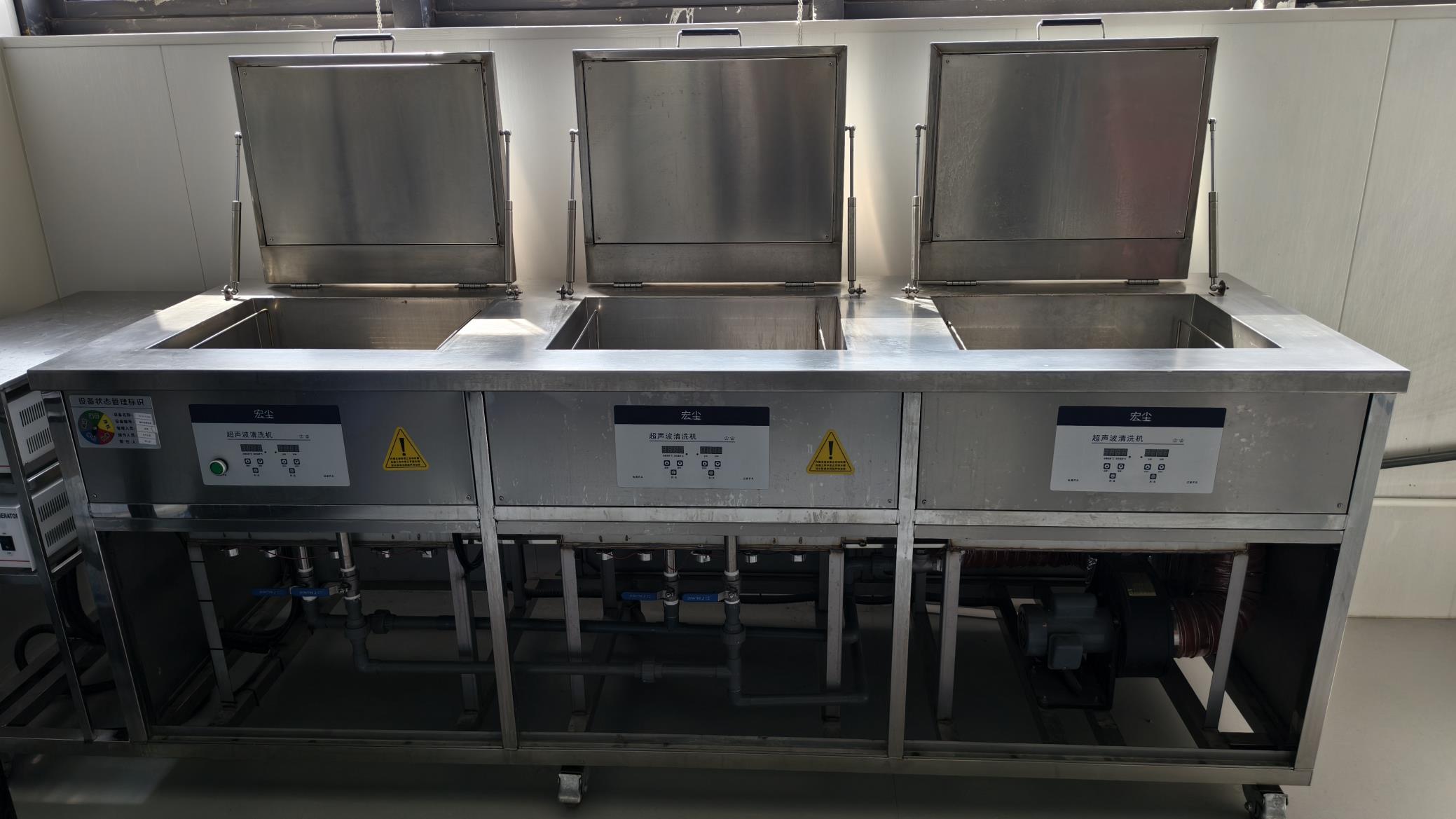
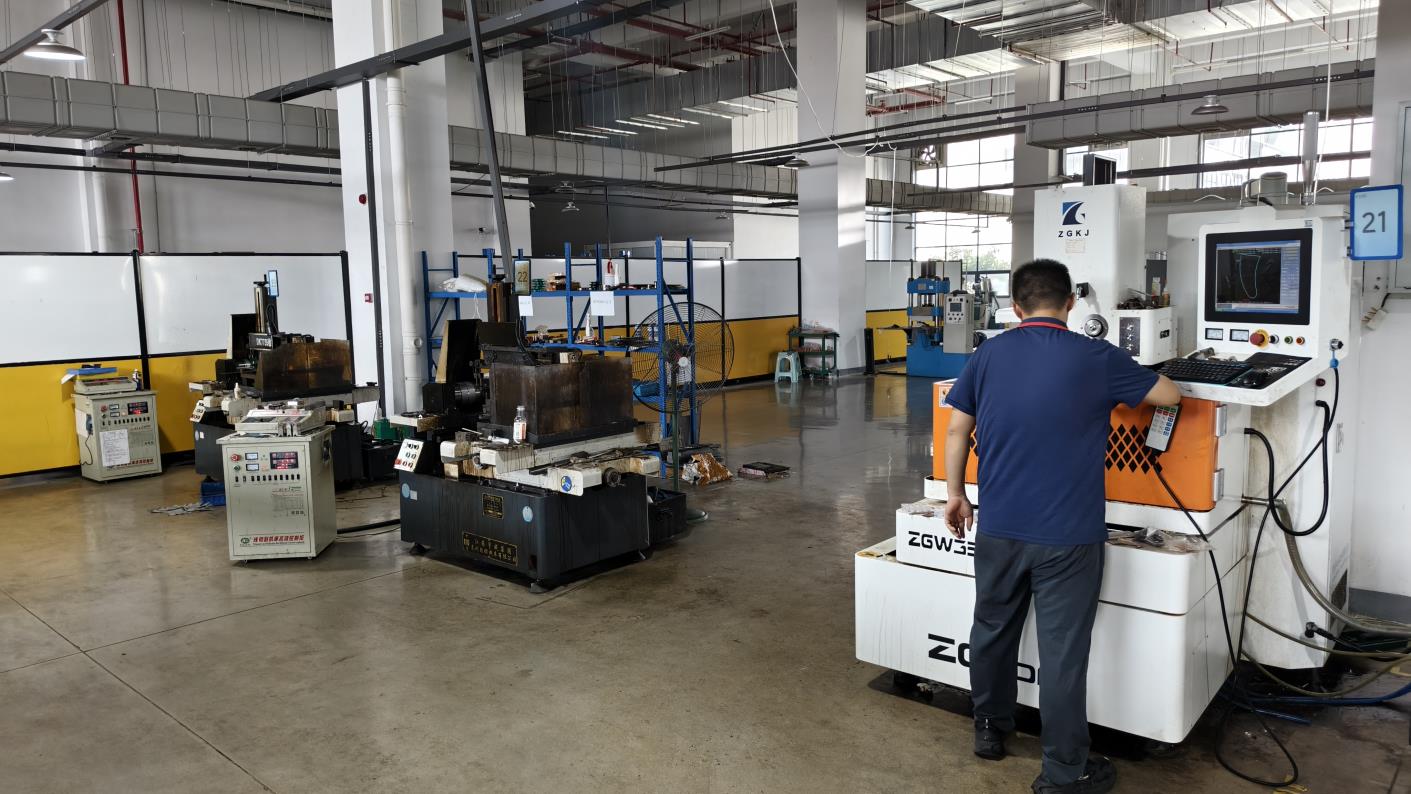
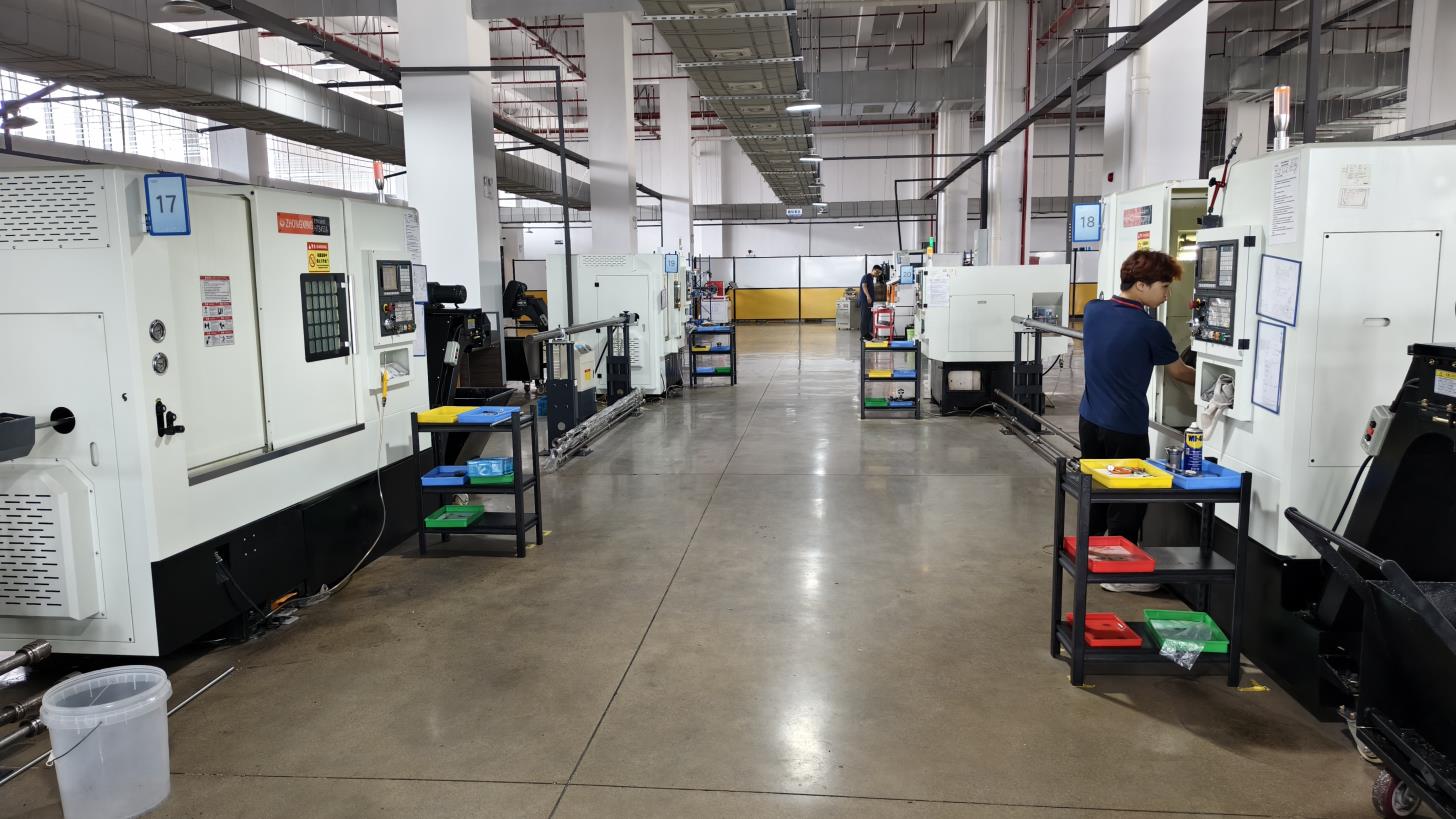
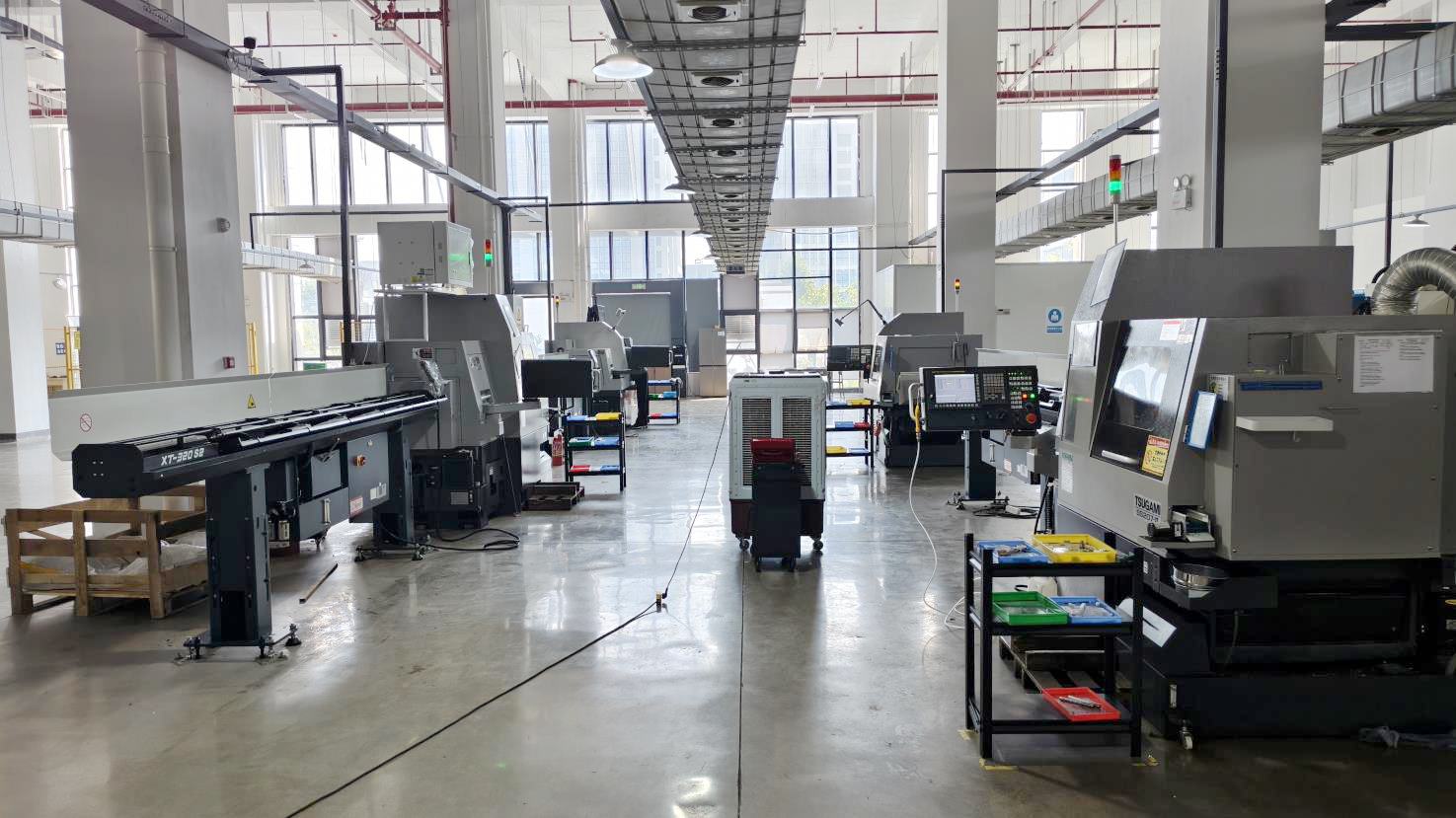
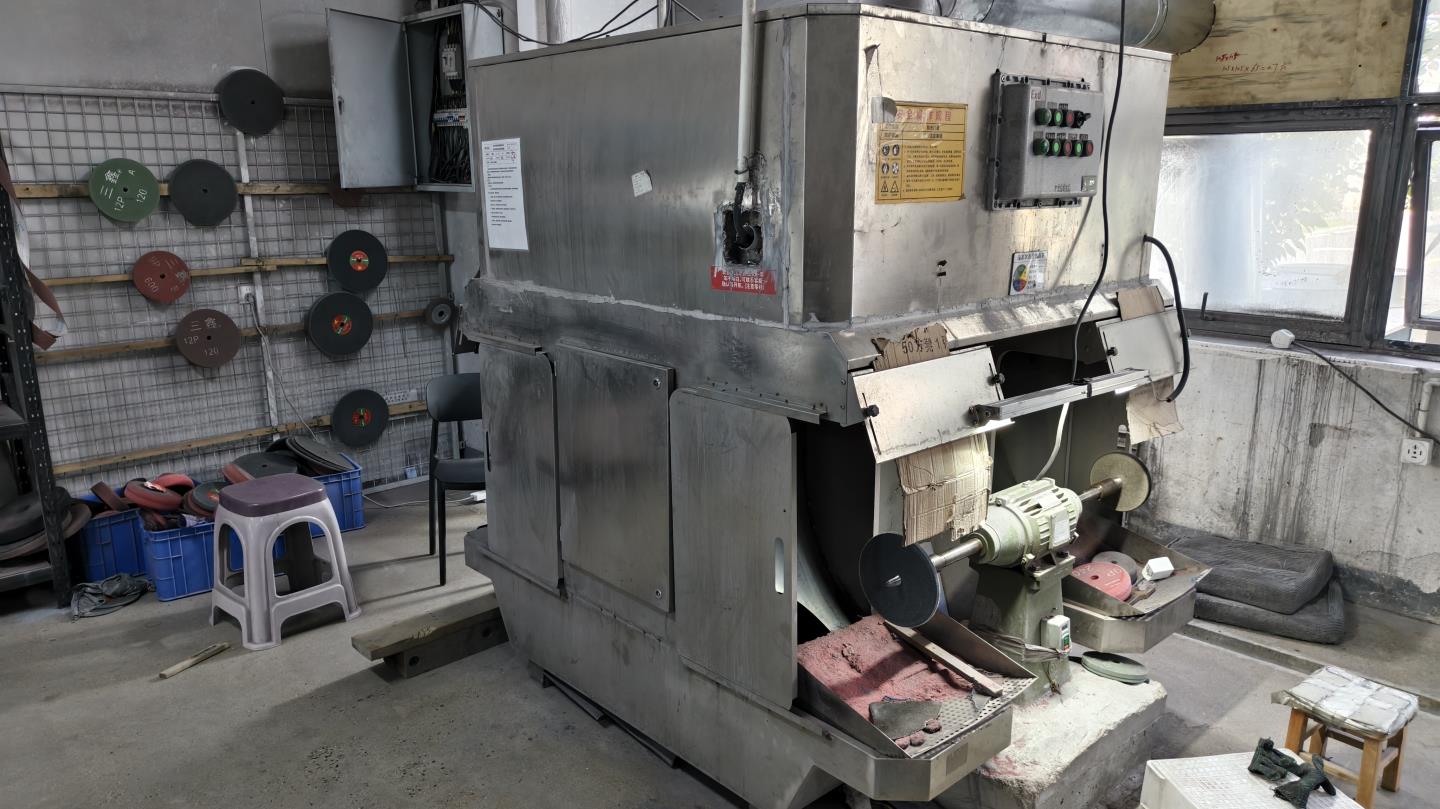
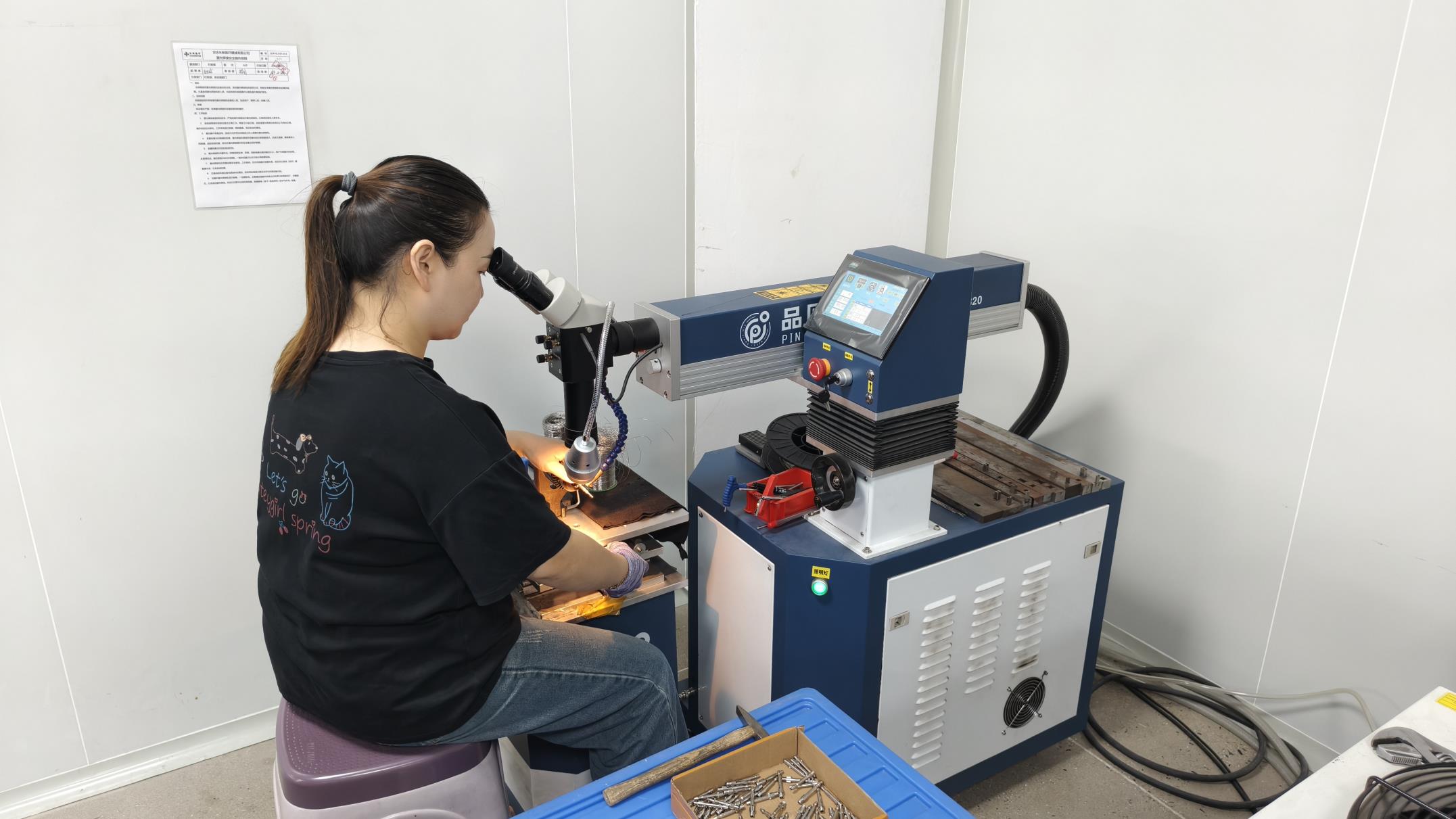
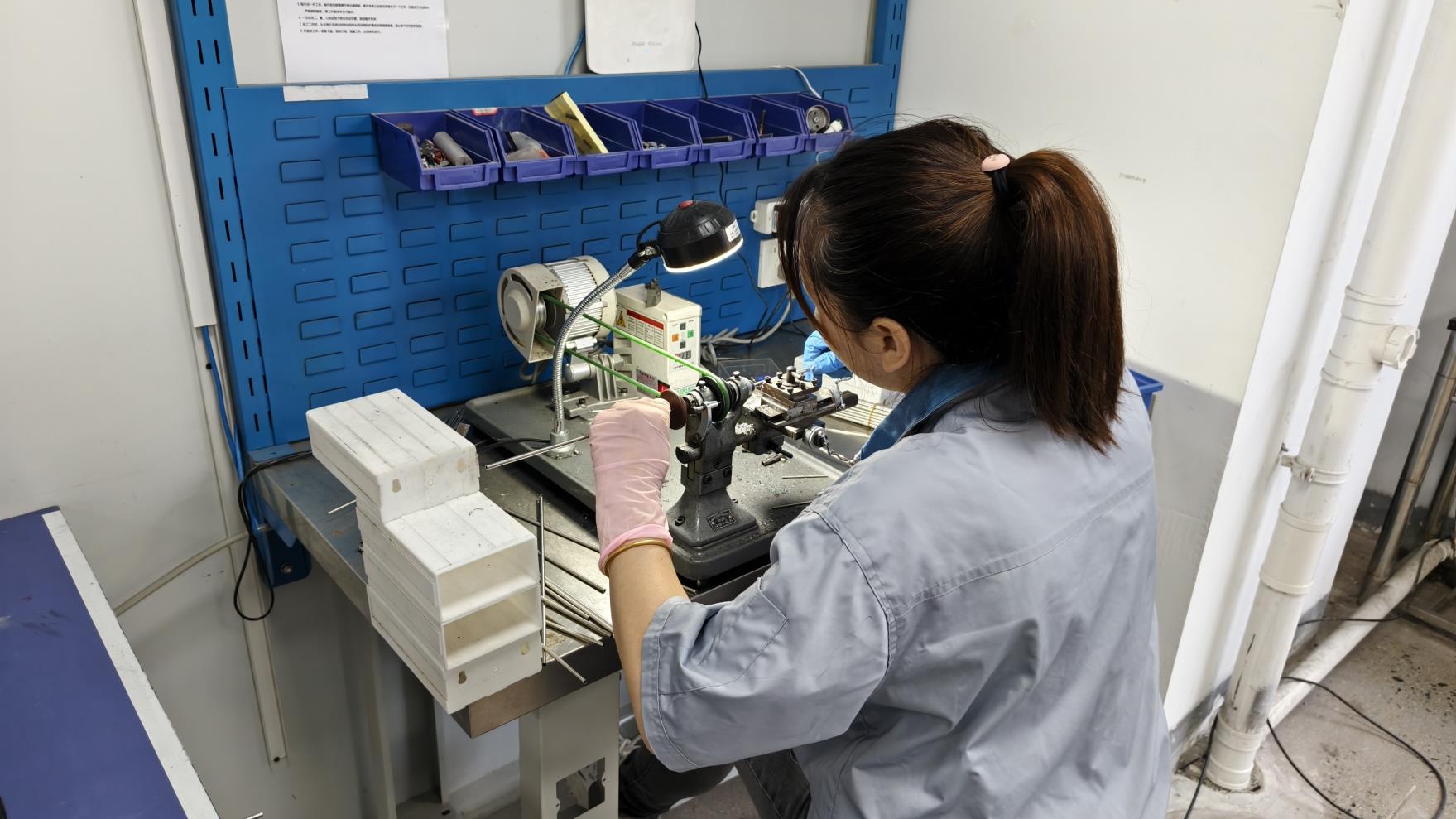
Every single orthopedic component undergoes rigorous quality control using high-end analytical instruments to ensure safety and clinical efficacy.
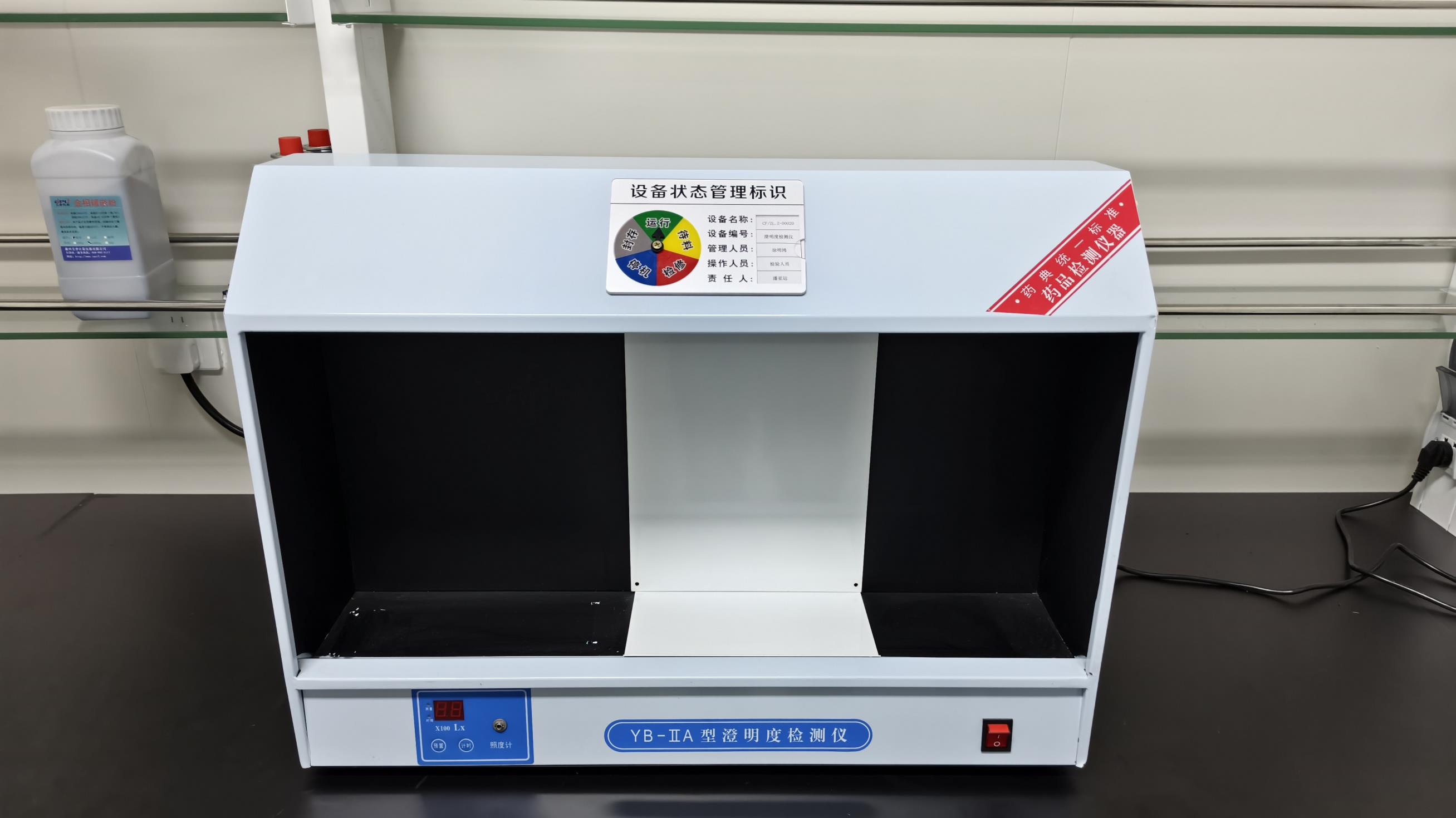
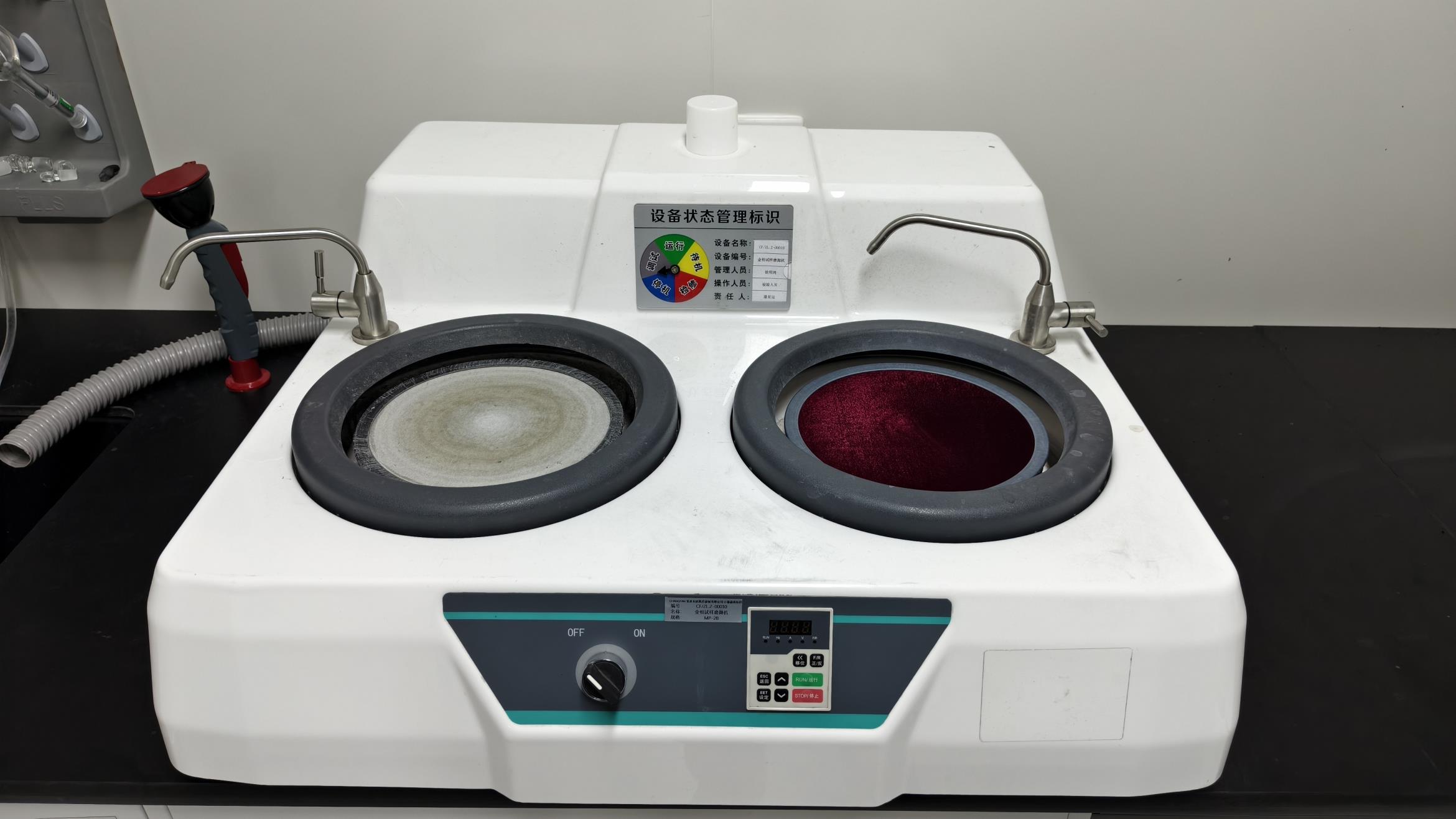
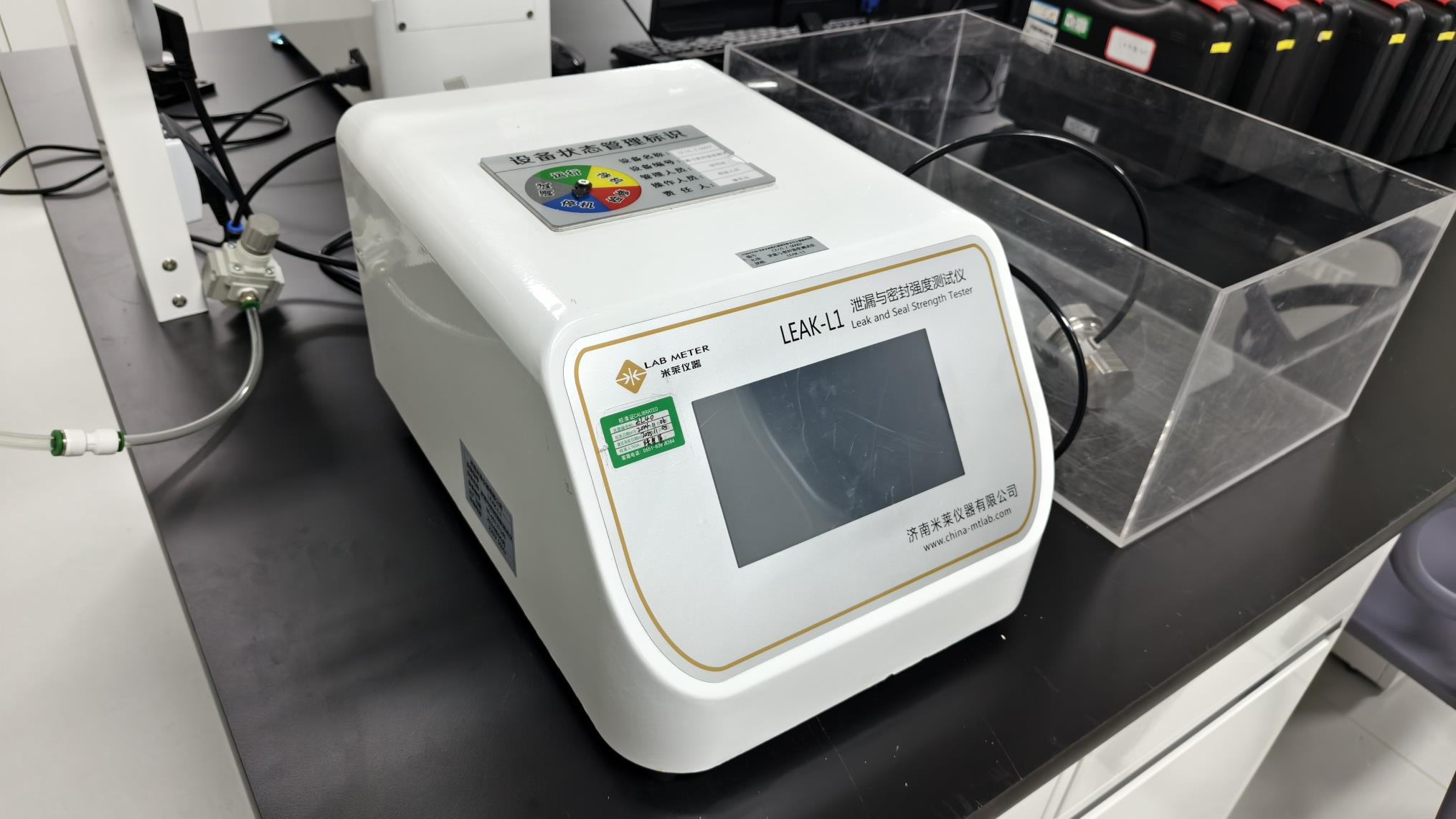
Navigating complex international regulatory frameworks is critical for distributors and surgical group purchasers.
Purchasing spinal implants globally requires alignment with local regulatory environments. In the European Union, compliance with the Medical Device Regulation (EU MDR 2017/745) requires detailed clinical evaluations, continuous post-market surveillance (PMS), and traceability through UDI (Unique Device Identification) codes. In the United States, obtaining FDA 510(k) clearance for expandable cages involves extensive verification of mechanical properties under cyclic shear and axial compression tests.
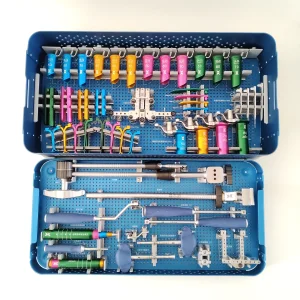
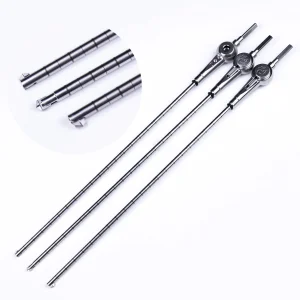
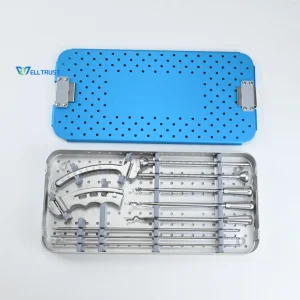
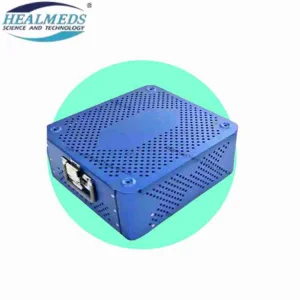
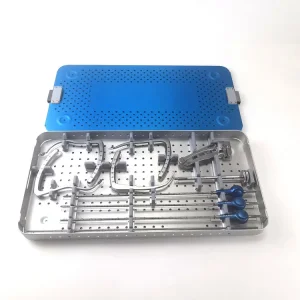
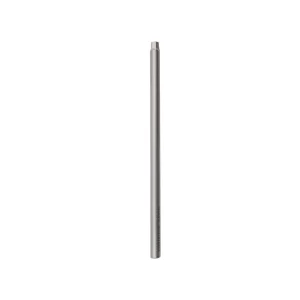
Synoviq supports global distributors by providing complete technical documentation, including raw material traceability certificates (mill certificates for titanium alloys), ISO 13485-compliant manufacturing logs, and sterilization validation reports. Additionally, we provide localized surgical instrumentation kits, such as manual spine retractors and specialized inserters, which are critical for clinical success and procedural efficiency in various operating room settings.
Ensure your supply chain meets international standards:
Answers to critical design, clinical, and procurement questions for healthcare administrators and medical device distributors.
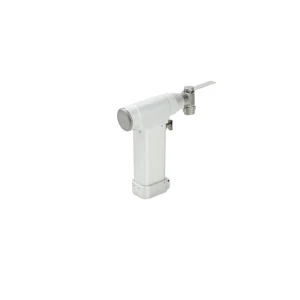
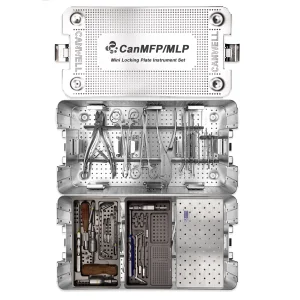
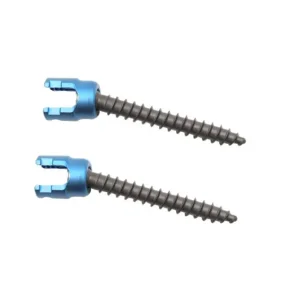
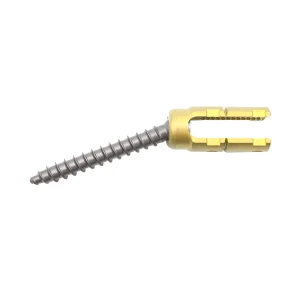
Looking to expand your orthopedic portfolio or optimize production costs for spinal implant systems? Contact our engineering team for customized prototype drawings and pricing.
Request RFQ & Technical Consultations Synoviq Medical