Explore our foundational orthopedics portfolio, engineered to international clinical specs.
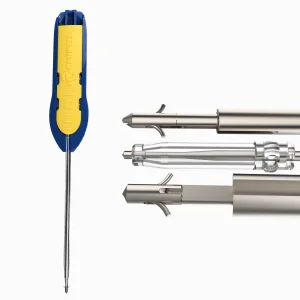
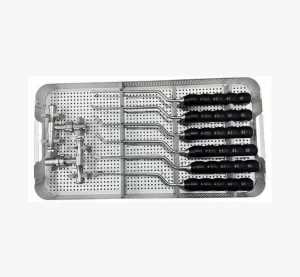
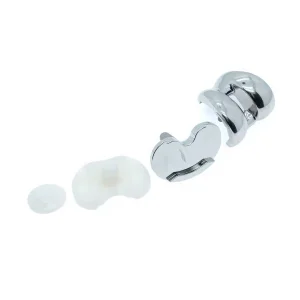
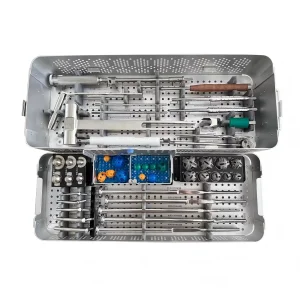
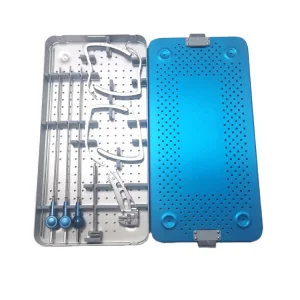
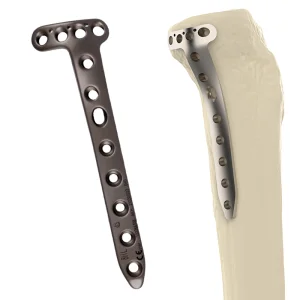
Synoviq Medical Technology (China) Co., Ltd. stands at the forefront of China's medical device manufacturing sector. We specialize in the R&D, precision fabrication, and international distribution of advanced orthopedic implants and corresponding instrument networks. Grounded in surgical safety and clinical efficacy, we support global healthcare providers, orthopedic distributors, and clinical brands through rigorous OEM and ODM contract services.
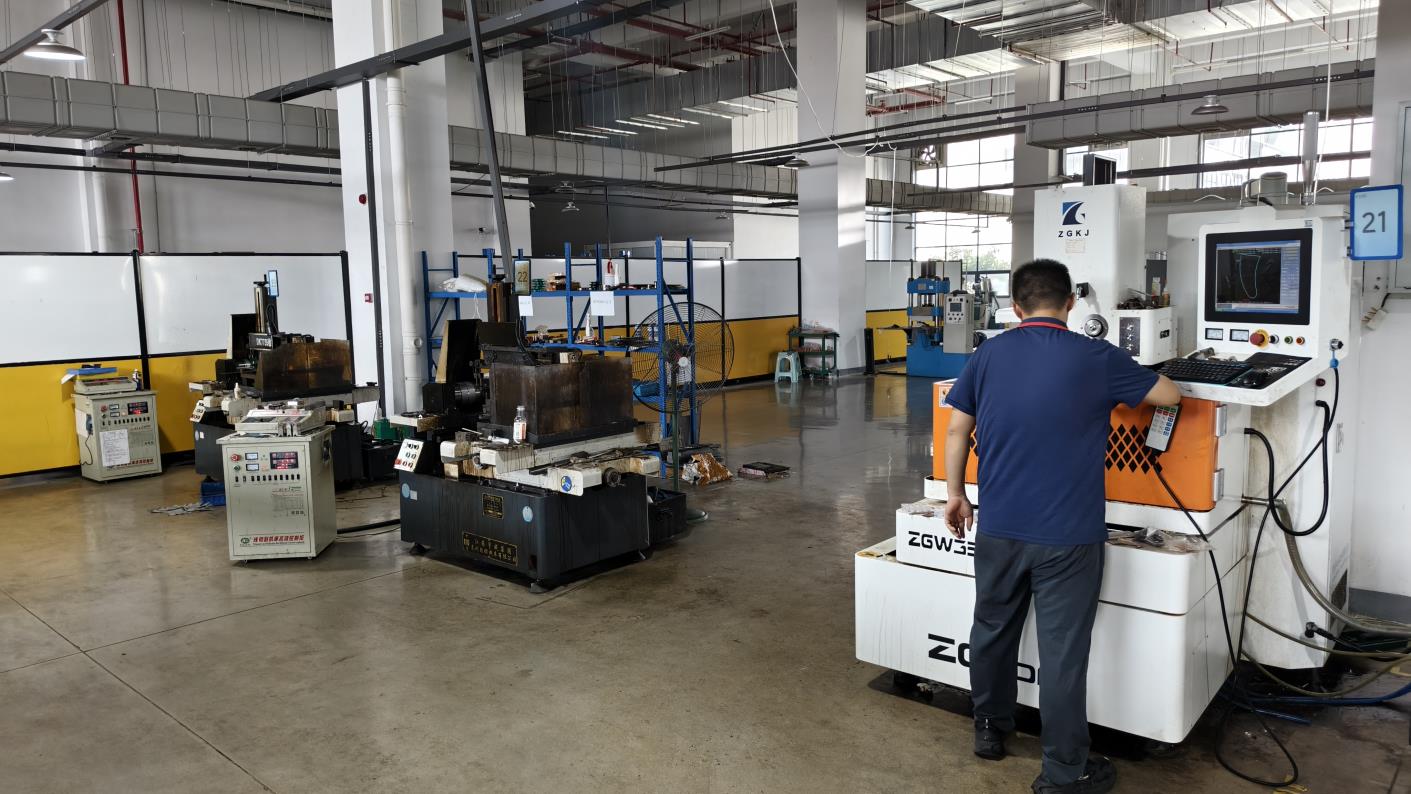
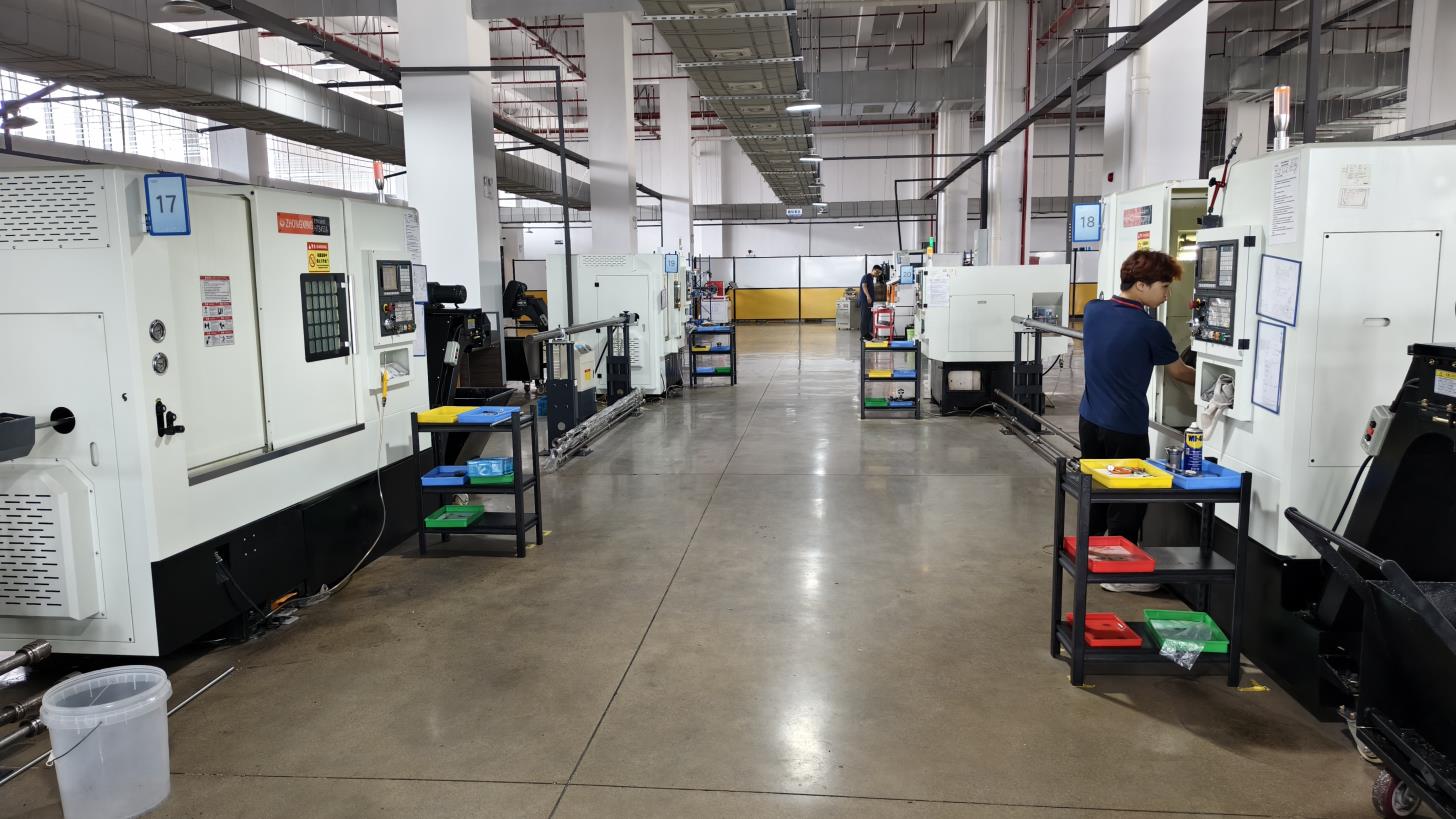
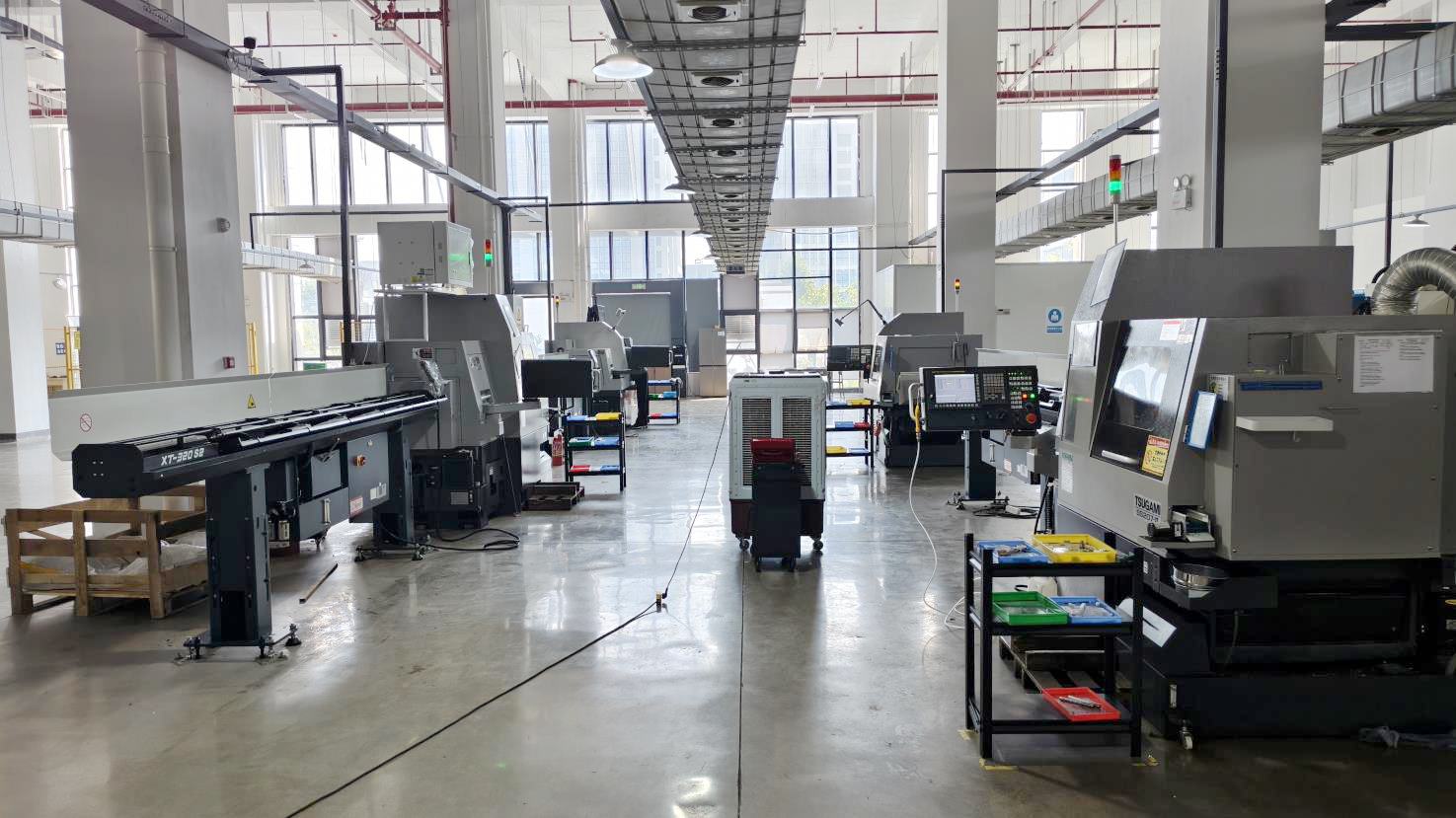
Our comprehensive implant selection encompasses trauma fixation platforms, high-performance spinal construct systems, locking plates, intramedullary nails, external fixators, cannulated screws, and customized joint prostheses. Operating out of sophisticated engineering workshops equipped with advanced multi-axis CNC machines and micro-profiling infrastructure, Synoviq fulfills the demanding dimensional tolerances and biomechanical requirements of domestic and export markets alike.
| Key Structural Metric | Synoviq Manufacturing & Corporate Capabilities |
|---|---|
| Company Registered Entity | Synoviq Medical Technology (China) Co., Ltd. |
| Originating Brand Name | Synoviq |
| Commercial Inception | March 18, 2016 (With prior R&D history dating to 2010) |
| Production Floor Space | 18,600 m² of modern industrial facility incorporating Class 10,000 cleanrooms |
| Annual Export Revenue | USD 21.8 Million (Tracked through verified customs data) |
| Quality Control Framework | 100% incoming raw materials validation & 100% post-polishing dimensional checks |
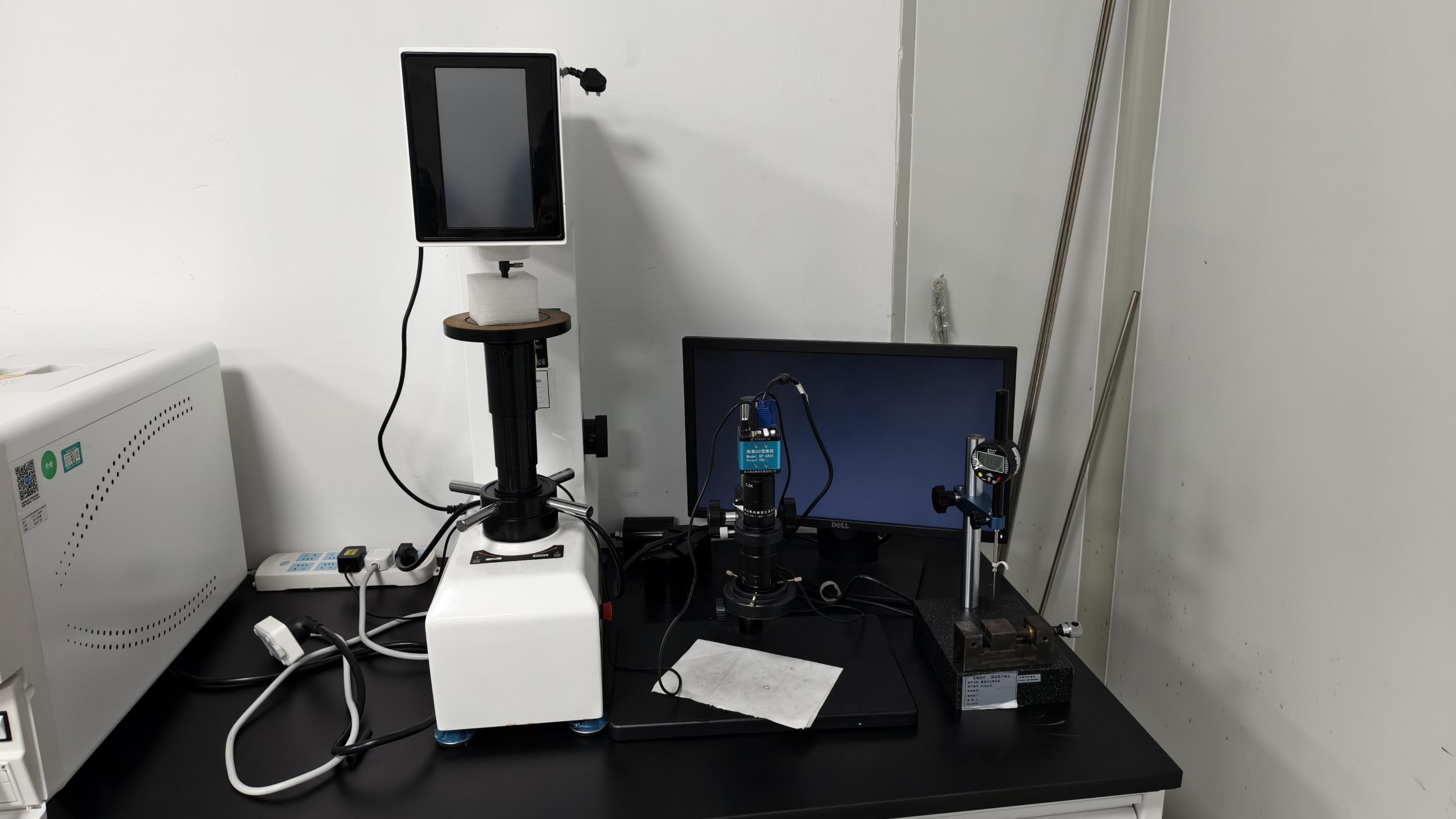
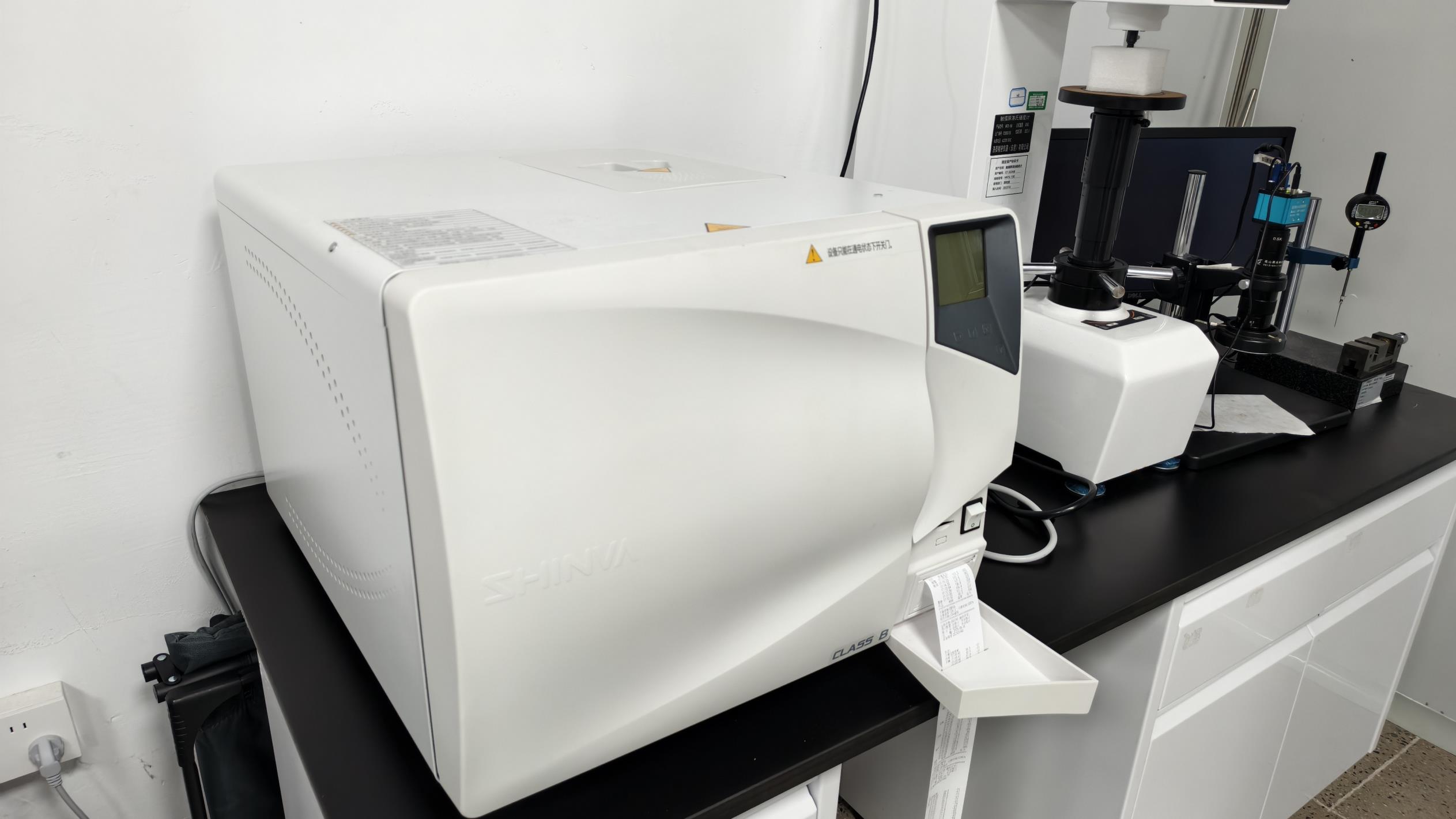
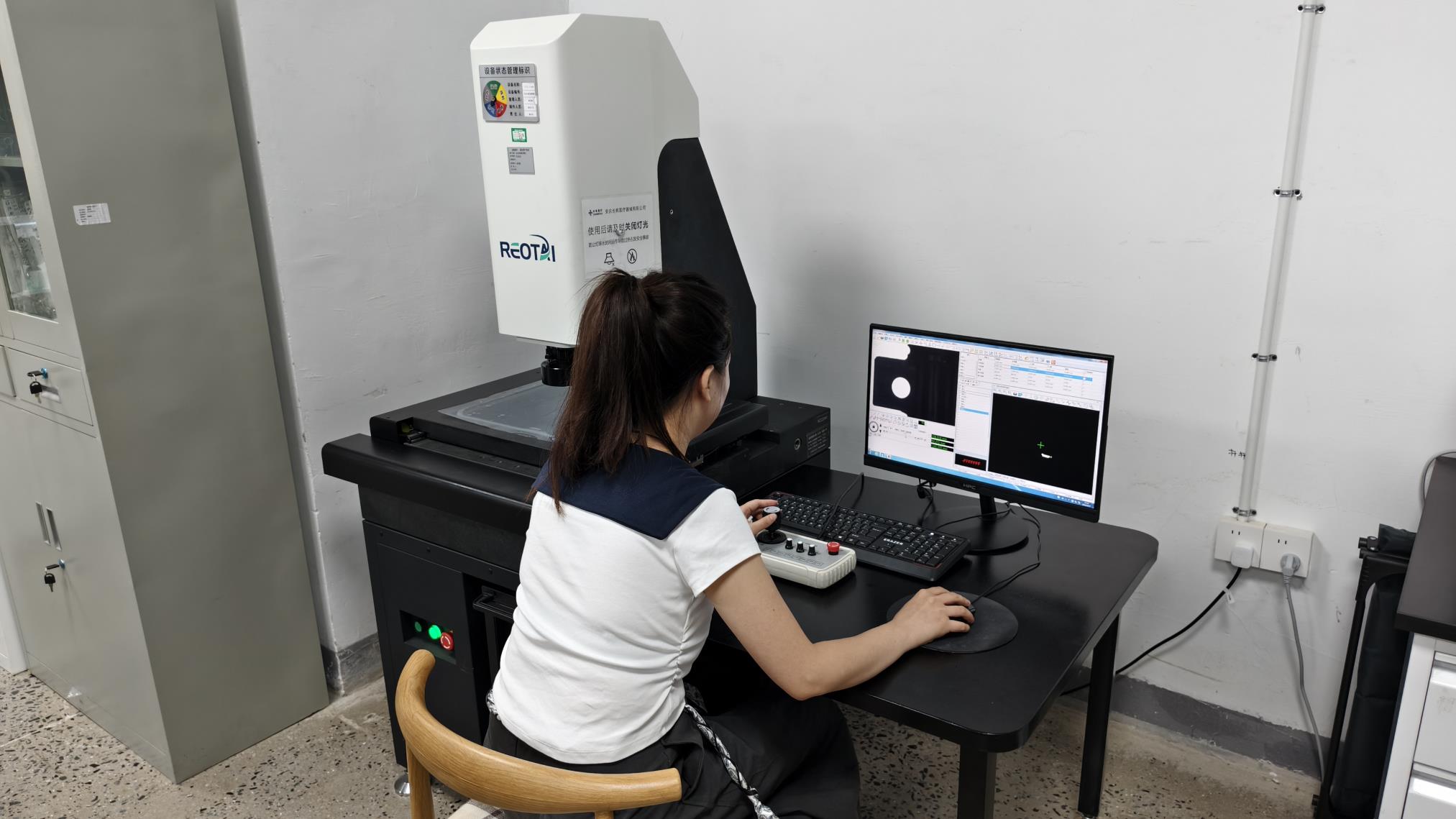
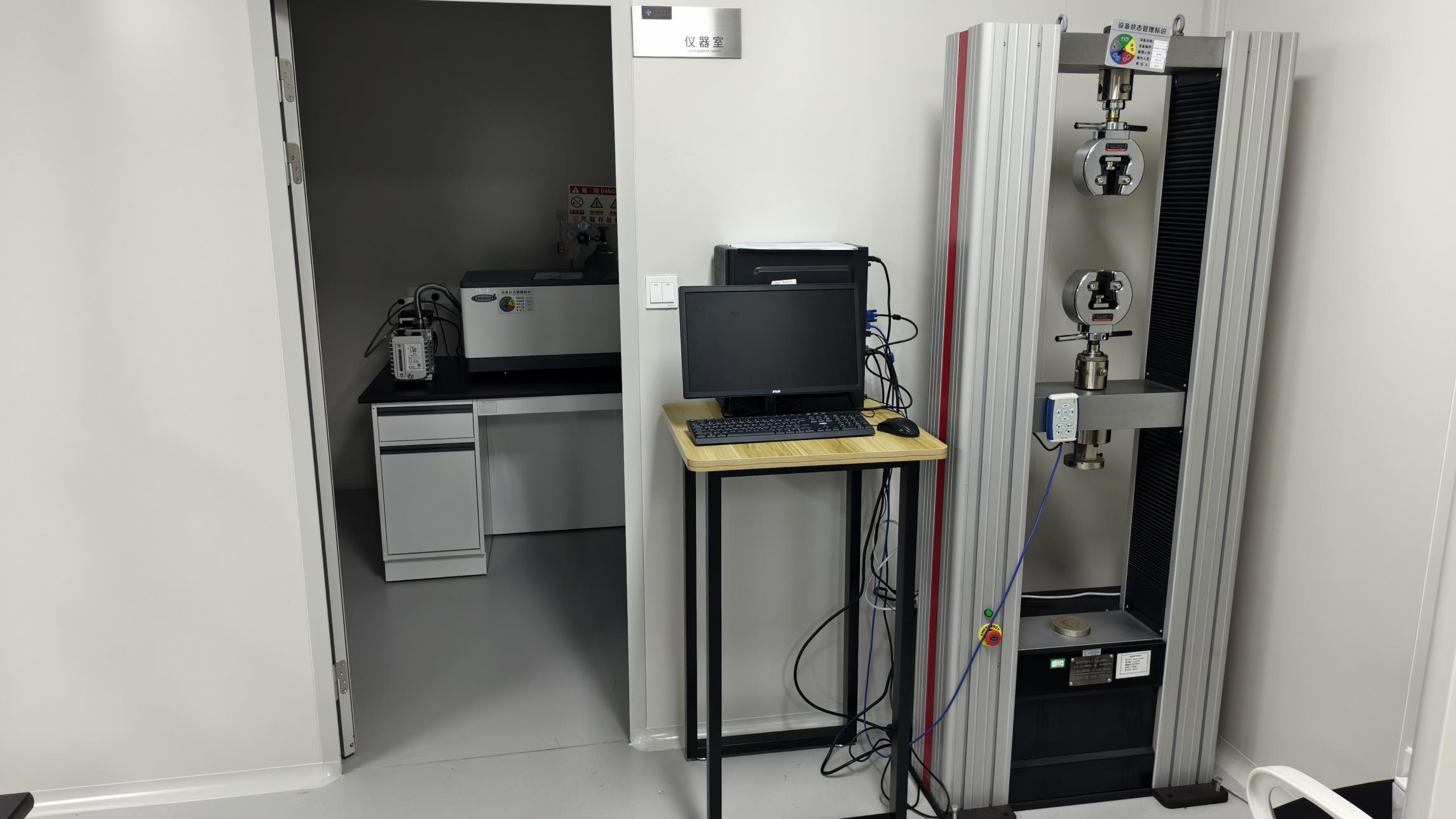
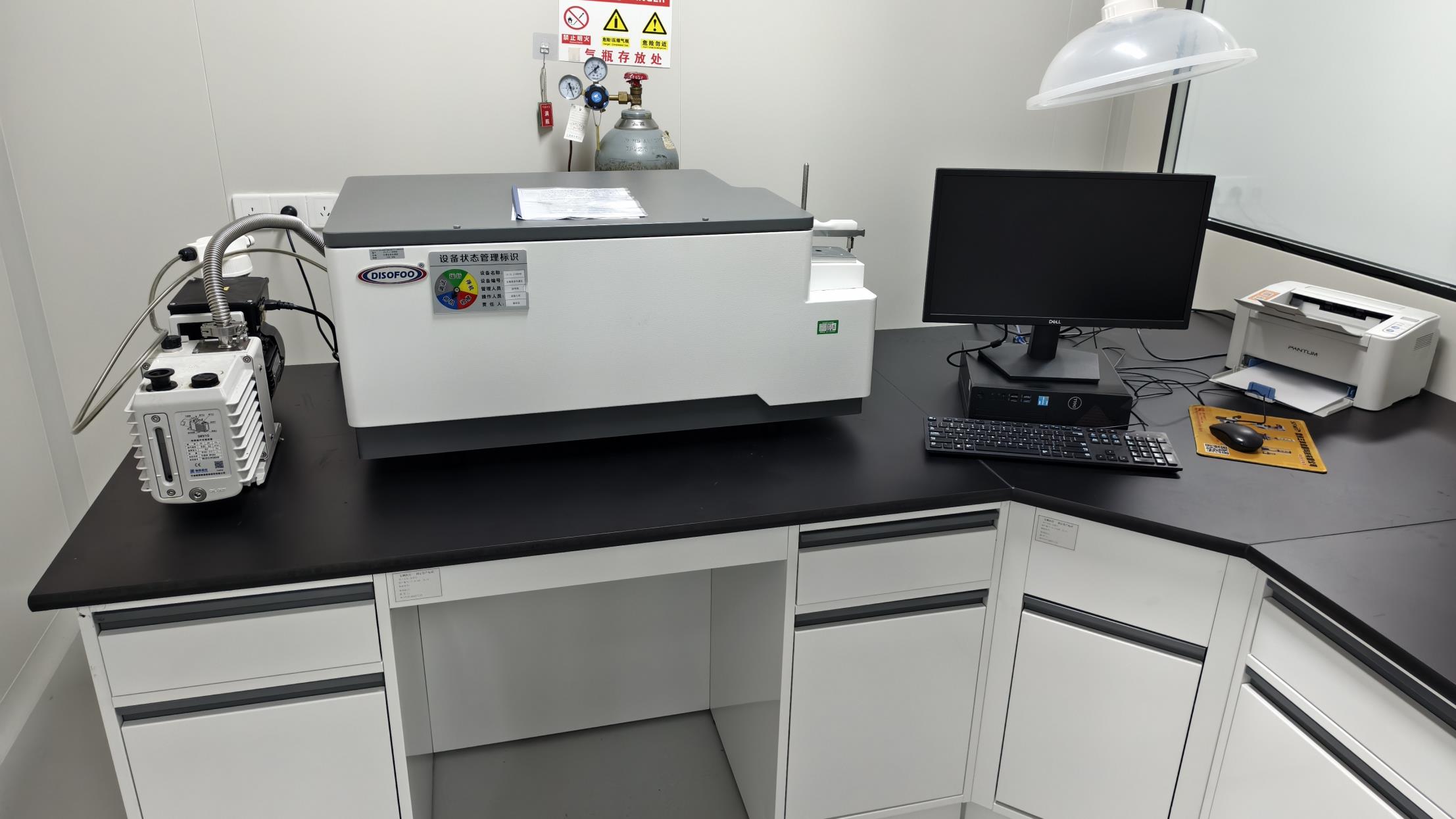
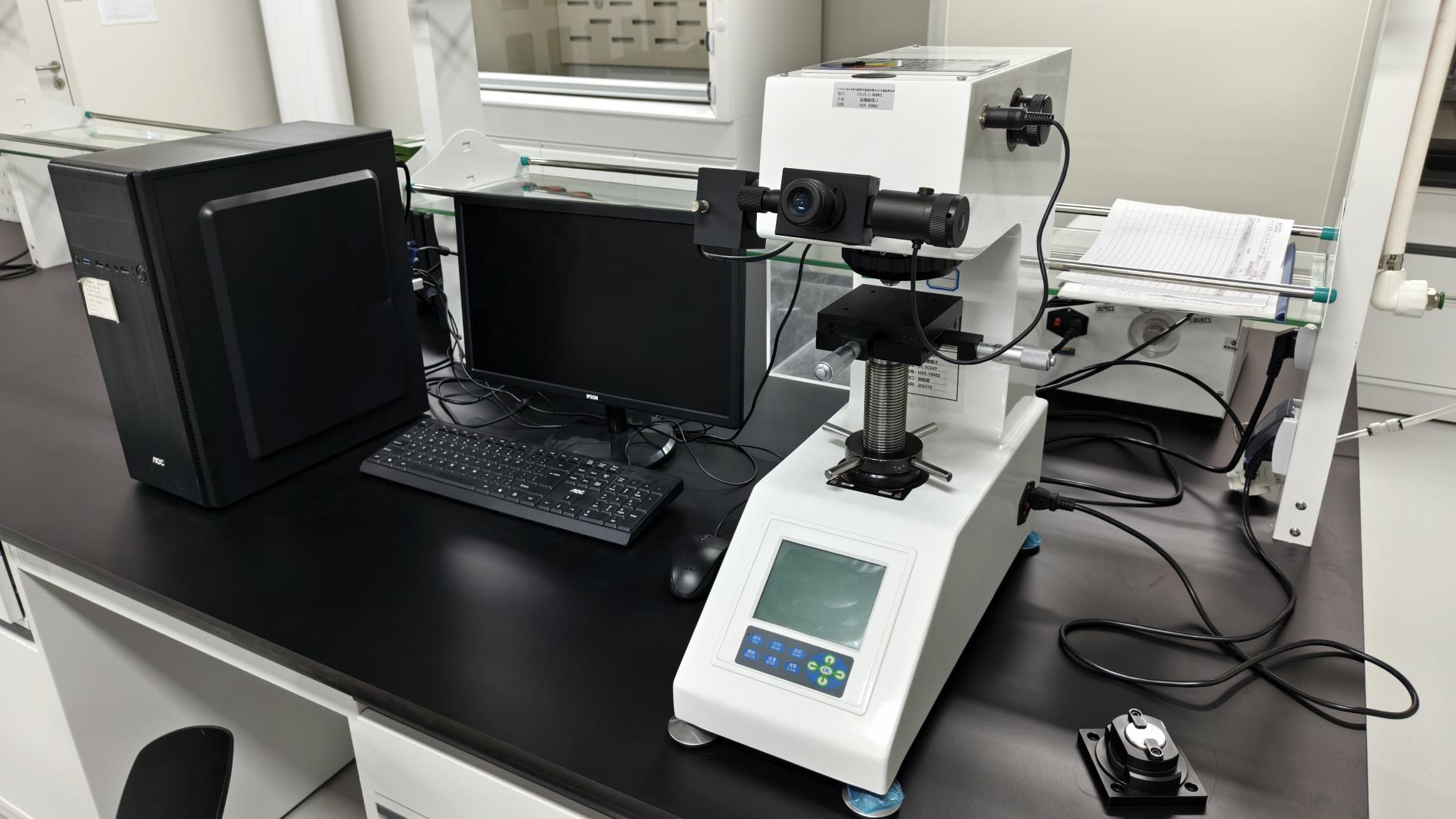
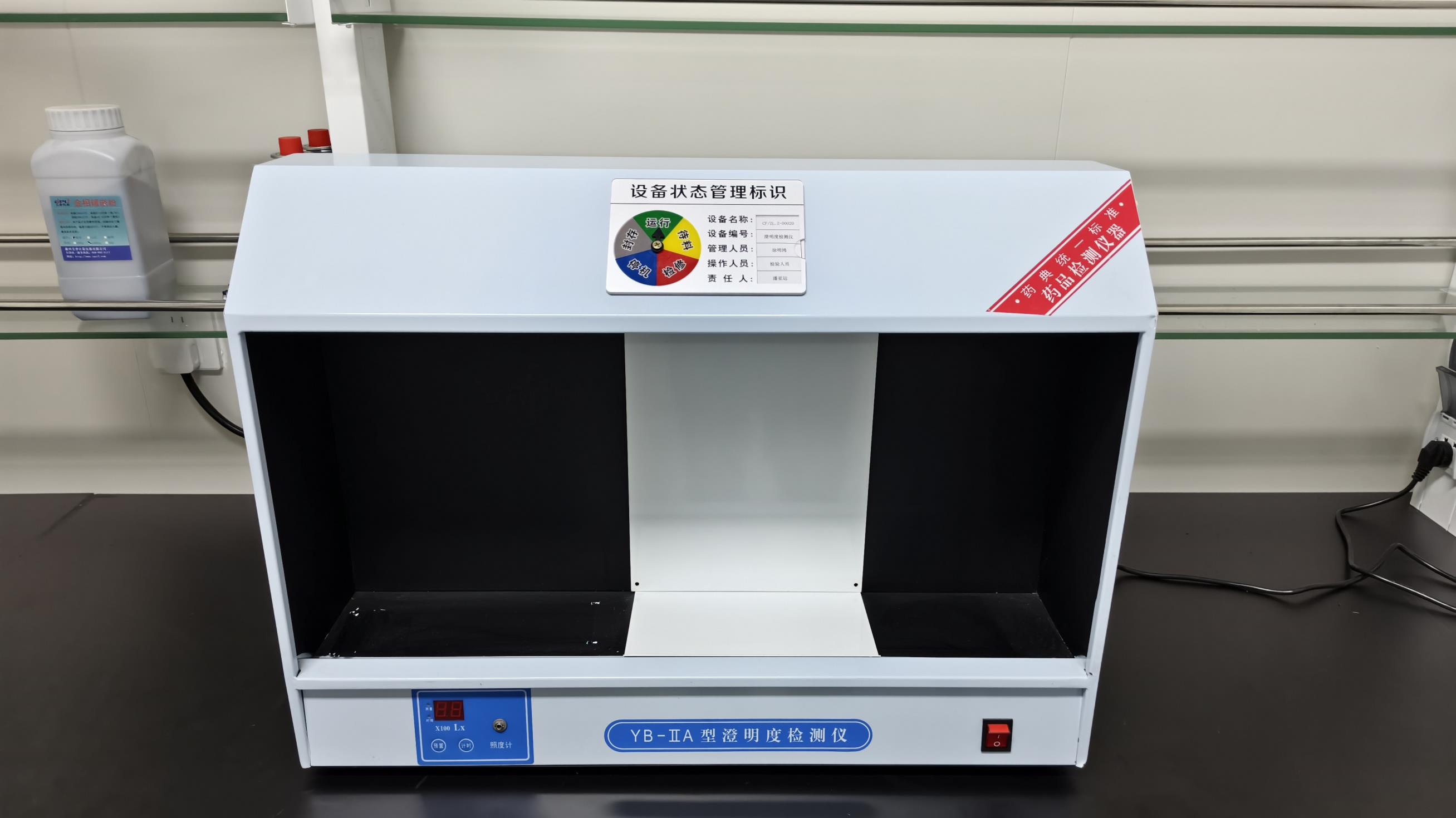
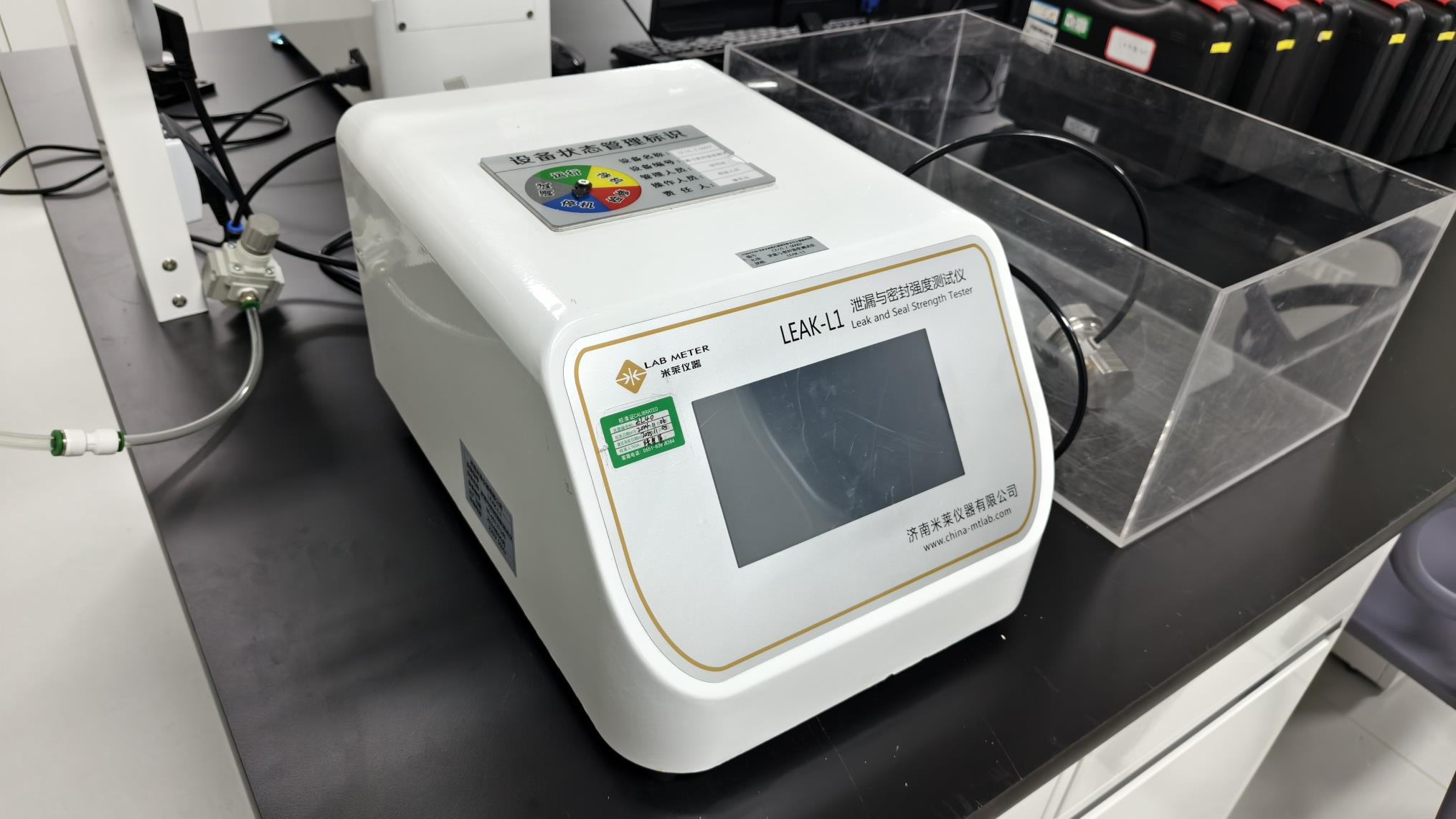
| Inspection Technology & Systems | CMM Measurement, High-Speed Mechanical Testing, Surface Roughness Testing, Hardness Testing, Salt Spray Testing, Sterility Validation |
| Active R&D Human Resource | 76 Engineers specializing in orthopedic materials, biomechanics, and ISO standards |
| Global Distribution Footprint | Europe, North America, South America, Middle East, Southeast Asia |
Analyzing material science advancements, modularity interfaces, and mechanical stress profiles.
Bipolar hip prosthesis structures have evolved rapidly, replacing direct hemiarthroplasty configurations that put excessive friction stress on the native acetabular cartilage. Dual-mobility design dynamics have emerged as the premier strategy to mitigate postoperative dislocation rates, preserve normal pelvic motion patterns, and improve long-term patient comfort. By implementing two concentric articulation interfaces, modern systems distribute bearing stress and lower overall wear rates.
Top Chinese manufacturers utilize advanced materials to enhance biocompatibility and fatigue resistance:
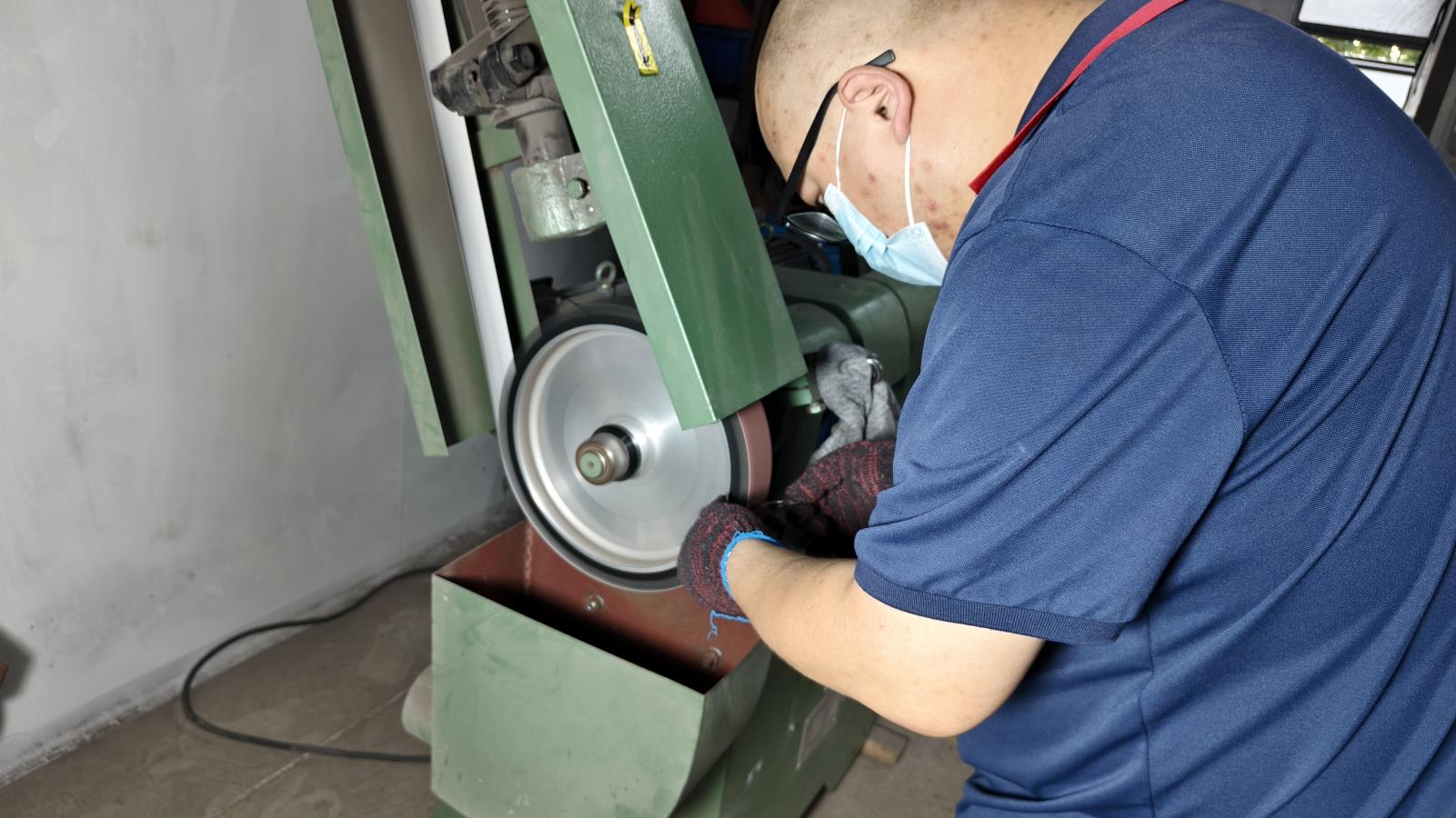
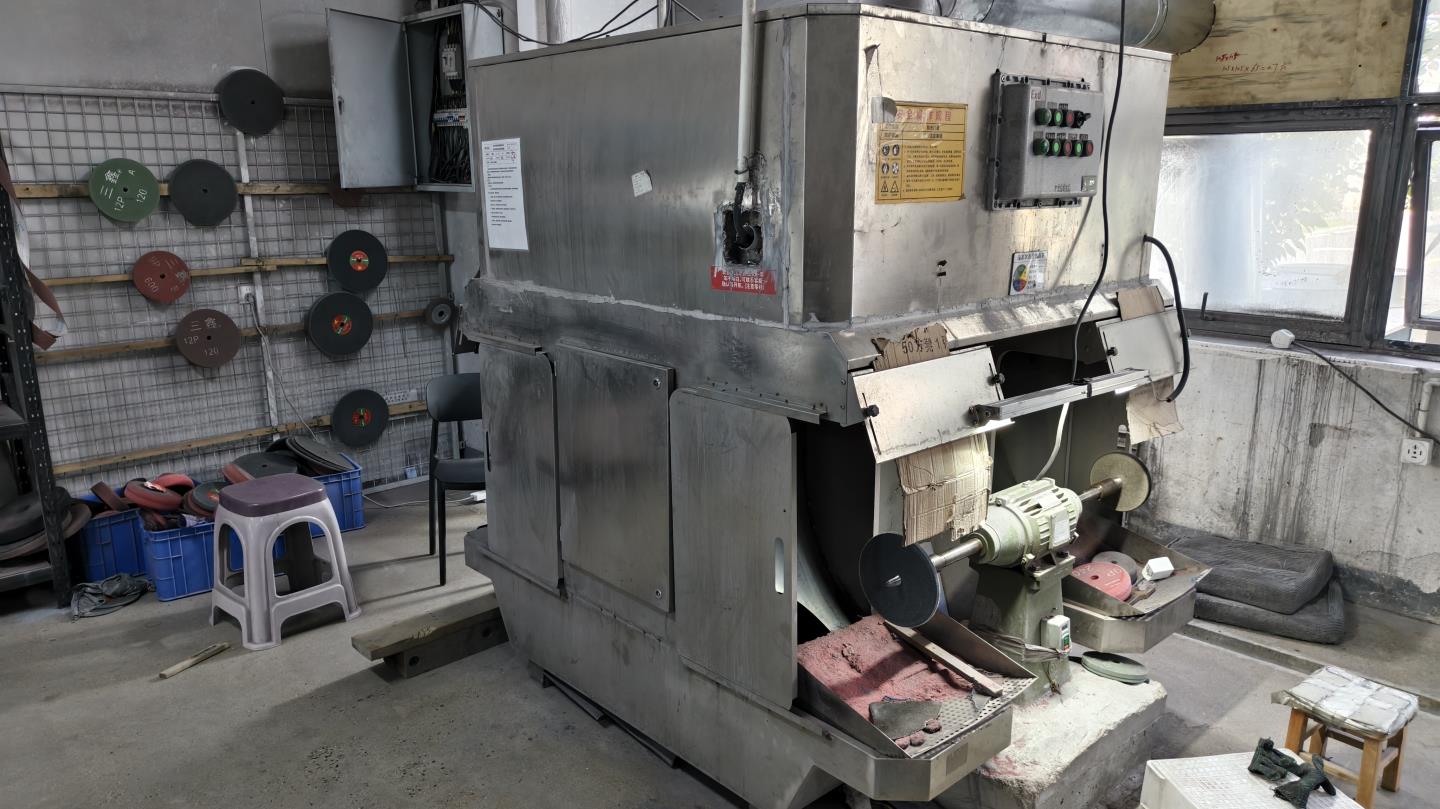
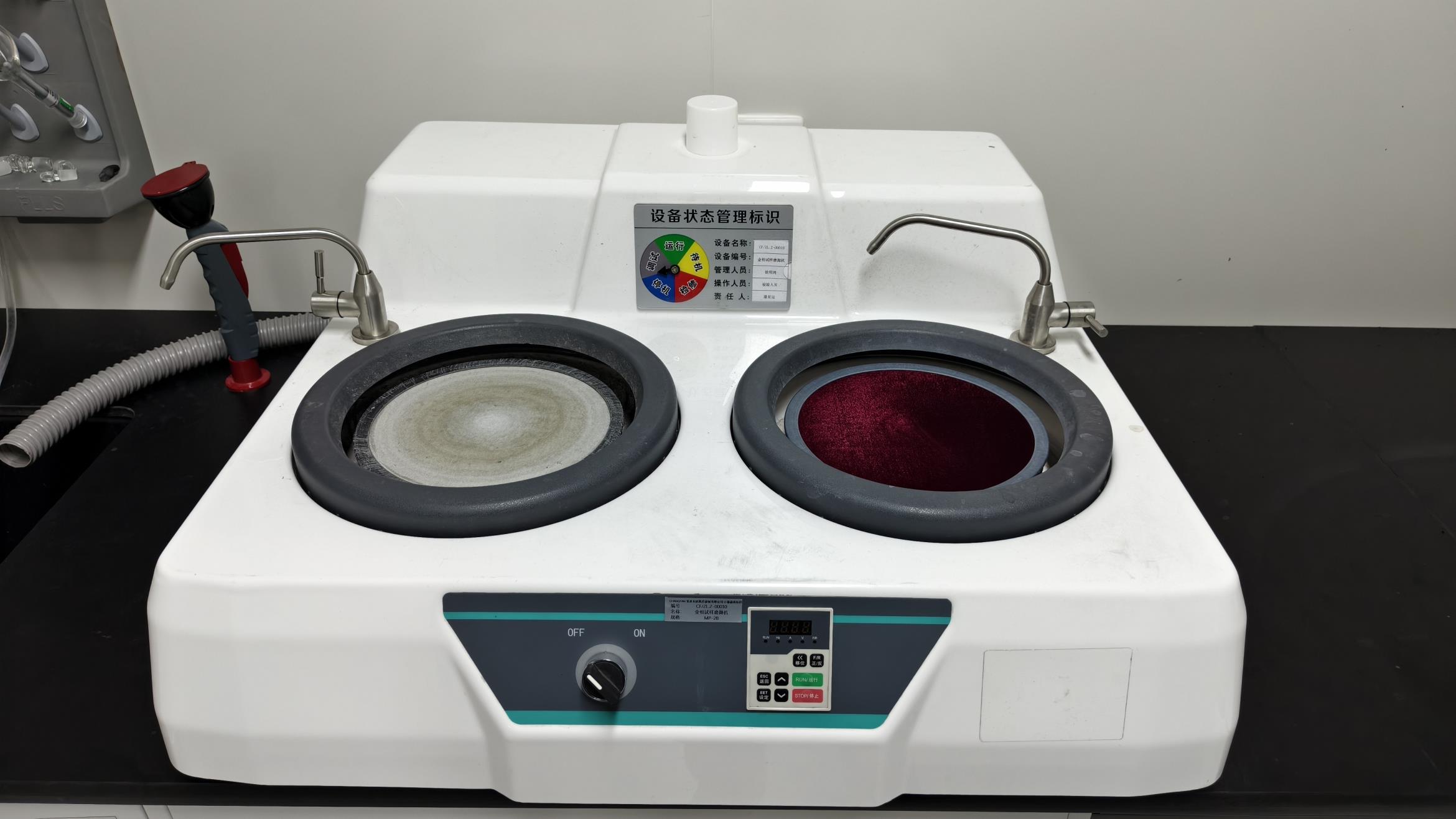
Achieving structural longevity requires precision manufacturing processes. Synoviq uses high-efficiency CNC polishing systems that reduce articular roughness to Ra < 0.02 microns. Minimizing surface friction prevents microscopic debris generation, lowering the risk of aseptic loosening and local inflammatory responses.
How technological integration, domestic raw materials sourcing, and streamlined assembly secure global advantages.
Our raw titanium and medical alloys are sourced from partner facilities that provide chemical analysis records for every batch. Controlling feedstock inputs maintains quality standards from the start and protects our production lines against global supply chain volatility.
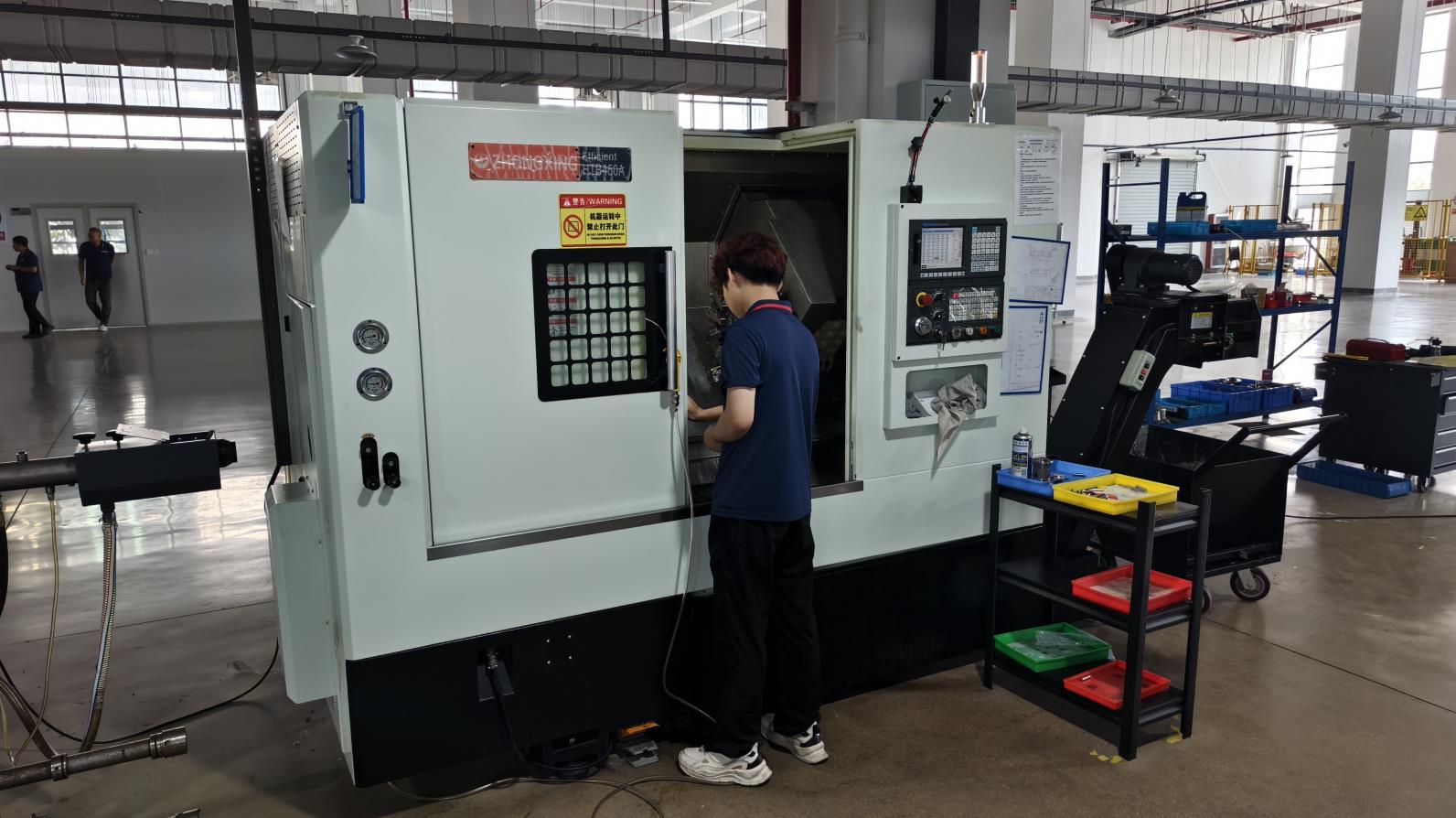
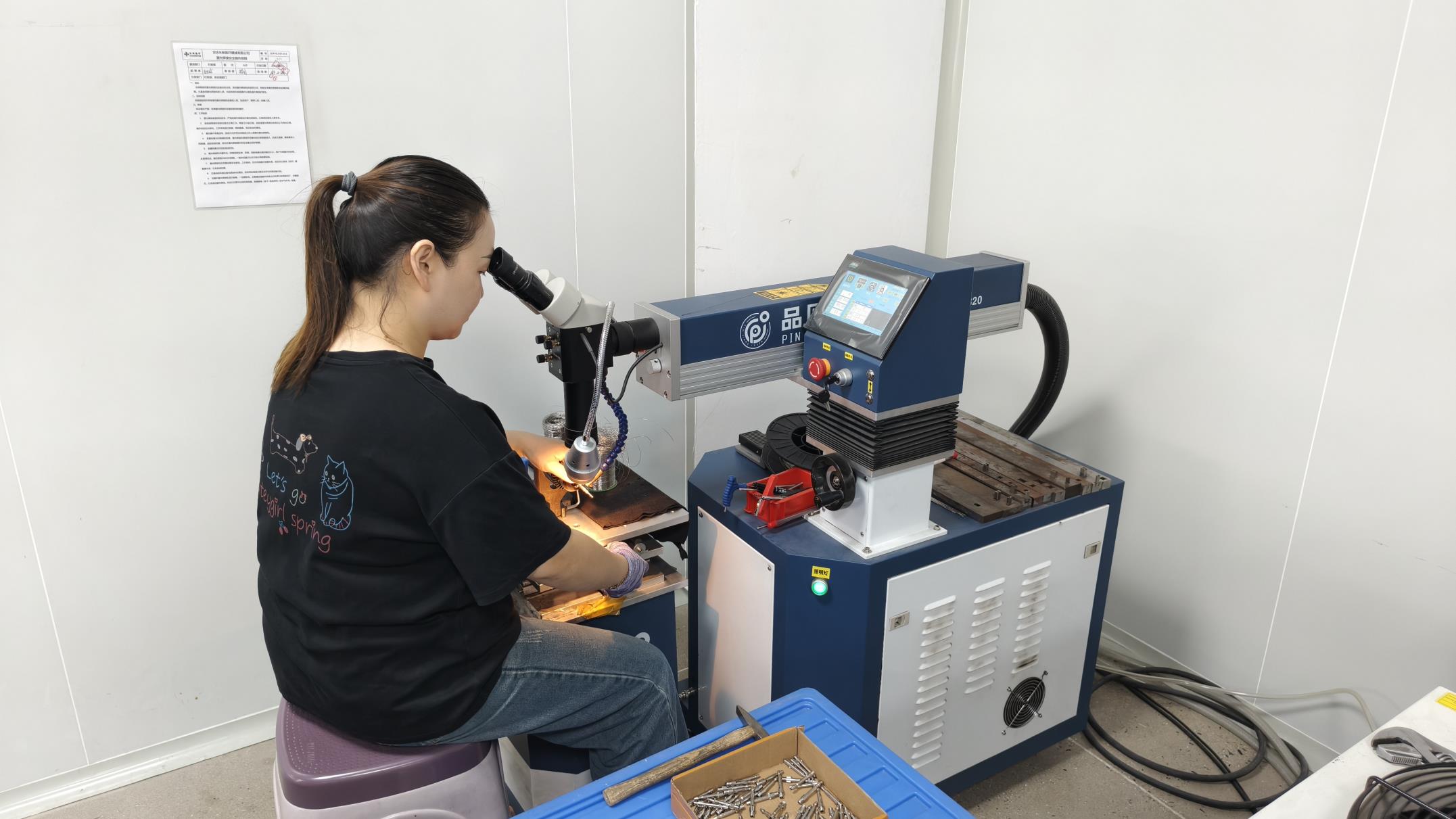
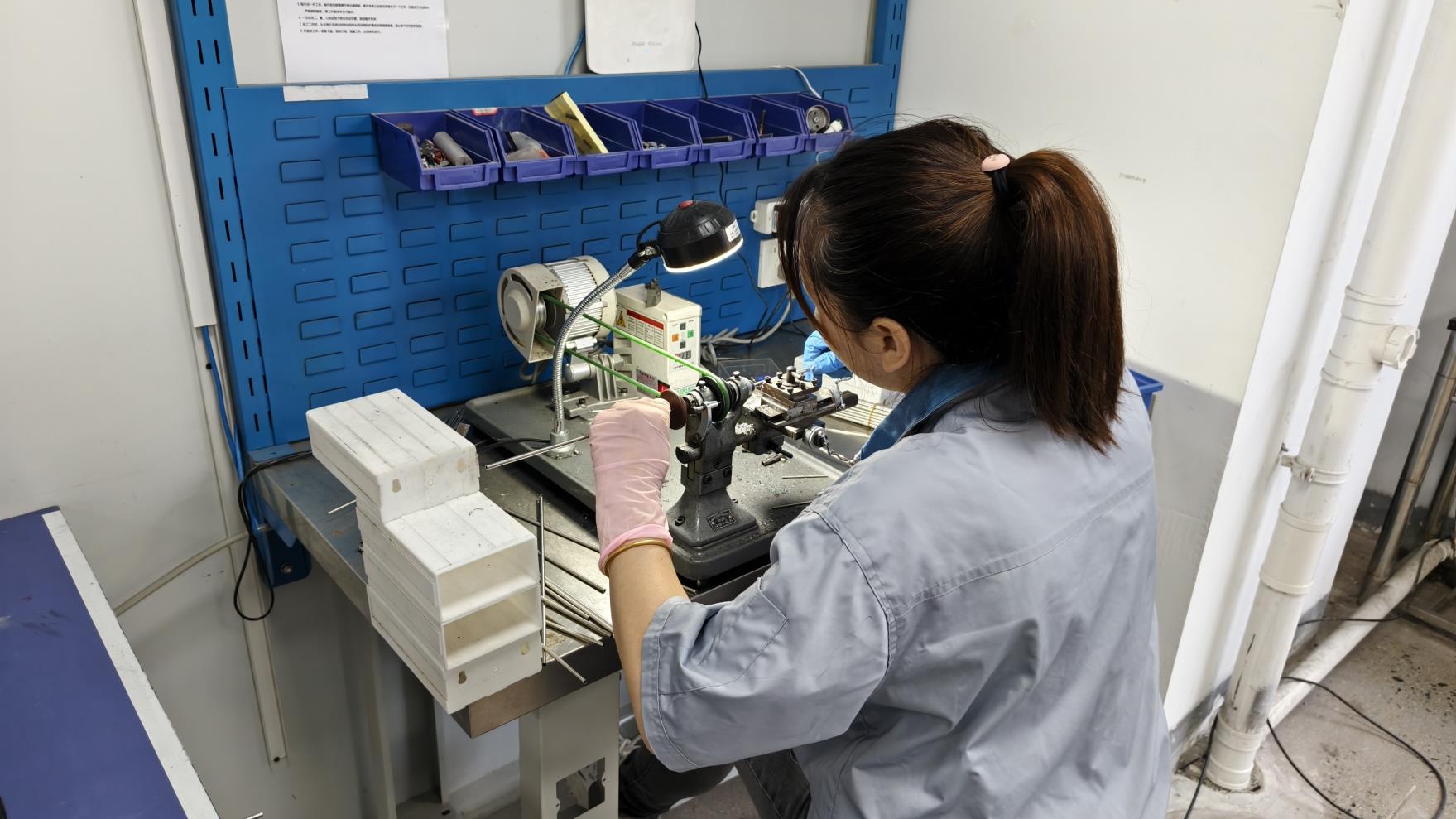
Synoviq uses Swiss-type lathes and high-speed CNC centers to run complex milling cycles continuously. Automation ensures consistent tool paths, keeping tolerances within 5 microns and eliminating manual variations during initial sizing.
Located in a major industrial medical cluster in China, Synoviq benefits from nearby metal anodizers, testing labs, and sterile packaging suppliers. This concentrated network shortens production cycles and reduces shipping times to global ports.
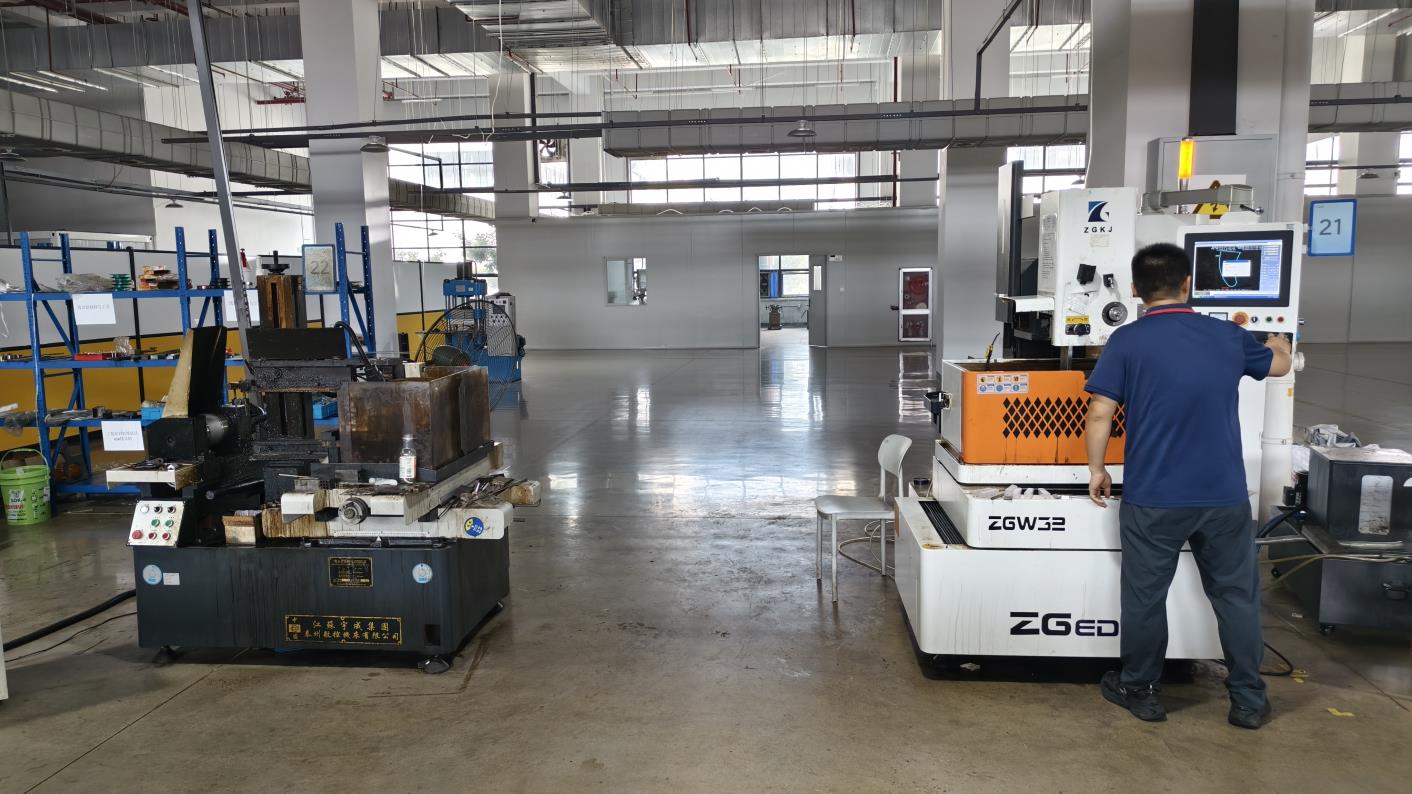
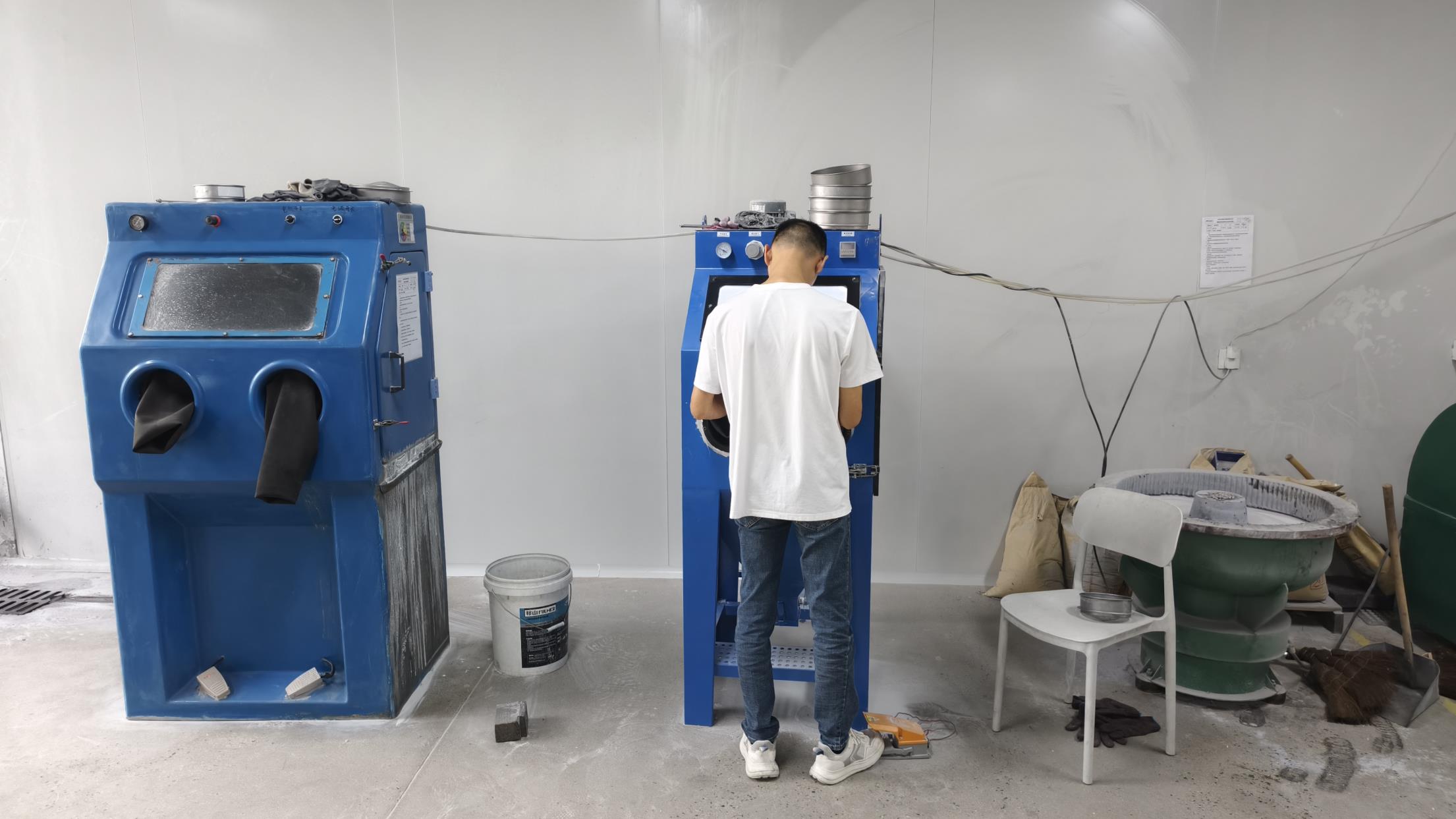
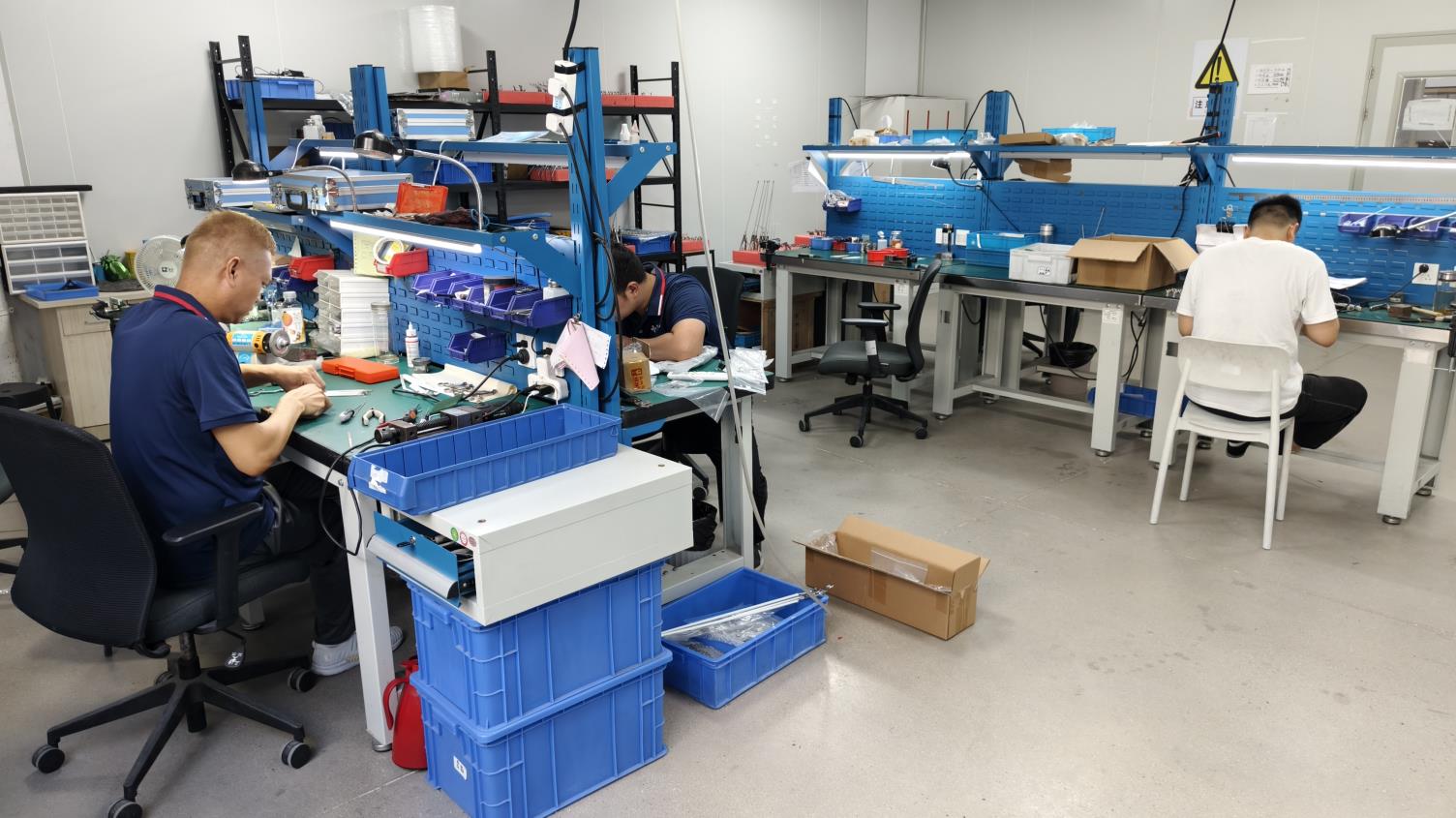
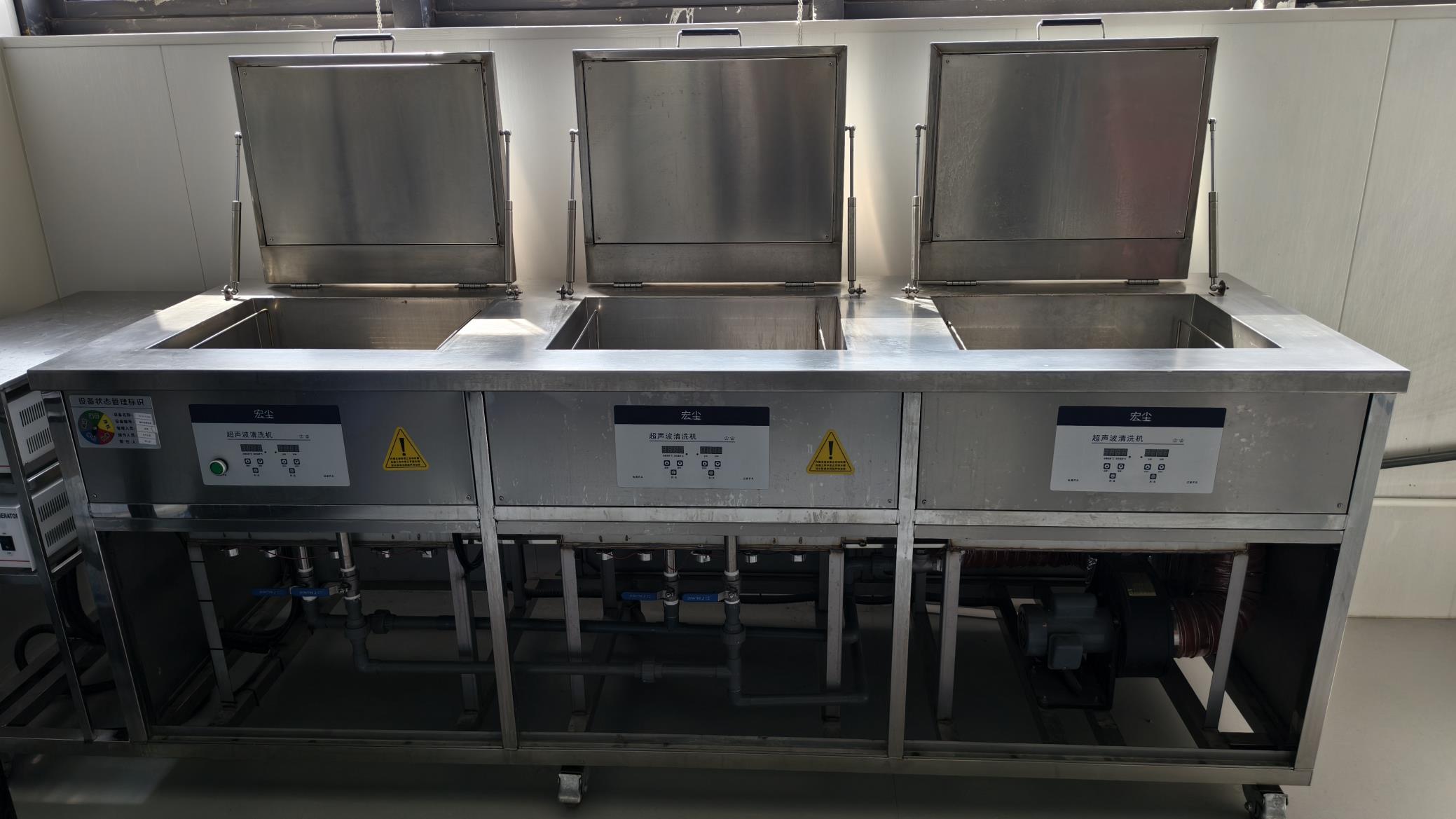
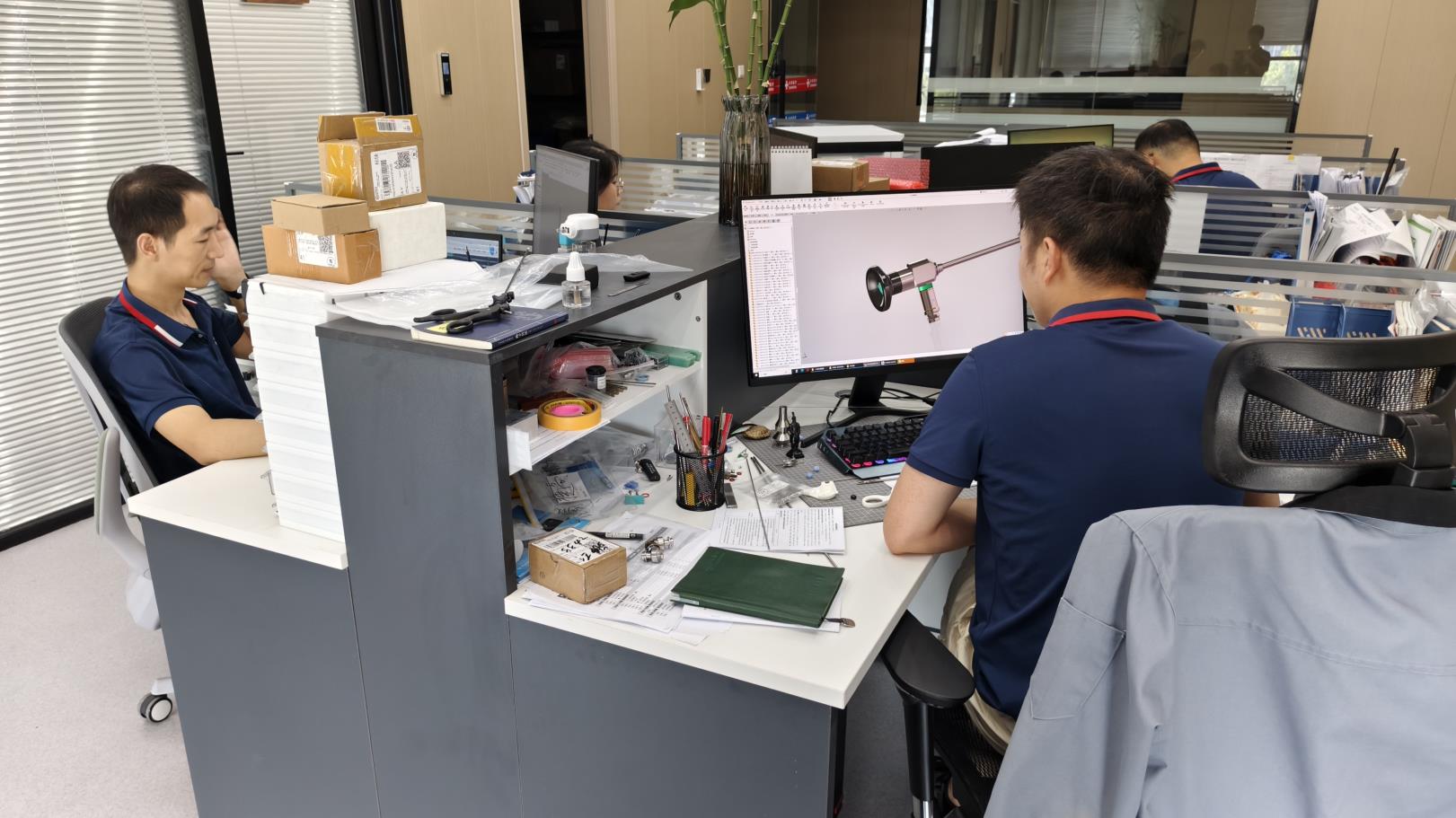
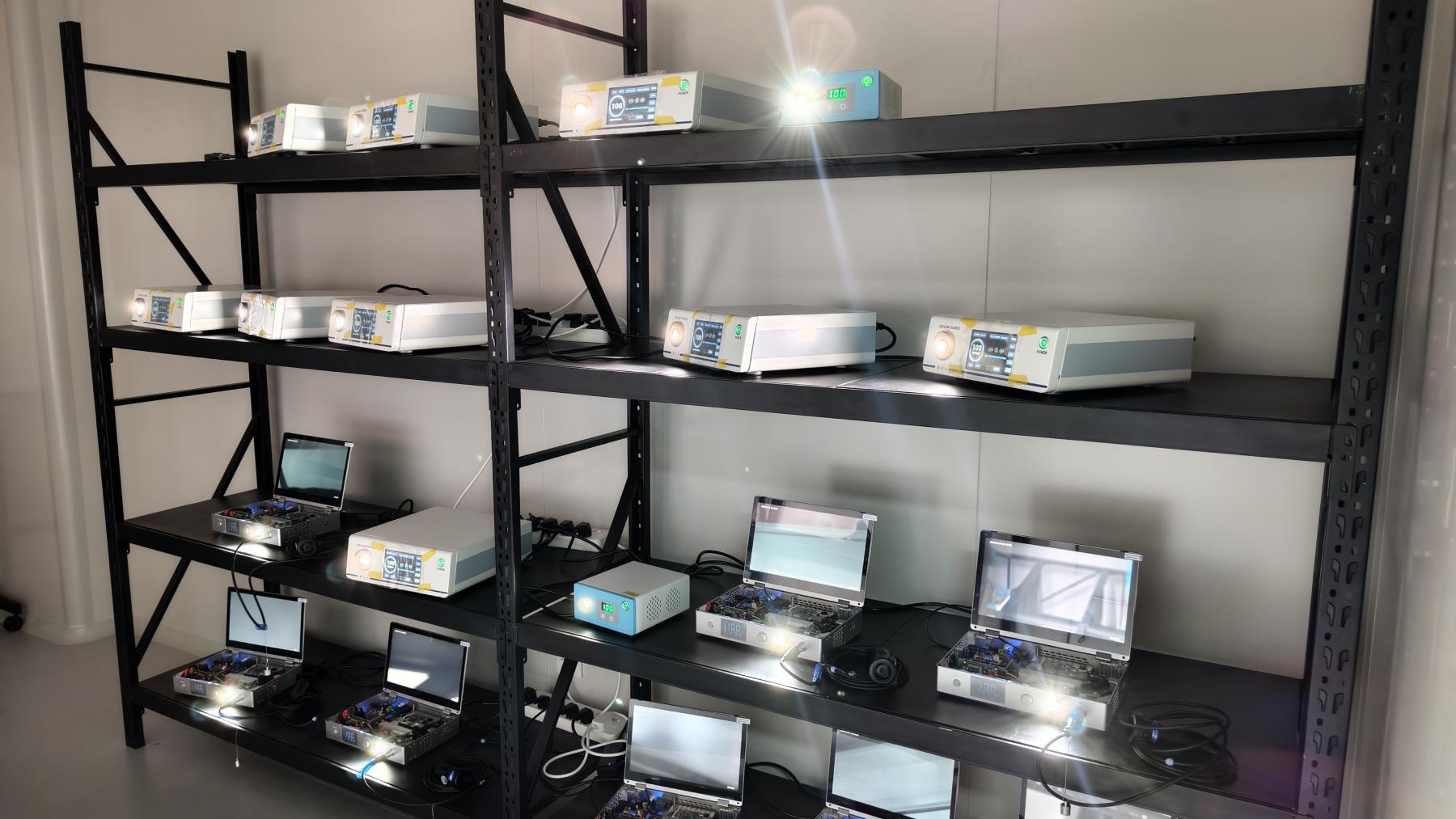
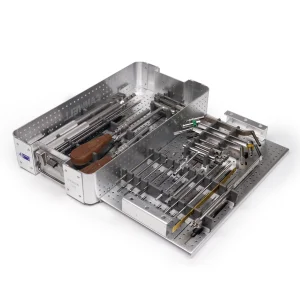
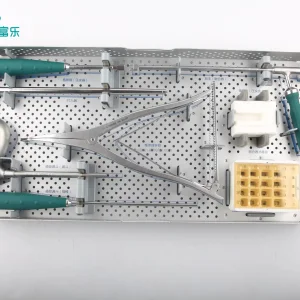
A transparent look at Synoviq's advanced production equipment and QA instrumentation.
Optimizing clinical outcomes and distribution channels for global partners.
Femoral neck fractures are common injuries in aging demographics globally. Displaced intracapsular hip fractures require rapid treatment to avoid prolonged bed rest. Hemiarthroplasty using a bipolar hip prosthesis remains a reliable surgical choice, allowing for early weight-bearing, limiting postoperative pain, and saving acetabular cartilage from direct wear. Selecting high-grade implants is key to keeping revision surgery rates low.
Synoviq products are sterilized using Ethylene Oxide (EO) or Gamma Irradiation, and protected in double-barrier Tyvek packaging to maintain sterility for up to five years. Our export operations coordinate shipping across Asia, Europe, and the Americas, handling export documentation, material certificates, and customs clearances to prevent delivery delays.
Meeting global requirements for international orthopedic imports.
Our quality system is audited to ISO 13485 standards, maintaining traceability for raw material batches and manufacturing records for every implant model.
Our implants are designed and verified to align with US FDA 510(k) guidance and European MDR (EU 2017/745) requirements, supporting our international partners' registration needs.
We supply detailed documentation packages, including chemical composition reports, biocompatibility test results, biomechanical test data, and sterilization process validations.
A guide for sourcing directors evaluating orthopedic manufacturing partners in China.
Purchasing clinical implants requires careful evaluation of potential manufacturing partners. Sourcing directors should look for suppliers that offer strong material traceability, advanced machining technology, and consistent quality controls. Synoviq works closely with procurement offices to address these needs and simplify the auditing process.
Years Industry Experience
Annual Exports (USD)
Global Partner Accounts
Professional R&D Engineers
Answers to common questions about specifications, manufacturing, and global orders.
Explore additional implants, specialized instruments, and support accessories.
 Synoviq Medical