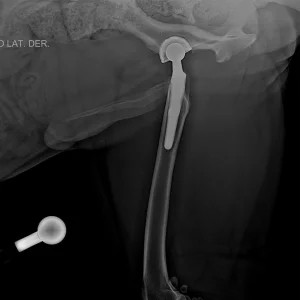
Top 10 Patellar Components Supplier & Suppliers

Clinical-Grade Patellofemoral Engineering & Global Orthopedic Joint Reconstruction Solutions for OEM/ODM Partners

Advanced Surgical Systems & Joint Implants

Explore our flagship portfolio of CE-certified orthopedic implants, surgical instruments, and trauma fixation assemblies, designed in synergy with our patellar arthroplasty platforms.
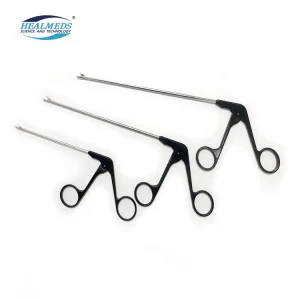
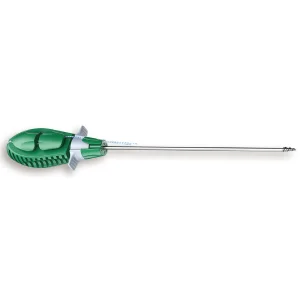
Meniscus Root Repair Set Forceps Suture Cutter
Orthopedics Surgical Instruments China Manufacturer Meniscus Root Repair Set Forceps Suture Cutter Arthroscopy Punch Forceps
View Details
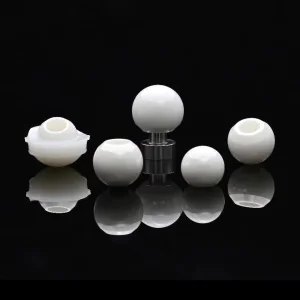
Total Hip Replacement Ceramic Femoral Head
Total Hip Replacement Ceramic Femoral Head for Joint Support Hip Replacement Prosthesis Implant
View Details
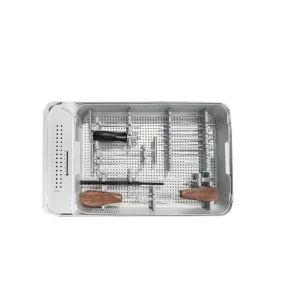
Cannulated Screw Instrument Set
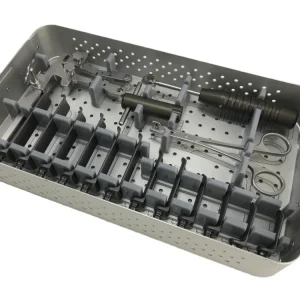
Hot Sales Bone Surgical Trauma Stainless Steel 3.5/4.0 mm Cannulated Screw Instrument Set
View Details
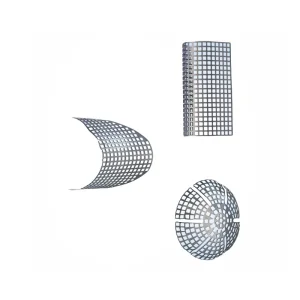
MESH Orthopedic Implants
Competitive Price Titanium Alloy Material MESH Orthopedic Implants for Hospital
View Details
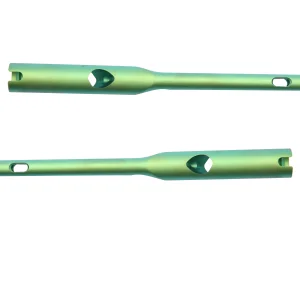
Geasure Intramedullary Nail PFNA
Geasure Intramedullary Nail Titanium Alloy Orthopedic Surgery Implant Pfna Nail Class III CE Certified for Human
View Details
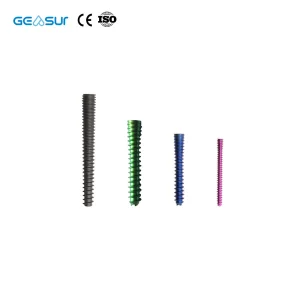
Headless Compression Cannulated Screw
Geasure CE ISO Certified Class III Titanium Alloy Headless Compression Cannulated Screw-Orthopedic Implant
View Details
Titanium Suture Anchor
Geasure Sports Medical Arthroscopy Titanium Suture Anchor
View Details
External Fixator Pin and Rod Clamp
Orthopedic External Fixator Pin and Rod Clamp Fixation Surgical Instruments Hoffman External Fixation
View Details

Global Industry Analysis: The Evolution of Patellar Kinematics & Sourcing Dynamics

In modern total knee arthroplasty (TKA), the management of the patellofemoral joint remains one of the most critical determinants of long-term patient satisfaction, range of motion, and implant survivorship. Sourcing from a premier patellar components supplier requires a technical understanding of the mechanical, biological, and tribological factors that govern patellar tracking. The global orthopedic industry is experiencing an unprecedented surge in demand for knee revision implants and primary total knee procedures, driven by aging global demographics and a rise in active patients seeking early intervention.
Historically, patellar complications—including wear, subluxation, fracture, and aseptic loosening—accounted for a significant percentage of post-TKA revision procedures. To mitigate these clinical risks, contemporary OEM/ODM manufacturers are applying sophisticated computational modeling, finite element analysis (FEA), and advanced material sciences. This whitepaper analyzes the leading criteria for selecting global patellar components manufacturers, highlighting the material innovations, design options (dome-shaped versus anatomic, cemented versus cementless), and quality-control protocols required by modern healthcare distributors and OEM brand buyers.
14+
Years Industry Experience
186
New Products Developed Annually
76
Expert R&D Engineers
$21.8M
Annual Export Revenue

Symmetric vs. Asymmetric Biomechanical Designs

A primary design consideration when sourcing patellar implants is the geometry of the articular surface. Symmetric (dome-shaped) patellar components offer greater surgical tolerance and simplify intraoperative positioning. Their circular design allows for unconstrained rotational alignment, which helps minimize lateral shear stresses. However, this simplicity can sometimes lead to reduced contact area and higher localized contact stresses.
Conversely, asymmetric (anatomically conforming) patellar components replicate the natural ridge of the patellofemoral groove. This design maximizes the contact area with the femoral component throughout the flexion arc, thereby distributing pressure more evenly and reducing wear rates. The production of asymmetric patellar components demands tighter manufacturing tolerances and precise CNC Swiss-type machining, reinforcing the need to work with a highly capable medical device supplier.

Material Science: UHMWPE, Highly Cross-Linked Polyethylene, and Vitamin E Stabilization

The material configuration of patellar implants is central to minimizing wear and preventing delamination. Ultra-High-Molecular-Weight Polyethylene (UHMWPE) remains the standard for the bearing surface. Leading manufacturers use medical-grade, compression-molded UHMWPE (such as GUR 1020 or GUR 1050) to ensure high impact strength and low friction.
To improve wear characteristics, modern designs often utilize highly cross-linked polyethylene (XLPE), which undergoes irradiation to link polymer chains. While XLPE significantly increases resistance to adhesive and abrasive wear, free radicals generated during the irradiation process can react with oxygen, leading to long-term degradation. To address this, premier suppliers integrate Vitamin E (α-tocopherol) stabilization. The Vitamin E acts as a natural antioxidant, neutralizing free radicals without compromising the mechanical integrity of the polymer matrix.

Fixation Strategies: Cemented vs. Cementless Porous Metal Backing

The choice of fixation method remains a major factor in patient outcomes. Cemented fixation utilizes polymethyl methacrylate (PMMA) bone cement, providing immediate stability. In contrast, cementless fixation features a porous metal backing (typically titanium or highly porous tantalum) that encourages bone ingrowth. This approach helps preserve bone stock and supports long-term biologic fixation, though it demands exceptional bond strength between the polyethylene insert and the metal backing to prevent dissociation.
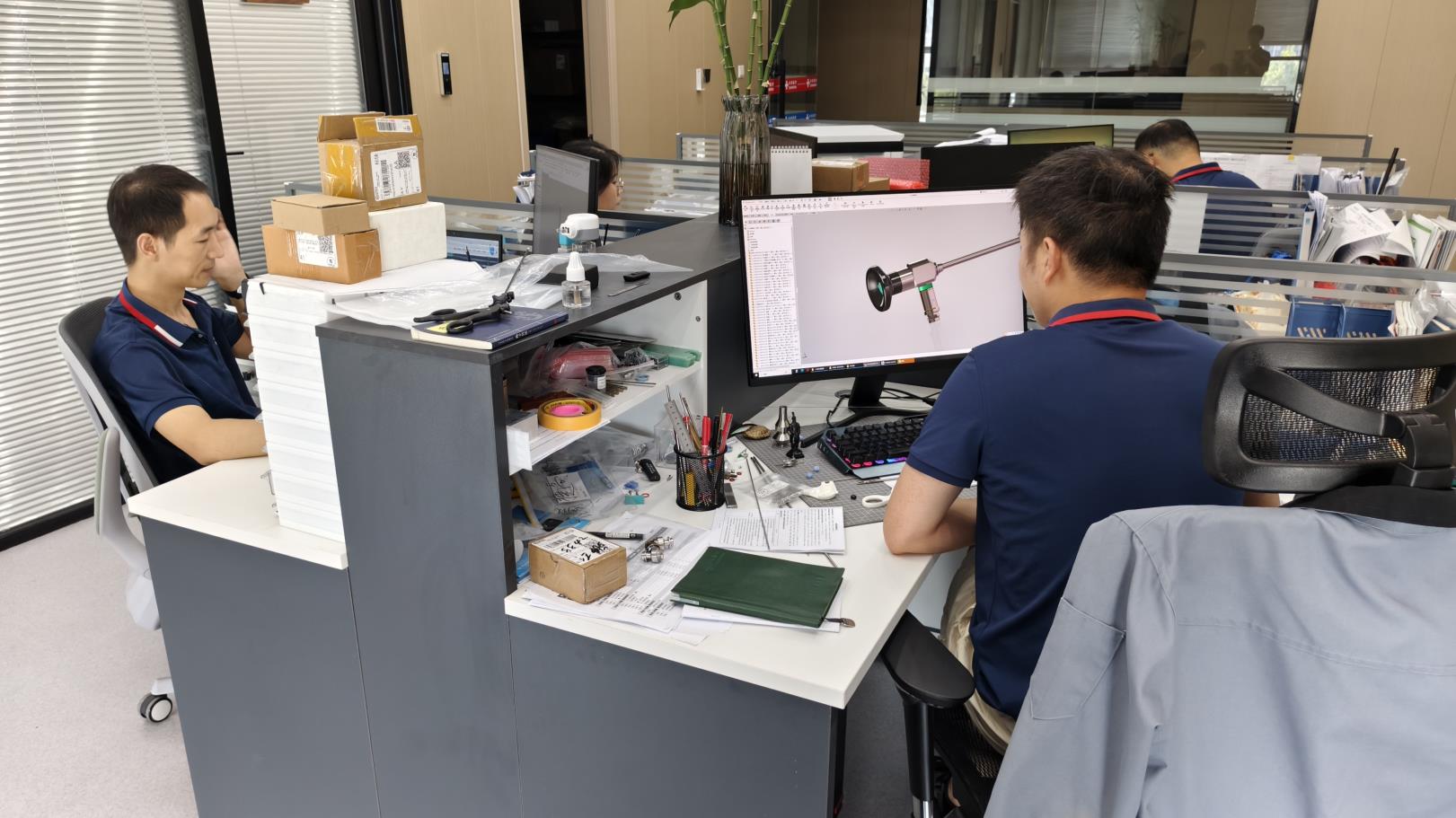
Synoviq Engineering Design CAD & Finite Element Analysis
Computer-Aided Design (CAD) & Finite Element Analysis (FEA) Modeling

Corporate Profile: Synoviq Medical Technology (China) Co., Ltd.

Synoviq Medical Technology (China) Co., Ltd. is a leading manufacturer of orthopedic implants and precision surgical instruments. We provide orthopedic solutions to medical brands, global distributors, and healthcare facilities worldwide. Located in a modern 18,600 m² facility, Synoviq integrates advanced CNC Swiss-type machining, automated polishing, and rigorous testing setups to deliver components that meet international standards.
We specialize in trauma fixation, joint reconstruction, spinal implants, and customized OEM/ODM components. Backed by 14 years of industry experience and a dedicated R&D team of 76 engineers, we support global partners through design customization, material characterization, and regulatory documentation.
Operational Parameter Manufacturing & Engineering Specifications
Company Entity Synoviq Medical Technology (China) Co., Ltd.
Manufacturing Footprint 18,600 m² ISO-certified clean production facility
Core Capabilities CNC Milling, Swiss-type Turning, Vacuum Sintering, Precision Polishing, Cleanroom Packaging
R&D Team Size 76 Engineers specialized in biomechanics and material science
Quality Control Staff 48 dedicated QC inspectors conducting 100% final inspections
Annual Export Volume USD 21.8 Million
Testing Instrumentation CMM Measurement, Tensile Testers, Surface Roughness Testers, Spectrometers, Hardness Testers, Sterility Validation
Regulatory Alignments ISO 13485:2016 Quality Management, CE Certification, FDA Compliant Operations
Material Selections Titanium Alloy (Ti-6Al-4V ELI), UHMWPE (GUR 1020/1050), Ceramic Composite, PEEK

Advanced Manufacturing & Quality Assurance Infrastructure

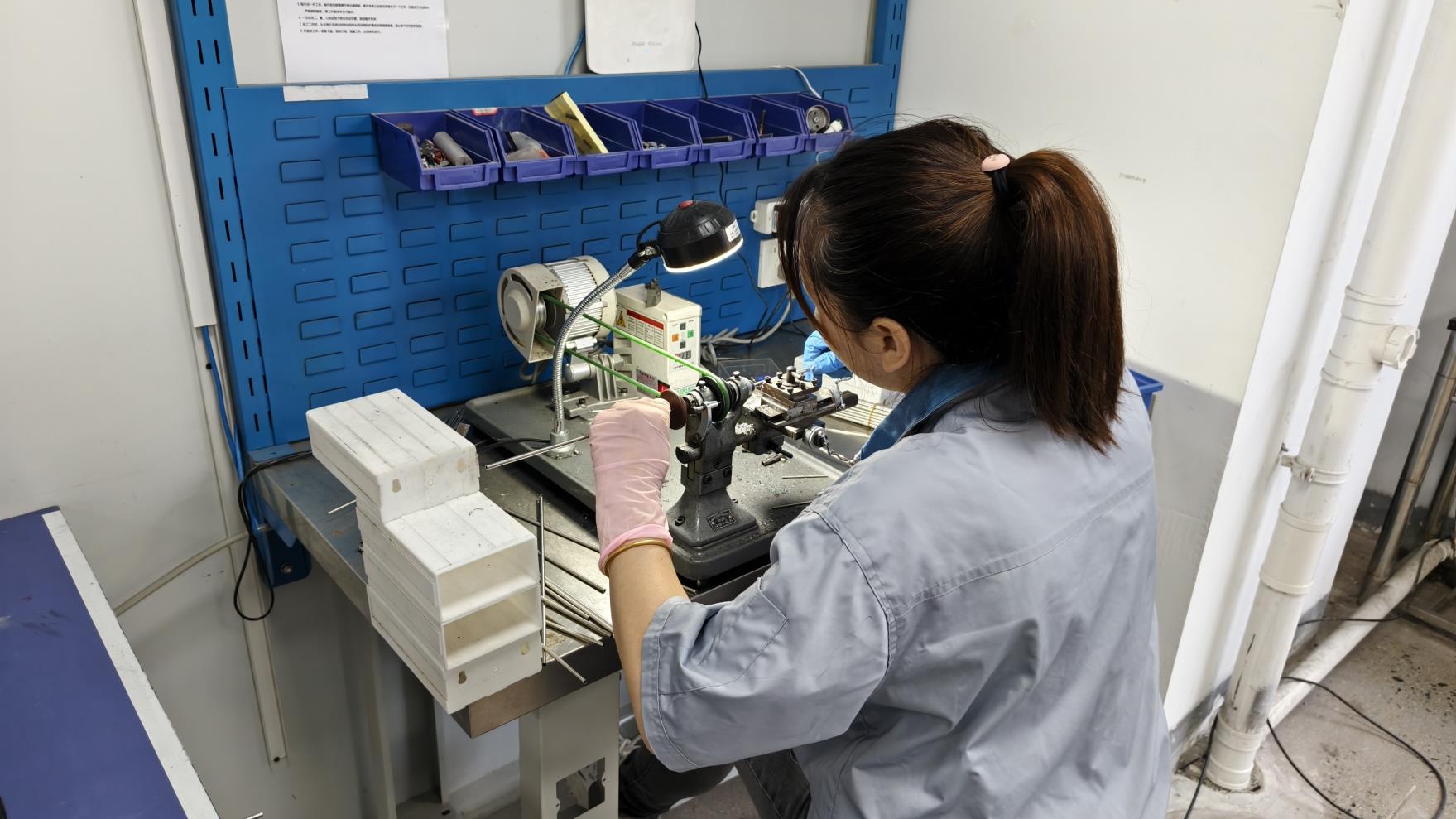
Synoviq maintains strict quality control at every phase of production. From raw material inspection using optical spectrometers to Swiss-type CNC machining and multi-axis automated polishing, every component is manufactured in controlled environments. Our physical testing laboratories feature coordinate measuring machines (CMM), tensile testers, and digital microscopes to verify dimensional accuracy and structural integrity.
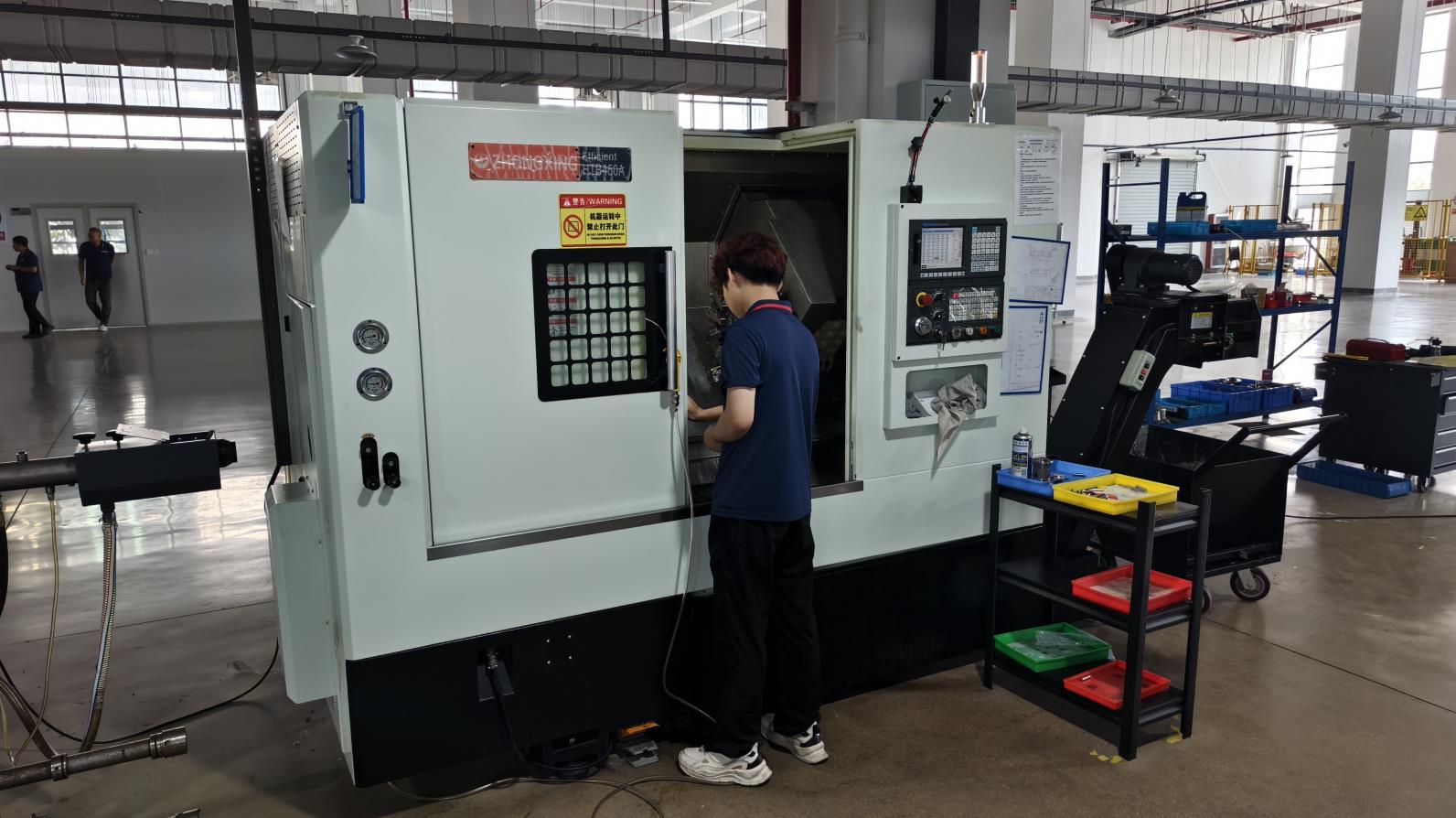
Raw Material Cutting Process
Raw Material Cutting
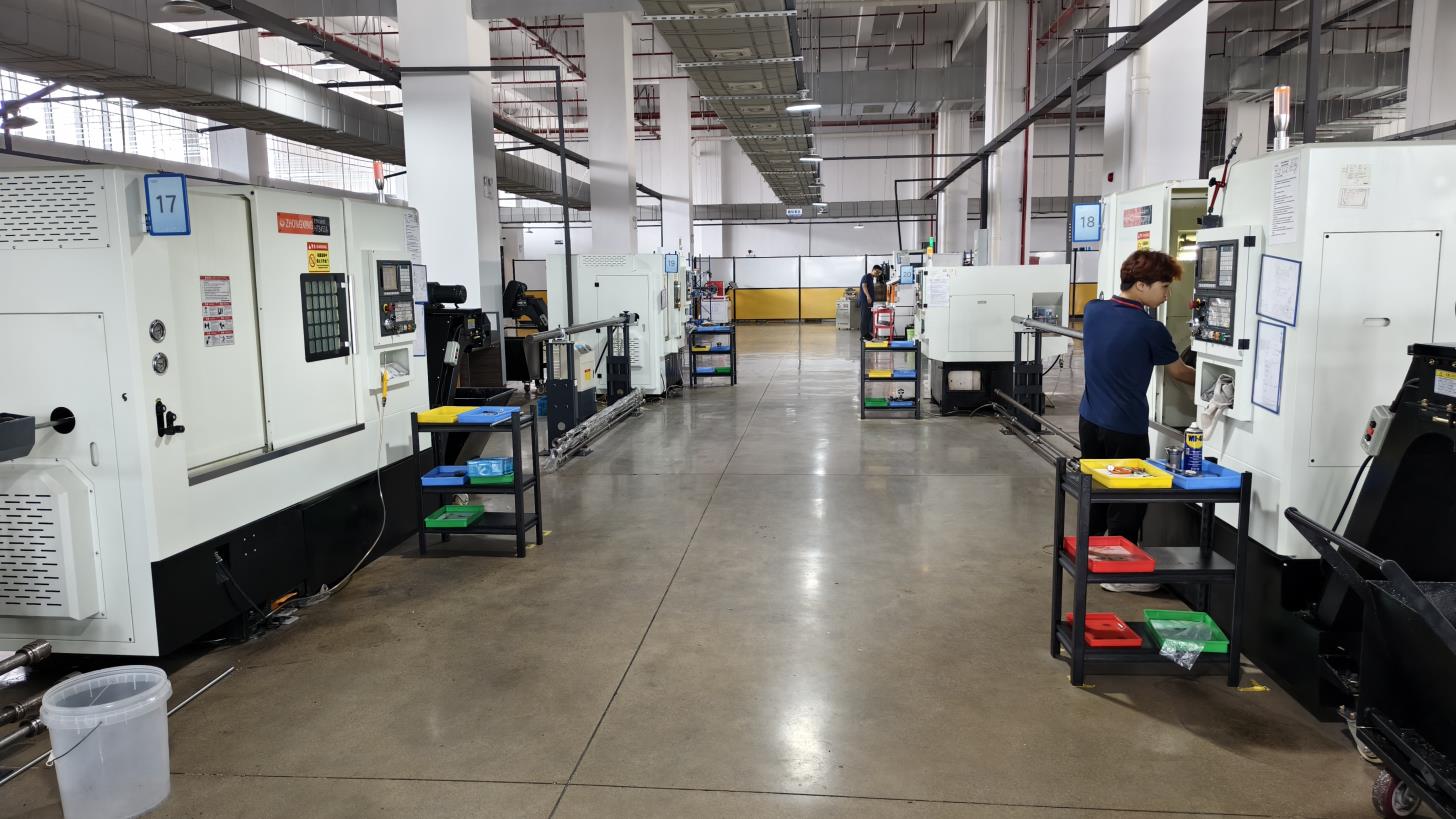
Precision Machining Area
Machining Operations
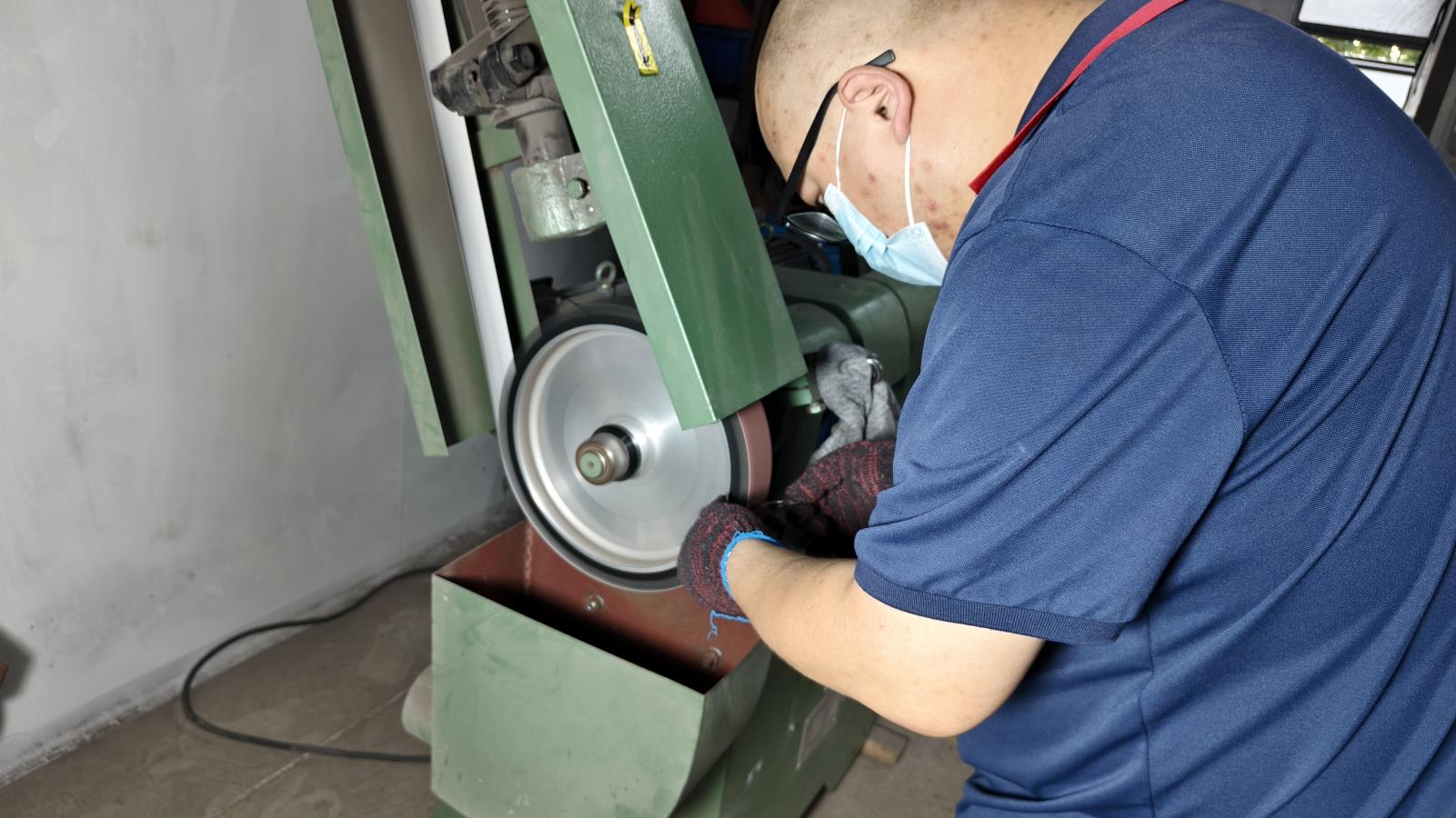
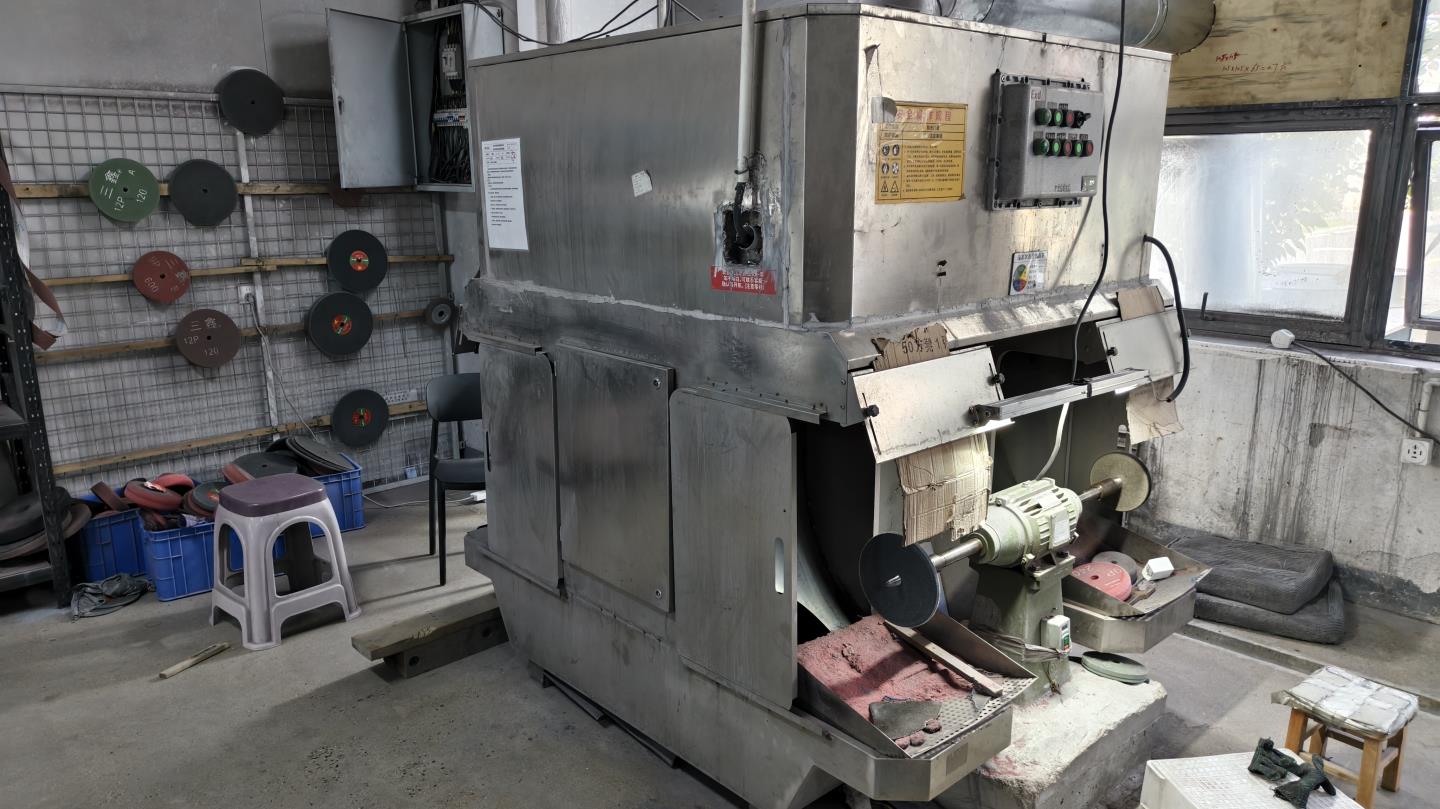
Component Surface Polishing
Precision Polishing
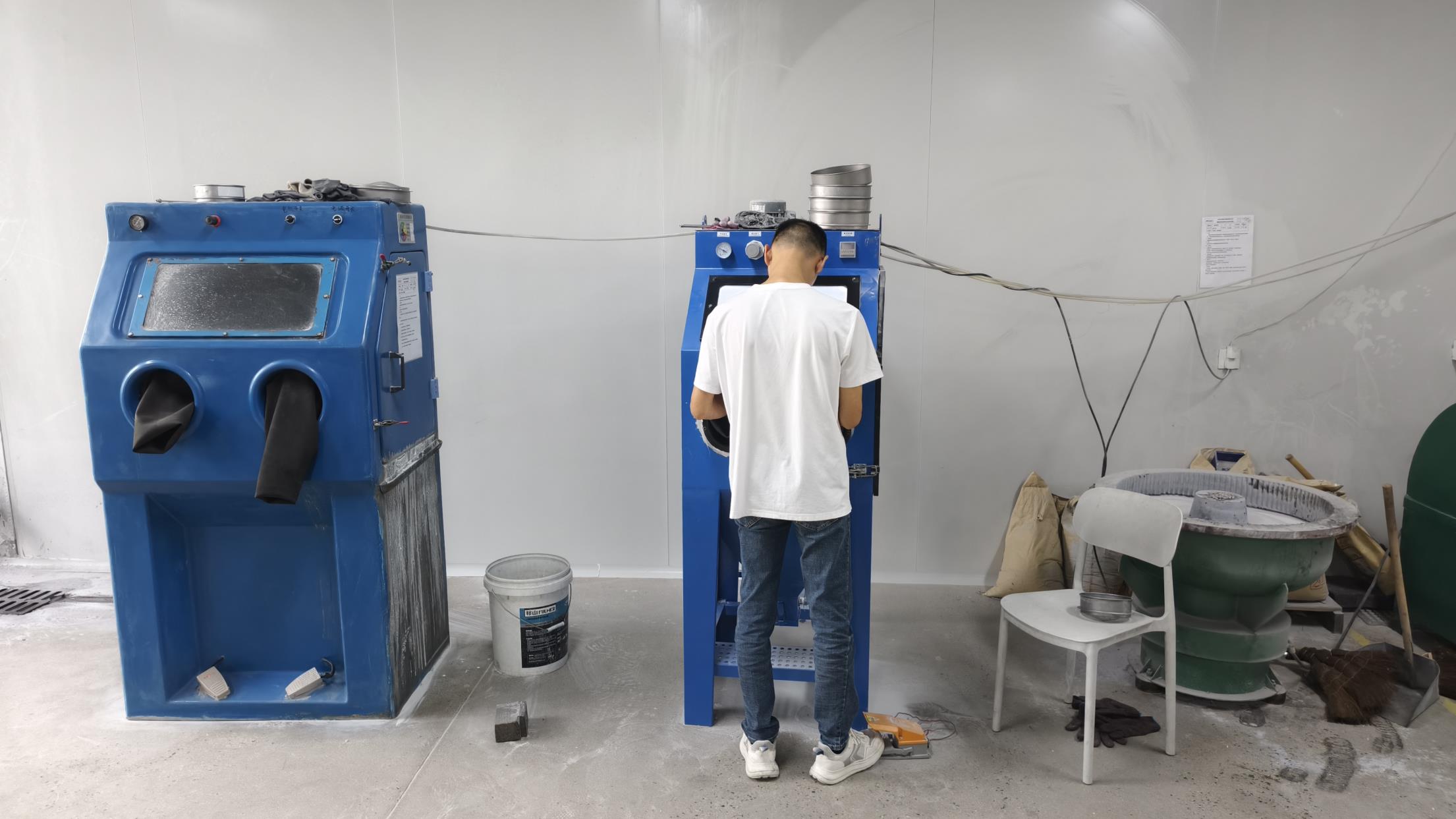
Anodization and Surface Treatment
Surface Treatment
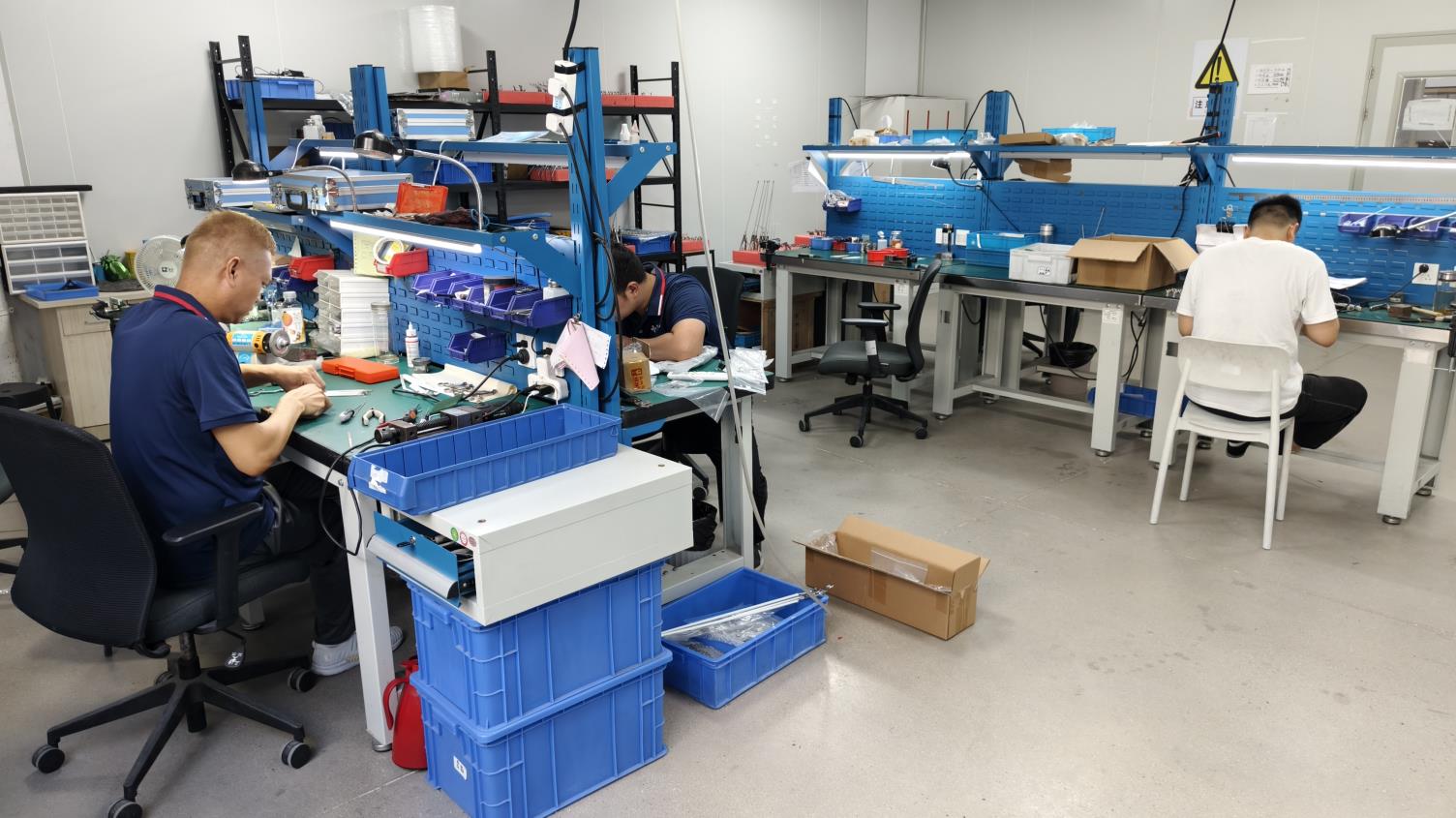
Cleanroom Assembly and Integration
Cleanroom Assembly
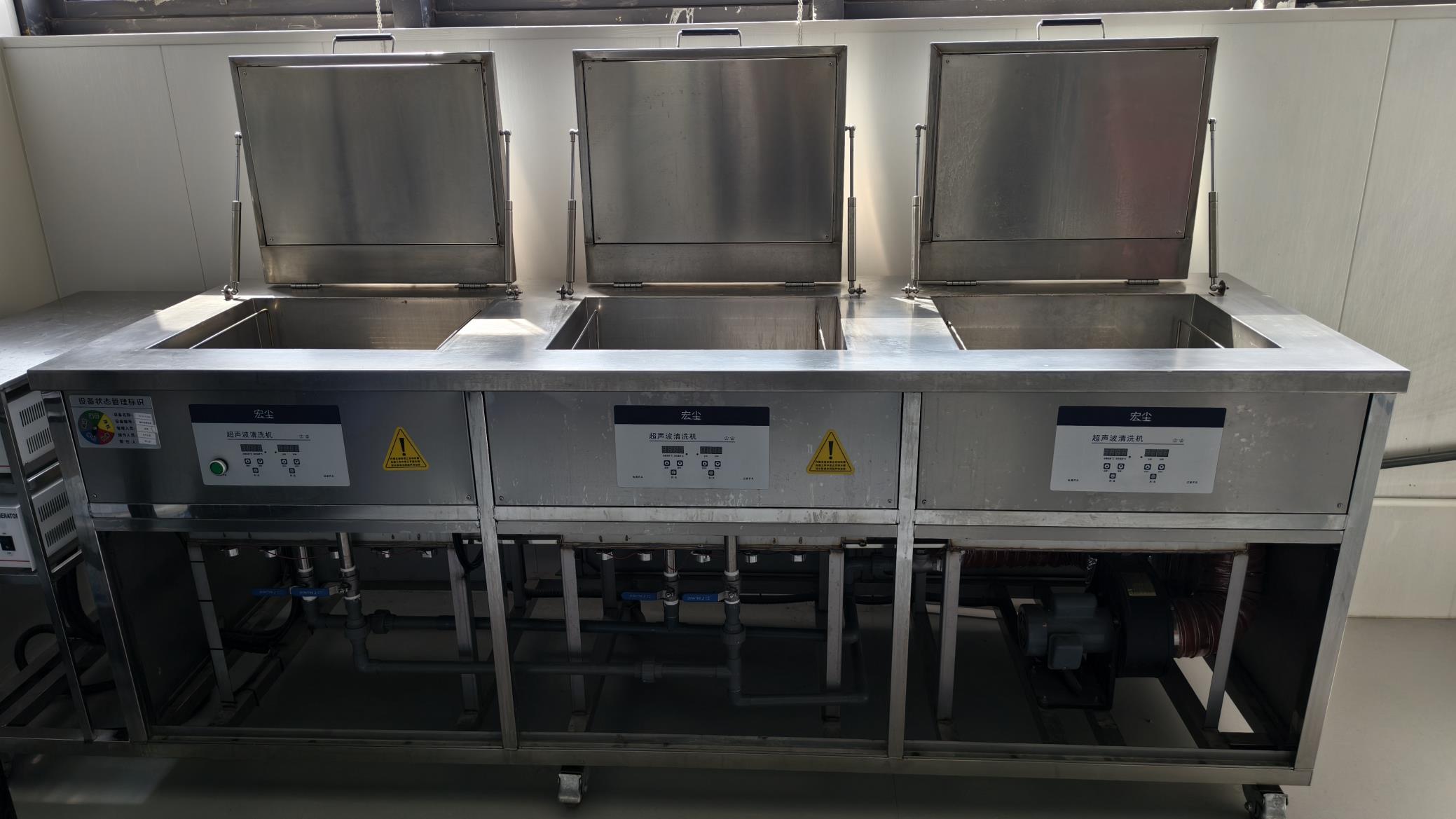
Ultrasonic Cleaning Cycle
Ultrasonic Cleaning
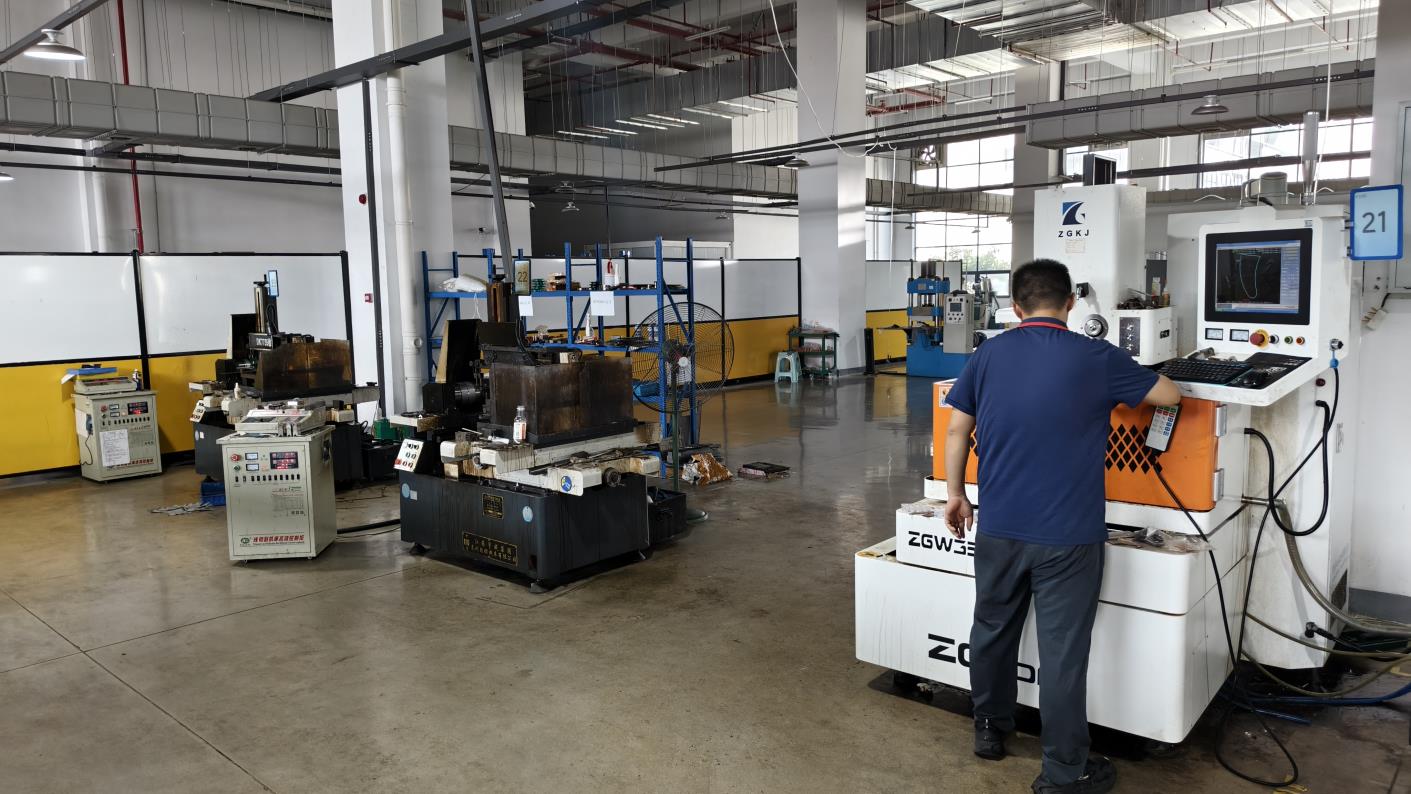
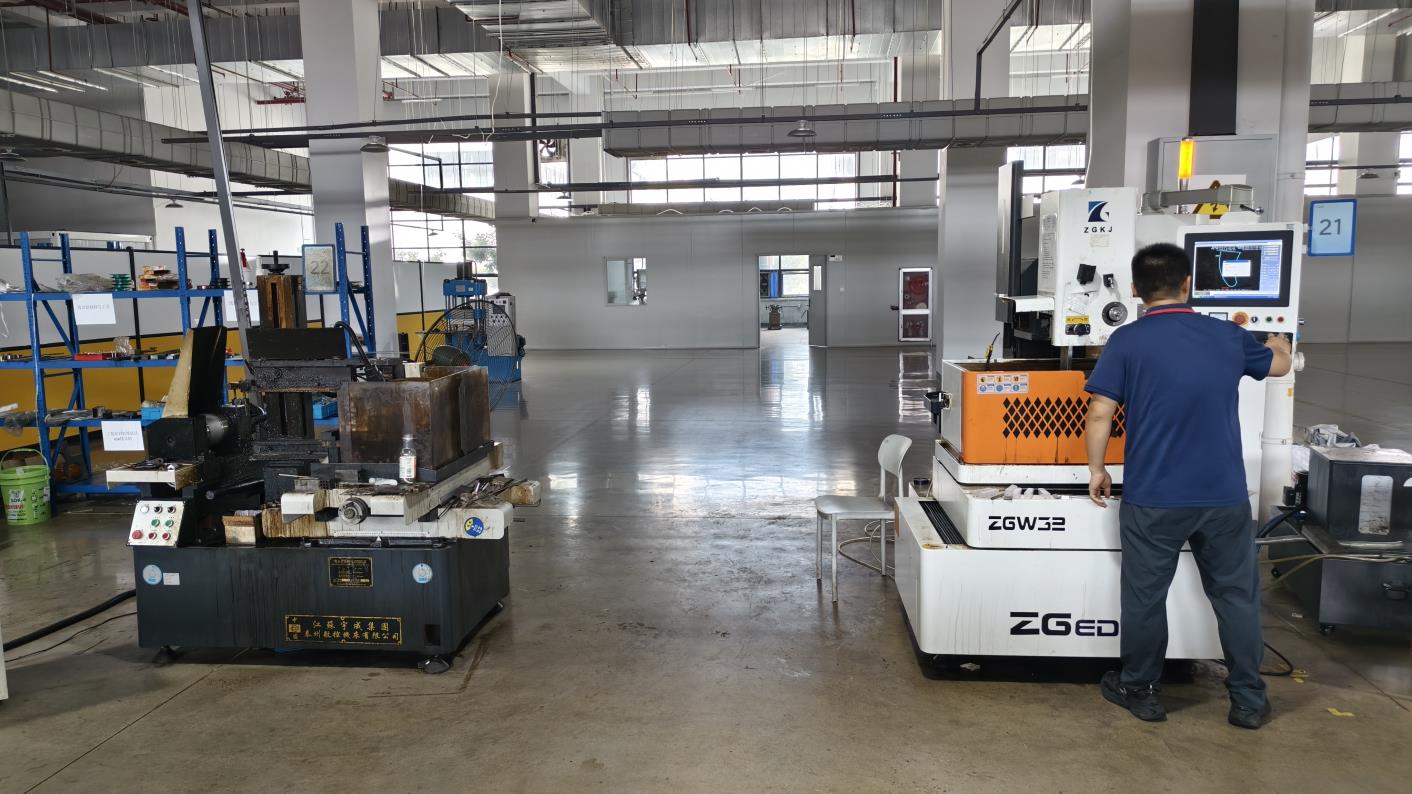
Wire EDM Machine
Wire Cutting EDM
Multi-Axis CNC Lathe
CNC Lathe
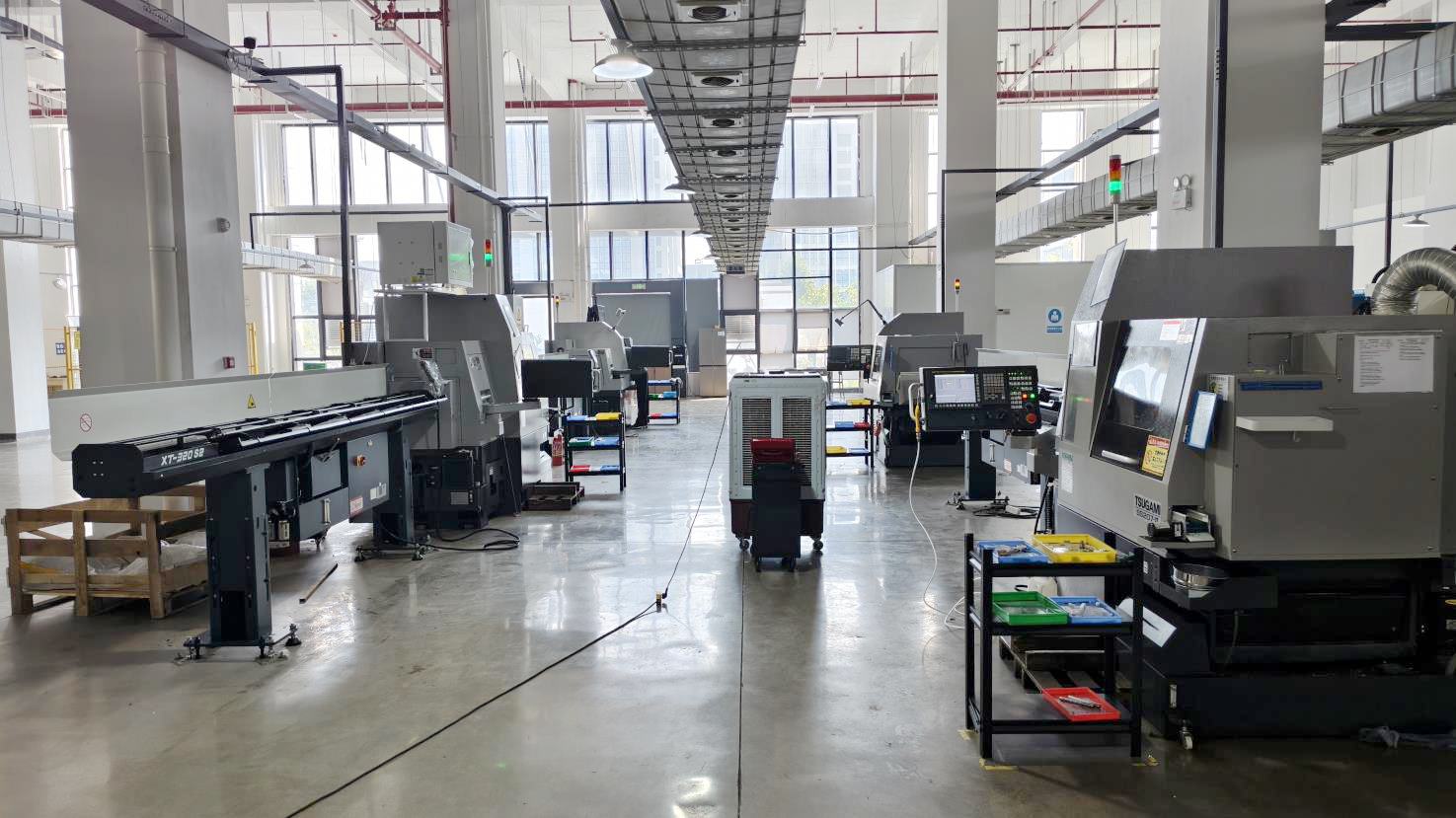
Swiss-Type Screw Machine
Swiss-type Lathe
Precision Grinder Machine
Grinding Machine
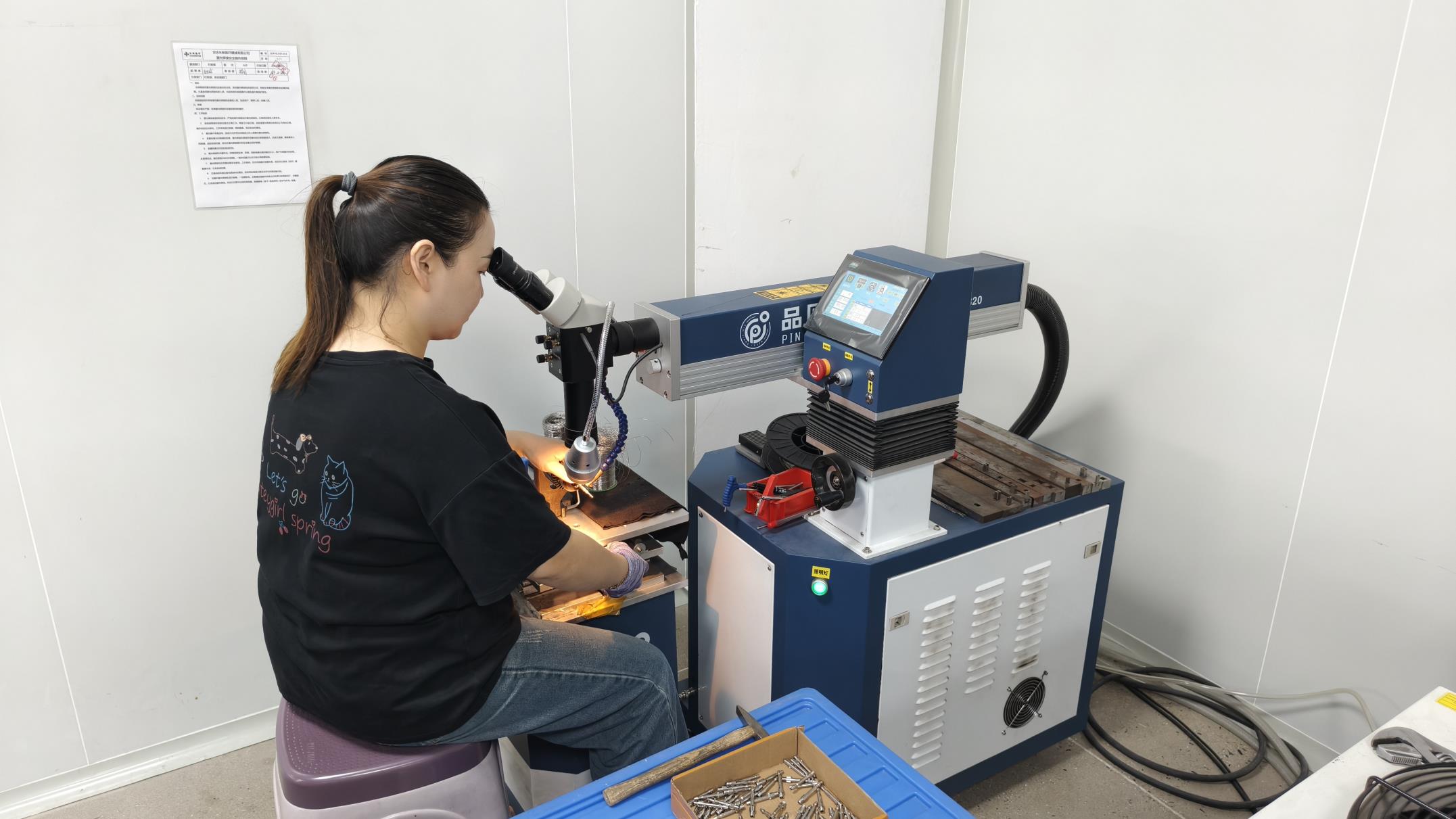
Laser Welding Platform
Laser Welding
Conventional Lathe Operations
Manual Lathe
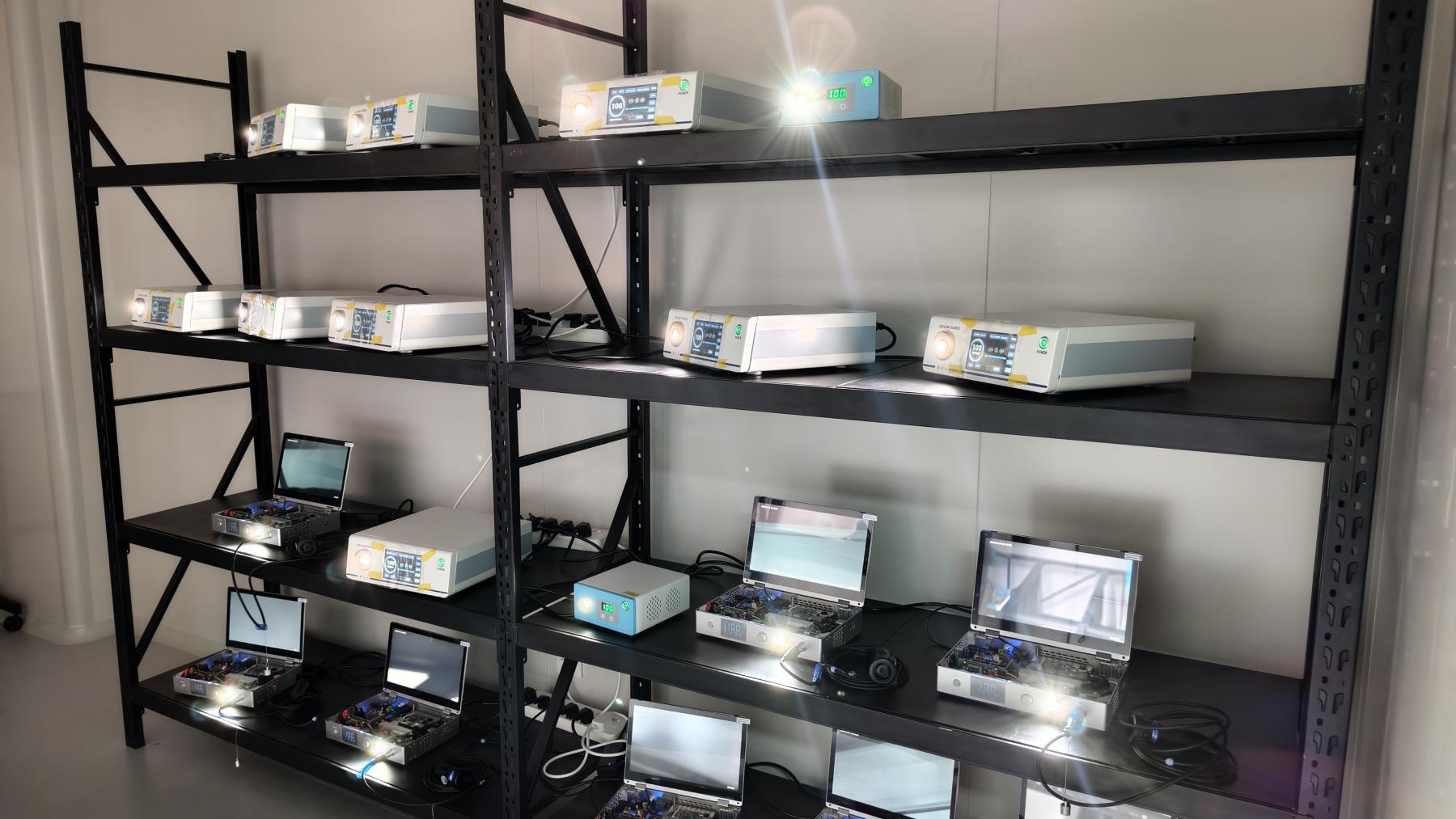
Environmental Aging Test chamber
Environmental Aging Test
High Resolution Digital Microscope
Digital Microscope
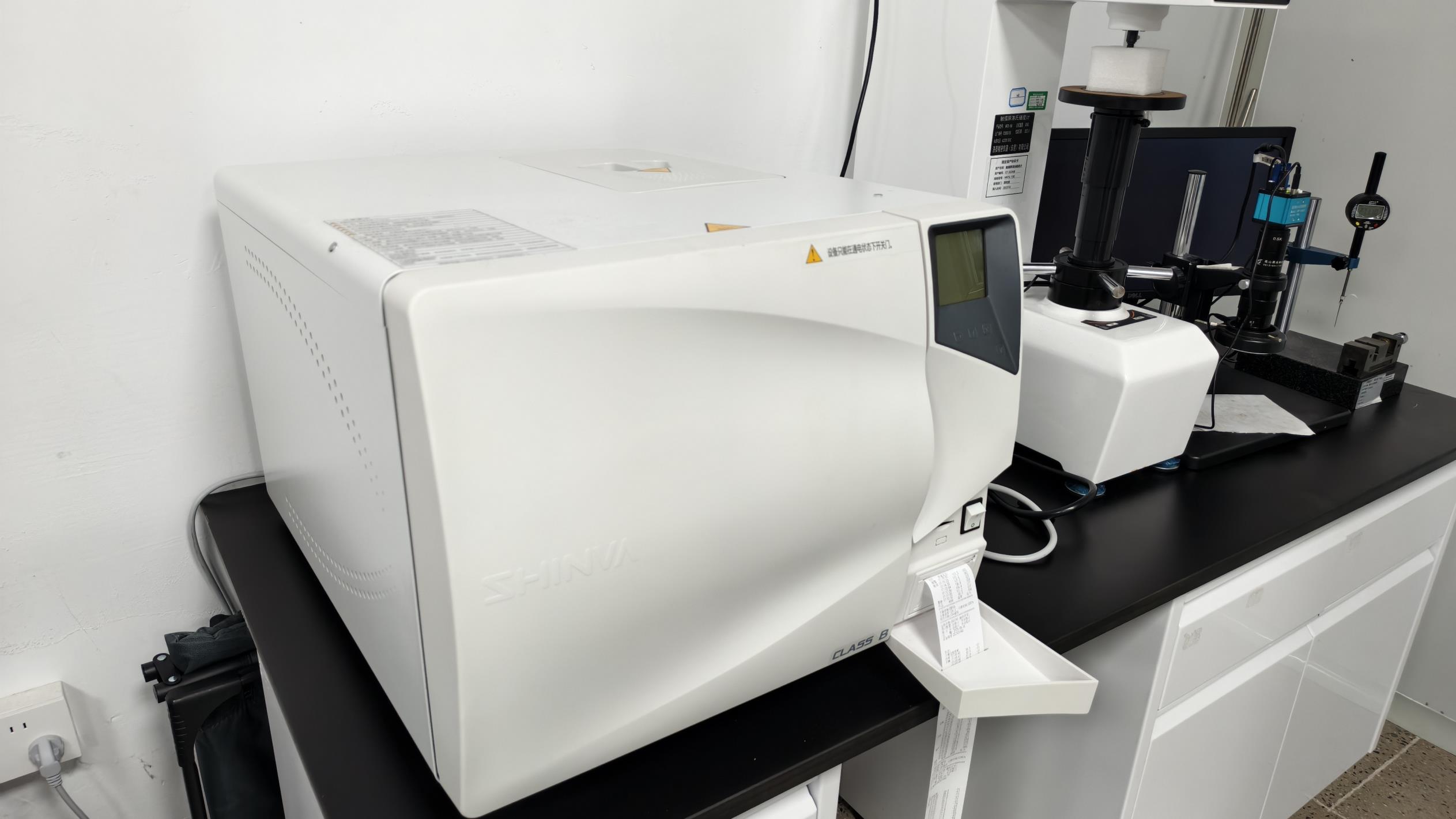
High Pressure Steam Sterilizer
Steam Sterilizer
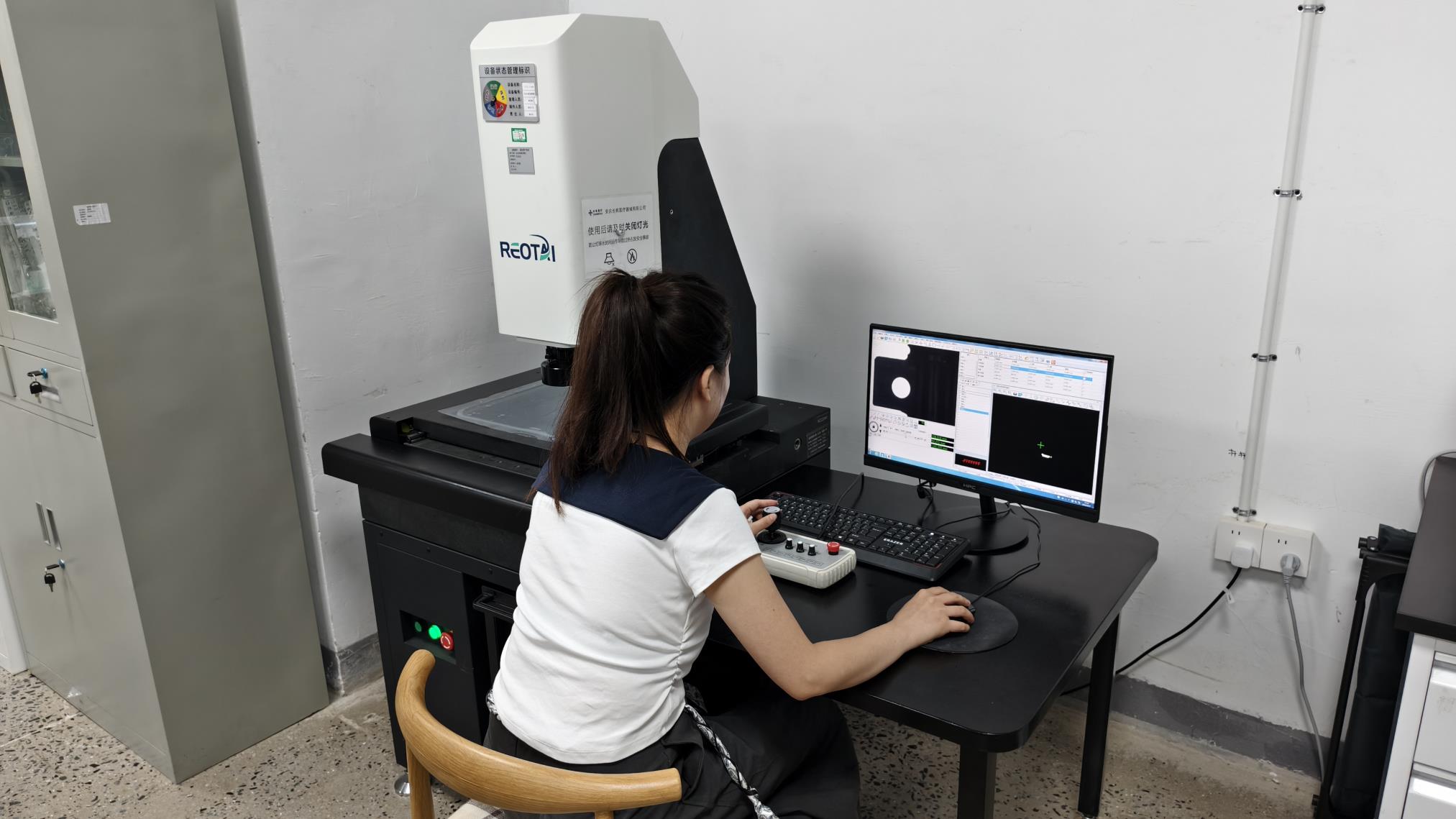
2D Video Measuring Instrument
2D Video Measuring
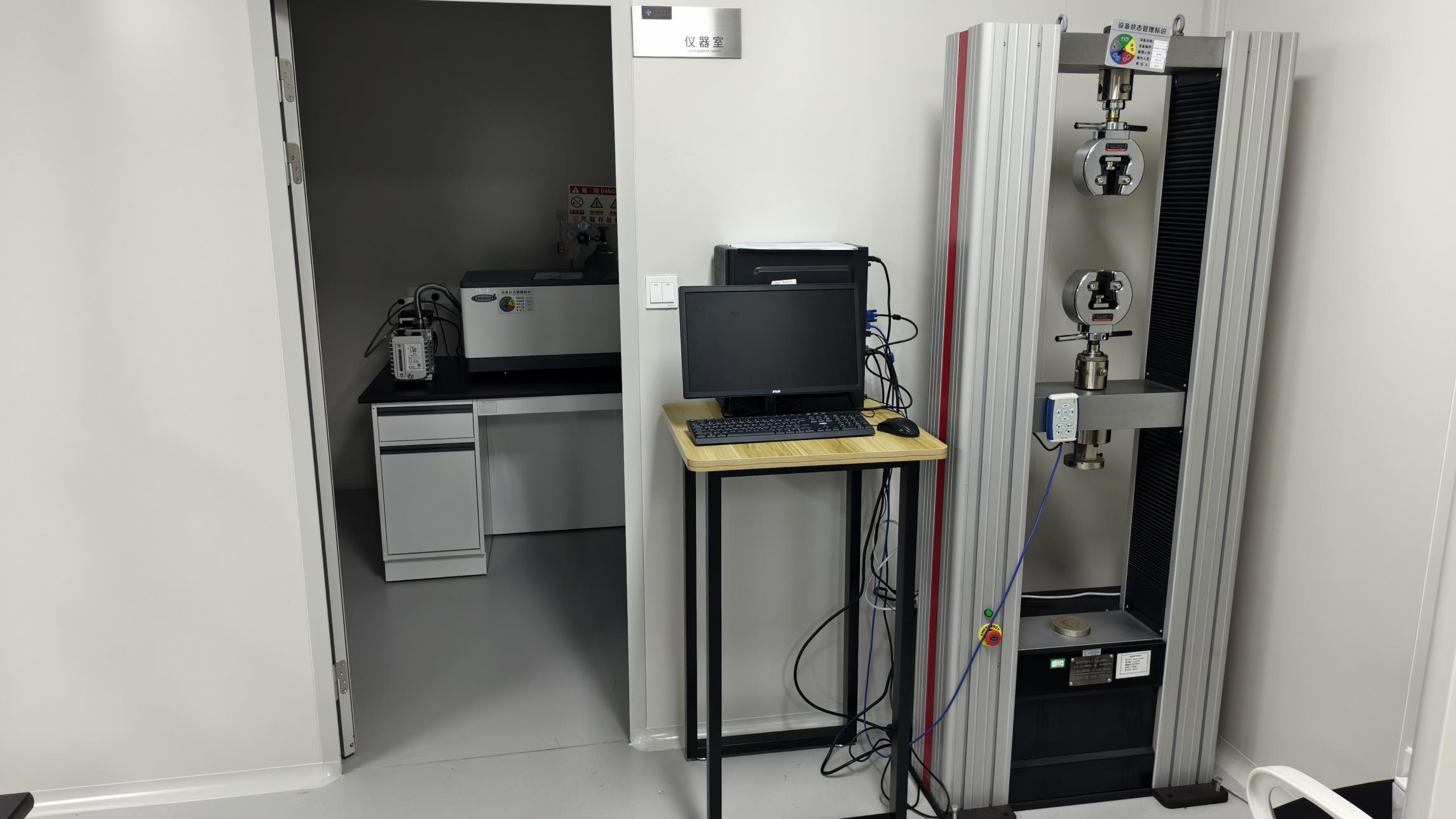
Tensile Strength Testing Machine
Tensile Testing
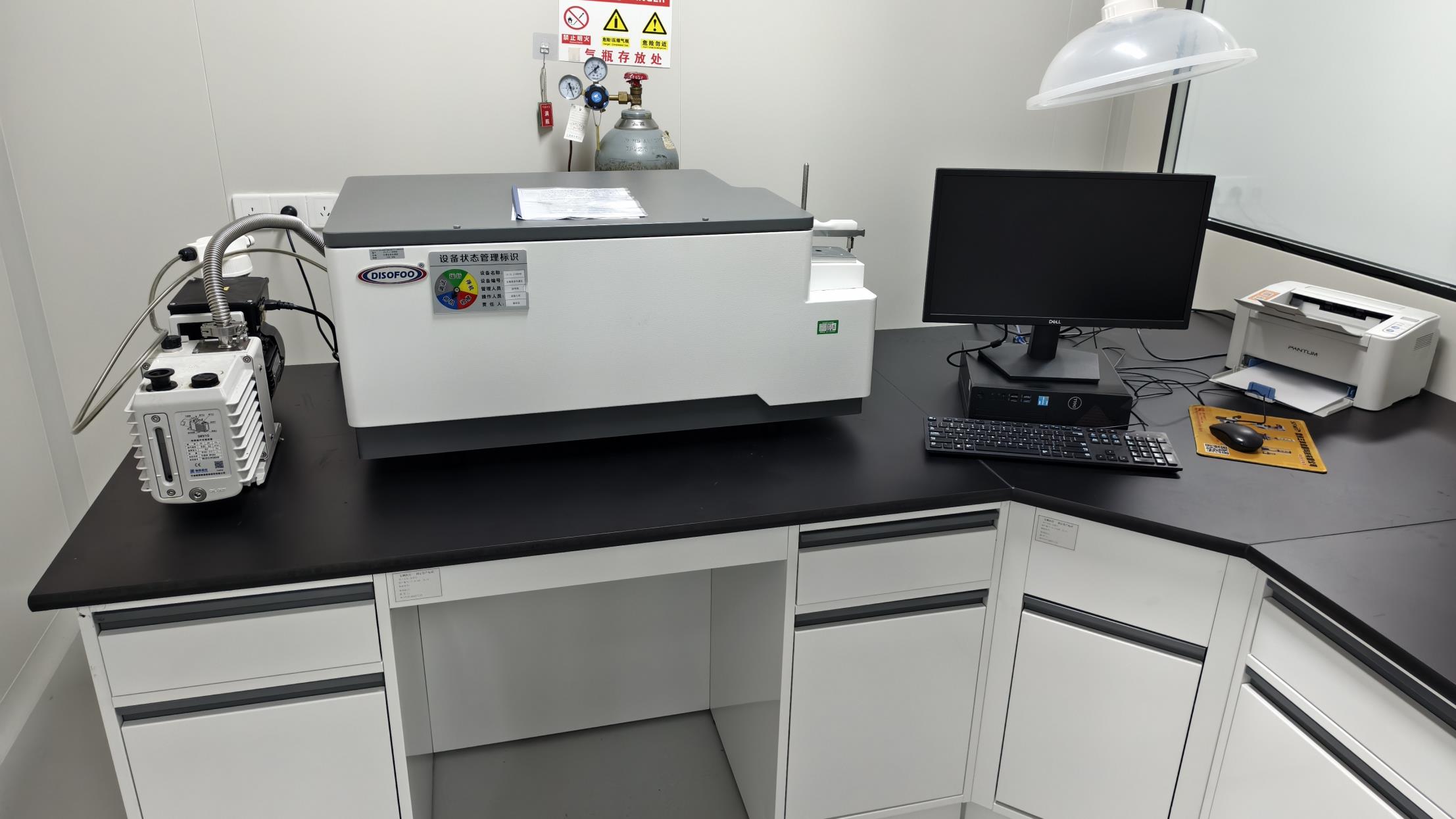
Material Composition Spectrometer
Spectrometric Assay
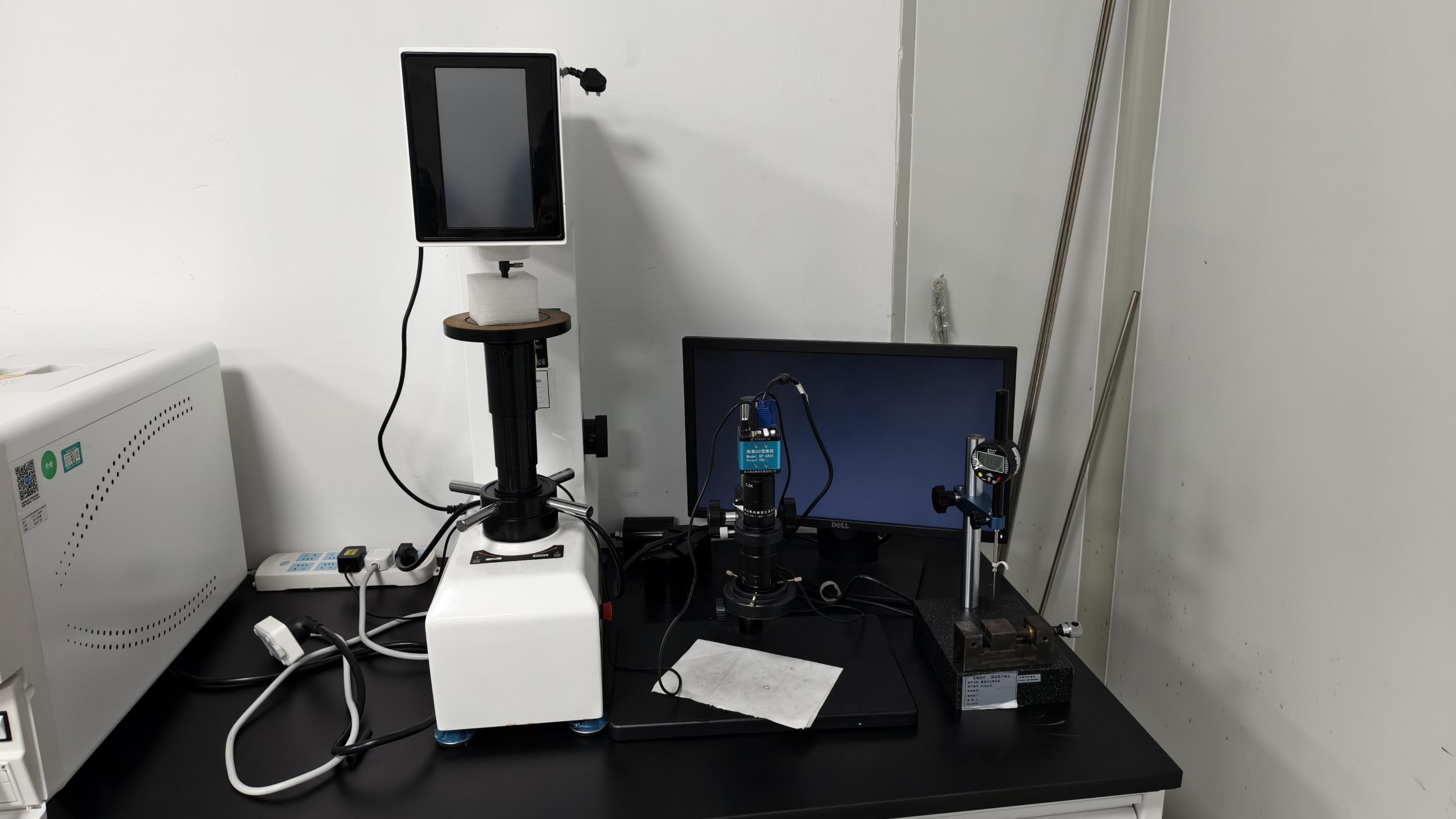
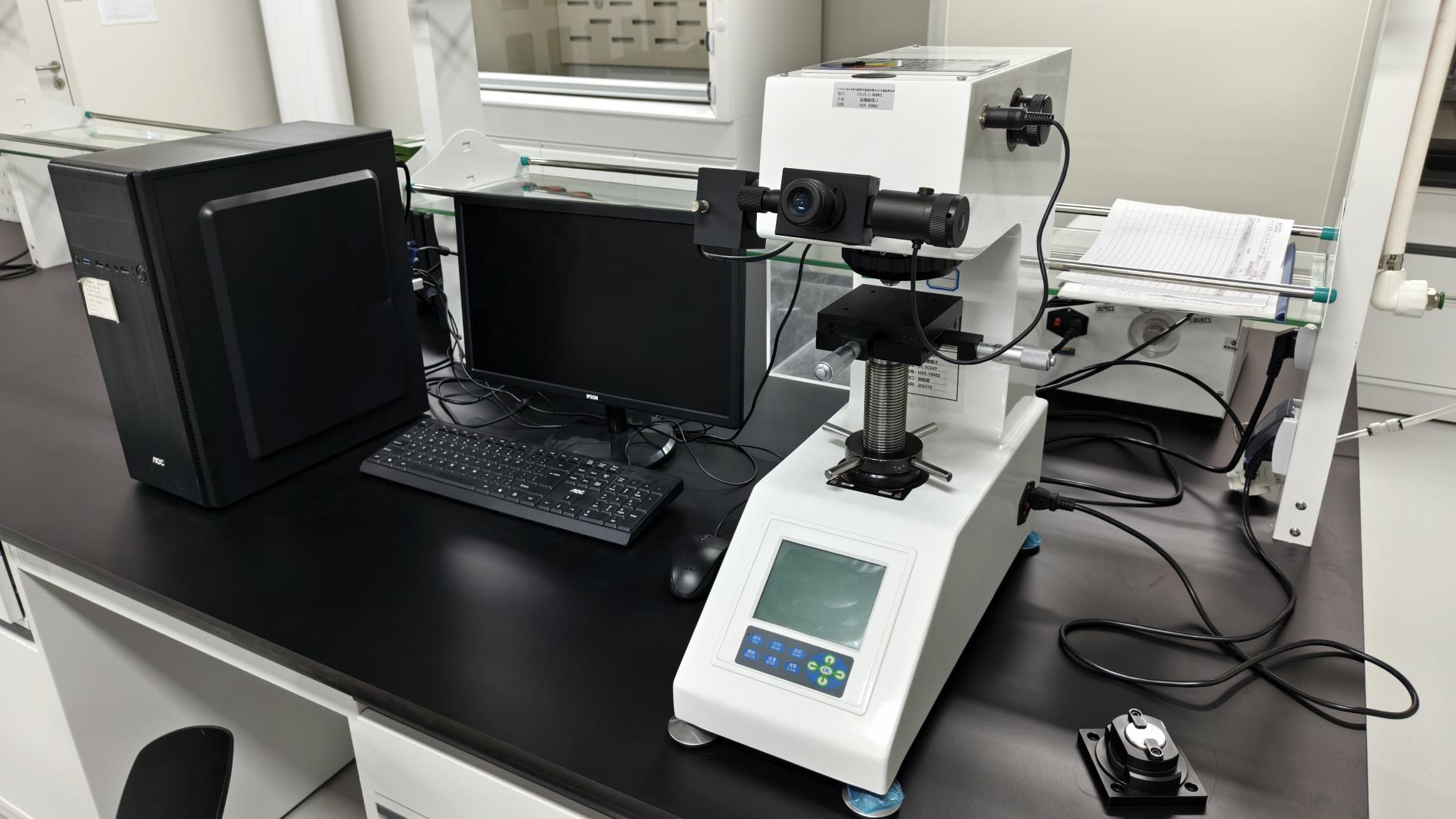
Rockwell/Vickers Hardness Tester
Hardness Testing
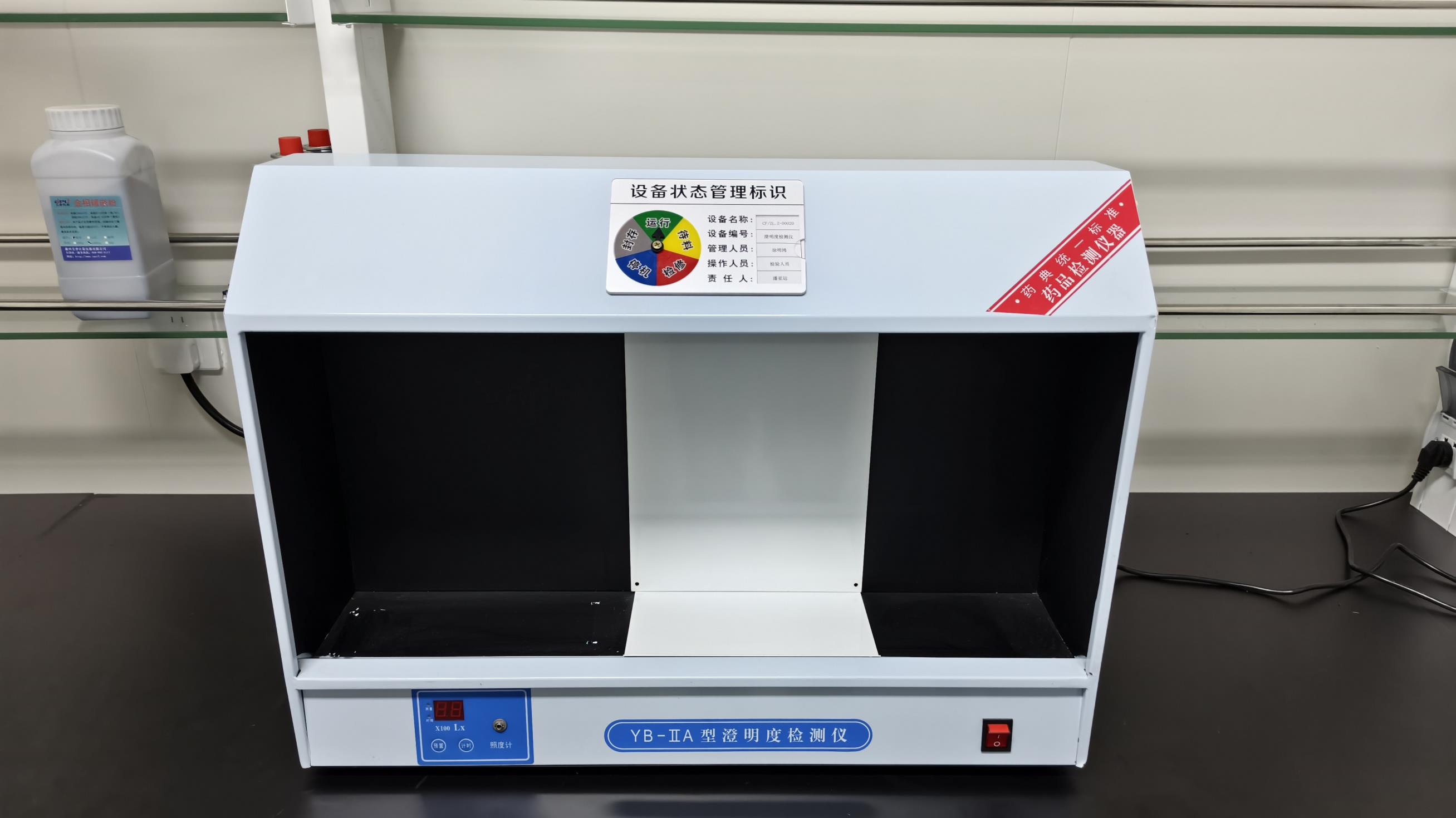
Fluid and Material Clarity Detector
Clarity Detector
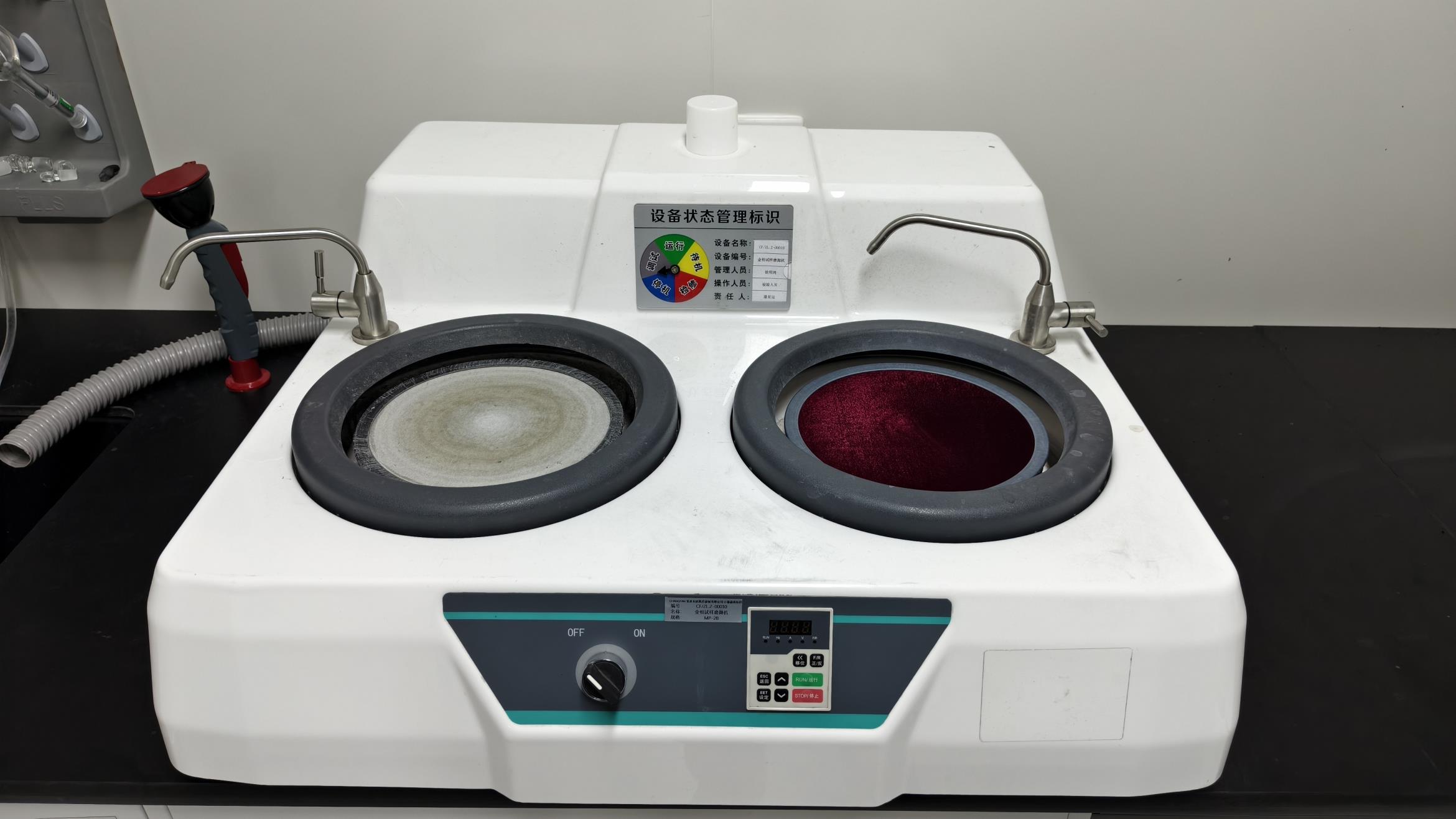
Metallographic Specimen Preparation
Metallographic Prep
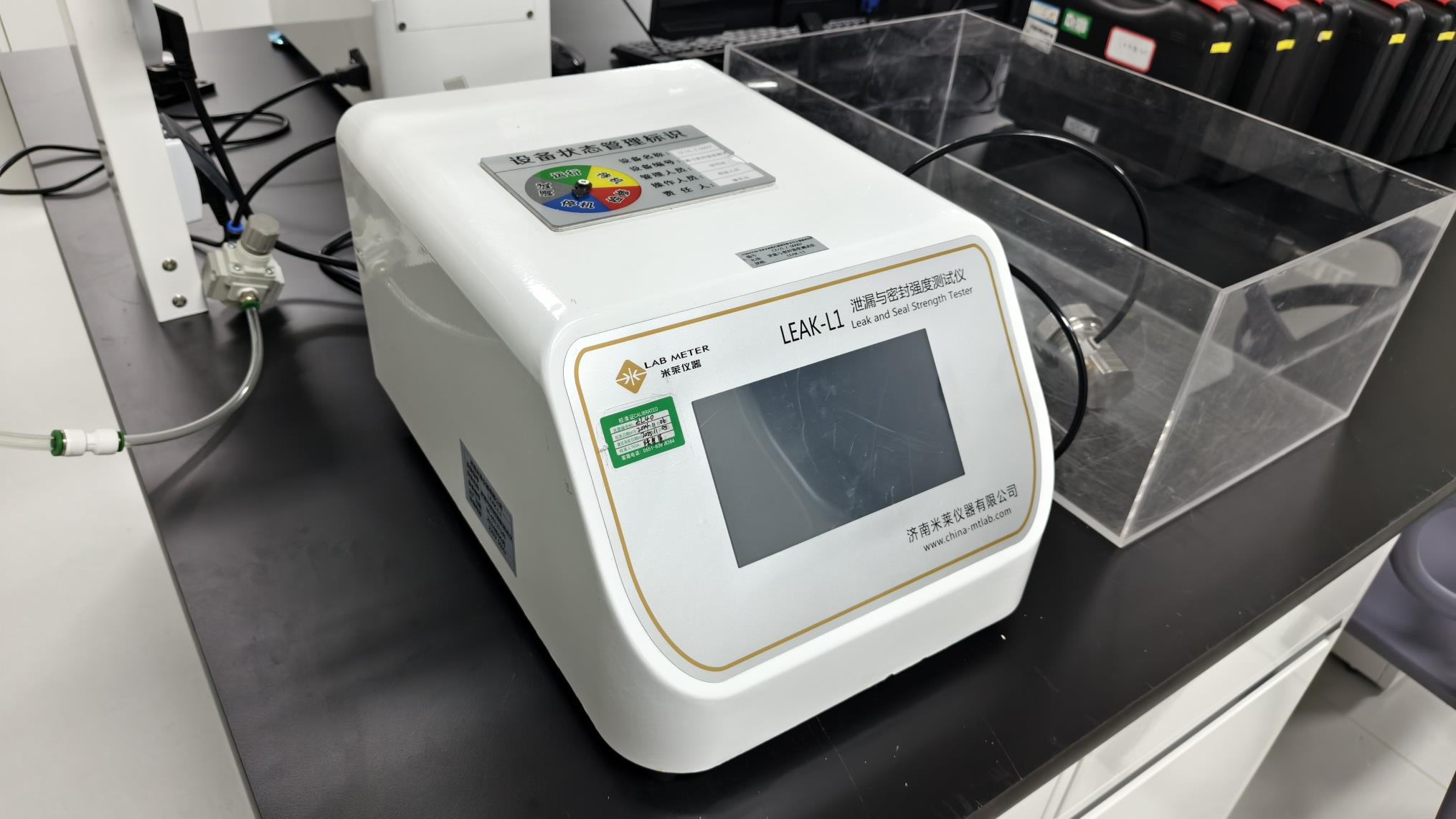
Package Leakage and Sealing Strength Tester
Sealing Strength Tester

Global Supply Chain Logistics & Regulatory Compliance Pathways

Navigating international regulatory frameworks is essential for medical device distribution. For orthopedic implants like patellar components, products must comply with regional medical standards, including the European Union Medical Device Regulation (EU MDR 2017/745) and the US FDA 510(k) pathway. Synoviq maintains a dedicated regulatory affairs team to assist OEM and distributor partners in preparing Technical Documentation Files, Clinical Evaluation Reports (CER), and biocompatibility profiles (ISO 10993).
We support global logistics through custom sterilization packaging (sterile barrier systems complying with ISO 11607) and temperature-controlled shipping configurations. By managing regulatory paperwork and verification testing, we help minimize time-to-market and ensure long-term product traceabilty.

Localized Application Scenarios: Primary TKA and Revision Arthroplasty

Our product development addresses specific surgical settings. In primary TKA, the objective is to optimize the patellofemoral tracking angle while minimizing bone resection. Our thin-profile patellar implants help preserve bone stock. In revision arthroplasty, where bone loss is often a challenge, we offer custom-thickened implants and porous metal backings designed to restore joint mechanics even in compromised bone beds.

Technical Q&A: Sourcing & Engineering Validation

Here are key technical answers regarding material quality, manufacturing tolerances, and compliance standards for patellar component procurement:

What raw materials are used in the production of Synoviq patellar implants?

We use high-purity medical-grade UHMWPE (specifically GUR 1020 and GUR 1050) conforming to ASTM F648 and ISO 5834-2. For metal-backed designs, we utilize Ti-6Al-4V ELI titanium alloy matching ASTM F136 specifications to ensure biocompatibility and fatigue resistance.

How do you evaluate and limit wear on the implant interfaces?

Implant configurations undergo wear simulation testing under ISO 14243 standards, exposing the components to millions of cycles of physiological loading. Joint wear and surface changes are assessed using coordinate measuring machines and gravimetric methods.

What sterilization technologies are standard for export orders?

Most products are sterilized using Ethylene Oxide (EtO) validation or Gamma Irradiation (Co-60) in compliance with ISO 11135 and ISO 11137. We also supply components in non-sterile bulk packaging for partners who run their own packaging and sterilization programs.

What are your options for component fixation?

We manufacture both cemented patellar components, featuring PMMA-receptive undercut fixation pegs, and cementless models, which use porous titanium coatings or sintered metal structures to encourage osseointegration.

Do you provide custom design OEM/ODM services?

Yes. Our engineering team uses 3D modeling and FEA tools to develop custom implant profiles, peg layouts, and dimensions based on partner specifications.

Precision Orthopedic Instrumentation & Support Assemblies

Discover our range of surgical saws, specialized retractors, and osteotomy tools designed to assist in precision joint reconstruction and orthopaedic trauma care.
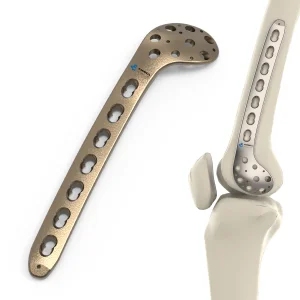
CANWELL Titanium Distal Medial Femoral Locking Plate
CANWELL Titanium Distal Medial Femoral Locking Plate Orthopedic Implant Factory Trauma Broken Bone Fracture Surgery CE OEM
View Details
Bopull LED Spine Instruments Set
Bopull LED Cold Minimal Invasive Spine Instruments Set Stainless Steel Manual Spine Tubular Retractor for Spine Retractor CE ISO
View Details
Tendon Repair Tool for Achilles Tendon
Ligament and Tendon Repair Devices Orthopedic Instrument Tendon Repair Tool for Achilles Tendon Ligment Repair Set
View Details
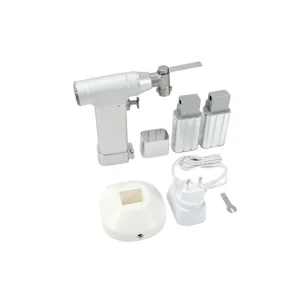
Medical Trauma Surgery Electric Saw
Medical Trauma Surgery Electric Saw Mini Oscillating Saw Orthopedic sierra
View Details
Geasure Orthopedic Titanium Rib Fixation Plate
Geasure Orthopedic Implant Bone Rib Titanium Internal Fixation Trauma Plate Locking Implants Rib Plate
View Details
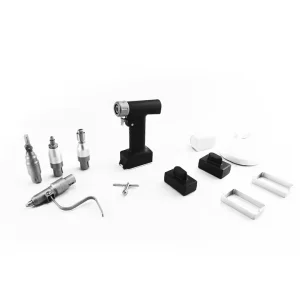
BP Mini Drill Reusable Surgical Instrument
BP Mini Drill-Reusable Multi-Functional Surgical Instrument for Animal Orthopedic Surgery and Hospital Use
View Details
Mis Tubular Retractor Spine System Set
Mis Tubular Retractor Spine System Set Spinal Instrument MIS Retractor Set
View Details
Acetabular Artificial Total Hip Joint System
THR Orthopaedic Implants Acetabular Artificial Total Hip Joint System Ceramic Femoral Head
View Details