Explore high-precision orthopedic trauma solutions, spinal implant systems, and sports medicine repair tools designed for worldwide clinical environments.
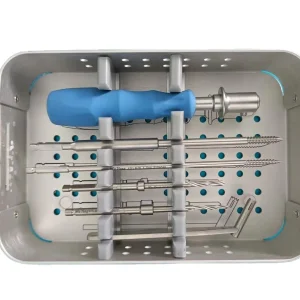
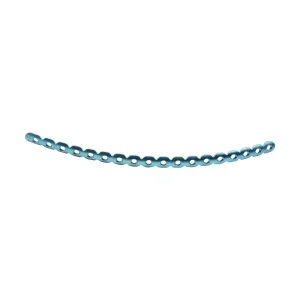
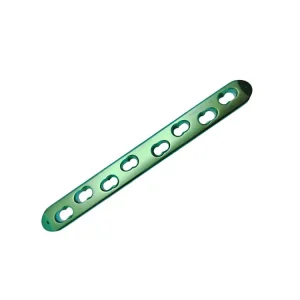
An authoritative analysis of meniscus tissue repair paradigms, structural biomechanics, and global clinical demand metrics.
The human knee joint relies on the fibrocartilaginous medial and lateral menisci to distribute load, absorb shock, and stabilize complex rotational forces. From a clinical repair perspective, tears located in the peripheral vascularized region ("red-red zone") show strong healing potential due to abundant blood supply. These require stable mechanical approximation through meniscal repair devices to allow vascular bridging.
Conversely, tears approaching the avascular internal region ("white-white zone") present an uphill biological challenge. Modern sports medicine solutions address this by combining rigid orthopedic suture fixation with structural biological therapies, such as microfracturing or platelet-rich plasma (PRP) seeding, to stimulate healing. Choosing the right implant system requires assessing both the anatomical zone of the tear and the mechanical loading conditions across the tibia and femur.
Arthroscopic meniscus restoration relies on three primary mechanical techniques, each utilizing distinct instrumentation portfolios:
Understanding the international supply landscape, regulatory pathways, and performance-based supplier vetting criteria.
The manufacturing of sports medicine implants and arthroscopic devices is highly centralized, with strict regulatory barriers and precision engineering requirements. Because these devices remain implanted in highly dynamic load-bearing zones, global hospital groups and medical distributors must prioritize strict quality assurance metrics over basic price differentials.
When evaluating international exporters and contract manufacturers for arthroscopy implants, procurement directors should assess four core areas:
| Evaluation Parameter | Technical Benchmark / Requirement | Risk Mitigation Value |
|---|---|---|
| Biocompatibility Profile | ISO 10993 Compliance (Cytotoxicity, Sensitization, Systemic Toxicity, Implantation Tests) | Prevents localized tissue rejection and inflammatory synovitis. |
| Mechanical Pullout Resistance | ASTM F2183 / F543 Testing (Dynamic cycle testing exceeding 100,000 cycles at 100N) | Minimizes risk of early fixation failure during patient rehabilitation. |
| Cleanroom Certification | Class 10,000 (ISO Class 7) / Class 100,000 (ISO Class 8) controlled production environments | Maintains low bioburden limits to prevent post-surgical joint infections. |
| Sterility Assurance Level (SAL) | 10⁻⁶ via Ethylene Oxide (EO) or Gamma Irradiation validation protocols | Ensures absolute sterility of implants delivered in dual-barrier packaging. |
Additionally, the transition from local regulatory systems to unified international frameworks—such as the European Union's Medical Device Regulation (EU MDR 2017/745) and the United States FDA 510(k) pathway—has reshaped the export landscape. Suppliers without comprehensive, traceably audited clinical histories are increasingly phased out of premium medical markets.
A professional industry directory profiling leading global innovators and premium OEM/ODM manufacturing partners.
Synoviq Medical Technology (China) Co., Ltd. — Delivering high-precision OEM/ODM orthopedic implants and surgical instruments globally.
Synoviq Medical Technology (China) Co., Ltd. is a professional manufacturer of orthopedic implants and surgical instruments, dedicated to delivering innovative, reliable, and high-quality medical solutions for healthcare professionals worldwide. Since its establishment, Synoviq has focused on research, development, precision manufacturing, and international quality standards, providing comprehensive OEM and ODM services for global medical device brands, distributors, and hospitals.
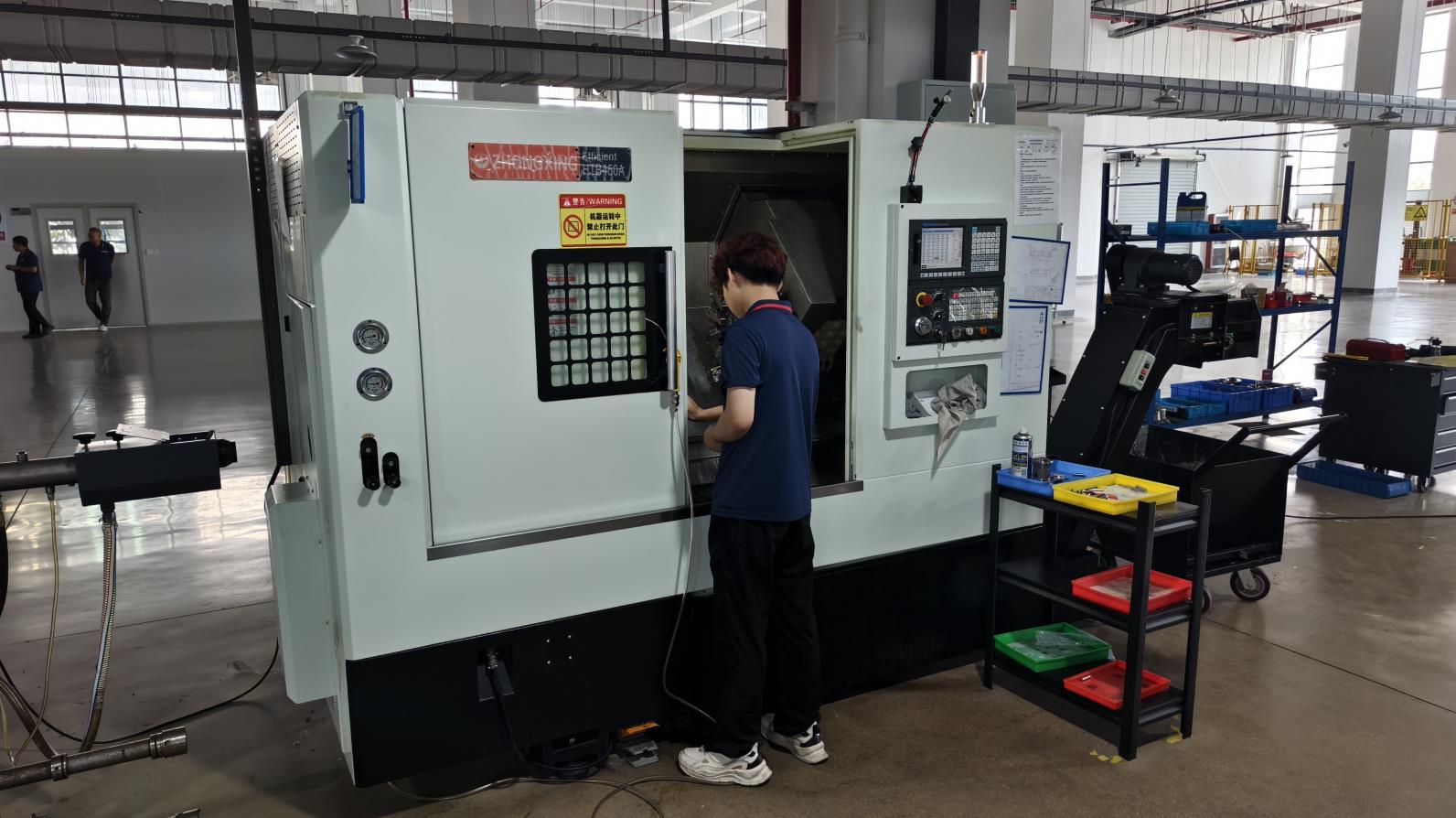
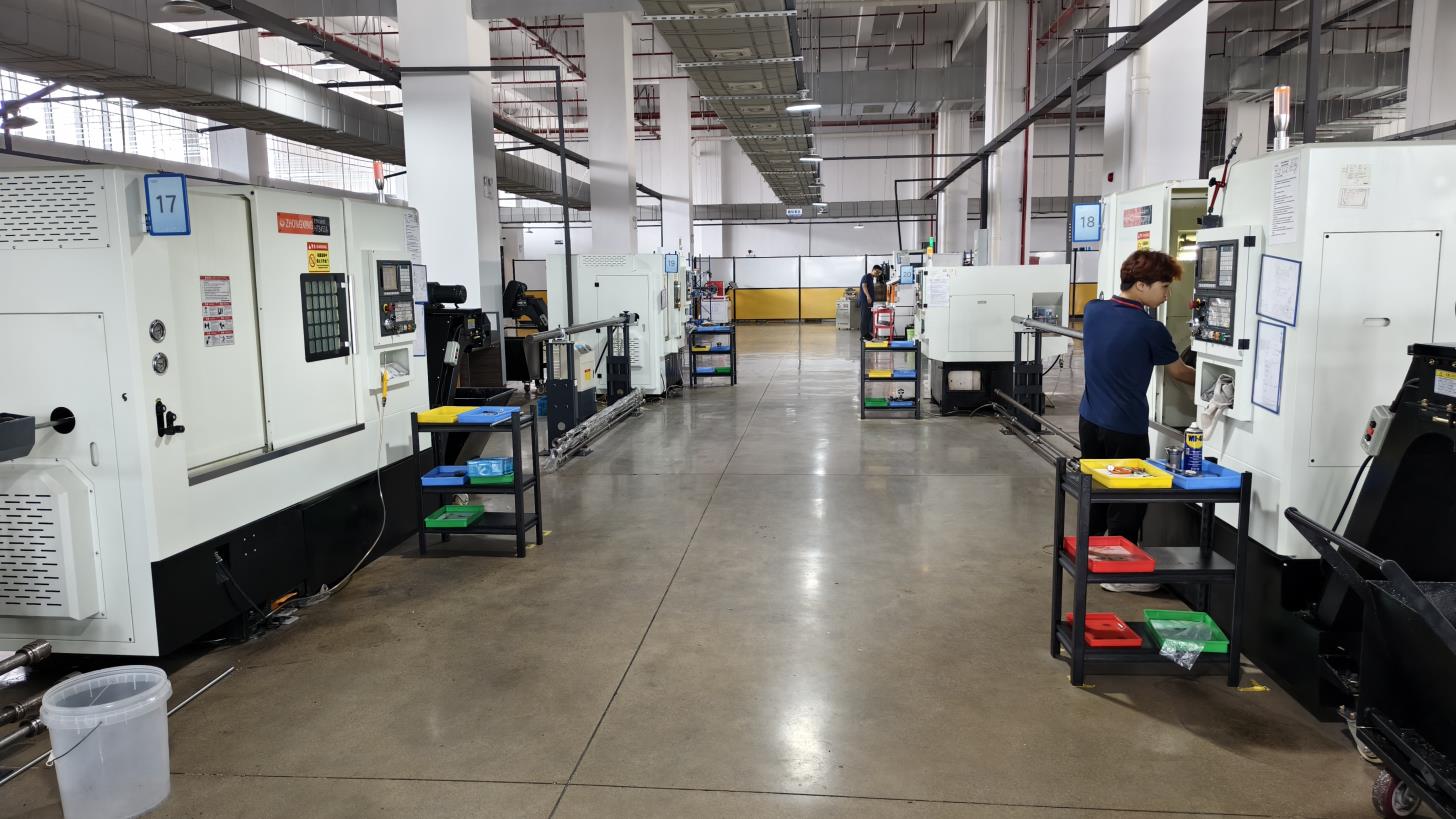
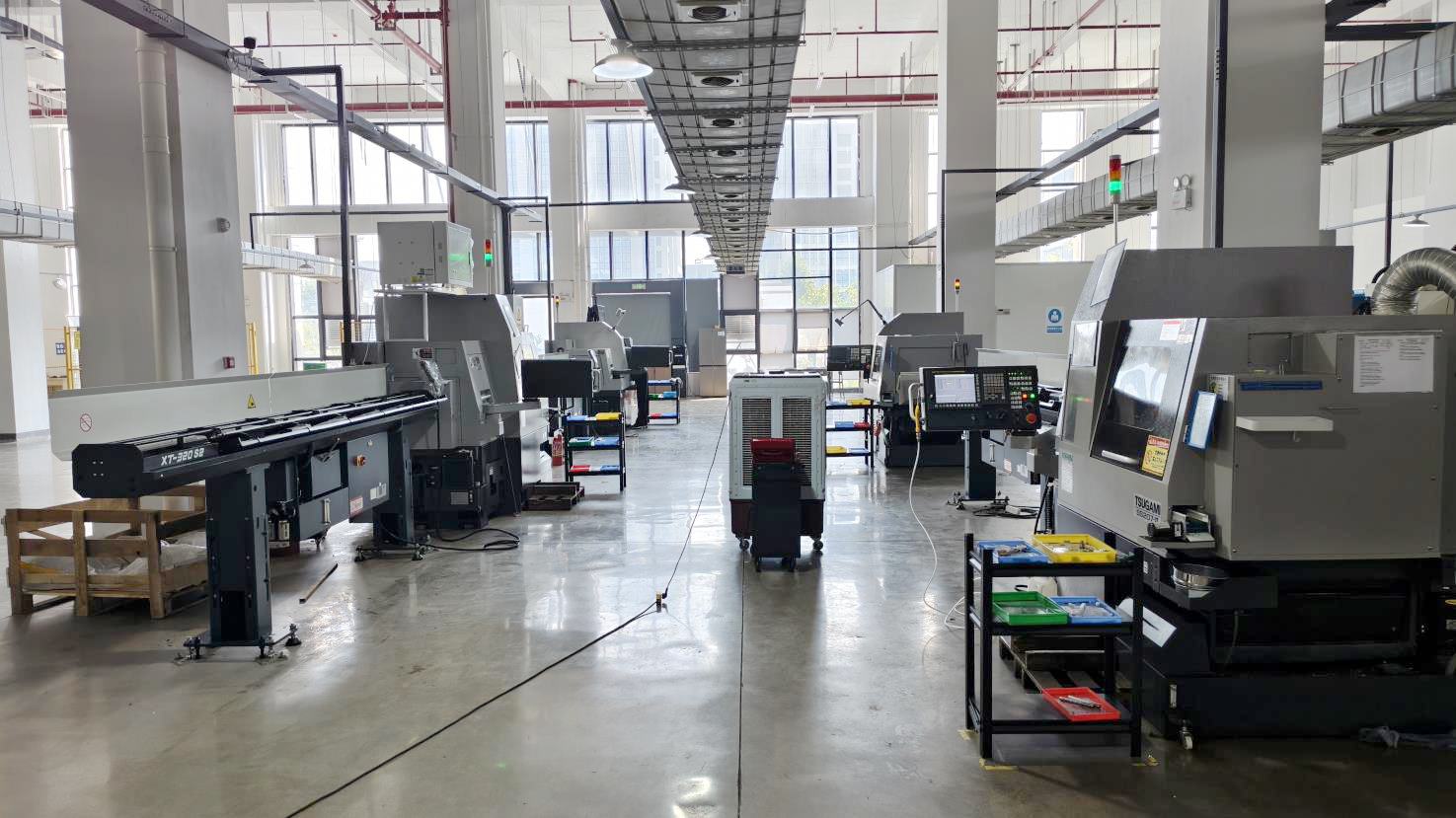
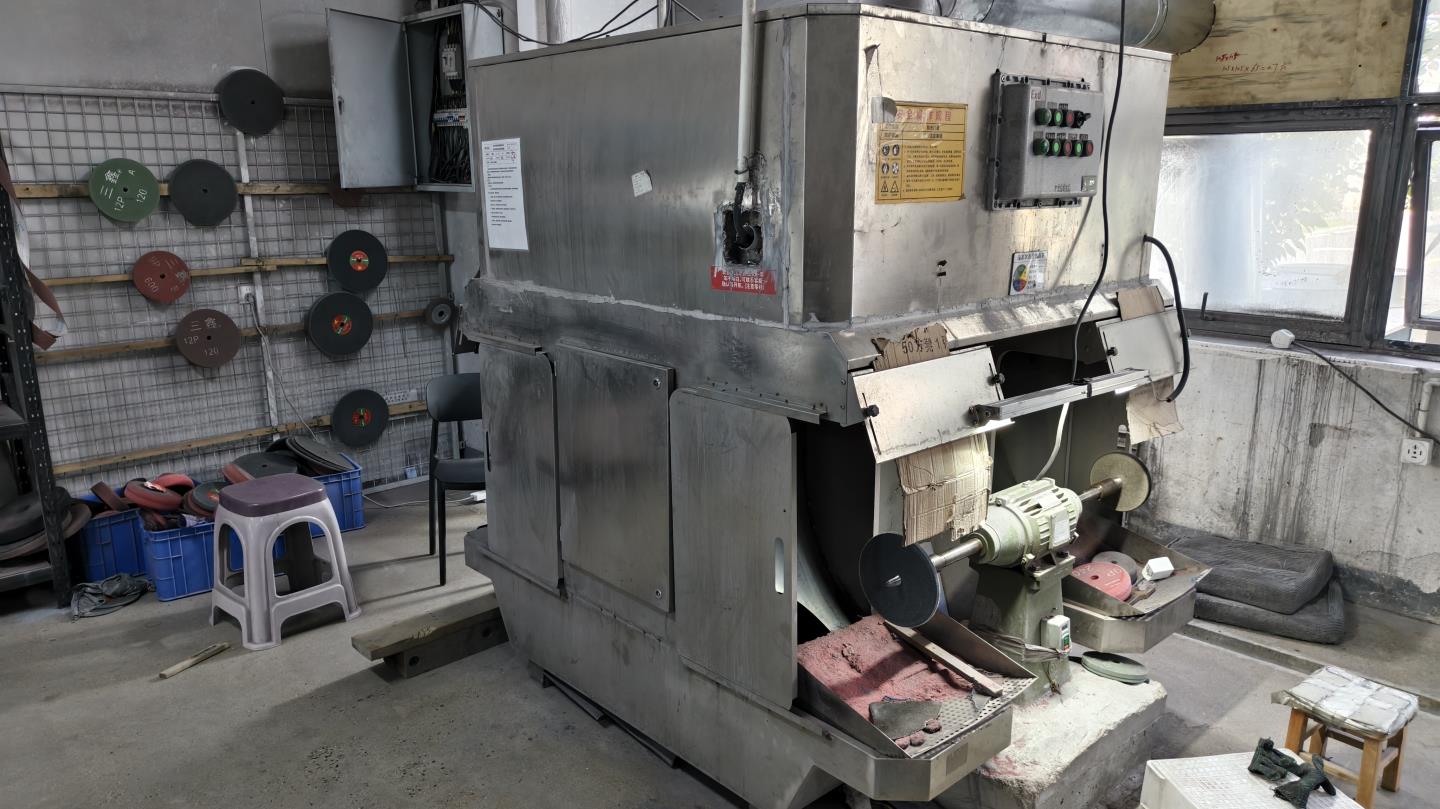
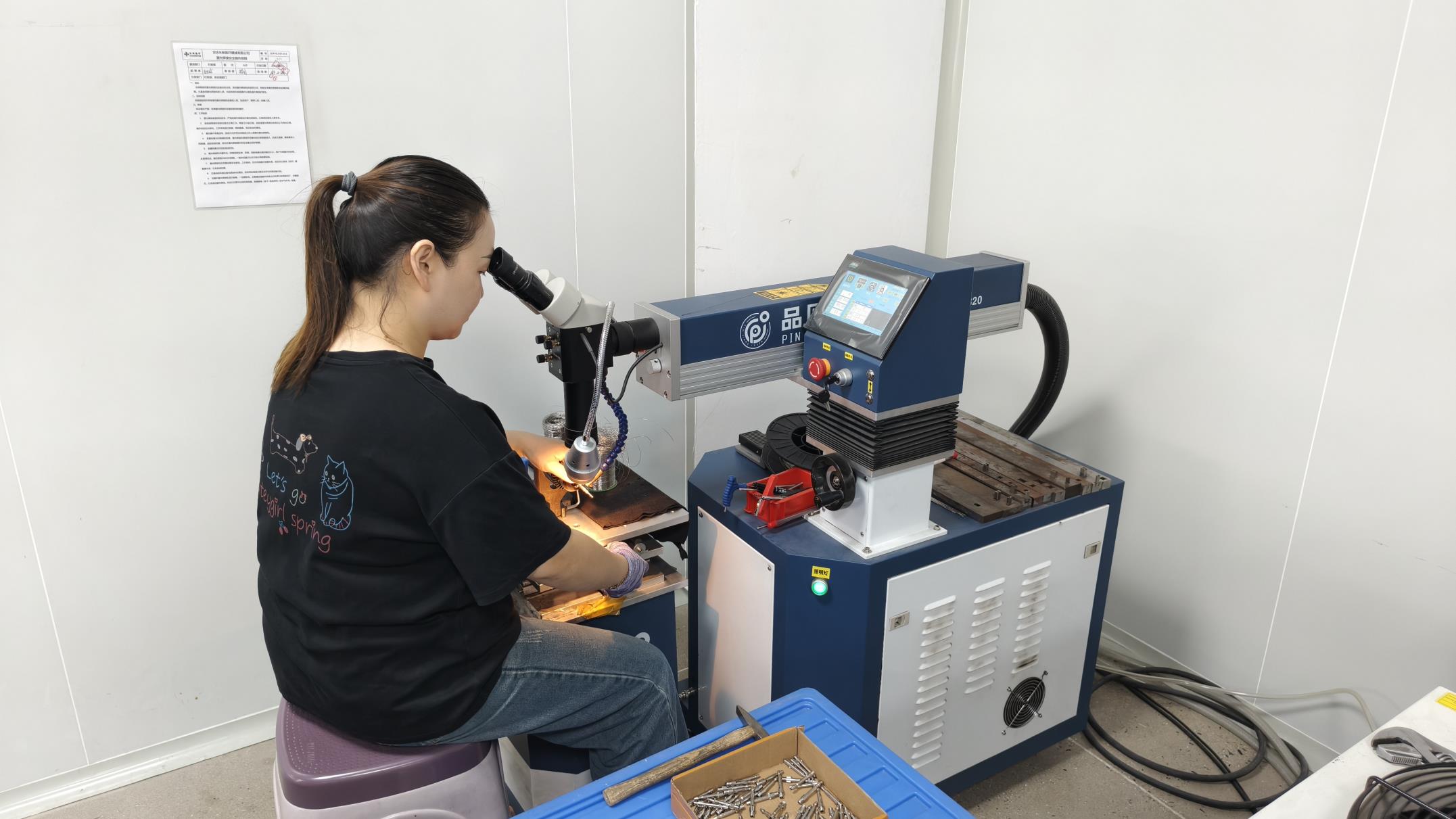
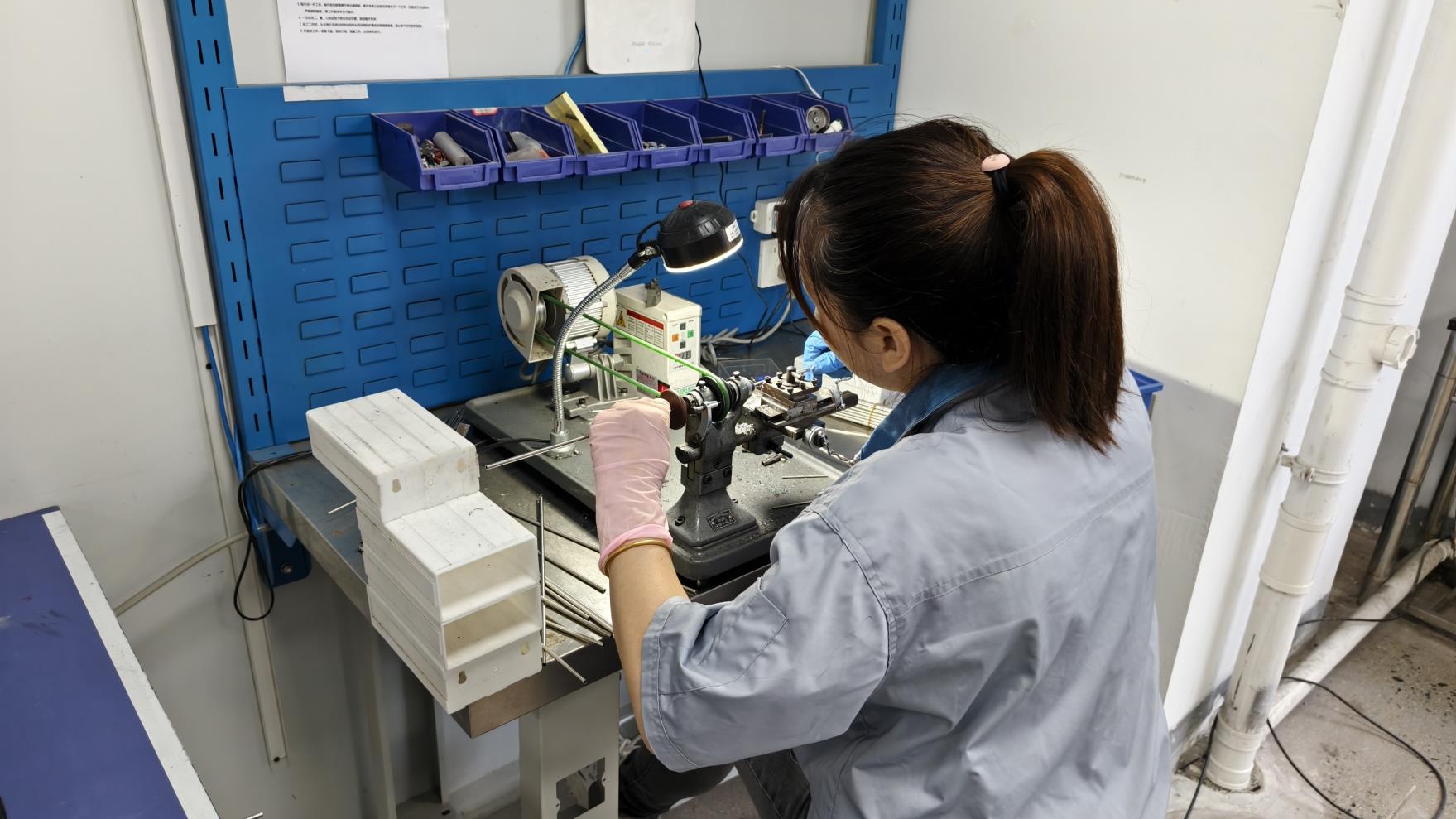
Our product portfolio includes trauma fixation systems, spinal implants, locking plates, intramedullary nails, external fixation systems, orthopedic screws, surgical instruments, and customized orthopedic solutions. Equipped with advanced CNC machining centers, precision inspection equipment, and modern clean production facilities, we ensure every product meets strict international quality requirements.
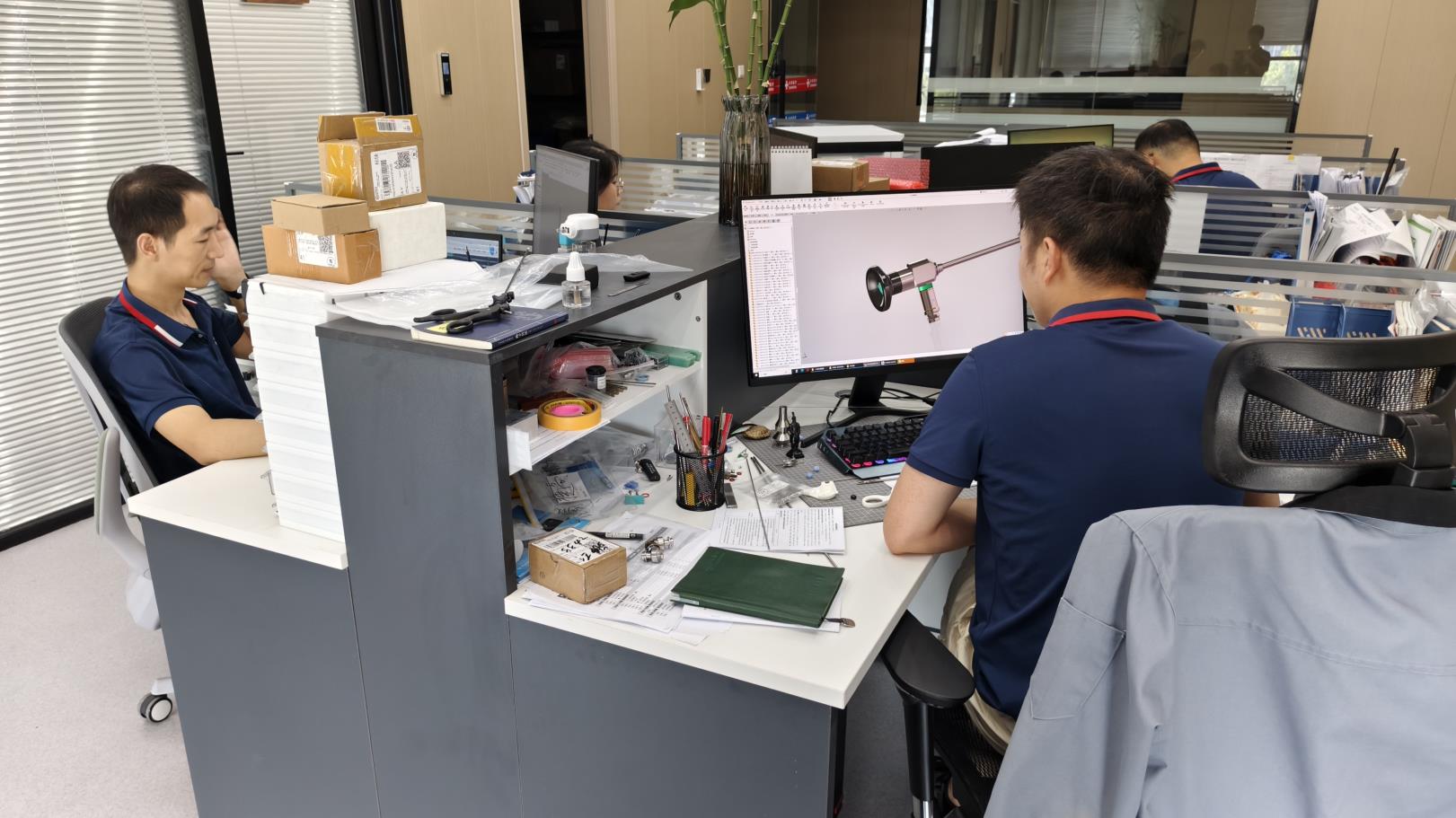
Driven by continuous innovation, Synoviq invests heavily in R&D and intelligent manufacturing to enhance product performance, surgical efficiency, and patient outcomes. Our experienced engineering team works closely with customers to develop customized products tailored to different clinical applications and market demands.
With a customer-oriented philosophy, competitive pricing, stable supply capability, and efficient technical support, Synoviq has established long-term partnerships with distributors, medical brands, and healthcare organizations across Europe, North America, South America, the Middle East, and Asia-Pacific.
| Item | Information |
|---|---|
| Company Name | Synoviq Medical Technology (China) Co., Ltd. |
| Brand | Synoviq |
| Established | March 18, 2016 |
| Building Area | 18,600 m² |
| Annual Export Revenue | USD 21.8 Million |
| Export Experience | 8 Years |
| Industry Experience | 14 Years |
| Quality Inspection | 100% Final Inspection & Incoming Material Inspection |
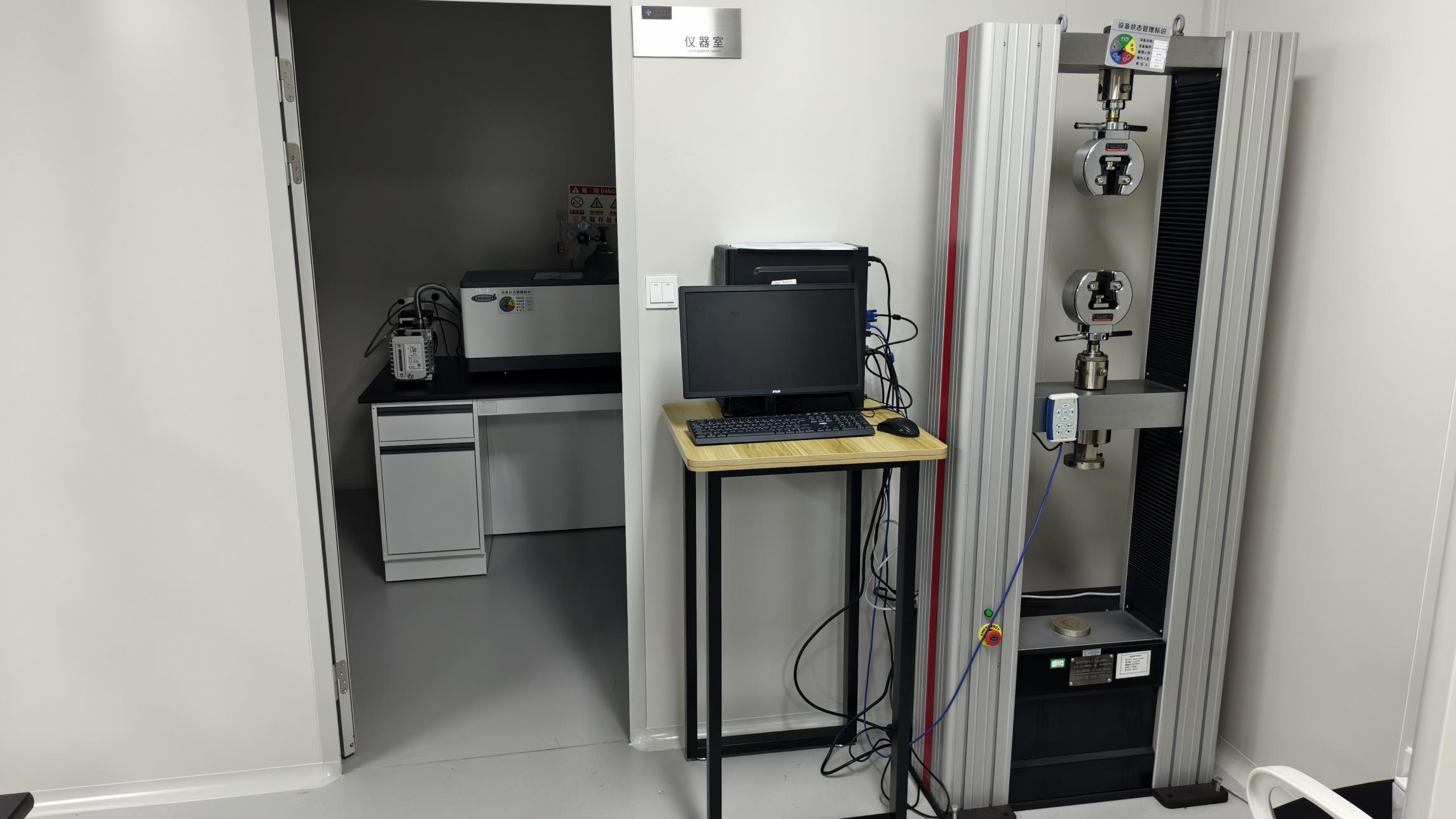
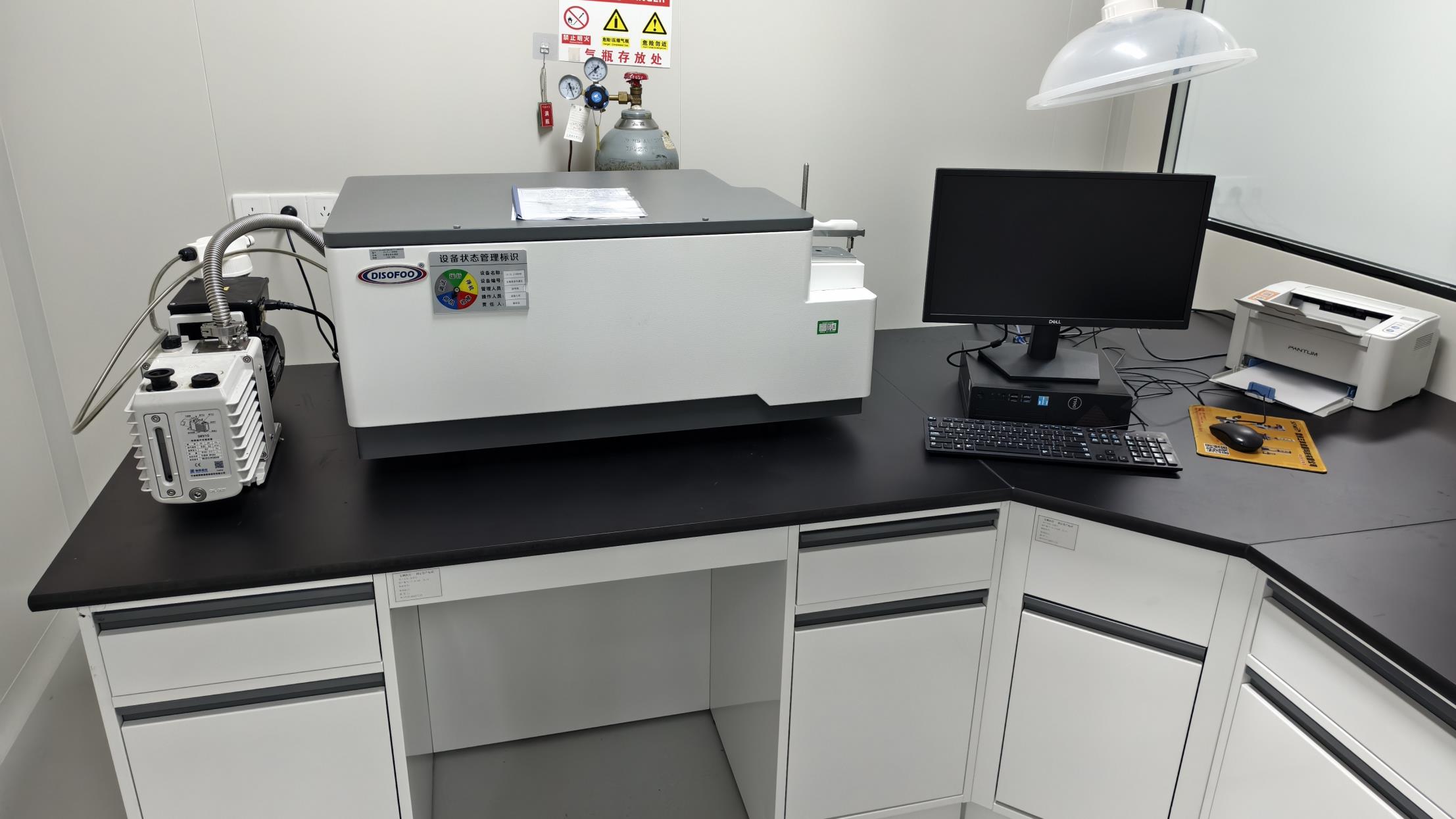
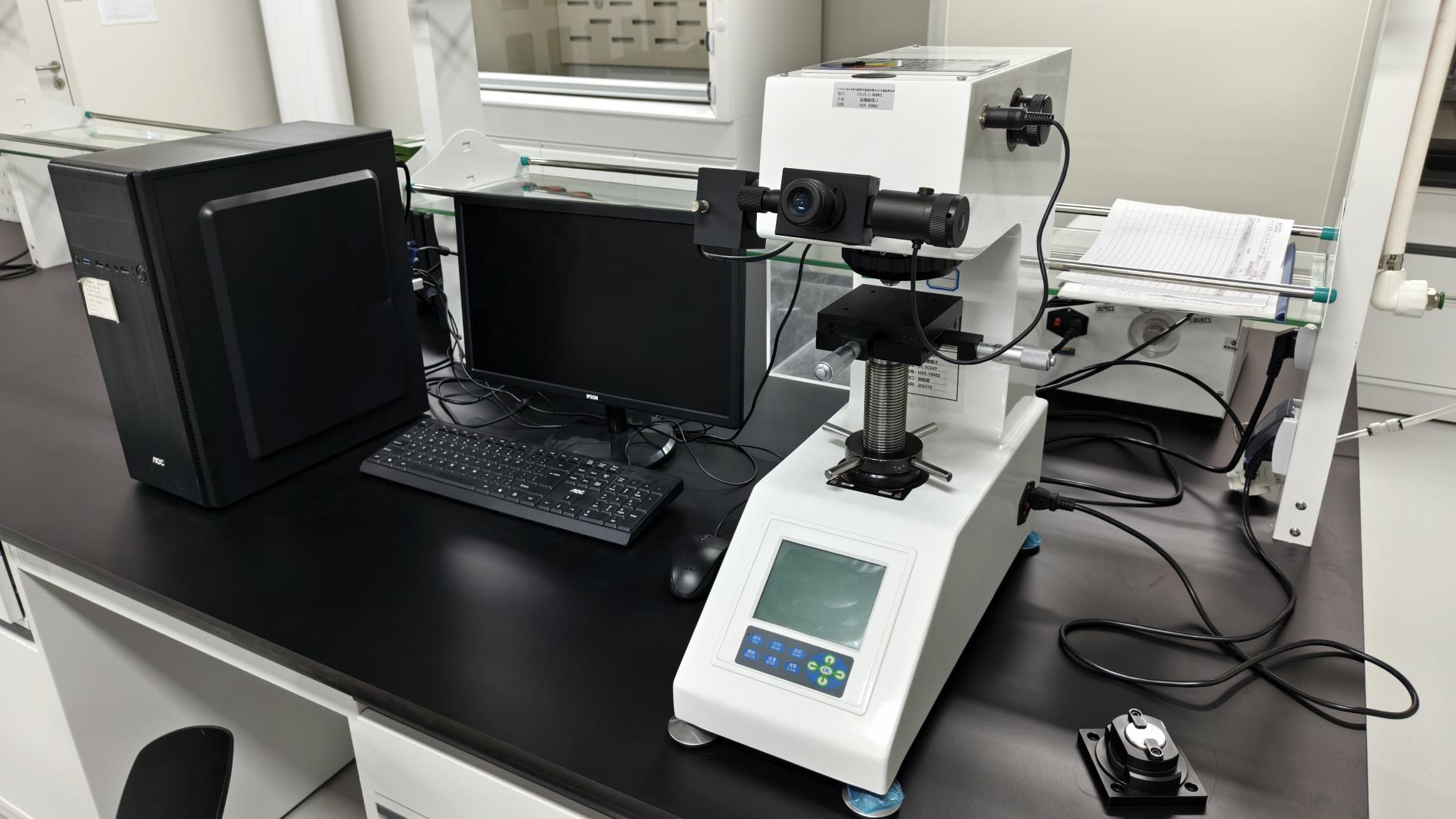
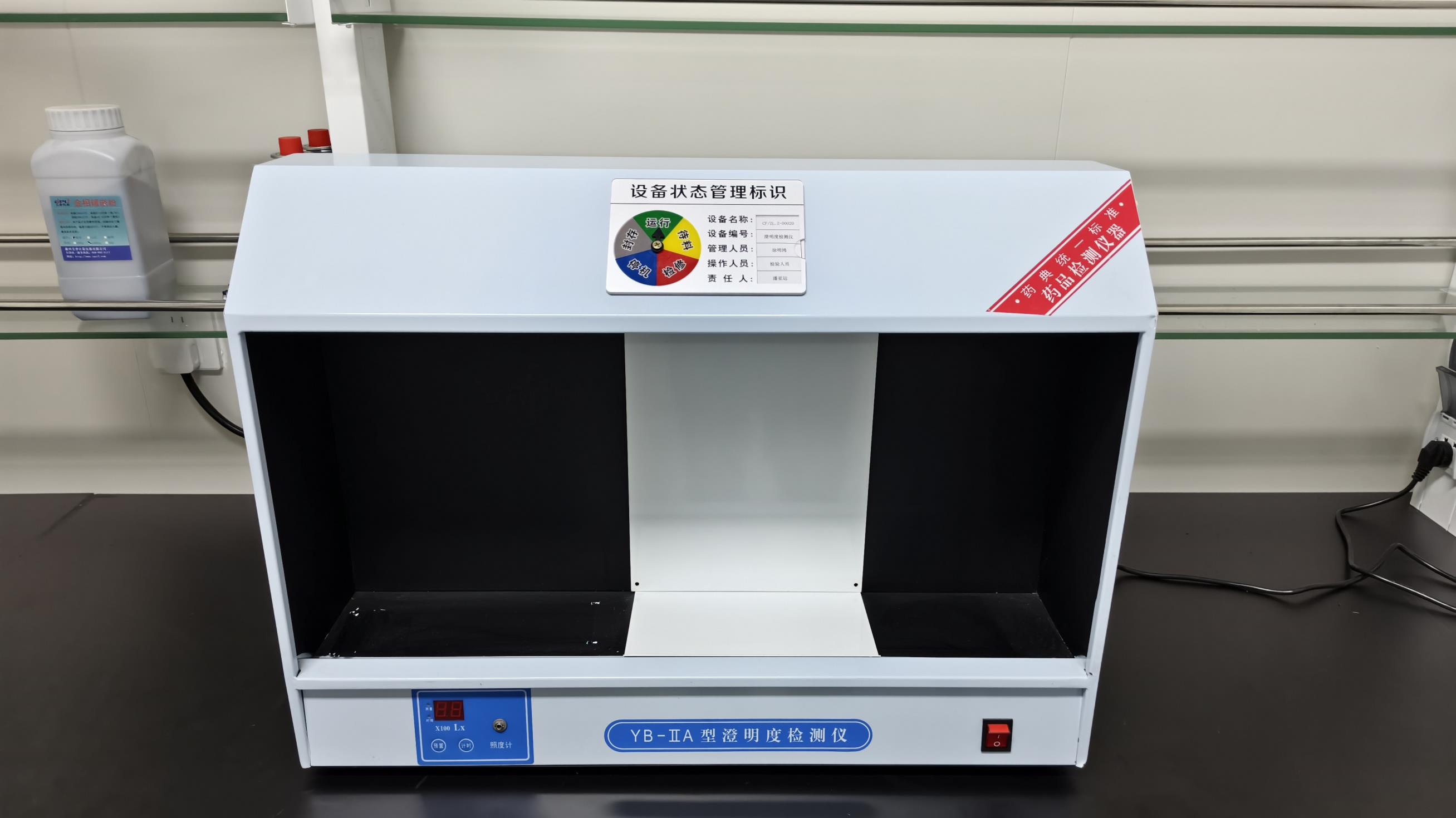
| Product Inspection Methods | CMM Measurement, Mechanical Testing, Surface Roughness Testing, Hardness Testing, Salt Spray Testing, Sterility Validation |
| Quality Control Staff | 48 |
| Business Type | Manufacturer & Exporter (OEM/ODM) |
| Main Markets | Europe, North America, South America, Middle East, Southeast Asia |
| Supply Chain Partners | 1,120+ |
| Main Customer Types | Medical Device Brands, Importers, Distributors, Hospitals, Government Procurement Projects |
| R&D Capability | Independent Product Design, Prototype Development, Clinical-Oriented Engineering, OEM & ODM Development |
| Customization Options | Logo Customization, Packaging Customization, Product Design Customization, Material Selection, Surface Treatment |
| New Products Released Last Year | 186 |
| R&D Engineers | 76 |
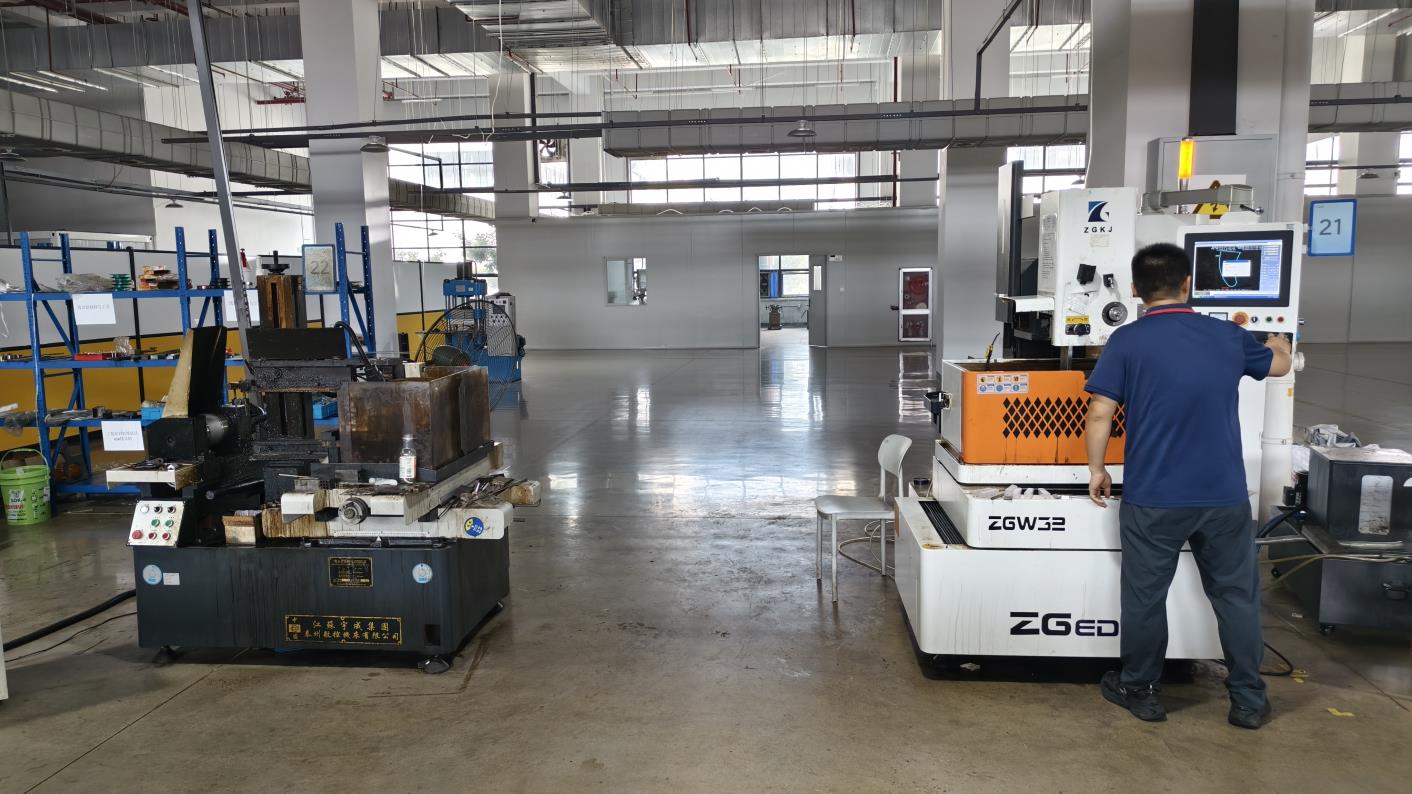
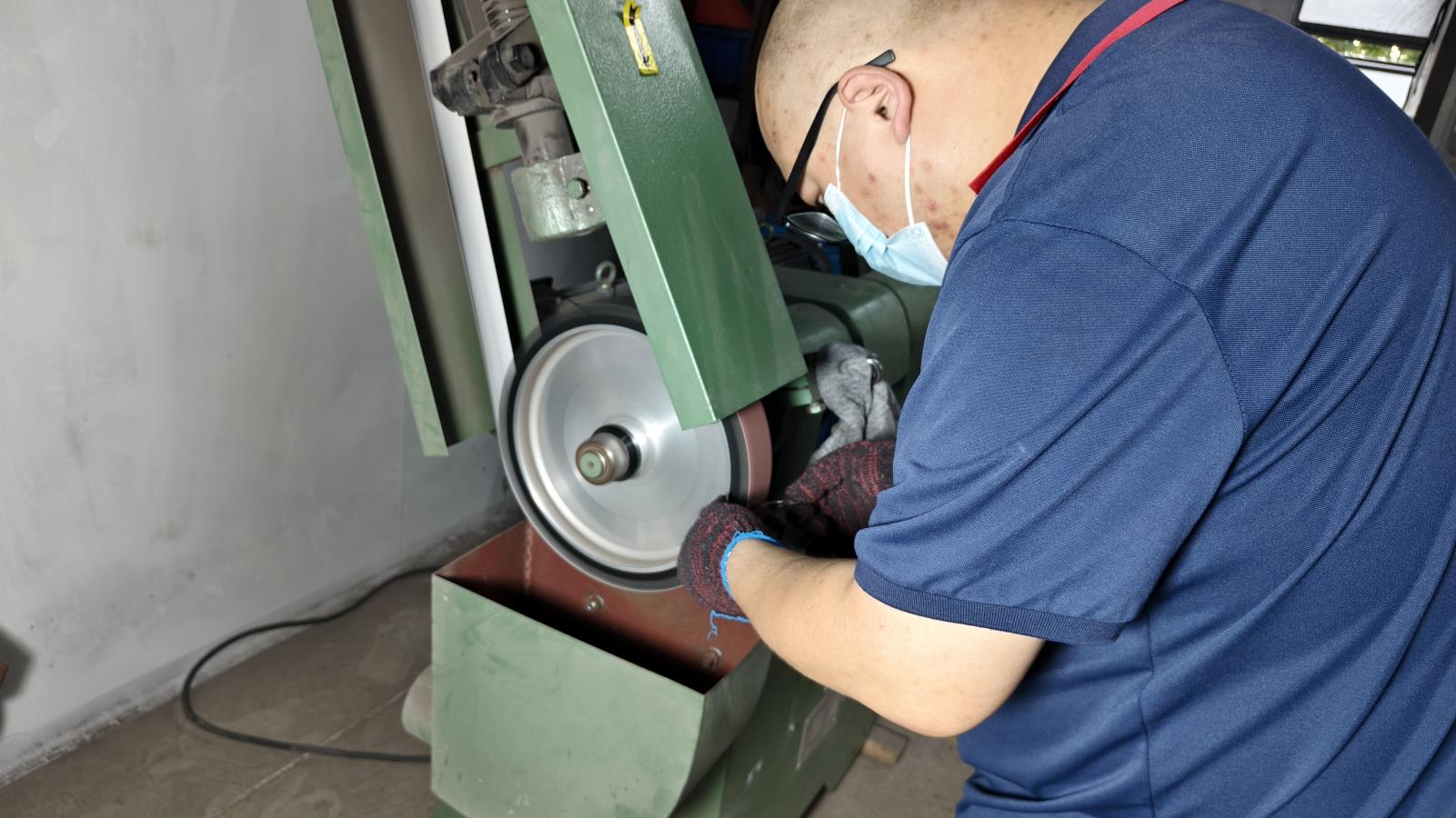
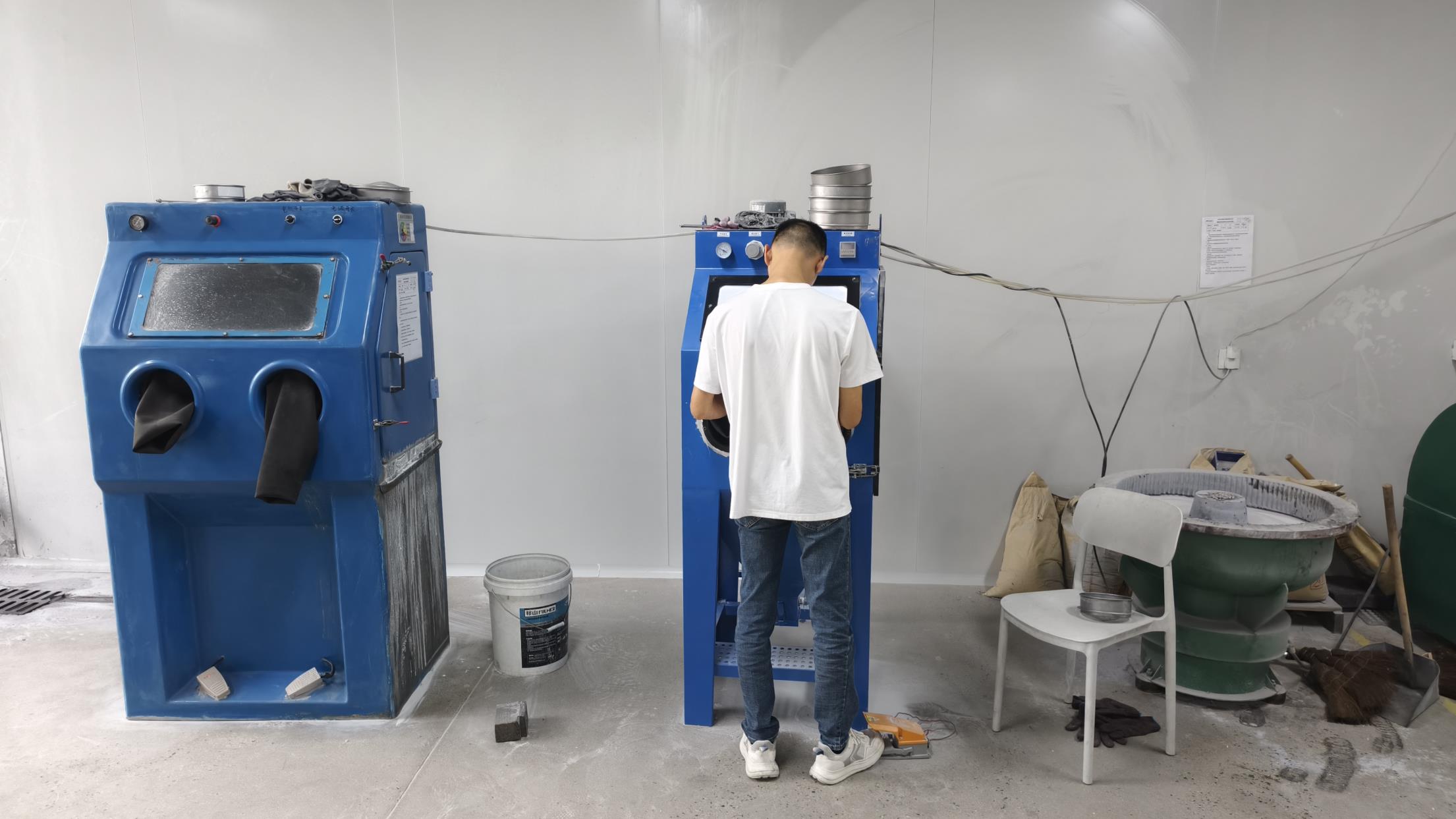
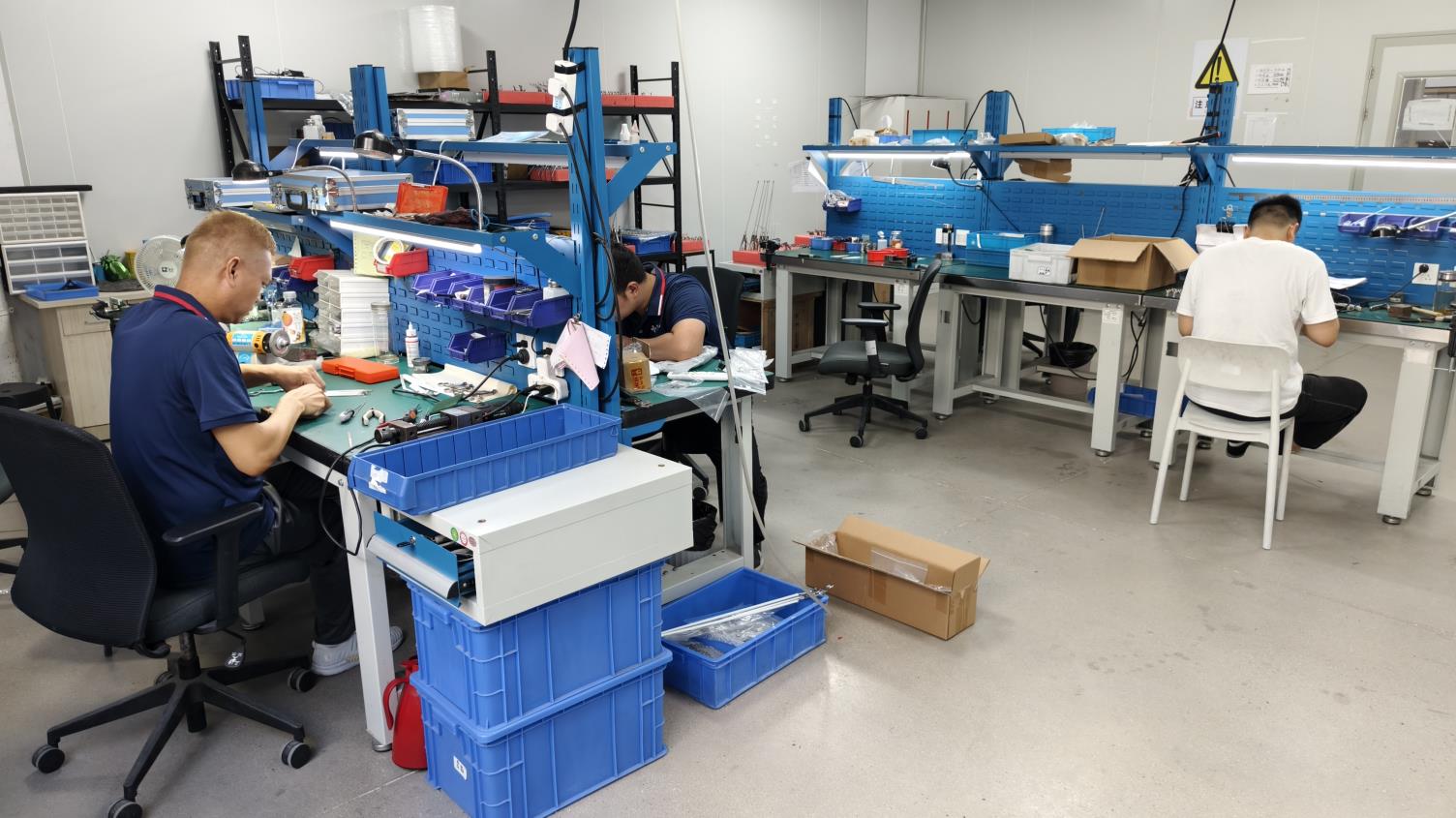
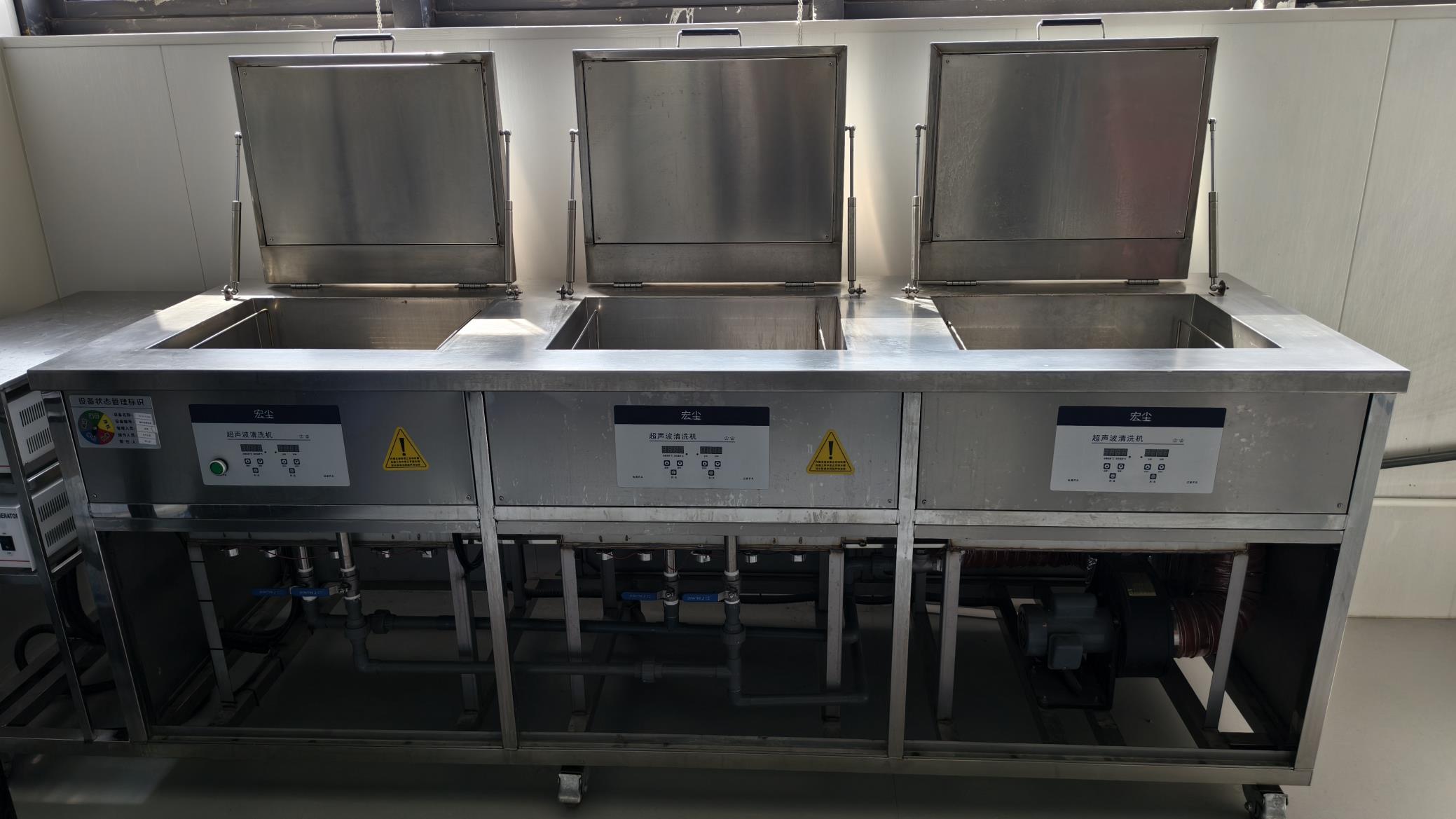
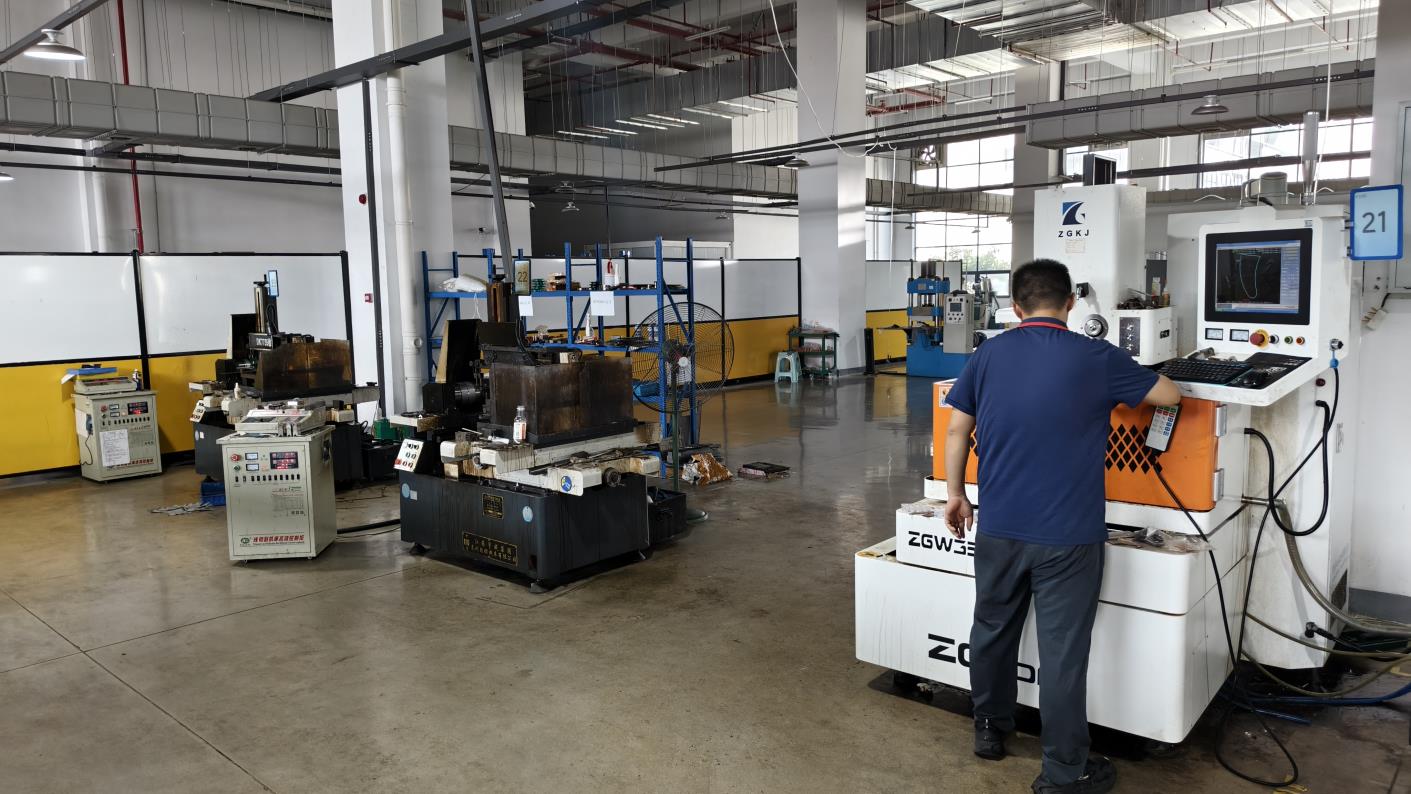
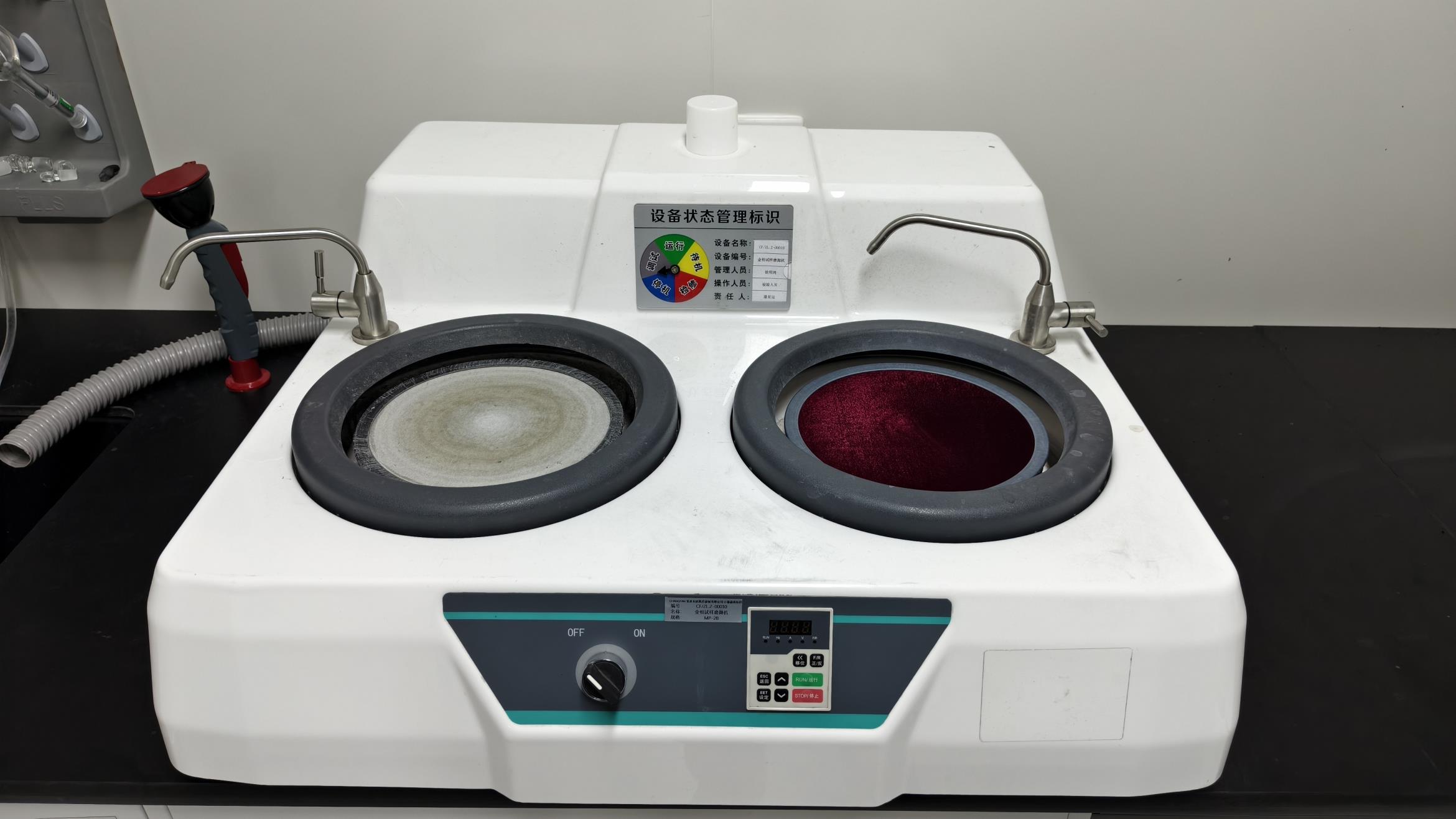
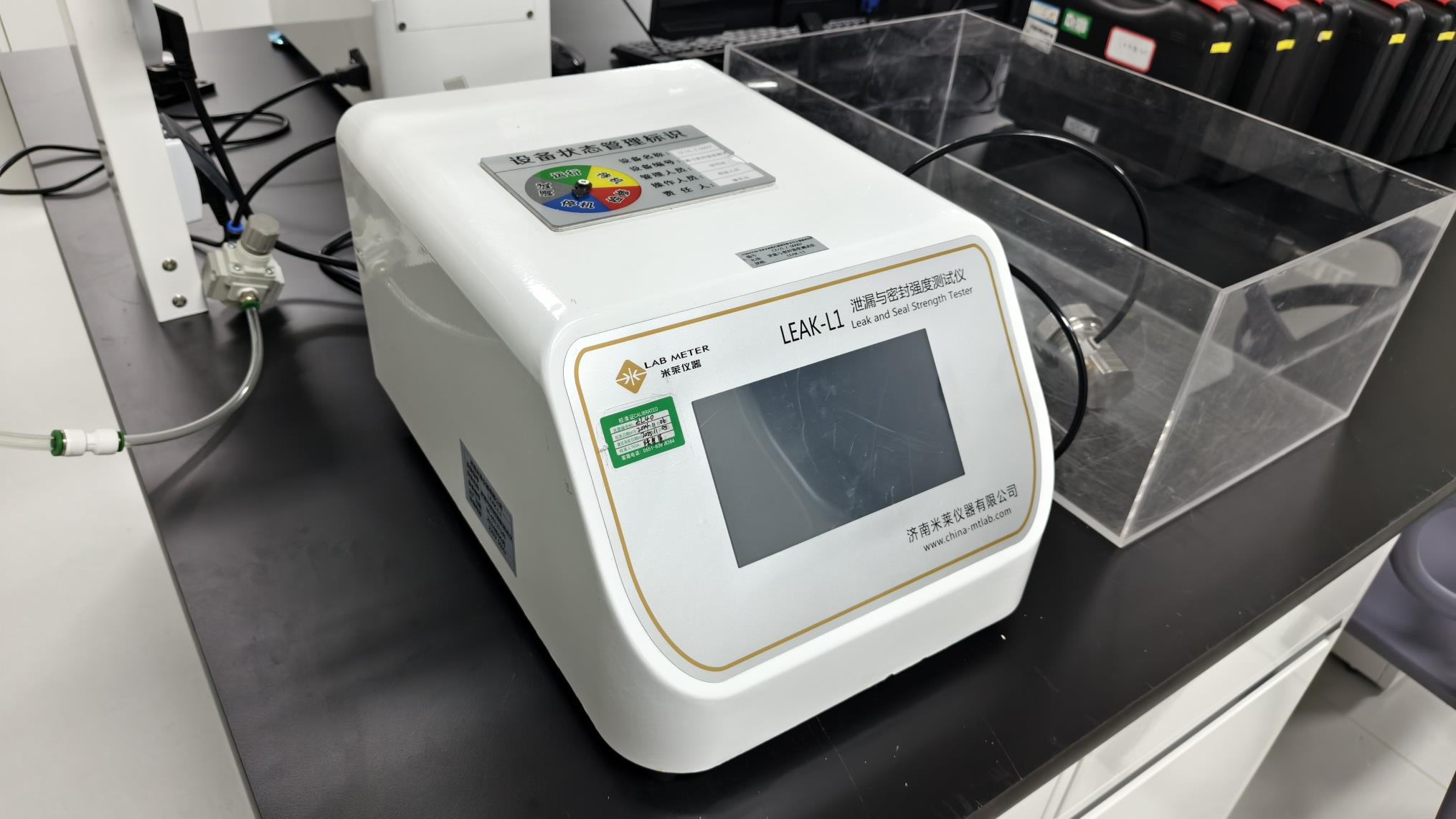
A transparent look into our integrated facilities, showcasing Swiss-type lathes, CNC machining, automated inspection tools, and sterilizers.
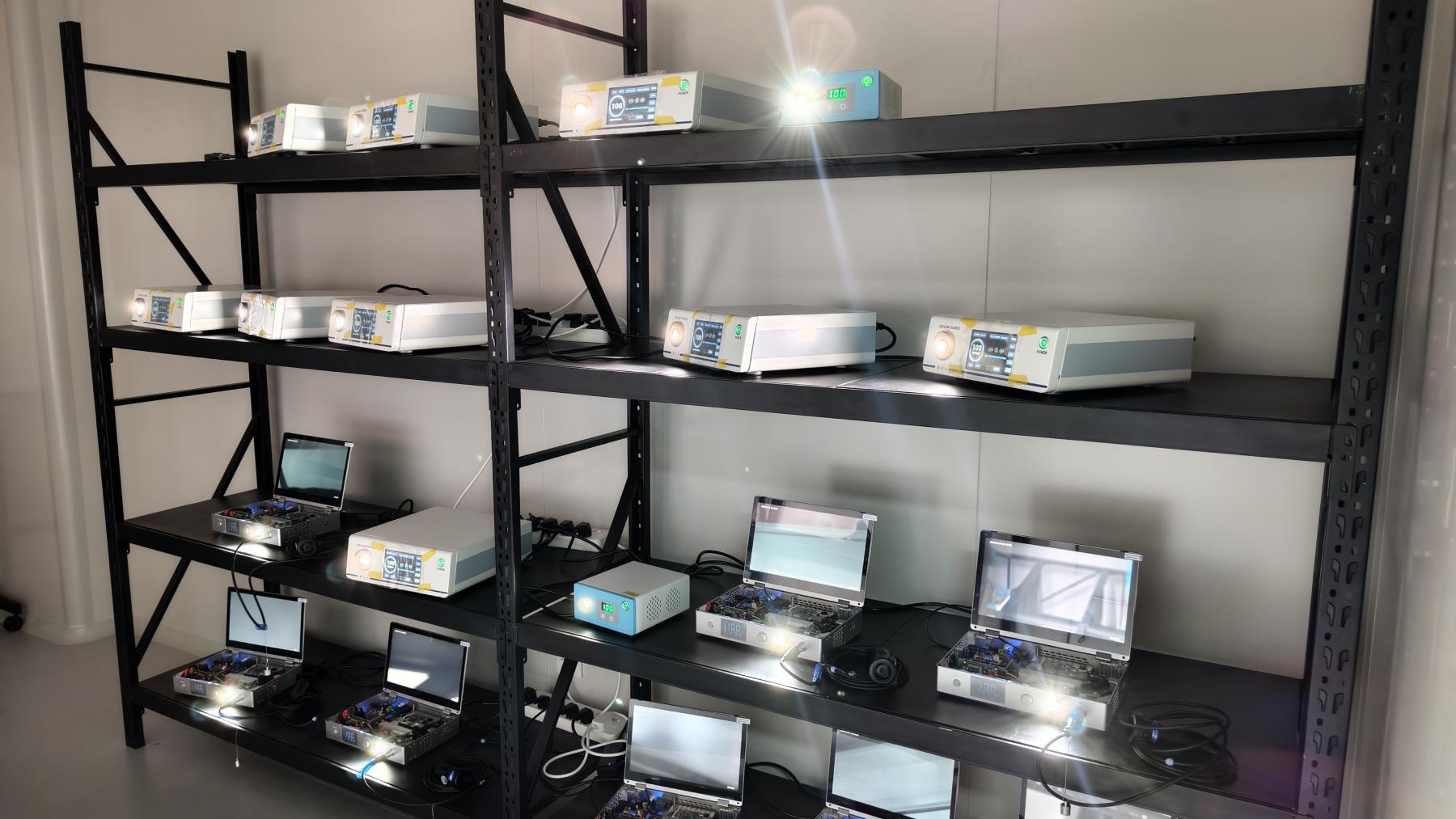
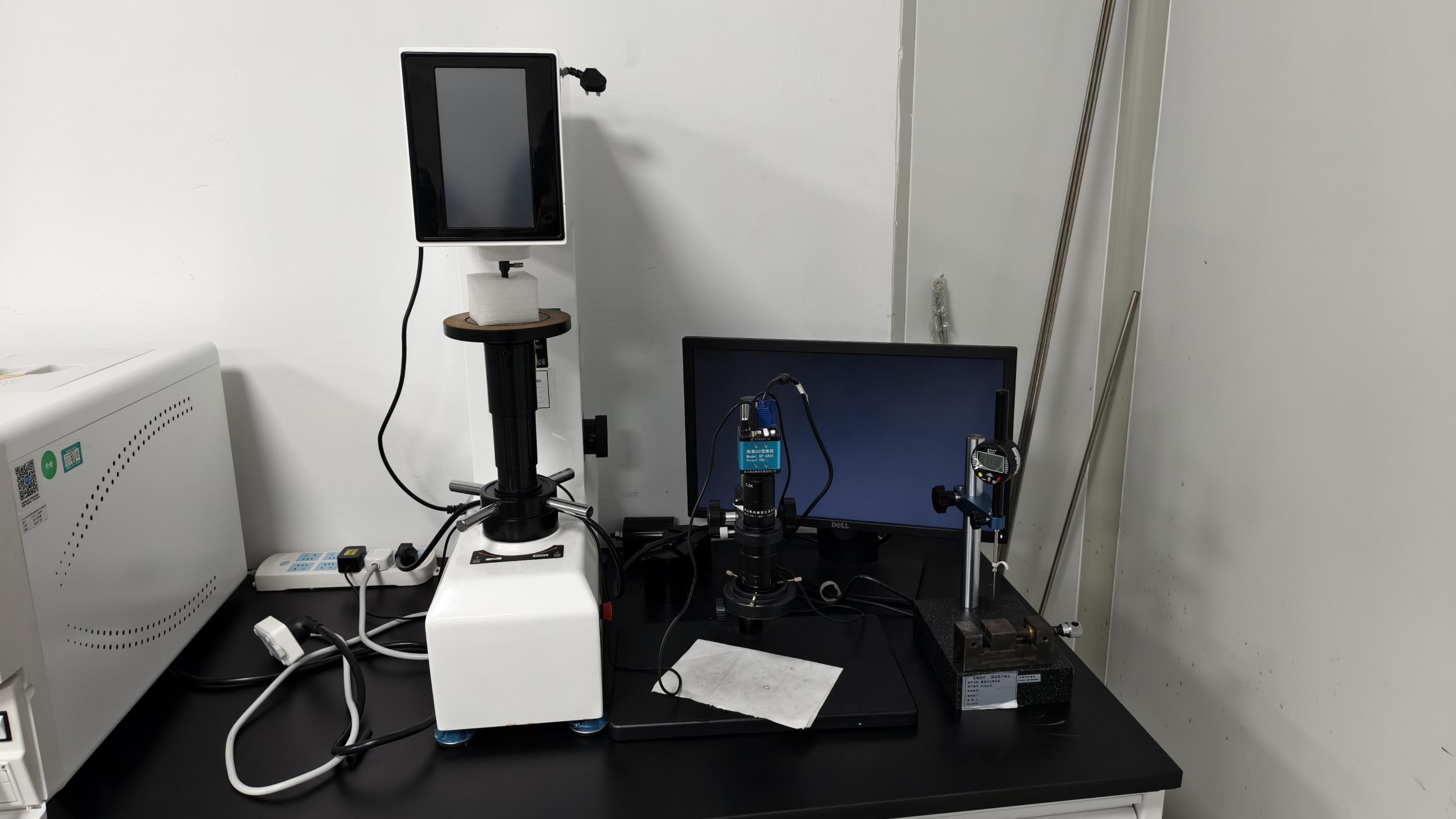
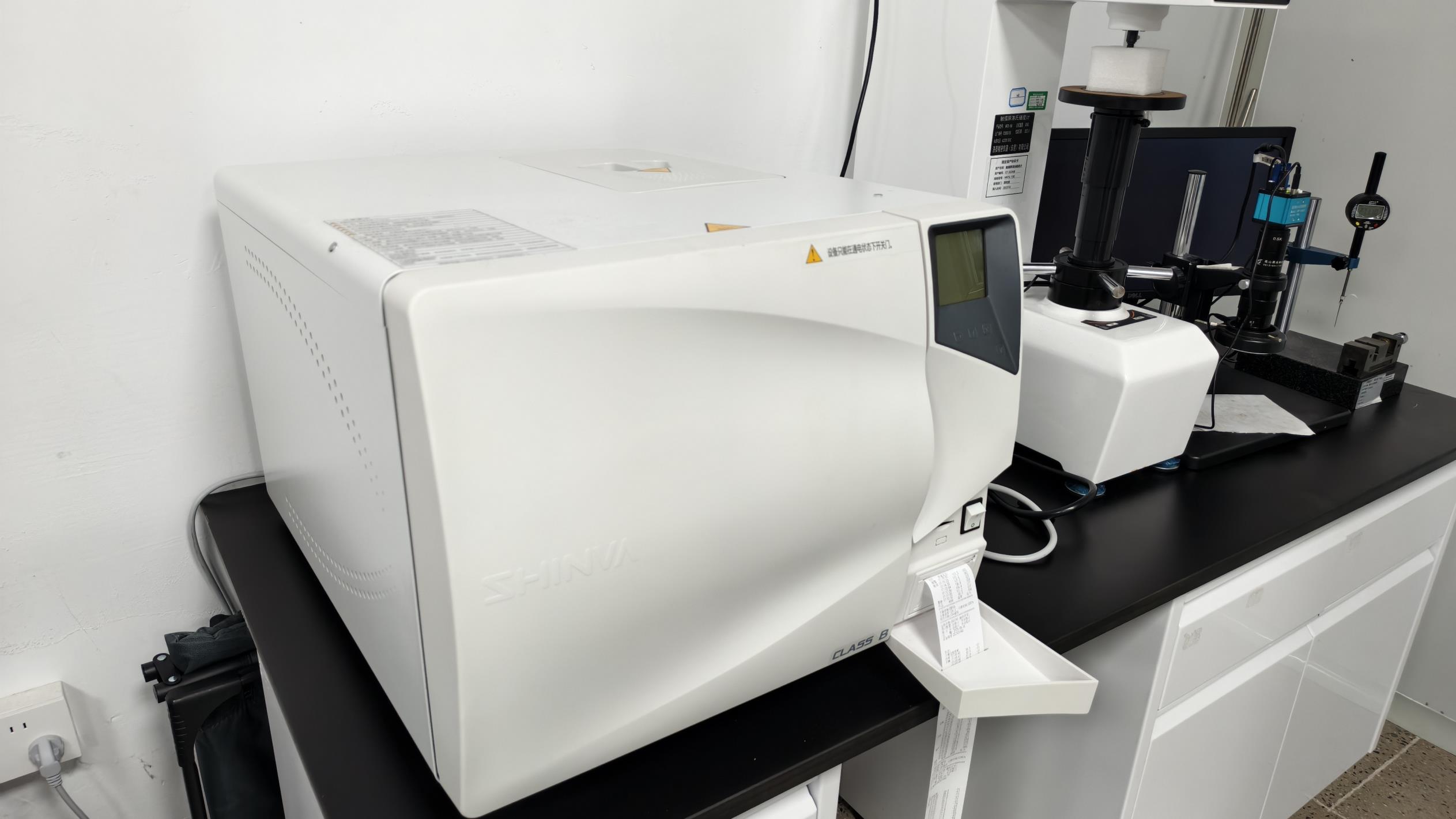
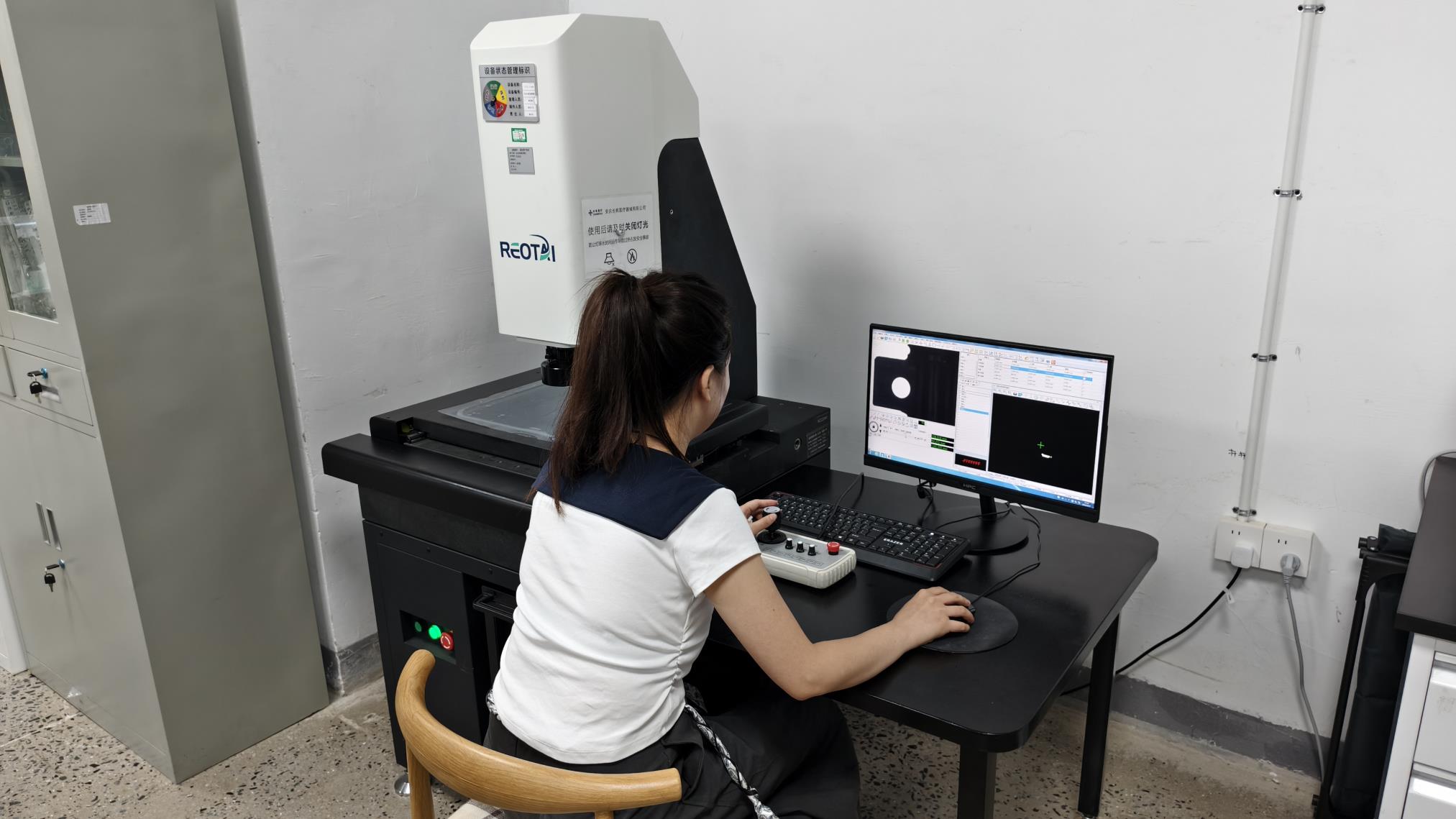
Aligning international standards with local healthcare protocols to ensure seamless hospital adoption.
B2B medical device imports are heavily regulated by regional laws. Sourcing orthopedic implants globally requires a clear understanding of regional compliance pathways:
In practice, meniscal repair devices are matched to specific clinical scenarios to optimize patient outcomes:
The next frontier of joint preservation, combining structural engineering, smart bioresorption, and cellular biology.
The field of sports medicine is transitioning from passive mechanical fixation to bio-interactive systems. The R&D roadmap for next-generation implants focuses on three key areas:
Clear, authoritative answers addressing common B2B procurement, regulatory, and technical inquiries.
All-inside repair systems generally consist of two main components: anchors and sutures. The anchors are made from non-absorbable polymers like Polyether ether ketone (PEEK) or bioresorbable polymers like Poly-L-lactic acid (PLLA) and its co-polymers. The connecting sutures are typically made of Ultra-High-Molecular-Weight Polyethylene (UHMWPE) or high-strength polyester blends, which provide strong tension holding without stretching.
The Sterility Assurance Level (SAL) indicates the probability of a single unit remaining non-sterile after sterilization. For implants, the international standard is a SAL of 10⁻⁶, meaning there is less than a one-in-a-million chance of contamination. Importing custom implants requires verifying cleanroom certifications (ISO Class 7 or 8) and validating EO (Ethylene Oxide) or Gamma sterilization protocols to pass custom clearance and local health audits.
Yes. Synoviq provides comprehensive OEM and ODM services. This includes custom branding, specialized packaging (sterile barrier systems with Tyvek lids), laser-marked logos on titanium and plastic components, and custom instrument kits designed for specific surgical techniques.
Synoviq applies a 100% final inspection policy using Coordinate Measuring Machines (CMM), mechanical pullout testers, surface roughness testers, metallographic analysis, and leakage/seal strength testers. This ensures all implants match or exceed international performance benchmarks before shipment.
The transition from MDD to EU MDR has increased the requirements for clinical evidence, post-market surveillance, and technical documentation. Top exporters like Synoviq actively manage these changes by maintaining updated ISO 13485 certifications, improving technical documentation, and working with notified bodies to ensure compliance for the European market.
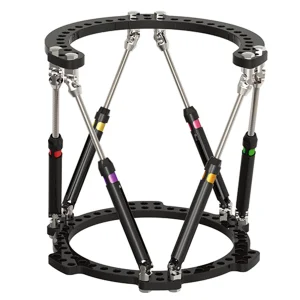
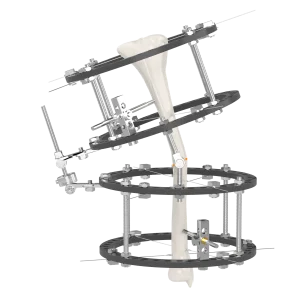
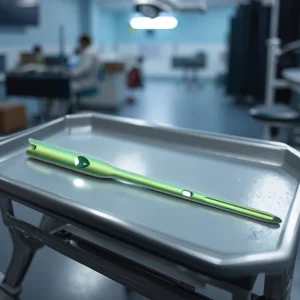
A further range of trauma plates, external fixators, veterinary surgical tools, and arthroscopic shaver blades available for global distribution.
 Synoviq Medical