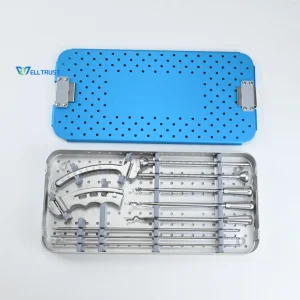
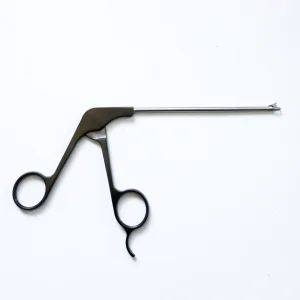
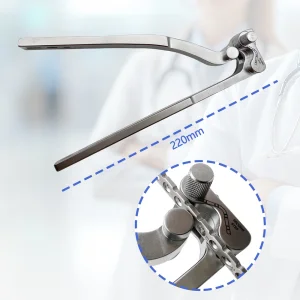
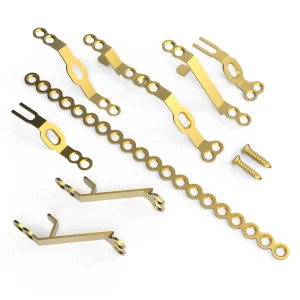
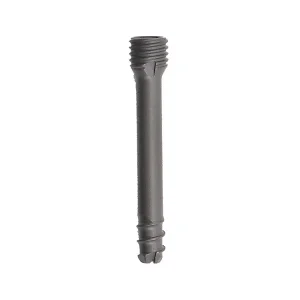
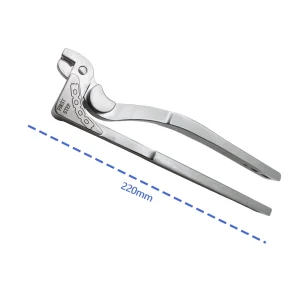
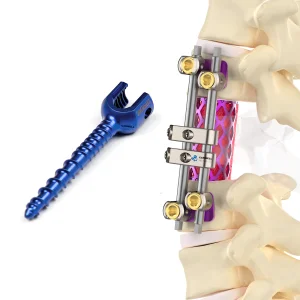
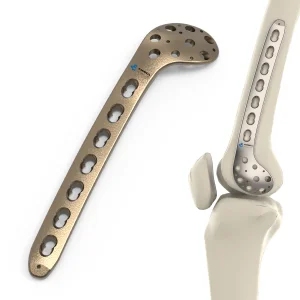
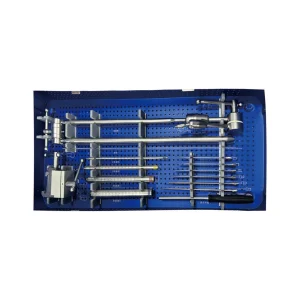
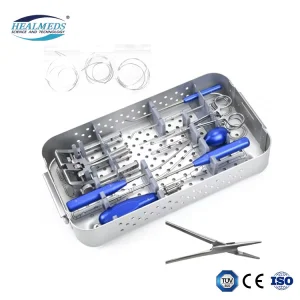
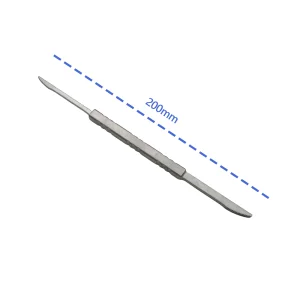
Explore our leading surgical sets engineered for arthroscopy, deformity correction, osteotomy, and spinal fixation.
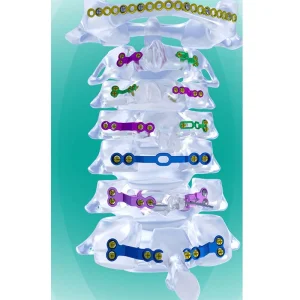
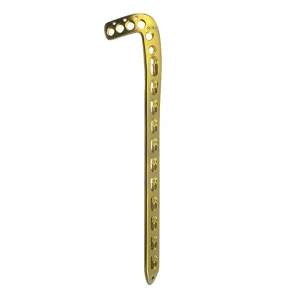
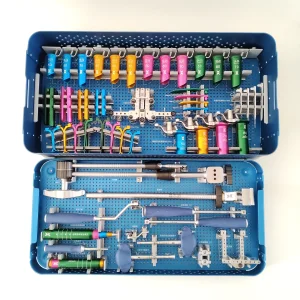
Spinal fixation has undergone a profound evolution from simple distraction configurations to highly sophisticated segment-specific construct mechanics. While pedicle screws have become the predominant fixation modality in adult degenerative pathologies, spinal hooks (including pedicle, laminar, and transverse process hooks) maintain a critical and irreplaceable biomechanical role. Particularly in pediatric deformity corrections (such as adolescent idiopathic scoliosis), thoracic osteotomies, and junctional transition zones, spinal hooks distribute loads across the posterior elements without risking intra-canal intrusion or breaching the thin pedicles typical of the upper thoracic spine.
"The integration of spinal hooks in hybrid constructs mitigates the 'crankshaft phenomenon' in growing pediatric skeletons and dramatically reduces junctional pullout failure by optimizing the transition from rigid screw fixations to native uninstrumented segments."
Designed to match anatomical geometry, spinal hooks grip the lamina, transverse processes, or pedicles. Unlike pedicle screws which rely on cancellous bone purchase inside the vertebral body, hooks anchor directly onto the dense cortical margins of the posterior arch. This distribution of load is crucial for osteopenic patients, where screw threads risk stripping under corrective translation forces. Synoviq's premium spinal hooks are engineered to accommodate variable rod diameters while maintaining a low profile to minimize soft-tissue irritation.
Constructed from high-fatigue Ti-6Al-4V ELI titanium alloys to ensure high cycles of dynamic bending stress without micro-fracturing.
Multiple throat depths, offset configurations, and angulated shoes ensure flush seating on thoracic and lumbar lamina.
High-precision manufacturing capabilities, international compliance matrix, and complete OEM/ODM technical infrastructure.
Synoviq Medical Technology (China) Co., Ltd. stands at the forefront of the orthopedic medical device sector, operating a state-of-the-art 18,600 m² cleanroom and production facility. We specialize in the R&D and precise synthesis of locking plate systems, intramedullary stabilization configurations, complex spinal implants, and customized orthotic instrumentation. Armed with Swiss-type multi-axis CNC machines and micro-precision finishing platforms, we provide complete, regulatory-compliant supply lines for global hospital chains, private labels, and distribution networks.
| Specification Parameter | Compliance & Operational Metrics |
|---|---|
| Company Name & Trademark | Synoviq Medical Technology (China) Co., Ltd. / Synoviq® |
| Establishment Date | March 18, 2016 |
| Industrial Facility Footprint | 18,600 m² (Class 100,000 cleanrooms and high-speed CNC centers) |
| Annualized Export Volume | USD 21.8 Million (Active exports to Europe, North America, Middle East, & Latin America) |
| Regulatory Standards met | ISO 13485, CE Compliant, FDA Device Listed, ASTM F382 & F1717 mechanical test standards |
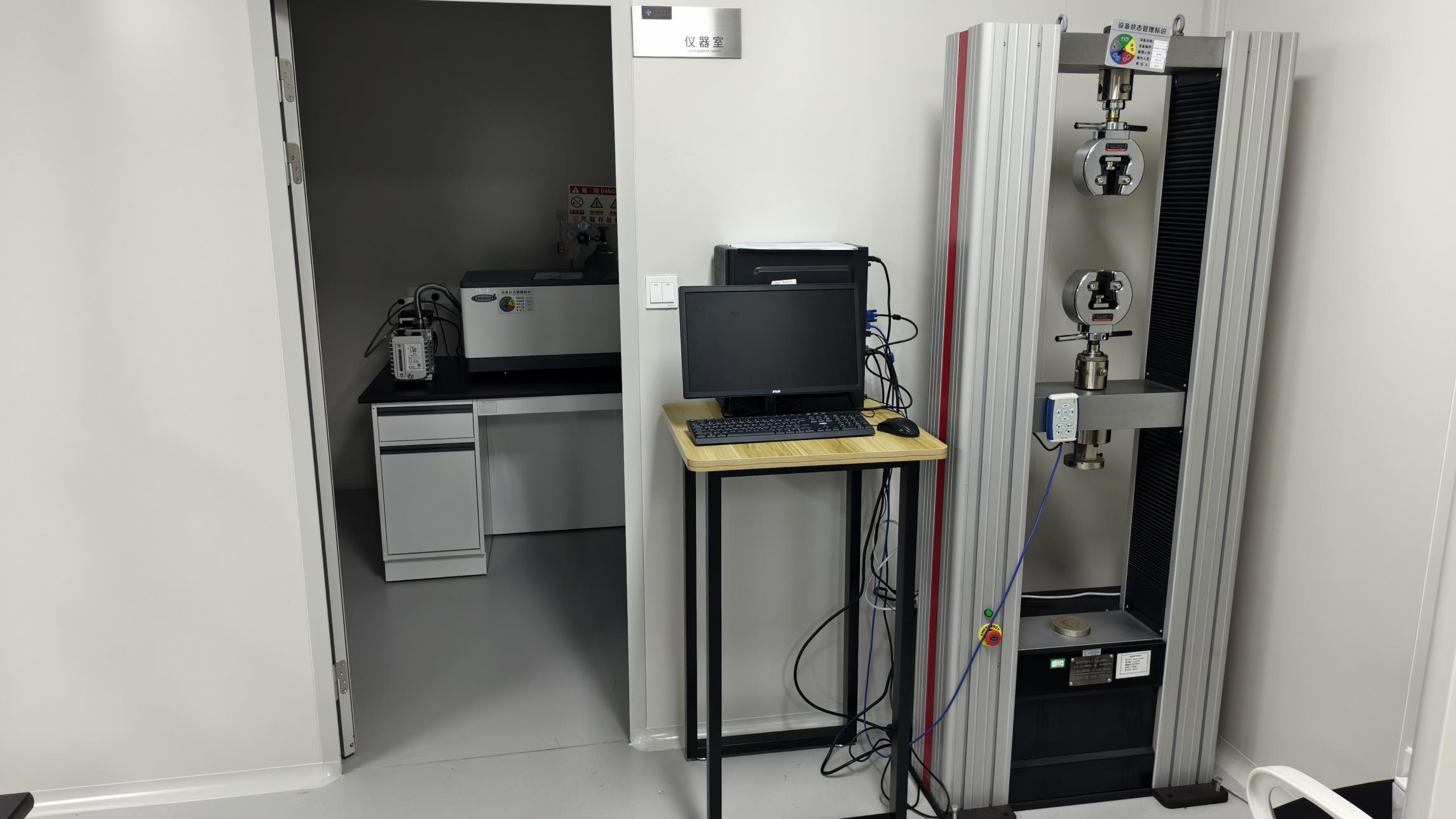
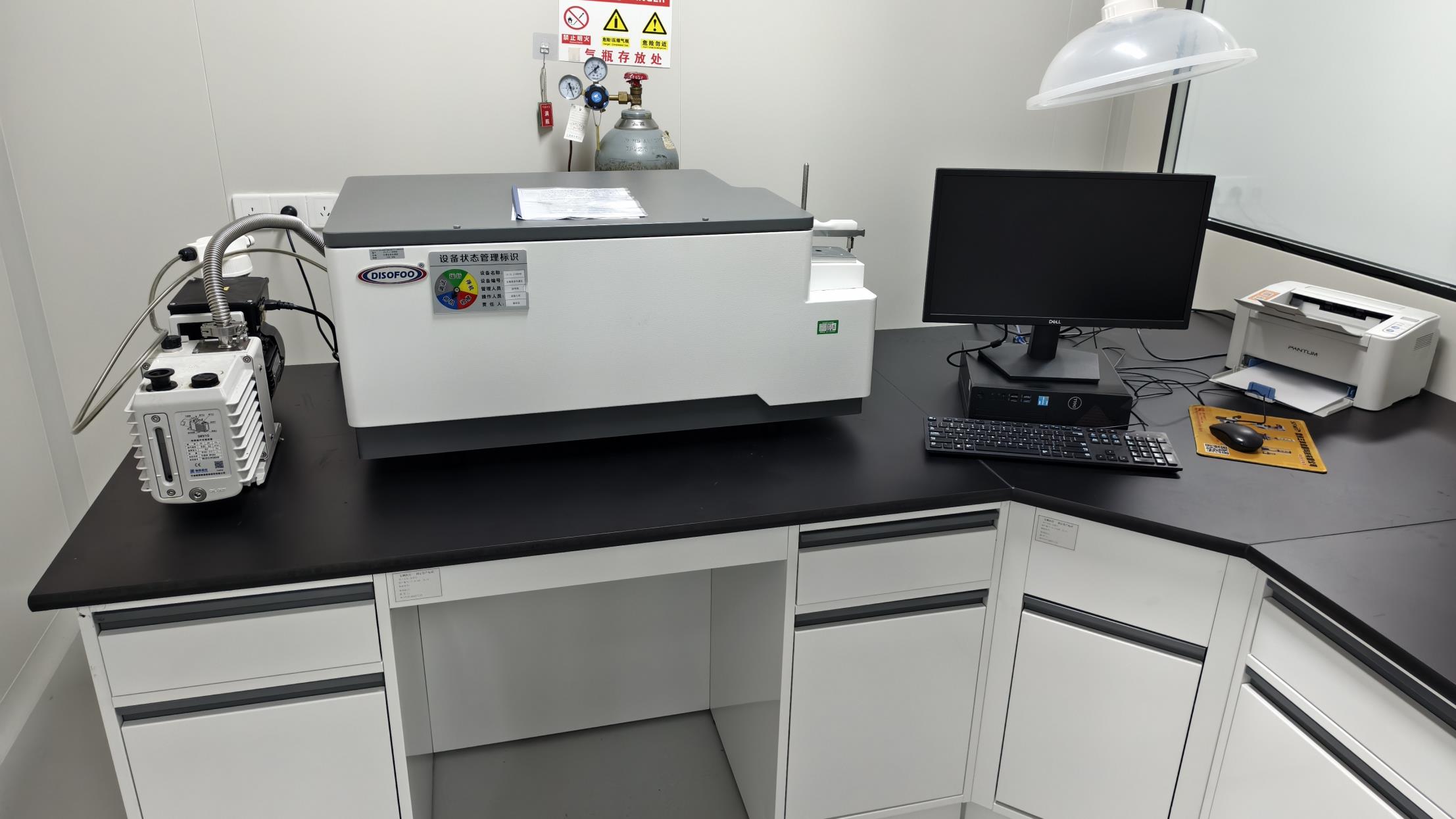
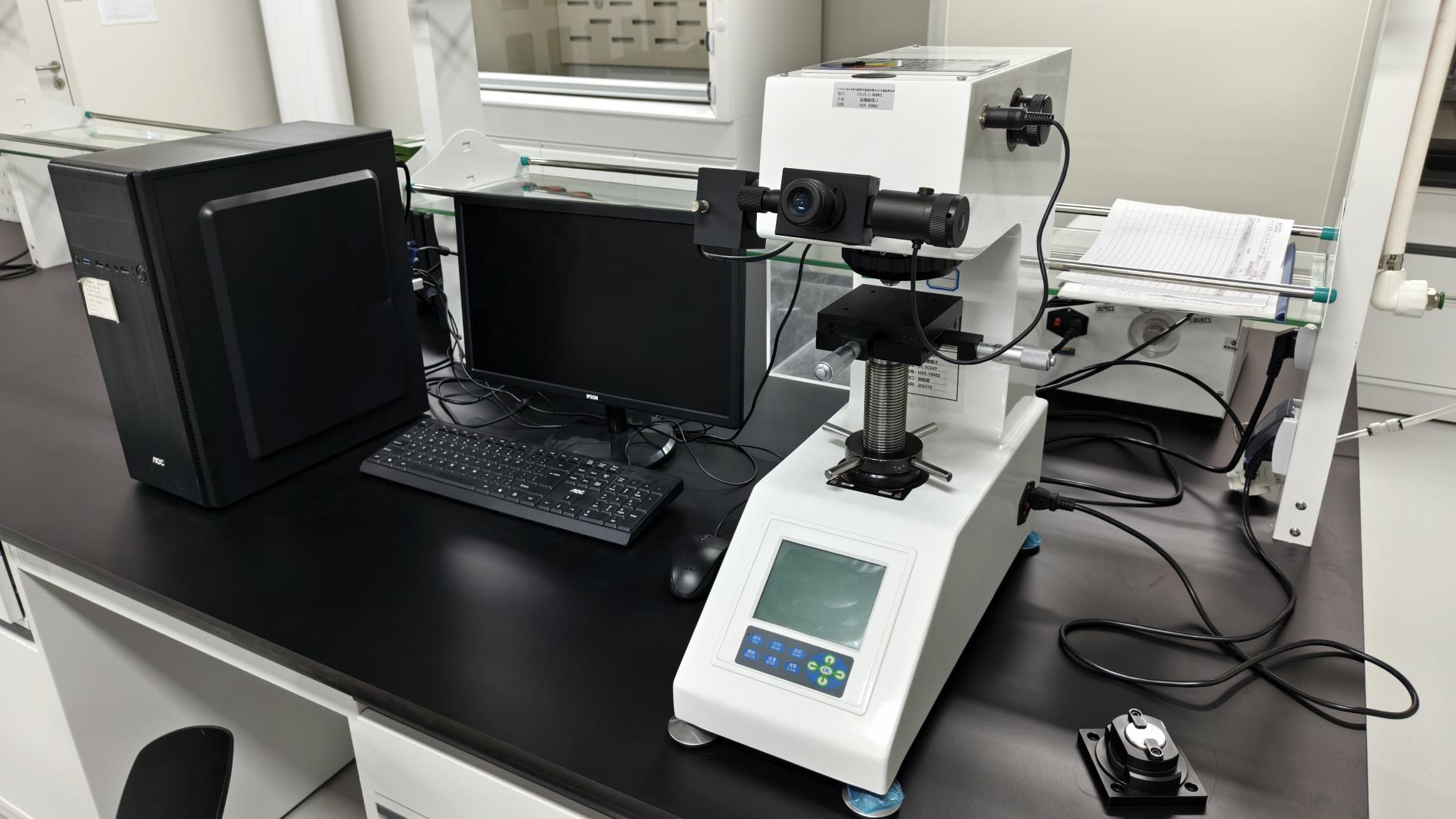
| Testing Metrology & QA Methods | CMM Measurement, High-Cycle Fatigue Testing, Surface Roughness Testing, Rockwell Hardness, Salt Spray Corrosion Resistance, Sterility Validation |
| Quality Control Staff | 48 Quality Engineers with 100% incoming raw material inspection protocol |
| Core Business Models | Full-cycle OEM & ODM Development, Private Label Manufacturing, Global Tenders |
| R&D & Engineering Department | 76 specialist engineers; 186 new medical patents and products launched annually |
| Raw Material Supply Sourcing | Ti-6Al-4V ELI (Grade 23 Titanium), Ultra-high biocompatible PEEK, Medical Stainless Steel (316LVM) |
Tracing the precision process steps involved in converting raw medical titanium profiles into high-performance spinal hook implants.
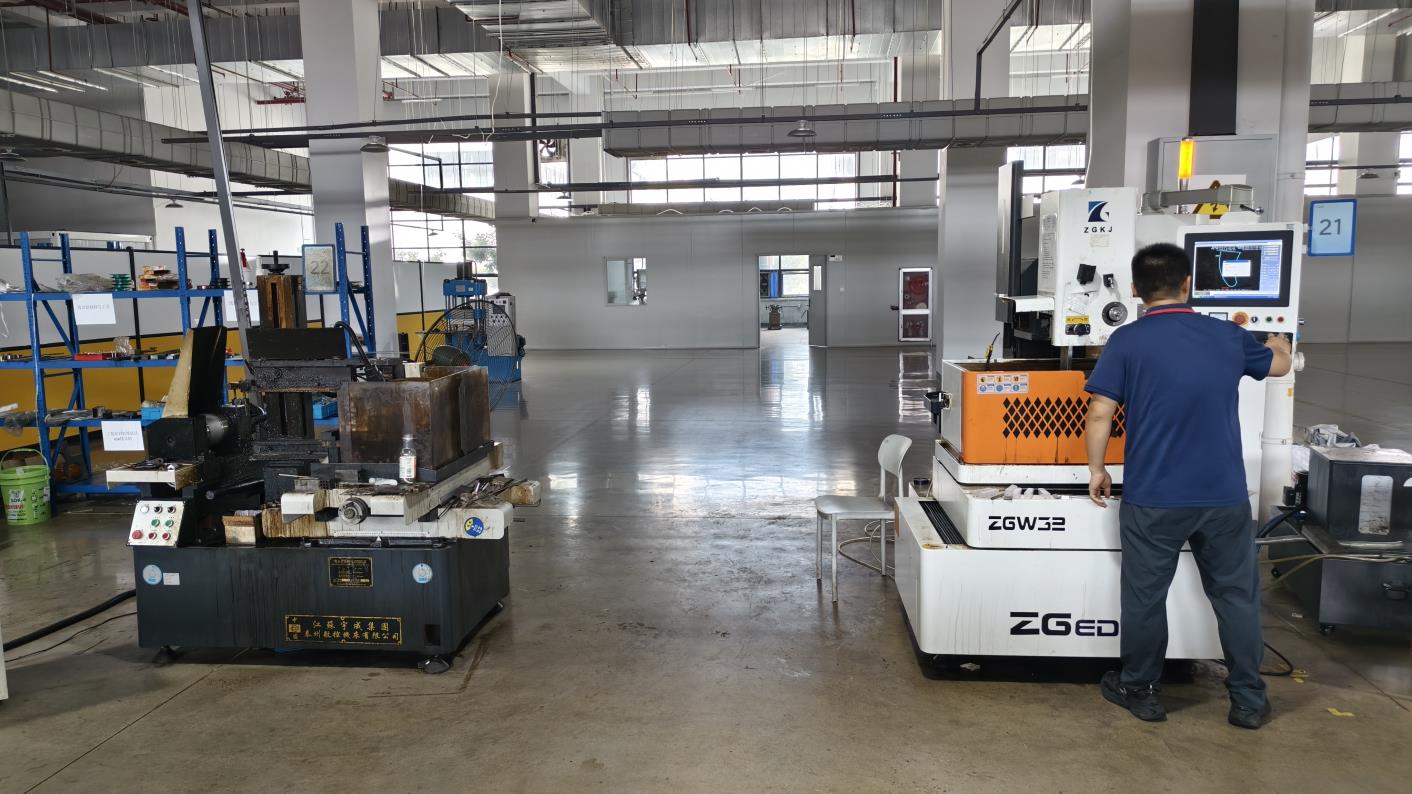
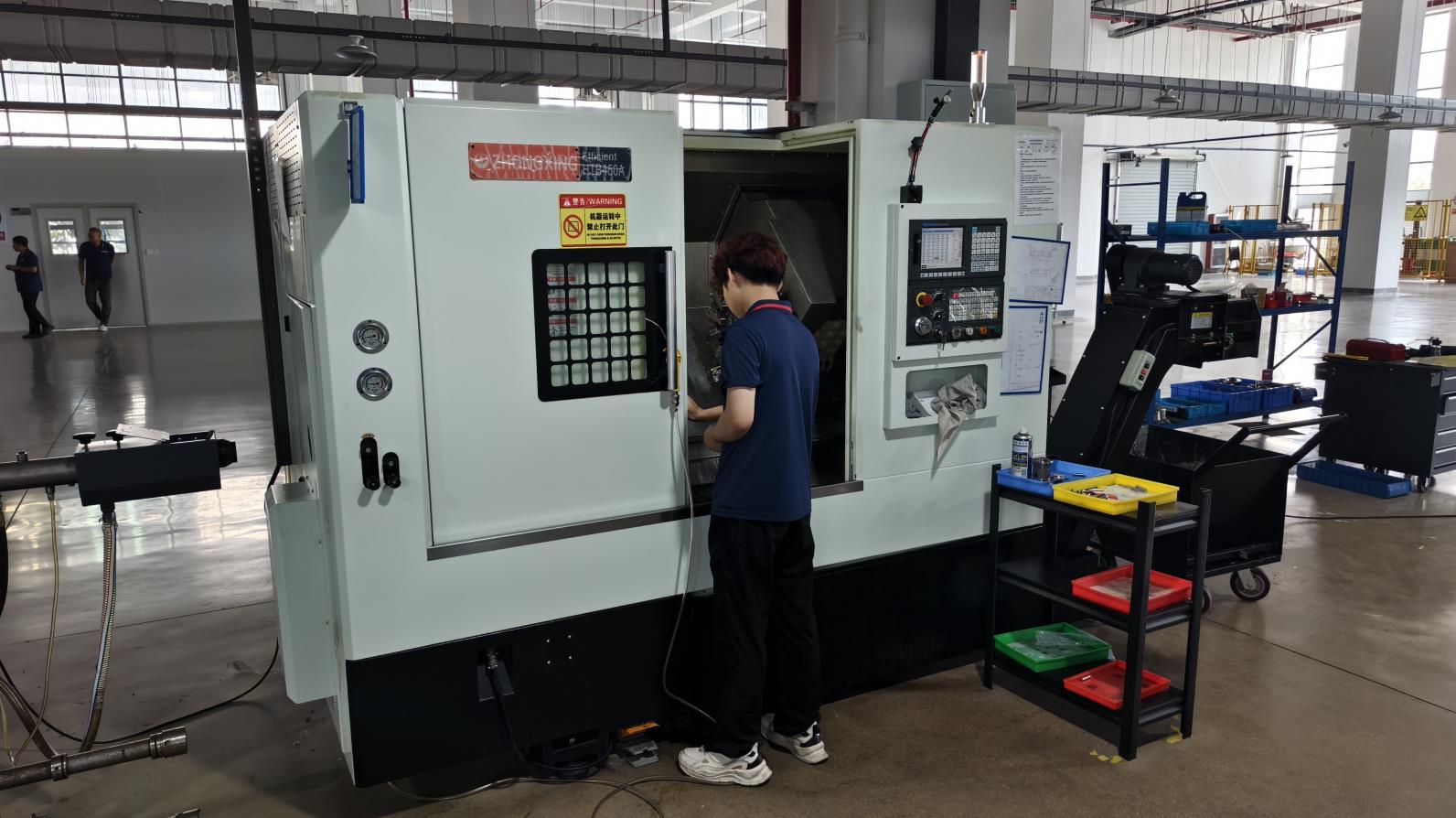
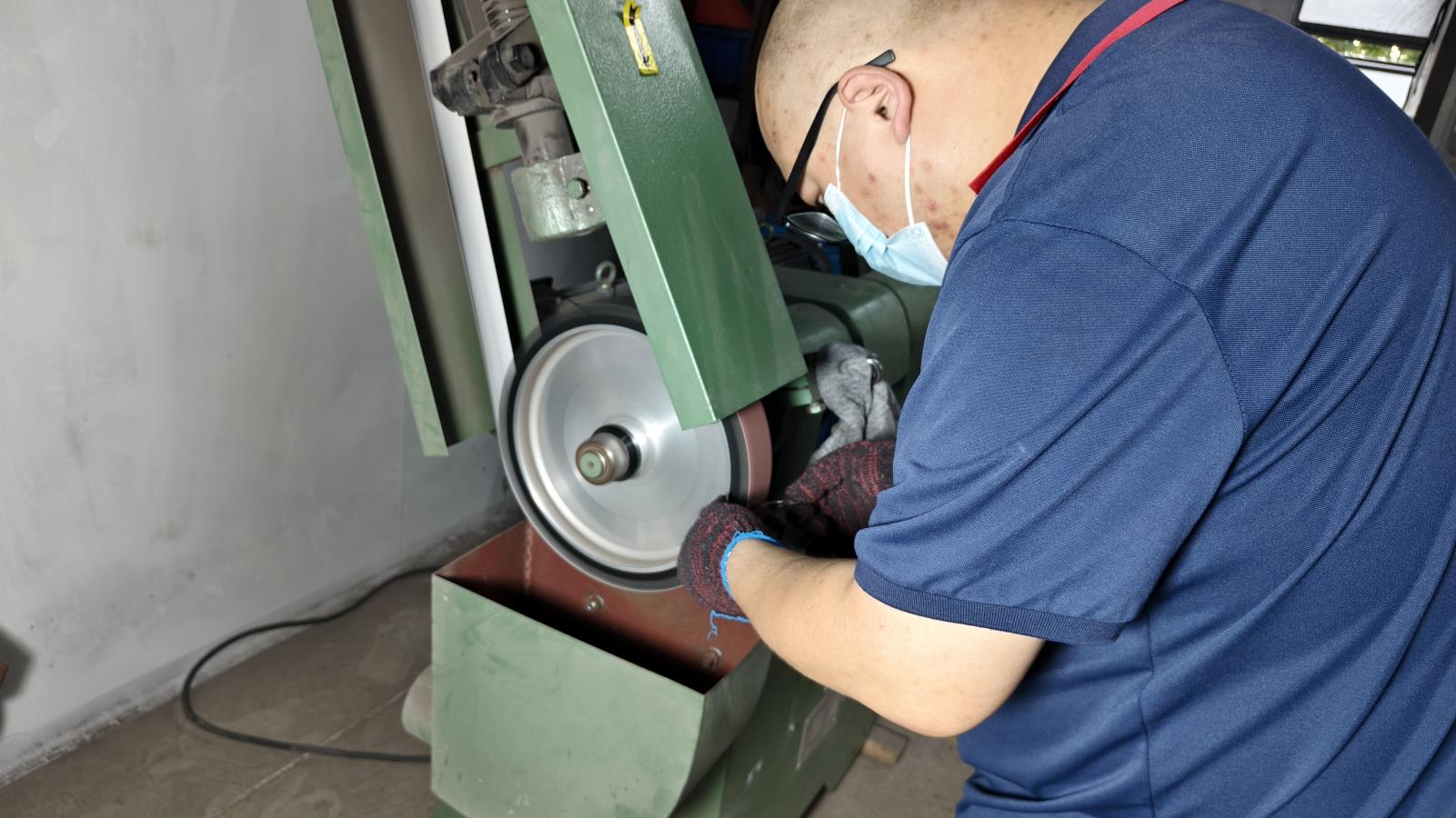
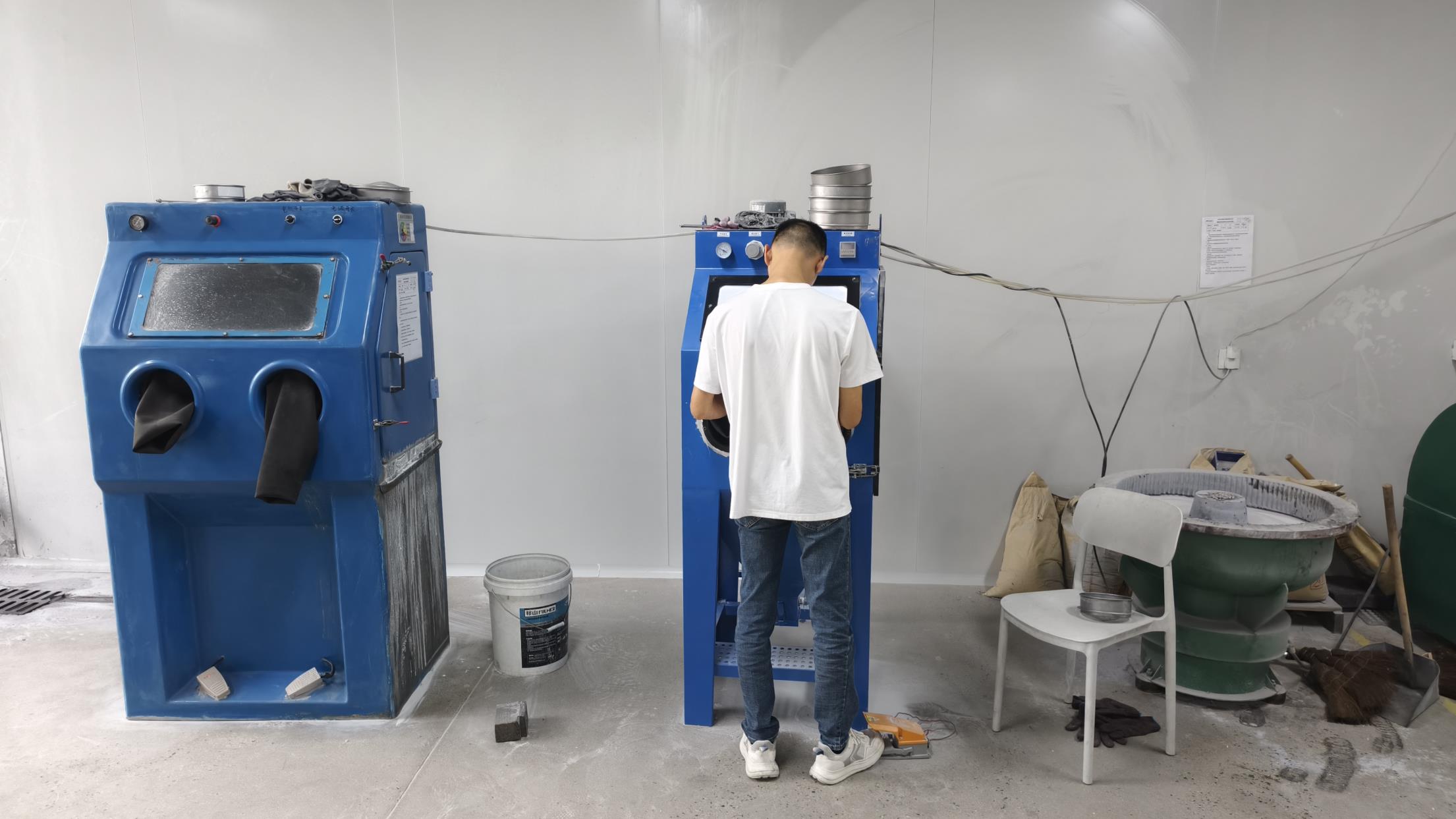
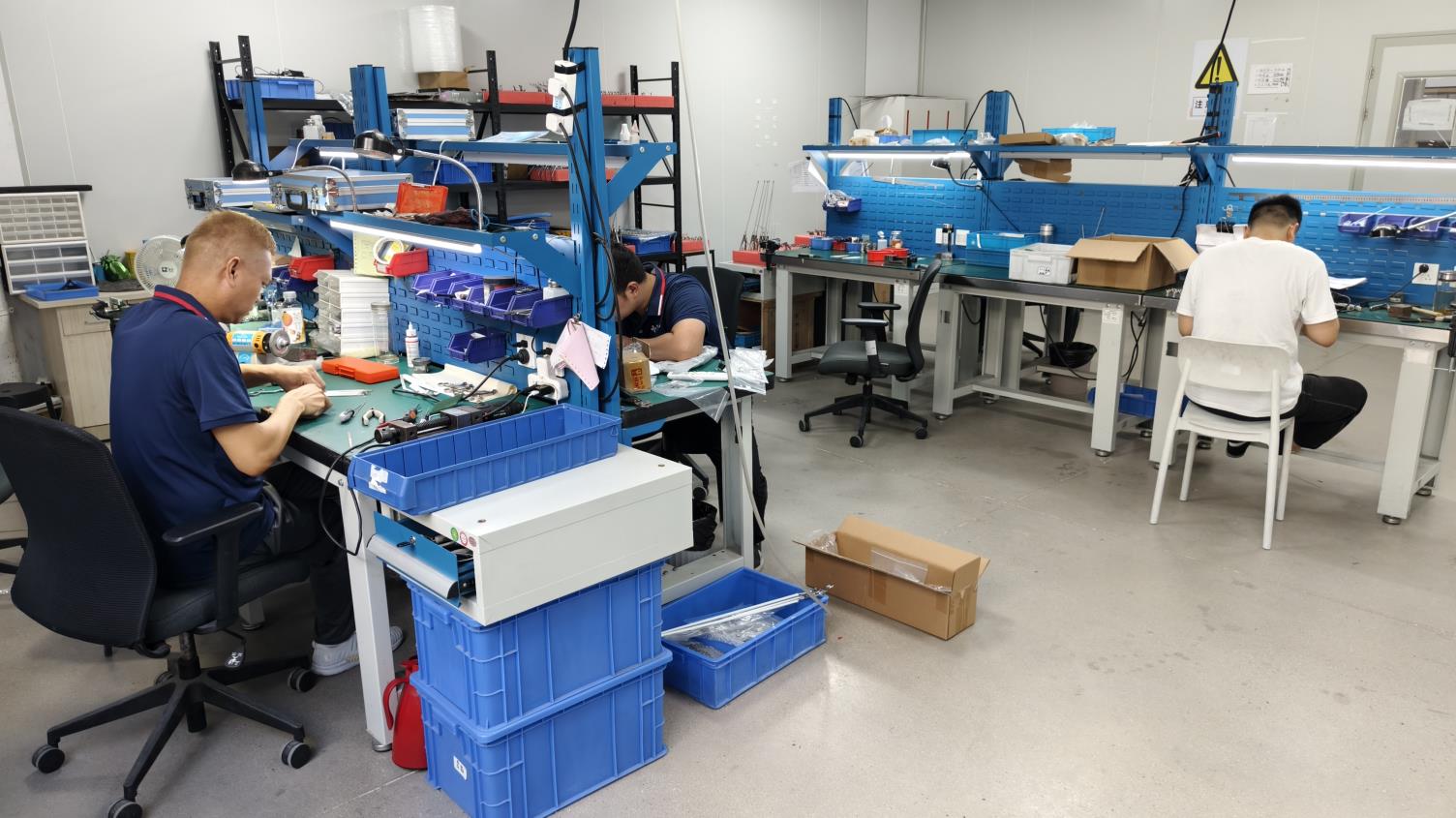
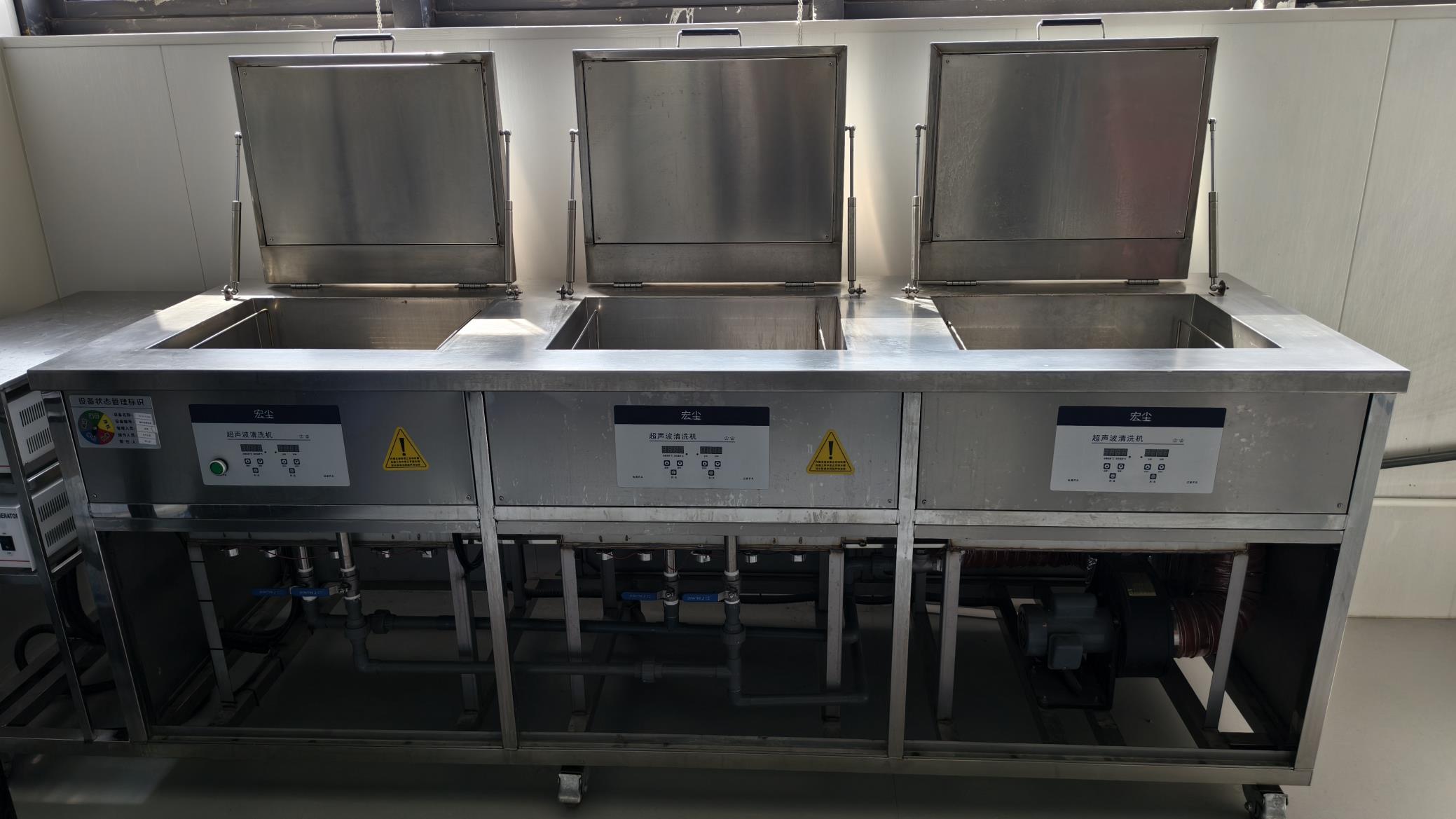
Our workshop is outfitted with computerized high-precision machines, allowing tolerances within ±0.005mm.
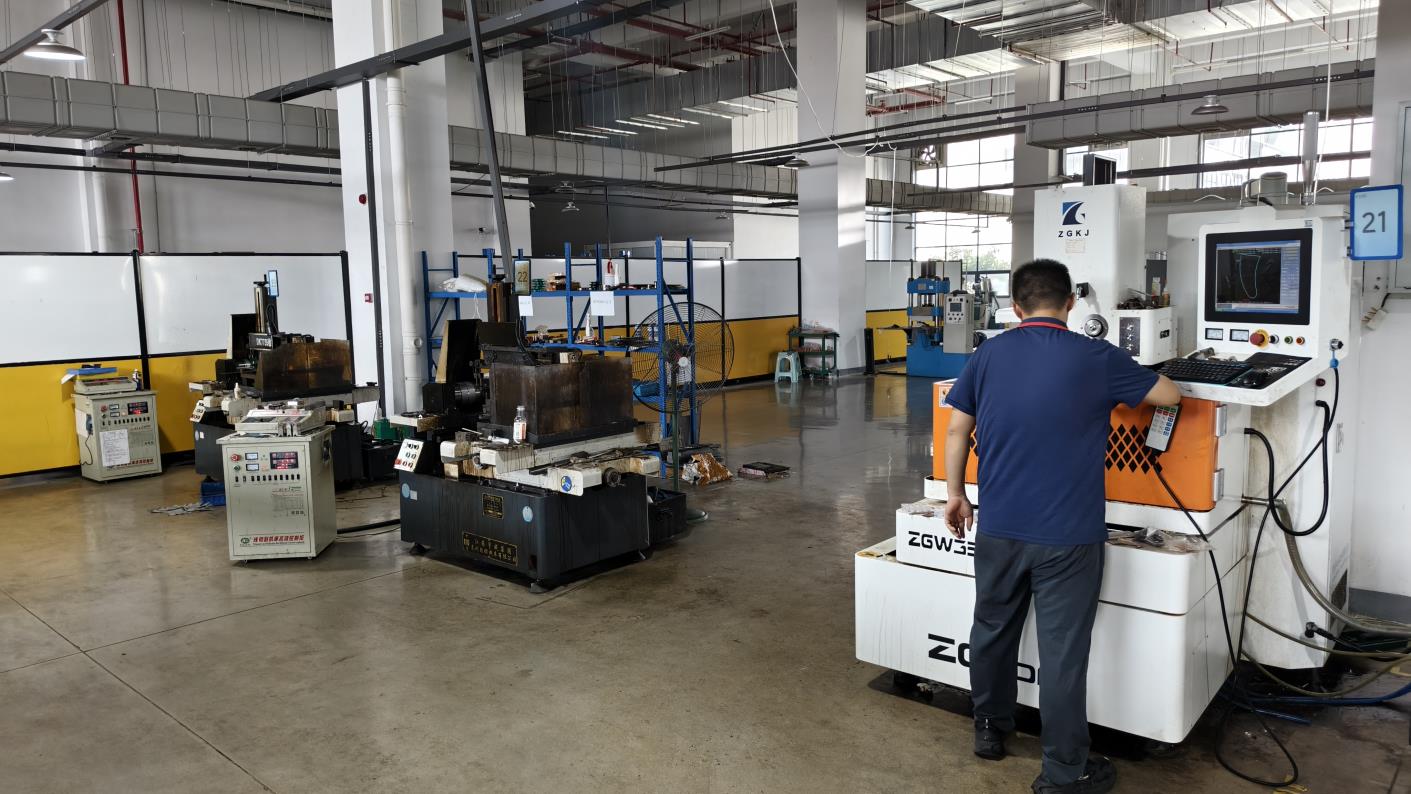
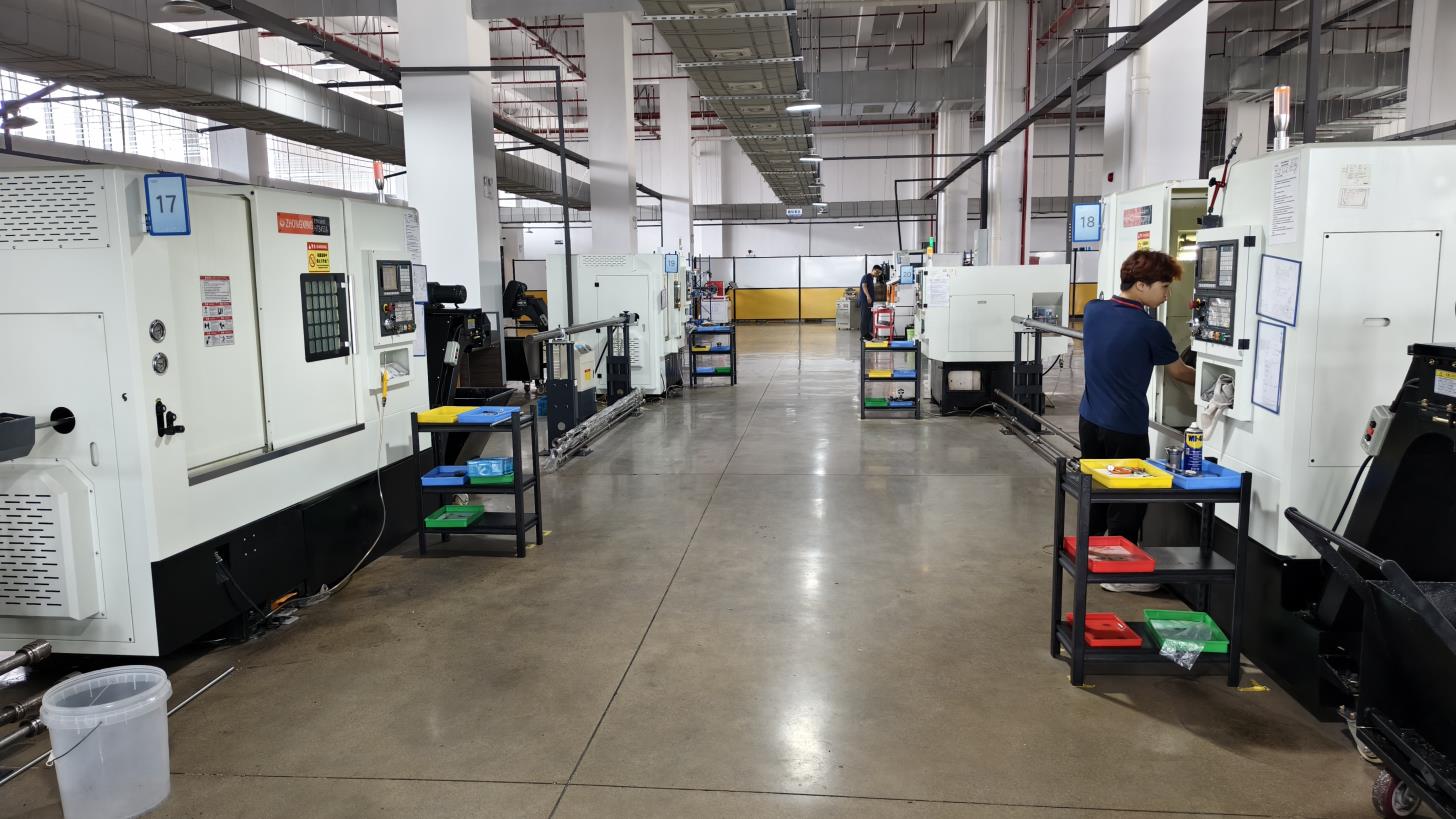
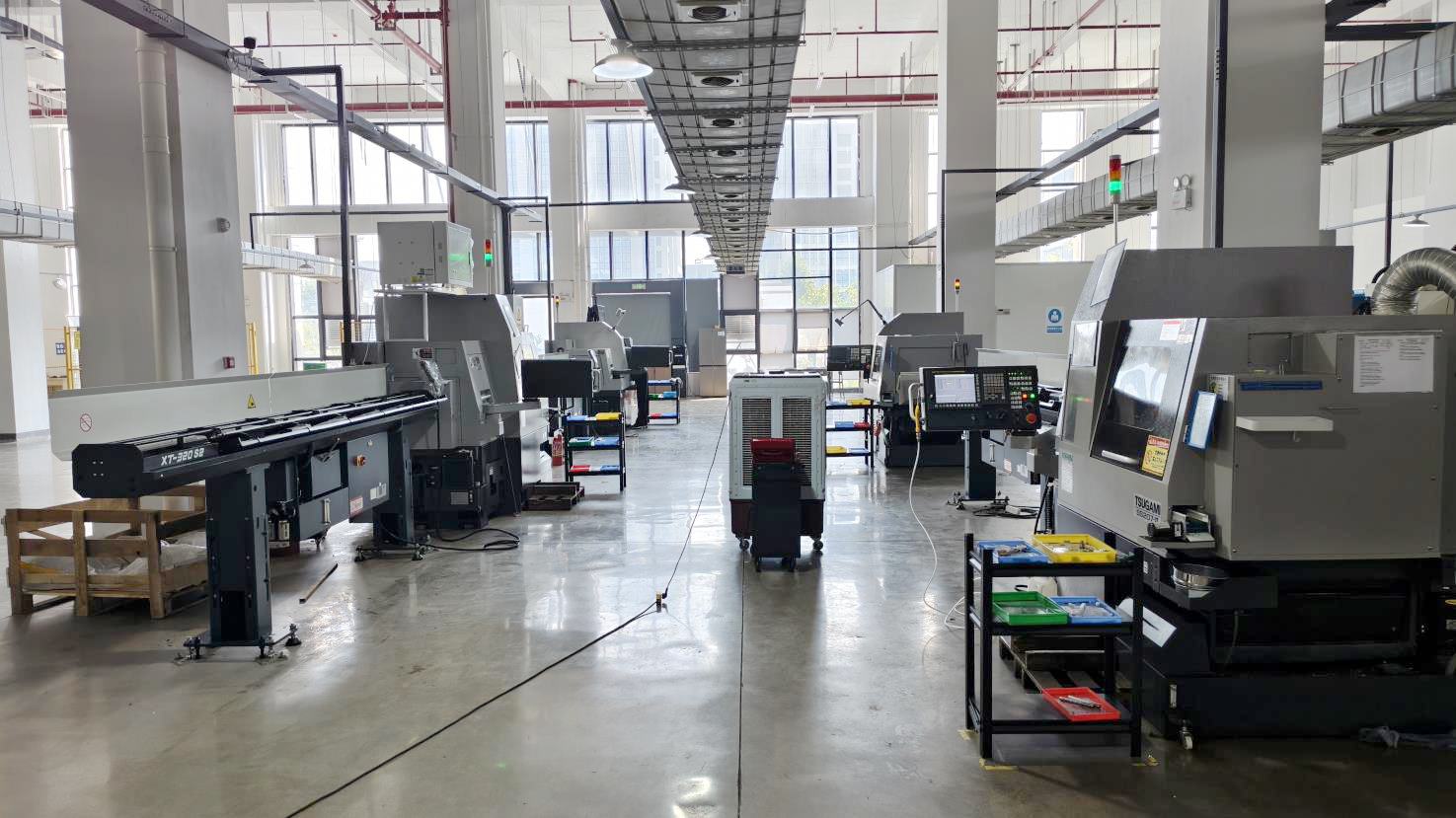
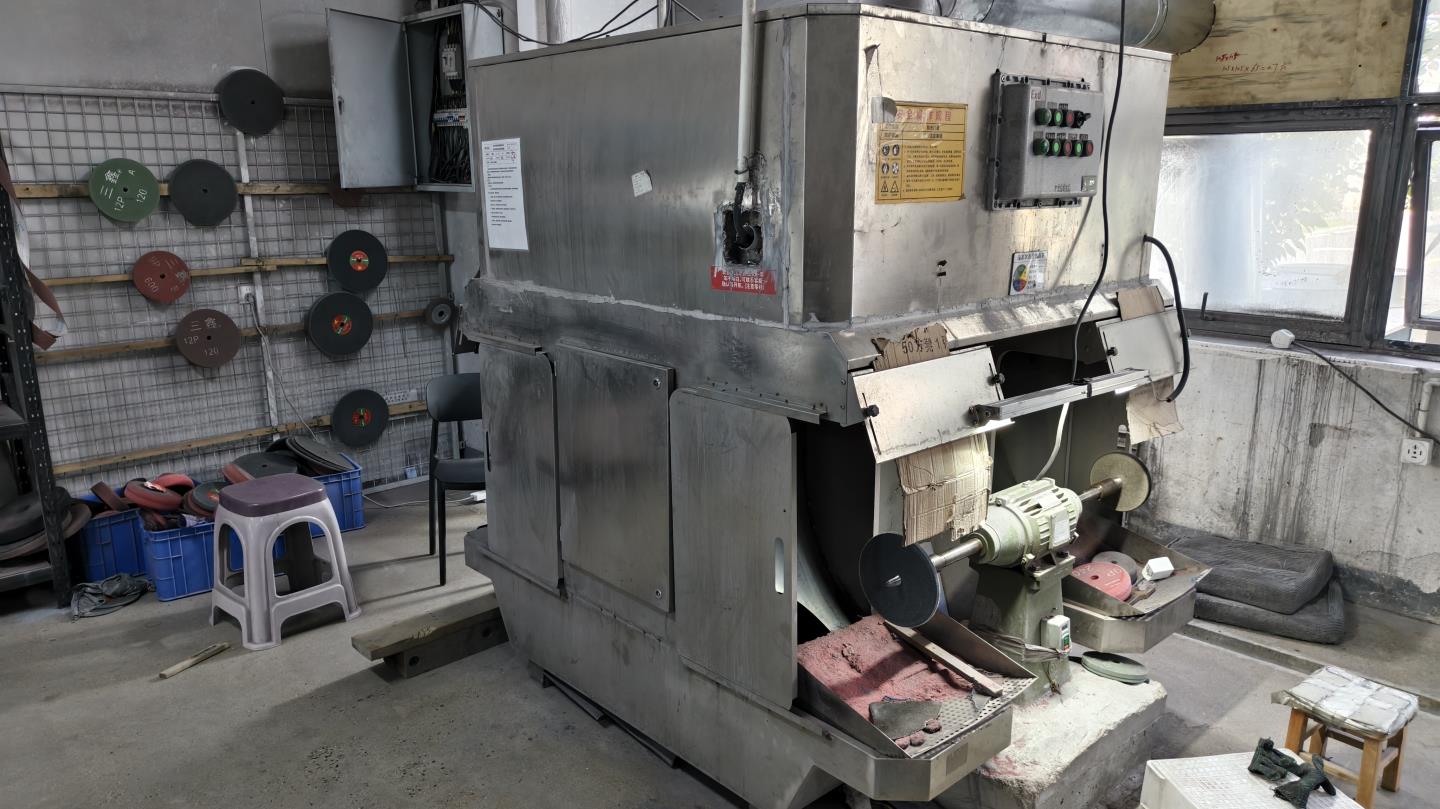
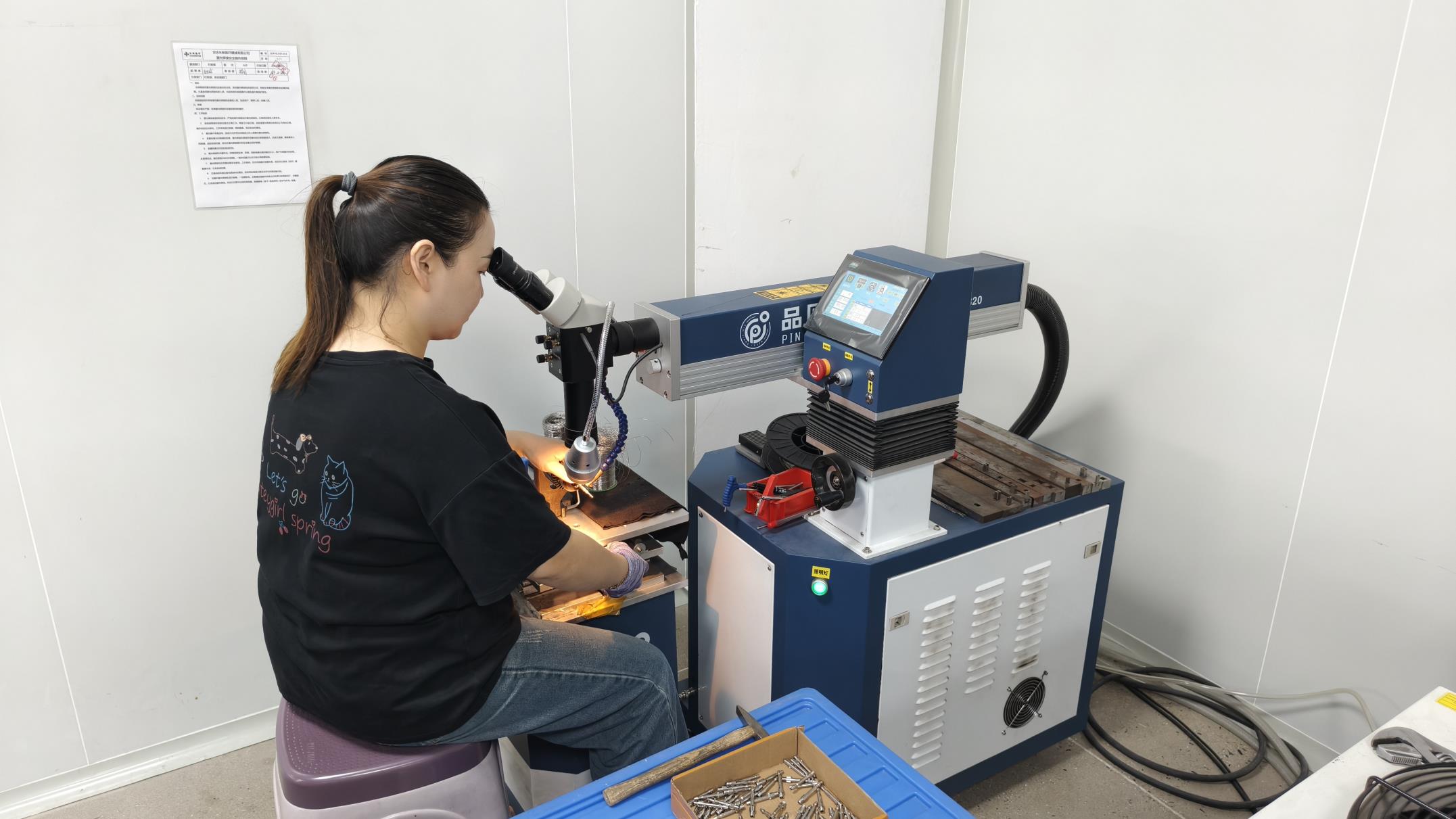
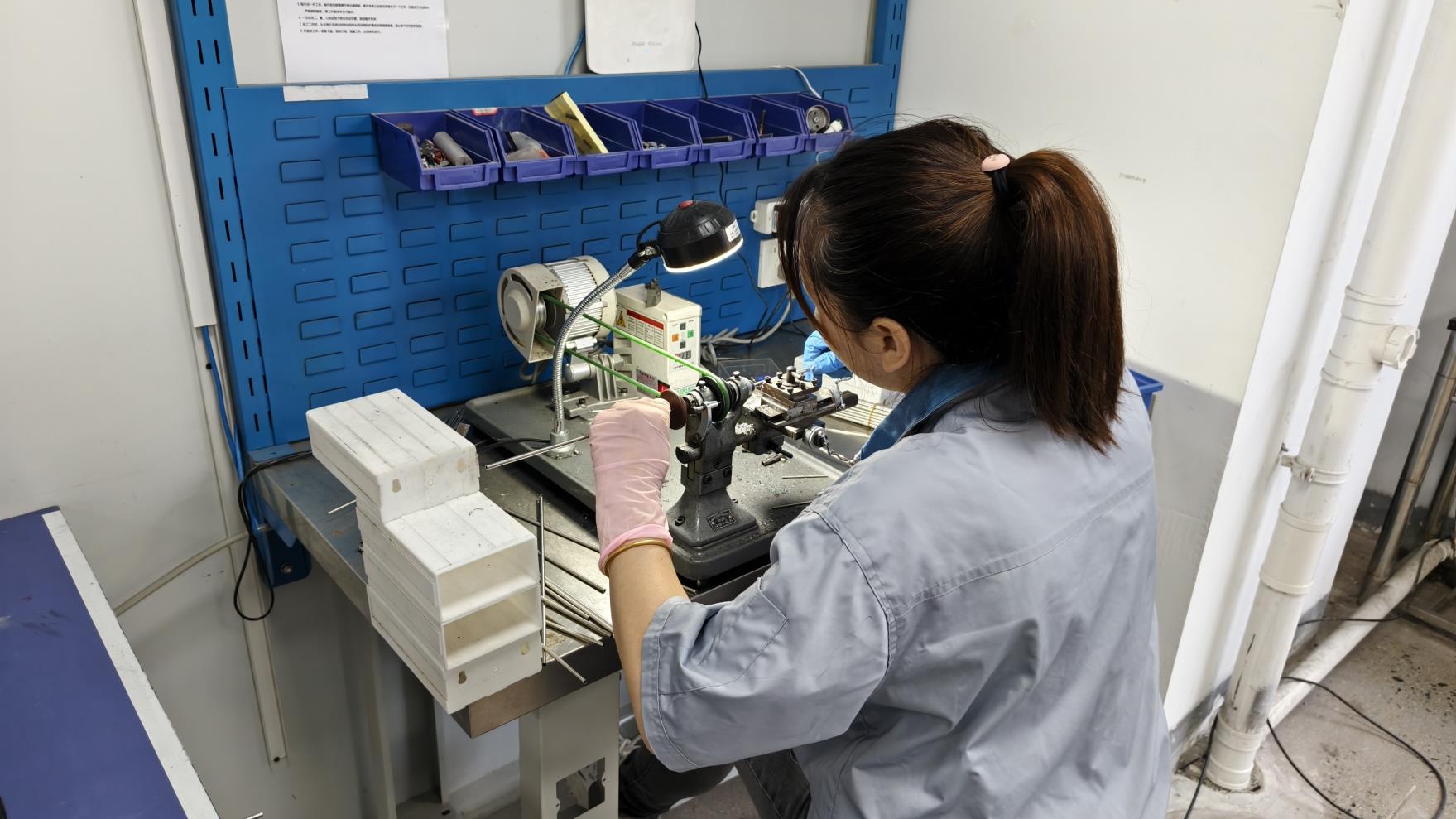
Implant reliability begins with absolute material compliance. Synoviq uses premium titanium alloy (Ti-6Al-4V ELI, Grade 23) under ASTM F136 regulations. This extra-low interstitial formulation yields superior fracture toughness, high yield strength, and resistance to saline-induced fatigue cracking compared to standard titanium. In applications requiring extreme rigidity, such as high-angle scoliosis correction, Cobalt-Chromium-Molybdenum (CoCrMo) configurations are utilized.
Our micro-machined spinal hook surfaces undergo physical sandblasting and chemical acid etching to achieve controlled topography. This surface micro-roughness helps enhance osteoblast attachment at the contact zones, reducing the incidence of implant migration. Furthermore, our state-of-the-art electrochemical anodization processes form a stable TiO₂ oxide layer, preventing the migration of metallic ions into local paraspinal tissues.
Operating out of China’s advanced medical device clusters enables Synoviq to integrate localized industrial efficiency with world-class quality controls. Our domestic supply chain features direct partnerships with titanium refineries and tooling manufacturers, reducing structural costs. China’s deep pool of precision CNC engineering talent allows us to handle complex OEM/ODM projects with speed, taking products from digital CAD models to physical prototypes in weeks rather than months. This localized efficiency provides global medical device companies with a significant competitive advantage in time-to-market and cost optimization.
Every spinal hook design undergoes Finite Element Analysis to predict fatigue stress nodes, ensuring high mechanical safety margins.
Advanced wear testing isolates particle shedding profiles, verifying the long-term biocompatibility of articulating interfaces.
Our quality system is audited for manufacturing Class III orthopedic implants and spinal instrumentation sets.
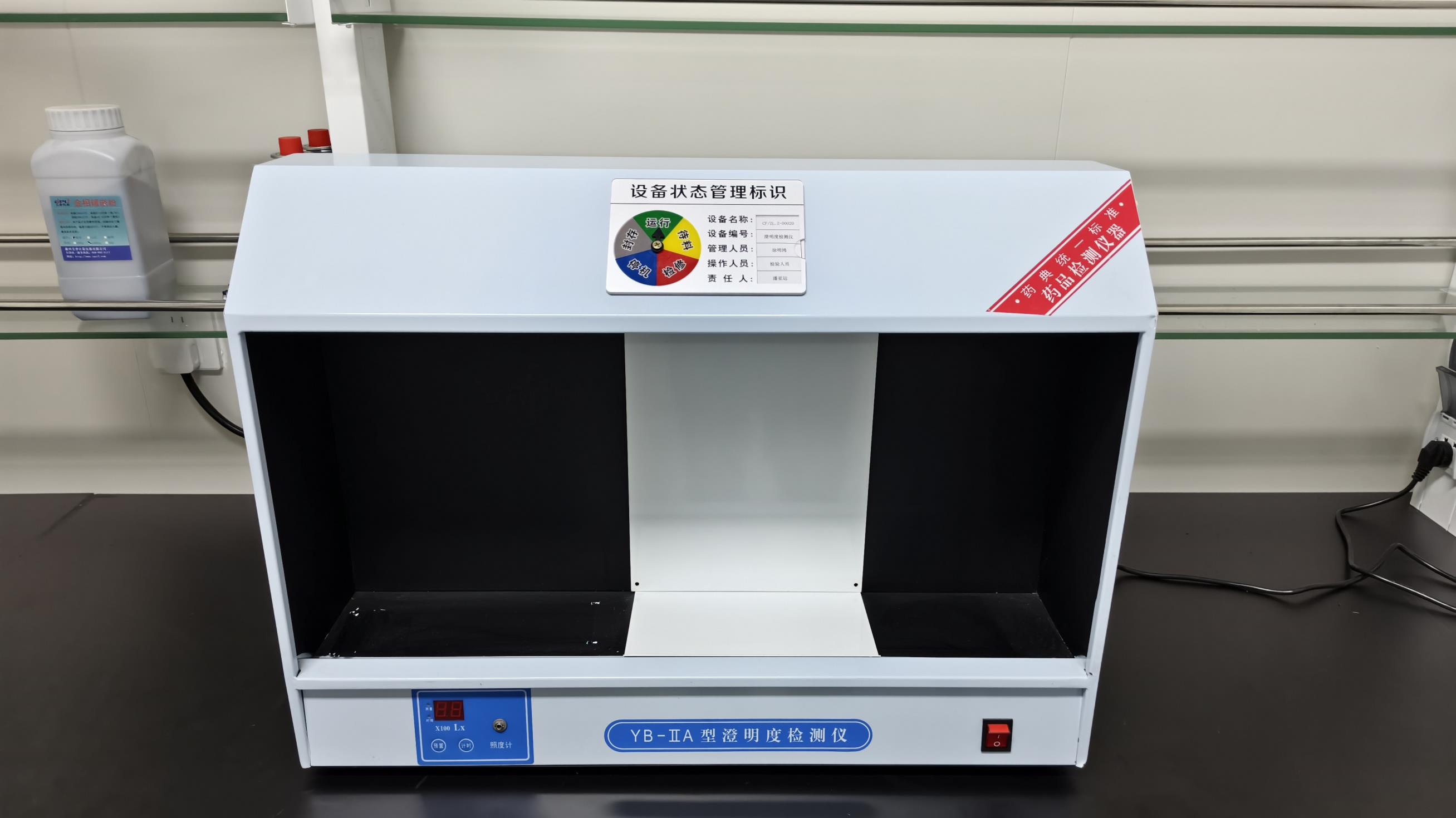
100% Quality control workflow utilizing specialized diagnostic, physical testing, and chemical spectroscopy tools.
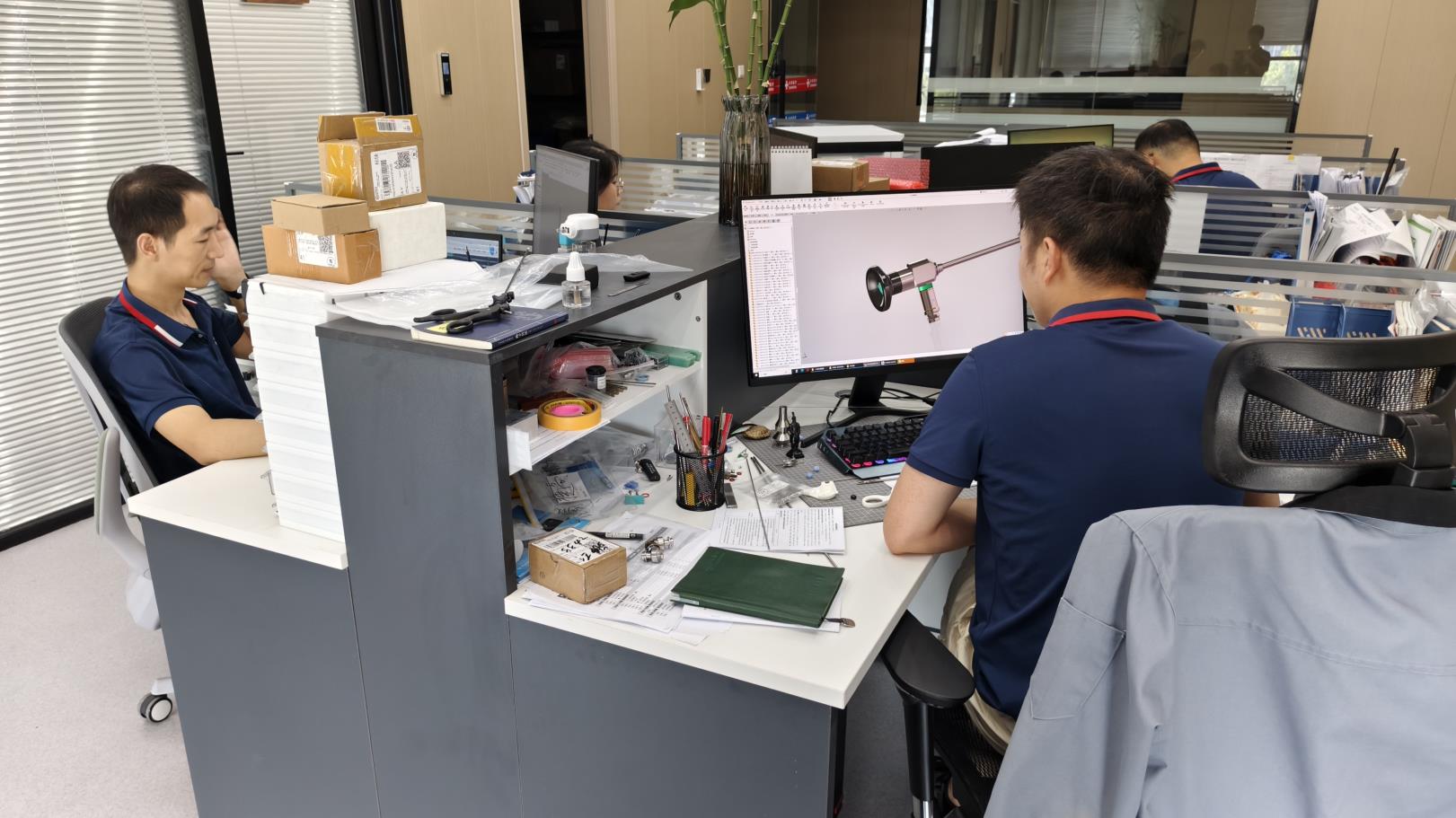
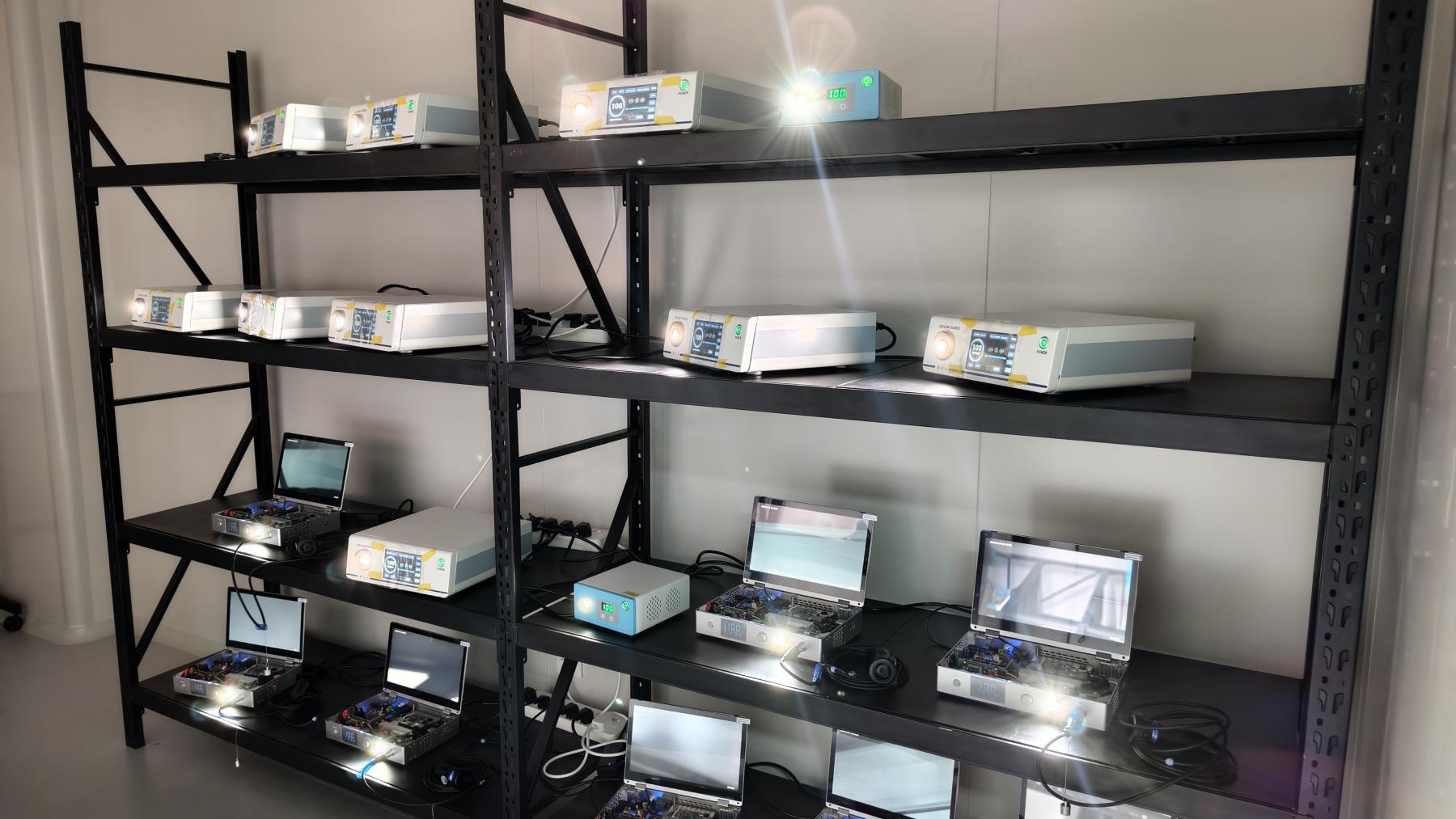
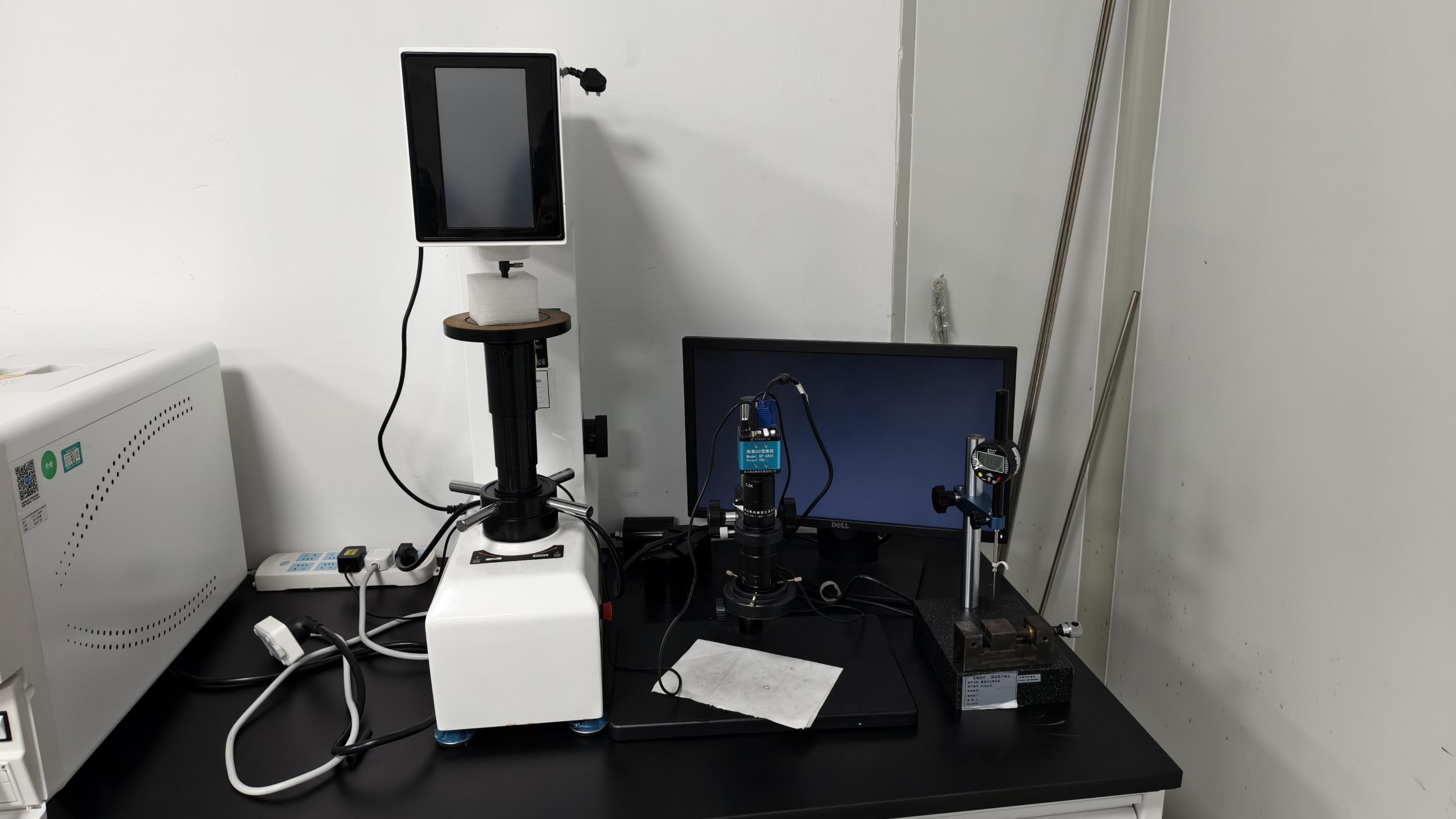
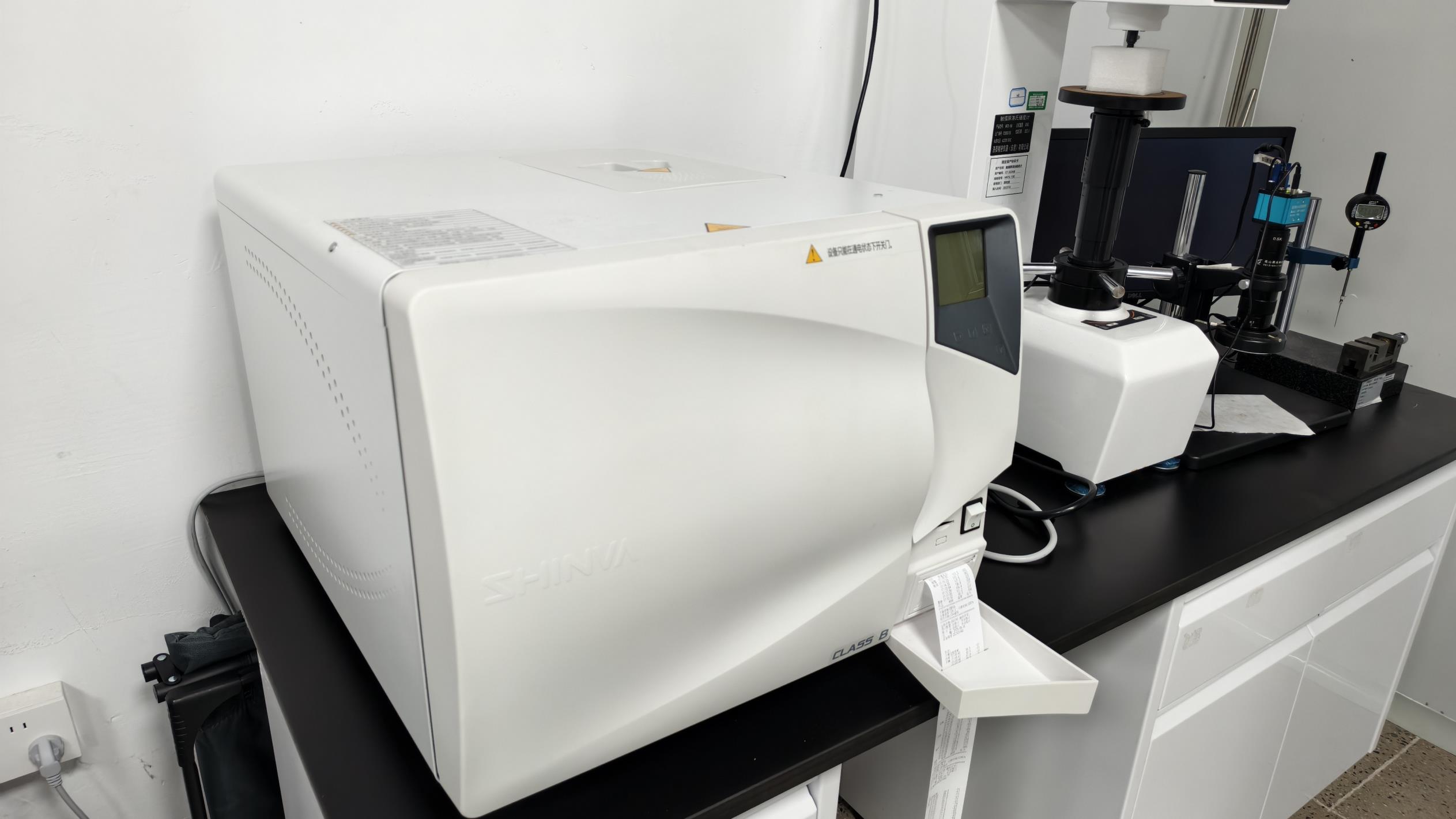
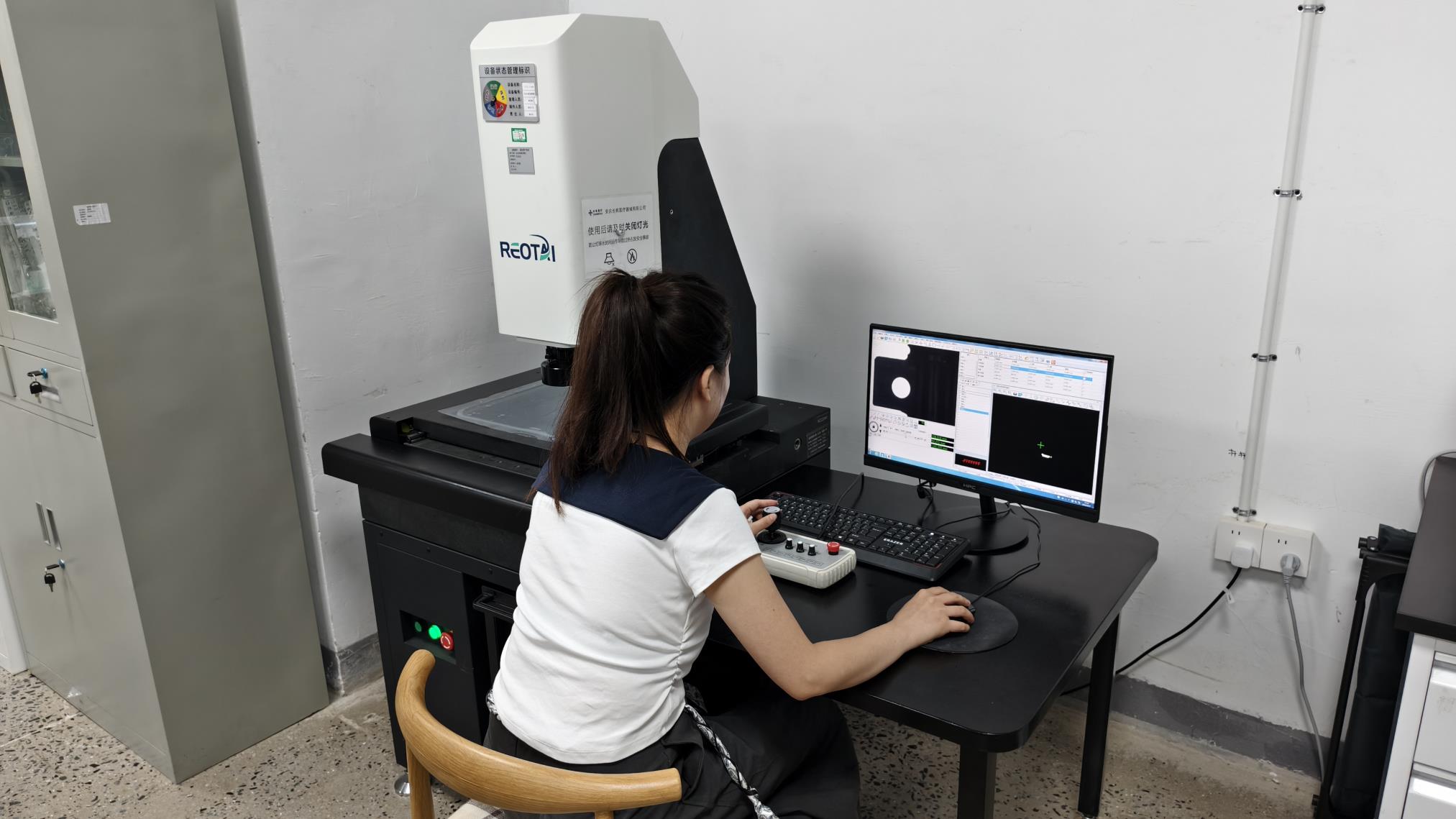
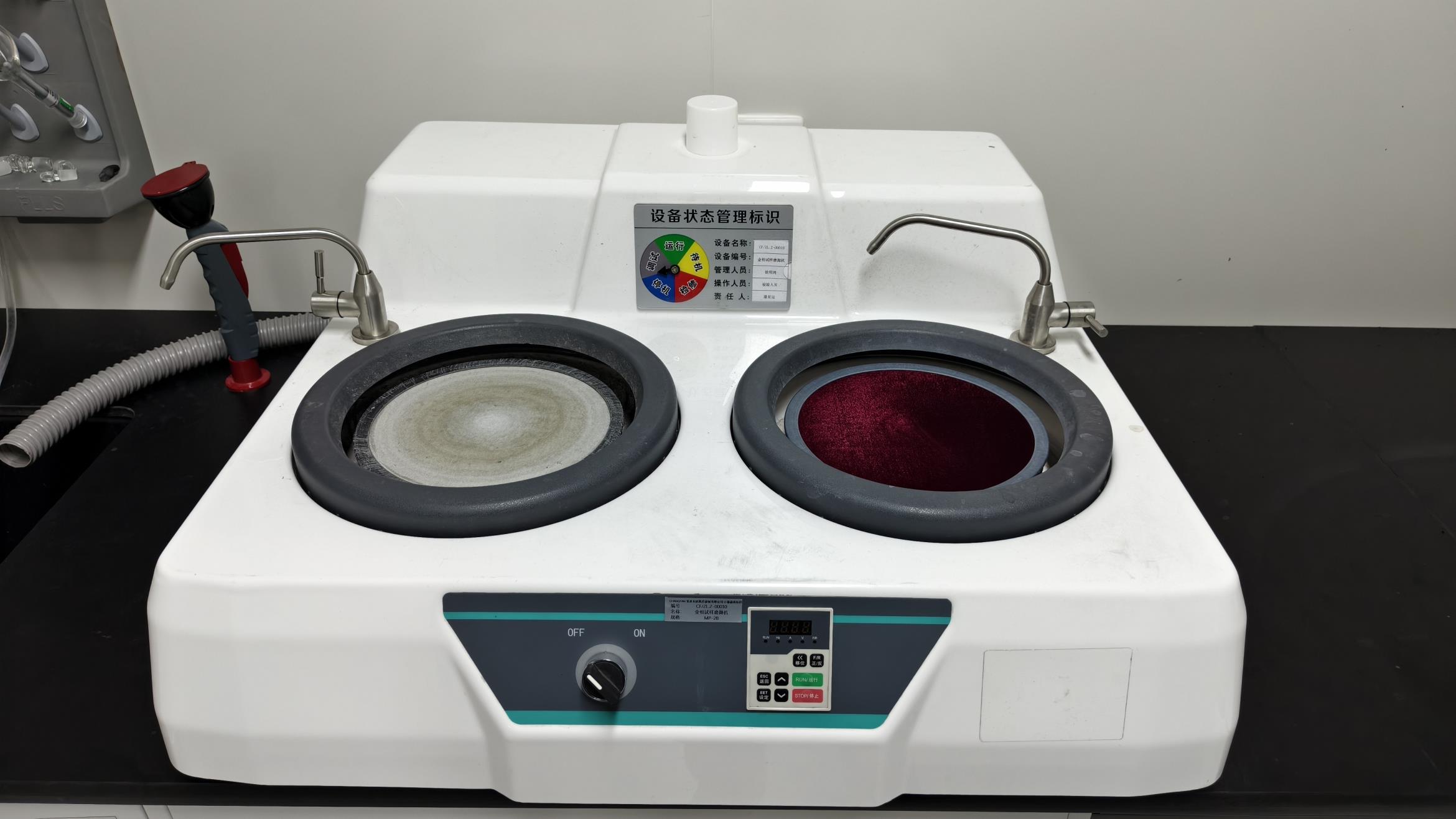
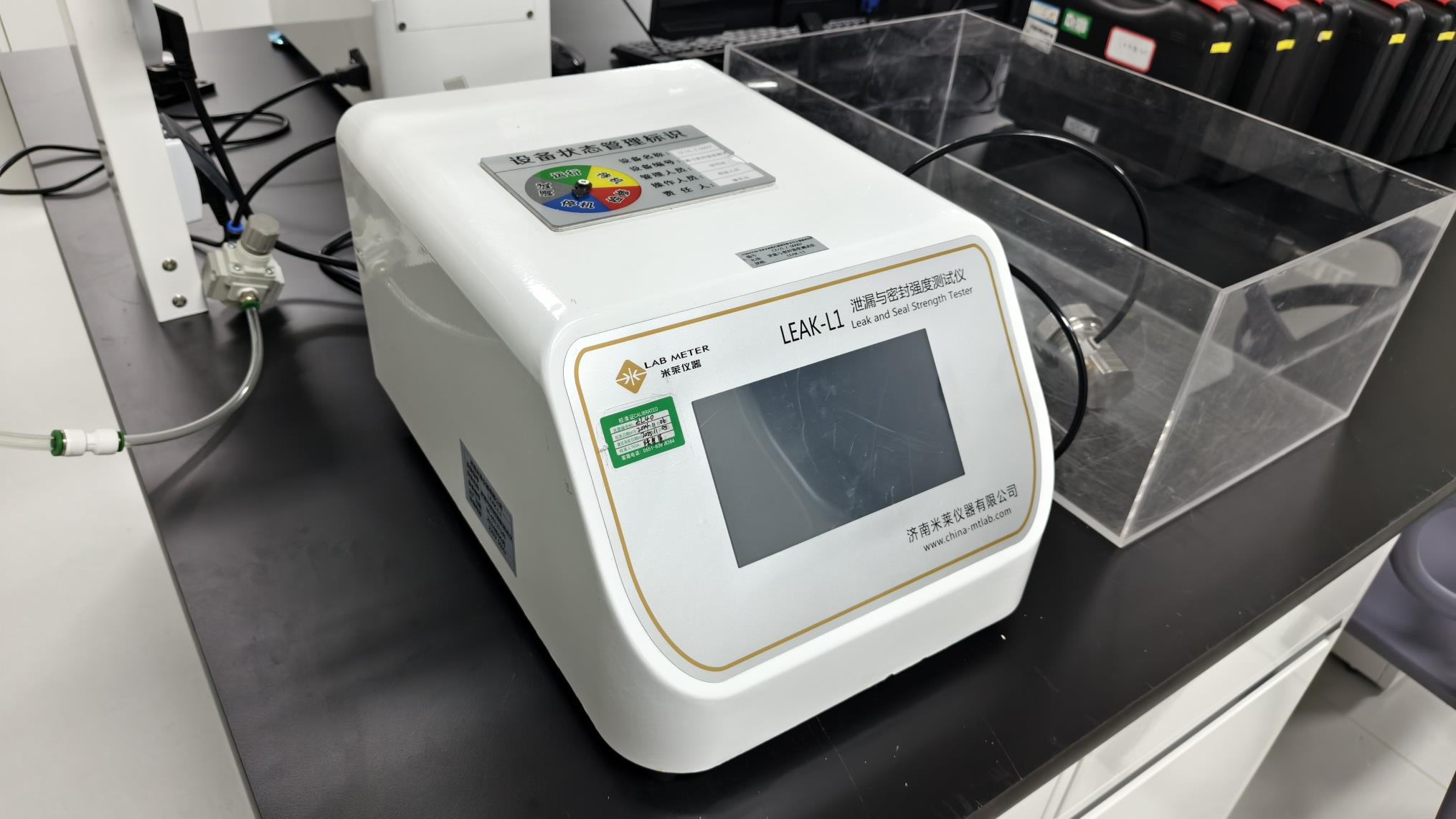
Global medical procurement teams face complex regulatory hurdles, fluctuating supply cycles, and strict design specifications. Synoviq addresses these issues directly. We provide a single-source manufacturing platform, starting from custom design iteration (ODM) to high-speed volume manufacturing, laser printing, custom blister packaging, and sterilization.
We supply complete traceability files for every production batch, including melt certifications and mechanical validation curves. By offering clear compliance paths for regulatory frameworks like MDR in Europe, FDA 510(k) in the USA, and local registrations in APAC and Latin America, we help our partners minimize regulatory risk and reduce time-to-market.
In surgical reconstruction for complex scoliosis, using pedicle screws alone can sometimes lead to overly rigid constructs. This rigidity can cause proximal junctional kyphosis (PJK) or screw pullout at the ends of the construct. To address this, hybrid construct configurations—which place spinal hooks at the uppermost vertebrae (cephalad termination zone)—provide a more balanced stiffness transition.
Looking to the future, spinal implant systems are incorporating personalized, patient-specific designs. Synoviq is currently investing in 3D metallic printing research and low-profile hook designs for pediatric patients. These advances aim to reduce surgical profile heights while maintaining biomechanical strength, helping surgeons achieve optimal sagittal balance with minimal risk of soft tissue complications.
1. Design Input & 3D Modeling
2. Finite Element Simulation
3. Rapid Prototype SLA/CNC
4. Pilot Run Validation
5. Medical Sterility Runs
6. Scaled Volume Export
Transitioning toward low-profile multi-axial structures that allow angle-adjustment in three dimensions, optimizing dynamic load-sharing across segments.
Expert answers addressing the clinical, mechanical, and regulatory questions of procurement managers and surgical distributors.
Explore our locking screw configurations, minimally invasive spine retractors, bone files, and fracture implants.
 Synoviq Medical